Taughannock Falls State Park: A Geological and Ecological Marvel

Taughannock Falls, a majestic 215-foot waterfall, showcases nature’s beauty and power, intertwining geological history with vibrant ecosystems in New York.


Introduction
Nestled in the heart of the Finger Lakes region of New York, Taughannock Falls stands as a testament to the delicate balance of power and beauty in nature. This iconic waterfall plunges 215 feet—one of the tallest single-drop waterfalls east of the Rocky Mountains—into a gorge whose story is written in stone. The park surrounding this natural wonder offers a symphony of sights, from towering cliffs to lush greenery, inviting visitors to explore its ancient secrets and vibrant life.
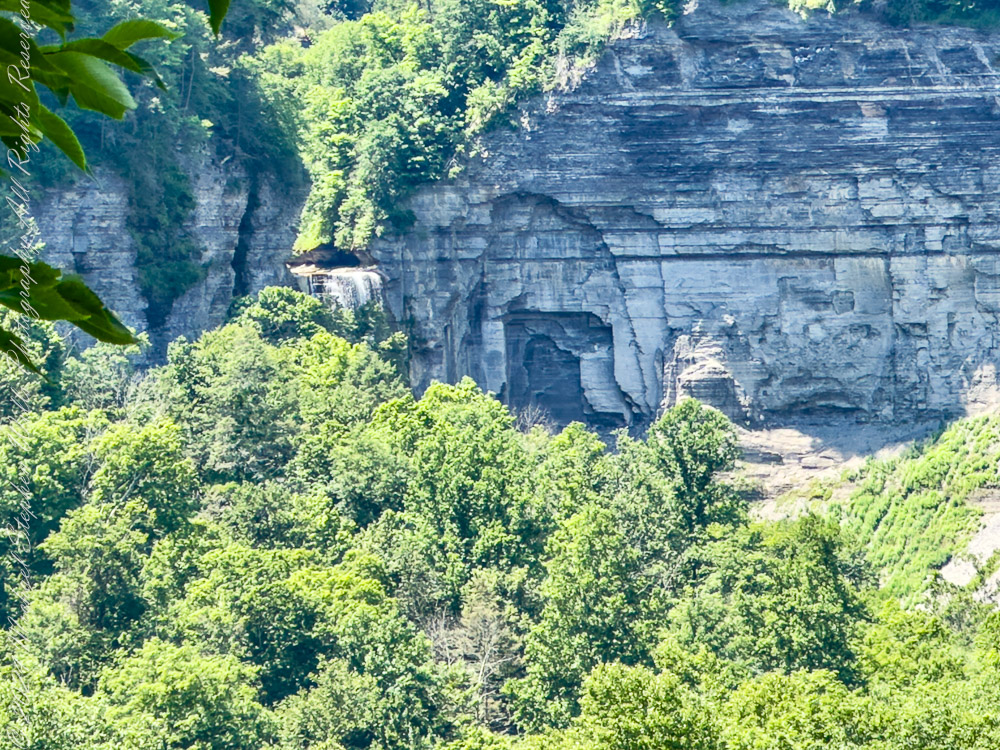
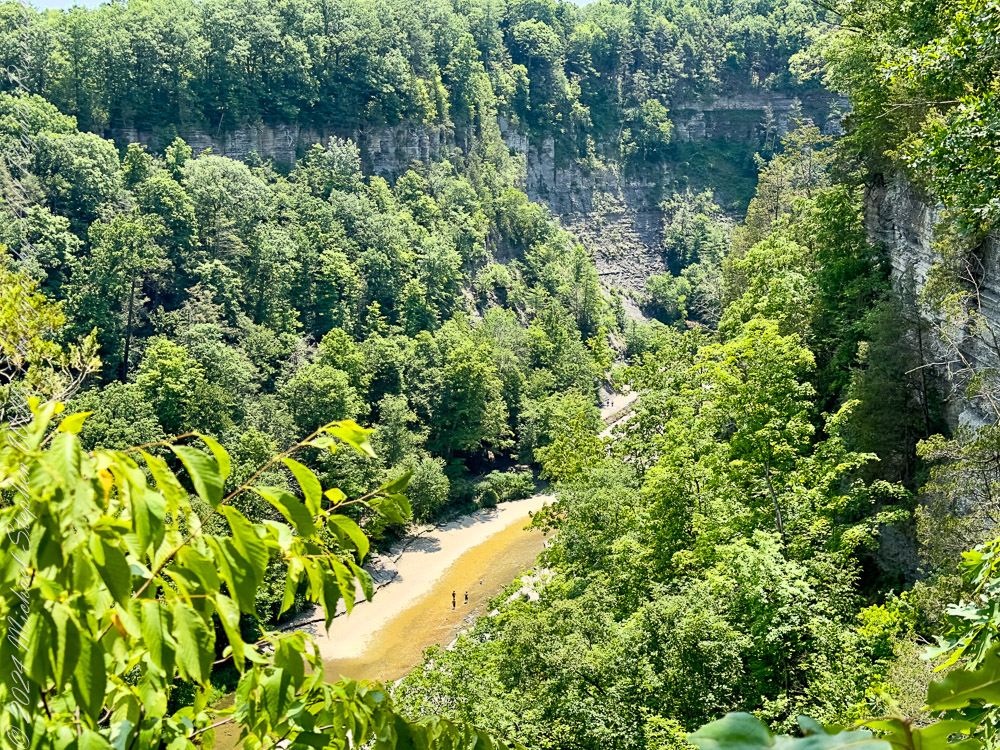
View of taughannock Falls from the South Rim Trail. Taughannock Falls New York State Park, Trumansburg, Tompkins County, Finger Lakes Region

A Story Written in Stone
The rocks of Taughannock Falls tell a story that stretches back 380 million years to the Devonian Period, a time when the region was submerged beneath a shallow inland sea. Layer upon layer of shale, sandstone, and limestone formed as sediment settled to the ocean floor, preserving the fossils of marine life that once thrived here. These rocks have endured the passage of eons, but the gorge itself is a far more recent creation.
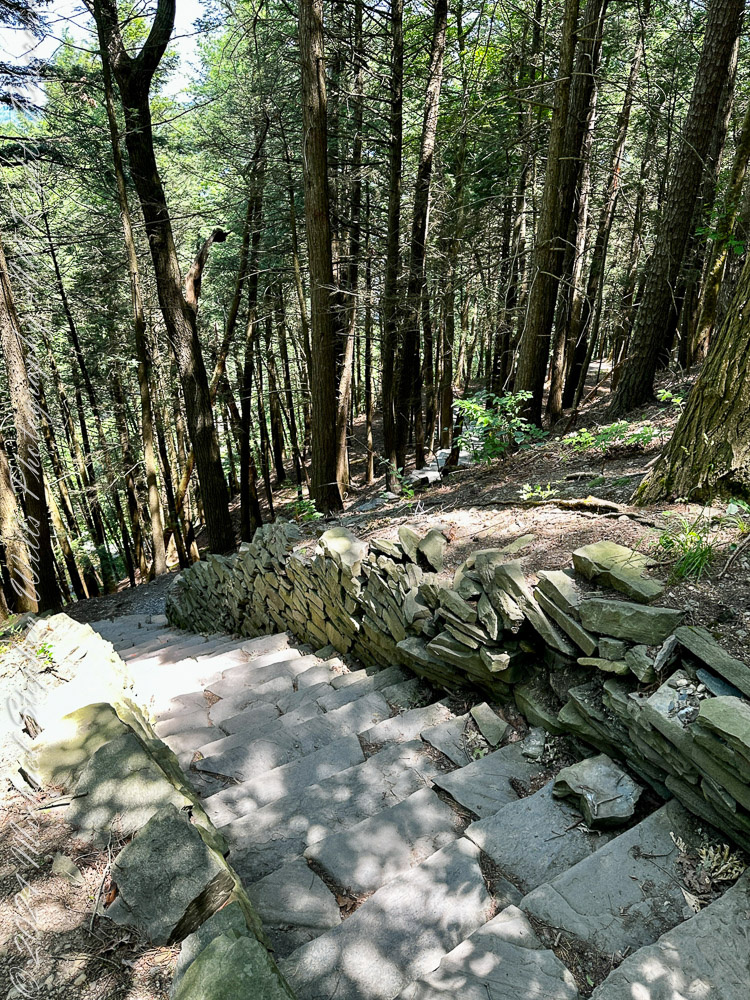
Limestone Steps on the South Rim Trail descend to the gorge floor.

It was the retreat of the mighty Laurentide Ice Sheet, approximately 10,000 years ago, that set the stage for Taughannock’s grandeur. As glaciers melted, torrents of water carved the U-shaped valleys that now cradle the Finger Lakes. Taughannock Creek, a tributary of Cayuga Lake, began its work, etching its path through ancient rock, sculpting the gorge we see today. In just 10,000 years—a fleeting moment in geological time—the relentless force of water carved its way 3/4 of a mile upstream, creating the awe-inspiring chasm and waterfall that continue to evolve even now.
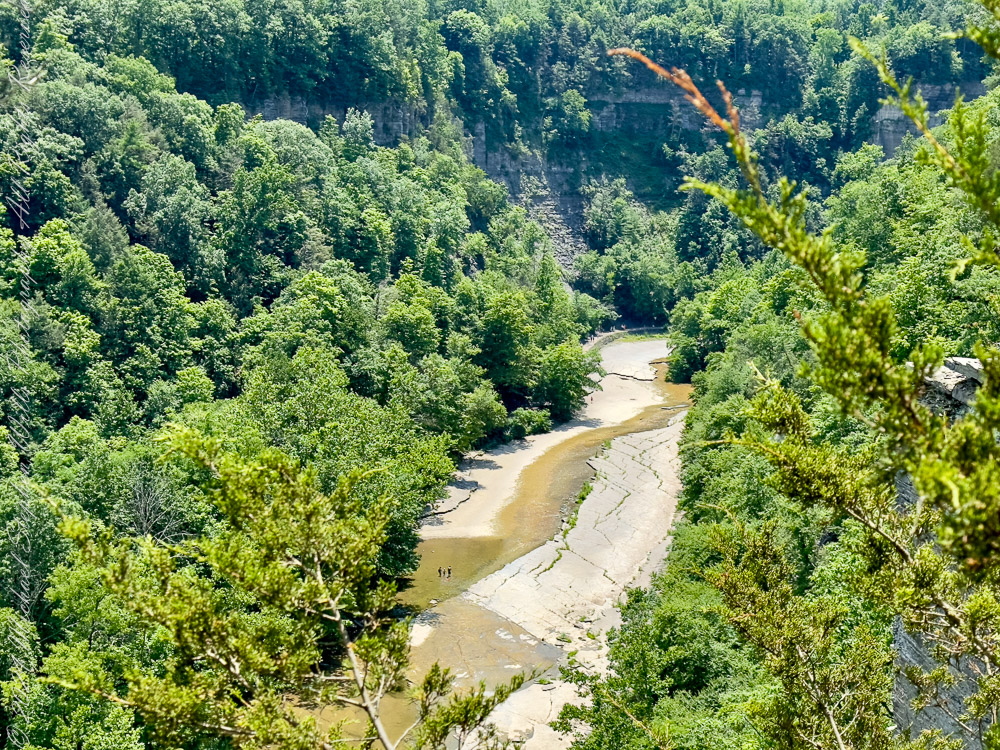
Taughannock Creek carved this landscape over thousands of years.

The Gorge’s Living Tapestry
Beyond its geological wonders, Taughannock Falls State Park bursts with life. Along the North and South Rim Trails, Eastern Hemlocks (Tsuga canadensis) stand tall, their evergreen branches weaving shadows that dance across stone stairways and forest floors. These silent sentinels are habitats for myriad creatures and protectors of the delicate ecosystem.
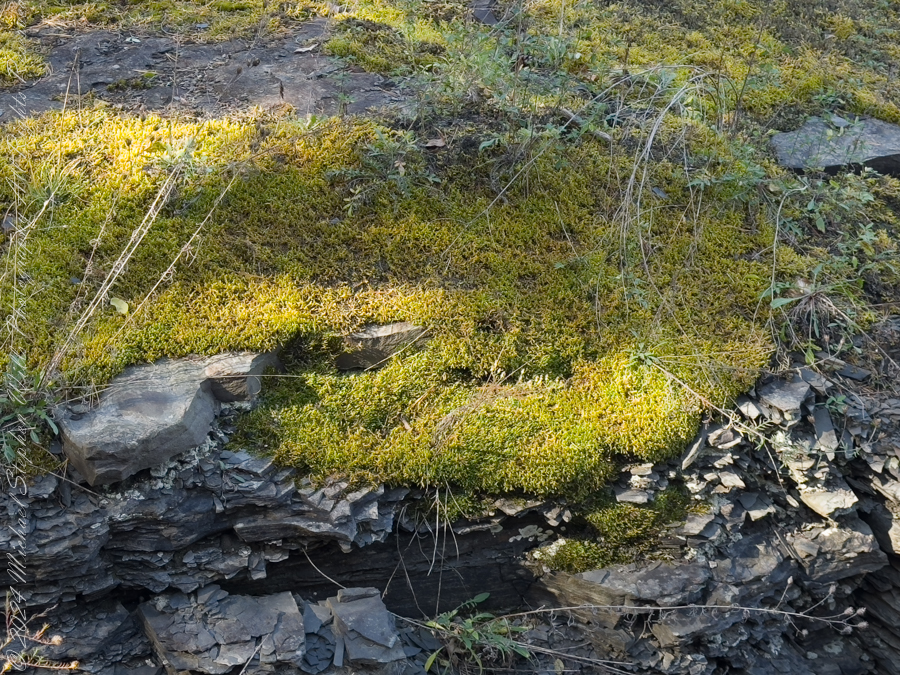
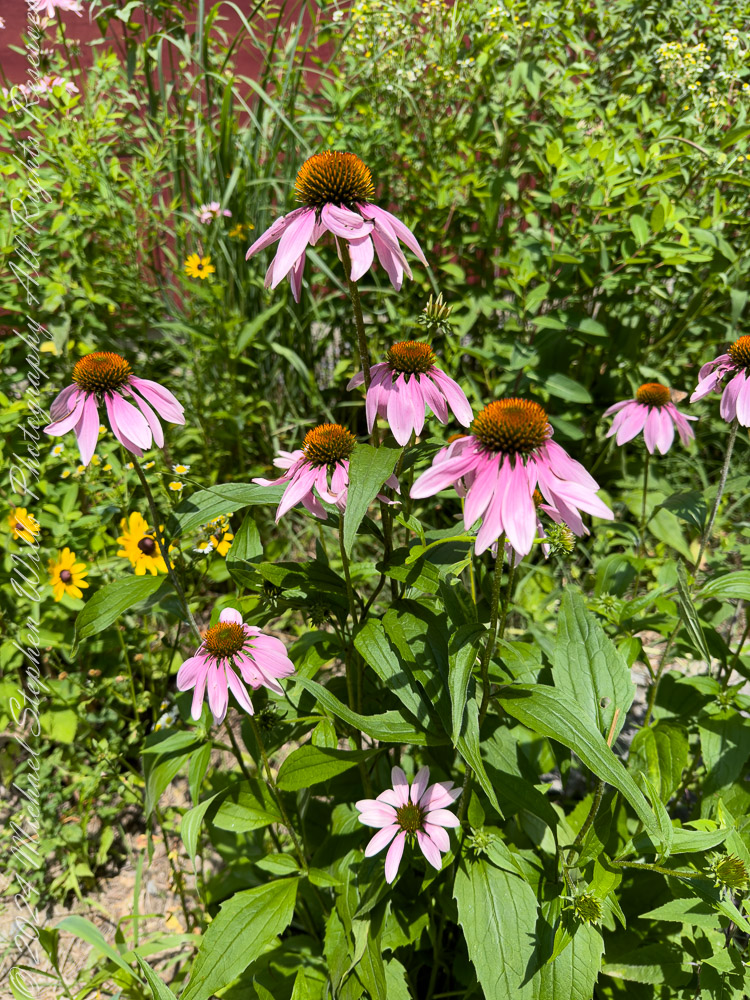
Wildflowers were planted by park staff at the Falls Overlook. The bright yellow of Black-eyed Susans (Rudbeckia hirta) and the vibrant purple of Coneflowers (Echinacea purpurea) attract bees and butterflies, their nectar fueling the intricate web of life that thrives here. Along the trail, on the forest floor, mosses and ferns cling to rocks, softening the edges of the gorge with their verdant touch.
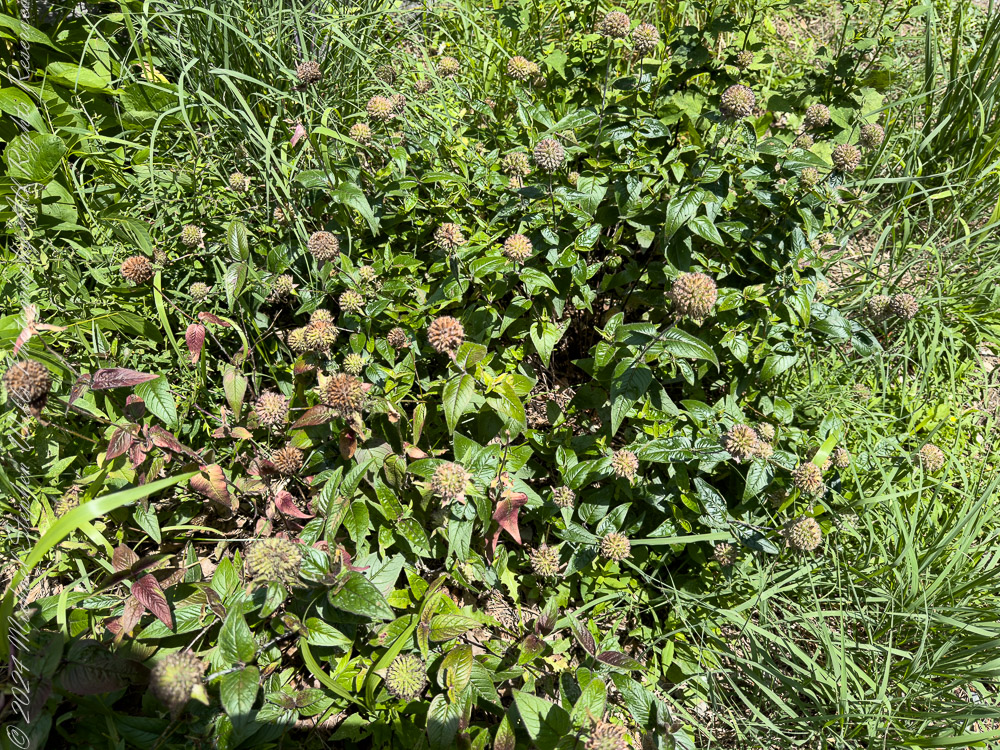
Cone Flowers
Cone Flowers gone to seed
From a walk around Taughannock Falls State Park “Rim Trails” October 22nd, 2024. Trumansburg, Tompkins County, Finger Lakes Region, New York State.

The Fall’s Eternal Dance
At the heart of the park is the waterfall itself, its roar both a hymn and a whisper of time’s passage. The view from the North Rim Trail reveals the waterfall framed by steep cliffs, their striations like pages in a book written by water, wind, and time. The plunge pool below, shimmering in sunlight, seems almost sacred—a place where the forces of nature meet in harmony.
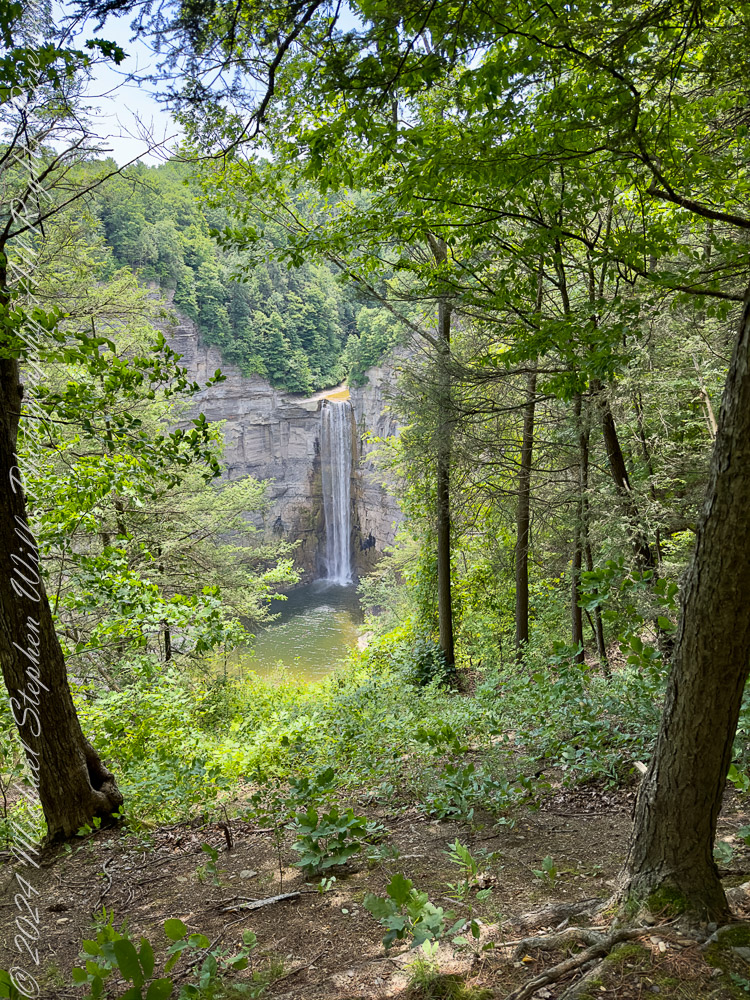
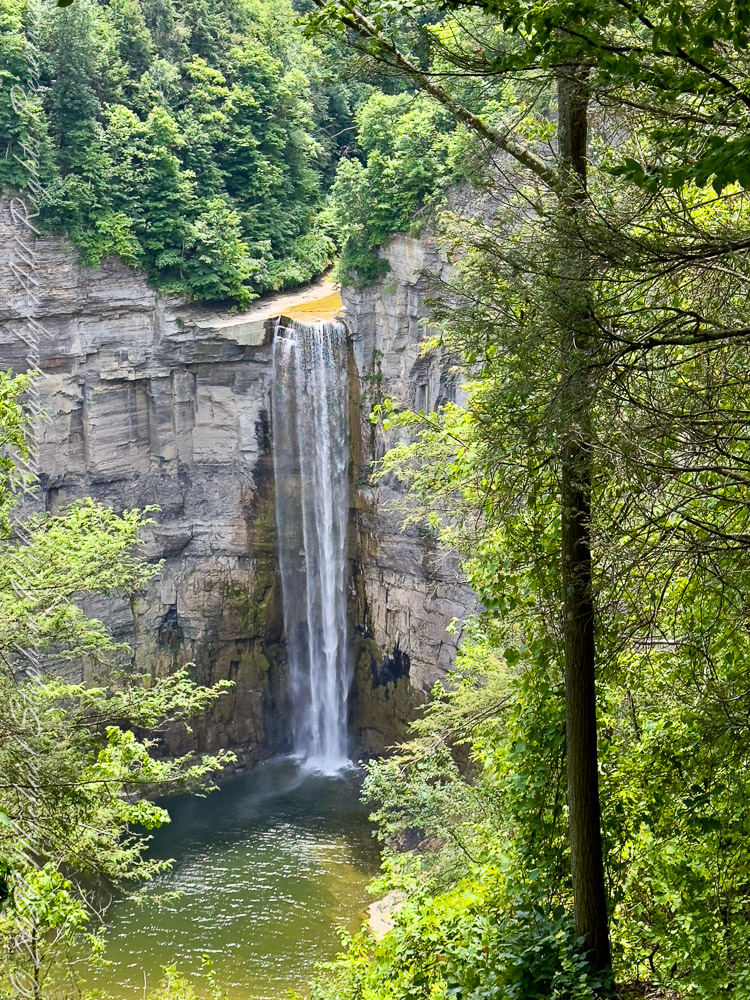
Viewed from the North Rim Trail on a summer morning. Taughannock Falls New York State Park, Trumansburg, Tompkins County, Finger Lakes Region

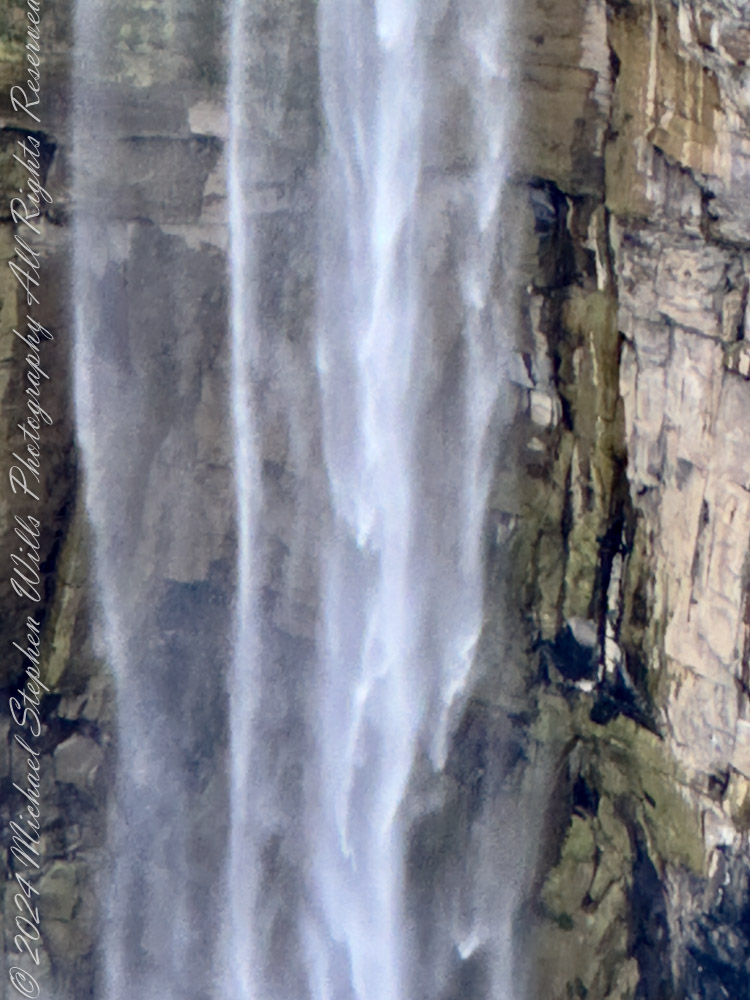
Even as we marvel at its beauty, the falls are a reminder of the earth’s constant transformation. Each drop of water that cascades down the cliff face carries away tiny fragments of rock, continuing the slow, deliberate work of reshaping the land. What we witness today is but one moment in an ongoing process—a fleeting glimpse of a masterpiece in progress.

A Place of Wonder
To stand at the edge of Taughannock Falls is to feel both small and connected. The cliffs, formed over hundreds of millions of years, whisper of ancient seas and forgotten worlds. The gorge, carved in the blink of an eye by geological standards, speaks to the power of water and time. And the vibrant life that fills the park reminds us of nature’s resilience and beauty.
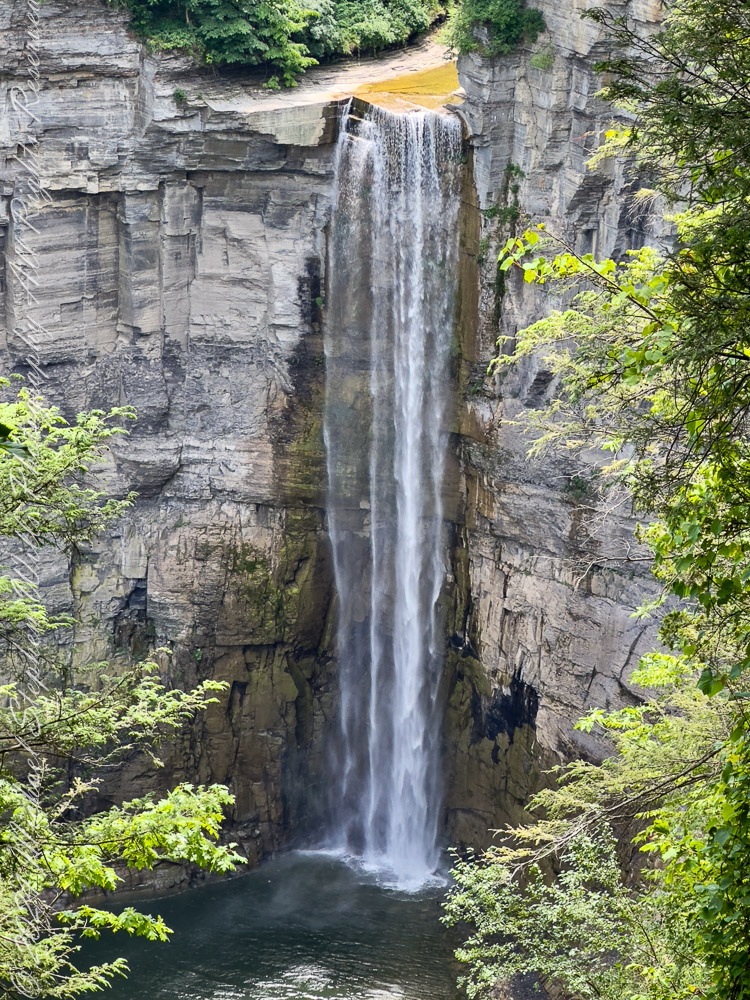
As the sun filters through the trees, illuminating the mist that rises from the falls, it’s easy to believe that this place holds magic. Perhaps it’s in the way the water sparkles like diamonds in the sunlight or the way the breeze carries the scent of pine and earth. Or maybe it’s in the knowledge that here, in this park, we are witnesses to a story billions of years in the making.
Conclusion
Taughannock Falls State Park is a place of wonder where geology, ecology, and history converge. It invites us to reflect on the immense forces that shape our world and to cherish the fleeting beauty of each moment. Whether you come to marvel at the towering waterfall, walk among the hemlocks, or simply stand in awe of the gorge, Taughannock Falls leaves an indelible mark on the heart—a reminder of nature’s power, resilience, and enduring grace.

Enter your email to receive notification of future postings. I will not sell or share your email address.

Jenny Pickford’s Double Allium: A Tribute to Nature’s Wonders

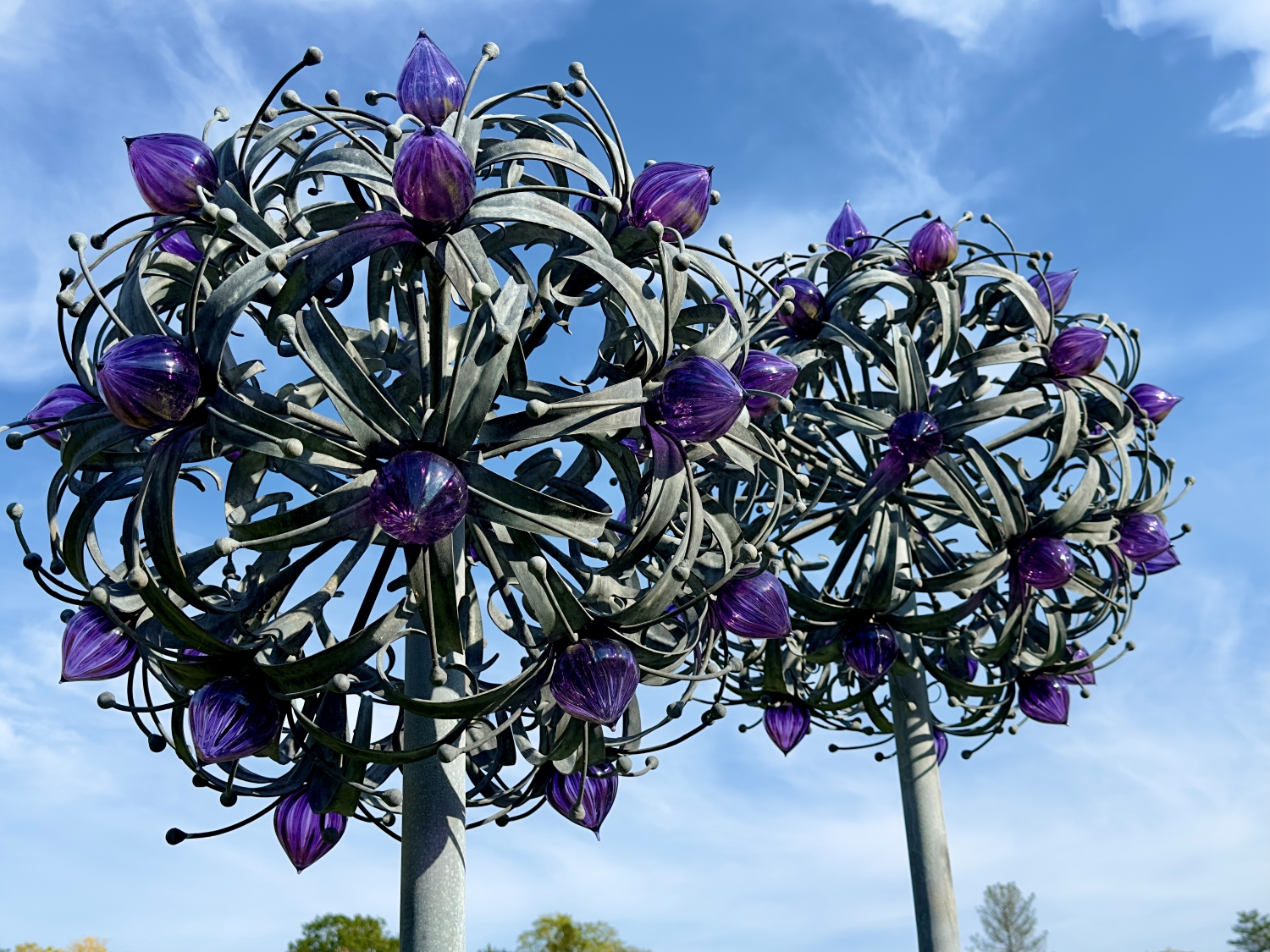
The Double Allium sculpture symbolizes nature’s beauty and personal connection, reflecting the artist’s homage to alliums and cherished memories.

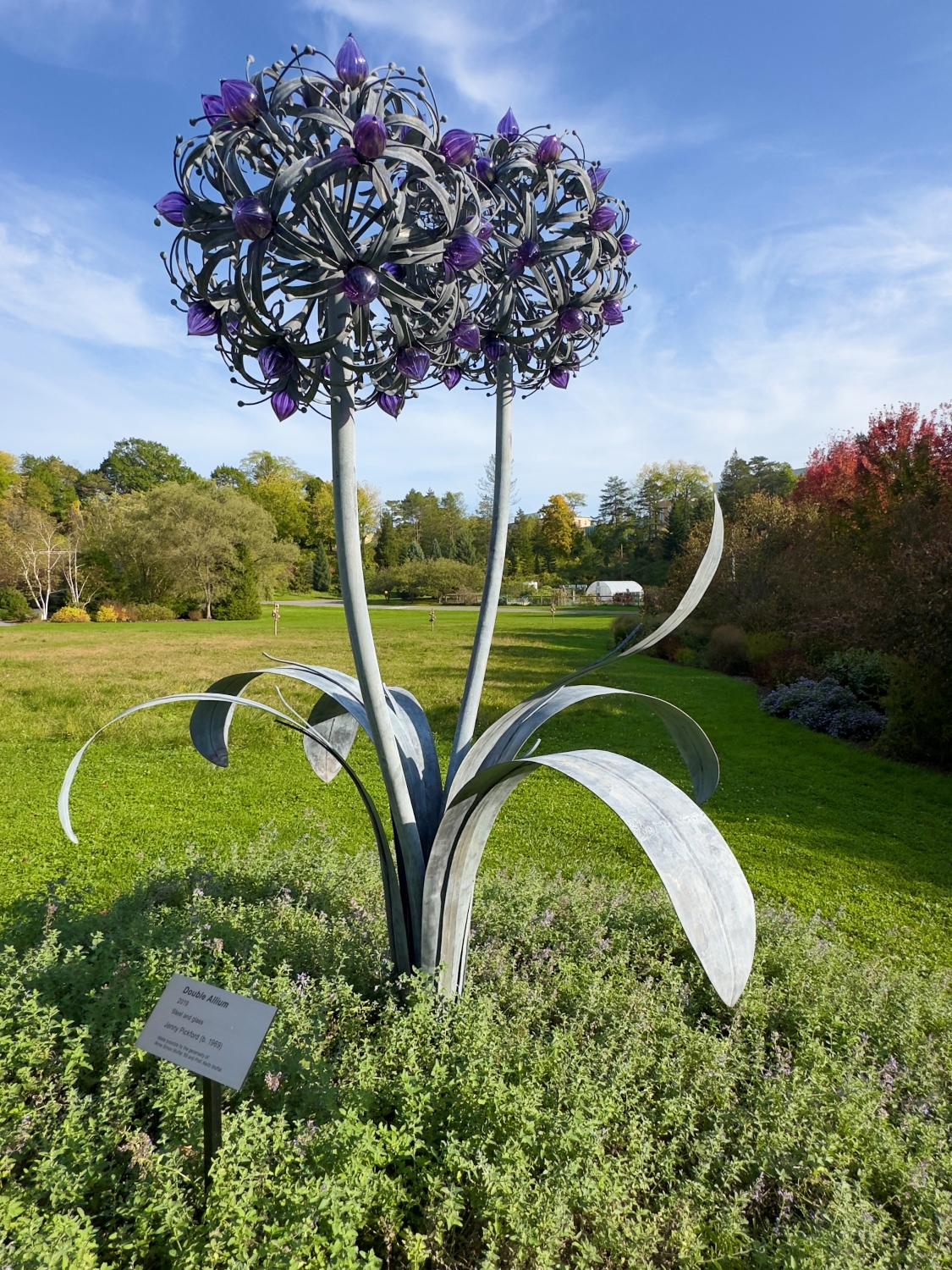
As I wander the paths of the Cornell Botanical Gardens near the Nevin Welcome Center, a towering sculpture arrests my attention, rising well over ten feet into the bright autumn sky. At first glance, it’s unmistakable—a pair of massive allium blooms crafted from steel and glass, an artistic tribute to the very flowers my wife, Pam, has come to love. This creation, titled Double Allium, is the work of British artist Jenny Pickford, completed in 2019. Made of robust steel and translucent purple glass, it stands proudly among the greenery, capturing both the delicacy and boldness of allium flowers.

A few summers ago Pam planted several allium in sunny locations, which exploded into violet firework-like blooms, each sphere teeming with tiny star-shaped flowers that clustered together into one massive, round bloom. When the alliums blossomed, they attracted a small frenzy of bees, and it became a shared delight for us to watch our garden transform into a pollinator’s paradise. Pam was captivated by the plants’ structure and beauty, as well as their ecological role in supporting bees—a small, vibrant ecosystem within our yard. Standing before Double Allium, I’m reminded of those summer days and the quiet joy we both found in observing our garden.

Bees and Allium in our summer garden, 2024

The scientific name for alliums, Allium giganteum (for the larger ornamental varieties), links them to a vast genus that includes onions, garlic, and leeks. These plants have been cultivated and revered by humans for thousands of years, not only for their culinary value but also for their symbolism in various cultures. In ancient Egypt, alliums were believed to represent eternity; their spherical form and concentric layers were thought to mirror the eternal nature of life. Even today, they bring a sense of timelessness to gardens worldwide, their tall stalks and spherical blooms defying gravity, standing tall against the changing seasons.

As I study Pickford’s sculpture, I’m struck by how faithfully it captures this essence of alliums—strength paired with grace, structure married to elegance. The steel stems curve gently yet rise powerfully from the ground, while the glass petals shimmer in the light, giving an almost ethereal quality to the blooms. Pickford, born in 1969, is known for her botanical-inspired sculptures that explore the intersection of nature and art. With Double Allium, she’s created a piece that feels alive, as if the blooms might sway in the wind or burst into real flowers at any moment.

For Pam and me, this sculpture pays homage to a beautiful plant; it’s a connection to our own experience with nature, a reminder of those summer mornings watching bees dance among our alliums. Standing beneath Double Allium, I feel a sense of continuity—a link between the art and our own small garden, between our life and the ancient cultures that cherished these plants, between the permanence of steel and the fleeting beauty of each summer bloom.

In this towering sculpture, Pickford has given us a mirror that reflects nature as well as our personal connection to it. “Double Allium” is a celebration of growth, strength, and beauty, qualities that Pam and I cherish in the alliums we tend and that we find echoed in this remarkable work of art.

Enter your email to receive notification of future postings. I will not sell or share your email address.