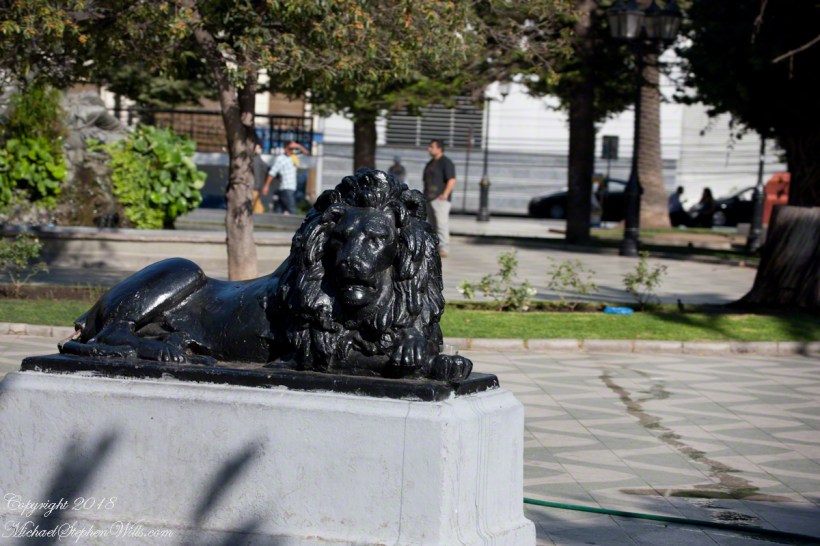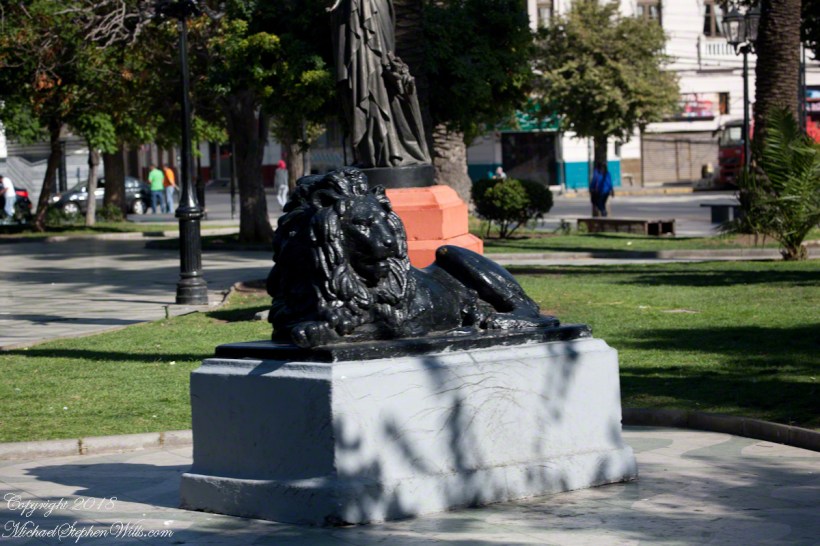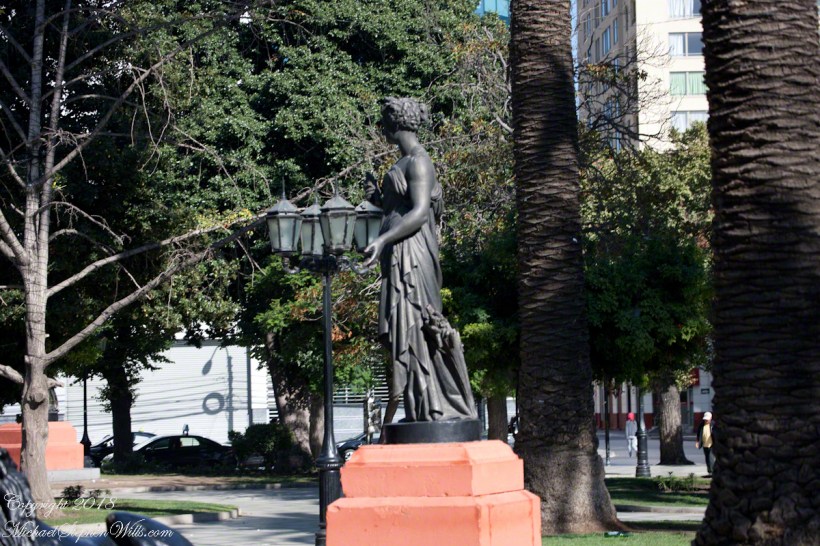
Valparaiso Connections V

A Deeper Understanding

Monuments Then and Now

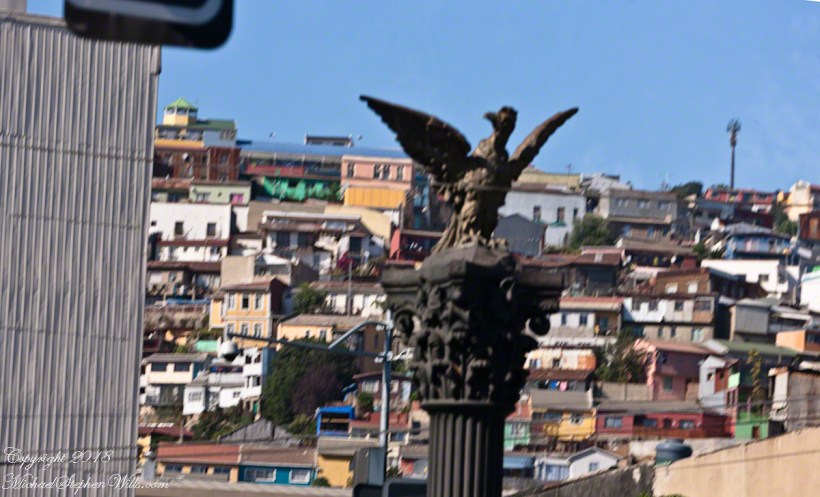
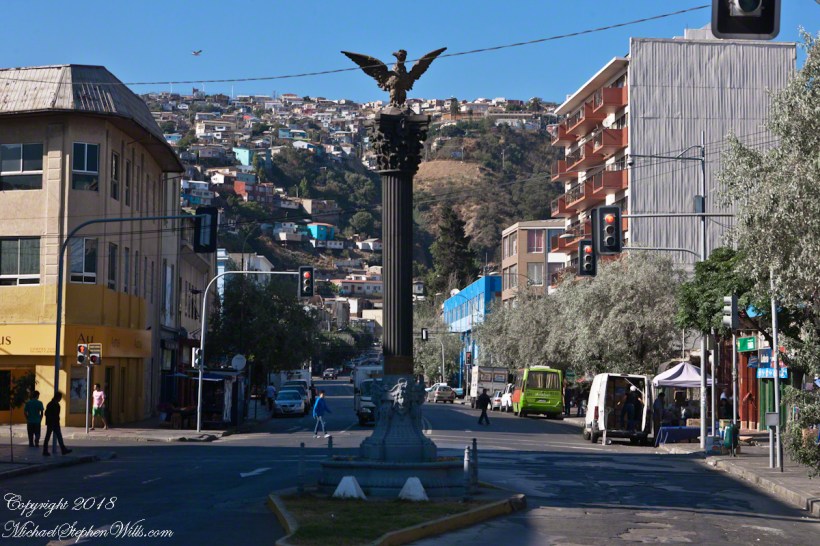
Trundled along within our bubble, the Mercedes tour bus proceeded up Avenue Montt when Ricardo pointed out this statue for ridicule.  A depiction of the Chilean national bird, the Condor, porteños derisively call it “The Chicken,” and in truth the wingspan is undersized.  From the vantage of the above photograph, the statue form does capture an impression of soaring among the hills of Valparaiso.  Keep in mind, beyond those hills is Aconcagua, the highest mountain of the western hemisphere, home to Condors.  

A reason for writing multiple Varparaiso “connection” posts is to better understand the jumbled impressions from that day.  In a previous post I coined the term Varparasians for natives of the city.    I found in researching this post the residents, as for Buenos Aires, call themselves porteños (people of the port).  This cast iron statue speaks to the contributions of French immigrants to the city and nation.

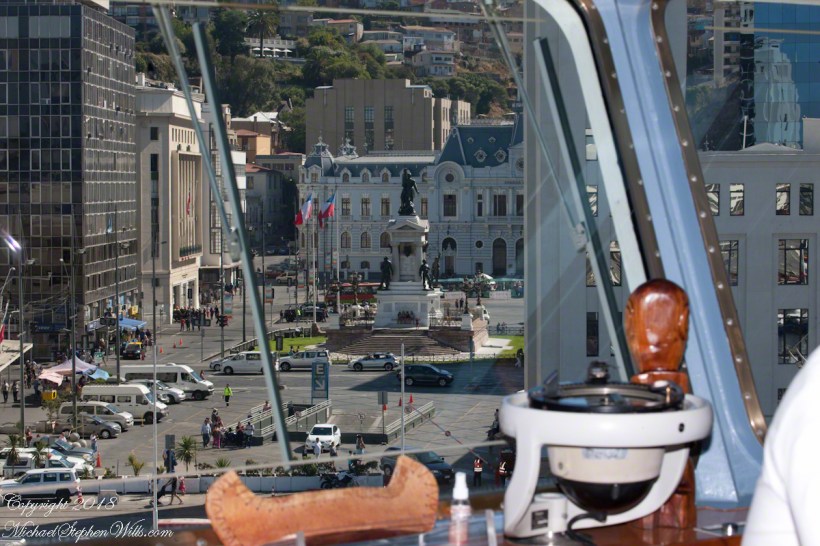
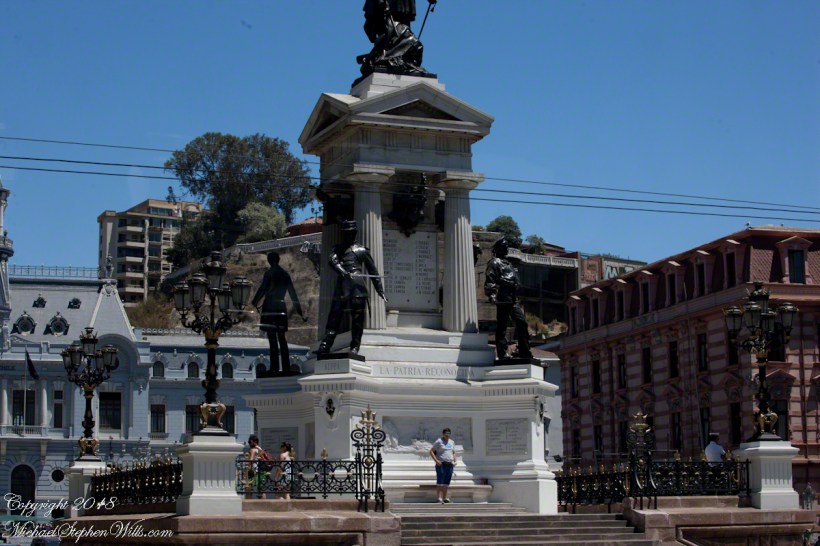
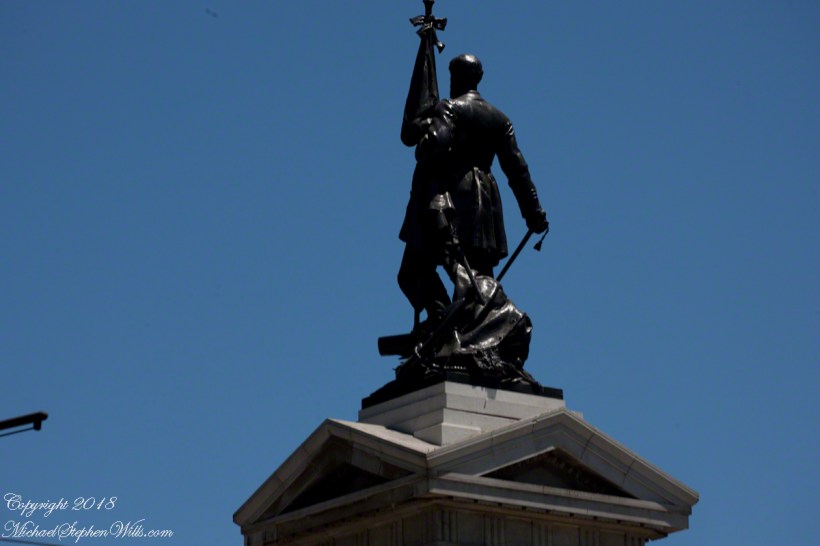
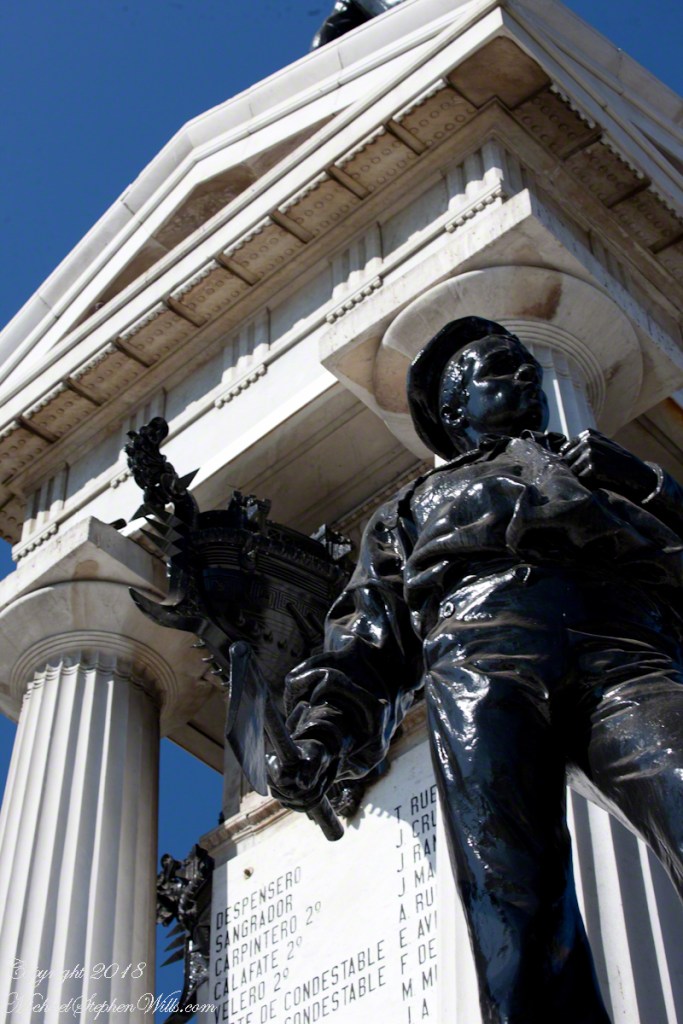
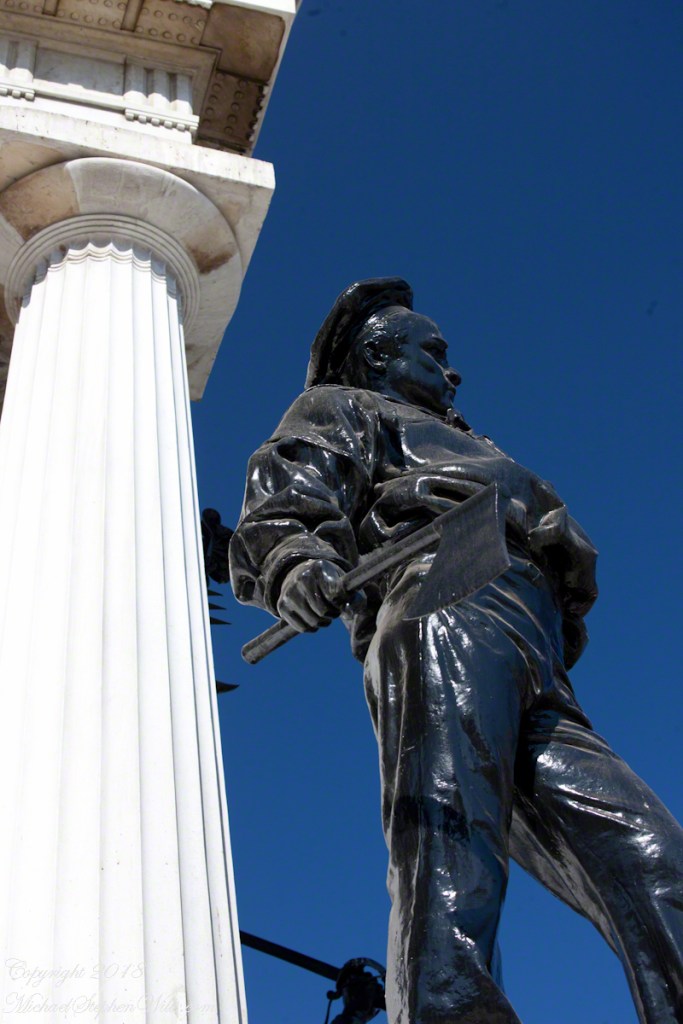
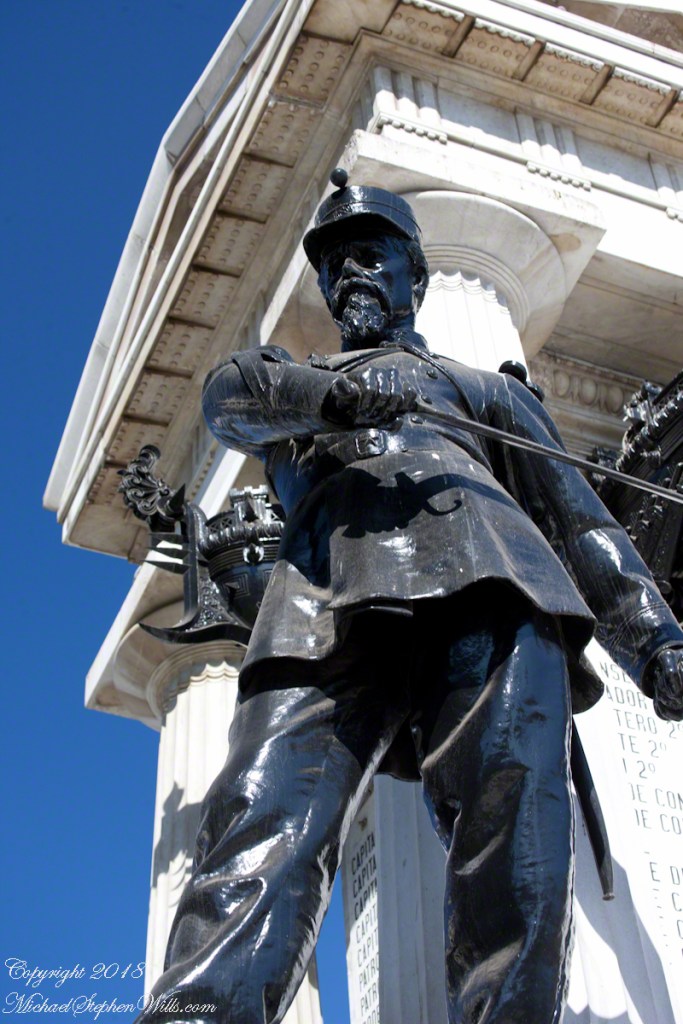
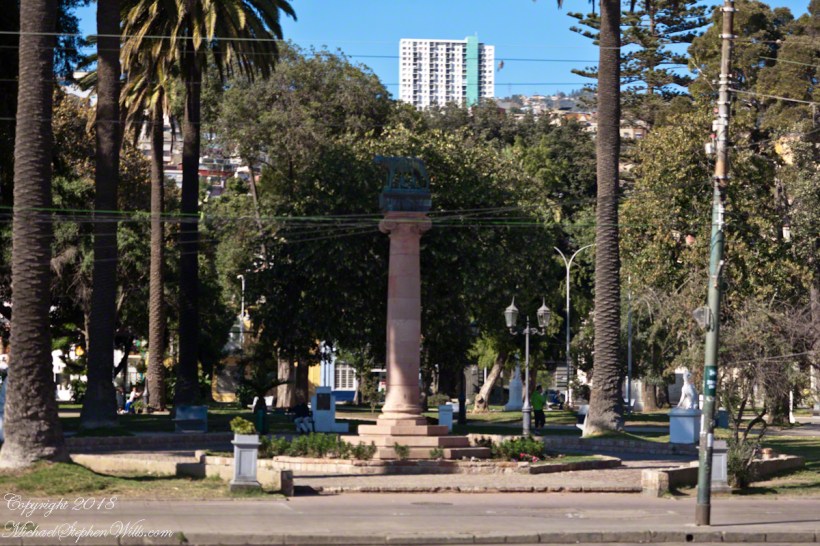
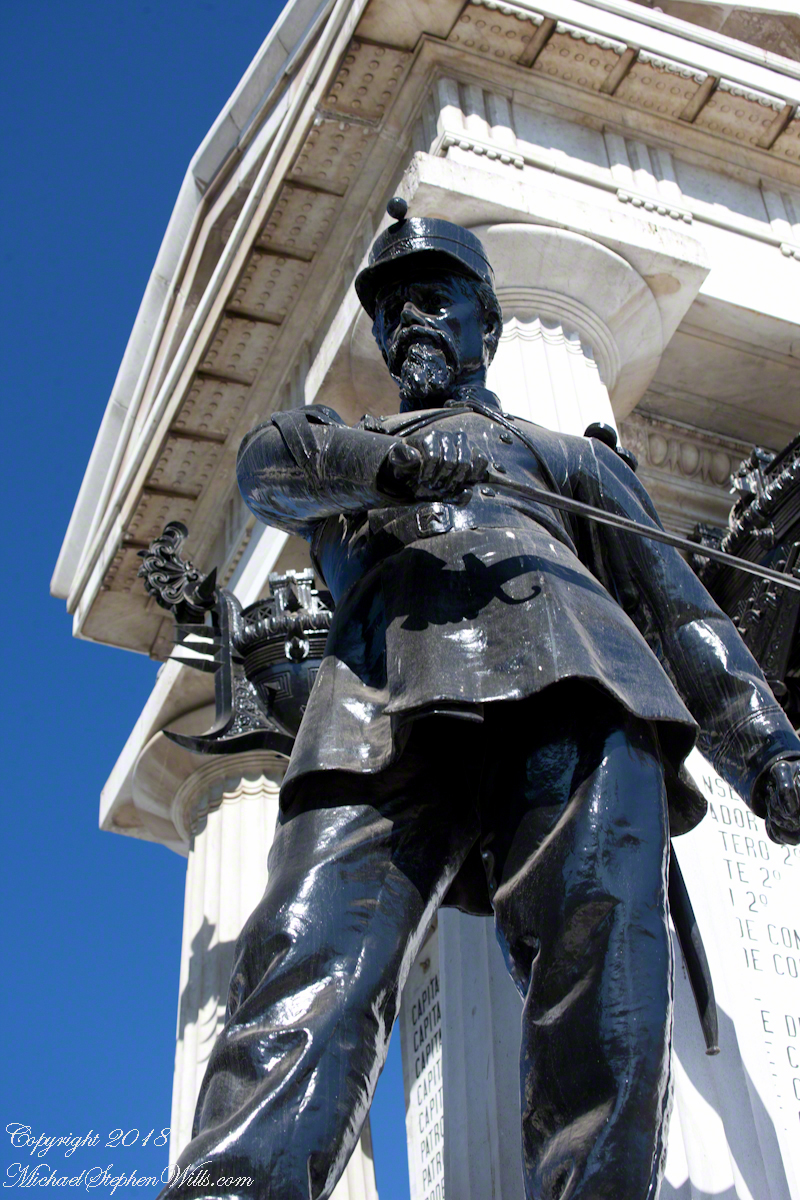
Gift of the French Colony for the Centennial of Chile – Valparaíso, 1810 – 1910.

Here the view is south towards (what I believe is) Cerro Florida (Florida Hill).  France Avenue continues, beyond the monument, following a steep and winding path up the hills, at the crest intersecting with German Avenue.  Adjacent, on the right, is Park Italia where we’ll visit in part VI.  Above a cast iron basin, at each corner of the commemorative column base is a female mask, above them a gold band inscribed (from the) “The French of Valparaiso” with 1810 – 1910 to denote the centennial.  A condor with outspread wings surmounts the column.

The artist, Nicanor Plaza, born in Santiago, Chile was living in Florence, Italy at the time of this commission.  He was a natural choice for the commission.  Trained in Chile and Paris, Plaza taught for the Academy of Fine Arts of Santiago.  It is of cast iron, produced by the French company Val Osne, an art foundry dating back to 1835.  The owner, Jean Pierre Andre Victor, invented a cast iron ornamental technique originally used to produce street furniture.  

 From 1854 to 1895 immigration from France burgeoned, from a country total of 1,654 to 8,266.  This cohort is credited with developing the vineyards of the Central Valley, still famous today.  The Chilean president Augusto Pinochet descended on his father’s side from an 18th-century French Breton immigrant from Lamballe and his mother was a descendant from 17th century immigrants, partially Basque.  Pinochet’s legacy can only be attributed to himself and the ruling Junta.  What is of concern is (1) Pinochet was protected against prosecution throughout his life. (2)  The same people who protected him still hold power.  A case in point is the Esmeralda, still in service.

The Naval Training Vessel Esmeralda

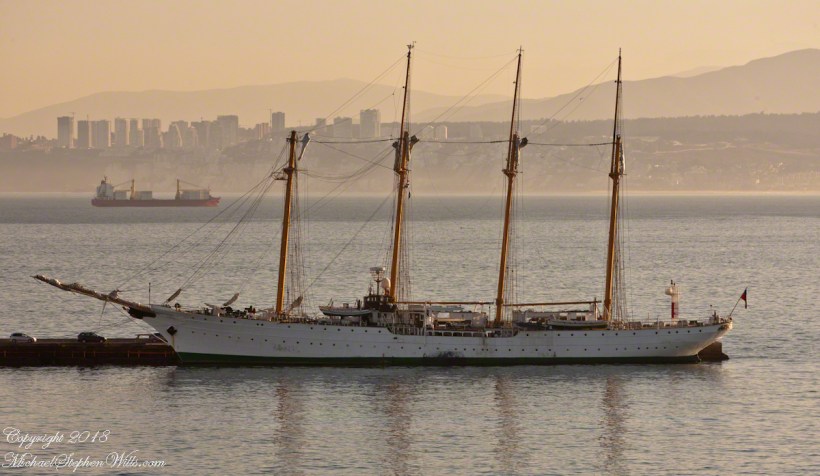
 I took this photograph at dawn from our stateroom balcony, it is the
Esmeralda, a four-masted  top sail schooner, from Spain, christened May 12, 1953.  From 1973 to 1980 it was a floating torture chamber where up to 100 persons were subjected to hideous treatment by the Pinochet regime.  Protests erupt wherever it docks in a foreign port yet it remains in service.  A relatively small part of the puzzle, yet it serves as an unacknowledged monument to the failure of Chile’s ruling elite to come to terms with the recent past.

Click for my Fine Art Gallery.

Valparaiso Connections IV

The O’Higgins Carrera Feud

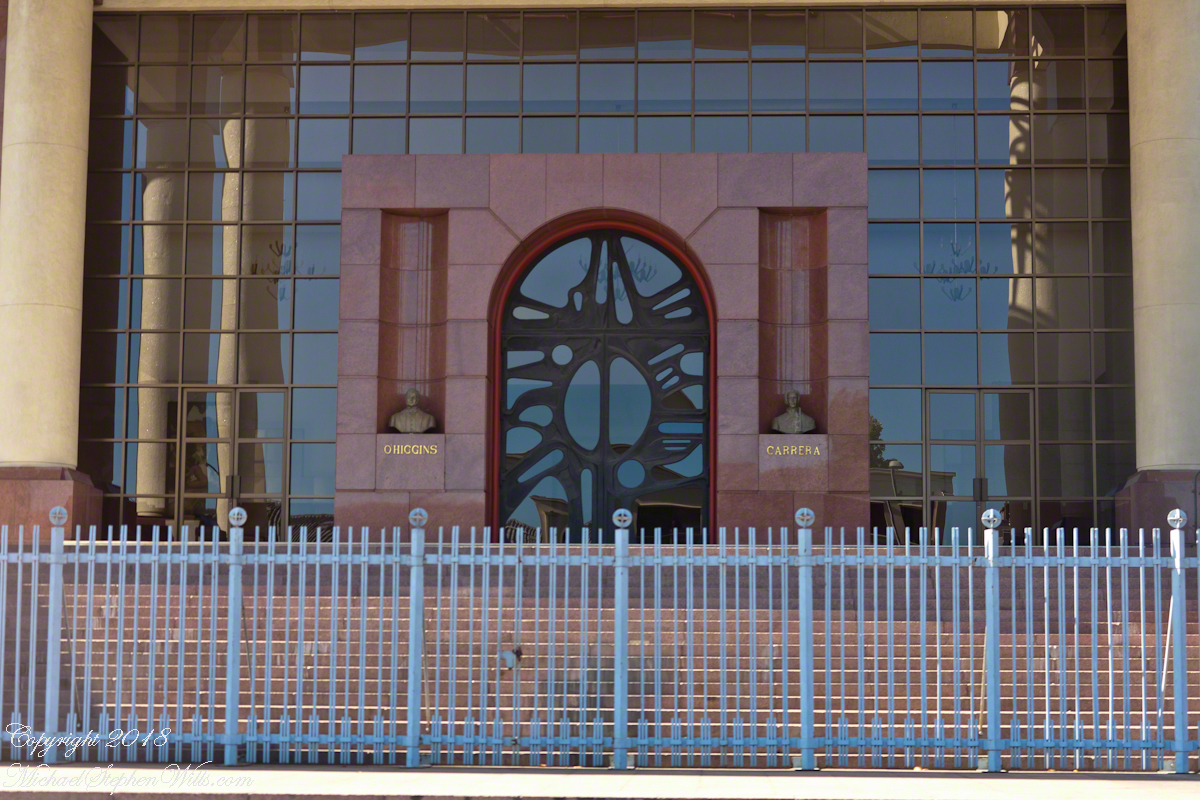
“Valparaiso Connections III” brought us to Pedro Montt Avenue and the building of this imposing façade, Congreso Nacional de Chile (National Congress of Chile).  The very fact it is in Valparaiso is a recollection of the former National Congress, disbanded by the ruling Junta on September 13, 1973.  During the final years the Pinochet dictatorship chose Valparaiso for the site of a new congress building.  The former National Congress building still stands in Santiago, now housing the offices of both houses of congress.

I am fascinated the façade is shared by two founding fathers of Chile, Bernardo O’Higgins and José Miguel Carrera.  O’Higgins father never married his mother (in other words, Bernardo was a bastard).  Cared for by his mother’s privileged family, he used his mother’s family name until the death of his father.  Carrera, was also born of privilege, the acknowledge son of his father who attended the best schools, well positioned to lead the movement for Chilean independence.  Benefactors looked after O’Higgins, they sent the seventeen year old to Europe to finish his education.

In the chaos of war, in spite of ill-health and lack of military training, O’Higgins out performed Carrera as an officer through reckless bravery; surviving, he became an admired military leader through this example and ultimate victories. Carrera resented being overtaken (by a bastard), did not respect O’Higgins leadership and the two feuded. O’Higgins became the first head of the independent Chile while Carrera gathered a force.  Exiled in Paraguay, Carrera marched across the intervening wastes battling indigenous forces.  Eventually captured by those loyal to O’Higgins, Carrera suffered a mock trial and execution.

All five of Carrera’s legitimate offspring married and prospered, today his descendants number in the hundreds, being the majority of Chile’s ruling class.  Today, the followers of Carrera (Carreristas) fight for his recognition against the O’Higginistas, who they despise.  The balance is on display on the National Congress façade on Pedro Montt Avenue.  The building is next to Plaza O’Higgins.

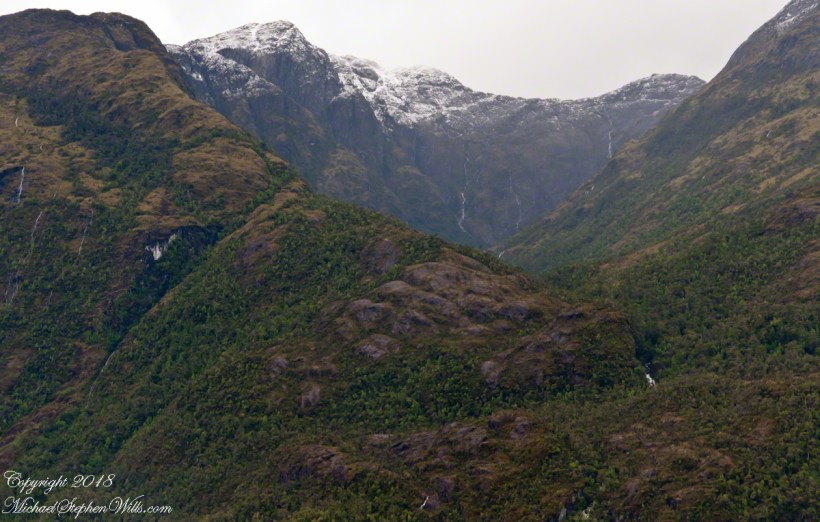
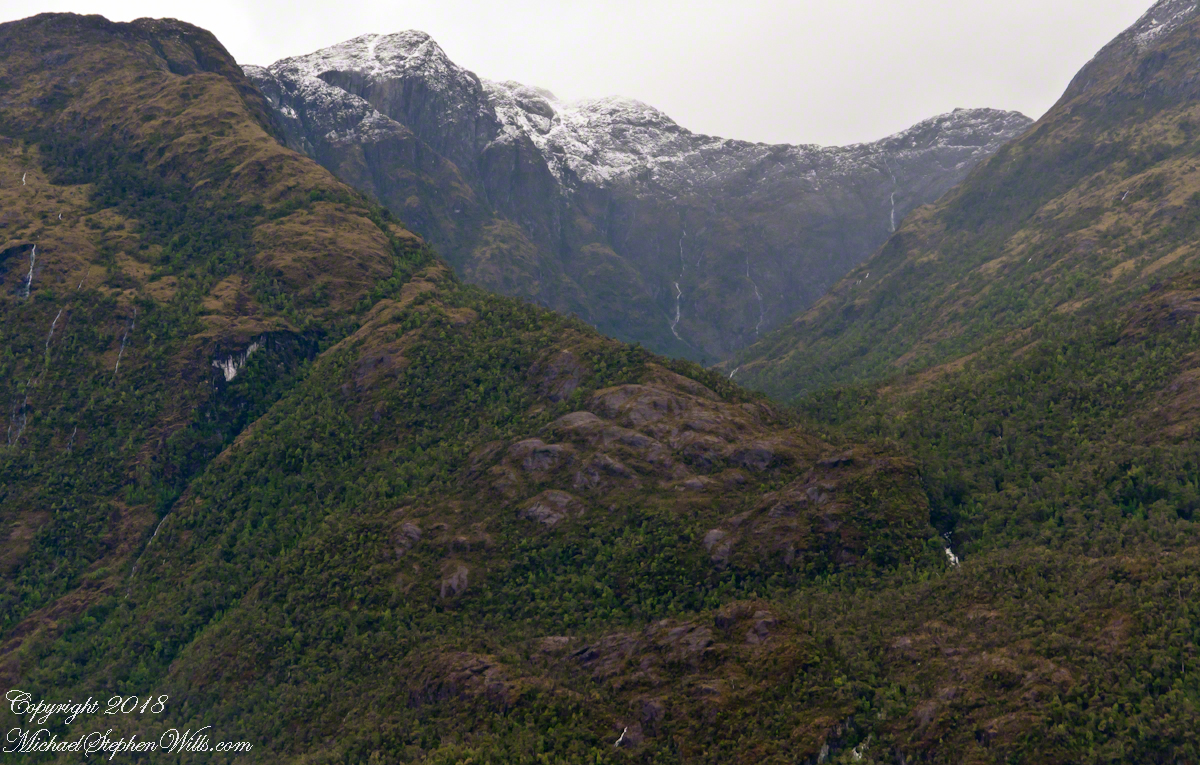
Measured by acreage, O’Higgins is far ahead of Carrera.  The following photograph, from my posting “A Far Country VII: View of Tempanos Fjord” is from within Bernardo O’Higgins National Park, the largest protected land in Chile.

A large lake in Patagonia is named after General Carrera.

Valparaiso Connections III

Copper Cable and History

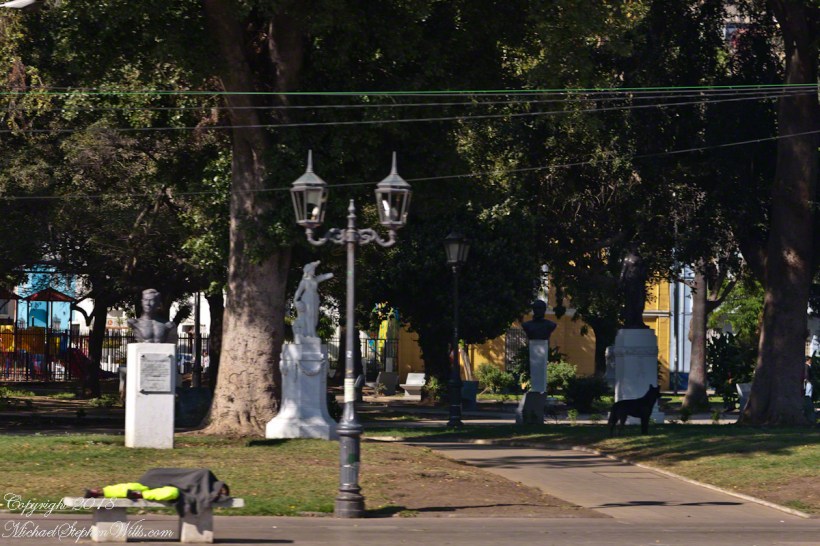
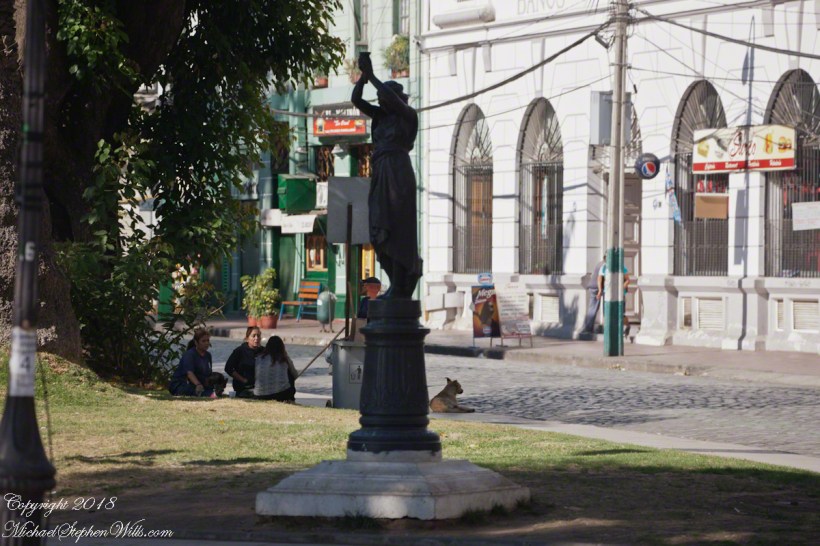
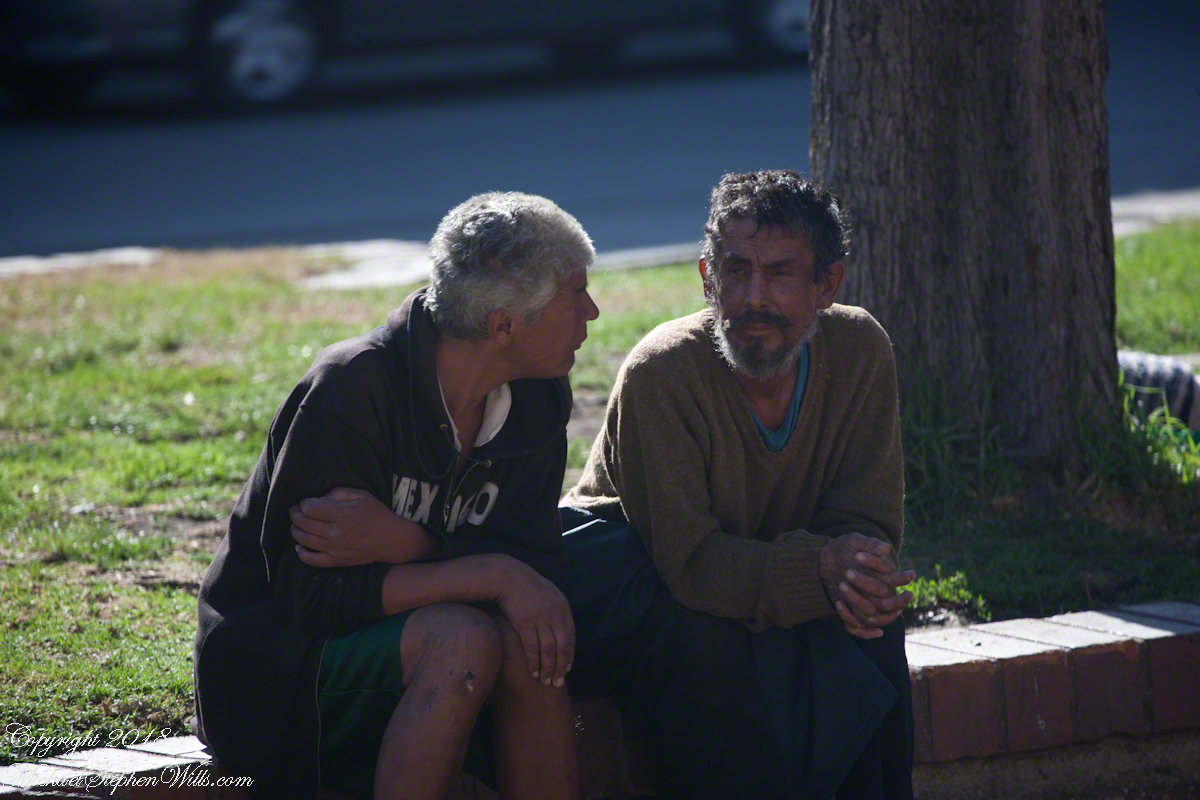
“Valparaiso Connections II” left us with these friendly Valparasians, if such a word can be used to describe residents of the city, chatting on Argentina Avenue.

It was Saturday, the happy occasion of the weekend street fair, kiosks sprouting like mushrooms, thinly attended this early morning.

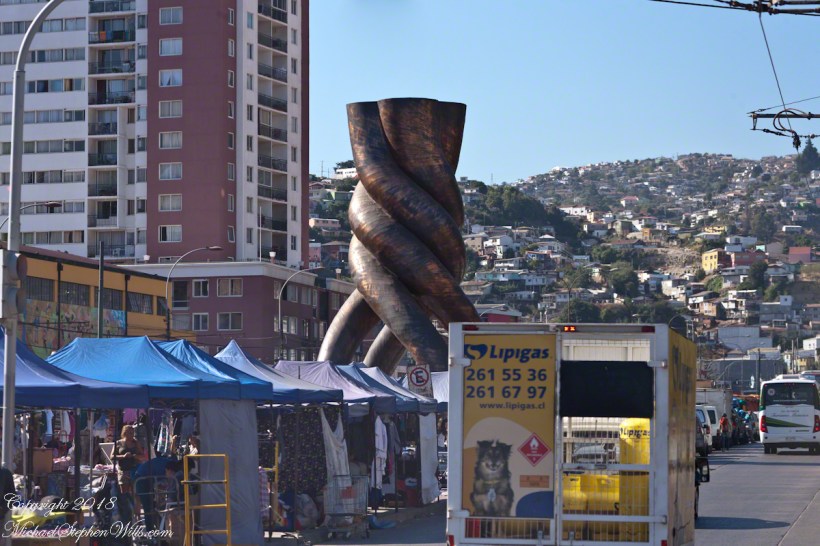
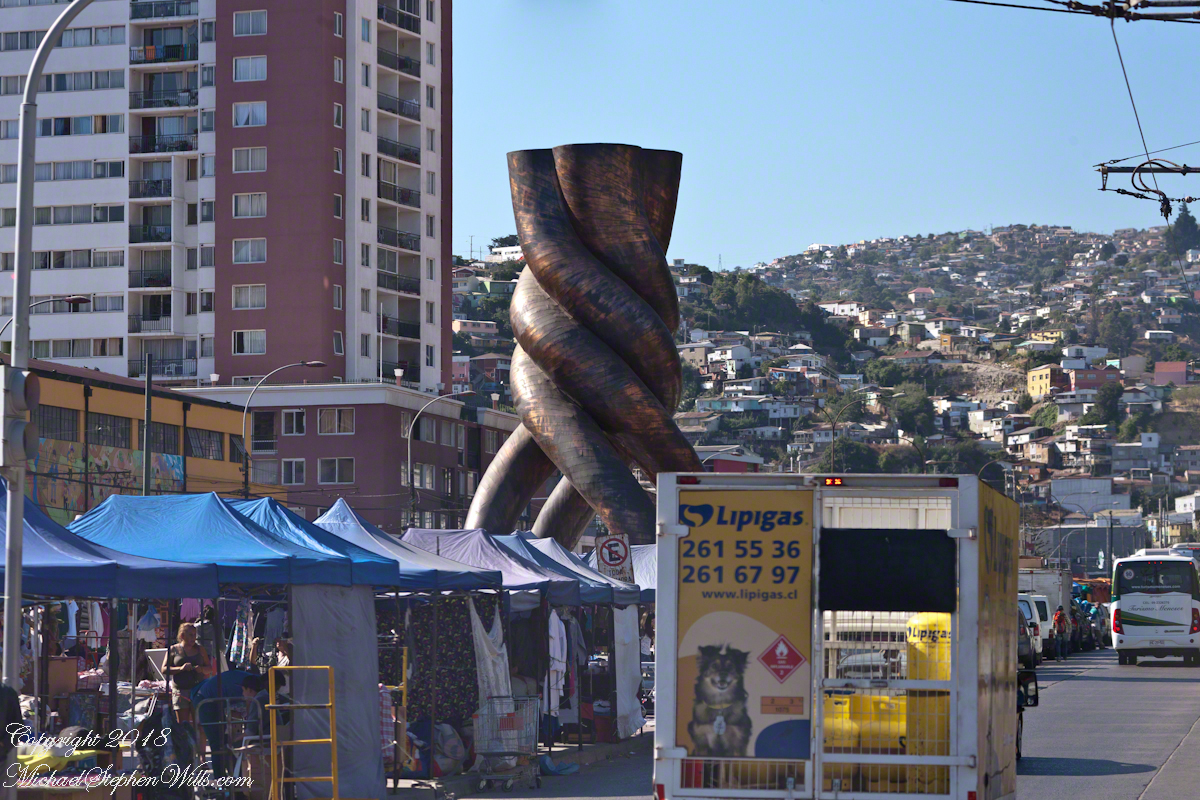
We did not pause to wander, instead turned up a street known as Pedro Montt, named for a Chilean president of the early 2oth century.  Was we turned, monumental street sculpture, rising from the kiosks, caught my eye.

A creation of the great national artist Mario Irarrzabal, it invokes solidarity through the image of four thick copper cables twisted together to form one, the union that can happen to achieve bigger things.  Opened in 1995, crafted of iron, wood and copper, after Pinochet passed power to a new democratic constitution and still held office as a Senator, protected from extradition, in the National Congress located just to the west of the monument.

The imagery works on multiple levels.  Known as “Copper Cable Monument” or “Copper Column,” the monument also stands for Chilenización del cobre (Chileanization of copper), a movement began during the presidency of General Carlos Ibáñez del Campo.  Concluded in the presidency of Salvador Allende, the takeover of foreign owned mines lead to the isolation of Chile and was a component of the support of the USA, via the CIA, for the Pinochet 1973 Chilean coup d’état.  Pinochet retained state control of the mines in the face of strong popular support for the huge contribution to state coffers.  To this day CODELCO (in English National Copper Corporation of Chile) operates as a corporate entity.

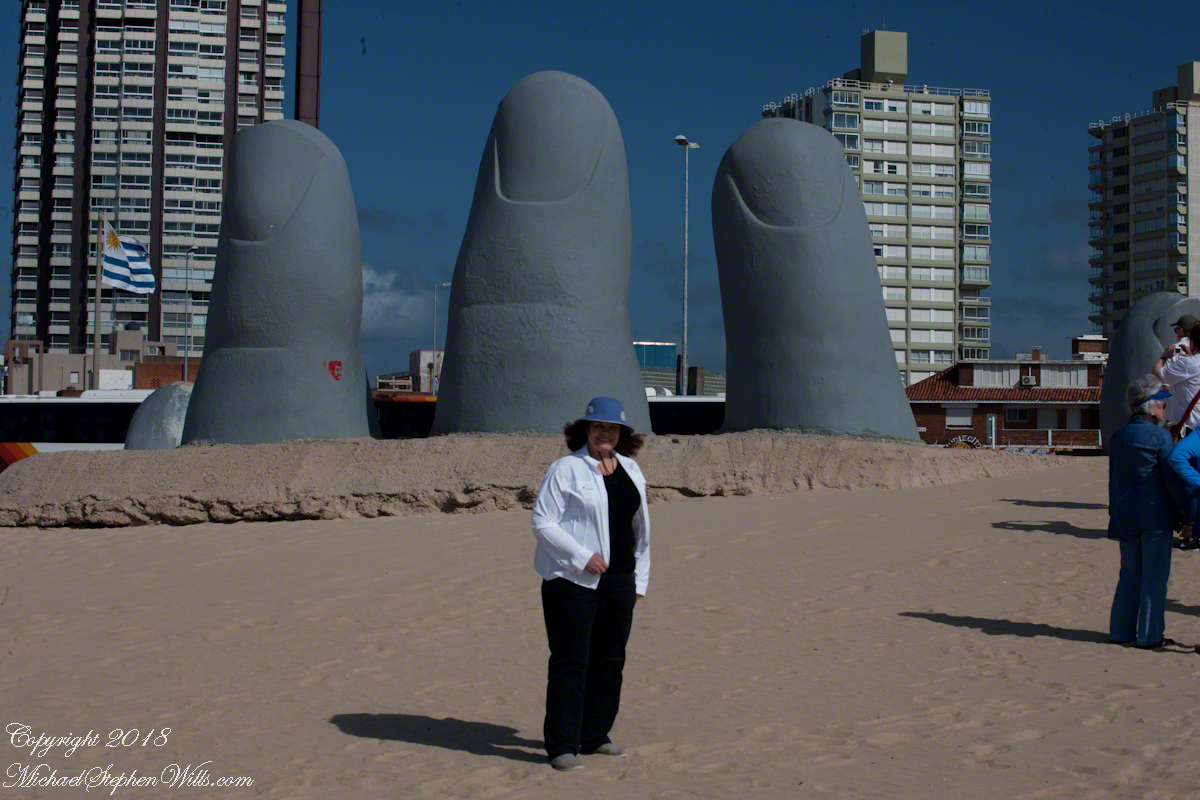
As with our guide, Ricardo (“Valparaiso Departure I”) and the companions at the start of today’s post, Irarrzabal was profoundly affected by the Pinochet dictatorship.  Under its influence as well as the sculpture of Easter Island, the artist began work on monumental sculptures.  Pam and I visited one on the other side of the South America “cone,” Punta del Este, Uruguay.

Built from Brava beach at the height of the dictatorship, 1982, of concrete, steel rebar, mesh covered with a corrosion resistant coating, the artist title it “Man Emerging to Life.”  He was a young man at the time, the work built his reputation and he repeated the theme internationally as well as, in 1992, 1,181 miles away the “Hand of the Desert.”  At that time while Chile was emerging from the Pinochet dictatorship the palm as well as fingers are visible.  The “cone” of South American, Chile and Argentina, are encompassed by the left hand of the east, a right hand of the west.

Attack on the Lusitania

Rescue operations and memorials

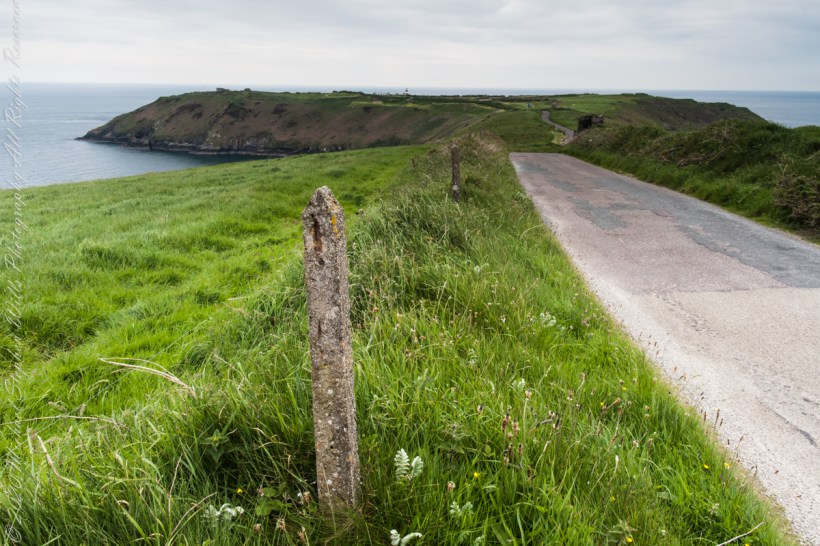
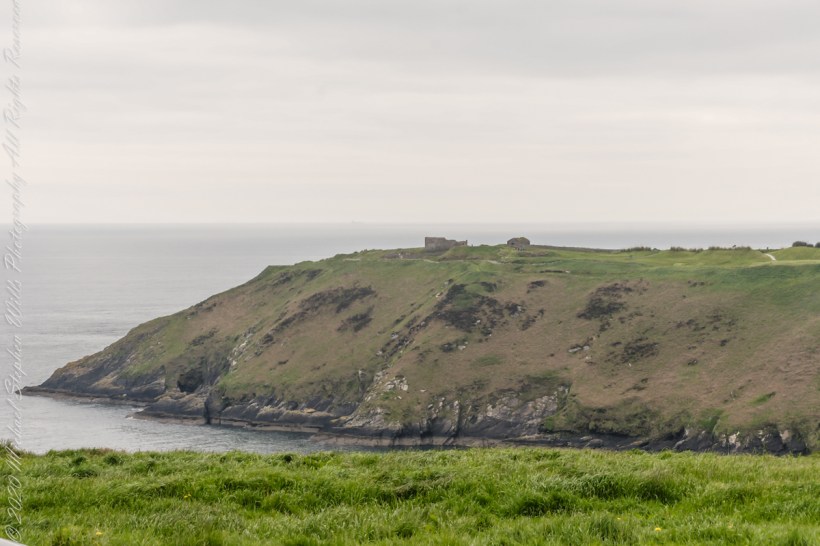
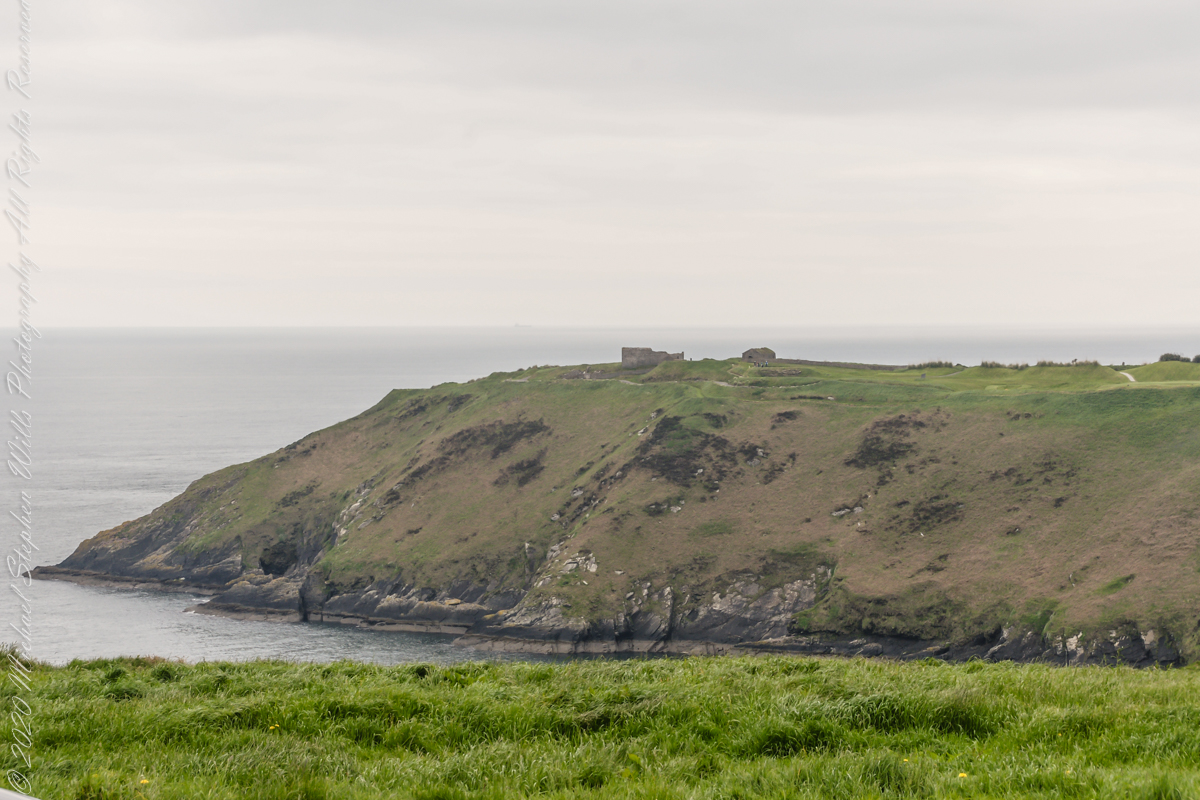
Our day of touring Kinsale and environs, the last day of May 2014, continues with our morning visit to the “Old Head of Kinsale.” Head is short for headland, a narrow strip of land projecting into the sea.

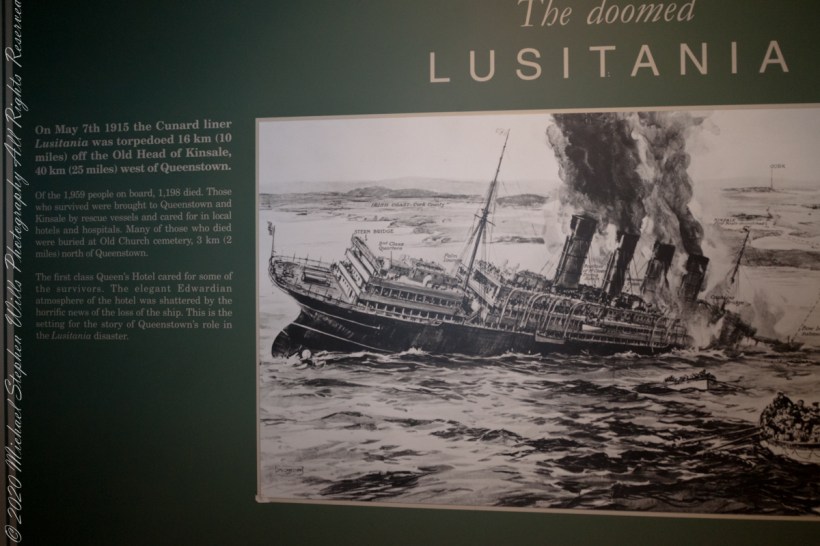
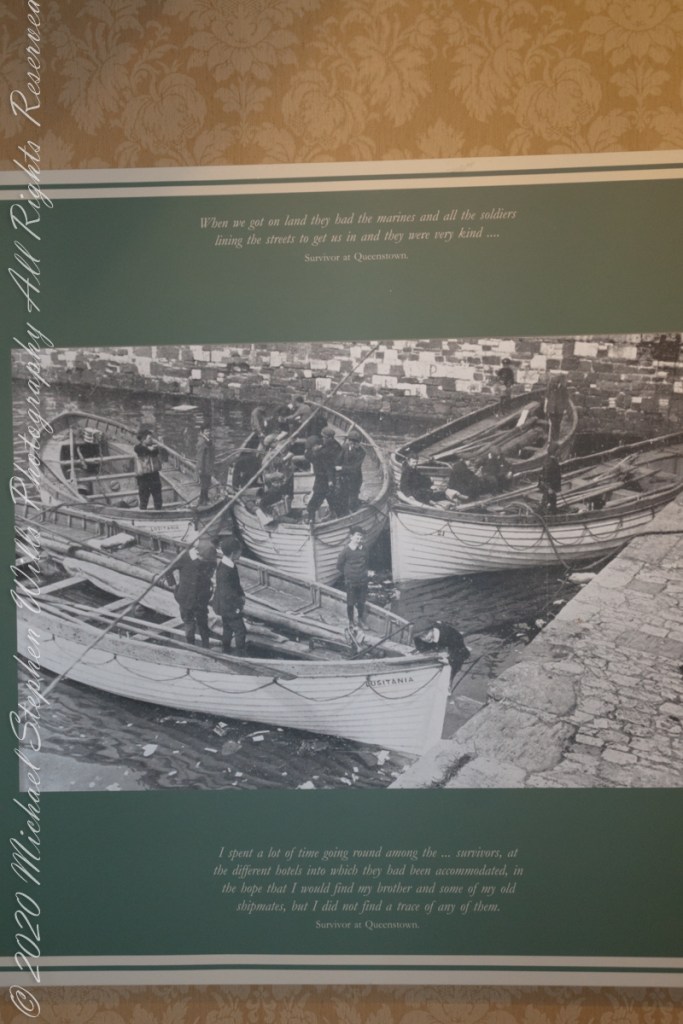
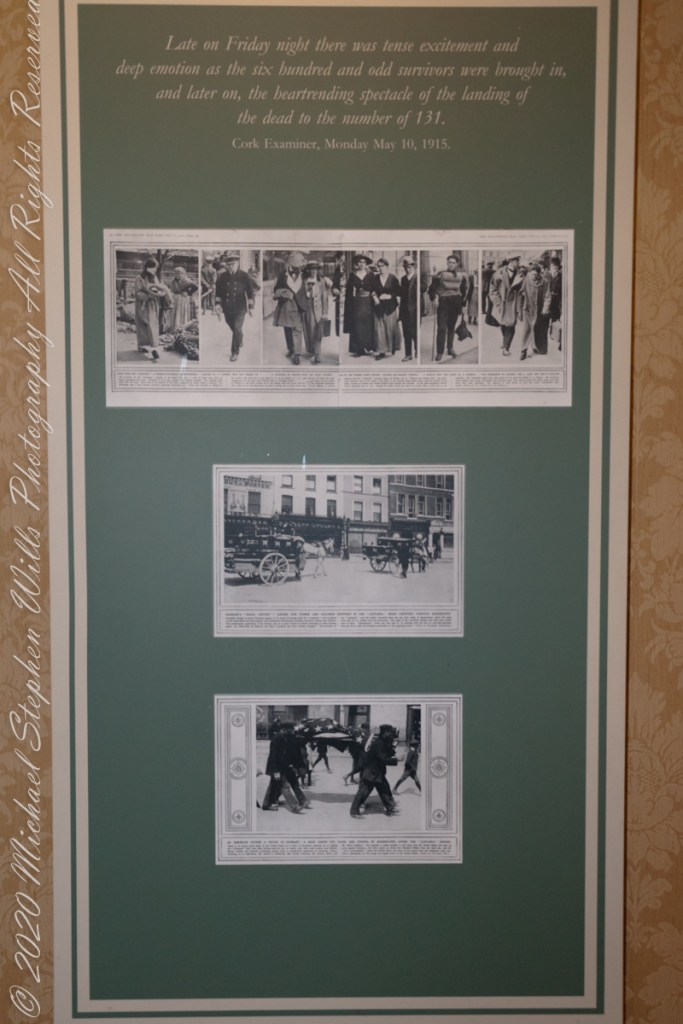
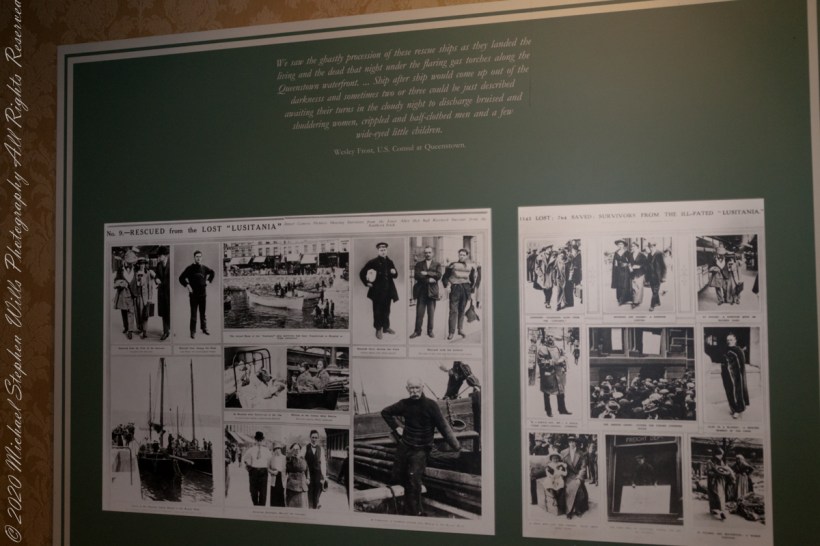
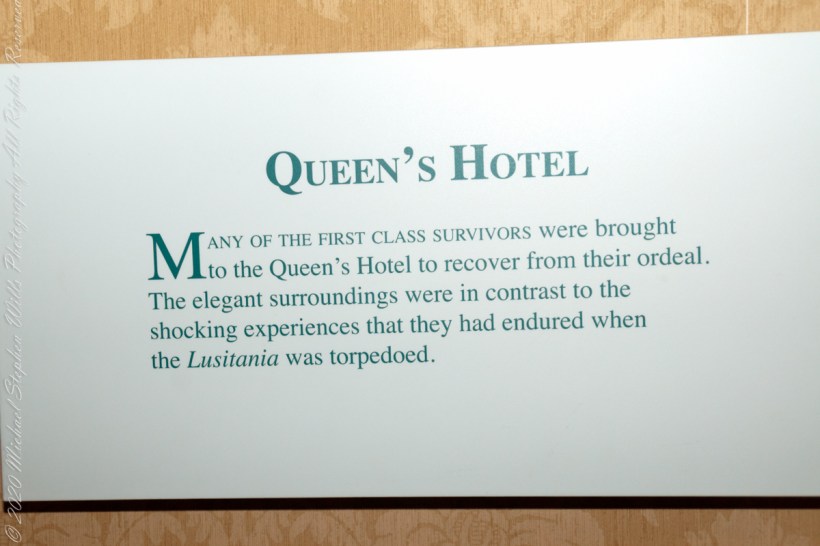
On May 7th, 1915 the Cunard liner Lusitania was torpedoed 16 km (10 miles) off the Old Head of Kinsale, 40 km (25 miles) west of Queenstown. Of the 1,959 people on board, 1,198 died. Those who survived were brought to Queenstown and Kinsale by rescue vessels and cared for in local hotels and hospitals. Many of those who died were buried at Old Church cemetery, 3 km (2 miles) north of Queenstown. The first class Queen’s Hotel cared for some of the survivors. The elegant Edwardian atmosphere of the hotel was shattered by the horrific news of the loss of the ship. This is the setting for the story of Queenstown’s role in the Lusitania disaster. –text from Cobh Heritage Center poster, see image below.

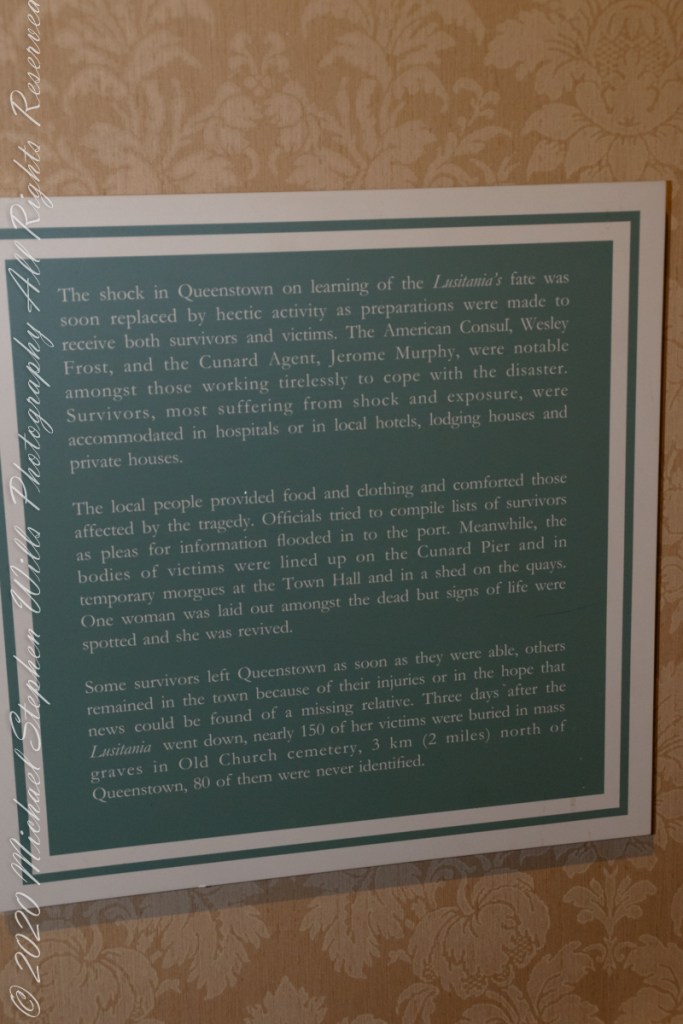
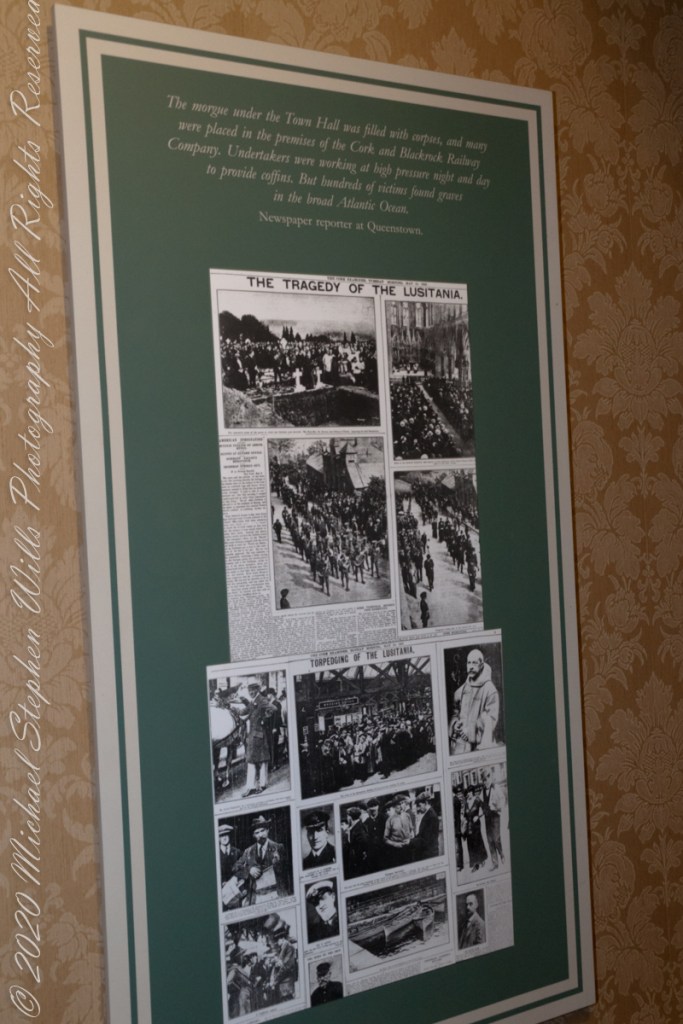
The Old Head is notable, in the contest of the Lusitania attack, for being the land closest to the incident. Cobh, then named “Queenstown”, was the focus of rescue operations. See text below, from a display of the Cobh Heritage Museum.

The Kinsale tower is just over nine meters high, with walls up to 80 cm thick. Records show a signal crew was in place in 1804 and the tower finished the following year, though severely affected by dampness. When Napoleon was defeated by Wellingtons forces at Waterloo, 1815. With the diminished threat these expensive installations were neglected. The 1899 Ordnance Survey map lists the site as being in ruins. During our 2014 visit the local community was renovating the tower and the work appears complete sometime before 2021.

I did not see and/or recall much emphasis in the museum for pillorying Germany, after all a German U-boat was responsible. Curious, I did a Wikipedia search and found this text. The topic of Ireland, Germany and World War I is complicated.

On the afternoon of 7 May, a German U-boat torpedoed Lusitania 11 miles (18 km) off the southern coast of Ireland inside the declared war zone. A second internal explosion sank her in 18 minutes, killing 1,198 passengers and crew. The German government justified treating Lusitania as a naval vessel because she was carrying 173 tons of war munitions and ammunition, making her a legitimate military target, and they argued that British merchant ships had violated the cruiser rules from the very beginning of the war. The internationally recognized cruiser rules were obsolete by 1915; it had become more dangerous for submarines to surface and give warning with the introduction of Q-ships in 1915 by the Royal Navy, which were armed with concealed deck guns. The Germans argued that Lusitania was regularly transporting “war munitions”; she operated under the control of the Admiralty; she could be converted into an armed auxiliary cruiser to join the war; her identity had been disguised; and she flew no flags. They claimed that she was a non-neutral vessel in a declared war zone, with orders to evade capture and ram challenging submarines.
However, the ship was not armed for battle and was carrying thousands of civilian passengers, and the British government accused the Germans of breaching the cruiser rules. The sinking caused a storm of protest in the United States because 128 American citizens were among the dead. The sinking shifted public opinion in the United States against Germany and was one of the factors in the declaration of war nearly two years later. After the First World War, successive British governments maintained that there were no munitions on board Lusitania, and the Germans were not justified in treating the ship as a naval vessel. In 1982, the head of the Foreign Office’s American department finally admitted that, although no weapons were shipped, there is a large amount of ammunition in the wreck, some of which is highly dangerous and poses a safety risk to salvage teams.

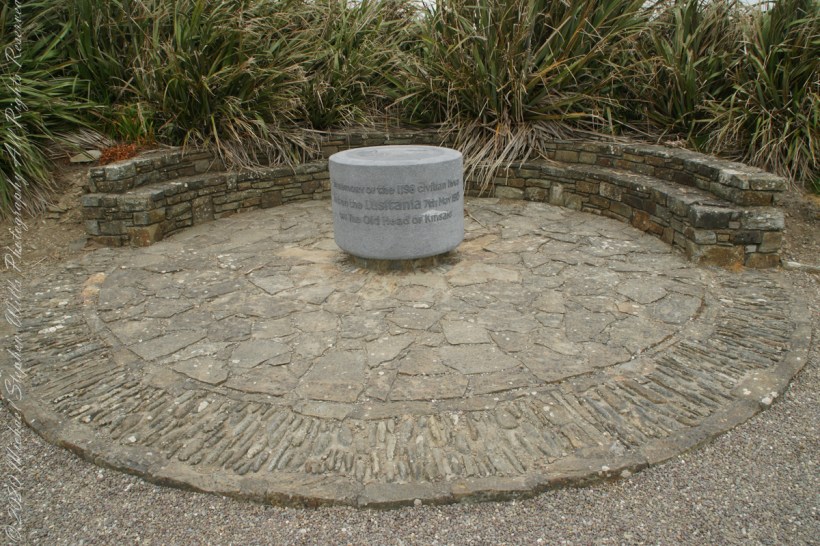
The original memorial to the Lusitania was unveiled on the 80th anniversary of the May 7th, 1915 sinking (May 7, 1995), Old Head of Kinsale, County Cork Ireland. The imemorial nscription reads “In memory of the 1198 civilian lives lost on the Lusitania 7th May 1915 off the Old Head of Kinsale.”

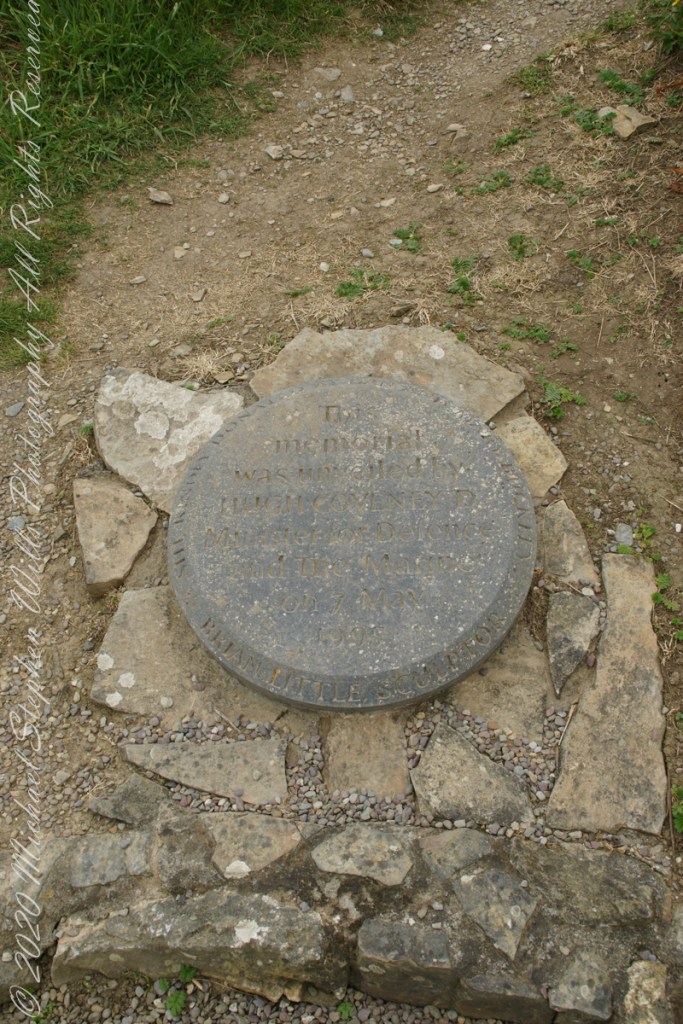
The inscription of the commemoration plaque accompanying the memorial reads, “This memorial was unveiled by Hugh Coveney D Minister of Defense and The Marine on 7 May 1995.” Around the edge of the medallion reads, “Brian Little Sculptor” “This (cannot read) donated by Lan and Mary Buckley”

Reference
Wikipedia, “RMS Lusitania.”
Copyright 2021 Michael Stephen Wills All Rights Reserved
Napoleonic Era Signal Tower

19th Century Technology

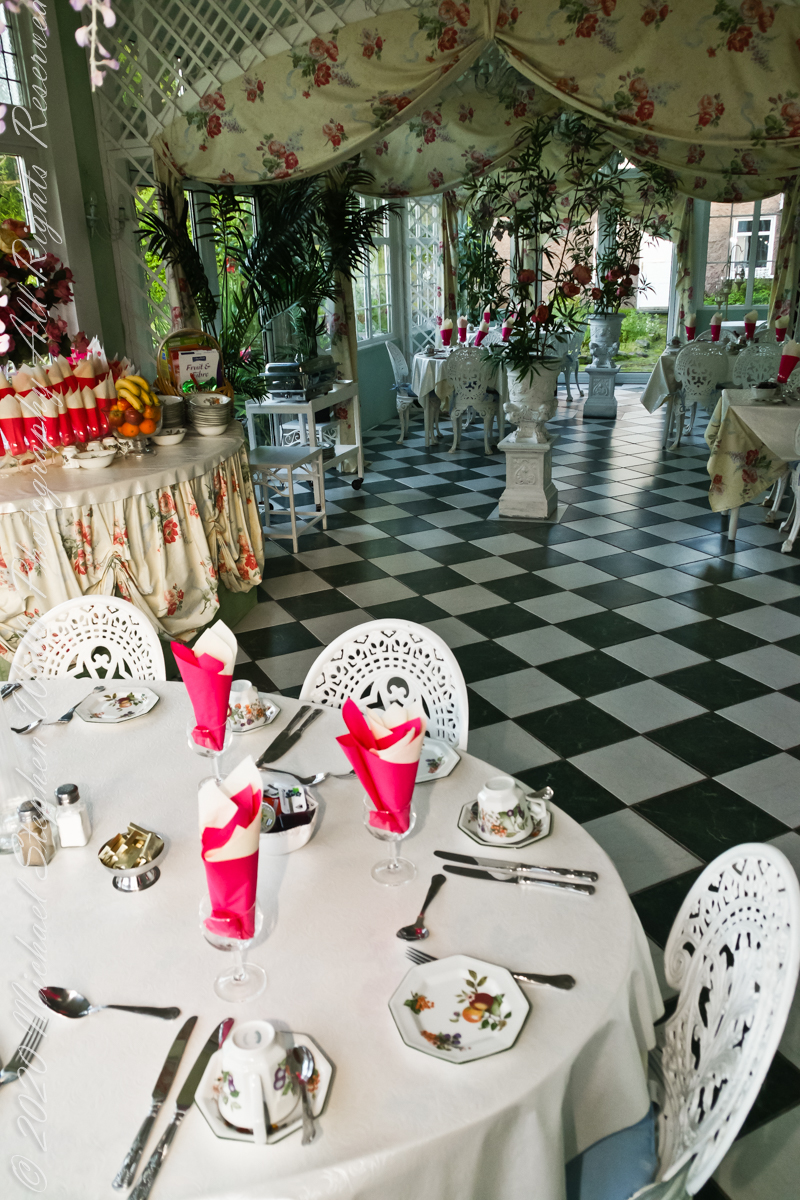
Our day of touring Kinsale and environs, the last day of May 2014, began with this elegant breakfast by Marantha House near Blarney, our base for County Cork.

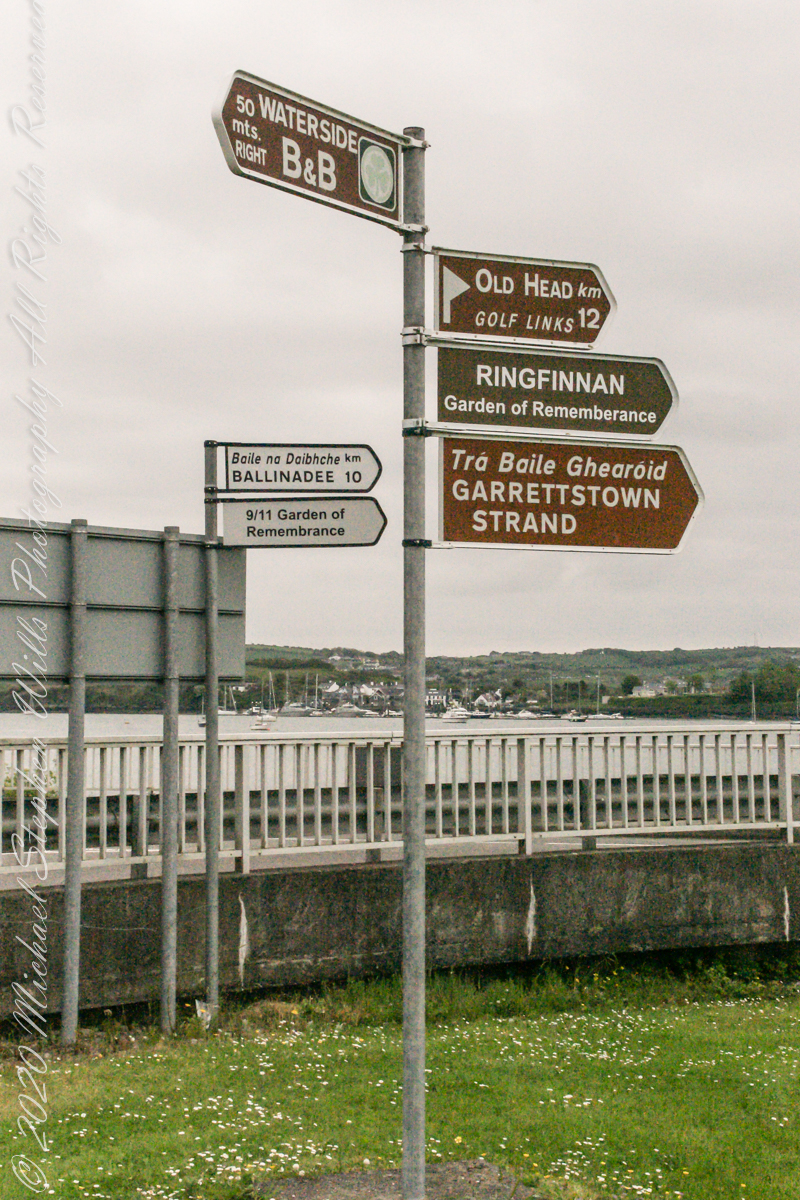
On the way to the Old Head of Kinsale. Located in Knocknacurra on the Kinsale side of Bridge Kinsale on R600. Looking toward the peninsula of Castle Park Village and James Fort. Coordinates 51°41’40.1″N 8°31’42.0″W

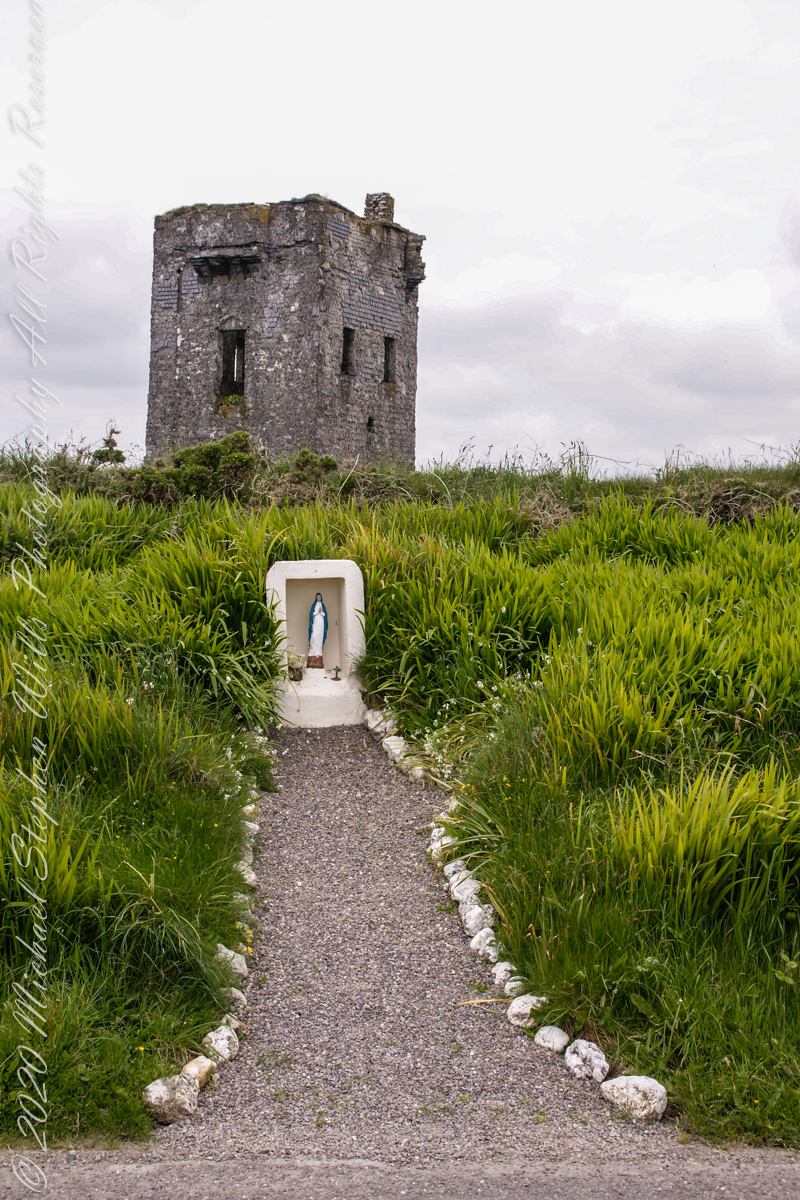
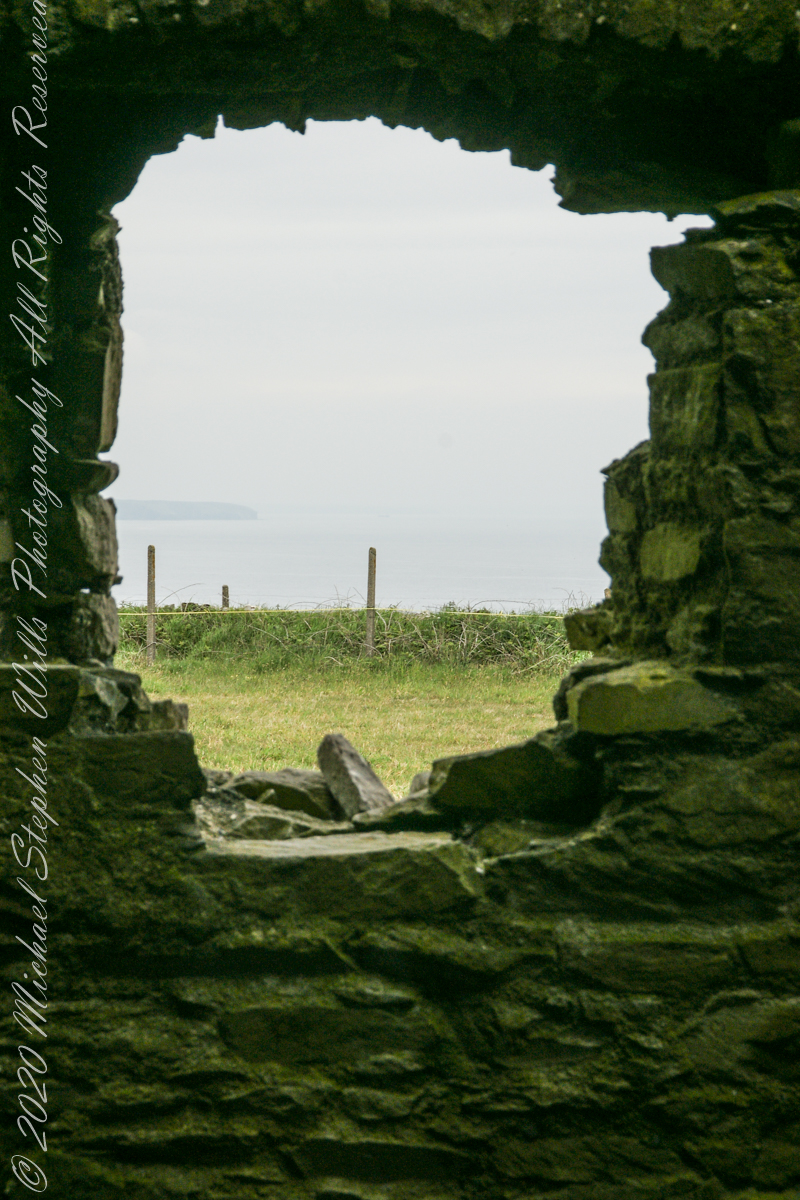
This tower, at the apex of the Old Head ring route, has extensive views. The next station at Seven Heads, to the southwest, is visible against the skyline on a clear day. These are two of the 81 stations planned for this signaling system implemented in the first years of the 19th century when a French naval invasion was a possibility.

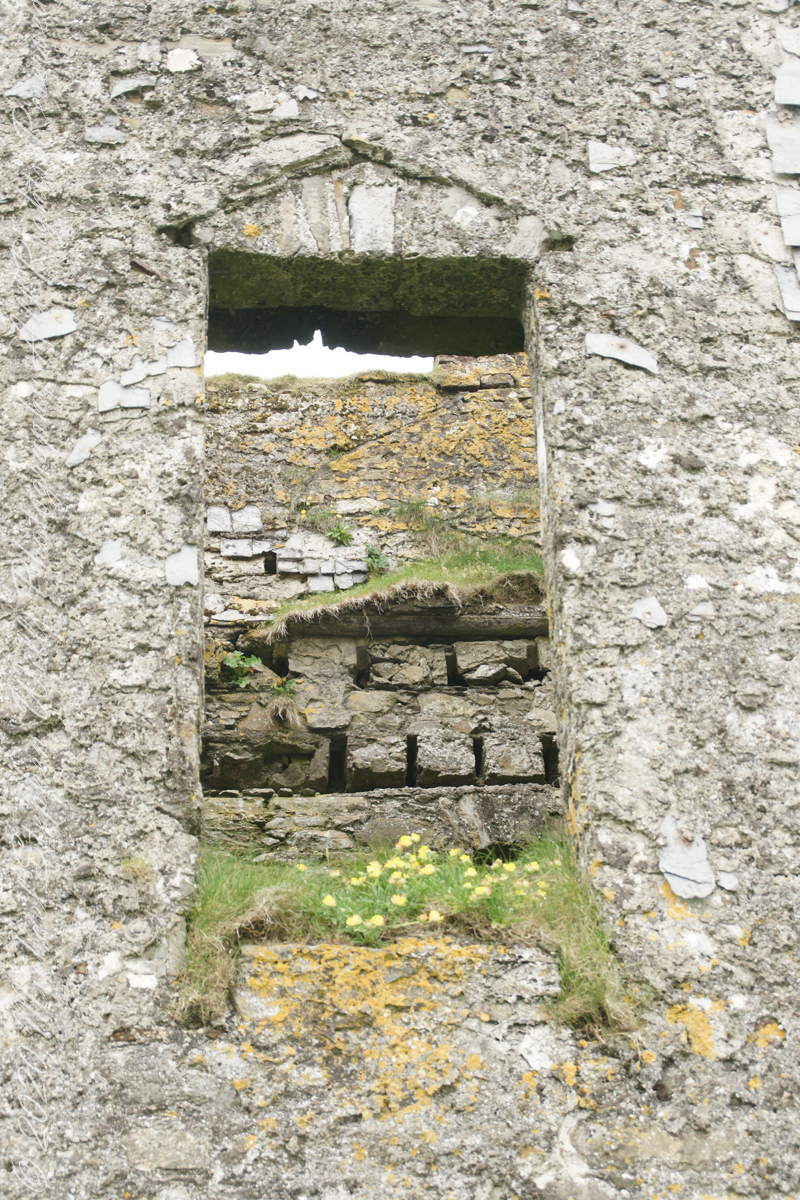
The Kinsale tower is just over nine meters high, with walls up to 80 cm thick. Records show a signal crew was in place in 1804 and the tower finished the following year, though severely affected by dampness. When Napoleon was defeated by Wellingtons forces at Waterloo, 1815. With the diminished threat these expensive installations were neglected. The 1899 Ordnance Survey map lists the site as being in ruins. During our 2014 visit the local community was renovating the tower and the work appears complete sometime before 2021.


References
Click me for Irish Times 2013, “Ireland’s Napoleonic-era signal towers.”

Copyright 2021 Michael Stephen Wills All Rights Reserved
Iron Grace

Spring Solstice is today


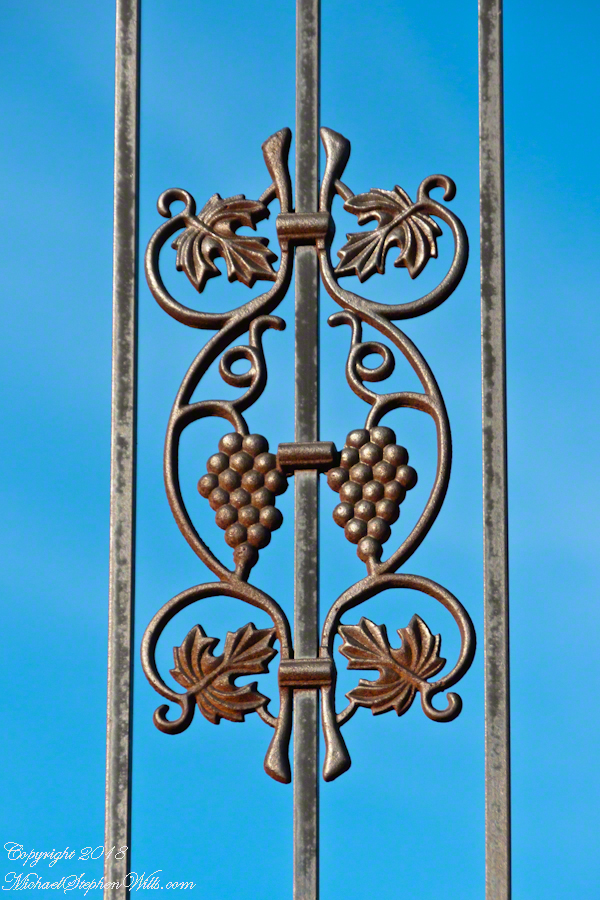
A storage building fashioned into an overlook, just off South Pulteney Road, Route 76, as the road climbs the hillside. This cast iron decoration graces the fence around the roof. The building is built into the hillside, one edge level with the ground.

As far back as I can remember, over thirty years, yet unmarked on maps, this building and view has been part of the experience of Keuka Lake.  During that time, the fence was erected to protect us.  The place symbolizes the gracious hospitality of the Finger Lakes Region.

I caught this feature during an outing to Dr. Frank Winery, just a ways up the road, one day of an unusually cold early December.

Copyright 2021 Michael Stephen Wills All Rights Reserved
Annie Moore and her brothers

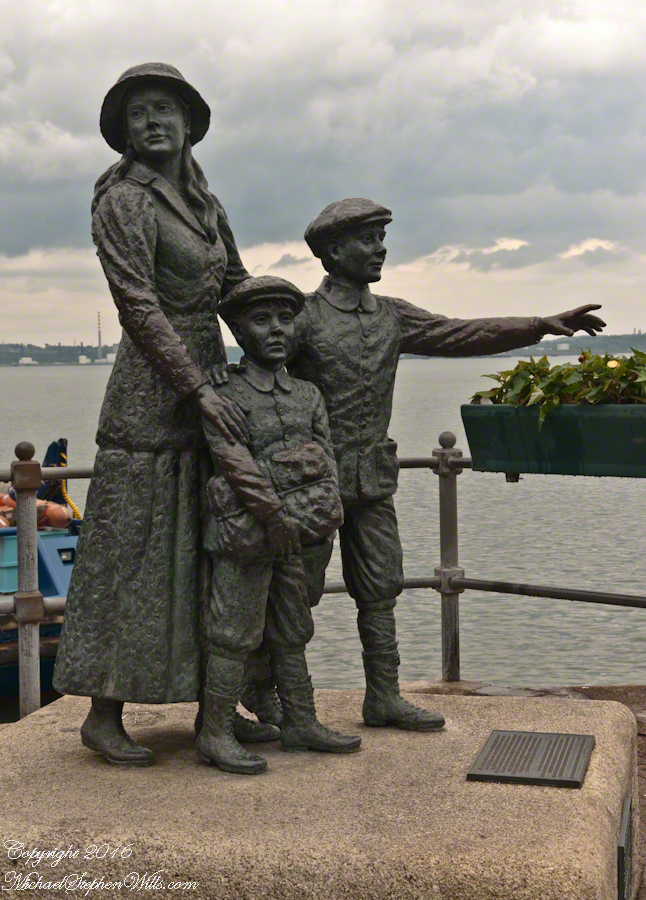
A statue of Annie Moore and her brothers quayside, Cóbh, County Cork, The Republic of Ireland

Click the photograph for my online gallery.
Annie, Anthony and Phillip Moore Statue, Cóbh– CLICK ME!!!!

On May 29, 2014, Pam and I had the emotionally moving experience of visiting the Cóbh Heritage Centre. This statue stands outside the centre, on the quay from which thousands of Irish emigrated from what was then Queenstown. My father’s mother, Elizabeth Wills née Duffy, departed from here on April 28, 1898.

These are the words on the plaque:

‘Annie Moore and her brothers, Anthony and Phillip, embarked from this town on December 20, 1891, on the S.S. Nevada. Annie was the first person to be admitted to the United States of America through the new immigration center at Ellis Island, New York, on January 1, 1892. This sculpture was unveiled by the President of Ireland, Mary Robinson, on February 9, 1993. It was erected by Cóbh Heritage Trust Ltd. and is dedicated to all who emigrated from Ireland.
This sculpture won the Zeneca Ireland Ltd. Commemorative Sculpture Award. A statue of Annie Moore was also erected at Ellis Island, New York. The commemoration of Annie Moore at New York and at Cóbh was initiated by the Irish American Cultural Institute. This sculpture is the work of Jeanne Rynhart of Bantry.'”

Click to visit the previous post in this series, “The Old Aghameen School.”

Copyright 2021 Michael Stephen Wills All Rights Reserved
Weekday Visit to Sapsucker Woods

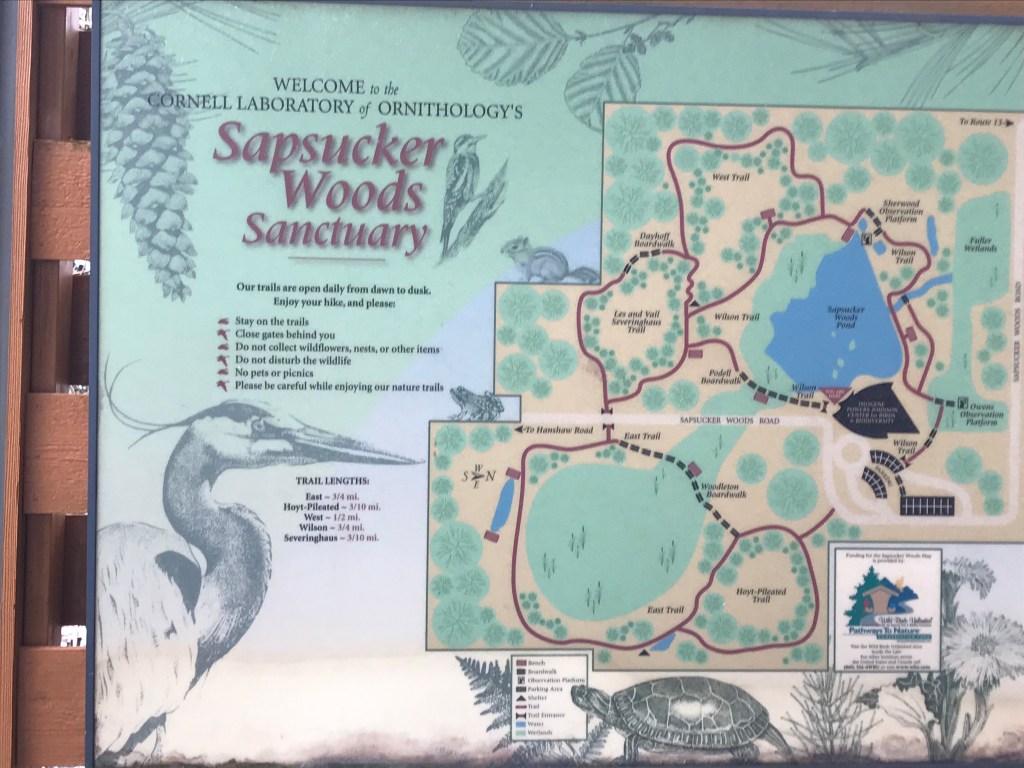
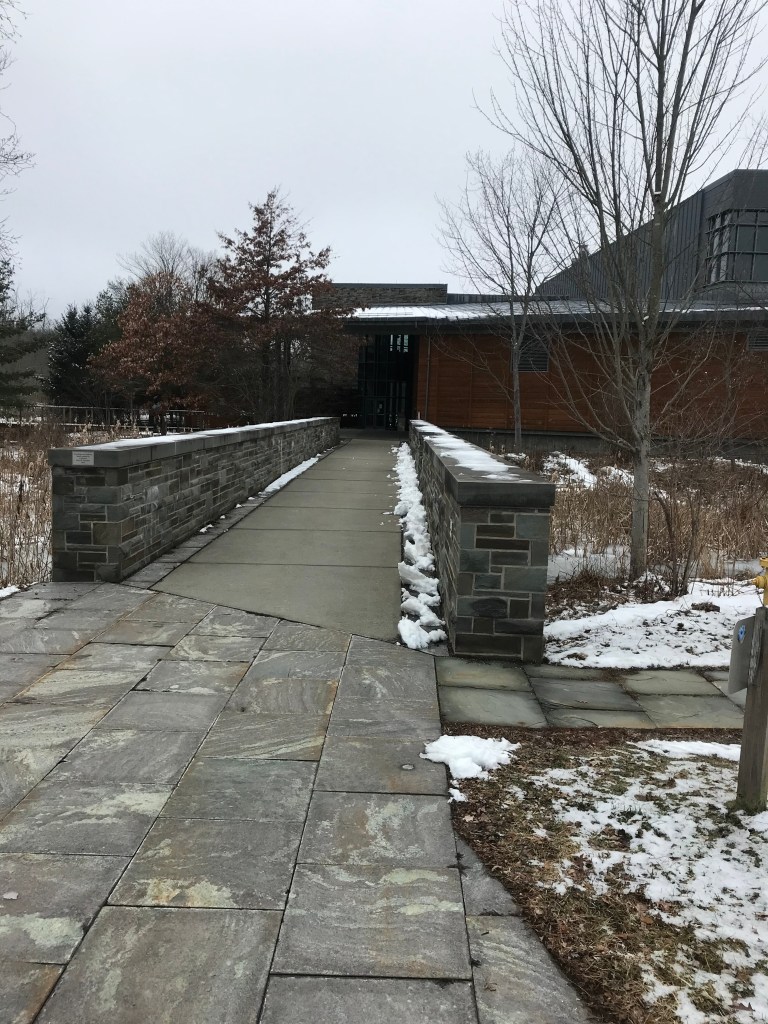
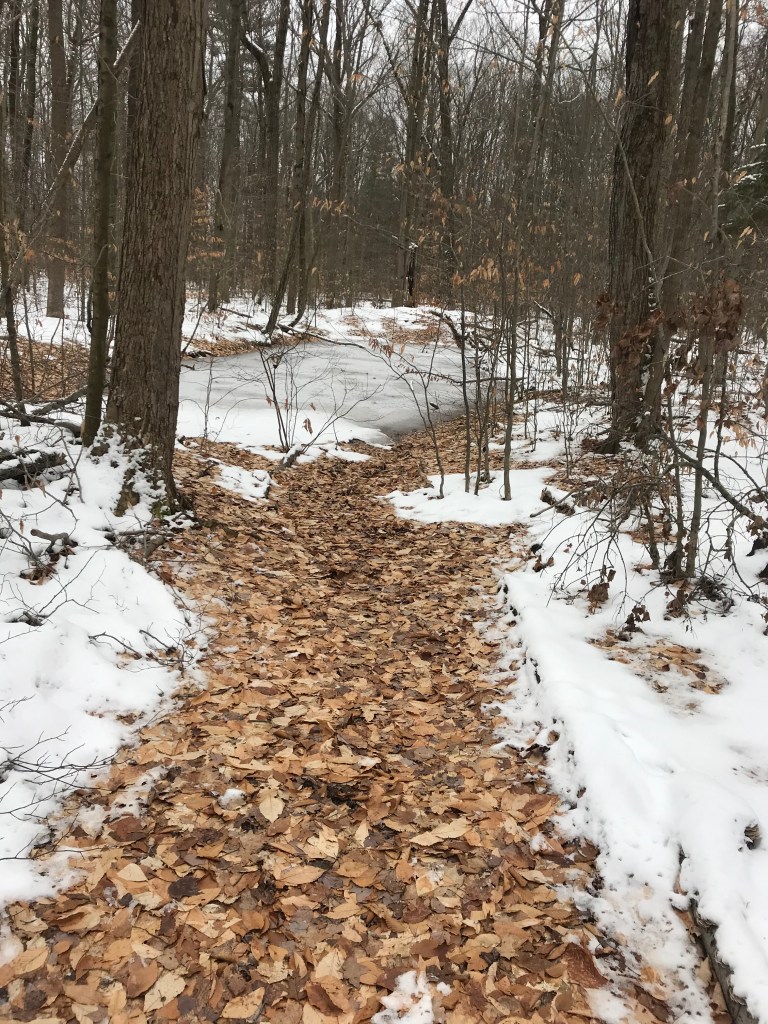
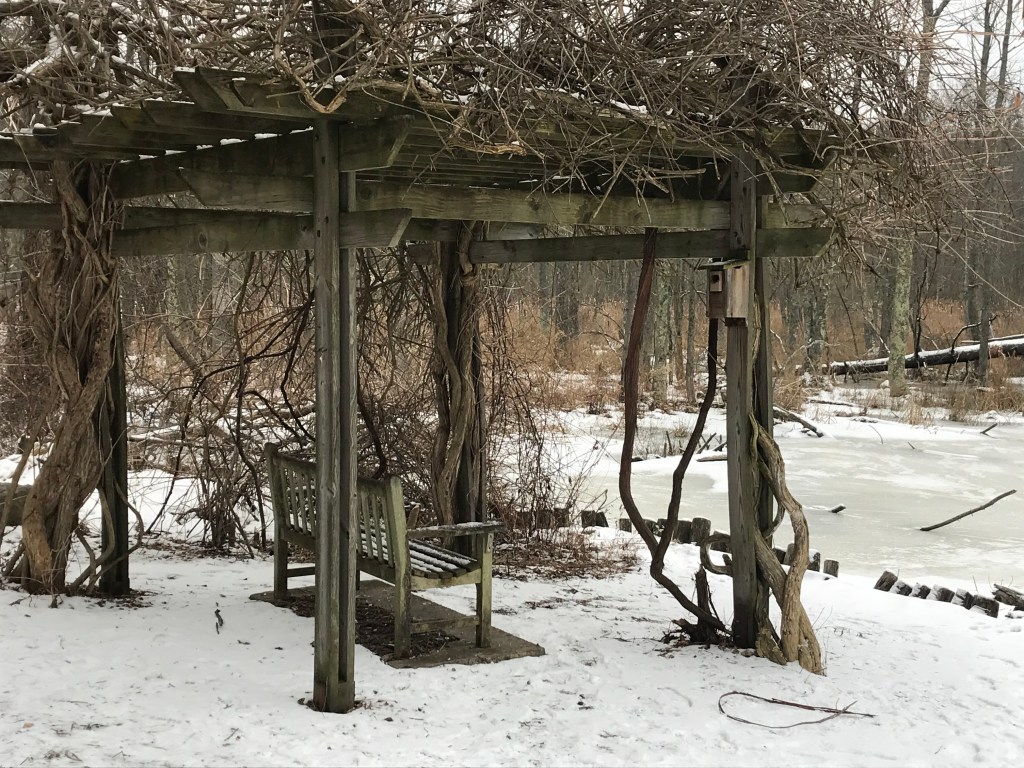
A far-seeing, nature loving group of individuals set aside this prime swamp-land in 1954. January 8, 2021, it is surrounded by homes, a major road (the unluckily-named Route 13), an airport. Though the trails are narrow, I am happy to report everyone encountered (six individuals, though two were encountered twice on the circular trails) wore mask and demonstrated consideration.

Swamps are navigated on wooden walkways. Here are a few IPhone 7 snaps from the entrance.

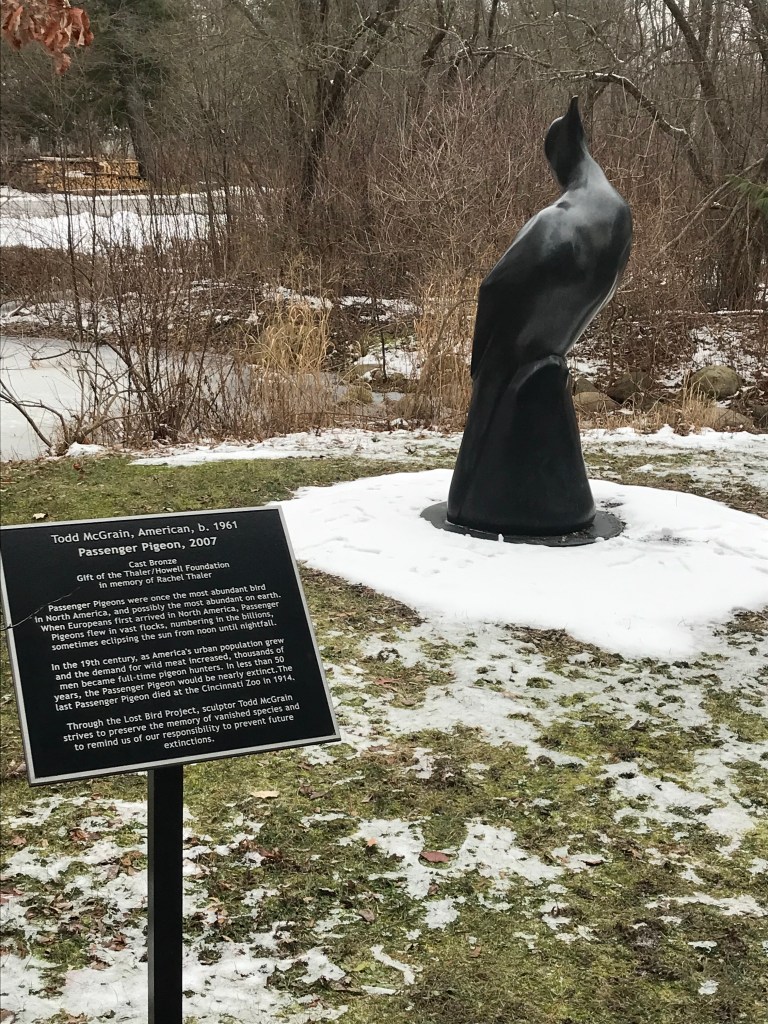
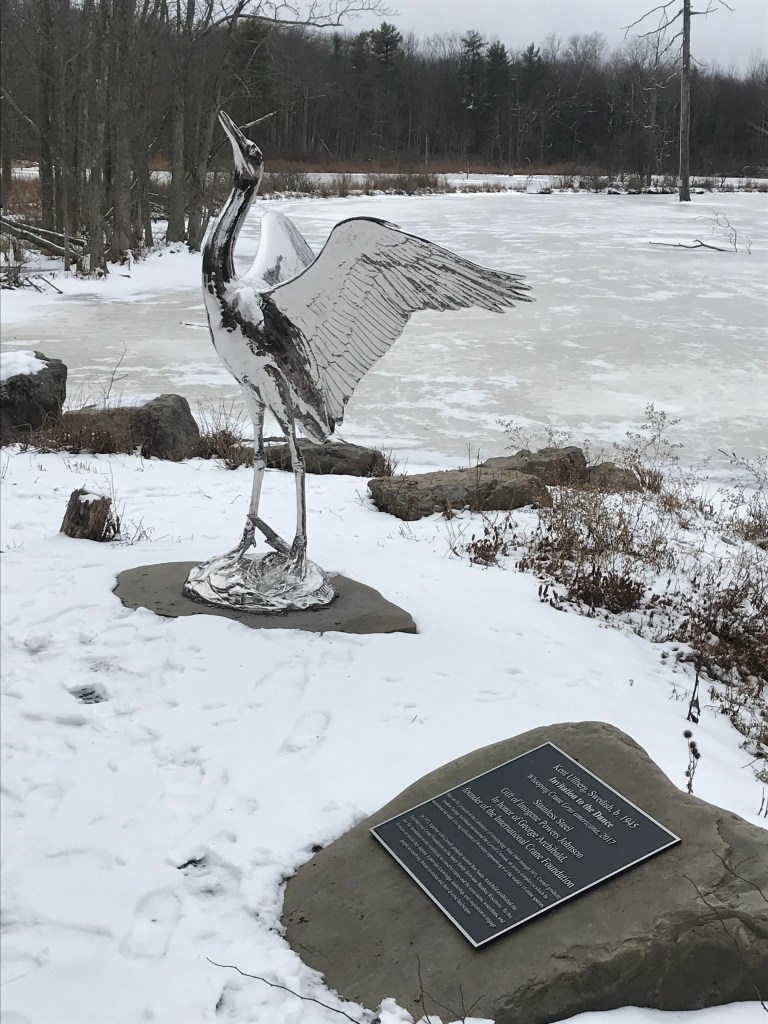
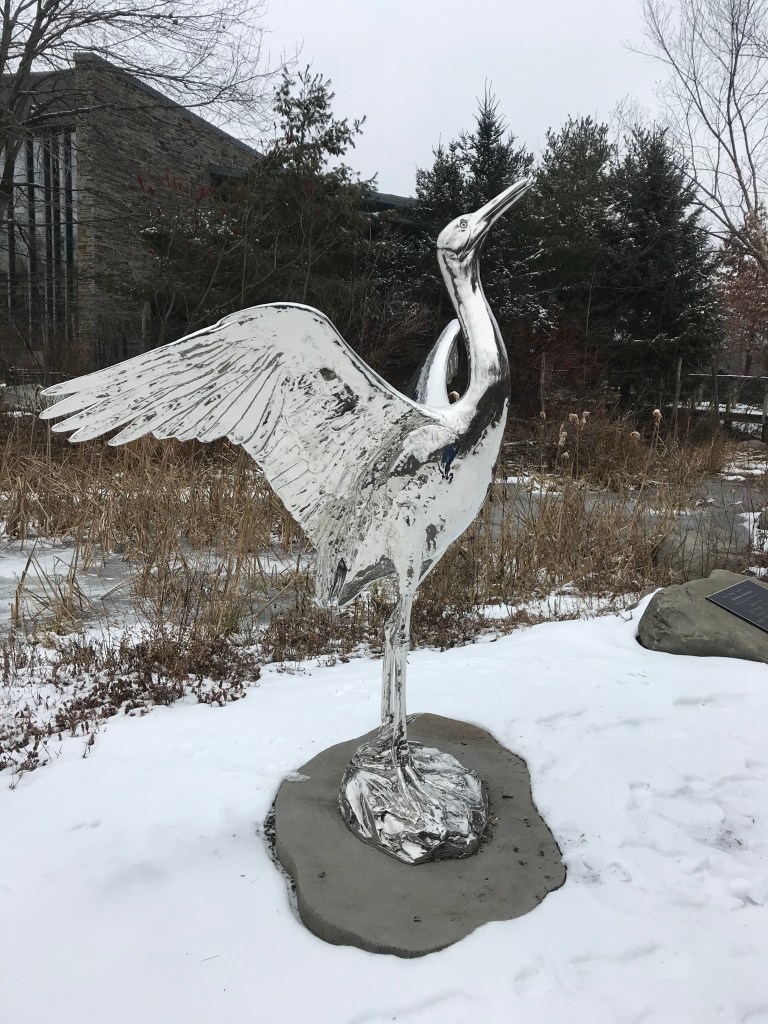
Today I noticed for the first time this glistening sculpture with a plaque reading, in part, “Kent Ullberg, Swedish, b 1945, ‘Invitation of the Dance’, 2017. Stainless steel.” It was donated by the billionaire Imogene Johnson shortly before her death in 2018 at the age of 87. Mrs. Johnson was a Cornell University alumna. She and her husband were huge donors to the university, having met there as undergraduates.

Copyright 2021 Michael Stephen Wills All Rights Reserved
Frozen Dam

Views from the bridge on Christmas Eve 2019

Here is a companion post for last Sunday’s photographs of Beebee Lake. This was taken where the lake outflow continues as Fall Creek. Enjoy!!

Copyright 2019 All Rights Reserved Michael Stephen Wills
Quaker Settlement Series 2

Gone too soon

Joseph P. Lee, a middle aged gentleman with carvings of a mature willow flanked by urns. In the intervening 162 years the upper layers of slate flake at the edges.

Click photograph for a larger view. To do this from WordPress Reader, you need to first click the title of this post to open a new page.

Rhoda Ann Mattison, a wife who died too young. What was the relationship of James and Rhoda to Catherine and John?

The carving is a pineapple (for hospitality) set in a elegant vase on a plinth flanked by ionic columns, a simple arch (banded to imply a rainbow?) surmounts all. Cross hatching implies space. An implied eternal banding of stylized leaves as starbursts.

I brought out the characteristic slate coloring. There is evidence of ware from the intervening 197 years, though the carving is surprising crisp.

Slideshow of photographs in this series

Copyright 2019 All Rights Reserved Michael Stephen Wills