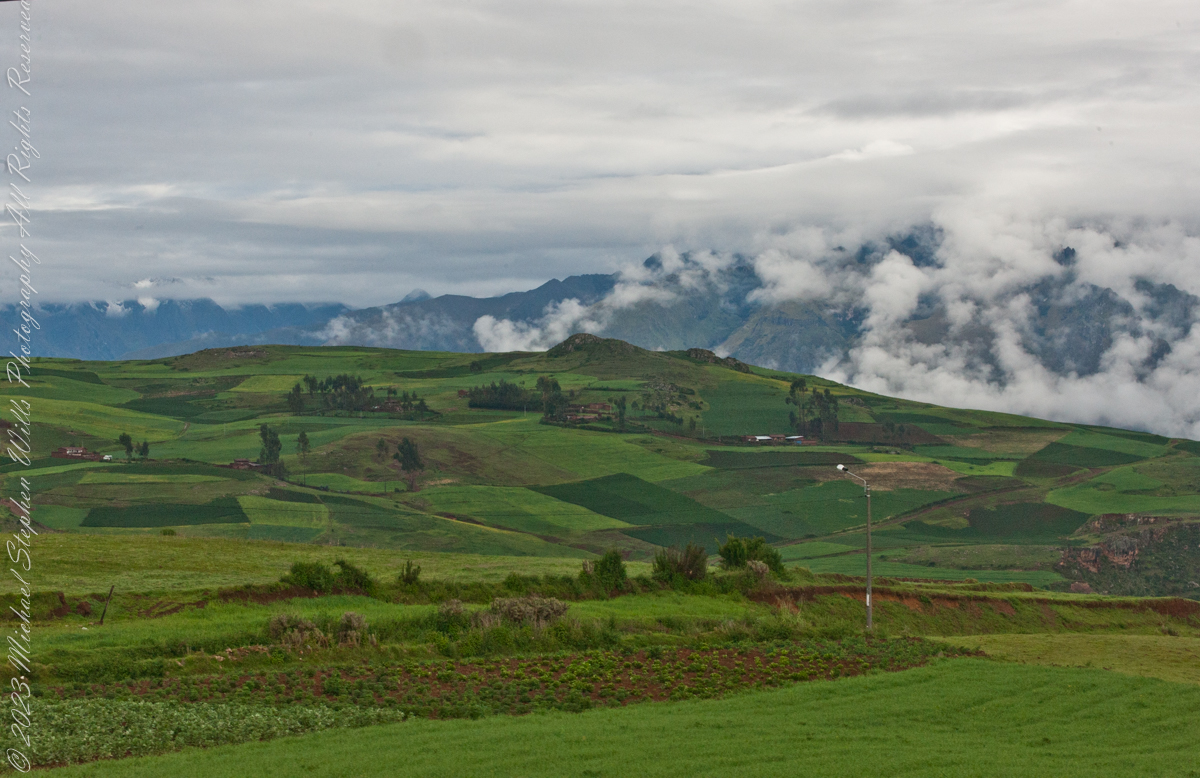
We are on our way to Machu Picchu on Route 28B to the Pachar PeruRail station.
Click Me for my Online Gallery
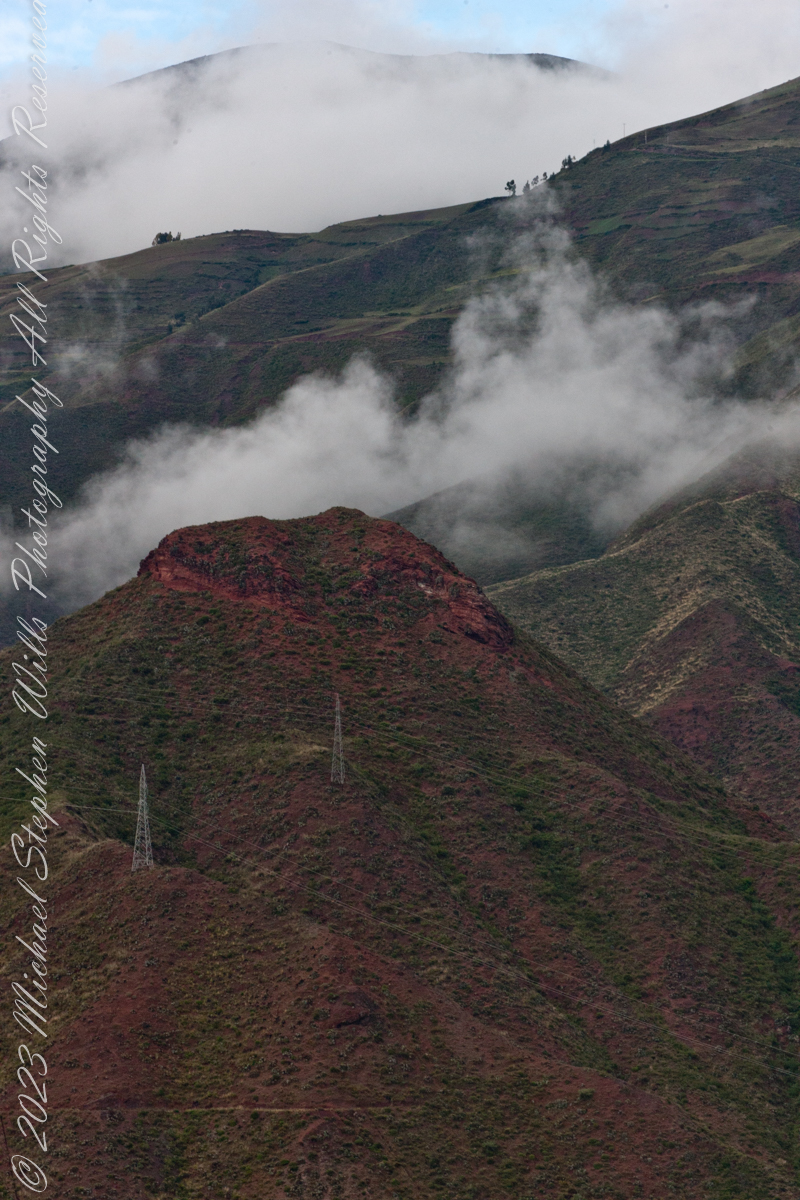
At an elevation around 9,300 feet the town is “low” compared to the surroundings.
We are on our way to Machu Picchu on Route 28B to the Pachar PeruRail station.
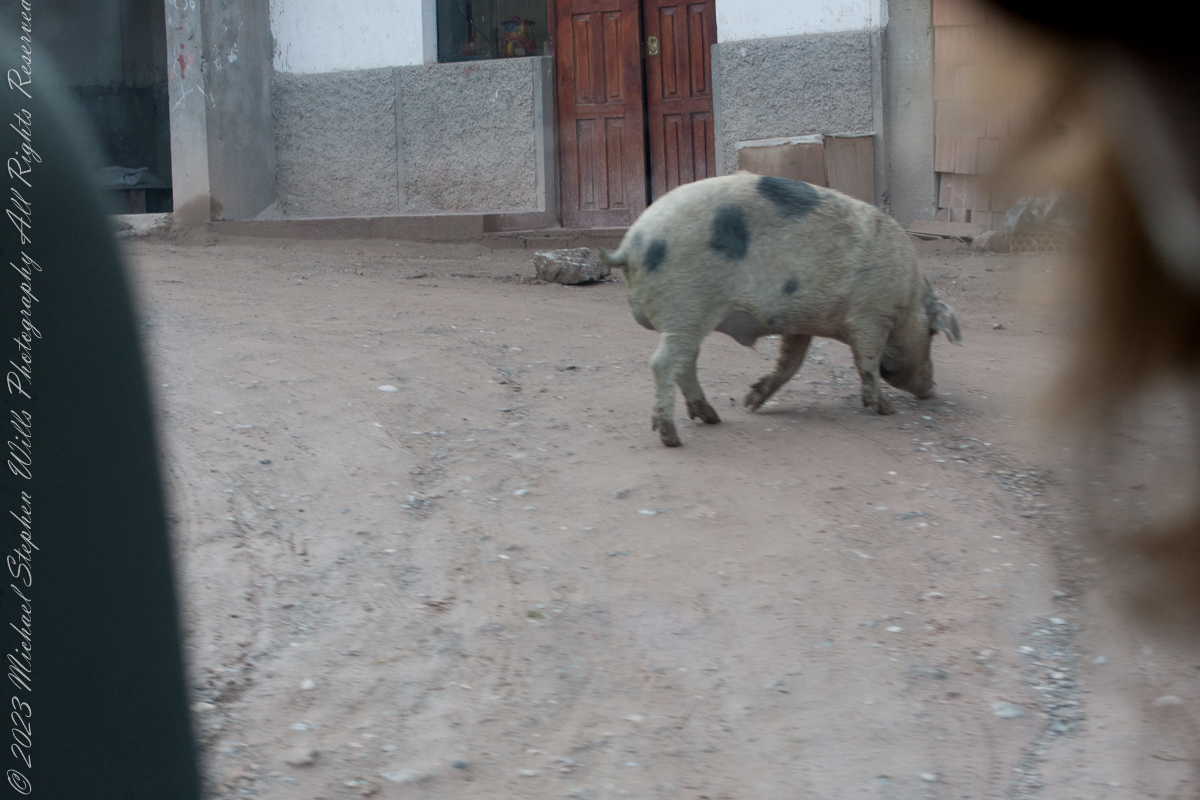
At an elevation around 9,300 feet the town is “low” compared to the surroundings.
We are on our way to Machu Picchu on Route 28B to the Pachar PeruRail station.
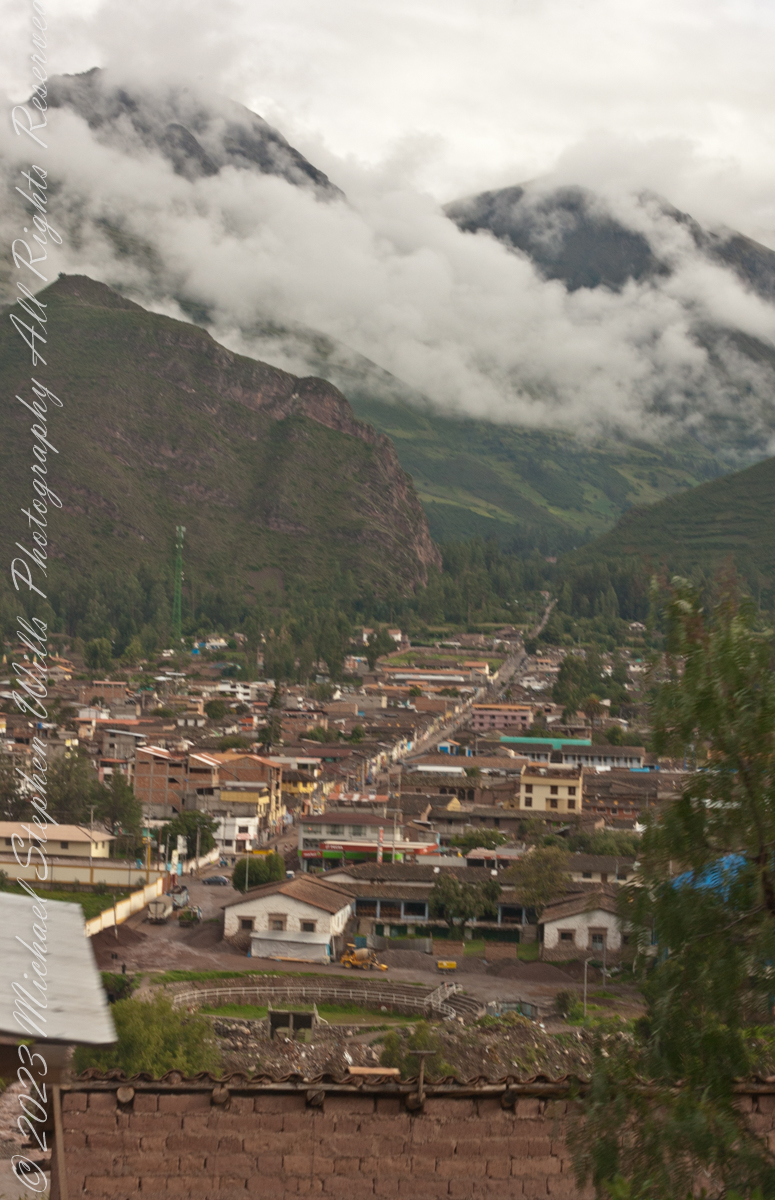
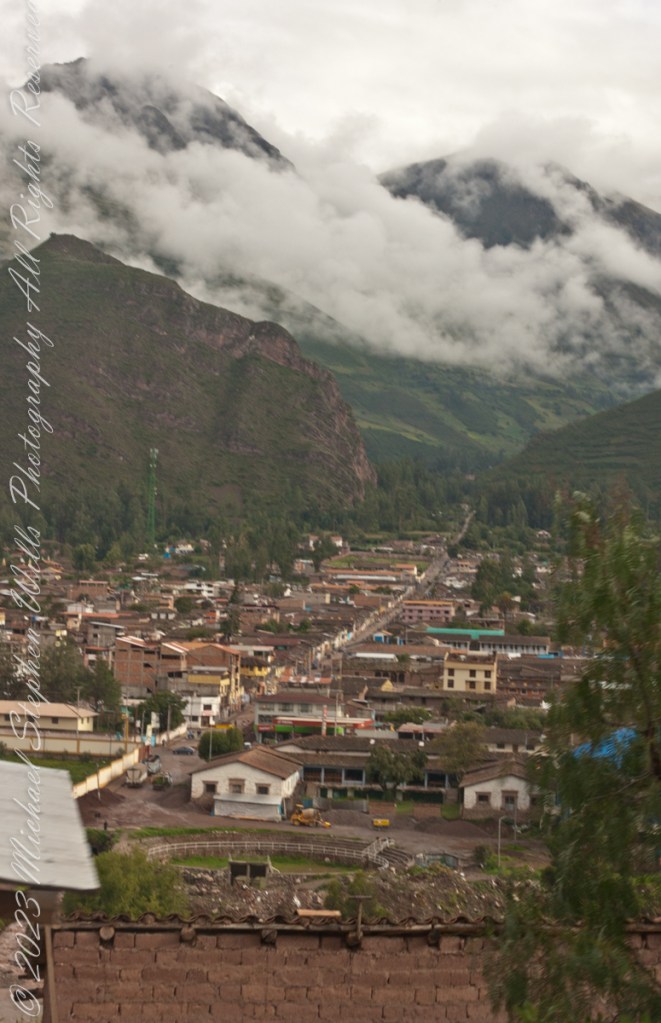
At an elevation around 9,300 feet the town is “low” compared to the surroundings.
As we descend into Urubamba on Avenue Mariscal Castilla we are presented with this view of the road continuing straight through the city and deep into the valley in the slope of El Chicon peak where it ends beneath Andean glaciers.
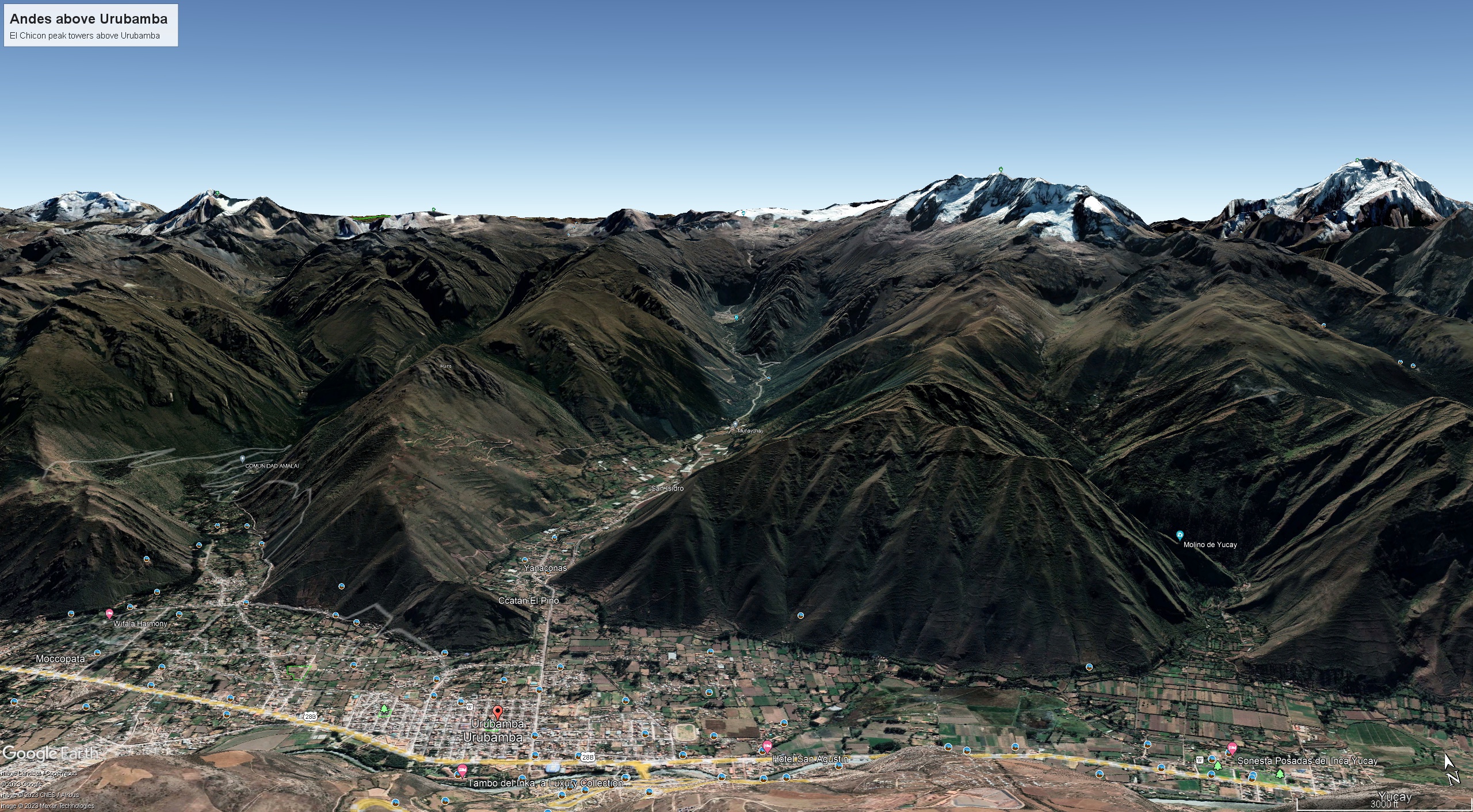
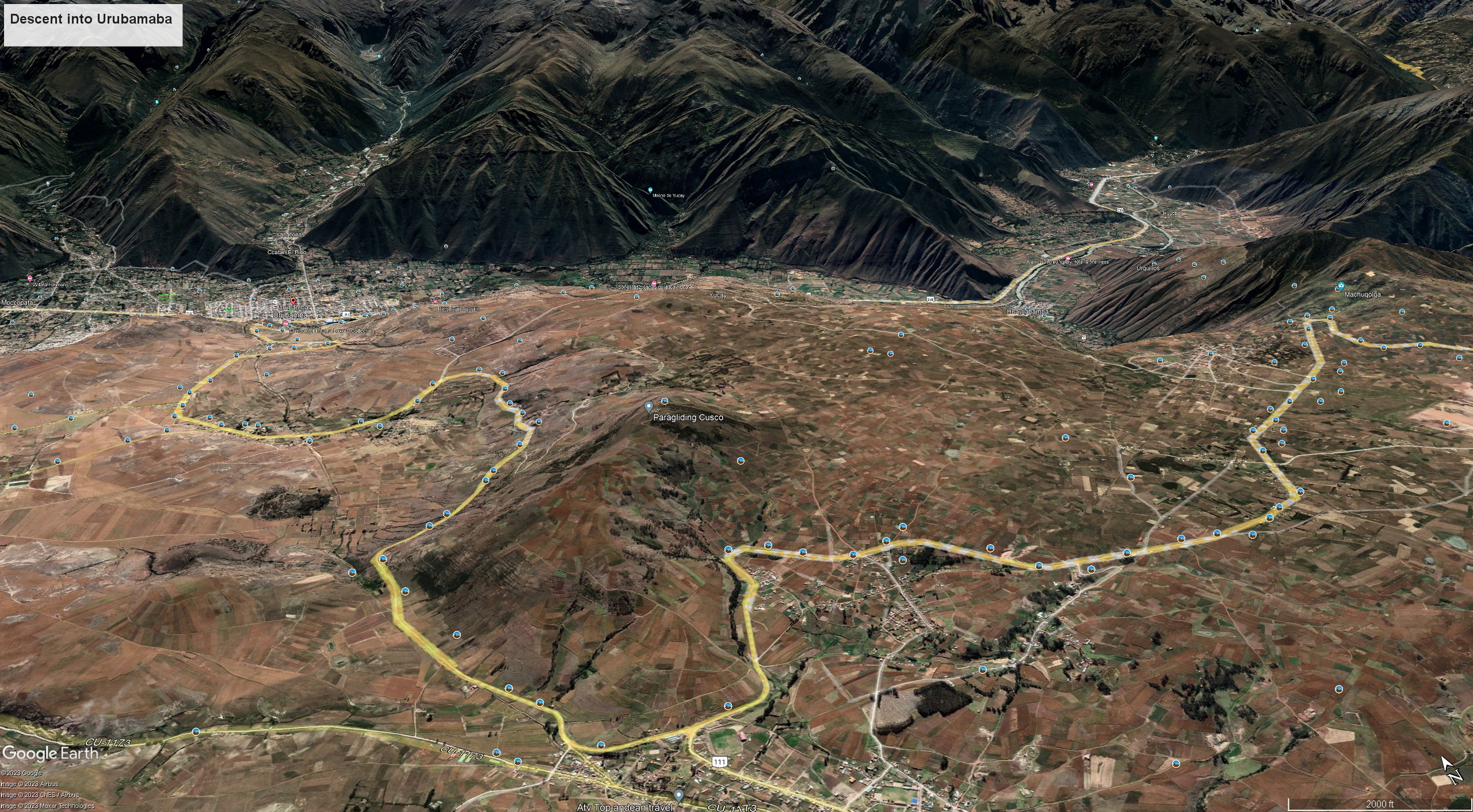
Here is a Google Earth view of Avenue Mariscal Castilla course into the Andean valley. Cusco Region, Urubamba Province, Urubamba District
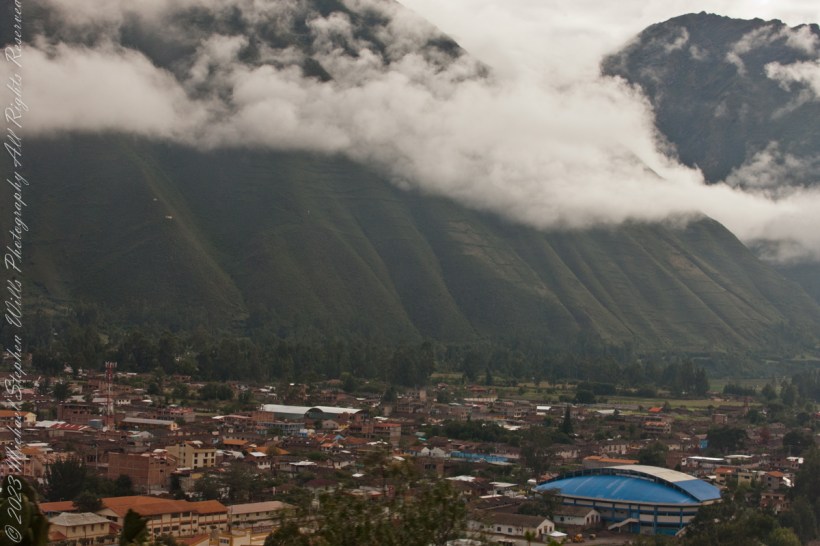
At an elevation around 9,300 feet the town is “low” compared to the surroundings.
Avenue Mariscal Castilla descends 2815 feet to Urubamba and the floor of the Sacred Valley in 14 broad switchbacks. Here we look across the town toward andean ramparts that define the topography.
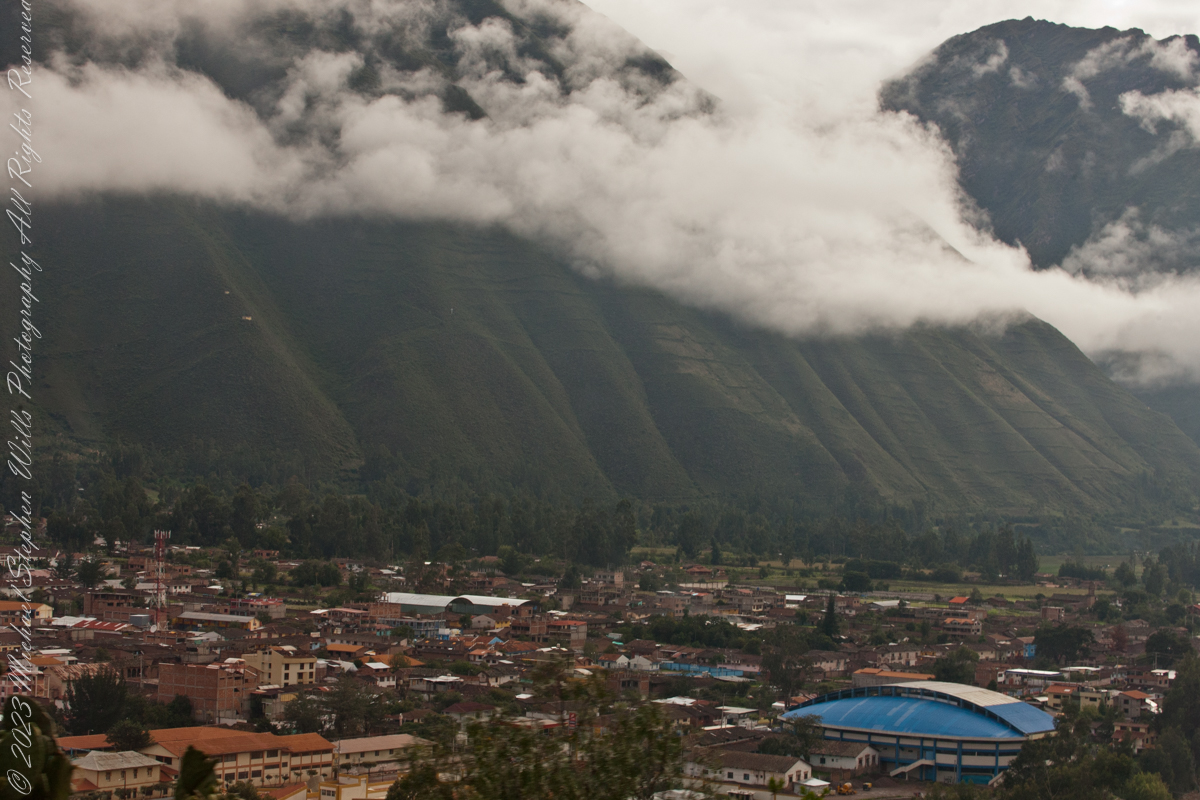
The name “Urubamba” possibly derives from in the Quechua spelling Urubamba meaning “flat land of spiders.” The largest town of the Sacred Valley, deriving importance as the gateway to Machu Picchu and other Inca sites. Cusco Region, Urubamba Province, Urubamba District
Happy July 4th!!
Avenue Mariscal Castilla descends 2815 feet to Urubamba and the floor of the Sacred Valley in 14 broad switchbacks. Cusco Region, Urubamba Province, Urubamba District. This series captures the experience.
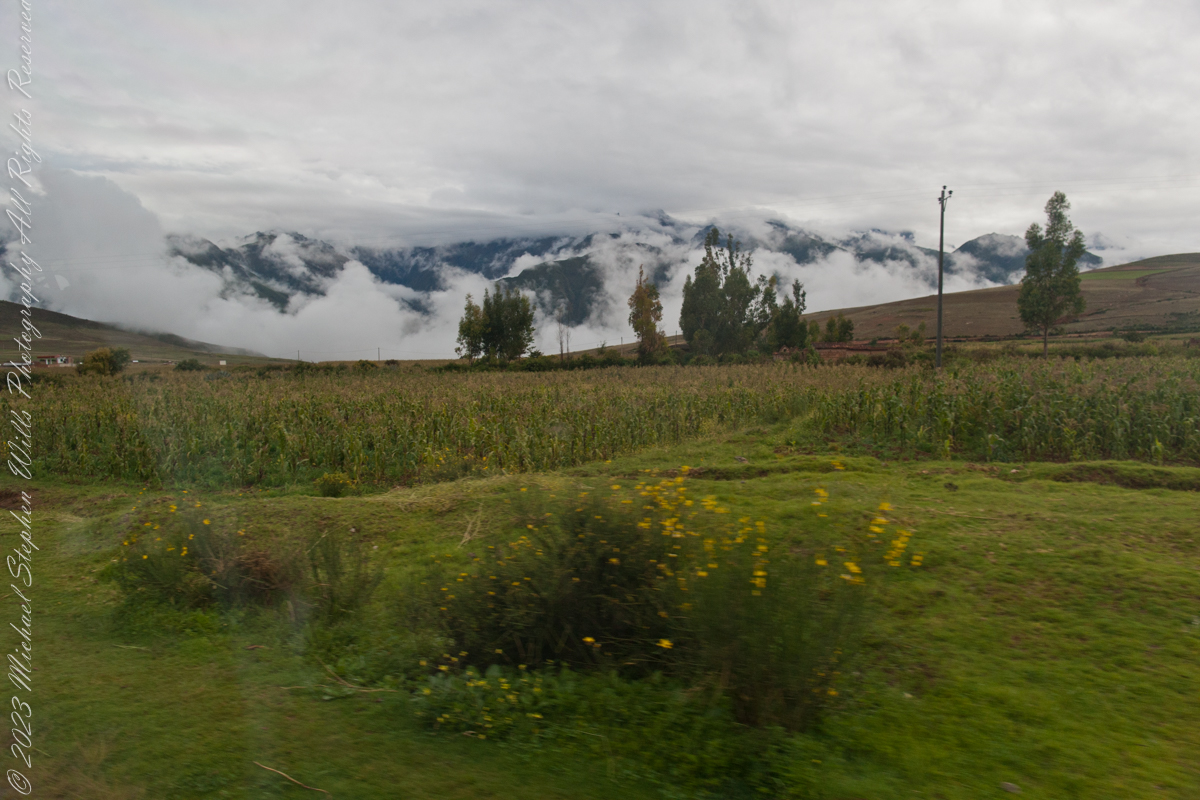
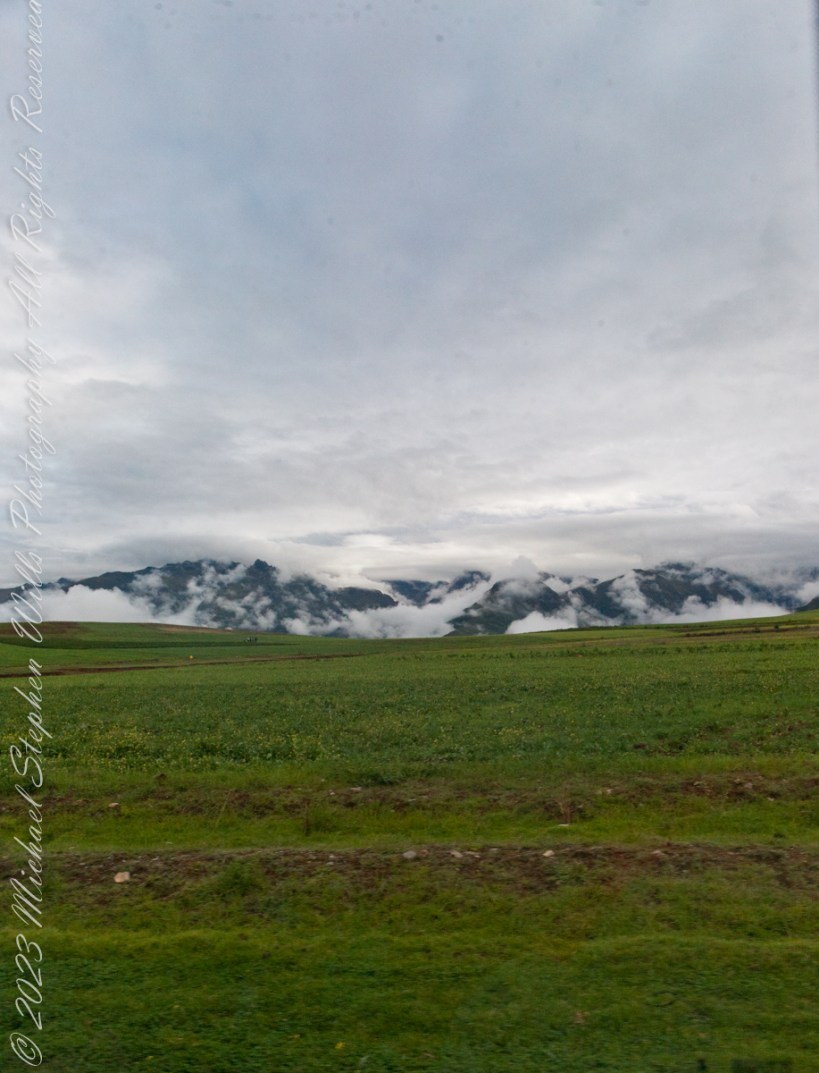
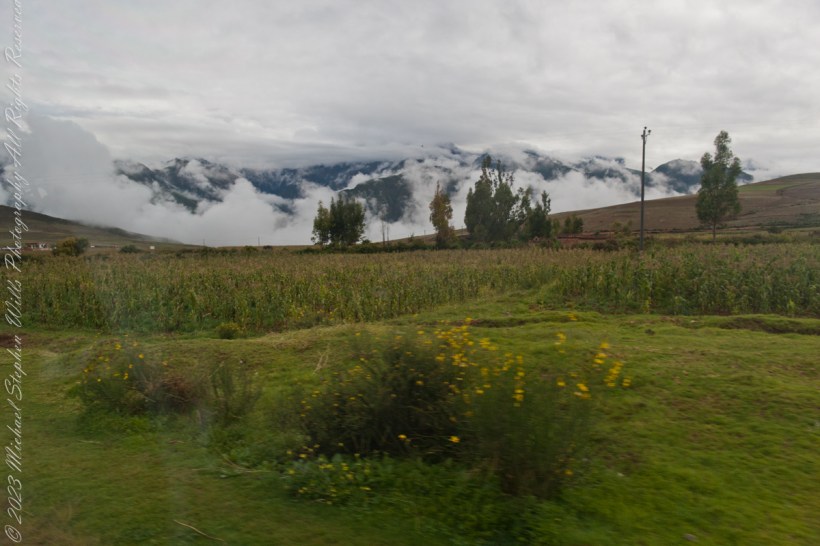
Avenue Mariscal Castilla descends 2815 feet to Urubamba and the floor of the Sacred Valley in 14 broad switchbacks. Cusco Region, Urubamba Province, Urubamba District. This series captures the experience.
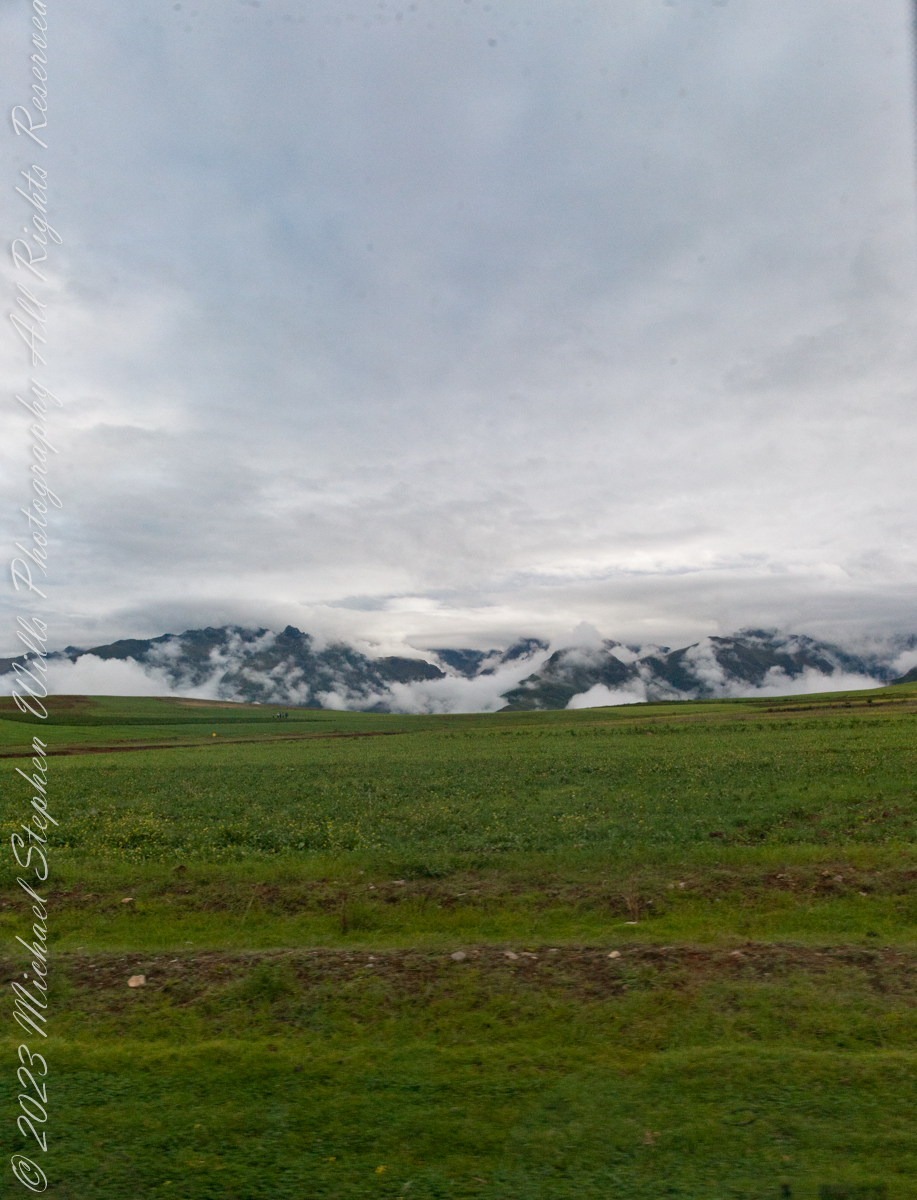
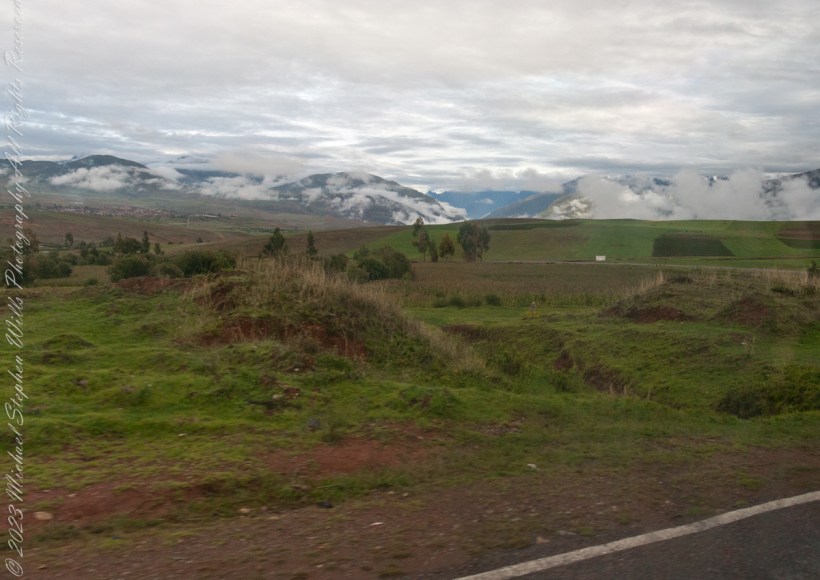
Avenue Mariscal Castilla descends 2815 feet to Urubamba and the floor of the Sacred Valley in 14 broad switchbacks. Cusco Region, Urubamba Province, Urubamba District. This series captures the experience.
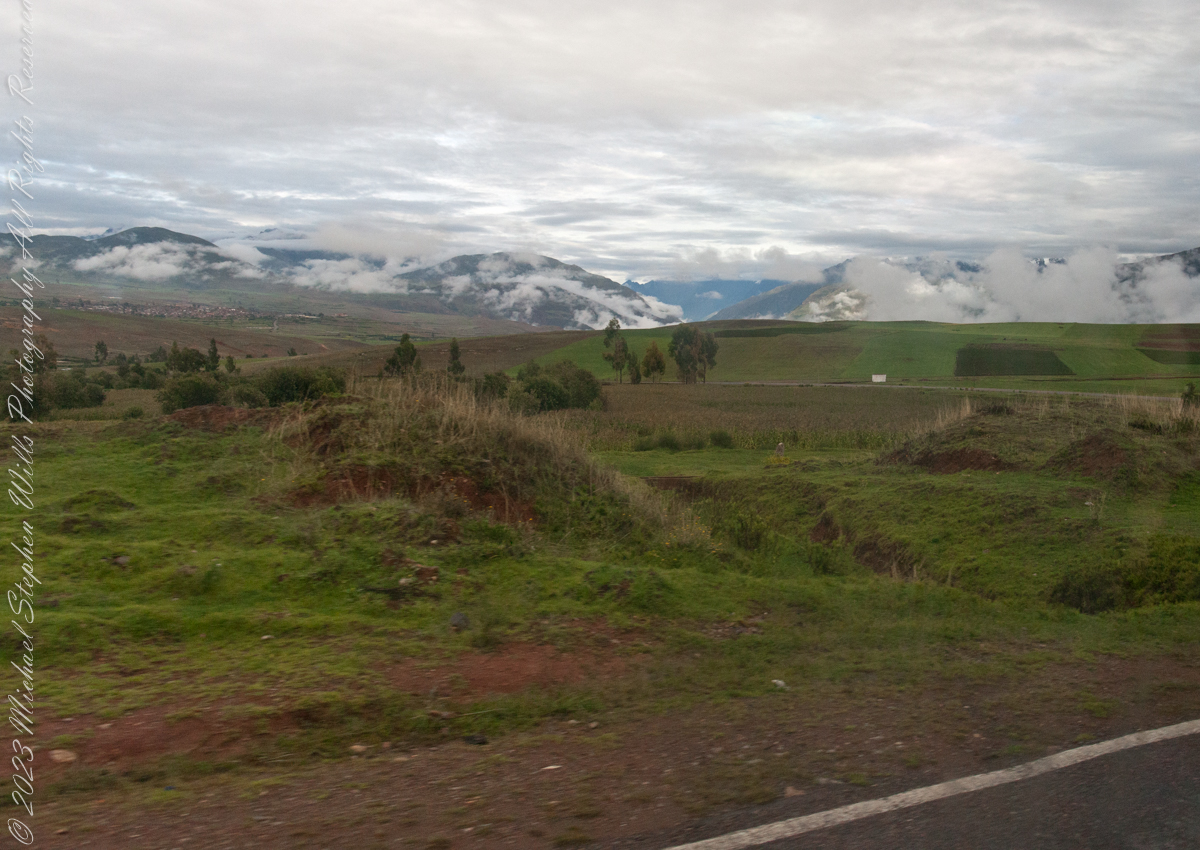
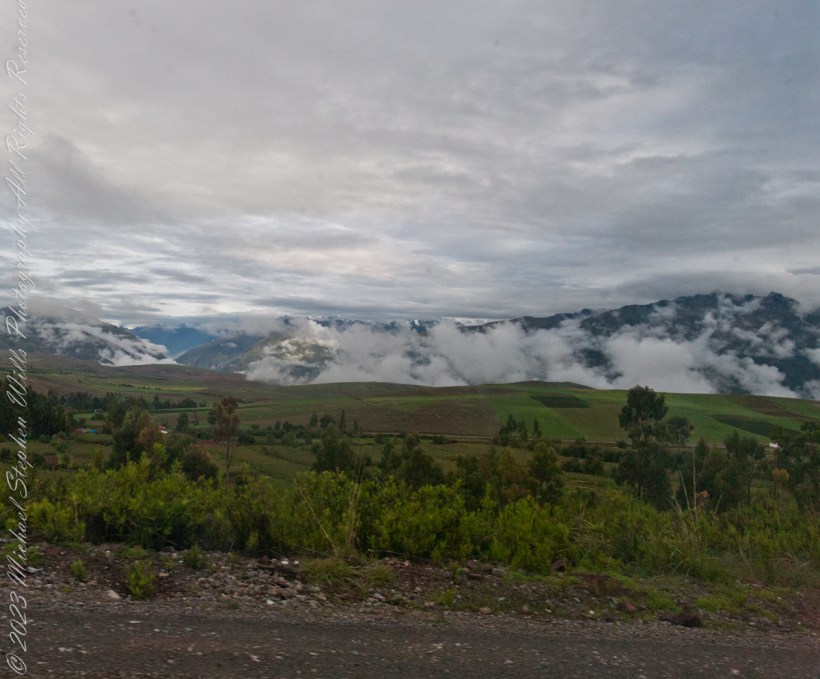
Avenue Mariscal Castilla descends 2815 feet to Urubamba and the floor of the Sacred Valley in 14 broad switchbacks. Cusco Region, Urubamba Province, Urubamba District. This series captures the experience.
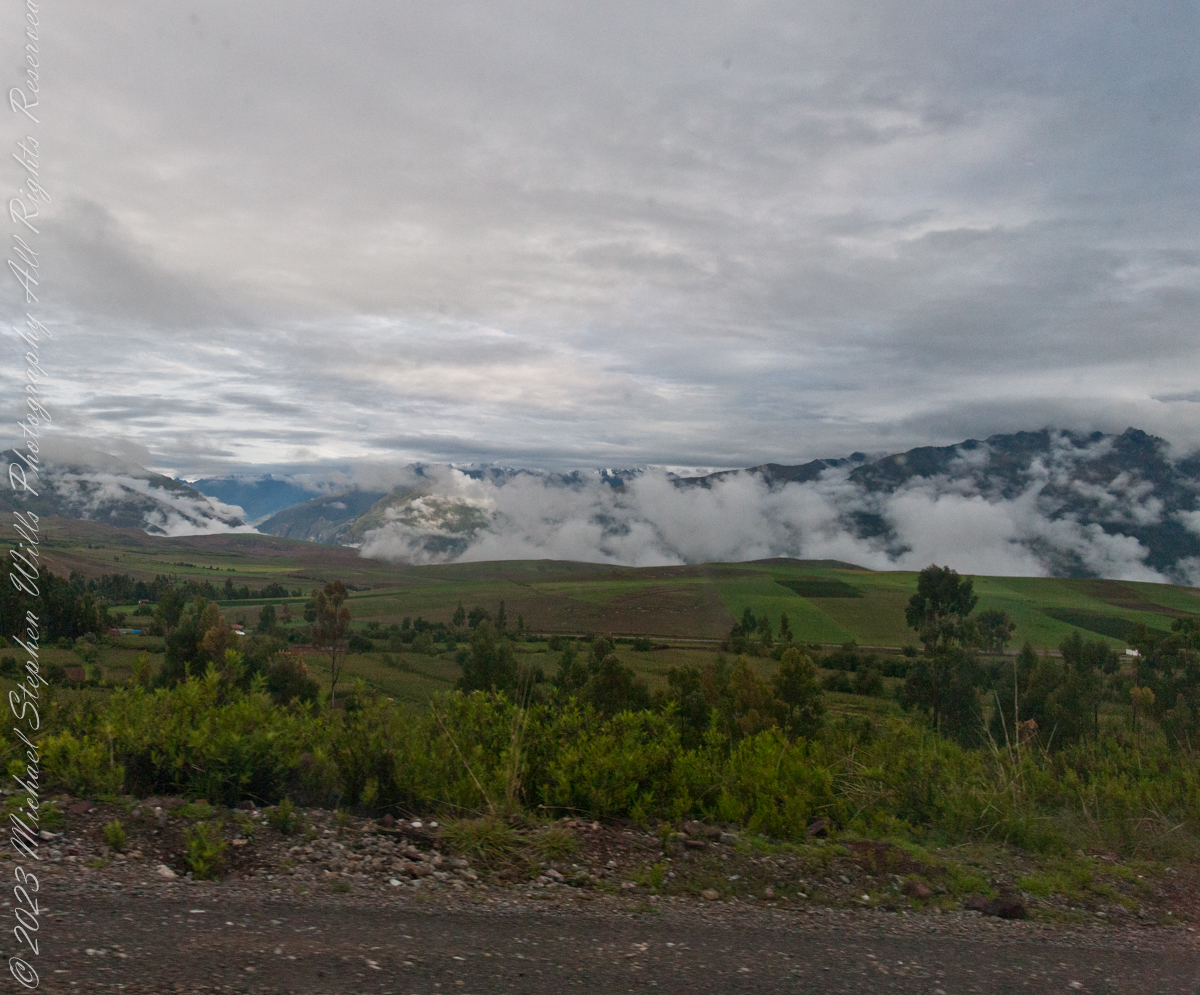
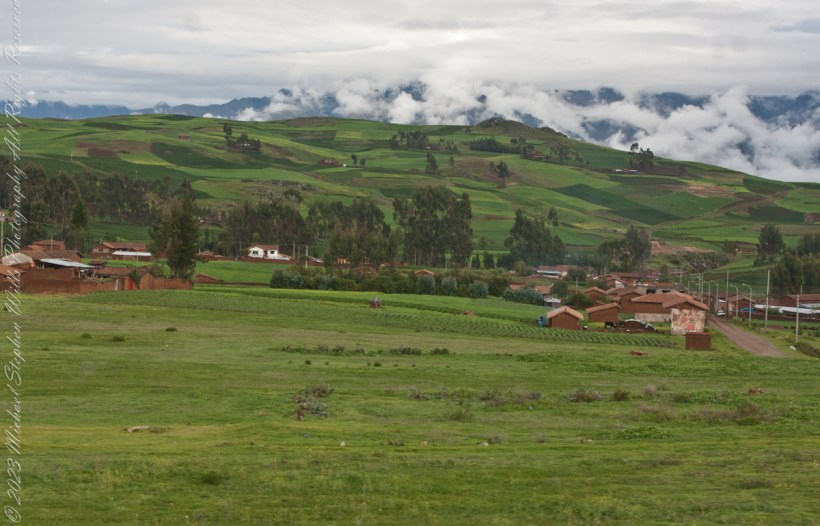
Avenue Mariscal Castilla descends 2815 feet to Urubamba and the floor of the Sacred Valley in 14 broad switchbacks. Cusco Region, Urubamba Province, Urubamba District. This series captures the experience.
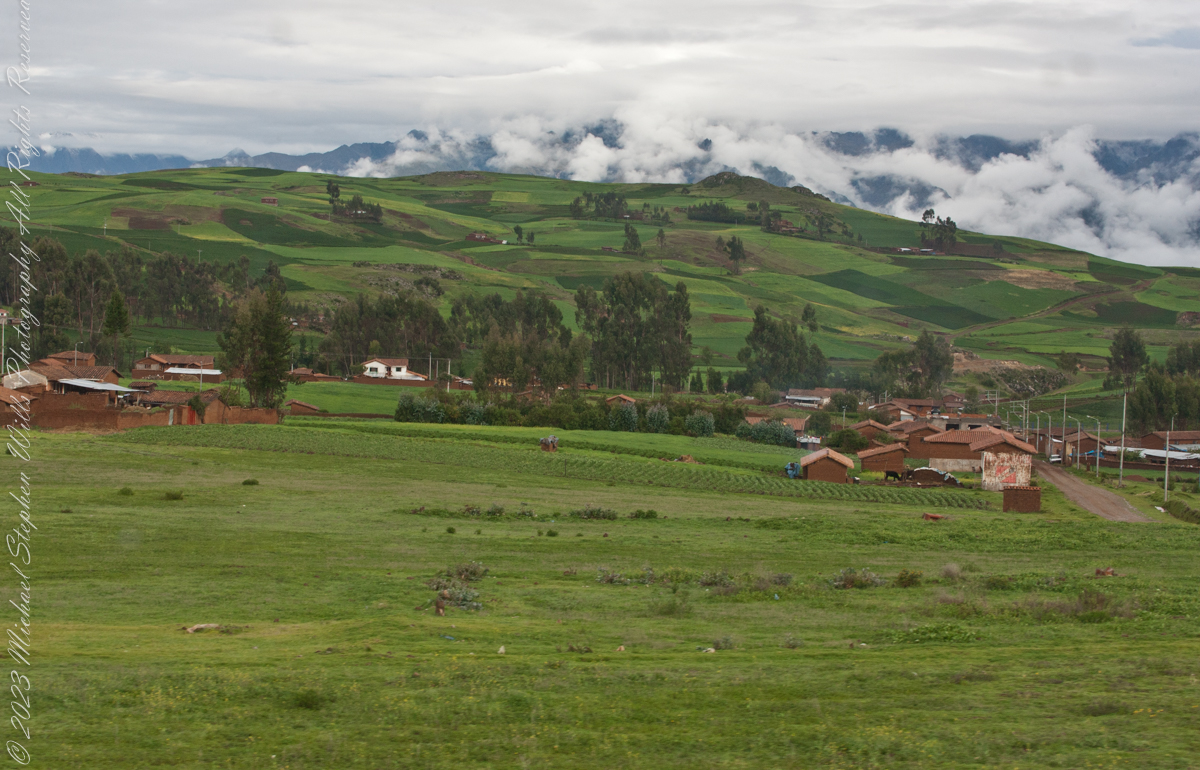
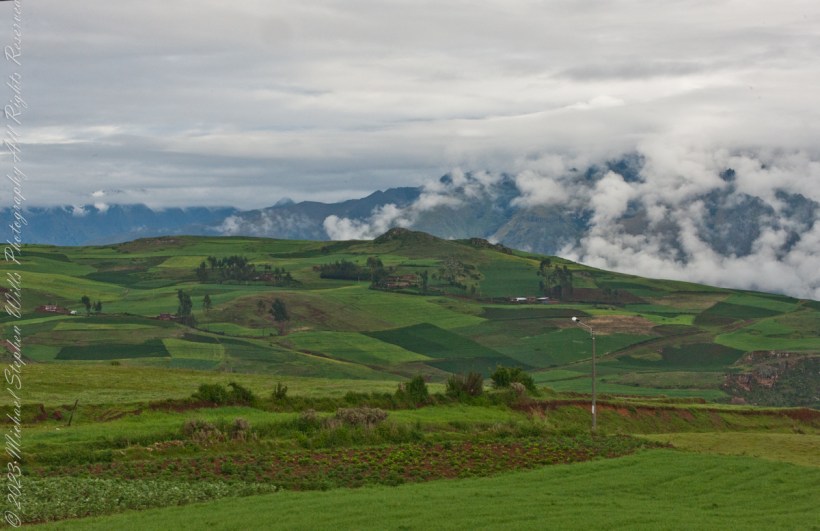
Avenue Mariscal Castilla descends 2815 feet to Urubamba and the floor of the Sacred Valley in 14 broad switchbacks. Cusco Region, Urubamba Province, Urubamba District. This series captures the experience.