Zion Narrows II

more Narrows information and perfecting the photograph

My research for Zion Narrows I included a useful map. Perusing the the National Park Service web site I could find nothing for the Narrows. This week, while perfecting the three file merge, I kicked around in “google” and found this map hidden away in a section devoted to dedicated canyoneers planning multiple day backpacks through the entire canyon. These trips are from the “top down” and, I suppose, they do not want to expose the information to day trippers.

Anyway, I downloaded the map and present it here. You can either click on the hyperlink or click “download” to view the map. The file is a 2.5 MB pdf, if you want to download it. The trail accessible from the park proper starts from the bottom. Pam and I made it to just beyond where Ordway canyon joins, about 2 hours from the start. Note there are NO places to escape a flash flood beyond this point and, below, we learned from observation there are few places and many of these were for hikers more, lets say, nimble than Pam and myself.

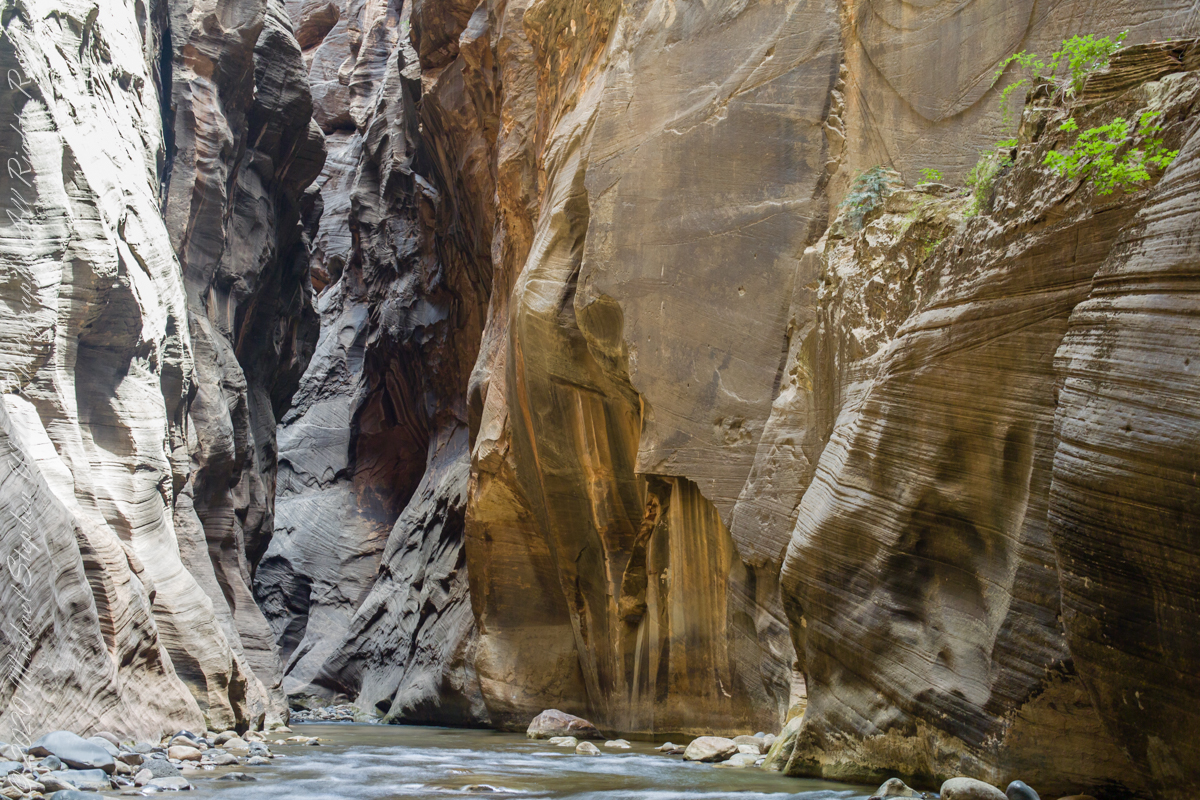
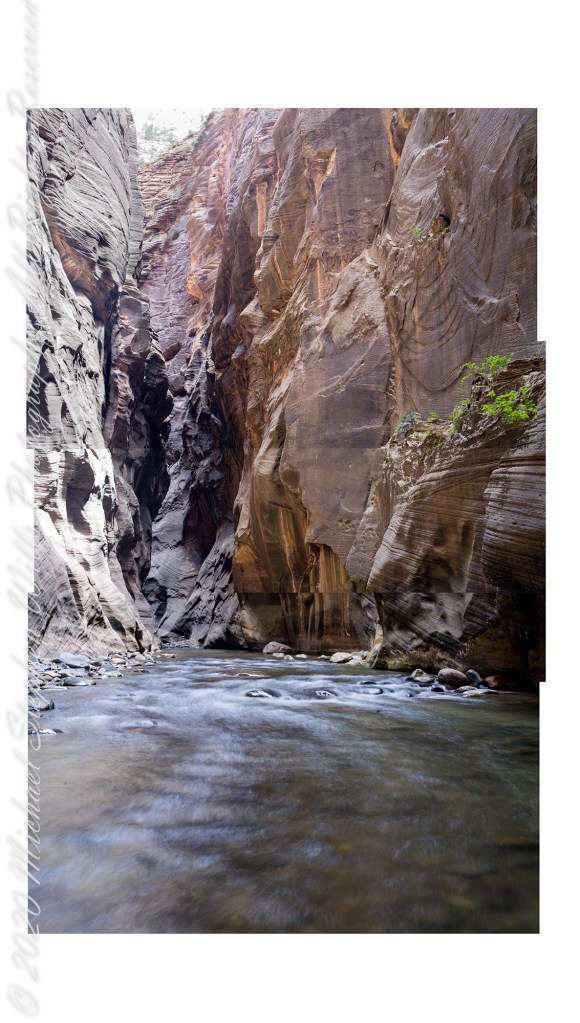
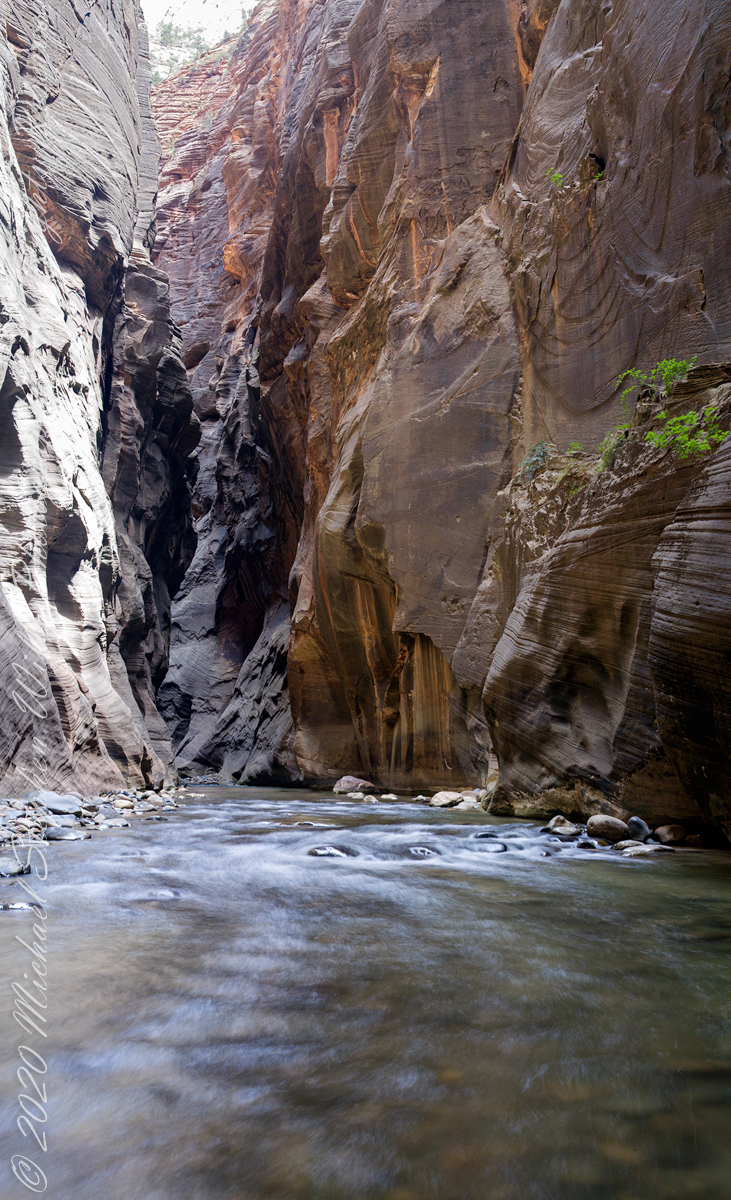
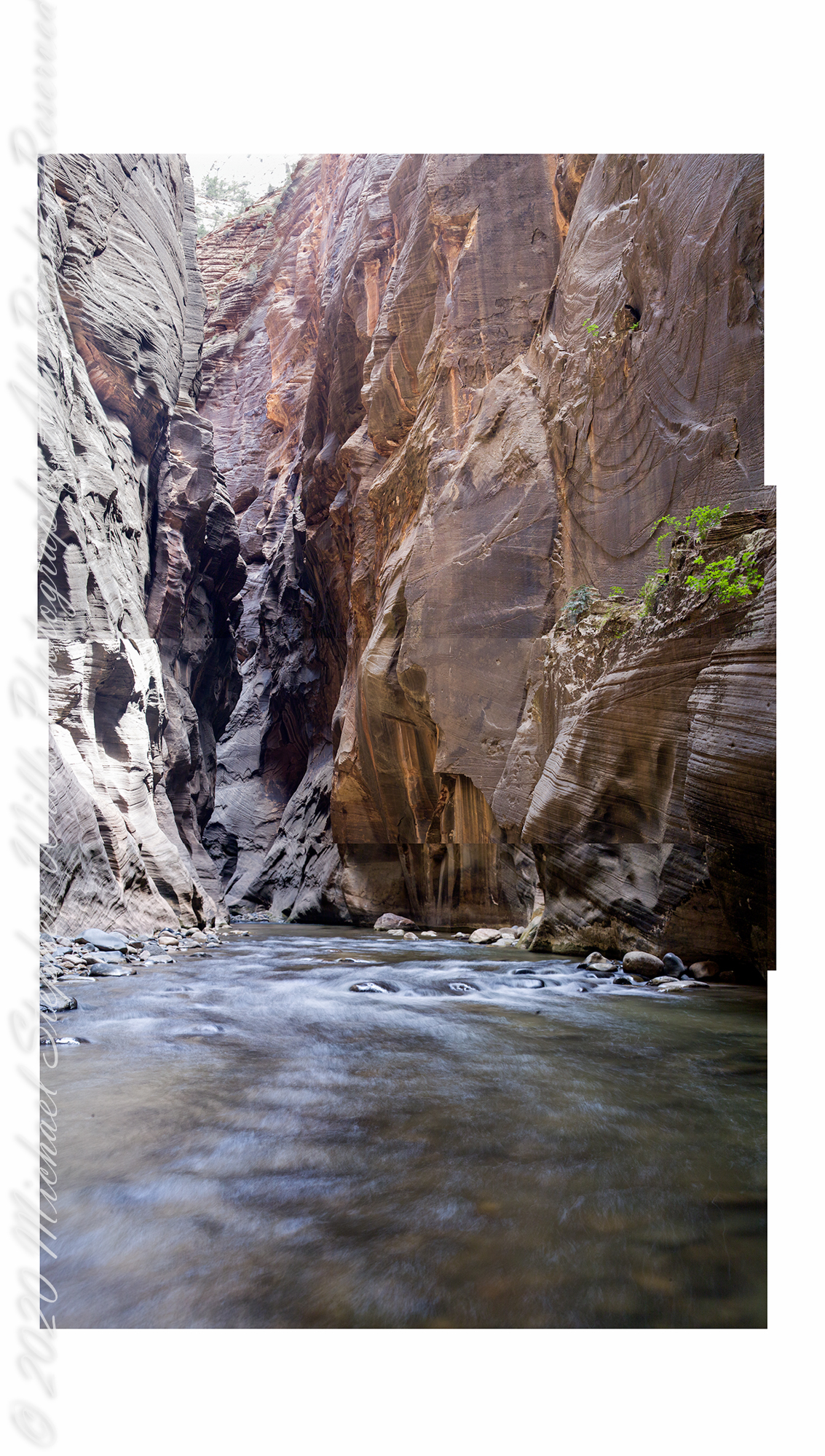
The following is the result of several hours work merging the three files of Zion Narrows I. Click on the image to open a larger version in a new tab.
This is a comparison of the before and after photographs. Enjoy!!
Copyright 2021 Michael Stephen Wills All Rights Reserved

Zion Narrows I

Virgin River at work

Our first day was spent hiking up to the narrowest section of Zion Canyon, called “Wall Street,” where the gorge walls are 1,000 feet high. There, the river is 20 feet across in places and not much wider anywhere. There is NO high ground to escape flash floods, only the high, unforgiving canyon walls.

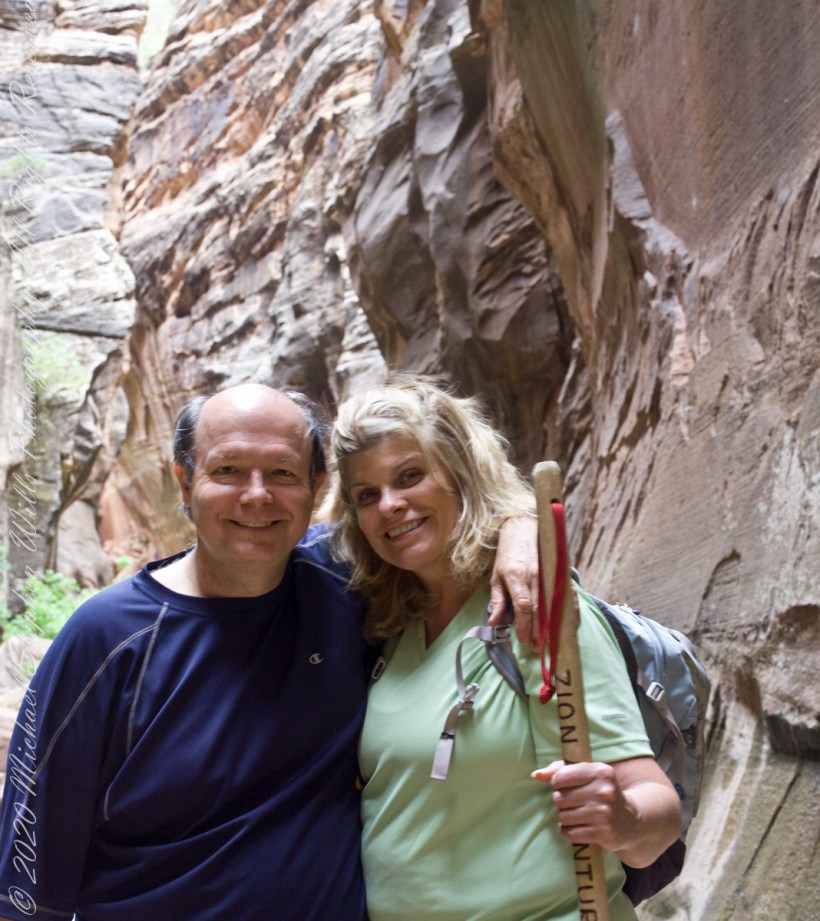
As we were planning to venture beyond the tame sidewalk of “The Riverside Walk”, our first stop was to an outdoor supply store in Springdale to rent canyoneering shoes, to wade the river comfortably and safely, a sturdy stick to improve stability and free advice on current conditions for the potential of flash floods. You can see the stick in this portrait, mid-narrows. This was July, with a danger of torrential downpours, and we were nervous about this; however, proceeded anyway.

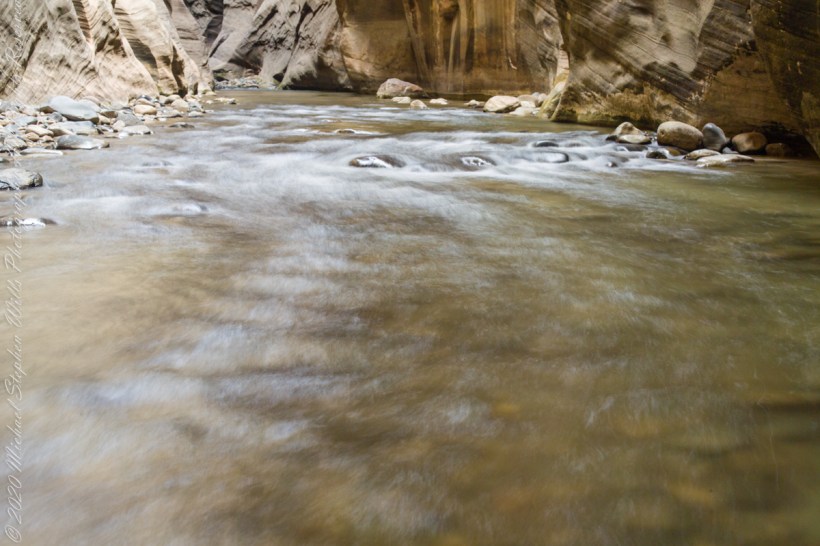
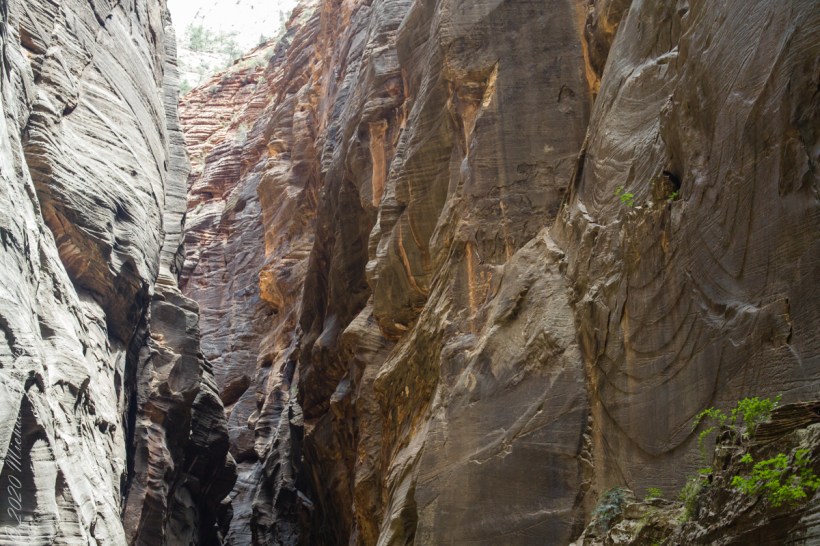
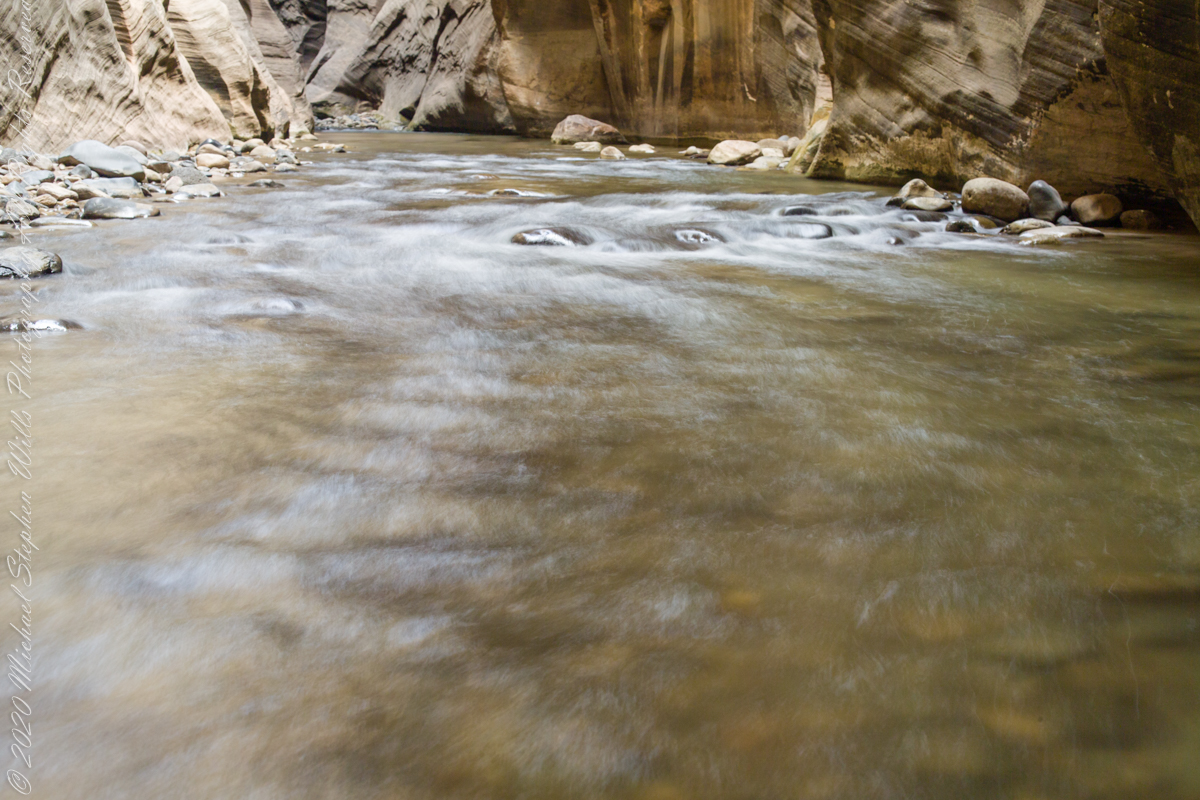
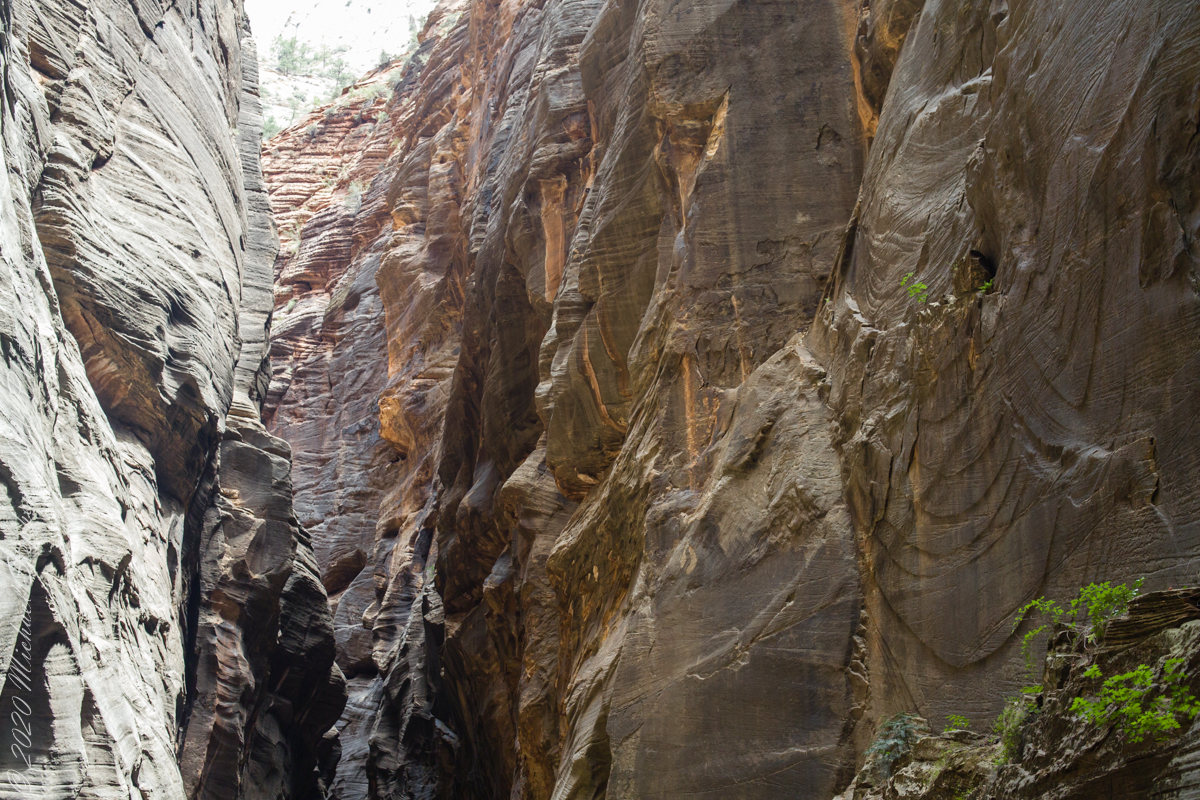
Several miles in, I set up the Manfrotto 468Mg studio tripod with the Kodak DSC pro SLR-c (the “c” specifies compatibility with Canon lenses) and the Canon 50 mm f/1.4 USM lens. Here we look downstream, the way we came. I waited for a clear shot w/o fellow hikers coming up from behind. This was before investing in a wide-angle lens. My plan was to stitch the three shot together.

Click on each photograph for a larger view, in new tab.

The work remaining on the rough draft are to match the edges as close as possible, smooth out the differences until the joins are indiscernible.

Here are the same photographs as a slide show. I enjoy how the long exposure blurred water lead the viewer into the gorge walls.

Captured with a Kodak DCS Pro SLE/c dslr and a Canon EF 50 mm f/1.4 lens stabilized with the Manfrotto Studio Tripod model 475 and the 468 Hydrostatic ball head.

Copyright 2021 Michael Stephen Wills All Rights Reserved

Summer Walk

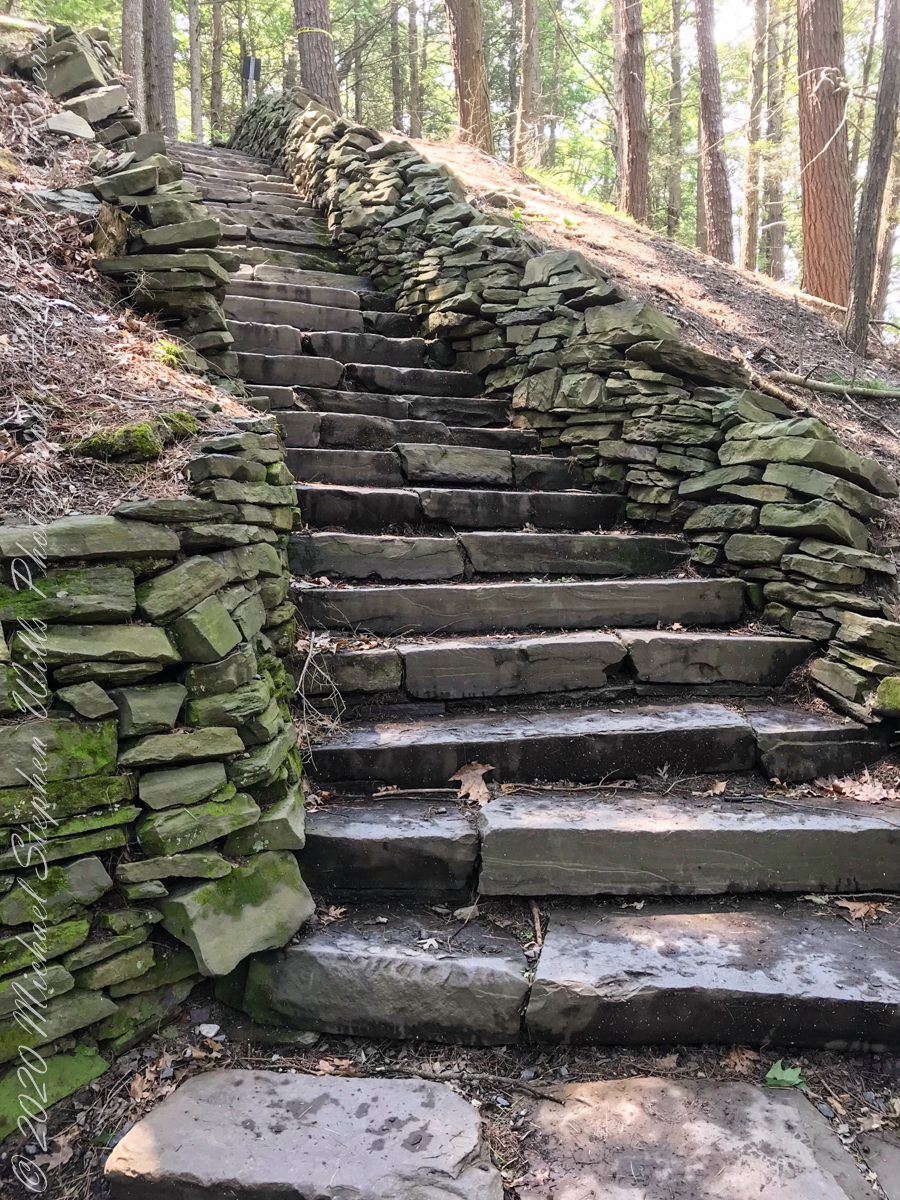
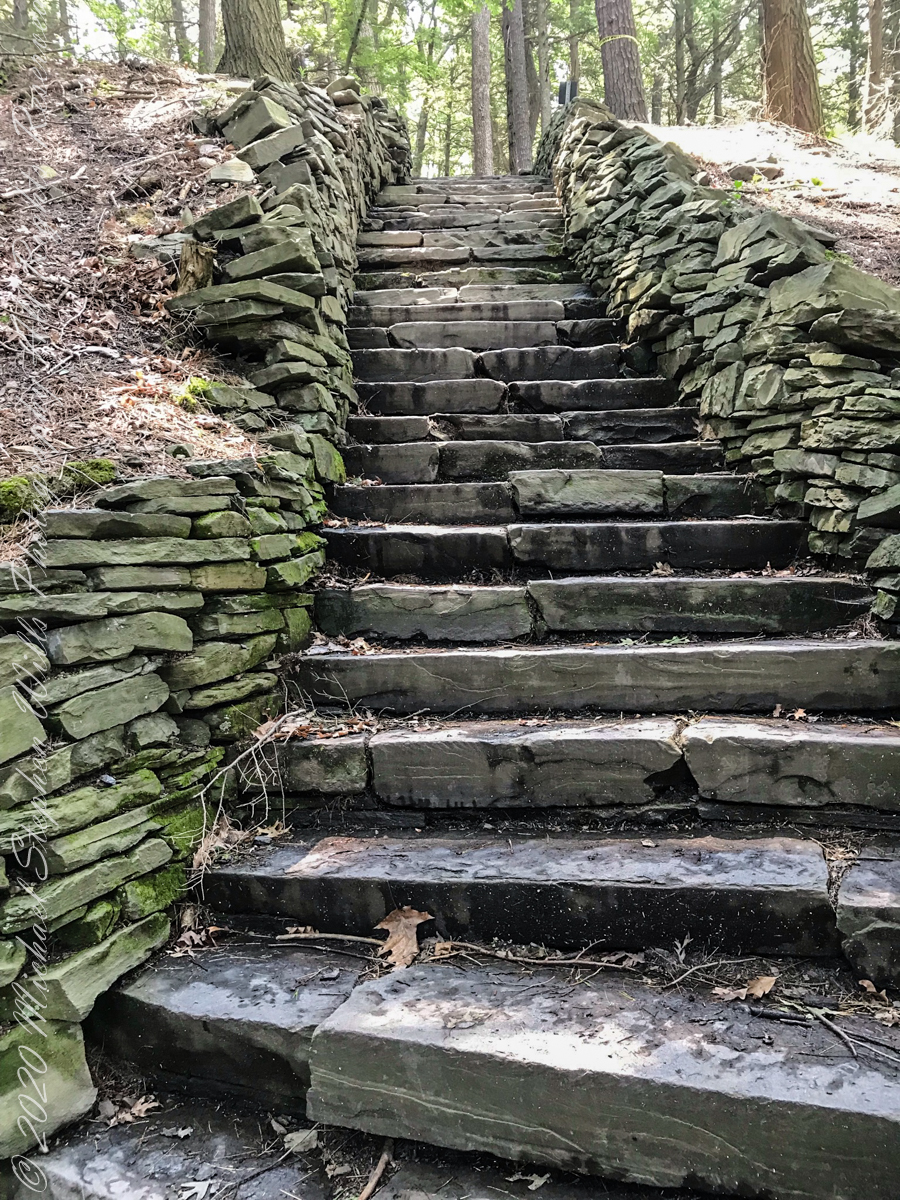
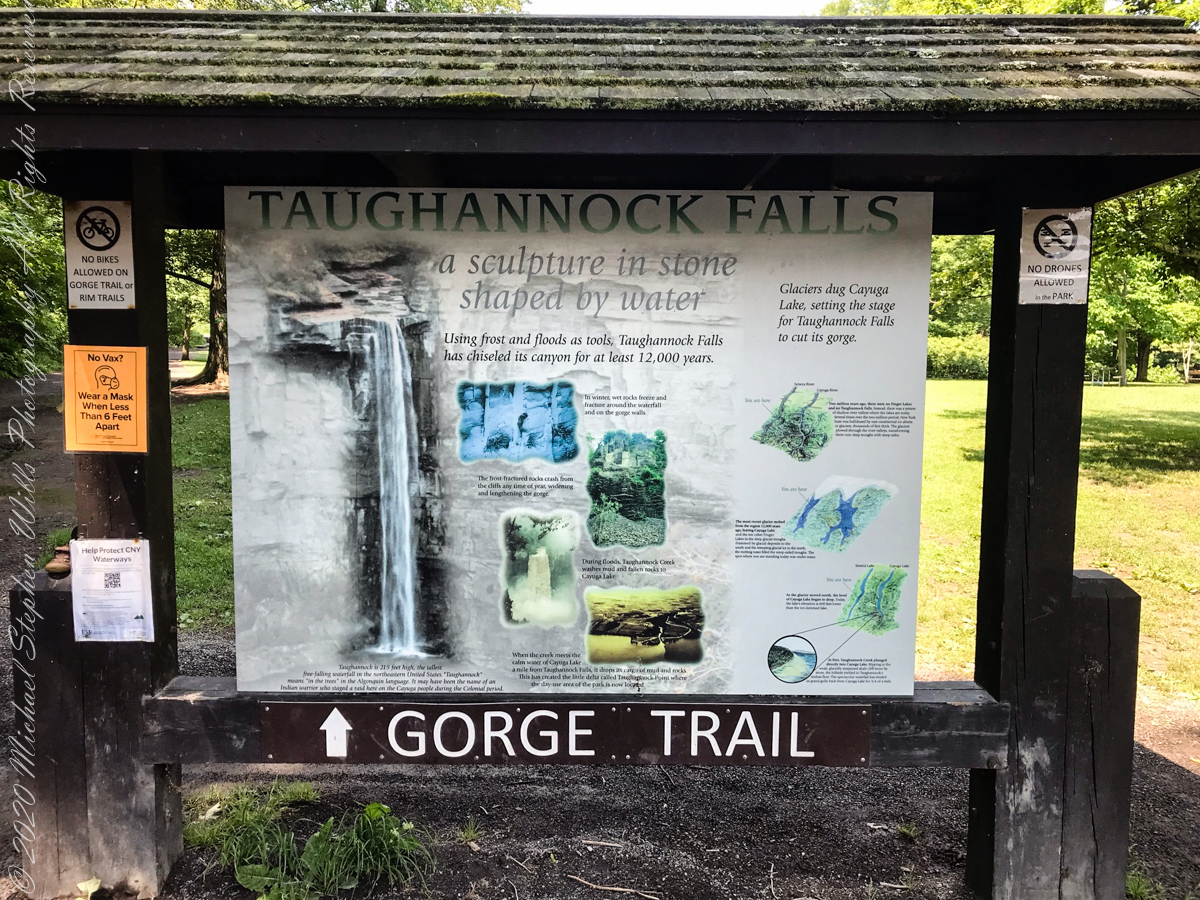
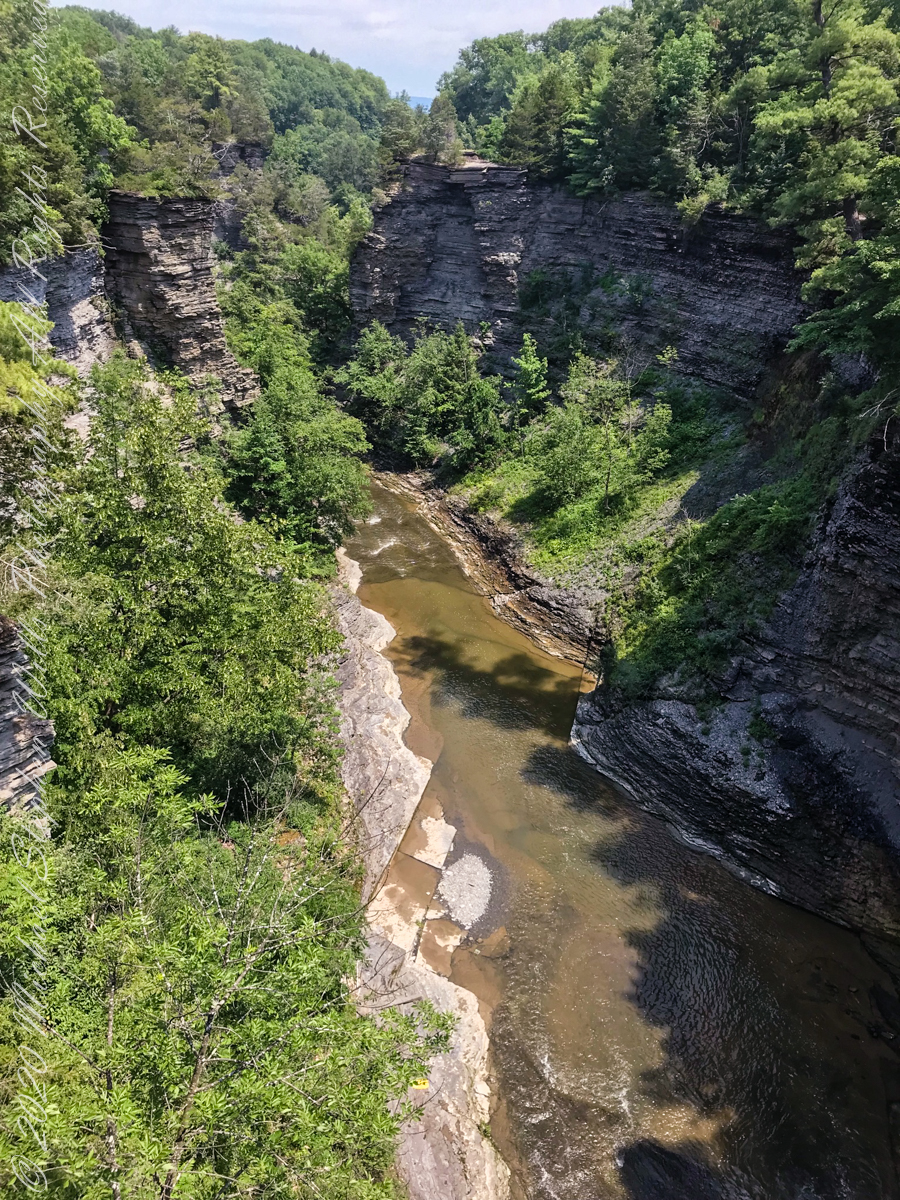
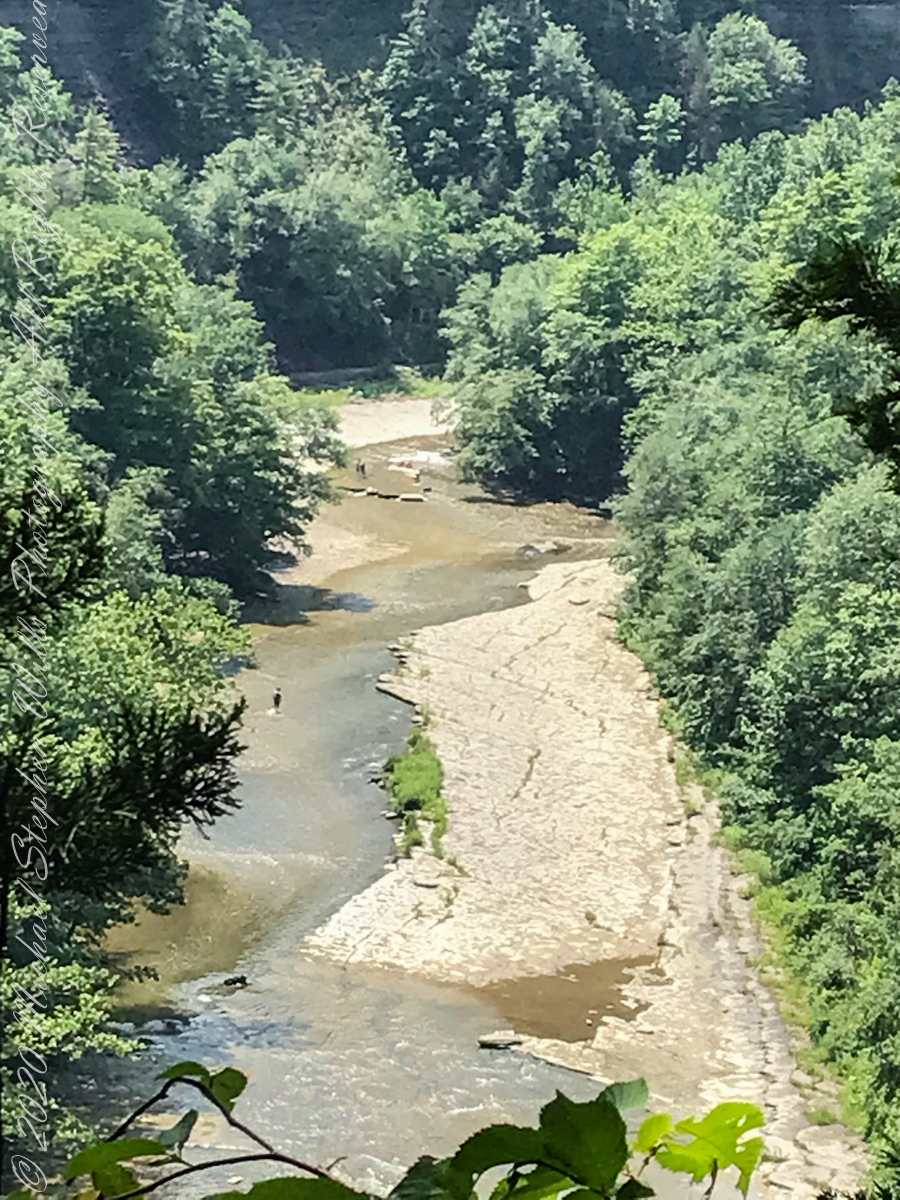
Experience a hike around Taughannock Gorge on a summer morning with thunderstorms threatening

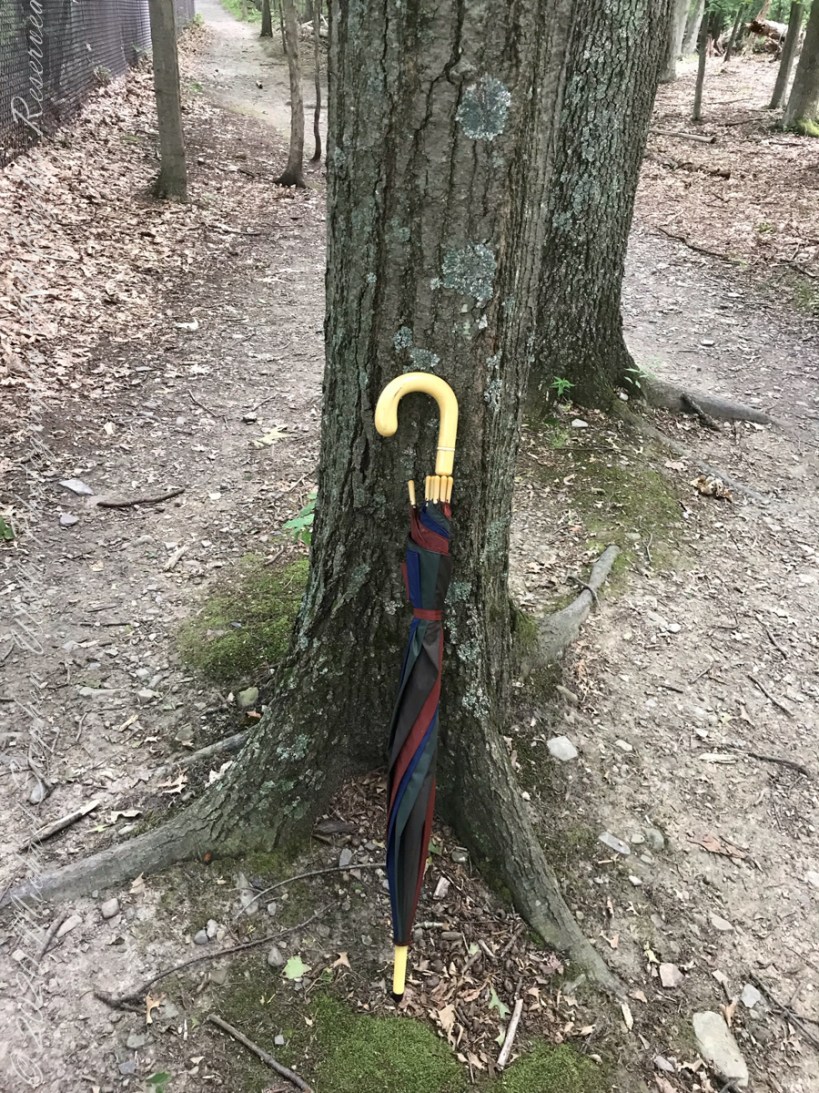
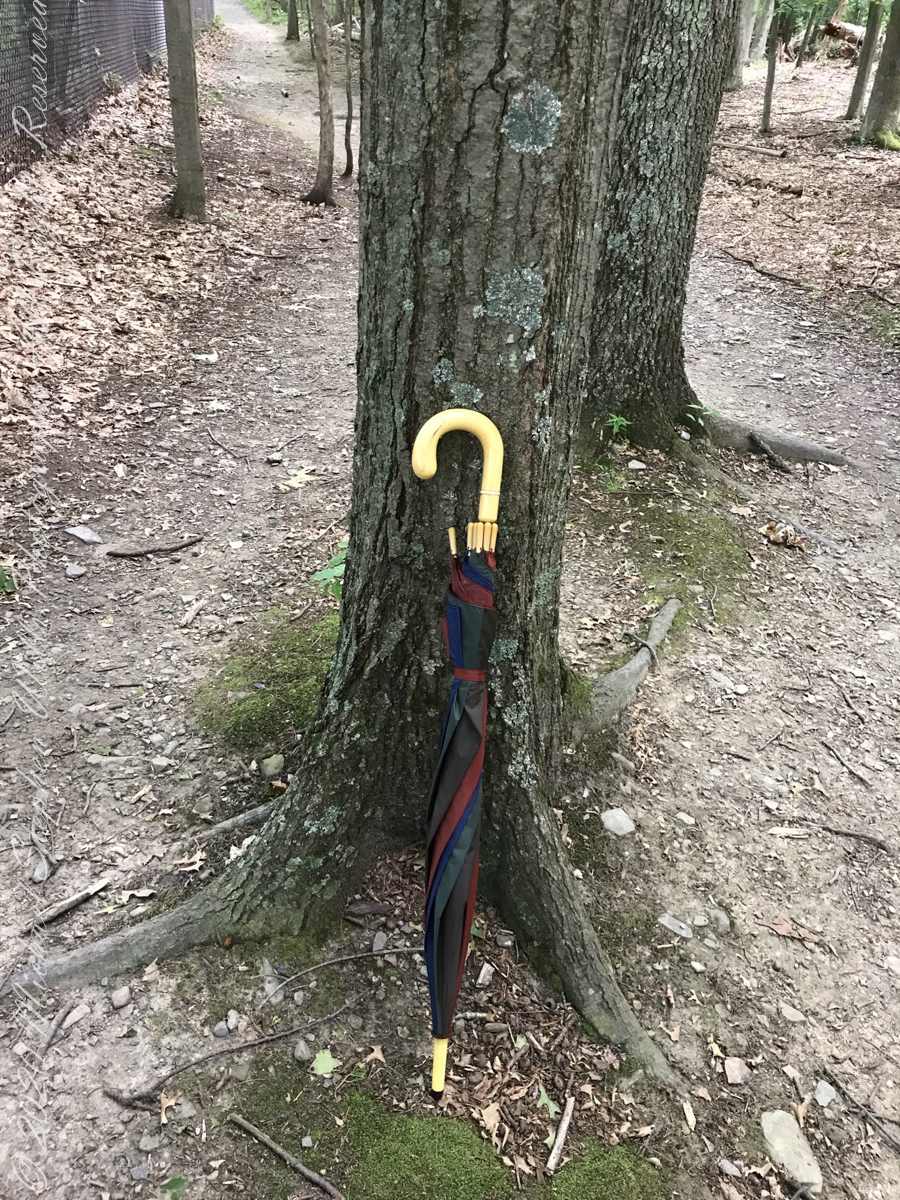
Constant winds from thunderstorm updrafts, I brought along an umbrella just in case.

Click photograph for slide show. To do this from WordPress Reader, you need to first click the title of this post to open a new page.

Click the “Watch on YouTube” for a larger format view and more information about each video.

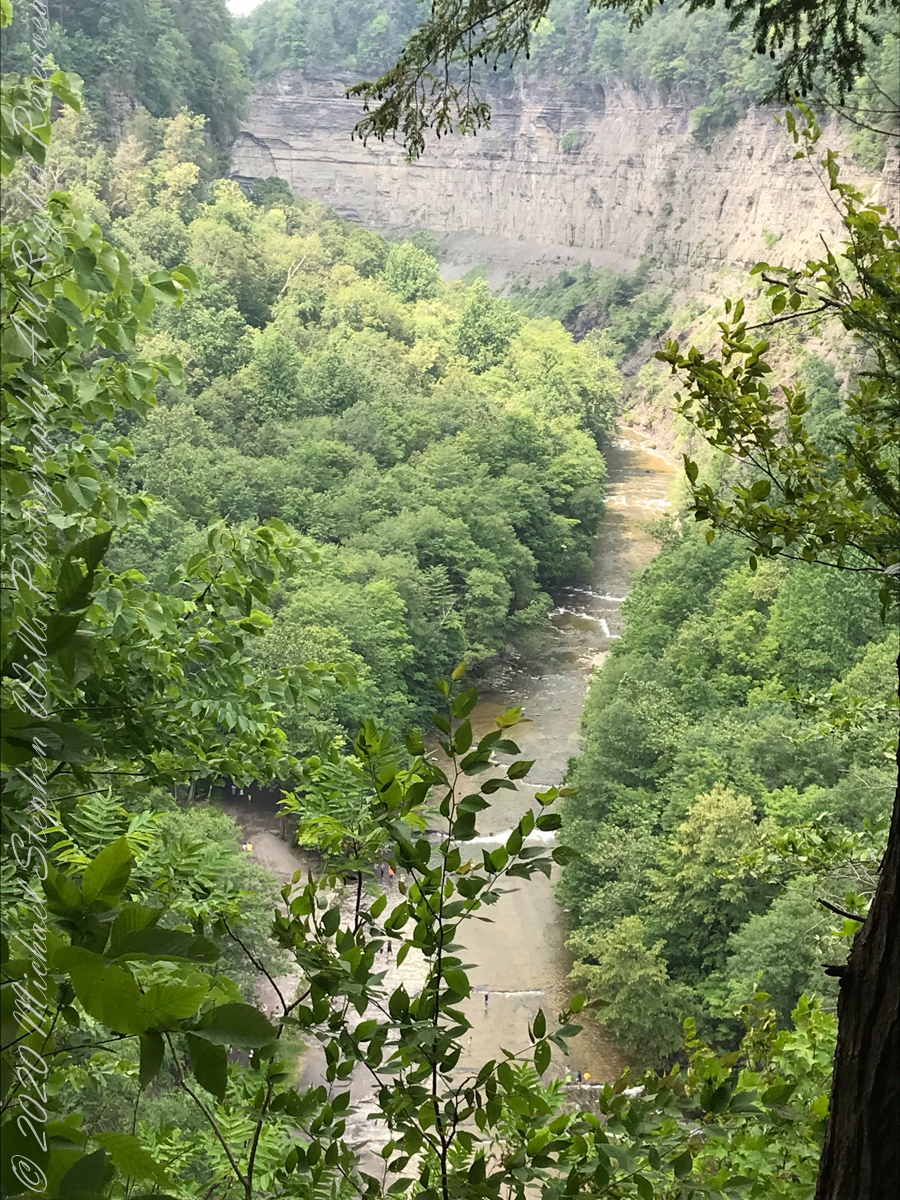
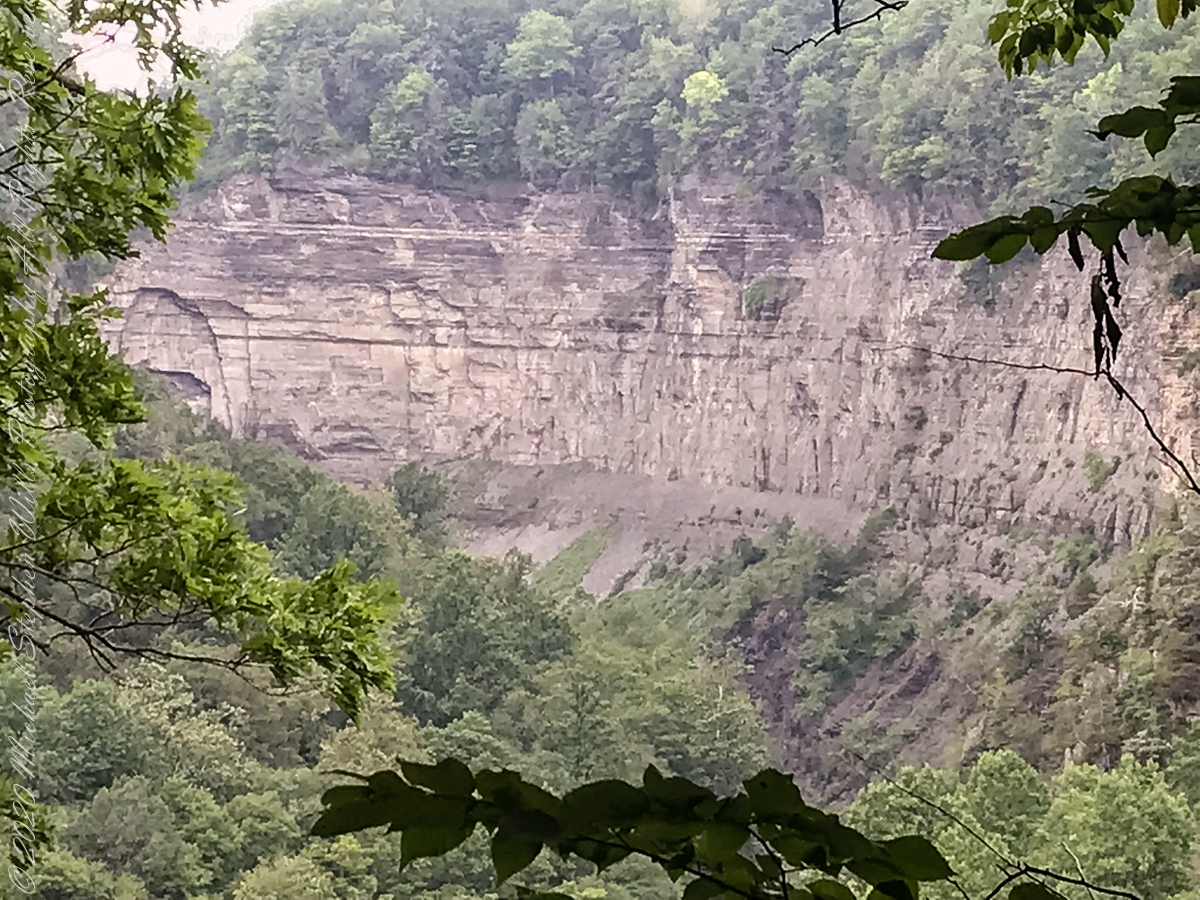
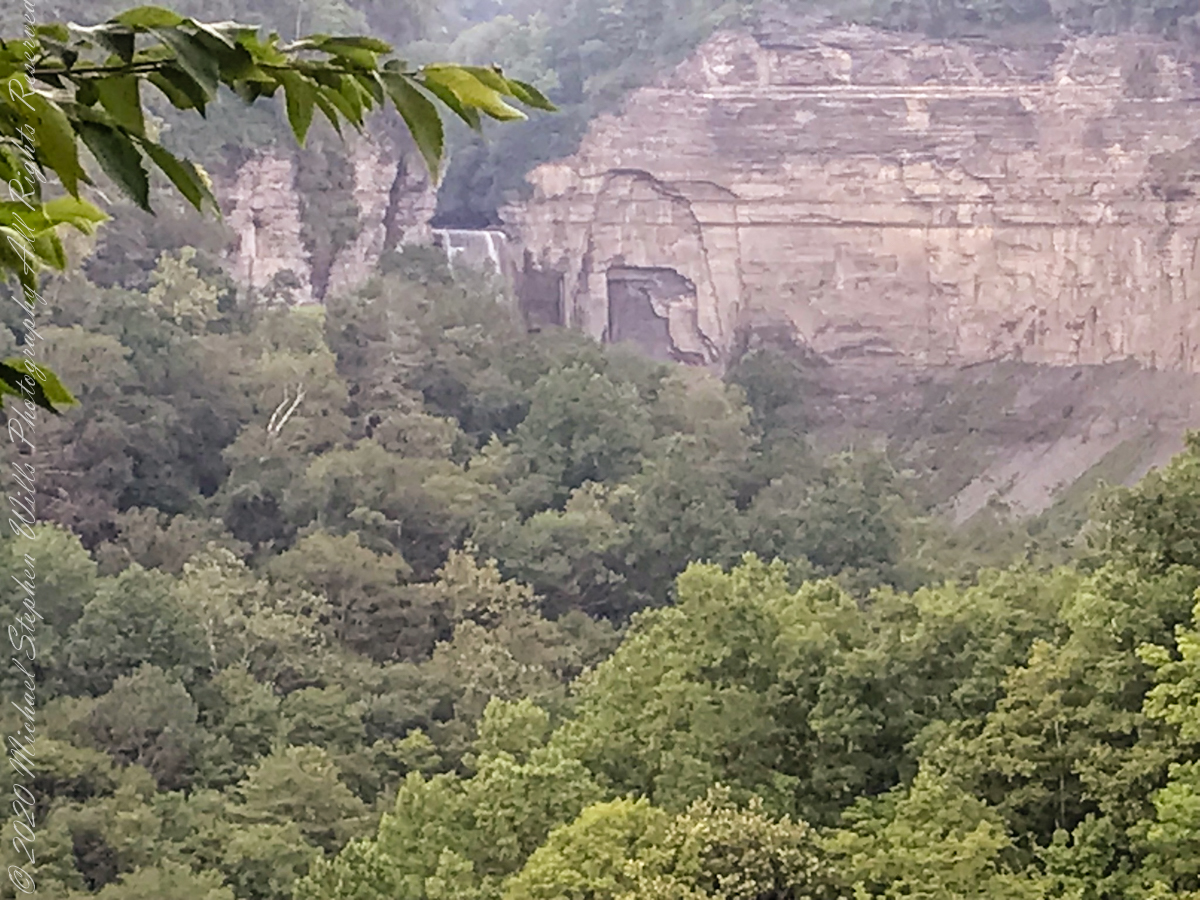
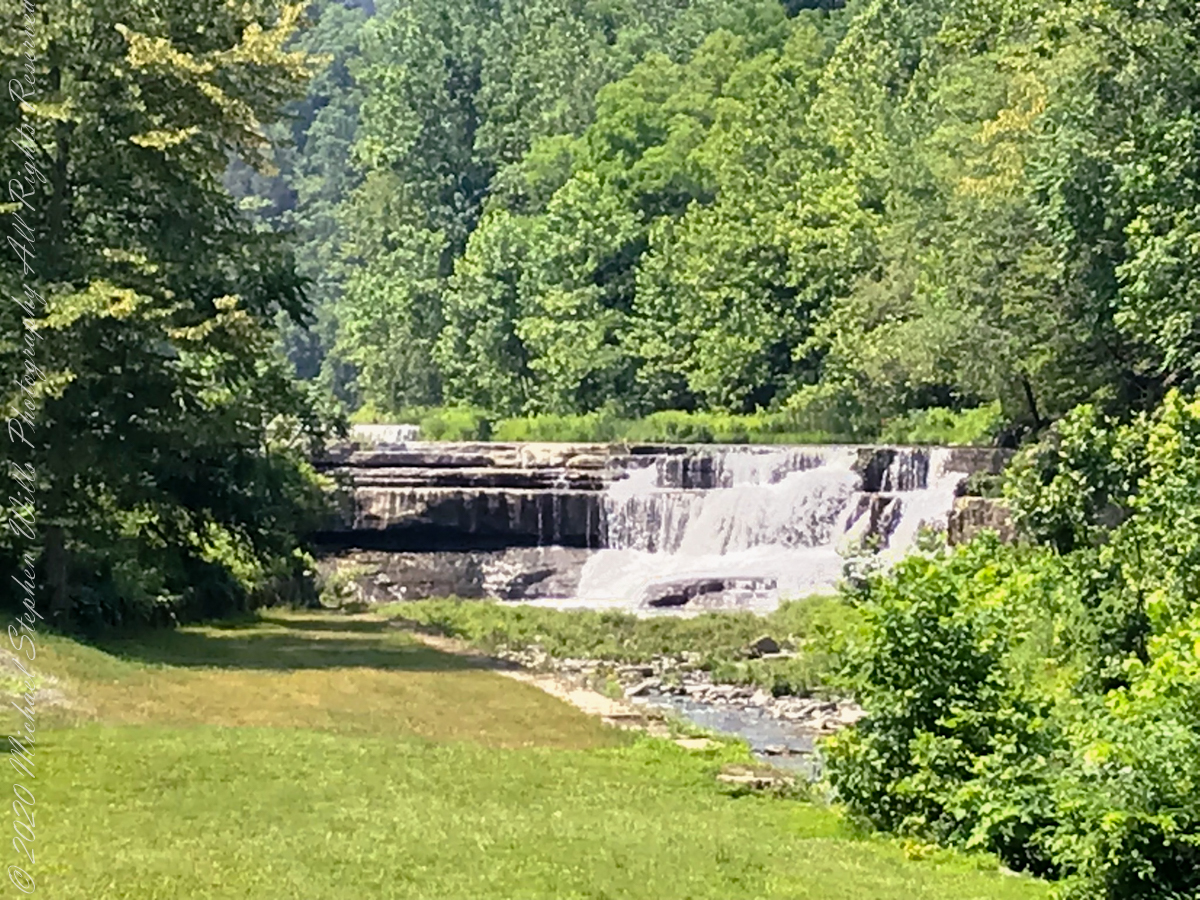
Taughannock Falls Gorge on a humid summer morning
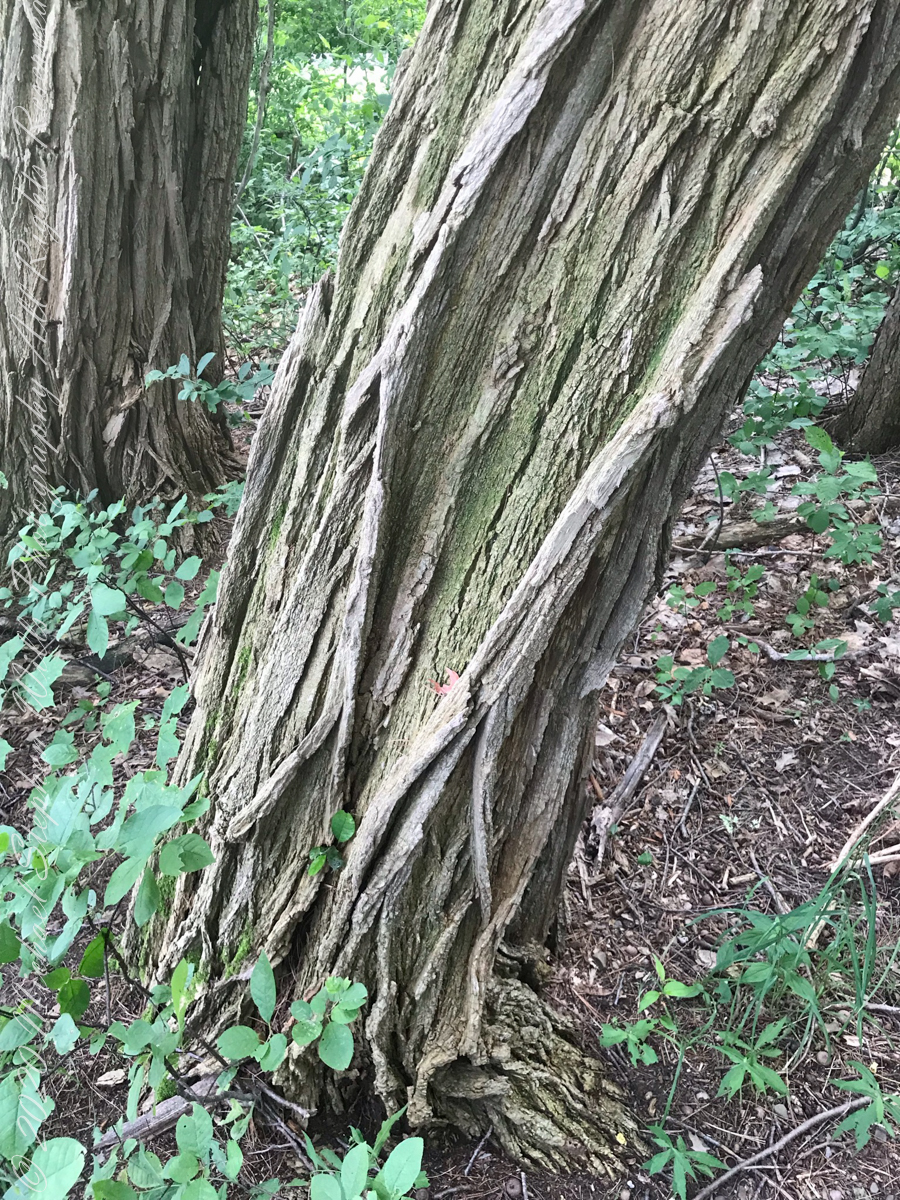
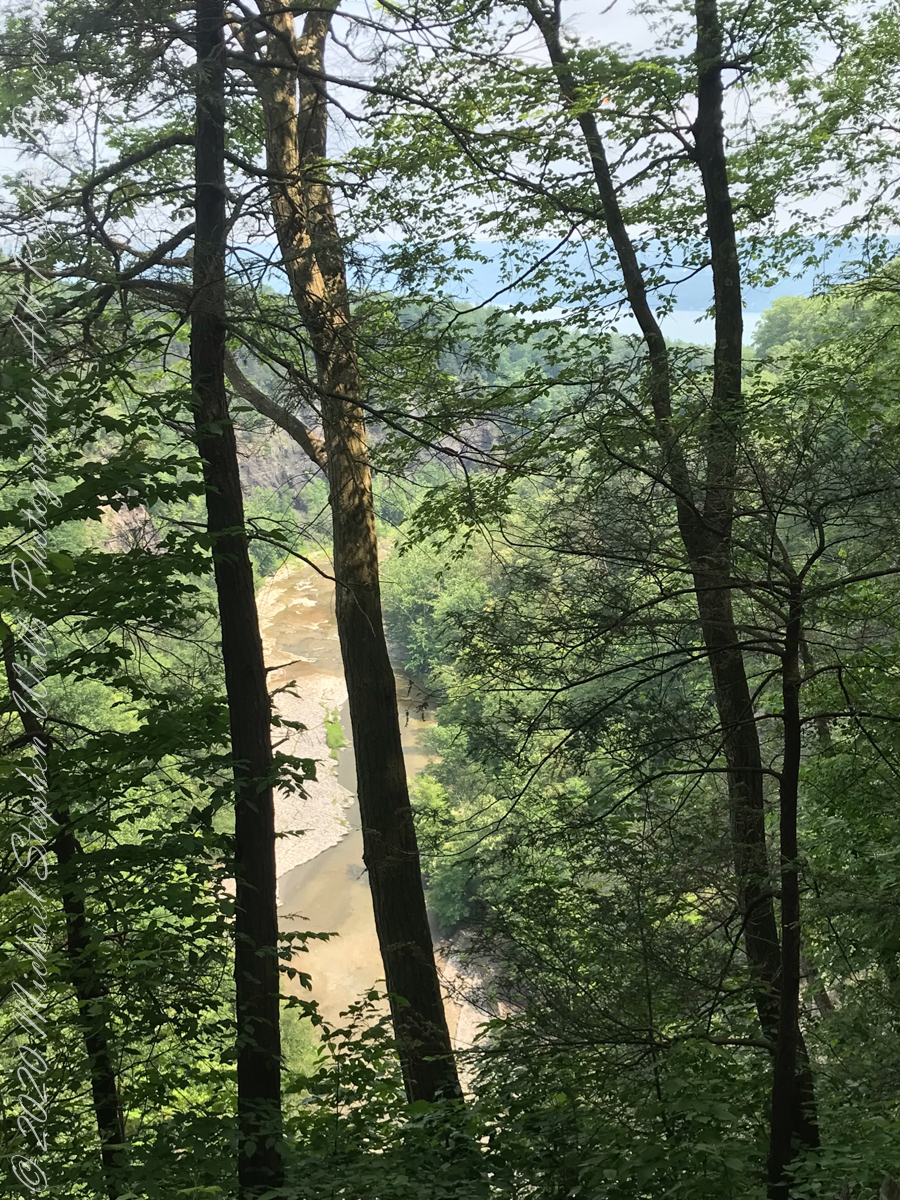
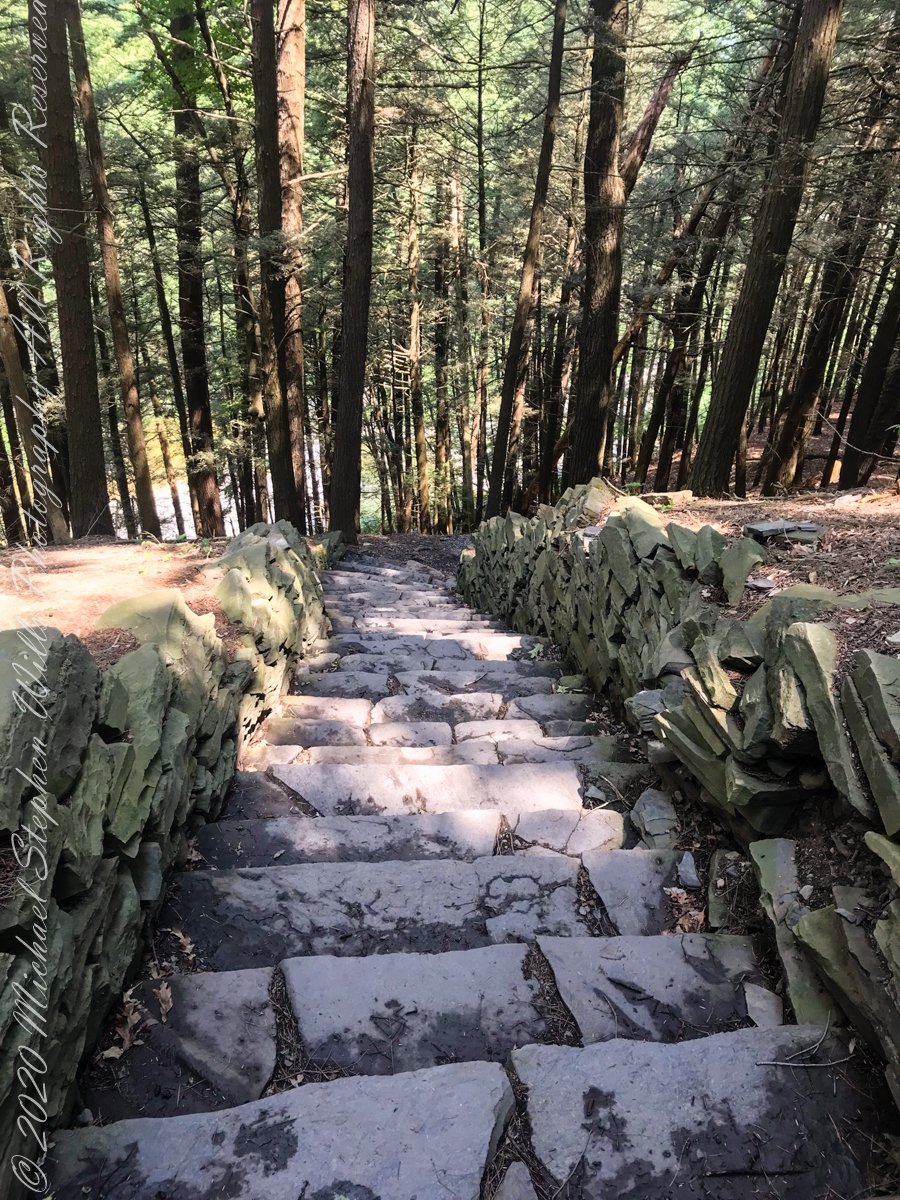
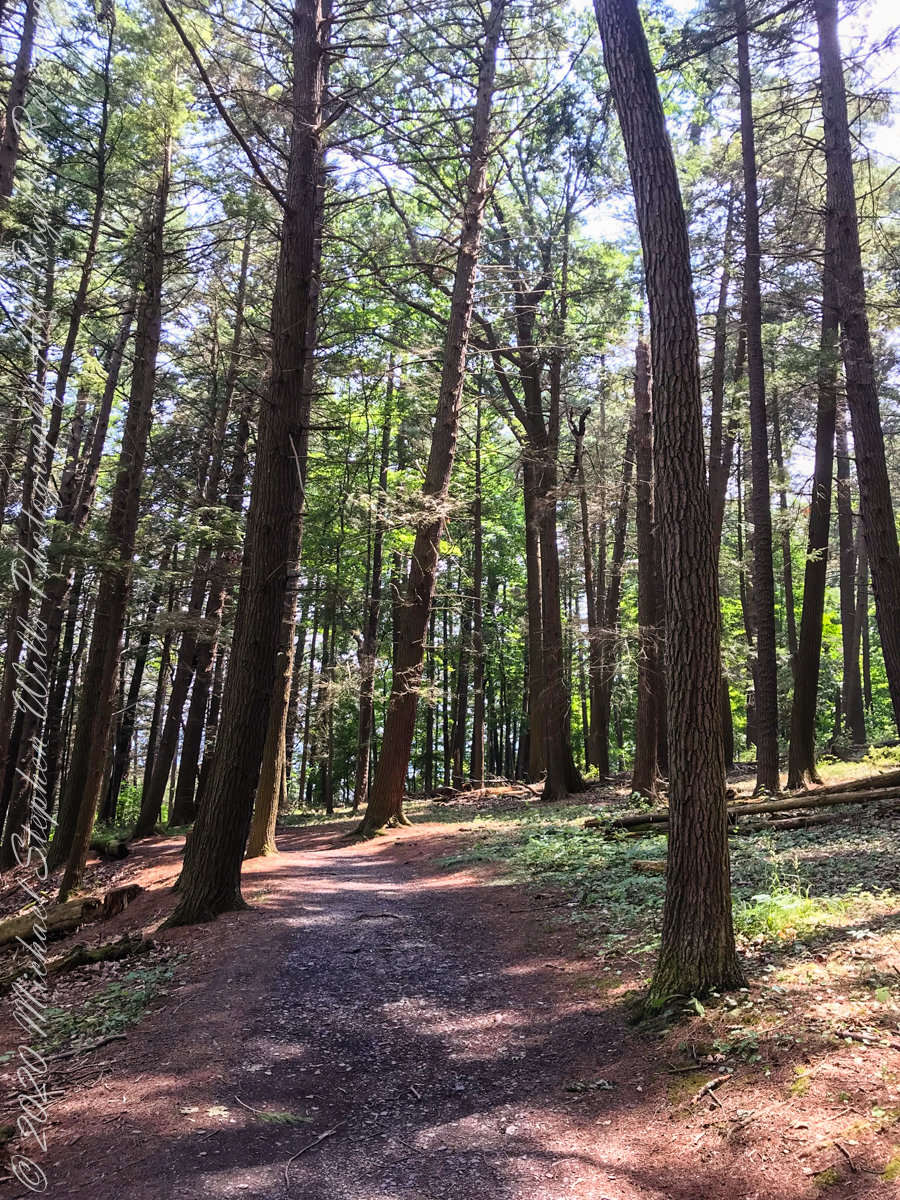
Hemlock Forest on South Rim Trail
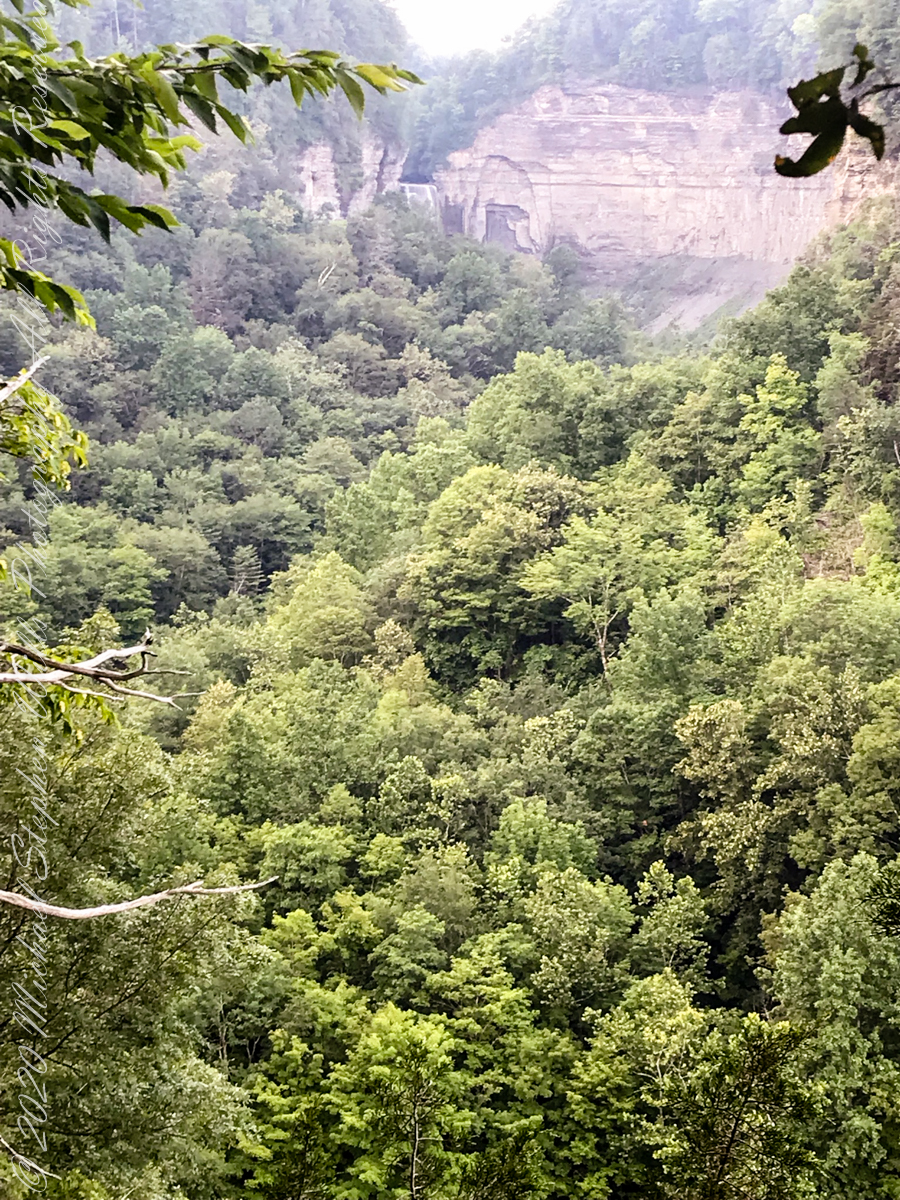
Taughannock Falls Gorge from South Rim Trail
Taughannock Falls from South Rim trail
View of Taughannock Falls Gorge from the North Rim trail on a humid summer (July) morning. Turkey Vultures circle overhead…they are there most summer days.
View of the first waterfall of Taughannock Gorge from the railroad bridge linking the North and South Rim trails on a humid summer (July) morning. This large waterfall empties to the gorge above the 210+ foot Taughannock Falls.
Copyright 2021 All Rights Reserved Michael Stephen Wills

Black Skimmers Feeding

An early morning revelation

Click Me for more Florida photos from my colleciton

One early morning, just after dawn, Cocoa Beach, Florida, I had a revelation.  My wife and I walk the beach four or more miles each day we are lucky enough to be in Florida for the winter.  Yes, we are “snow birds” who flee the snows of New York for a few weeks, now and then.
Viewing Platform with Sheep – CLICK ME for more Ireland photography.

We love to catch the sunrise together, have breakfast, pull together a lunch for a long walk.  We catch the passing beach scenery, find a place to enjoy our meal, and return late afternoon.

The Black Skimmer (Scientific Name: Rynchops niger) literally stands out from the gulls.  The individuals gather together in a large group.  If there is a wind, most group members face into it.  They are aloof and dignified, unlike the gulls who grift for food, obnoxious and bothersome if you make the mistake of throwing a gull a morsel.

Viewing Platform with Sheep – CLICK ME for more Ireland photography.

Black Skimmers are just as large a gulls.  Slender, tern-like, black and white bodies.  Recognize a Black Skimmer from the colorful red of the base of the bill.  Click me for more of my Florida offerings.

Viewing Platform with Sheep – CLICK ME for more Ireland photography.

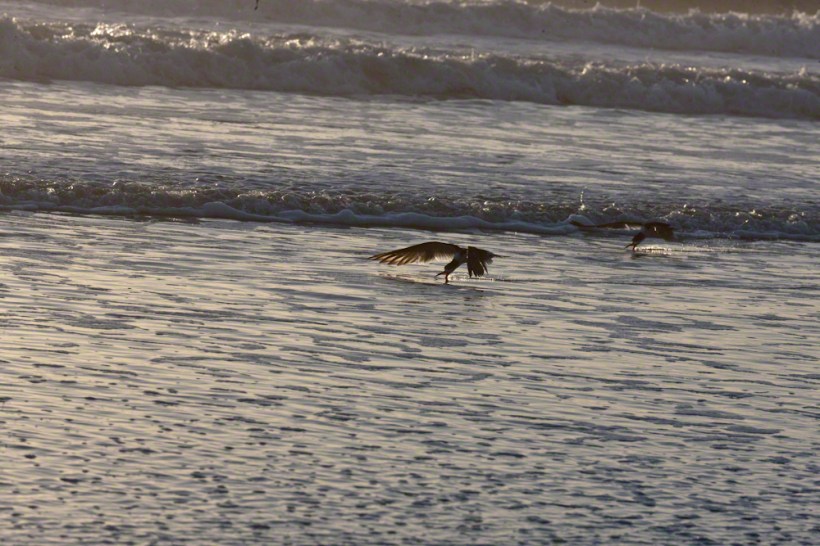
My early morning revelation was how the Black Skimmer feeds, flying just above the surf, the lower mandible extended to fish by feel.  Unless you beach walk early mornings, you will be most familiar with the habit of grouping together, facing into the wind. I captured this individual, a member of a larger group, just after sunrise, on Cocoa Beach. It was just me and the Skimmers.

Viewing Platform with Sheep – CLICK ME for more Ireland photography.

Their feeding is successful enough to allow them to longue on the beach most of the day.  I have only seen them feed early mornings.  Here is another part of their feeding behavior.  They feed as a group in long sweeping lengths.  At the end, they turn as a group and head the other way.  Here are three Black Skimmers in a turn.

Viewing Platform with Sheep – CLICK ME for more Ireland photography.

One morning, after our sunrise view, I pulled together my photography kit for this successful photo shoot.  Enjoy!!
Enter your email to receive notification of future postings. I will not sell or share your email address.

Hanging Gardens II

Refreshing and live-giving mist

Effects of these dual waterfalls is deeply refreshing for the people on the narrow walkway underneath.

Photograph two of this Hanging Garden series has the aspect shifted slightly to include the sheer cliff hovering over the waterfalls. A low ISO and tamped down diaphragm (f/8) resulting in longer exposure (1.3 sec) impart a presence for two low volume waterfalls.

Captured with a Kodak DCS Pro SLE/c dslr and a Canon EF 50 mm f/1.4 lens stabilized with the Manfrotto Studio Tripod model 475 and the 468 Hydrostatic ball head.

Copyright 2021 Michael Stephen Wills All Rights Reserved

Hanging Gardens I

Waterfalls high overhead

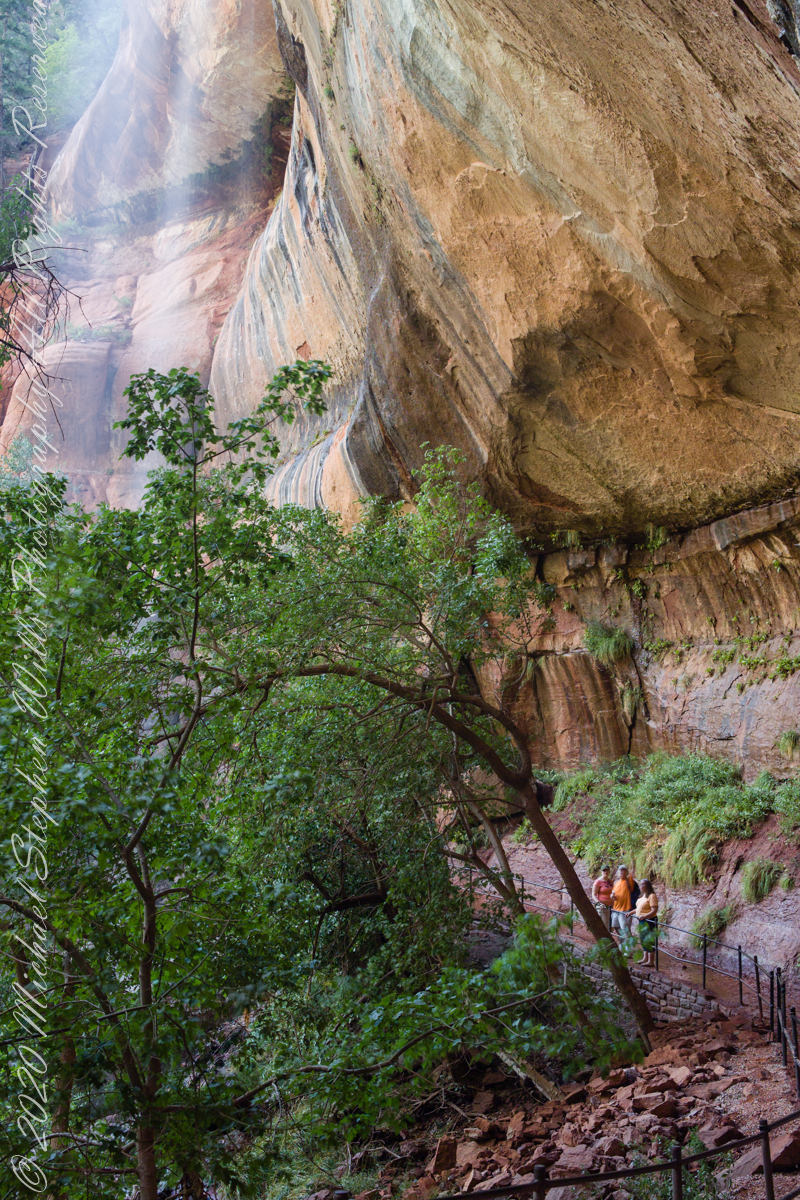
Visitors to Zion on a narrow path beneath this vast overhanging cliff of Navajo sandstone.

Changing the camera angle from the last “Hanging Garden” photograph, with visitors, here the visitors are less apparent, overawed by the waterfall. A low ISO and tamped down diaphragm (f/8) resulting in longer exposure (0.8 sec) captures and blurs just enough the fine waterfalls.

Captured with a Kodak DCS Pro SLE/c dslr and a Canon EF 50 mm f/1.4 lens stabilized with the Manfrotto Studio Tripod model 475 and the 468 Hydrostatic ball head.

Copyright 2021 Michael Stephen Wills All Rights Reserved

Lush Zion with visitors

Slickrock!!

Visitors enjoying a waterfall mist (upper left) in the summer desert heat.

Notice a combination of low ISO and tamped down diaphragm (f/8) resulting in longer exposure (1.3 sec) has the facial features of two visitors blurred, the third was transfixed by the experience of Zion Hanging Gardens.

The header photograph is myself, at work beneath Zion cliffs, taken by Pamela Wills.

Captured with a Kodak DCS Pro SLE/c dslr and a Canon EF 50 mm f/1.4 lens stabilized with the Manfrotto Studio Tripod model 475 and the 468 Hydrostatic ball head.

Copyright 2021 Michael Stephen Wills All Rights Reserved

Smoke Tree, late June

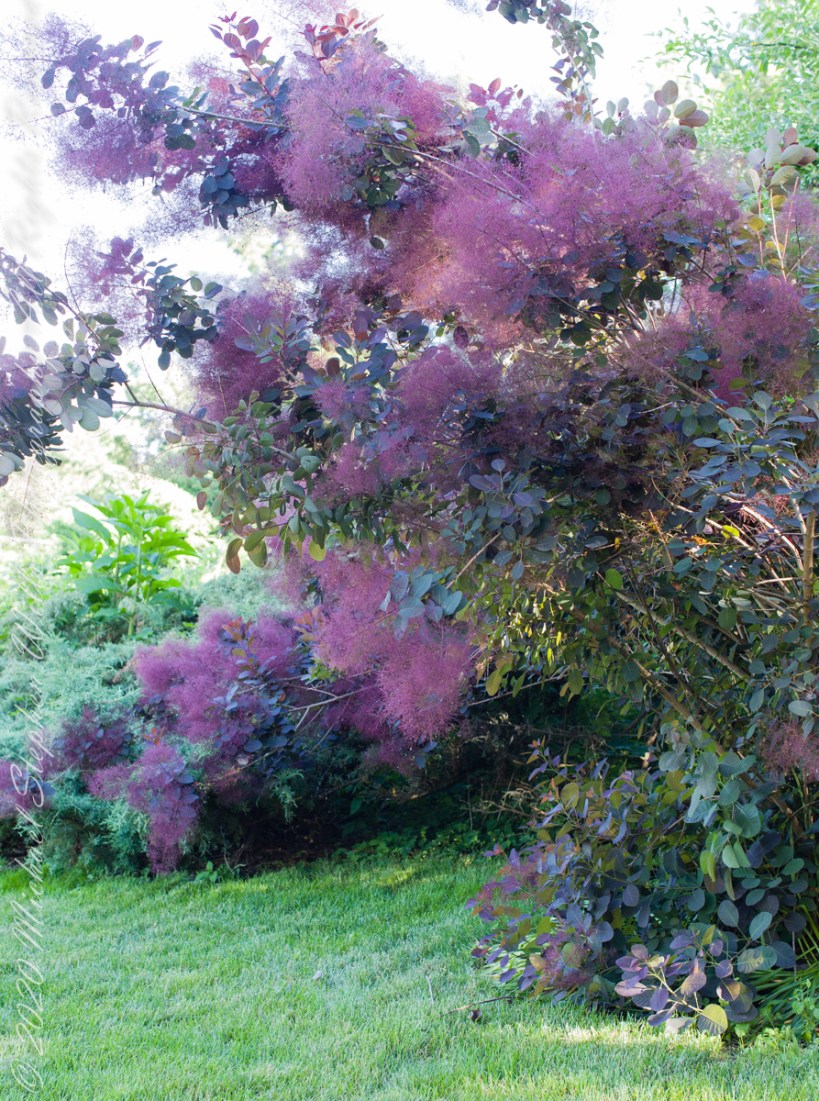
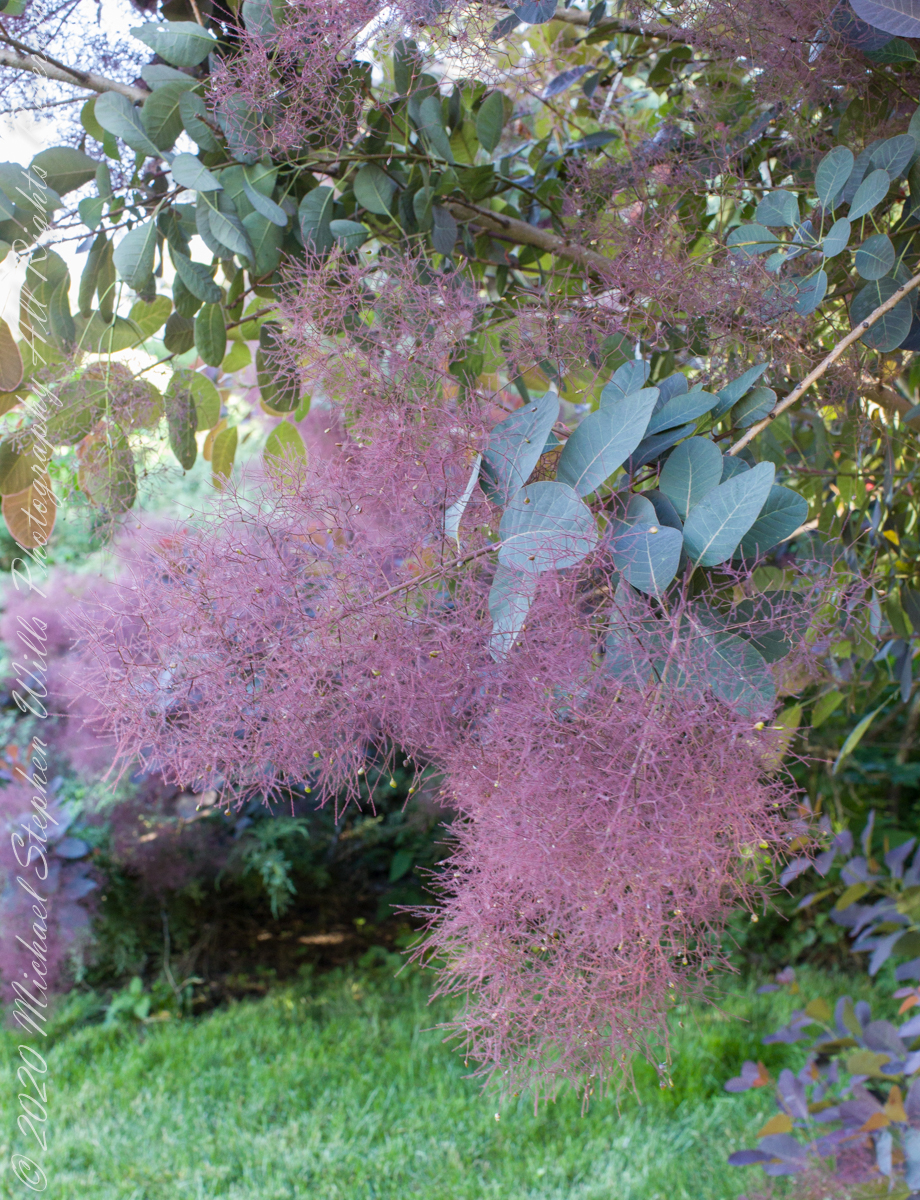
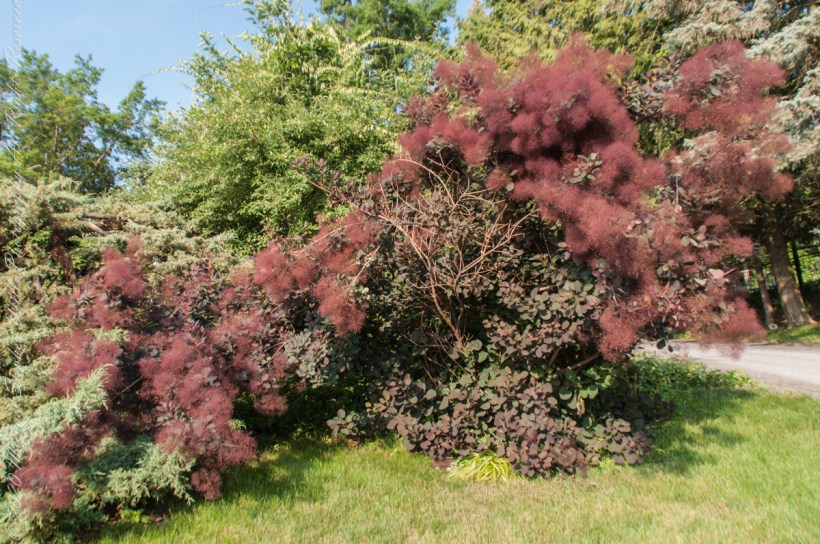
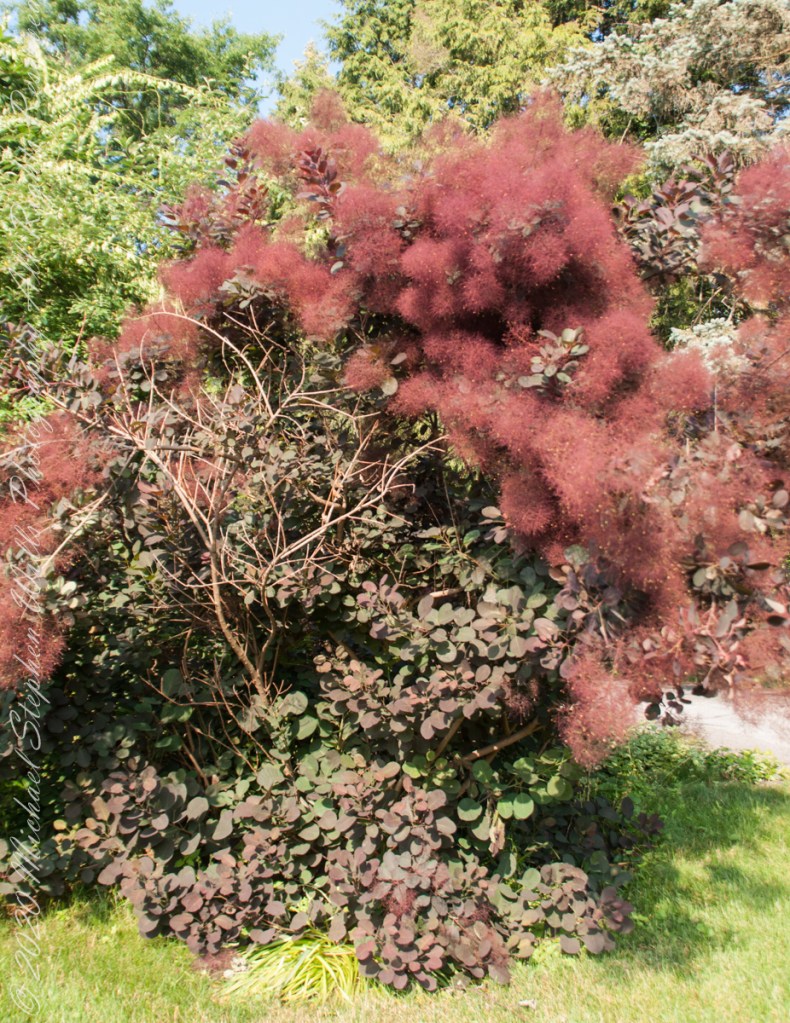
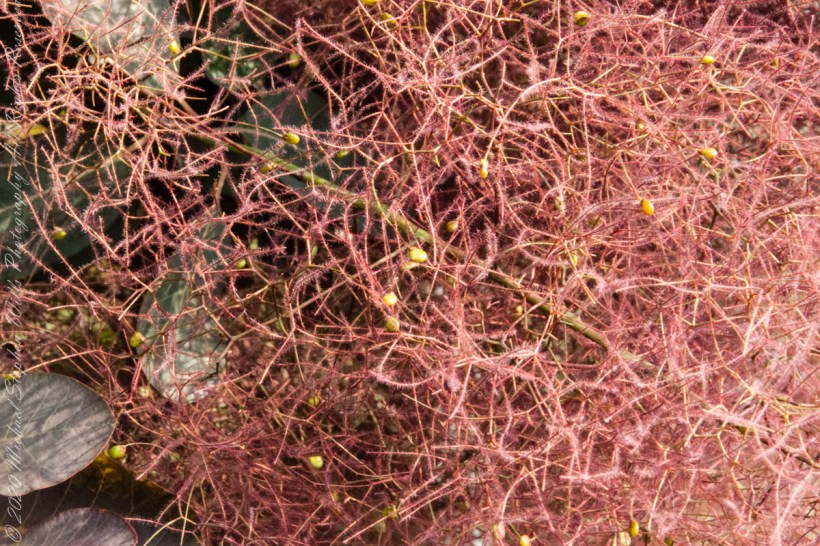
Three species of the genus Cotinus, commonly called “Smoke Tree,”in the family Anacardiaceae exist in North America, Europe and Asia. Ours is more like a shrub with numerous, long branches. Flowers with profuse filaments in clusters resembling whiffs of smoke. Here we see the flower filaments, interspersed with small drupes, each containing a single seed.

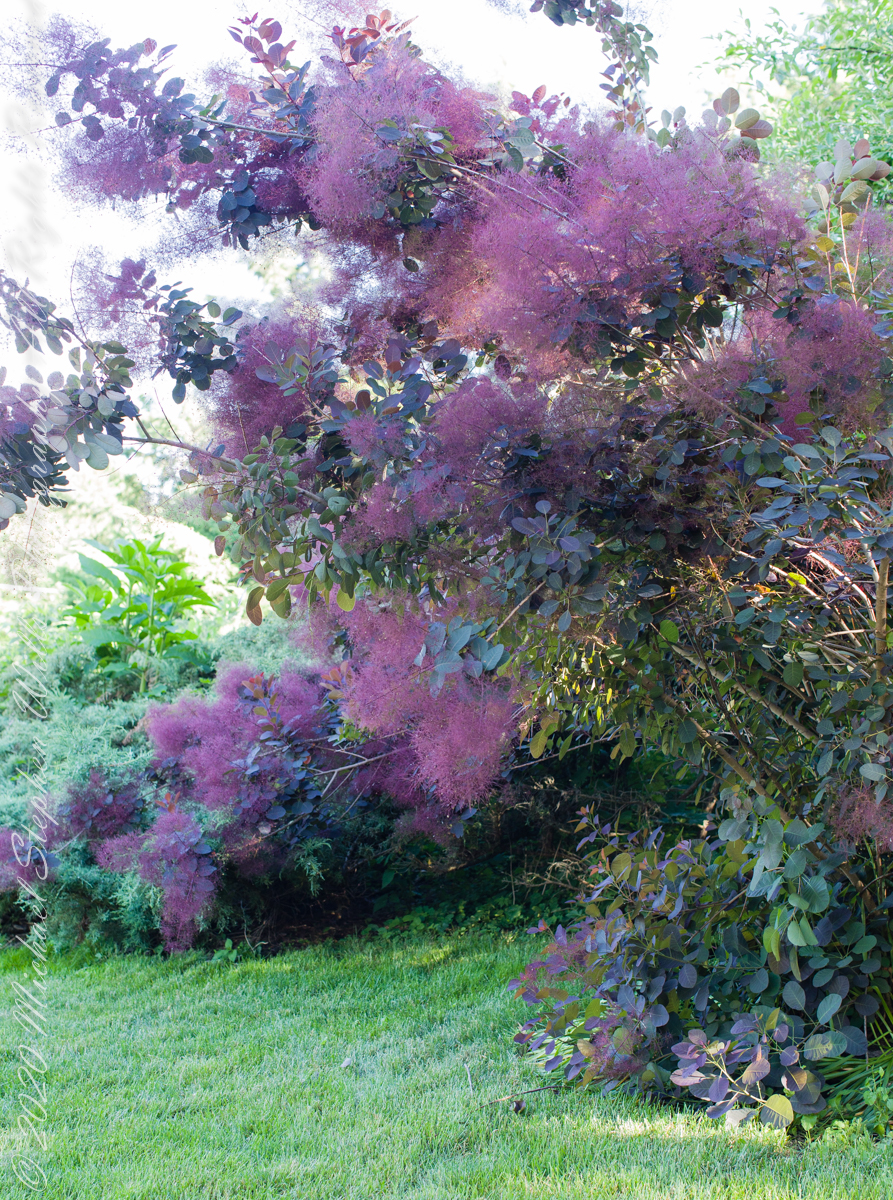
The post header, and these photographs were made from the Canon EOS 5D Mark IV, Canon Lens EF 50mm f/1.2L USM stabilized with a Manfrotto 468ZMZ tripod with hydrostatic head. Late afternoons, evenings the tree is shaded by a hemlock hedge (line of trees running north/south) this is the shade here. This Canonn dslr excels in color rendition. The flower masses are a burgundy wine color, the leaves have a purple tinge. I do not directly fertilize, as the plant is said to do best with unfertile soil though the surrounding cedars do get fertilizer stakes.

Eight AM a following morning I followed up with a handheld session using a Sony DSLR-Alpha700, Sony Lens DT 18-200 mm F3.5-6.5. Took these two shots with a lower ISO and tweaked the images in Lightroom, reducing the exposure. The flower smoky effect is well captured, the color in bright sunlight is not as wine-like as in shade.

By the time I proceeded to macros, a morning breeze kicked up, handled by upping the ISO to 3200 for a faster shutter speed to stop the movement. The bright sun helped with this.

Fertilized flowers develop into fruit stalks with radiating filaments, the yellow dots are the drupes (fleshy bodies surrounding a single seed). Fresh leaves are purple, turning to dark green with age. The leaves are as unusual as the flowers: aromatic, simple and round on long stalks. Autumn, the leaves turn a stunning bright red-orange, a scarlet shade. In winter some stalks die off, new growth appears from the roots in spring.

References

“The Botanical Garden Vol 1 Trees and Shrubs”, Roger Phillips and Martyn Rix, Firefly Books, Buffalo NY, 2000, p 361

Wikipedia, “Smoke Tree”

Copyright 2021 Michael Stephen Wills All Rights Reserved

Zion Merged

revelatory

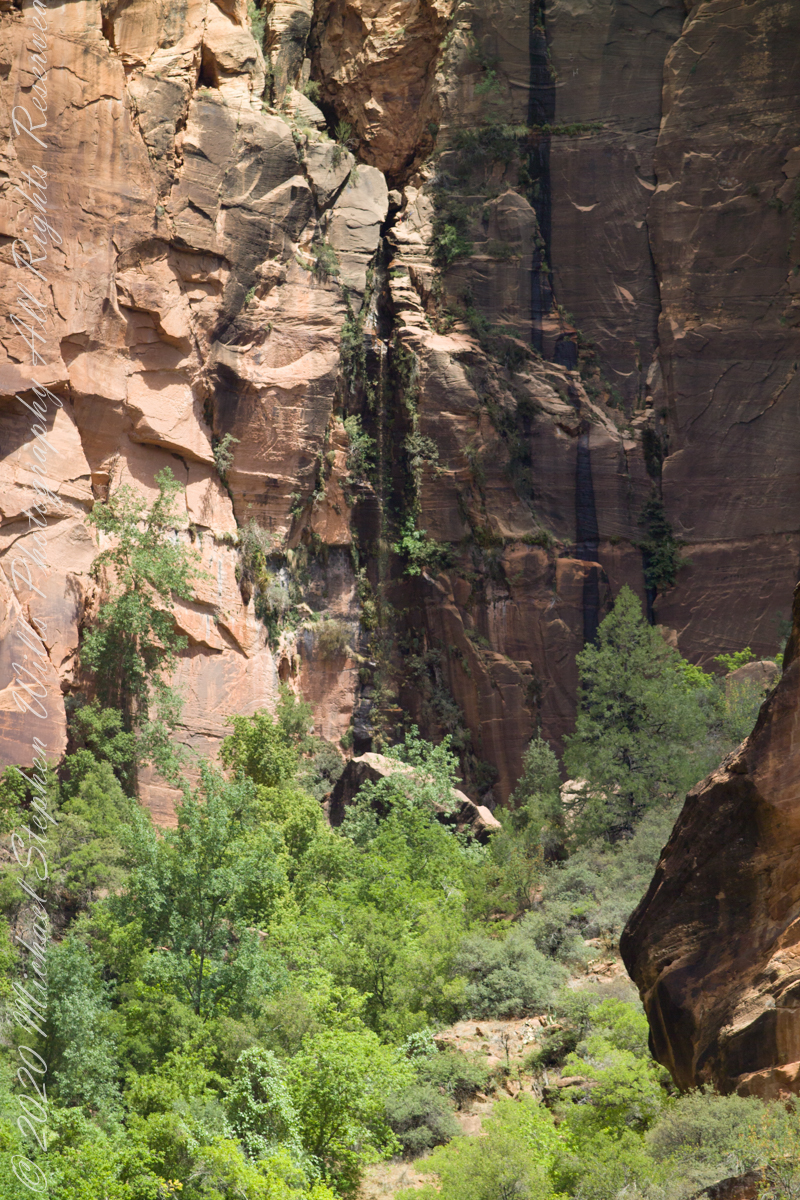
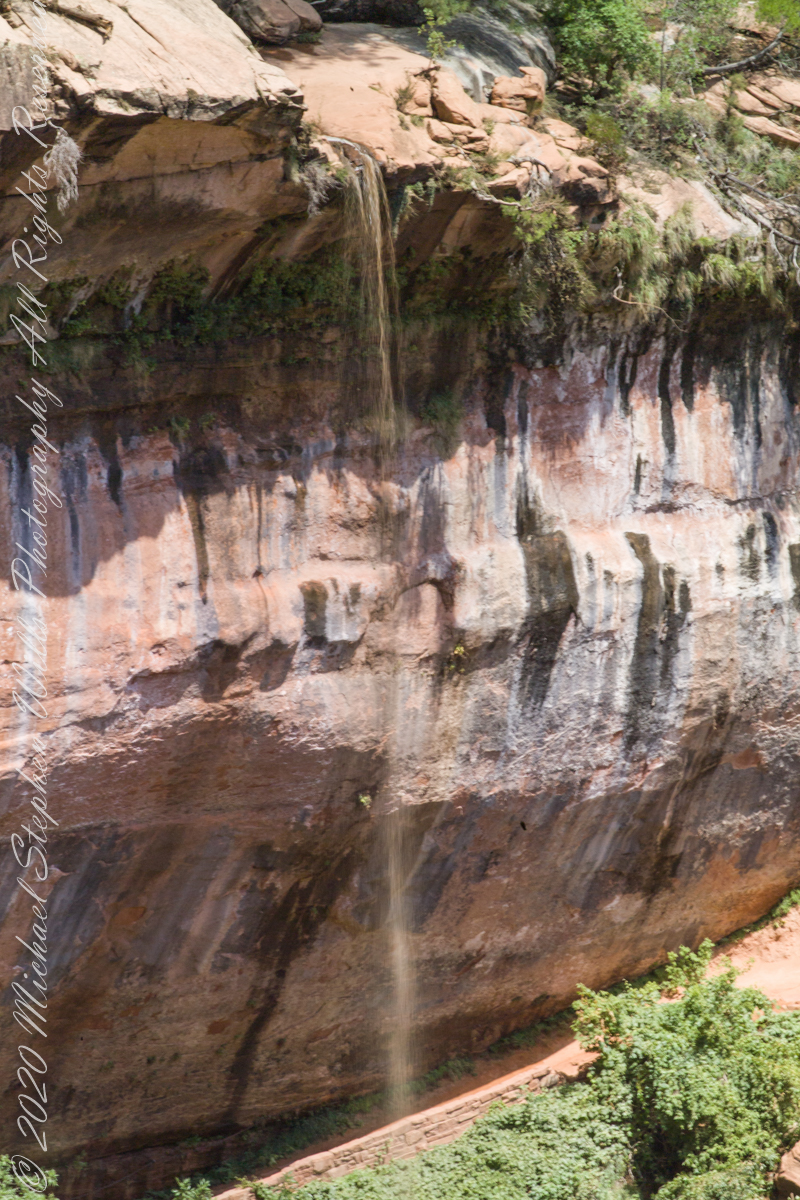
The first photograph is the myriad fractures within the Zion Navajo sandstone, hidden water transits from rainfall miles away.

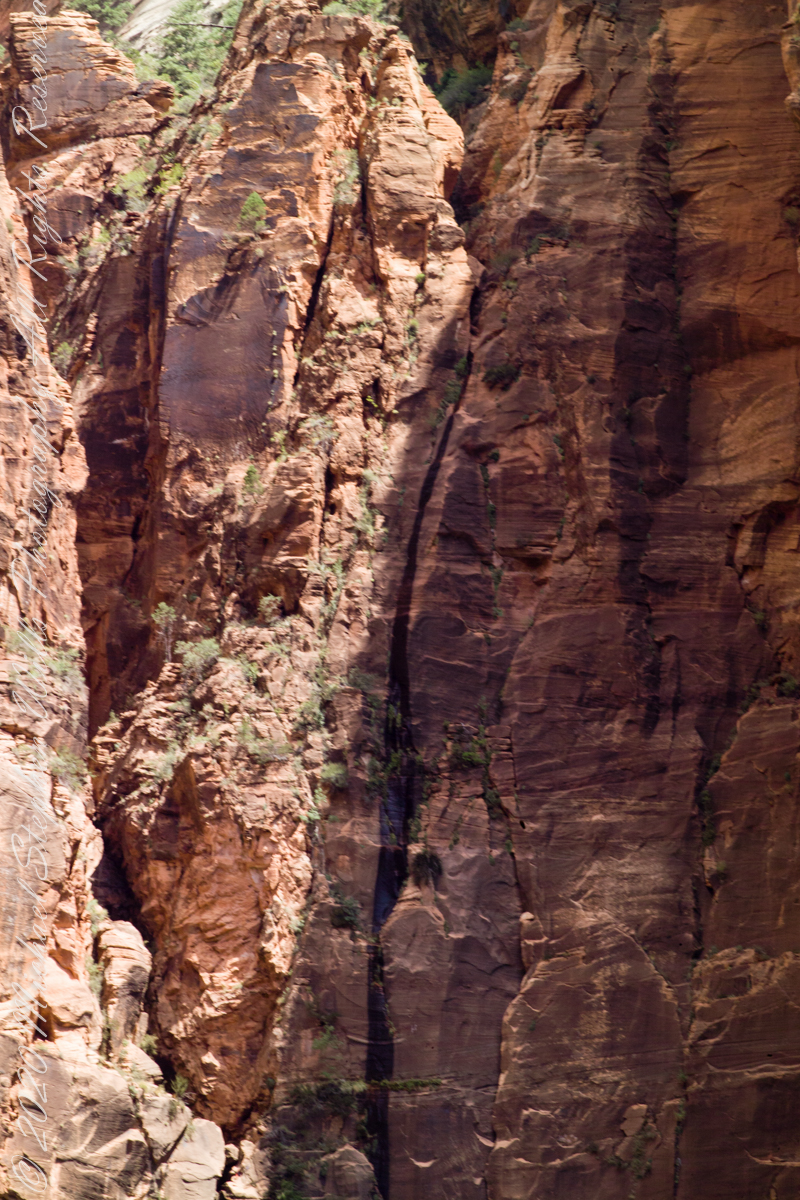
The second photograph, water emerging as a blessed sacrament, bestowal of life nourishing wildflowers, ferns, mosses, trees.

For this third photograph the first two were merged in photoshop for a revelation. I did not take time to smooth the transition, visible as a line. I graduated from this merge technique with the purchase of a wide angle (24 mm) lens. It is so difficult to organize all the angles and exposures, plus time to bring it together.

All photographs from the Kodak DSC Pro SLR/c, Canon Lens EF 200mm 1:2.8 L II stabilized via a Manfrotto 468MG with Hydrostatic Ball Head.

Can you spot the foot path?

Here is a gallery of the three photographs, to flip back and forth.

Copyright 2021 Michael Stephen Wills All Rights Reserved

Three Zion Images

full of ferns, wildflowers, and mosses.

“Water seeping out of the Navajo sandstone creates tranquil springs and the unique “hanging gardens” for which Zion is famous, full of ferns, wildflowers, and mosses.”

Here are three exposures of the same scene.

Click on an image for a closer view.

Can you spot the foot path?

Here is a gallery of the three photographs, to flip back and forth. the primary difference is the exposure within the shadow under the projecting cliff face.

Copyright 2021 Michael Stephen Wills All Rights Reserved