Click me for the first post of this series, “Burgeoning Forest .”

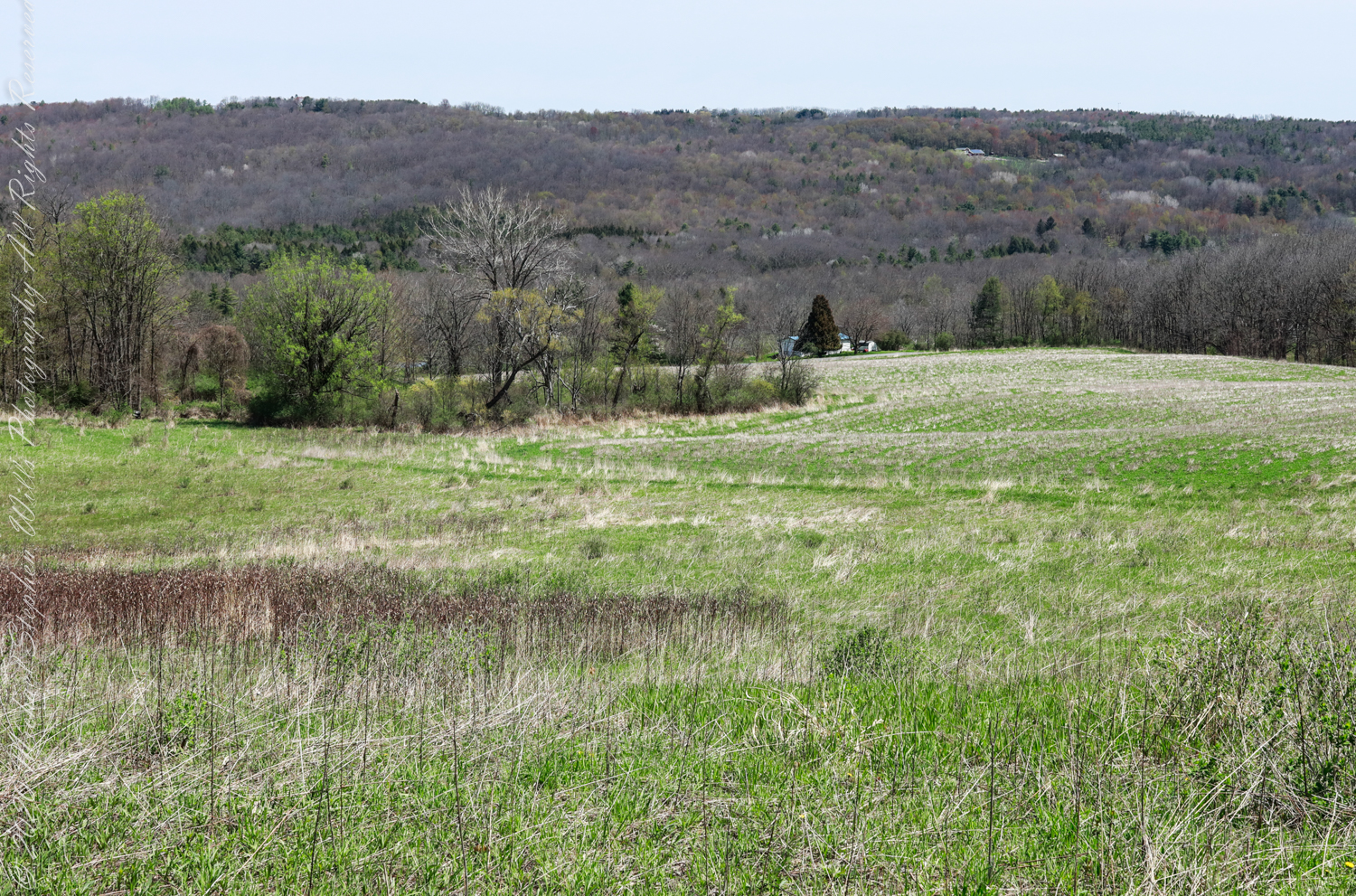
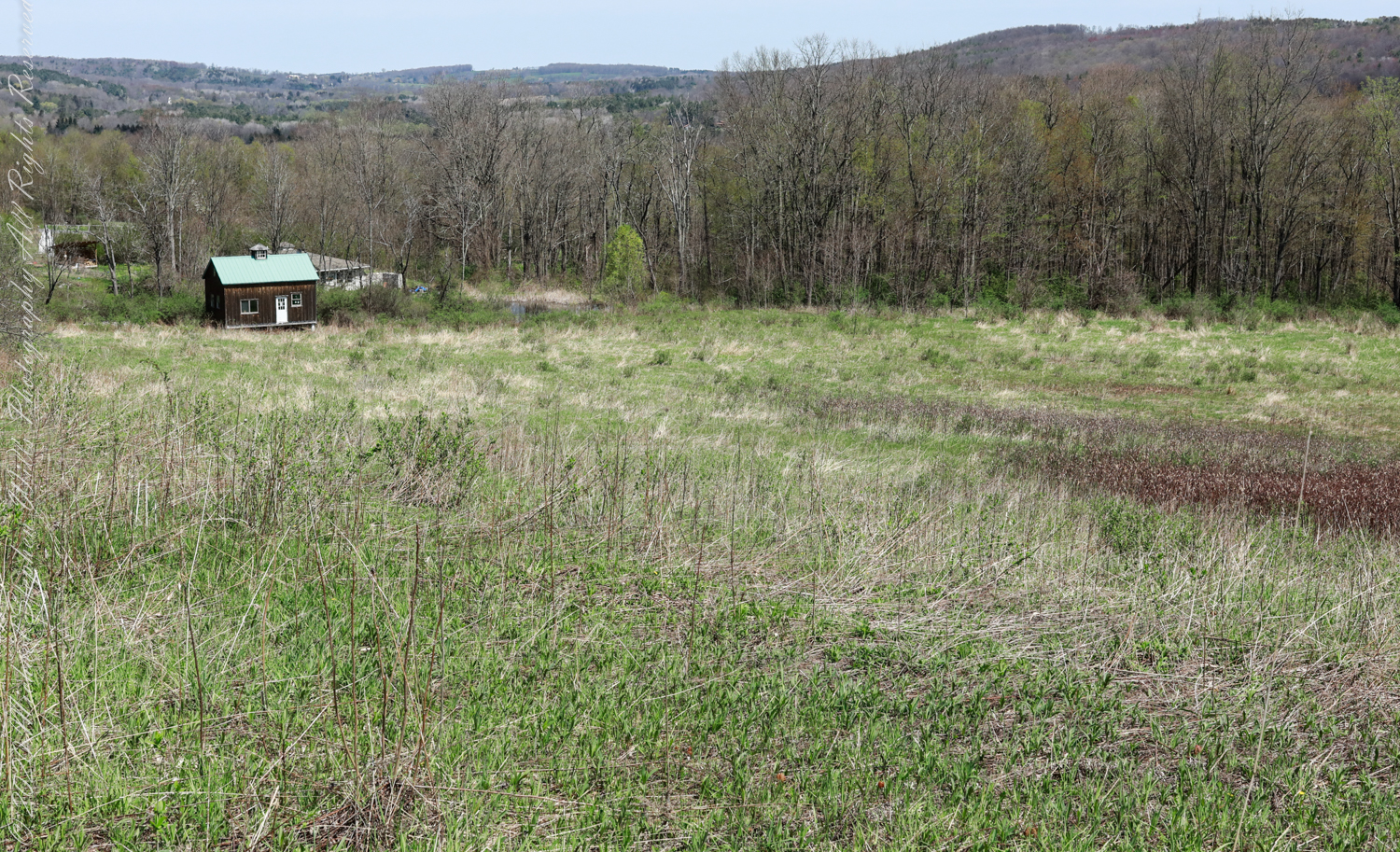
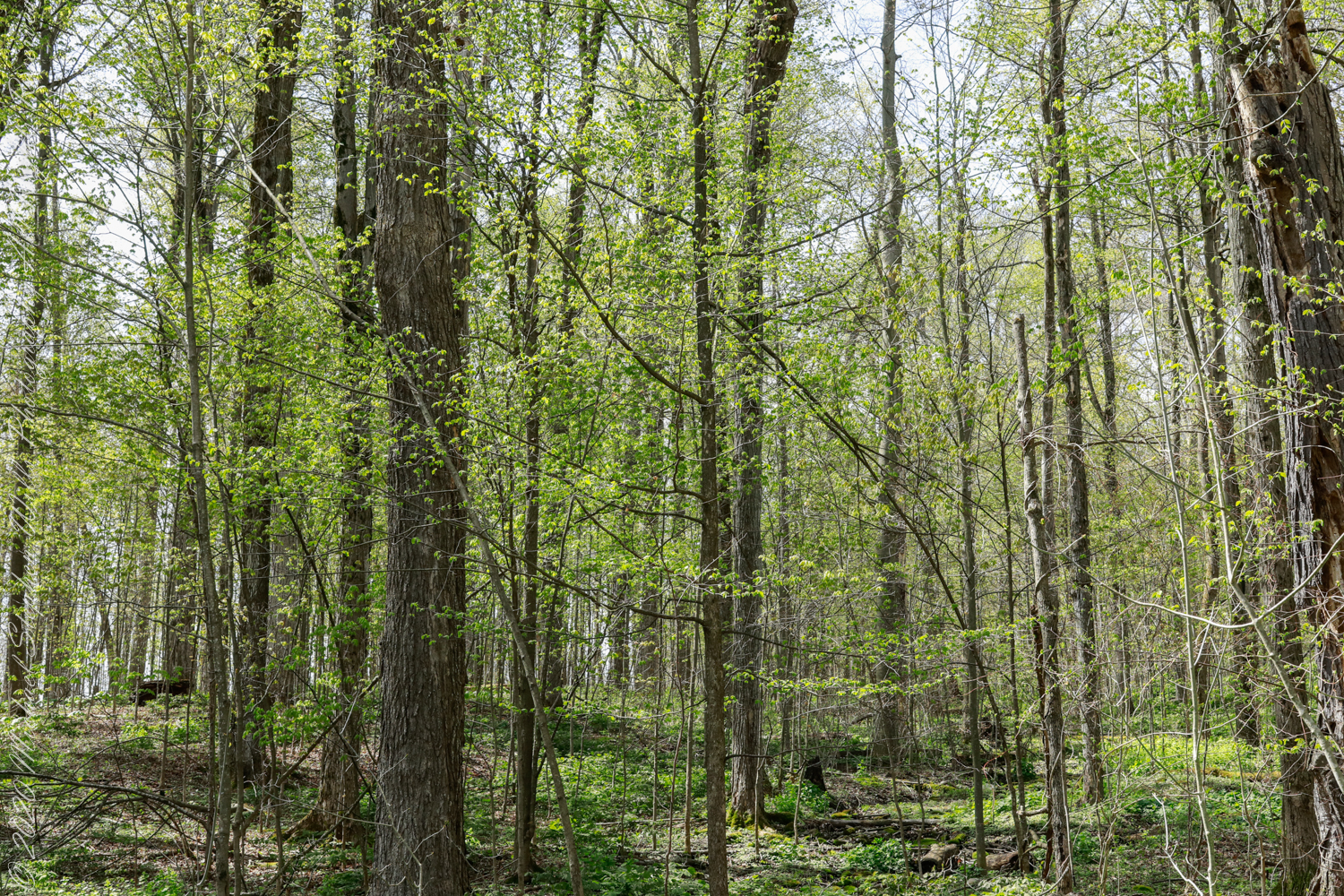
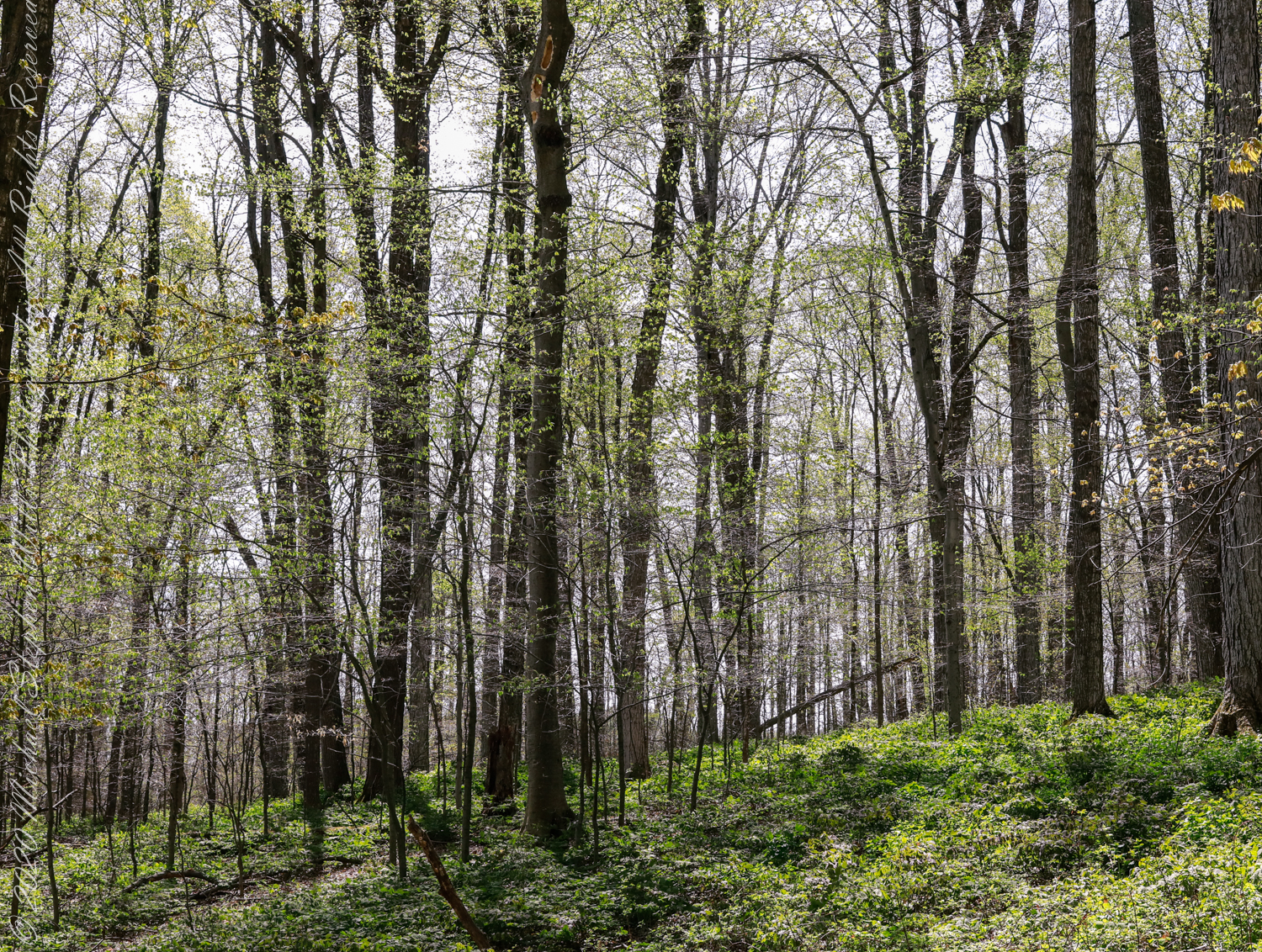
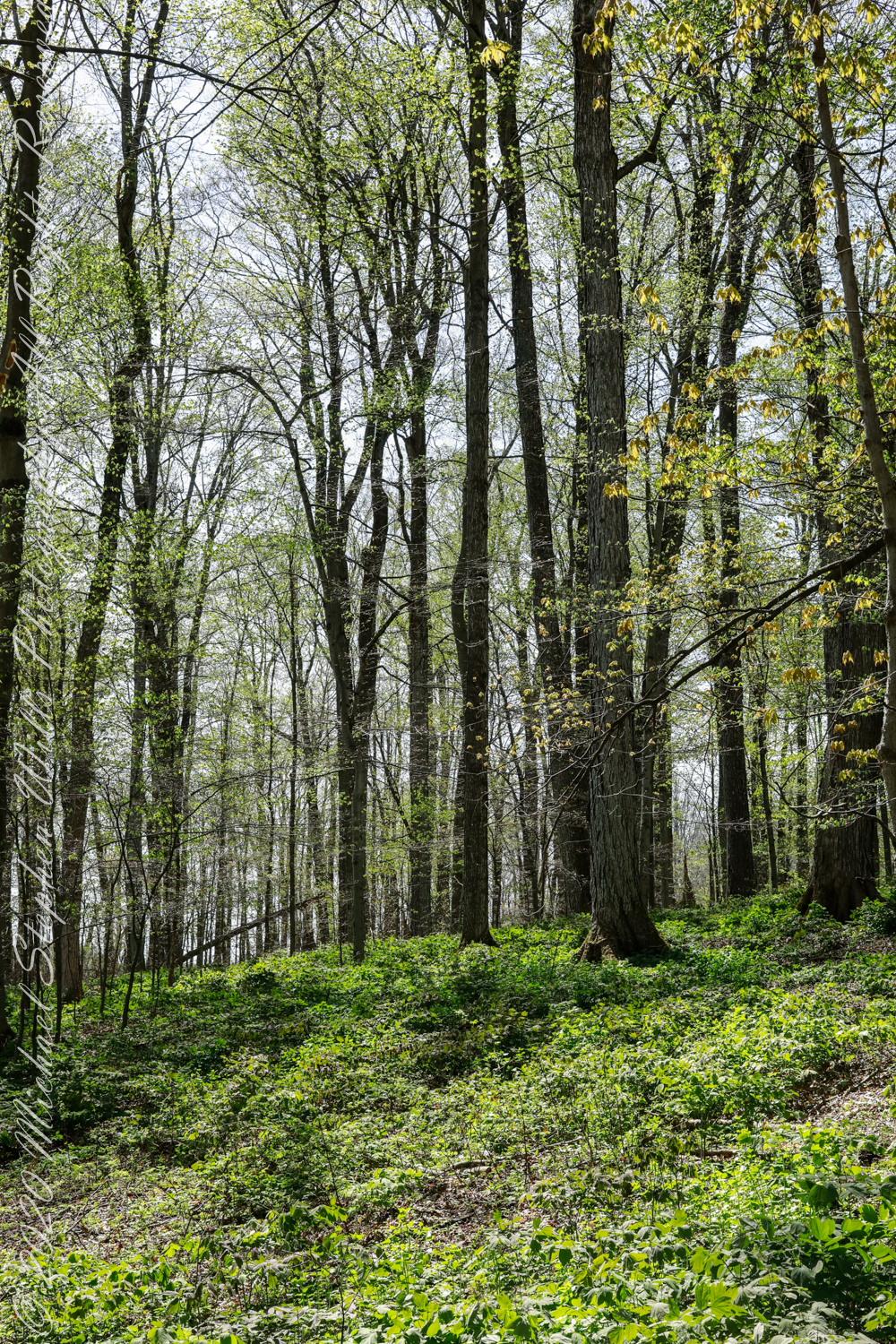
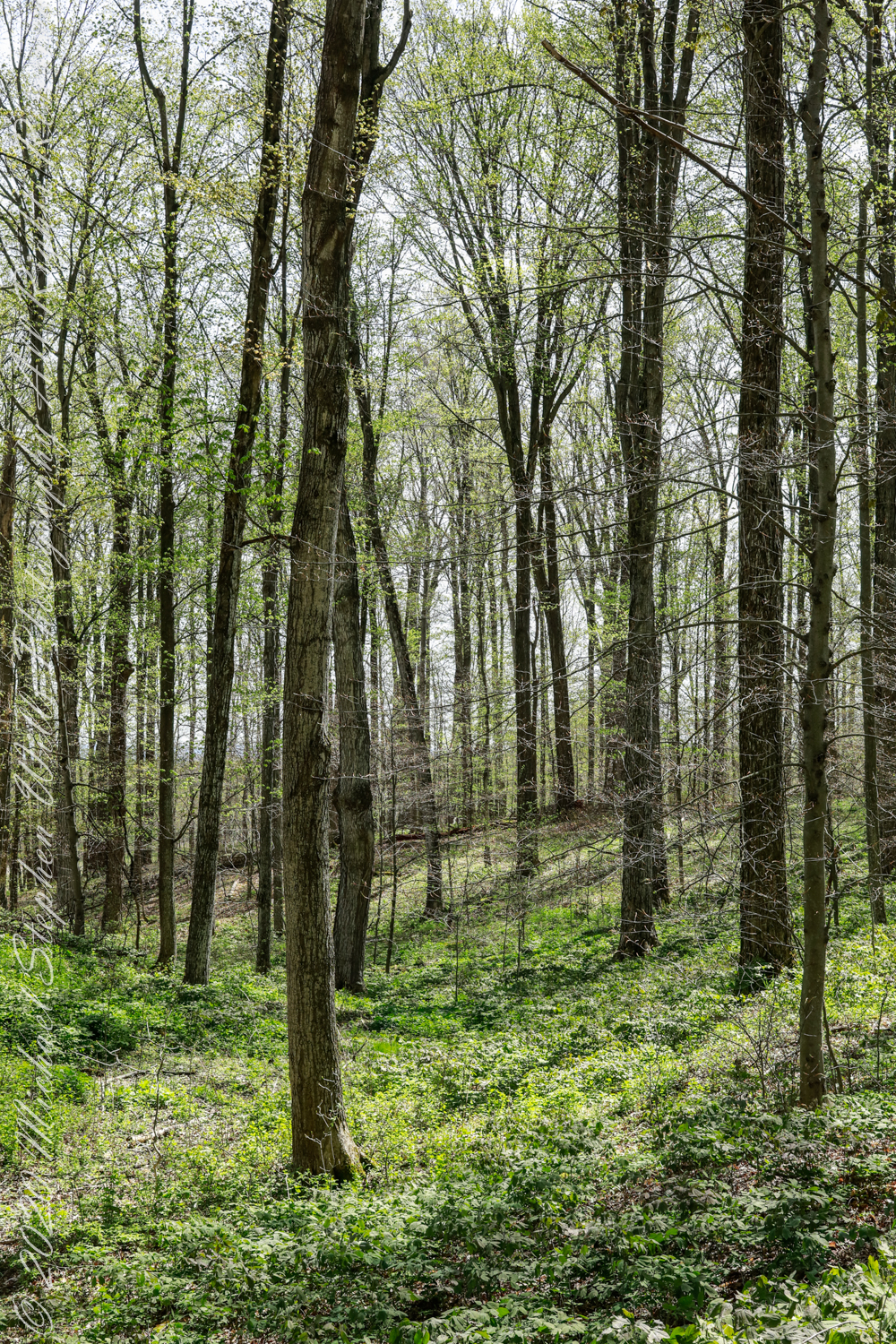
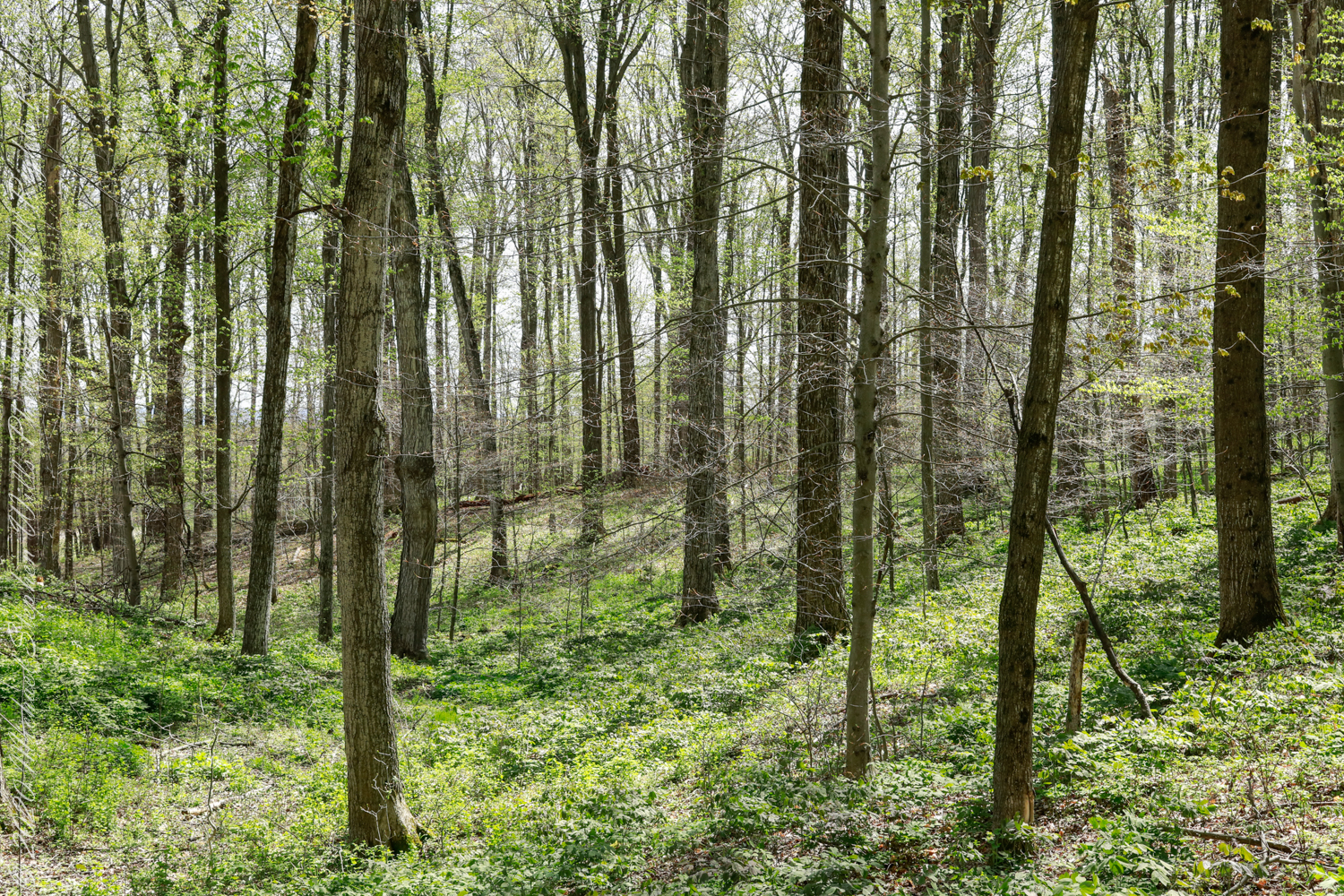
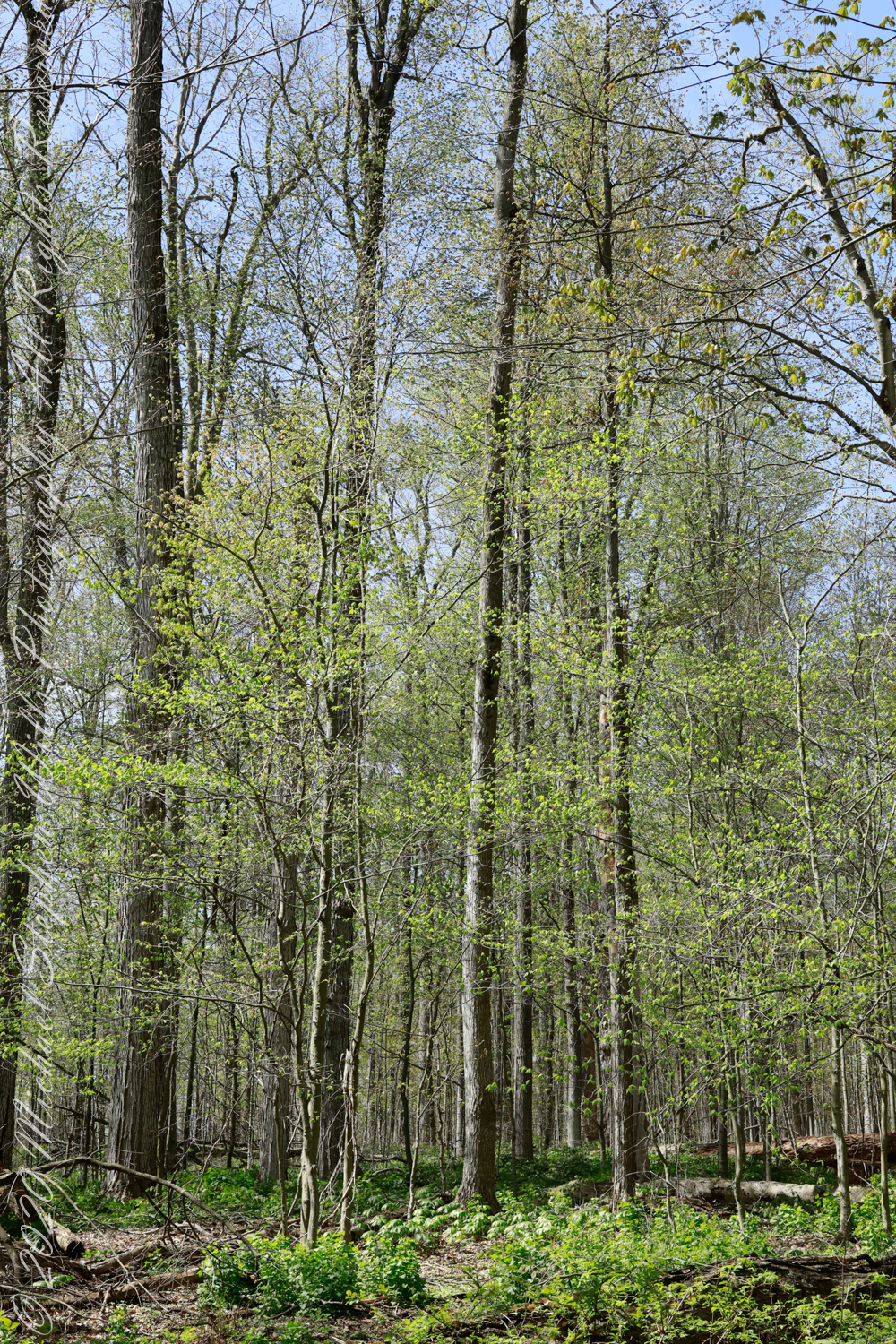
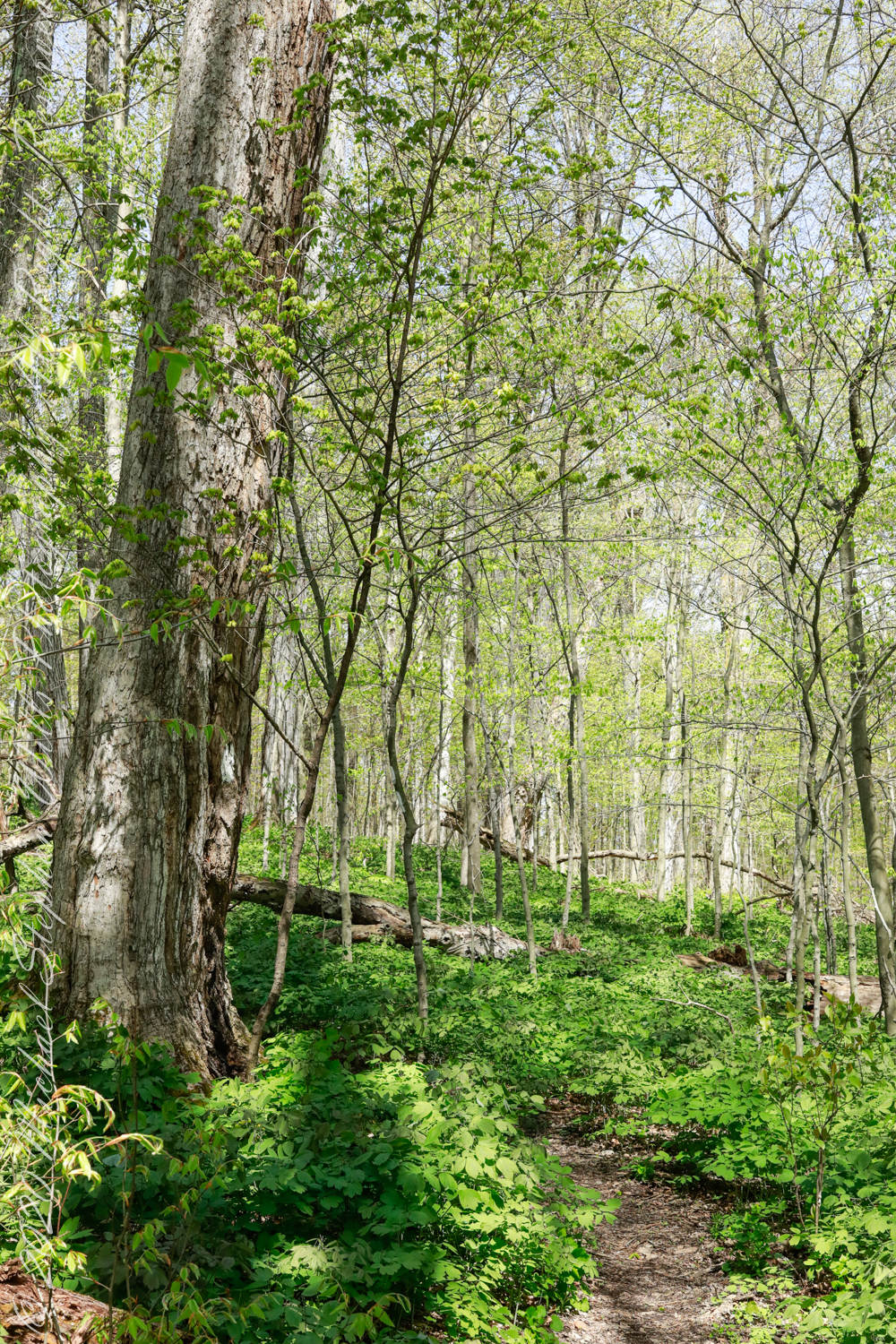
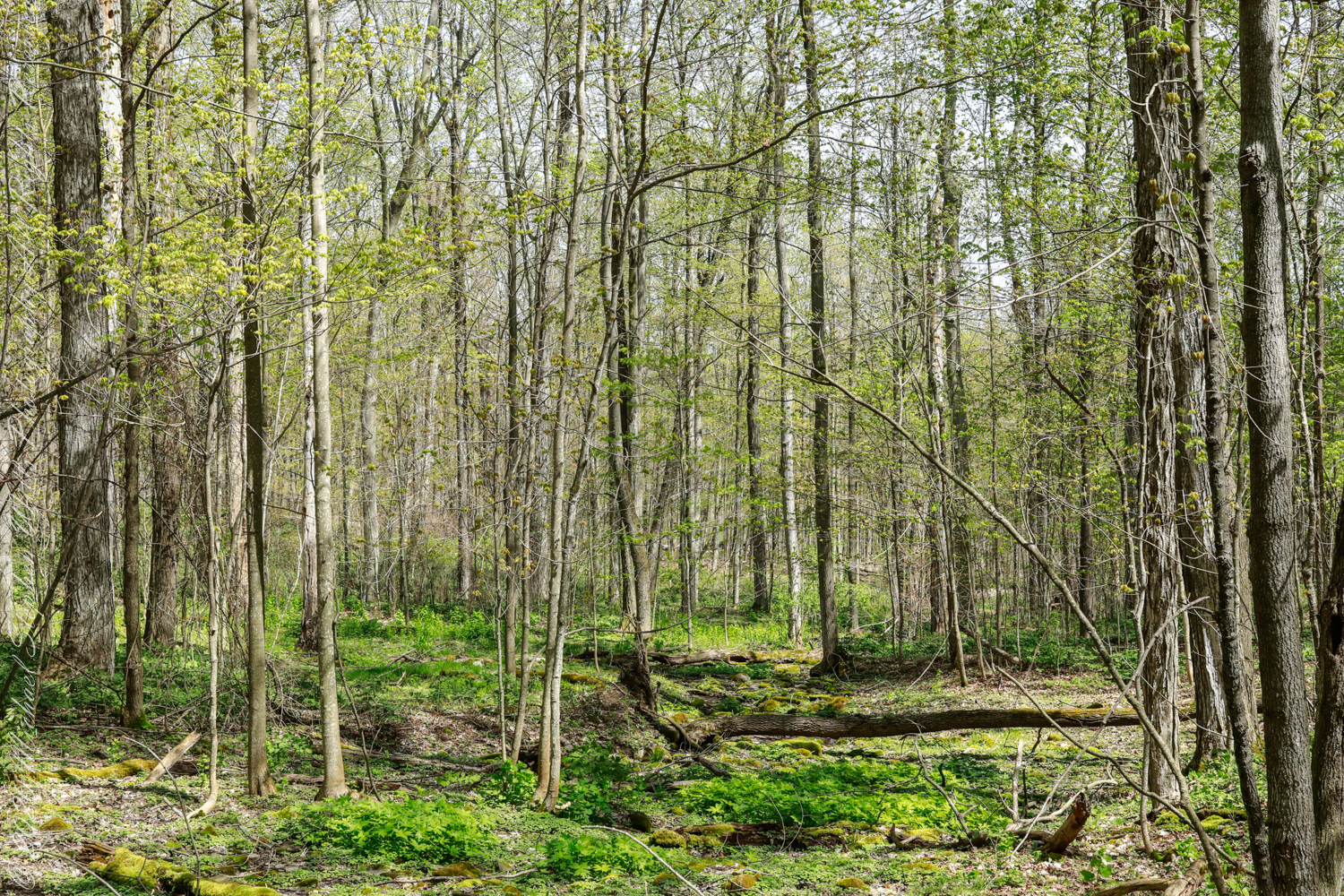
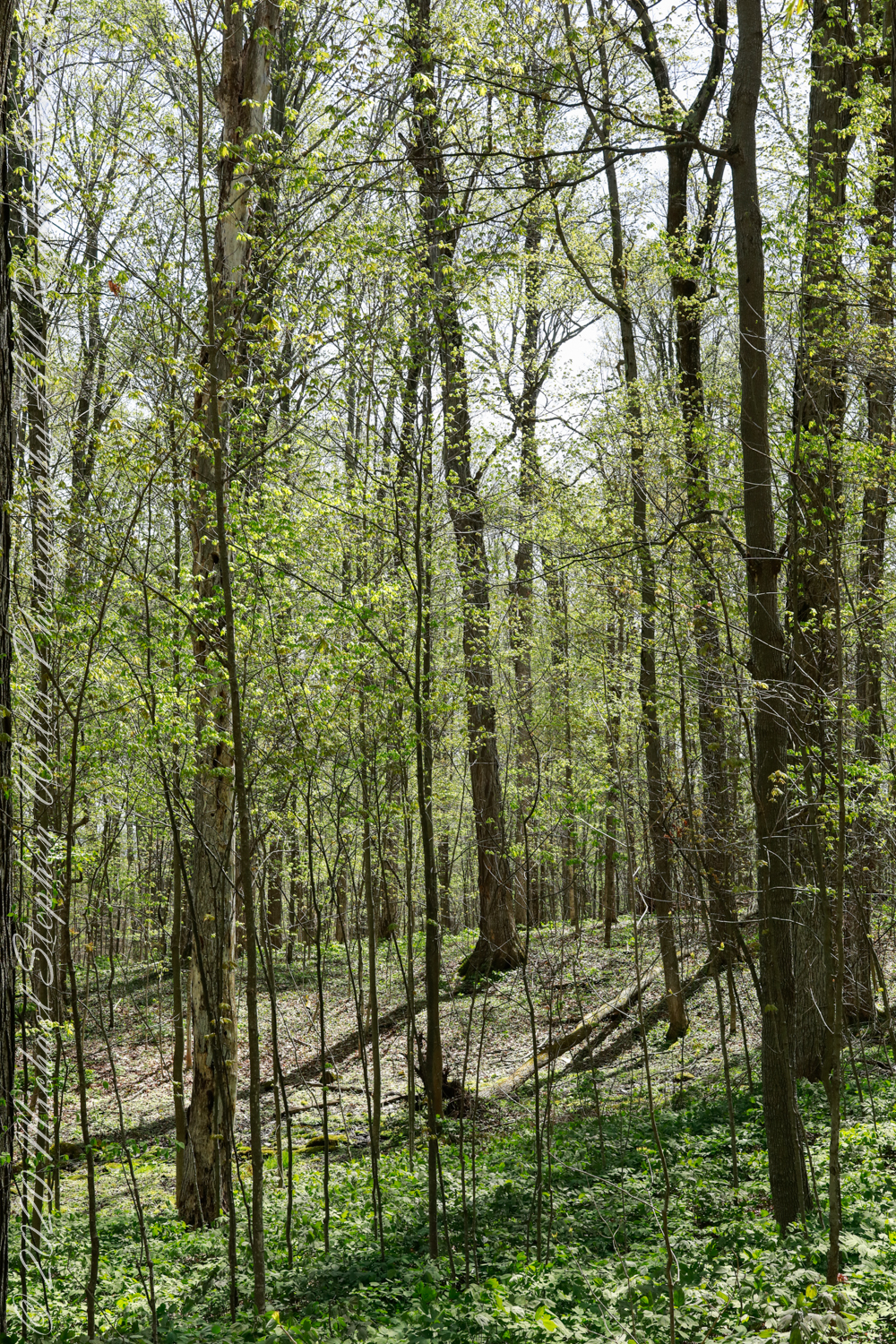
Brock-Harvey Forest Preserve on an early May morning
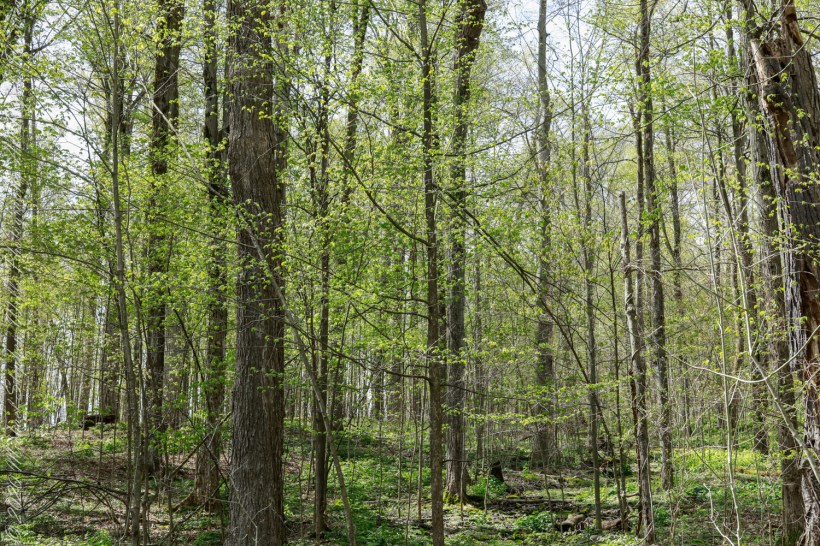
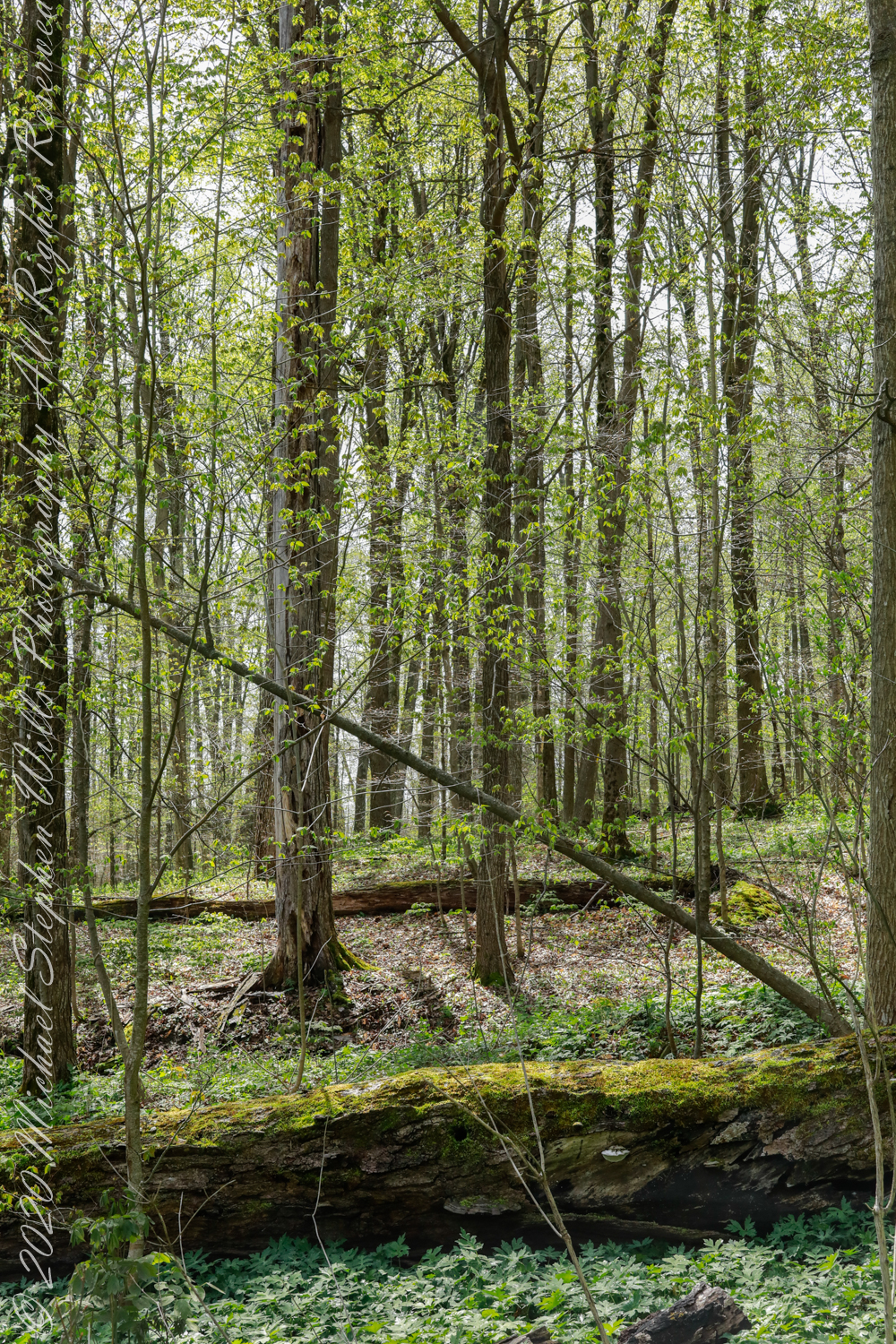
Brock-Harvey Forest Preserve on an early May morning
There is a word to describe the first growth of spring, rare in a way as having grown within the English/French languages without roots from either Greek or Latin, wholly suitable to a forest people. The first growth of spring so impressive it has words of its own: burgeon.
Both as a noun, burgeon the bud itself, and a verb; to burgeon, as in to burst forth. Burgeoning: the process of the act itself.
Nine videos taken the same morning, February 5, 2022
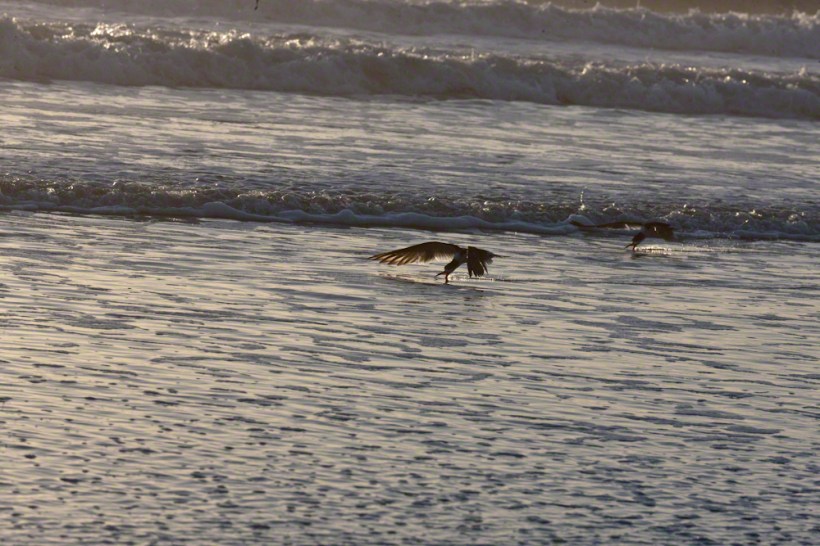
A multi-day hatch of small fry around the time of a new moon triggered this Black Skimmers (scientific name: Rynchops niger) feeding behavior surf off Cocoa Beach, Brevard County on Florida’s Atlantic Coast.
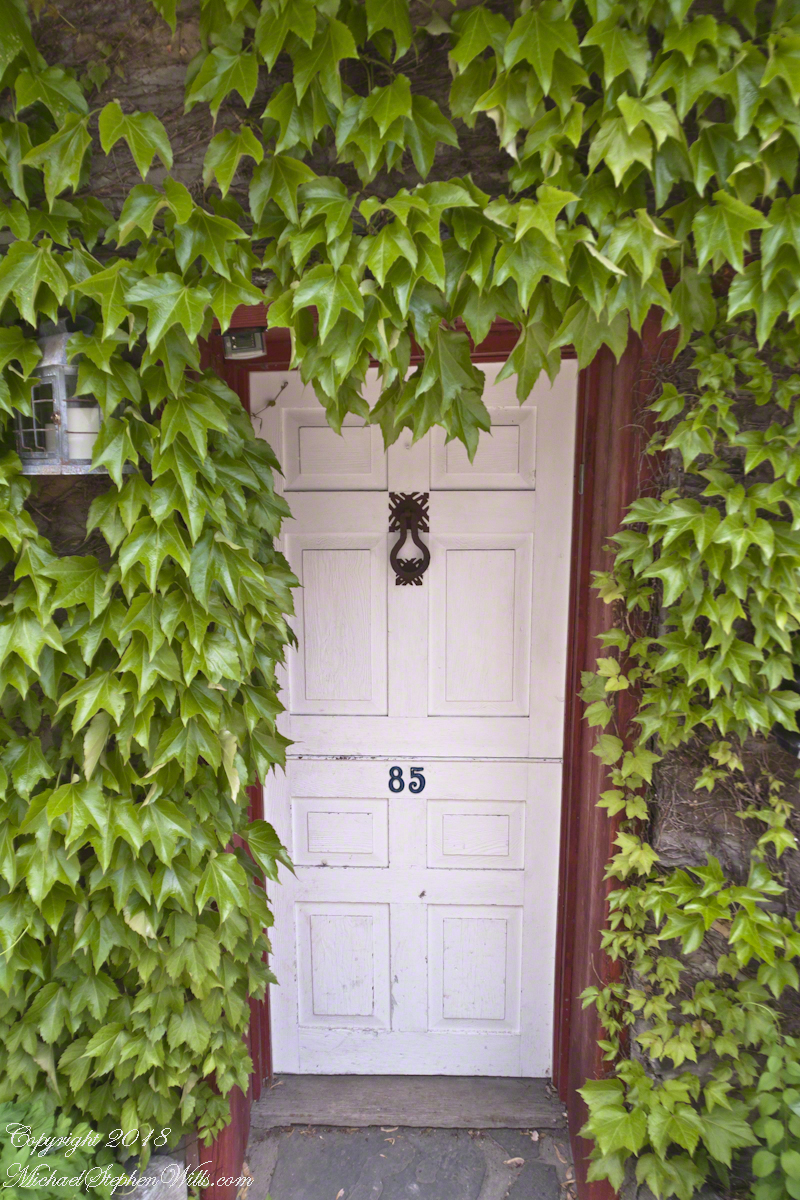
295 year old Zillow listing
Home for 295 years, one way to describe the Albertus Van Loon house, 85 North Washington street, Athens, New York. Built before there was a George Washington or Athens New York. The river flowing by was named North River when this door first opened. The Delaware was South River.
Listed today on Zillow with a increasing value and, incredibly, “built 1725.”
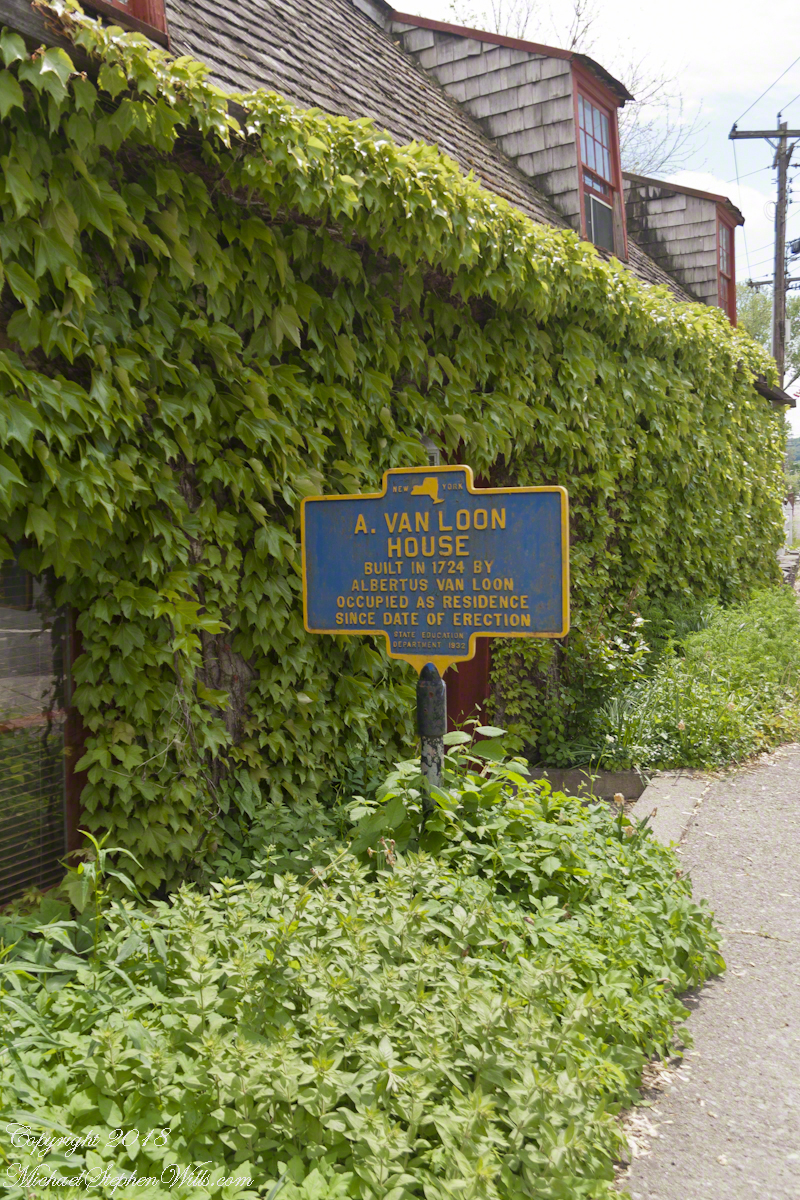
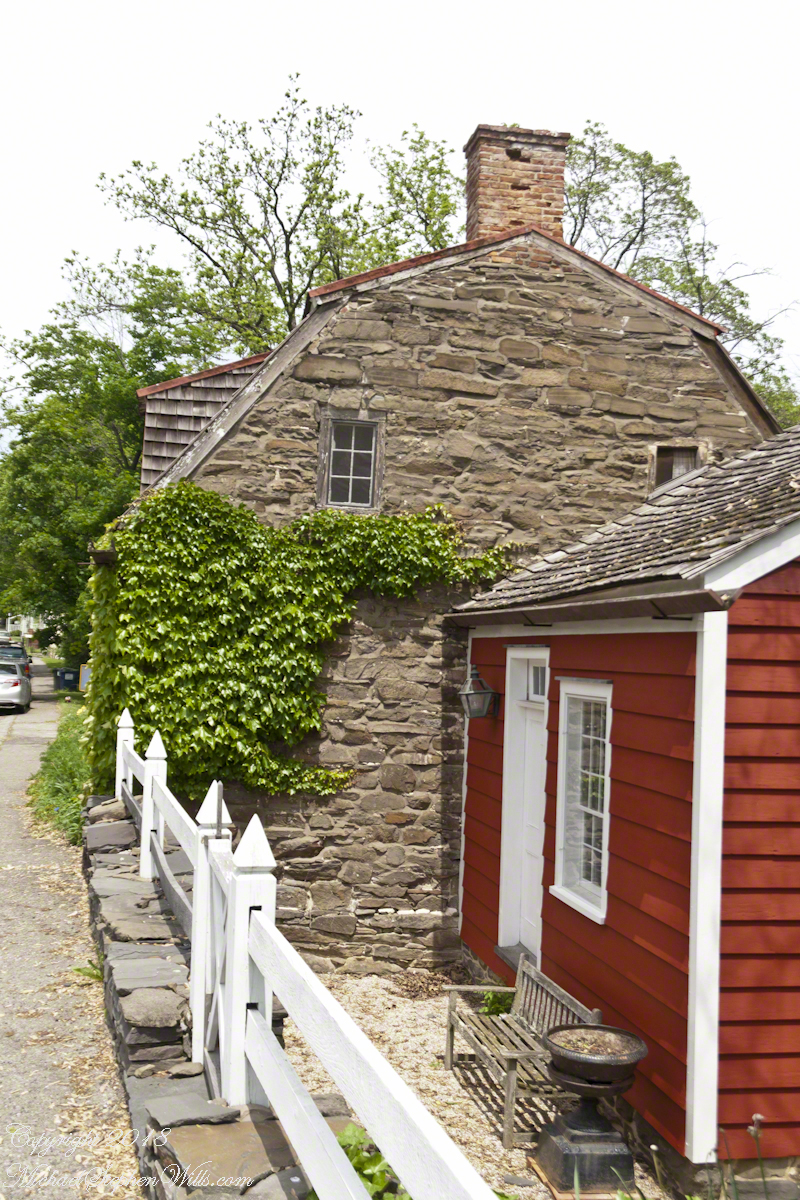
Well cared for…..
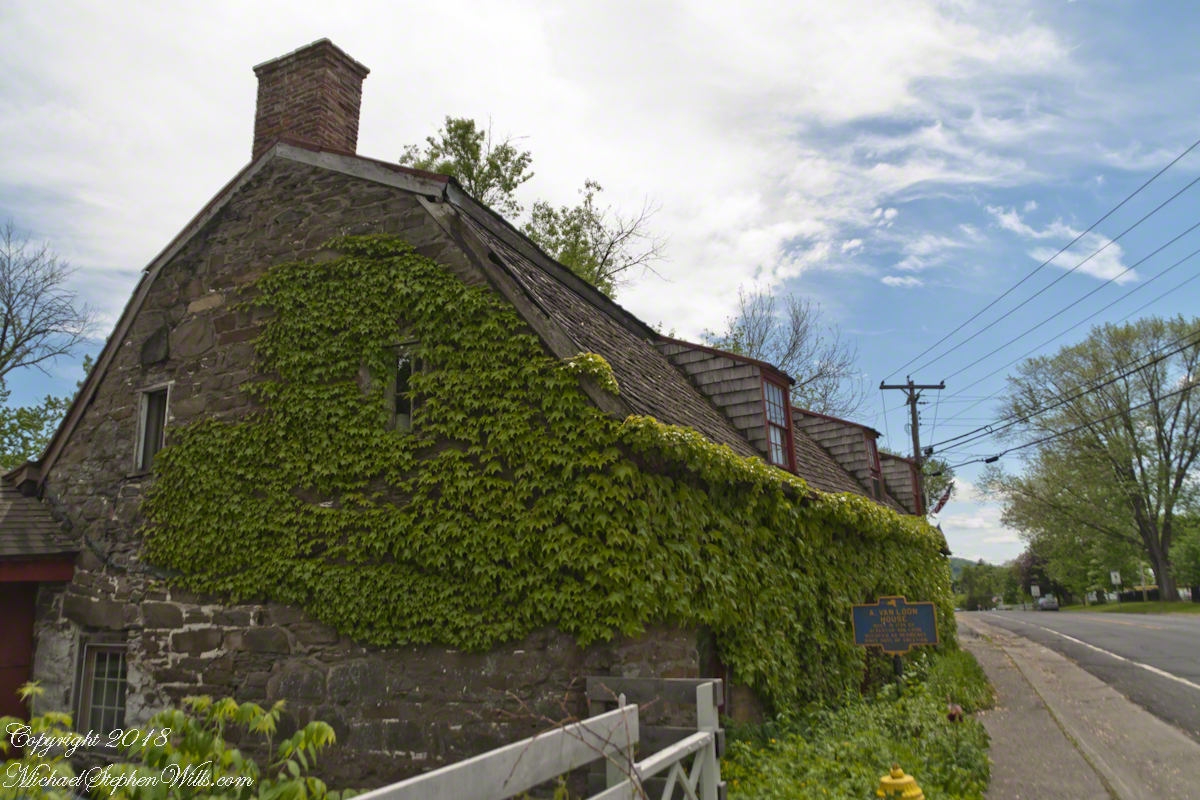
…..solid masonry walls with timber additions.
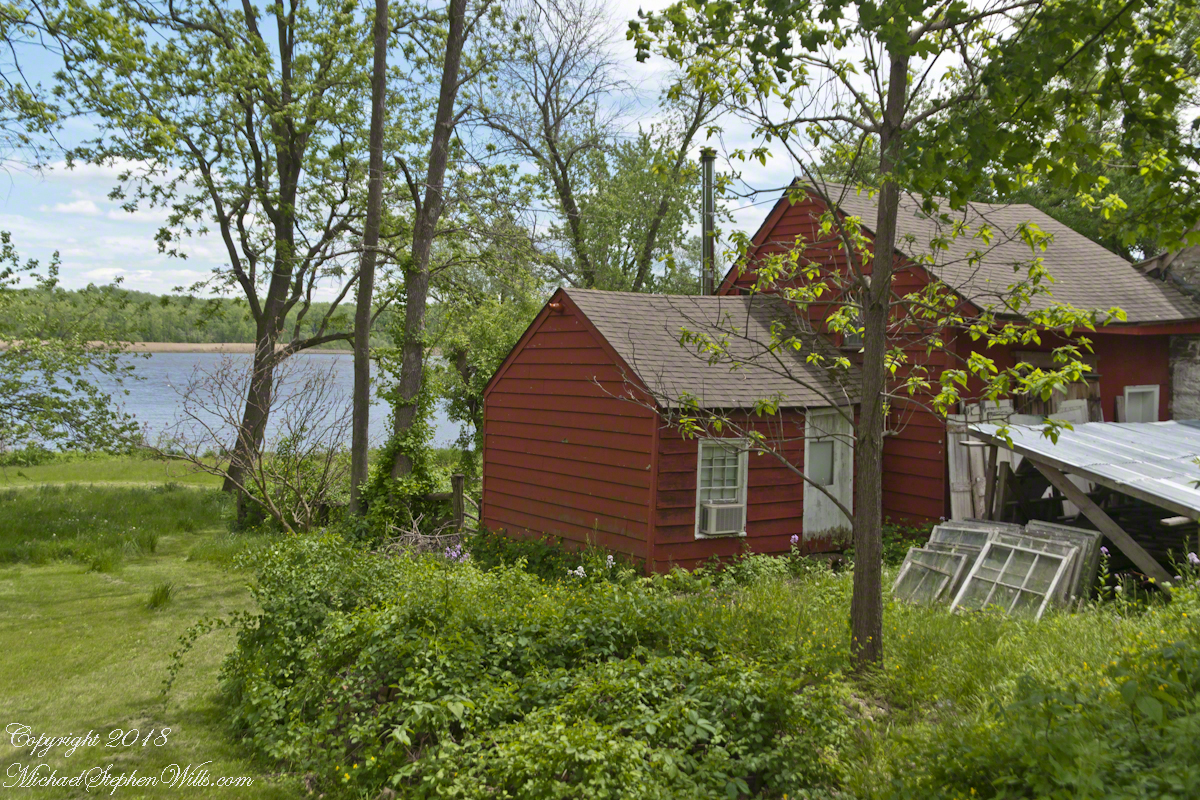
Right on the Hudson River.
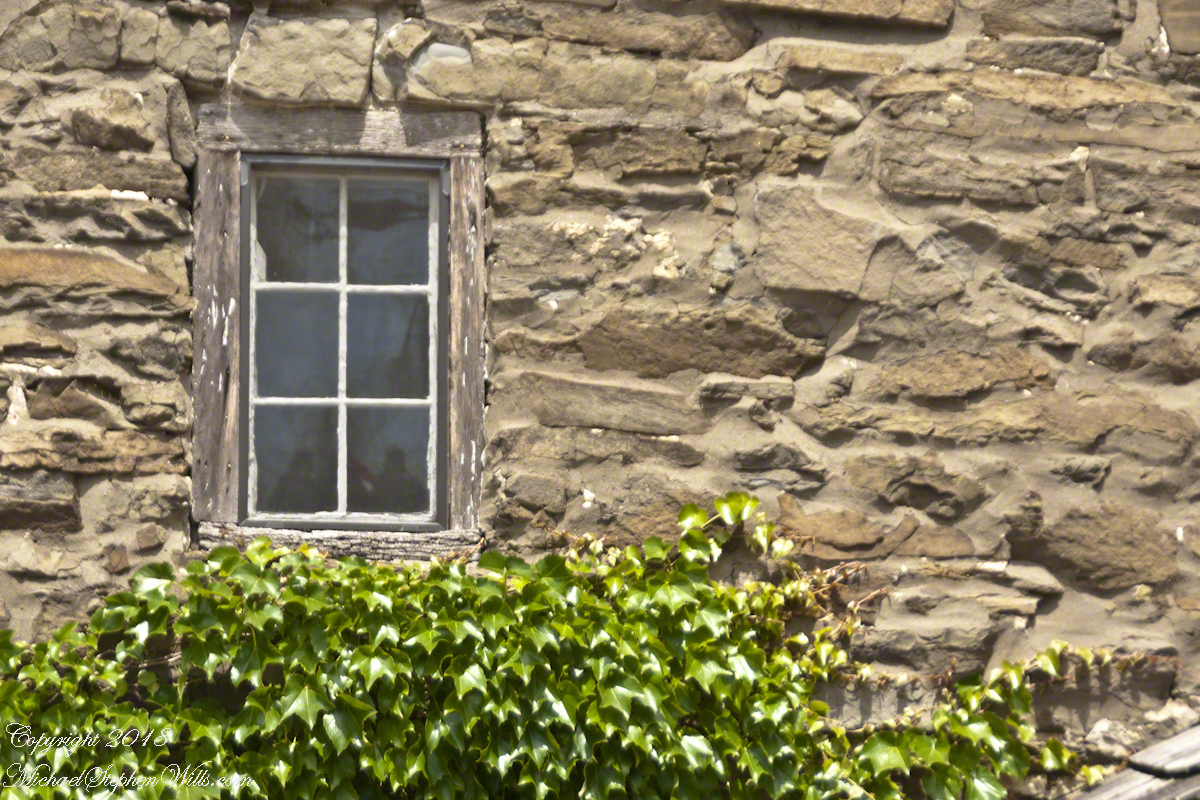
Albertus is a Great+ Uncle for Pam. She felt the connection to this place, marveled at the well build masonry and solid windows, absolutely loved the ivy. 85 North Washington was our last stop.
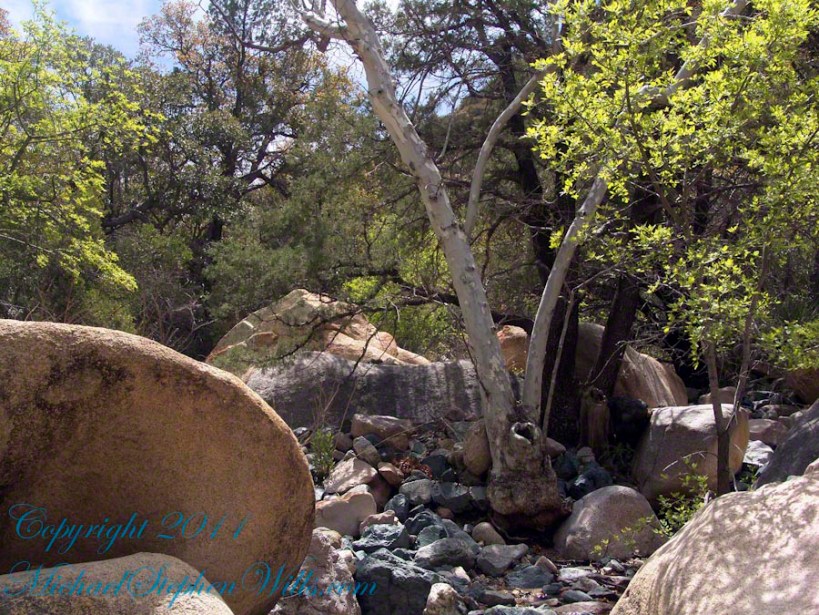
live on a Sky Island
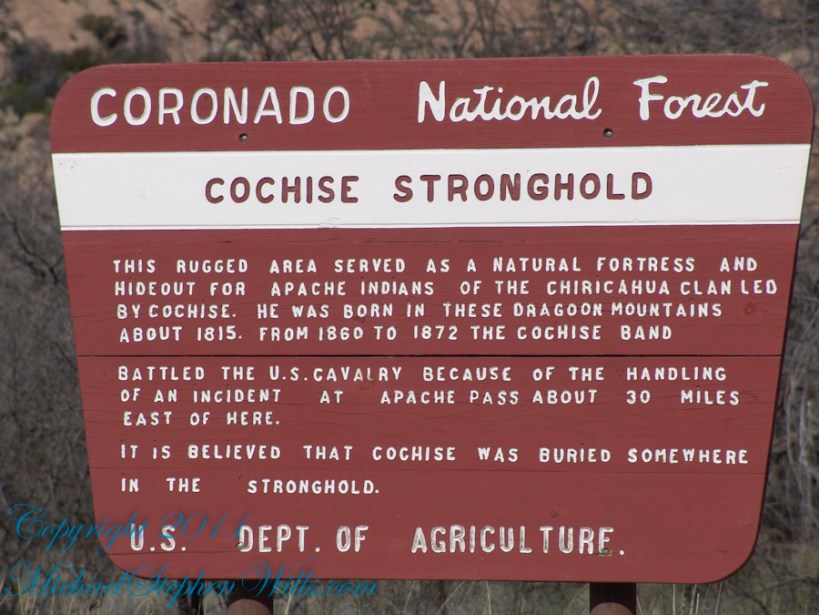
Sky islands are isolated mountains surrounded by radically different lowland environments. The term originally referred to those found near the southern borders of the U.S. states of Arizona and New Mexico with the northern borders of the Mexican States of Chihuahua and Sonora such as the Dragoon Mountains featured in this post. The isolation has significant implications for these natural habitats. The American Southwest region began warming up between ∼20,000–10,000 years before the present-day and atmospheric temperatures increased substantially, resulting in the formation of vast deserts that isolated the sky islands.
This sycamore tree survives life in this ephemeral stream of an Arizona “Sky Island” by allowing entire trunks to die off during extended dry spells. The tree is an Arizona Sycamore (Platanus wrightii).
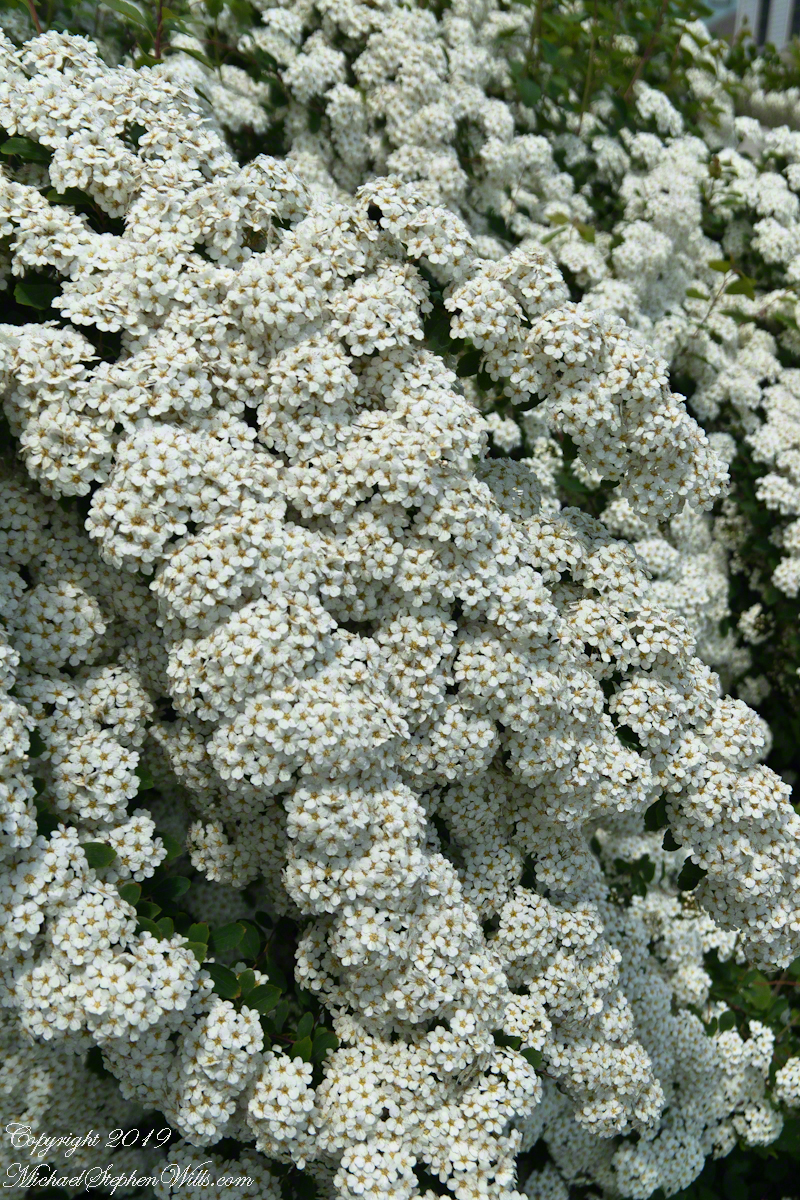
Blossoms, headstones and the passage from Dutch to English
Spiraea bushes in full bloom flanked the Riverside Park along Water Street.
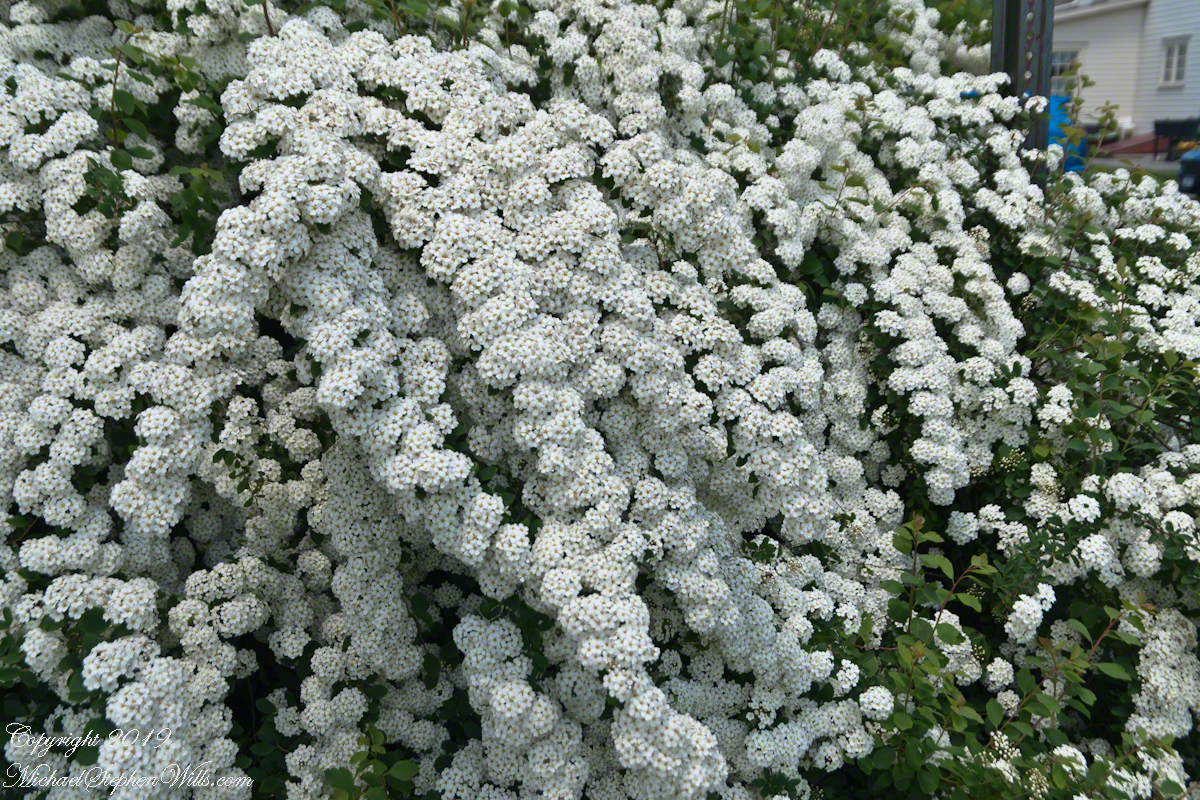
Well cared for…..
…..as are the urns across the street.
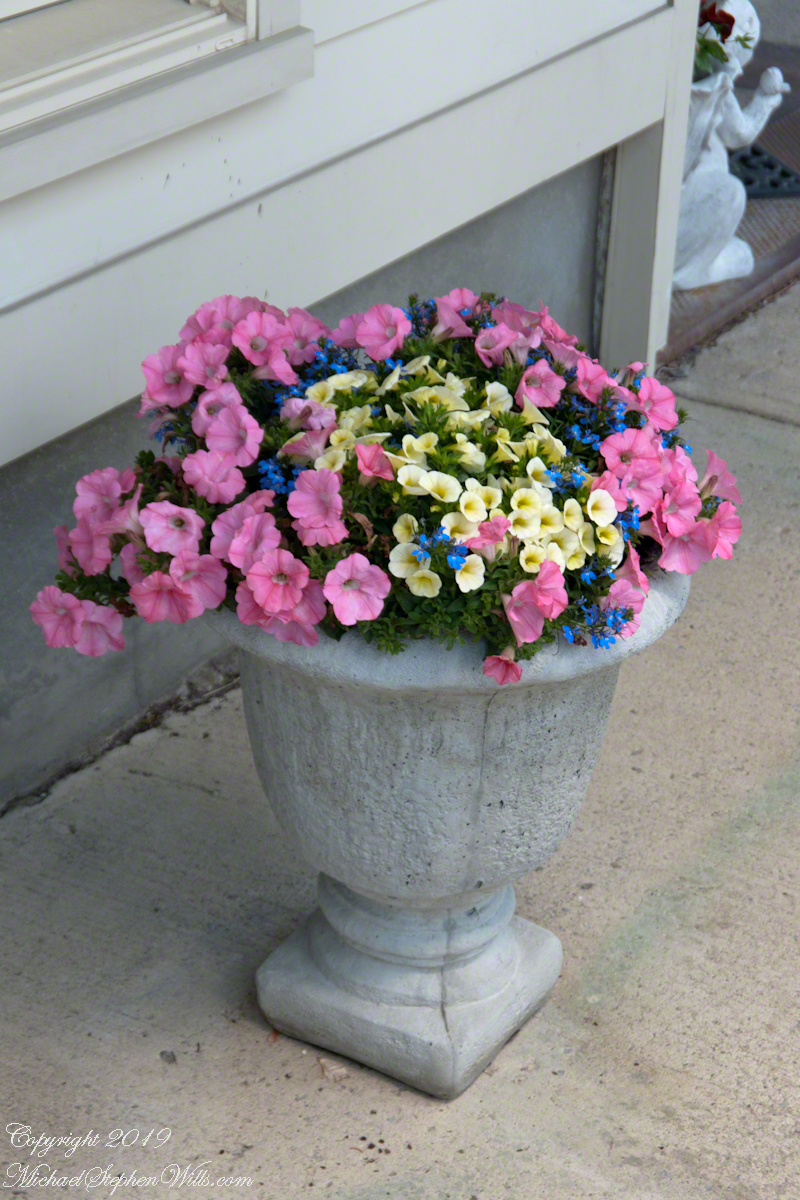
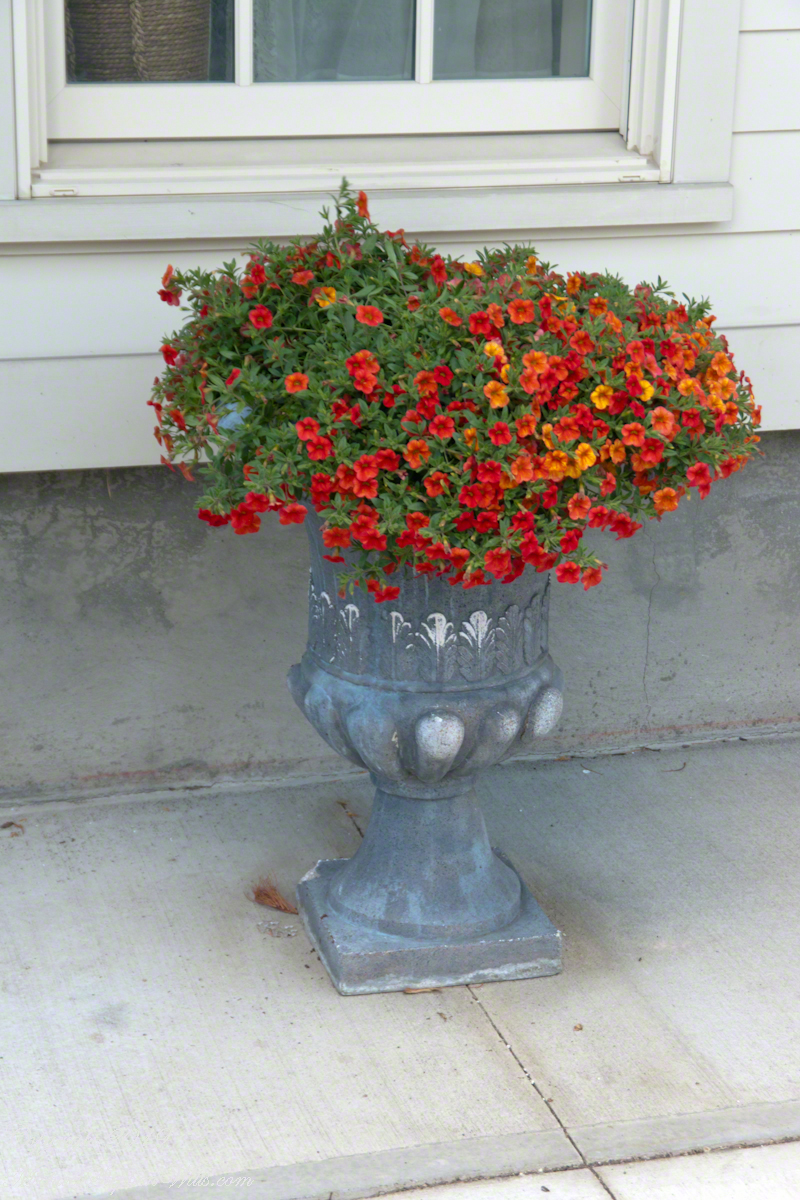
Our daughter-in-law and her Mom were a source of post-trip information. “Yan Van Loan” is how Jan Van Loon’s name is pronounced in Dutch, they kindly informed us.
Passage of political control from Dutch to English was decades old when Jan Van Loon acquired his land on the river. By the 19th century the name was anglicized (turned English) on the headstones, spelled as it was pronounced in English. In the 18th century Pam’s ancestors had moved west and south to what became Plymouth, Pennsylvania (Luzerne County). This was before the coal fields, in the 18th century agriculture was the primary industry. Pam’s branch of the Van Loons retained the Dutch spelling and anglicized the pronunciation, as “Van Loon” is pronounced in the English language.
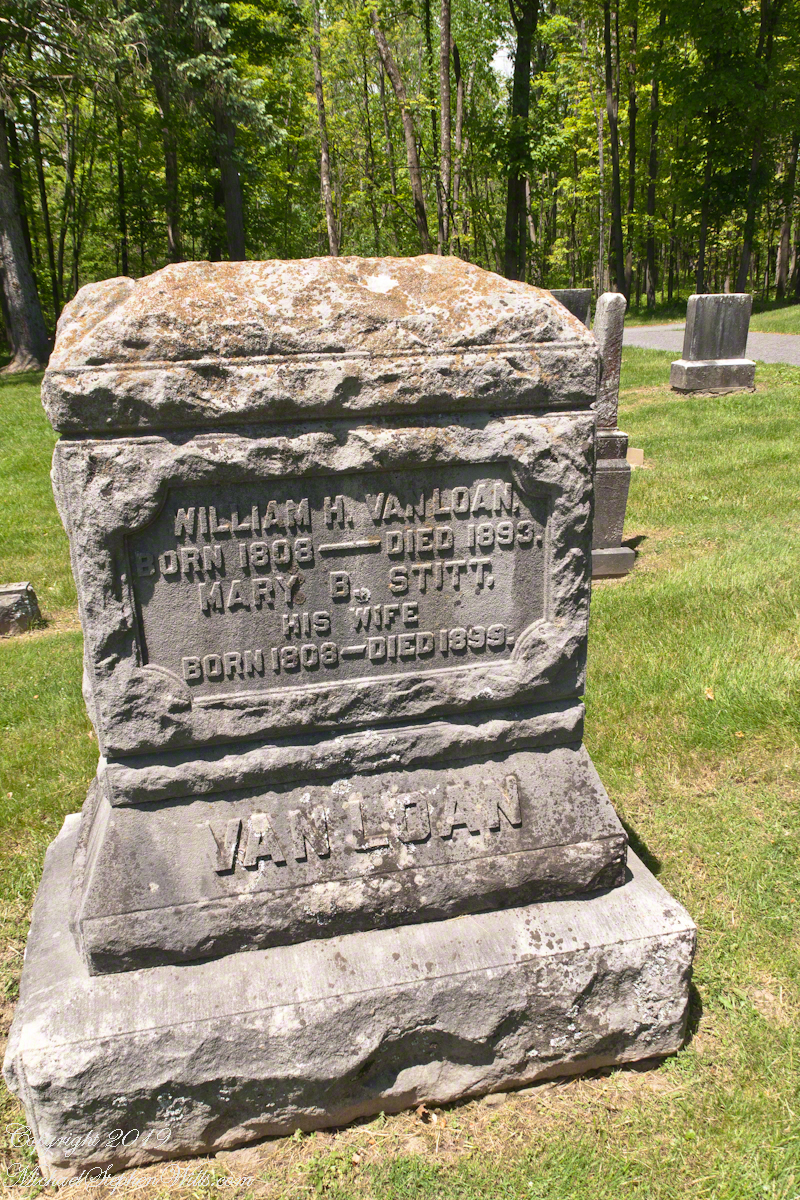
The very old burials were marked with headstones of locally quarried slate, as was common in upstate New York. You can see slate headstones in this video of a Pioneer Cemetery near our home in Ithaca, New York.
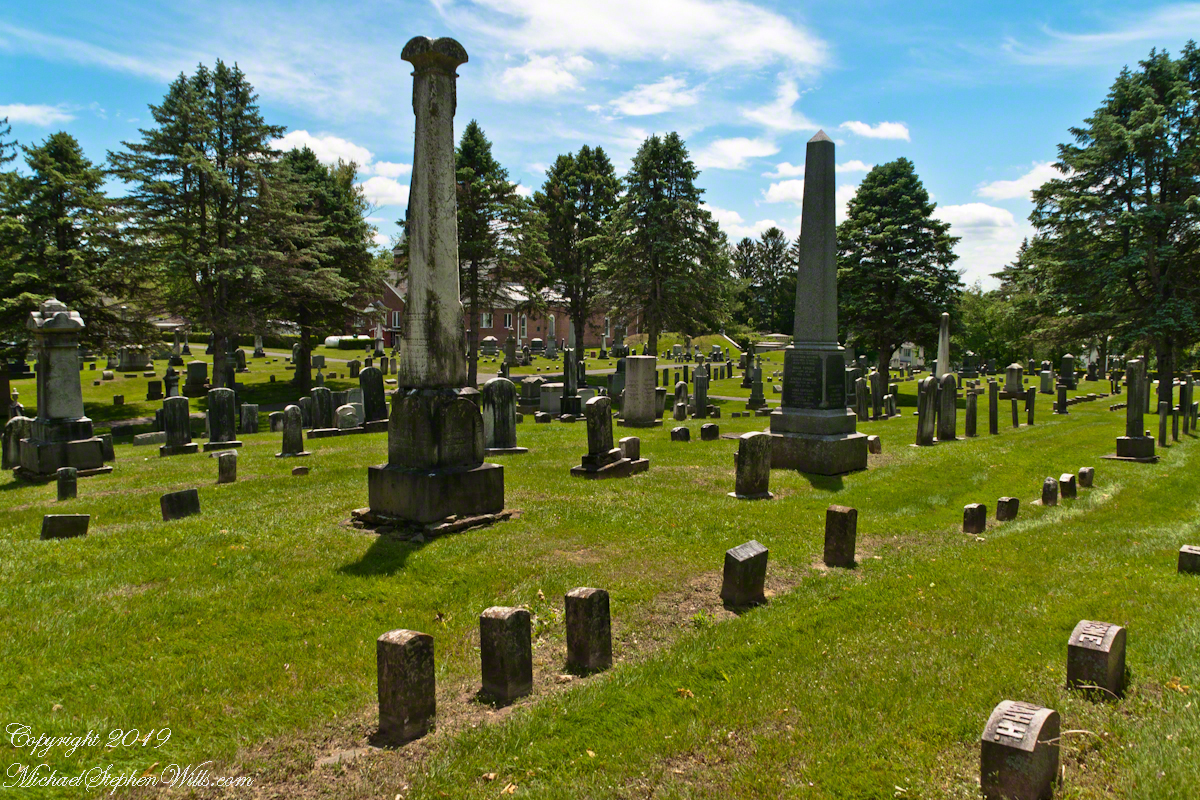
In Athens the oldest stones were in the same condition, the lettering and decoration erased by the elements even when the stones are still standing. Some kind people researched the burials and erected a modern, white marble memorial stone with the names and dates of the ancestors named in the records. Jan Van Loon, Maria his wife, or any of Pam’s direct ancestors were not among them.
The Matthias Van Loon of this memorial obelisk was a descendant who remained in what became Athens, New York. The following two photographs are of the base and an overview. Matthias Van Loon’s is on the right.
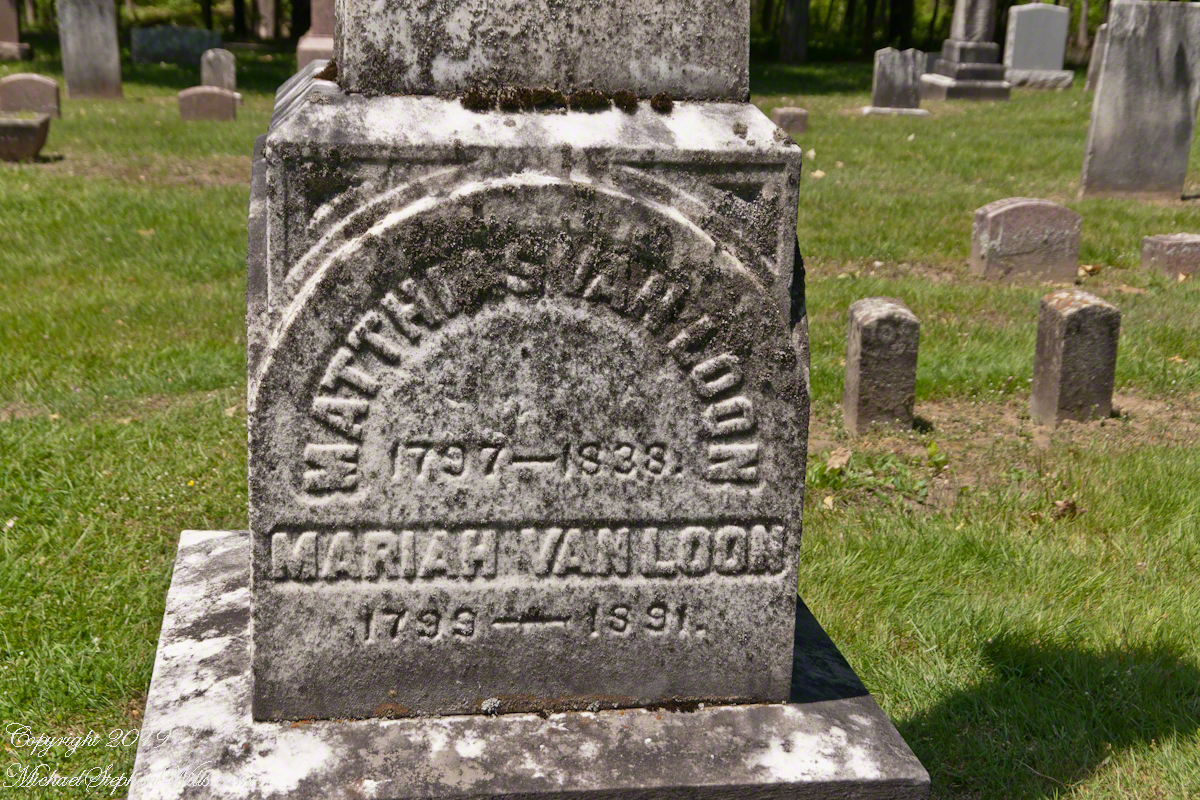
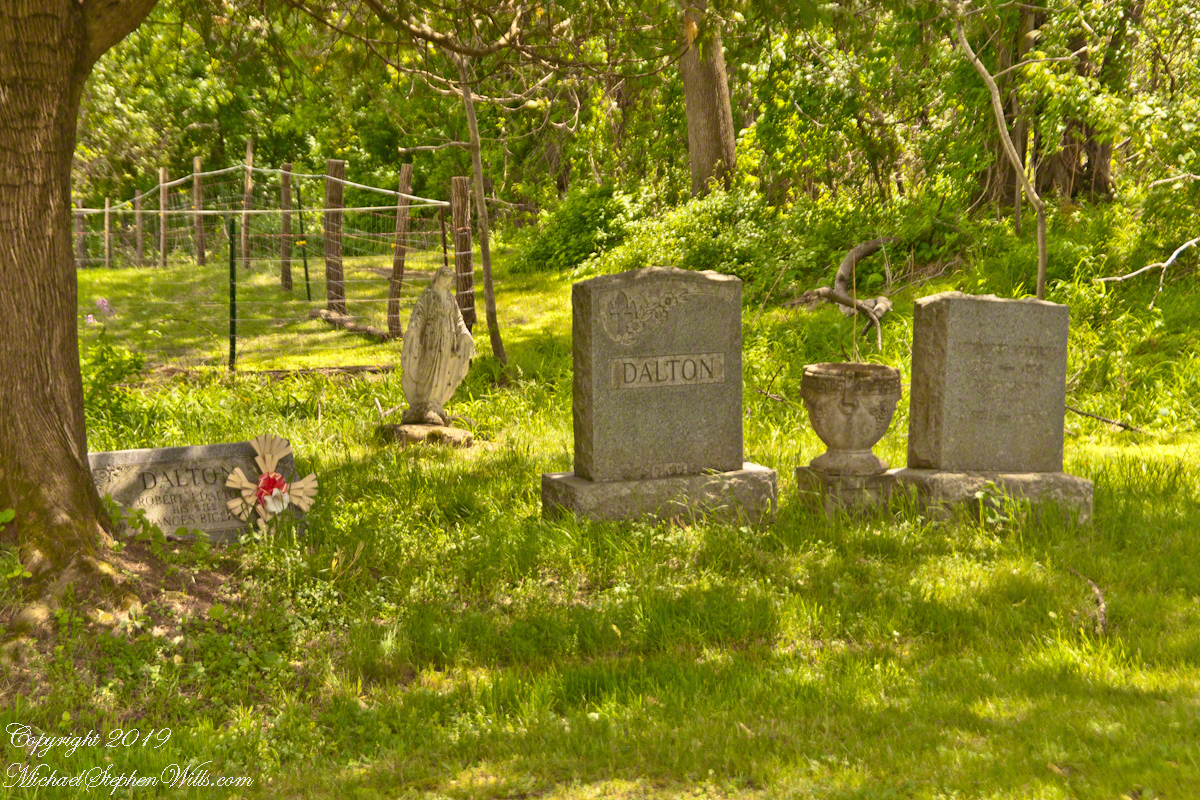
This Catholic burial is on the very edge of the site, as though pushed off to the side. That is the yard of a private home in the background. I started this post with flowers because there was little evidence of familial devotions on these burials of previous centuries.
Real Estate and Ancestors
Pam eventually caught up to report a breakthrough contact made through casual street interactions. She talked to random strangers on 2nd Street hoping to learn more about her ancestor, Jan Van Loon. The breakthrough was a name and phone number of a woman, the daughter of a new acquaintance, and a tip about an old cemetery.
Two people are visible in this first photograph, taken from the south end of Athen’s Riverside Park. Look to the left of the large tree where a artist, under the small white umbrella, is painting while in conversation with a second person. Pam struck up a conversation……
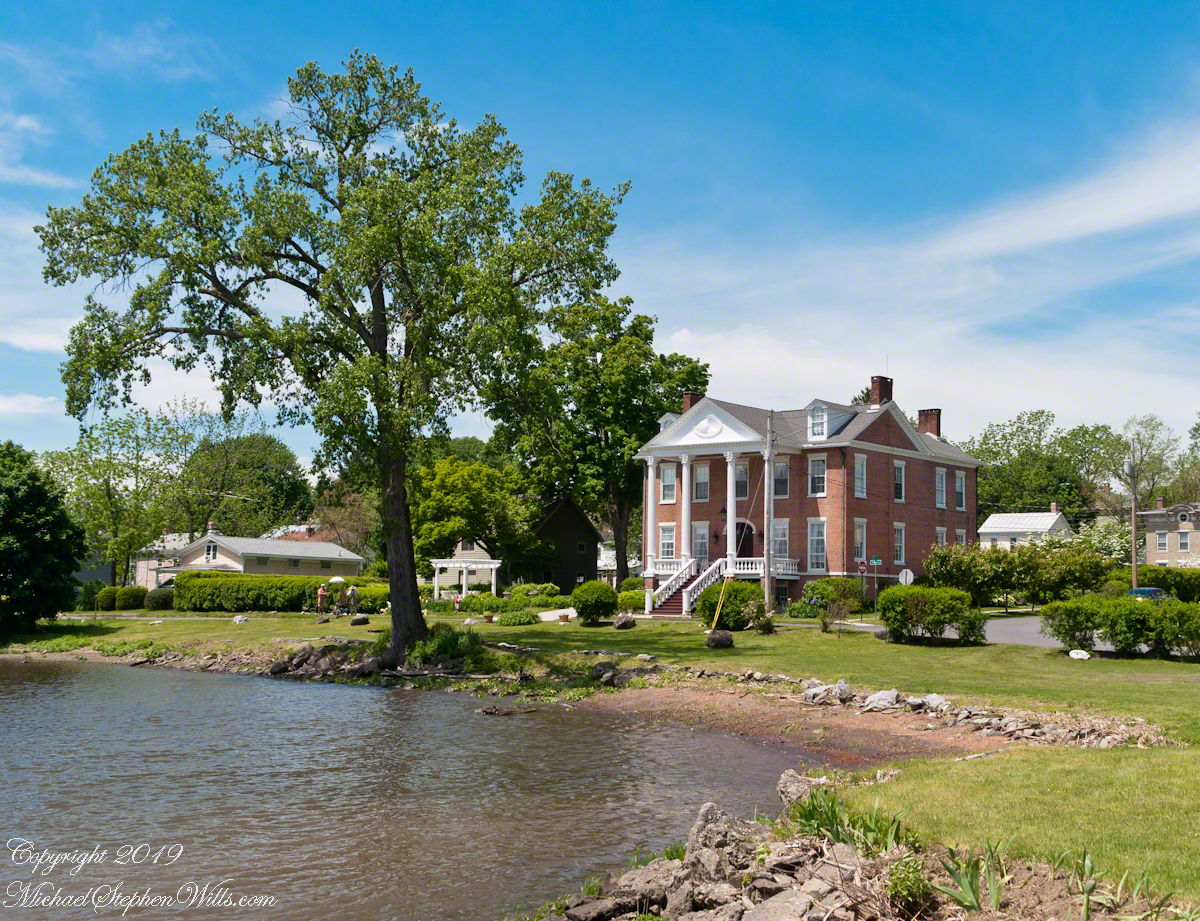
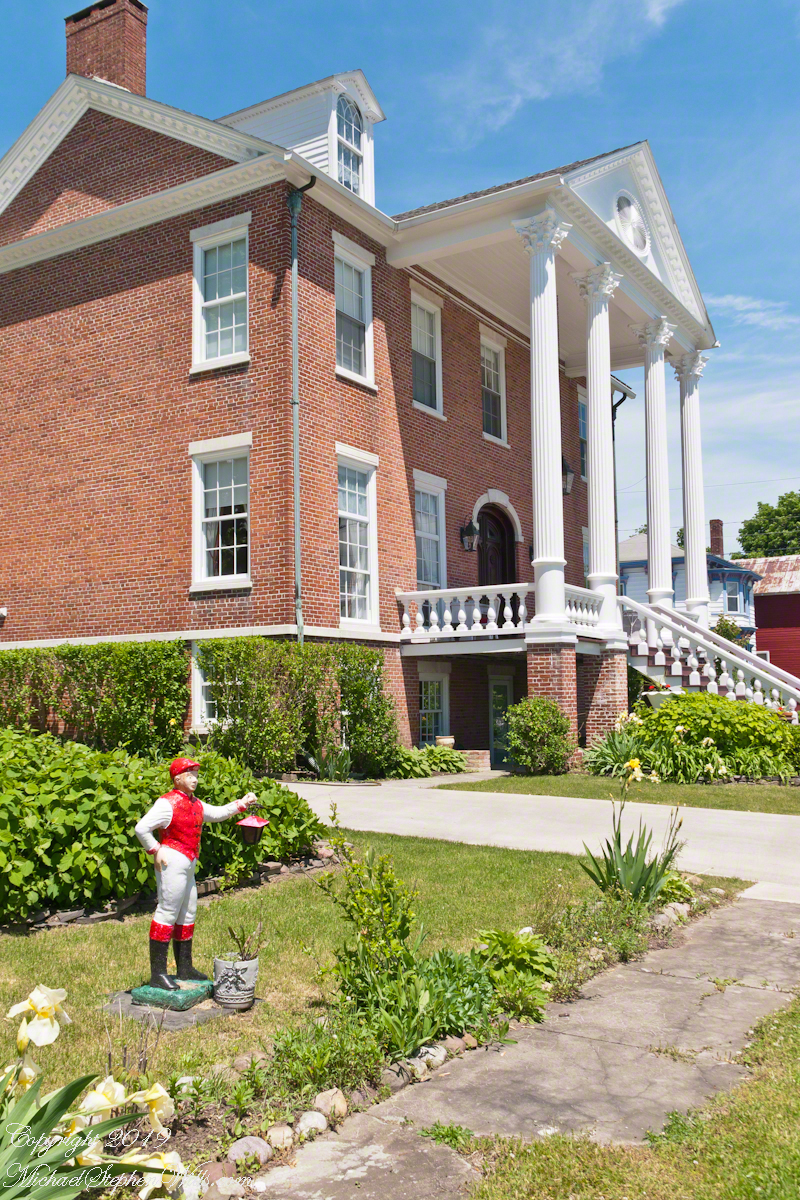
The artist had an easel and a painting in progress, the subjects were yellow irises, part of a formal garden on the grounds of the mansion. We first took it to be a museum or public building of some sort, but were mistaken. It is a home. In the course of a conversation that touched upon Henry Hudson’s 1608 journey up the river (they knew nothing of Jan Van Loon, or of deeper local history in general), and the work of the second man who was the owner of the mansion. Here is more about the place from the Zillow listing. There was no “for sale” sign in evidence.
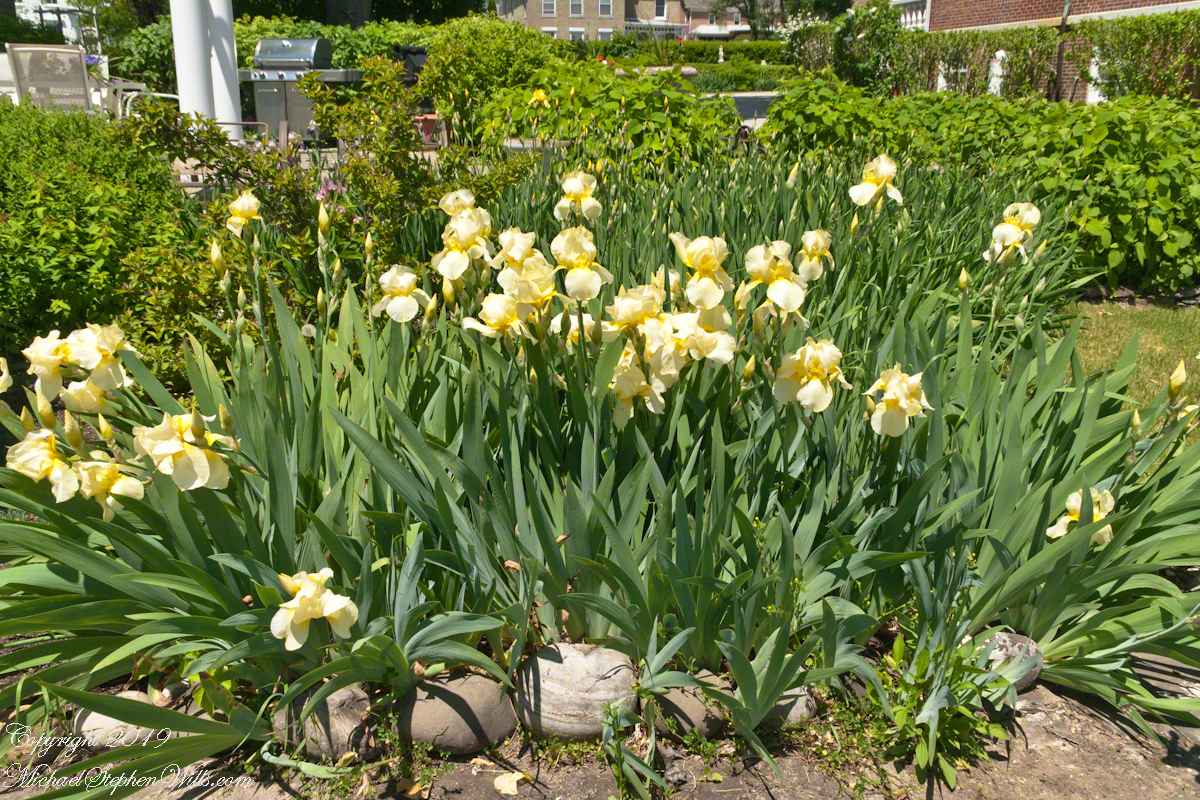
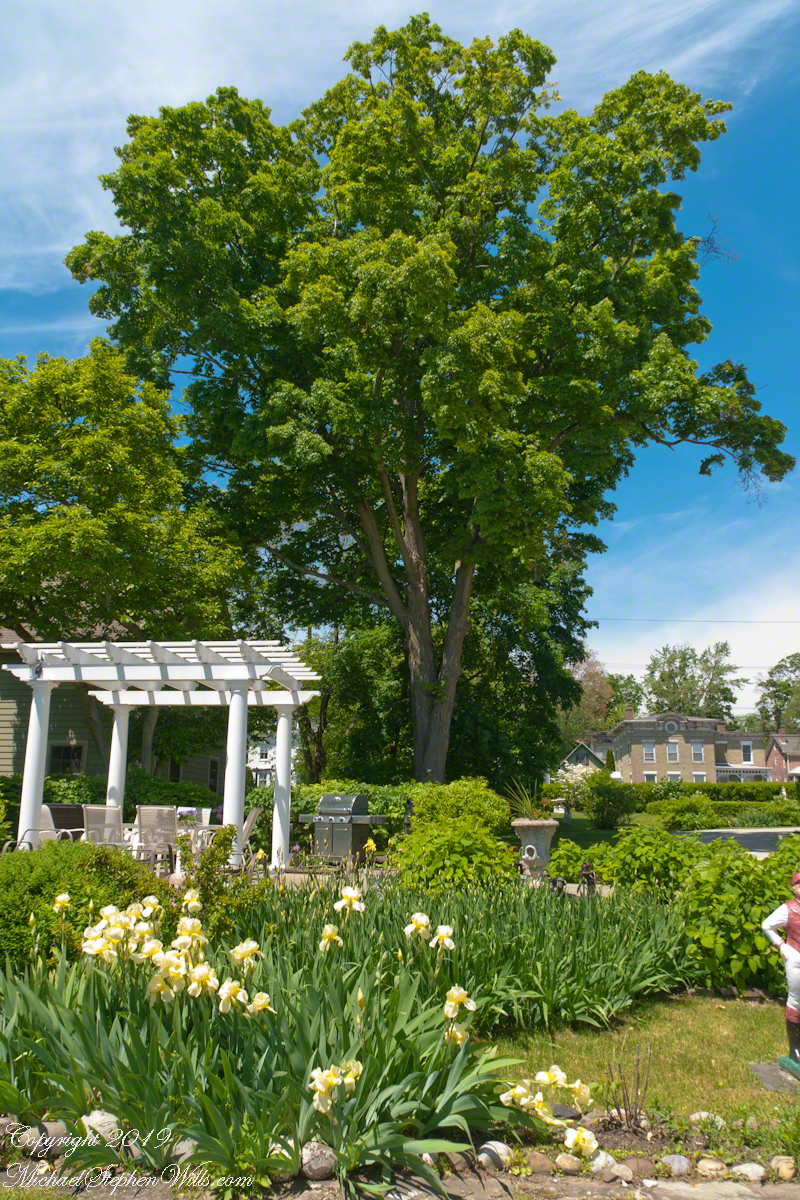
Barely a half mile apart, a great distance separates the homestead of Jan Van Loon and the 12 South Water Street former mansion of a shipping magnate including 125 years and the American Revolution.
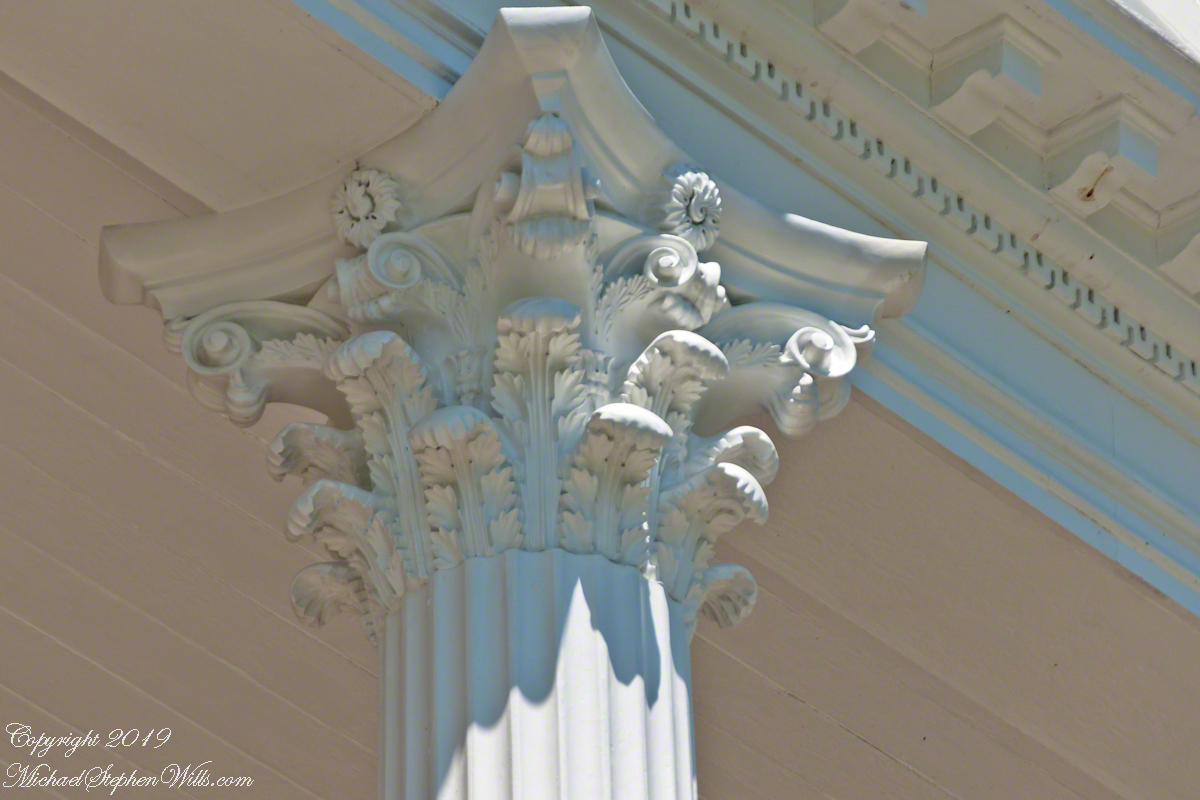
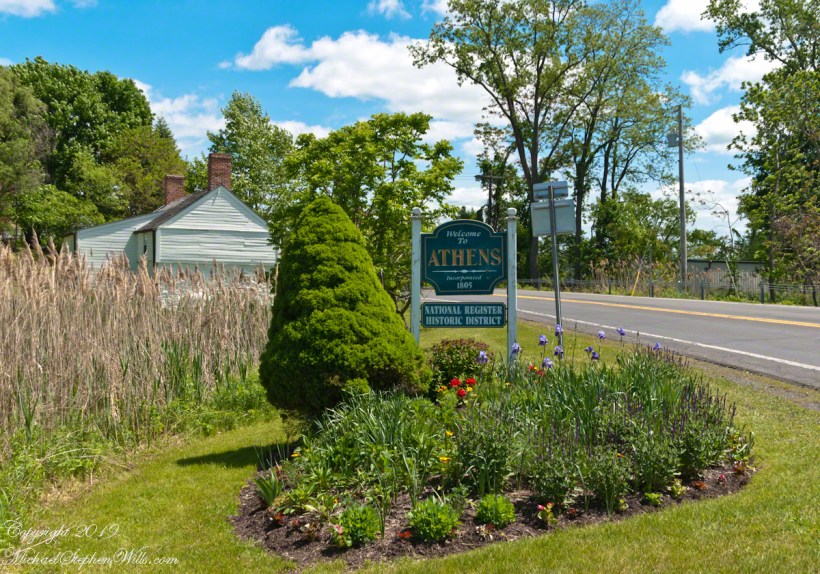
Enjoyments of Athens, New York
Memorial Day Weekend 2019 Pam and I visited Athens, first settled in the 17th Century by an ancestor through her maternal grandmother. Click me for more about the Van Loons. Jan Van Loon is 10 generations removed from Pam and her siblings and is one of 1024 (512 pairs) of ancestors. Whatever became of the other 1022 people (and all those in between) Pam was there with me that day to enjoy the experience of walking around town and talking about Jan Van Loon’s connection to herself.
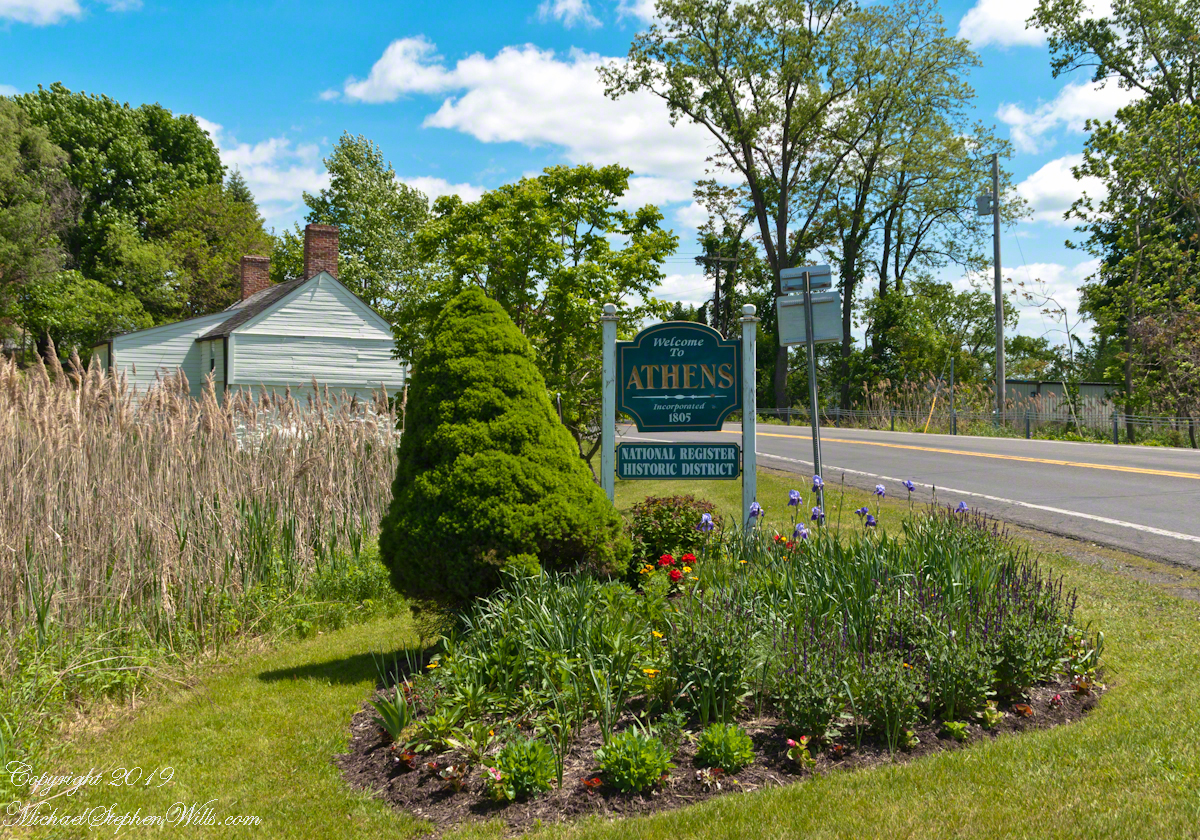
We stopped for a very enjoyable latte at Bonfiglio and Bread on 2nd street. As we ambled south on 2nd street Pam spotted someone to talk to and I proceeded with the goal of the Hudson River, visible at the bottom of the street.
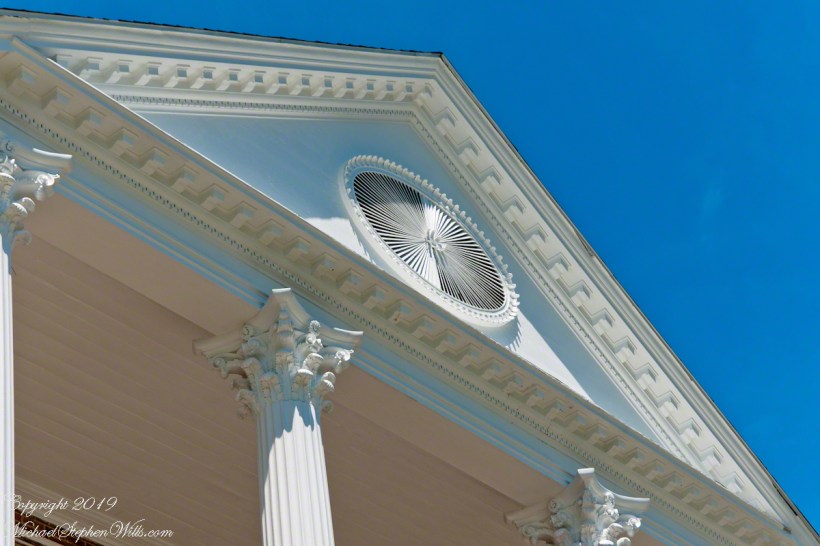
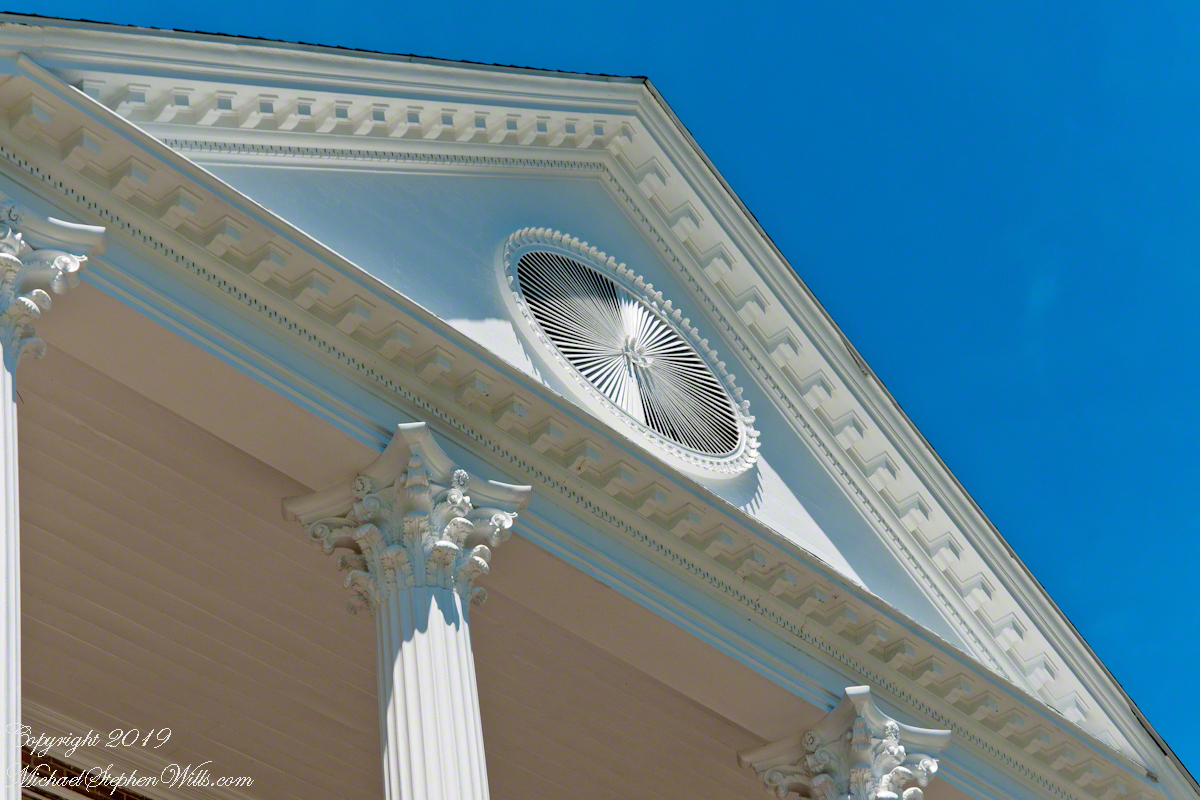
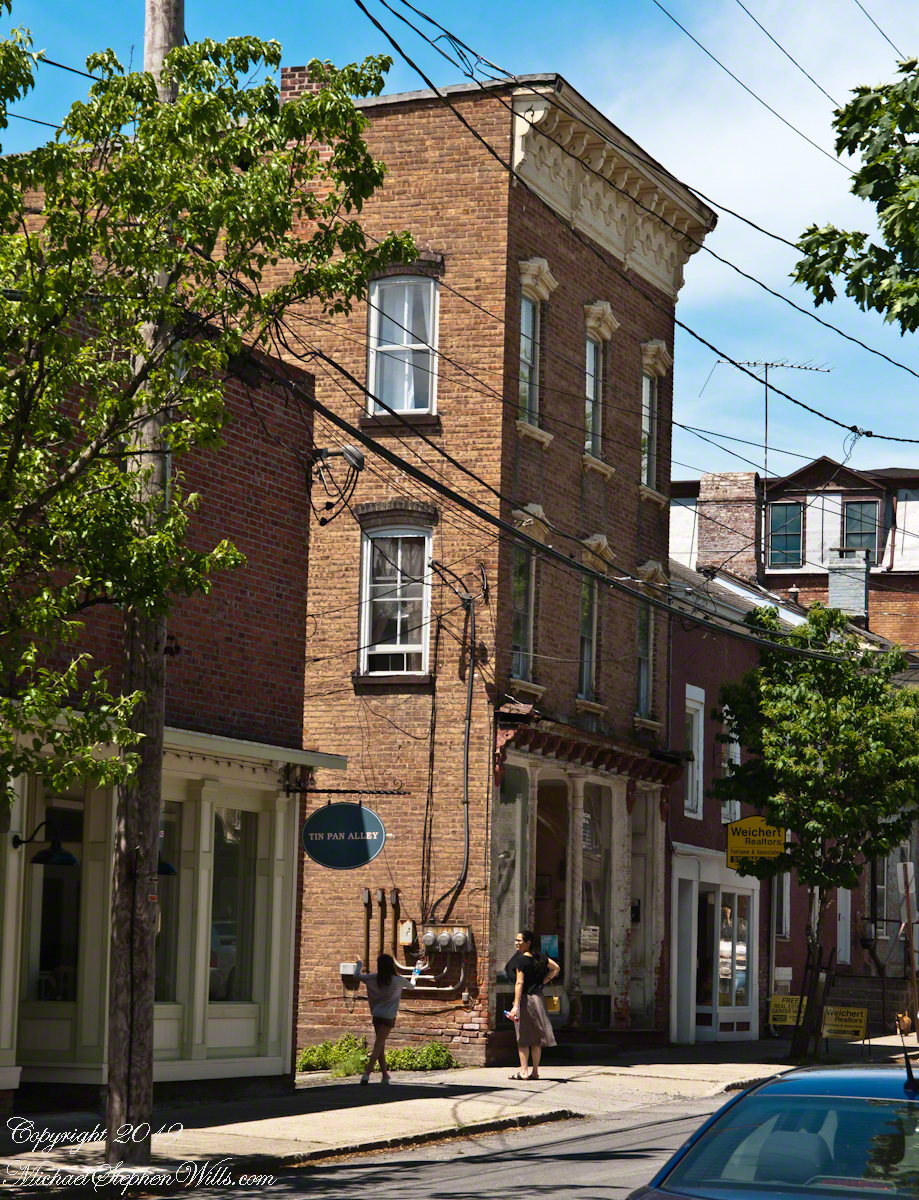
I noticed this architectural specimen and turned to capture this side in a good light and was lucky to capture a young co-admirer of its style with whom I assume is her Mother. Athens, developed as a “National Register Historic Site,” is a charming place to stroll and admire.
Yesterday I did a Red Cross blood donation at an elementary school on Hudson Street here in Ithaca. Henry Hudson, the first European to sail up the river that now bears his name, is memorialized this way across New York State so much so it is unusual to find the “Riverfront Park” named as such.
The city of Hudson, in Columbia County directly across the river named its park “Henry Hudson Riverfront Park.”
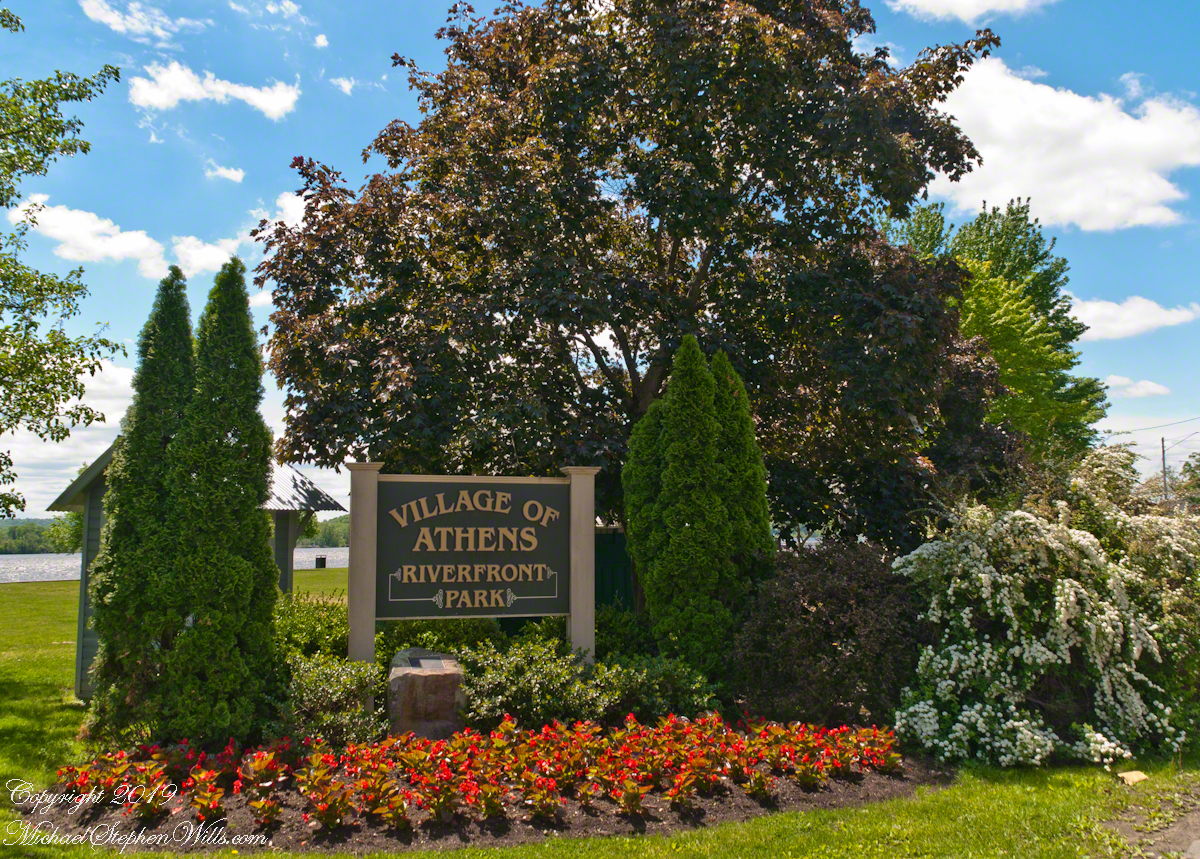
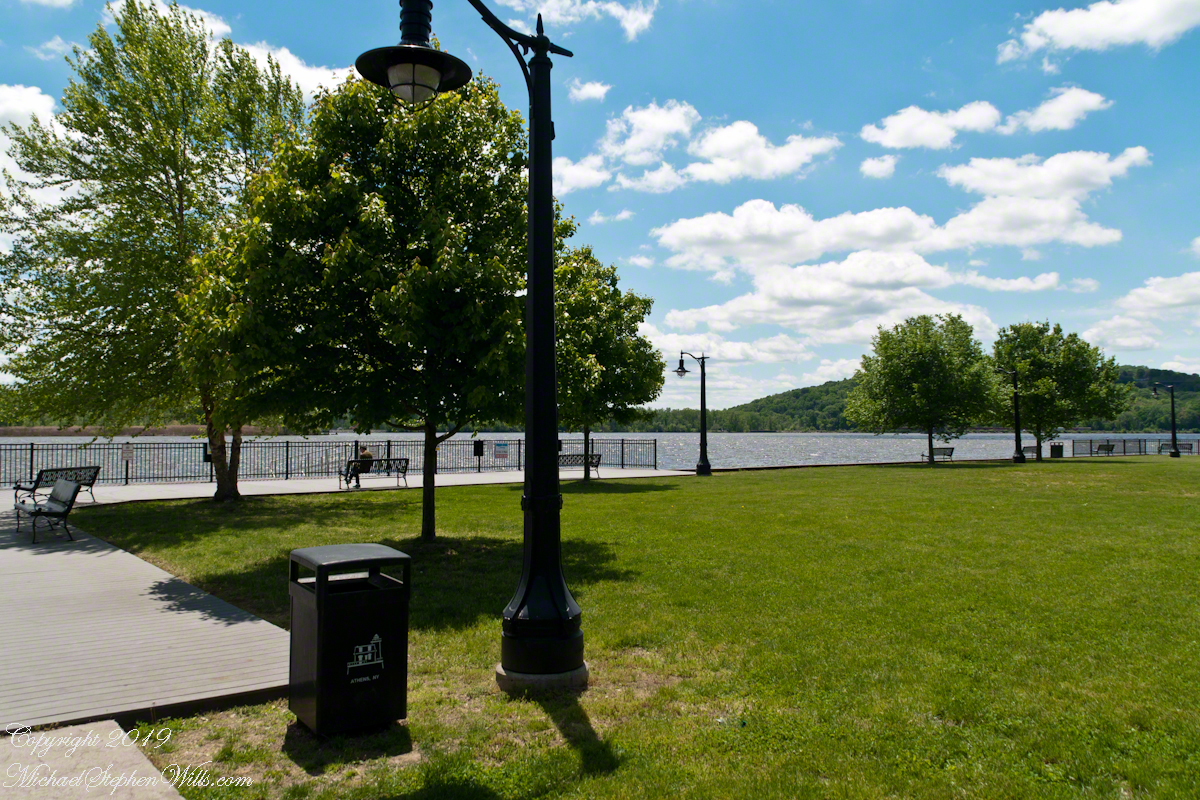
The Athens Park is a gathering place for the village with a large swath of grass, a short boardwalk, benches and generous shade trees along with river…….
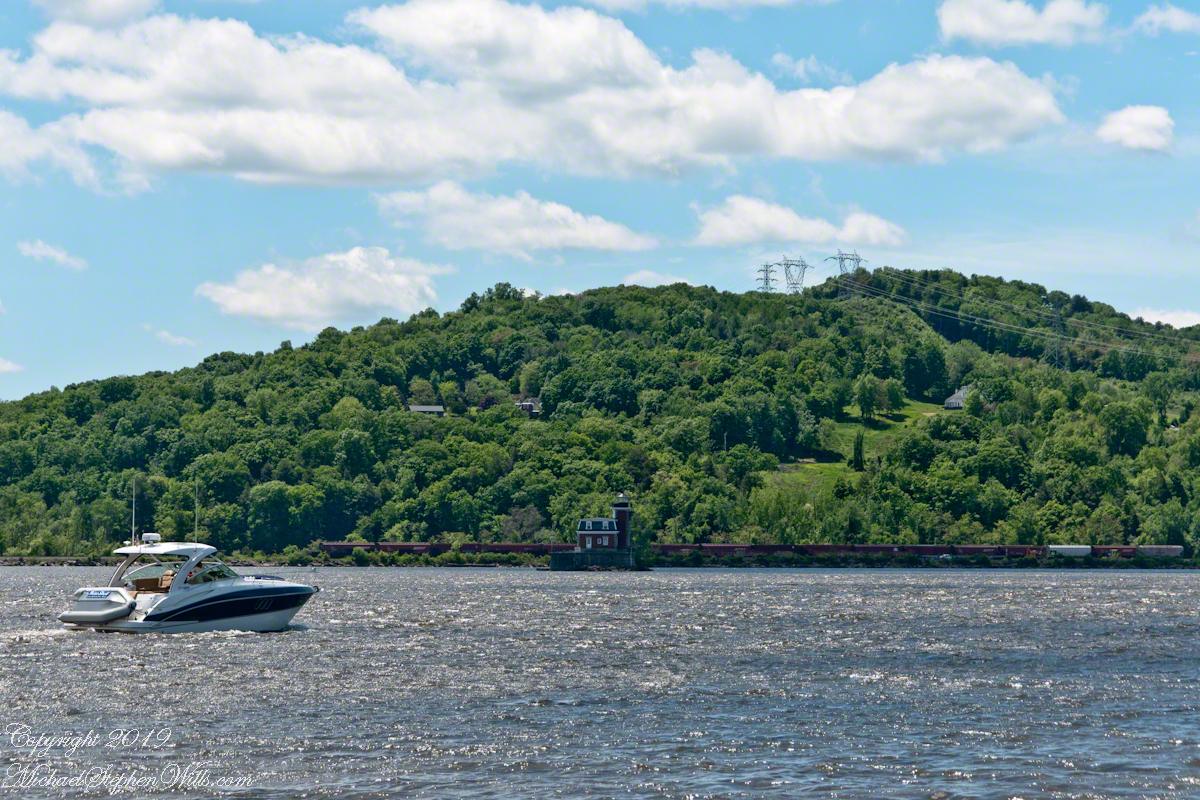
The photograph captions will speak for themselves for the rest of today’s post. Enjoy!!
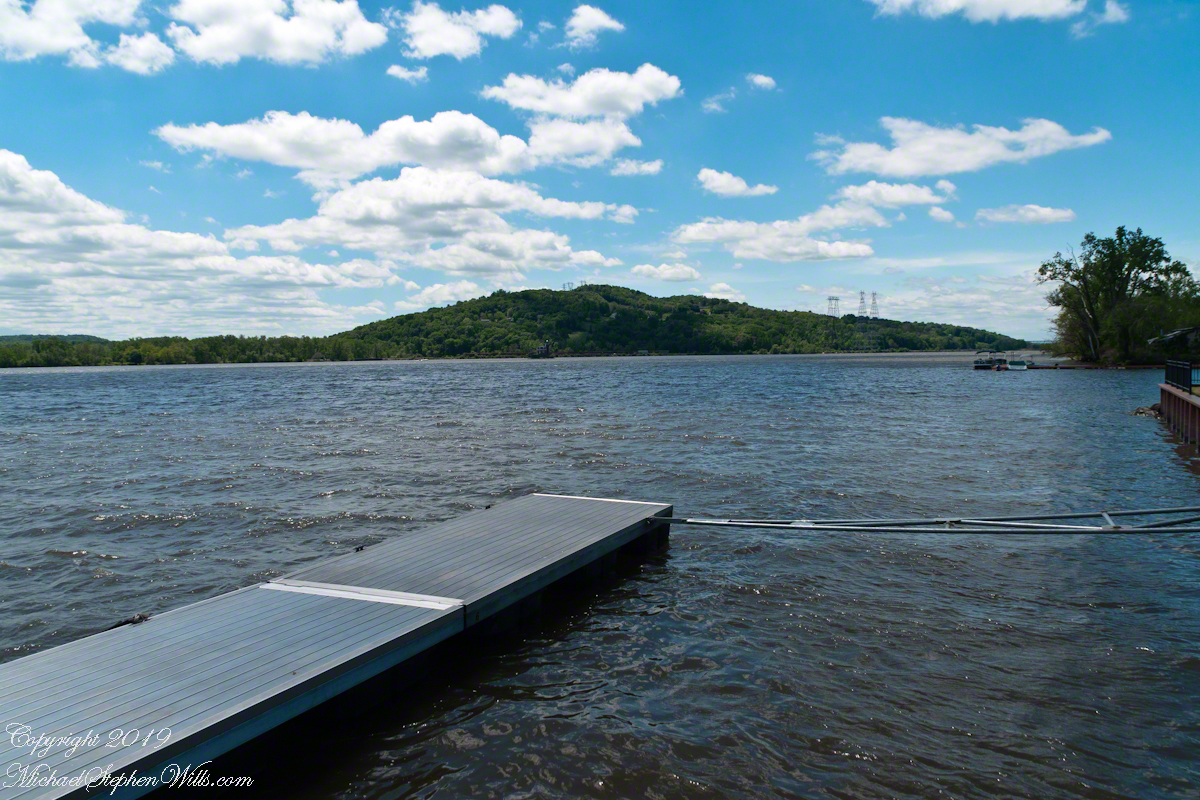
…and a dock.
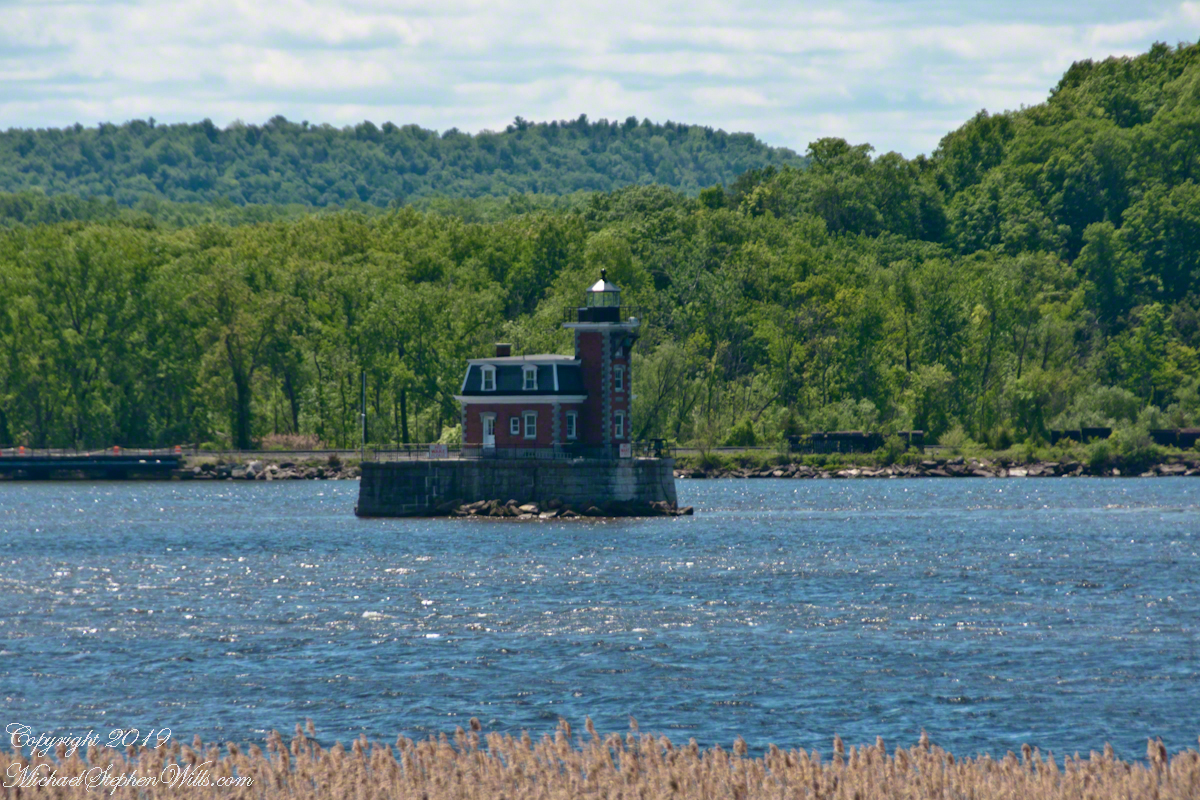
aspirin-nations
Capturing photographs and videos on the fly using an Iphone, we visited Fillmore Glen State Park, Moravia, New York with our granddaughter, Nia. This is the seventh post of this series. Click me for another springtime post.
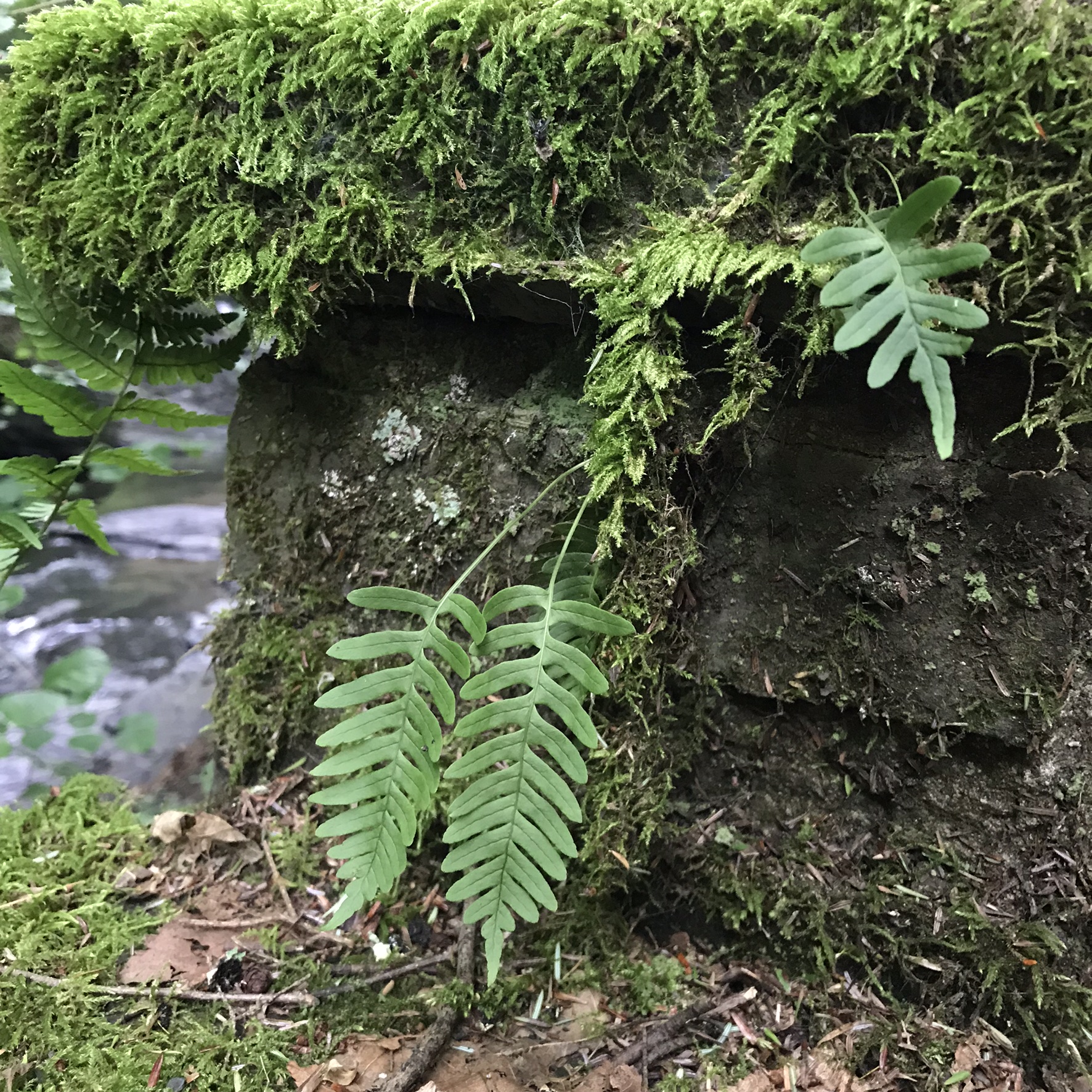
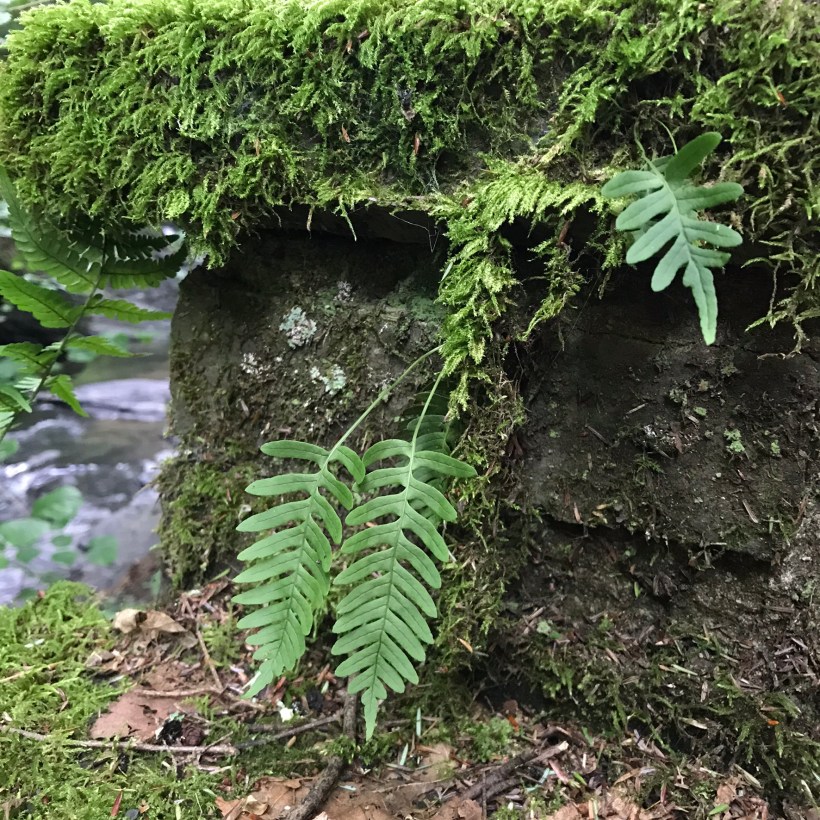
Growing up on Long Island provided limited exposure to the great variety of animal and plant life on planet earth. I remember Canesteo, a town just off the western edge of the Finger Lakes in Steuben County, after moving there in the 1980’s, had a marvelous abundance of different plants in the lawn. It was a welcoming feeling to notice this before the term “monoculture” was circulated.
These days the exuberant variety of ferns and mosses in the Finger Lakes are still alien in the sense noticing the small differences between species is still beyond me; or, rather, I have yet to know well all the later arrivals on the scene, the flowering plants and these command my attention.
Close by the Sorrell of my post “Glen Shadows” is this inconspicuous flower, common name Shinleaf, seen here growing in spite of the the wet rip rap of shale at the base of the glen wall on the footpath. Much of the characterization of this plant is from the inconspicuous basal leaves from which the raceme of flowers springs.
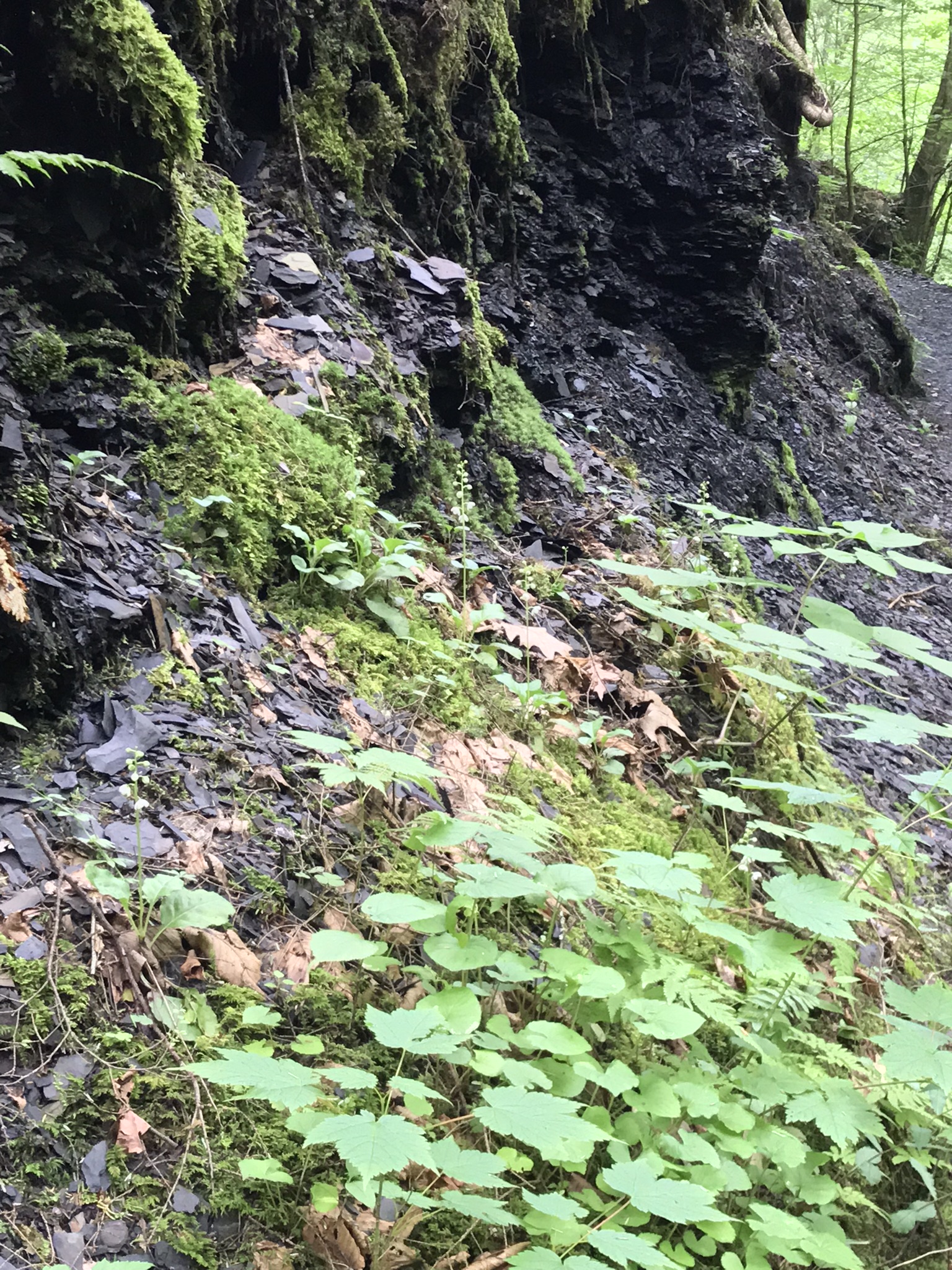
Moss and Shinleaf are associated in these groupings, I could conclude the moss provided a place for the tiny seeds of the plant to lodge and take root. The plant is a perennial and stays green throughout the winter, leading to another conclusion: there is a substance in the leaf cells that resists freezing. The latin meaning of the (scientific name) genus Pyrola means “Pear”, the shape of the leaf.

Look closely at the flowers to see the small flowers, the style extending beyond the petals like a bell clapper.

The common name, Shinleaf, is from England where the plant is credited with providing relief for minor injury. I am unclear on the grouping of this plant as a wintergreen. Shinleaf might be included as a wintergreen, and possibly attributed with healing properties, because “wintergreen” in the past was a synonym for “evergreen.”
There are species of wintergreens, in a different family, with leaves containing methyl salicilate that metabolizes (changed in our bodies) to a substance related to aspirin and more potent. I am reconsidering my identification of “cranberry” in the previous post “Red” to be a type of wintergreen high in methyl salicilate and growth close to the Shinleaf.
This abundance of life variety must be cherished and preserved, it can be a source of survival for the human species.

Booking our February/March 2016 passage on the Oceania Regatta from Lima, Peru to Buenos Aires, Argentina we started early, Spring 2017. We made two excellent choices: a stateroom with balcony on the port side. Waking each morning we were treated to views of the shoreline. On the morning of February 15, 2016 as we sailed the Chacao Channel toward Puerto Montt I was up 4:15 am before the sun rose to photograph our approach to the city.
I knew a classic 8,701 foot high stratovolcano topped with glaciers, named Orsorno, was out there and, amazingly, appeared on the horizon, seventy five miles distant to the northeast outlined by the gathering dawn. The sky was just brightening from total darkness at this time.

 Michael Stephen Wills Photography