Close Encounters at Cocoa Beach

A shark’s fin slicing through the waves at Cocoa Beach reminds me of a life-changing encounter I had with the ocean’s wild inhabitants, transforming my relationship with the sea and its hidden mysteries.

During winter vacations to Cocoa Beach, Florida, I spent tiome relishing in the salty embrace of the Atlantic, and my love for the water extended beyond the ocean to poolside swims year-round. However, a few years ago, my carefree splashing in the waves took a drastic turn after an unexpected encounter with a creature lurking beneath the surface.

It was a warm, sunlit day, and the ocean seemed welcoming. I had just waded into waist-deep water when I felt it—a strong, unexpected bump against my side. I turned quickly, expecting to see a fellow swimmer, but there was no one nearby. My heart pounded as the realization dawned that I had been bumped by a large sea animal, most likely a shark. Although I didn’t see the creature clearly, the experience left an indelible mark on me.

From that day on, the ocean was no longer a place of carefree enjoyment. The once thrilling waves now seemed menacing. I found solace in swimming in pools, where the water was clear, and the risks were few. The ocean, with its unseen mysteries, became a distant memory.

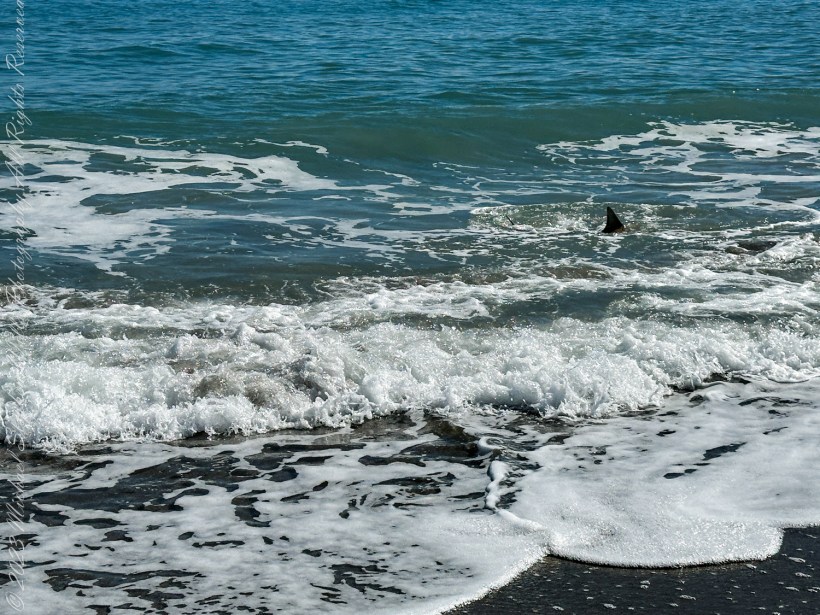
On January 30, 2024, I was back at Cocoa Beach, but this time I stood firmly on the shore. It was noon, and the sun shone brightly over the shimmering waters. As I scanned the horizon, my eyes fell on a telltale fin slicing through shoreside foam of breaking wavews. A shark was feeding just three feet from the shore. I watched in a mix of awe and trepidation as the creature moved with effortless grace through the surf.

Shark feeding a few feet from shore, Cocoa Beach, January 30, 2024 around noon.

As I stood there, capturing the moment, a woman approached me. She had observed my intent gaze and sensed my apprehension. She introduced herself and then began to share an unsettling story about her daughter. She told me that her daughter had been bitten by a shark on her foot the previous year while swimming off the same beach. The young girl was still recovering from the ordeal, both physically and emotionally.

Her story, coupled with my own experience, solidified my decision to stay out of the ocean. I understood that the beach was the shark’s domain, a place where humans are merely visitors. The encounter reminded me that even in our pursuit of leisure, we must respect the natural world and its unpredictable inhabitants.

These days, I content myself with the safety of pools, where I can swim without fear of what lies beneath. But I still cherish the ocean from a distance. I understand its beauty and power, and I respect the creatures that call it home. I may not wade into the waves anymore, but I will always hold a deep appreciation for the vast, enigmatic sea.

Copyright 2024 Michael Stephen Wills All Rights Reserved
Observations of Beach Erosion at Cocoa Beach, January 2024

Nature’s artistry unfolds on the shores of Cocoa Beach, where the ever-changing tides leave intricate patterns in the sand. This captivating display of erosion hints at a fragile coastline, urging us to act for its preservation.

Initial Observations

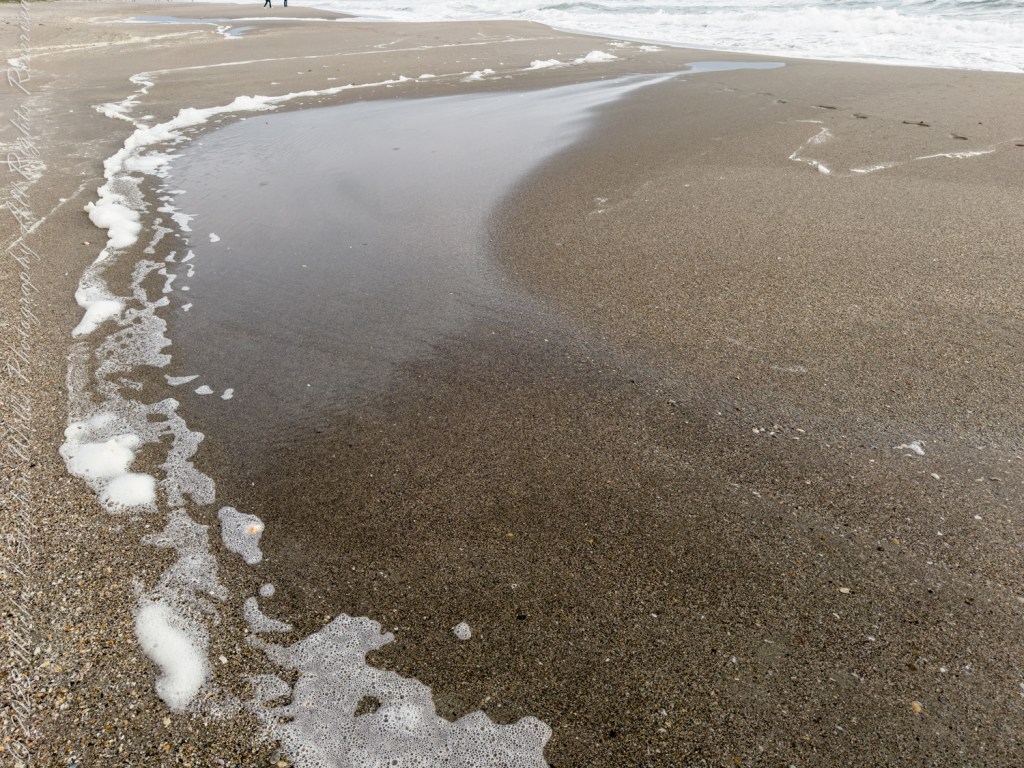
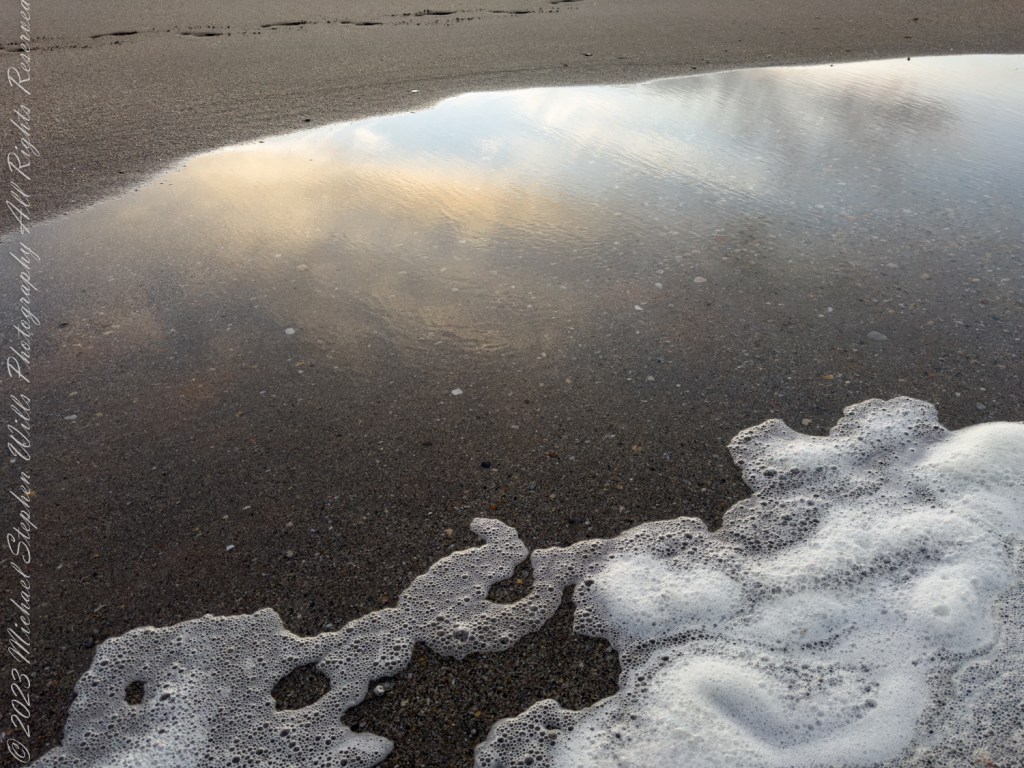
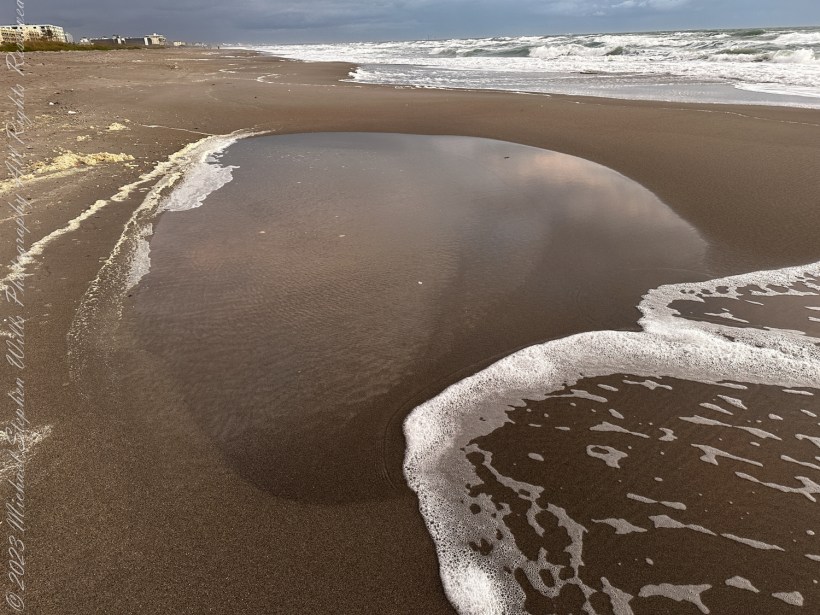
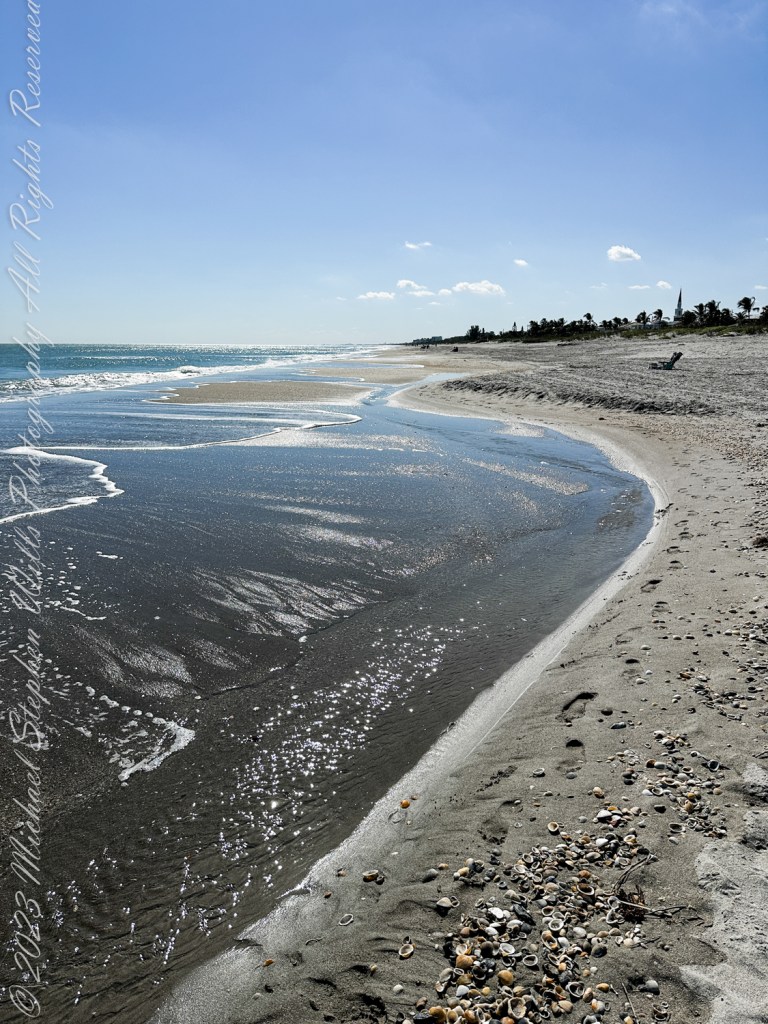
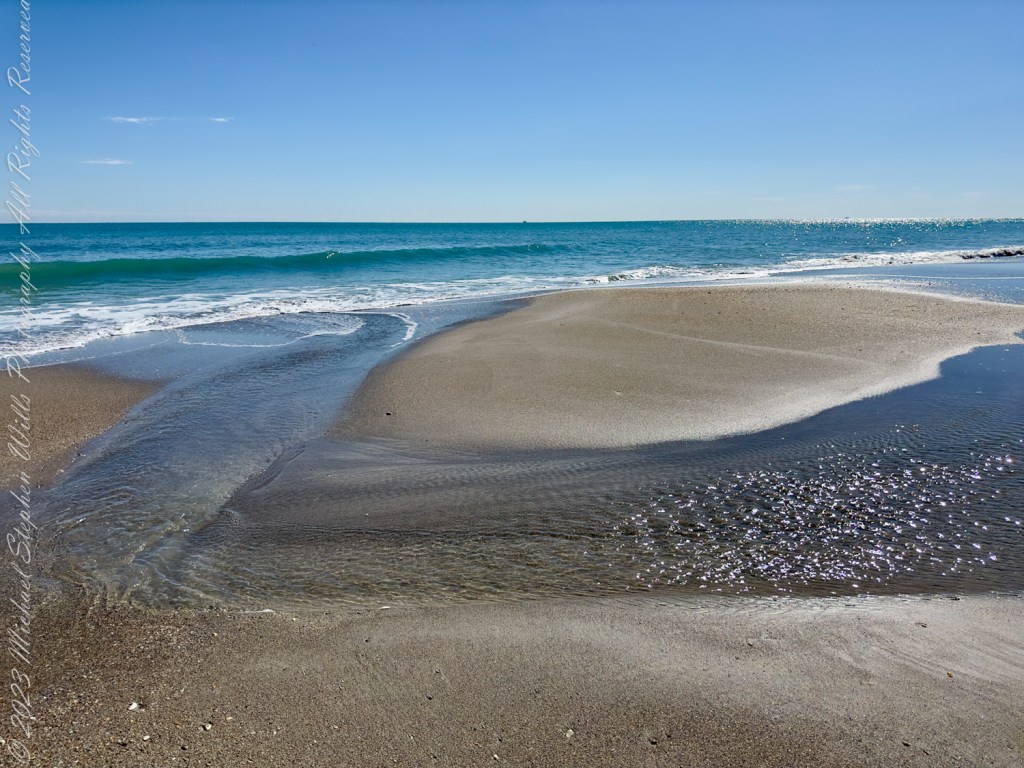
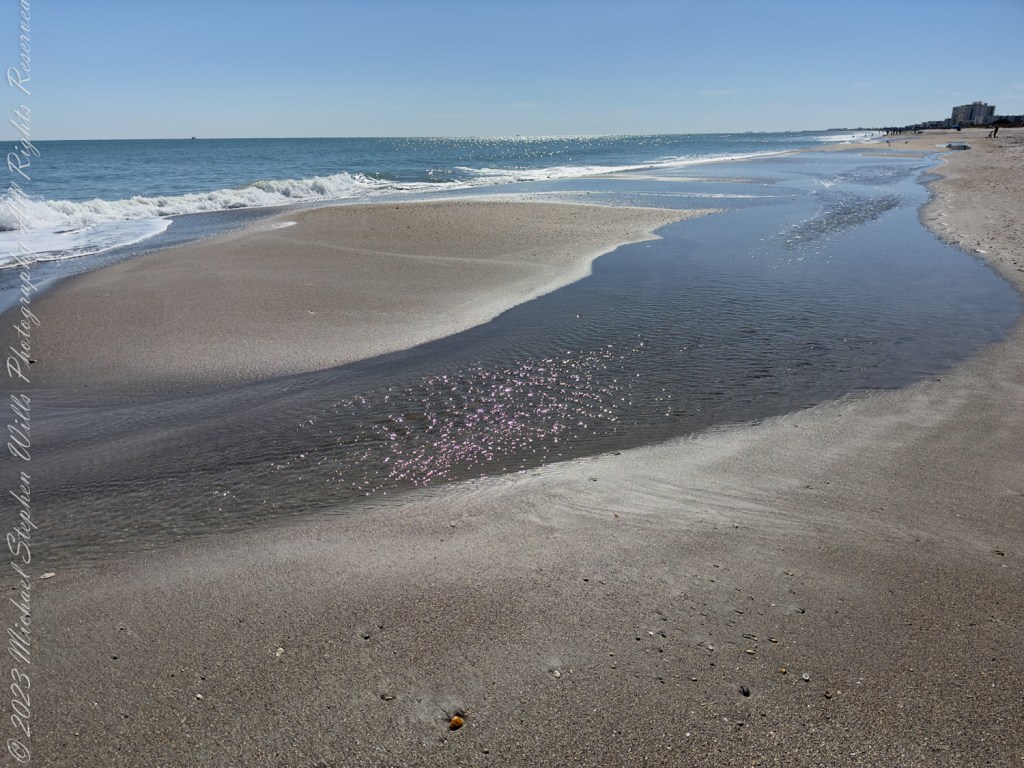
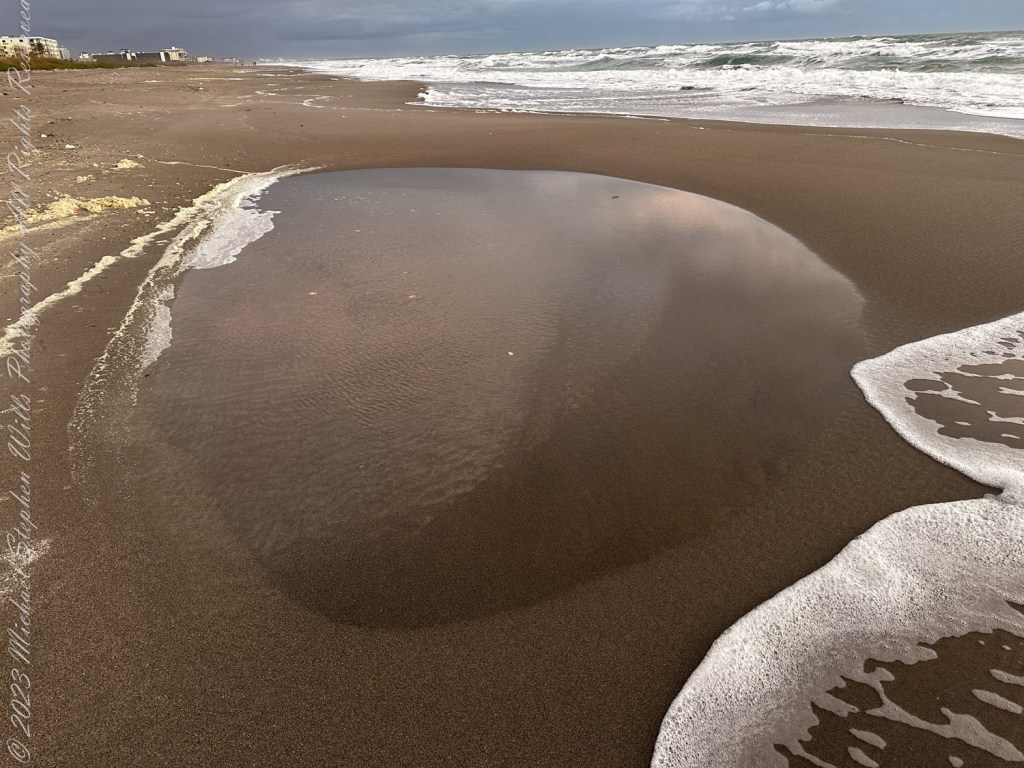
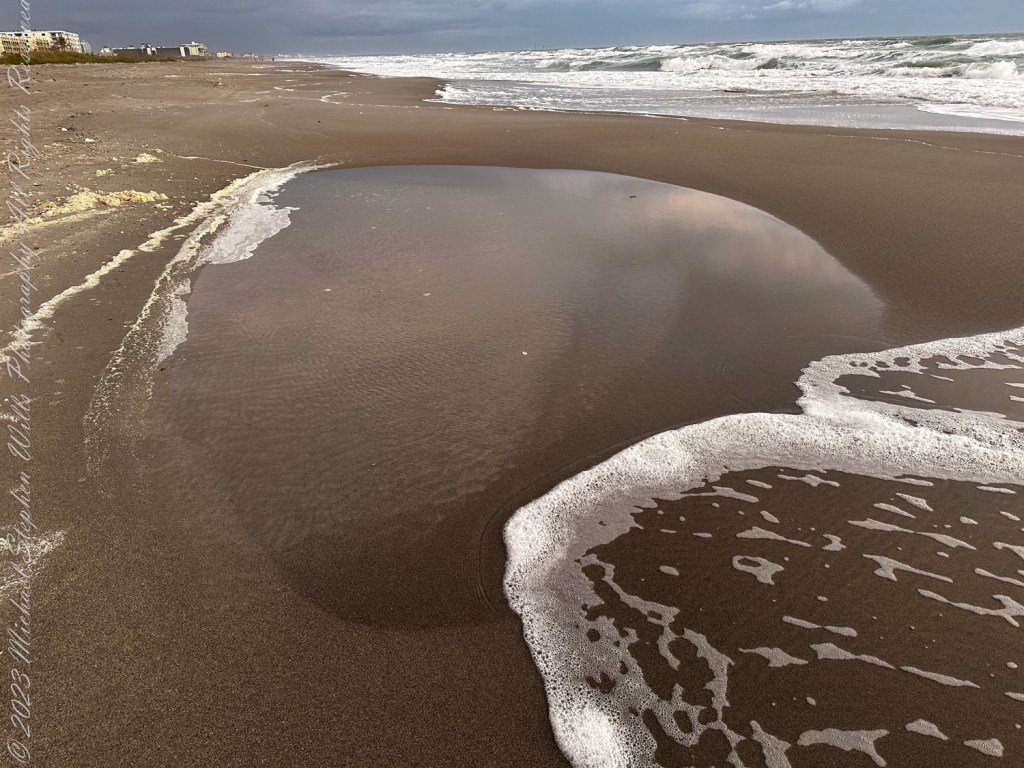
Standing on the sandy shore of Cocoa Beach in January 2024, I observe firsthand the effects of erosion along this stretch of Florida’s coastline. The scenes captured in my photographs show significant changes to the beach’s contours and composition. The shimmering foam, soft sand ripples, and exposed shells are testament to the relentless activity of the sea. Each wave carves away at the beach, leaving patterns in the sand that tell the story of erosion.

Erosion Patterns and Sea-Level Rise

The photographs vividly display the intricate, almost artistic designs formed by erosion. In one, the ripples in the sand reflect the movement of the water, indicating the direction and flow of the tides. The sea has steadily eaten away at the shoreline, pulling the sand away with each ebb and flow.

Studies show that Florida’s Atlantic coast is particularly susceptible to rising sea levels due to its low-lying nature. The Florida Climate Center notes that sea levels have been rising at an average rate of about 1 inch per decade, with projections estimating further acceleration. April 27, 2024 The Washington Post published, “Where Seas are Rising with Alarming Speed,” showing a map with Cape Canaveral / Cocoa Beach showing a 6 – 9 inch sea rise since 2010. This rise compounds the effects of erosion, causing beaches like Cocoa Beach to recede.

Impact on the Beach

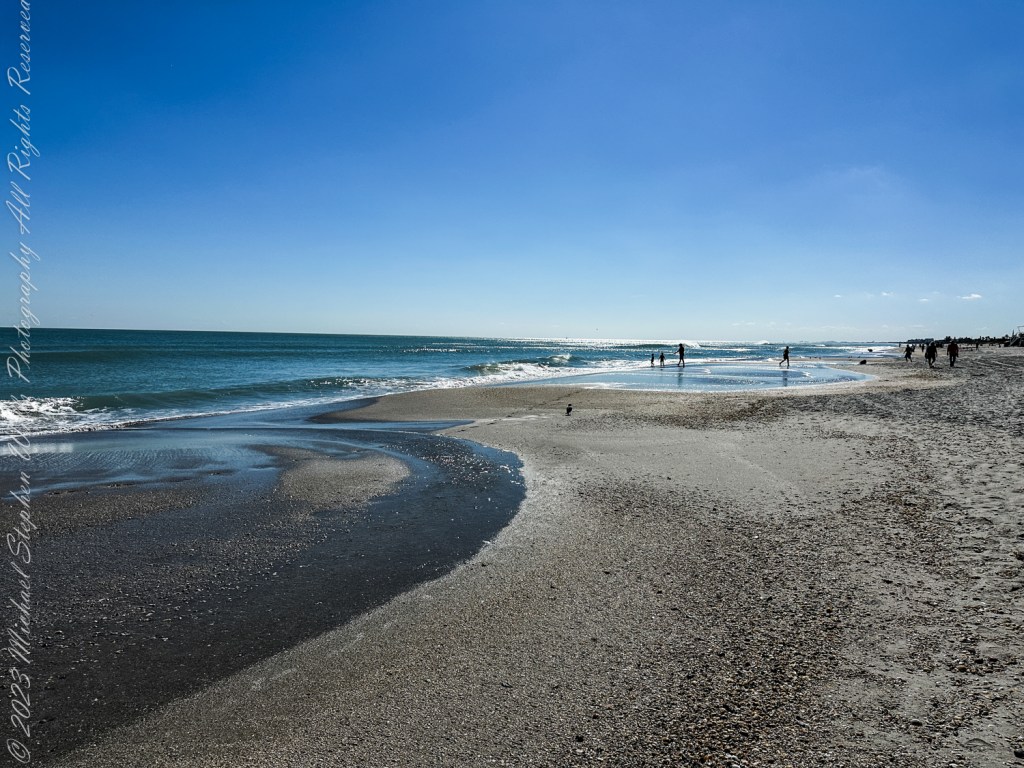
I notice shelves of beach sand formerly above the tide now washed over by high tide. New channels forming, cutting across the sand with each tidal cycle. The erosion reveals underlying shell beds and deposits, hinting at the rapid loss of the finer, upper layers of sand. This accelerated erosion poses a significant risk to the stability of the coastal area.

The erosion is not just cosmetic. It impacts local ecosystems and property lines, potentially leading to habitat loss and increased vulnerability to storm surges. Coastal development also exacerbates the problem by interfering with natural sediment replenishment.

Reflections and Future Prospects

The view across the horizon, where the deep blue sea meets the sky, is a stark reminder of nature’s power and the urgent need for mitigation. As Florida’s beaches face the twin challenges of rising seas and intensifying storms, the communities here must find ways to adapt. Cocoa Beach is a vivid reminder of the coastal fragility and the importance of sustainable management practices.

From a personal perspective, seeing this change compels a deeper reflection on our relationship with nature. The beaches we walk on today may not be here for future generations unless we act decisively to combat climate change. Efforts to build resilience into coastal infrastructure and adopt environmentally friendly practices will play a critical role in preserving this natural beauty.

Conclusion

In summary, Cocoa Beach’s erosion is a direct consequence of rising sea levels and changing environmental conditions. The patterns etched in the sand speak of nature’s resilience and power, while also sounding an alarm about the future. As stewards of the coast, it is our responsibility to take meaningful actions that preserve these shores for generations to come.

References

“Florida’s Sea-Level Rise: The Science and the Solutions,” Florida Climate Center.

“Where seas are rising with alarming speed”, Washington Post, April 29, 2024.”

Copyright 2024 Michael Stephen Wills All Rights Reserved

Twilight Serenade: Experiencing the Eclipse Amidst Nature’s Splendor

Step into the enchanting world of the VanRiper Conservation Area during a total solar eclipse. Witness nature’s grand spectacle, where daylight fades into an ethereal twilight, and the cosmos whispers secrets to those who listen.

Standing within the serenity of the VanRiper Conservation Area, we had the rare privilege to witness a celestial marvel—the total solar eclipse. The coordinates, 42°43’8.62″N 76°45’30.41″W, marked not a unique vantage point on the southern edge of the total eclipse zone. Here, the total eclipse enveloped the sky for an awe-inspiring 50 seconds, a fleeting yet unforgettable spectacle that we were fortunate enough to experience.

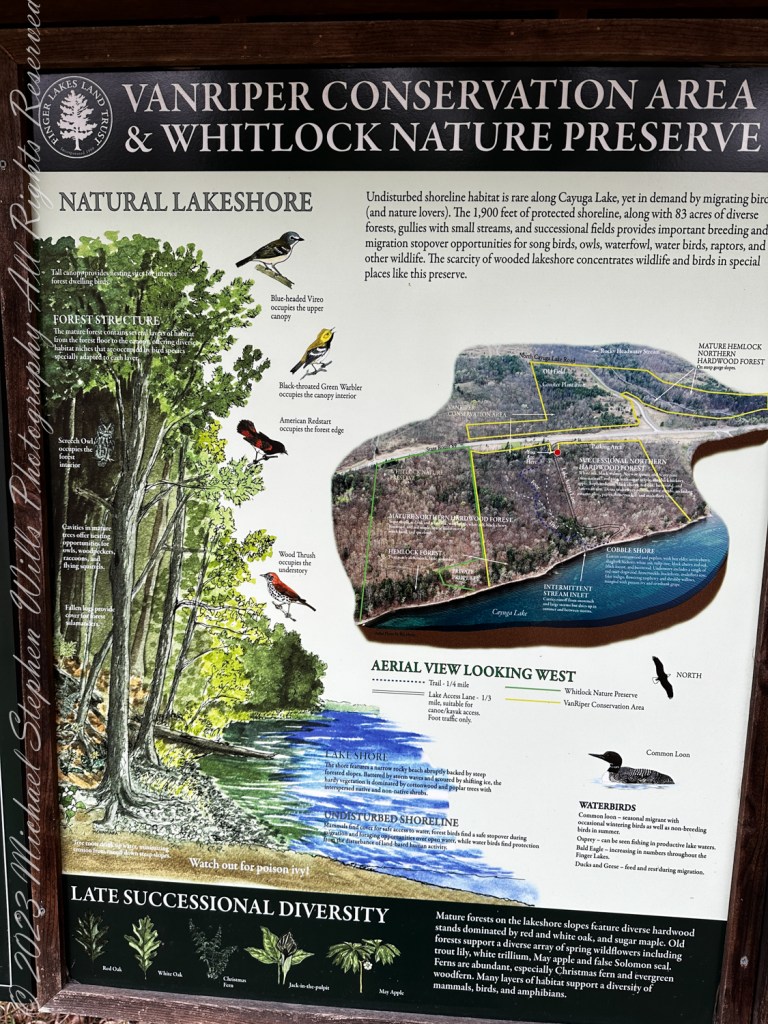
The VanRiper Conservation Area served as a magnificent backdrop to this astronomical event. Known for its diverse habitats, including wetlands, forests, and meadows, the area is a haven for wildlife and a sanctuary for those who seek solace in nature; a place where the sky seems vast, unobstructed by the trappings of urban life, offering a clear canvas for the eclipse to paint its momentary magic.

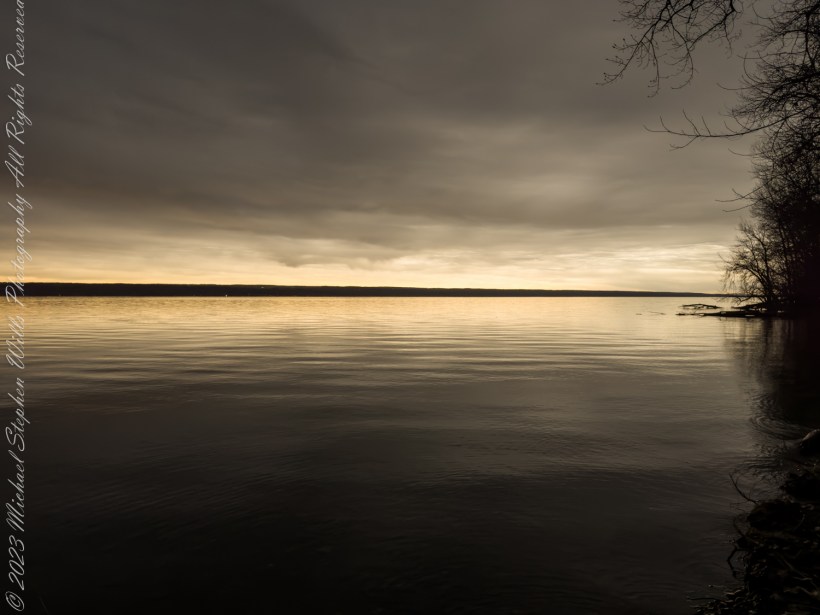
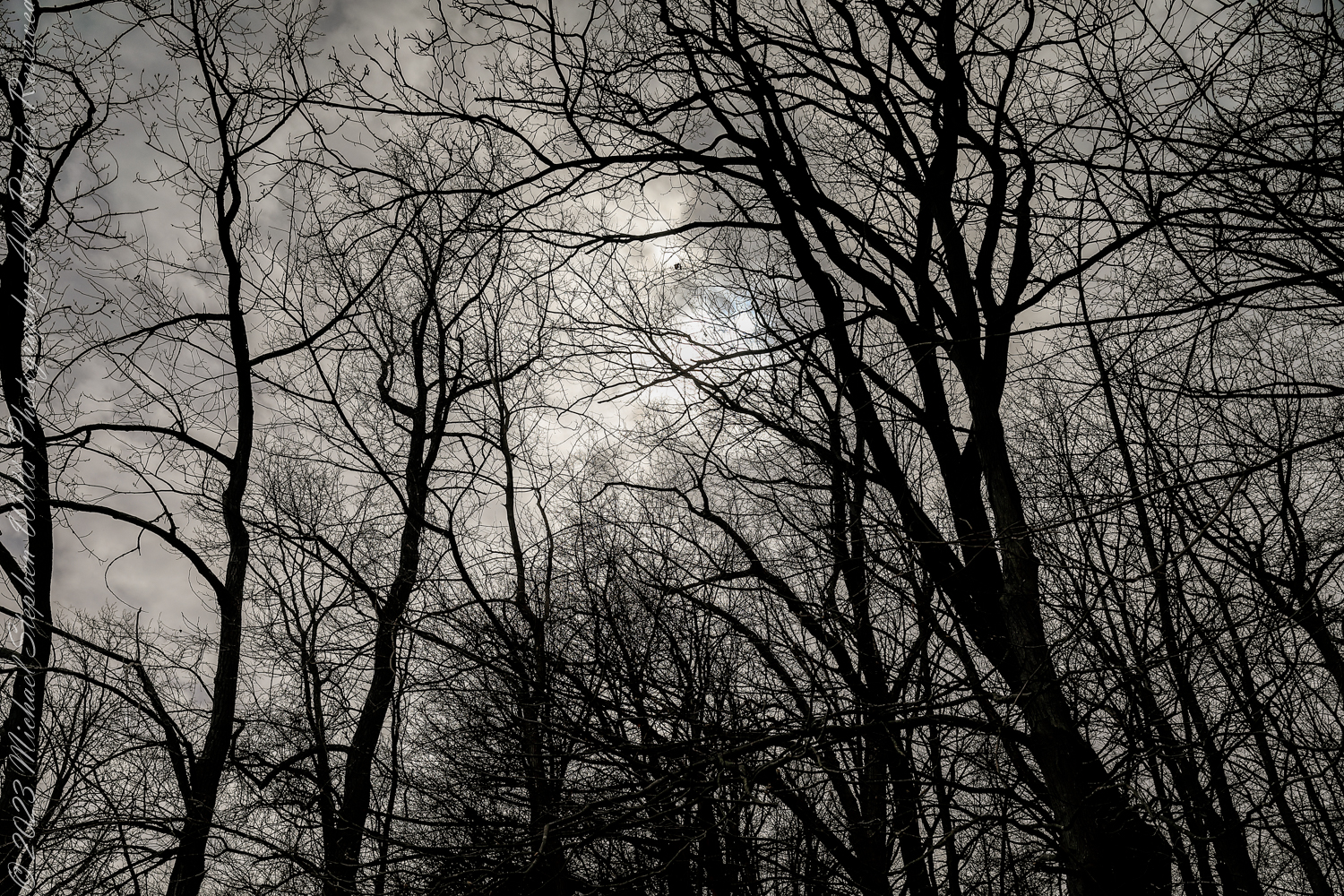
13:38:07, 39 minutes 41 seconds before the moon’s edge touched the sun. From the shoreline of VanRipen Conservation Area, Town of Romulus, Seneca County, Finger Lakes Region, New York State

As the time for the eclipse approached, a thick blanket of clouds enveloped the sky, obscuring our view of the sun entirely. This unexpected veil not only robbed us of the celestial spectacle but also intensified the darkness, casting a deeper shadow over the landscape and amplifying the surreal, twilight ambiance.

As the moon began its slow sweep over the sun, an eerie twilight descended upon the conservation area. The temperature dropped noticeably, a testament to the sun’s masked radiance. The birds, momentarily confused by the sudden dusk, fell silent, heightening the surreal atmosphere. This was the moment I had been waiting for, the total eclipse, where day momentarily turns to night, and the ordinary becomes extraordinary.

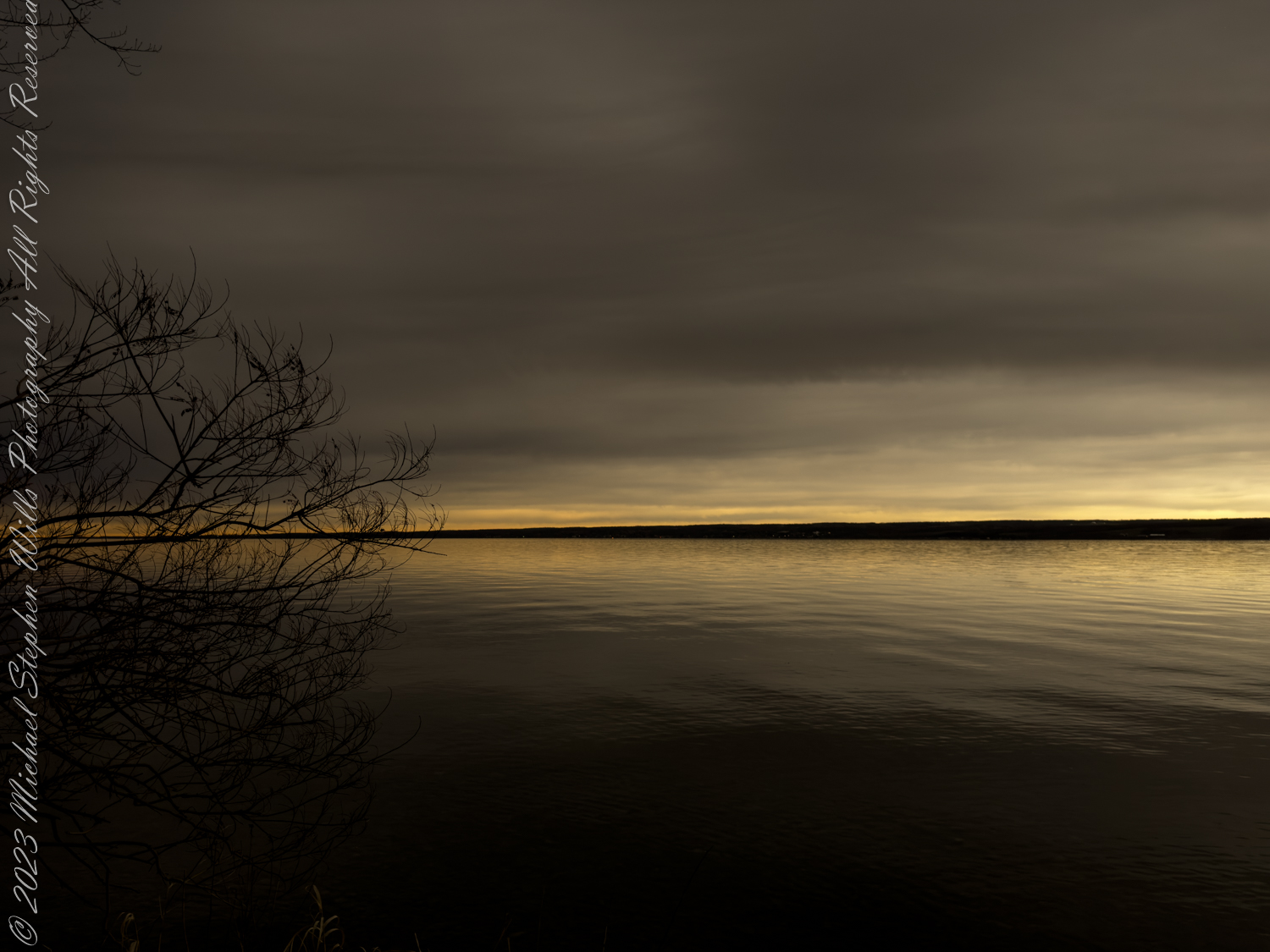
15:21:37, 56 seconds to totality. From the shoreline of VanRipen Conservation Area, Town of Romulus, Seneca County, Finger Lakes Region, New York State

Positioned on the southern edge of the total eclipse zone, I observed a fascinating phenomenon: the southern side of the horizon retained a brighter hue compared to the north, which veiled itself in deeper shades of twilight. This luminous gradient painted across the sky was a direct consequence of our location’s proximity to the eclipse’s path of totality.

In this captivating 4-minute YouTube video, you’re whisked away to the shores of Cayuga Lake, beneath a cloudy sky, on the day of the Total Eclipse, April 8, 2024 viewed from the VanRiper Conservation Area Cayuga Lake Shoreline in the town of Romulus, Seneca County of the Finger Lakes of New York State. As the moon dances across the sun at 5 times normal speed you witness the gradual darkening of the lake. On the opposite shore, the town of Aurora lights wink with the total eclipse of the sun. In normal time Loons herald the Sun’s return with a bright and eerie serenade, a natural symphony celebrating light’s triumph over darkness. Join us on this remarkable journey, where day turns to night and back again, all within the embrace of the Finger Lakes Region.

The totality lasted for a mere 50 seconds, when time seemed to stand still, yet it was a period rich with emotion and wonder. To witness the total eclipse was to see the universe align in a rare spectacle of shadow and light, a reminder of our place in the cosmos.

Reflecting on the experience, the VanRiper Conservation Area was a portal to a deeper understanding and appreciation of the natural world. Its untouched Cayuga Lake shoreline provided a setting for observing the eclipse with a reminder of the beauty and fragility of our planet.

As the eclipse passed and daylight returned the silence was filled with Loon calls, a celebration of life and the return of light. The solar eclipse was a convergence of time, place, and celestial mechanics, offering a spectacle for the eyes, a moment of introspection about our existence in this vast universe: a reminder of the ephemeral nature of life and the enduring awe of the cosmos. In the heart of the conservation area, I stood at the crossroads of science, nature, and spirituality, left to reflect on the dance of shadows and light.

Copyright 2024 Michael Stephen Wills All Rights Reserved
The Mallard Ducks of Early Spring

Discover the secret world of mallards in Ithaca’s Cass Park: a drake and hen dance upon the water’s surface, inviting you into the fleeting magic of a vernal pool. Join their springtime sojourn.

Introduction to Vernal Pools and Mallard Ducks


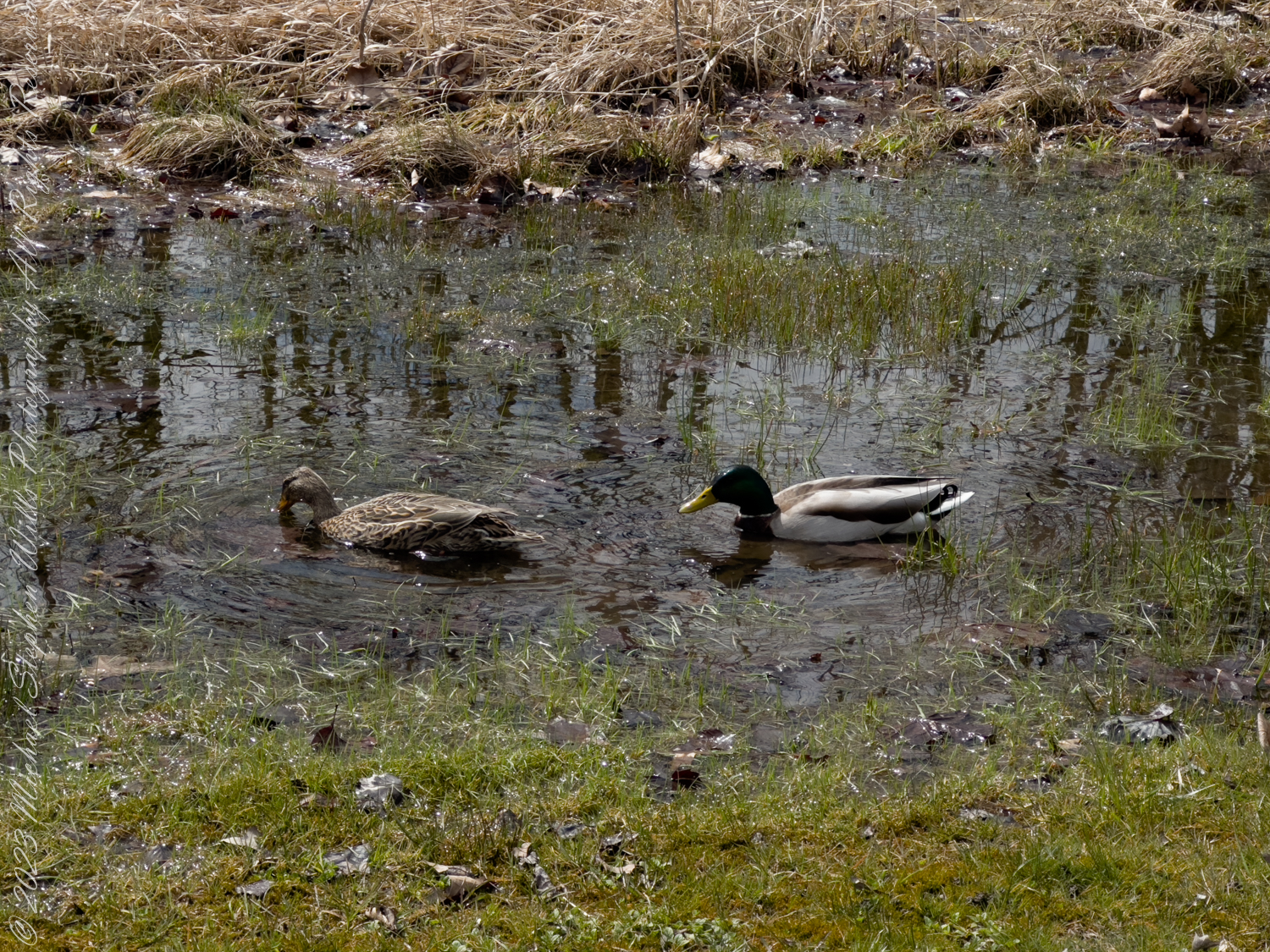
The image provided offers a tranquil glimpse into the natural world, capturing two mallard ducks—a drake and a hen—as they forage for food in a vernal pool. Vernal pools are temporary bodies of water that provide critical habitat for a variety of wildlife during the early spring. Mallards (Anas platyrhynchos), with their iconic coloration and widespread presence across the globe, are among the most recognizable and adaptable of waterfowl, making use of these ephemeral waterscapes.

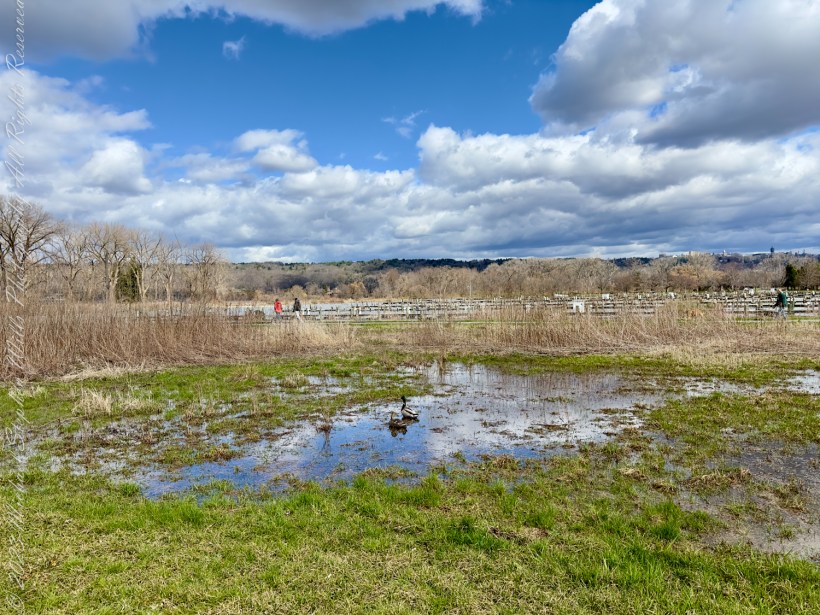
Birding Trail near Cass Park, a pair of Mallard ducks in breeding plumage feed in a vernal pool the inlet of Cayuga Lake in the background.

Significance of Vernal Pools


Vernal pools are unique wetlands that usually form in the spring from melting snow and spring rainfall. These pools are crucial for the breeding of certain species of amphibians, insects, and provide essential resources for birds like mallards. In the image, the ducks take advantage of the abundance of food such as aquatic invertebrates that thrive in these undisturbed waters, showcasing the importance of these habitats in supporting biodiversity.

A Closer Look at the Mallards’ Habitat

A male and female mallard (Anas platyrhynchos) feeding in a vernal pool along the Cayuga Waterfront Trail near Union Fields.


The photo depicts the ducks in a natural setting that speaks volumes about their environment. The surrounding dry grasses indicate a transition from the dormancy of winter to the burgeoning life of spring. The reflection of leafless trees in the water hints at an ecosystem on the cusp of renewal. This setting is not only a feeding ground for the ducks but also a haven that provides shelter and protection from predators.

The Mallards’ Spring Behavior


Mallards are known for their migratory patterns, often traveling to warmer climates during the winter and returning to their breeding grounds in the spring. The ducks in the photo are likely partaking in a crucial phase of their life cycle—feeding and preparing for the breeding season ahead. Their presence in the vernal pool is a testament to their resilience and adaptability as they utilize a wide range of habitats to meet their needs.

Conservation and the Future


While mallard ducks are not currently endangered, the conservation of their habitats, like vernal pools, is vital for the continued health of their populations and the greater ecosystem. Such habitats are under threat from urban development, pollution, and climate change. It’s imperative that we recognize the importance of preserving these natural resources, not only for mallards but for all species that depend on them.

Conclusion: Reflections on Nature’s Cycles


The photo invites reflection on the cycles of nature and the interconnectedness of species and their environments. It serves as a reminder that the arrival of mallards at a vernal pool is not just a sign of spring, but a marker of the health of our natural world. As the seasons change, so too do the opportunities for life to thrive, guided by the rhythms of the Earth and the behaviors of its inhabitants. The mallards, in their simple act of feeding, become symbols of continuity and the delicate balance of ecosystems.

Copyright 2024 Michael Stephen Wills All Rights Reserved
Behind the Scenes of the Final Frontier: Our Tour with NASA’s “Launch Director” – 6

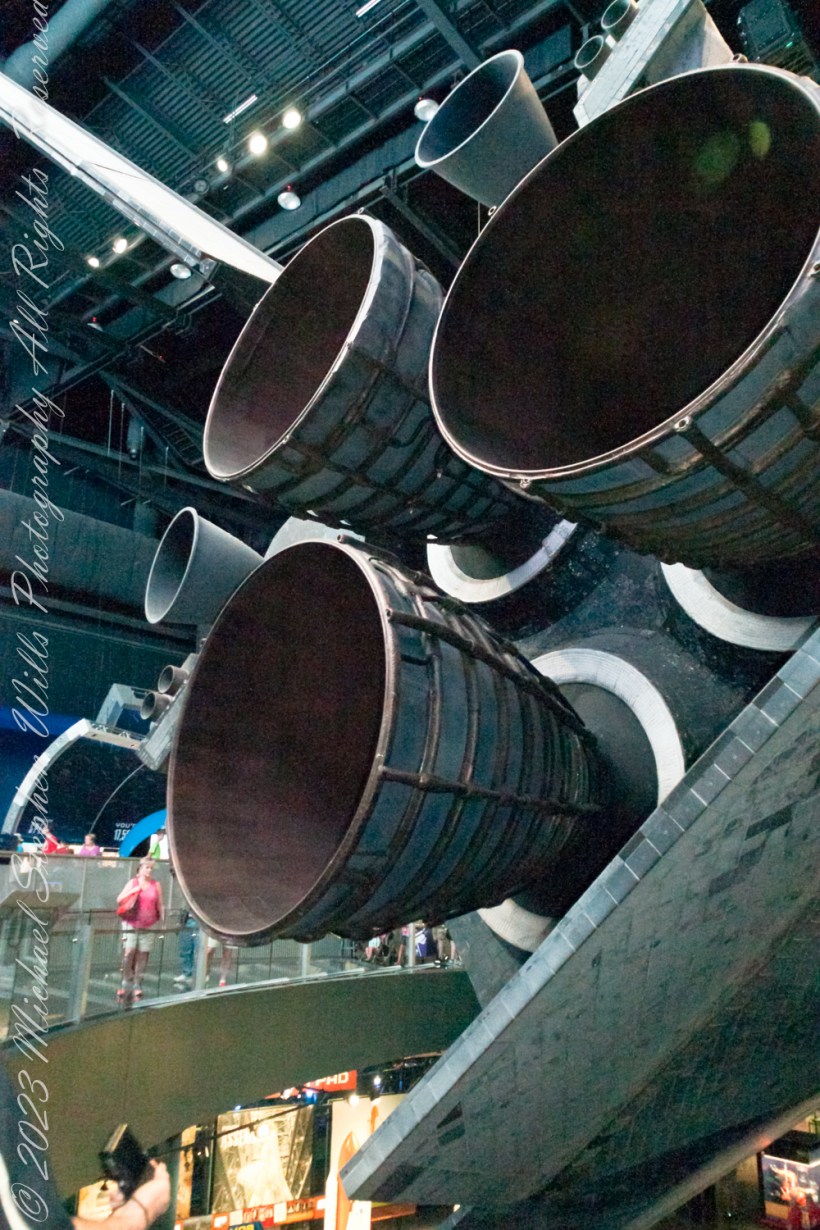
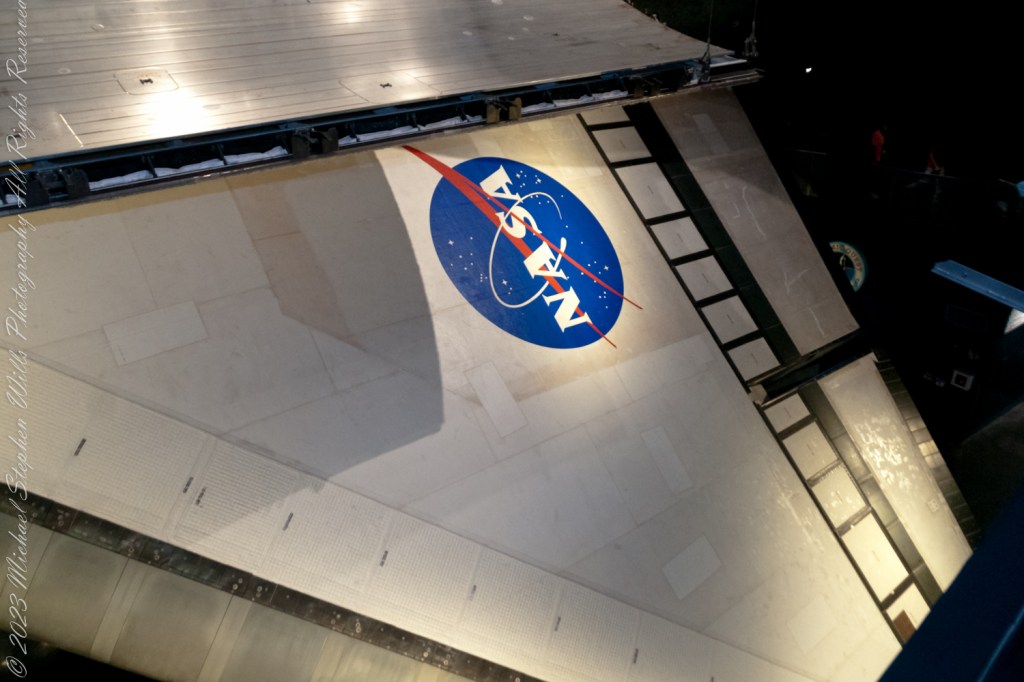
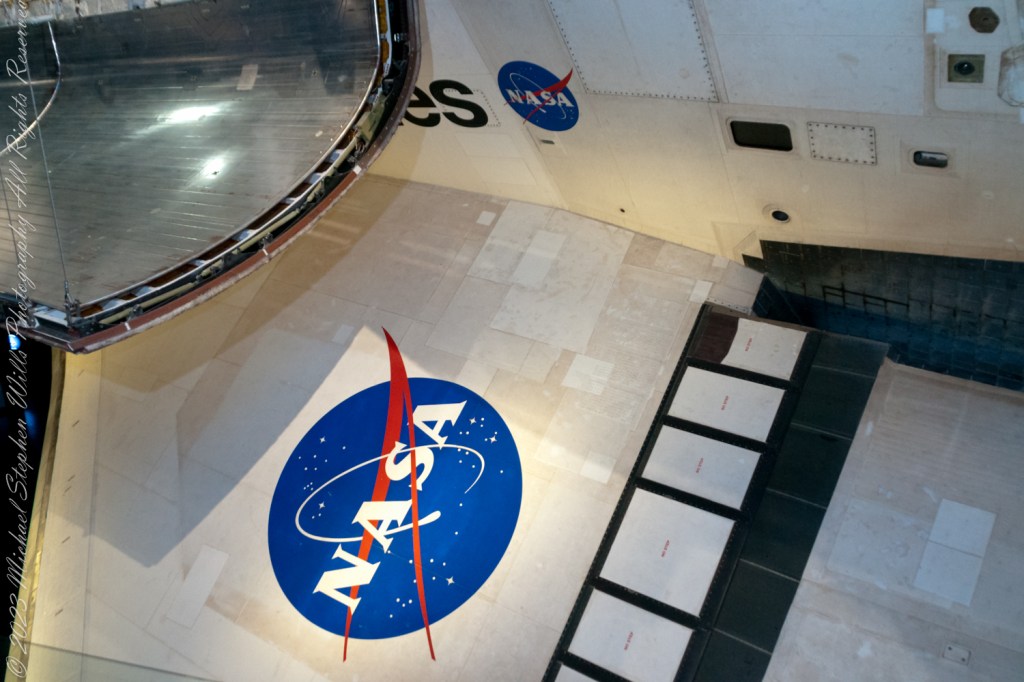
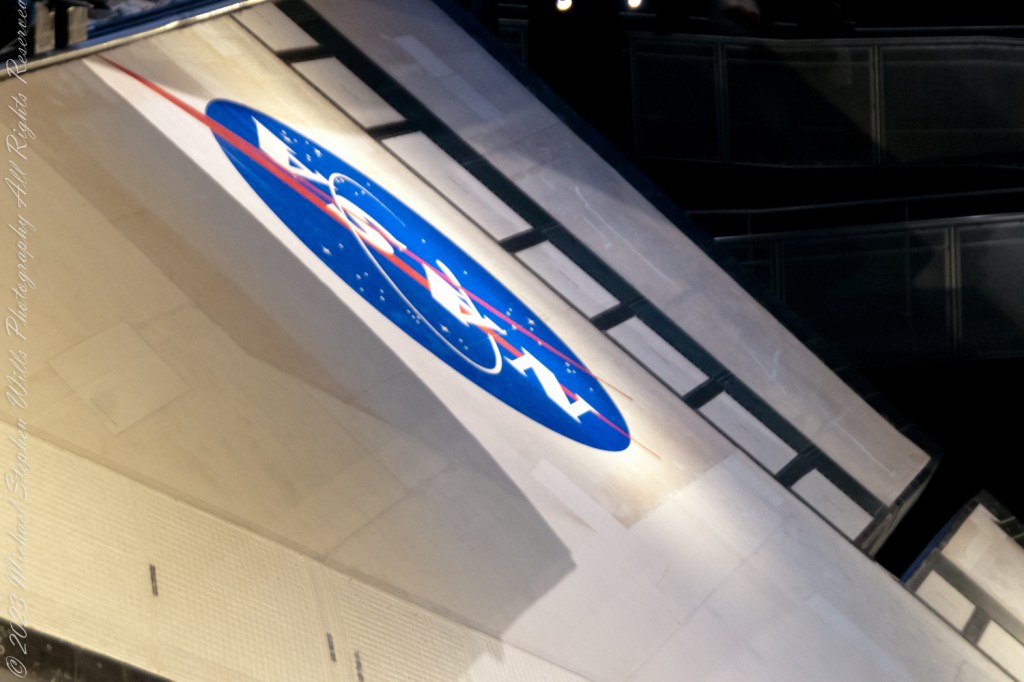
Step behind the scenes of space exploration with this dive into the awe-inspiring details of the Space Shuttle Atlantis, its thermal-protected wings to the onboard engines.

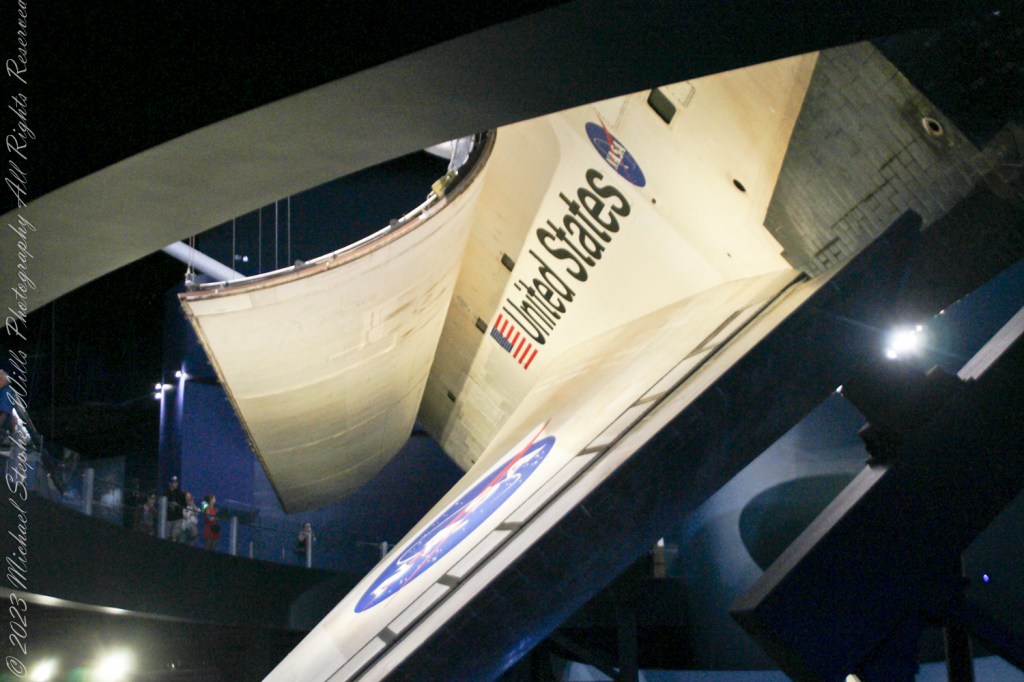
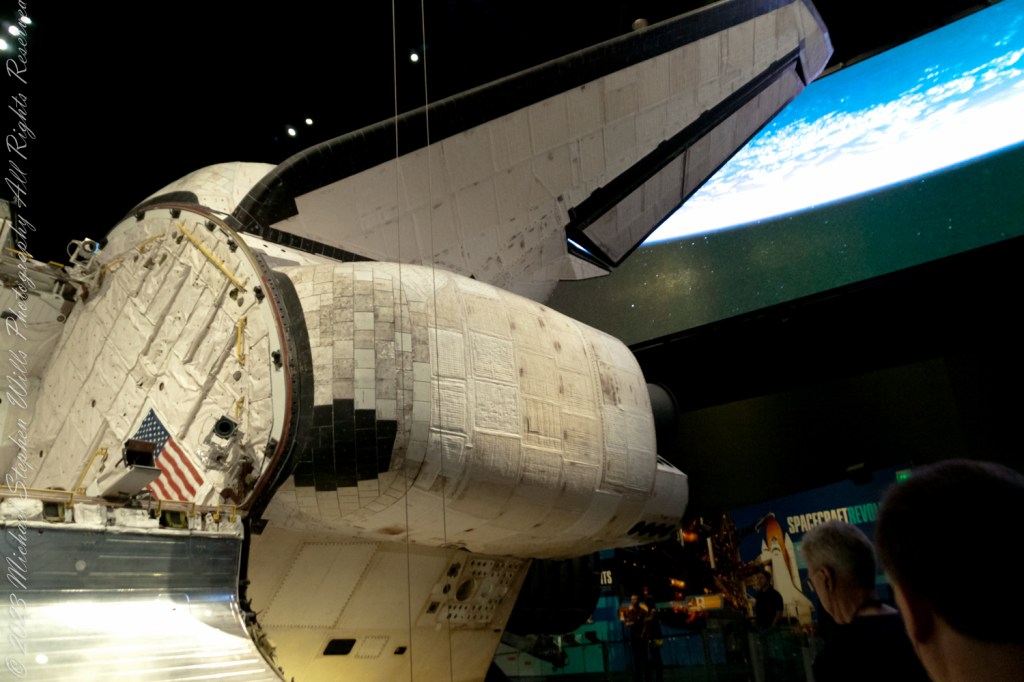
Imagine, if you will, stepping onto the grounds of NASA, where the air buzzes with the legacy of space exploration and the spirit of human achievement. It’s a place where dreams of the cosmos turn into reality. Our 2017 Launch Director tour not only brought us face-to-face with the marvels of space travel but allowed me to delve into the intricate details of one of NASA’s most iconic spacecraft: the Space Shuttle Atlantis. In this episode 6 of our adventure, we continue exploring the engineering marvel that is Atlantis, focusing on its wings, rear stabilizer, and onboard engines—elements critical to its legendary missions.

The Space Shuttle Atlantis, a name synonymous with discovery and exploration, represents a pinnacle of human ingenuity. As you walk around the Atlantis exhibit, you can’t help but be awed by the shuttle’s design, particularly its wings. The wings of Atlantis, with a wingspan of about 78 feet, are not just structures of metal and composite materials; they are the shuttle’s lifeline during re-entry into Earth’s atmosphere. These delta-shaped wings are designed to withstand the scorching temperatures of re-entry, allowing Atlantis to glide back to Earth with grace and precision. The material covering the wings, known as the Thermal Protection System (TPS), consists of thousands of heat-resistant tiles and reinforced carbon-carbon panels, safeguarding the shuttle and its crew from temperatures exceeding 1,650 degrees Celsius.

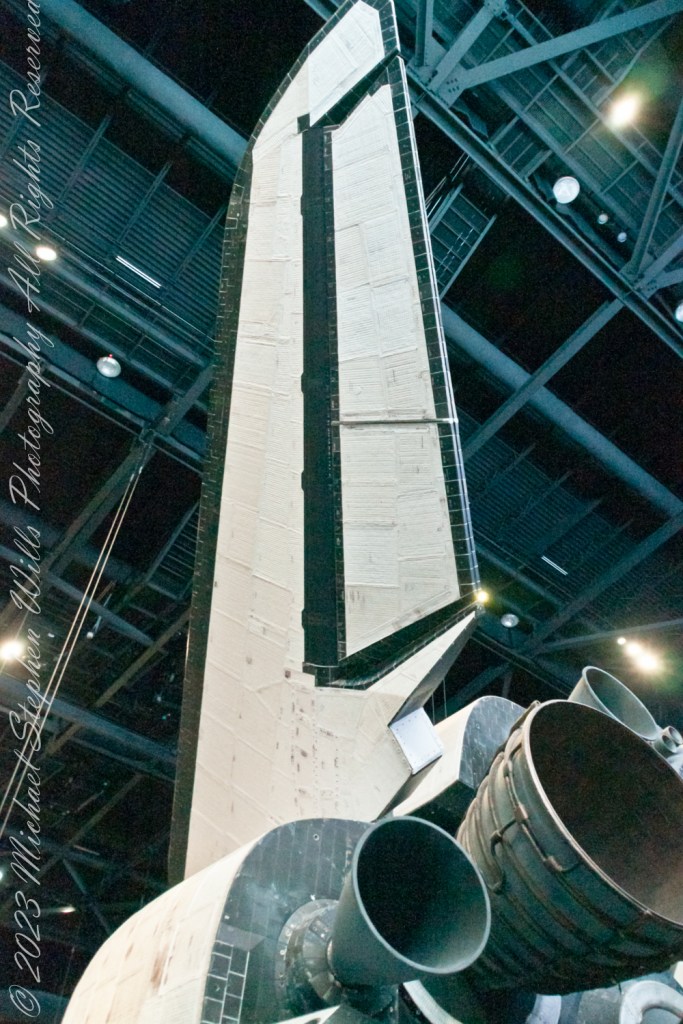
As your gaze shifts towards the rear of Atlantis, the vertical tail fin, or the rear stabilizer, commands attention. Standing about 17 feet tall, this stabilizer is more than just a rudder; it’s a critical component for maintaining the shuttle’s stability during the different phases of its mission. During the launch, it helps keep the shuttle on course as it ascends through the atmosphere. In space, it plays a minimal role, but upon re-entry, it becomes vital again, ensuring the shuttle remains stable and oriented correctly as it descends through the atmosphere, allowing for a safe landing.

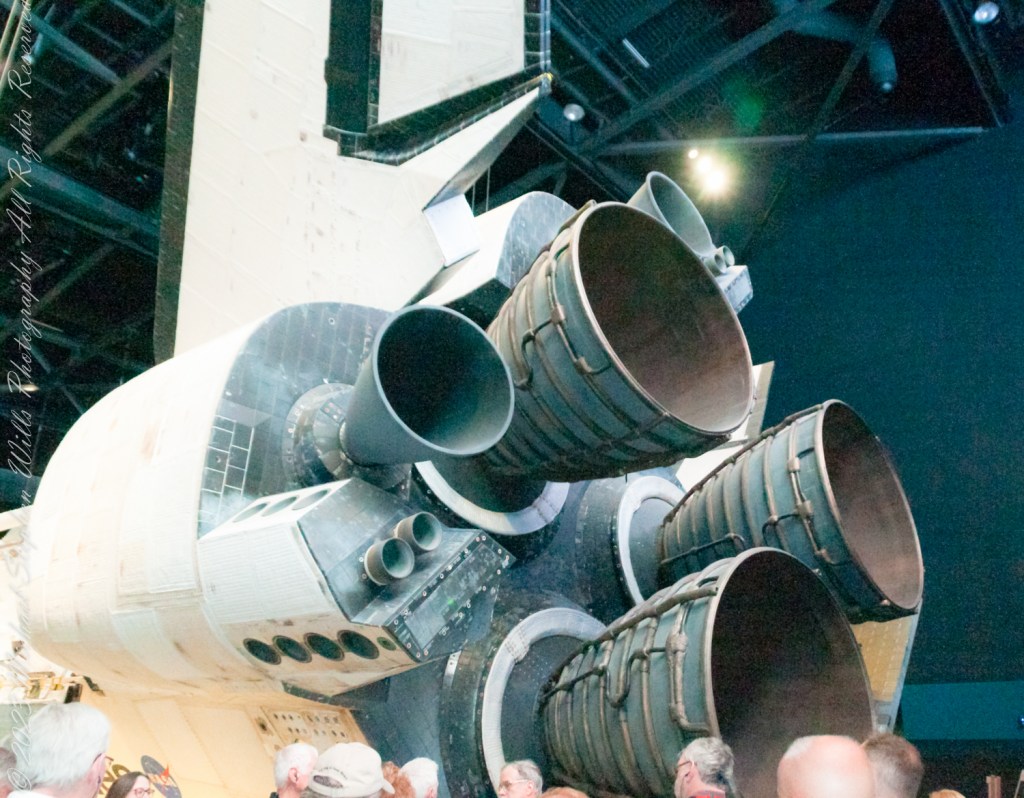
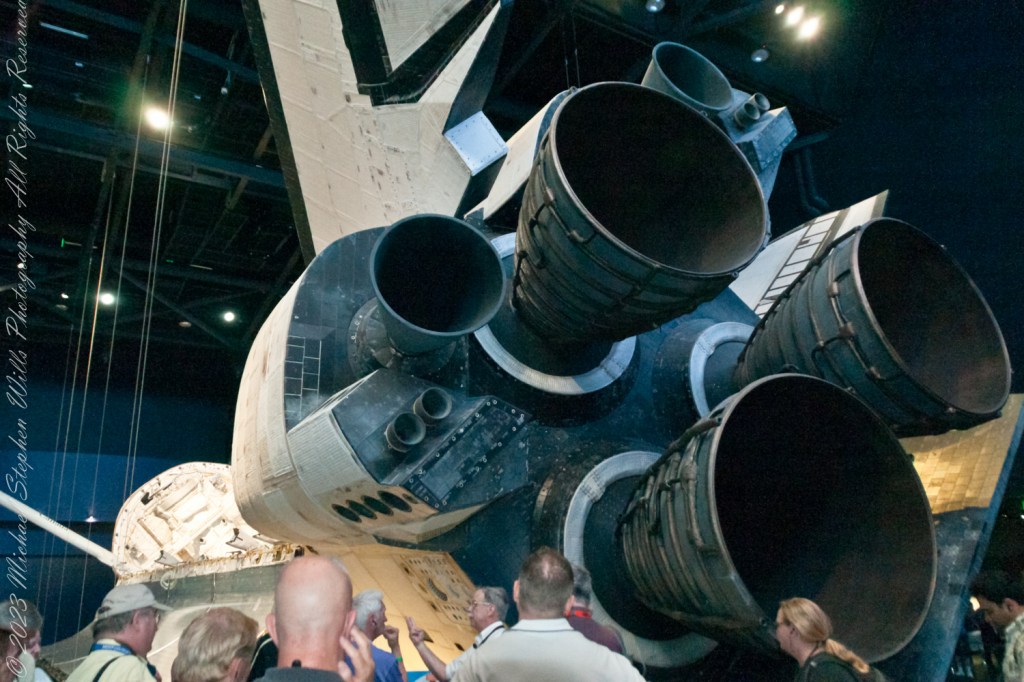
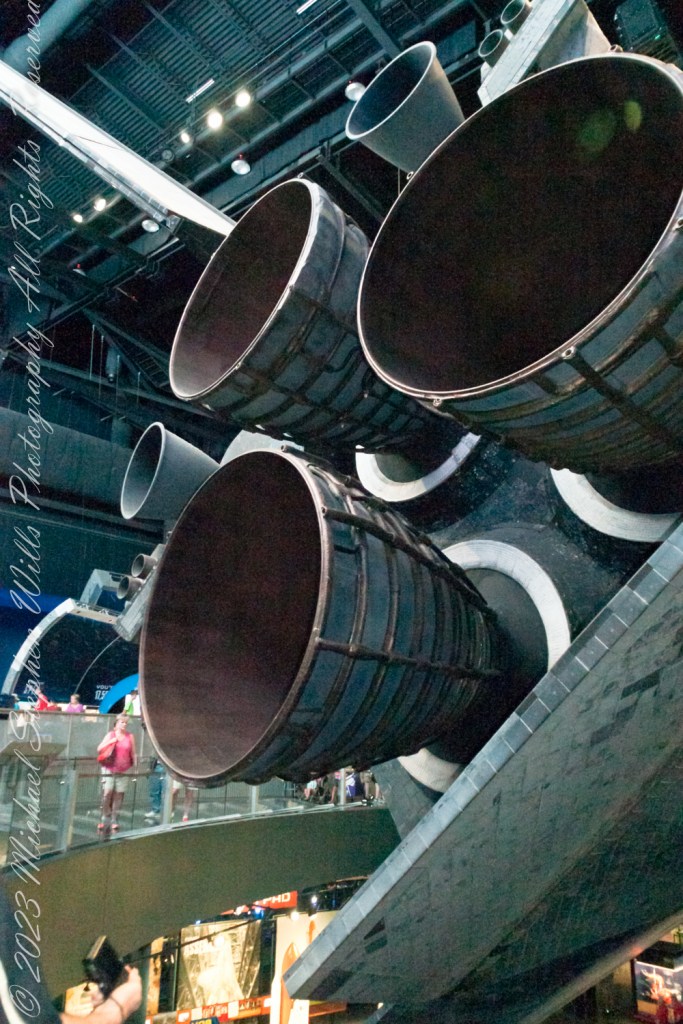
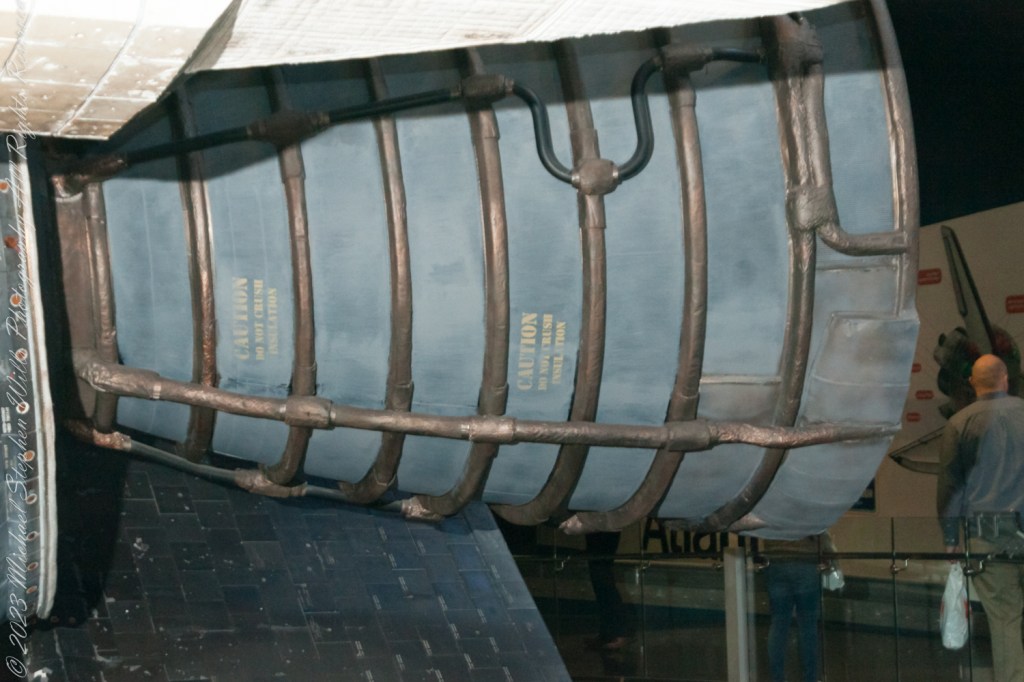
In this exploration of Atlantis, after the wings and stabilizer, we encounter the heart of the shuttle’s propulsion system: its onboard engines. The Space Shuttle Main Engines (SSMEs), three in total, are marvels of engineering, capable of producing a combined thrust of over 1.2 million pounds. These liquid-fueled engines play a crucial role in propelling the shuttle from the launch pad into orbit. What’s fascinating is their ability to throttle up or down depending on the phase of the launch, providing the precise amount of power needed at any given moment. The engines are fed by the External Tank, the only part of the shuttle not reused, which carries the liquid hydrogen and liquid oxygen needed for combustion. Upon reaching orbit, the Orbital Maneuvering System (OMS) engines take over, allowing Atlantis to navigate the vacuum of space with finesse, adjusting its orbit and facilitating the meticulous maneuvers required for satellite deployment or docking with the International Space Station.

Walking away from the Atlantis exhibit, what stays with you is not just the sight of this magnificent spacecraft but an appreciation for the ingenuity and dedication that went into its design. Every wing, every tile on the stabilizer, and every roar from the engines tell a story of human curiosity, the drive to explore beyond our confines, and the relentless pursuit of knowledge. The Space Shuttle Atlantis is more than a machine; it’s a symbol of what humanity can achieve when we dare to dream big and work tirelessly towards those dreams. So, as you look up at the night sky, remember the wings that carried our dreams, the stabilizer that kept us on course, and the engines that propelled us into the unknown, reminding us that the final frontier is not so final after all.

Copyright 2024 Michael Stephen Wills All Rights Reserved
Nature’s First Green….

…is gold, / her hardest hue to hold, / her early leaf’s a flower; / but only so an hour… Robert Frost

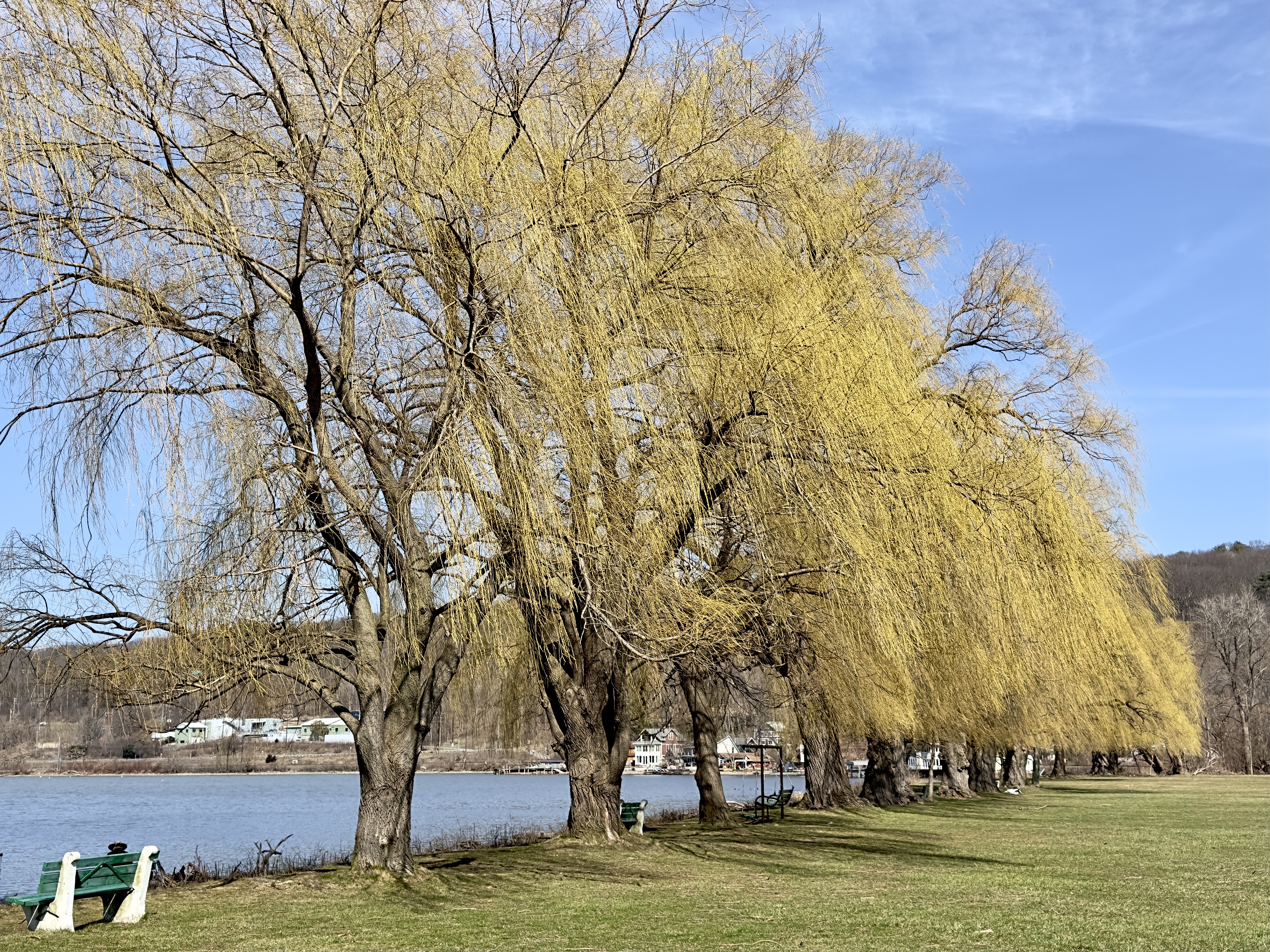
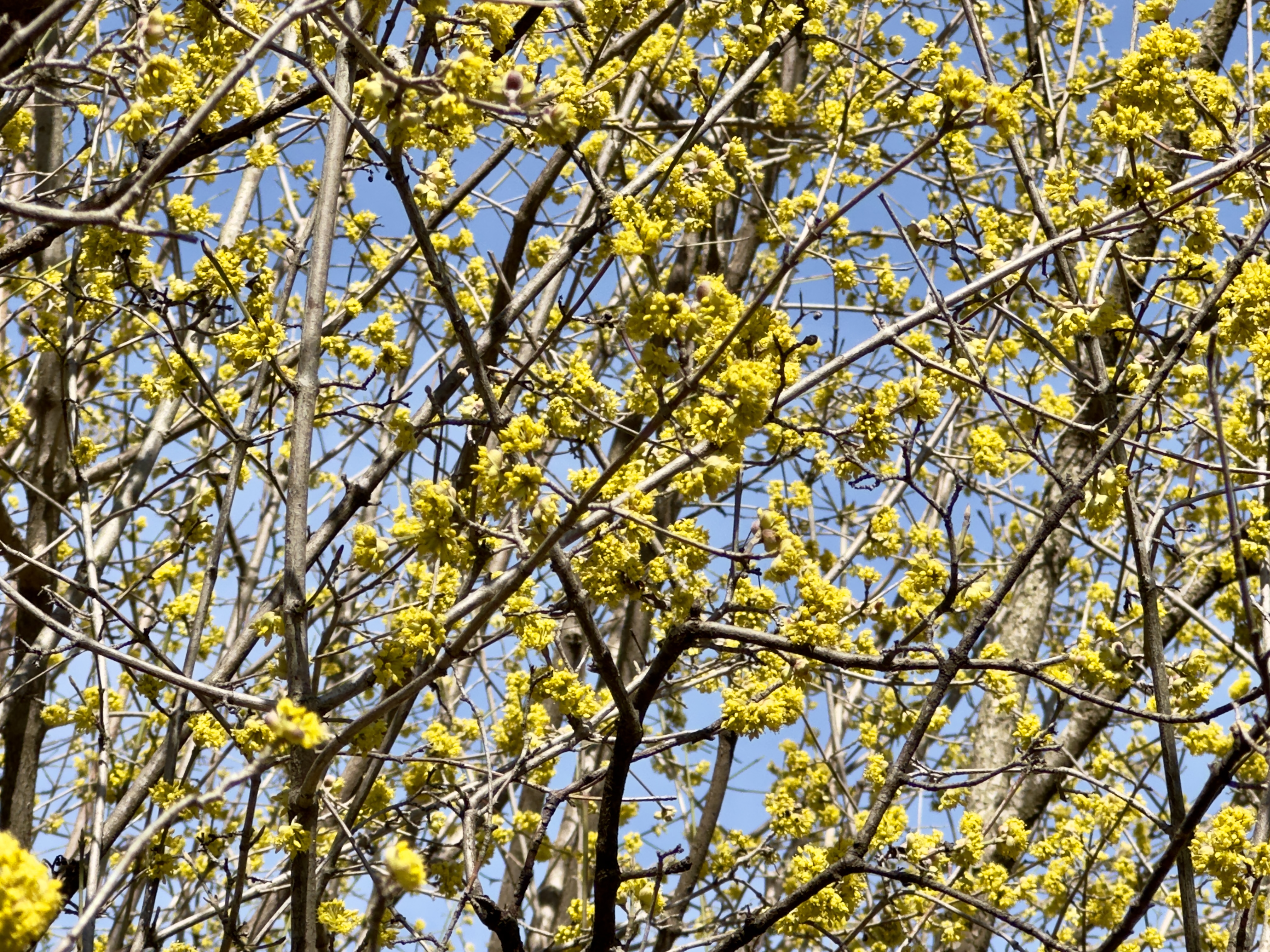
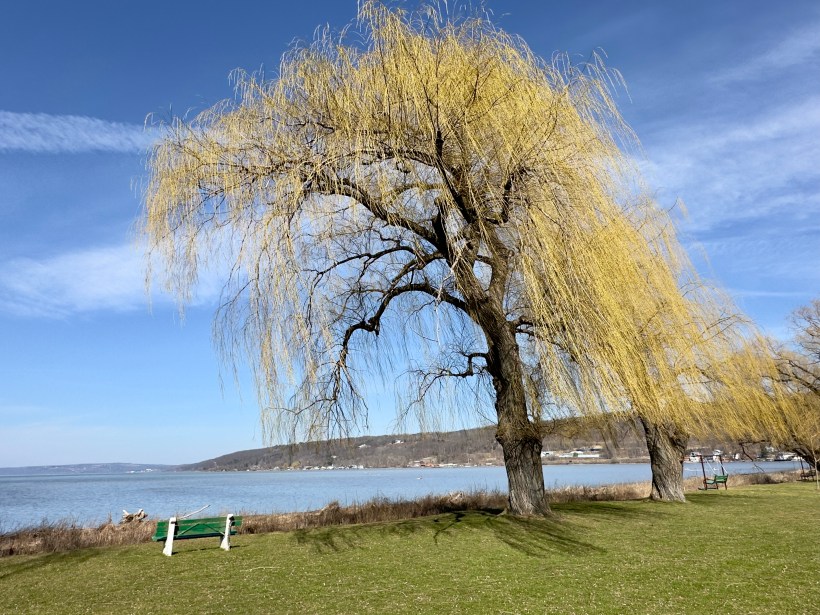
You walk alone by the waters of Cayuga Lake in Stewart Park, nestled in the heart of Ithaca’s Finger Lakes, where Salix alba, the white willow, stands proudly along the shoreline. You’re immediately drawn to the flurry of yellow flowers, a stark contrast to the still chilly early March air.

The white willow (Salix alba), with its rough, gray bark, is beginning to dress in its spring finery, its branches teeming with tiny, starburst-like flowers. Each one is a miniature sun, casting a glow against the intricate lattice of branches. These aren’t the soft catkins of the pussy willow but the yellow inflorescences that are characteristic of the white willow’s early bloom, a signpost that winter’s grip is loosening.

These trees, you learn, are dioecious, with separate male and female trees. The blossoms you see are likely the male flowers, their stamens dusting your fingers with pollen as you brush against them. It’s this pollen that will soon beckon the bees, urging them to emerge from their hives and begin the work that sustains the ecosystem. You can almost hear the faint buzz, a prelude to the symphony of life that summer will bring. Return in midsummer to find the female catkins comprise numerous small (4 mm) capsules, each containing numerous minute seeds embedded in silky white hairs, which aids wind dispersal.

As you wander further, you note the presence of the white willow’s kin, other deciduous companions some still bare and stretching into the sky and others leafing out. You stand there, at the cusp of seasonal change, where the slumbering trees are on the verge of awakening, and you feel a kinship with them. Like these trees, you have weathered the cold, dark months, and now you stand poised to greet the renewal that comes with spring.

The stark, knotted forms of the white willow branches against the clear sky speak to you of endurance and resilience. These trees have weathered storms and droughts; they have been companions to the lake, mirrors to its moods, and now they are beginning to celebrate the cycle of rebirth and growth.

You take a seat on a bench, the cool wood through your clothes a reminder of the lingering winter. You gaze out across the lake, the water reflecting the brilliance of the sun like a vast, rippling mirror, framed by the elegant silhouettes of the white willows. You feel the peace of the park seep into you, the slow, rhythmic lapping of the water syncing with your breath.

This is a moment of transition, from the sleeping to the awakening world. You think about the Salix alba, how its presence here is a testament to nature’s adaptability, thriving in the moist soil by the lake, offering shade in summer and shelter in winter, its branches a playground for the winds.

As you leave Stewart Park, you take with you the memory of the white willows in early March, the quiet guardians of Cayuga Lake. They remind you of the enduring beauty of nature, the seamless flow from one season to the next, and the quiet joy of standing witness to the first whispers of spring on the shores of the Finger Lakes.

Copyright 2024 Michael Stephen Wills All Rights Reserved
Hatch, Birth, Good Luck!

If you ever feel like you’re struggling with independence, just remember these creatures who start life with the ultimate “figure it out yourself” kit.

Introducing the “Self-Service Buffet” of the animal kingdom, where the motto is “Hatch, Birth, Good Luck!” These creatures don’t stick around for cuddles or parenting classes:

Sea Turtles – The Ultimate Sand Sprinters: These little guys burst from their eggs and make a mad dash for the ocean, dodging seagulls and crabs. It’s like the world’s most stressful obstacle course, where the prize is simply survival.

Salmon – Swimmers on a Solo Mission: After hatching, young salmon are on their own, navigating the perilous waters without a GPS or even a pep talk. They’ve got more instinct in their little fins than most of us have in our entire body!

Praying Mantises – The Loner Ninjas: These insects hatch ready to rumble, with no parental guidance on how to be the ultimate predator. It’s a tough world where your siblings might just see you as their first meal. Talk about family drama!

Kangaroo Rats – Desert Hoppers Inc.: Born in the harsh desert, these tiny rodents are all about the solo journey from the get-go. No room service or guided tours here; just a lot of hopping and hoping.

Octopuses – The Brainy Solitaires: Octopus moms are the epitome of “do it yourself,” laying their eggs and then, well, signing off. The babies hatch fully equipped with all the smarts and skills they need, making them the envy of every overbooked parent.

Komodo Dragons – The Scaly Independents: These formidable lizards hatch ready to take on the world, with a fierce look in their eye that says, “I didn’t choose the dragon life, the dragon life chose me.”

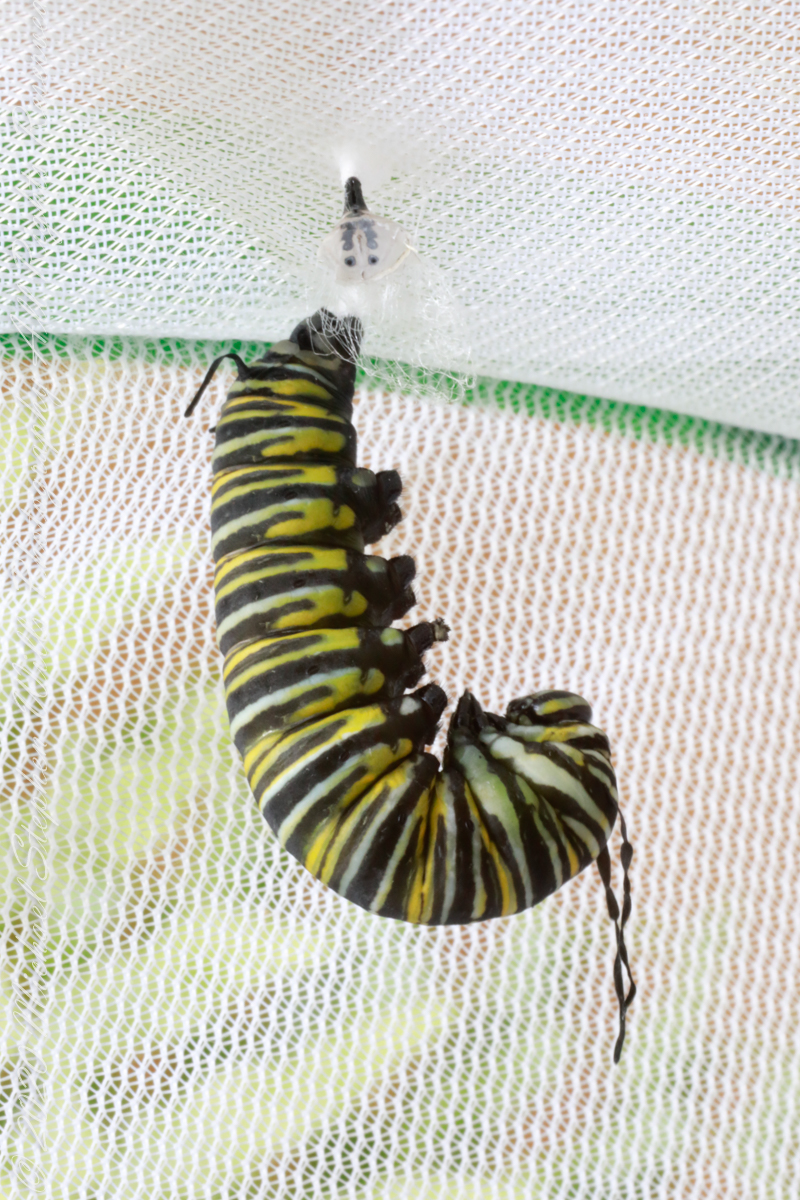
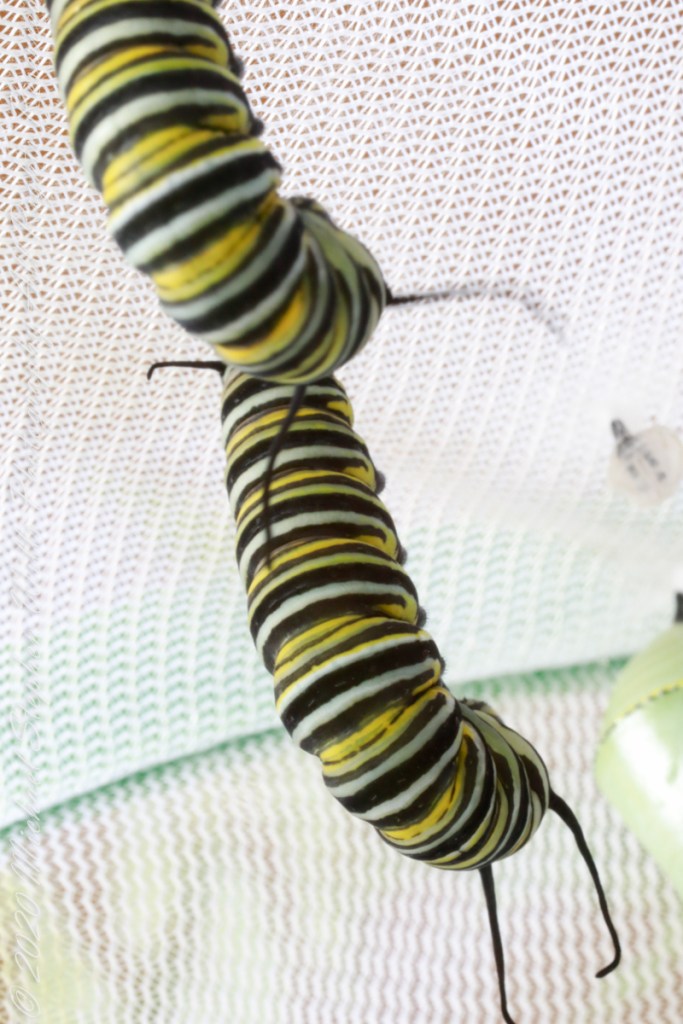
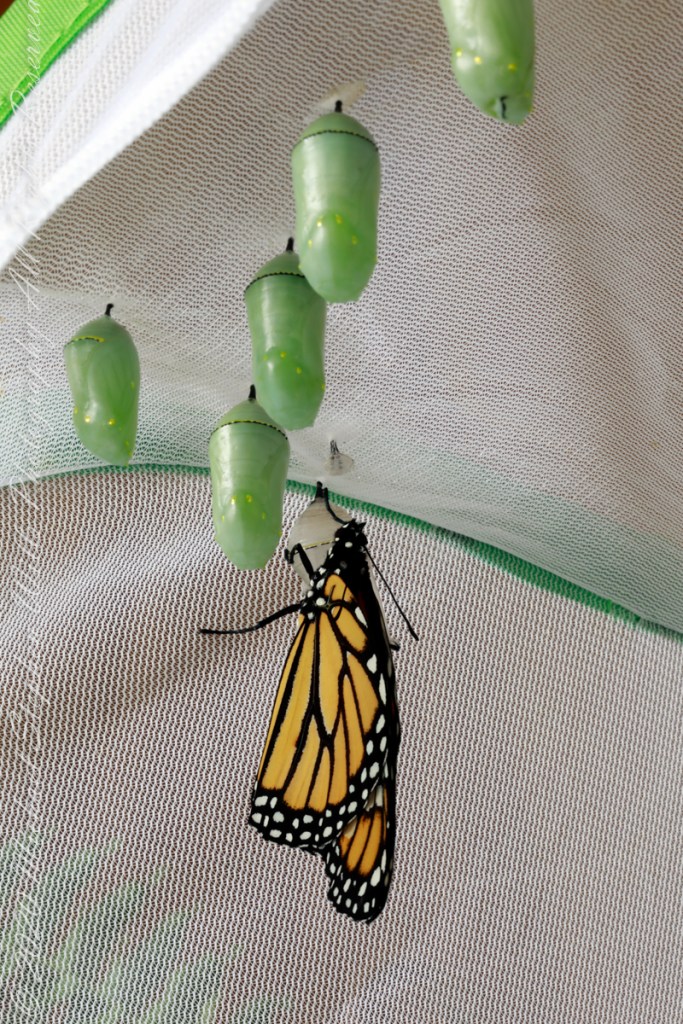
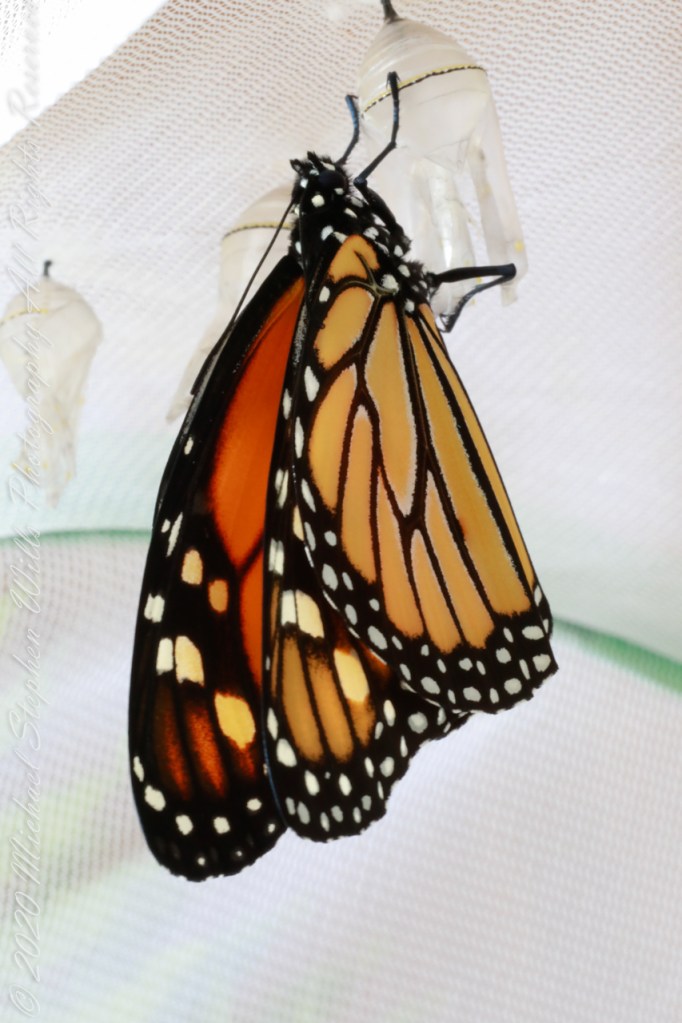
Butterflies – The Winged Wanderers: From caterpillar to chrysalis, and then to butterfly, these creatures do it all on their own. If butterflies had social media, their status would perpetually be “Just transformed. Who dis?”

So, if you ever feel like you’re struggling with independence, just remember these creatures who start life with the ultimate “figure it out yourself” kit. They might just inspire you to tackle your own obstacles – though hopefully, with fewer predators involved.

Copyright 2024 Michael Stephen Wills All Rights Reserved

Dueling Songbirds

Witness a duel not of might, but of vibrant melodies between the cardinal and song sparrow. This 14-second video captures a fleeting yet profound moment in the Finger Lakes’ springtime chorus. Join us in unraveling the significance behind this avian serenade.

In the serene backdrop of the Finger Lakes in upstate New York, an enchanting encounter unfolds as the first whispers of spring touch the air. It’s March 14th, a day that marks the gentle shift from the silent, introspective winter to the lively, expressive season of spring. On this day, a captivating spectacle takes place — a duel not of might, but of melody. Two distinguished songbirds, a male cardinal (Cardinalis cardinalis) with its vibrant red plumage that seems to capture the very essence of life itself, and a male song sparrow (Melospiza melodia), modest in color yet profound in voice, engage in an early springtime symphony.

This 14-second video, garnished with brevity, captures a fleeting moment in nature’s grand concert, where these feathered musicians compete, not for supremacy, but for the sheer joy of song and the chance to herald the new season. The cardinal, with its rich, whistling tunes, fills the air with a repertoire of songs that resonate with the promise of new beginnings. Meanwhile, the song sparrow, with its intricate melodies that vary dramatically from bird to bird, offers a counterpoint that is both complex and captivating.

This auditory duel, set against the tranquil beauty of the Finger Lakes, is more than just a display of vocal prowess. It’s a ritual that speaks to the heart of nature’s cycle, a testament to the resilience and adaptability of these species. As these songbirds vie for the attention of mates and assert their presence in the spring landscape, they also remind us of the enduring beauty and mystery of the natural world. You’ll also catch the call of a crow and, in the distance, another Cardinal.

This moment, brief yet infinitely rich, invites us to pause and listen, to lose ourselves in the simple yet profound joy of birdsong. It’s a reminder that, even in the quietest corners of the world, life thrums with vibrancy and the promise of renewal. Join us as we delve into the story behind this melodic encounter, exploring the significance of song in the lives of these birds and the heralding of spring in the Finger Lakes.

Copyright 2024 Michael Stephen Wills All Rights Reserved
Behind the Scenes of the Final Frontier: Our Tour with NASA’s “Launch Director” – 5

Ever wondered about the iconic robotic arms that gracefully danced in space, tethered to the Space Shuttle? Meet Canadarm, a marvel of engineering that transformed space missions. Born from a NASA invitation to Canada in 1969, this robotic arm did more than just move payloads; it became a symbol of international collaboration in space exploration. After the Columbia disaster, its role expanded, ensuring the safety of astronauts with critical inspections. Dive into the captivating journey of Canadarm, where technology meets the stars. Click to discover how a Canadian innovation became a pivotal part of space history.

The Canadarm

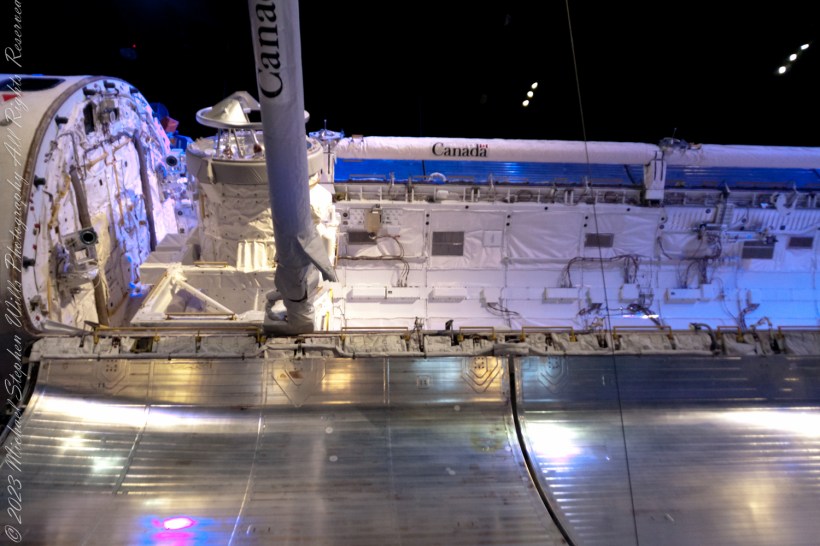
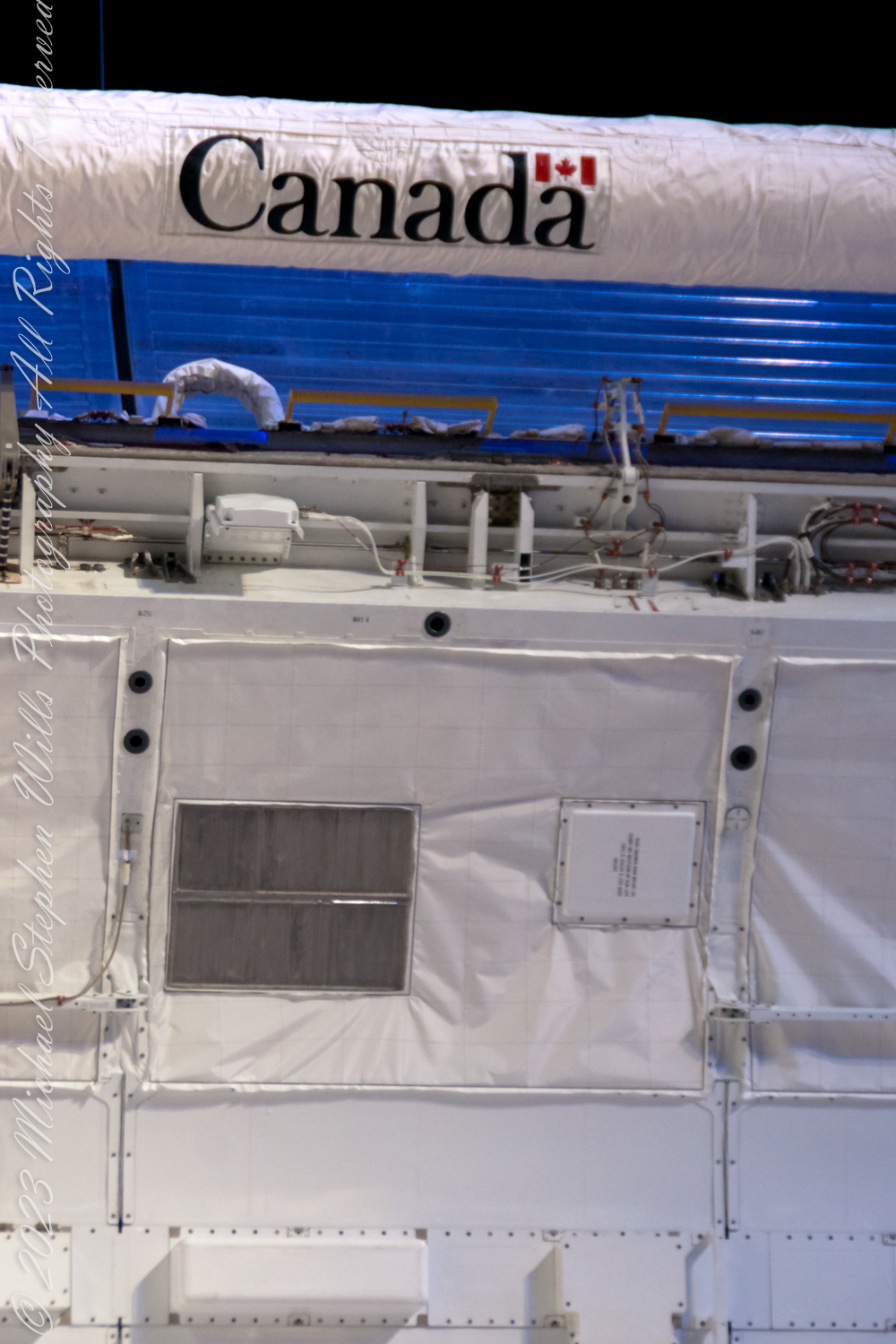
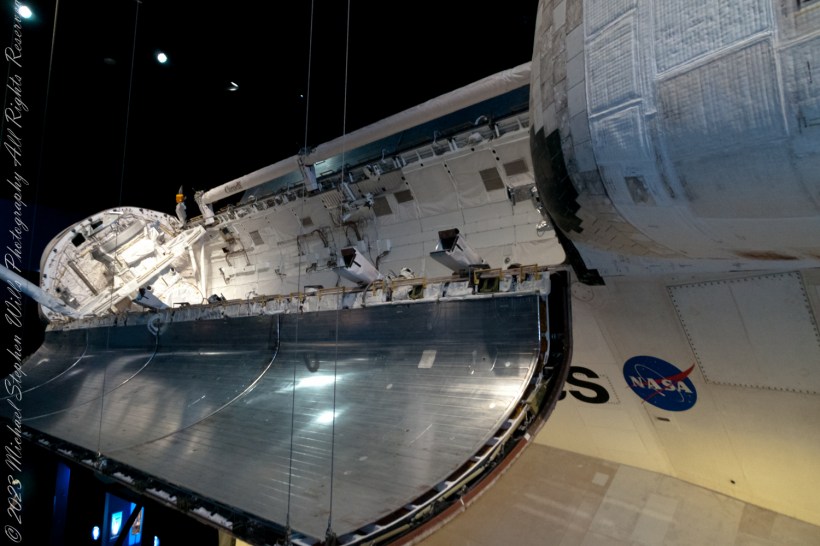
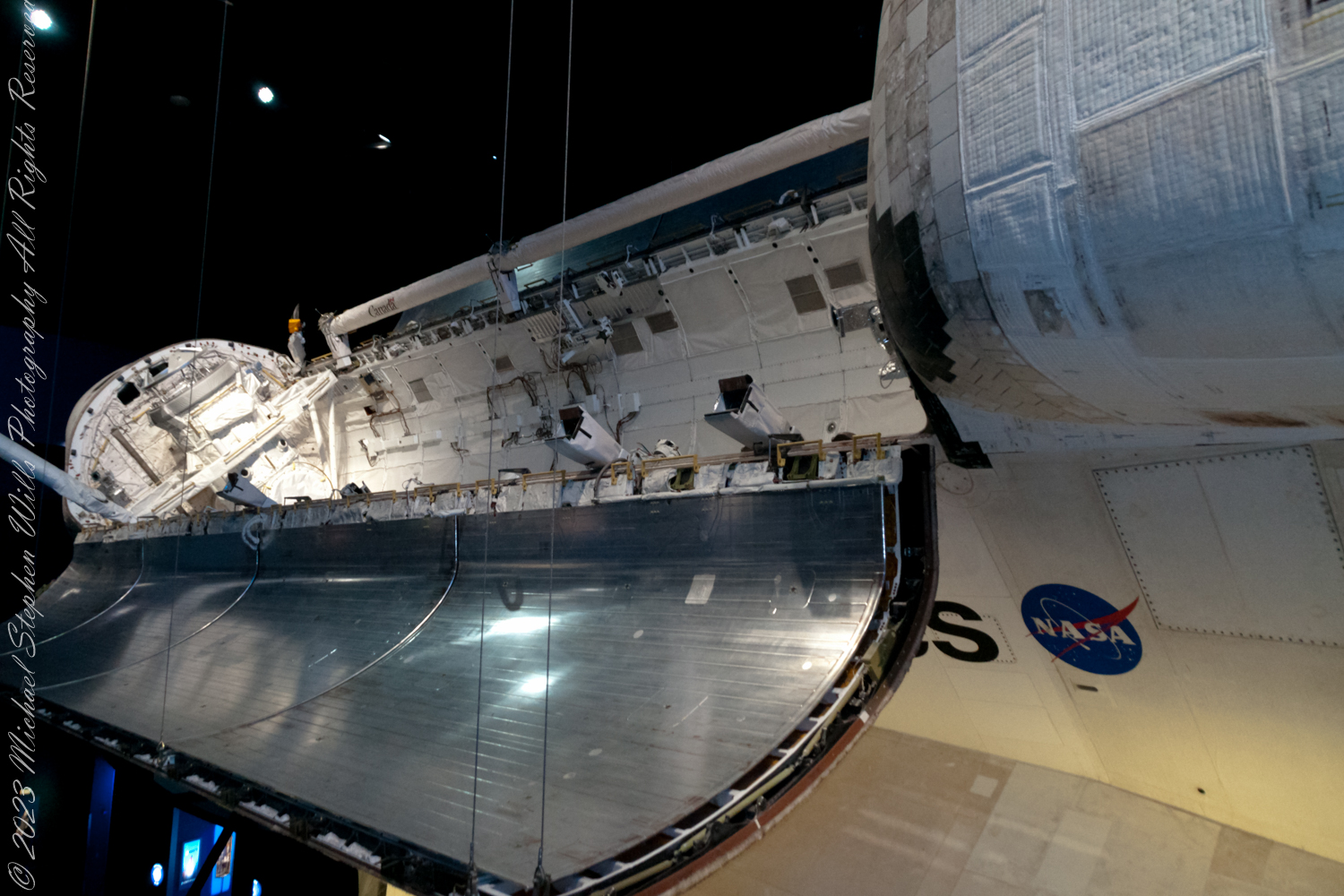
The Canadarm is here extended in the foreground and docked in background

The Canadarm, or Canadarm1, officially known as the Shuttle Remote Manipulator System (SRMS) and sometimes referred to as the SSRMS, represents a series of robotic arms utilized aboard the Space Shuttle orbiters. These arms were instrumental in deploying, manipulating, and retrieving payloads. Following the tragic Space Shuttle Columbia disaster, the use of Canadarm became invariably linked with the Orbiter Boom Sensor System (OBSS). The OBSS played a crucial role in examining the shuttle’s exterior for any damages to its thermal protection system, enhancing the safety of subsequent missions.

The genesis of Canada’s involvement in the Space Shuttle program dates back to 1969 when the National Aeronautics and Space Administration (NASA) extended an invitation to Canada. At the outset, the specifics of Canada’s role were unclear, though the need for a manipulator system was immediately recognized as vital. The Canadian firm DSMA ATCON had previously made strides in robotics with the development of a robot designed to load fuel into CANDU nuclear reactors, capturing NASA’s interest. By 1975, a formal agreement was reached between NASA and the Canadian National Research Council (NRC), under which Canada would undertake the development and construction of the Canadarm.

The NRC subsequently awarded the contract for the manipulator to Spar Aerospace (currently known as MDA), under which three distinct systems were to be developed: an engineering model to aid in design and testing, a qualification model for environmental testing to ensure the design’s suitability for space, and a flight unit destined for use in missions. This collaborative effort marked a significant milestone in the use of robotics in space exploration, showcasing international cooperation in advancing space technology.

Copyright 2024 Michael Stephen Wills All Rights Reserved
Behind the Scenes of the Final Frontier: Our Tour with NASA’s “Launch Director” – 4

Imagine yourself floating in the vast cargo bay of the Space Shuttle Atlantis, surrounded by the essentials of space exploration. Here, in this dynamic space, the dreams of astronauts and scientists converge, where each mission reshapes our understanding of the universe. Curious? Discover more inside.
Atlantis Cargo Bay


The cargo bay of the Space Shuttle Atlantis was an extensive, empty compartment located at the shuttle’s aft end, acting as the main storage area for mission payloads. A significant portion of the cargo was housed within a sizable cylindrical module named Raffaello, which contained a year’s supply of necessities—food, clothing, water, replacement parts, and scientific gear.


The dimensions of the payload area were roughly 4.6 meters (15 feet) in width and 18 meters (60 feet) in length. This spacious area enabled the shuttle to transport a diverse array of payloads, ranging from satellites to complex scientific experiments.

Exploring the Cargo Bay


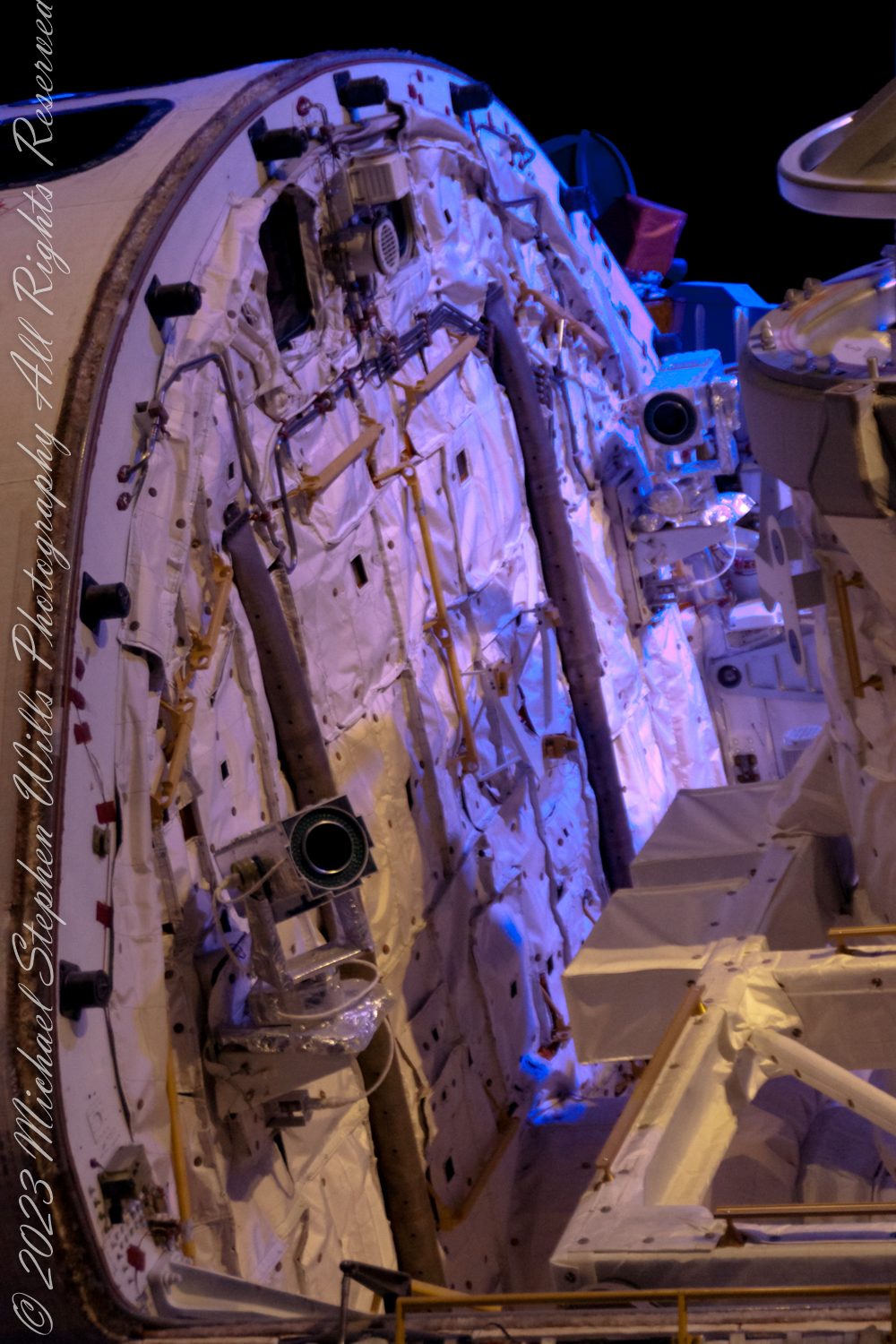
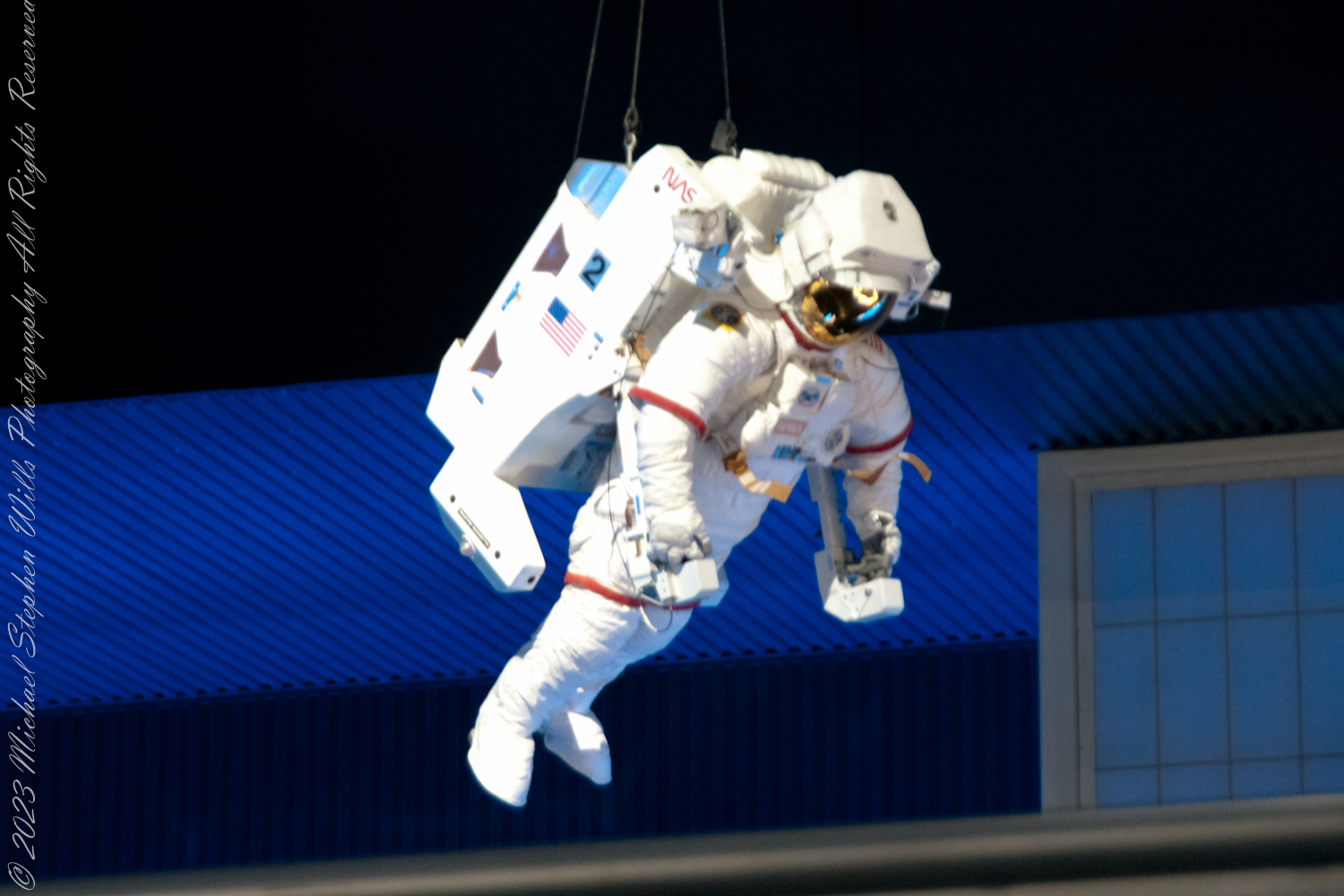
Envision yourself drifting through the cargo bay of Atlantis, encircled by a maze of wires, equipment, and neatly arranged payloads. Astronauts, tethered securely and clad in their voluminous space suits, would navigate this area, ensuring the payloads were fastened correctly for either launch or retrieval operations.


The cargo bay’s configuration was highly adaptable, tailored to meet the specific needs of each mission. It played a pivotal role in the deployment of satellites, execution of repairs, or the transportation of scientific apparatus, adapting its setup as necessary.

The Hubble Servicing Mission


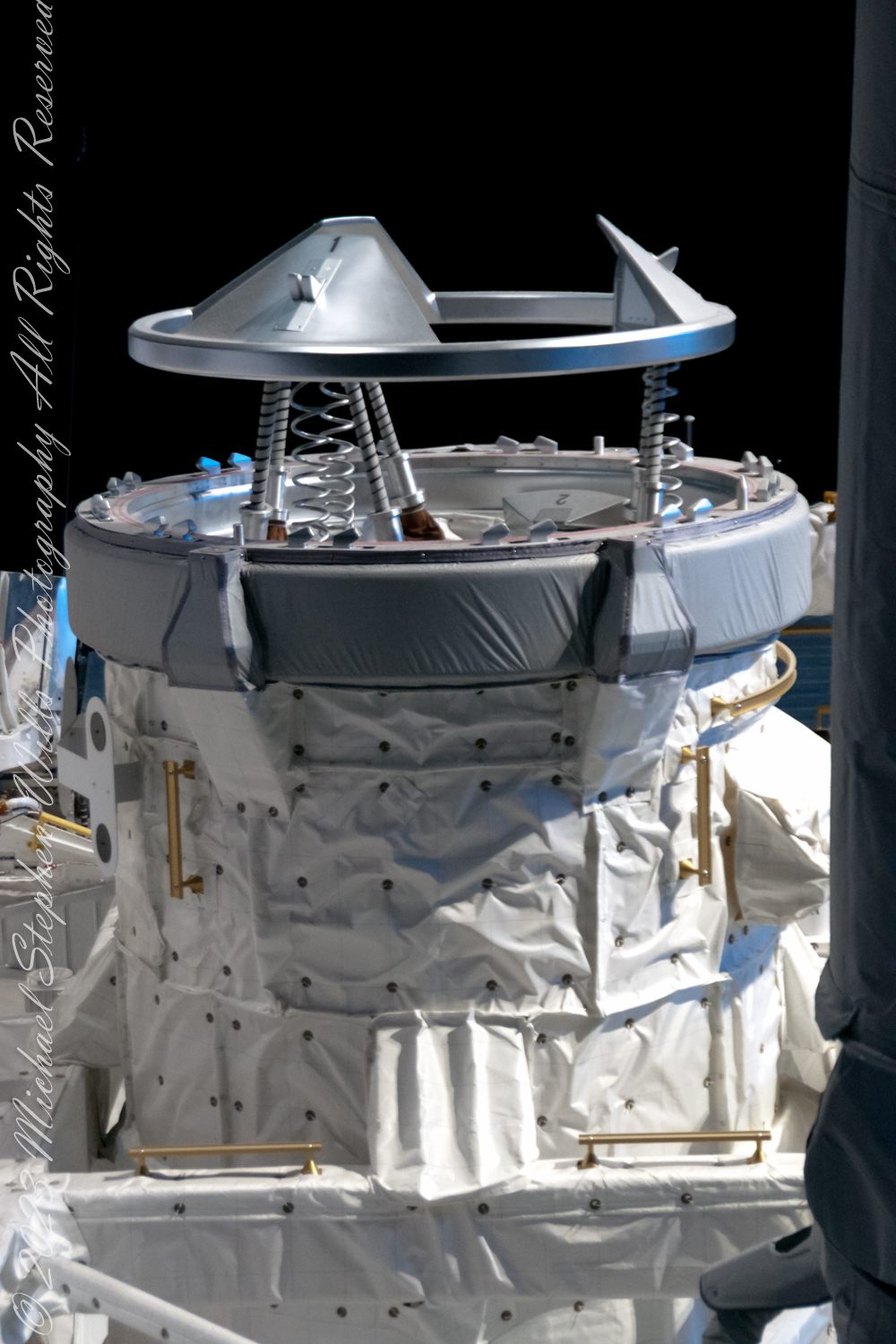
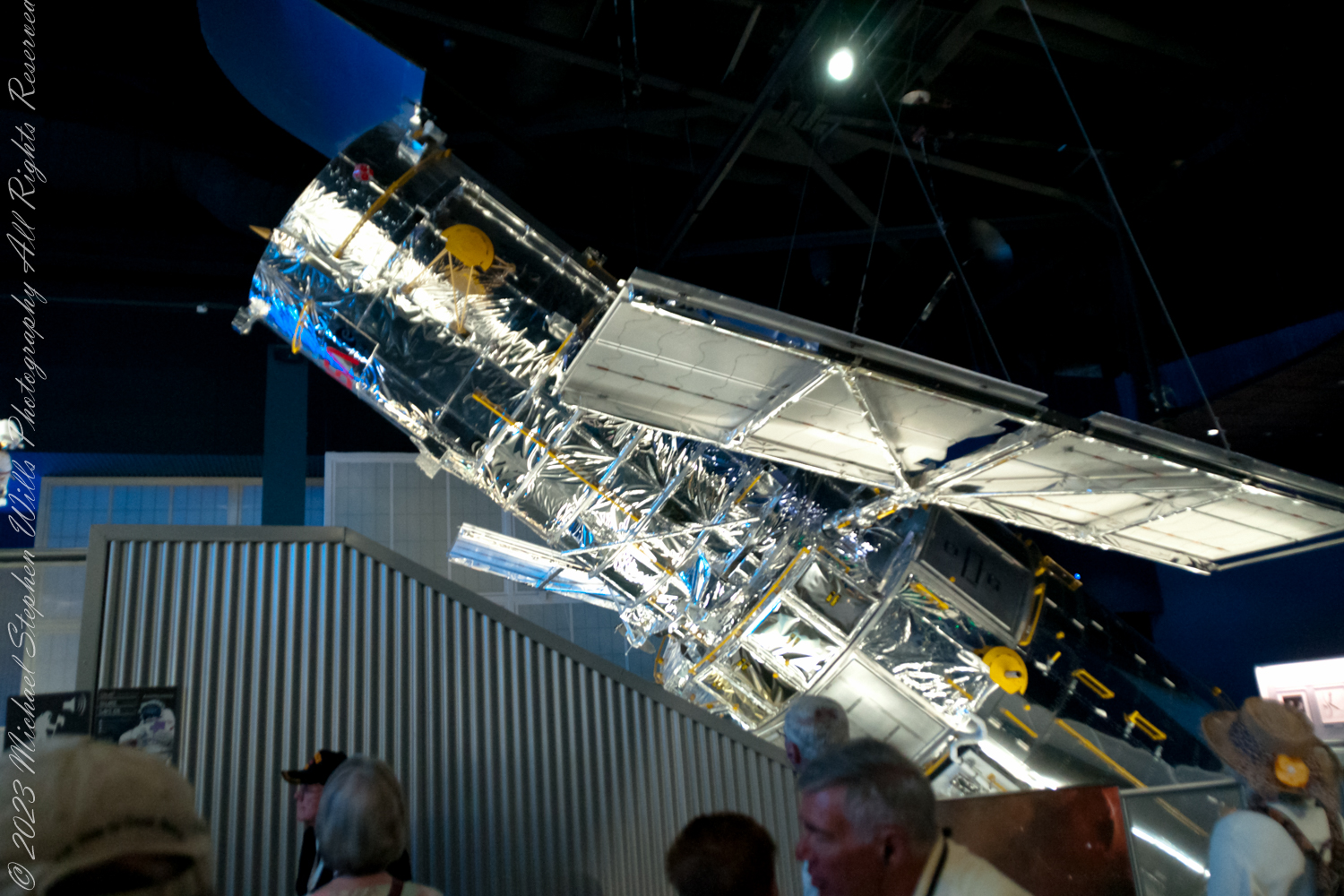
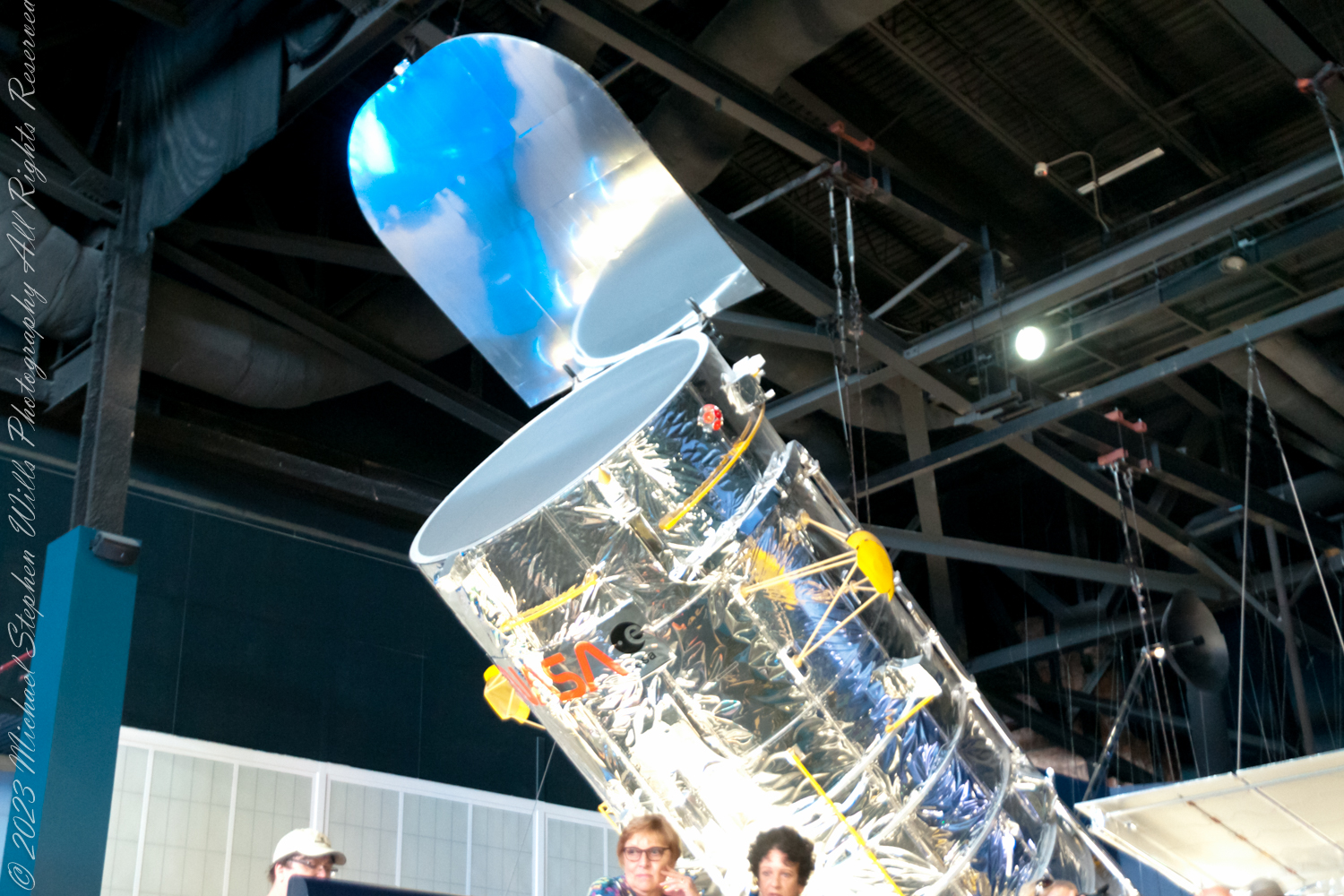
One of the most notable missions involving Atlantis was the Hubble Space Telescope Servicing Mission 4 (SM4). For this mission, Atlantis was loaded with essential items for the Hubble, including new instruments, batteries, and gyroscopes, all carefully organized within the cargo bay for safe transport to and into orbit.

Legacy

The cargo bay of Atlantis bore witness to a myriad of significant events: the release of satellites, the construction of the International Space Station, and numerous scientific investigations. Its design and flexibility were instrumental to the Space Shuttle program’s achievements.

Copyright 2024 Michael Stephen Wills All Rights Reserved