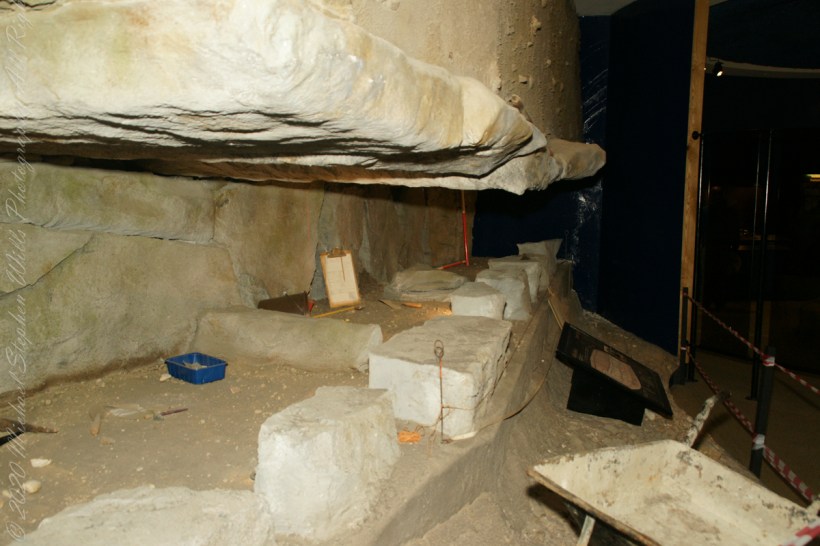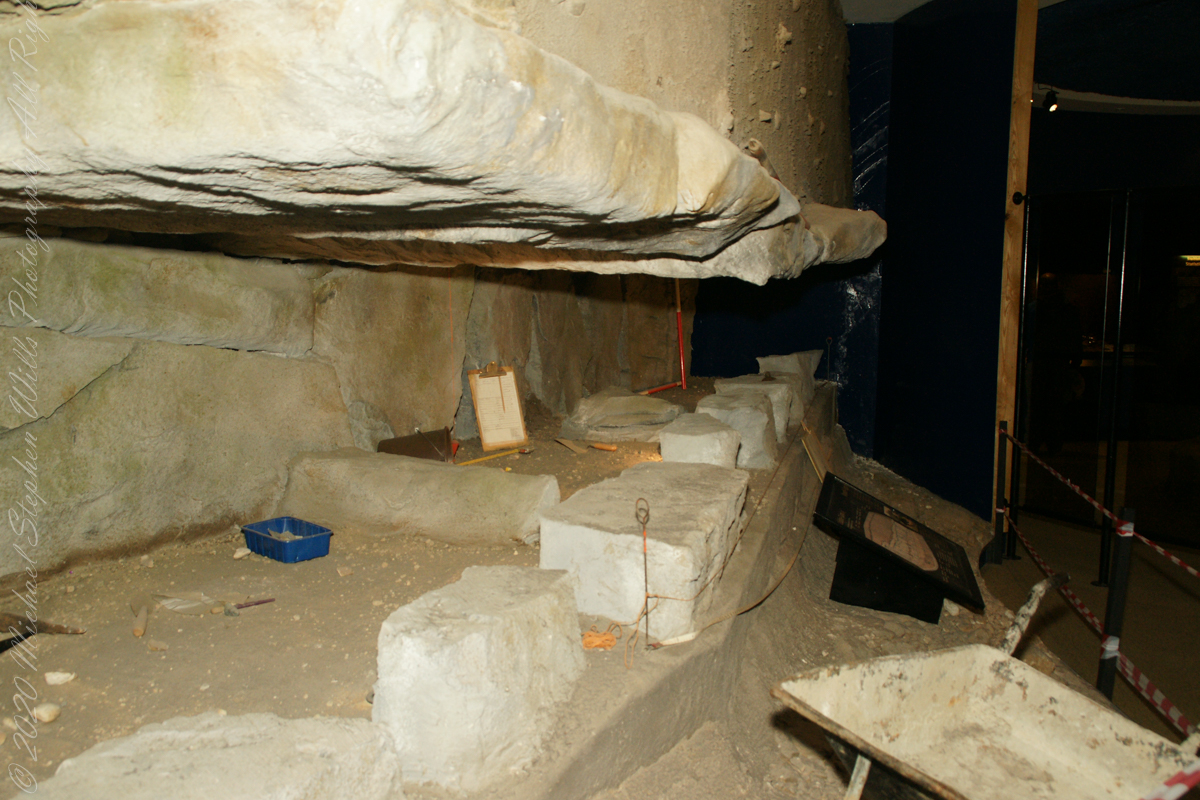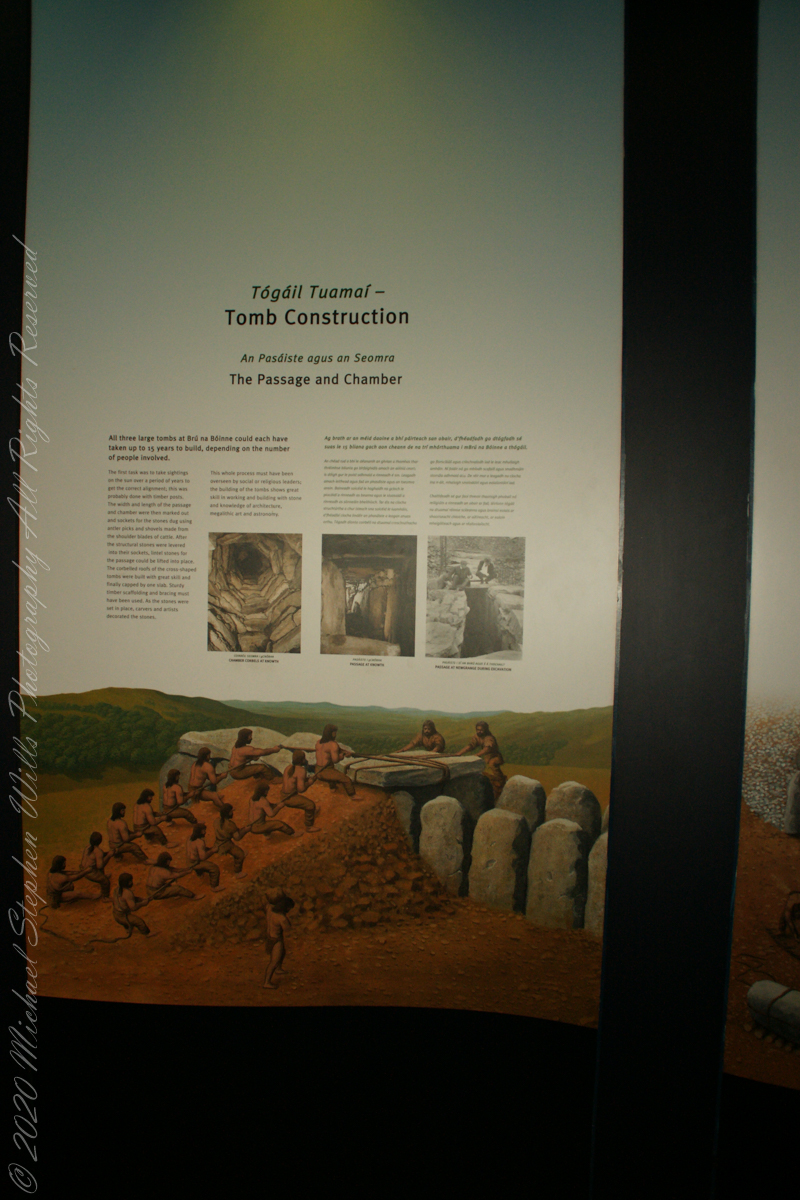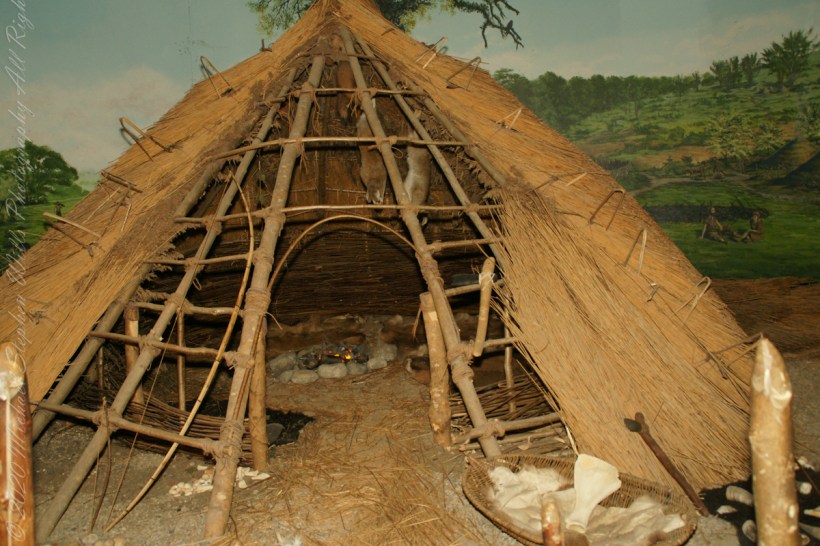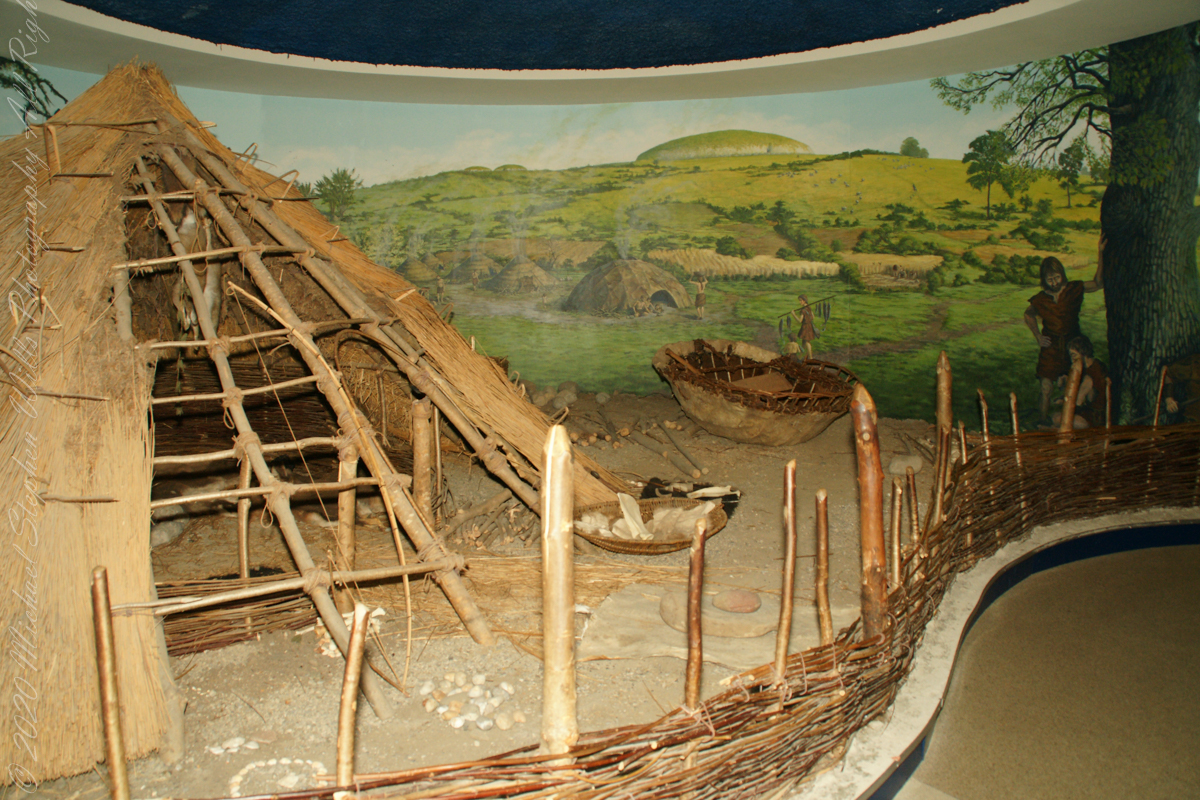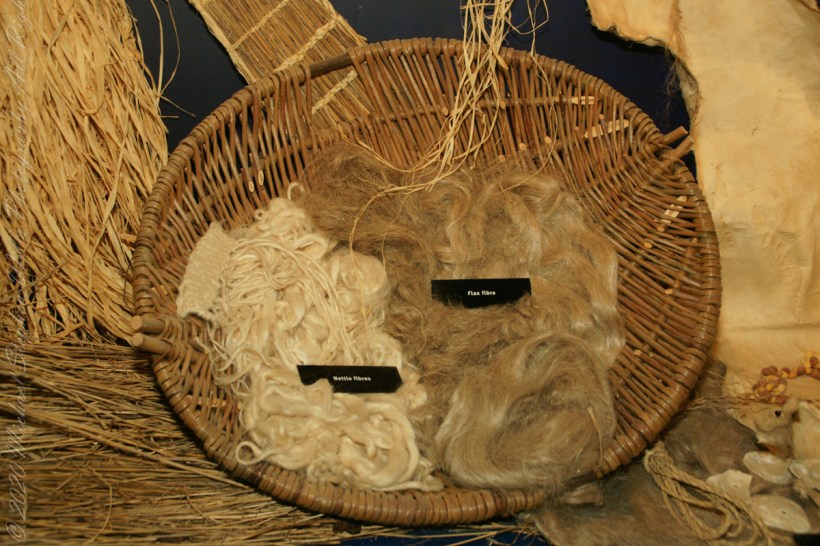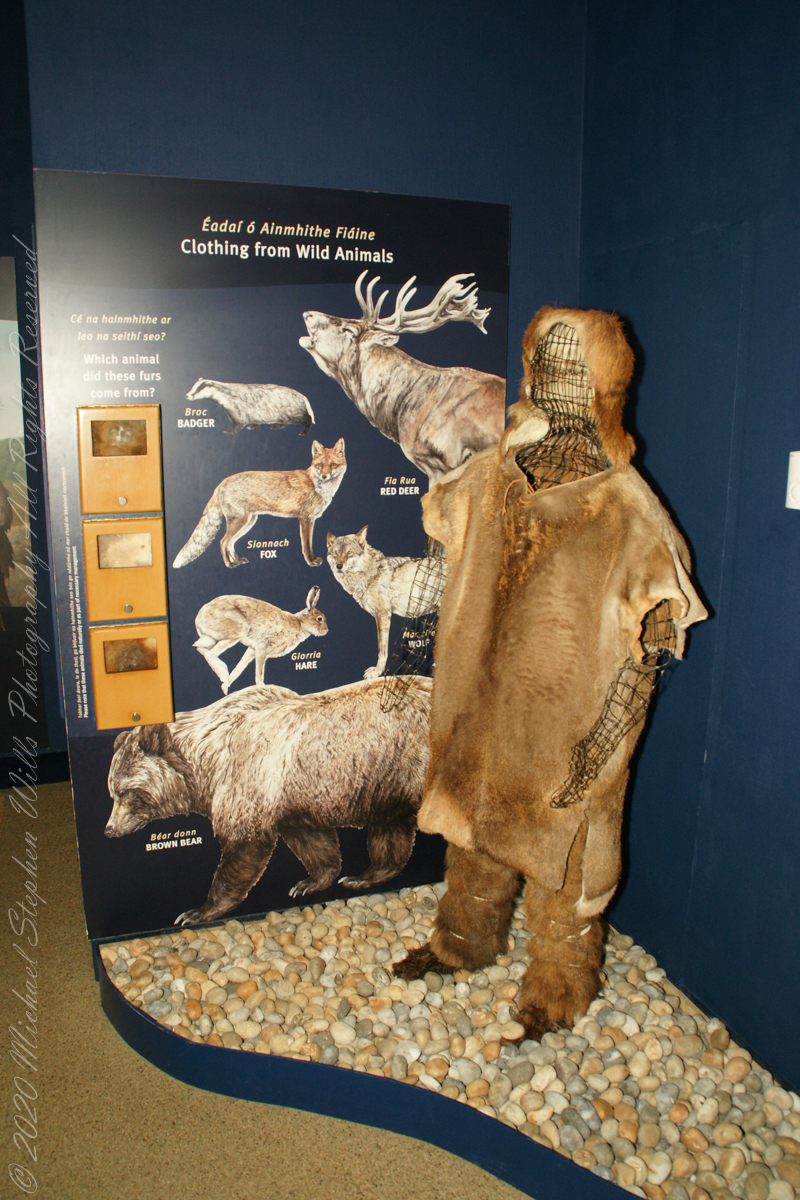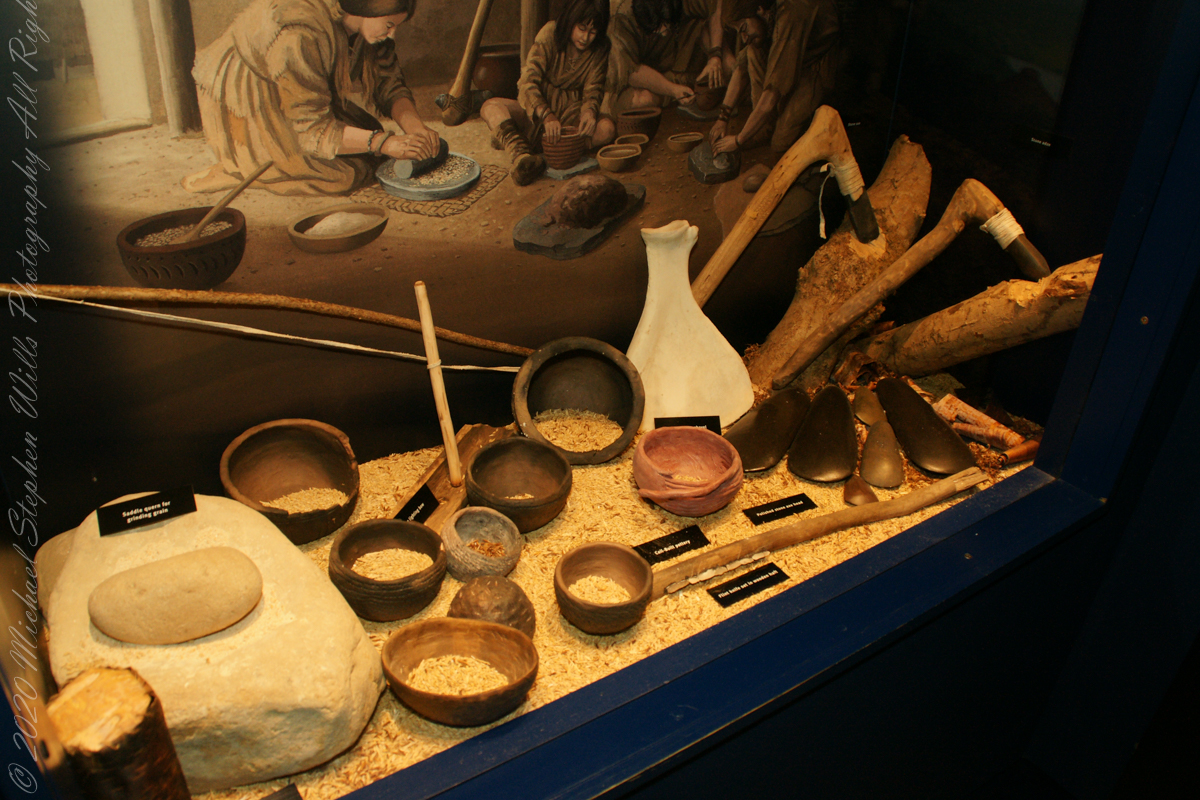
Thirty minutes headed up the M1 from Dublin Airport Pam and I arrived at Brú na Bóinne Visitor Center, gateway to Newgrange. Archaeologists classified Newgrange as a passage tomb, however Newgrange is now recognized to be much more than a passage tomb. Ancient Temple is a more fitting classification, a place of astrological, spiritual, religious and ceremonial importance, much as present day cathedrals are places of prestige and worship where dignitaries may be laid to rest.
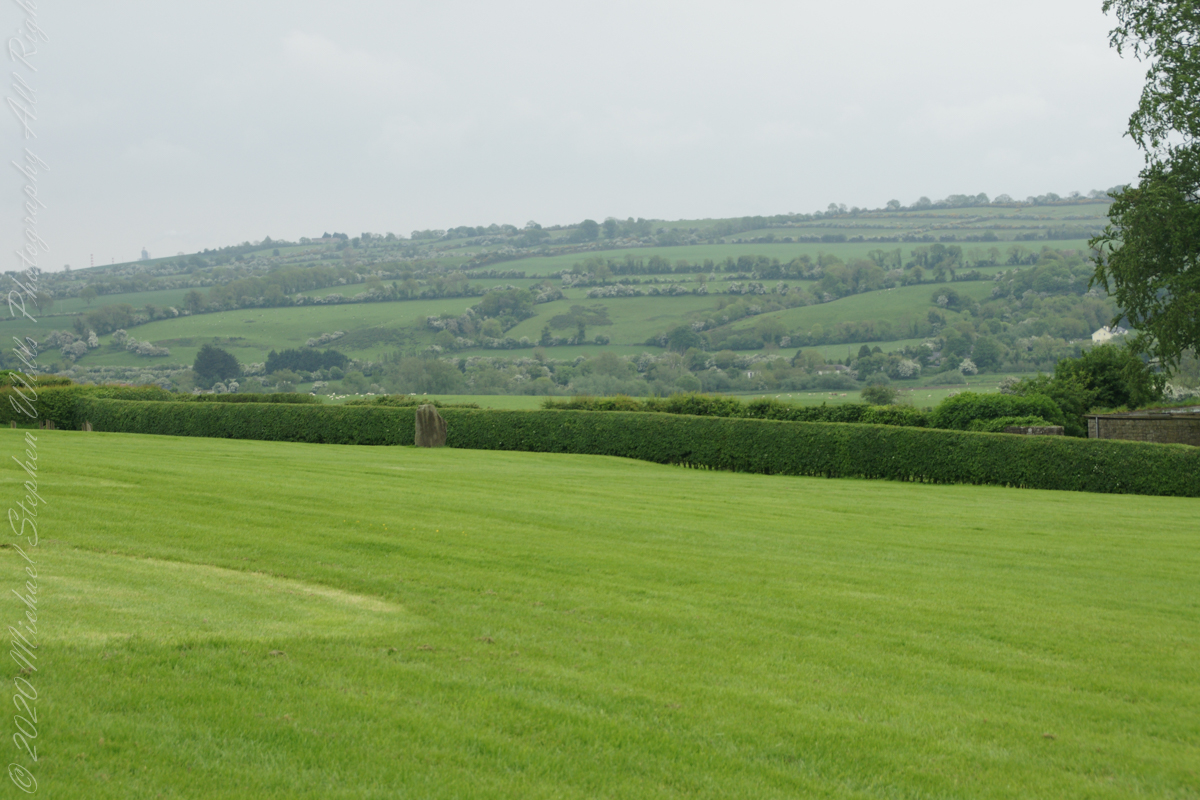
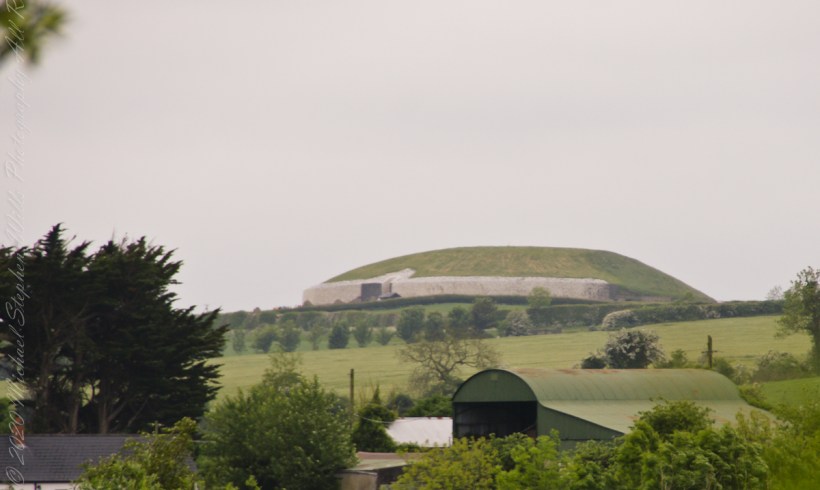
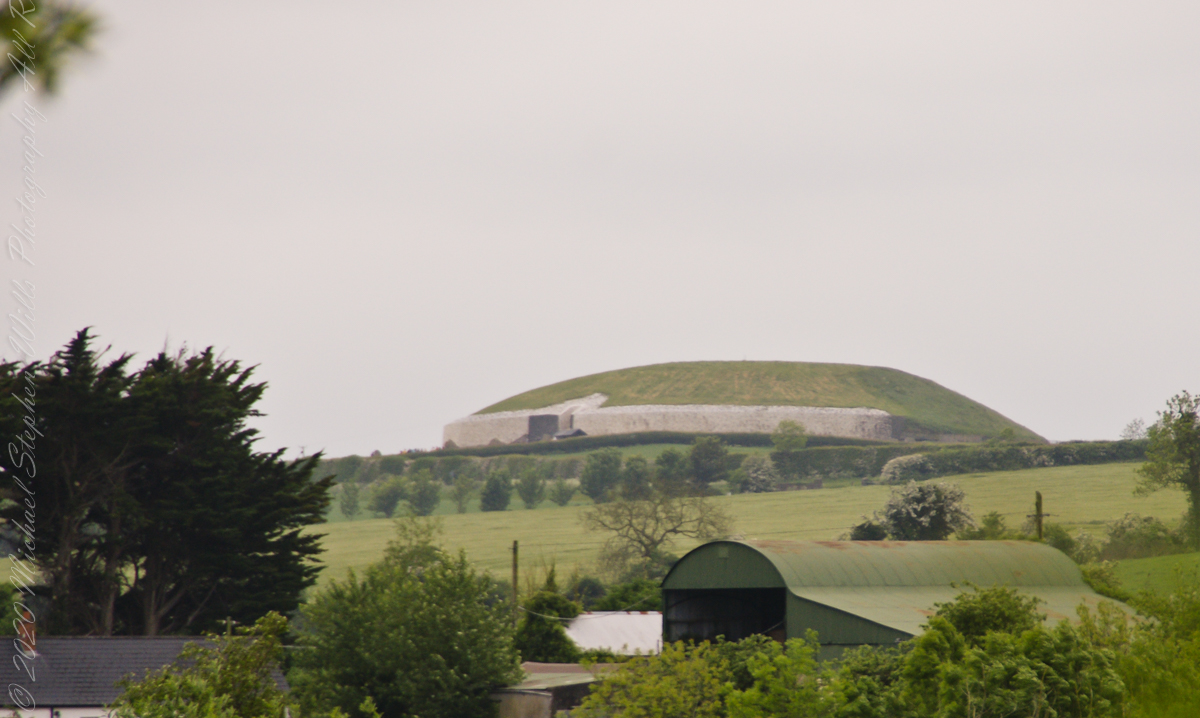
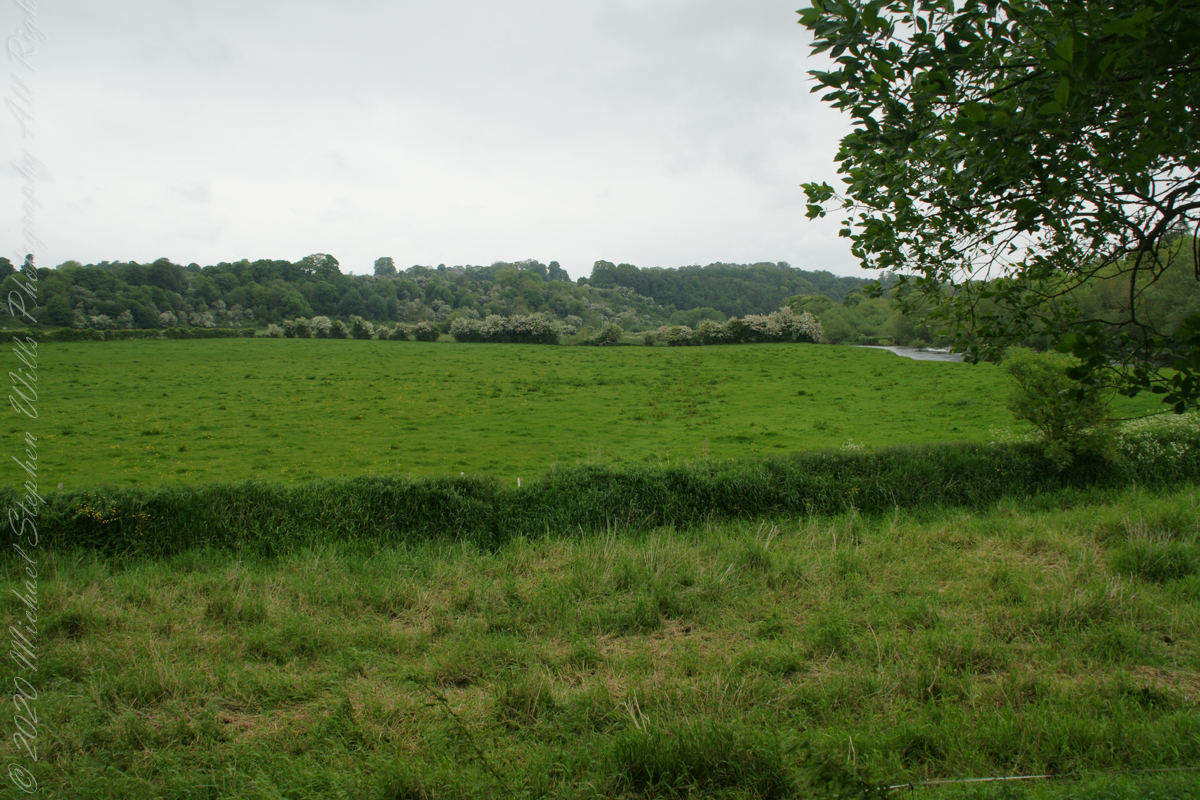
Walking on the south bank of River Boyne we first glimpsed Newgrange on the hill above.
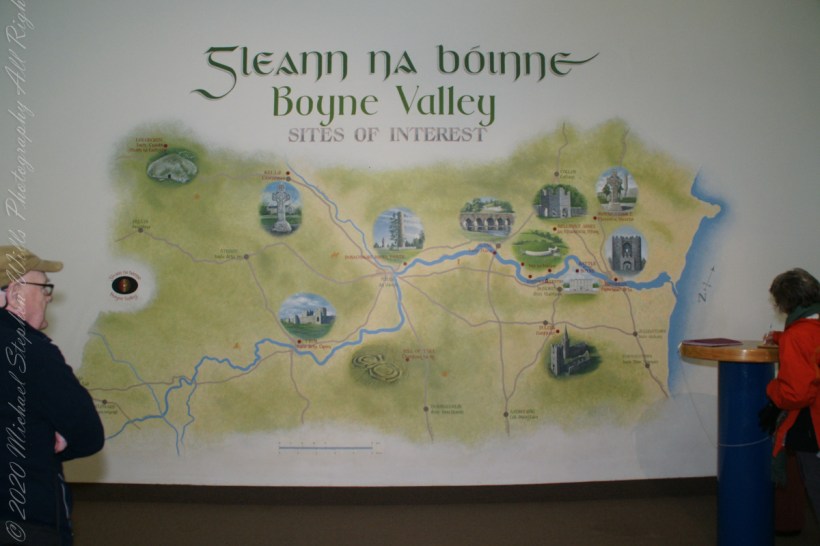
Bounded on the south by a bend in the River Boyne, the prehistoric site of Brú na Bóinne is dominated by the three great burial mounds of Knowth, Newgrange and Dowth. Surrounded by about forty satellite passage graves, they constitute a funerary landscape recognized as having great ritual significance, subsequently attracting later monuments of the Iron Age, early Christian and medieval periods.
Newgrange was built by Stone Age farmers, the mound is 85m (279ft) in diameter and 13m (43ft) high, an area of about 1 acre. Newgrange was constructed about 5,200 years ago (3,200 B.C.) which makes it older than Stonehenge and the Great Pyramids of Giza.
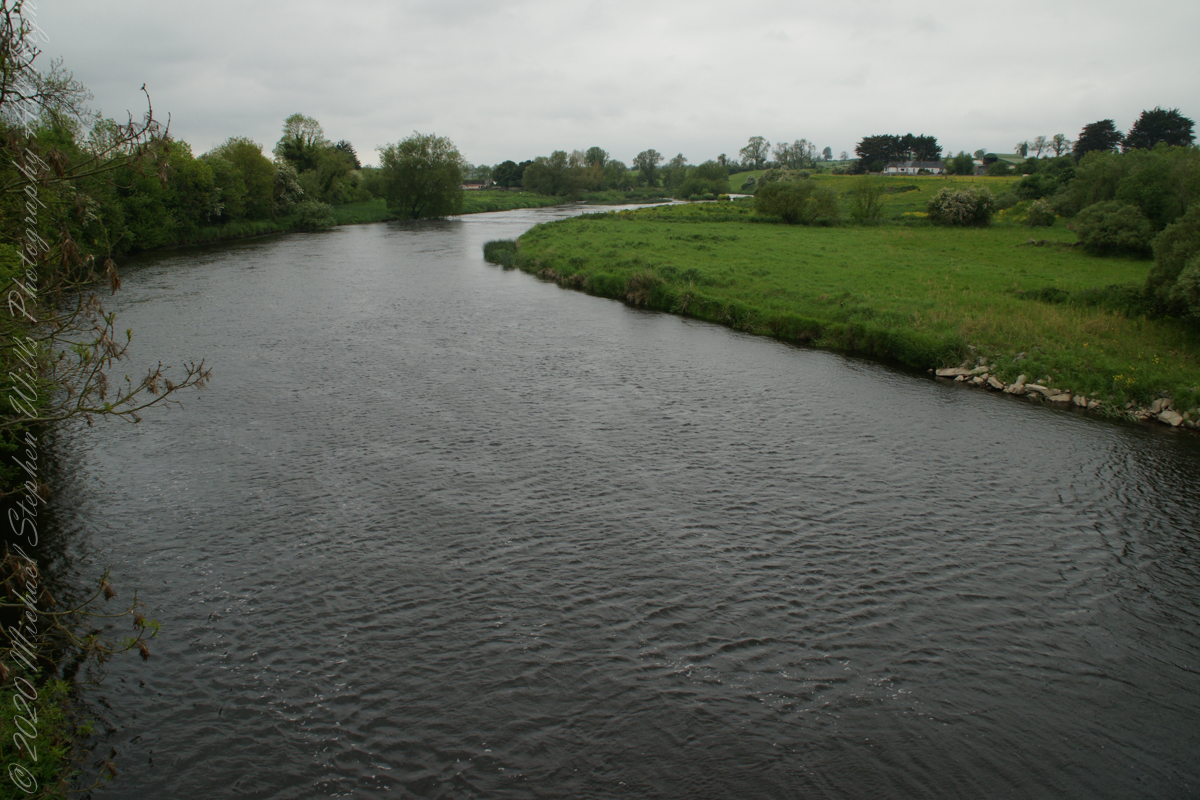
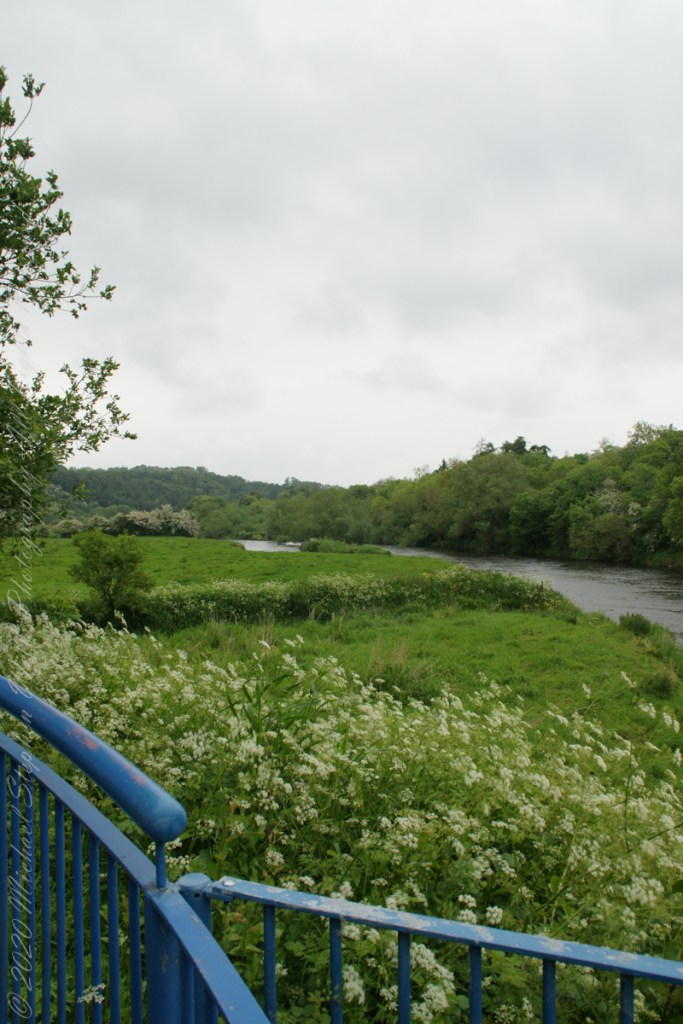
A overlook in Brú na Bóinne Visitor Center provides a view of River Boyne from the south bank. Here we are looking west.
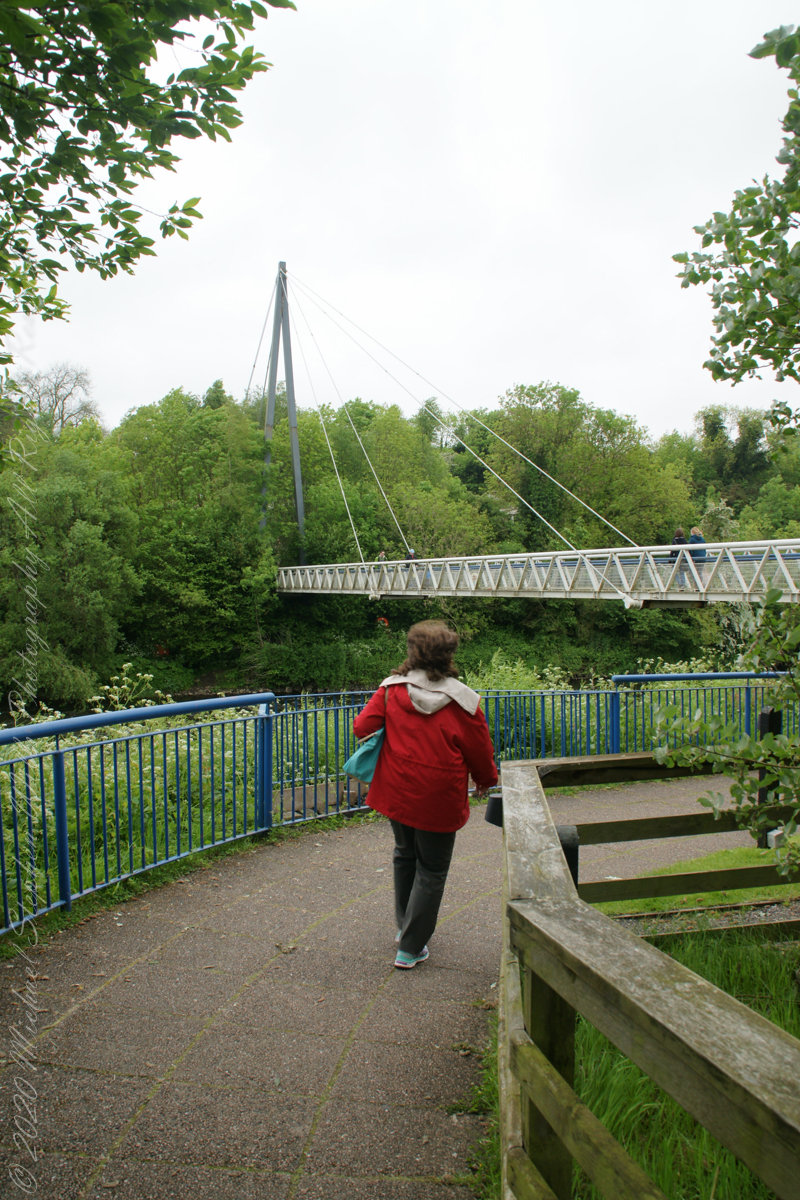
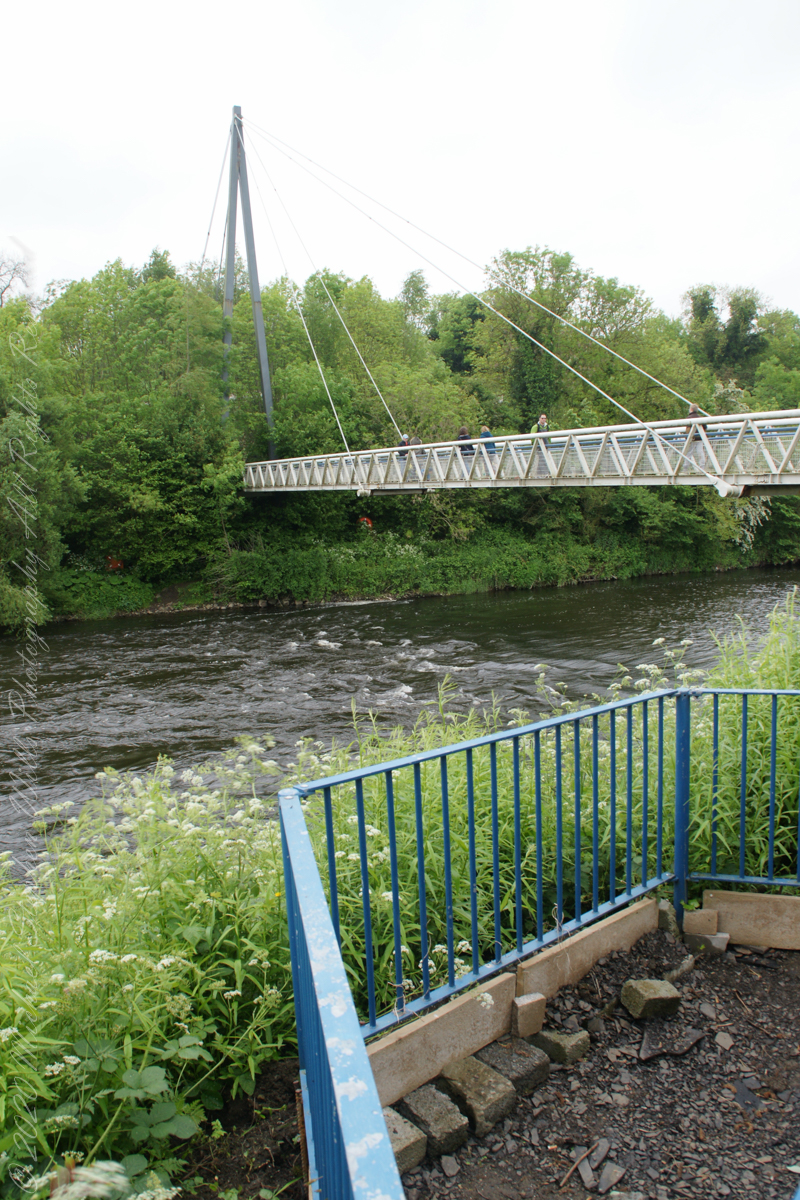
Footbridge over River Boyne
We are on the south bank.
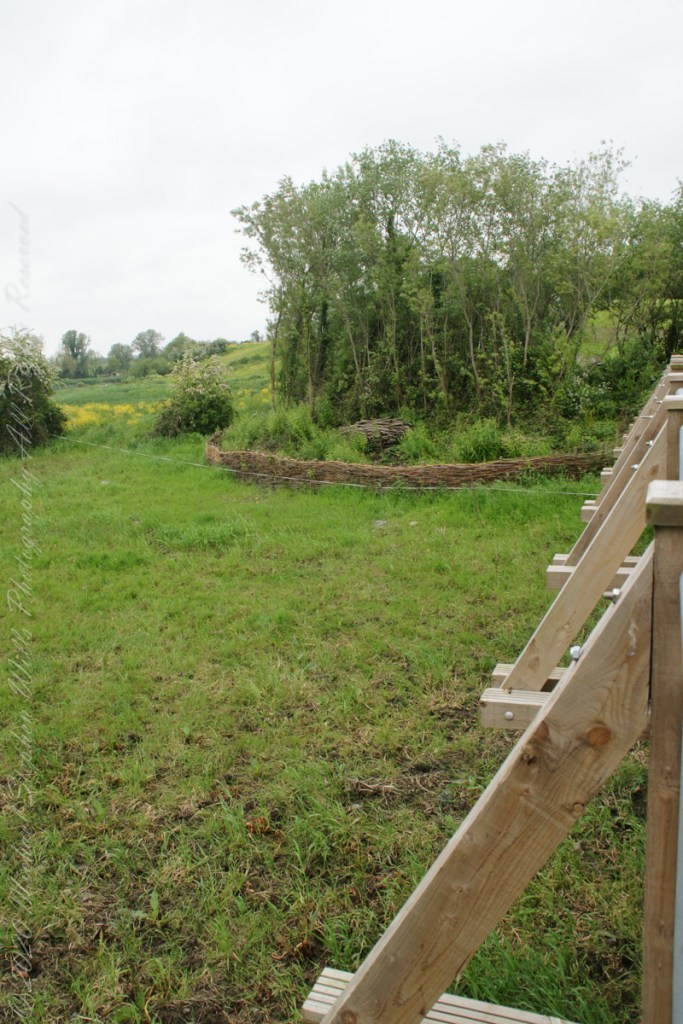
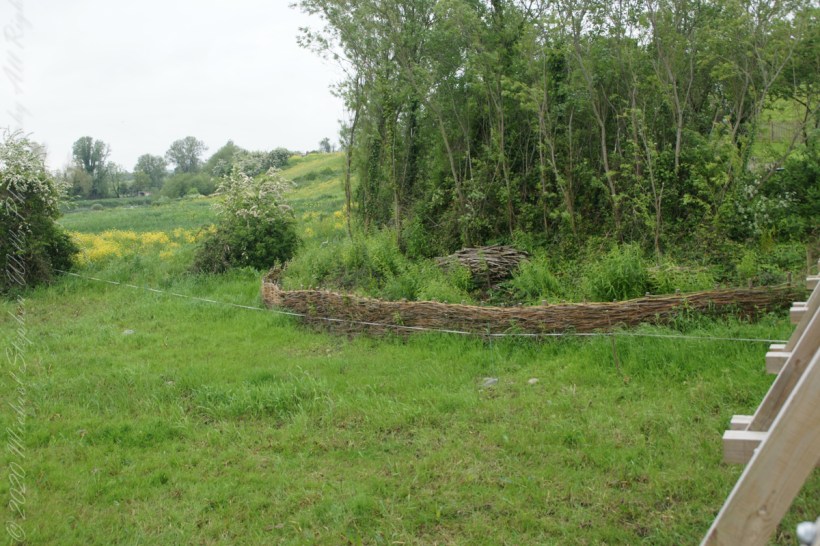
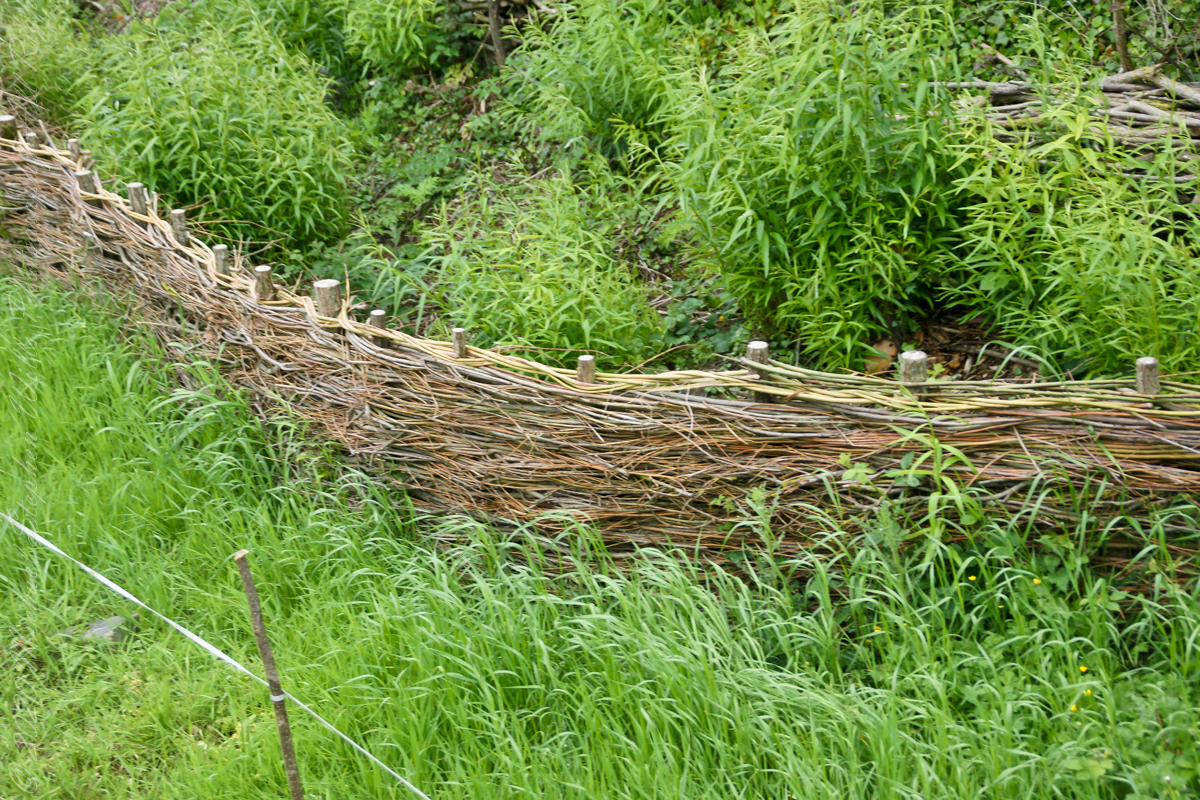
Queen Ann’s Lace on the south bank of River BoyneOh my gosh!! A wattle fence, an ancient technique.
Wattle is made by weaving flexible branches around upright stakes to form a woven lattice. The wattle may be made into an individual panel, commonly called a hurdle, or it may be formed into a continuous fence. Wattles also form the basic structure for wattle and daub wall construction, where wattling is daubed with a plaster-like substance to make a weather-resistant wall.
Copyright 2023 Michael Stephen Wills All Rights Reserved
The post discusses the Hepatica acutiloba plant, highlighting its characteristics, growth, historical medicinal use, and its natural habitat in central eastern North America. It also includes an observation made in Robert H. Treman Park.
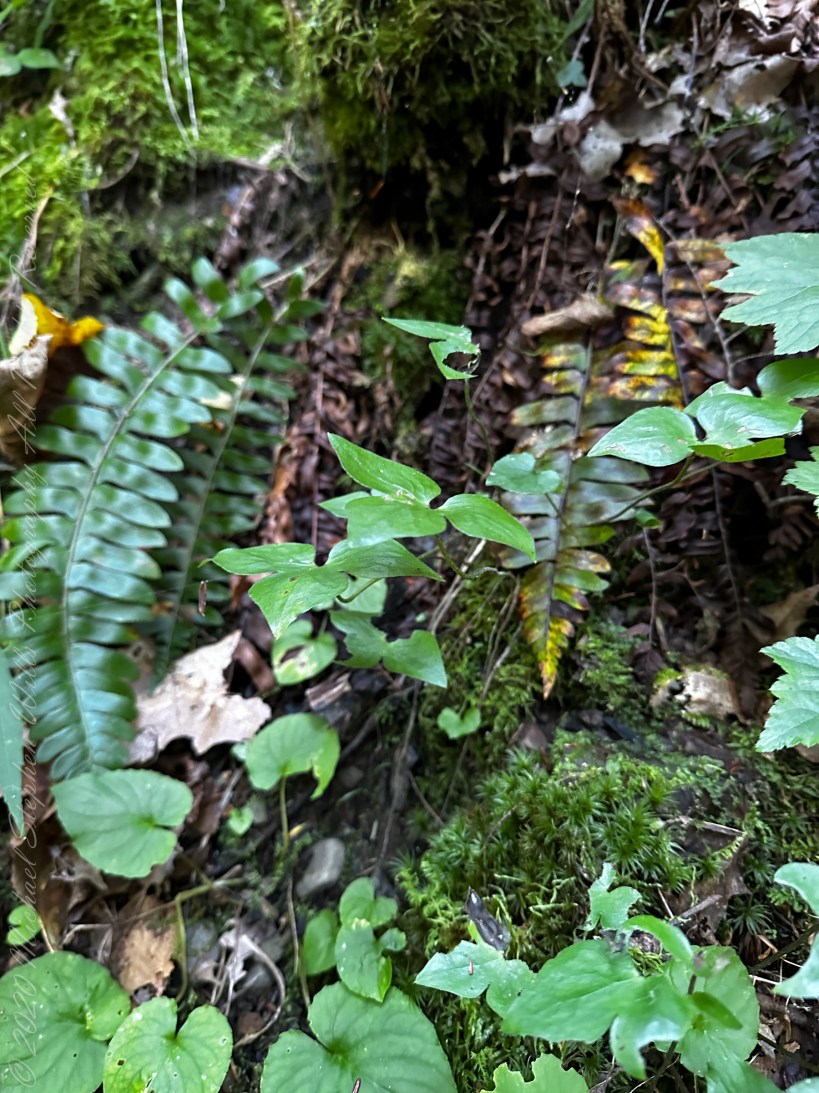
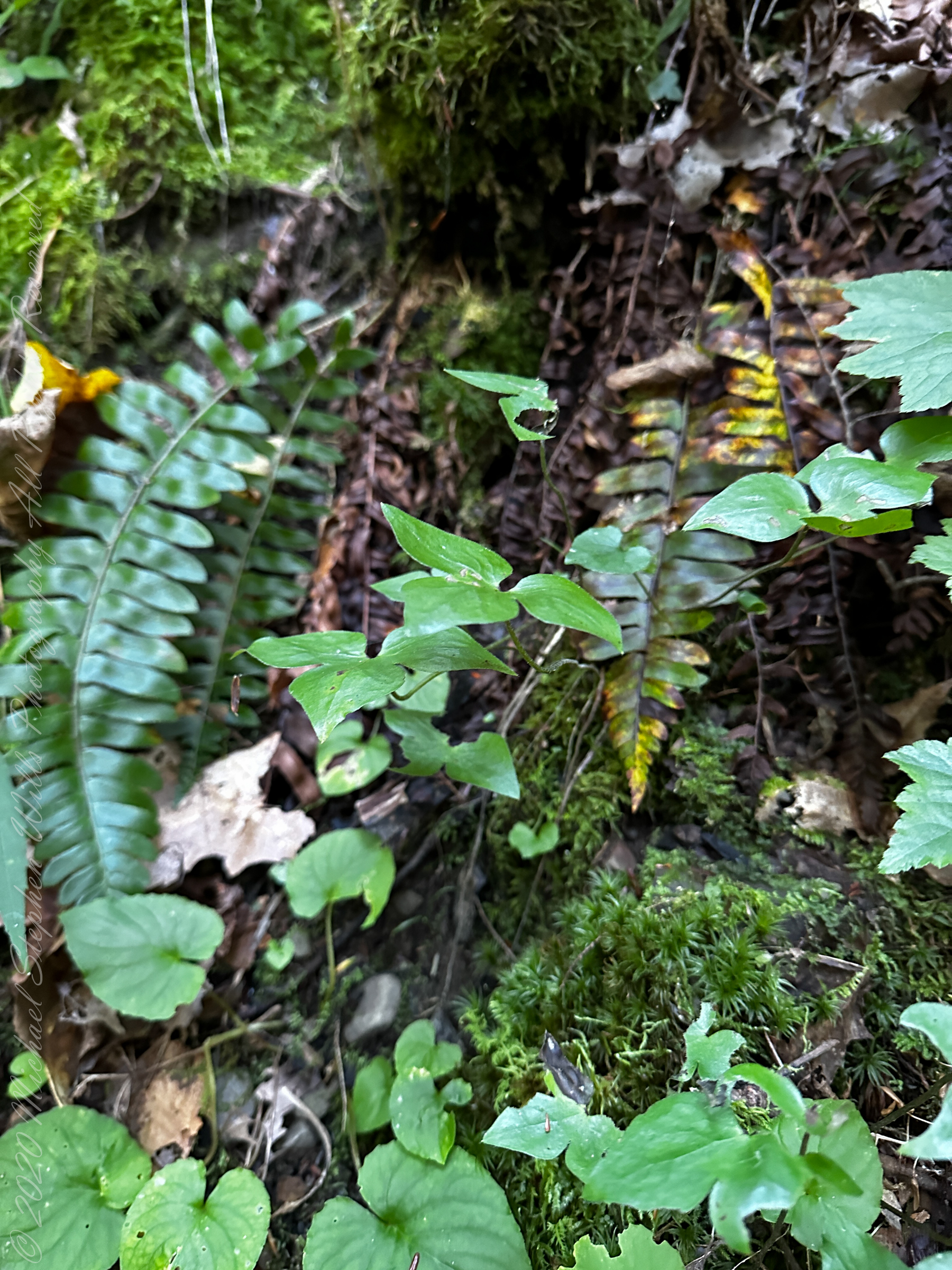
These characteristic leaves are Hepatica plants growing on the sun dappled southern rim of Robert H. Treman Park captured on a bright late September morning.
“Hepatica acutiloba, the sharp-lobed hepatica, is a herbaceous flowering plant in the buttercup family Ranunculaceae. It is sometimes considered part of the genus Anemone, as Anemone acutiloba, A. hepatica, or A. nobilis. Also generally known as Liverleaf and Liverwort.”
“The word hepatica derives from the Greek ἡπατικός hēpatikós, from ἧπαρ hêpar ‘liver’, because its three-lobed leaf was thought to resemble the human liver.”
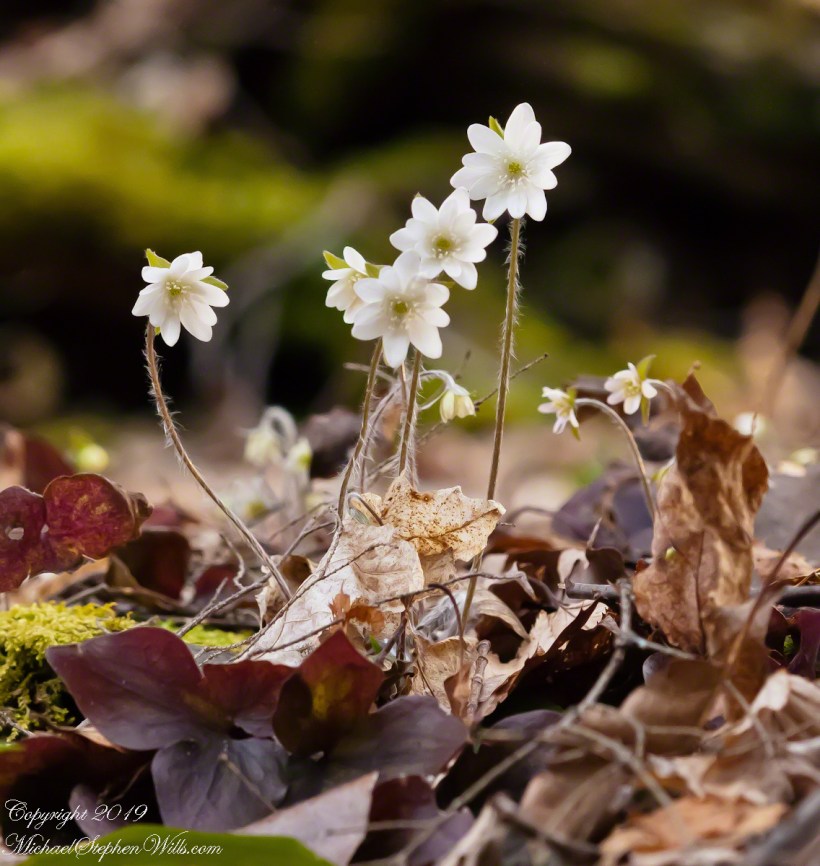
“Each clump-forming plant grows 5 to 19 cm (2.0 to 7.5 in) tall, flowering in the early to mid spring. The flowers are greenish-white, white, purple or pinkish in color, with a rounded shape. After flowering the fruits are produced in small, rounded columned heads, on pedicels 1 to 4 mm long. When the fruits, called achenes, are ripe they are ovoid in shape, 3.5–4.7 mm long and 1.3–1.9 mm wide, slightly winged and tend to lack a beak.”
Hepatica Flowers in early spring on the Rim Trail
“Hepatica acutiloba is native to central eastern North America where it can be found growing in deciduous open woods, most often in calcareous soils. Butterflies, moths, bees, flies and beetles are known pollinators. The leaves are basal, leathery, and usually three-lobed, remaining over winter.”
“Hepatica was once used as a medicinal herb. Owing to the doctrine of signatures, the plant was once thought to be an effective treatment for liver disorders. Although poisonous in large doses, the leaves and flowers may be used as an astringent, as a demulcent for slow-healing injuries, and as a diuretic.”
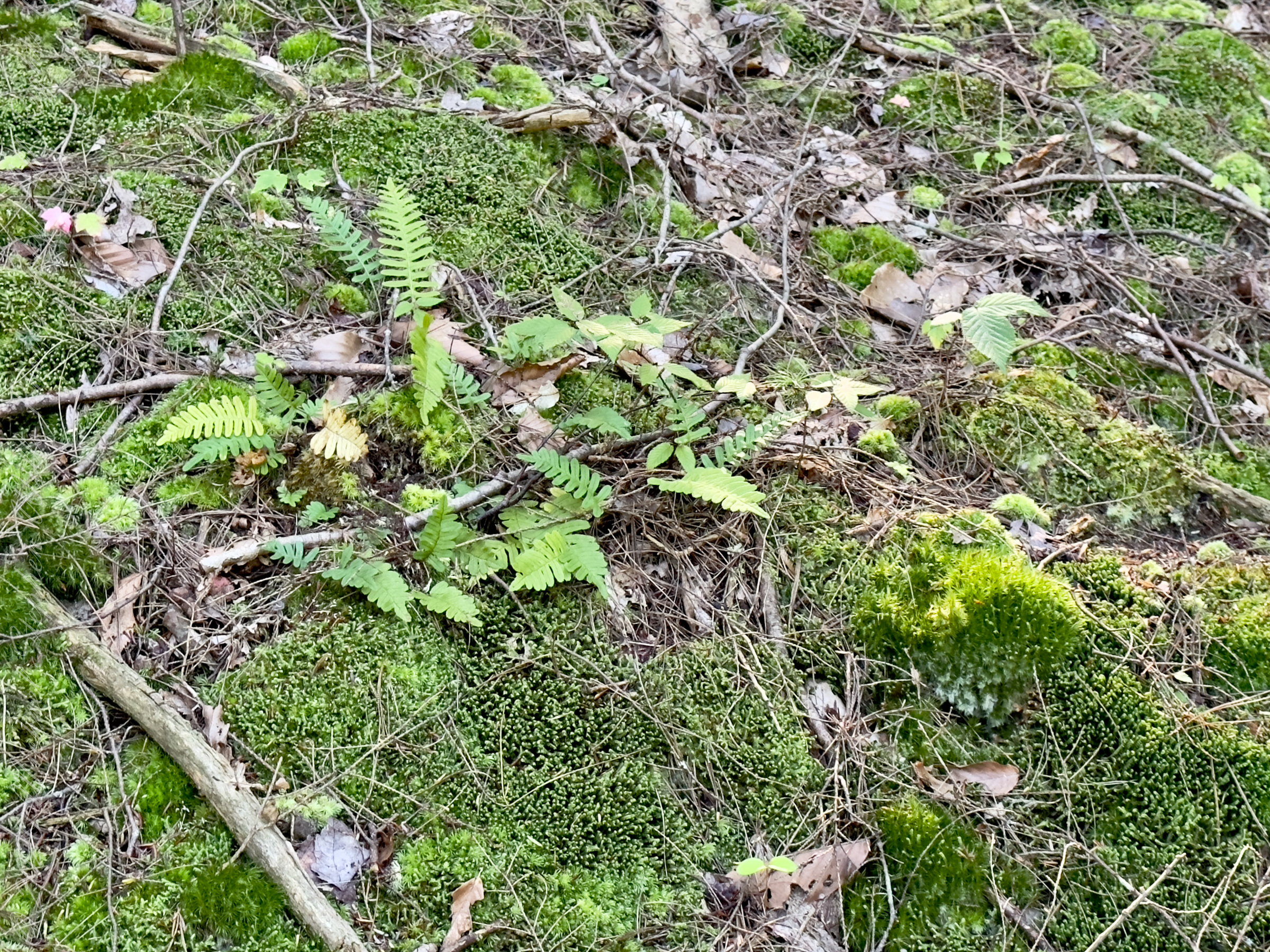
Ferns and Mosses growing beneath Red Pines
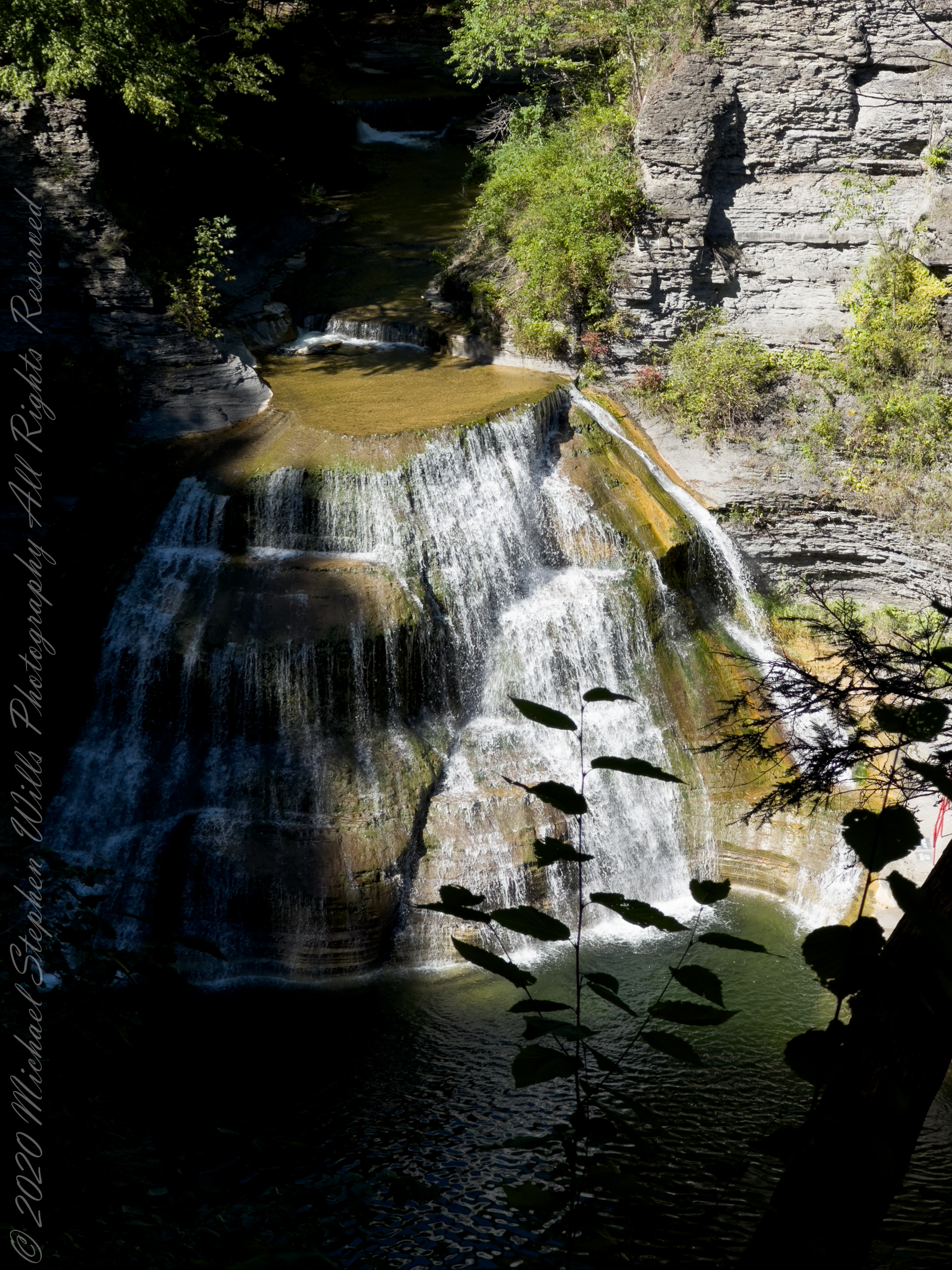
View of the lower falls and swimming hole from the Rim Trail
It was a quiet day, upping shutter speed via an increased ISO and both exposures are equally sharp.
Canon EOS 5D Mark IV with the EF 70-300 f/4-5.6 L IS USM lens at f / 45, 1/5 second exposure at 300 mm focal length, ISO 400
These were captured with the Canon EOS 5D Mark IV dslr on a Manfrotto tripod.
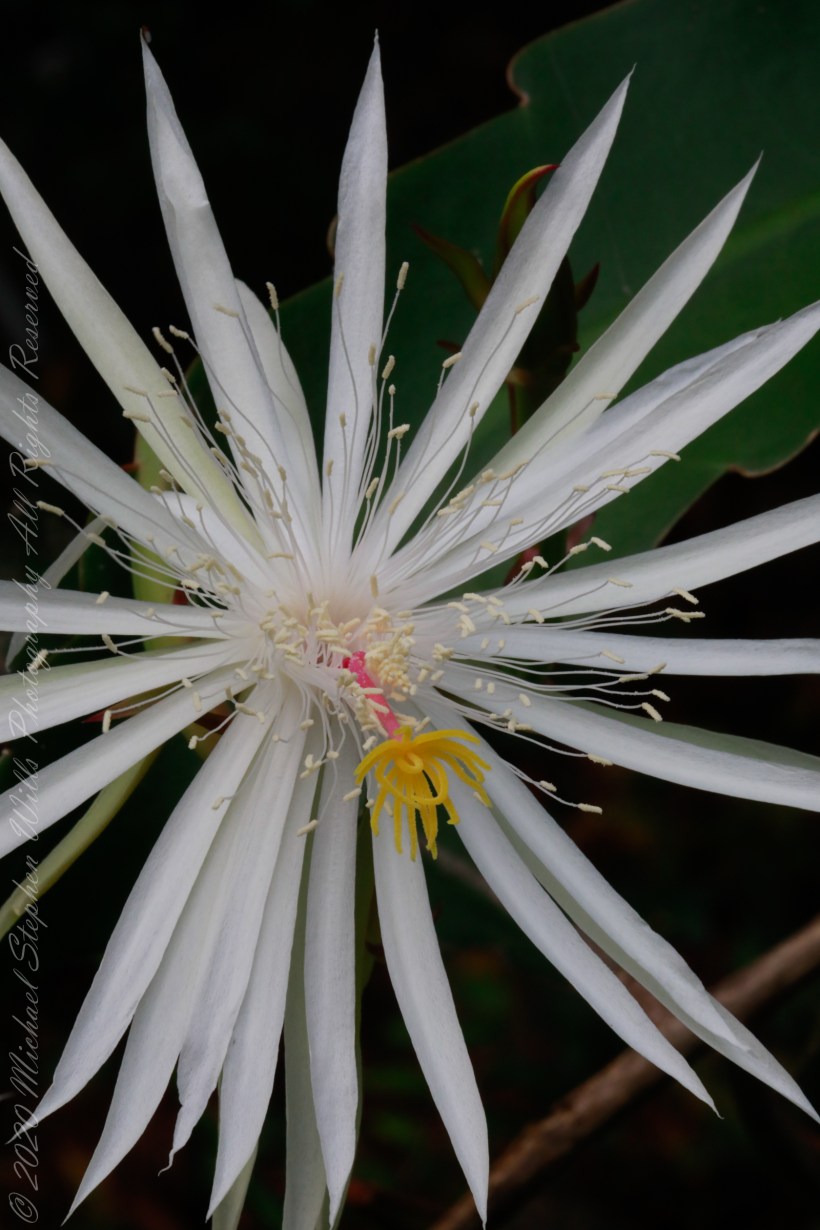
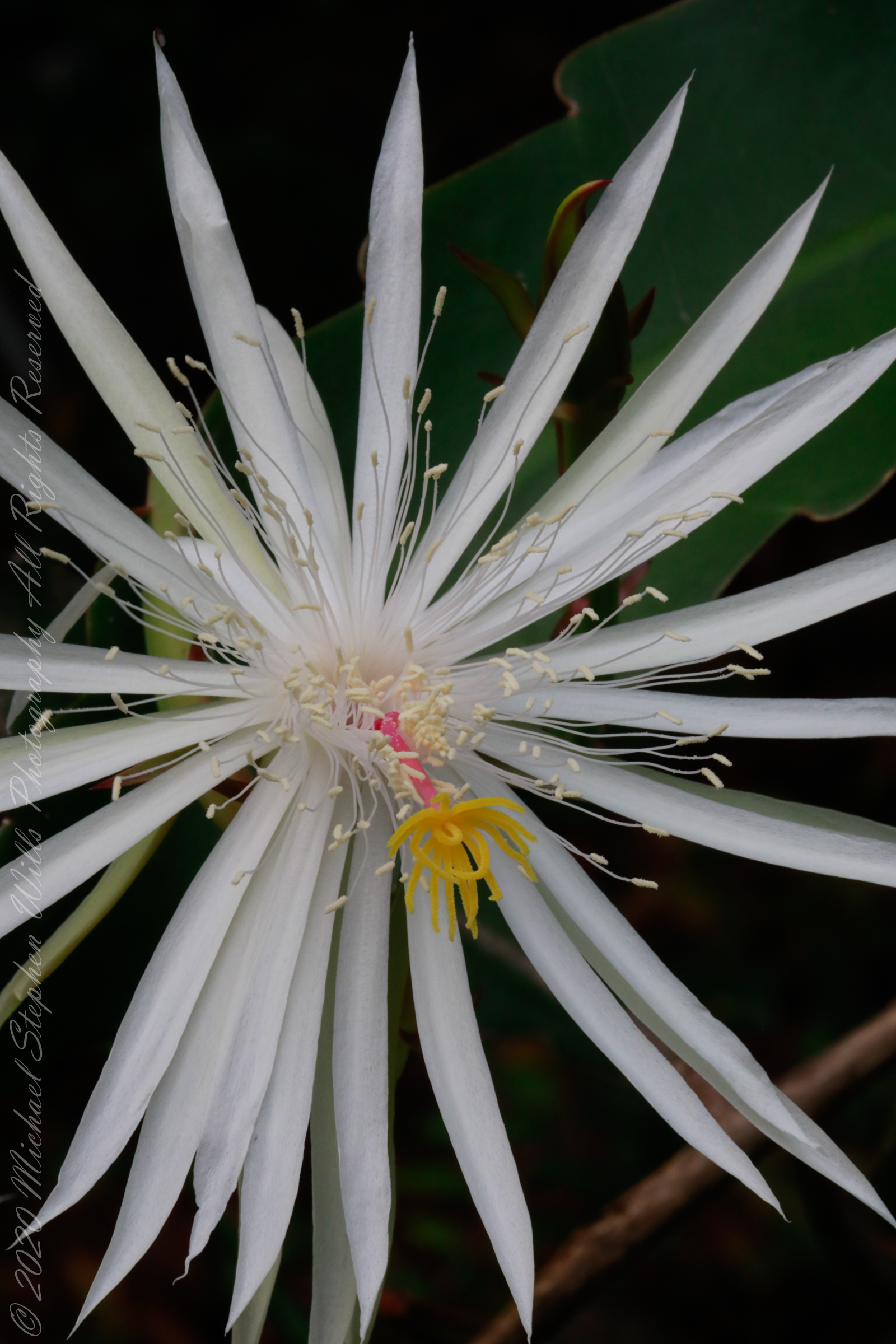
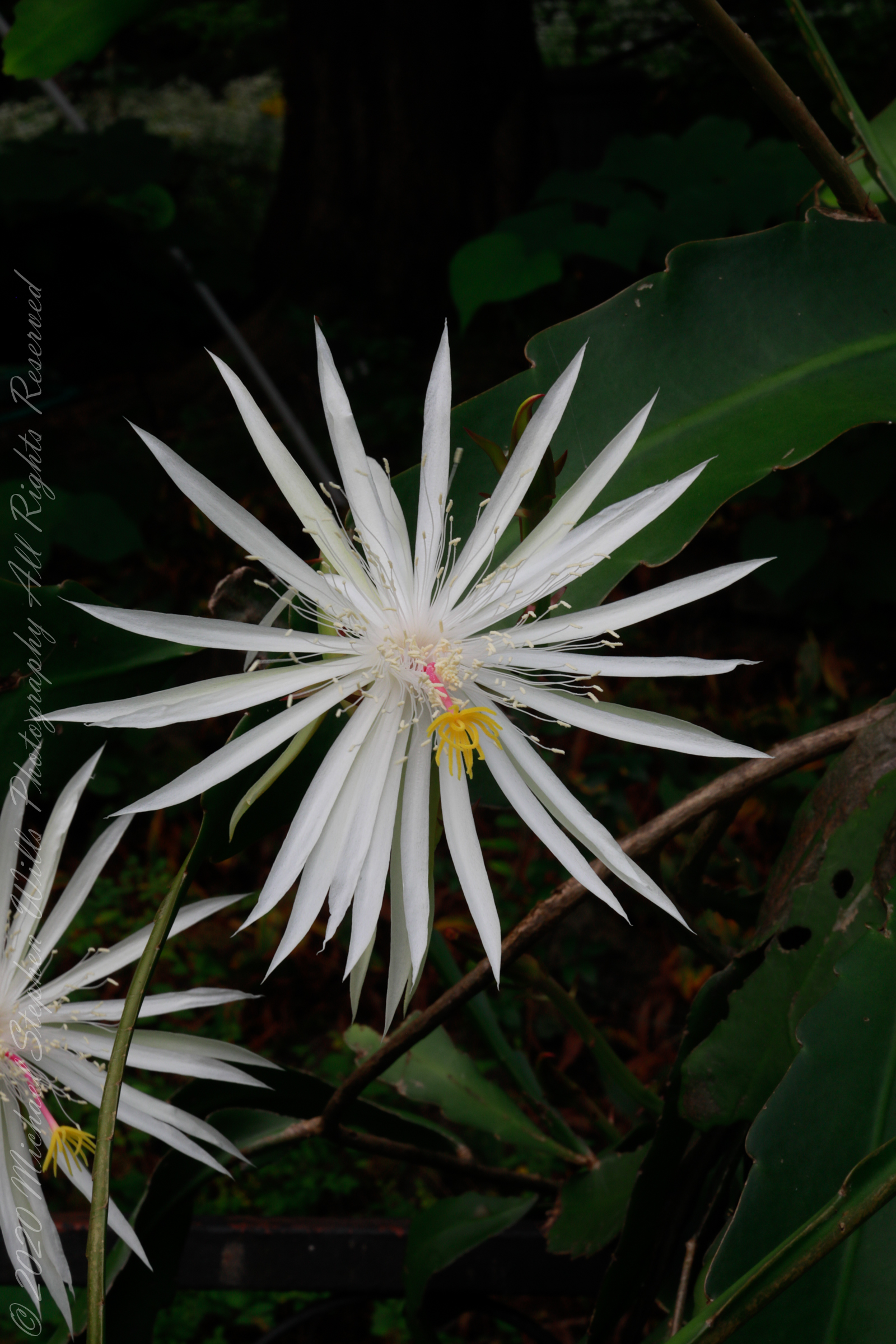
“The flowers are nocturnal. They grow on flattened stems and are up to 30 cm (12 in) long and 17 cm (7 in) wide, and very fragrant. The principal odor components in the aroma are benzyl salicylate and methyl linoleate.[5] Pericarpels are nude, slightly angled, and green. Bracteoles are short and narrow up through ca. 10 millimetres (0.39 in) long. Receptacles are up through 20 cm long, 1 cm thick, brownish, and arching. The outer tepals are linear, acute, 8–10 cm long, and reddish through amber. The inner tepals are whitish, oblanceolate or oblong, acuminate, up through 8–10 cm long and 2.5 centimetres (0.98 in) wide. The stamens are greenish white or white, slender and weak. The styles are greenish white, pale yellow, or white, 4 mm thick, as long as inner tepals, and with many lobes.”
“The fruits are oblong, up through 12 x 8 cm, purplish red, and angled.”
“It is known to have medicinal properties in many Asian cultures, including India, Vietnam, and Malaysia. The plant is widely used in traditional medicine to treat respiratory ailments, bleeding conditions, and is also believed to have the property of reducing pain and inflammation.”
Canon EOS 5D Mark IV with the EF 70-300 f/4-5.6 L IS USM lens at f / 45, 1/20 second exposure at 300 mm focal length, ISO 1600
This set compares a deep focus exposure to a shallow focus with bokeh.
Canon EOS 5D Mark IV with the EF 70-300 f/4-5.6 L IS USM lens at f / 36 (the deepest focus), 1/5 second exposure at 108 mm focal length, ISO 400
These were captured with the Canon EOS 5D Mark IV dslr on a Manfrotto tripod.
“Epiphyllum oxypetalum is an easily cultivated, fast growing Epiphyllum. Epiphyllum from Greek epi- “upon” + phullon “leaf.” Oxypetalum = with acute petals. It flowers in late spring through late summer; large specimens can produce several crops of flowers in one season. This is a widely cultivated Epiphyllum species.”
“It is known to have medicinal properties in many Asian cultures, including India, Vietnam, and Malaysia. The plant is widely used in traditional medicine to treat respiratory ailments, bleeding conditions, and is also believed to have the property of reducing pain and inflammation.”
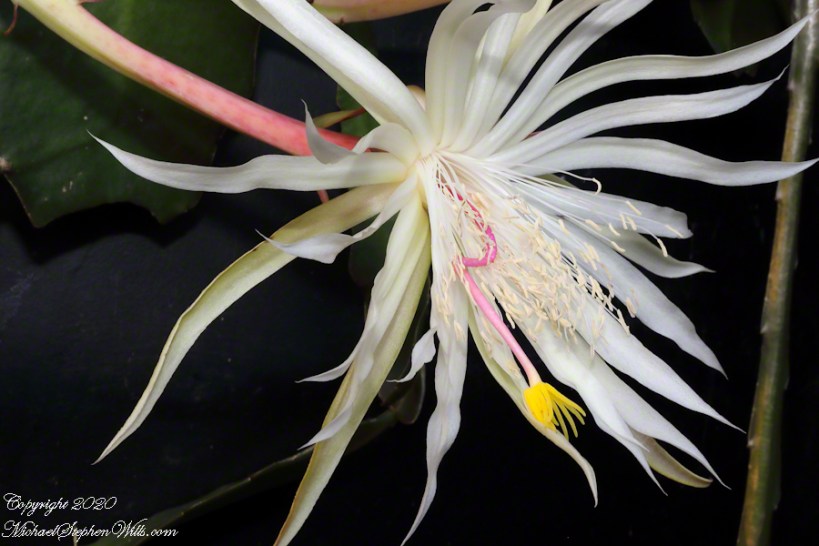
Canon EOS 5D Mark IV with the EF 70-300 f/4-5.6 L IS USM lens at f / 4.5, 1/250 second exposure at 108 mm focal length, ISO 400
“Epiphyllum oxypetalum, the Dutchman’s pipe cactus, princess of the night or queen of the night, is a species of cactus. It blooms nocturnally, and its flowers wilt before dawn. Though it is sometimes referred to as a night-blooming cereus, it is not closely related to any of the species in the tribe Cereeae, such as Selenicereus, that are more commonly known as night-blooming cereus. All Cereus species bloom at night and are terrestrial plants; Epiphyllum species are usually epiphytic.”
Canon EOS 5D Mark IV with the EF 50 mm f/1.2L USM lens at f / 16, 1/13 second exposure, ISO 400
These were captured with the Canon EOS 5D Mark IV dslr on a Manfrotto tripod.
“Epiphyllum (“upon the leaf” in Greek) is a genus of epiphytic plants in the cactus family (Cactaceae), native to Central America and South America. Common names for these species include climbing cacti, orchid cacti and leaf cacti.”
Captured with the Canon EF 70-300 f/4-5.6 L IS USM lens.
Our “cereus” summers on a water barrel poolside, this year, 2023, over 40 blossoms opened over the course of a week in September.
Captured with the Canon EF 50 mm f/1.2L USM lens.
These were captured with the Canon EOS 5D Mark IV dslr on a Manfrotto tripod.
“Epiphyllum (“upon the leaf” in Greek) is a genus of epiphytic plants in the cactus family (Cactaceae), native to Central America and South America. Common names for these species include climbing cacti, orchid cacti and leaf cacti.”
Captured with the Canon EF 70-300 f/4-5.6 L IS USM lens.
“Like other ericaceous plants (i.e. of the heather family -Ericaceae), most rhododendrons prefer acid soils with a pH of roughly 4.5–5.5; some tropical Vireyas and a few other rhododendron species grow as epiphytes and require a planting mix similar to orchids.”
“Rhododendrons have fibrous roots and prefer well-drained soils high in organic material. In areas with poorly drained or alkaline soils, rhododendrons are often grown in raised beds using media such as composted pine bark. Mulching and careful watering are important, especially before the plant is established. Rhododendron species have long been used in traditional medicine.”
“Animal studies and in vitro research have identified possible anti-inflammatory and hepatoprotective activities which may be due to the antioxidant effects of flavonoids or other phenolic compounds and saponins the plant contains.”
“In the language of flowers, the Rhododendron symbolizes danger and to beware. Floriography (language of flowers) is a means of cryptological communication through the use or arrangement of flowers.”
“Meaning has been attributed to flowers for thousands of years, and some form of floriography has been practiced in traditional cultures throughout Europe, Asia, and Africa. Plants and flowers are used as symbols in the Hebrew Bible, particularly of love and lovers in the Song of Songs, as an emblem for the Israelite people, and for the coming Messiah. William Shakespeare ascribed emblematic meanings to flowers, especially in Hamlet. Interest in floriography soared in Victorian England and in the United States during the 19th century.”
“Gifts of blooms, plants, and specific floral arrangements were used to send a coded message to the recipient, allowing the sender to express feelings which could not be spoken aloud in Victorian society. Armed with floral dictionaries, Victorians often exchanged small “talking bouquets”, called nosegays or tussie-mussies, which could be worn or carried as a fashion accessory.”
Reference: text in italics and quotes is from Wikiedia, “Rhododendron.”
Copyright 2023 Michael Stephen Wills All Rights Reserved
A spring rite of ours is caring for three apple trees. We provide each, a Cortland, a McIntosh, a Delicious, with 15 fertilizer spikes ; 45 in all.
I am way past using a hammer to pound in each. The preferred method is to drive a space into the ground beneath the drip line (the other reach of the branches), lift the handle and drop the spike into the ground, remove the spade and tamp down the ground.
These helpers are now experts in the dropping and counting. Then, enough is enough, time for play.
And lunch….
Copyright 2024 Michael Stephen Wills All Rights Reserved
The grandchildren and I hiked the 0.6 mile trail through old growth forest to visit a bog. In the 1830’s there was a village named Chicago along Gracie Road, which gives it the name we have today. The Chicago Bog is home to many carnivorous plants, including sundew, the pitcher plant, and more. The deepest depth of the bog is about 7.2 ft. The bog is along the Phillips Memorial Trail, which can be found on Gracie Road. Lime Hollow Nature Center, Cortland, New York.
Listen to the Wood Thrush and other bird song in this short video.
A dragonfly landed on the log, in the above images, lying at my feet. This male Chalk-fronted Corporal (Ladona julia) is a skimmer dragonfly found in the northern United States and southern Canada.
Chalk-fronted corporal dragonfly
Juveniles of both sexes are light reddish brown, with white shoulder stripes and a black stripe down the middle of the abdomen. As they mature, males develop a white pruinescence on the top of the thorax and at the base of the abdomen, while the rest of the abdomen turns black. Females become almost uniformly dark brown, with a dusting of gray pruinescence near the base of the abdomen; a few develop the same color pattern as the males.
Chalk-fronted corporals often perch horizontally on the ground or on floating objects in the water as you can see it doing here. They are gregarious for dragonflies and are commonly seen perching in groups. They readily approach humans to feed on the mosquitoes and biting flies that humans attract.
We noticed a large patch of buttercups growing in a sunny patch along the trail. Petals of these buttercups are highly lustrous owing to a special coloration mechanism: the petal’s upper surface is very smooth causing a mirror-like reflection. The flash aids in attracting pollinating insects and temperature regulation of the flower’s reproductive organs.