Autumn Reflections: The Majesty of Acer Rubrum

On a serene autumn afternoon by Beebe Lake, a solitary red maple stood out against the backdrop, showcasing its vibrant colors and resilience, symbolizing autumn’s fleeting beauty.

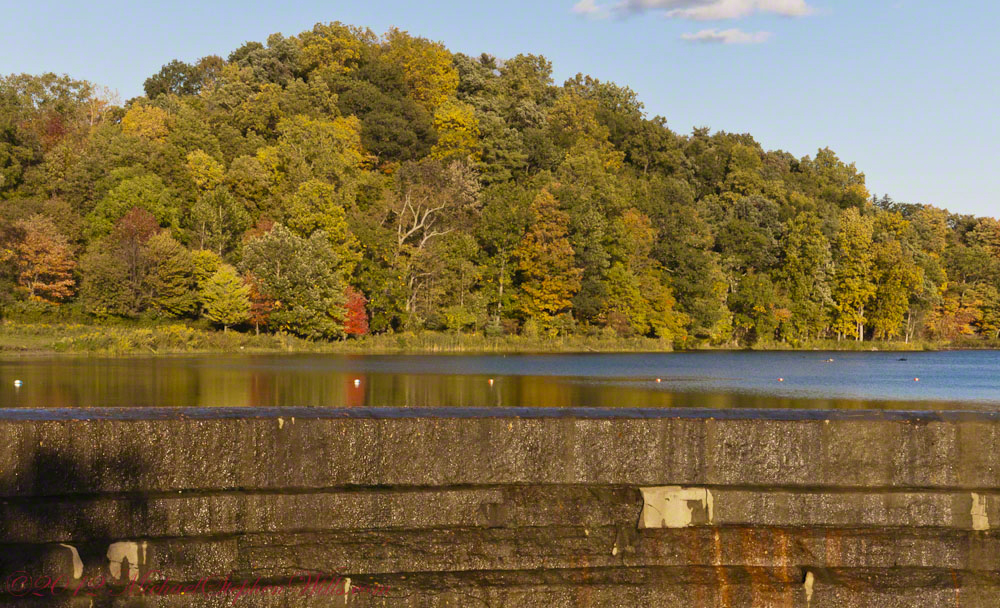
It was one of those serene autumn afternoons that linger in memory, the kind where the sky seems impossibly clear, the air crisp and gently scented with fallen leaves. I stood at the edge of Beebe Lake, my gaze first drawn to the textured concrete dam holding back the water, its weathered facade contrasting sharply with the soft reflections shimmering across the lake’s calm surface. Beyond, the wooded hillside rose gently, a tapestry woven with the warm hues of autumn—golds, greens, oranges, and reds mingling like brush strokes on a canvas.

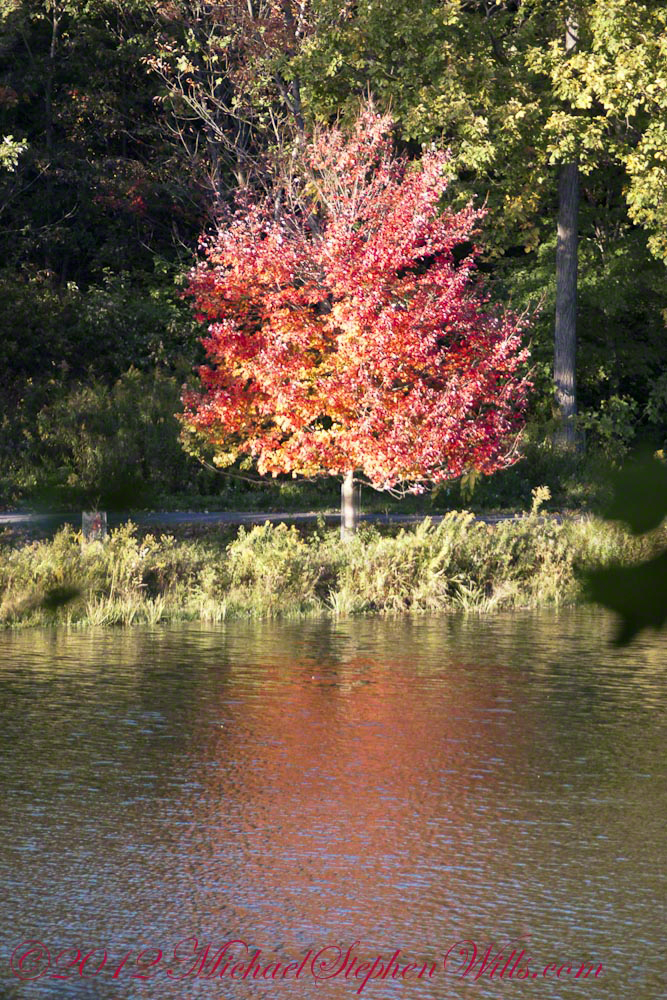
An October Glory, turning before all others

Yet amidst this collective beauty, one tree captured my attention, singular in its brilliance—a solitary red maple standing proudly on the lakeshore. Its leaves had turned a vivid crimson, blazing brightly as though defying the muted earth tones surrounding it. Even from a distance, framed and partially obscured by larger trees, its vibrant reflection cast a fiery echo on the water, rippling softly in the afternoon breeze.

The maple, Acer Rubrum, seemed perfectly at home here, thriving robustly at the water’s edge. I remembered reading how adaptable red maples are, able to flourish in conditions ranging from dry uplands to swampy shores. This spot, near the edge of the tranquil Beebe Lake, seemed to showcase its resilient character perfectly.

Up close, the maple’s glow was even more striking. Its leaves cascaded in fiery clusters, hues deepening from bright scarlet at the tips to a darker maroon closer to the branches. This dramatic gradient seemed symbolic of autumn itself—beautiful, fleeting, and subtly tinged with the melancholy reminder of winter’s approach.

The Red Maple (Acer Rubrum) to tolerant of diverse conditions, making it a perfect choice for this spot on the short of Beebe Lake.

A memory surfaced of early spring in the Finger Lakes region, a time when maples, including this red maple, generously share their sap. Though not traditionally tapped like its sweeter cousin, the sugar maple, this species’ sap can indeed be boiled down into syrup, a surprising sweetness hidden within its sturdy trunk. Standing in its shadow, imagining those early spring days, it seemed astonishing that the same tree could offer both the delicate sweetness of syrup and the fierce beauty now on display.

Curiously, the transformation of the tree appeared methodical yet whimsical—it changed colors from the top down, its upper branches already bare, exposing slender twigs pointing skyward. Like an artist carefully removing layers to reveal something deeper beneath, the maple unveiled its upper bare bones first, as though reminding observers of the quiet strength supporting its autumn splendor.
This Red Maple (Acer Rubrum) turns from the top down and has already bare for most top branches.

As I lingered, taking in this turning tree, joggers passed by along the path, their rhythmic footsteps a gentle percussion beneath the rustling leaves. Briefly, they glanced toward the vivid maple, perhaps drawn, like me, by its striking contrast to the surrounding foliage. It felt like we shared a secret admiration for this singular tree, recognizing in it a quiet assertion of individuality amidst conformity.

Eventually, I viewed the maple once more from afar, framed now by broader sweeps of branches and leaves, partially obscured but no less vivid. Through layers of leaves and dappled sunlight, it glowed like a distant flame, a beacon that seemed to encapsulate the entire mood of the season—warm yet cool, bright yet transient.
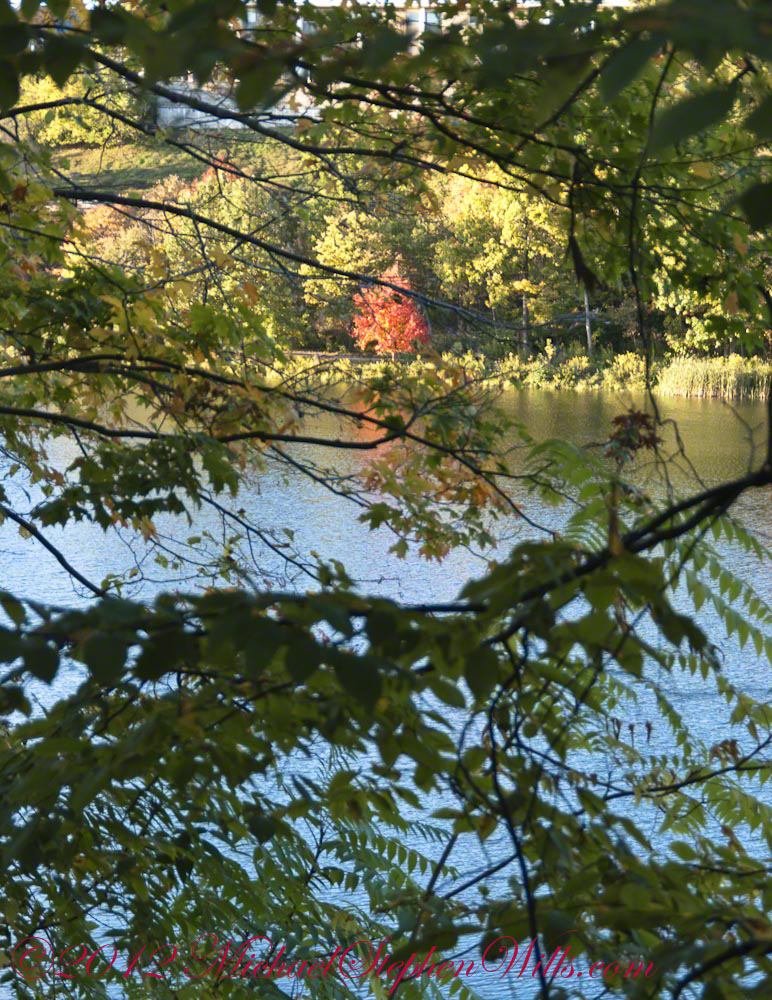
The Red Maple (Acer Rubrum) is the first to flower in spring and the first to turn in autumn.

Walking away, the image of that maple lingered, its reflection shimmering gently in the afternoon sun, a moment suspended between summer’s lush vitality and winter’s bare stillness. Beebe Lake had offered scenic beauty, a quiet meditation, a reflection mirrored not only on its tranquil surface but in the heart of an observer captivated by a single tree’s fleeting glory.
Enter your email to receive notification of future postings. I will not sell or share your email address.

Harvest Views

One October Evening

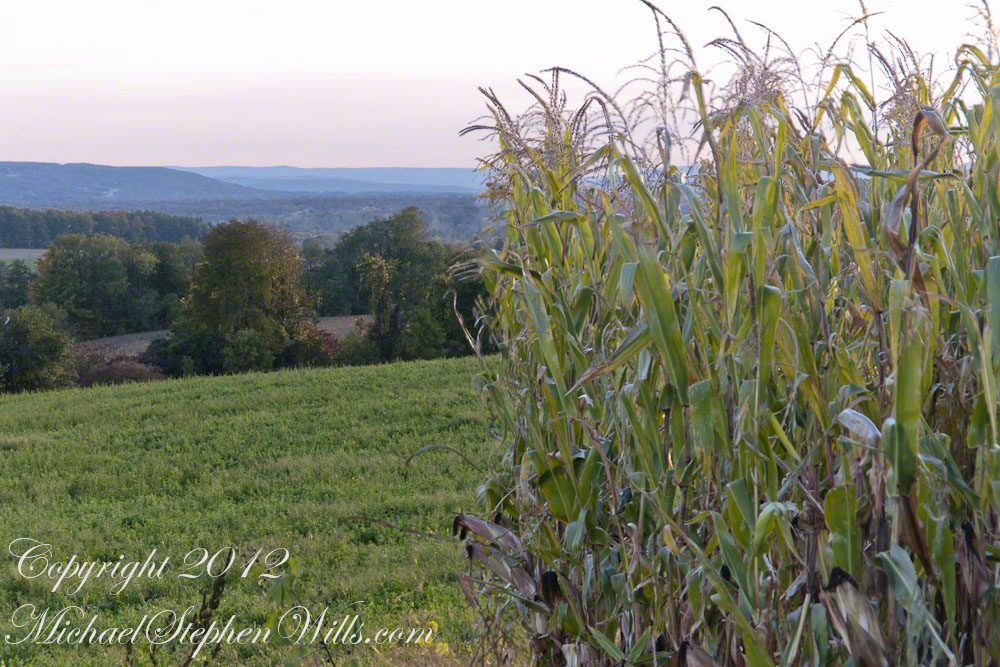
When Pam and I lived in an converted mill house on Malloryville Road one walk we’d take with cameras was out the front door, turn right and walk the road to the hilltop to take in the views.

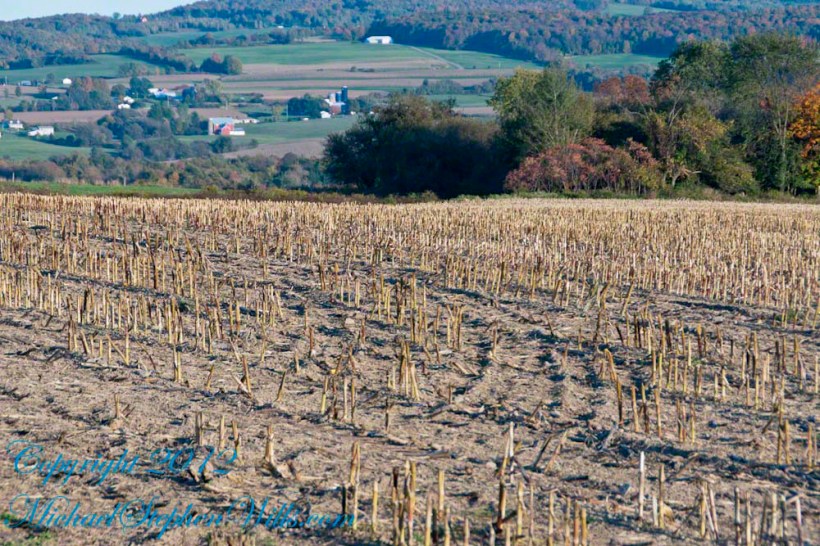
“October Evening on Fall Creek Farmland”

Ripe corn on Malloryville Road from a hill above the Fall Creek valley.

Click any photograph to visit my OnLine Gallery “Finger Lakes Memories.”

“Into the Distance”

Fall Creek Valley view from Malloryville Road looking southwest.  In the far distance is Connecticut Hill.  You can see the towers of Ithaca College from here, but not in this photograph.

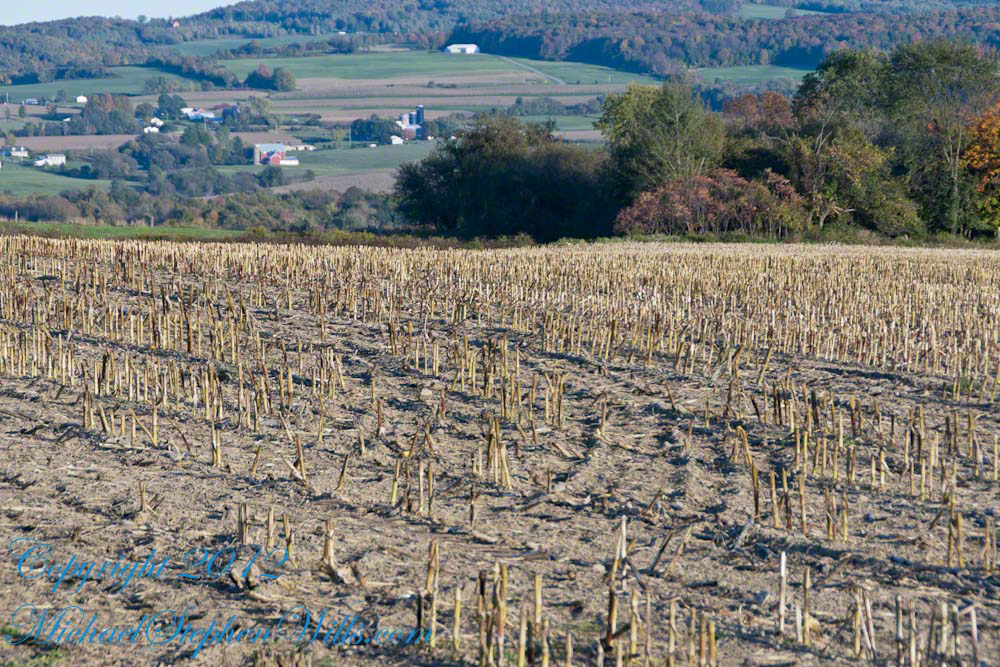
“Harvested Field”

Here are more views from this Harvest View evening.  Click the link to go there.

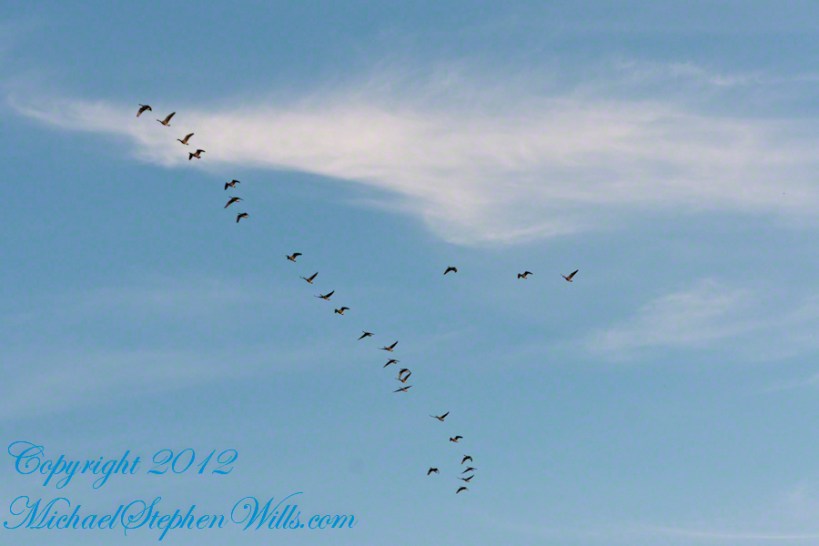
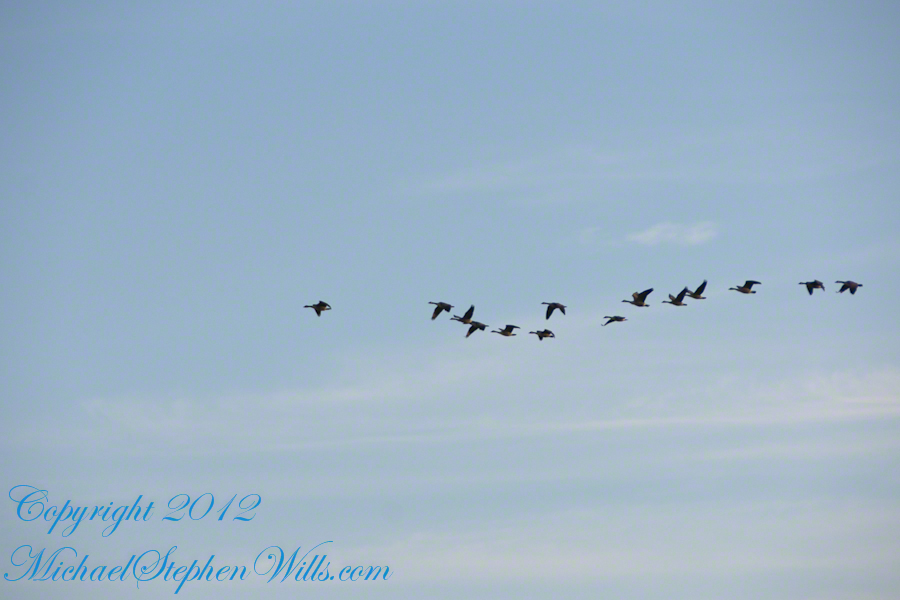
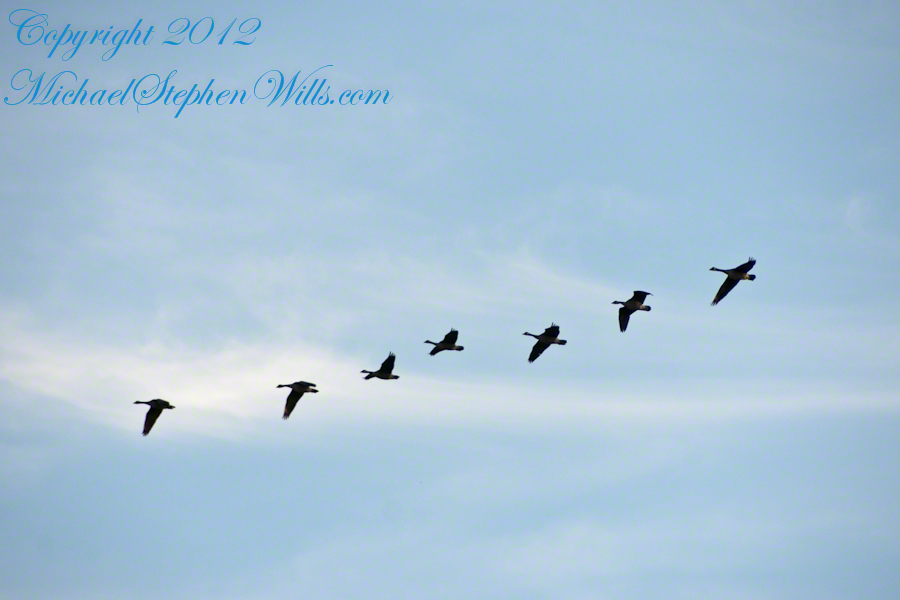
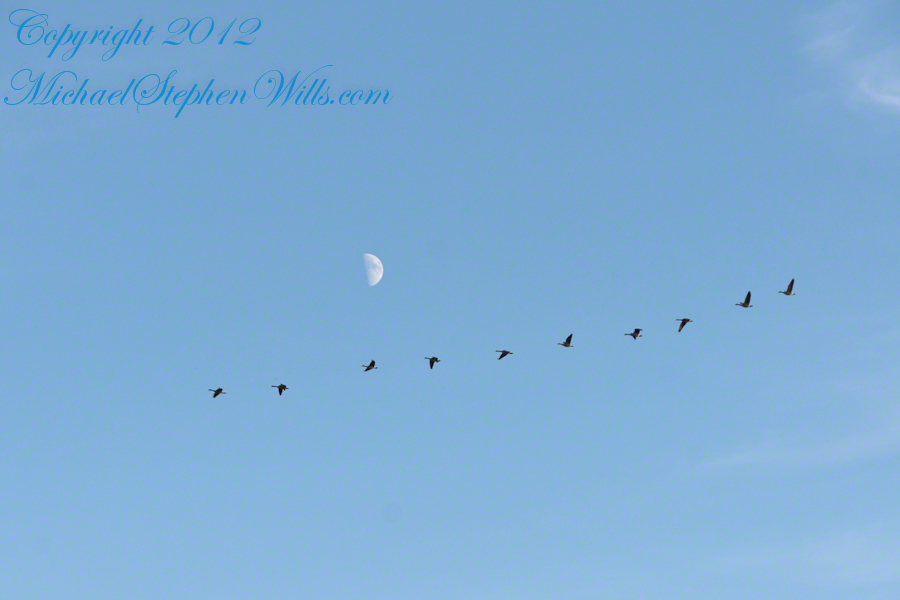
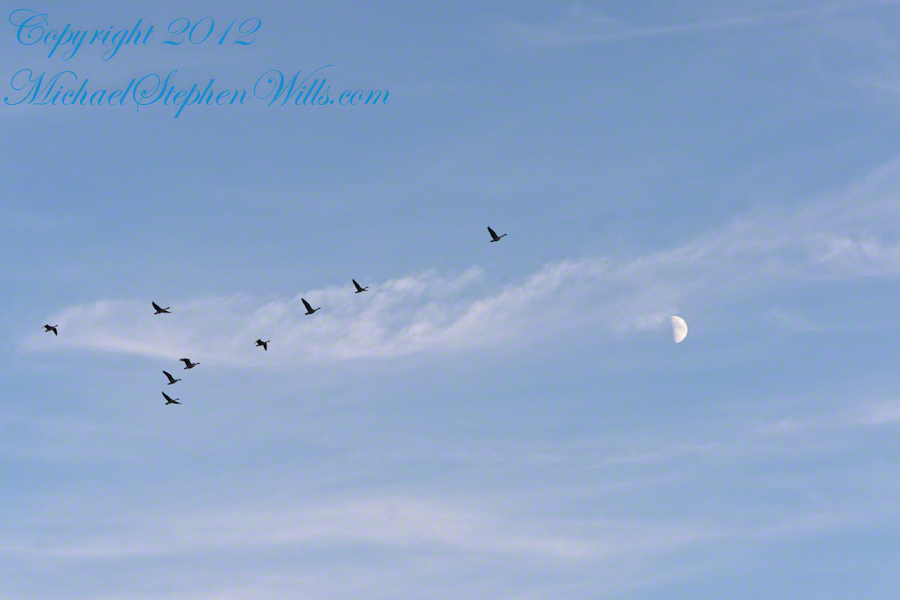
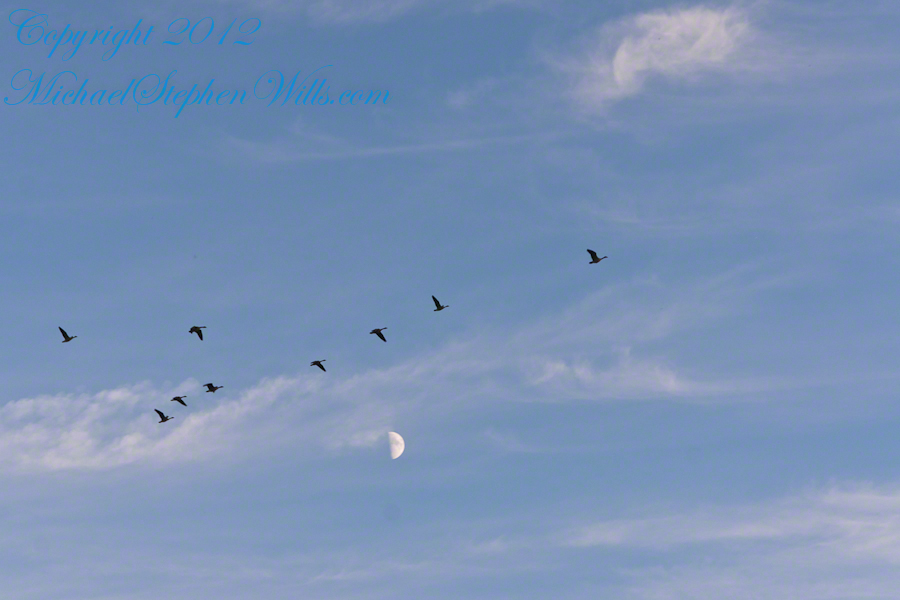
“Celestial Geese”

“Antique Silo Apple Harvest?”

Copyright 2024 Michael Stephen Wills All Rights Reserved

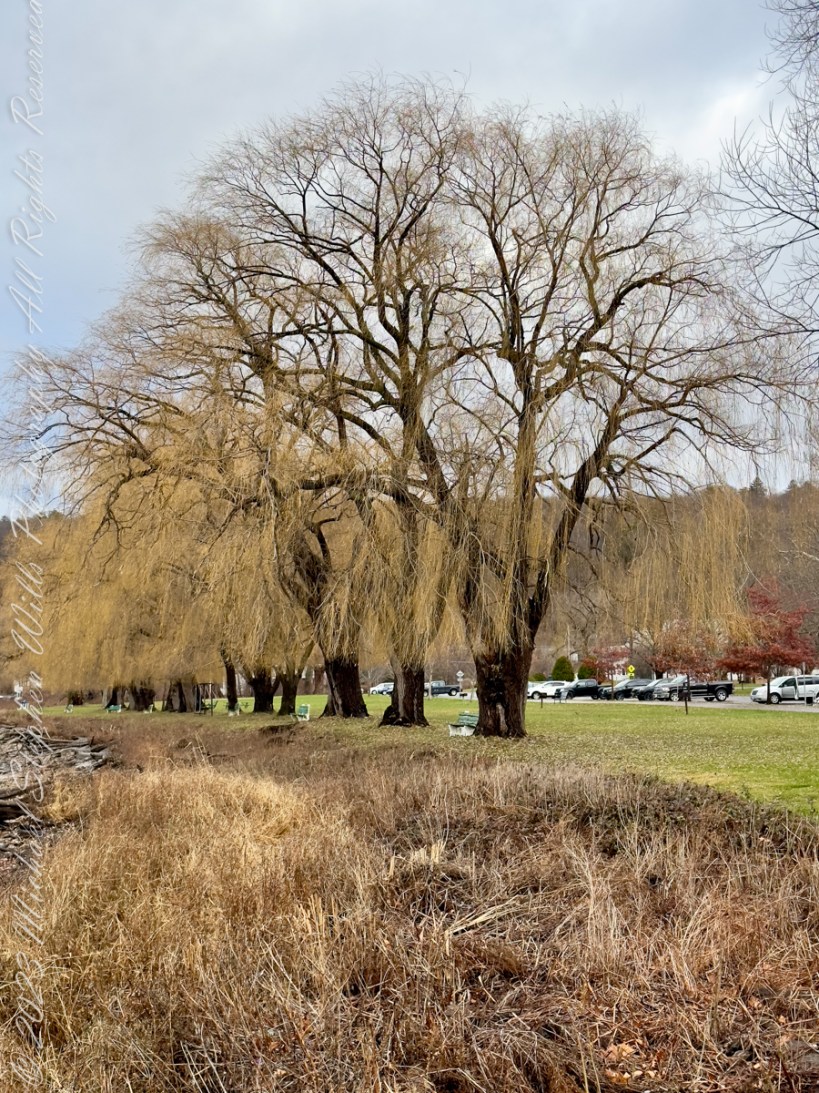
Watching with the Willows

On a brisk day at Stewart Park, I stroll alongside Cayuga Lake, observing Canadian Geese and white willows. The tranquil, interconnected scene proves an enduring memory despite everyday worries.

Continue reading “Watching with the Willows”

Soft Landing

nonmigratory?

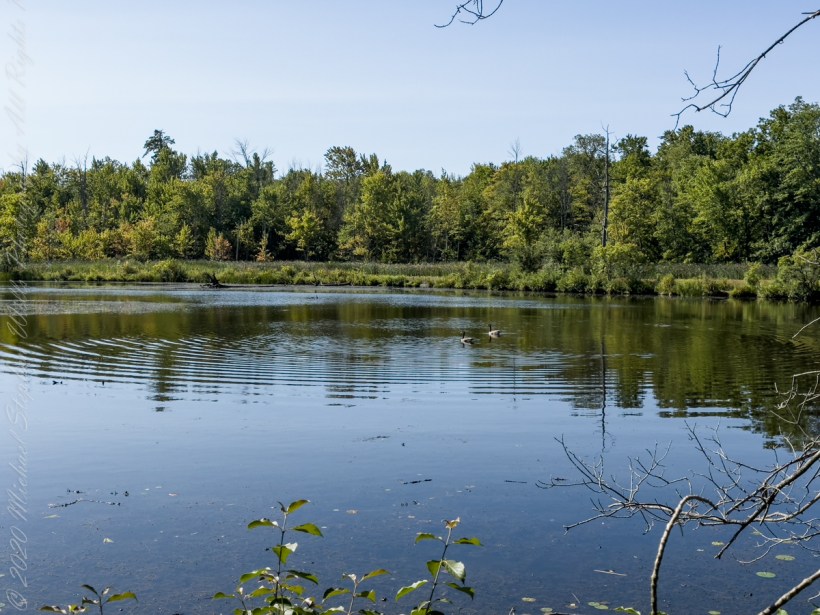
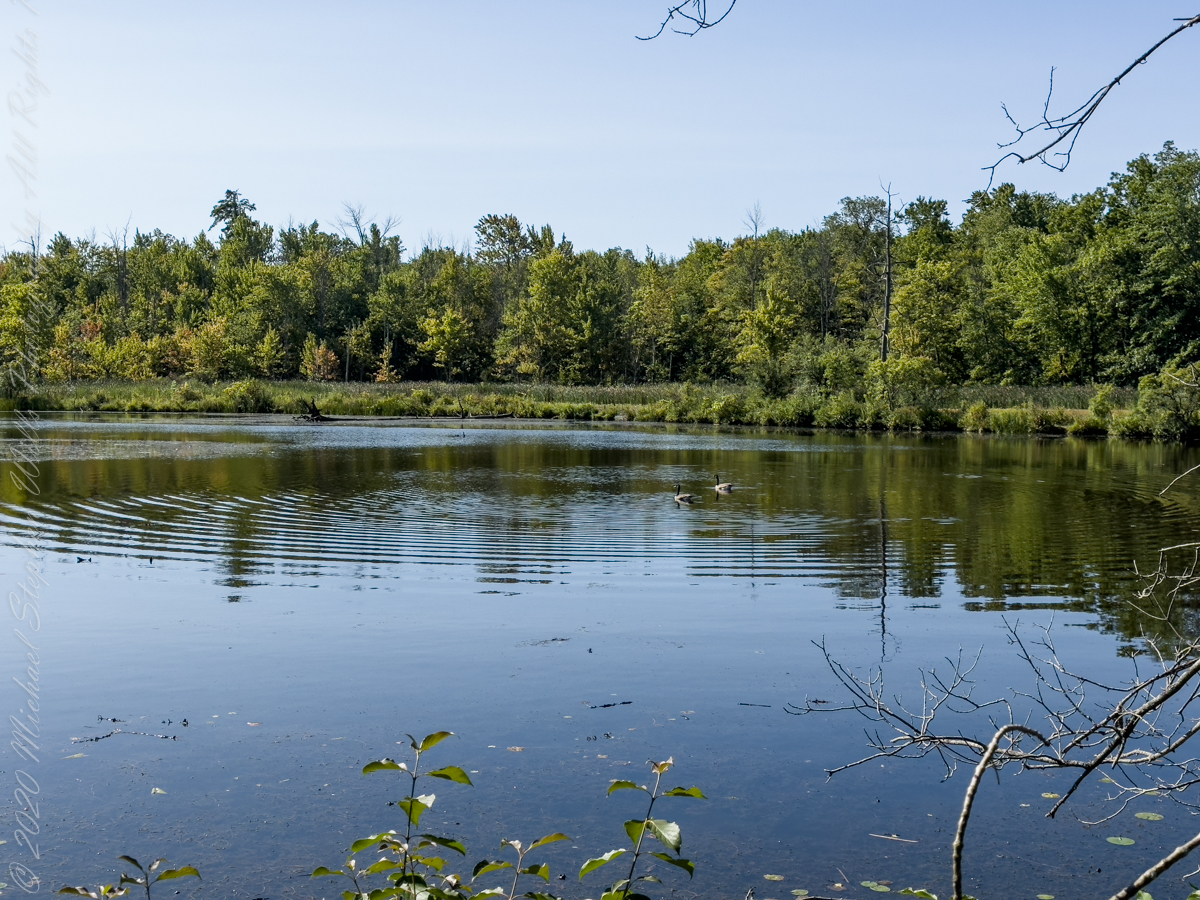
Thursday last, grandsons Sam and Rory and I visited Sapsucker Woods, enjoying a late summer morning. From the north side on Wilson Trail, these Canada geese landed on the pond. 

In North America, nonmigratory Canada goose populations have been on the rise. The species is frequently found on golf courses, parking lots, and urban parks, which would have previously hosted only migratory geese on rare occasions.

Owing to its adaptability to human-altered areas, it has become one of the most common waterfowl species in North America. In many areas, nonmigratory Canada geese are now regarded as pests by humans.

They are suspected of being a cause of an increase in high fecal coliforms at beaches. An extended hunting season, deploying noise makers, and hazing by dogs have been used to disrupt suspect flocks. 

A goal of conservationists has been to focus hunting on the nonmigratory populations (which tend to be larger and more of a nuisance) as opposed to migratory flocks showing natural behavior, which may be rarer.

Click me for another Sapsucker Woods posting.

Copyright 2023 Michael Stephen Wills All Rights Reserved.

A Perfect Afternoon On Beebee Lake

Anticipating Our Tenth Wedding Anniversary

After work on a 2008 Friday afternoon in October we sped over to Beebee Lake on the Cornell University Campus to catch the late afternoon glow.

Beebe Lake is formed by a dam on Fall Creek.  It seems to be the flooded meadow it is, surrounded by hills formed by glaciers 10,000 years ago.  Cornell maintains footpaths around the lake.

People say that if a couple walk the a mile around the lake and over a bridge at either end, they are destined to be married.  This day we passed only joggers and families.  Pam and I will celebrated our tenth anniversary March 2019, so the legend worked for us.

Here are four snapshots from that time, presented in chronological order. Each is a handheld shot taken on the fly using my Sony Alpha 700 I use for exploratory photography.

Click any photograph to view my Finger Lakes Memory gallery
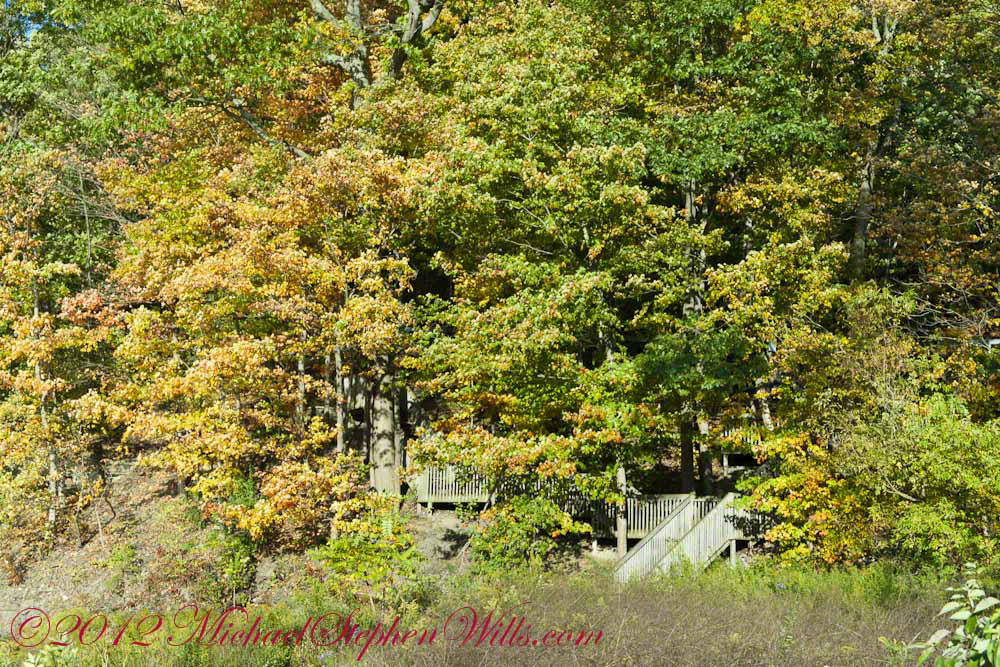
A terraced stair descends to the east side meadow to south lake shore path

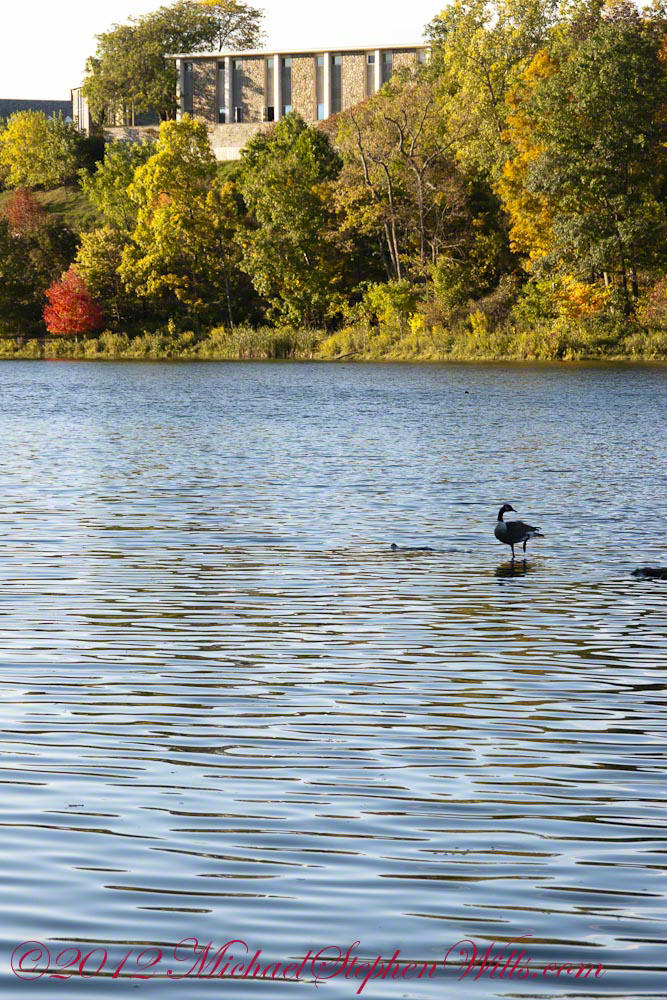
I walked down a path trod by Canadian geese to reach a clear view of the water.

View of Helen Newman Hall

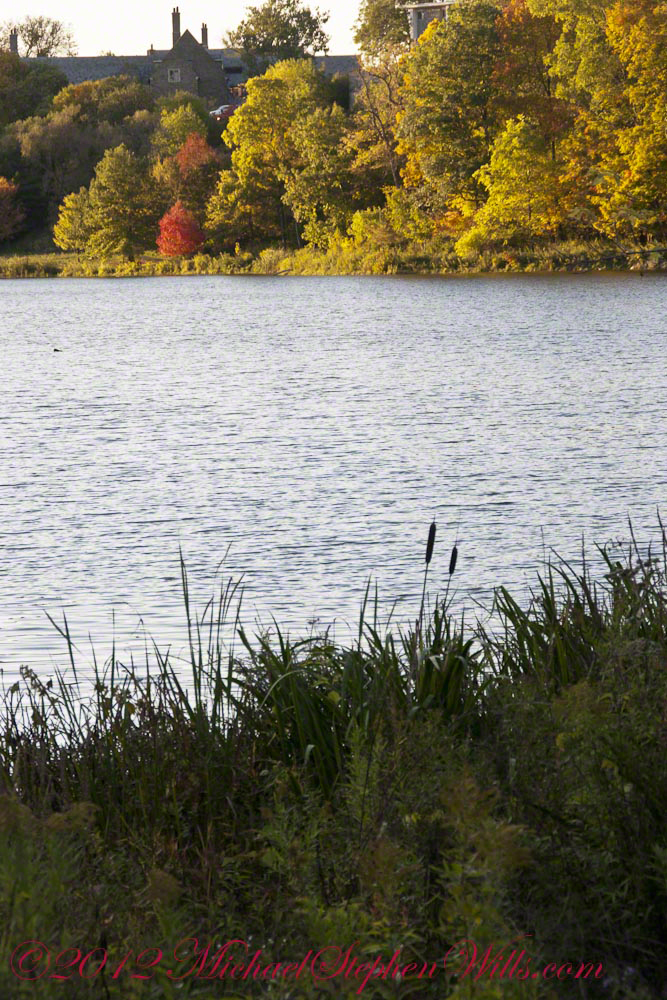
Lily pads and iris fronds grow along the bank. 

Evening sunlight reflected from smooth water crests driven by a steady light wind

Being on the west side of the lake, the dam is bathed in golden autumn light.  

The Dam That Forms Beebee Lake

On top the hill, not visible behind the trees, above the opposite bank is Fuertes Observatory.  We visited it this night, opened to the public as it is on all clear Friday nights while classes are running.

Copyright 2021 Michael Stephen Wills All Rights Reserved

Celestial Geese with two haiku by Issa

Celestial Geese

None of Them Come Down

To My Pine

~Kobayashi Issa

Click any photograph view my Finger Lakes Memory gallery

The Bright Moon

In Raindrops from the Eves

The Geese Depart

~Kobayashi Issa


Other postings this evening. Click the link to go there.

“Harvest Views”

“Antique Silo Apple Harvest”

Copyright 2018 Michael Stephen Wills All Rights Reserved

A Perfect Afternoon On Beebee Lake repost

Anticipating Our Tenth Wedding Anniversary

After work on a 2008 Friday afternoon in October we sped over to Beebee Lake on the Cornell University Campus to catch the late afternoon glow……

Click Me for the complete post with photographs.

Copyright 2020 Michael Stephen Wills All Rights Reserved