Spring Outing I

Revisiting a Socially Distanced outing

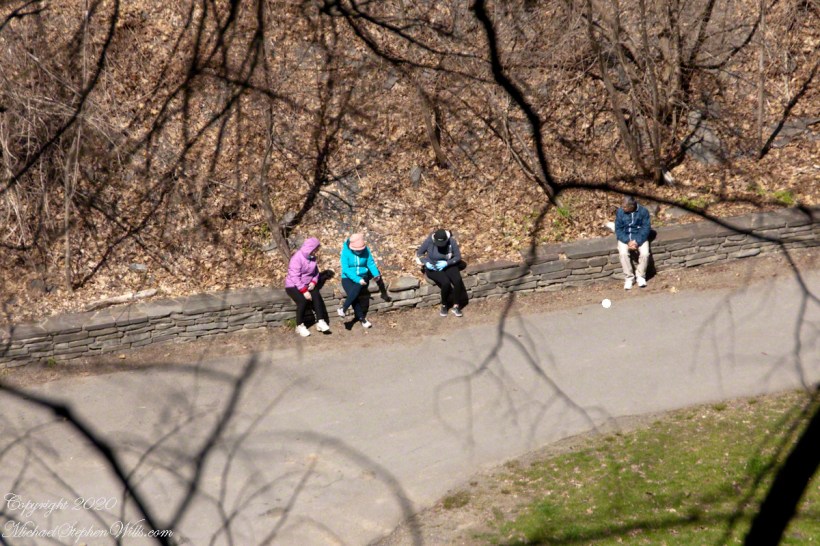
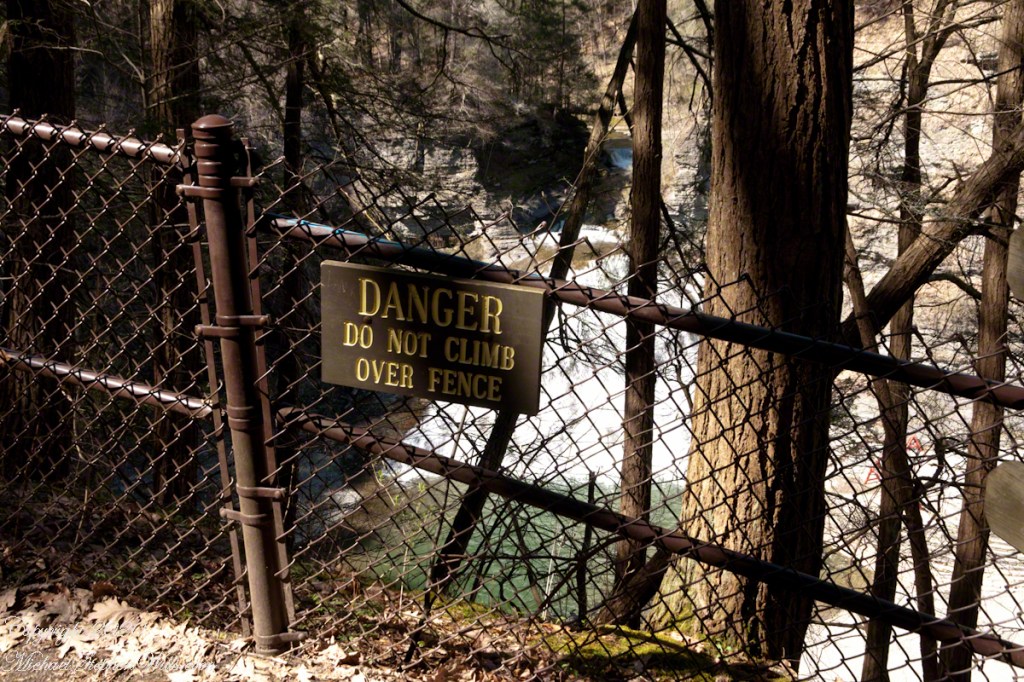
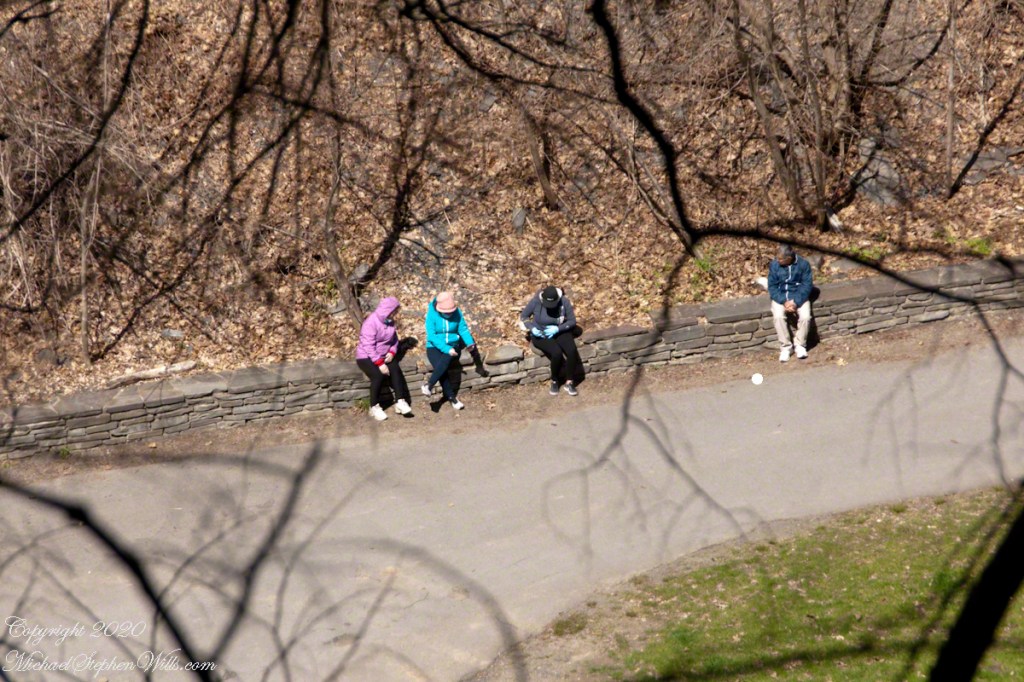
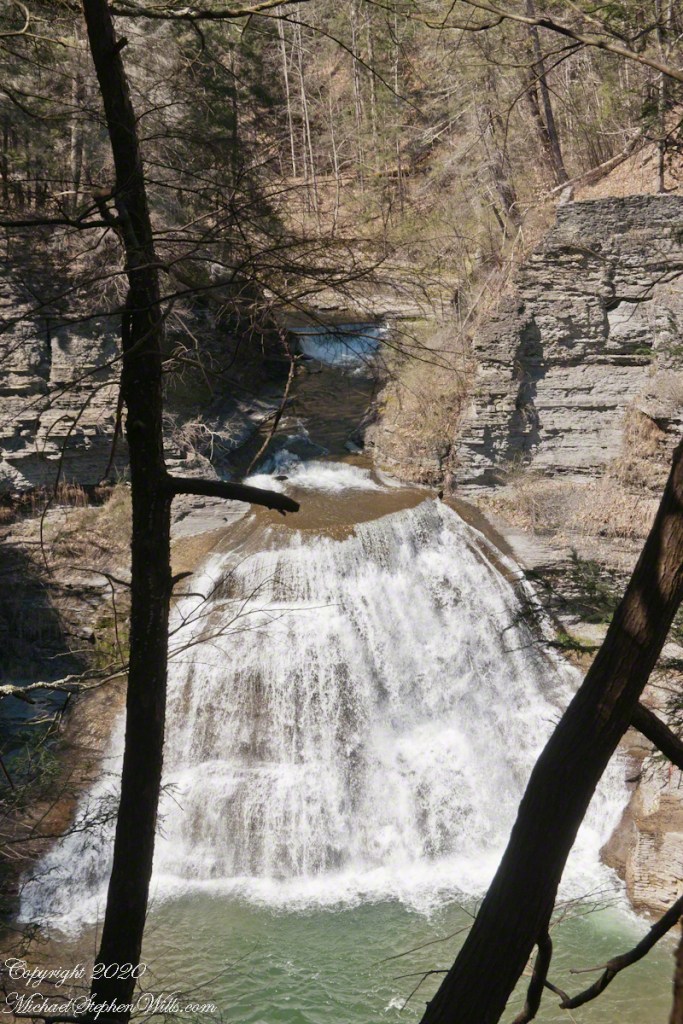
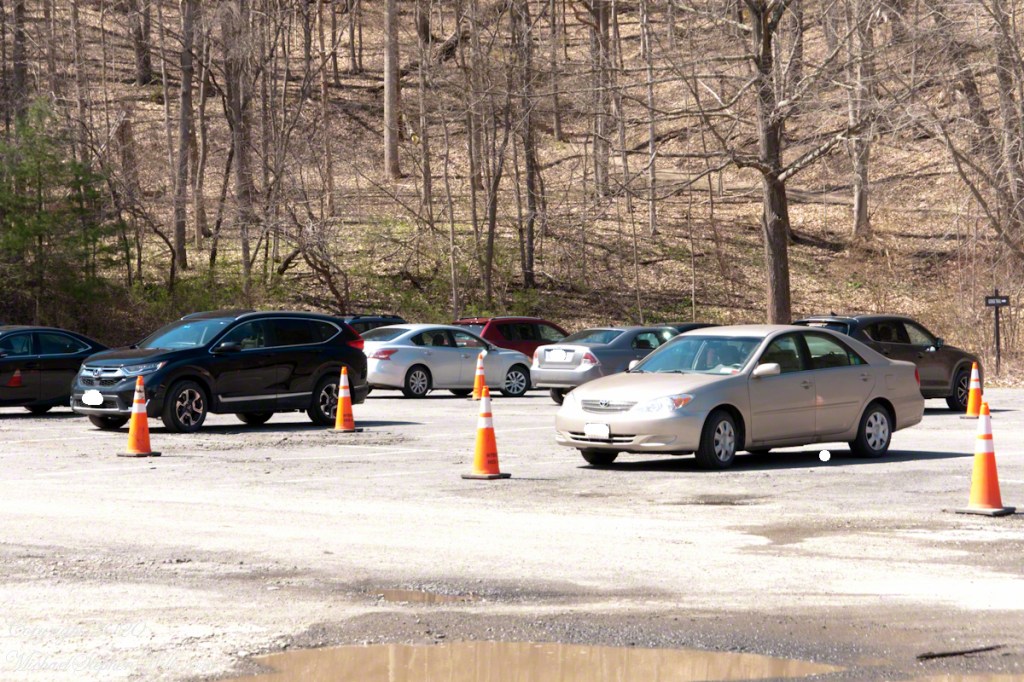
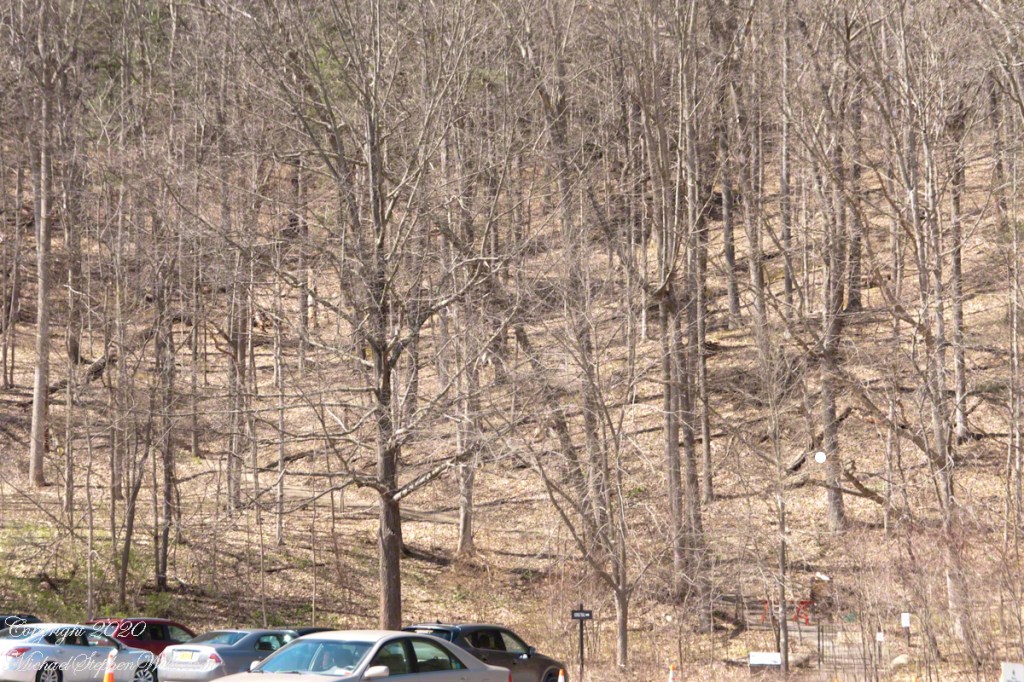
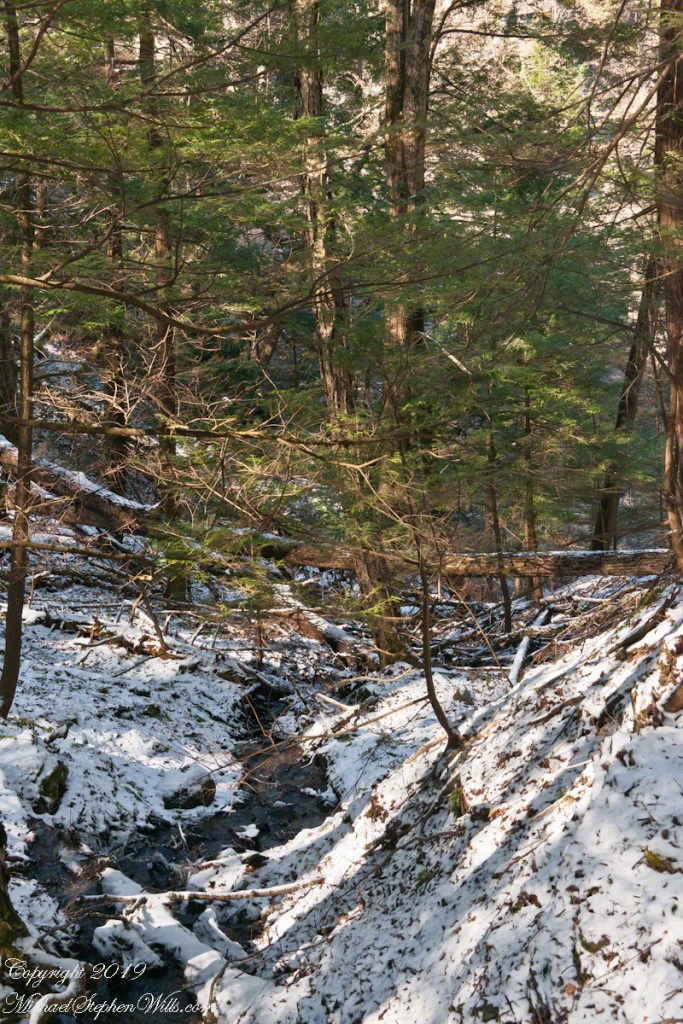
Parks were open during Govenor Cuomo’s “New York State on PAUSE.” Still, as a member of the at-risk group I was reluctant to visit, unsure of how crowded it will be. On a Monday afternoon, bright with sun, I drove over to Robert H. Treman lower park to check out the situation.

Click photograph for a larger view. To do this from WordPress Reader, you need to first click the title of this post to open a new page.
I carried the Sony in hand and packed in a Canon with macro lens and a Manfrotto travel tripod.

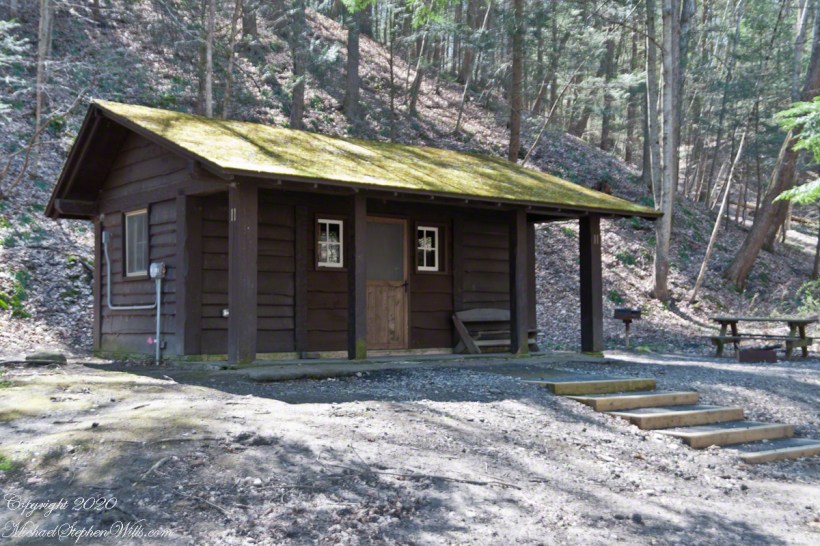
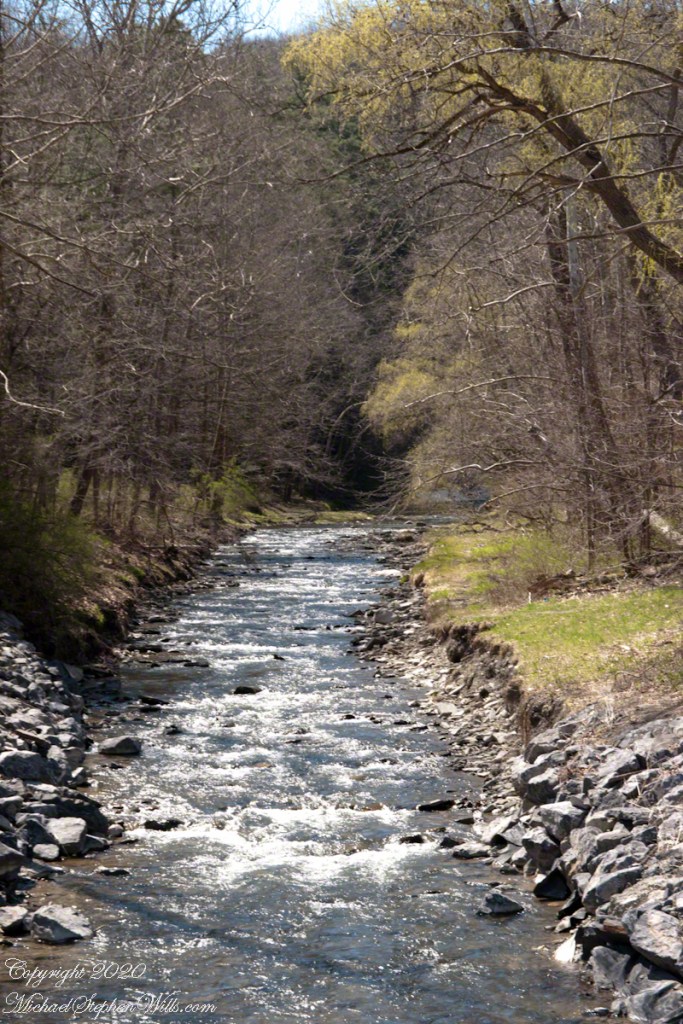
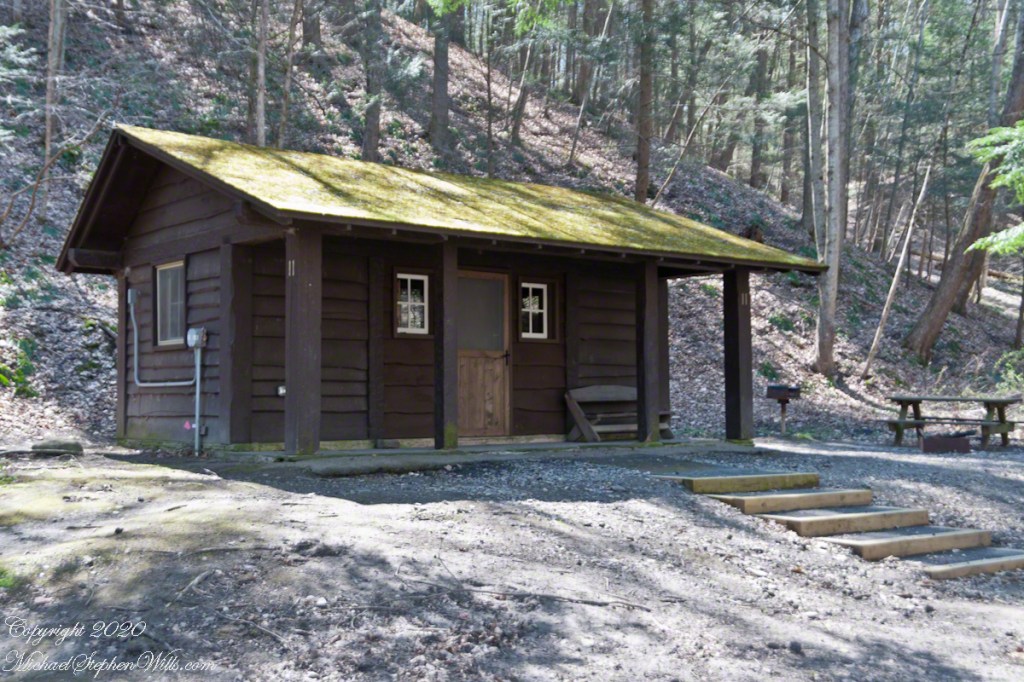
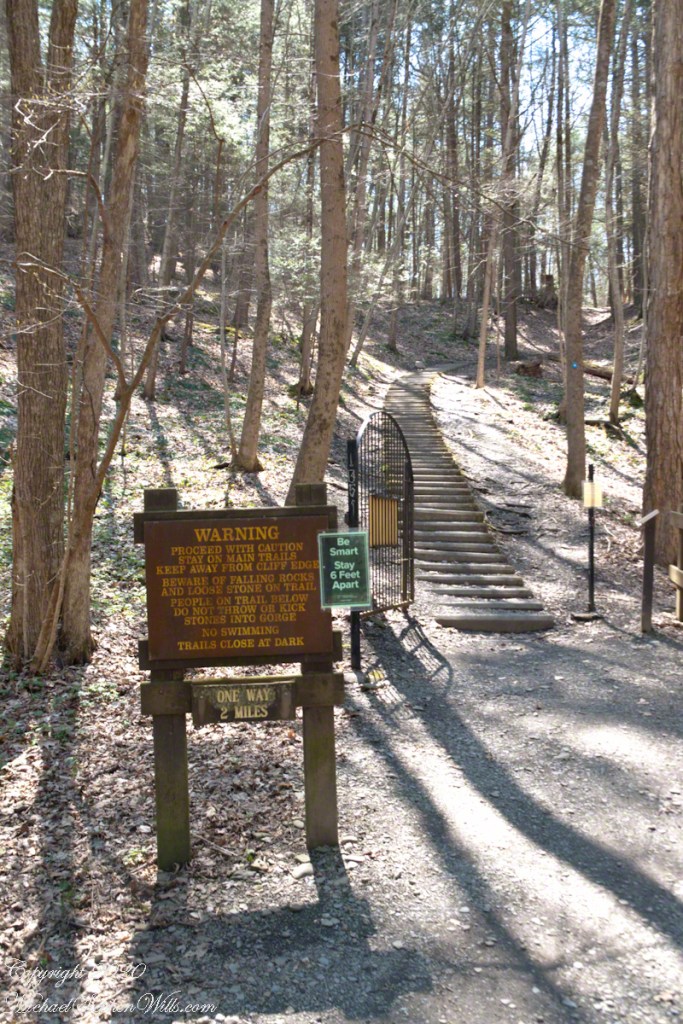
The path to a trail that climbs up the south side of Enfield Glen crosses Enfield Creek via a bridge, wends through cabins……

…..then heads up stairs that can seem to be forever. The green sign with white letters is new. This the South Rim Trail avoids the cliffs that make the Gorge trail so dangerous November through May.

Copyright 2024 All Rights Reserved Michael Stephen Wills

Up the Rim Trail

Key words: steep, icy

It is the Gorge Trail that’s closed for the cold months, November through April. The Rim Trail remains open for those who dare icy, steep paths Unlike Gorge Trail, Rim Trail climbs above the dangerous cliffs from which rocks are wedged free by ice to fall on the trail. On an early spring day, after a sudden frost, we walked the Rim Trail to capture the moment.

Here is the steep start, climbing up from the Upper Park where a footbridge crosses Fish Kill. Kill is the old Dutch word for creek. Fish Kill mergers with Enfield Creek a few hundred feet downstream.

Click photograph for a larger view. To do this from WordPress Reader, you need to first click the title of this post to open a new page.

This north facing slope stays frozen into May. Here layers of the sedimentary rock shale, laid down in a shallow warm sea over 350 million years ago, are slowly pried apart. Hemlock tree roots wedge between rock layers, slowly growing. The action of ice, water expands in volume at the point of freezing, aids the process.

In places the rock face appears to be a hastily made dry stone wall, the rock layers are so disrupted by plant and frost.

These shots were hand held. I used a Sony Alpha 700 dslr with a variable “zoom” lens, great for framing compositions.

Robert H. Treman New York State Park.

Click for a slideshow of this Waterfall of the Old Mill sequence
Copyright 2024 All Rights Reserved Michael Stephen Wills

Ascent

Andrew Wyeth effect

Here the Rim Trail climbs out of the flats beneath the Cliff Stairs, away from Enfield Creek, onto the upper slopes of the gorge.

Click photograph for a larger view. To do this from WordPress Reader, you need to first click the title of this post to open a new page.

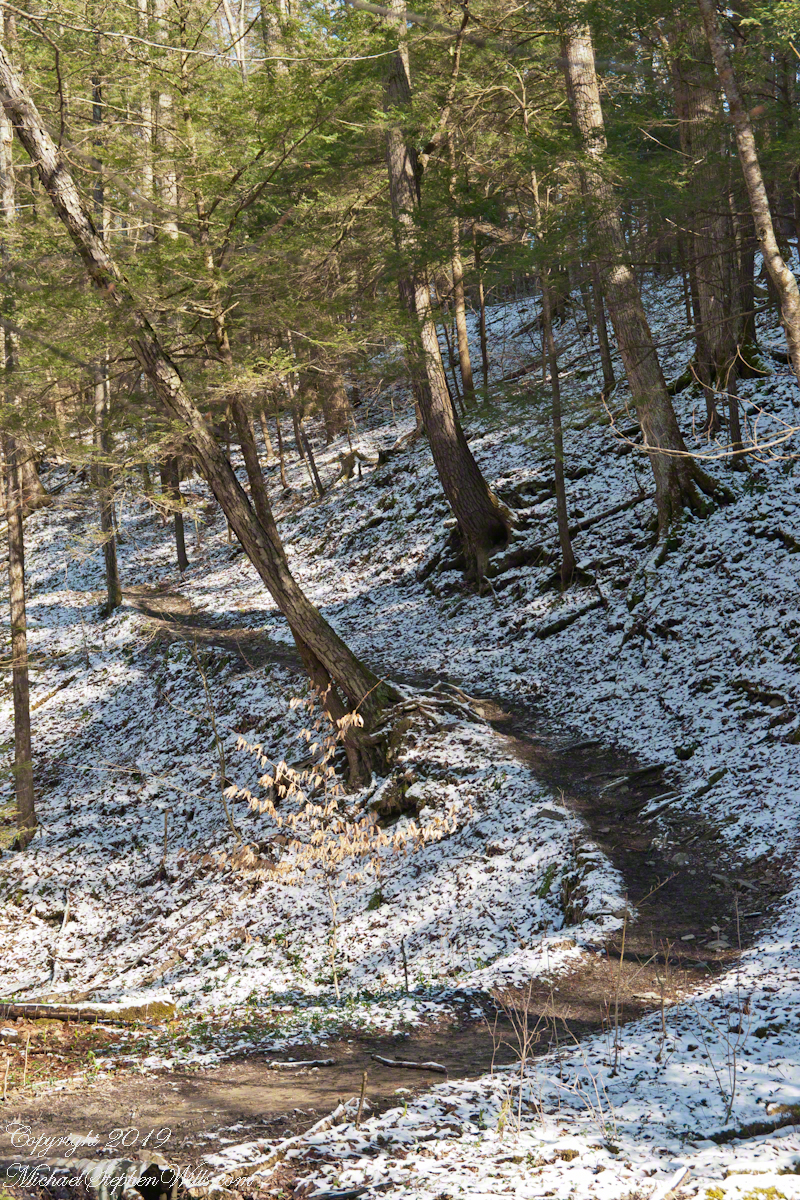
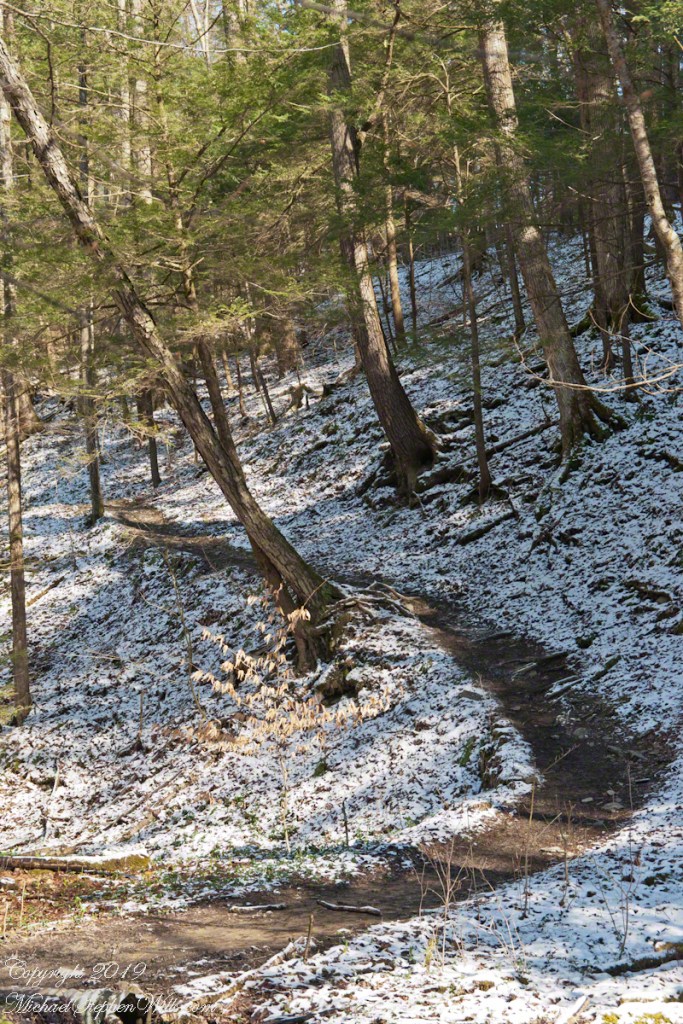
Early spring snow highlights the path, threading between hemlocks. The American realistic painter Andrew Wyeth comes to mind with I see the mottled texture of this light snow. He captured some of this in landscape paintings such as “Snow Flurries.”

Here is more of this effect……

These shots were hand held. I used a Sony Alpha 700 dslr with a variable “zoom” lens, great for framing compositions.

Robert H. Treman New York State Park.

Click for a slideshow of this Fertile Flats sequence.
Copyright 2024 All Rights Reserved Michael Stephen Wills

Periwinkle

Source of life-saving drug

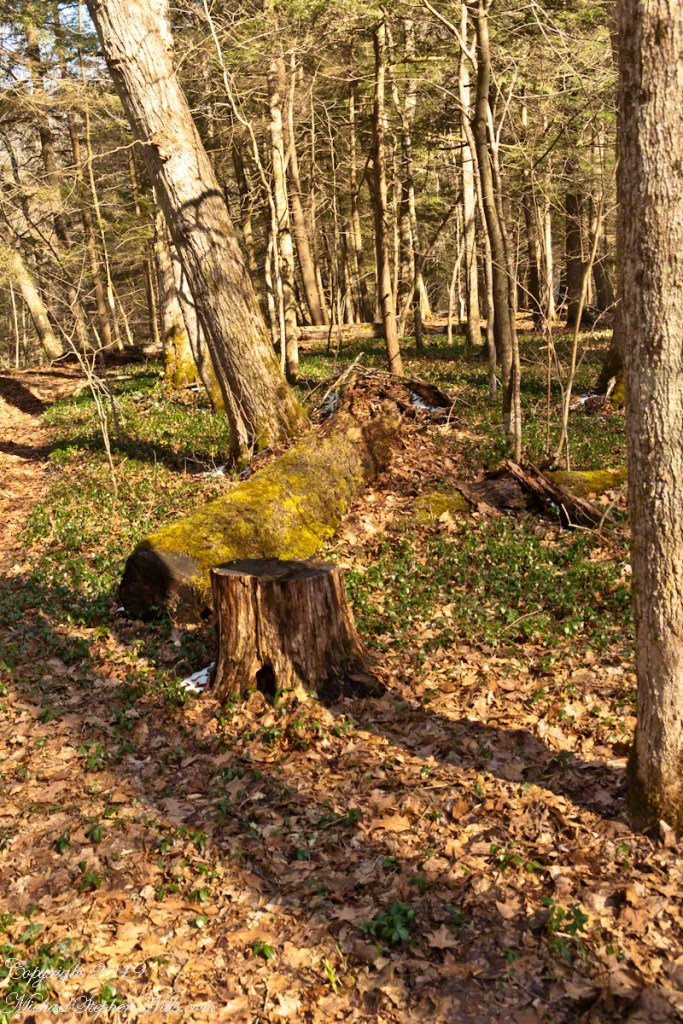
A broad, fertile flat between gorge walls supports a dense growth of invasive creeping myrtle. Springtime there is a sprinkling of small blue flowers, this may be the source of another name, periwinkle, or lesser periwinkle.

Click photograph for a larger view. To do this from WordPress Reader, you need to first click the title of this post to open a new page.

Periwinkle is an evergreen and in early times vinca vine (another name we call it, from the scientific name Vinca Minor) was planted in graveyards and cemeteries. The isolated growth of vinca vine in this section of the gorge maybe from such a planting on a lost grave.

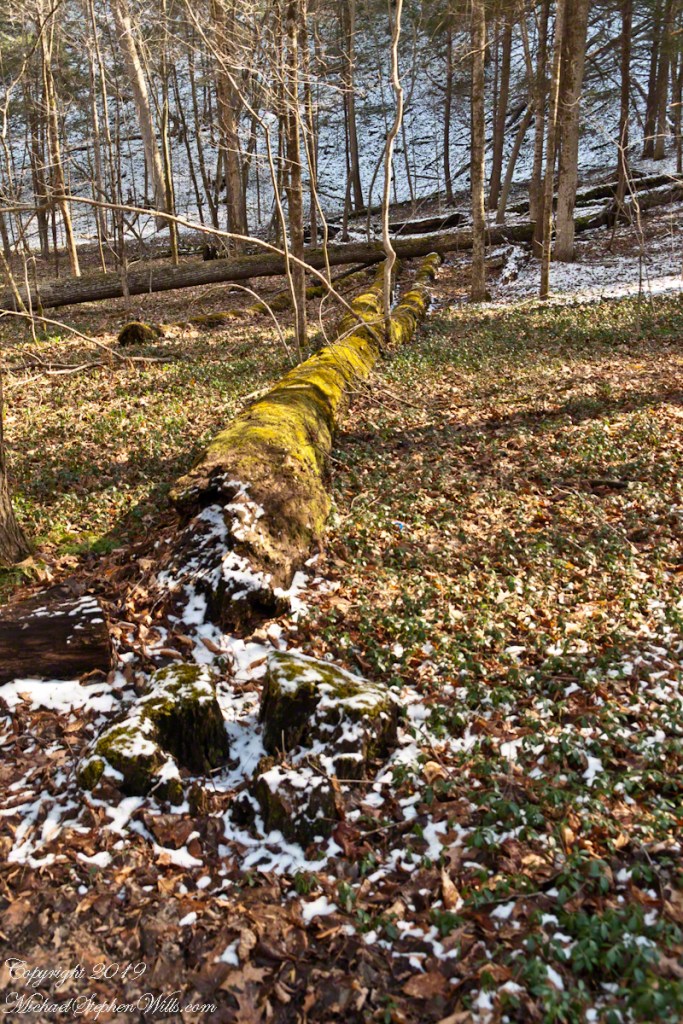
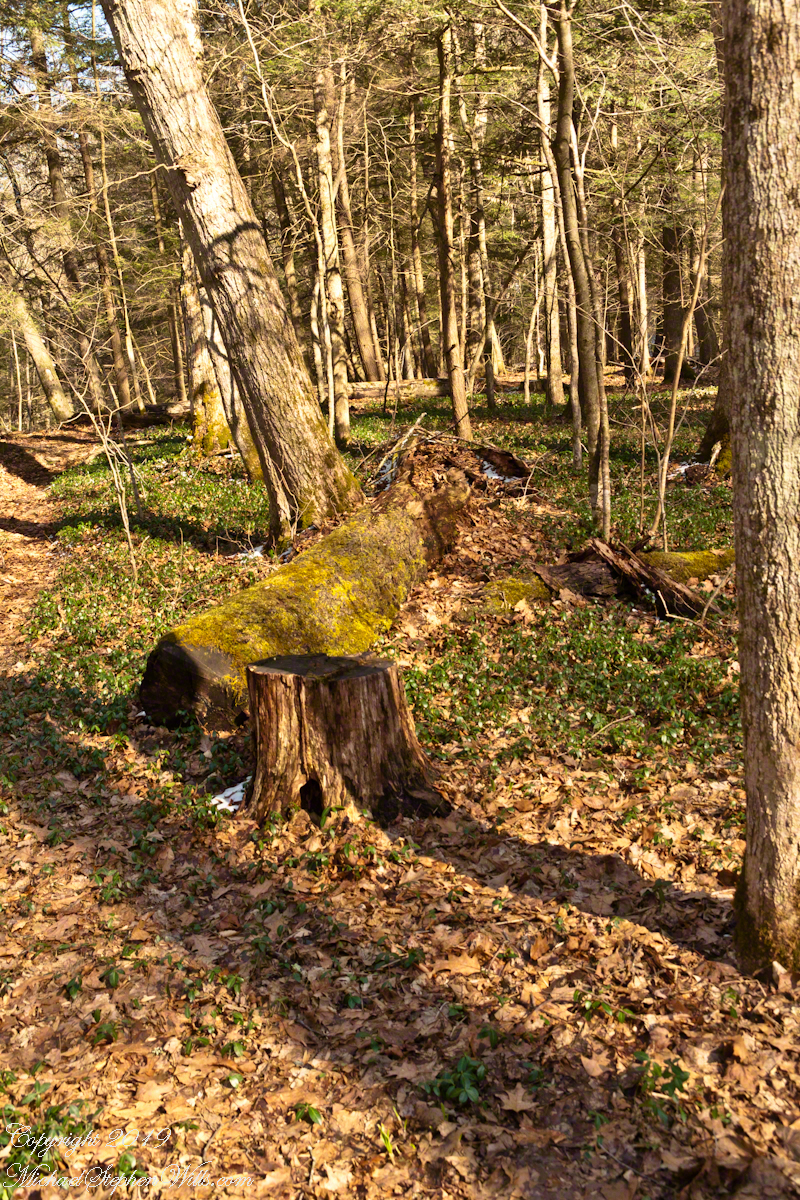
Today, the park practices leaving fallen trees in place, here they are covered in years of moss, a memory of headstones. Lesser Perriwinkle is significant for the living as the source of vincamine, from the leaves. A synthetic form of this compound is a potent vasodilator, a therapeutic treatment for stroke and other brain disorders.

These shots were hand held. I used a Sony Alpha 700 dslr with a variable “zoom” lens, great for framing compositions.

Robert H. Treman New York State Park.

Source: Wikipedia, “Vinca Minor.”

Click for a slideshow of this Fertile Flats sequence.
Copyright 2024 All Rights Reserved Michael Stephen Wills

Ephemeral

Amphibian haven, breeding place

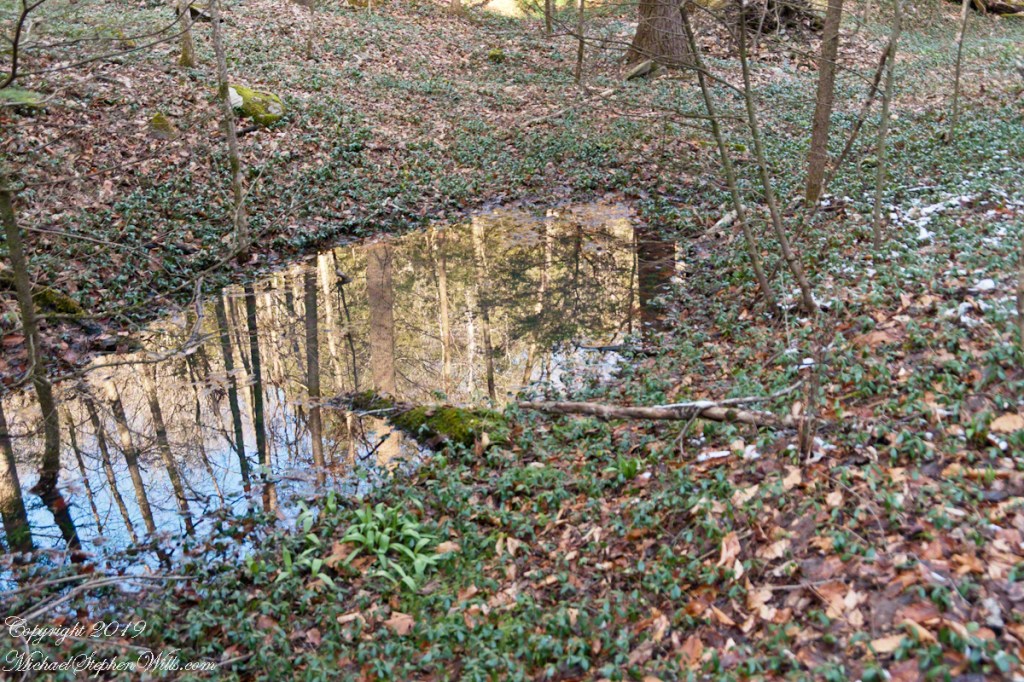
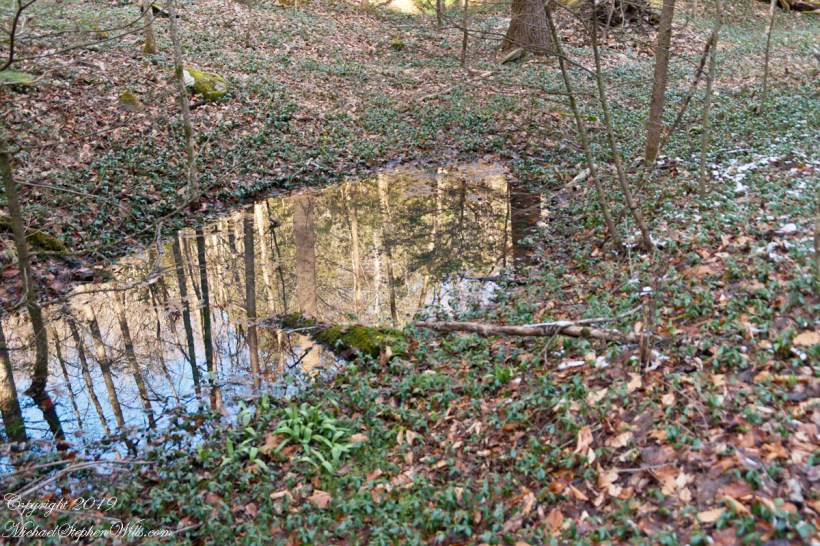
Melting snow, spring rains, gather in hollows of the forest floor to form ephemeral pools important for the development of amphibian life.

Click photograph for a larger view. To do this from WordPress Reader, you need to first click the title of this post to open a new page.

Also named vernal pools, from the Latin word for spring or the time of the equinox. The pools are ephemeral in the sense of being temporary, disappearing in the warmer, dryer late spring and summer months, a characteristic important for amphibian live in being devoid of predatory fish.

Here the pool forms on a flat beneath the walls of Enfield Gorge. Here is another photograph featuring the ephemeral winter theme, “The Cave.”

These shots were hand held. I used a Sony Alpha 700 dslr with a variable “zoom” lens, great for framing compositions.

Robert H. Treman New York State Park.

Sources: Wikipedia, “Vernal Pool” and Merriam Webster online.

Click for a slideshow of a few photographs published recently.
Copyright 2024 All Rights Reserved Michael Stephen Wills

Gully vs. Ravine

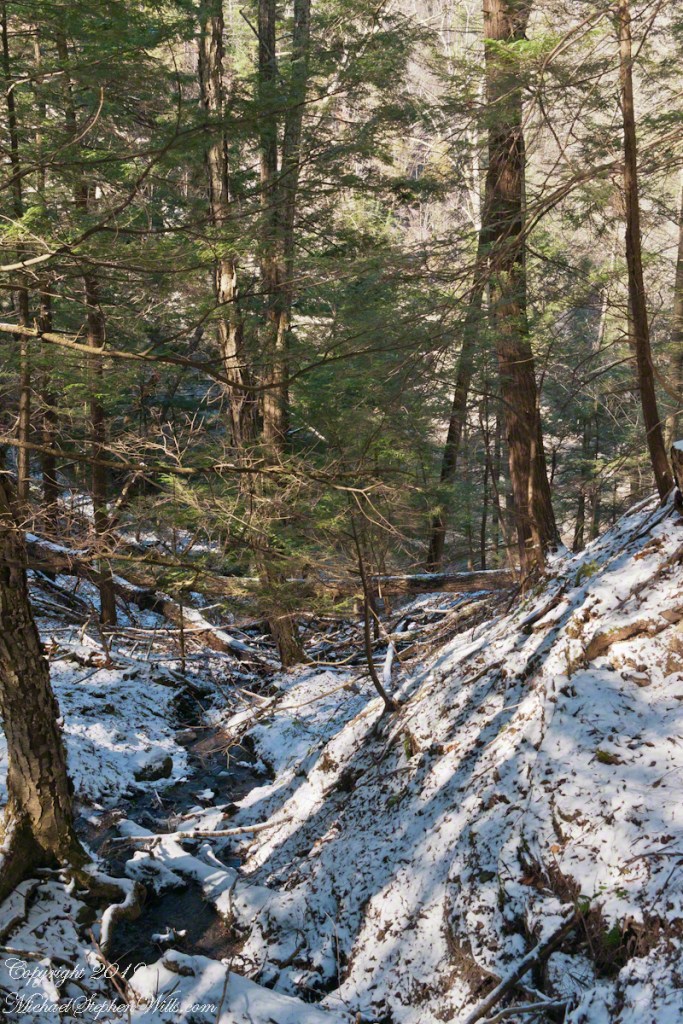
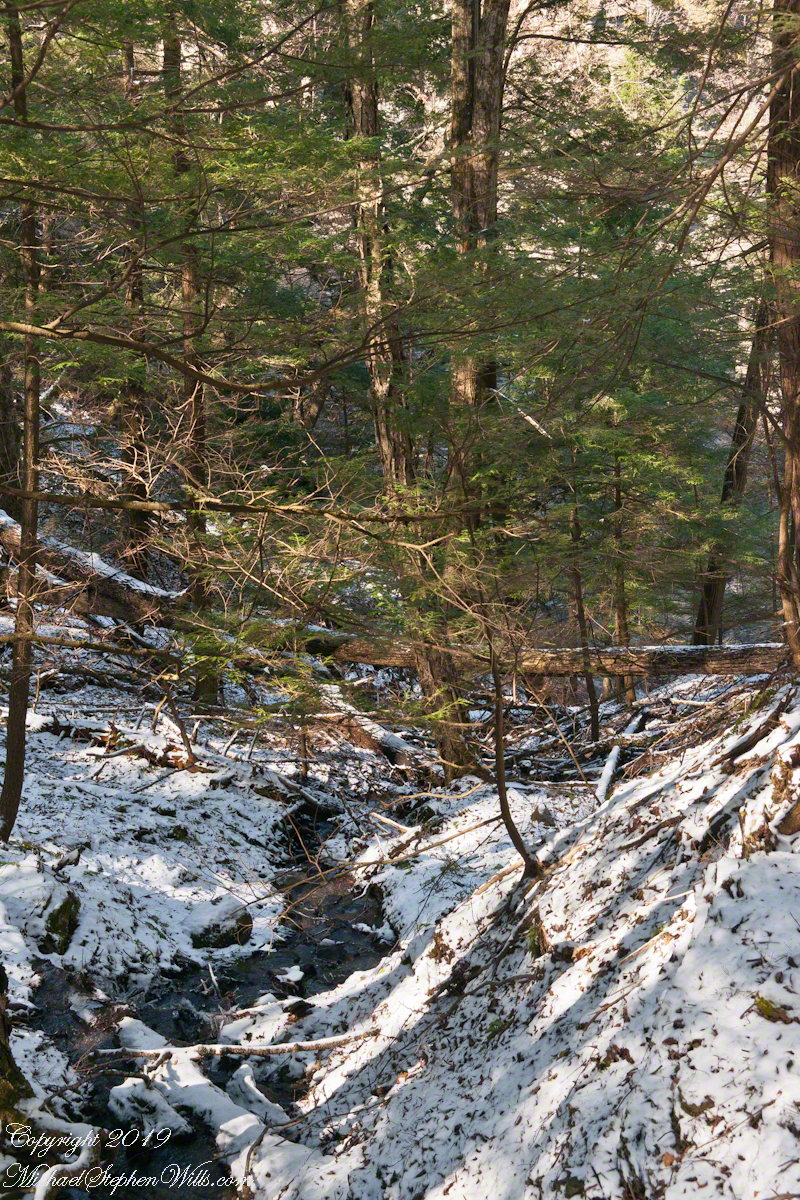
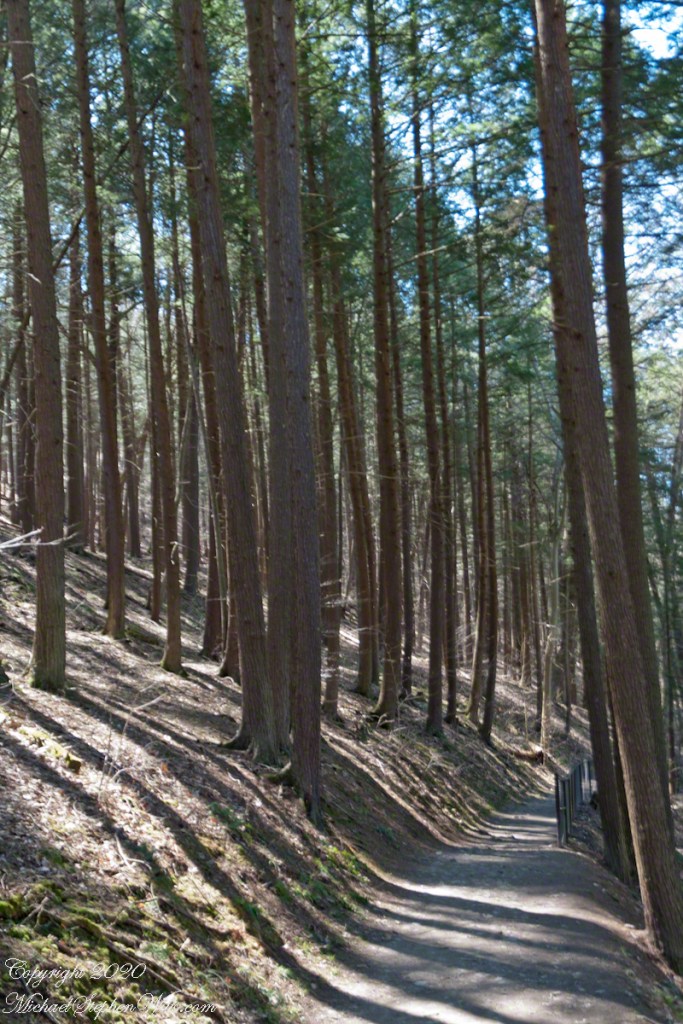
I love the early spring light filtering through the hemlocks.

Rim trail traverses gullies. These creases in the gorge walls were formed by small streams flowing to Enfield Creek.

Click photograph for a larger view. To do this from WordPress Reader, you need to first click the title of this post to open a new page.

Some passages require a wade, others have elaborate walkways with bridges. I initially wanted to call these ravines. Upon researching the term discovered while ravines are formed by erosion, the scale here is much smaller. I could rename Enfield Gorge, to Enfield Ravine.

These shots were hand held. I used a Sony Alpha 700 dslr with a variable “zoom” lens, great for framing compositions.

Robert H. Treman New York State Park.

Click for a slideshow of this Waterfall of the Old Mill sequence
Copyright 2024 All Rights Reserved Michael Stephen Wills

Icicles!!

Key words: steep, icy

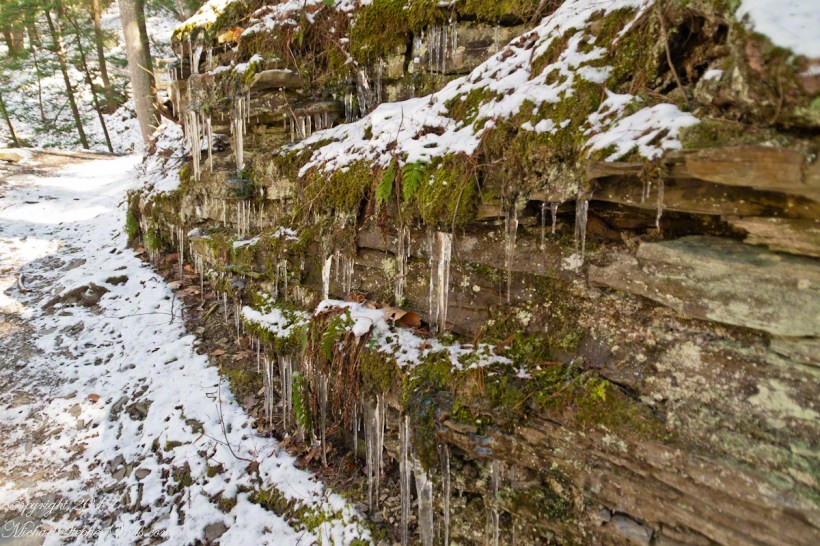
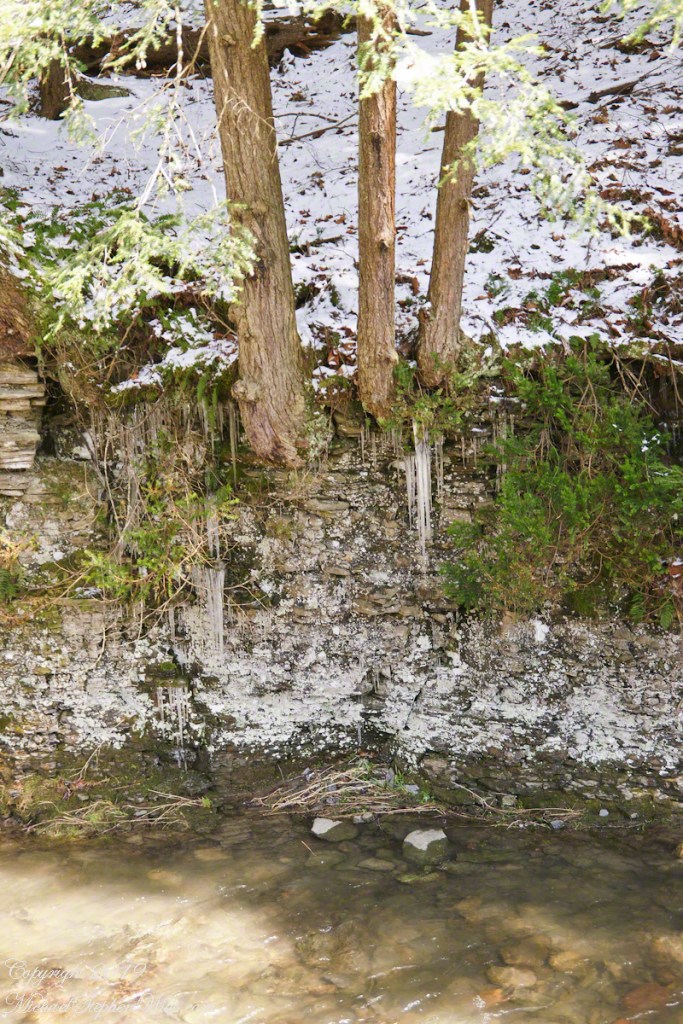
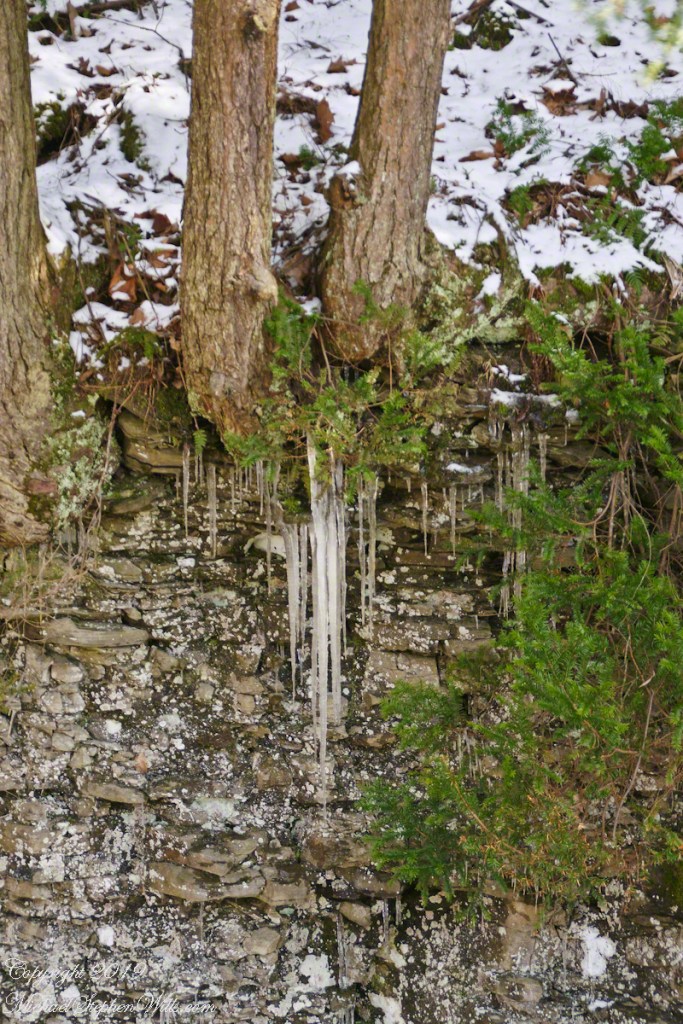
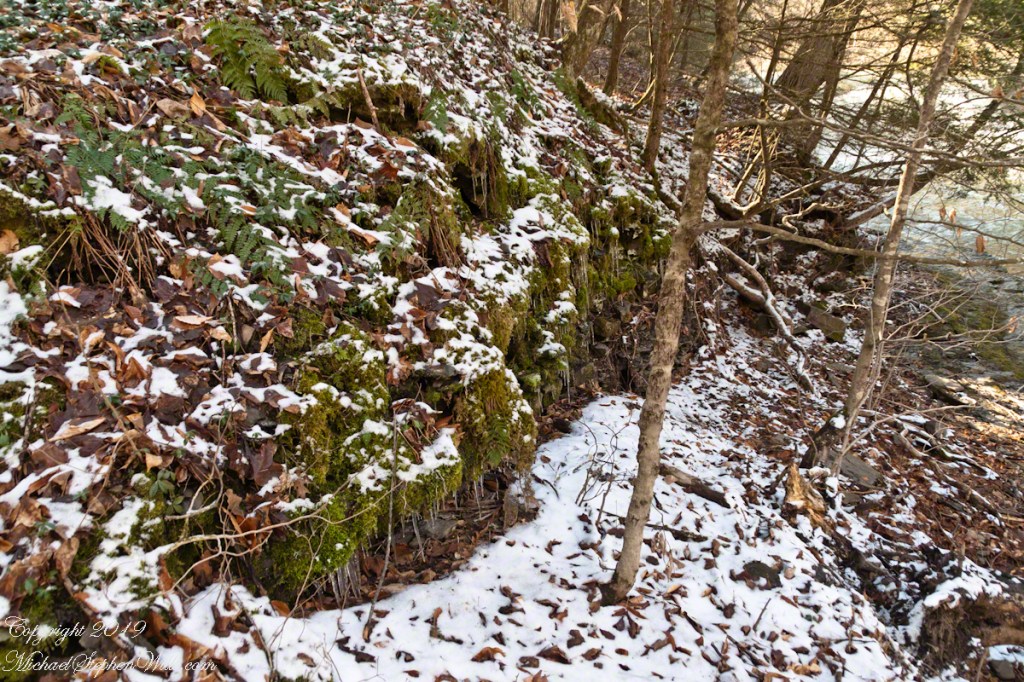
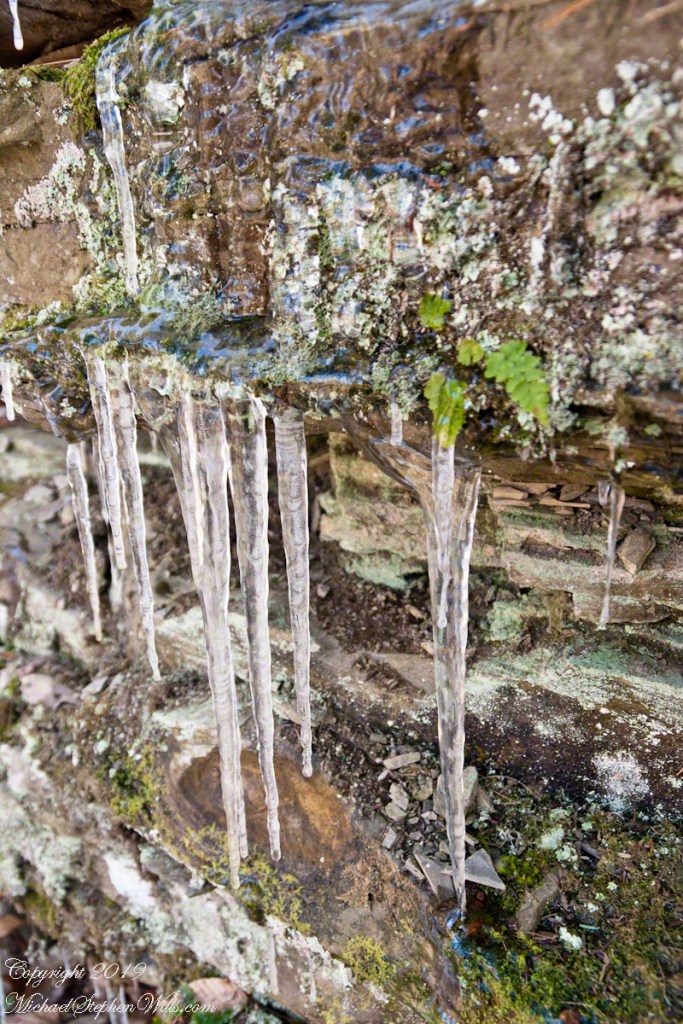
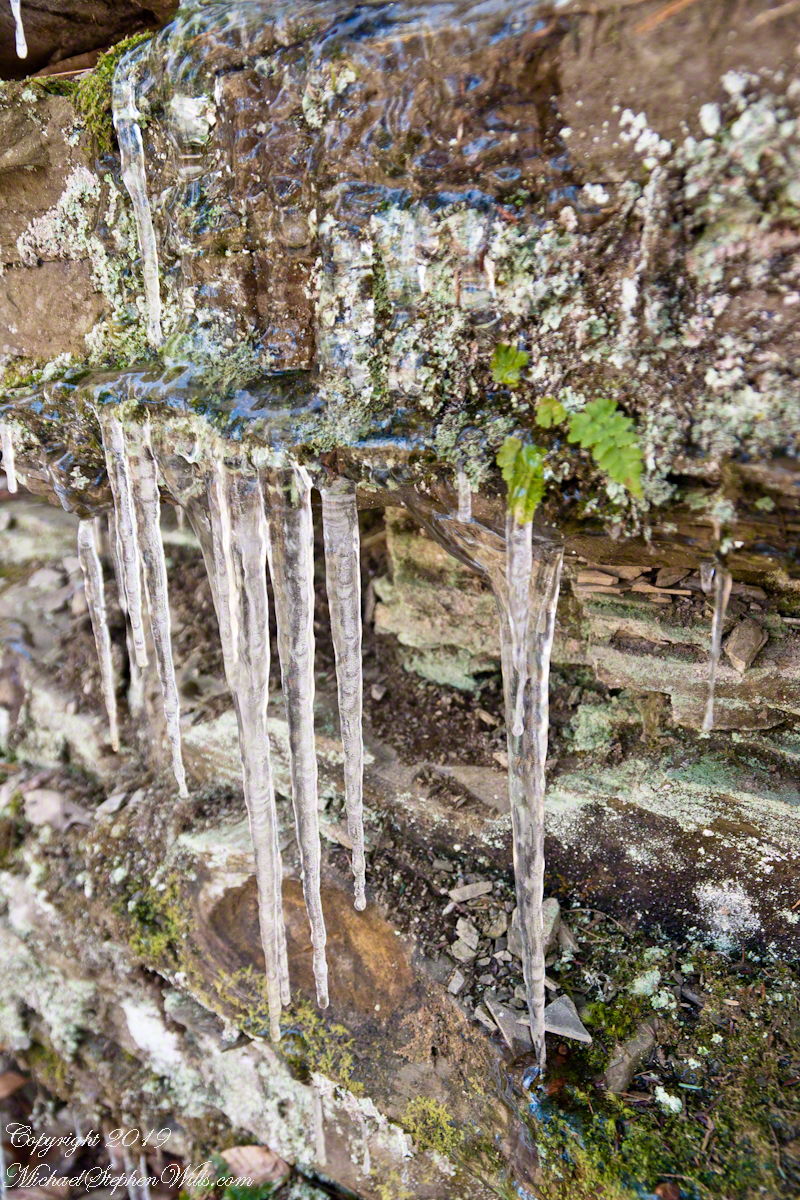
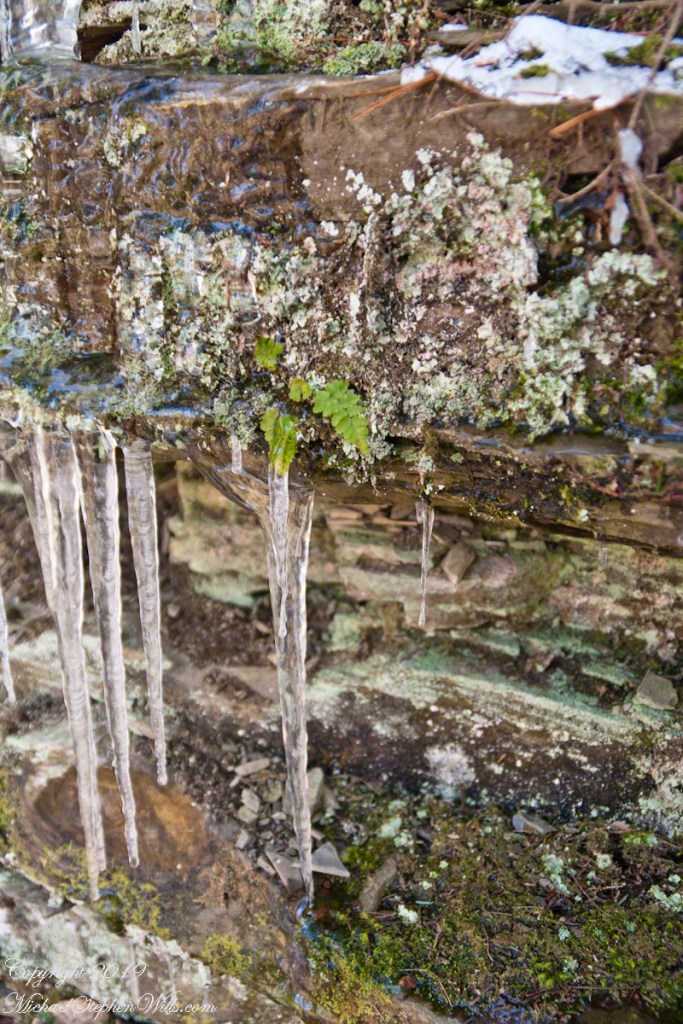
Water drips steadily from seeps, places water follows hidden cracks to emerge from the darkness. In warm seasons these may be a patch of moisture enabling the growth of ferns, only becoming evident when air is cold enough to freeze slowly running water.

Click photograph for a larger view. To do this from WordPress Reader, you need to first click the title of this post to open a new page.

These macros capture the Moss, Fern and Lichen. These thrive in this environment.

These shots were hand held. I used a Sony Alpha 700 dslr with a variable “zoom” lens, great for framing compositions.

Robert H. Treman New York State Park.

Click for a slideshow of this Waterfall of the Old Mill sequence
Copyright 2024 All Rights Reserved Michael Stephen Wills

Of Rocks and Seeps

Step into an early spring morning where sudden frosts adorn the Waterfall by the Old Mill with fleeting icicles, capturing nature’s delicate balance between freeze and thaw.

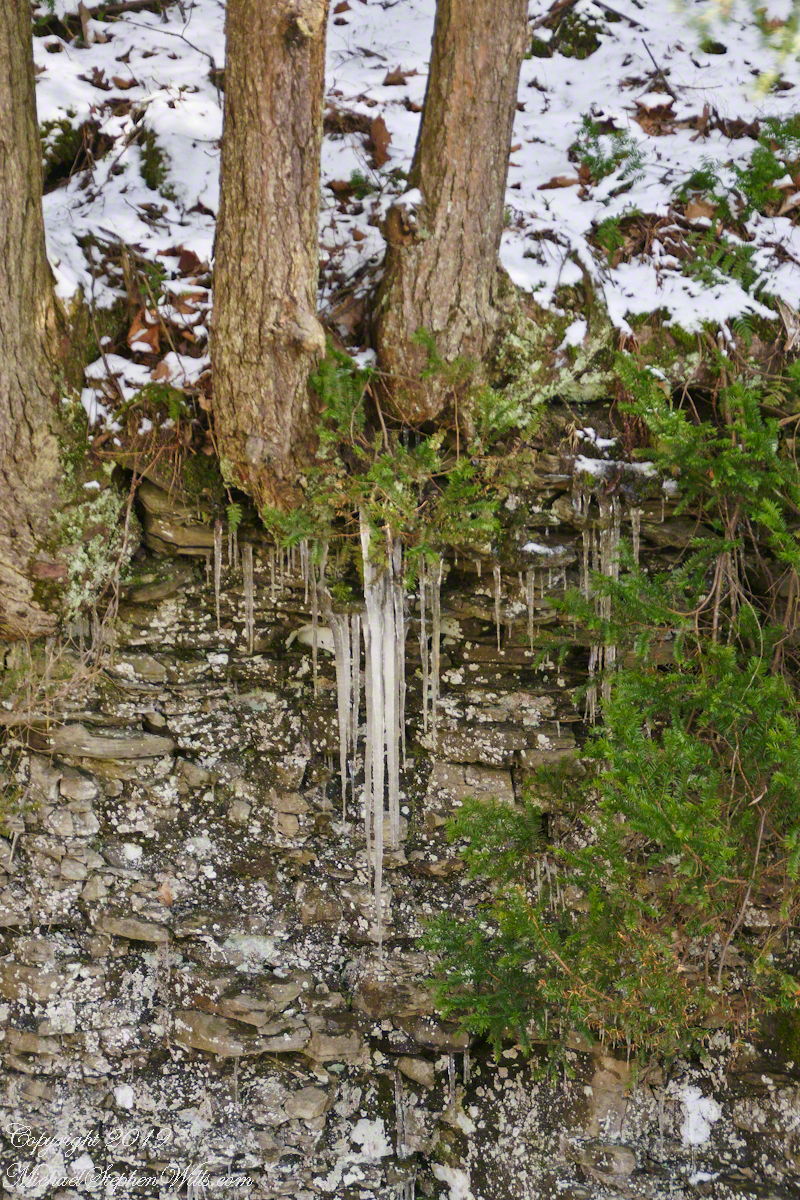
New icicles formed overnight from seeps through the sedimentary walls around the Waterfall by the Old Mill. On an early spring day, after a sudden frost, we walked the Rim Trail to capture the moment.

Here icicles formed during the quick April freeze hand above Fish Kill. Kill is an old Dutch word for creek.

Click photograph for a larger view. To do this from WordPress Reader, you need to first click the title of this post to open a new page.

Here a mix of frost and lichen mottle the rock layers.

These shots were hand held. I used a Sony Alpha 700 dslr with a variable “zoom” lens, great for framing compositions.

Robert H. Treman New York State Park.

Click for a slideshow of this Waterfall of the Old Mill sequence
Copyright 2024 All Rights Reserved Michael Stephen Wills

Three Views, Falls of the Old Mill

Join me on a frost-kissed journey along the Rim Trail, capturing the transient beauty of falls freed from winter’s grip, where nature’s power remains untamed and vividly alive.

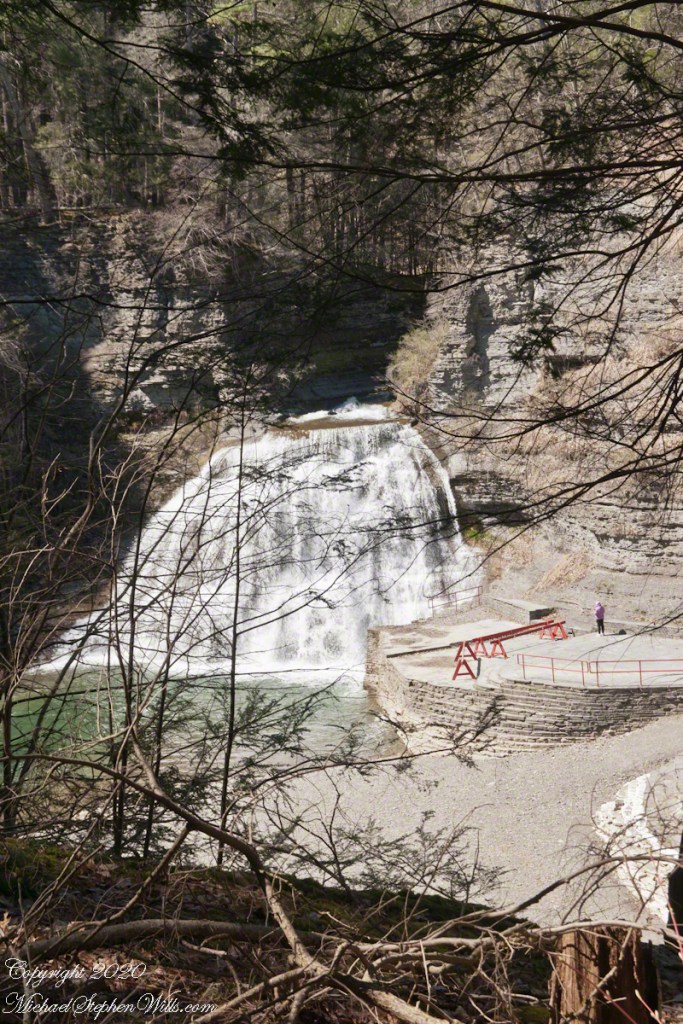
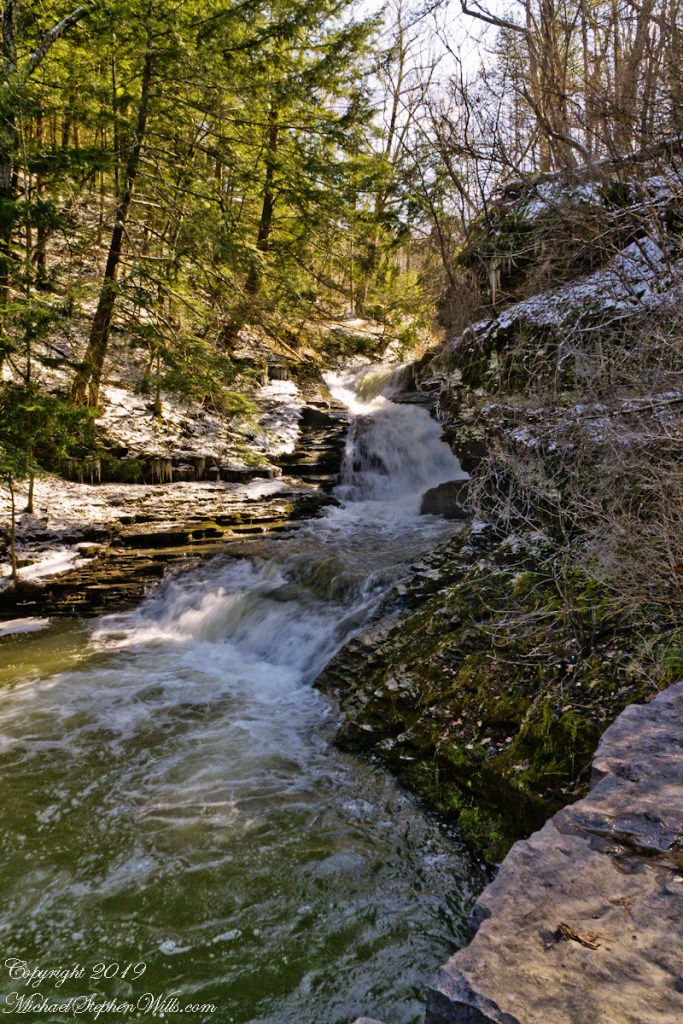
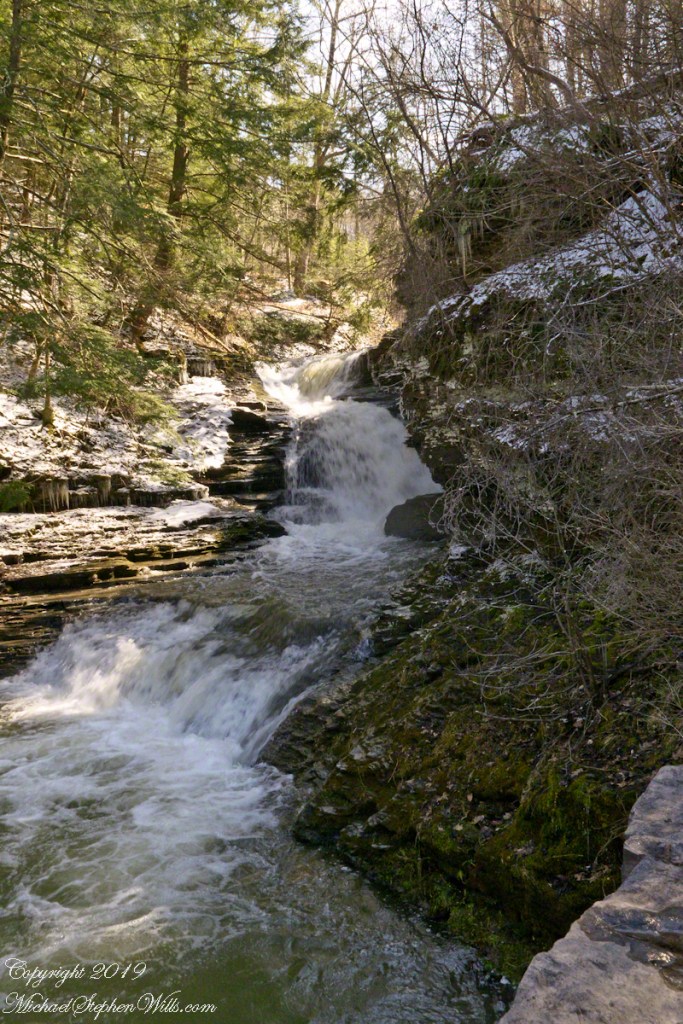
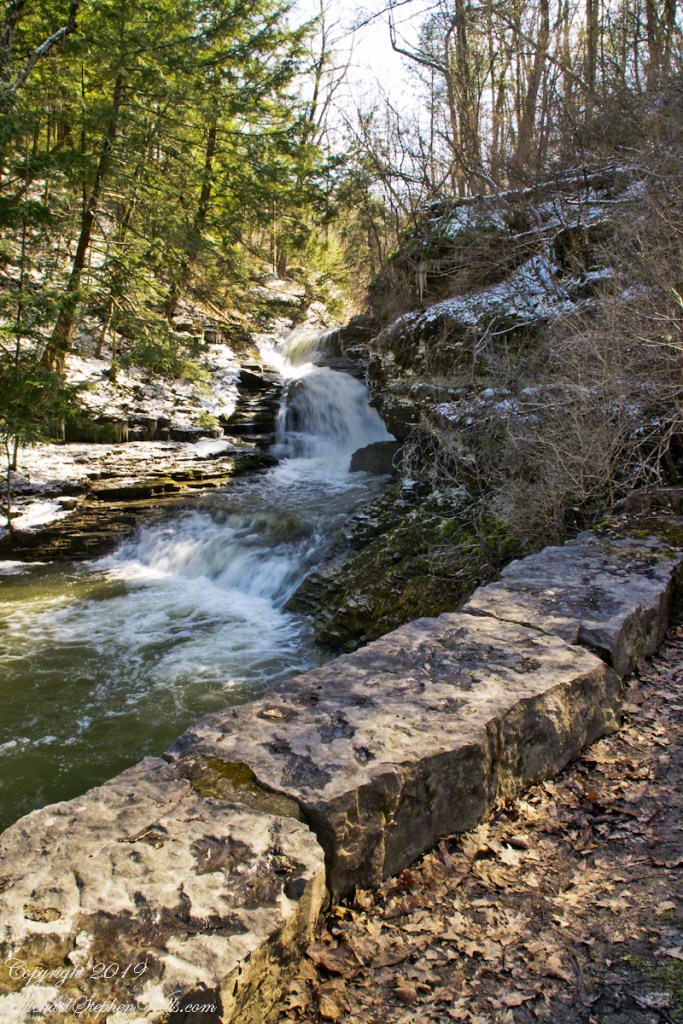
A day the falls run free of ice. On an early spring day, after a sudden frost, we walked the Rim Trail to capture the moment. Here are three captures of the same waterfall, the first visitors to the upper park encounter and the most visited and photographed right off the parking area.

Fish Kill was captured at this point to provide power to grind grain. Today neither nature nor man control the flow. Kill is the old Dutch word for creek.

Click photograph for a larger view. To do this from WordPress Reader, you need to first click the title of this post to open a new page.

I have never counted the waterfalls from this one to the grand sweep of lower falls. The falls are uncountable because no two people could agree on how small a fall to credit.

Of these three versions, i prefer this one for the foreground inclusion of the enormous limestone blocks set to protect visitors from the drop. This scene is challenging photographically, bifurcated as it is by the bright sun over the fall brink. I prefer to shoot these falls early morning, for this reason, before the sun illuminates the area at all. Long exposures required demand a rock solid tripod, as it is just off the parking lot I use my studio Manfrotto for the work. Here all shots were handheld.

I used a Sony Alpha 700 dslr with a variable “zoom” lens, great for framing compositions.

Robert H. Treman New York State Park.

Click for a slideshow of this sequence of the Waterfall of the Old Mill
Copyright 2024 All Rights Reserved Michael Stephen Wills

Post WWII Launch Complexes on Cape Canaveral

Ghosts from the future?

Here is the fifth in a series of photographs centered on the early history of space flight on Cape Canaveral mostly taken during a tour organized by the Cape Canaveral Lighthouse Foundation. “Google” the foundation for details of future tours. Here we explore the sites of the first launches on the Cape, Launch Complexes 1, 2, 3, 4. (LC 1 – 4).

From Vengeance To Space

Our bus proceeded east on Lighthouse Road past Launch Complexes 21 and 22 in less than half a mile we were within the first sites of the United States Space age, sites with the lowest numbers, LC 1 – 4.

Click Any Image for a larger viewe

If, instead of distance, the bus traveled back in time 68 years to July, 1950 we would be witness to the first United States space launch of the two-stage “Bumper 8”, a former “V2” missile topped by a WAC Corporal that reached 248 miles above the earth, about where the International Space Station circles now.

July 1950 Bumper 8 Launch
By NASA/U.S. Army – NIX 66P-0631, GPN-2000-000613; http://solarsystem.nasa.gov/multimedia/display.cfm?IM_ID=385, Public Domain, https://commons.wikimedia.org/w/index.php?curid=2892820

Almost certainly, the man who designed and directed the production of the Nazi V2, Werner vonBraun, was perched on the lighthouse a half-mile distant.

Cape Canaveral Lighthouse from Launch Complex 3

The Nazi “vengeance weapon 2”, the V2, a device so horrifying British authorities claimed the first V2 attacks to be “gas explosions” rather than admit a Nazi weapon descended without warning. Beginning September, 1944, over 3,000 V2’s landed on London, Antwerp and Liège resulting in an estimated 9,000 deaths, mostly civilians. 12,000 forced labor and concentration camp slaves died in the construction of the production facilities captured by the Soviet Union during the collapse of the Nazis. These victims, arms linked, will form a circle 15.9 miles in circumference around the Bumper 2 launch.

The 21,000 V2 victims, linked arm in arm, make a circle 15.9 miles in circumference.

von Braun and key V2 personnel surrendered to the Americans and, along with enough parts to construct 80 V2s, were taken to the United States. His direction of US missile development lead eventually to the enormous Saturn rocket that lifted three men to the moon, so good came from our bet on vonBraun and the V2.

Observation Bunker

In January, 2018, firmly in the present, our bus approached these now “deactivated” sites driving down Lighthouse Road. Confined to the bus, I used my Canon EOS 1Ds Mark III and the EF 70-300mm f/4-5.6 IS USM lens to capture these scenes.

Looking across Launch Complexes 1 and 2 to Lighthouse Road and the tower. An observation bunker
Observation Bunker from Launch Complex 3, looking across Launch Complex 1.

I can almost see someone behind the glass, enjoying a blast of air-conditioned air, dry and cool.

Litter on and around Launch Complex 4

Missile Housing without Engine
Radar Parabola Fragment
Cement Blacked by Rocket Launch Blasts

Aerostat

From 1950 into the 1960’s LC 1-4 saw launches of cruise missiles, some of which were able to maneuver and land on the “skid strip” you can pick out on the “21,000 V2 Victims” image, above. A positive discovery from my research on wikipedia the weapon systems tested here were not fired in anger. Continued development in other places lead to production of generations of cruise missiles launched by Presidents Clinton and Bush against Afghanistan, Iraq and (??) other targets. What victim ghosts, arms linked in ever growing circles, are lurking in our future?

A building on LC 4 has the designation “Aerostat”, one of the last projects supported. I saw an aerostat in action in the early 2000’s over Fort Huachuca, Arizona near the border with Mexico. An aerostat is a flying craft that does not rely on moving air to achieve lift, balloons for example.

The Goodyear blimp is a memory from my childhood on Long Island, the Fort Huachuca aerostat was a smaller version, outfitted with advanced technology for monitoring the surrounding environment. “Google” aerostat mexican border to learn more about the current deployment.

Another view of the abandoned aerostat building on LC 4

With the development of Intercontinental Ballistic Missiles (ICBMs) the facilities of LC 1 – 4 became obsolete. ICBMs are a theme of the next installment of this series.

ClickMe for another post in this series, “Mercury 7 Pre-Launch Facilities.”

ClickMe for the first post in this series, “Cape Canaveral Lighthouse.”

Sources of information for this post: I used information from the Wikipedia site for the key words V-2, Launch Complex 1, Launch Complex 2, Launch Complex 3, Launch Complex 4. The Bumper 8 launch photograph caption includes a source citation.

Copyright 2024 Michael Stephen Wills All Rights Reserved.