The Autumn Tapestry of Cayuga Lake: A Journey on the Treman Park Lake Loop

Autumn’s Arrival Along Cayuga Lake

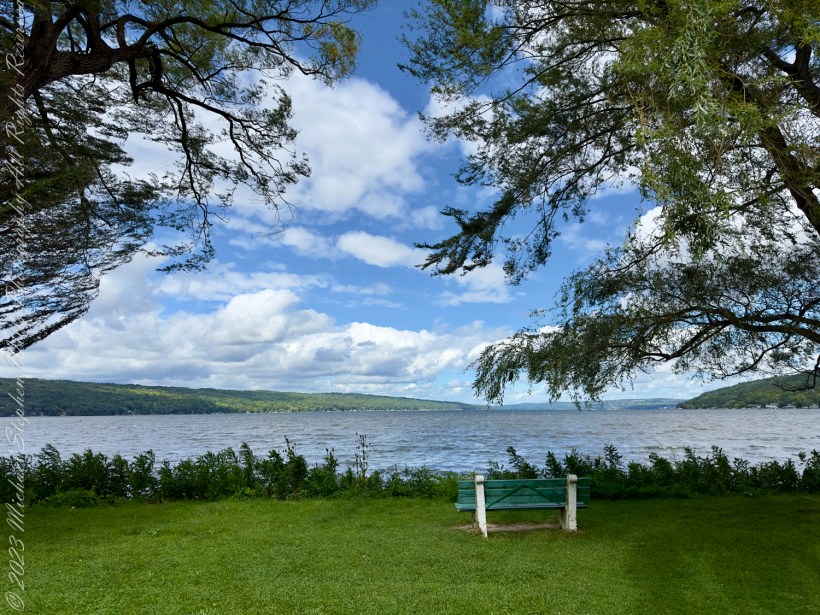
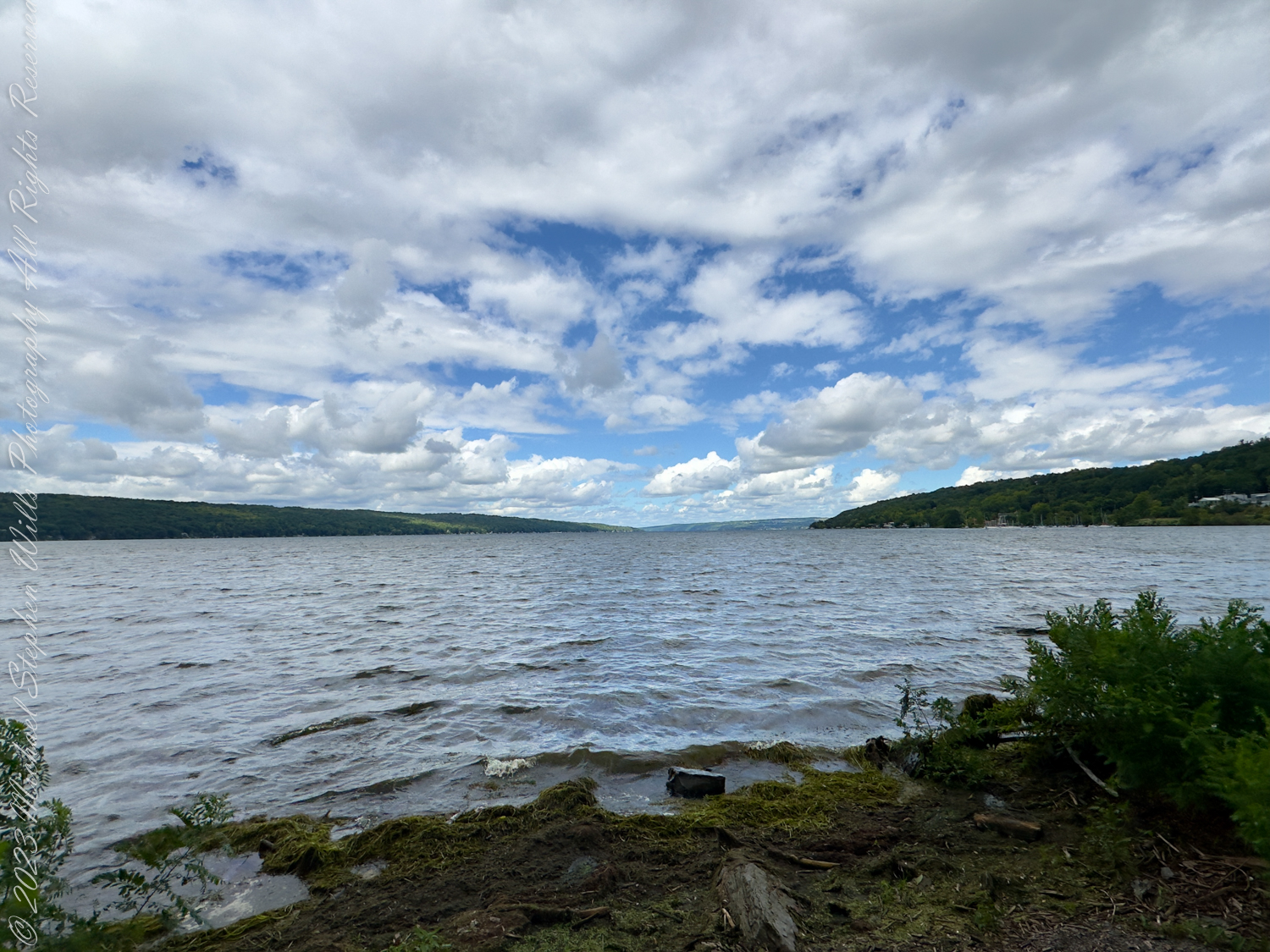
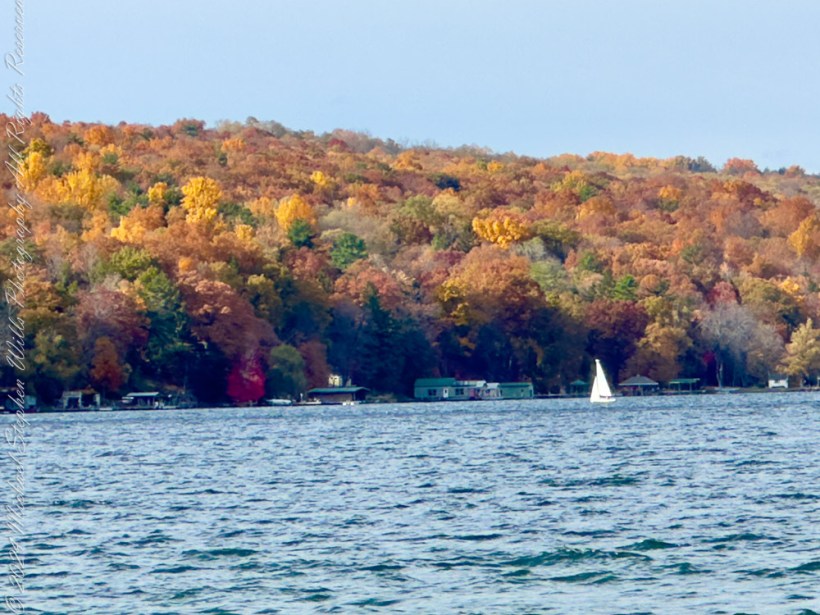
In Autumn 2024, the Treman Park Lake Loop of the Cayuga Waterfront Trail in Ithaca, New York, unfurled a vibrant display of seasonal transition. The natural landscape, adorned with fiery hues of reds, oranges, and yellows, reflected in the rippling waters of Cayuga Lake, creating a harmony of color and light. This is a scenic journey through stories of plant and animal life that call this place home—including the majestic Osprey (Pandion haliaetus) that nests along the shore.

The Osprey’s Watchtower

A sight to greet visitors is the solitary osprey nest perched high on a pole. Used by Osprey families during their breeding season, this nest stands as a testament to their remarkable recovery in the Finger Lakes region. Ospreys, once declining due to pesticide use, have rebounded significantly following conservation efforts.
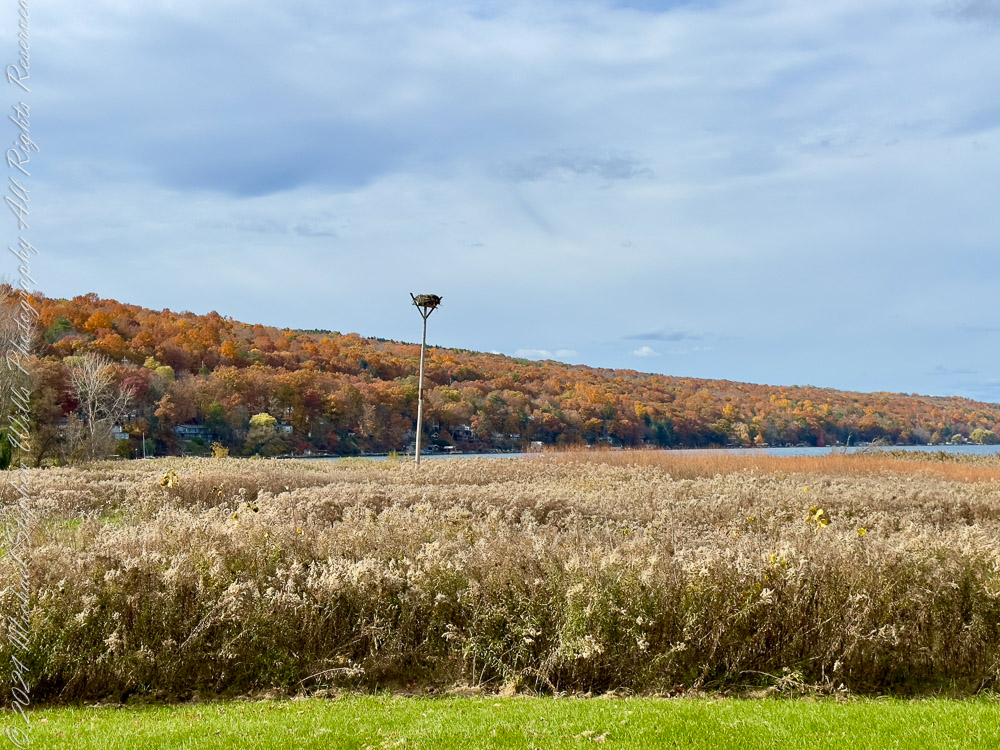
With a wingspan of up to 6 feet, these raptors are expert fish hunters, often seen diving talons-first into the lake to snatch their prey. During autumn, as their young take flight, the nest remains an empty marker of the summer’s success—a reminder of the cyclical nature of life along the lake.

Did You Know? Ospreys are often referred to as “fish hawks” because fish make up 99% of their diet.

The Meadow and Its Golden Touch: Reedbeds and Goldenrod

Surrounding the osprey pole, expansive meadows of grasses and reeds sway with the breeze. Among these are stands of Common Reed (Phragmites australis), a tall grass with feathery plumes that catch the sunlight. While Phragmites can sometimes be invasive, they provide crucial shelter and food for various species of birds and insects.
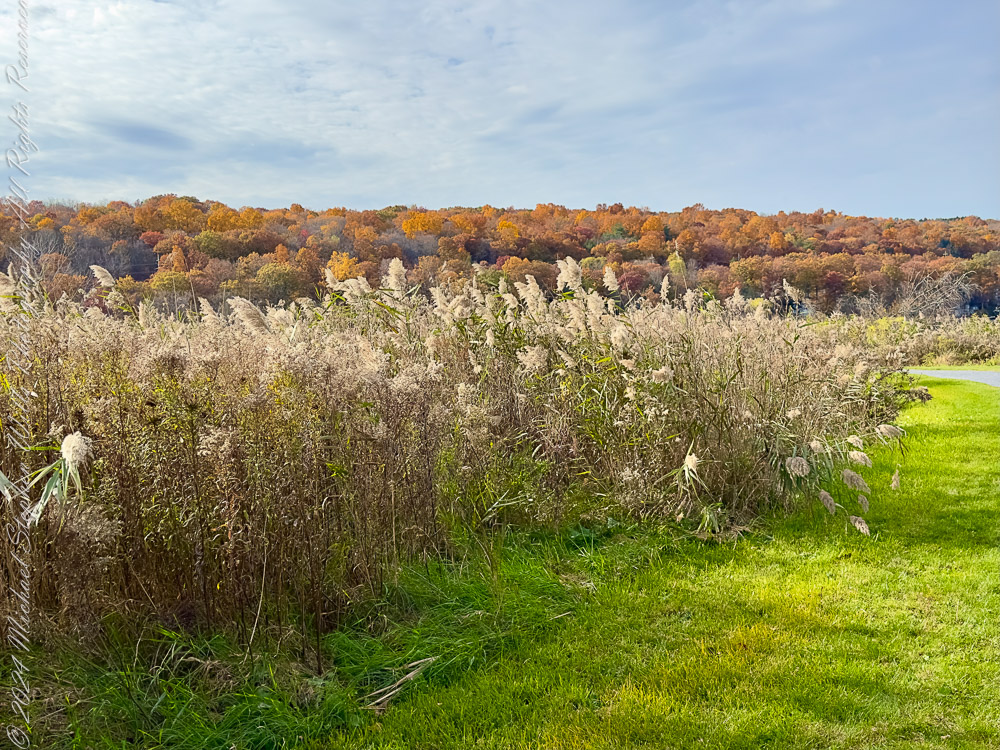
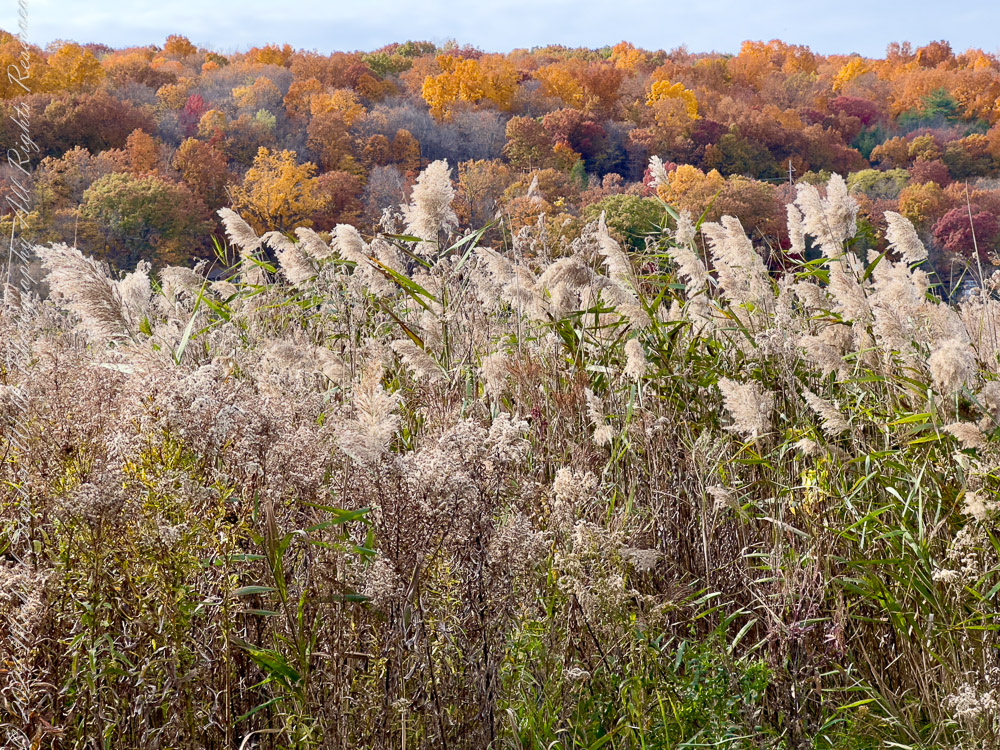
Intermixed with the reeds are patches of Goldenrod (Solidago spp.), whose bright yellow flowers are a signature of late summer and autumn in the Northeast. Goldenrods are critical for pollinators, offering nectar to bees, butterflies, and migrating insects like the Monarch butterfly (Danaus plexippus).

Ecological Note: Goldenrods are often mistakenly blamed for allergies; the real culprit is ragweed (Ambrosia artemisiifolia), which blooms at the same time but releases airborne pollen.

A Lake Alive with History and Beauty

The shimmering blue waters of Cayuga Lake form the centerpiece of this trail. The lake, stretching nearly 40 miles, is the longest of the Finger Lakes and steeped in geological and cultural history. Its name is derived from the Cayuga Nation, part of the Haudenosaunee Confederacy, who inhabited the region for centuries.

The striking red lighthouse in the water serves as a vivid counterpoint to the natural surroundings. Built to aid navigation, it now stands as a picturesque focal point for photographers and nature enthusiasts alike.
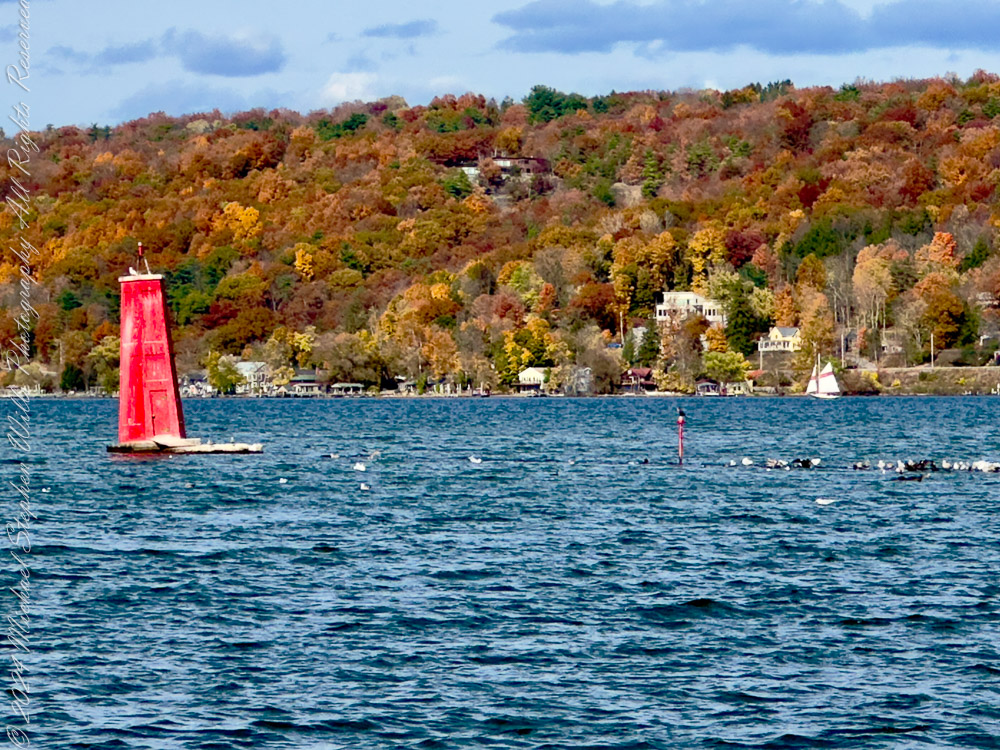
Cayuga Inlet Light Beacon

In the distance, a sailboat glides across the lake—a serene reminder of the recreational draw that Cayuga Lake holds year-round.
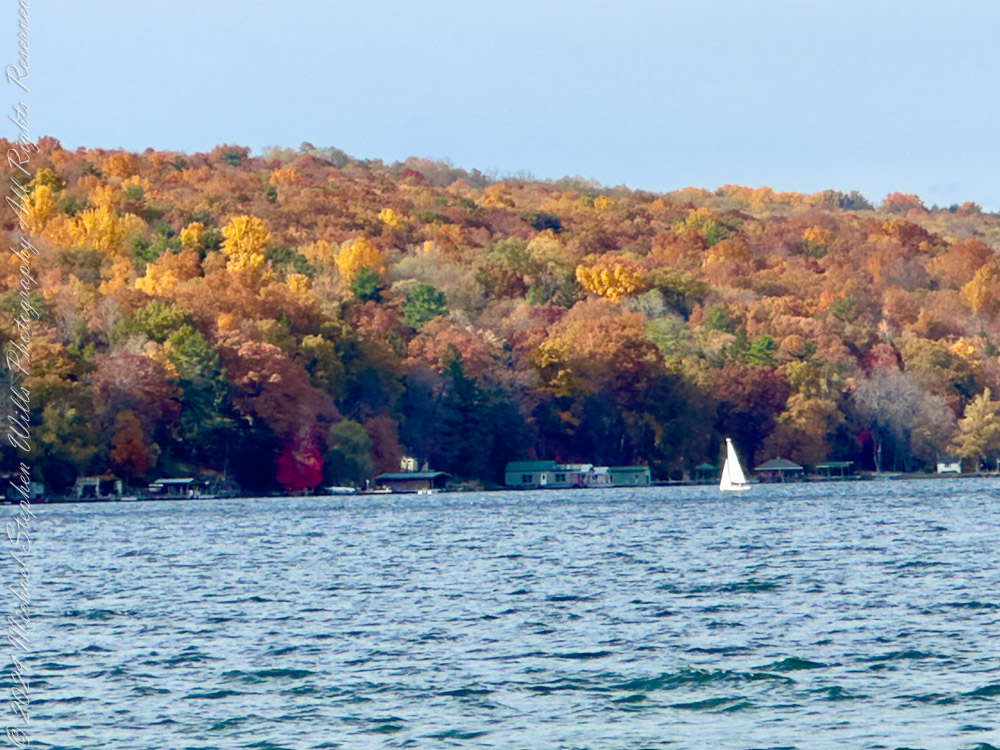
West shore with sailboat and lake houses

The Forest Fringe: A Kaleidoscope of Color

The forests that fringe the meadow and the lake present an explosion of autumn color. Trees such as Sugar Maple (Acer saccharum), Red Oak (Quercus rubra), and Black Cherry (Prunus serotina) dominate the canopy, their leaves transforming into brilliant oranges, scarlets, and deep burgundies. The Sugar Maple, in particular, is renowned for its vibrant golden-orange foliage, a hallmark of the northeastern fall.
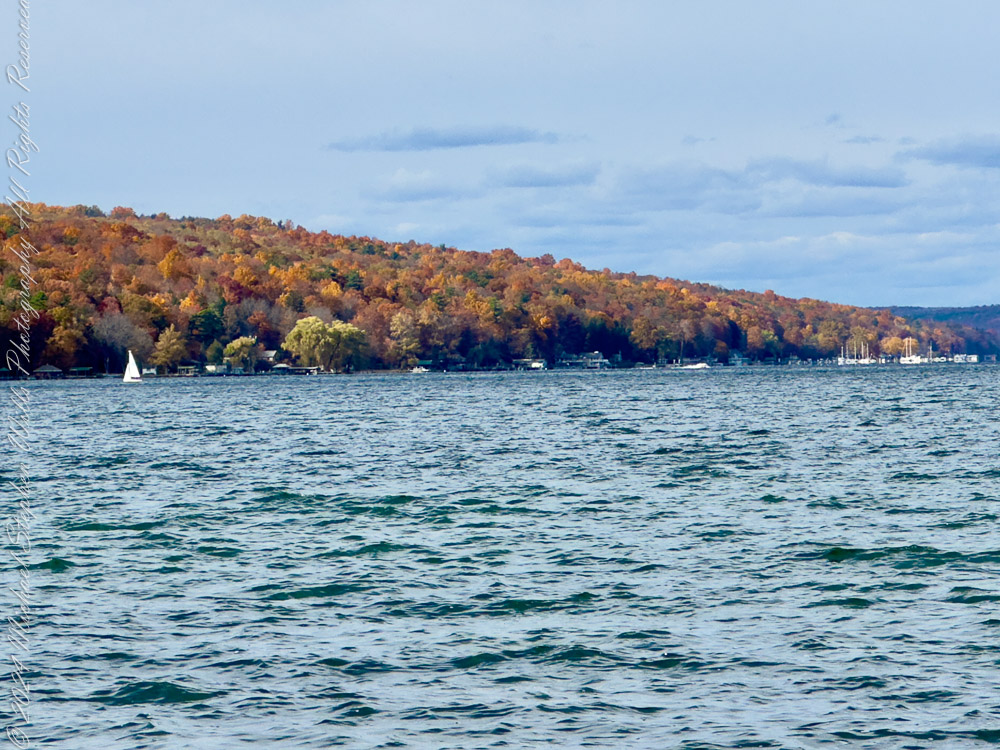
The Ithaca Yacht Club lies south of Maplewood Point

Closer to the ground, the understory hums with the activity of migrating birds and foraging mammals. Squirrels can be seen gathering acorns, preparing for the winter months ahead, while chickadees flit among the branches, calling their cheerful “fee-bee” notes.

Historical Fact: The Finger Lakes were carved out by retreating glaciers over 10,000 years ago, leaving behind these deep, elongated lakes and fertile soil that supports rich biodiversity.

A Path Through Time and Nature

Walking the Treman Park Lake Loop is a sensory journey—the crispness of the autumn air, the rustling of reeds, and the rhythmic lapping of waves against the shore combine to evoke a timeless tranquility.
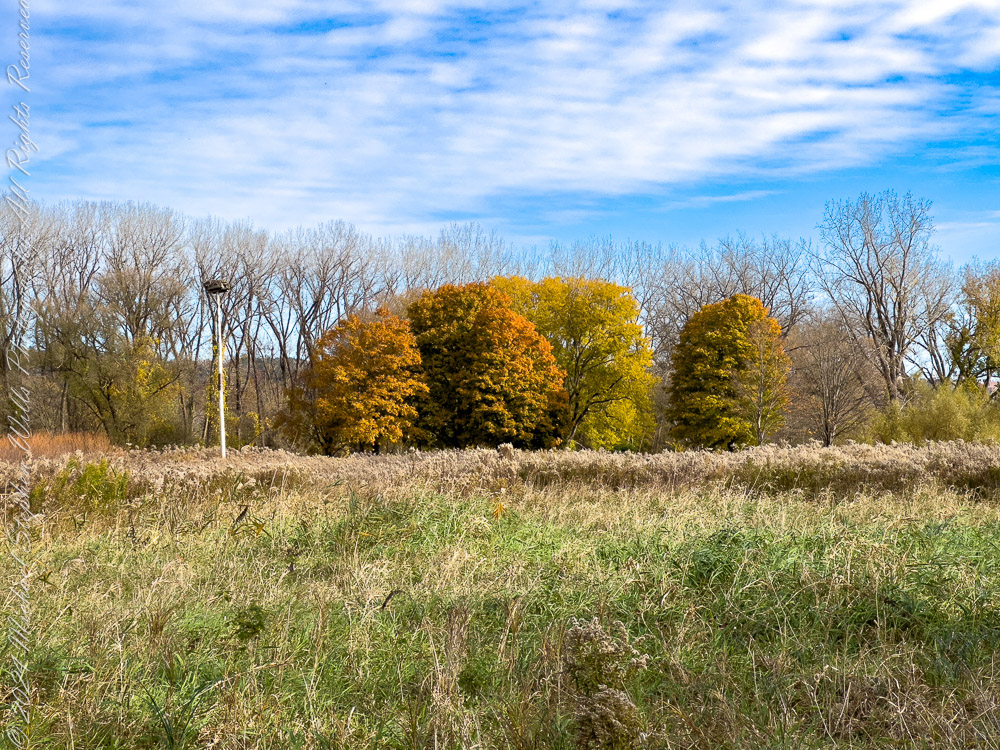
From the vibrant meadows to the osprey’s lofty perch and the quiet expanse of Cayuga Lake, this section of the Waterfront Trail encapsulates the beauty and diversity of the Finger Lakes ecosystem. Whether for quiet reflection or active exploration, it remains a treasured destination in every season.

Closing Thoughts

As autumn deepens, this landscape prepares for the dormancy of winter. Yet the stories it holds—from the osprey’s nest to the goldenrod’s bloom—remain alive, waiting to be rediscovered with each new season. The Treman Park Lake Loop is not just a trail; it is a canvas of life, change, and history painted by nature’s hand.

Reflection: To walk this trail is to connect with a land shaped by glaciers, nurtured by waters, and home to countless species that continue to thrive amid the ever-turning wheel of the seasons.

Enter your email to receive notification of future postings. I will not sell or share your email address.

Winter Serenity at Cocoa Beach

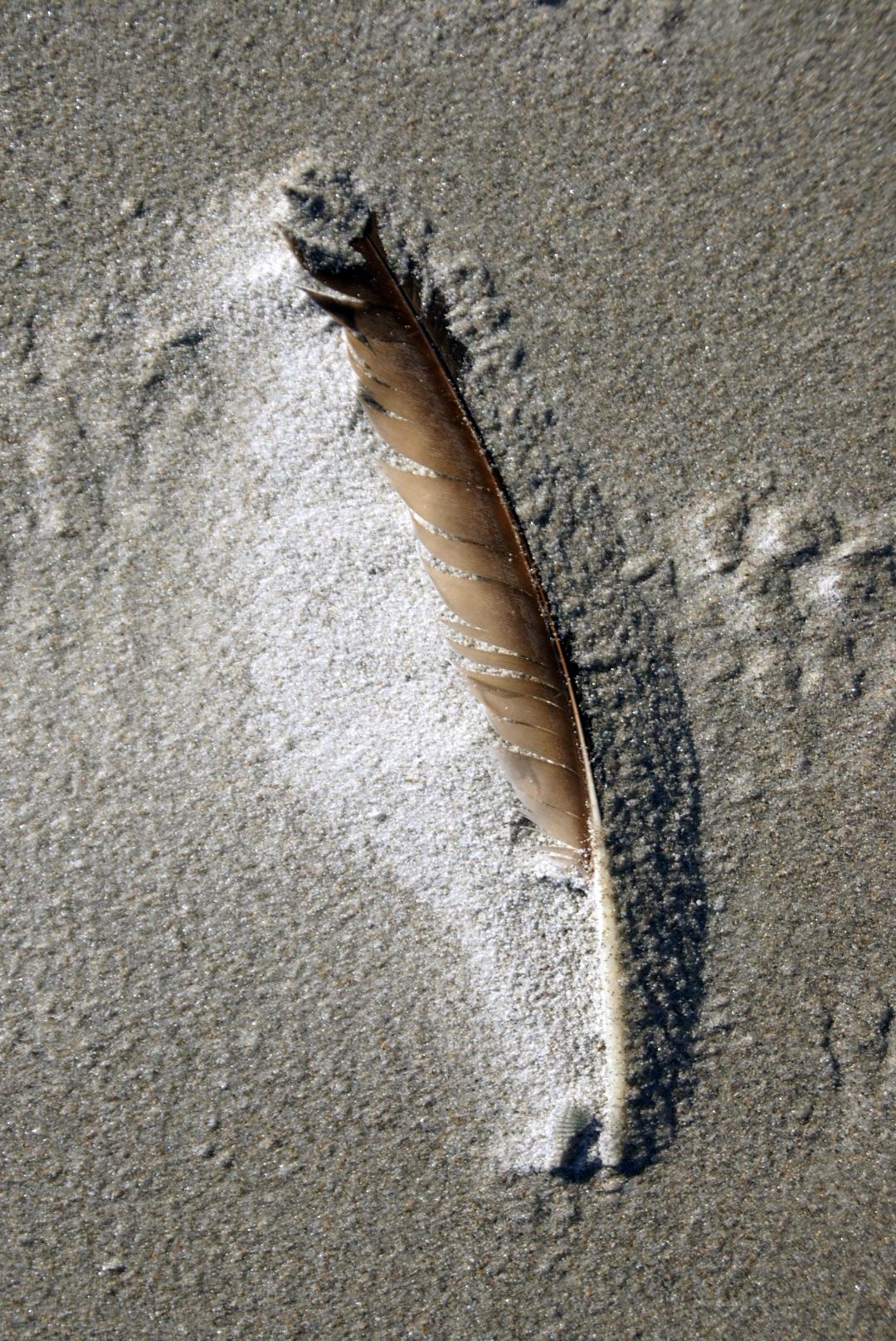
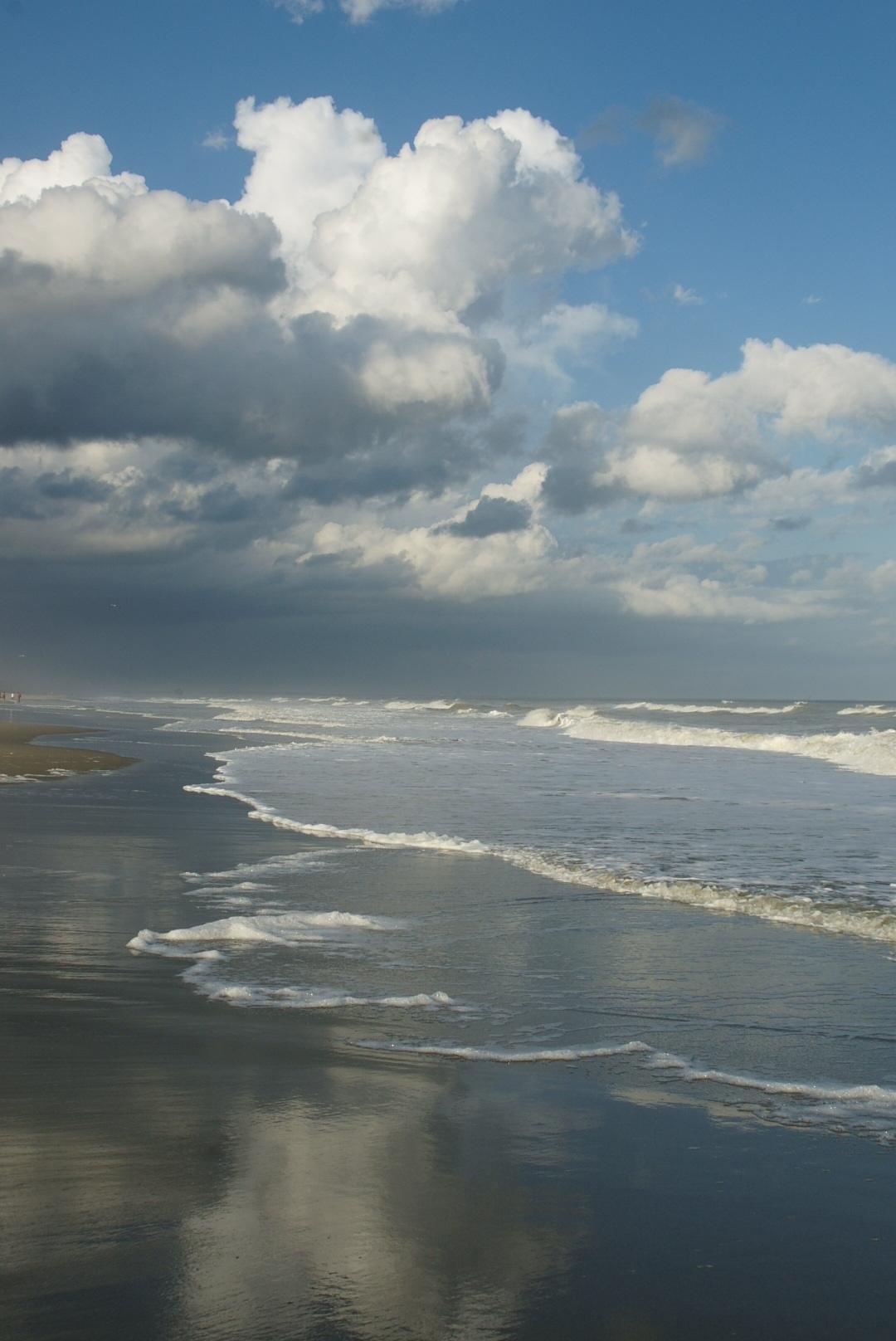
The wind carries the rhythm of the waves as clouds drift across the sky, their reflections shimmering on the sand. A lone feather lies half-buried, a quiet reminder of nature’s gentle yet untamed beauty. In the midst of winter’s rawness, there’s a peaceful stillness, inviting you to pause and take in the moment.


There’s a magic in the embrace of a winter afternoon at Cocoa Beach, where cold northern winds rush down, meeting the Atlantic’s gentle roar. A brush has stroked the heavens; a sky painted with clouds, each towering and shifting, soft yet mighty. With weight and grace, they hang in the sky; some laden with the promise of rain, others light and carefree, echoing the ever-changing rhythm of the sea below. As the sun dips, its rays break through, illuminating the clouds and casting reflections on the wet sand, where the ocean’s kisses linger before retreating back to the deep.

DSC05744Small

The wind tugs at my clothes, my hair, my thoughts. It whispers its secrets, telling stories of distant places, of journeys. With patterns chaotic yet somehow harmonized; waves, frothing and white, crash in sync with the wind’s song. They stretch their fingers onto the shore before retreating, playing an endless game of tag with the land. The sand, smooth and glistening, mirrors the clouds above, creating an ephemeral connection between earth and sky. Both are locked in a fleeting dance, destined to dissolve with the tide.

Amid the sound of wind and water, the sight of a lone feather caught my eye. Half-buried in the sand, its delicate barbs were still intact, though weathered by the elements. It was a remnant of life, a testament to the flight of some seabird now long gone. This feather, in its stillness, speaks volumes—of resilience, of the endless passage of time, of moments lost to the wind yet immortalized in the quiet present. Its grooves, like fine lines etched in sand, tell the story of its journey through the air, carried by forces unseen yet deeply felt.

DSC05792BeachFeathre

The feather, lying motionless yet deeply expressive, becomes a symbol of the paradoxes that fill this beach: the immensity of the ocean, infinite in its expanse, and the simplicity of a single object, caught and held for just a moment. The windswept beach feels vast, stretching endlessly before me, yet each step I take reveals intricate details, like the delicate curves and patterns of shells half-buried in the sand, or the ephemeral foam left behind by retreating waves. Each part of this landscape tells a story—the grand and the intimate, the eternal and the fleeting, all coexisting in perfect harmony.

Standing here, enveloped by the wind and the sea’s whispers, I am reminded of the power of nature to humble and uplift. It strips away the noise of everyday life, leaving only the raw, untamed elements that have been here long before us and will remain long after. There is something deeply spiritual about this place, this moment—where the only sounds are the natural rhythms of the world, unbroken by human intervention. The beach, with its vast openness, encourages introspection, a reflection not only on the external beauty but also on the inner landscapes of the mind.

The wind, relentless and free, stirs a sense of renewal in me. It is a force that clears the air, both literally and figuratively, sweeping away stagnant thoughts and opening space for new ones to emerge. The crispness of the cold air invigorates, reminding me that even in the depths of winter, life continues—whether in the ceaseless movement of the ocean or the endurance of the small feather resting in the sand. There is beauty in the starkness, in the way the beach in winter feels both desolate and alive, silent yet full of sound.

As I walk along the shore, I realize that this windy January afternoon on Cocoa Beach is an experience to feel deeply. The wind, the waves, the sky, the sand—all are part of a larger, connected whole, a living tapestry that, though ever-changing, remains constant in its presence. There is comfort in knowing that no matter how many times I return to this beach, it will always offer something new, yet familiar.

In the end, the beauty of this moment lies in its simplicity and grandeur, in the way it invites contemplation while remaining indifferent to whether or not we notice. The ocean will continue its dance with the shore, the wind will carry its stories, and the feather will eventually be swept away. But for now, in this moment, it is all here, waiting to be seen, felt, and cherished.

Click this link for my Fine Art Photography.

Copyright 2024 Michael Stephen Wills Photography All Rights Reserved.

Breezes and Memories: Pam’s First Walk and Reflections at Stewart Park

As Pam took her first therapeutic steps through Stewart Park after hip surgery, the wind off Cayuga Lake carried memories of our sailing days. This walk, a milestone along a journey of strength and reflection.

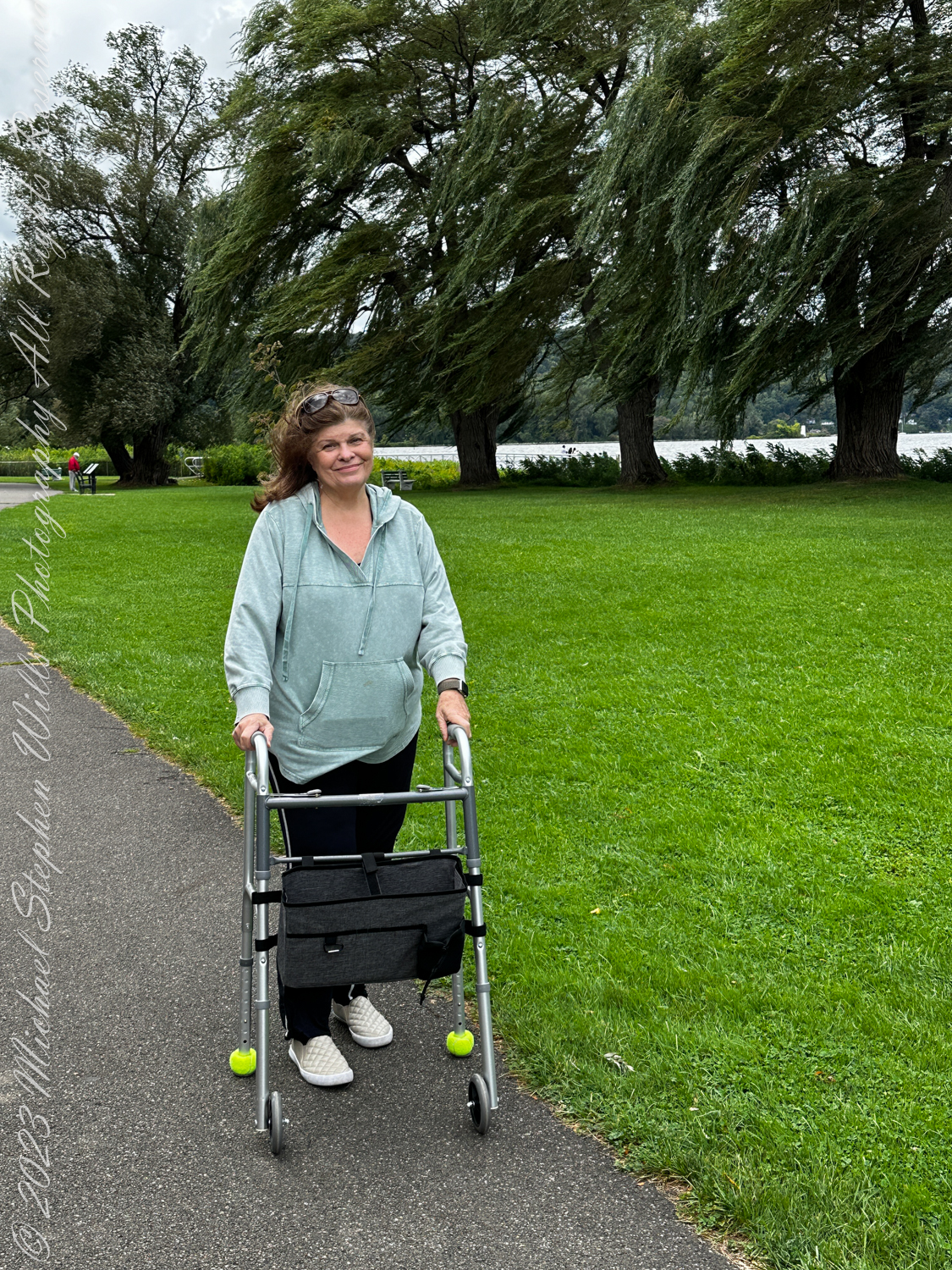
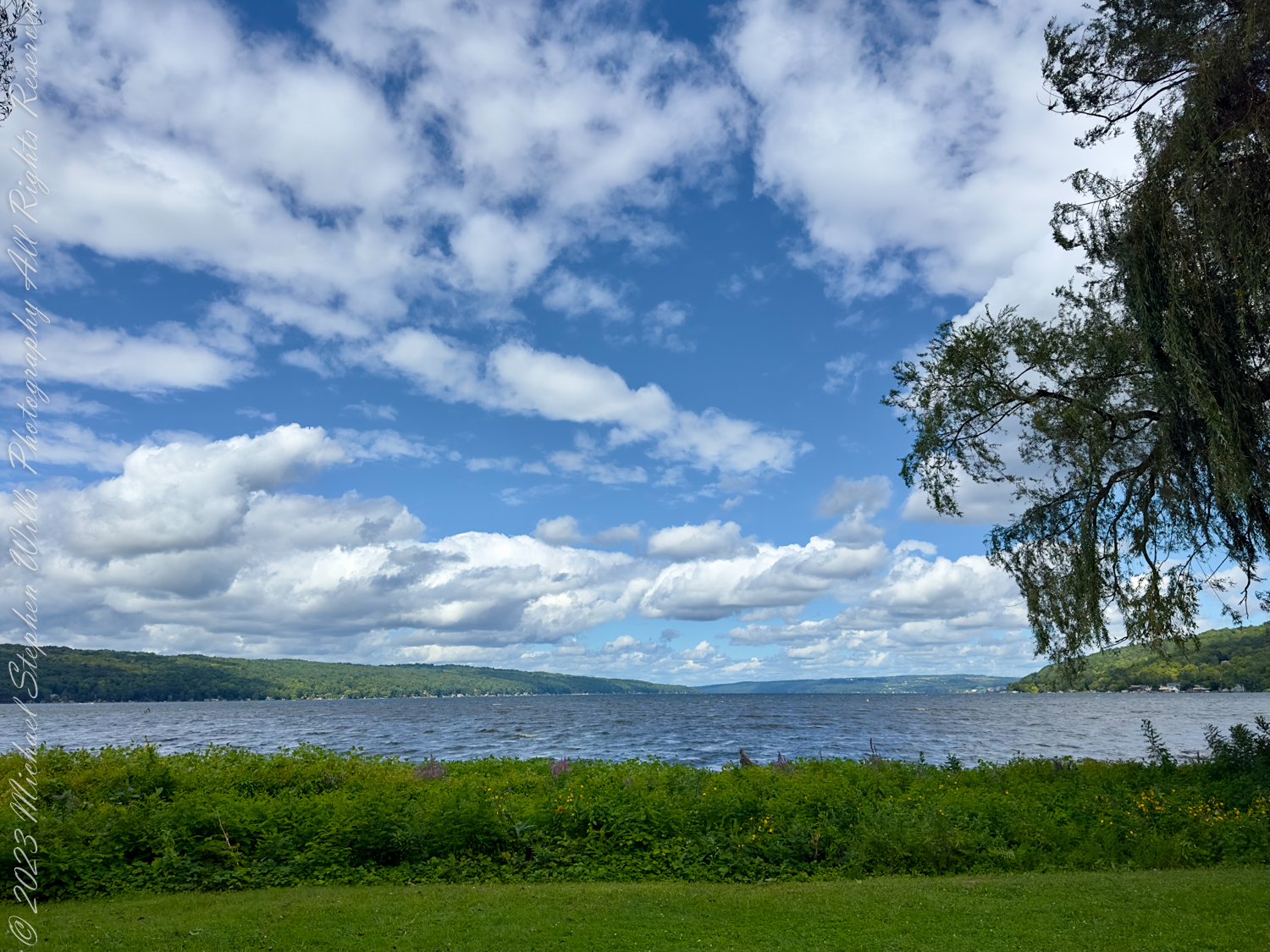
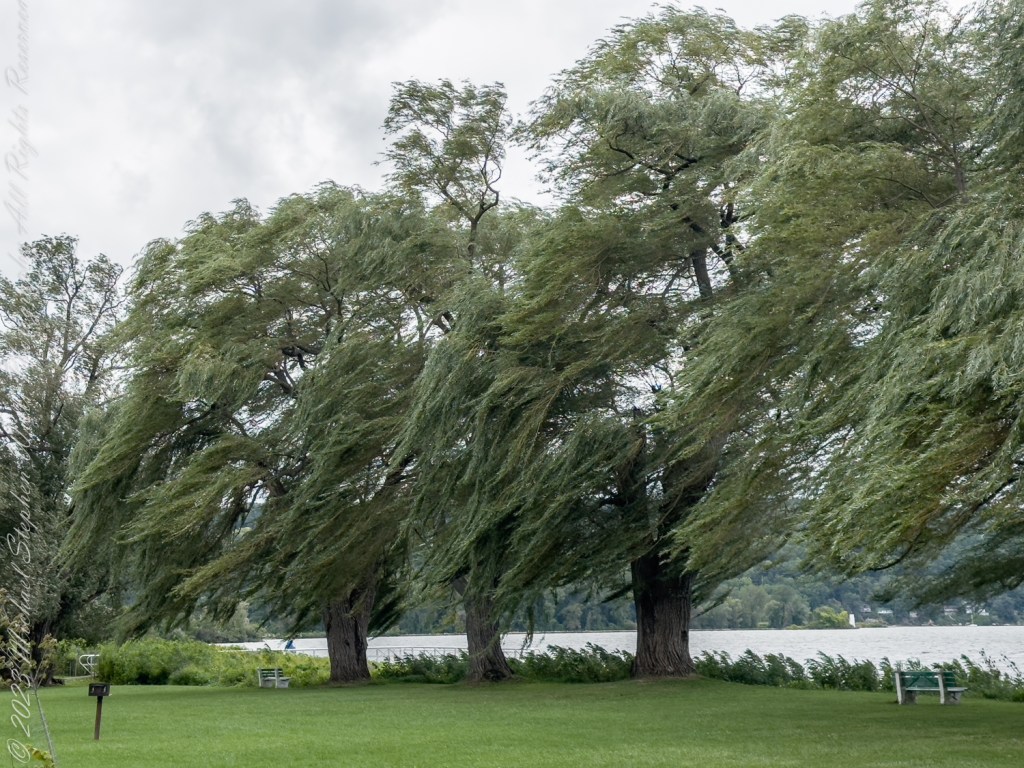
The breeze off Cayuga Lake was lively, stirring the willows and creating waves that rippled across the water’s surface as we arrived at Stewart Park. For Pam, this day marked a significant milestone: her first therapeutic walk since undergoing total hip replacement surgery. The park, located on the outskirts of Ithaca, New York, had long been a place of peaceful walks and scenic reflection for us, but on this day, it took on new meaning. The pathways and views we had enjoyed over the years now served as the backdrop for Pam’s journey of recovery.

As Pam began her walk, using her walker for support, the air felt crisp with the late-summer breeze. She moved carefully along the paved path, her steps steady but measured. The sight of her, framed by the grand trees lining the park, was a testament to the resilience and strength she had displayed throughout the weeks following her surgery. The park’s beauty offered a sense of calm that seemed to support her determination, as though nature itself was encouraging her every step.

Stewart Park, with its sweeping views of Cayuga Lake and towering willows, had always been a special place for us. Over the years, we had spent afternoons such as this sailing the lake’s expansive waters. We ventured out to let the wind carry us across the lake. As Pam walked, we reminisced about those times—how we would navigate the gusty winds that filled our sails, steering into the waves with a sense of adventure. “This wind reminds me your calls to ‘control the jib!!’,” Pam said, smiling as we remembered the thrill of maneuvering the boat to dock.

On days like those, the lake was unpredictable, much like Pam’s journey through recovery had been. Yet, whether on the water or facing the challenges of healing, Pam had always shown a quiet, steadfast determination. Just as we had learned to adjust the sails to accommodate the changing wind patterns, Pam had adapted to her new circumstances, tackling each step of her rehabilitation with grace.

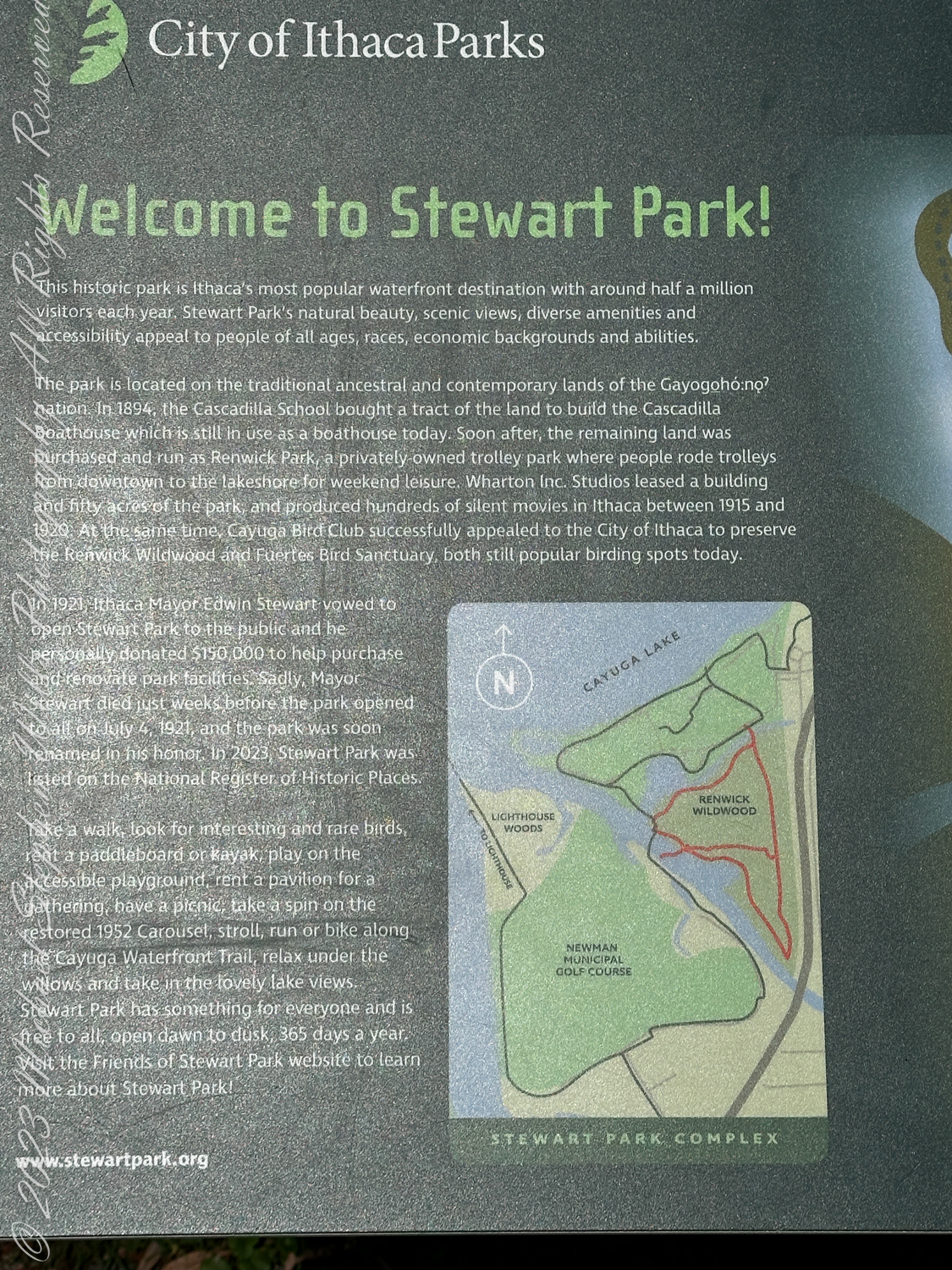
We paused at one of the informational signs along the path. The sign detailed the park’s history, noting that it sits on the ancestral lands of the Gayogo̱hó꞉nǫ’. Originally developed in 1894 for the Cascadilla School’s boathouse, the park had undergone many transformations before becoming the public space it is today. The sign spoke of Mayor Edwin Stewart, who had donated $150,000 to help purchase and renovate the park’s facilities, only to pass away weeks before its official opening in 1921. In 2021, the park was listed on the National Register of Historic Places, a testament to its enduring role in the community.

City of Ithaca Parks Welcome to Stewart Park! This historic park is Ithaca’s most popular waterfront destination with around half a million visitors each year. Stewart Park’s natural beauty, scenic views, diverse amenities and accessibility appeal to people of all ages, races, economic backgrounds and abilities. The park is located on the traditional ancestral and contemporary lands of the Gayogo̱hó꞉nǫʼ nation. In 1894, the Cascadilla School bought a tract of the land to build the Cascadilla Boathouse which is still in use as a boathouse today. Soon after, the remaining land was purchased and run as Renwick Park, a privately owned trolley park where people rode trolleys from downtown to the lakeshore for weekend leisure. Wharton Inc. Studios leased a building and fifty acres of the park, and produced hundreds of silent movies in Ithaca between 1915 and 1920. At the same time, Cayuga Bird Club successfully appealed to the City of Ithaca to preserve the Renwick Wildwood and Fuertes Bird Sanctuary, both still popular birding spots today. In 1921 Ithaca Mayor Edwin Stewart vowed to open Stewart Park to the public and he personally donated $150,000 to help purchase and renovate park facilities. Sadly, Mayor Stewart died just weeks before the park opened to all on July 4, 1921, and the park was soon renamed in his honor. In 2021 Stewart Park was listed on the National Register of Historic Places. Take a walk, look for interesting and rare birds, rent a paddleboard or kayak; play on the accessible playground, rent a pavilion for a gathering, have a picnic, take a spin on the restored 1952 Carousel, stroll, run or bike along the Cayuga Waterfront Trail, relax under the willows and take in the lovely lake views. Stewart Park has something for everyone and is free to all, open dawn to dusk, 365 days a year. Visit the Friends of Stewart Park website to learn more about Stewart Park!

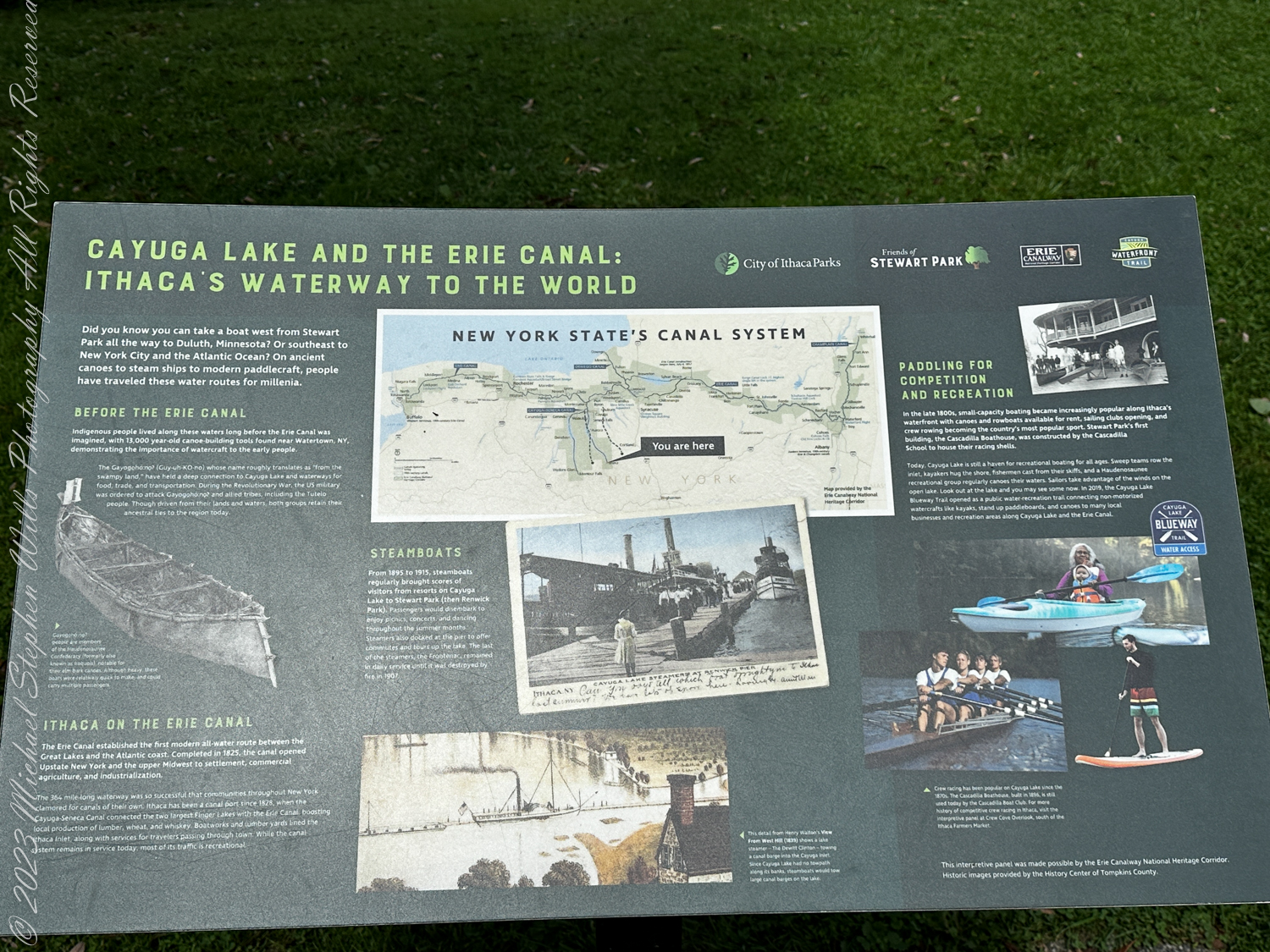
CAYUGA LAKE AND THE ERIE CANAL: ITHACA’S WATERWAY TO THE WORLD

Did you know you can take a boat west from Stewart Park all the way to Duluth, Minnesota? Or southeast to New York City and the Atlantic Ocean? On ancient canoes to steam ships to modern paddlecraft, people have traveled these water routes for millenia.

Before the Erie Canal

Indigenous people lived along these waters long before the Erie Canal was completed in 1825. In 1790, a dugout canoe was found near Elmira, NY, demonstrating the importance of waterways to the early people.

The Cayuga/Seneca Gayogo̱hó꞉nǫʼ who lived here for nearly a thousand years used the lake and rivers to transport people and goods. In the 1600s, French explorers reported meeting the Gayogo̱hó꞉nǫʼ as they traveled east along these waterways. Canoes and later watercraft helped settlers move people, goods, and ideas, transforming upstate New York. With only one lock, the lake’s water level would rise and fall, but goods still needed to be portaged, or moved over land. As the first commercial waterway in the US, the Erie Canal used river systems, canal channels, and lakes to connect New York’s inland towns to world markets.

ITHACA ON THE ERIE CANAL

The canal established the first modern all-water route between the Great Lakes and the Atlantic. Completed in 1825, the canal opened Upstate New York and the upper Midwest to settlement, commercial agriculture, and industry.

The southernmost port of the canal was at Cayuga Lake, near present-day Route 90, where steamboats ferried passengers and freight to and from Ithaca. Products like salt from Syracuse, wood from the region, and coal from Pennsylvania were loaded onto canal boats for shipment to New York City or via Buffalo, to the upper Midwest.

After more than 200 years of service, the canal has evolved into a water route that is primarily used by small boats for recreation. In 2017, the NYS Canal Corporation rebranded the canal as a recreation destination.

As Pam read the sign, she reflected on how the park’s evolution mirrored her own journey. Like Stewart Park, which had undergone multiple transformations over the years, Pam was in the midst of her own renewal. Her new hip, like the park’s renovations, represented a fresh start, a return to activity, and a promise of more days spent outdoors, enjoying the natural beauty that had always brought us peace.

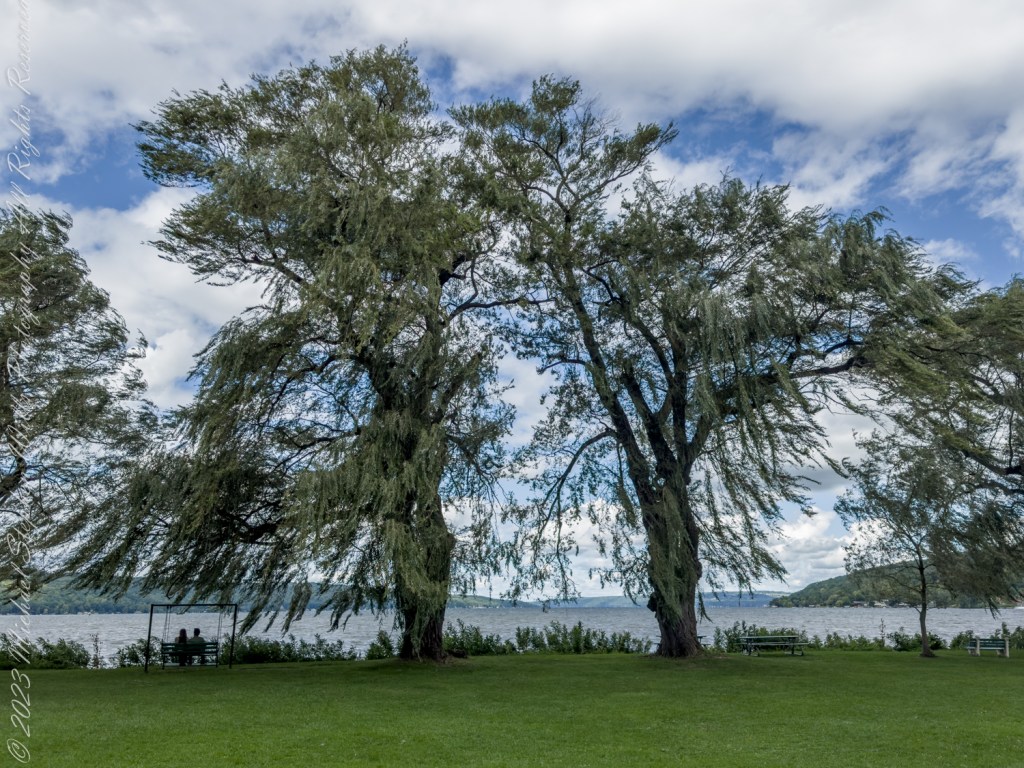
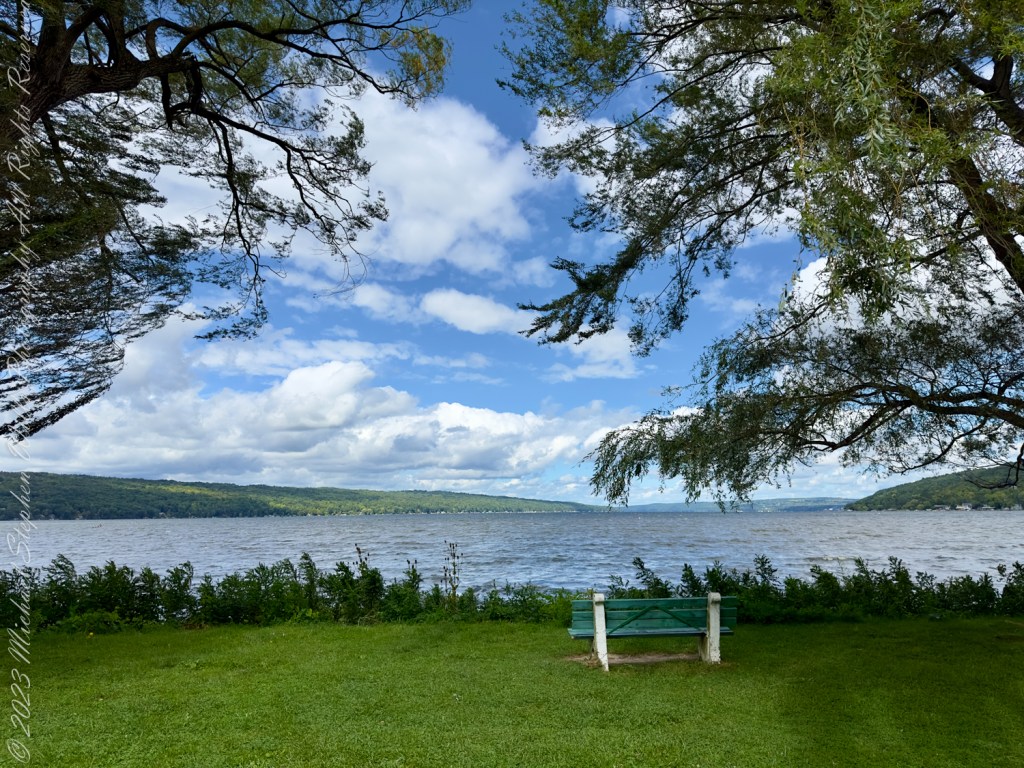
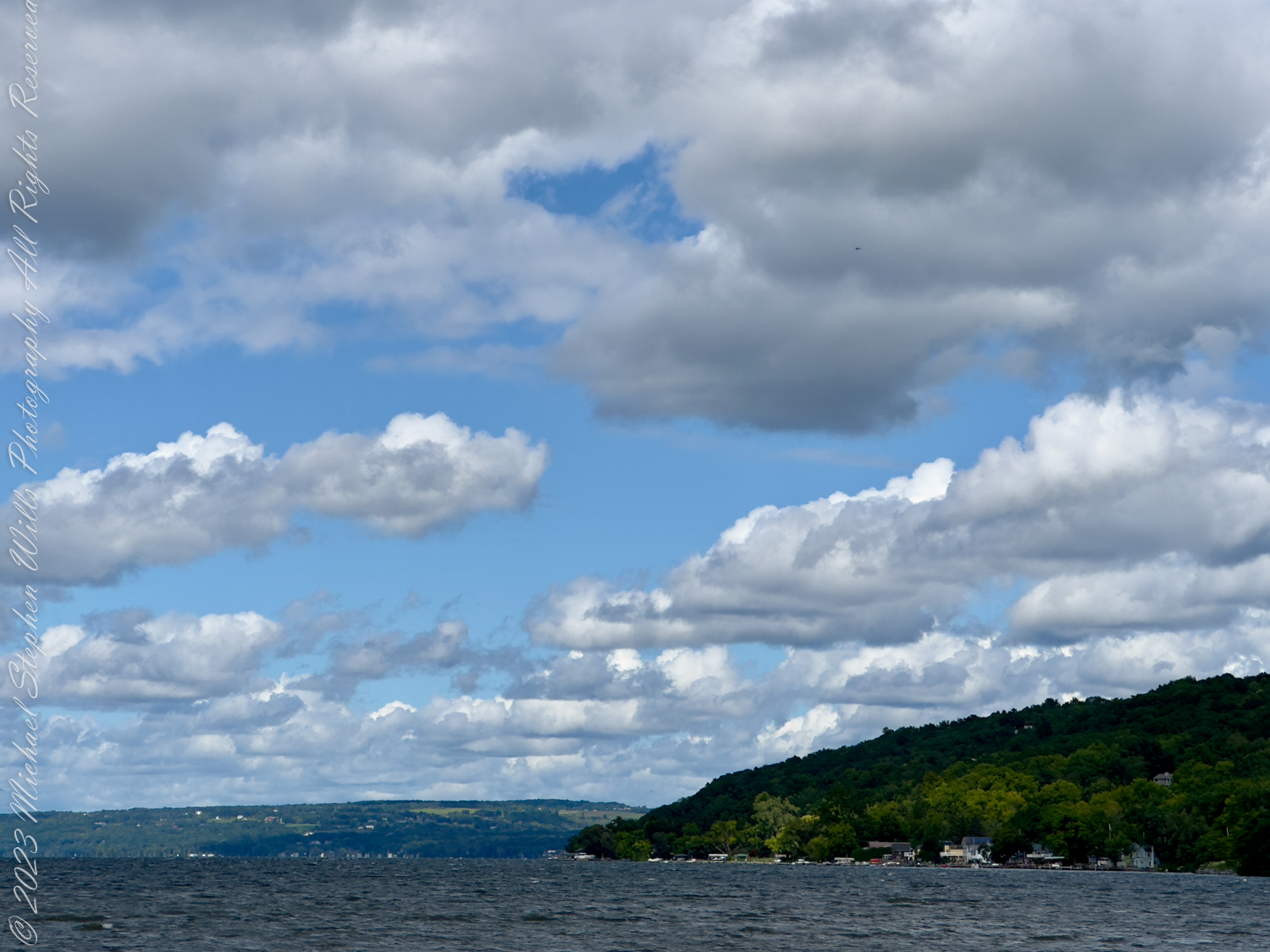
Continuing along the path, we passed several benches nestled beneath the graceful willows, their branches swaying gently in the breeze. Pam took a moment to rest on one of the benches, her eyes focused on the vast expanse of Cayuga Lake. The view stretched toward the distant hills, where the clouds and sun played together, casting ever-shifting patterns of light across the water. For a brief moment, it felt like we were back on our sailboat, riding the waves and allowing the wind to guide us toward new horizons.

As we made our way back along the path, the tall willows swaying and the sound of the waves lapping at the shore, I couldn’t help but feel gratitude. Stewart Park had always been a place of calm and reflection, but on this day, it became a place of healing. Pam’s steps, though slow and deliberate, were filled with the same strength and grace she had shown throughout her life.

The park’s beauty, the history we had shared here, and the memories of our time spent sailing on Cayuga Lake all came together to create a sense of peace. Pam’s recovery journey was far from over, but her progress was undeniable. As we looked out over the lake one last time before heading home, the water shimmered in the sunlight, promising more adventures to come.

Stewart Park, with its windswept trees and timeless views, would forever be tied to this day—Pam’s first steps toward reclaiming her mobility, set against the backdrop of a place that had long been part of our shared story. It was a day filled with hope, strength, and the quiet knowledge that, like the wind, life would continue to move us forward, no matter the challenges.

Copyright 2024 Michael Stephen Wills All Rights Reserved

Life Unraveled: An Encounter with the Emerald Ash Borer

As I walked the quiet medical campus, a dying ash tree caught my eye. Its bark revealed the intricate, destructive galleries left by the relentless Emerald Ash Borer, telling a silent story of loss.

Feeling the need for air, for motion I walk the grounds of a medical campus in Northeast Ithaca, New York, as my wife undergoes physical therapy following her total hip replacement. The sun is high, casting long shadows across the neatly trimmed lawn and scattered trees. There’s a certain calmness here, a space to reflect amid the quiet hustle of the healthcare world.

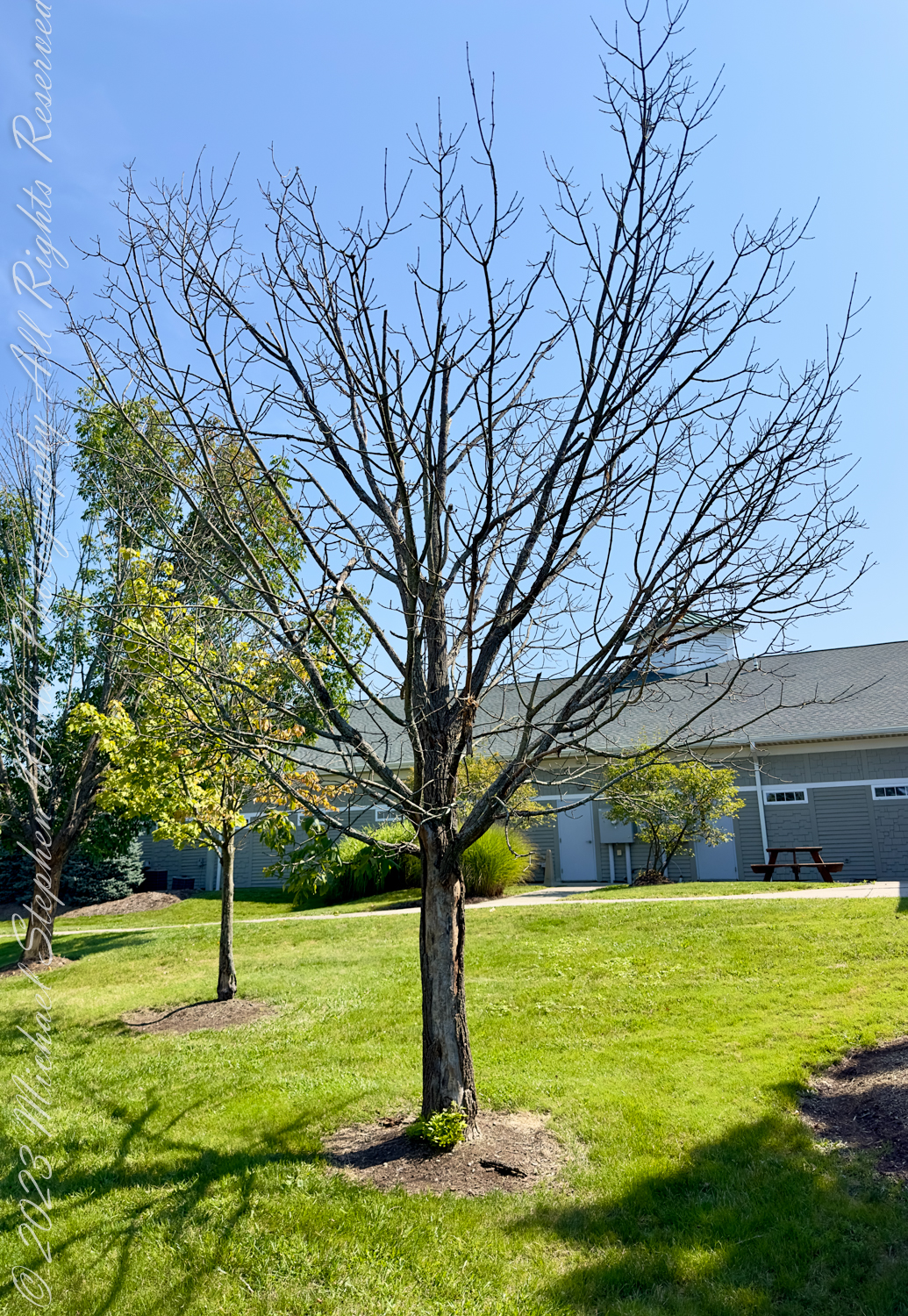
One tree stands out from the others. I immediately sense that something is not quite right. The branches, bare and brittle, reach out like skeletal arms against the blue sky. It’s summer—this tree should be lush, green, full of life. Yet, here it stands, a stark silhouette among the healthier trees nearby. My curiosity draws me closer, and as I circle the tree, my suspicions are confirmed: it’s an ash tree, Fraxinus americana, dying from an all-too-familiar enemy, the Emerald Ash Borer (Agrilus planipennis).

A dying ash tree on the medical campus off Warren Road, Northeast Ithaca.

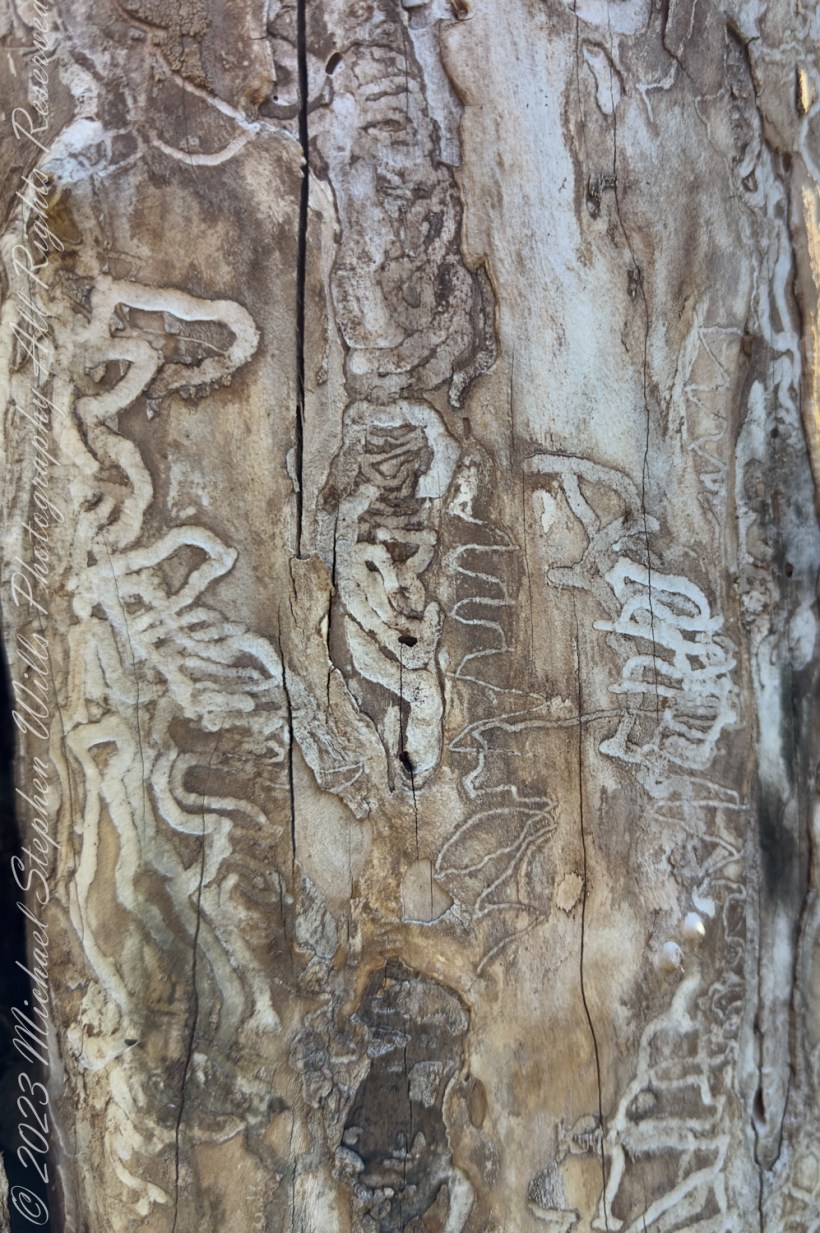
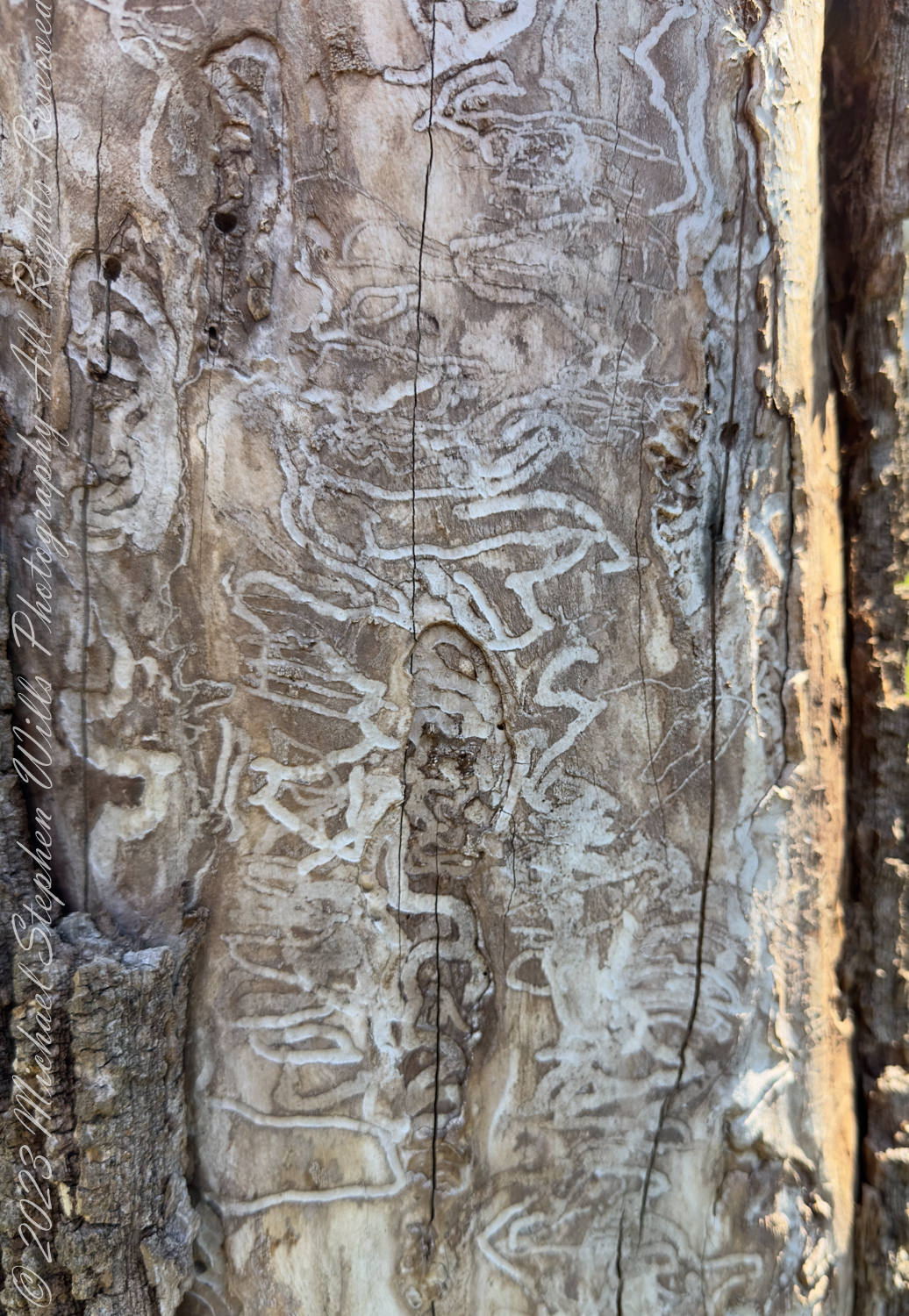
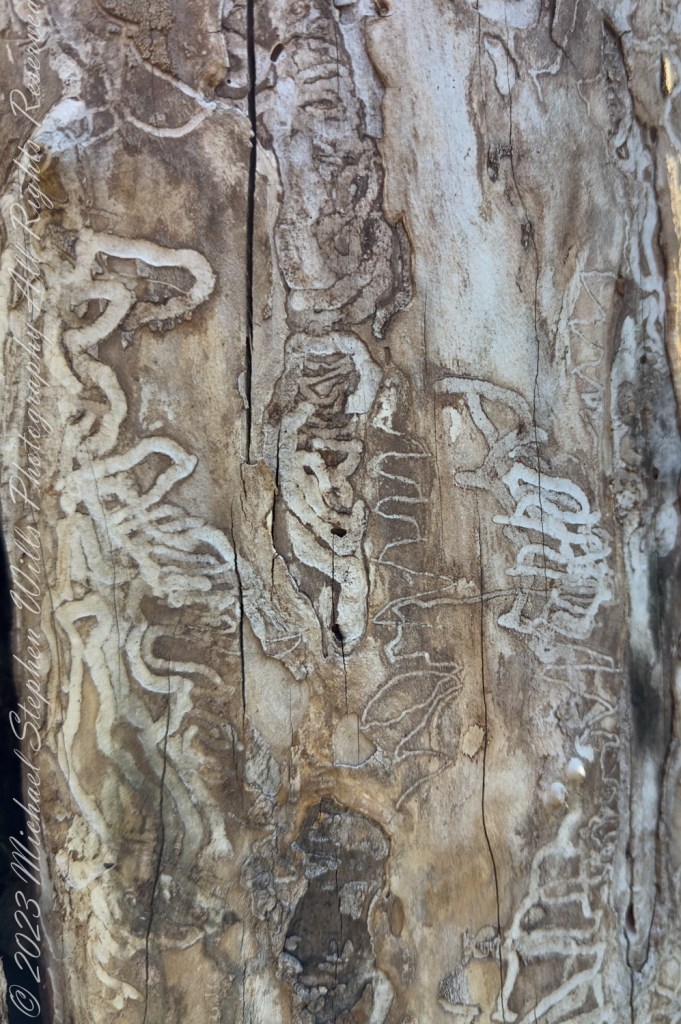
The first clue is a thinning canopy. Ash trees, in their prime, have such graceful foliage, creating broad umbrellas of shade. But when they fall victim to the Emerald Ash Borer, their decline is swift and merciless. The branches I see now are devoid of leaves, save for a few stragglers clinging on in vain. The bark tells an even clearer story. Large chunks have sloughed off, revealing a labyrinth of winding, S-shaped galleries just beneath the surface. These are the telltale signs of the larvae, relentlessly feeding on the inner bark, severing the tree’s lifeline as they go.

The tunnels left by the Emerald Ash Borer (EAB) are called galleries. These S-shaped galleries are created by the larvae of the EAB as they feed on the inner bark and cambium of ash trees. The galleries disrupt the tree’s ability to transport nutrients and water, eventually leading to the tree’s death.

I pull out my phone to capture some close-up shots. The gnarled, crisscrossing tunnels that wind through the exposed wood are mesmerizing in a way, almost like a natural etching carved by the tiny jaws of the Emerald Ash Borer. They’ve created a kind of grim artwork on this dying tree, though there’s nothing beautiful about the destruction they leave behind. I know that underneath this bark, the tree’s circulatory system—the xylem and phloem—has been disrupted, no longer able to transport water or nutrients. Slowly, the tree has starved.

It’s strange how, in the middle of waiting for my wife’s recovery, I find myself thinking about life and loss in this quiet moment with the ash tree. In some ways, this frail giant mirrors what my wife has been going through. The breakdown of something once strong and vital—be it bone or tree—doesn’t happen overnight. It’s gradual, unnoticed at first, until the damage becomes too great to ignore. But while my wife’s new hip will give her strength and mobility once more, there’s no hip replacement for this ash tree. The damage here is irreversible.

I circle the tree again, and the more I look, the more I notice the signs of decline. The bark peels away easily, almost like paper, exposing more of the damaged wood beneath. In some areas, there are what look like D-shaped exit holes, where the adult Emerald Ash Borers have chewed their way out to fly off and start the cycle anew. This is what makes the battle against this invasive species so frustrating—they are small, almost insignificant in size, but the sheer numbers in which they attack, combined with their ability to spread so quickly, make them nearly impossible to stop.

Just as I’m about to walk away, a thought crosses my mind: how many more ash trees will fall to this same fate? The Emerald Ash Borer, a native of Asia, arrived in the United States sometime in the early 2000s, hitching a ride in wooden packing materials. It quickly spread across states, leaving devastation in its wake. Here in New York, the effects have been nothing short of catastrophic. Entire forests of ash are being wiped out, and this tree, standing alone on the edge of the medical campus, is just one more casualty.

I turn back toward the building, the rhythmic crunch of my footsteps on the path feeling heavier now. As my wife works to heal and rebuild her strength inside, I think about the resilience of the human body, its ability to repair, to bounce back after trauma. But for the ash tree, there is no such recovery. Without intervention—chemical treatments that are costly and often impractical on a large scale—this tree will eventually become firewood, its wood too damaged to be of much use for anything else.

It’s a sobering thought, but also a reminder. Nature’s battles, much like our own, are often unseen, quiet struggles that unfold slowly over time. Sometimes, we win, as my wife will with her new hip, but other times, like the ash tree and its silent battle with the Emerald Ash Borer, the fight is already lost.

Copyright 2024 Michael Stephen Wills All Rights Reserved

Echoes of Flight: The Summer the Monarchs Did Not Come

Contemplate the quiet sorrow of a summer without monarchs. Click on the photo to read the full story and reflect on this profound sense of loss on my blog.

This past summer, an absence visited our garden—a loss more profound than the quieting of wind. It was the virtual silence of an empty sky where monarch butterflies should have danced. Each day, we waited, hoping to catch a glimpse of those delicate wings, vibrant with orange and black, fluttering above the milkweed. But the familiar sight never came.

Monarch butterflies, those ethereal creatures that once graced our summers, seemed to have forgotten us.

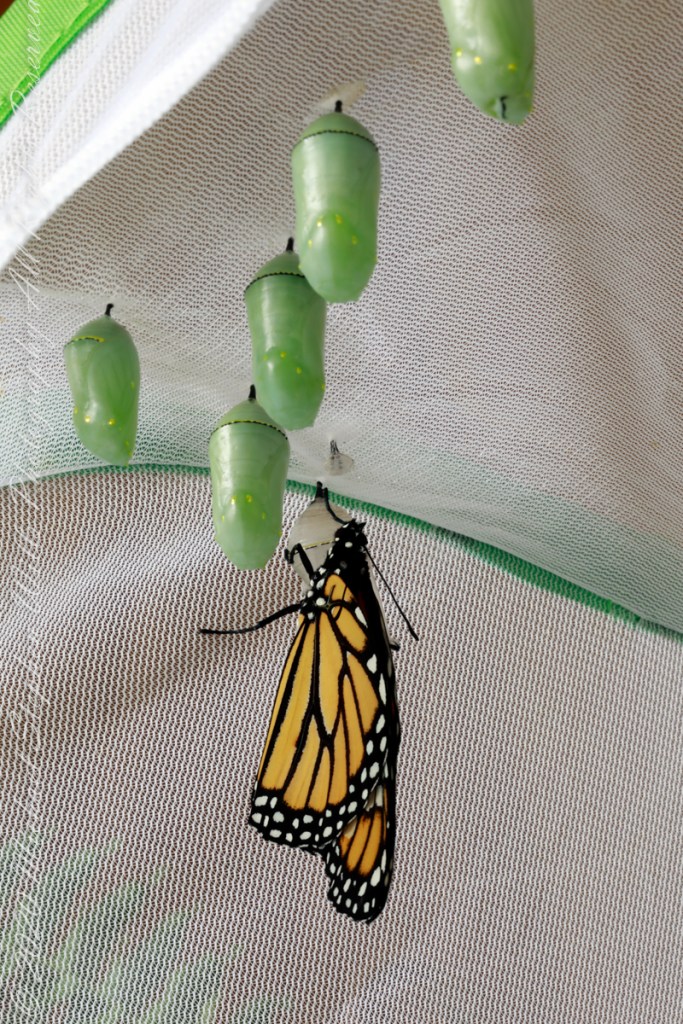
Macro of the Monarch butterfly chrysalis. The black stalk attached to the silk pad is call a cremaster.

The photograph of the monarch chrysalis, a delicate gem hanging on a thread of life, speaks to the fragility of nature itself. Each chrysalis is a promise—a quiet, patient promise of transformation and renewal. Yet this summer, those promises vanished, leaving us to wonder where the monarchs had gone, what changes in the world pulled them away from our home in the Finger Lakes.

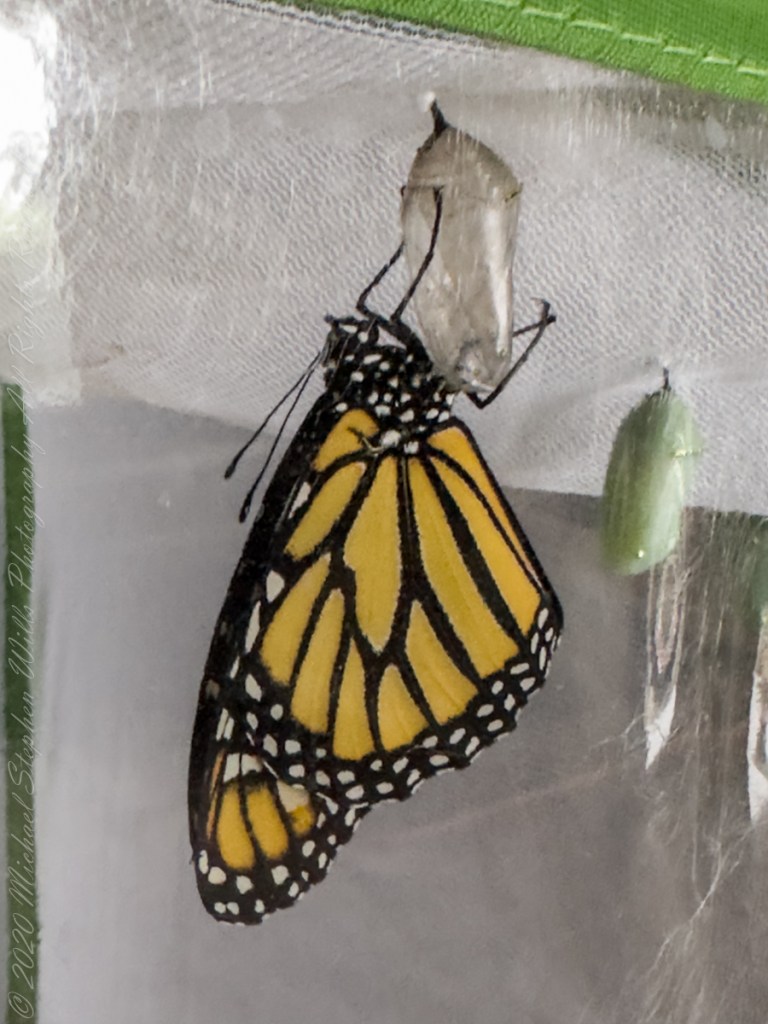
Our first monarch butterfly of 2023 just after emergence from the chrysalis and after wing expansion. This female will hang for several hours while the wings dry.

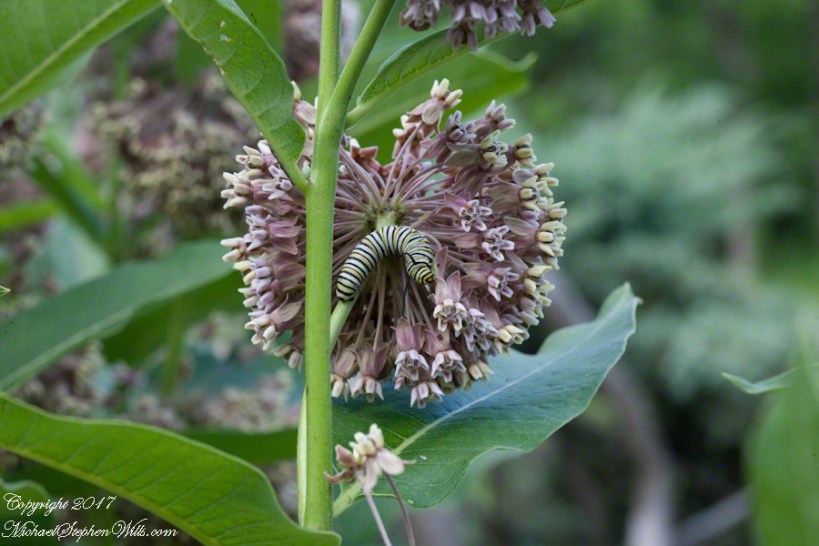
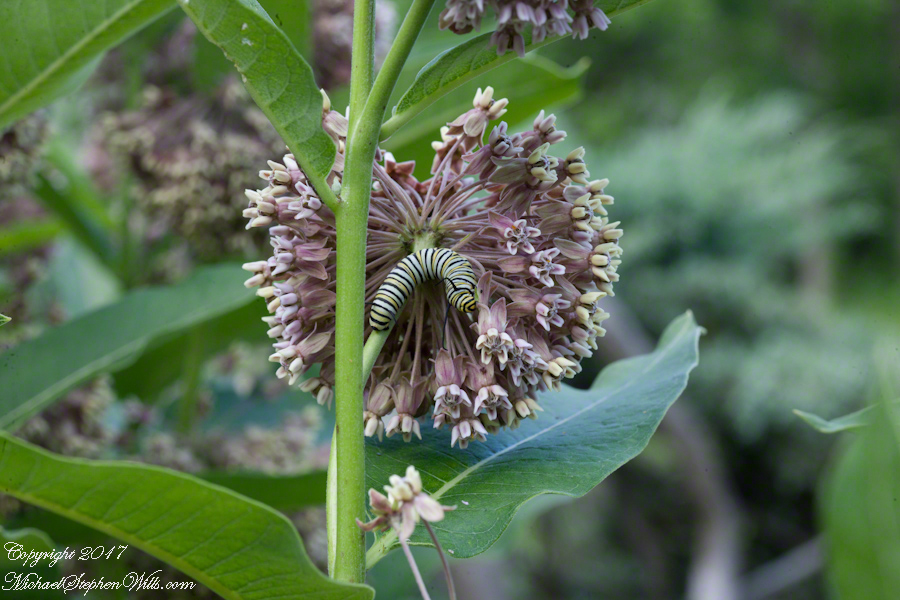
Another image from a time not so long ago, yet now seeming distant, shows a monarch caterpillar nestled among the milkweed blossoms. This was a time when our garden was alive with their presence, each caterpillar a testament to the cycle of life that once thrived here. The sight of them devouring the leaves was a sign of hope, a prelude to the transformation that would soon unfold. Now, that vibrant energy has vanished, leaving behind a quiet that speaks of loss and absence.

We are left to reflect on this silence, on the empty milkweed leaves and the air where monarchs once flew. The memories of summers past, when the monarchs filled our garden with their grace, are bittersweet now. They remind us of a time when the connection between the earth and its creatures was still intact, when the balance of nature had not yet been so precariously tipped.

In their absence, the monarchs leave behind a message—a reminder that their delicate beauty is not guaranteed, that the balance we once took for granted can be lost. The summer without monarchs urges us to look inward, to consider what must change, what must be protected, so that future summers may once again be filled with the fluttering of wings and the promise of life renewed.

The garden absence this year is a call to action, a plea from the earth itself to remember the delicate threads that connect us all. May we answer that call, so that this summer of loss will not reach into the future, but will be a pause, a moment of reflection before the return of the monarchs, and with them, the return of hope.

Request to my North American readers: leave comments exploring your experiences of Monarch butterflies the summer of 2024

Here are links to more Monarch photographs and videos.

Flight

Monarch Caterpillar to Chrysalis

Monarch Emergence

Copyright 2024 Michael Stephen Wills All Rights Reserved

A January Encounter with a Moon Jellyfish

Walk with me through a narrative as translucent as the Moon Jellyfish itself, revealing the hidden connections between us and the vast ocean’s enigmatic creatures.

Initial Encounter


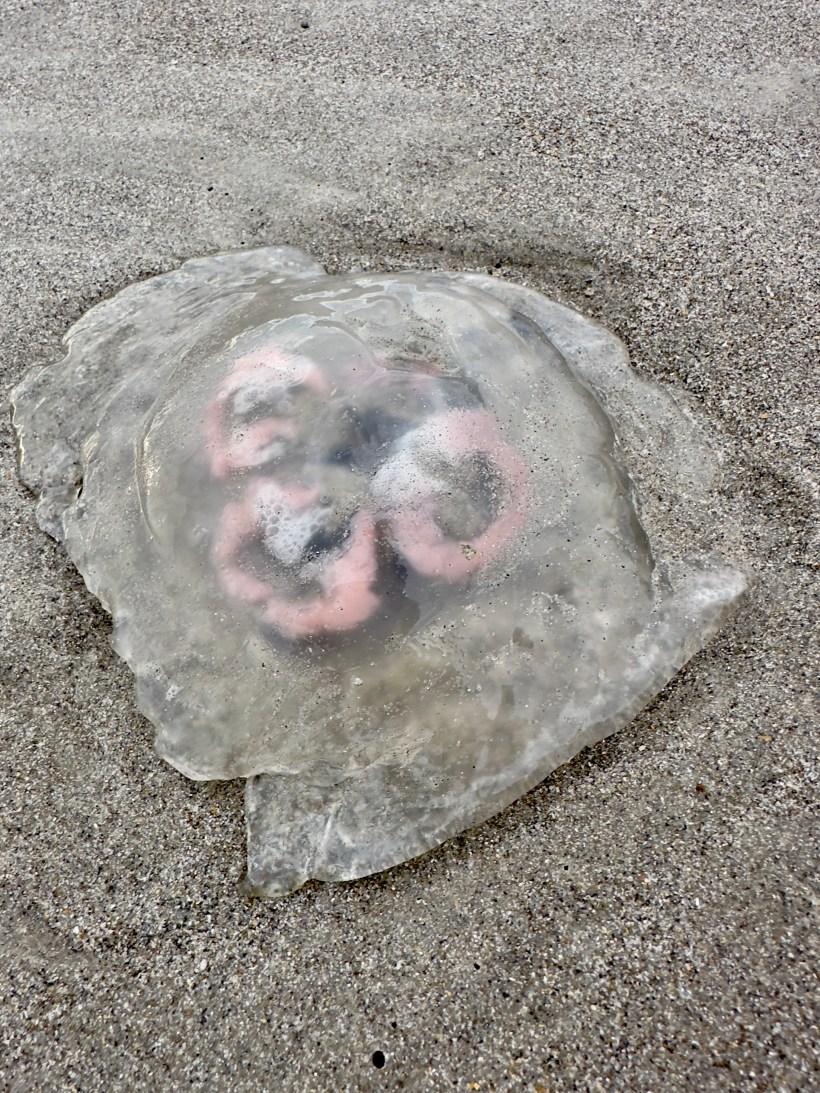
It was a cool January morning, and the southern winds were brisk as they tousled my sparse hair. I had made my way along Cocoa Beach, a place I often find solace in the rhythmic dance of the waves. Today, however, the ocean had a different story to tell. As I walked along the shore, my gaze fell upon a peculiar sight—a translucent, almost ethereal creature lay motionless on the sand. It was a Moon Jellyfish, or as scientists call it, Aurelia aurita.

The gelatinous being had been cast out by the unforgiving sea, its pinkish hue a stark contrast against the dull sands. This wasn’t an uncommon sight, as these creatures often end up on beaches due to wind patterns and water currents. But there was something about this particular Moon Jellyfish that captivated me. Perhaps it was the way it shimmered in the morning light, or how it seemed so peaceful, so out of place, yet exactly where it was meant to be.

Ecological Significance


I knew that the Moon Jellyfish played a crucial role in the marine ecosystem. These cnidarians are not just beautiful drifters; they are a vital part of the ocean’s food web. Small fish and other marine organisms often find shelter among the Moon Jellyfish’s tentacles, escaping predators and finding nourishment in the plankton caught by their host. In turn, the Moon Jellyfish themselves are prey to a variety of larger species, including sea turtles and certain birds.

Seeing the jellyfish on the shore, I contemplated the fragility of this balance. A change in wind direction, a shift in temperature, or human interference could easily disrupt this delicate ecological dance. It was a stark reminder of the interconnectedness of life and the responsibility we hold in preserving these intricate relationships.

Biological Wonders


The biology of the Moon Jellyfish is as fascinating as its role in the ecosystem. They are composed mainly of water, with a body that includes a bell-shaped top called the medusa, and short tentacles that hang below. These tentacles contain stinging cells known as cnidocytes, which they use to capture their prey—mainly tiny plankton.

As I observed the jellyfish before me, I couldn’t help but marvel at its simplicity and complexity. The Moon Jellyfish has a basic nervous system and lacks a traditional brain, heart, and blood. Yet, it thrives in the vast and challenging environment of the ocean. Its lifecycle, too, is a wonder, beginning as a polyp anchored to the seafloor, then transforming into the free-floating medusa I saw on the beach.

A Reflection on Nature and Humanity


The Moon Jellyfish’s unexpected presence on Cocoa Beach prompted a deeper reflection on nature’s course and our place within it. This creature, which had drifted with the currents and tides, led me to ponder the currents of our own lives. How often do we find ourselves washed ashore by the winds of change, feeling out of place, yet precisely where we’re meant to be?

In that moment, I understood that we, too, are like the Moon Jellyfish in many ways—adaptable, resilient, and part of a larger whole. We float through life, sometimes at the mercy of forces beyond our control, yet we possess the innate ability to navigate our environment and survive.

As I left the beach that day, the image of the Moon Jellyfish imprinted in my mind, I felt a newfound respect for these delicate yet durable denizens of the deep. The Moon Jellyfish, washed up by a southern wind onto Cocoa Beach, served as a silent teacher, reminding me of the beauty and fragility of life, the importance of our ecosystems, and the subtle threads that connect us all.

Copyright 2024 Michael Stephen Wills All Rights Reserved