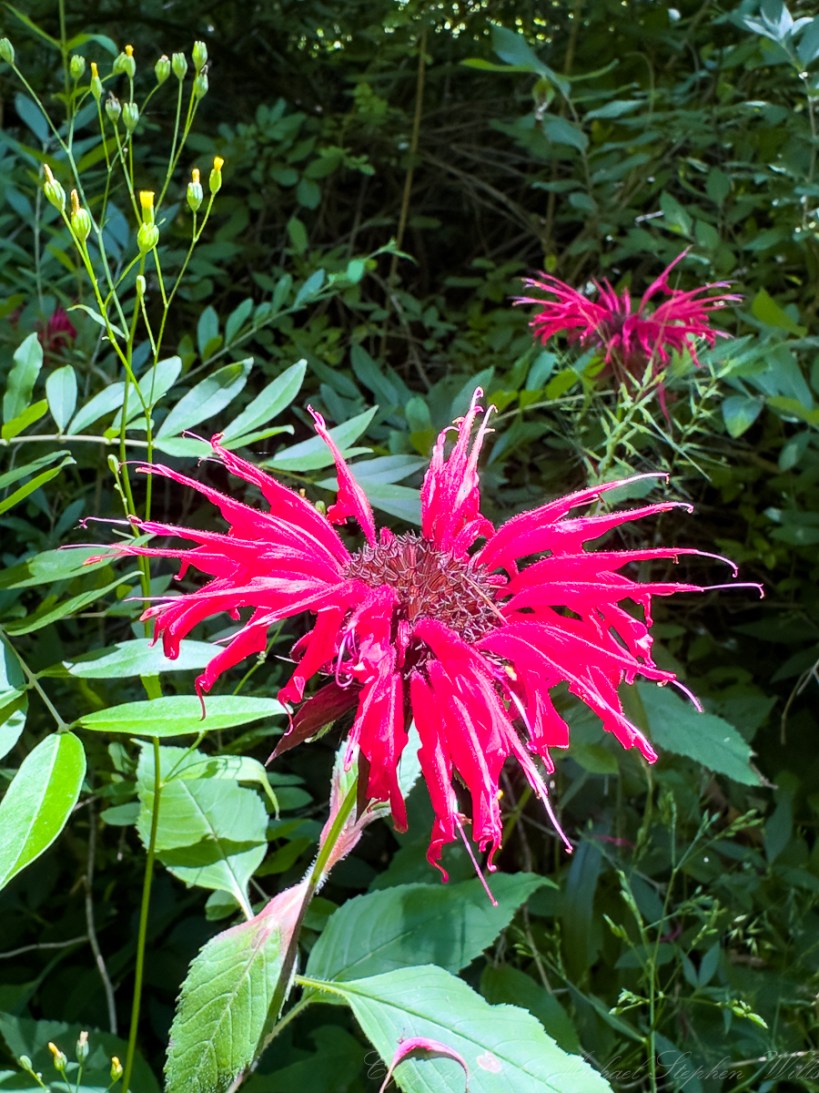
The Wonder of Purple-Flowered Raspberry: Nature’s Thornless Native Treasure

The purple-flowered raspberry is a native shrub that confounds expectations, combining rose-like blossoms, maple-shaped leaves, edible fruit, and thornless stems into one of eastern North America’s most enchanting woodland plants.

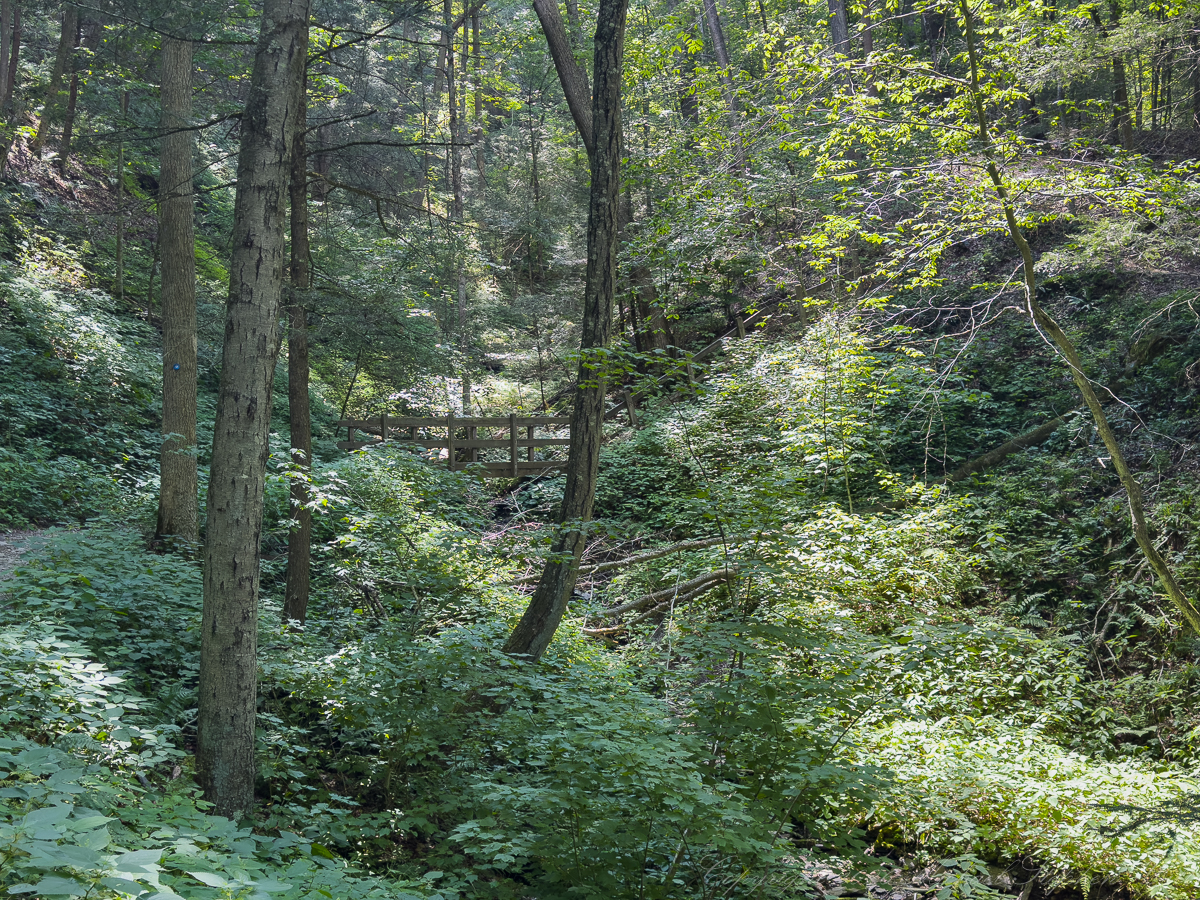
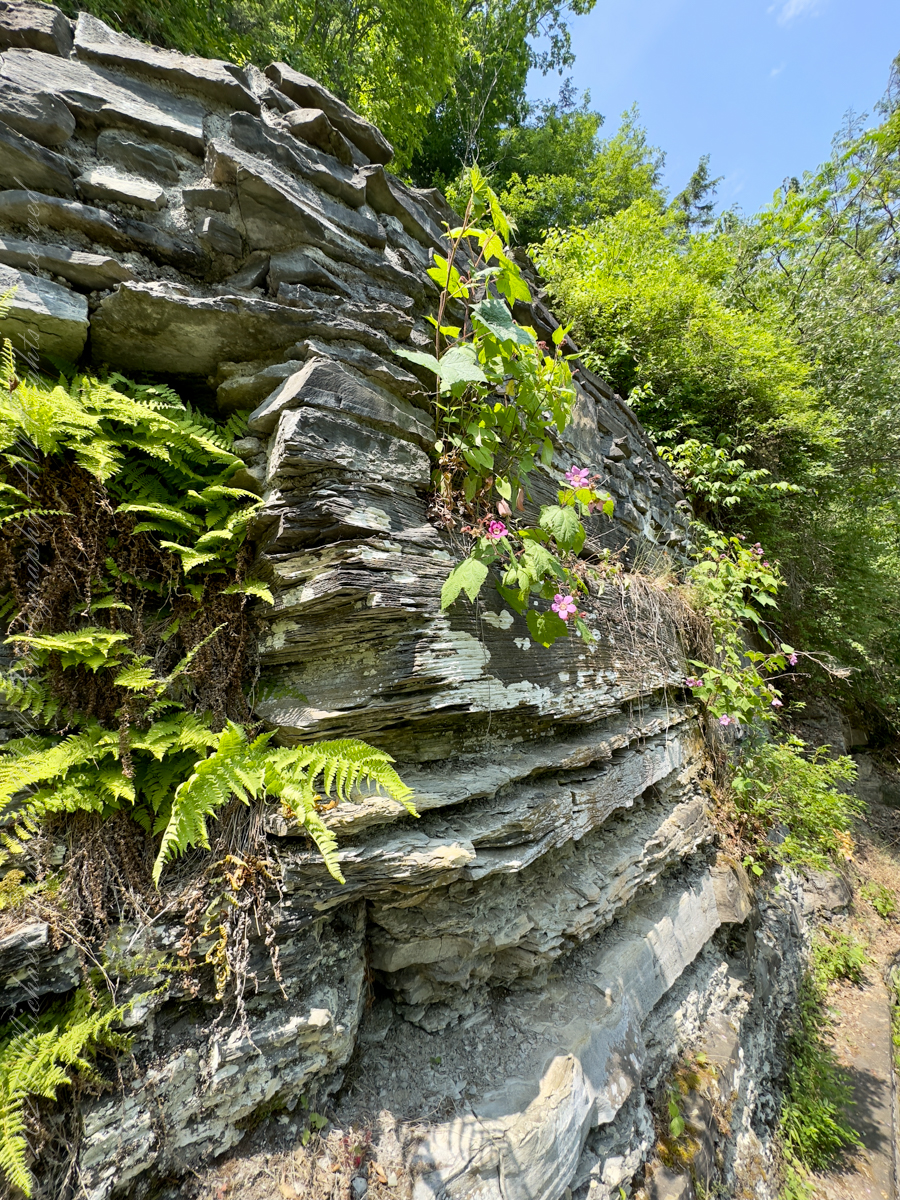
I first encountered the purple-flowered raspberry while walking the Gorge Trail at Fillmore Glen State Park. Dry Creek murmured below, working patiently within ancient shale walls that confine its course. Waterfalls spilled from ledges overhead, cool mist drifted through the narrow passage, and sunlight filtered down in shifting patches through the summer canopy. It was a landscape dramatic enough to command all of one’s attention.

Yet it was a flower growing quietly beside the trail that stopped me in my tracks.

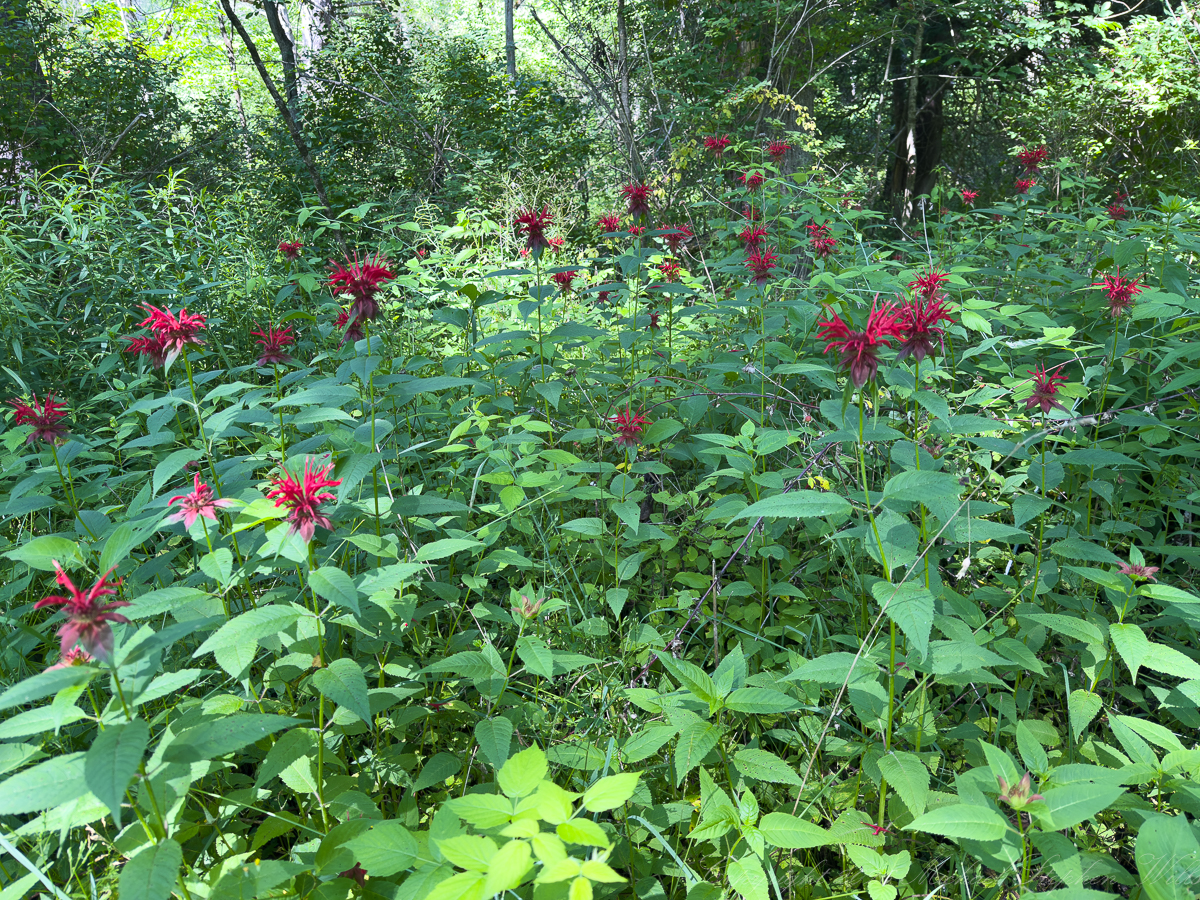
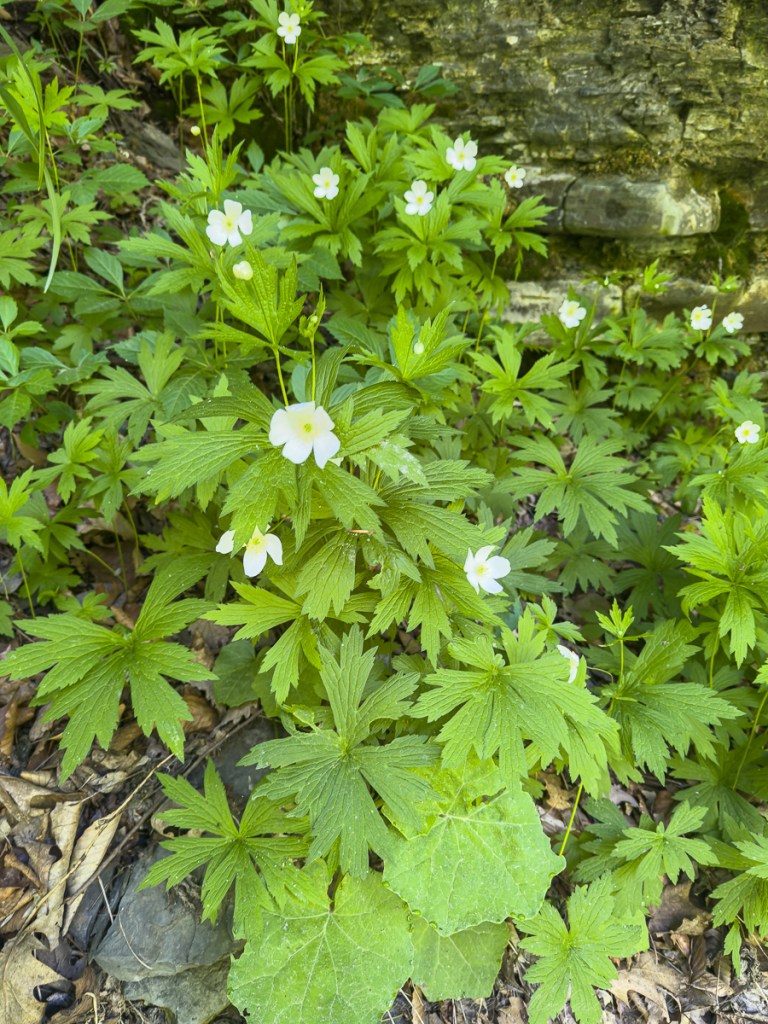
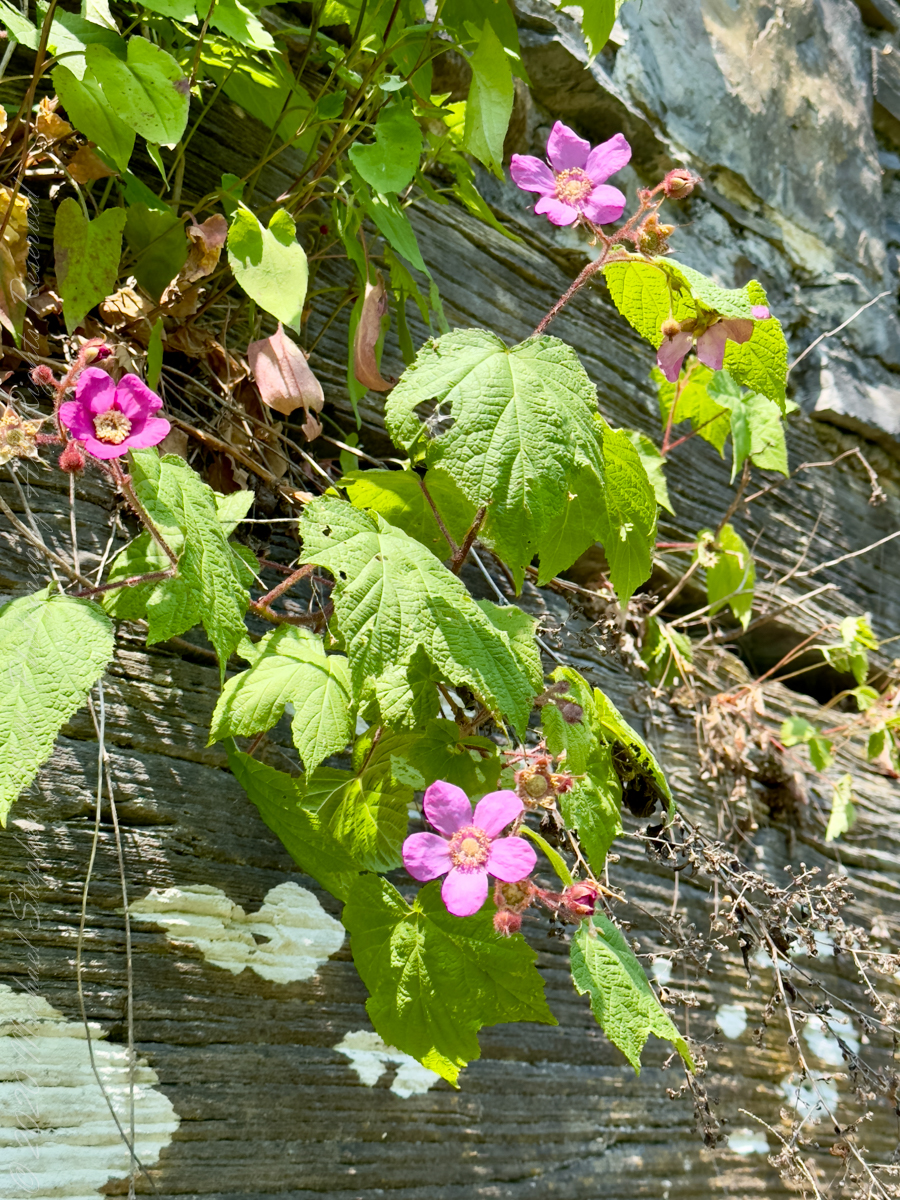
Purple-flowered Raspberry Growing Within Treman Gorge by the South Rim Trail

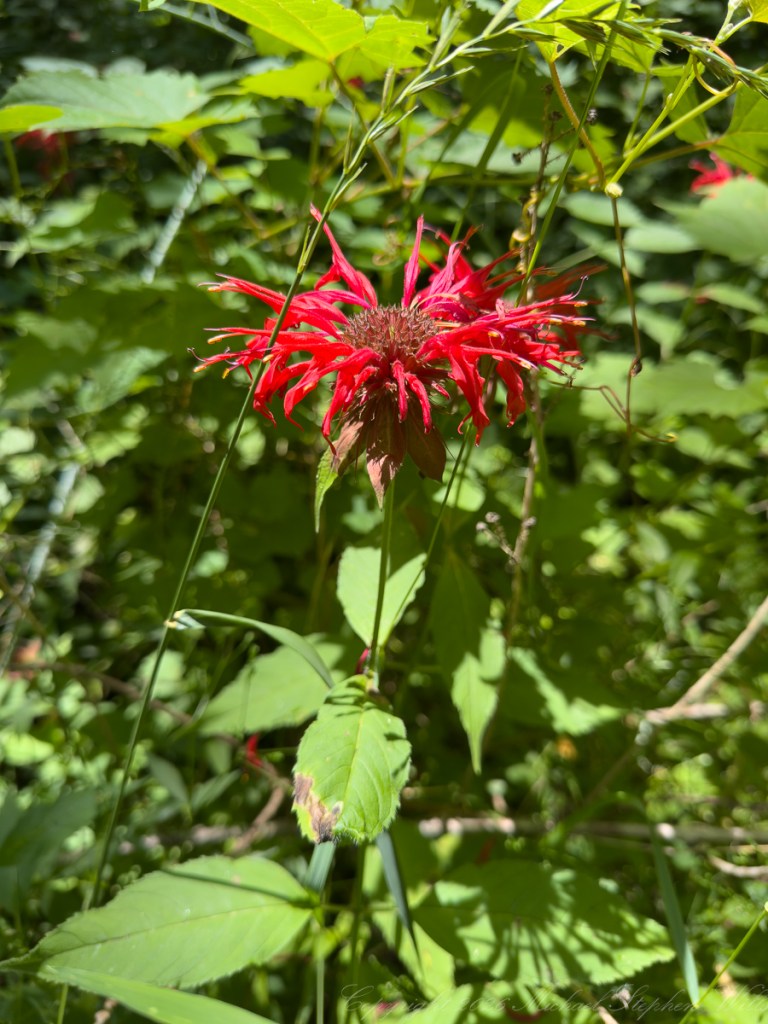
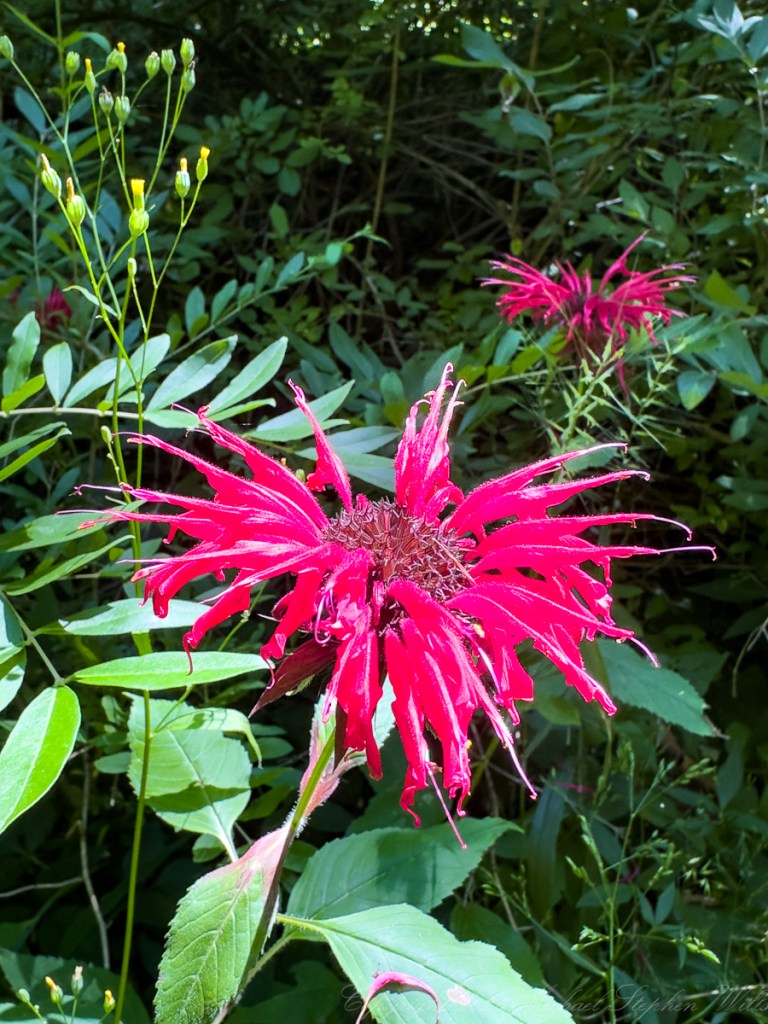
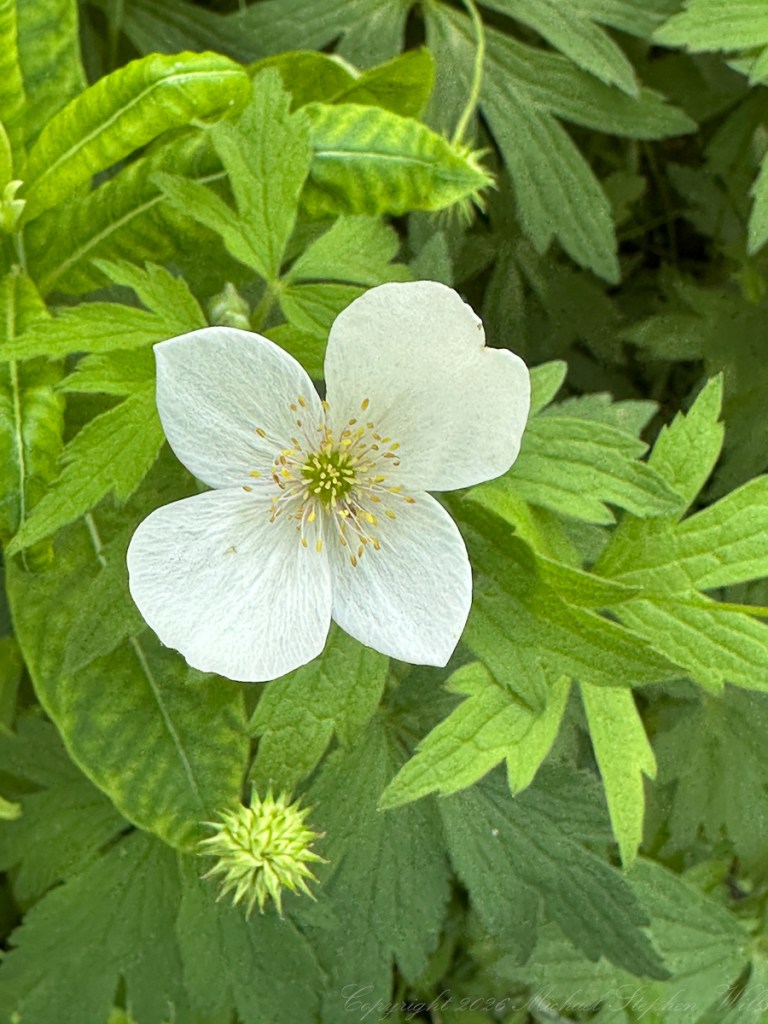
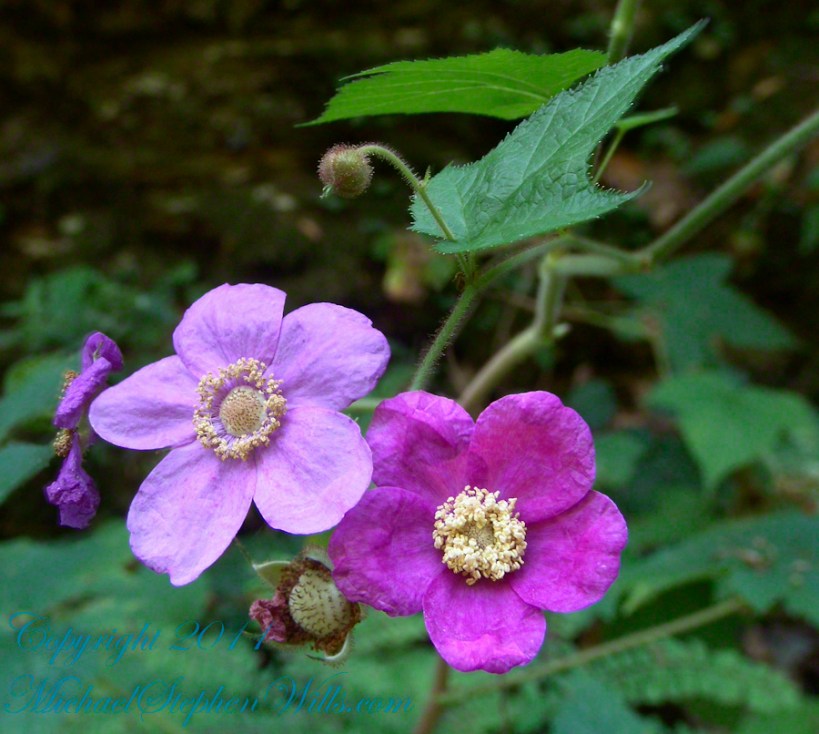
At first glance, I thought I had stumbled upon an escaped garden plant. The blossoms were  impossible to ignore—large, open, and an exuberant shade of rose-purple that glowed against the surrounding green. They seemed too extravagant for the subdued palette of a northeastern woodland. The petals had the simple elegance of wild roses, but there was something else about the plant that resisted easy identification.

The purple-flowered raspberry, Rubus odoratus, is a plant of delightful contradictions. Its blossoms are among the largest in the raspberry family, often two inches across. They appear over an extended season, beginning in early summer and continuing well toward autumn. Unlike the brief fireworks of many woodland wildflowers, this plant stages an encore performance, offering fresh blooms long after others have taken their final bow.

Over the years, I returned often to Fillmore Glen. Dry Creek became an old acquaintance, its voice changing with the seasons—boisterous after spring rains, subdued during the heat of late summer. And almost every year, somewhere along the Gorge Trail, I would encounter those same remarkable shrubs. Familiarity deepened into appreciation, and appreciation eventually became affection.

The flowers also serve a practical purpose beyond their beauty. Native bees and other pollinating insects visit them regularly, gathering nectar and pollen throughout the season. The plant has become part of an intricate ecological conversation that has been unfolding for thousands of years.

Then there are the leaves. The first time I noticed them closely, they triggered another moment of confusion. Broad and softly textured, divided into five lobes, they looked uncannily like oversized maple leaves. Some can grow nearly ten inches across, creating islands of lush greenery along shaded streambanks and woodland edges.

It is as though nature, in one of her playful moods, decided to combine the leaf of a maple, the flower of a rose, and the fruit of a raspberry.

Most raspberries and blackberries demand respect from a distance. Their prickles and thorns snag clothing and skin with equal enthusiasm. Purple-flowered raspberry breaks that expectation as well. Its stems are fuzzy rather than fierce. There are no hooked defenses waiting to punish curiosity. The plant invites close examination.

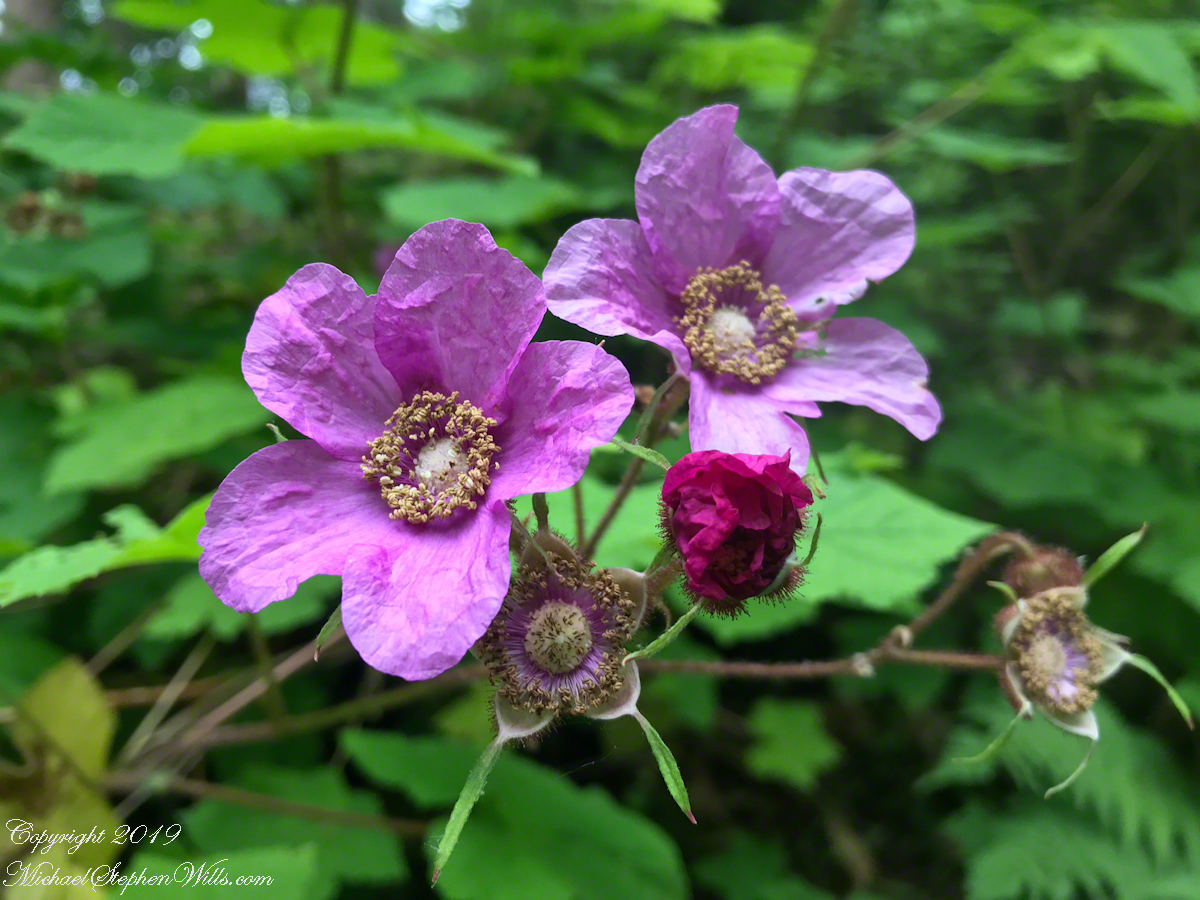
By late summer, the blossoms yield to flattened red fruits. Technically, they are raspberries, though they lack the sugary richness of their cultivated cousins. I have sampled them occasionally, appreciating them more for the experience than the flavor. Birds, however, are less discriminating. The fruits provide nourishment for wildlife, becoming another thread in the web of life that surrounds Dry Creek and countless other woodland habitats.

Native to eastern North America, purple-flowered raspberry ranges from Nova Scotia westward into Ontario and Wisconsin, extending south through the Appalachian Mountains. It thrives along forest margins, rocky slopes, stream corridors, and disturbed areas where sunlight penetrates the canopy. Through underground shoots, it gradually forms colonies that stabilize soil and provide shelter for small creatures.

It belongs exactly where I first found it. There is a temptation, especially among gardeners, to seek novelty elsewhere—to import the exotic, the unusual, the unfamiliar. Yet some of the most extraordinary plants are those that have quietly shared our landscapes all along.

The purple-flowered raspberry reminds me of this truth each time I encounter it. It teaches the value of paying attention. A hurried walk through Fillmore Glen might focus exclusively on the waterfalls, the sculpted rock formations, or the cool refuge of the gorge itself. All are worthy of admiration. But along the margins of the trail stand these shrubs, offering their own quieter marvels.

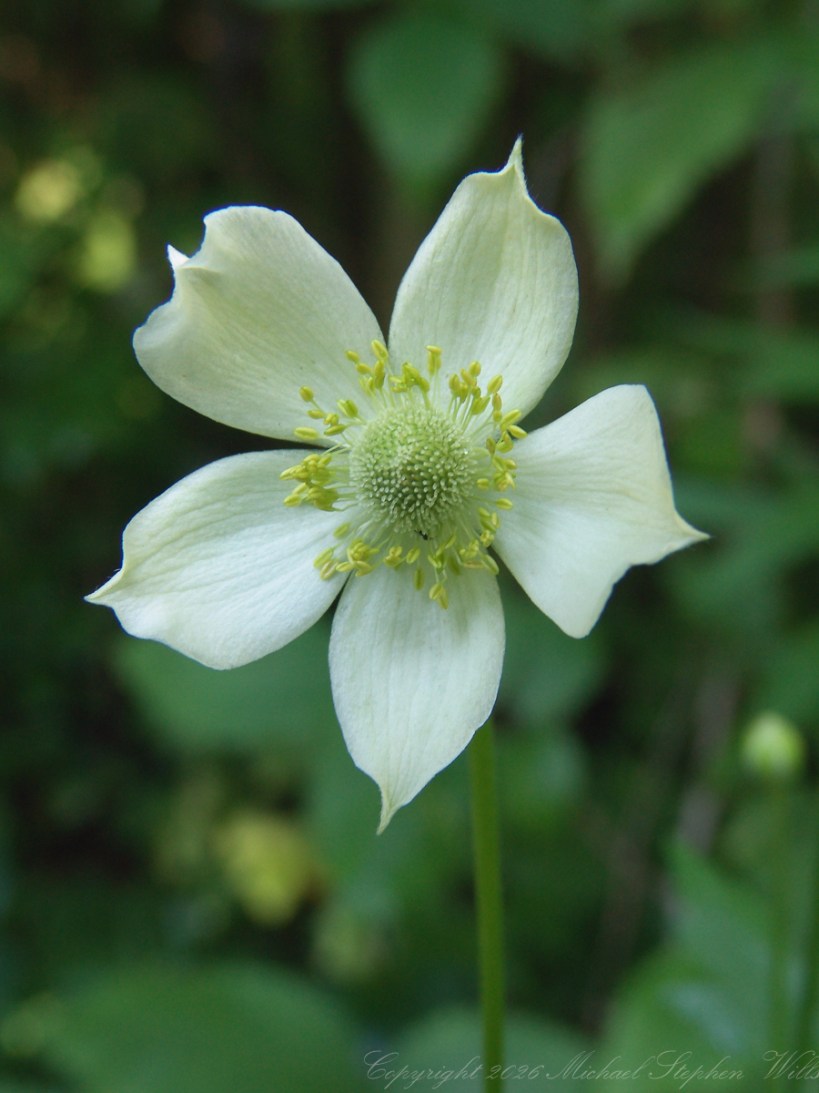
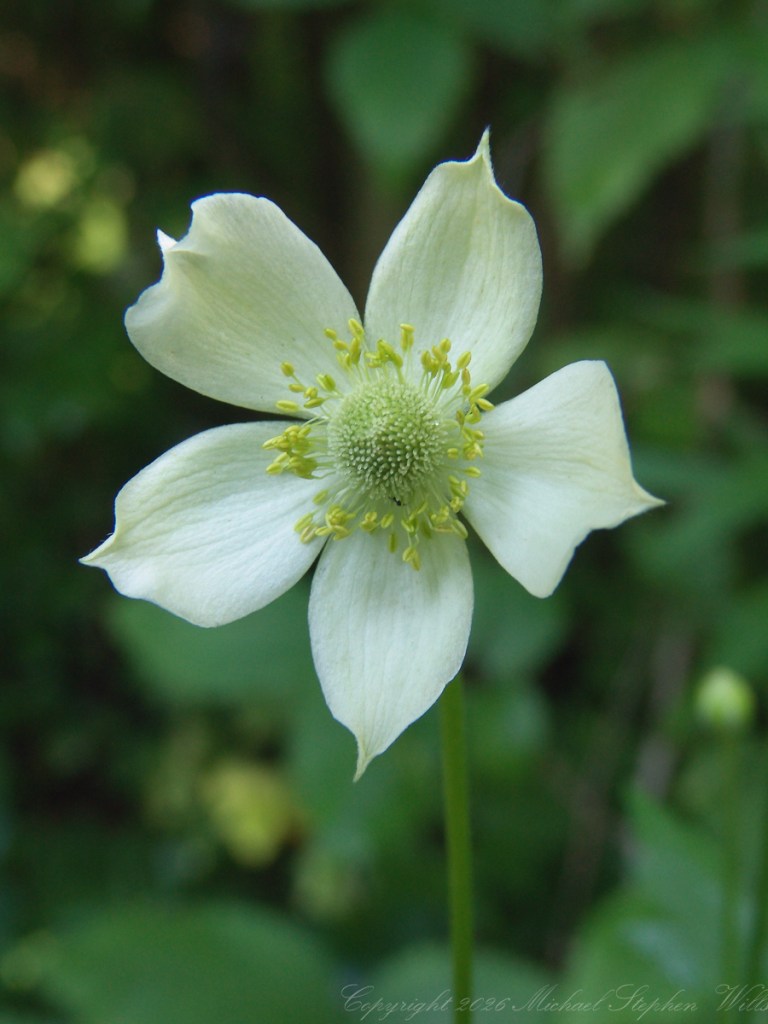
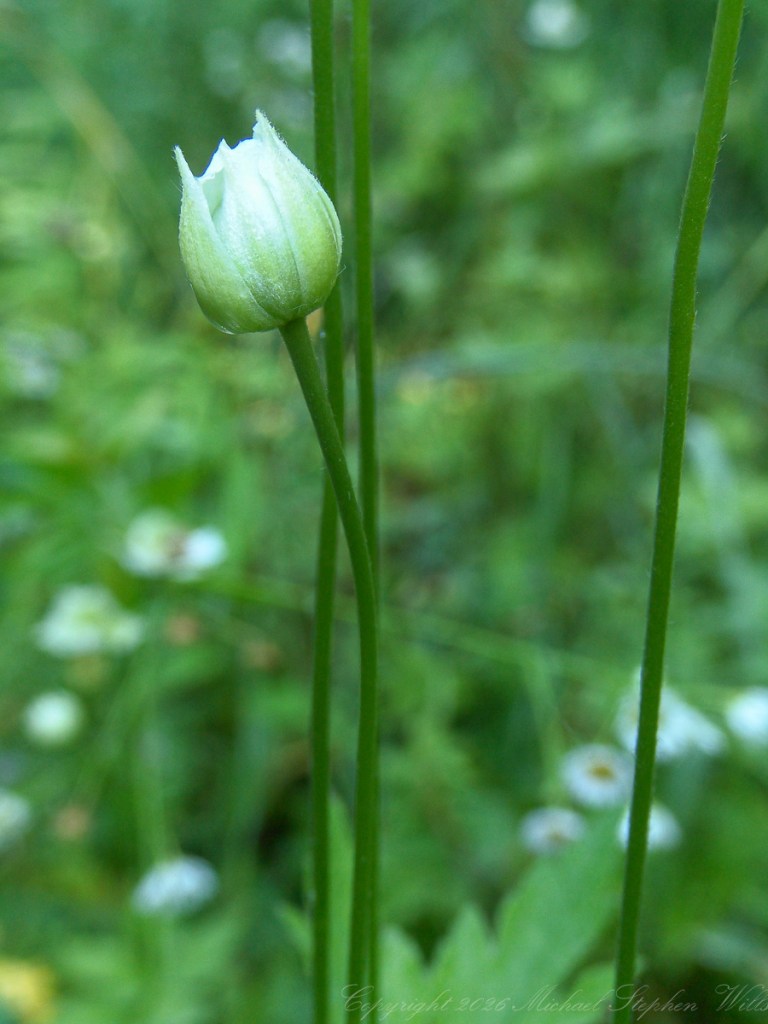
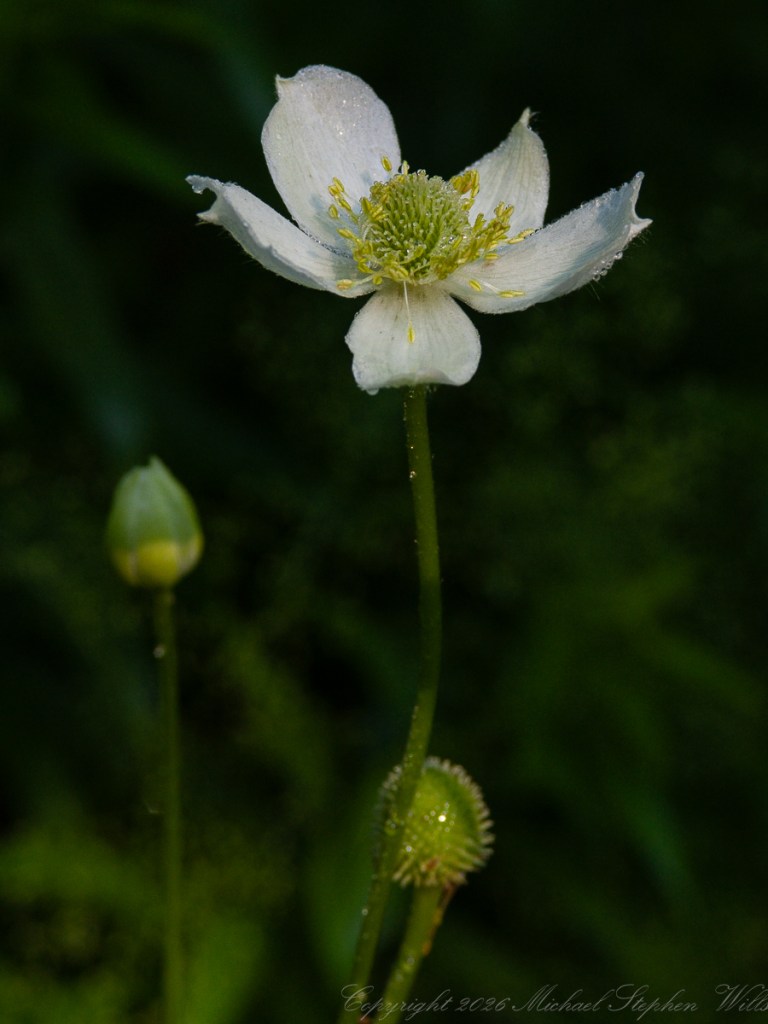
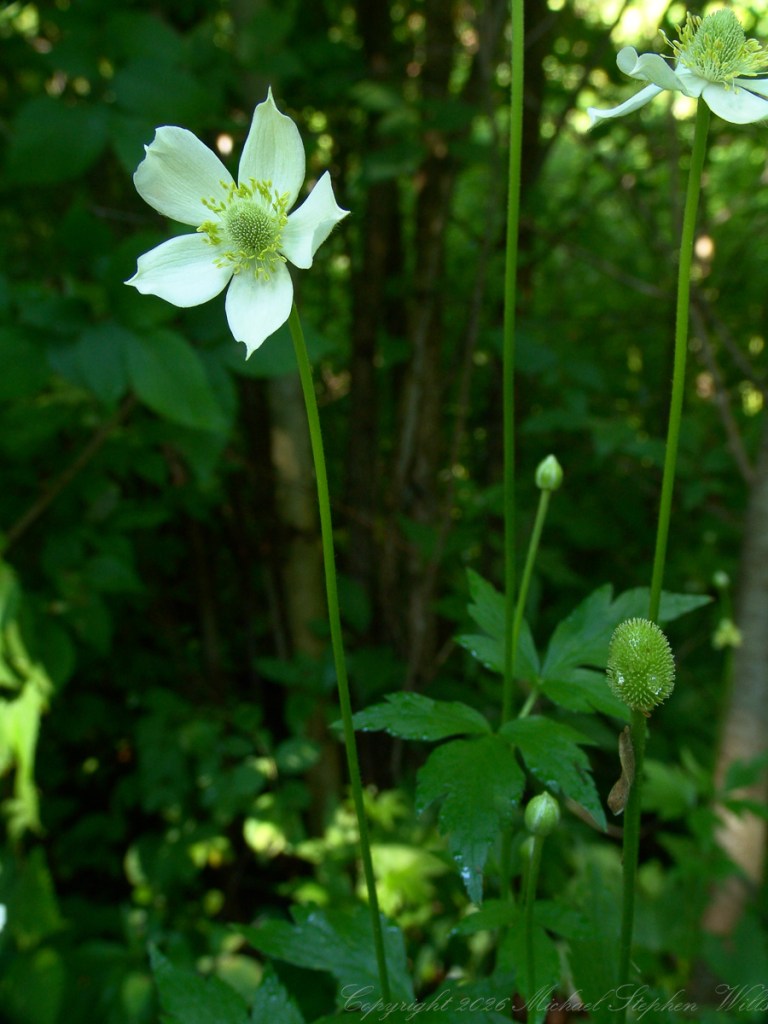
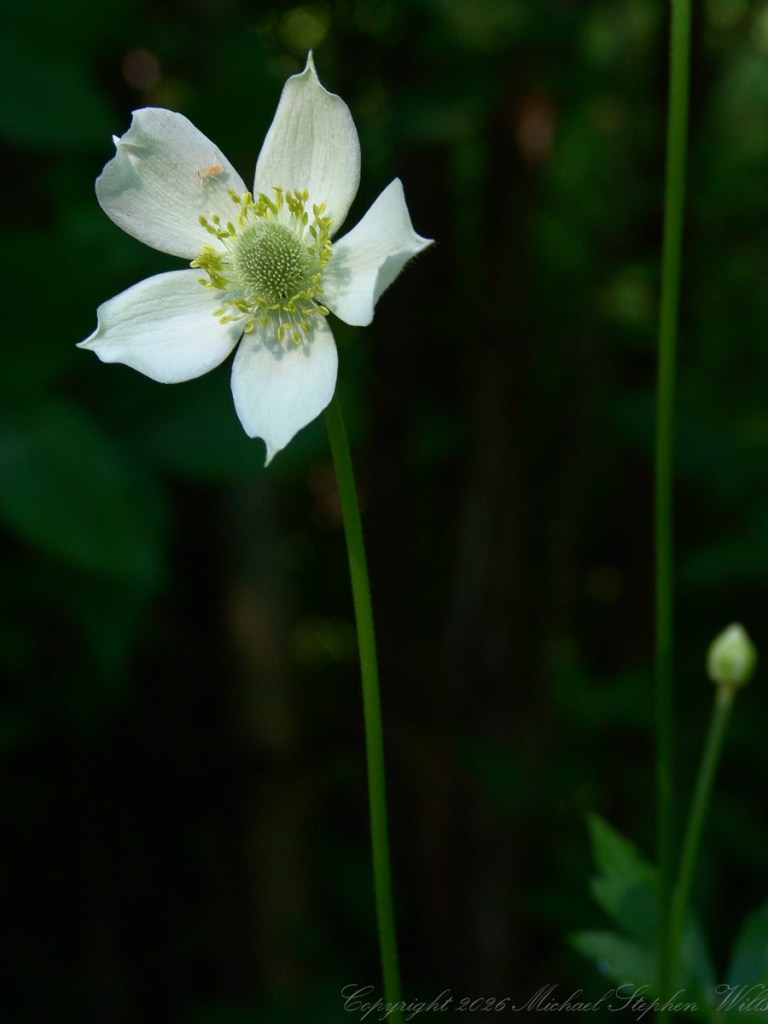
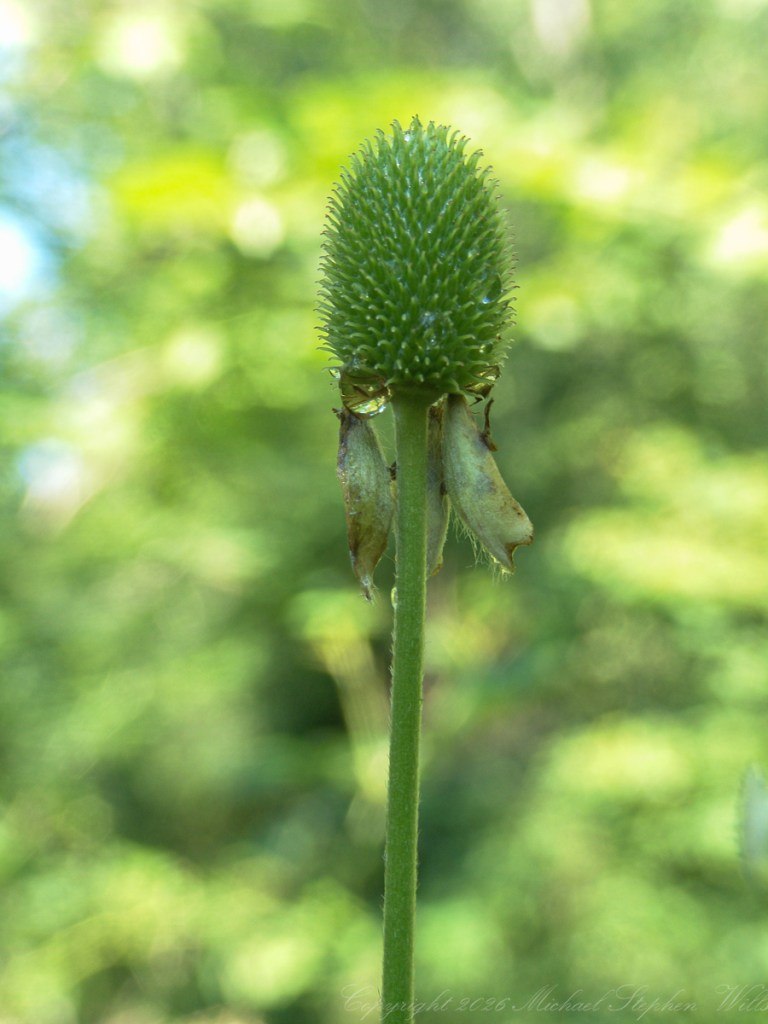
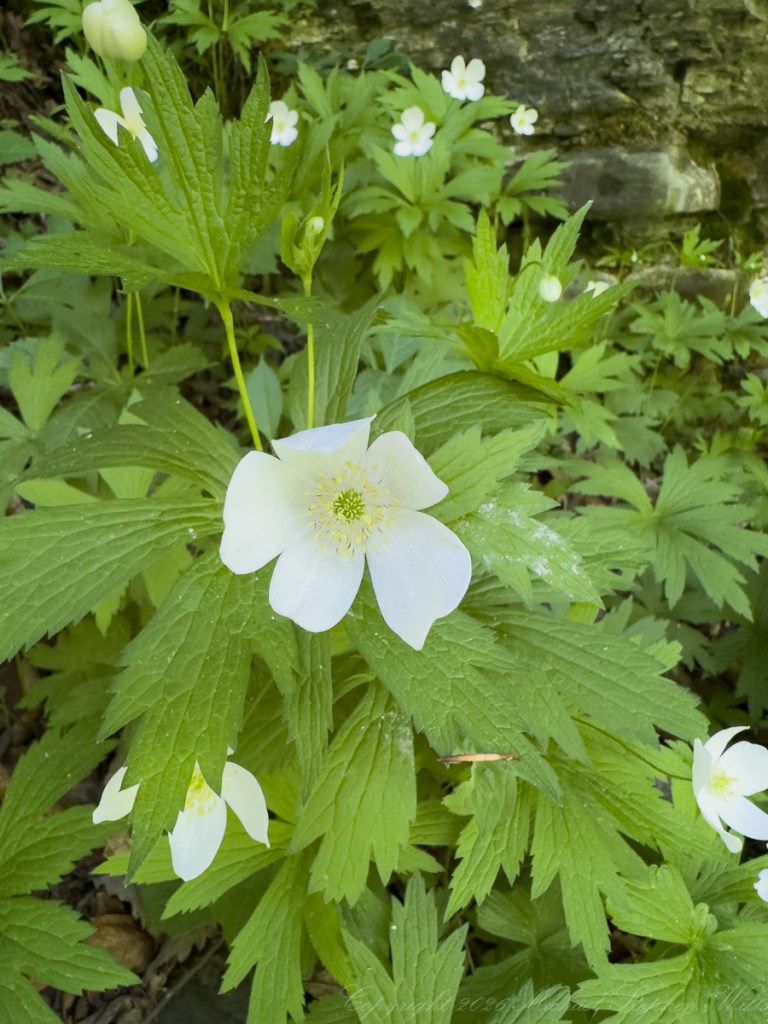
My photograph captures all flowering forms of this member of the Rose family. This specimen was blooming in August within the shade of Fillmore Glen in the Finger Lakes of New York State.

A rose-colored flower where one expects white. Maple leaves on a raspberry cane. Soft stems where thorns should be. Fruit that feeds the forest. A native plant that asks for nothing more than the chance to flourish where it has always belonged. Years after that first encounter beside Dry Creek, the sight of those blossoms still stops me as I find them in all the Finger Lakes gorges.

Certain plants become landmarks in our personal geography. They root themselves not only in the soil but in memory. The purple-flowered raspberry has become one of those companions for me—a recurring presence marking the passage of summers, a familiar face in a beloved landscape.

Dry Creek continues its patient work of carving stone. The waterfalls continue to descend in silver ribbons through the gorge. And each year, as if renewing an old friendship, the purple-flowered raspberries lift their improbable blossoms toward the filtered light. In their presence, wonder becomes less an emotion than a habit of attention.

Sometimes the greatest discoveries are not rare because they are hidden. They are rare because we have not yet learned to see them. The purple-flowered raspberry taught me to look more closely. Along a trail I thought I knew by heart, it revealed that nature still keeps delightful surprises in reserve.

Click me to visit Michael Stephen Wills Online Finger Lakes Gallery.

Enter your email to receive notification of future postings. I will not sell or share your email address.

Buttonbush: The Secret Geometry of Wetlands

Discover the Buttonbush (Cephalanthus occidentalis), a wetland shrub of spherical blooms, sustaining pollinators, birds, and waterfowl while reminding us of life’s enduring cycles

In the quiet wetlands of late summer, when cattails lift their brown torches above the reeds and dragonflies skim the still water, there is a shrub that speaks in spheres. Its language is not the pointed spear of grass or the broad fan of lily pads, but the perfect symmetry of globes—round, intricate, and startling in their precision. This is the Buttonbush, Cephalanthus occidentalis, a native of swamps, pond margins, and the soft, yielding soils where water shapes the land.

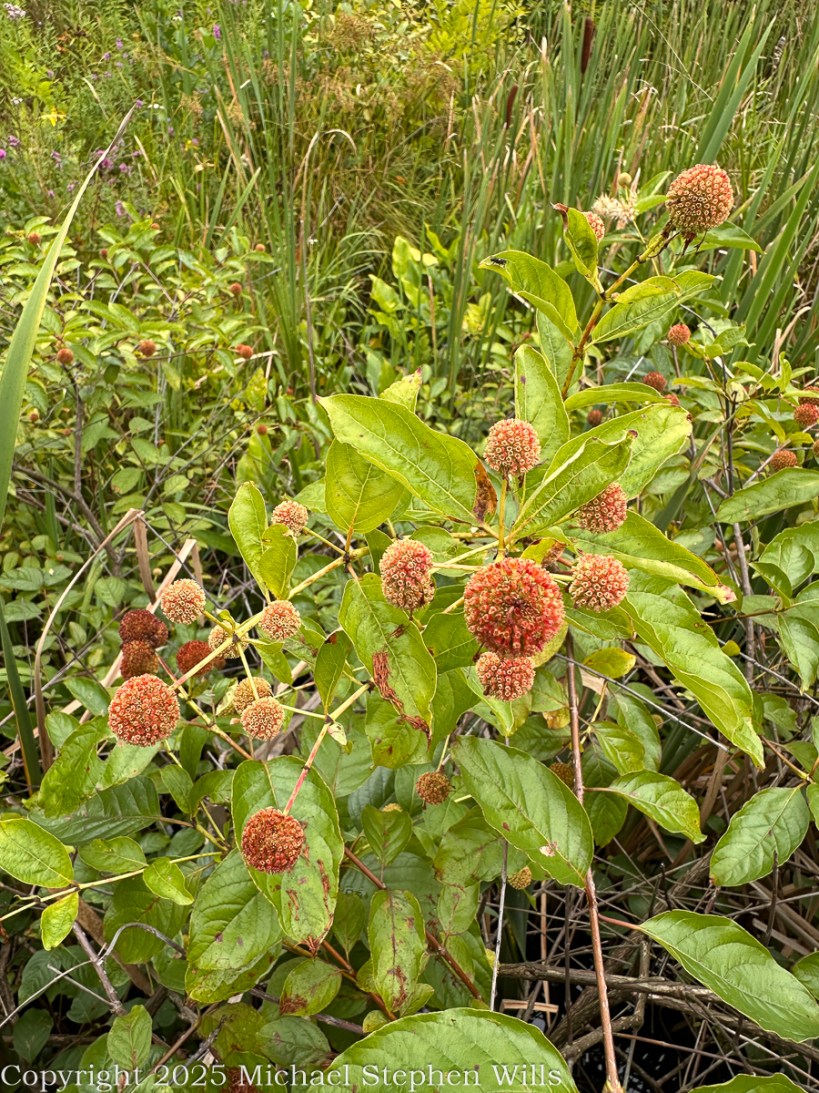
At first glance, its clusters might be mistaken for something fashioned by human hands: spiky balls arrayed along slender stems, each one a small planet bristling with tiny cells. Only in memory can we recall their summer incarnation, when each ball was a constellation of snowy blossoms, white tubular flowers extending like delicate pins from a spherical center. Bees and butterflies crowded them then, drunk on nectar, wings glinting in the sun. Hummingbirds darted in as though drawn by an unseen magnet, their beaks fitting perfectly into the narrow blossoms, a partnership written long ago in the shared script of evolution.

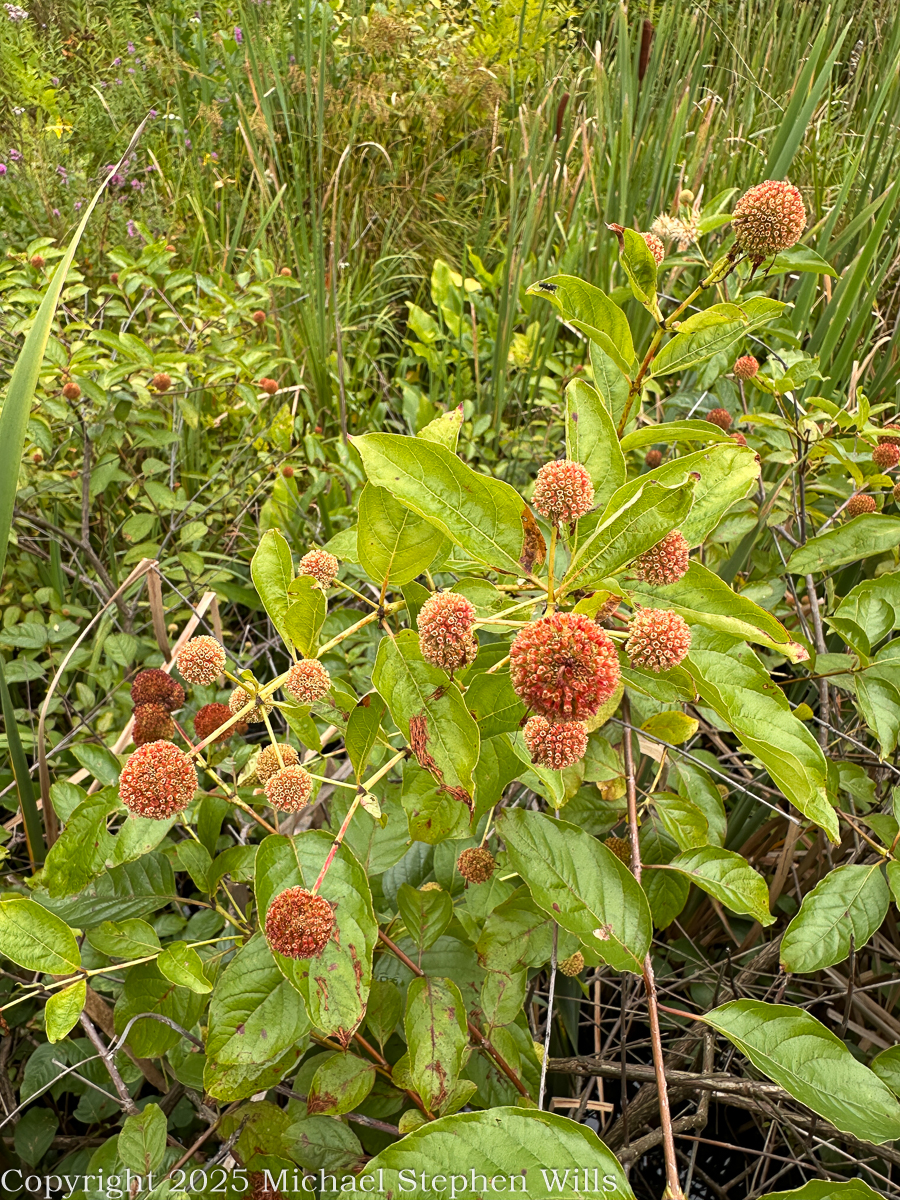
Buttonbush (Cephalanthus occidentalis) at Sapsucker Woods, Cornell Lab of Ornithology

Now, in August’s waning light, those blossoms have folded back into seed, transforming into the russet orbs captured in the photograph. What was once nectar is now promise—food for ducks, shorebirds, and the small lives that depend on wetlands for sustenance. In the hands of buttonbush, time itself is circular. Flower becomes fruit, fruit becomes seed, seed becomes shrub, and the cycle spins quietly on, just as the spheres themselves suggest: complete, unbroken, eternal.

A Wetland Companion

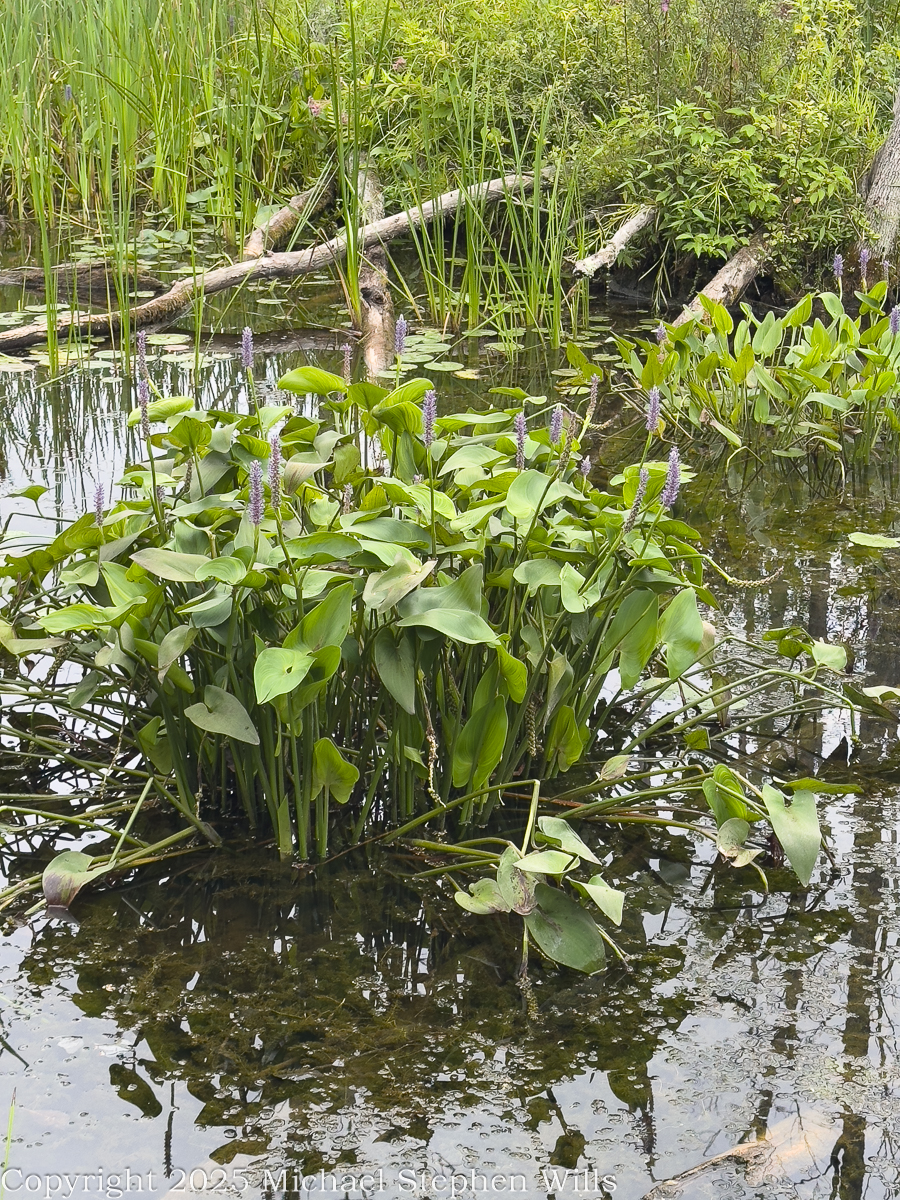
Buttonbush is rarely alone. It thrives where cattails whisper, where pickerelweed thrusts up spikes of purple bloom, where the air holds the scent of waterlogged earth. Its roots grip the muck at the edges of ponds and rivers, holding soil against the restless tug of currents. In doing so, it becomes part of the unseen architecture that holds wetlands together, slowing erosion, filtering water, providing shelter for fish in the shade of its stems.

Pickerelweed (Pontederia cordata) at Sapsucker Woods, Cornell Lab of Ornithology

This shrub, unassuming in stature, is an engineer of stability. It creates thickets where red-winged blackbirds perch, where frogs crouch in shade, where turtles bask on half-submerged branches. The wetlands of North America would be poorer without its presence, for it provides not just beauty but the scaffolding upon which entire communities of life depend.

The Human Thread

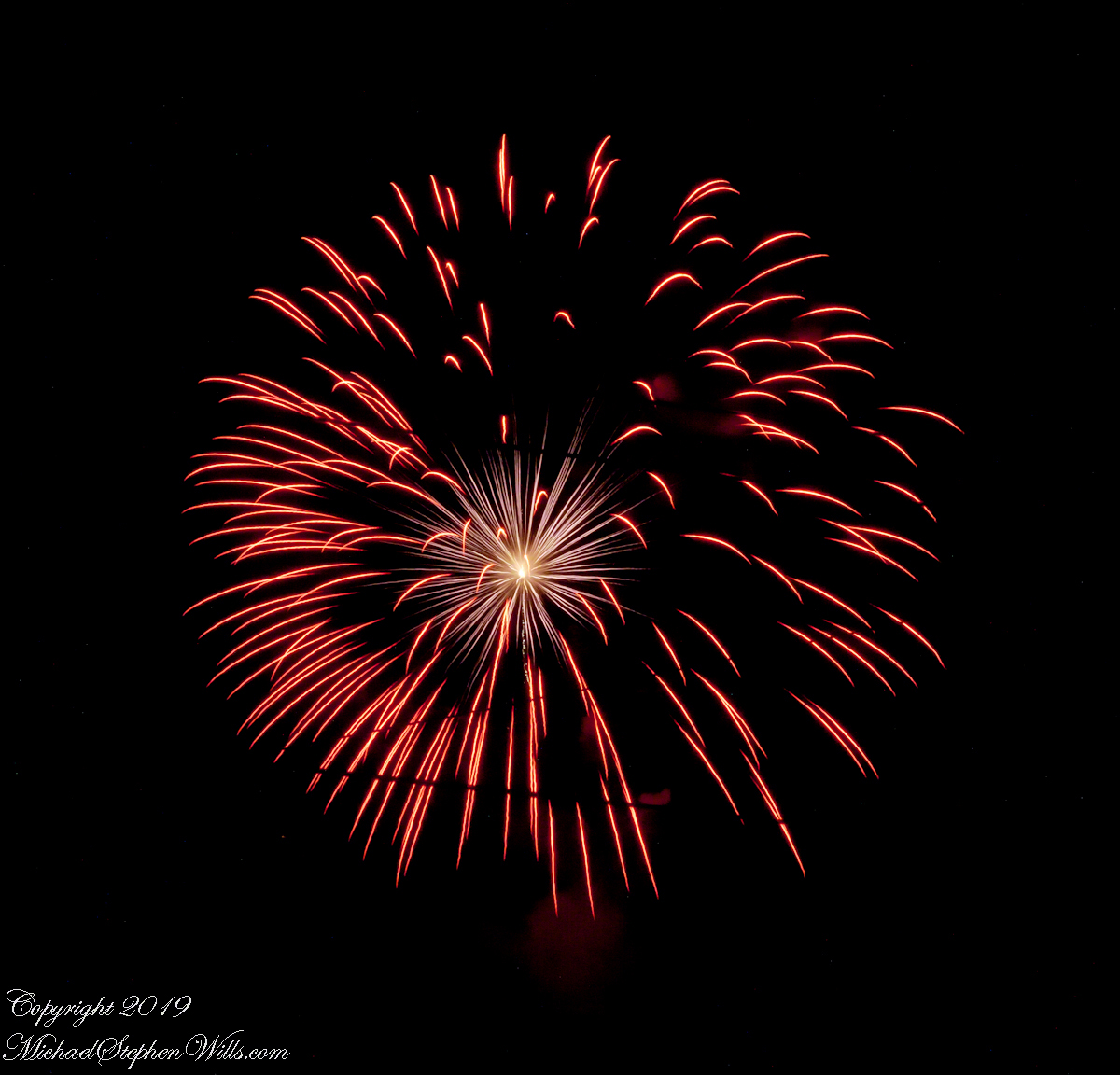
To the human eye, the buttonbush’s spherical blooms are so striking that they demand metaphor. Some have called them pincushions, others tiny planets, others fireworks arrested in mid-burst. Native American peoples, however, looked beyond metaphor to medicine. The bark and roots were used in remedies for ailments ranging from headaches to fevers, though with caution, for the plant holds mild toxicity when consumed raw. It is a reminder that many gifts of the natural world are edged with danger, and that wisdom lies in balance.

Today, gardeners and conservationists plant buttonbush intentionally. It is welcomed into rain gardens, where its thirst for moisture makes it a perfect ally for absorbing stormwater. It is used in wetland restoration projects, where its deep roots anchor new life. And it is cherished by those who walk the edges of ponds and discover in its round blossoms a geometry that feels both wild and deliberate, a gift of design from the living earth.

Fourth of July, 2019, Stewart Park

The Sphere as Symbol

Rachel Carson once wrote that in nature, “nothing exists alone.” The buttonbush embodies this truth with clarity. Its spheres are invitations, junctions where plant and pollinator meet, where flower and bird share a moment of mutual necessity. They are offerings to the eye as well, challenging us to see patterns where we might otherwise see only happenstance.

Standing before a buttonbush in bloom, one feels an almost childlike wonder: how could such symmetry arise unbidden from soil and sunlight? Yet this is the miracle of evolution, that order may spring from chance, that beauty may serve survival, that what pleases our senses also sustains life.

A Closing Reflection

In the wetlands, where water mirrors the sky, the buttonbush offers its own reflection of completeness. Its seed heads persist through autumn and winter, small orbs clinging even when leaves fall, reminders that the cycles of life turn steadily beneath the stillness.

To linger with buttonbush is to be reminded of nature’s quiet insistence on wholeness. It speaks in forms: round, repeating, enduring. To walk away from it is to carry a sense of connection, to know that in the pattern of its blooms we glimpse a truth both humble and profound—that life is not a line but a circle, and in every turning there is renewal.

For Further Reading

USDA NRCS. Plant Guide: Buttonbush (Cephalanthus occidentalis L.). United States Department of Agriculture, Natural Resources Conservation Service. Available online: https://plants.usda.gov
– Provides detailed information on identification, habitat, and ecological role.

Lady Bird Johnson Wildflower Center. Cephalanthus occidentalis (Common Buttonbush). Native Plant Information Network. Available online: https://www.wildflower.org/plants/result.php?id_plant=ceoc2
– Covers botanical features, bloom time, wildlife value, and landscape use.

Dirr, Michael A. Manual of Woody Landscape Plants: Their Identification, Ornamental Characteristics, Culture, Propagation and Uses. 6th Edition. Stipes Publishing, 2009.
– Authoritative horticultural reference on Buttonbush and other shrubs.

Peterson, Roger Tory, and Margaret McKenny. A Field Guide to Wildflowers: Northeastern and North-central North America. Houghton Mifflin, 1968.
– Classic field guide covering buttonbush’s wetland habitat.

Carson, Rachel. Silent Spring. Houghton Mifflin, 1962.
– Source of the quoted passage: “In nature nothing exists alone.” (Chapter 2, “The Obligation to Endure”).

Moerman, Daniel E. Native American Ethnobotany. Timber Press, 1998.
– Comprehensive reference documenting traditional medicinal uses of Buttonbush among Native American peoples.

Enter your email to receive notification of future postings. I will not sell or share your email address.

The Autumn Tapestry of Cayuga Lake: A Journey on the Treman Park Lake Loop

Autumn’s Arrival Along Cayuga Lake

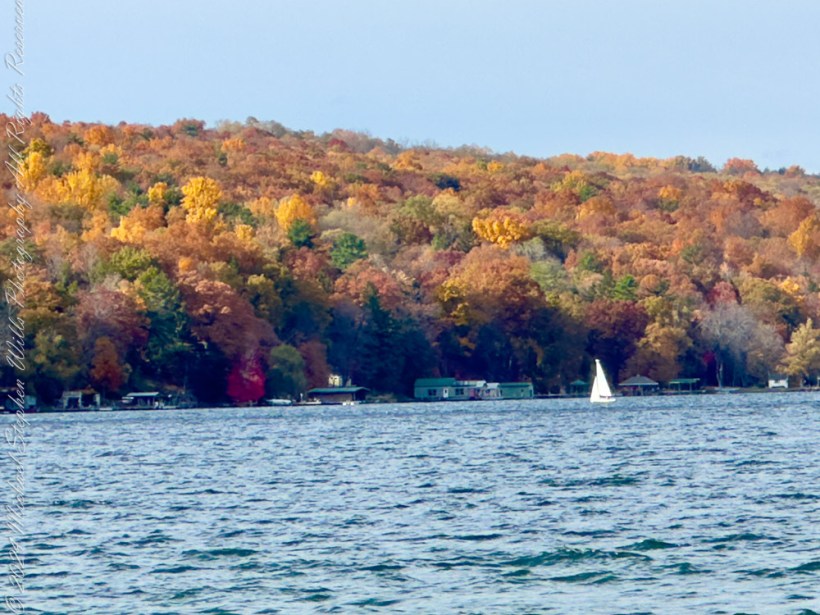
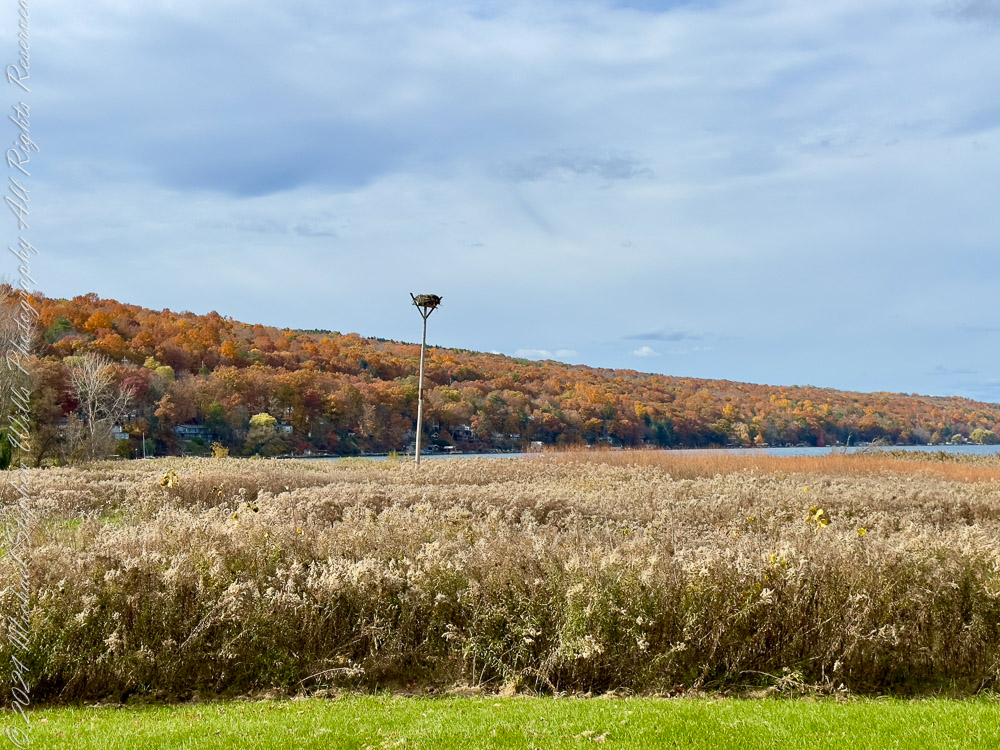
In Autumn 2024, the Treman Park Lake Loop of the Cayuga Waterfront Trail in Ithaca, New York, unfurled a vibrant display of seasonal transition. The natural landscape, adorned with fiery hues of reds, oranges, and yellows, reflected in the rippling waters of Cayuga Lake, creating a harmony of color and light. This is a scenic journey through stories of plant and animal life that call this place home—including the majestic Osprey (Pandion haliaetus) that nests along the shore.

The Osprey’s Watchtower

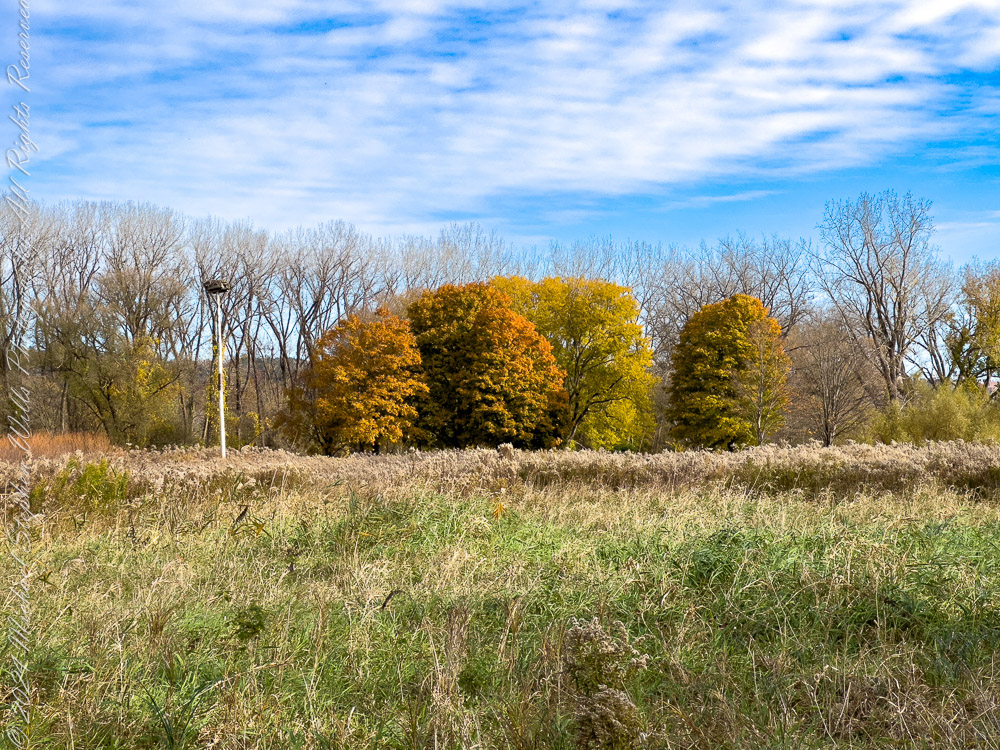
A sight to greet visitors is the solitary osprey nest perched high on a pole. Used by Osprey families during their breeding season, this nest stands as a testament to their remarkable recovery in the Finger Lakes region. Ospreys, once declining due to pesticide use, have rebounded significantly following conservation efforts.

With a wingspan of up to 6 feet, these raptors are expert fish hunters, often seen diving talons-first into the lake to snatch their prey. During autumn, as their young take flight, the nest remains an empty marker of the summer’s success—a reminder of the cyclical nature of life along the lake.

Did You Know? Ospreys are often referred to as “fish hawks” because fish make up 99% of their diet.

The Meadow and Its Golden Touch: Reedbeds and Goldenrod

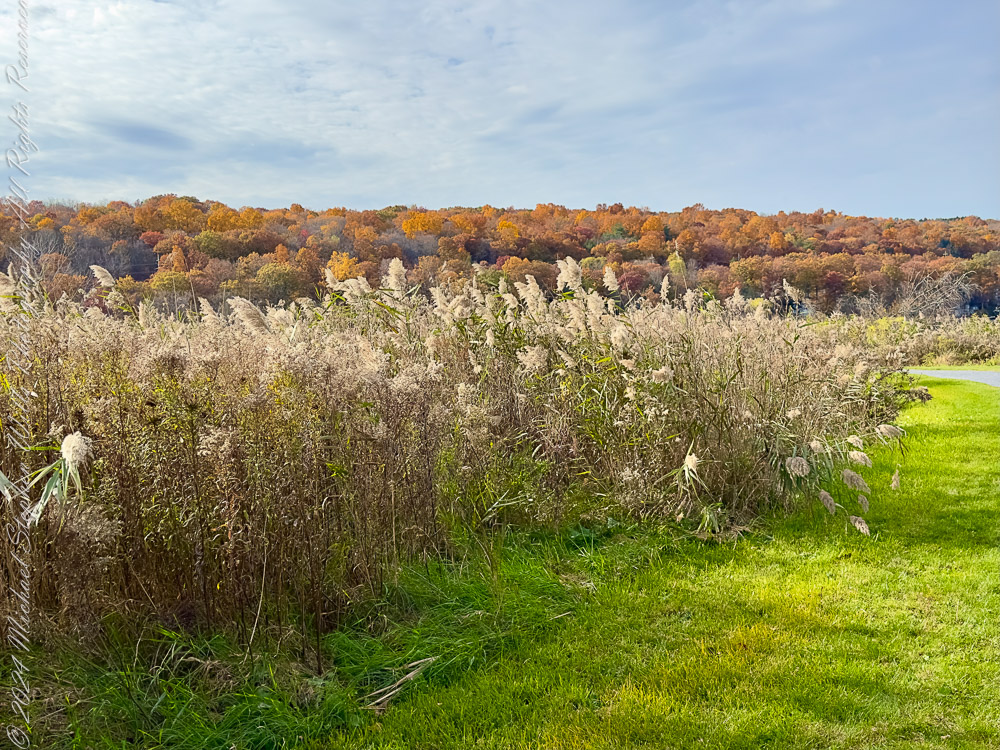
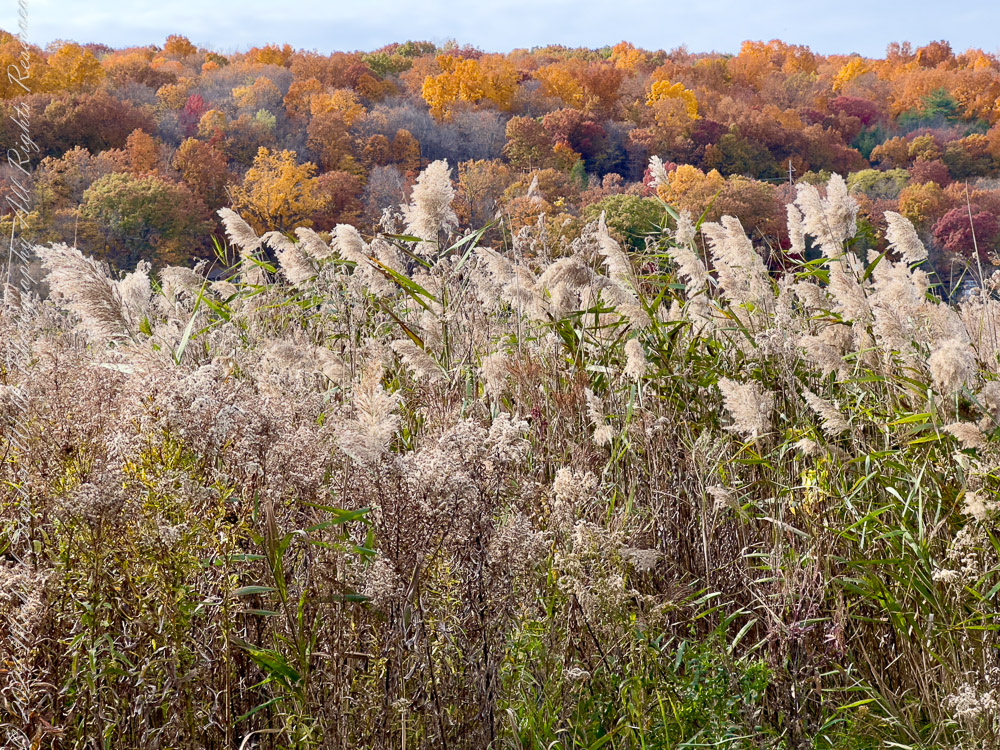
Surrounding the osprey pole, expansive meadows of grasses and reeds sway with the breeze. Among these are stands of Common Reed (Phragmites australis), a tall grass with feathery plumes that catch the sunlight. While Phragmites can sometimes be invasive, they provide crucial shelter and food for various species of birds and insects.

Intermixed with the reeds are patches of Goldenrod (Solidago spp.), whose bright yellow flowers are a signature of late summer and autumn in the Northeast. Goldenrods are critical for pollinators, offering nectar to bees, butterflies, and migrating insects like the Monarch butterfly (Danaus plexippus).

Ecological Note: Goldenrods are often mistakenly blamed for allergies; the real culprit is ragweed (Ambrosia artemisiifolia), which blooms at the same time but releases airborne pollen.

A Lake Alive with History and Beauty

The shimmering blue waters of Cayuga Lake form the centerpiece of this trail. The lake, stretching nearly 40 miles, is the longest of the Finger Lakes and steeped in geological and cultural history. Its name is derived from the Cayuga Nation, part of the Haudenosaunee Confederacy, who inhabited the region for centuries.

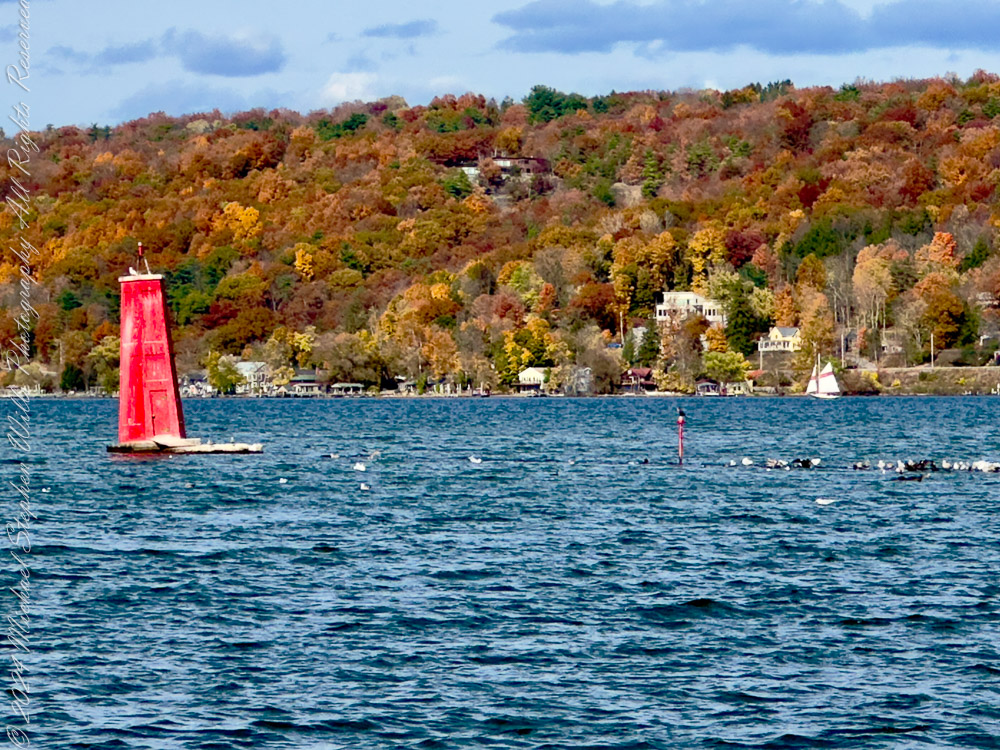
The striking red lighthouse in the water serves as a vivid counterpoint to the natural surroundings. Built to aid navigation, it now stands as a picturesque focal point for photographers and nature enthusiasts alike.

Cayuga Inlet Light Beacon

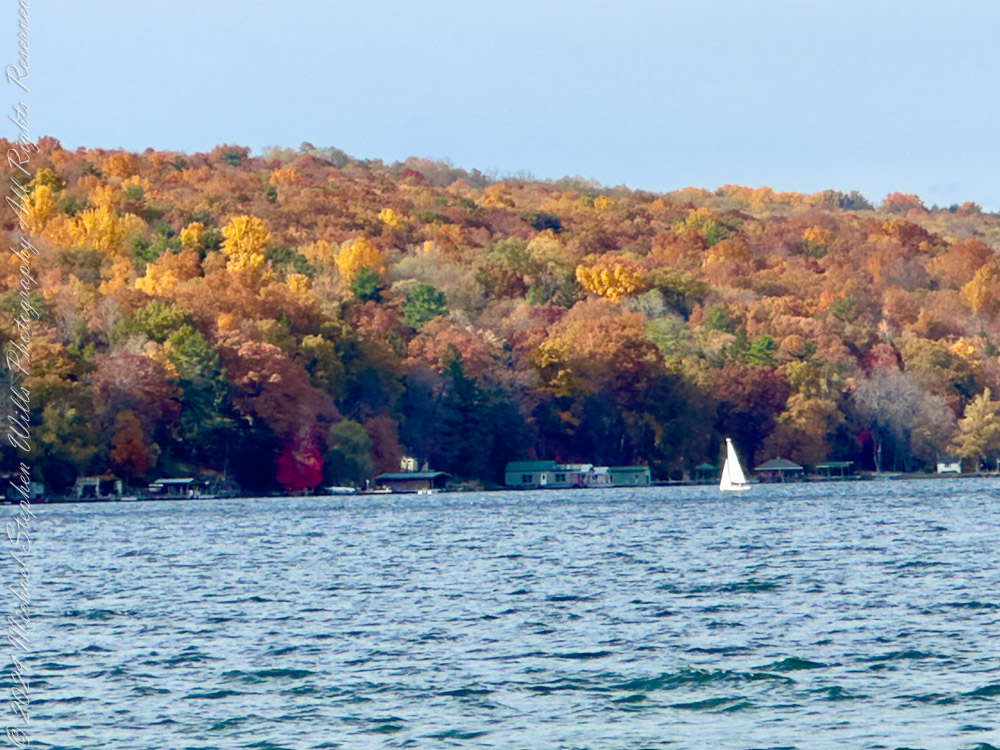
In the distance, a sailboat glides across the lake—a serene reminder of the recreational draw that Cayuga Lake holds year-round.

West shore with sailboat and lake houses

The Forest Fringe: A Kaleidoscope of Color

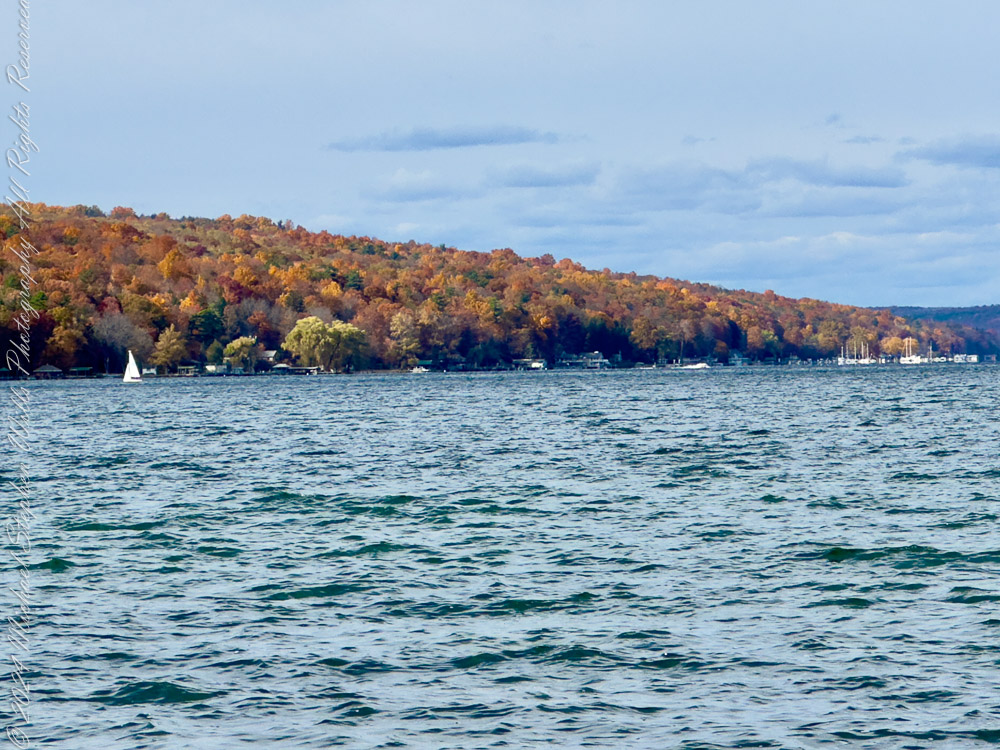
The forests that fringe the meadow and the lake present an explosion of autumn color. Trees such as Sugar Maple (Acer saccharum), Red Oak (Quercus rubra), and Black Cherry (Prunus serotina) dominate the canopy, their leaves transforming into brilliant oranges, scarlets, and deep burgundies. The Sugar Maple, in particular, is renowned for its vibrant golden-orange foliage, a hallmark of the northeastern fall.

The Ithaca Yacht Club lies south of Maplewood Point

Closer to the ground, the understory hums with the activity of migrating birds and foraging mammals. Squirrels can be seen gathering acorns, preparing for the winter months ahead, while chickadees flit among the branches, calling their cheerful “fee-bee” notes.

Historical Fact: The Finger Lakes were carved out by retreating glaciers over 10,000 years ago, leaving behind these deep, elongated lakes and fertile soil that supports rich biodiversity.

A Path Through Time and Nature

Walking the Treman Park Lake Loop is a sensory journey—the crispness of the autumn air, the rustling of reeds, and the rhythmic lapping of waves against the shore combine to evoke a timeless tranquility.

From the vibrant meadows to the osprey’s lofty perch and the quiet expanse of Cayuga Lake, this section of the Waterfront Trail encapsulates the beauty and diversity of the Finger Lakes ecosystem. Whether for quiet reflection or active exploration, it remains a treasured destination in every season.

Closing Thoughts

As autumn deepens, this landscape prepares for the dormancy of winter. Yet the stories it holds—from the osprey’s nest to the goldenrod’s bloom—remain alive, waiting to be rediscovered with each new season. The Treman Park Lake Loop is not just a trail; it is a canvas of life, change, and history painted by nature’s hand.

Reflection: To walk this trail is to connect with a land shaped by glaciers, nurtured by waters, and home to countless species that continue to thrive amid the ever-turning wheel of the seasons.

Enter your email to receive notification of future postings. I will not sell or share your email address.