Typha

cattails

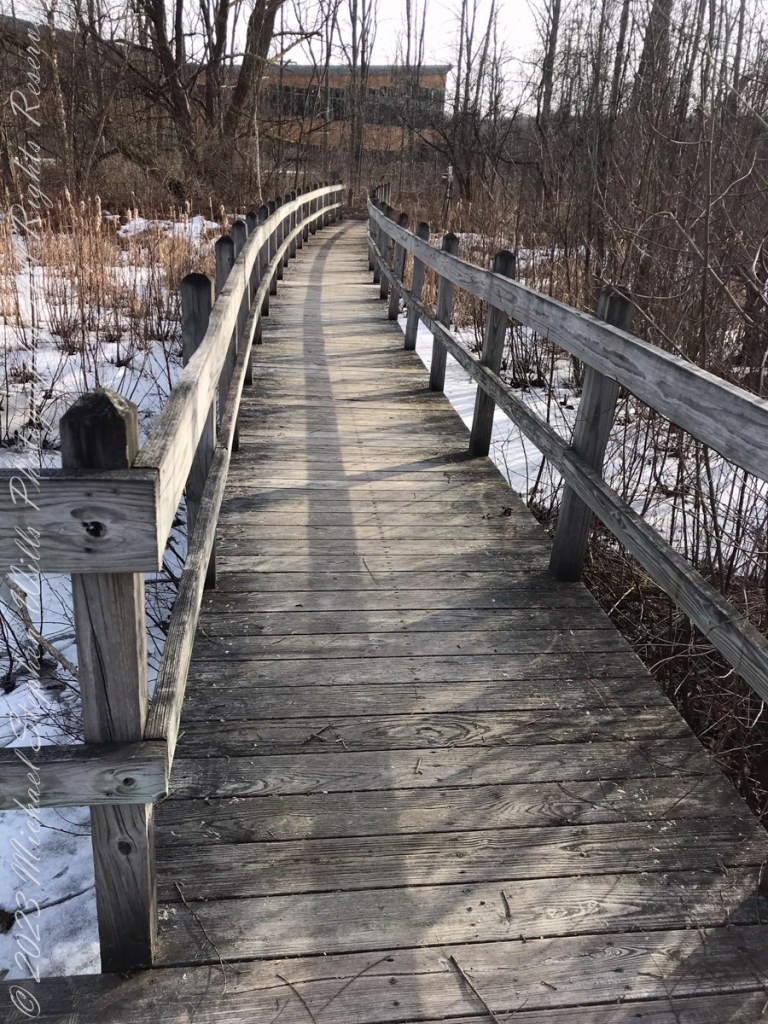
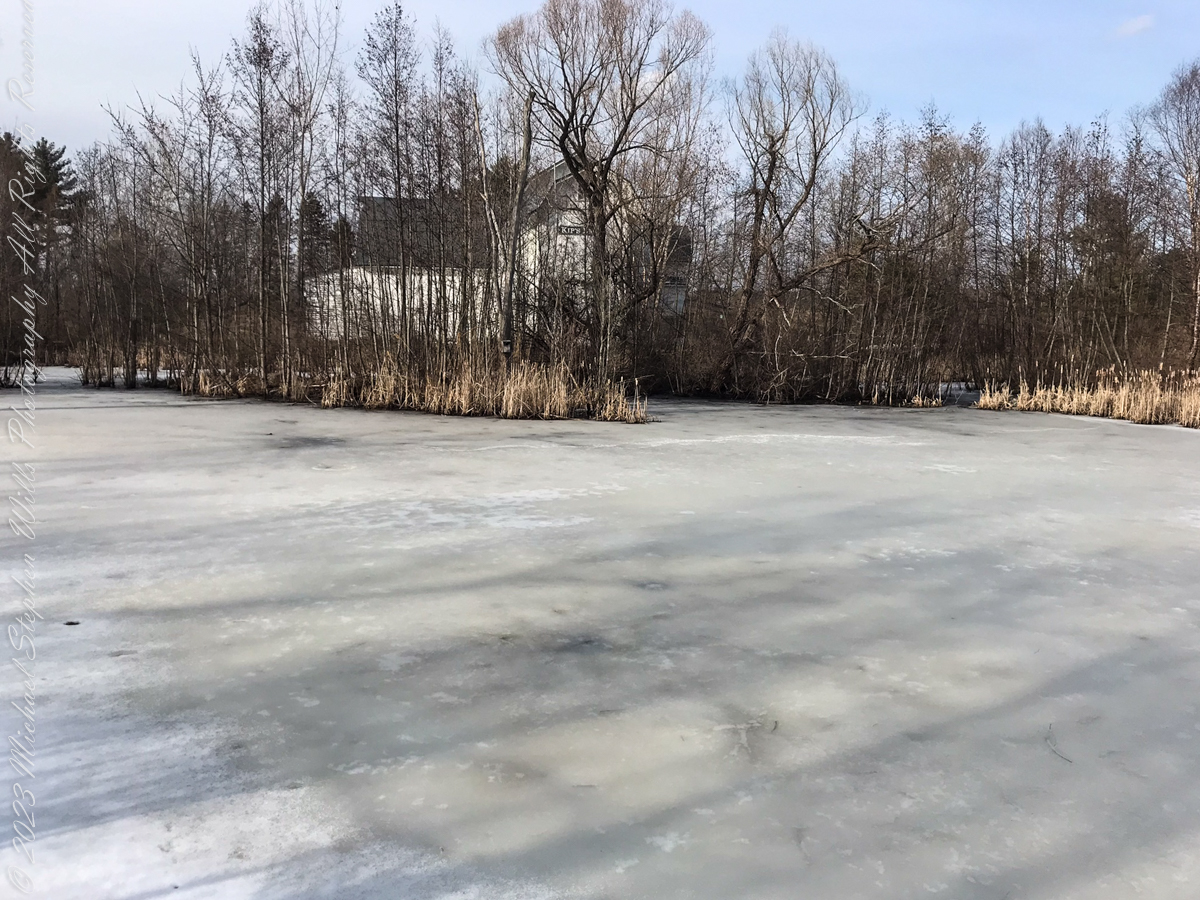
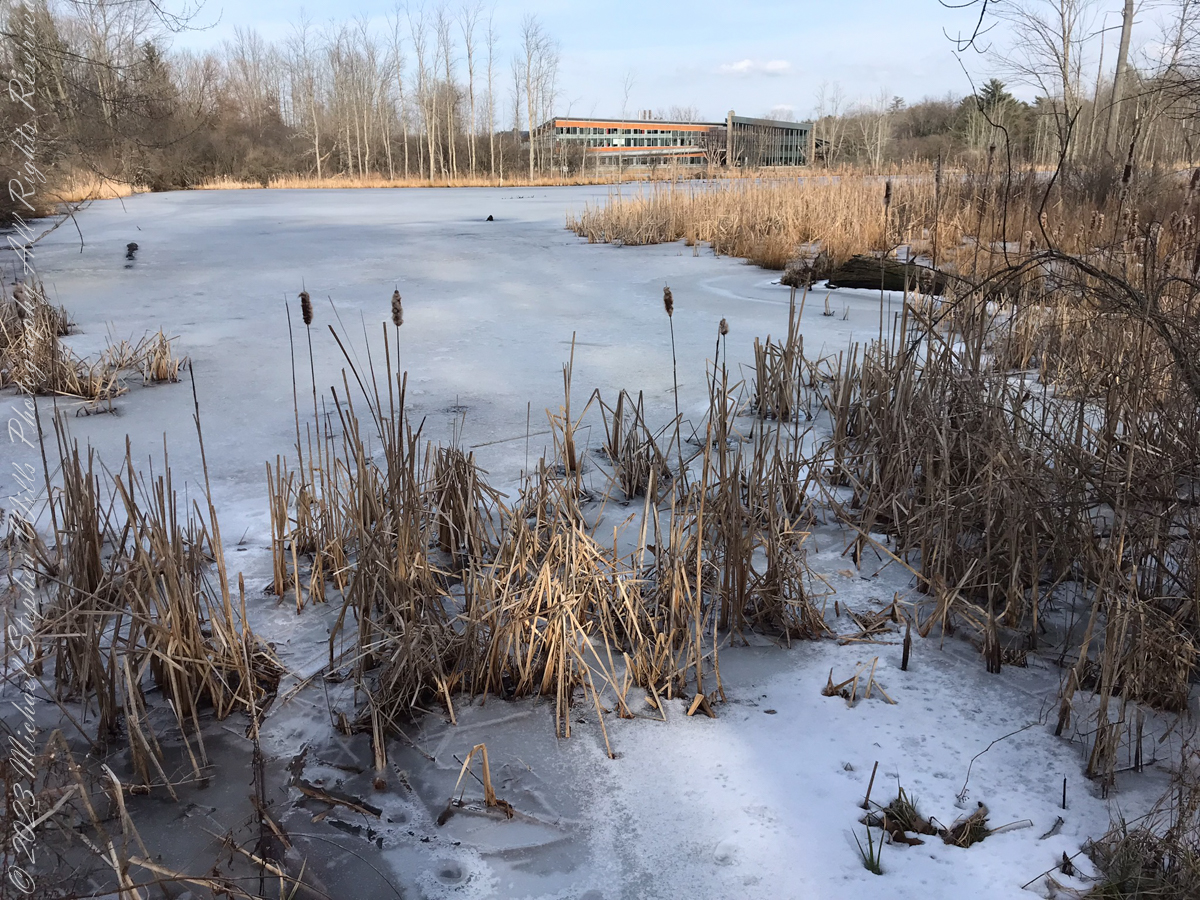
These two views of Imogene Powers Johnson Center for Birds and Biodiversity across Sapsucker Woods Pond on a March afternoon are separated by 12 months, a year. Wilson Trail, Sapsucker Woods, Cornell Lab of Ornithology, Ithaca, Tompkins County, New York.

Click Me for “Finger Lakes Memories” my online gallery.

2023 using the IPhone 14 ProMax triple camera, raw format, edited on the phone
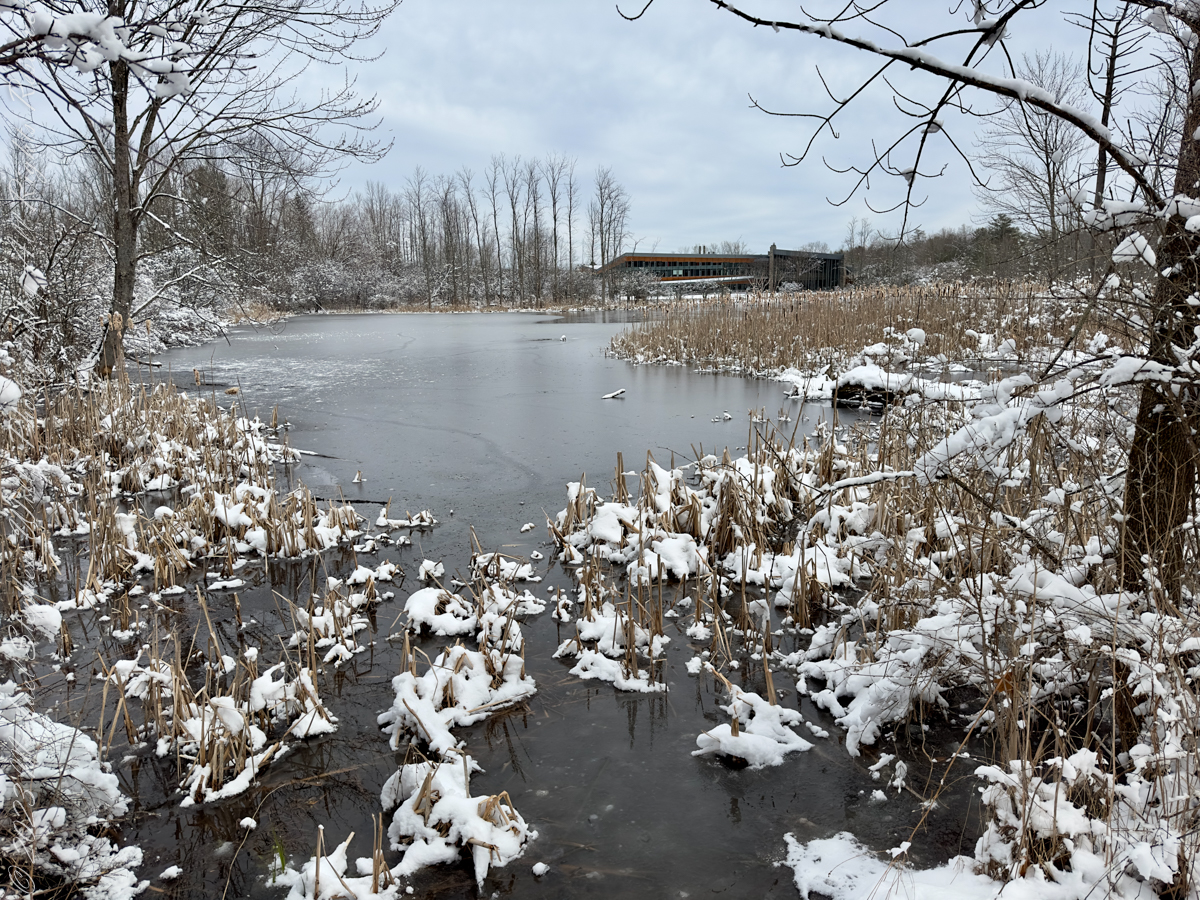
In the foreground is the cattail plant, the North American species Typha latifolia.  There are over 30 species in this useful genera. 

2022 using the IPhone 7 back camera
Culinary

Many parts of the Typha plant are edible to humans. Before the plant flowers, the tender inside of the shoots can be squeezed out and eaten raw or cooked. The starchy rhizomes are nutritious with a protein content comparable to that of maize or rice. They can be processed into flour with 266 kcal per 100 grams and are most often harvested from late autumn to early spring. They are fibrous, and the starch must be scraped or sucked from the tough fibers.  Baby shoots emerging from the rhizomes, which are sometimes subterranean, can be picked and eaten raw. Also underground is a carbohydrate lump which can be peeled and eaten raw or cooked like a potato. The plant is one championed by survival experts because various parts can be eaten throughout the year. Plants growing in polluted water can accumulate lead and pesticide residues in their rhizomes, and these should not be eaten.

The rind of young stems can be peeled off, and the tender white heart inside can be eaten raw or boiled and eaten like asparagus. This food has been popular among the Cossacks in Russia and has been called “Cossack asparagus.” The leaf bases can be eaten raw or cooked, especially in late spring when they are young and tender. In early summer the sheath can be removed from the developing green flower spike, which can then be boiled and eaten like corn on the cob. In mid-summer when the male flowers are mature, the pollen can be collected and used as a flour supplement or thickener.

Agriculture

The seeds have a high linoleic acid content and can be used to feed cattle and chickens. They can also be found in African countries like Ghana.

Harvesting cattail removes nutrients from the wetland that would otherwise return via the decomposition of decaying plant matter.  Floating mats of cattails remove nutrients from eutrophic bodies of freshwater.

Building material

For local native tribes around Lake Titicaca in Peru and Bolivia, Typha were among the most important plants and every part of the plant had multiple uses. For example, they were used to construct rafts and other boats.

During World War II, the United States Navy used the down of Typha as a substitute for kapok in life vests and aviation jackets. Tests showed that even after 100 hours of submersion, the buoyancy was still effective.

Typha are used as thermal insulation in buildings as an organic alternative to conventional insulating materials such as glass wool or stone wool.

Paper

Typha stems and leaves can be used to make paper. It is strong with a heavy texture and it is hard to bleach, so it is not suitable for industrial production of graphical paper. In 1853, considerable amounts of cattail paper were produced in New York, due to a shortage of raw materials.[33] In 1948, French scientists tested methods for annual harvesting of the leaves. Because of the high cost, these methods were abandoned, no further research was done. Today Typha is used to make decorative paper.

Fiber

Fibers up to 4 meters long can be obtained from the stems when they are treated mechanically or chemically with sodium hydroxide. The stem fibers resemble jute and can be used to produce raw textiles. The leaf fibers can be used as an alternative to cotton and linen in clothing. The yield of leaf fiber is 30 to 40 percent and Typha glauca can produce 7 to 10 tons per hectare annually.

Biofuel

Typha can be used as a source of starch to produce ethanol. Because of their high productivity in northern latitudes, Typha are considered to be a bioenergy crop.

Other

The seed hairs were used by some indigenous peoples of the Americas[which?] as tinder for starting fires. Some tribes also used Typha down to line moccasins, and for bedding, diapers, baby powder, and cradleboards. One Native American word for Typha meant “fruit for papoose’s bed”. Typha down is still used in some areas to stuff clothing items and pillows. Typha can be dipped in wax or fat and then lit as a candle, the stem serving as a wick. Without the use of wax or fat it will smolder slowly, somewhat like incense, and may repel insects.

The flower stalks can be made into chopsticks. The leaves can be treated to weave into baskets, mats, or sandals. The rushes are harvested and the leaves often dried for later use in chair seats. Re-wetted, the leaves are twisted and wrapped around the chair rungs to form a densely woven seat that is then stuffed (usually with the left over rush).

Small-scale experiments have indicated that Typha are able to remove arsenic from drinking water.[37][38] The boiled rootstocks have been used as a diuretic for increasing urination, or mashed to make a jelly-like paste for sores, boils, wounds, burns, scabs, and smallpox pustules.

Cattail pollen is used as a banker source of food for predatory insects and mites (such as Amblyseius swirskii) in greenhouses. The cattail, or, as it is commonly referred to in the American Midwest, the sausage tail, has been the subject of multiple artist renditions, gaining popularity in the mid-twentieth century. The term, sausage tail, derives from the similarity that cattails have with sausages, a name given to the plant by the Midwest Polish community who had noticed a striking similarity between the plant and a common Polish dish, kiełbasa. 

Copyright 2023 Michael Stephen Wills All Rights Reserved

Nature and Big Names

barns by other names

View of Imogene Powers Johnson Center for Birds and Biodiversity from an unnamed boardwalk on an unnamed path from the parking lot. Sapsucker Woods, Cornell Lab of Ornithology, Ithaca, Tompkins County, New York

From an unnamed boardwalk on an unnamed path from the parking lot. Sapsucker Woods, Cornell Lab of Ornithology, Ithaca, Tompkins County, New York

An iced over, thawing in the March sunshine, leads to a view of Kip’s Barn that, I believe, is named for Austin Kiplinger (Cornell Graduate of 1939) the longest serving trustee in Cornell history.

Click me for more information https://news.cornell.edu/stories/2015/11/legendary-cornellian-austin-kiplinger-39-dies-age-97

Click Me for “Finger Lakes Memories” my online gallery.

Copyright 2023 Michael Stephen Wills All Rights Reserved

Saguaro Sky

dramatic skies from Saguaro National Park

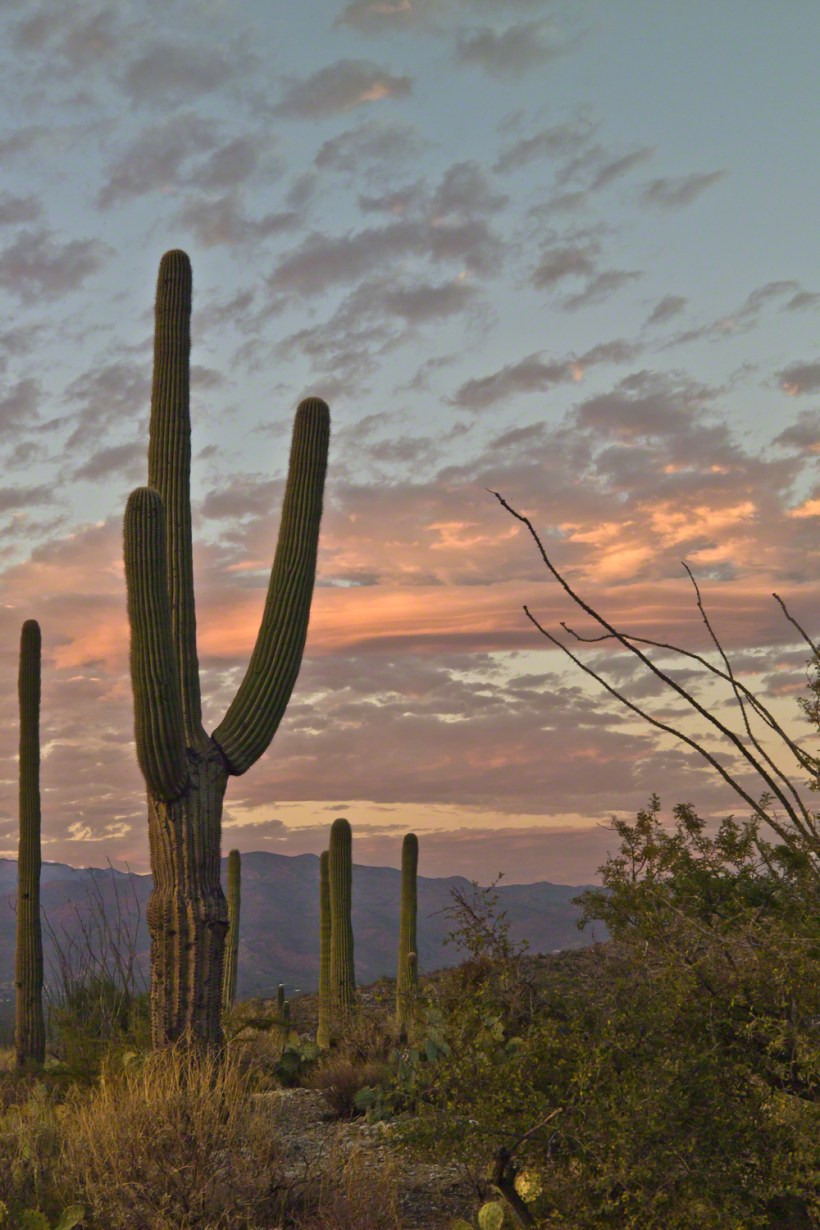
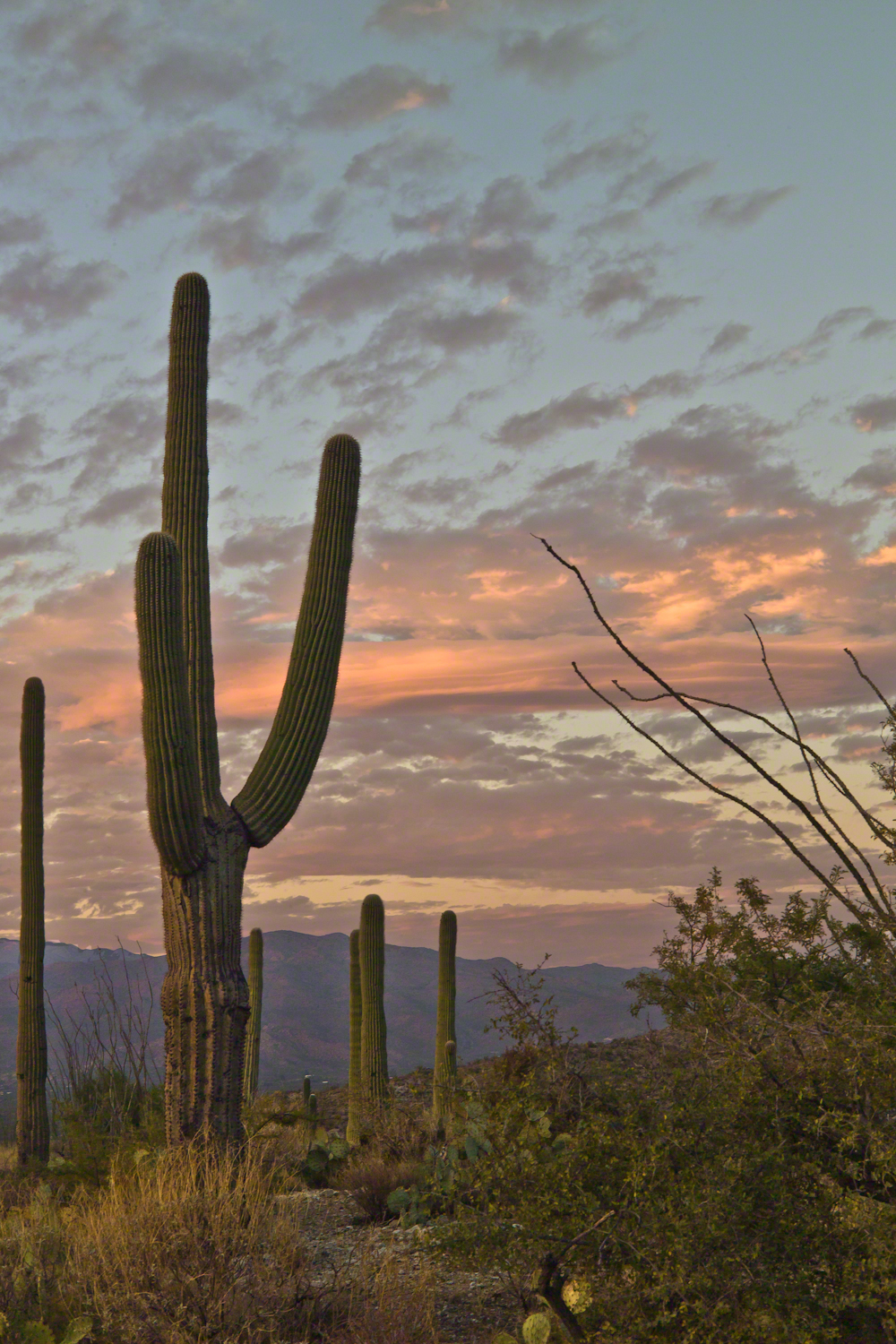
November is a special time for the ranges and basins of southern Arizona deserts.  Climb a bajada of foothills, face west and wait for the sunset.  That is what I did this day, November 3, 2005.  East of Tucson the Saguaro National Monument at the foot of the Rincon Mountain Wilderness is where I parked, unpacked the photo gear and climbed the side of the Tanque Verde Ridge for a favorable view.  Weather was pushing high level moisture from the west, clouds were developing.

You see here a shot from that session.  In the distance, looking across Tanque Verde, are the Santa Catalina mountains.  Months since the last rainfall, the giant Saguaros are using internal moisture reserves drawn up from a shallow root system, the flesh is less plump, the supporting structure of the ribs, always evident, are more pronounced.  The last light catches these ribs in relief against a dramatic sky.

Click this link or the photograph for my Online gallery of this offering
Saguaro Sunset -- CLICK ME!!!!
Copyright 2023 Michael Stephen Wills All Rights Reserved

Treman Gallery Footbridge II

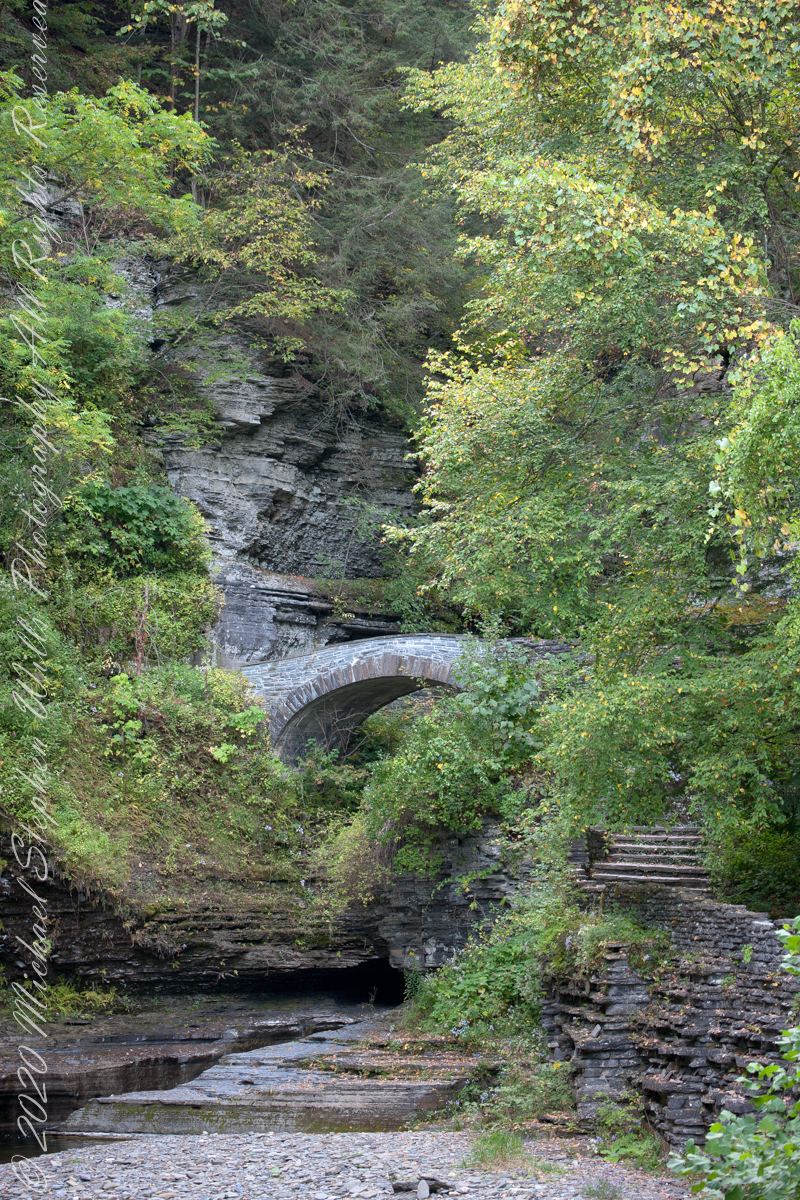
Looking back after crossing the Gallery Footbridge we are rewarded with this view, providing a better understanding of the site. It is evening on a mid-September evening, Robert H. Treman Park, Ithaca, Tompkins County, New York Copyright 2023 All Rights Reserved Michael Stephen Wills

Looking back after crossing the Gallery Footbridge we are rewarded with this view, providing a better understanding of the site.

This is the footbridge at east side of gorge gallery entrance, seen from the east where the trail descends.

It is evening on a mid-September evening, Robert H. Treman Park, Ithaca, Tompkins County, New York

Copyright 2023 All Rights Reserved Michael Stephen Wills

Treman Gallery Footbridge I

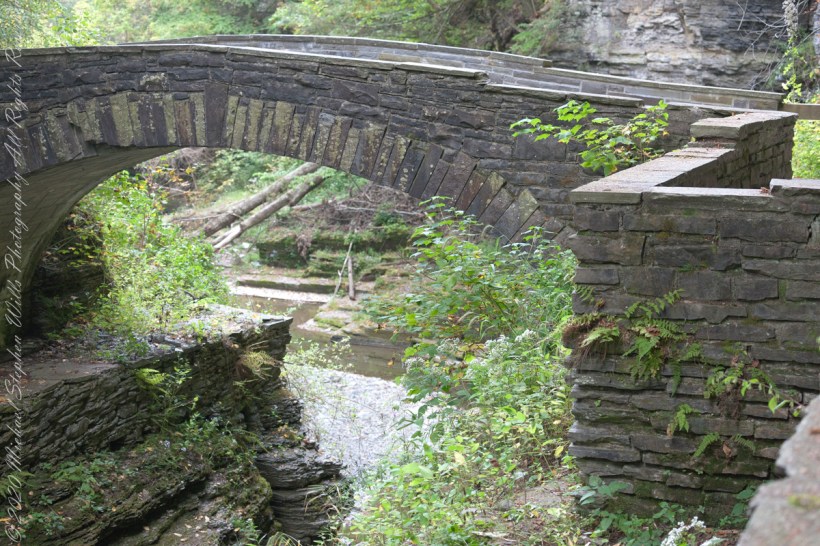
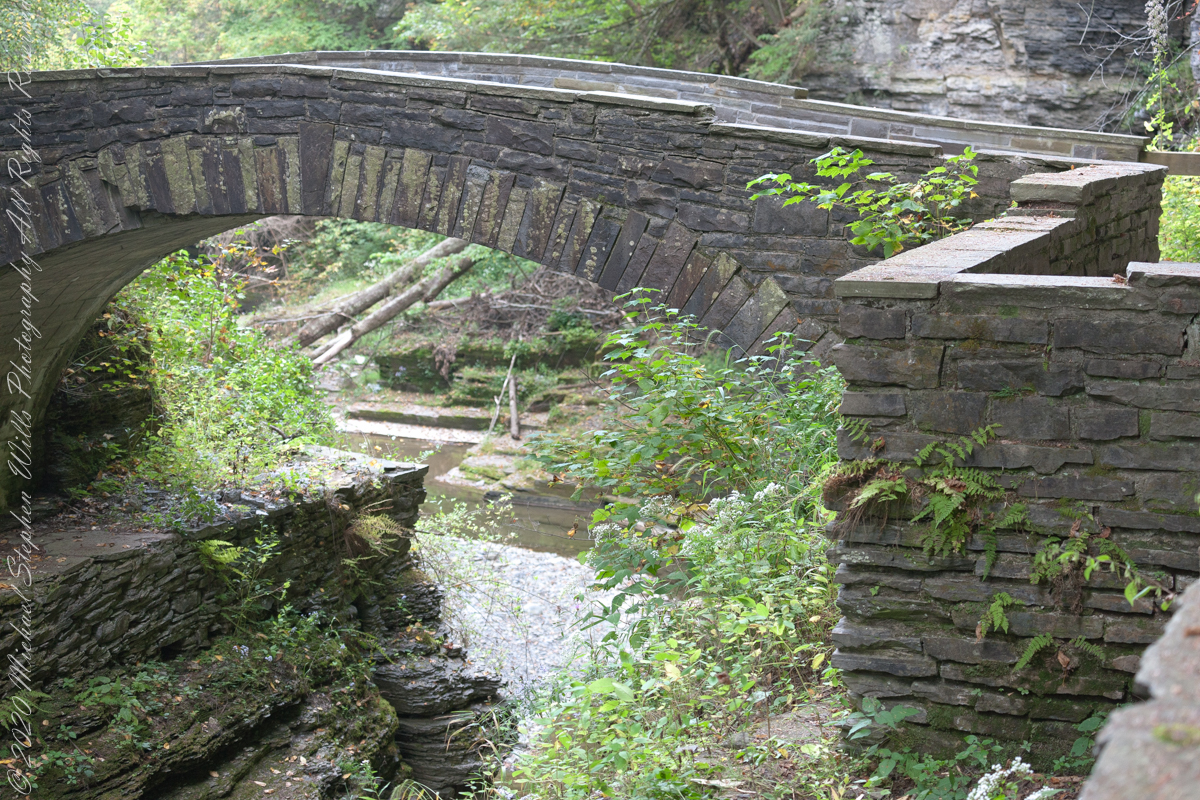
Here we are on the Gorge Trail of Treman State Park. My readers have seen this marvelous stone bridge from a distance. Here it is on the west side, facing east/northeast and looking down into the gorge. It is evening on a mid-September evening, Robert H. Treman Park, Ithaca, Tompkins County, New York Copyright 2023 […]

Here we are on the Gorge Trail of Treman State Park. My readers have seen this marvelous stone bridge from a distance. Here it is on the west side, facing east/northeast and looking down into the gorge.

Spanning the eastern side of the gallery entrance of the gorge.

It is evening on a mid-September evening, Robert H. Treman Park, Ithaca, Tompkins County, New York

Copyright 2023 All Rights Reserved Michael Stephen Wills

19th Century Enfield Falls

A Bit of History

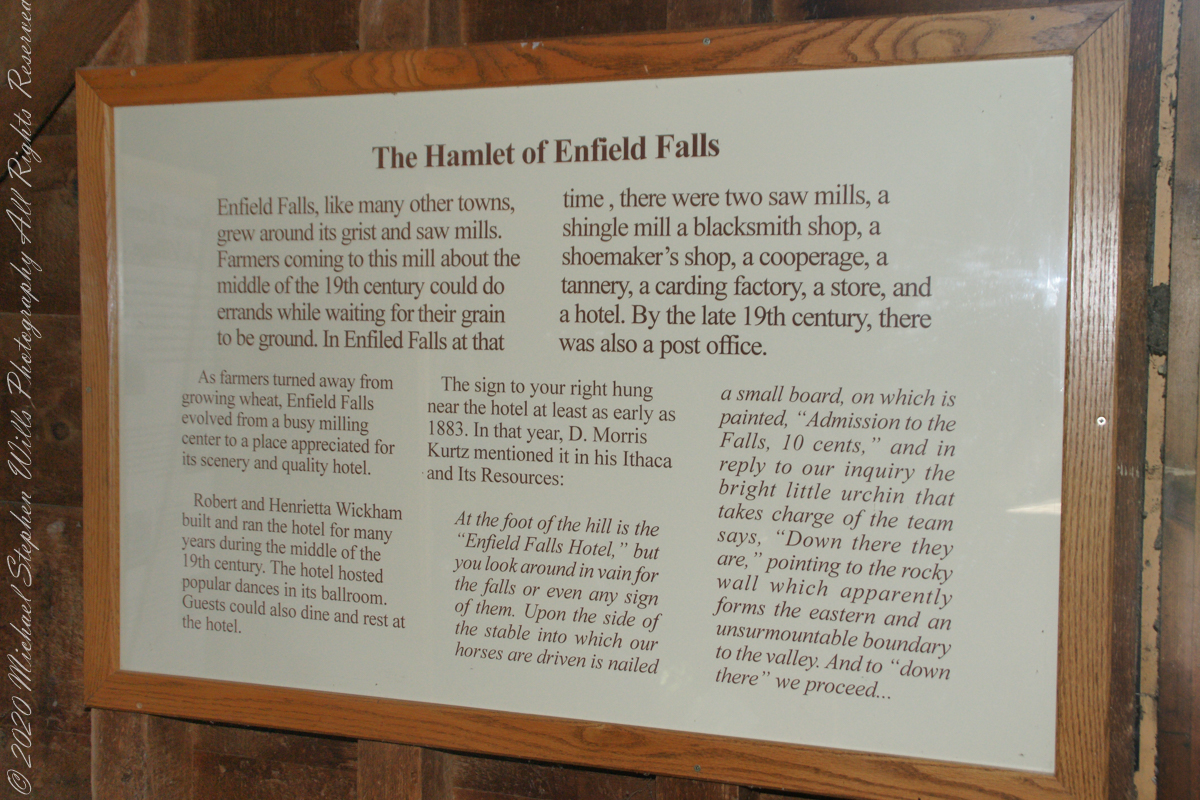
Enfield Falls, like many other towns, grew around its grist and sawmills. Farmers coming to this mill about the middle of the 19th century could do errands while waiting for their grain to be ground. In Enfield Falls at that time, there were two sawmills, a shingle mill, cooperage, tannery, carding factory, store and hotel. By the late 19th century there was also a post office.”

As farmers turned asway from growing wheat, Enfield Falls evolved from a busy milling center to a place appreciated for scenery and a quality hotel. Robert and Henrietta Wickham build and ran the hotel for many years during the middle of the 19th century. The hotel hosted popular dances in its ballroom. Guests could also dine and rest at the hotel.”

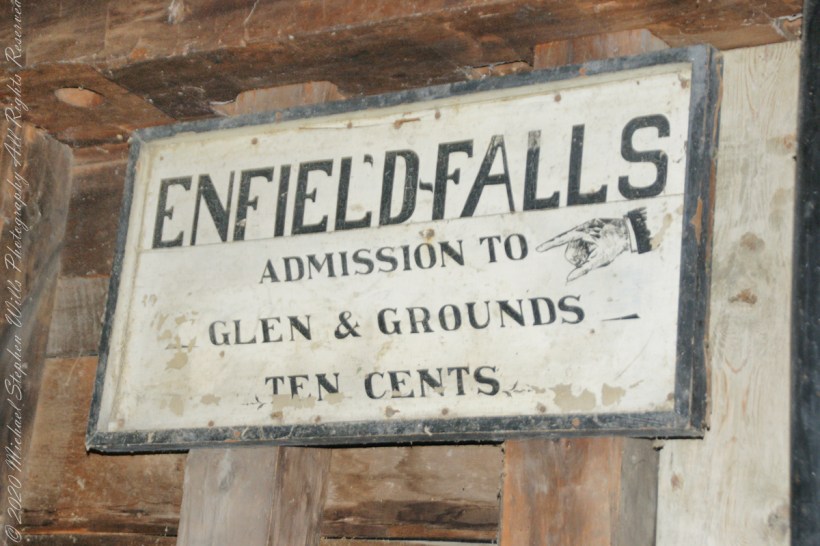
This placard from the Mill Museum at Treman Park is the source of much of today’s information. I used italics and quotes to attribute this source.

The sign in the heading of this post “hung near the hotel at least as early as 1883. In that year, D. Morris Kurtz mentioned it in his “Ithaca and Its Resources”: “At the foot of the hill is the Enfield Falls Hotel, but you look around in vain for the falls or even any sign of them. Upon the side of the stable into which our horses are driven is nailed a small board, on which is painted ‘Admission to the Falls, 10 cents.’ In reply to our inquiry the bright little urchin that takes charge of the team says, ‘Down there they are,’ pointing to the rocky wall which apparently forms the eastern and an unsurmountable boundary to the valley. And to ‘down there’ we proceed……

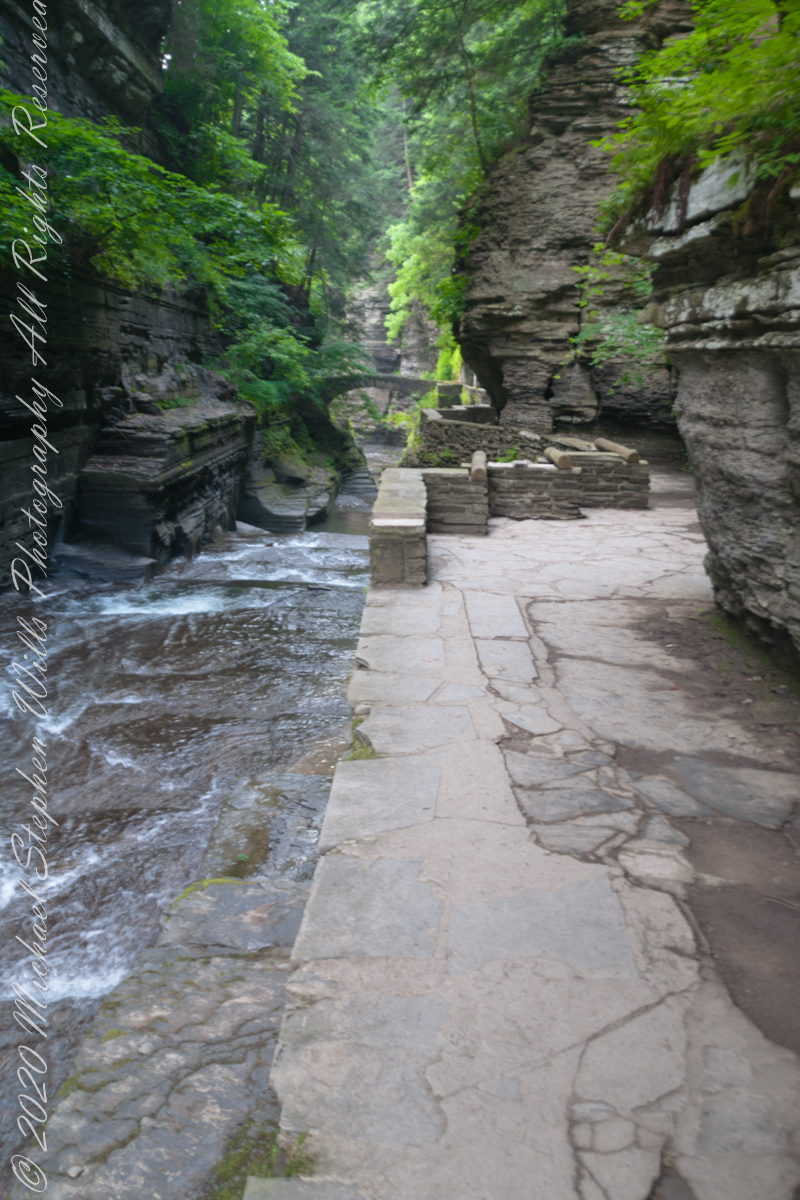
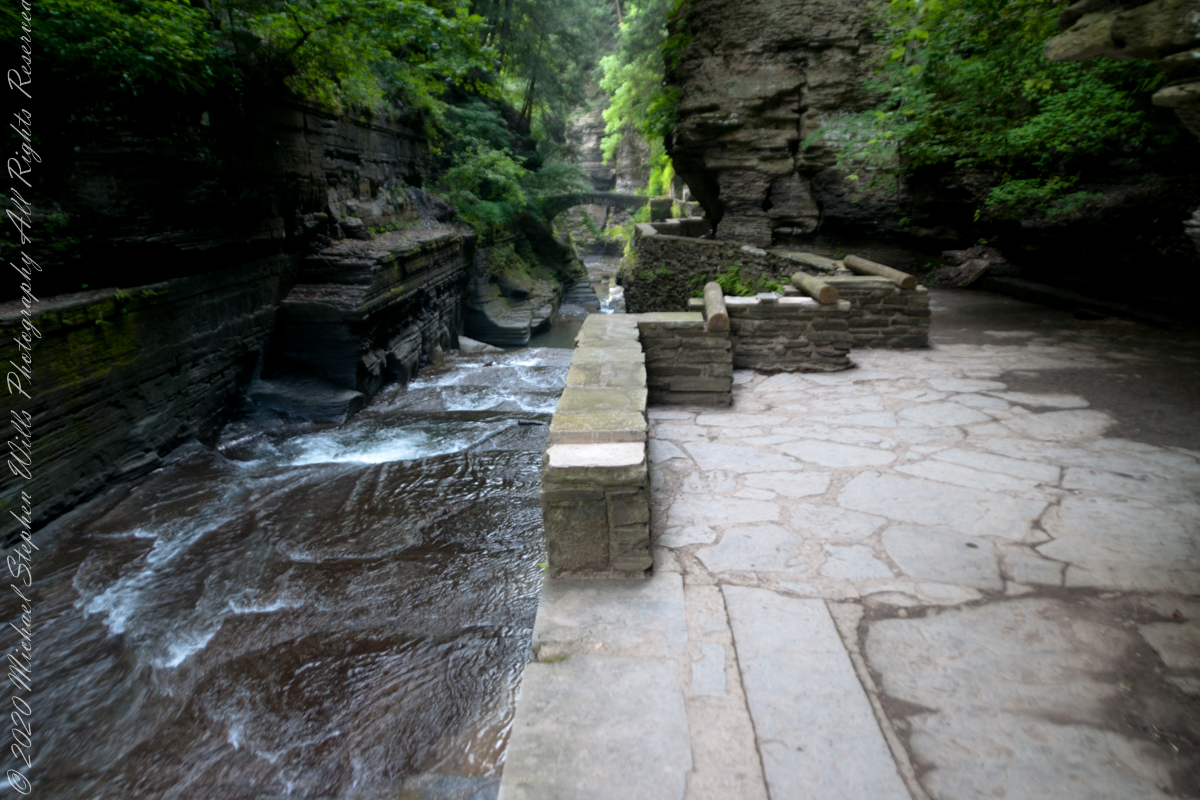
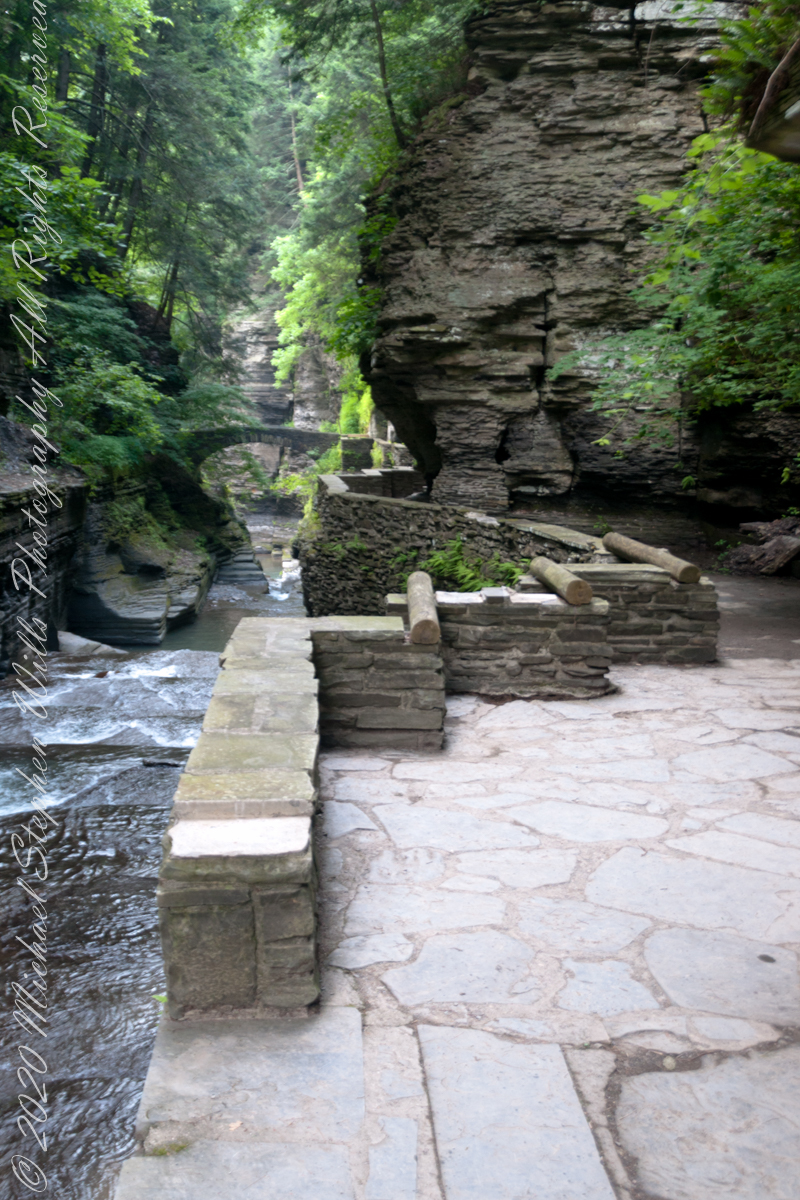
Treman Gorge Trail from the Old Mill enters a narrow gallery looking here southeast along Enfield Creek, passing over a stone footbridge. This was the control point in the 19th century for collecting the ten cent admission fee. Here are some photographs of the entrance as it exists today. The retaining wall, footpath and stone bridge were constructed in the 1930’s by the Civilian Conservation Corps. The site was far rougher for those earlier visitors.

Photograph captured on a midsummer morning. Robert H. Treman State Park, Ithaca, Tompkins County, New York

Copyright 2023 All Rights Reserved Michael Stephen Wills

Devil’s Kitchen

A small difference

Can you see the small difference between yesterday and today’s take on Devil’s Kitchen? Is the change and improvement, degradation or no difference? User Response Requested: respond in comments.

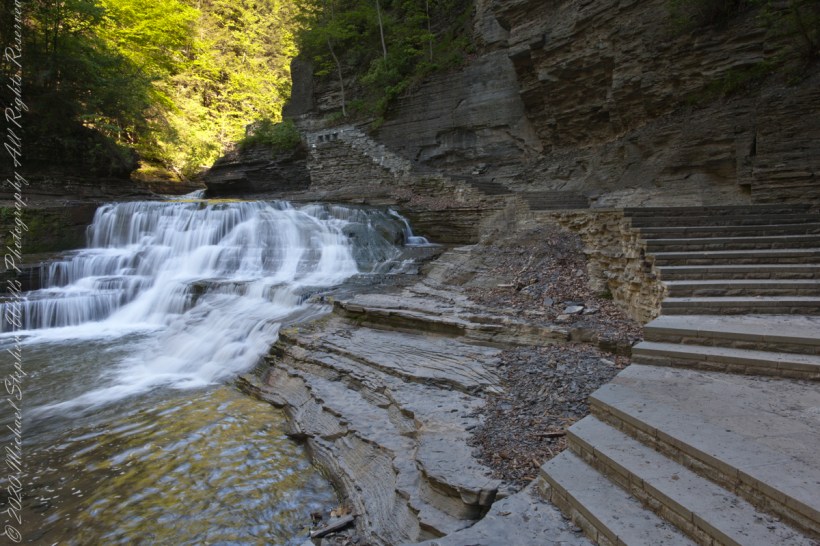
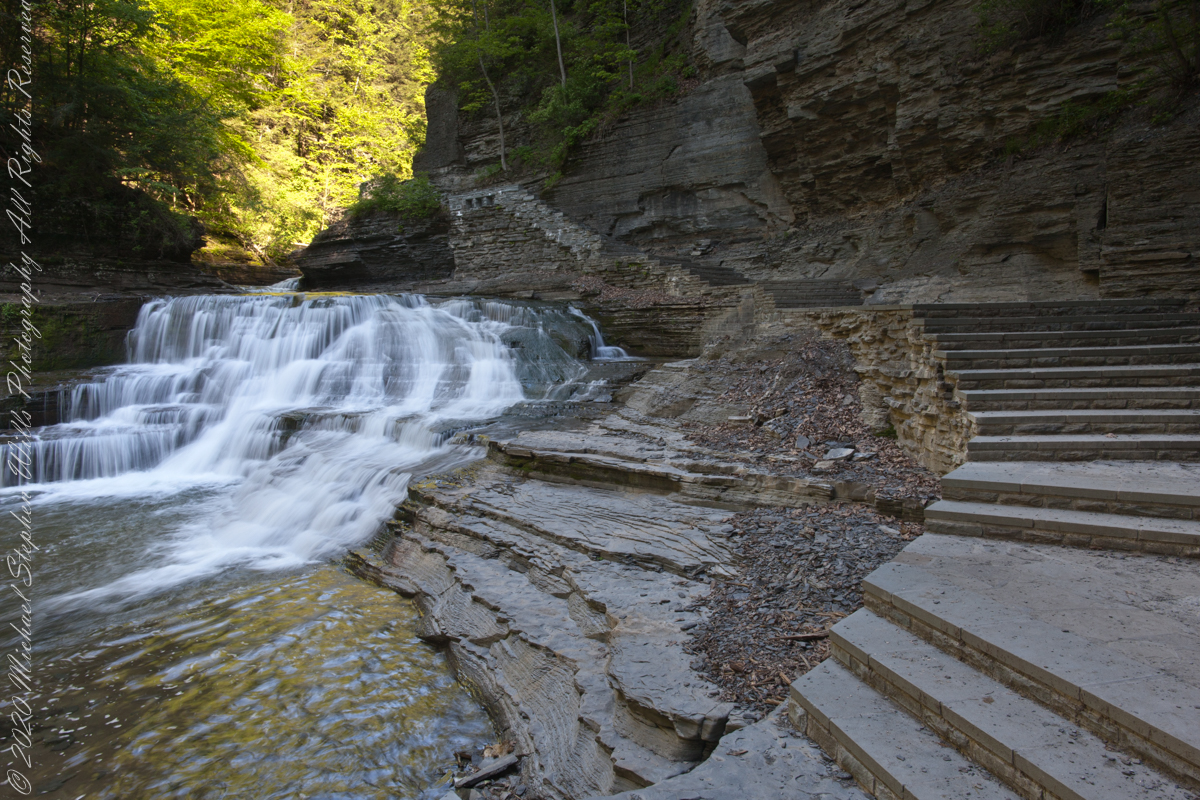
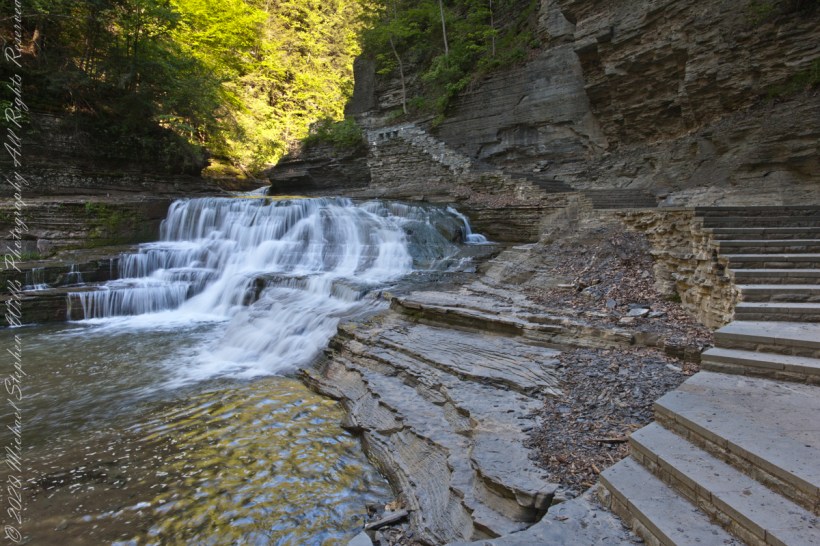
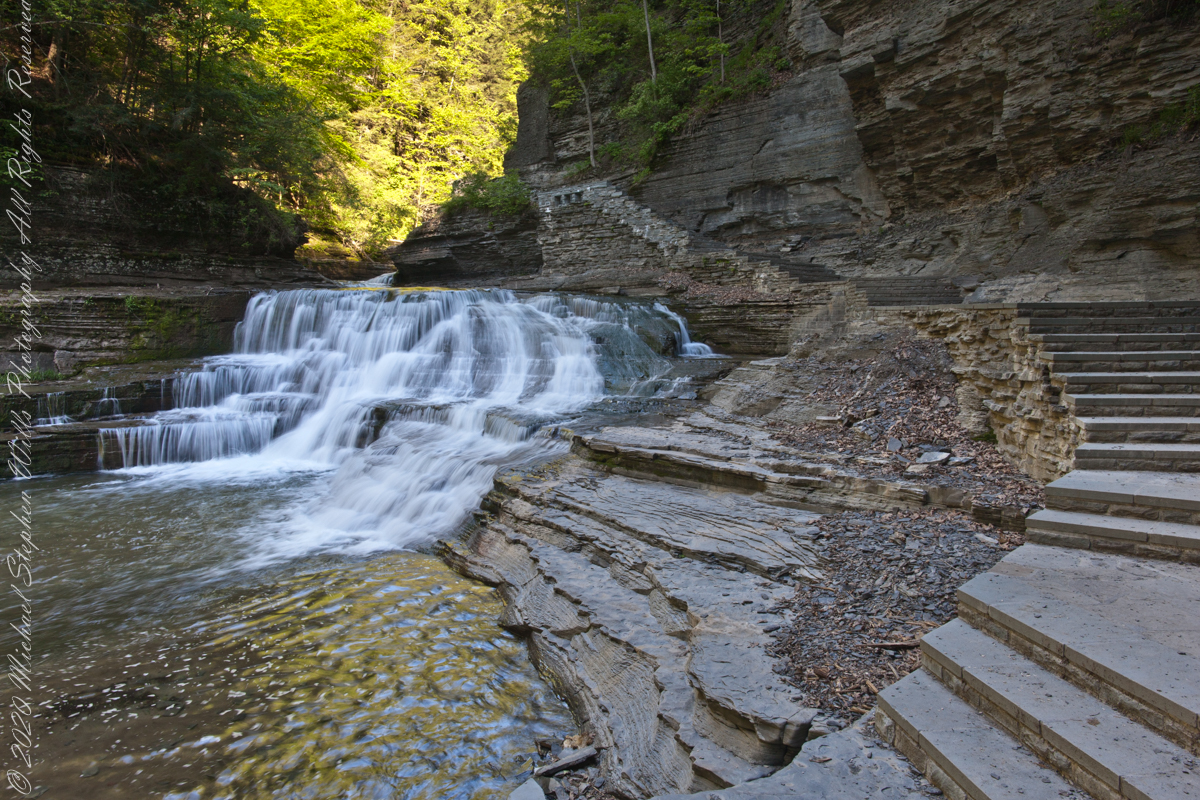
Aptly named Devil’s Kitchen is where Enfield Creek passes over these 20 foot falls before the Lucifer Falls 115 foot rock face cascade. Captured on a Memorial Day morning. Robert H. Treman State Park, Ithaca, Tompkins County, New York.

Here they are side by side.

It is 9:00am on a Memorial Daty morning Robert H. Treman Park, Ithaca, Tompkins County, Ithaca, New York,

Copyright 2023 All Rights Reserved Michael Stephen Wills

Devil’s Kitchen I

Near Lucifer Falls

Aptly named Devil’s Kitchen is where Enfield Creek passes over these 20 foot falls before the Lucifer Falls 115 foot rock face cascade. We are occasionally appalled by families and adventure seekers climbing over these falls, wading in the water downstream and other insanities happening next to a waterfall so dangerous it is named after the Prince of Darkness and this very location “his” kitchen.

I am not one to talk, though. One winter on this very spot when the Gorge Trail was closed for winter, black ice brought me down almost into the water. All for a winter scene (photograph) of this marvel. Thankfully, I am wiser for the experience.

It is 9:00 am on a Memorial Daty morning Robert H. Treman Park, Ithaca, Tompkins County, Ithaca, New York,

Copyright 2023 All Rights Reserved Michael Stephen Wills

Newlywed View IV

Under the Spell of Treman Gorge

View shared by generations of newlyweds standing on a stone bridge across Enfield Creek. This is another version, taken a few years later and earlier in the season, Memorial Day morning.

Here is an image having me rethinking my conclusions. Here, I combined two images and worked hours to make many adjustments. The resulting Tiff is four times the filesize of the Raw file from yesterday.

Here they are side by side. In this case IMHO the extra disk space and time are worth it.

It is 8:30 am on a Memorial Daty morning Robert H. Treman Park, Ithaca, Tompkins County, Ithaca, New York,

P.S. I mistakenly published this post with a repetition of III in the title. Today, I changed it to “IV.”

Copyright 2023 All Rights Reserved Michael Stephen Wills

Newlywed View III

Under the Spell of Treman Gorge

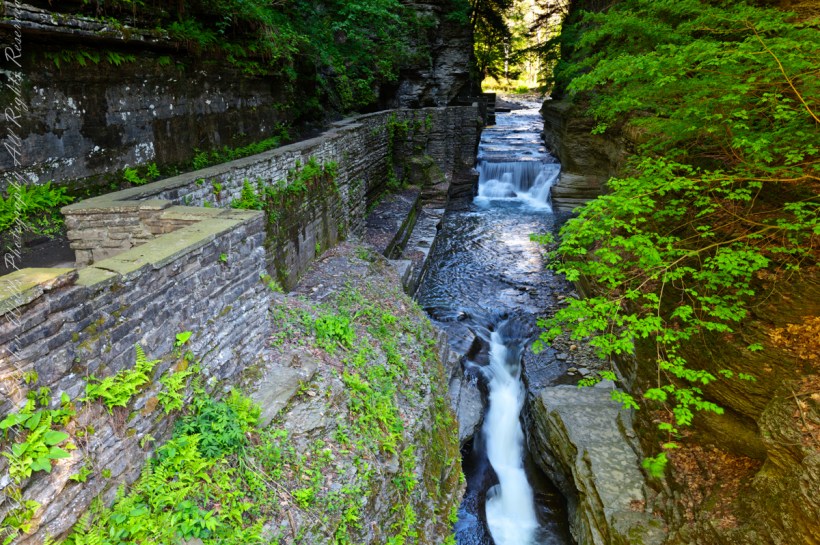
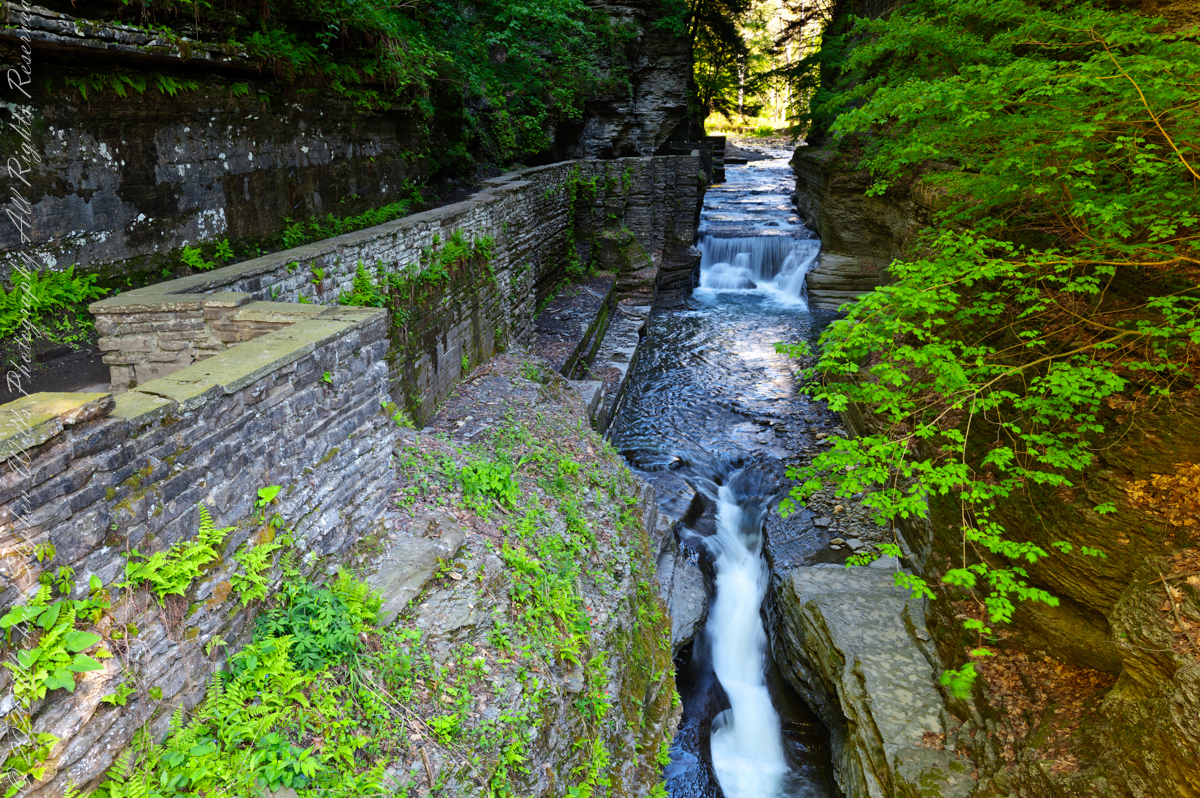
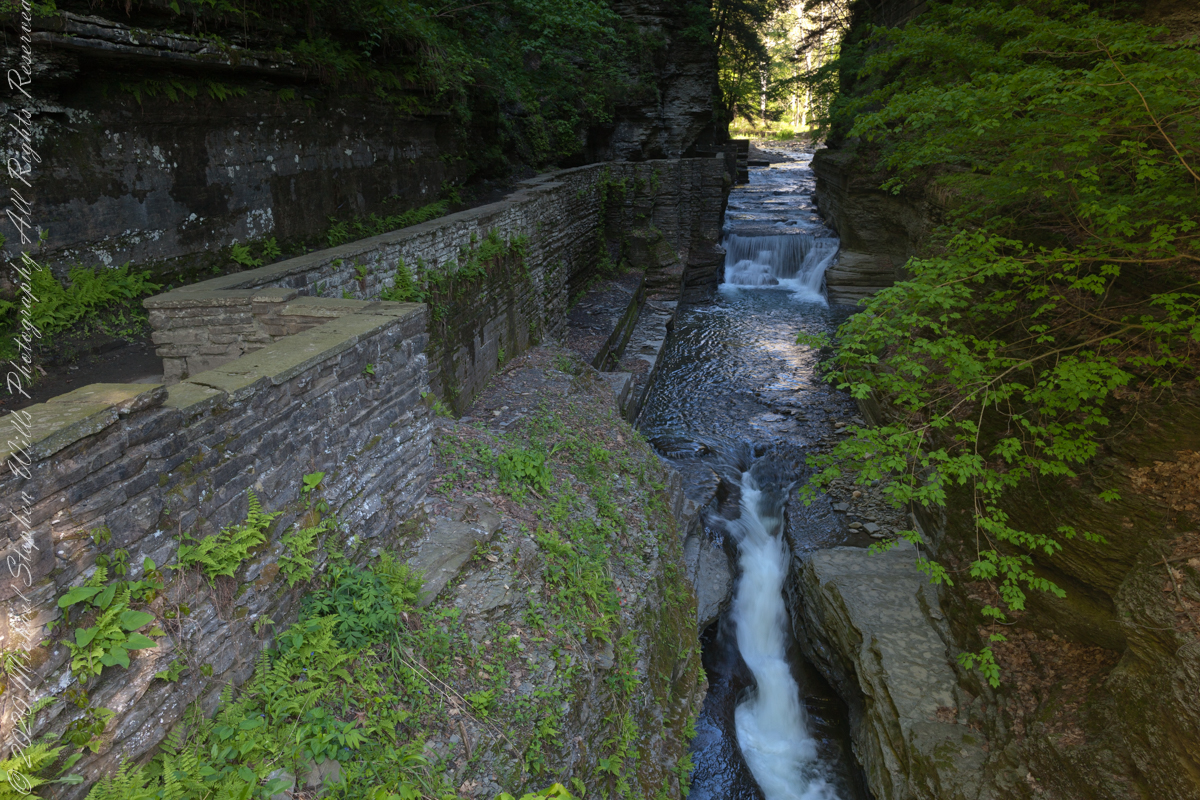
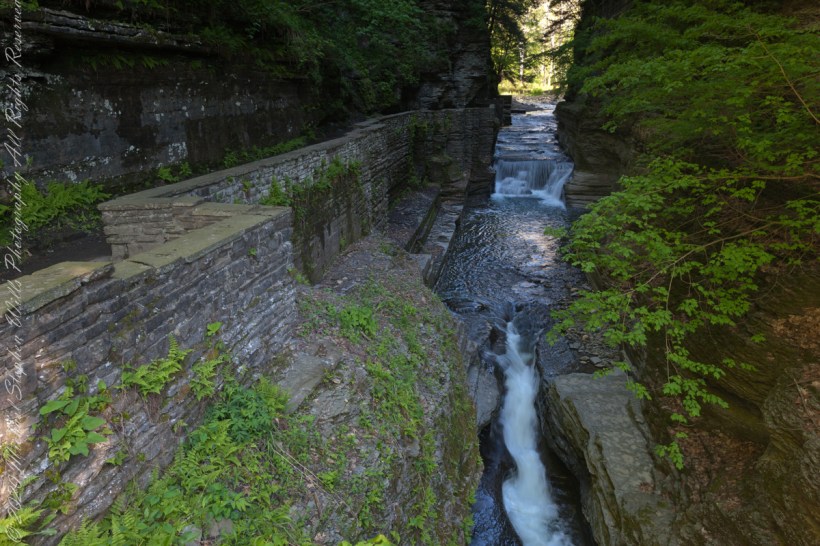
View shared by generations of newlyweds standing on a stone bridge across Enfield Creek. This is another version, taken a few years later and earlier in the season, Memorial Day morning.

Here, I have taken the lessons learned from the last post: to run from the Raw file, open it in Photoshop, make Raw dialog adjustments conversed in an .XMP file written by Photoshop. Export from Lightroom using these adjustments.

We are looking back on the place where Treman Gorge Trail from the Old Mill enters a narrow gallery looking here northwest along Enfield Creek.

It is 8:30 am on a Memorial Daty morning Robert H. Treman Park, Ithaca, Tompkins County, Ithaca, New York,

Copyright 2023 All Rights Reserved Michael Stephen Wills