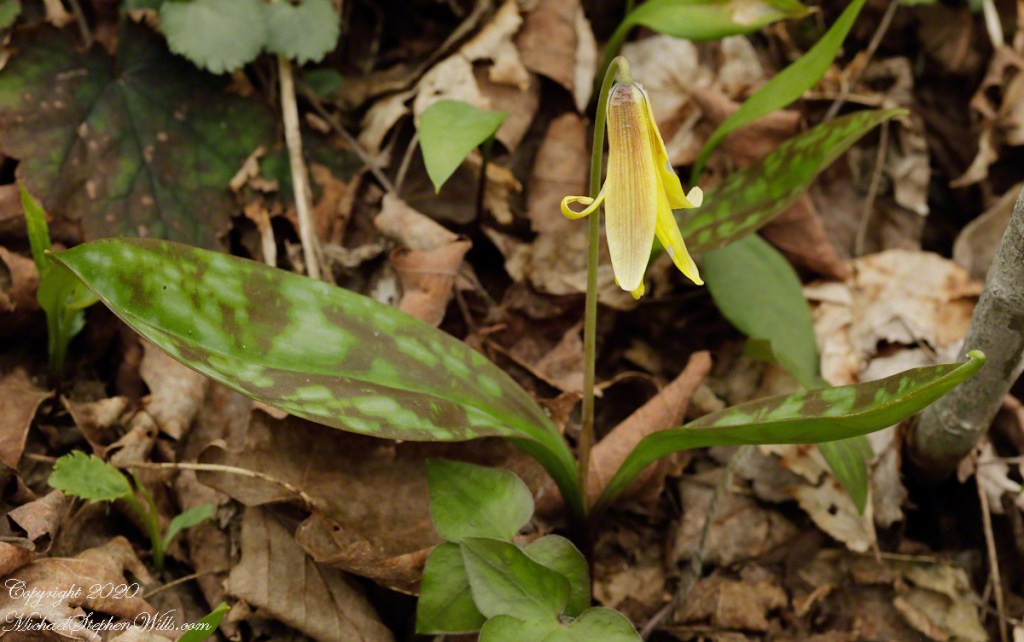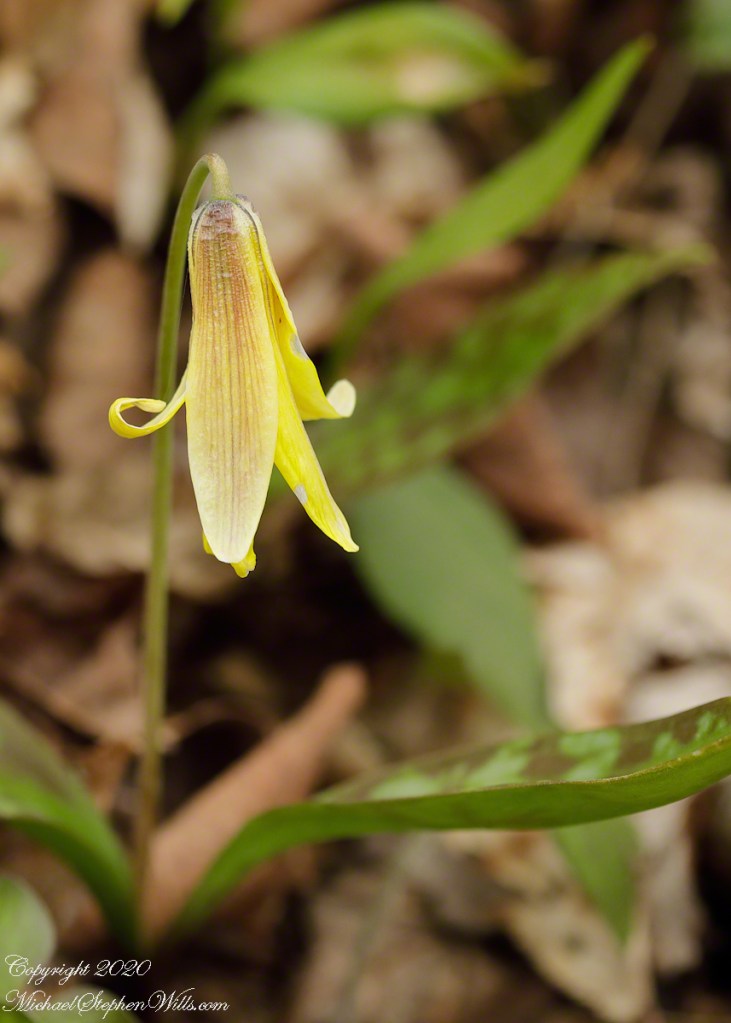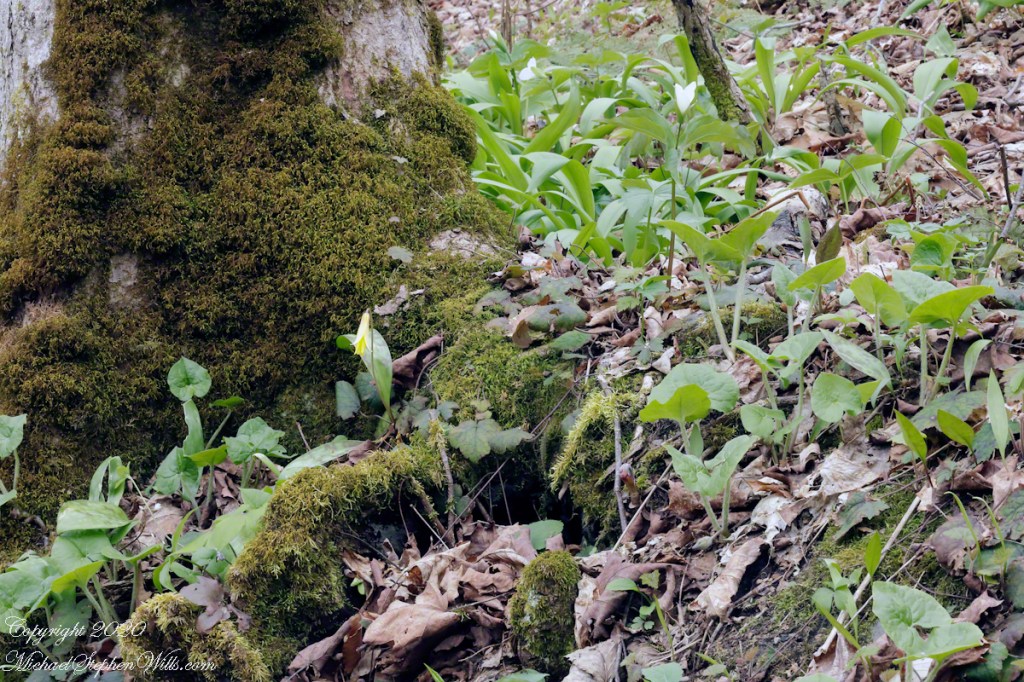
Discovering Trillium Species: Beauty in Diversity

A reflective springtime journey through Robert H. Treman and Fillmore Glen State Parks reveals the quiet beauty and botanical mysteries of red and white trilliums—exploring their species differences, color shifts, and the wonder of their ephemeral blooms.

Click me for my Getty flower photography.

Late April – Robert H. Treman State Park

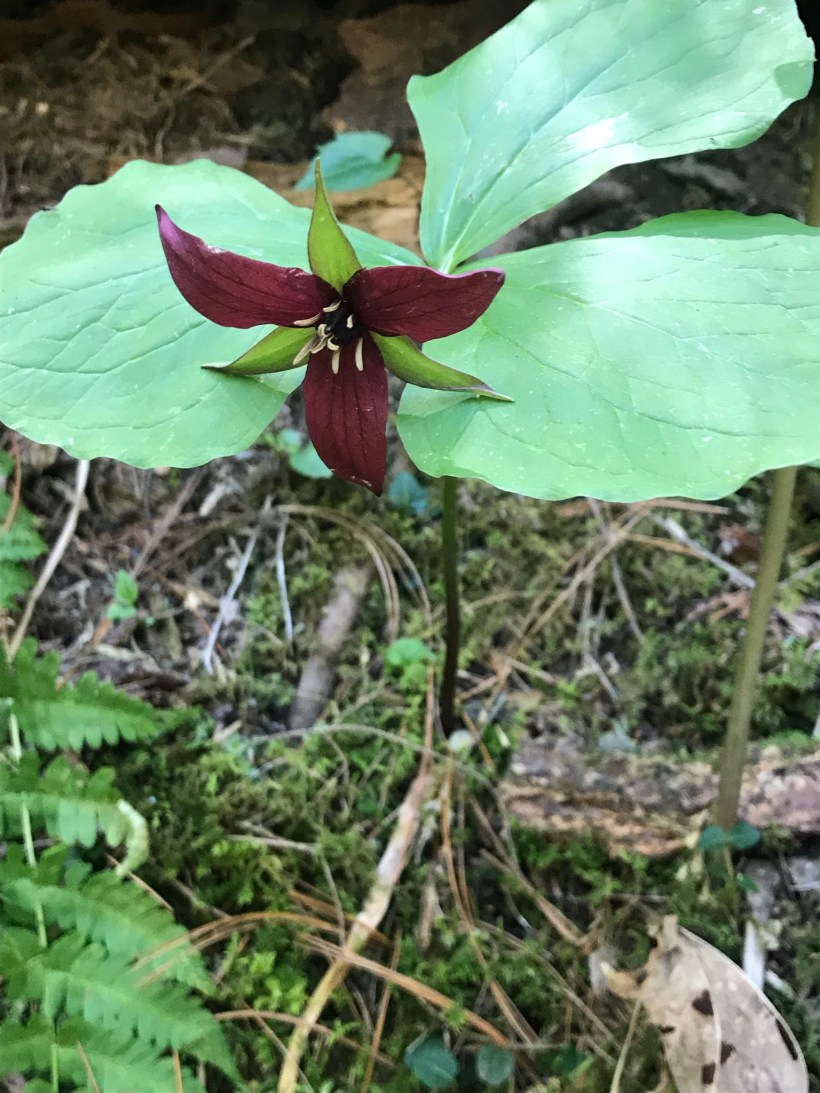
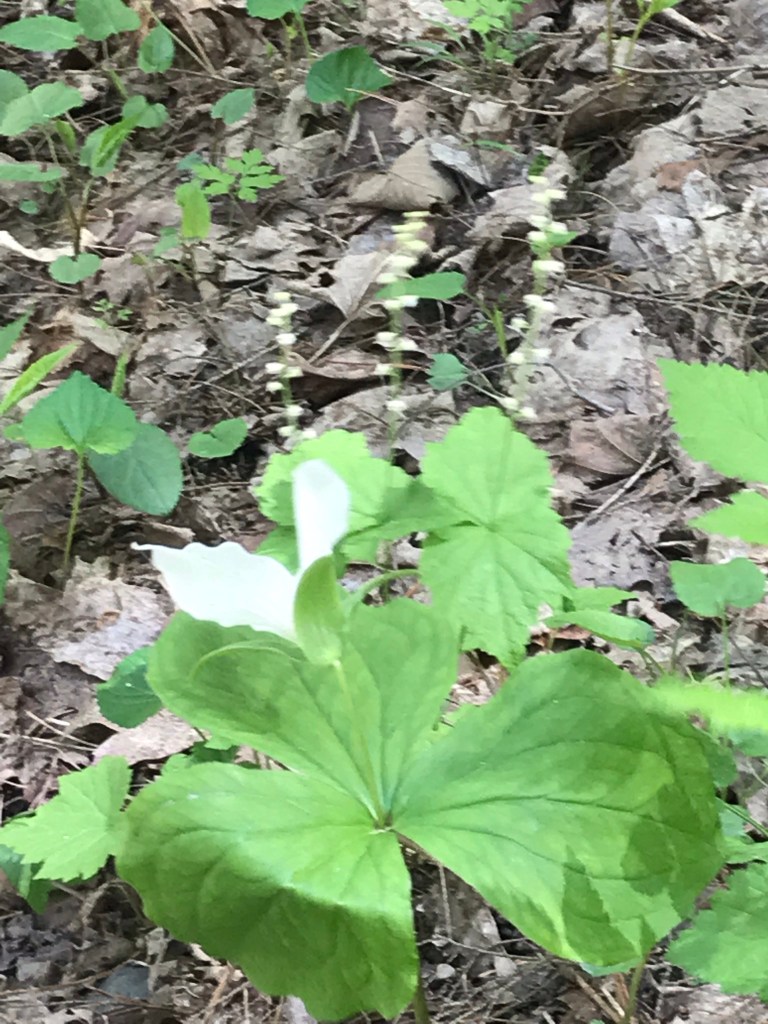
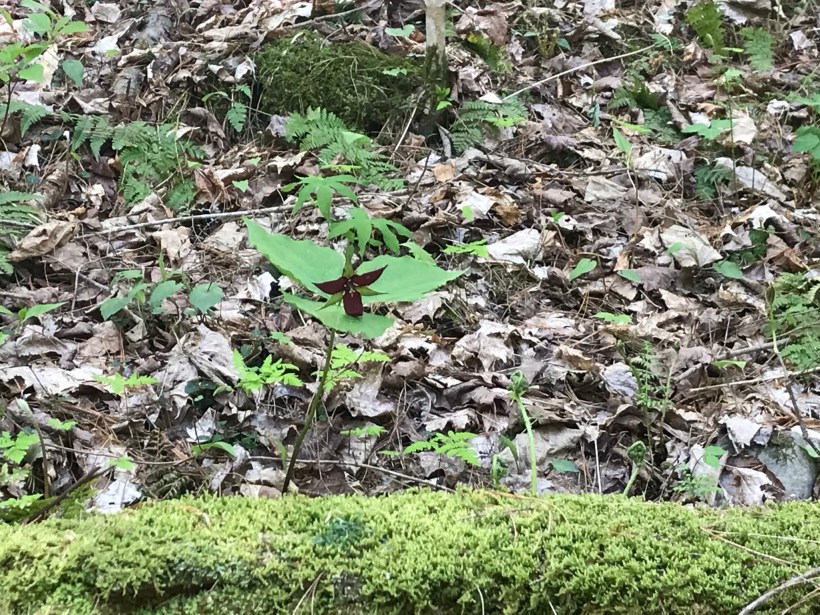
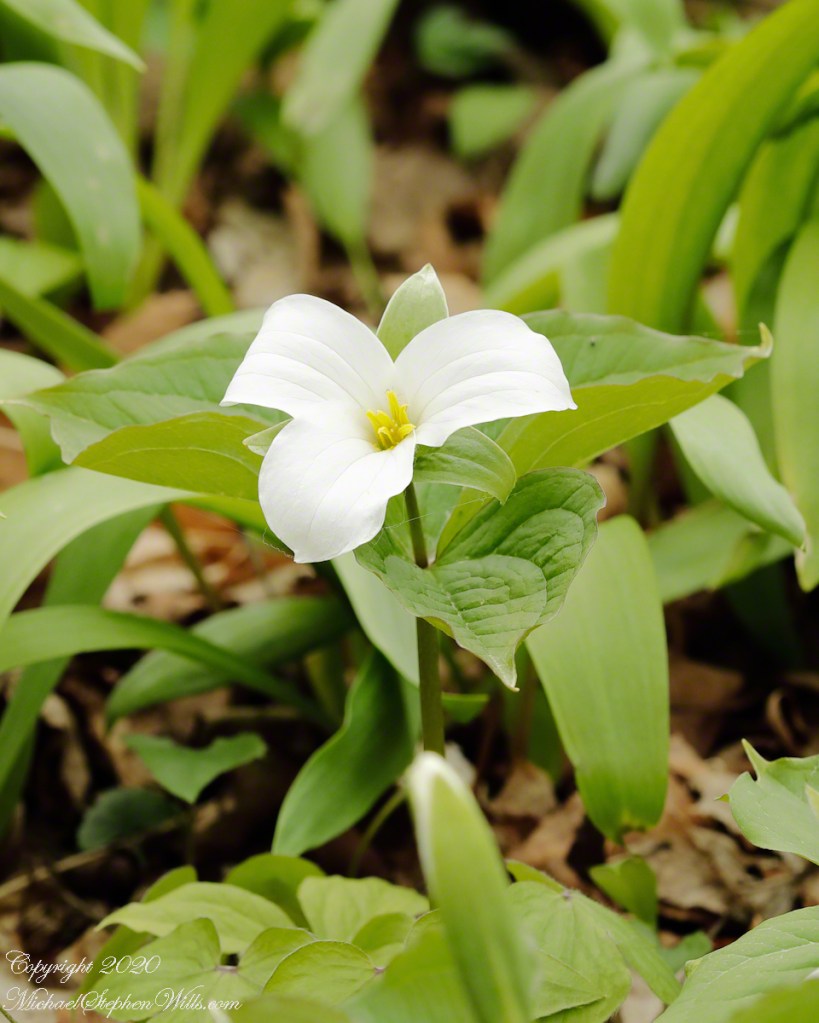
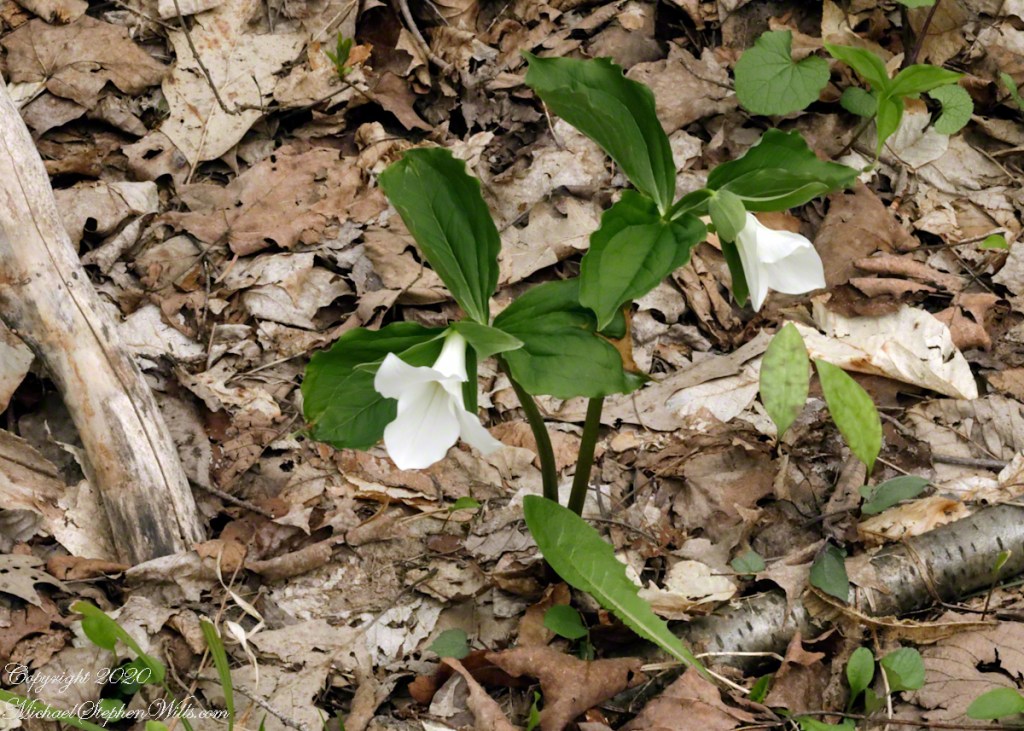
I follow a winding trail through hemlock and maple woods, the air cool and earthy after a spring rain. Under the canopy of budding leaves, I spot a flash of deep burgundy among the moss. Kneeling, I find a red trillium blooming at the base of an old oak. Its three velvety petals are a rich wine color against the green moss and damp leaf litter. A faint musky scent wafts from the flower – no wonder some call it “Stinking Benjamin.” Nearby stands another trillium, but this one is a pristine white star facing upward toward the light. Its broad petals have a gentle wavy edge and no noticeable odor. The red flower droops modestly while the white one opens itself to the sky. Different in color and posture, I realize these are two distinct species1 sharing the same springtime stage.
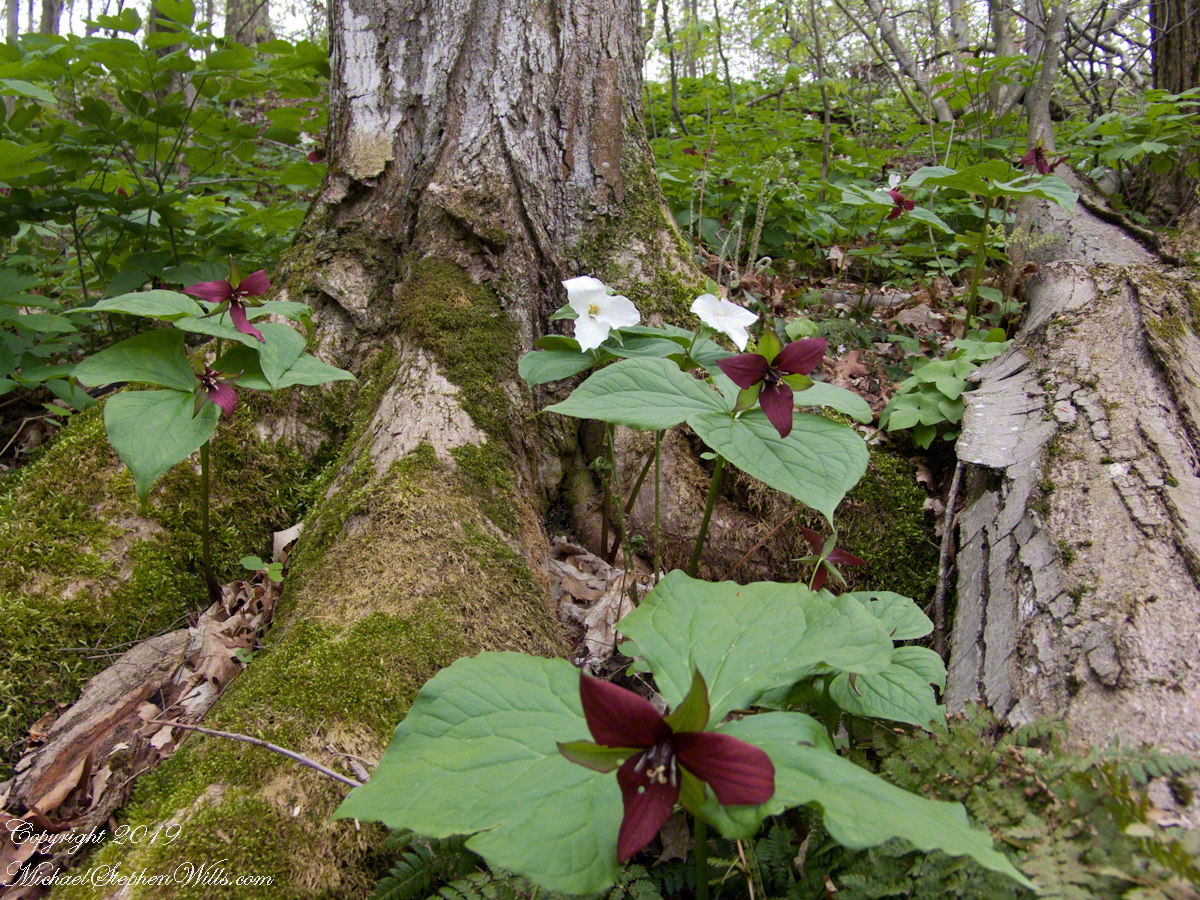
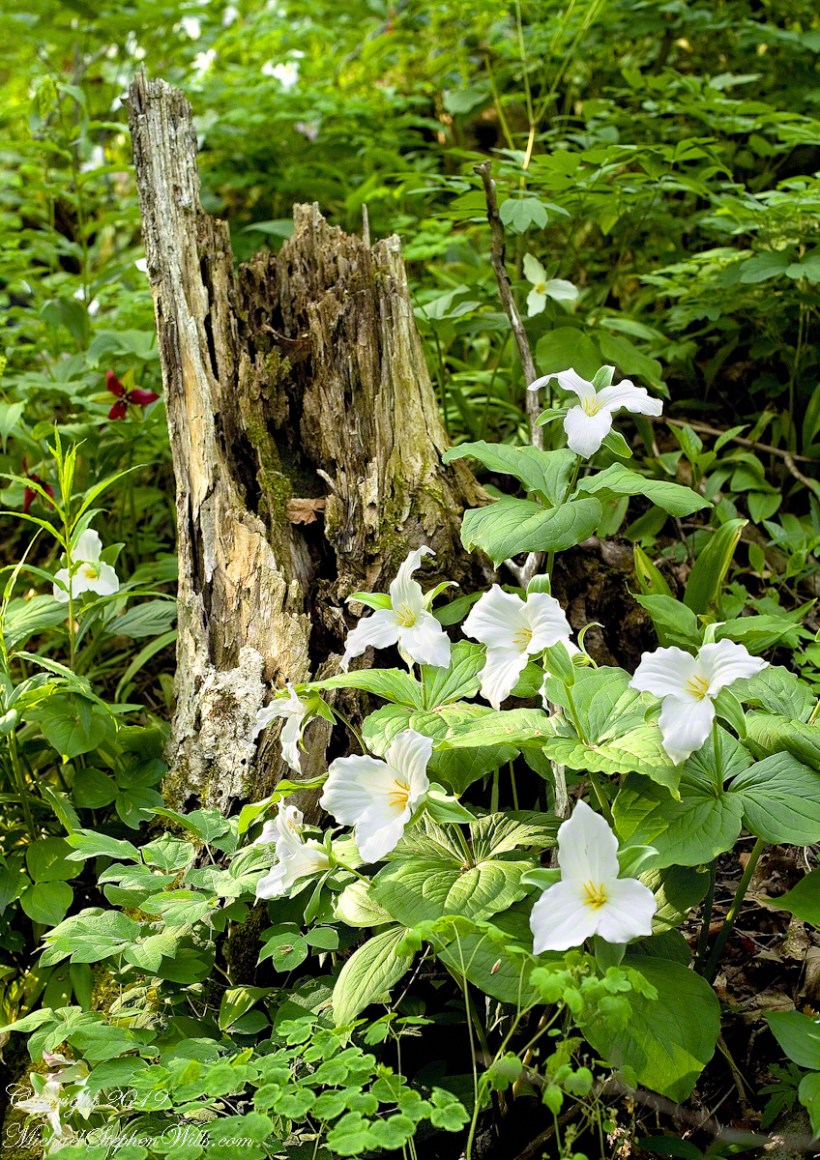
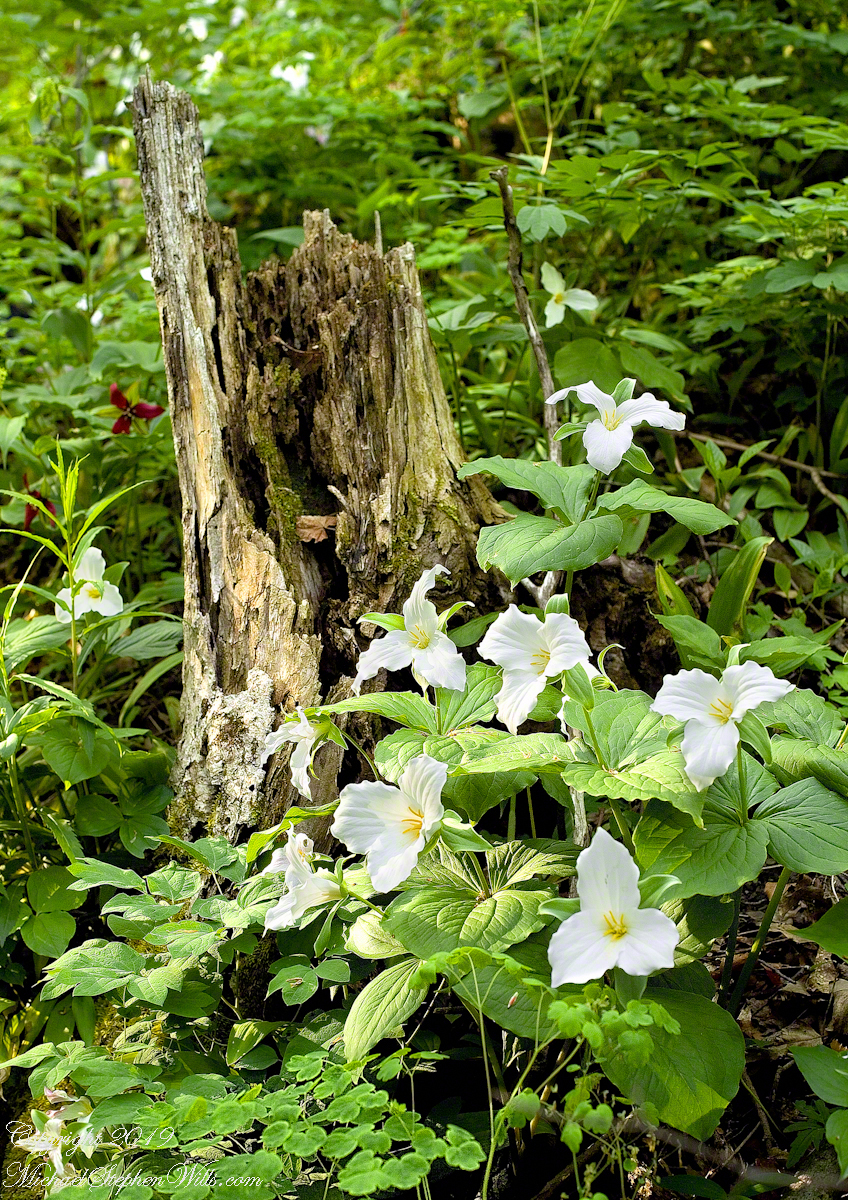
Red trilliums (Trillium erectum) and white trilliums (Trillium grandiflorum) thrive side by side on the mossy roots of a tree. The maroon “wake robin” flowers nod toward the earth, while the white blooms stand upright to catch the light.

Seeing the red and white blooms side by side feels like meeting two woodland siblings – each unique yet part of the same family. The white trillium is almost luminous in the forest gloom, while the red trillium blends into the shadows with its dark hues. Both emerge from the soil after long, cold months, timing their bloom for the brief sunny window before the trees fully leaf out. Knowing how slowly these perennials grow and how long they live makes their yearly return even more special to witness. Their resilience in coming back each spring fills me with quiet awe.

Early May – Fillmore Glen State Park

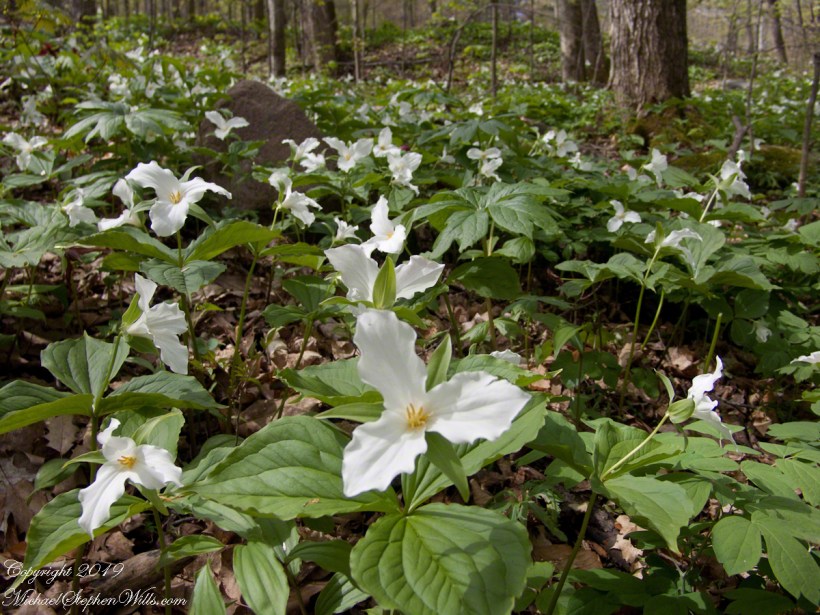
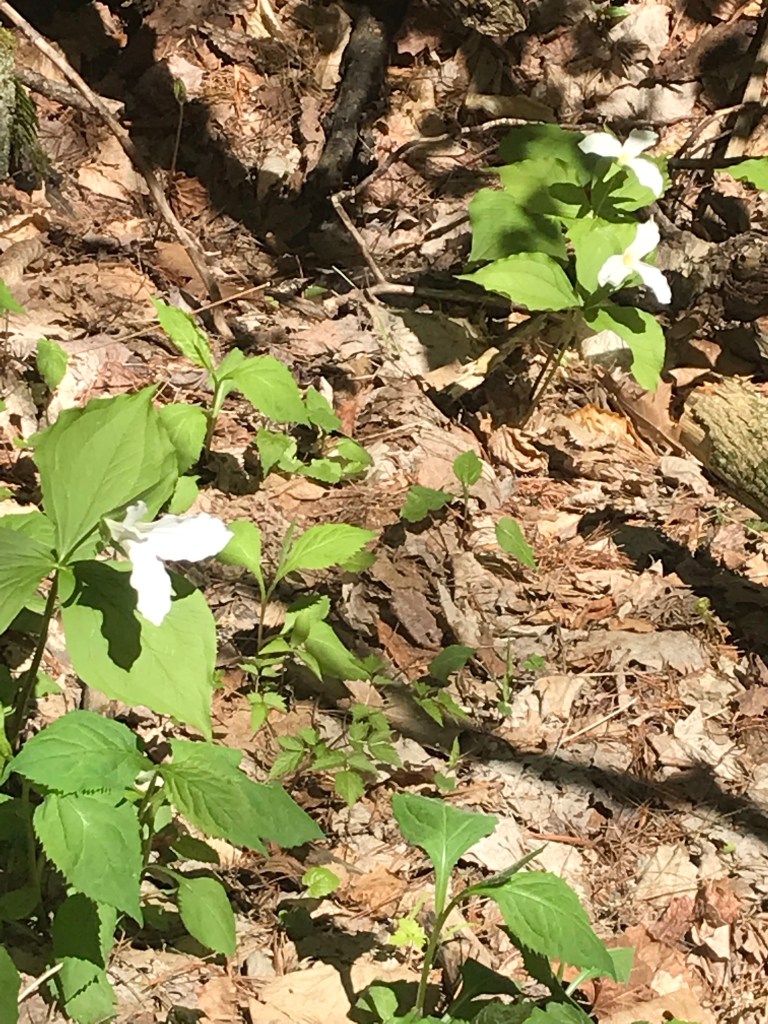
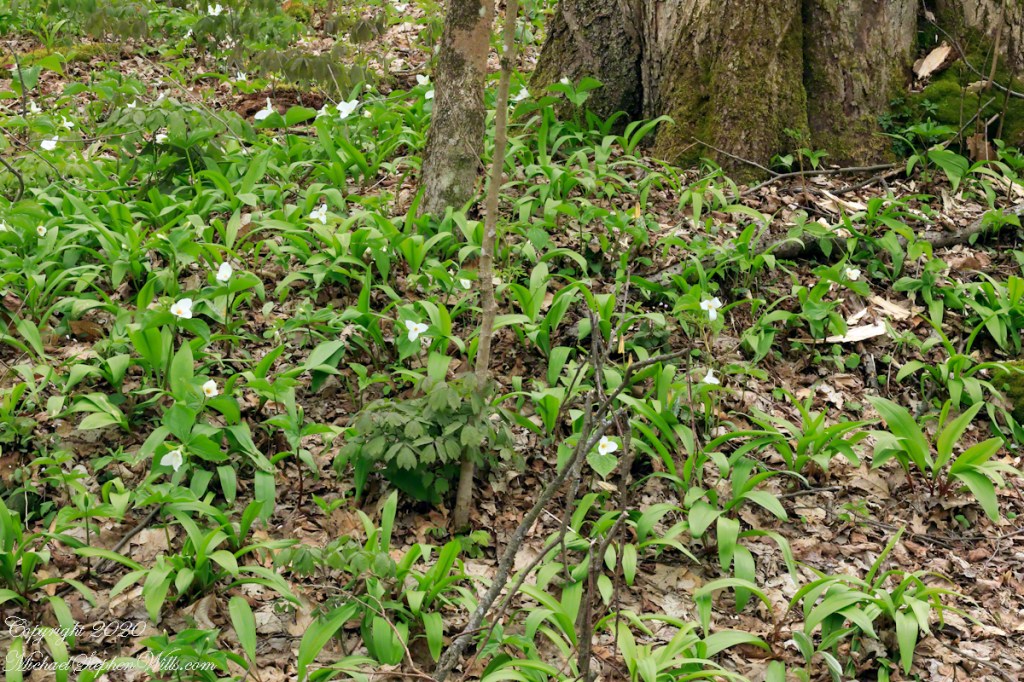
A week later, I wander the lush gorge of Fillmore Glen. The trail is alive with birdsong and the rush of a creek. Dappled sunlight slips through the greening canopy, illuminating patches of the forest floor. Rounding a bend, I catch my breath — the hillside ahead is blanketed with hundreds of white trilliums, a breathtaking constellation of blooms across the ground that feels almost sacred. Careful not to tread on any, I step closer to admire them at eye level.
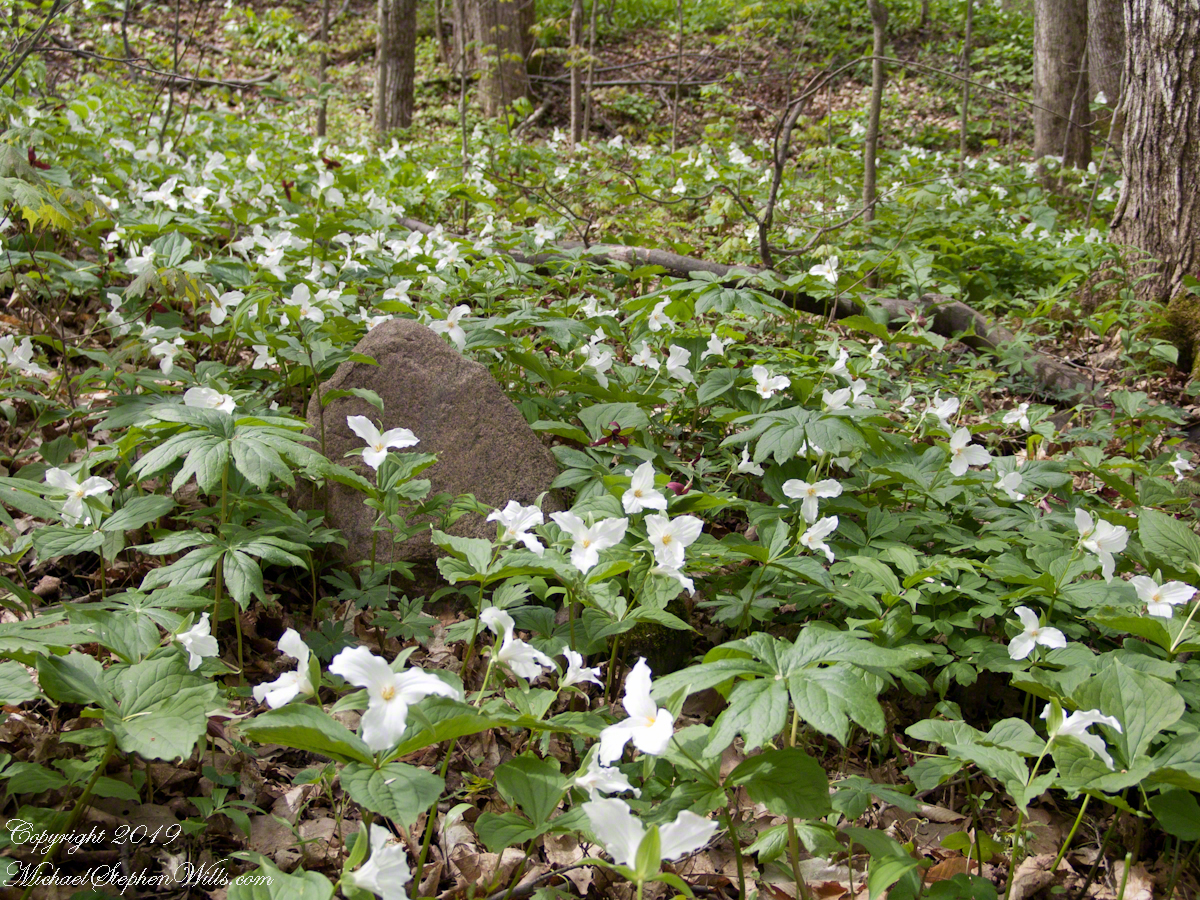
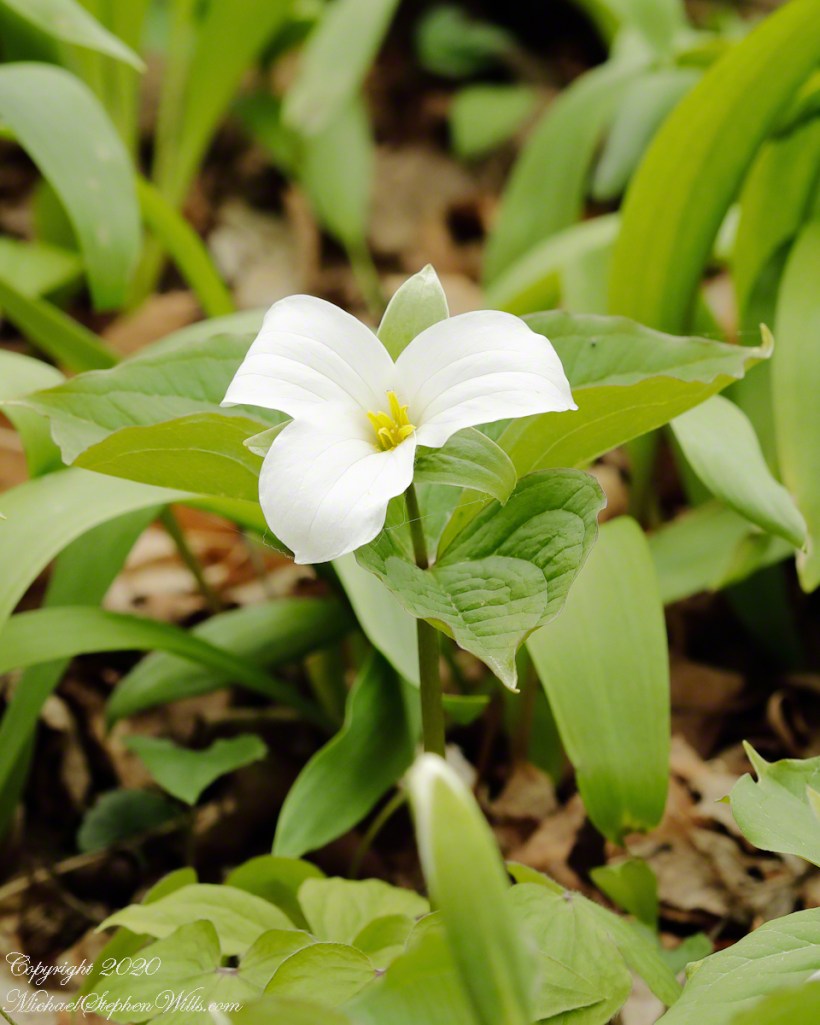
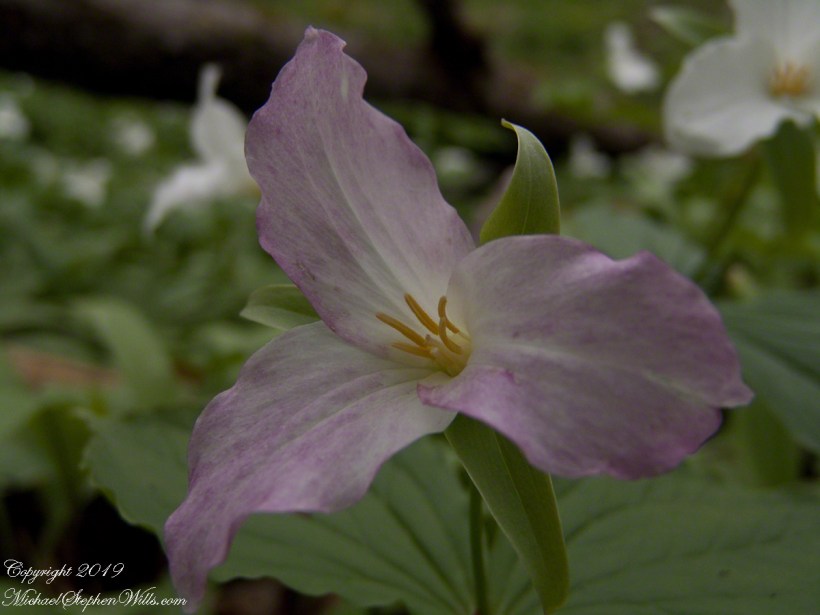
Up close, one large white trillium reveals a surprise: a delicate wash of pink across its aging petals, as if it were blushing. It’s known that after pollination the snow-white petals of Trillium grandiflorum often turn rose-pink with age2. Indeed, many blossoms here wear a faint pink tint, especially those that have been open for a while. This blush of maturity gives the colony a quietly celebratory air – fresh ivory blooms mingling with older siblings tinted softly rose.
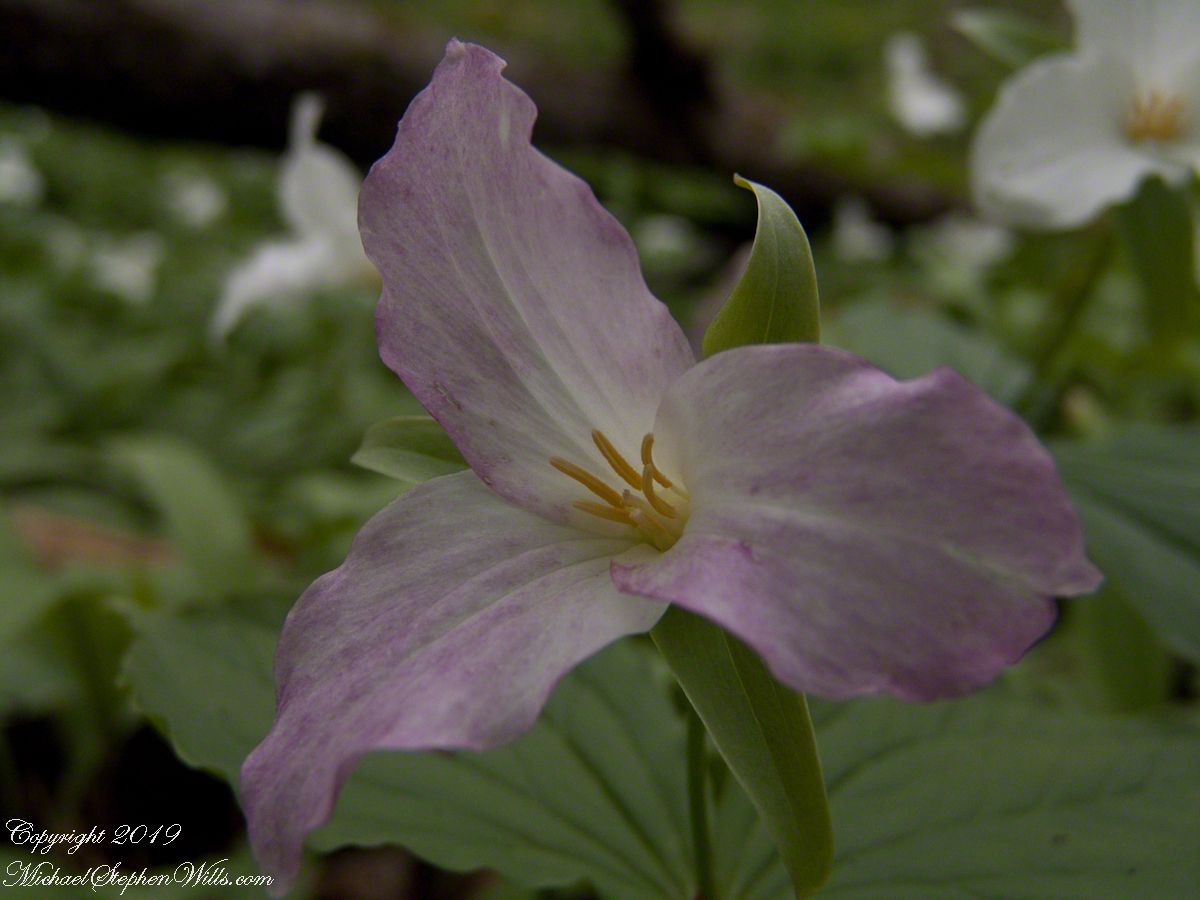
The petals of a white trillium take on a soft pink blush as the flower ages, adding a new hue to the spring palette. Fresh white trilliums bloom in the background while older ones show a rosy tint.

In a shaded nook at the edge of the colony, a lone red trillium blooms among the white. I wonder if the red and white trilliums ever hybridize. I see no intermediate colors and recall that the white trillium rarely hybridizes with other species3. The red trillium, by contrast, can swap pollen with certain close relatives, yielding various forms elsewhere. But a true red–white cross never occurs here – each species keeps to its own.
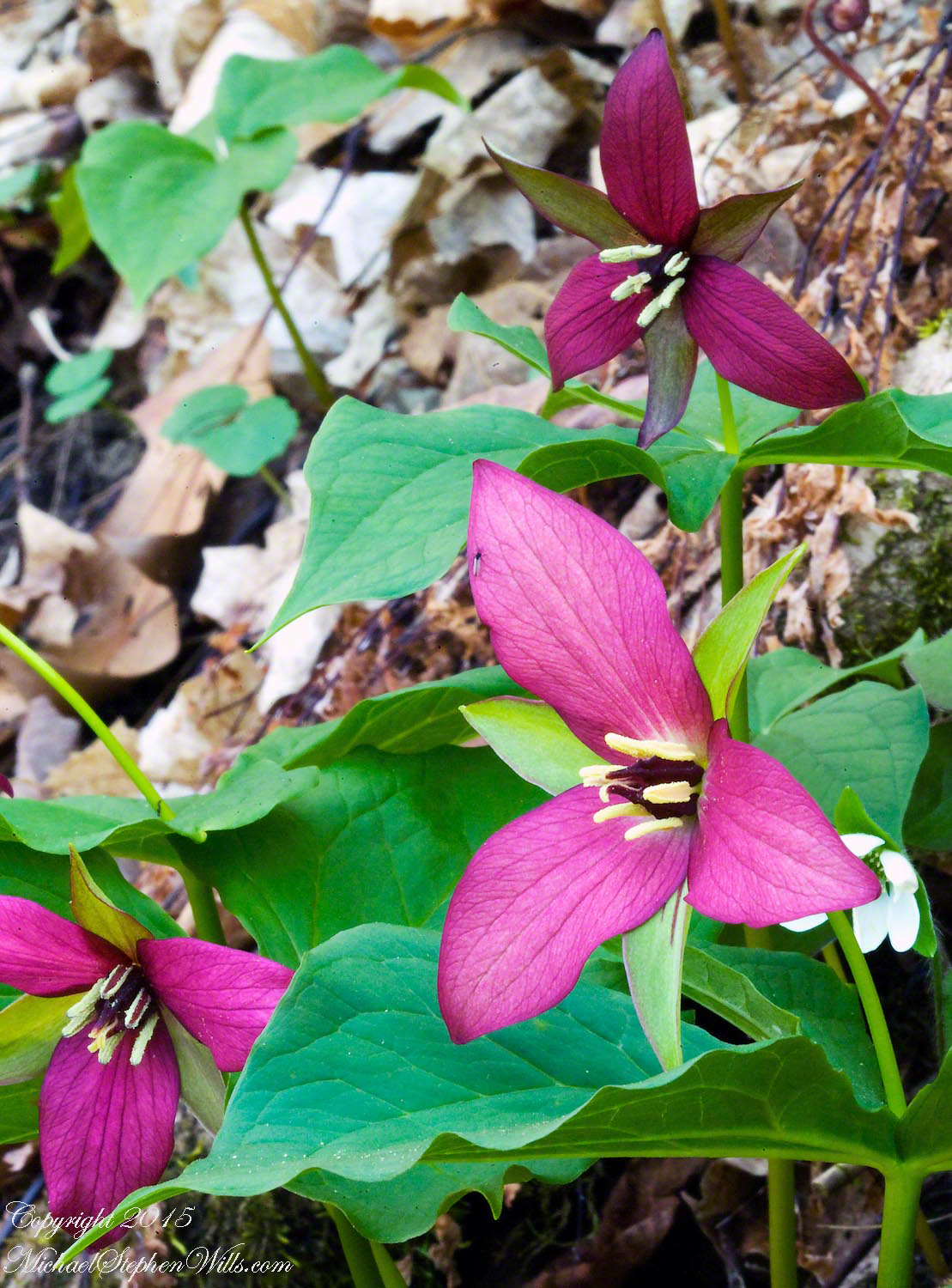
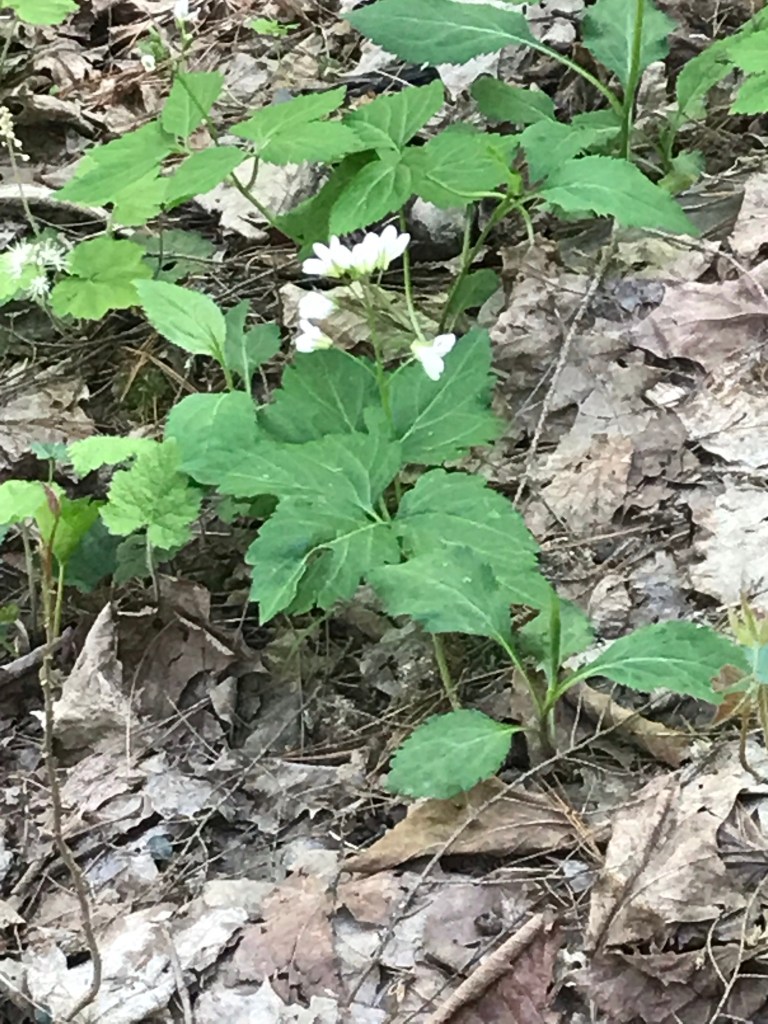
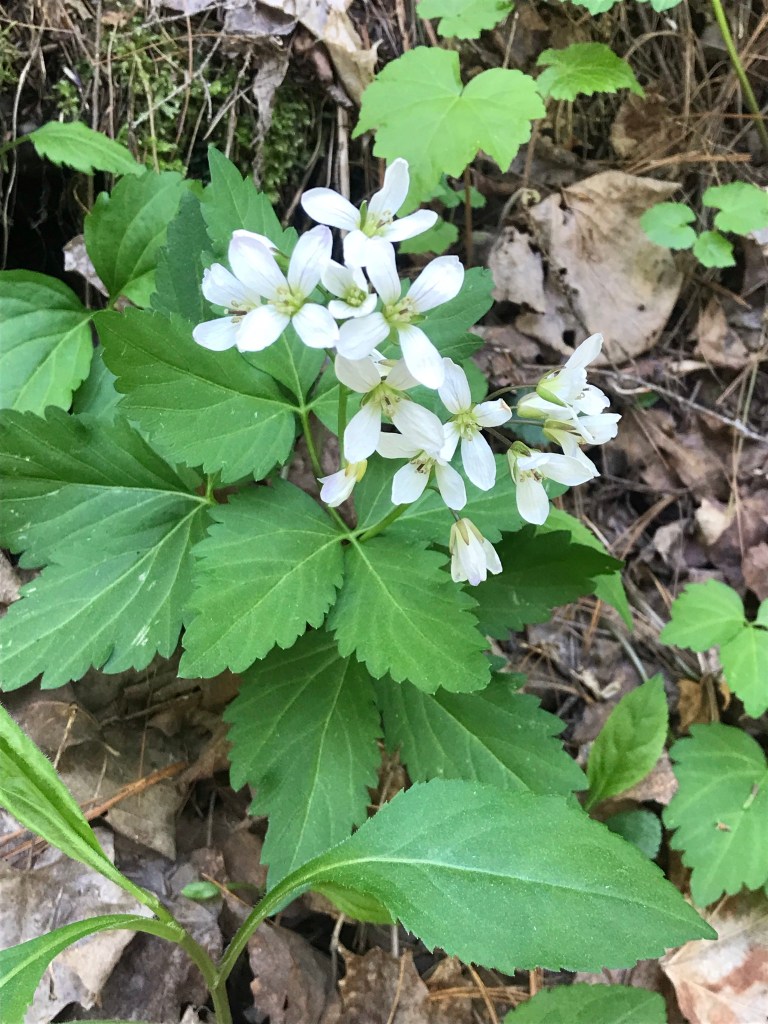
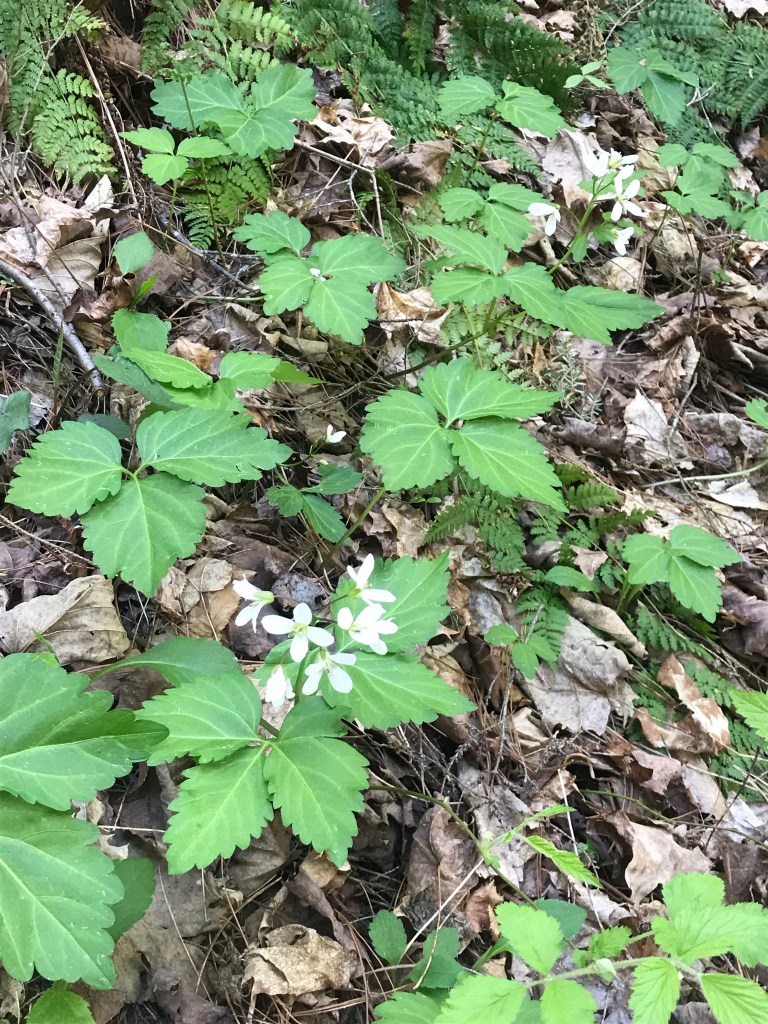
Trillium bloom April through May in central New York State. I found these blooming on the rim of Fillmore Glen near Owasco Lake and the town of Moravia.

The red trillium even has a rare white-petaled form4 easily mistaken for its white-flowered cousin. I linger a bit longer among these graceful “trinity flowers,” my questions answered and my appreciation deepened. As I turn to go, a sunbeam breaks through and illuminates one last trillium by the trail, its white petals touched with pink. I smile, grateful for the chance to witness this woodland wonder.

Click me for another Trillium posting

Enter your email to receive notification of future postings. I will not sell or share your email address.

Footnotes

  1. Different species: Red trillium and white trillium are separate species (Trillium erectum and Trillium grandiflorum, respectively), distinguished by traits like flower orientation and petal shapeidentifythatplant.com.
  2. White petals turn pink: The large white trillium’s petals are pure white upon opening but gradually develop a rose-pink or purple tint as the flower agesnj.gov.
  3. Rare hybridization: Unlike some trilliums that hybridize readily, Trillium grandiflorum (white trillium) is not known to form hybrids with other speciesen.wikipedia.org. Trillium erectum can hybridize with its close relatives, but a red–white trillium cross is not observed in nature.
  4. White form of red trillium: Trillium erectum (normally red) has a variety with white petals, classified as T. erectum var. album, which can be mistaken for a white trillium at a glancemidatlanticnature.blogspot.com.
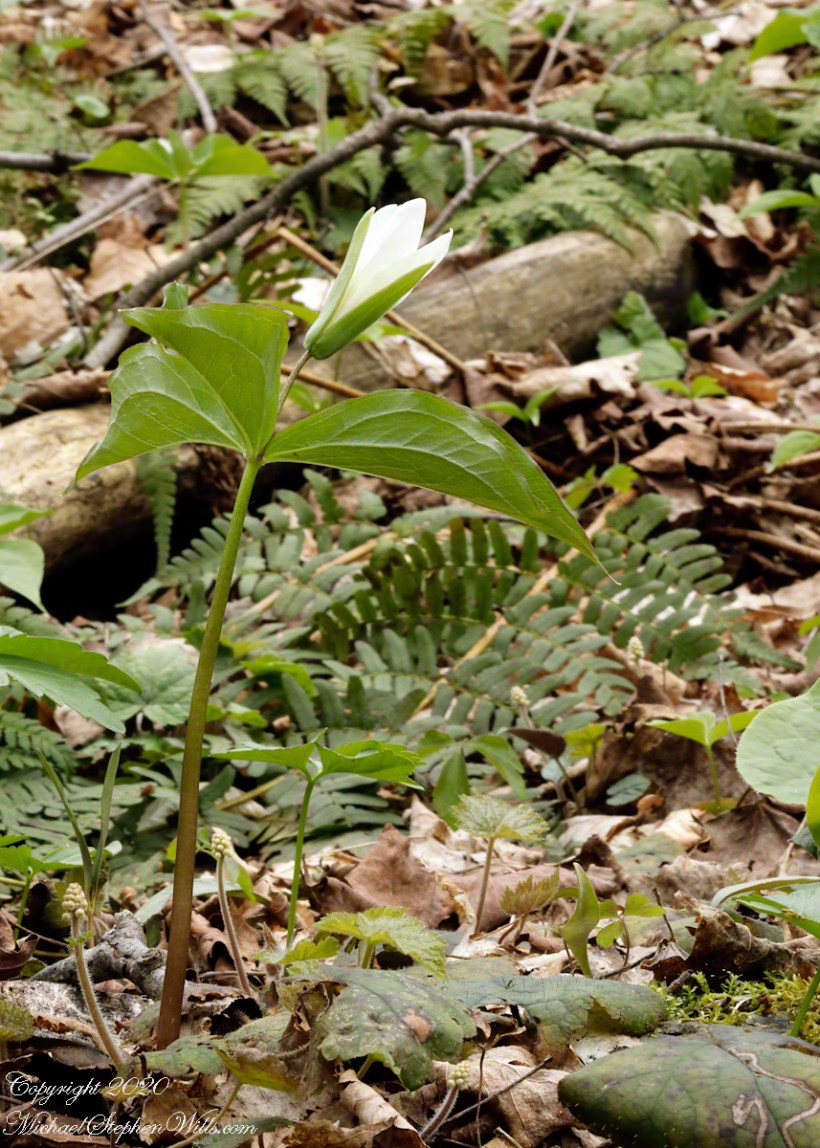
Early Spring IV

exploring Trillium habitat

Trillium as subjects are a continual challenge to find the compelling composition. Click me for another Trillium posting.

This afternoon’s sky was overcast, perfect for photographing wildflowers: clouds thin enough for light to pour through. In the clouds’ shadow there is not enough light for the plant to cast its own distracting shadows. Compare an earlier trillium photograph (click me to go there).

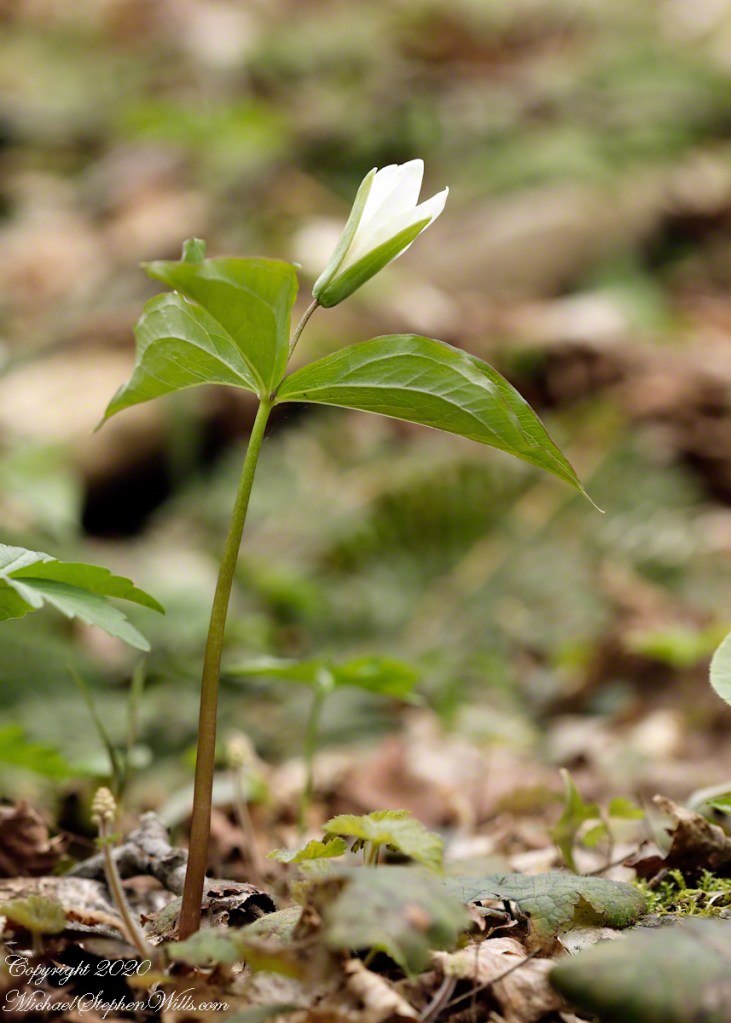
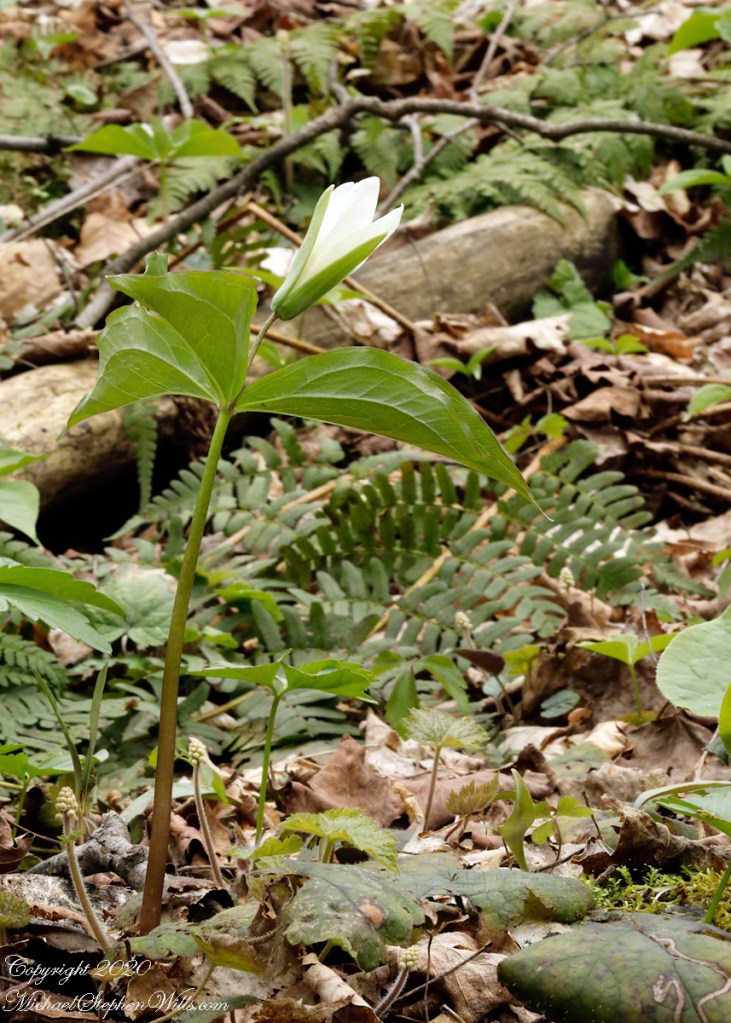
For the following photograph is a study in habitat. At f32, focusing on the trillium, the surroundings are clearly identifiable: several budding Foam Flower heads (Scientific Name: Tiarella), fern, rotting wood, the forest floor hidden by leaf clutter.

I released the shutter (with a 2 second delay) during a break in spring breezes, the overcast lighting bright enough for a speedy 1/8 second exposure. The focus on the opening trillium bloom is just as crisp in this exposure as the next.

Click photograph for larger image. To do this from WordPress Reader, you need to first click the title of this post to open a new page.

At 4 f-stop, the entire plant is in focus while many habitat elements are a soft blur. An interesting point is the leaf on the left. It is in focus somewhat and is a distraction. This was an issue, in my opinion, for the first photograph.

Click for my “Finger Lakes Memories” Fine Art Photography Gallery.

Copyright 2024 All Rights Reserved Michael Stephen Wills

Spring Outing V

Wildflower Groupings

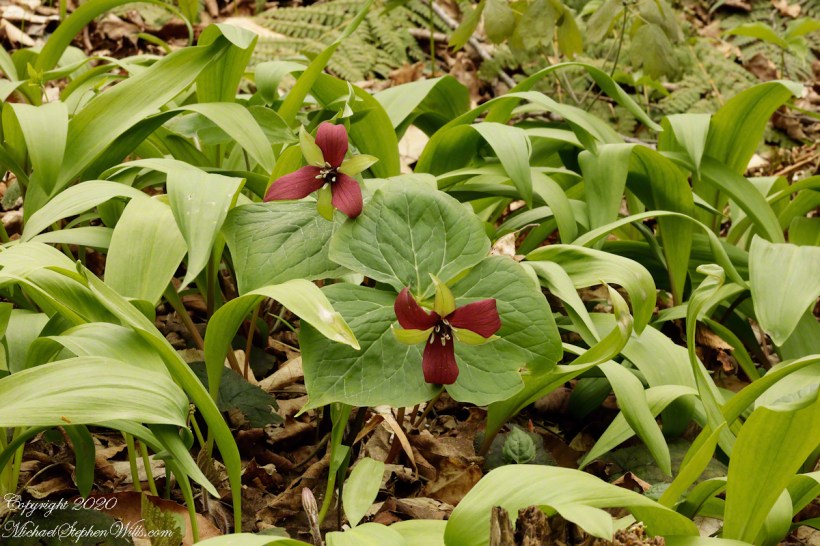
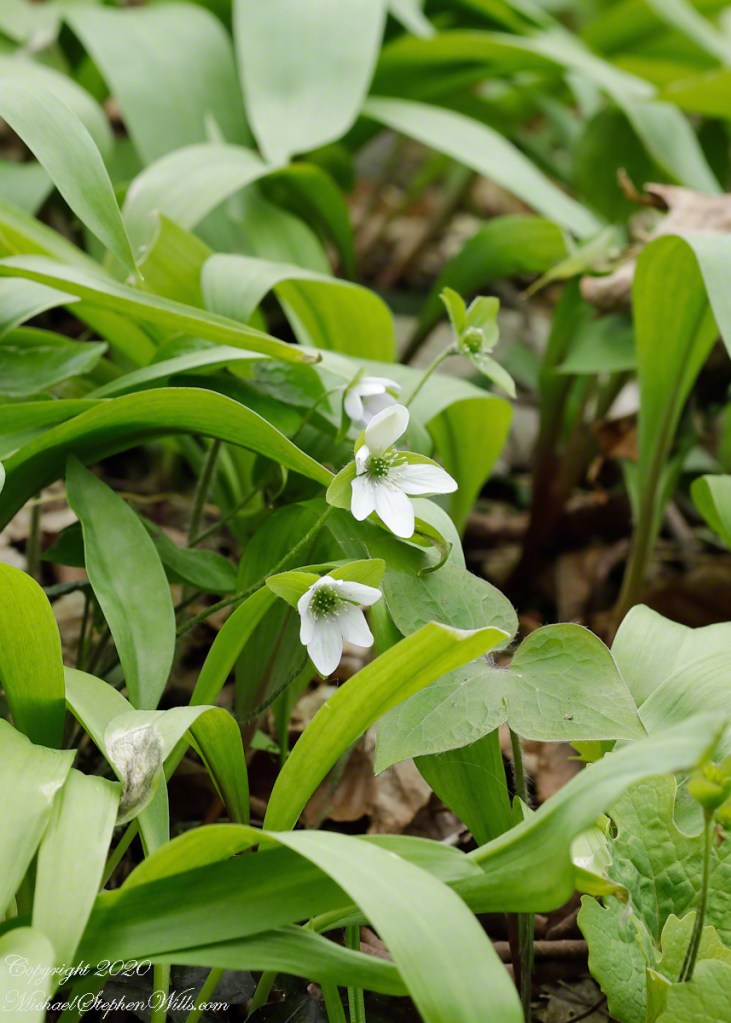
Red Trillium are early bloomers, along with Hepatica. I often photograph them together. Click me for a 2019 Red Trillium post of photographs from 2007 taken in Fillmore Glen Park.

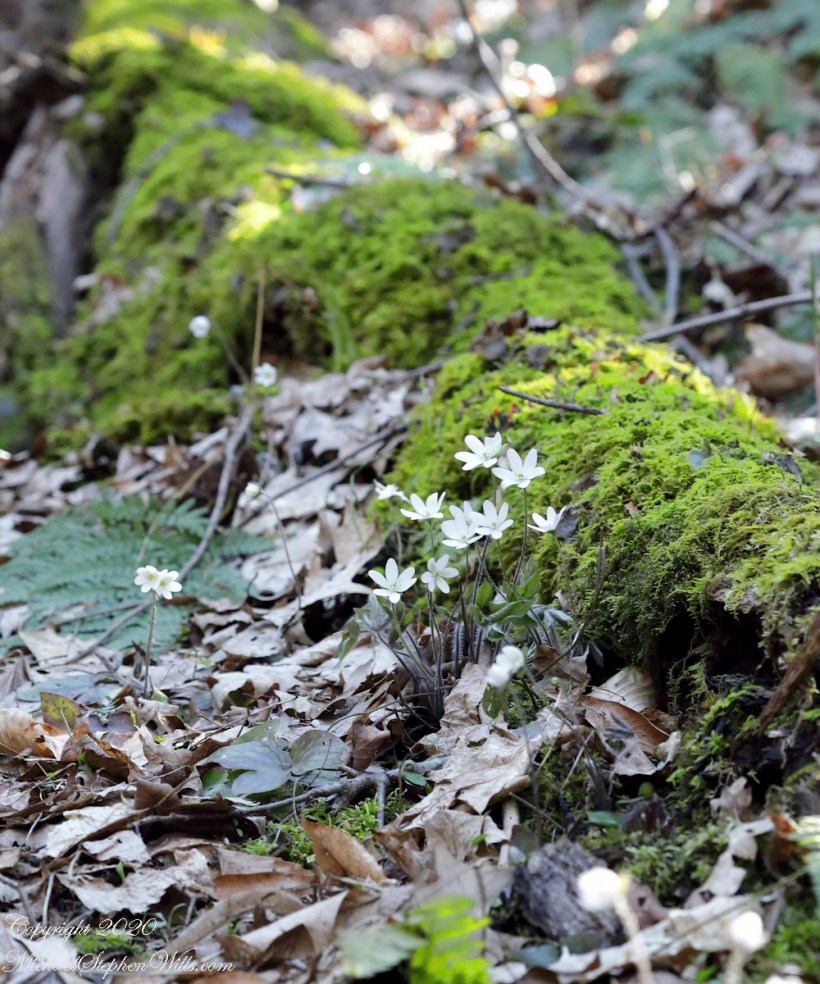
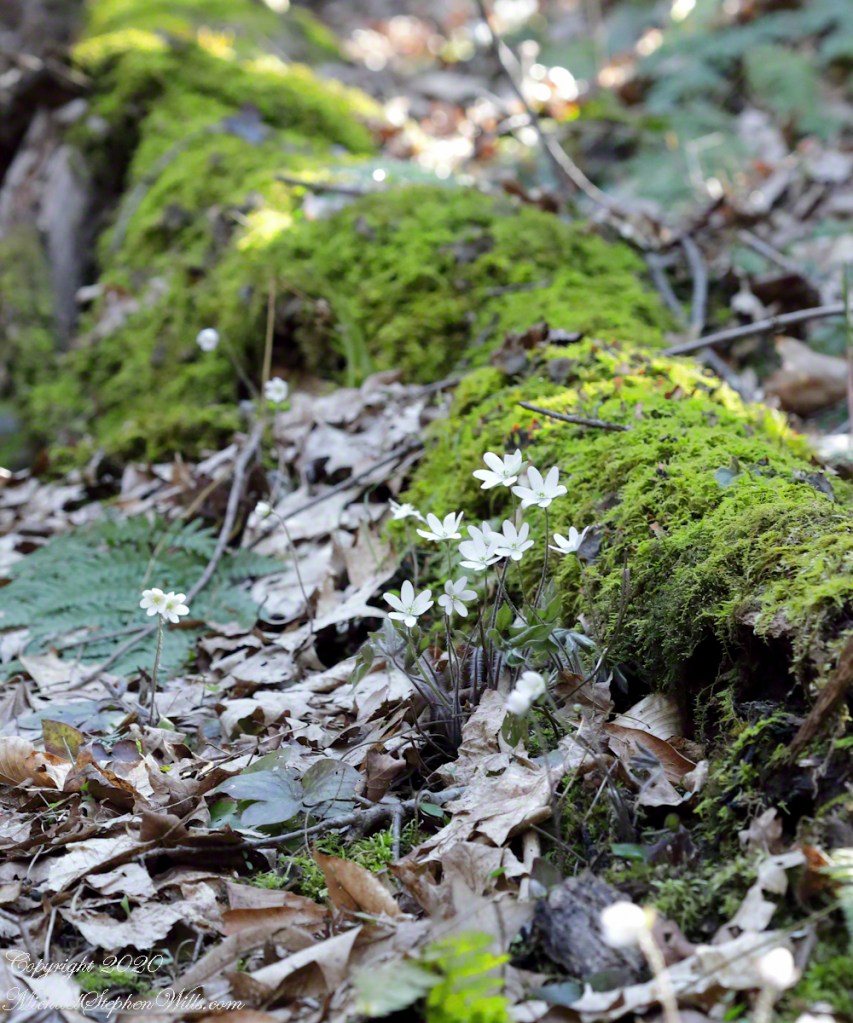
Here we have two photographs from the end of the April 20, 2020 session. I finished a series of macro Hepatica and, tired (emotionally, not physically) and not wanting to step up the slope, captured the following grouping of a single Red Trillium, lit by a bolt of sunlight, White Hepatica, fern and the budding White Trillim from yesterday’s post. Not the same trillium, a continuation of all the individuals in bud.

Click photograph for a larger view. To do this from WordPress Reader, you need to first click the title of this post to open a new page.

These were 15 feet or so up the slope above the South Rim Trail. I used the 100 mm macro lens, with the spring breezes ISO set to 2500, f/5.6 for a 1/200 exposure.

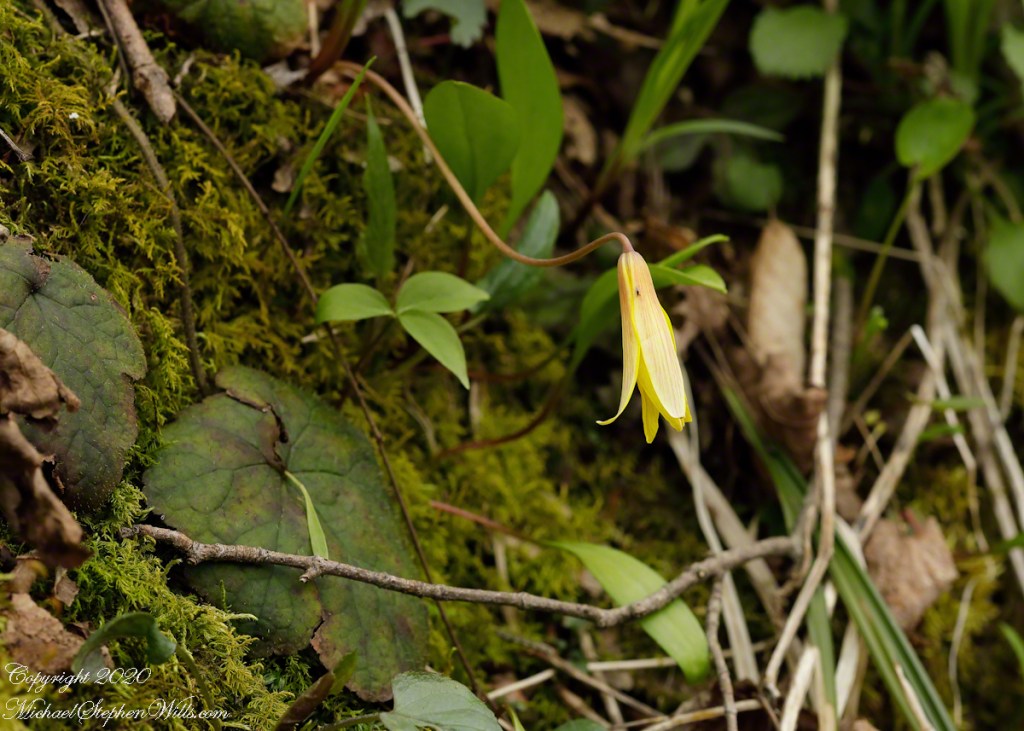
Not far away, also upslope, was this flower grouping against a moss covered log. Park forestry leaves fallen trees in place to return to the soil. Camera settings are the same.

Both photographs were handheld.

Copyright 2024 All Rights Reserved Michael Stephen Wills

Spring Outing IV

Turn to Light

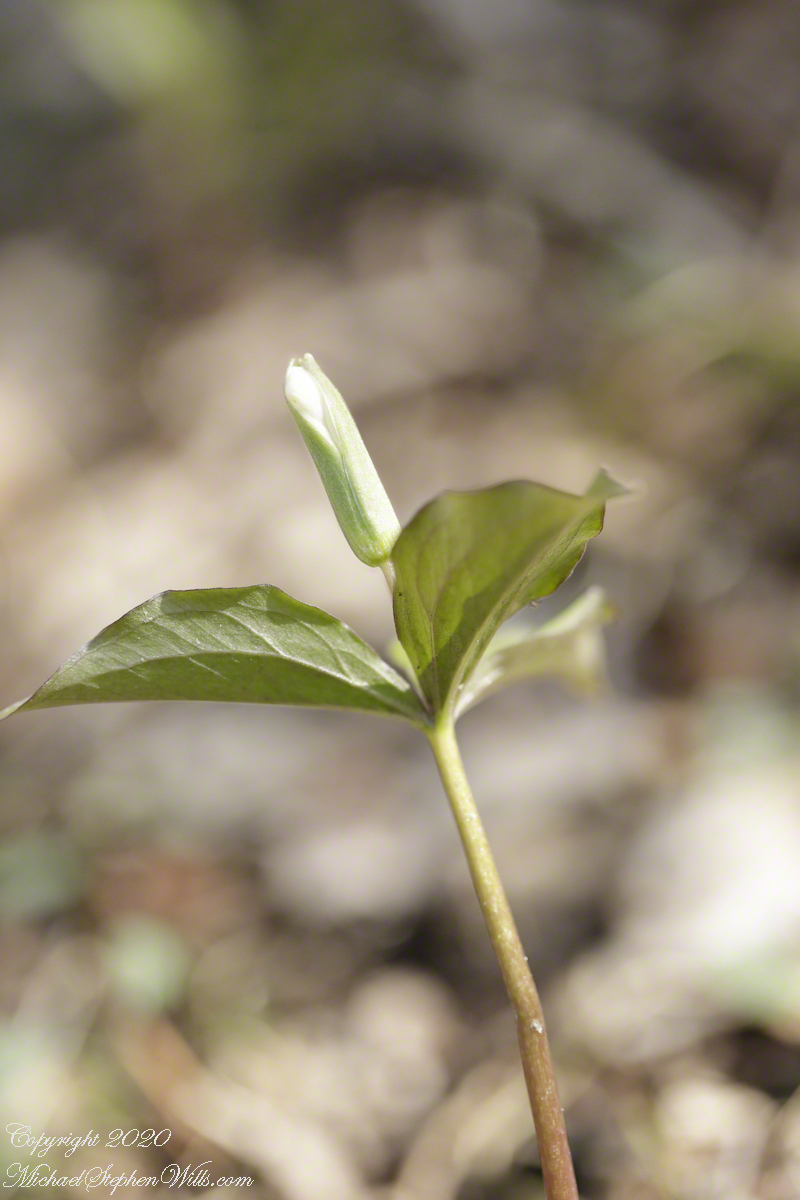
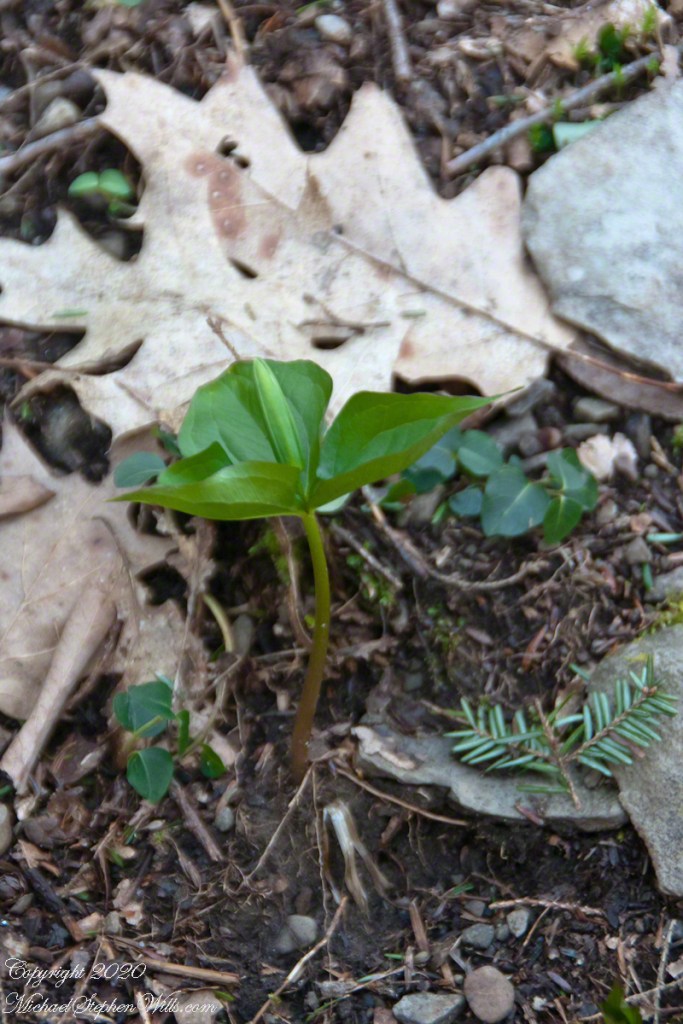
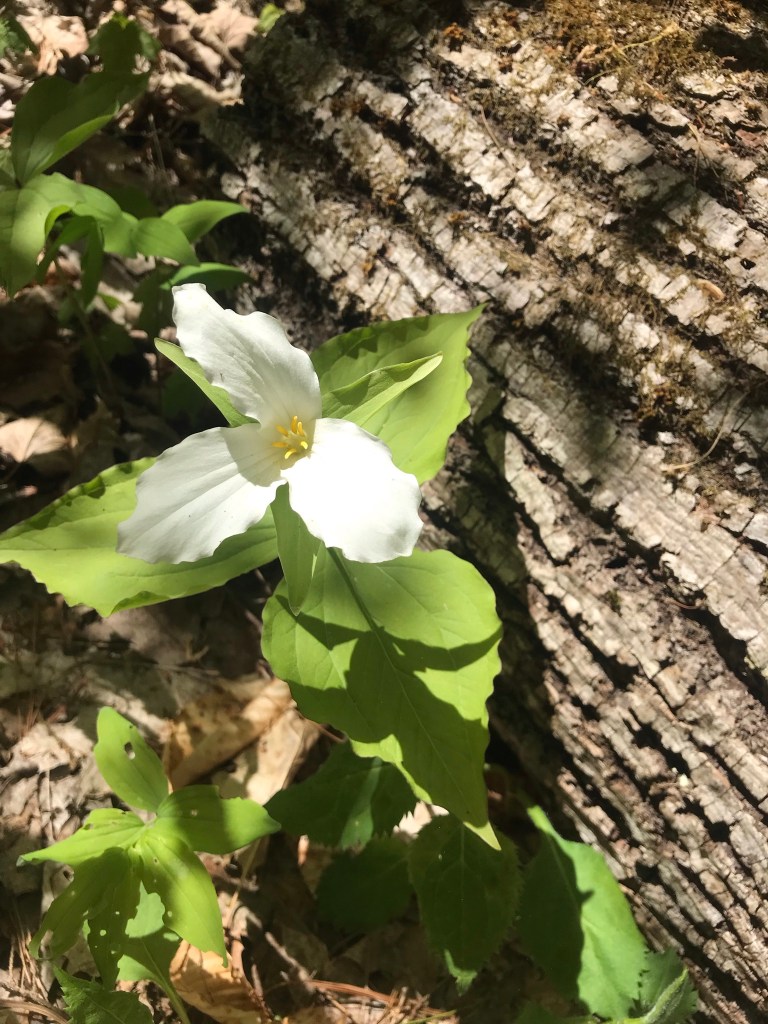
Wildflowers flourished where the slope turned to the north and late afternoon light spread across the small ravine created by a small stream. This early in the season White Trillium buds were forming between three green bracts.
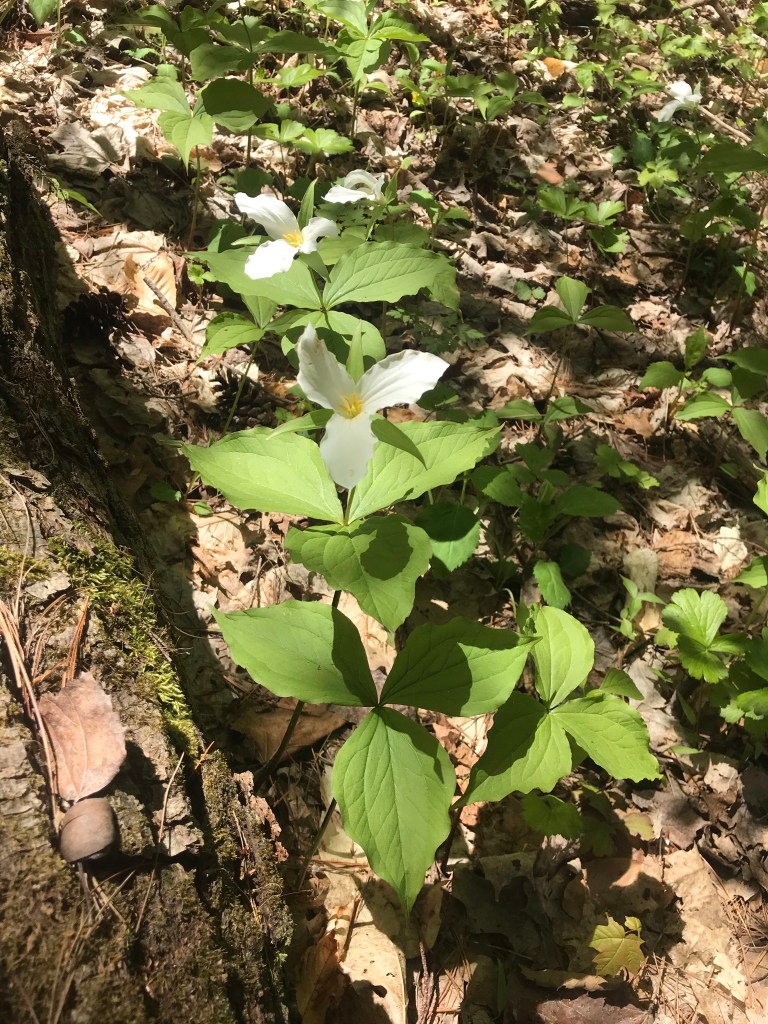
Click photograph for a larger view. To do this from WordPress Reader, you need to first click the title of this post to open a new page.

The above photograph taken handheld with a variable zoom lens captures the plant and environment. On the forest floor is twig of hemlock, probably knocked off by squirrels feeding on the tiny cones. Oak leaves from last season frame the dark green bracts. We also see a few wintergreen leaves and the rich soil.

With the low light ISO is 2000, the f-stop of 5.6 allowed crisp details of the hemlock and wintergreen, the focus is soft on the oak leaves. Where is topography allowed sunlight, the White Trillium were a bit further along. Here is a bud opening.

Here I used a travel tripod and a macro lens with f-stop opened up to 3.2, not lens maximum, and all but the forward bract tip are in focus. A lower camera angle places surroundings in distance, allowing all to be blurred unrecognizable: the plant is the star of this shot. ISO 800 with the ample light. I was struggling with the spring breezes, having to wait for a break to take each exposure.

Copyright 2024 All Rights Reserved Michael Stephen Wills

Early Spring V

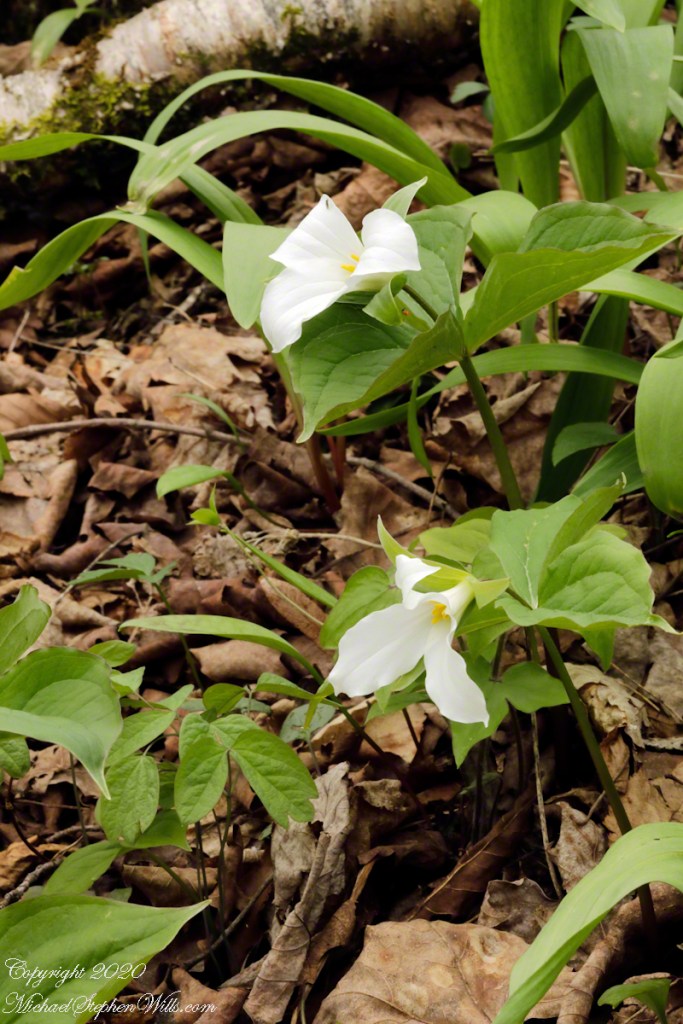
Purple vs. White Trillium

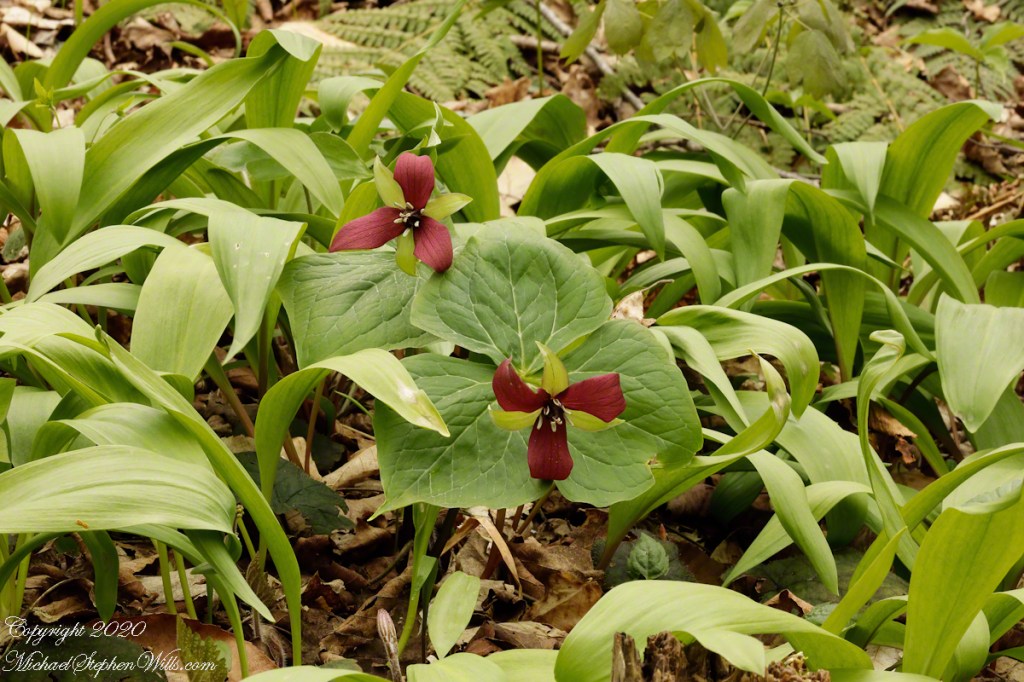
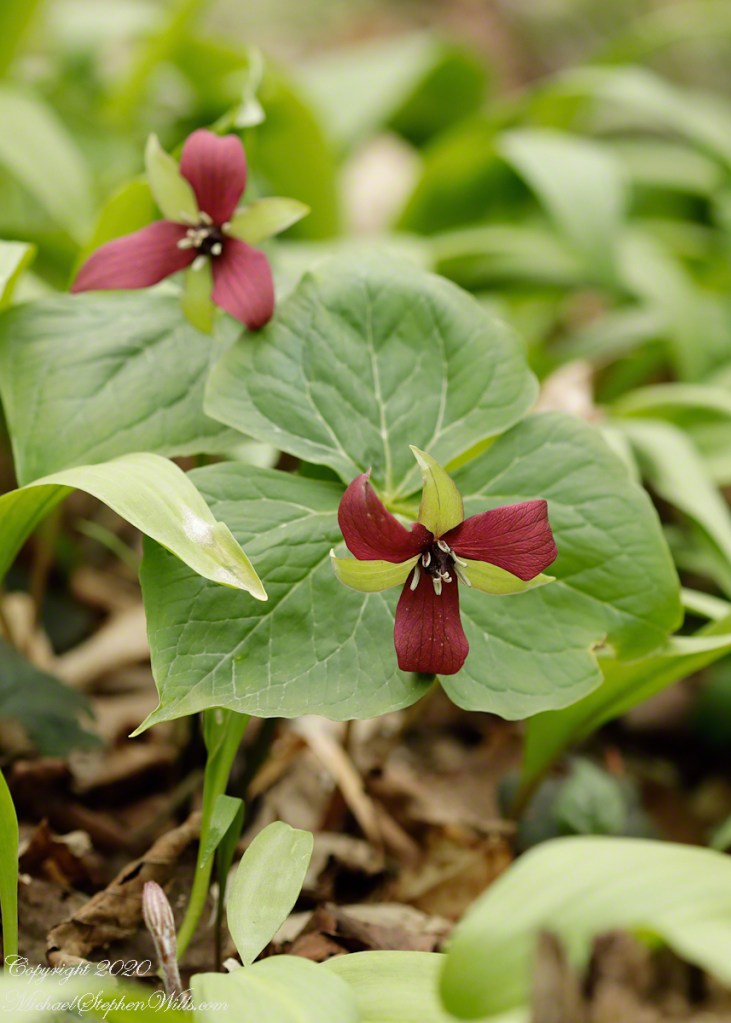
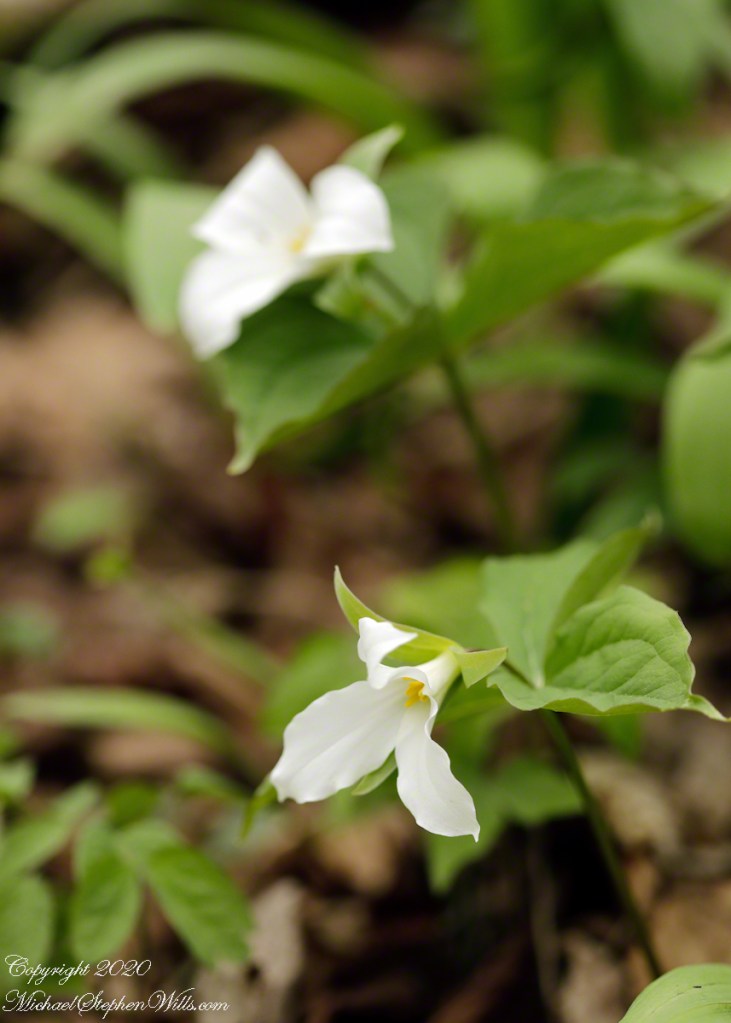
Purple Trillium, a different species from the white, present different challenges. The purple blooms tend to dip down toward the ground. White flowers face upward toward the sky. My successful photographs of purple (Click me for another Purple Trillium posting) have the camera lower than the plant, say where there is a bank above the trail.

Shot from beneath, White Trillium project a hopeful air. Here is a comparison of the two species in the environmental and individual treatments.

Click photograph for larger image. To do this from WordPress Reader, you need to first click the title of this post to open a new page.

Click for my “Finger Lakes Memories” Fine Art Photography Gallery.

Copyright 2020 All Rights Reserved Michael Stephen Wills

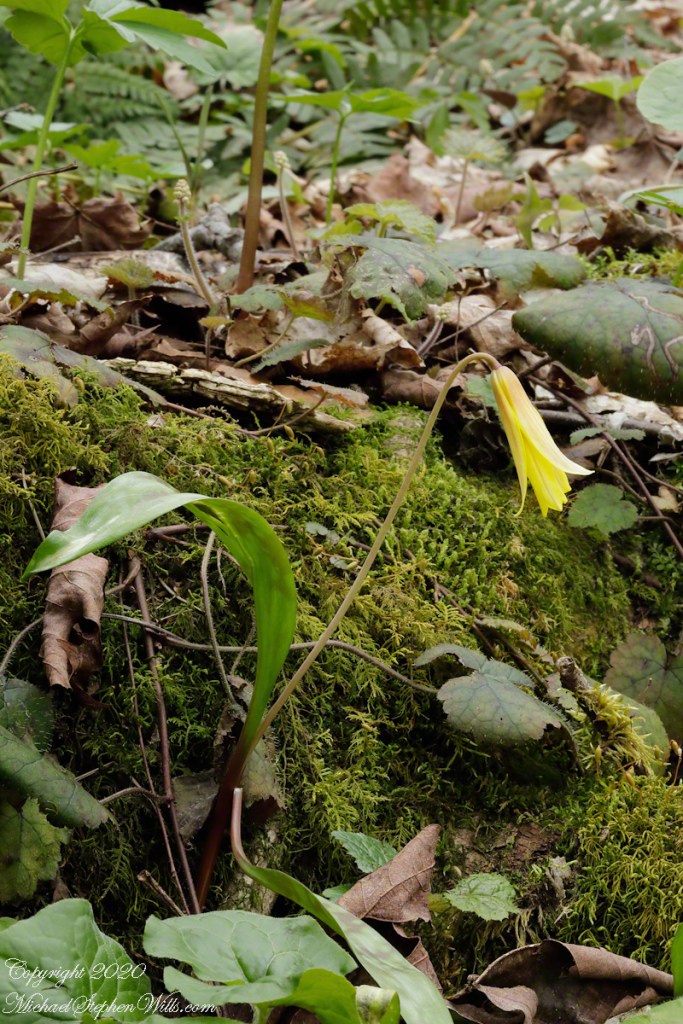
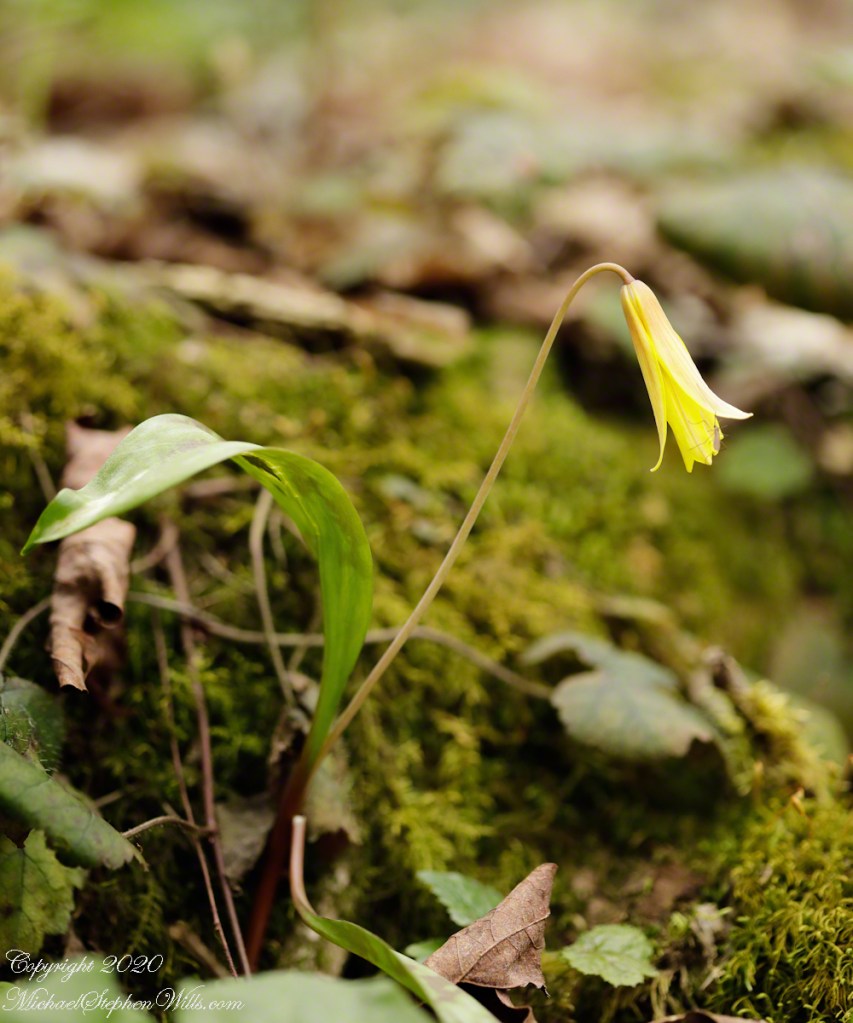
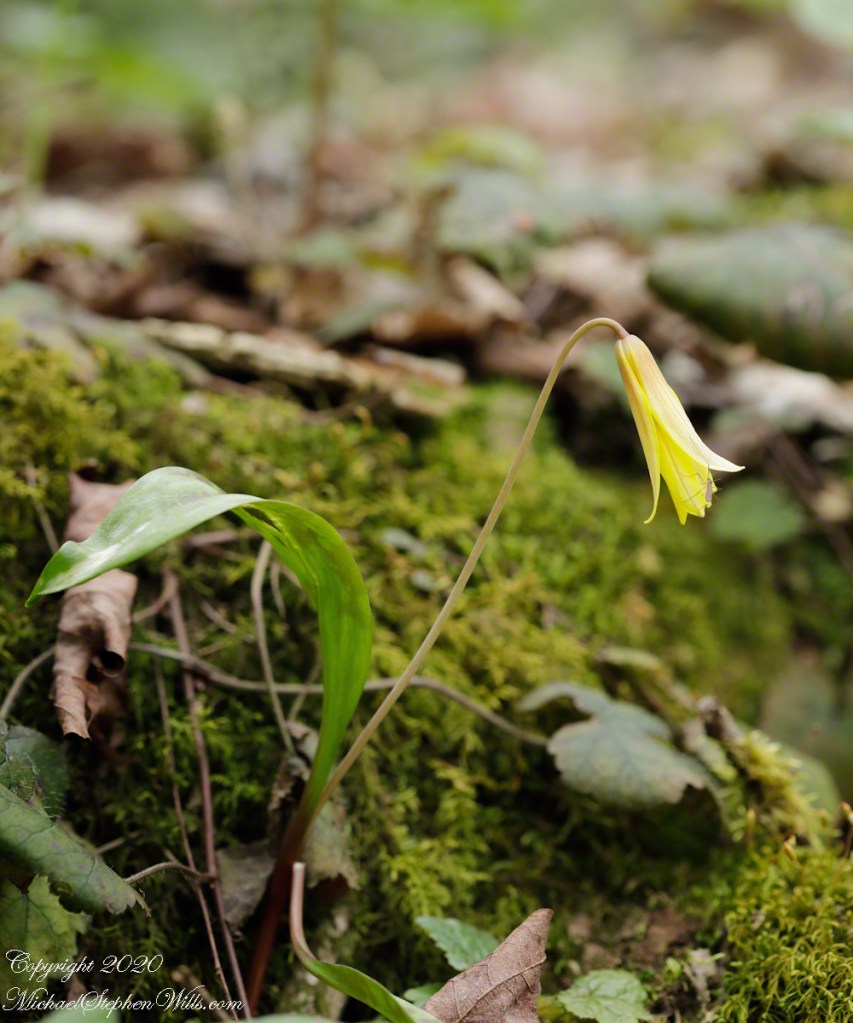
Life from Death

while trillium

Taken with a Canon 100 mm “macro” lens, a Kodak digital single lens reflex body, a Manfrotto tripod and ample time and patience.

Enjoy!

Click here for my Online Gallery offering from this group.

Trillium rise from the decaying tree roots.

Copyright 2022 All Rights Reserved Michael Stephen Wills

Massed White Trillium Blooms

Wonder of the northern spring forest

Click here for my Online Gallery offering from this group.

I came upon this display April 2004, a wonder of the northern spring forest.

Click either photograph for a larger view.

Copyright 2022 All Rights Reserved Michael Stephen Wills

May Nature Walk

Our first post COVID outing

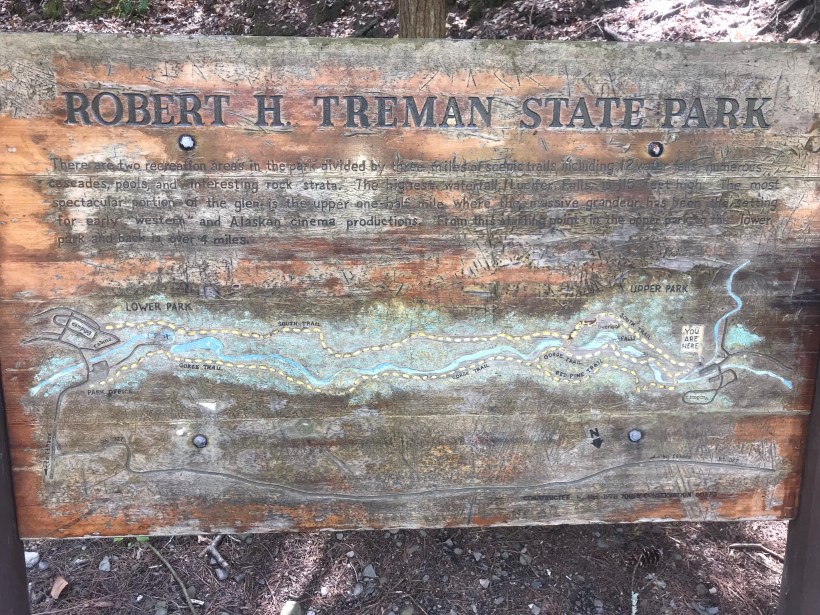
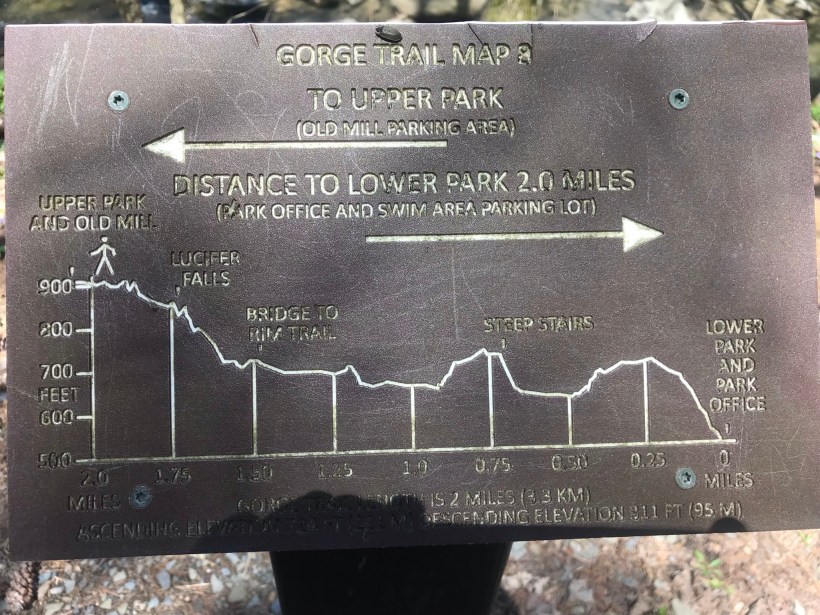
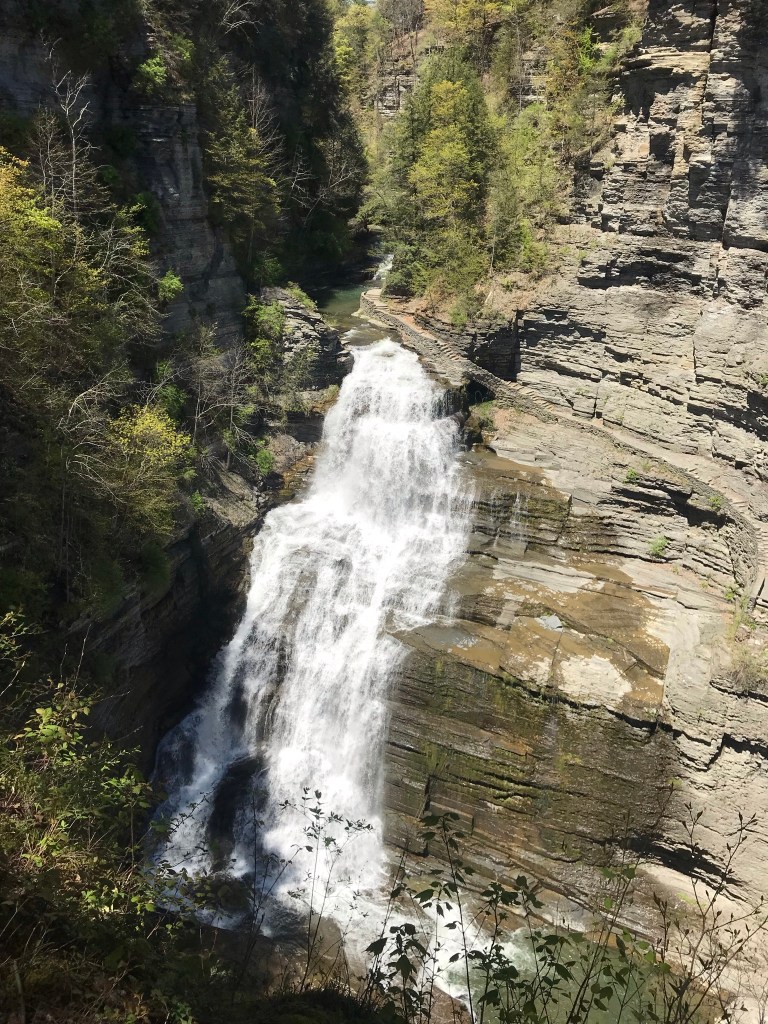
Pam and I headed out to Treman Park for a walk to the Lucifer Falls overlook. The Gorge Trail is not yet open due to the danger of rock falling from the gorge walls — the park maintenance staff needs to survey winter damage and knock down material in danger of falling.

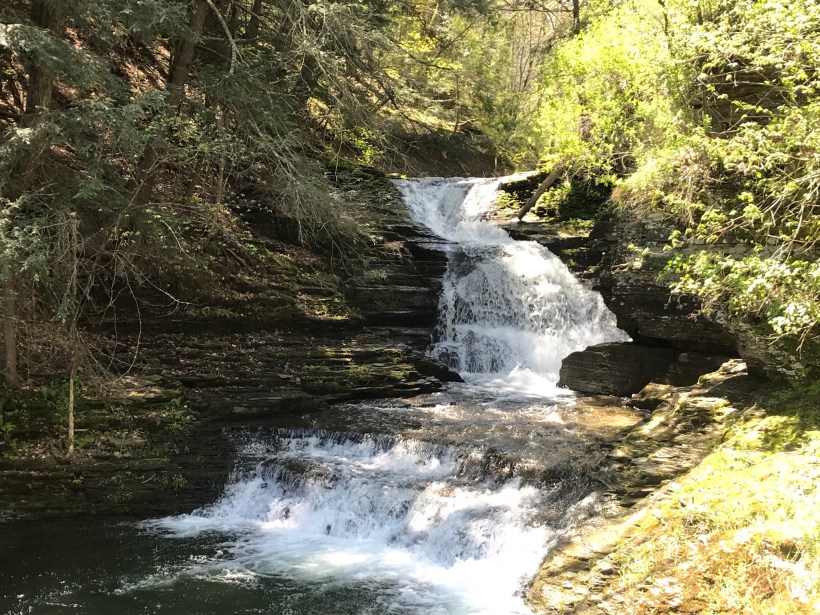
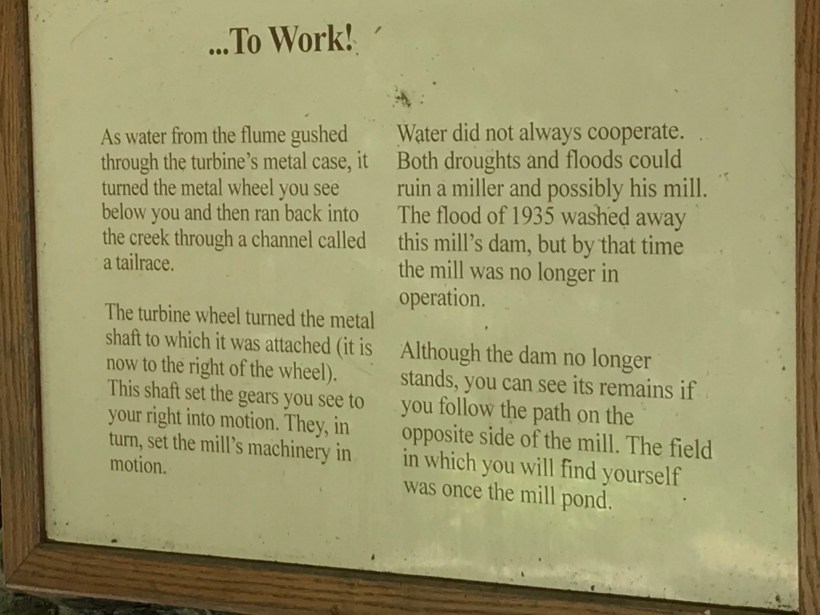
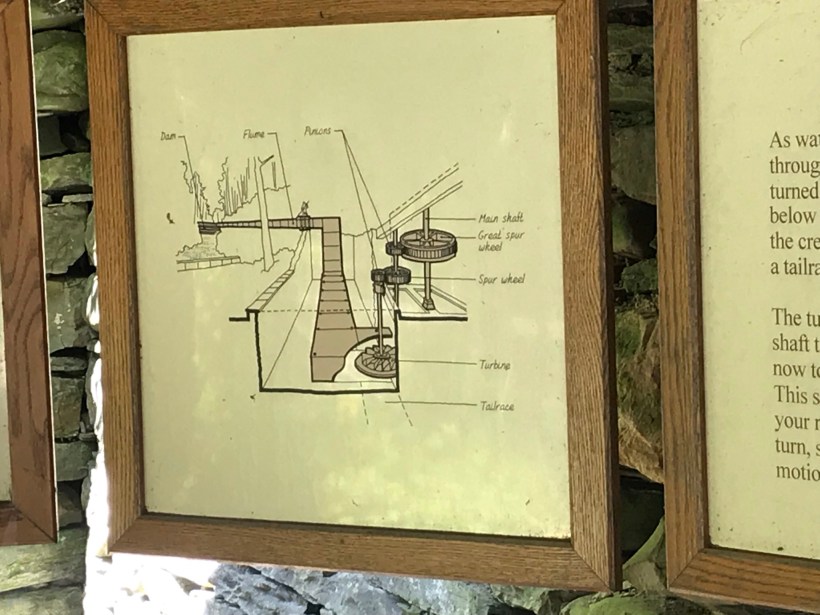
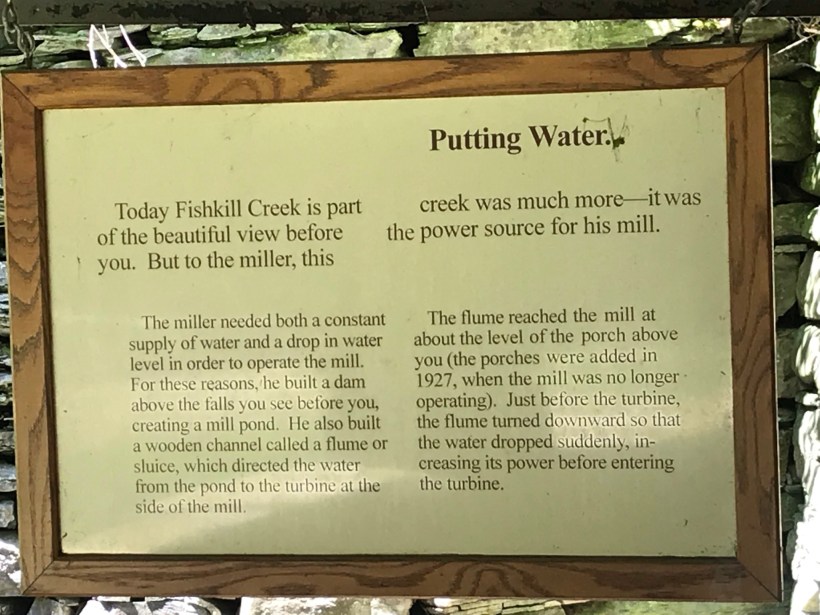
Our first stop was the mill waterfall. This was was directed to the mill stream to power the mill where grain was ground to order.

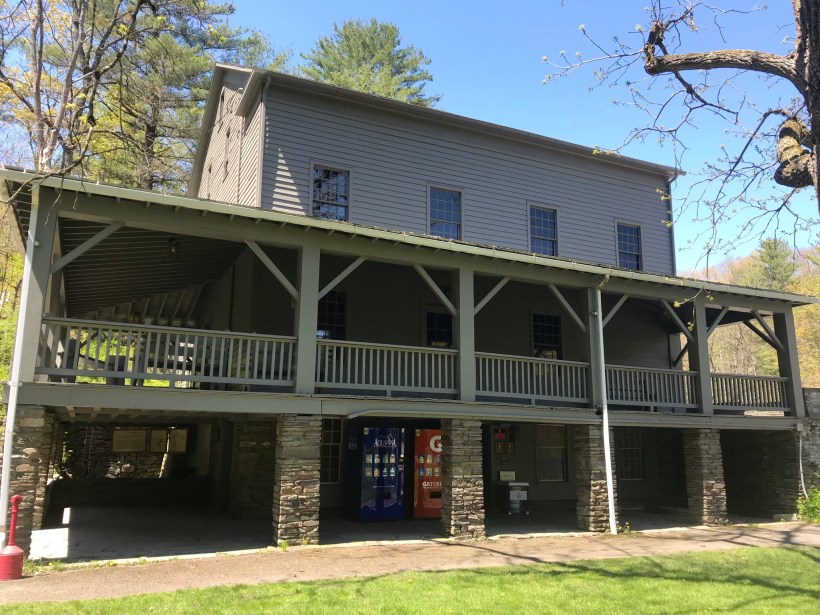
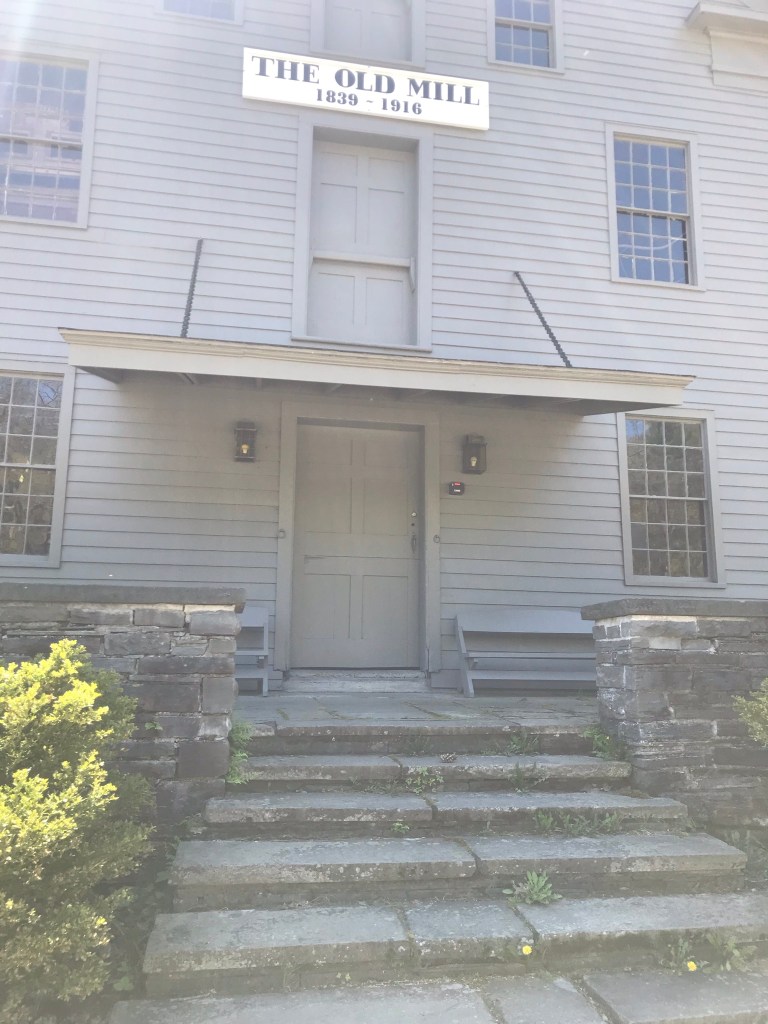
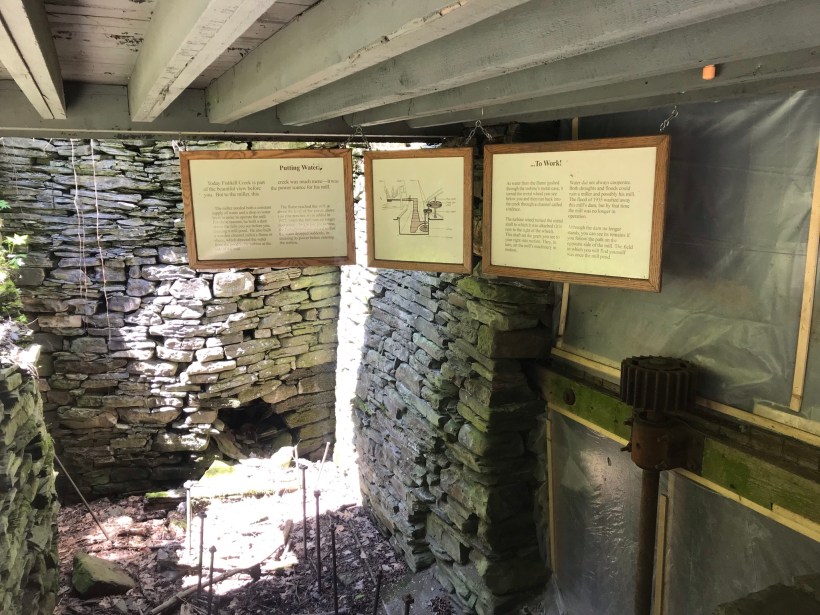
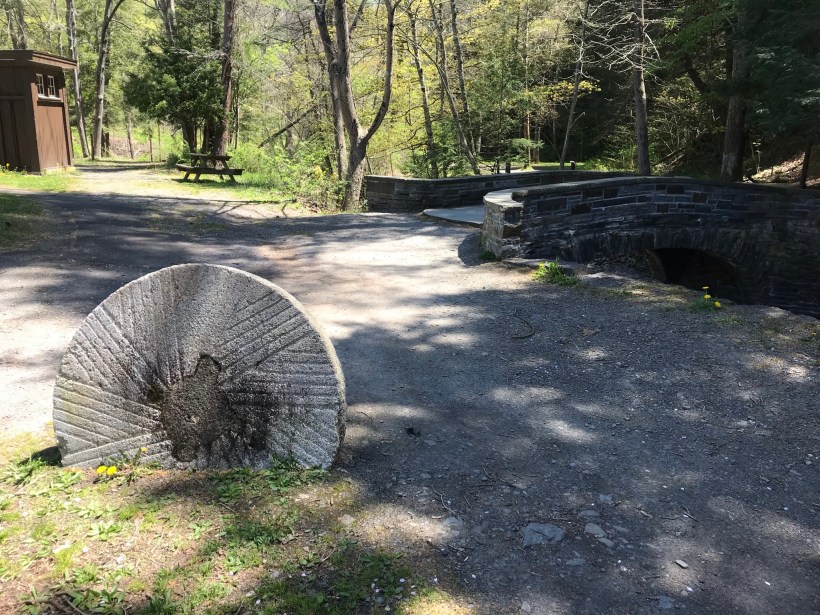
Here is an overview of the Mill, now a museum not yet opened post-Covid. The millstone stands at the start of the foot trails. All media on this post is from my IPhone 7, lightweight equipment for this hike. The automatic upload to ICloud is convenient.

Round trip is four-plus miles, with several hundred feet elevation change. Pam and I discussed a car caravan for our next visit, to support a one-way downhill hike (still plenty of uphill hiking). We need to work up to the round trip after our winter inactivity.

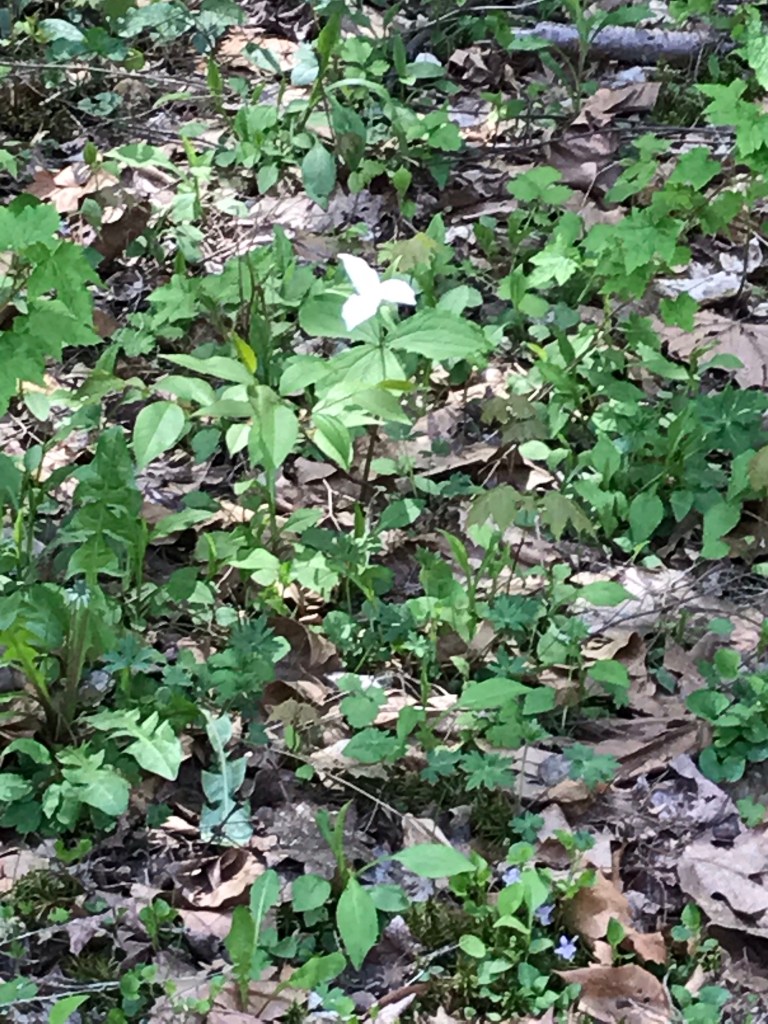
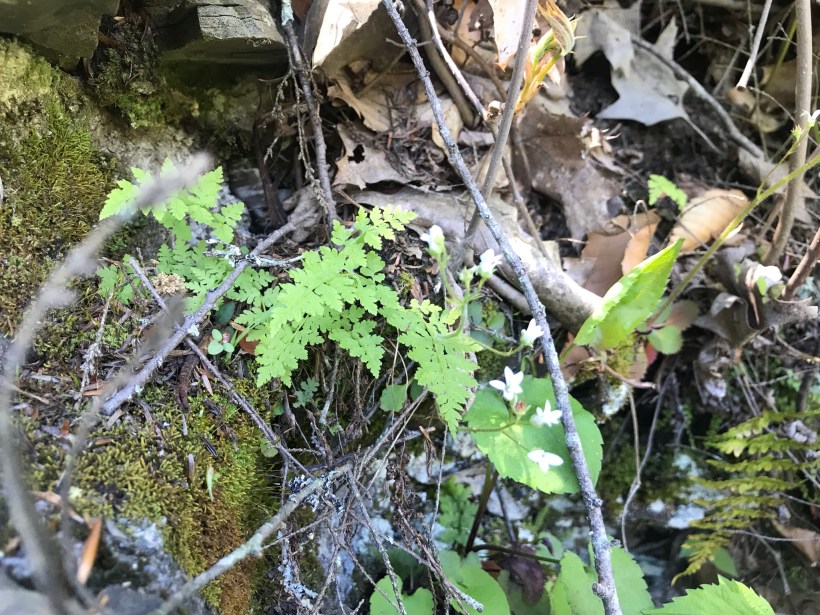
Trillium are in bloom!!

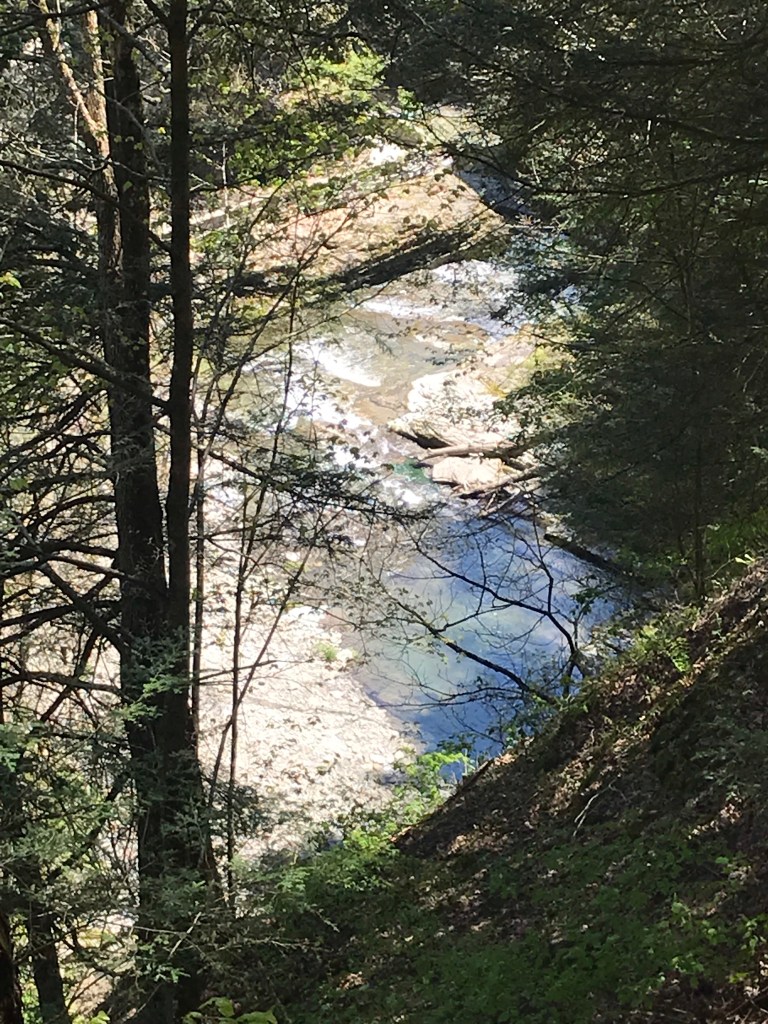
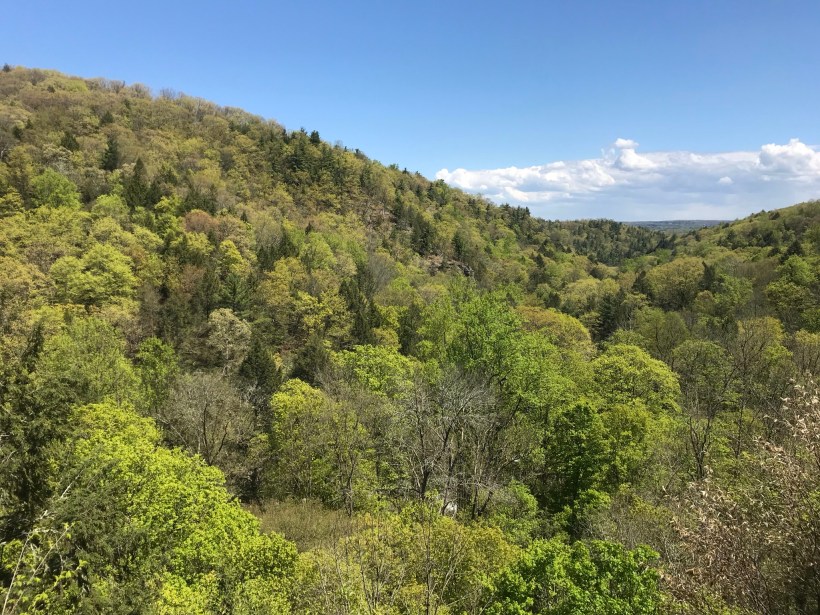
Multiple overlooks into the gorge grace this trail.

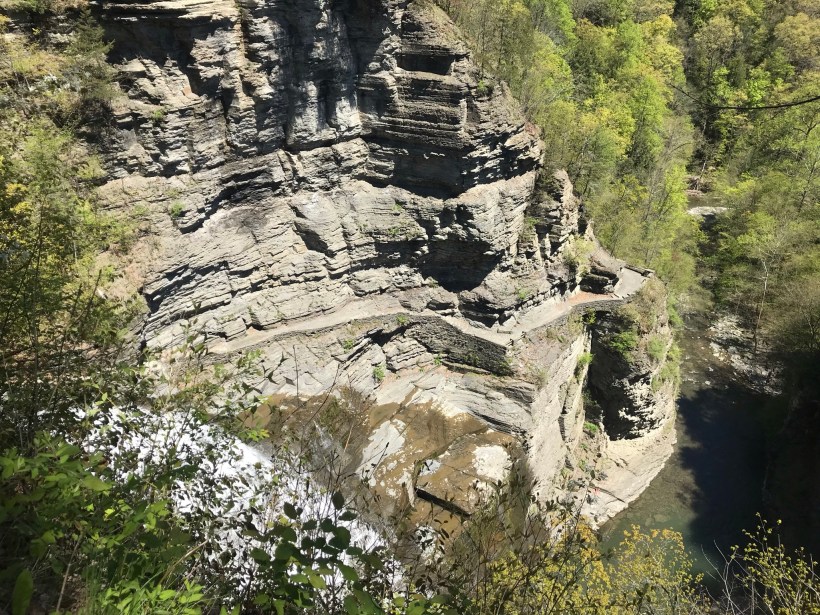
More trillium before we reached the overlook. Lucifer falls and the incredible path etched into the cliff by the Civilian Conservation Corps (Roosevelt’s Tree Army during the Depression).

After the Lucifer Falls overlook is this stupendous view from the top of the Cliff Stairs, 224 steps continue to link to the Gorge and South Rim trails.

As we lingered on the top steps the flowering plants slowly revealed themselves.

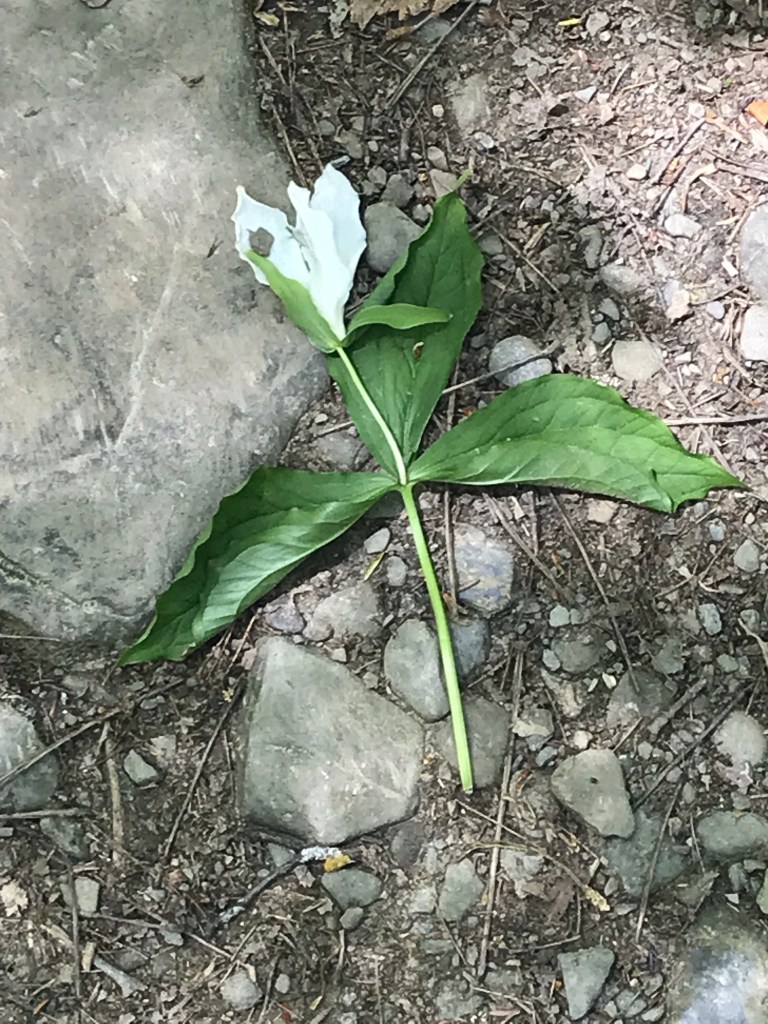
I captured this tragic image on the return trip….a trillium discarded on the trail. Stiff fines await anyone caught doing this.

Copyright 2021 Michael Stephen Wills All Rights Reserved

Fillmore Glen Gallery

A Successful Outing during COVID-19

Here is a gallery recapping my afternoon among the wonders of Fillmore Glen, a New York State park, Moravia, New York. I visited there during the New York COVID-19 “PAUSE.” ENJOY!!

Copyright 2020 All Rights Reserved Michael Stephen Wills

Early Spring VII

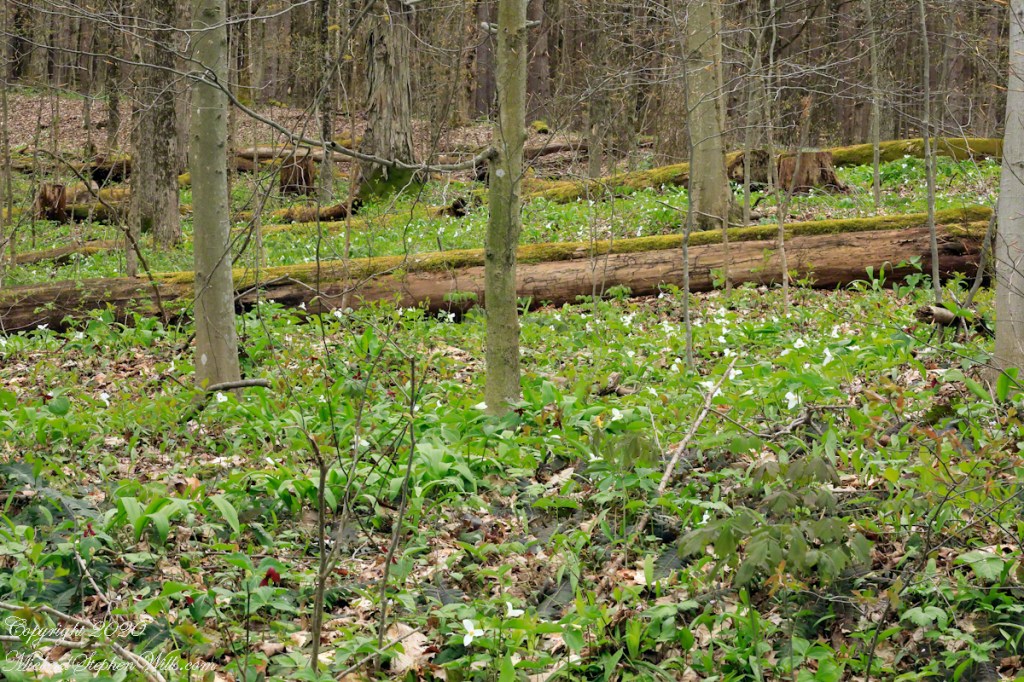
Hundreds of While Trillium

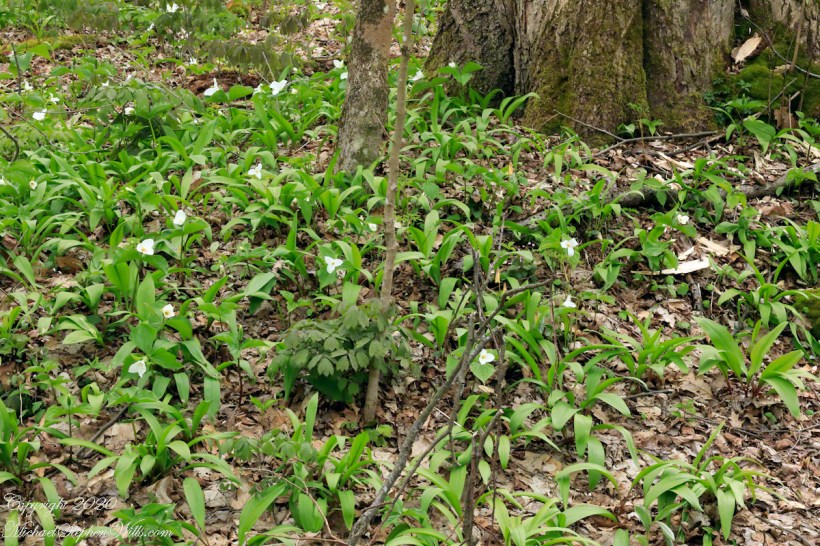
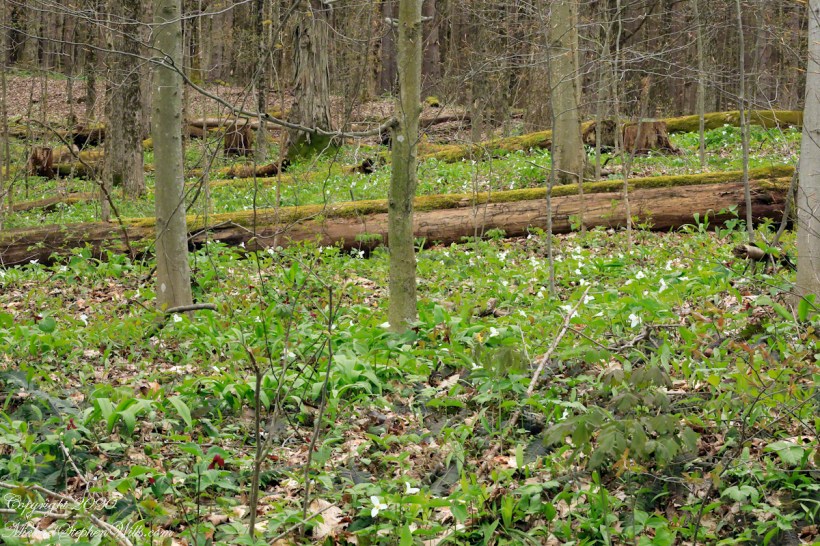
Fillmore Glen is a supportive environment for trillium, as seen in these overview shots.

Click photograph for larger image. To do this from WordPress Reader, you need to first click the title of this post to open a new page.

Click for my “Finger Lakes Memories” Fine Art Photography Gallery.

Copyright 2020 All Rights Reserved Michael Stephen Wills