Born in a Log Cabin

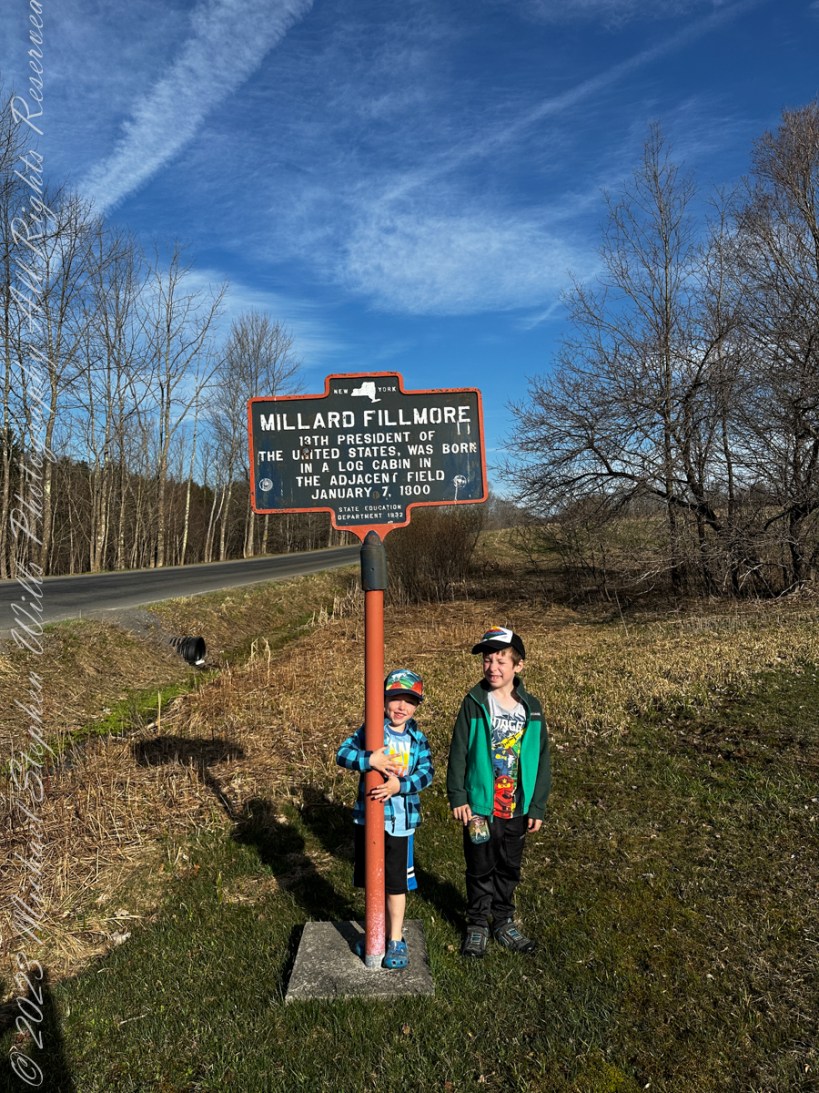
Millard Fillmore, 13th President, United States of AmericA

Last Friday the grandsons and I had an outing to the hills above Moravia in Cayuga County, there we visited the birthplace of Millard Fillmore. The site is a rather steep, rocky hillside near where the future President was born in a log cabin. He was not the last future President thus born, James Garfield in 1831 was born fatherless in Ohio in a log cabin. The future 20th President and the last to be so born. Nine years after Millard Fillmore, Abraham Lincoln was born, February 12, 1809 in the same residential circumstance and was the first future President born west of the Appalachian Mountains at Sinking Springs Farm, Kentucky. At least seven (7) future USA Presidents were born in log cabins, the others are: Andrew Jackson, James K. Polk, James Buchanan, Andrew Johnson, Chester A. Arthur.
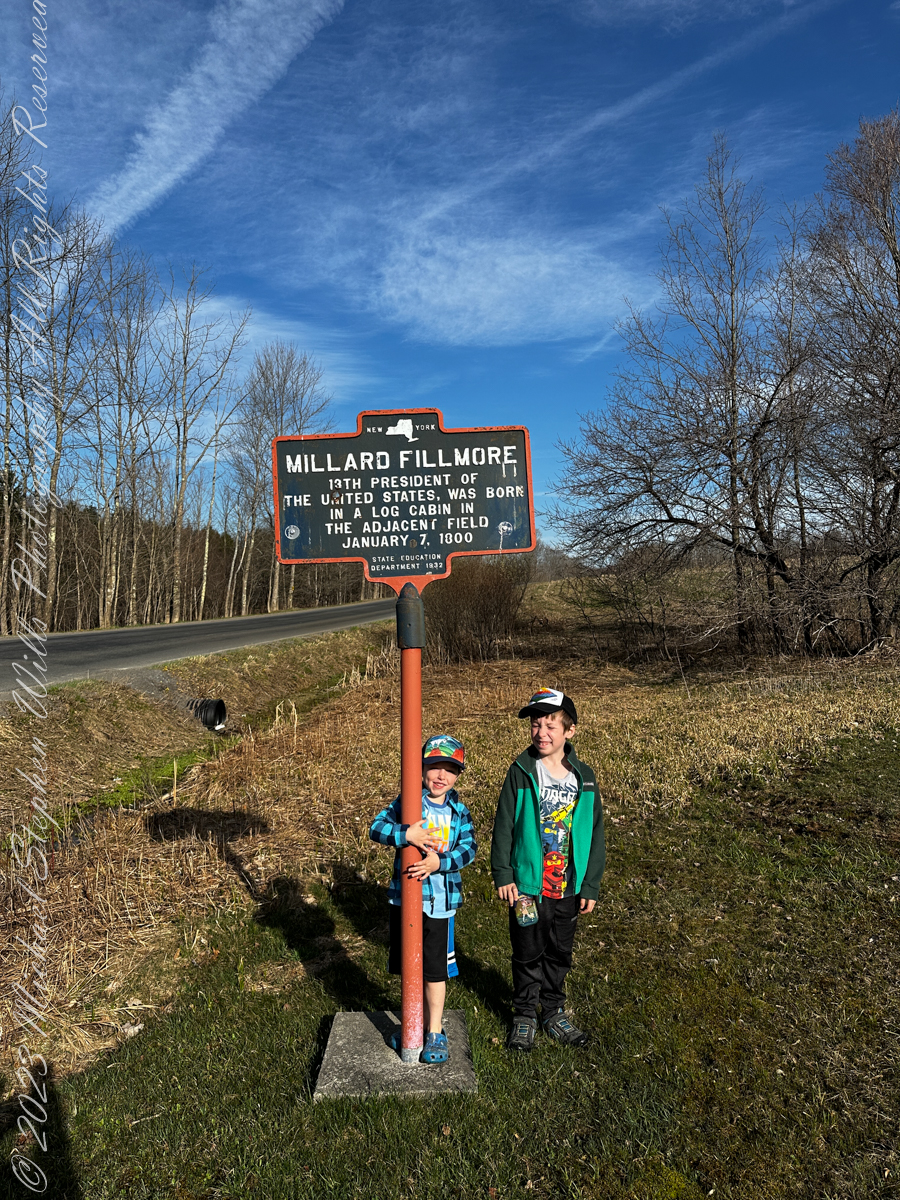
There is quite a bit to do at this open air museum: educational signs, split rail fencing from that time, a pavilion build from concrete, steel I-beams and a metal roof with picnic tables where we played games.

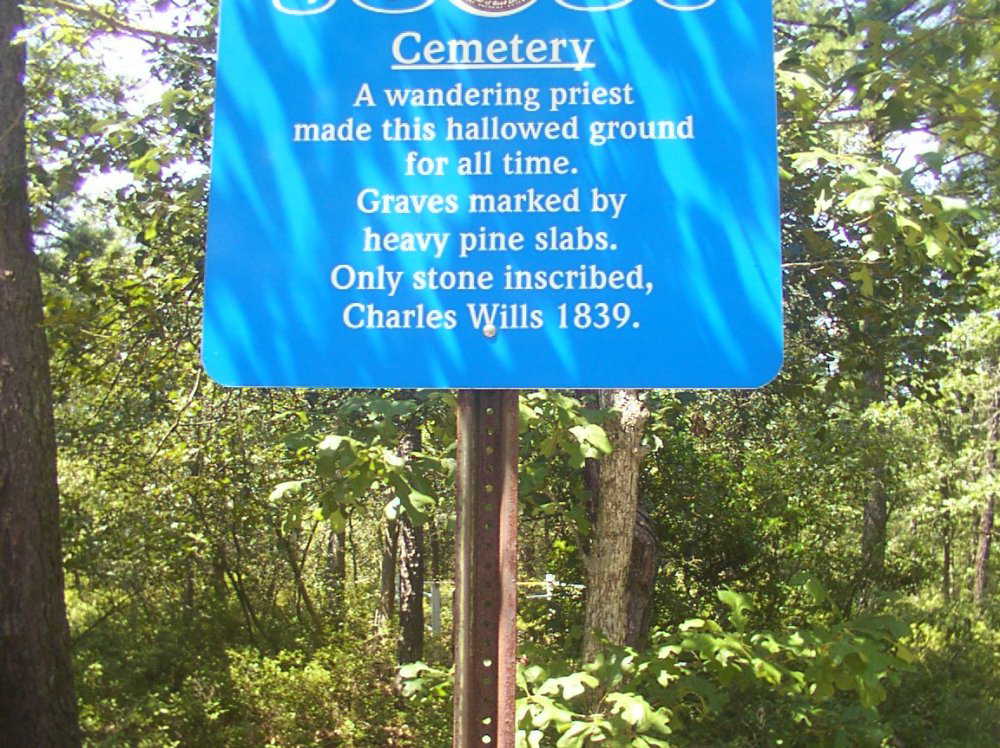
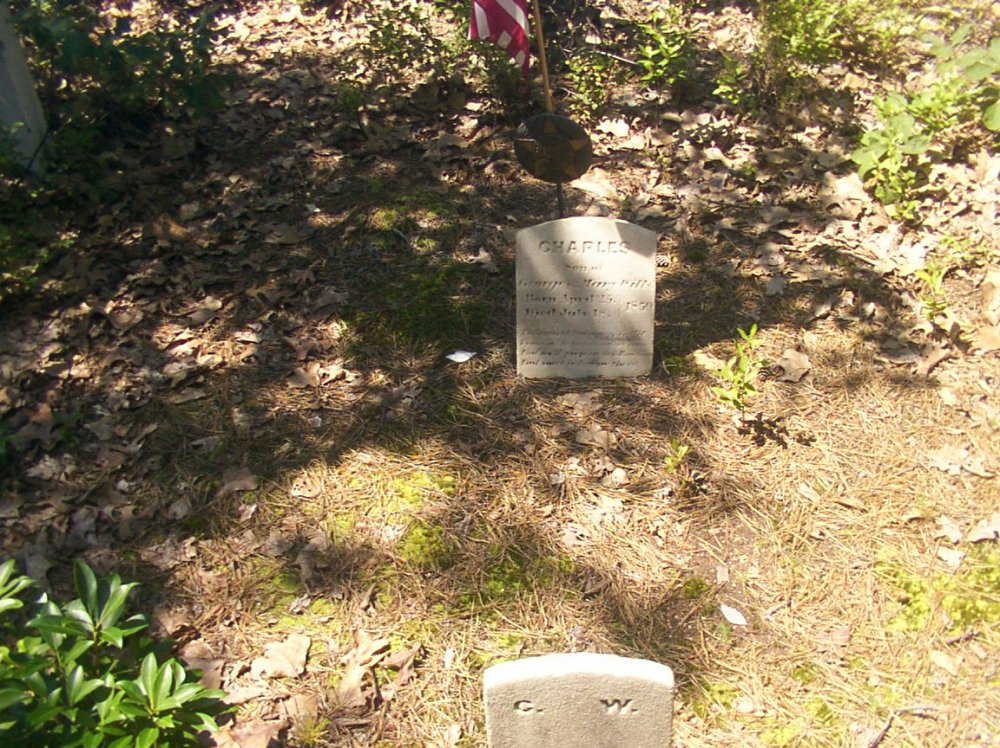
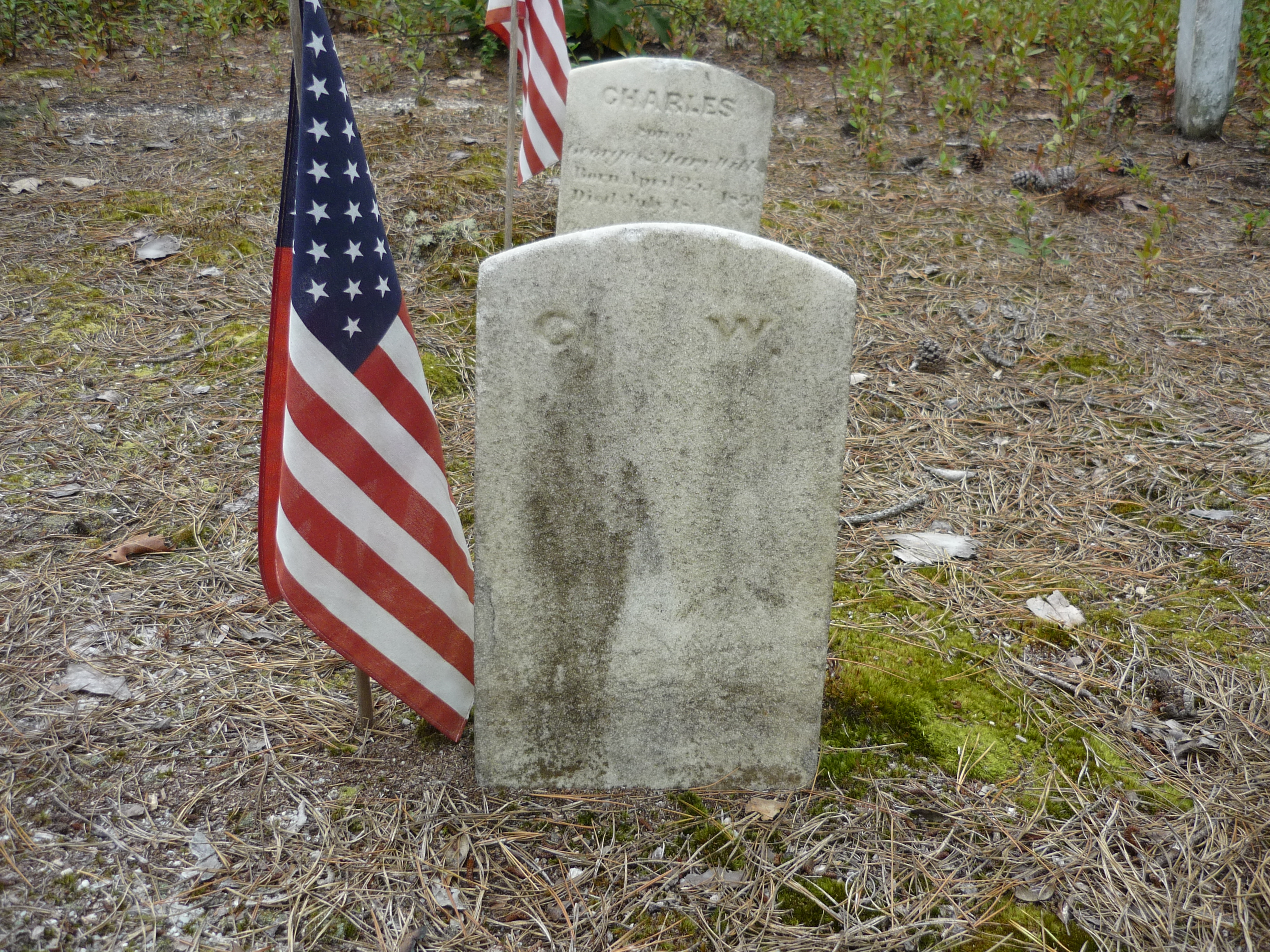
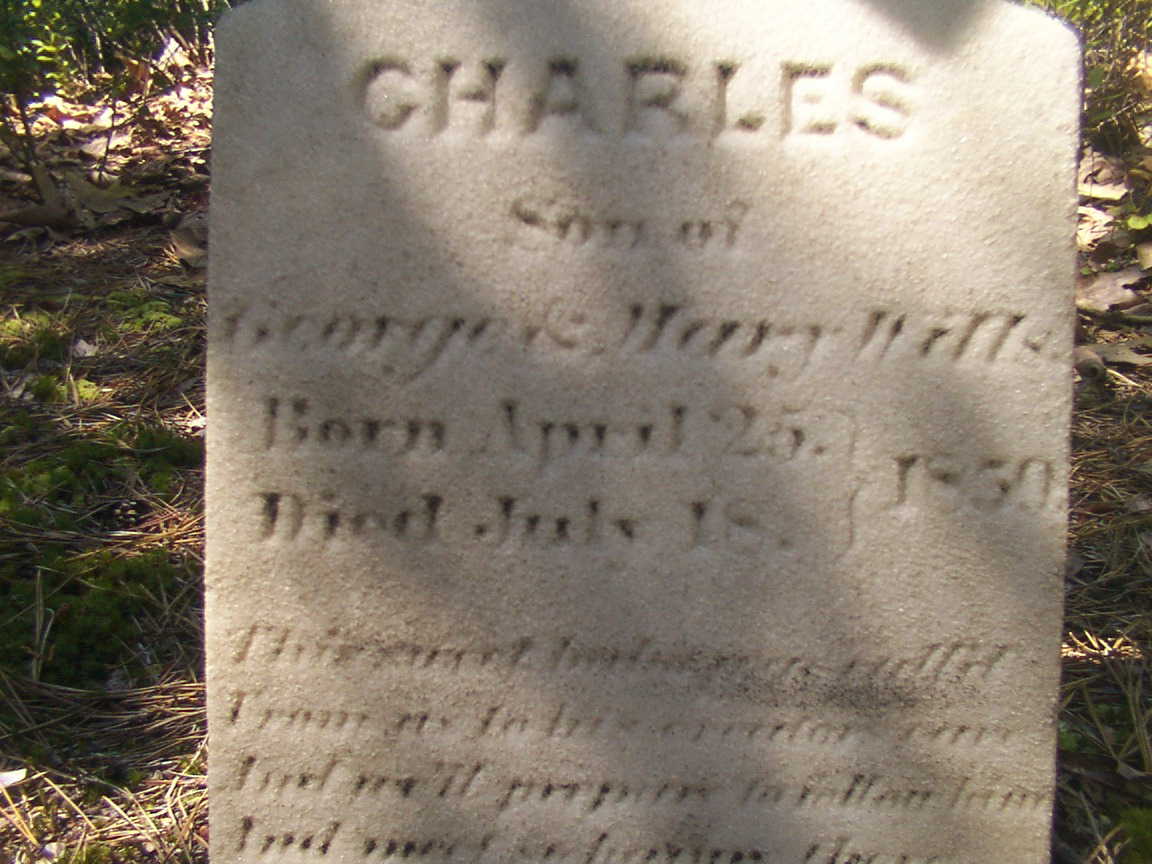
On the way to Fillmore Glen New York State Park to visit an actual log cabin from that time, we stopped at the Lickville Cemetery on Lick Street. Opened a few years after Fillmore’s birth, 1807, 180 headstones are still standing. We practiced sounding out words from the large carved letters on the stones.

After visiting the log cabin our day was interrupted by symptoms of a stomach flu that has been terrorizing all our families. Fortunately, I escaped. Our plan is to continue to explore Fillmore Glen at a later time.

More about Millard Fillmore from Wikipedia

Millard Fillmore was born on January 7, 1800, in a log cabin, on a farm in what is now Moravia, Cayuga County, in the Finger Lakes region of New York. His parents were Phoebe Millard and Nathaniel Fillmore, and he was the second of eight children and the oldest son.

Nathaniel Fillmore was the son of Nathaniel Fillmore Sr. (1739–1814), a native of Franklin, Connecticut, who became one of the earliest settlers of Bennington, Vermont, when it was founded in the territory that was then called the New Hampshire Grants.

Nathaniel Fillmore and Phoebe Millard moved from Vermont in 1799 and sought better opportunities than were available on Nathaniel’s stony farm, but the title to their Cayuga County land proved defective, and the Fillmore family moved to nearby Sempronius, where they leased land as tenant farmers, and Nathaniel occasionally taught school. The historian Tyler Anbinder described Fillmore’s childhood as “one of hard work, frequent privation, and virtually no formal schooling.”

Over time Nathaniel became more successful in Sempronius, but during Millard’s formative years, the family endured severe poverty. Nathaniel became sufficiently regarded that he was chosen to serve in local offices, including justice of the peace. Hoping that his oldest son would learn a trade, he convinced Millard, who was 14, not to enlist for the War of 1812 and apprenticed him to clothmaker Benjamin Hungerford in Sparta. Fillmore was relegated to menial labor, and unhappy at not learning any skills, he left Hungerford’s employ.

His father then placed him in the same trade at a mill in New Hope. Seeking to better himself, Millard bought a share in a circulating library and read all the books that he could. In 1819 he took advantage of idle time at the mill to enroll at a new academy in the town, where he met a classmate, Abigail Powers, and fell in love with her.

Later in 1819 Nathaniel moved the family to Montville, a hamlet of Moravia. Appreciating his son’s talents, Nathaniel followed his wife’s advice and persuaded Judge Walter Wood, the Fillmores’ landlord and the wealthiest person in the area, to allow Millard to be his law clerk for a trial period. Wood agreed to employ young Fillmore and to supervise him as he read law. Fillmore earned money teaching school for three months and bought out his mill apprenticeship. He left Wood after eighteen months; the judge had paid him almost nothing, and both quarreled after Fillmore had, unaided, earned a small sum by advising a farmer in a minor lawsuit. Refusing to pledge not to do so again, Fillmore gave up his clerkship. Nathaniel again moved the family, and Millard accompanied it west to East Aurora, in Erie County, near Buffalo, where Nathaniel purchased a farm that became prosperous.
Copyright 2023 Michael Stephen Wills All Rights Reserved.

Pinelands Connections III a repost

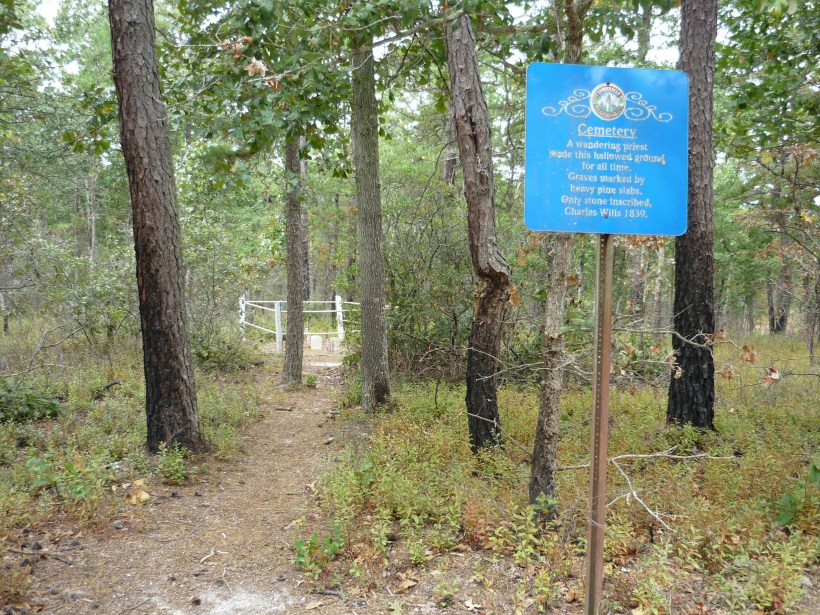
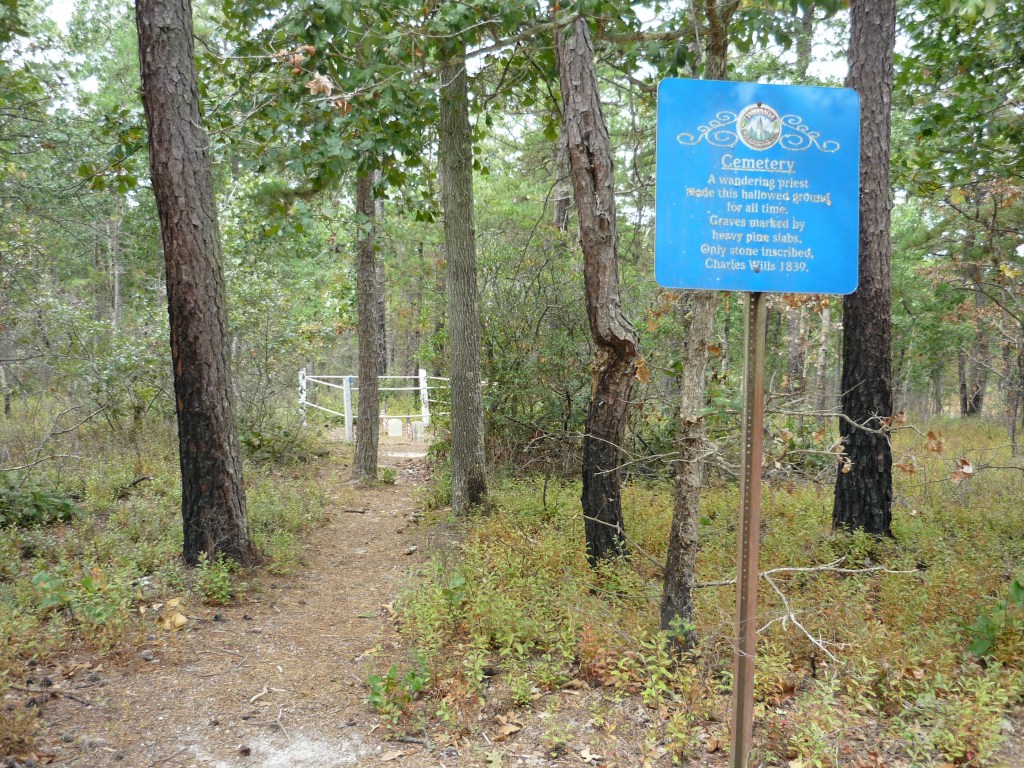
Great Uncle Charles Wills (repost)

Click Me for the complete story

Today I spiffed up the Google Maps entry for this spot. Click the link, above, for more of this story.

Copyright 2023 Michael Stephen Wills All Rights Reserved

Pinelands Connections I

Geneology and DNA

“From the fire tower on Bear Swamp Hill, in Washington Township, Burlington County, New Jersey, the view usually extends about twelve miles. To the north, forest land reaches to the horizon. The trees are mainly oaks and pines, and the pine predominate. Occasionally, there are long, dark, serrated stands of Atlantic white cedars, so tall and so closely set that they seem spread against the sky on the ridges of hills, when in fact they grow along streams that flow through the forest. To the east, the view is similar, and few people who are not native to the region can discern essential differences from the high cabin of the fire tower, even though one difference is that huge areas out in this direction are covered with dwarf forests, where a man can stand among the trees and see for miles over their uppermost branches. To the south, the view is twice broken slightly — by a lake and by a cranberry bog — both otherwise it, too, goes to the horizon in forest. To the west, pines, oaks, and cedars continue all the way, and the western horizon includes the summit of another hill — Apple Pie Hill — and the outline of another fire tower, from which the view three hundred and sixty degrees around is virtually the same as the view from Bear Swamp Hill, where, in a moment’s sweeping glance, a person can see hundreds of square miles of wilderness. The picture of New Jersey that most people hold in their minds is so different from this one that, considered beside it, the Pine Barrens, as they are called, become as incongruous as they are beautiful.” From The New Yorker magazine, November 26, 1967, “Profiles, The Pine Barrens I” creative non-fiction by the great John McPhee.

This quote captures the contours of a place, now known as “The Pinelands,” a corner of Burlington County, New Jersey my English, Irish, Scottish ancestors settled from 1677 until my grandfather, James Edward Wills, left for northern New Jersey, Asbury Park, in the first years of the twentieth century. This past decade, more so since retirement 2017, I’ve explored these two hundred and twenty (220) or so years beginning with amorphous asides over the years from my father and second hand through my sisters then through online research via Ancestry.com (Ancestry) and other searches.

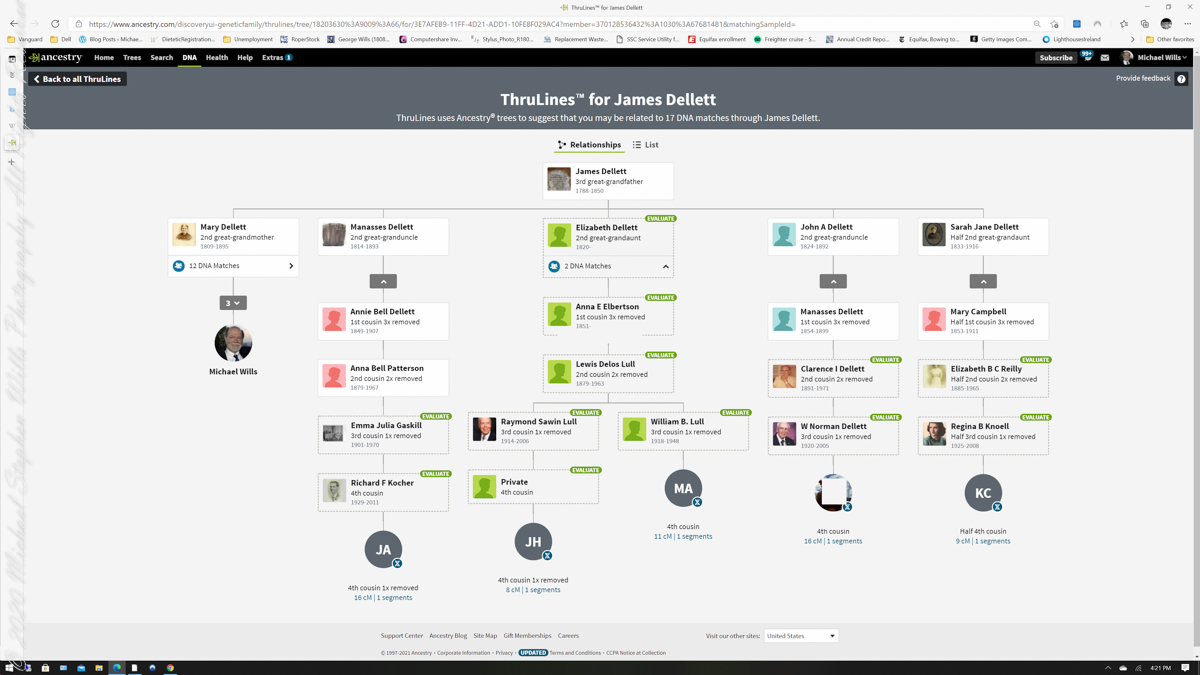
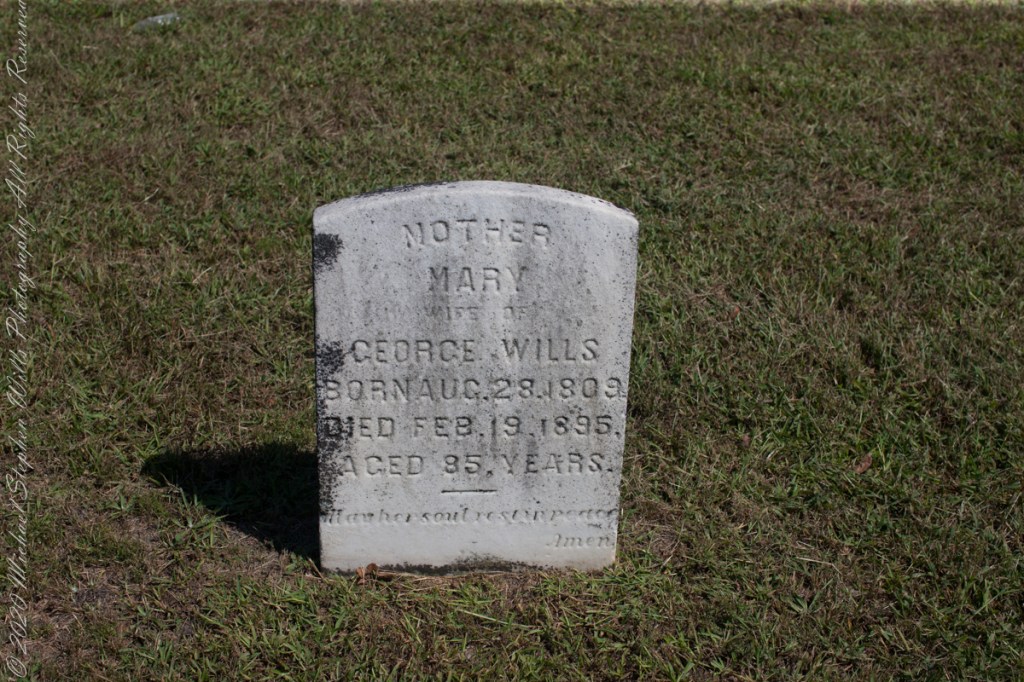
From my father and sisters I knew to search southern New Jersey. The United States decennial census, “thank you Constitution,” listed a George and Margaret Wills with my grandfather among their children. Great Grandfather George Wills was listed as a 14 year old child of George and Mary Wills in the 1850 census. How could I be sure? DNA technology with internet based social interaction helped there. I was contacted by a Dellett descendant, identified by DNA as a fourth cousin, who claimed Mary Wills as a double great aunt, the daughter of James and Ann Dellett. Here is a screen capture of an Ancestry “ThruLines” analysis showing the six living ancestors of James and Ann in the database. I removed the names and photos of the other five to preserve privacy. The DNA fourth cousin relationship was an exact match to the family tree.
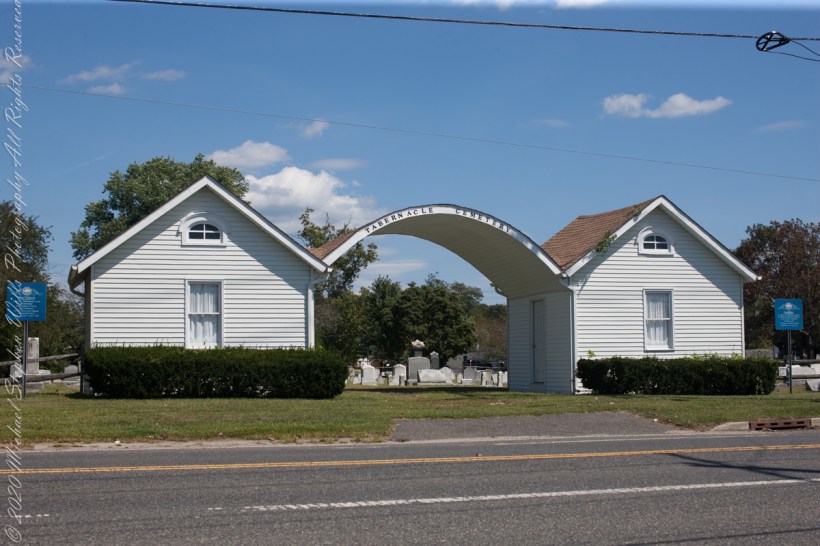
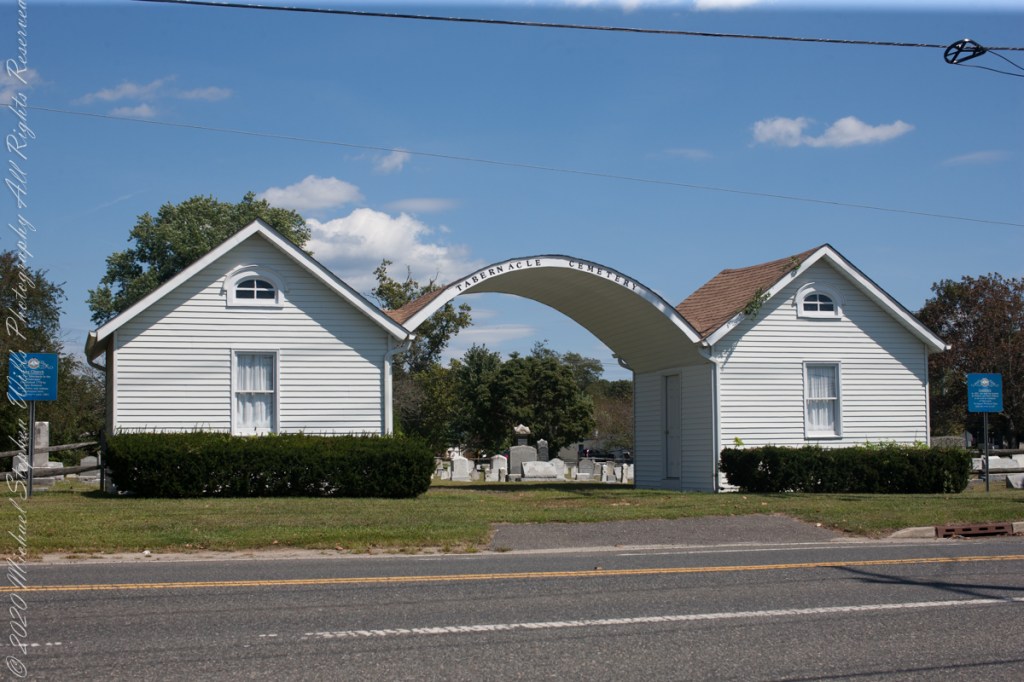
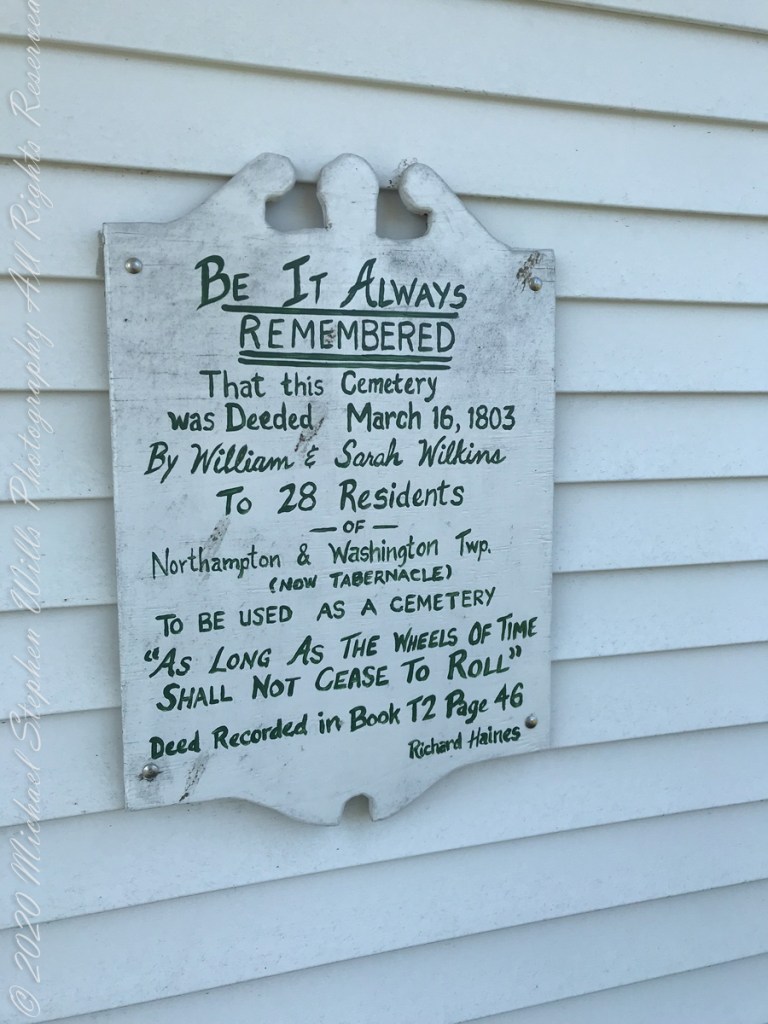
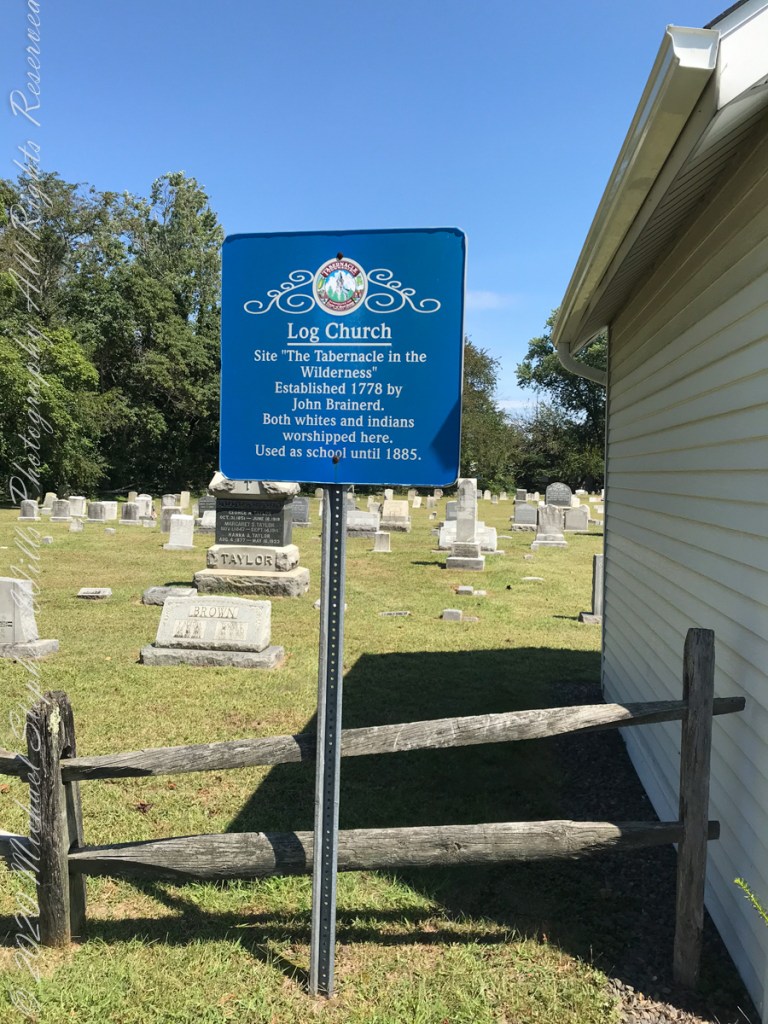
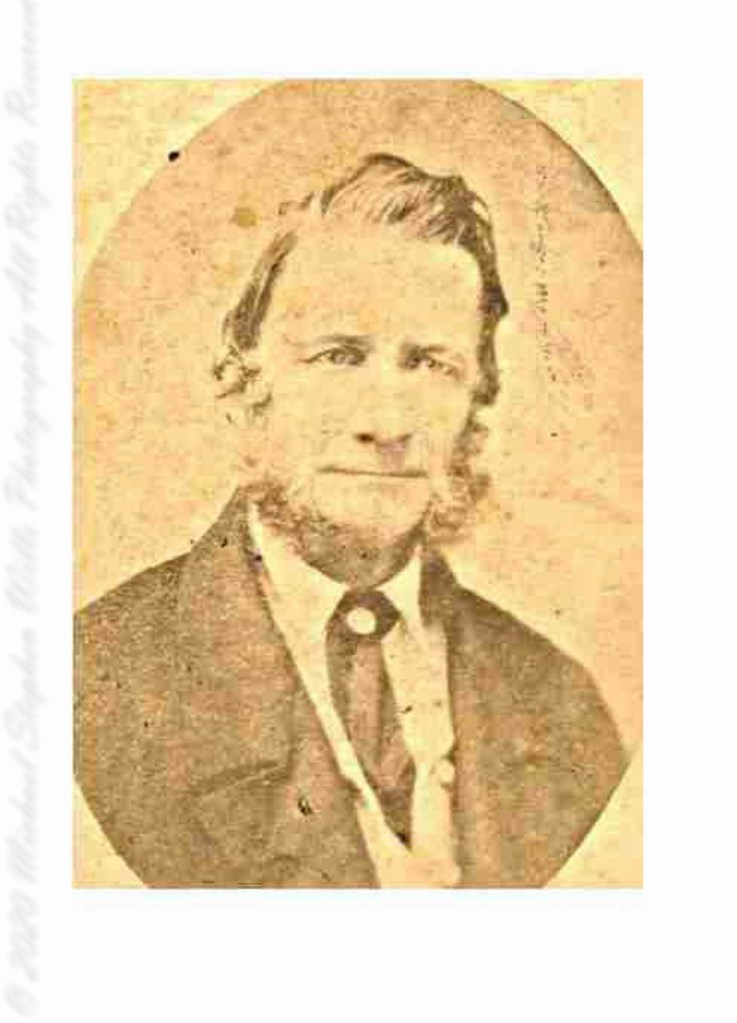
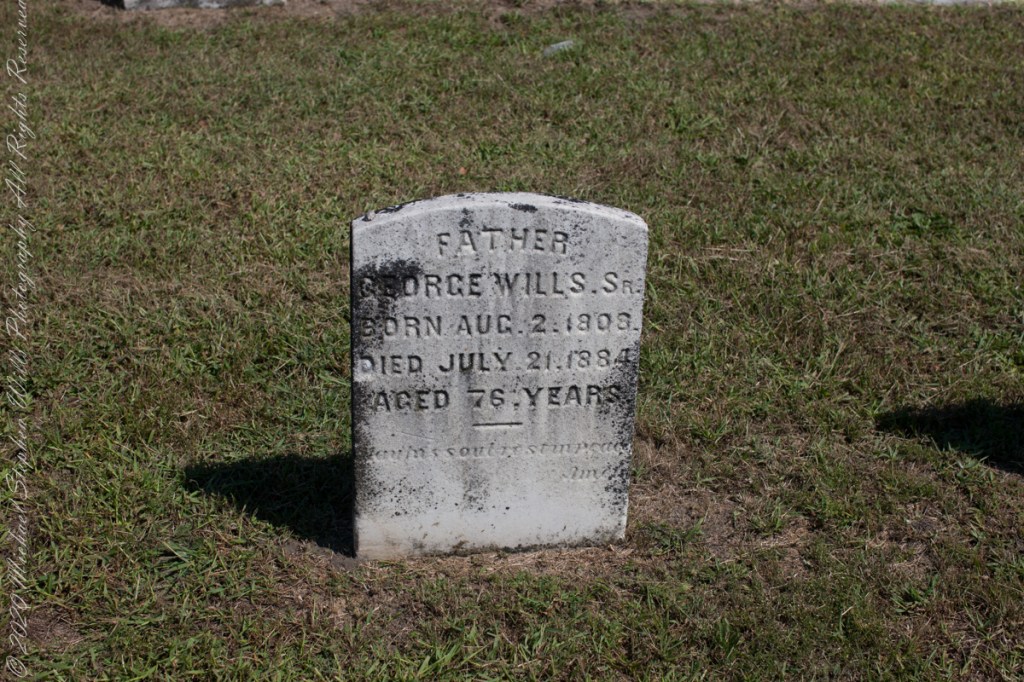
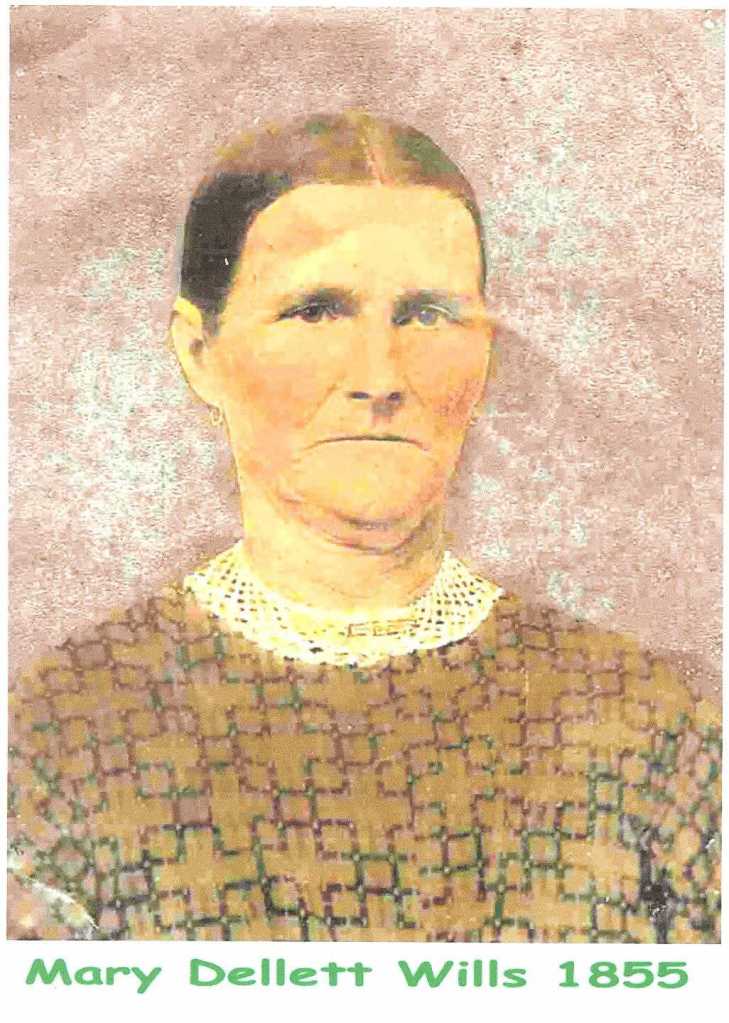
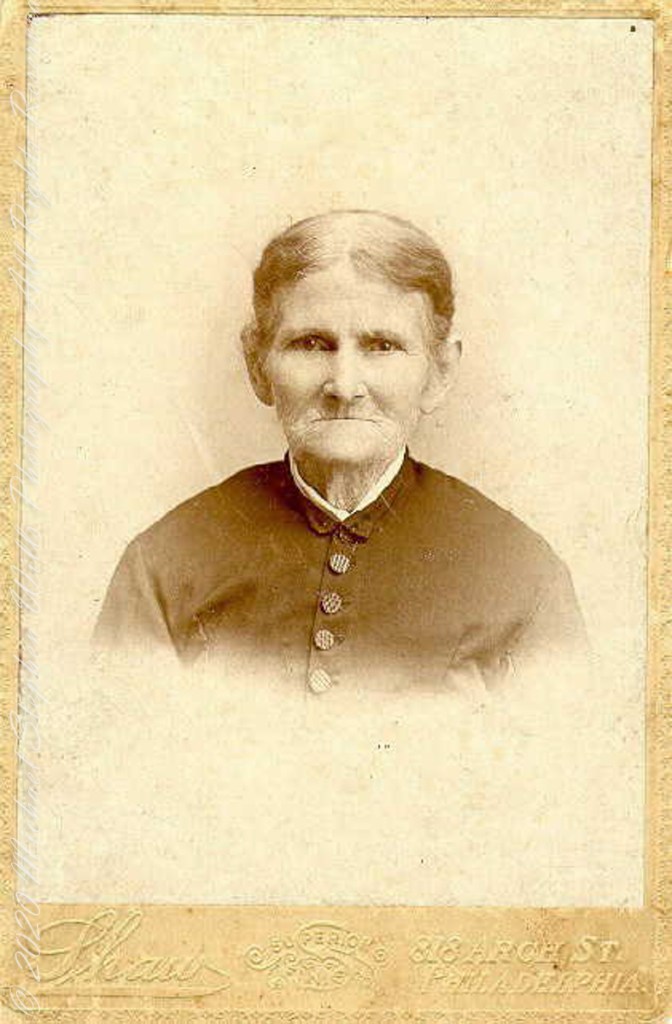
Cousin Delette provided antique photographs of George and Mary. I did a “FindAGrave” search, their final resting place is in a place named Tabernacle, Burlington County, New Jersey. September 2019 my wife Pam and I did a weekend tour with a bed and breakfast base in the city of Burlington, New Jersey. The rest of the photos in the following slideshow are from that weekend.

Here is the same Ancestry “ThruLines” analysis with the immediate family links exploded. through my “first cousin 1 time removed” I was able to communicate with a “lost” niece of my father who shared reminiscences of him from the time he was just released from World War II Naval Service, before meeting Mom.

….Click me for Pineland Connections II.

Copyright 2023 Michael Stephen Wills All Rights Reserved

Valentines Day Greetings

1959 through today

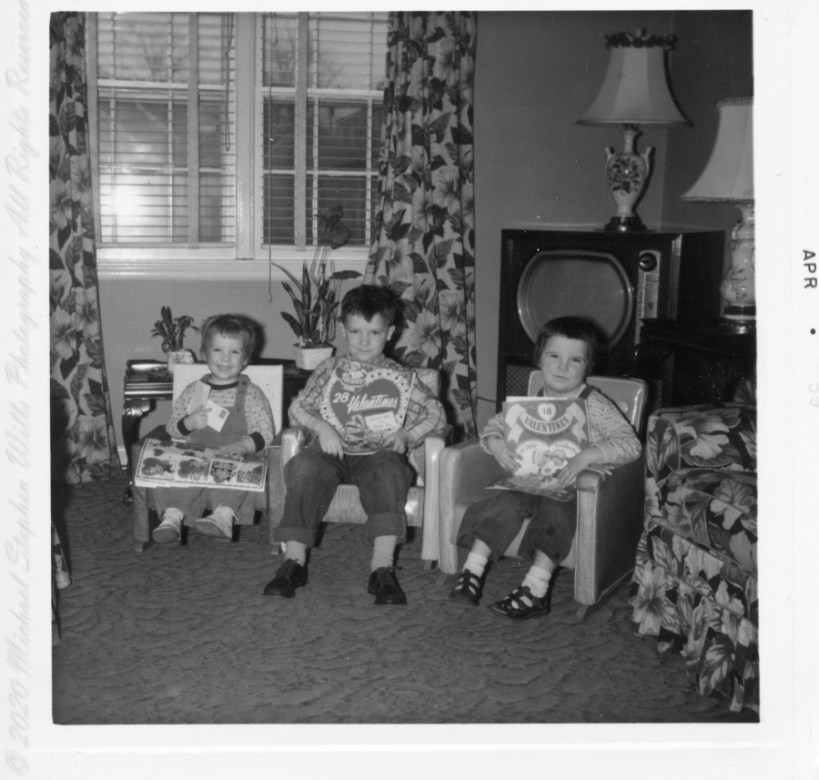
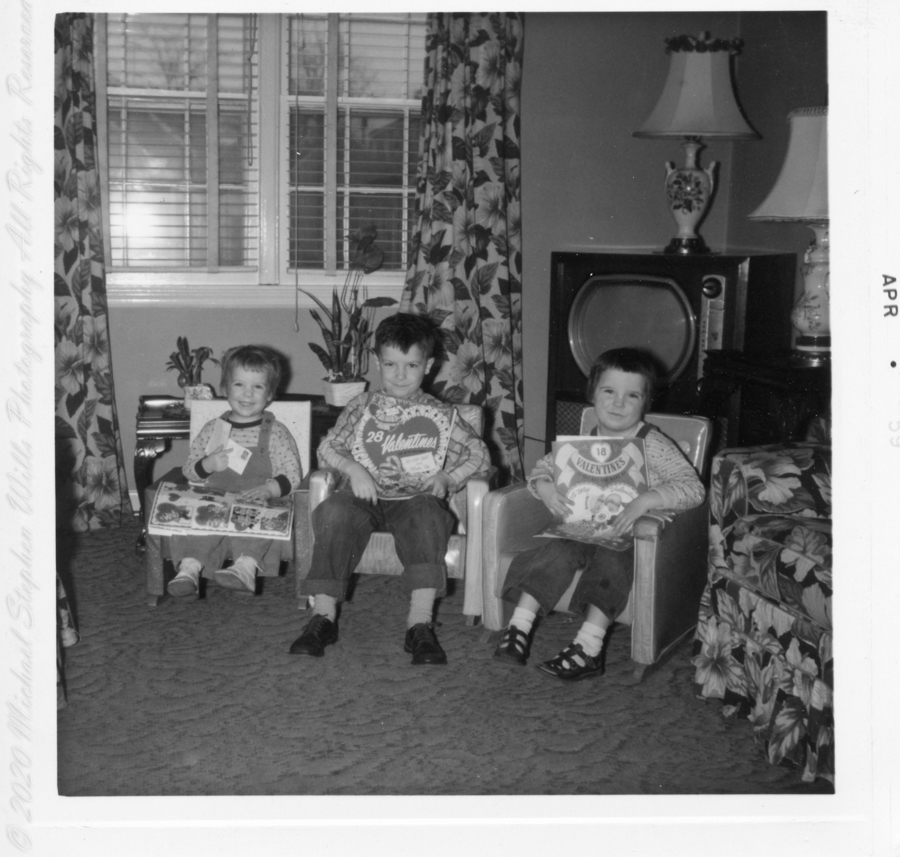
Theresa (2), Michael (5), Christine (4) in the livingroom of 107 Deepdale Parkway, Albertson, New York on Valentines Day 1959

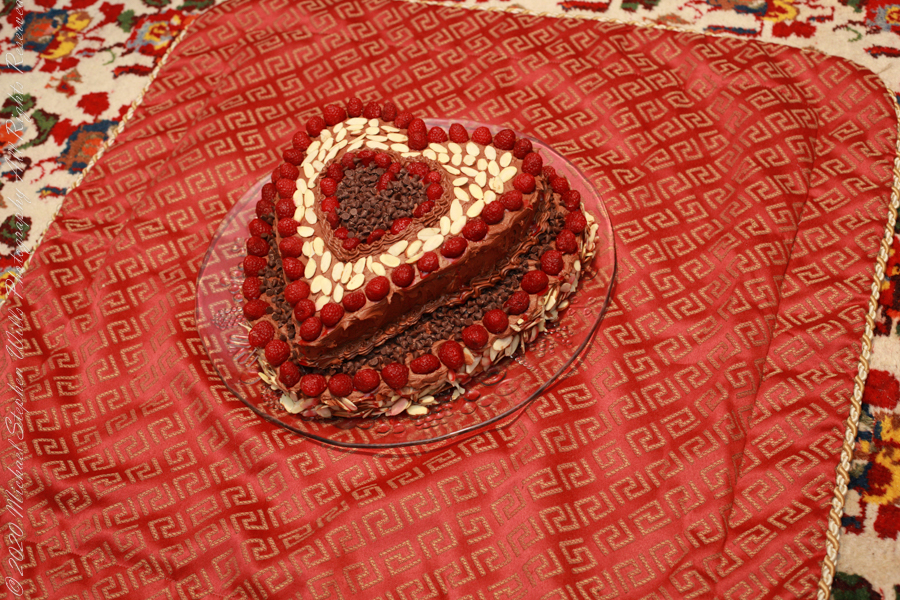
Chocolate Valentines Day cake by Pamela Wills

Pam and I aboard the Oceania Regatta sailing the Pacific Ocean off Chile. The following day we reached Puerto Montt.
Copyright 2025 Michael Stephen Wills All Rights Reserved

Bench Sitting Nature Watch

a monarch in steady progress south

On a sunny autumn morning we set out, my soon to be three grandson Sam and I, to the Lime Hollow Nature Center near Cortland for an adventure.  For the first time I brought a newly purchased iPhone 7 instead of the usual slr camera.  The phone can be carried in a pocket and is simpler to us, to allow me to give full attention to Sam.

WillsSamuelJackBenchsitting20181014-1

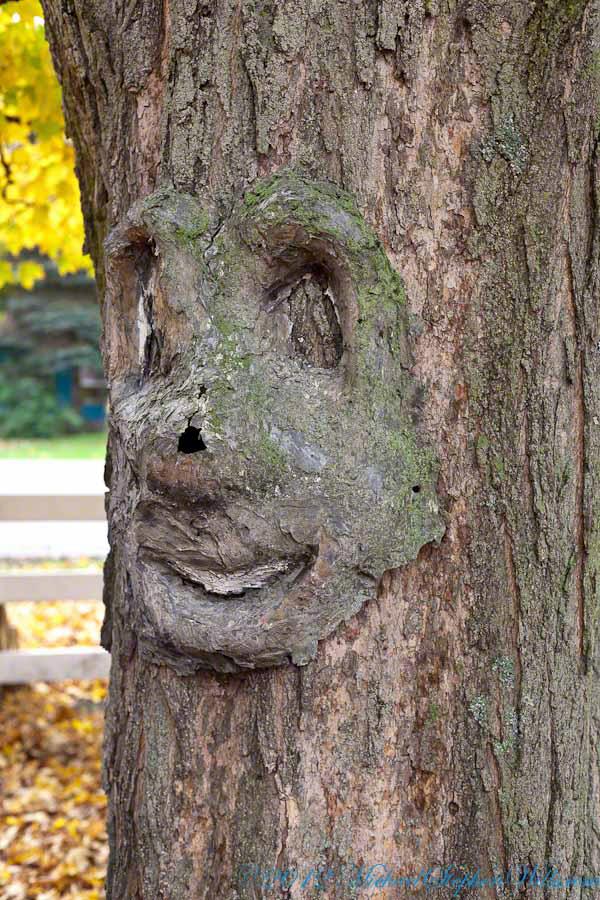
At the start is a large, today sunlit, field with an “art trail.”  There are various anthropomorphic transformations on the trees and a very large sculpture of a blue face.  Here is a tree from another place near here, to give you an idea.

PumpkinFarmTreeFace2012

I do not point out the tree faces to Sam.  His Mom likes to say he enjoys being frightened and, when the blue face came into view, he turned back and said, “home.”  Sam was mildly anxious, so I carried him and tried to turn him up the trail away from the face.  He turned to keep an eye on it while I assured him it could not move.  This and a climb up a 230 foot hill were the only times he didn’t walk the half mile to a open grassy knoll with a bench.

WillsSamuelJackBenchsitting20181014-2

There we sat for 30 minutes, still and watching, Sam and I talked about our sightings:
1. The sunlit sky of clouds, from a milky blue towards the north to, overhead, a bright robins egg blue.
2. A circling hawk, shadow crossing over us.
3. One blue jay in a maple turning red, loudly calling over and over.
4. A little while after a second jay, landing in a tree turned yellow, drawn in and giving answer.
5. A monarch butterfly’s steady progress south. Such a strong gliding path.
6. A yellow butterfly who did not leave us, fluttering round and round.
7. Four honking Canadian geese flying north east, turned to check out a nearby pond, the returned to the original heading.
8. The sound of wind through the trees, listening to the sound made by each tree.
9. The late season golden rod, now dried gray.
10. A distant chittering red squirrel.
11. Distant peeper frogs in the swamps at the foot of the hill.

Sam did not want to leave the bench, eventually we headed on to the pond the geese checked out.

WillsSamuelJackBenchsitting20181014-3

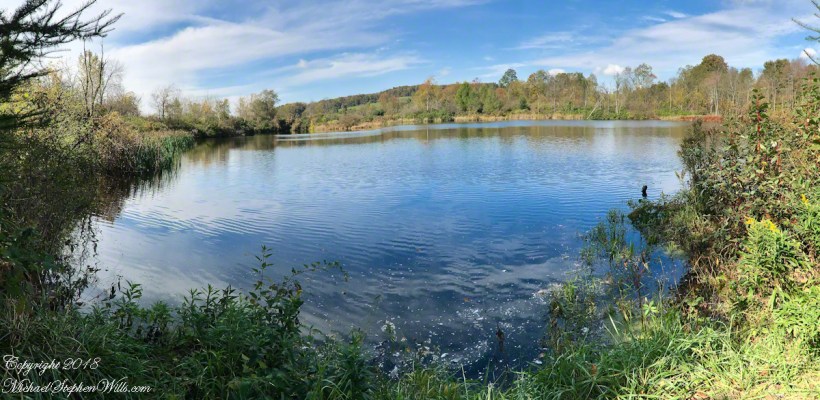
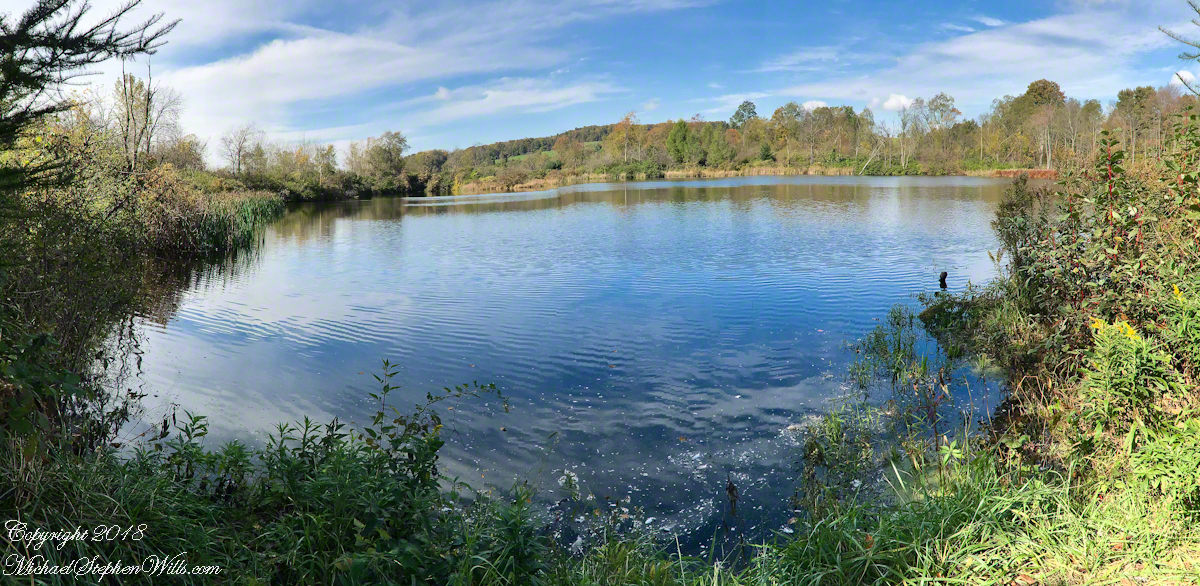
I used the “panoramic” feature of the iPhone 7 for this shot. On the hill we were sheltered by trees and bushes from the steady northeast wind. Here, on a bench by the pond, that direction was open to the wind. The sun kept us warm. It was clear why the geese did not land, the water surface was deserted, filled only by rippling wind driven waves.

On our walk back we sat on a bench on the edge of the art trail field, the blue face out of sight. A woman, the only other person encountered, emerged from one of the trails cut from the brush, camera in hand. She was collecting images for a Cortland Historical Society publication and asked to take our photograph. “OK,”, I said and gave the story of living here for 25 years in the house on Fall Creek where my son’s family lives now. She replied, “My daughter is in San Francisco. We don’t know who will have our house when we are gone.”

Click me for “Celestial Geese with two haiku by Issa”.

Copyright 2022 Michael Stephen Wills All Rights Reserved

Pinelands Connections IX

What is a Collier?

Click for the first chapter “Pinelands Connections I”

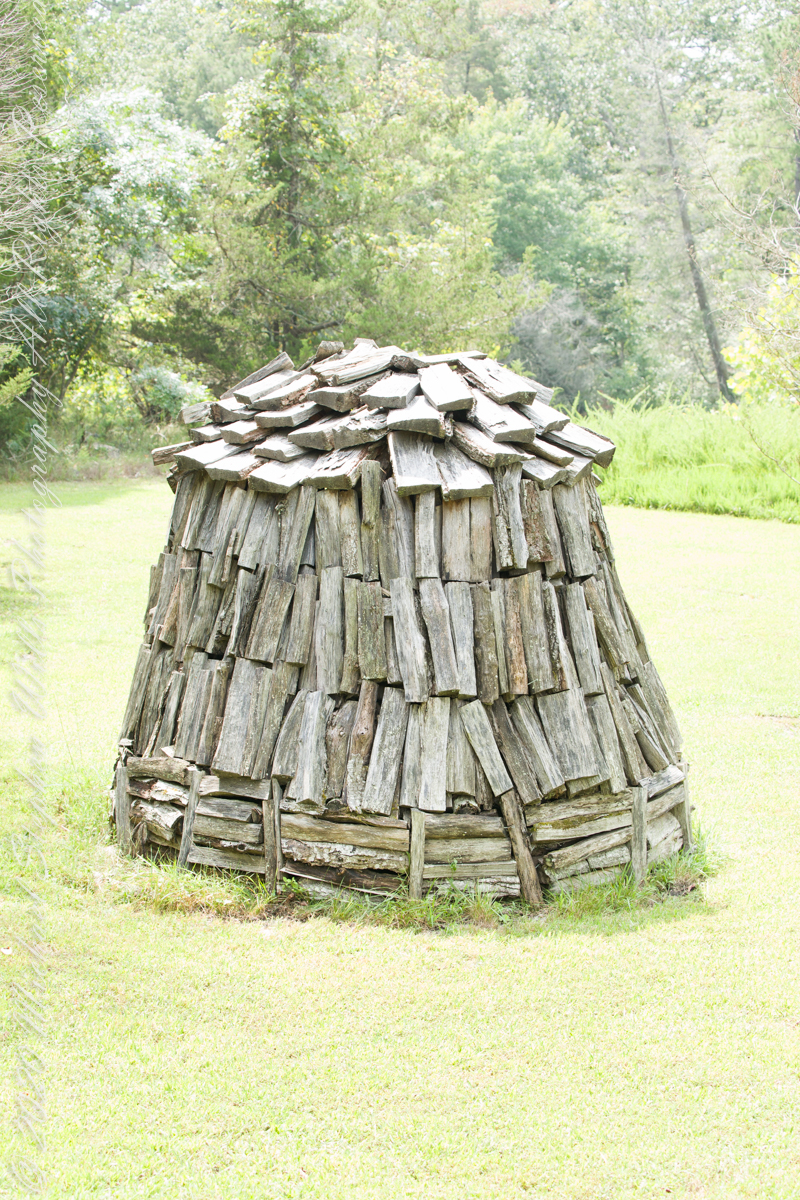
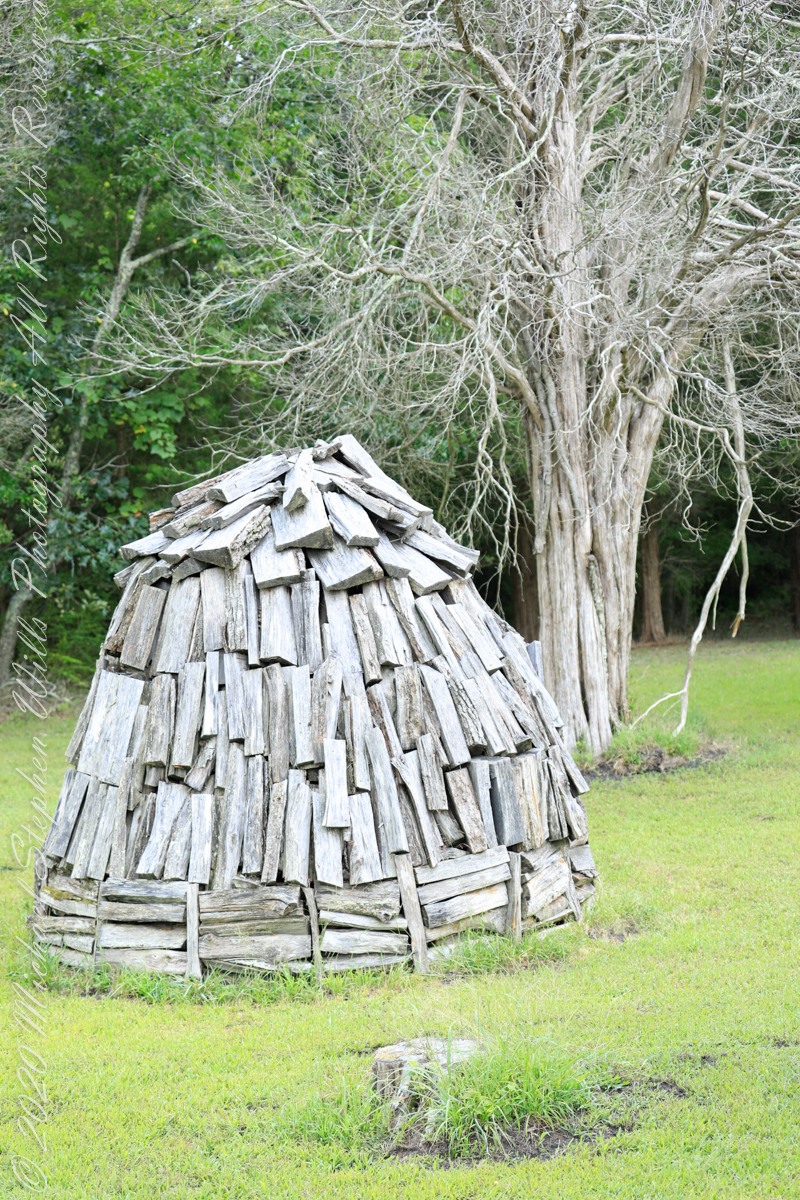
Here my exploration of Wharton State Forest, Pitch Pine Forest III, branches to the genealogical exploration of this landscape as my sister, Theresa and I, proceed along the humped, pitted sand road Goodwater through the wilderness to emerge in Batsto Village, a recreation of lives that touched my great great grandparents, James and Ann McCambridge among them. Ann saved money earned as a cook for Atsion furnace, the historical site at the start of the road to Quaker Bridge. Her husband James worked as a collier, supplying fuel for the iron furnaces at Atsion and Batsto, among other enterprises. During our Batsto Village visit we found these reproductions of charcoal clamps.

Since earliest times charcoal was used for cooking and heating. It was the best heat source for metal furnaces. Entire deforested regions are attributed to the demand for charcoal. Thomas Jefferson experimented with charcoal clamp designs, modifying air flow from the base.

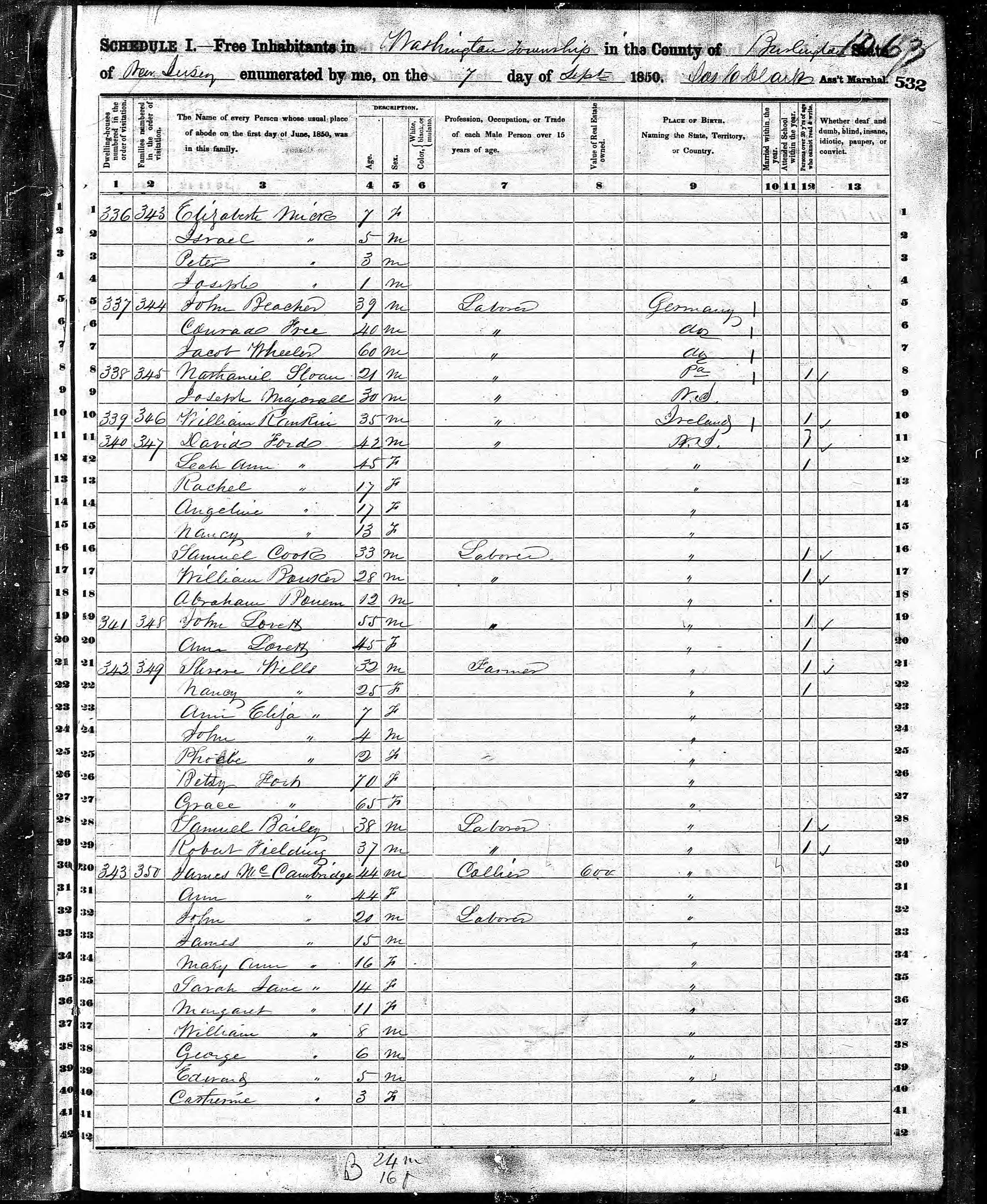
James and Ann lived on the land that provided a livelihood, enough to support themselves and nine (9) children. From September 7, 1850 is the US Census for this family of my second great grandparents. Great Grandmother Margaret was 11 years. James is listed as a Collier, the value of Real Estate owned was 6,000 (a fortune for the time).

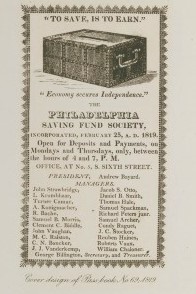
Like his wife Ann, James had a savings account…..

Click for the next chapter, “Pinelands X”

Copyright 2021 Michael Stephen Wills All Rights Reserved

Pitch Pine Forest III

Road to Batsto

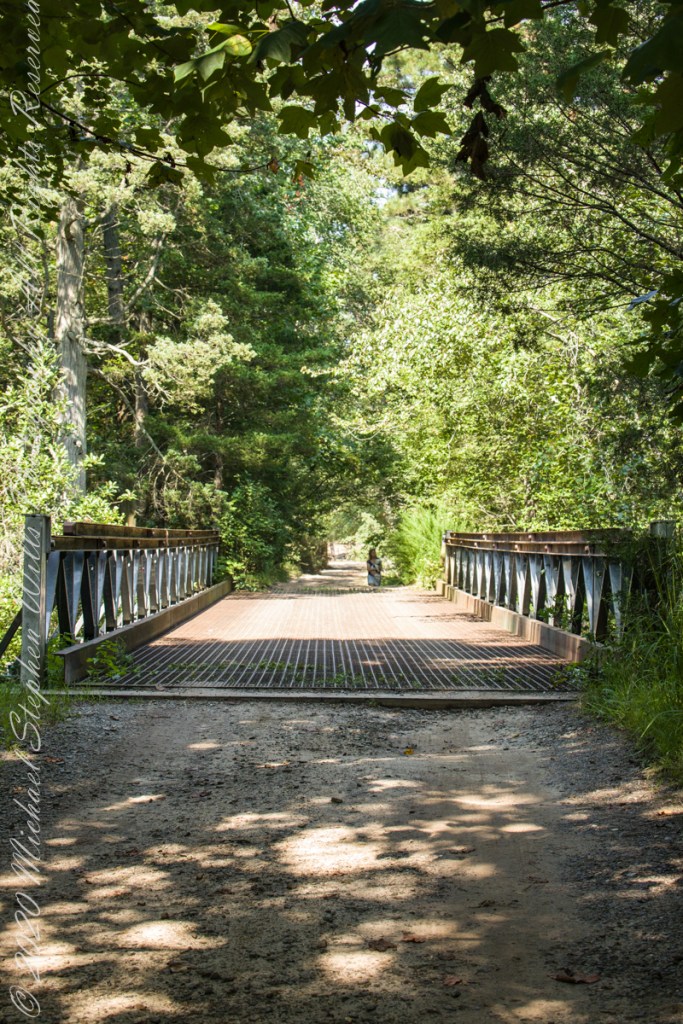
Leaving the jeep on the west side of Quaker Bridge, I walked over to inspect the structure and poke around the other side, carrying a Canon 5d Mark IV (camera body) / EF 70 – 300 mm f/4-5.6 L IMS (lens), shooting as I walked. My sister Theresa and Maxie, a little white dog, lagged behind taking in the surroundings. Here they are, in shadow, on the west side.

Click pic for larger view in a new browser tab. If you are in WordPress Reader, open the post to use this feature.

My work on the east side was shared in previous posts, “Pinelands Connections VIII,” I and II “Around Quaker Bridge,” and I and II “Pitch Pine Forest,” work interrupted by the sound of an approaching engine, a Humvee came into view. I waved my arm up and down, a sign to slow down, pulling alongside the driver looked up with dead eyes, no element of recognition of a fellow human, as I explained my sister was on the bridge. A stink of unfamiliar hydrocarbons, diesel fuel?, rose through the heat as they pulled forward with no acknowledgement of my request. Thankfully they slowed down as Theresa, Max in her arms, said, “hi.”

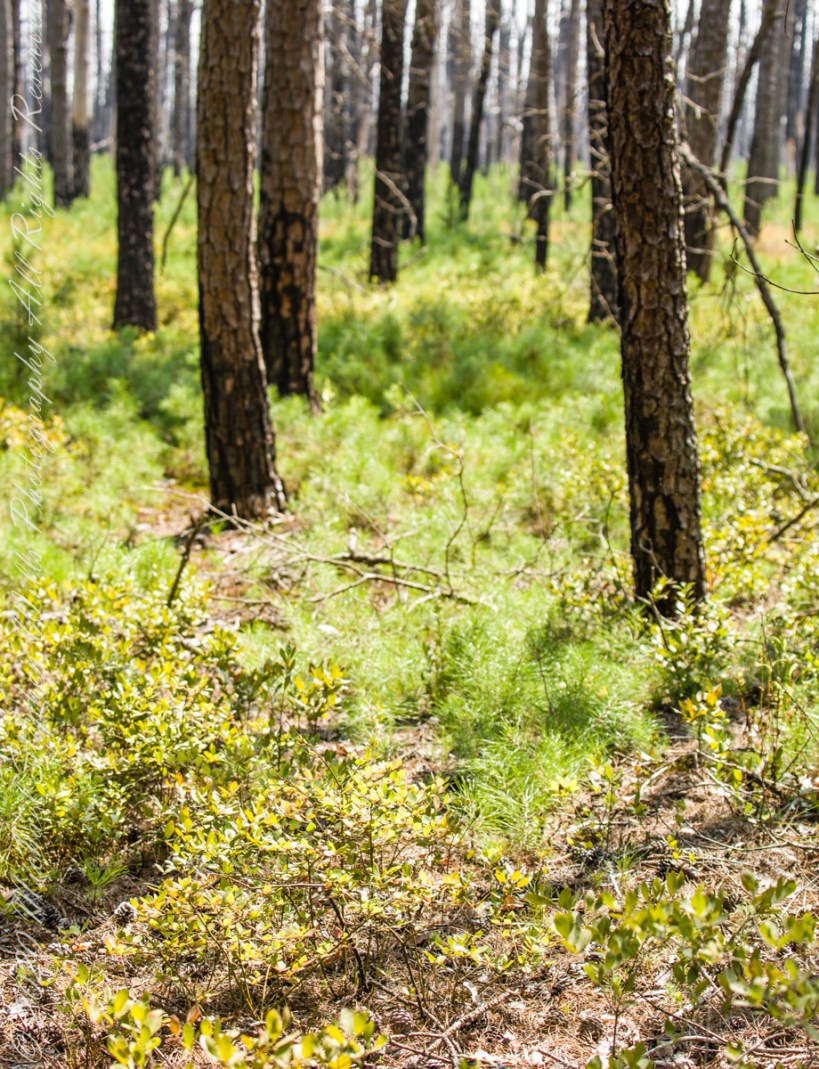
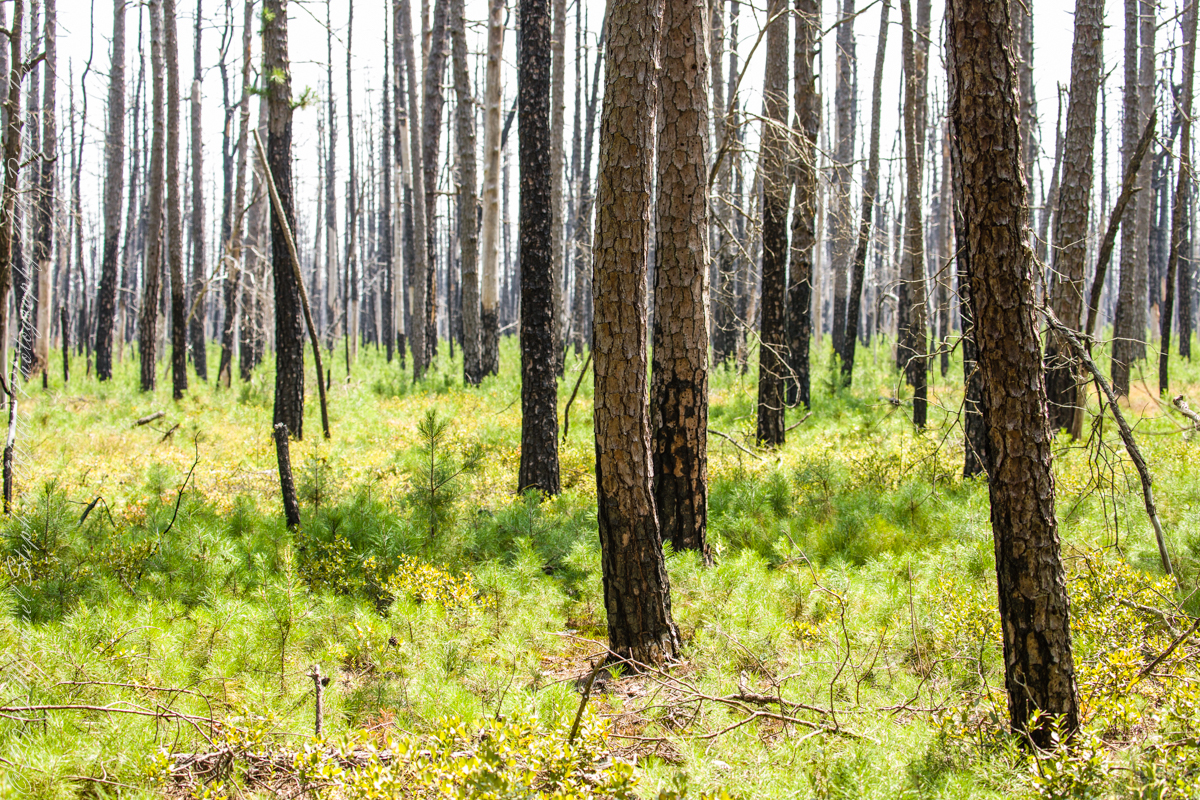
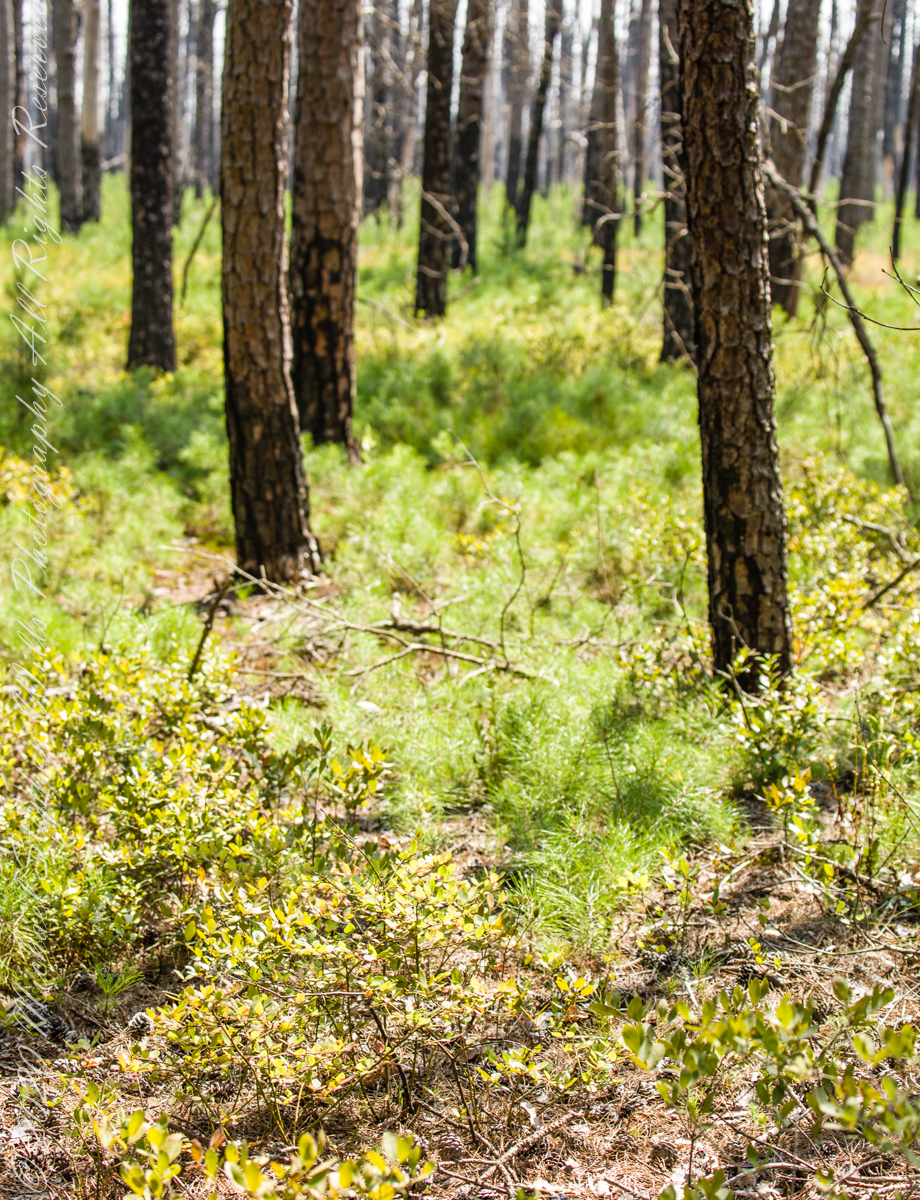
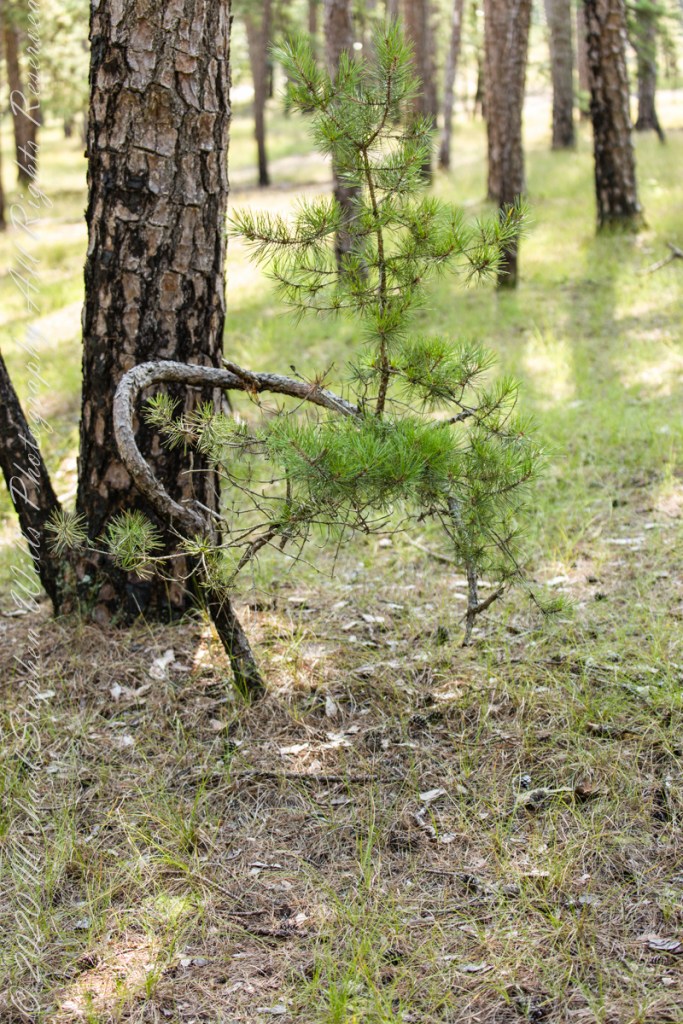
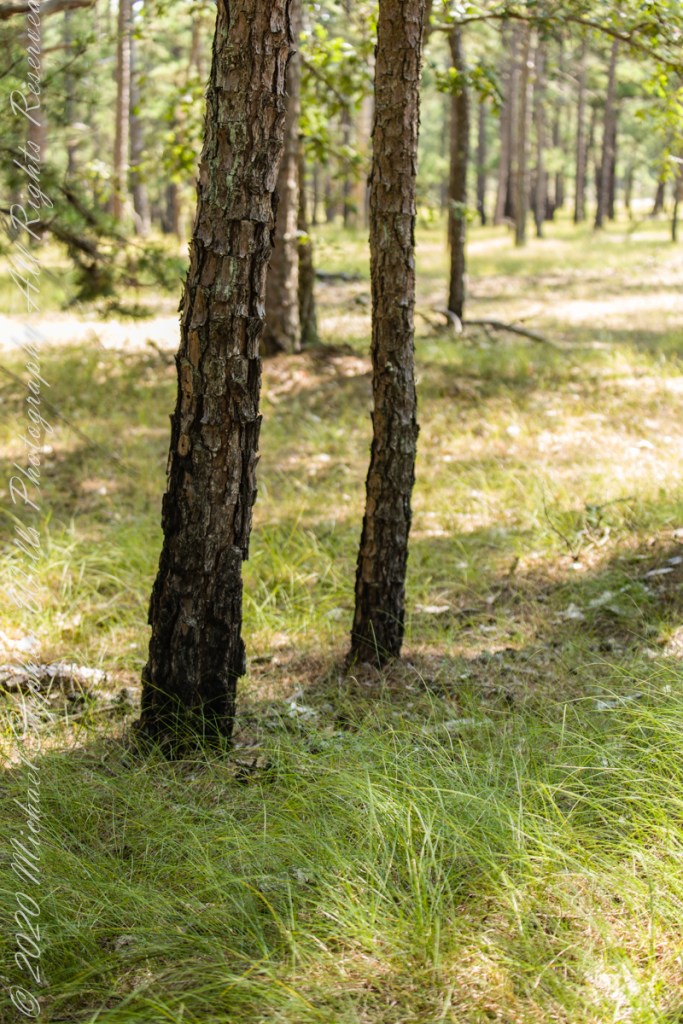
Multiple roads converge from all directions on Quaker Bridge, using GoogleMaps (surprising these unimproved, “jeep” sand roads were listed) I chose Goodwater Road as a route to Batsto Village, on the southern side of Wharton State Forest. The 6.1 mile road follows the east bank of Mullica River at a distance, a very rough passage through ancient Pitch Pine forest. Here are photographs of the enormous capacity of the pines to regrow after fire. Note a thick seeding growth among the mature pine trunks, lower portions fire blackened.

Copyright 2021 Michael Stephen Wills All Rights Reserved

Pitch Pine Forest II

Multiple Lives

These photographs were taken deep in the wilderness of Wharton State forest, near where Quaker Bridge spans the Mullica River.

Click pic for larger view in a new browser tab. If you are in WordPress Reader, open the post to use this feature.

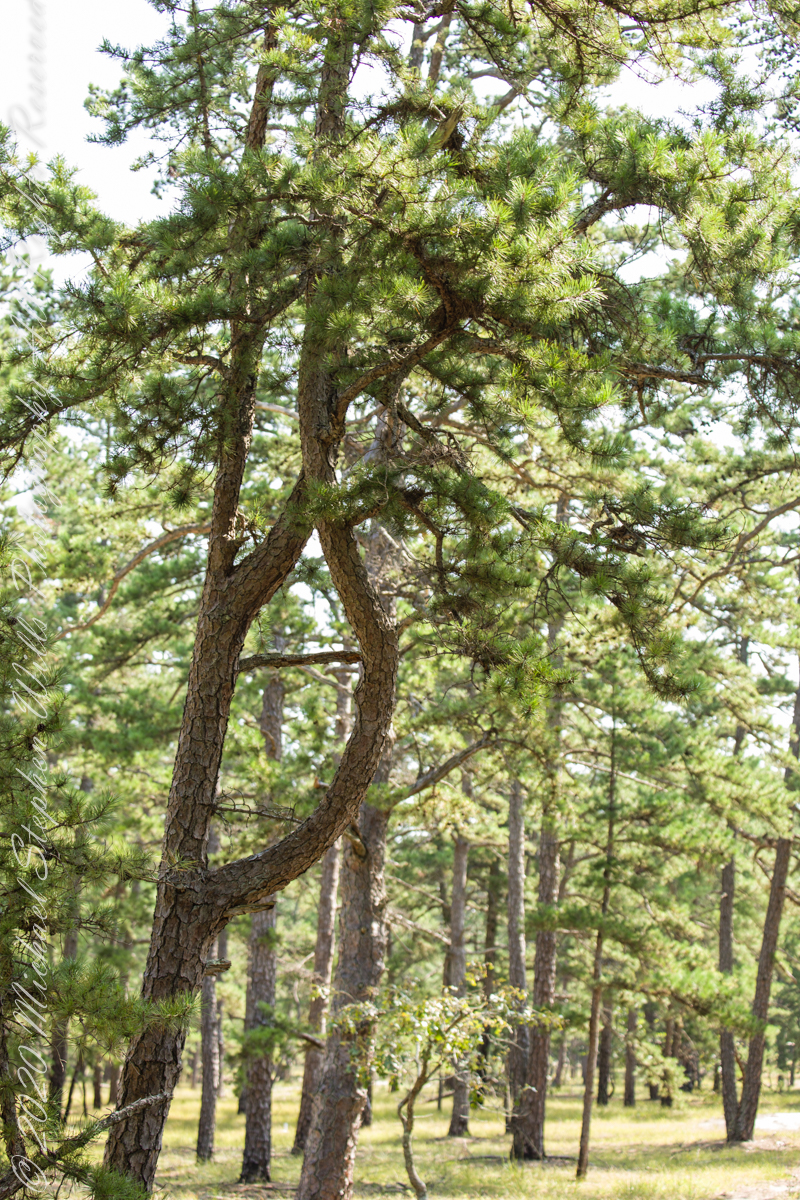
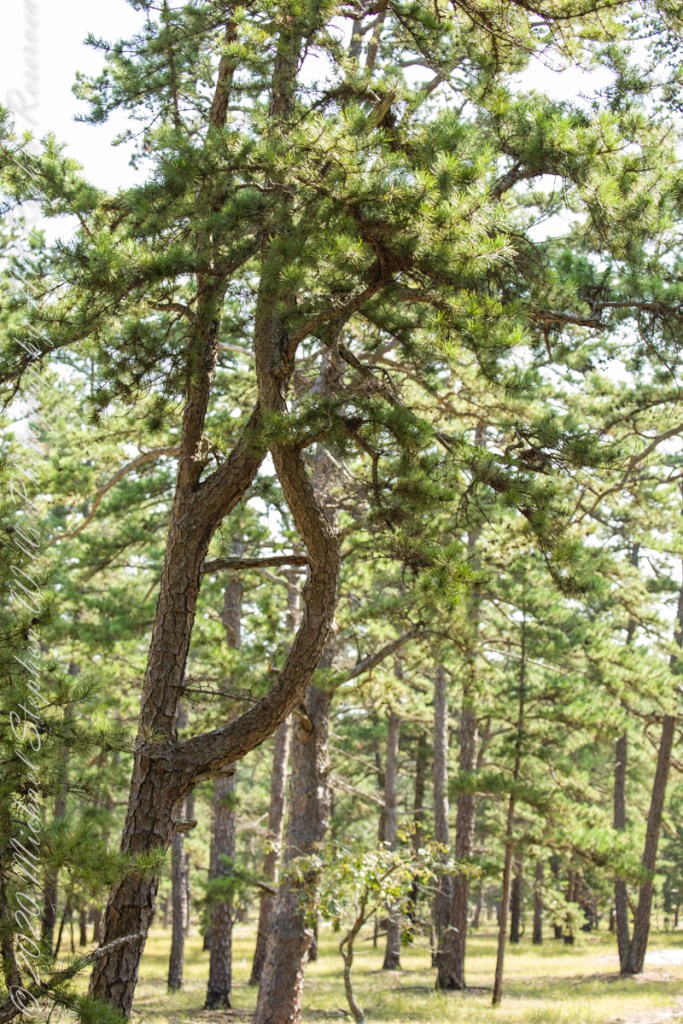
The pitch pine is irregular in shape, in these forests a mature tree typically lives through multiple cycles of fire and regrowth.

Burnt pitch pines often form stunted, twisted trees with multiple trunks as a result of resprouting. Bonsai artists exploit this characteristic for their creations.

Copyright 2021 Michael Stephen Wills All Rights Reserved

Pitch Pine Forest I

The Pinus Genera

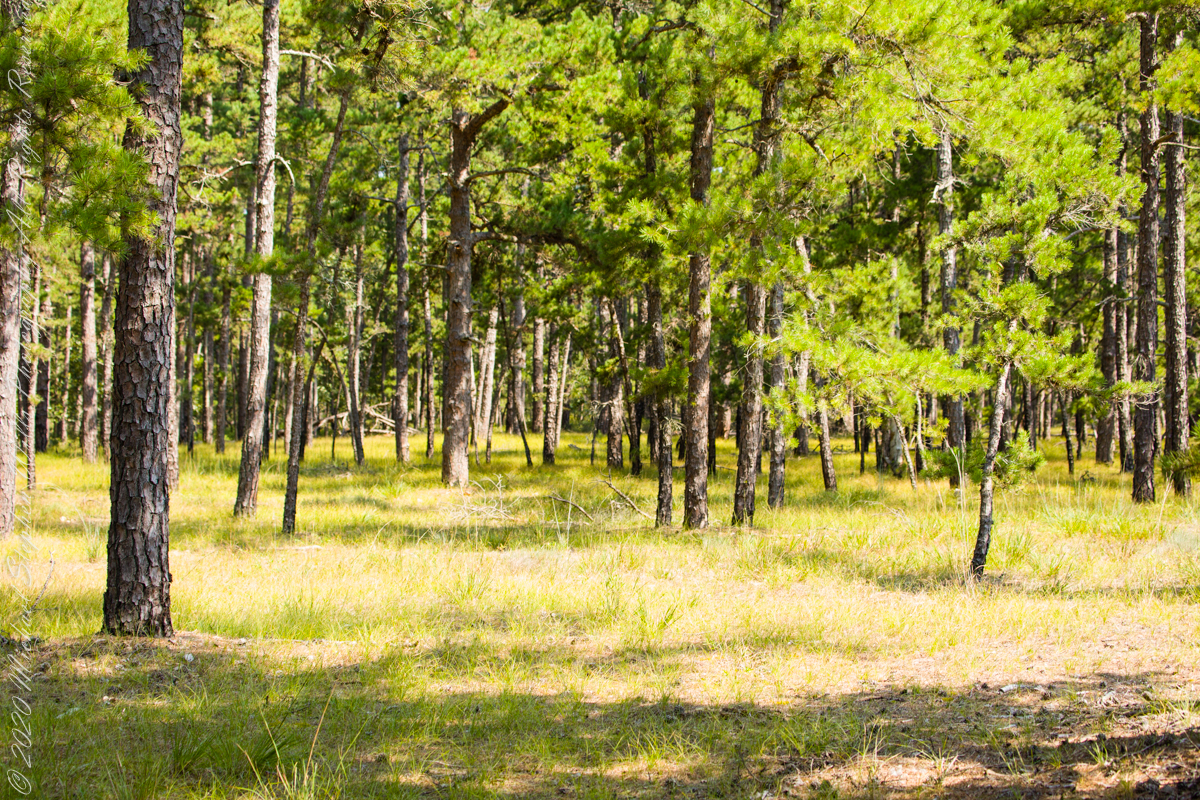
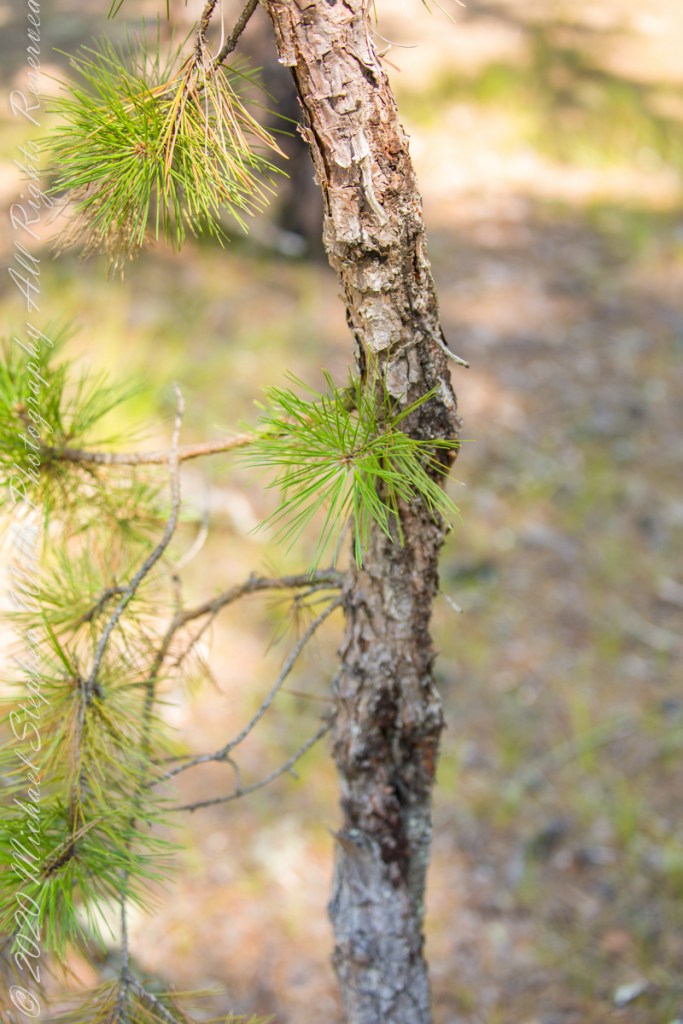
The 115,000 acres of Wharton State Forest are predomenantly Pitch Pine, scientific name Pinus Rigida, and AKA Black Pine and Hard Pine. Climb the fire tower of Apple Pie Hill, in all directions will be a sea of these trees interspersed here and there with occasional oaks. Cedars mark water courses. These photographs, unless otherwise identified, were taken deep in the forest, near where Quaker Bridge spans the Mullica River.

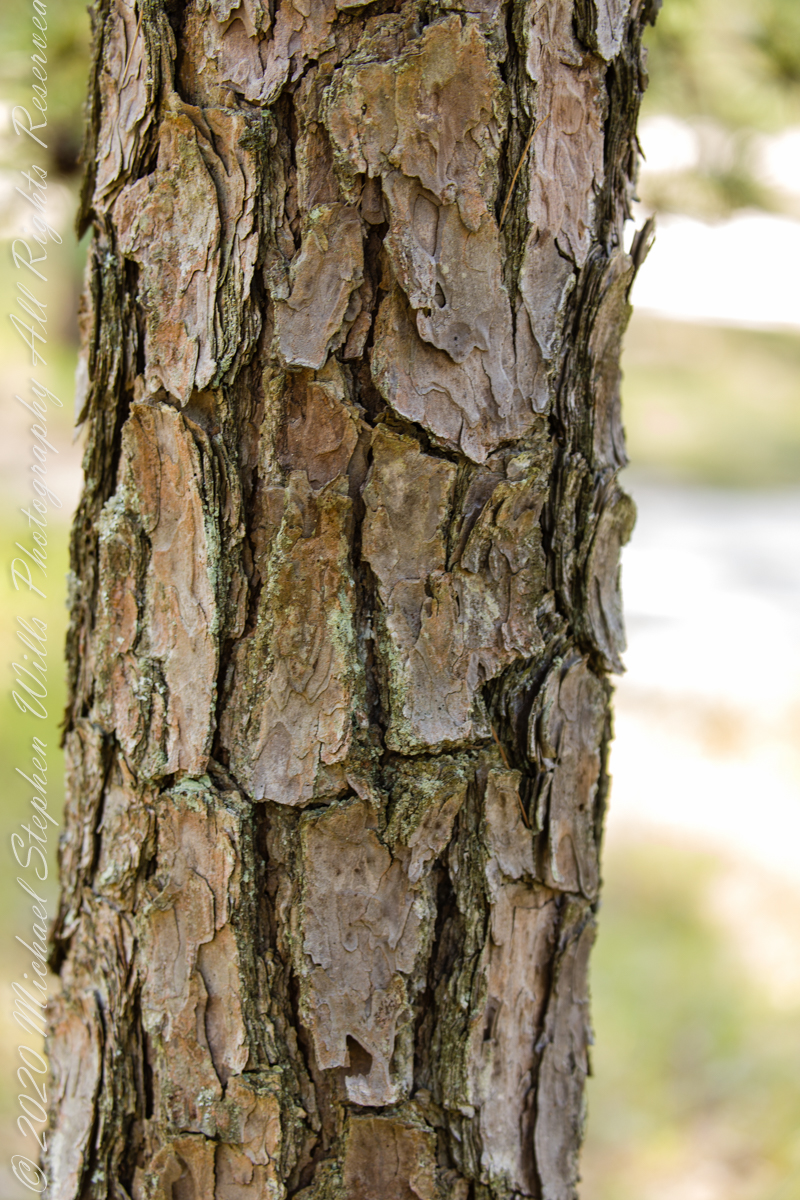
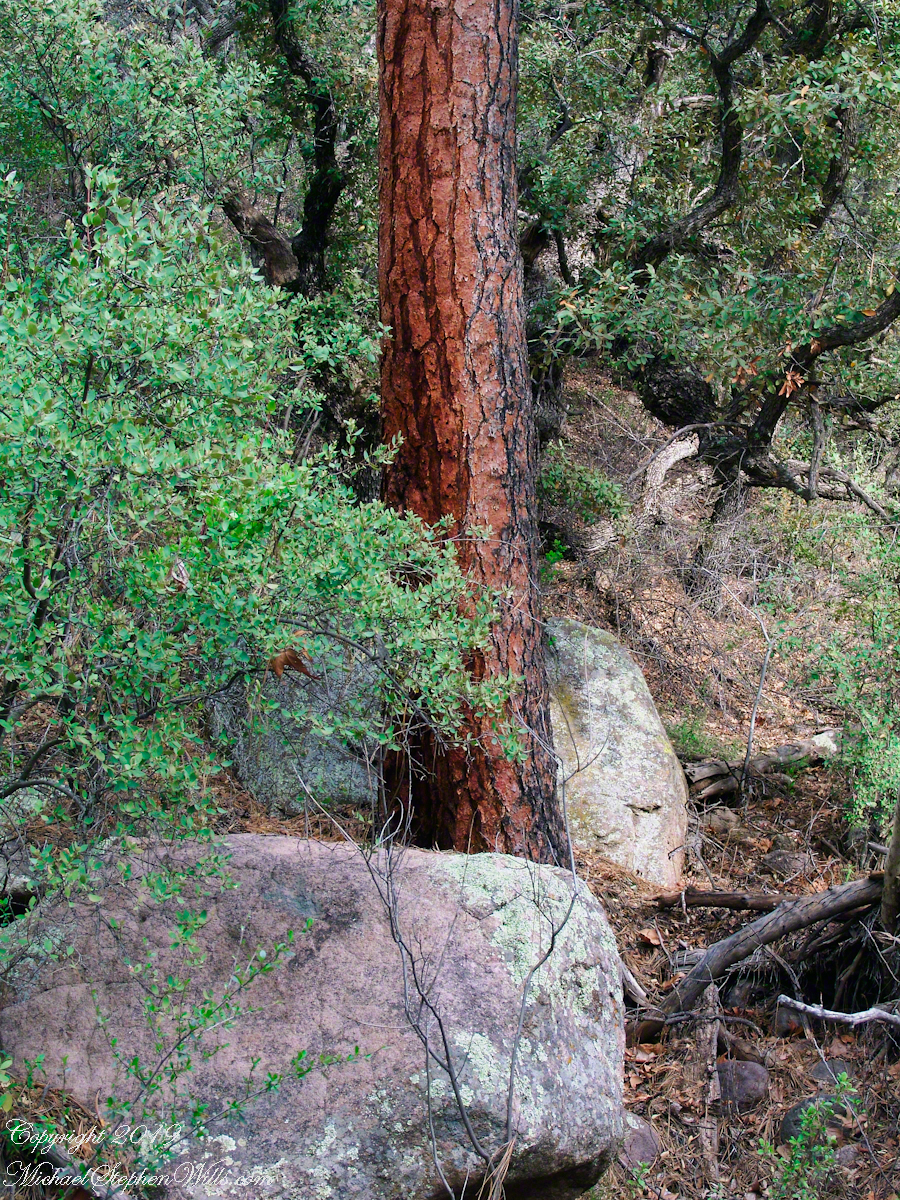
A mature Pitch Pine has bark of large, thick, irregular plates, adapted to survive forest first, similar to another member of the Pinus genera, the Ponderosa Pine.

Click pic for larger view in a new browser tab. If you are in WordPress Reader, open the post to use this feature.

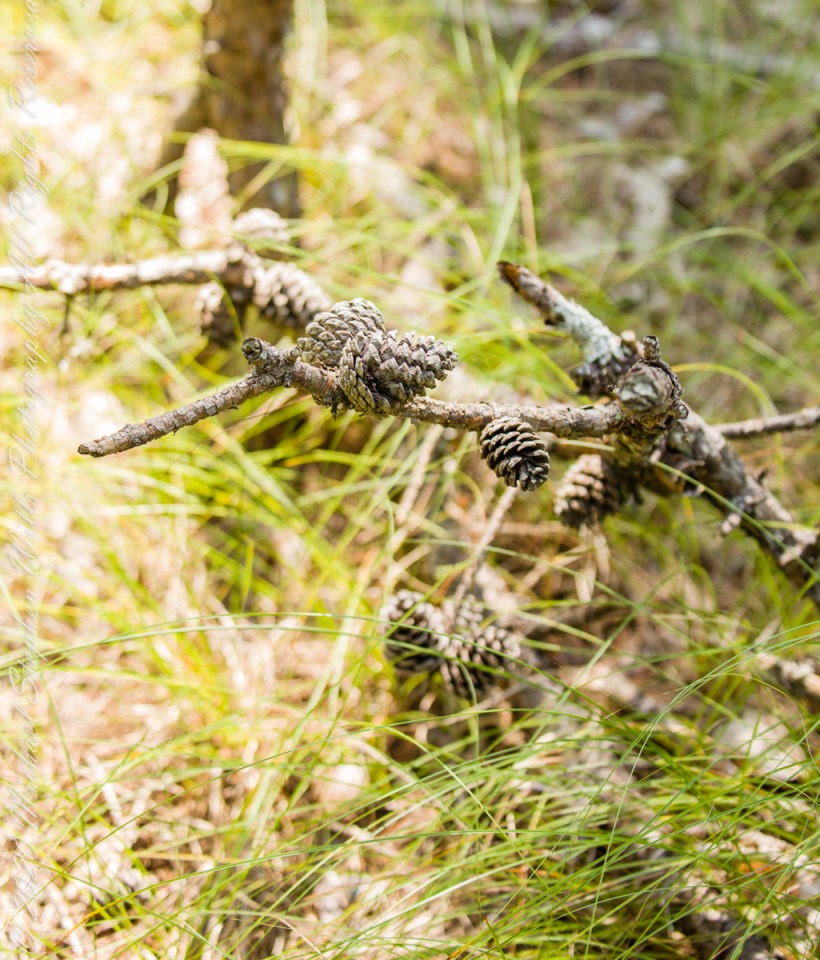
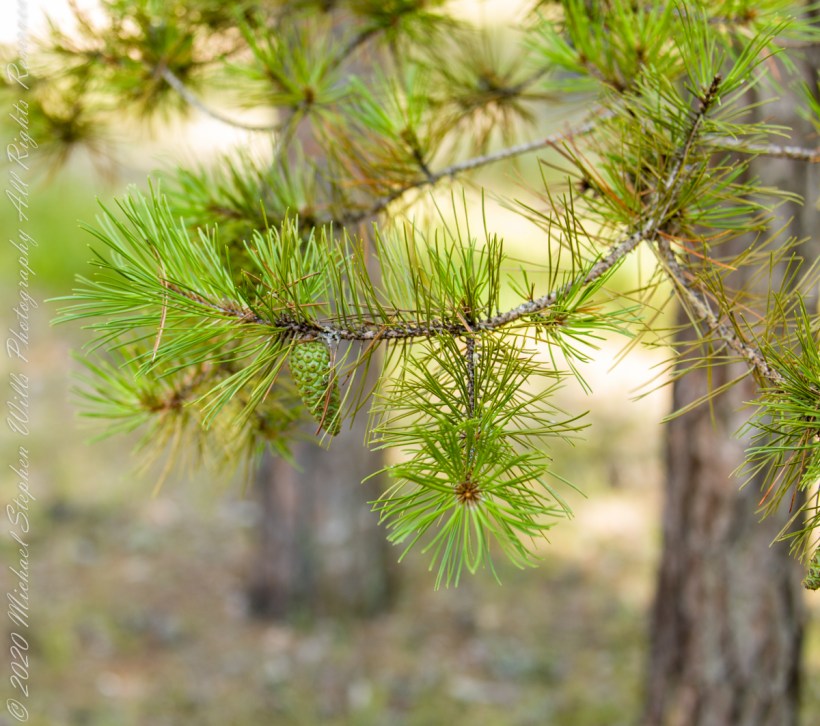
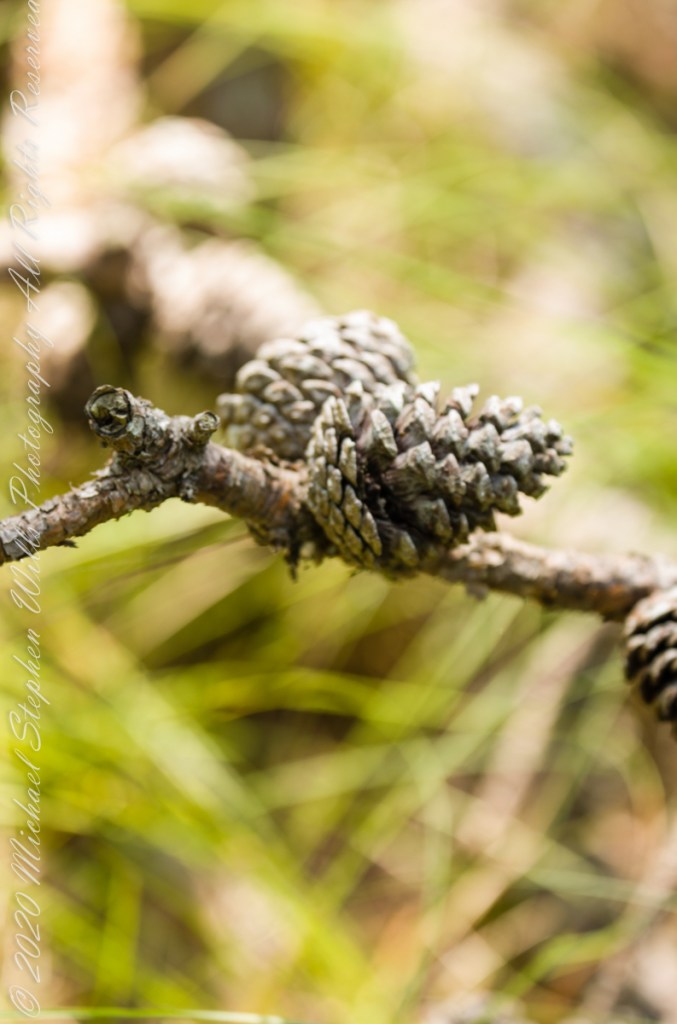
Open-growth trees begin bearing cones in as little as three years, with shade-inhabiting pines taking a few years longer. The cones are 4–7 cm (1+1⁄2–2+3⁄4 in) long and oval, with prickles on the scales. Cones take two years to mature. Seed dispersal occurs over the fall and winter.

Unlike the another member of genus Pinus, the Pinyon Pine, the seeds released by Pitch Pine cones are not sought out for human consumption.

Copyright 2021 Michael Stephen Wills All Rights Reserved

Around Quaker Bridge III

Poking Around

Multiple trails lead from where Quaker Bridge crosses the Mullica River. These are from a handheld Canon 5d Mark IV with the Canon EF 70 – 300 mm f/4.0-5.6 ISM lens.

Click pic for larger view in a new browser tab. If you are in WordPress Reader, open the post to use this feature.

lll

Copyright 2021 Michael Stephen Wills All Rights Reserved