Airport Day was hosted by the East Hill Flying Club, the pancake breakfast was in the hangar.
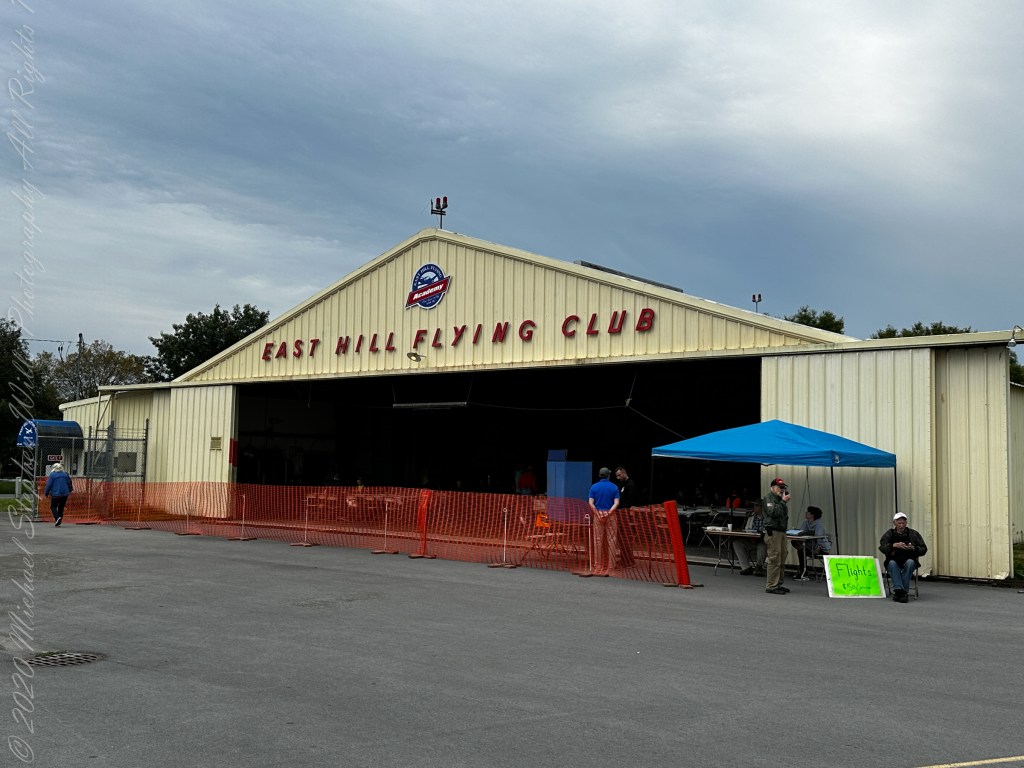
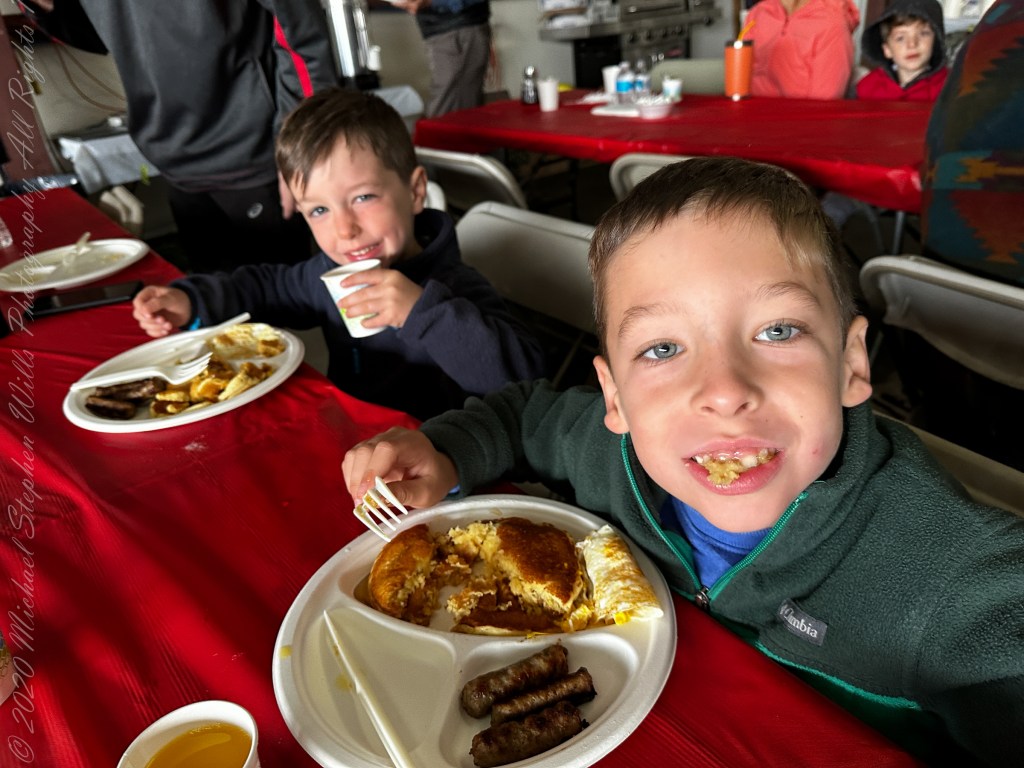
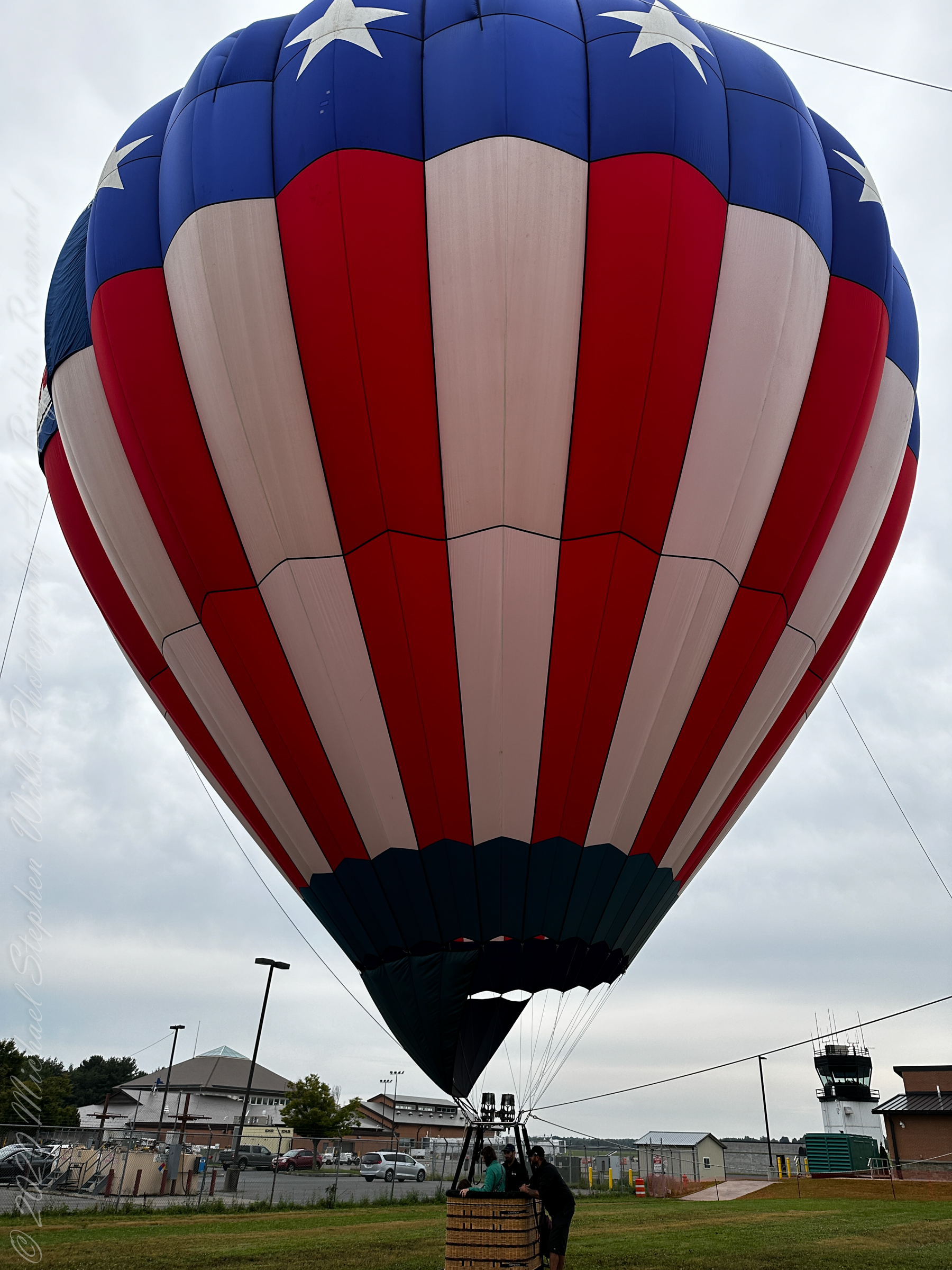
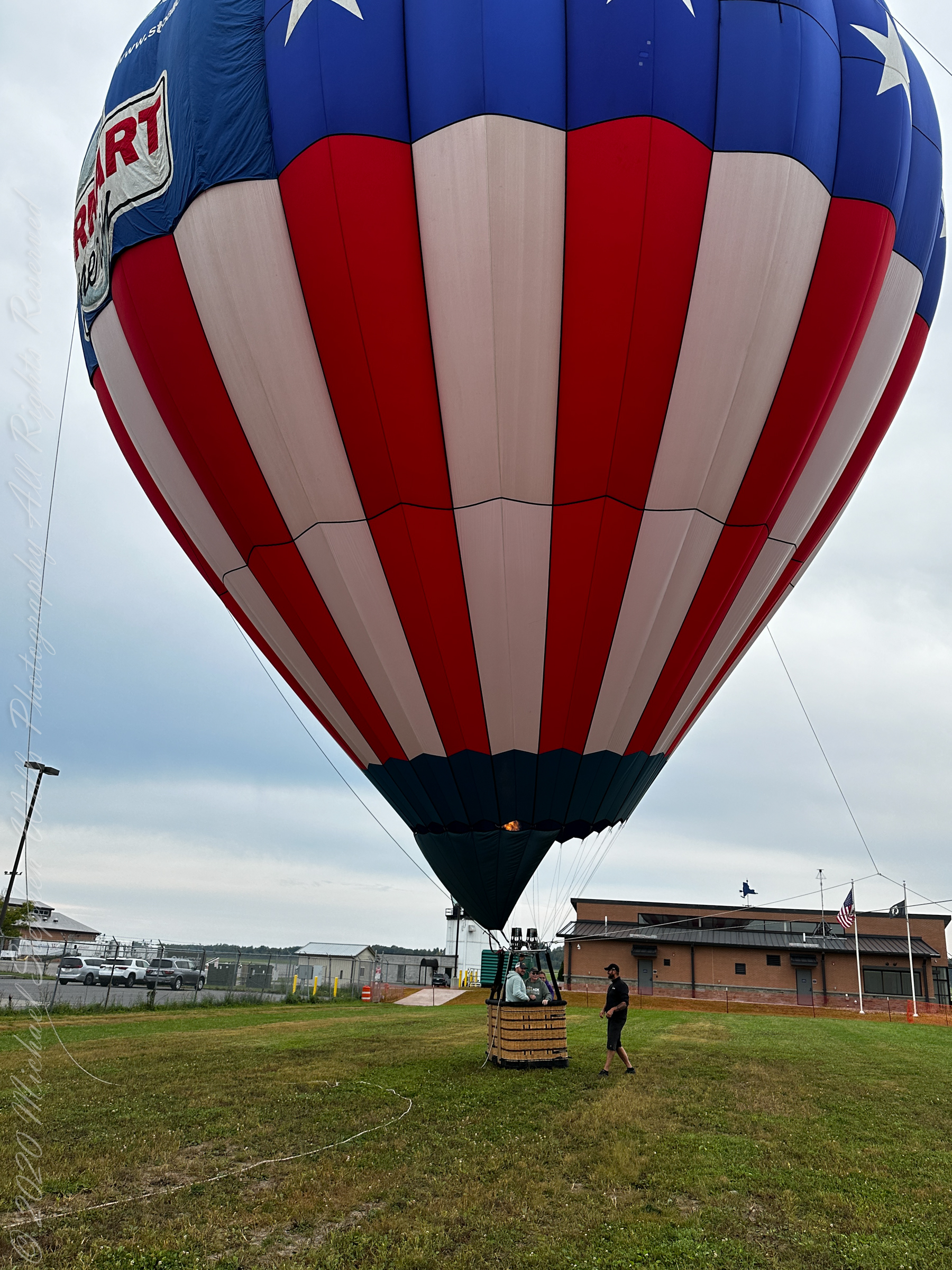
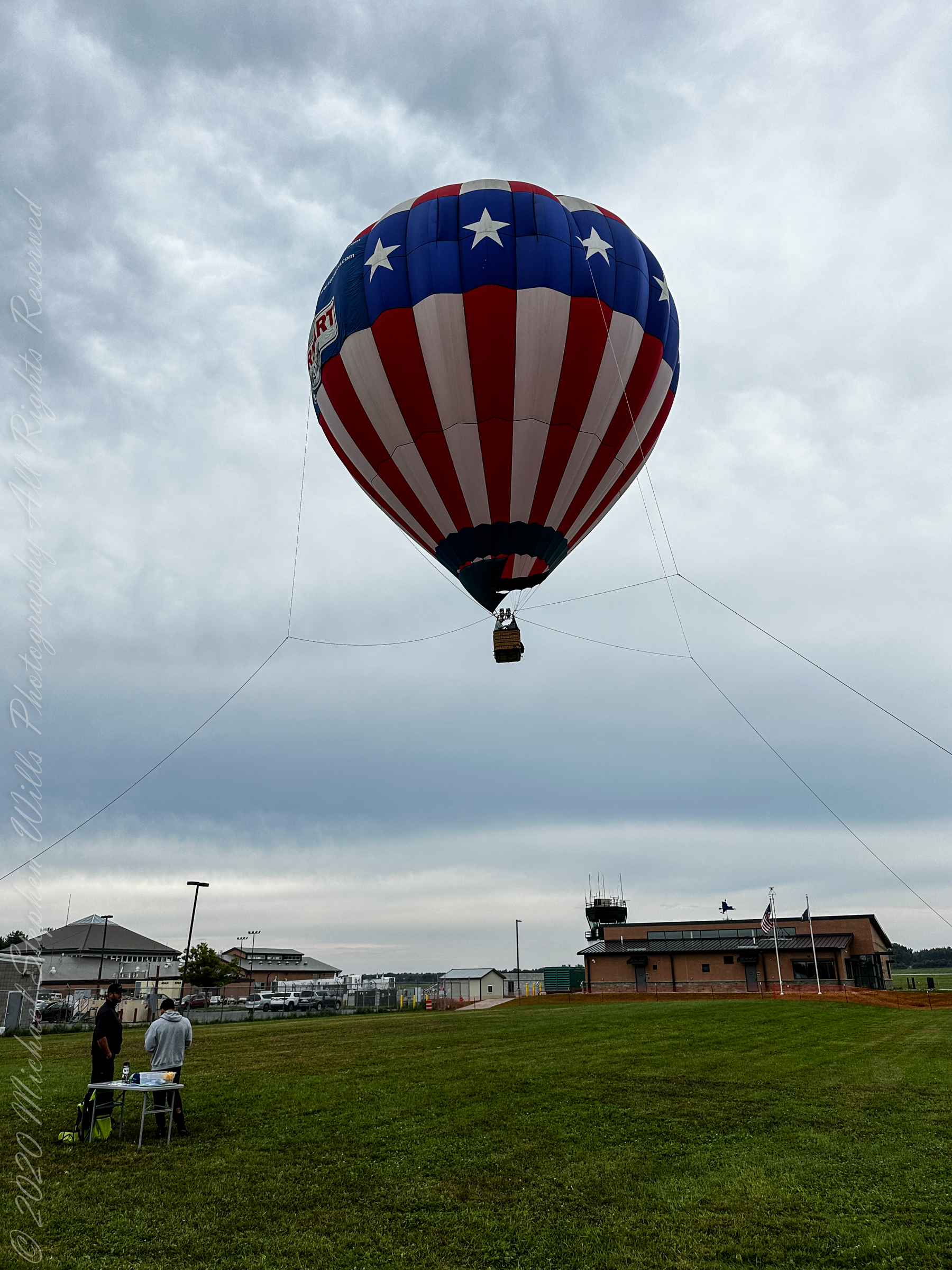
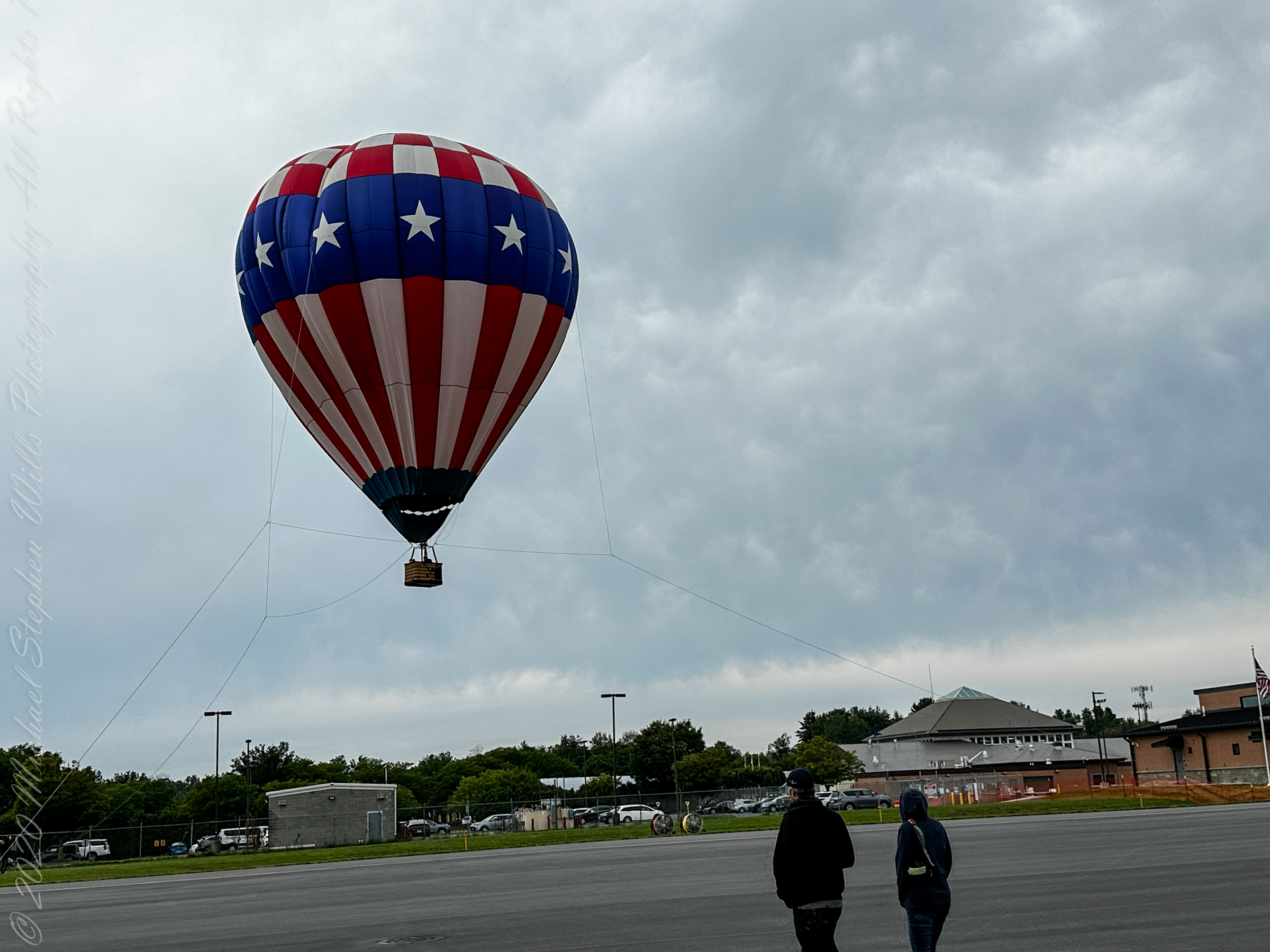
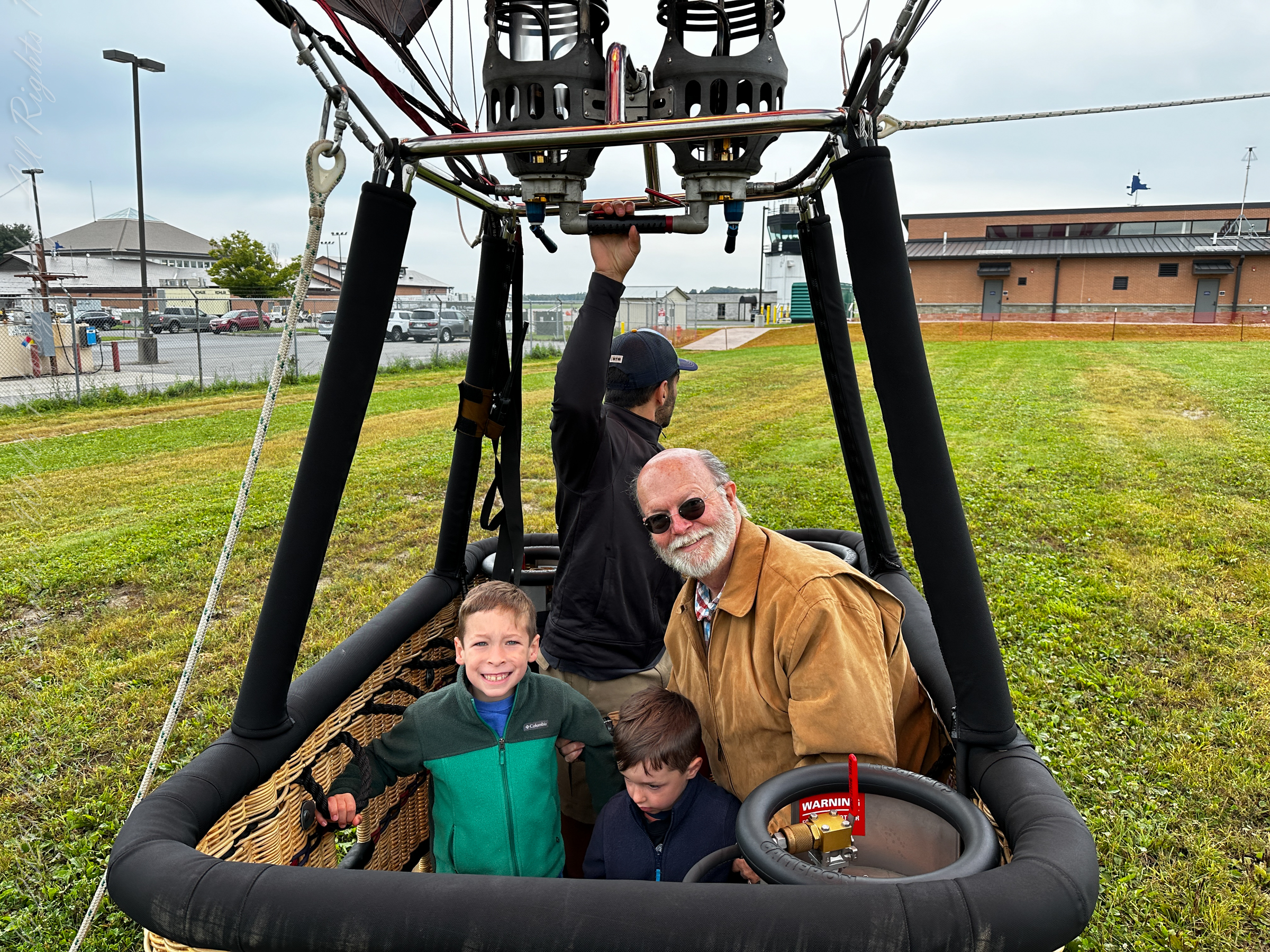

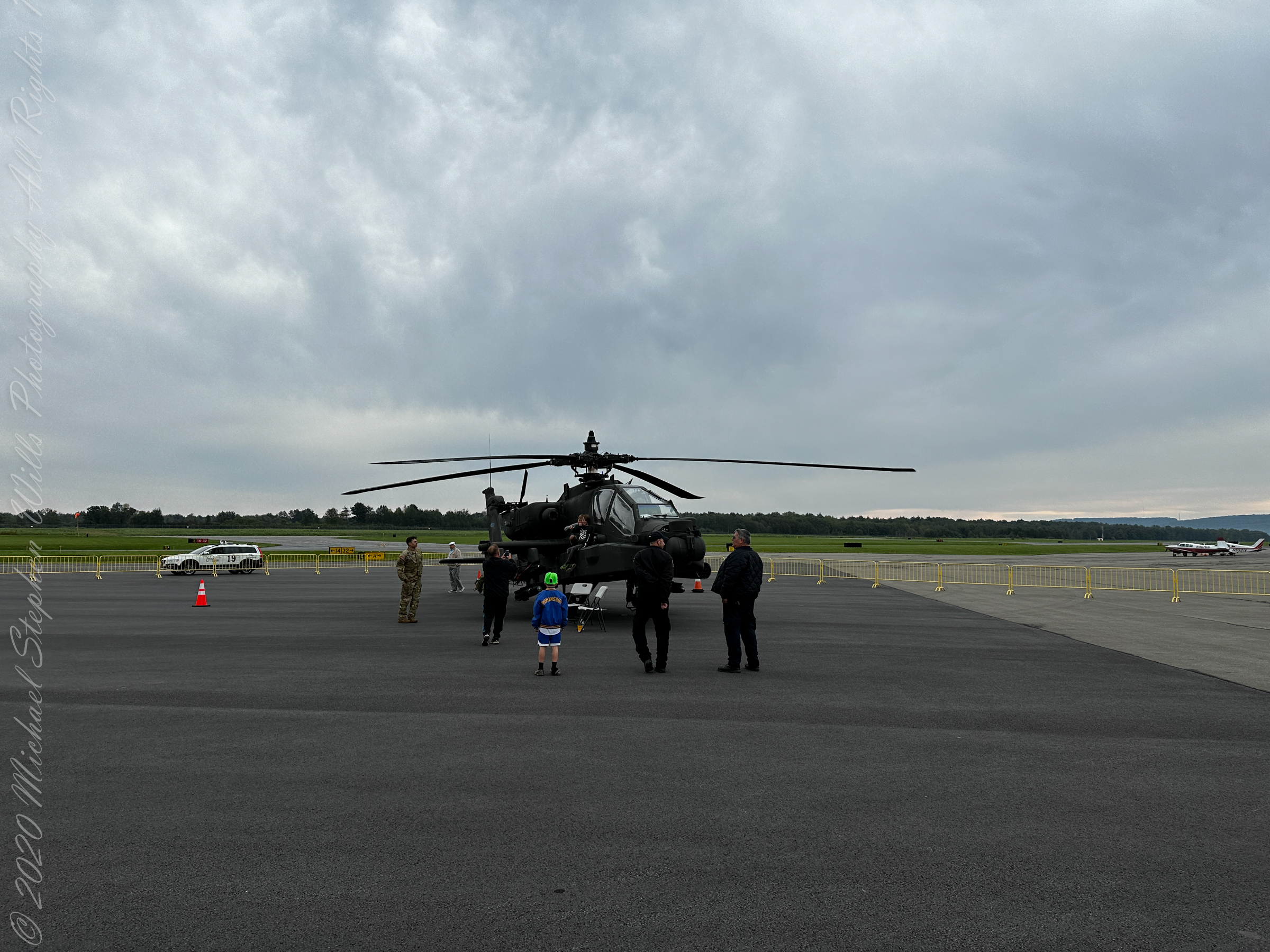

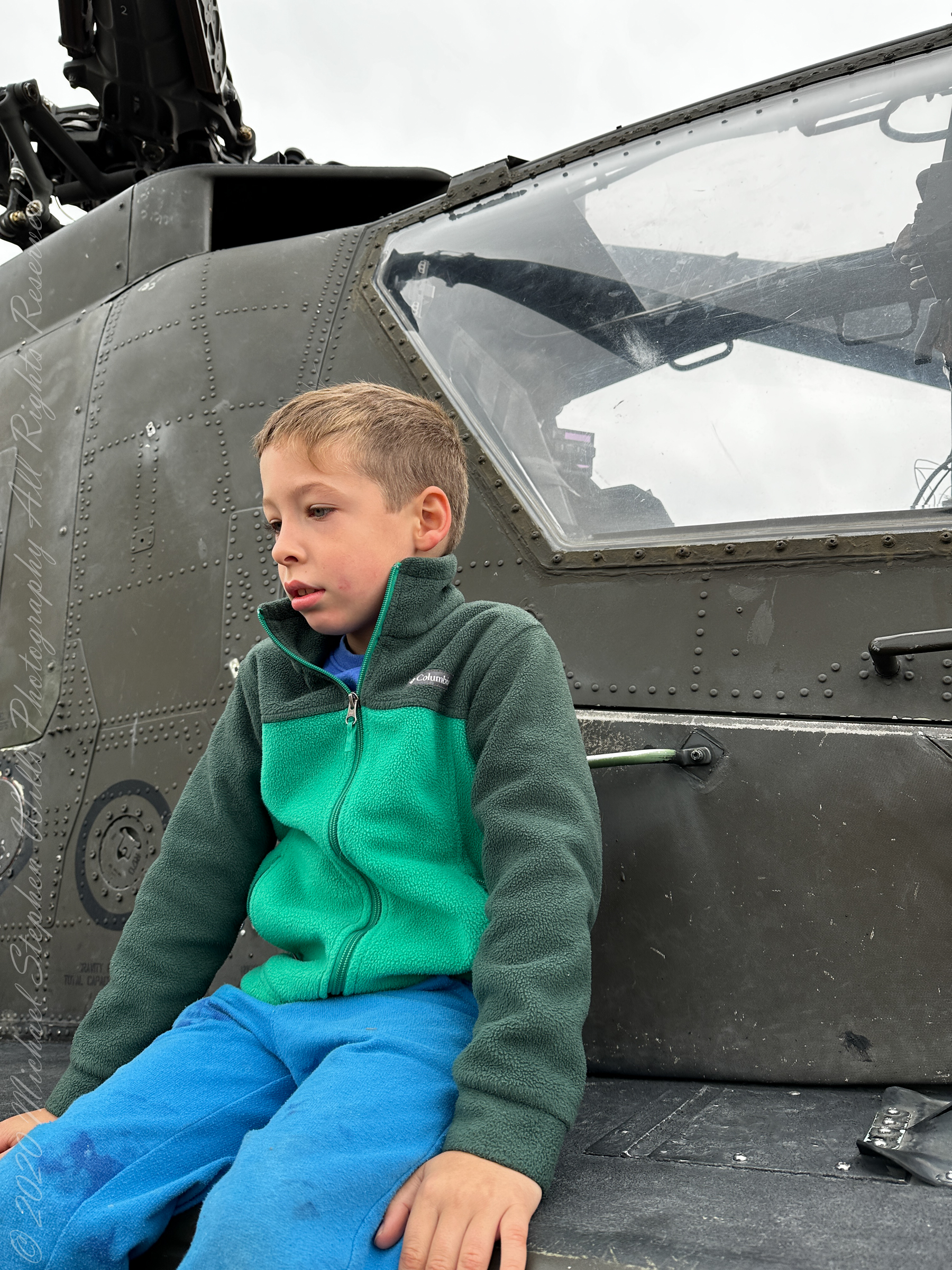
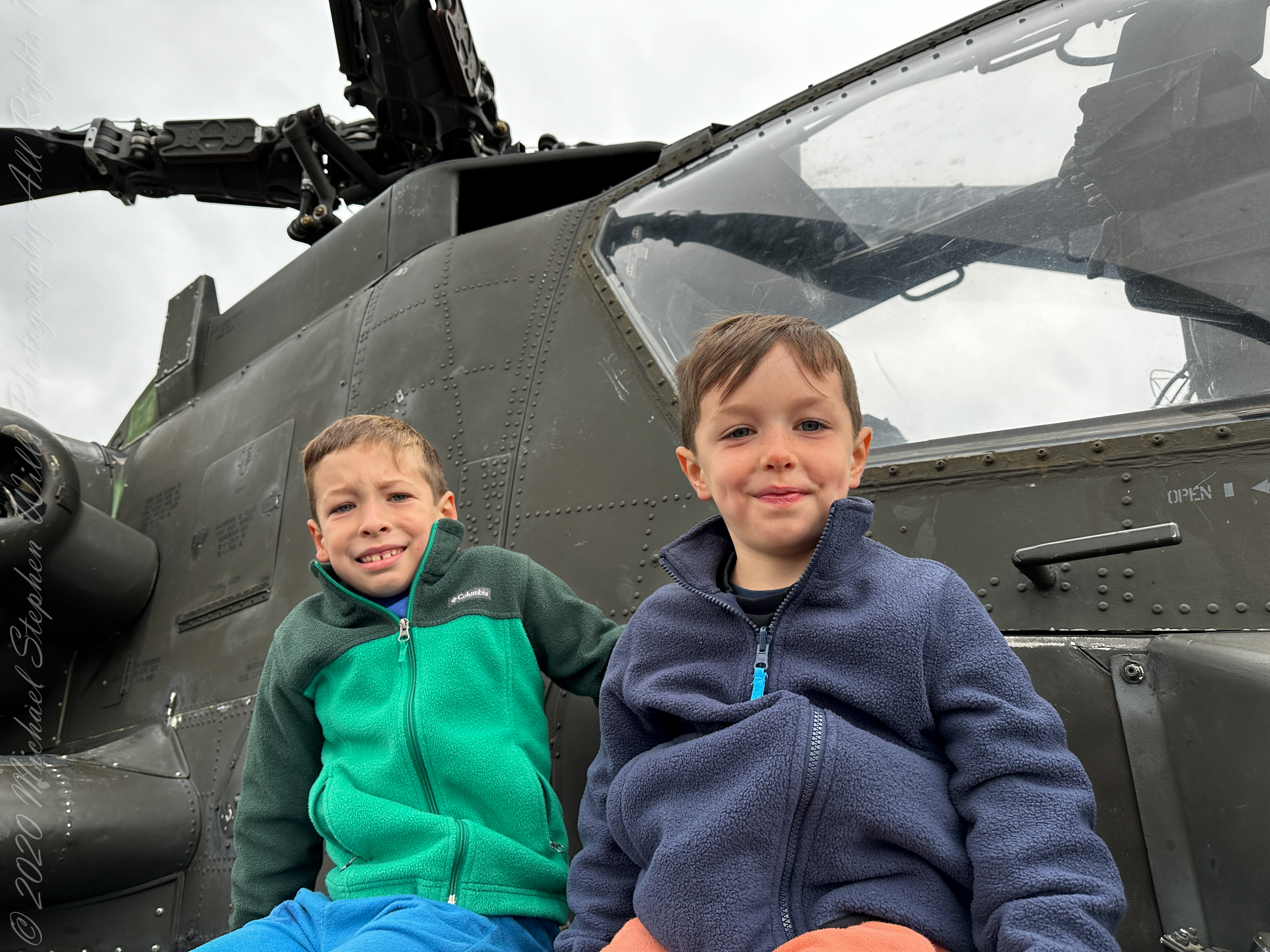
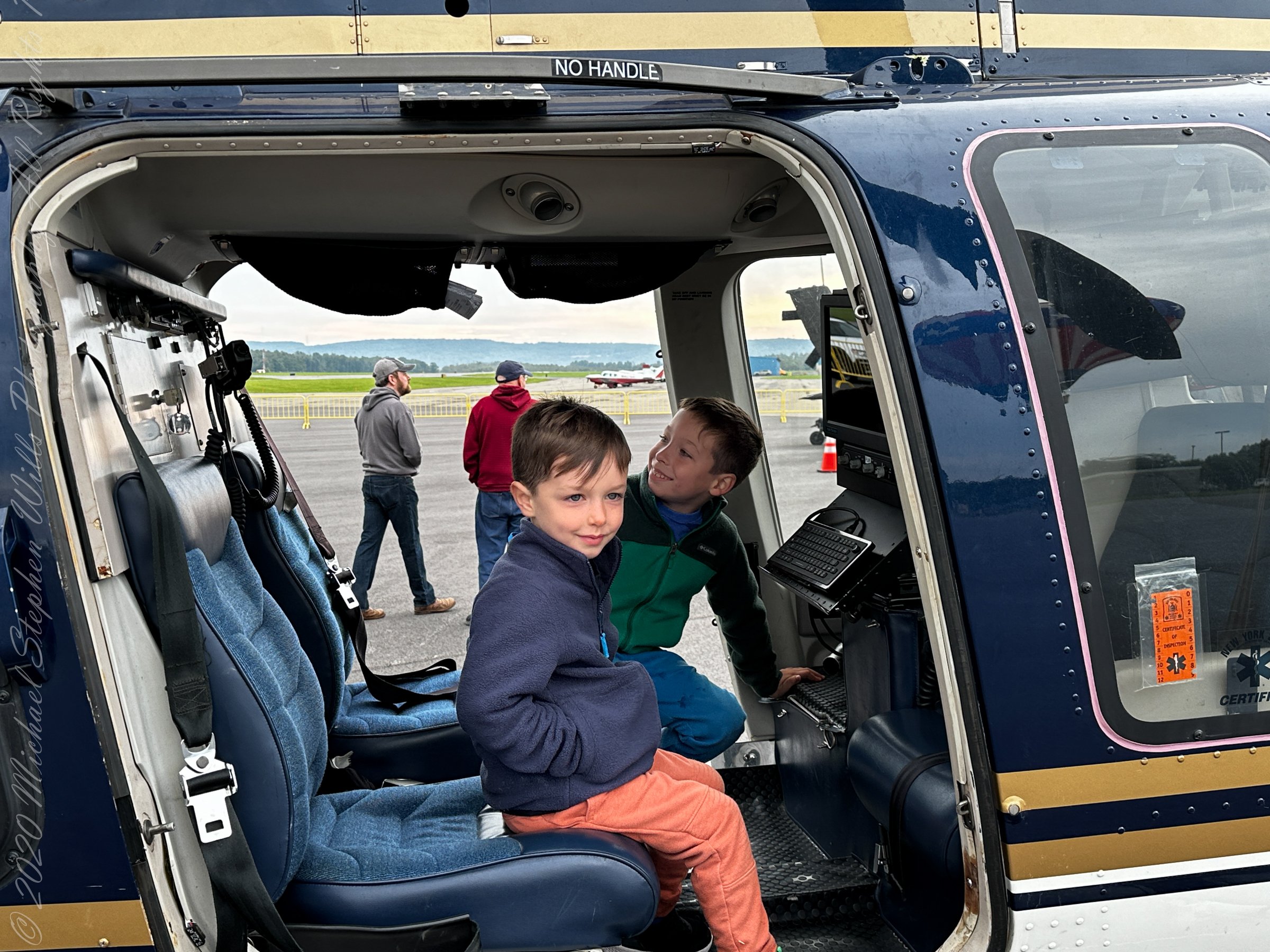
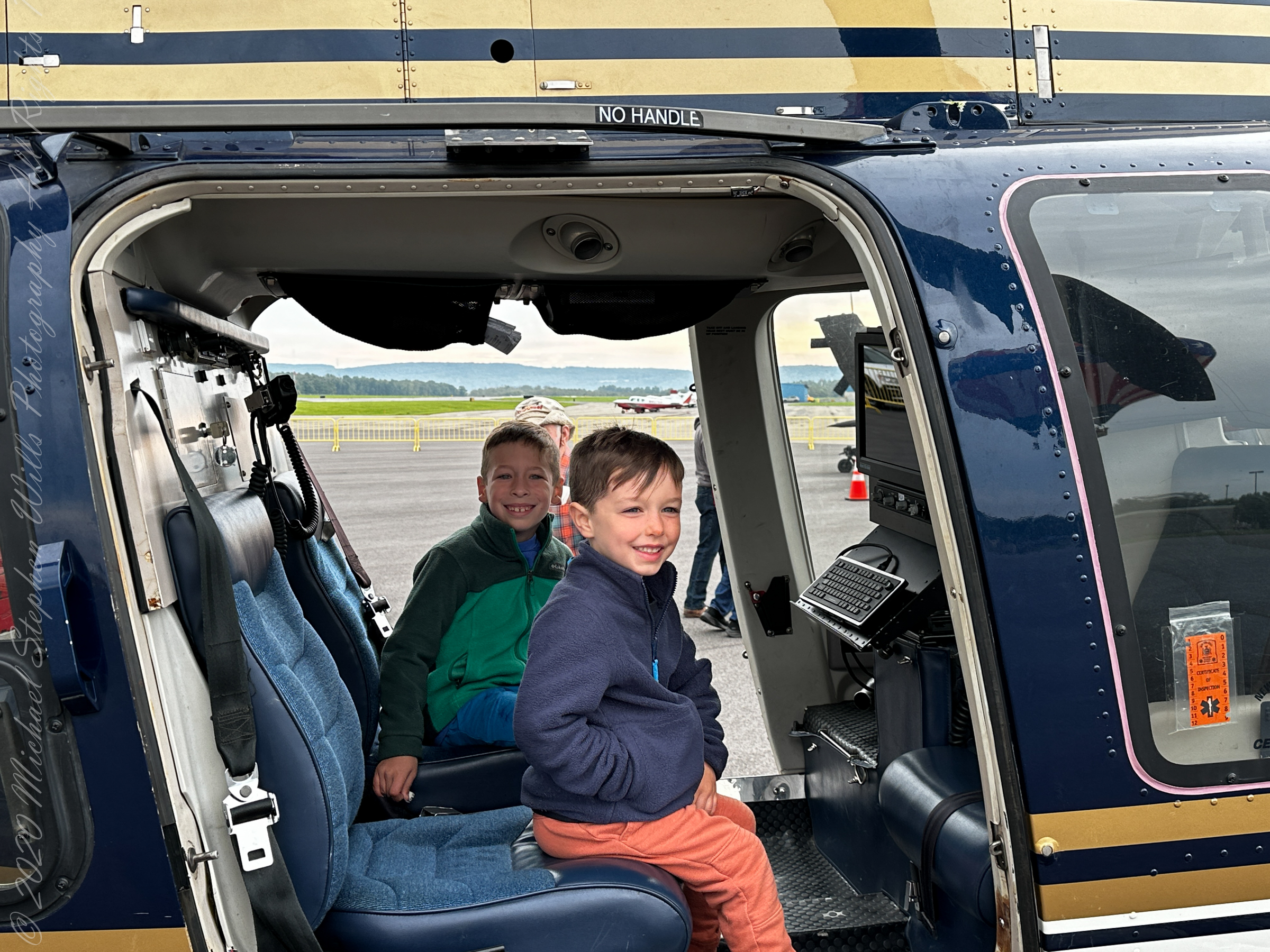
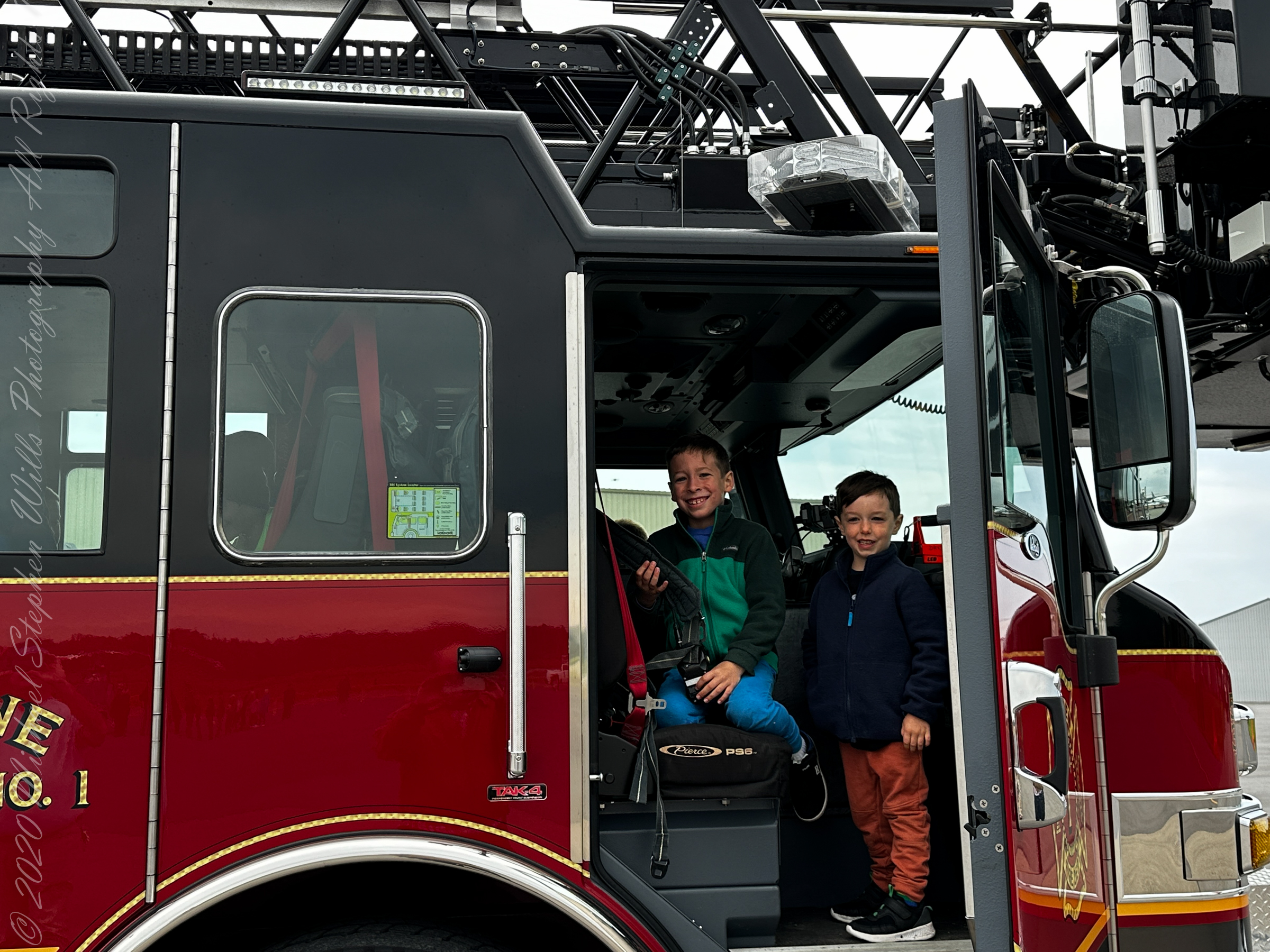


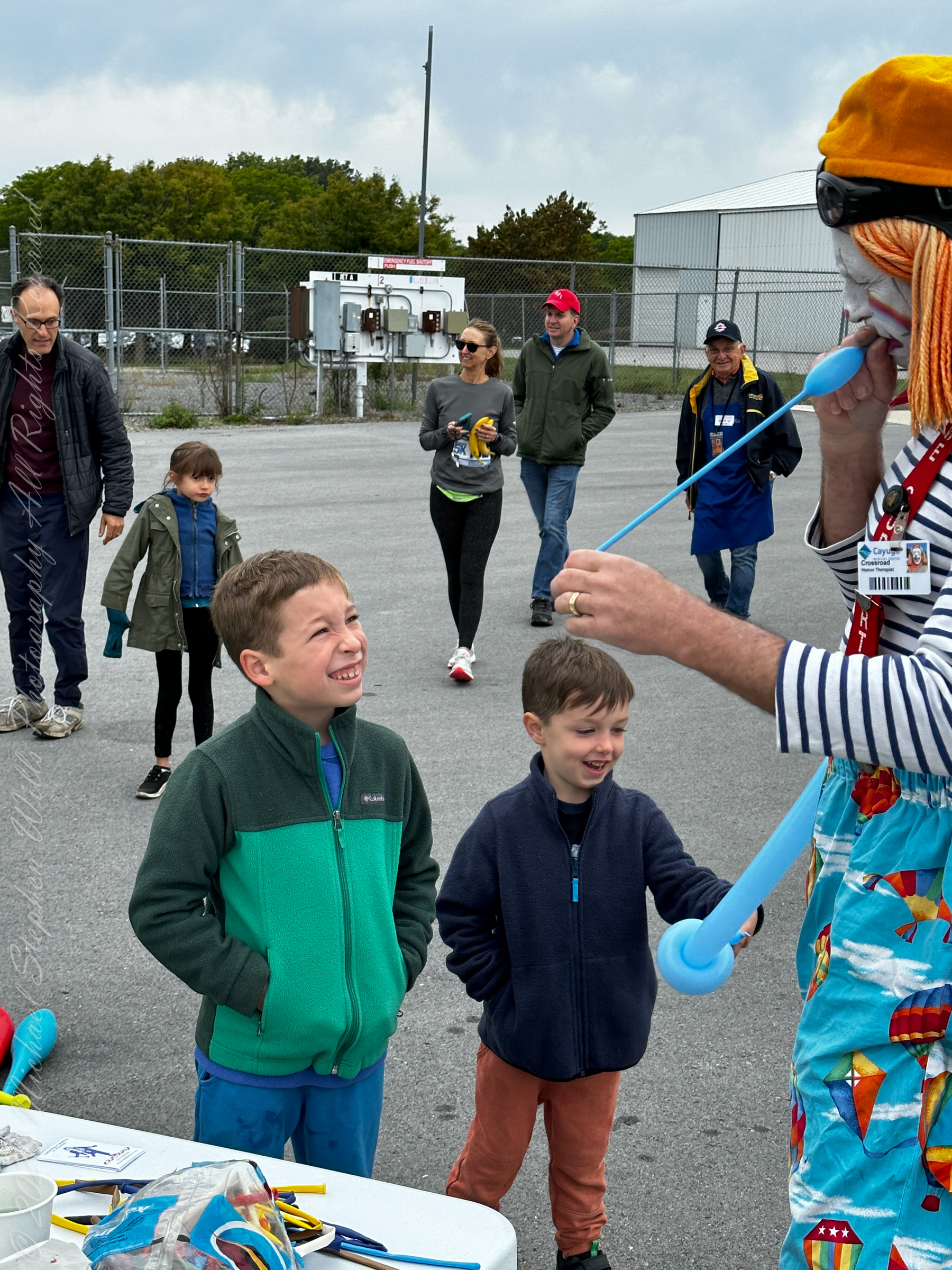

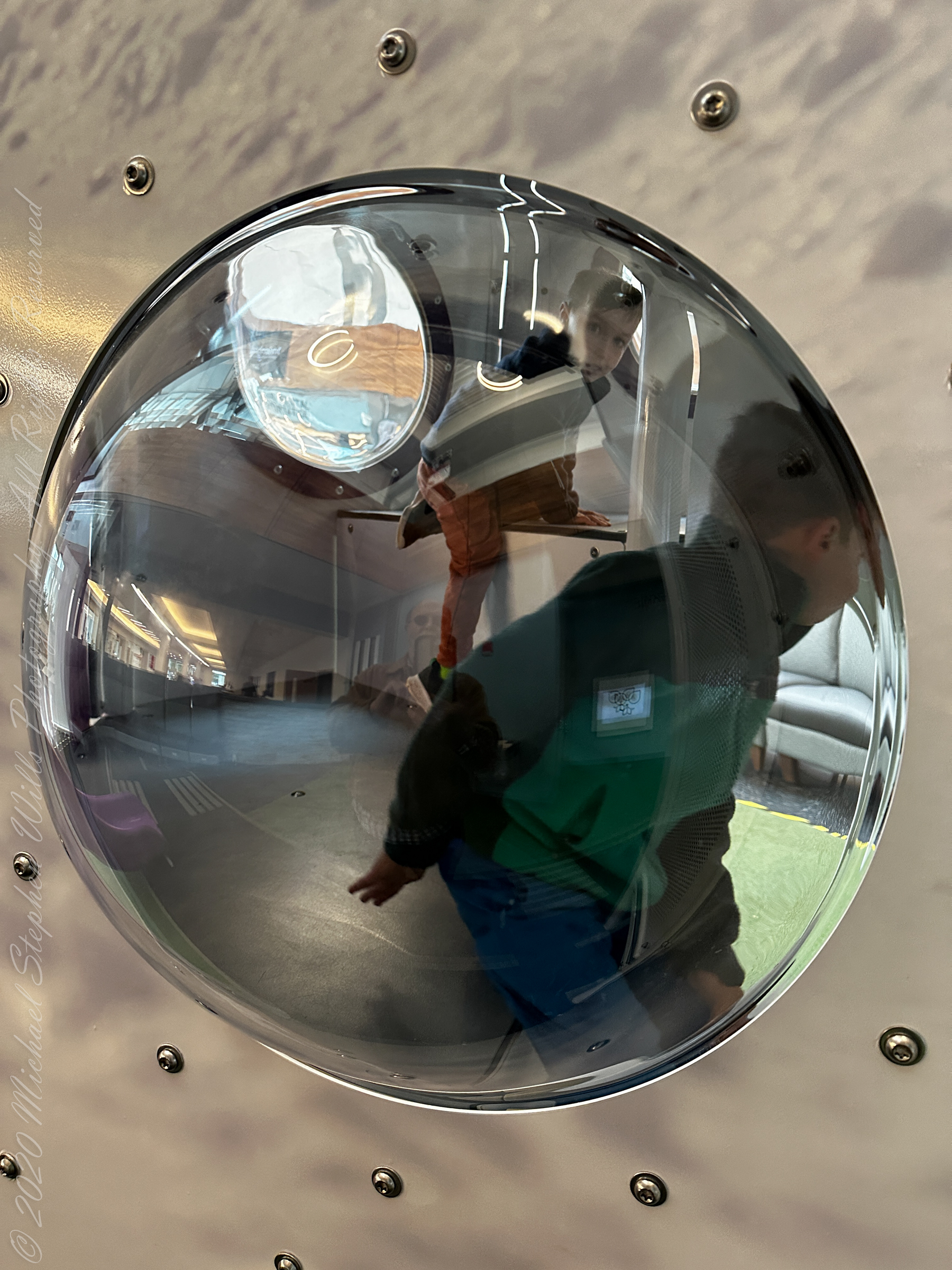
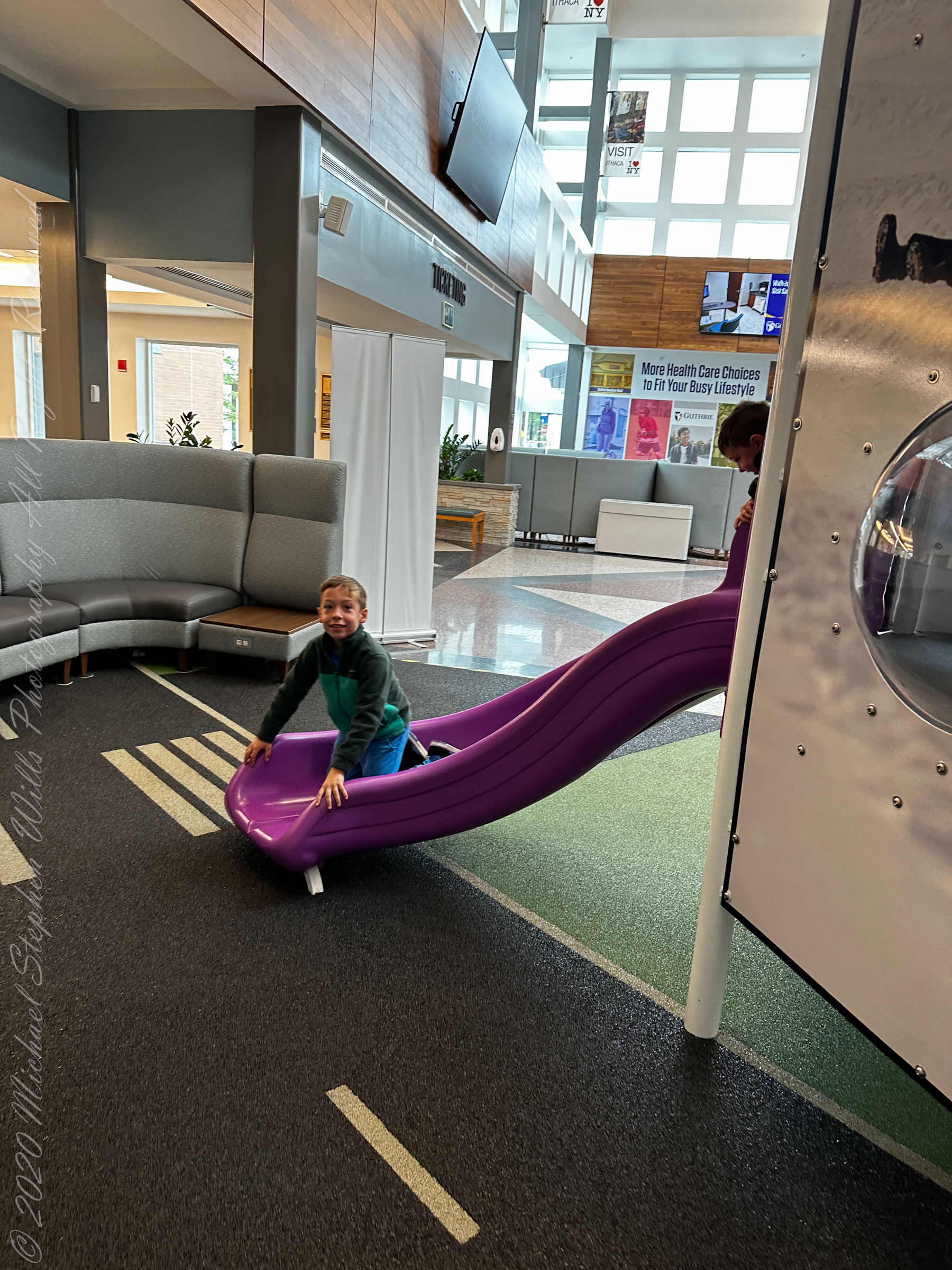
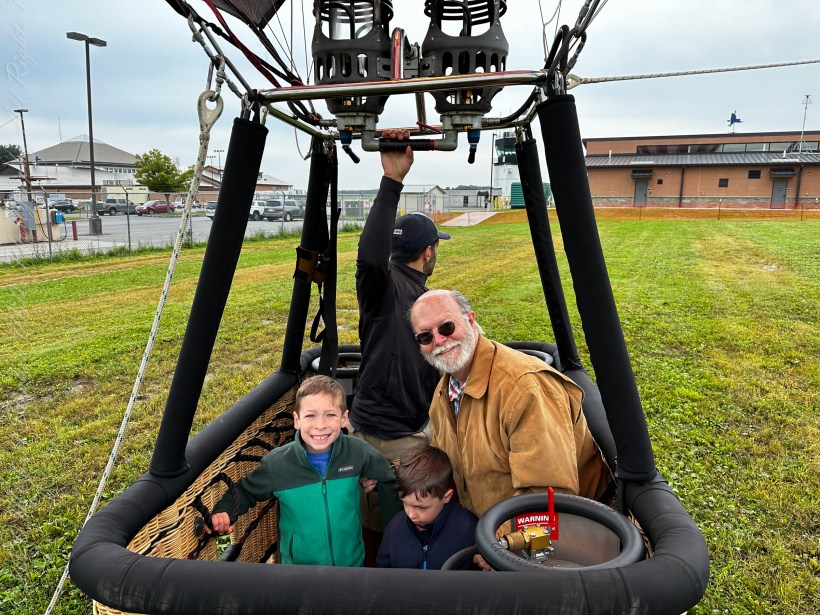
Airport Day was hosted by the East Hill Flying Club, the pancake breakfast was in the hangar.

2023, baseball, Cass Park, double, fall, hits, Ithaca, Little League, New York State, RBI, Tompkins County
Our grandson’s work on baseball skills is paying off. Here he slugs one to right field where it bounces on the fence for a solid double. He had two doubles that game, driving in a couple of runs, scoring off one himself. Good work!!
“Carl Stotz, a resident of Williamsport, Pennsylvania, founded Little League Baseball in 1939. He began experimenting with his idea in the summer of 1938 when he gathered his nephews, Jimmy and Major Gehron, and their neighborhood friends. They tried different field dimensions over the course of the summer and played several informal games. The following summer, they felt that they were ready to establish what later became Little League Baseball. The first league in Williamsport had just three teams, each sponsored by a different business. The first teams, Jumbo Pretzel, Lycoming Dairy, and Lundy Lumber, were managed by Stotz and brothers George and Bert Bebble. The men, joined by their wives and another couple, formed the first-ever Little League board of directors.”
“The first league game took place on June 6, 1939 when Lundy Lumber defeated Lycoming Dairy, 23–8. Lycoming Dairy became the champions of the first half of the season and then defeated Lundy Lumber, the second-half champions, in a best-of-three championship series. The following year, a second league was formed in Williamsport, and from there Little League Baseball grew to become an international organization of nearly 200,000 teams in every U.S. state and in more than 80 countries.”
“From 1951 through 1973, Little League was restricted to boys only. In 1974, Little League rules were revised to allow participation by girls in the baseball program following the result of a lawsuit filed by the National Organization for Women on behalf of Maria Pepe. According to the Little League Baseball and Softball participation statistics following the 2008 season, there were nearly 2.6 million boys and girls in Little League Baseball worldwide. Of these, approximately 400,000 are registered in softball leagues (including both boys and girls). Starting in 2022, For tournament purposes, Little League Baseball is divided into 20 geographic regions: ten national and ten international. Each summer, Little League operates seven World Series tournaments at various locations throughout the U.S. (Little League softball and Junior, Senior, and Big League baseball and softball).”
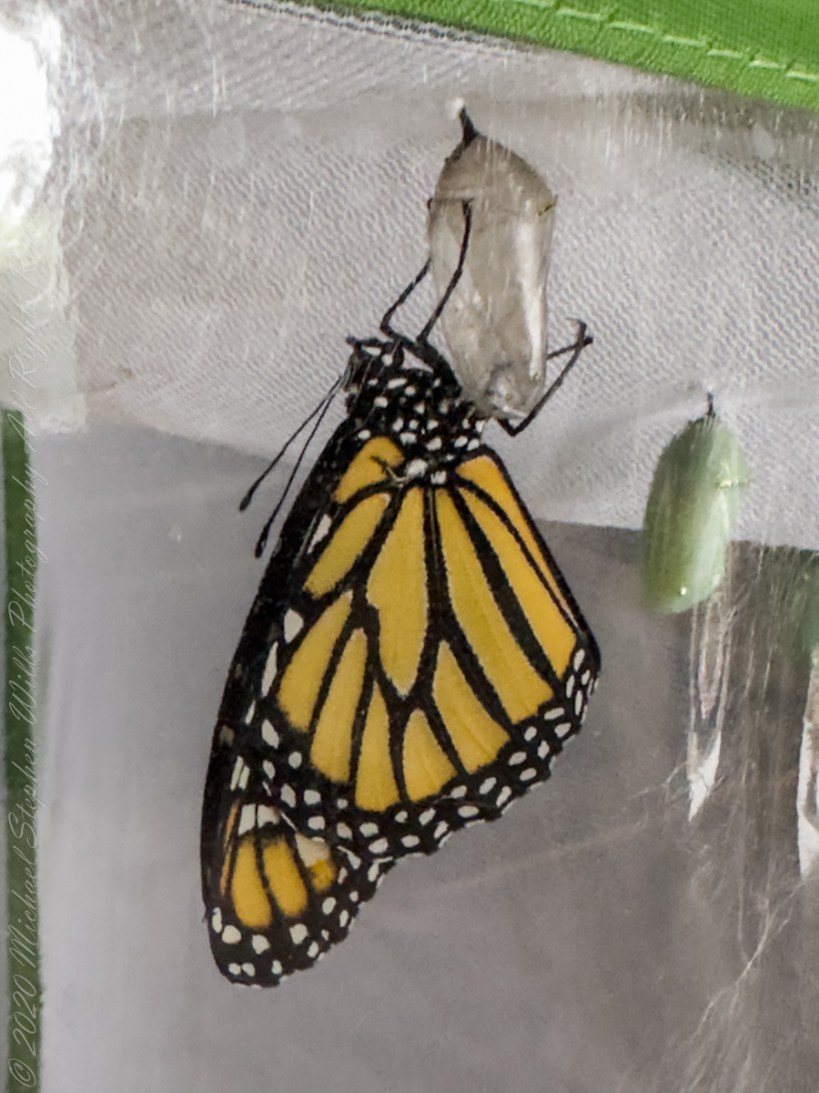
Monarch from caterpillar to chrysalis to butterfly
Here are two of the ten monarchs we release this year. In under three minutes this video shows a monarch caterpillar transforming into a chrysalis, emerging two weeks later as a butterfly. Music “Emotional Underscores Vol. 3” by Yuri Sazonoff (SOCAN) “Can You Guess” and “Blessing”
“Migrating monarchs soar at heights of up to 1,200 feet. As sunlight hits those wings, it heats them up, but unevenly. Black areas get hotter, while white areas stay cooler. The scientists believe that when these forces are alternated, as they are with a monarch’s white spots set against black bands on the wings’ edges, it seems to create micro-vortices of air that reduce drag—making flight more efficient.”
“Monarchs begin leaving the northern US and Canada in mid-August. They usually fly for 4-6 hours during the day, coming down from the skies to feed in the afternoon and then find roosting sites for the night. Monarchs cannot fly unless their flight muscles reach 55ºF. On a sunny day, these muscles in their thorax can warm to above air temperature when they bask (the black scales on their bodies help absorb heat), so they can actually fly if it is 50ºF and sunny. But on a cloudy day, they generally don’t fly if it is below 60ºF.“
“Migrating monarchs use a combination of powered flight and gliding flight, maximizing gliding flight to conserve energy and reduce wear and tear on flight muscles. Monarchs can glide forward 3-4 feet for every foot they drop in altitude. If they have favorable tail or quartering winds, monarchs can flap their wings once every 20-30 feet and maintain altitude. Monarchs are so light that they can easily be lifted by the rising air. But they are not weightless. In order to stay in the air, they must move forward while also staying within the thermal. They do this by moving in a circle. The rising air in the thermal carries them upward, and their overall movement ends up being an upward spiral. Monarchs spiral upwards in the thermal until they reach the limit/top of the thermal (where the rising air has cooled to the same temperature as the air around it). At that point, the monarch glides forward in a S/SW direction with the aid of the wind. It glides until it finds another thermal and rides that column of rising air upwards again.”
nonmigratory?
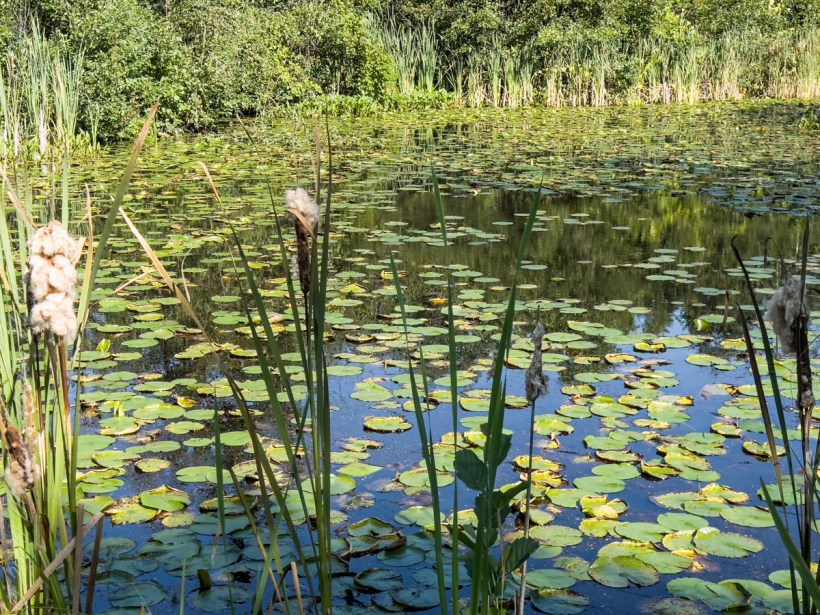
Thursday last, grandsons Sam and Rory and I visited Sapsucker Woods, enjoying a late summer morning from a wooden observation platform over this watery swamp. “Look, hot dogs!!”
“Typha is a genus of about 30 species of monocotyledonous flowering plants in the family Typhaceae. These plants have a variety of common names, in British English as bulrush or reedmace, in American English as reed, cattail, or punks, in Australia as cumbungi or bulrush, in Canada as bulrush or cattail, and in New Zealand as reed, cattail, bulrush or raupo.”
“Many parts of the Typha plant are edible to humans. Before the plant flowers, the tender inside of the shoots can be squeezed out and eaten raw or cooked. The starchy rhizomes are nutritious with a protein content comparable to that of maize or rice. They can be processed into a flour with 266 kcal per 100 grams, and are most often harvested from late autumn to early spring. They are fibrous, and the starch must be scraped or sucked from the tough fibers. Baby shoots emerging from the rhizomes, which are sometimes subterranean, can be picked and eaten raw. Also underground is a carbohydrate lump which can be peeled and eaten raw or cooked like a potato. The plant is one championed by survival experts because various parts can be eaten throughout the year. Plants growing in polluted water can accumulate lead and pesticide residues in their rhizomes, and these should not be eaten.”
“The rind of young stems can be peeled off, and the tender white heart inside can be eaten raw or boiled and eaten like asparagus. This food has been popular among the Cossacks in Russia, and has been called “Cossack asparagus”. The leaf bases can be eaten raw or cooked, especially in late spring when they are young and tender. In early summer the sheath can be removed from the developing green flower spike, which can then be boiled and eaten like corn on the cob. In mid-summer when the male flowers are mature, the pollen can be collected and used as a flour supplement or thickener.”
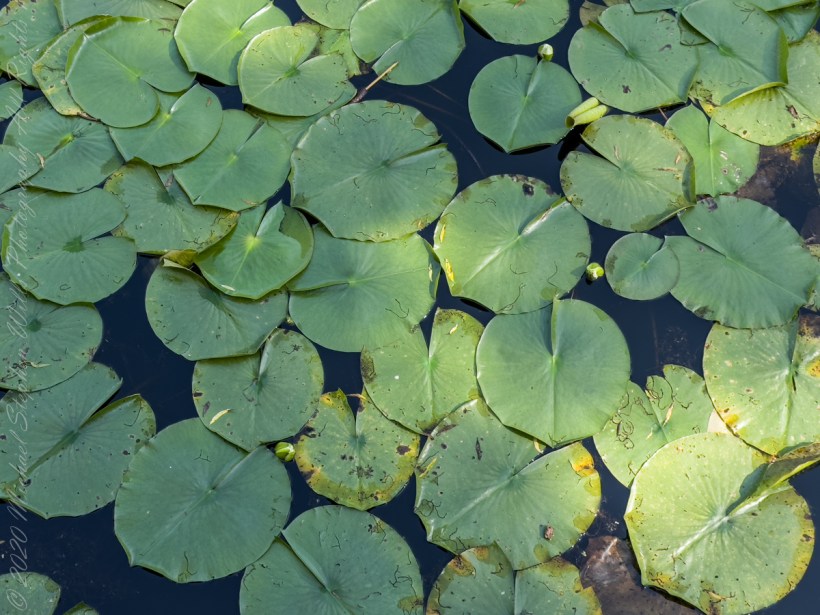
Native Americans used it as a herbal remedy for a variety of ailments.
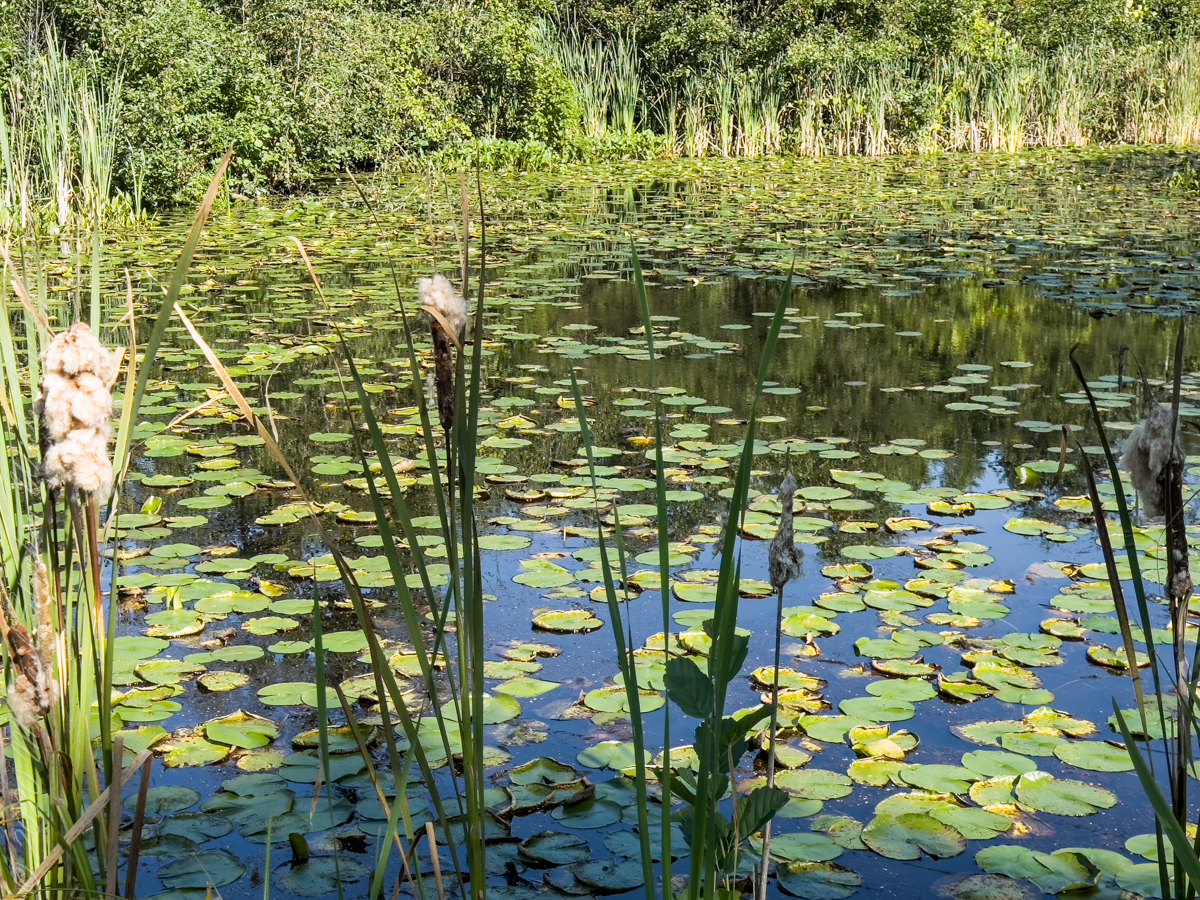
Thursday last, grandsons Sam and Rory and I visited Sapsucker Woods, enjoying a late summer morning we clambered onto a wooden platform over a watery swamp.
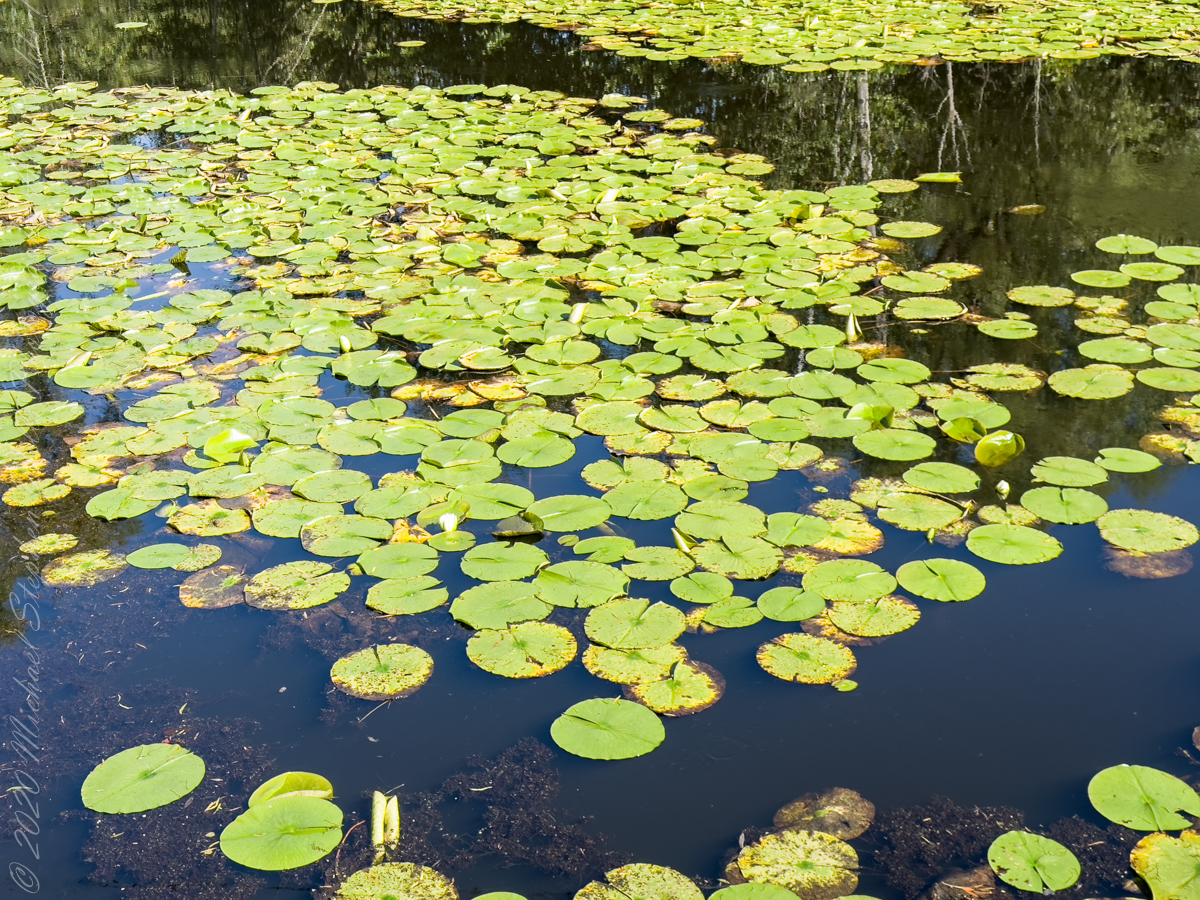
Look closely for flowers and buds of the White Water Lily native to New York State.
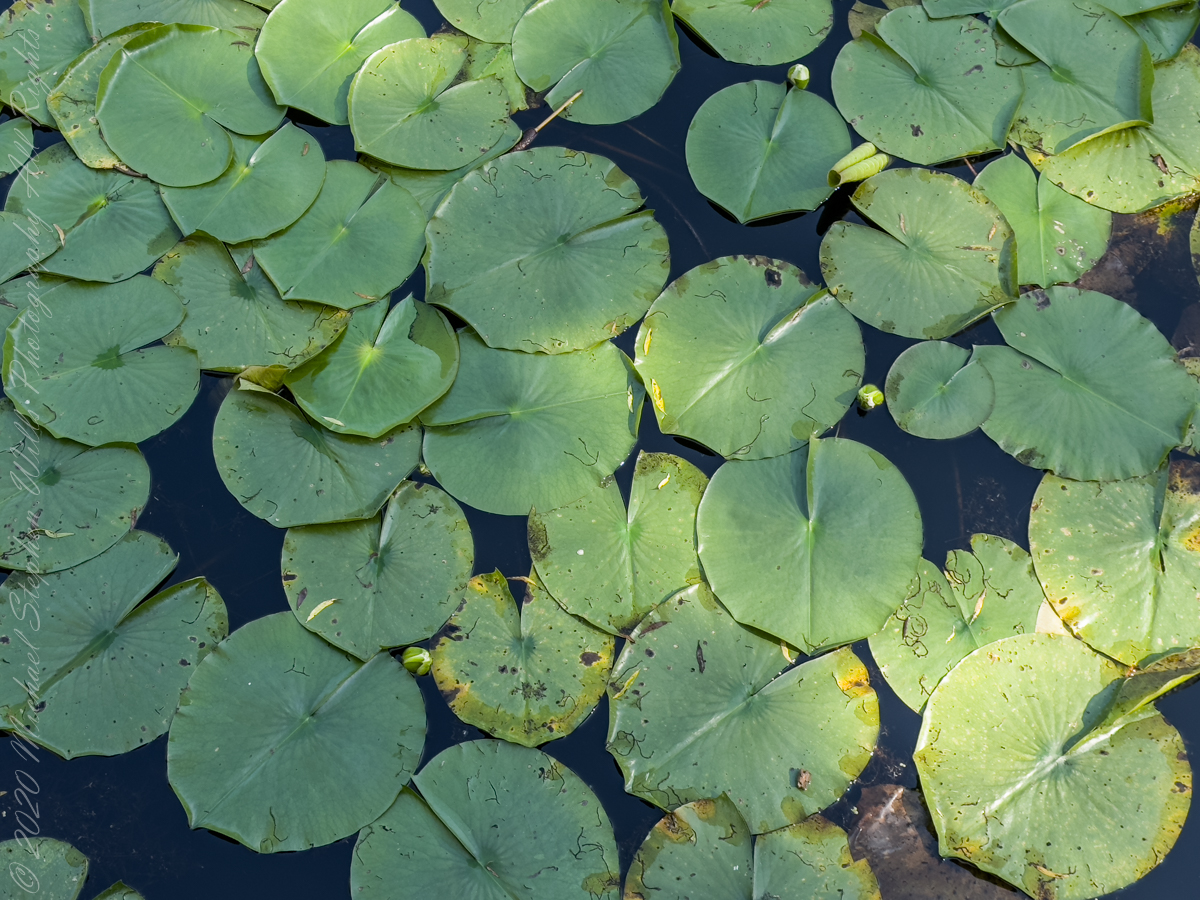
Although the young leaves of White Water-lily reportedly can be boiled and served as a vegetable, the main human use of this plant appears to have been medicinal. Native Americans used it as a herbal remedy for a variety of ailments, including colds, tuberculosis, bronchial complaints, toothaches, and mouth sores.
The many names for this plant: American White Waterlily, American White Water-lily, Fragrant Water-lily, Fragrant White Water Lily, Fragrant White Water-lily, Sweet Water-lily, Sweet-scented Water Lily, Sweet-scented White Waterlily, Tompkins County, Water, Water Lily, Waterlily, White Water Lily, White Waterlily, White Water-lily (Nymphaea odorata ssp. odorata)
nonmigratory?
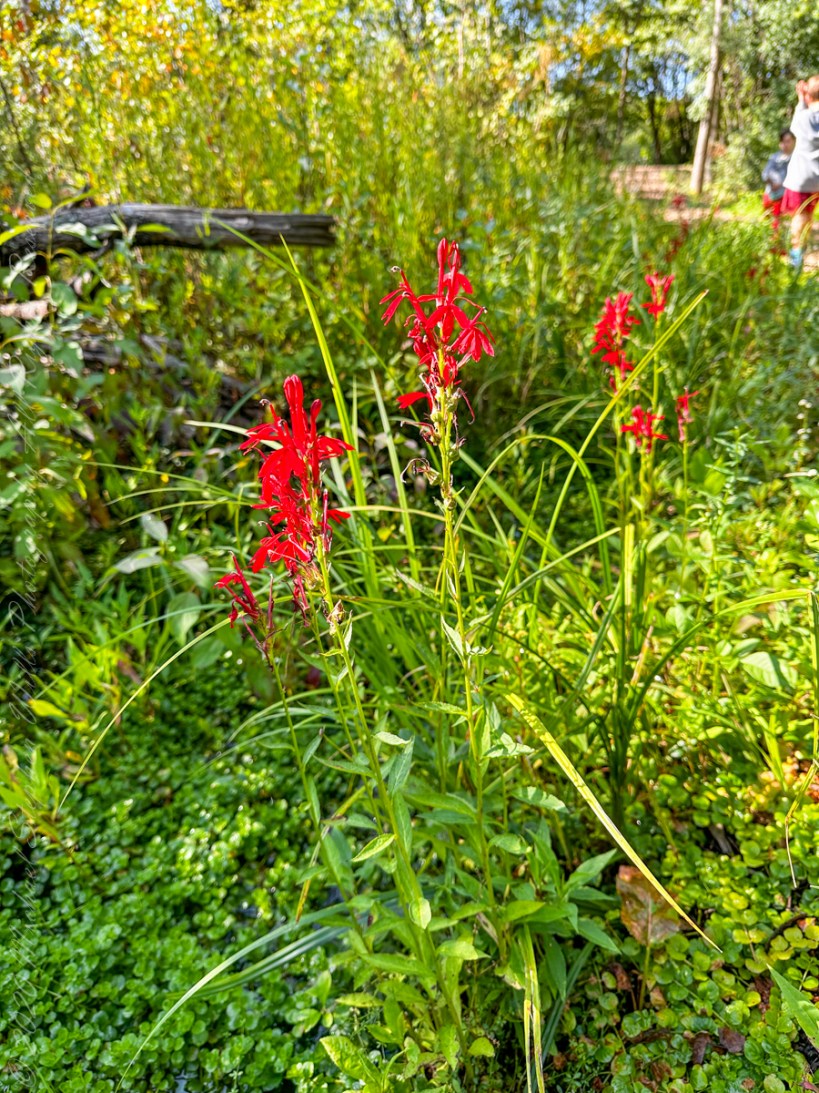
Thursday last, grandsons Sam and Rory and I visited Sapsucker Woods, enjoying a late summer morning we came upon many scarlet beauties.
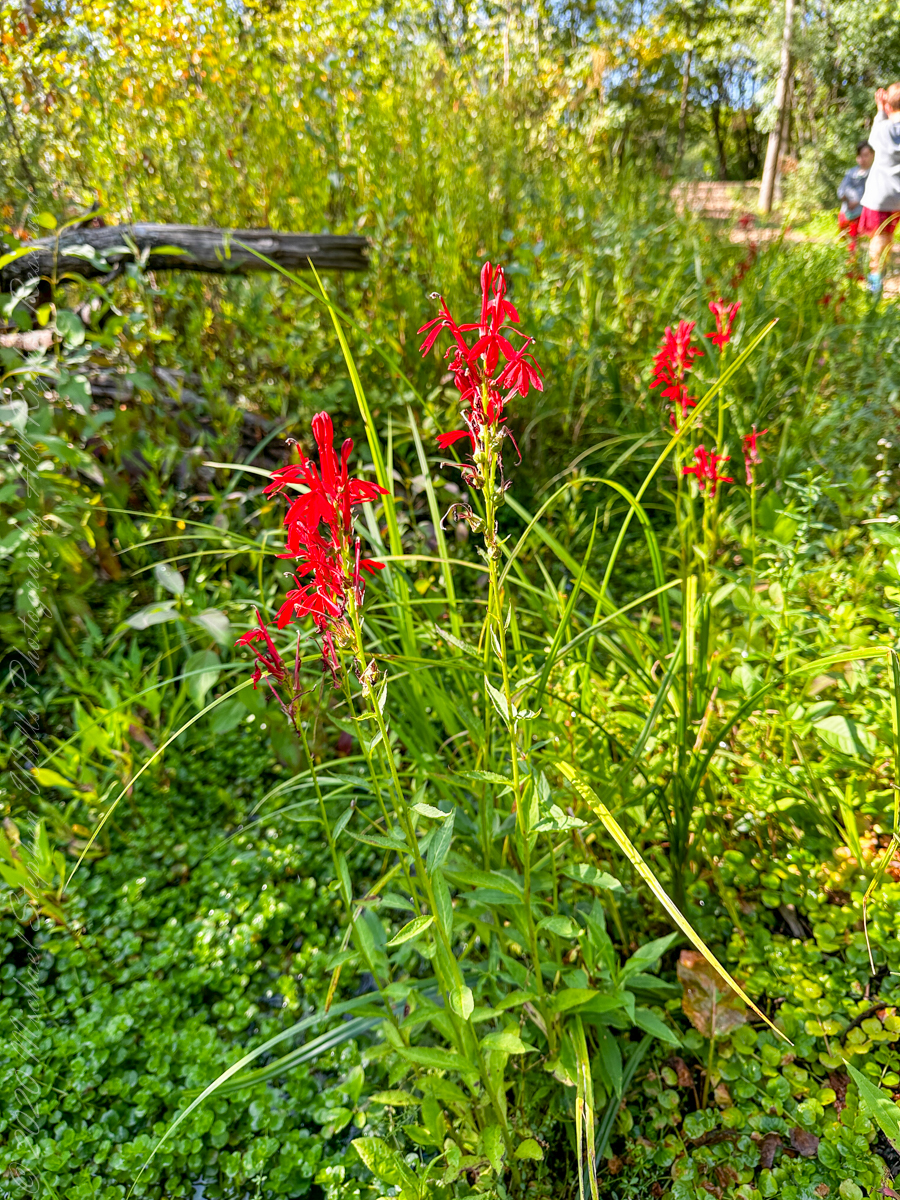
Cardinal Flower (Lobelia cardinalis) is also known as Bog Sage, Cardinal Flower, Cornell Lab of Ornithology, Finger Lake Region, Hog’s Physic, Indian Pink, Red Bay, Sapsucker Woods, Scarlet Lobelia, Slinkweed, Water Gladiole.
nonmigratory?
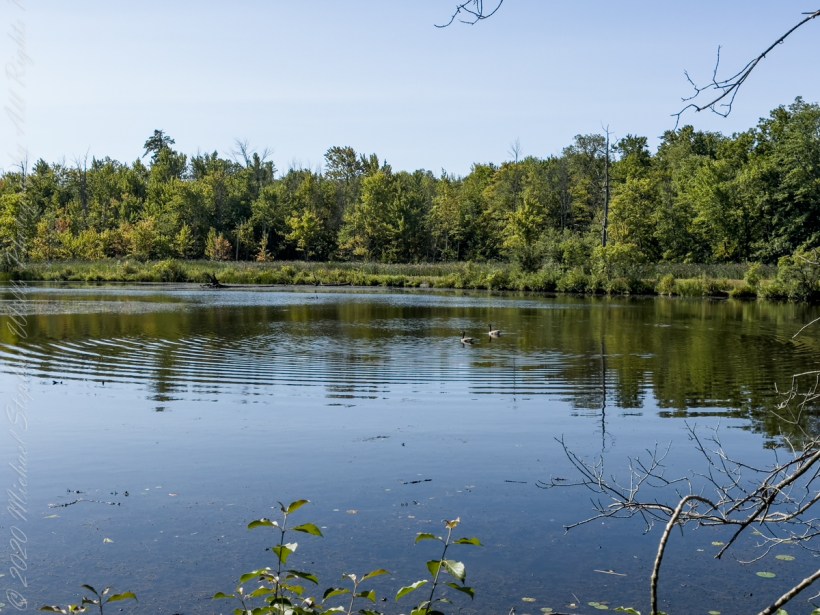
Thursday last, grandsons Sam and Rory and I visited Sapsucker Woods, enjoying a late summer morning. From the north side on Wilson Trail, these Canada geese landed on the pond.
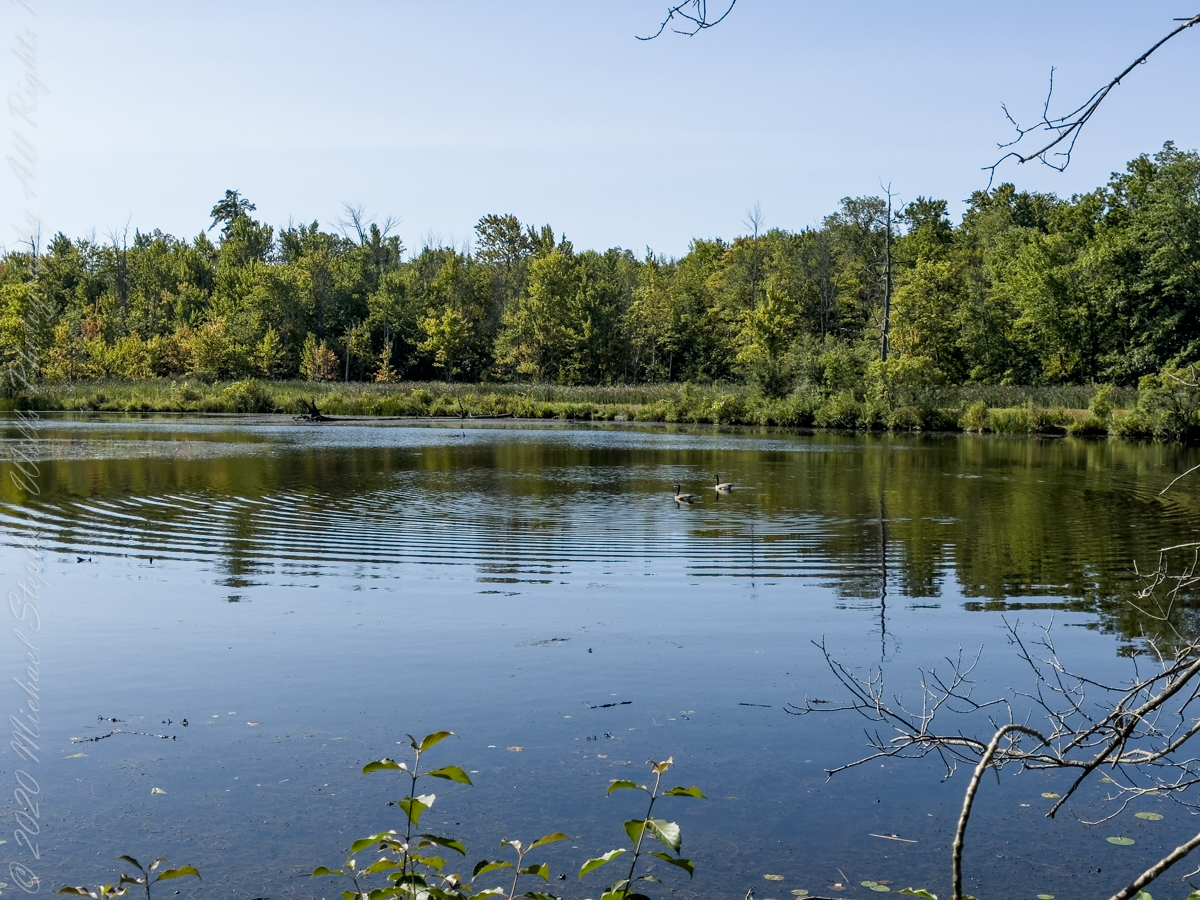
In North America, nonmigratory Canada goose populations have been on the rise. The species is frequently found on golf courses, parking lots, and urban parks, which would have previously hosted only migratory geese on rare occasions.
Owing to its adaptability to human-altered areas, it has become one of the most common waterfowl species in North America. In many areas, nonmigratory Canada geese are now regarded as pests by humans.
They are suspected of being a cause of an increase in high fecal coliforms at beaches. An extended hunting season, deploying noise makers, and hazing by dogs have been used to disrupt suspect flocks.
A goal of conservationists has been to focus hunting on the nonmigratory populations (which tend to be larger and more of a nuisance) as opposed to migratory flocks showing natural behavior, which may be rarer.
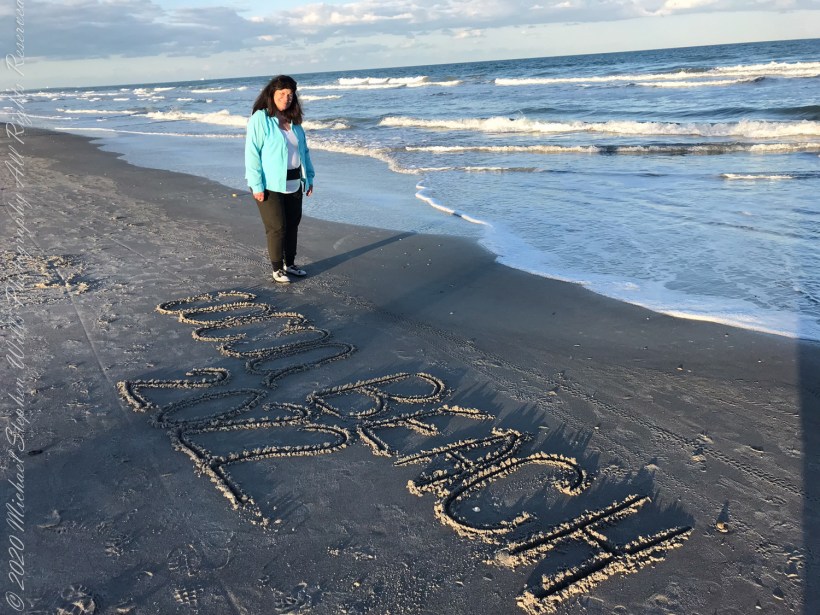
Here is a sample of my wife Pam’s photography skills by way of a video with music created by her IPhone 8.
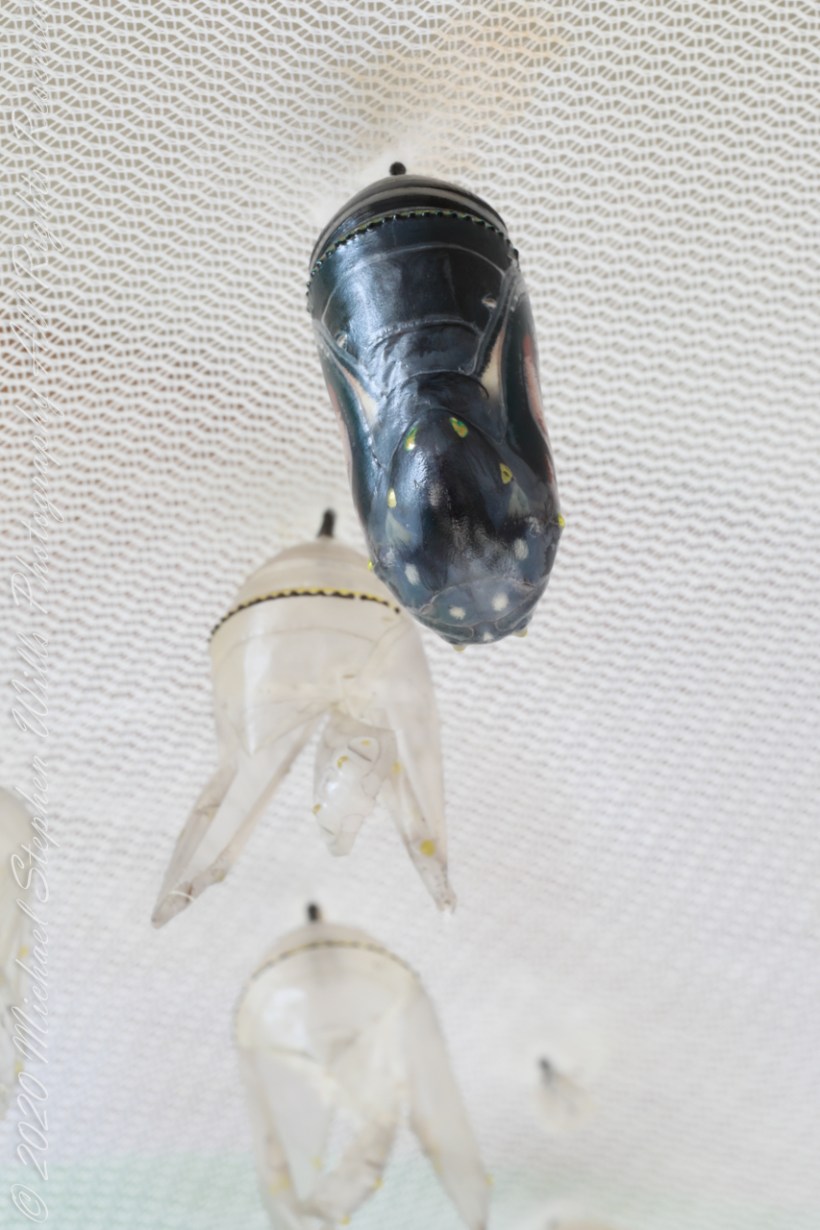
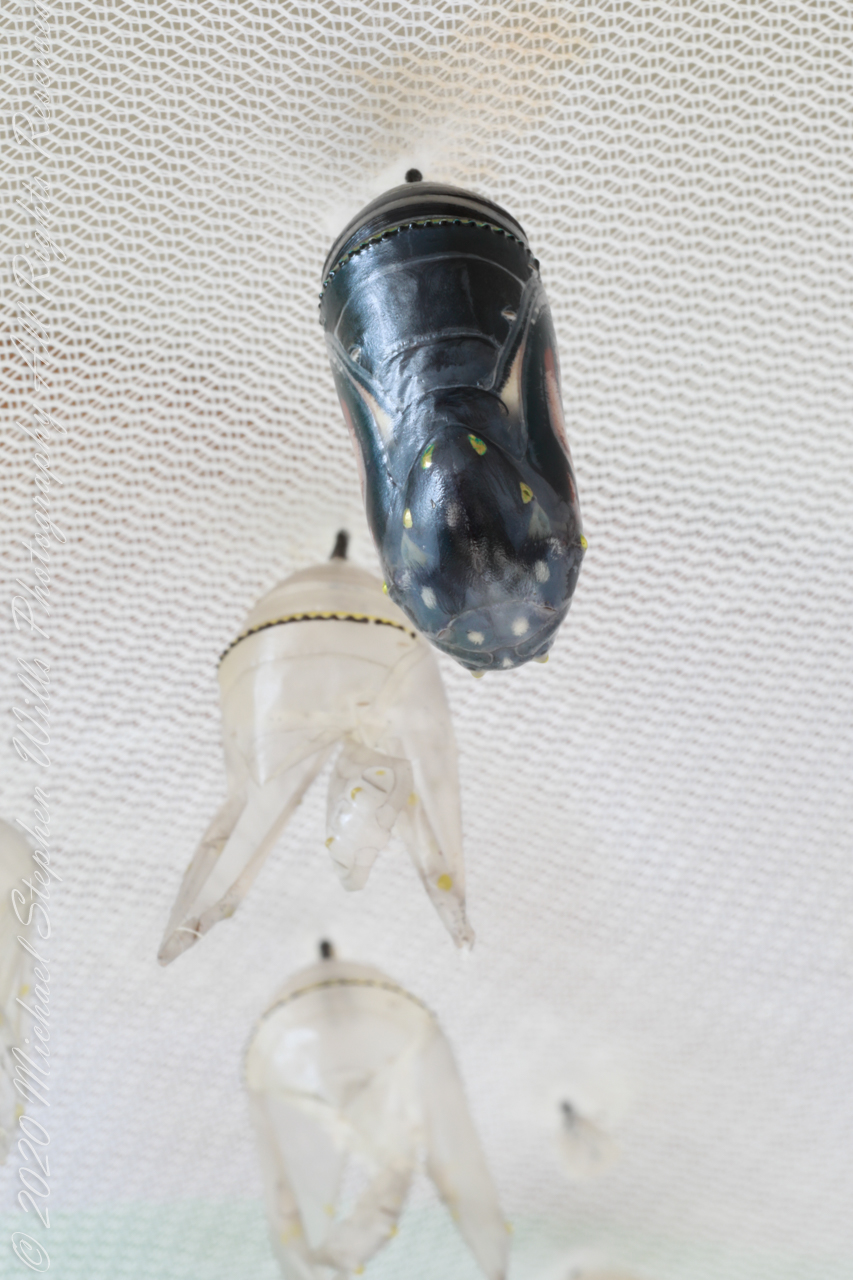
Advice for releasing your monarch butterfly
We let our first monarch butterfly rest overnight, until noon of the following day.
I delay butterfly release when:

We learned so much from this new sign
This year, 2023, an informational sign was installed next to the Charles Atwood memorial at the foot of the stone stairs leading to the Gorge Trail.
Charles Atwood The Father of Fillmore Glen
“From Botanist to Physician and Pharmacist: born in Summerhill, Cayuga Coun ty, New York State, Charles Atwood graduated from Cornell University in 1878 with a degree in Botany. He then obtained a medical degree in 1881 from the University of Iowa. He moved to Moravia, Cayuga County, to set up practice. In addition to being a physician, he was one of the first pharmacists to be licensed in New York State. A Passion for Plants. Although Dr. Atwood worked full time as a pharmacist, he retained his passion for botany. Atwood was very interested in the parcel of land that became Fillmore Glen Park, due to the rich botanic life found there. Atwood worked long and hard to establish Fillmore Glen State Park to preserve not only its plant life, but also the cascading waterfalls and unique geological formations.”
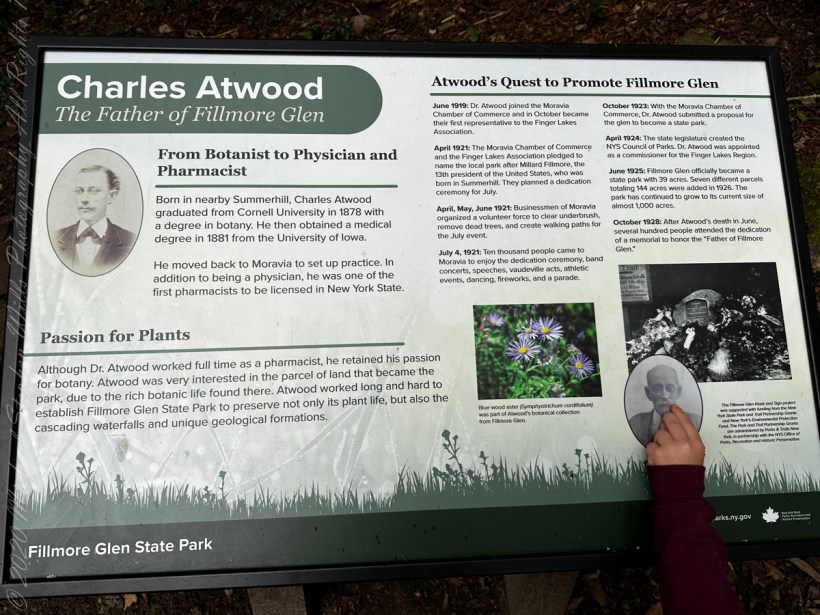
“Atwood’s Quest to Promote Fillmore Glen. June 1919: Dr. Atwood jointed the Moravia Chamber of Commerce and in October became the first representative to the Finger Lakes Association. April 1921: the Moravia Chanbmer of Commerce and the Finger Lakes Association pledged to name the local park after Millard Fillmore, the 13th president of the United States, who was born in Summerhill. They planned a dedication ceremony for July. April, May, June 1921: Businessmen of Moravia organized a volunteer force to clear underbrush, remove dead trees and create walking paths for the July event. July 4, 1921: Ten thousand people came to Moravia to enjoy the dedication ceremony, band concerts, speeches, vaudeville acts, athletic events, dancing, fireworks and a parade. October 1923: With the Moravia Chamber of Commerce, Dr. Atwood submitted a proposal for the glen to become a state park. April 1924: The state legislature created the New York State Council of Parks. Dr. Atwood was appointed a commissioner for the Finger Lakes Region. June 1925: Fillmore Glen officially became a state park with 39 acres. Seven different parcels totaling 144 acres were added in 1926. The park has continued to grow to its current size of almost 1,000 acres. October 1928: After Dr. Atwood’s death in June, several hundred people attended the dedication of a memorial to honor the ‘Father of Fillmore Glen.'”

