Sunday last we had a morning of it with a family fall apple picking event. Afterwards our granddaughter hosted us for coffee where her daughter finished her latest creation.
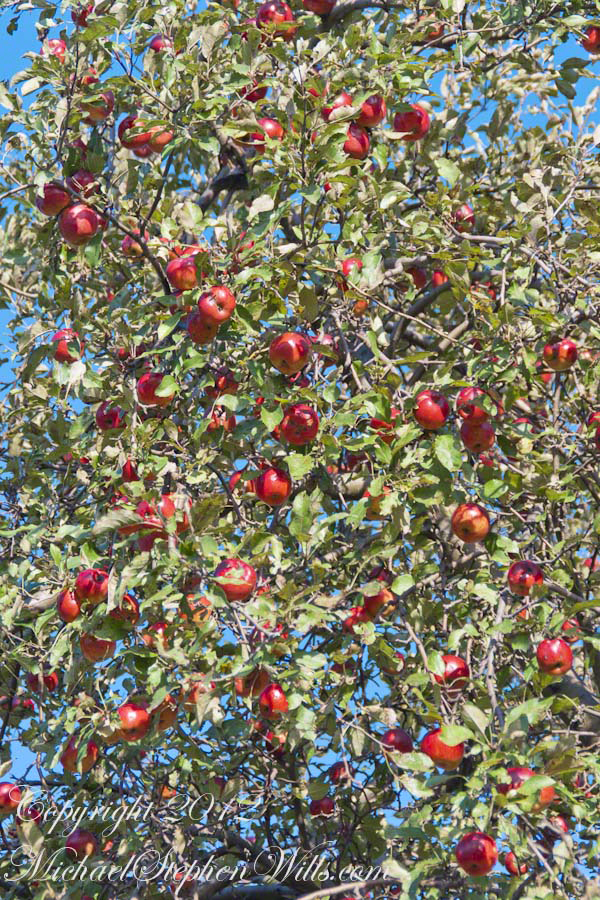
Sunday last we had a morning of it with a family fall apple picking event. Afterwards our granddaughter hosted us for coffee where her daughter finished her latest creation.
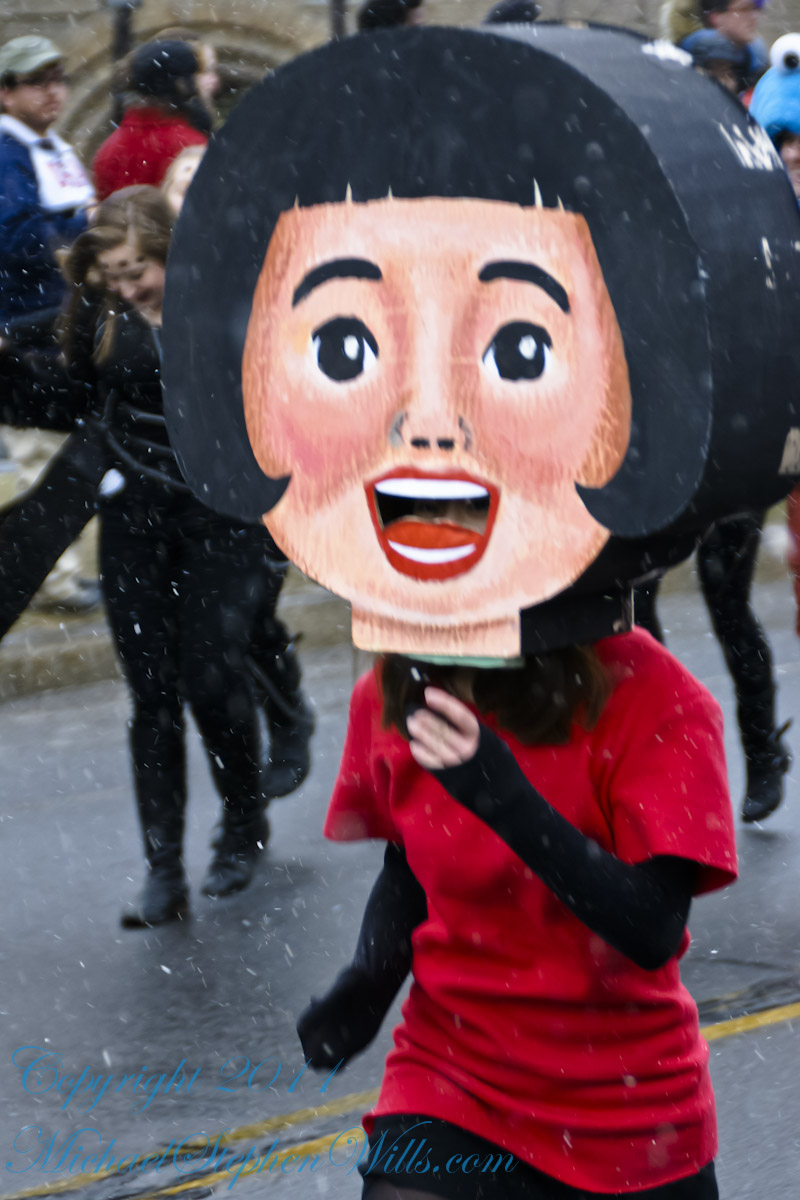

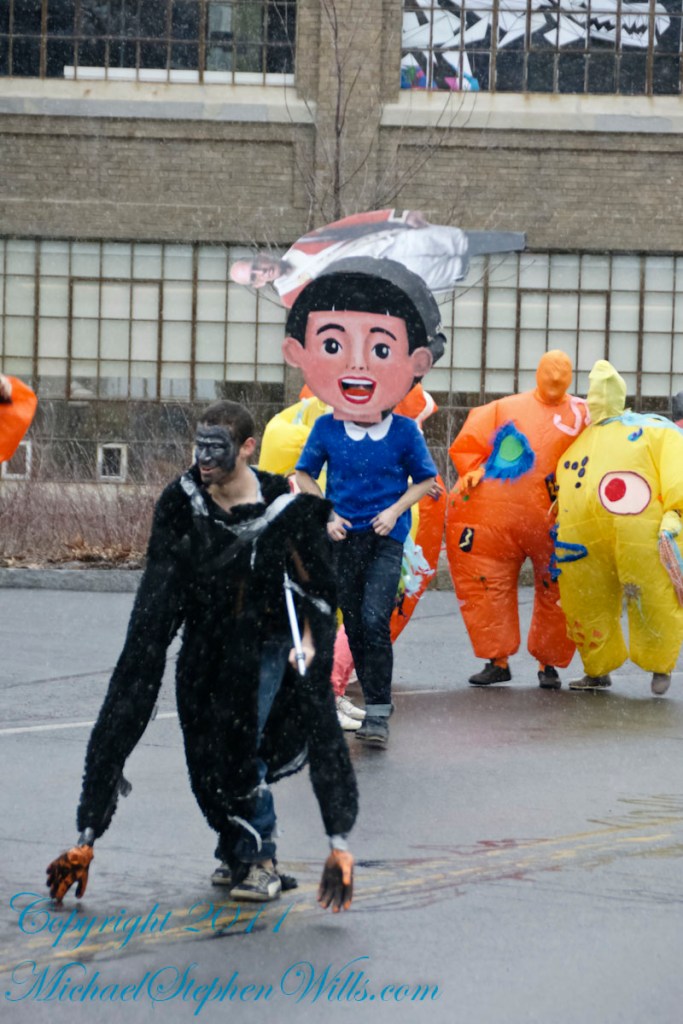
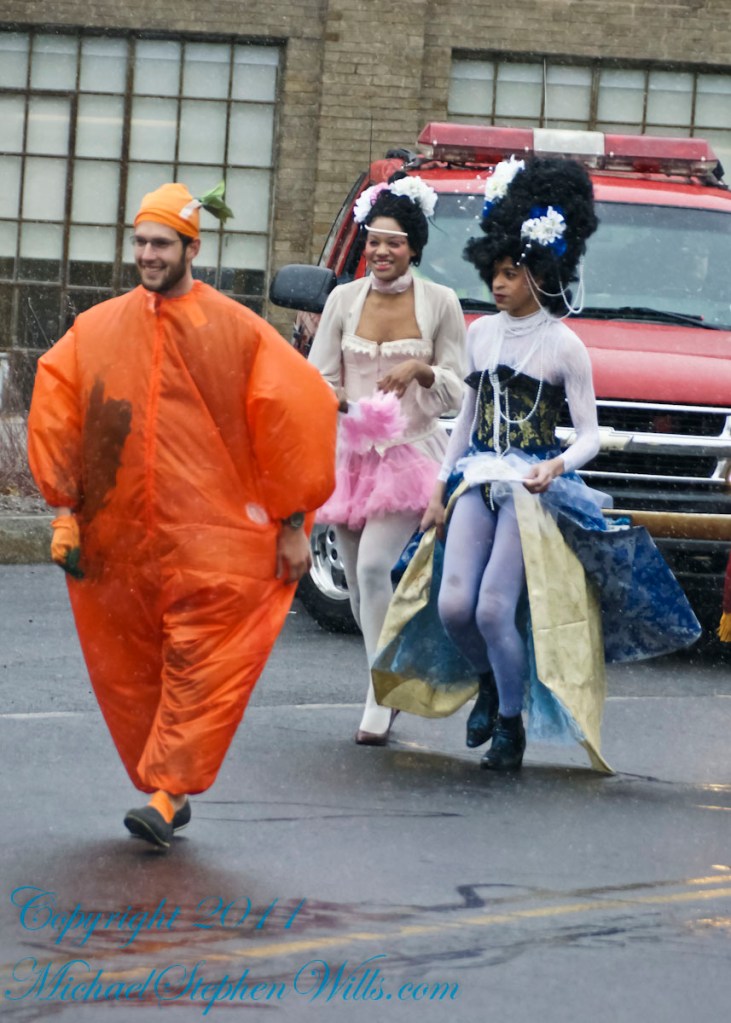
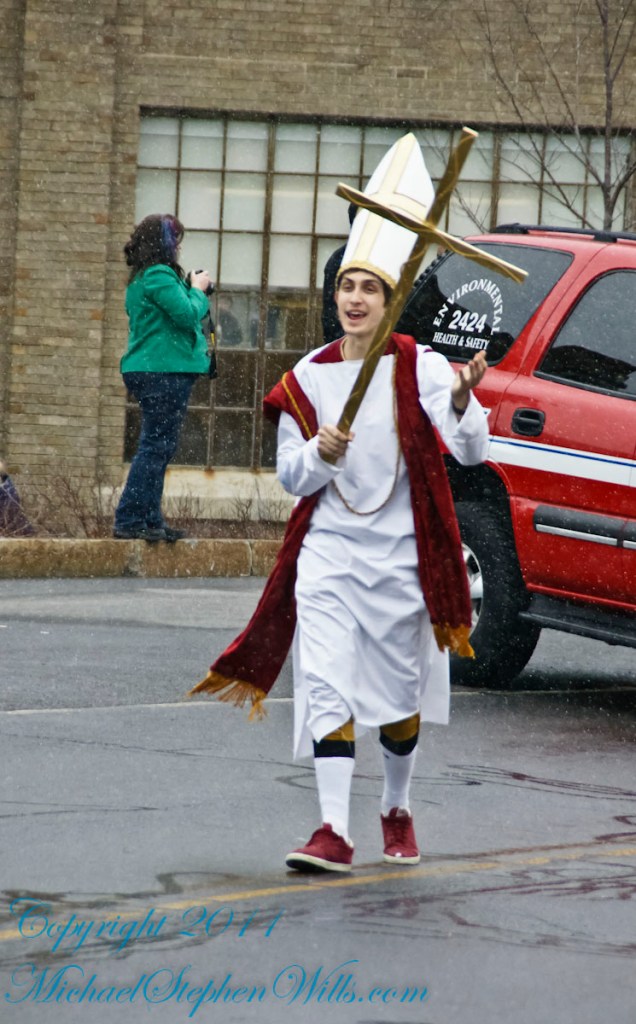
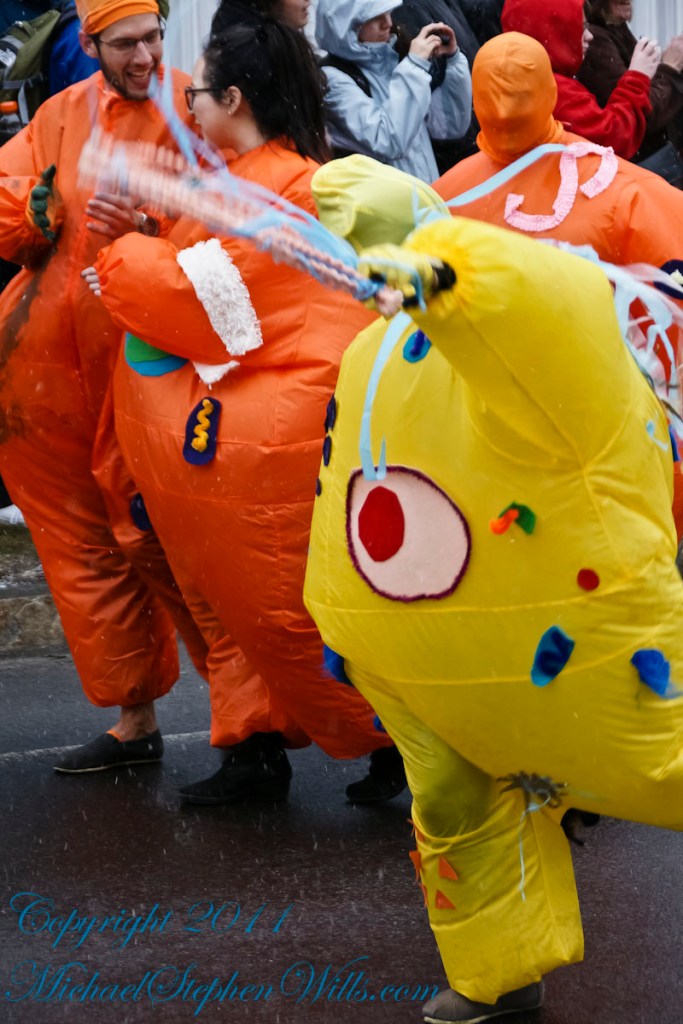
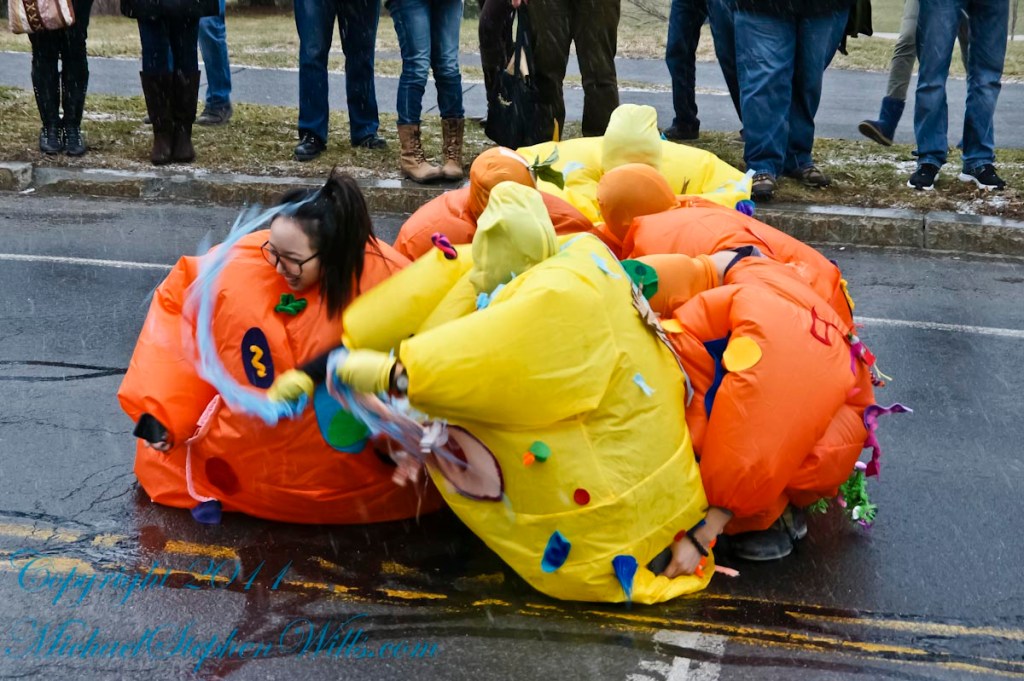
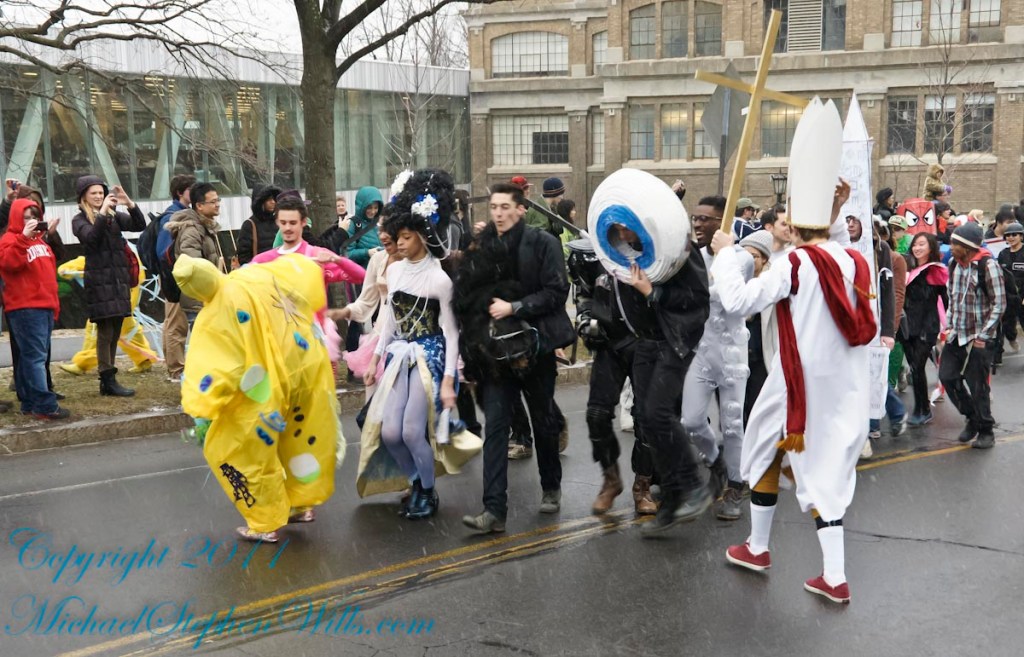
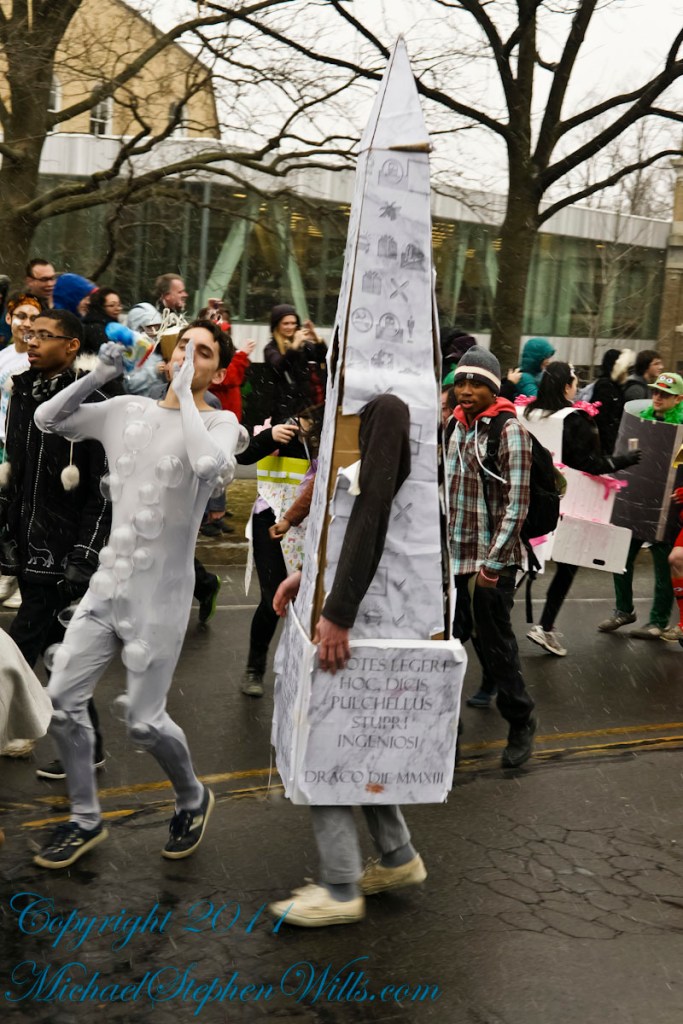
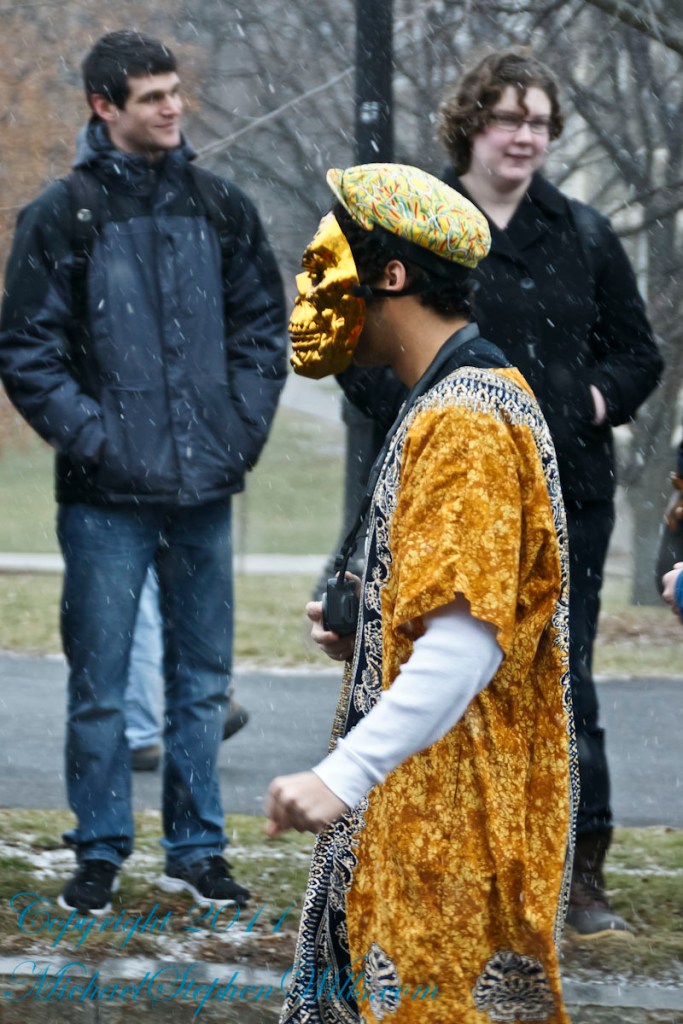
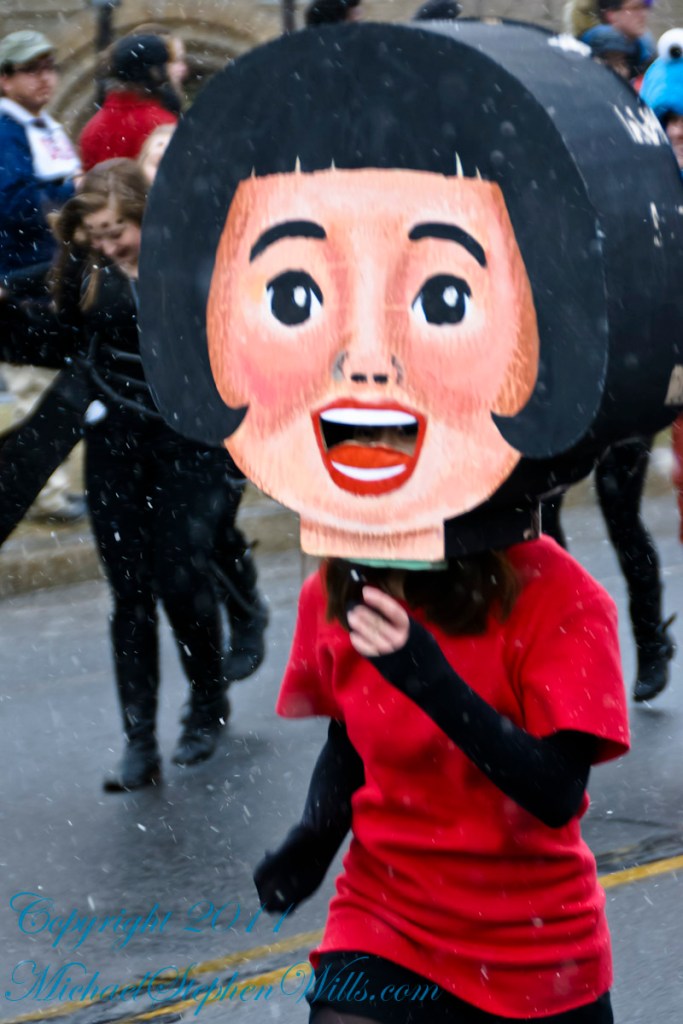
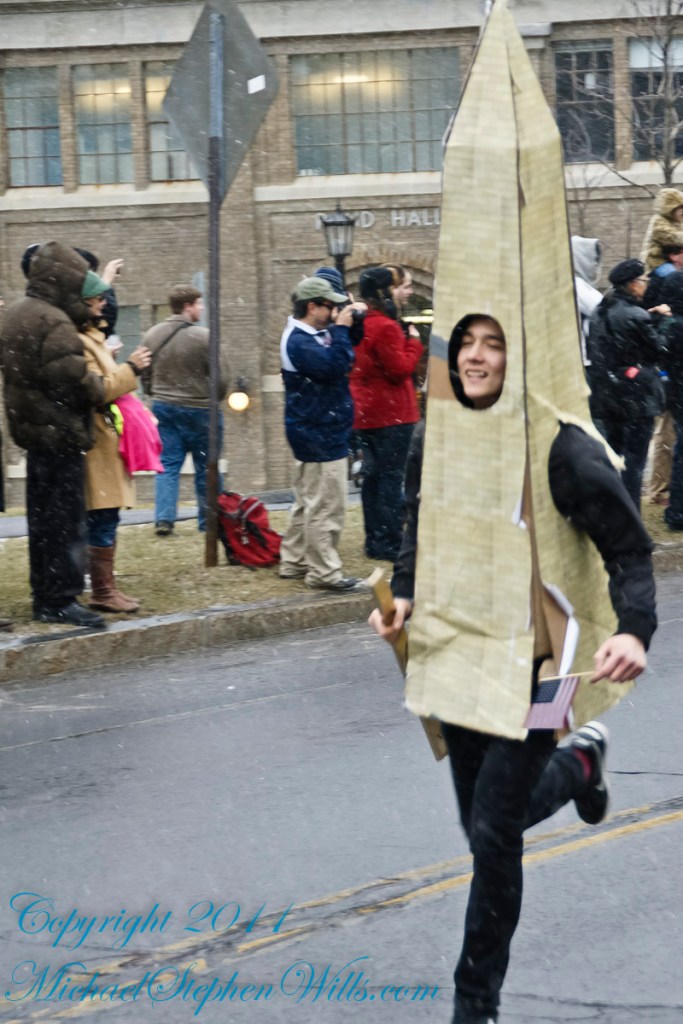
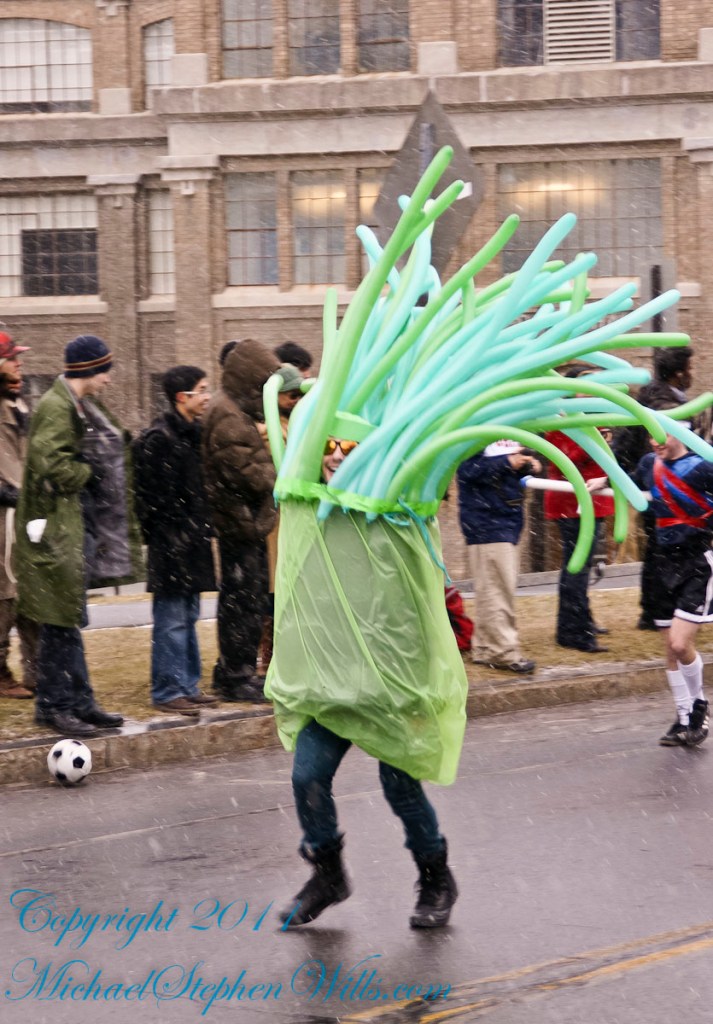
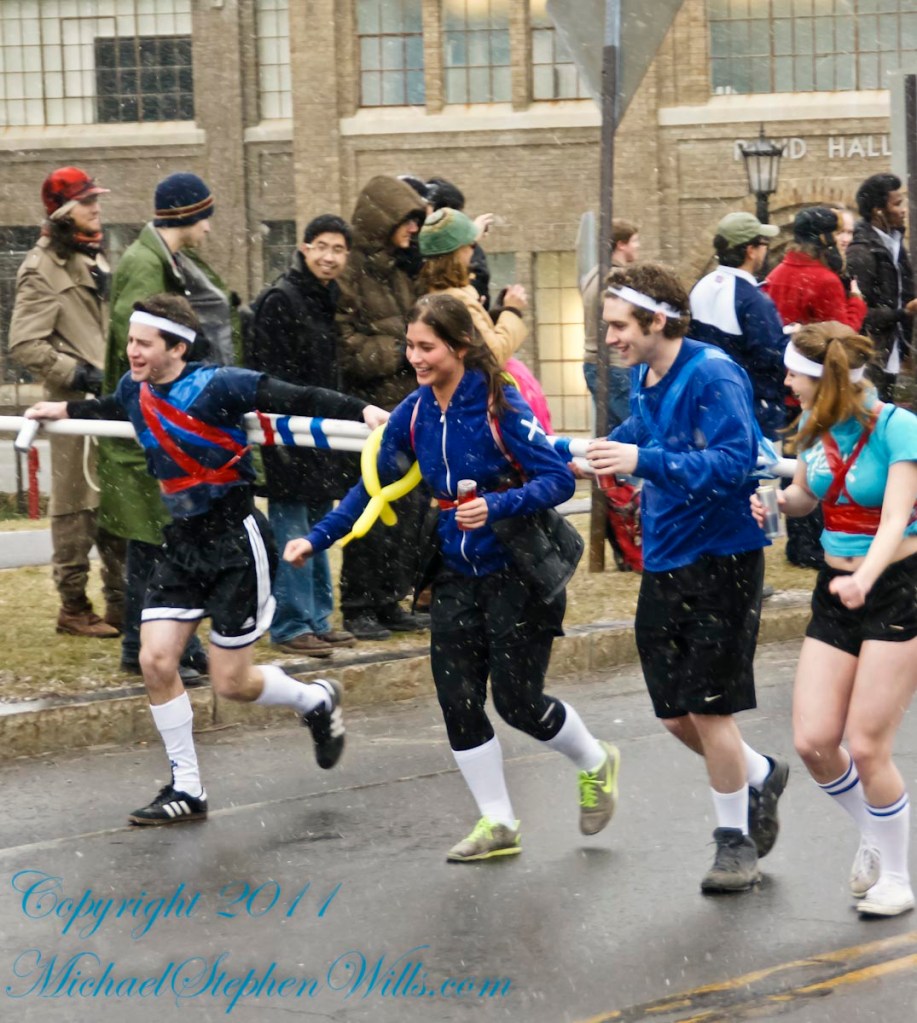
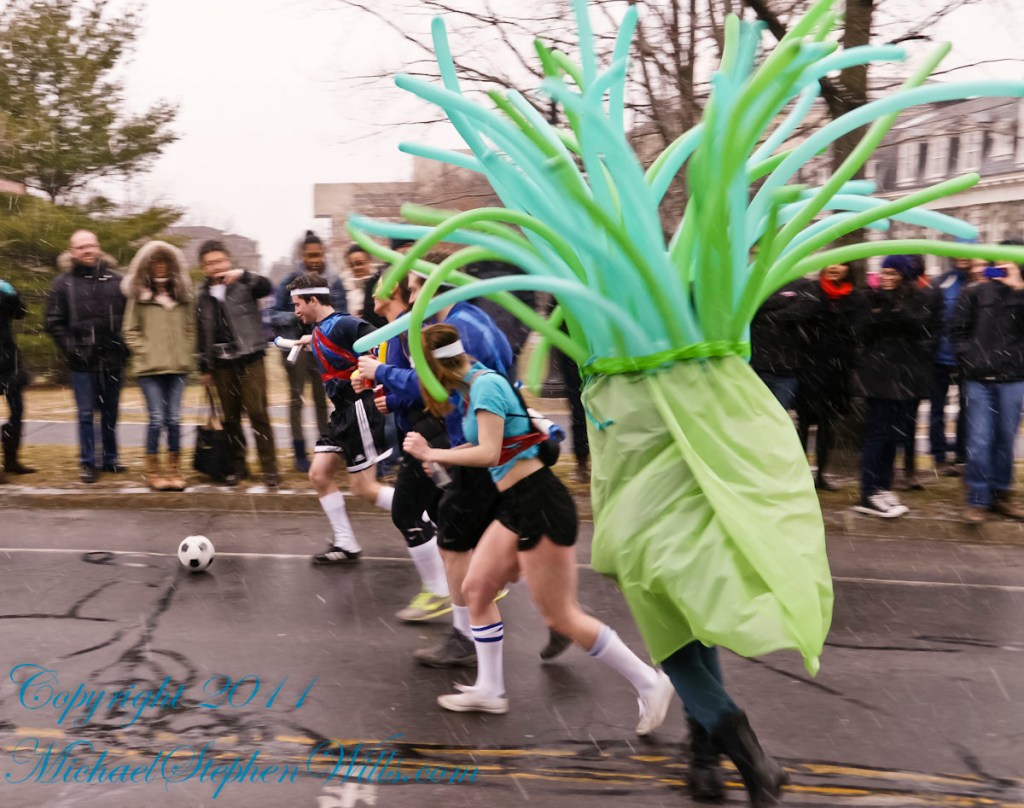
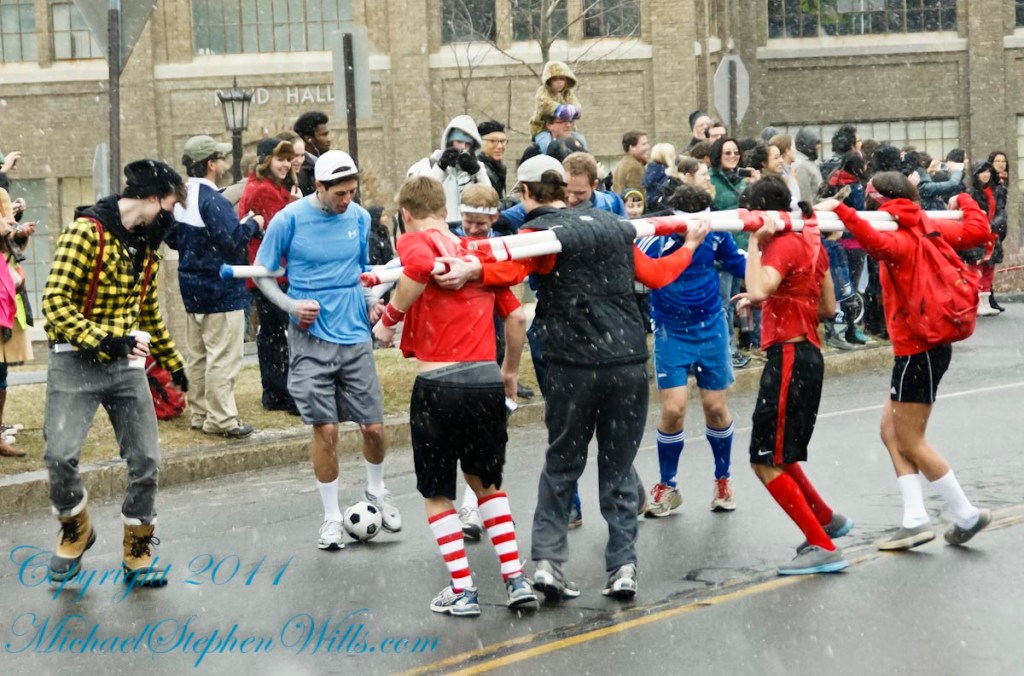
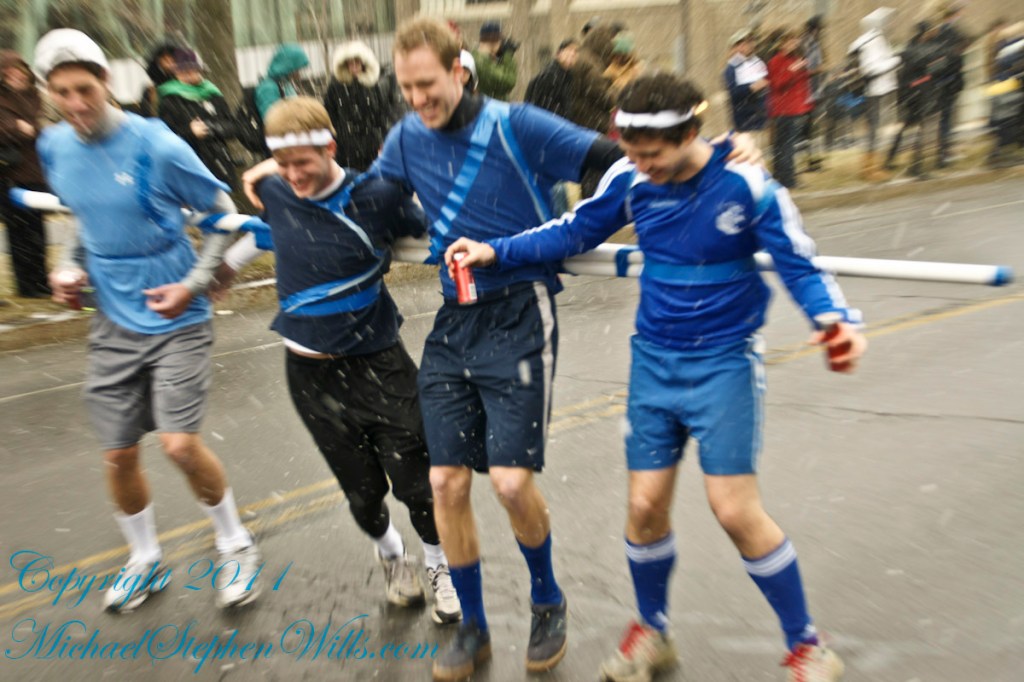
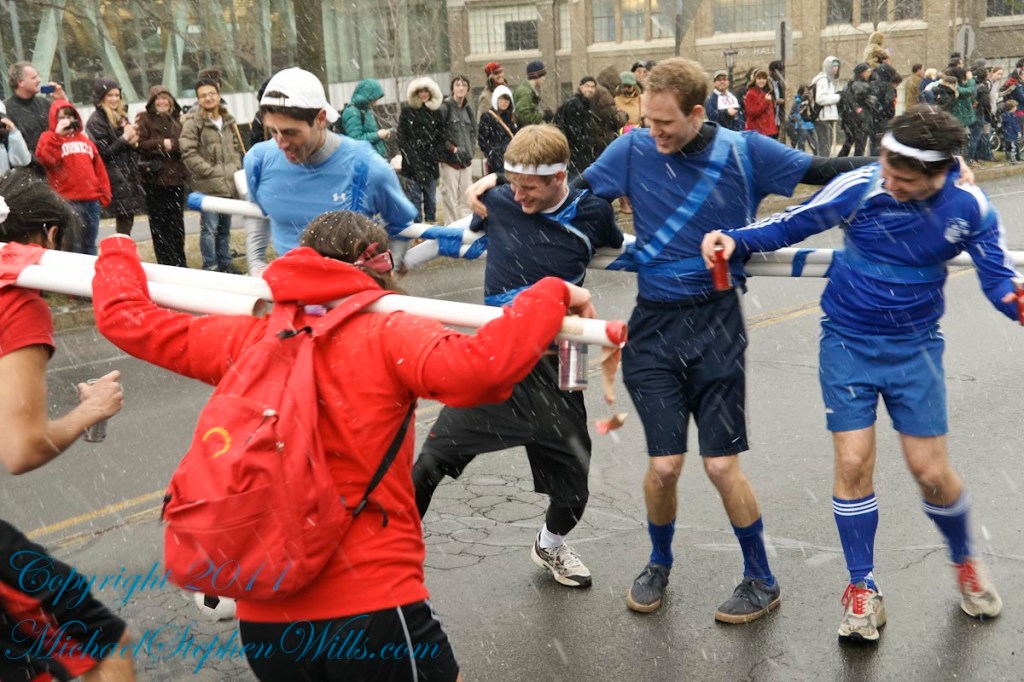
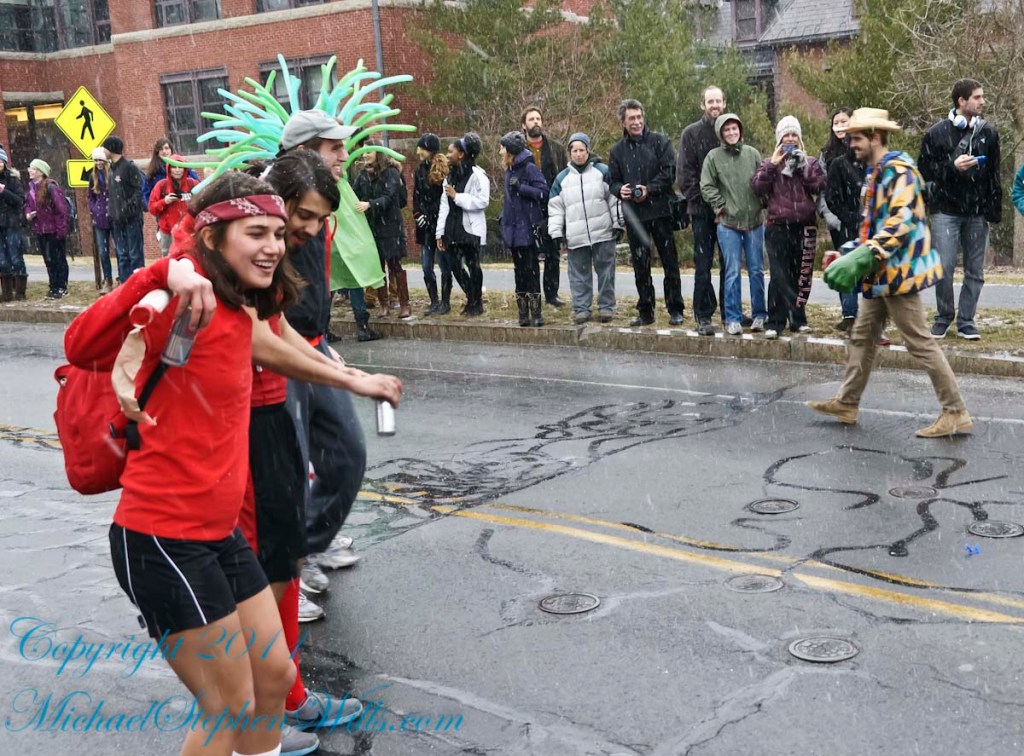
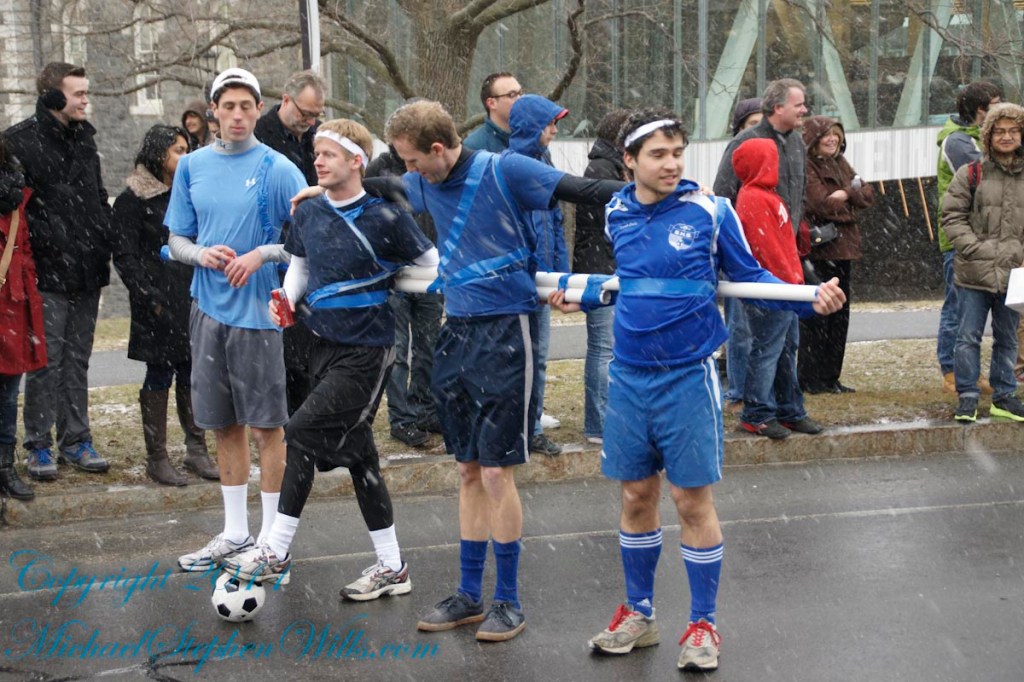
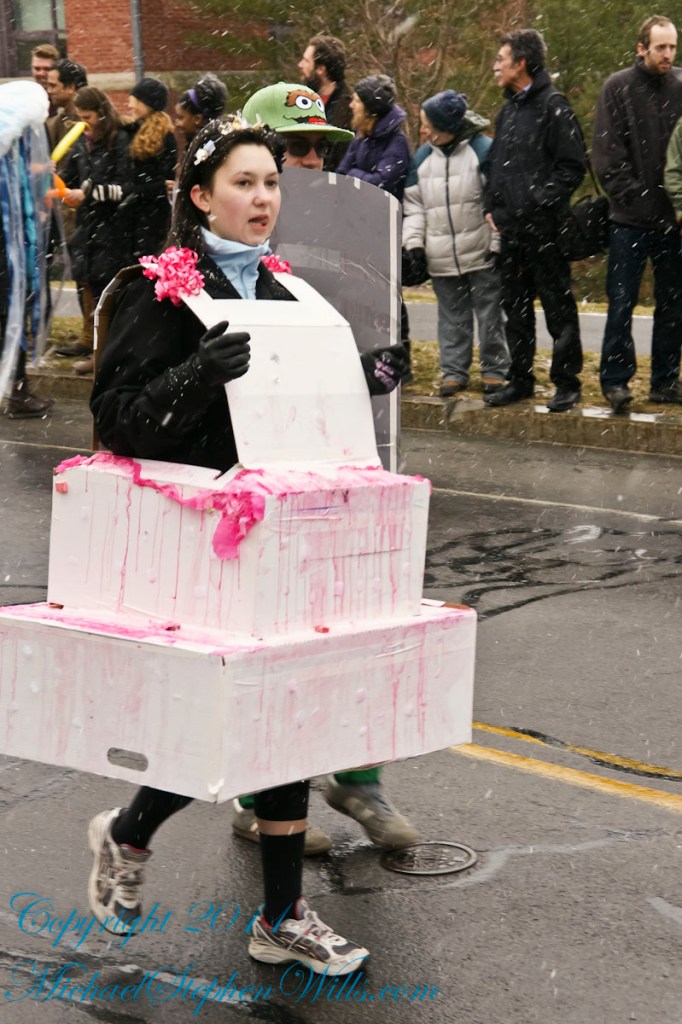
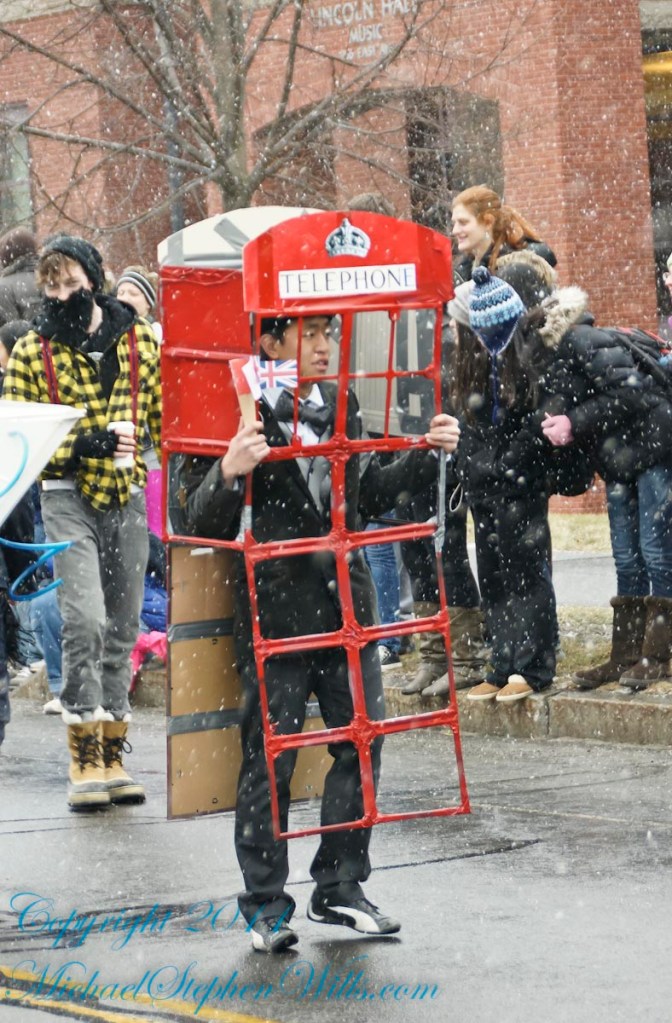
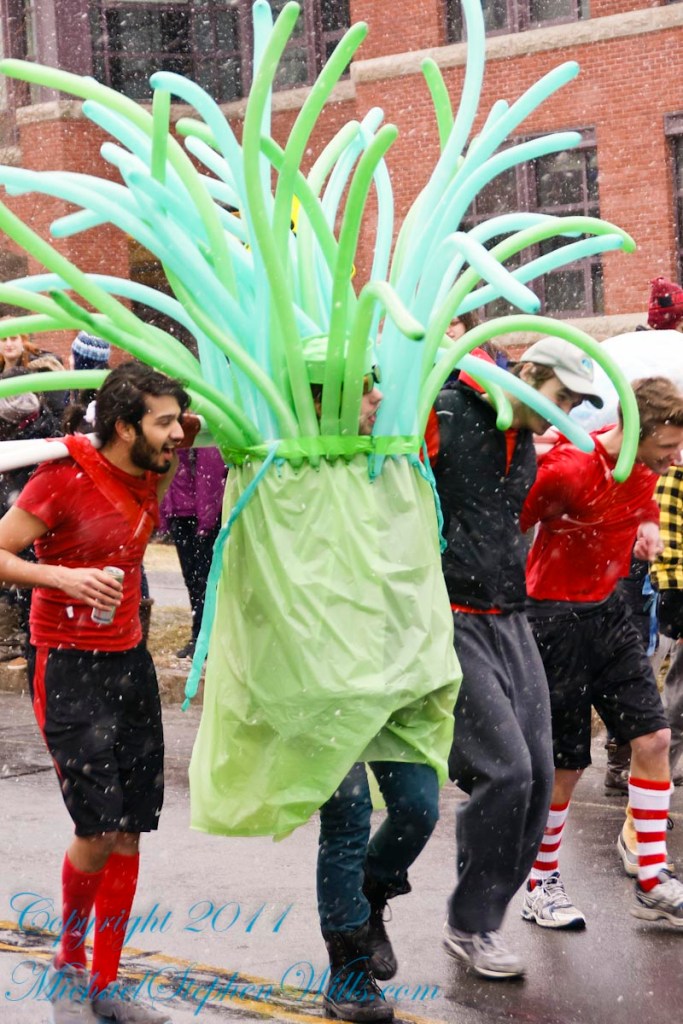
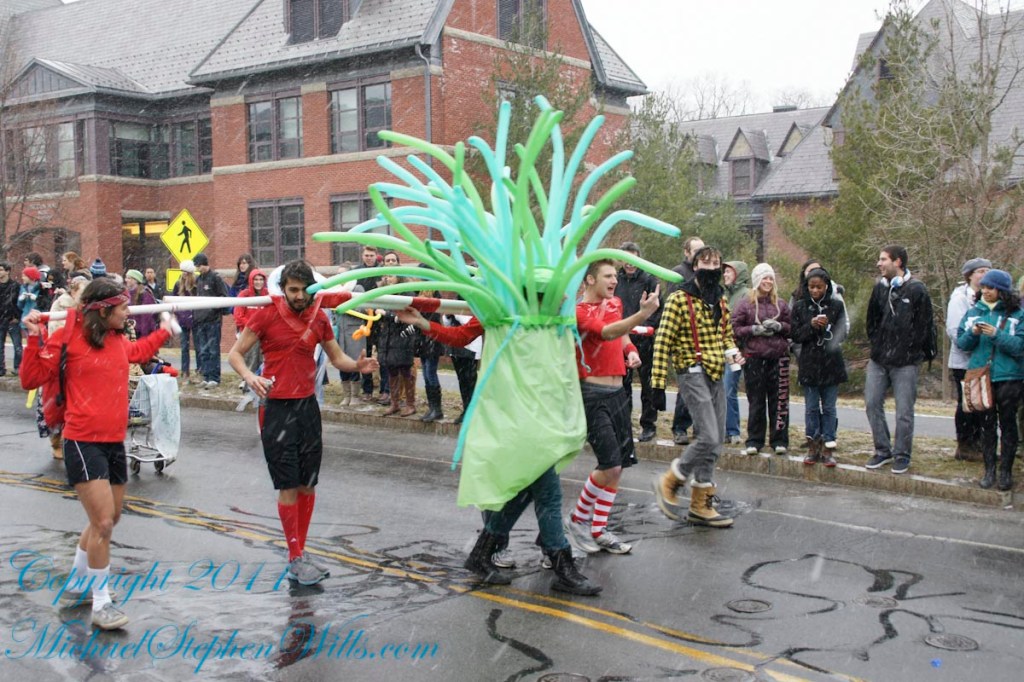
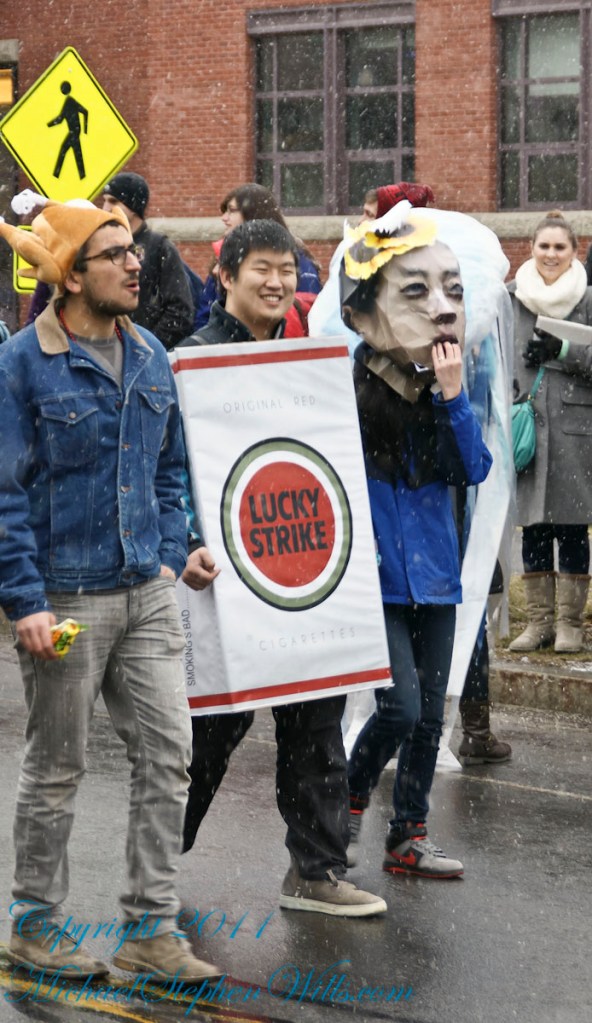
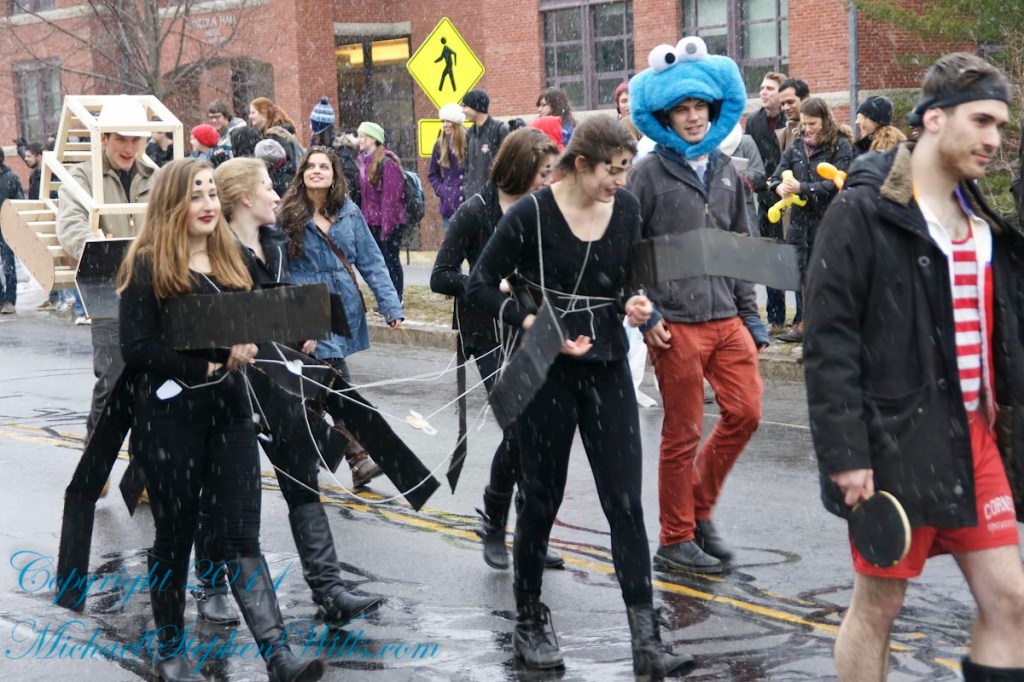
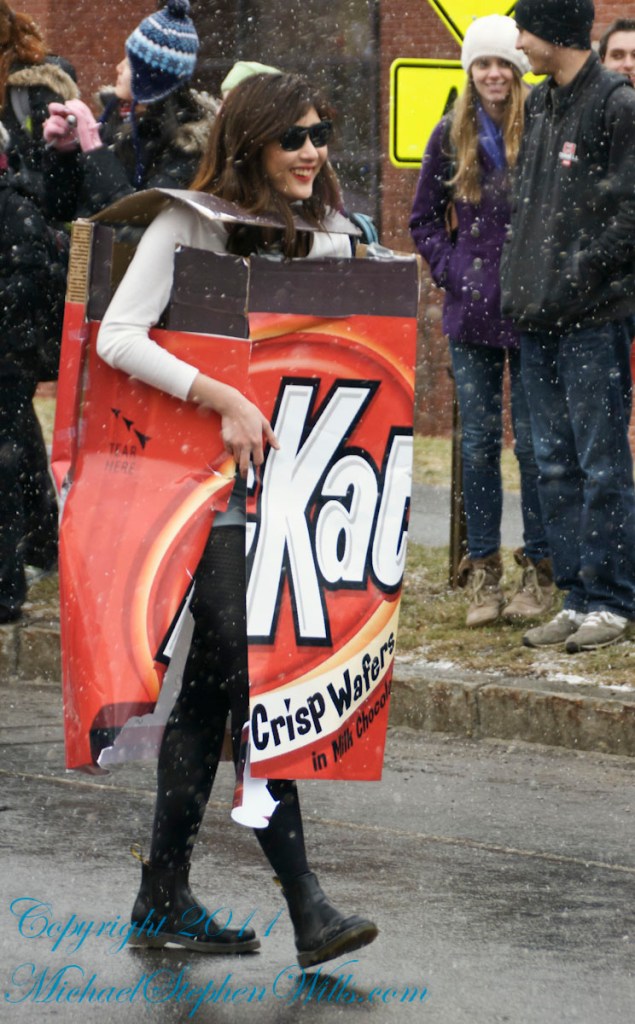
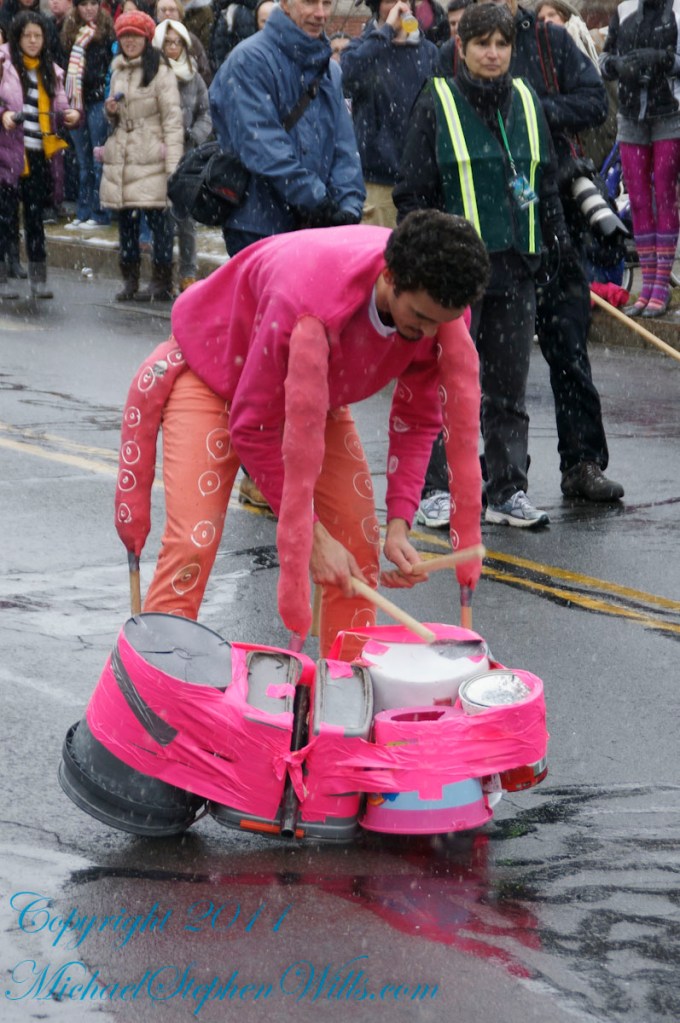
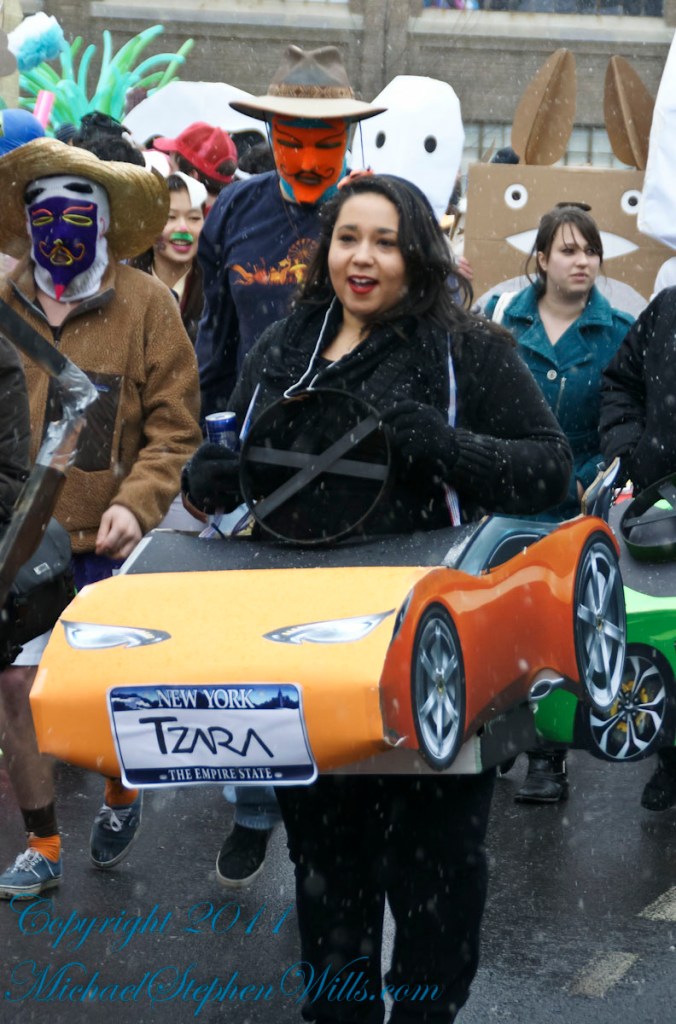
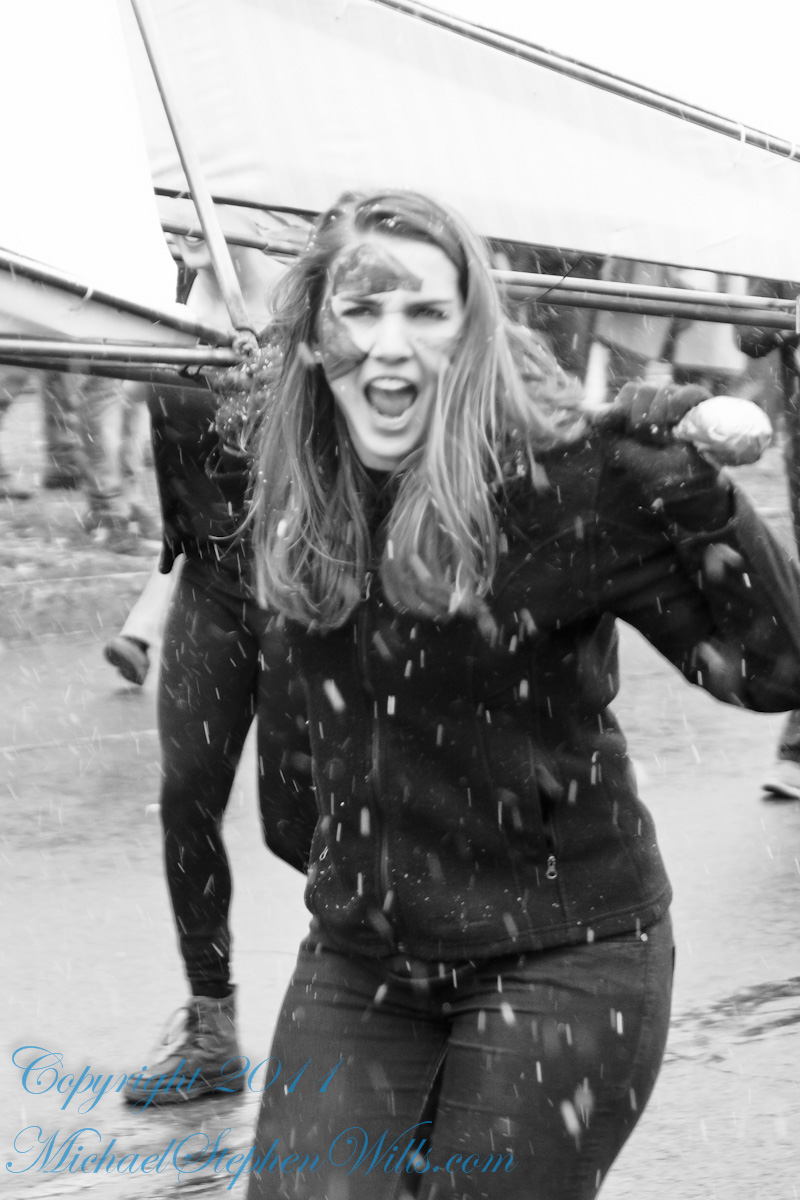
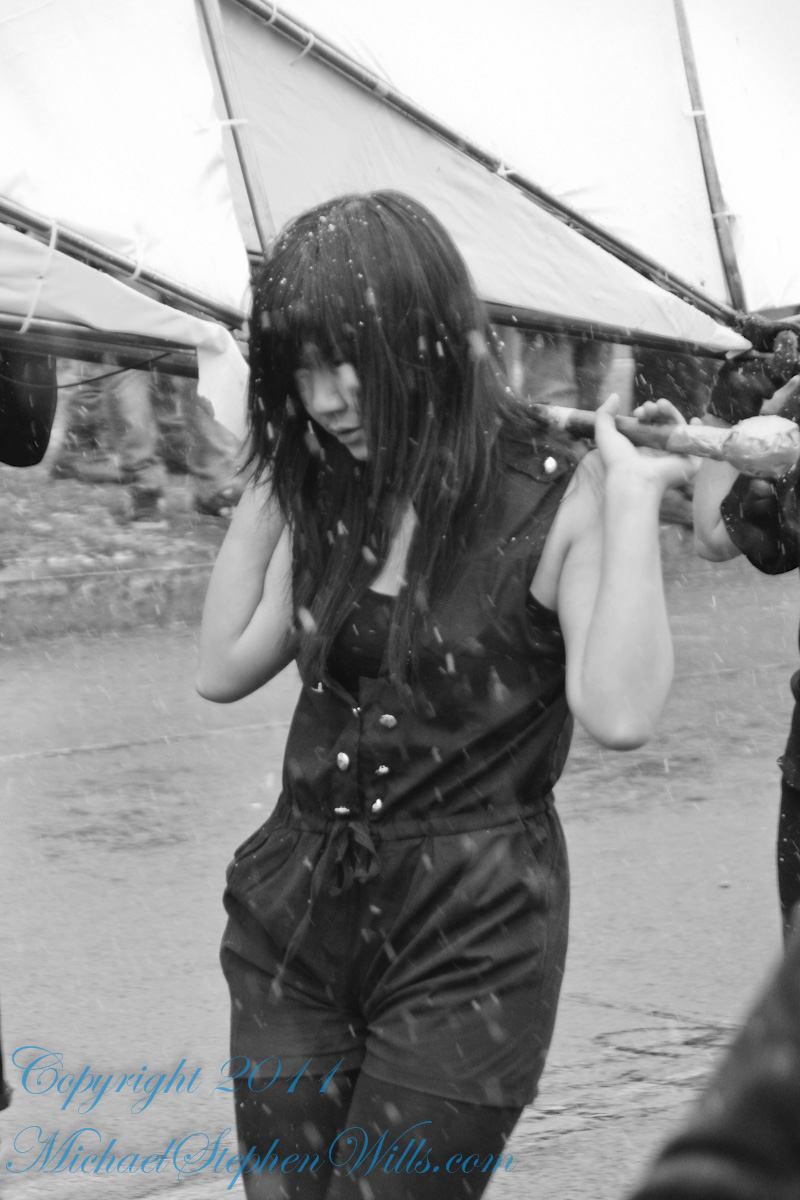
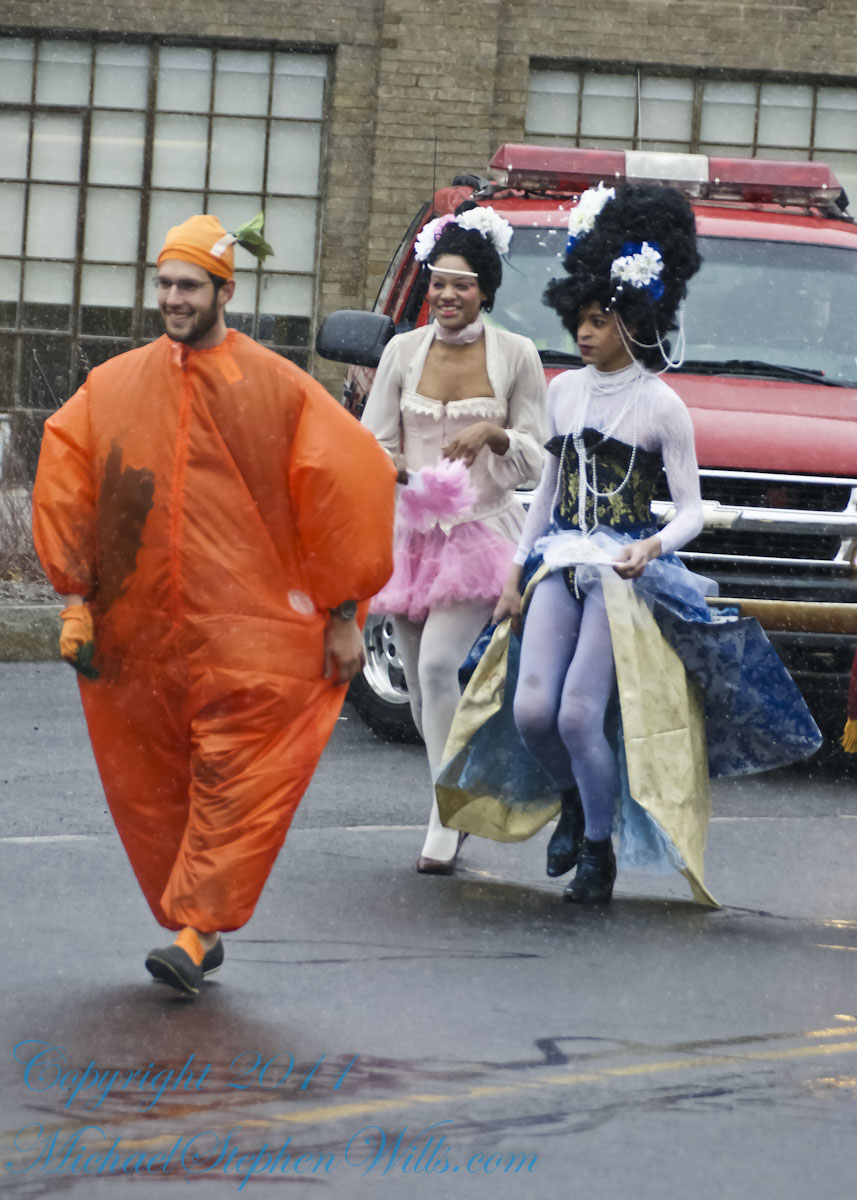
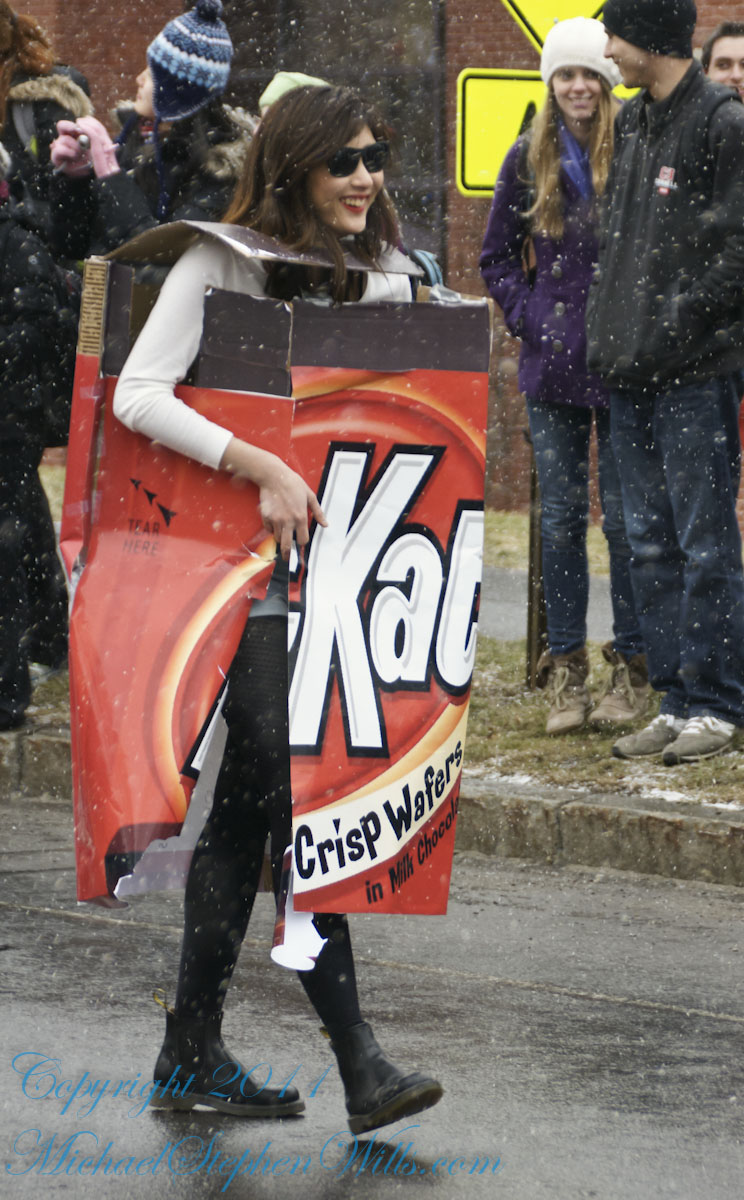
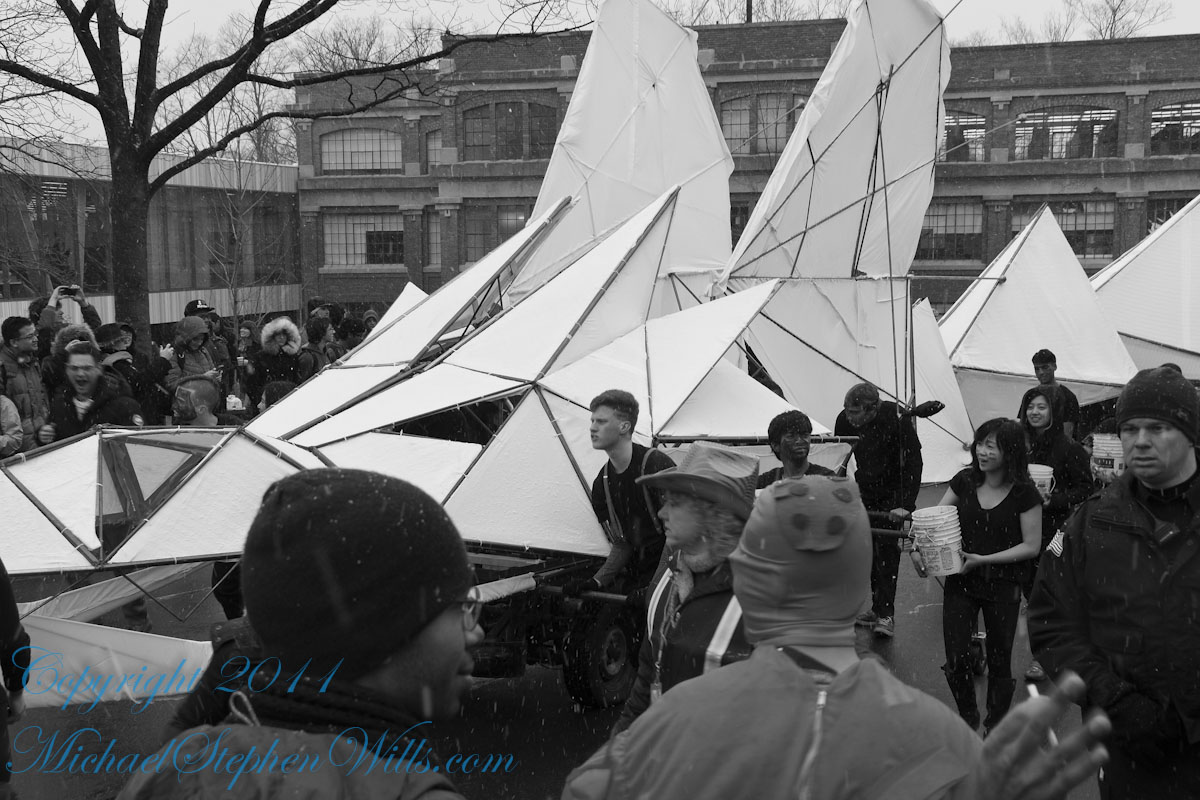
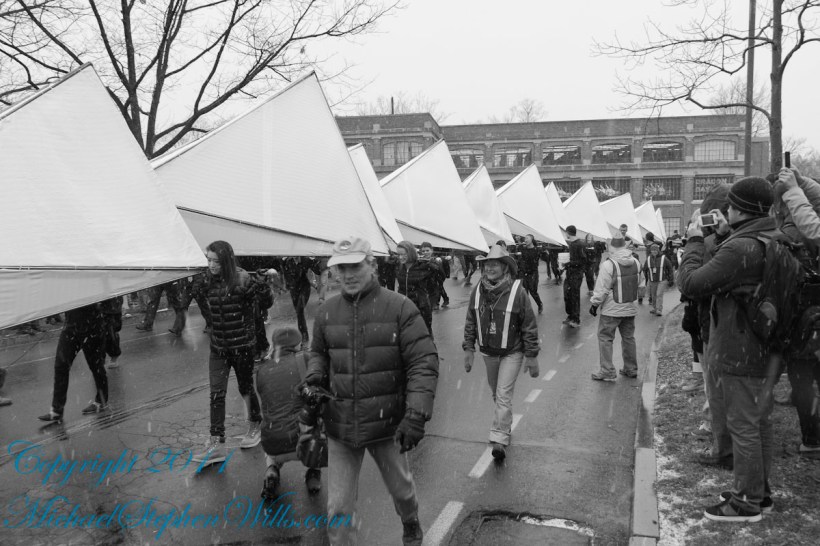
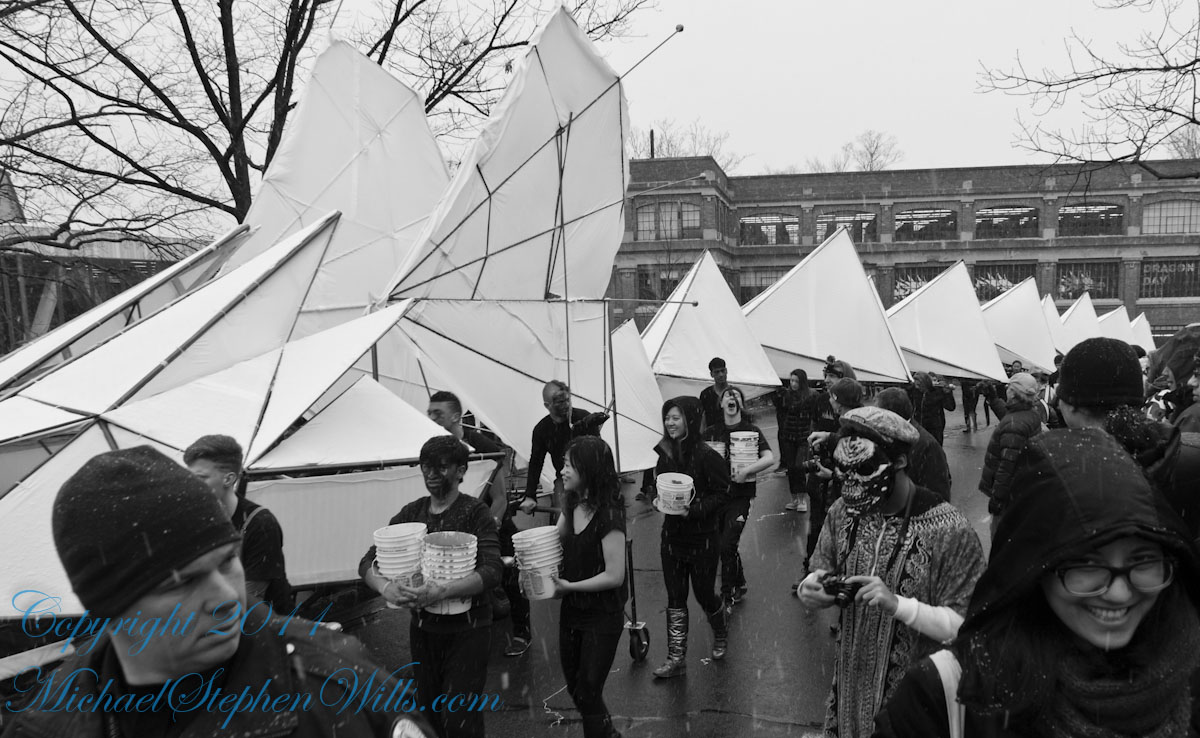
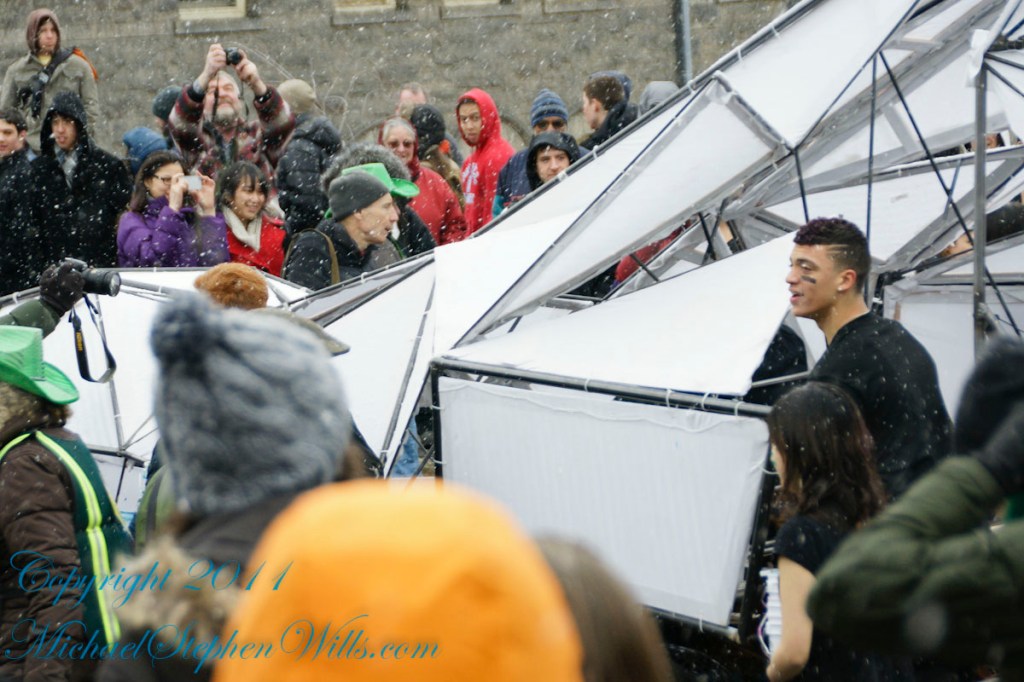
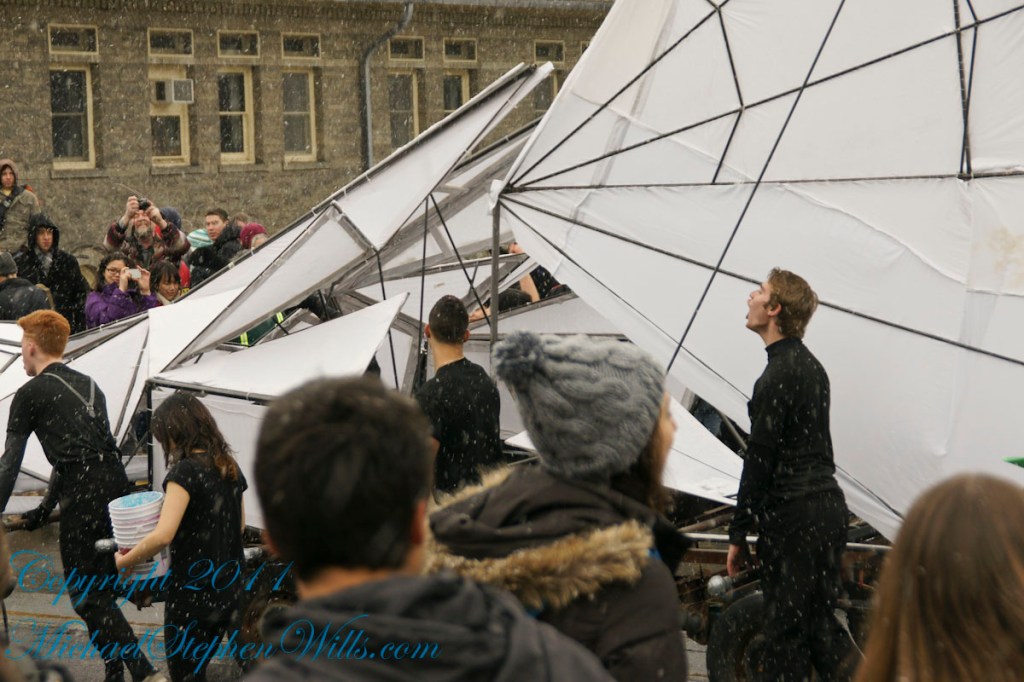
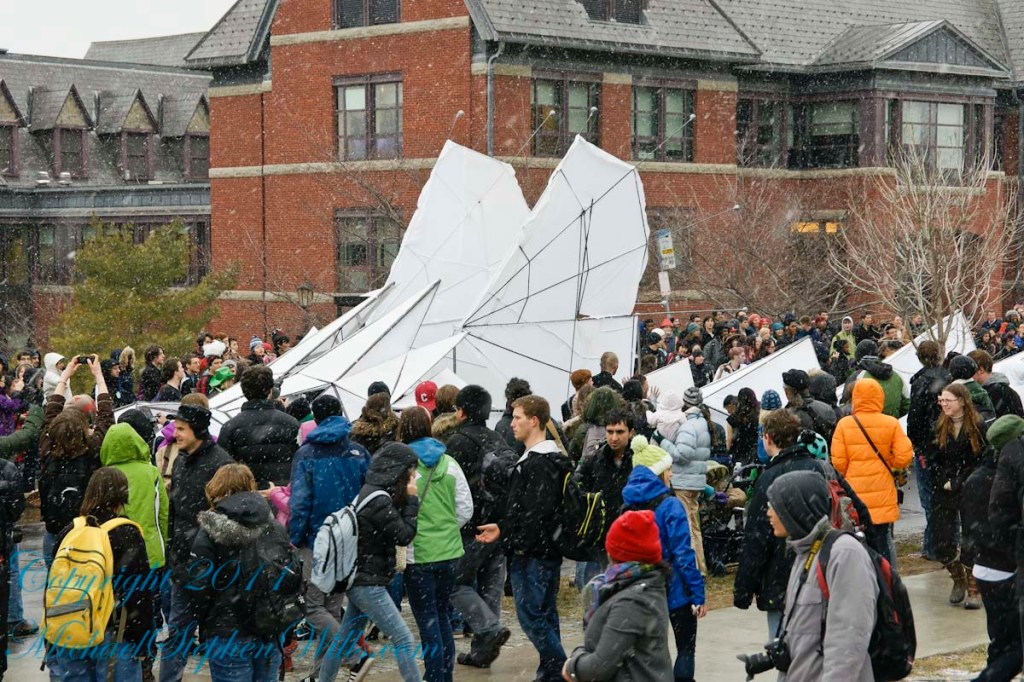
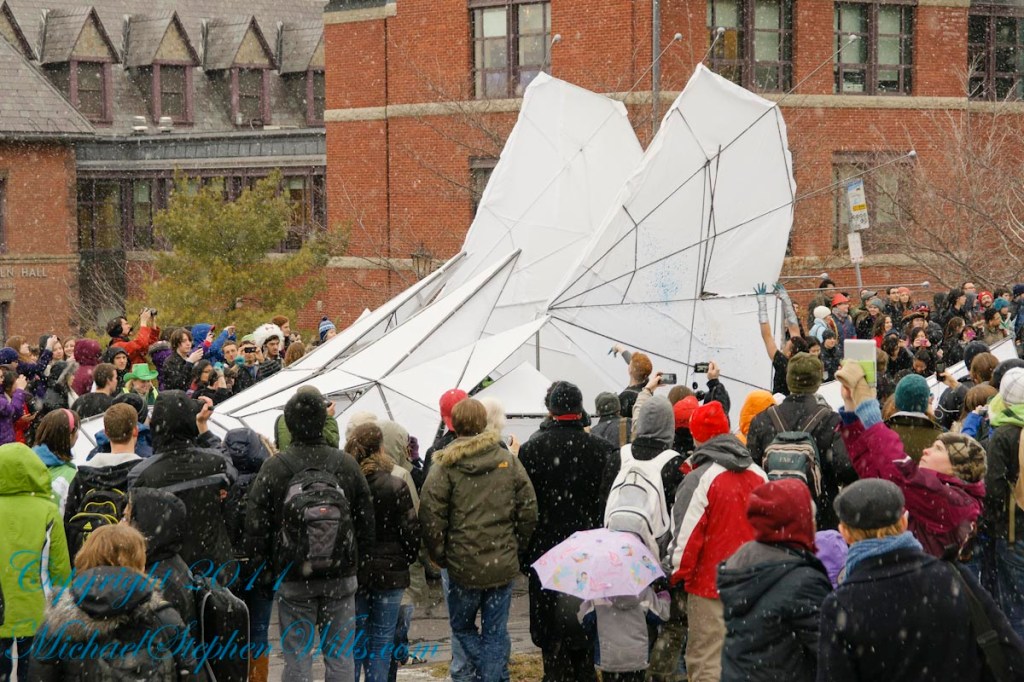
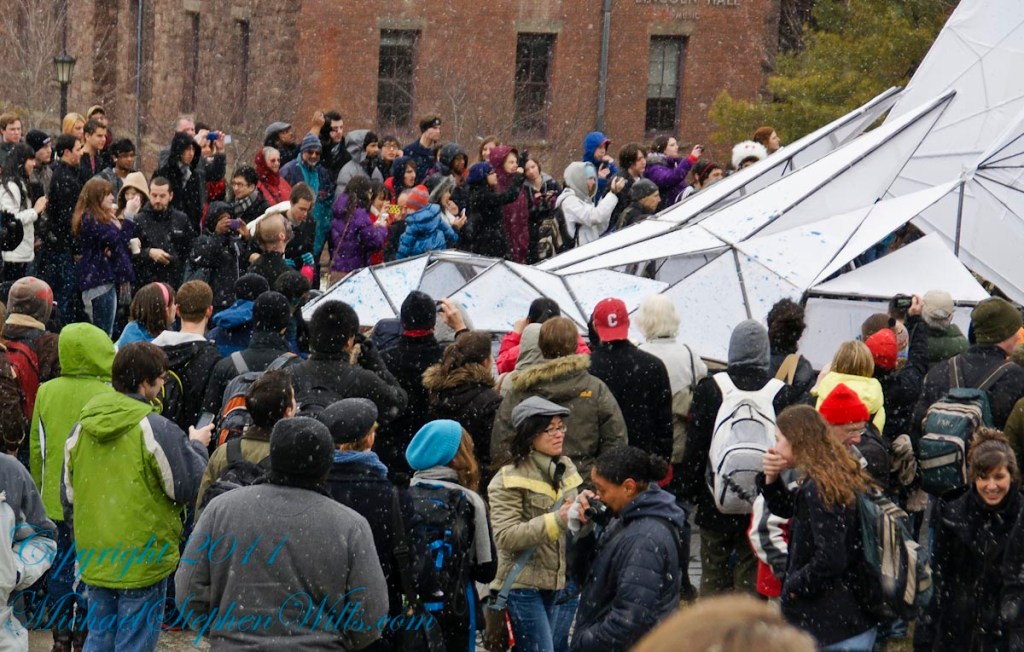
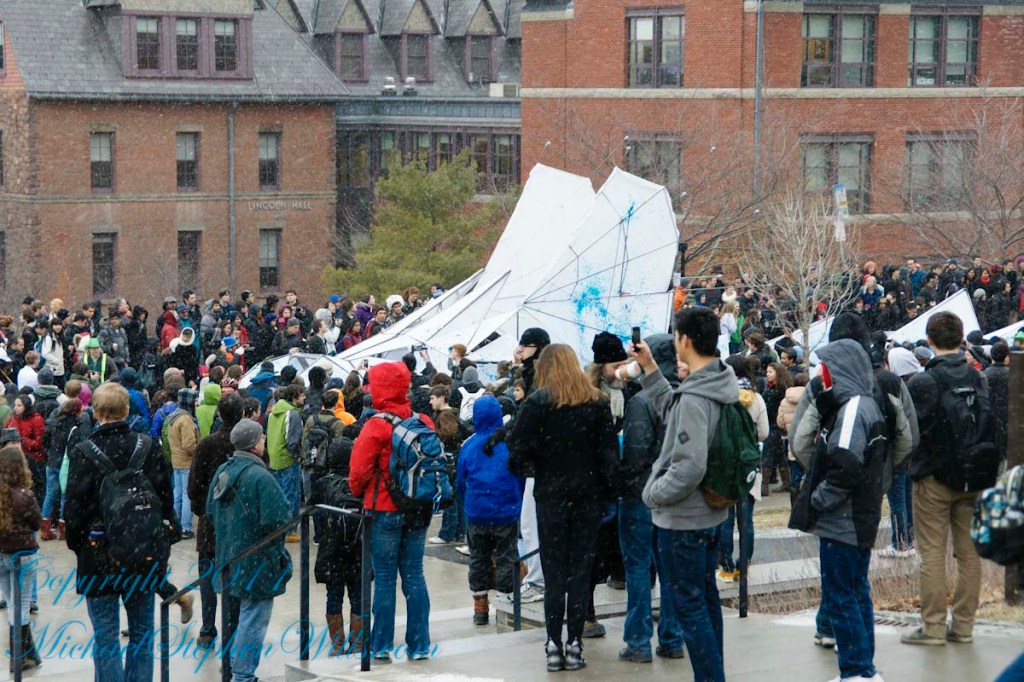
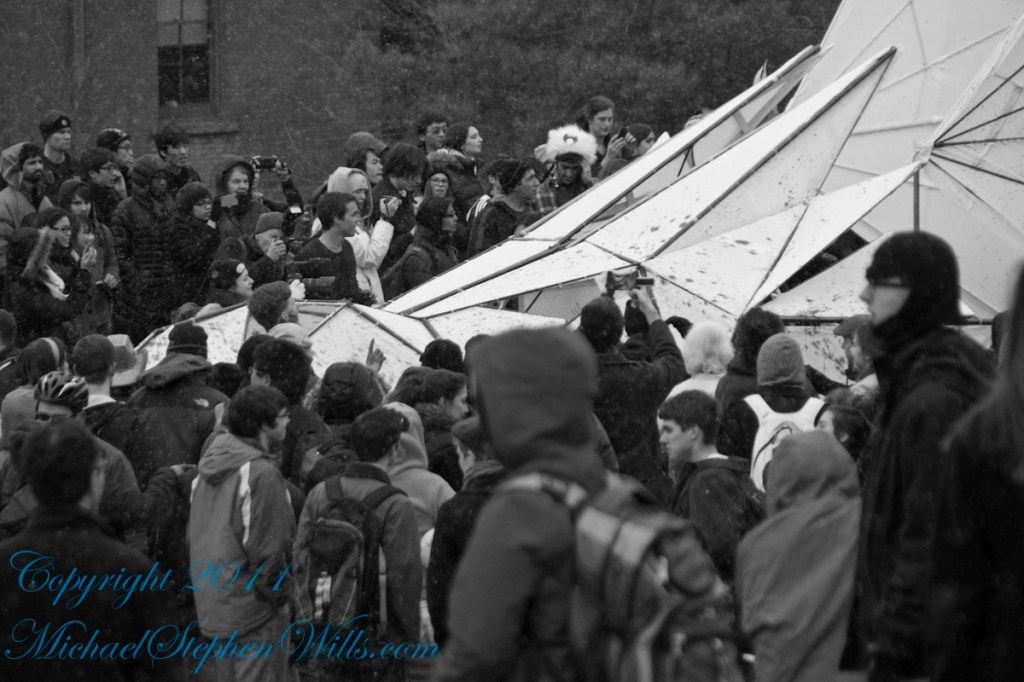
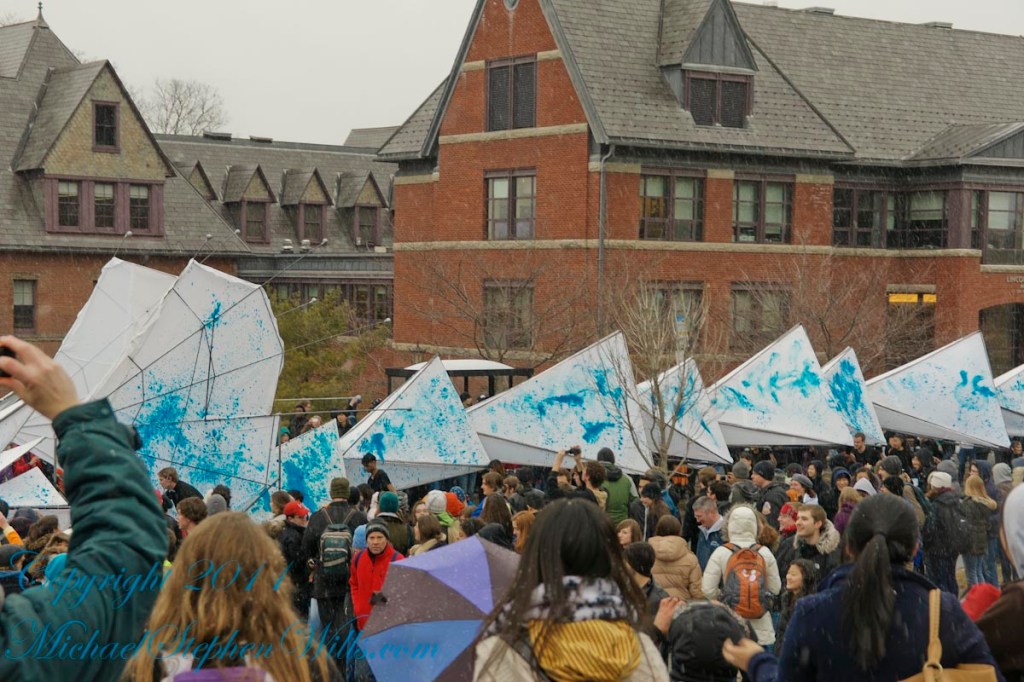
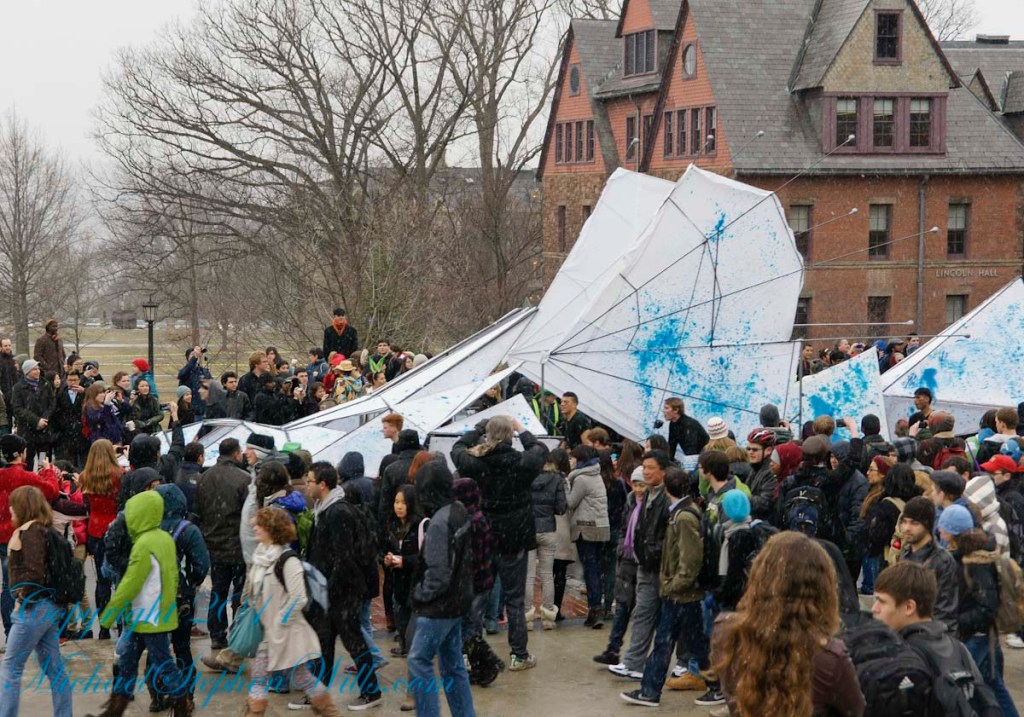
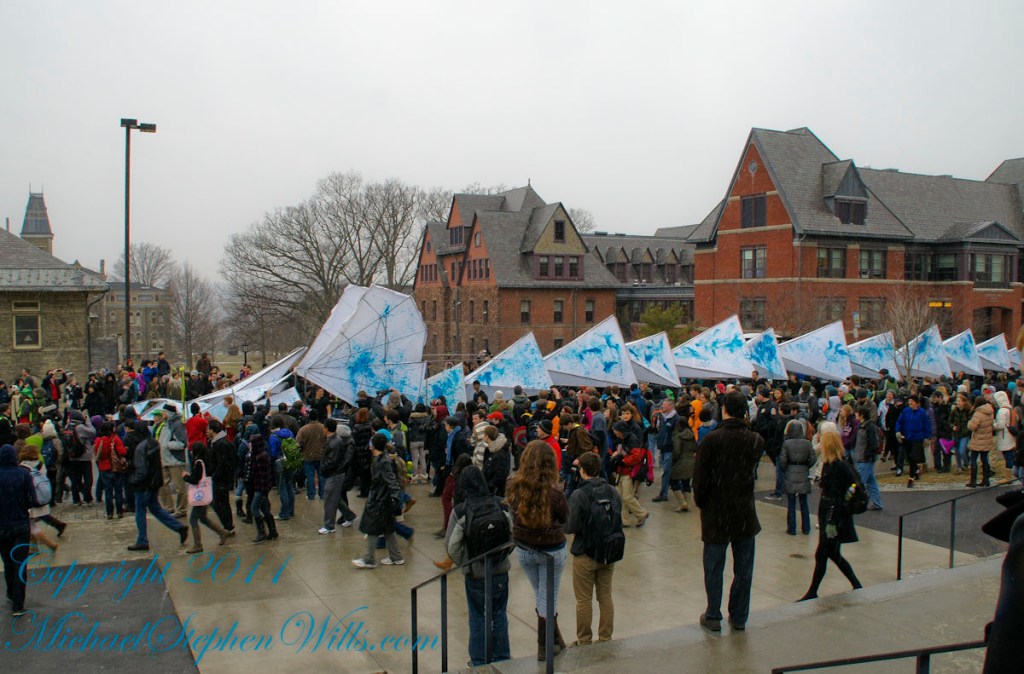
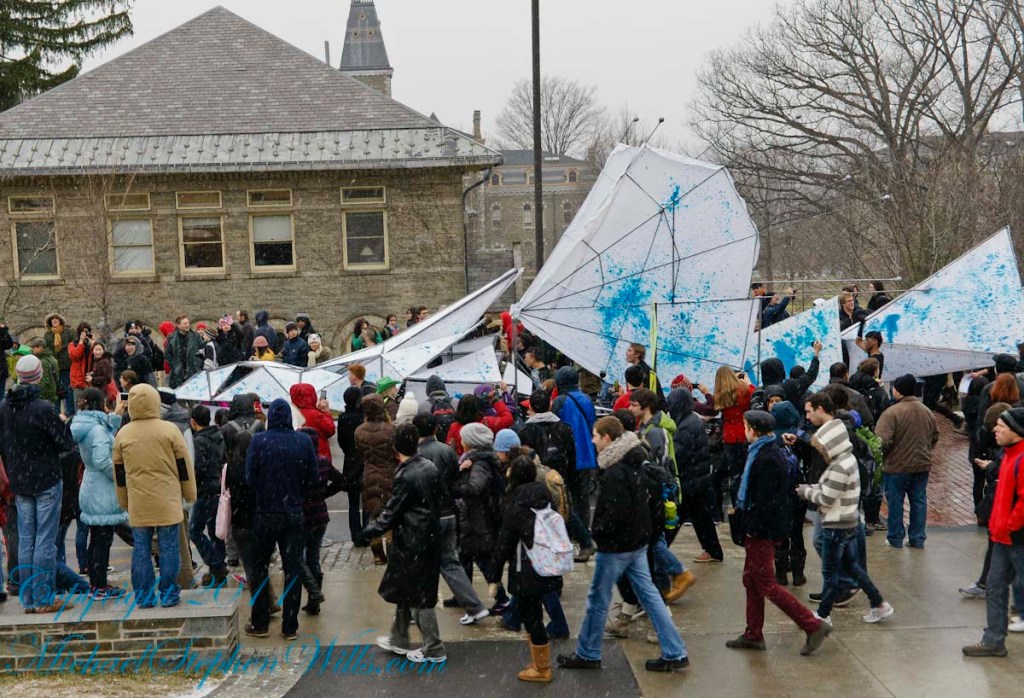
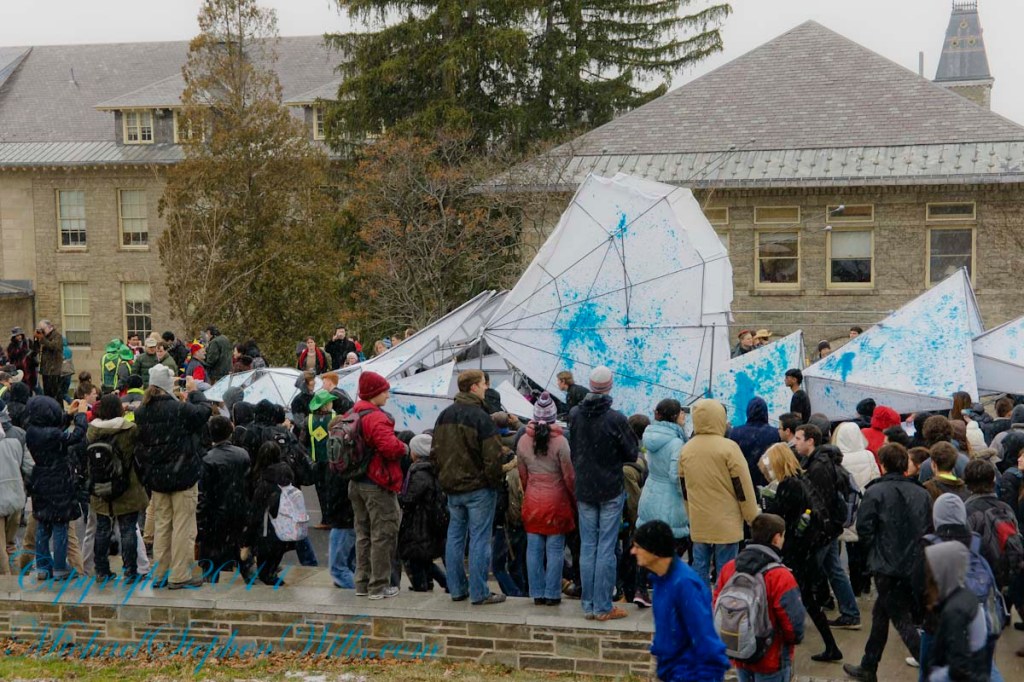
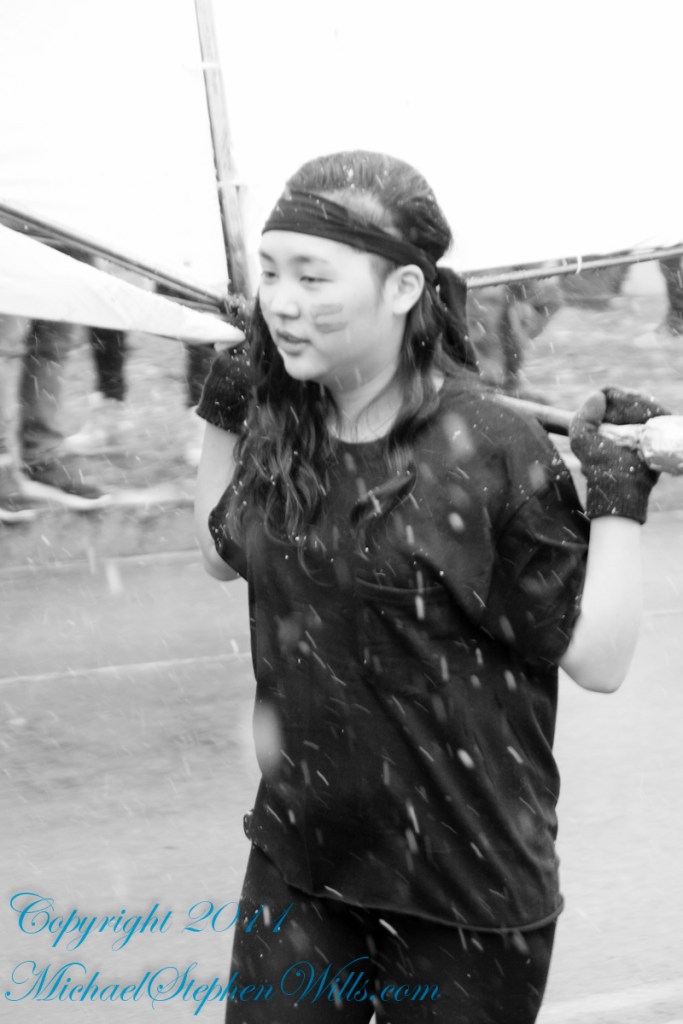
Cornell University Dragon Day 2013

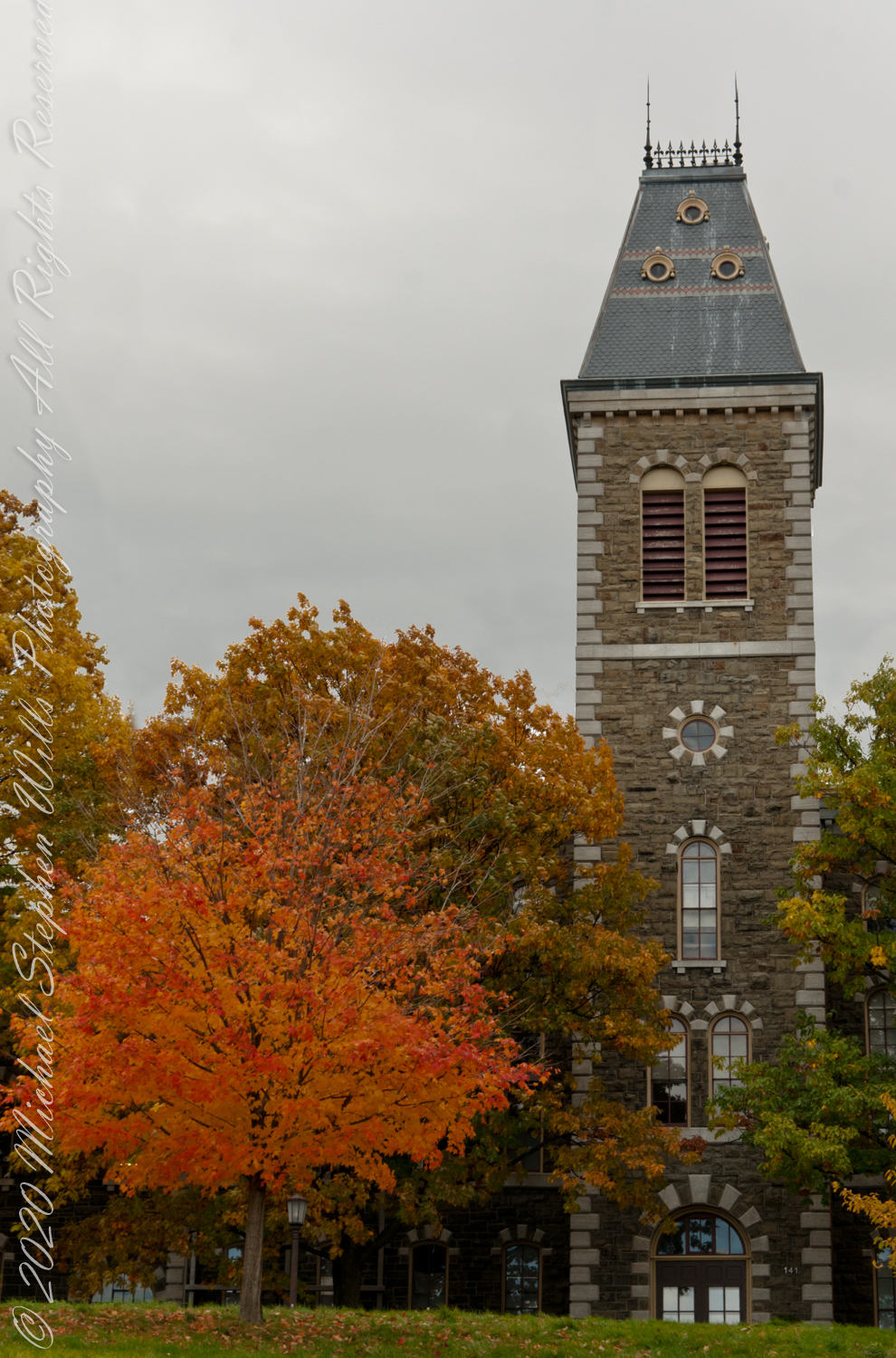
The First Cornell Tower
Named for founding trustee John McGraw, who gave $120,000 for construction of the building, McGraw Hall, designed by architect Archimedes N. Russell, opened in 1872.
Built of an Ithaca stone known as Lenrock, the four-story building was the first on campus to include a tower and today is home to the American Studies Program, Department of History, Department of Anthropology, and Archaeology Intercollege Program.
Jennie McGraw, daughter of John McGraw, donated the chimes to be placed in the tower, where they stayed until McGraw Tower was built in 1891.
This year the College of Arts and Sciences inaugurated a comprehensive renovation of McGraw Hall.

Lima is home to 10 million Peruvians and over 1000 historical sites.
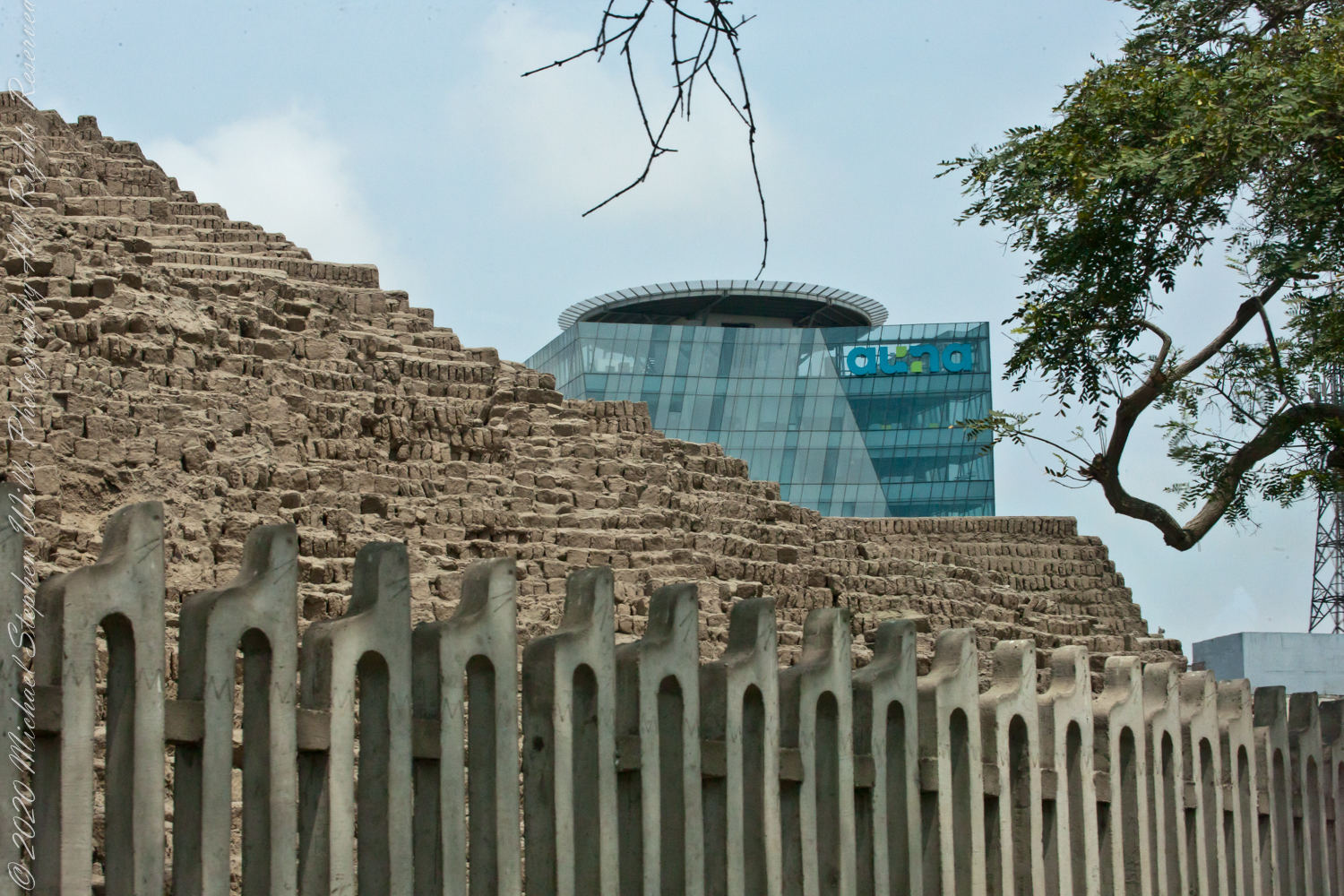
View of Clinica Delgado (hospital) from Lima Peru’s Elias Aguirre (street), Huaca Pucllana filling the foreground. Huacas are commonly located in nearly all regions of Peru outside the deepest parts of the Amazon basin in correlation with the regions populated by the pre-Inca and Inca early civilizations. They can be found in downtown Lima today in almost every district, the city having been built around them. Huaca Pucllana, located in Miraflores district, is an adobe and clay pyramid built from seven staggered platforms. It served as an important ceremonial and administrative center for the advancement of the Lima Culture, a society which developed in the Peruvian Central Coast between the years of 200 AD and 700 AD.
This is the New York Times article that inspired me to remember visiting Huaca Pucllana during our February 2016 tour of Lima, Peru. “3,000 Years of History Are Literally Just Beneath Our Feet.”
Real Estate and Ancestors
Pam eventually caught up to report a breakthrough contact made through casual street interactions. She talked to random strangers on 2nd Street hoping to learn more about her ancestor, Jan Van Loon. The breakthrough was a name and phone number of a woman, the daughter of a new acquaintance, and a tip about an old cemetery.
Two people are visible in this first photograph, taken from the south end of Athen’s Riverside Park. Look to the left of the large tree where a artist, under the small white umbrella, is painting while in conversation with a second person. Pam struck up a conversation……
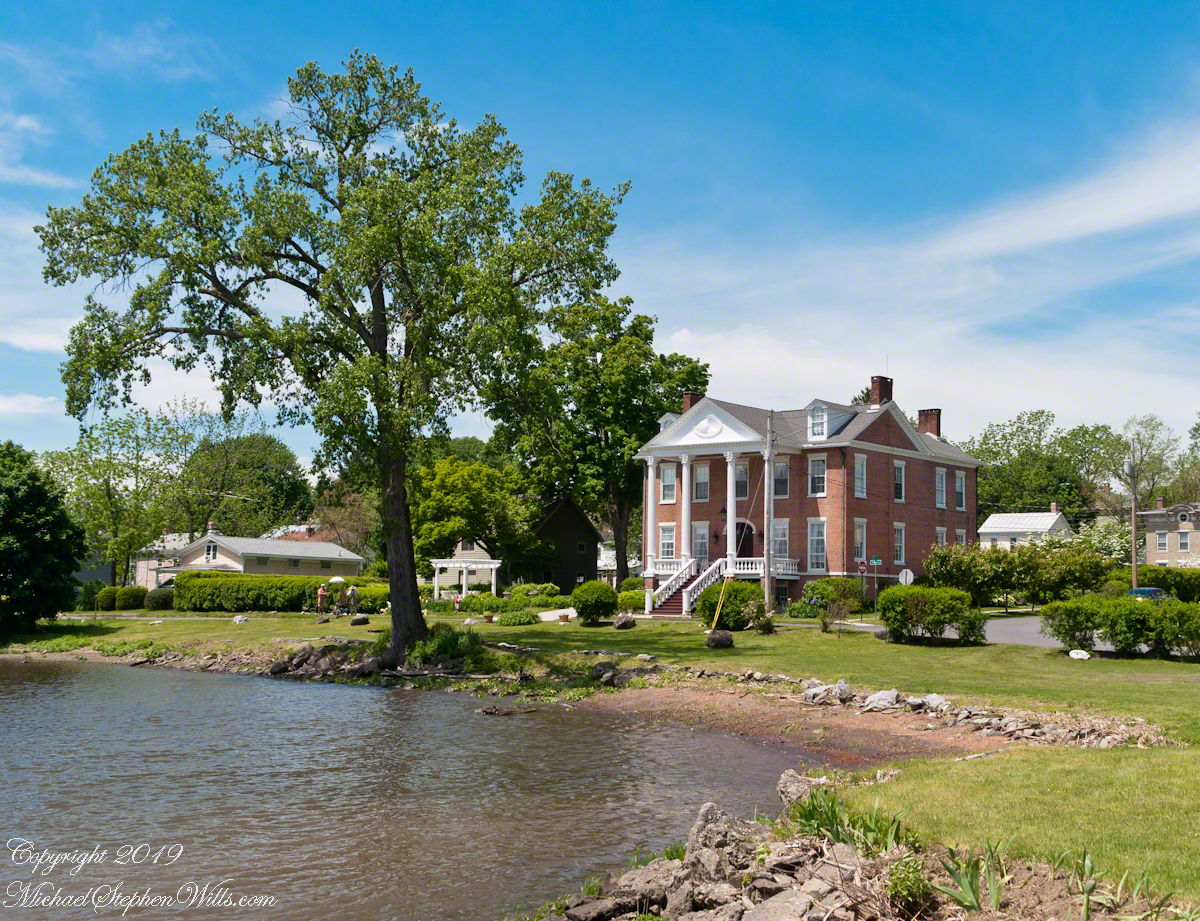
The artist had an easel and a painting in progress, the subjects were yellow irises, part of a formal garden on the grounds of the mansion. We first took it to be a museum or public building of some sort, but were mistaken. It is a home. In the course of a conversation that touched upon Henry Hudson’s 1608 journey up the river (they knew nothing of Jan Van Loon, or of deeper local history in general), and the work of the second man who was the owner of the mansion. Here is more about the place from the Zillow listing. There was no “for sale” sign in evidence.
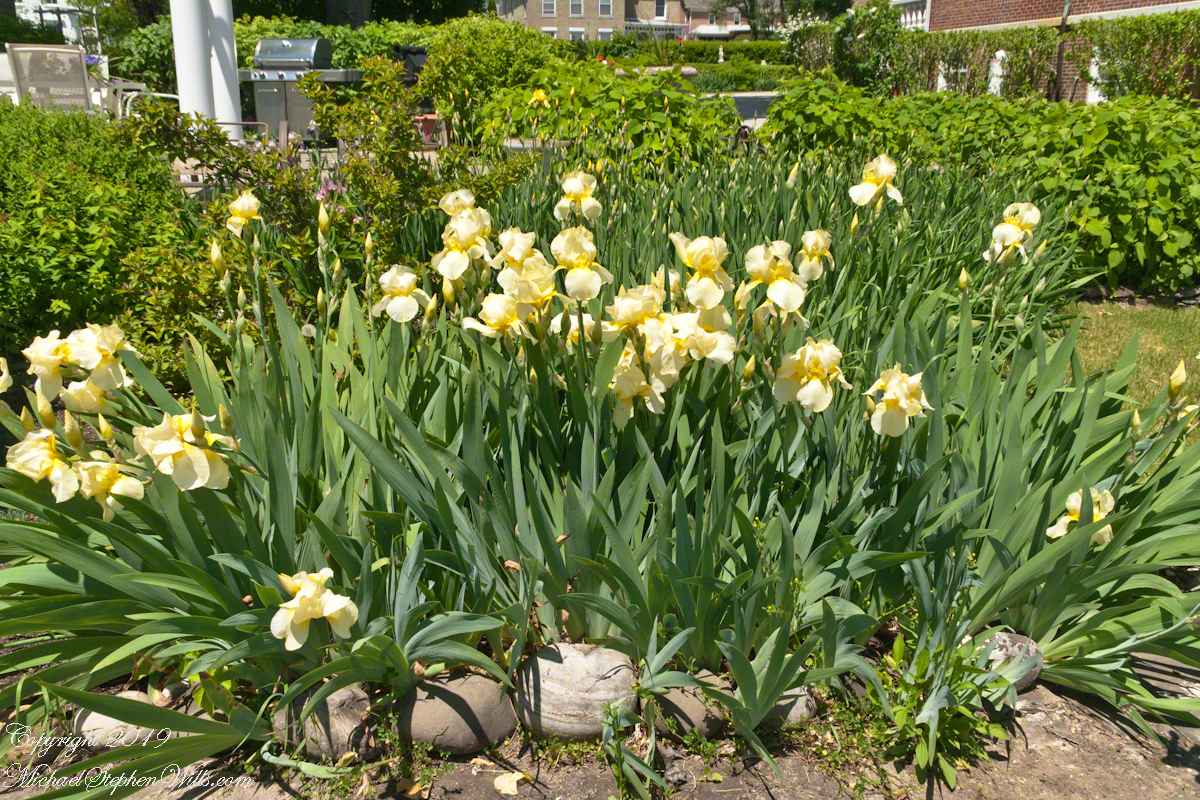
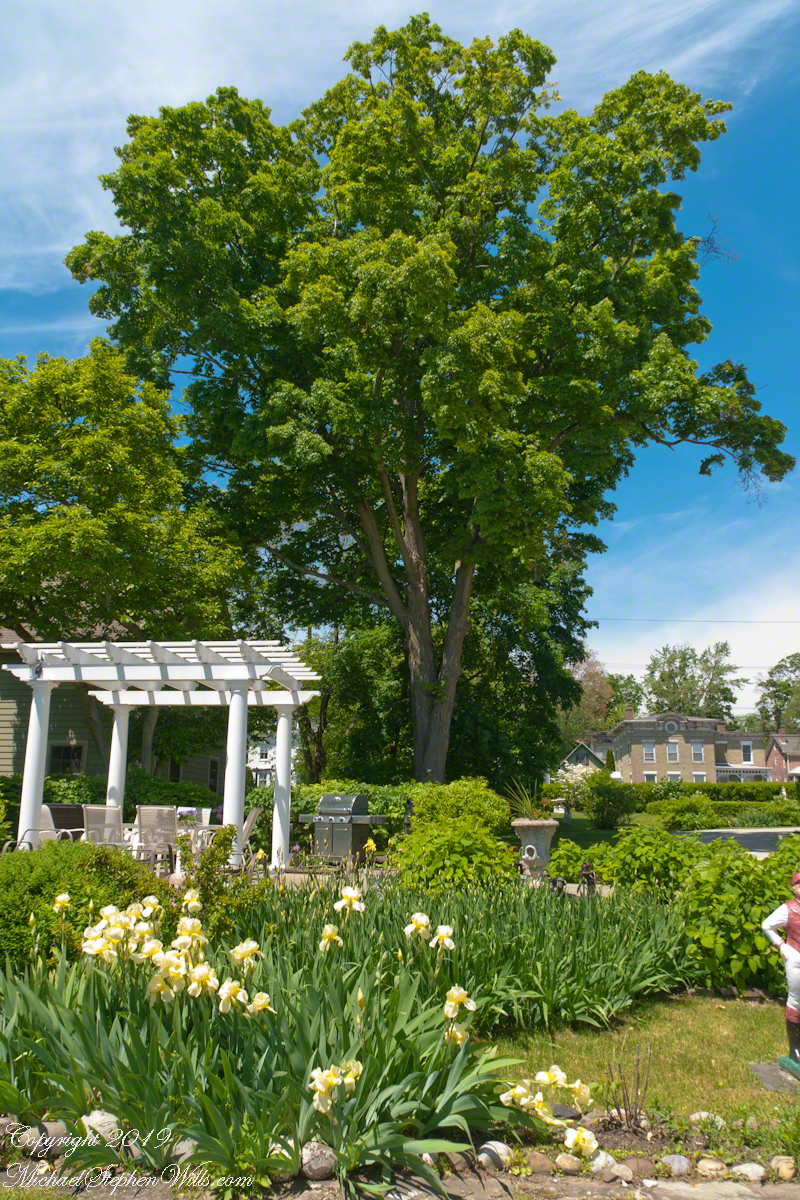
Barely a half mile apart, a great distance separates the homestead of Jan Van Loon and the 12 South Water Street former mansion of a shipping magnate including 125 years and the American Revolution.
Enjoyments of Athens, New York
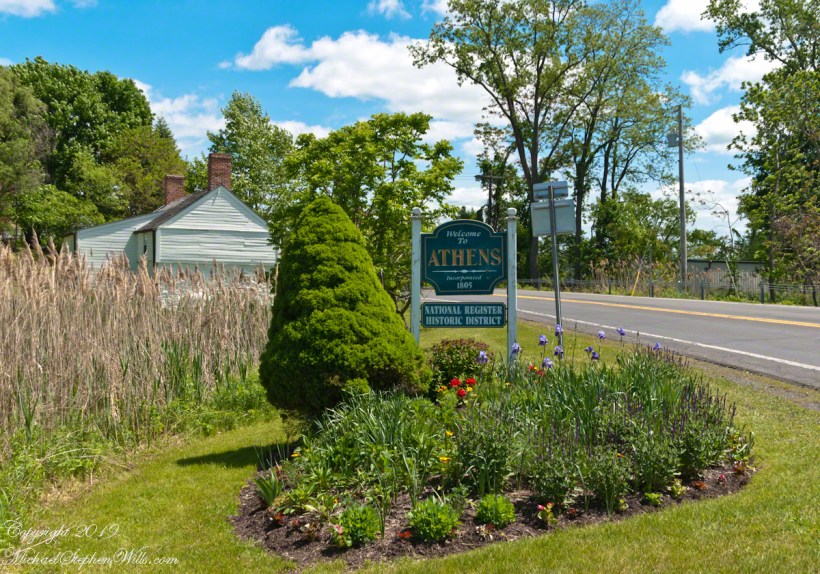
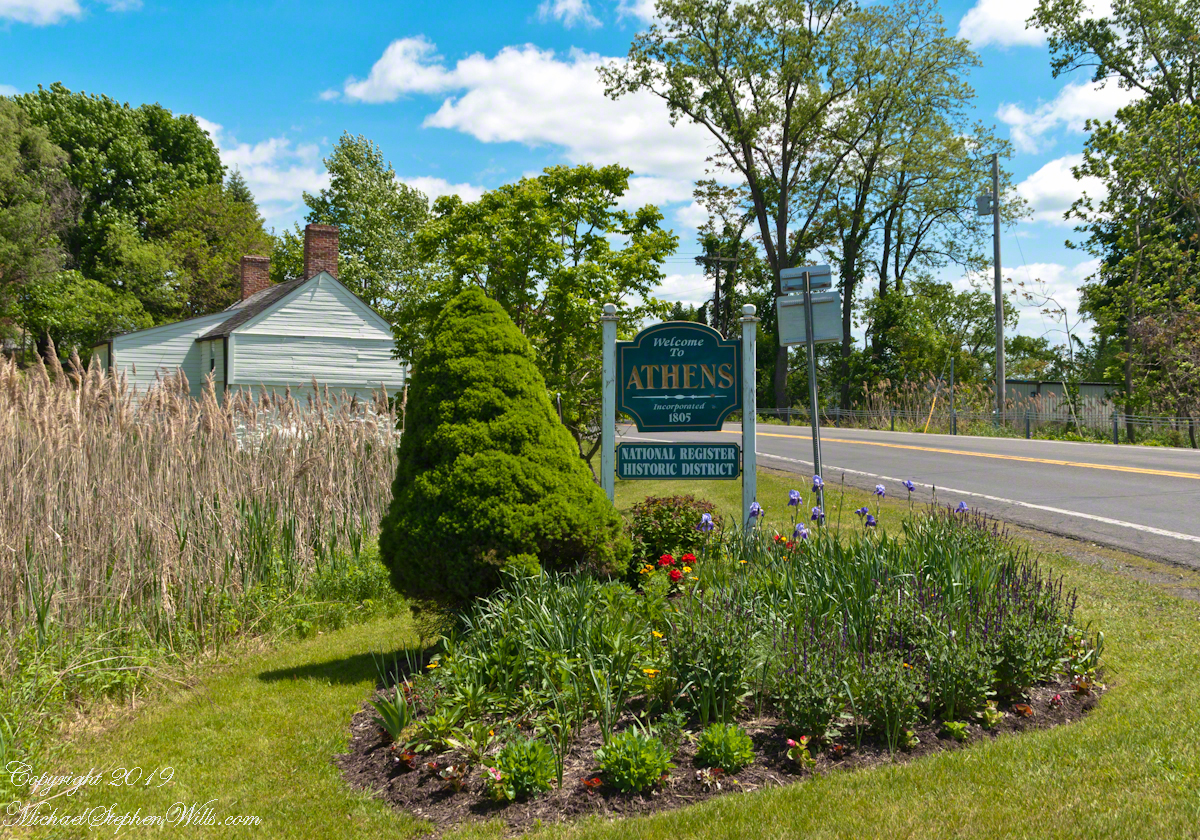
Memorial Day Weekend 2019 Pam and I visited Athens, first settled in the 17th Century by an ancestor through her maternal grandmother. Click me for more about the Van Loons. Jan Van Loon is 10 generations removed from Pam and her siblings and is one of 1024 (512 pairs) of ancestors. Whatever became of the other 1022 people (and all those in between) Pam was there with me that day to enjoy the experience of walking around town and talking about Jan Van Loon’s connection to herself.
We stopped for a very enjoyable latte at Bonfiglio and Bread on 2nd street. As we ambled south on 2nd street Pam spotted someone to talk to and I proceeded with the goal of the Hudson River, visible at the bottom of the street.
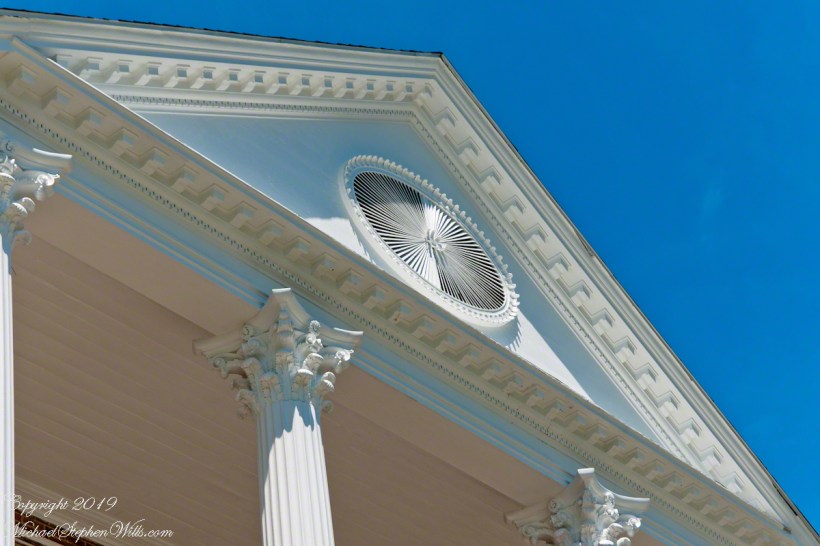
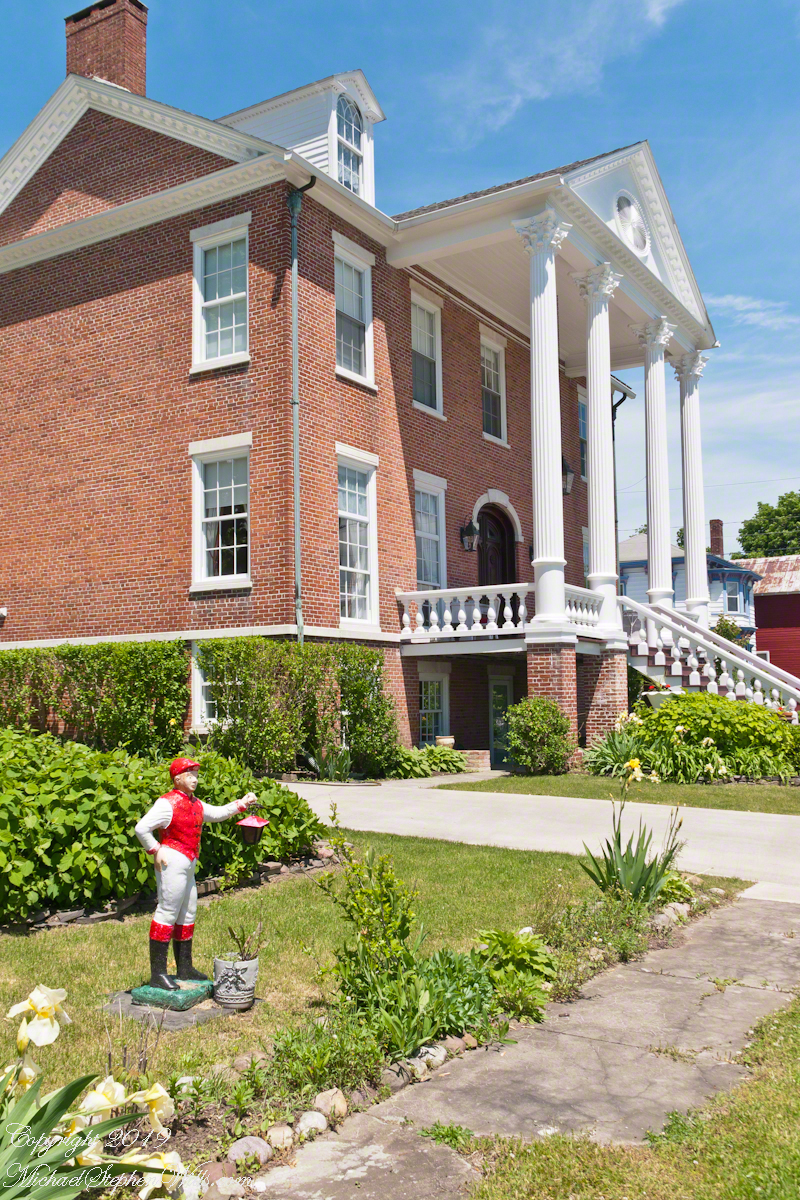
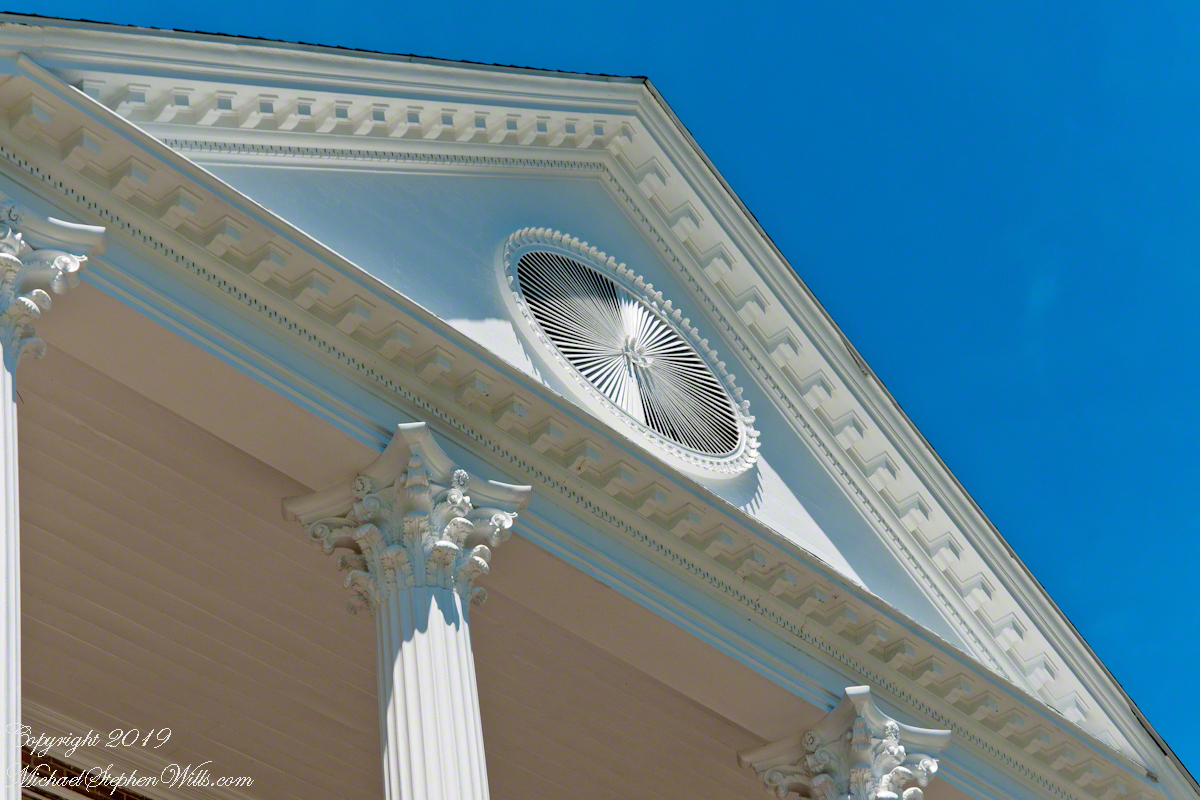
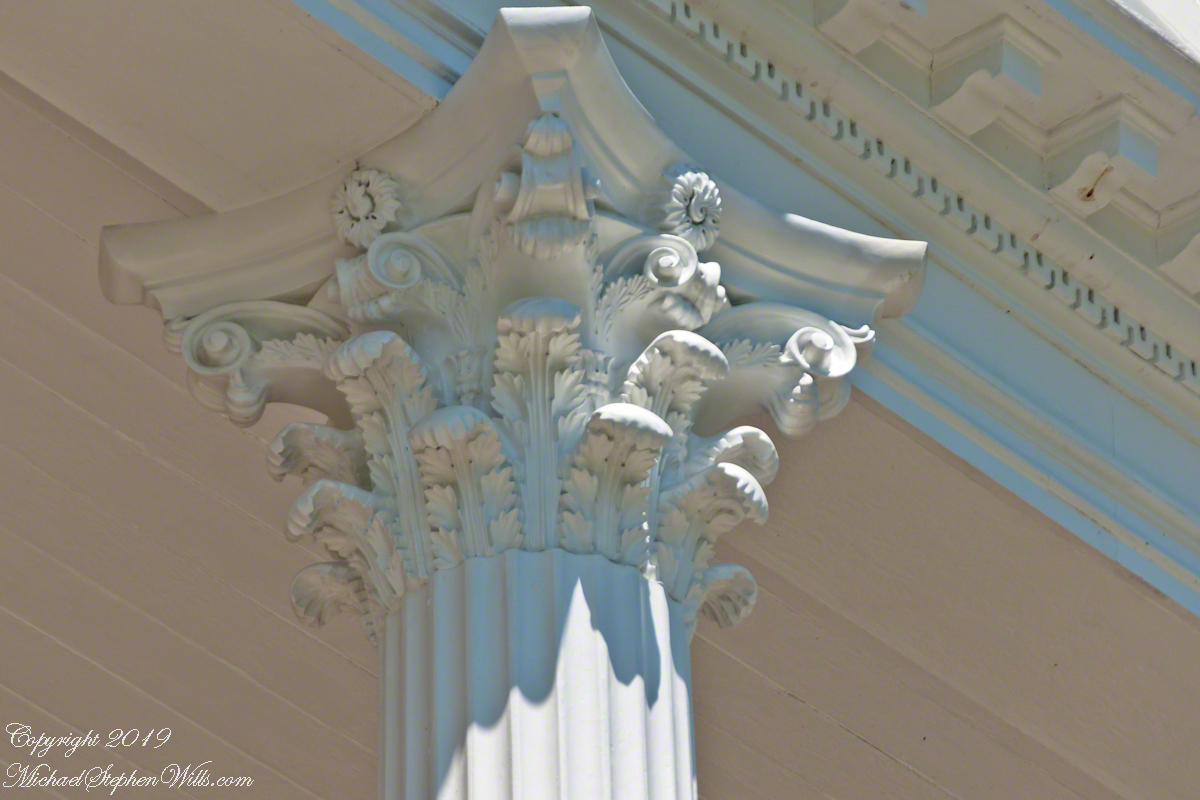
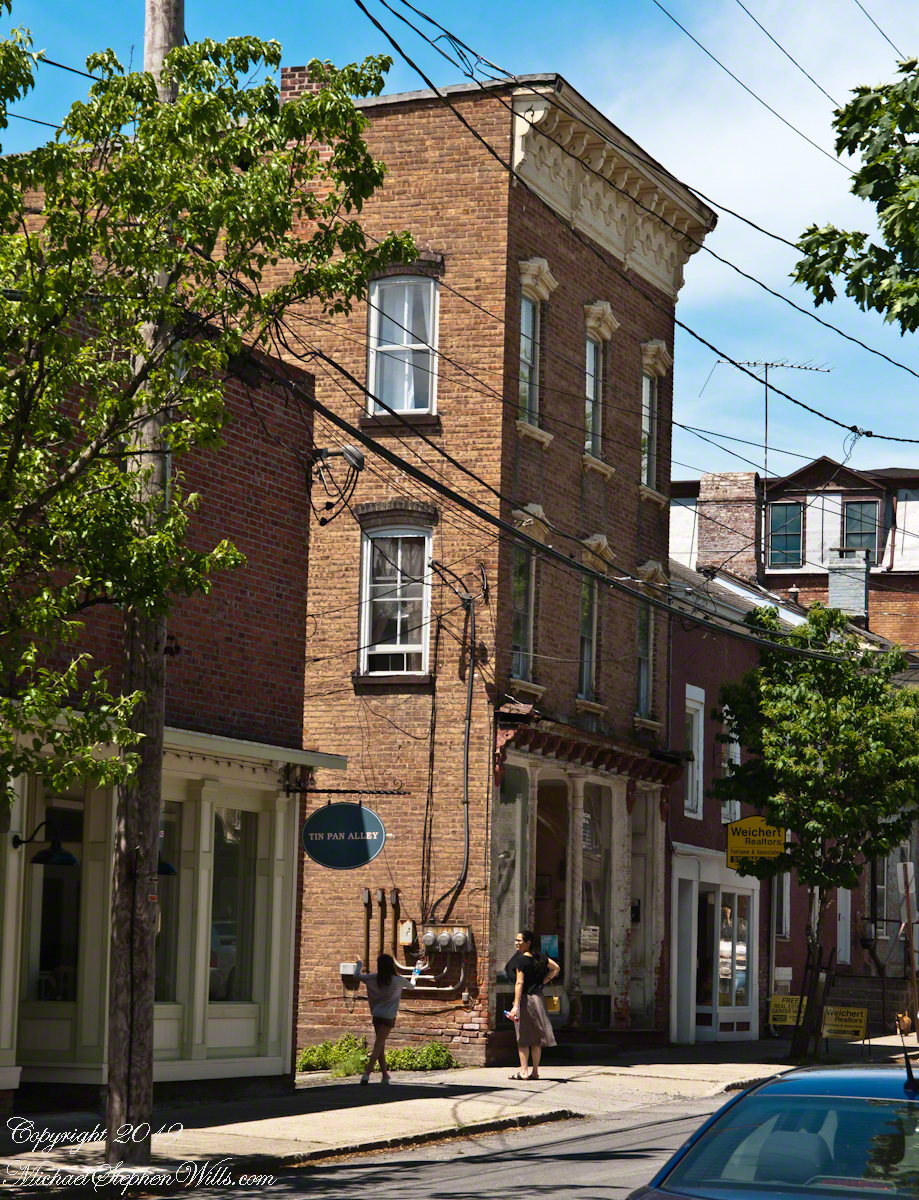
I noticed this architectural specimen and turned to capture this side in a good light and was lucky to capture a young co-admirer of its style with whom I assume is her Mother. Athens, developed as a “National Register Historic Site,” is a charming place to stroll and admire.
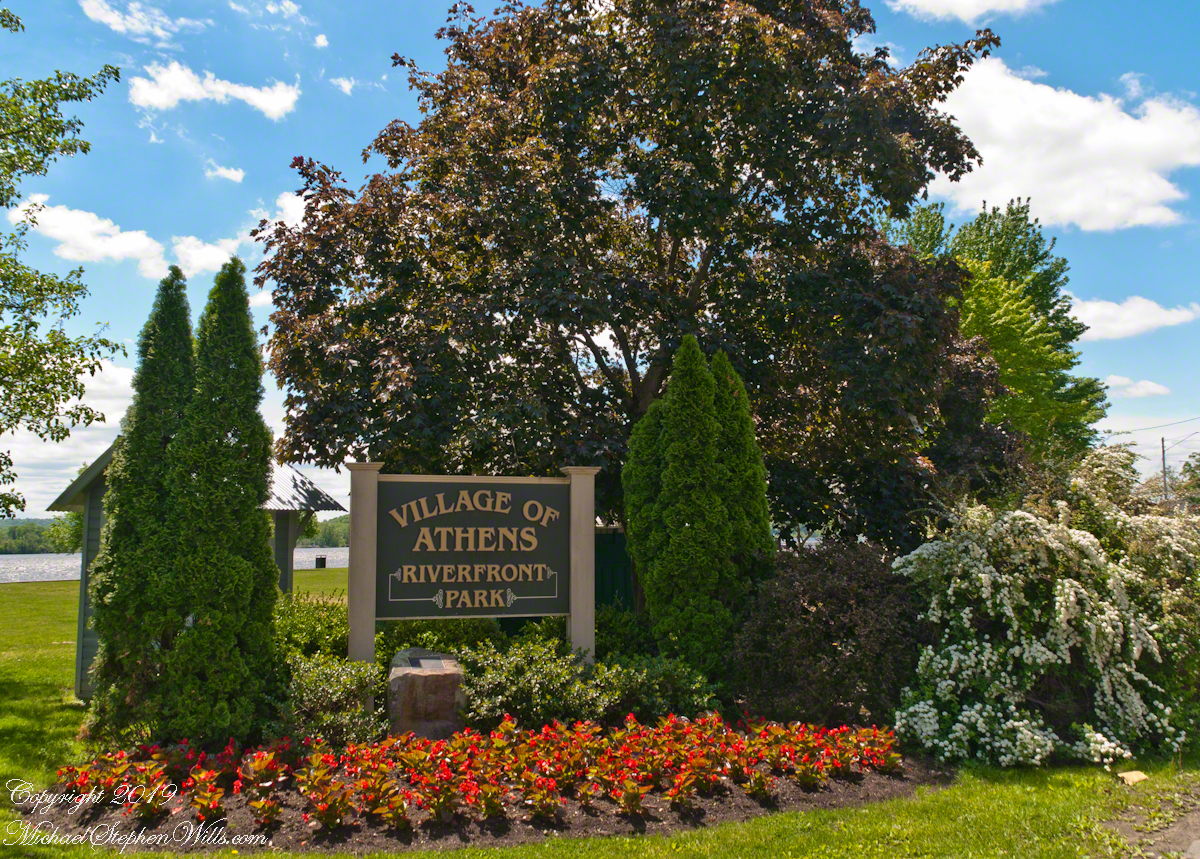
Yesterday I did a Red Cross blood donation at an elementary school on Hudson Street here in Ithaca. Henry Hudson, the first European to sail up the river that now bears his name, is memorialized this way across New York State so much so it is unusual to find the “Riverfront Park” named as such.
The city of Hudson, in Columbia County directly across the river named its park “Henry Hudson Riverfront Park.”
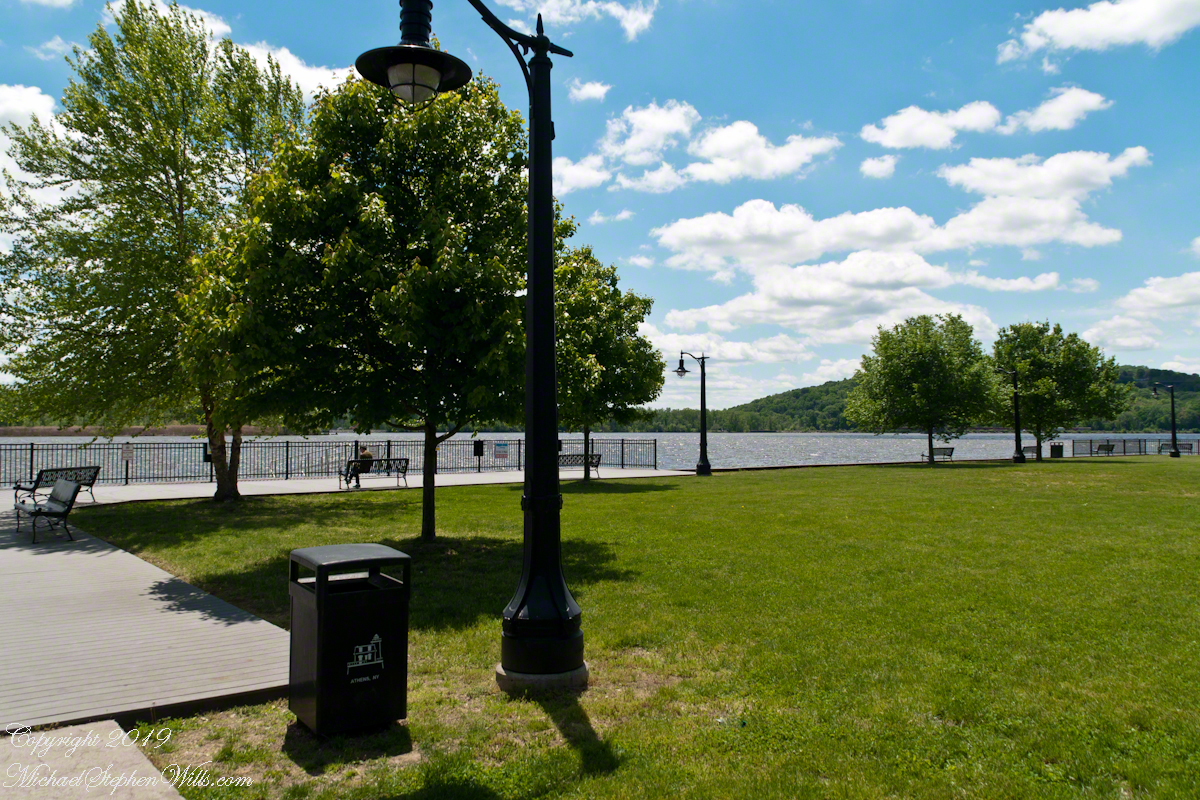
The Athens Park is a gathering place for the village with a large swath of grass, a short boardwalk, benches and generous shade trees along with river…….
The photograph captions will speak for themselves for the rest of today’s post. Enjoy!!
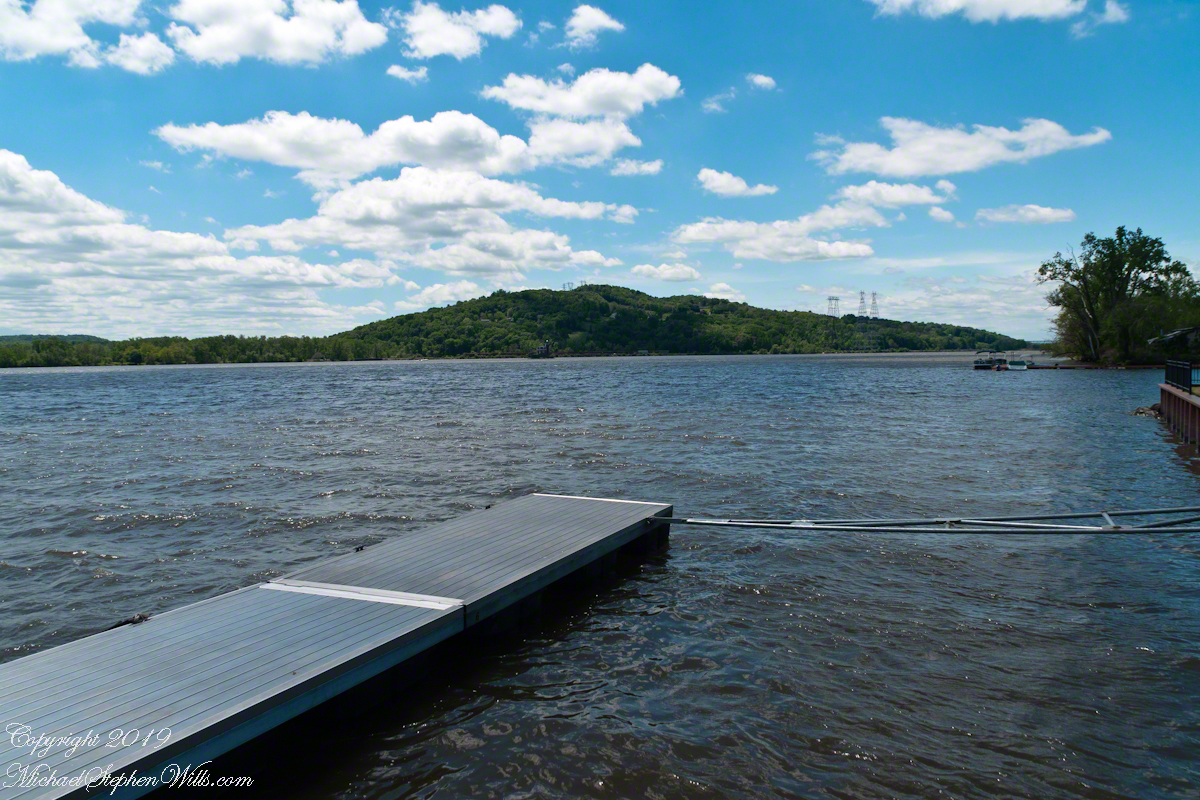
…and a dock.
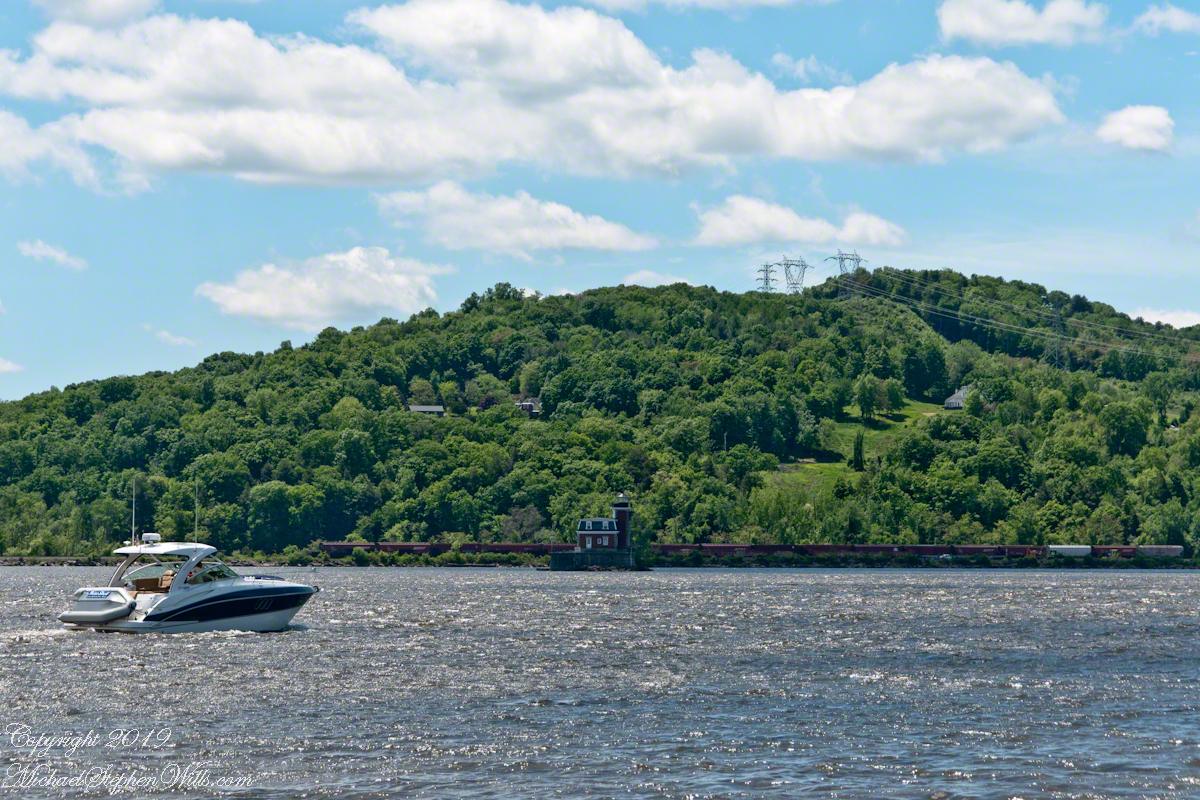
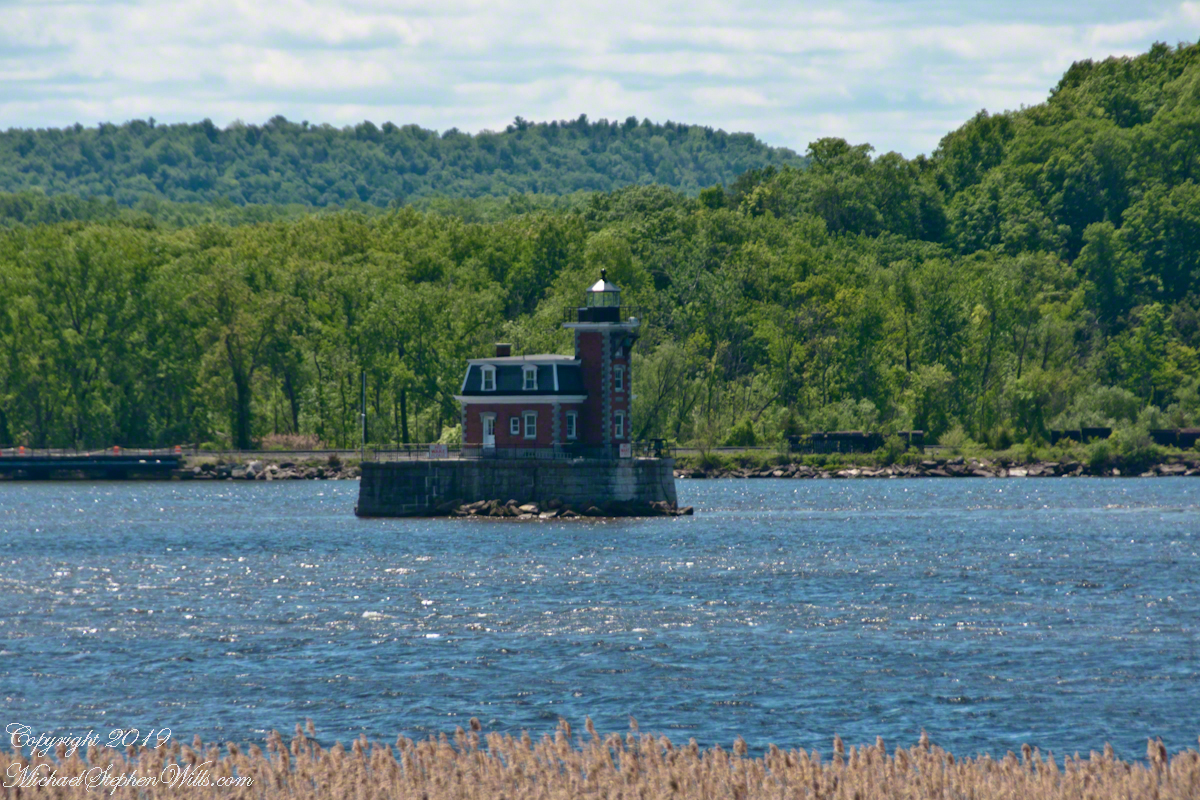
a spring day on the former gold coast of Long Island
For 32 years dreams about work visited occasionally, then when retirement approached and overtook me these became an almost nightly visitation.
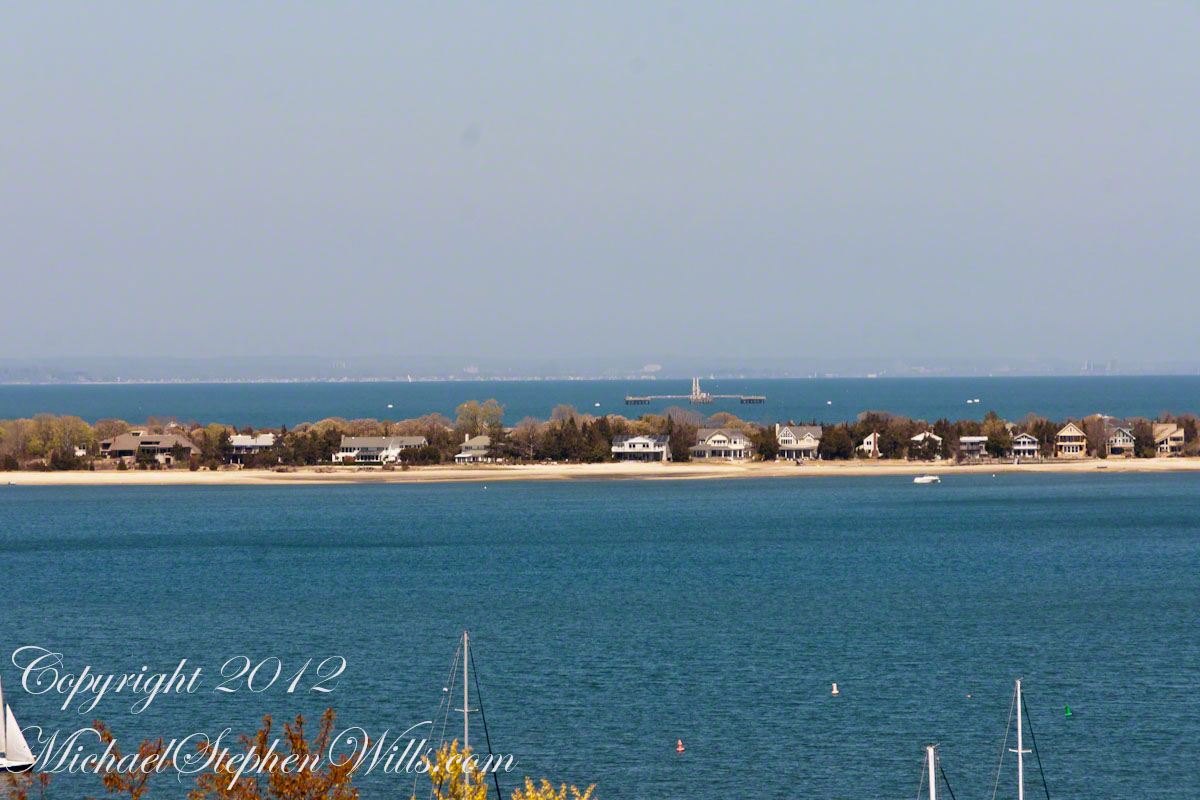
Last week, a few months into retirement, the haunting stopped, replaced by adventures by and on the ocean.
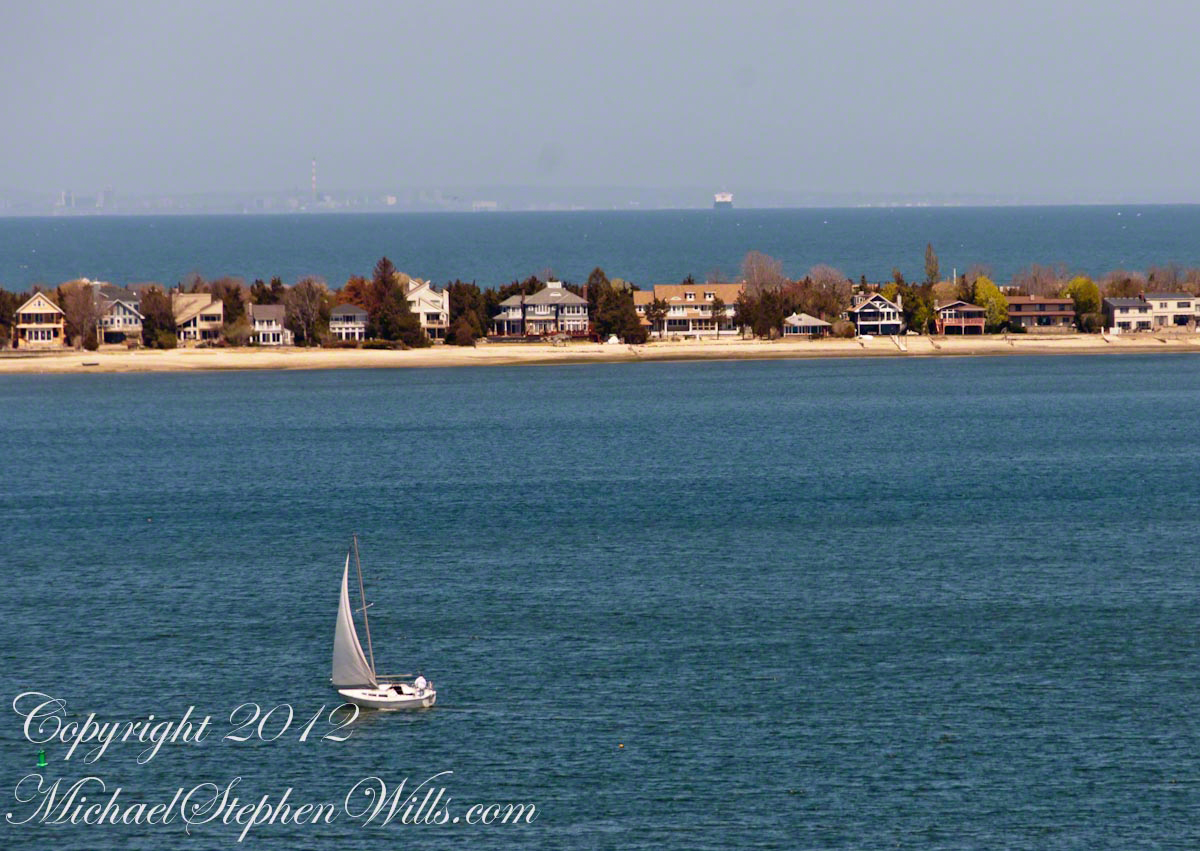
It brings to mind, a few years ago Pam and I took lessons at Cornell’s Merrill Family Sailing Center followed by several seasons of memberships. We’d take out sailboats the size on the one enjoyed by the fellow above in Northport Harbor.
We’d spend entire days on the water, looking up at the people driving the hill up and down route 13. “How lucky we are here and not there”, I’d say.
Willy Vanderbilt named his Centerport estate “Eagle’s Nest” after his first yacht, “Eagle” that was anchored in Northport harbor along the estate shoreline. In 1932 the German Krupp Germaniawerft company build a new yacht named Alva, after his mother.
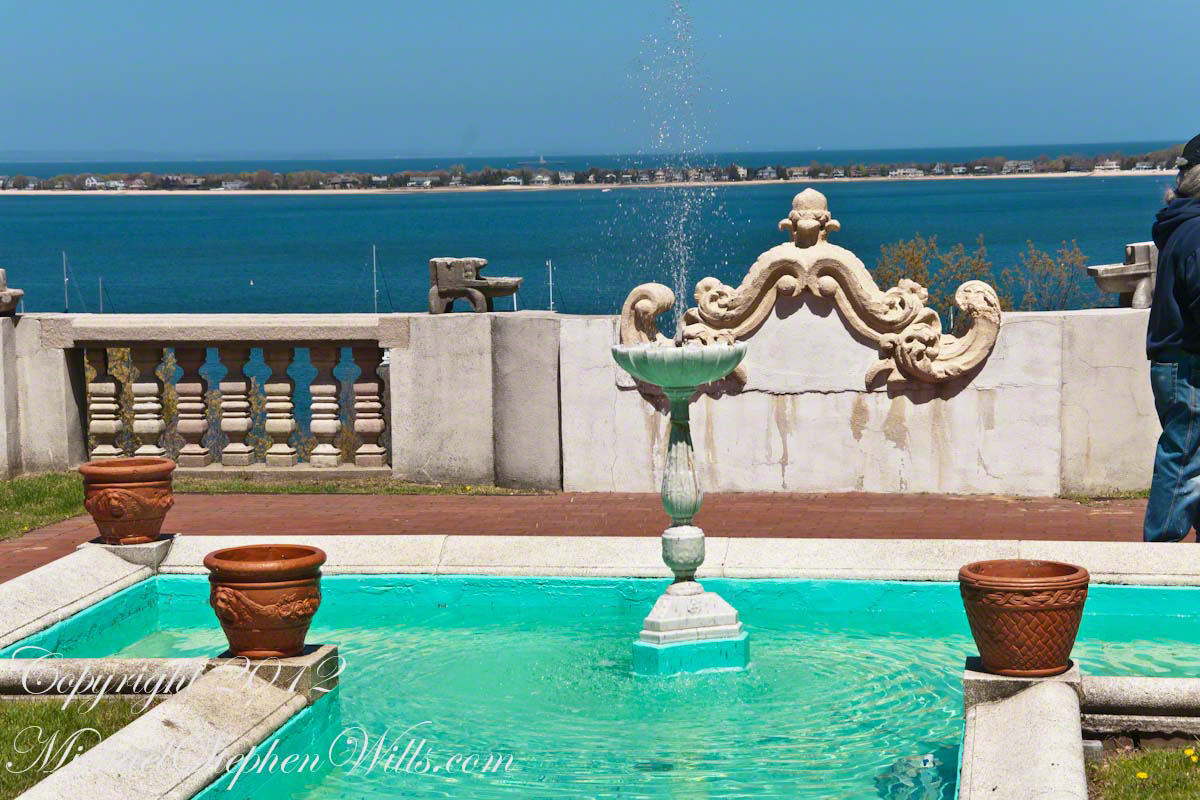
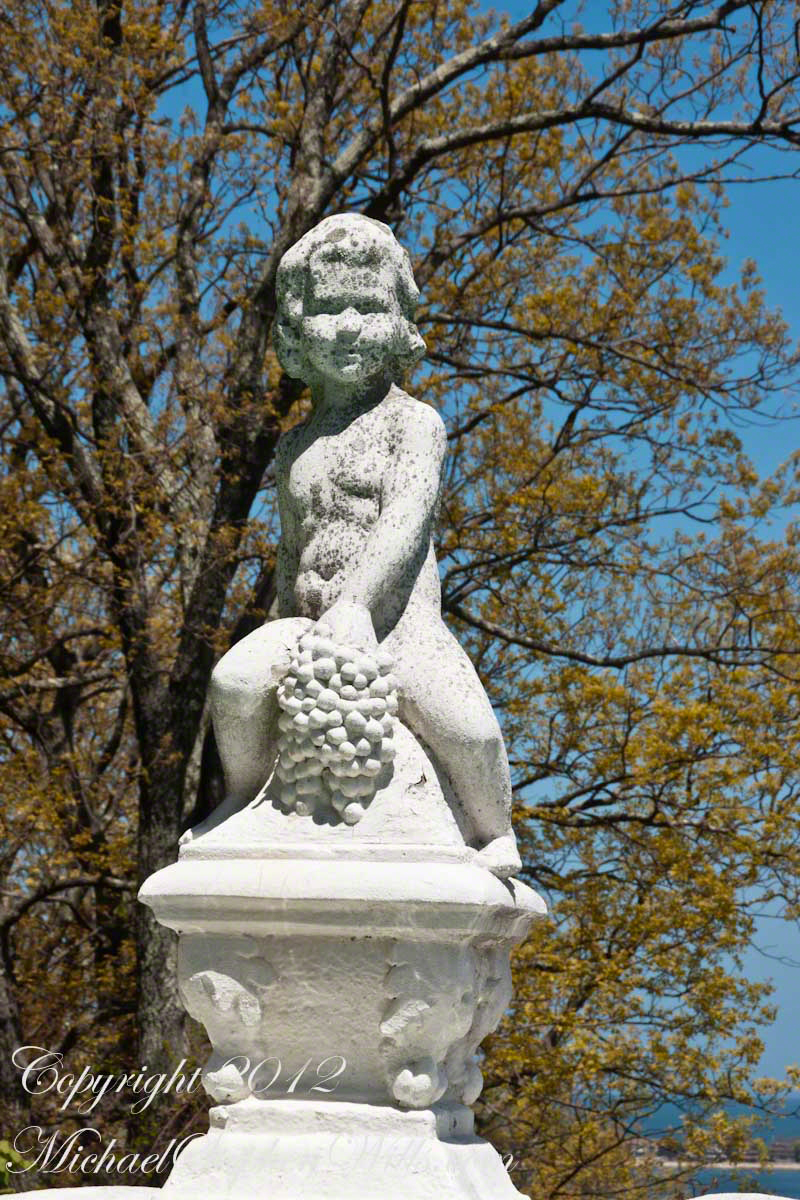
Willy had a “thing” about the infant Baccus. My first Vanderbilt Museum posting “A Taste of Gatsby: details from the Vanderbilt Museum”included the following depictions of the infant Baccus. the name preferred by the Romans.
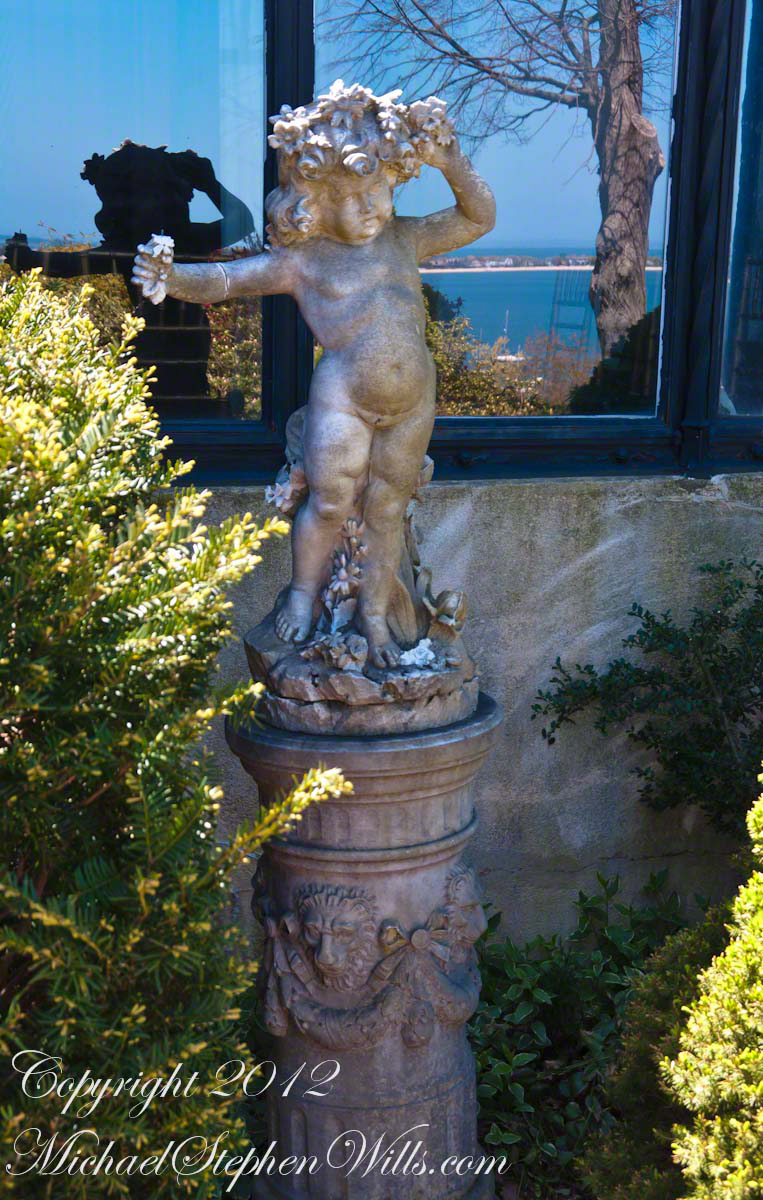
To the Greeks he was Dionysus. Also known as the “twice born” from the myth of his being carried in his father Zeus’ thigh after Hera, the jealous wife, plotted the death of his mother, the mortal Semele.
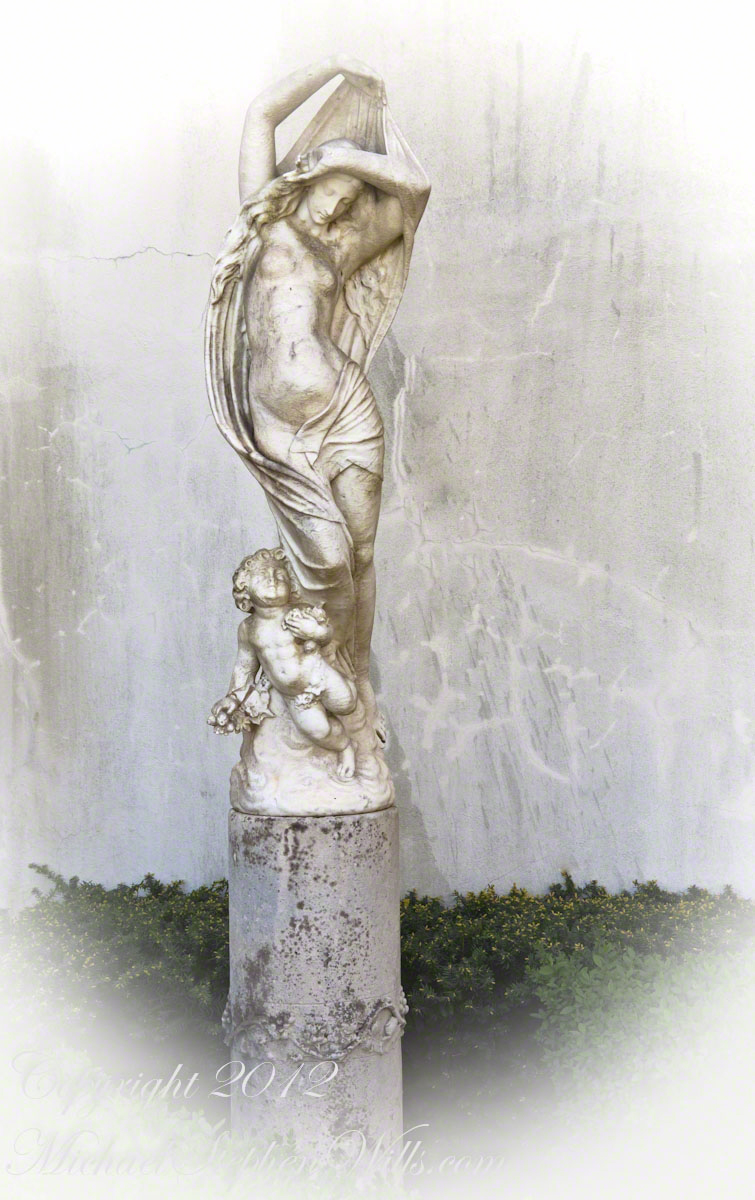
The infancy of Dionysus was perilous, with Hera plotting revenge Zeus found safe haven for the child at a place of earth called Mount Nysa, with beings named Rain Nymphs. The fascination of Vanderbilt with the story continued with the acquisition and display of a statue of the infant Dionysus with a protective nymph.
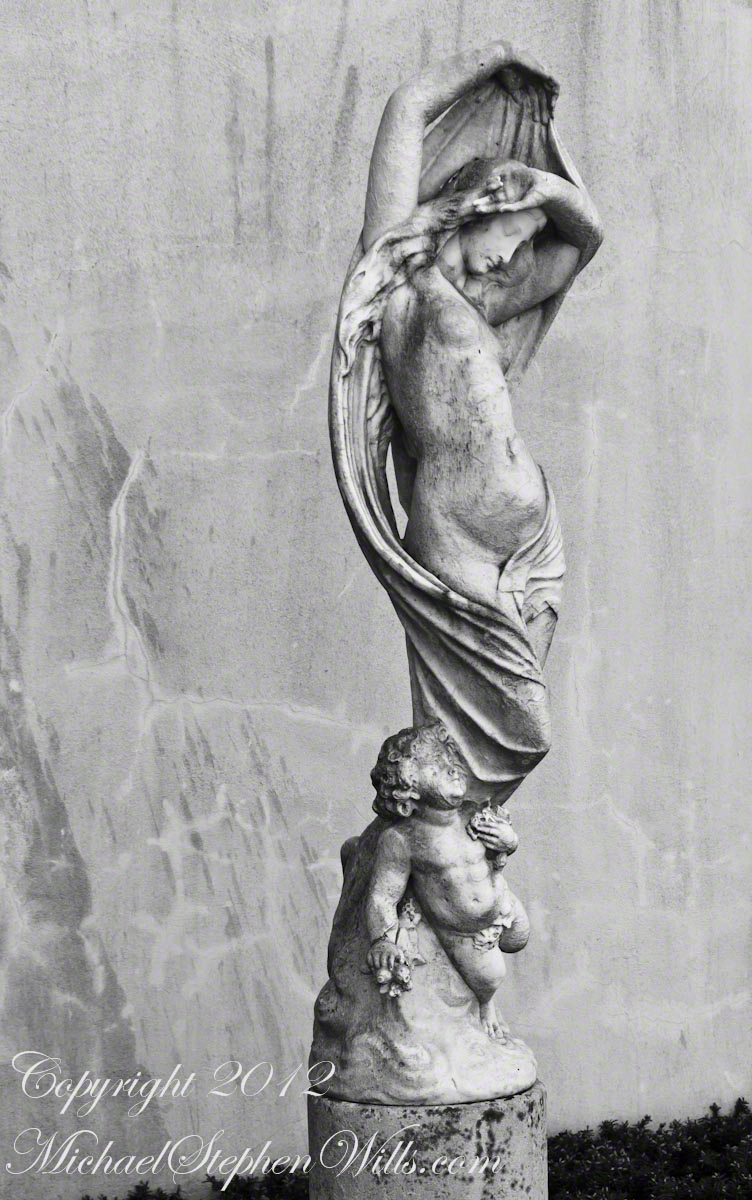
The statue and plinth are at the stairs into the garden.
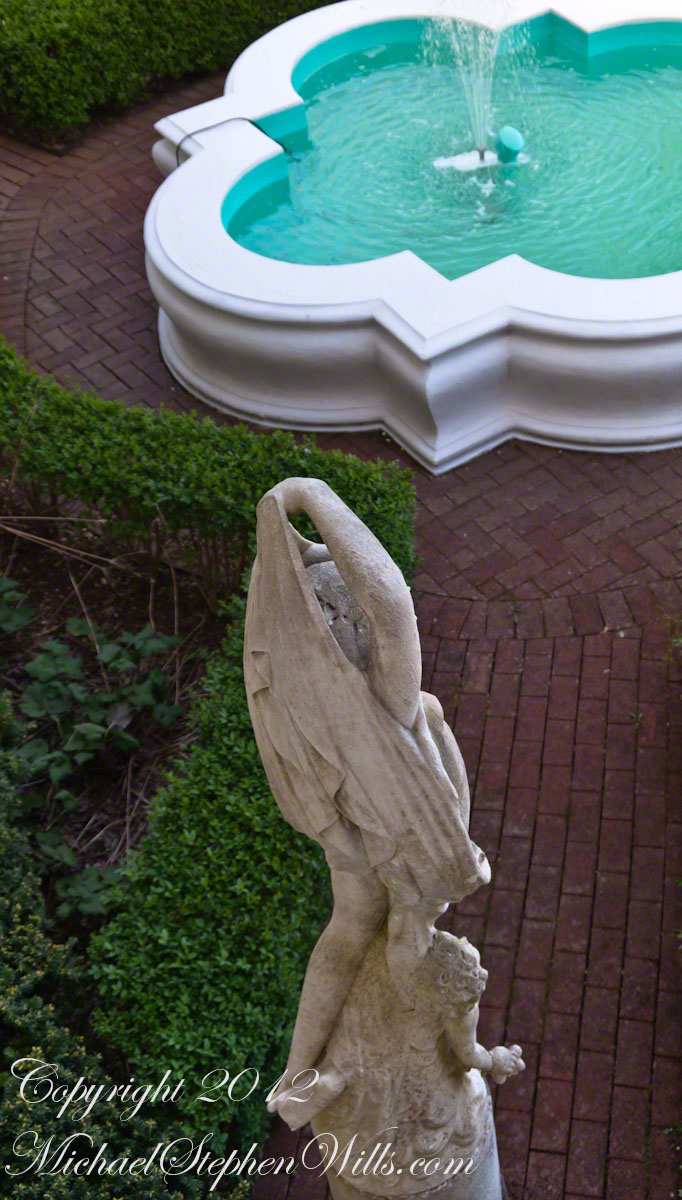
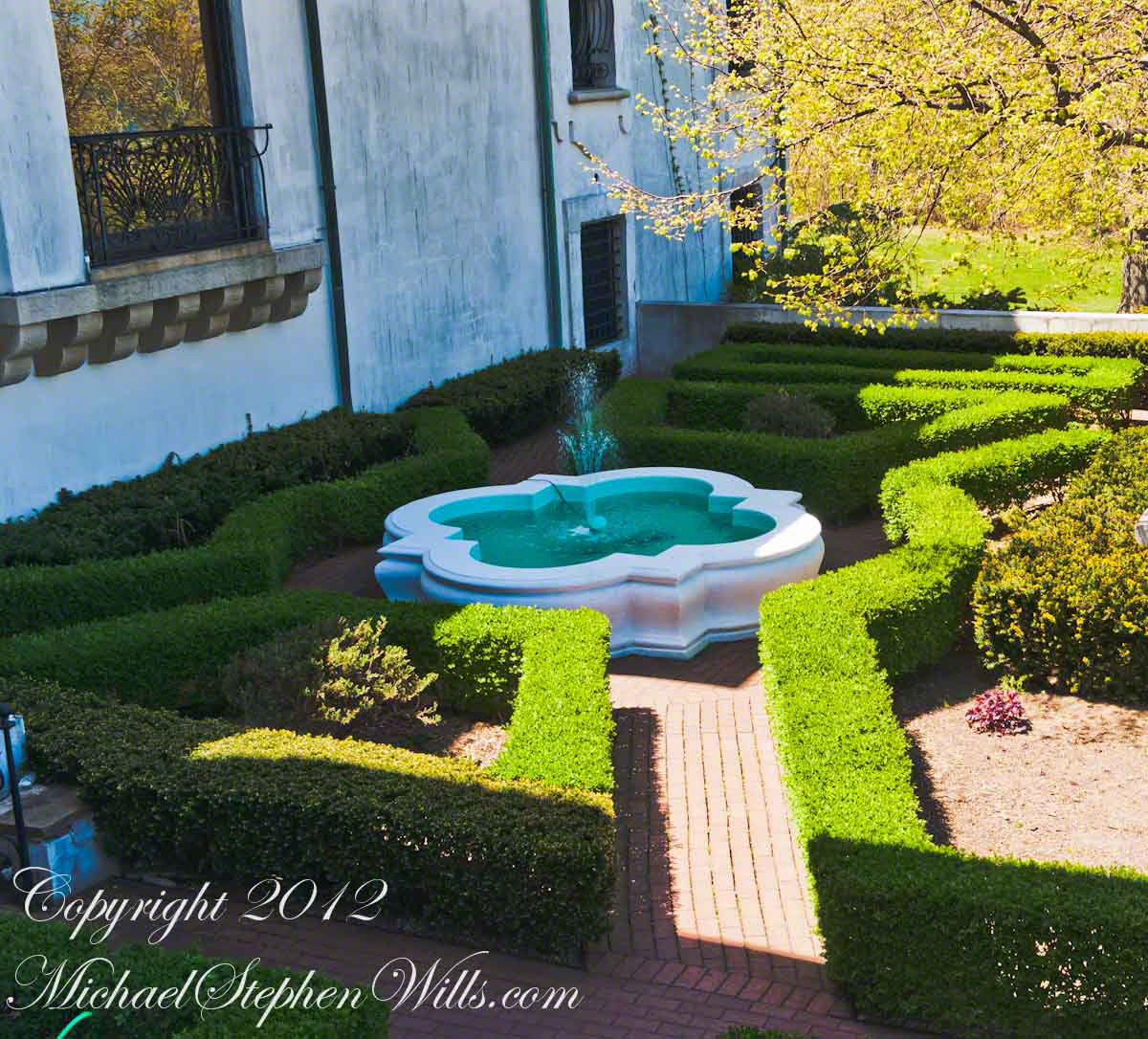
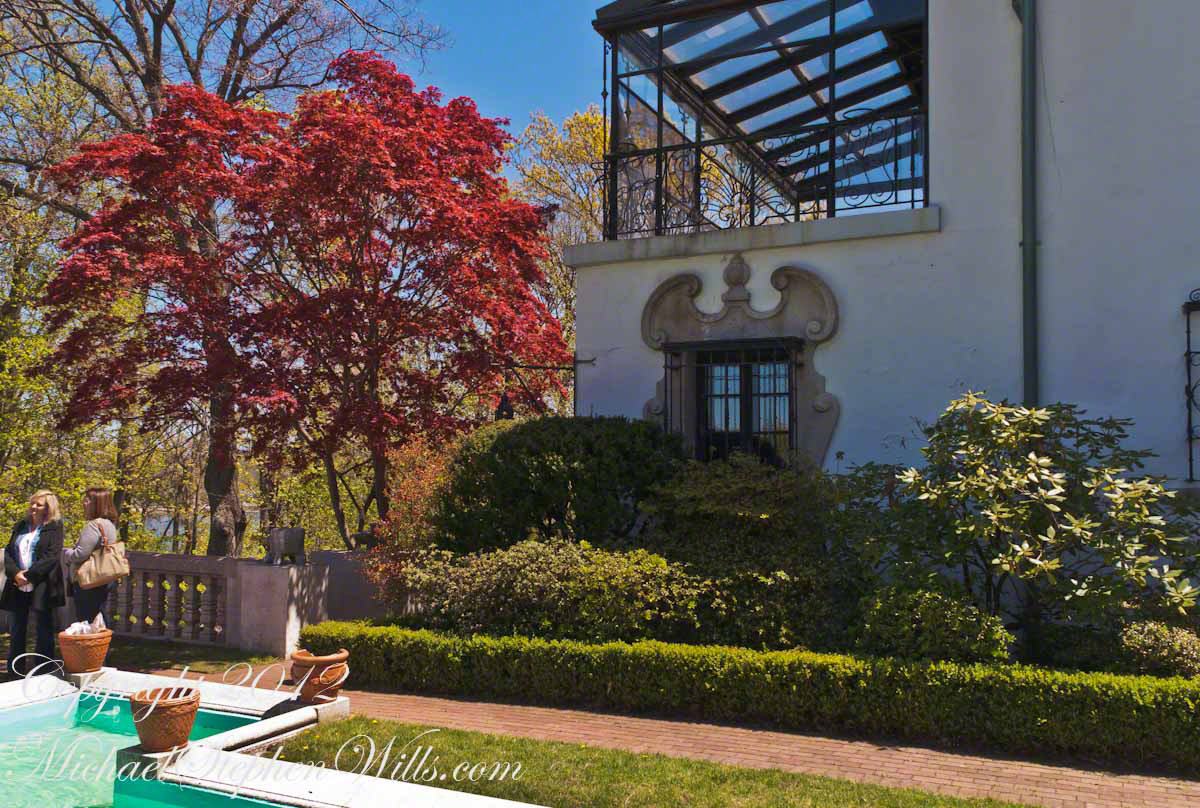
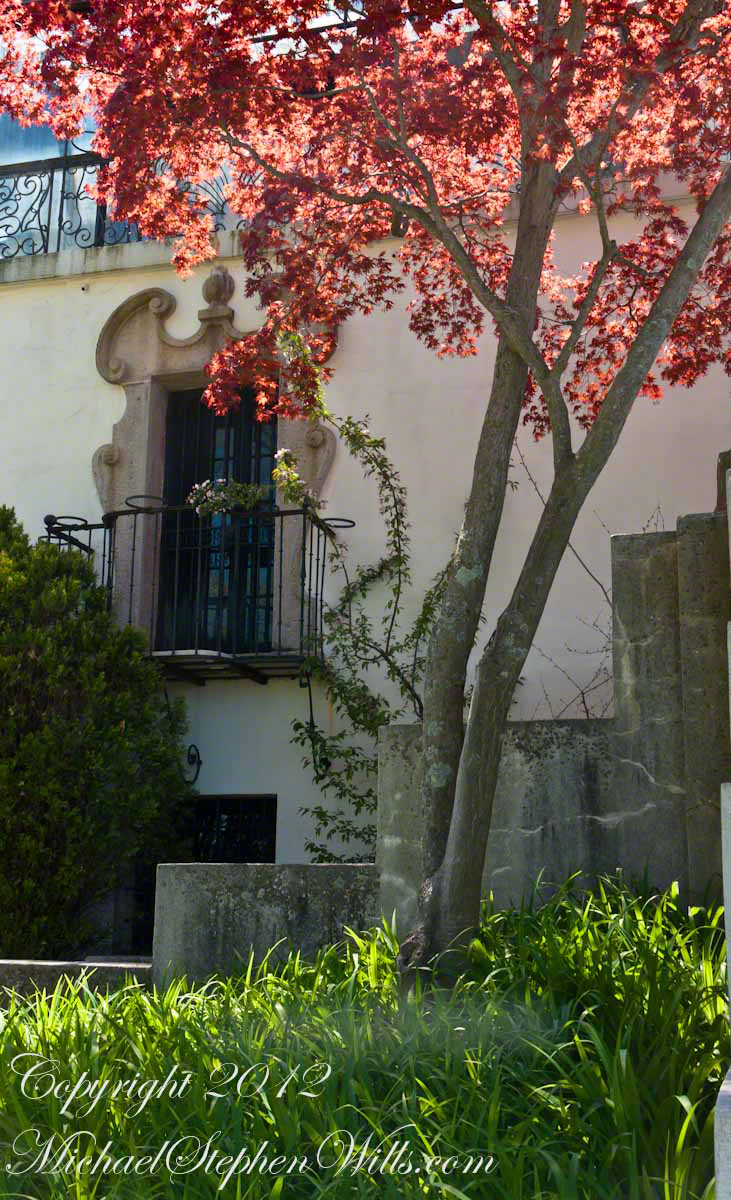
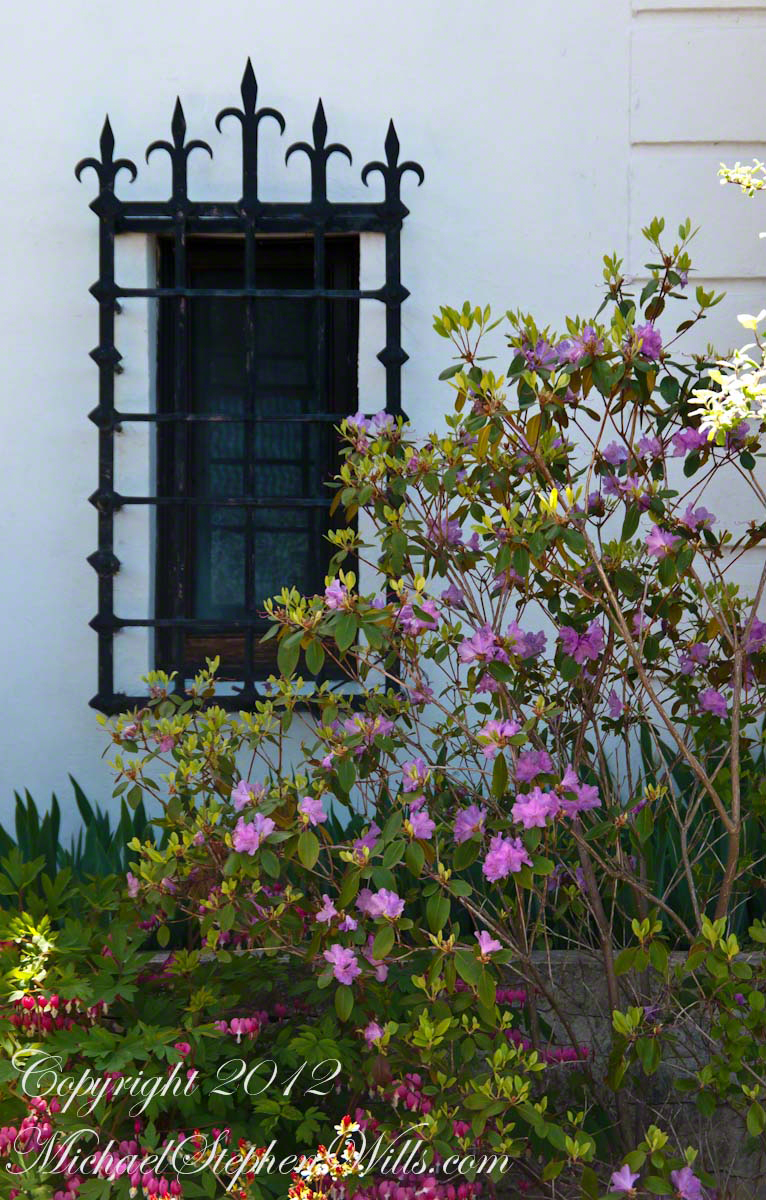
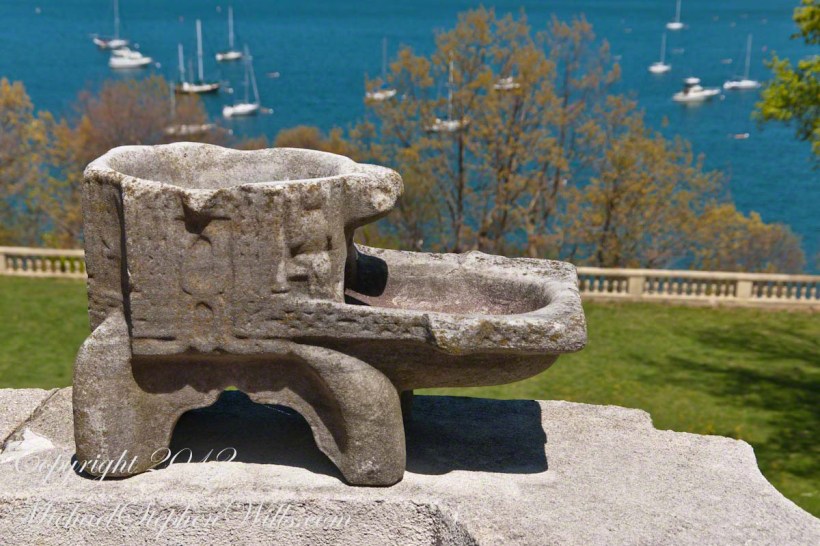
a spring day on the former gold coast of Long Island
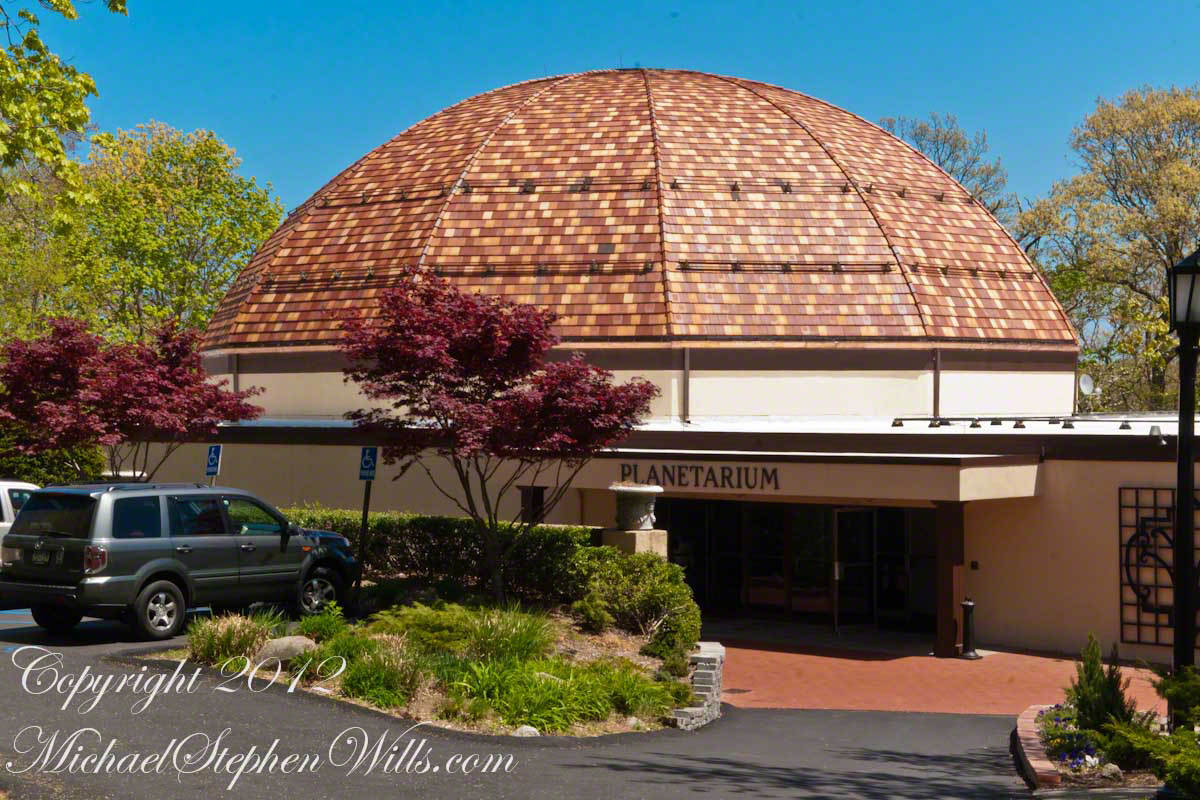
Thirty five years after completing his Eagles Nest estate and twenty seven after his death, this planetarium became an addition to the museums left by William K. Vanderbilt II (“Willie K”).
Located next to the Rose Garden, where my last blog “A Taste of Gatsby – details from the Vanderbilt Museum” left off, this planetarium is on the site for the estate tennis courts. The Planetarium reopened March 2013 with a complete equipment upgrade.
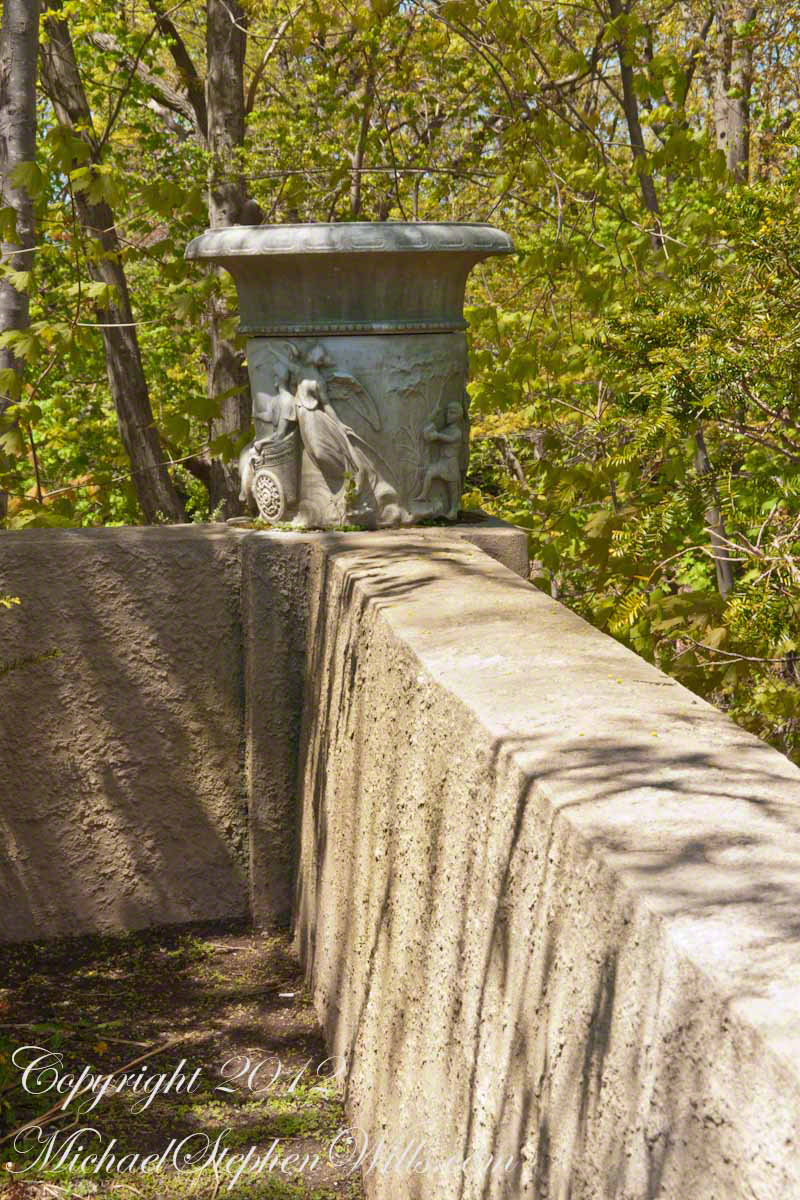
There are several museums on the grounds, joined by graciously appointed walkways.
This is a corner urn along the walk to the mansion.
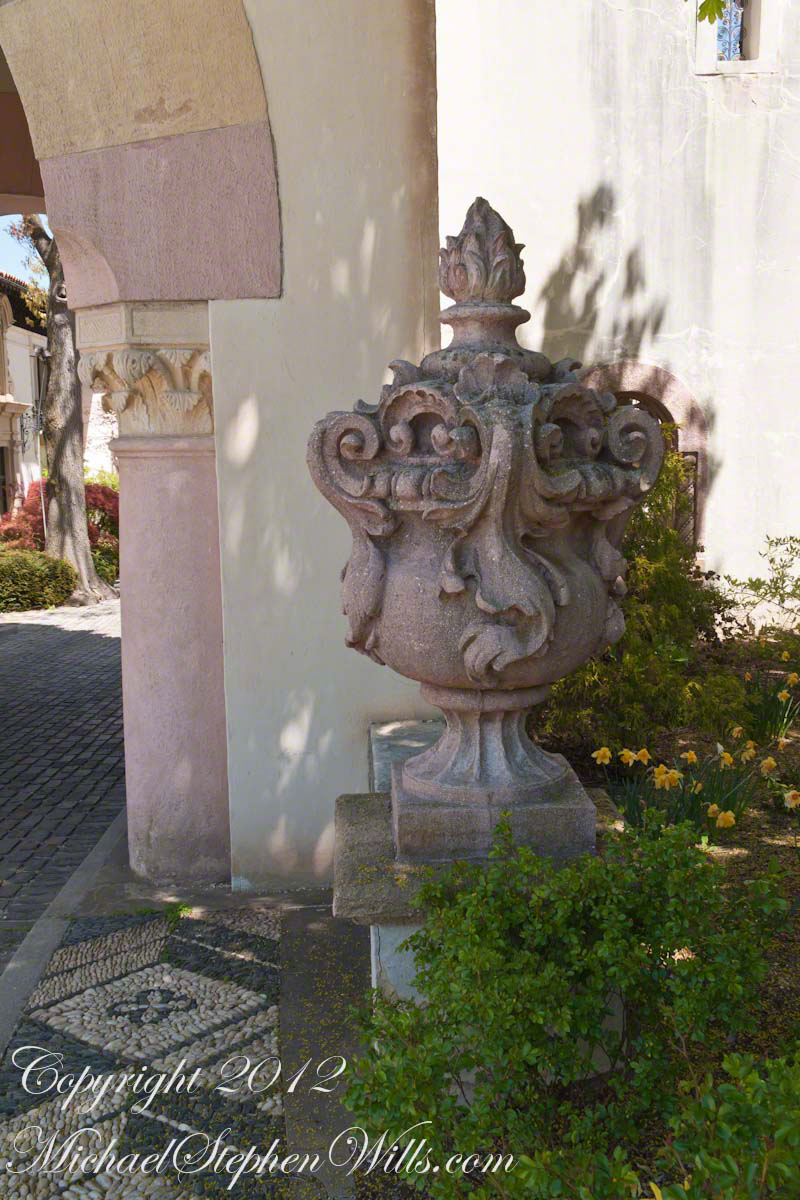
The Spanish Revival style mansion gathers around a central, cobblestone courtyard entered through this elaborate sandstone gate flanked by two carved sandstone urns, each at least six feet tall with pedestal.
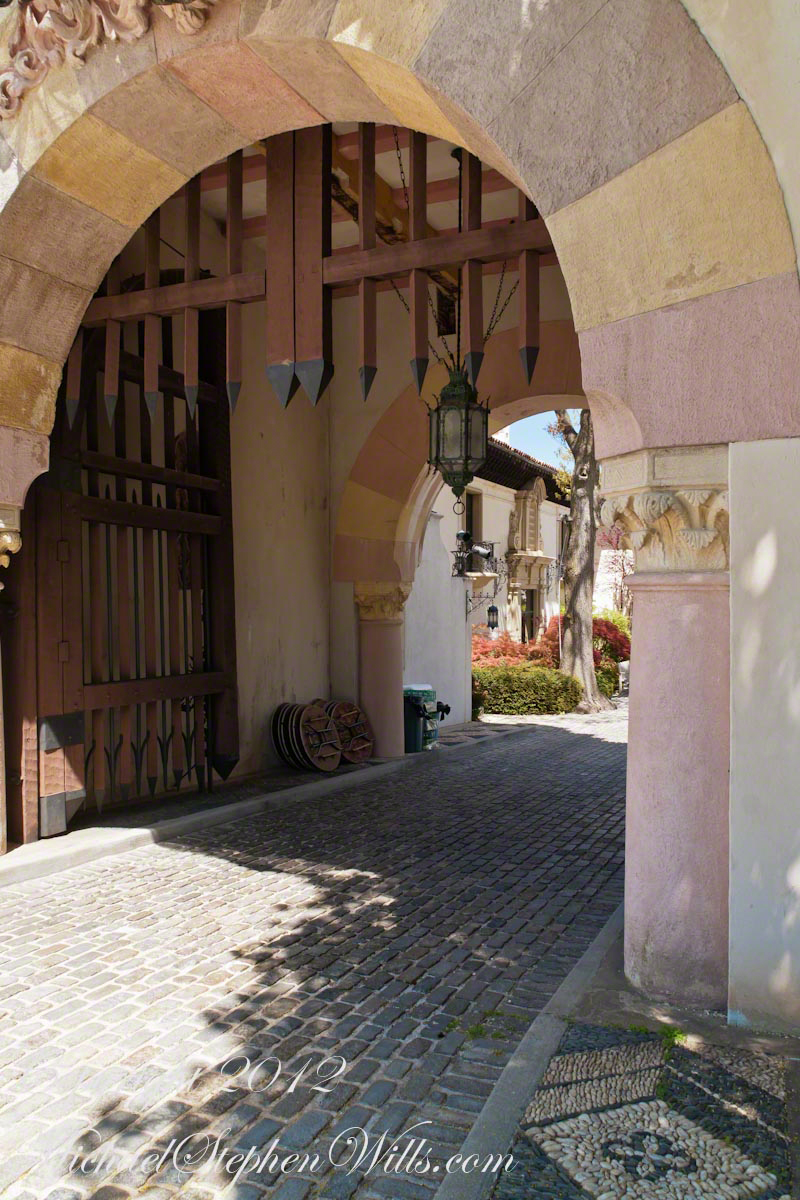
The gated entrance is the base of a bell tower. Willie brought from Russia a church bell that is older than the Liberty bell. He used to have great fun ringing the bell on Sunday mornings to disturb the sleep of his partying son and friends. That stopped when the neighbors arrived as an angry, spontaneous group to complain.
The cobblestone road leads up to the mansion, over a bridge and into the courtyard.
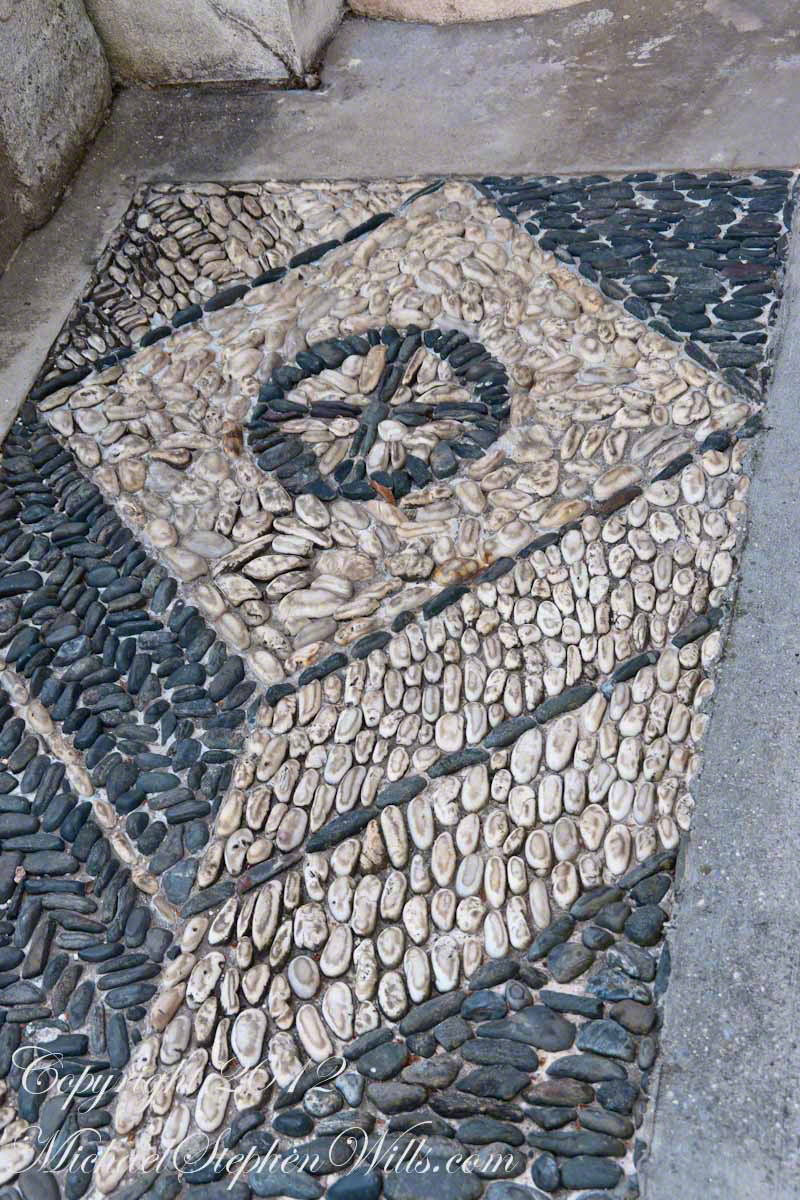
Here is a detail of the walk way, formed from glacially rounded pebbles very common on beaches of Long Island’s North Shore.
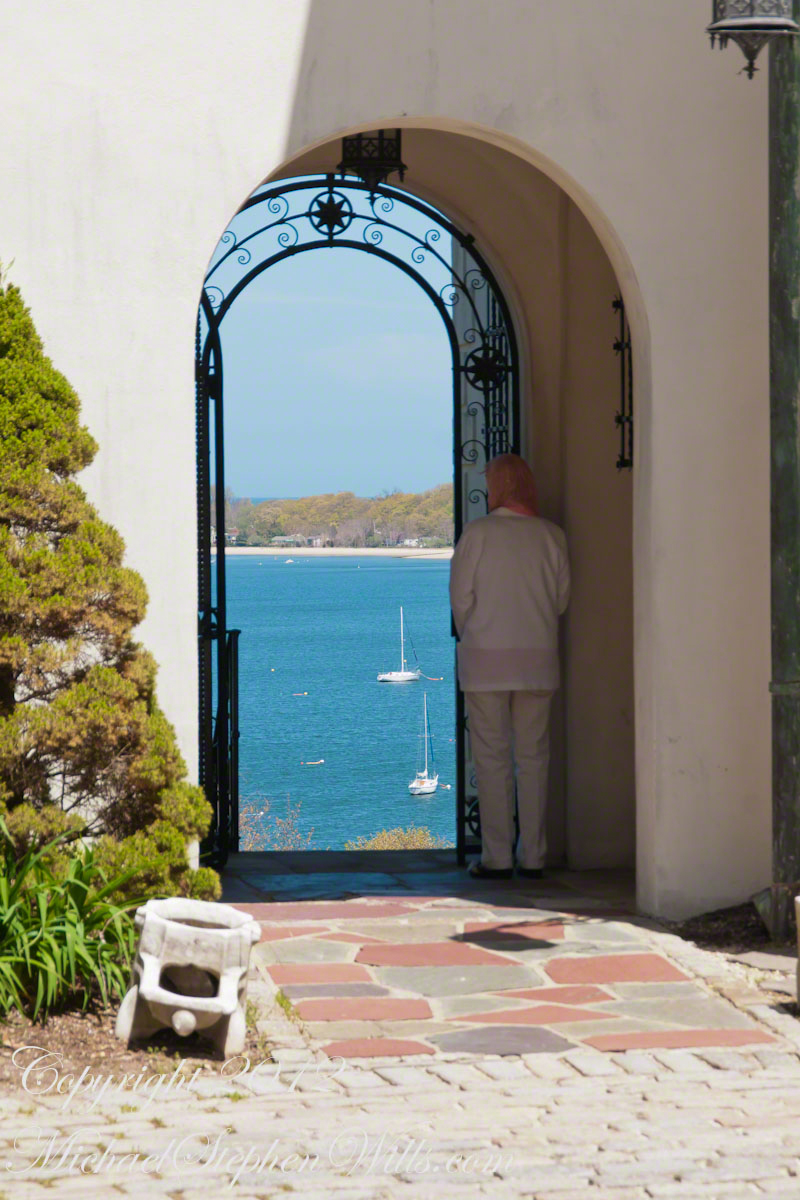
Across the courtyard from the bell tower is this arched entrance to the gardens along the east mansion walls. As we approached the figure to the right seemed to be a ghost, she was so still, enthralled by the view of Northport Harbor.
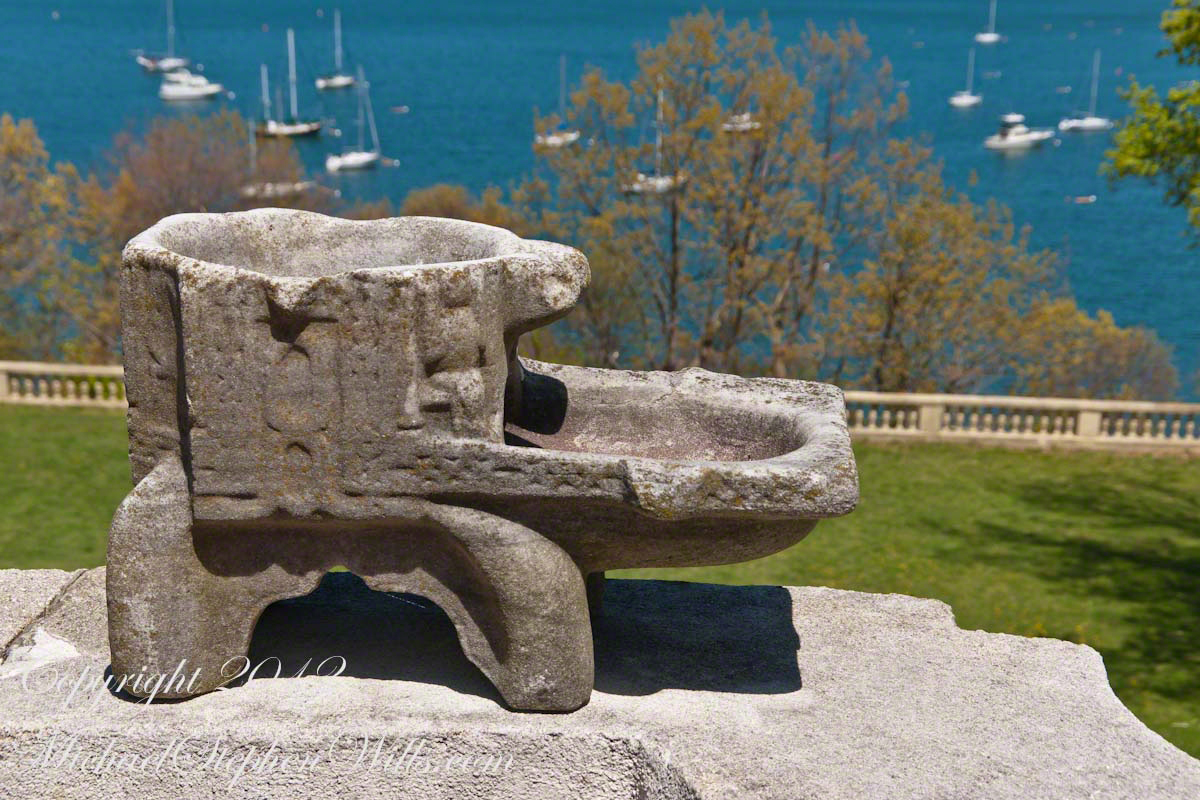
There were many cast stone planters in an Aztec motif such as that to the left of the archway and, in a detail shot, below.
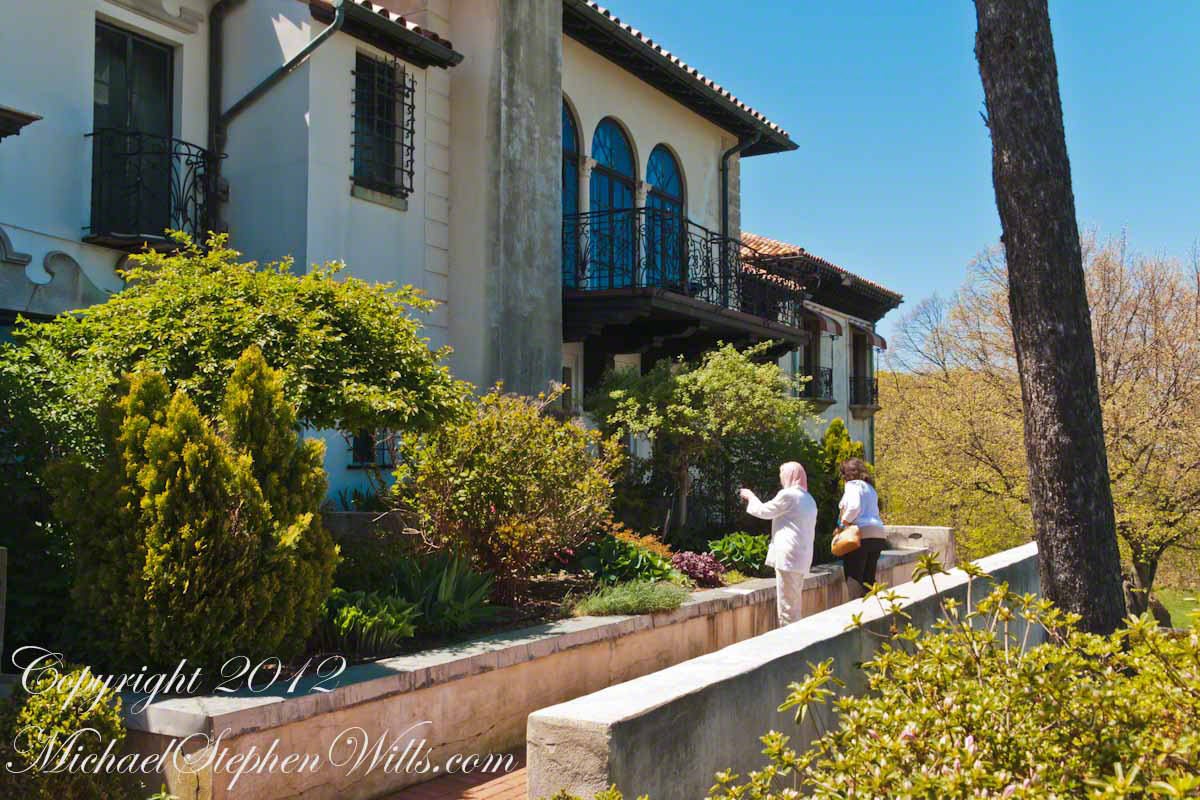
We continued through the archway into the gardens. With plenty of time before the Mansion tour (highly recommended) we wandered at length and had an interesting conversation with the figure of the archway, a retired lady from Smithtown (and not a ghost).
a spring day on the former gold coast of Long Island
A Taste of GatsbyThe first weekend of May 2013 my wife, Pam, and I attended a New York City Ballet performance on Saturday. Sunday we visited the Vanderbilt Museum of Centerport, Long Island.
This is the former “Eagles Nest” estate of William (“Willie”) Kissam Vanderbilt II.
Museum visitors are first drawn to a grand Corinthian colonnade and view of this boathouse on Northport Harbor.
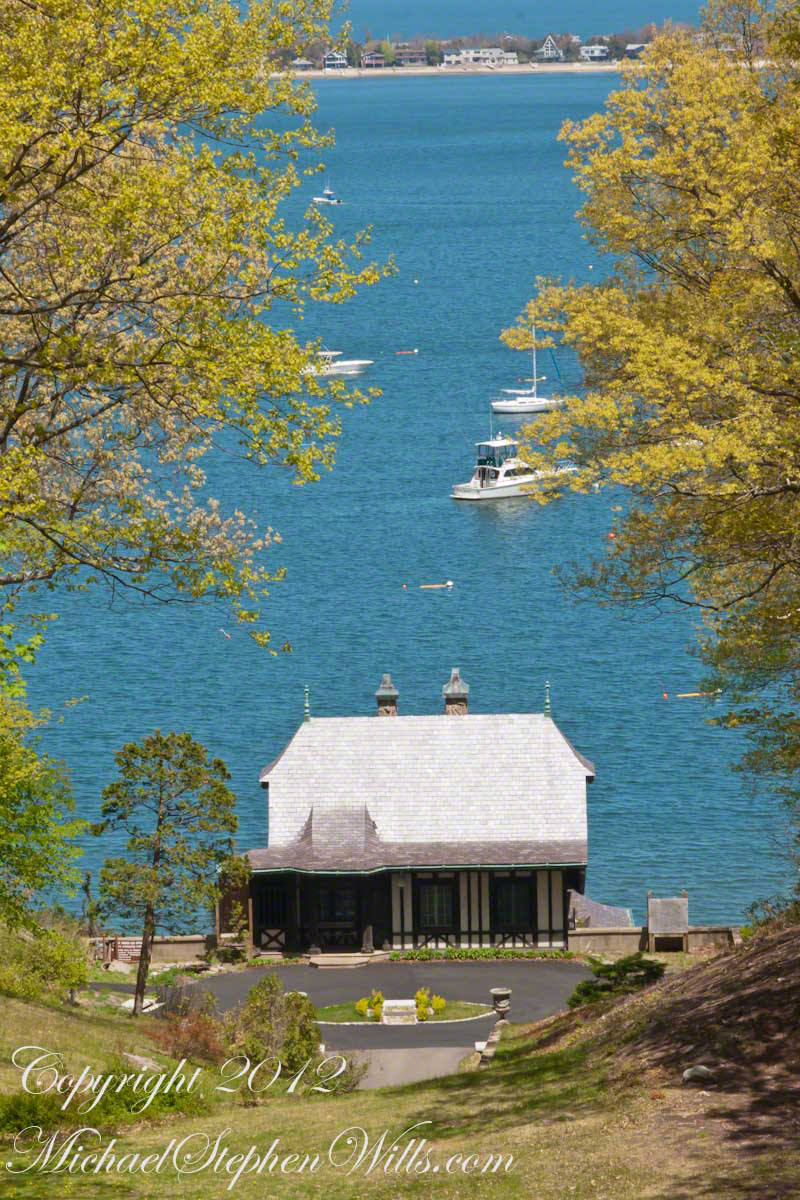
Willie K chose Centerport in 1910 for an anchorage on the well protected Northport Harbor, deep enough to his yacht the size of a destroyer class ship named for his mother, Alva.
The estate grounds are high above the harbor, the mansion and gardens designed to enhance the view.
There are superficial parallels between Willie K’s life and “The Great Gatsby.” The first suburban commuter, Willie K was an auto enthusiast. A theme of F. Scott Fitzgerald’s novel “The Great Gatsby” is travel back and forth from New York City to the great estates on Long Island’s North Shore. In Gatsby, while the vehicles are grand, the travel is pointless or worse. In comparison, Willie K as a pioneering automobile racer, achieved a land speed record and founded a major race, “The Vanderbilt Cup.” Gatsby, above and beyond his fictional status, is a tenuous, transient figure. Vanderbilt established this estate, grounds and museums we still enjoy today.
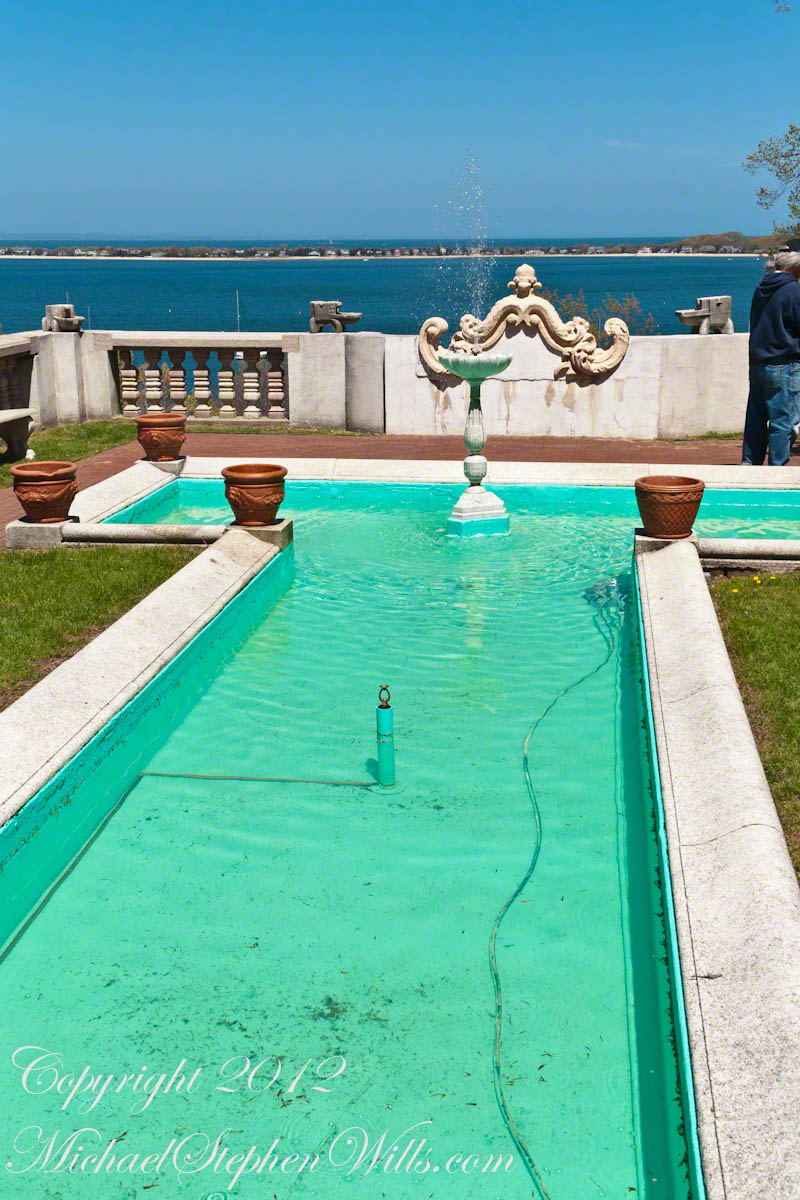
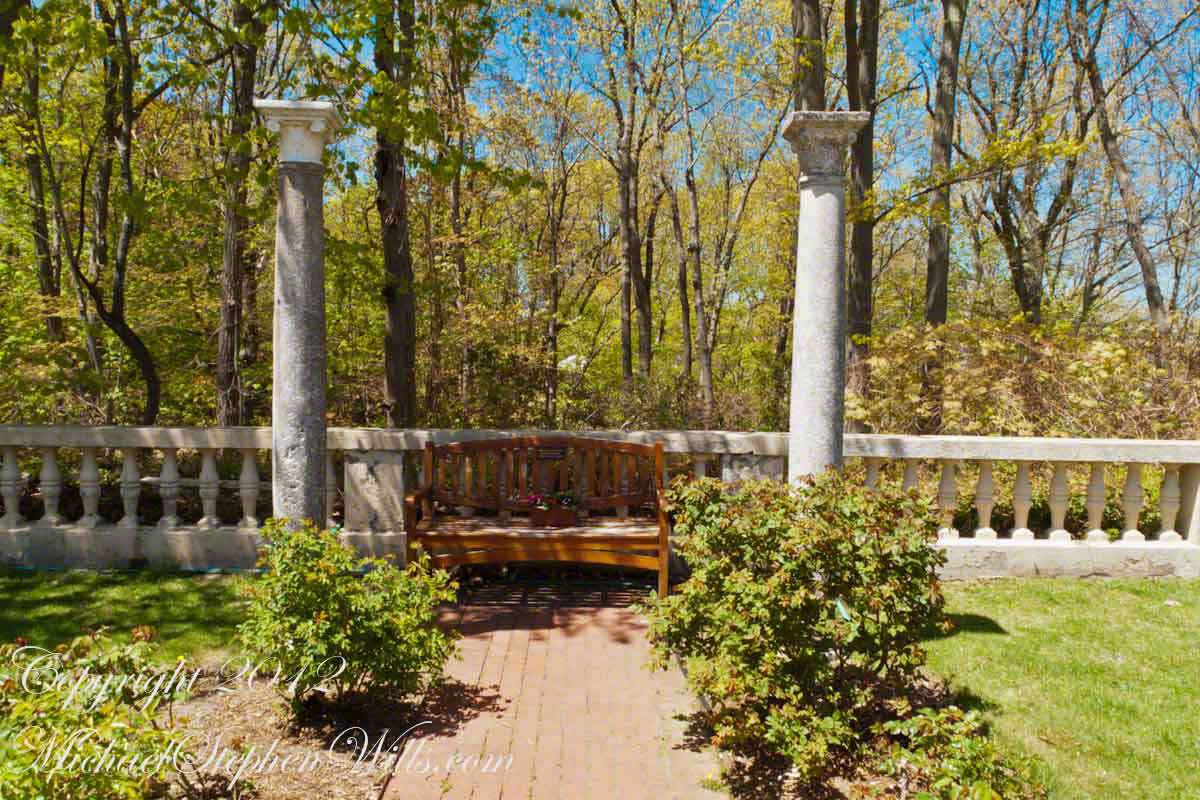
A short walk from the colonnade is a rose garden surrounding a pool and fountain. These Corinthian columns sized to a human scale flank a dedication bench on the northern side overlooking the boathouse through a hillside forest.
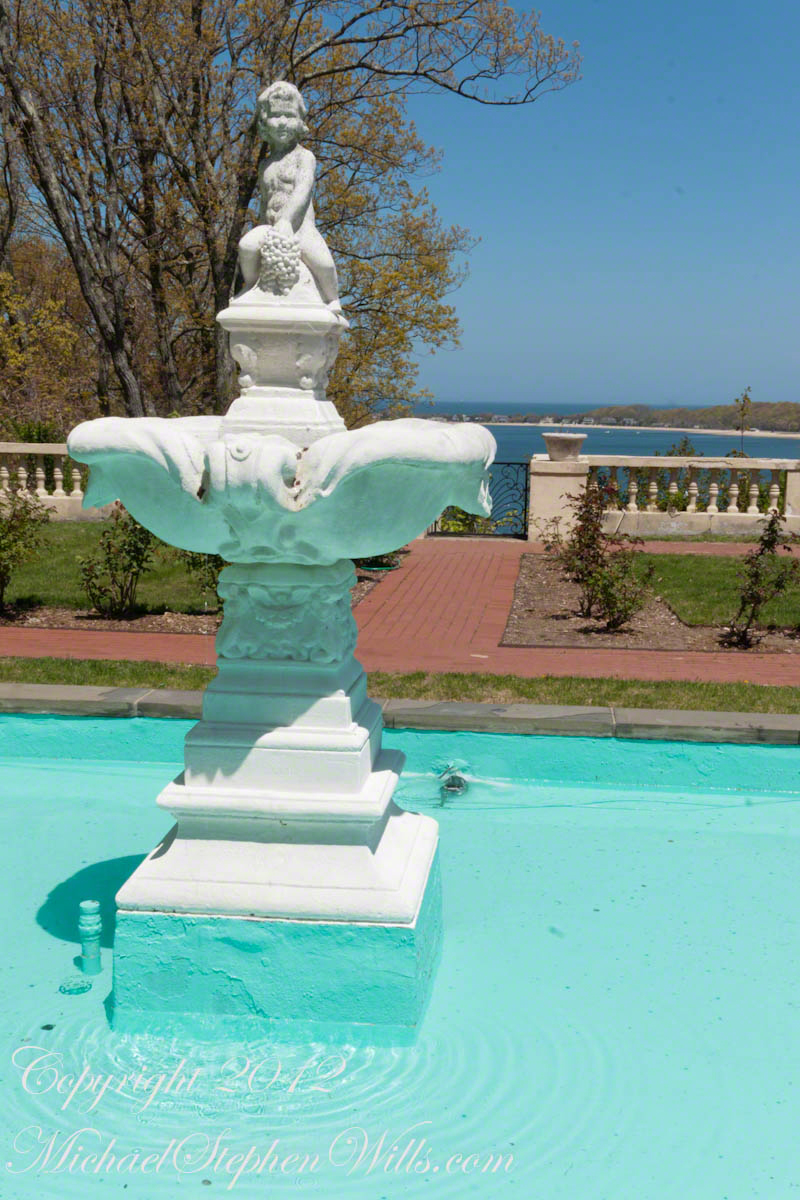
This figure of a flourishing infant is atop the rose garden fountain. Pam and I first noticed this character of the Eagles Nest estate here, with his abundant grape cluster, and came to know him as an expression of Willie’s outlook.
To the northeast / east is a dramatic view of Northport harbor and the Long Island Sound.
The mansion and surrounding grounds were imagined by Willie and implemented by the architects Warren, Wetmore and Pearce, over a twenty five year building campaign, from his feeling for the Mediterranean.
We were gifted with weather that evoked the full expression of the Mediterranean spirit.

McGraw Tower Bell Concert
Walking up University Avenue toward Lib Slope, listening to the noon concert from the McGraw Tower carillion (a tuned set of bells), below the Johnson Museum turn left onto a footpath, follow to the steep trail down to the Gorge Overlook along Fall Creek. Look up at the suspension bridge and water powered electric plant. Climb back, turn right and down to Stewart Avenue for the view of Fall Creek Gorge, Cayuga Lake, the former studio of Carl Sagan, built into the gorge wall. In researching this topic I learned Google Maps shows the trail and you can “walk” the trail, Google brought the camera down into the gorge.
An IPhone 7 and video editing software were used for this post.
Copyright 2021 Michael Stephen Wills All Rights Reserved
 Michael Stephen Wills Photography