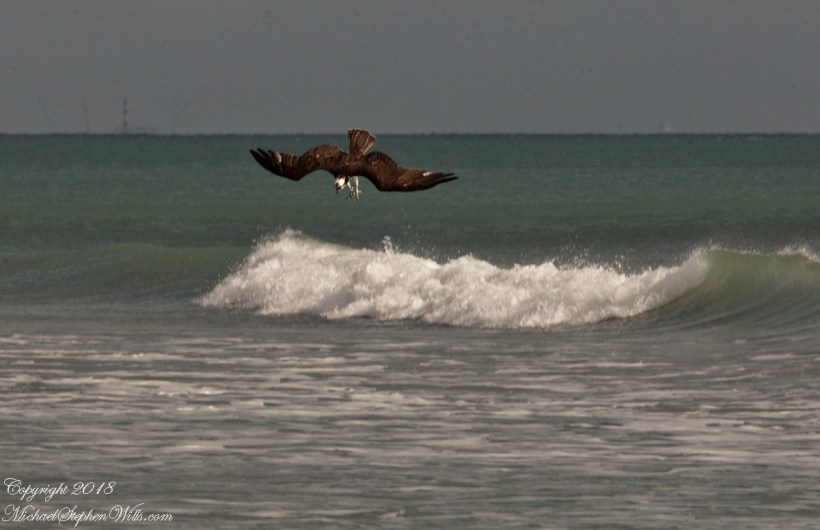
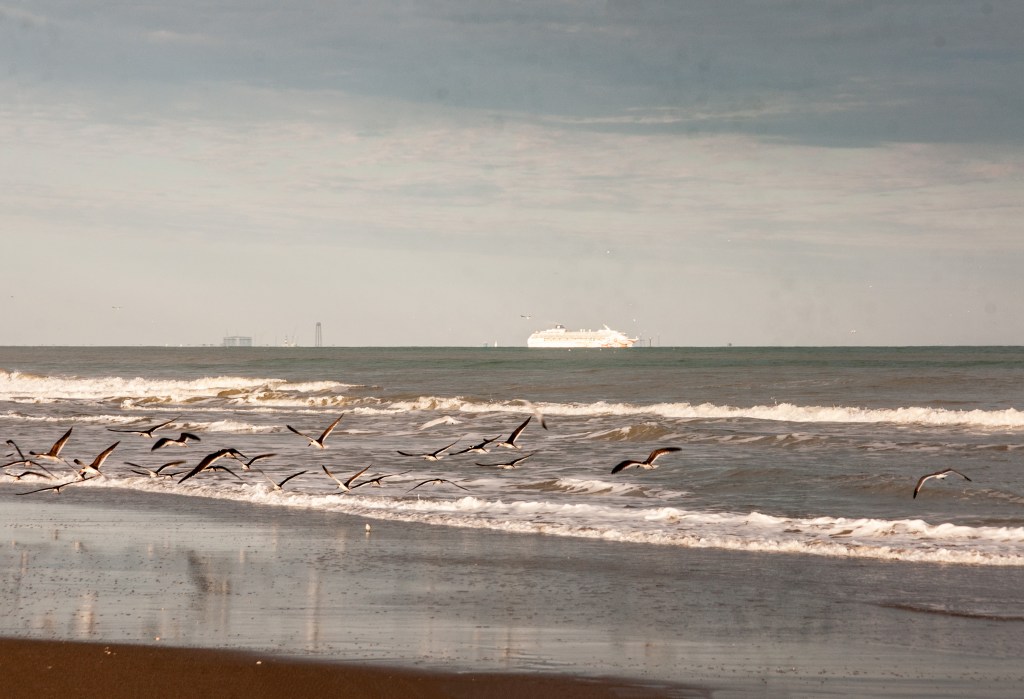
Brown Pelicans (Pelecanus occidentalis) fly as linear flocks of a few individuals, at altitude over the shore, and low over the surf line as seen here. Taken January 27, 2020 with the IPhone 8, there is a the insertion of the modern world as a cruise ship comes into view. The ship departs Cape Canaveral Cruise port for parts unknown.
Pelicans, when skimming the waves solo, fly even closer, and do wipe-out when a wingtip hits the water. This bird successfully negotiates a path through the surf.
If you ever feel like you’re struggling with independence, just remember these creatures who start life with the ultimate “figure it out yourself” kit.
Introducing the “Self-Service Buffet” of the animal kingdom, where the motto is “Hatch, Birth, Good Luck!” These creatures don’t stick around for cuddles or parenting classes:
Sea Turtles – The Ultimate Sand Sprinters: These little guys burst from their eggs and make a mad dash for the ocean, dodging seagulls and crabs. It’s like the world’s most stressful obstacle course, where the prize is simply survival.
Salmon – Swimmers on a Solo Mission: After hatching, young salmon are on their own, navigating the perilous waters without a GPS or even a pep talk. They’ve got more instinct in their little fins than most of us have in our entire body!
Praying Mantises – The Loner Ninjas: These insects hatch ready to rumble, with no parental guidance on how to be the ultimate predator. It’s a tough world where your siblings might just see you as their first meal. Talk about family drama!
Kangaroo Rats – Desert Hoppers Inc.: Born in the harsh desert, these tiny rodents are all about the solo journey from the get-go. No room service or guided tours here; just a lot of hopping and hoping.
Octopuses – The Brainy Solitaires: Octopus moms are the epitome of “do it yourself,” laying their eggs and then, well, signing off. The babies hatch fully equipped with all the smarts and skills they need, making them the envy of every overbooked parent.
Komodo Dragons – The Scaly Independents: These formidable lizards hatch ready to take on the world, with a fierce look in their eye that says, “I didn’t choose the dragon life, the dragon life chose me.”
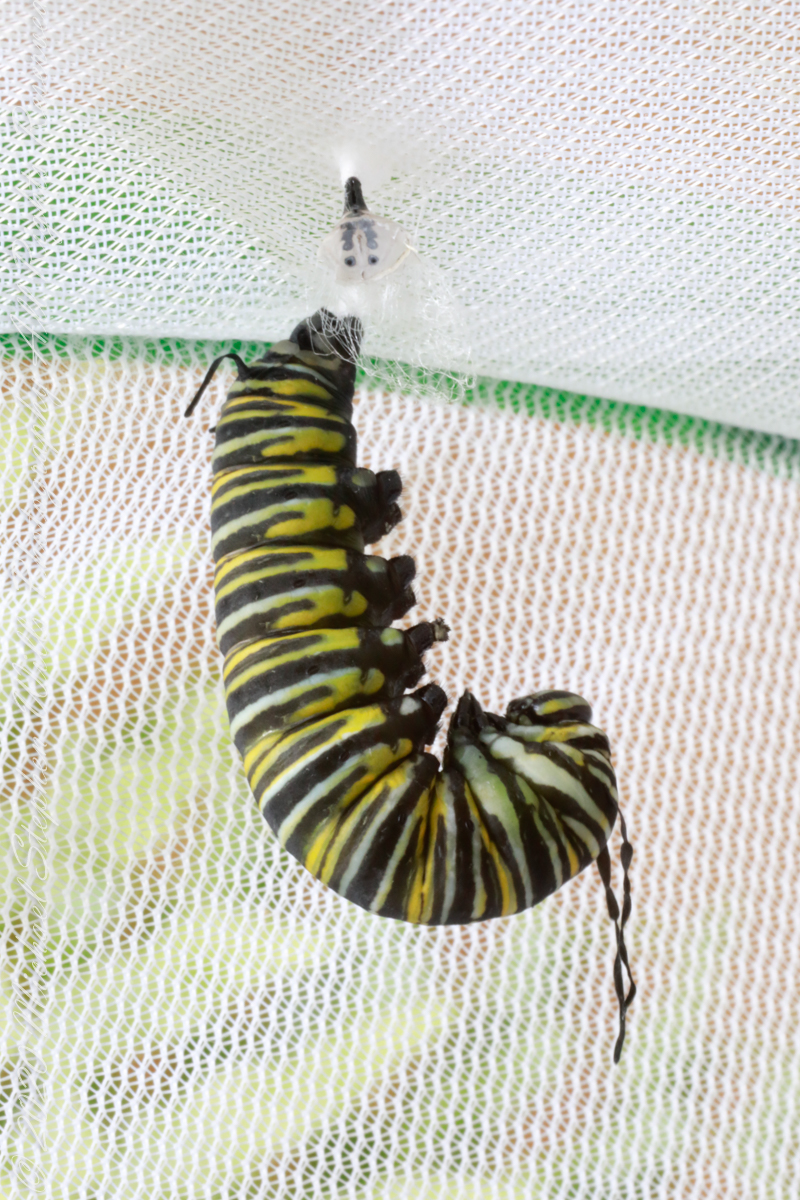
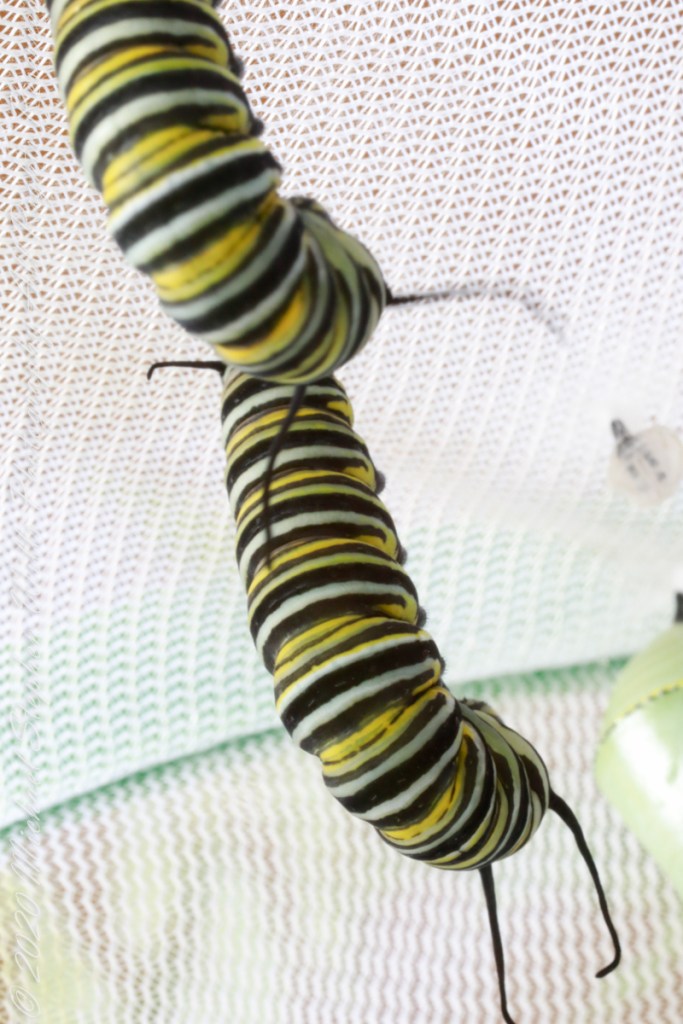
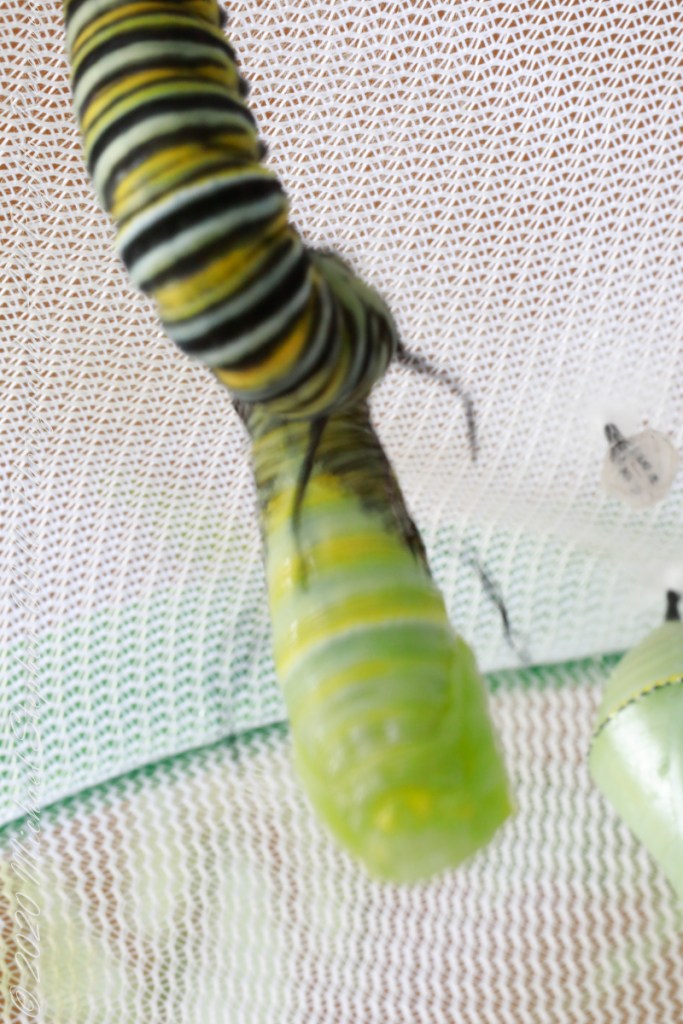
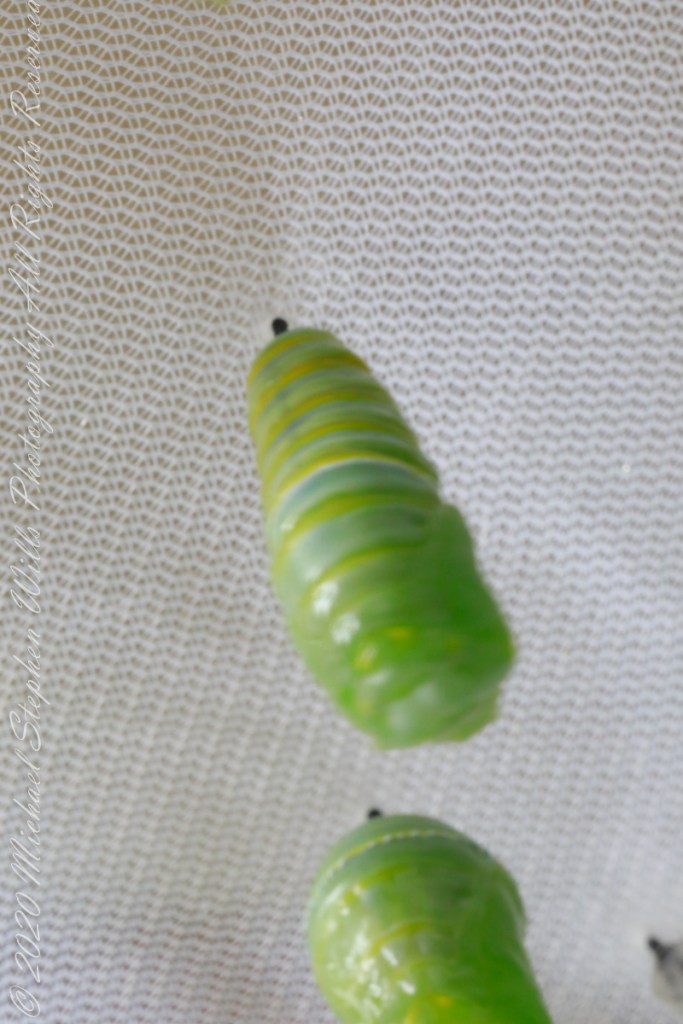
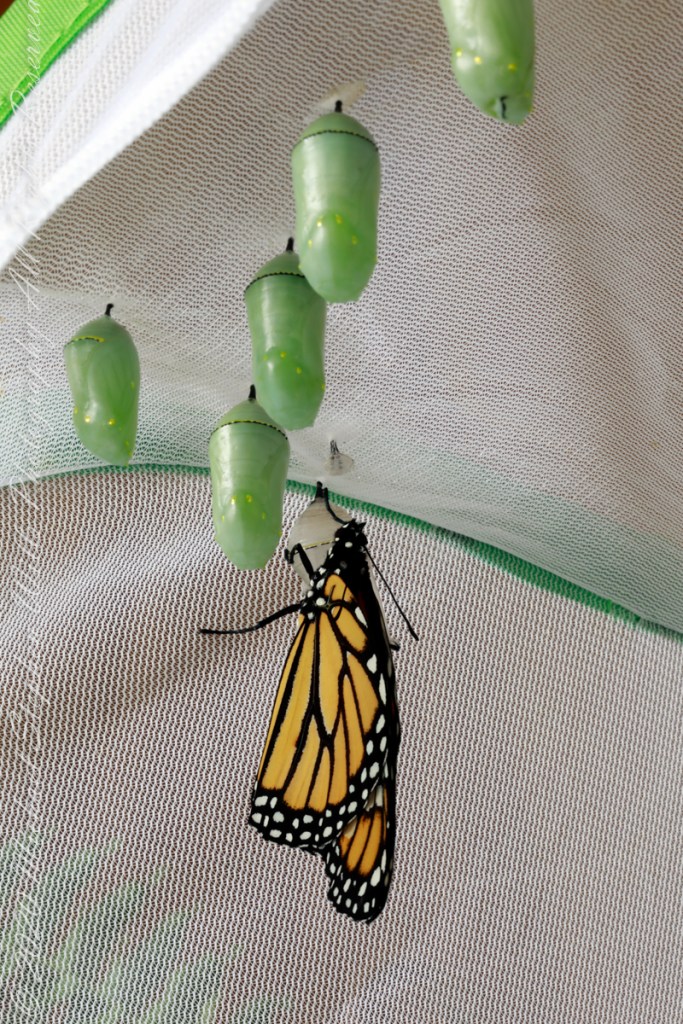
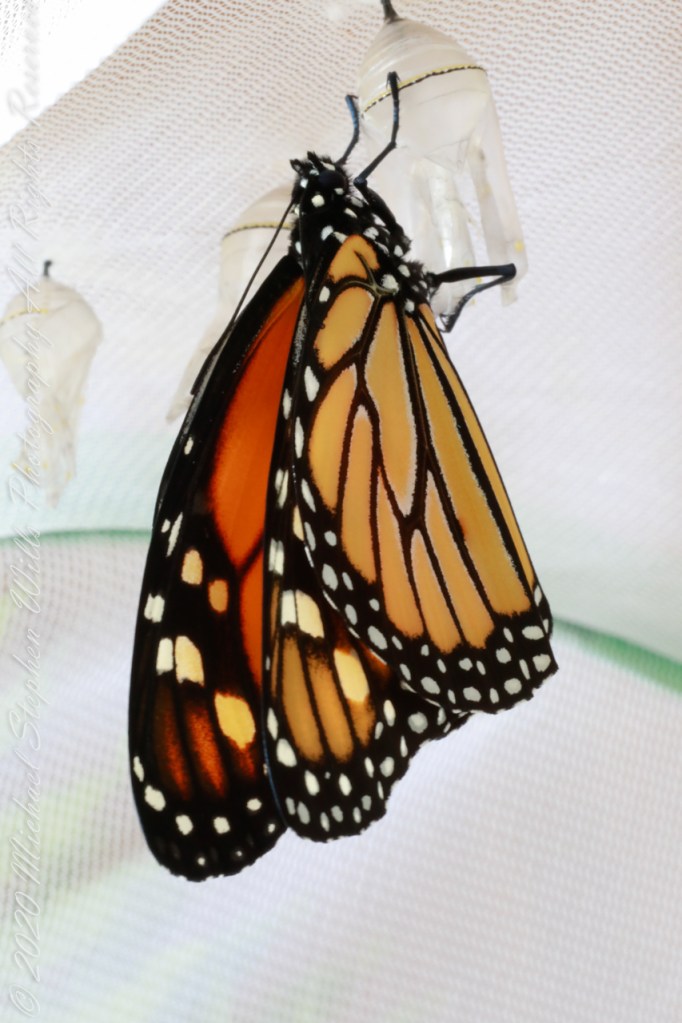
Butterflies – The Winged Wanderers: From caterpillar to chrysalis, and then to butterfly, these creatures do it all on their own. If butterflies had social media, their status would perpetually be “Just transformed. Who dis?”
A Monarch butterfly freshly emerged from the chrysalis after expanding its crumpled wings.
So, if you ever feel like you’re struggling with independence, just remember these creatures who start life with the ultimate “figure it out yourself” kit. They might just inspire you to tackle your own obstacles – though hopefully, with fewer predators involved.
Copyright 2024 Michael Stephen Wills All Rights Reserved
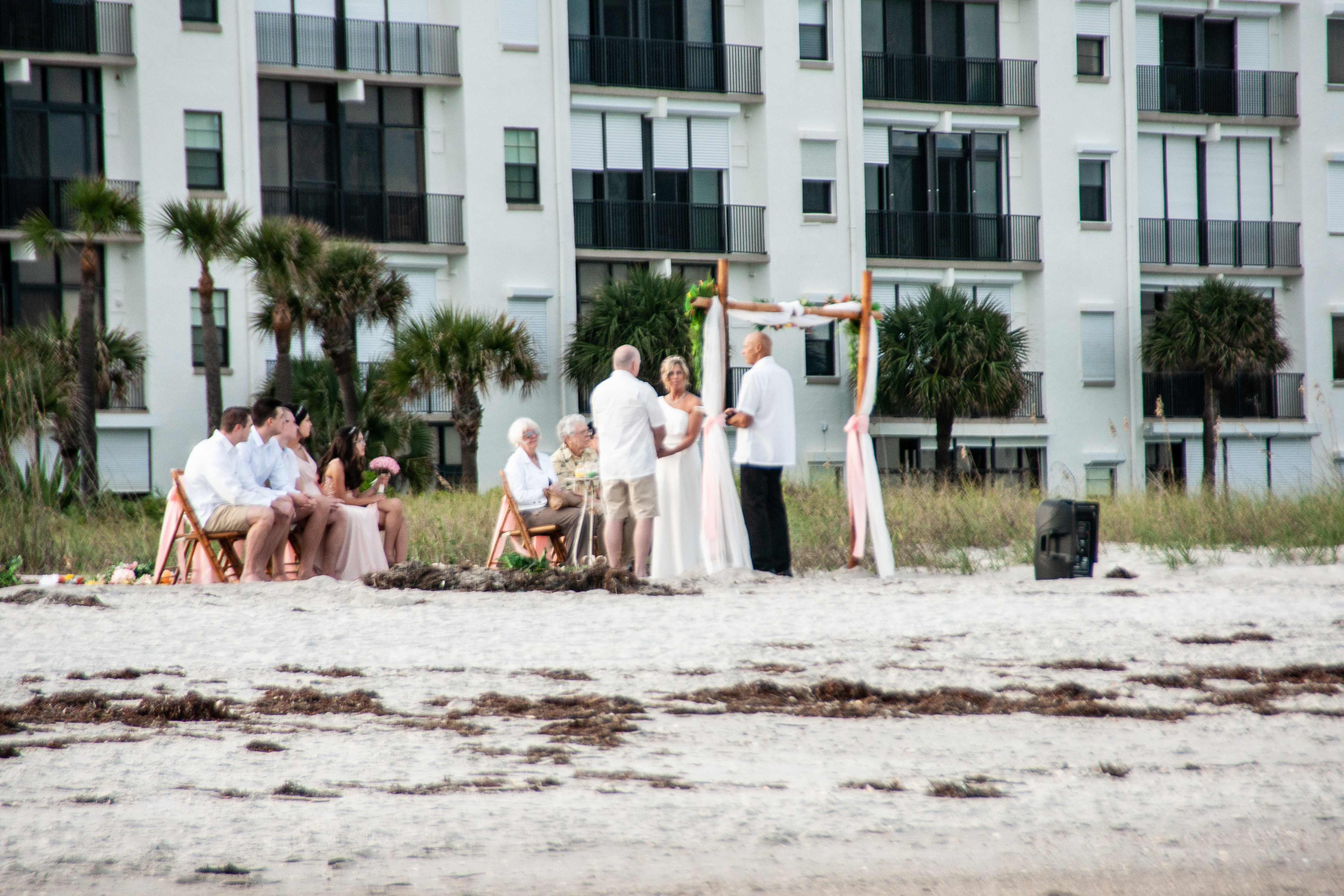
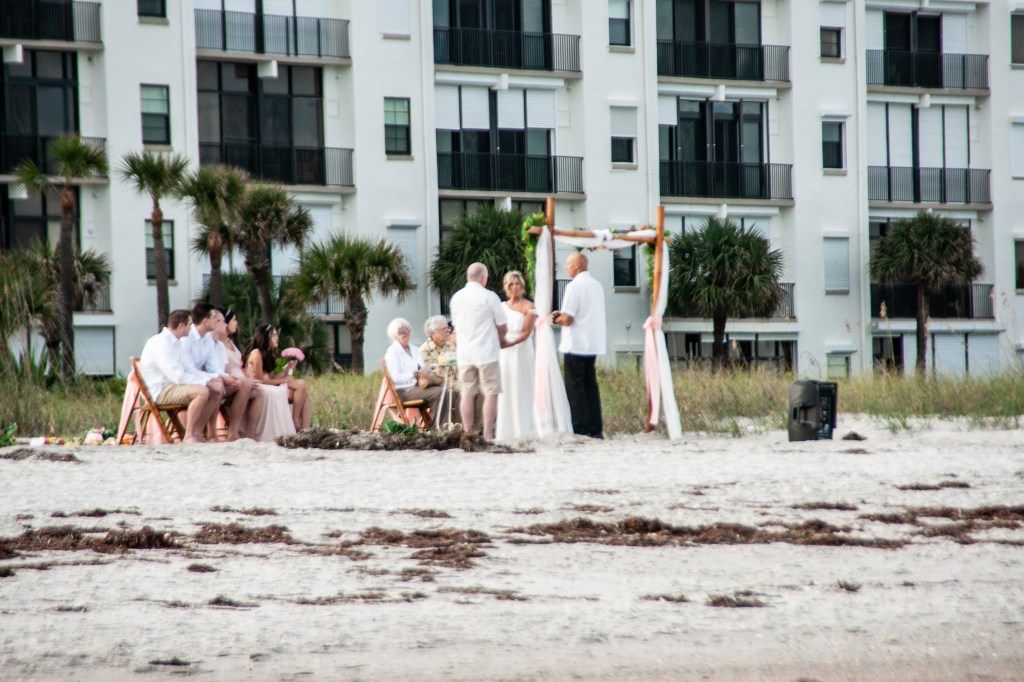
After 2 pm check in we interrupted unpacking for a sundown beach walk, IPhones and Sony Alpha 700 camera in hand on the last evening of 2019. There is a business on A1A, the main road through town, advertising “beach weddings” and “elopements.” Here, using the 18 – 200 mm f3.5-6.2 lens, I spied this grouping of a mature couple holding hands, minister in attendance, for a wedding ceremony witnessed by young adult children on the right, parents (?) left. The groom’s shorts contrast with the bride’s white gown.
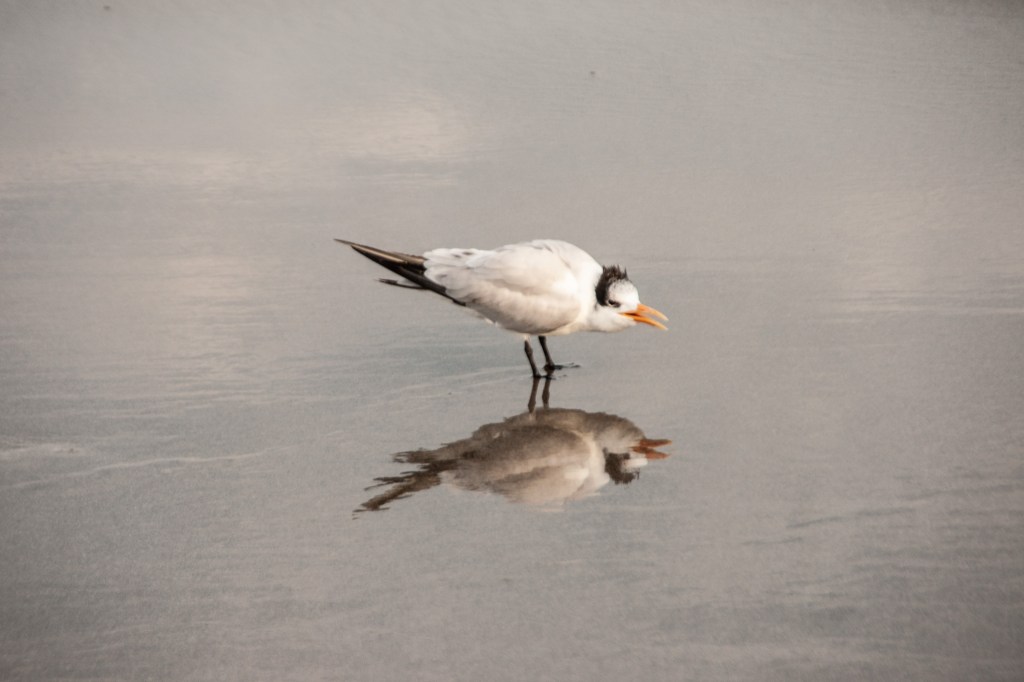
Sunlight, low in the western sky, was perfect for mirror-like reflections in the retreating surf.
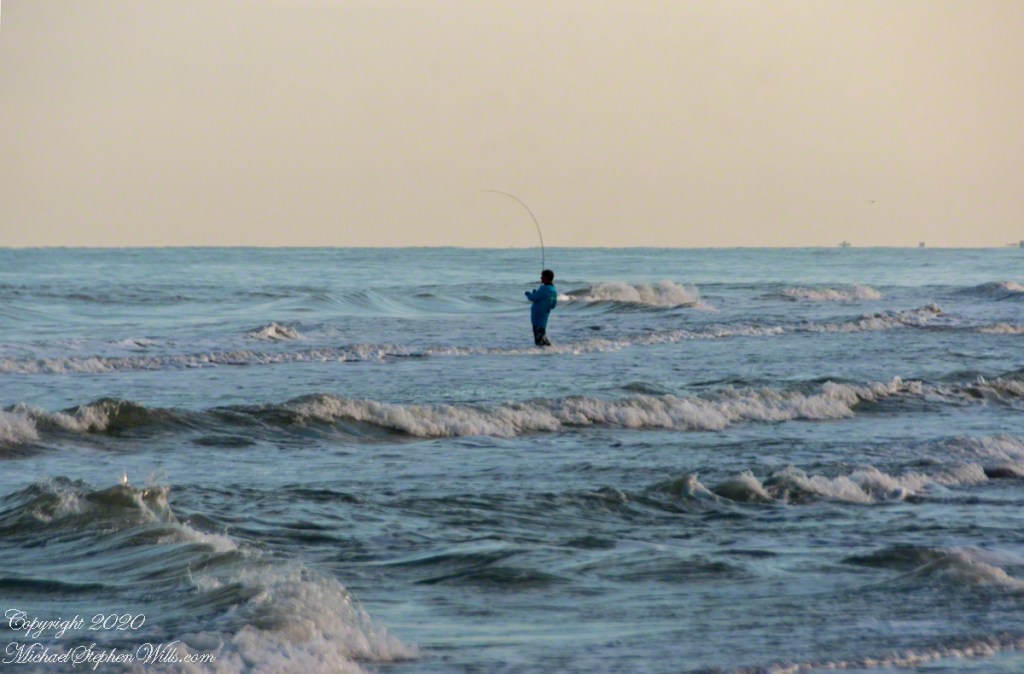
A given of the Atlantic beach is the late afternoon light, best for capturing figures against the ocean.
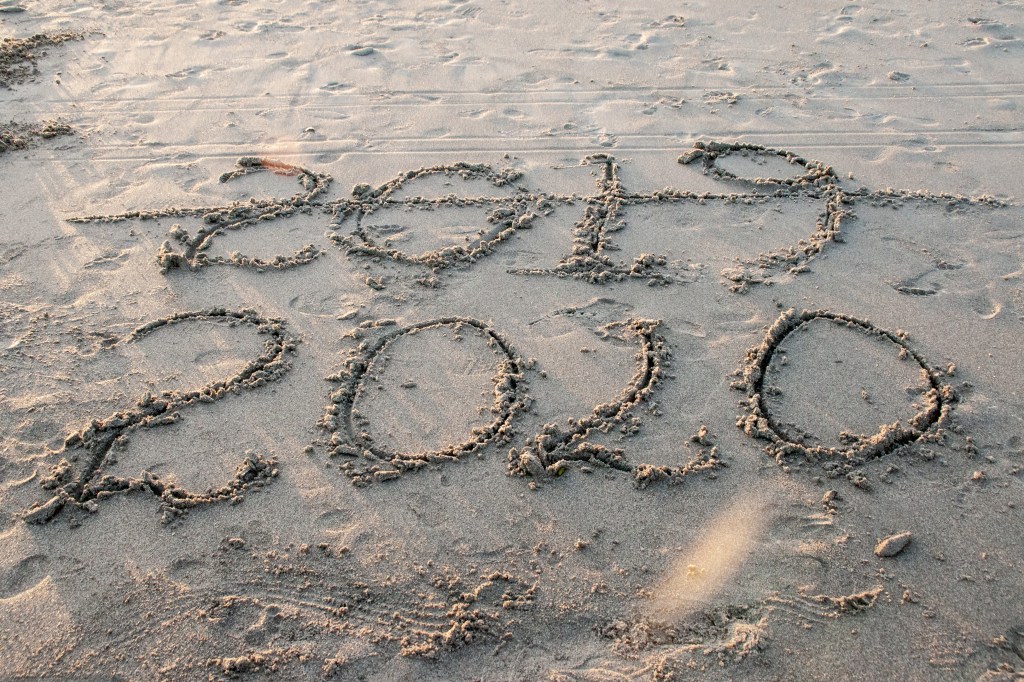
Written below the high tide mark, a message inscribed, impermanent in spite of the deep cuts.
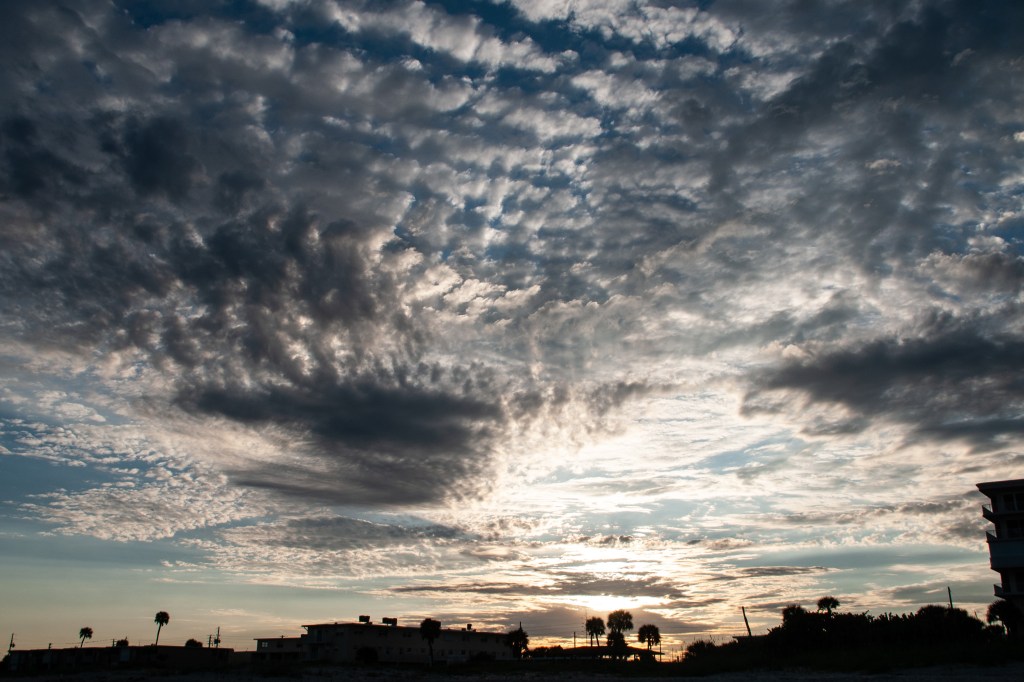
I have practice framing sunsets against beach development. Cannot complain as we enjoy our beach side condo.
A slide show of these images.
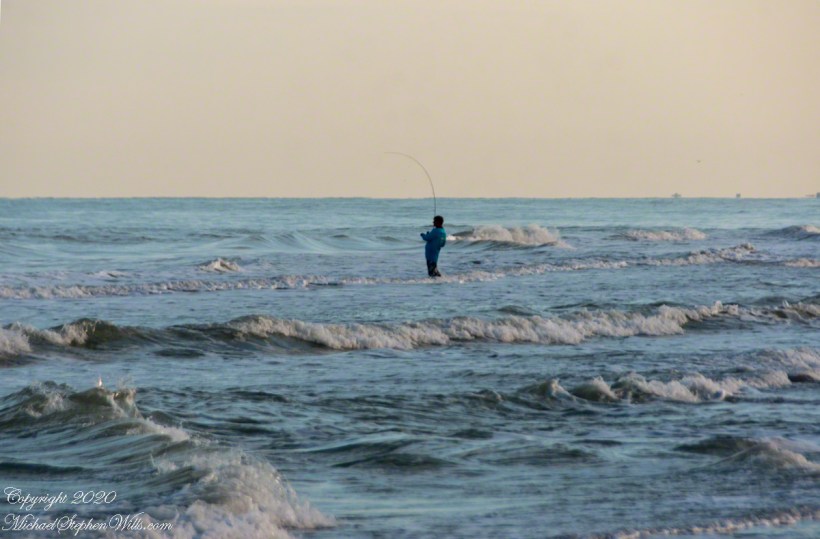
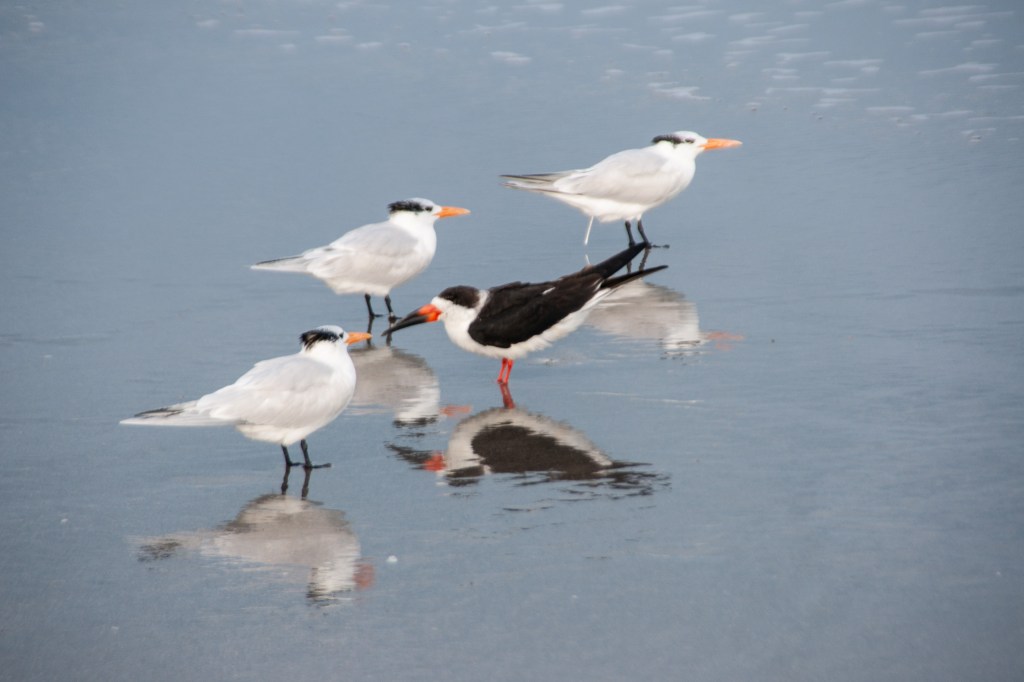
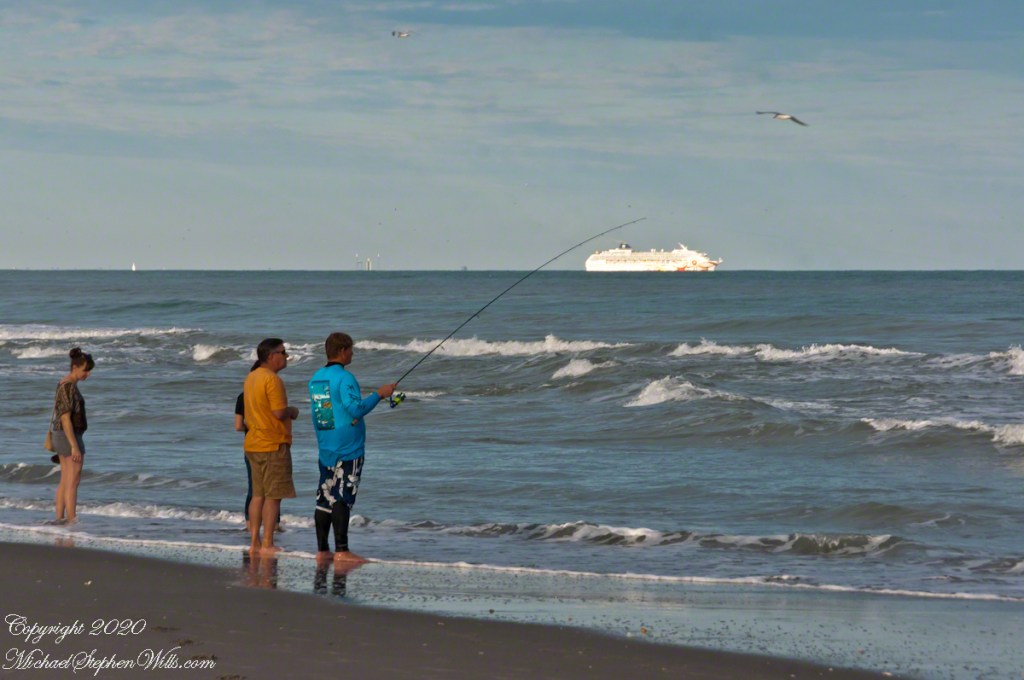
Mature Love / Beach VowsCruise Ships Depart Cape Canaveral Late AfternoonTo Each His Own PassionSurf CastingBlack Skimmer Going His Own WayGull ReflectionLast Sunset of 2019Messages in the Sand Washed Away Twice Daily at High Tide
Copyright 2024 All Rights Reserved Michael Stephen Wills
Witness a duel not of might, but of vibrant melodies between the cardinal and song sparrow. This 14-second video captures a fleeting yet profound moment in the Finger Lakes’ springtime chorus. Join us in unraveling the significance behind this avian serenade.
In the serene backdrop of the Finger Lakes in upstate New York, an enchanting encounter unfolds as the first whispers of spring touch the air. It’s March 14th, a day that marks the gentle shift from the silent, introspective winter to the lively, expressive season of spring. On this day, a captivating spectacle takes place — a duel not of might, but of melody. Two distinguished songbirds, a male cardinal (Cardinalis cardinalis) with its vibrant red plumage that seems to capture the very essence of life itself, and a male song sparrow (Melospiza melodia), modest in color yet profound in voice, engage in an early springtime symphony.
This 14-second video, garnished with brevity, captures a fleeting moment in nature’s grand concert, where these feathered musicians compete, not for supremacy, but for the sheer joy of song and the chance to herald the new season. The cardinal, with its rich, whistling tunes, fills the air with a repertoire of songs that resonate with the promise of new beginnings. Meanwhile, the song sparrow, with its intricate melodies that vary dramatically from bird to bird, offers a counterpoint that is both complex and captivating.
This auditory duel, set against the tranquil beauty of the Finger Lakes, is more than just a display of vocal prowess. It’s a ritual that speaks to the heart of nature’s cycle, a testament to the resilience and adaptability of these species. As these songbirds vie for the attention of mates and assert their presence in the spring landscape, they also remind us of the enduring beauty and mystery of the natural world. You’ll also catch the call of a crow and, in the distance, another Cardinal.
This moment, brief yet infinitely rich, invites us to pause and listen, to lose ourselves in the simple yet profound joy of birdsong. It’s a reminder that, even in the quietest corners of the world, life thrums with vibrancy and the promise of renewal. Join us as we delve into the story behind this melodic encounter, exploring the significance of song in the lives of these birds and the heralding of spring in the Finger Lakes.
Copyright 2024 Michael Stephen Wills All Rights Reserved
Here is the fourth in a series of photographs centered on the early history of space flight on Cape Canaveral mostly taken during a tour organized by the Cape Canaveral Lighthouse Foundation. Google the foundation for details of future tours. Here we explore the sites closests to the Lighthouse: Launch Complex 21 and 22.
“Vengance Weapons” re-purposed
Vergeltungswaffe 1 (Vengance Weapon 1 AKA V-1), produced at Peenemünde on the Baltic Sea was first used against Great Britan by Germany one week after the D-day landings. 8,025 of these flying bombs, the first cruise missles, caused the death of 22,892 people, mostly civilians. The first cruise missles for the USA were developed less than 1,000 feet away from the lighthouse. After touring the lighthouse we boarded the bus to visit these sites, Launch Complex 21 and 22.
Click Any Image for a larger viewe
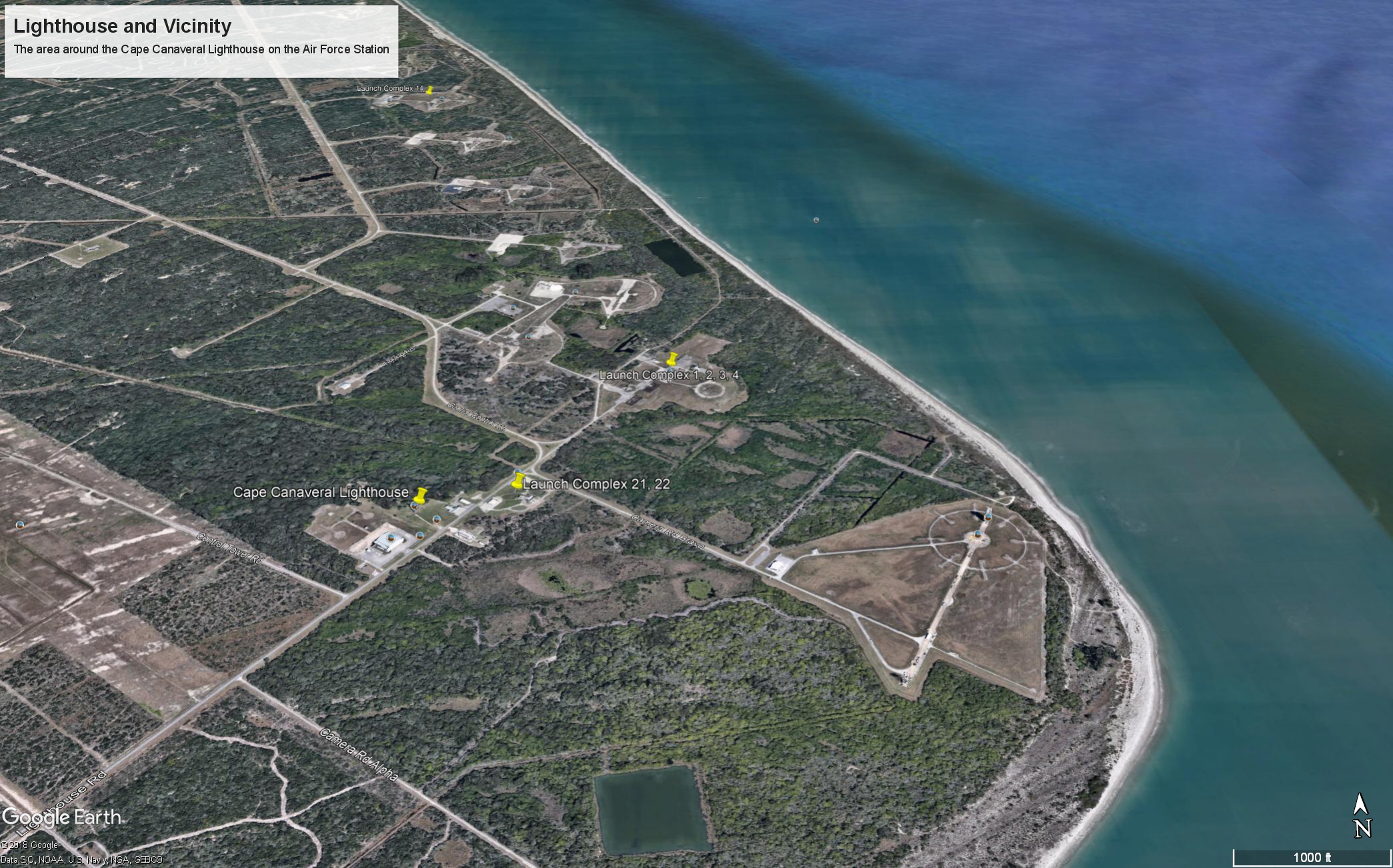
Launch Complex 21 and 22 are marked with a labled “pin” on this image from Google Earth.
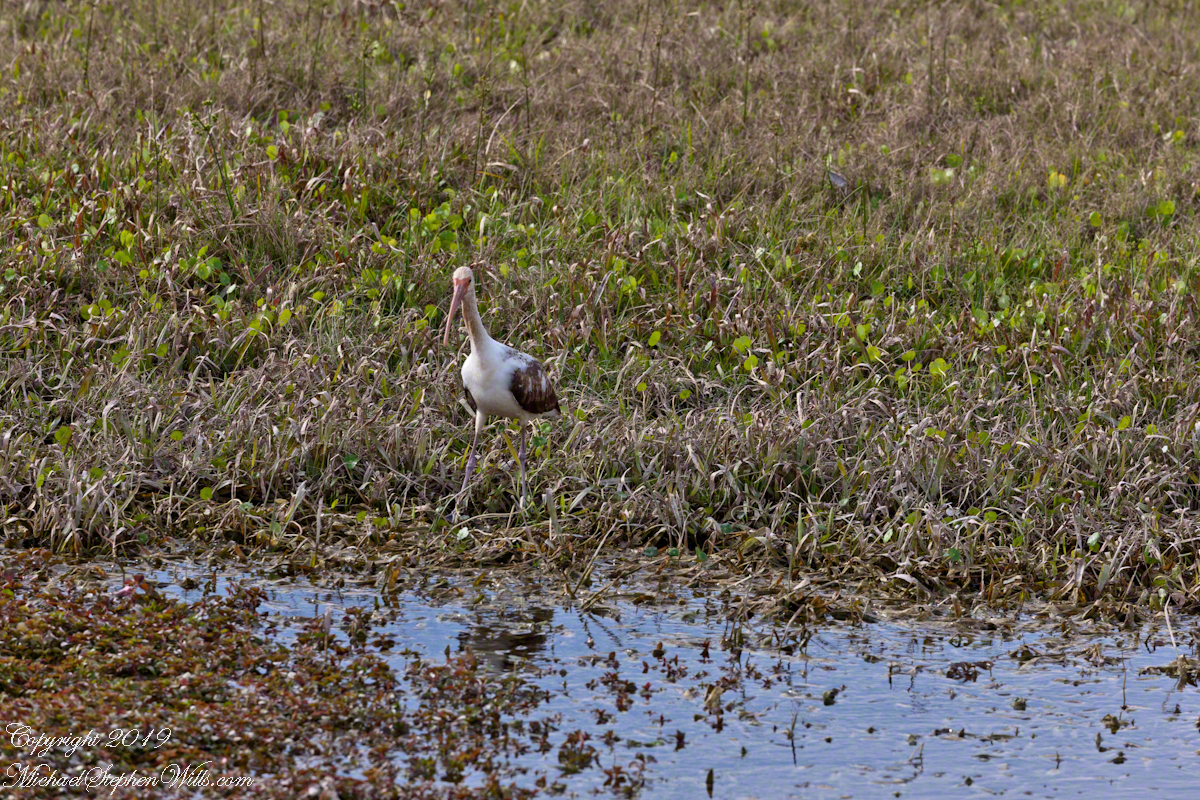
Nature abounds in Cape Canaveral Air Force Station. This ibis hunted near the lighthouse on our way to Launch Complexes 21,22.
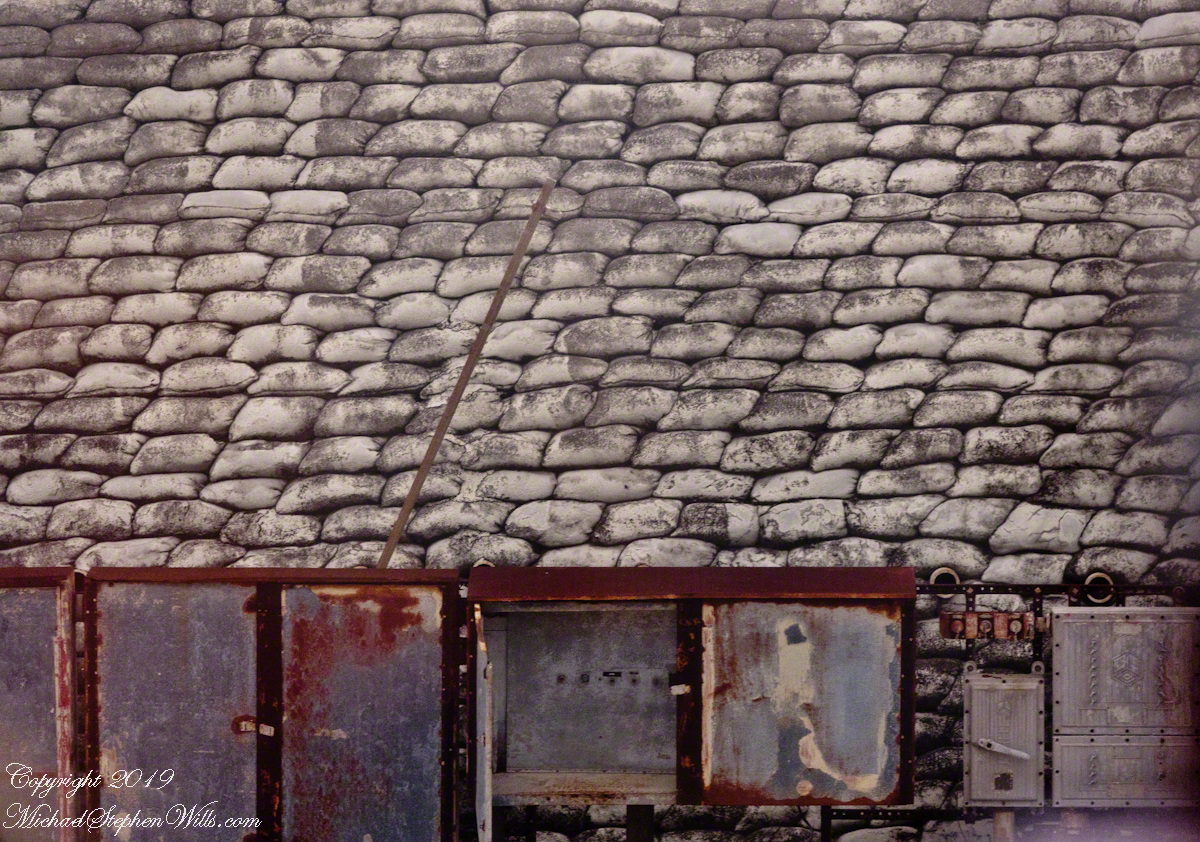
We passed close to the blockhouse first viewed in my post, “Lighthouse and Rockets,” and I captured this detail of the long abandoned structure. The last test launch of a Mace missle was June, 1960.
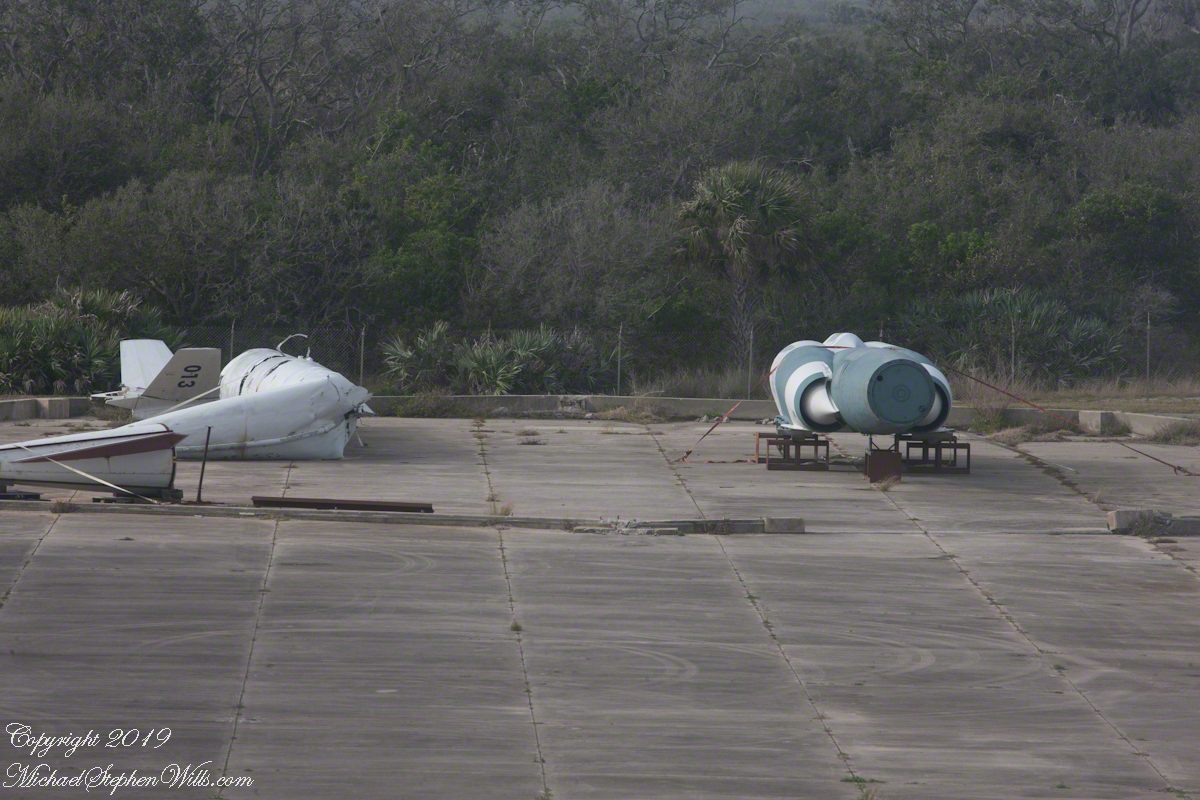
This wreckage photograph was part of my,“Lighthouse and Rockets” post. It was taken from a lighthouse portal. It is a type of cruise missle, although I cannot identify the exact type, comparing the engine, on the right, with available photographs of the “Bull Goose” and “Mace” missles developed here.
Bull Goose and Mace
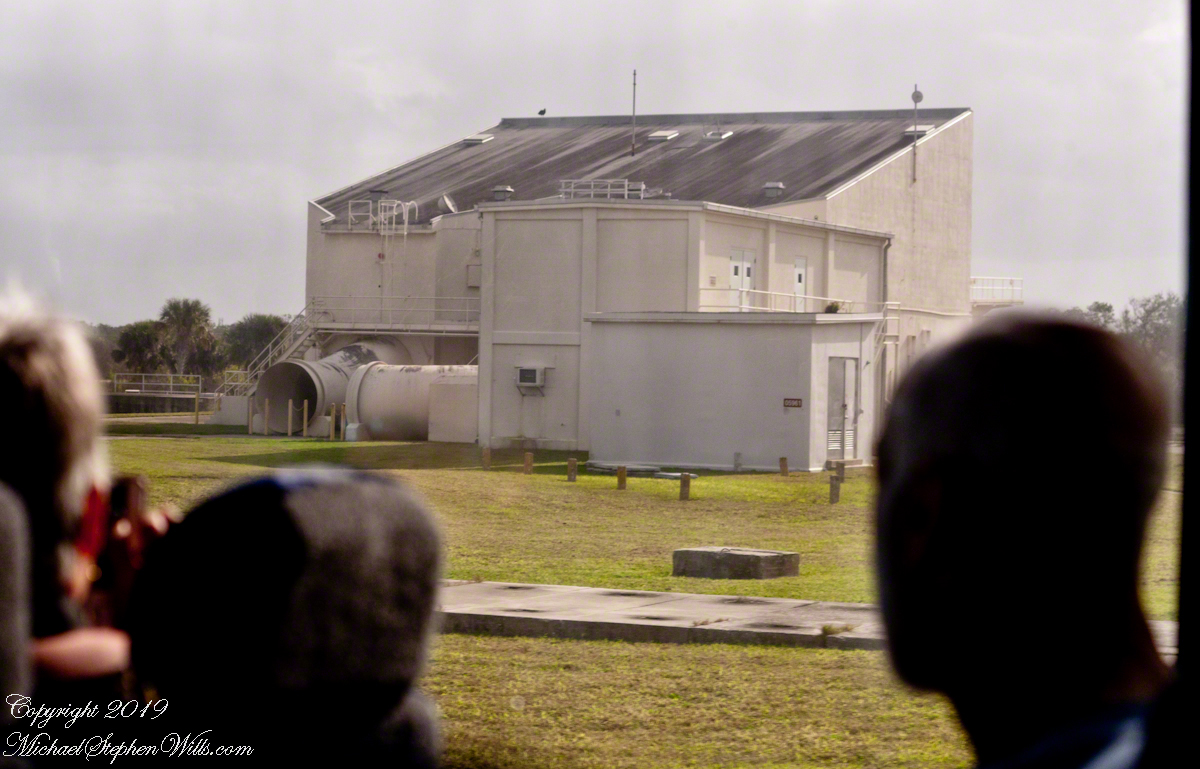
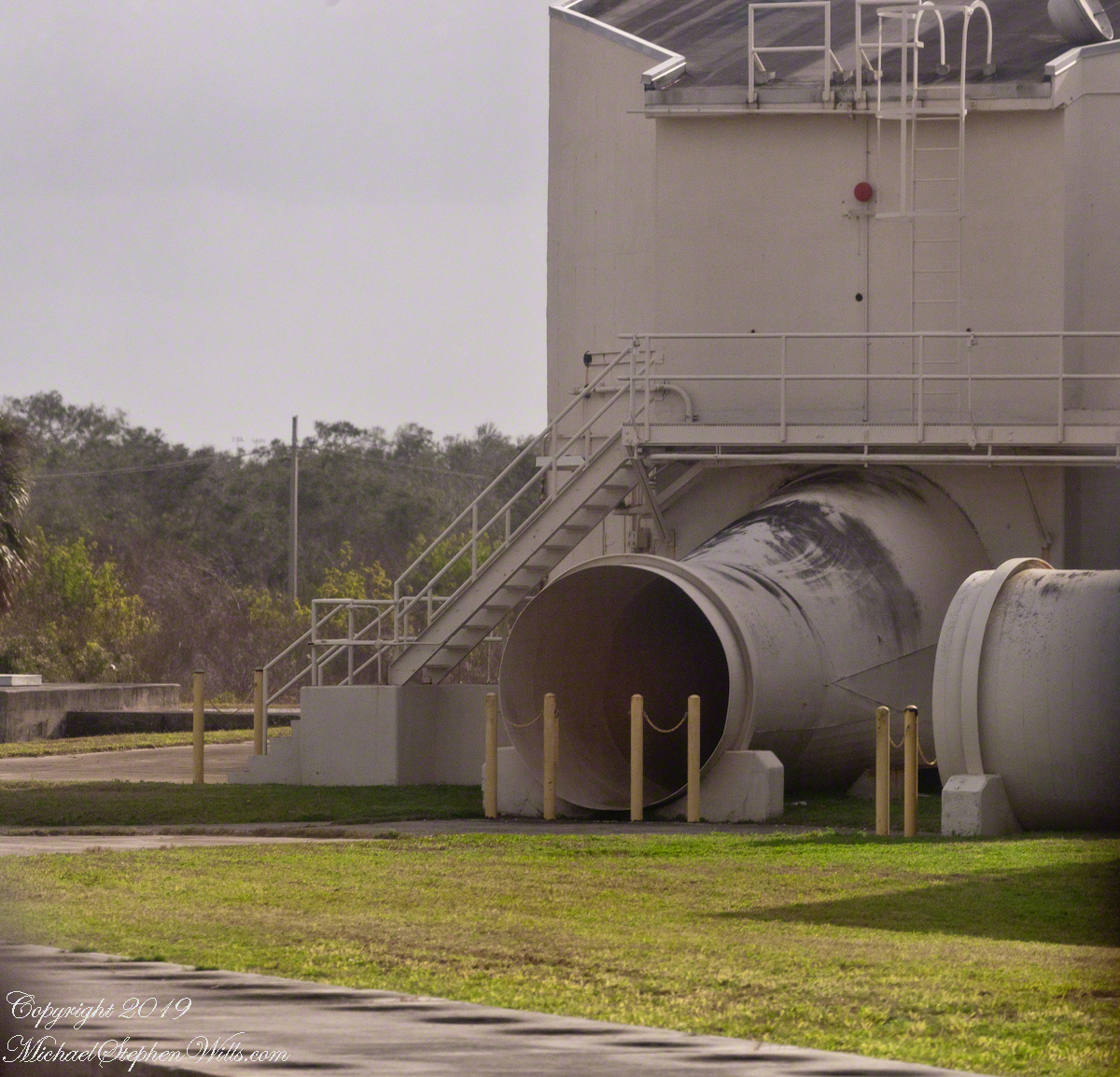
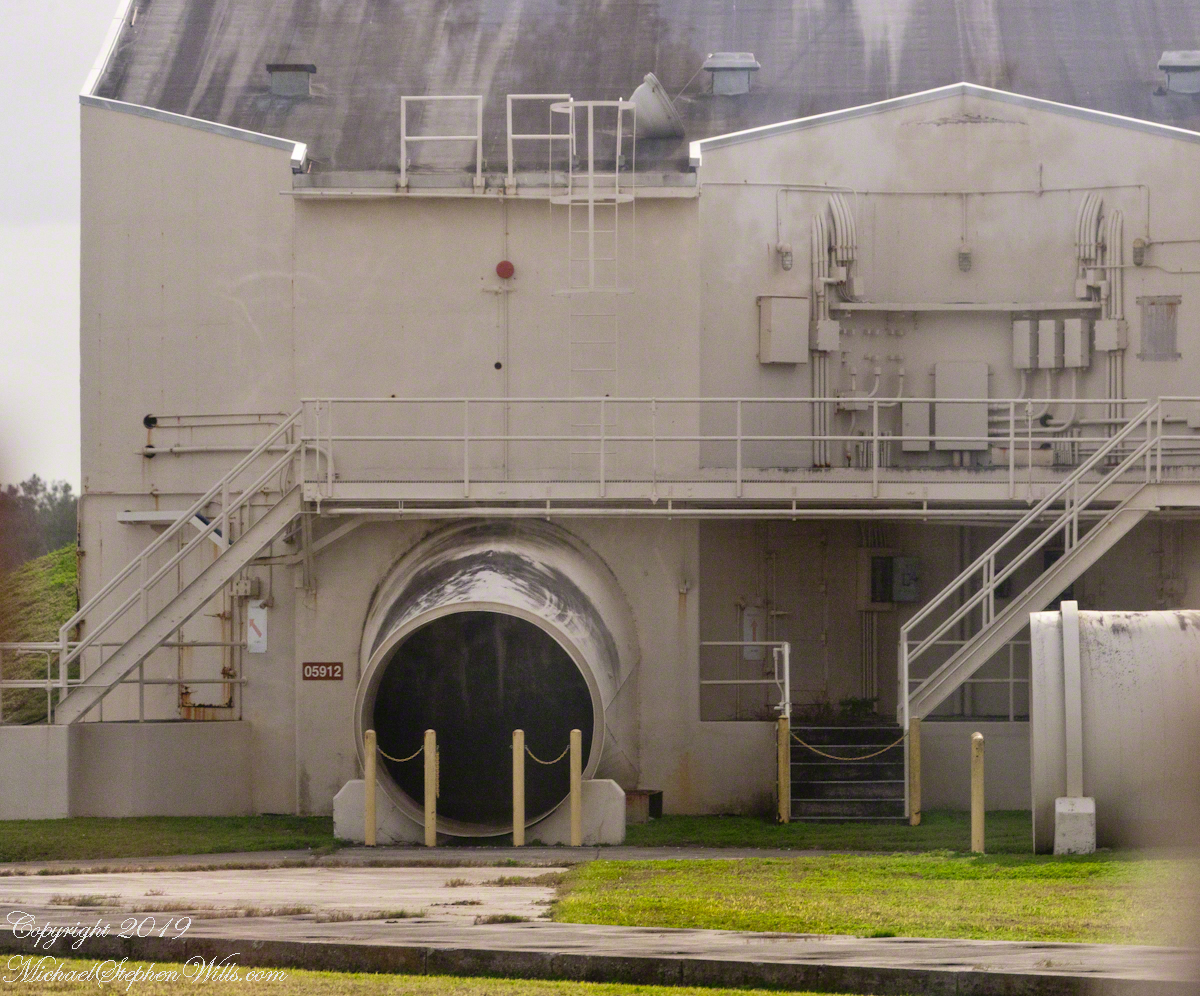
Rail launched, as was the German V-1, the missles developed here were called “Bull Goose” and “Mace.” Bull Goose was a delta winged craft intended as a decoy, to appear on radar as a strategic bomber during a nuclear attack. At that time, the rails were in the open. The building here was a revampment of the site for development of the Mace. The other side of this structure is open, the launch rail pointed up from the rear. There are two launch rails, numbered 1 and 2. The building placard is “05961,” the numeral “1” designates site 1. The use of numbers of designate a site is unusual. Letters are used elsewhere on Cape Canaveral and Kennedy Space Center.
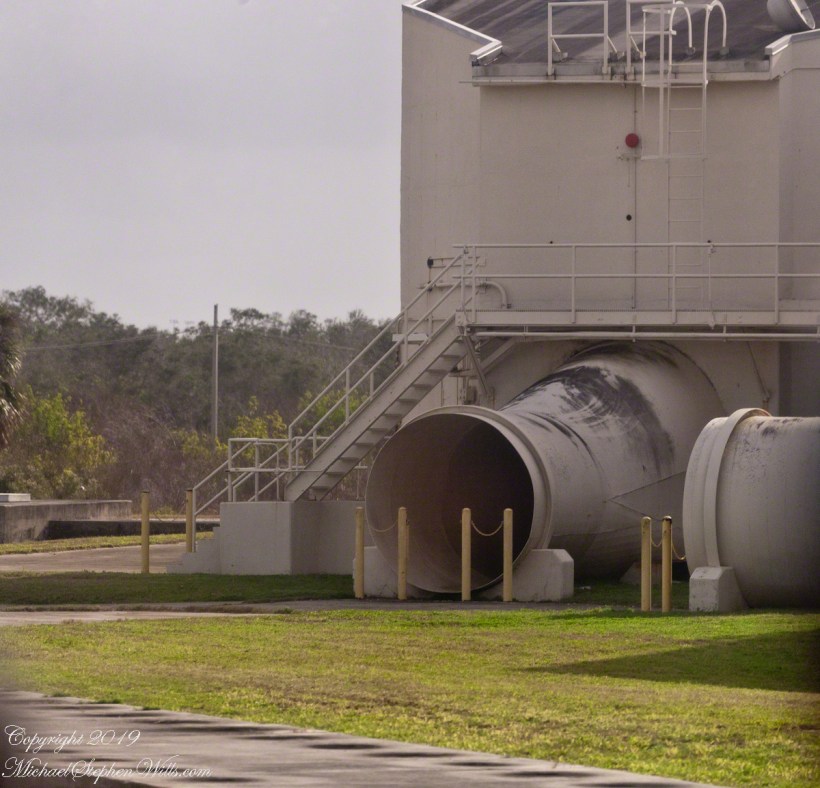
The powerful rocket exhause was directed though these pipes. Site 1 is on the right.
Guidance or “Cruise Control”
Navigation is a crucial requirement for cruise missles. The Bull Goose used a gyroscope with no reference to surroundings. The guidance system held the launch bearings, a successful flight was completed within 115 nautical miles of the target.
If deployed, the plan was for thousands of these missles to launch 1 hour before the attack craft set out and 1 hour after. The missles were not armed, but would descend in the thousands around the targets. Similar to what the Germans did to civilians in England.
After three years and 136.5 million dollars the Bull Goose was cancelled because it could not simulate either the B-47 Stratojet or B-52 Stratofortress nuclear bomb delivery aircraft. Not a single decoy was fired in anger.
The building sign “05912” identifies this exhaust tube as being launch site 2.
The Mace, for which this building was created, used a guidance ATRAN (Automatic Terrain Recognition And Navigation, a radar map-matching system). The map was produced on a 35 mm film strip carried on the missle, the live radar returns were “matched” against the film with course correction made for differences. The Mace was of limited usefulness due to the lack of radar maps for target areas within the Soviet Union. The Mace was deployed to Germany and South Korea until phase out in 1969.
Sources of information for this post: I used information from the Wikipedia site for the key words V-1, Launch Complex 21, Launch Complex 22, Mace, Bull Goose.
Copyright 2024 Michael Stephen Wills All Rights Reserved.
Here is the third in a series of photographs centered on the early history of space flight on Cape Canaveral mostly taken during a tour organized by the Cape Canaveral Lighthouse Foundation. Google the foundation for details of future tours. Here we start with Roman Numerals and end with Rocket Research.
Inscribed Roman Numerals
We were lucky to be on this tour, for a period of time the Air Force closed off the Lighthouse. The Lighthouse Foundation obtained permission to start this tour in 2016 (this was January 2018) and I happened to discover it while poking around in preparation for the SpaceX “Falcon Heavy” launch in early February 2018.
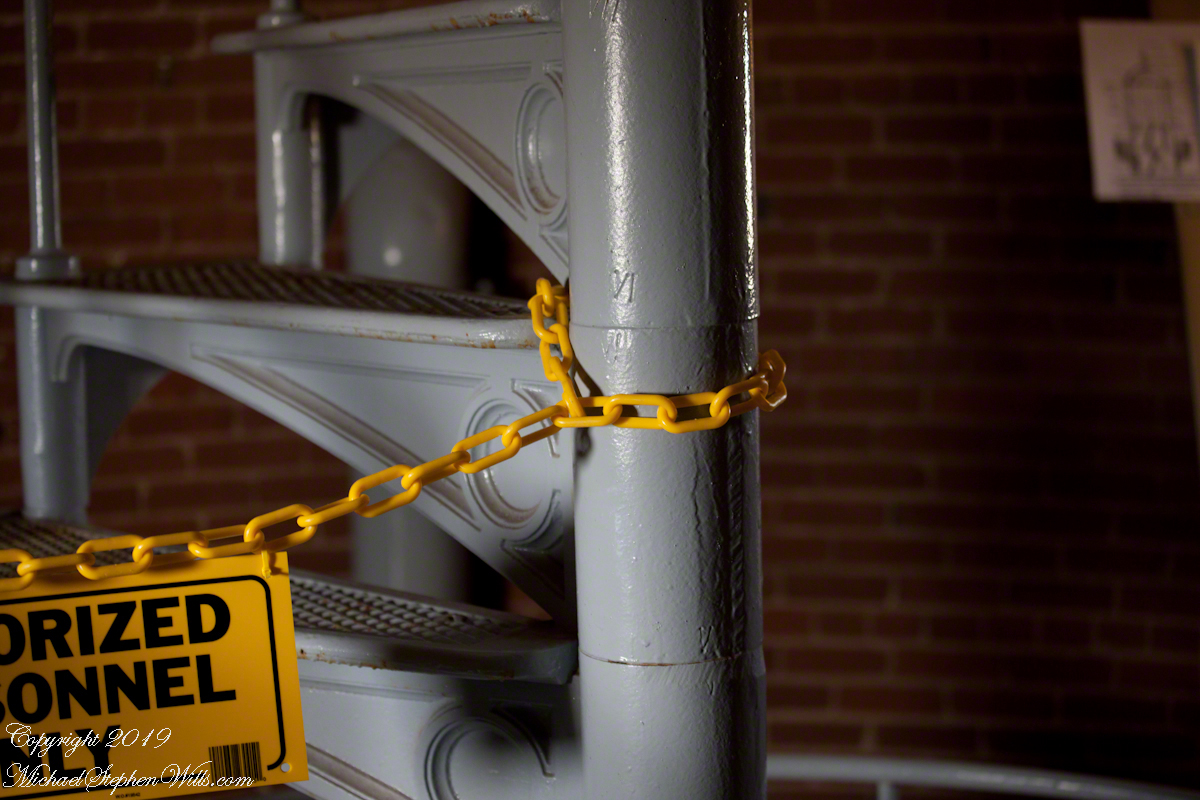
As Pam and I climbed, each floor docent (volunteer guide) was so helpful with information and hospitality. At the last floor, the stairway to the upper floors was roped off. Top levels were closed, Cape Canaveral Lighthouse is operational. Here is a photograph of the closed off staircase. There is a roman numeral “6” (VI) inscribed in the staircase column. This is the numbering system described in the first post, “Cape Canaveral Lighthouse,” by which the entire 151-foot lighthouse can be disassembled/reassembled as was done in the 19th century.
Stairway to Upper Floors
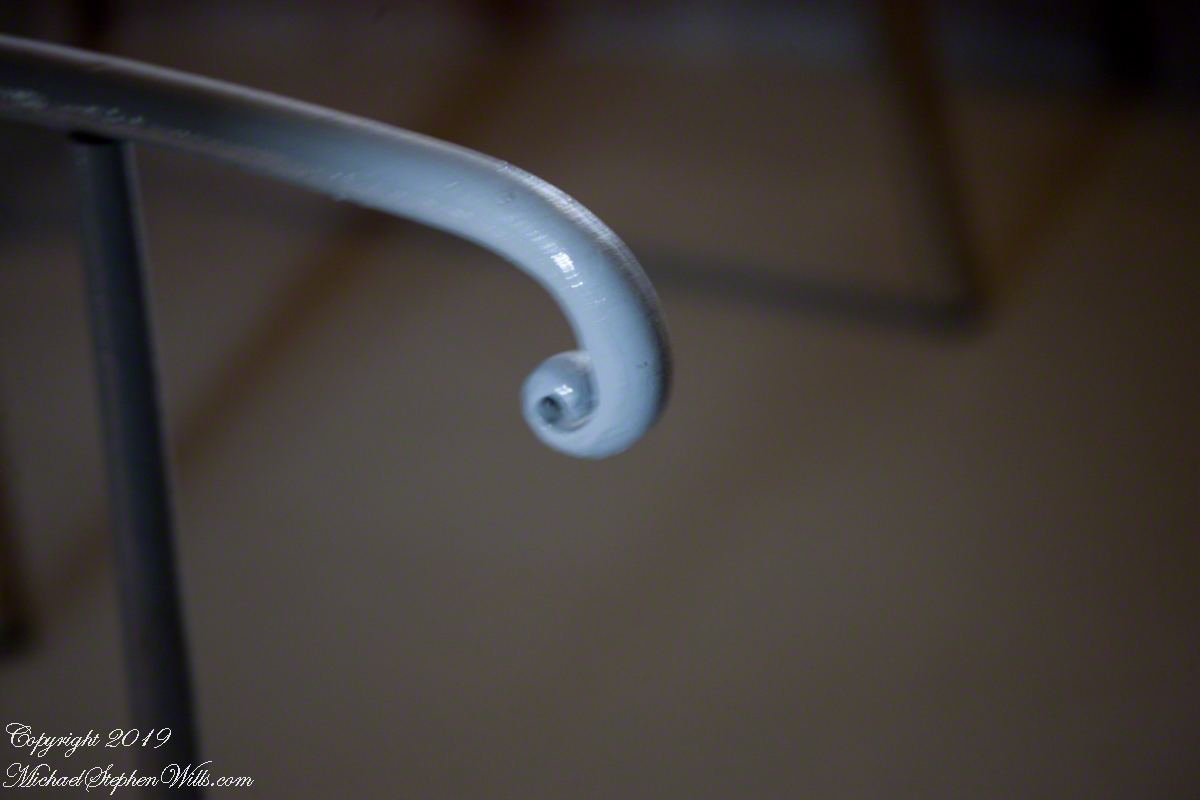
The fine finish of the handrail termination for the stairs to upper floors is an example of 19th century attention to detail.
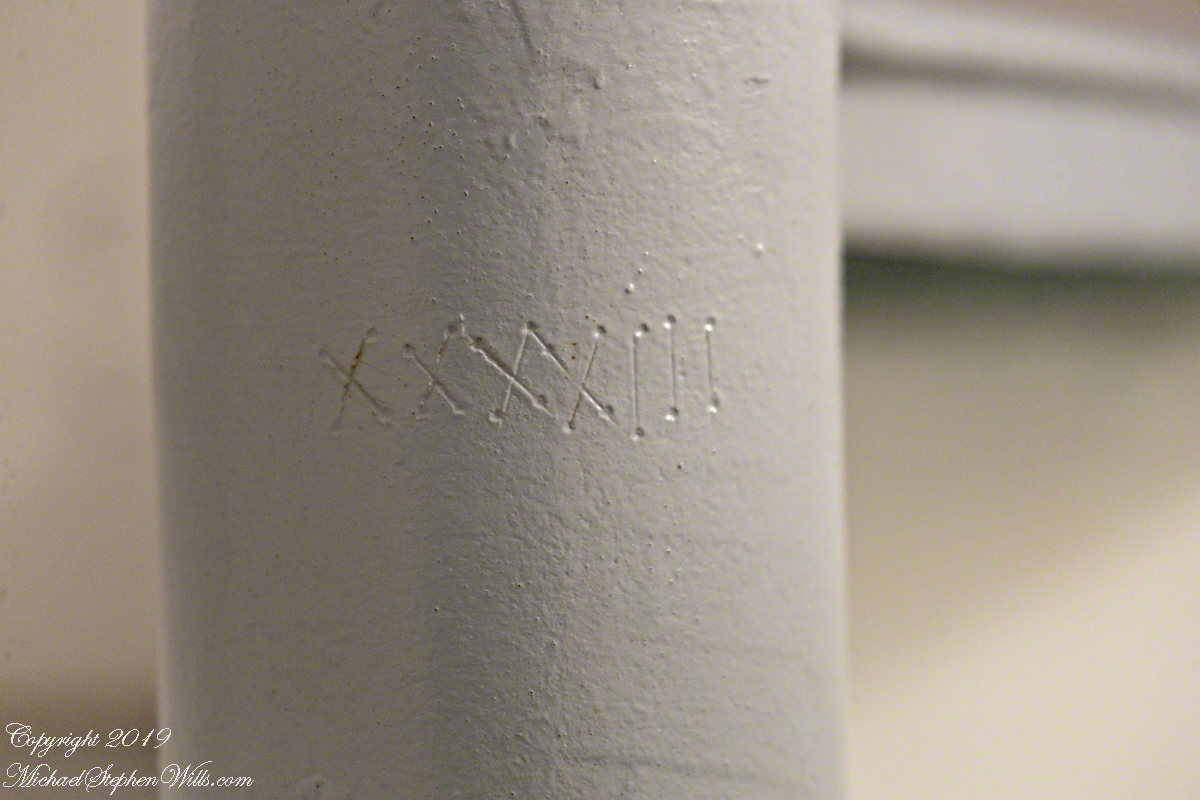
Macro of numeral inscription on a lower floor stairway column.
Roman Numeral 43 on staircase column of lower floor
View of Space History from the Portals
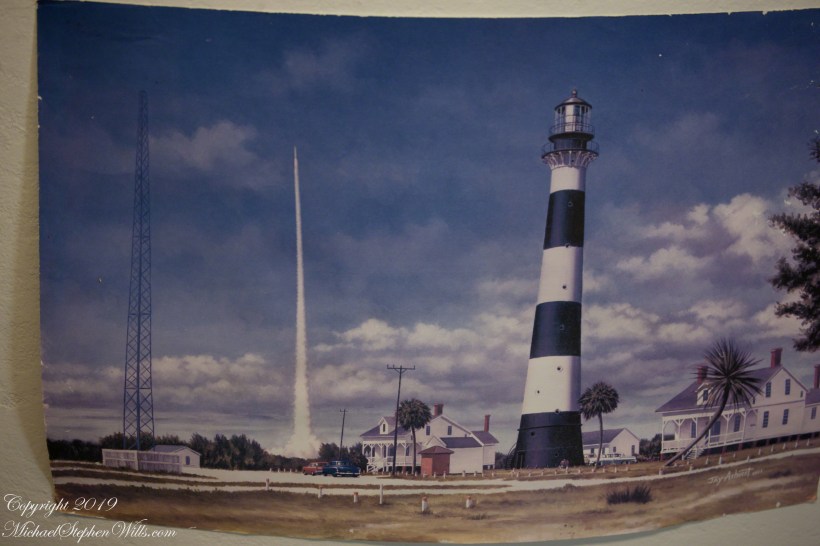
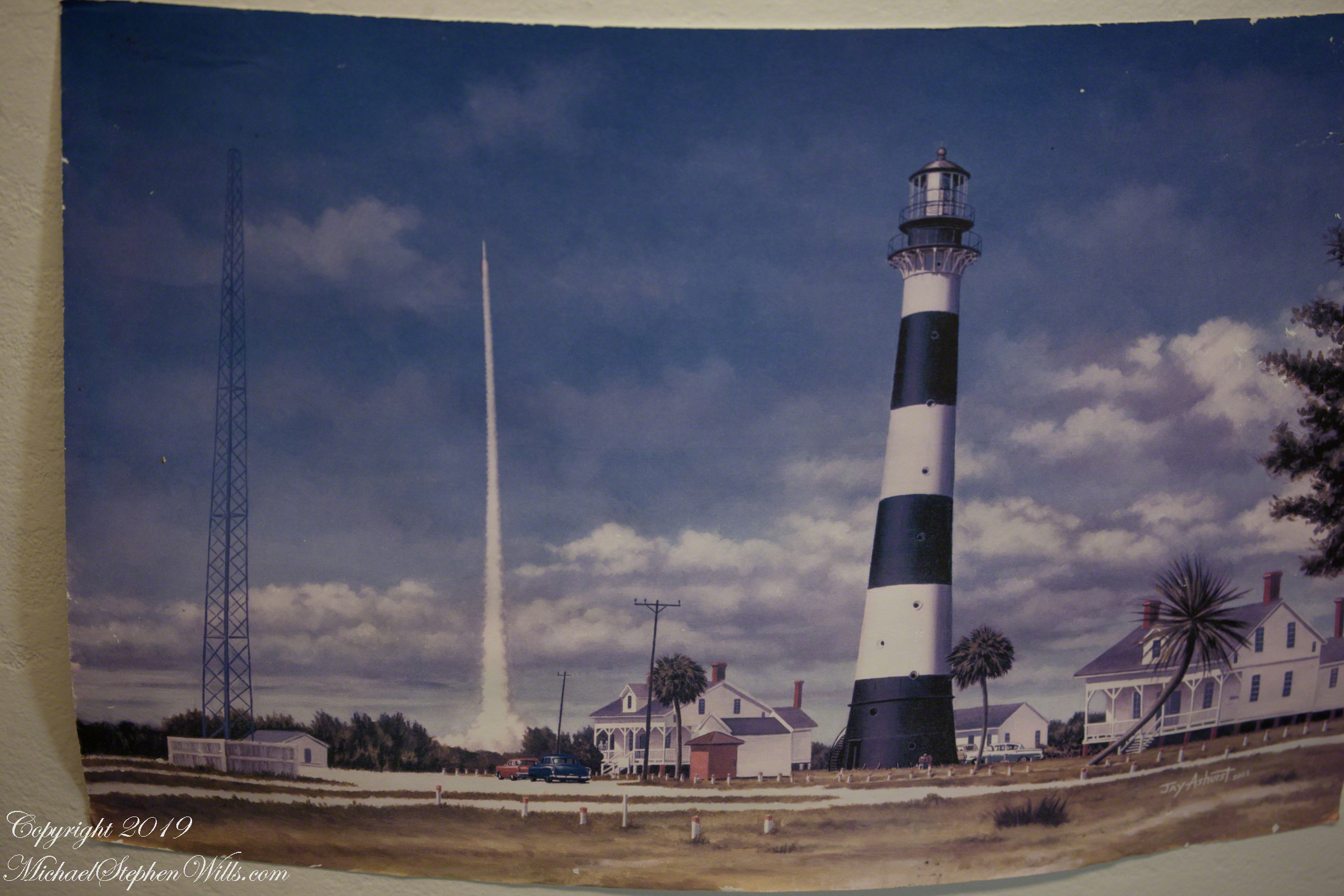
The lower staircase support column was much wider with space for illustrations and displays. Here is a reproduction of a watercolor of the lighthouse from the earliest days of rocketry on the cape. The lighthouse keeper, assistant and their families lived alongside the tower. The housing was later razed. The Lighthouse Foundation is raising money to build reproductions of the housing.
I put my copyright on the photograph to control copying. The copyright does NOT refer to the artwork.
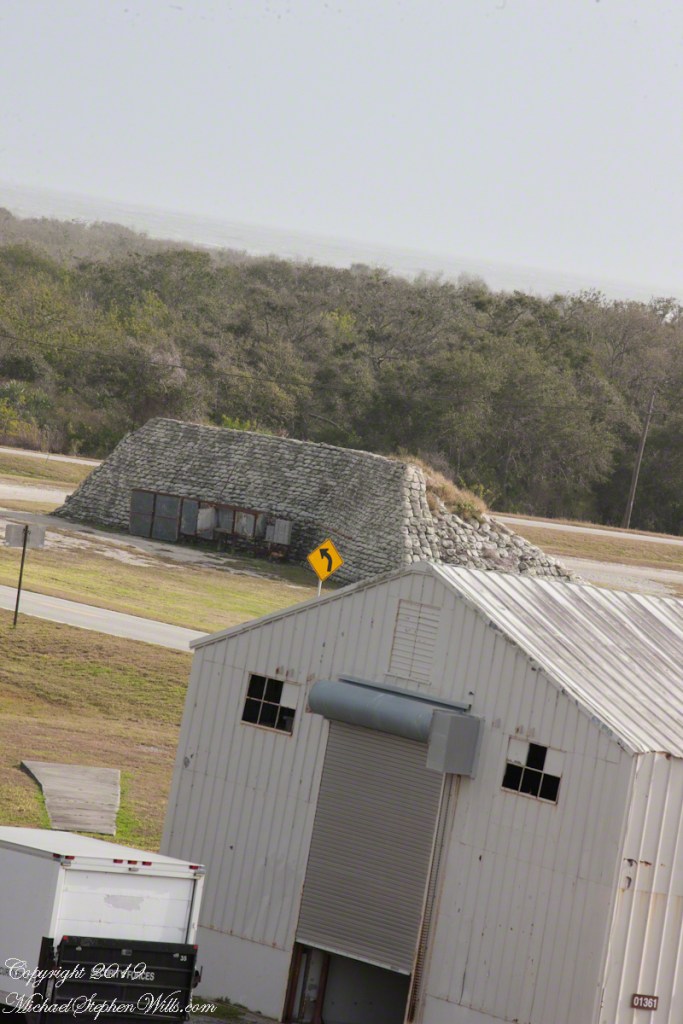
The painting is an accurate representation of the tower. The dark spots are the windows, or portals, captured in my last post, “Lighthouse Details.” Every portal offered a view of historical or current rocketry. In the following photograph, beyond the outbuilding, is a blockhouse, protection for the early rocket scientists, now abandoned. The structure services launch complex 21 and 22. More in a later post.
Wreckage with Recollections of Werner von Braun
Depending on your viewpoint, the landscape around the tower is either littered with or graced by relics such as the wreckage in the following photograph.
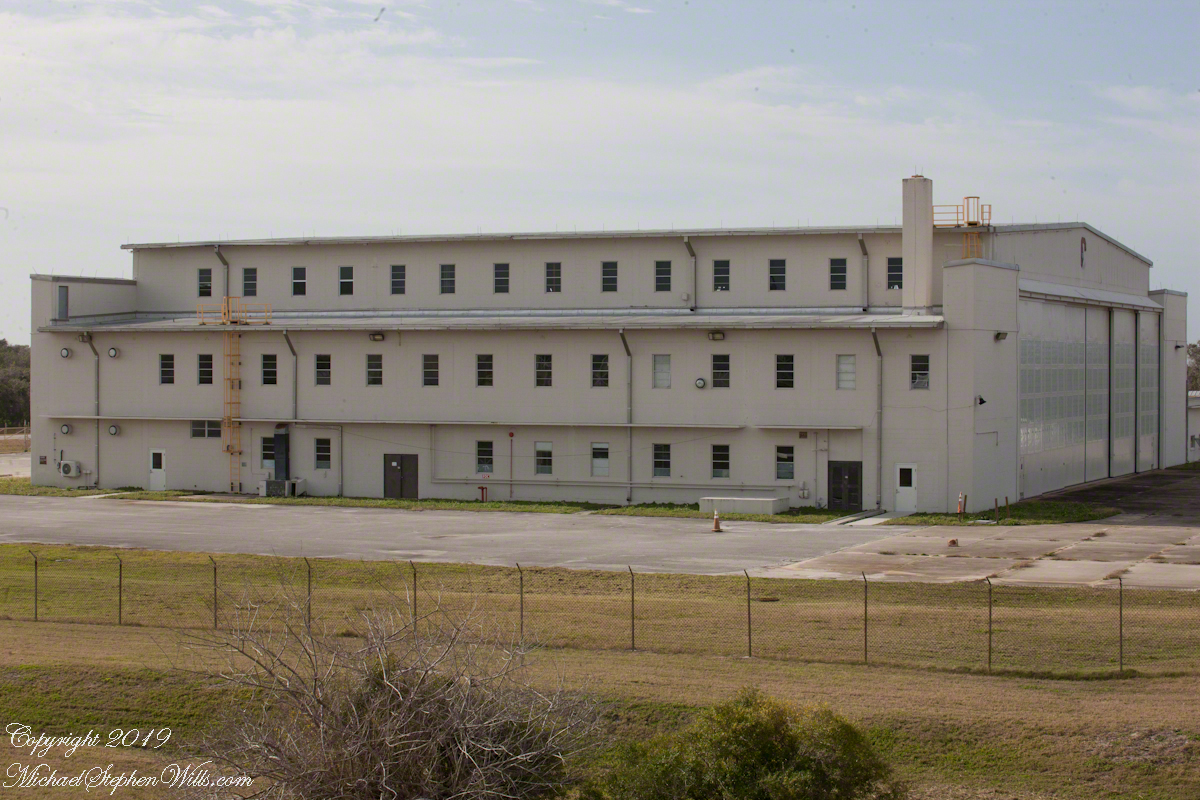
As we stood on the exterior staircase, looking toward the building in the following photograph, the docent told a story of Werner von Braun, how he loved to smoke cigarettes and watch rocket tests from the top of the lighthouse. After some spectacular failures, for reasons of personal safety he was excluded from the tower. His office during the development of the Minute Man and Persing missiles was in this building.
Building next to the lighthouse where Werner VonBraun had an office during the early days of USA rocket research.
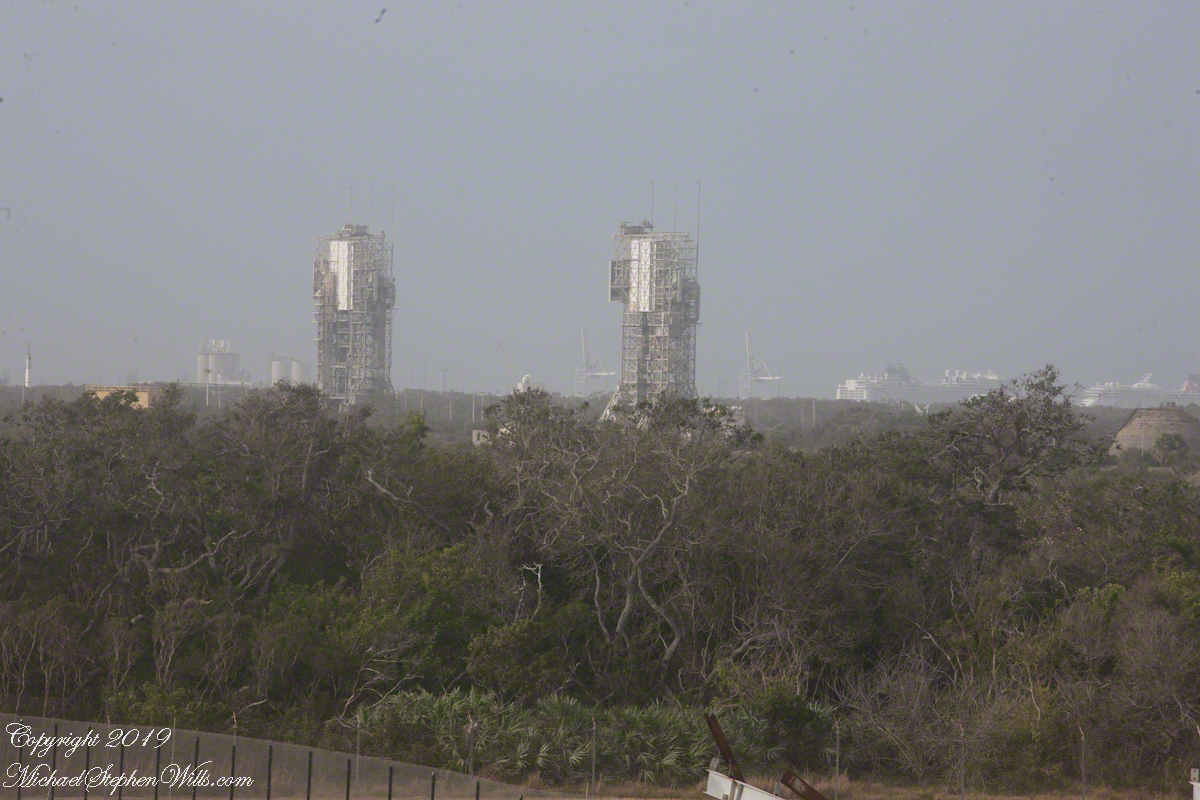
This view overlooks the former sites of Minute Man and Persing rocket development. Beyond the launch towers is Port Cape Canaveral, visible to the right are large cruise ships.
Viewed from the Cape Canaveral lighthouse, the port i is in the distance with cruise ships.
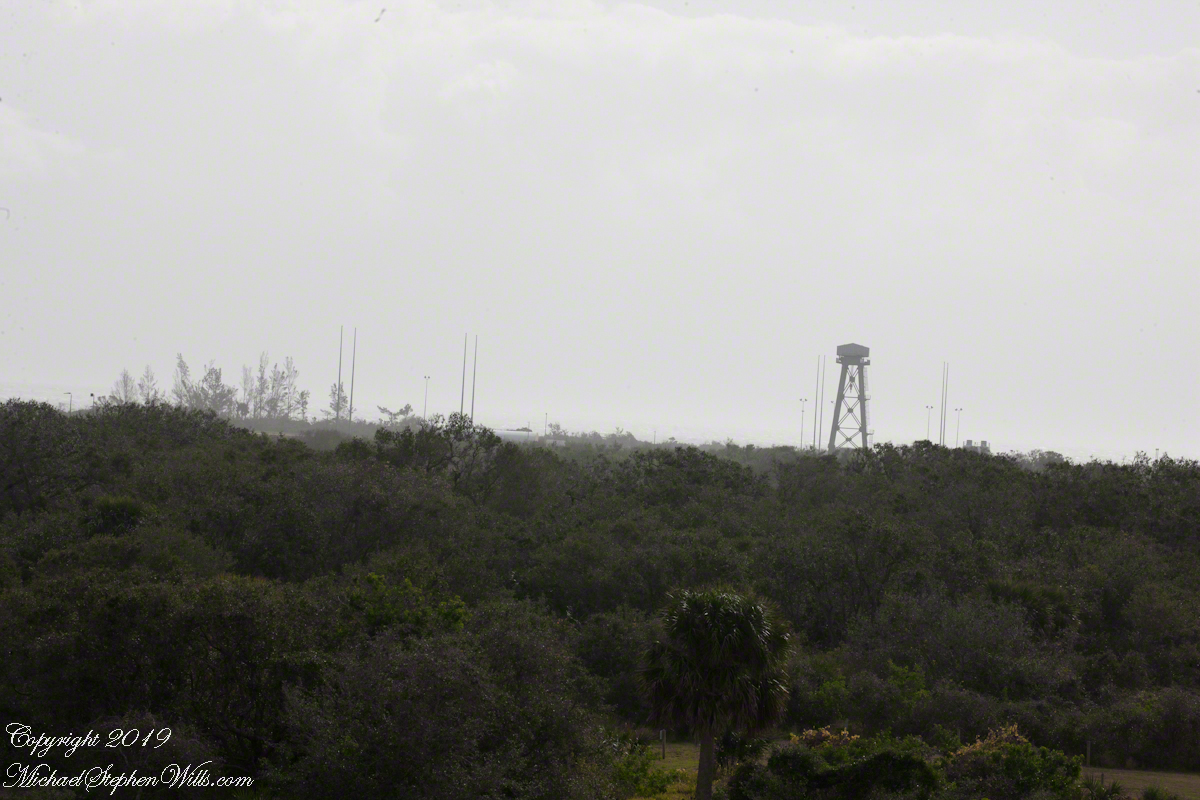
Looking from portals facing northeast is this view across ICBM road and its many launch sites. We will visit these in a future post.
Viewed from the Cape Canaveral lighthouse, these are active launch sites.
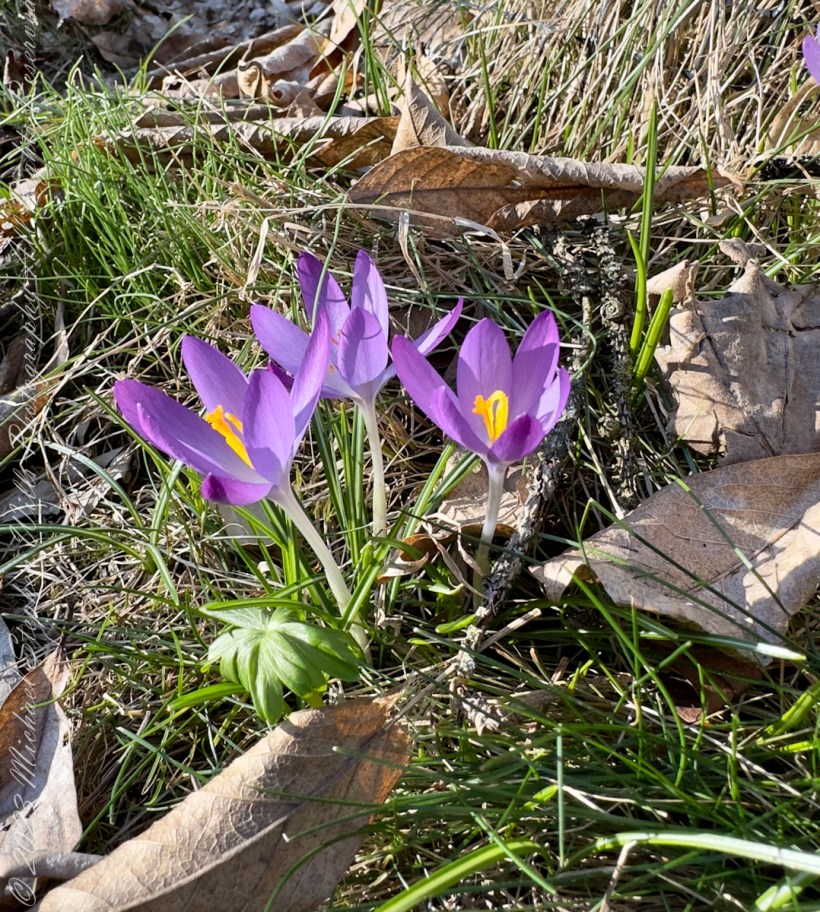
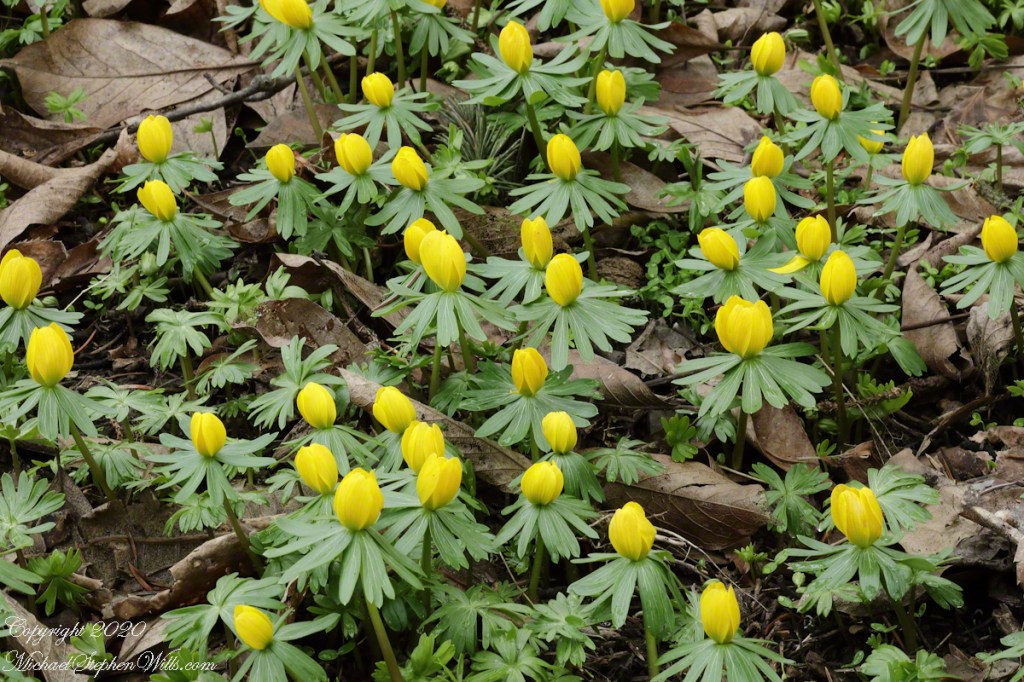
With the thermometer in the 60’s on March 10, 2020 the “buttercups” of yesterday are open. When we first moved here, the plants were much thinner. I used fertilizer spikes on the Magnolia tree around which they grow. Each early the flowers pollinate, forming seeds and spreading.
A tripod held the composition steady, and the timer was set to 2 seconds for extra stability at the f25 setting.
Here is a slideshow of yesterday and today’s shots.
Copyright 2021 All Rights Reserved Michael Stephen Wills
To continue my posting “Climb Hill of Tara” my first submission of three Hill of Tara photographs to Getty Istock had two of the photographs returned for revision.
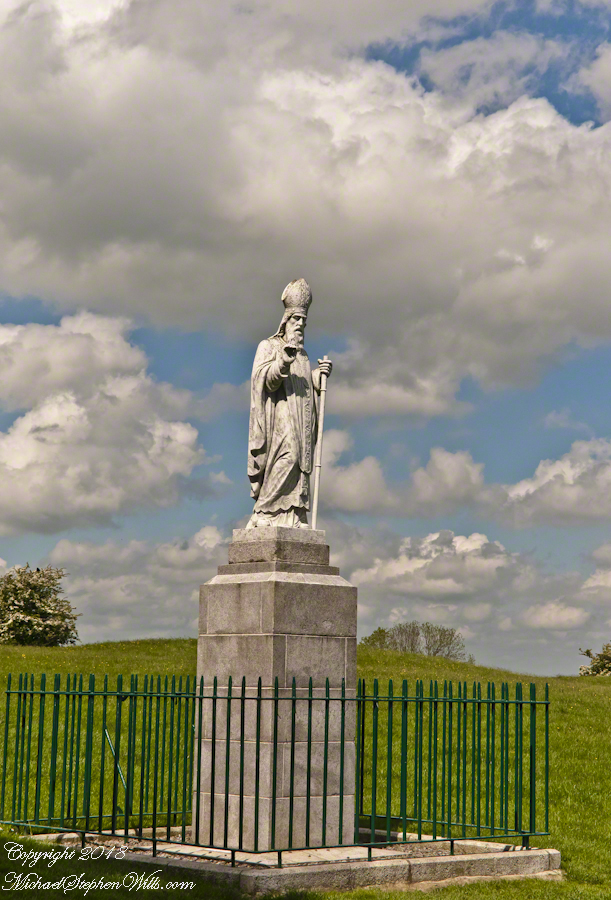
A statue of Saint Patrick fittingly welcomes visitors to the Hill of Tara, County Meath, Ireland. This statue of cast concrete was an existing statue donated by the Sisters of Charity, moved from an existing installation to the Hill of Tara in the year 2000 AD. The creator is anonymous, the is no plaque or other attribution on or around the statue.
The original statue was erected on the summit of the Hill of Tara shortly after Catholic emancipation in 1829, commemorated the events of 433AD when St. Patrick lit a bonfire on the nearby hill of Slane on the eve of Easter Sunday.
Lighting such a fire was contrary to the pagan laws of the time which dictated that the first fire lit that night be in Tara. Observing St. Patrick’s bonfire from afar, the chief druid of the ancient Gaelic capital predicted that if the flame were not extinguished that night, Christianity would never be extinguished in Ireland. The saint’s bonfire continued burning and the next morning, Easter Sunday, St. Patrick entered Tara to convert the king and his followers to Christianity.
For the fenced statue of Saint Patrick the revieweR wrote:
Please provide a full description for the work of art featured in this image. Include the artist, date of creation, location, etc. Works of art created by someone other than yourself must be free of copyright protection to be considered. If this work of art is indeed under copyright protection, a property release signed by the copyright holder will need to be provided.
Hmmmm….What I do while capturing a photograph of a statue is take photos of any plaque, sign, whatever to acquire the name of the creator, how it came to be there, community connections. There was nothing around the statue nor the very informative Office of Public Works placards at the entrance. I was proud to submit the statue photograph, as it turned out so well, and hoped for the best.
Last week, I put in a query to Ireland’s Office of Public Works (OPW), the agency responsible for the Hill of Tara, and did not receive a response when, for other queries, they were helpful. This Saturday and Monday mornings, several hours of internet research revealed this history.
The original statue was placed on Tara sometime after the 1829 Catholic emancipation. It was molded concrete, created by Thomas Curry of Navan at his own expense to honor the connection of Saint Patrick to Tara.
The OPW removed Curry’s statue 1992 for repair of a century of wear. During the removal the statue was damaged beyond repair and, afterwards, was further damaged by vandals who decapitated and used it for target practice.
Initially, the OWP decided not to replace Saint Patrick citing the “pagan” nature of the place. After an angry meeting of local people at the Skryne Parish Hall. In this meeting the local Rathfeigh Historical Society formed the “Committee to Restore St. Patrick to Tara.” In turn, pressure was put on Michael D. Higgins, Minister for Arts, Culture and the Gaeltacht (and the OPW). It was decided a new statue was to be created, based on a competition, and instead of it former place at the hill summit (called Rath na Rí), it was to be near the entrance, outside the Interpretative Center, to offer a Céad Míle Fáilte to visitors and be seen on departure.
The outcome was the competition winner was rejected by locals. The winning entry, by sculptor Annette Hennessy, did not follow competition rules that specified the statue incorporate traditional features to include shamrocks, harp, miter, a crozier and, perhaps, fleeing snakes. Hennessy’s design was of a shaven headed teenage boy in a short (“mini-skirt”) kilt, a handbag-shaped bell in hand. She agreed hers was “not a traditional style statue” saying it “acknowledges our Pagan Celtic history.”
The rejection included a statement from Dr. Leo Curran, chairman of the Rathfeigh Historical Society, “We agreed that most of the monuments in Tara are from the pre-Christian era, but St. Patrick should be at the uppermost layer, representing Christian tradition extinguishing paganism.”
By this time, a new government and minister were in place. The decision was made to search Ireland to find a suitable, existing, replacement statue. By 2000 the present statue, donated by the Sisters of Charity, was in place at the Hill of Tara entrance.
At the end of this post I provide the two references from my internet research and from which many facts and all the quotes were used here. I concluded the statue author was anonymous without copyright protection and submitted a revised image description, attaching a copy of my research.
What happened to my IStock photograph of Saint Patrick on the Hill of Tara? Getty accepted my application, published the photo and it is one of my top downloads, and earners.
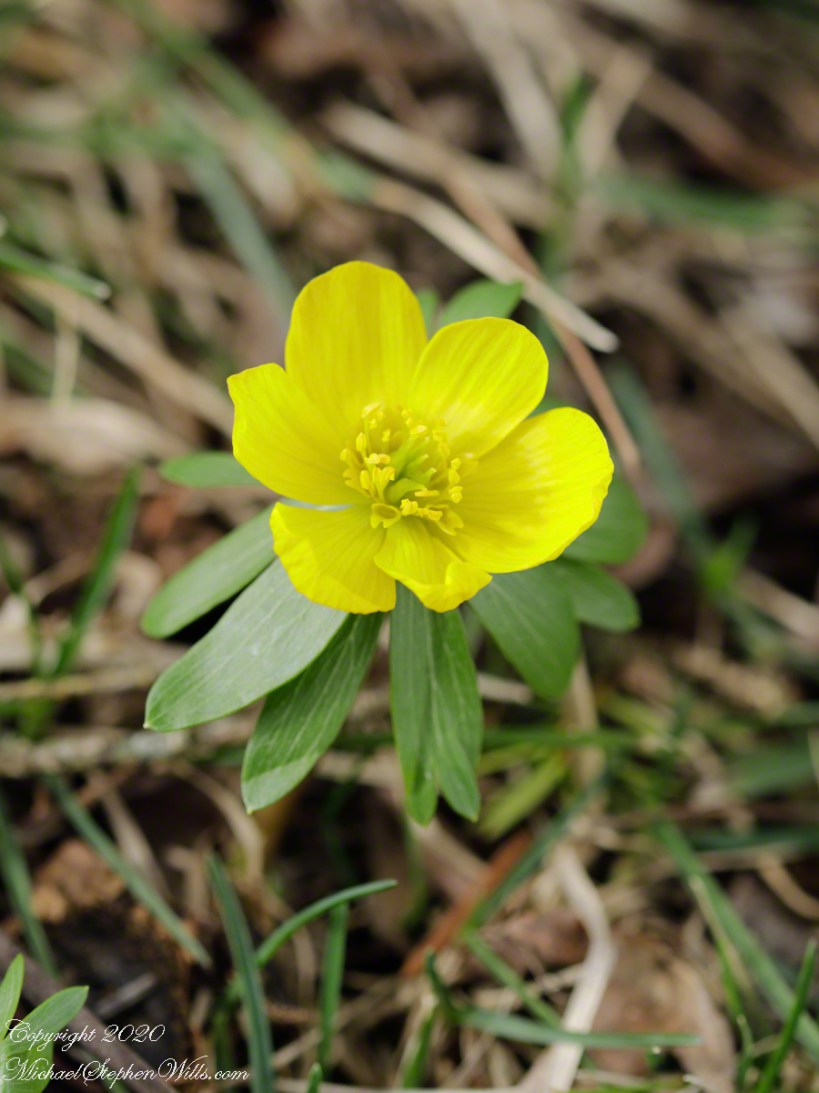
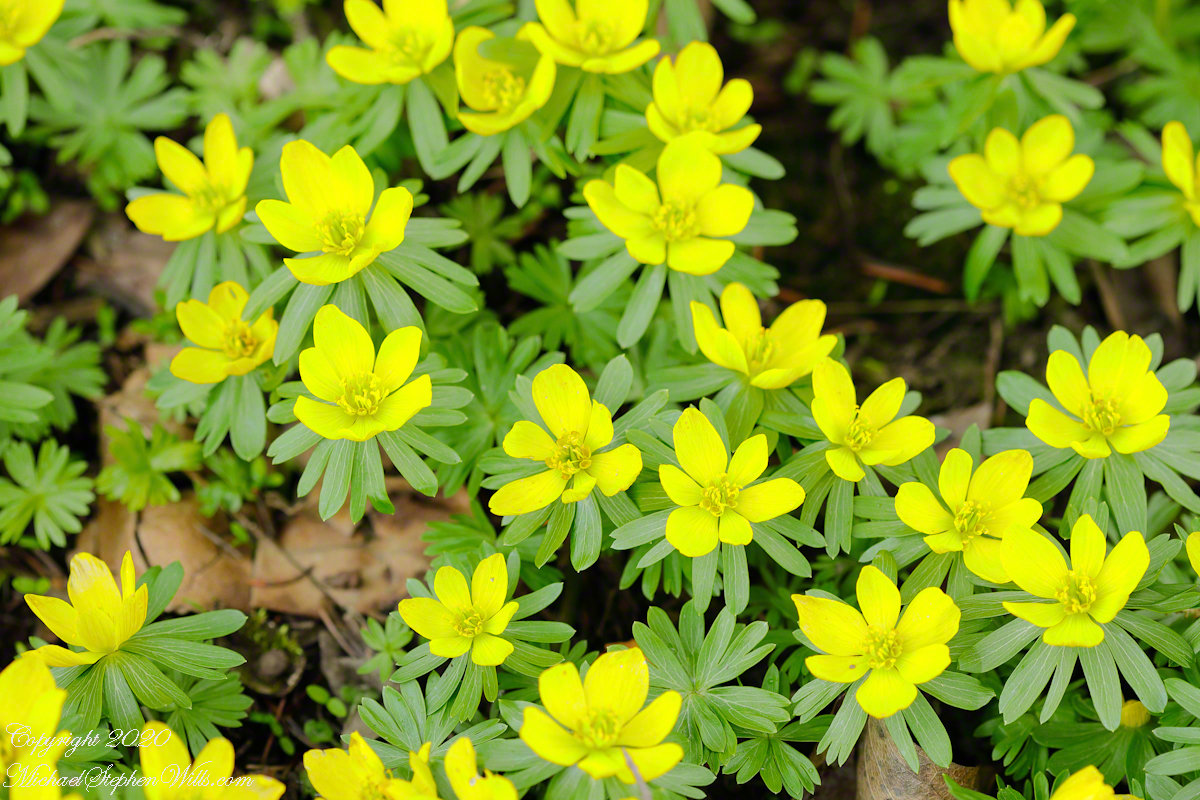
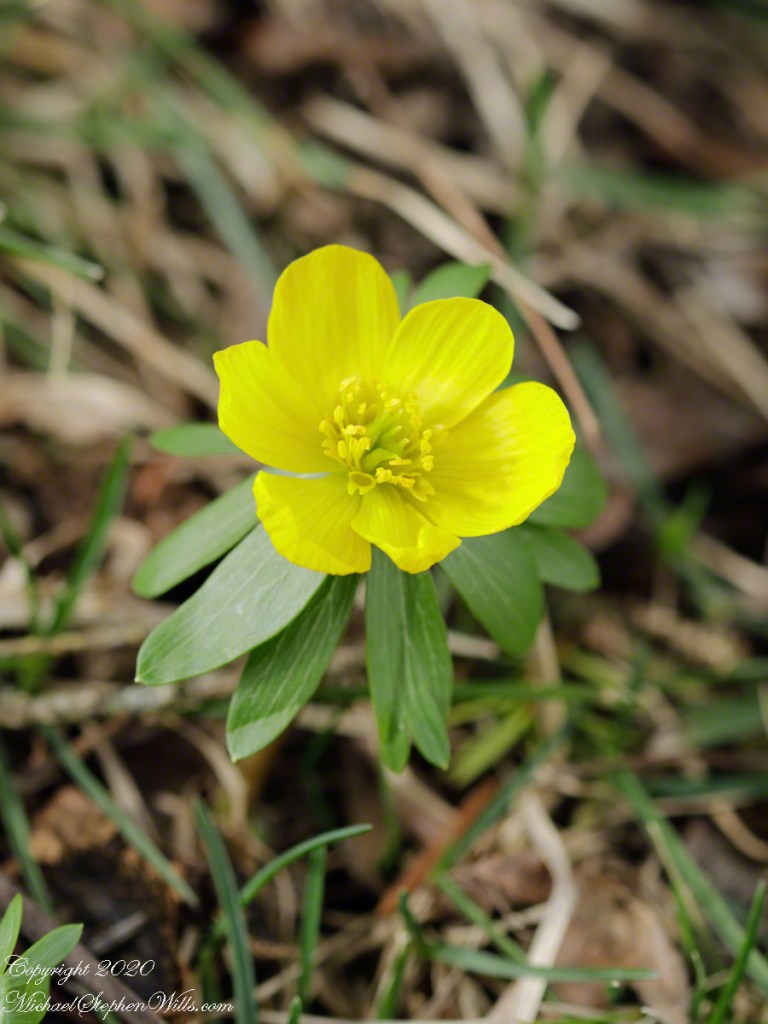
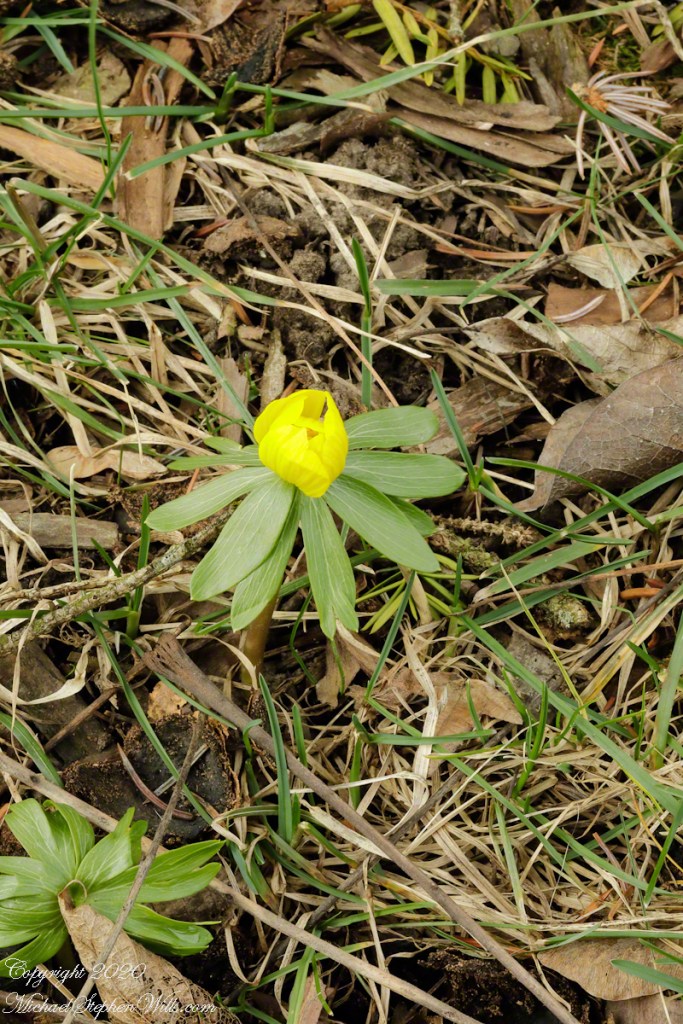
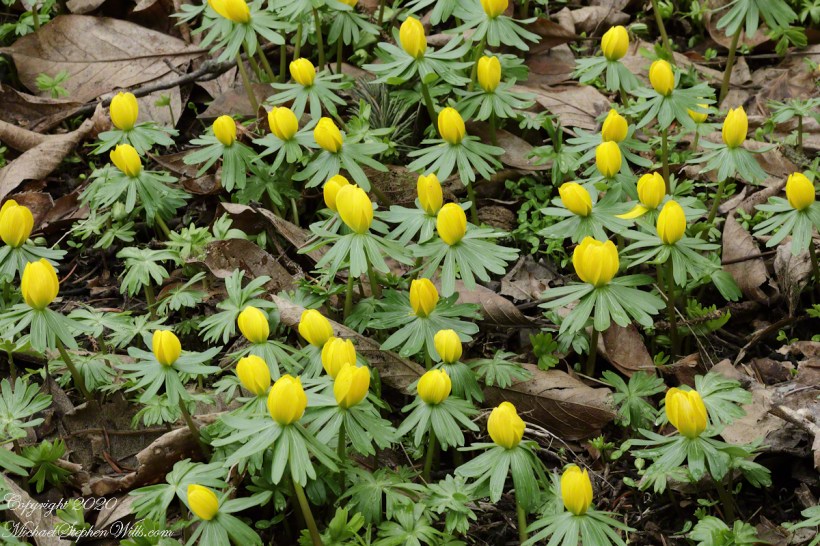
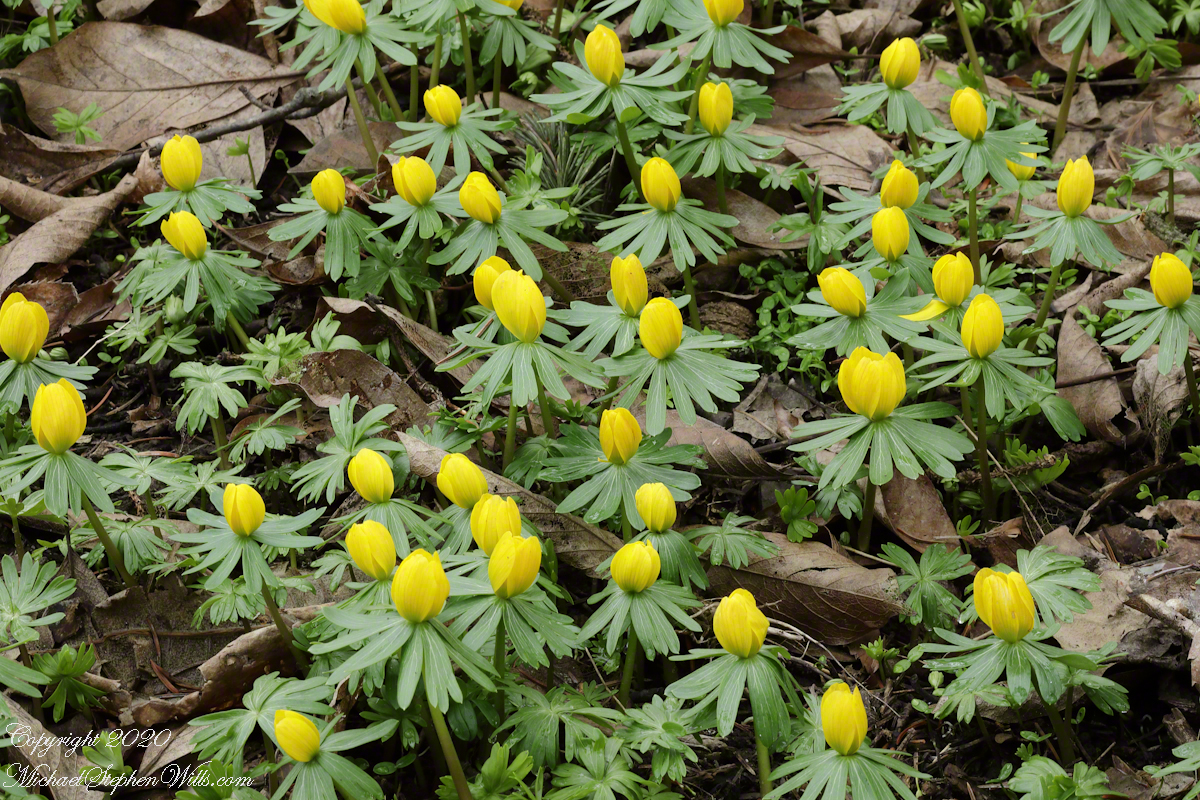
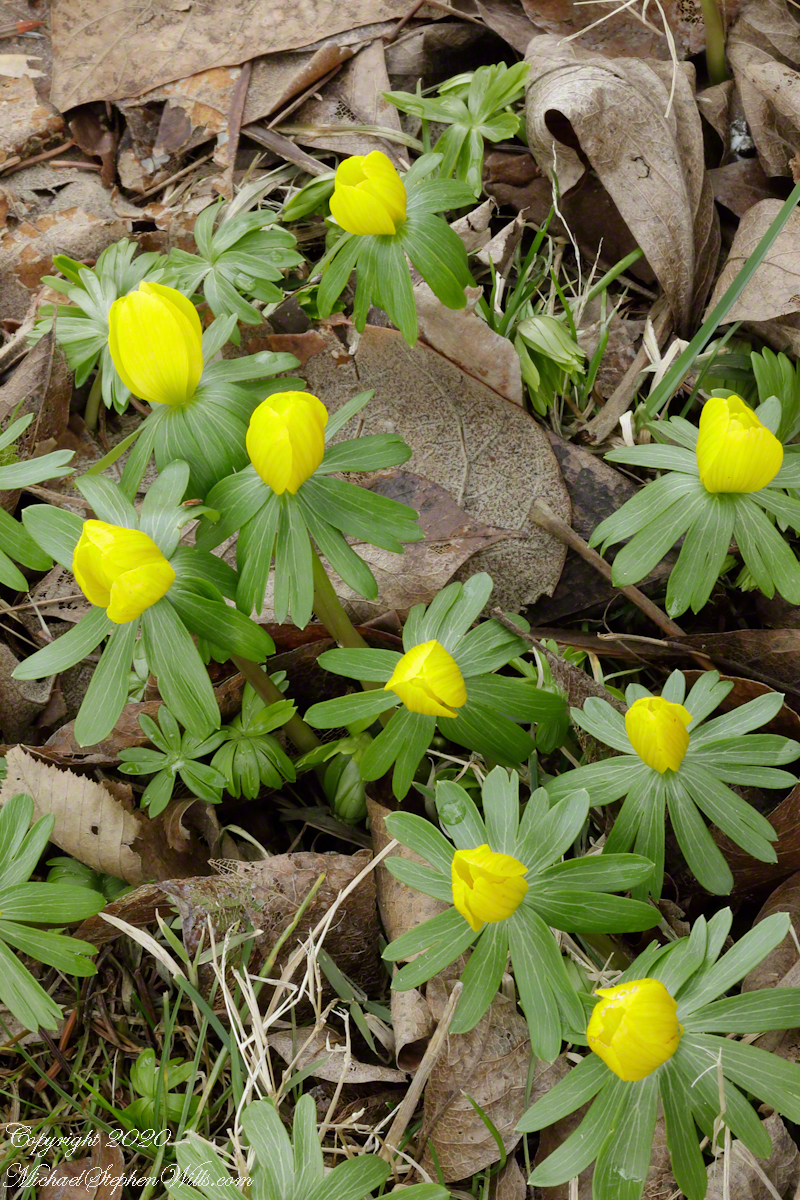
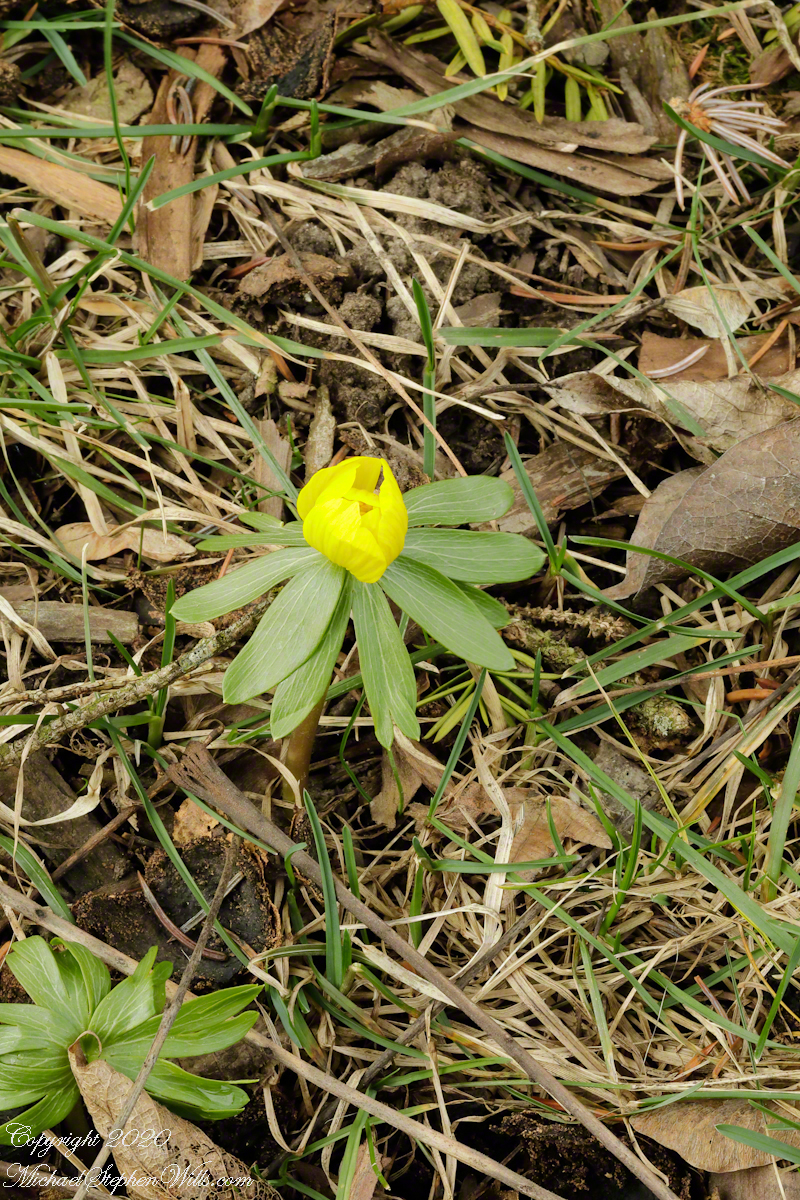
In February 2020, I captured images of the first flowers to bloom on their property with a Canon 5D Mark IV DSLR and a macro lens. The flowers belong to the Eranthis genus, known for early flowering.
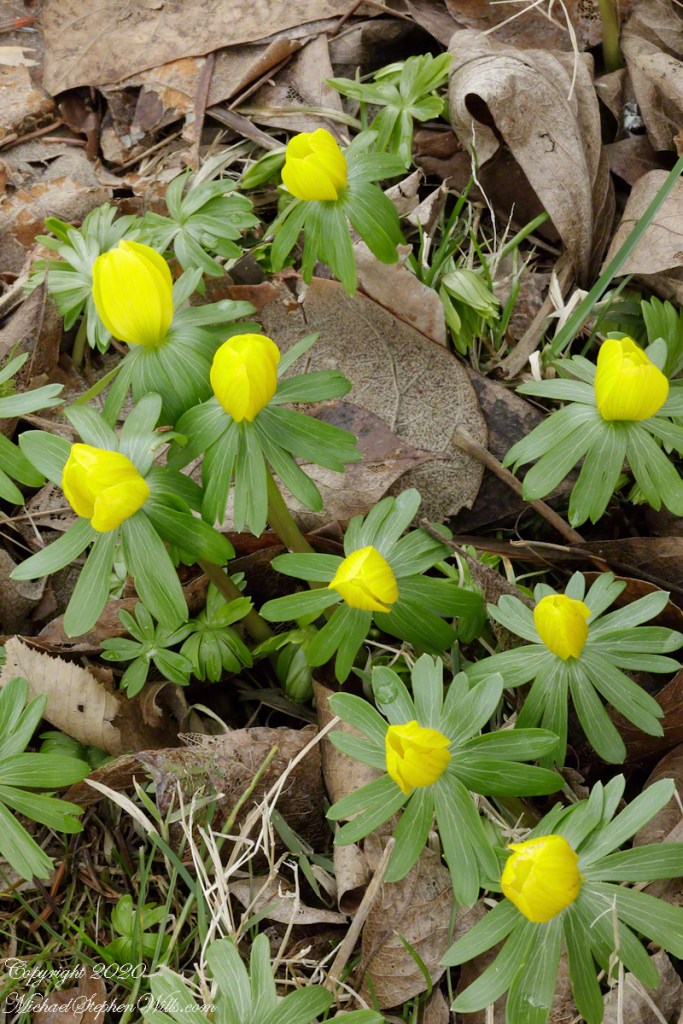
These flowers are the first to bloom on our property, around the magnolia tree, and are also the first wildflowers photographed with my then new Canon 5D Mark IV dslr . Each year these “buttercups” grow thicker and spread. The latin scientific name Eranthis hyemalis proclaims the early nature of its flowering both in the genus, “Eranthis” – composed of two Greek language roots meaning “spring flower”, and species, “hyemalis” – a term from the Latin language meaning, “winter flowering.” The genus encompasses eight species, all early flowering plants with the common name winter aconite. These can also rightly be called Buttercups as the plant belongs to family Ranunculaceae, buttercups.
To capture the intricate details possible with the Canon EF 100 mm f/2.8 Macro lens I used here, it’s often necessary to adjust the camera settings to allow for a longer exposure time. This adjustment ensures that enough light reaches the sensor, particularly in macro photography or low-light situations, which helps in producing sharper and more detailed images. All these photographs are from f25. Setting a longer exposure compensates for the reduced light that might be a consequence of using a smaller aperture (higher f-number) for greater depth of field, a common technique in macro photography.”
It’s important to note that while setting a longer exposure can improve image quality by allowing more light to hit the camera’s sensor, it can also introduce the risk of motion blur if the camera or subject moves during the exposure. To minimize camera shake and achieve the best results, I used a Manfrotto “BeFree” tripod and the camera’s built-in timer set to a 2 second delay after a manual shutter release.
With the thermometer hovering above freezing, these blooms did not open today. The calendar says “late winter”, these Aconite are singing “early spring.”
Reference: Wikipedia “Eranthis hyemalis” and “Eranthis.”
Copyright 2024 All Rights Reserved Michael Stephen Wills
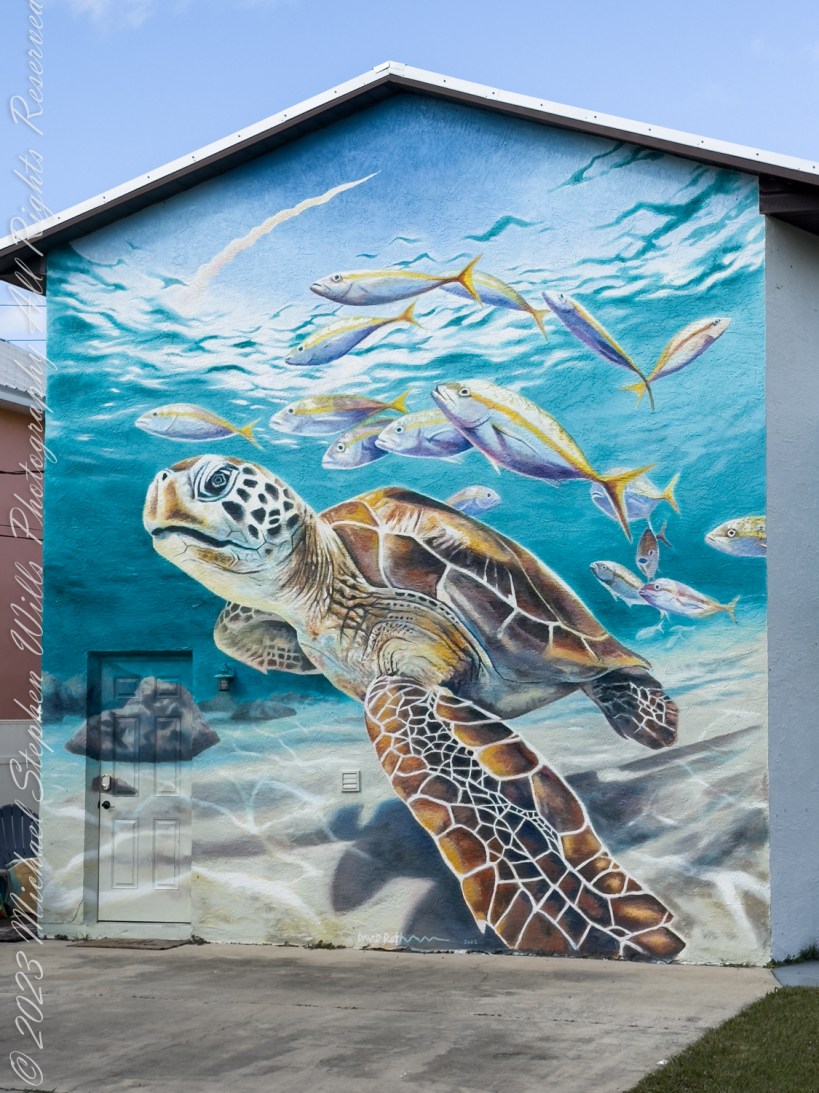
Portrait of a Sea Turtle with fish, sea floor and a rocket launch. 541 Washington Ave, Cape Canaveral, FL 32920 Near Cheri Down Park, Brevard County, Florida
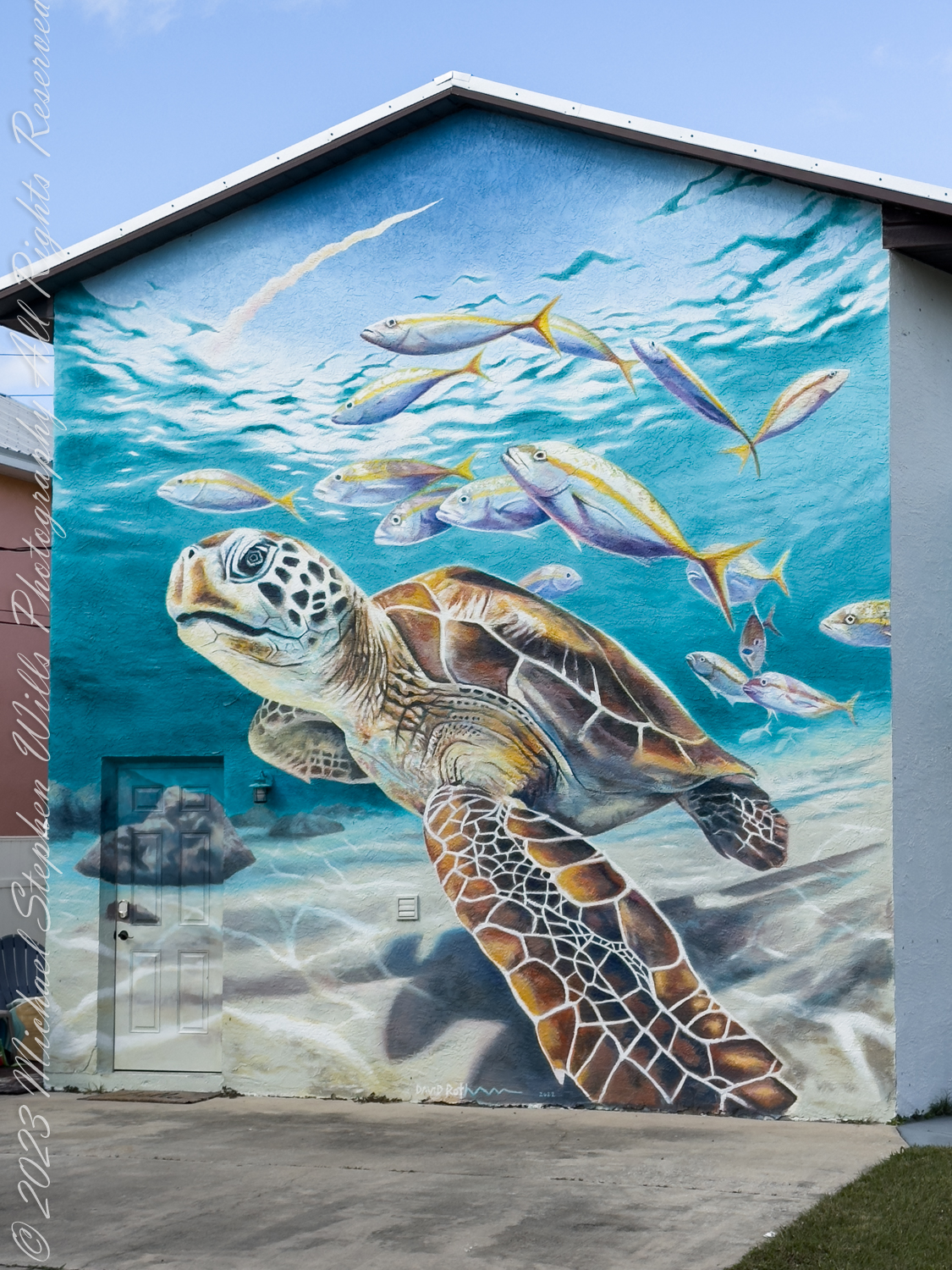
Portrait of a Sea Turtle with fish, sea floor and a rocket launch. 541 Washington Ave, Cape Canaveral, FL 32920 Near Cheri Down Park, Brevard County, Florida
Along the bottom margin is the artist’s signature, “David Roth 2022.”
Copyright 2024 Michael Stephen Wills All Rights Reserved

 Michael Stephen Wills Photography