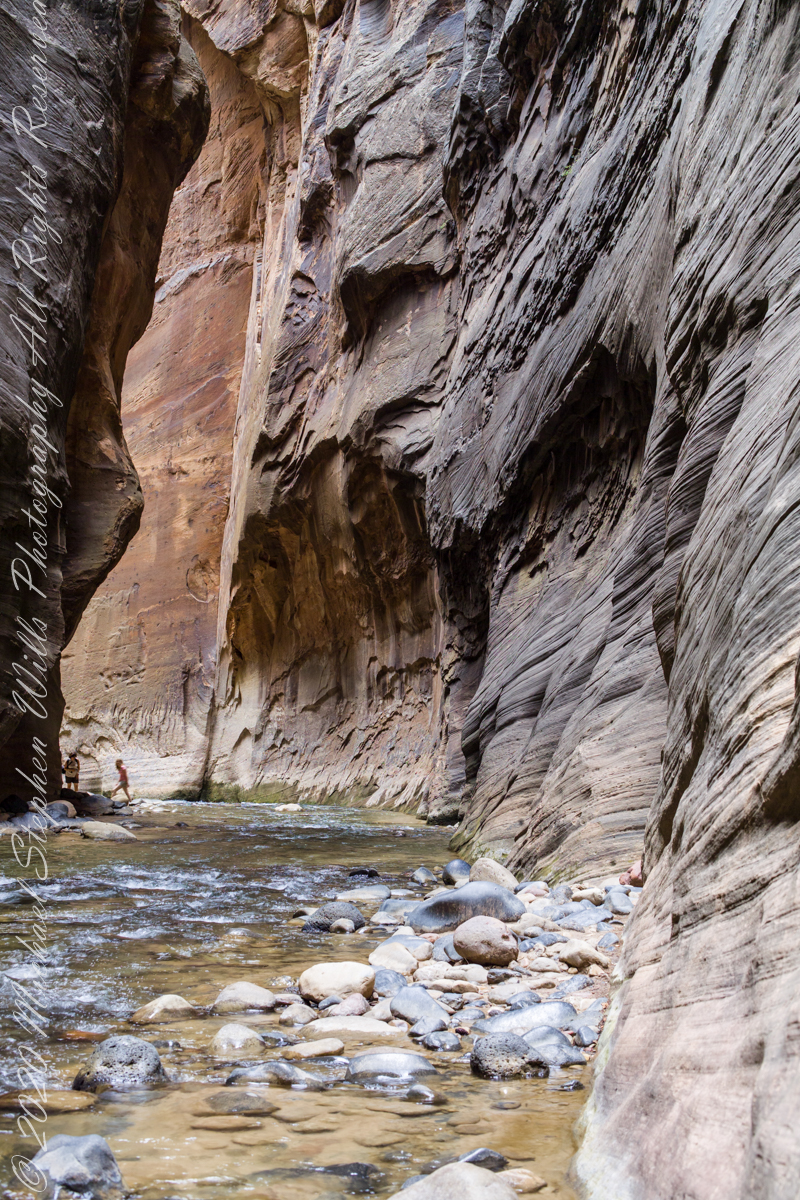
This long exposure blurs the two distant human figures looking downstream toward junction of Orderville Canyon, around corner. Narrows of Zion National Park, Utah

Zion Narrows V
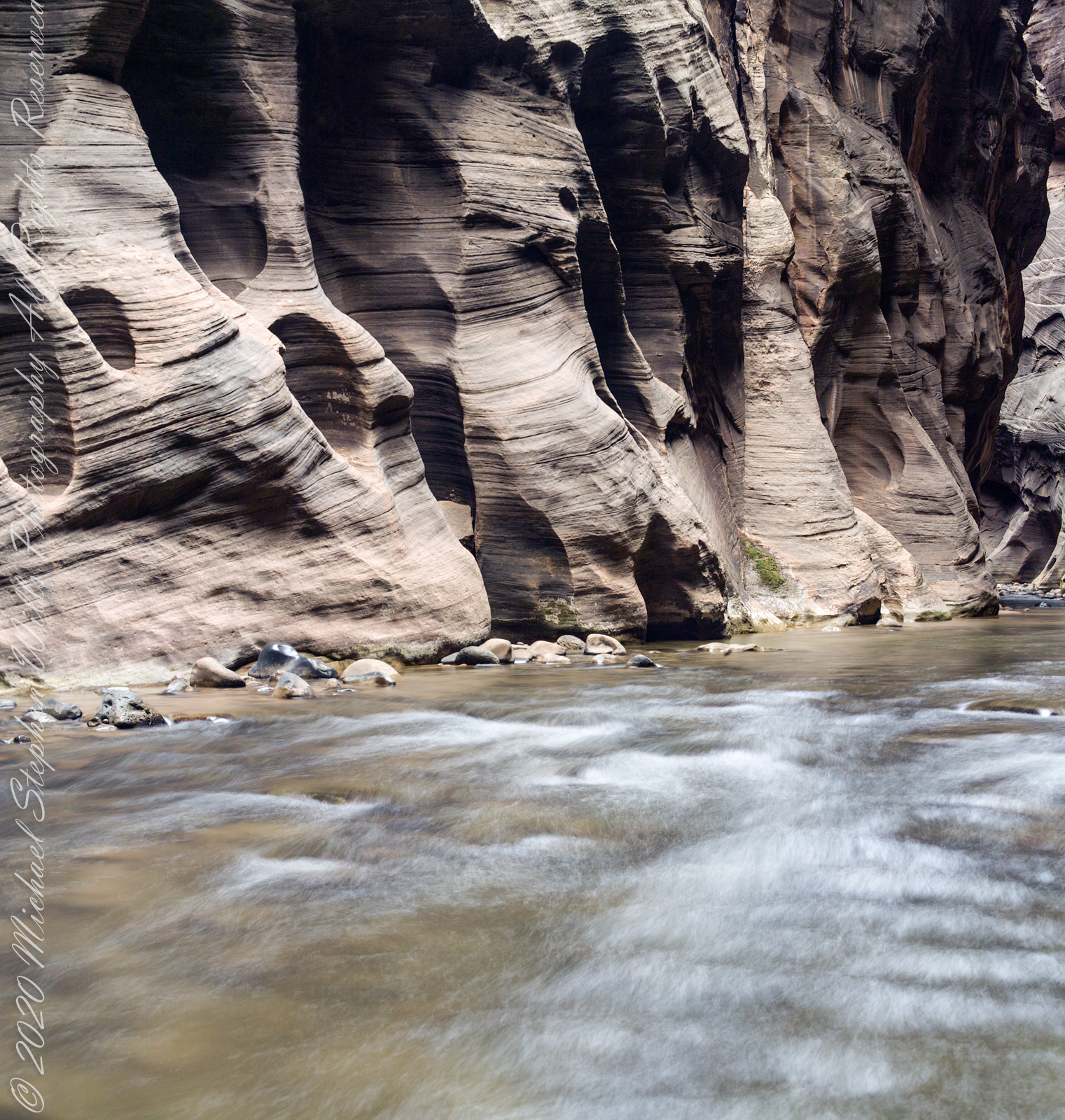
narrow and tall
narrow and tall
This long exposure blurs the two distant human figures looking downstream toward junction of Orderville Canyon, around corner. Narrows of Zion National Park, Utah
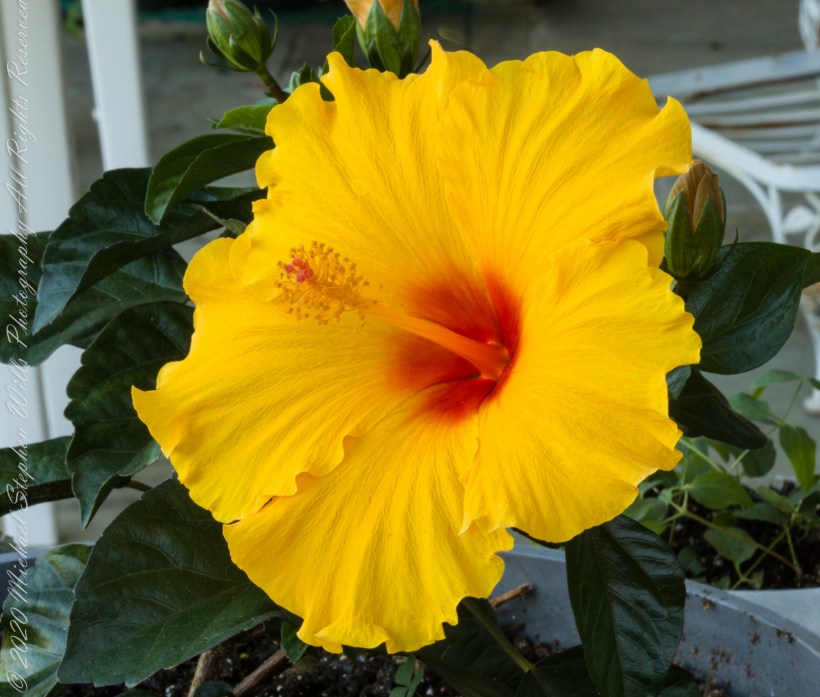
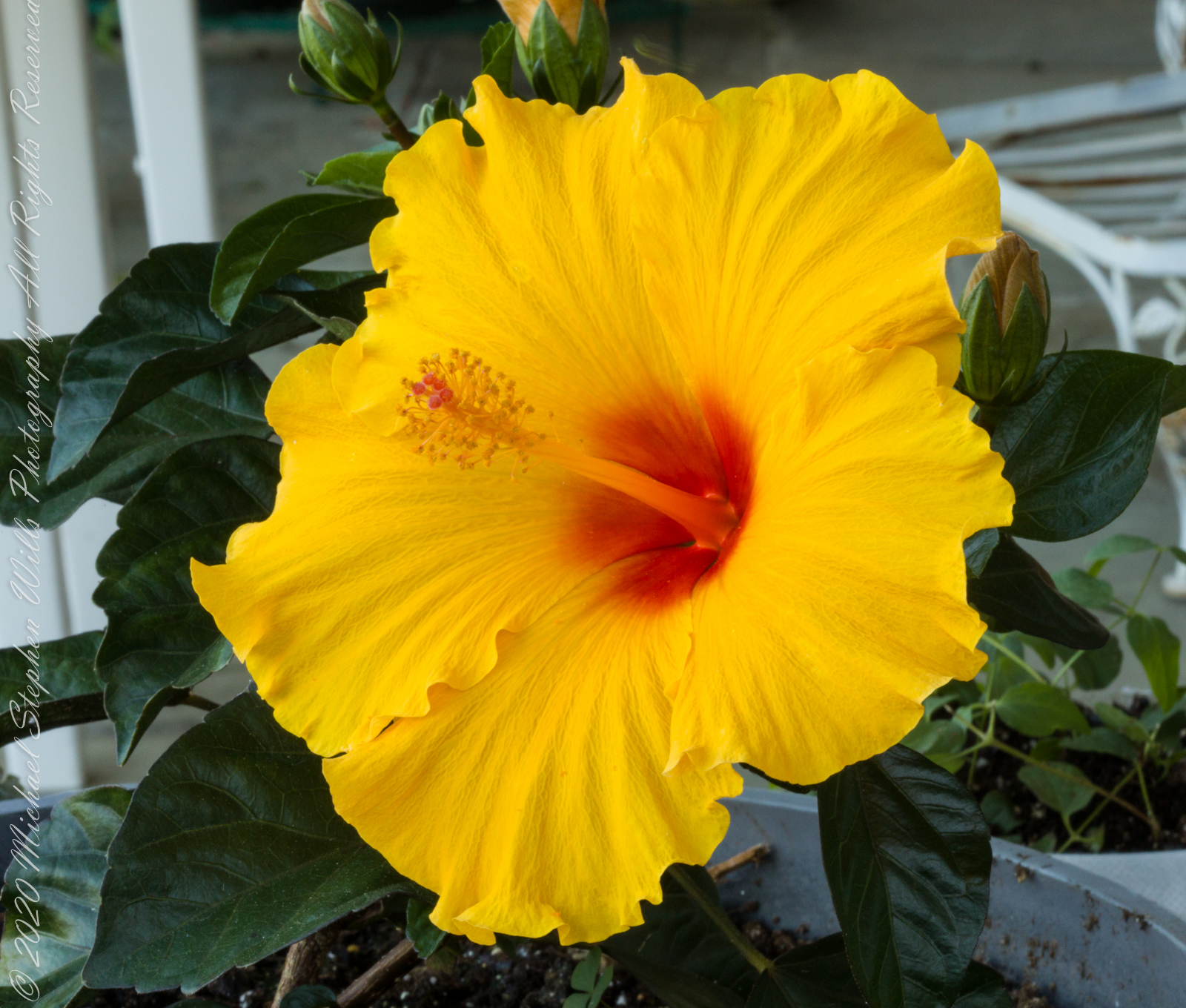
flower and buds
This is a perennial, commonly known simply as “hibiscus”, or less widely known as rose mallow. Other names include hardy hibiscus, rose of sharon, and tropical hibiscus.
The hibiscus flower is traditionally worn by Tahitian and Hawaiian girls. If the flower is worn behind the left ear, the woman is married or has a boyfriend. If the flower is worn on the right, she is single or openly available for a relationship.
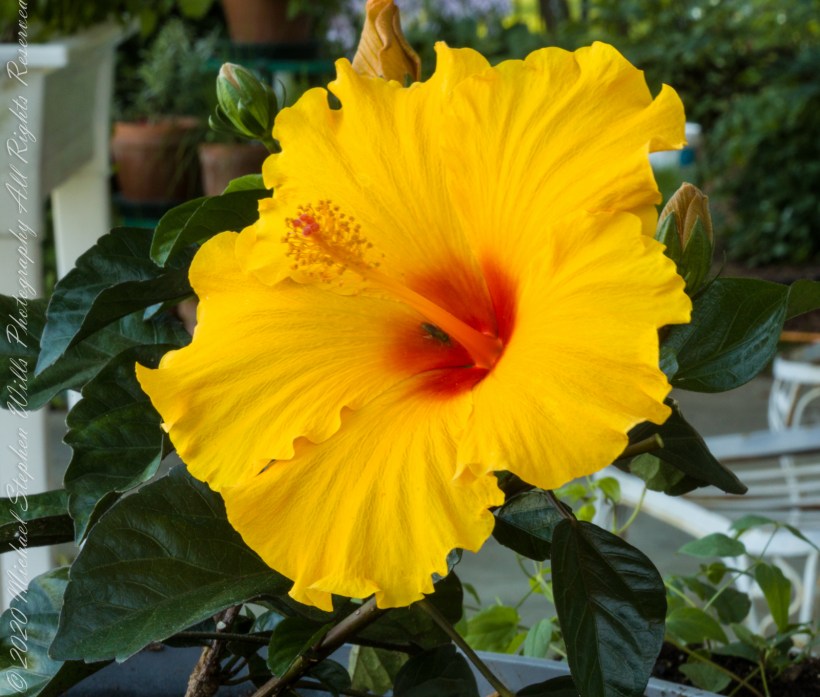
Wikipedia – “hibiscus.”

cross-bedding
Careful attention to hidden boulders is essential when hiking the Narrows of Zion National Park, Utah
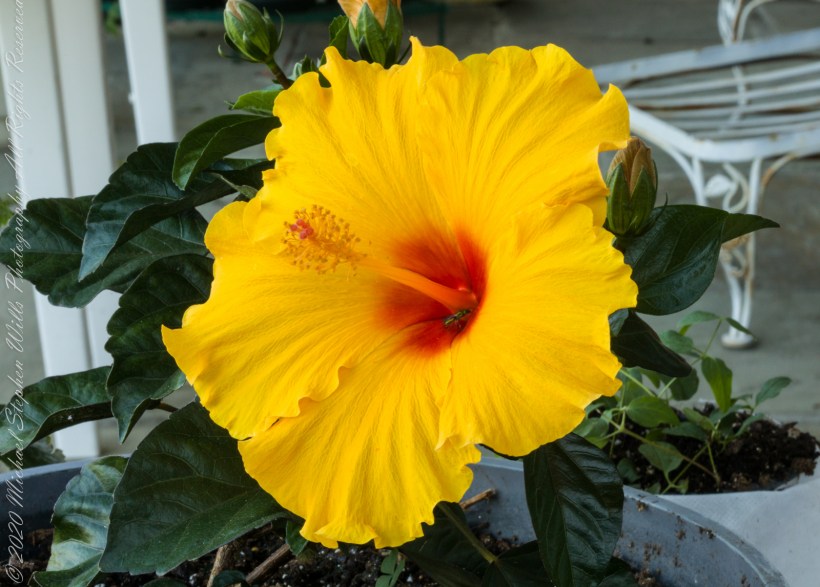
flower, buds, bee
Yellow hibiscus, the state flower of Hawaii was recorded in ancient Greece. In the photograph is captured several unopened buds, behind the flower, and a bee in the flower throat, attracted by nectar there. It is a small bee, of the Halictidae family, that lives alone in a ground nest and also called a “sweat bee,” from being attracted to perspiration.
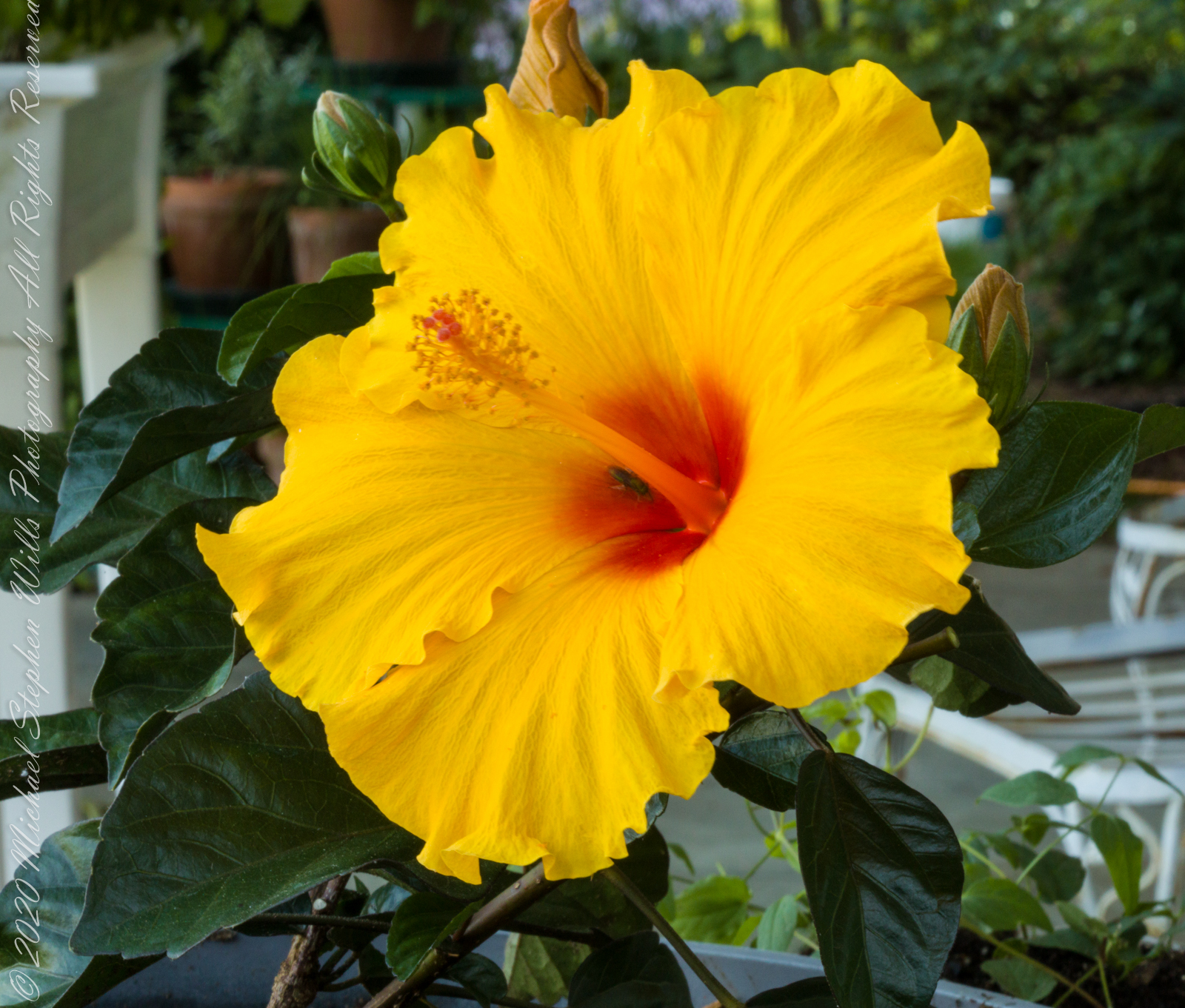
Wikipedia – “sweat bee” and “hibiscus.”
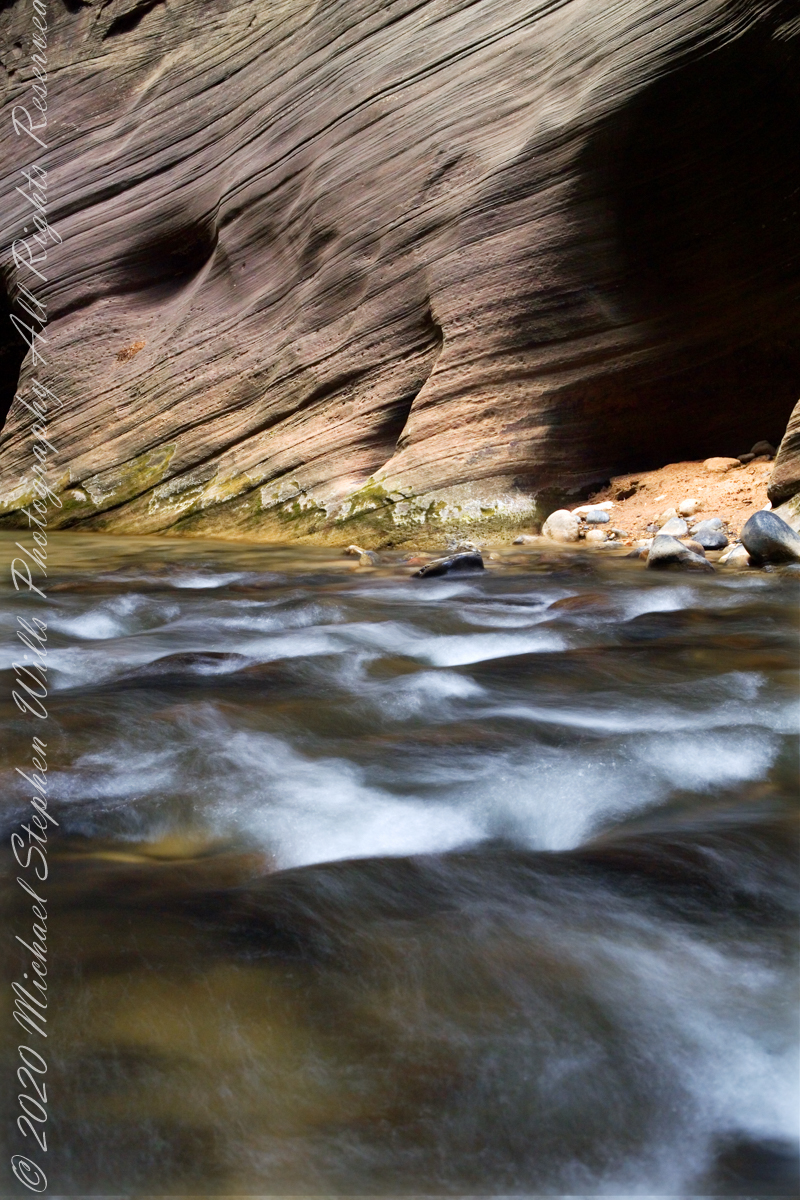
cross-bedding
The pronounced cross-bedding (diagonal layering) of this Navajo Sandstone wall exposed by Virgin river erosion is the effect of wind drifting sands of the largest known sand desert formed in the Jurassic era lasting for 56 million years (185 million years ago). This photograph contrasts the ever new Virgin River with this ancient rock, deepening shadows suggest the depth of time.
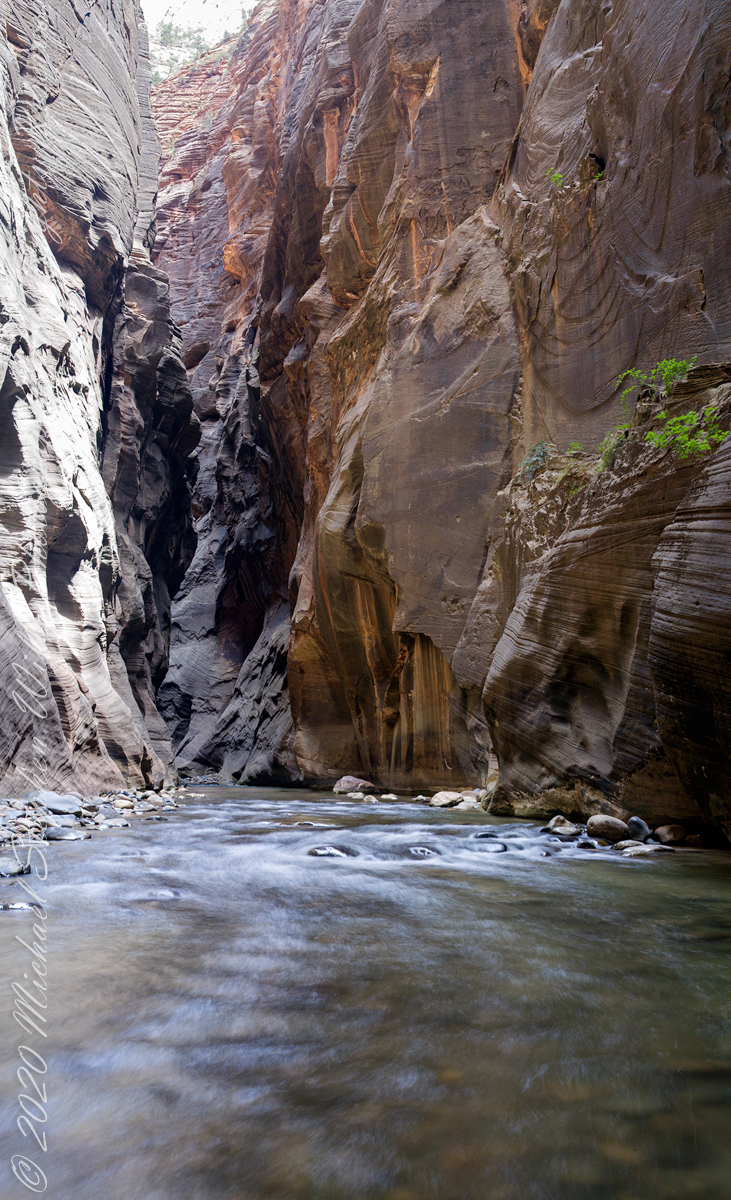
more Narrows information and perfecting the photograph
My research for Zion Narrows I included a useful map. Perusing the the National Park Service web site I could find nothing for the Narrows. This week, while perfecting the three file merge, I kicked around in “google” and found this map hidden away in a section devoted to dedicated canyoneers planning multiple day backpacks through the entire canyon. These trips are from the “top down” and, I suppose, they do not want to expose the information to day trippers.
Anyway, I downloaded the map and present it here. You can either click on the hyperlink or click “download” to view the map. The file is a 2.5 MB pdf, if you want to download it. The trail accessible from the park proper starts from the bottom. Pam and I made it to just beyond where Ordway canyon joins, about 2 hours from the start. Note there are NO places to escape a flash flood beyond this point and, below, we learned from observation there are few places and many of these were for hikers more, lets say, nimble than Pam and myself.
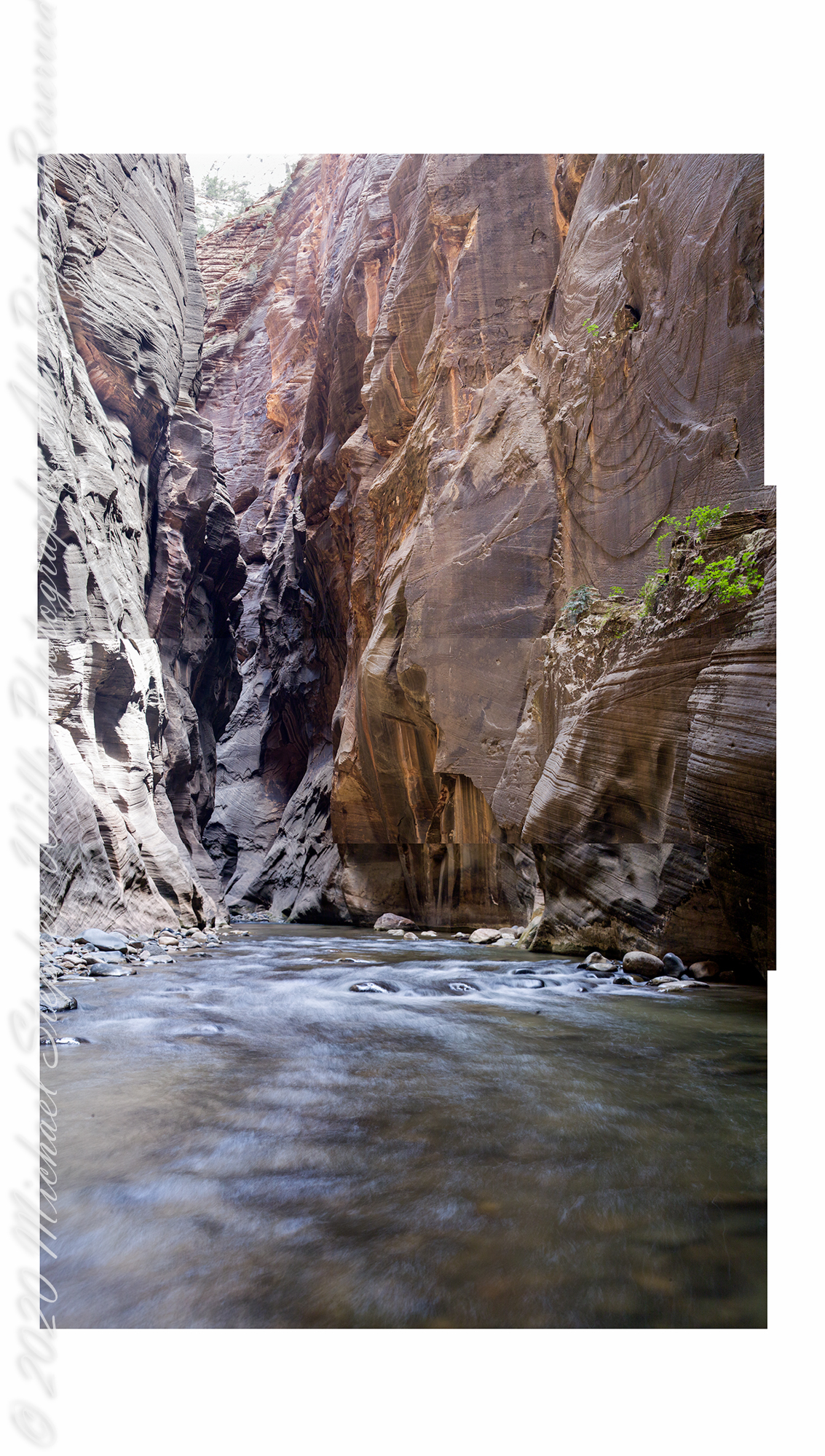
The following is the result of several hours work merging the three files of Zion Narrows I. Click on the image to open a larger version in a new tab.
This is a comparison of the before and after photographs. Enjoy!!
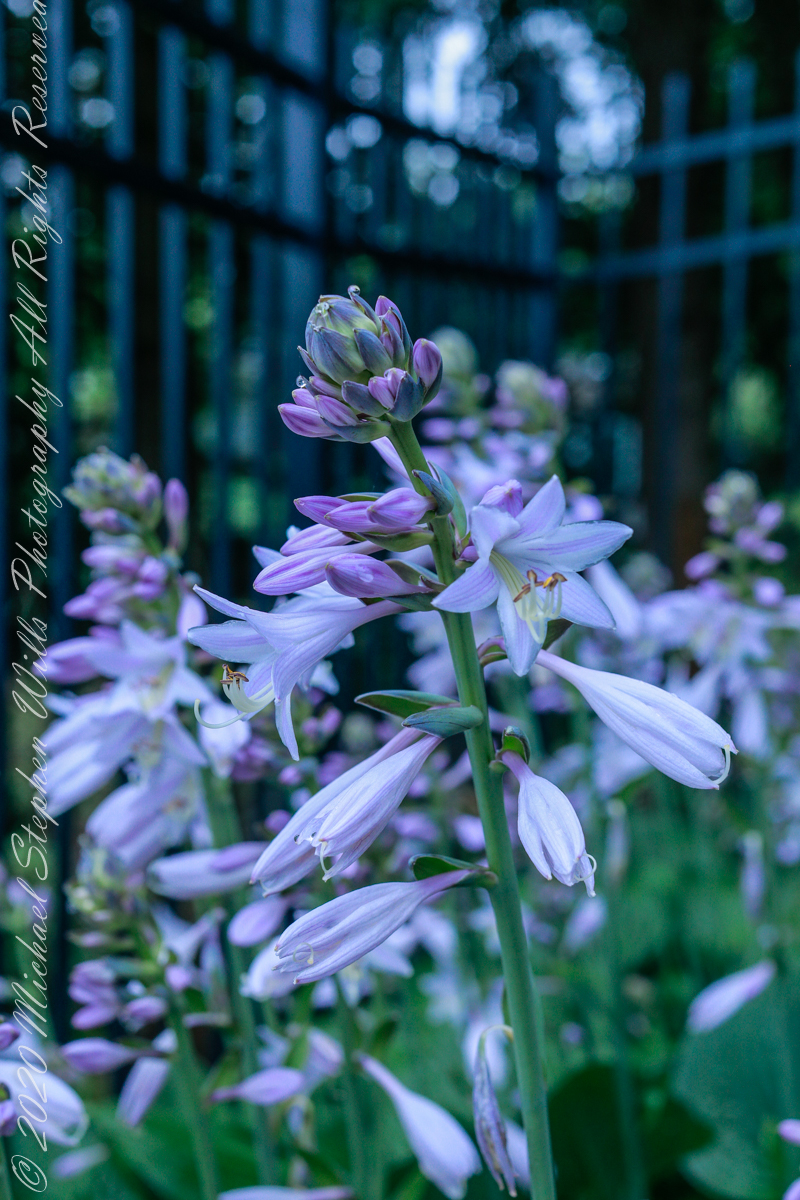
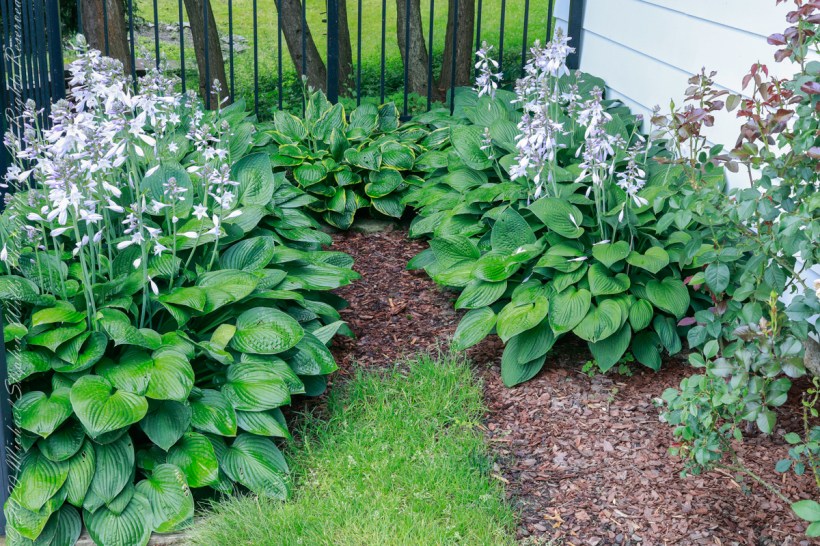
Hosta Blooms on a cloudy, still summer dawn
On July 17, 2021 Ithaca was socked in with heavy clouds obscuring sunrise, a perfect moment to capture Pam’s hostas flowering with the upper stalks still budding. I setup the Manfrotto tripod, the Canon dslr mounted with an EF 50 mm 1:1.2 L at ISO 800 and these are the results.
Native to northeastern Asia, In 1812 the genera Hosta was named for the European botanist Nicholas Thomas Host. Also called plantain lily for the habit of the herbaceous stalks to grow radially from a center.
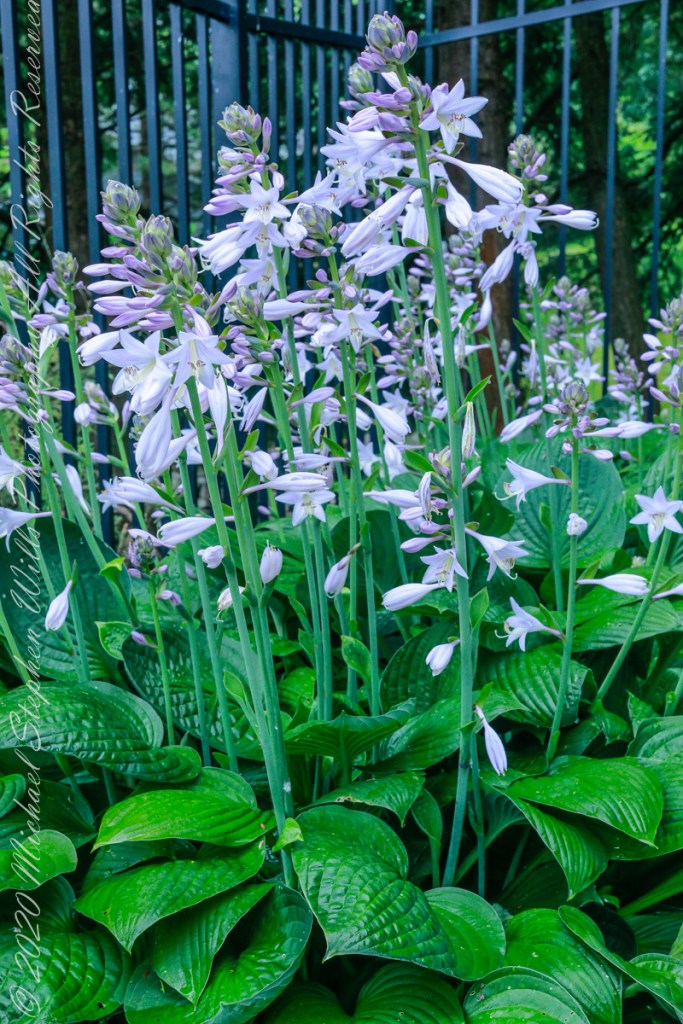
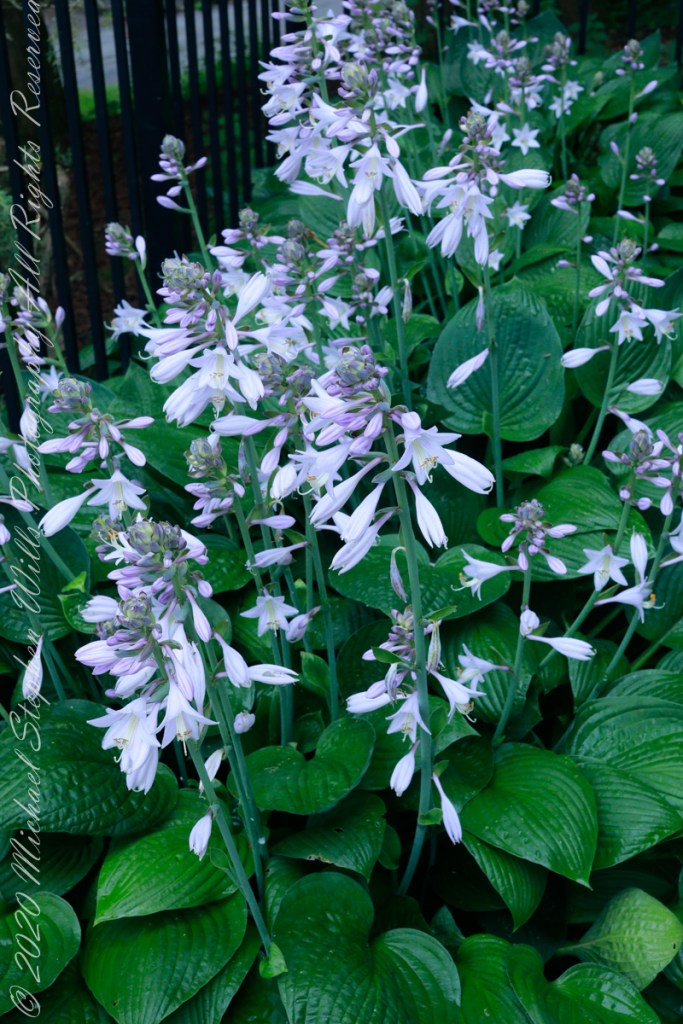
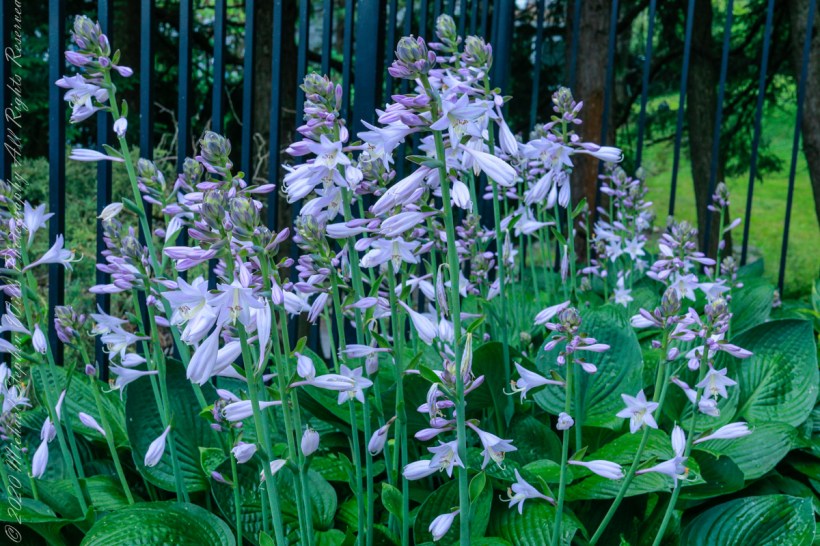
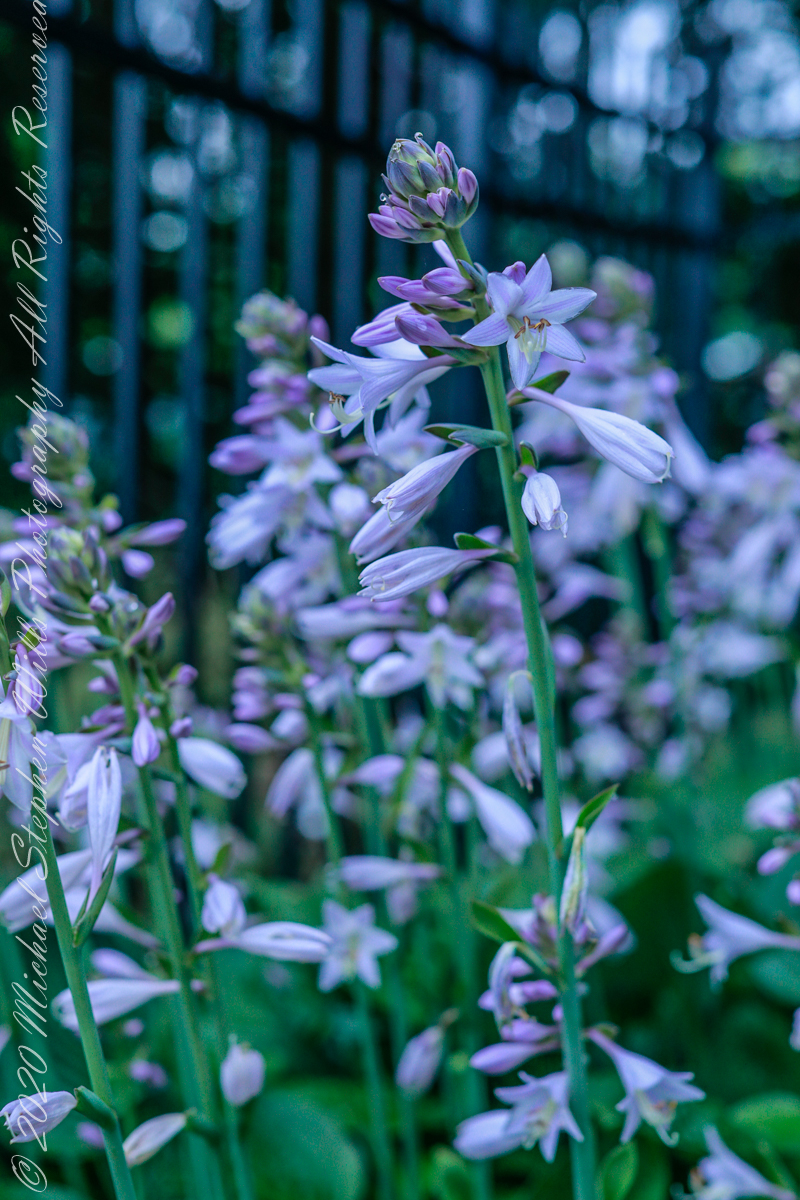
This series moves from the lens diaphragm starting at the smallest opening, greatest depth of field and longest exposure, to the widest, most shallow depth of field and shortest exposure. The air was very still this morning, allowing me to experiment.
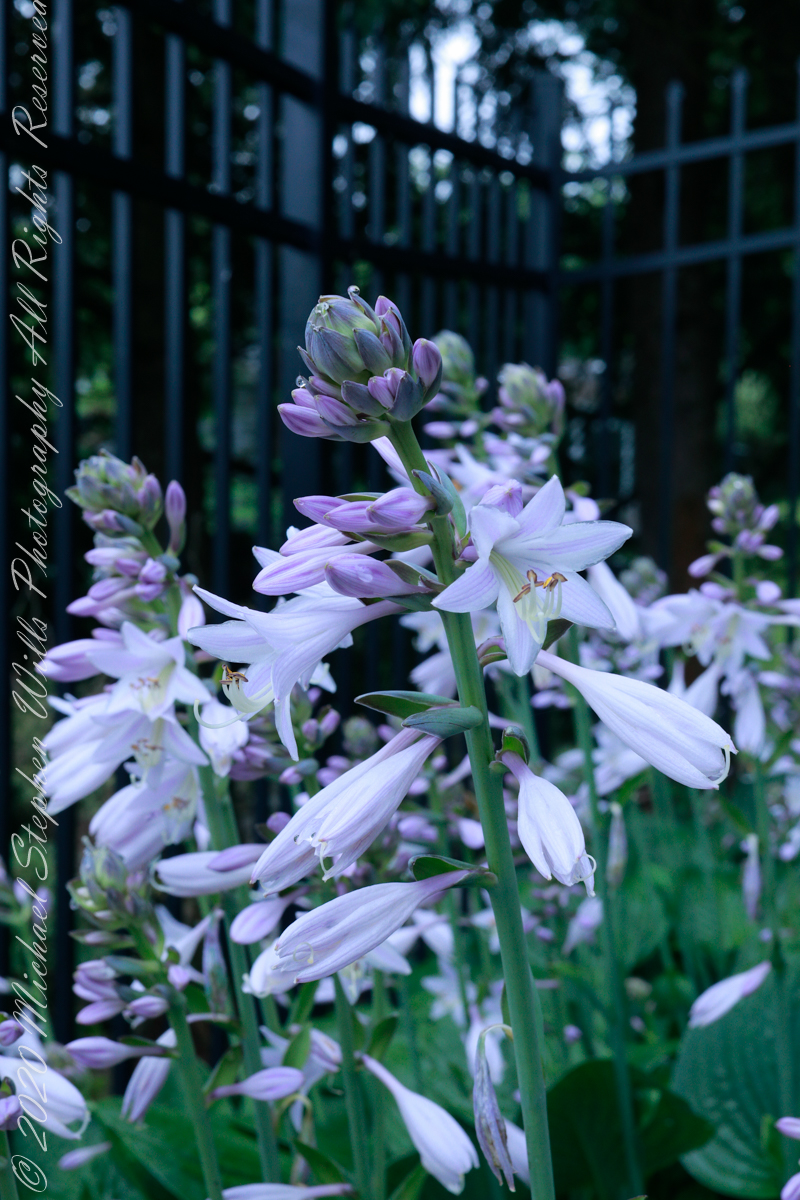
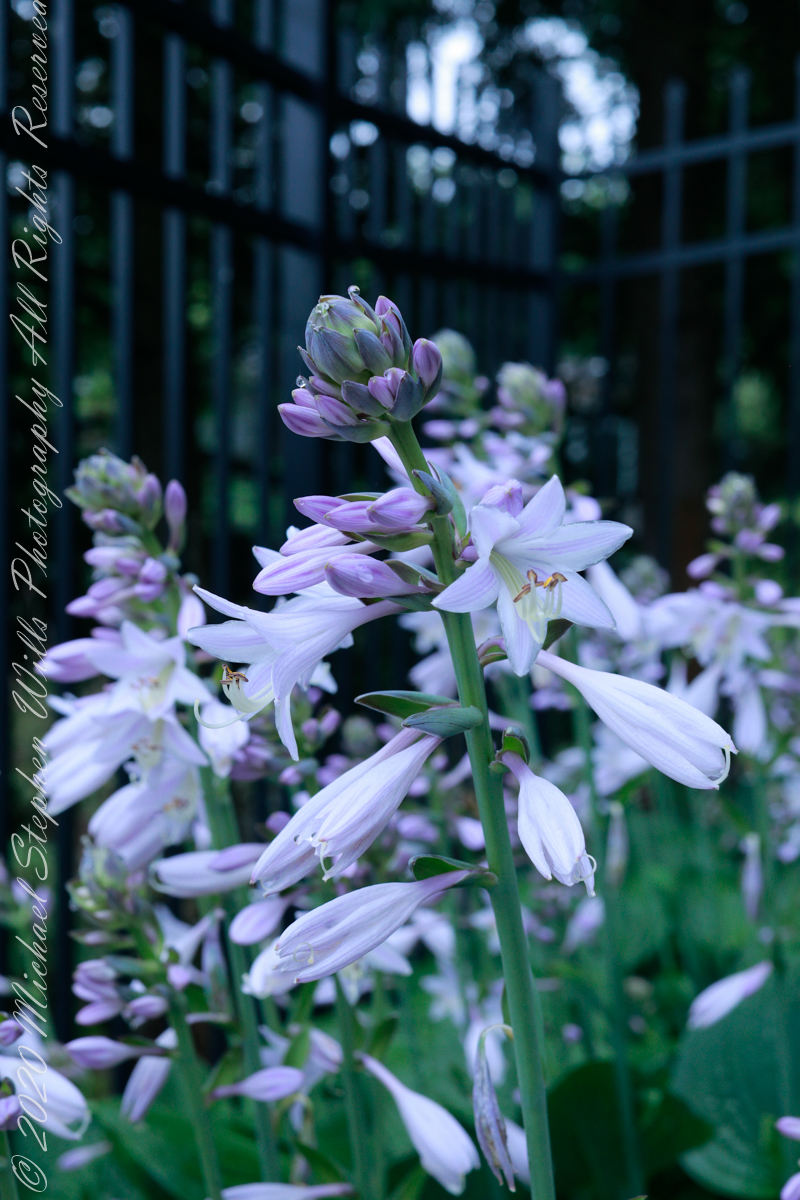
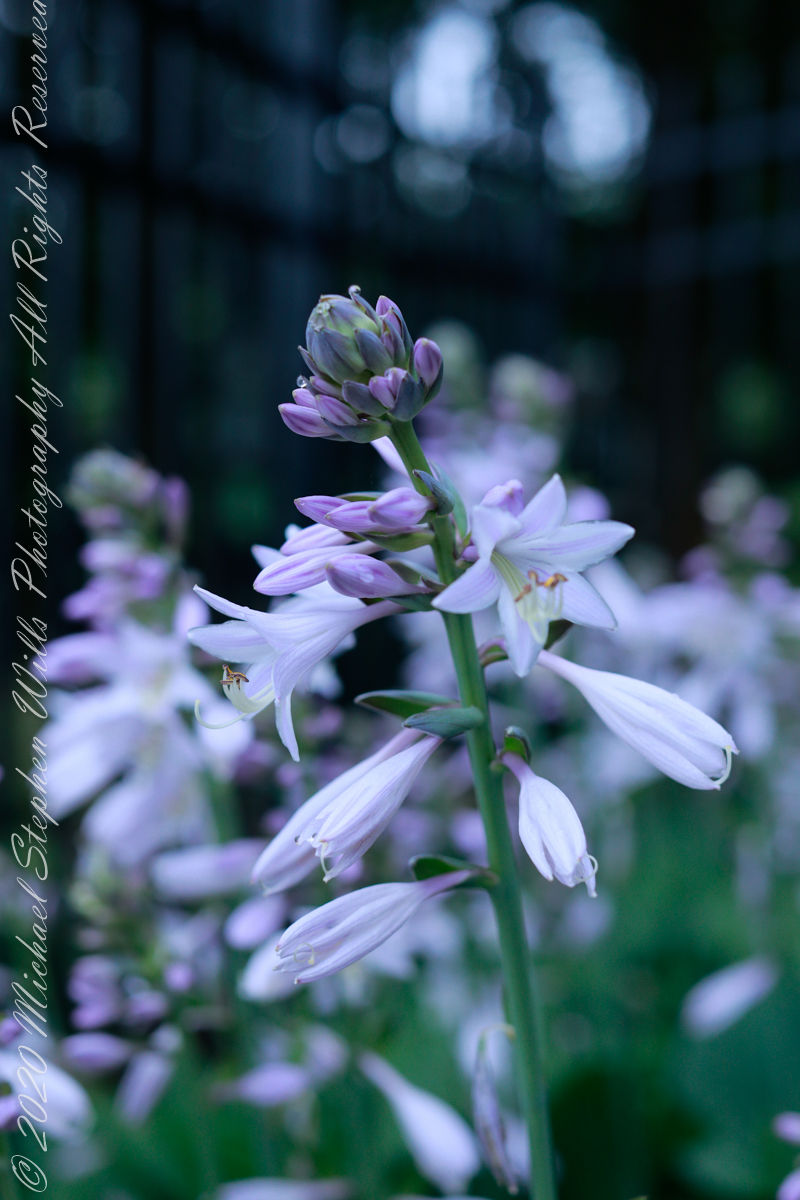
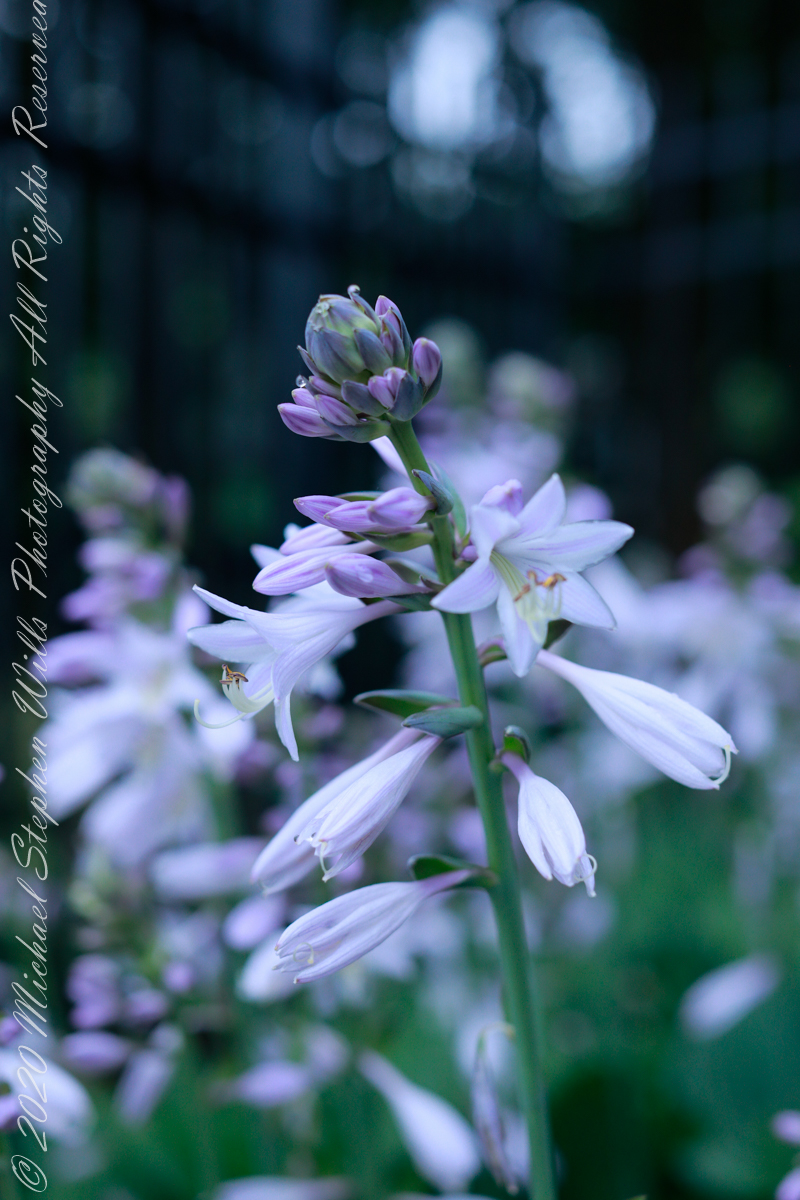
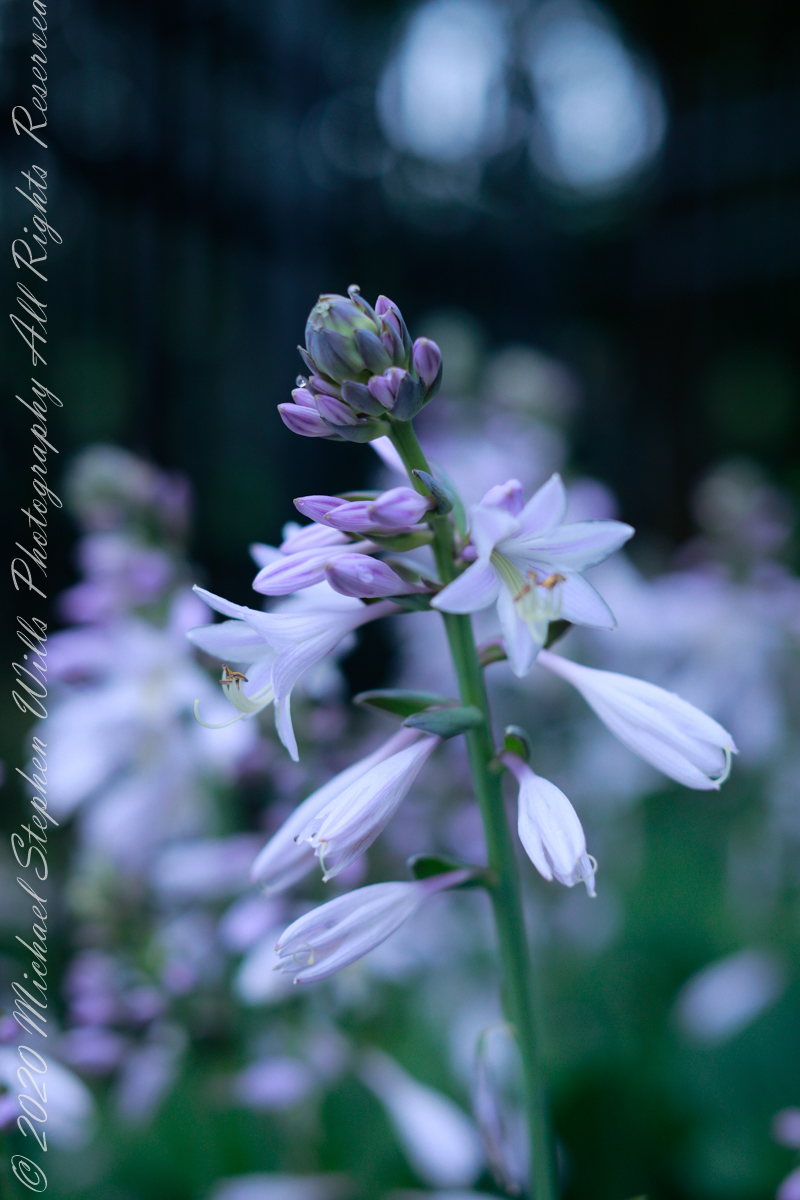
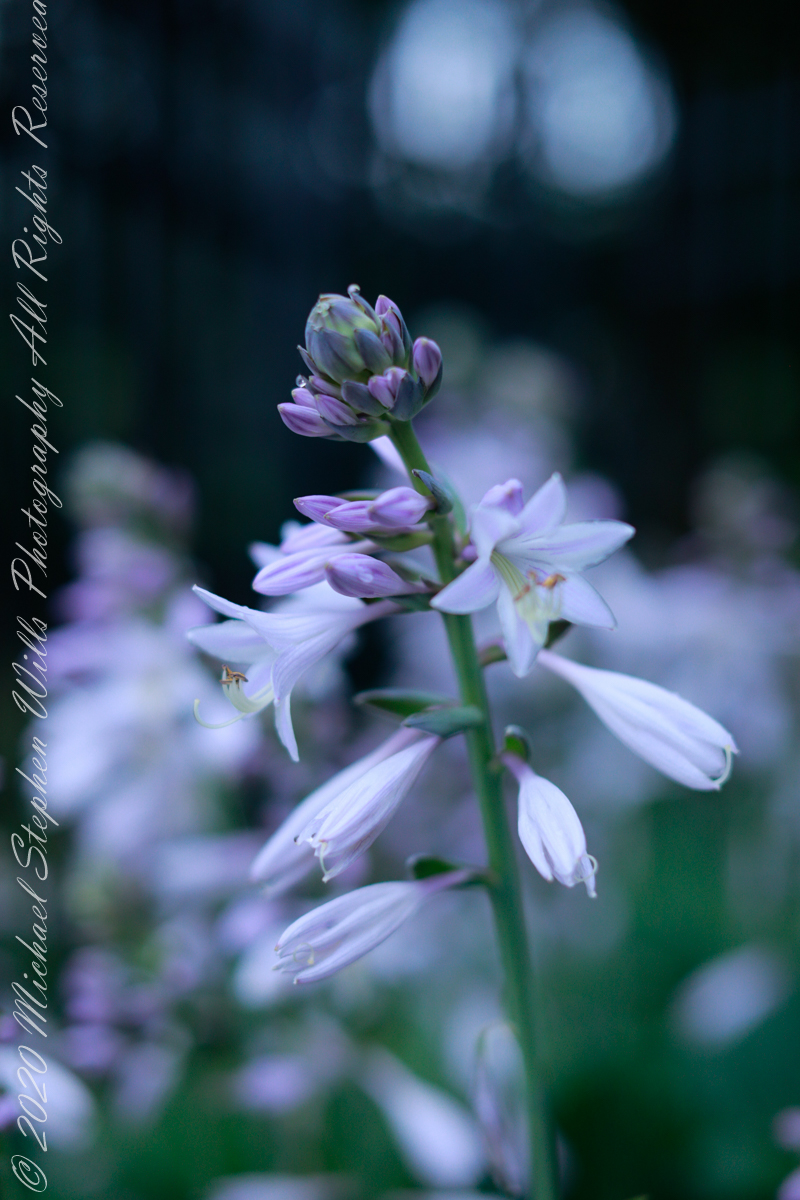
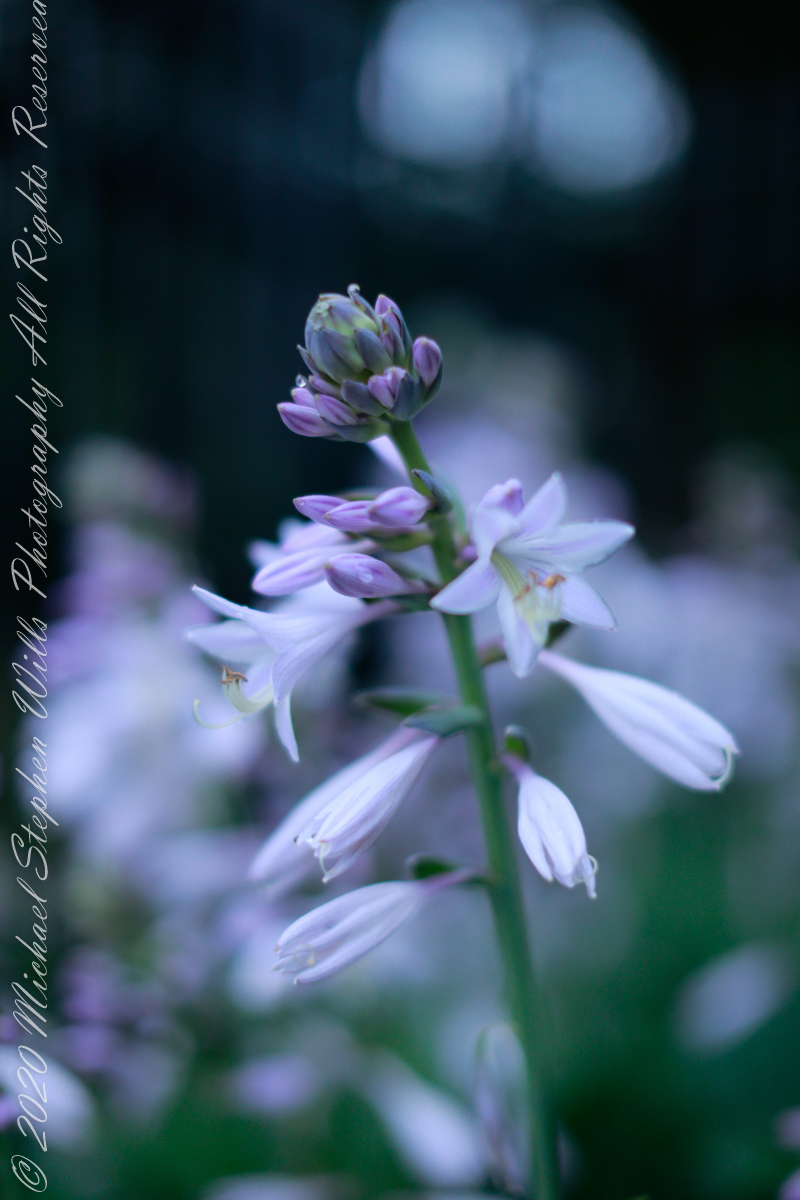
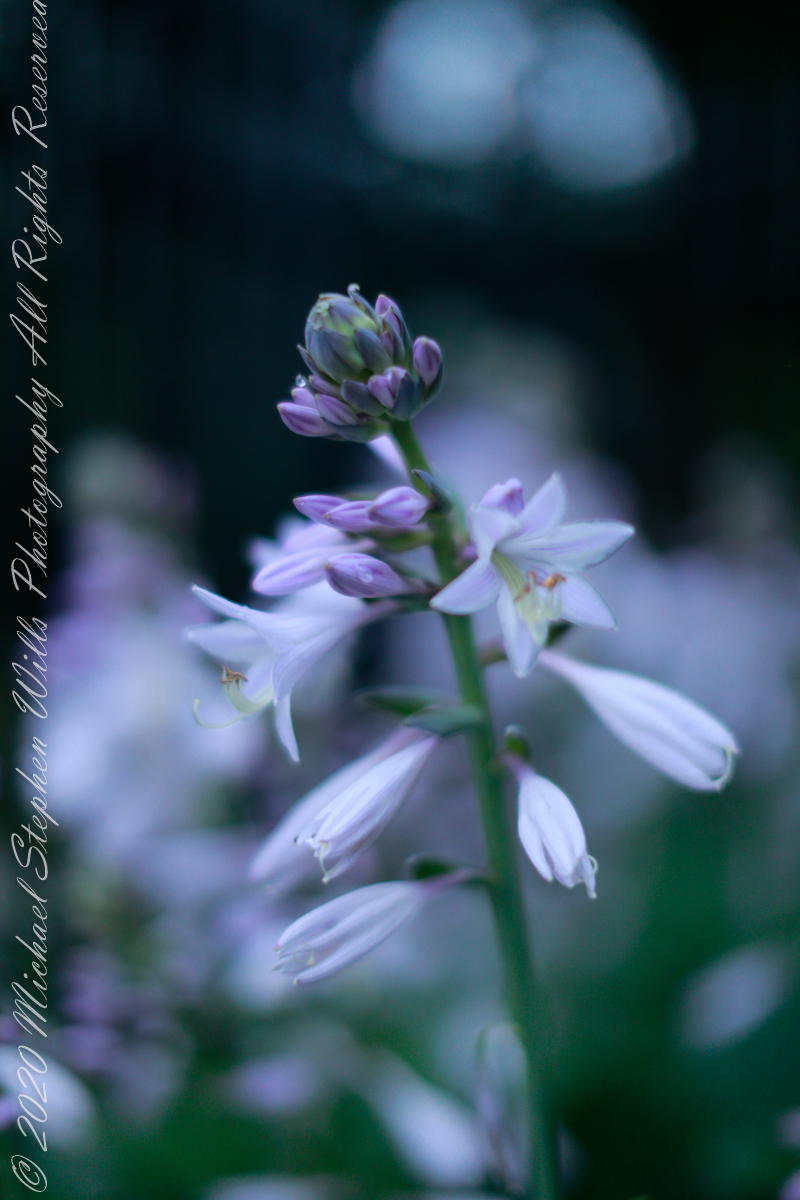
Here is my favorite version from the above experiment. Do you have a favorite? Named it in comment and please explain your choice.

Virgin River at work
Our first day was spent hiking up to the narrowest section of Zion Canyon, called “Wall Street,” where the gorge walls are 1,000 feet high. There, the river is 20 feet across in places and not much wider anywhere. There is NO high ground to escape flash floods, only the high, unforgiving canyon walls.
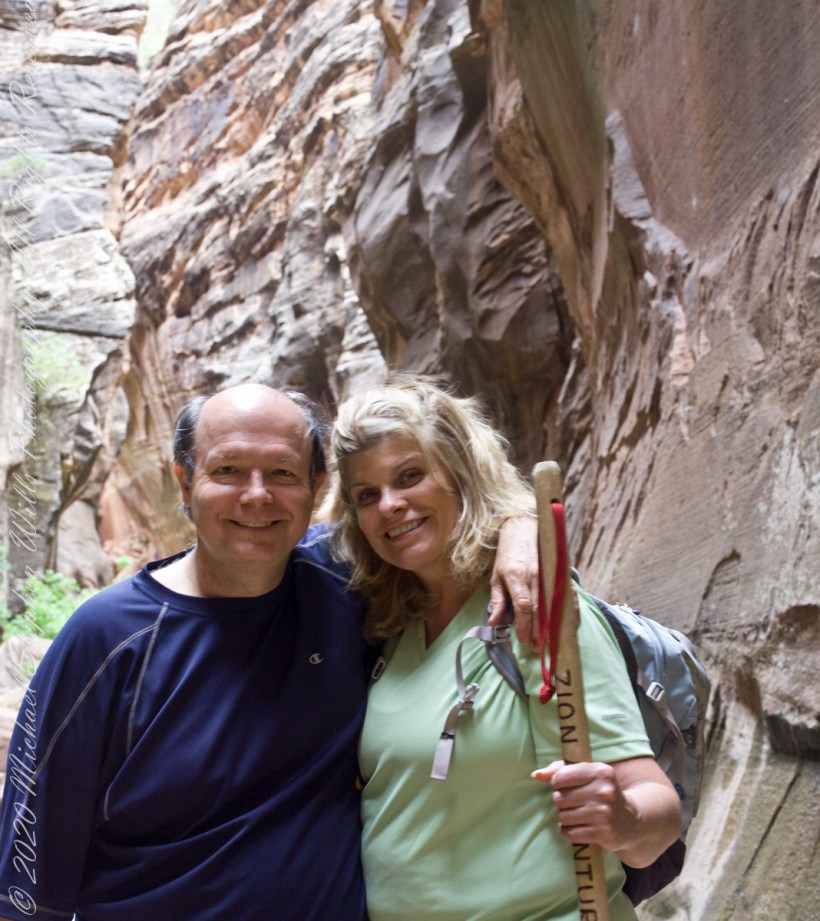
As we were planning to venture beyond the tame sidewalk of “The Riverside Walk”, our first stop was to an outdoor supply store in Springdale to rent canyoneering shoes, to wade the river comfortably and safely, a sturdy stick to improve stability and free advice on current conditions for the potential of flash floods. You can see the stick in this portrait, mid-narrows. This was July, with a danger of torrential downpours, and we were nervous about this; however, proceeded anyway.
Several miles in, I set up the Manfrotto 468Mg studio tripod with the Kodak DSC pro SLR-c (the “c” specifies compatibility with Canon lenses) and the Canon 50 mm f/1.4 USM lens. Here we look downstream, the way we came. I waited for a clear shot w/o fellow hikers coming up from behind. This was before investing in a wide-angle lens. My plan was to stitch the three shot together.
Click on each photograph for a larger view, in new tab.
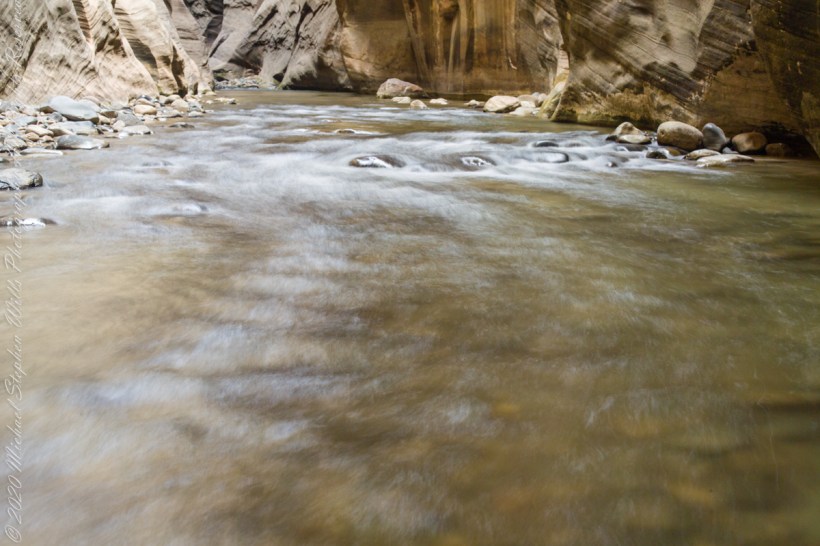
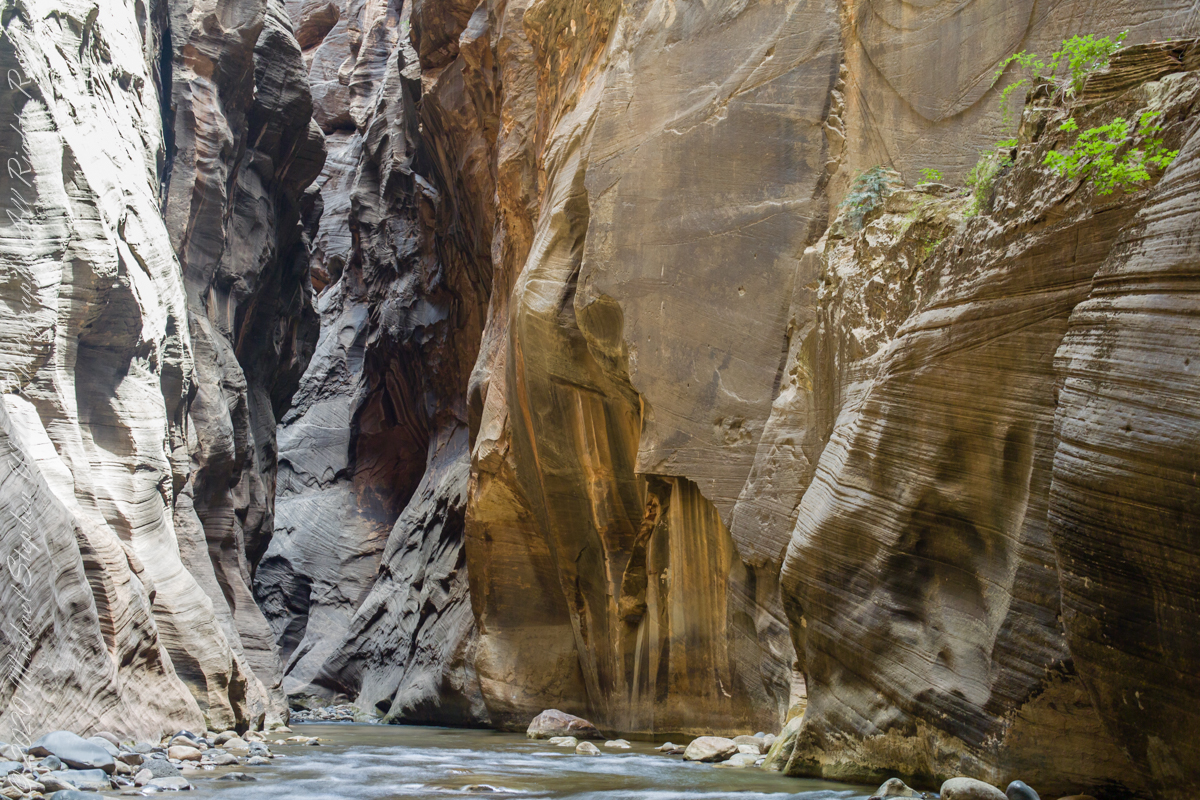
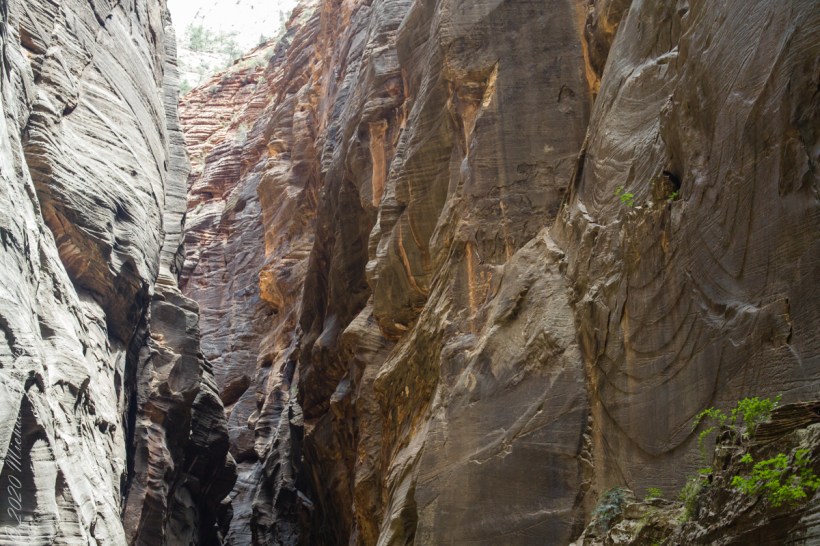
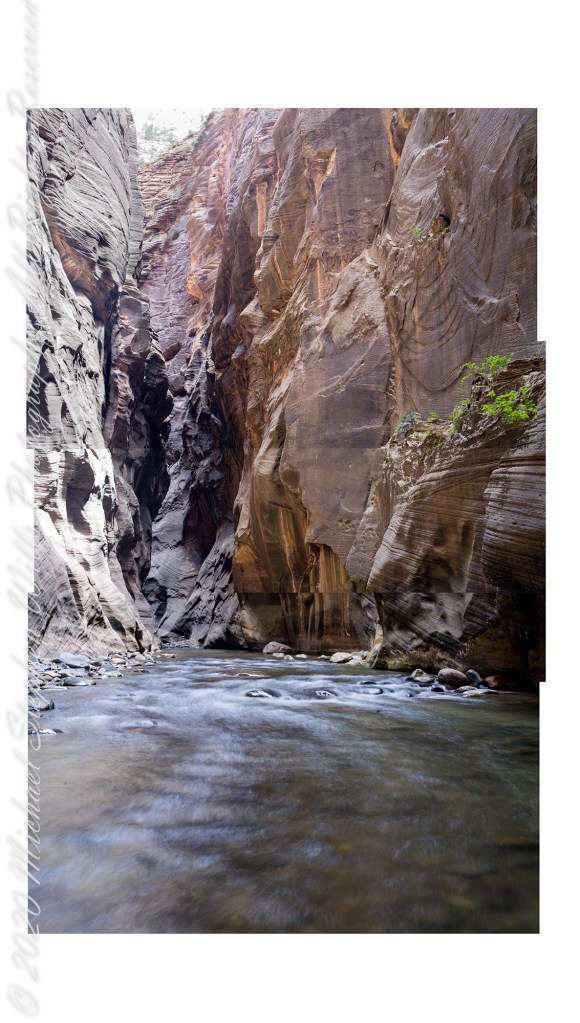
The work remaining on the rough draft are to match the edges as close as possible, smooth out the differences until the joins are indiscernible.
Here are the same photographs as a slide show. I enjoy how the long exposure blurred water lead the viewer into the gorge walls.
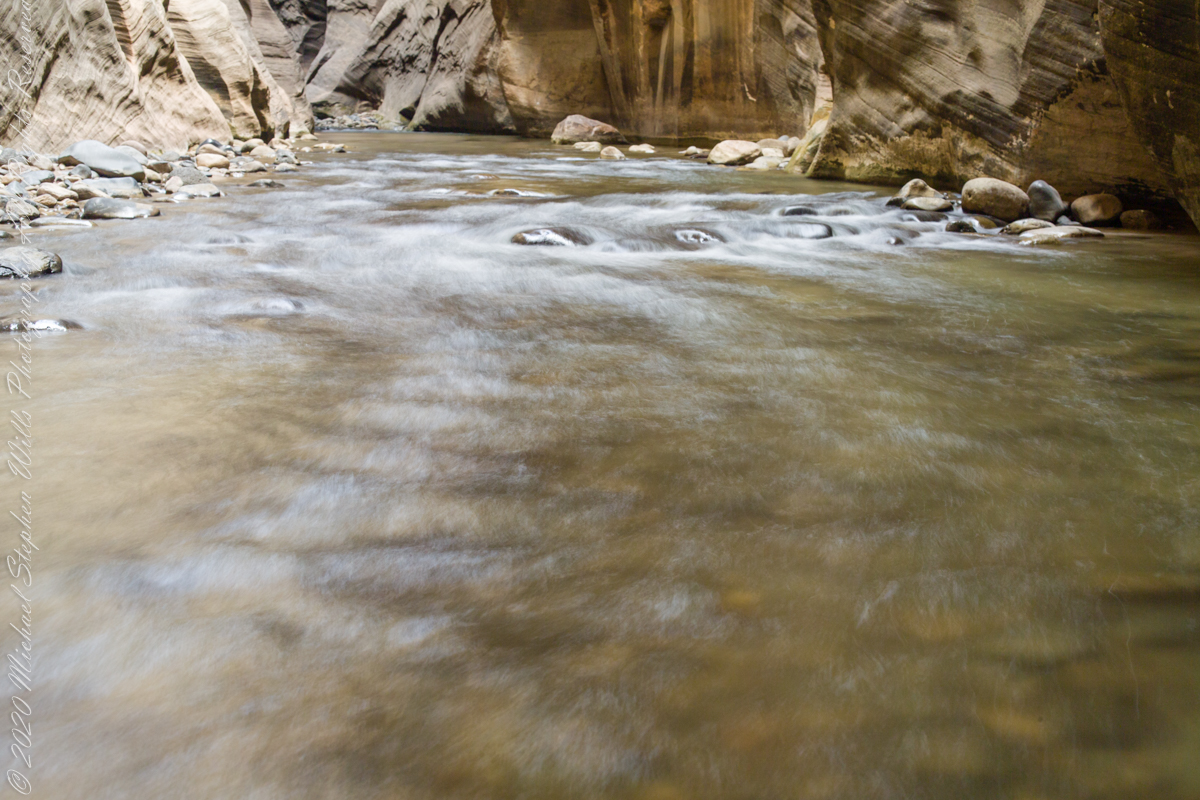
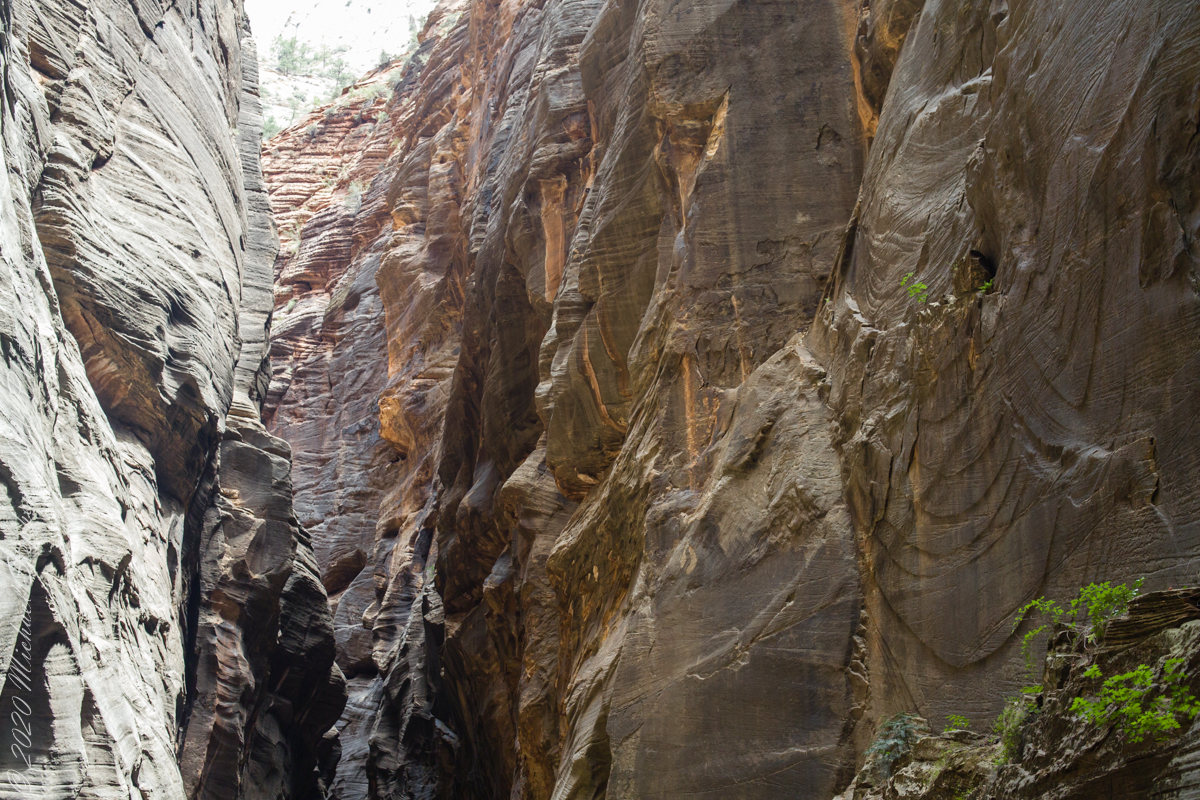
Captured with a Kodak DCS Pro SLE/c dslr and a Canon EF 50 mm f/1.4 lens stabilized with the Manfrotto Studio Tripod model 475 and the 468 Hydrostatic ball head.
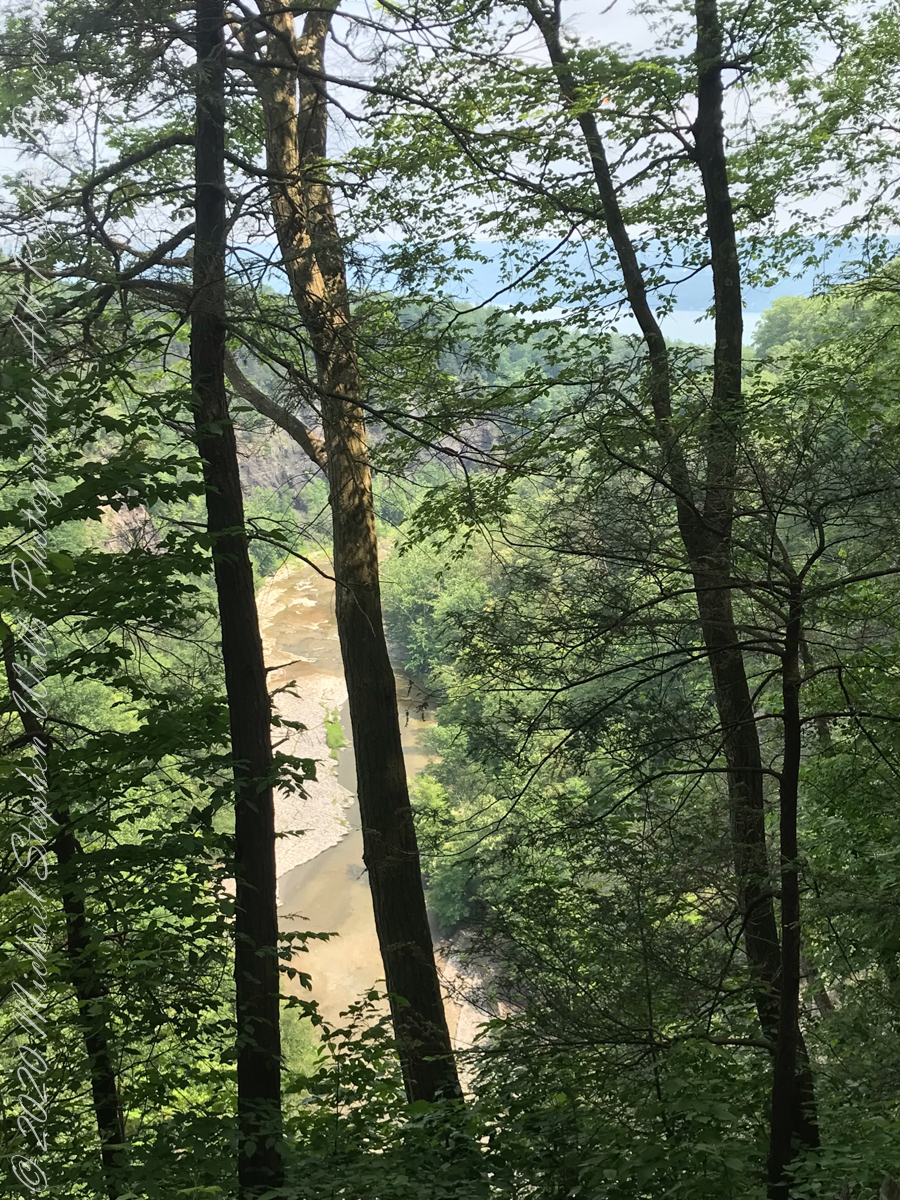
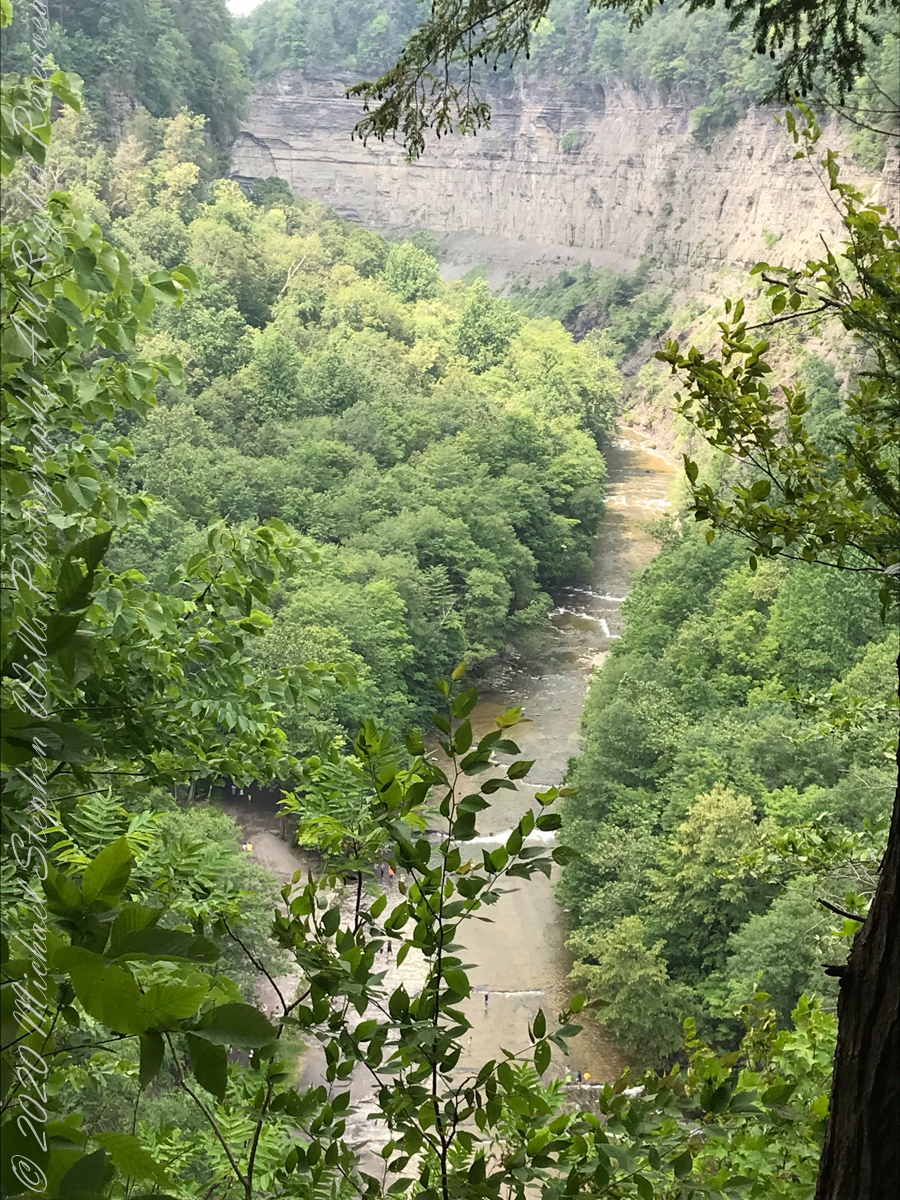
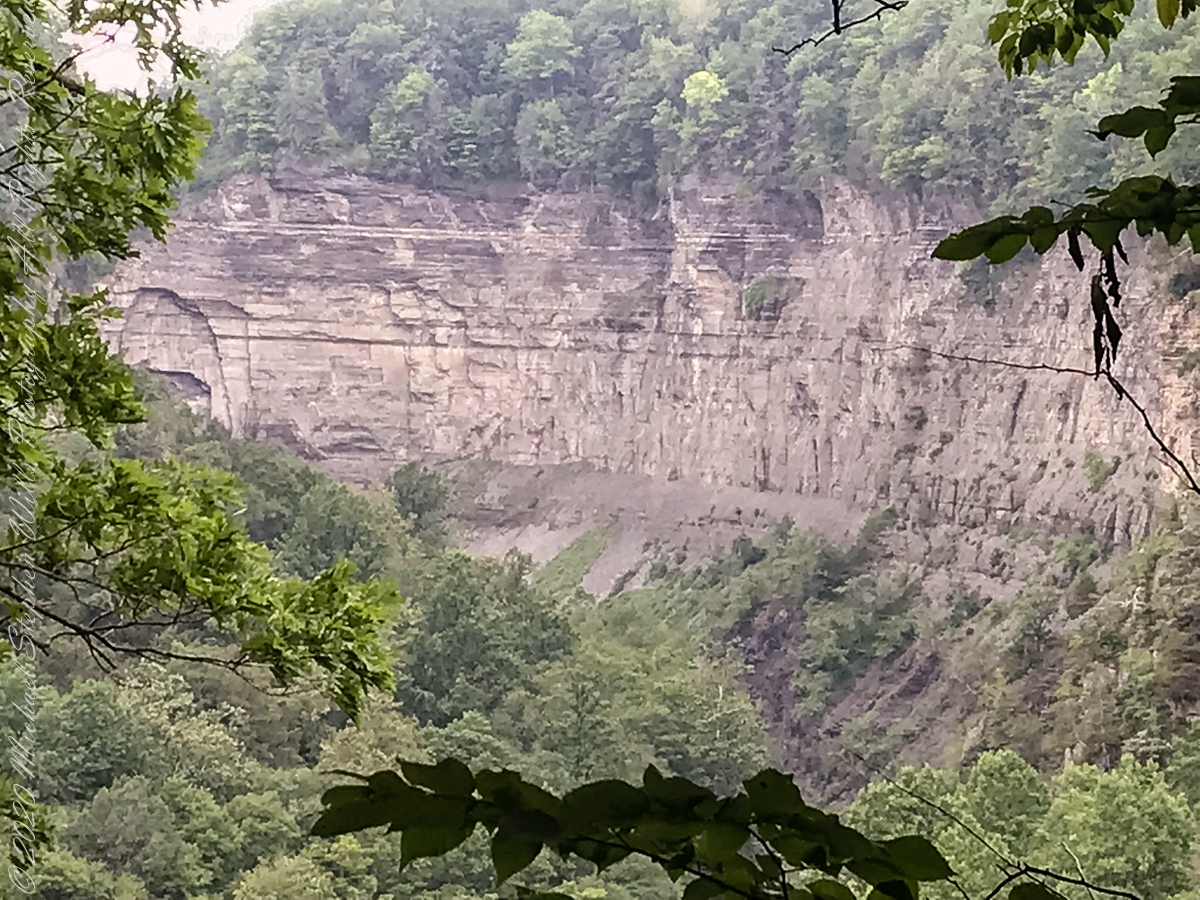
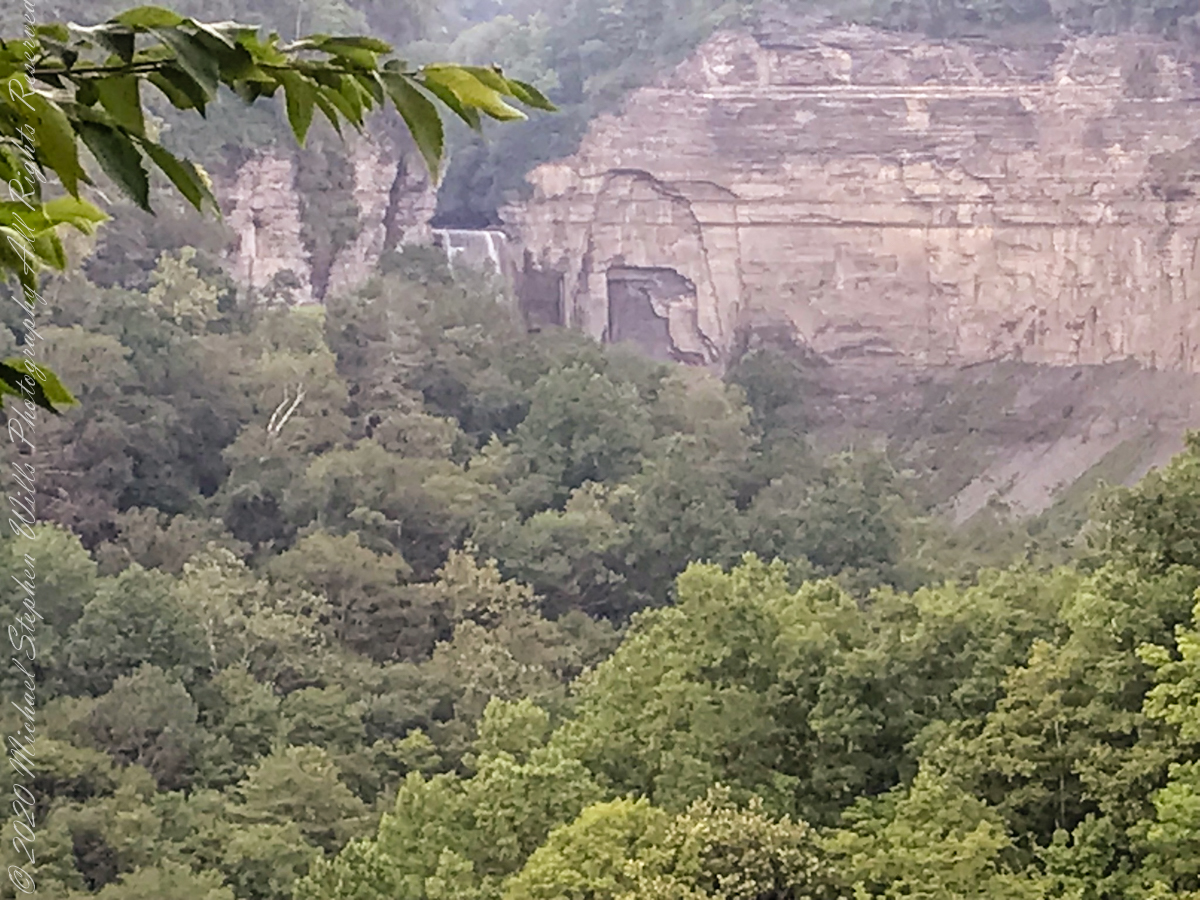
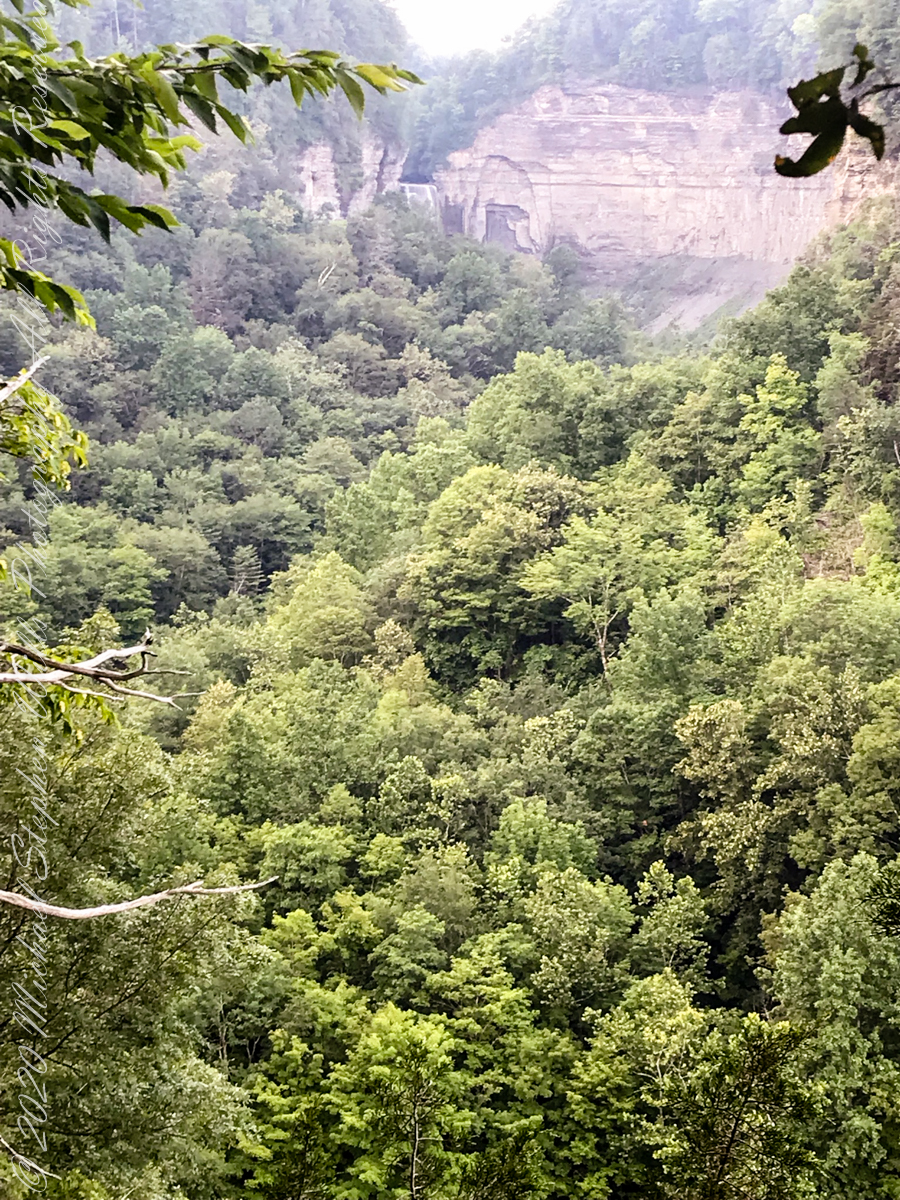
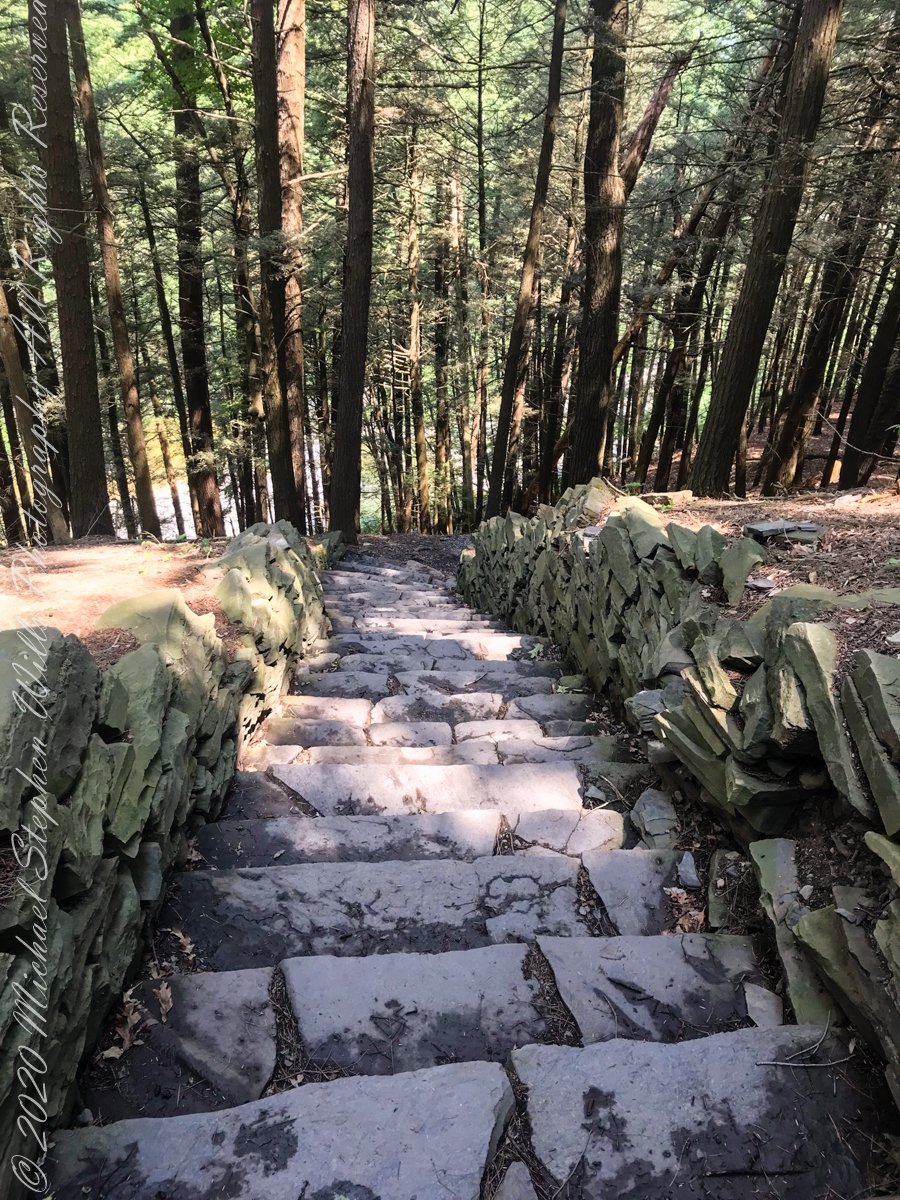
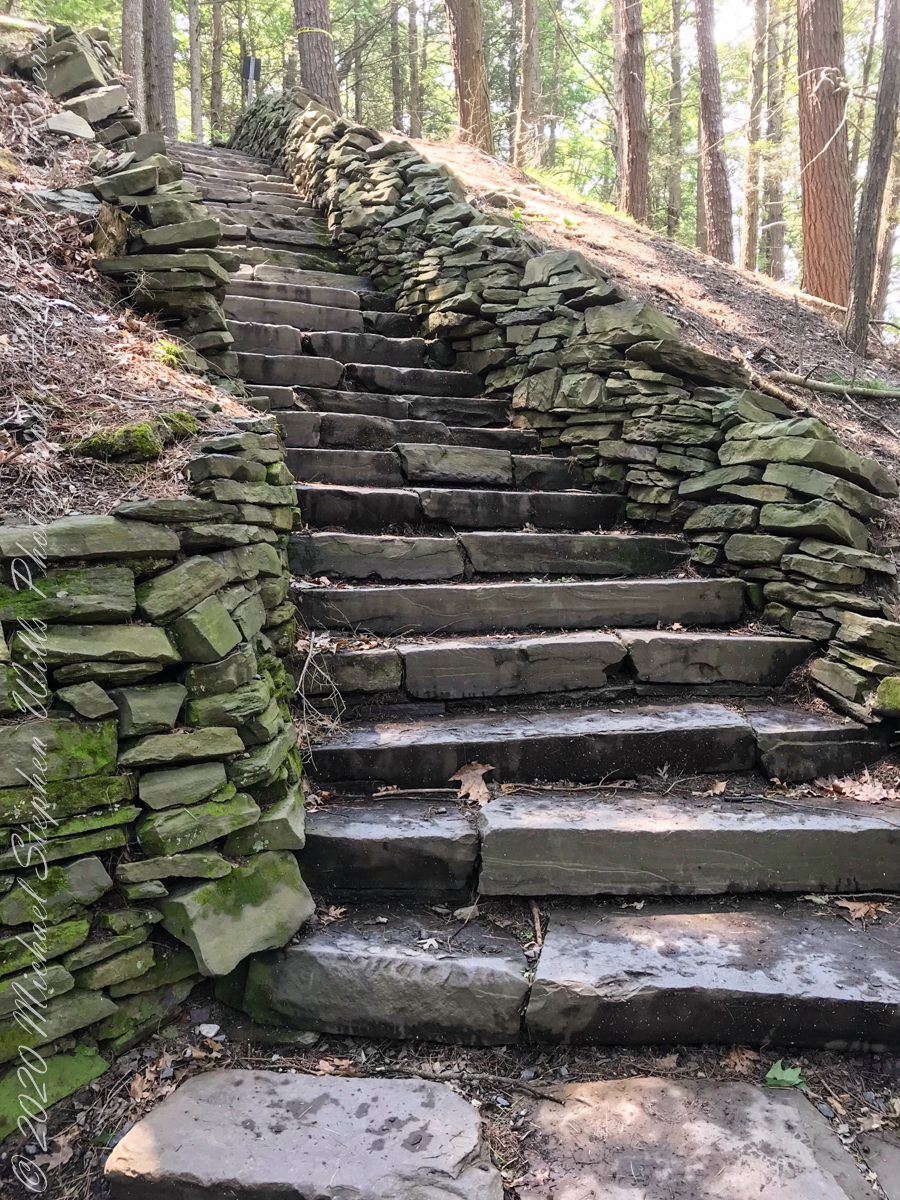
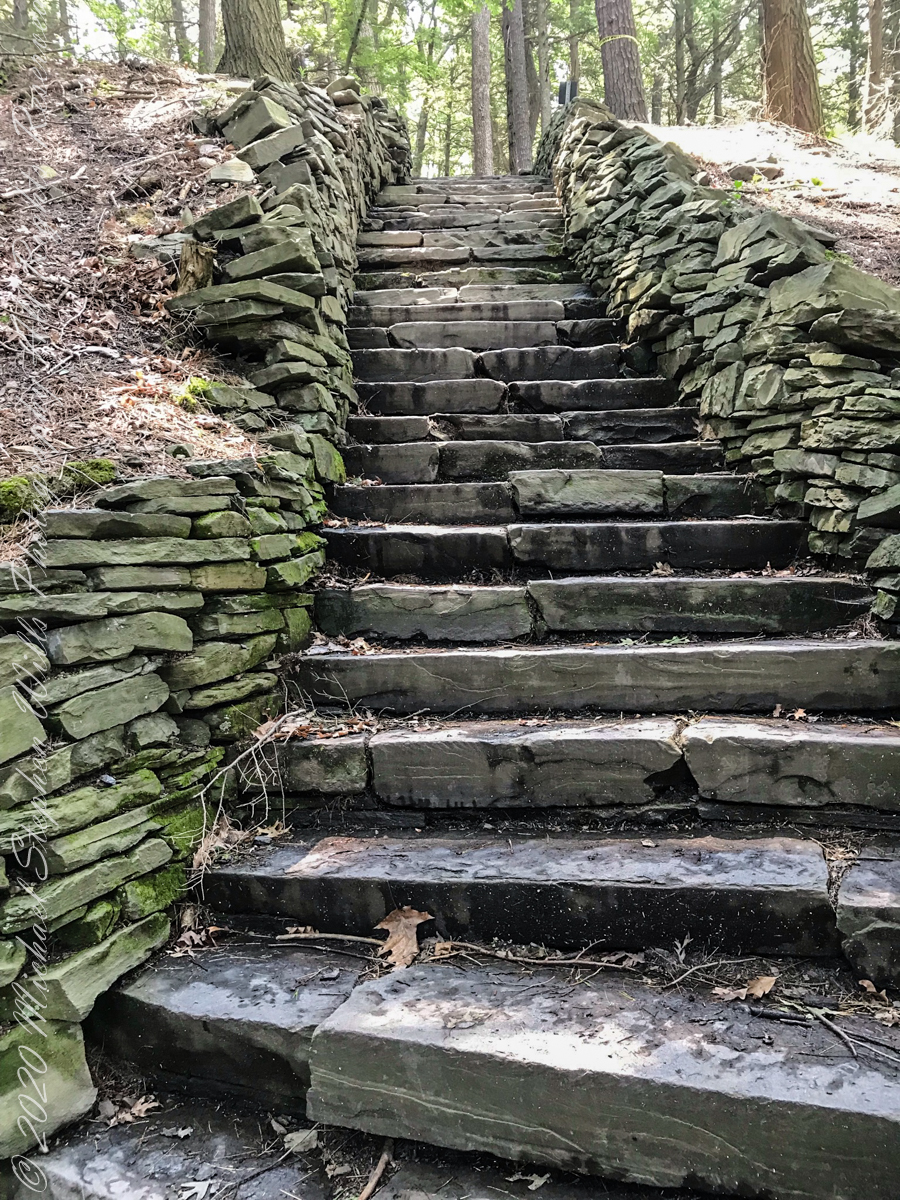
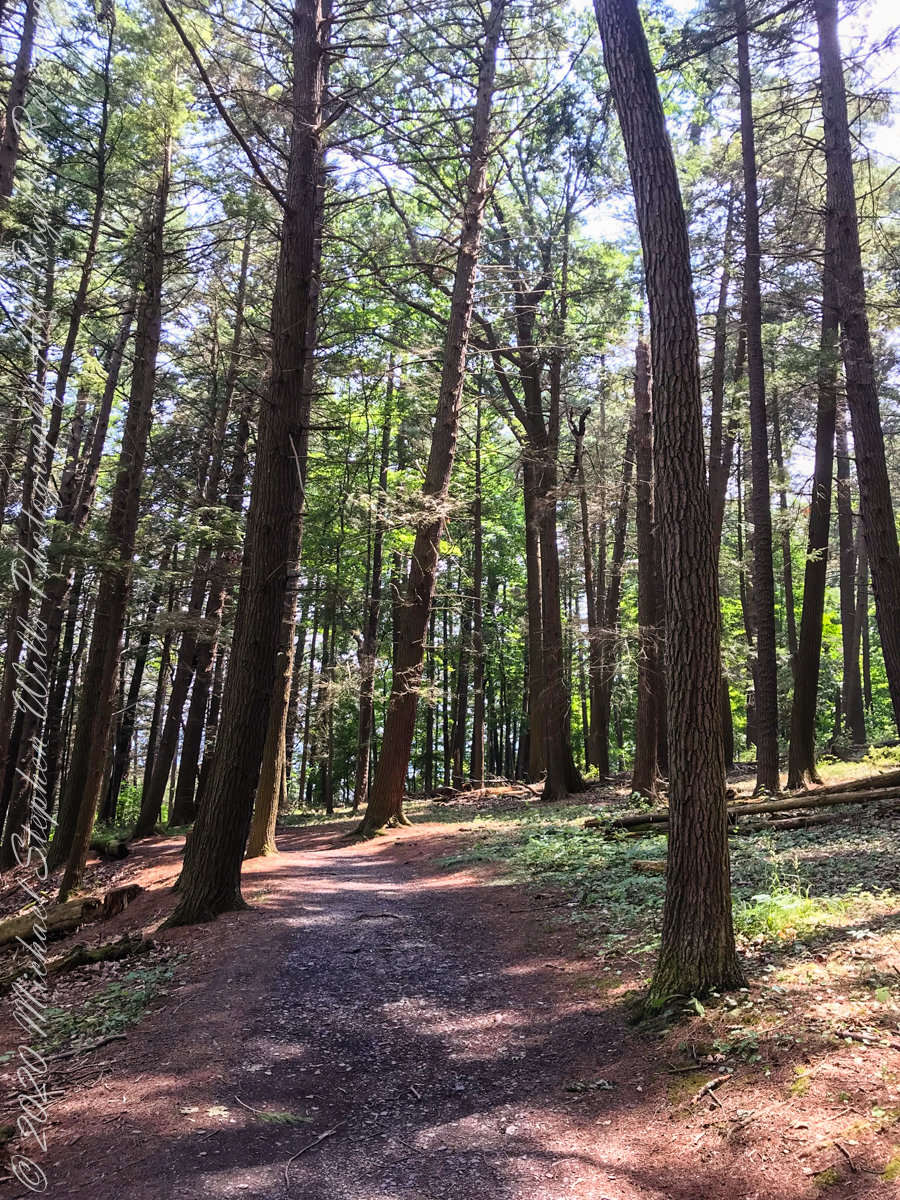
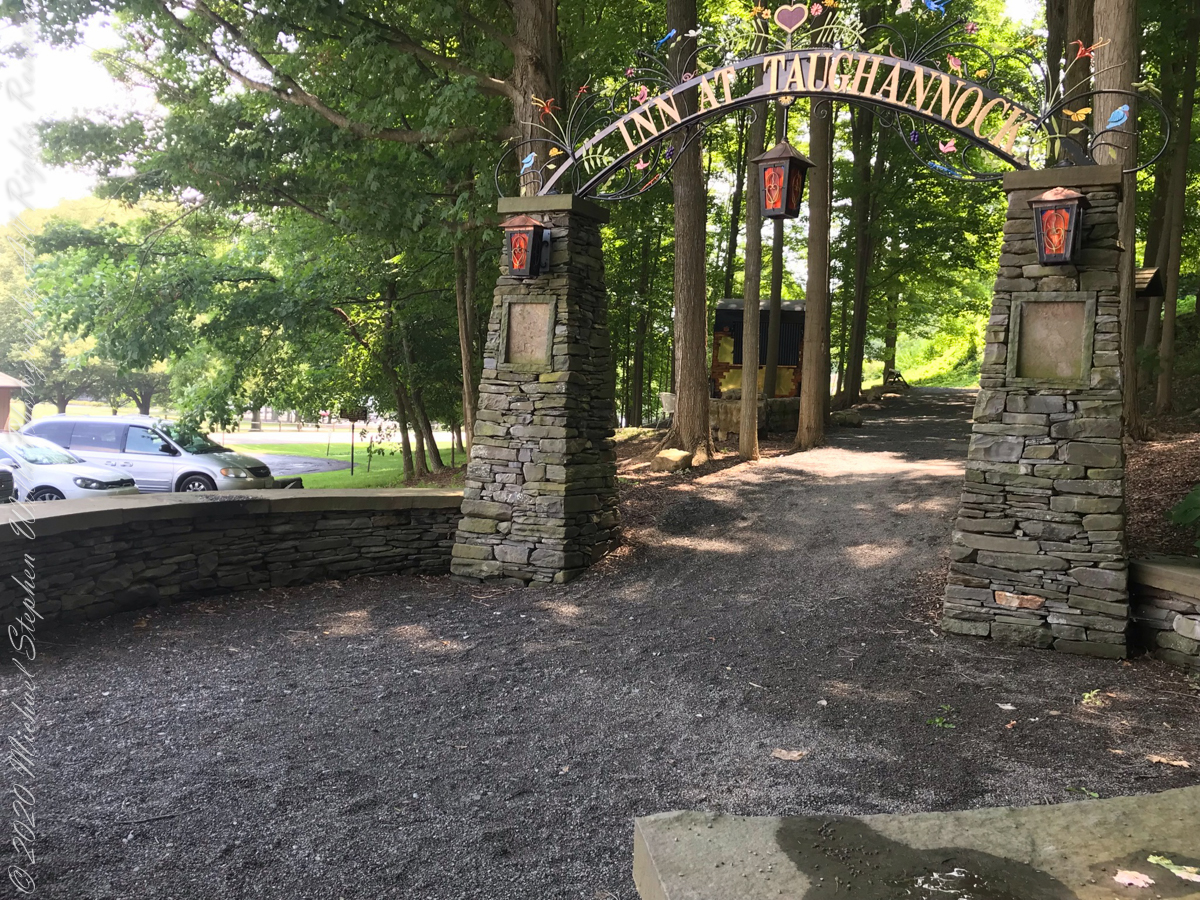
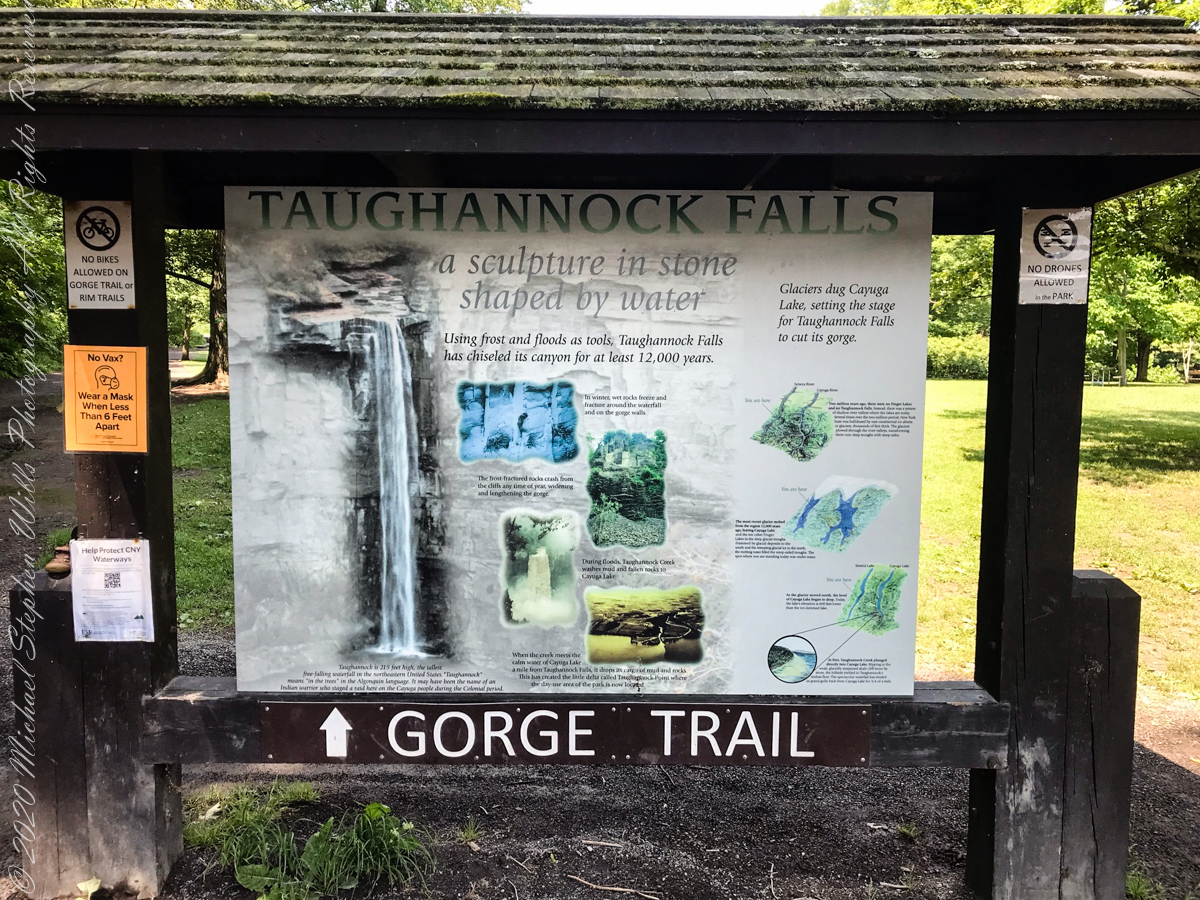
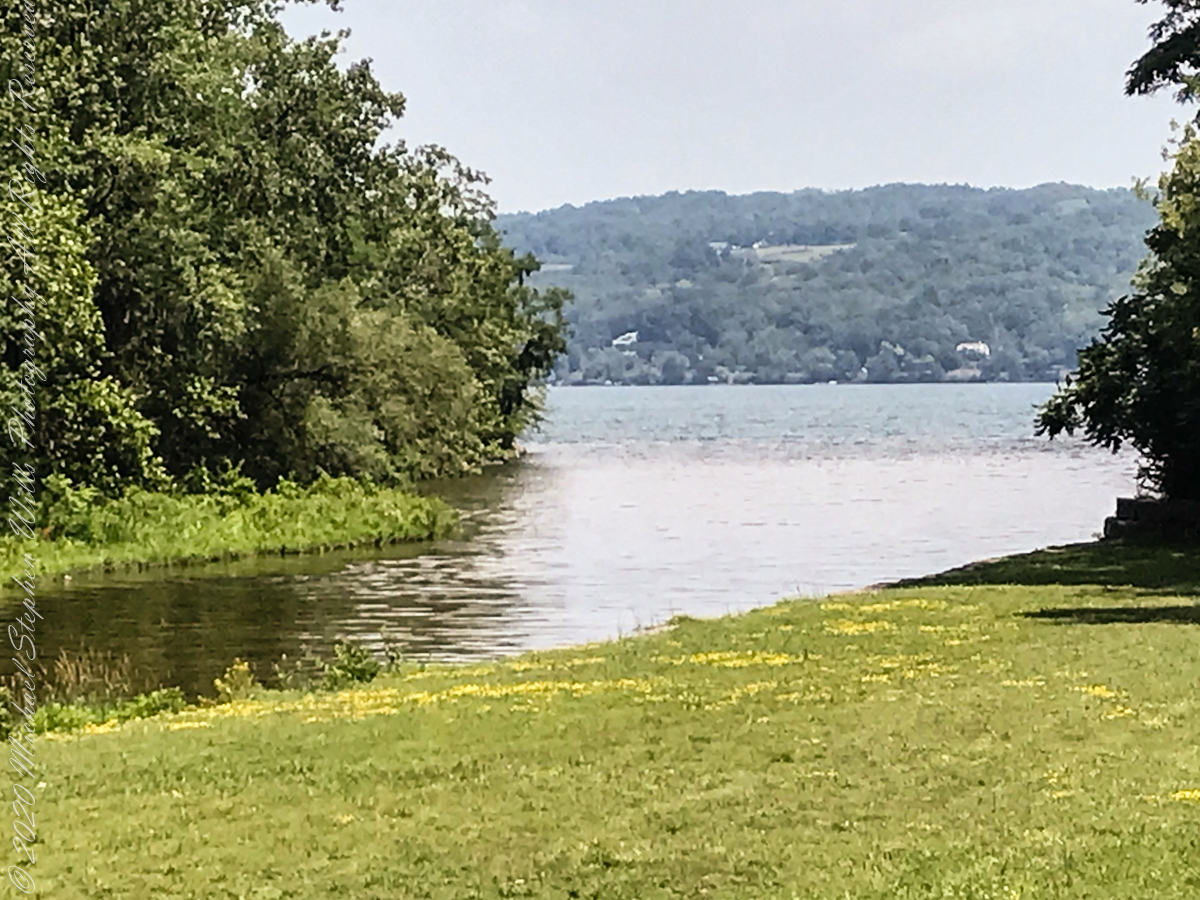
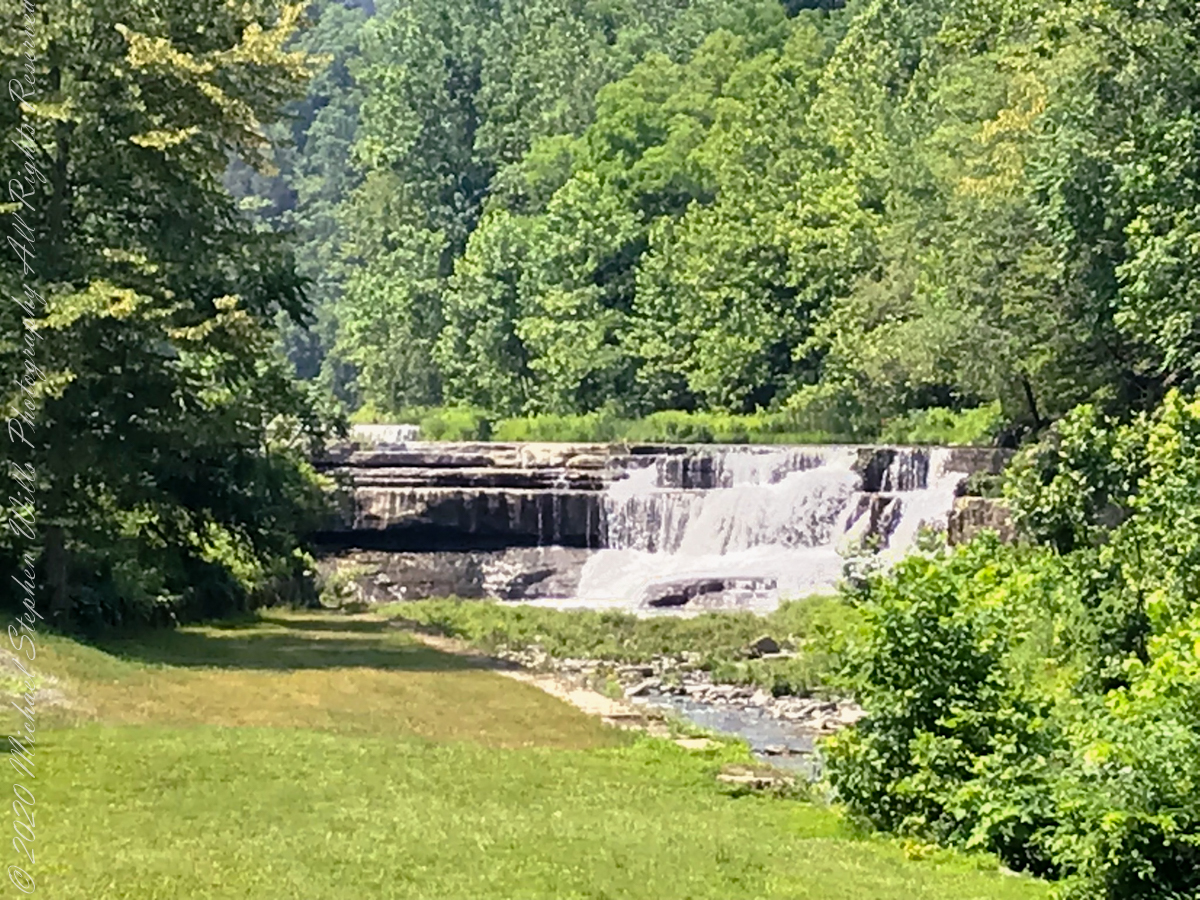
Experience a hike around Taughannock Gorge on a summer morning with thunderstorms threatening
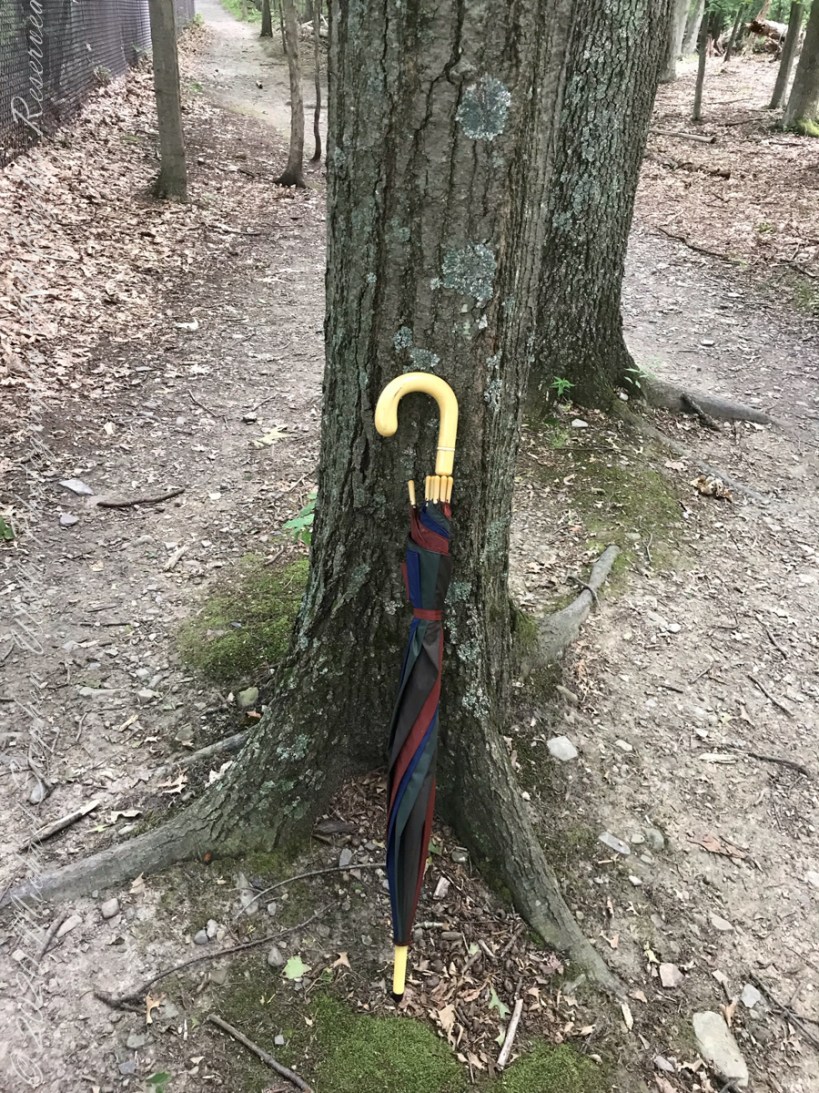
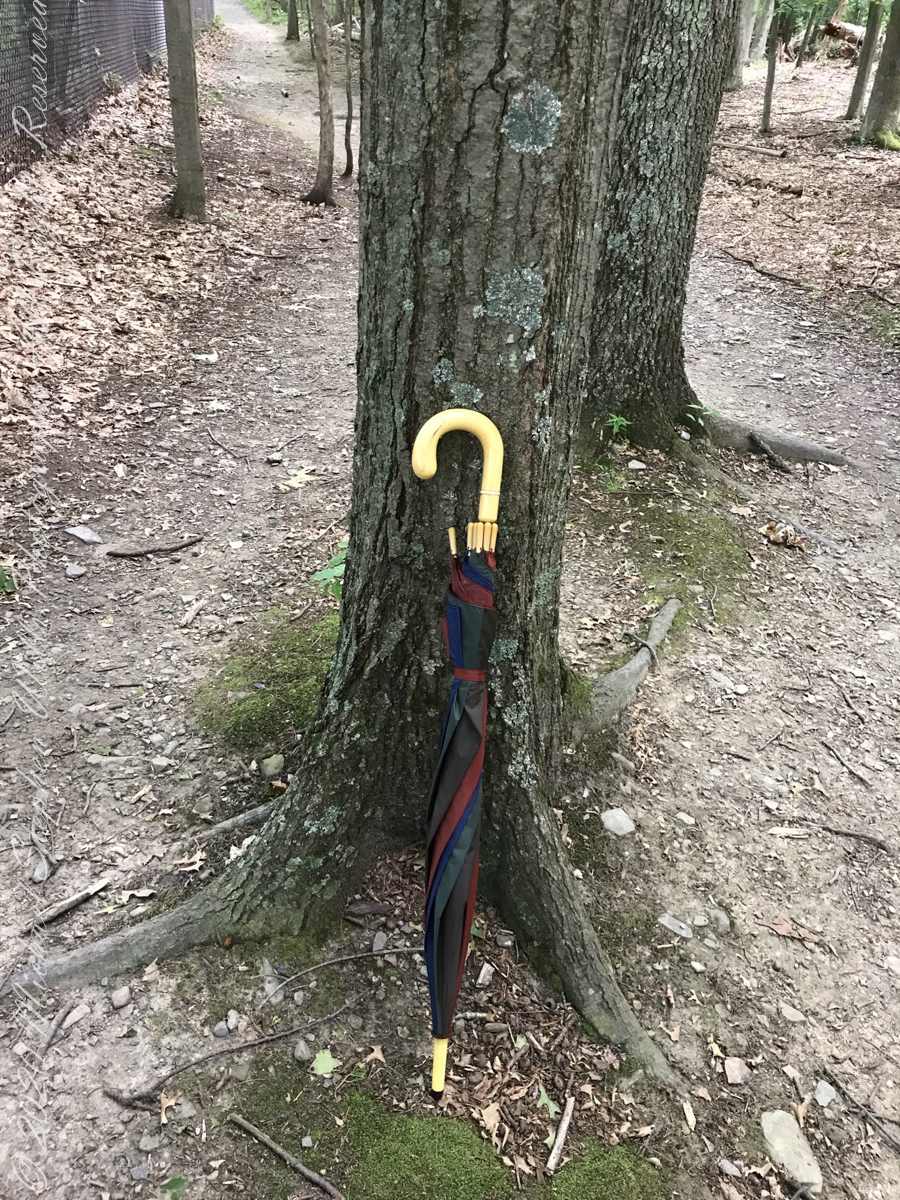
Constant winds from thunderstorm updrafts, I brought along an umbrella just in case.

Click the “Watch on YouTube” for a larger format view and more information about each video.
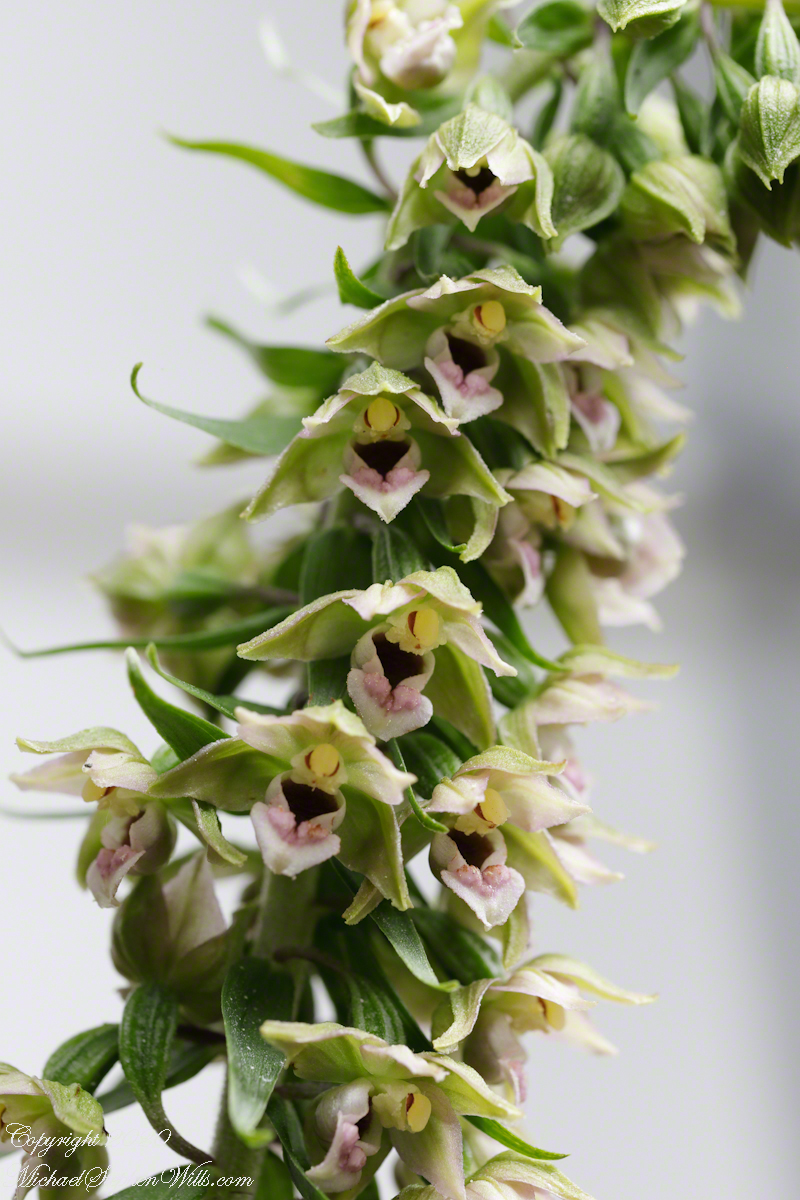
Presenting a macro of a Broad-leaved Helleborine (Epipactis helleborine) growing in our rose garden, in full bloom, a profusion of orchid flowers. This plant, an introduced species to North America, is found widely across our continent.
Helleborine, the scientific name species designation, means like a Hellebore, I assume referring to the calyx, outer part of the flower bud, these open to reveal the flower. In this macro, the unopened buds are upper right. Bottom center the calyx, fully open, with the flower ready to accept pollination, fertilization. After opening, the calyx seems to be part of the flower, a characteristic of hellebore (see Helleborus argutifolius).
The flowers attract a variety of Hymenoptera. I observed wasps, yellow-jackets visiting.
Click photograph for a larger view and use Ctrl-x to zoom in closer.
Photograph is from a 100mm “macro” lens, f6.3.
Thank You for visiting.
 Michael Stephen Wills Photography