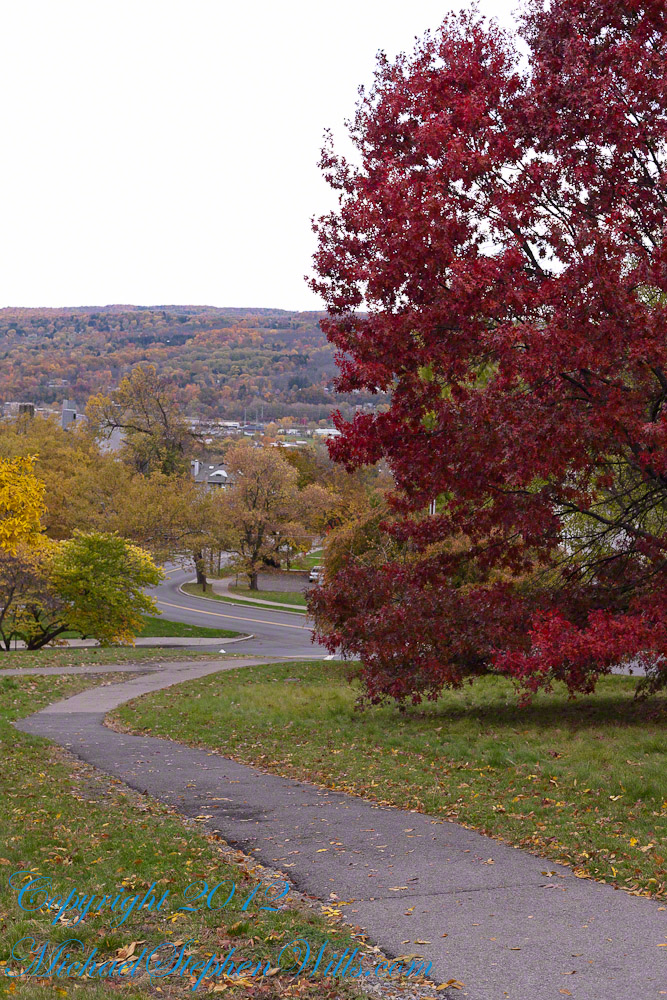
Cornell University is on a west-facing hill above Cayuga lake. Libe Slope is between the West Campus and Quadrangle / Libraries.
Besides the exercise of walking the 18 degree incline several times each day, Cornell students and alumni remember The Slope for autumn color.
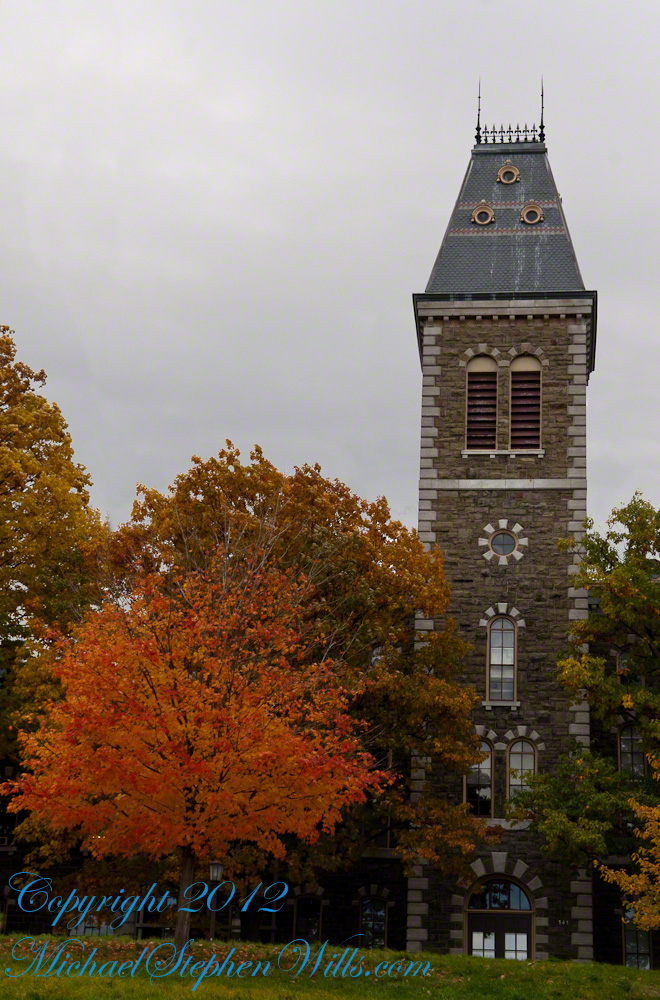
Built in 1868, McGraw Hall has the honor of having the first of Cornell’s towers. The building is built of Ithaca stone and is home to the American Studies Program, Department of History, Department of Anthropology, and Archaeology Intercollege Program. The first floor of McGraw Hall houses the McGraw Hall Museum, a collection of roughly 20,000 objects from around the globe used for teaching by the Anthropology Department.
Hickory
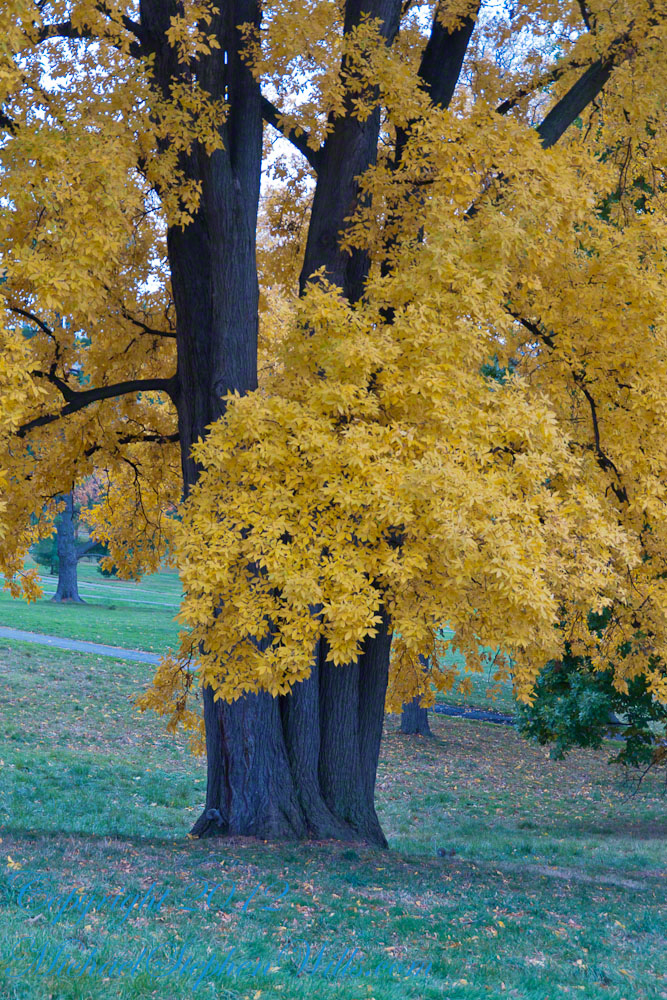
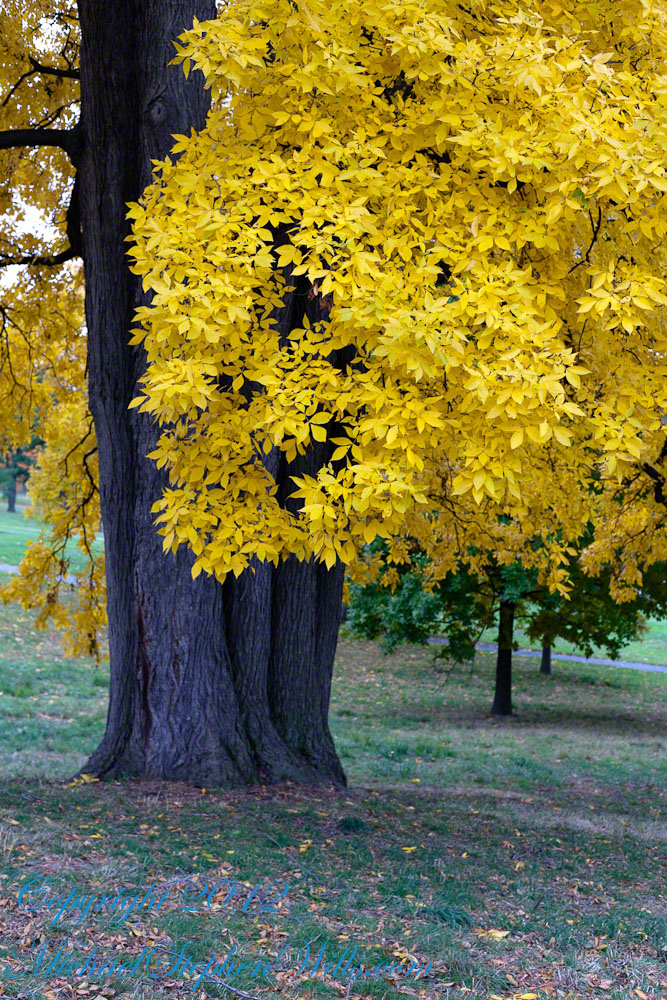
This is a Pignut Hickory (Carya glabra), the largest tree according to a 2009 Campus Tree Inventory (see link, below).
Seen from the north on a cloudy October day, this Pignut Hickory (Carya glabra) is the largest tree on the Cornell Campus, at 79 inches in diameter.
This hickory grows south of the Johnson Museum and among the autumn glories, it is the largest and brightest yellow canopy on Libe Slope.
Contrast
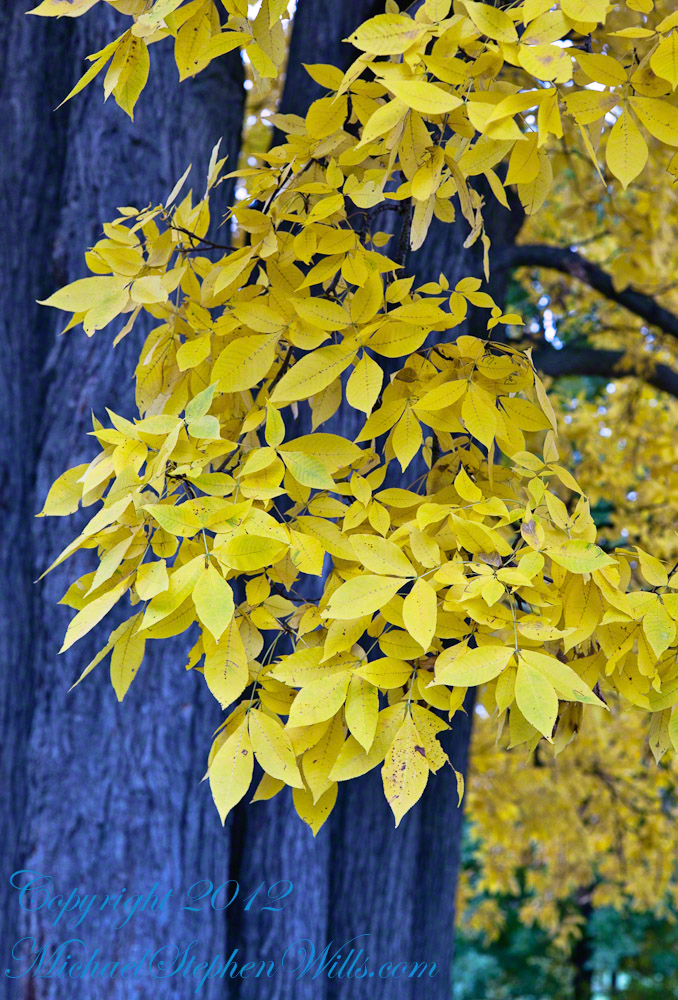
I remember this hickory for the contrast between the canopy and trunk, the way the clumps of yellow hang from dark boughs. An overcast day is the best to capture this spectacle. October 20, 2012 provided both bright sun and dark, rolling autumn clouds. I waited on the north side, sheltered from the glare of the sky, for these perfect moments.
Leaves and Nuts
The pignut hickory is native to these Eastern United States. It is known to favor moist slopes and this specimen has thrived on The Slope. The ground beneath it is thick with nuts.
One week later as Hurricane Sandy approached the east coast
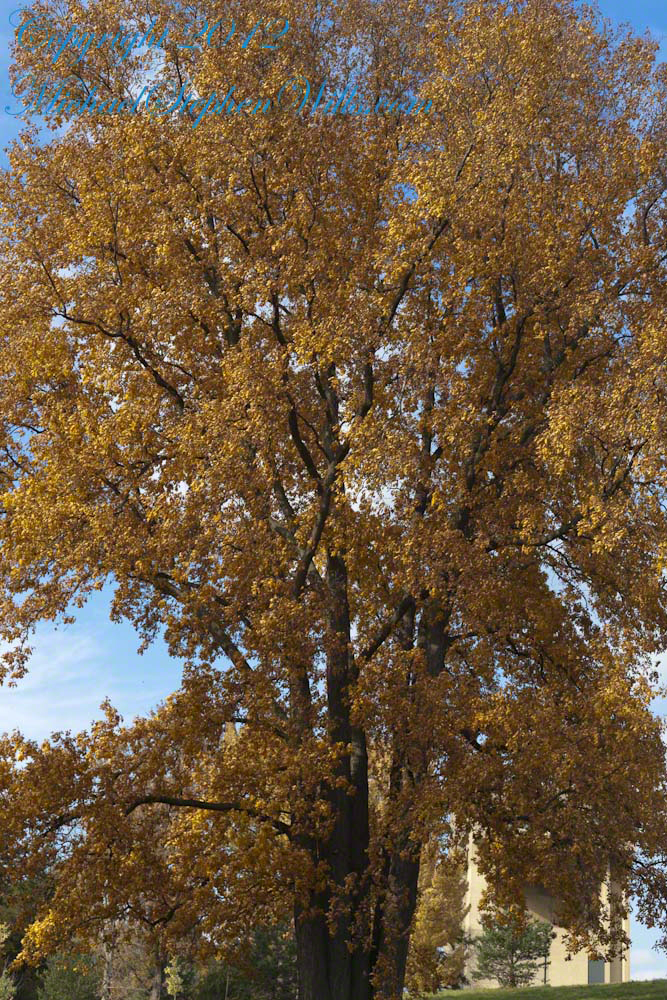
Just one week later, late afternoon on a sunny Friday as hurricane Sandy approached the east coast the hickory has fewer, tawny golden leaves.
Later in October the bright yellow leaves of the Libe Slope Hickory darken to a tawny gold. The Johnson Museum is in the right background.
Wonderful Flow of Limbs among Gold
Seen from the north on a cloudy October day, this Pignut Hickory (Carya glabra) is the largest tree on the Cornell Campus, at 79 inches in diameter.
References
A Photo Tour of Key Buildings at Cornell University by Allen Grove
Thursday last, grandsons Sam and Rory and I visited Sapsucker Woods, enjoying a late summer morning from a wooden observation platform over this watery swamp. “Look, hot dogs!!”
“Typha is a genus of about 30 species of monocotyledonous flowering plants in the family Typhaceae. These plants have a variety of common names, in British English as bulrush or reedmace, in American English as reed, cattail, or punks, in Australia as cumbungi or bulrush, in Canada as bulrush or cattail, and in New Zealand as reed, cattail, bulrush or raupo.”
“Many parts of the Typha plant are edible to humans. Before the plant flowers, the tender inside of the shoots can be squeezed out and eaten raw or cooked. The starchy rhizomes are nutritious with a protein content comparable to that of maize or rice. They can be processed into a flour with 266 kcal per 100 grams, and are most often harvested from late autumn to early spring. They are fibrous, and the starch must be scraped or sucked from the tough fibers. Baby shoots emerging from the rhizomes, which are sometimes subterranean, can be picked and eaten raw. Also underground is a carbohydrate lump which can be peeled and eaten raw or cooked like a potato. The plant is one championed by survival experts because various parts can be eaten throughout the year. Plants growing in polluted water can accumulate lead and pesticide residues in their rhizomes, and these should not be eaten.”
“The rind of young stems can be peeled off, and the tender white heart inside can be eaten raw or boiled and eaten like asparagus. This food has been popular among the Cossacks in Russia, and has been called “Cossack asparagus”. The leaf bases can be eaten raw or cooked, especially in late spring when they are young and tender. In early summer the sheath can be removed from the developing green flower spike, which can then be boiled and eaten like corn on the cob. In mid-summer when the male flowers are mature, the pollen can be collected and used as a flour supplement or thickener.”
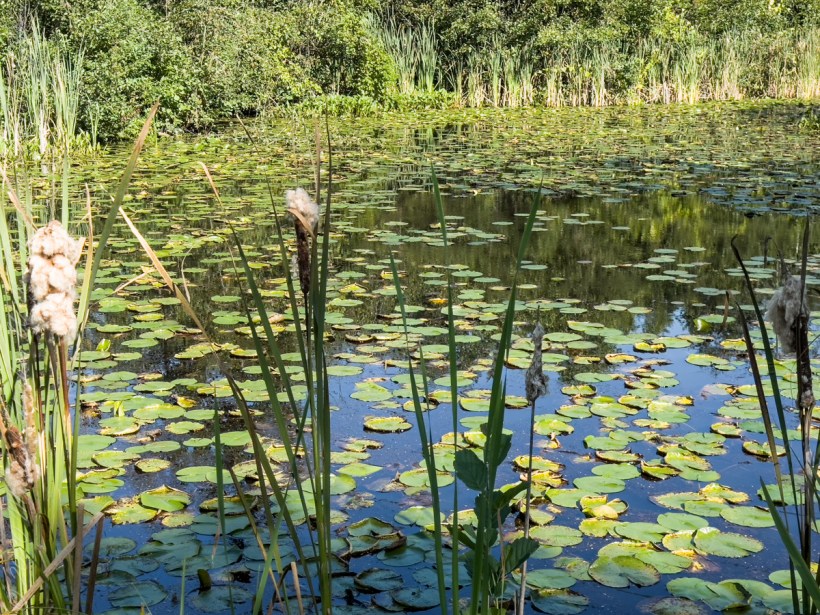
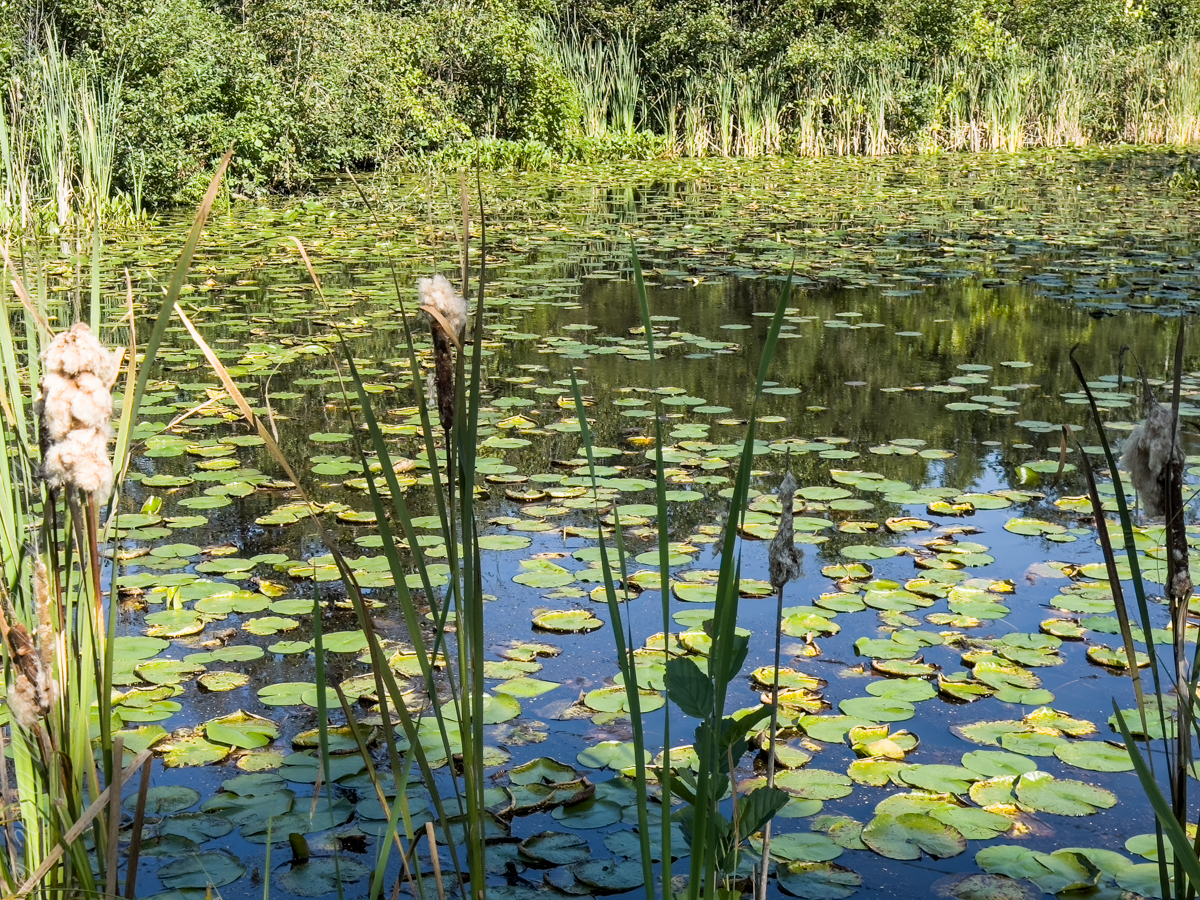
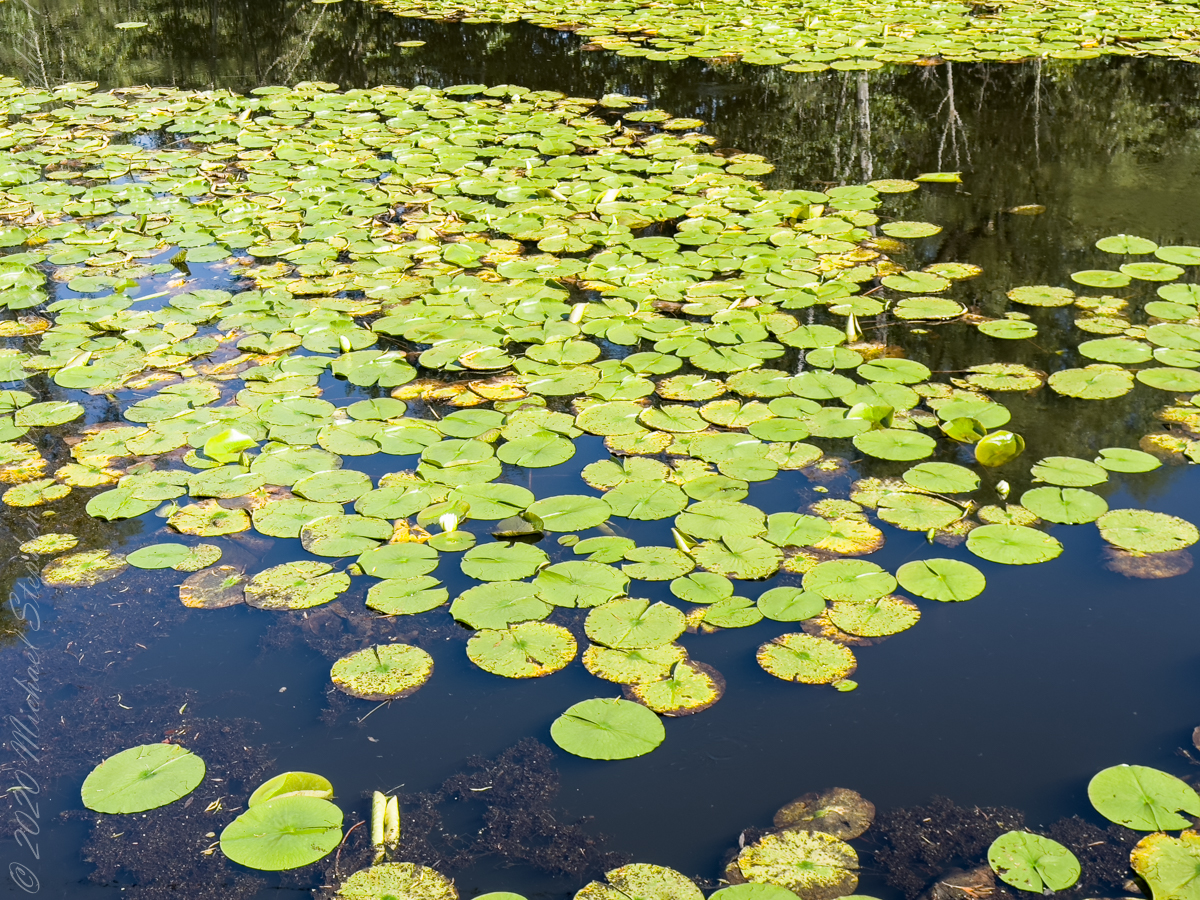
Thursday last, grandsons Sam and Rory and I visited Sapsucker Woods, enjoying a late summer morning we clambered onto a wooden platform over a watery swamp.
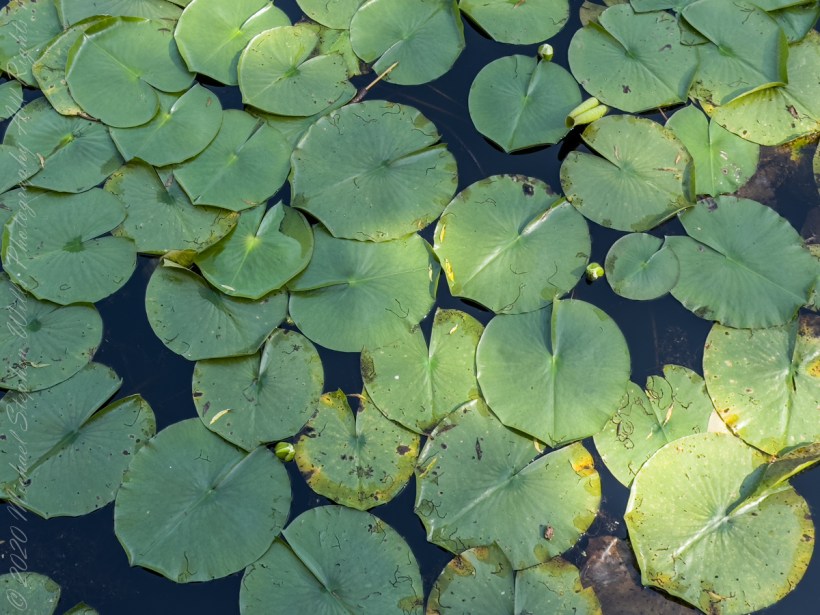
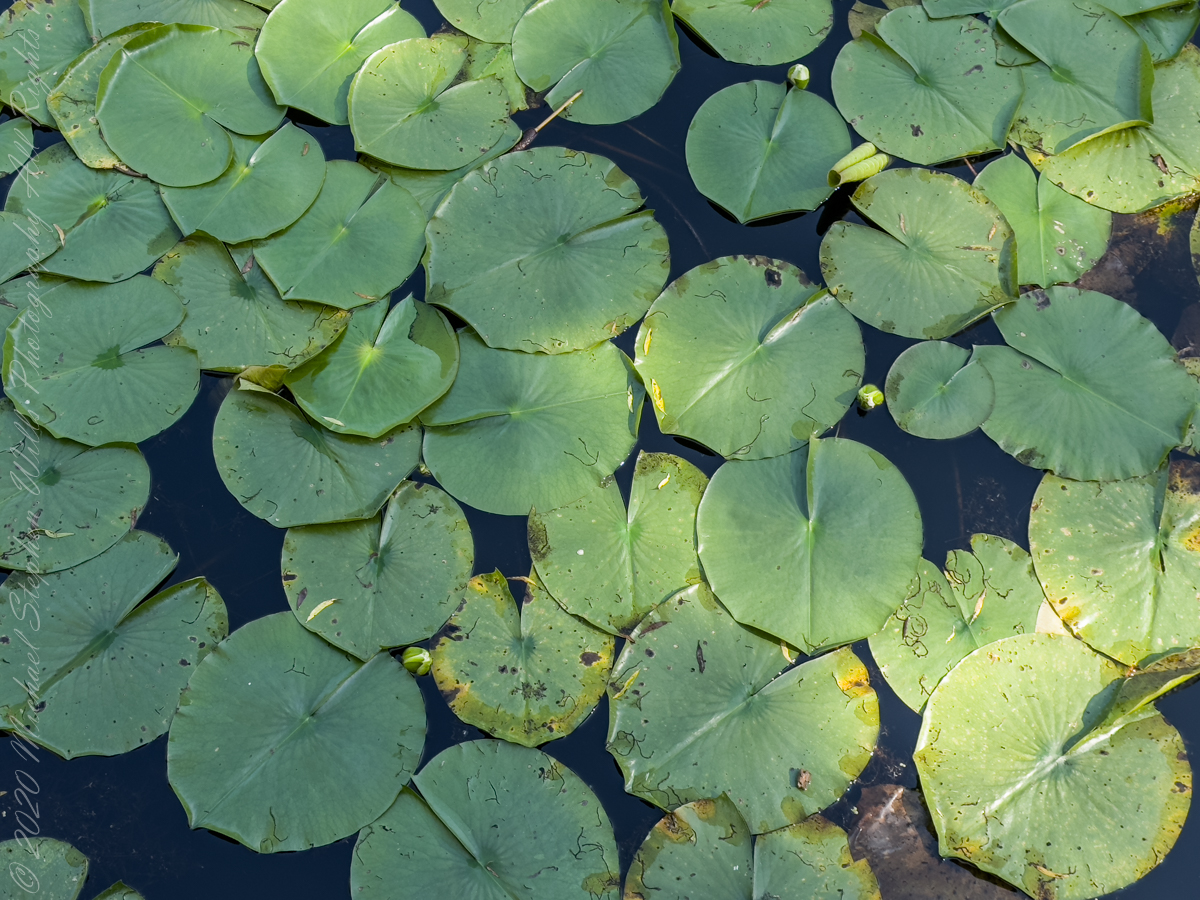
Look closely for flowers and buds of the White Water Lily native to New York State.
Although the young leaves of White Water-lily reportedly can be boiled and served as a vegetable, the main human use of this plant appears to have been medicinal. Native Americans used it as a herbal remedy for a variety of ailments, including colds, tuberculosis, bronchial complaints, toothaches, and mouth sores.
The many names for this plant: American White Waterlily, American White Water-lily, Fragrant Water-lily, Fragrant White Water Lily, Fragrant White Water-lily, Sweet Water-lily, Sweet-scented Water Lily, Sweet-scented White Waterlily, Tompkins County, Water, Water Lily, Waterlily, White Water Lily, White Waterlily, White Water-lily (Nymphaea odorata ssp. odorata)
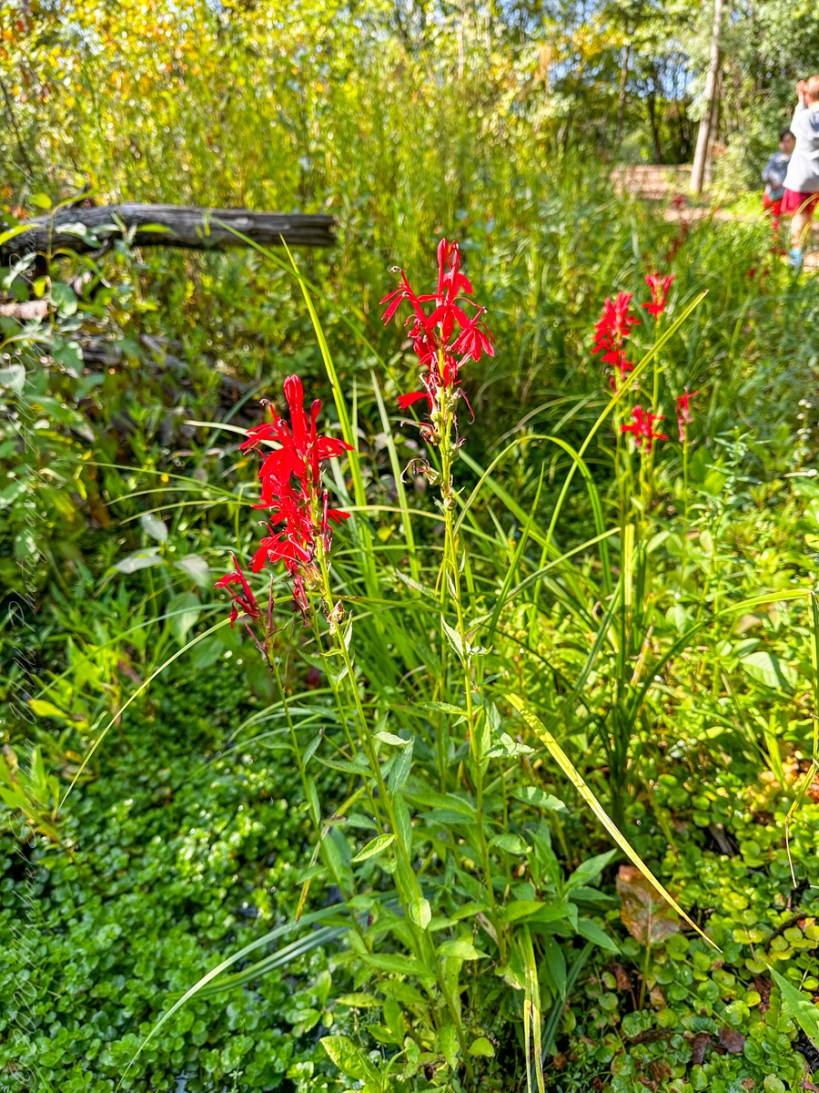
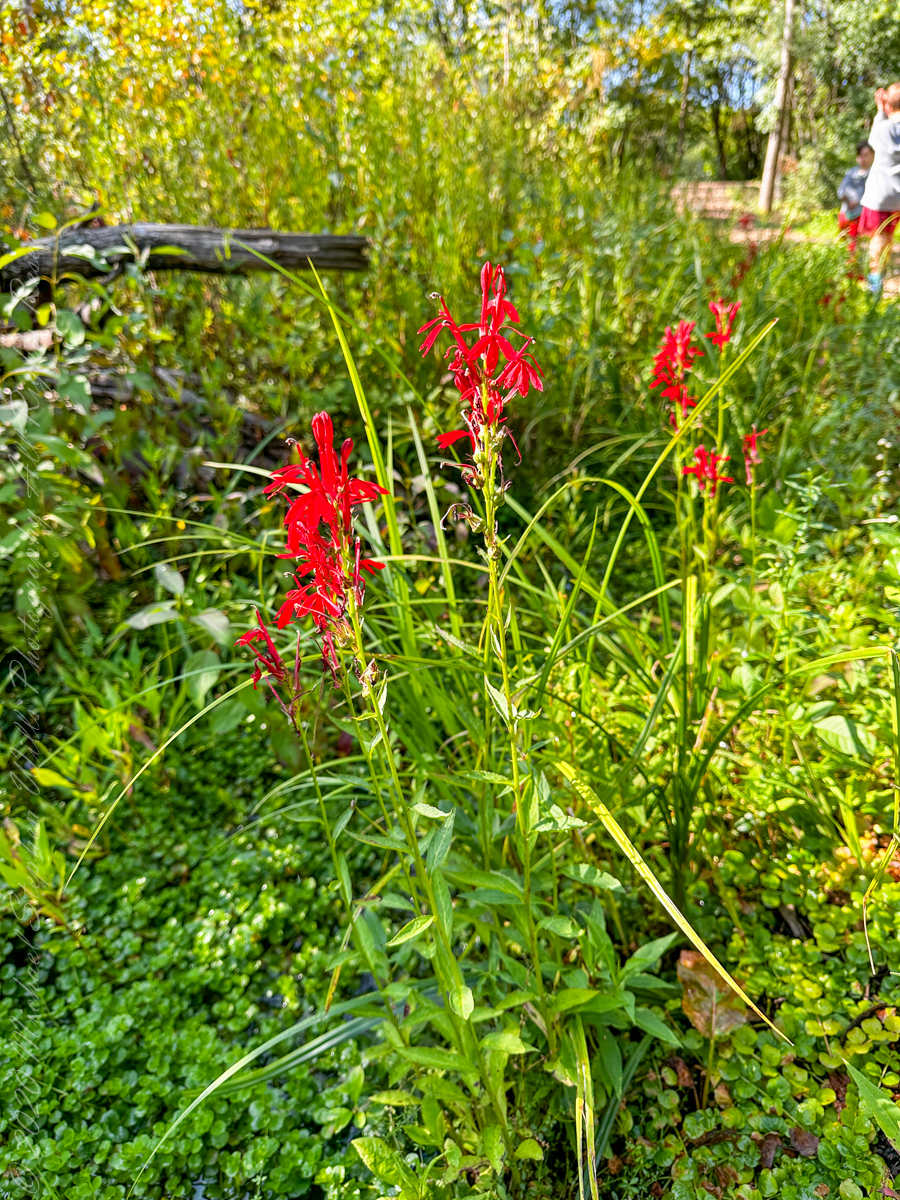
Thursday last, grandsons Sam and Rory and I visited Sapsucker Woods, enjoying a late summer morning we came upon many scarlet beauties.
Cardinal Flower (Lobelia cardinalis) is also known as Bog Sage, Cardinal Flower, Cornell Lab of Ornithology, Finger Lake Region, Hog’s Physic, Indian Pink, Red Bay, Sapsucker Woods, Scarlet Lobelia, Slinkweed, Water Gladiole.
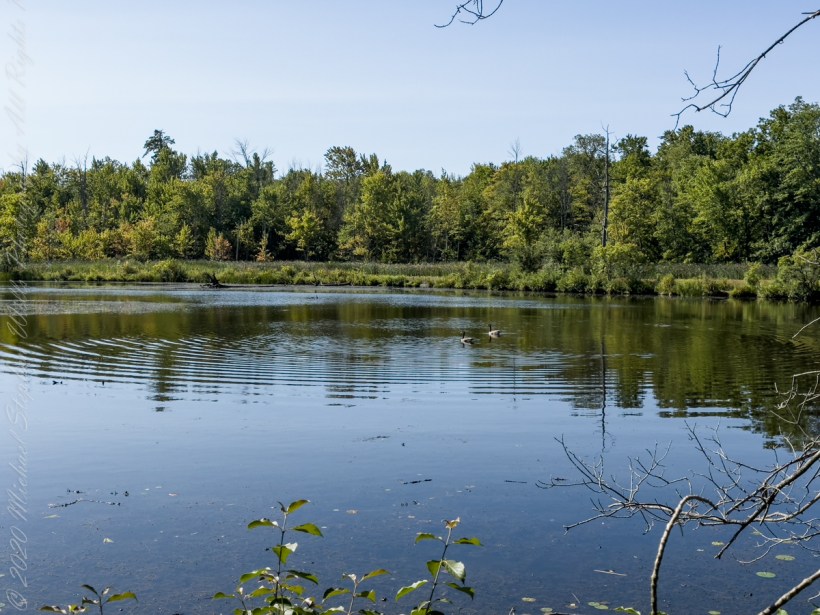
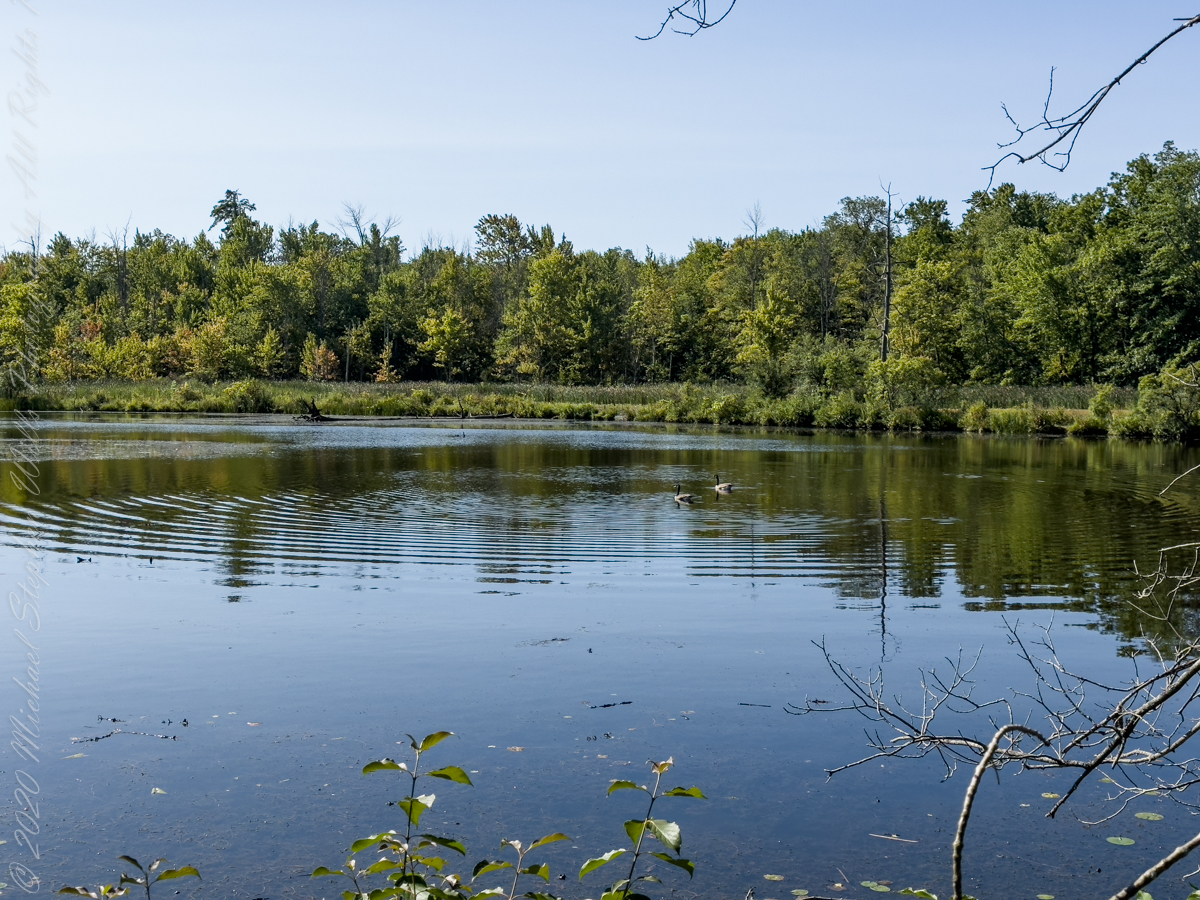
Thursday last, grandsons Sam and Rory and I visited Sapsucker Woods, enjoying a late summer morning. From the north side on Wilson Trail, these Canada geese landed on the pond.
In North America, nonmigratory Canada goose populations have been on the rise. The species is frequently found on golf courses, parking lots, and urban parks, which would have previously hosted only migratory geese on rare occasions.
Owing to its adaptability to human-altered areas, it has become one of the most common waterfowl species in North America. In many areas, nonmigratory Canada geese are now regarded as pests by humans.
They are suspected of being a cause of an increase in high fecal coliforms at beaches. An extended hunting season, deploying noise makers, and hazing by dogs have been used to disrupt suspect flocks.
A goal of conservationists has been to focus hunting on the nonmigratory populations (which tend to be larger and more of a nuisance) as opposed to migratory flocks showing natural behavior, which may be rarer.
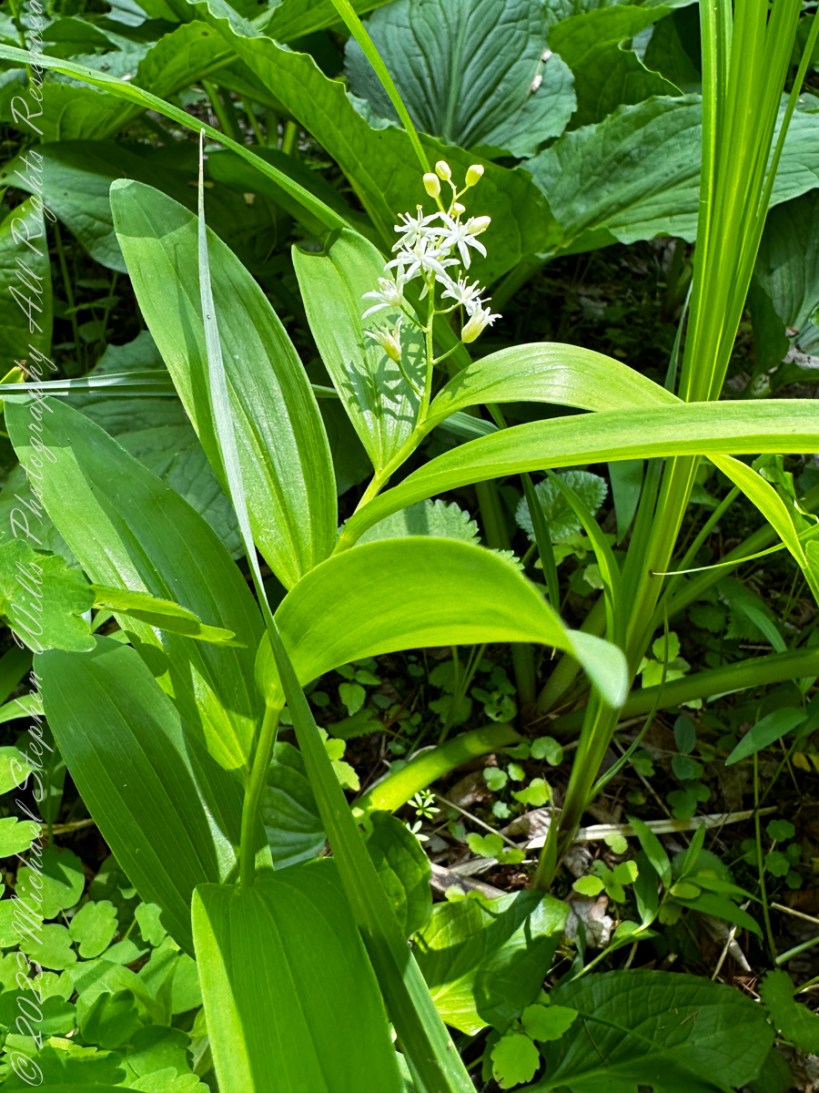
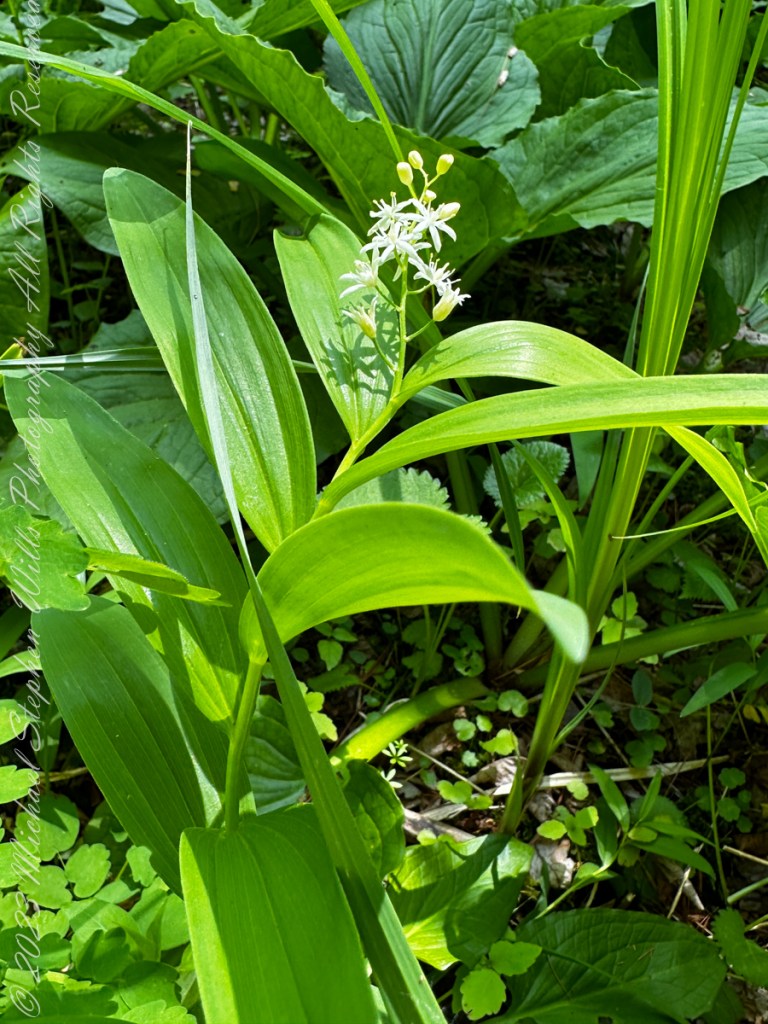
False Solomon’s Seal, scientific name Maianthemum racemosum, is common in the Finger Lakes Region. I found this specimen during a walk with the grandchildren in a local fen among the post-glacial terrain of the Finger Lakes Region.
False Solomon’s Seal is a common, widespread plant with numerous common names and synonyms, known from every US state except Hawaii, and from every Canadian province and territory (except Nunavut and the Yukon), as well as from Mexico. What name do YOU know it by?
Because it resembles plants of the highly toxic Veratrum genus, this species should not be consumed unless identification is positive. The plant becomes fibrous and bitter after it completes flowering and seed-setting, but the tender young shoots can be stripped of their leaves, simmered in water and eaten. Their delicate flavor is somewhat reminiscent of asparagus. The ripe fruits are edible raw or cooked but may be poor in taste. They can be laxative if consumed in large quantities.
Ojibwa harvested the roots of this plant and cooked them in lye water overnight to remove the bitterness and neutralize their strong laxative qualities. Native Americans boiled the roots to make tea for medicinal purposes, including to treat rheumatism, kidney issues, and wounds and back injuries.
Reference: “Maianthemum racemosum” wikipedia
Images and captions Copyright 2023 Michael Stephen Wills All Rights Reserved
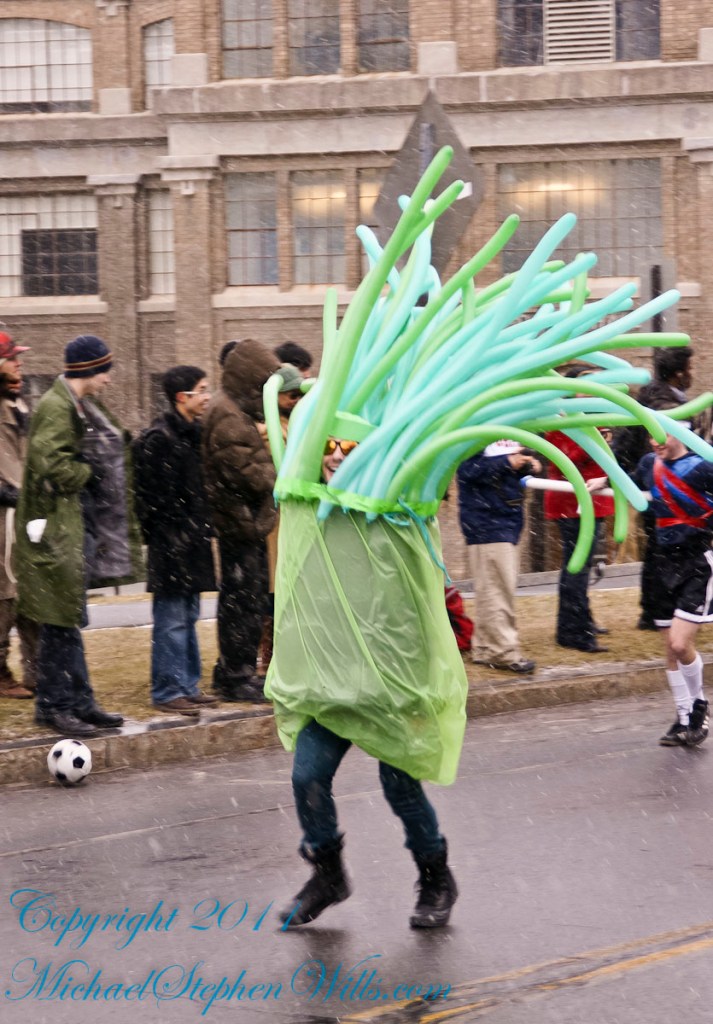
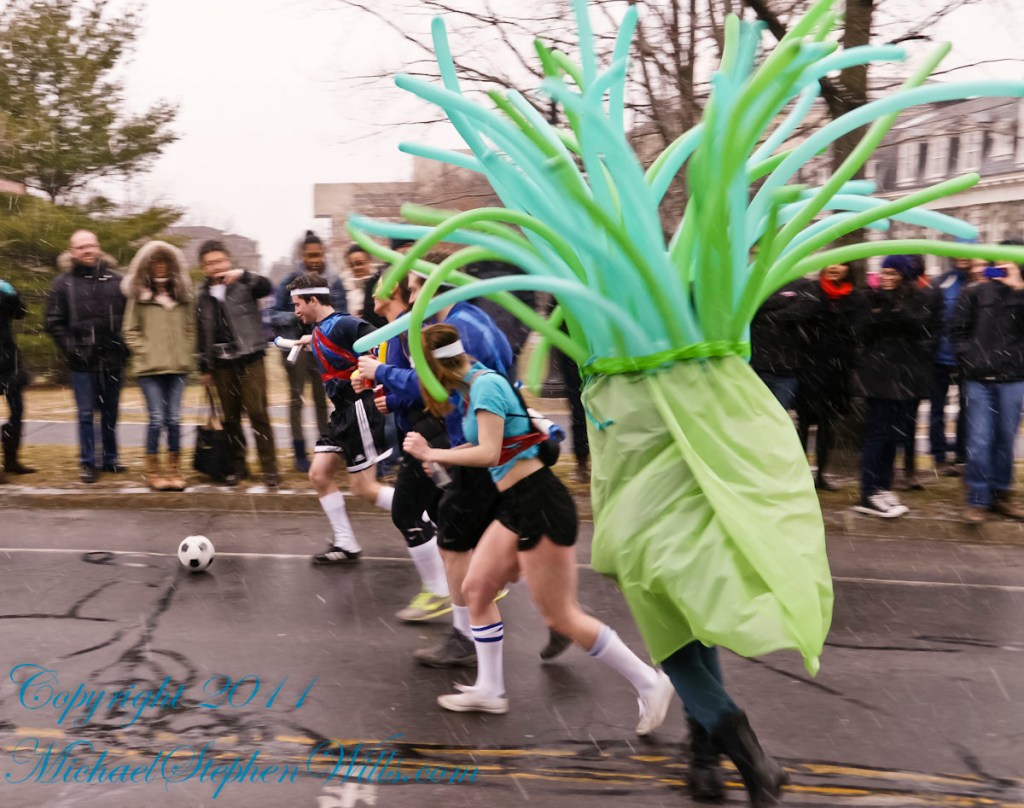
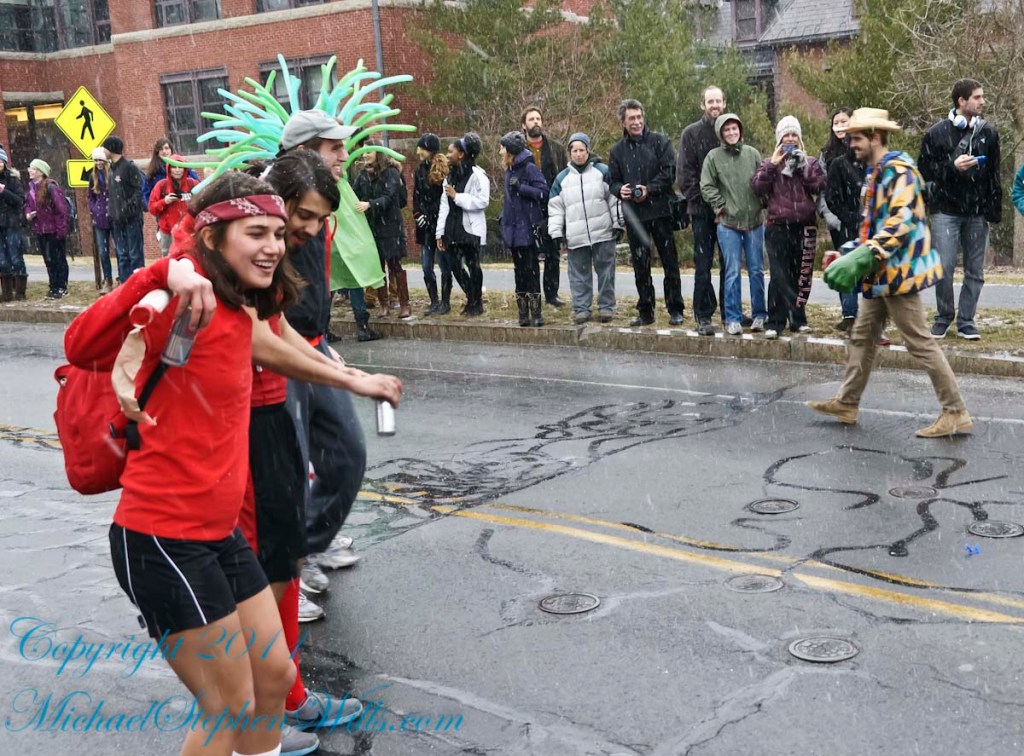
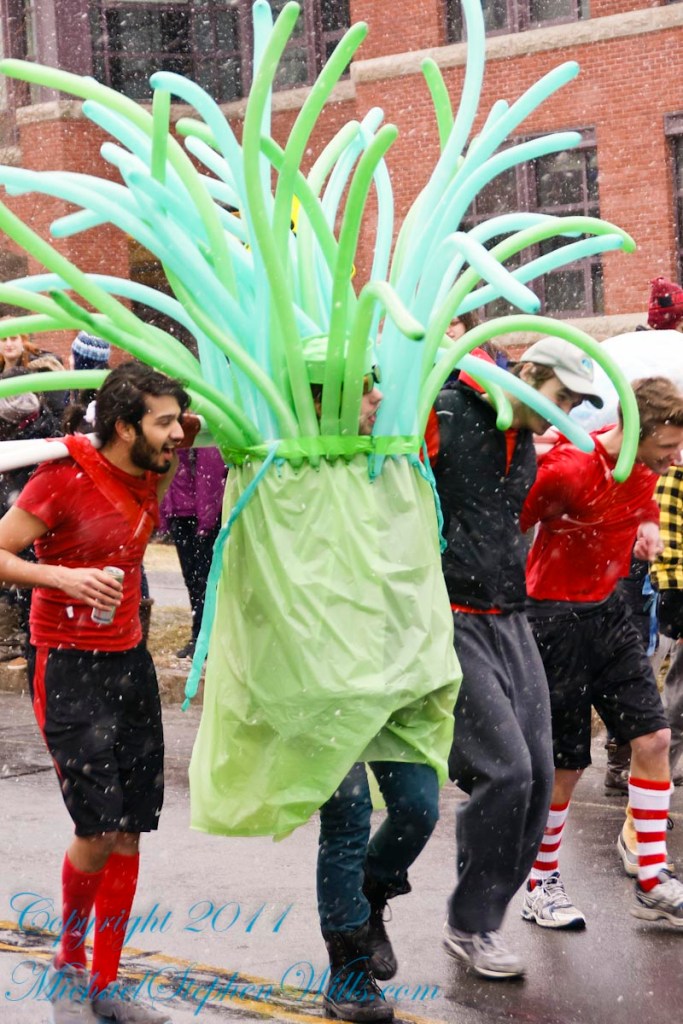
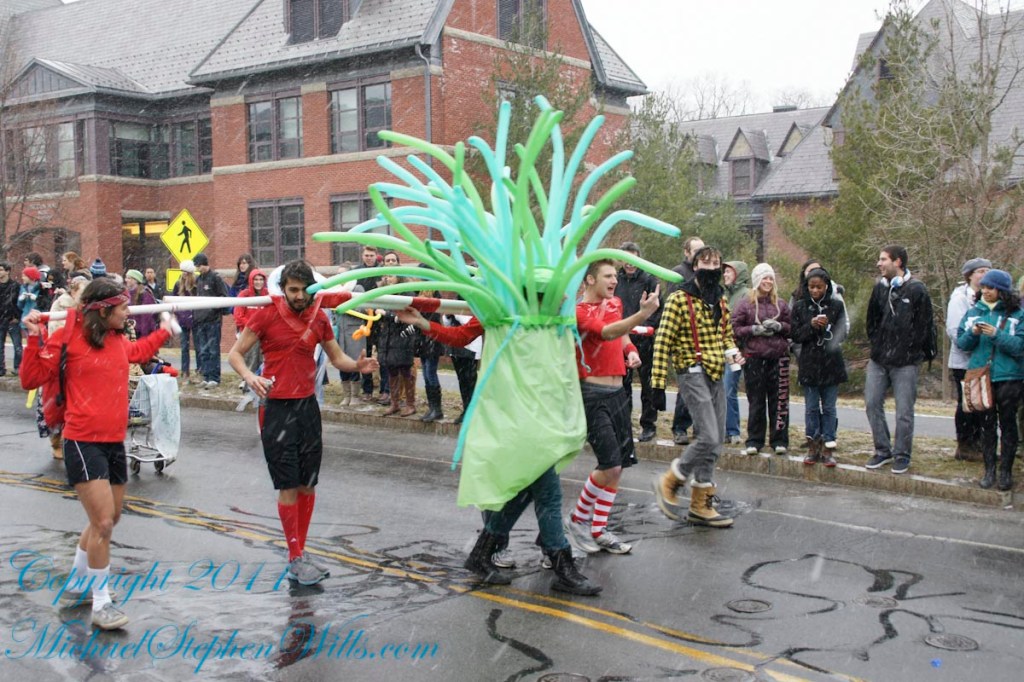
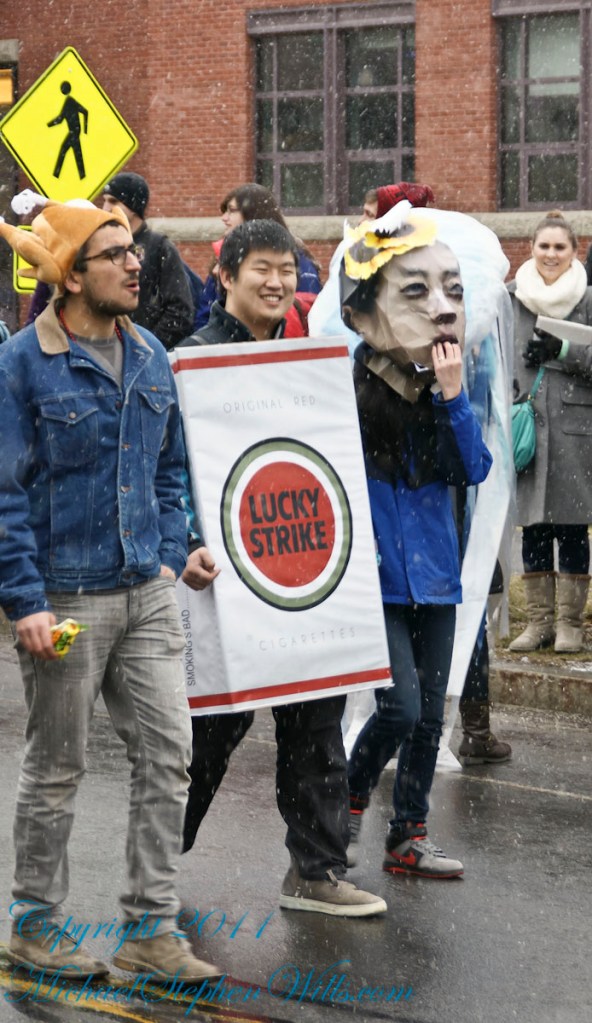
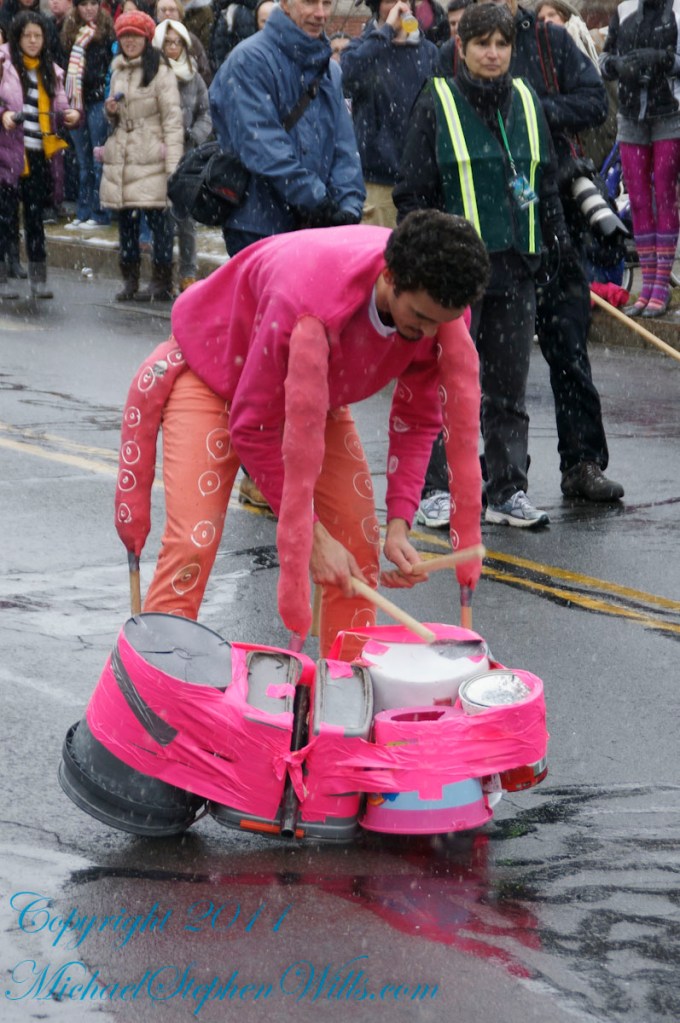
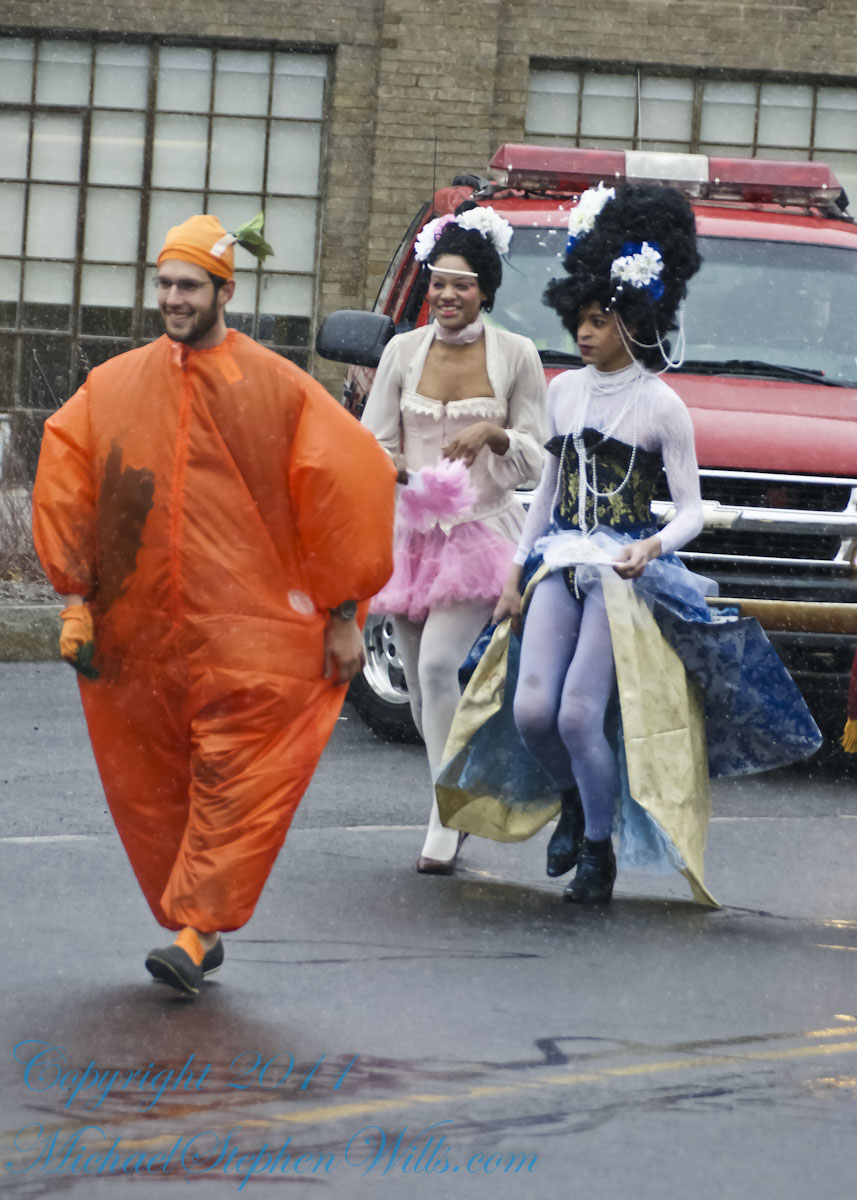
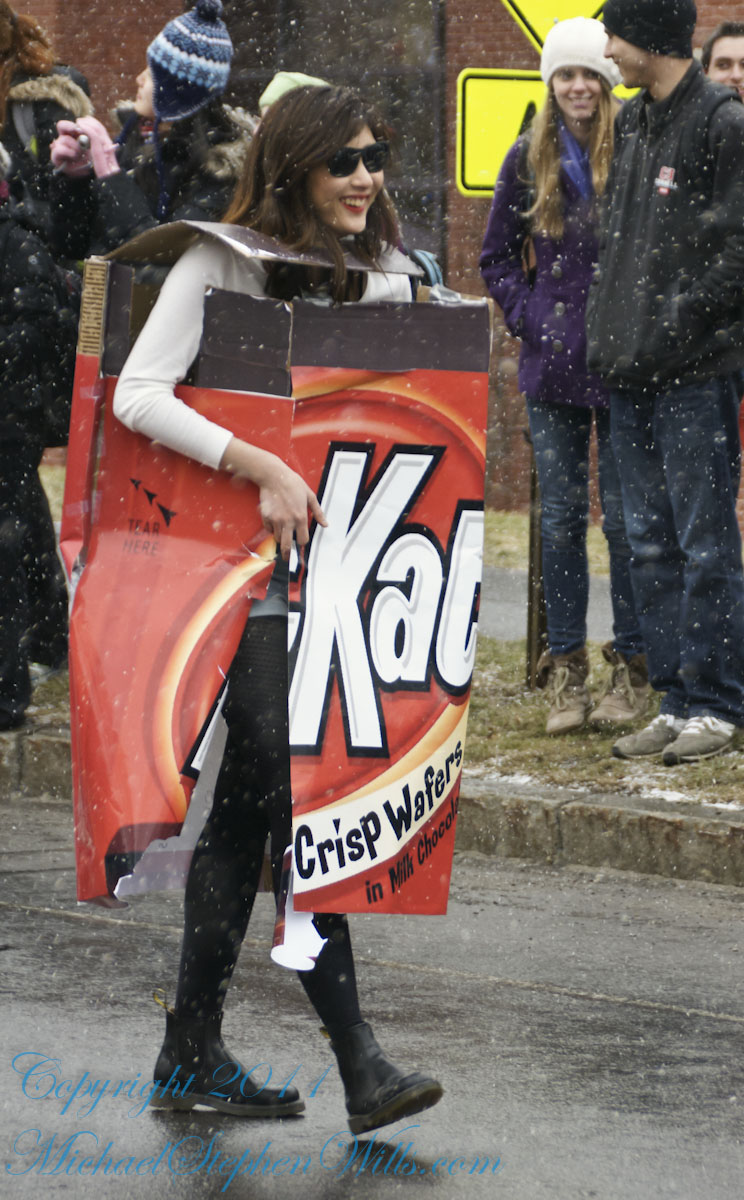
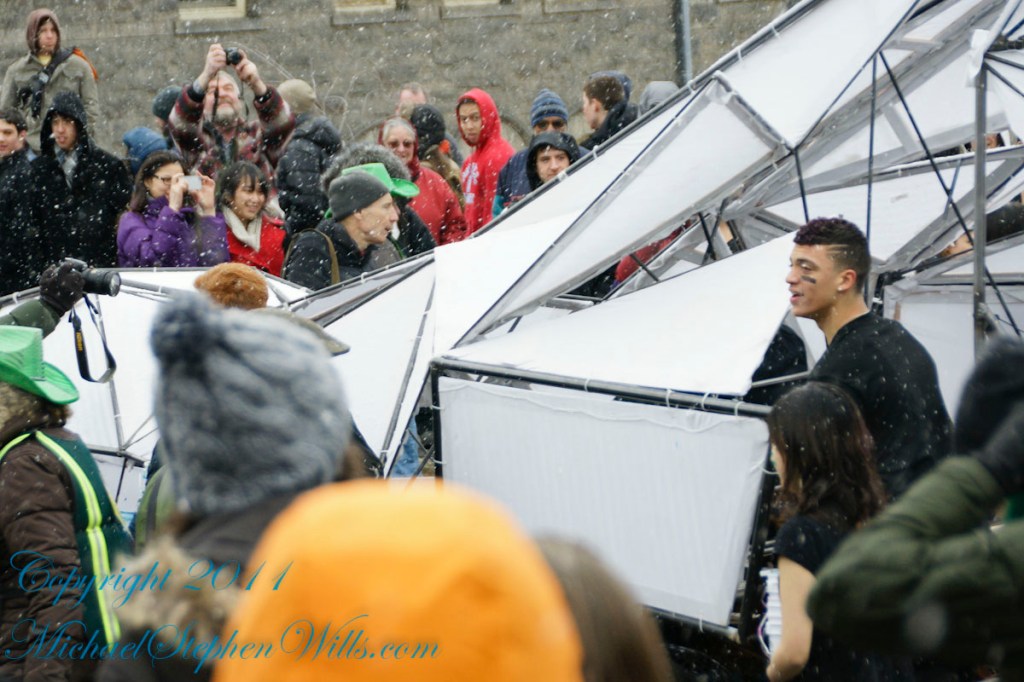
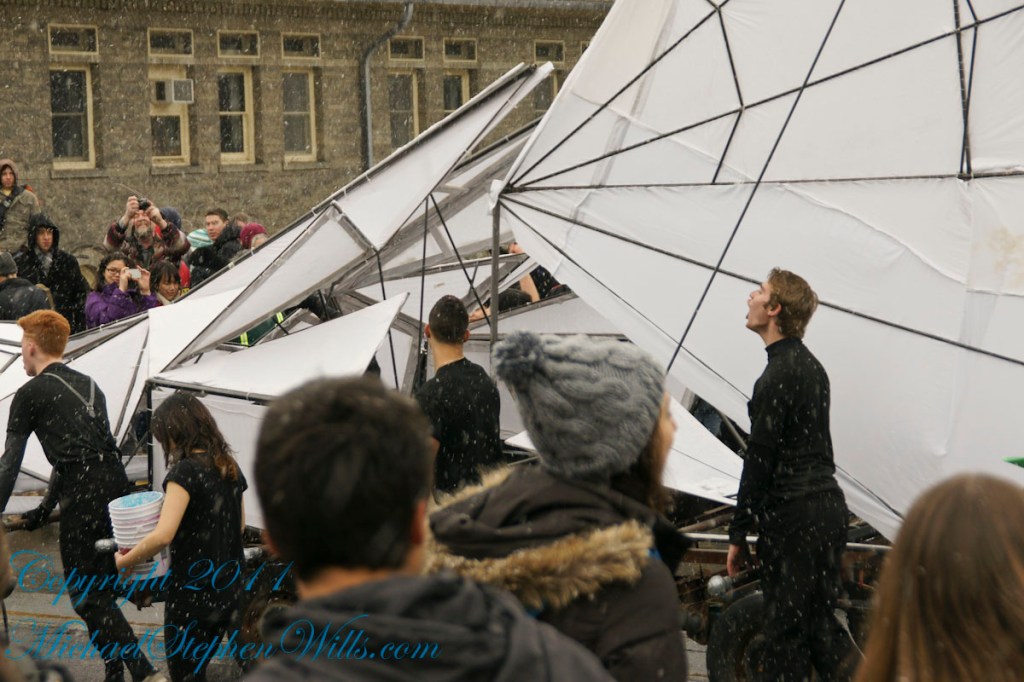
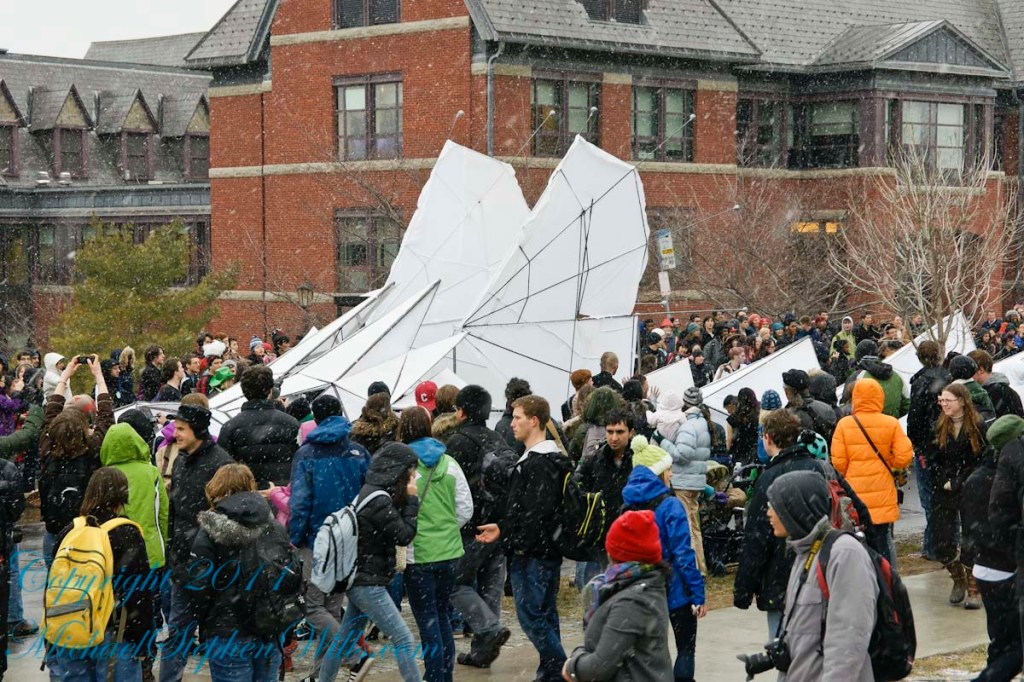
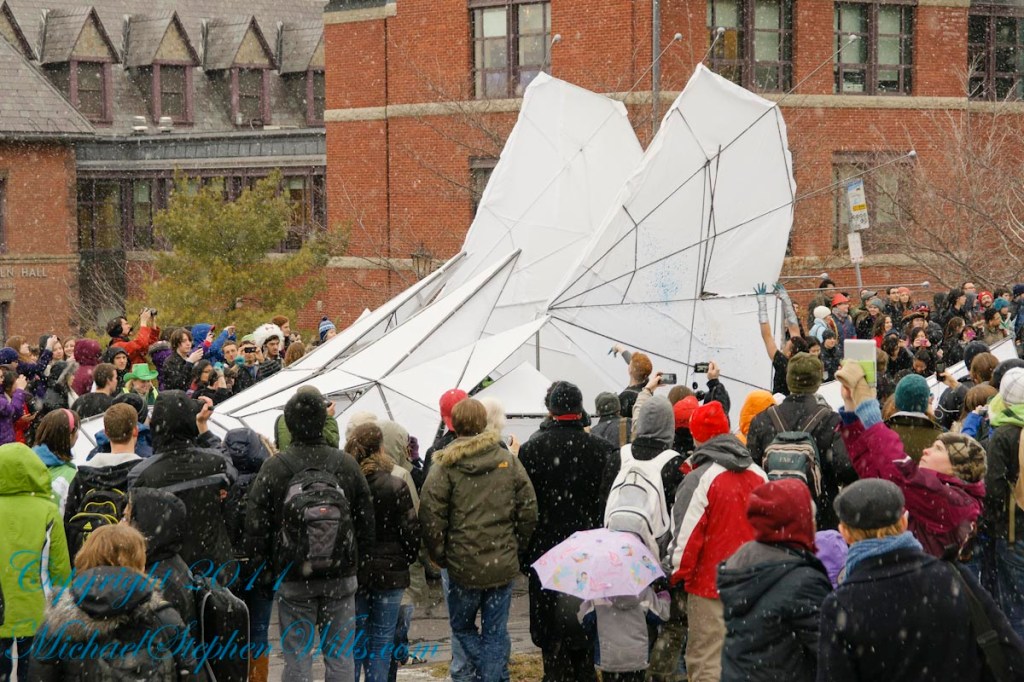
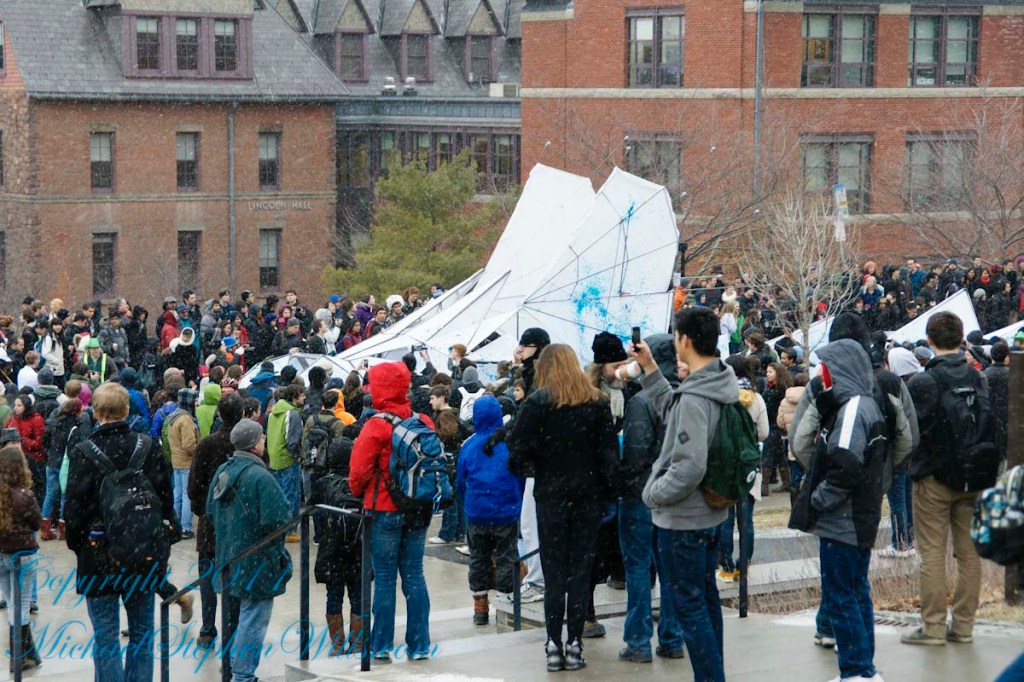
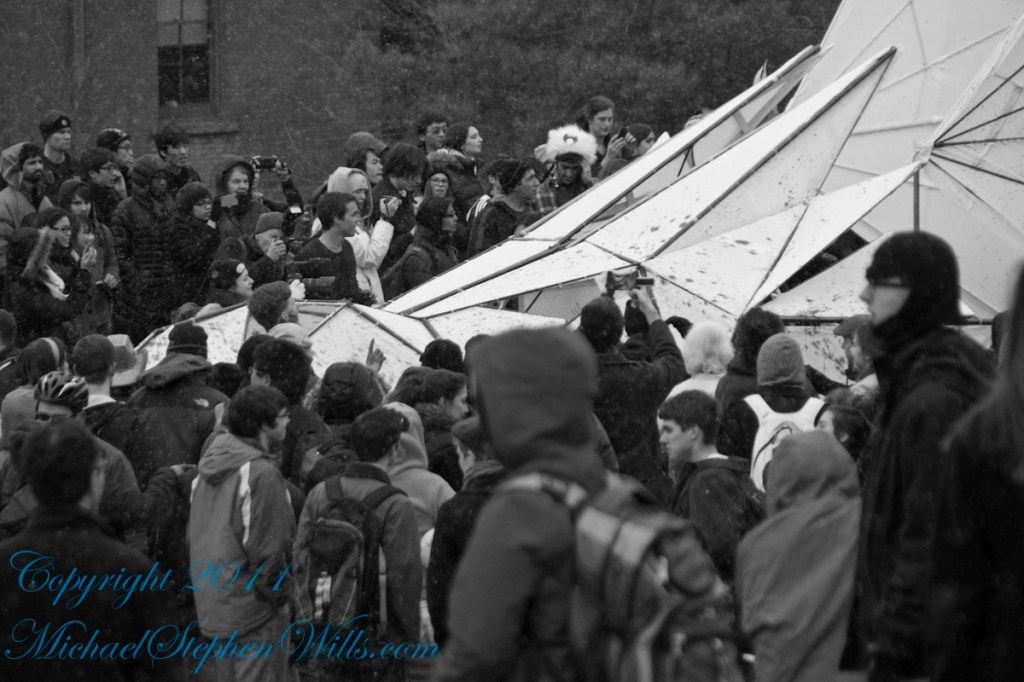
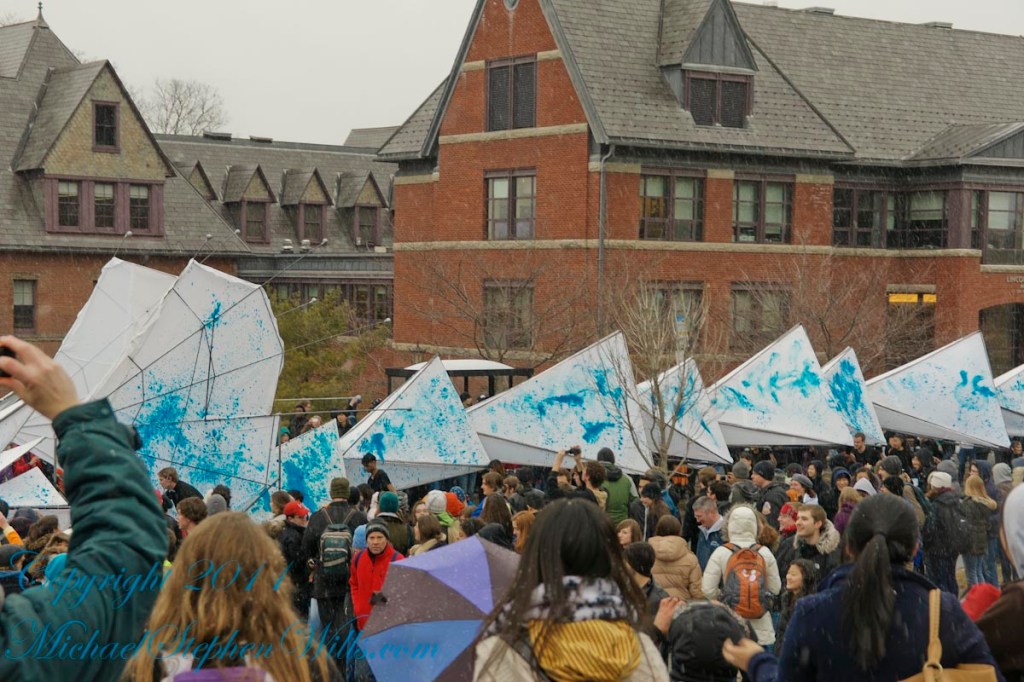
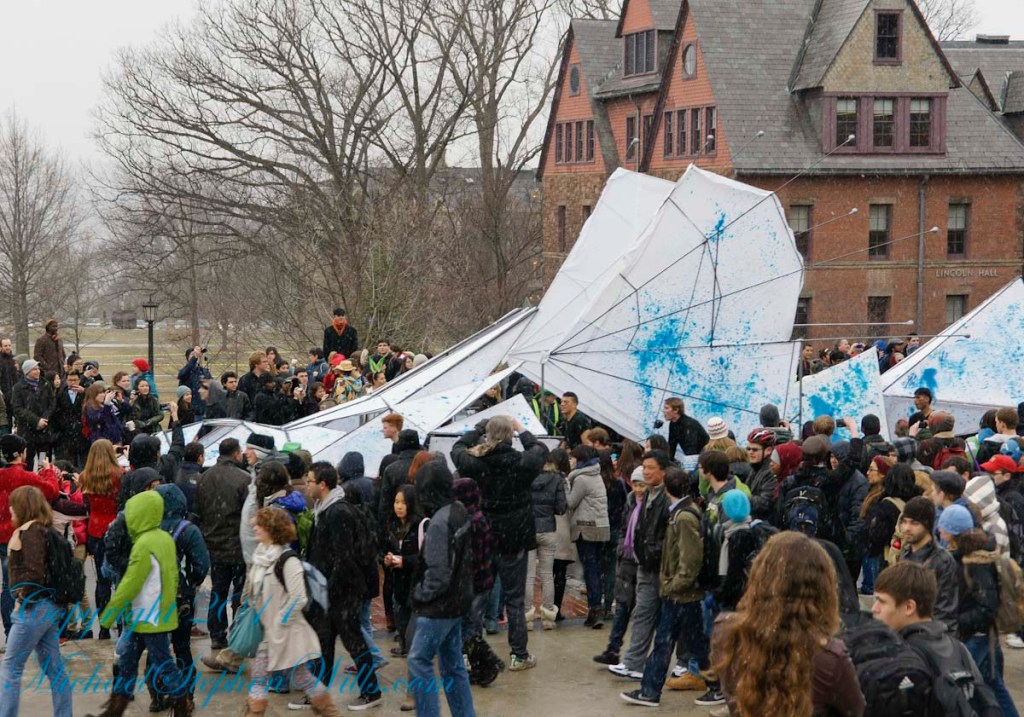
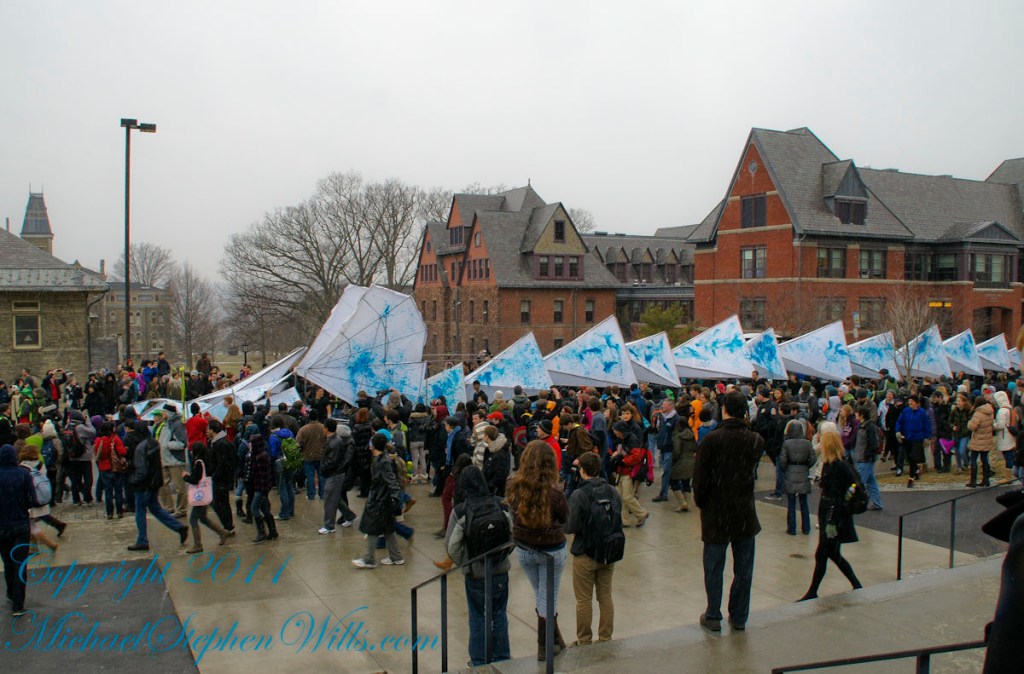
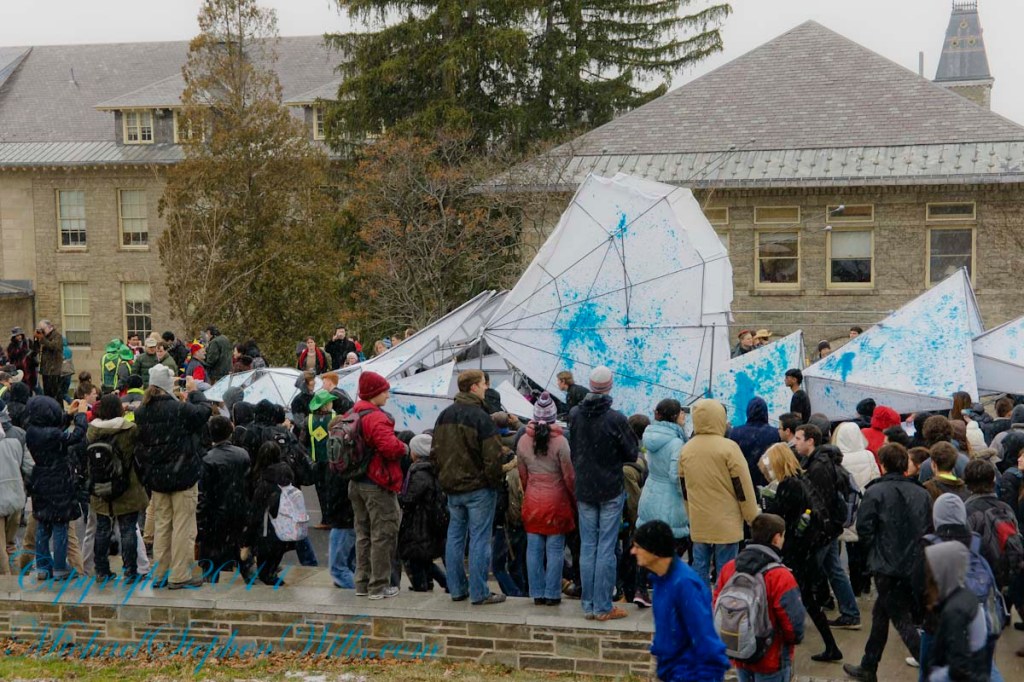
A series of group and individual portraits from the 2013 Dragon Day Parade on the Cornell University Campus. I am happy to report this tradition resumed 2022 after a 2-year pandemic enforced hiatus. This tradition was and is celebrated for over 100 years.
All photography using the IPhone 14 ProMax triple camera, raw format, edited on the phone.
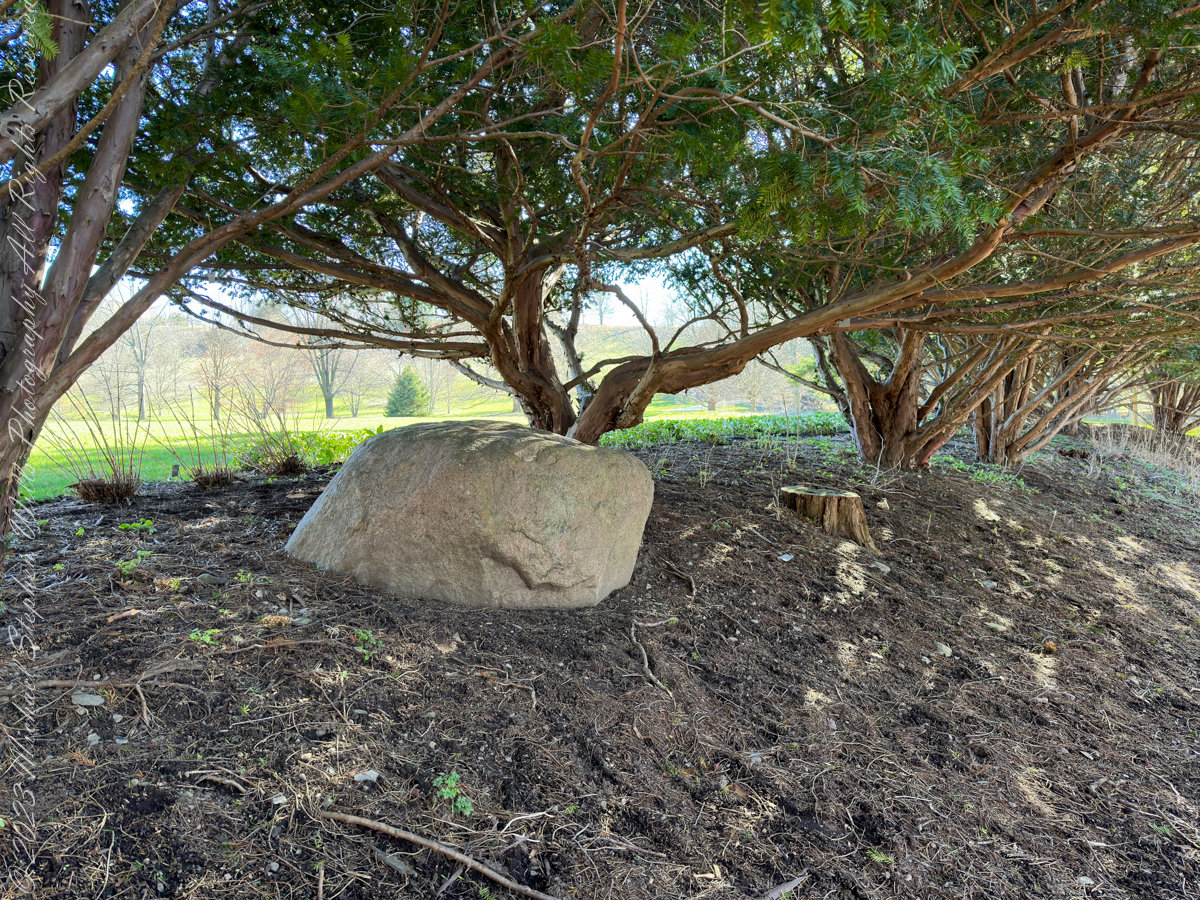
We find boulders of crystalline rock, commonly derived from Adirondack sources, left behind on the surface of ablation moraine, in the Finger Lakes Region.
Cornell finds some and move them, maybe the case for this unremarked erratic found along the Allen Trail of FR Newman Arboretum.
Another enormous erratic, brought in from the Sixmile Creek valley, was carved into a seat as a memorial to Professor R.S. Tarr who deciphered much of the glacial history of the Finger Lakes Region. Find it at the southwest corner of McCraw Hall on the Cornell University Campus.
History (from wikipedia)
During the 18th century, erratics were deemed a major geological paradox. Geologists identify erratics by studying the rocks surrounding the position of the erratic and the rock of the erratic itself. Erratics were once considered evidence of a biblical flood, but in the 19th century scientists gradually came to accept that erratics pointed to an ice age in Earth’s past. Among others, the Swiss politician, jurist, theologian Bernhard Friedrich Kuhn [de] saw glaciers as a possible solution as early as 1788. However, the idea of ice ages and glaciation as a geological force took a while to be accepted. Ignaz Venetz (1788–1859), a Swiss engineer, naturalist and glaciologist was one of the first scientists to recognize glaciers as a major force in shaping the earth.
In the 19th century, many scientists came to favor erratics as evidence for the end of the Last Glacial Maximum (ice age) 10,000 years ago, rather than a flood. Geologists have suggested that landslides or rockfalls initially dropped the rocks on top of glacial ice. The glaciers continued to move, carrying the rocks with them. When the ice melted, the erratics were left in their present locations.
Charles Lyell’s Principles of Geology (v. 1, 1830) provided an early description of the erratic which is consistent with the modern understanding. Louis Agassiz was the first to scientifically propose that the Earth had been subject to a past ice age. In the same year, he was elected a foreign member of the Royal Swedish Academy of Sciences. Prior to this proposal, Goethe, de Saussure, Venetz, Jean de Charpentier, Karl Friedrich Schimper and others had made the glaciers of the Alps the subjects of special study, and Goethe,[15] Charpentier as well as Schimper had even arrived at the conclusion that the erratic blocks of alpine rocks scattered over the slopes and summits of the Jura Mountains had been moved there by glaciers.
Charles Darwin published extensively on geologic phenomena including the distribution of erratic boulders. In his accounts written during the voyage of HMS Beagle, Darwin observed several large erratic boulders of notable size south of the Strait of Magellan, Tierra del Fuego and attributed them to ice rafting from Antarctica. Recent research suggests that they are more likely the result of glacial ice flows carrying the boulders to their current locations.
References:
“The Finger Lakes Region: Its Origin and Nature,” O.D. von Engeln, Cornell University Press, 1961 page 106.
Wikipedia, “Glacial Erratics”
Copyright 2023 Michael Stephen Wills All Rights Reserved
All photography using the IPhone 14 ProMax triple camera, raw format, edited on the phone.
Betula papyrifera, common names Paper Birch, (American) White Birch, Canoe Birch, is a short-lived species of birch native to northern North America. Paper birch is named for the tree’s thin white bark, which often peels in paper like layers from the trunk. Paper birch is often one of the first species to colonize a burned area within the northern latitudes and is an important species for moose browsing. The primary commercial uses for paper birch wood are boltwood and sawlogs, while secondary products include firewood and pulpwood. It is the provincial tree of Saskatchewan and the state tree of New Hampshire.
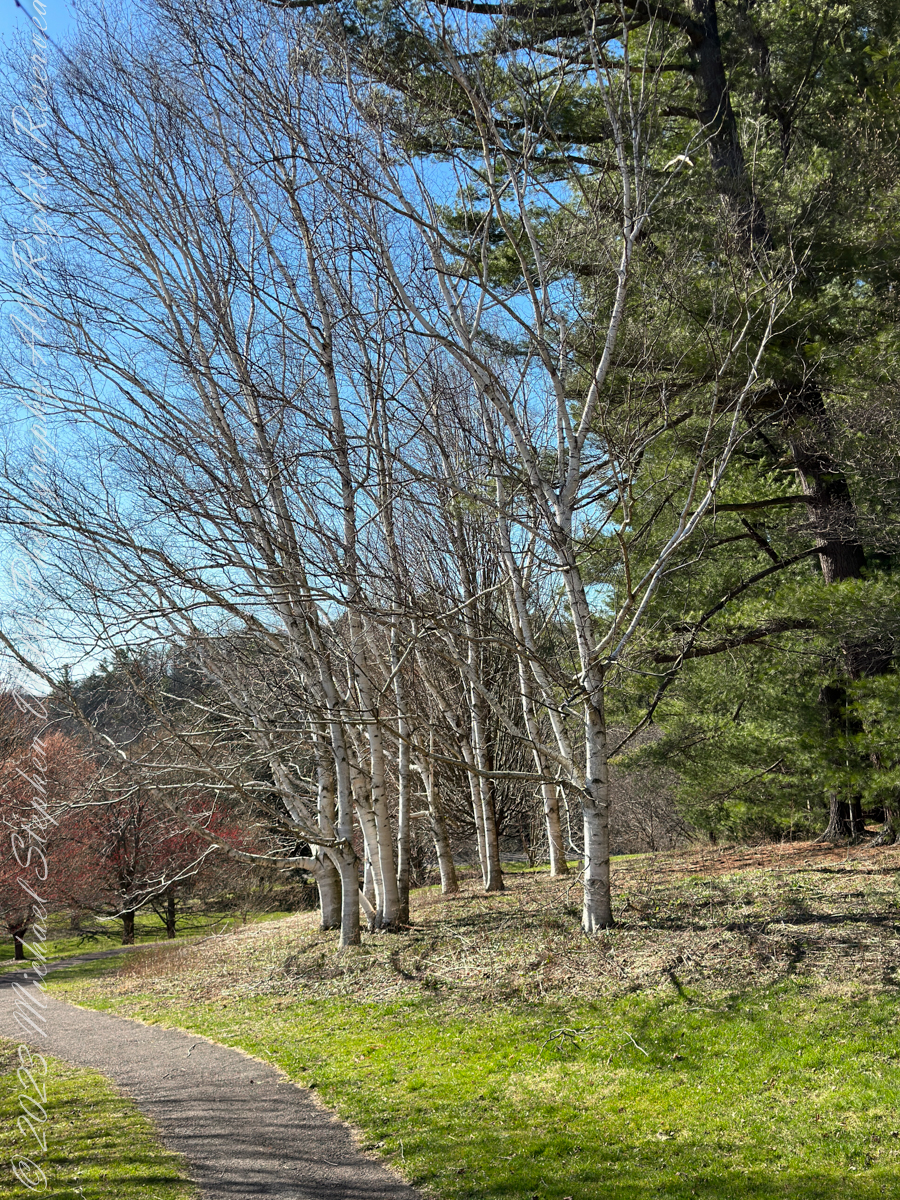
As you can see in the following photoghraph, Betula papyrifera is a medium-sized deciduous tree typically reaching 20 meters (66 feet) tall, and exceptionally to 40 m (130 ft) with a trunk up to 75 centimeters (30 inches) in diameter. Within forests, it often grows with a single trunk but when grown as a landscape tree it may develop multiple trunks or branch close to the ground.
Paper birch is a typically short-lived species. It handles heat and humidity poorly and may live only 30 years in zones six and up, while trees in colder-climate regions can grow for more than 100 years. Betula papyrifera will grow in many soil types, from steep rocky outcrops to flat muskegs of the boreal forest. Best growth occurs in deeper, well drained to dry soils, depending on the location.
White Birch is a pioneer species, meaning it is often one of the first trees to grow in an area after other trees are removed by some sort of disturbance. Typical disturbances colonized by paper birch are wildfire, avalanche, or windthrow areas where the wind has blown down all trees. When it grows in these pioneer, or early successional, woodlands, it often forms stands of trees where it is the only species, a feature emulated in this Cornell Botanical Garden planting. Paper Birch is considered well adapted to fires because it recovers quickly by means of reseeding the area or regrowth from the burned tree. The lightweight seeds are easily carried by the wind to burned areas, where they quickly germinate and grow into new trees. Paper birch is adapted to ecosystems where fires occur every 50 to 150 years for example, it is frequently an early invader after fire in black spruce boreal forests. As paper birch is a pioneer species, finding it within mature or climax forests is rare because it will be overcome by trees that are more shade tolerant as secondary succession progresses.
For example, in Alaskan boreal forests, a paper birch stand 20 years after a fire may have 3,000–6,000 trees per acre (7,400–14,800/ha), but after 60 to 90 years, the number of trees will decrease to 500–800 trees per acre (1,200–2,000/ha) as spruce replaces the birch. After approximately 75 years, the birch will start dying and by 125 years, most paper birch will have disappeared unless another fire burns the area.
Paper birch trees themselves have varied reactions to wildfire. A group, or stand, of paper birch is not particularly flammable. The canopy often has a high moisture content, the understory is often lush green. As such, conifer crown fires often stop once they reach a stand of paper birch or become slower-moving ground fires. Since these stands are fire-resistant, they may become seed trees to reseed the area around them that was burned. However, in dry periods, paper birch is flammable and will burn rapidly. As the bark is flammable, it often will burn and may girdle the tree.
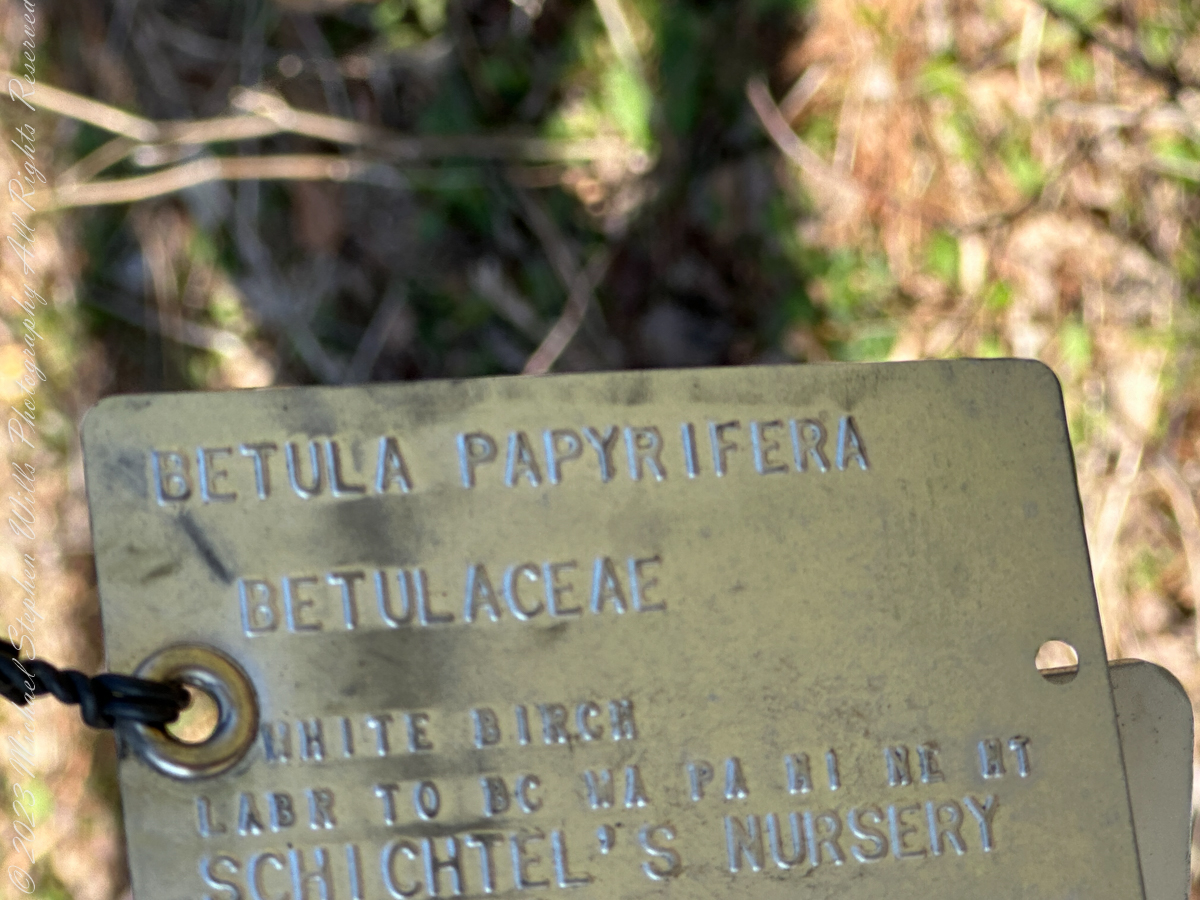
These metal tags are excellent signposts hanging from the branches on coated wire. Paper birch is a typically short-lived species. It handles heat and humidity poorly and may live only 30 years in zones six and up, while trees in colder-climate regions can grow for more than 100 years. Betula papyrifera will grow in many soil types, from steep rocky outcrops to flat muskegs of the boreal forest. Best growth occurs in deeper, well drained to dry soils, depending on the location.
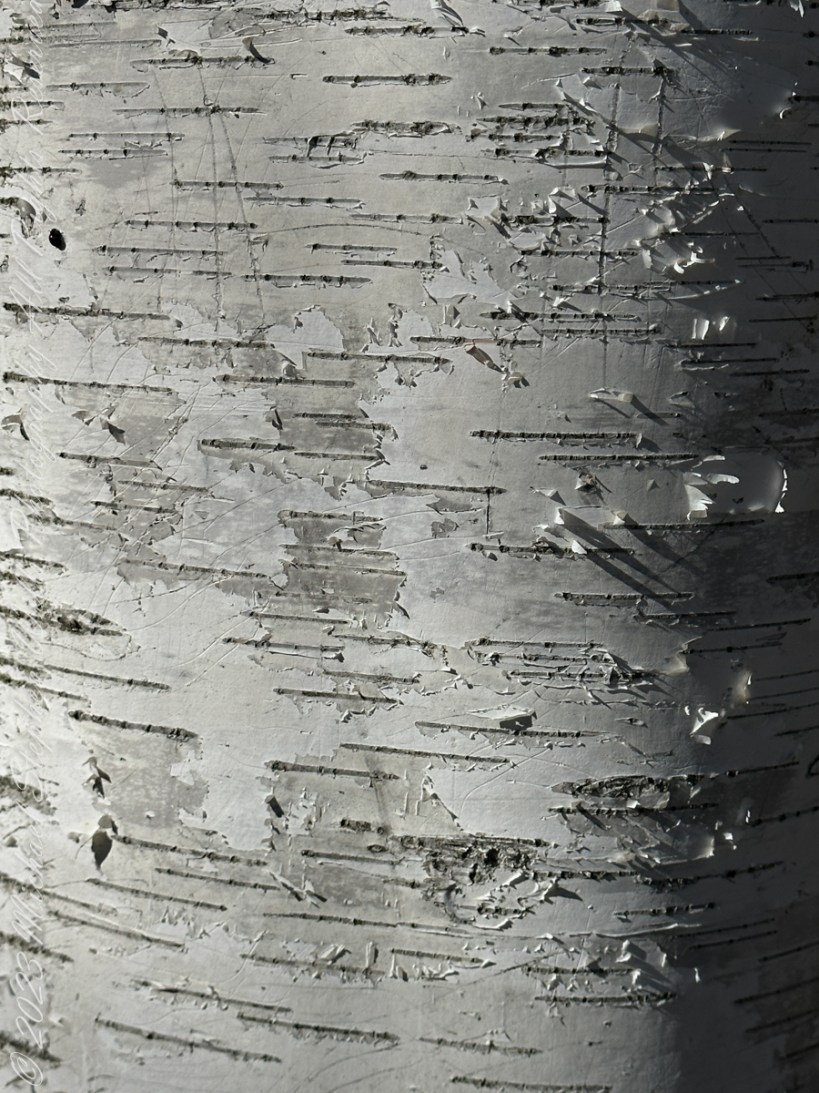
In older trees, the bark is white, commonly brightly so, flaking in fine horizontal strips to reveal a pinkish or salmon-colored inner bark. It often has small black marks and scars. In individuals younger than five years, the bark appears a brown-red color with white lenticels, making the tree much harder to distinguish from other birches. The bark is highly weather-resistant. It has a high oil content; this gives it its waterproof and weather-resistant characteristics. Often, the wood of a downed paper birch will rot away, leaving the hollow bark intact.
Birch bark is a winter staple food for moose. The nutritional quality is poor because of the large quantities of lignin, which makes digestion difficult, but is important to wintering moose because of its sheer abundance. Moose prefer paper birch over aspen, alder, and balsam poplar, but they prefer willow (Salix spp.) over birch and the other species listed. Although moose consume large amounts of paper birch in the winter, if they were to eat only paper birch, they may starve.
Although white-tailed deer consider birch a “secondary-choice food,” it is an important dietary component. In Minnesota, white-tailed deer eat considerable amounts of paper birch leaves in the fall. Snowshoe hares browse paper birch seedlings, and grouse eat the buds.
Porcupines and beavers feed on the inner bark. The seeds of paper birch are an important part of the diet of many birds and small mammals, including chickadees, redpolls, voles, and ruffed grouse. Yellow bellied sapsuckers drill holes in the bark of paper birch to get at the sap; this is one of their favorite trees for feeding on. As a species, Birches are commonly cultivated as fast-growing, graceful trees with ornamental bark.
The wood of Betula pendulas Roth. Is light and an excellent thermal insulator, so is used for the inside of saunas in Finland. The wood of Betula alleghaniensis is use for furniture, paneling, and plywood in North America.
Birch sap, collected in spring when it pours from the tree, can be used to make beer. Various species have been used medicinally, and Betula lenta was used as a source of oil of wintergreen, or methyl salicylate; American Indians used it to treat many ailments. Betulinic acid from the bark is reported to trigger cell death in melanomas in culture.
The bark of B papyrifera Marsh. Is waterproof and used for birch-bark canoes by American Indians, as well as for roofing in some parts of the world. Several species were used as paper, including Betula utilis, which has been found in the form of 1800-year-old Buddhist manuscripts in Afghanistan.
References:
“White Birch” Wikipedia
“Betula” from “The Botanical Garden I: Trees and Shrubs,” By Roger Phillips and Martyn Rix, Firefly Books, 2002 p123
Copyright 2023 Michael Stephen Wills All Rights Reserved


































 Michael Stephen Wills Photography