On to Cowsheds Waterfall
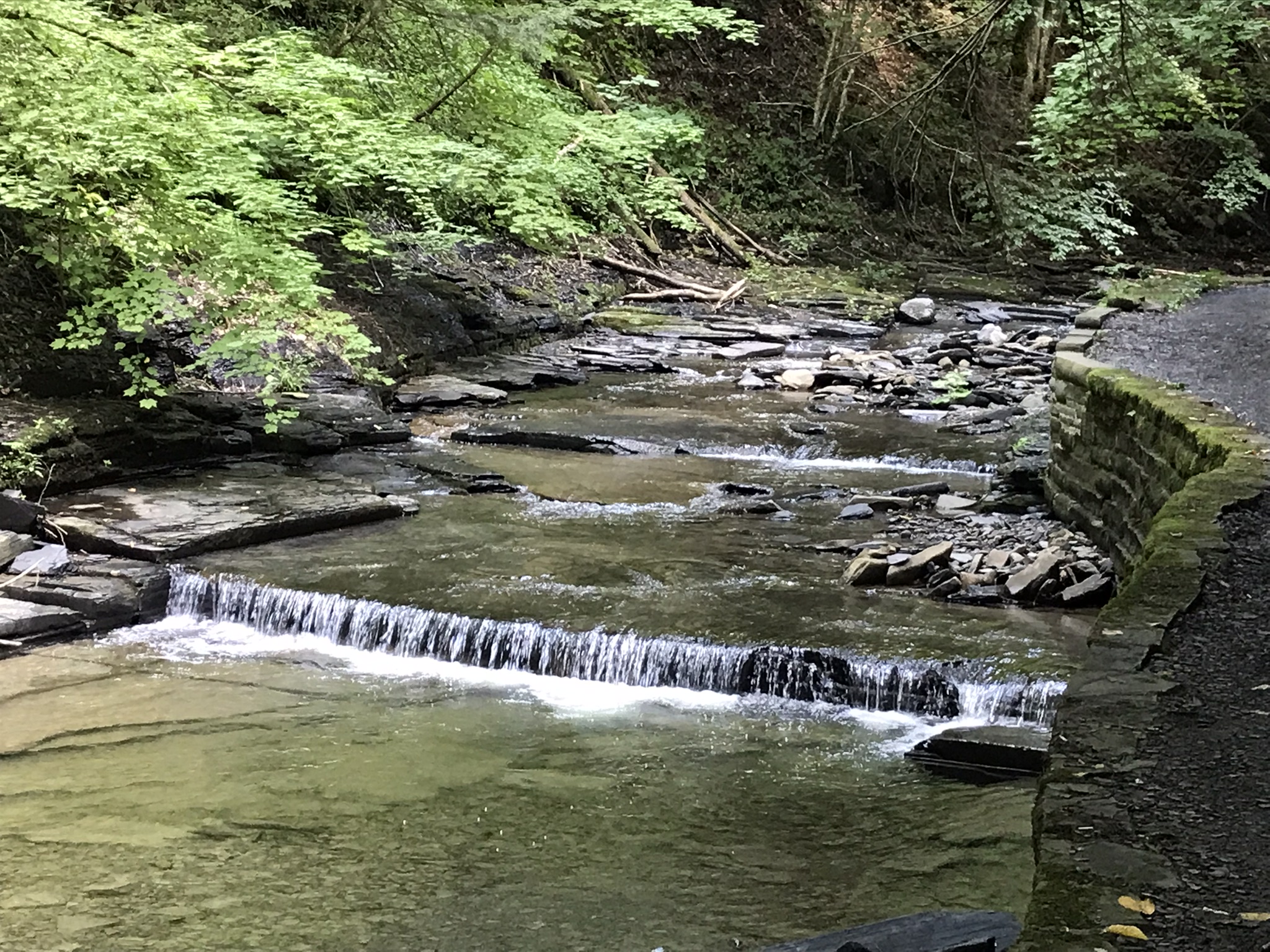
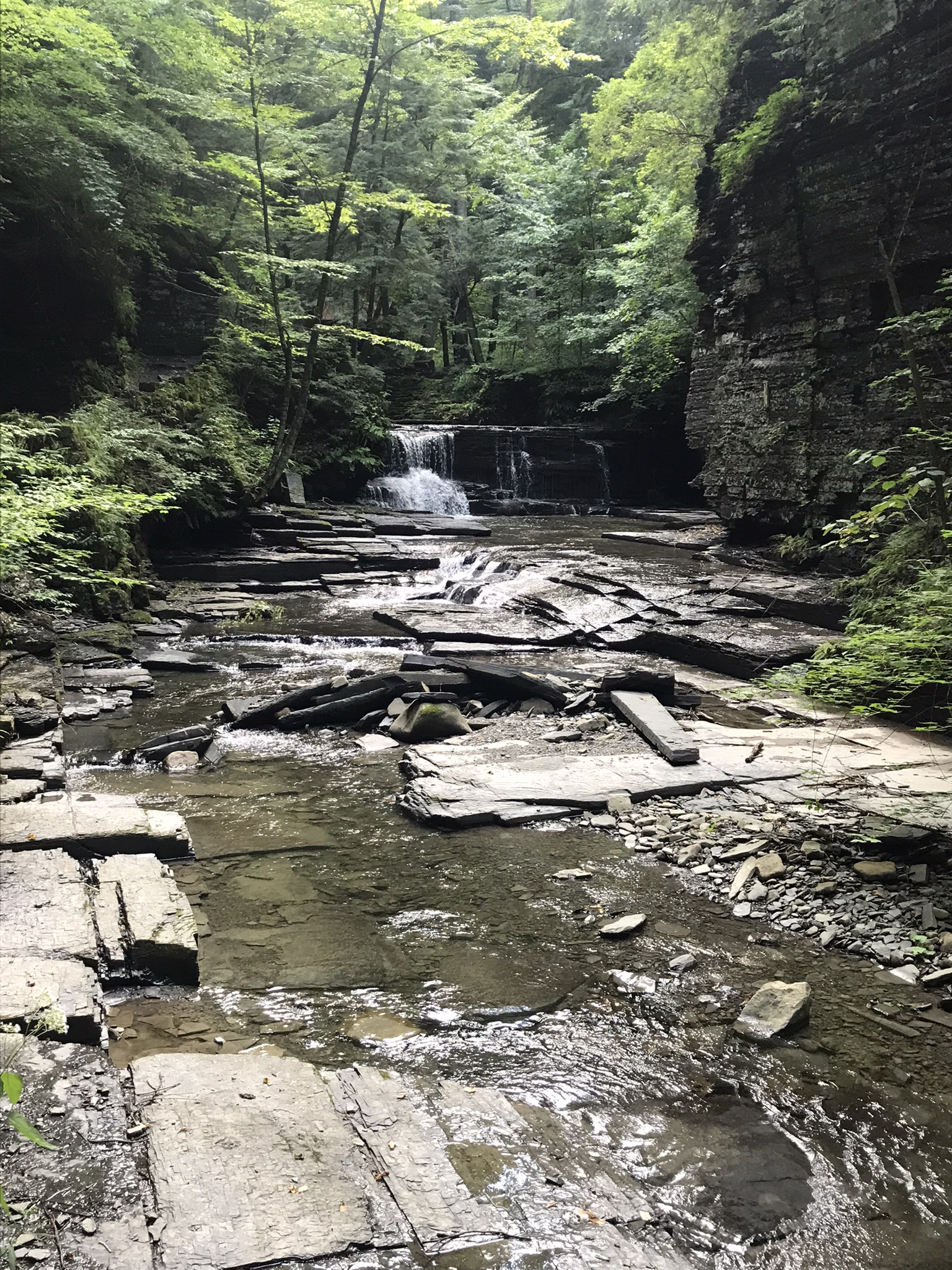
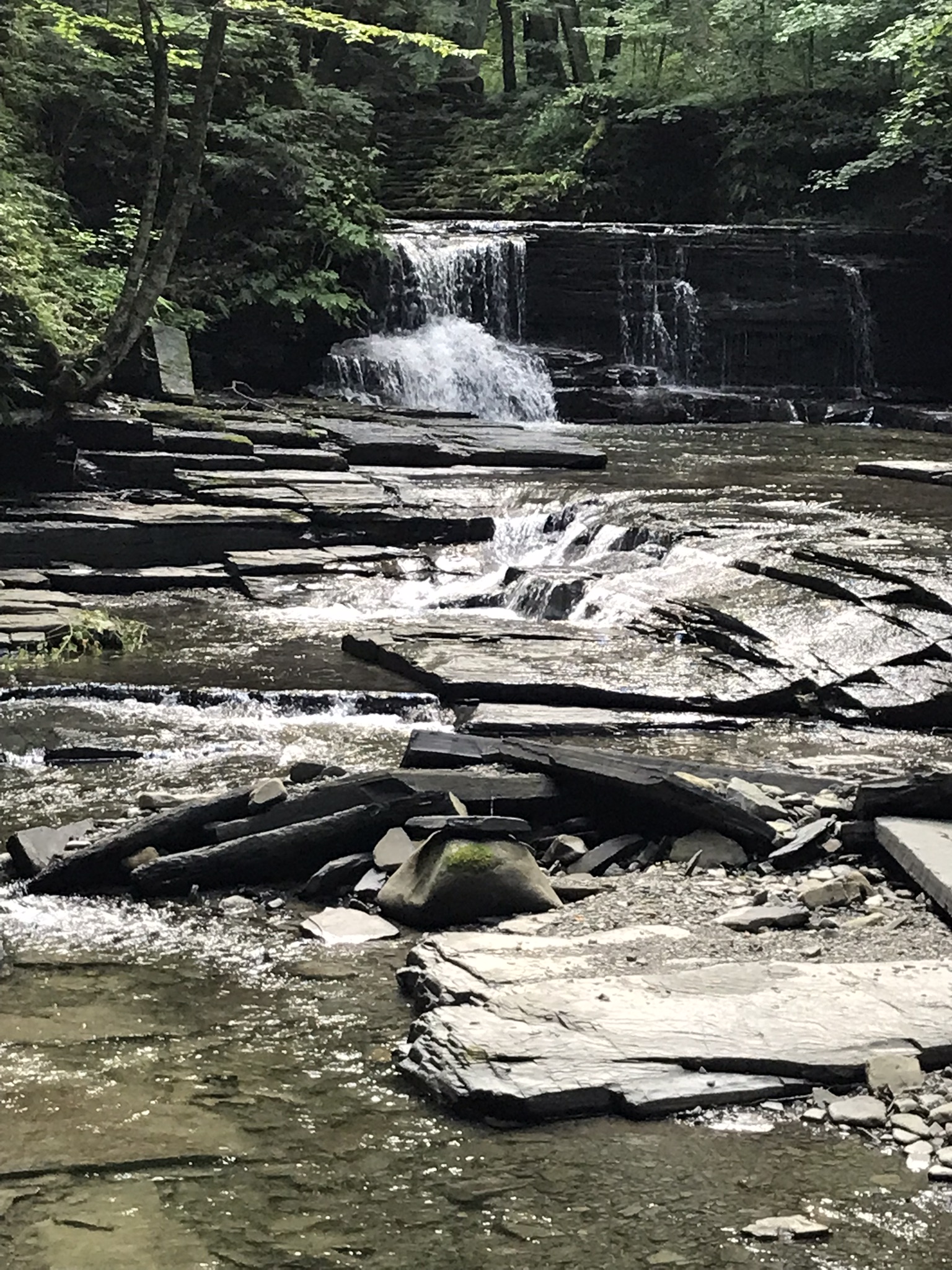
The bed of Dry Creek bends before the fall. Fillmore Glen, New York State Park, Moravia, Cayuga County, New York
around the bend…..
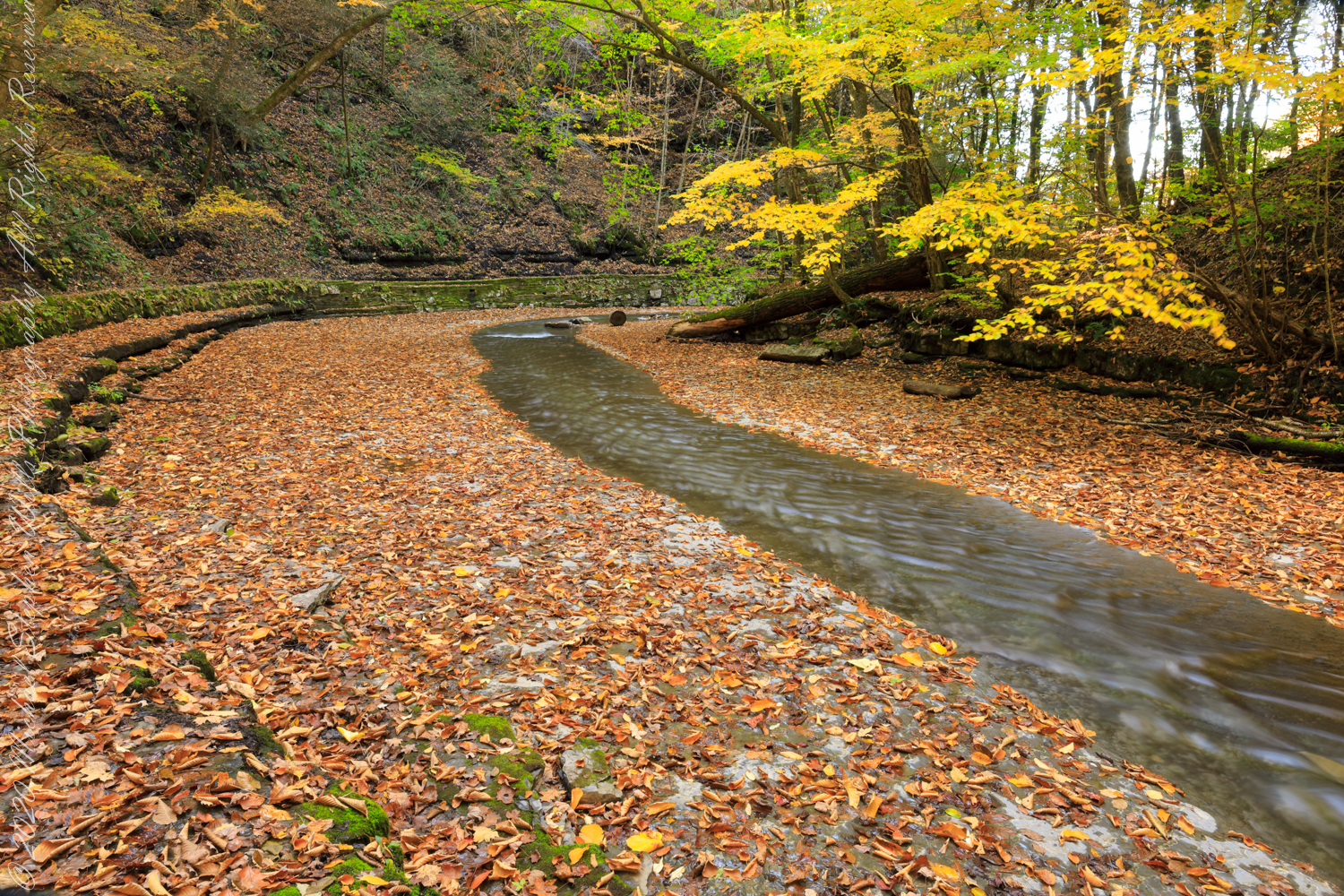
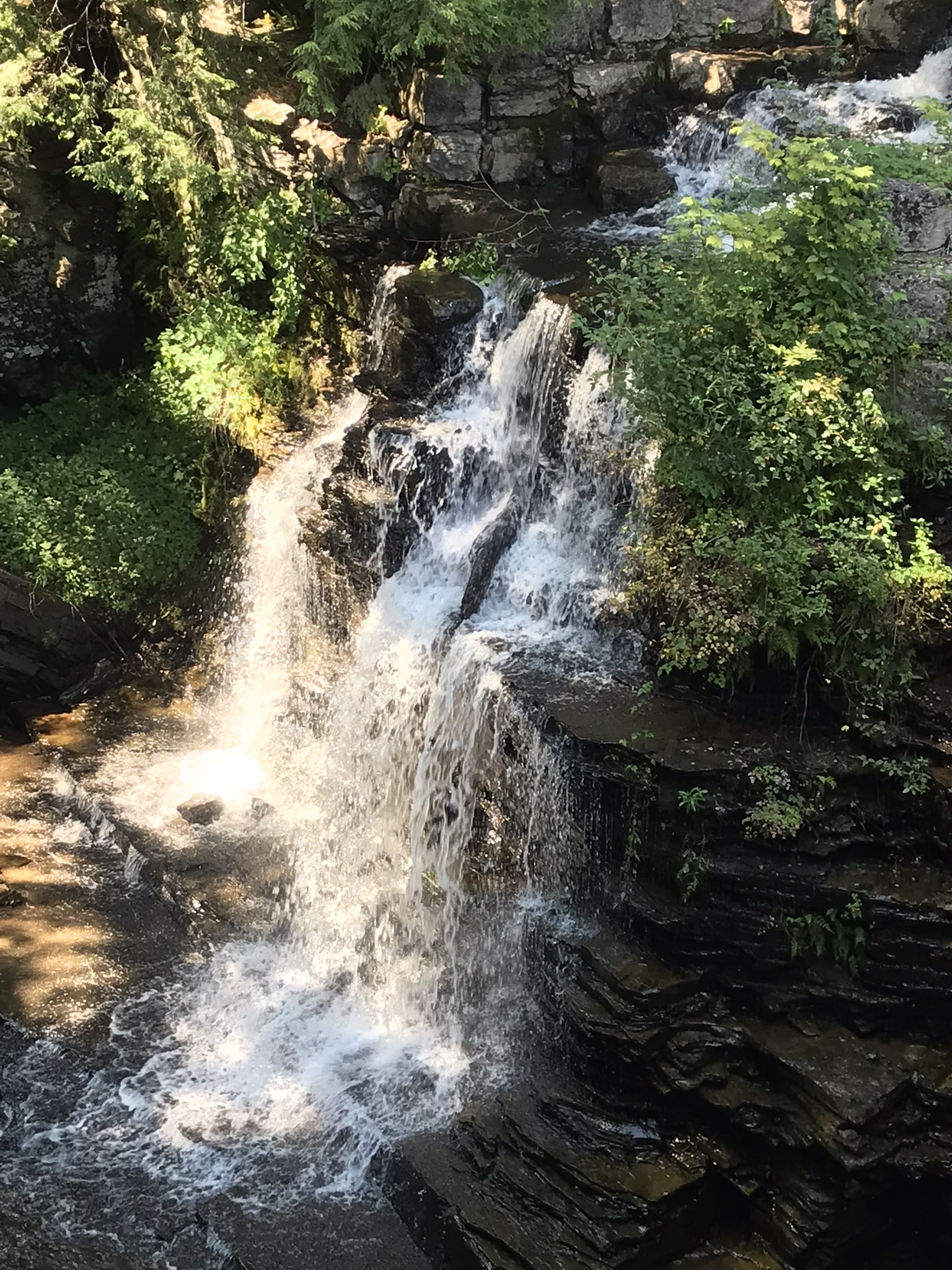
…and over the brink.
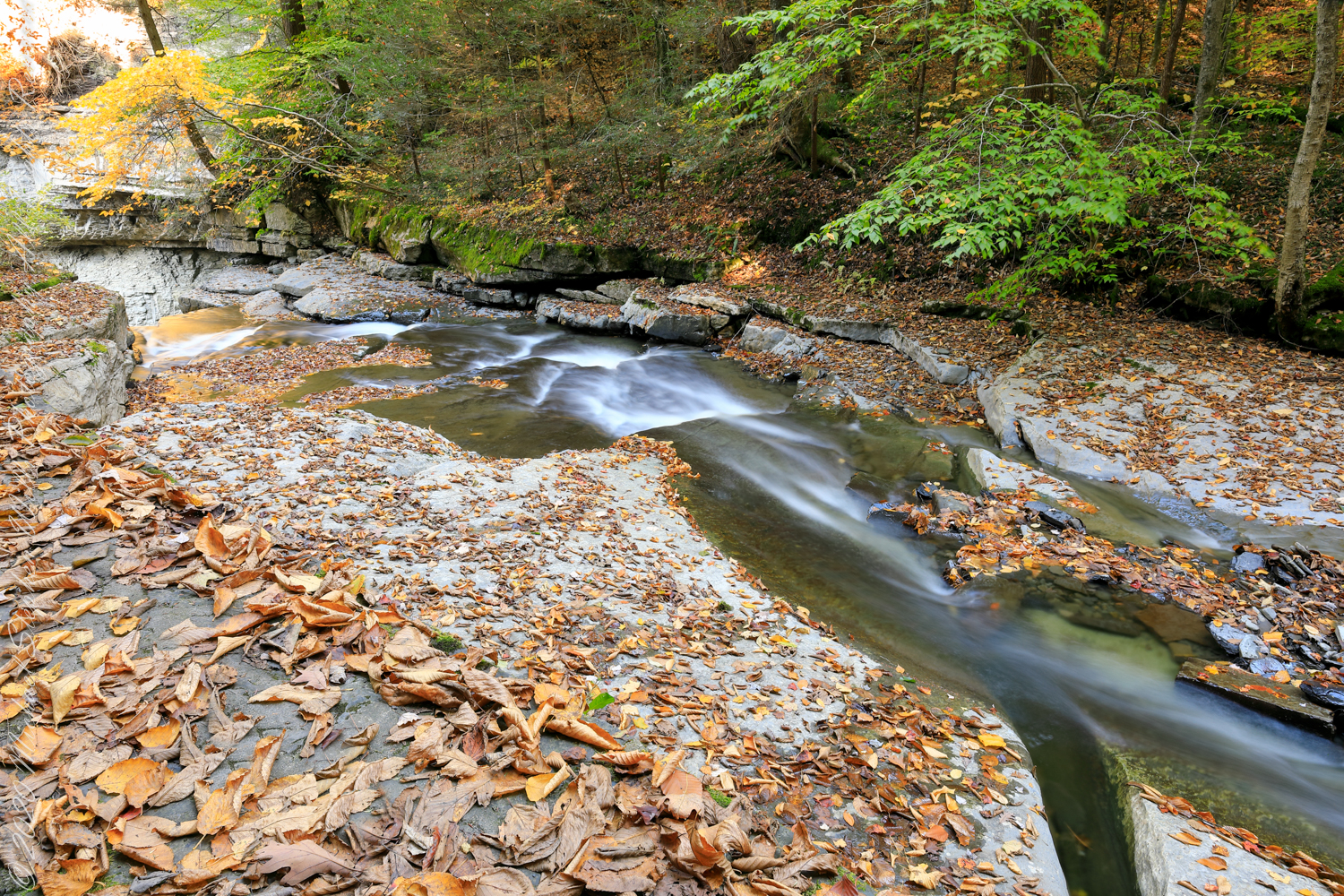
Fillmore Glen New York State Park, Cayuga County, Moravia, New York

Take the Leap, or Not
The bed of Dry Creek bends before the fall. Fillmore Glen, New York State Park, Moravia, Cayuga County, New York
Fillmore Glen New York State Park, Cayuga County, Moravia, New York
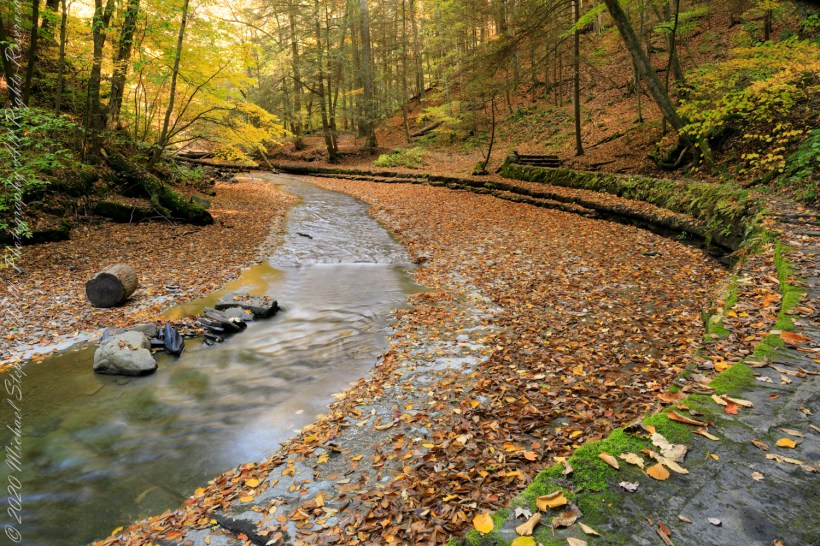
Fillmore Glen Autumn
Patience was a virtue as I set up along Dry Creek where it bends before approaching Cowsheds waterfall drop-off. Fillmore Glen, New York State Park, Moravia, Cayuga County, New York
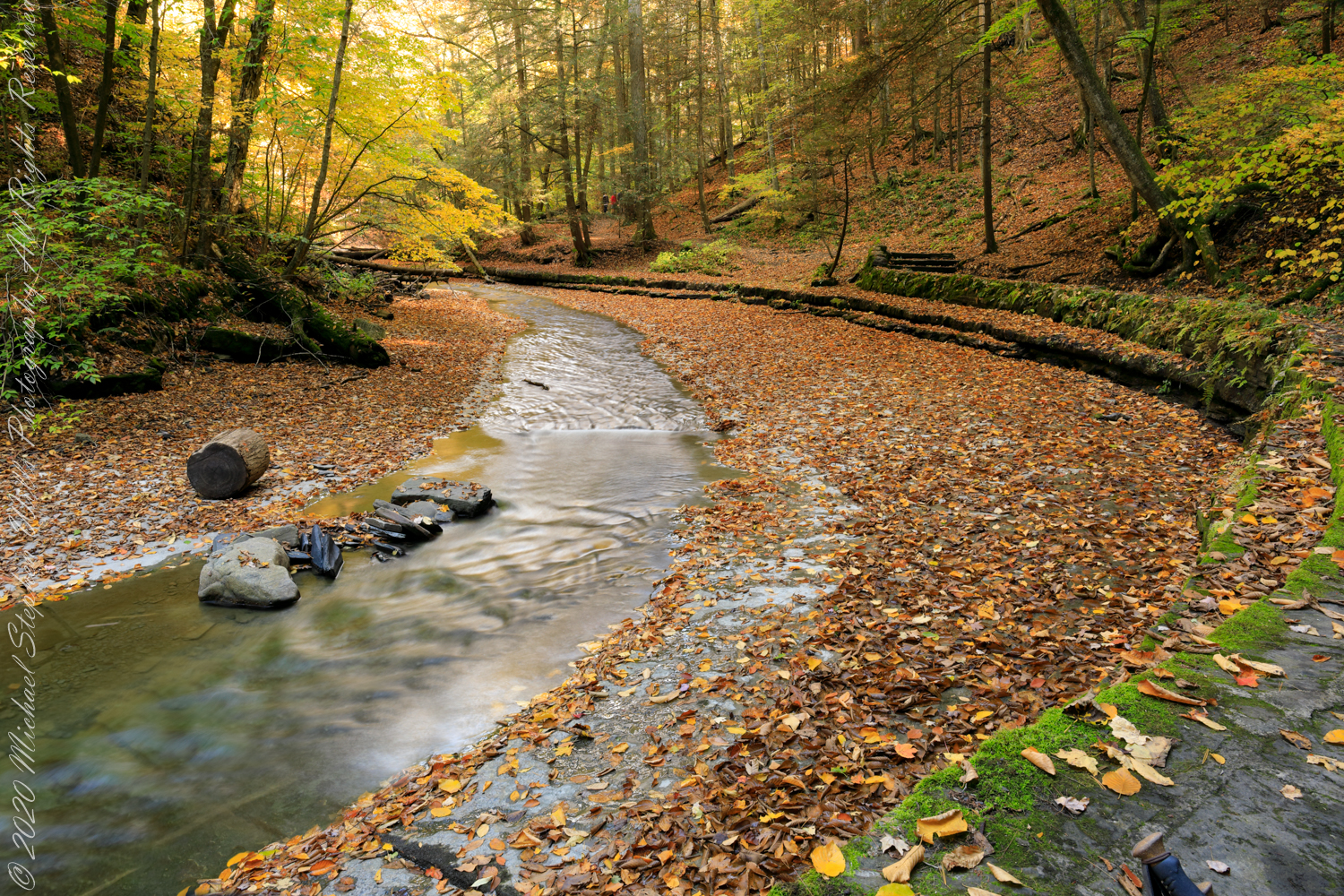
I say “without” with reservations. A moving hiker was blurred out in this 3.2 second exposure at f/22. I hid the blurred figure with a cut and pasted pristine pixels from the second exposure. The “without” take is earlier than “with.”
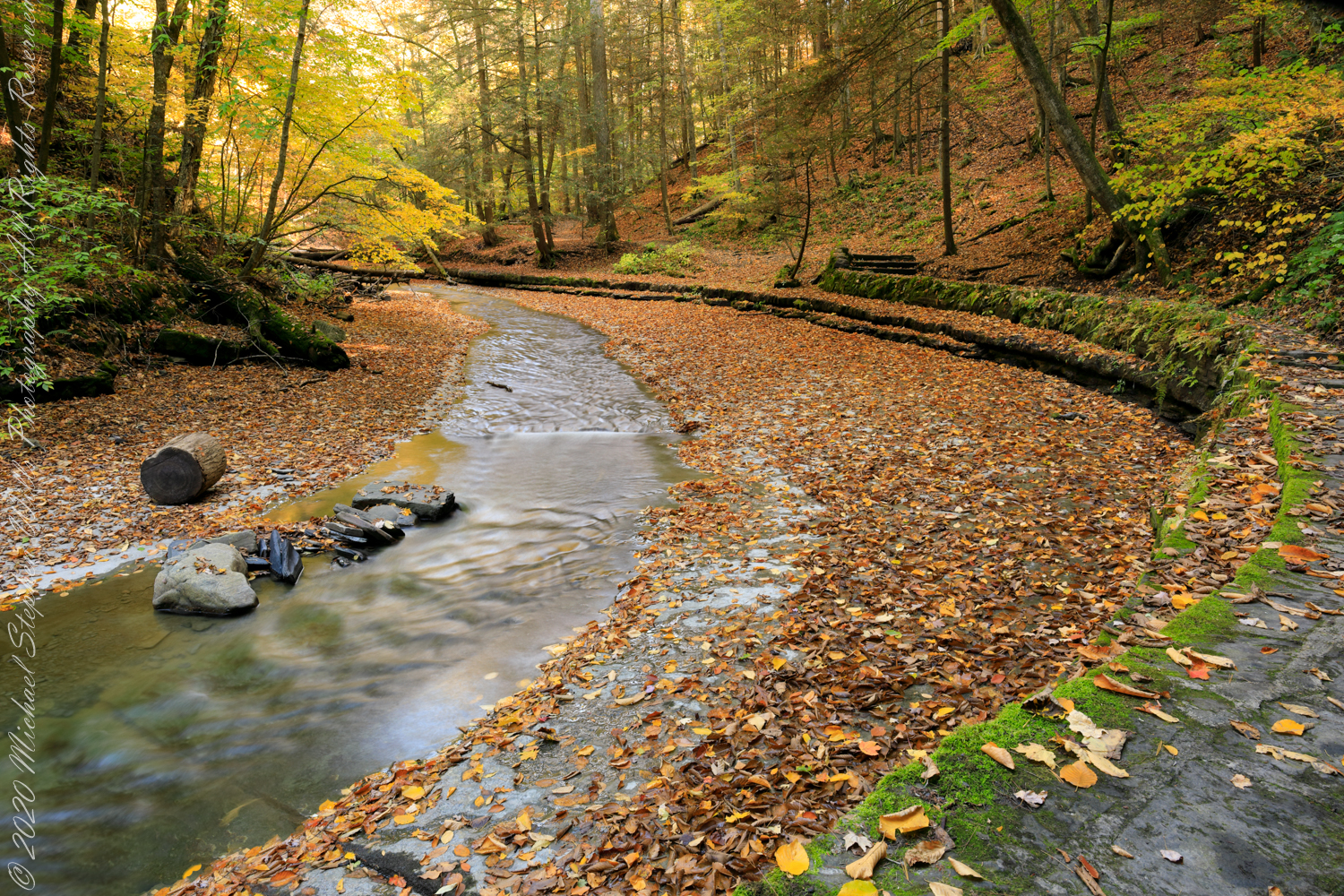
A minute and 50 seconds transpired between exposures. In that time, Pam rested her hiking pole against the wall.

Fillmore Glen Autumn
The bed of Dry Creek bends before approaching Cowsheds waterfall drop-off. Fillmore Glen, New York State Park, Moravia, Cayuga County, New York
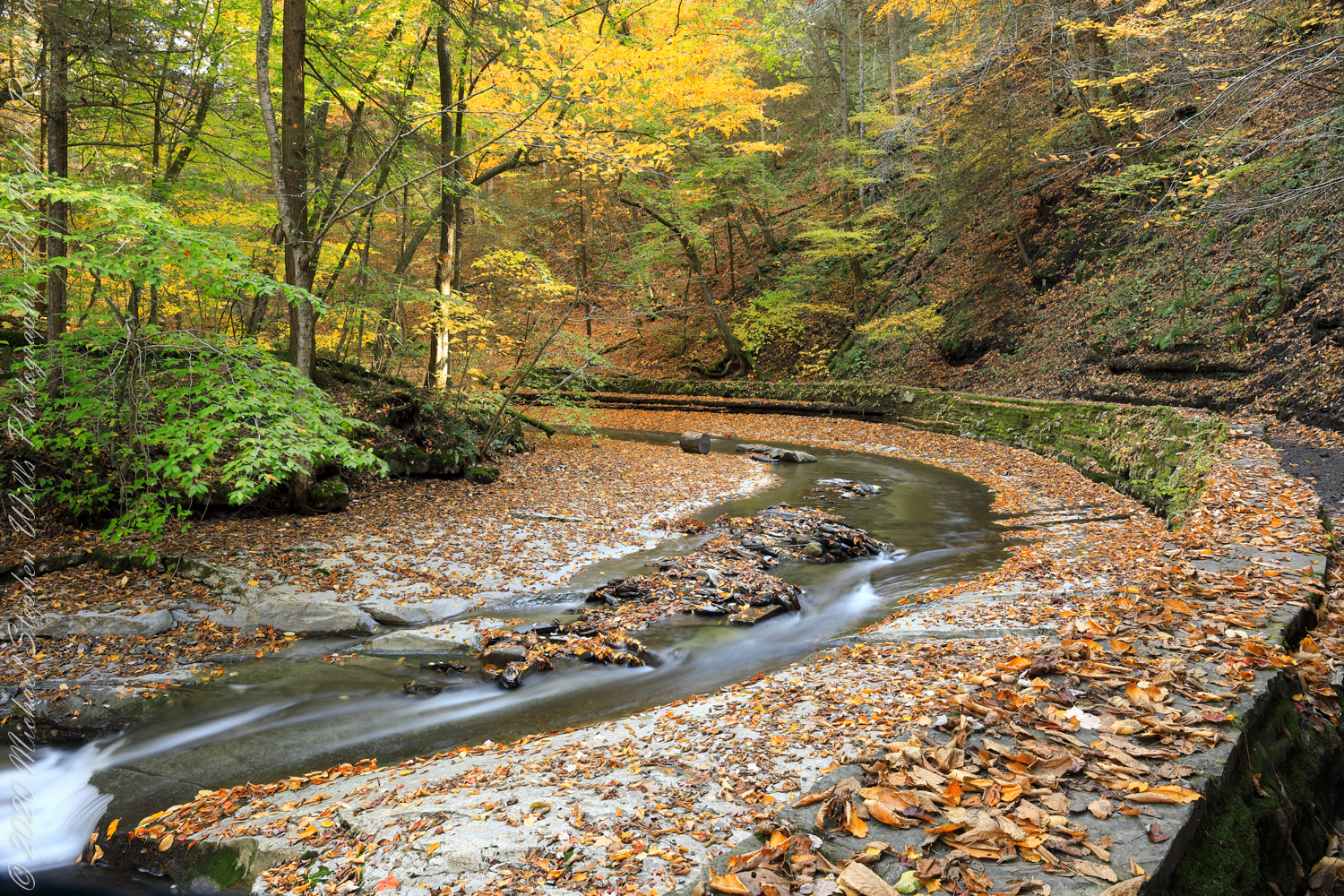
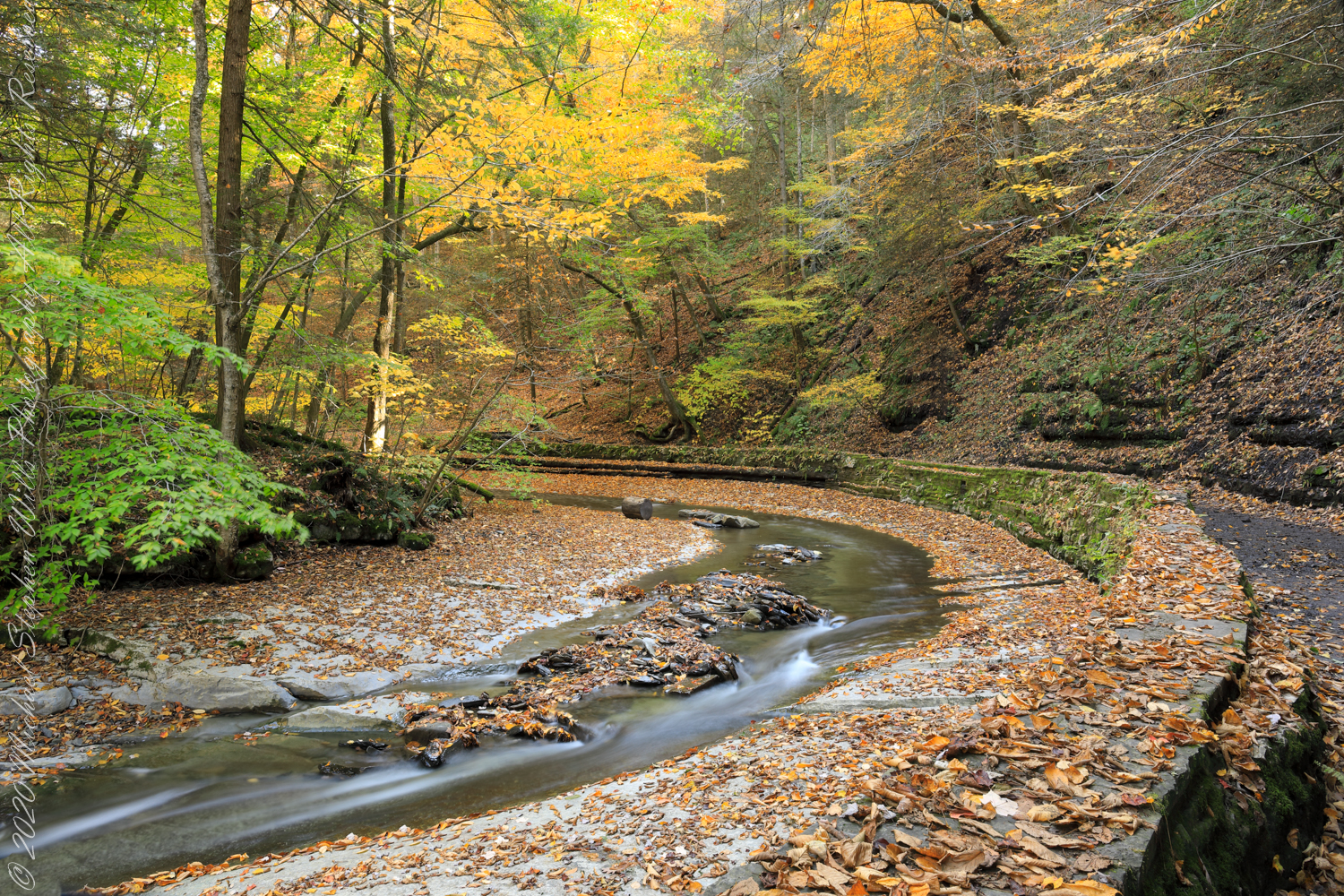
Fillmore Glen State Park, Moravia, New York
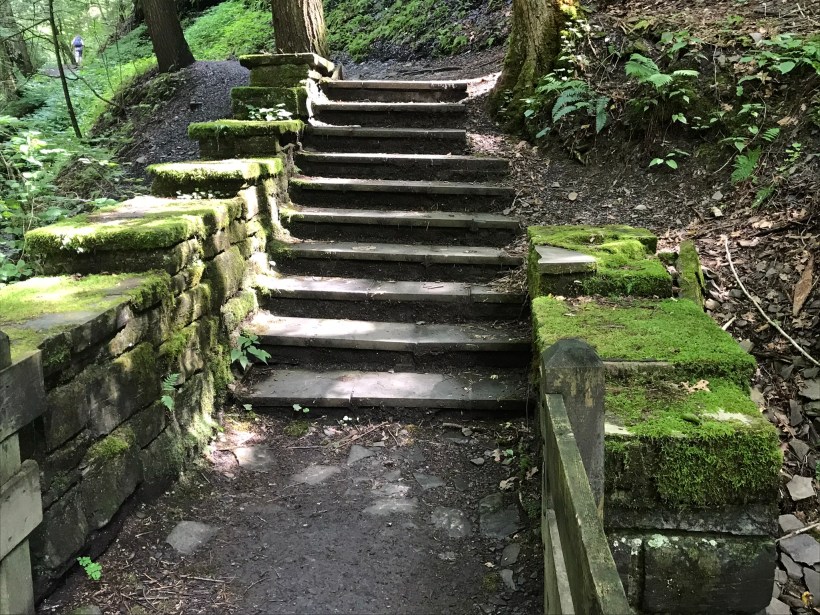
Late August last I captured these photographs and videos on the fly using an Iphone7 while Pam and I walked Fillmore Glen State Park, Moravia, New York. Click me for “The Space Station and the Waterfall,” another glen exploration.

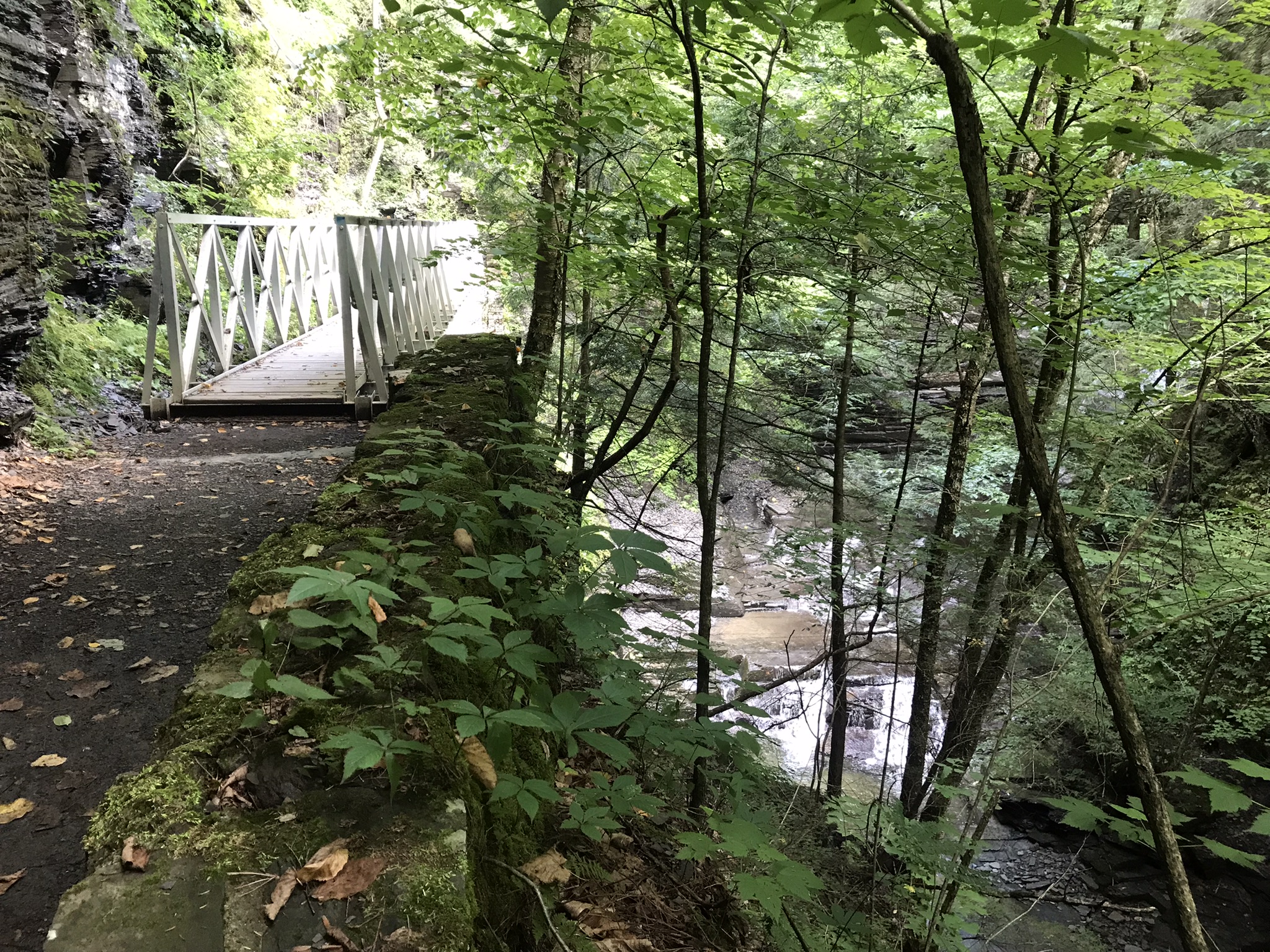
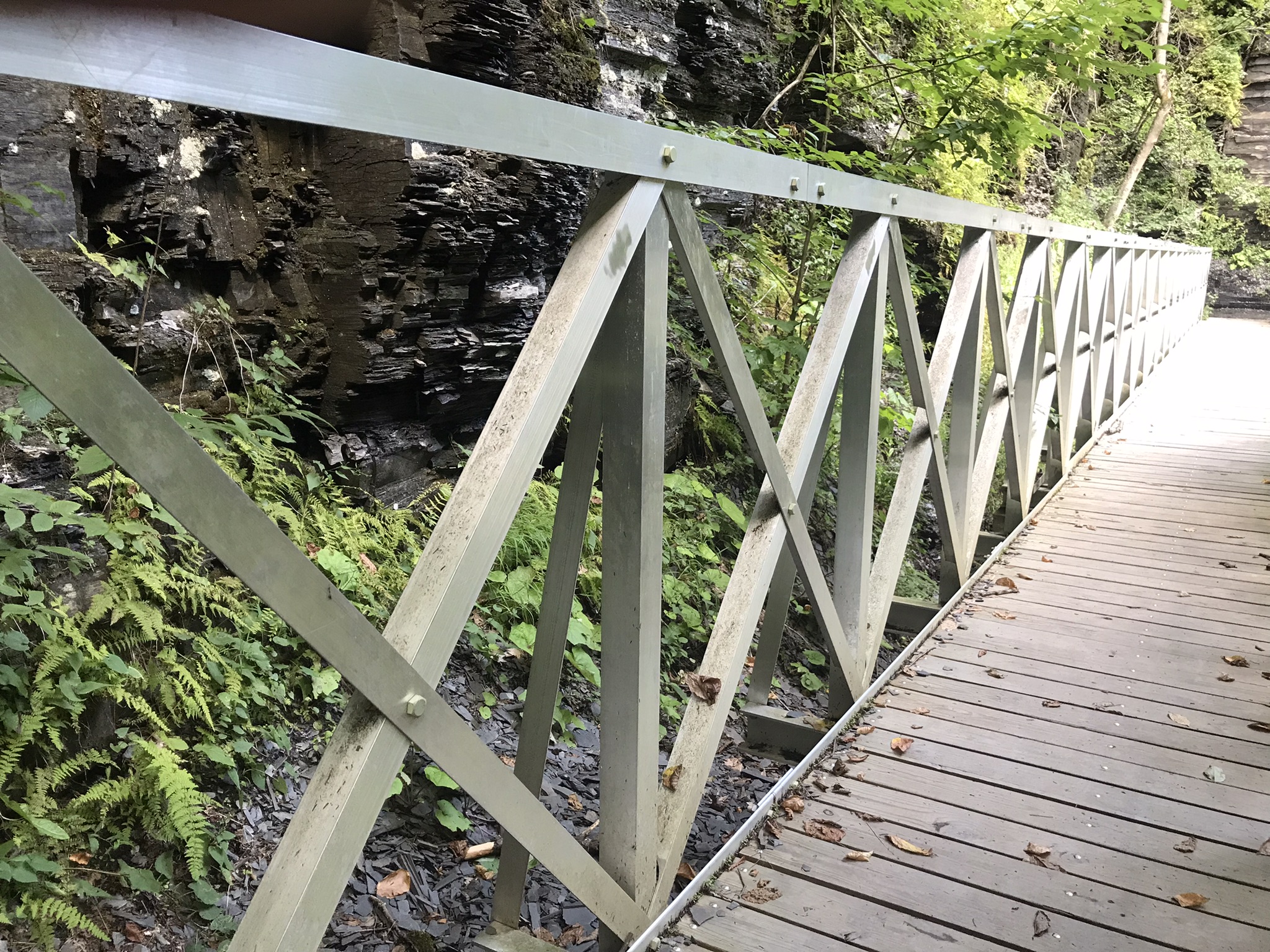
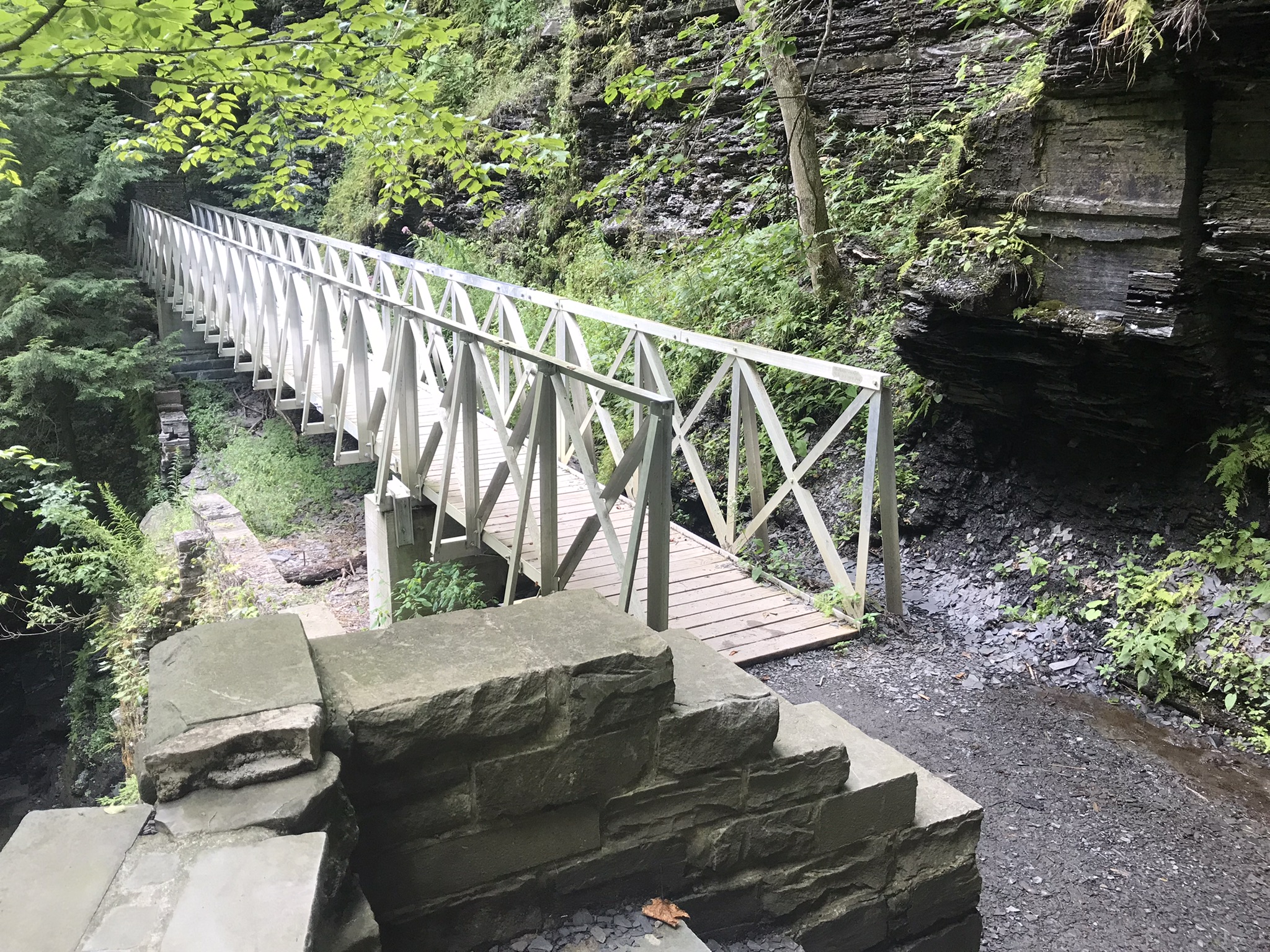
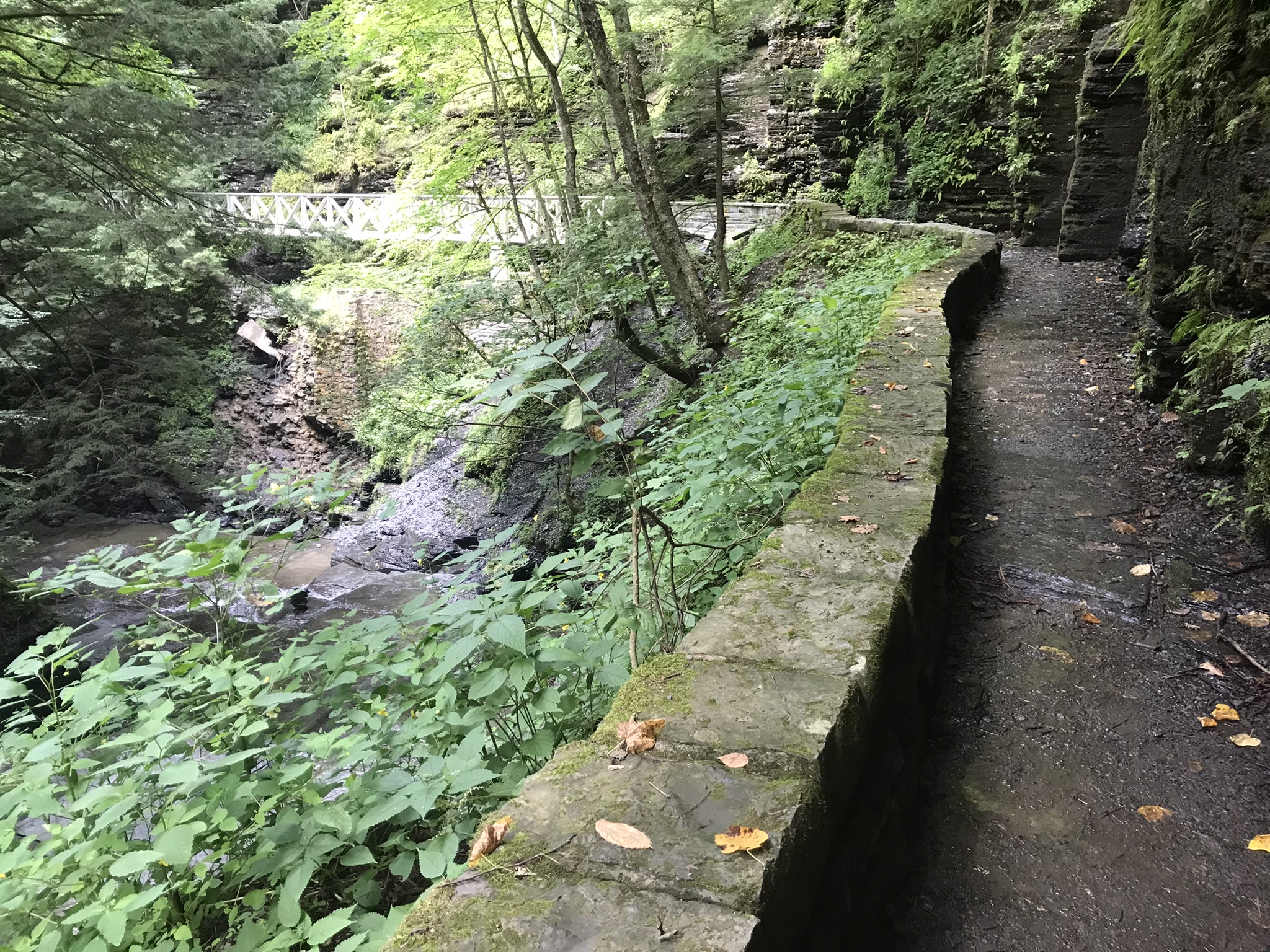
Spring thaw washed away the gorge wall, this functional metal bridge will outlast all but the most catastrophic gorge wall disruptions.
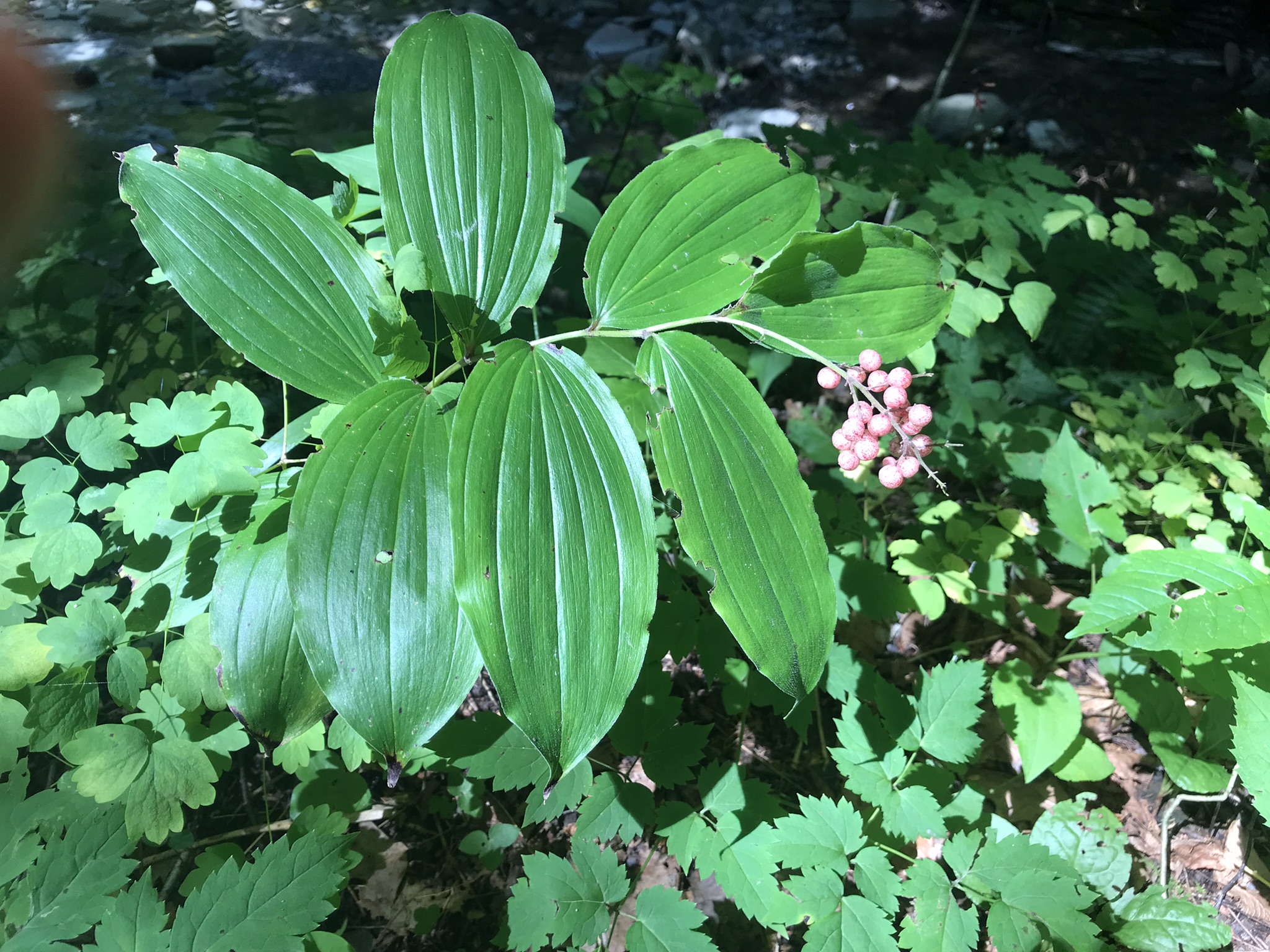

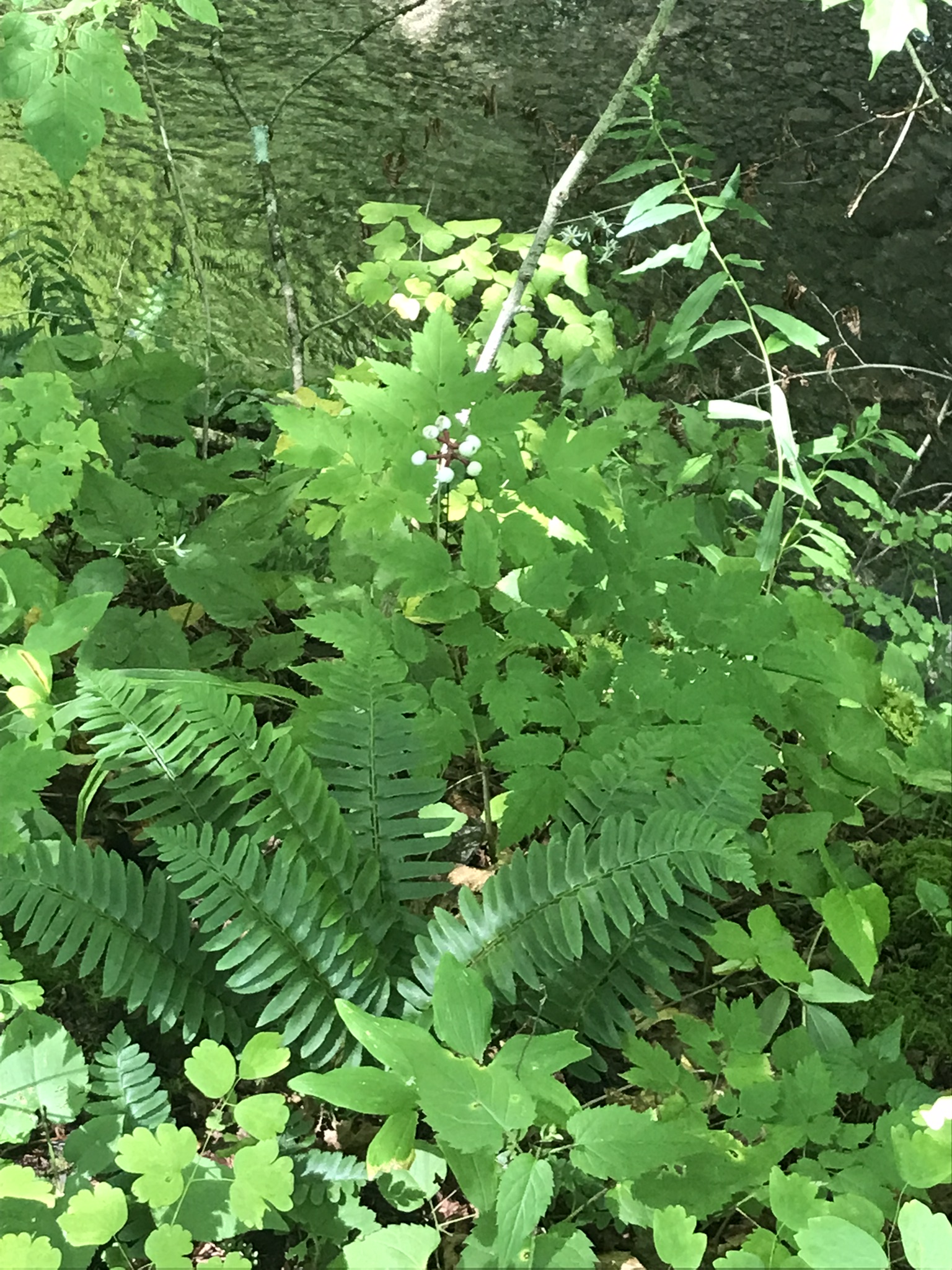
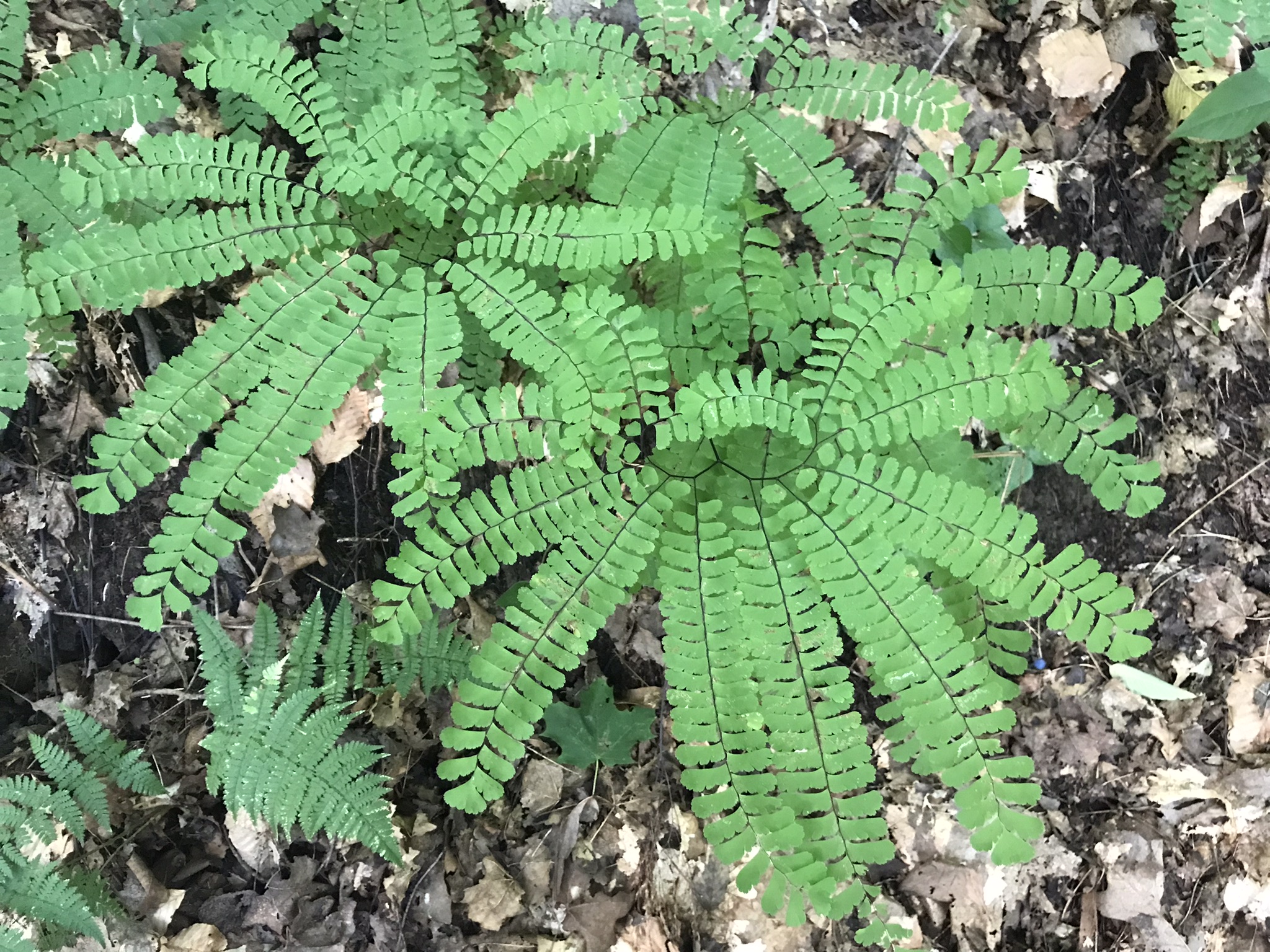
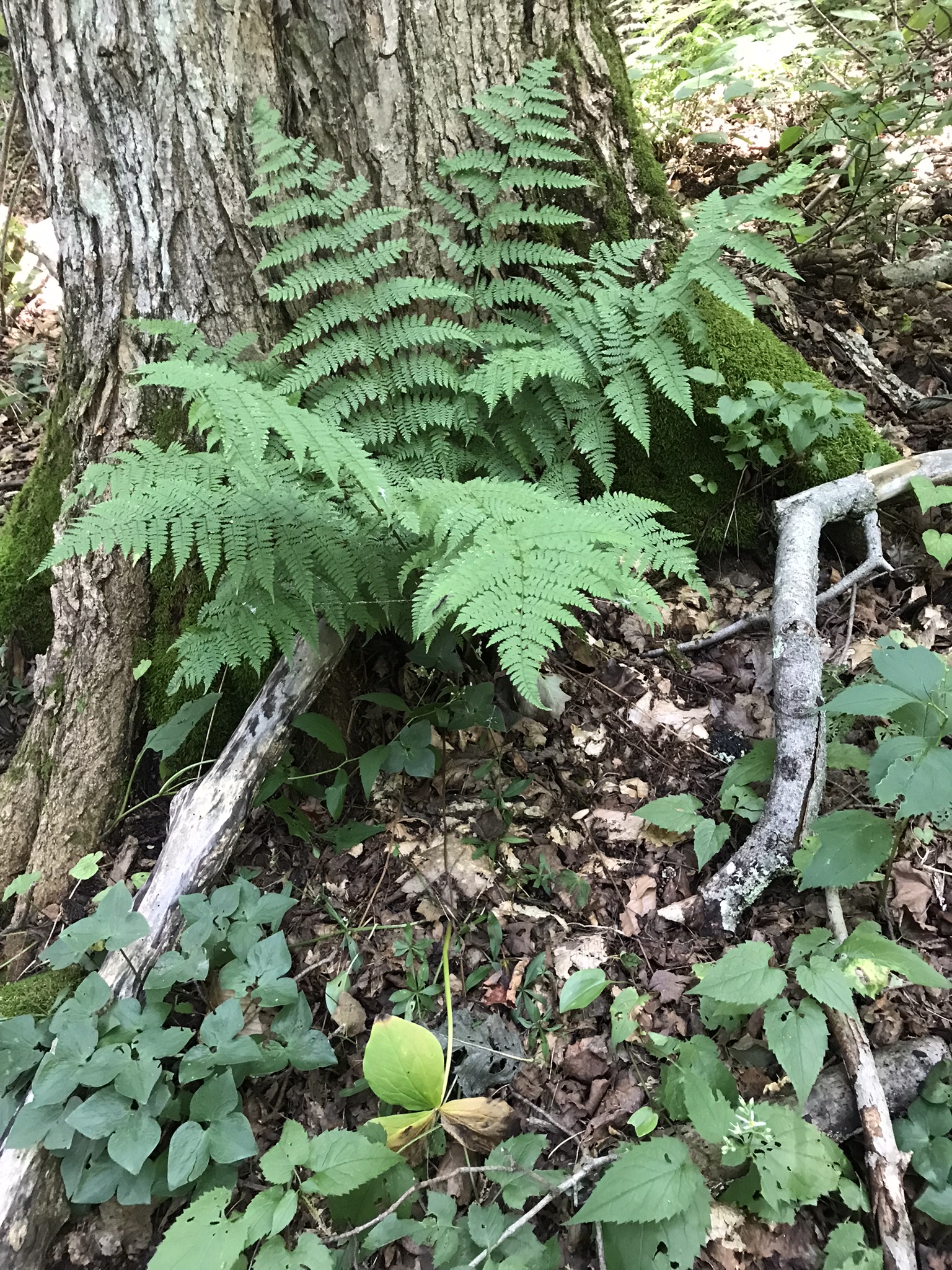
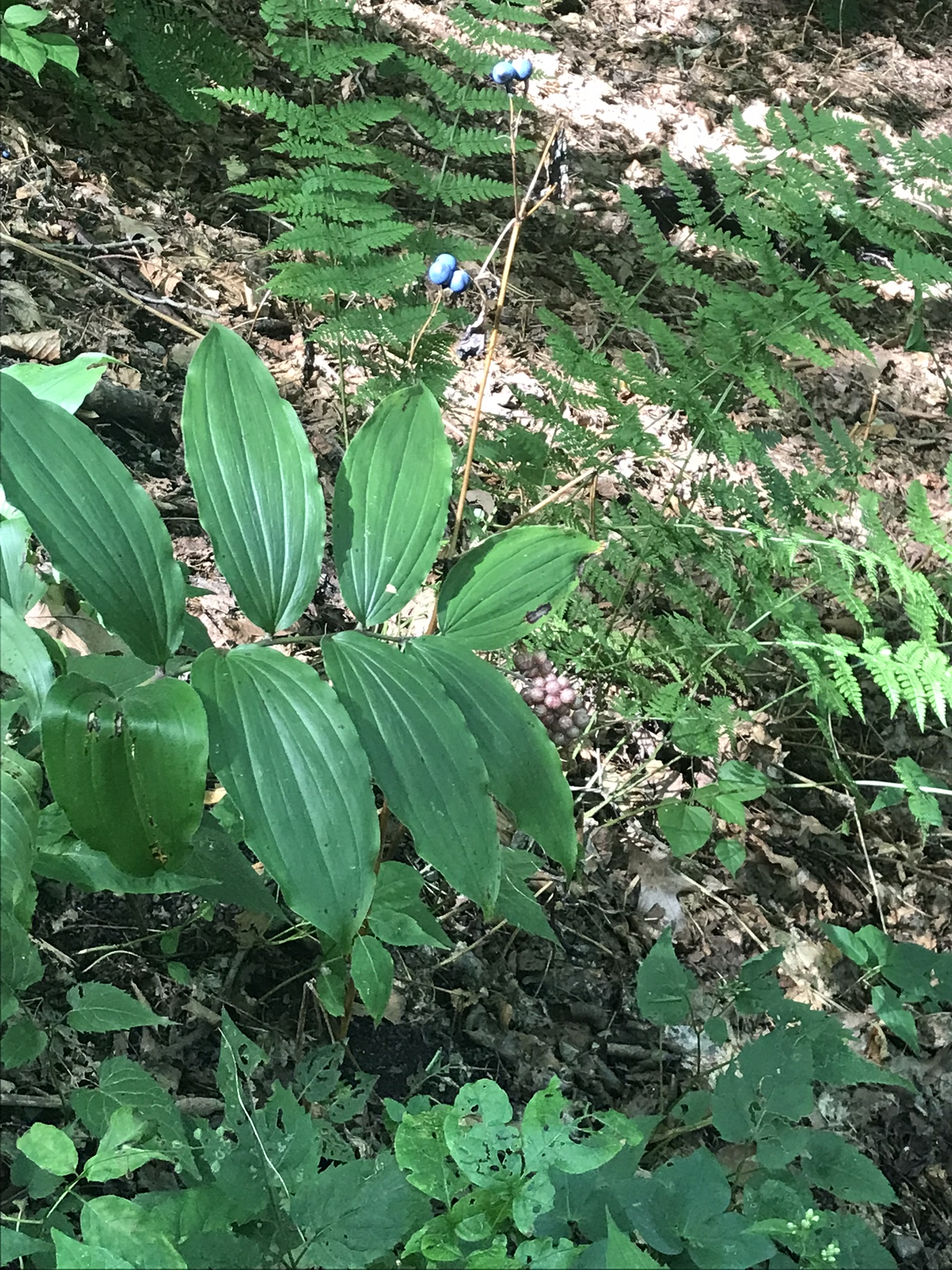
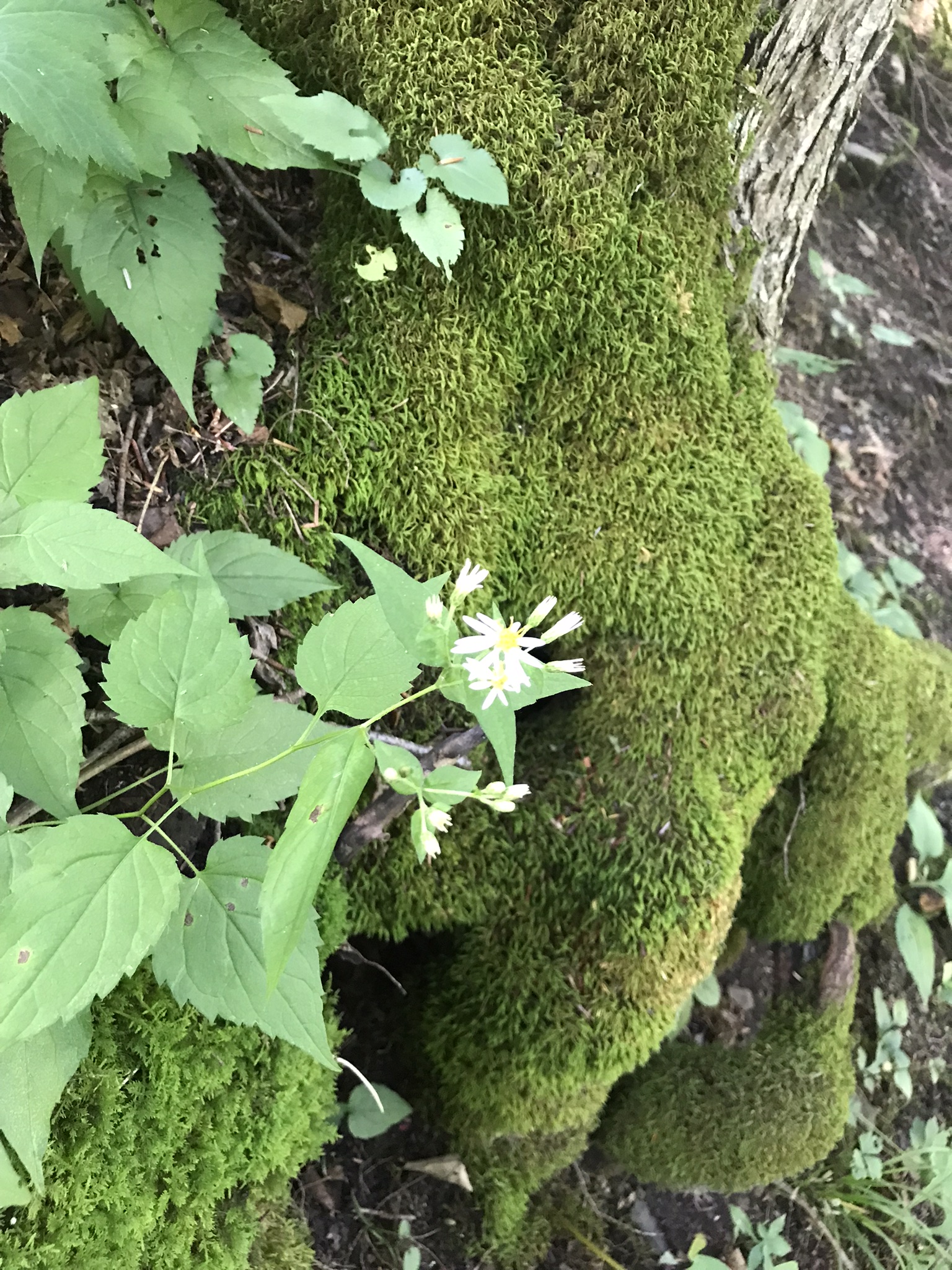
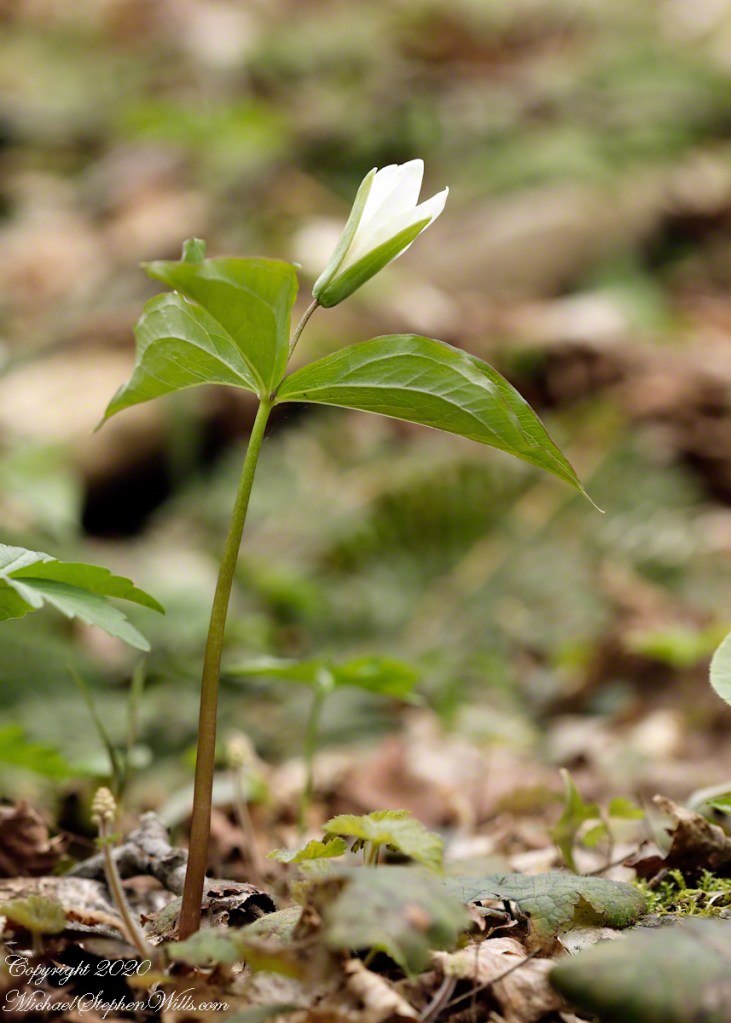
All parts of all Baneberry varieties (red and white) are highly poisonous, the bane of Baneberry. The berries are deadly. Ingestion of as few as two berries by children will cause death from cardiac arrest. Six for an adult.
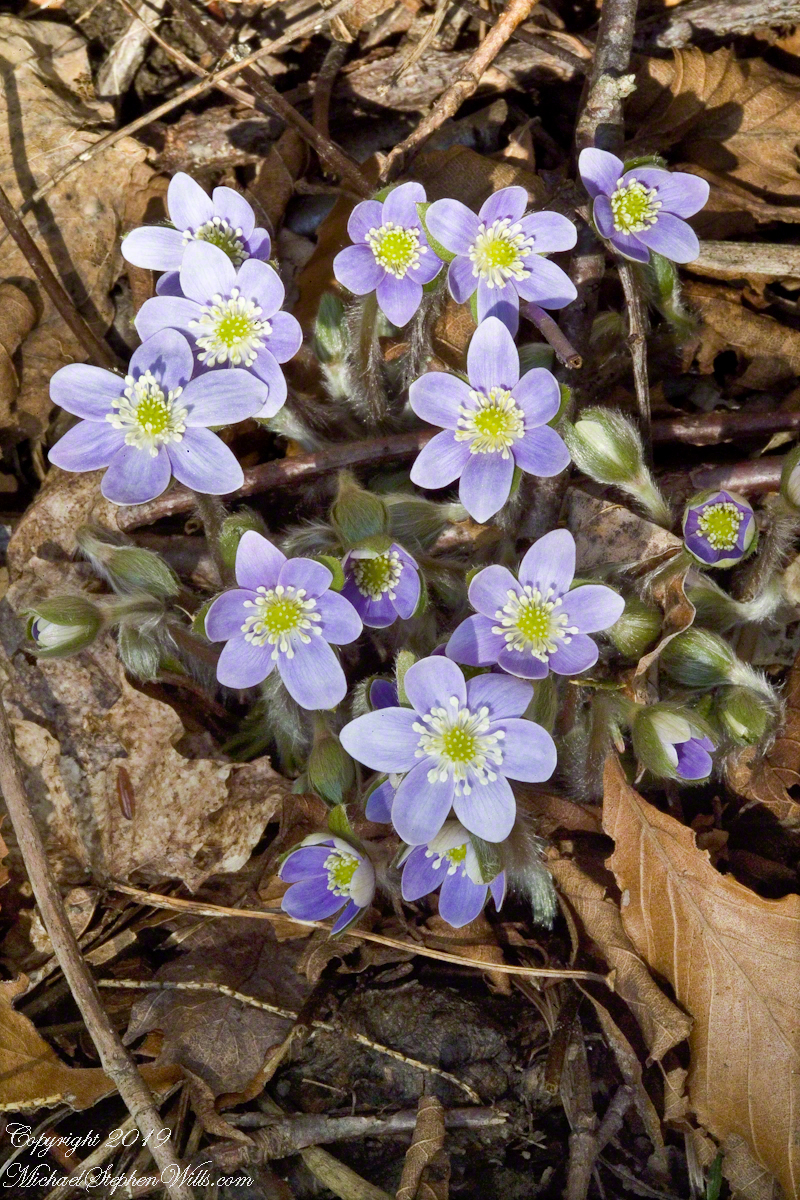
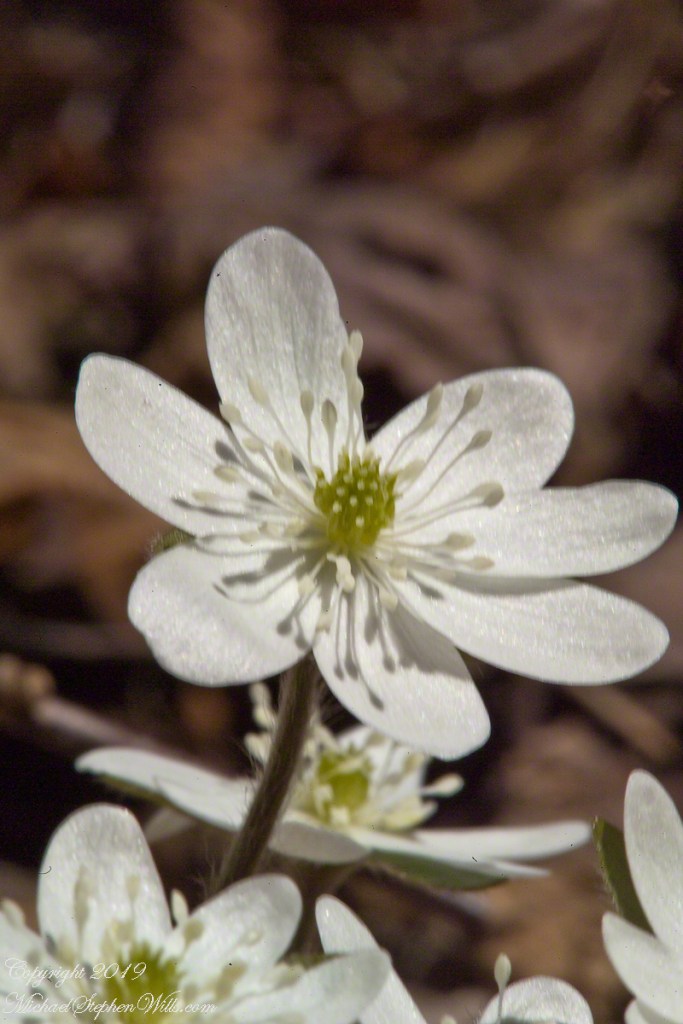
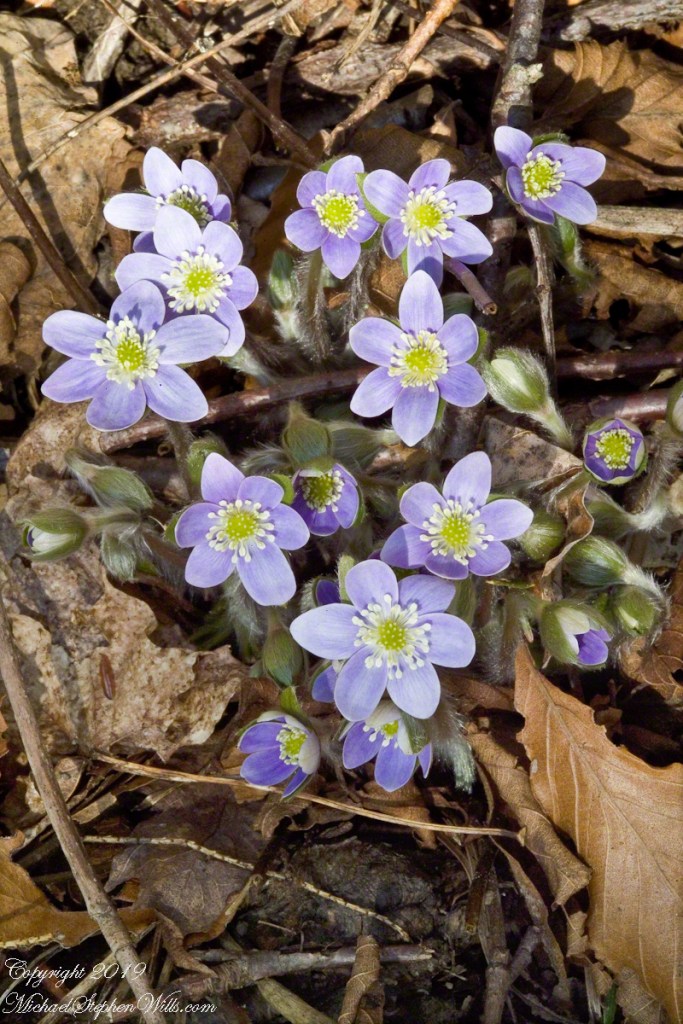
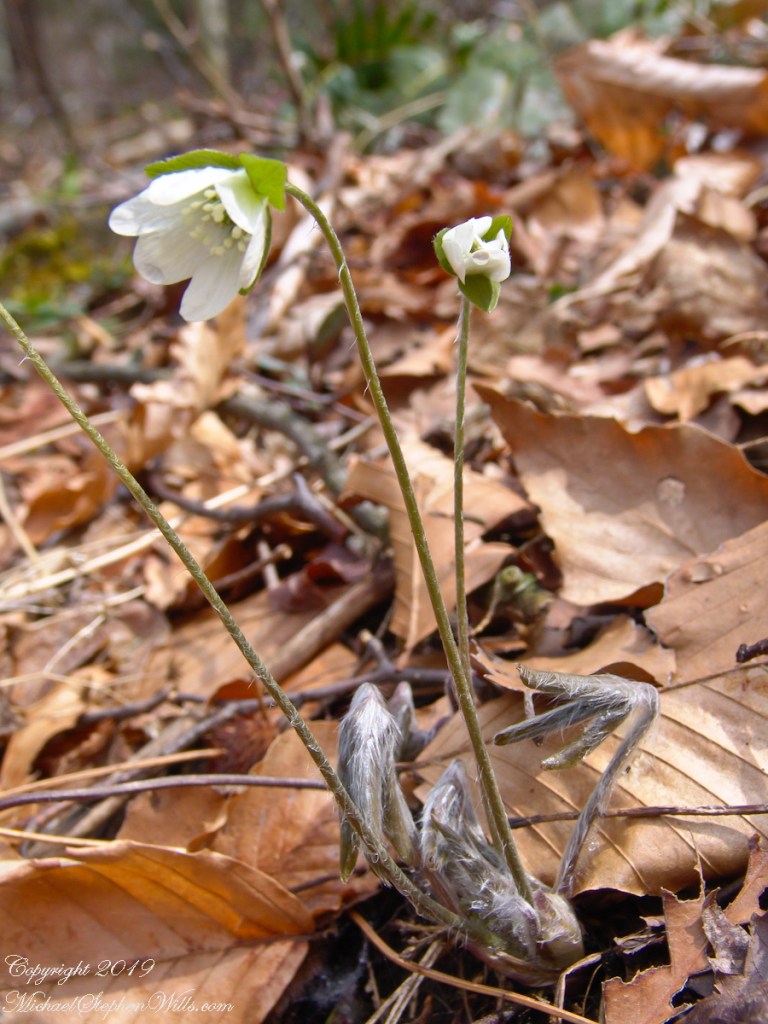
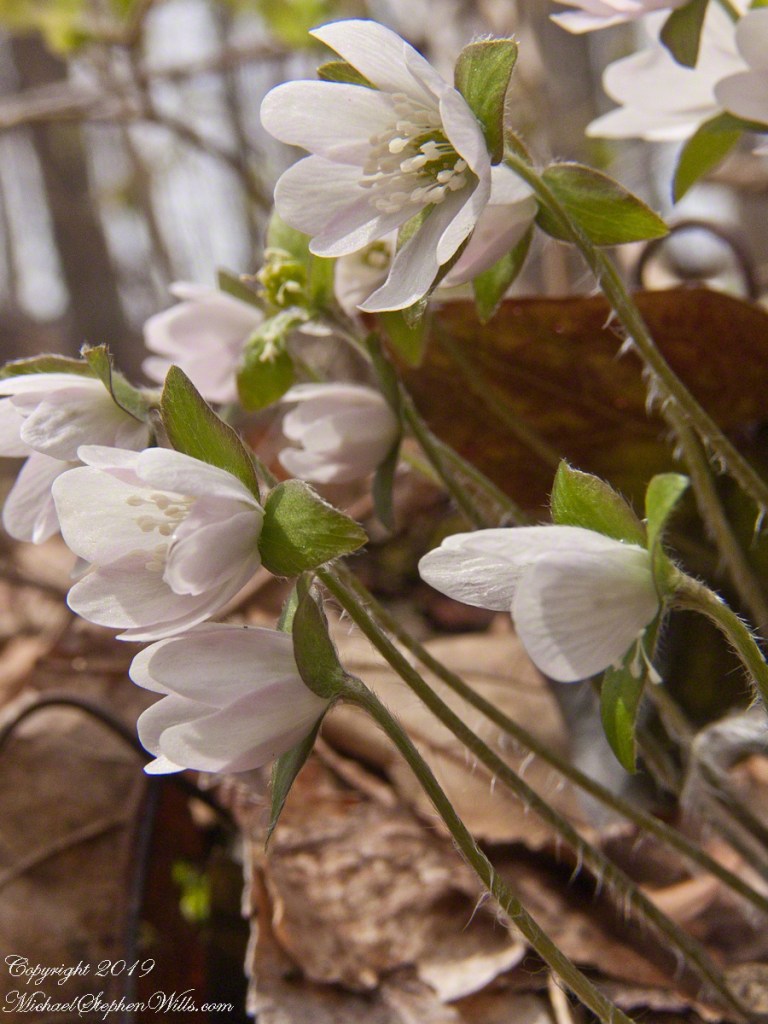
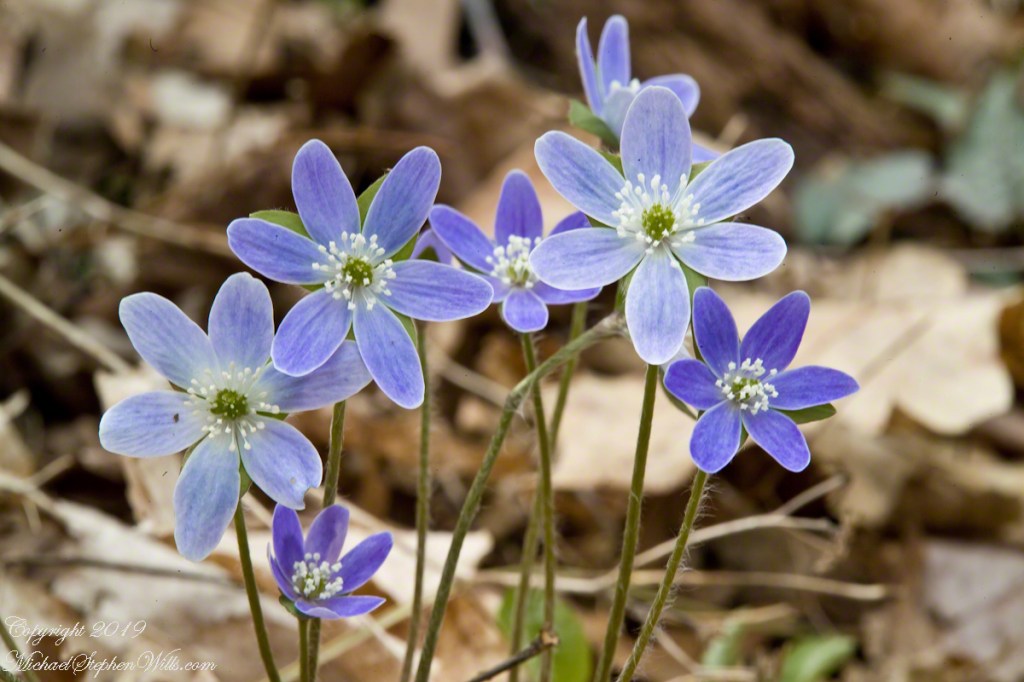
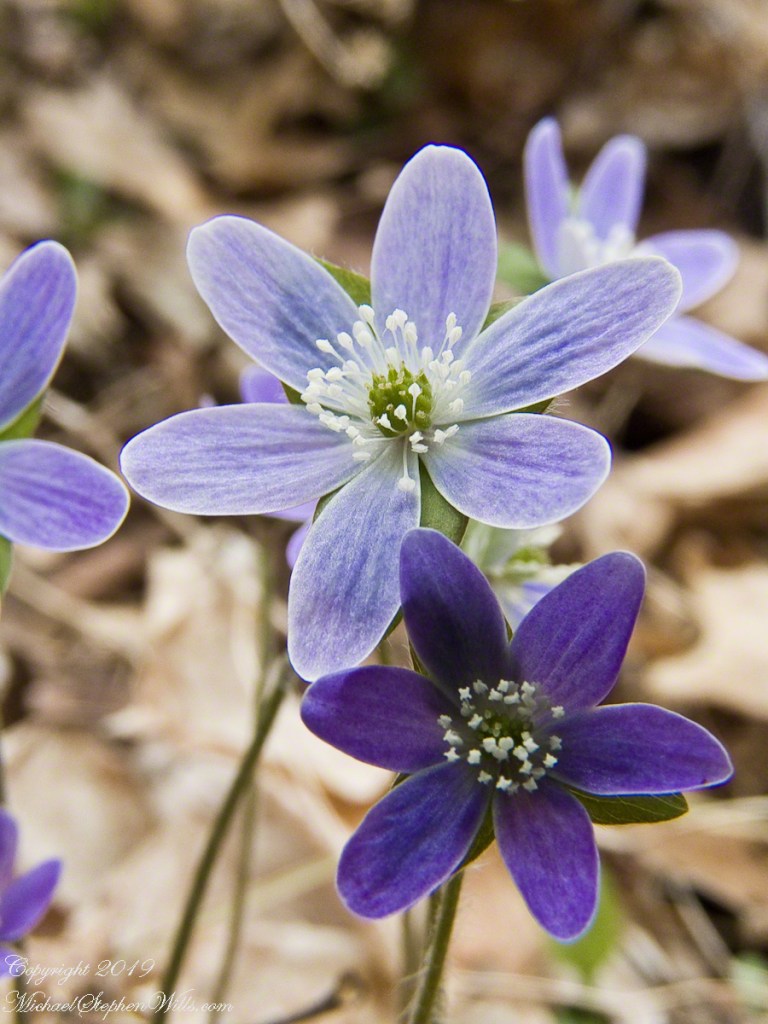
Hepatica from April 2007
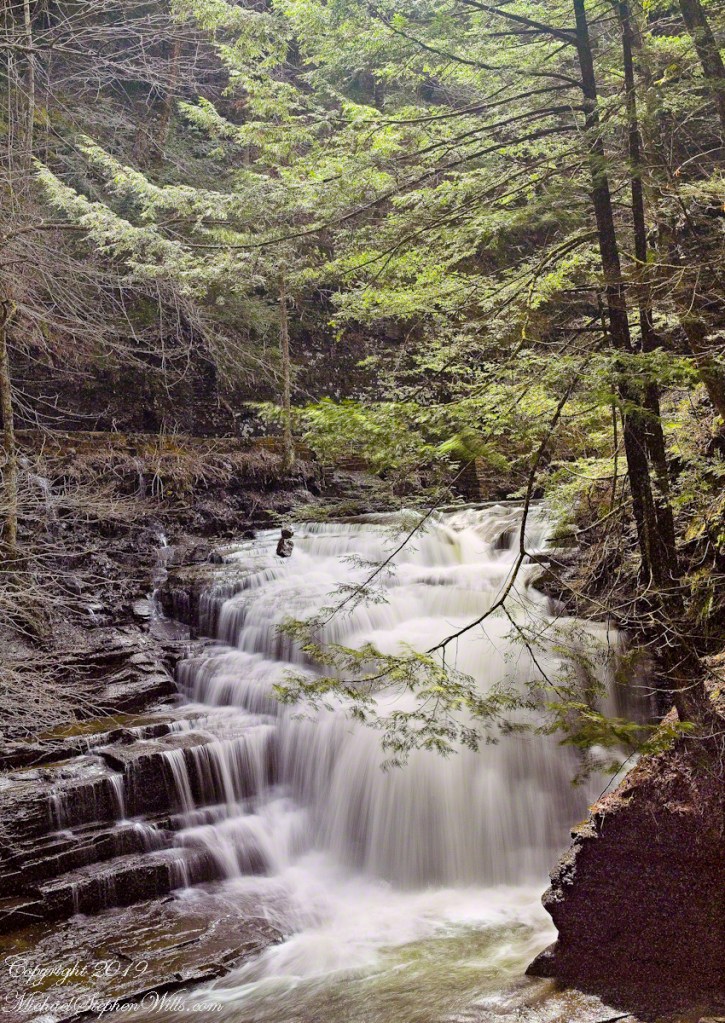
Back in 2007 I used a 100 mm Canon Macro lens on a Kodak slr along with a Sony DSC-F828 variable lens for this mix of macro and habitat captures presented as a gallery so you can flip back and forth among the larger images. Click any image to bring up a larger version.
Summer View with Clouds
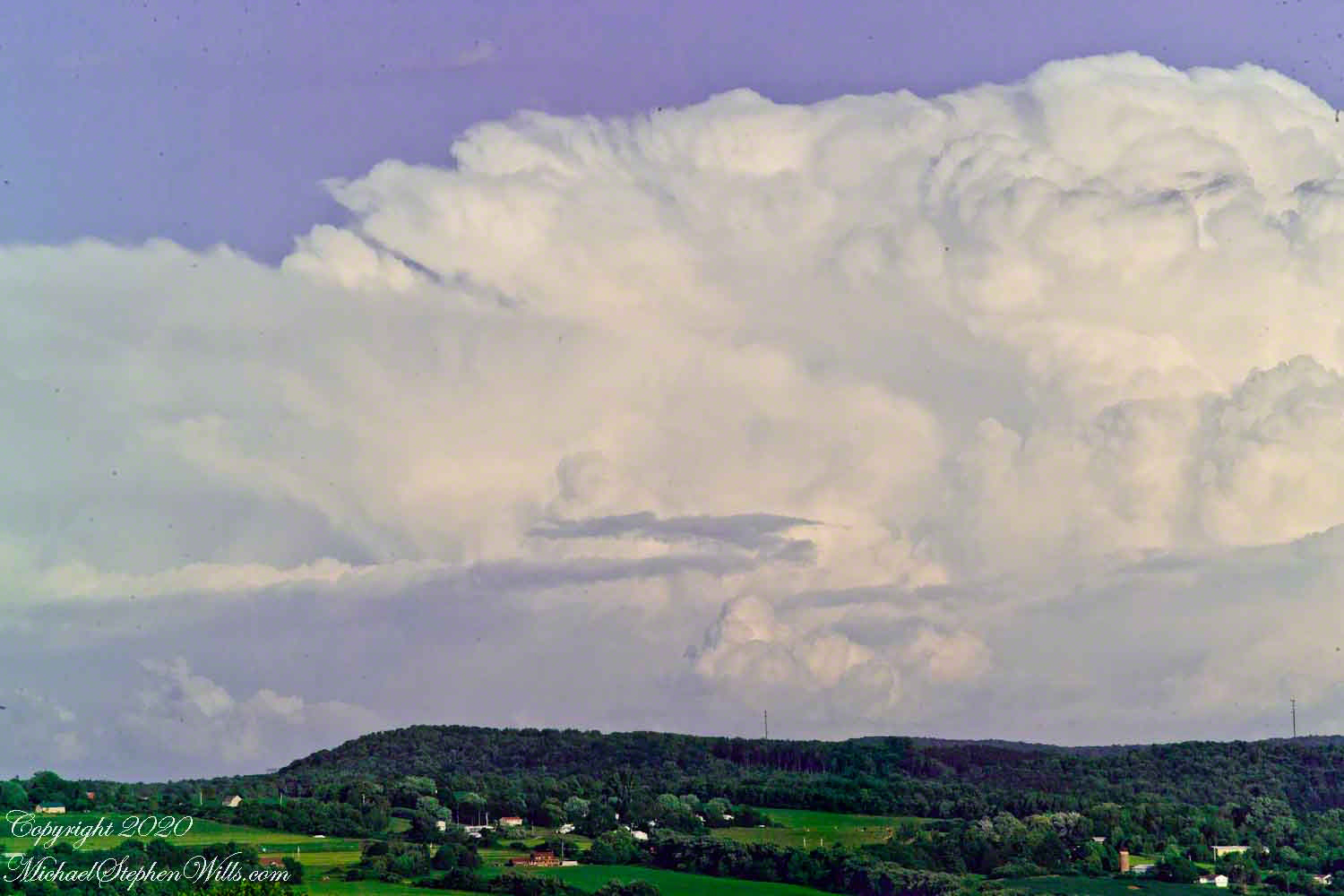
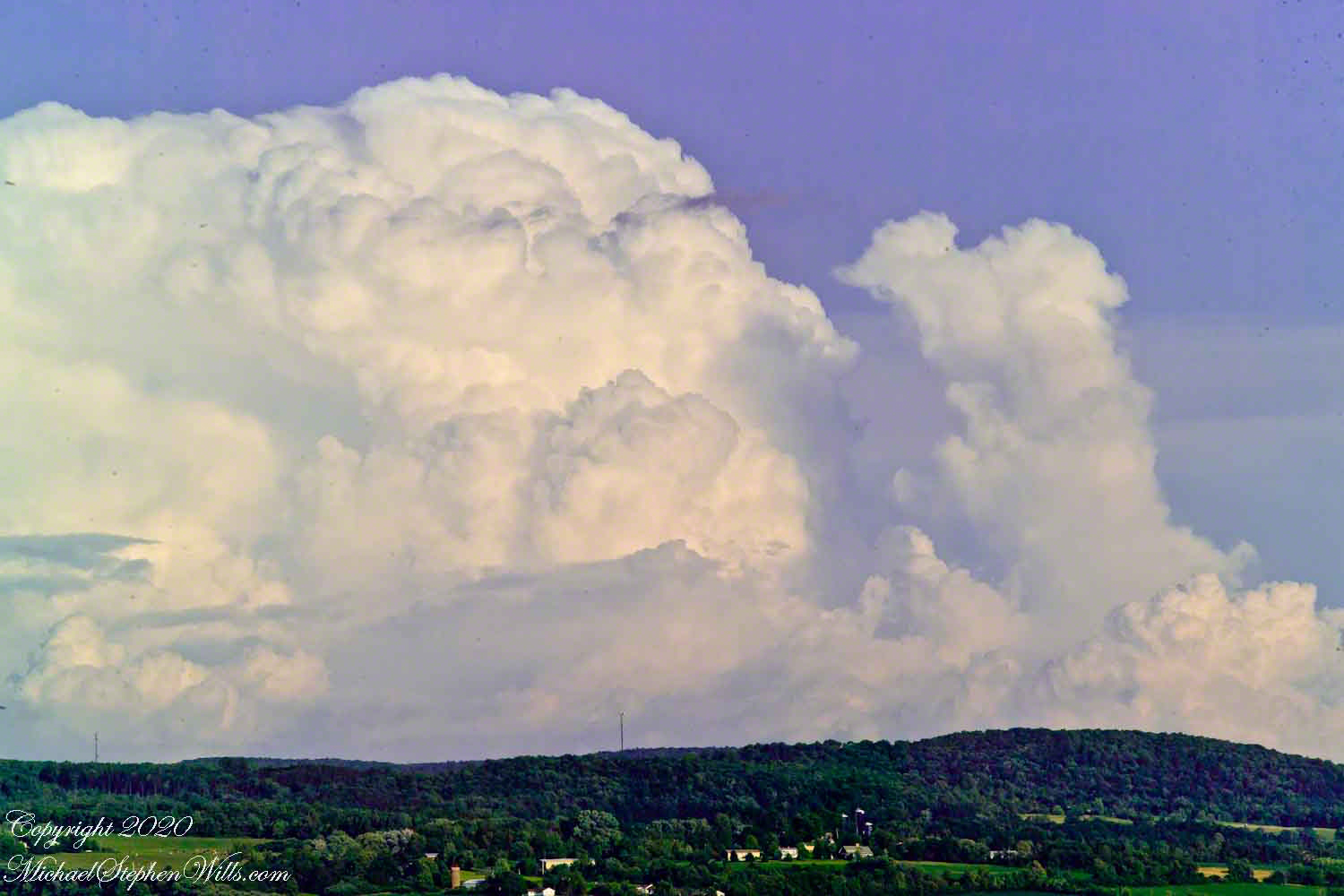

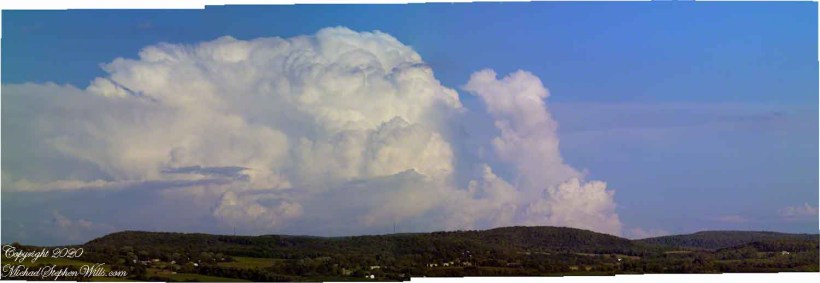
Travel to Fillmore Glen from our former home included a climb to an overlook of the Fall Creek valley, seen here on a summer afternoon in four parts.
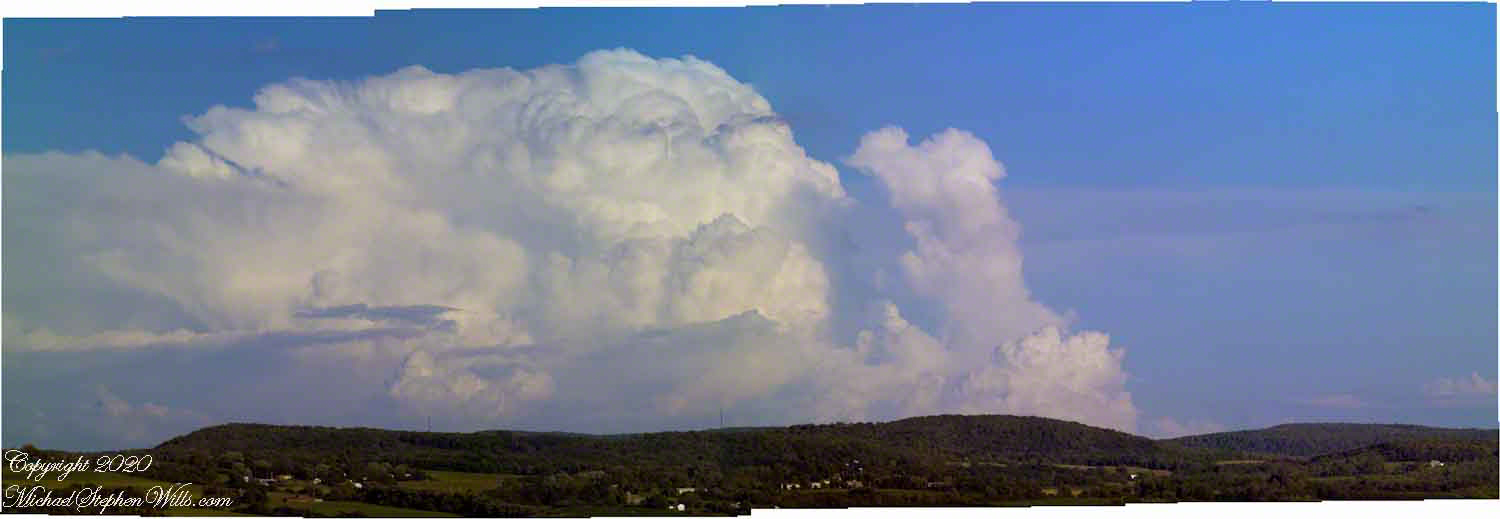
Three exposures using a 50 mm Canon lens on a Kodak dslr. A tripod allowed me good orientation and, later, to use the Photoshop photoMerge feature to combine exposures into a panorama. At that time, I was limited to the 50 mm lens.
Copyright 2020 Michael Stephen Wills All Rights Reserved
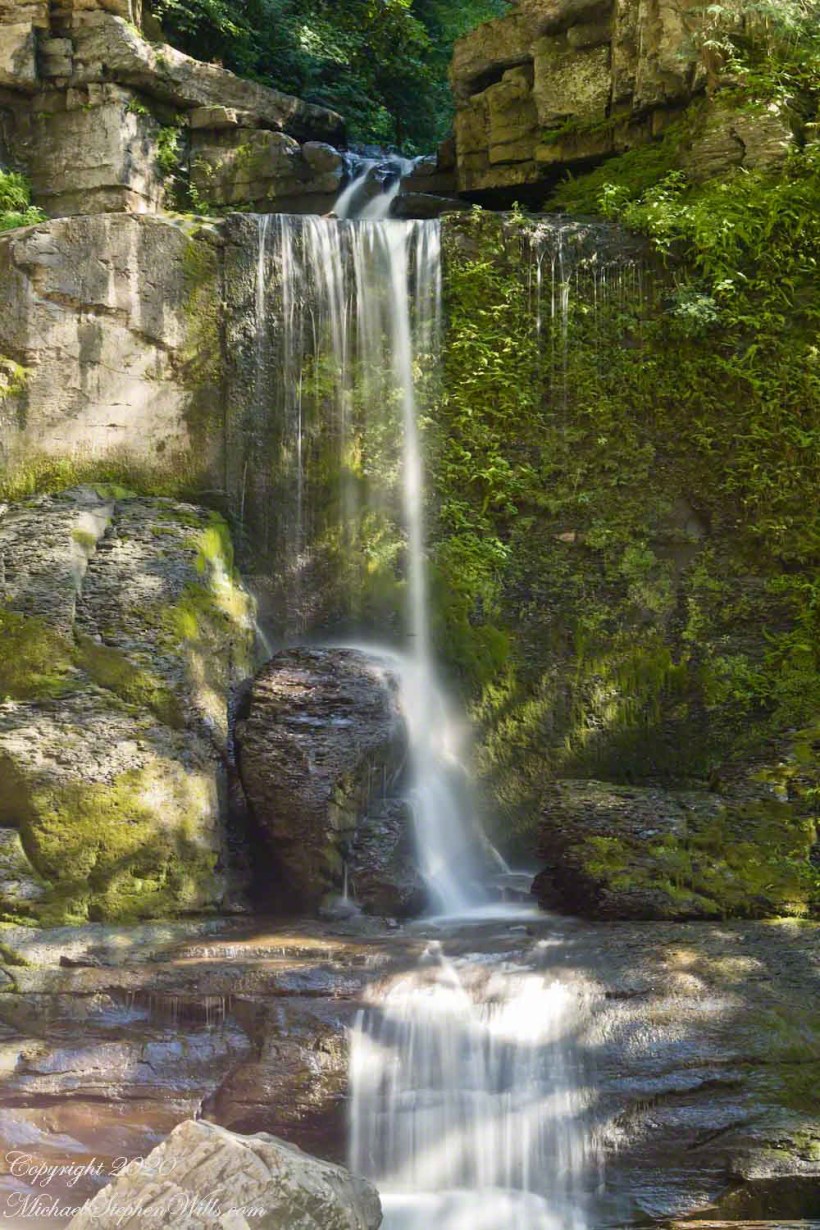
A Waterfall with this unusual name.

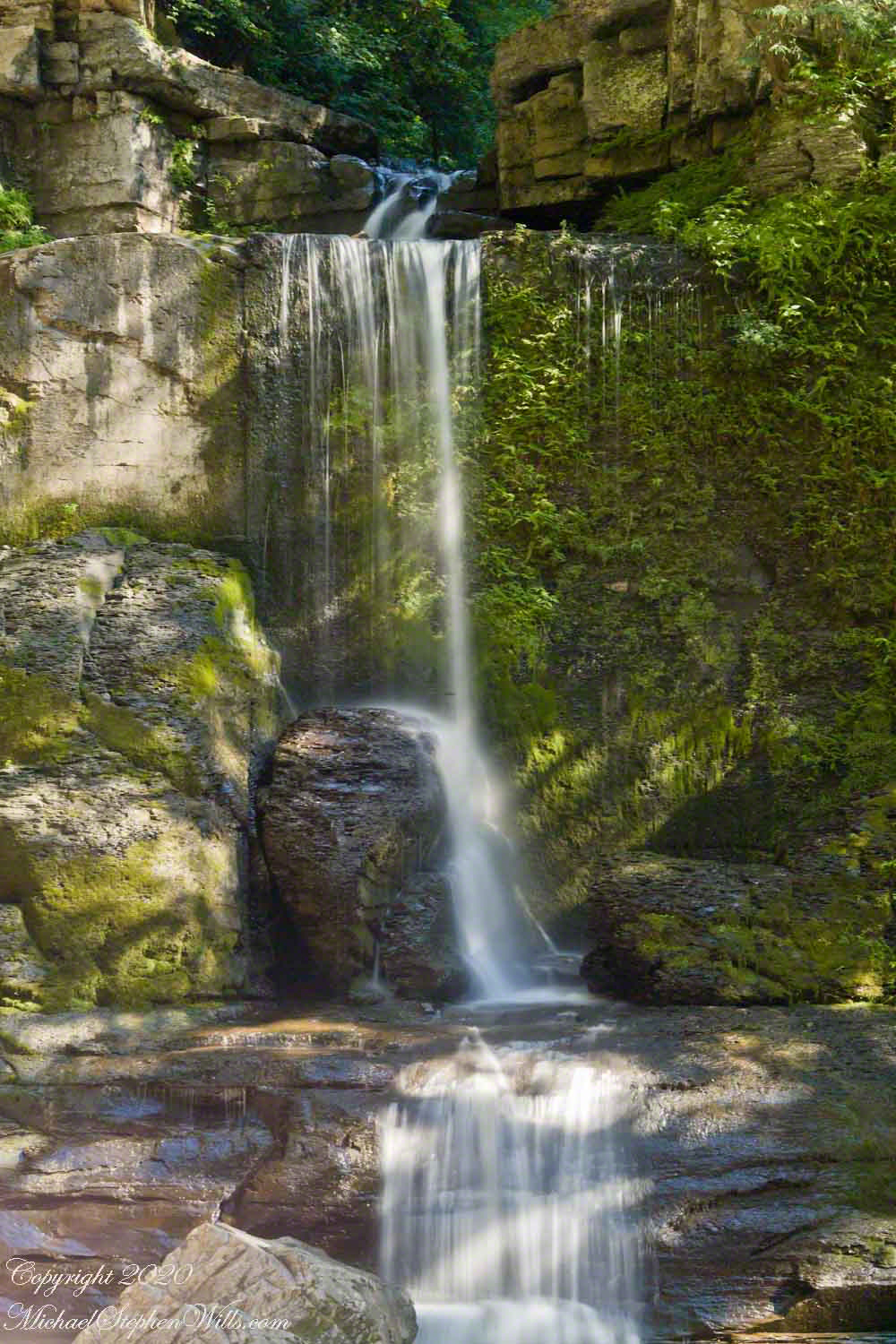
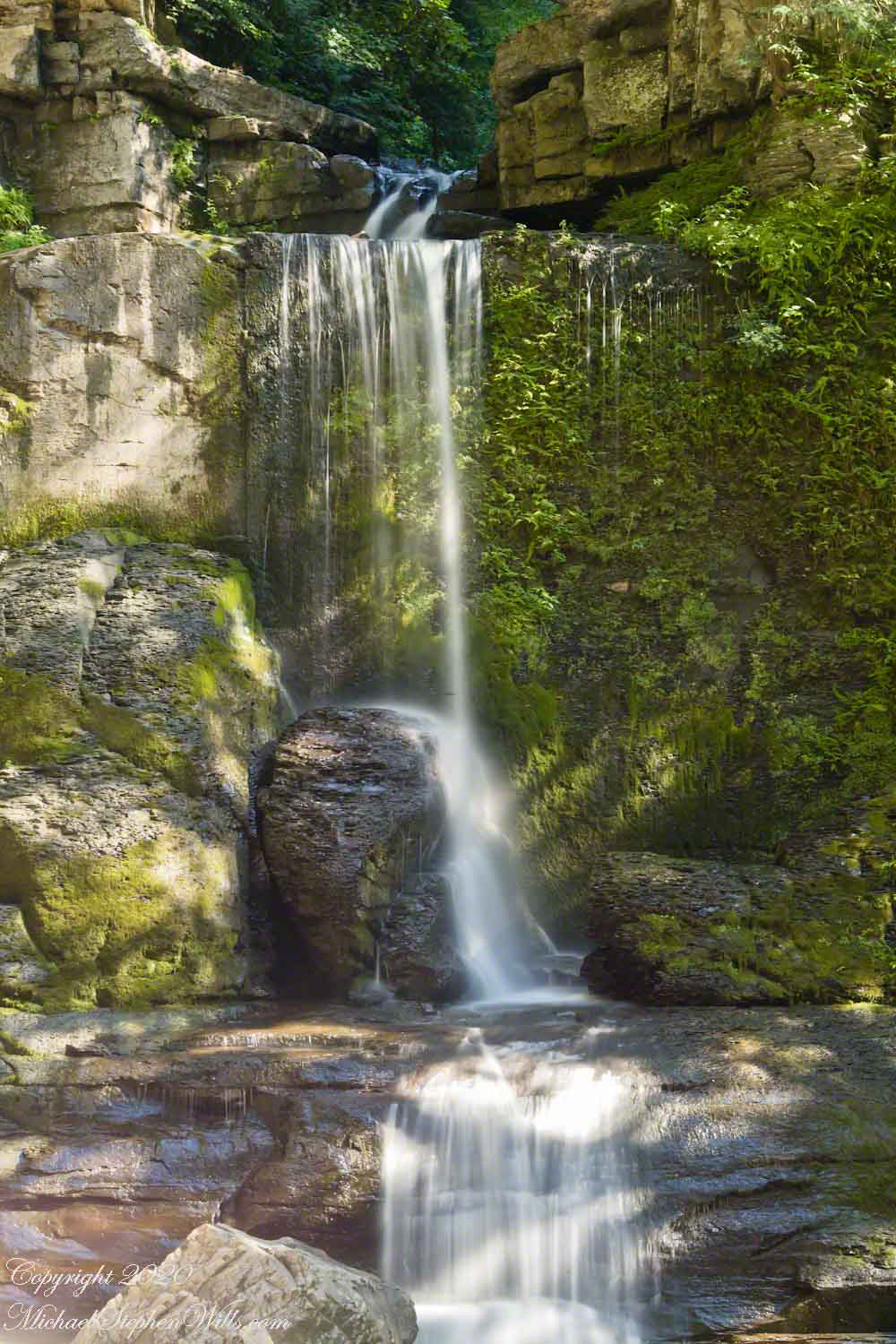
The gorge takes a turn here to face the west, where I caught the late afternoon sun lowering in these three shots in close sequence.
Copyright 2020 Michael Stephen Wills All Rights Reserved

Bugged
Nectar at the base of each flower petal may be the quixotic quest of this mosquito. Quixotic because the physical characteristics of benefit to human predation, a light body, makes it unsuited to delve into the petals.
Flowers are like people in emitting carbon dioxide, another mosquito attractant. If it is looking for blood here this mosquito is also at a loss.
Click photograph for larger image. To do this from WordPress Reader, you need to first click the title of this post to open a new page.
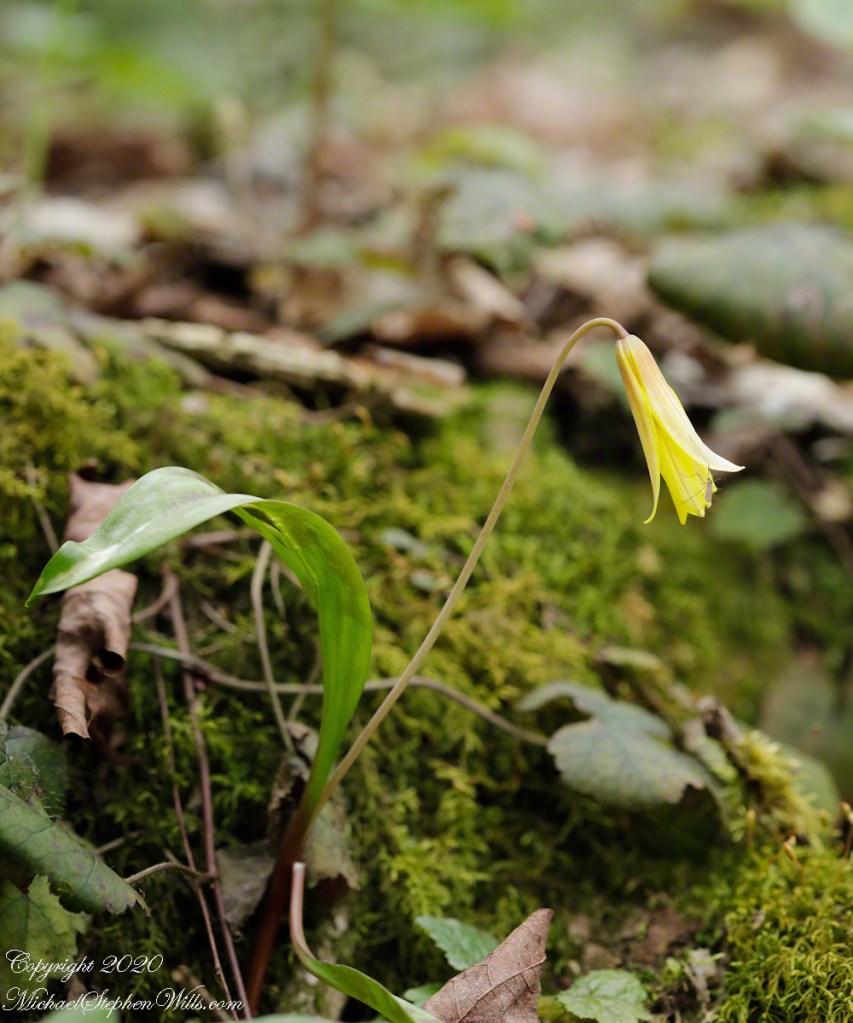
Another lily with a tiny fly (mosquito?) perched at the base.
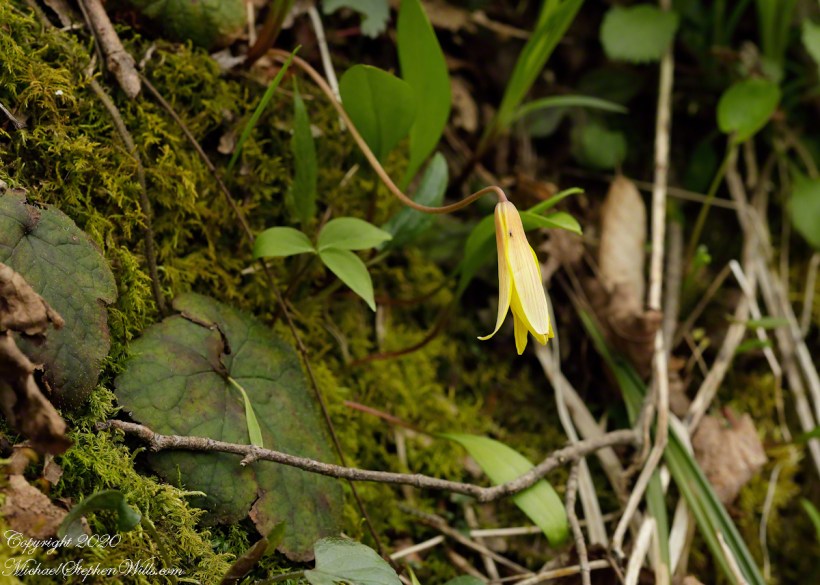
A Successful Outing during COVID-19
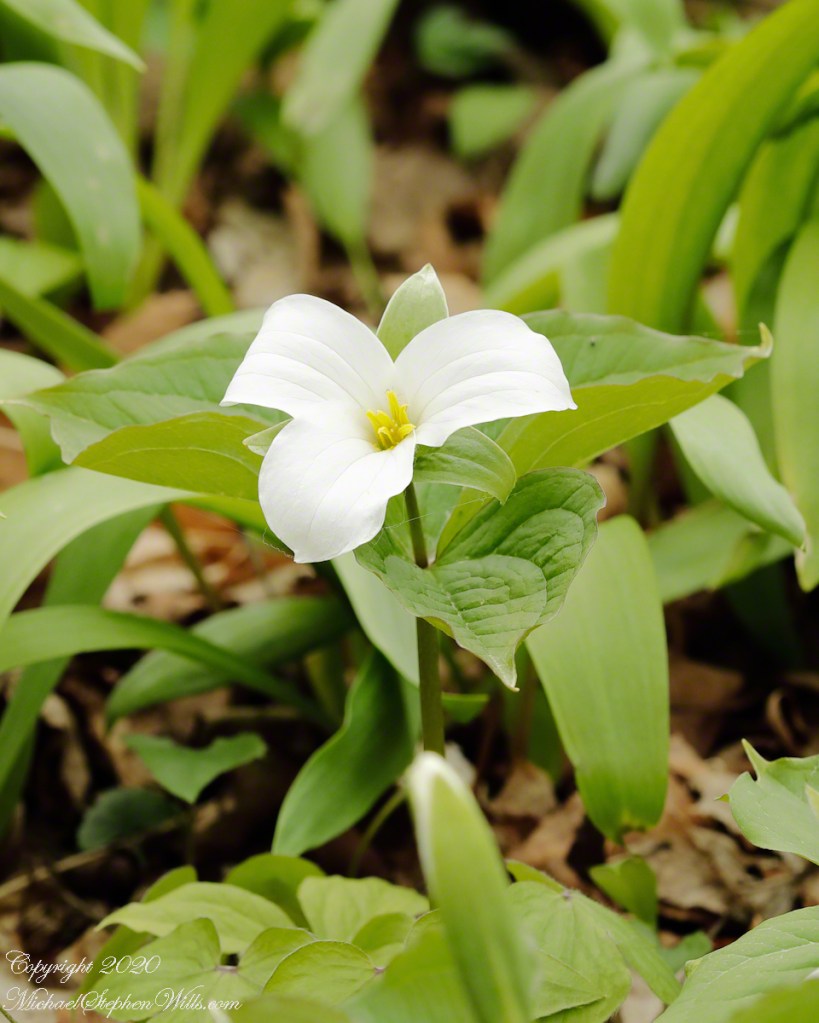
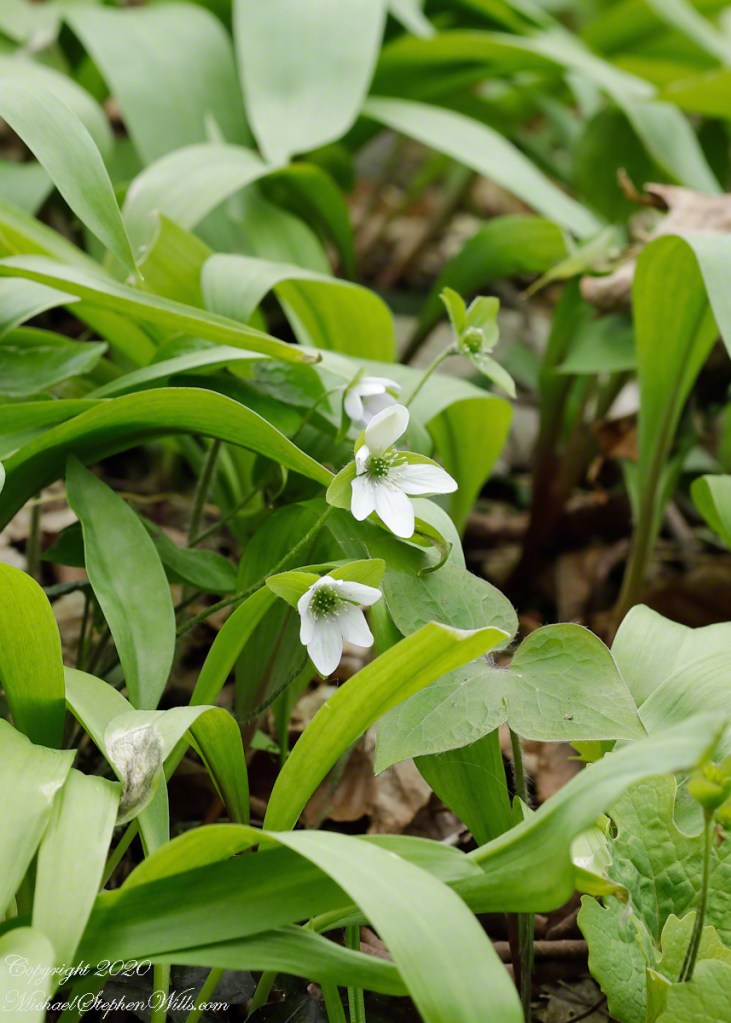
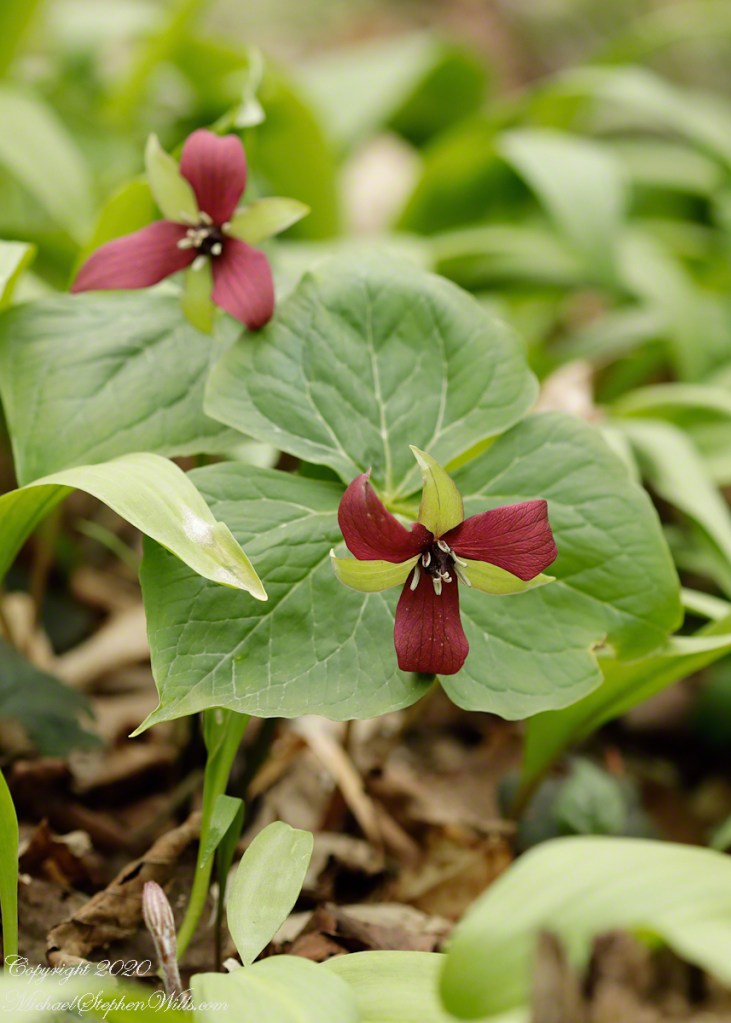
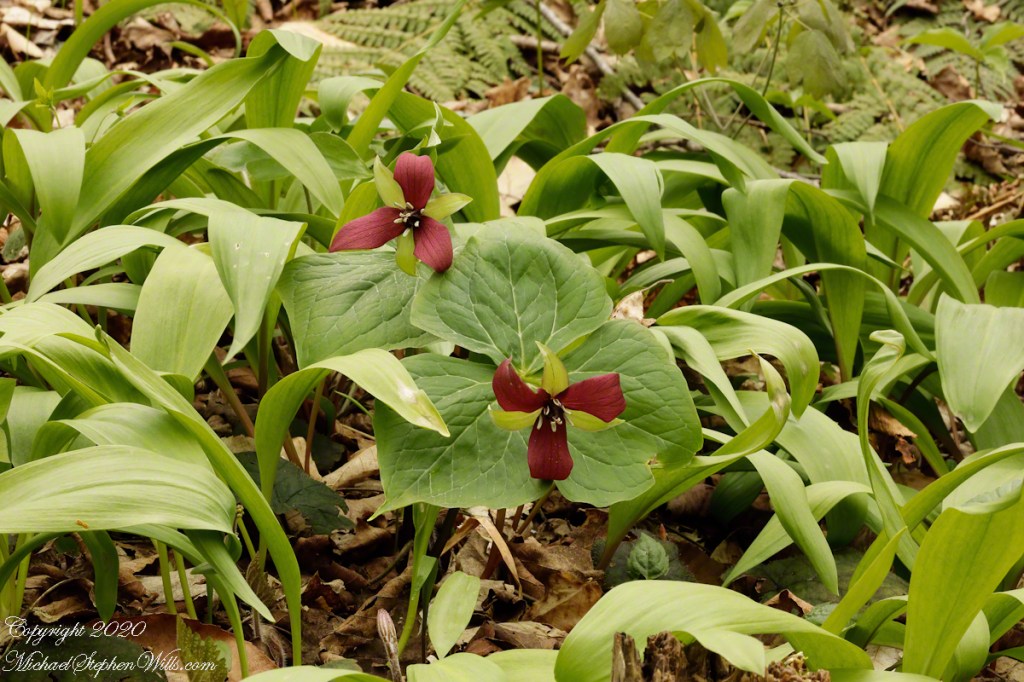
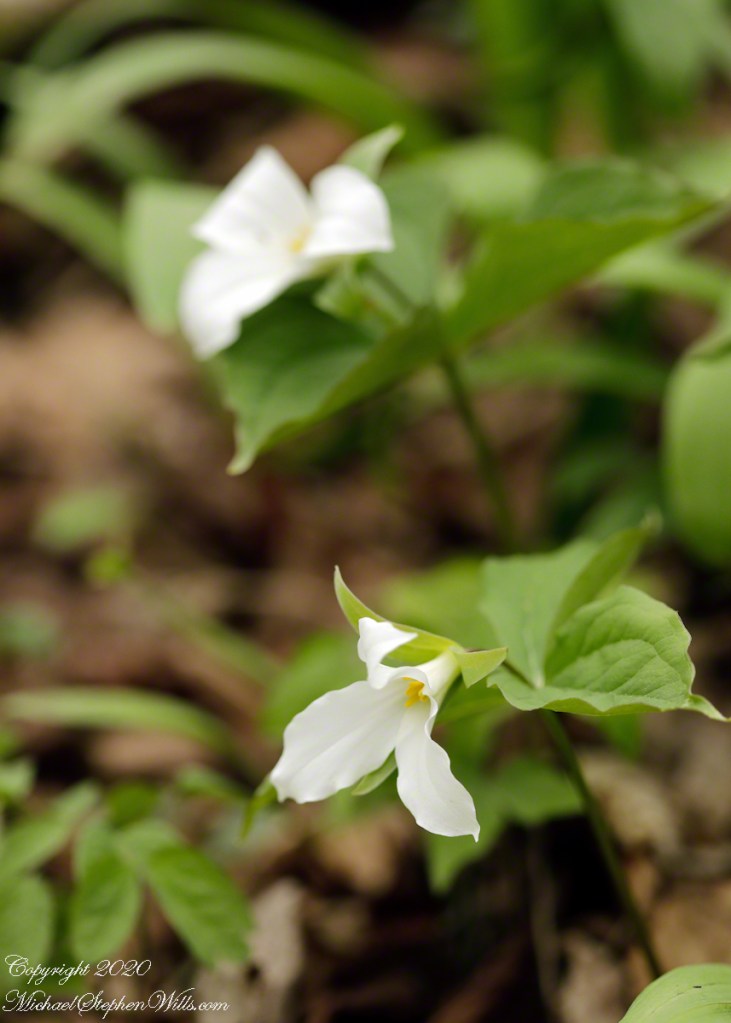
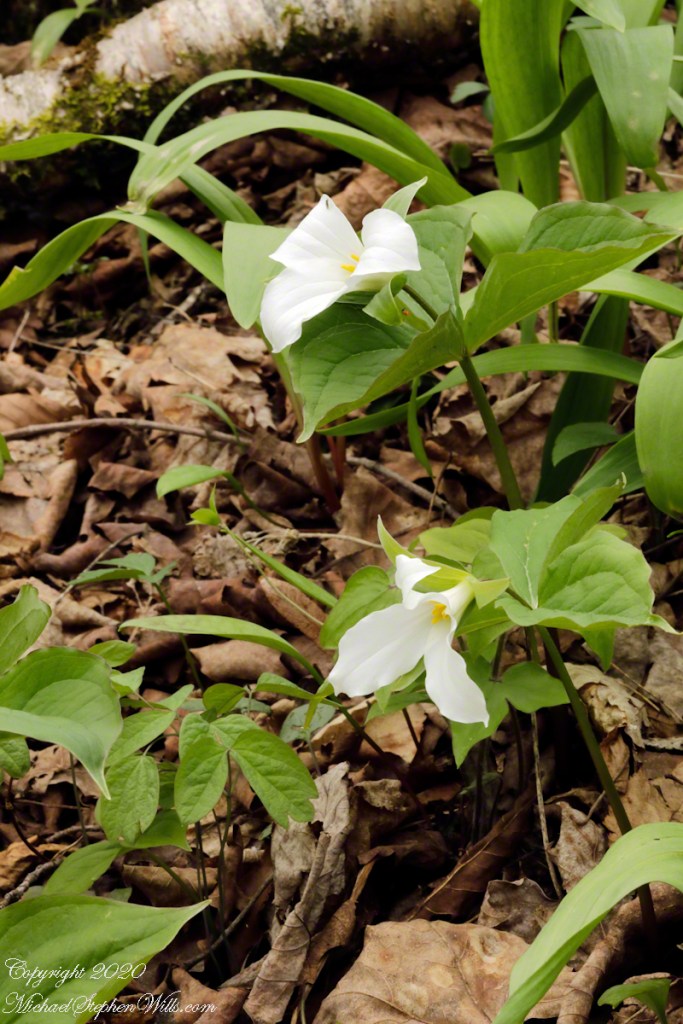
Here is a gallery recapping my afternoon among the wonders of Fillmore Glen, a New York State park, Moravia, New York. I visited there during the New York COVID-19 “PAUSE.” ENJOY!!
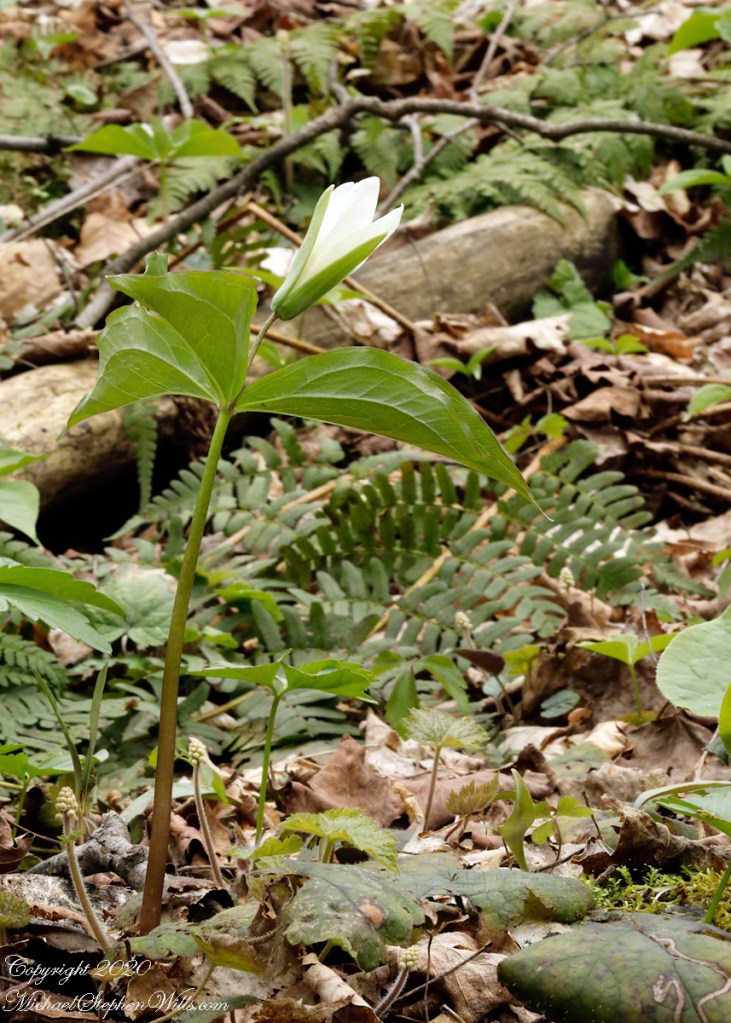
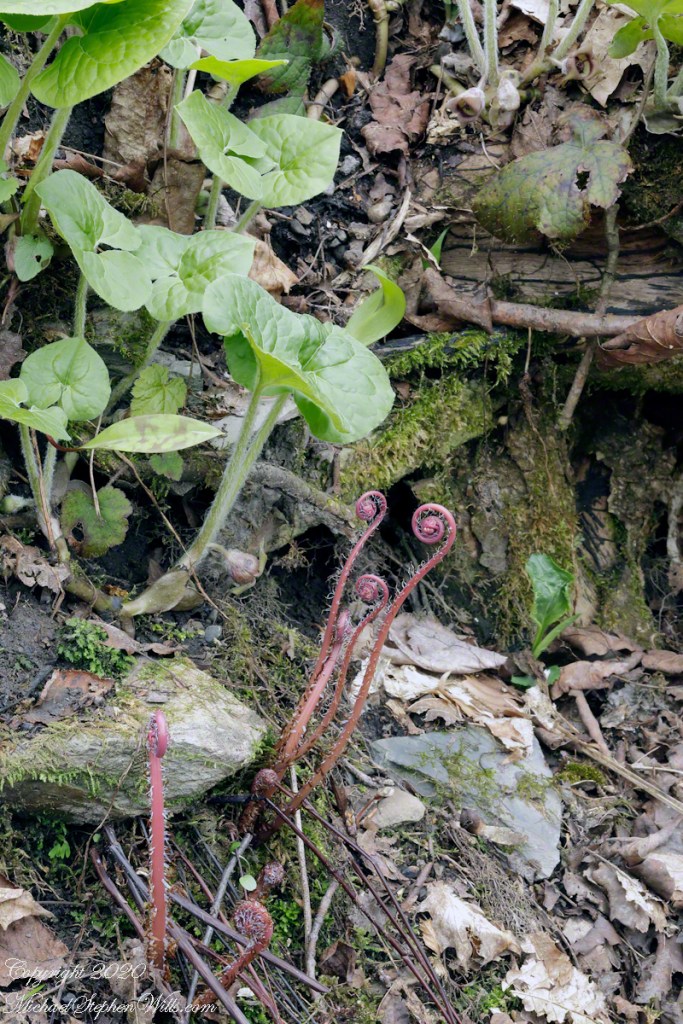
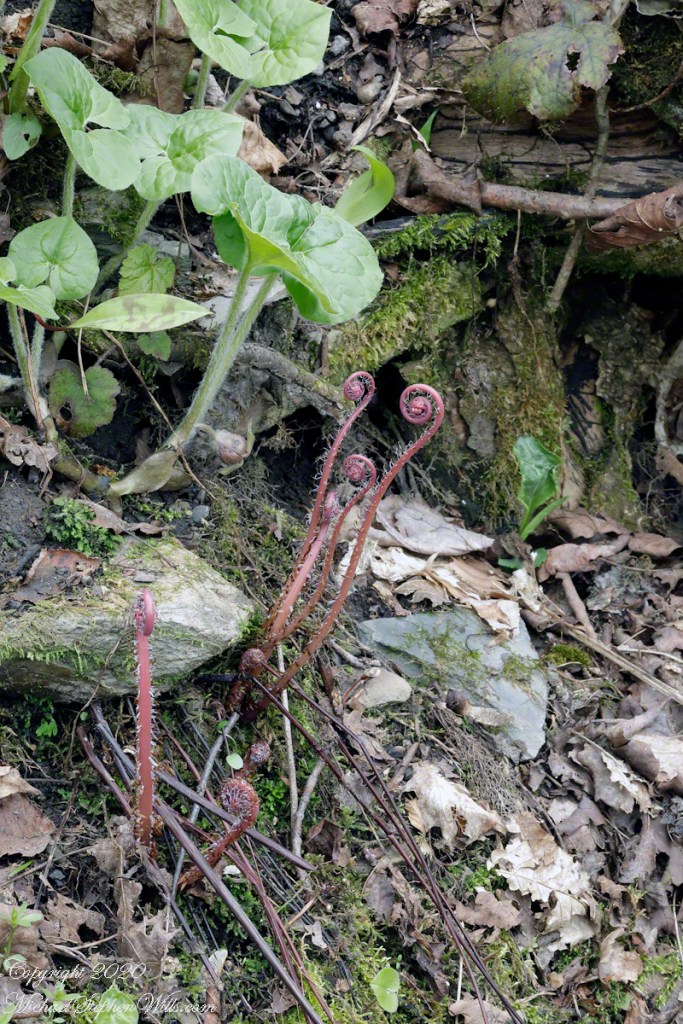
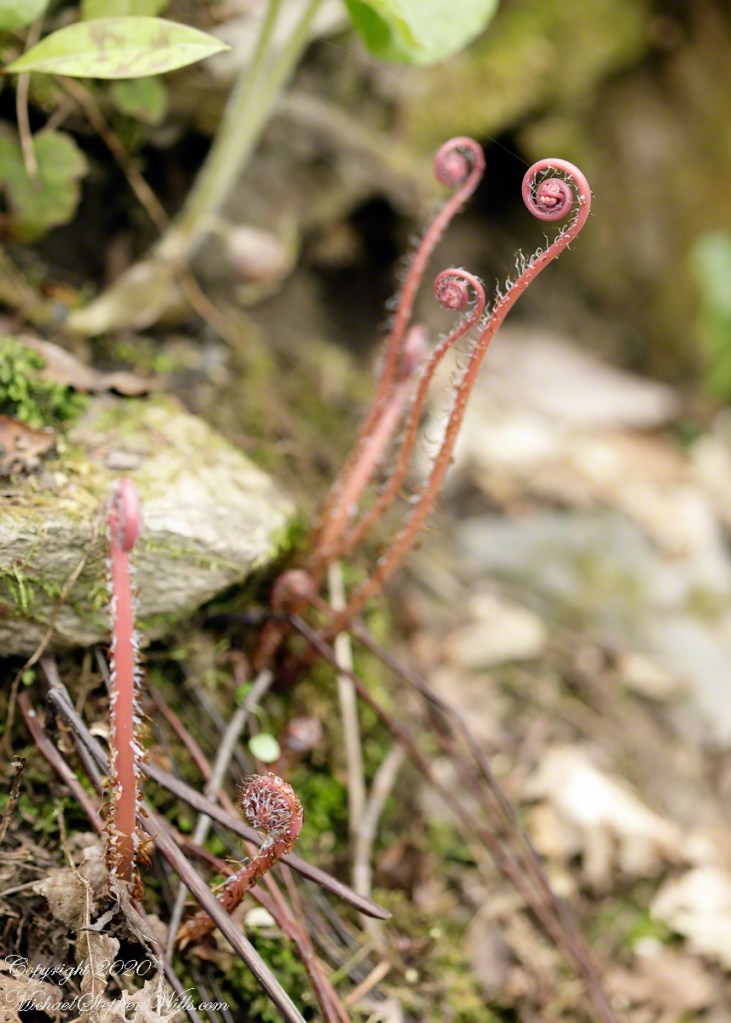
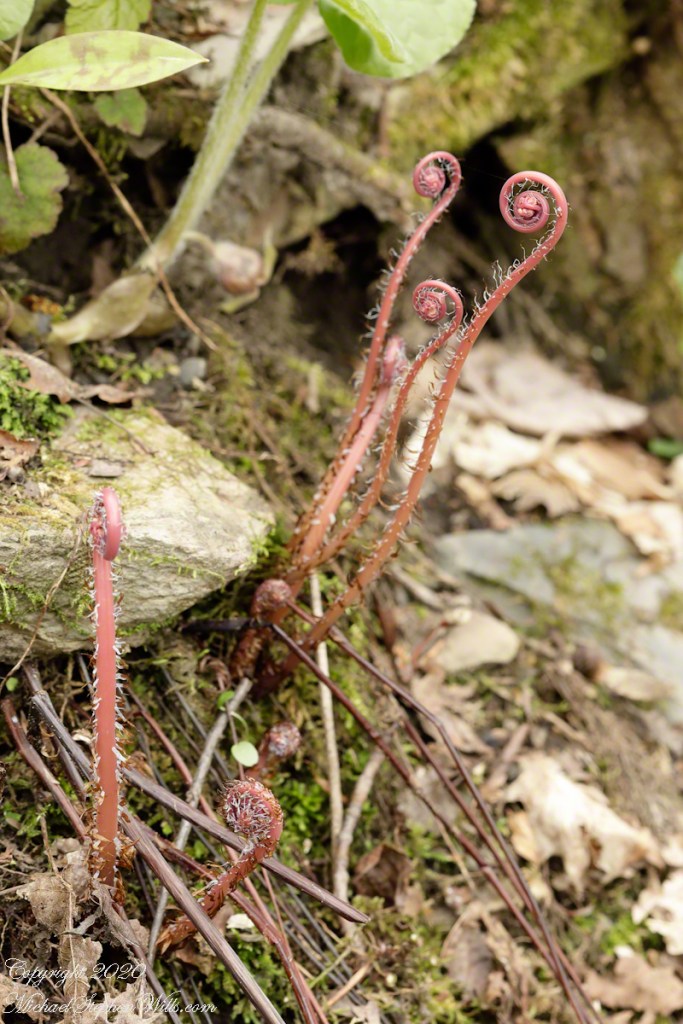
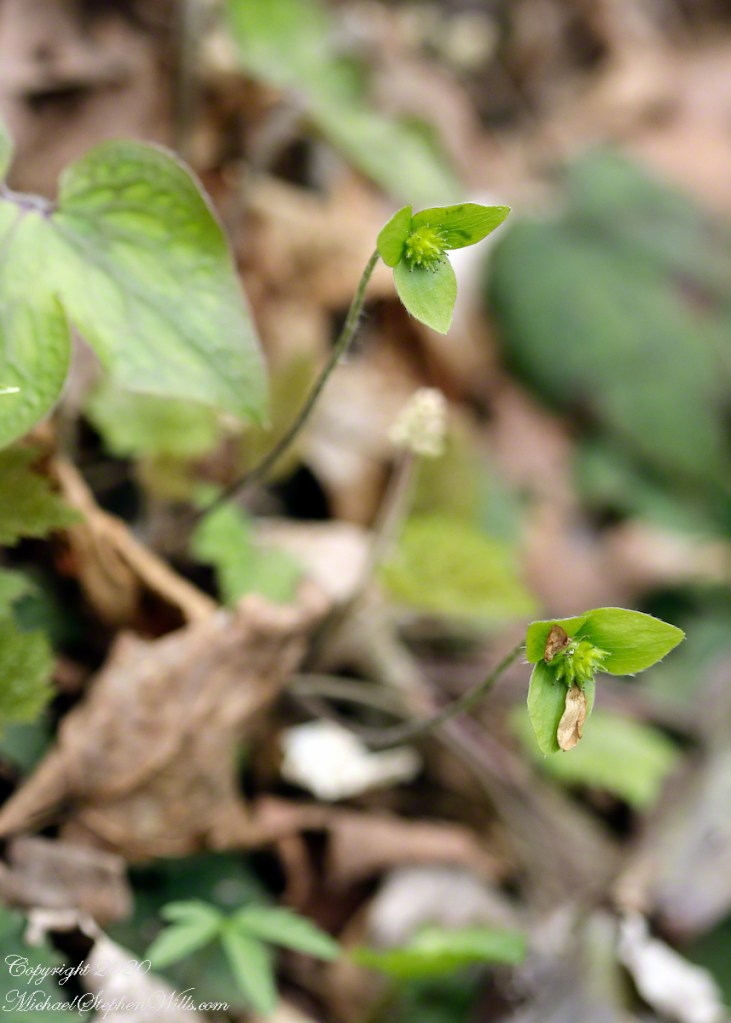
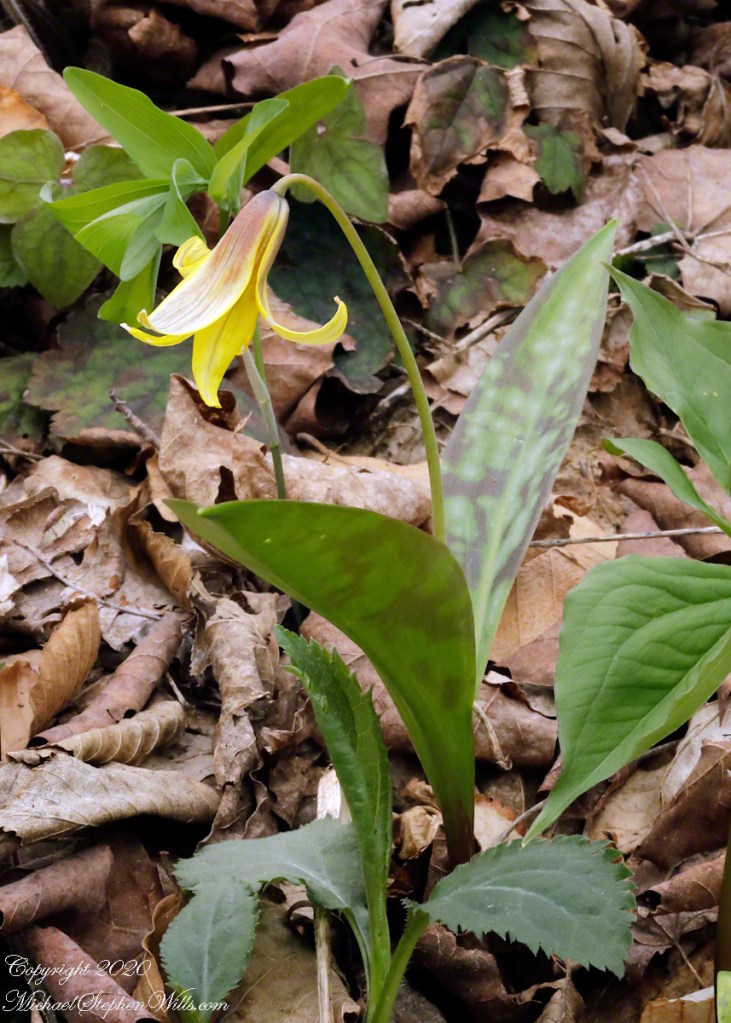
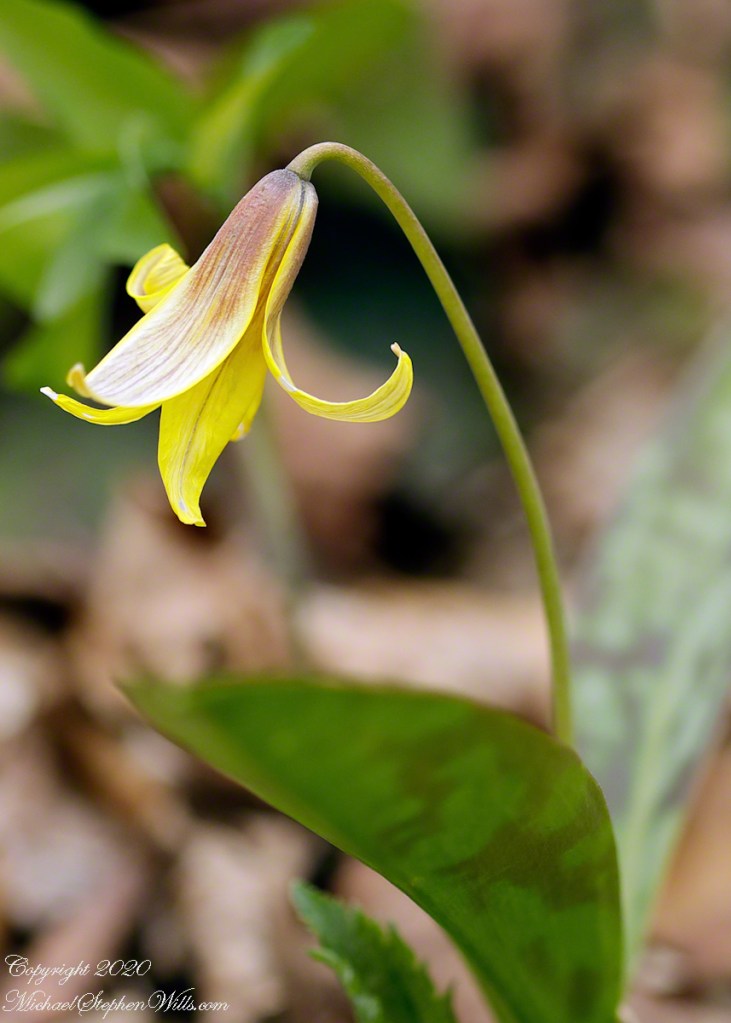
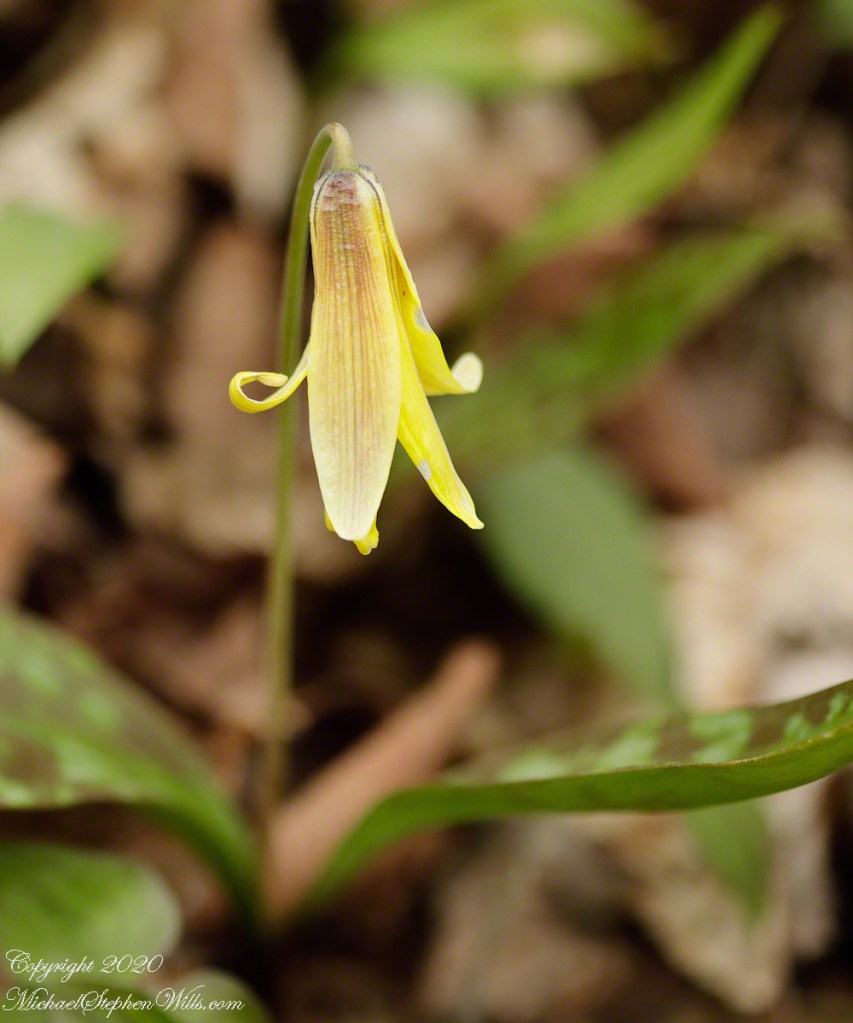
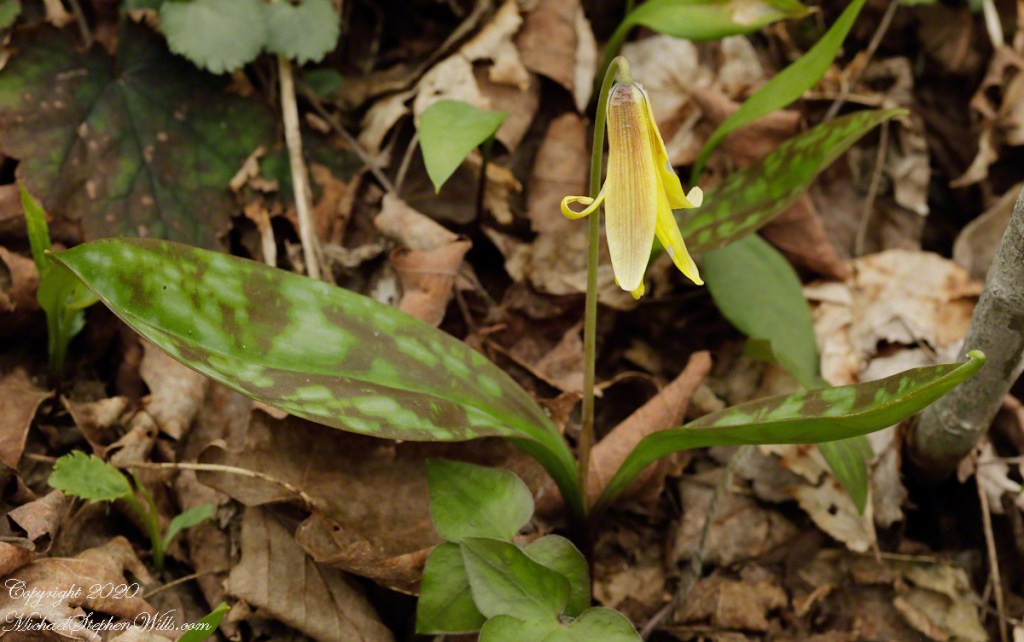
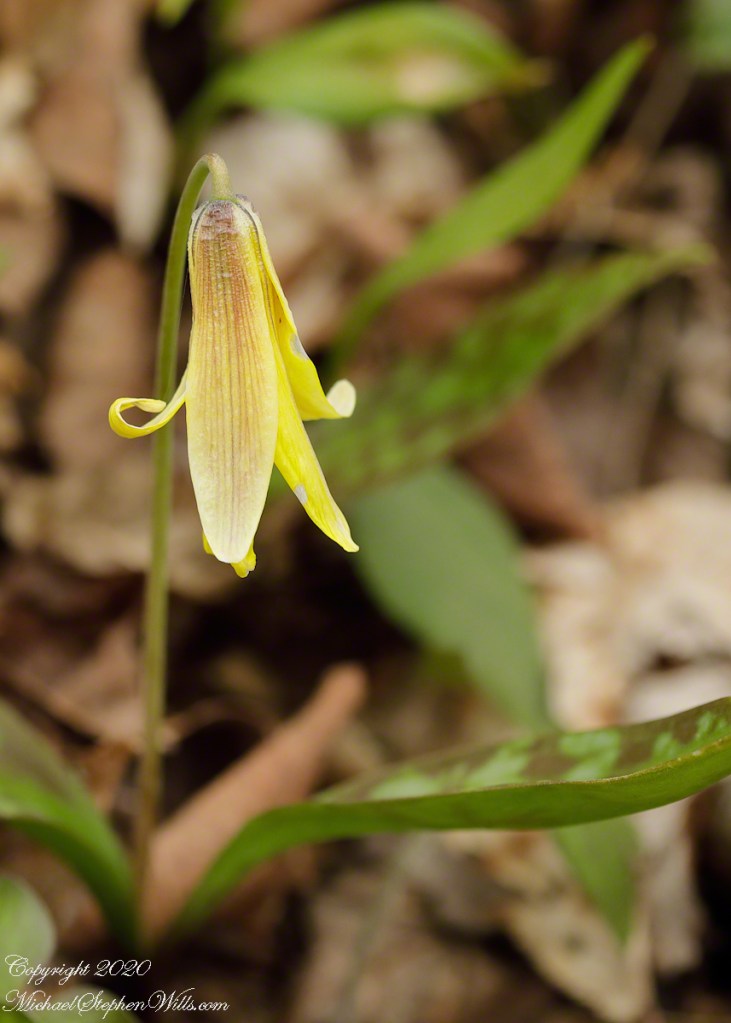
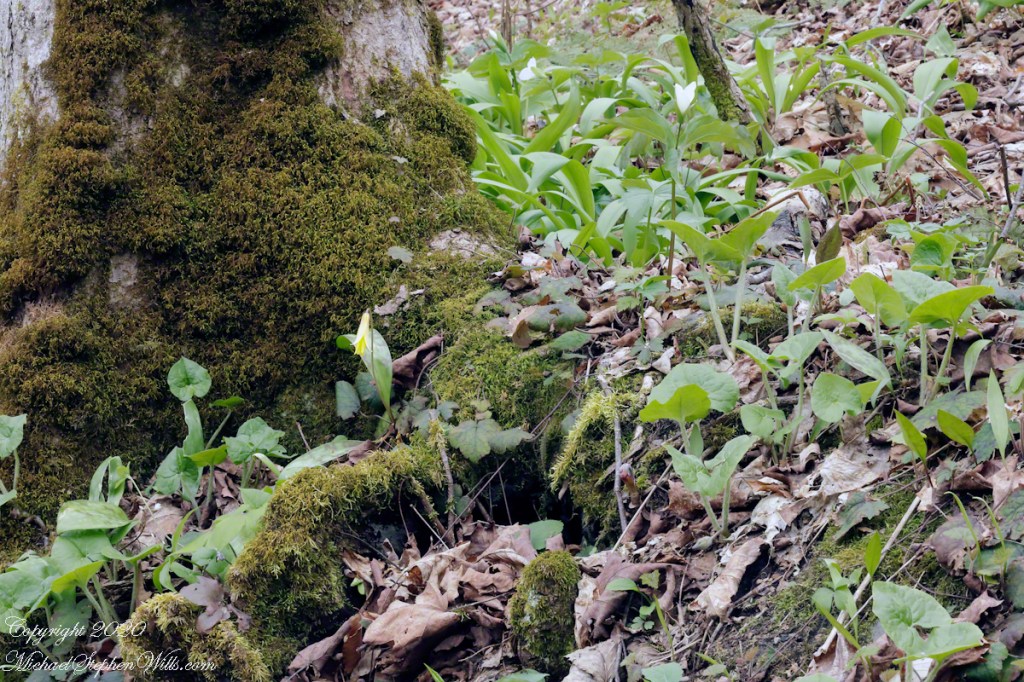
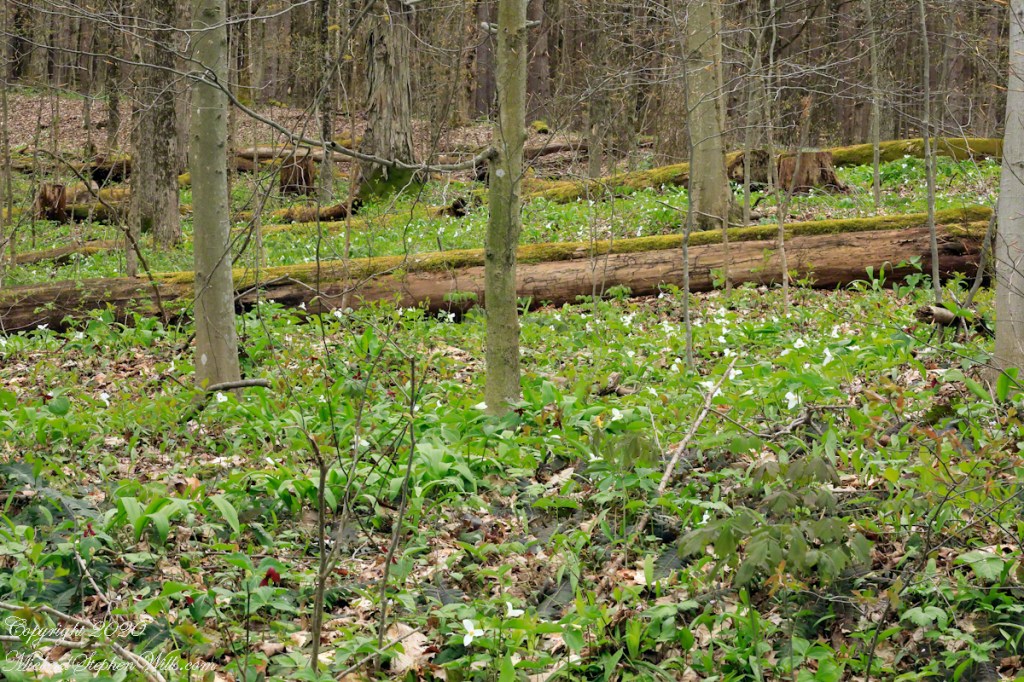
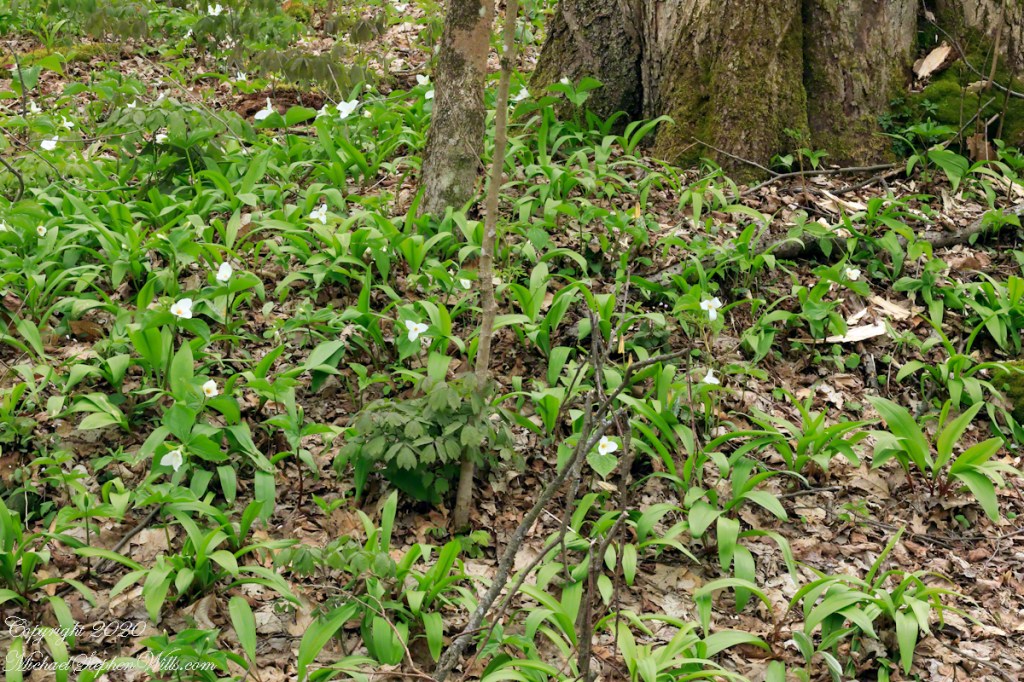
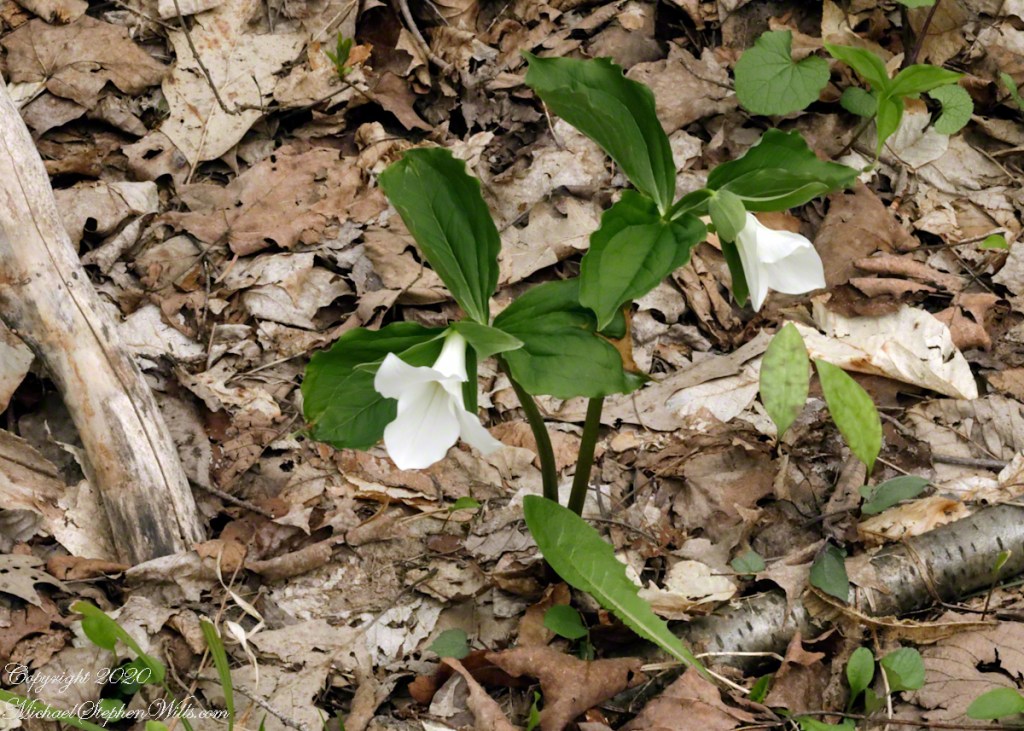
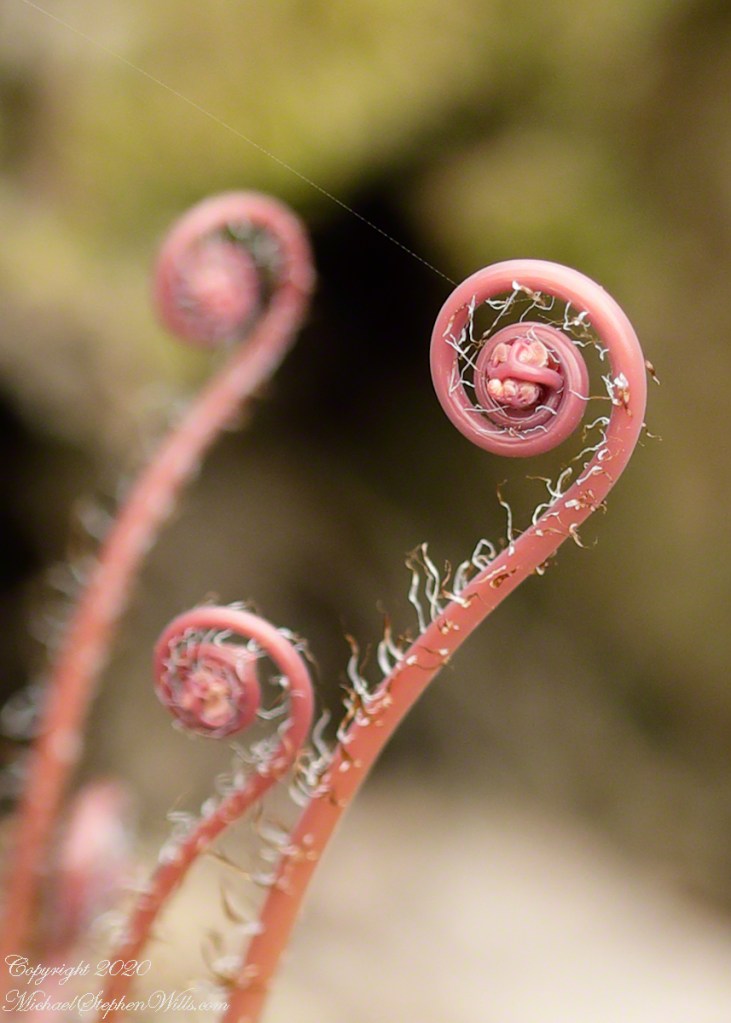

Beginnings
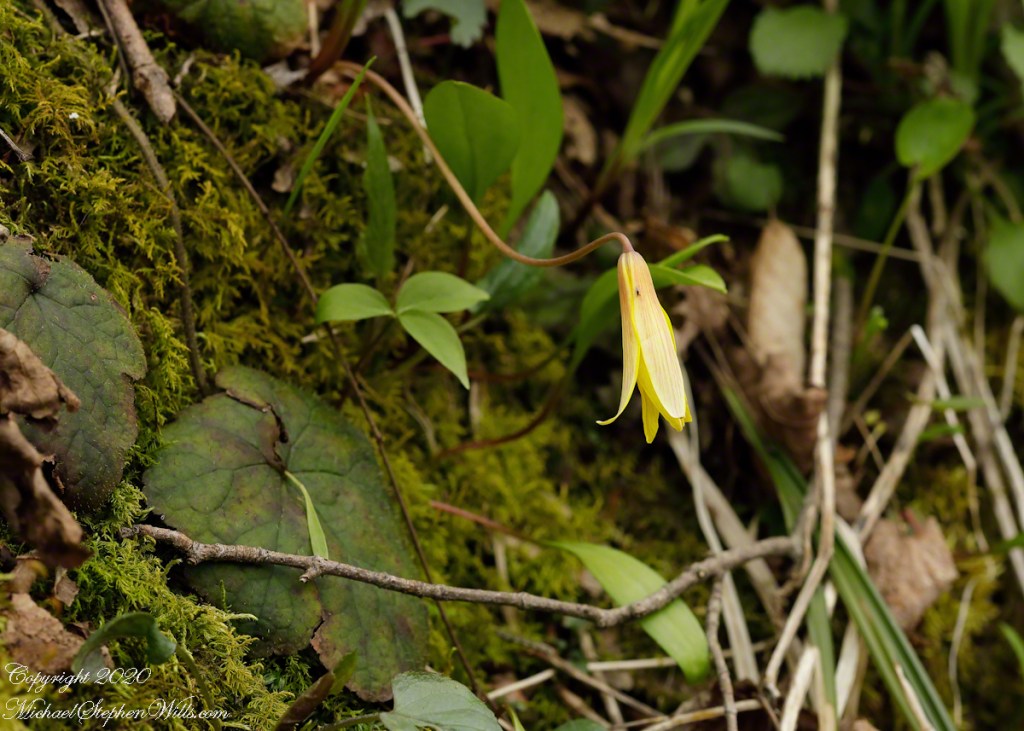
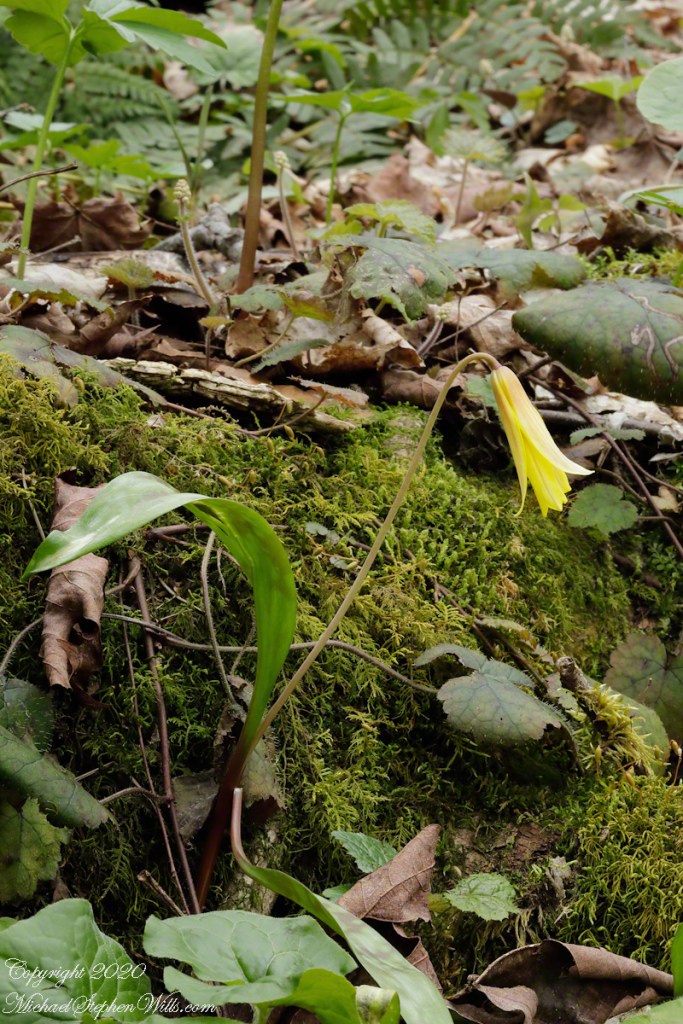
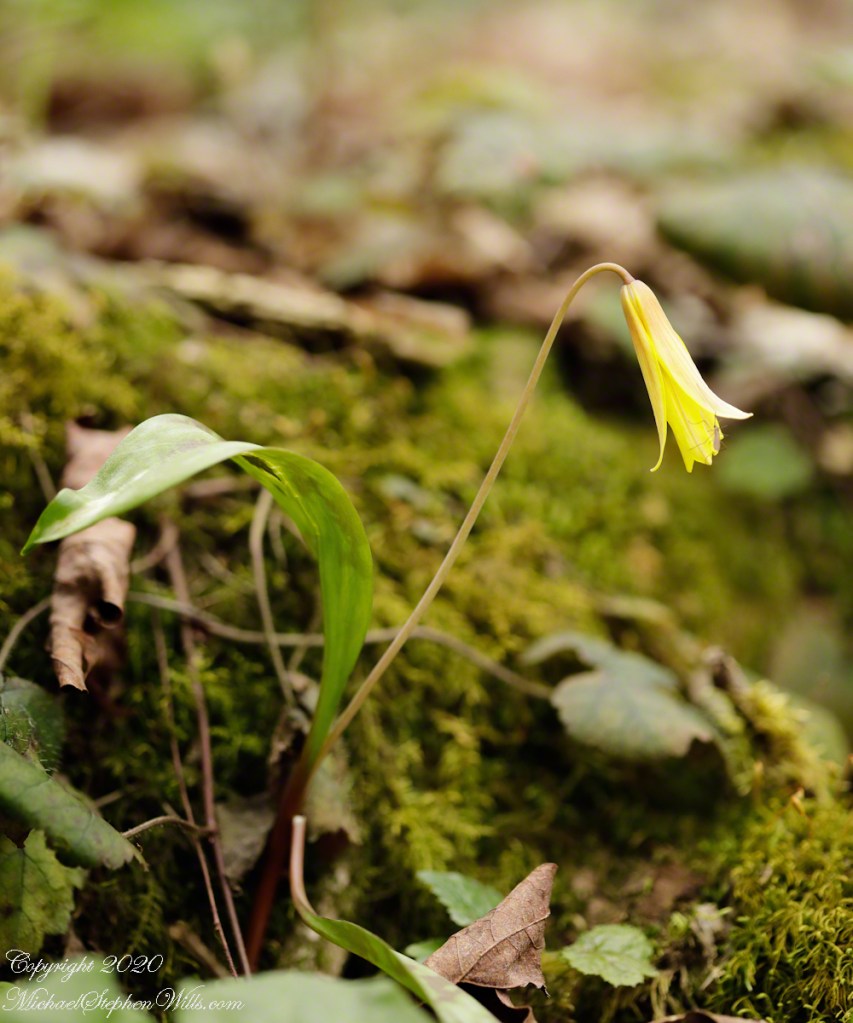
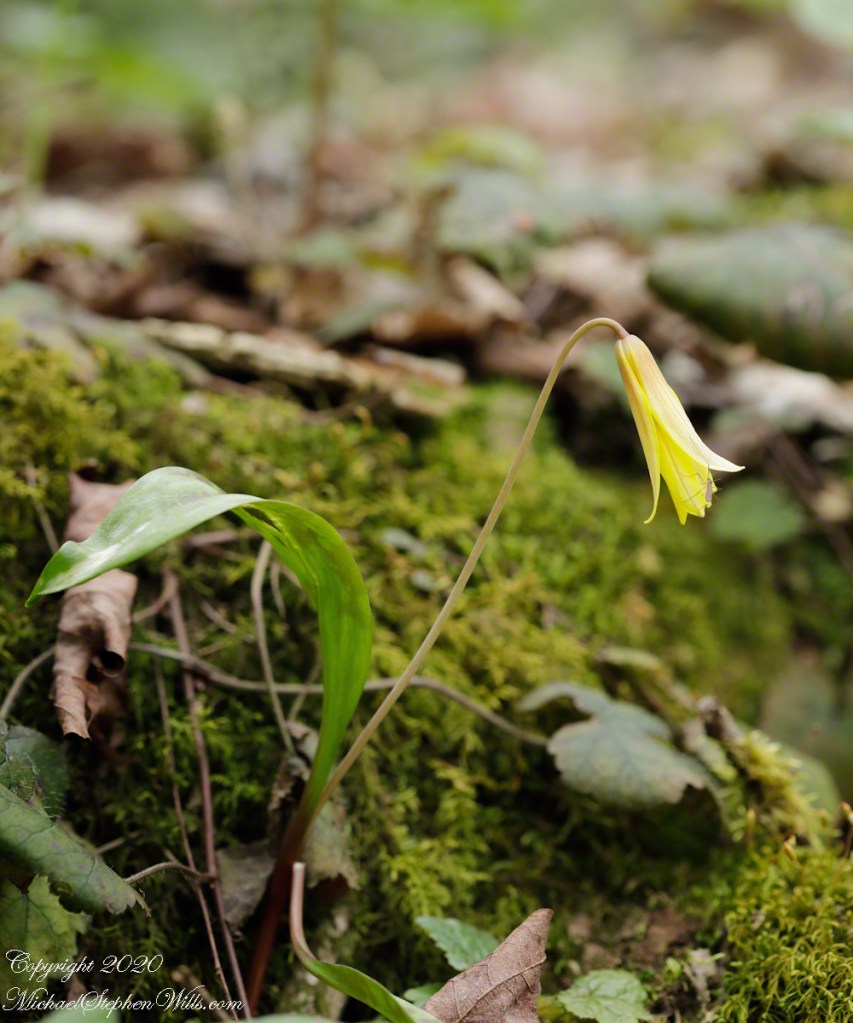
Amazing natural sights were mine while living 25 years on the edge of the Malloryville Preserve near Freeville, Tompkins County, New York. None more so than early one Memorial Day, 2004, walking the bank of Fall Creek opposite home I came upon, totally unexpected, a first time sighting of a Trout Lily.
Today’s header image is one of my attempts at capturing the Malloryville Trout Lily’s from April 2006. This year’s visit to Fillmore Glen yielded my first “perfect” photographs of this flower.
Click photograph for larger image. To do this from WordPress Reader, you need to first click the title of this post to open a new page.
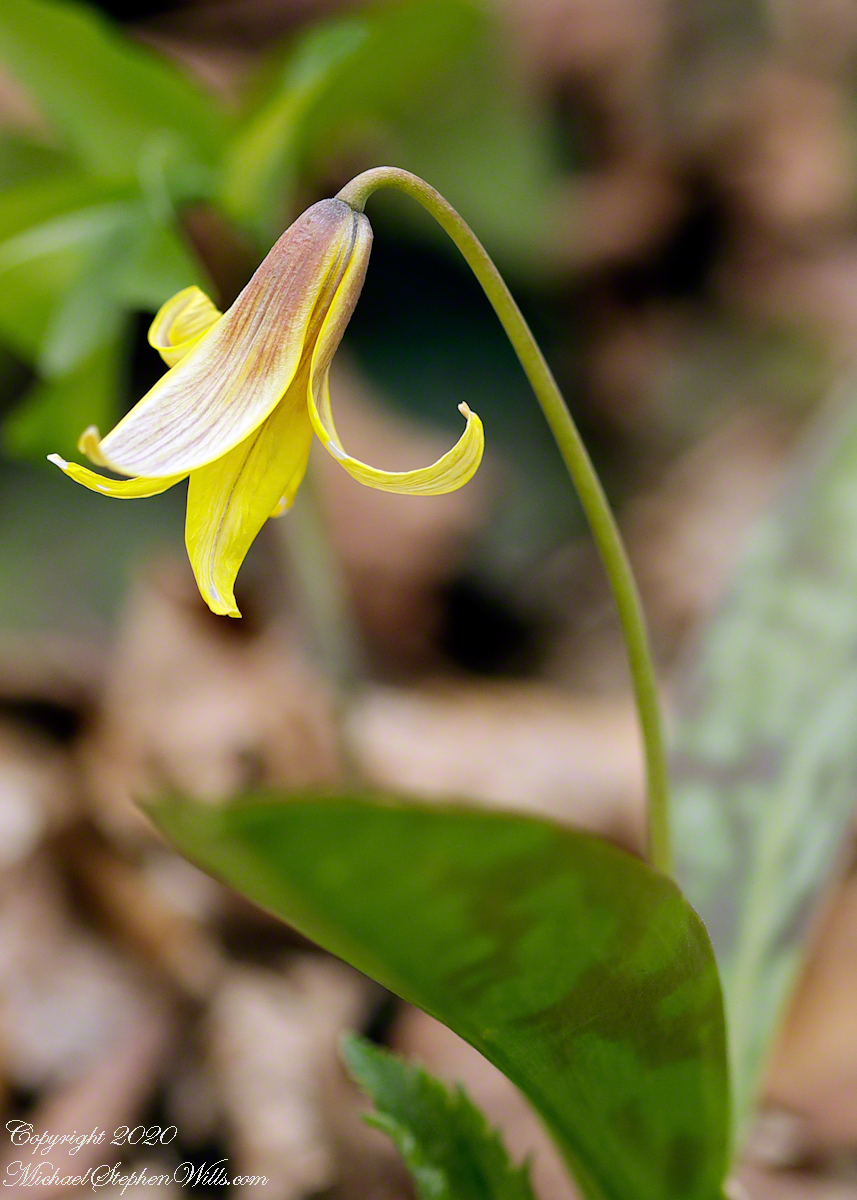
Several popular names for this flower originate from the distinctive leafs markings, “Adder’s Tongue Lily” and “Fawn Lily” among them. The second is from the American naturalist and author, John Burroughs, who observed them from his home among the Catskill Mountains of New York State.

