A Glimpse into Steamboat Landing, Ithaca, New York

Discover the enchanting beauty of Steamboat Landing in Ithaca, New York. From the quiet winter majesty to the vibrant warmth of spring, this historical waterfront is a testament to the city’s rich past and evolving present.


Historical Significance and Transformation


Steamboat Landing in Ithaca, New York, is steeped in historical significance, serving as a testament to the city’s rich past and its evolving present. At the dawn of the 20th century, it was a bustling hub where steamboats carried passengers and freight, linking Ithaca to an ever-growing nation. These vessels were vital for the development of commerce, aiding travelers as they embarked and disembarked on their journeys that continued by stagecoach or later, by train.

In 1790, this spot marked the beginnings of commerce in the area, with the establishment of Ithaca’s first store. Over the years, Steamboat Landing has transformed from a pivotal commerce point to a recreational area, housing Ithaca’s Farmers Market—a vibrant hub that mirrors the liveliness of its heyday.

The Evolving Landscape


Today, Steamboat Landing is a place of gathering and serenity. My photographs showcase a tranquil setting moving through winter. In one scene, the rustic benches encircle a barren tree, standing as silent guardians of the land. It’s a still image, almost reminiscent of a painting, where the leafless trees stand vigil over the quiet benches.
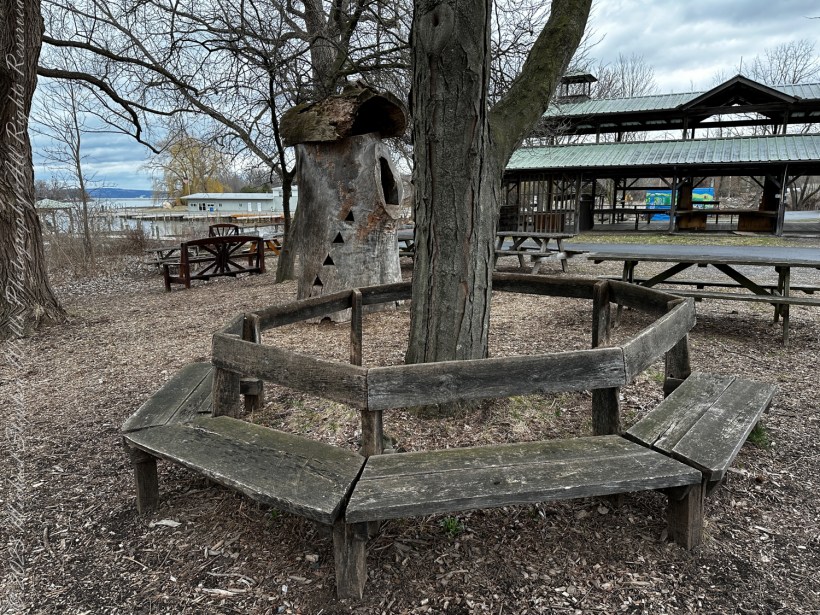
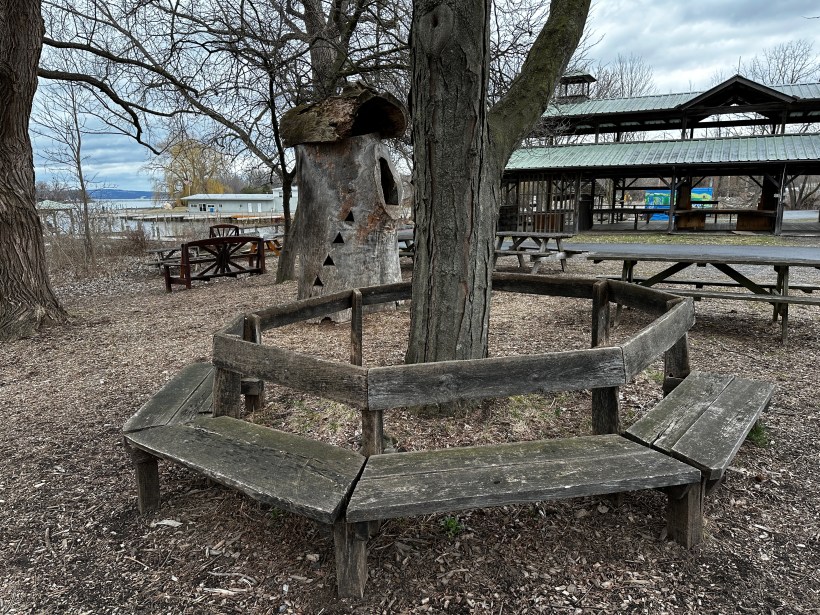
A circular bench that has seen better days, a hollowed out tree trunk repurposed as a children’s playgound house, picnic benches and, in background, a portion of the Farmer’s Market pavilion, to the right is Johnson Boatyard, Cayuga Inlet and lake. This is the Steamboat Landing, historically the southern port on Cayuga Lake. Cayuga Waterfront Trail, Ithaca, Tompkins County, Finger Lakes Region, New York State.

Switching seasons, we see the docks adorned with festive wreaths, injecting life and celebration into the scenery. The bright red ribbons stand out against the crisp blue of the water and the sky, suggesting a community that embraces tradition and the joy of the moment.

Connection with Nature and Community


The pictures depict how the landing is woven into the natural tapestry of the area. It is a place where one can sit and watch the placid waters of Cayuga Lake or stroll along the docks, feeling the crisp air against their skin. The images of the clear skies, the open waters, and the flight of birds in the distance are a subtle reminder of nature’s continuous presence.
Steamboad Landing on the Cayuga Waterfront Trail, Farmers Market, Ithaca, Finger Lakes Region, New York State

The waterfront trail exemplifies the community’s efforts to merge history with modernity, providing a space where people can connect with the environment and each other. The docks, once a stage for industrial exchange, now serve as a peaceful retreat, hinting at the deep-seated human desire for connection—not only to each other but also to the very essence of the environment we inhabit.

Seasonal Beauty and Reflection


The change in seasons at Steamboat Landing brings a unique beauty, which the photographs showcase poignantly. From the barren coldness of winter to the lush warmth of spring, each season imbues the landing with a distinct character. The winter images reveal a quiet majesty, with the bare branches and gray skies reflecting the introspective nature of the season. The springtime shots, however, burst with promise and vitality, as greenery begins to cloak the landscape and the water shimmers under the strengthening sun.

Enduring Legacy and Future Prospects


Steamboat Landing’s legacy as a historical transport hub has set the stage for its future as a cherished community locale. The images and historical texts paint a picture of a place that has embraced its past while looking forward to a vibrant and inclusive future. It is a locale that pays homage to its roots through the Farmers Market and other community events, ensuring that the spirit of the old steamboats continues to thrive in the hearts of Ithacans.

In conclusion, Steamboat Landing is a geographic location and a chronicle of Ithaca’s journey through time. Through its transformation, it has become a place where history breathes, nature speaks, and the community finds its heartbeat. It stands as a beacon of heritage, recreation, and beauty—a corner of the world where past and present dance together in harmony.

Copyright 2024 Michael Stephen Wills All Rights Reserved

First Day

Spring Equinox

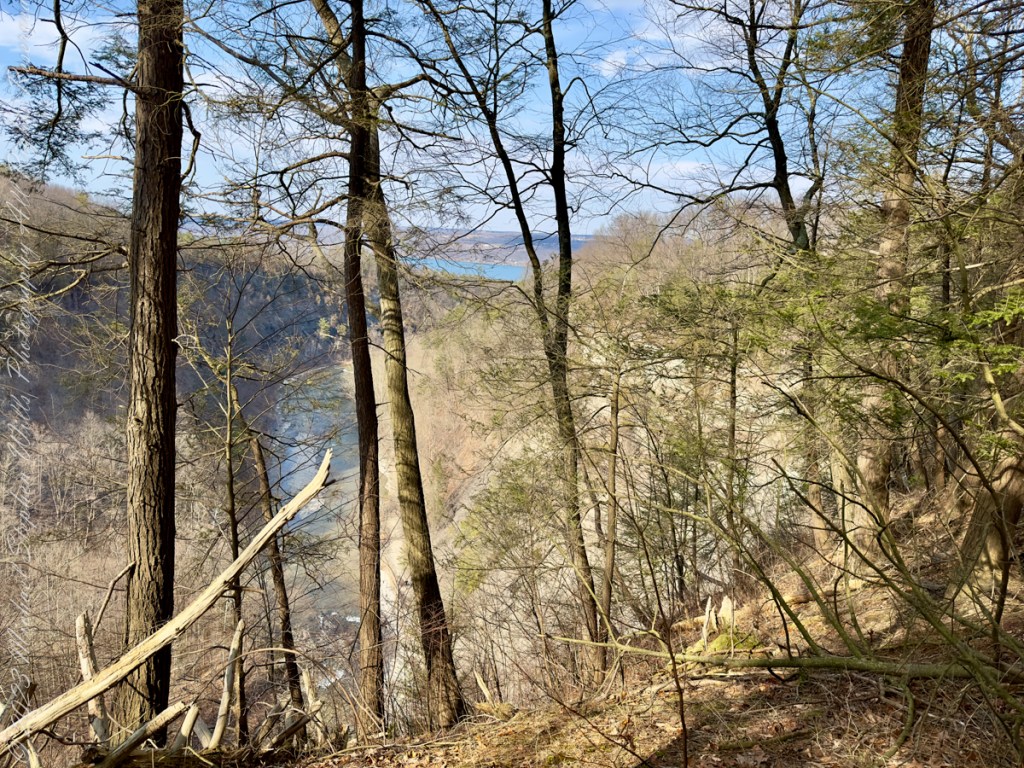
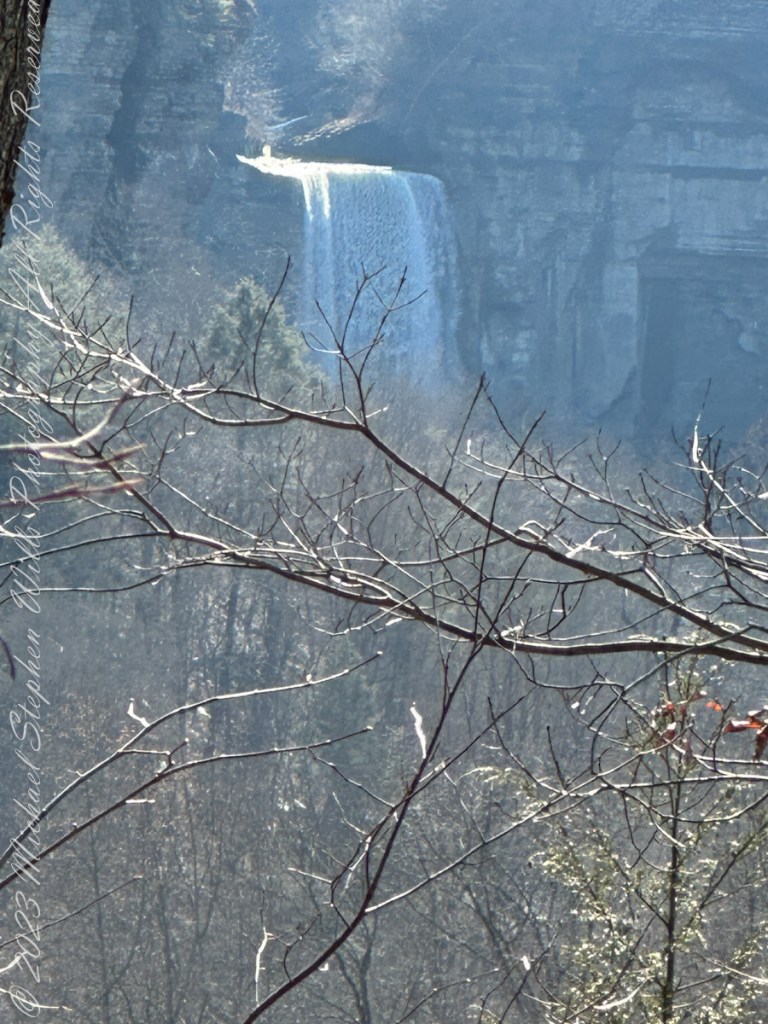
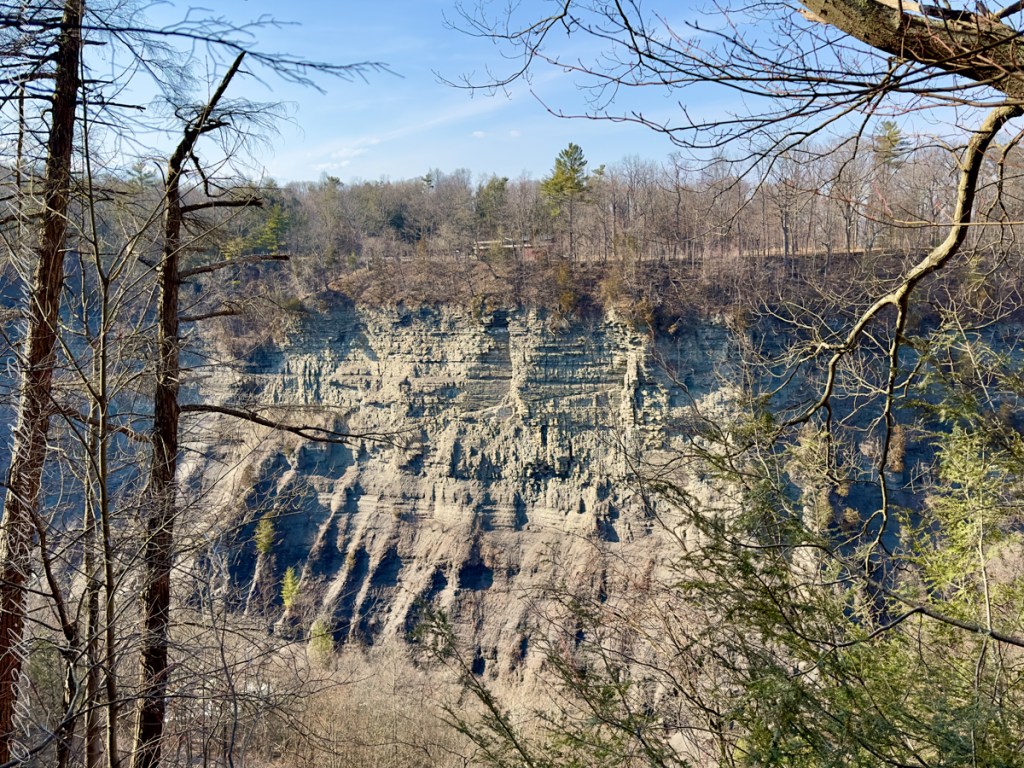
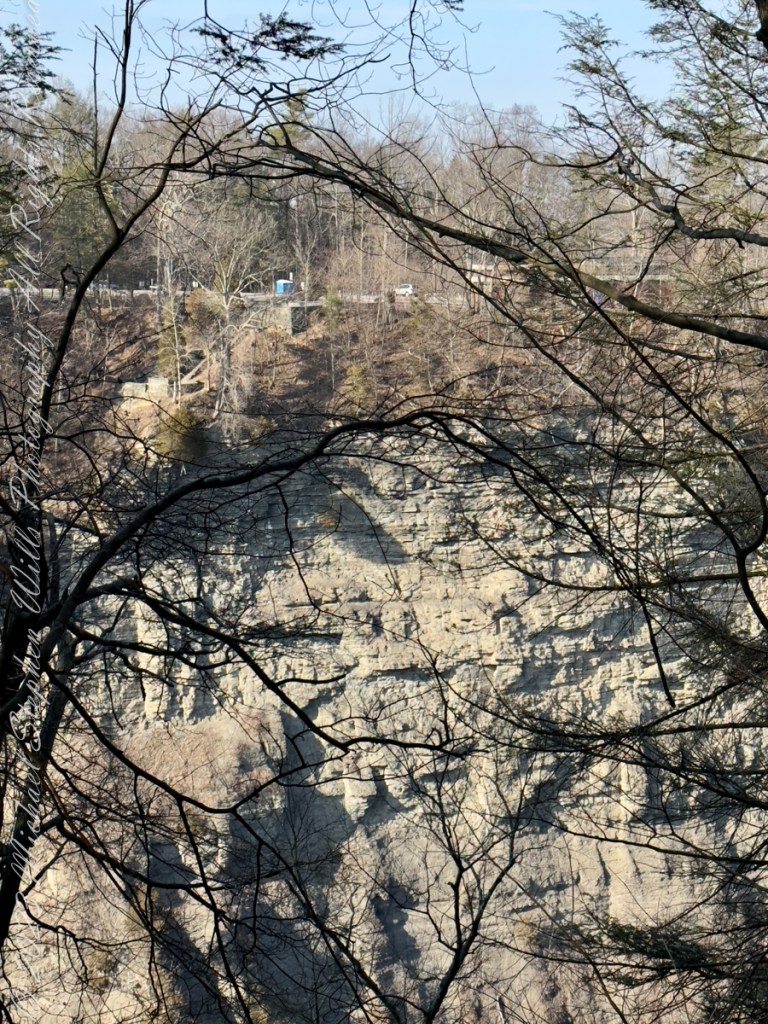
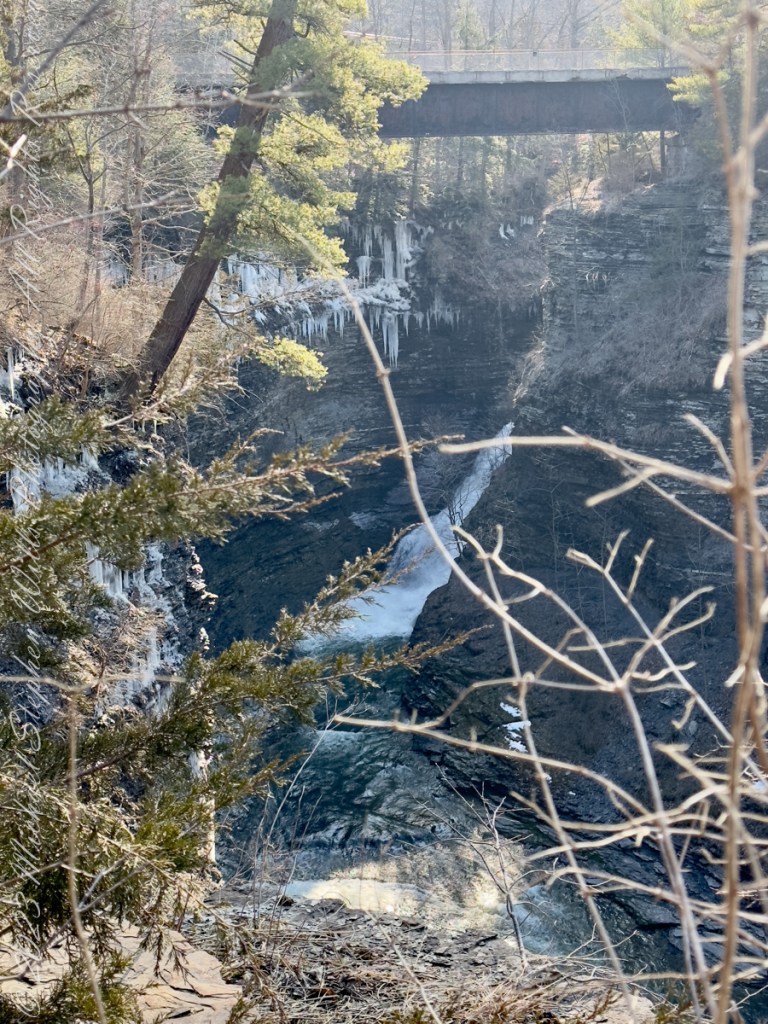
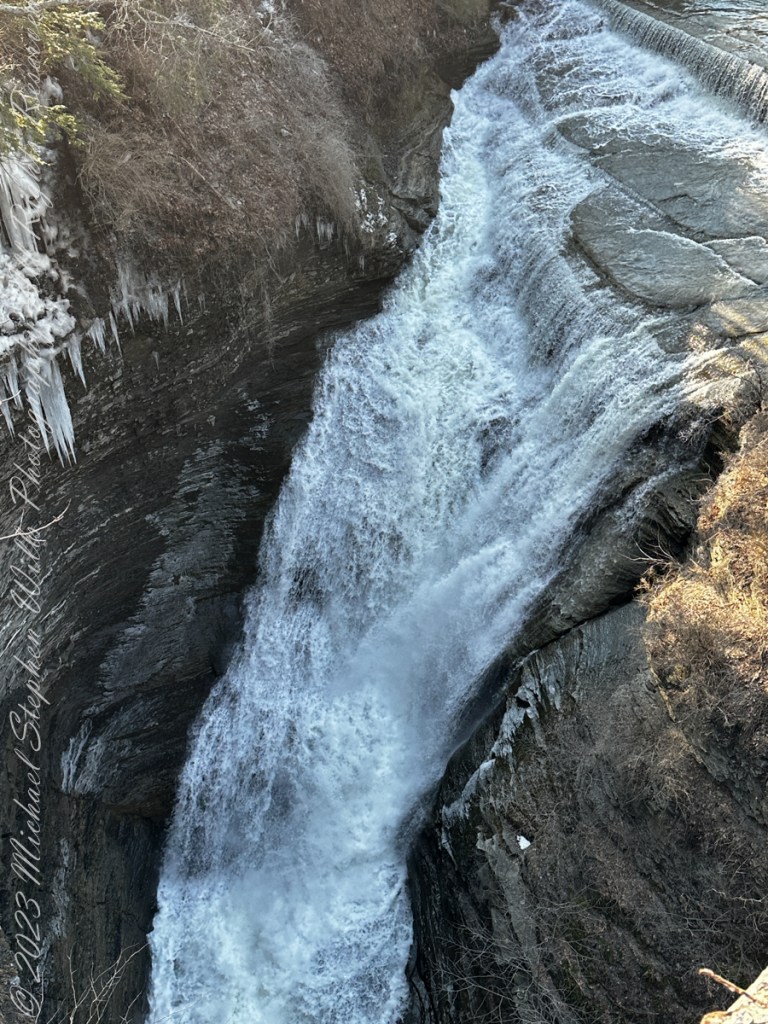
Thank You for exploring with me the South Rim trail of Taughannock Falls State Park on this first day of Spring 2023.

Photographs with video from this walk, with nature sounds and music in 4K HD
Click photograph for a larger view. To do this from WordPress Reader, you need to first click the title of this post to open a new page.

Click me for another Taughannock post, “Cuteness Break.”

Lake on Early Spring Afternoon

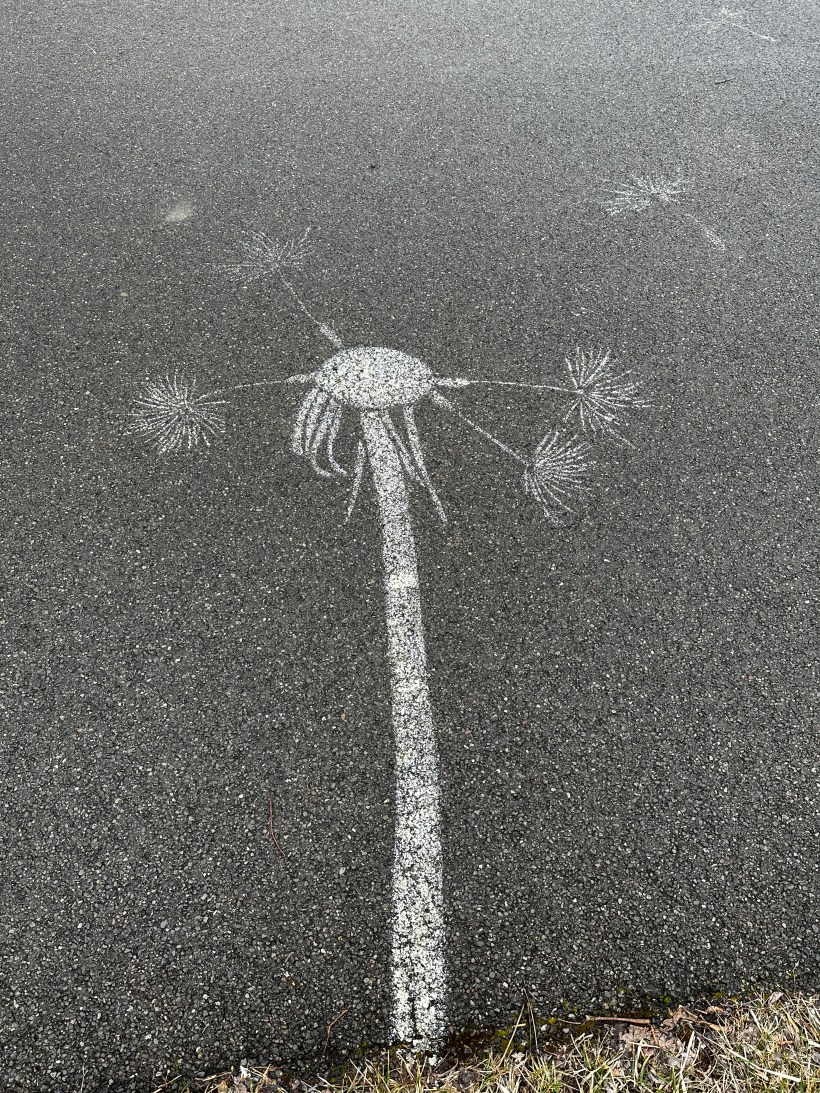
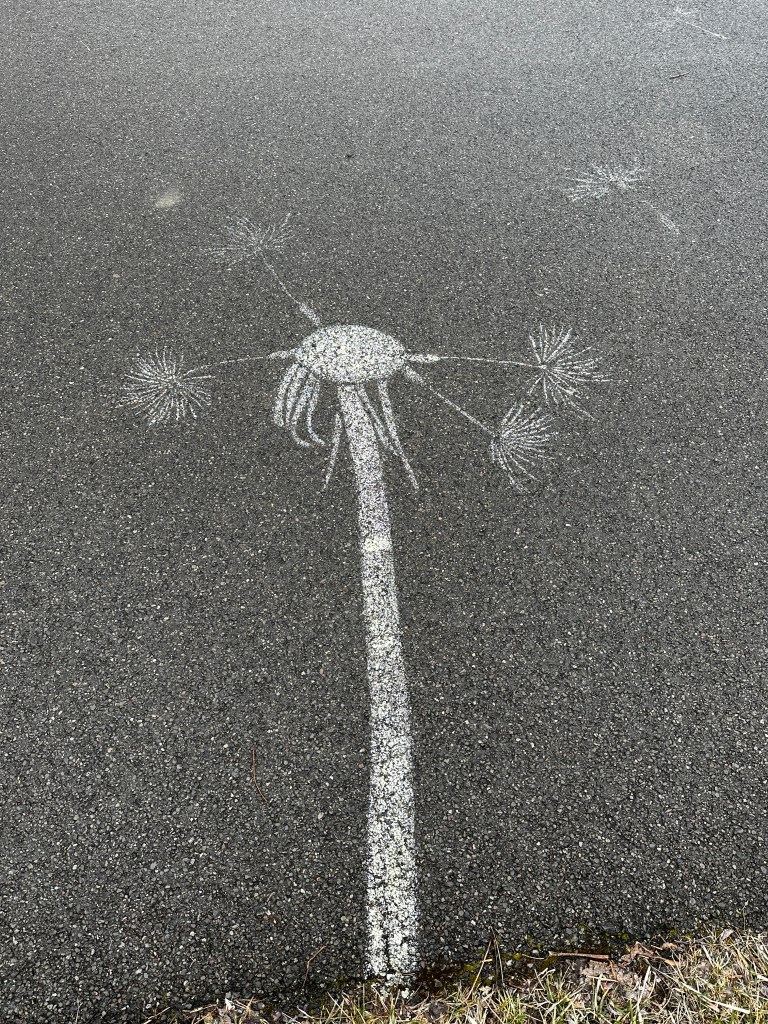
Out of Season Dandelion

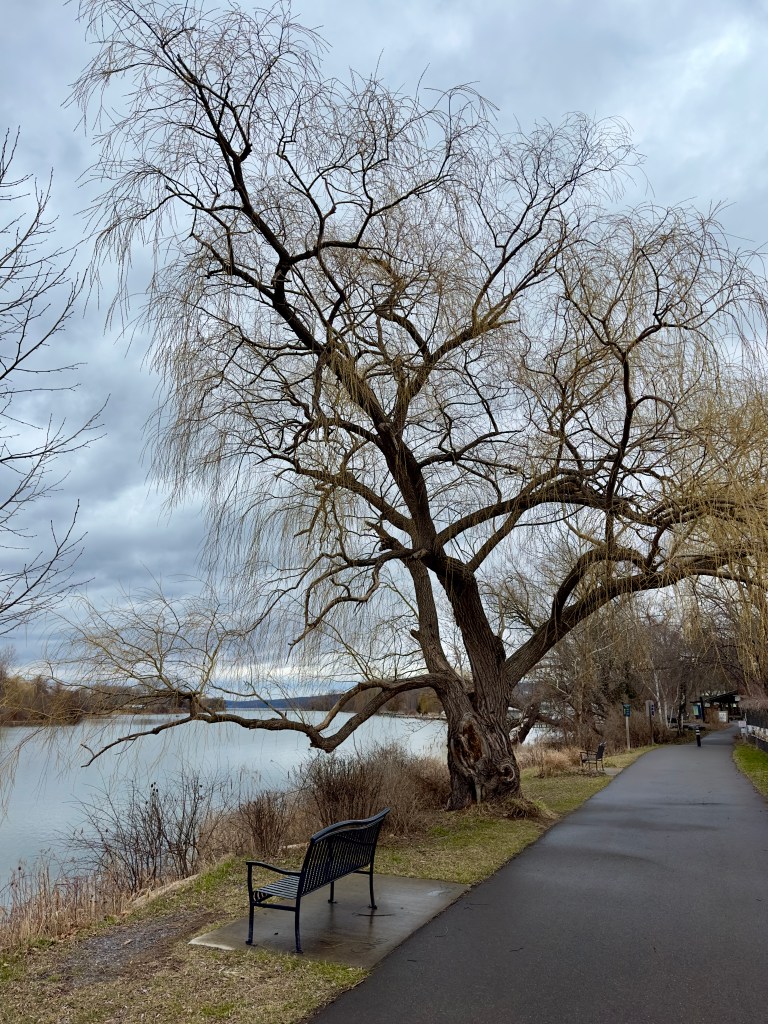
A willow, nurtured by Cayuga Inlet waters, with a bench.

All photographs are from the Apple IPhone 14 ProMax, raw format and perfected on the phone.

Click Me for more photographic art from my OnLine Gallery, “Finger Lakes Memories.”

Stenciled on asphalt pavement along the Cayuga Lake Inlet, the white paint delimits dandelion flower stalk and seedhead, mostly denuded, with floating seeds held aloft by the pappus.

A circular bench that has seen better days, a hollowed out tree trunk repurposed as a children’s playgound house, picnic benches and, in background, a portion of the Farmer’s Market pavilion, to the right is Johnson Boatyard, Cayuga Inlet and lake. This is the Steamboat Landing, historically the southern port on Cayuga Lake. The entire area is long overdue for a facelift.

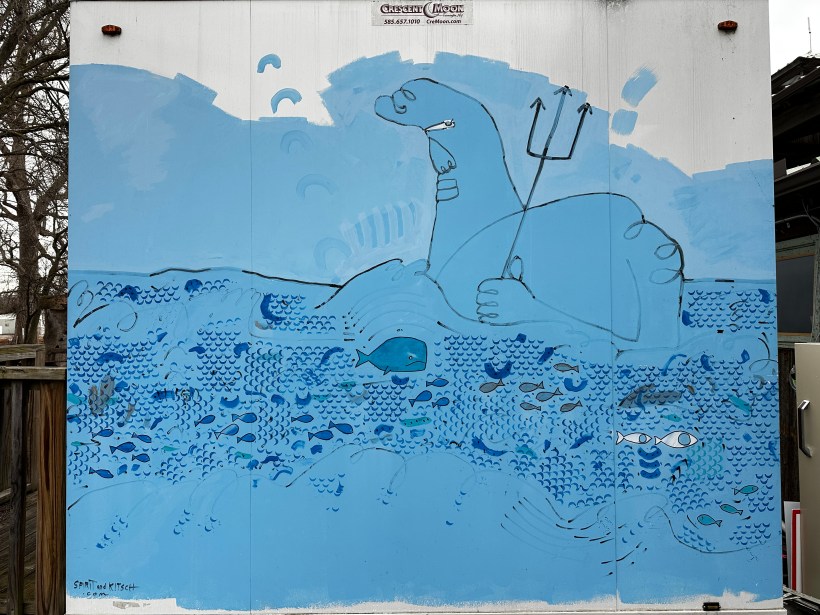
Painted on the side of restroom building, various shades of blue, black outlines, something or other holding a trident surrounded by fanciful fish.

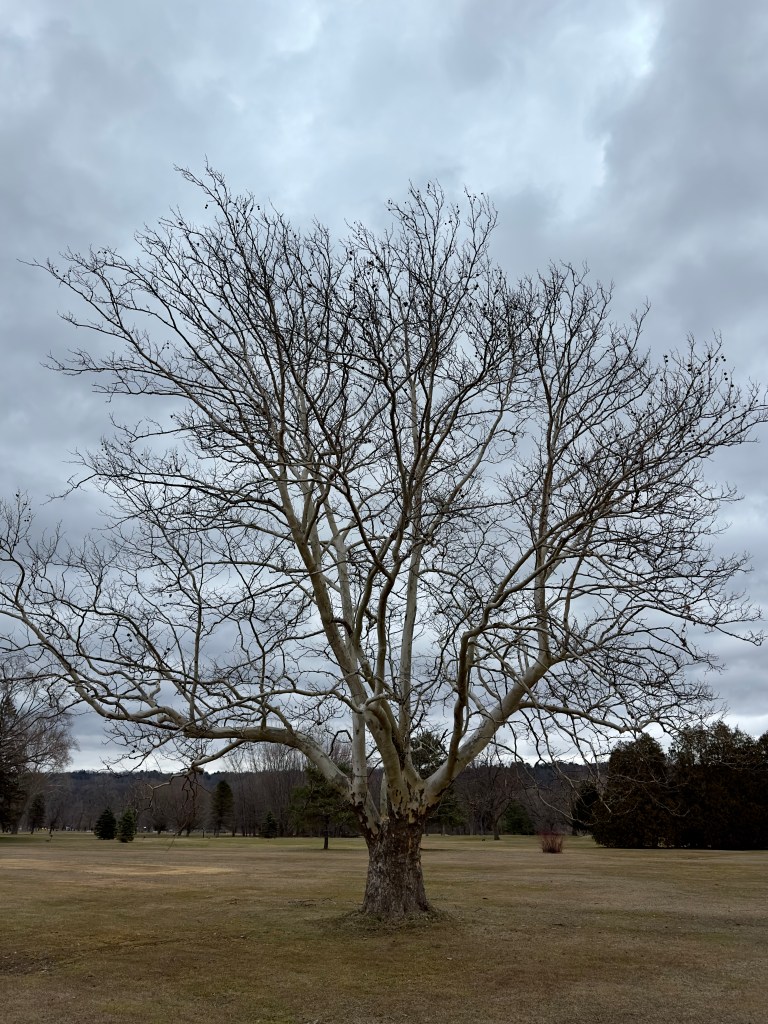
On the trail to Lighthouse Point, this tree is in fine winter form on this early spring afternoon in March. Newman Municipal Golf Course

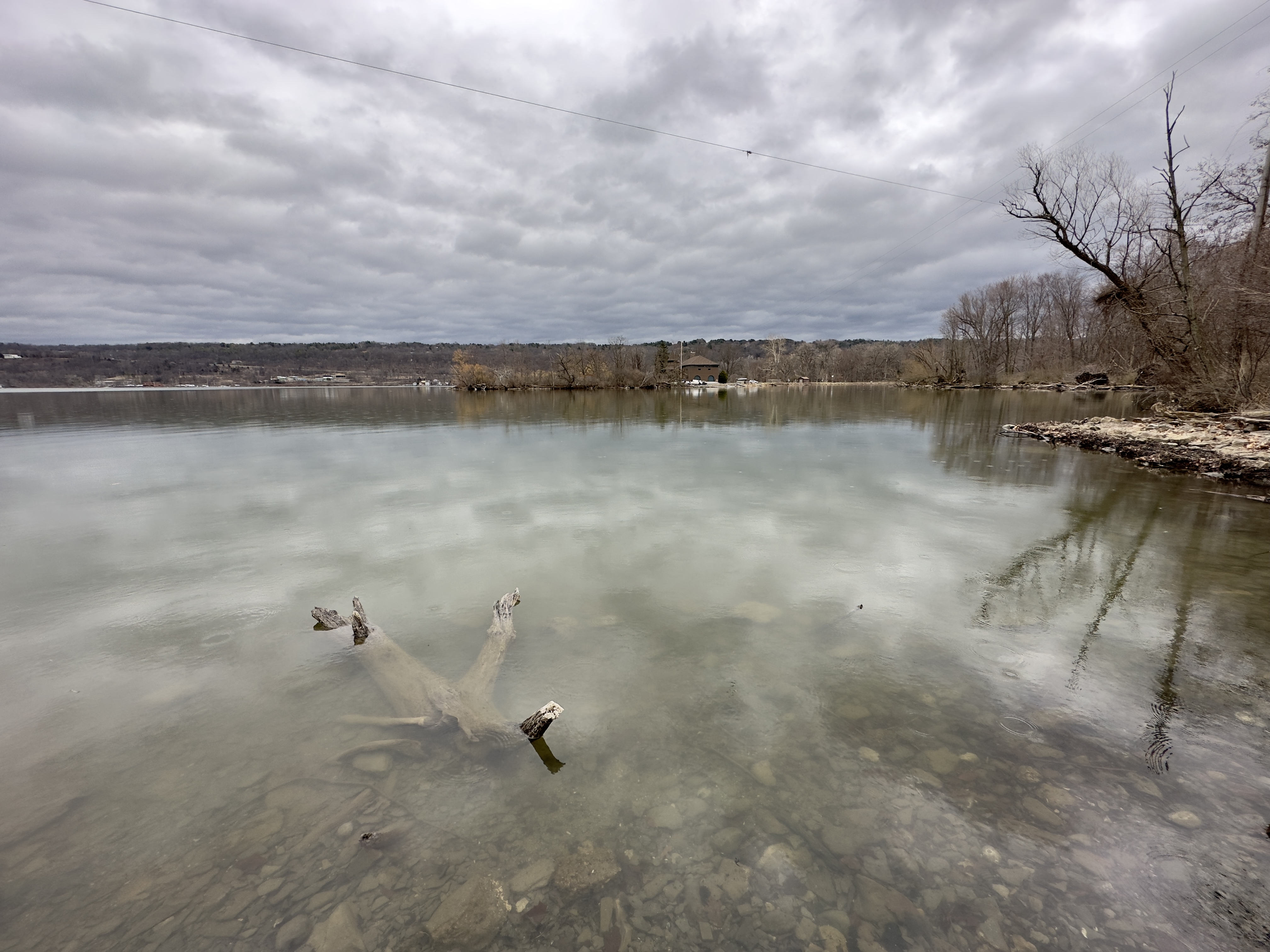
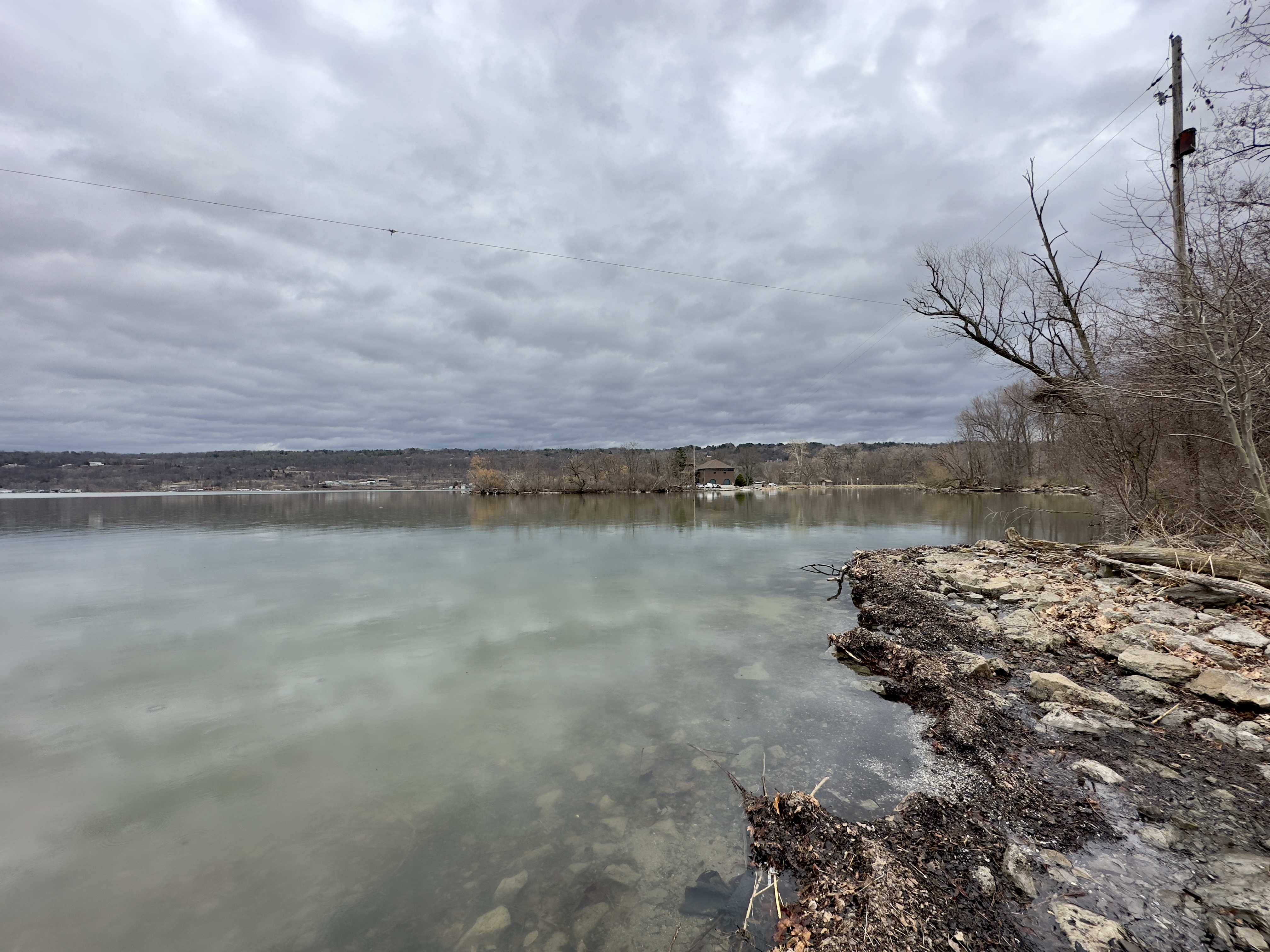
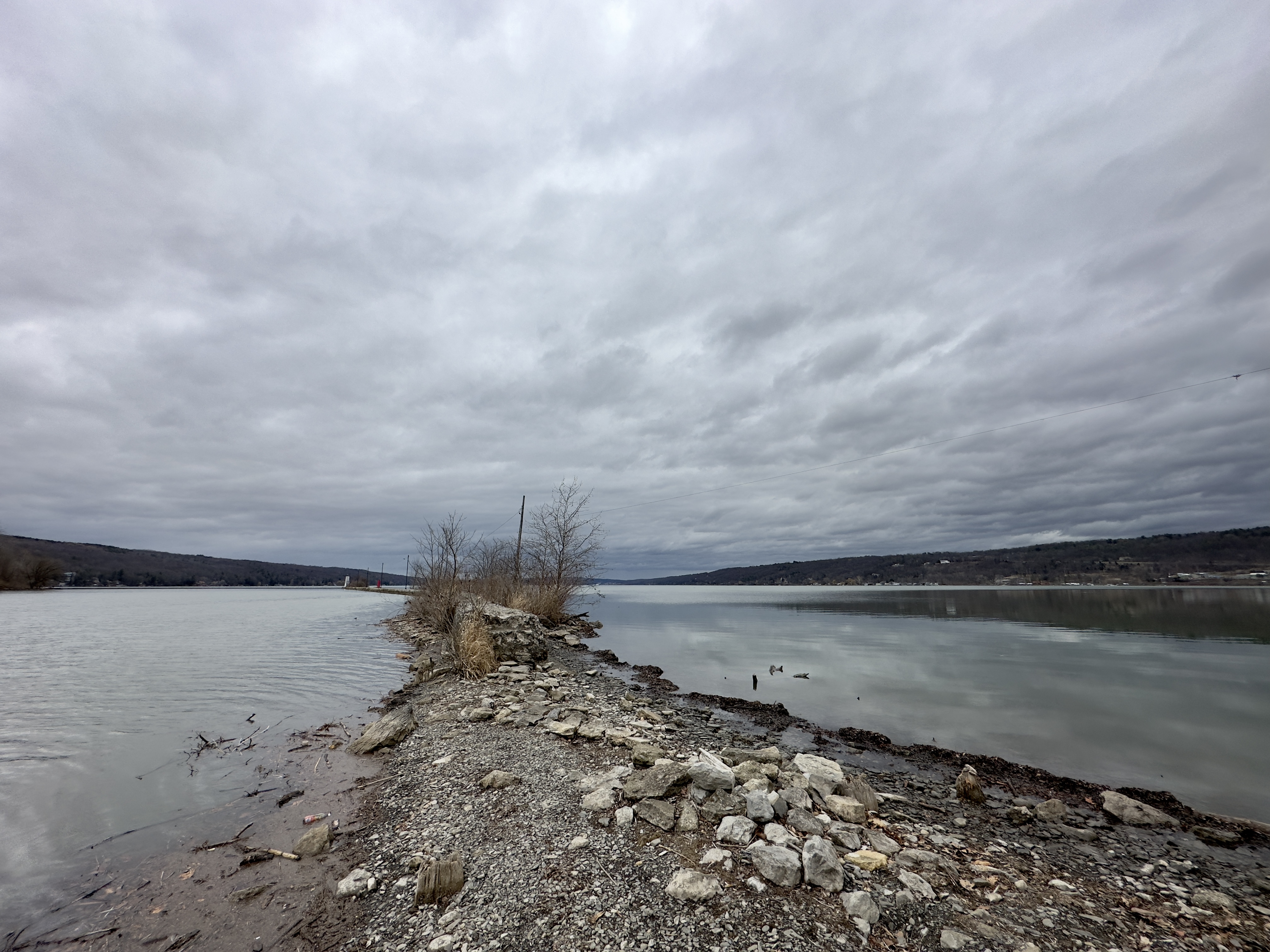
Cayuga Lake Views from Lighthouse Point

Copyright 2023 Michael Stephen Wills All Rights Reserved

Typha

cattails

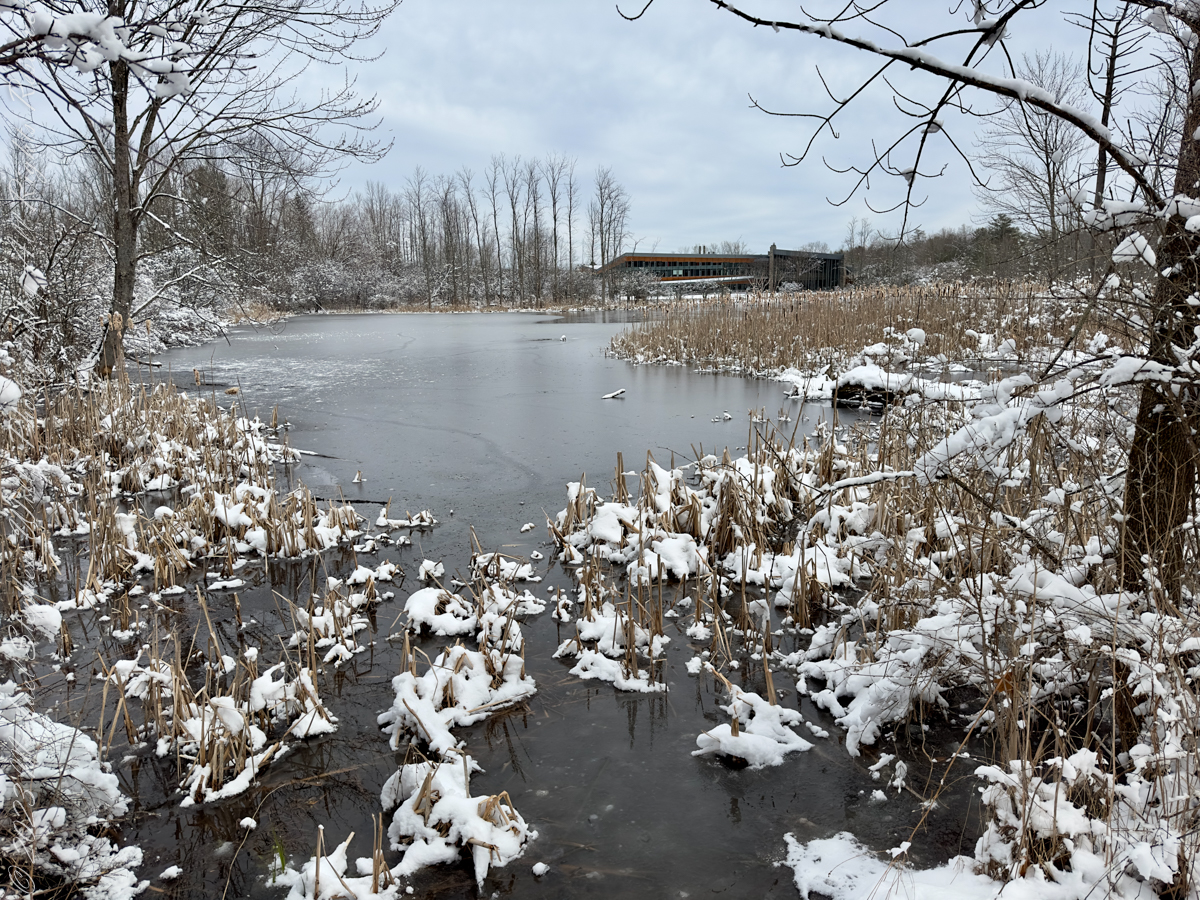
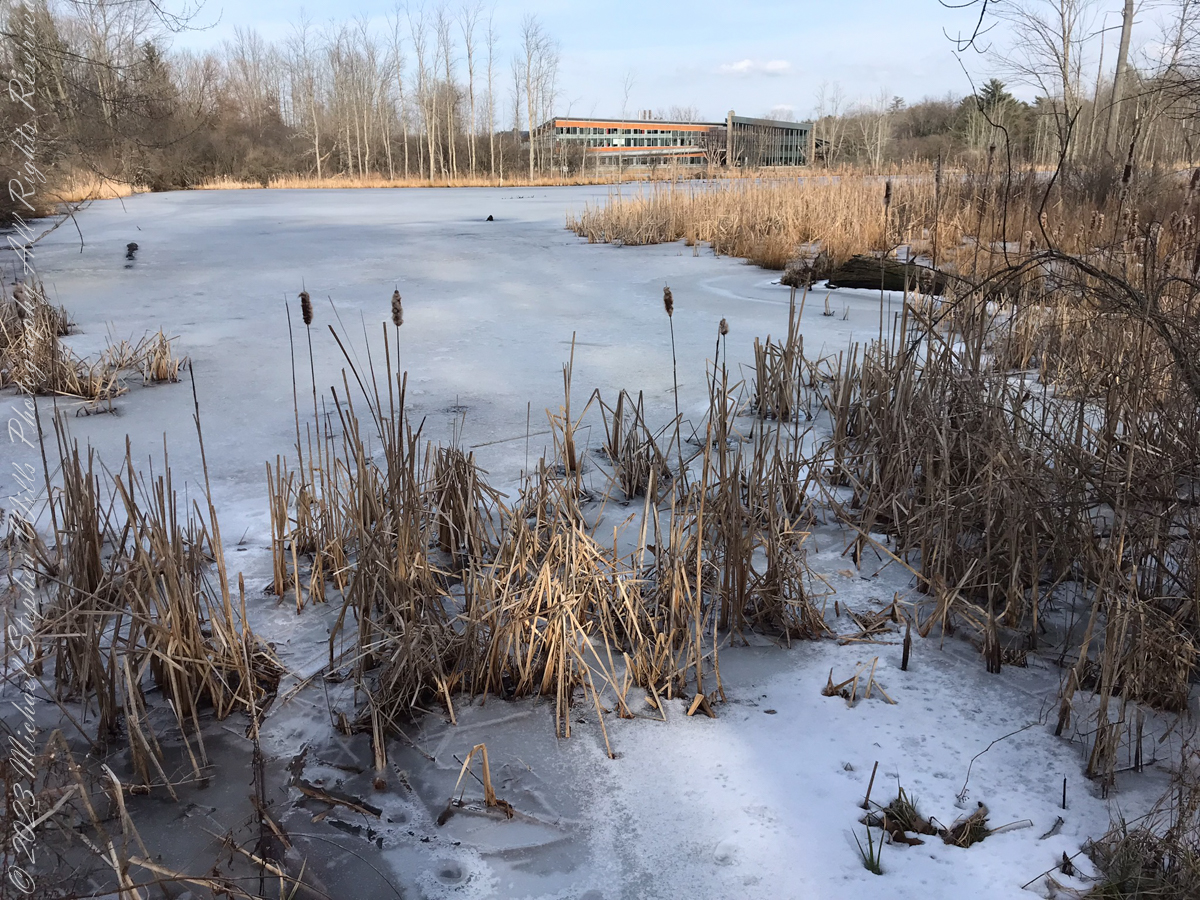
These two views of Imogene Powers Johnson Center for Birds and Biodiversity across Sapsucker Woods Pond on a March afternoon are separated by 12 months, a year. Wilson Trail, Sapsucker Woods, Cornell Lab of Ornithology, Ithaca, Tompkins County, New York.

Click Me for “Finger Lakes Memories” my online gallery.
2023 using the IPhone 14 ProMax triple camera, raw format, edited on the phone

In the foreground is the cattail plant, the North American species Typha latifolia.  There are over 30 species in this useful genera. 
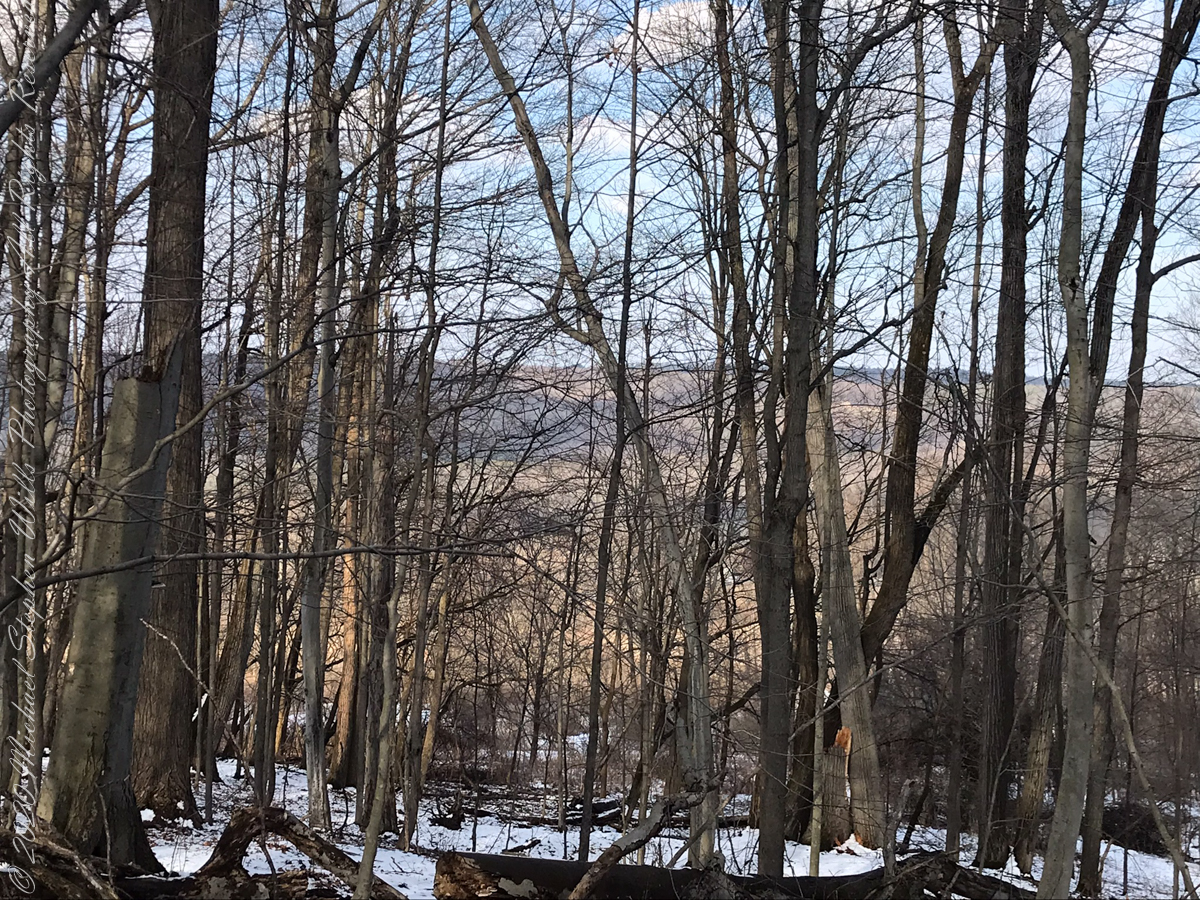
2022 using the IPhone 7 back camera

Culinary

Many parts of the Typha plant are edible to humans. Before the plant flowers, the tender inside of the shoots can be squeezed out and eaten raw or cooked. The starchy rhizomes are nutritious with a protein content comparable to that of maize or rice. They can be processed into flour with 266 kcal per 100 grams and are most often harvested from late autumn to early spring. They are fibrous, and the starch must be scraped or sucked from the tough fibers.  Baby shoots emerging from the rhizomes, which are sometimes subterranean, can be picked and eaten raw. Also underground is a carbohydrate lump which can be peeled and eaten raw or cooked like a potato. The plant is one championed by survival experts because various parts can be eaten throughout the year. Plants growing in polluted water can accumulate lead and pesticide residues in their rhizomes, and these should not be eaten.

The rind of young stems can be peeled off, and the tender white heart inside can be eaten raw or boiled and eaten like asparagus. This food has been popular among the Cossacks in Russia and has been called “Cossack asparagus.” The leaf bases can be eaten raw or cooked, especially in late spring when they are young and tender. In early summer the sheath can be removed from the developing green flower spike, which can then be boiled and eaten like corn on the cob. In mid-summer when the male flowers are mature, the pollen can be collected and used as a flour supplement or thickener.

Agriculture

The seeds have a high linoleic acid content and can be used to feed cattle and chickens. They can also be found in African countries like Ghana.

Harvesting cattail removes nutrients from the wetland that would otherwise return via the decomposition of decaying plant matter.  Floating mats of cattails remove nutrients from eutrophic bodies of freshwater.

Building material

For local native tribes around Lake Titicaca in Peru and Bolivia, Typha were among the most important plants and every part of the plant had multiple uses. For example, they were used to construct rafts and other boats.

During World War II, the United States Navy used the down of Typha as a substitute for kapok in life vests and aviation jackets. Tests showed that even after 100 hours of submersion, the buoyancy was still effective.

Typha are used as thermal insulation in buildings as an organic alternative to conventional insulating materials such as glass wool or stone wool.

Paper

Typha stems and leaves can be used to make paper. It is strong with a heavy texture and it is hard to bleach, so it is not suitable for industrial production of graphical paper. In 1853, considerable amounts of cattail paper were produced in New York, due to a shortage of raw materials.[33] In 1948, French scientists tested methods for annual harvesting of the leaves. Because of the high cost, these methods were abandoned, no further research was done. Today Typha is used to make decorative paper.

Fiber

Fibers up to 4 meters long can be obtained from the stems when they are treated mechanically or chemically with sodium hydroxide. The stem fibers resemble jute and can be used to produce raw textiles. The leaf fibers can be used as an alternative to cotton and linen in clothing. The yield of leaf fiber is 30 to 40 percent and Typha glauca can produce 7 to 10 tons per hectare annually.

Biofuel

Typha can be used as a source of starch to produce ethanol. Because of their high productivity in northern latitudes, Typha are considered to be a bioenergy crop.

Other

The seed hairs were used by some indigenous peoples of the Americas[which?] as tinder for starting fires. Some tribes also used Typha down to line moccasins, and for bedding, diapers, baby powder, and cradleboards. One Native American word for Typha meant “fruit for papoose’s bed”. Typha down is still used in some areas to stuff clothing items and pillows. Typha can be dipped in wax or fat and then lit as a candle, the stem serving as a wick. Without the use of wax or fat it will smolder slowly, somewhat like incense, and may repel insects.

The flower stalks can be made into chopsticks. The leaves can be treated to weave into baskets, mats, or sandals. The rushes are harvested and the leaves often dried for later use in chair seats. Re-wetted, the leaves are twisted and wrapped around the chair rungs to form a densely woven seat that is then stuffed (usually with the left over rush).

Small-scale experiments have indicated that Typha are able to remove arsenic from drinking water.[37][38] The boiled rootstocks have been used as a diuretic for increasing urination, or mashed to make a jelly-like paste for sores, boils, wounds, burns, scabs, and smallpox pustules.

Cattail pollen is used as a banker source of food for predatory insects and mites (such as Amblyseius swirskii) in greenhouses. The cattail, or, as it is commonly referred to in the American Midwest, the sausage tail, has been the subject of multiple artist renditions, gaining popularity in the mid-twentieth century. The term, sausage tail, derives from the similarity that cattails have with sausages, a name given to the plant by the Midwest Polish community who had noticed a striking similarity between the plant and a common Polish dish, kiełbasa. 

Copyright 2023 Michael Stephen Wills All Rights Reserved

Nature and Big Names

barns by other names

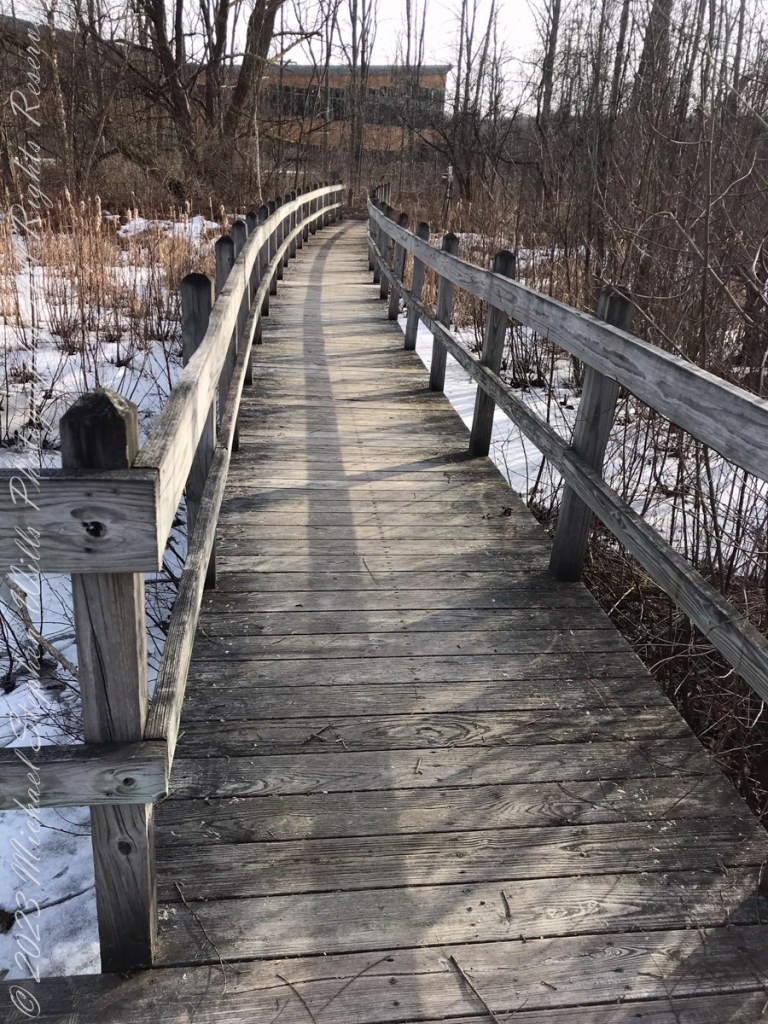
View of Imogene Powers Johnson Center for Birds and Biodiversity from an unnamed boardwalk on an unnamed path from the parking lot. Sapsucker Woods, Cornell Lab of Ornithology, Ithaca, Tompkins County, New York

From an unnamed boardwalk on an unnamed path from the parking lot. Sapsucker Woods, Cornell Lab of Ornithology, Ithaca, Tompkins County, New York

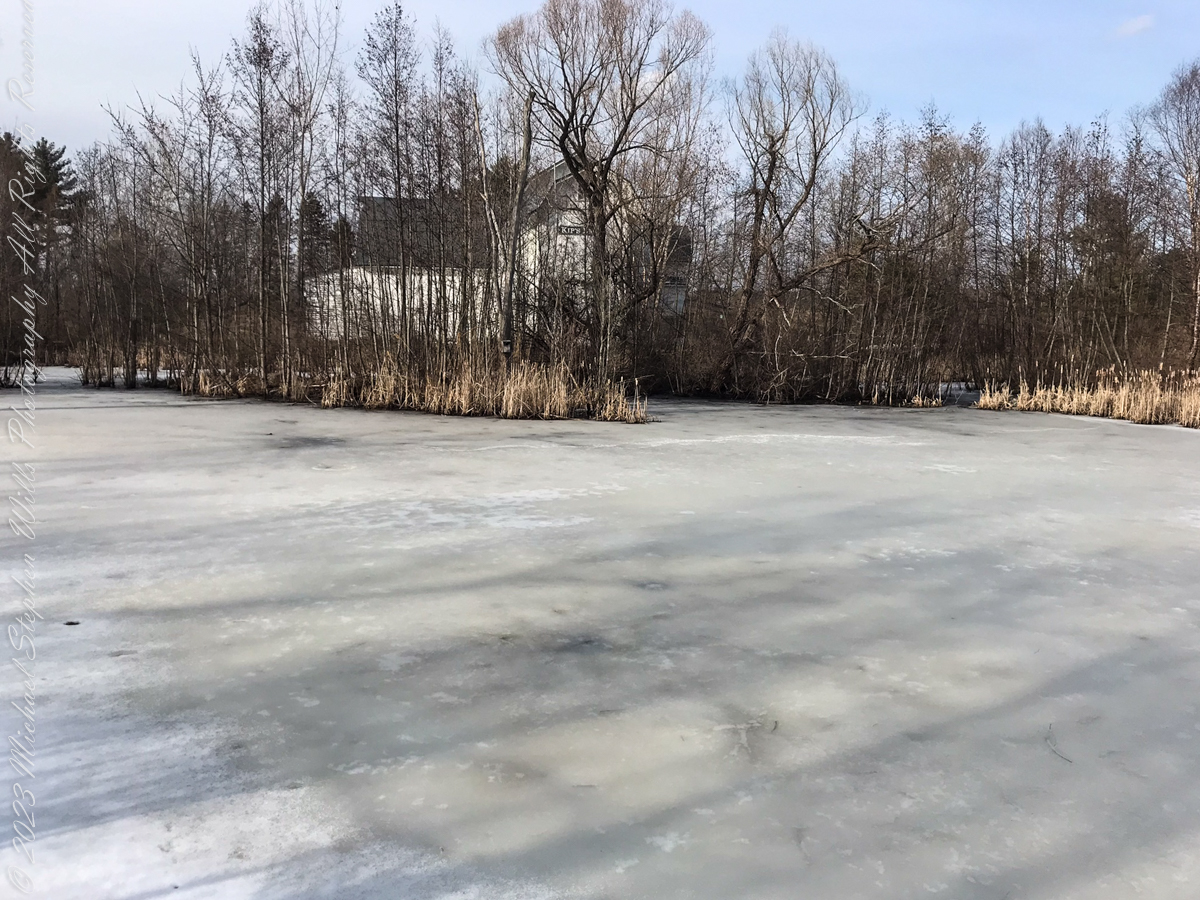
An iced over, thawing in the March sunshine, leads to a view of Kip’s Barn that, I believe, is named for Austin Kiplinger (Cornell Graduate of 1939) the longest serving trustee in Cornell history.

Click me for more information https://news.cornell.edu/stories/2015/11/legendary-cornellian-austin-kiplinger-39-dies-age-97

Click Me for “Finger Lakes Memories” my online gallery.

Copyright 2023 Michael Stephen Wills All Rights Reserved

Revealed Form IV

Hoary Elm in HDR

Late Winter, on the cusp of Spring, I arrived at the Cornell Experimental farm before sunrise.  

There I set up a Kodak DSC Pro SLR/c with a Canon EF 50 mm f/1.4 USM lens all mounted on a very stable Manfrotto Studio Aluminum Tripod Model 475 and Hydrostatic Ball Head. From this 15 exposures were obtained. Photoshop CS6 HDR combined the 15 into this perfected image. Cornell Thompson Experimental Farm, Town of Dryden, Tompkins County, New York

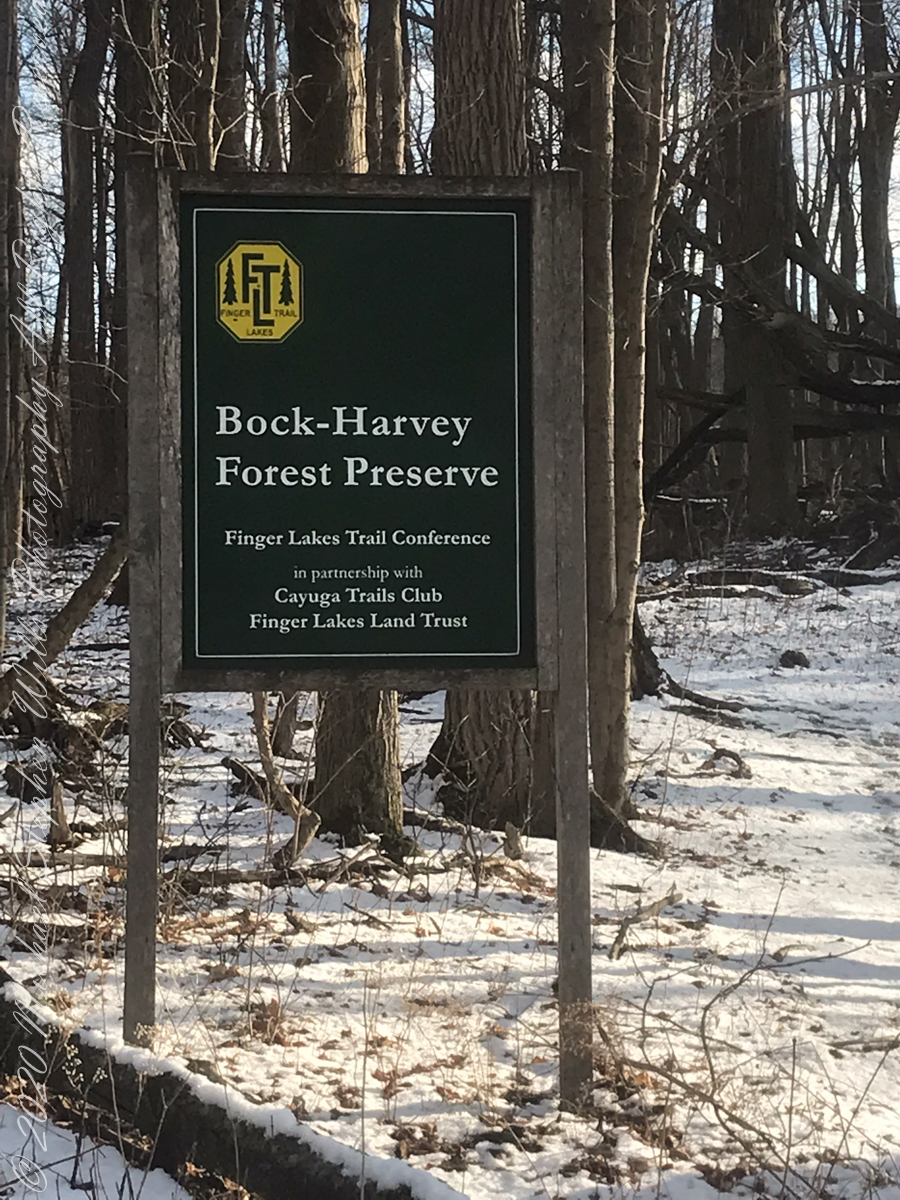
Brock-Harvey Forest Preserve

first look

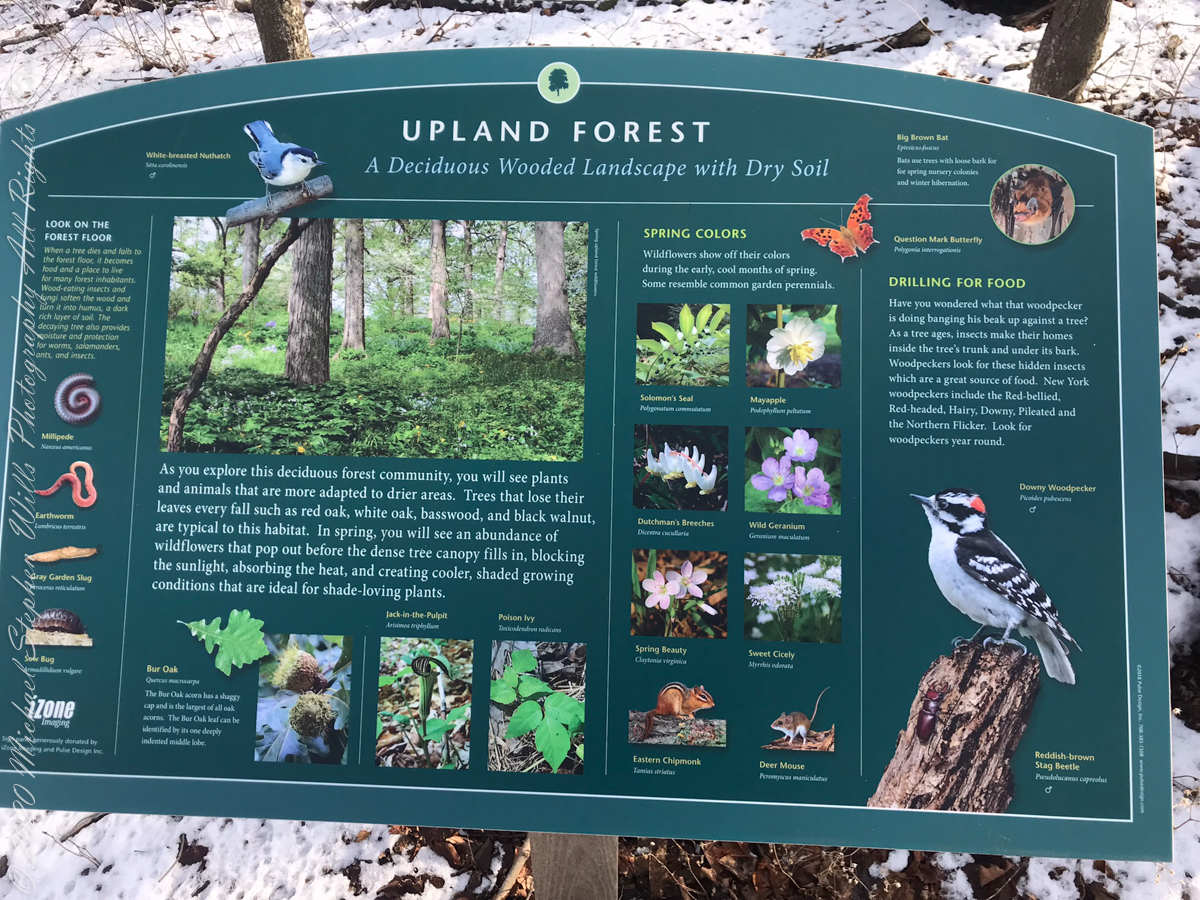
On September 14, 2013, the Bock-Harvey Forest Preserve was dedicated protecting 48 acrea of open meadow, transitional meadow, mixed hardwood forest, a special environmental protection zone and the Finger Lakes Trail.  Brock-Harvey Forest Preserve, and all land as far as the eye can see from there, was part of the Military Tract of Central New York, 28 townships given classical Greek and Roman names, each township 100 lots of 600 acres each, approved by the U.S. Congress 1799.  Here, the township was Ulysses, encompassing the southern end of Cayuga Lake and surrounding lands.  Thus, the city of Ithaca and Hector Street winding up from the valley passing below our home.

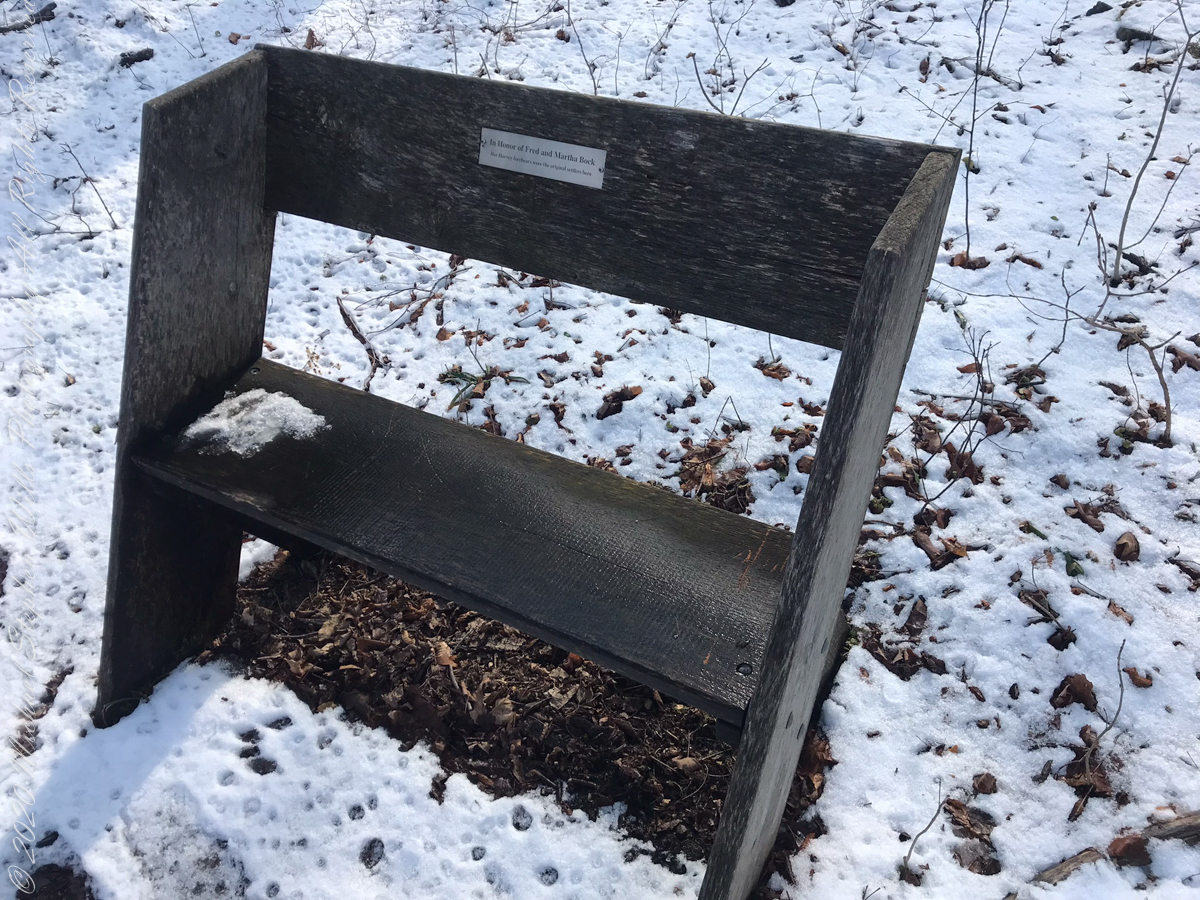
This land and several other military tracts were purchased by Samuel Harvey.  He then gave he lands to his sons including this farm to Silas Harvey, the great-great-great-great grandfather of Megan Barber who led the dedication ceremony of the forest preserve.  Megan’s great-grandmother Martha Harvey married Fred Bock and lived on this land used for dairy farming for over 150 years. 

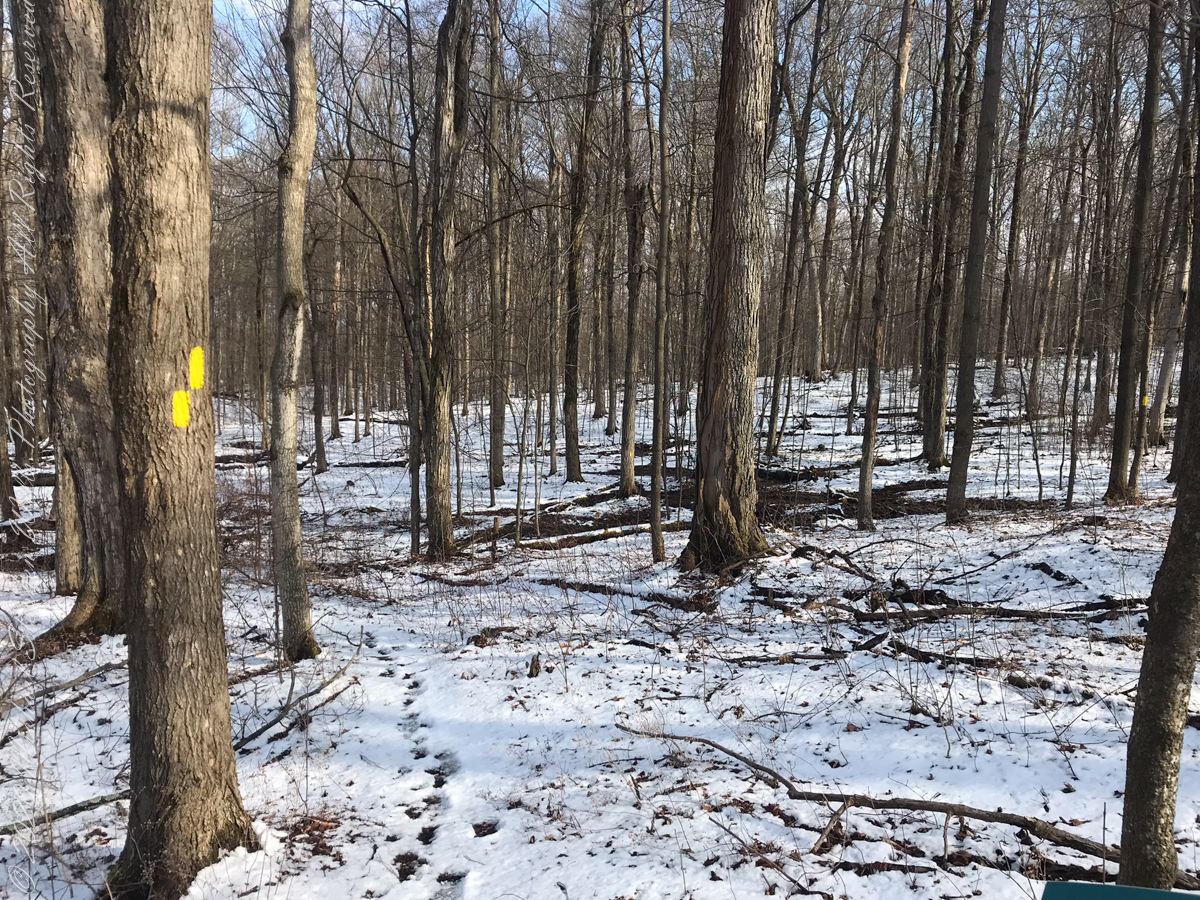
The preserve exceeded my expectations for great upland views.

View from Shelter across the valley of Enfield Creek, the same that flows over Lucifer Falls of Treman State Park

Brock-Click me for another Brock-Harvey Forest Preserve post, “Burgeoning Forest.”

References

The background on the land was taken from a posting on the preserve and from Wikipedia, “Military Tract of Central New York.”

Copyright 2022 Michael Stephen Wills All Rights Reserved