Taken with a Canon 100 mm “macro” lens, a Kodak digital single lens reflex body, a Manfrotto tripod and ample time and patience.
Enjoy!
Click here for my Online Gallery offering from this group.
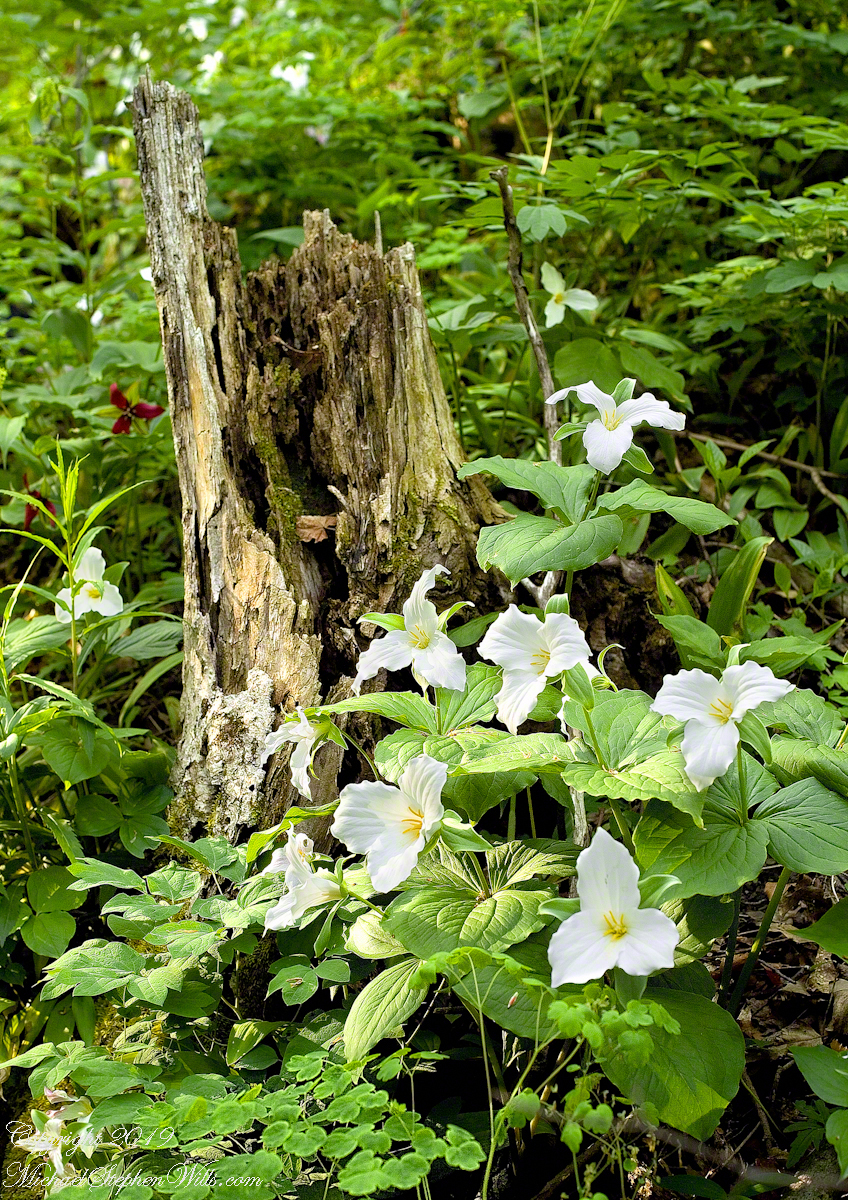
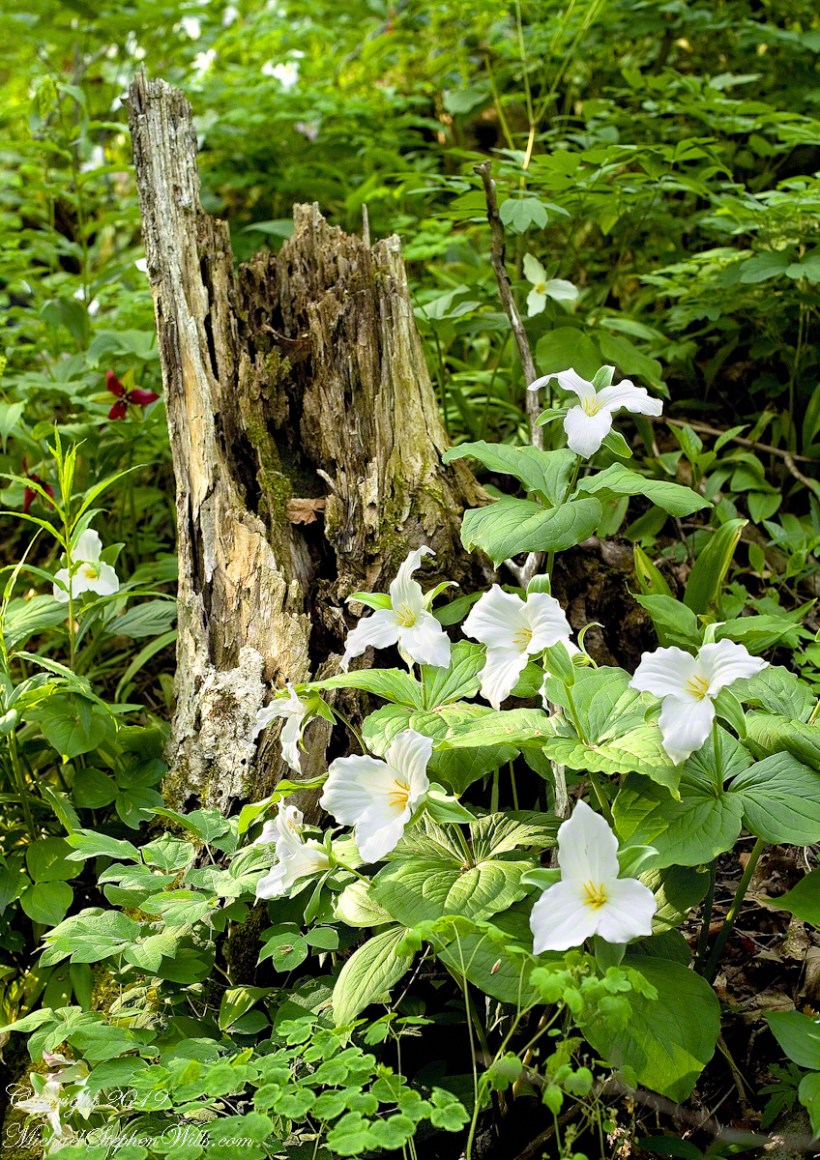
while trillium
Taken with a Canon 100 mm “macro” lens, a Kodak digital single lens reflex body, a Manfrotto tripod and ample time and patience.
Enjoy!
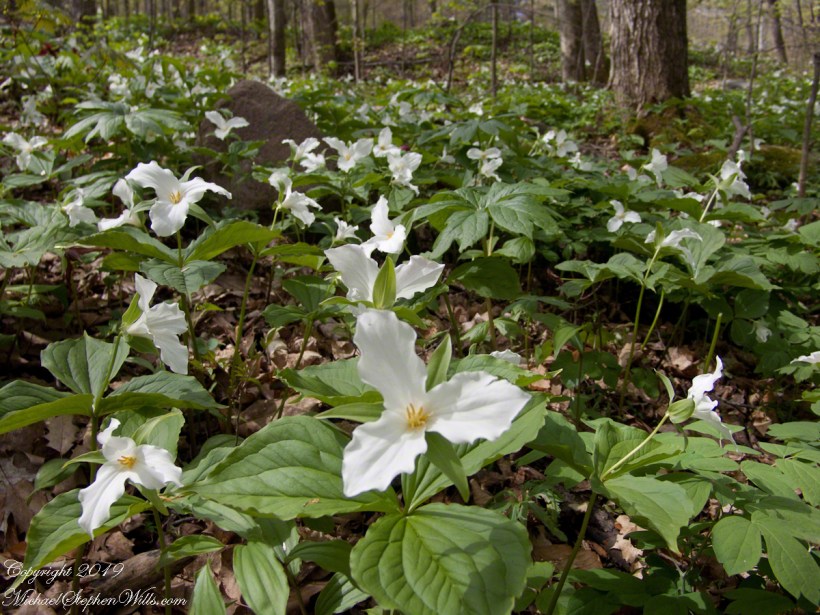
Wonder of the northern spring forest
Click here for my Online Gallery offering from this group.
I came upon this display April 2004, a wonder of the northern spring forest.
Click either photograph for a larger view.

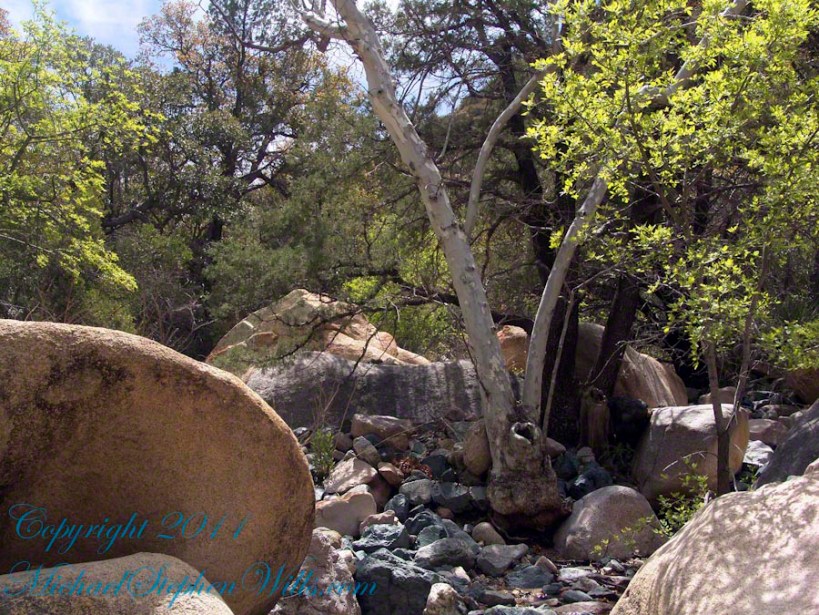
live on a Sky Island
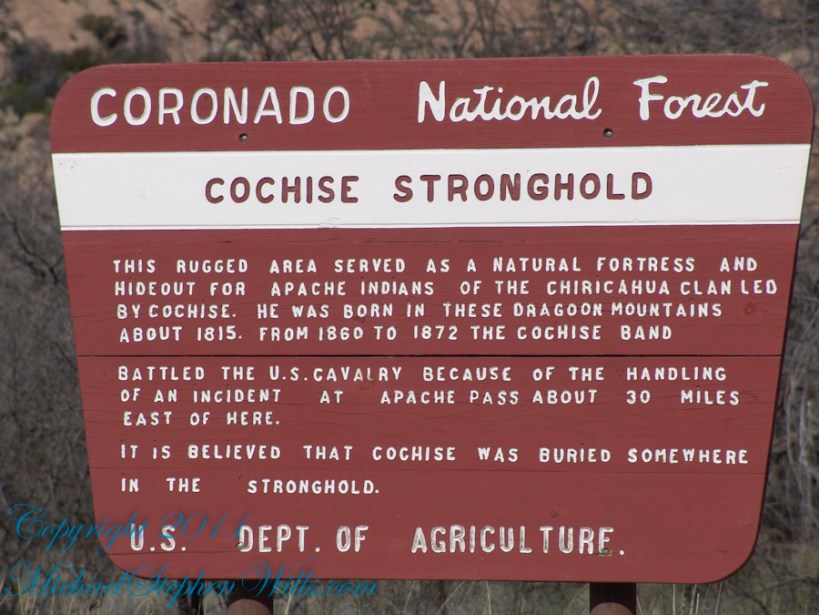
Sky islands are isolated mountains surrounded by radically different lowland environments. The term originally referred to those found near the southern borders of the U.S. states of Arizona and New Mexico with the northern borders of the Mexican States of Chihuahua and Sonora such as the Dragoon Mountains featured in this post. The isolation has significant implications for these natural habitats. The American Southwest region began warming up between ∼20,000–10,000 years before the present-day and atmospheric temperatures increased substantially, resulting in the formation of vast deserts that isolated the sky islands.
This sycamore tree survives life in this ephemeral stream of an Arizona “Sky Island” by allowing entire trunks to die off during extended dry spells. The tree is an Arizona Sycamore (Platanus wrightii).
Blossoms, headstones and the passage from Dutch to English
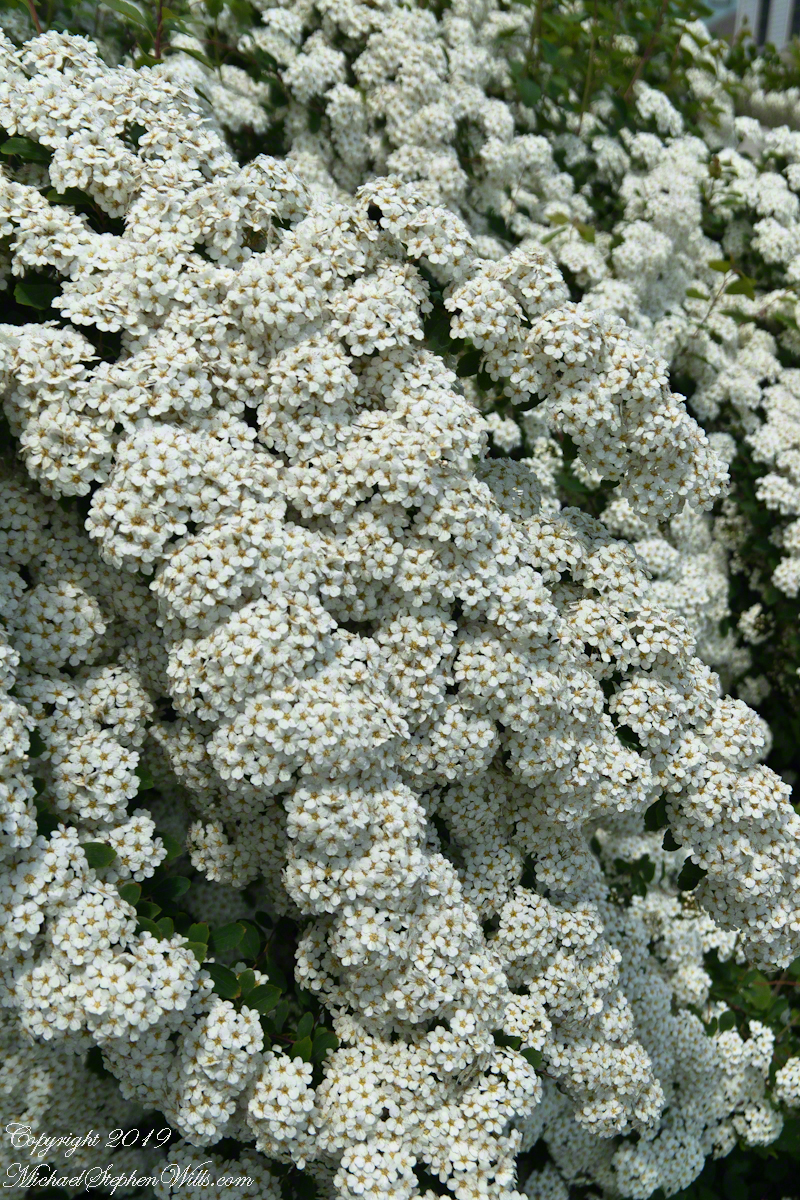
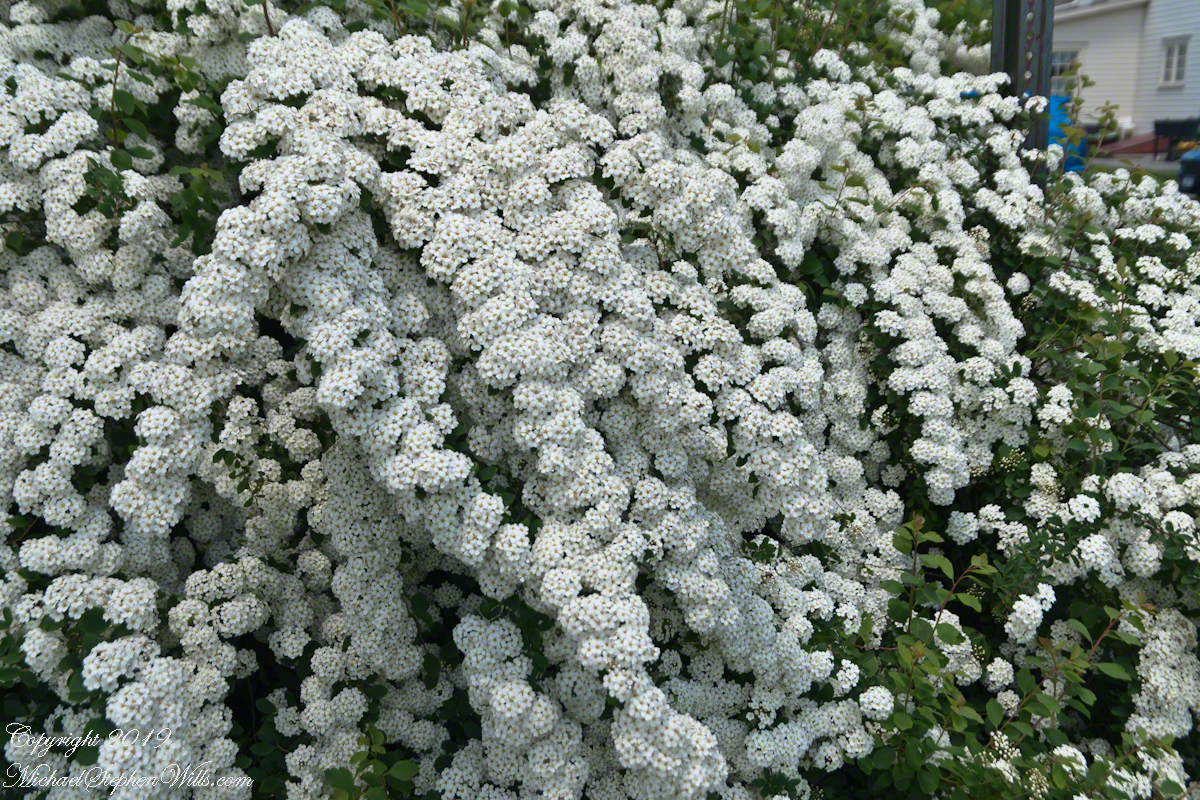
Spiraea bushes in full bloom flanked the Riverside Park along Water Street.
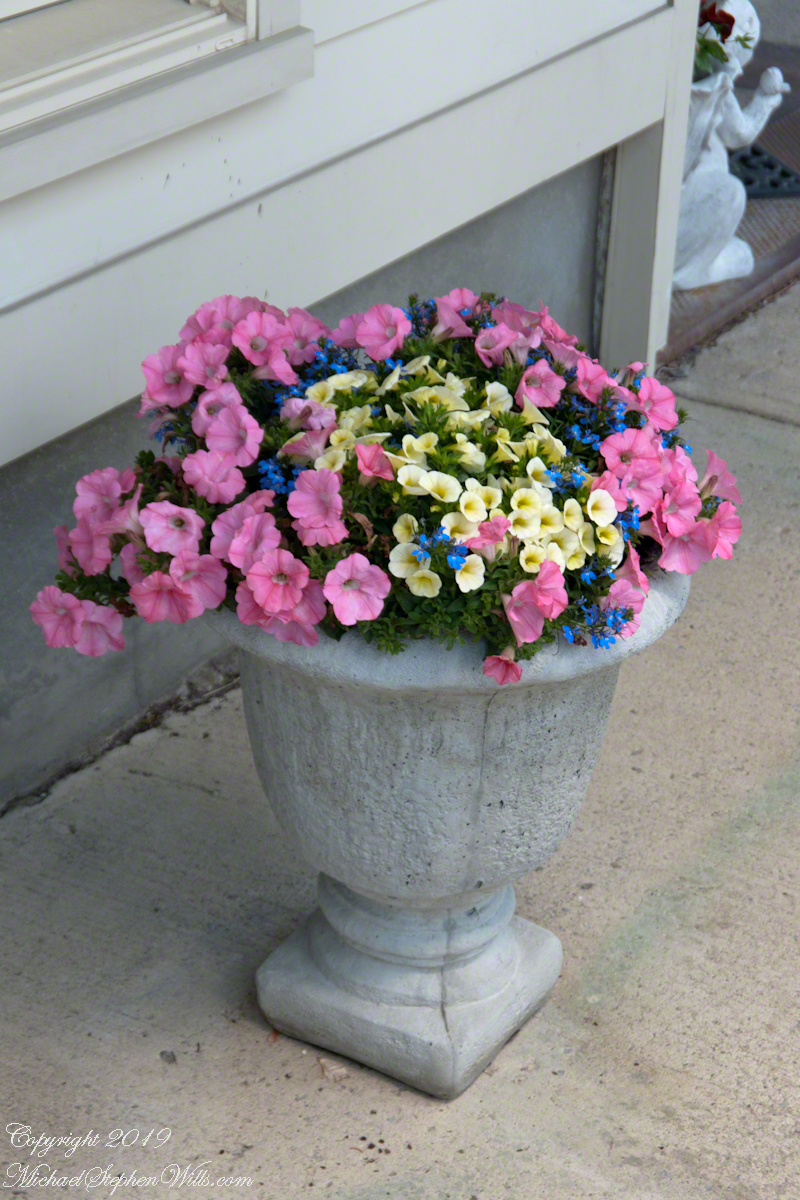
Well cared for…..
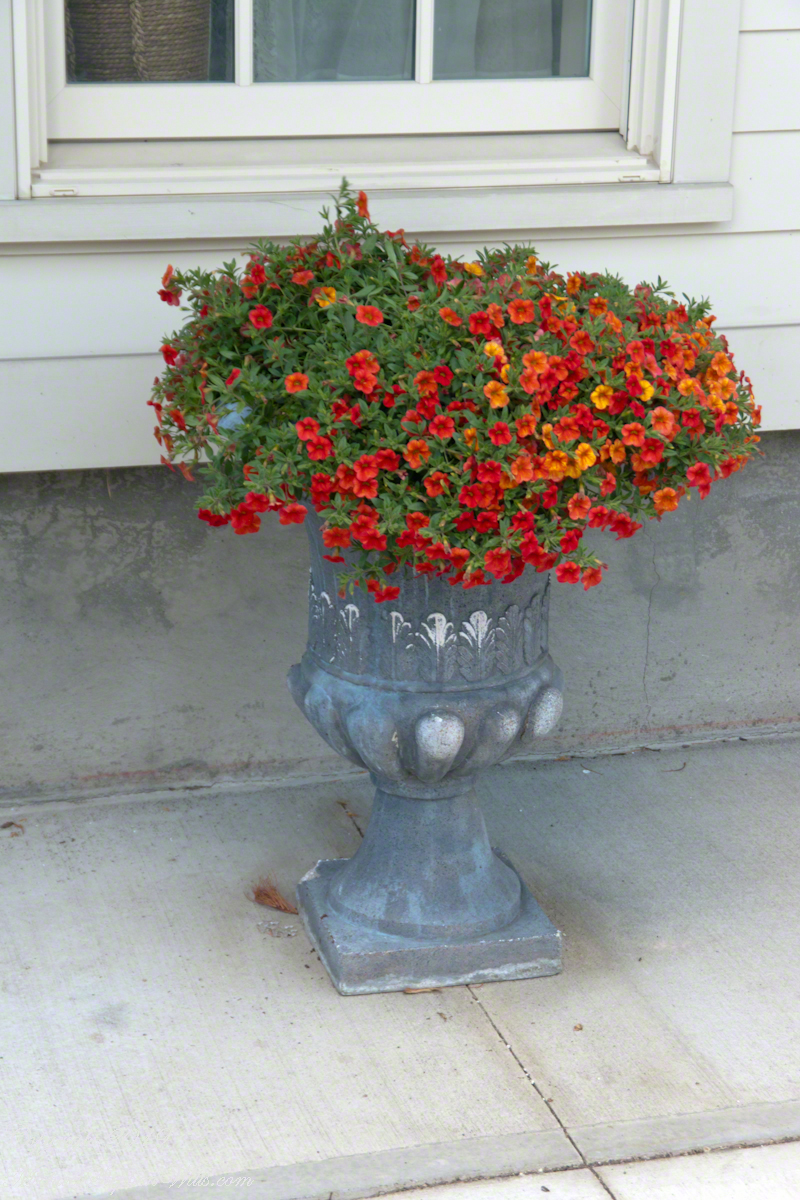
…..as are the urns across the street.
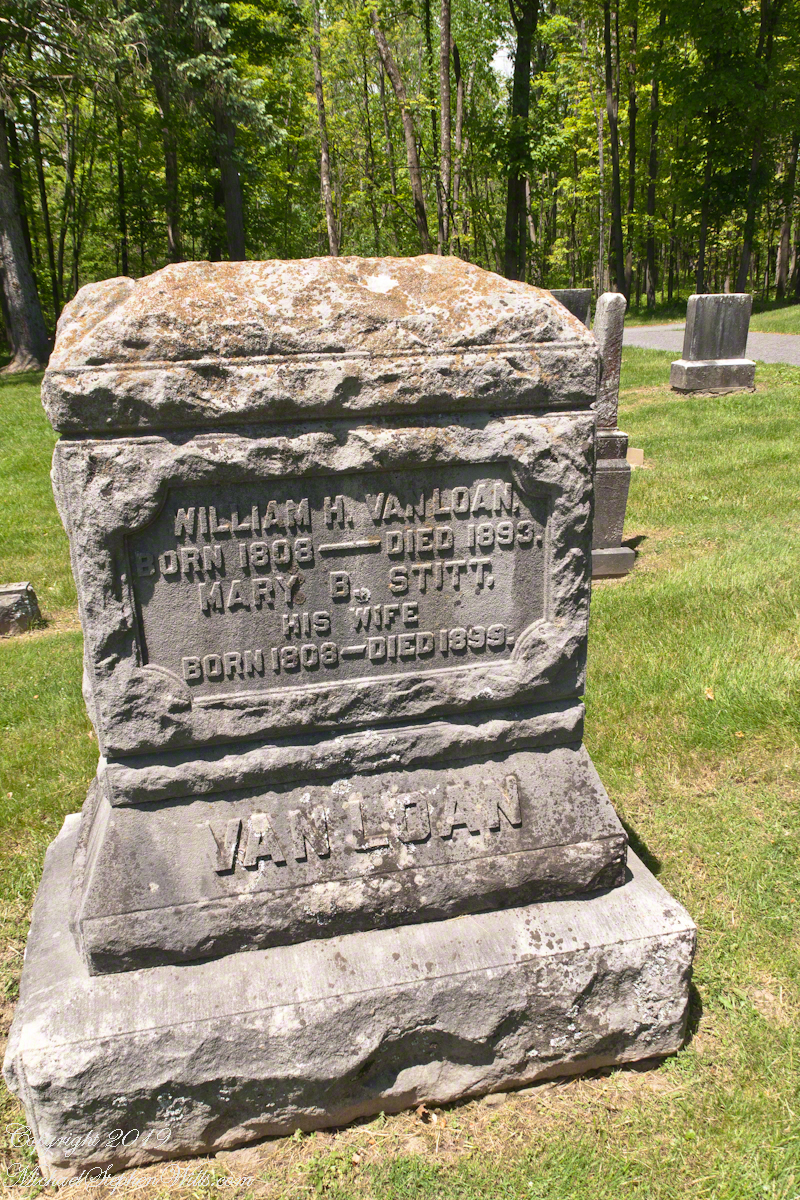
Our daughter-in-law and her Mom were a source of post-trip information. “Yan Van Loan” is how Jan Van Loon’s name is pronounced in Dutch, they kindly informed us.
Passage of political control from Dutch to English was decades old when Jan Van Loon acquired his land on the river. By the 19th century the name was anglicized (turned English) on the headstones, spelled as it was pronounced in English. In the 18th century Pam’s ancestors had moved west and south to what became Plymouth, Pennsylvania (Luzerne County). This was before the coal fields, in the 18th century agriculture was the primary industry. Pam’s branch of the Van Loons retained the Dutch spelling and anglicized the pronunciation, as “Van Loon” is pronounced in the English language.
The very old burials were marked with headstones of locally quarried slate, as was common in upstate New York. You can see slate headstones in this video of a Pioneer Cemetery near our home in Ithaca, New York.
In Athens the oldest stones were in the same condition, the lettering and decoration erased by the elements even when the stones are still standing. Some kind people researched the burials and erected a modern, white marble memorial stone with the names and dates of the ancestors named in the records. Jan Van Loon, Maria his wife, or any of Pam’s direct ancestors were not among them.
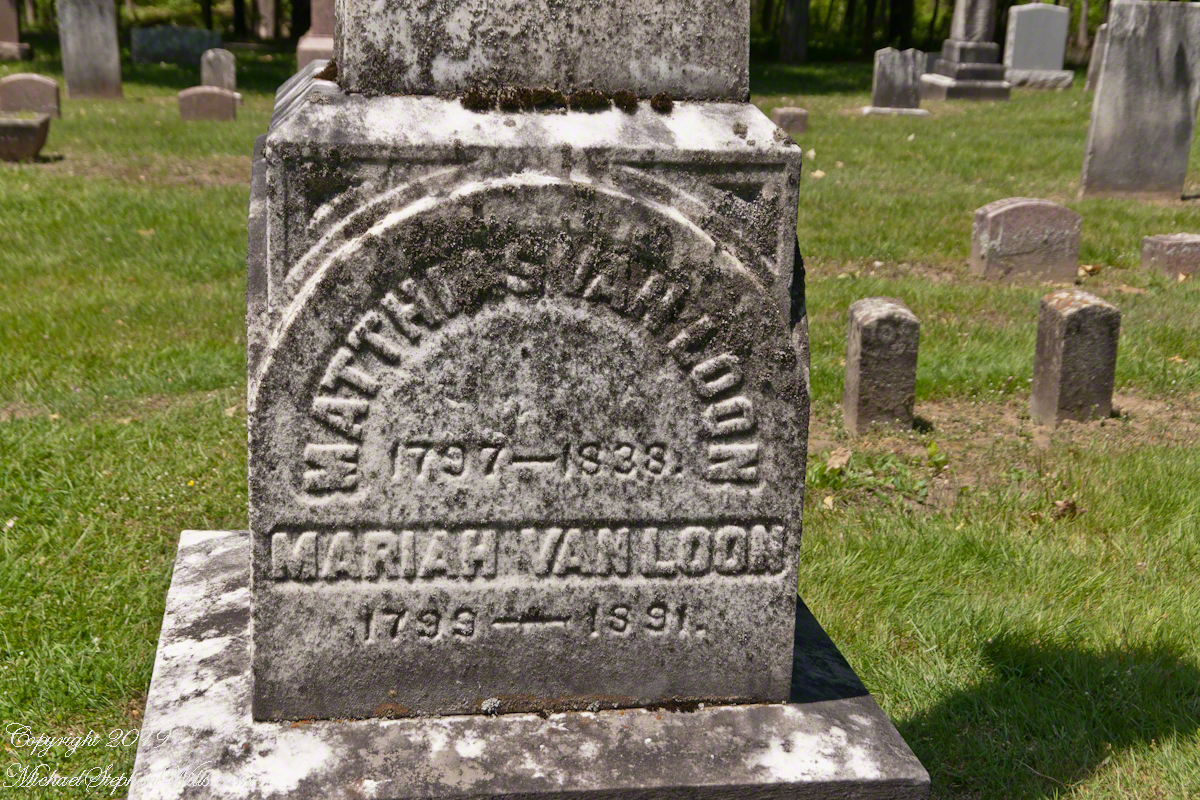
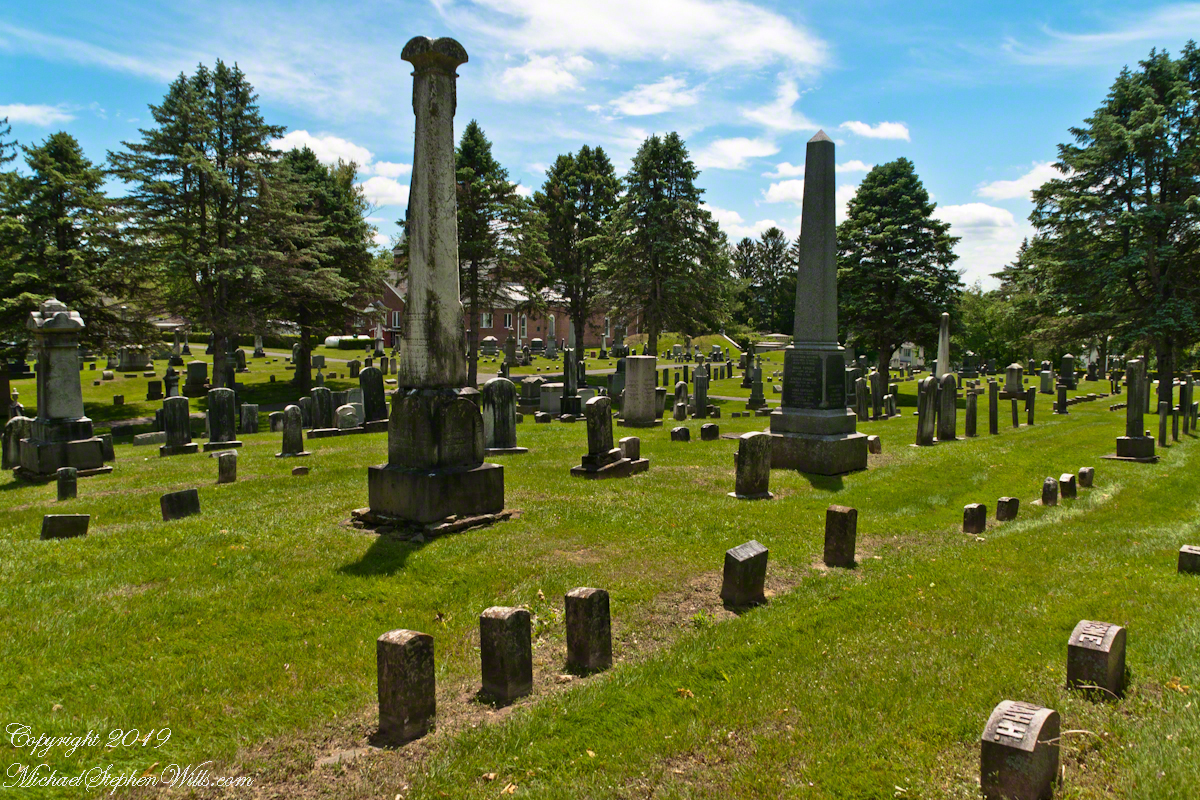
The Matthias Van Loon of this memorial obelisk was a descendant who remained in what became Athens, New York. The following two photographs are of the base and an overview. Matthias Van Loon’s is on the right.
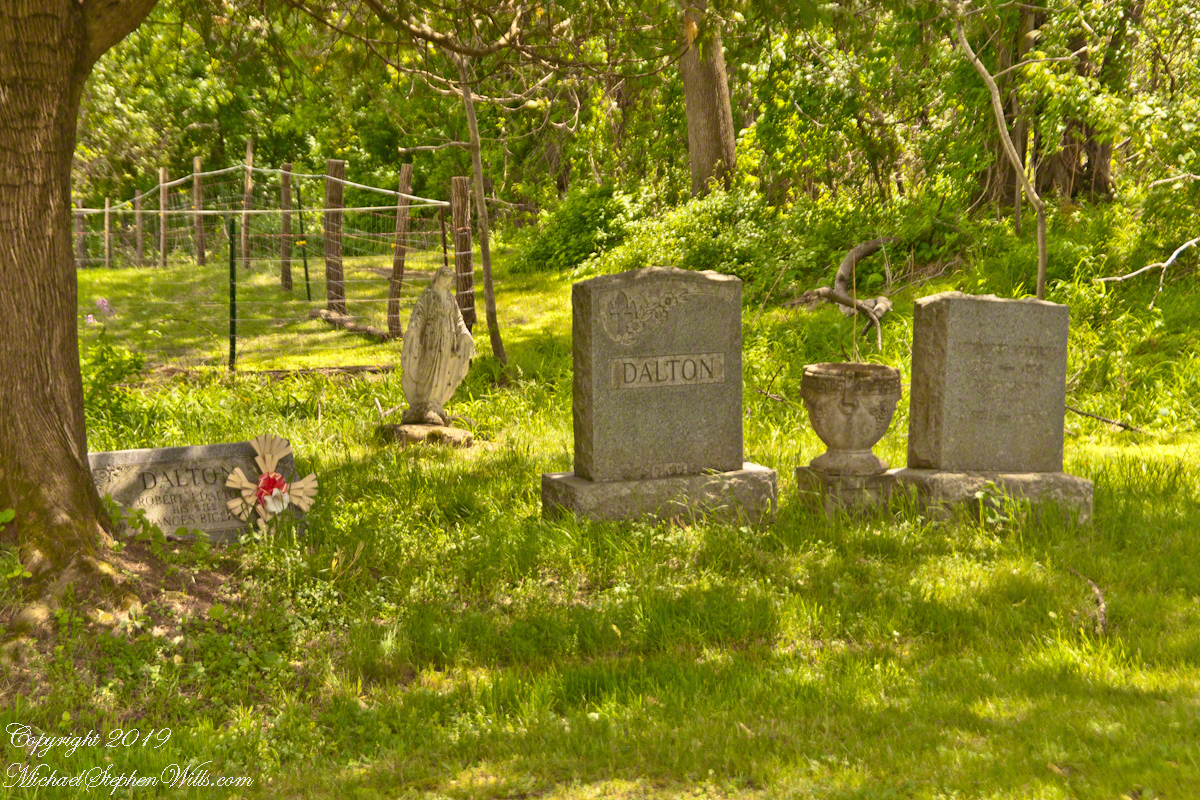
This Catholic burial is on the very edge of the site, as though pushed off to the side. That is the yard of a private home in the background. I started this post with flowers because there was little evidence of familial devotions on these burials of previous centuries.
notes from November 2231 AD
Ancient legends speak of the River Lethe, crossed by departing souls. The waters of the Lethe wash away memory, allowing for spiritual rebirth, reincarnation, a return to the world in new form.

This memory implant represents a bridge over the Lethe.
 For those chosen to cross over to the new land in return for

their treasure, lives and selves.

This virtual monoculture glade from the long time of forests,

a place of happy gatherings, of families, plentiful food and water.

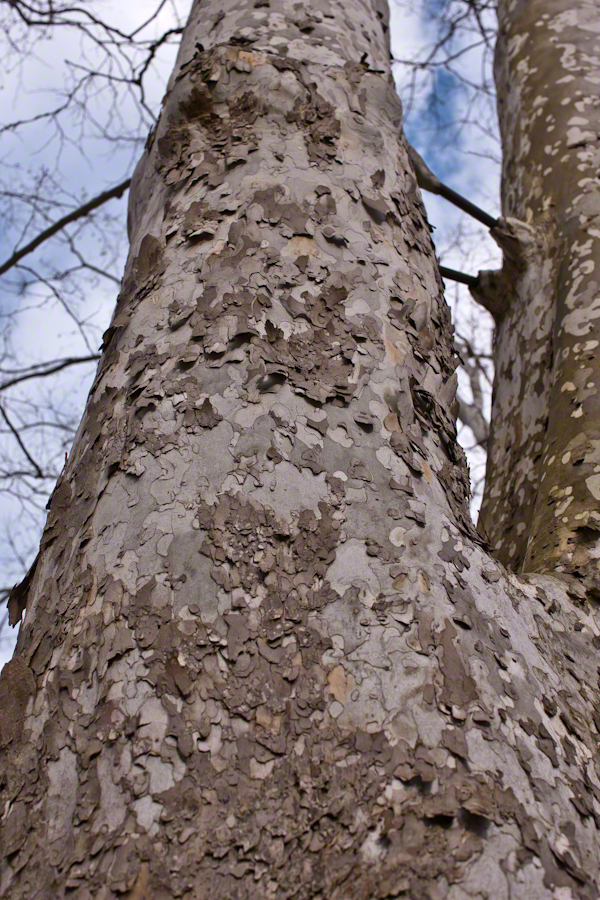
These sycamores grew over centuries, through thousands of days, wider than 10 people,

white with age as the outer covering, called bark, falls away.

forked, trunks

climbing to the sky.


Rumination on wild flower blooms
Click here for my Online Gallery offering of trillium.
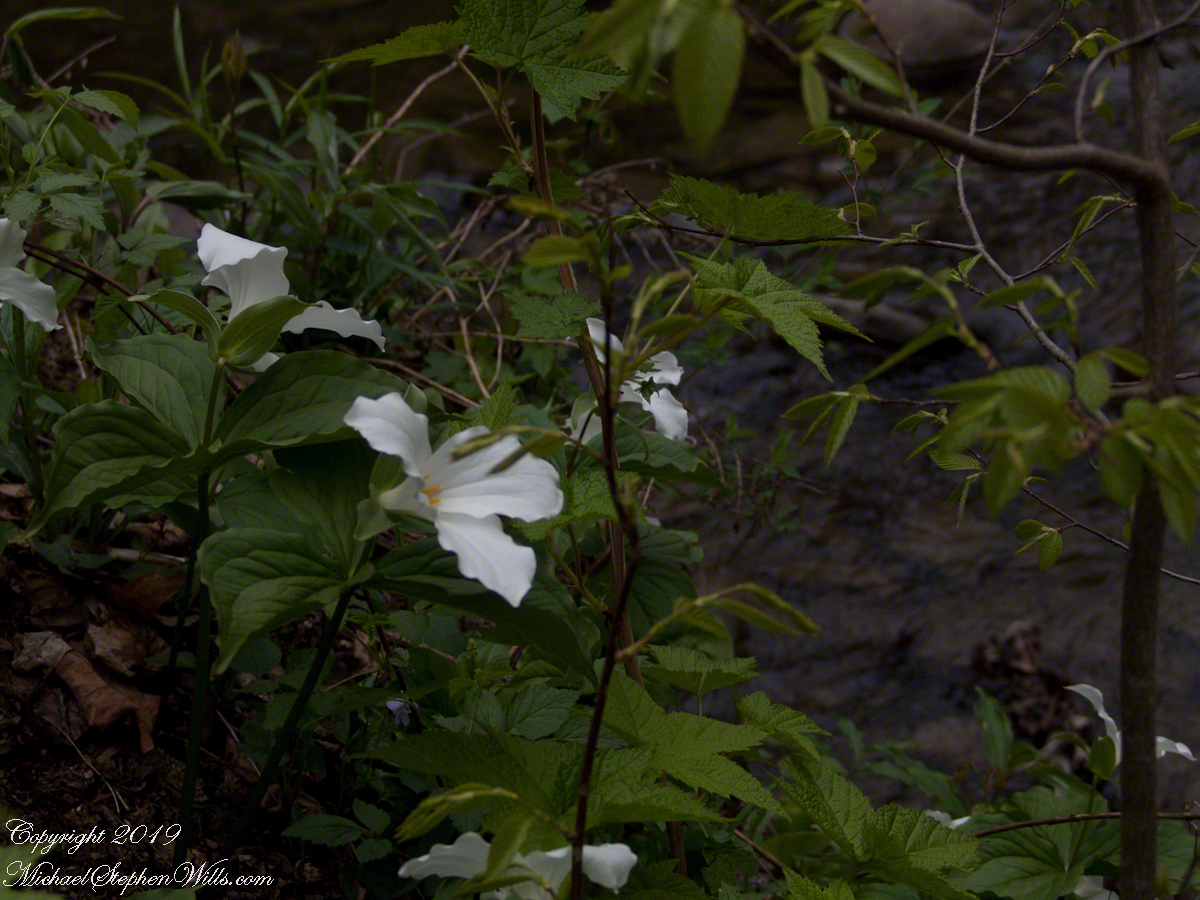
An access road, now blocked with huge boulders by the State Park, leads to this dam at the head of Fillmore Glen. I stop here for reflection at times and have climbed behind the dam for photographs. It is possible to drive up the south side of the glen on a poorly maintained road and park next to the boulders. In this season (spring) the surrounding forest is carpeted in wildflowers. Hepatica, trillium, dutchman’s breeches. One day, years ago, I pulled in behind a late model convertible with a license plate holder advising the owner was a member of the 10th Mountain division and a World War II veteran.
They were a well dressed and groomed couple. The white haired driver, in his late 80’s at least, patiently waited while she, a frail woman, walked the margins of the forest, enjoying the wildflowers. It was my impression this was a ritual for them, developed over the years. One of the few spring outings left to them.
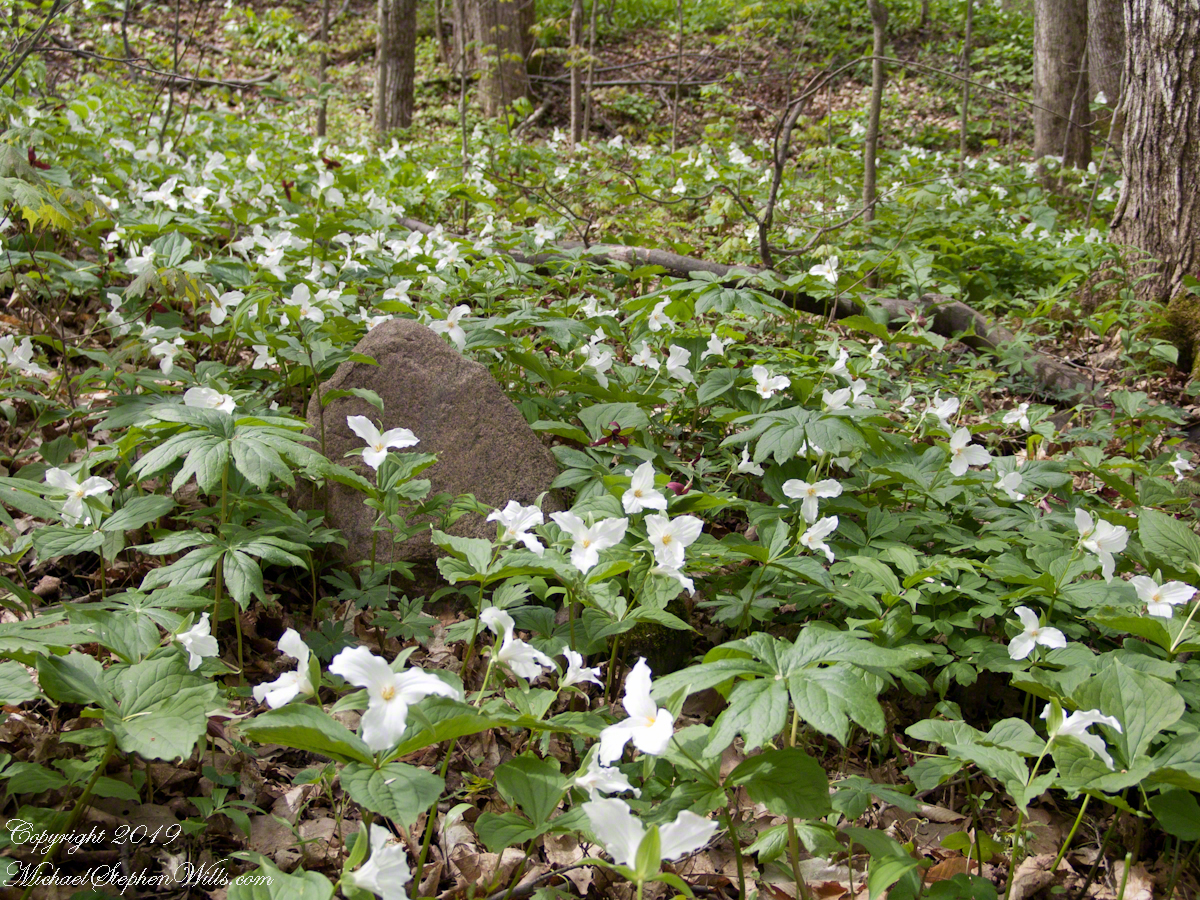
Wildflower displays develop over hundreds of years. The massed trillium are on land not disturbed for thousands of years, since the last ice age. These same spring wonders were certainly enjoyed by the Iroquois before us.
Click either photograph for a larger view.
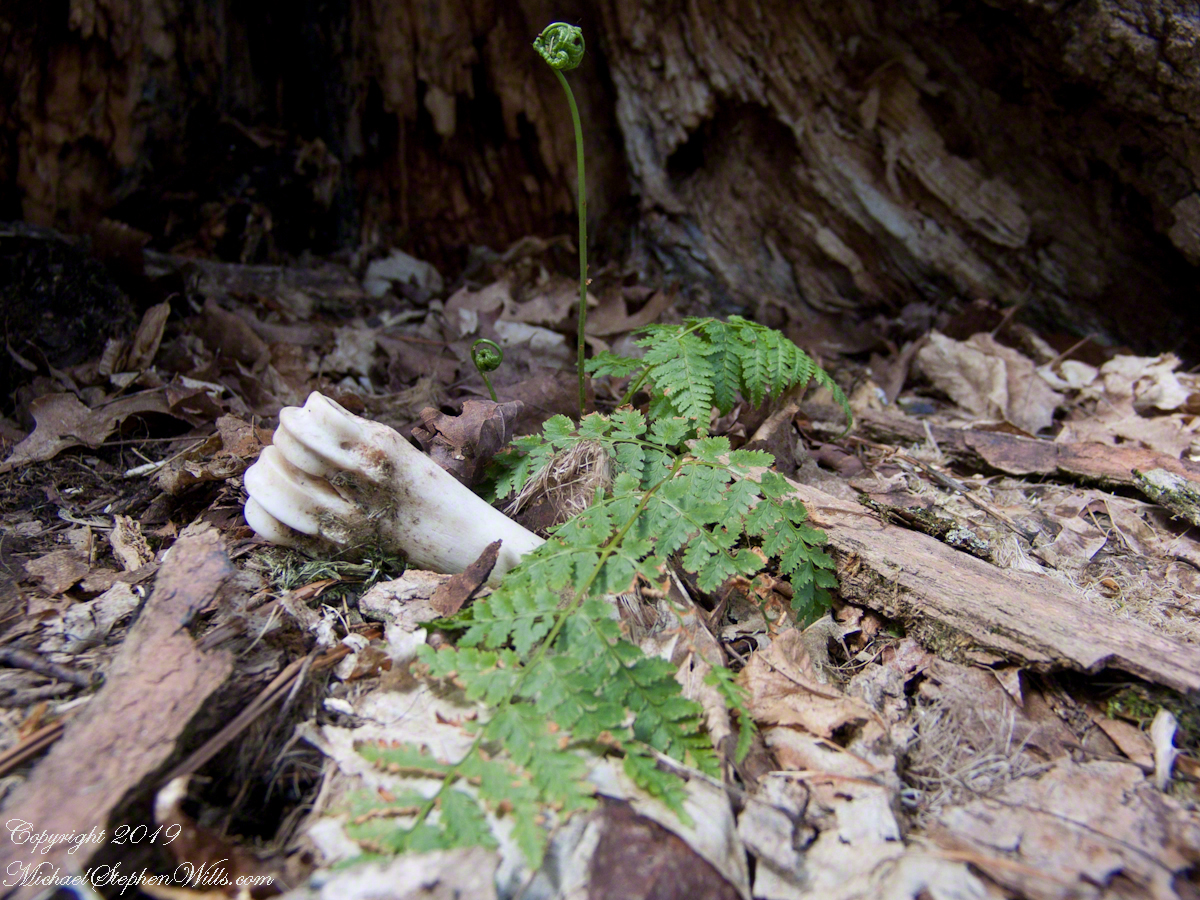
On the gorge slope below the parking area, in a hollow on the north side of a large (I recall) oak, one early sunny spring morning I discovered the last resting place of a deer. Only the bones and some fur remained, the visible portion resembles the Capitulum and trochlea of a human arm bone and, indeed, there was a scapula close by. The season is evoked by the unfurling fern against the based of the oak.
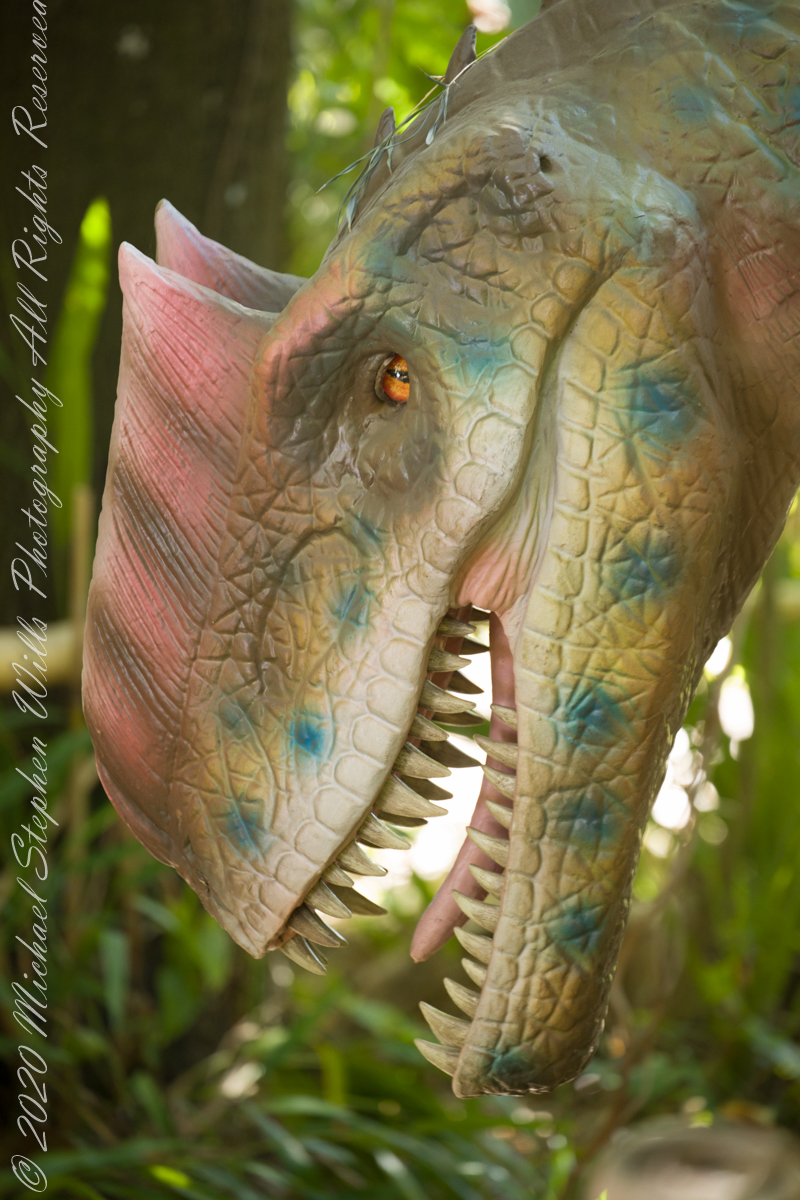
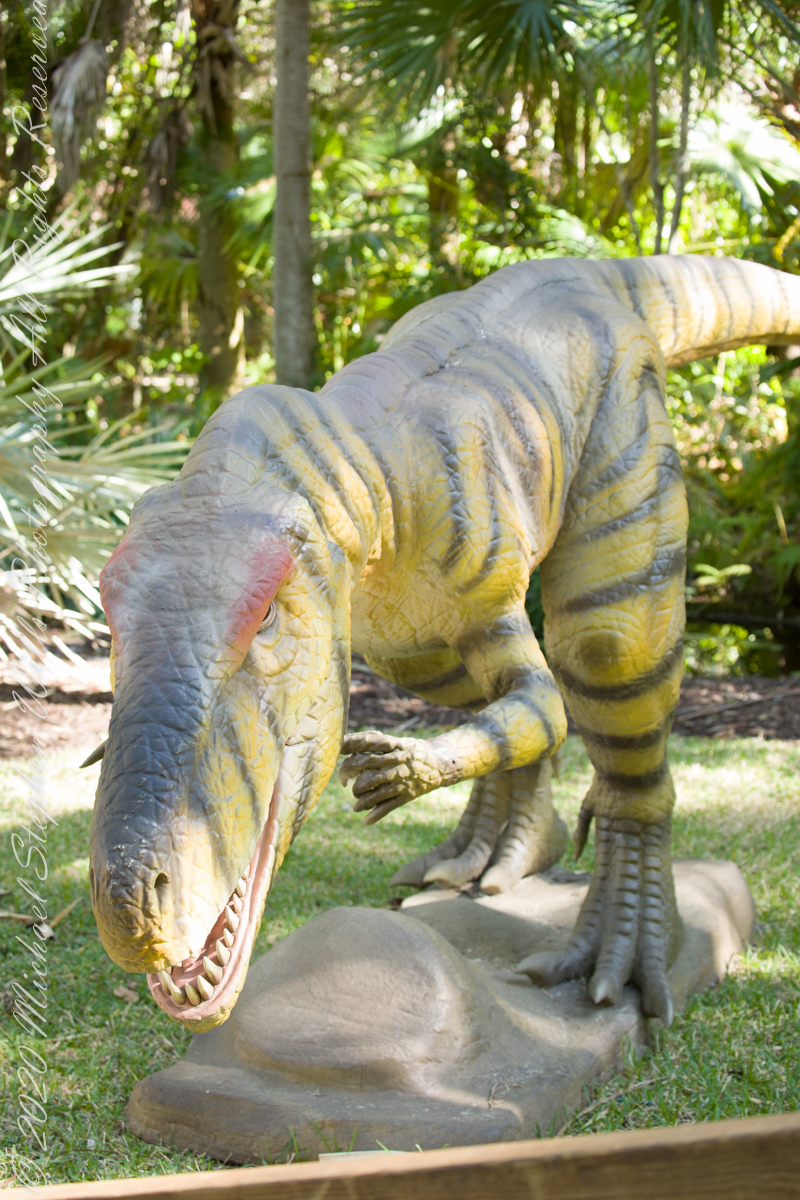
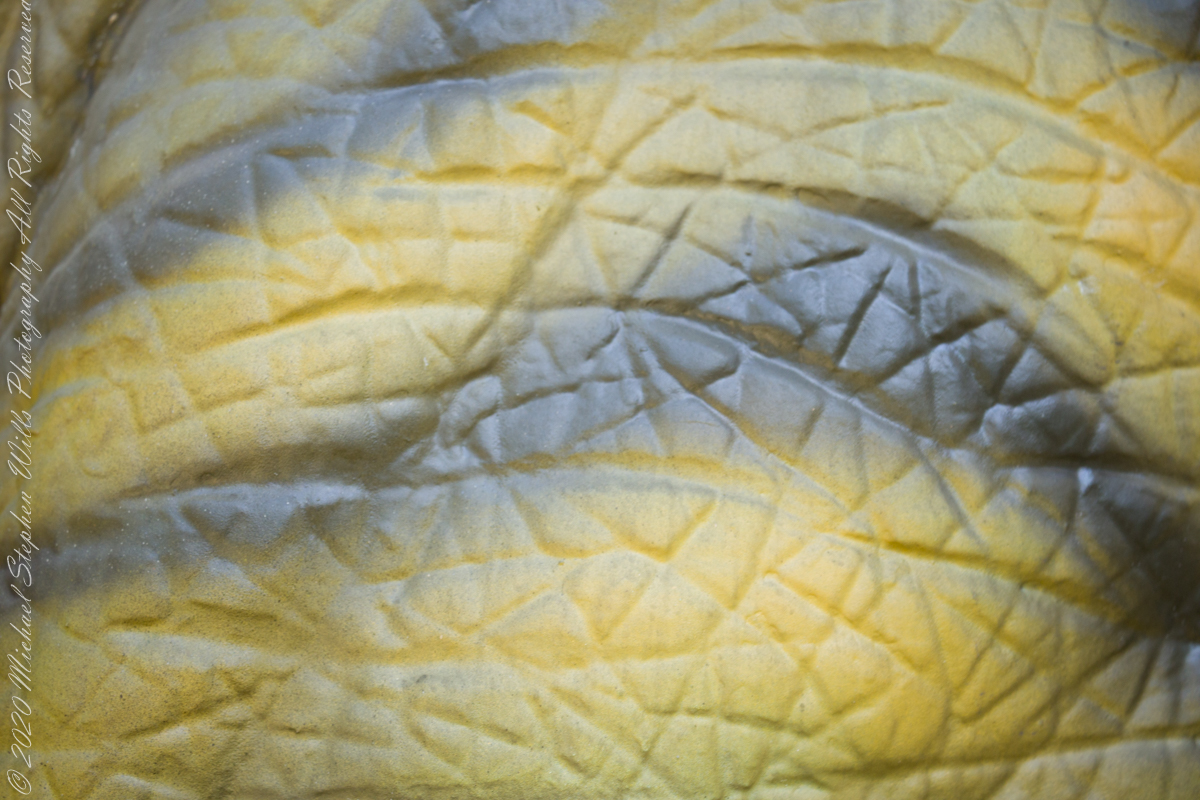
A selection from “Dinosaurs around the world,” McKee Botanical Gardens, Vero Beach, Indian River County, Florida
Neovenator was a very large, predatory dinosaur. Each hand and foot had three very sharp claws. Its teeth were thin, blade-like, and serrated like steak knives for cutting flesh. Short, horn-like projections above its eyes helped to recognize others of the same species. First discovered in 1978 on the Isla of Wight, United Kingdom. The fist and best-known specimen (70% complete) bears numerous injuries showing that these animals had rough and tumble lives. Perhaps such injuries were from trying to catch Iguanodons and other dinosaurs. Neovenator is derived from the latin words for “now” and “hunter.”
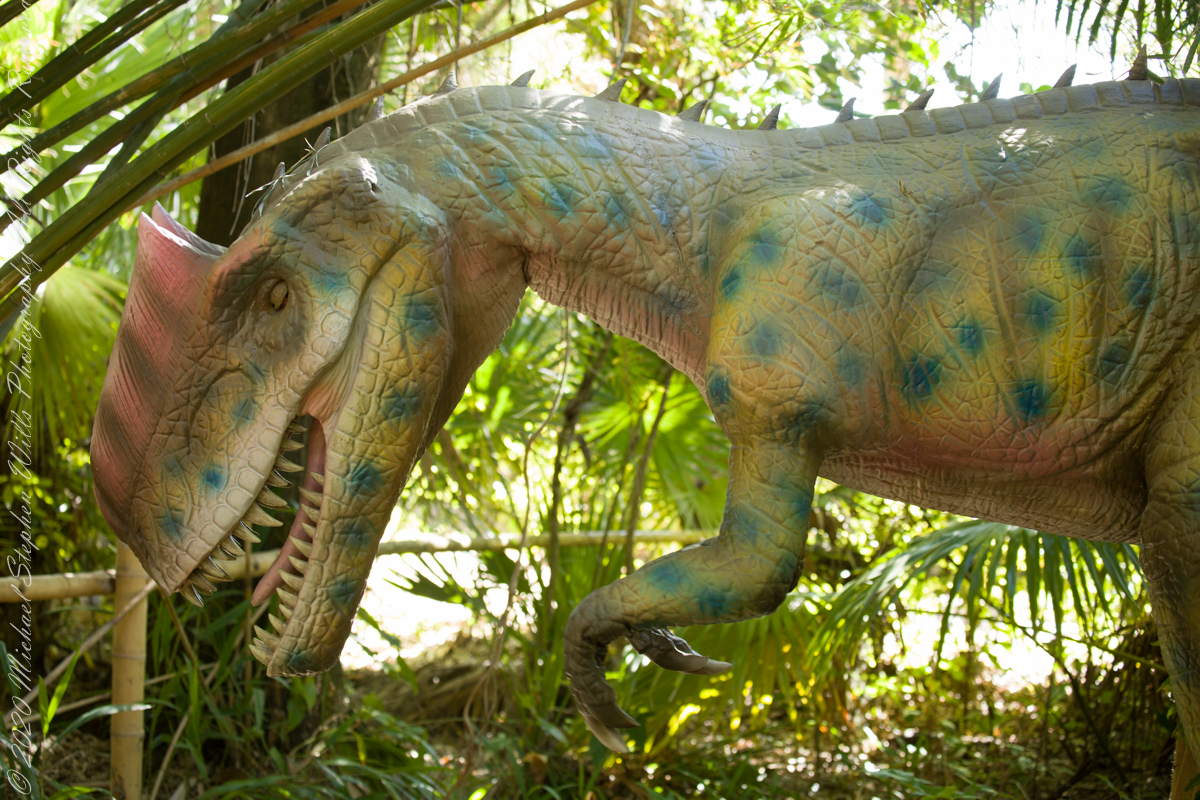
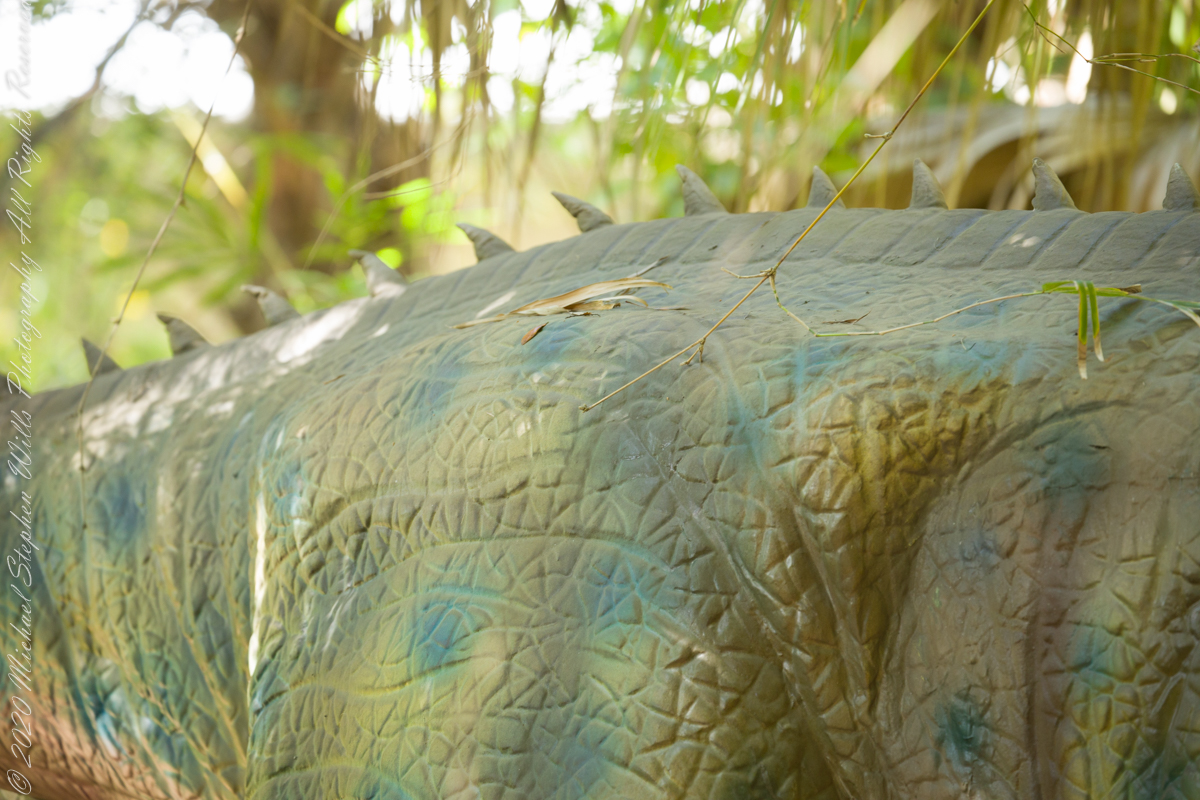
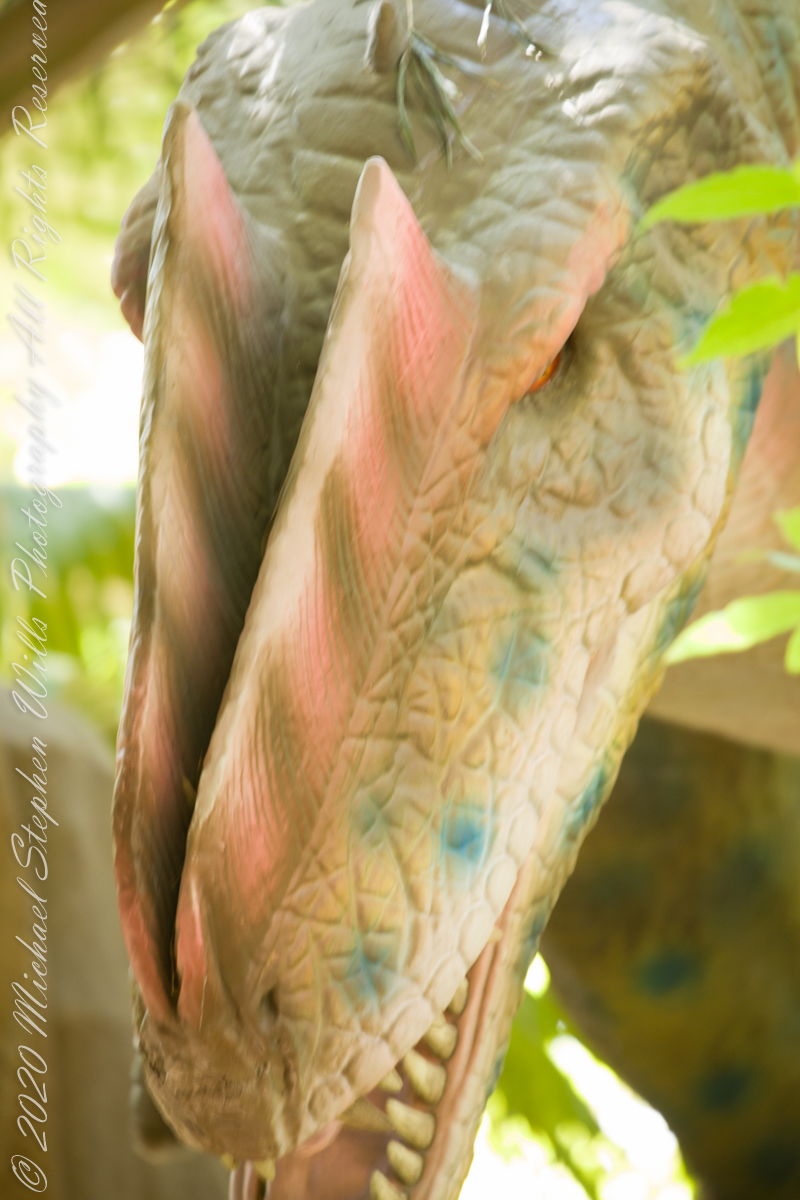
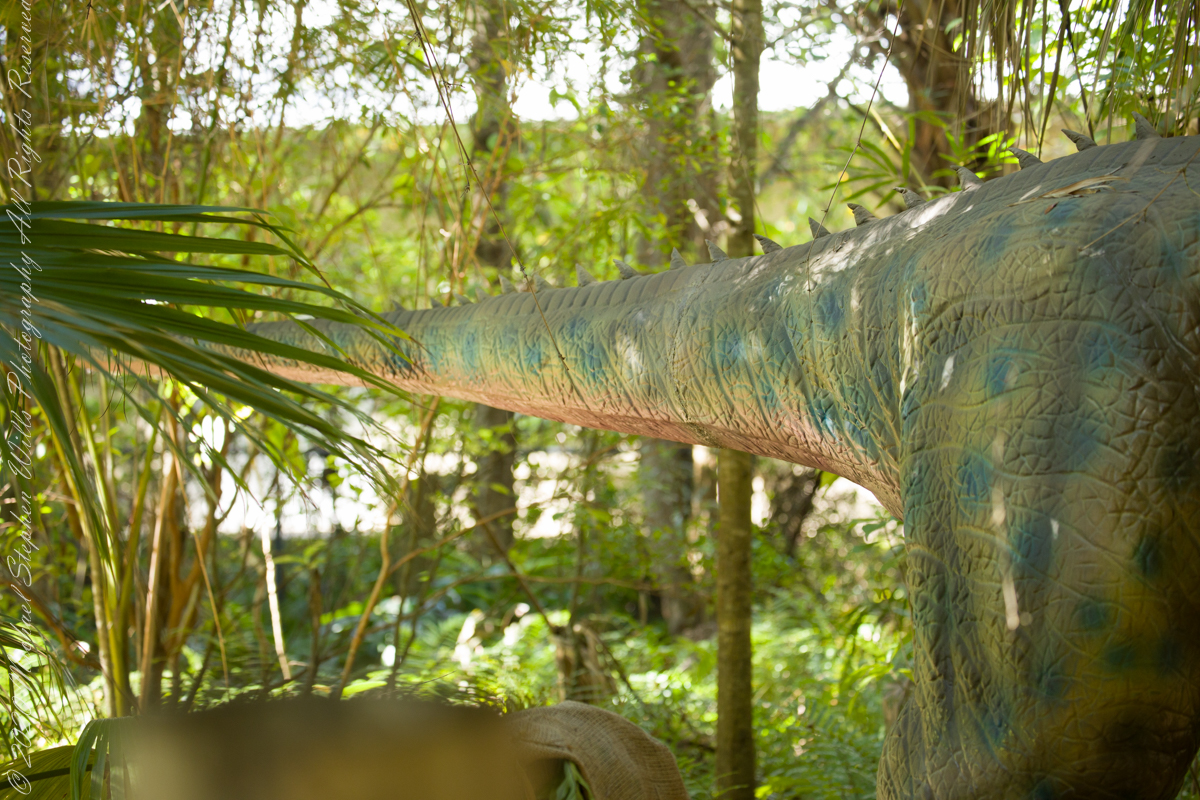
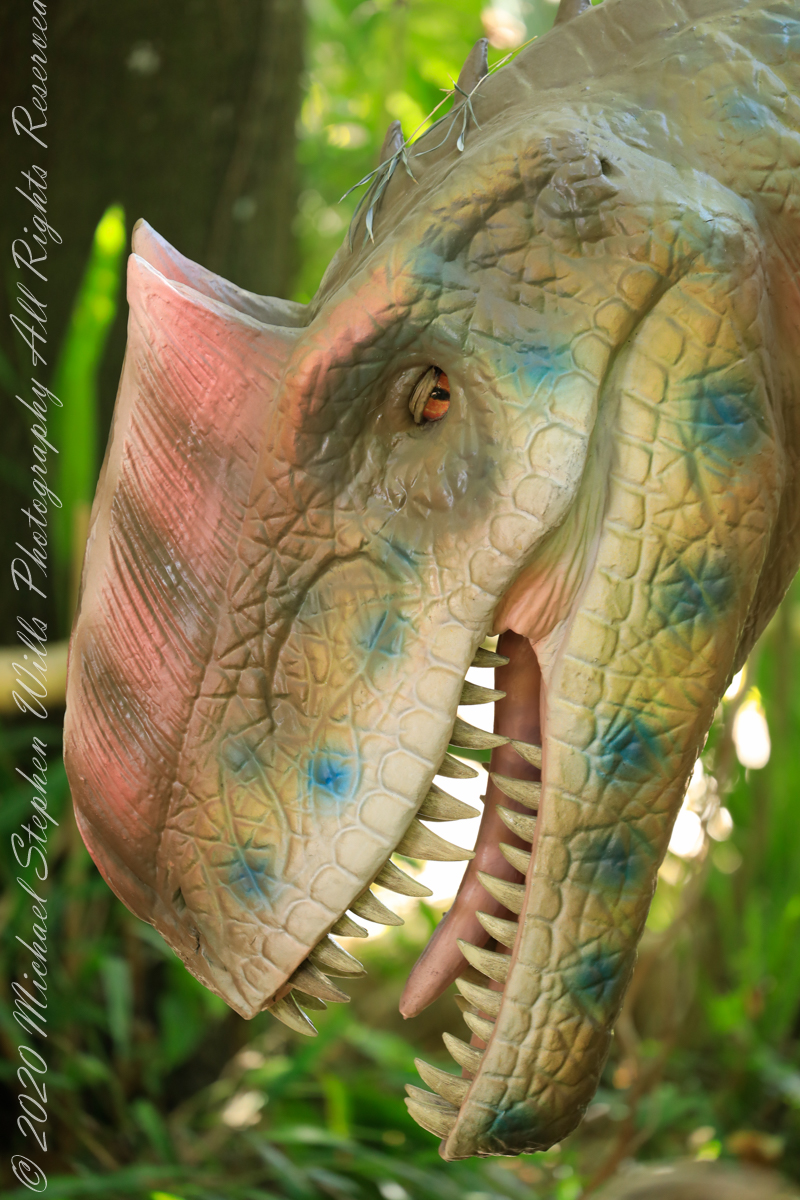
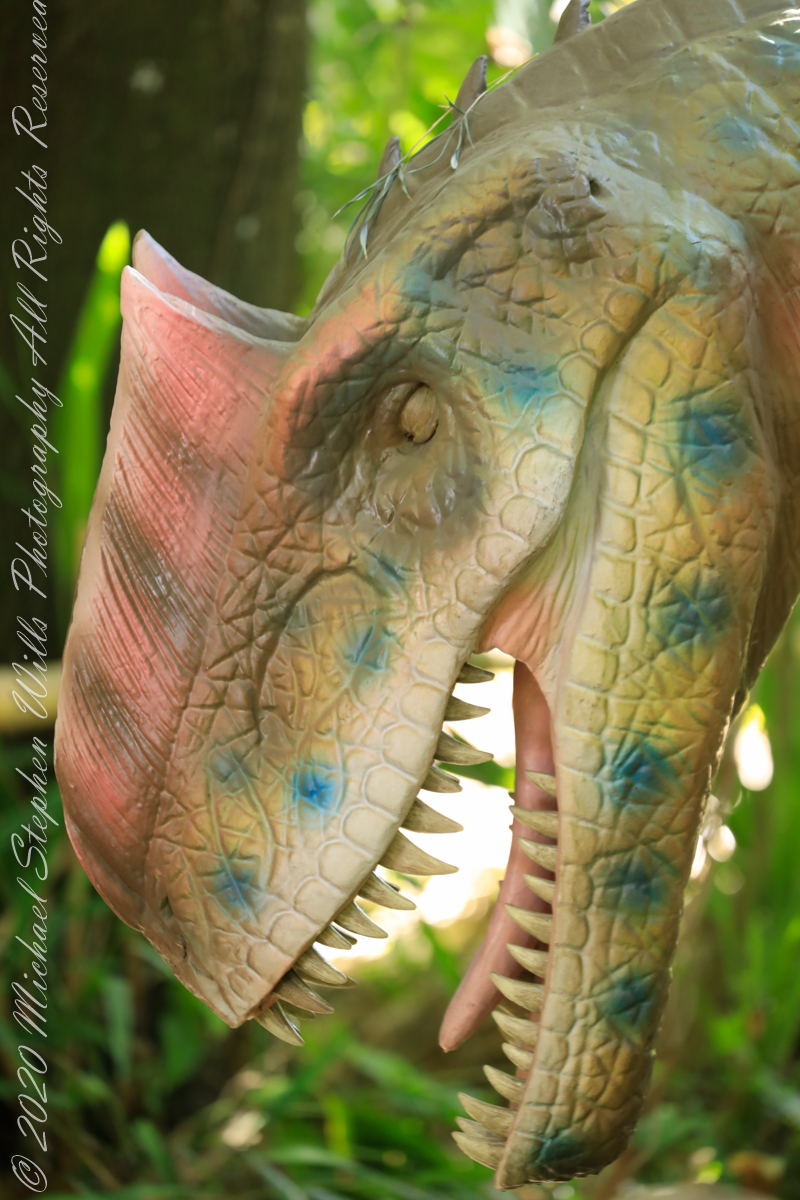
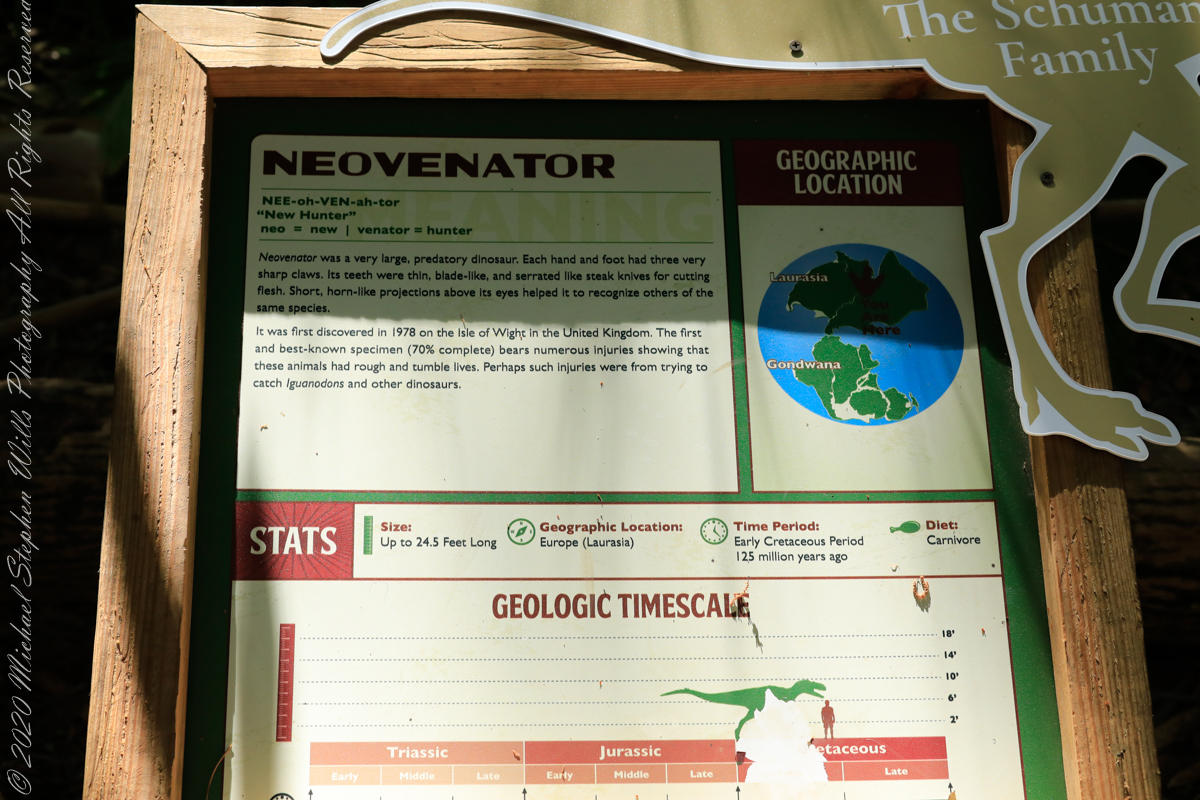
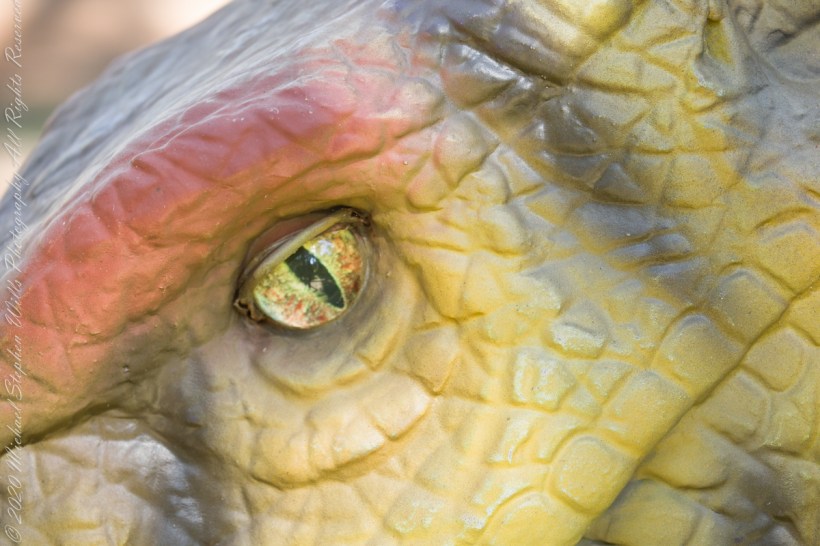
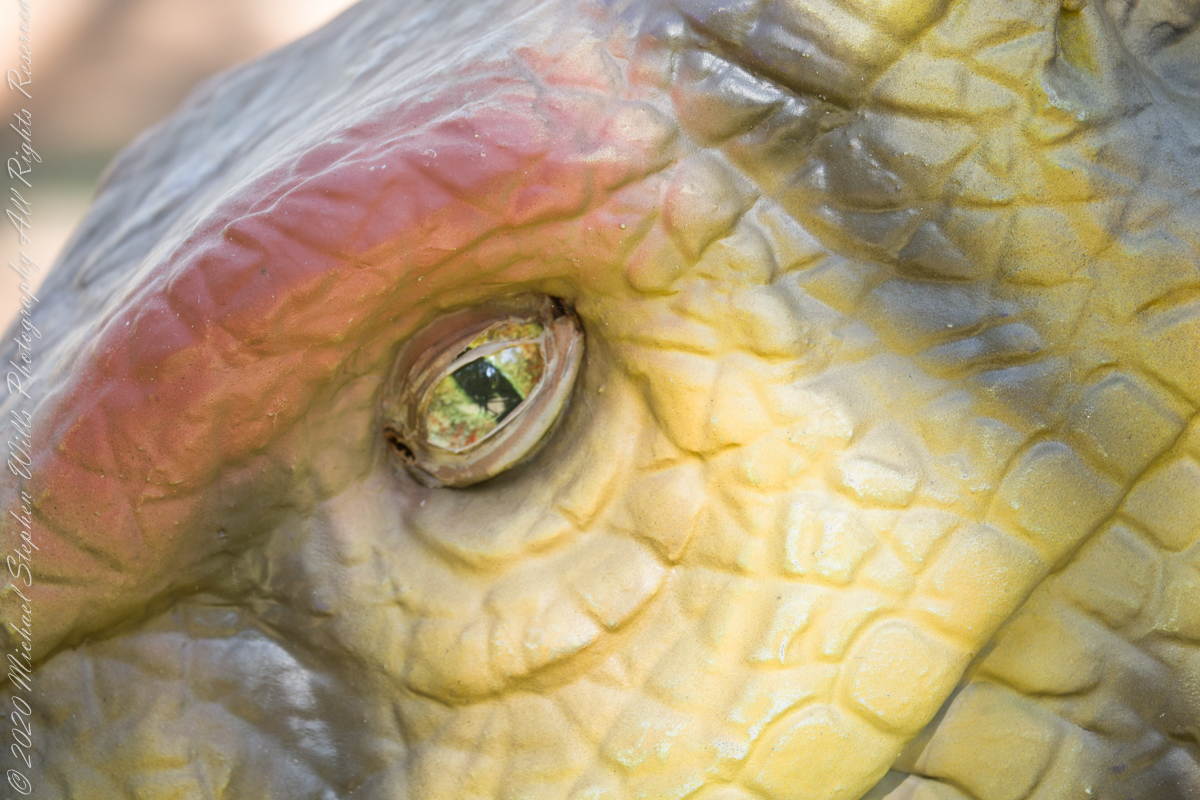
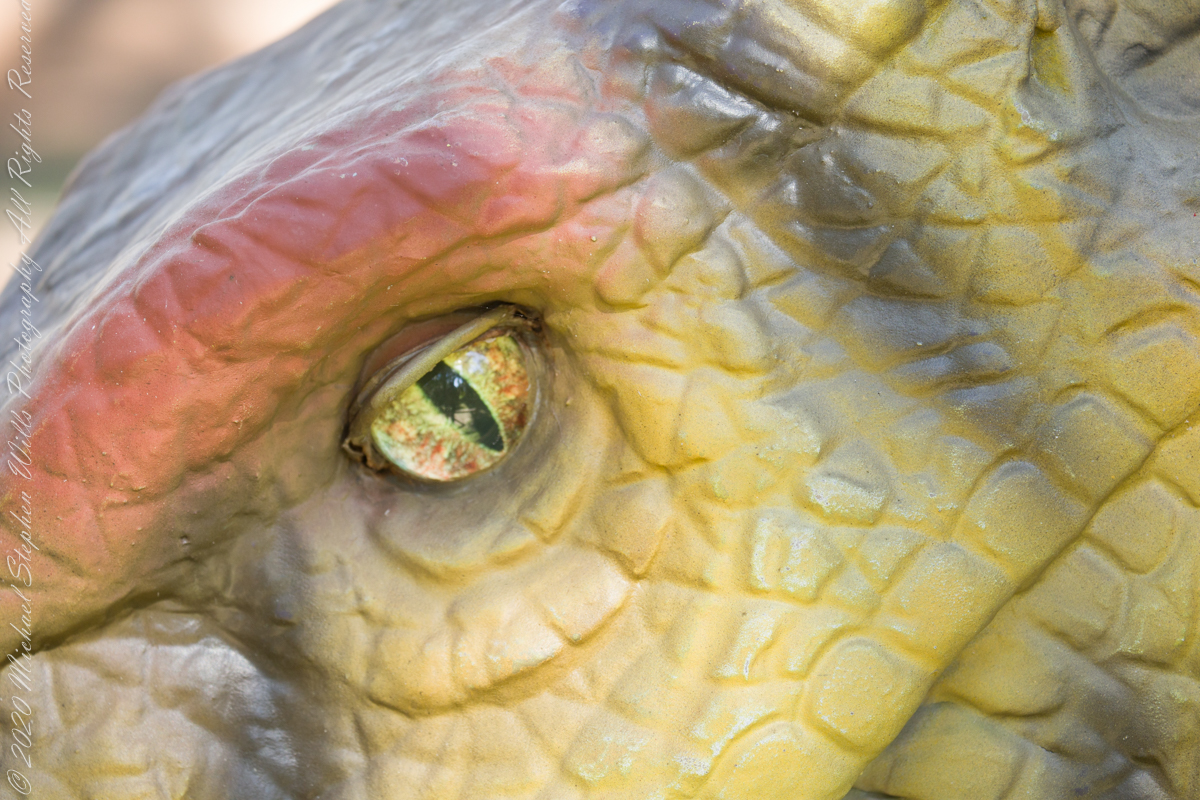
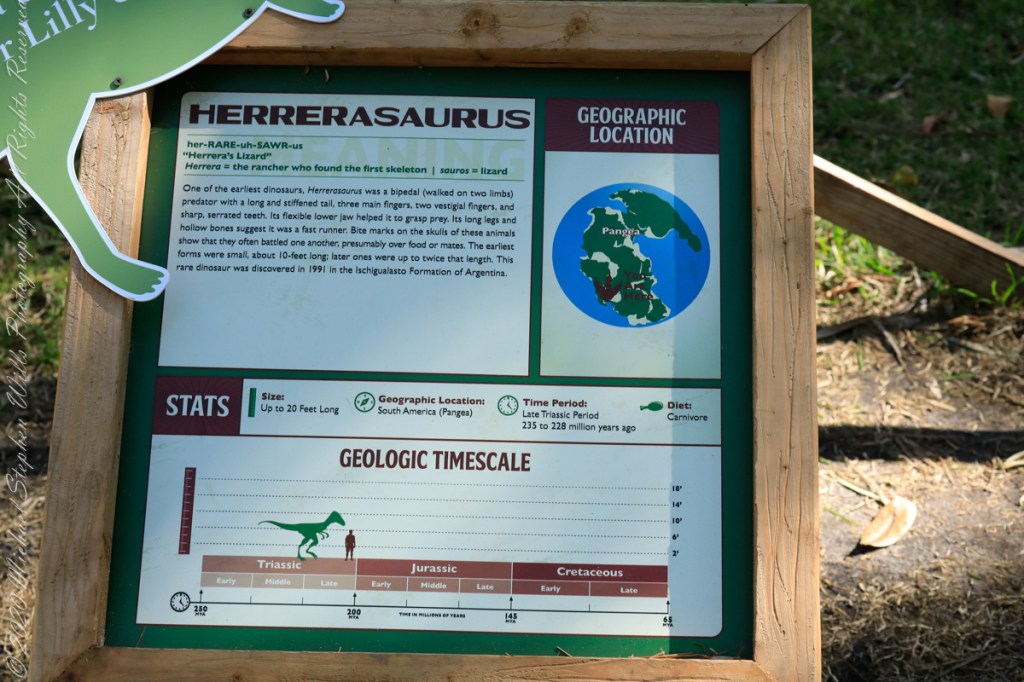
A selection from “Dinosaurs around the world,” McKee Botanical Gardens, Vero Beach, Indian River County, Florida
One of the earliest dinosaurs, Herrerosaurus was a bipedal predator with a long and stiffened tail, three main fingers, two vestigial fingers, and sharp, serrated teeth. Its flexible lower jaw helped to grasp prey. Its long legs and hollow bones suggest it was a fast runner. Bite marks on skulls of these animals show they often battled one another, presumably over food or mates. The earliest forms were small, about 10-feet long; later ones were up to twice that length. This rare dinosaur was discovered in 1991 in the Ischigualasto Formation of Argentina.

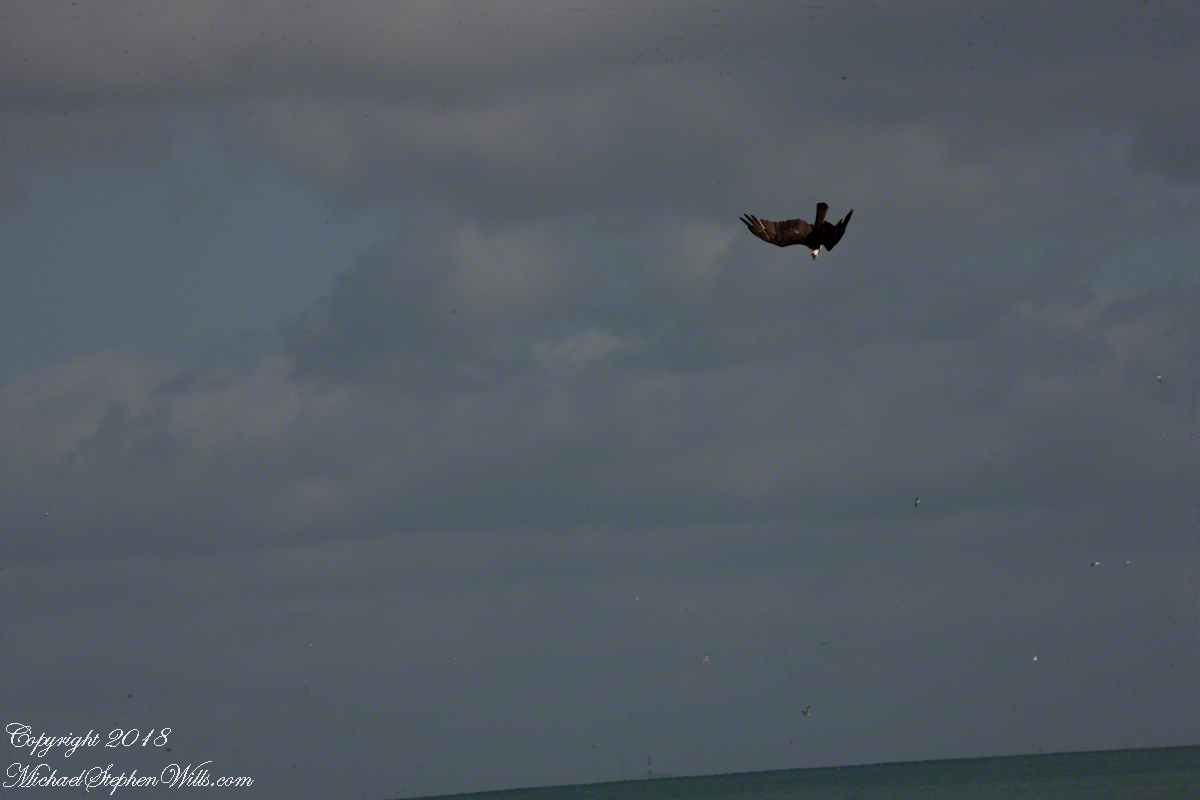
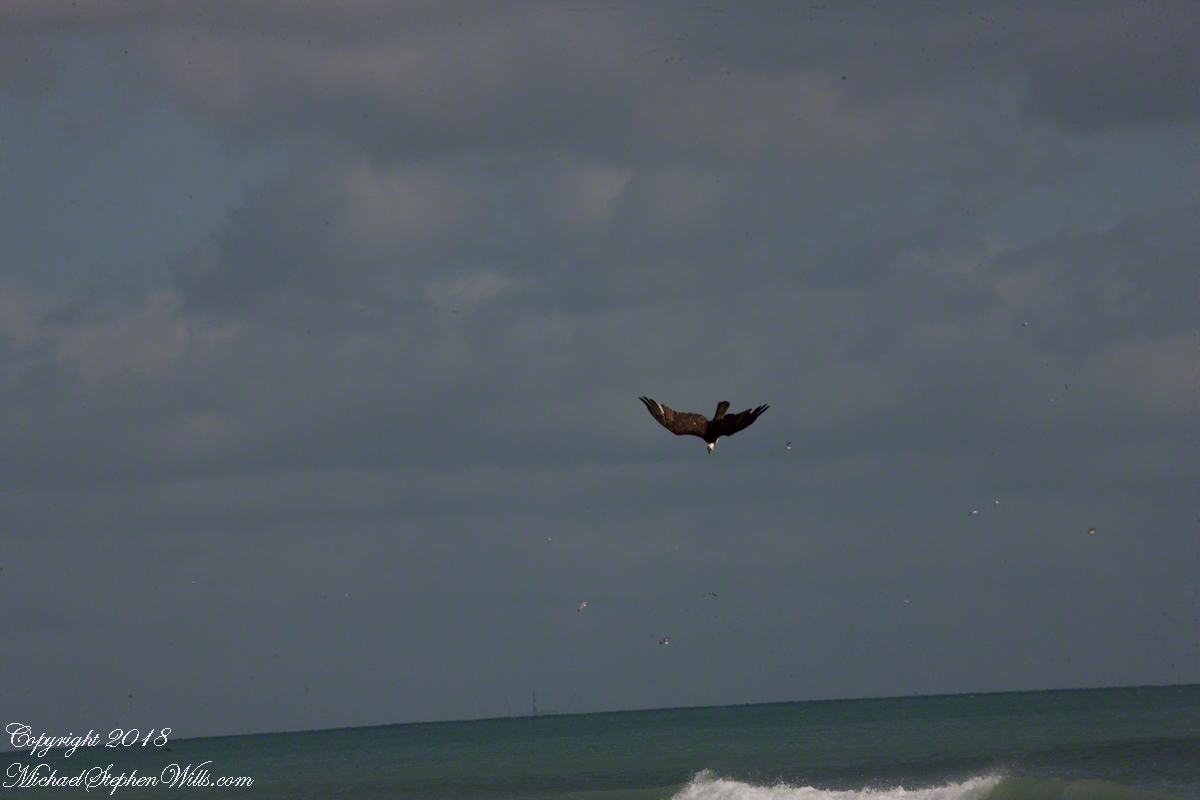
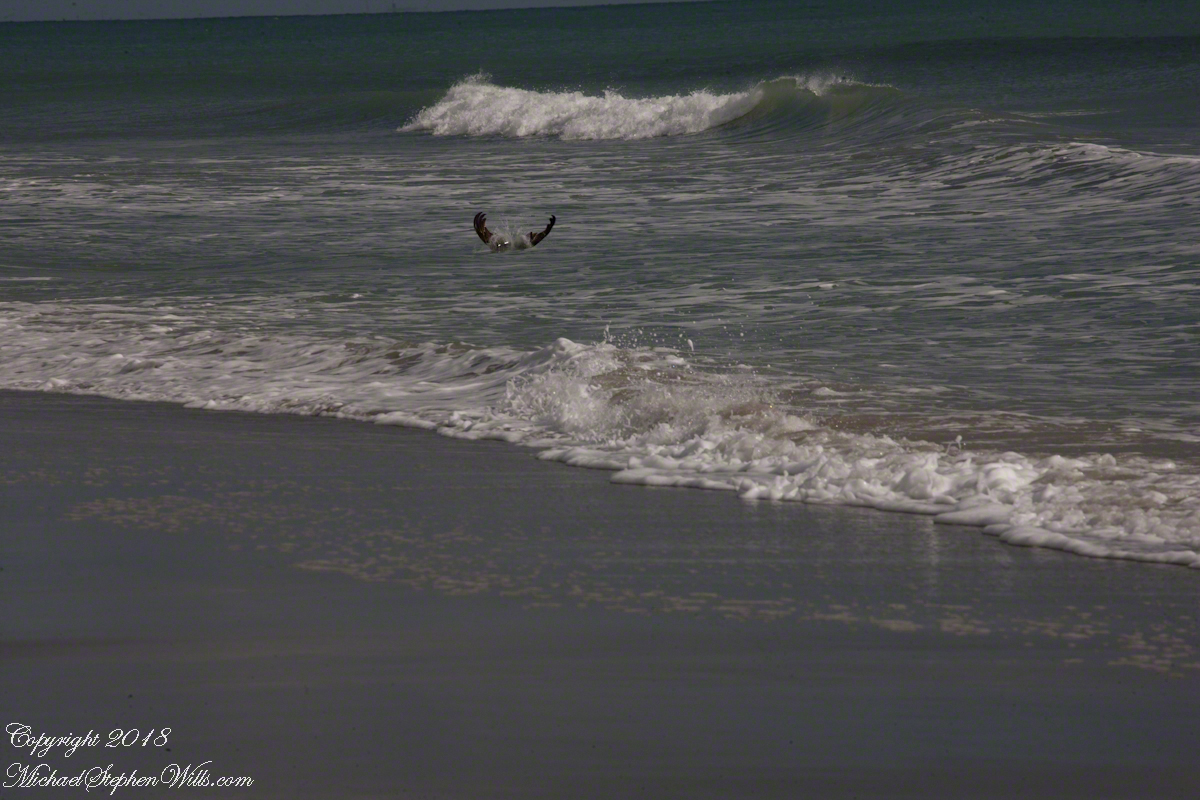
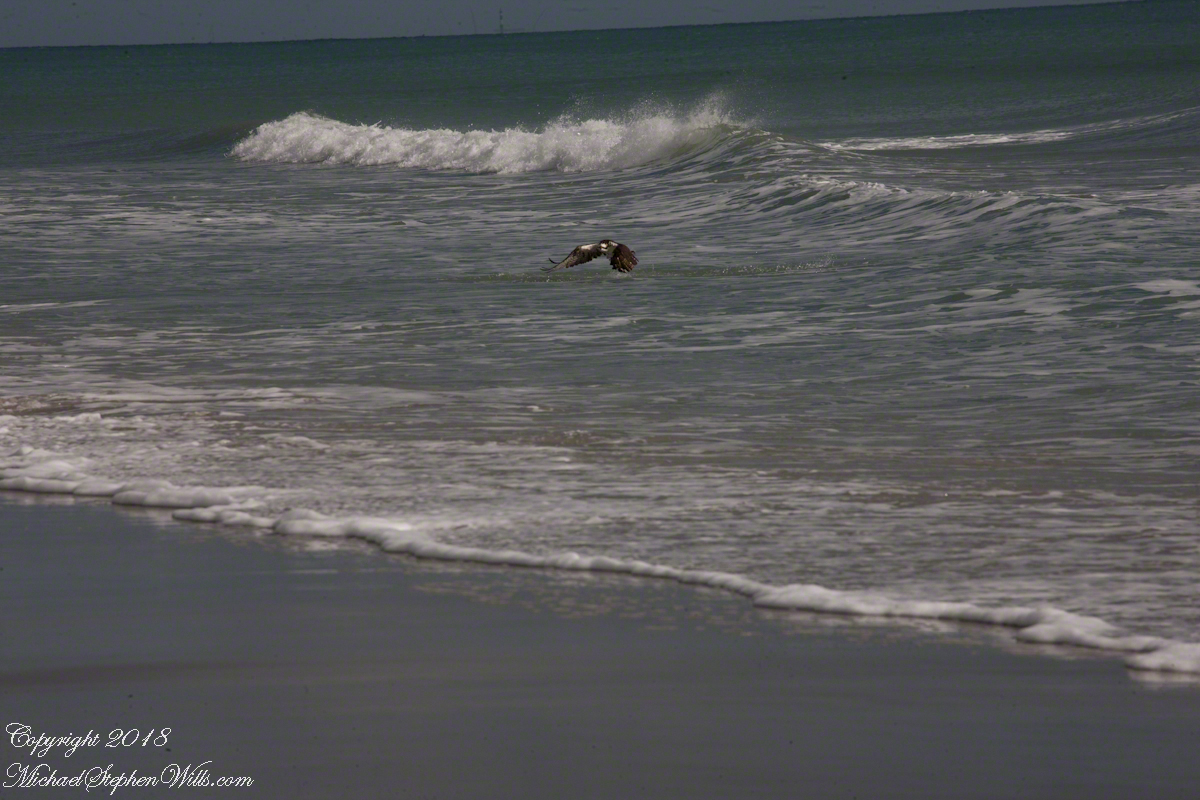
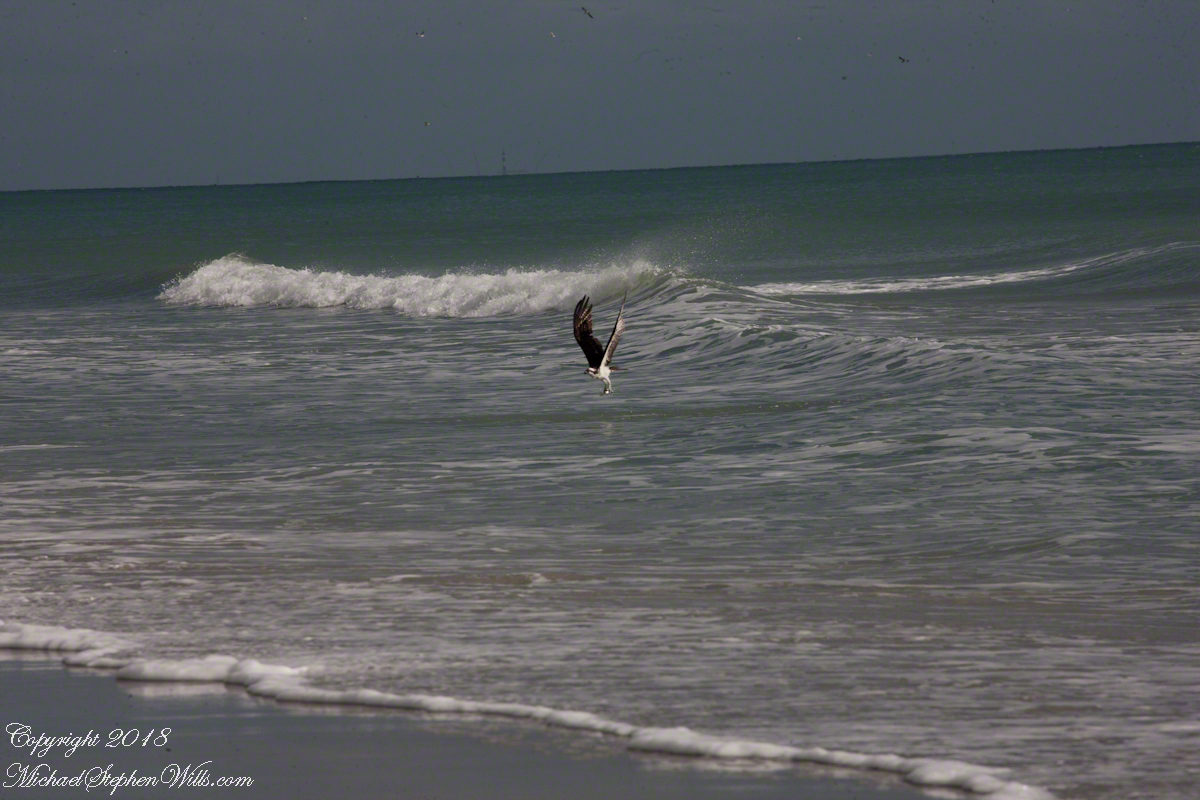
Less than 3 seconds elapse from the Osprey initiating dive to emergence from the surf and flight, fish in talons.
A sequence of high speed shots of what the Osprey does best. For this, the sixth and final post of this series (Click me for the first post, “Endless Searching“), we follow the bird in a dramatic plummet into the surf until it rises, catch in claws.
Late morning of January 20, 2019 I headed out with the Canon EOS-1Ds Mark III mounted with the Canon EF 70-300mm f/4-5.6L USM lens for handheld shots. Many elements aligned for these shots: weather, equipment, placement among them. The angle of the sun at 11:21 am was not optimal, but the cloud cover made up for it.
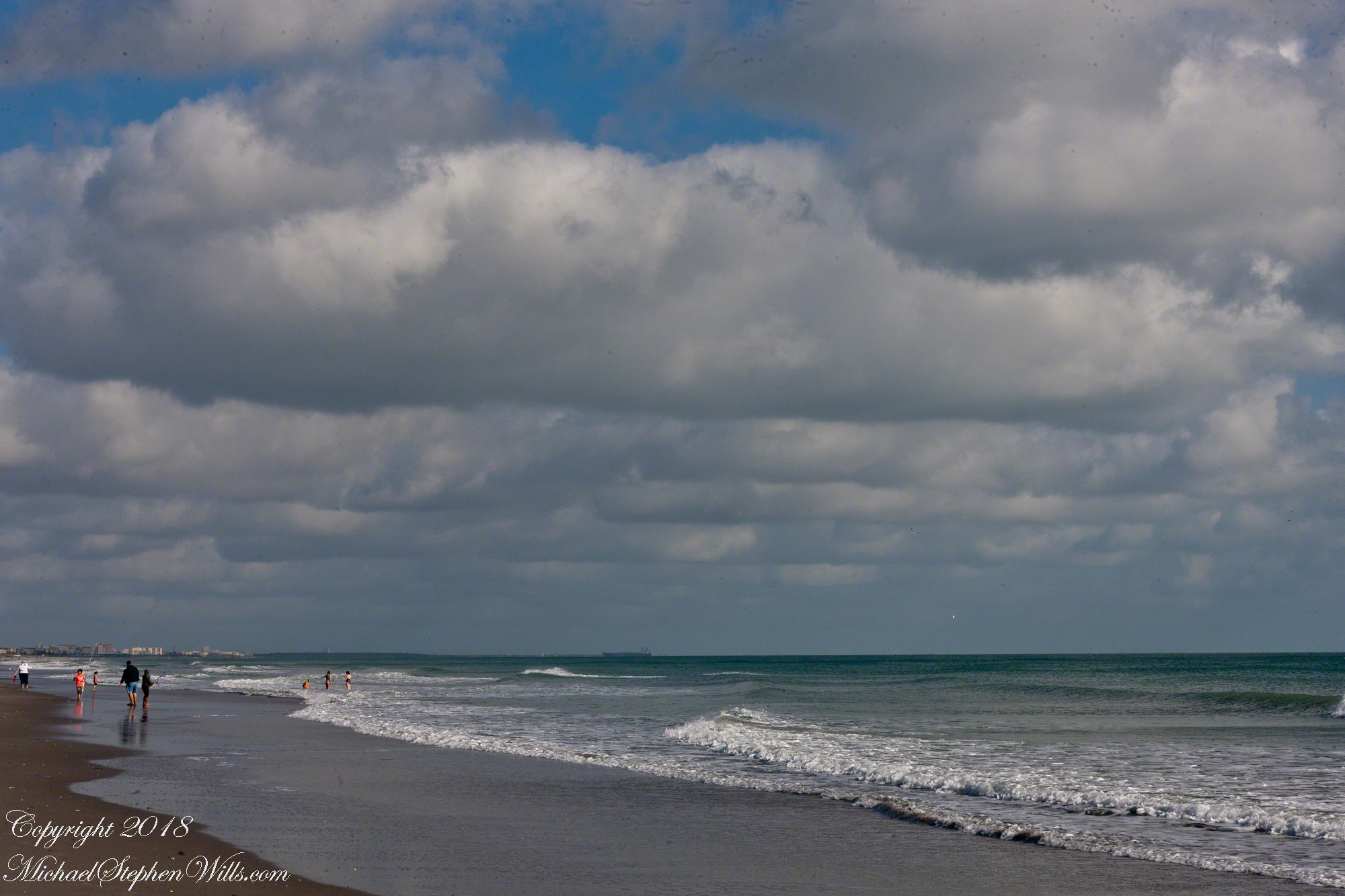
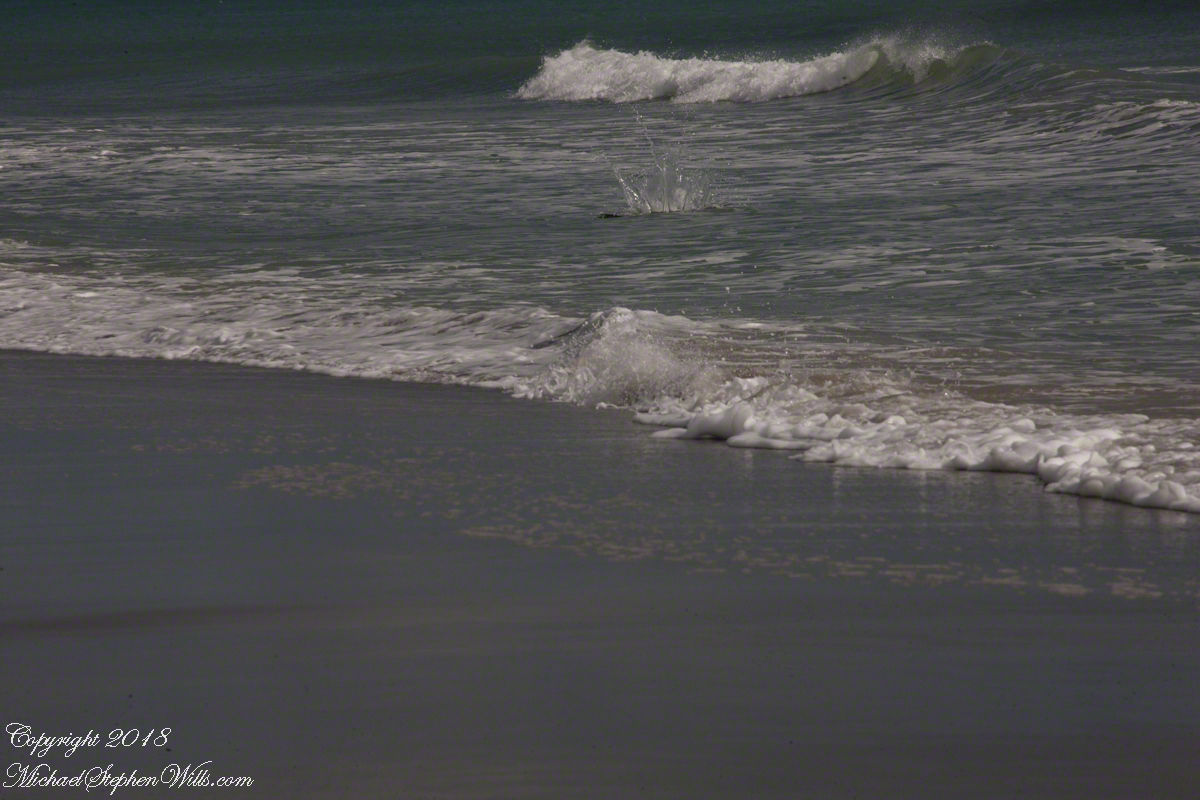
The dive impact happens in less than 2 seconds.
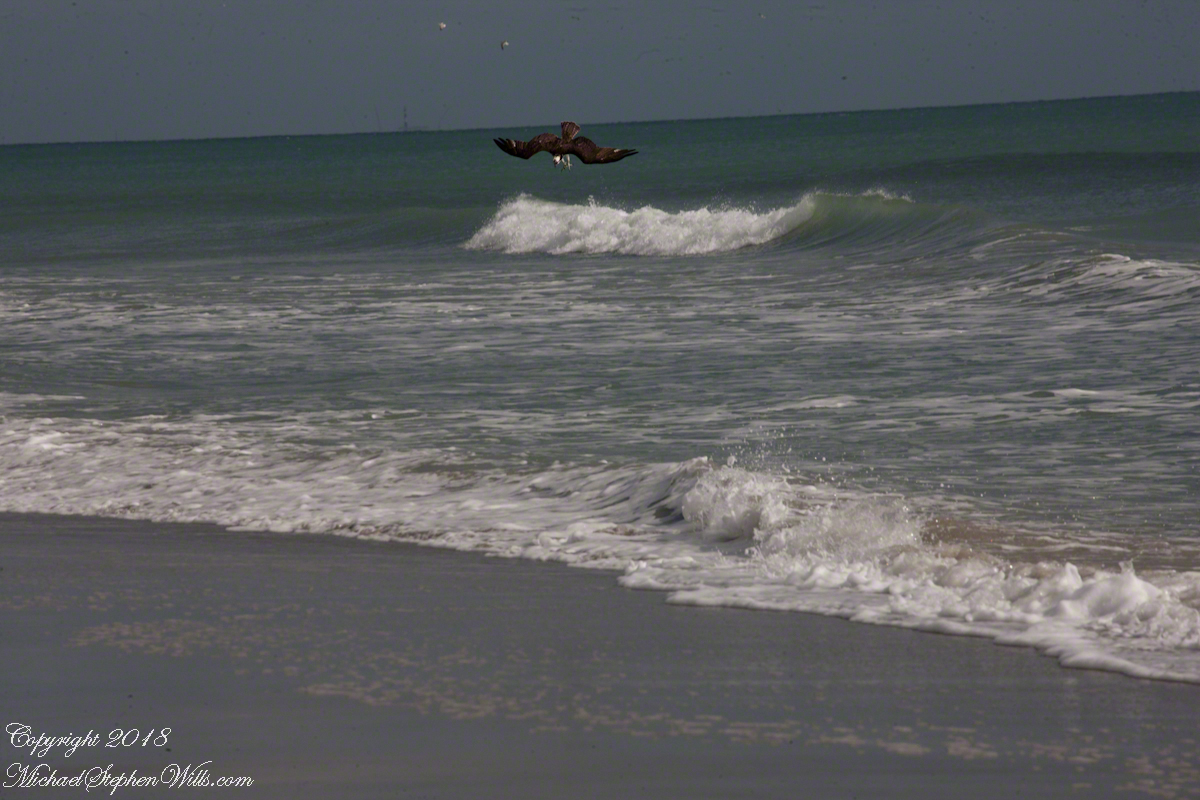
Less than one second from point of impact until emgergence and flight.
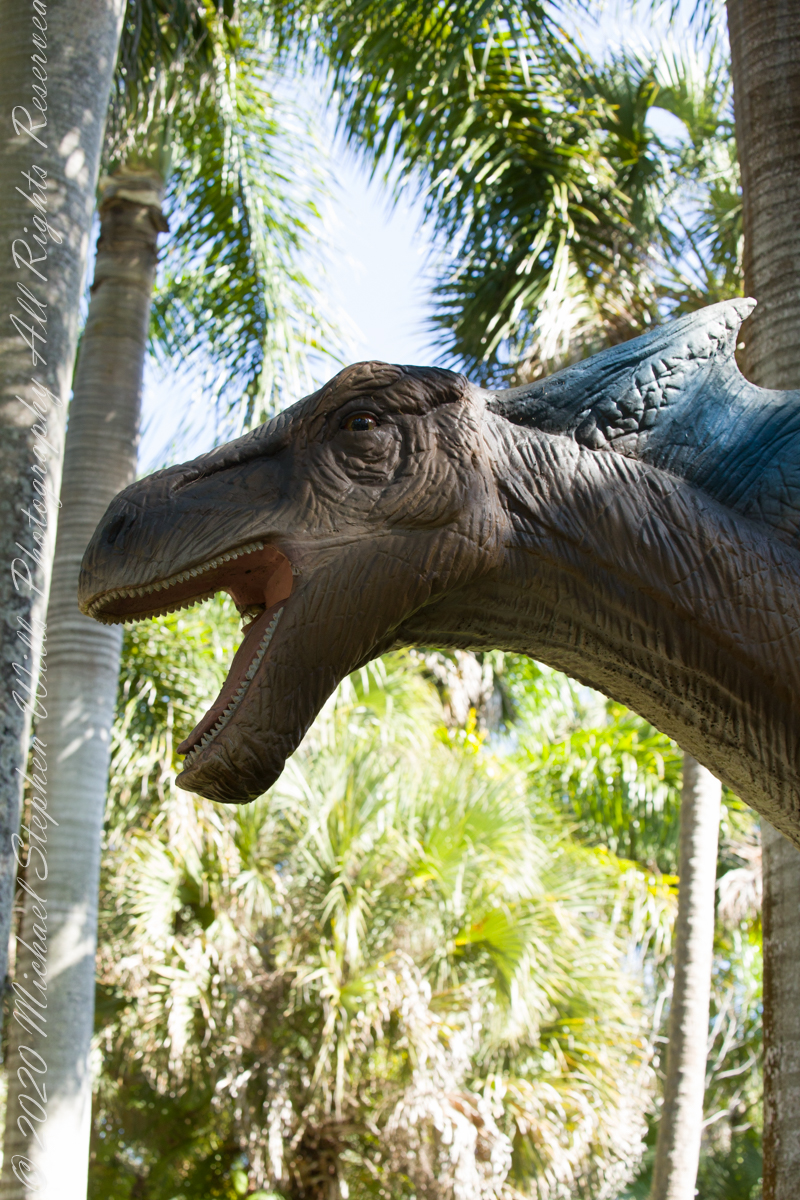
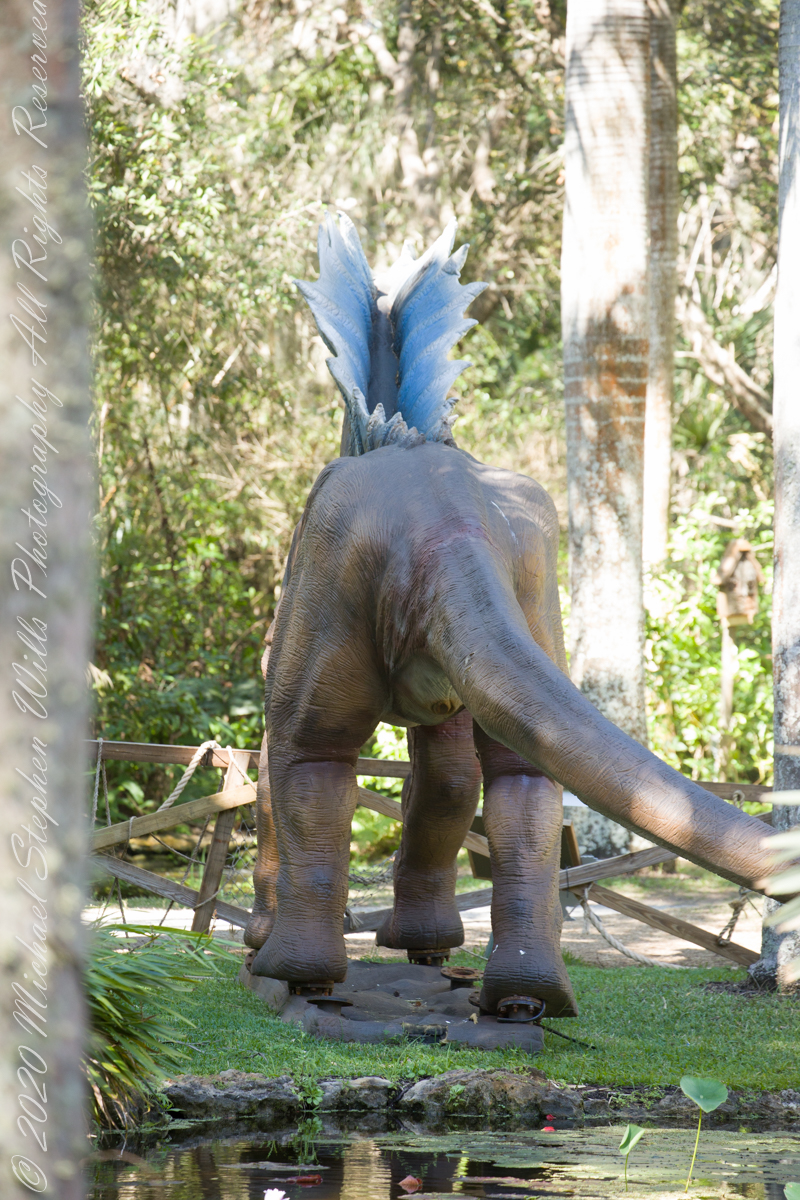
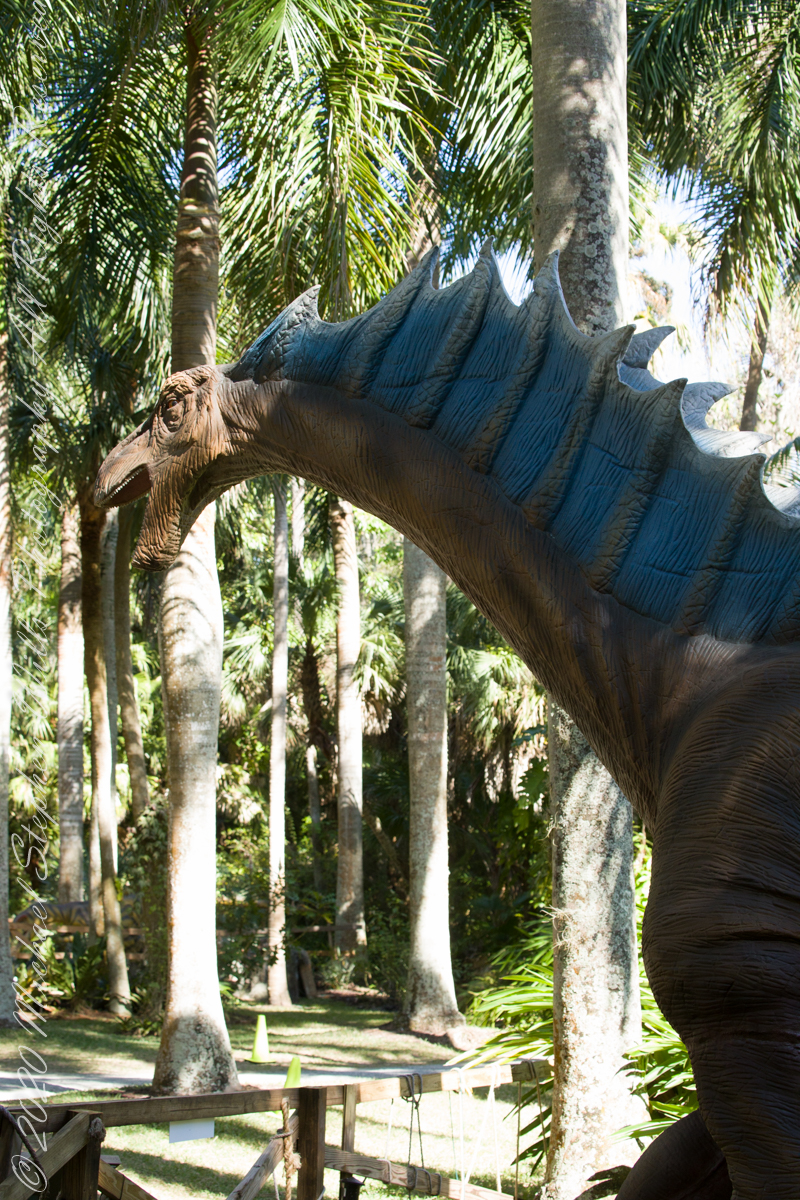
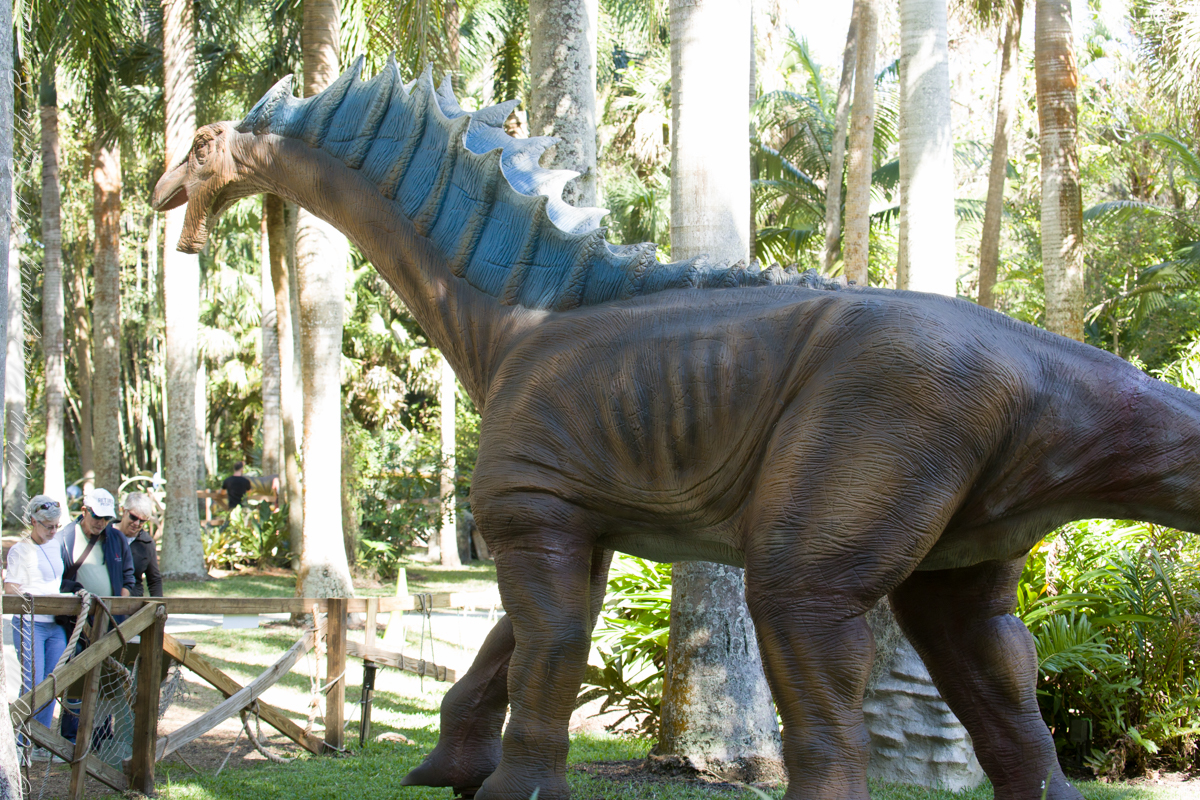
A selection from “Dinosaurs around the world,” McKee Botanical Gardens, Vero Beach, Indian River County, Florida
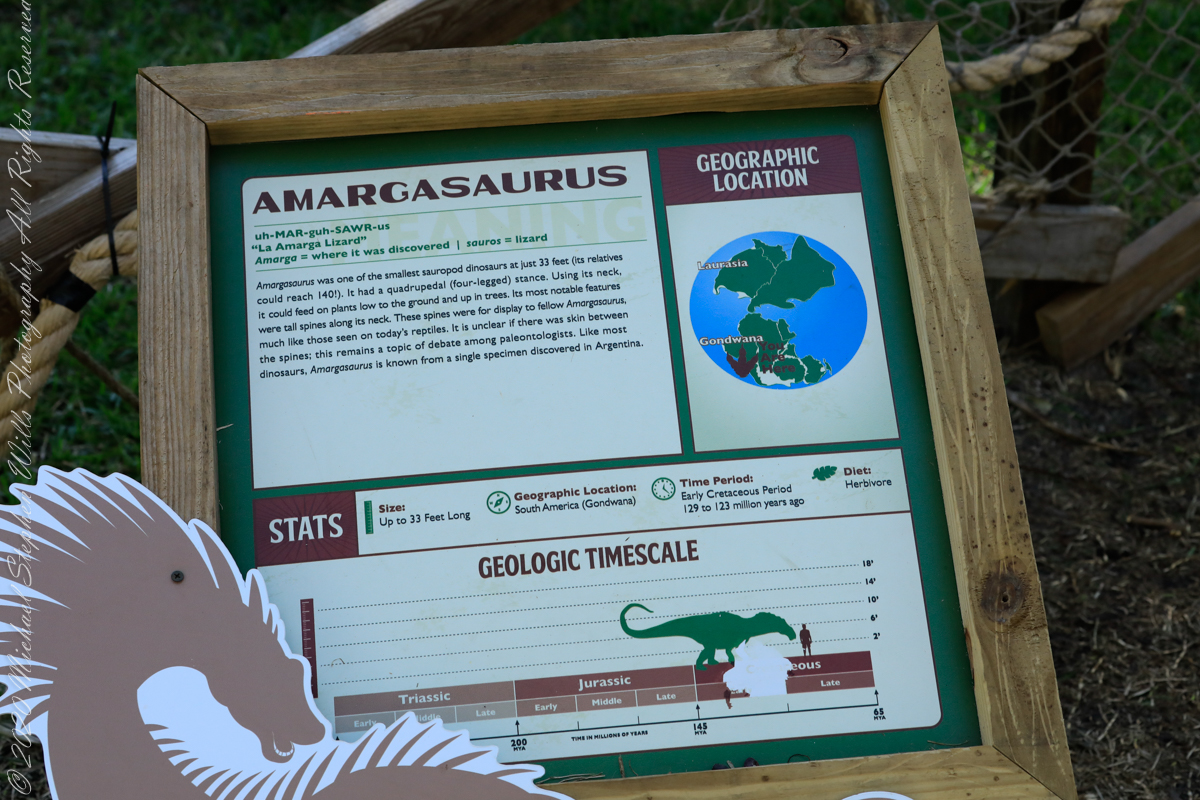
Amargasaurus was one of the smallest sauropod dinosaurs at just 33 feet (its relatives could reach 140 feet!!). It had a quadrupedal stance. Using its neck, it could feed on plants low to the ground and up in trees. Its most notable features were tall spines along its neck. These spines were for display to fellow Amargasaurus, much like those seen on today’s reptiles. It is unclear if there was skin between the spines; this remains a topic of debate among paleontologists. Like most dinosaurs, Amargasaurus is know from a single specimen discovered in Argentina.
 Michael Stephen Wills Photography