A Serene Walk in Glendalough: Nature and History Unite

Find here a serene visit to Glendalough, highlighting the ancient beauty of its landscape, monastic history, and the deep sense of peace felt among the gravestones.

We arrived in Glendalough on a bright spring morning, a gentle breeze carrying the scent of grass and distant water. Even before stepping out of the car, I sensed something ancient in the air, as though the centuries themselves lay waiting among the stones. The peaks of the Wicklow Mountains rose around me, their slopes draped in verdant forests that whispered of forgotten tales. In the distance, shimmering like a secret, the Upper Lake beckoned under the watchful hush of rugged hillsides. I took a deep breath and started my wander.
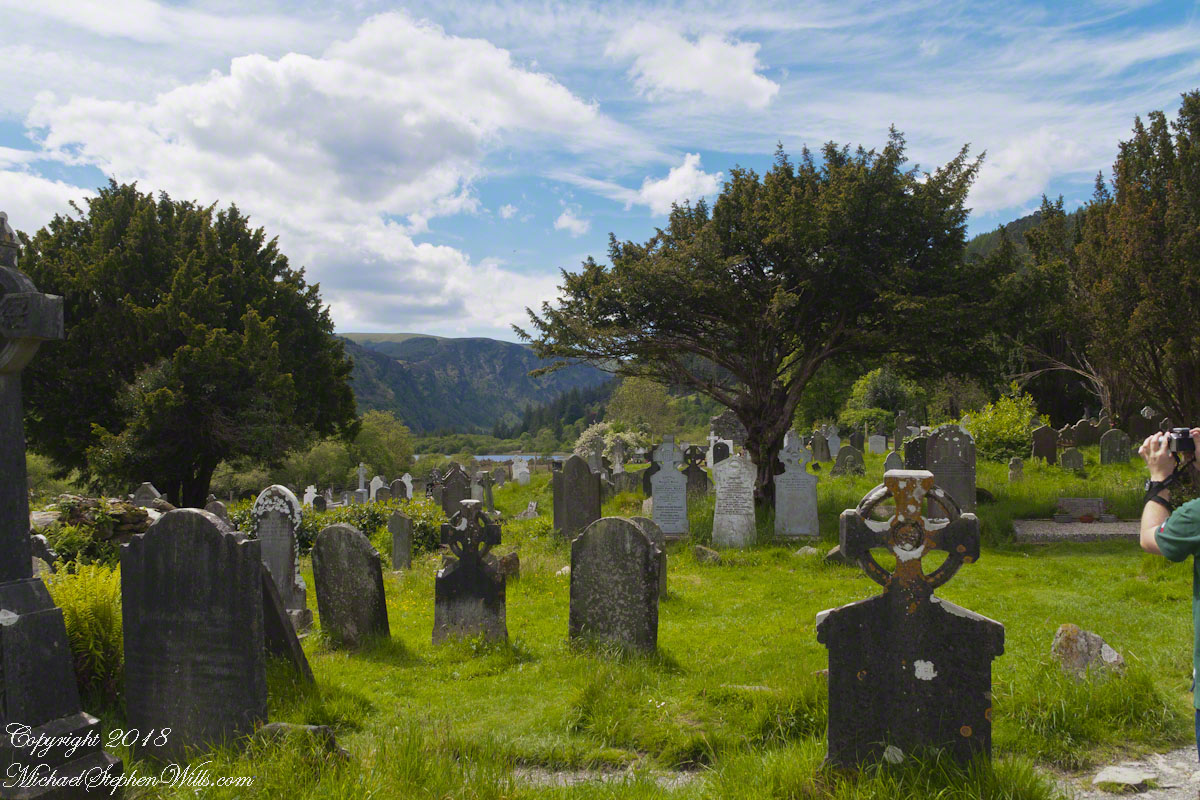
One of the lakes for which the valley is named, above the headstones in the mid-distance

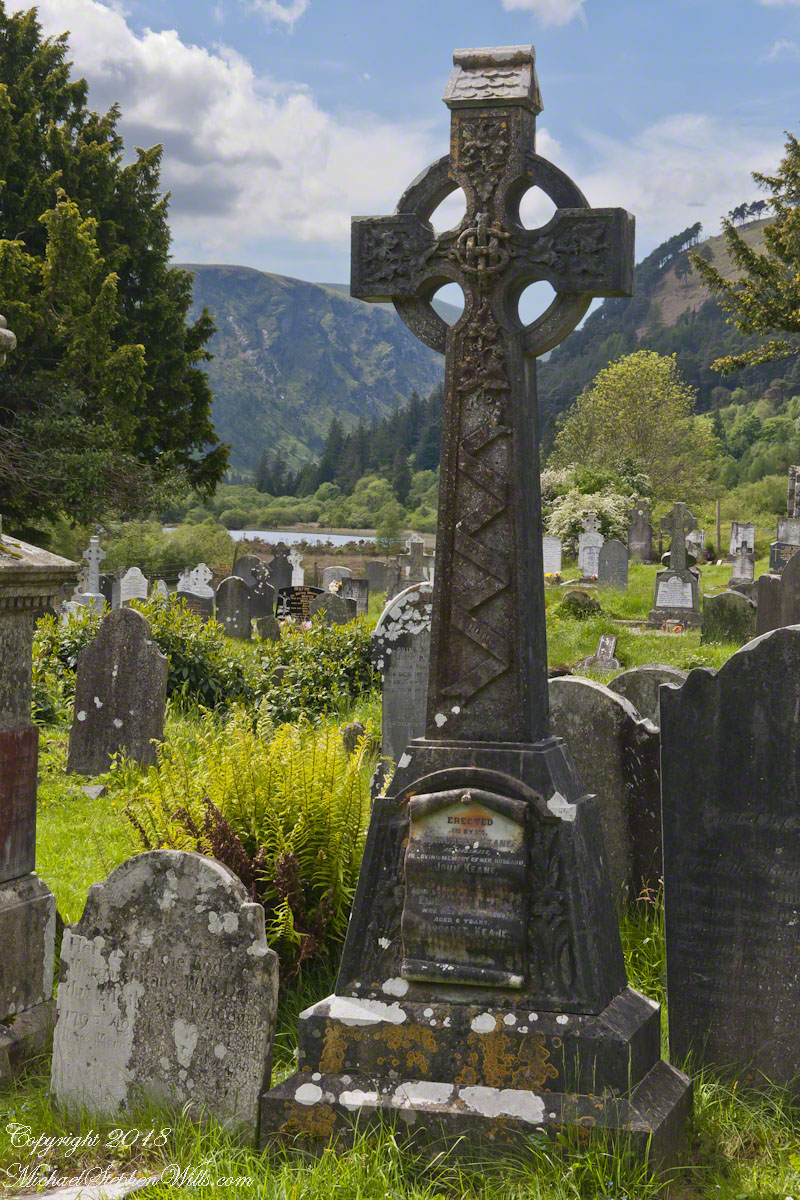
Walking through the monastic settlement, I felt enveloped by a hush both reverential and oddly comforting. The path led me to a cluster of gravestones leaning gently askew, each marked by Celtic crosses standing guard over the memory of those buried below. One cross, carved from sturdy stone, immediately drew my attention with its intricate knotwork etched deep into the surface. The front of it bore swirling designs reminiscent of interwoven vines—symbols of eternity, continuity, and faith. I found myself imagining centuries of pilgrims, each pausing here, hands gently resting on the weathered carvings, offering up their prayers and hopes.
Memorial from a mother to her 6 year old son and husband

A bit farther on, I came upon a small grouping of headstones bowed in silent unity. Ferns and moss carpeted the ground in bright greens, creating a natural tapestry that wove together life and memory. The slightly overgrown grass softened the entire landscape, allowing each stone to stand quietly yet firmly in the earth. From behind these markers, I caught my first glimpse of the shimmering lake, framed perfectly by the slopes of the valley. The water’s surface reflected the sky’s azure brilliance and accentuated the gentle hush that fell upon the graveyard like a comforting quilt.

As I paused to take a few photographs, I felt a hint of magic floating through the air—an indefinable sense that beyond what my eyes perceived, an age-old spirit thrived. The Celtic symbols on the headstones seemed alive, their swirling knots hinting at the cycle of life and death, the oneness of the world, and the bridging of earthly existence with the mystic realm. I found myself recalling old Irish legends: stories of saints who could converse with animals, of spirits dwelling in hidden glades, of holy wells that healed weary travelers. It felt as though those tales were all around me, wrapped in the tapestry of this timeless valley.

Looking out toward the remains of the stone church—its walls crumbled yet proud—my imagination conjured the chanting of monks, their voices echoing off the surrounding hills. The same forest that sheltered me now would have encircled them all those centuries ago, shifting from season to season. It was easy to picture them gathering by the lake’s edge, cups of cold, clear water cupped in their hands, or moving reverently among the graves of those who had come before them. Here, time seemed an illusion. The line between past and present faded as I stood among these enduring stones.

Winding paths of grass guided me to another section of the cemetery, where weathered inscriptions told the stories of families, lineages, and deep connections to the land. Some headstones were so old that the lettering had nearly eroded, but others still proudly bore legible names and dates. Names like Power, Byrne, and Keane were etched in memory, followed by poignant words of affection and devotion. The place felt both solemn and comforting at once—a harmonious interplay of remembrance, reverence, and the gentle pulse of nature.
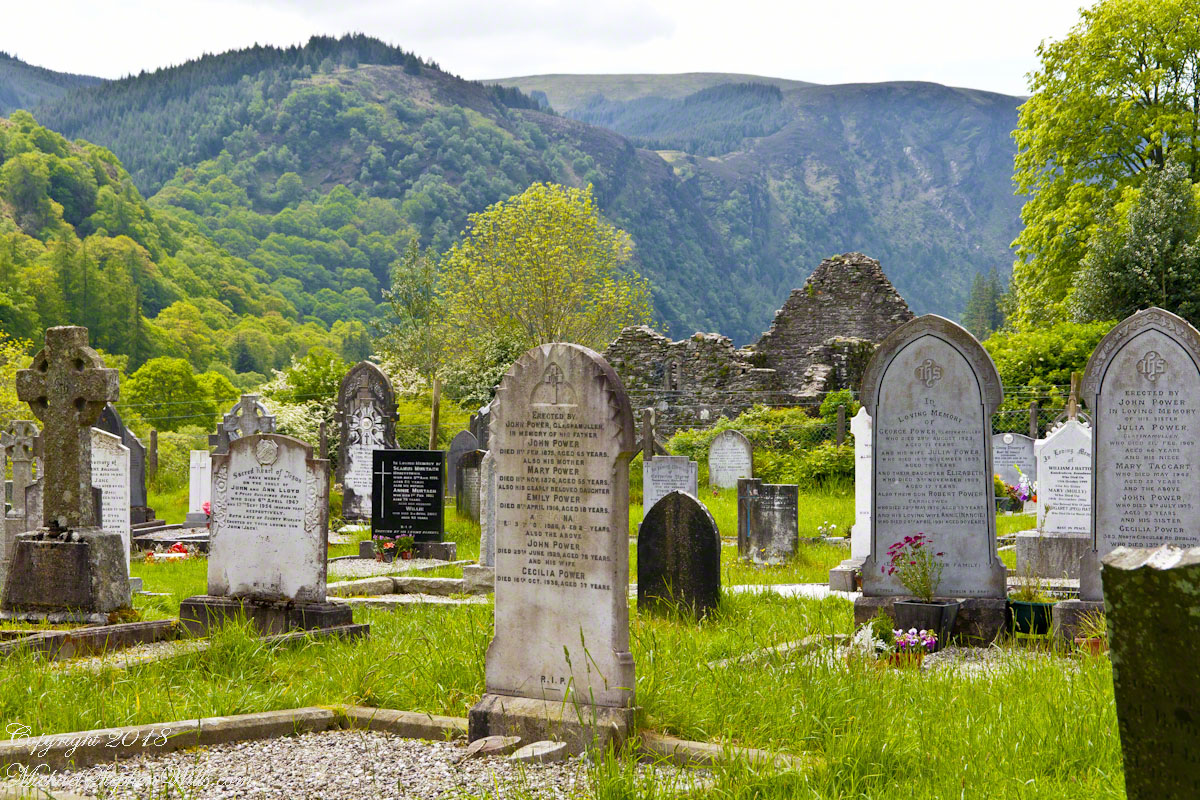
Valley walls are dramatic and steep

A sudden breeze rippled through the trees, setting the leaves to dance and carrying the lilt of birdsong across the valley. I turned to admire the view once more, and there, between towering yew trees, the lake glowed like a polished mirror. Soft clouds glided overhead in a pale blue sky. The entire scene seemed woven from a single, unbroken strand—mountain, forest, gravestone, lake, and sky merging in a spellbinding harmony. It was the kind of moment that invited awe, a moment in which to lose oneself and yet feel more fully found.

I left the cemetery with a deeper sense of peace than I had known in some time. The photographs I took may capture the beauty of Glendalough’s ancient crosses and serene landscape, but it’s the intangible hush of centuries and the gentle brush of magic that remain with me. With every step back toward the car, I felt the warmth of timelessness, and as the day’s golden light enveloped the stone monuments behind me, I carried away a tiny spark of the valley’s enchantment—a reminder that some places are truly touched by the divine.Look closely at the carved scroll at the foot of the cross.

For more background of this site, see my posting “The Cloigheach of Glendalough.”

Enter your email to receive notification of future postings. I will not sell or share your email address.

Nature’s First Green….

…is gold, / her hardest hue to hold, / her early leaf’s a flower; / but only so an hour… Robert Frost

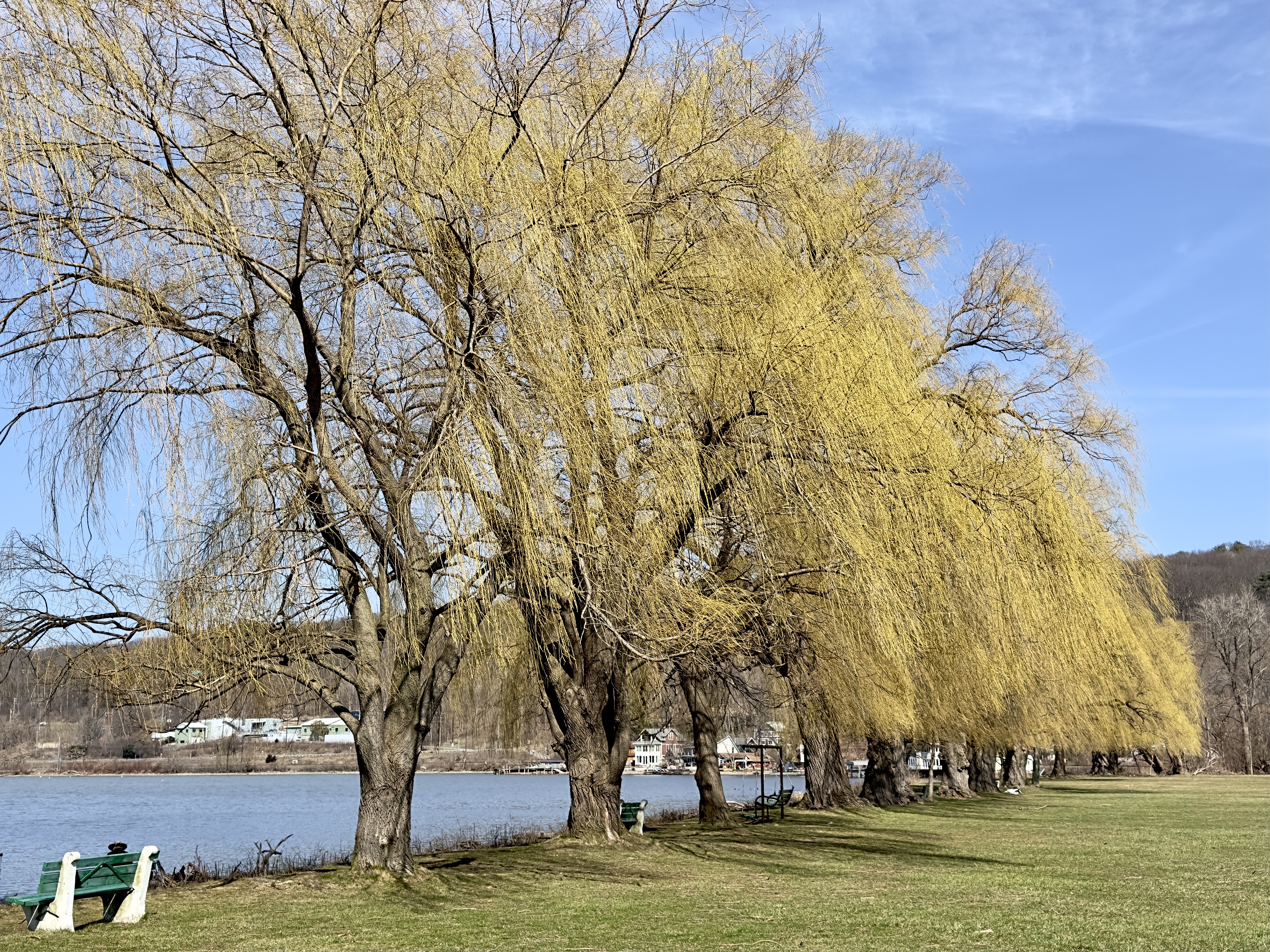
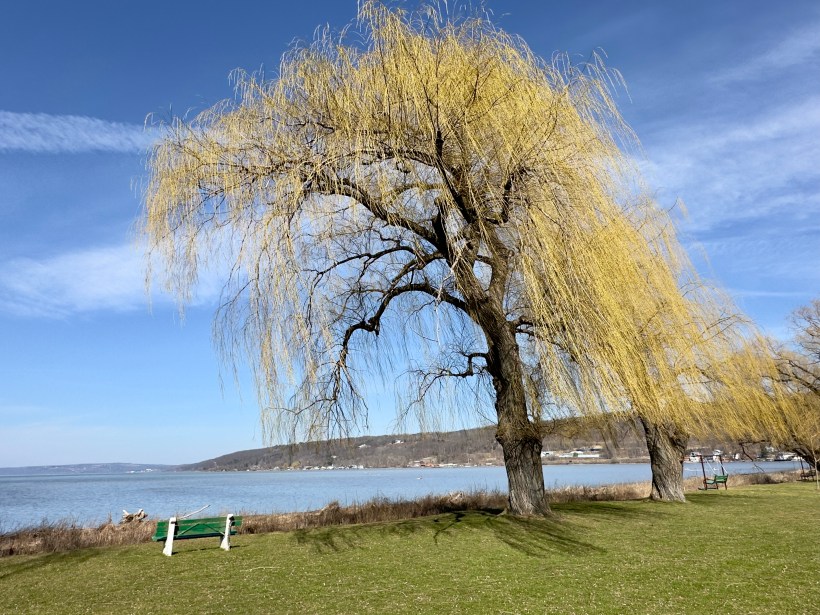
You walk alone by the waters of Cayuga Lake in Stewart Park, nestled in the heart of Ithaca’s Finger Lakes, where Salix alba, the white willow, stands proudly along the shoreline. You’re immediately drawn to the flurry of yellow flowers, a stark contrast to the still chilly early March air.

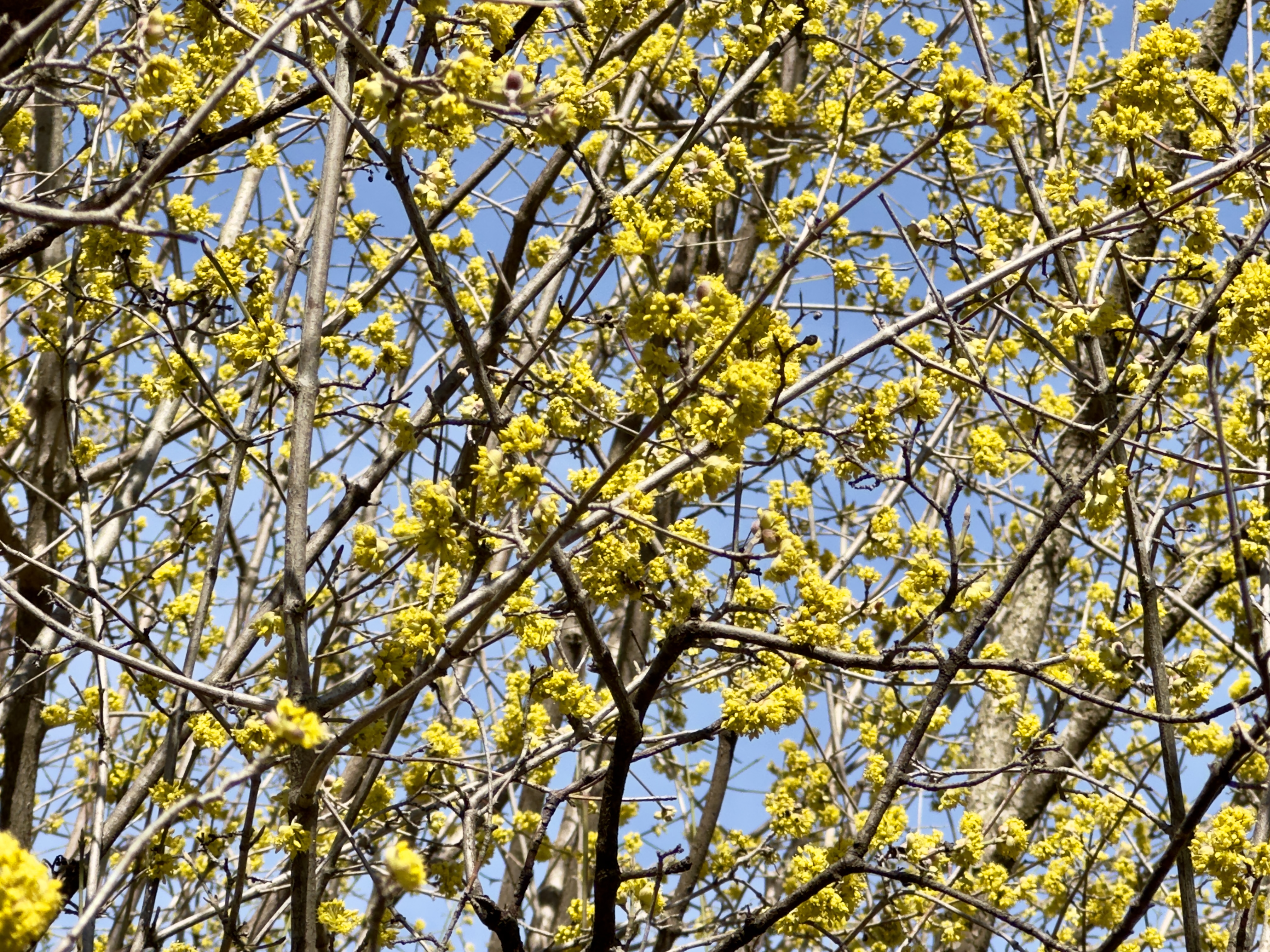
The white willow (Salix alba), with its rough, gray bark, is beginning to dress in its spring finery, its branches teeming with tiny, starburst-like flowers. Each one is a miniature sun, casting a glow against the intricate lattice of branches. These aren’t the soft catkins of the pussy willow but the yellow inflorescences that are characteristic of the white willow’s early bloom, a signpost that winter’s grip is loosening.

These trees, you learn, are dioecious, with separate male and female trees. The blossoms you see are likely the male flowers, their stamens dusting your fingers with pollen as you brush against them. It’s this pollen that will soon beckon the bees, urging them to emerge from their hives and begin the work that sustains the ecosystem. You can almost hear the faint buzz, a prelude to the symphony of life that summer will bring. Return in midsummer to find the female catkins comprise numerous small (4 mm) capsules, each containing numerous minute seeds embedded in silky white hairs, which aids wind dispersal.

As you wander further, you note the presence of the white willow’s kin, other deciduous companions some still bare and stretching into the sky and others leafing out. You stand there, at the cusp of seasonal change, where the slumbering trees are on the verge of awakening, and you feel a kinship with them. Like these trees, you have weathered the cold, dark months, and now you stand poised to greet the renewal that comes with spring.

The stark, knotted forms of the white willow branches against the clear sky speak to you of endurance and resilience. These trees have weathered storms and droughts; they have been companions to the lake, mirrors to its moods, and now they are beginning to celebrate the cycle of rebirth and growth.

You take a seat on a bench, the cool wood through your clothes a reminder of the lingering winter. You gaze out across the lake, the water reflecting the brilliance of the sun like a vast, rippling mirror, framed by the elegant silhouettes of the white willows. You feel the peace of the park seep into you, the slow, rhythmic lapping of the water syncing with your breath.

This is a moment of transition, from the sleeping to the awakening world. You think about the Salix alba, how its presence here is a testament to nature’s adaptability, thriving in the moist soil by the lake, offering shade in summer and shelter in winter, its branches a playground for the winds.

As you leave Stewart Park, you take with you the memory of the white willows in early March, the quiet guardians of Cayuga Lake. They remind you of the enduring beauty of nature, the seamless flow from one season to the next, and the quiet joy of standing witness to the first whispers of spring on the shores of the Finger Lakes.

Copyright 2024 Michael Stephen Wills All Rights Reserved

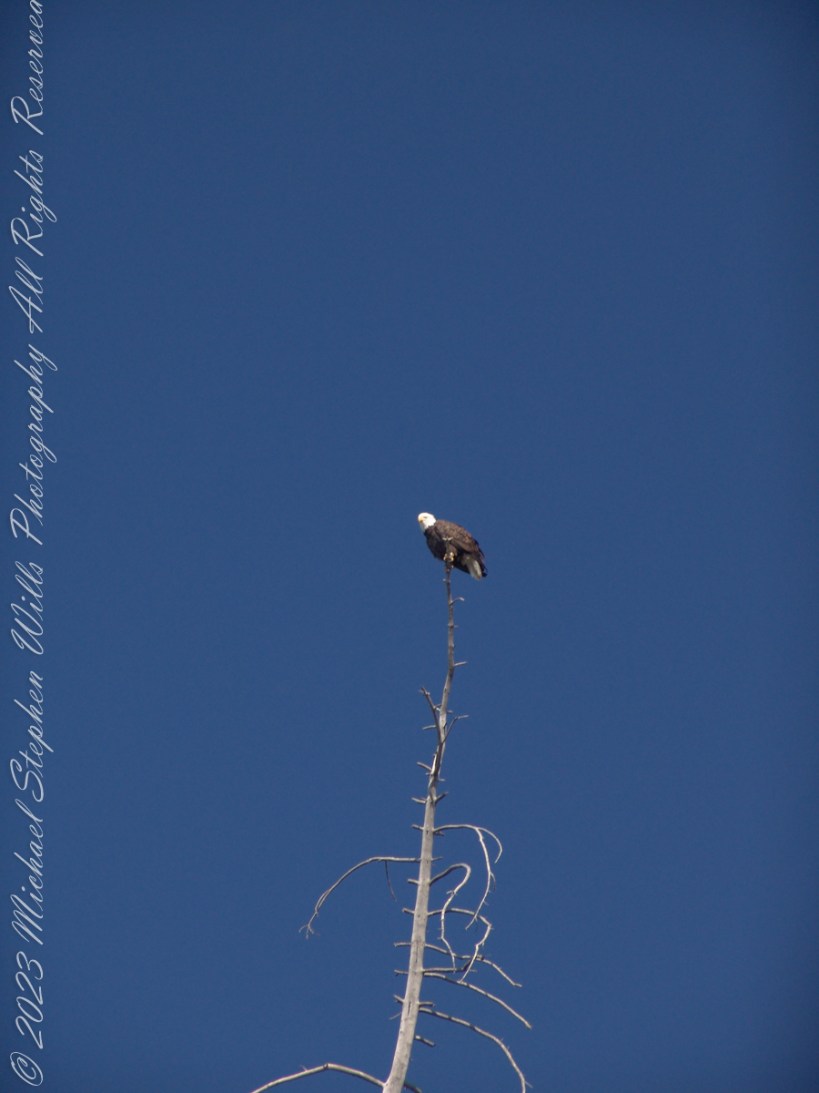
River Whispers: A Journey with Eagles on the Snake River

Step into our blog and immerse yourself in the untamed beauty of the Snake River, where majestic eagles soar and nature’s wonders await.

Continue reading “River Whispers: A Journey with Eagles on the Snake River”

Thayer Preserve: Autumn Still Life 3

on display

Crisp maple leaves among hemlock roots on the bank of Lick Brook, Thayer Preserve. Nestled within the breathtaking expanse of Tompkins County in New York’s Finger Lakes Region, is a canvas where nature paints its most exquisite scenes. This preserve is a symphony of serene landscapes, a place where the tranquility of nature is preserved and cherished.

In this haven, the chorus of birdsong greets the day, echoing through the lush canopy of trees that stand as ancient guardians of the land. Oaks, maples, and hemlocks, some as old as time, stretch their boughs towards the sky, creating a verdant cathedral that shelters a diverse array of flora and fauna. The sunlight filters through these leafy domes, casting dappled shadows on the forest floor, a mosaic of light and life.

Click photograph for larger view. Use combination keys to enlarge/reduce: Ctrl+ (Control / Plus) and Ctrl- (Control / Minus)

The trails of Thayer Preserve meander through this natural paradise, inviting visitors to embark on a journey of discovery. Each path is a narrative, telling the story of the land, from the delicate wildflowers that peek shyly from the underbrush to the stately deer that roam with a quiet dignity.

The preserve is not just a place of beauty; it’s a testament to the delicate balance of ecosystems. Here, conservation efforts intertwine with recreation, ensuring that the splendor of the environment is preserved for future generations. It’s a sanctuary where the hustle of modern life fades, and one can reconnect with the earth’s gentle rhythms.

As the seasons change, Thayer Preserve transforms. Spring brings a burst of color, with wildflowers carpeting the ground. Summer deepens the greens of the forest, while autumn sets the woods ablaze with fiery hues. In winter, a serene blanket of snow envelopes the landscape, turning it into a quiet wonderland.

In the heart of the Finger Lakes Region, Thayer Preserve stands as a beacon of natural beauty and tranquility. It’s a place where the soul can find peace, the mind can wander freely, and the heart can revel in the simple joy of nature’s embrace. This preserve is not just a location on a map; it’s a journey, an experience, a love letter to the natural world.

Click Me to view my photographs on Getty.

Copyright 2023 Michael Stephen Wills All Rights Reserved http://www.MichaelStephenWills.com