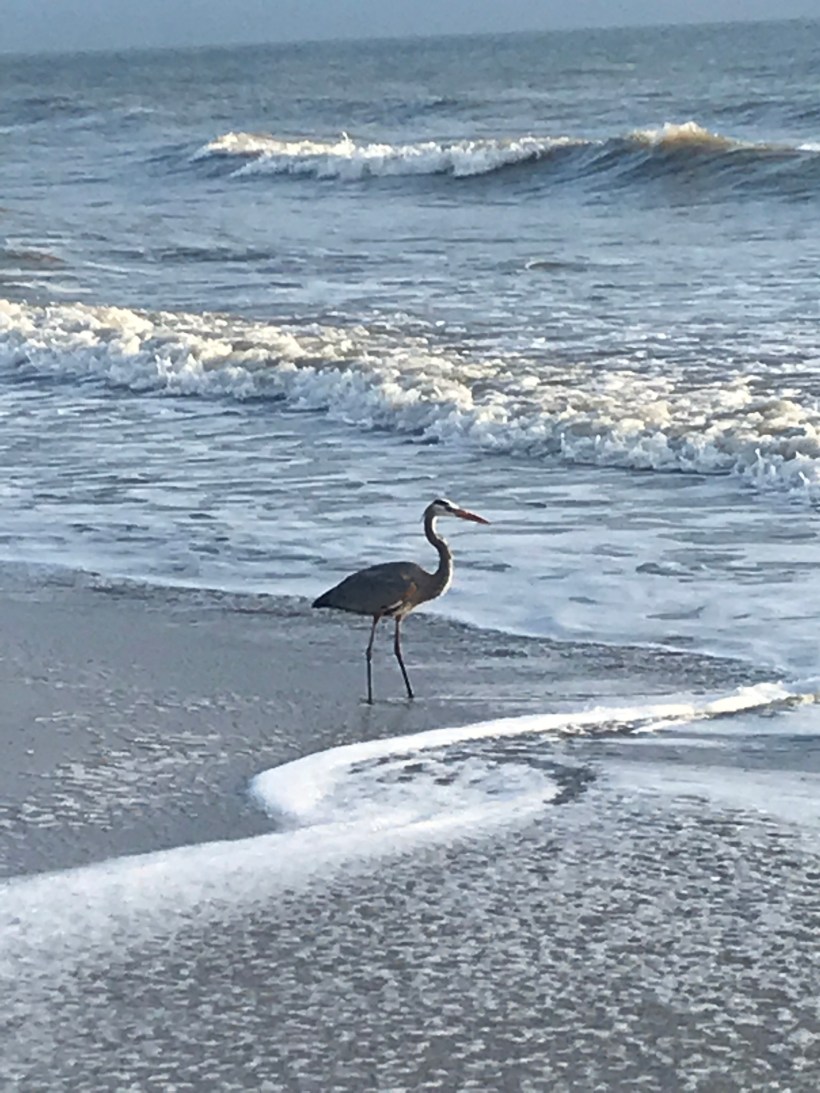
“Great Blue Herons at Cocoa Beach: A Space Coast Morning on the Atlantic

Along the luminous seam of surf and sand, a heron reads the tide’s slow grammar, patience embodied, until water yields a silver secret and morning becomes ceremony.

We walk the long seam where the Atlantic writes its restless script, and our beachcombing becomes a study in attention. The shore’s edge—where foam loosens shells from sand and the wind arranges salt on the tongue—draws other walkers too: grey herons, patient and arrow-straight, patrolling the surf line as if reading a language older than tides. They halt us without trying. We stand, quieted, while they work the boundary between water and land, between hunger and satisfaction.
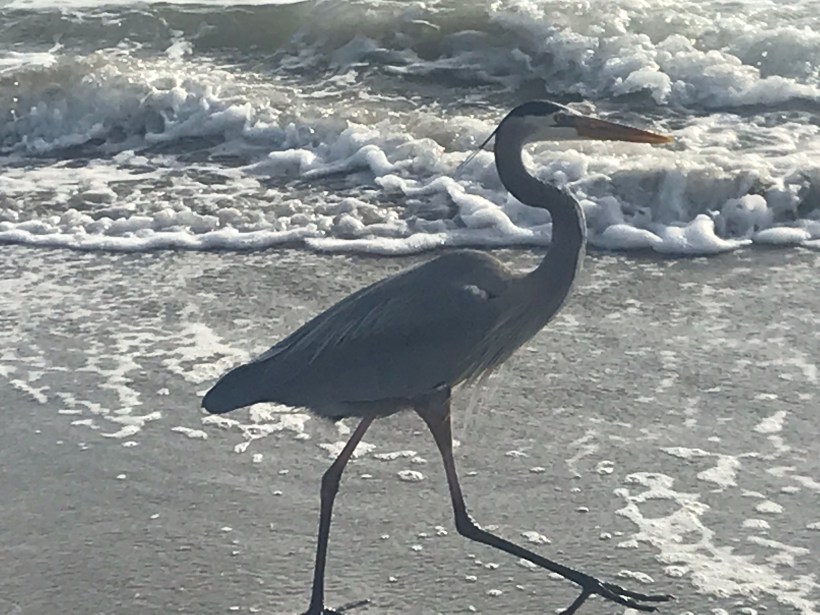
I pack an iPhone sometimes for beachcombing as a lightweight alternative to SLRs. This post features iPhone photographs.

Along this narrow world of sand and surf, herons keep two distinct manners. Some linger near anglers, learning the thrift of handouts and the craft of appearing inevitable. Others refuse that bargain and hunt on their own, staking the wash with a slowness that is not delay but method. These independent operators move along the ocean’s margin: high enough to let the breakers fold ahead of them, low enough that their long legs stir the small lives hidden in the cross-hatching currents. To follow one with the eye is to adopt a different clock. Sandpipers skitter and dash; the heron lengthens time.
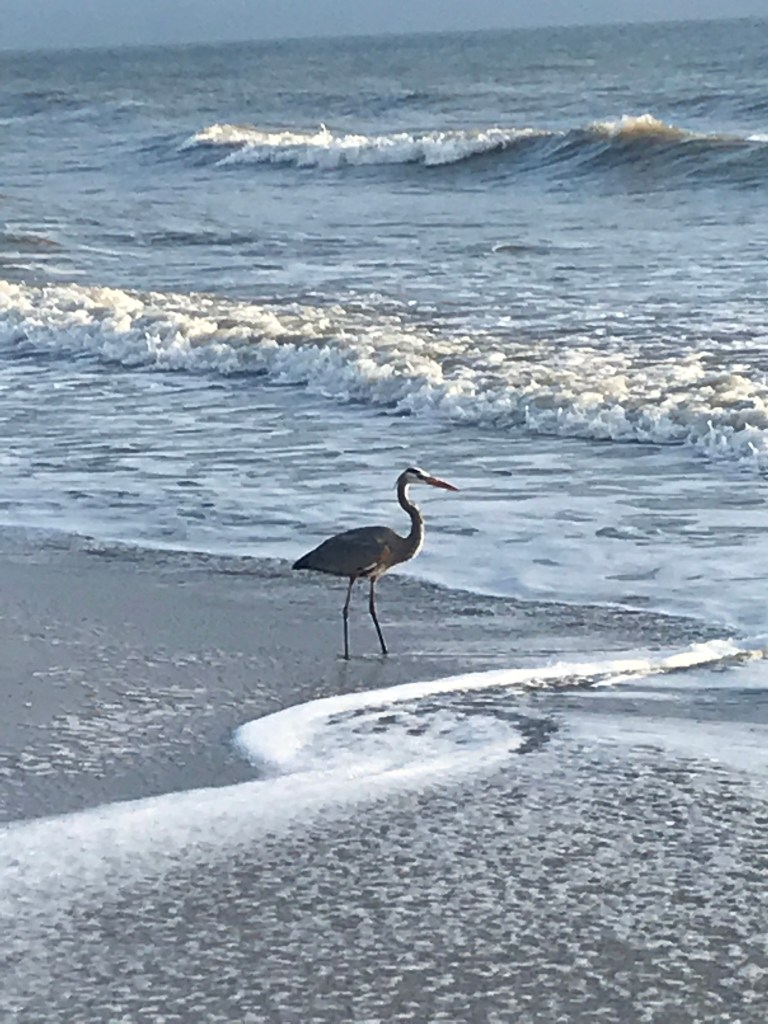
A perfect place to stalk the surf

At first the bird seems merely spellbound by light on water. Then a shift: a narrow cant of the head, the smallest realignment of the eye to the glare. The neck—serpentine and stored with intention—uncoils quick as a strike, and the bill cleaves the surface. The world either yields or it doesn’t. Often it doesn’t. When it does, the beak lifts an impossibly large, glinting fish, as if the ocean had lent out a secret.
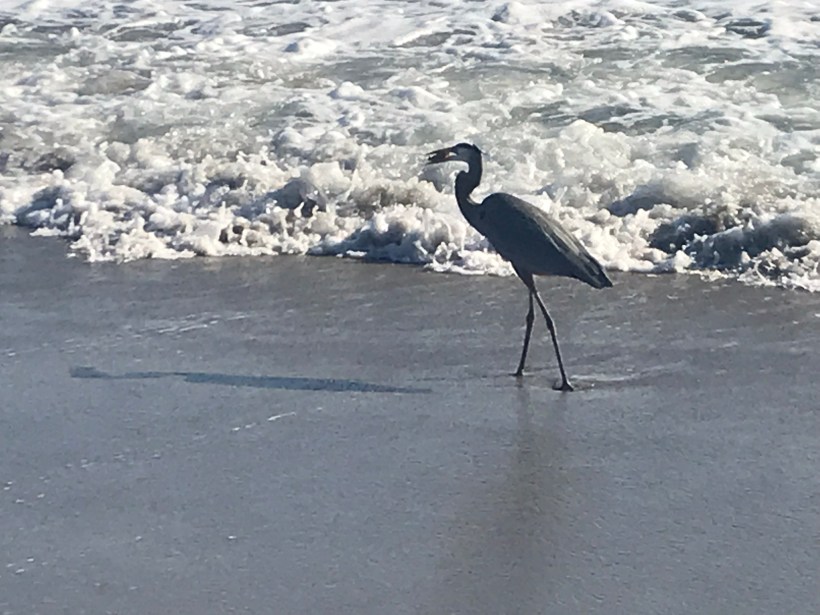
Success!!

What follows is ceremony. The heron stands and calibrates, turning the silver length with almost invisible nods until head and prize agree. A sharp jerk aligns the fish with beak and gullet; the upper throat swells, accepting the whole, unchewed. Two more pulses and the catch is a memory traveling inward. It is an astonishment every time, not because we do not understand what is happening but because we do, and still it exceeds us.

We carry a smart phone on these morning circuits, a slim stand-in for heavier glass, enough to witness without intruding. Backlit by the early sun, the herons are cut from bronze and shadow, working the luminous edge while the day composes itself behind them. In the afternoons we meet fewer of the solitary hunters when the strand belongs more to the opportunists near the thinning knots of anglers. Why the shift, we cannot say. The ocean has its schedule; so, it seems, do its readers.

If we keep our distance, we are permitted to watch. Cross a line we don’t perceive and the bird will rise all at once, the long body unfolding, the voice a rasping scold torn from the throat of reed beds and marsh dawns; but, grant it enough space, and the heron returns us to the lesson it keeps teaching: that patience is a kind of movement; that the boundary of things is where change is clearest; that the most astonishing acts require the courage to do very little, very well, for a long time.

We come to linger where the waves erase our tracks, apprenticed to that slow grammar, trying to learn the tide’s careful verbs before the light turns and the day becomes something else—a different text, the same shore, the heron already a thin signature against the horizon.
Enter your email to receive notification of future postings. I will not sell or share your email address.

Reeds of Resilience: A Tale of Growth and Survival

Discover the hidden world of Phragmites australis, the common reed: a story of resilience, beauty, and ecological significance, told through the eyes of the wetlands.

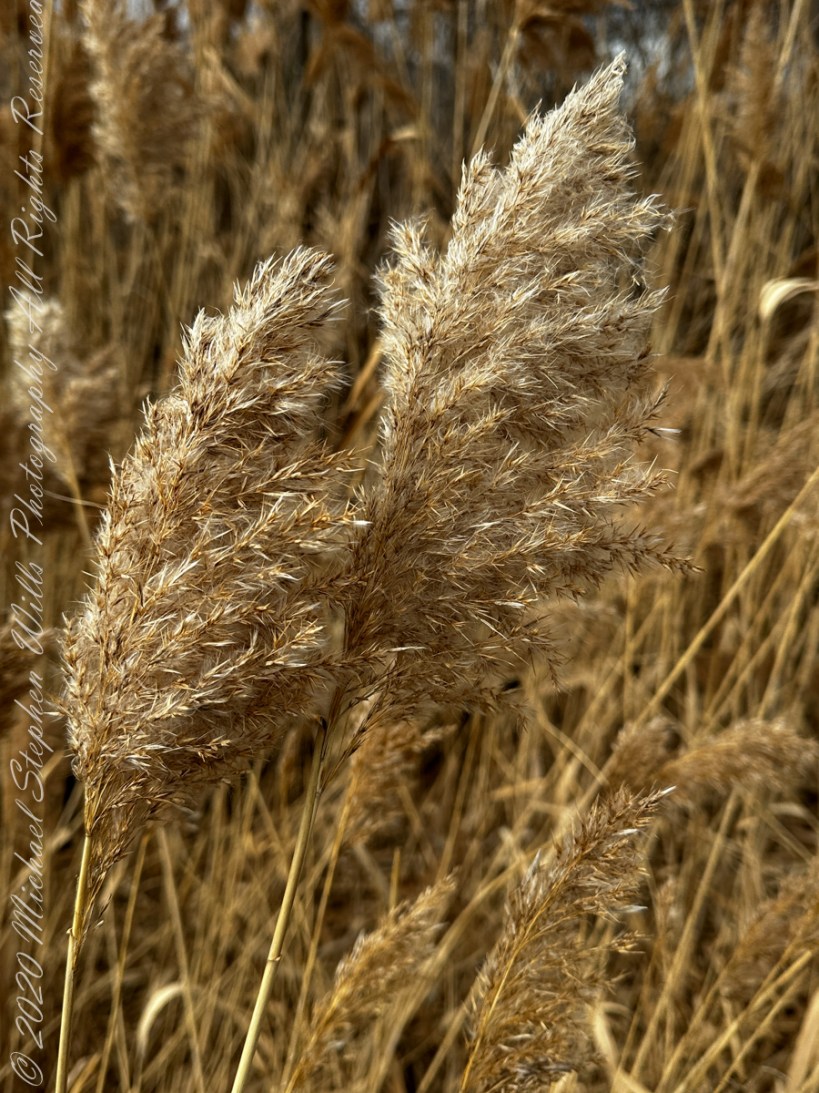
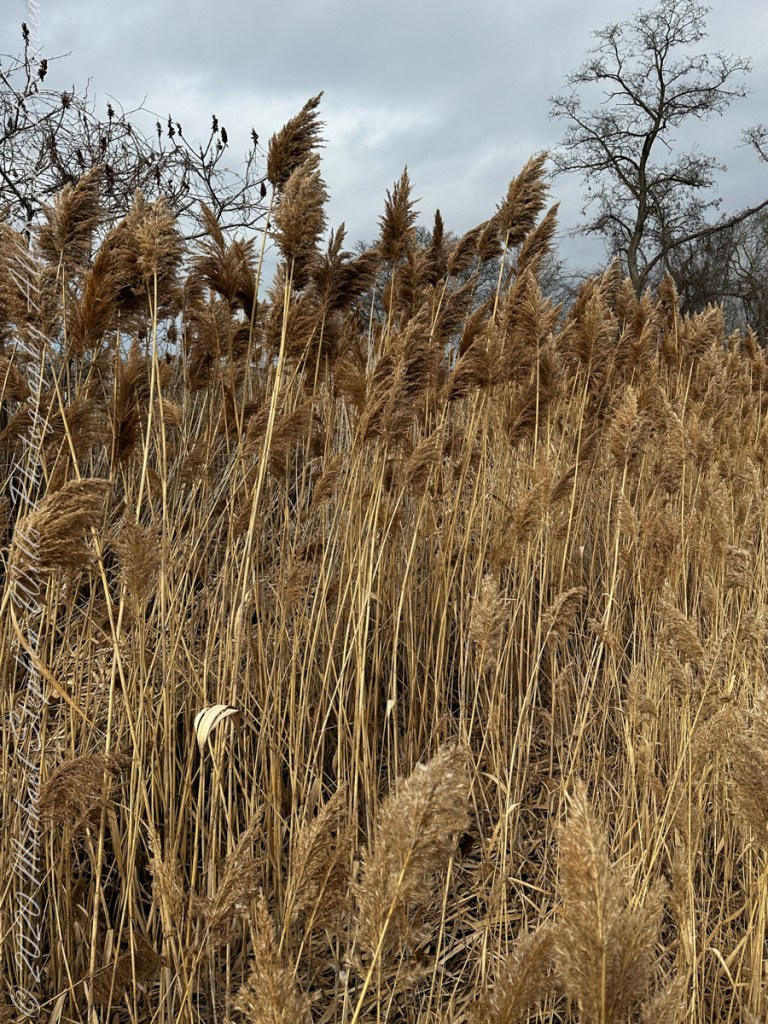
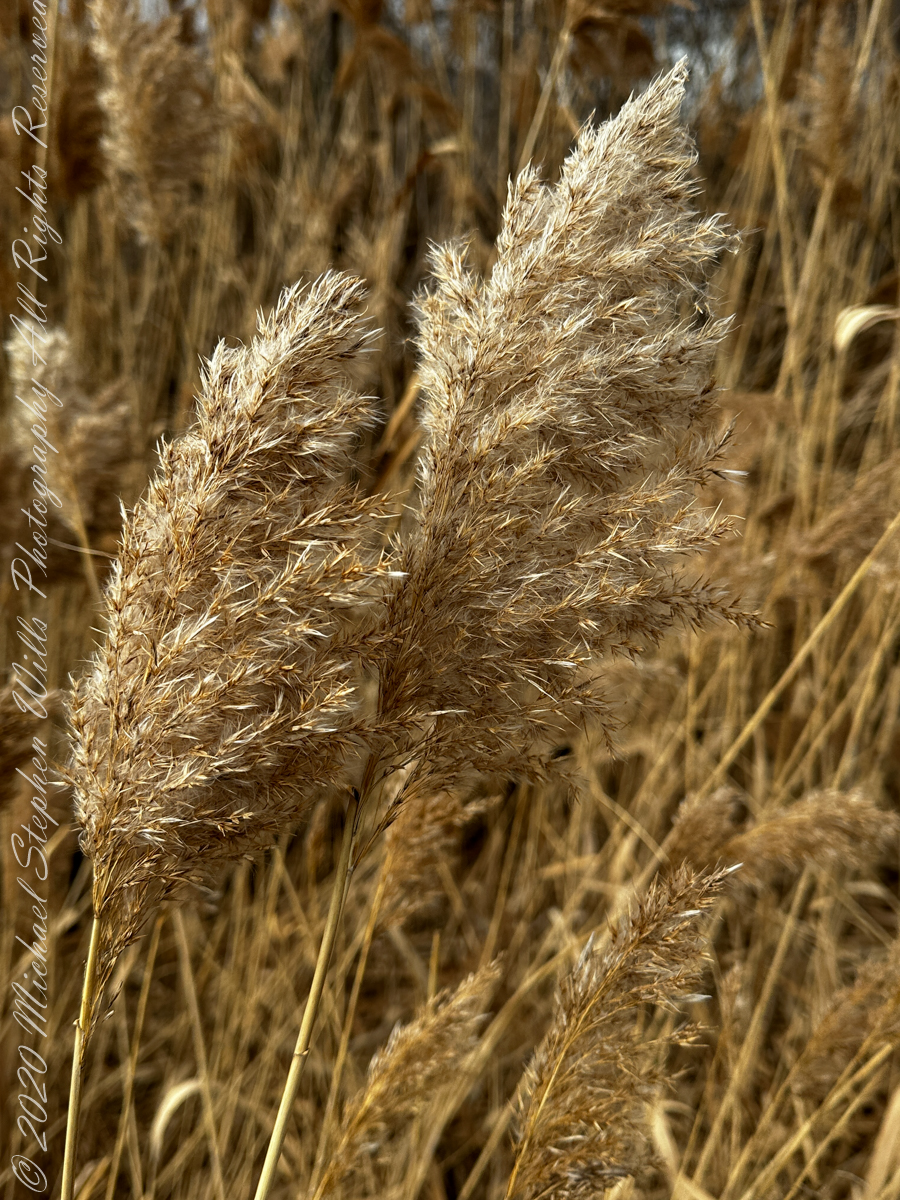
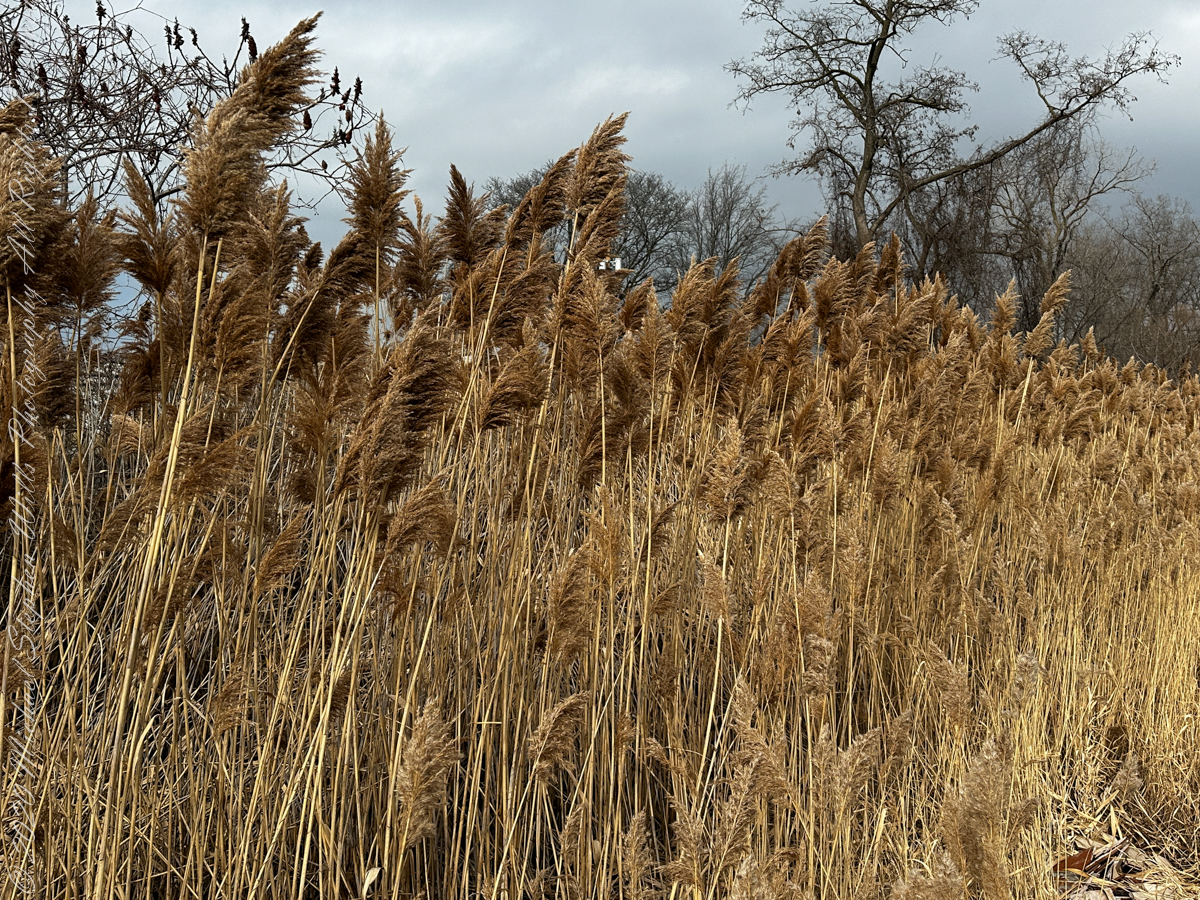
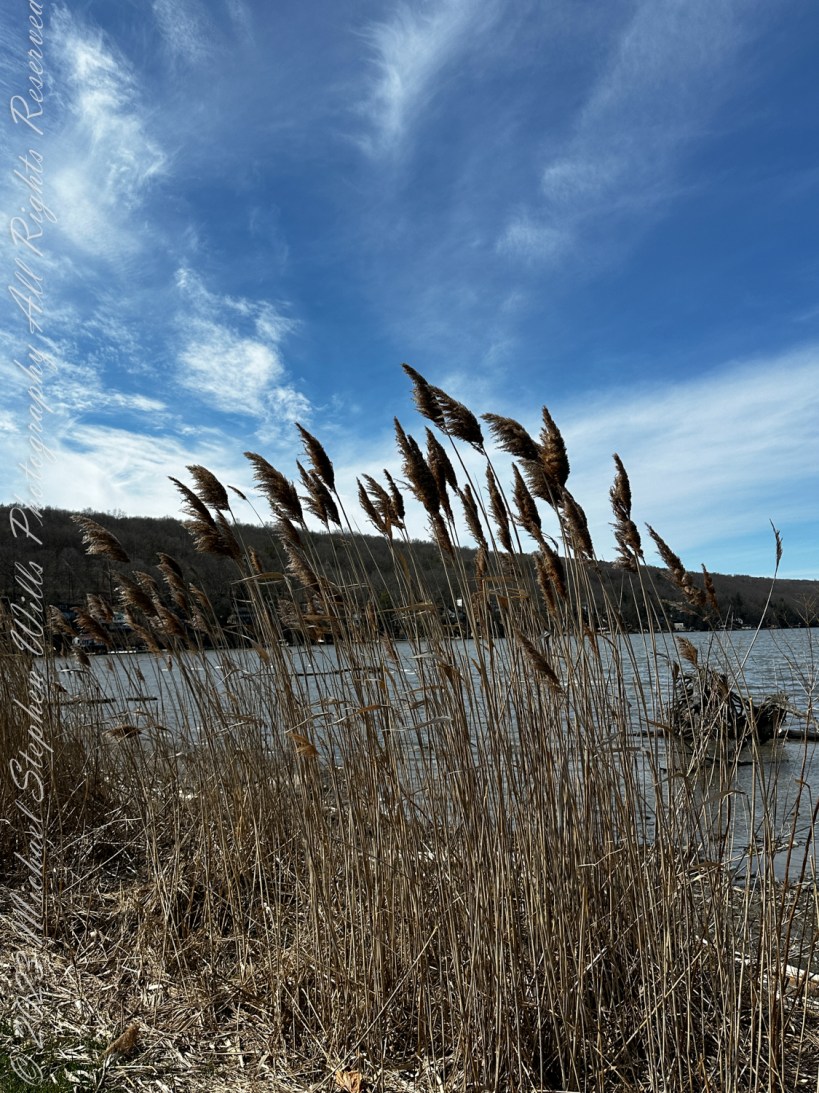
On the southern shore of Cayuga Lake, where waters mirror the ever-changing sky, I found this common reed, Phragmites australis, a plant of unassuming grace yet profound influence. This tale unfolds at the broad boarders of earth and water, a refuge and kingdom to countless beings.

Phragmites australis, a reed both simple and complex, begins its journey as a whisper in the mud. From the soft, fertile earth, it bursts forth into the world, a slender shoot reaching for the heavens. Its growth is steady and assured, fueled by the sun’s embrace and the water’s caress. In time, it stands tall, a sentinel in a sea of green, its feathery plumes, called panicles, wafted by the breeze.

This reed, you see, is a cornerstone of its ecosystem, a master architect, shaping its environment, crafting homes and havens for creatures great and small, in keeping with the genus name “Phragmites.” The Greek word “phragma” translates to “fence” or “hedge”, derived from the verb “phrassein”, meaning “to enclose.” Within that realm tiny creatures find refuge. From dragonflies and damselflies to grasshoppers and beetles are found by careful, patient observers. Insects play essential roles in pollination and nutrient cycling. Birds use the dense vegetation for shelter and foraging, you might find red-winged blackbirds, marsh wrens, and rails among the stems. Frogs, toads, and salamanders find refuge in reedy marshes. They lay their eggs in the waterlogged areas, and their tadpoles thrive amidst the reed stems. Phragmites australis is a giver of life, a source of sustenance and protection for many.

Yet, the tale of Phragmites is also one of struggle and resilience. In lands far from its native soil, it is often seen as an invader, a usurper of territories, spreading with a zeal that can overwhelm native flora and alter habitats. Its spread, unchecked, can lead to monocultures, diminishing biodiversity. But in its essence, Phragmites does not seek conquest but survival, thriving in spaces both gentle and harsh, adapting with an elegance that commands admiration.
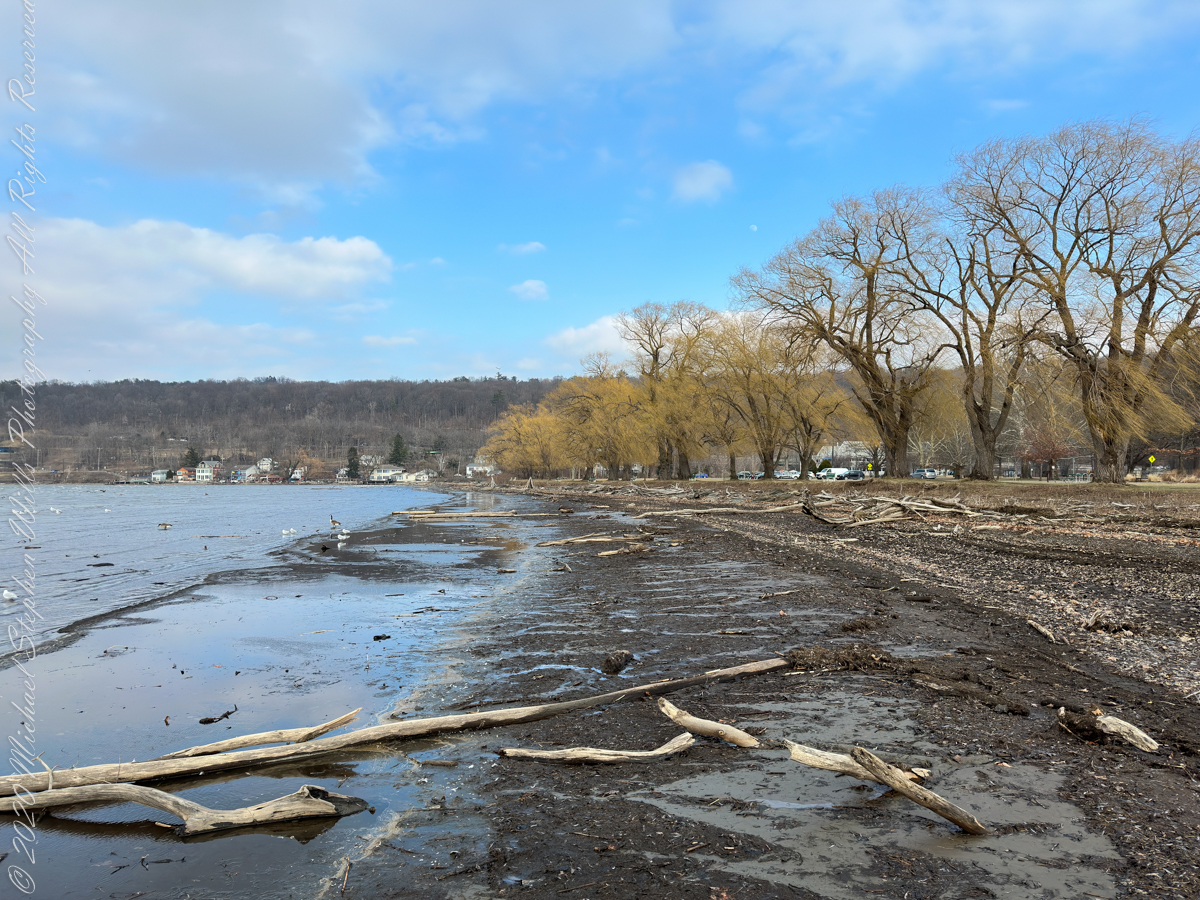
As seasons turn, the reed undergoes a transformation, its green turning to gold, then to the brown of the earth from which it sprang. But even in decay, it nurtures life, its fallen stalks a shelter for the small and the silent, its seeds a promise of renewal. And when spring whispers anew, Phragmites rises once more, a cycle unbroken, a circle complete.

In the tale of Phragmites australis, we find a narrative of life itself—growth and decay, beauty and conflict, resilience and adaptation. This common reed, standing tall among the waters of the world, is a testament to the enduring power of nature, a reminder of the intricate tapestries of life that flourish in the quiet corners of our planet.
Click Me for another posting on the Common Reed.

Copyright 2024 Michael Stephen Wills All Rights Reserved

August Scenes

Grandfathering Around Tompkins County

Copyright 2023 Michael Stephen Wills /all Rights Reserved

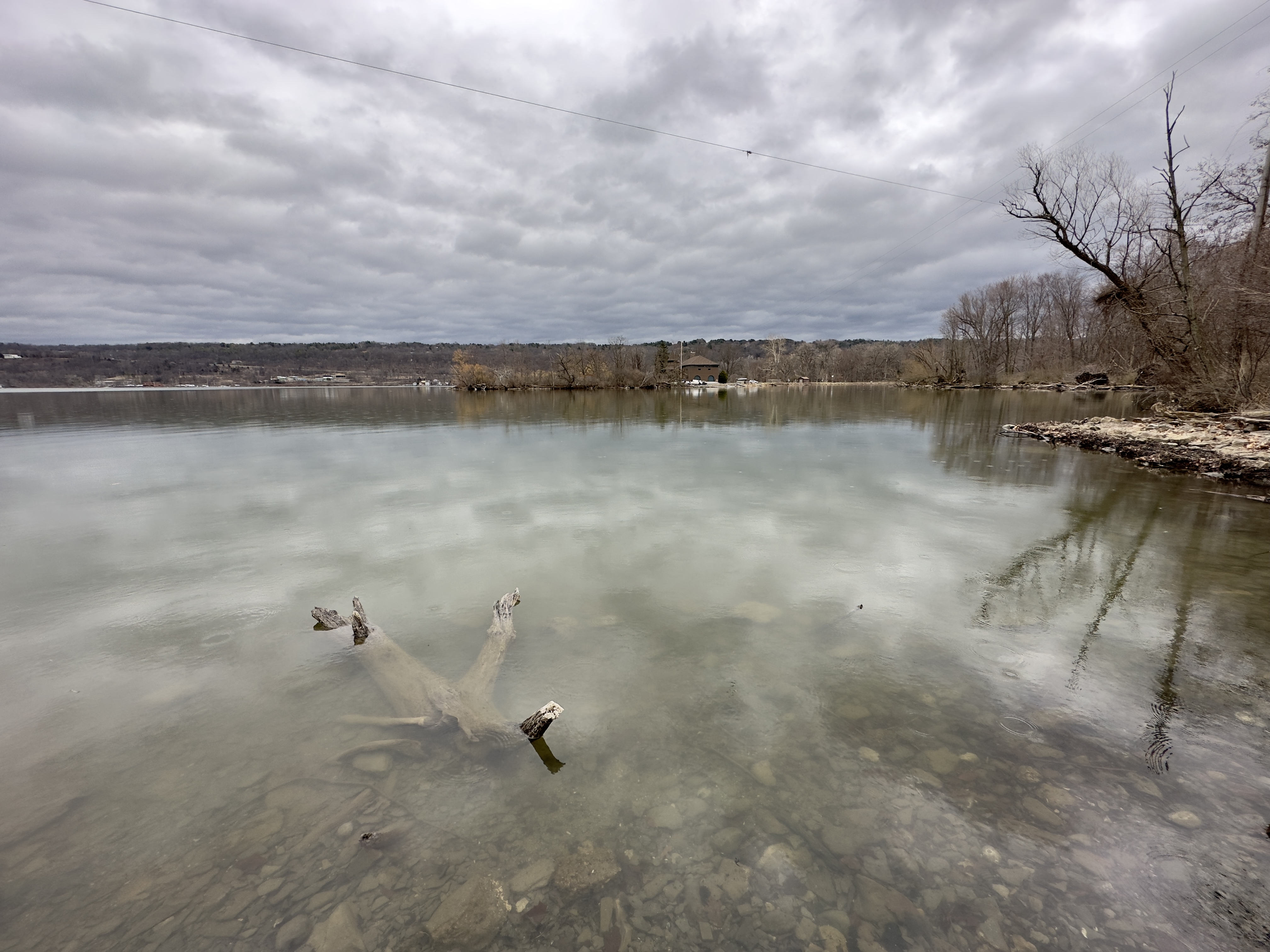
Lake on Early Spring Afternoon

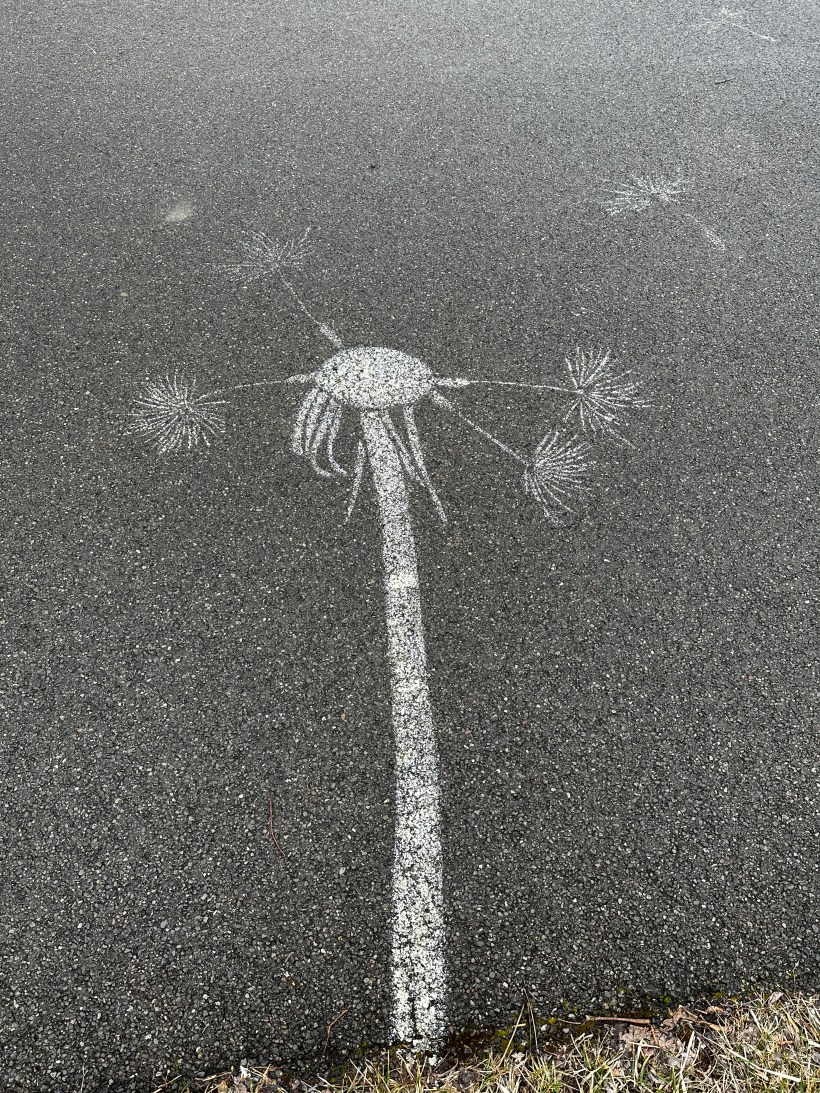
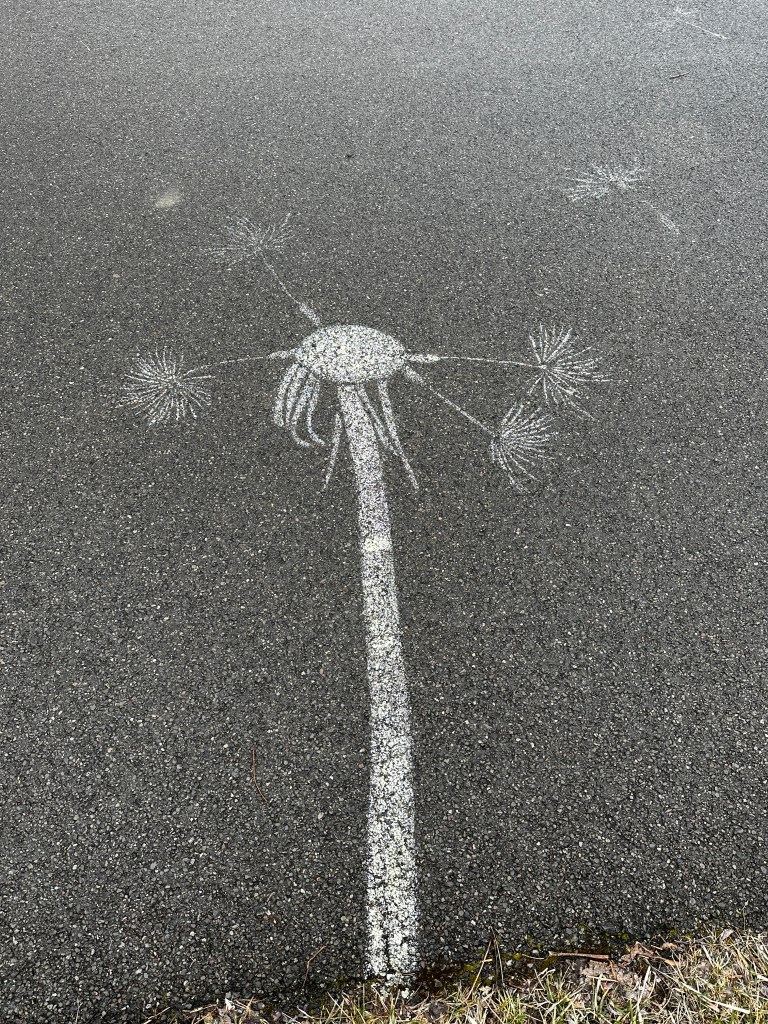
Out of Season Dandelion

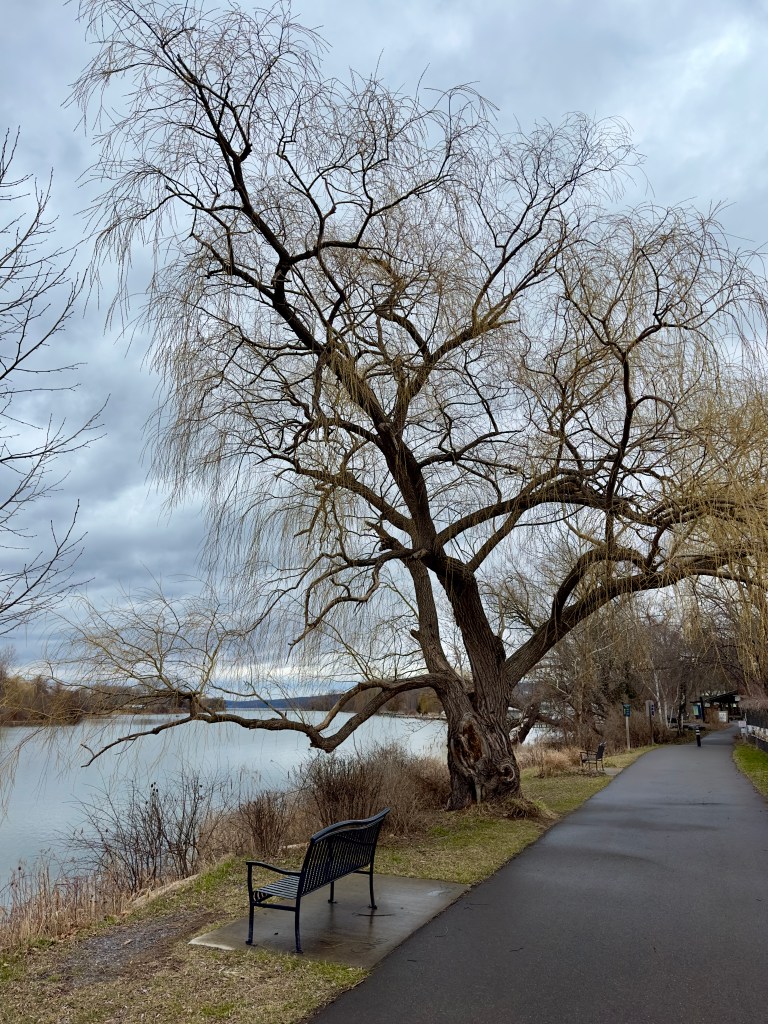
A willow, nurtured by Cayuga Inlet waters, with a bench.

All photographs are from the Apple IPhone 14 ProMax, raw format and perfected on the phone.

Click Me for more photographic art from my OnLine Gallery, “Finger Lakes Memories.”

Stenciled on asphalt pavement along the Cayuga Lake Inlet, the white paint delimits dandelion flower stalk and seedhead, mostly denuded, with floating seeds held aloft by the pappus.

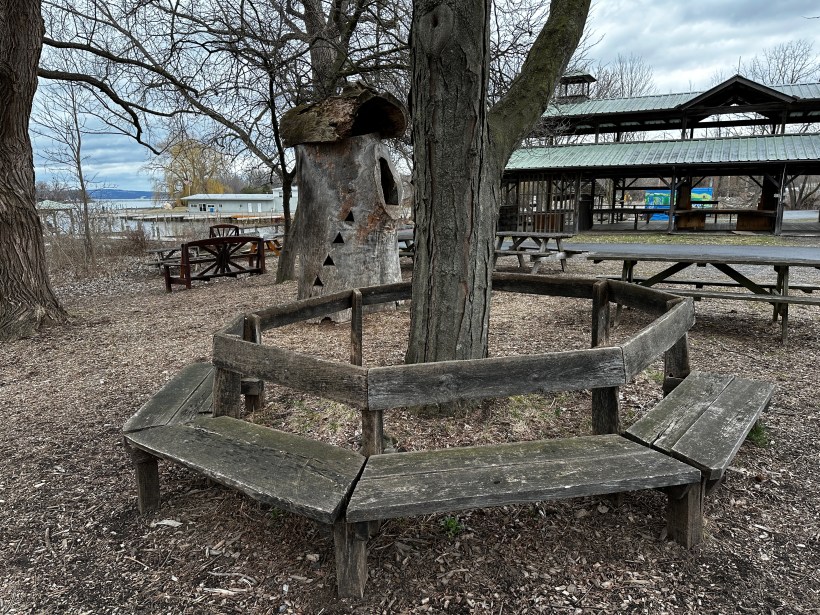
A circular bench that has seen better days, a hollowed out tree trunk repurposed as a children’s playgound house, picnic benches and, in background, a portion of the Farmer’s Market pavilion, to the right is Johnson Boatyard, Cayuga Inlet and lake. This is the Steamboat Landing, historically the southern port on Cayuga Lake. The entire area is long overdue for a facelift.

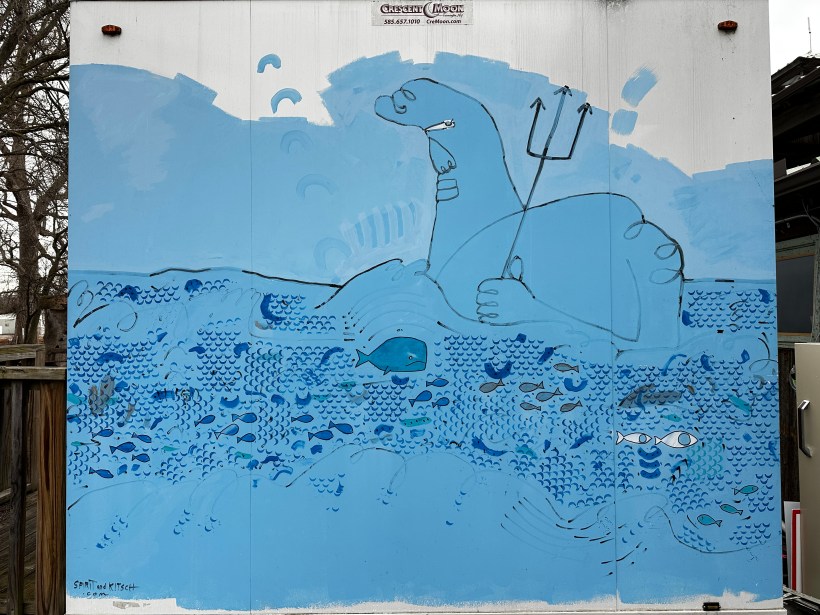
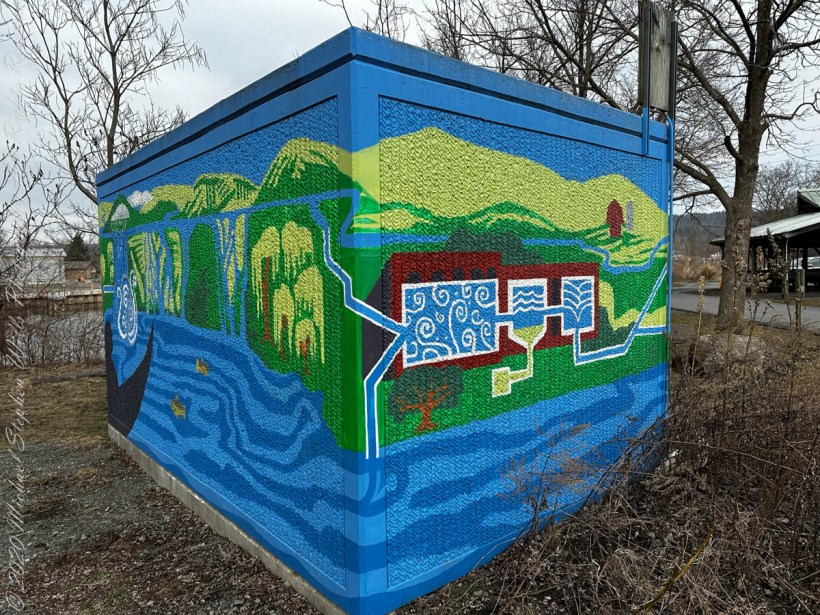
Painted on the side of restroom building, various shades of blue, black outlines, something or other holding a trident surrounded by fanciful fish.

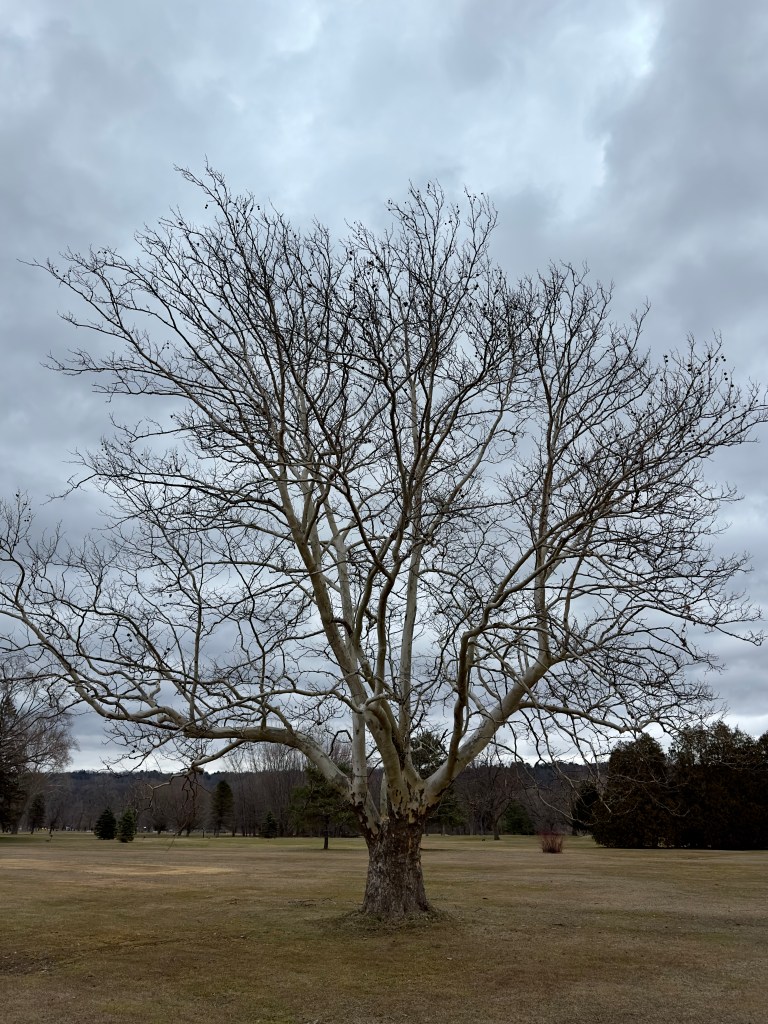
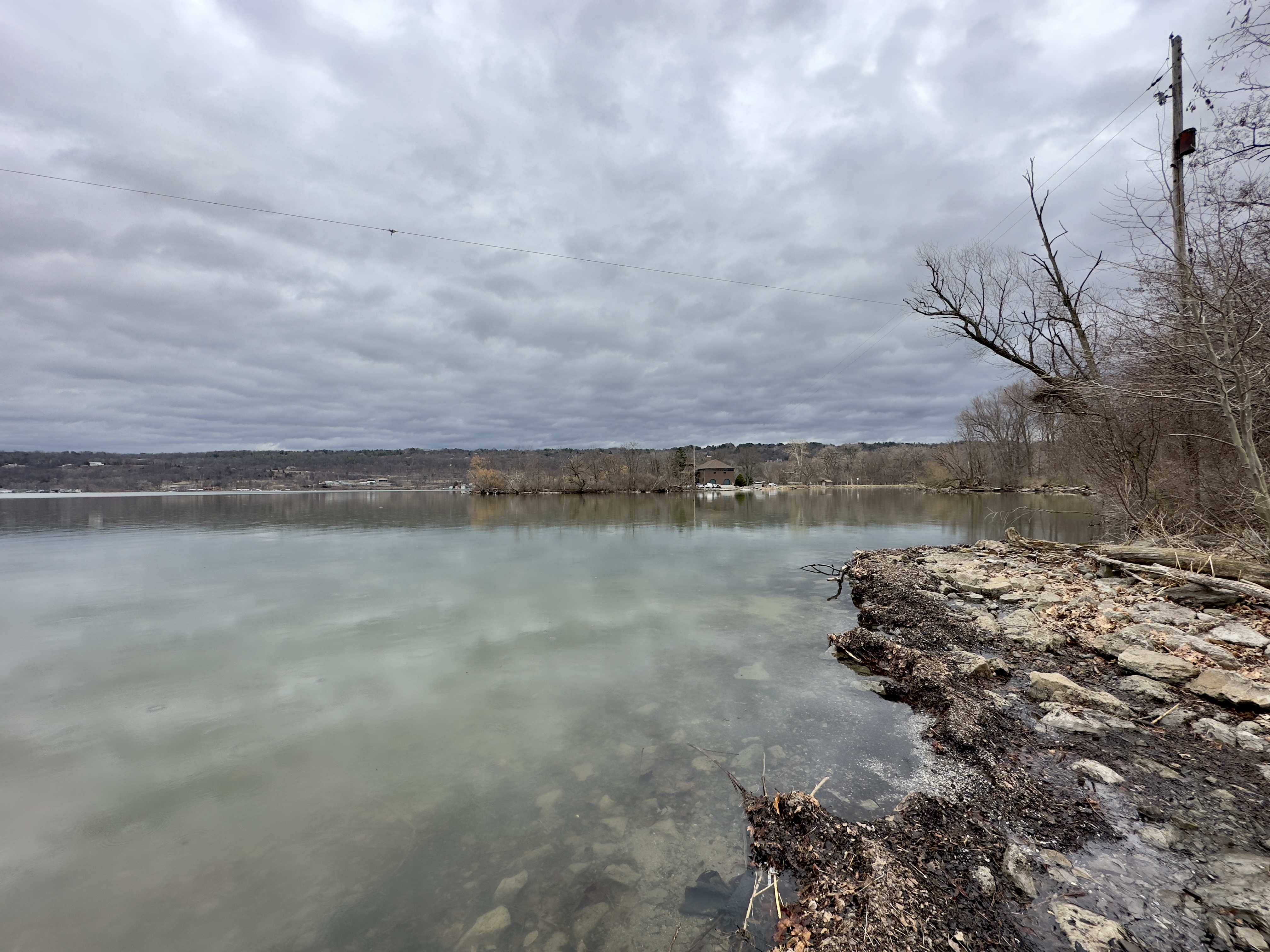
On the trail to Lighthouse Point, this tree is in fine winter form on this early spring afternoon in March. Newman Municipal Golf Course

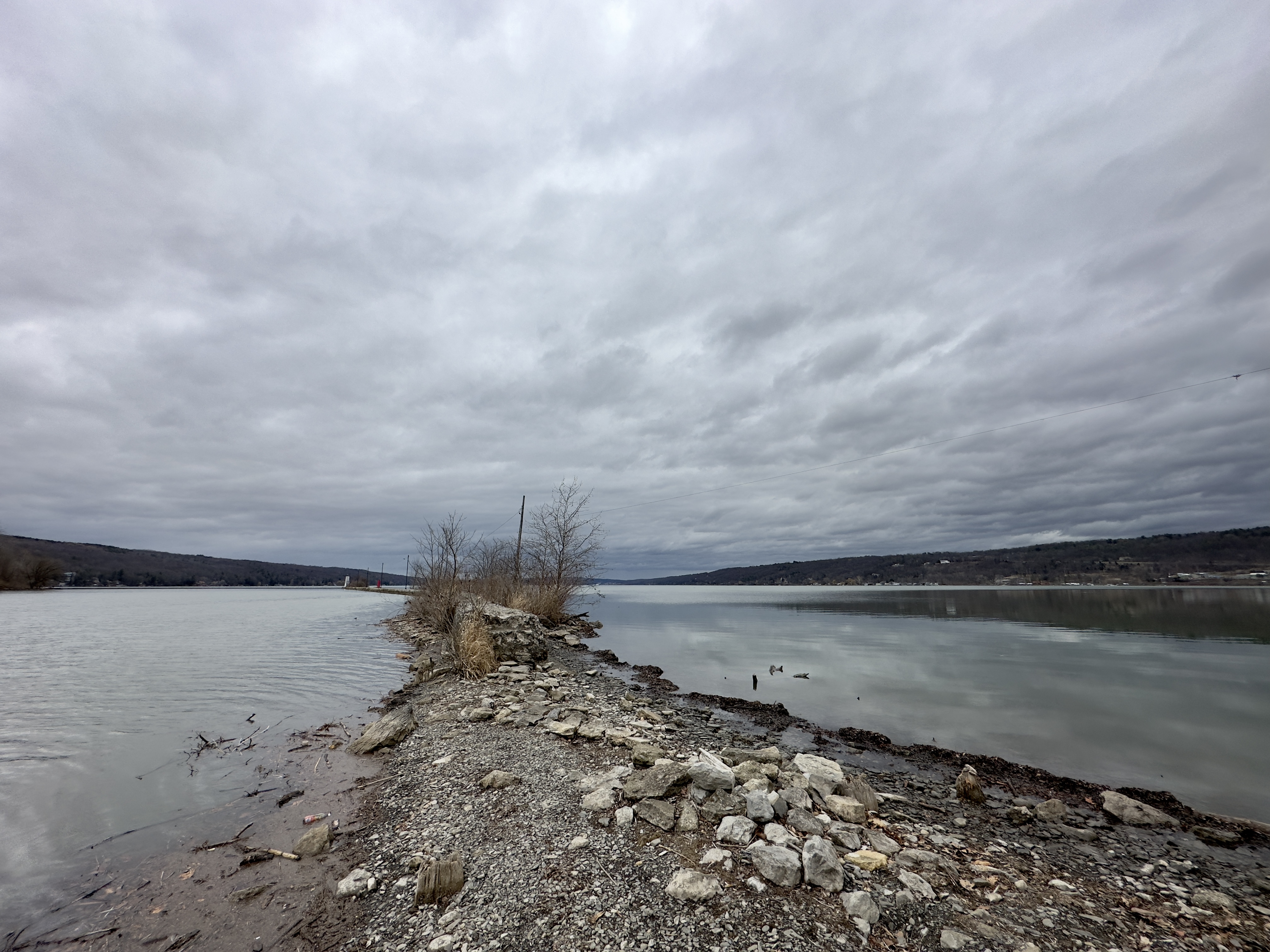
Cayuga Lake Views from Lighthouse Point

Copyright 2023 Michael Stephen Wills All Rights Reserved

Happening on Cayuga Lake

Wave Riders

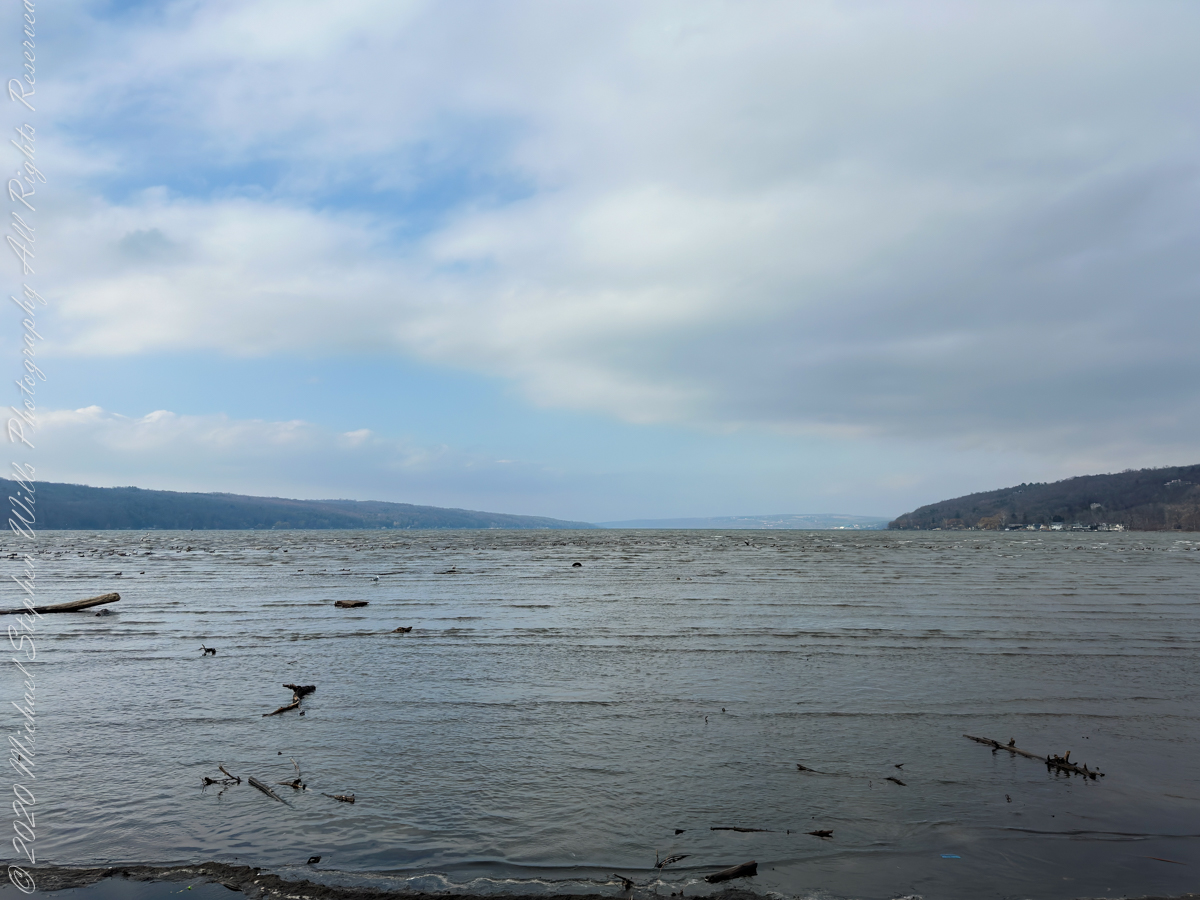
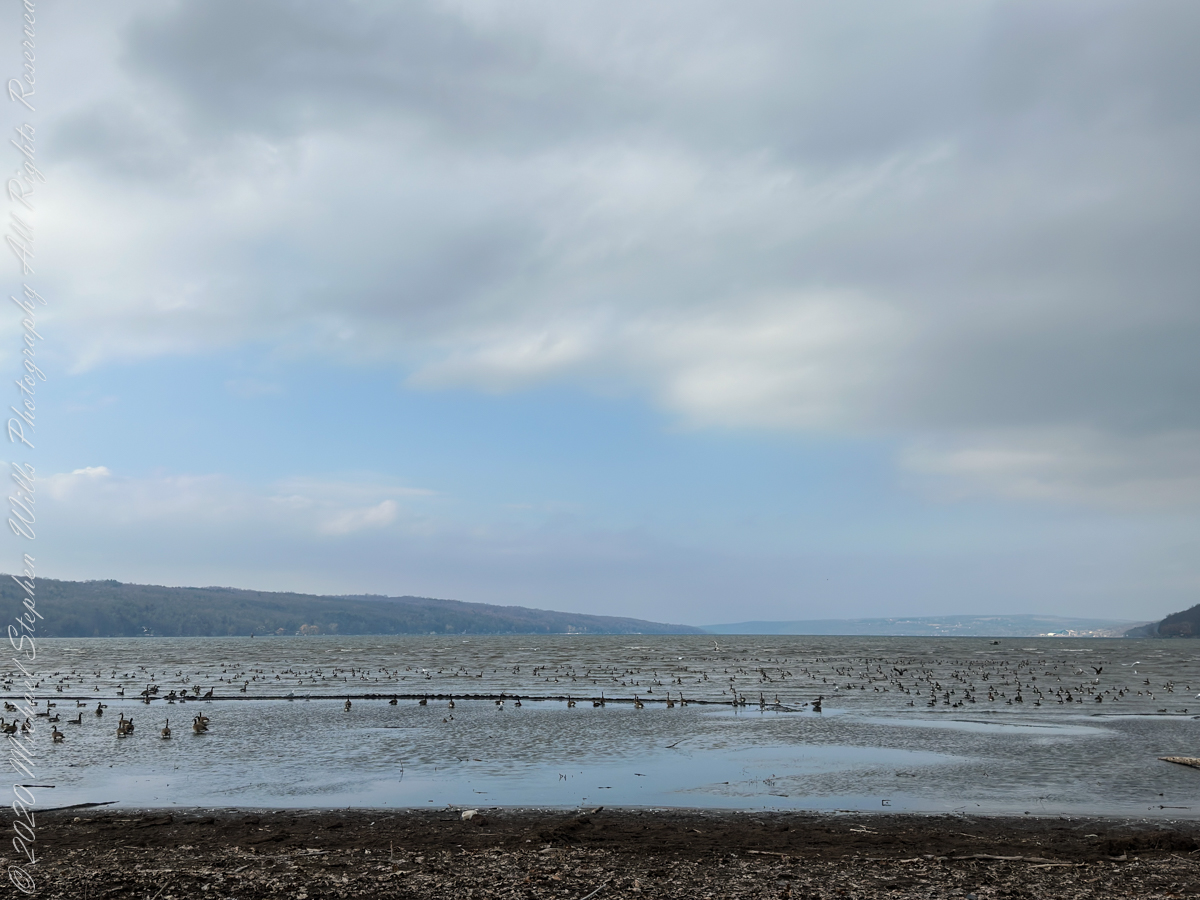
Pam and I have sailed past Crowbar Point, the arm of land projecting into the lake on left, so we know this end of Cayuga Lake well. The lake reach northward is deceiving as the bulk of the 39-mile reach is north of the headlands of the west lakeshore visible in the distance as the apparent end of the lake.

I love the pale blue of late February / early March skies.

Also known as White Willow, for the white undersides of the leaves that flash in the wind. These flourish on the southernmost shore of Cayuga Lake.

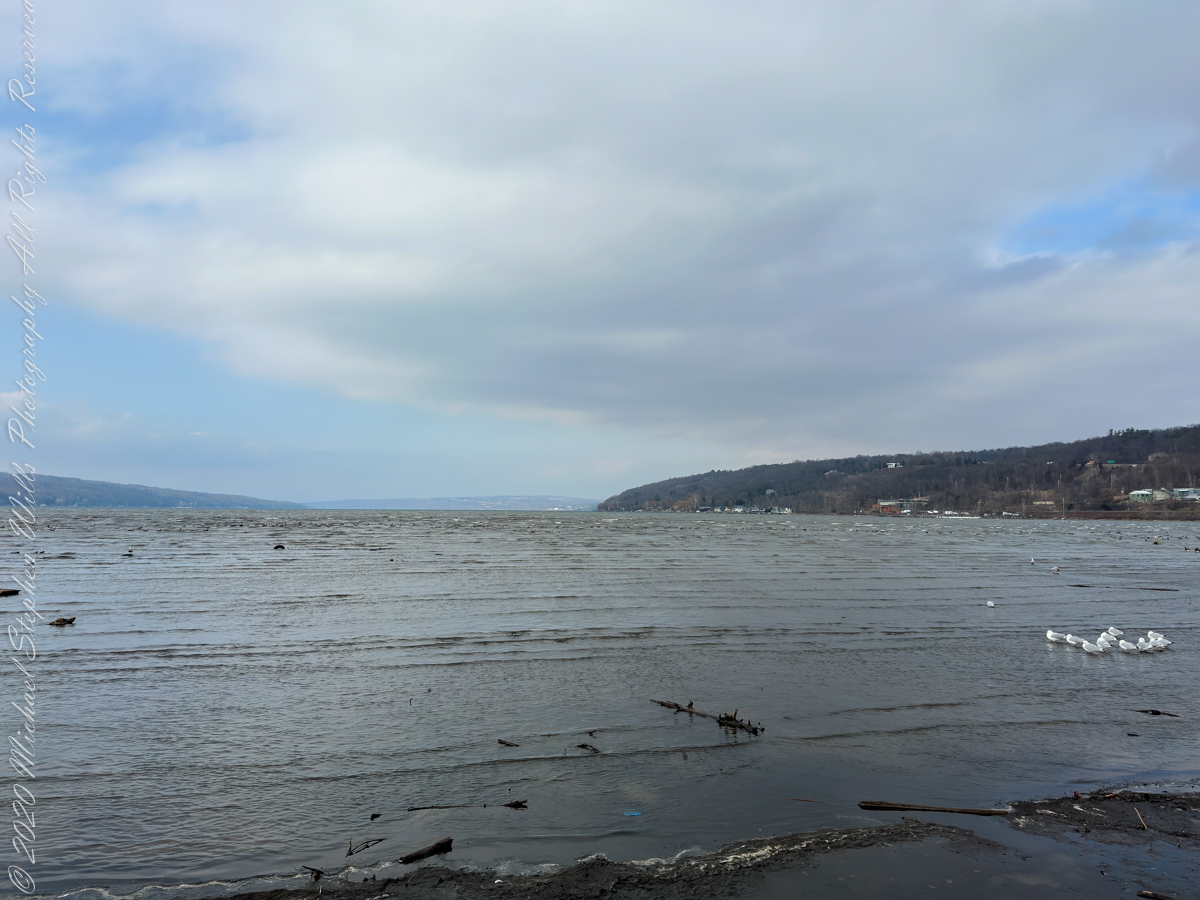
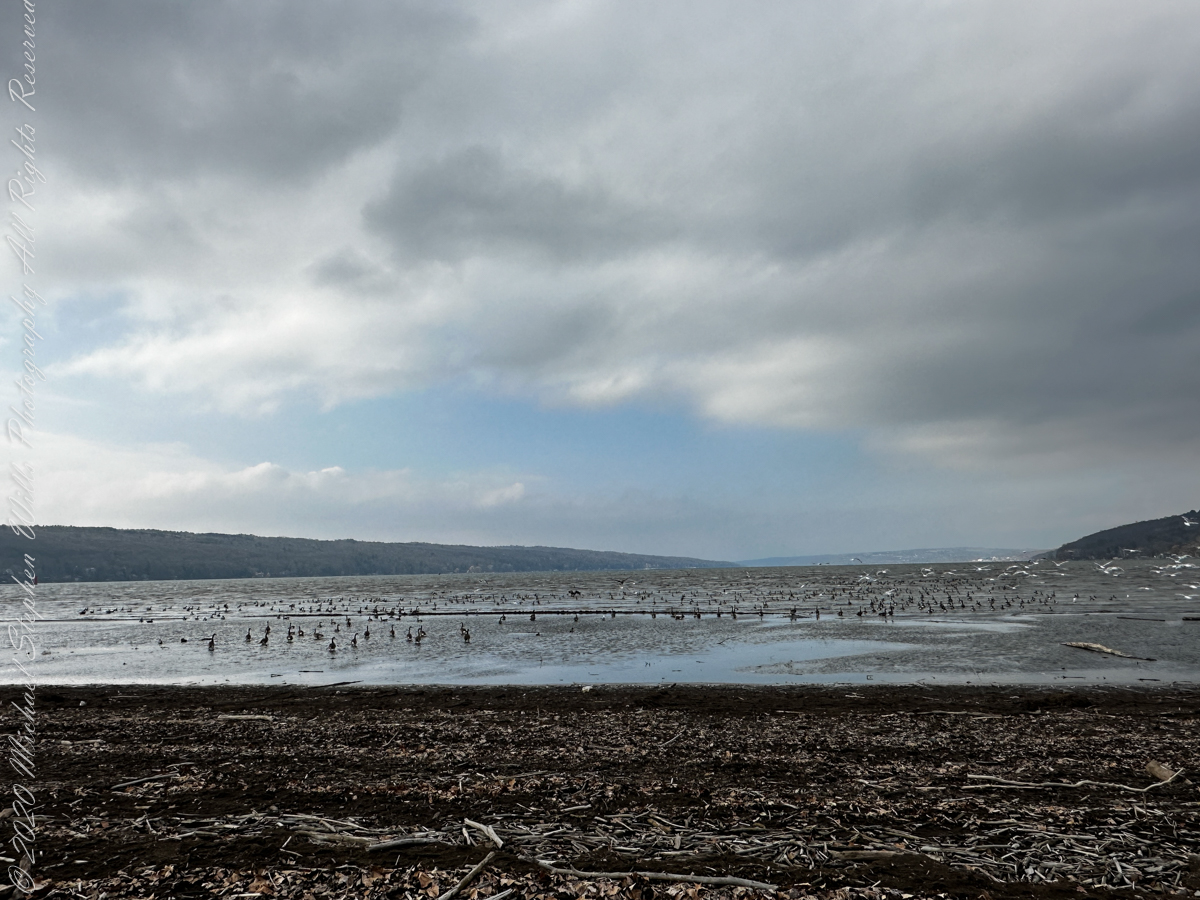
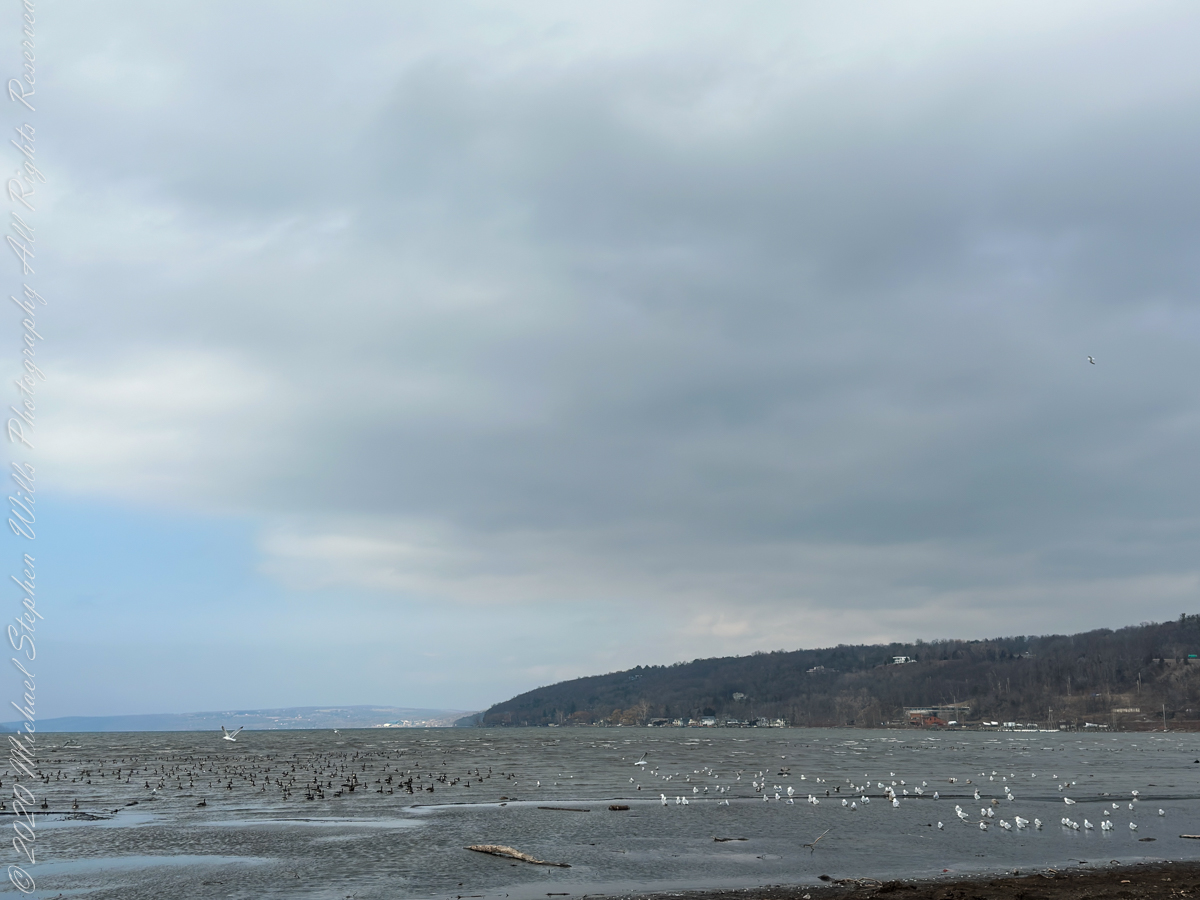
Here is a video of a large gathering of Canadian Geese, multitudes landing to ride lake waves on an unsettled, windy March afternoon.

Copyright 2023 Michael Stephen Wills All Rights Reserved

Golden Willows

Stewart Park

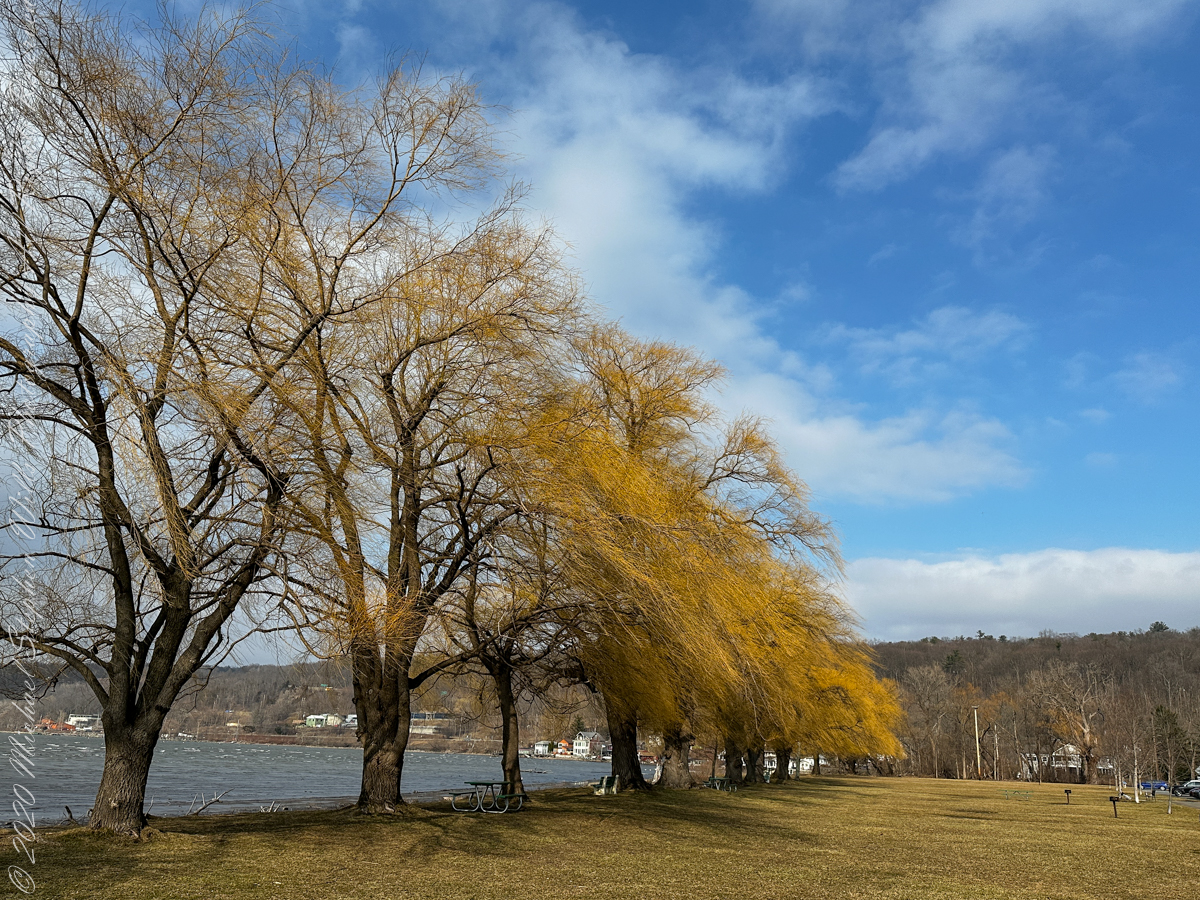
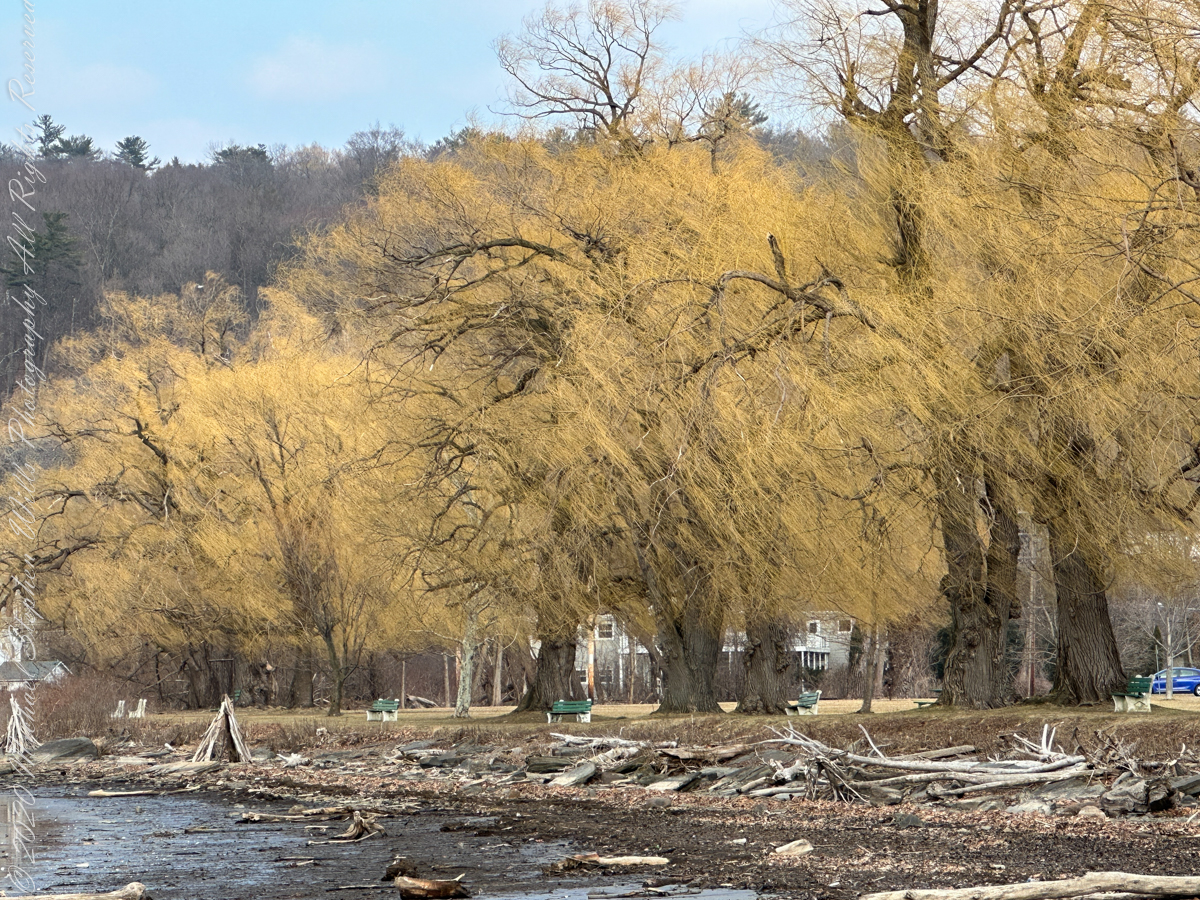
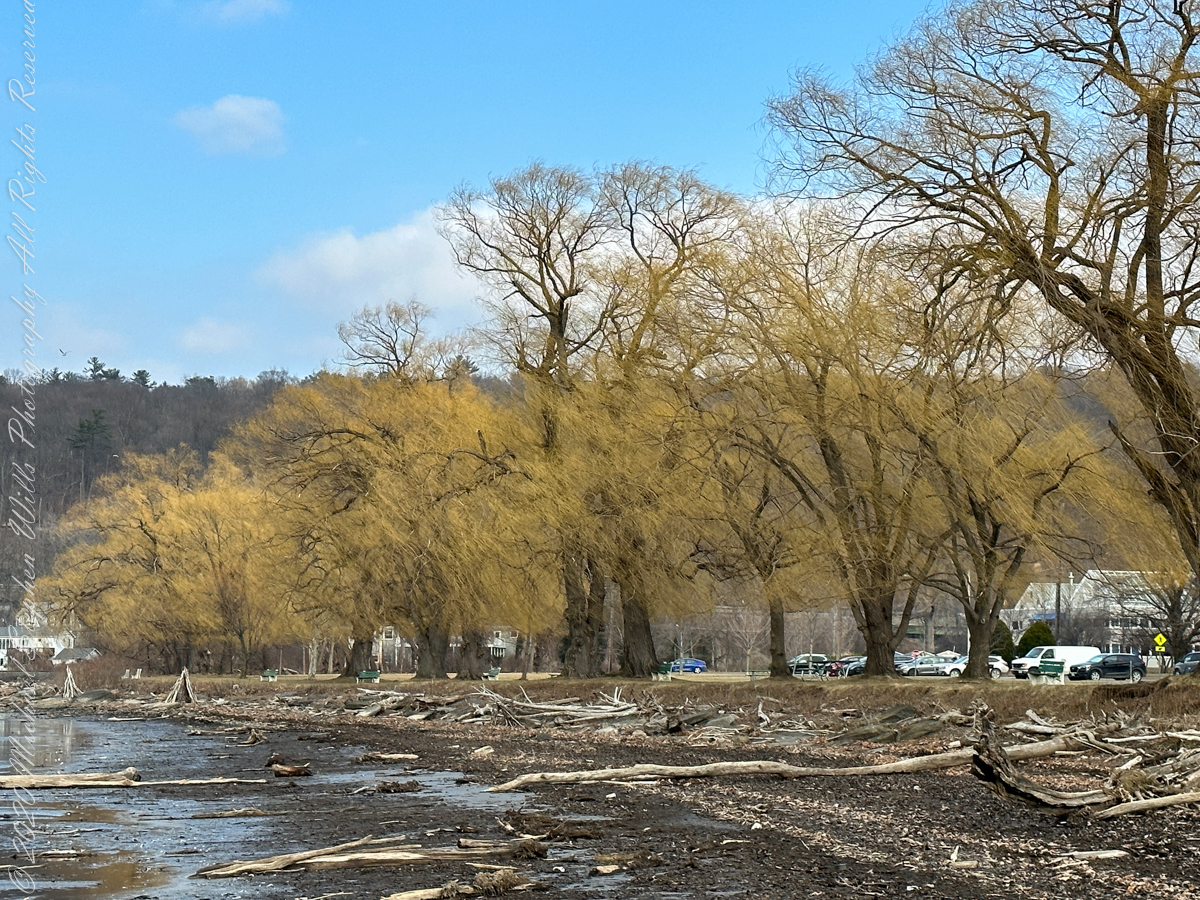
Among the earliest plants to flower, brilliant yellow willows (Salix alba ‘Tristis’) are glorious early spring as new growth sprouts.

Willows native to New York State are all shrub-like, the homeland of these large trees is Europe and Asia.

Also known as White Willow, for the white undersides of the leaves that flash in the wind. These flourish on the southernmost shore of Cayuga Lake.

Willow bark does NOT have analgesic properties. The genus name, Salix, is the root for acetylsalicylic acid (aka aspirin), a chemical that does not appear in nature, originally synthesized from salicylic acid extracted from Meadowsweet.

Movement of budding willow branches in a north wind off Cayuga Lake

Copyright 2023 Michael Stephen Wills All Rights Reserved

Musclewood

Memorial

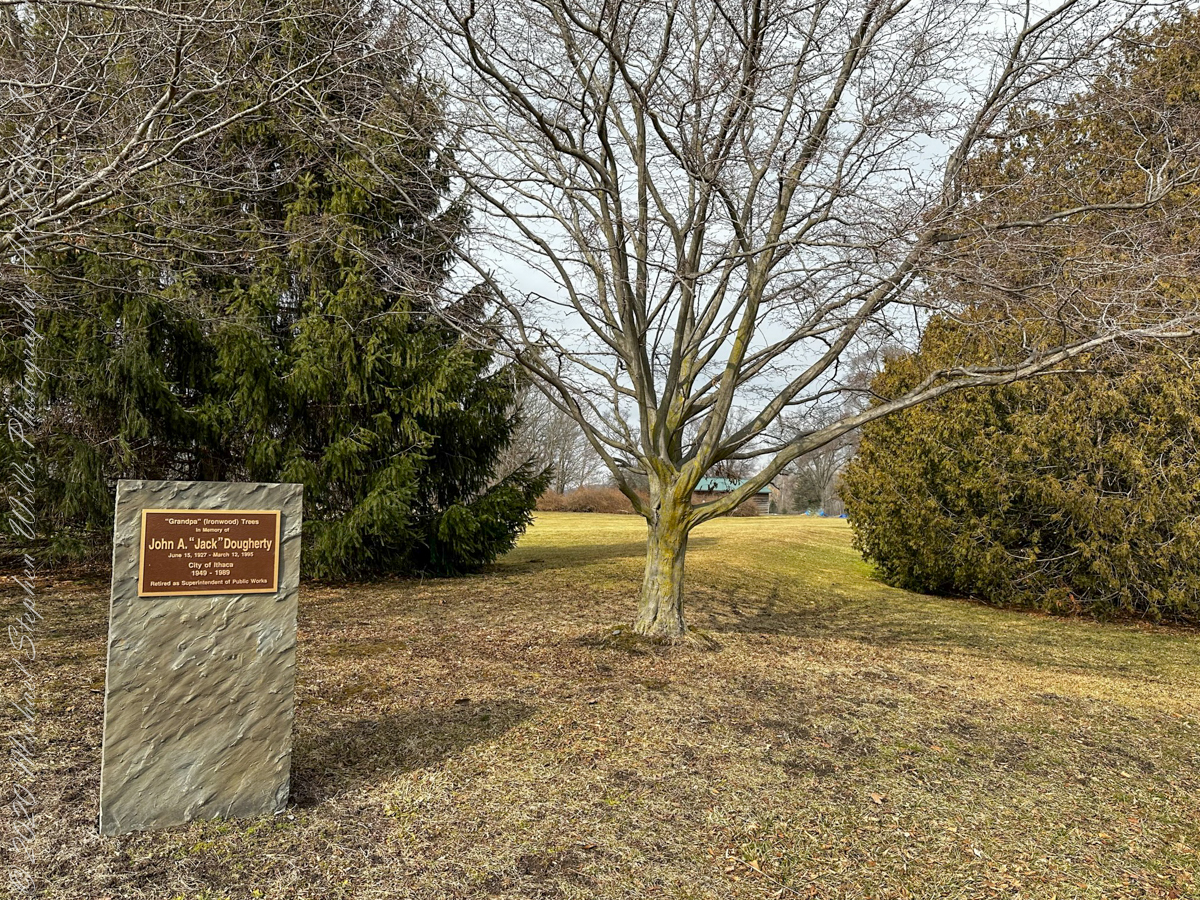
Another Cayuga Waterfront Trail stop is this memorial. The plaque reads ” ‘Grandpa’ (Ironwood) Trees in memory of John A. ‘Jack’ Dougherty; June 15, 1927 – March 12, 1995; City of Ithaca 1949-1989, Retired as Superintendent of Public Works.” Located near the intersection of Pier Road and Willow Avenue, Newman Golf Course, Ithaca, Tompkins County, New York. That is an Ironwood tree, midgound center.

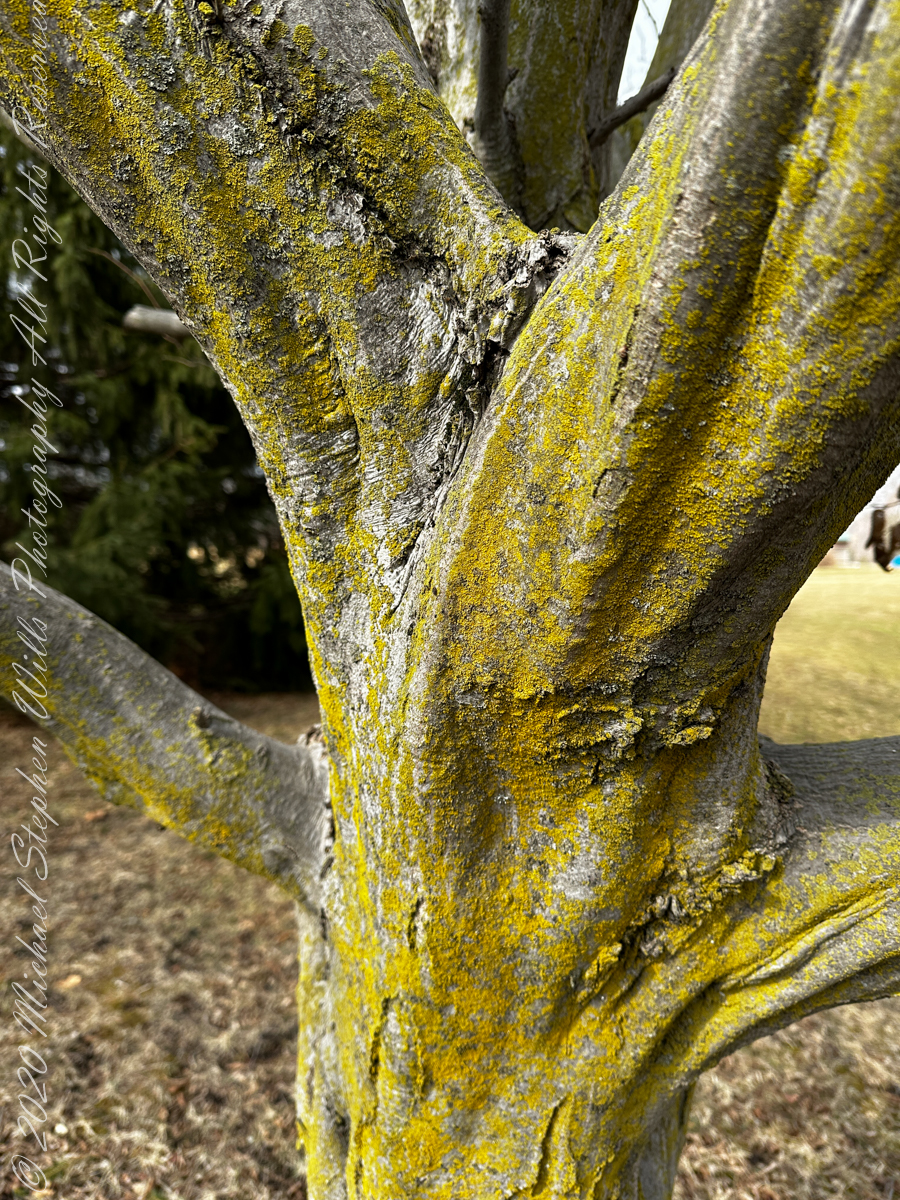
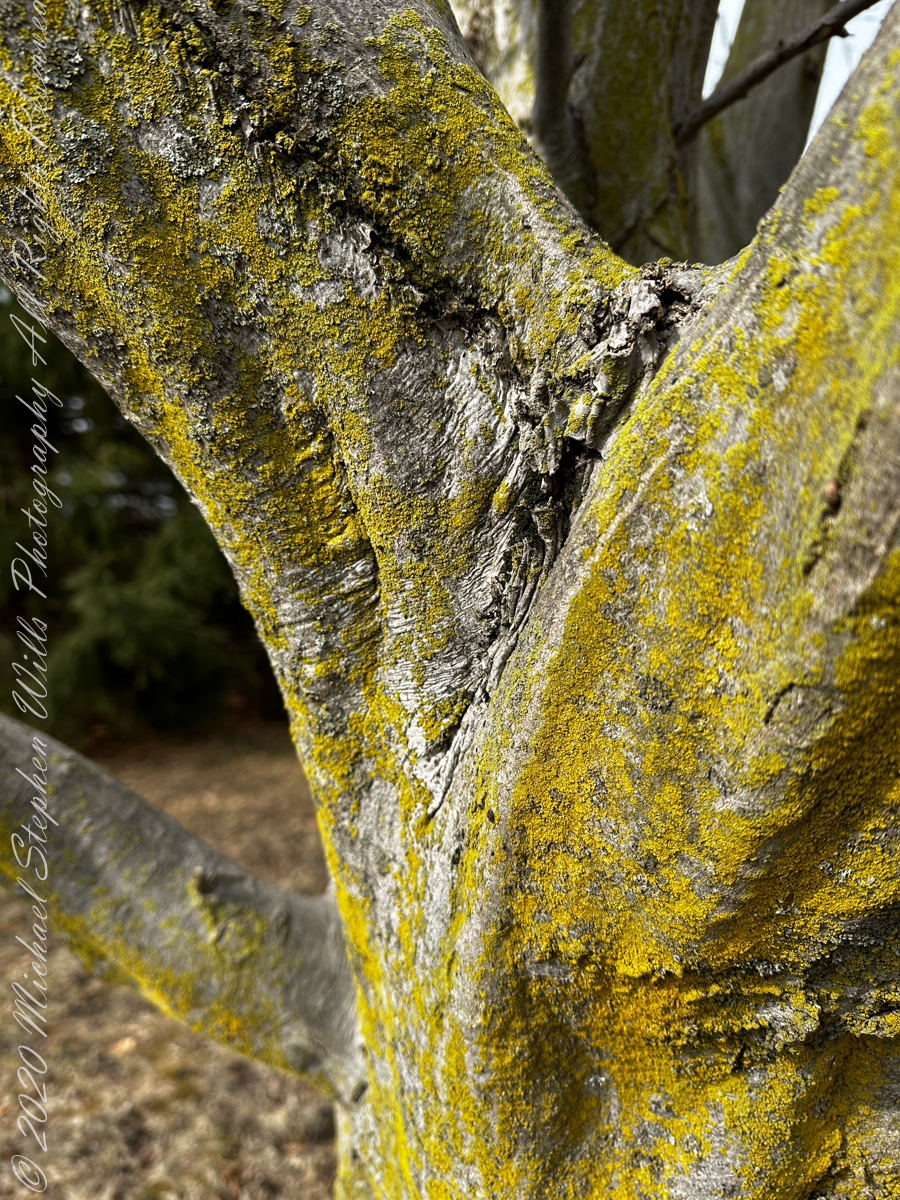
The American Hornbeam (scientific name: Carpinus caroliniana) is also known as Musclewood for the rippled surface of the mature trunk. Other names are blue-beech, ironwood and muscle beech.

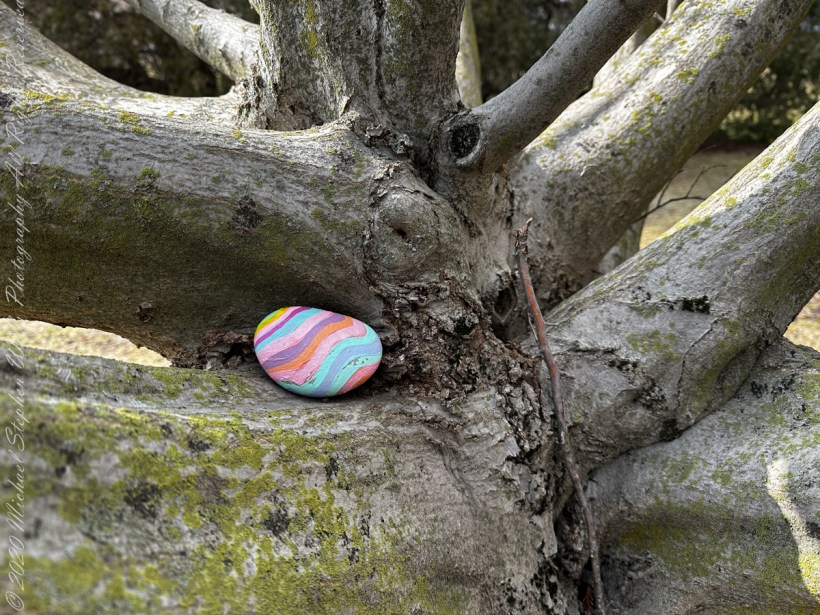
Nestled on the trunk……

Copyright 2023 Michael Stephen Wills All Rights Reserved

Goal Achieved

Here and There

This week I hiked the entire waterfront trail from end to end, just not in one day.

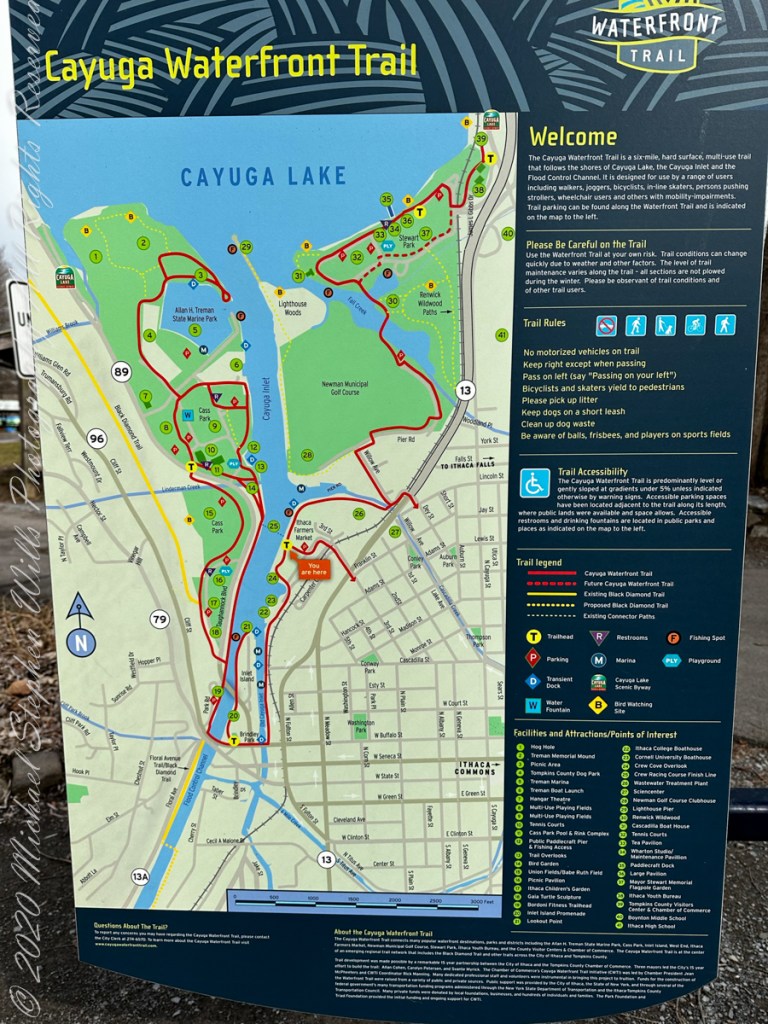
Informational Signage at the Ithaca Farmers Market.

Ithaca has competitions for the honor of decorating storage buildings, electrical boxes and other urban accoutrements.

The Ithaca Farmers Markets is a venue for local farmers, artists and others, on the shore of Cayuga Lake and a stop on the Waterfront Trail.

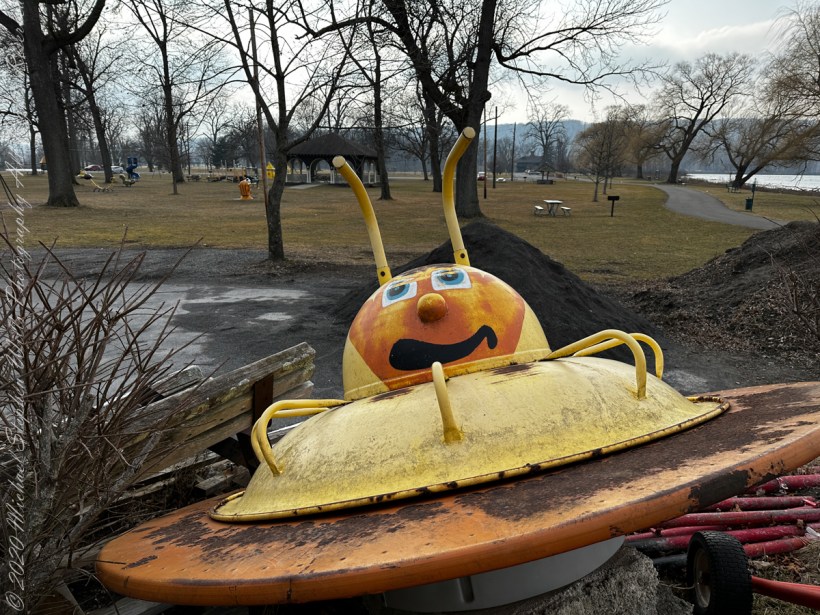
Generations of children enjoyed this figure while turning and round on this now discarded spinner.

Stewart Park, Ithaca, New York

Copyright 2023 Michael Stephen Wills All Rights Reserved

Phragmites!!!

Sundry elements

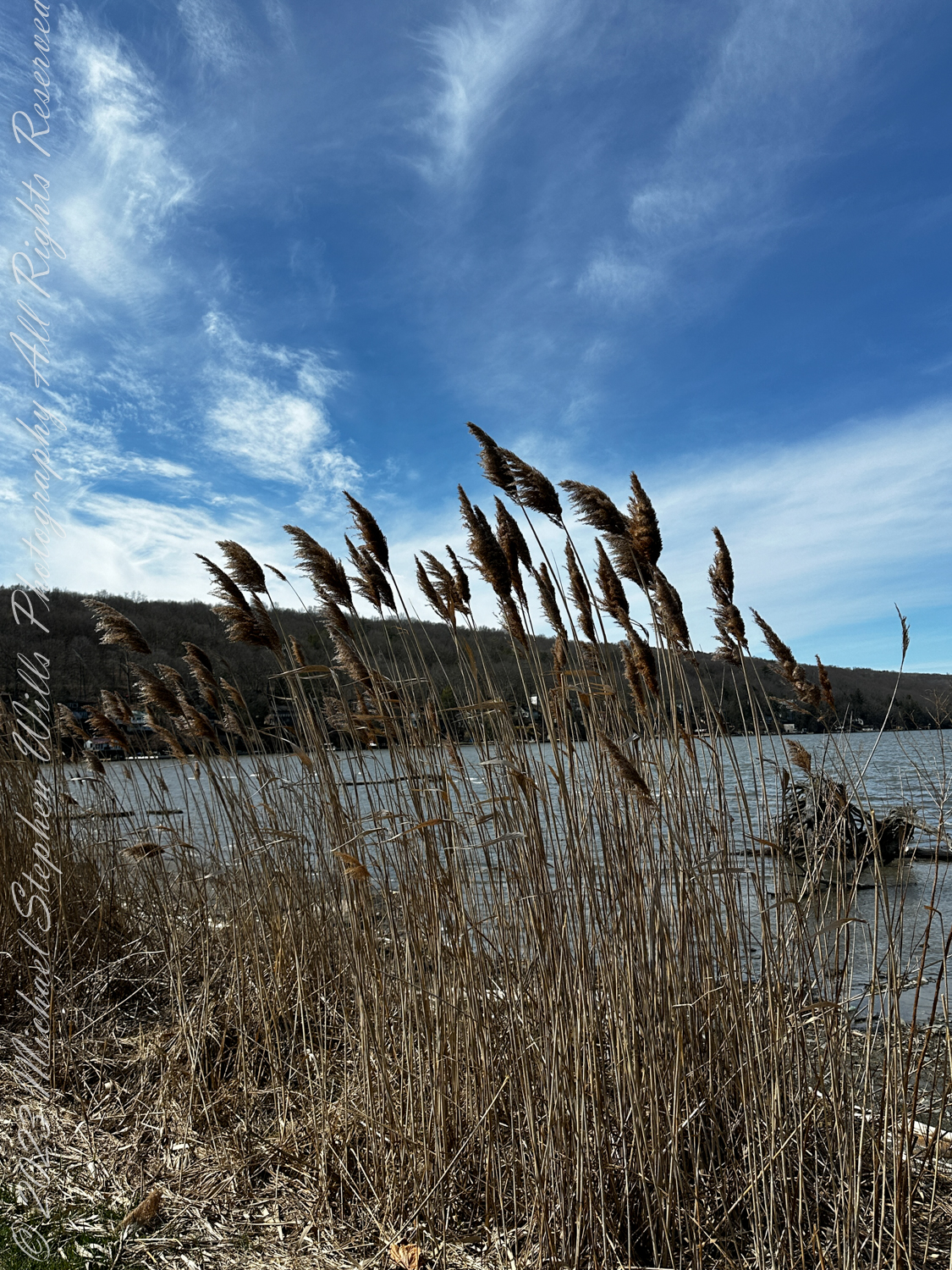
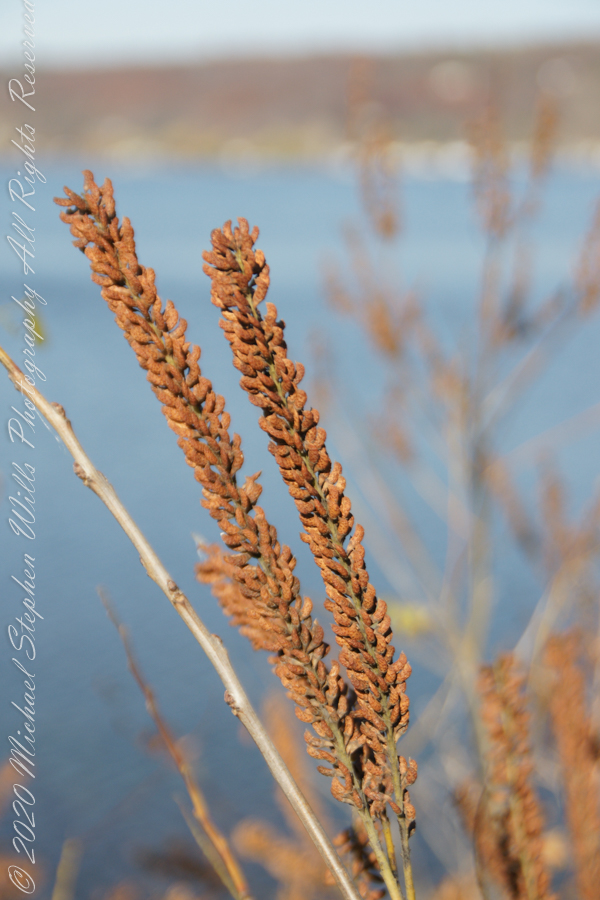
These Phragmites, aka The Common Reed, grow along Cayuga Lake shoreline. Cayuga Waterfront Trail, Ithaca, New York

A humble and fertile weed.

I learned today in China the stem of Phragmites, not this species possibly, is a common component of kites. Around our home here in Ithaca, New York, I’ve noticed the seed heads on stems used in home decoration. Some other uses Some other uses for Phragmites and other reeds in various cultures include baskets, mats, reed pen tips (qalam), and paper. Beekeepers can utilize the reeds to make nesting. In the Philippines, Phragmites is known by the local name tambo. Reed stands flower in December, and the blooms are harvested and bundled into whisk brooms called “walis”. Hence the common name of household brooms is walis tambo. Reeds have been used to make arrows and weapons such as spears for hunting game.

The movements of grace.

This is my first posting of photographs and video from the IPhone 14 ProMax.

Copyright 2023 Michael Stephen Wills All Rights Reserved

Lighthouse Point 5

Sundry elements

Uncategorized details from our Lighthouse Point adventures.

Seen from a resting place, a bench just off the trail and before the causeway.

A humble and fertile weed.

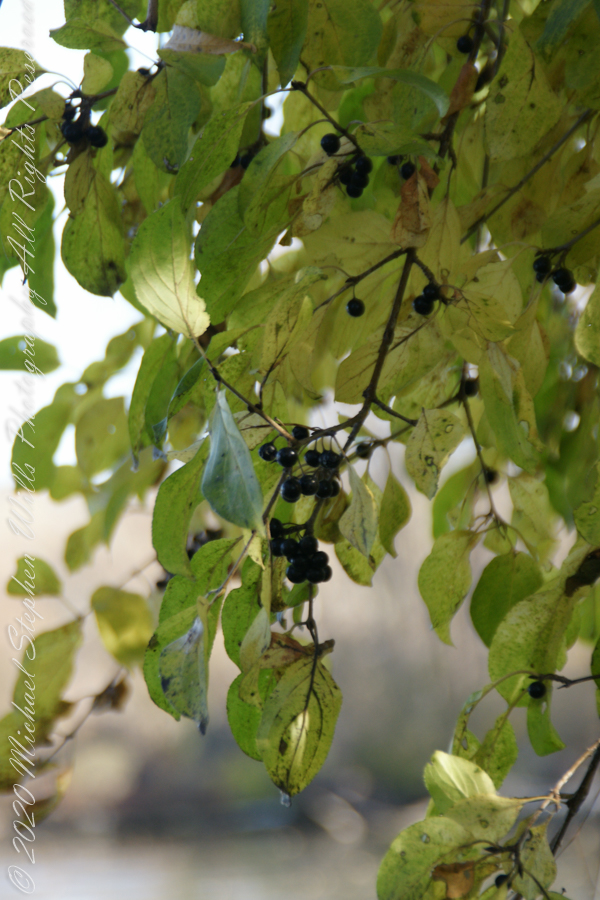
On a bright early November day Pam and I walked to Lighthouse Point. Ithaca, Tompkins County, New York

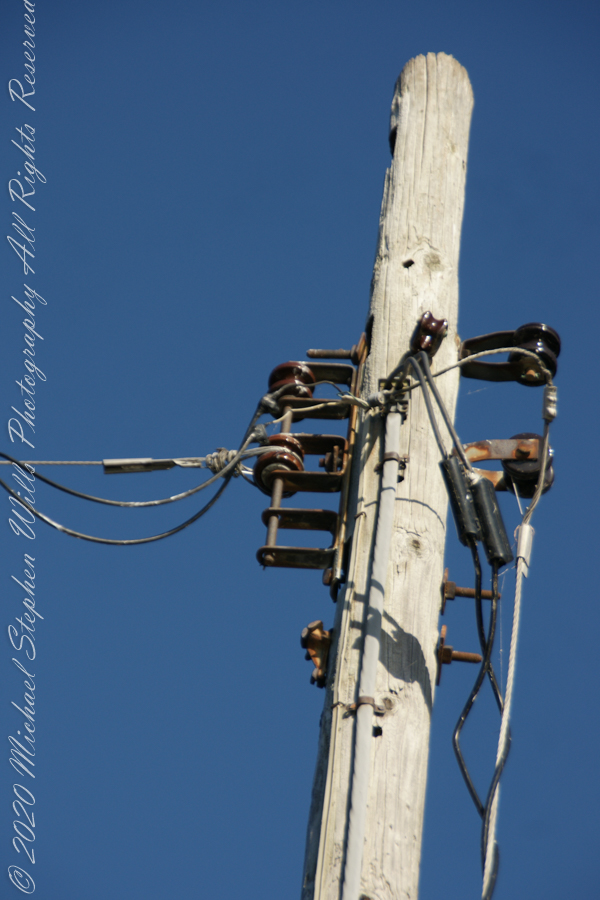
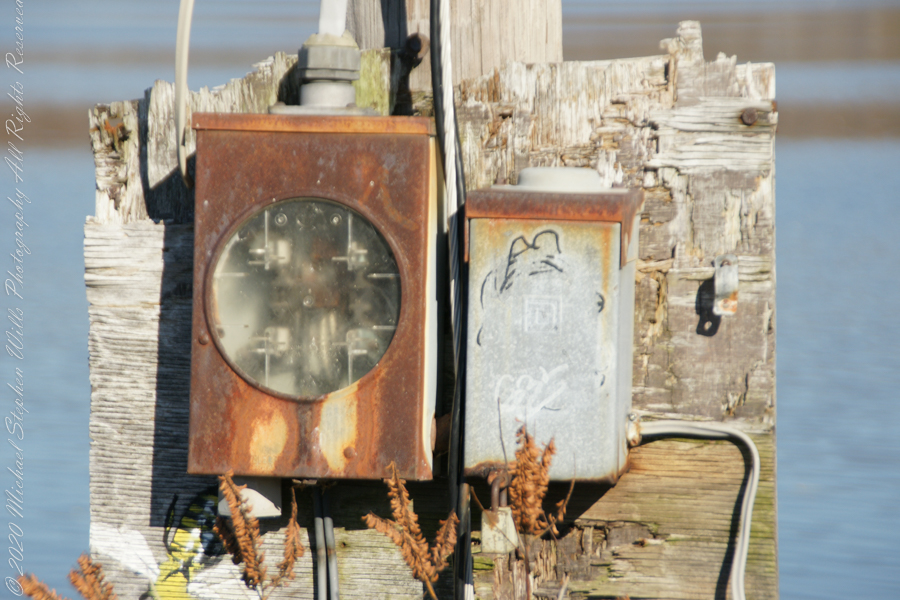
Before the parade of mast-like iron poles was this wooden one where it was apparent there could be no light on the white tower without power.

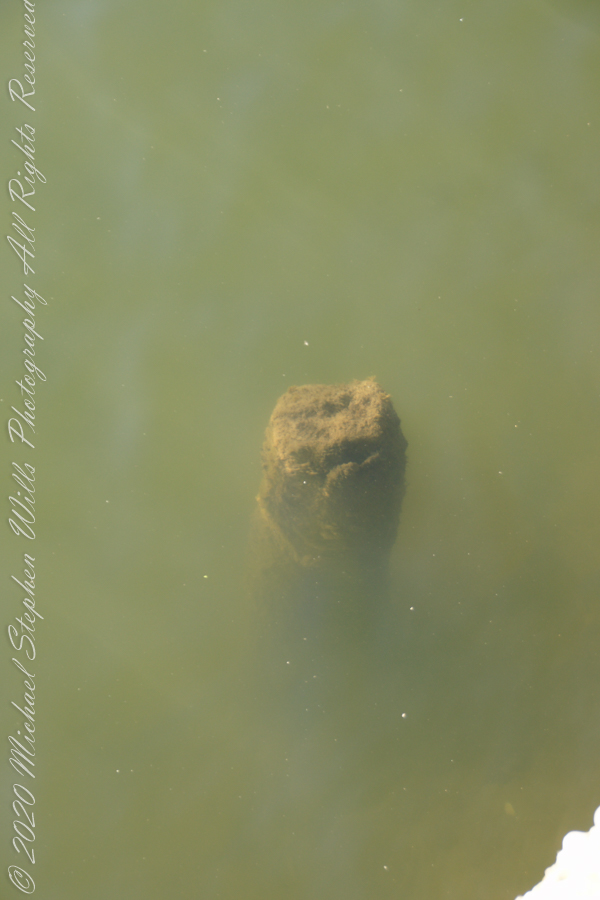
On top and under the surface

Look closely, children

One

Two

Three

A demon greeting

Copyright 2022 Michael Stephen Wills All Rights Reserved