My photographic style centers on the use of natural light to visualize emotion and evoke memory. The evolution of my style began early in the year 2002, with an imperative to capture personal and fleeting memories.
My son and I traveled to New York City, to view the first Saint Patrick's Day parade after September 11, 2001. My work from that parade was so successful and satisfying (see "New York Fire Department, Saint Patrick's Day 2002") I just never stopped.
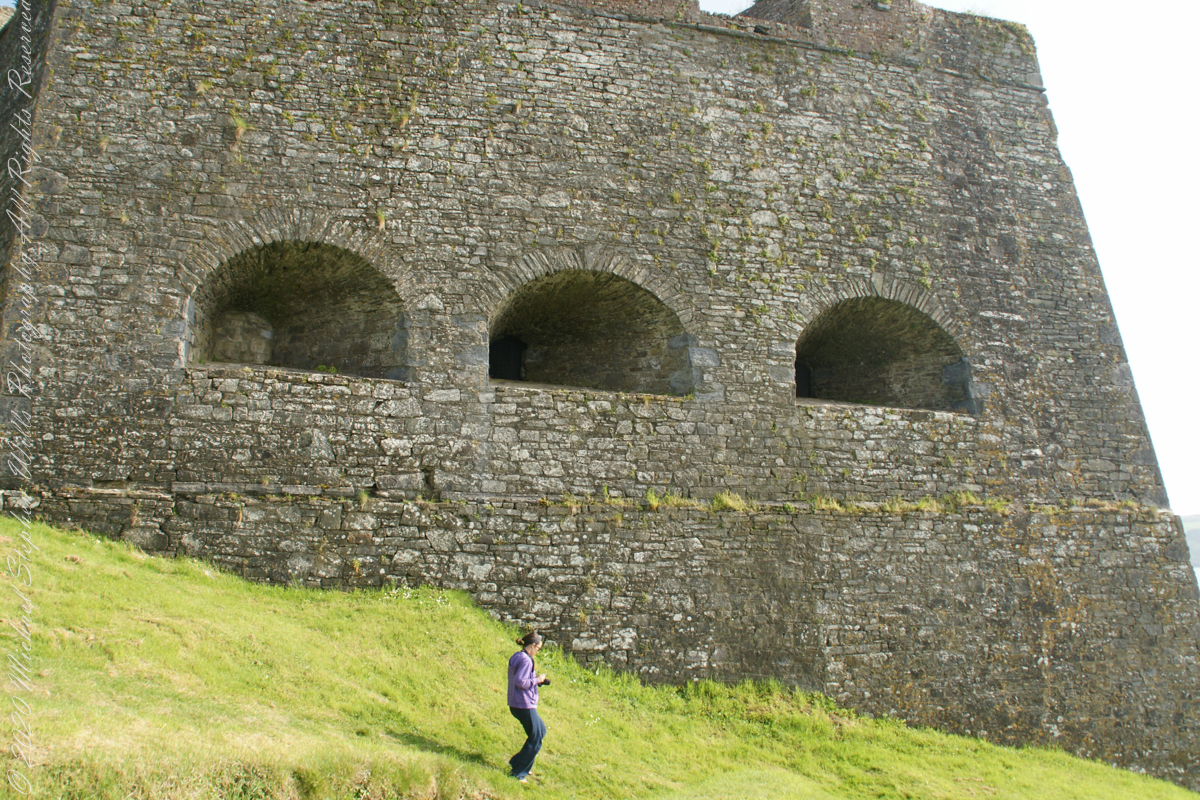
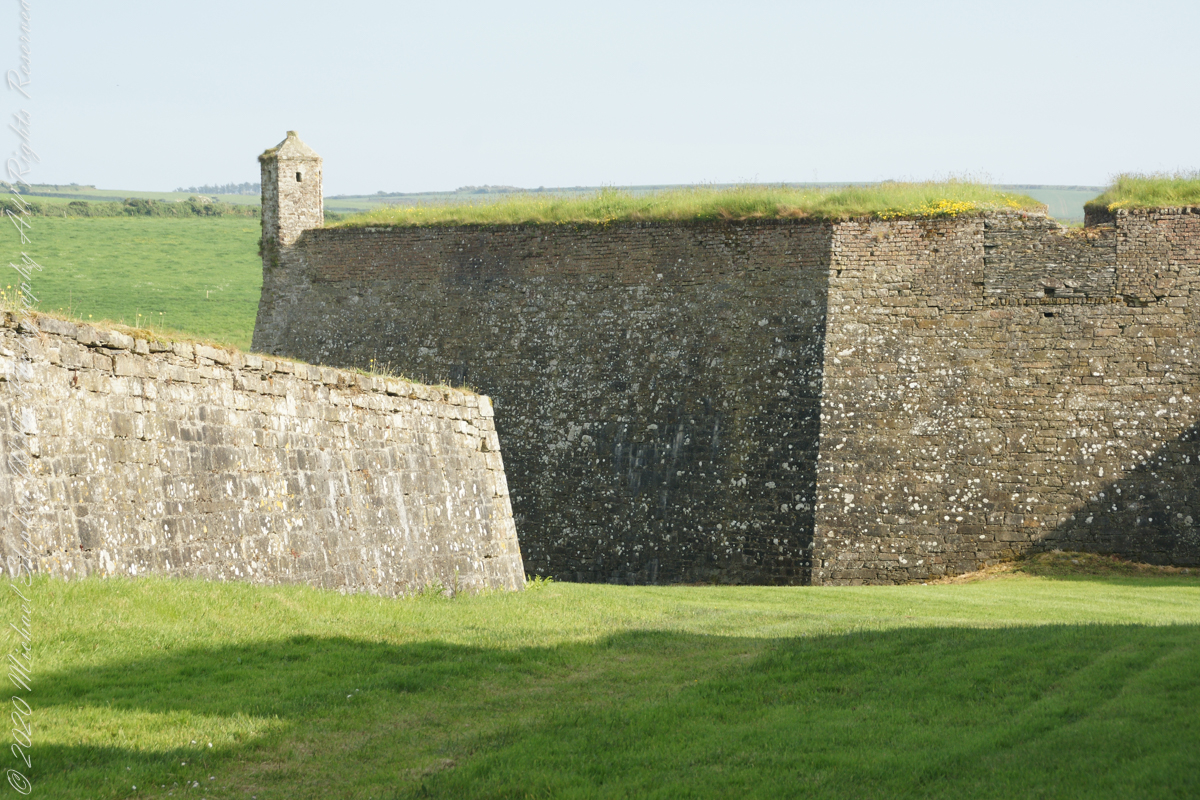
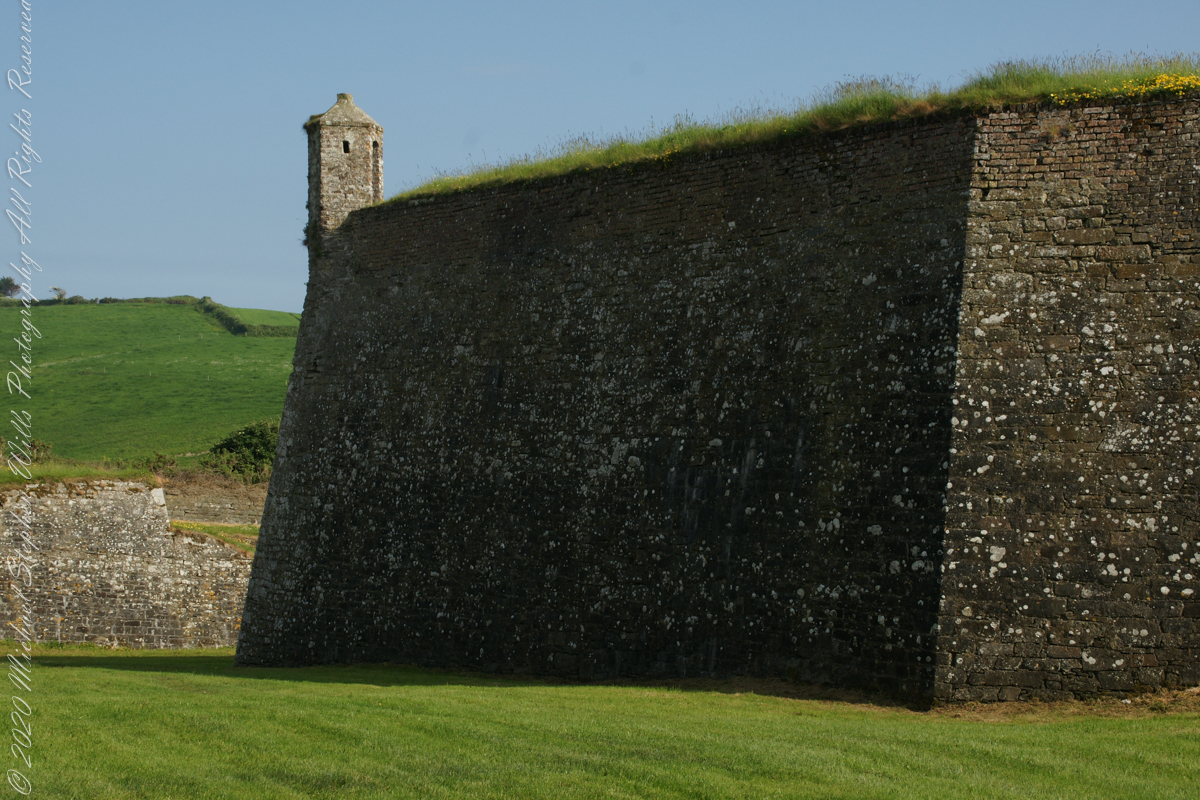
A “dun” is a larger fortification, few and far between on the island of Ireland. We saw one on the Arran Islands, from the Iron Age, Dun Angus, Charles Fort, or Dún Chathail in Irish, is from historical ages.
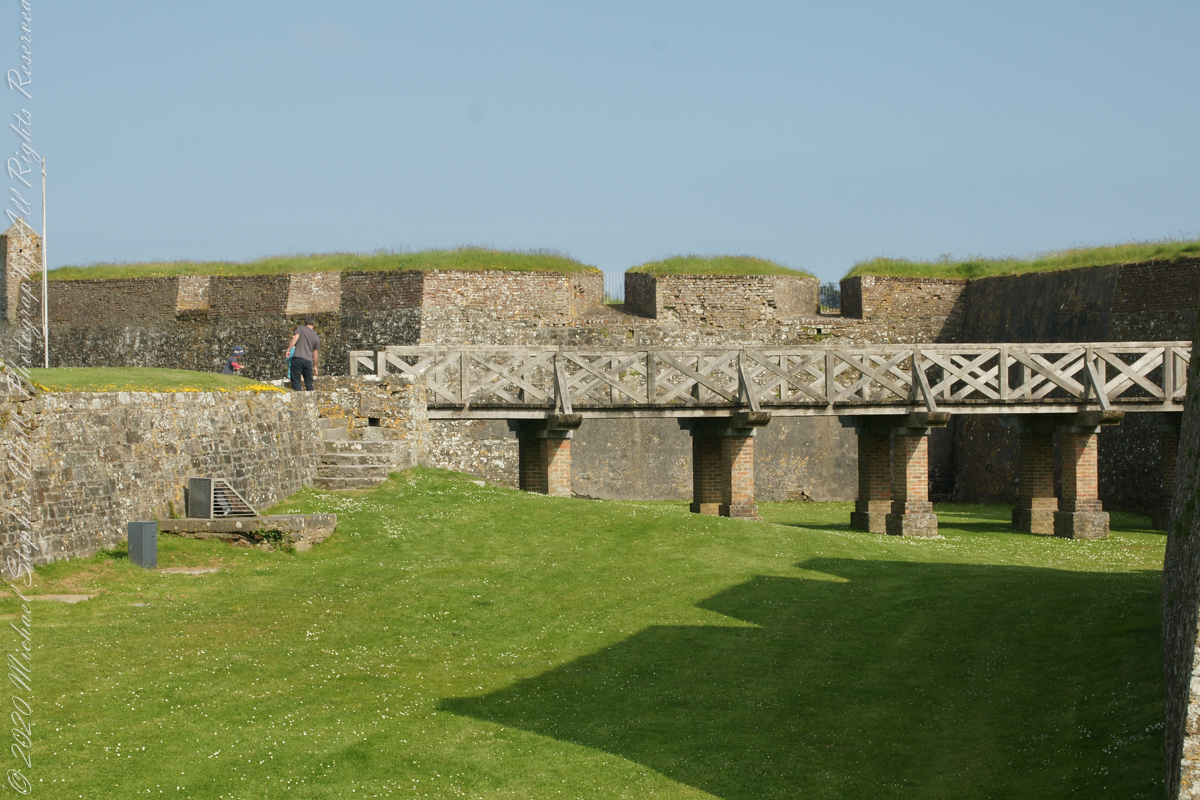
A cannot tell from my slide show, but the walls are star shaped with many salients, giving more positions to defend the walls.
Steps to bridge across defensive ditch
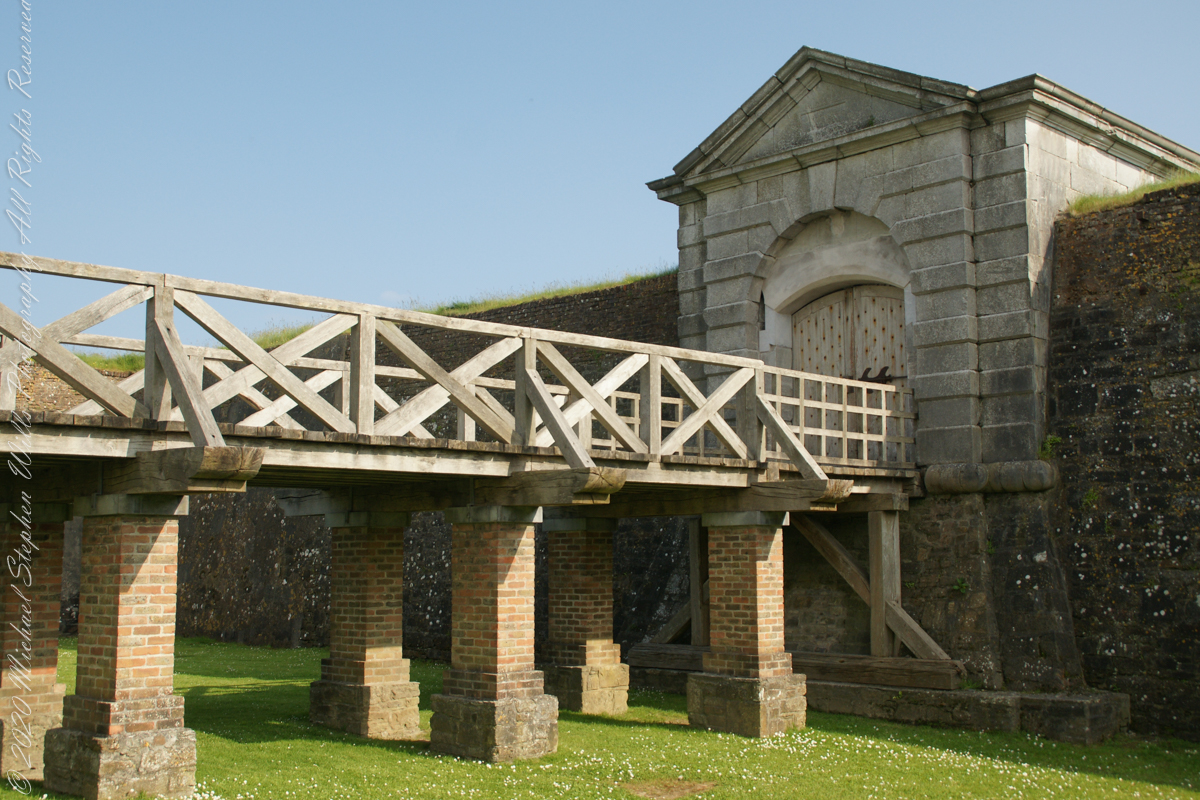
Bridge and gate to fort enclosure, closed this late in day
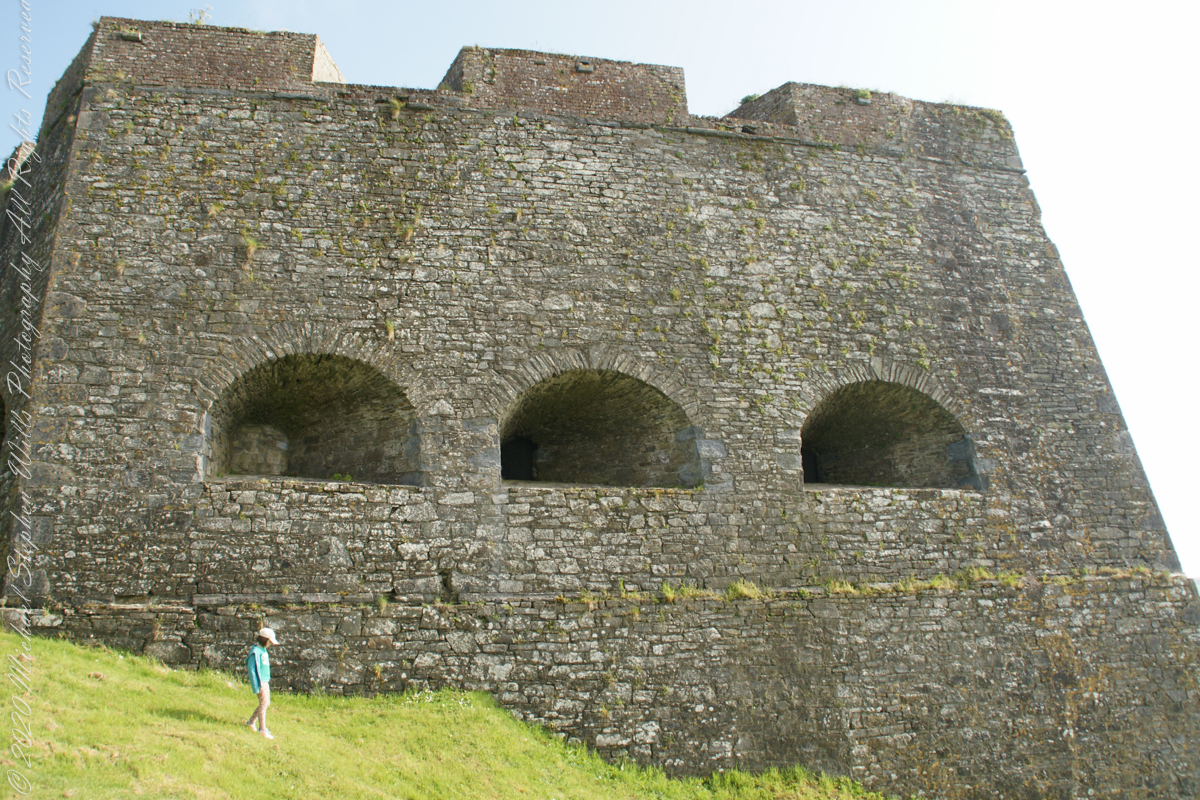
Embrasures
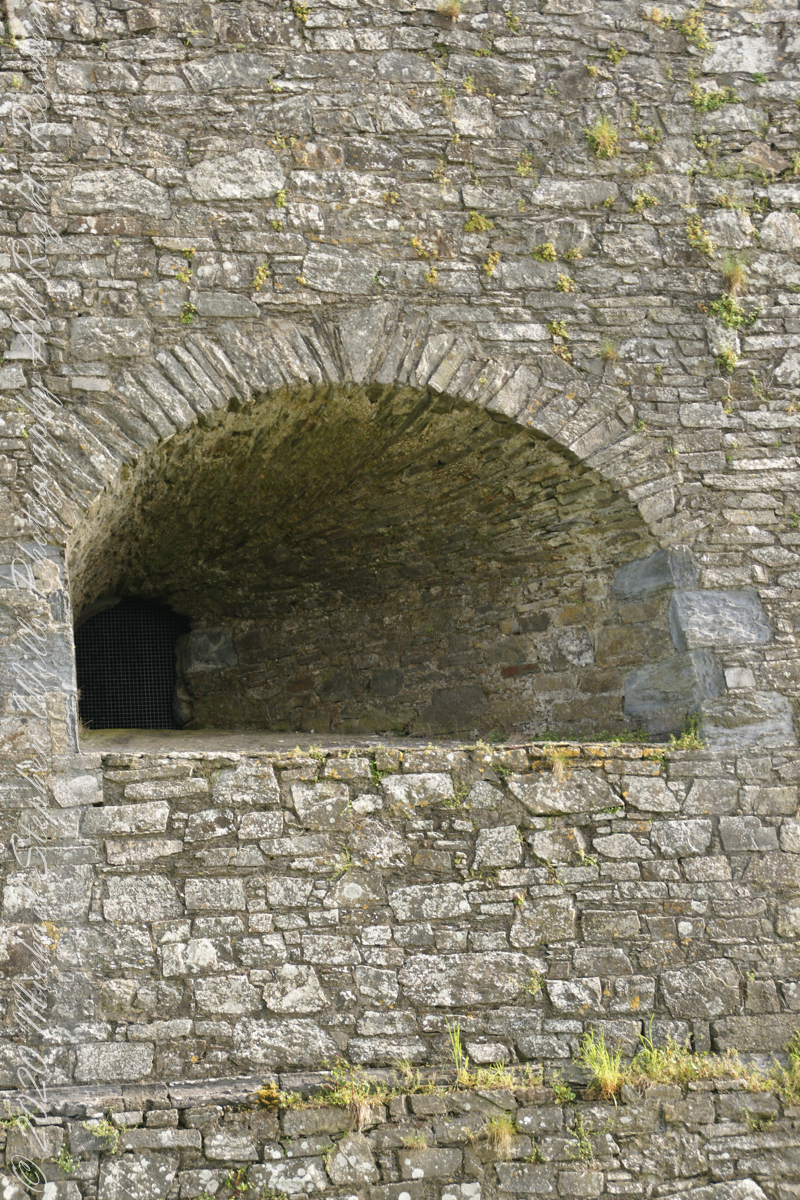
An opening in the fort walls which cannons can be fired. They were often flared outward to enlarge the field of fire.
Close-up of gun port
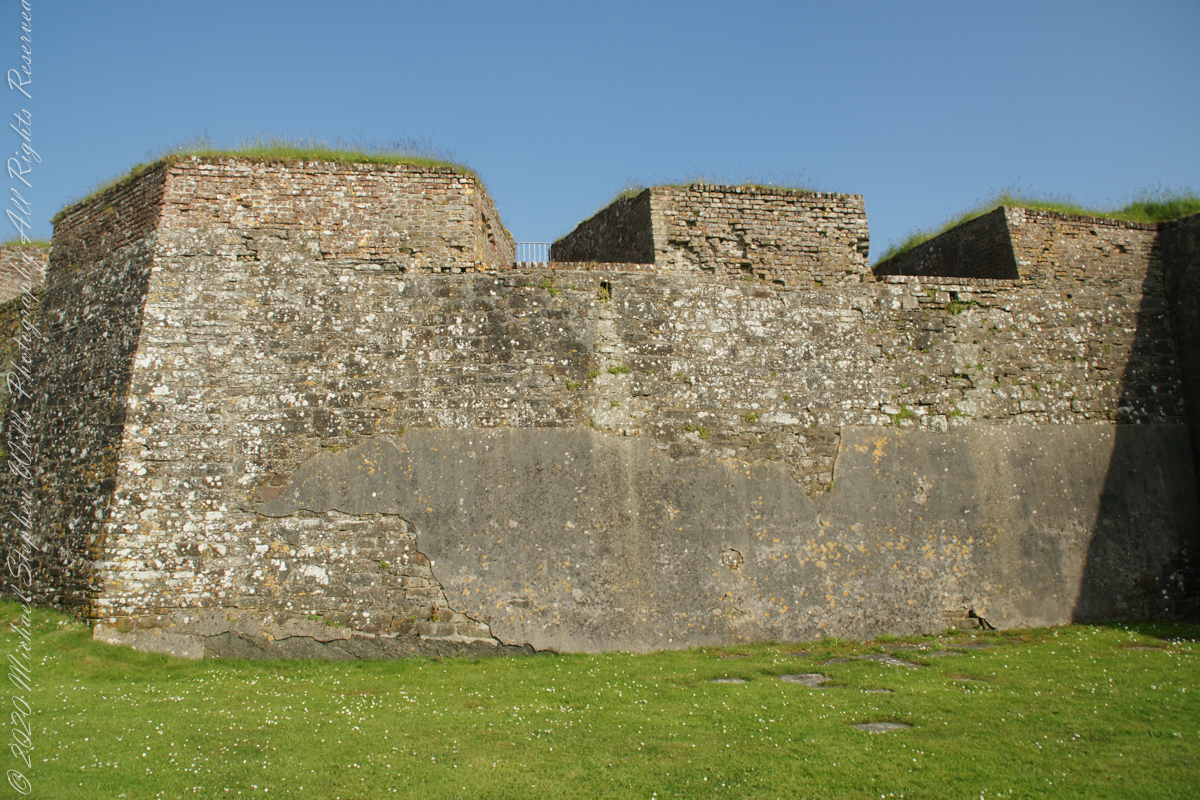
Crenellations
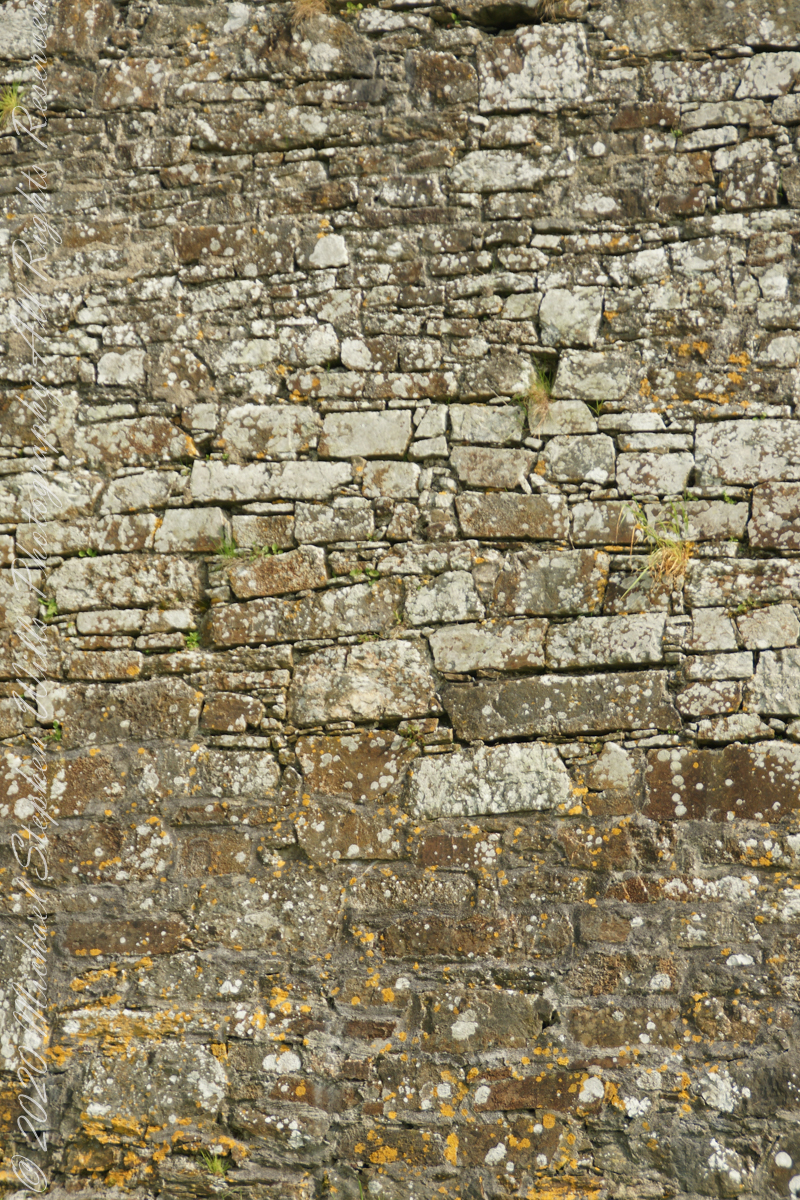
Tightly joined masonry
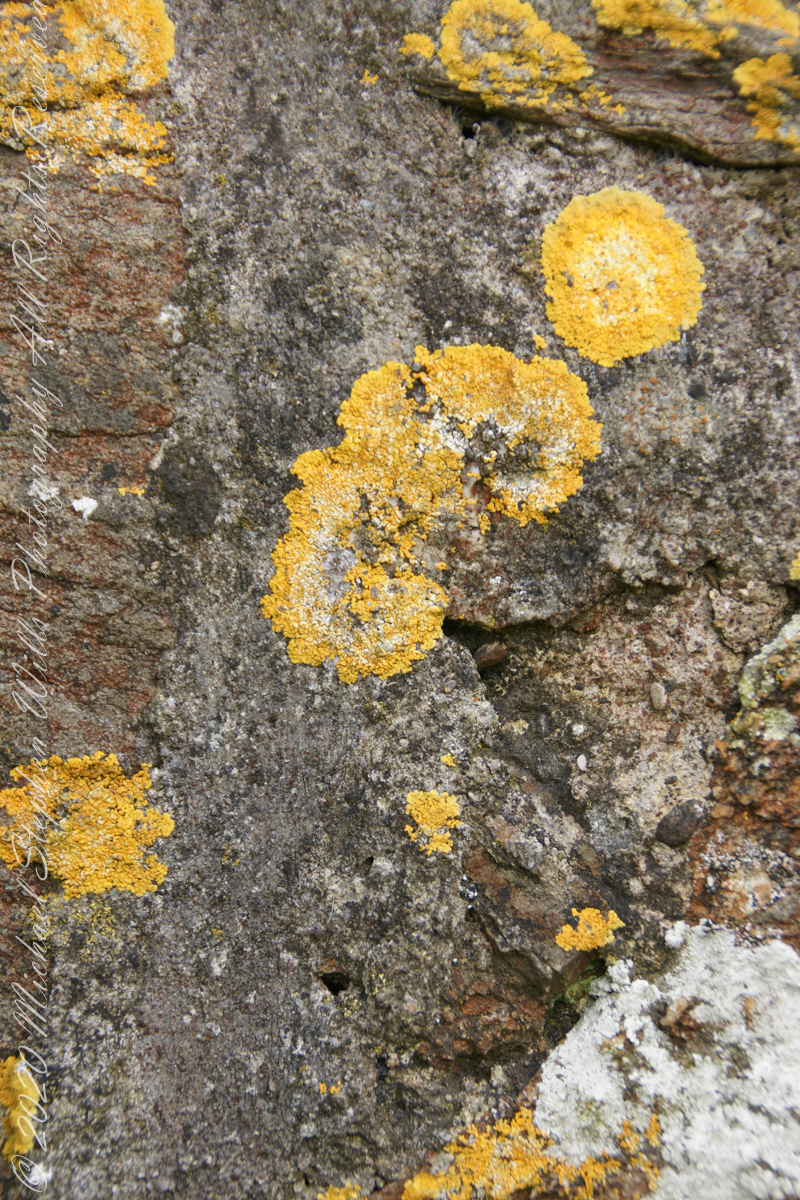
lichen
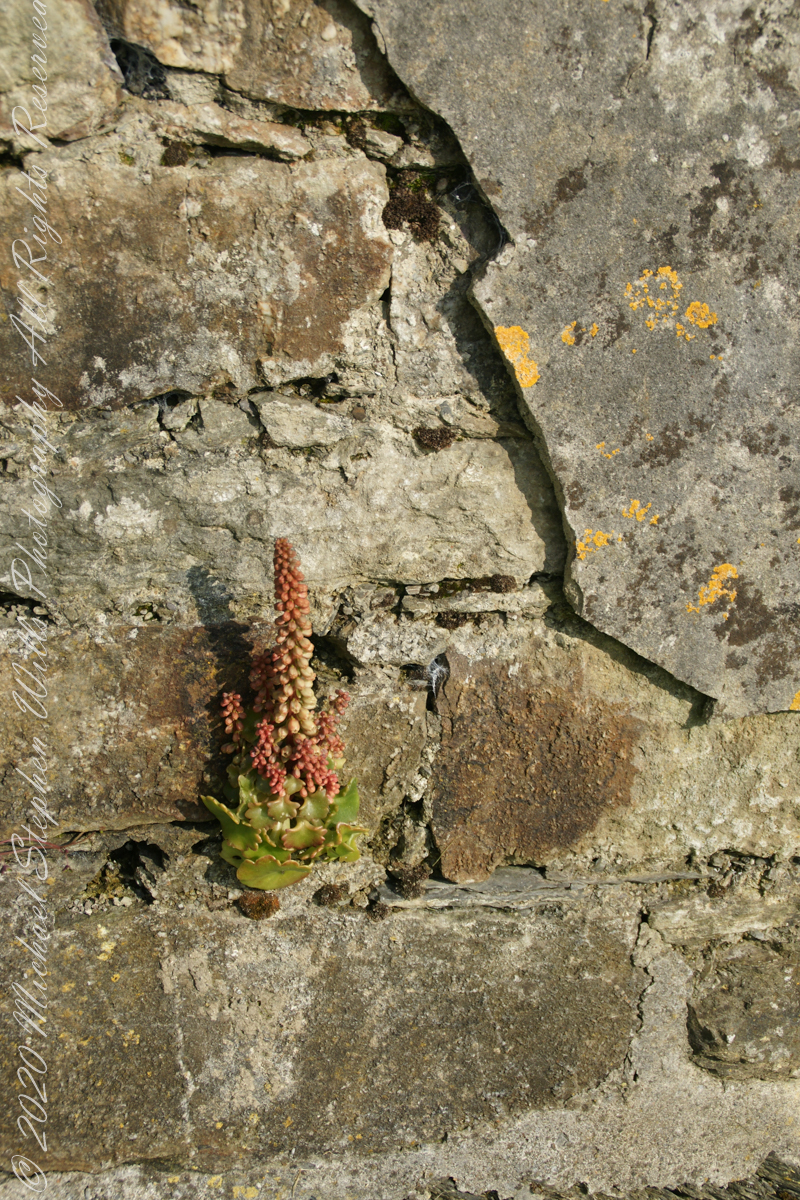
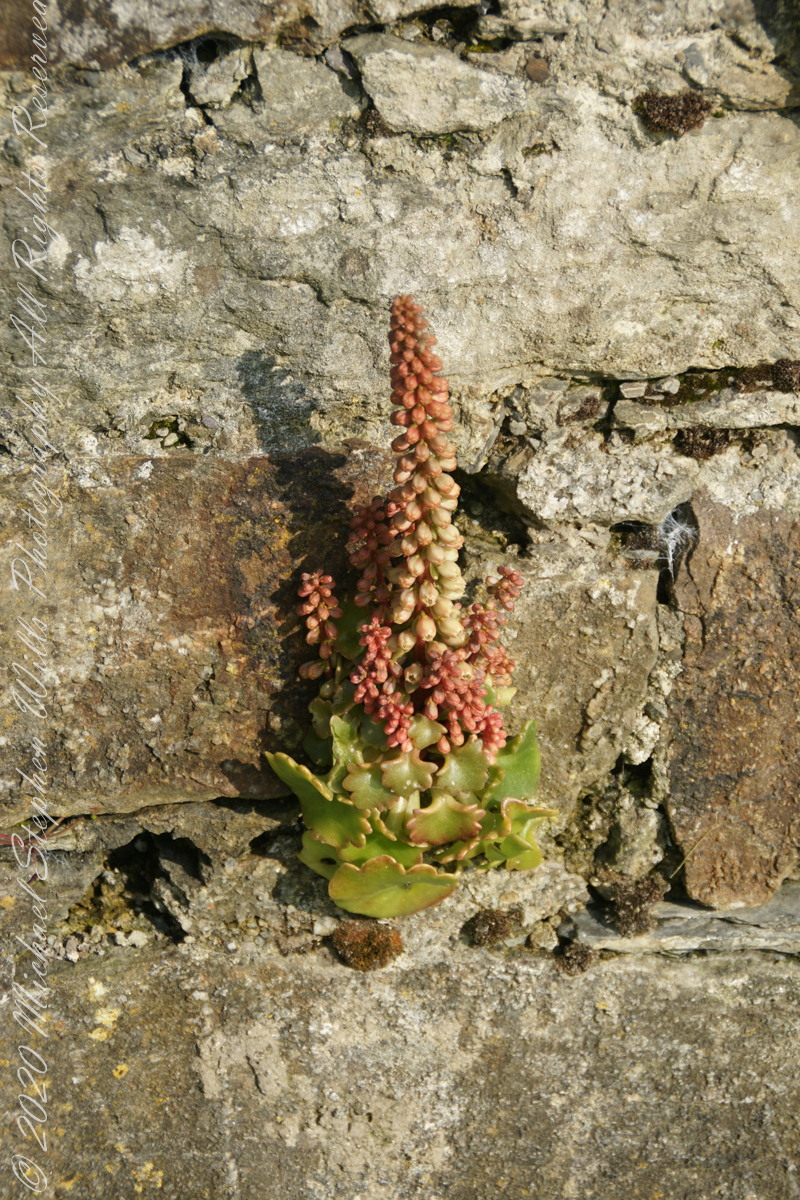
life has its way
seems to be a succulent
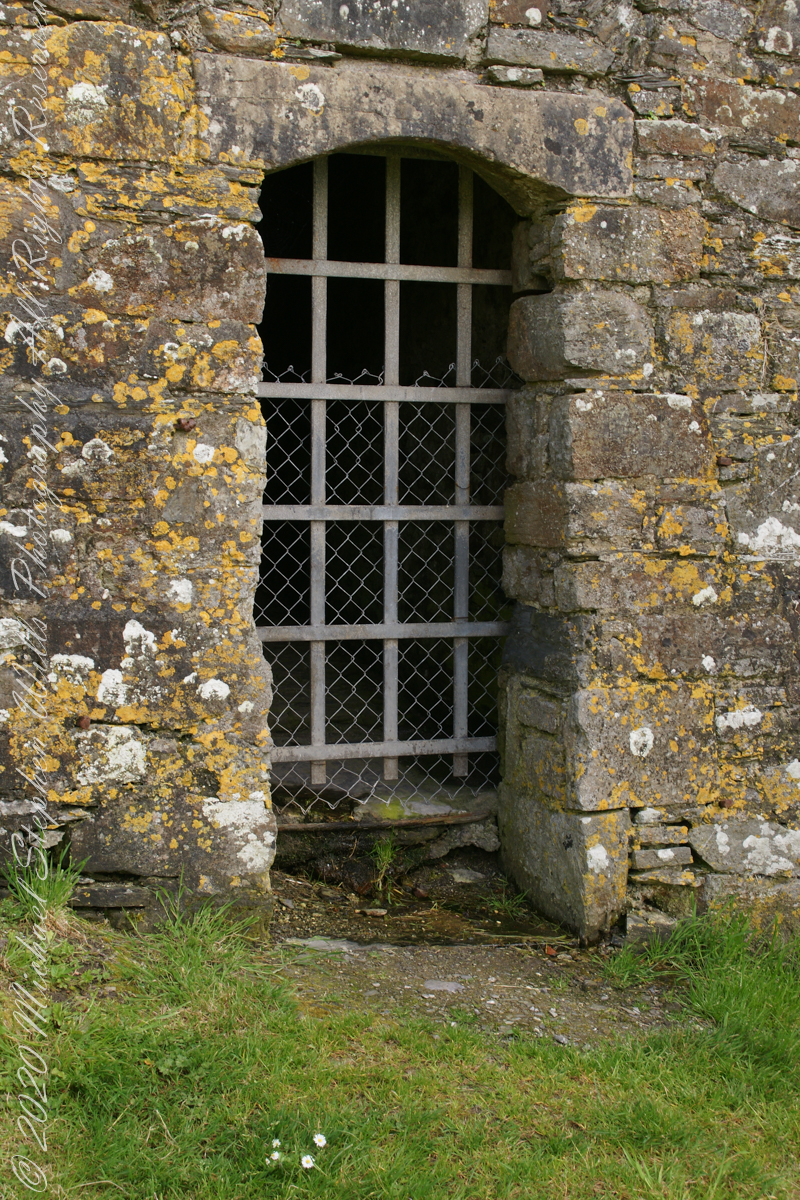
a doorway here seems a bad idea, but what do I know?
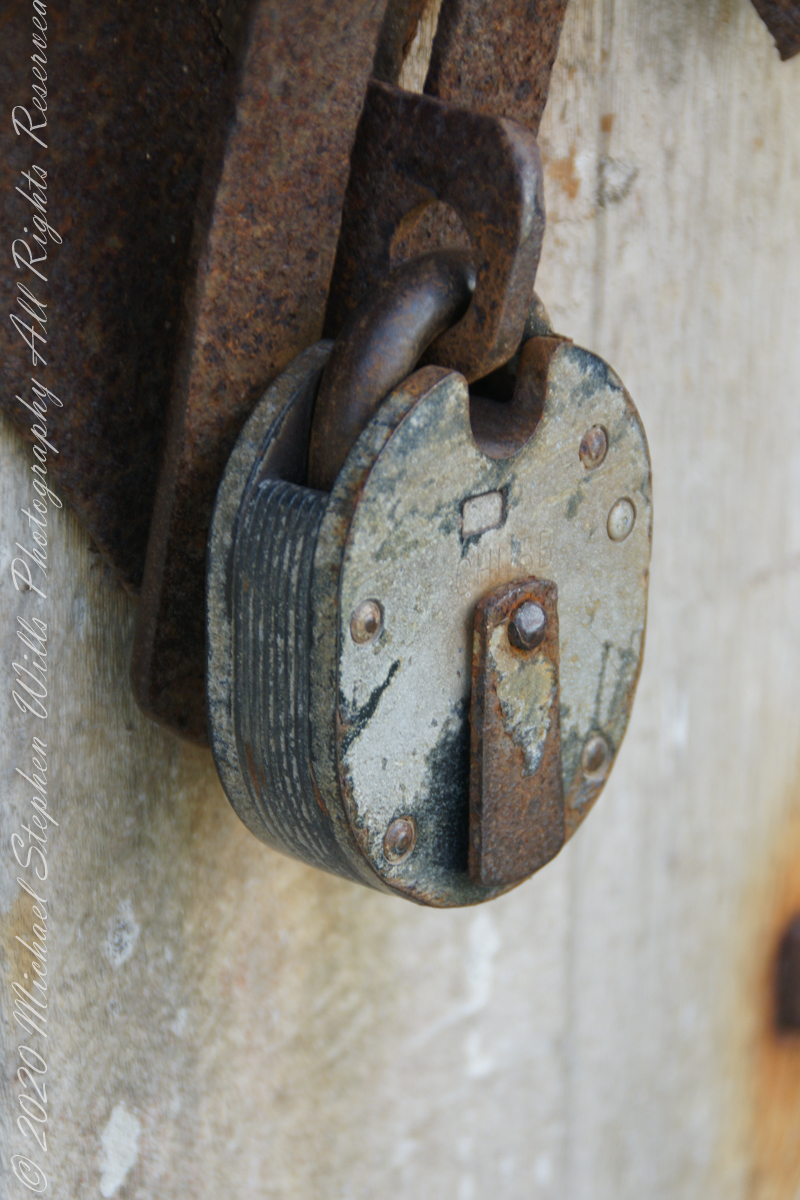
A pulley at first glance, look again and it is a lock
beneath the walls
Down to the Sallyport and the next post
References
“Charles Fort” – wikipedia
Copyright 2021 All Rights Reserved Michael Stephen Wills
My research for Zion Narrows I included a useful map. Perusing the the National Park Service web site I could find nothing for the Narrows. This week, while perfecting the three file merge, I kicked around in “google” and found this map hidden away in a section devoted to dedicated canyoneers planning multiple day backpacks through the entire canyon. These trips are from the “top down” and, I suppose, they do not want to expose the information to day trippers.
Anyway, I downloaded the map and present it here. You can either click on the hyperlink or click “download” to view the map. The file is a 2.5 MB pdf, if you want to download it. The trail accessible from the park proper starts from the bottom. Pam and I made it to just beyond where Ordway canyon joins, about 2 hours from the start. Note there are NO places to escape a flash flood beyond this point and, below, we learned from observation there are few places and many of these were for hikers more, lets say, nimble than Pam and myself.
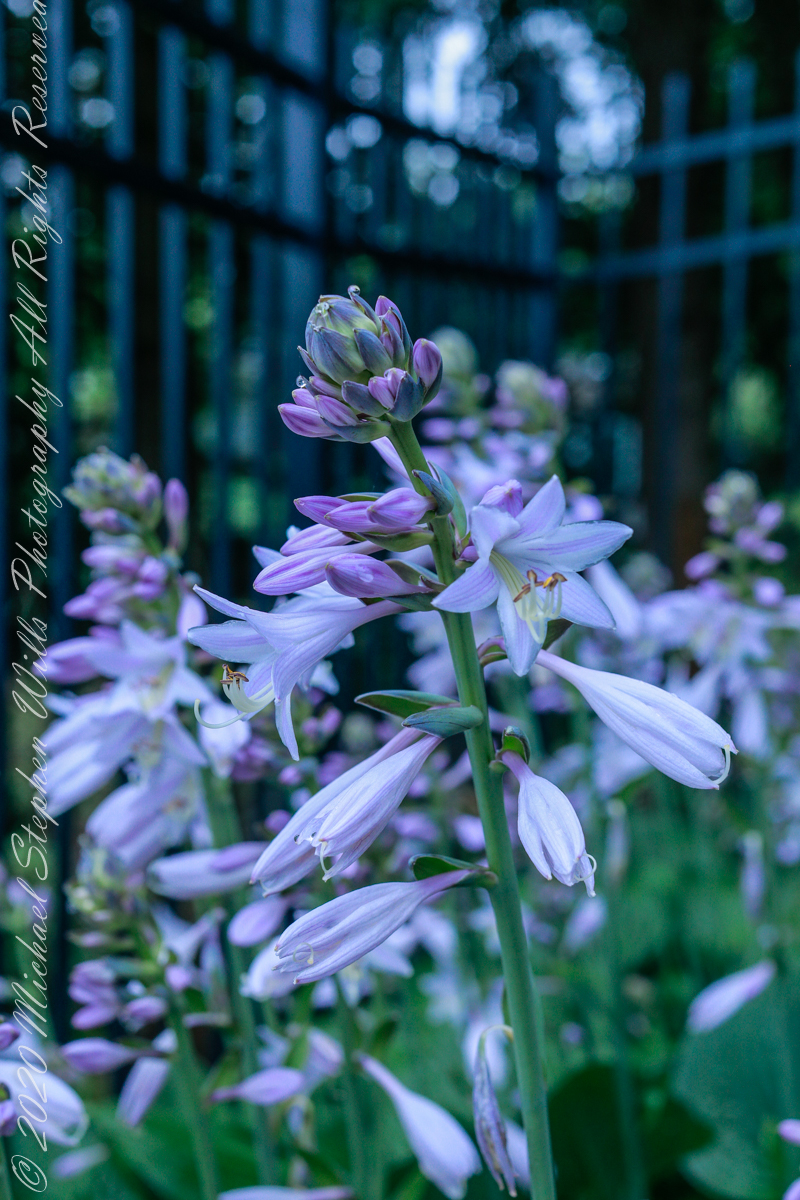
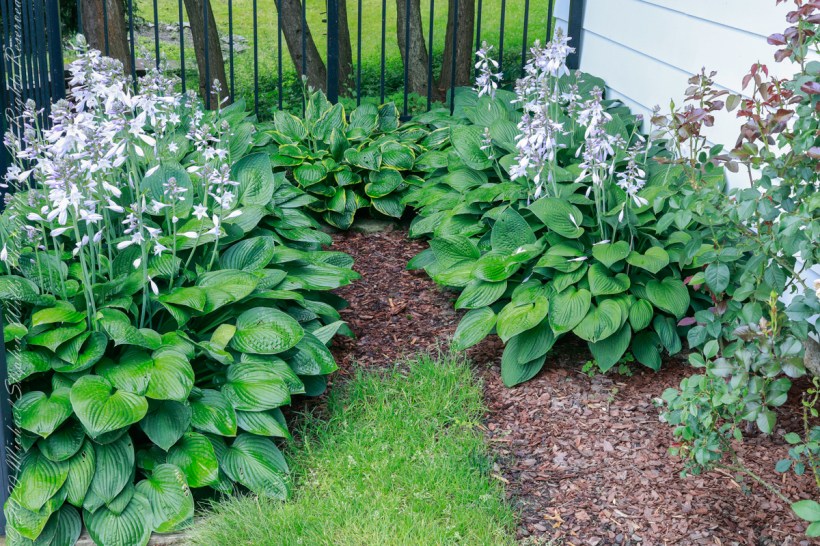
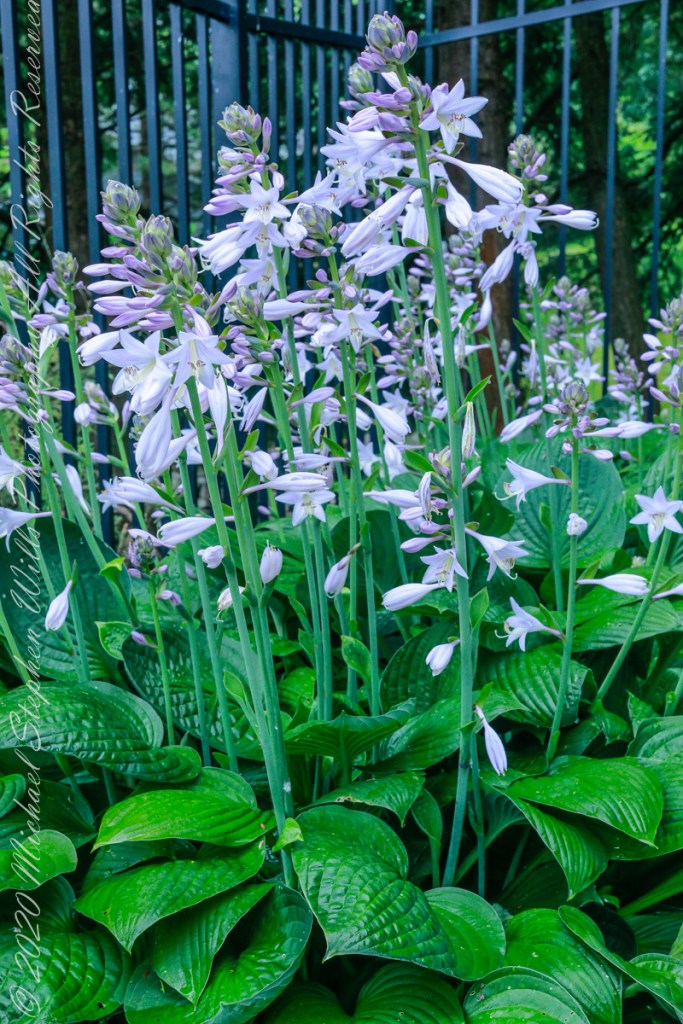
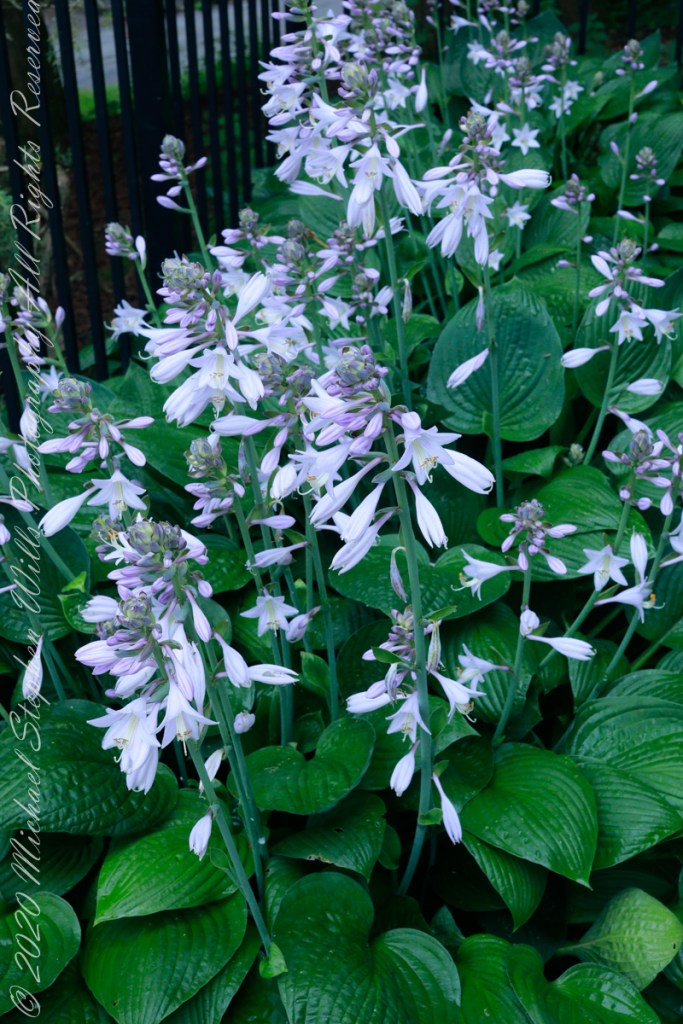
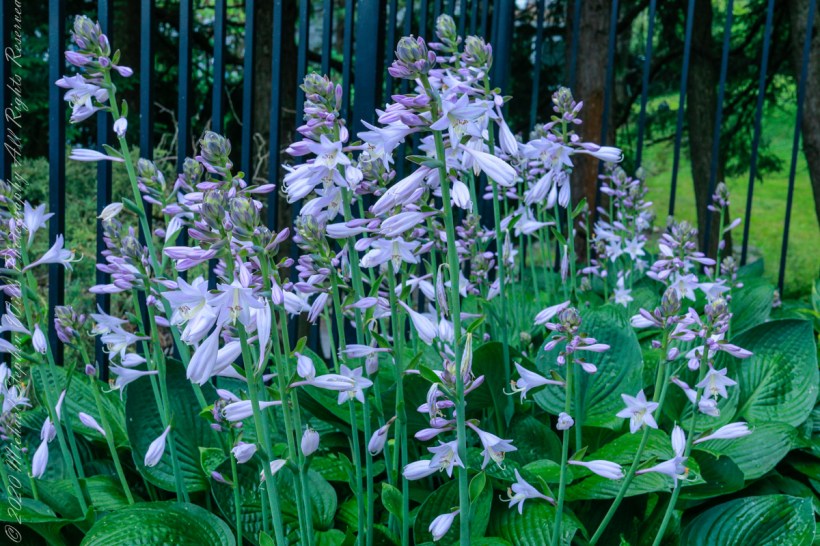
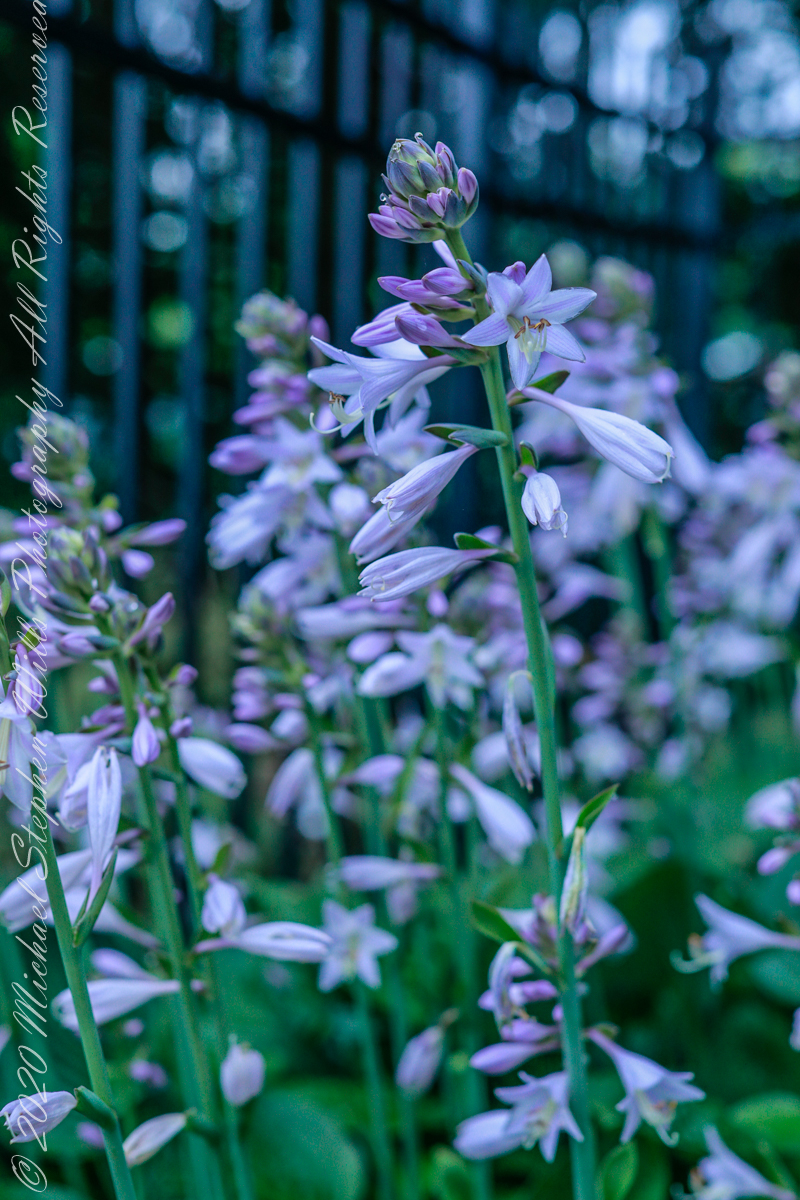
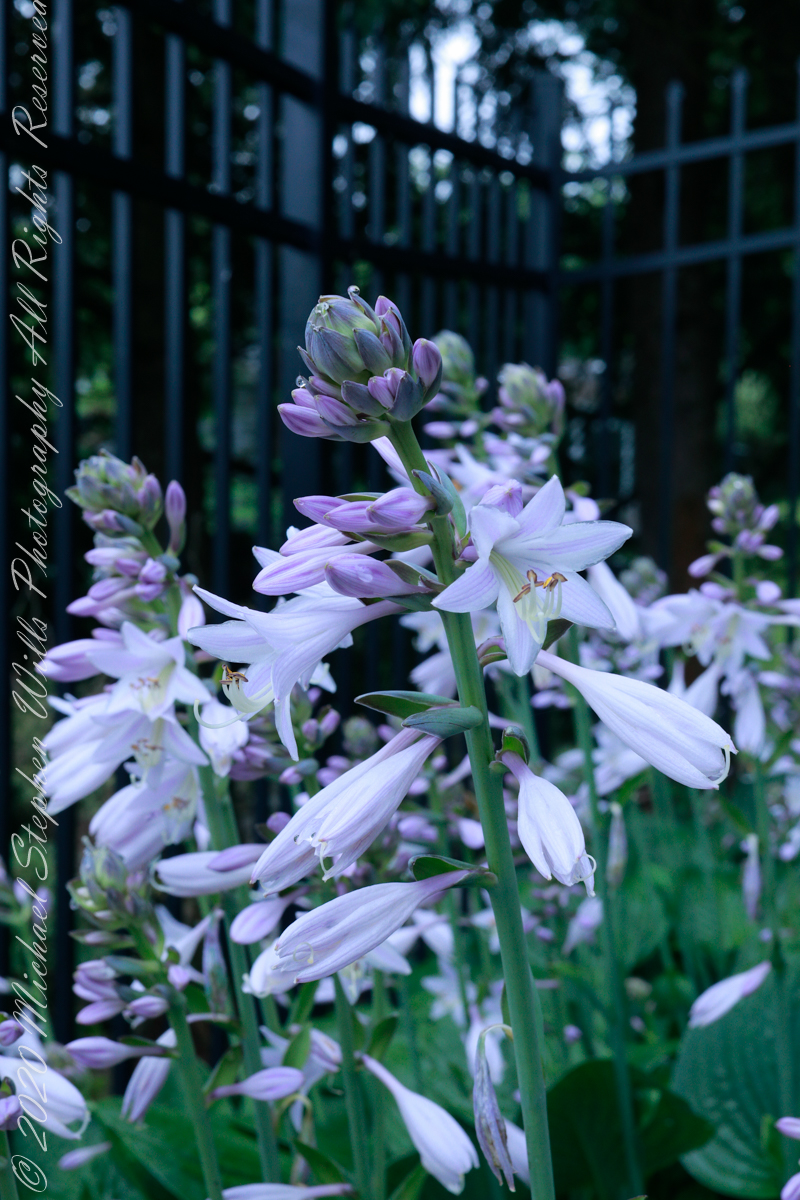
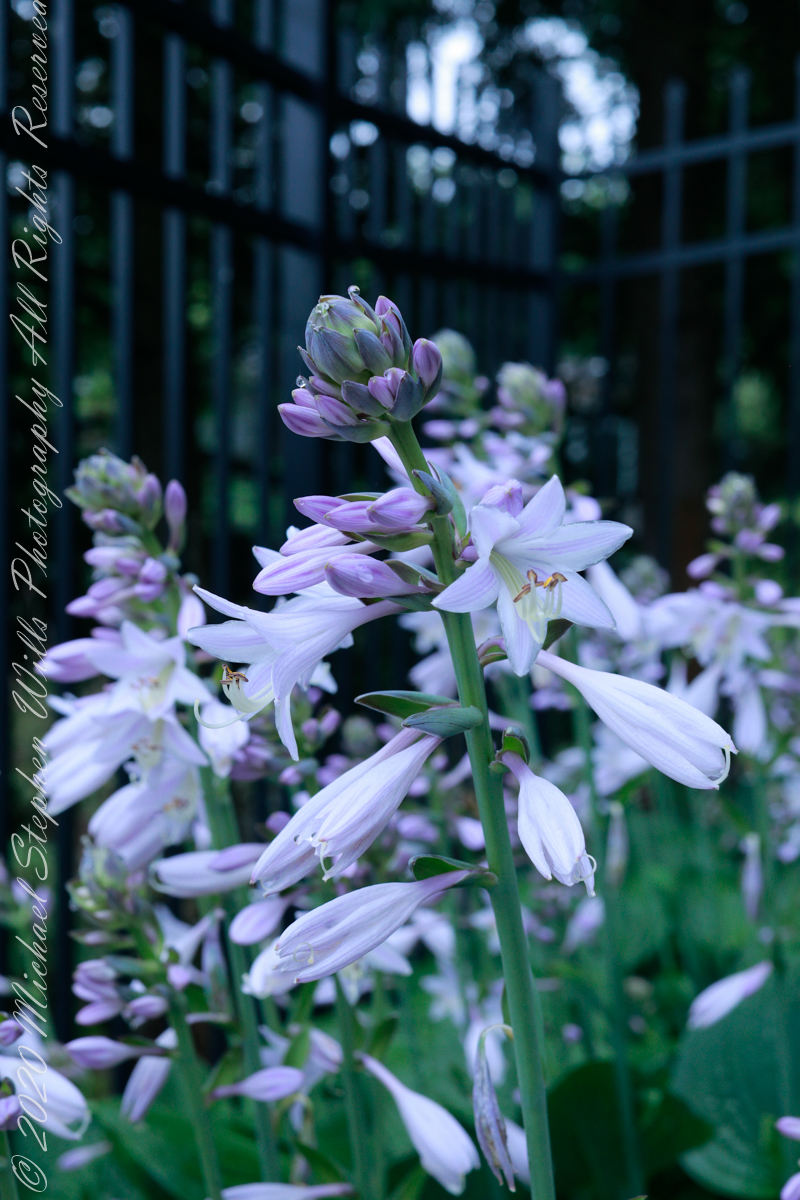
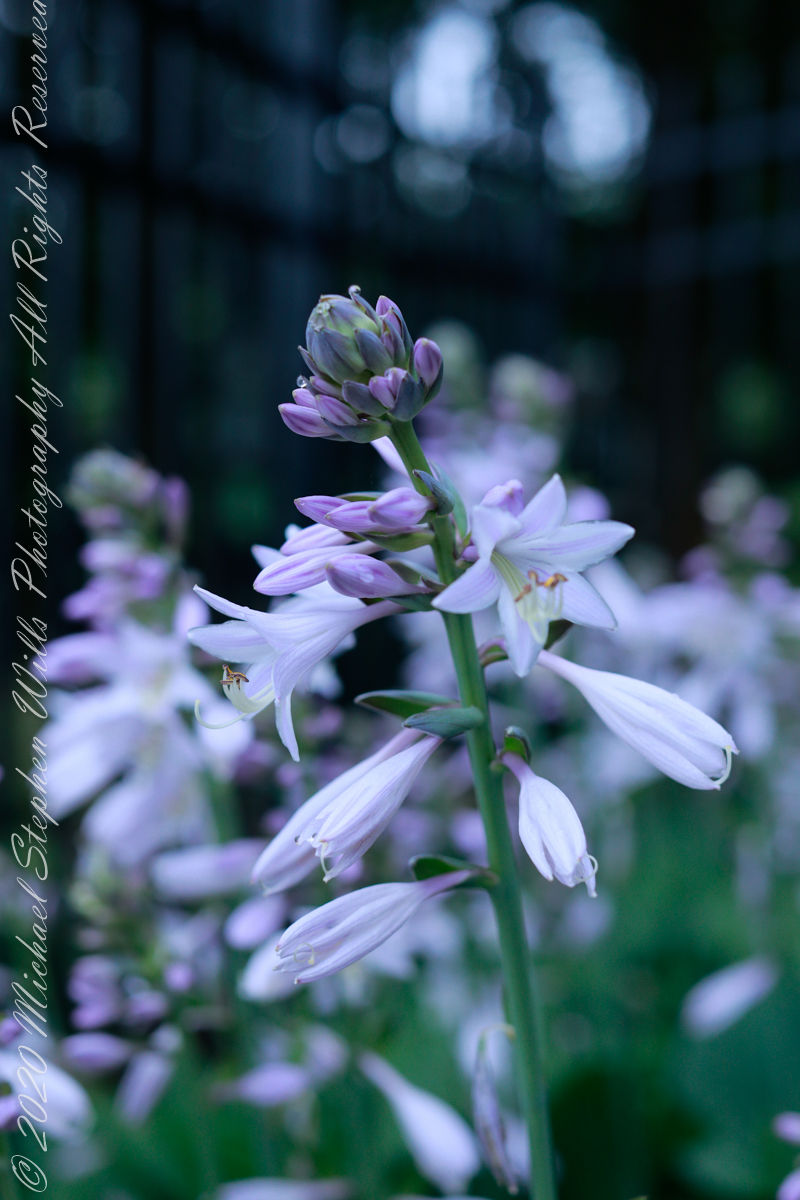
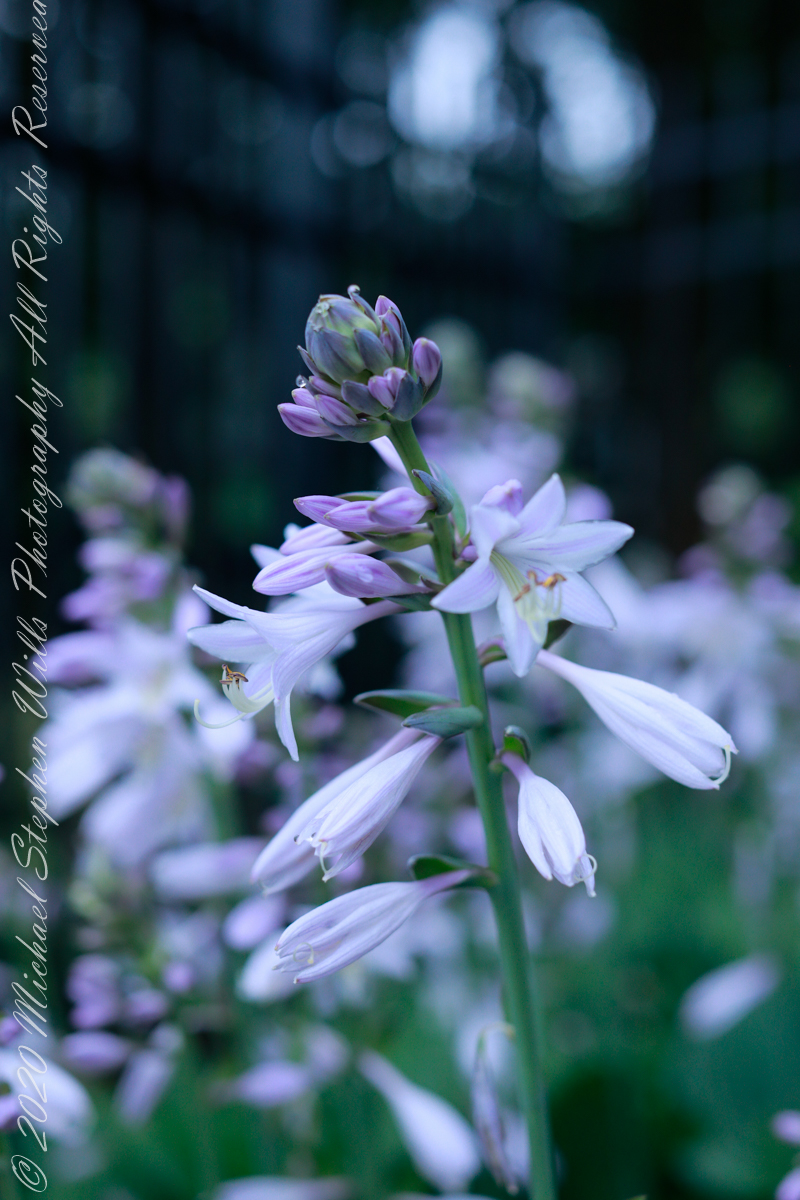
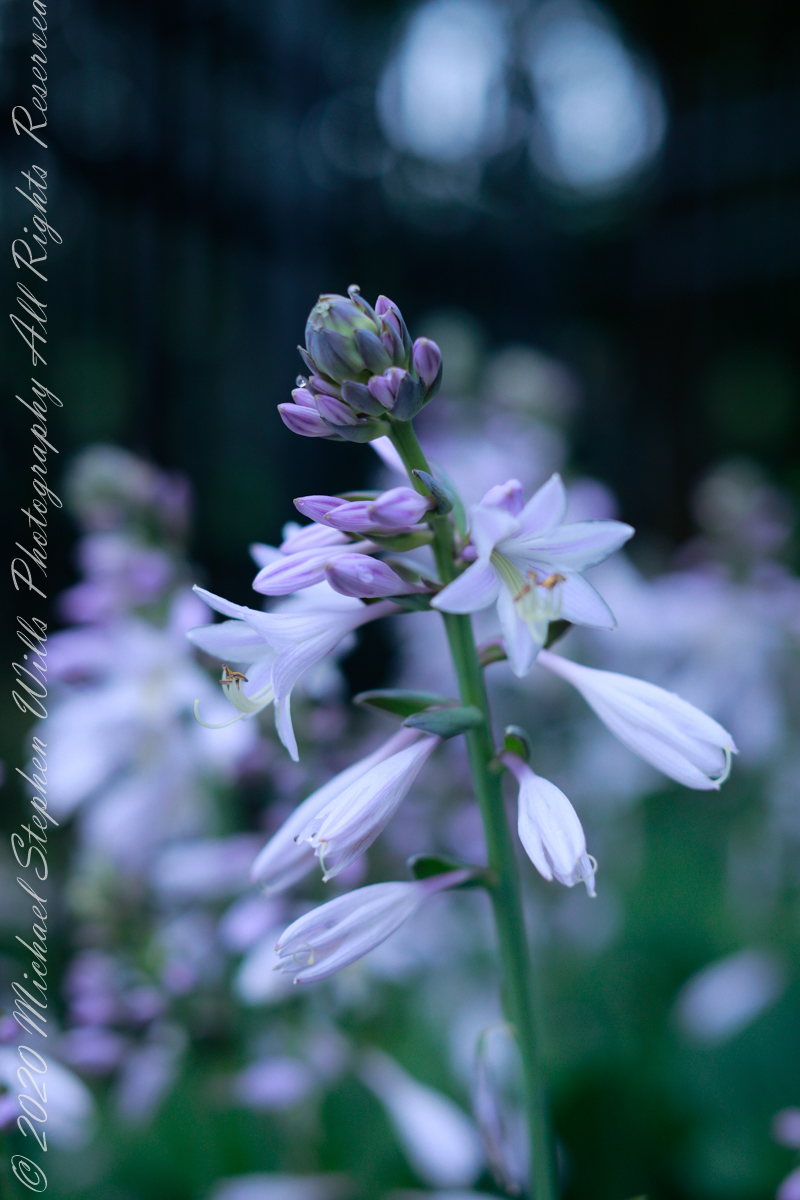
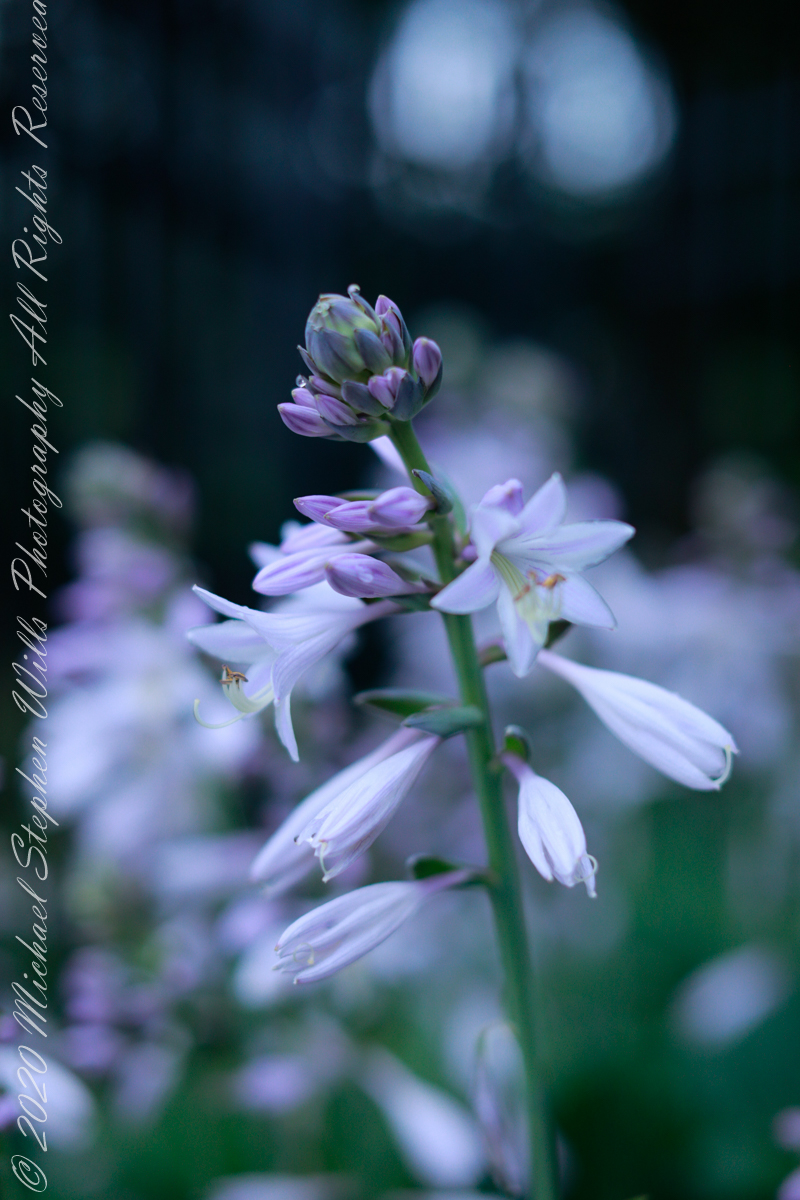
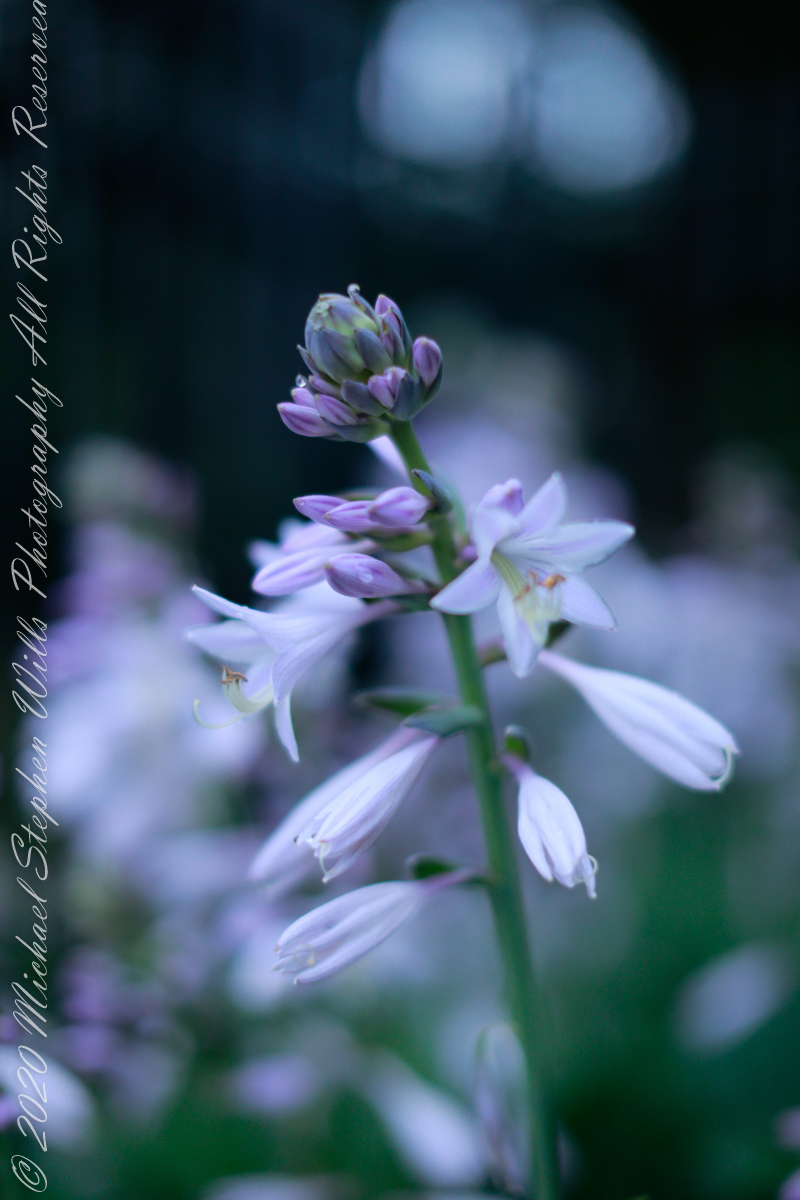
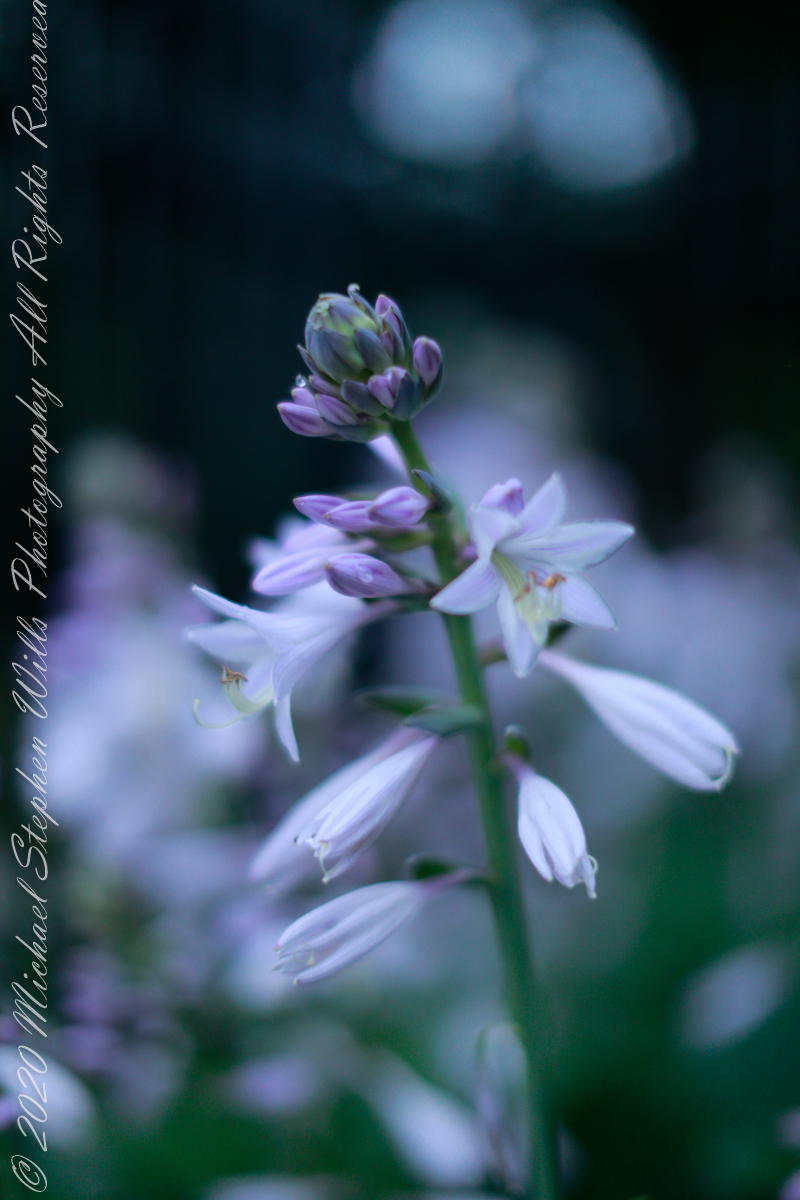
On July 17, 2021 Ithaca was socked in with heavy clouds obscuring sunrise, a perfect moment to capture Pam’s hostas flowering with the upper stalks still budding. I setup the Manfrotto tripod, the Canon dslr mounted with an EF 50 mm 1:1.2 L at ISO 800 and these are the results.
Native to northeastern Asia, In 1812 the genera Hosta was named for the European botanist Nicholas Thomas Host. Also called plantain lily for the habit of the herbaceous stalks to grow radially from a center.
0.5 sec at f / 16
1/4 sec at f / 16
1/5 sec at f / 16
1/6 sec at f / 16
Slide show overview of the hosta and blooms
1/100 sec at f / 4.0
I enjoy the balance of background bokeh, foreground sharpness
This series moves from the lens diaphragm starting at the smallest opening, greatest depth of field and longest exposure, to the widest, most shallow depth of field and shortest exposure. The air was very still this morning, allowing me to experiment.
1/5 sec at f / 16
1/10 sec at f / 11
1/20 sec at f / 8.0
1/100 sec at f / 4.0
1/100 sec at f / 3.5
1/250 sec at f / 2.5
1/400 sec at f / 2.0
1/1000 sec at f / 1.6
1/1000 sec at f / 1.2
Here is my favorite version from the above experiment. Do you have a favorite? Named it in comment and please explain your choice.
1/20 sec at f / 8.0
Copyright 2021 Michael Stephen Wills All Rights Reserved
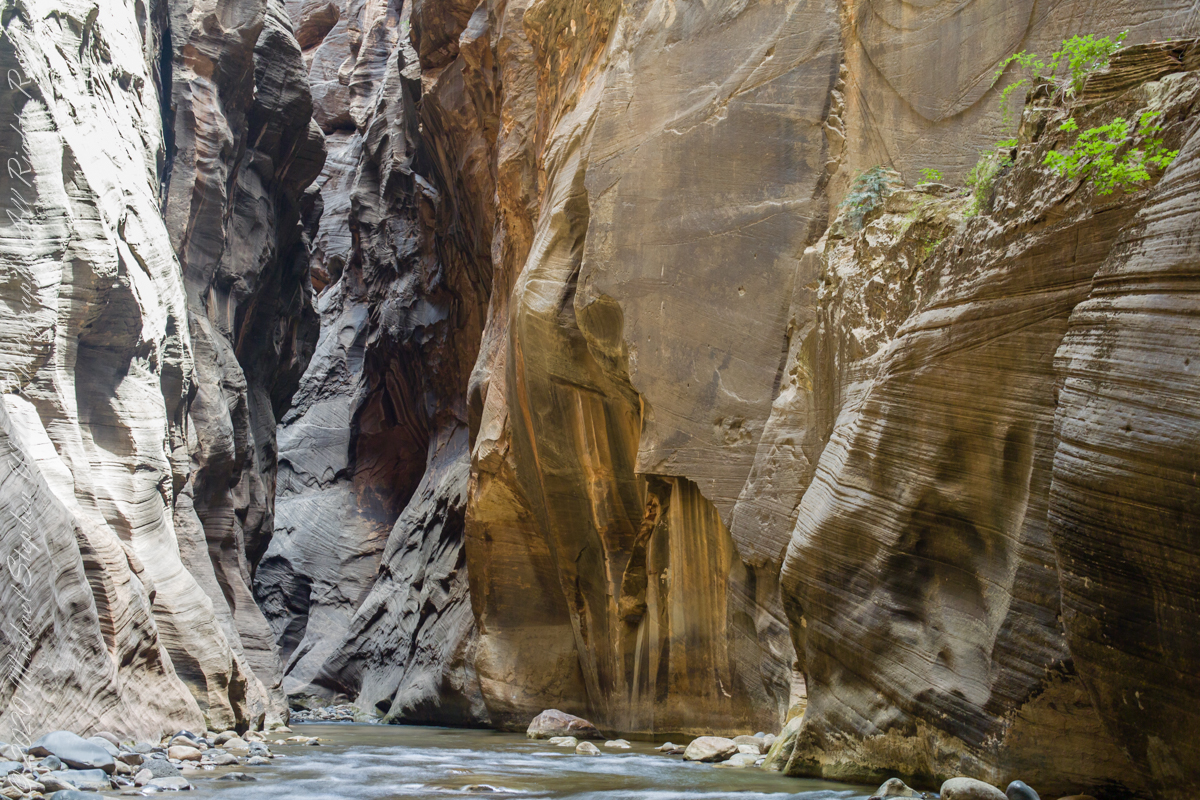
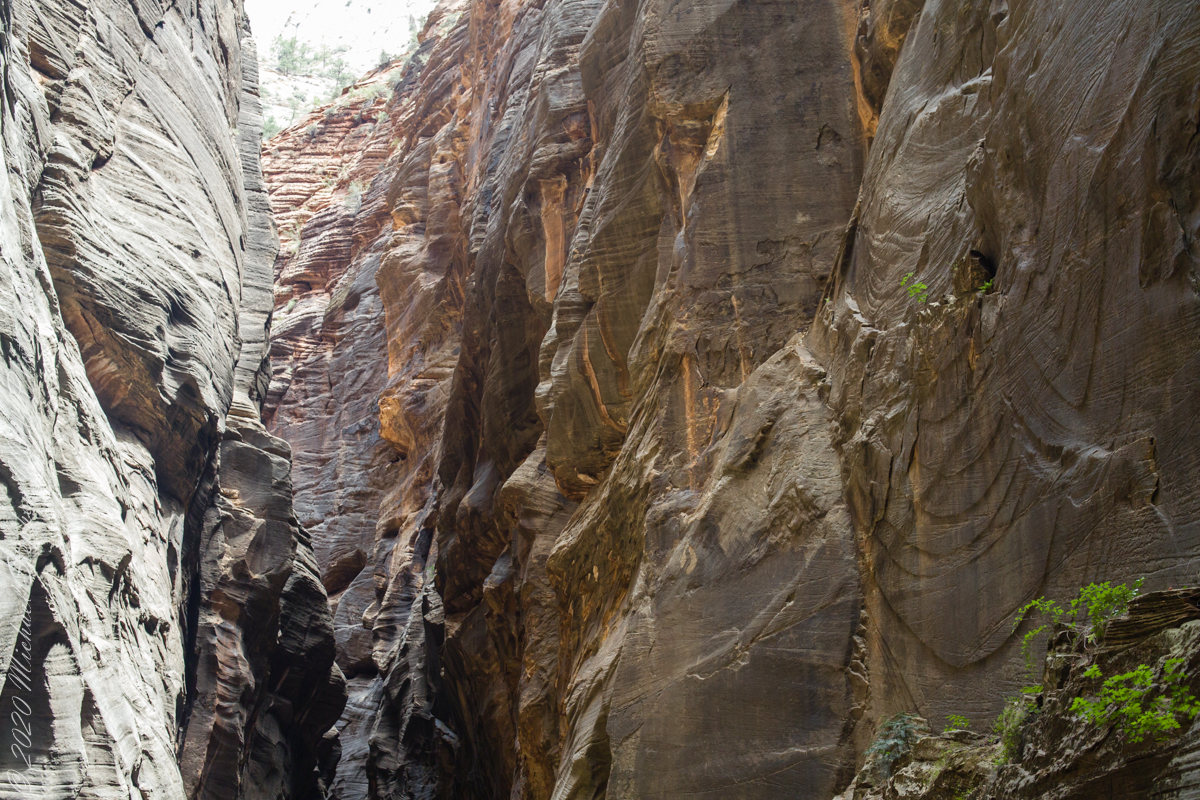
Our first day was spent hiking up to the narrowest section of Zion Canyon, called “Wall Street,” where the gorge walls are 1,000 feet high. There, the river is 20 feet across in places and not much wider anywhere. There is NO high ground to escape flash floods, only the high, unforgiving canyon walls.
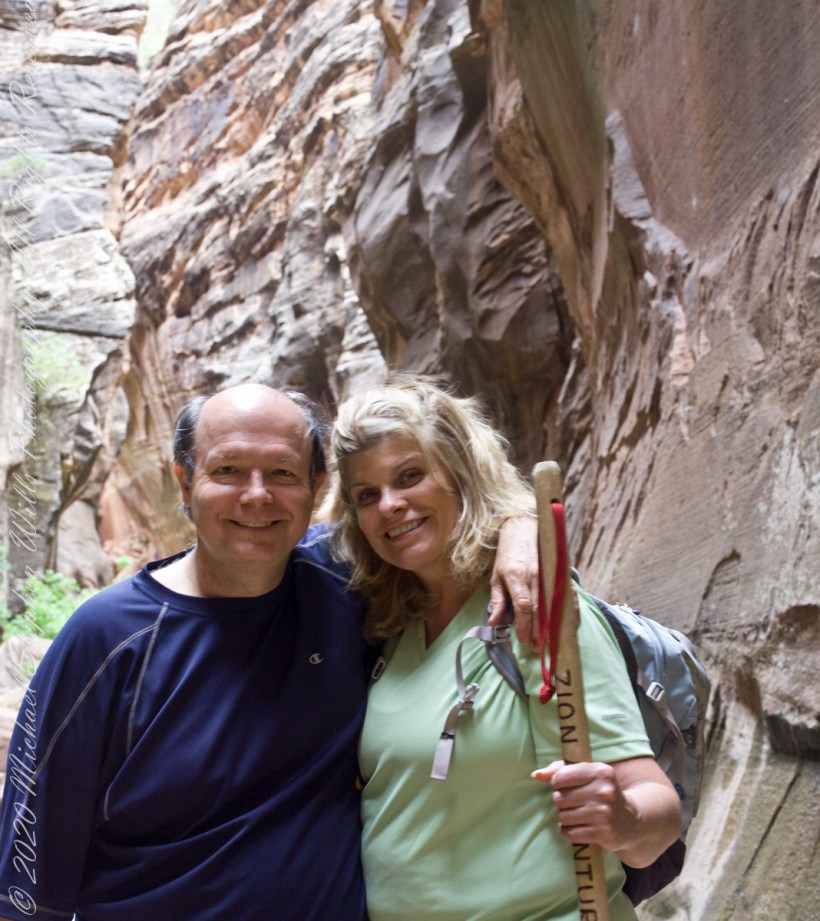
As we were planning to venture beyond the tame sidewalk of “The Riverside Walk”, our first stop was to an outdoor supply store in Springdale to rent canyoneering shoes, to wade the river comfortably and safely, a sturdy stick to improve stability and free advice on current conditions for the potential of flash floods. You can see the stick in this portrait, mid-narrows. This was July, with a danger of torrential downpours, and we were nervous about this; however, proceeded anyway.
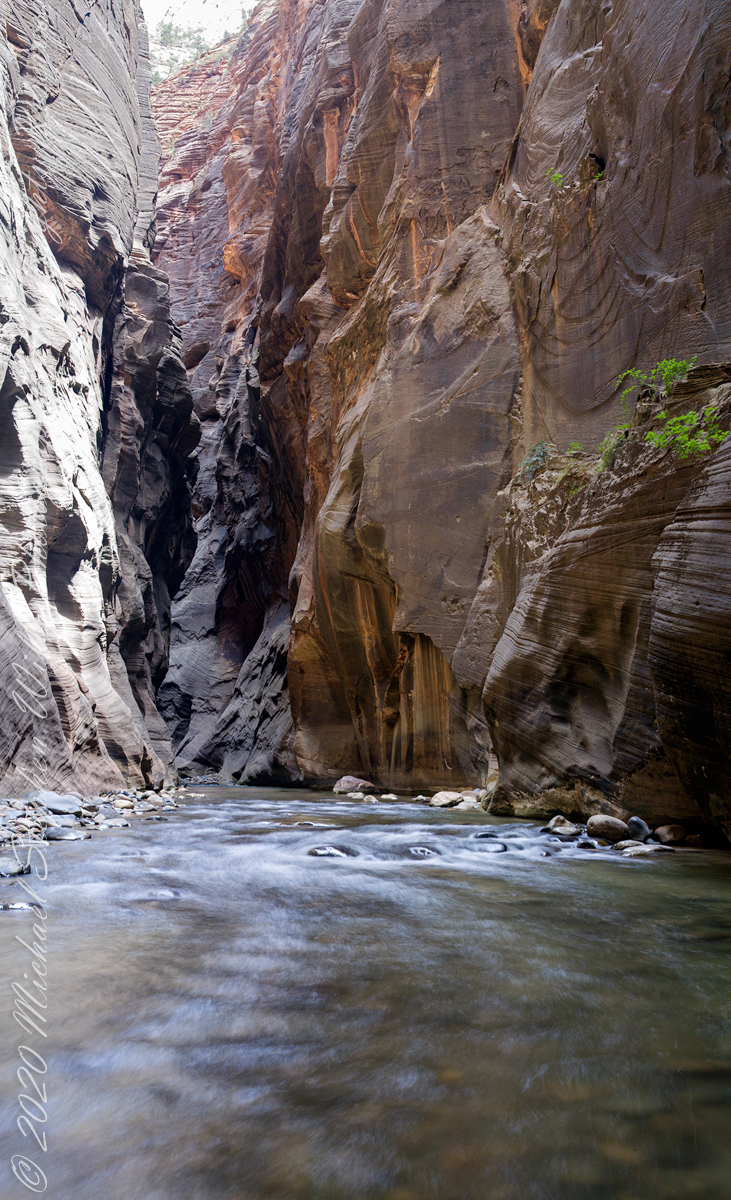
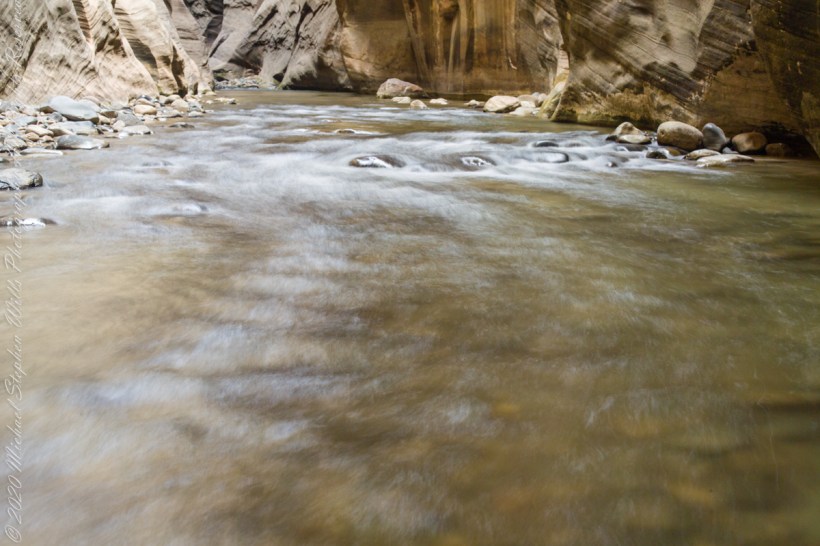
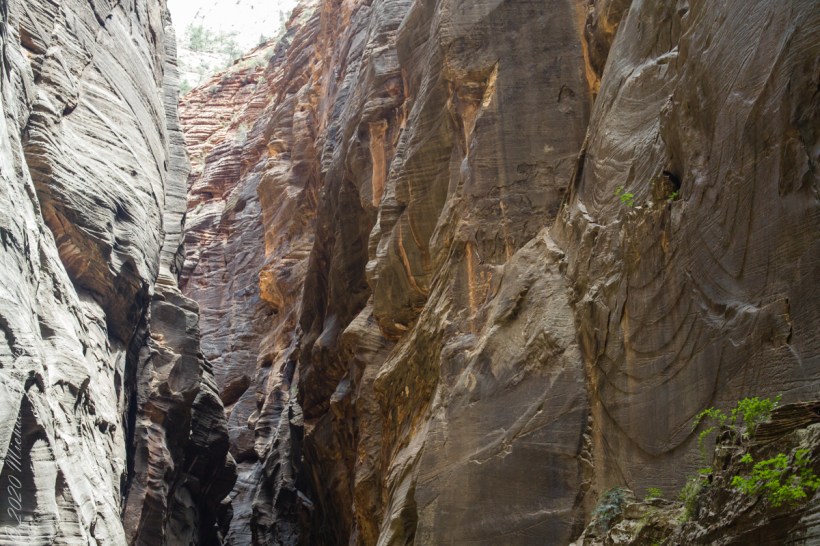
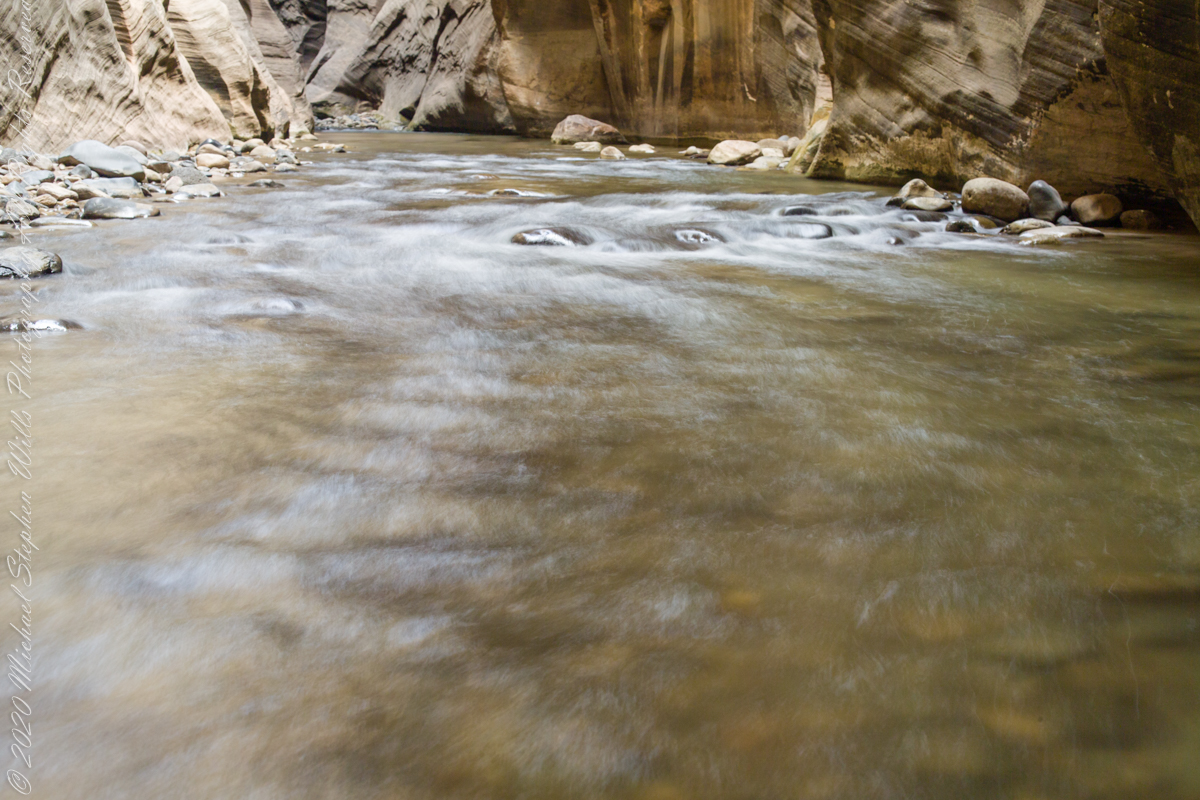
Several miles in, I set up the Manfrotto 468Mg studio tripod with the Kodak DSC pro SLR-c (the “c” specifies compatibility with Canon lenses) and the Canon 50 mm f/1.4 USM lens. Here we look downstream, the way we came. I waited for a clear shot w/o fellow hikers coming up from behind. This was before investing in a wide-angle lens. My plan was to stitch the three shot together.
Click on each photograph for a larger view, in new tab.
Bottom
Middle
Top
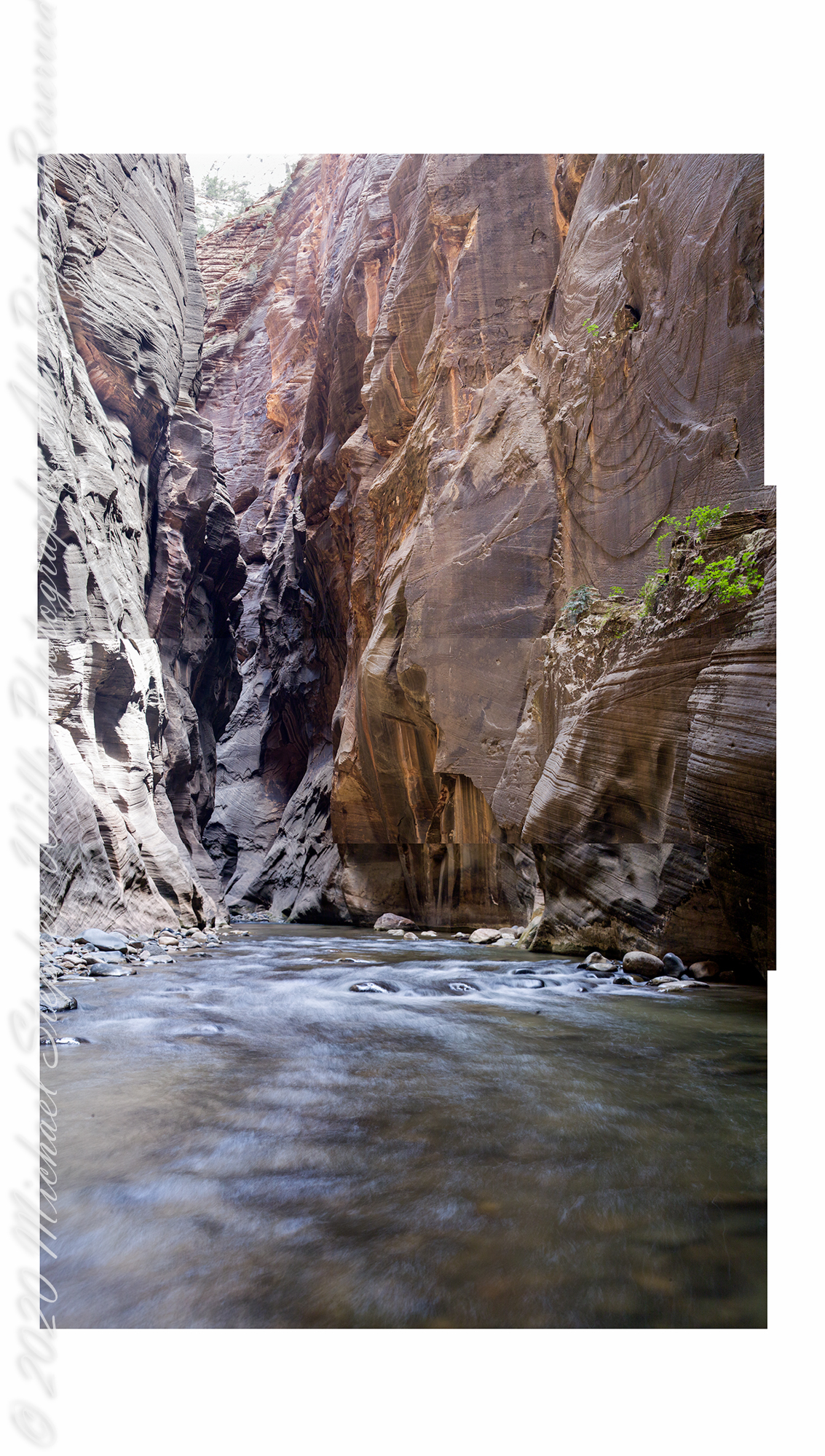
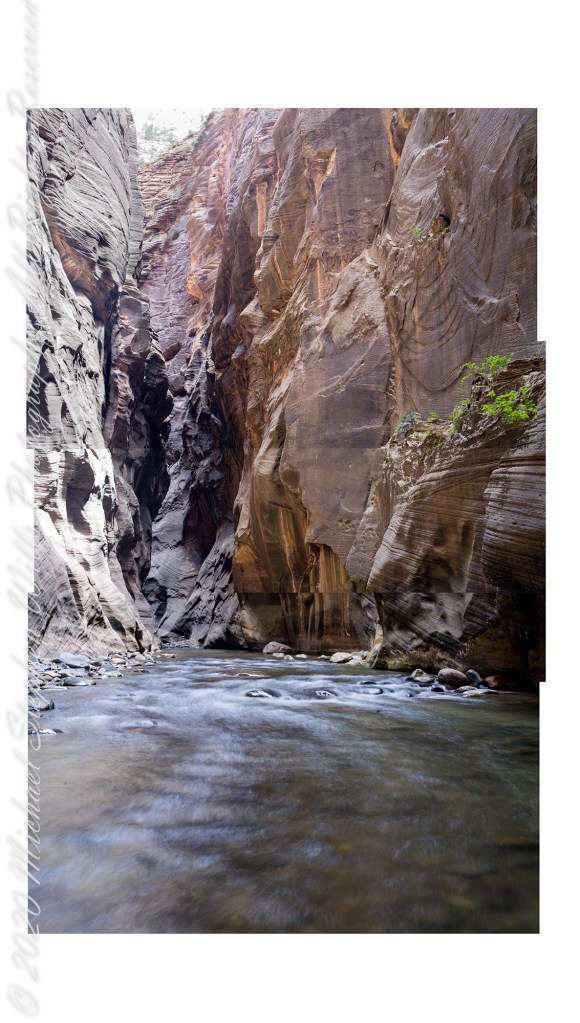
Rough draft of the combination.
The work remaining on the rough draft are to match the edges as close as possible, smooth out the differences until the joins are indiscernible.
Here are the same photographs as a slide show. I enjoy how the long exposure blurred water lead the viewer into the gorge walls.
Captured with a Kodak DCS Pro SLE/c dslr and a Canon EF 50 mm f/1.4 lens stabilized with the Manfrotto Studio Tripod model 475 and the 468 Hydrostatic ball head.
Copyright 2021 Michael Stephen Wills All Rights Reserved
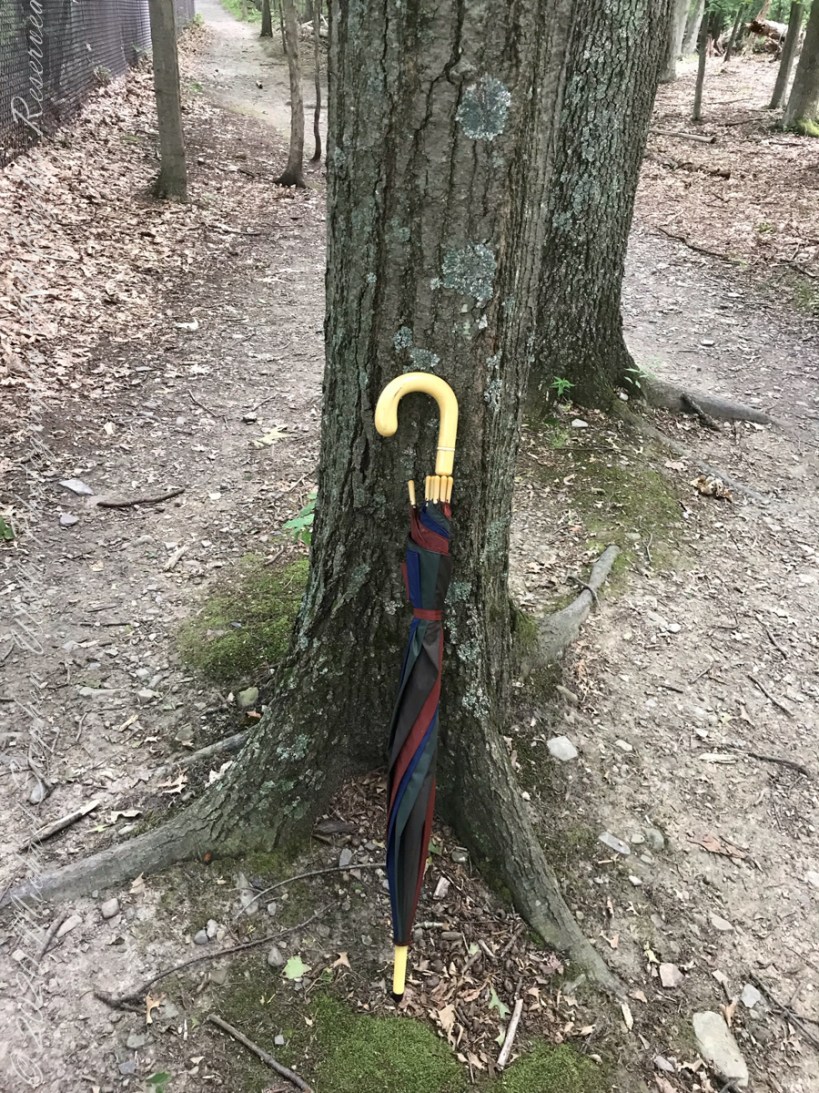
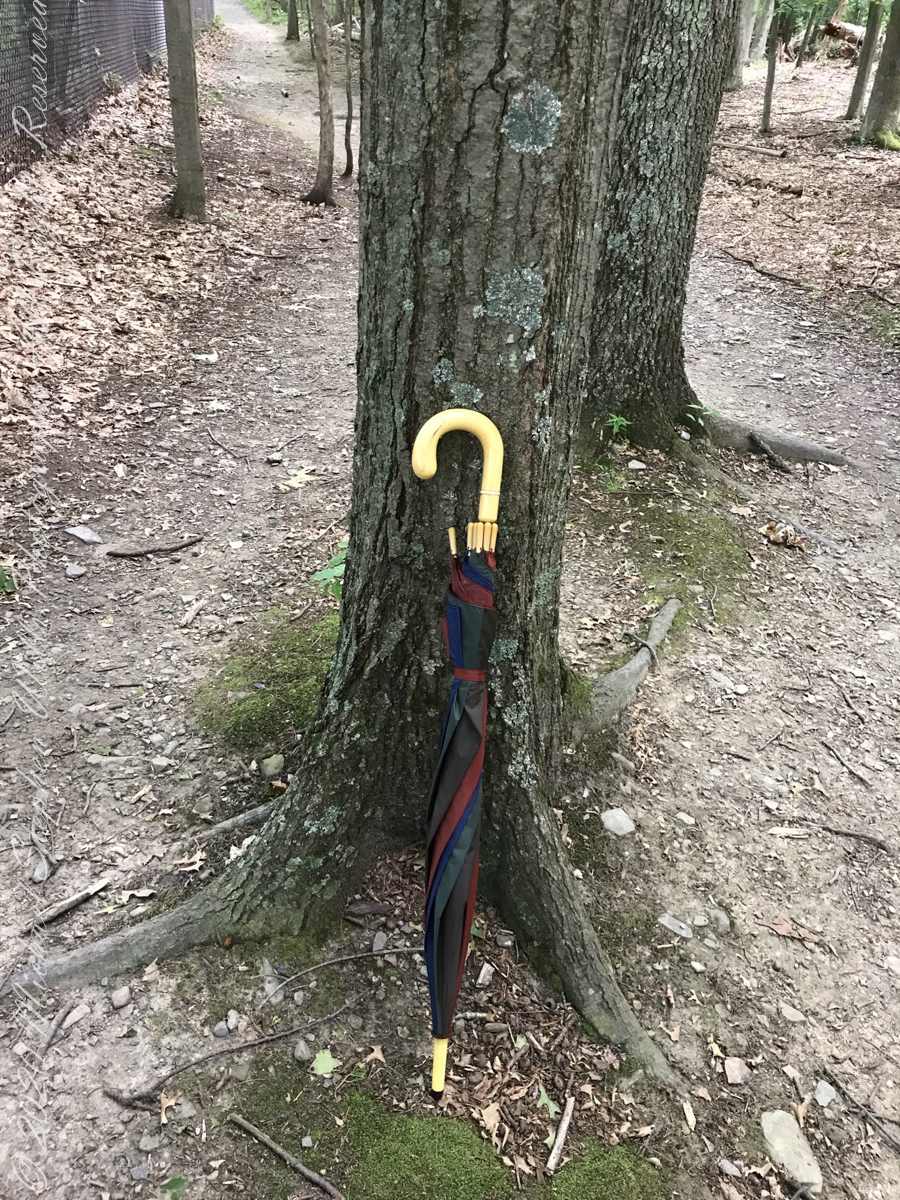
Constant winds from thunderstorm updrafts, I brought along an umbrella just in case.
Click photograph for slide show. To do this from WordPress Reader, you need to first click the title of this post to open a new page.
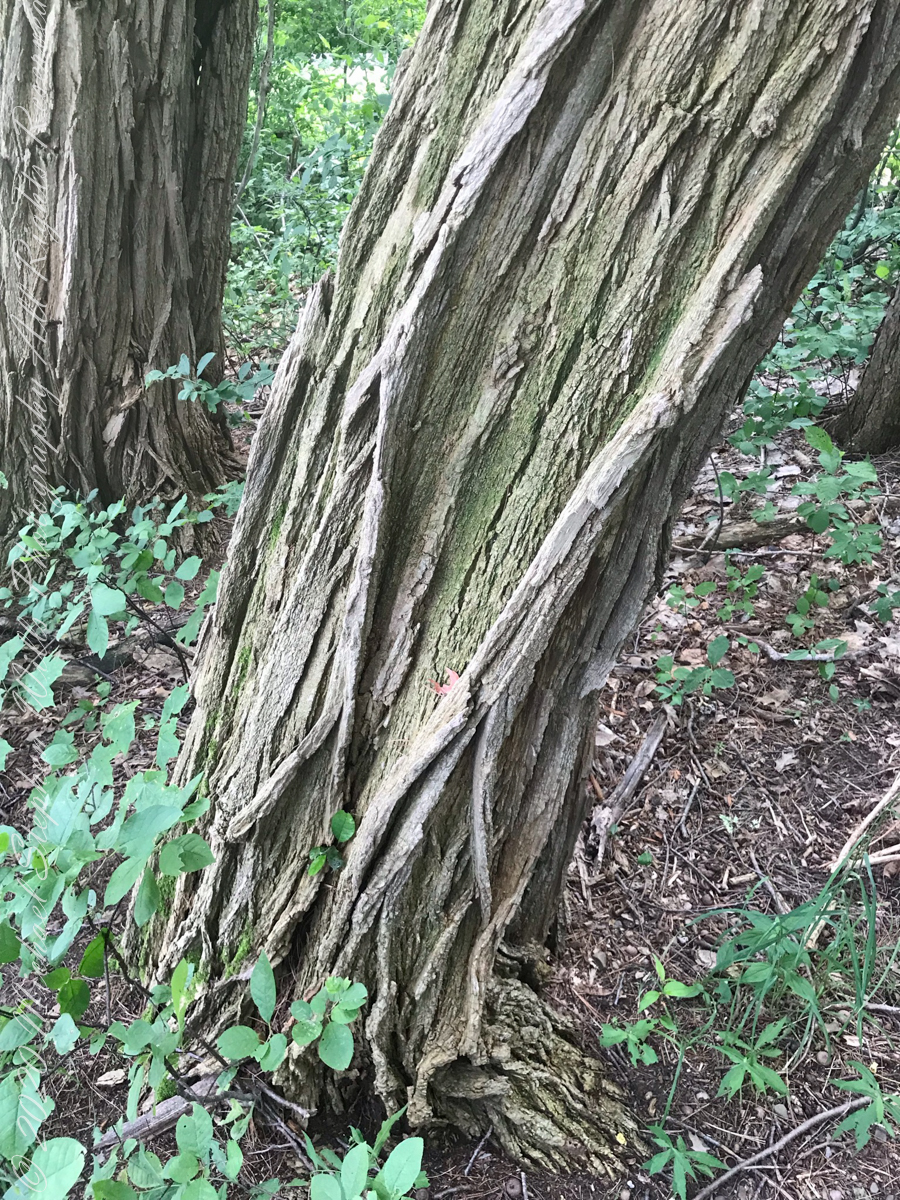
Maple Tree
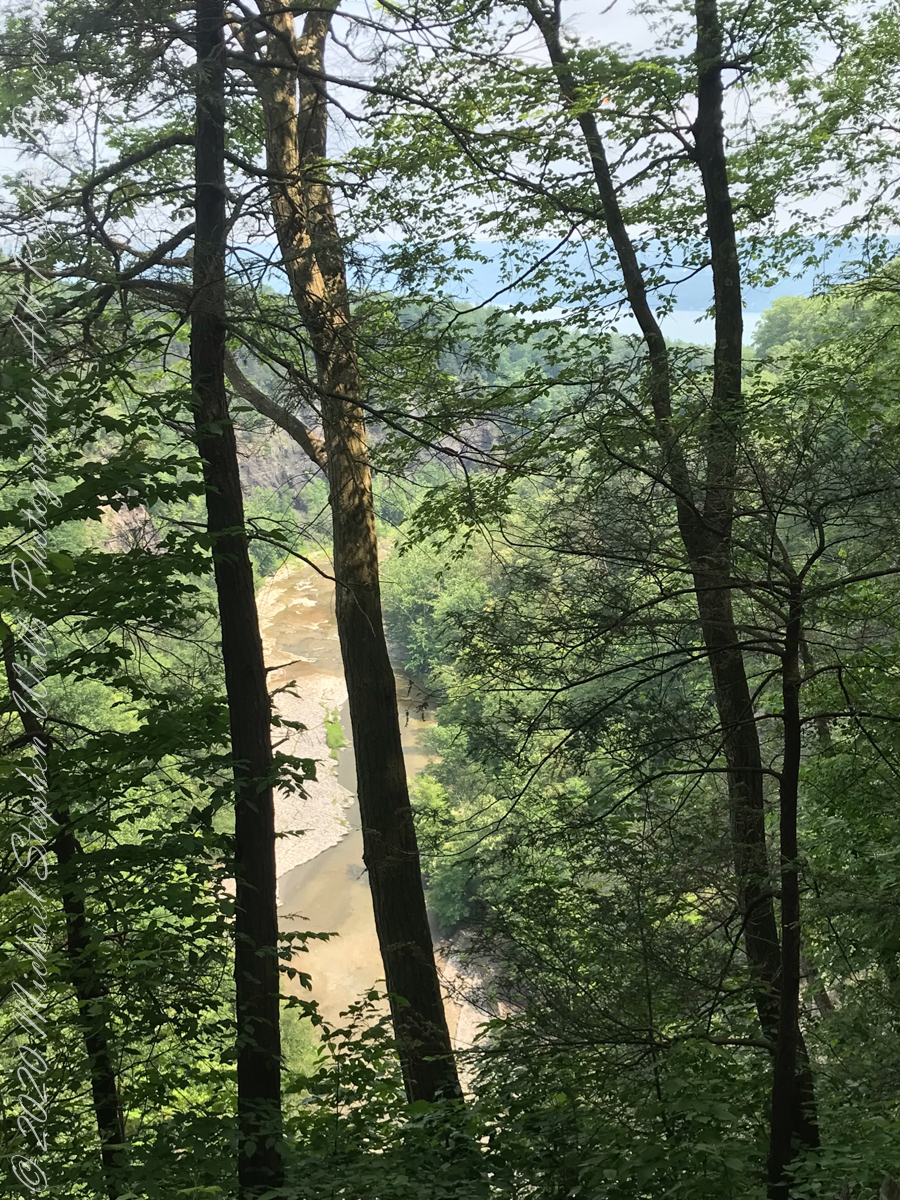
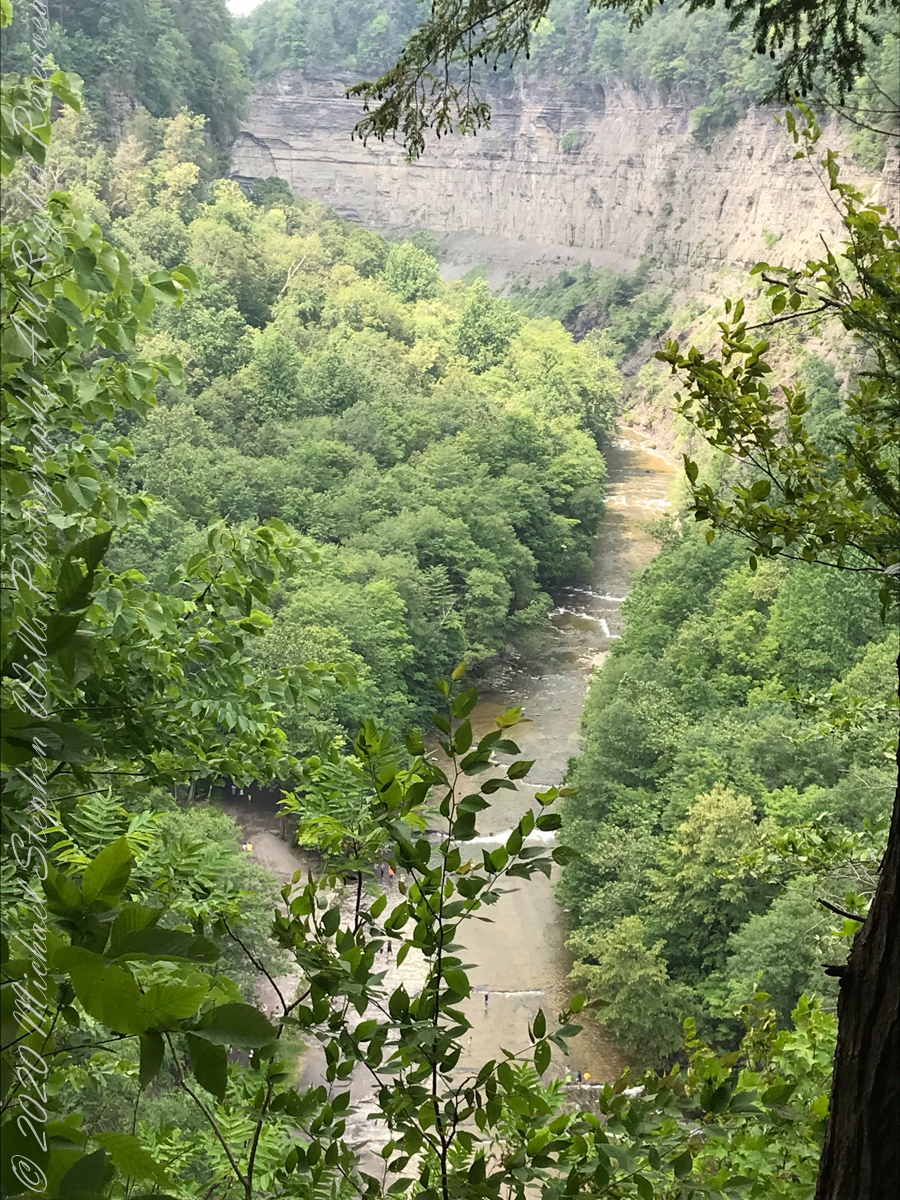
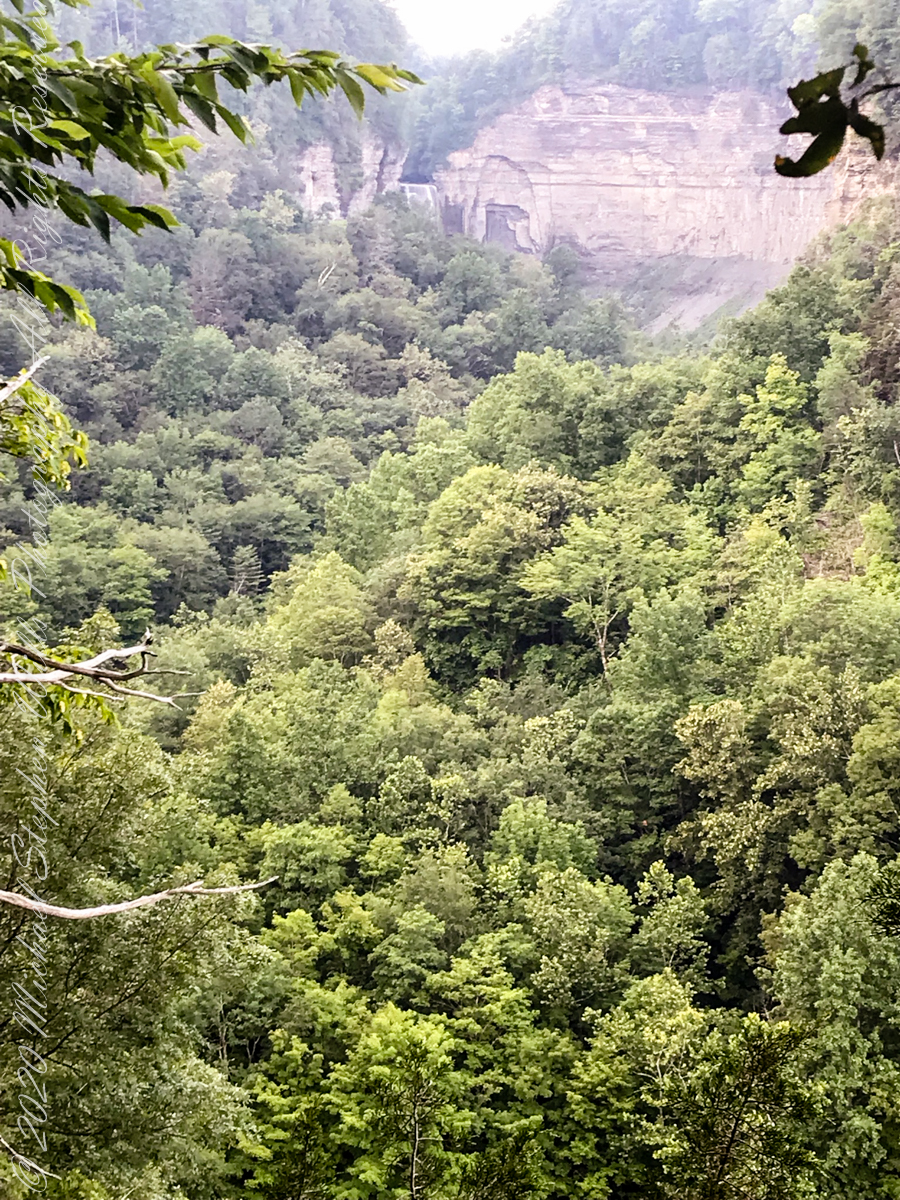
View from the South Rim Trail. The water flowing from Taughannock Falls to Cayuga Lake.
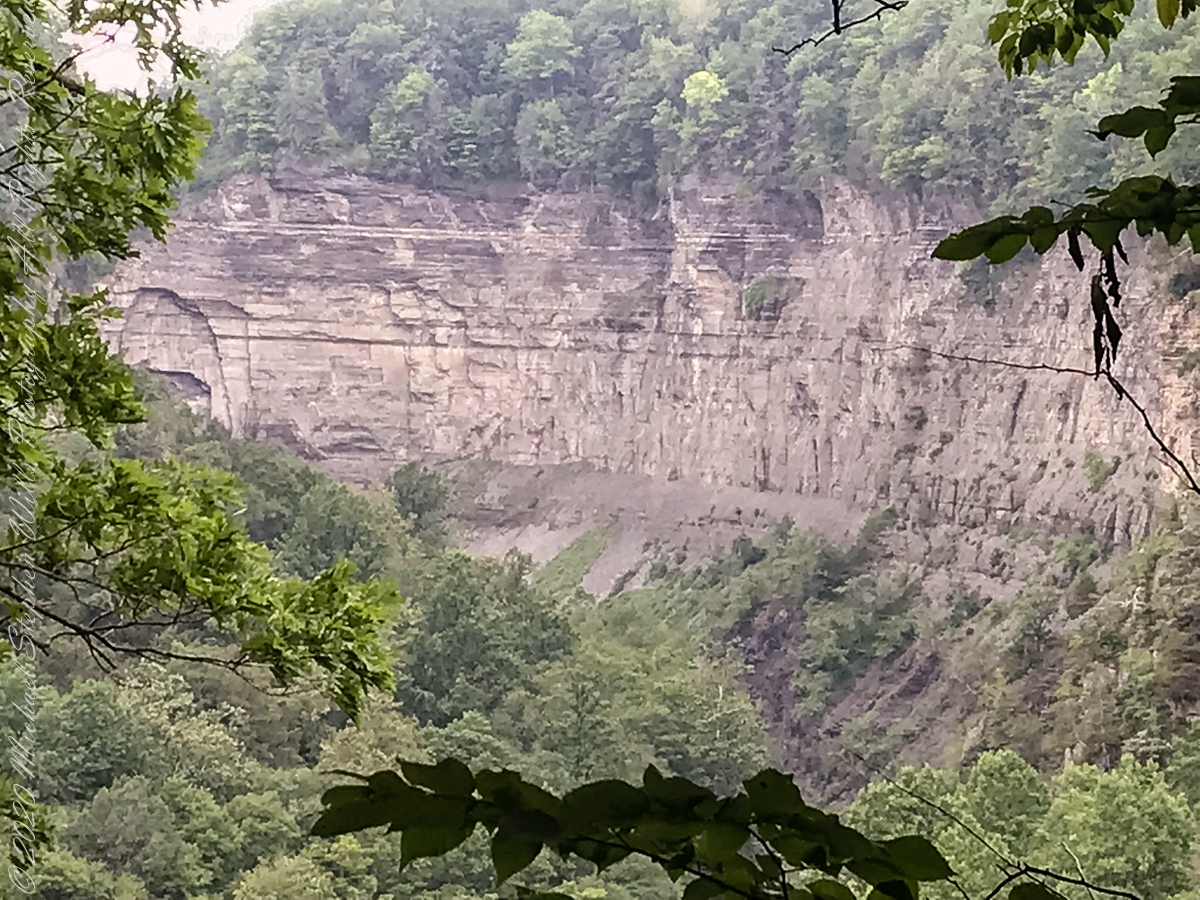
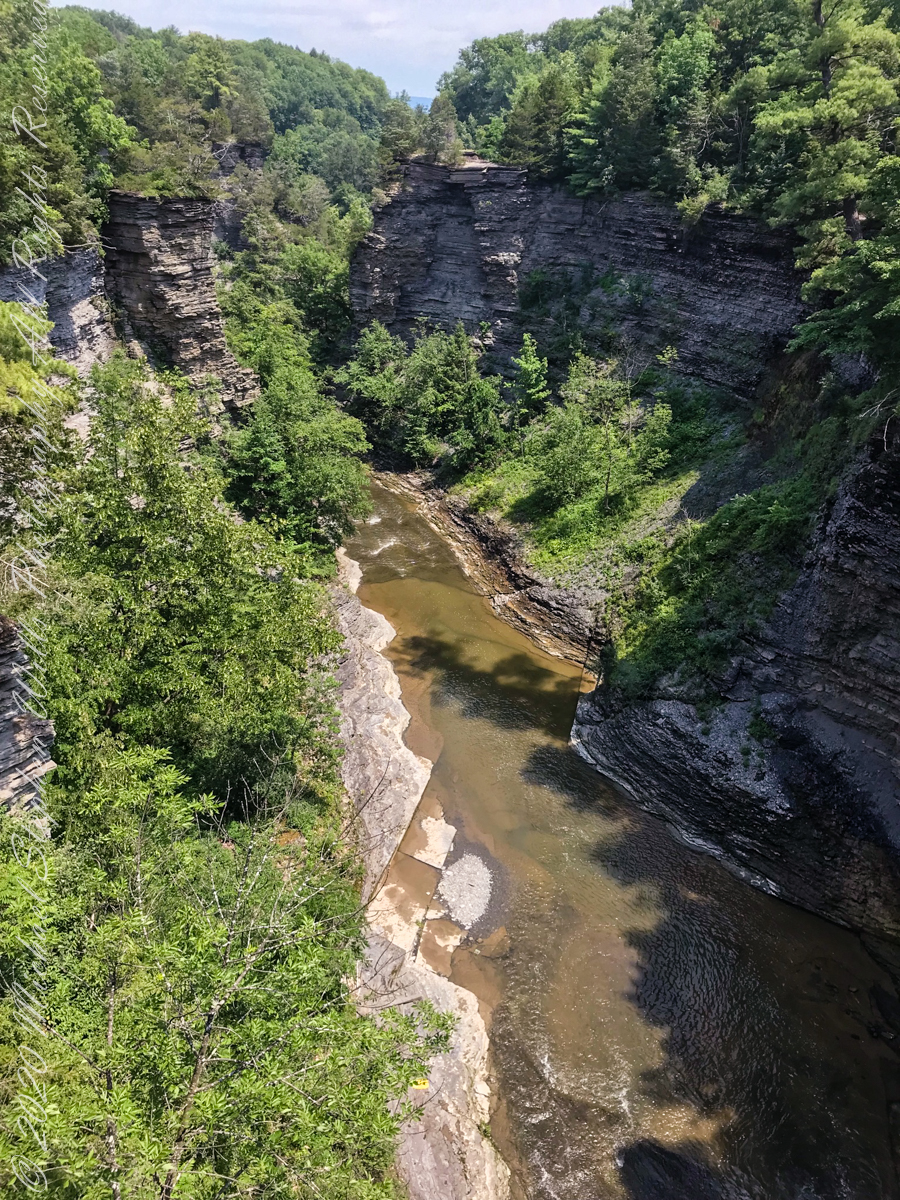
The steep, high gorge walls below the falls on a humid July morning.
gorge walls
My umbrella
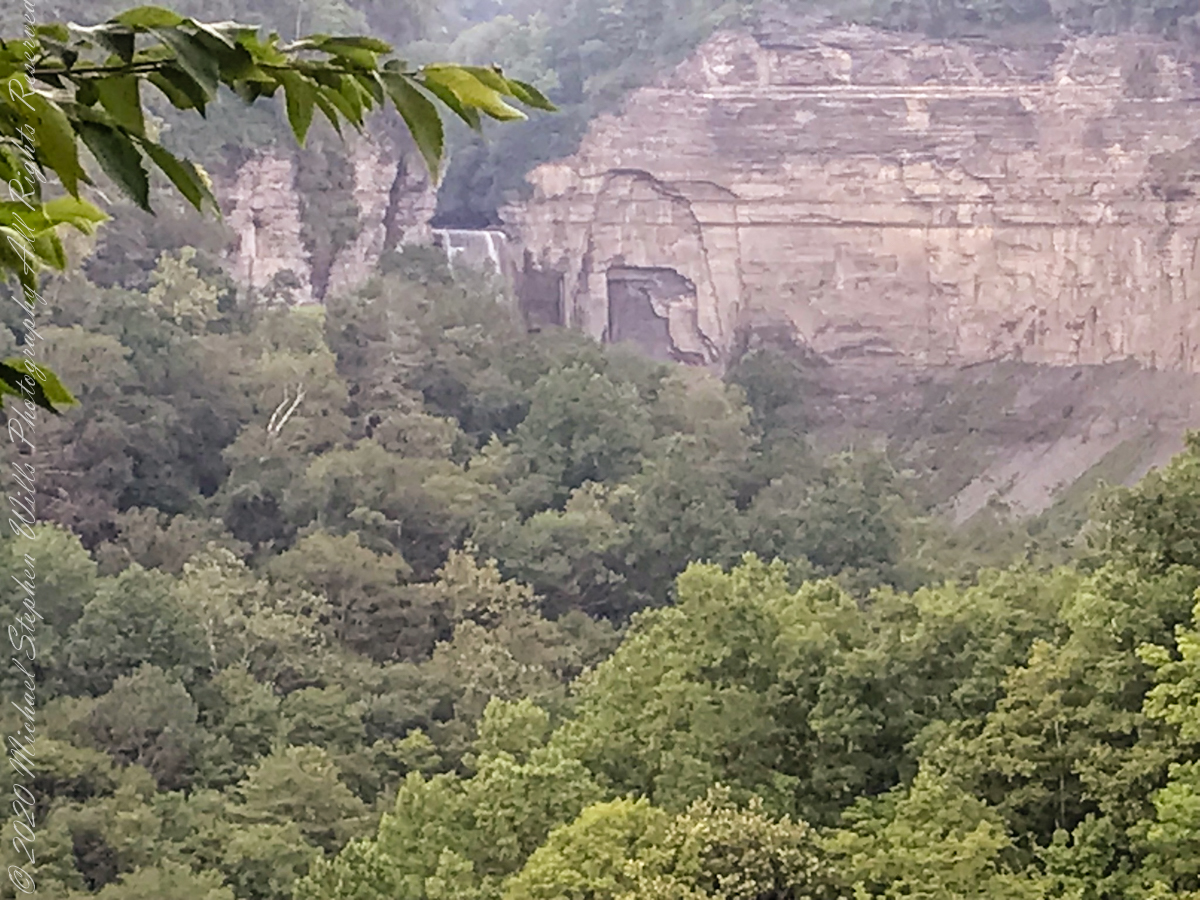
Taughannock falls in distance
Taughannock Falls in distance
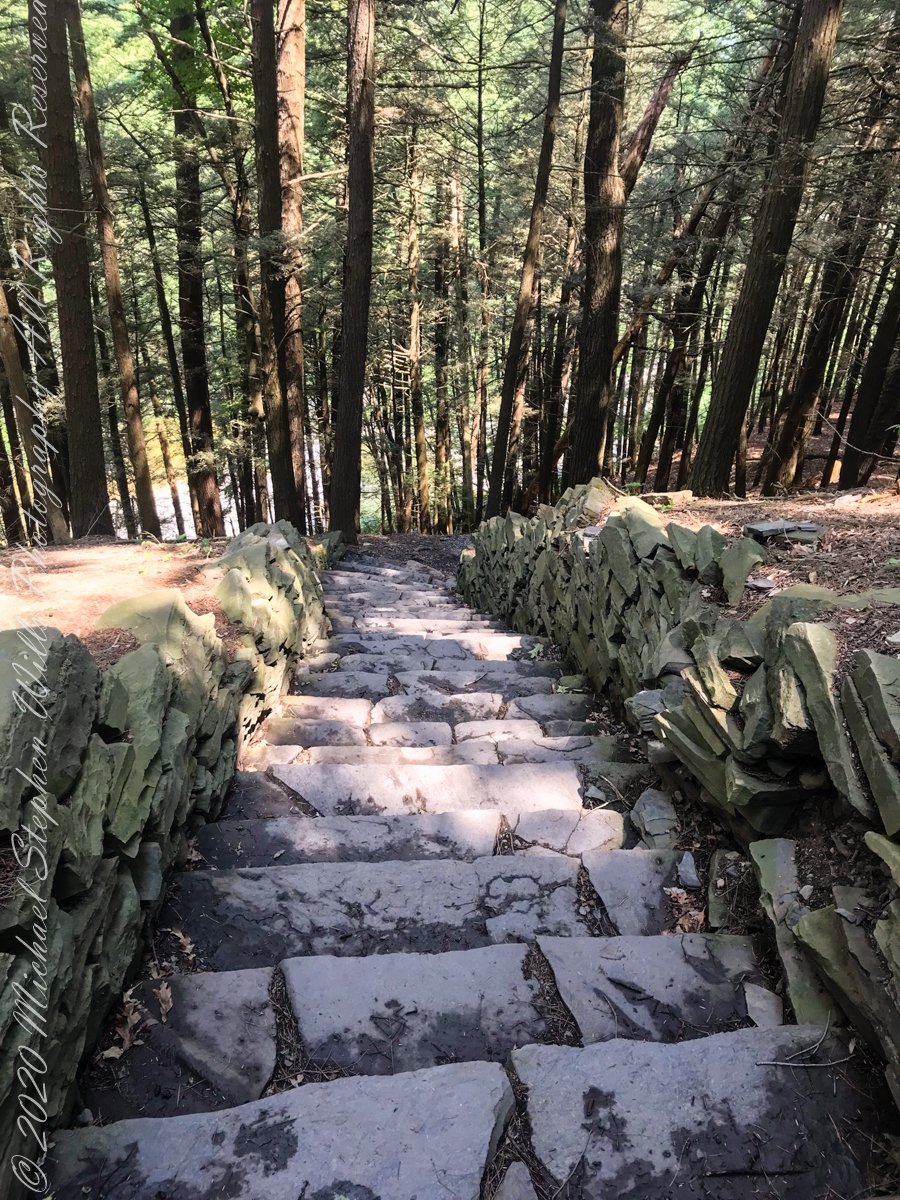
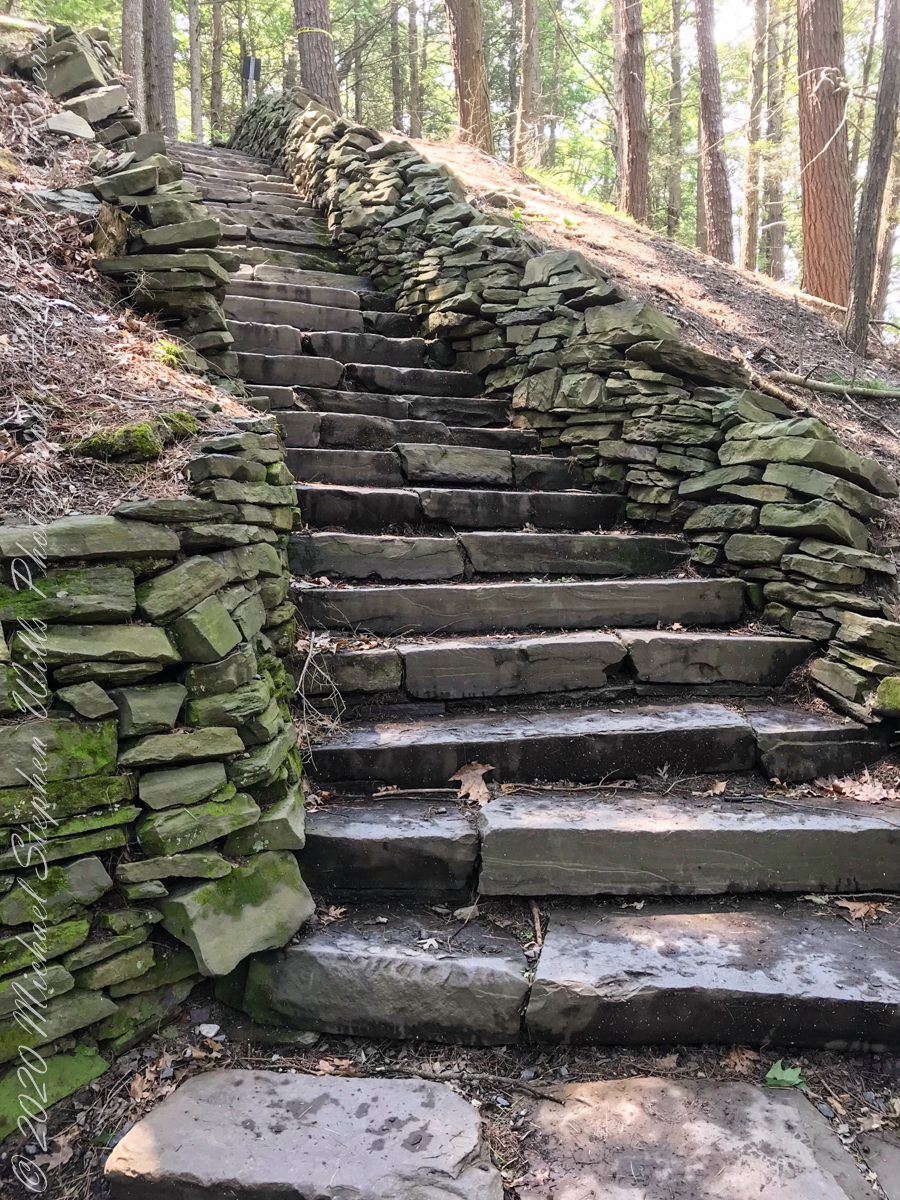
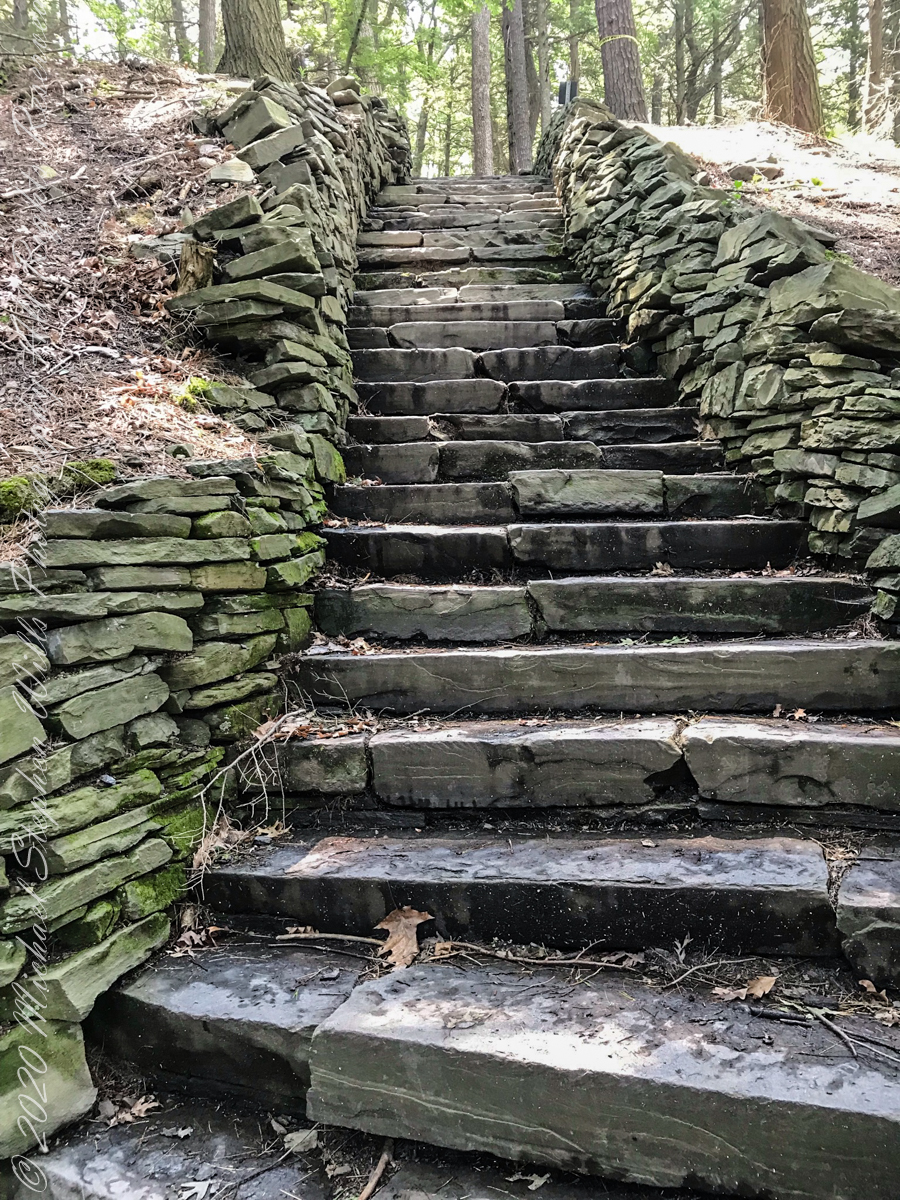
South Rim Stairs built by the Civilian Conservation Corps in the 1930’s
Pine Forest at foot of stairs
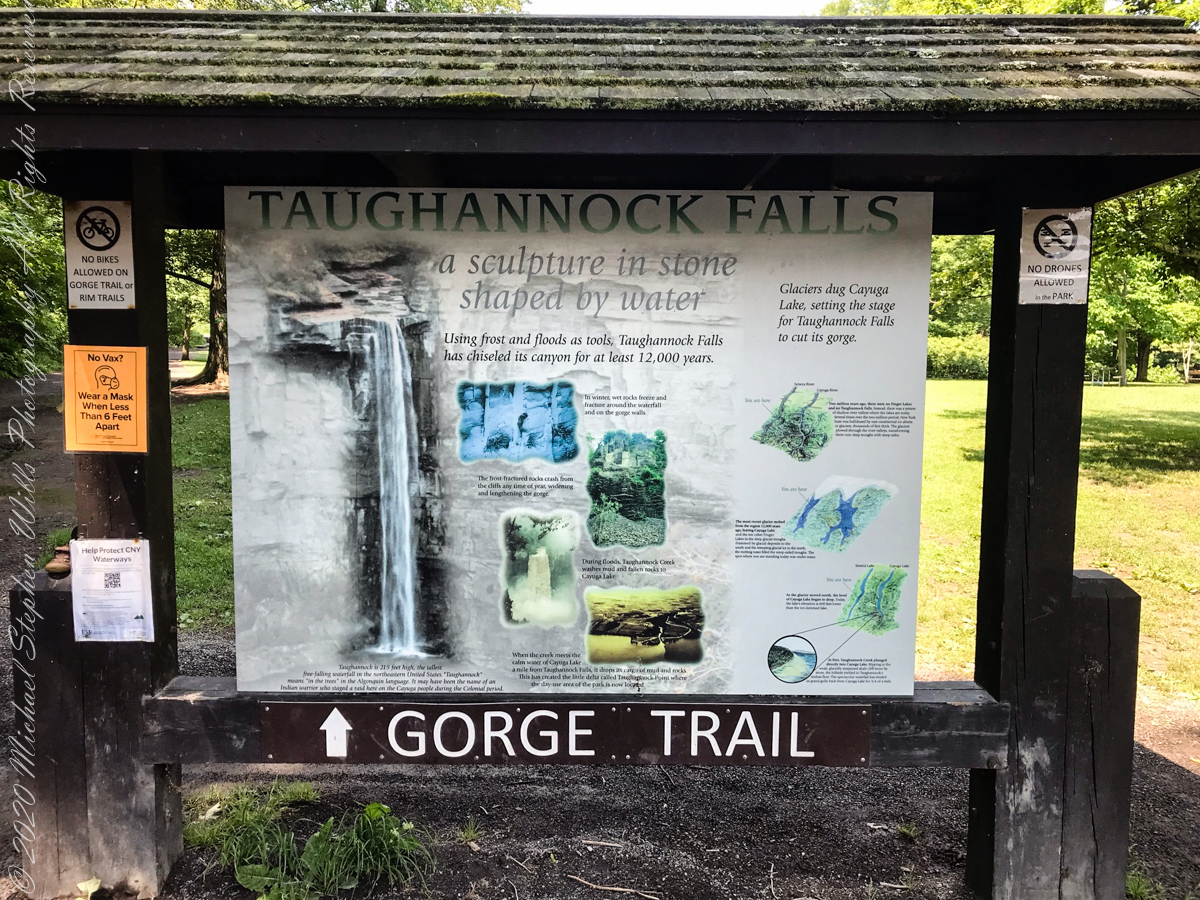
An interesting presentation at the Gorge entrance
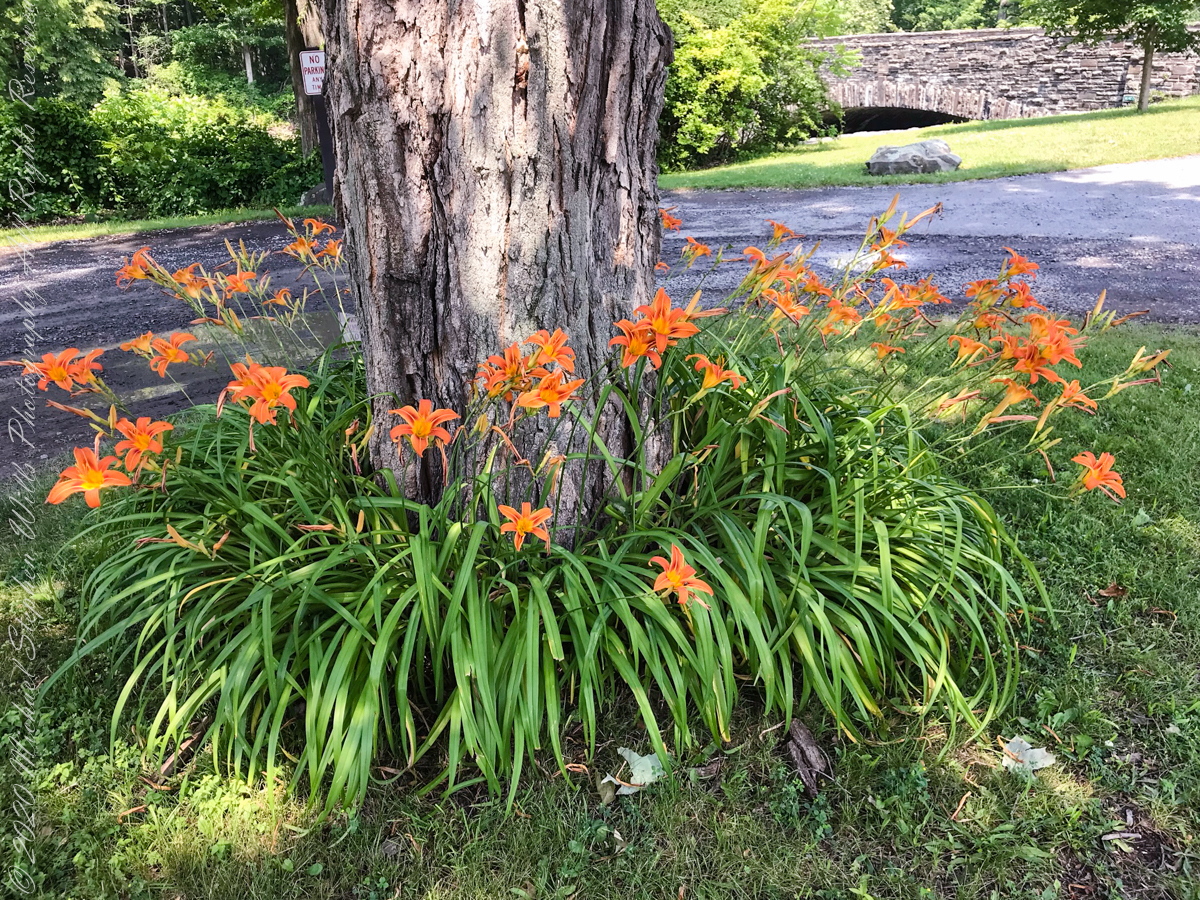
Tiger Lilies
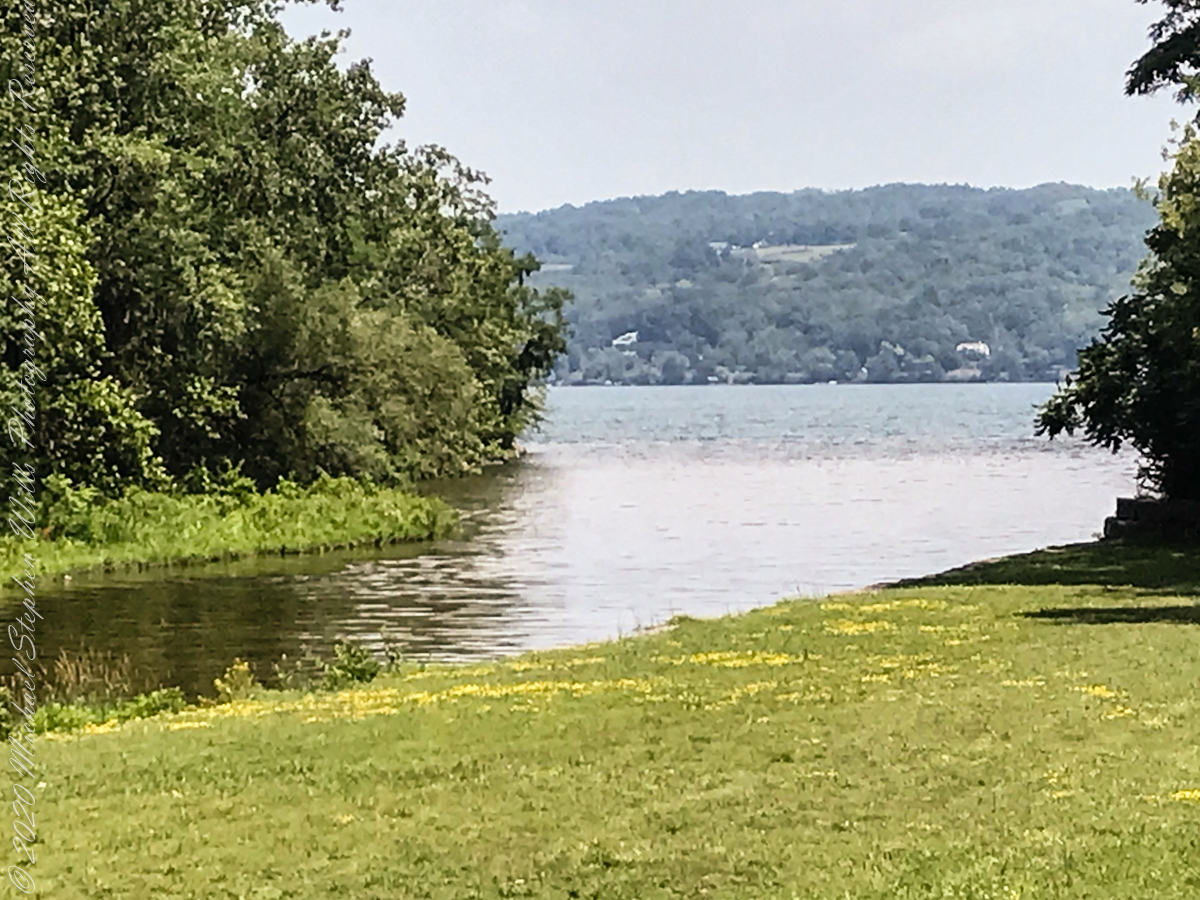
brown creek water meets Cayuga Lake (900 feet deep)
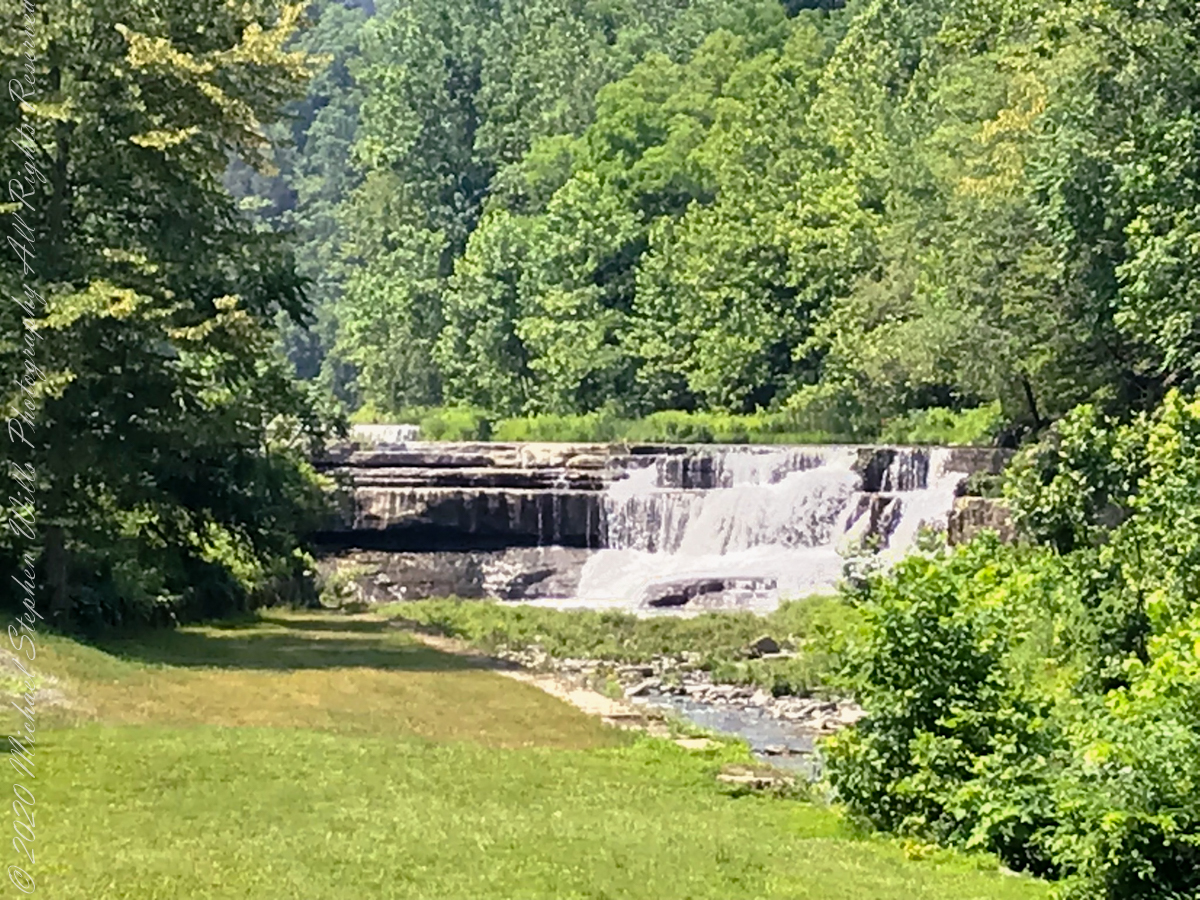
Last waterfall of Taughannock Gorge
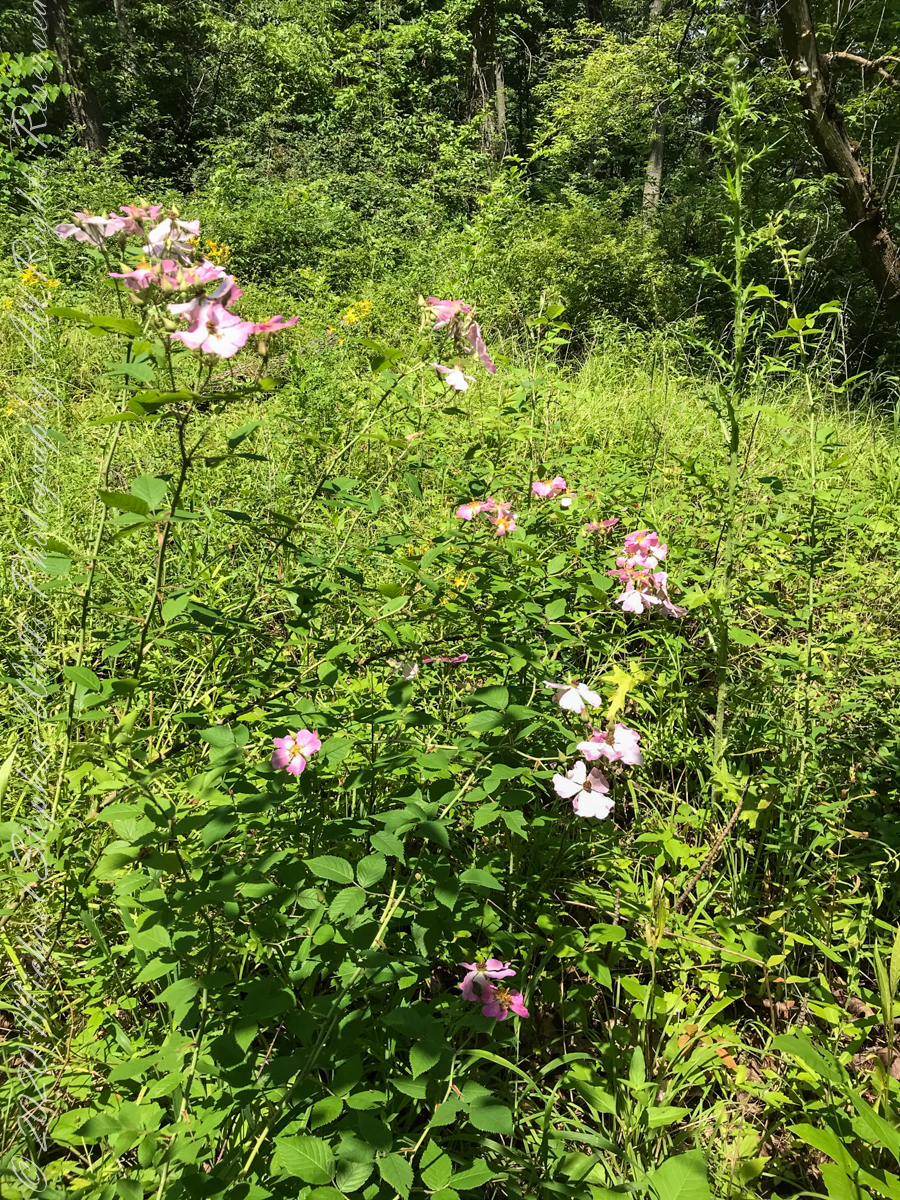
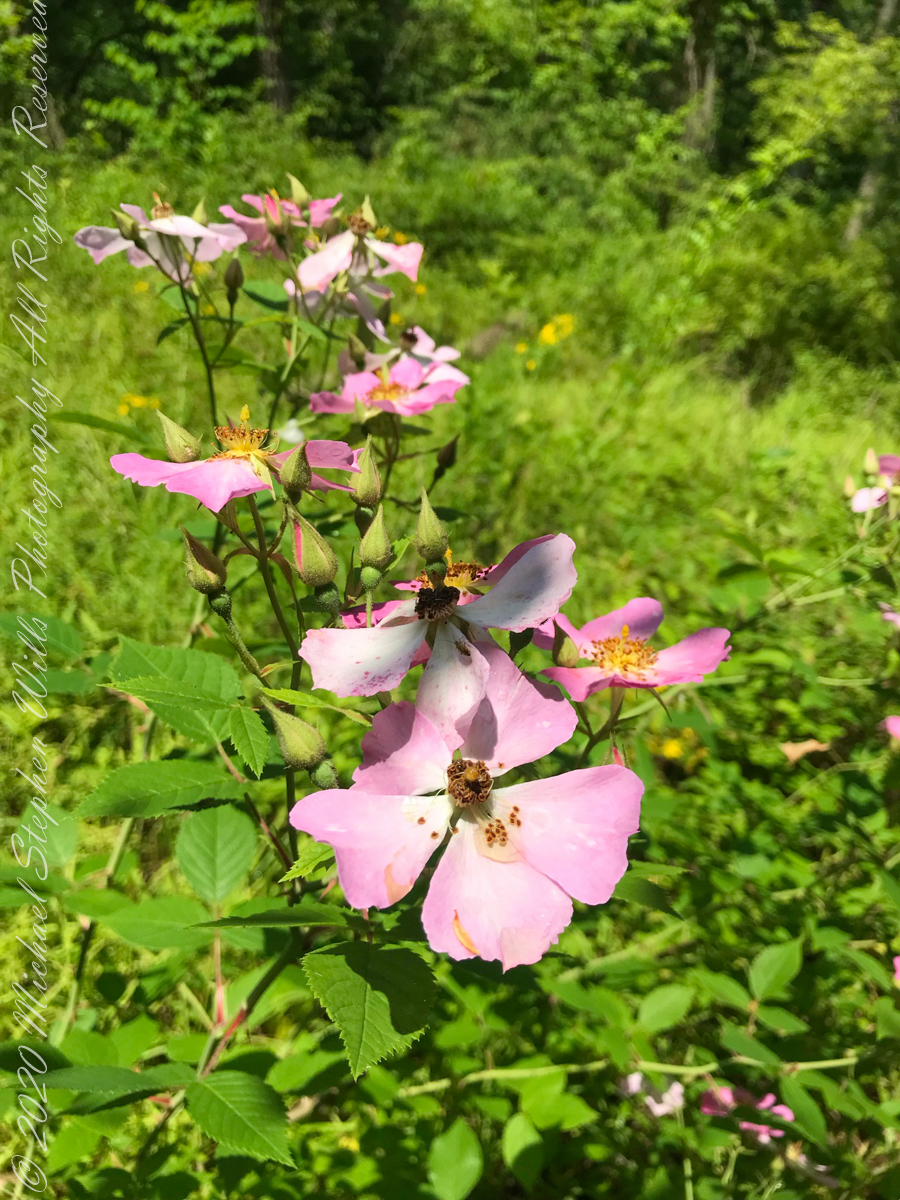
wild roses
Wild rose blooms
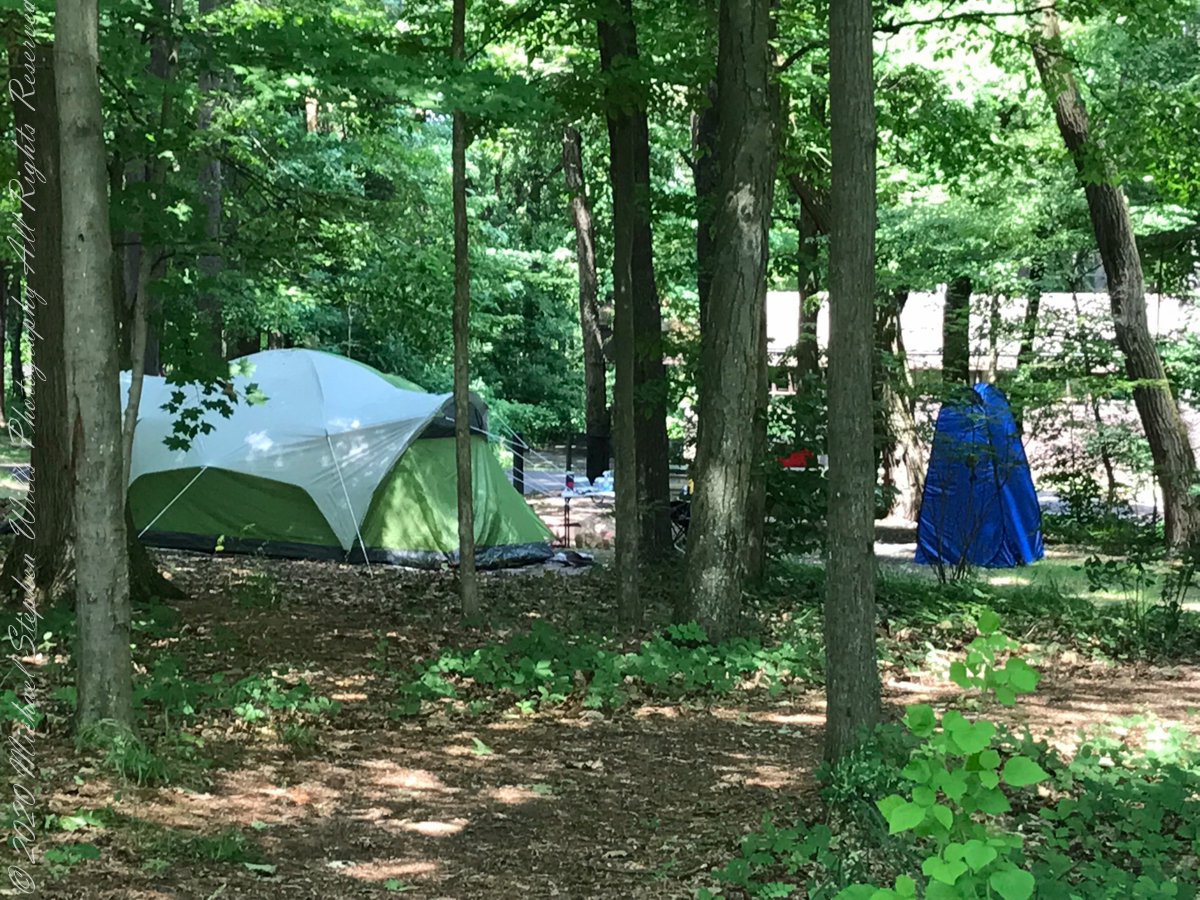
camping on North Rim
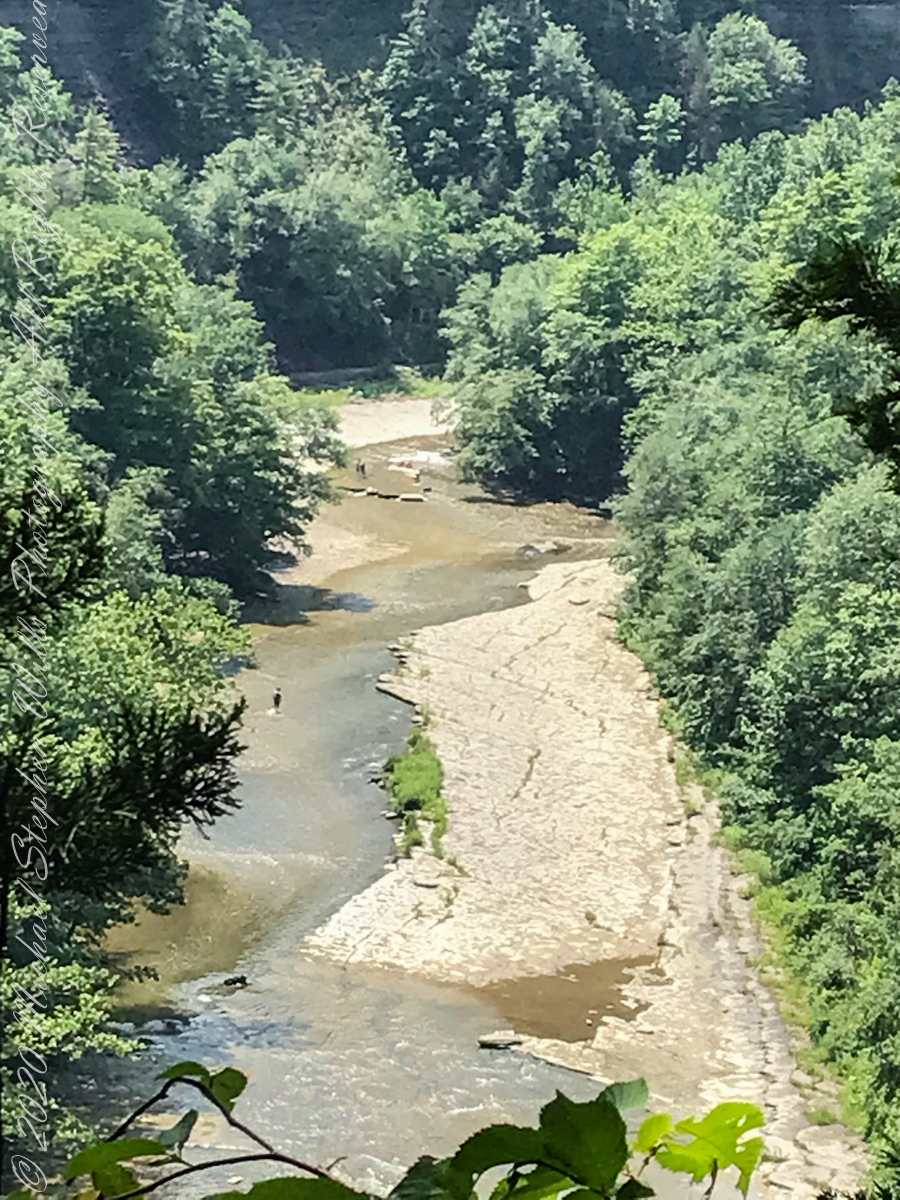
North Rim Gorge view
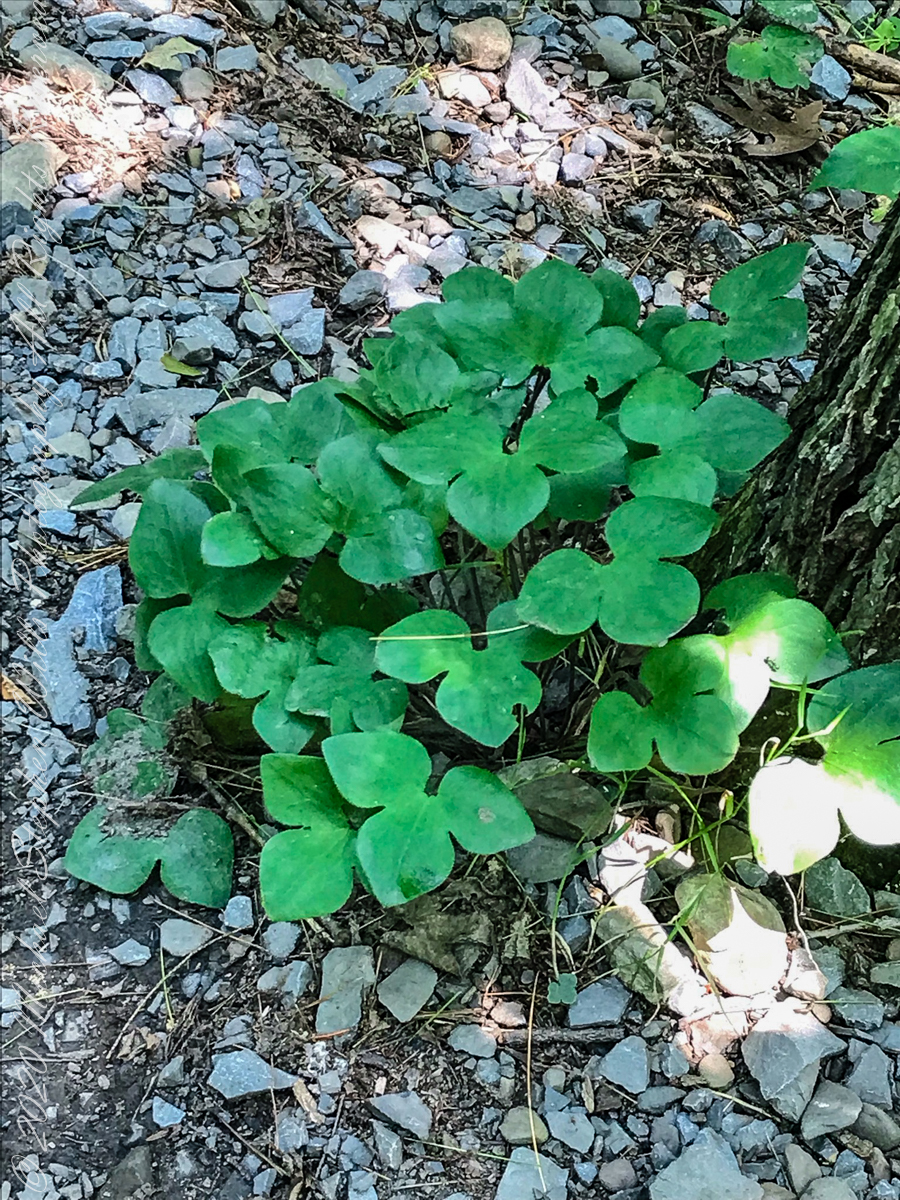
Lobe leaved Hepatica
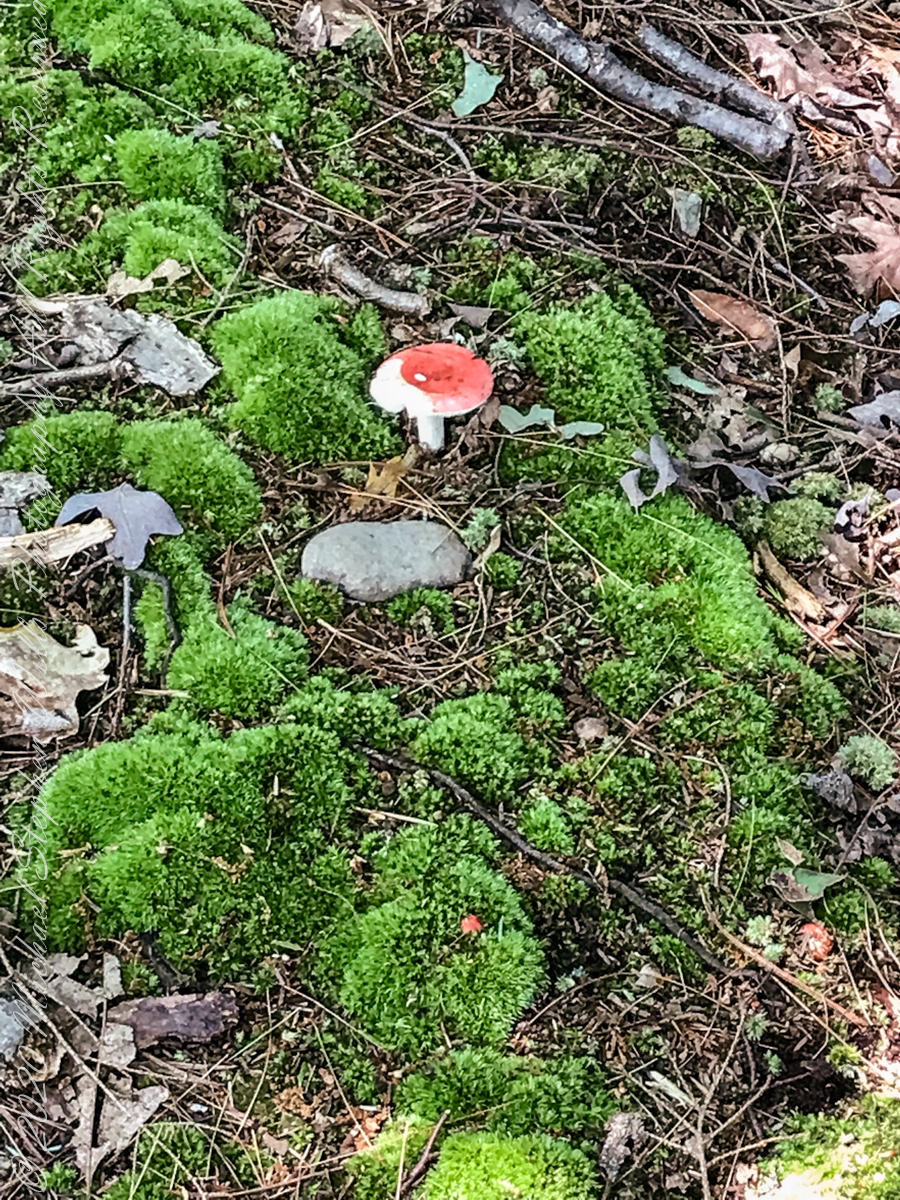
Mushroom and Moss on the “wetter” north rim
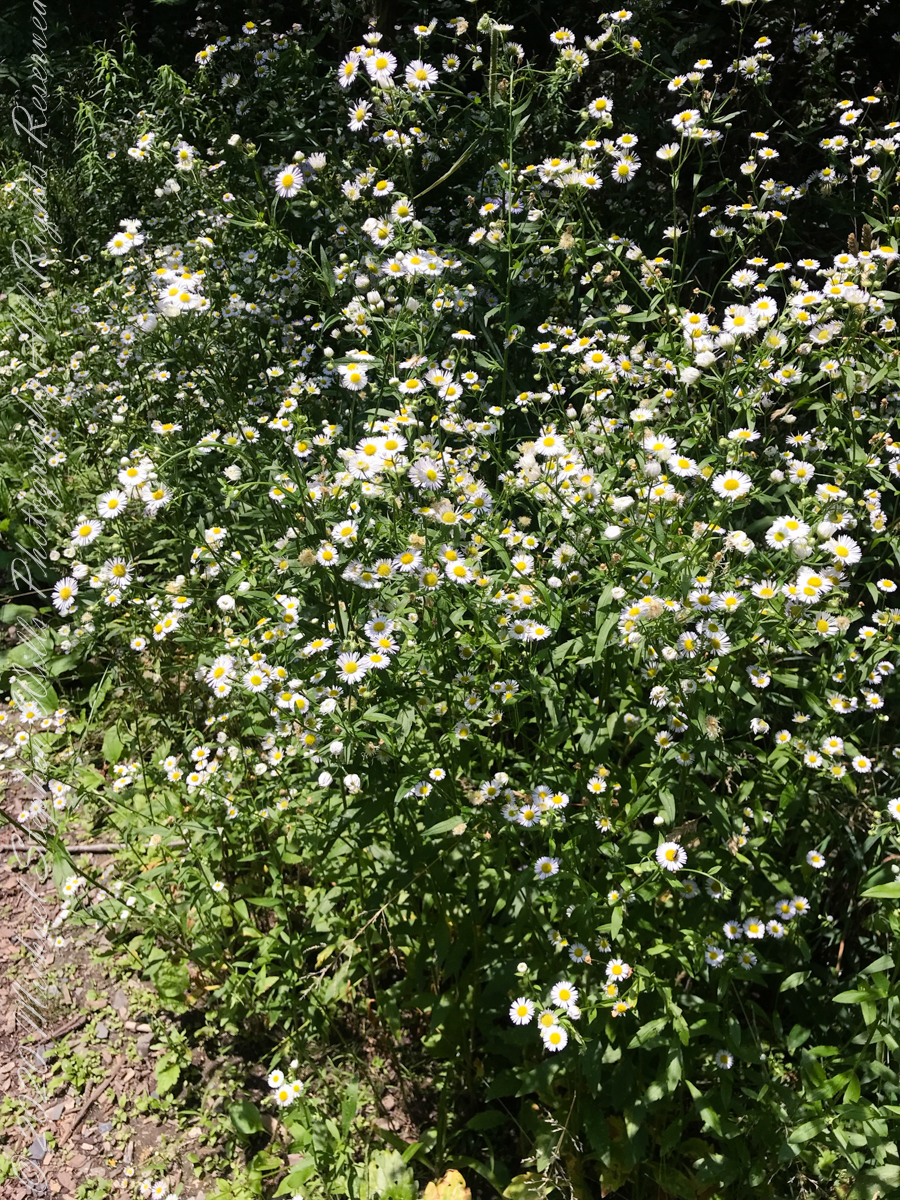
asters, an invasive species
The dramatic and virtually inaccessible gorge above Taughannock Falls
Click the “Watch on YouTube” for a larger format view and more information about each video.
Taughannock Falls Gorge on a humid summer morning
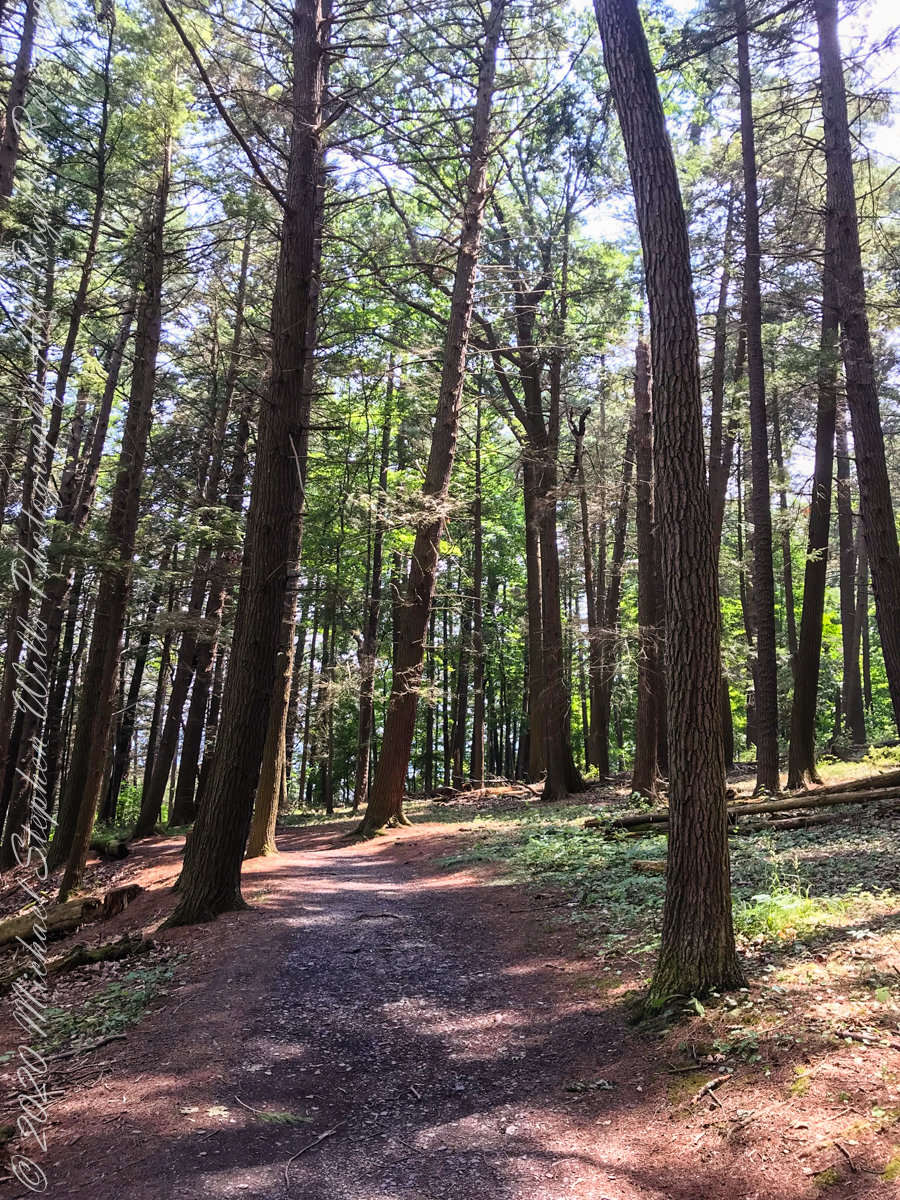
Hemlock Forest on South Rim Trail
Taughannock Falls Gorge from South Rim Trail
Taughannock Falls from South Rim trail
View of Taughannock Falls Gorge from the North Rim trail on a humid summer (July) morning. Turkey Vultures circle overhead…they are there most summer days.
View of the first waterfall of Taughannock Gorge from the railroad bridge linking the North and South Rim trails on a humid summer (July) morning. This large waterfall empties to the gorge above the 210+ foot Taughannock Falls.
Copyright 2021 All Rights Reserved Michael Stephen Wills
One early morning, just after dawn, Cocoa Beach, Florida, I had a revelation. My wife and I walk the beach four or more miles each day we are lucky enough to be in Florida for the winter. Yes, we are “snow birds” who flee the snows of New York for a few weeks, now and then.
We love to catch the sunrise together, have breakfast, pull together a lunch for a long walk. We catch the passing beach scenery, find a place to enjoy our meal, and return late afternoon.
The Black Skimmer (Scientific Name: Rynchops niger) literally stands out from the gulls. The individuals gather together in a large group. If there is a wind, most group members face into it. They are aloof and dignified, unlike the gulls who grift for food, obnoxious and bothersome if you make the mistake of throwing a gull a morsel.
Black Skimmers are just as large a gulls. Slender, tern-like, black and white bodies. Recognize a Black Skimmer from the colorful red of the base of the bill. Click me for more of my Florida offerings.
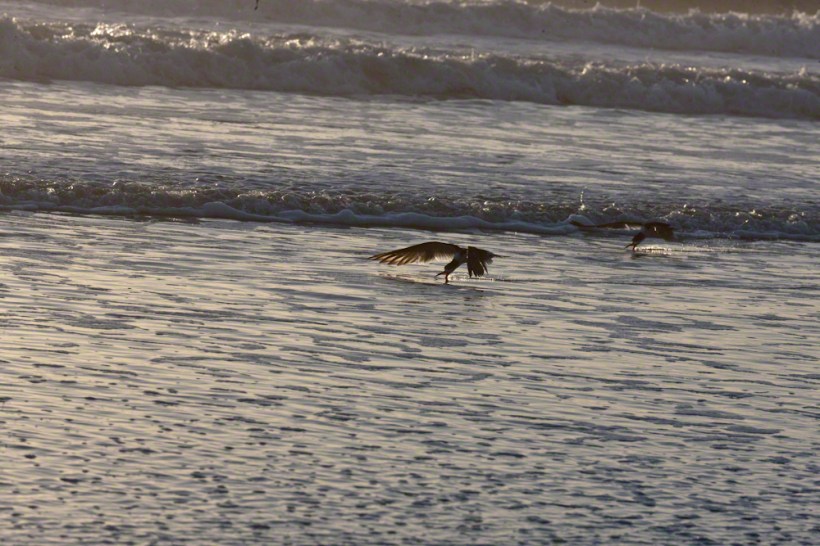
My early morning revelation was how the Black Skimmer feeds, flying just above the surf, the lower mandible extended to fish by feel. Unless you beach walk early mornings, you will be most familiar with the habit of grouping together, facing into the wind. I captured this individual, a member of a larger group, just after sunrise, on Cocoa Beach. It was just me and the Skimmers.
Their feeding is successful enough to allow them to longue on the beach most of the day. I have only seen them feed early mornings. Here is another part of their feeding behavior. They feed as a group in long sweeping lengths. At the end, they turn as a group and head the other way. Here are three Black Skimmers in a turn.
One morning, after our sunrise view, I pulled together my photography kit for this successful photo shoot. Enjoy!!
Enter your email to receive notification of future postings. I will not sell or share your email address.
Copyright 2025 All Rights Reserved Michael Stephen Wills
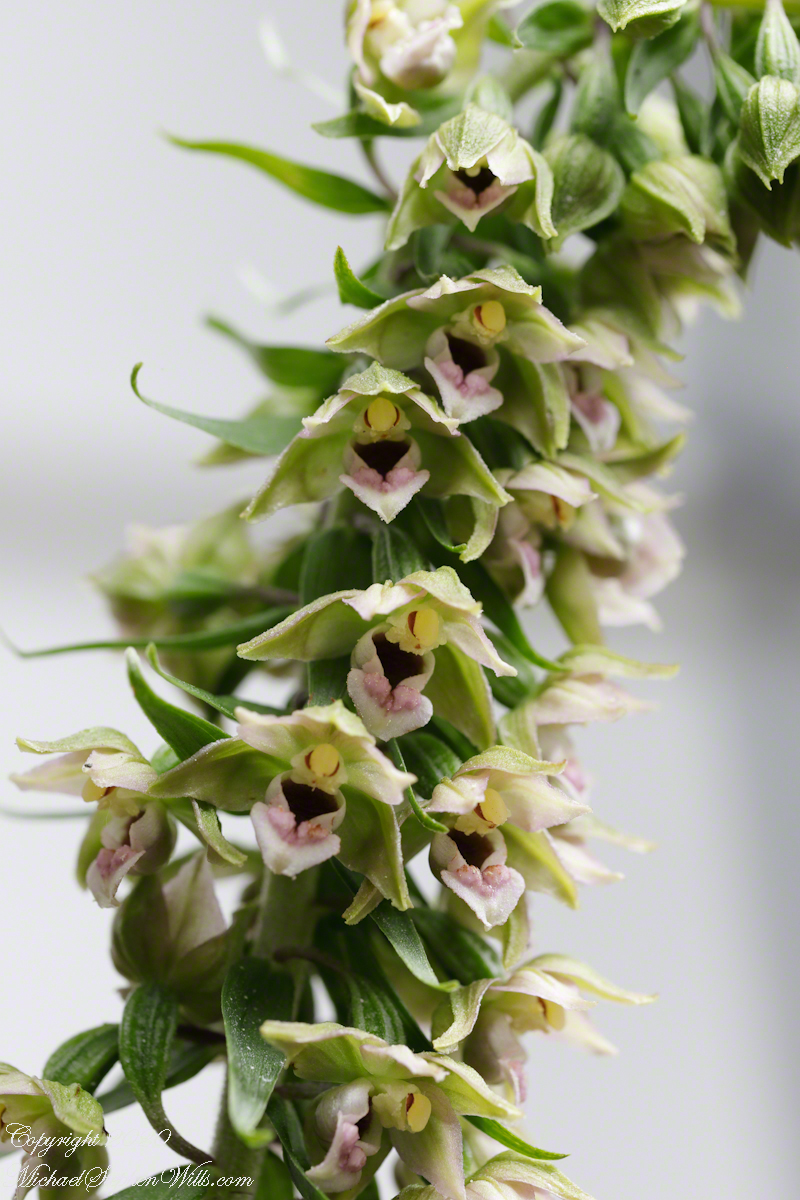
Presenting a macro of a Broad-leaved Helleborine (Epipactis helleborine) growing in our rose garden, in full bloom, a profusion of orchid flowers. This plant, an introduced species to North America, is found widely across our continent.
Helleborine, the scientific name species designation, means like a Hellebore, I assume referring to the calyx, outer part of the flower bud, these open to reveal the flower. In this macro, the unopened buds are upper right. Bottom center the calyx, fully open, with the flower ready to accept pollination, fertilization. After opening, the calyx seems to be part of the flower, a characteristic of hellebore (see Helleborus argutifolius).
The flowers attract a variety of Hymenoptera. I observed wasps, yellow-jackets visiting.
Click photograph for a larger view and use Ctrl-x to zoom in closer.
Photograph is from a 100mm “macro” lens, f6.3.
Thank You for visiting.
Copyright 2020 Michael Stephen Wills All Rights Reserved
Effects of these dual waterfalls is deeply refreshing for the people on the narrow walkway underneath.
ISO 160, 1.3 sec at f/ 8.0
Photograph two of this Hanging Garden series has the aspect shifted slightly to include the sheer cliff hovering over the waterfalls. A low ISO and tamped down diaphragm (f/8) resulting in longer exposure (1.3 sec) impart a presence for two low volume waterfalls.
Captured with a Kodak DCS Pro SLE/c dslr and a Canon EF 50 mm f/1.4 lens stabilized with the Manfrotto Studio Tripod model 475 and the 468 Hydrostatic ball head.
Copyright 2021 Michael Stephen Wills All Rights Reserved
Each flower produces a seed capsule with an uncountable profusion of minuscule seeds. Germination is only possible if a fungus is present, mycorrhizal symbiosis the scientific term from the root words myco (fungus) and rhiz- as in rhízōma “mass of roots.”
Click photograph for a larger view and use Ctrl-x to zoom in closer.
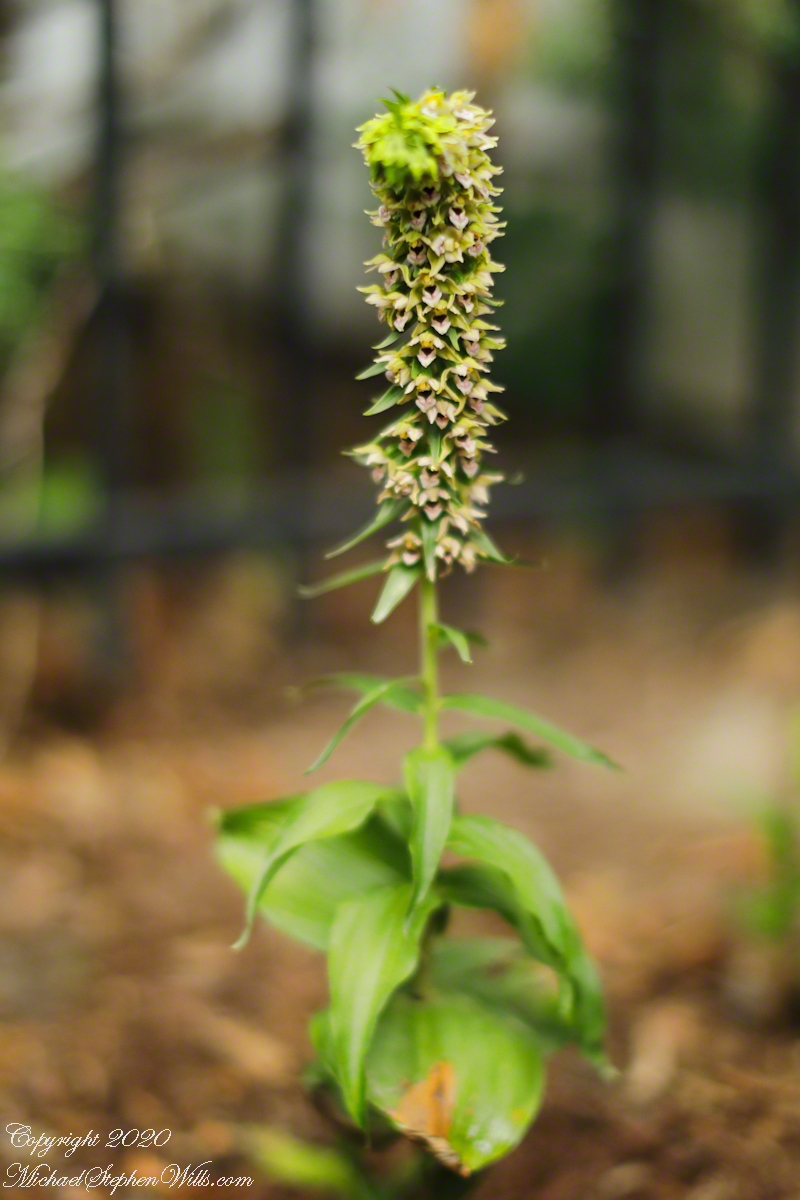
This photograph minimizes the clutter of this rose garden site, lost in a beautiful bokeh, at a cost of much flower detail. Many of the numerous blooms are out of focus. F-stop is set to wide open, f1.2. The apparent image distortion, upper left hand quadrant, is the blurred arc of a juniper bush limb.
Today’s header image is from yesterday’s post, by way of comparison.
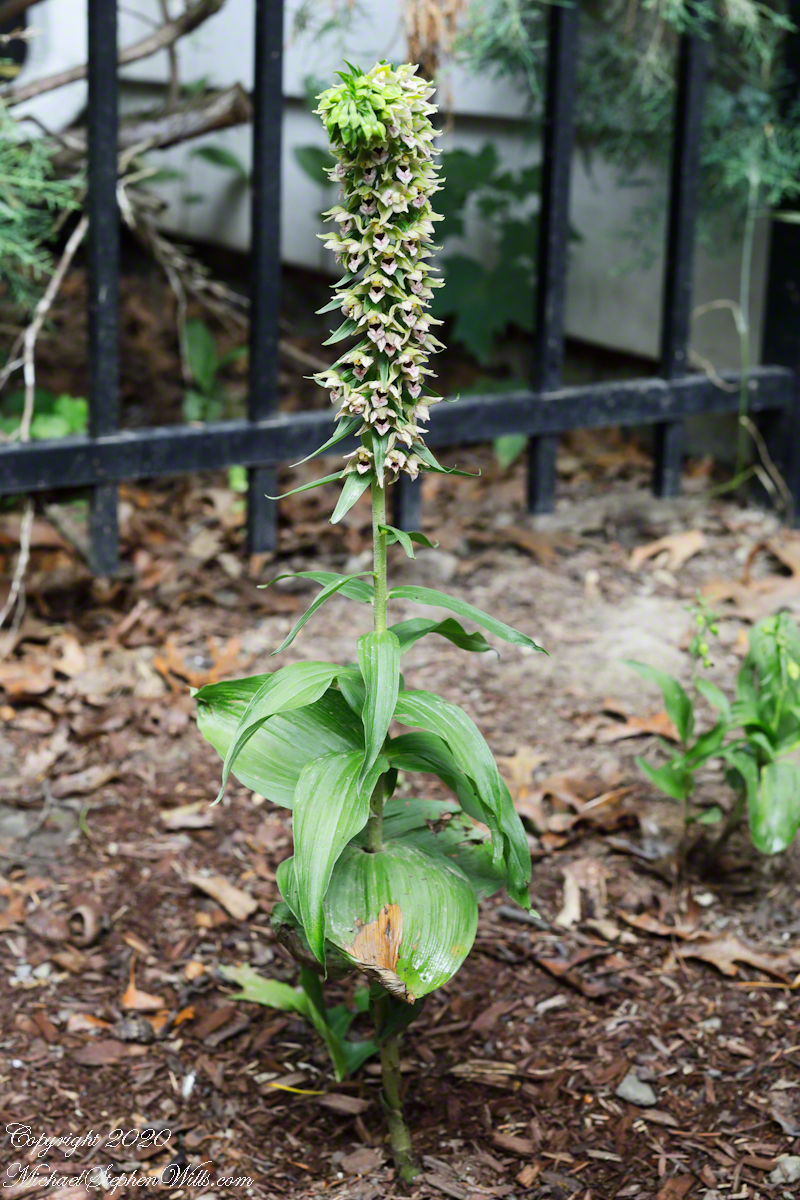
A few years back we fenced in the rose garden as protection against marauding deer. This orchid specimen thrived within the enclosure, possibly turbocharged by rose fertilization.
The number of tiny flowers on a single stalk give a freakish, monstrous impression.
Click photograph for a larger view and use Ctrl-x to zoom in closer.
Here, the tripod is moved to the fully illuminated side, at f9 the details of the interesting leaves, entire flower stalk including the top bent toward the view, are in focus. The background fencing is a distraction.







 Michael Stephen Wills Photography