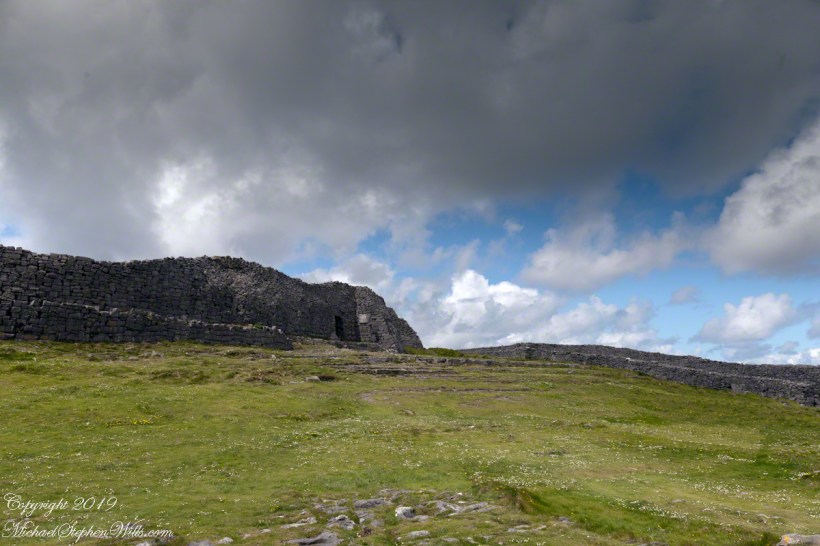
In a previous post, “Inner Ring, at last” we passed over the entrance to the inner enclosure.
A long path through fields, karst landscapes and outer walls leads to this entrance to the inner ring of Dun Aonghasa (Dun Aengus) of Inishmore, Aran Islands, County Galway, Ireland. The image composition is as a dramatic landscape with the surrounding walls and the cloudscape of an approaching storm.
My previous post, “Inner Ring, at last”, lowered the horizon. Here, we study the base of the inner wall.
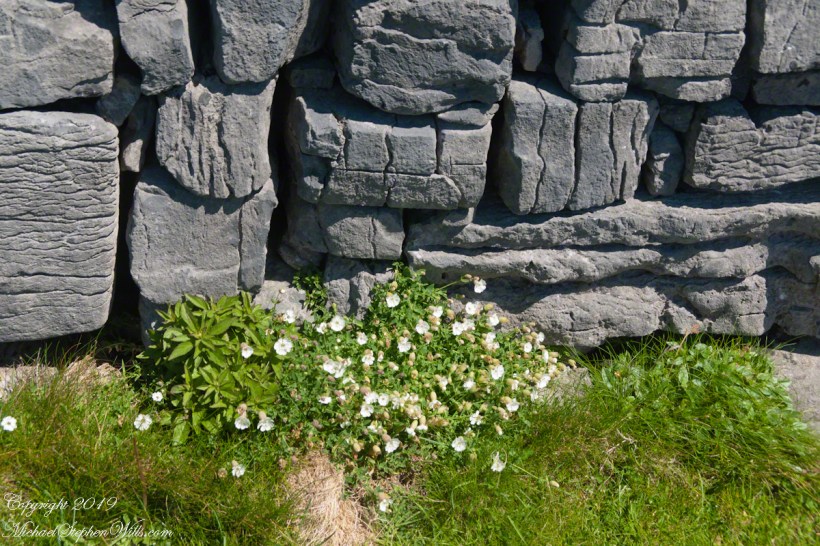
A detail of the interior wall of Dun Aonghasa (Dun Aengus) in springtime. White flowers of Sea Campion (Scientific Name: Silene uniflora) (Irish Name: Coireán mara) set against the ancient dry stone wall. Inishmore, Aran Islands, County Galway, Ireland.
We found Sea Campion throughout the west Ireland coast.
Detail of Dun Aonghasa Dry Stone Wall with White Flowers of Sea
Wishing a blessed All Saints Day (November 1st) for all my readers.
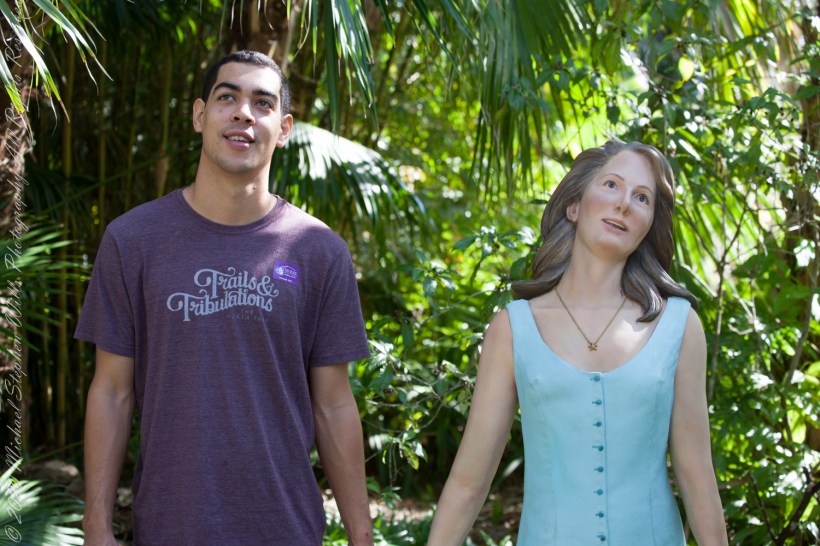
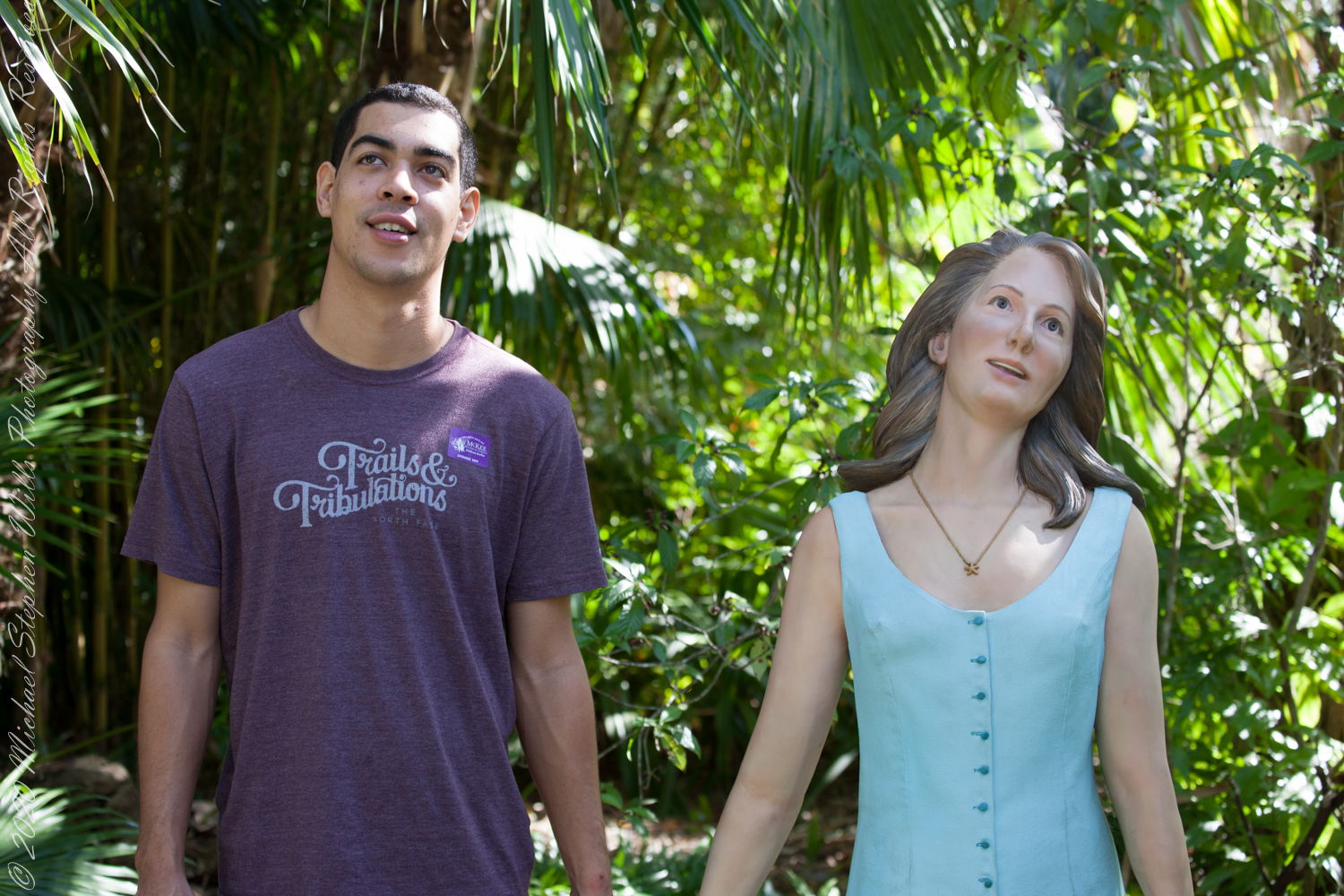
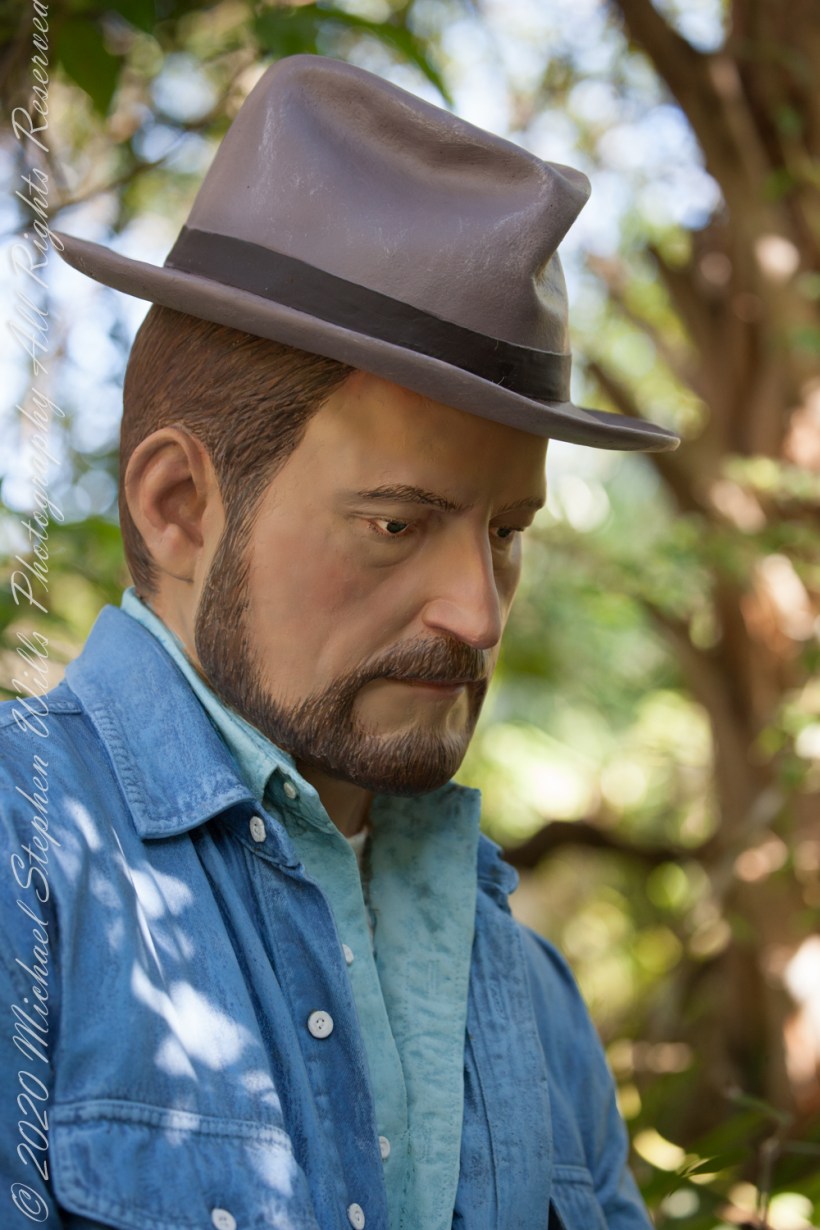
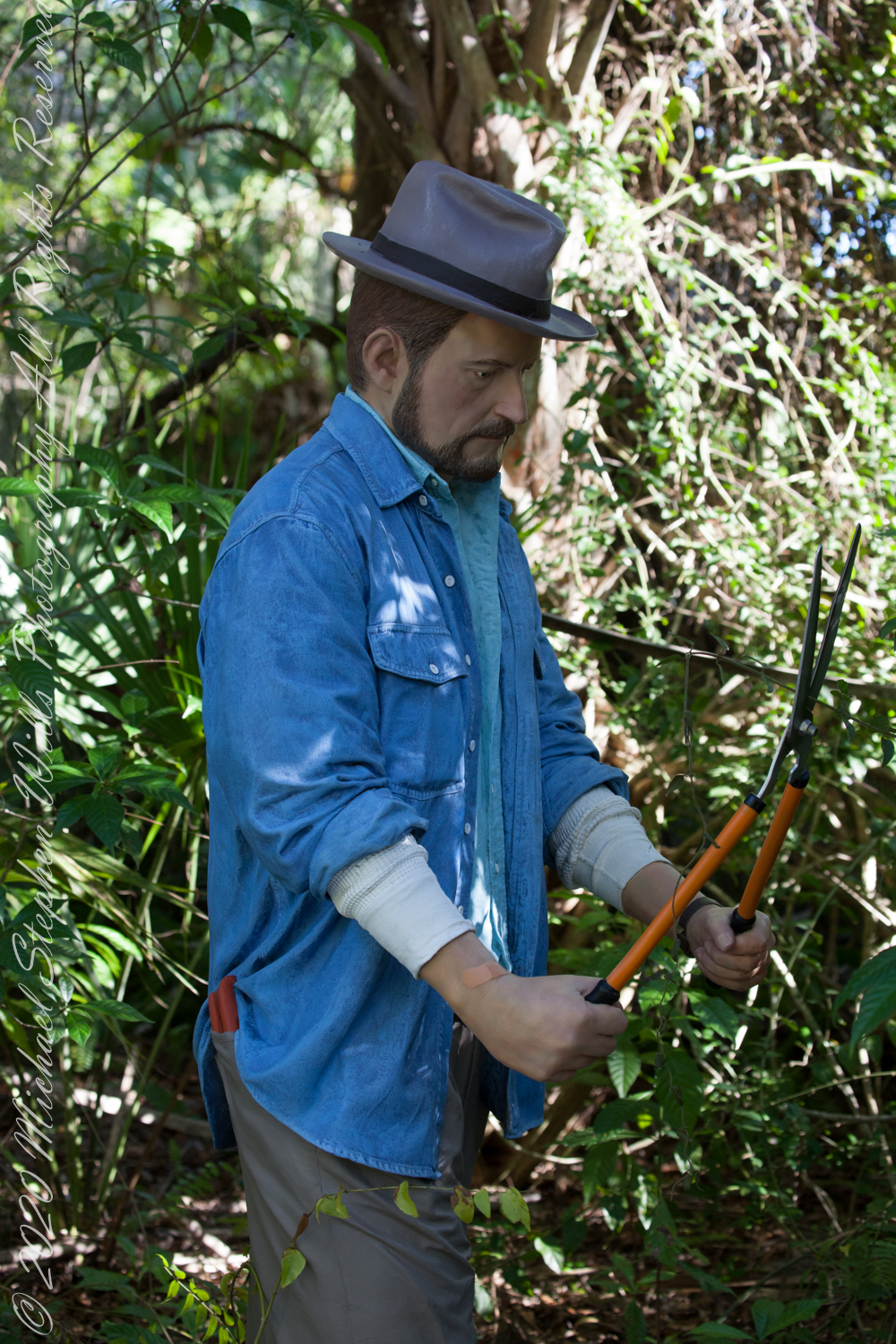
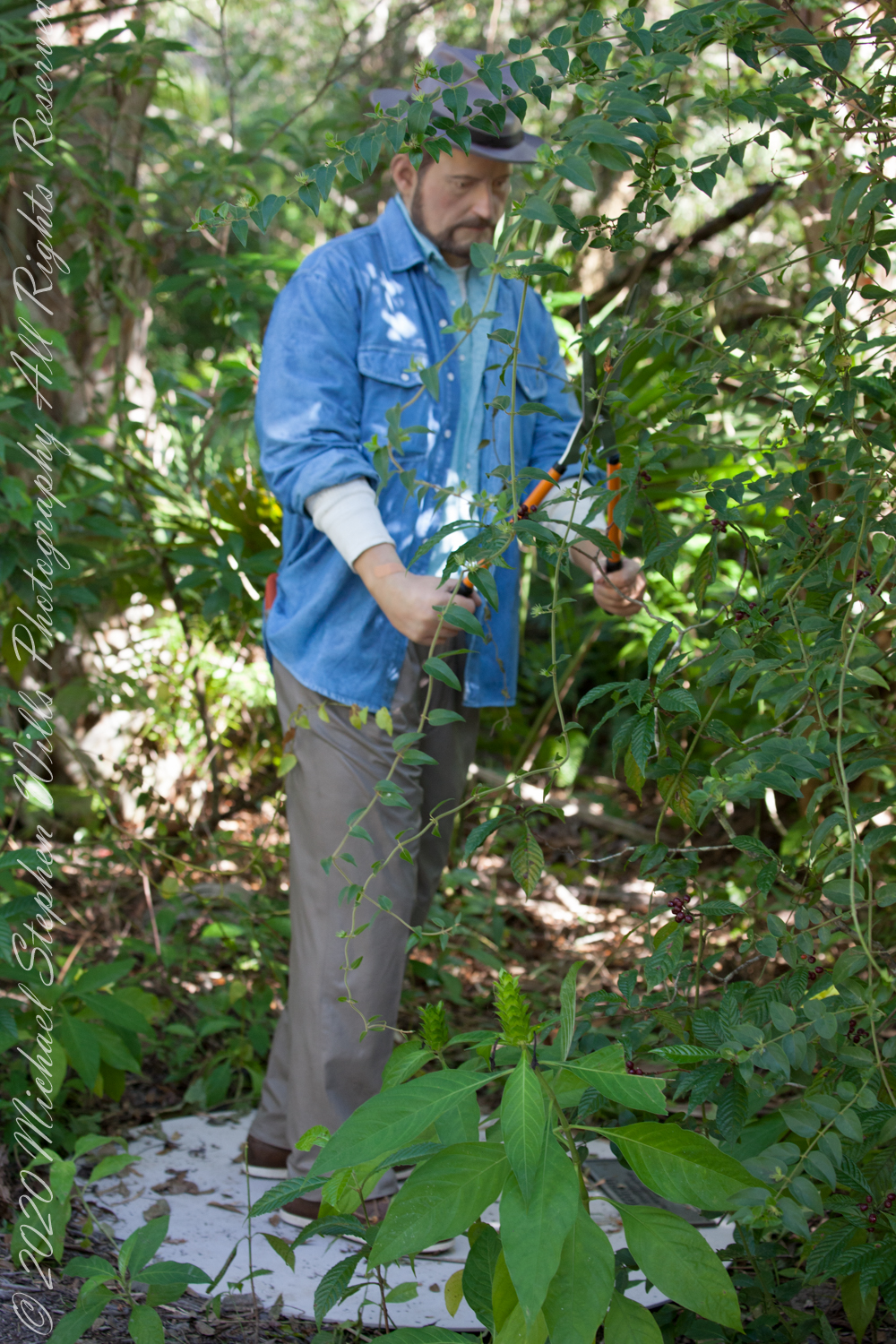
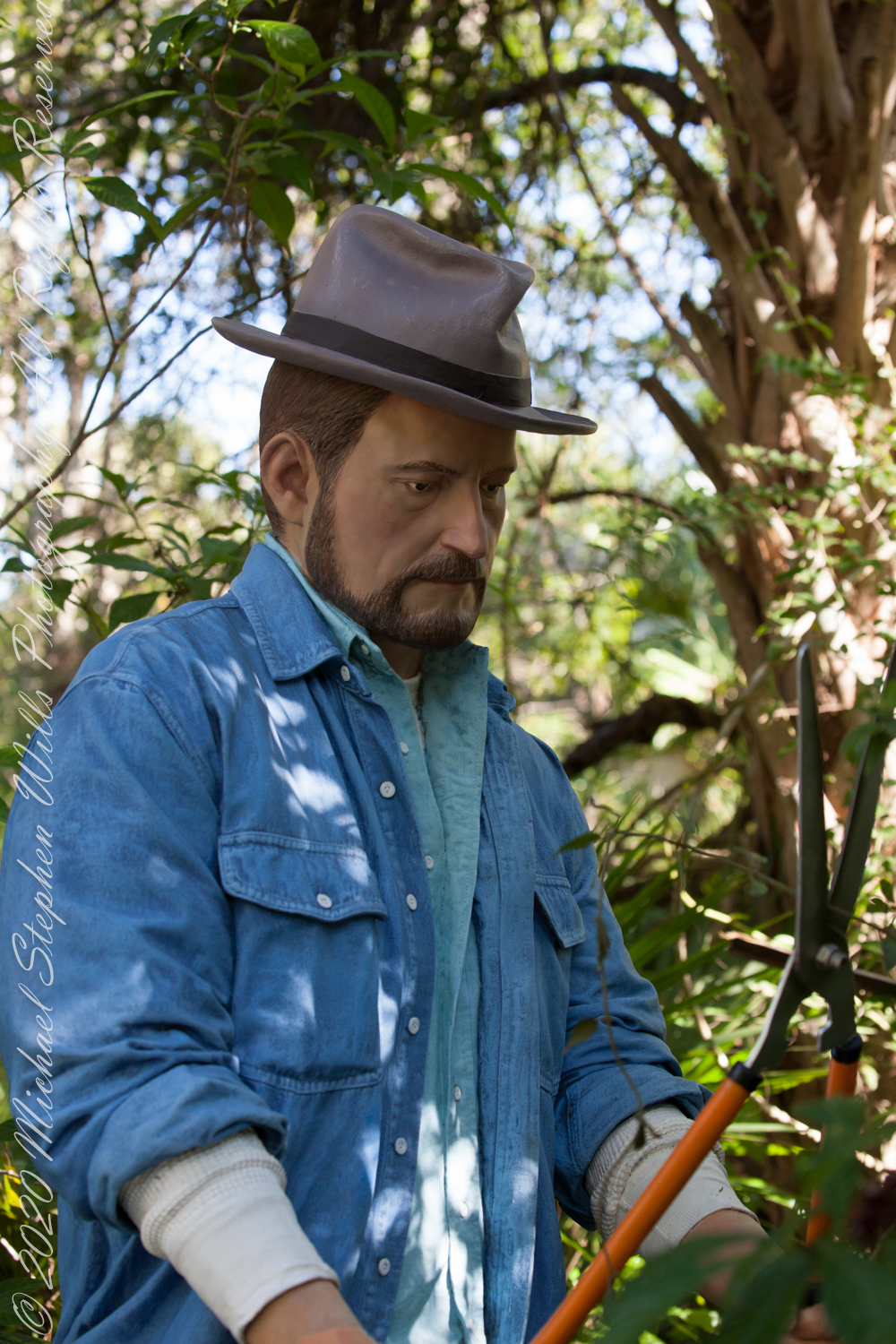
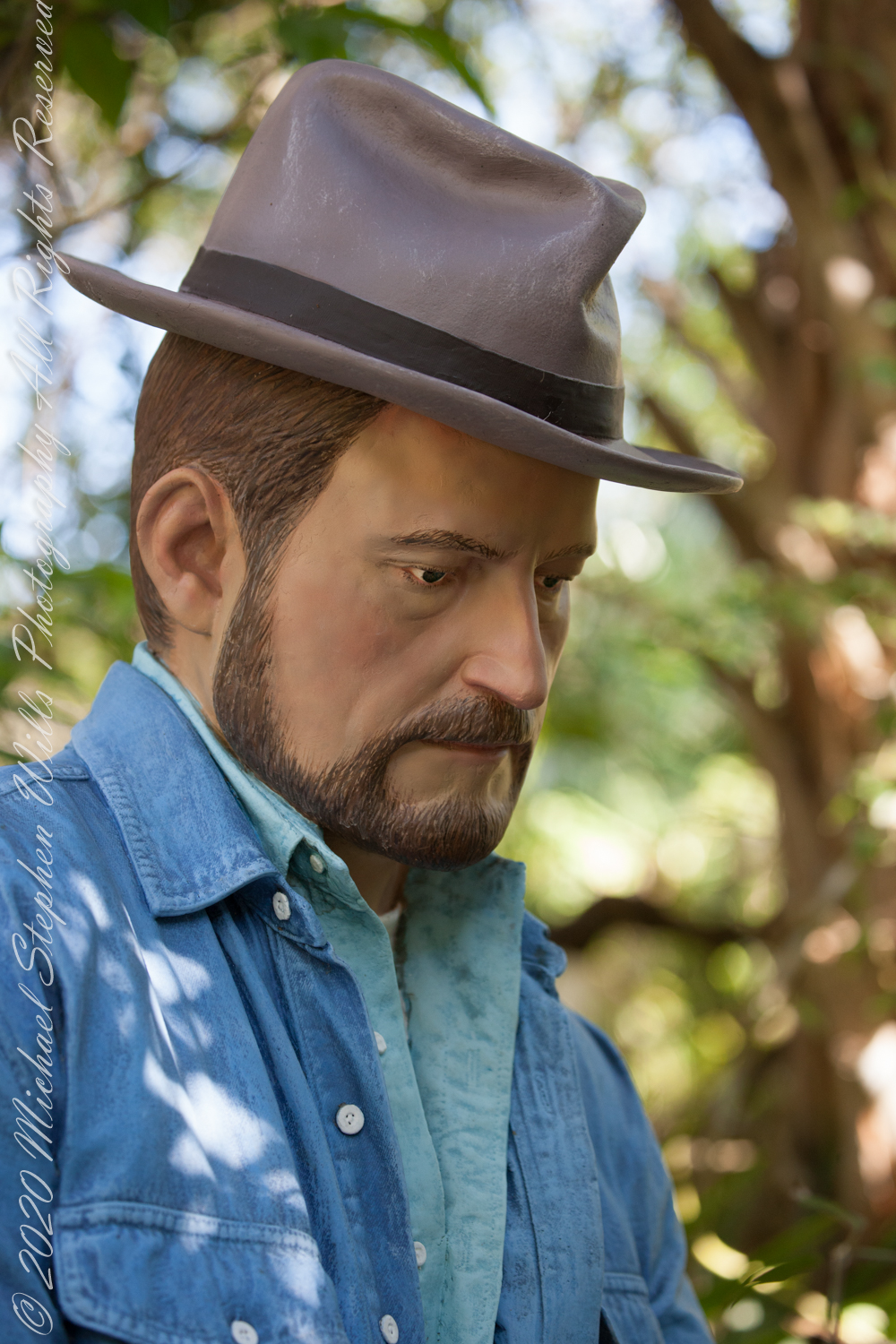
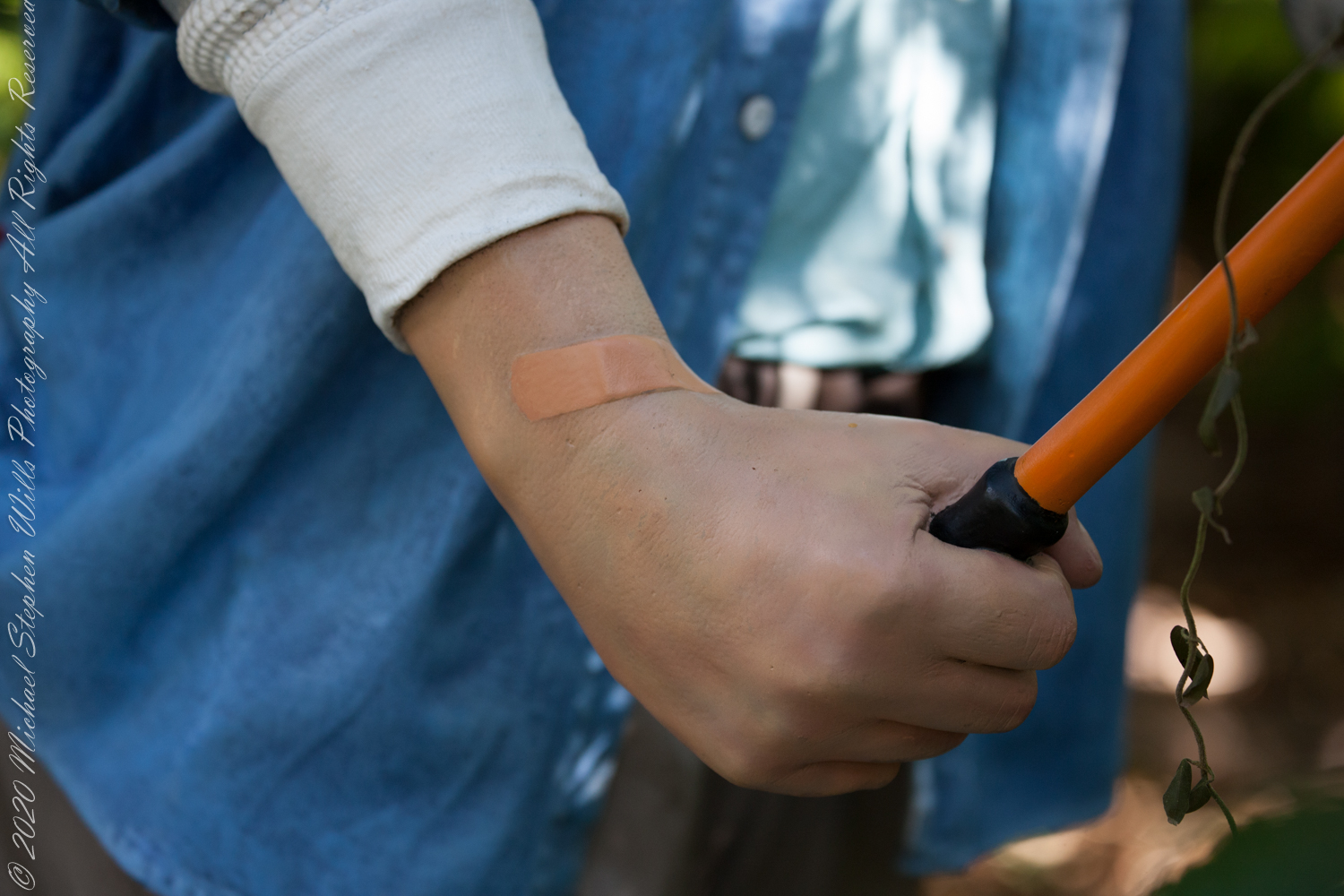
When grandson Taj first encountered a life scale Seward Johnson sculpture, he wondered out loud how, “They kept the cloths clean?” That is the effect trompe-l’œil technique strives for.
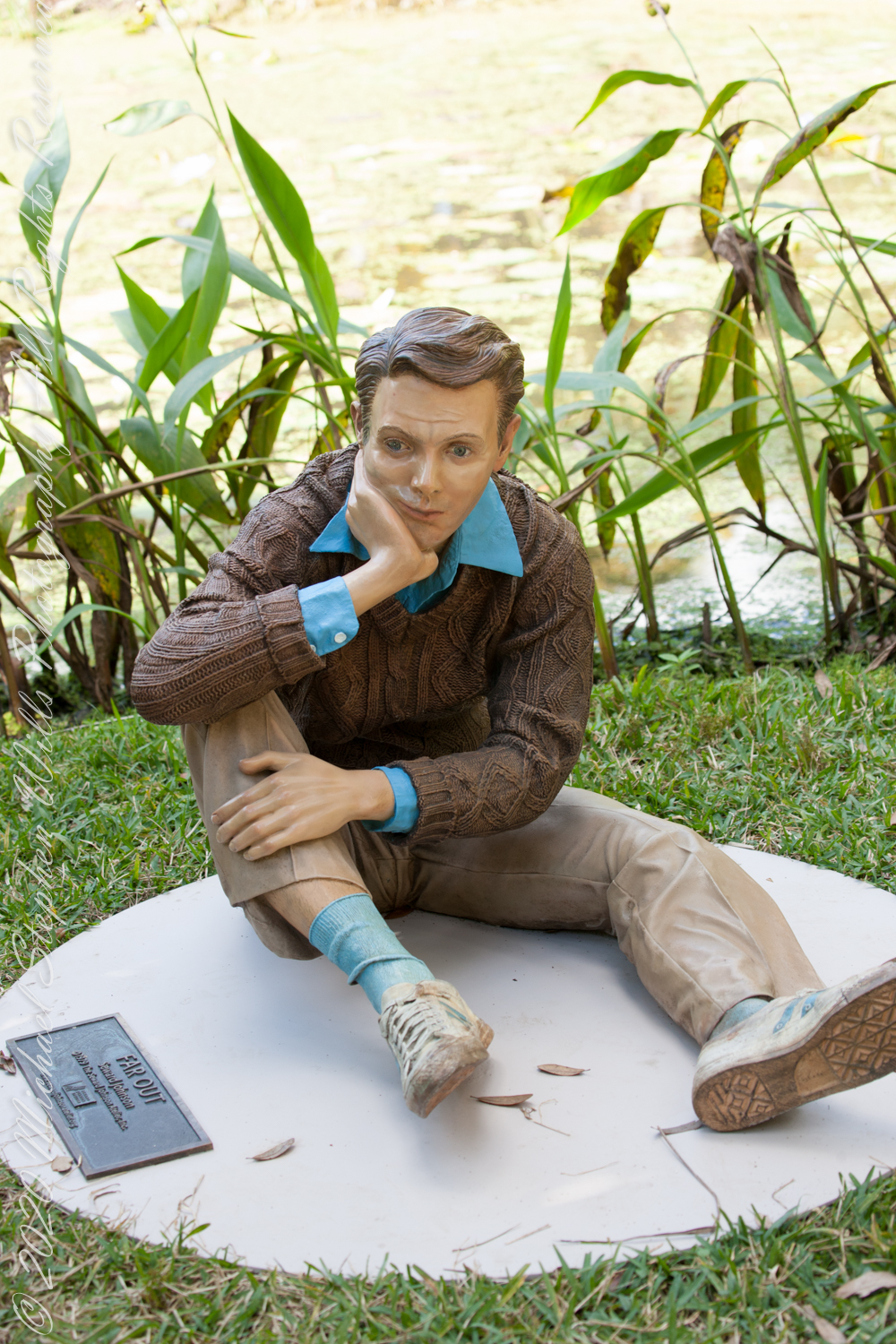
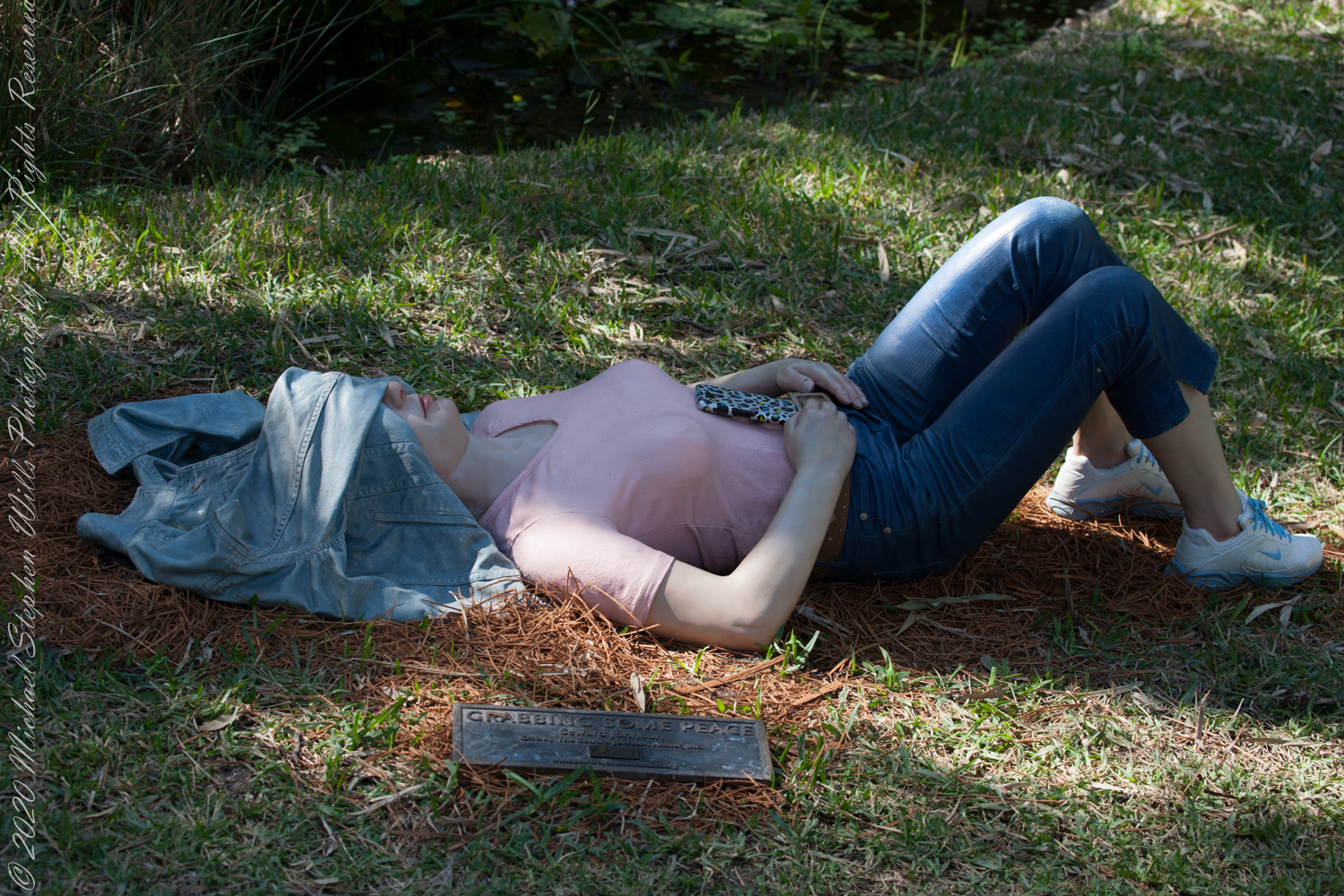
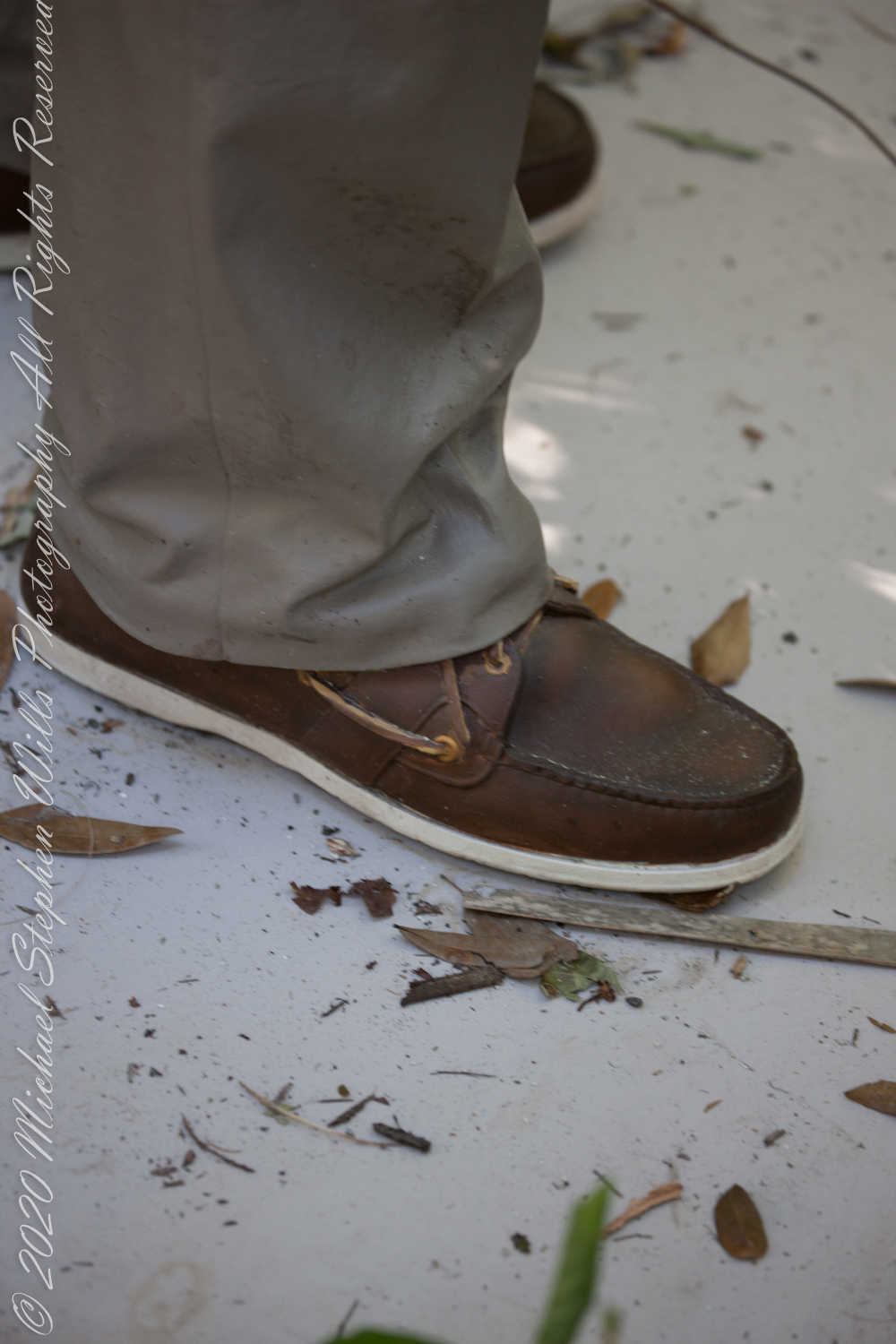
In the next sculpture, the response might be, “Ewhew, what dirty sneakers.”
“Far Out”
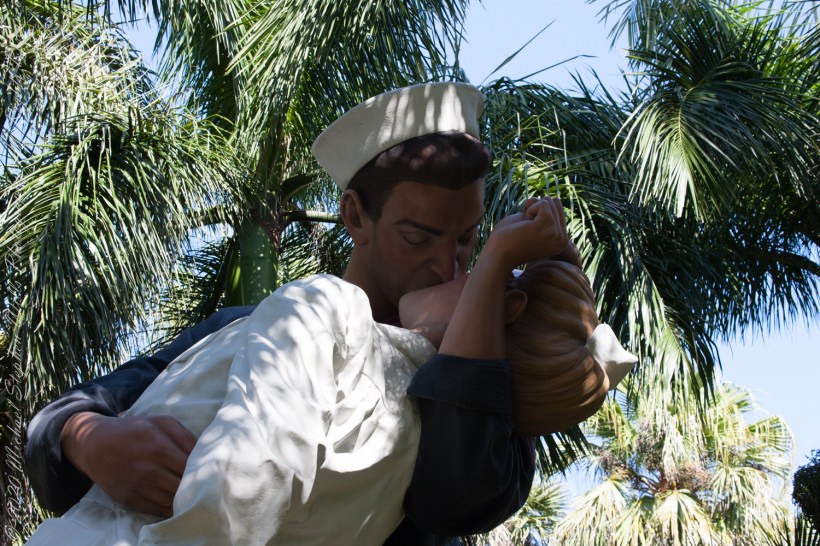
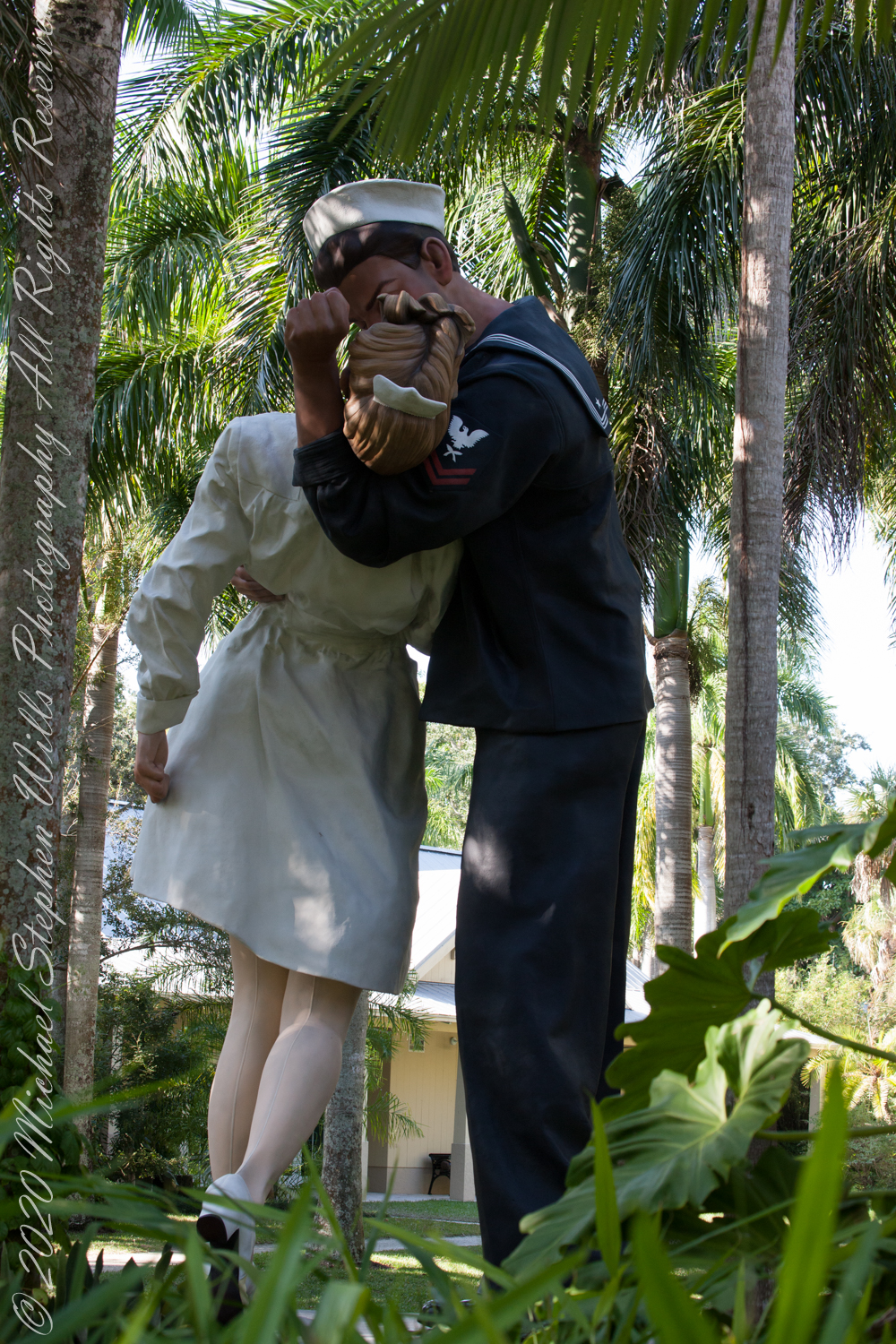
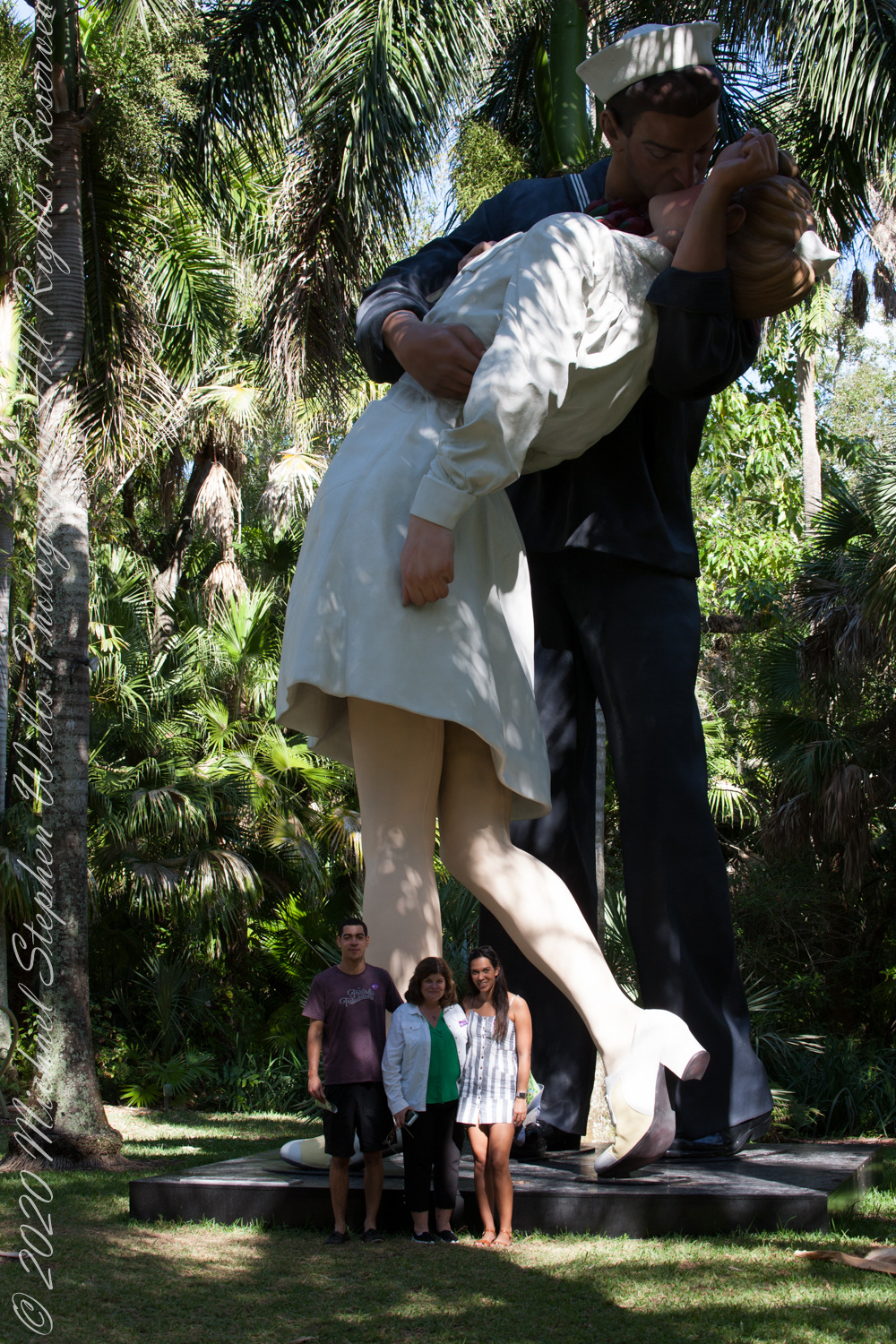
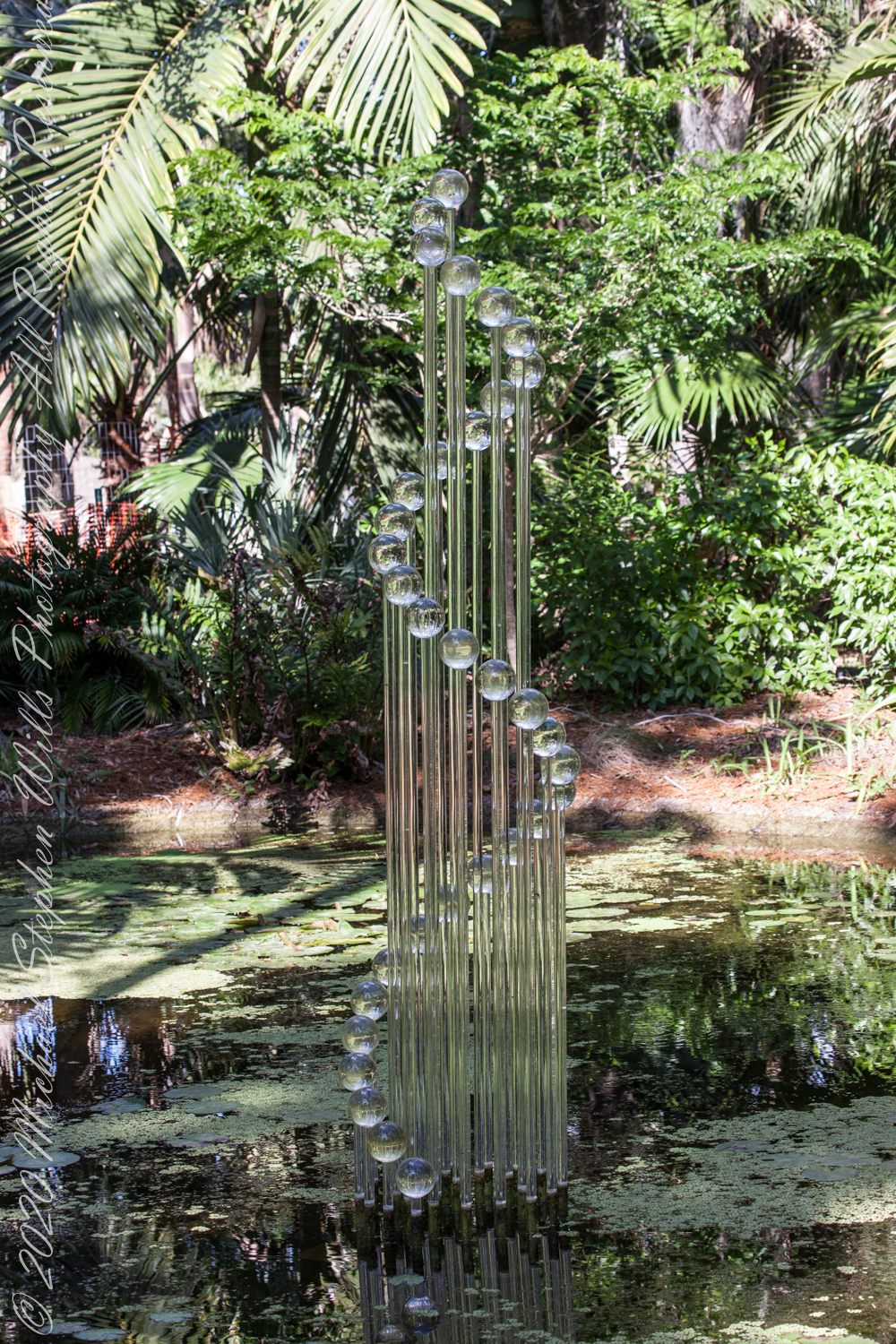
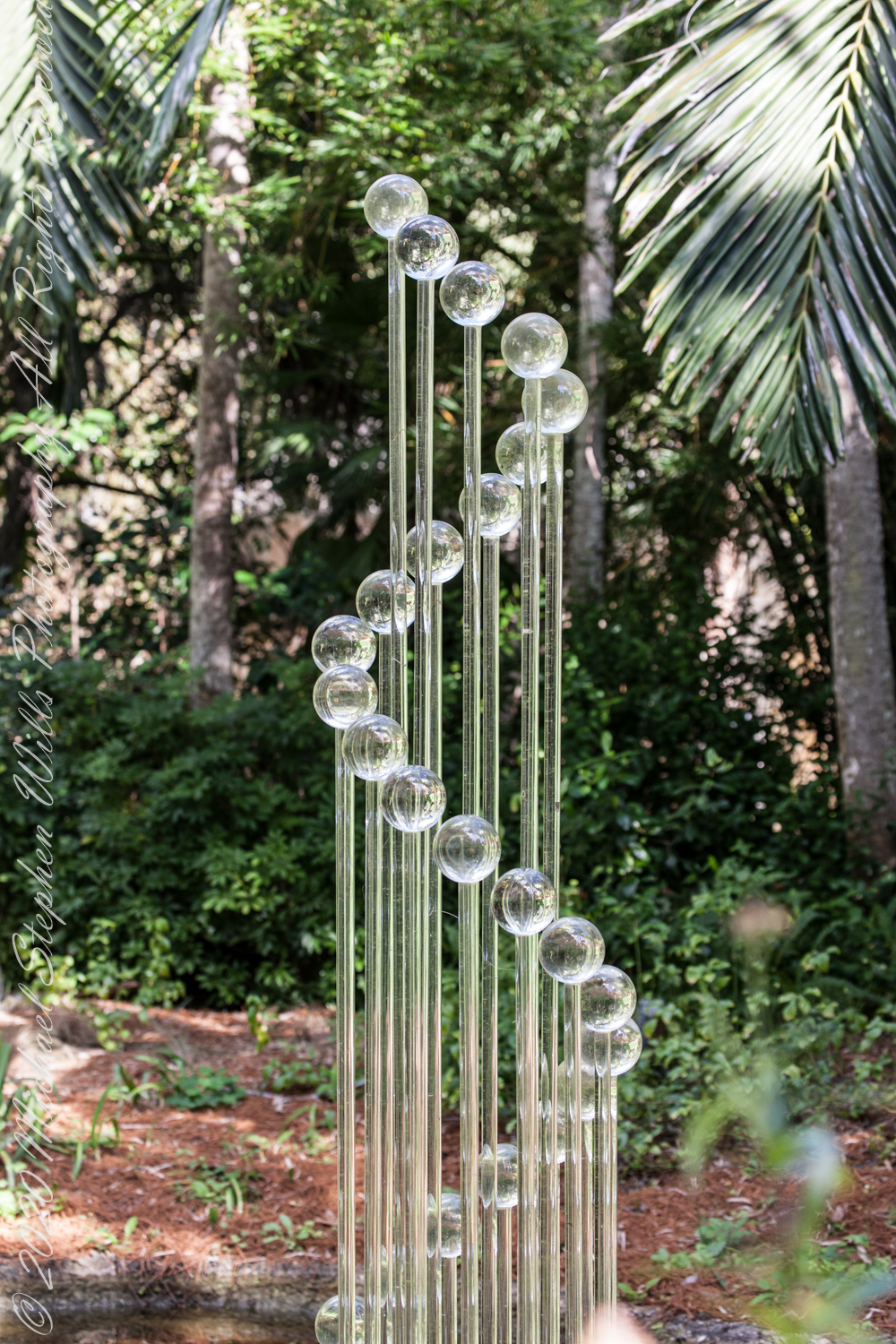
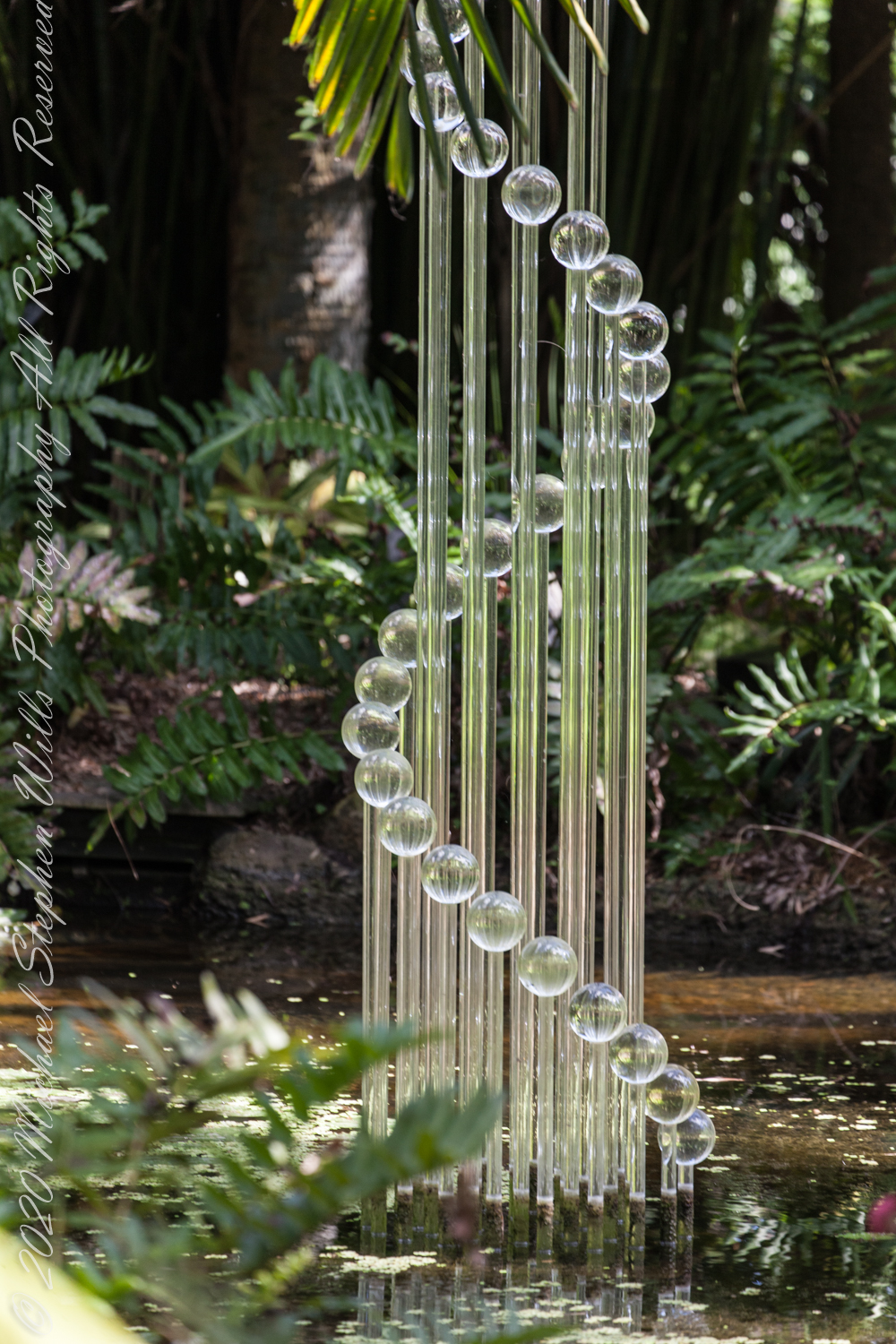
There was one larger than life work on display, set most appropriately among the Royal Palms.
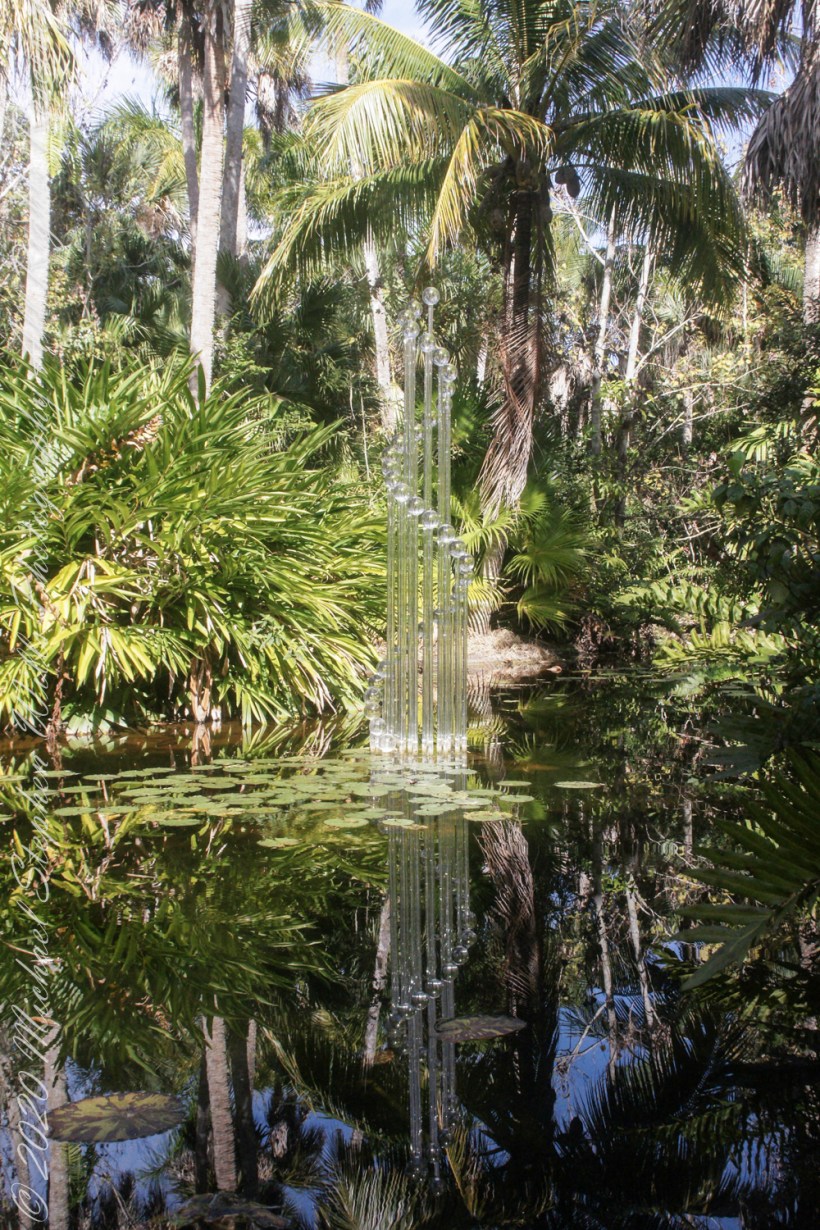
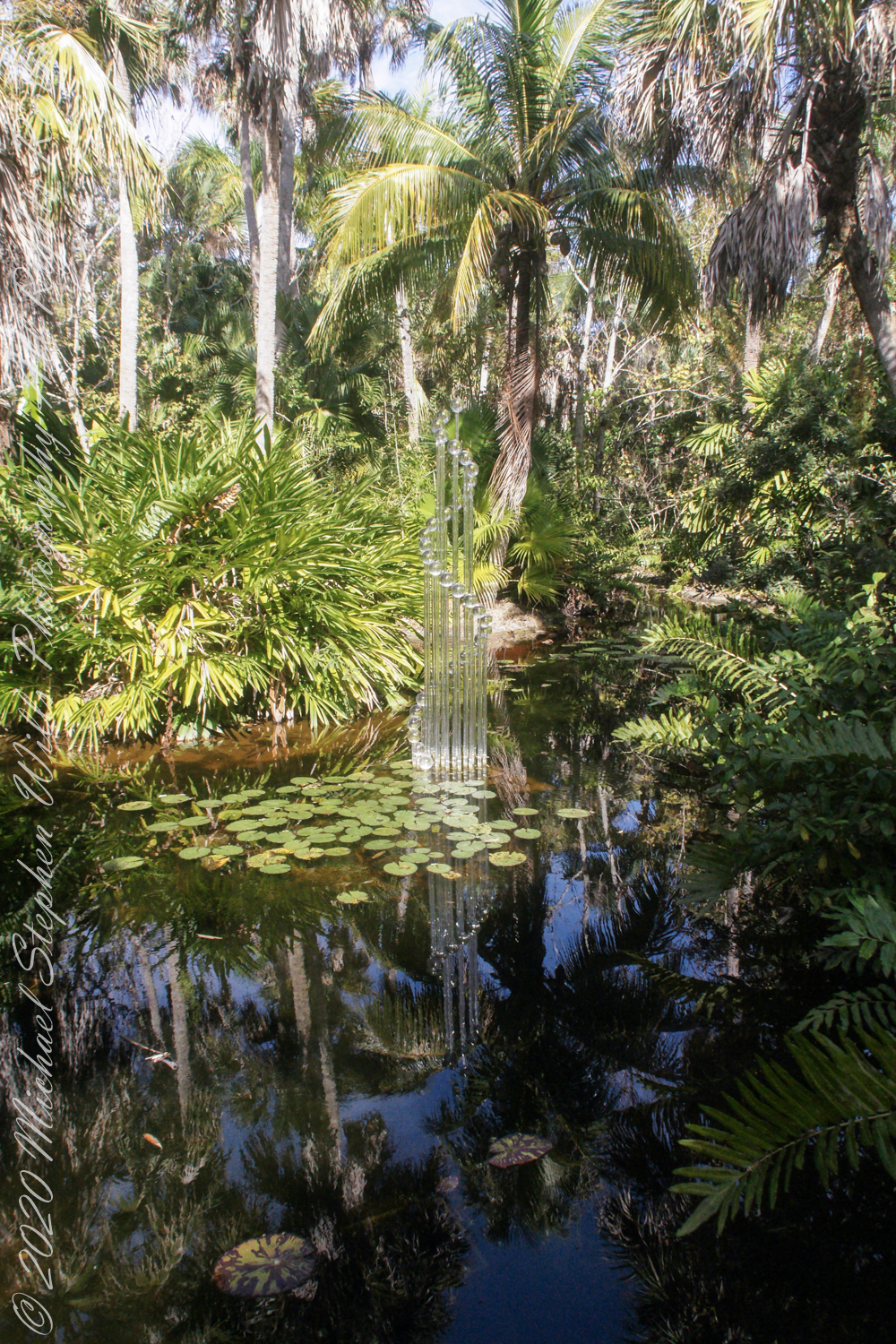
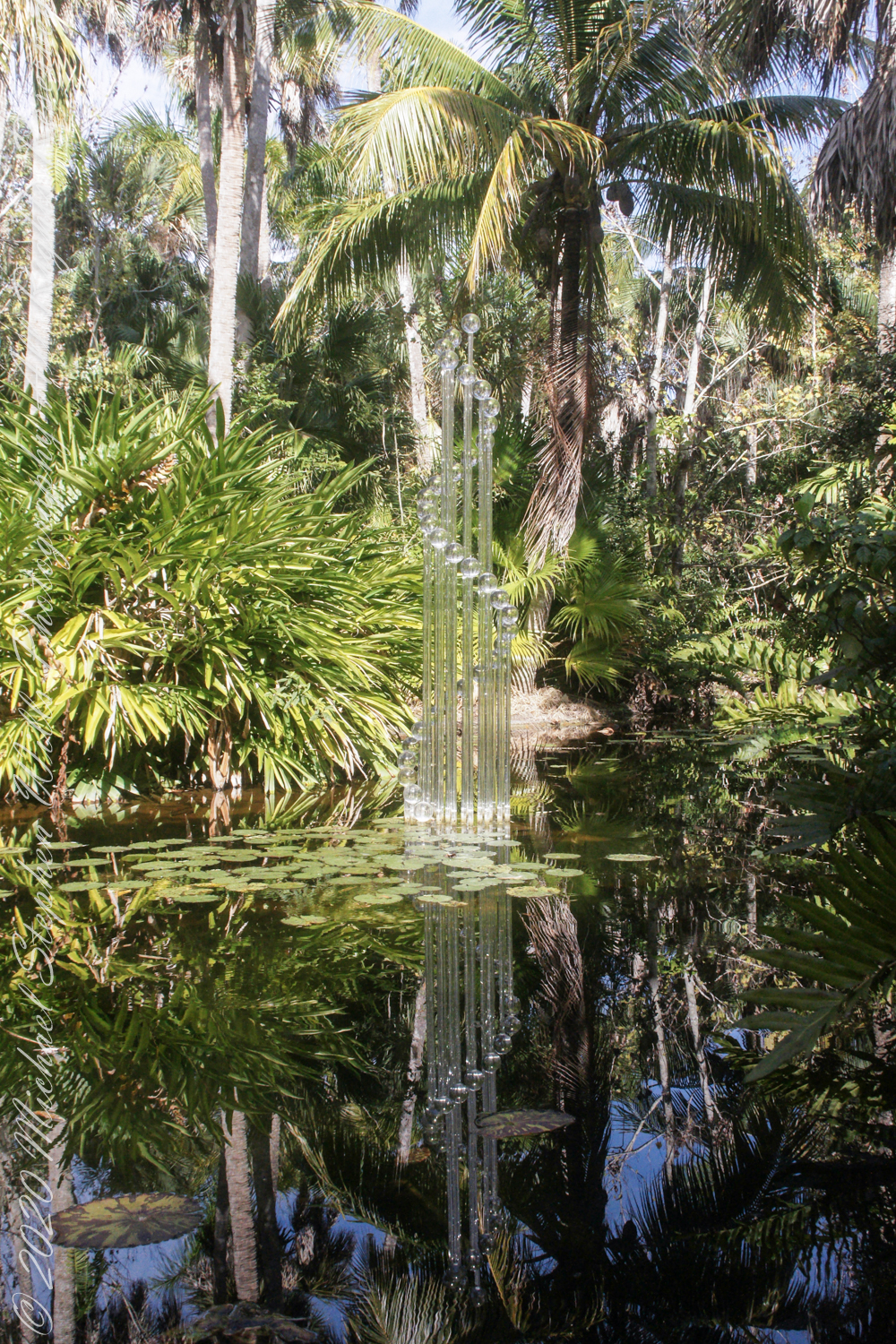
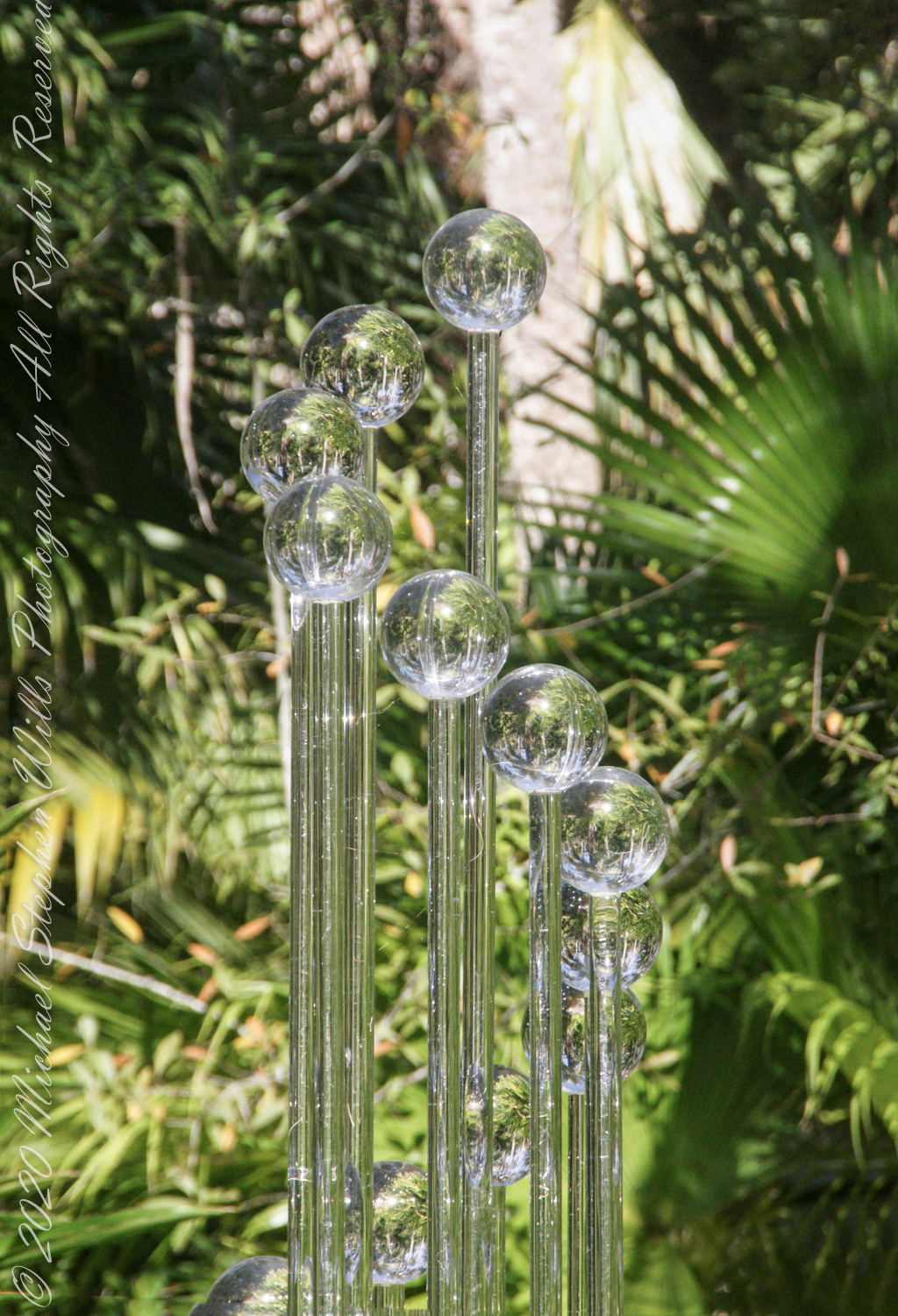
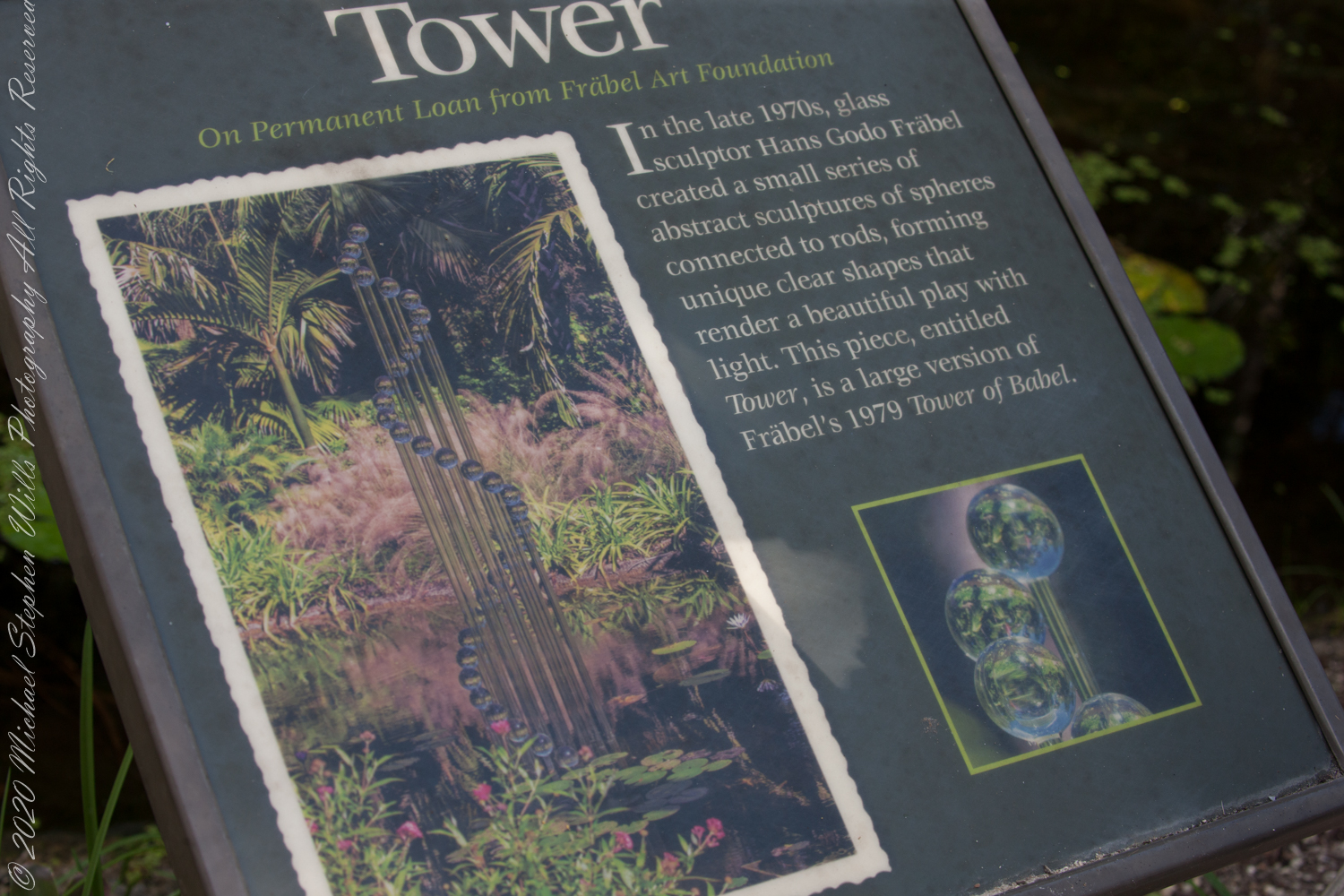
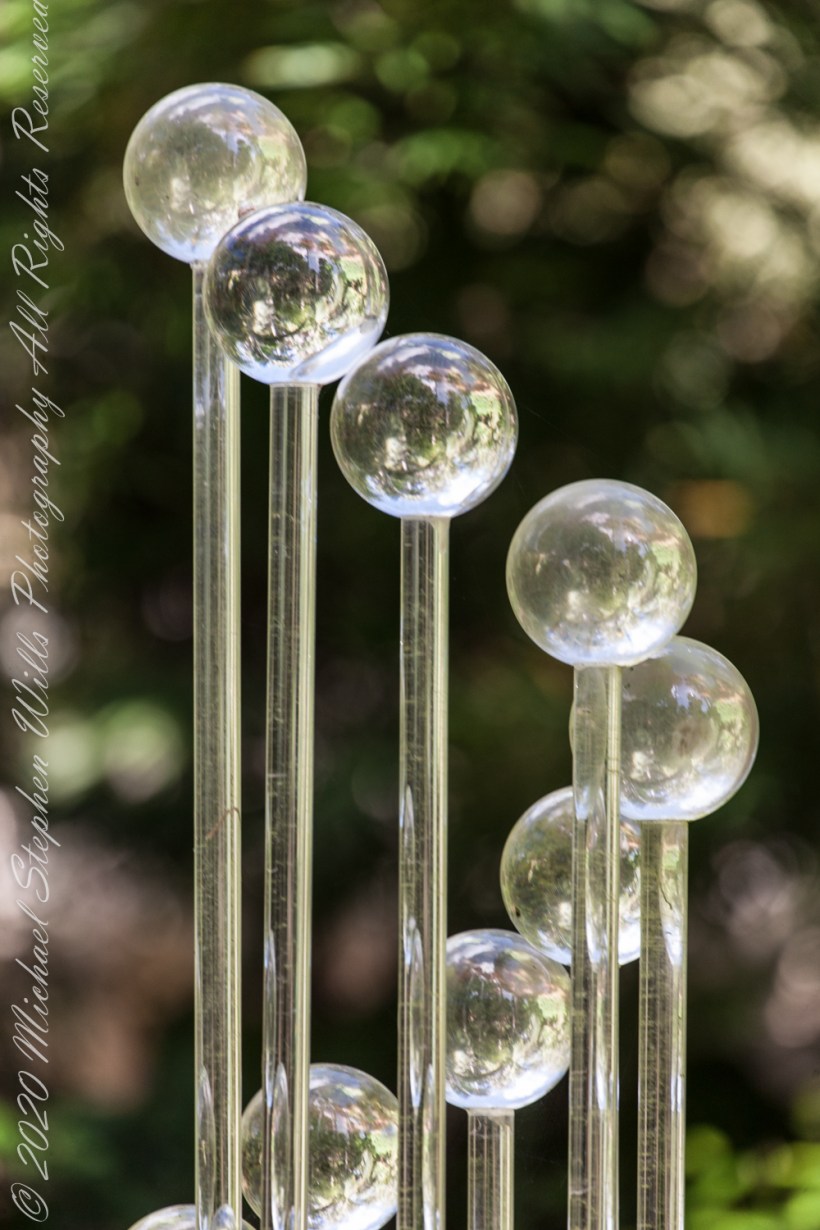
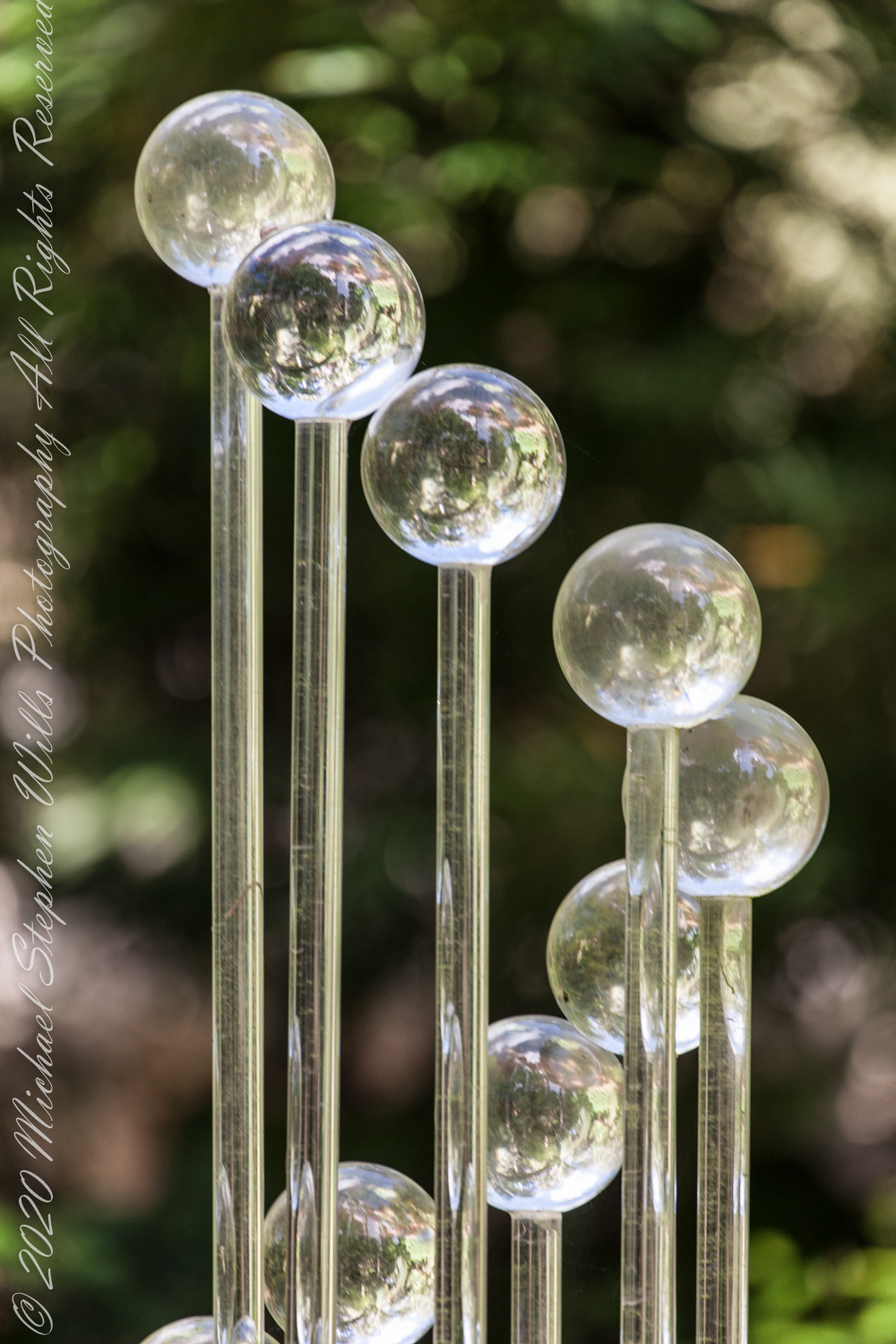
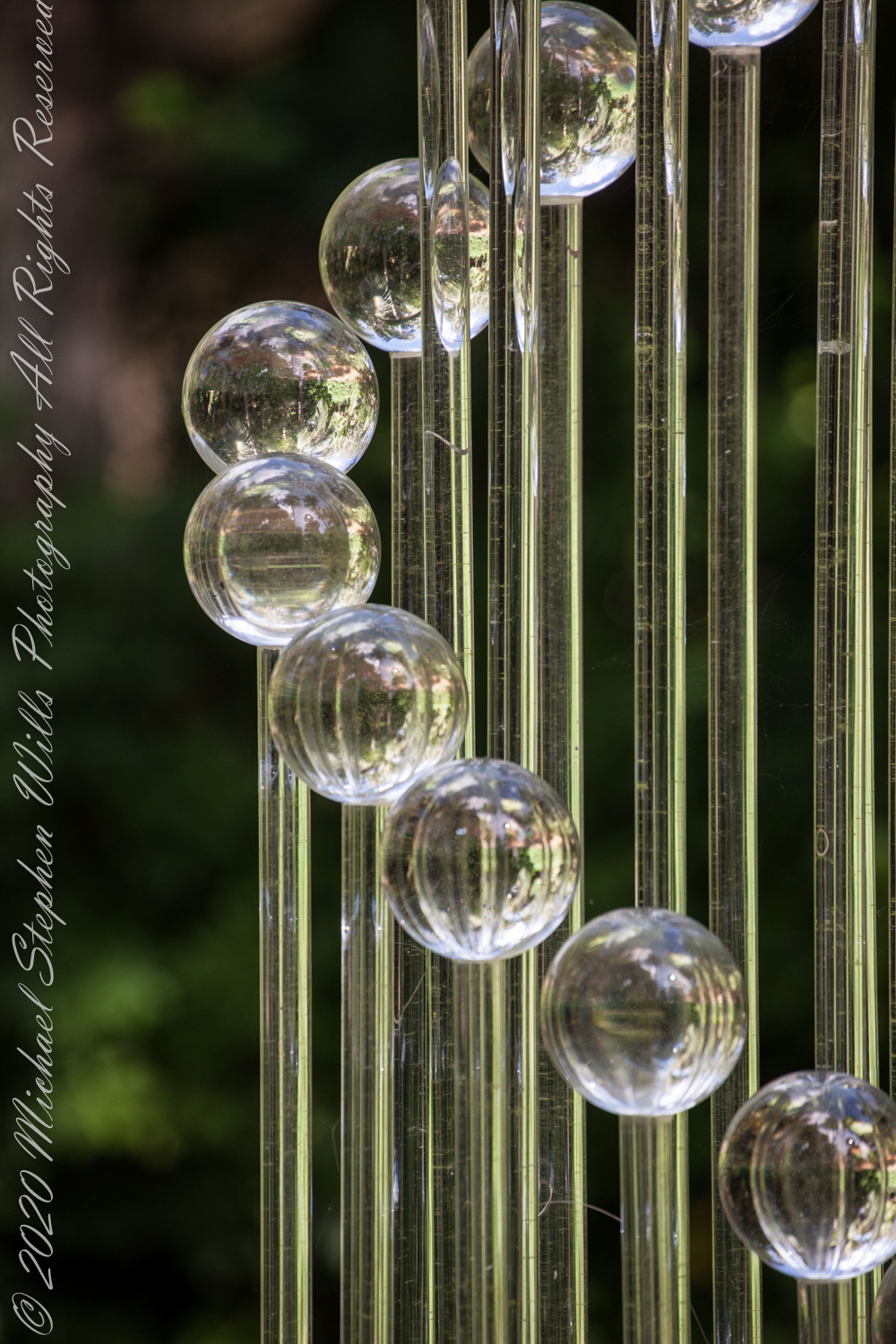
Tower is on permanent load from Frabel Art Foundation. In the late 1970s, glass sculptor Hans Godo Frabel created a small series of abstract sculptures of spheres connected to rods, forming unique clear shapes that render a beautiful play with light. This piece, entitled Tower, is a larger version of Frabel’s 1979 Tower of Babel.
Sunday, January 13th, 2019 Pam and I met grandchildren Soraya and Taj at McKee Botanical Gardens, Vero Beach for the day. Pam had found the gardens as a suitable “half-way point” meeting place between Cocoa Beach, our winter haven, and Jupiter were the grandchildren lived. The meeting turned out as an inflection point in for us and the featured Artist.
As you can infer from his “dates”, John Seward Johnson II (April 16, 1930 – March 10, 2020) passed away the next year. Best known as “Seward Johnson”, he was a grandson of Robert Wood Johnson I, the co-founder of Johnson & Johnson, and of Colonel Thomas Melville Dill of Bermuda, Mr Johnson was an American artist who created trompe-l’œil painted bronze statues. He designed life-size bronze statues that were castings of living people, depicting them engaged in day-to-day activities.
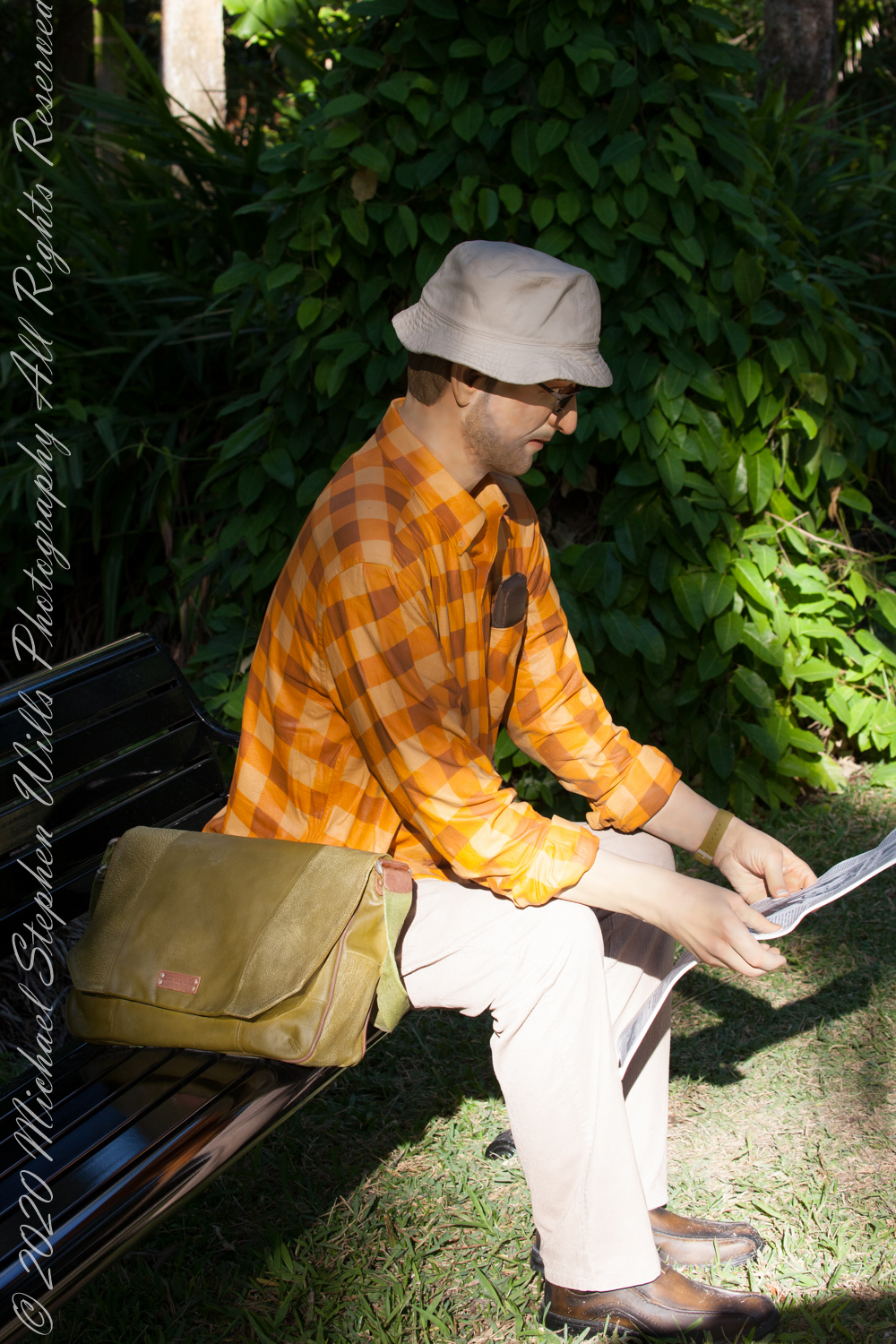
Grabbing Some Peace“Grabbing Some Peace”
A large staff of technicians did the fabrication of the works he designed. Computers and digital technology often were used in the manufacturing process.
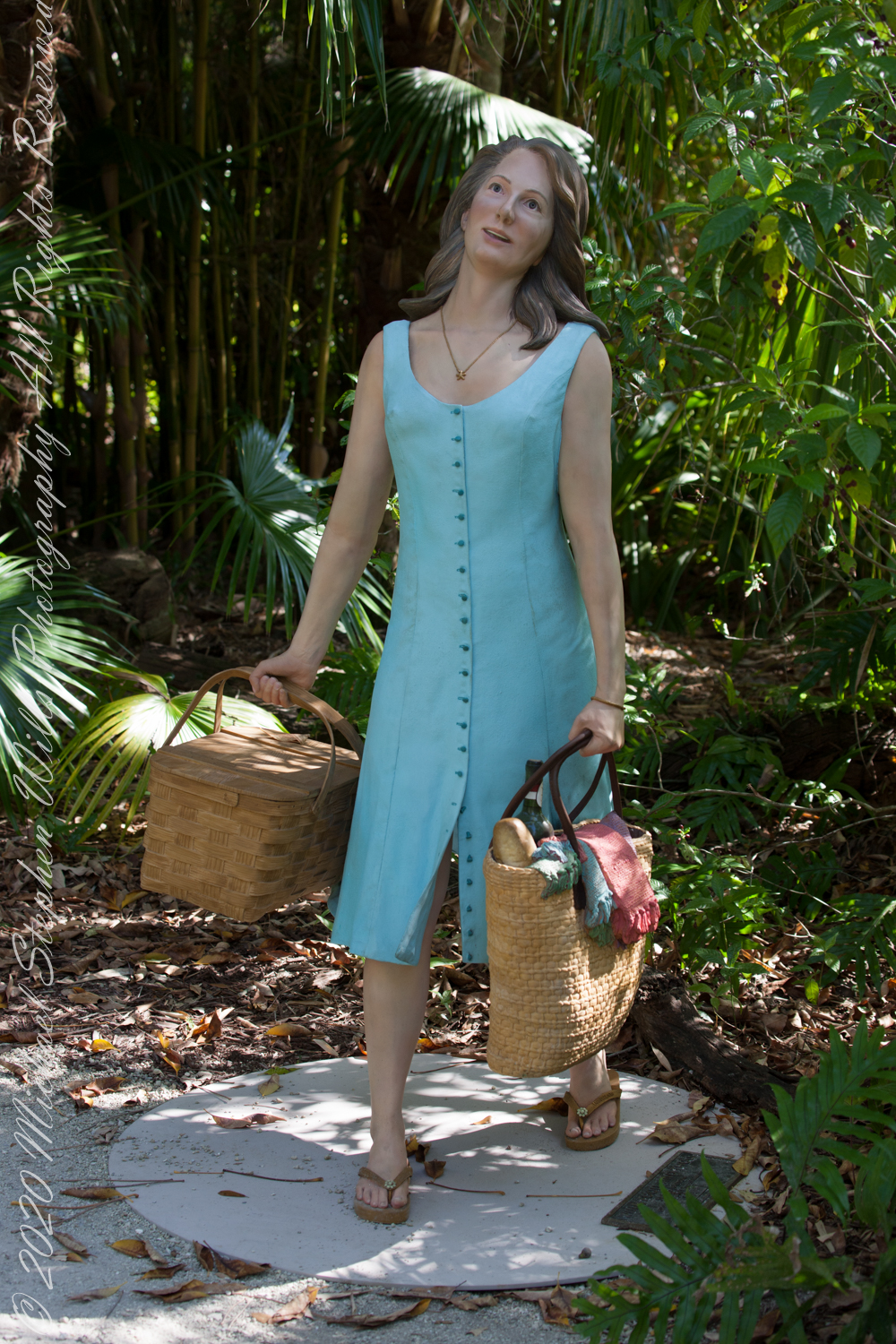
“Gotcha”
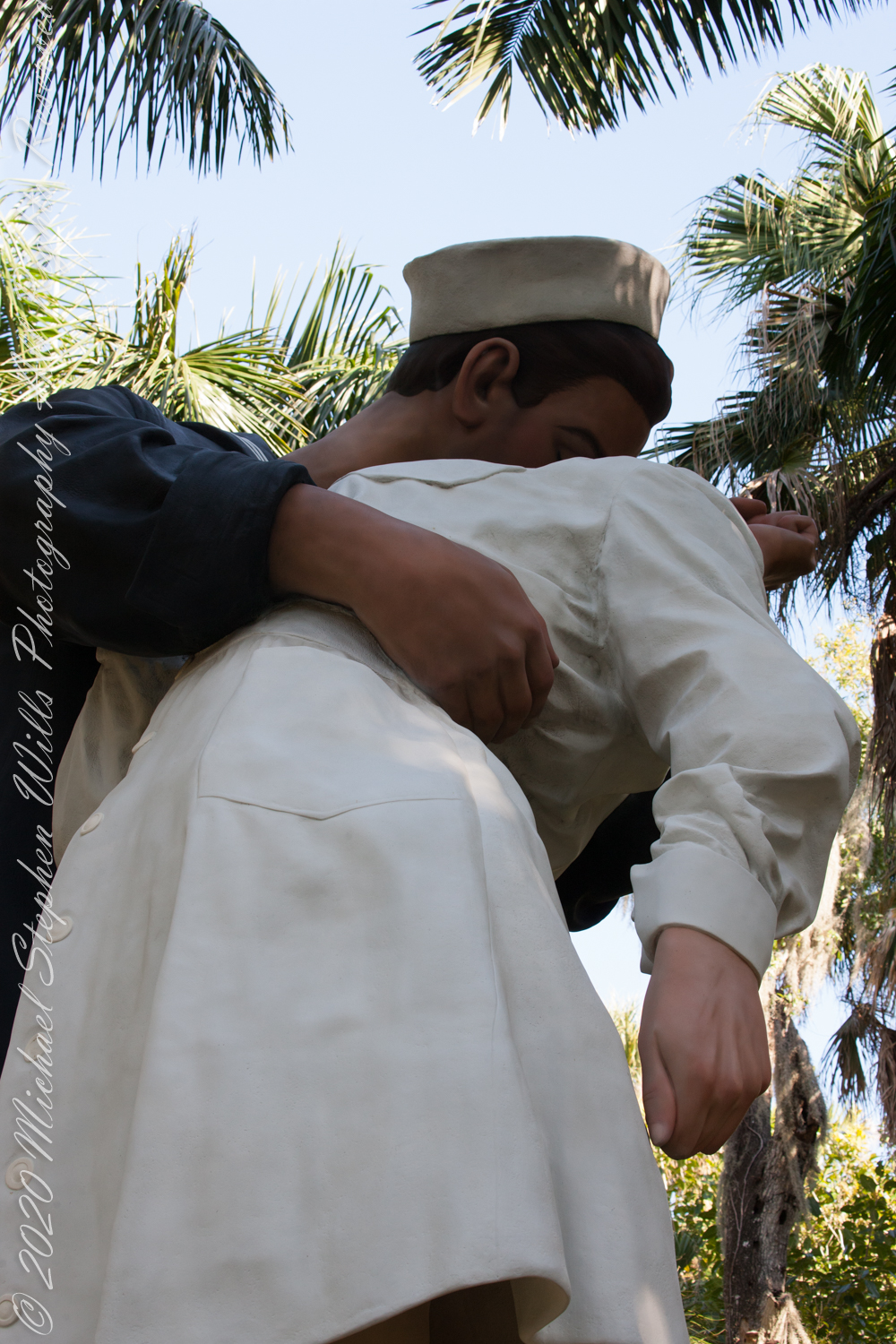
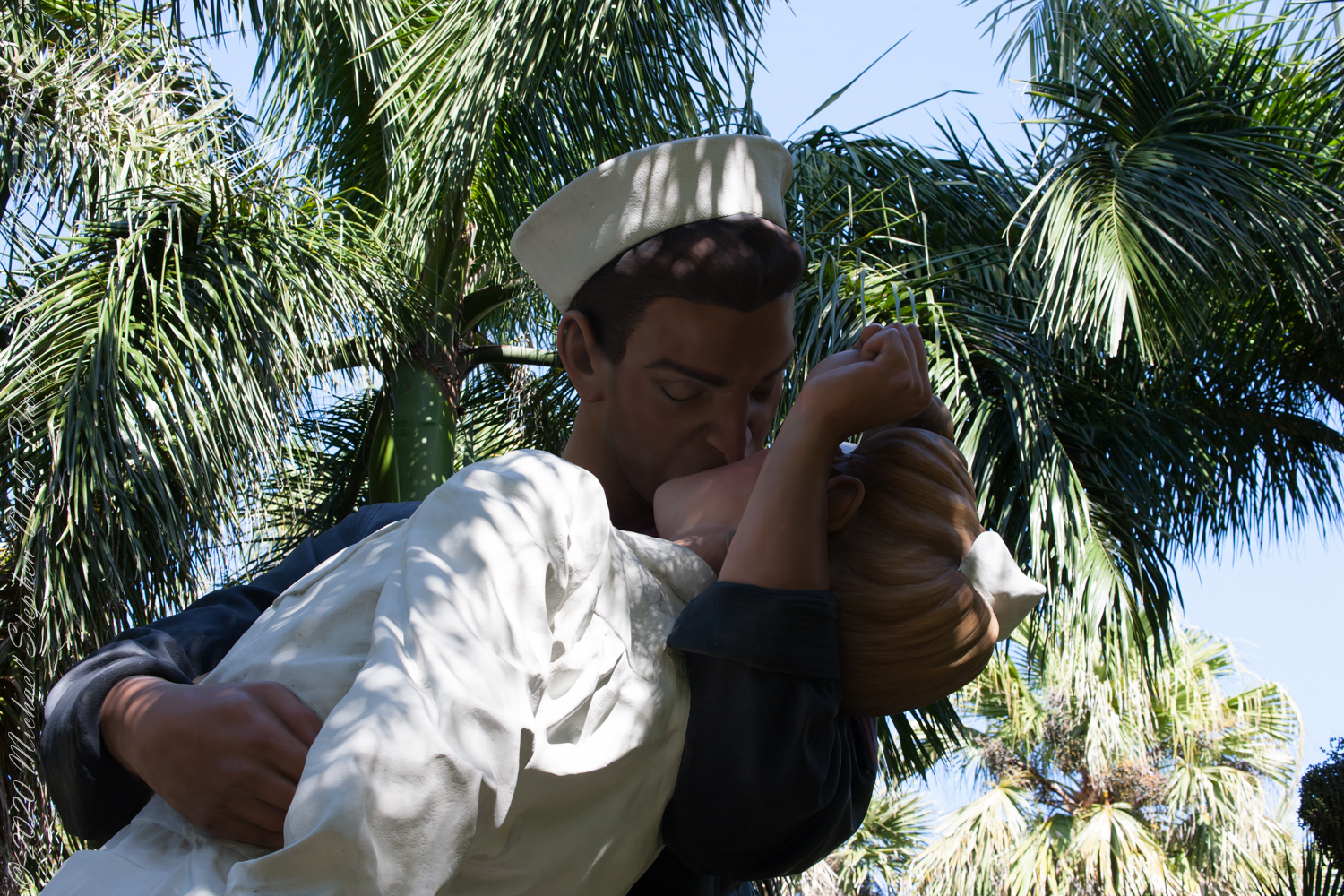
details from “Gotcha”
Sometimes the manufacture was contracted in China. He was the founder of “Grounds For Sculpture”, a 42-acre sculpture park and museum located in Hamilton Township, Mercer County, New Jersey.
After this both Soraya and Taj’s moved on in their lives, branching out from their Jupiter, Florida roots. Both stay in touch.
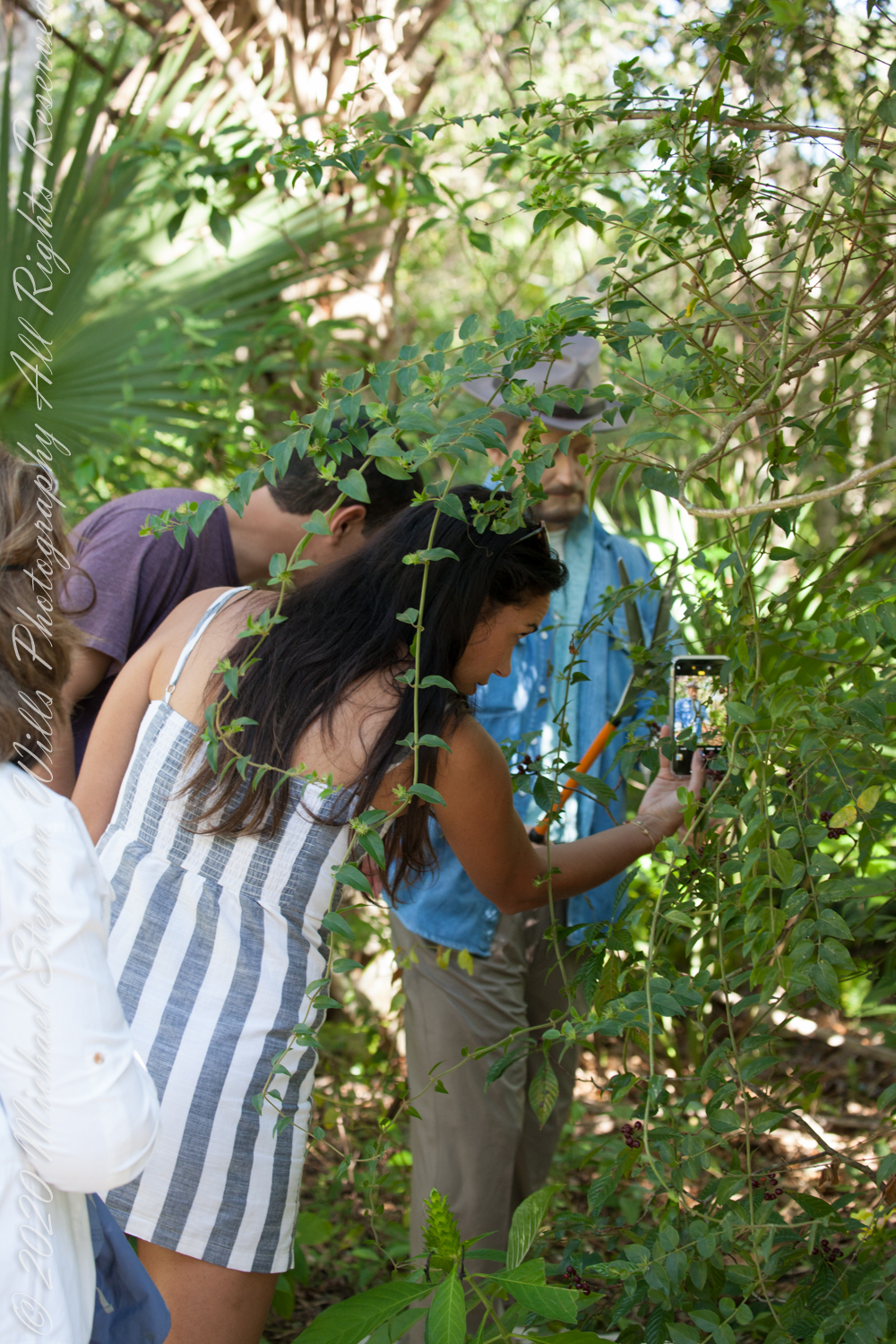
Taj and Soraya capture “Gotcha” while Pam waits for her chance.
Tower is on permanent load from Frabel Art Foundation. In the late 1970s, glass sculptor Hans Godo Frabel created a small series of abstract sculptures of spheres connected to rods, forming unique clear shapes that render a beautiful play with light. This piece, entitled Tower, is a larger version of Frabel’s 1979 Tower of Babel.
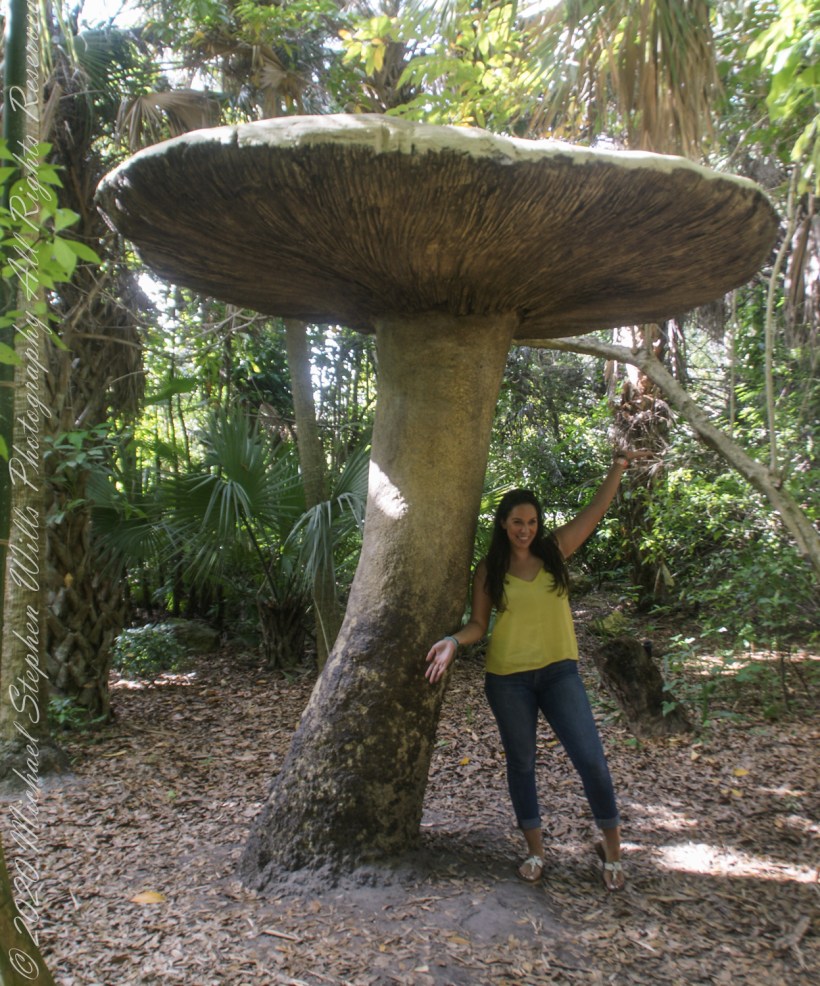
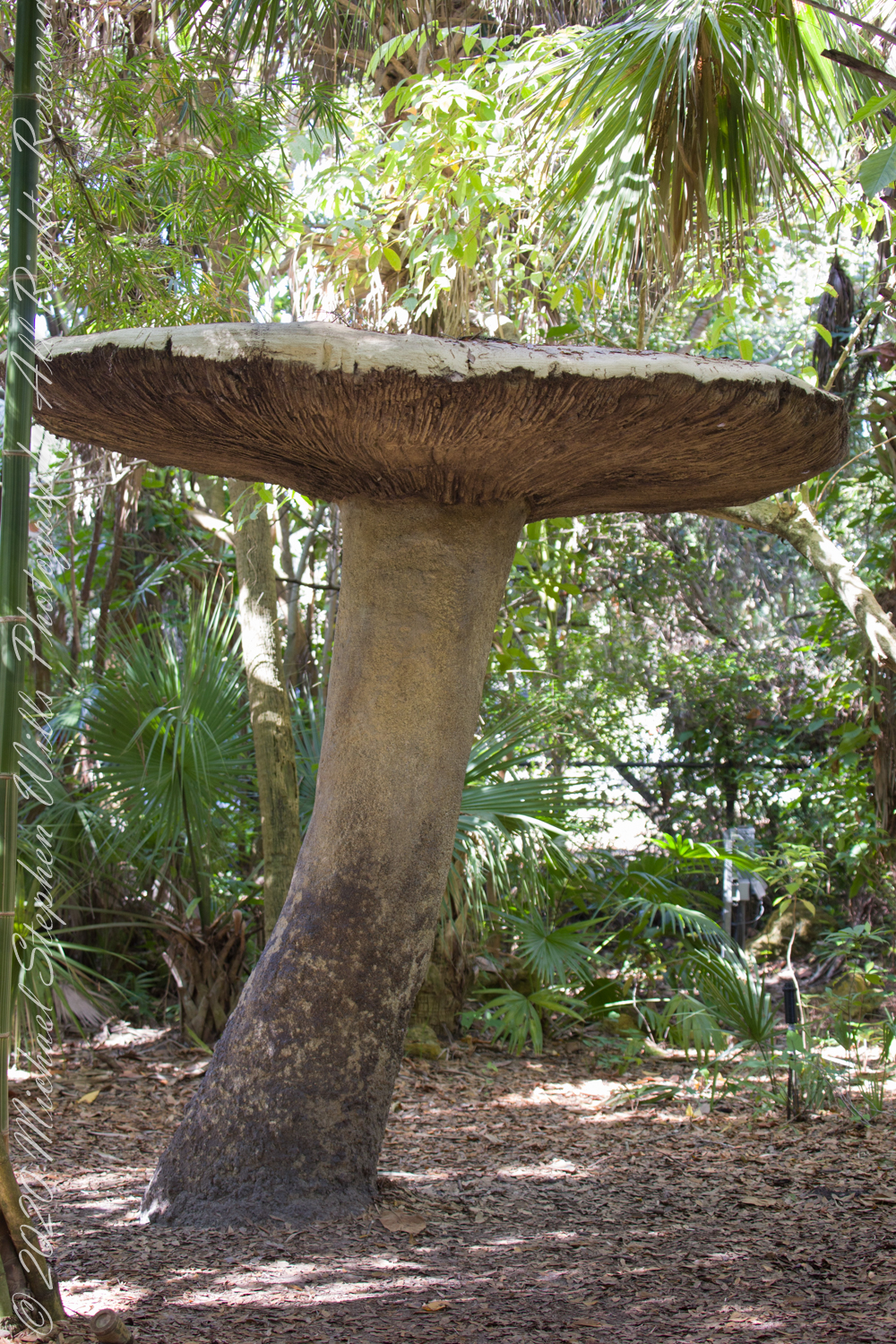
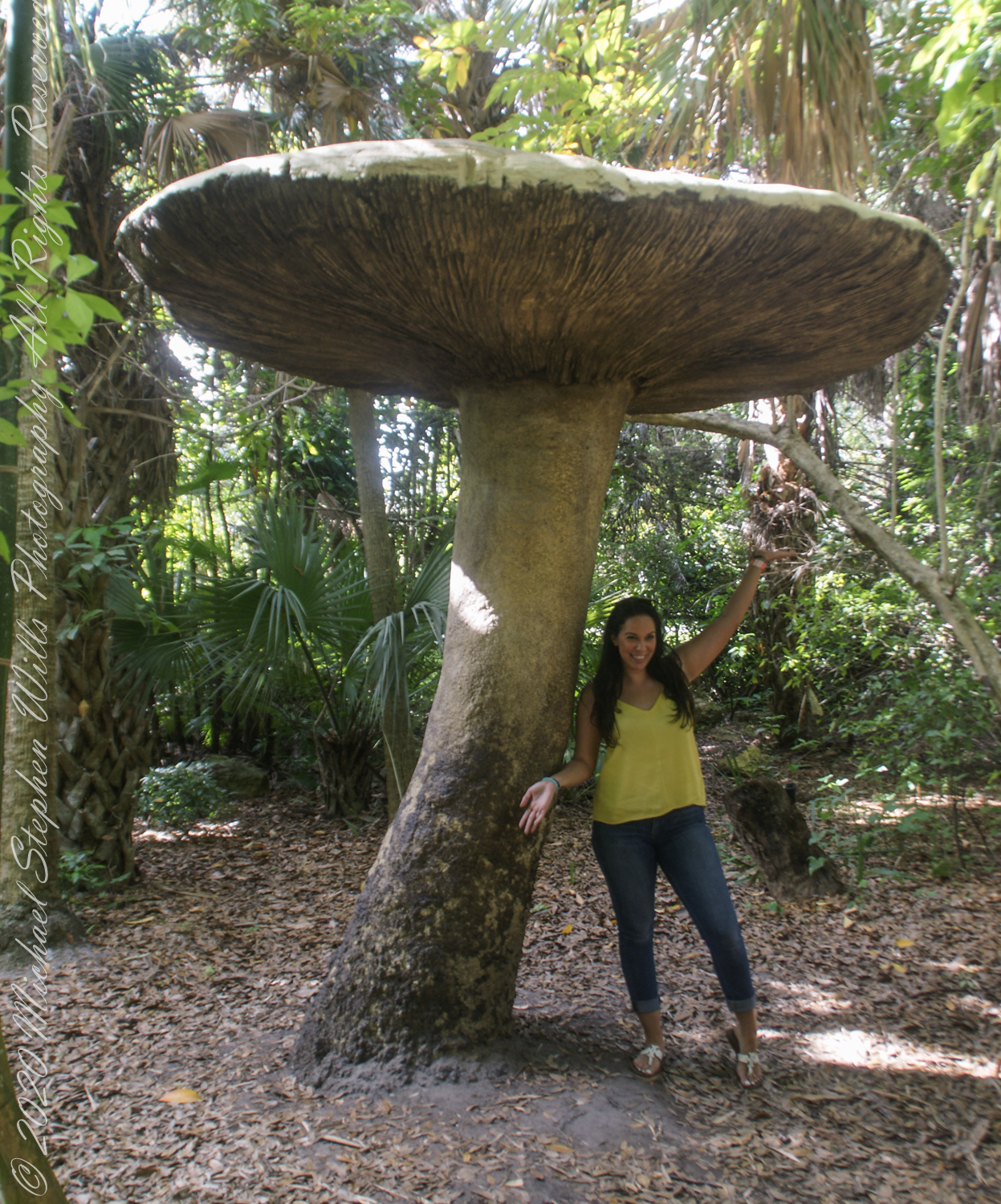
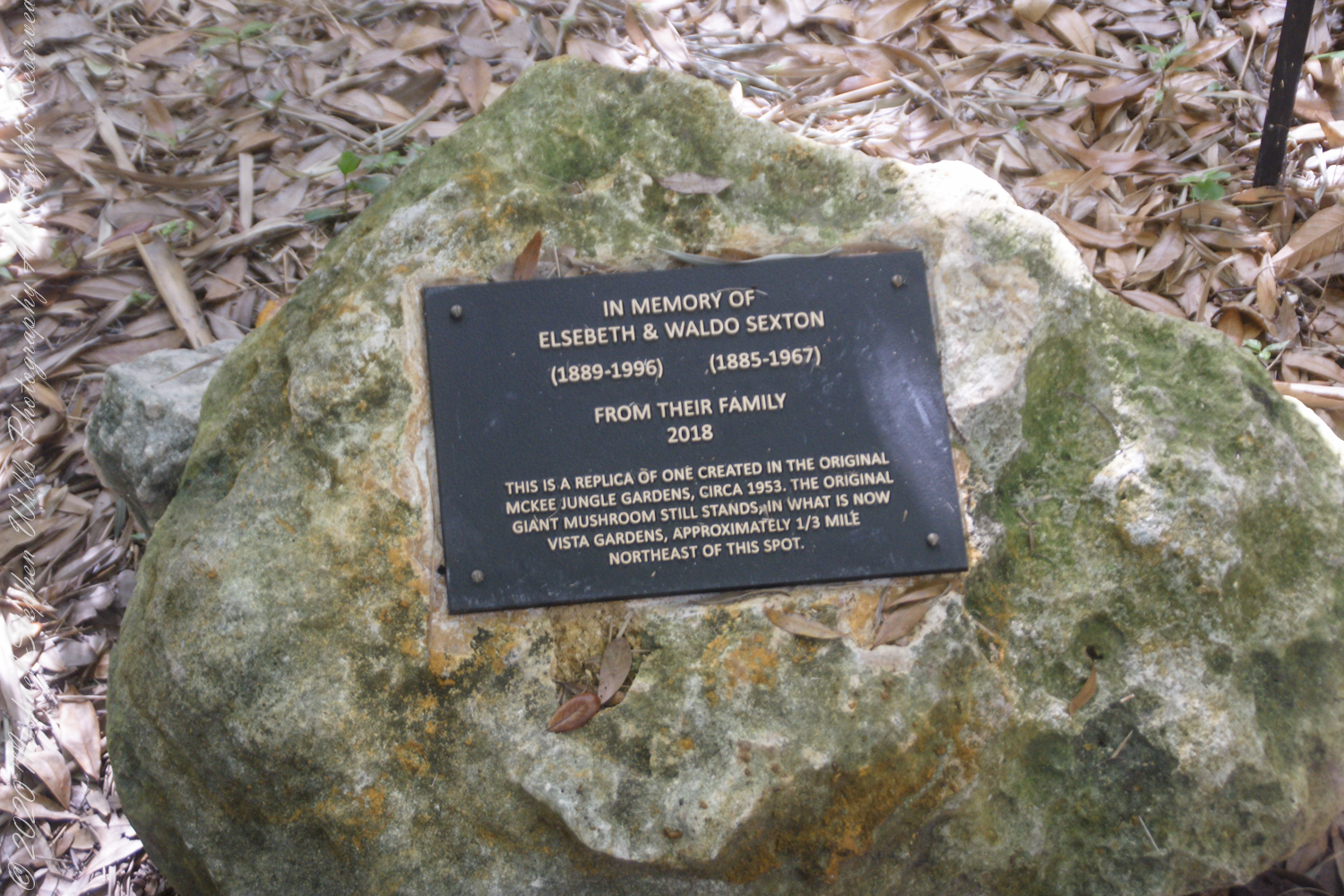
In Memory of Elsebeth (1889-1996) and Waldo Sexton (1885-1967) from their family (2018). This is a replica of one created in the original McKee Jungle Gardens, circa 1953. The original Giant Mushroom still stands in what is now Vista Gardens, approximately 1/3 mjile northeast of this spot.
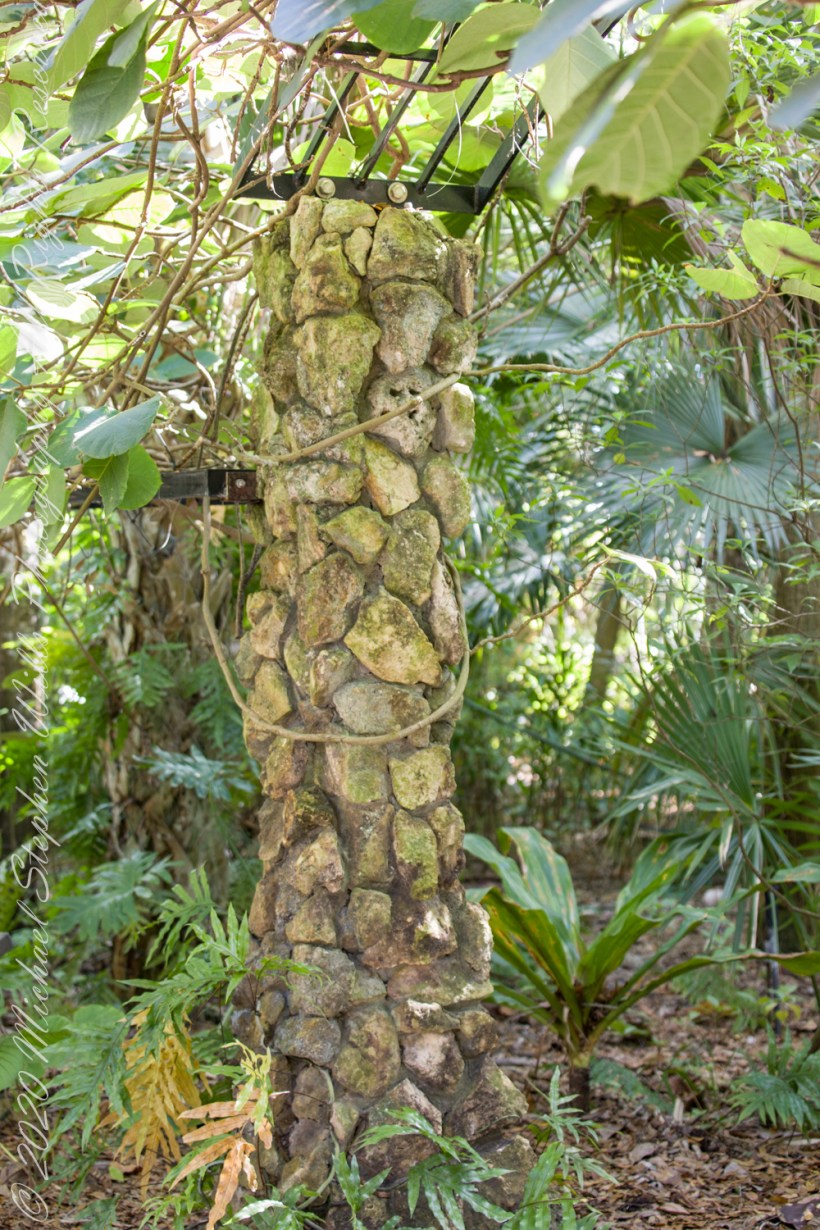
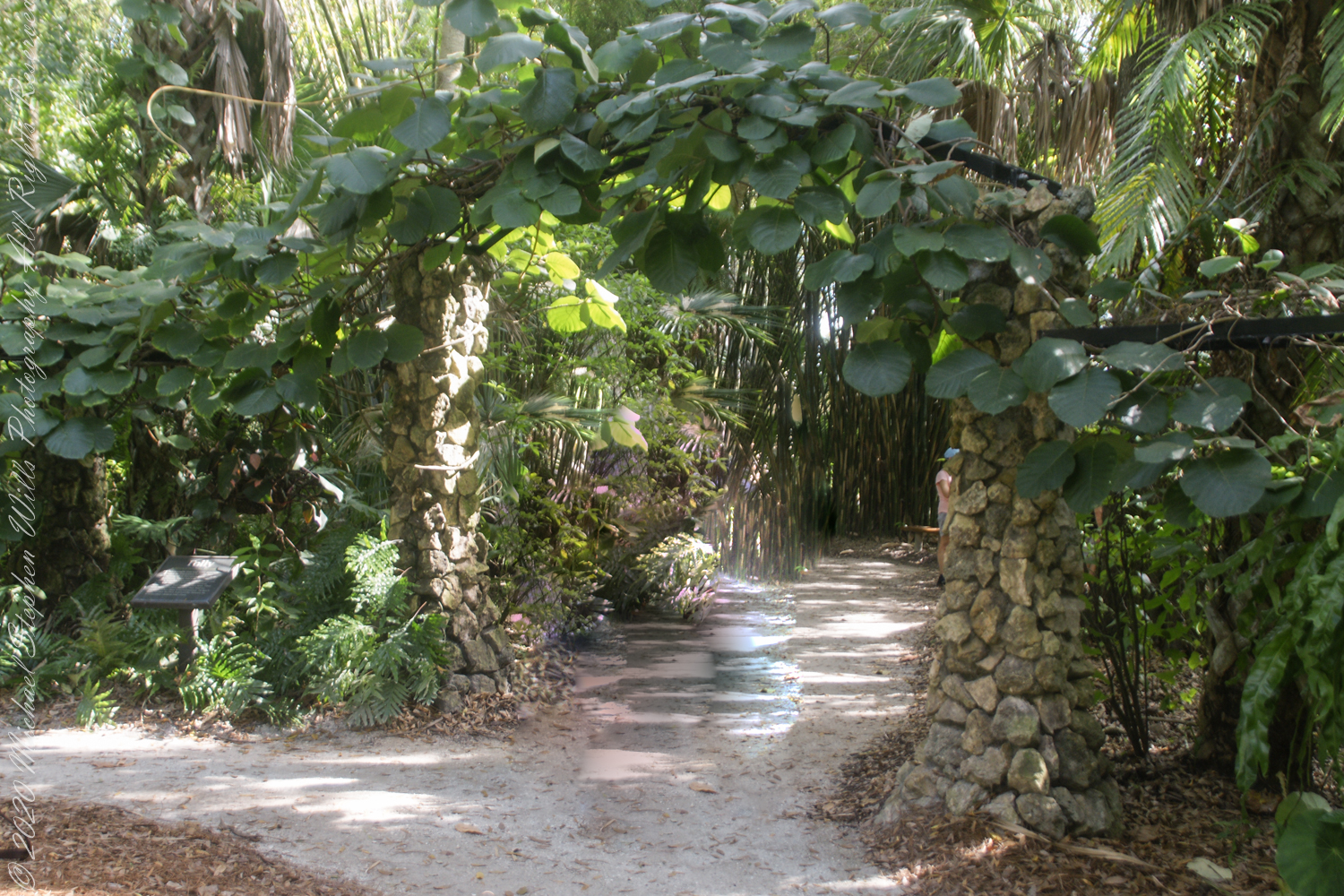
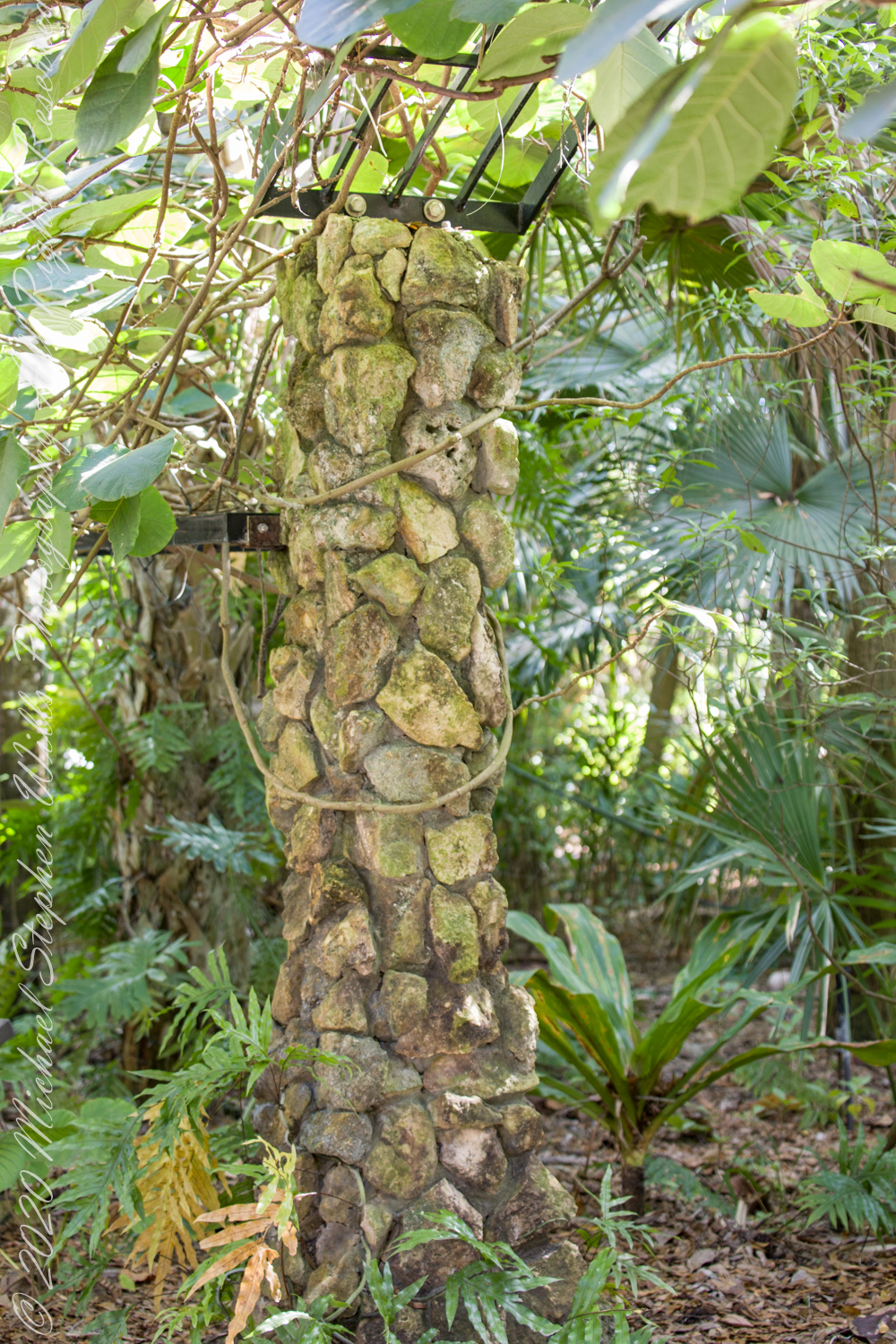
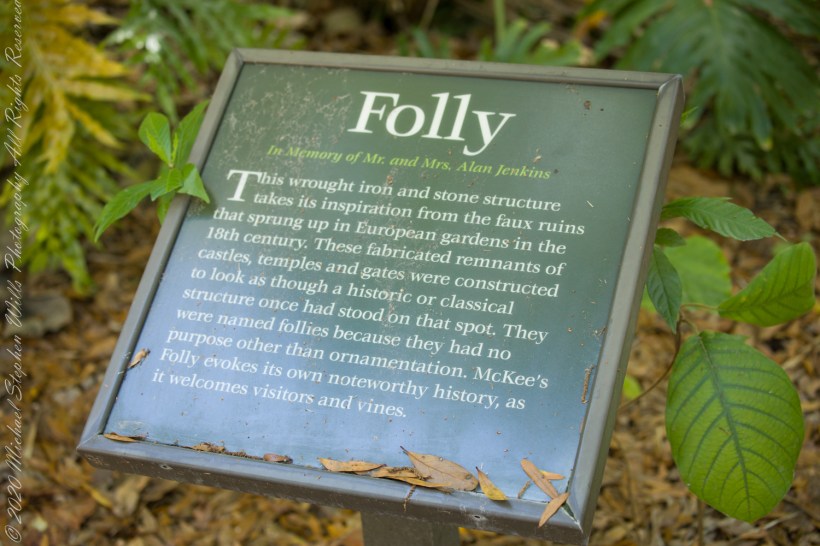
This wrought iron and stone structure takes it inspiration from the faux ruins that sprung up in European gardens in the 18th century. These fabricated remnants of castles, temples and gates were constructed to look as though a historic or classical structure once had stood on that spot. They were named follies because they had not purpose other than ornamentation. McKee’s Folly evokes its own noteworthy history, as it welcomes visitors and vines.
McKee Folly with people removeddetail of the Folly
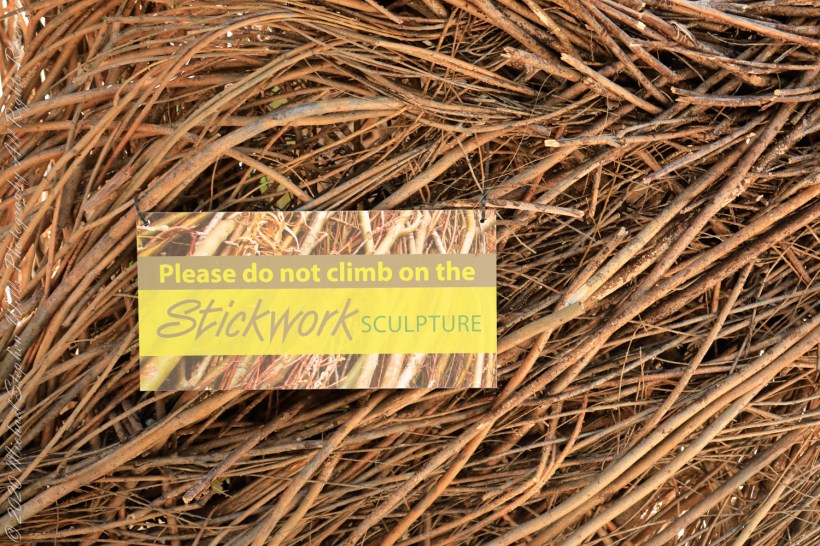
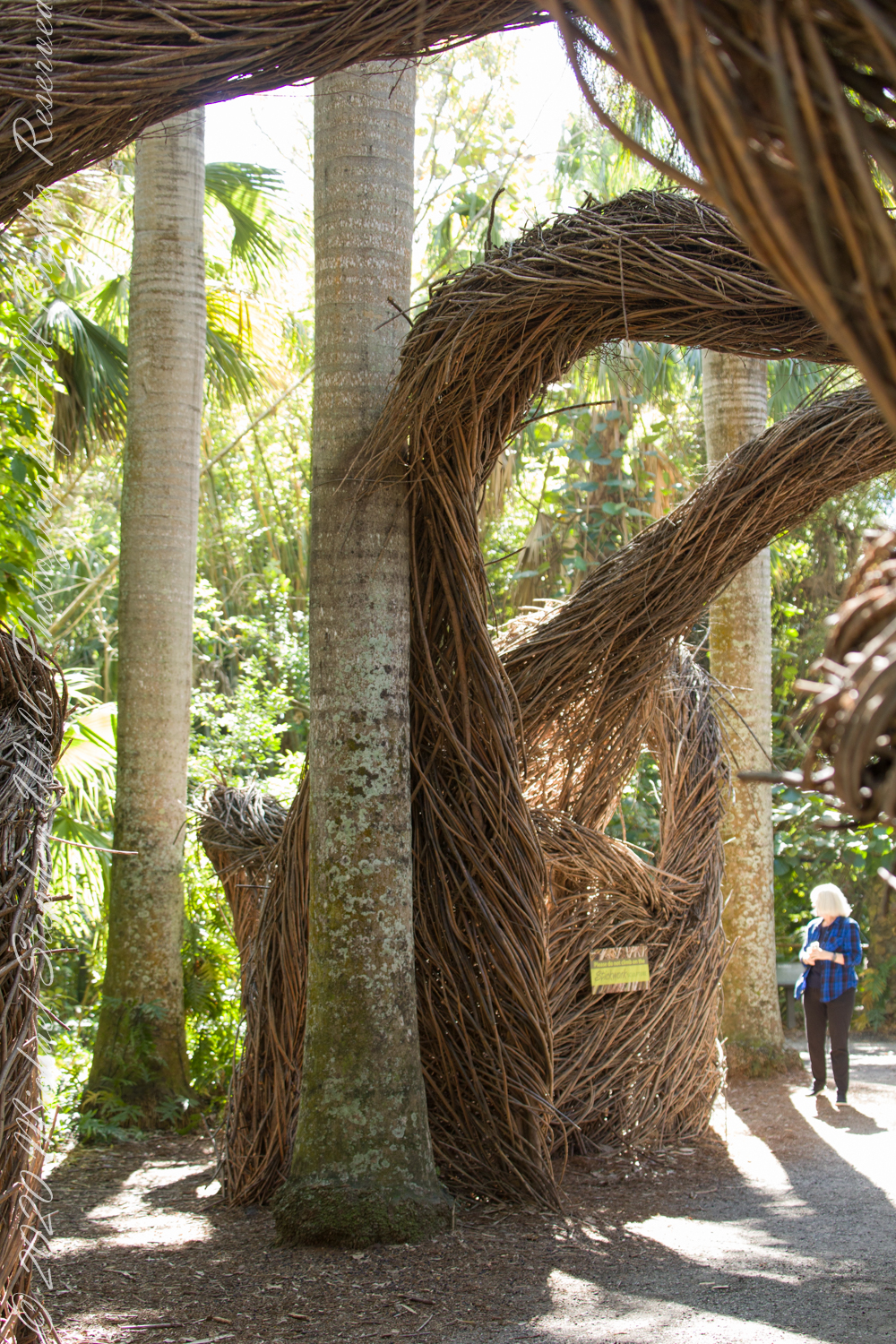
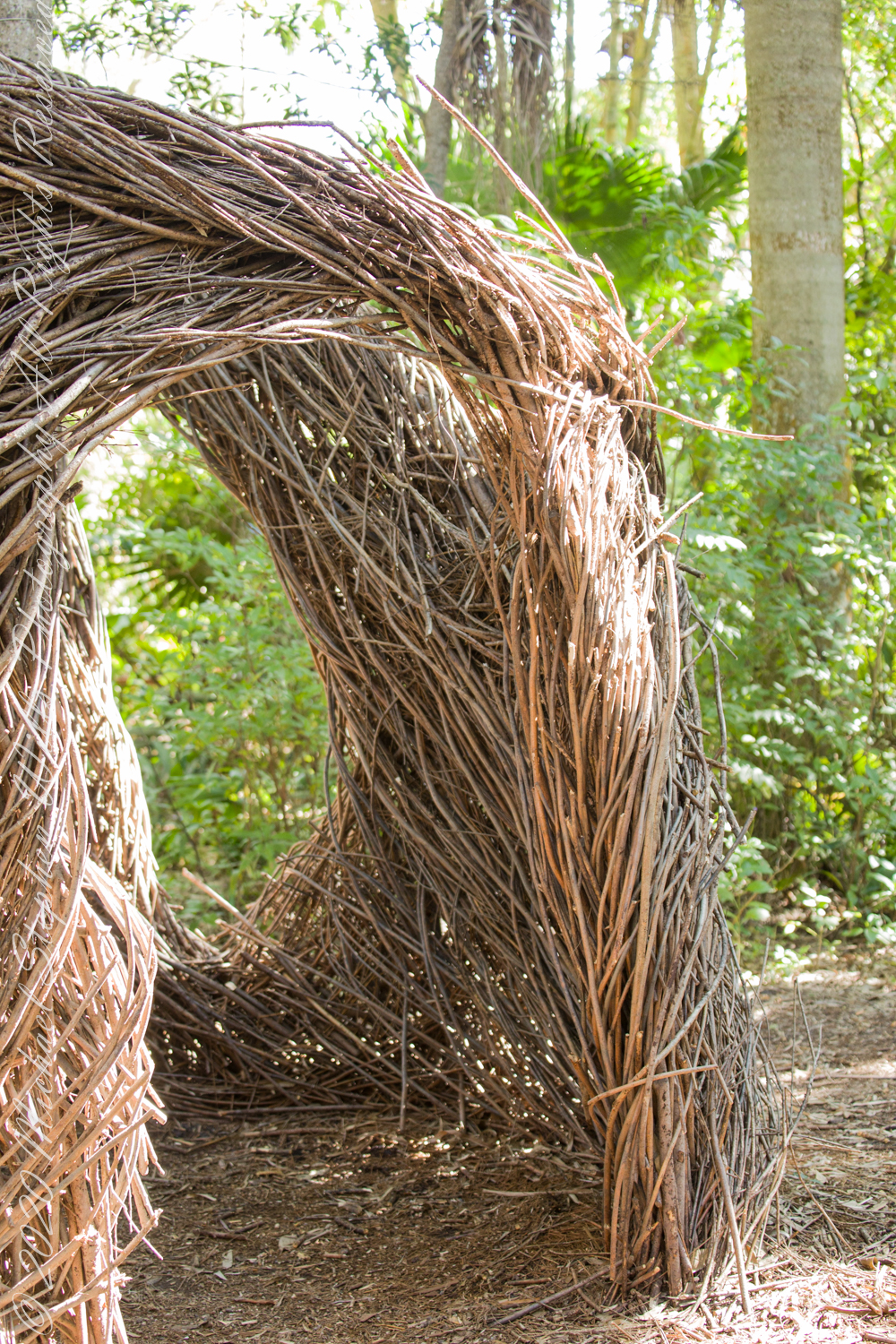
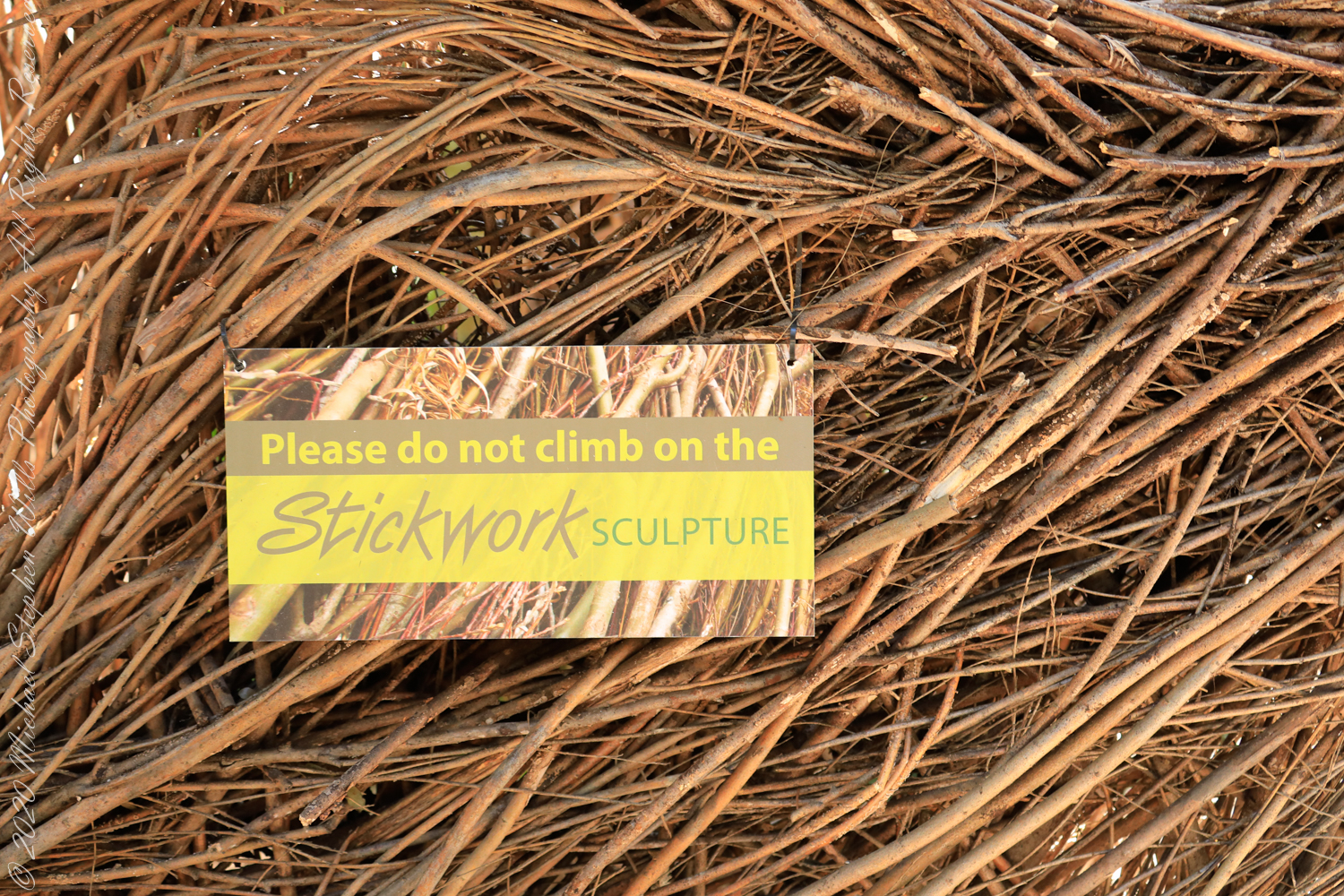
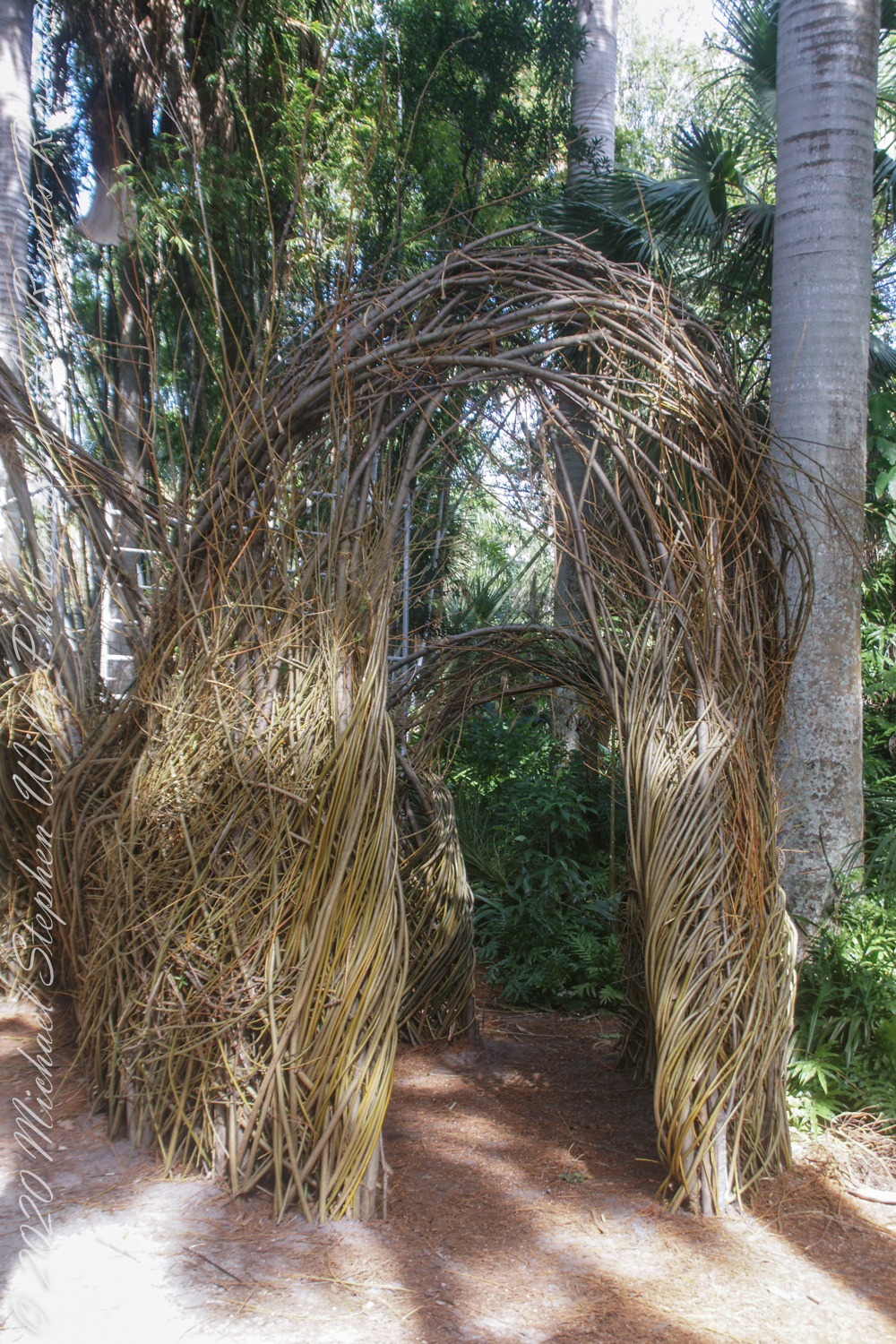
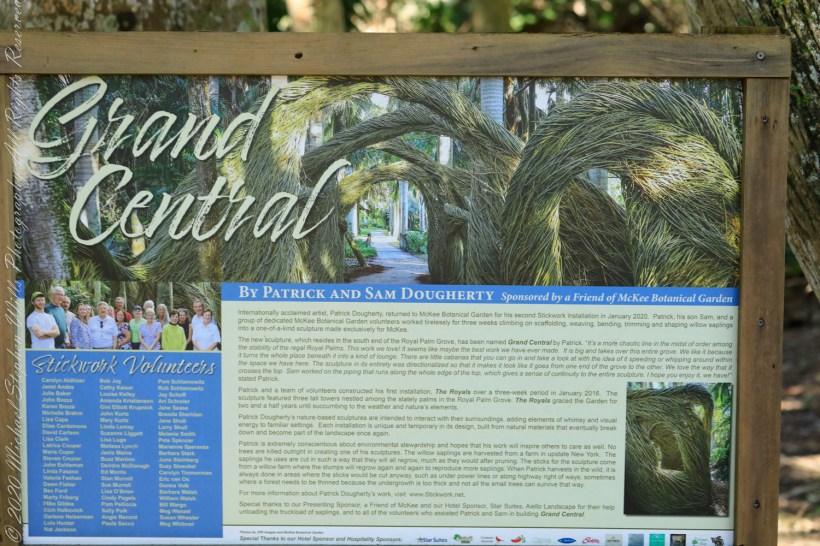
Grand Central is an artistic project adjacent to the Royal Palm avenue. Look at the photograph of the signage for more information about this project
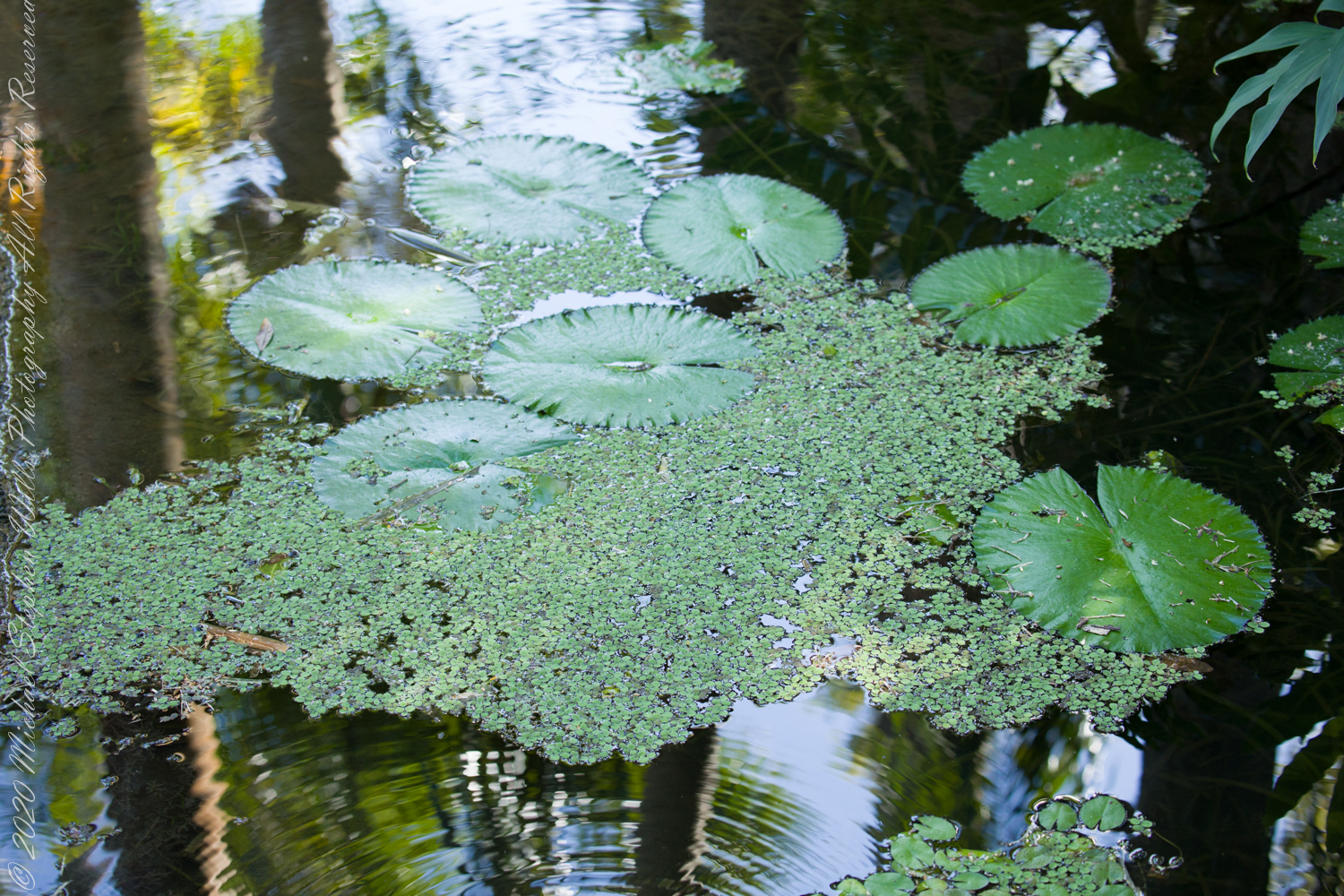
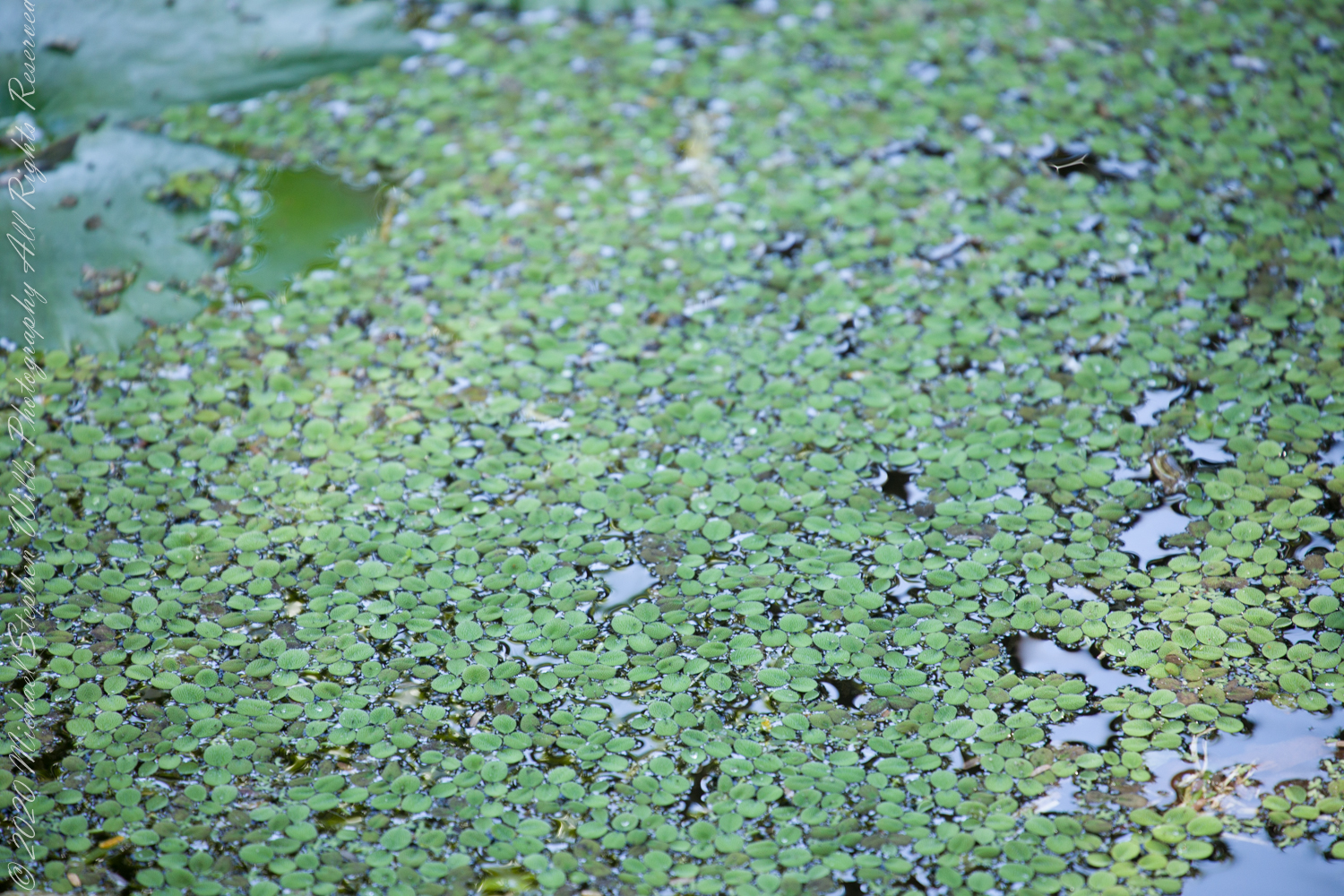
Lily Pads and duckweedduckweedGrand Central, a sculpture made entirely from willow saplingsGrand CentralGrand CentralFebruary 2020 when it was a work in progress

 Michael Stephen Wills Photography