First Emergence of 2023

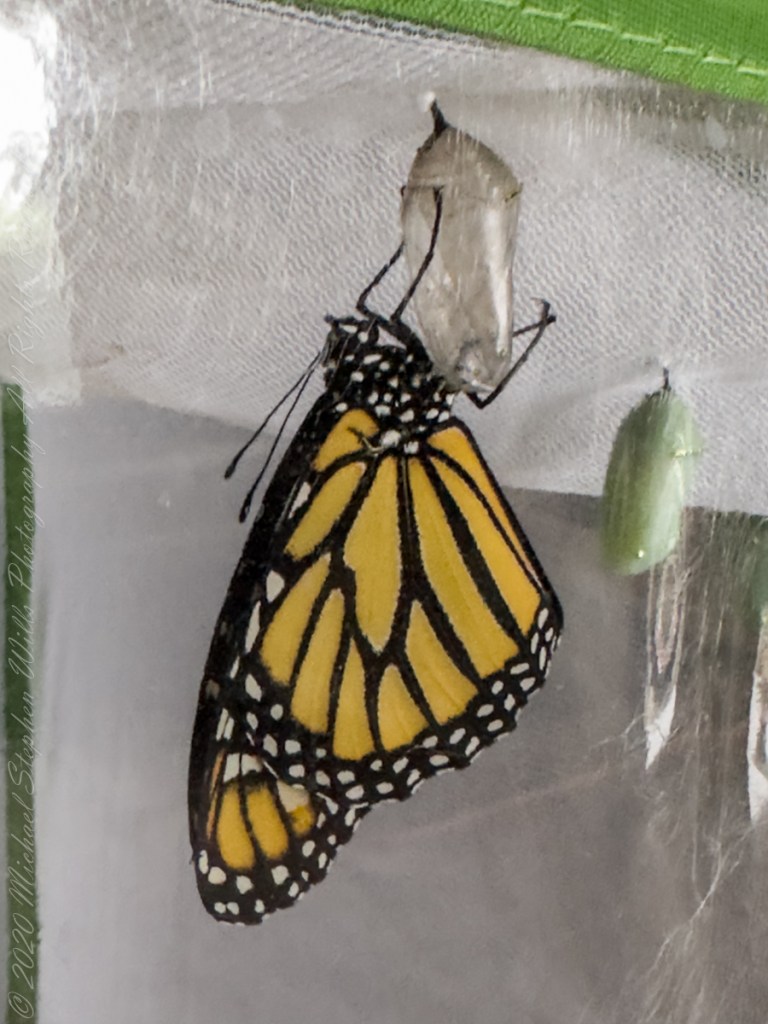
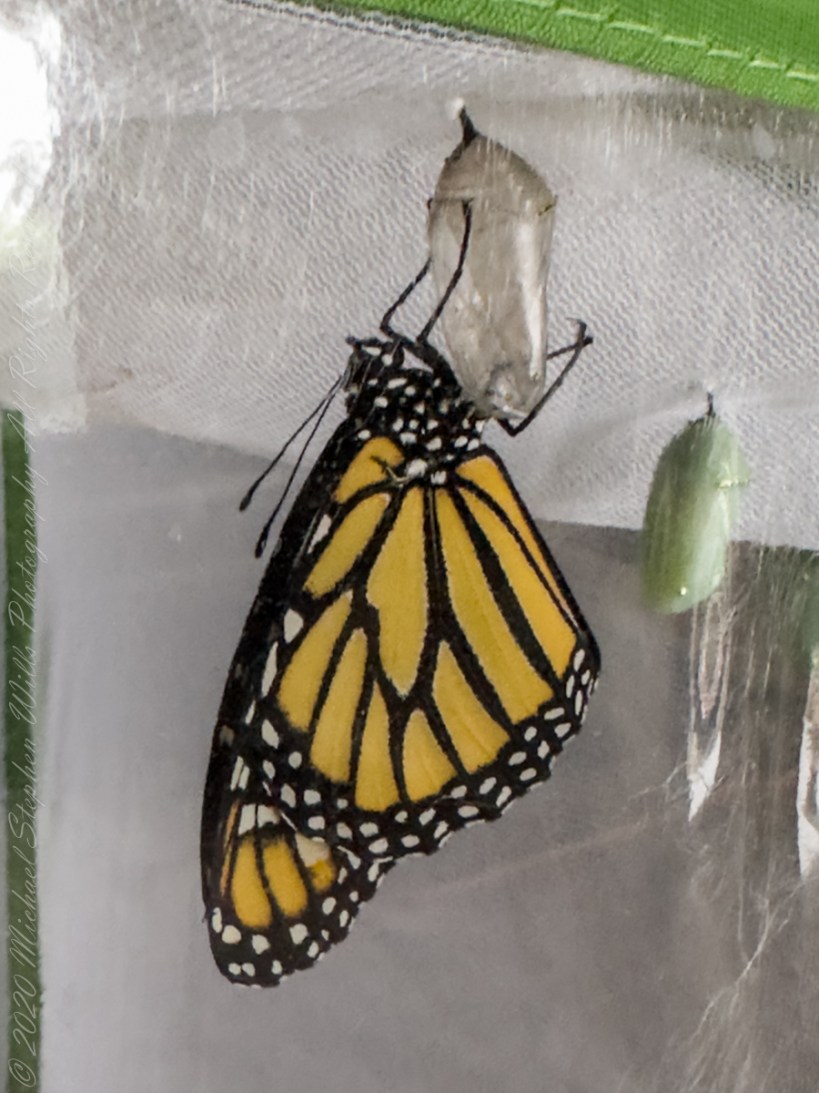
Monarch butterfly and chrysalis

Our grandchildren spent the day with us, the last week of their summer before school begins. This July I had improved on my Monarch collection from 2022, when 9 butterflies were released, by two (2) caterpillars for a total of eleven (11) raised over several weeks to the chrysalis stage. When leaving to pick up the children for an outing one chrysalis skin had turned clear, a sign the enclosed butterfly is close to emerging. We returned from an outing for lunch to find this chrysalis unopened, so we checked now and then for progress. Four hours later, just as their Mom arrived for them, the grandchildren and everyone witnessed this event. What luck!!
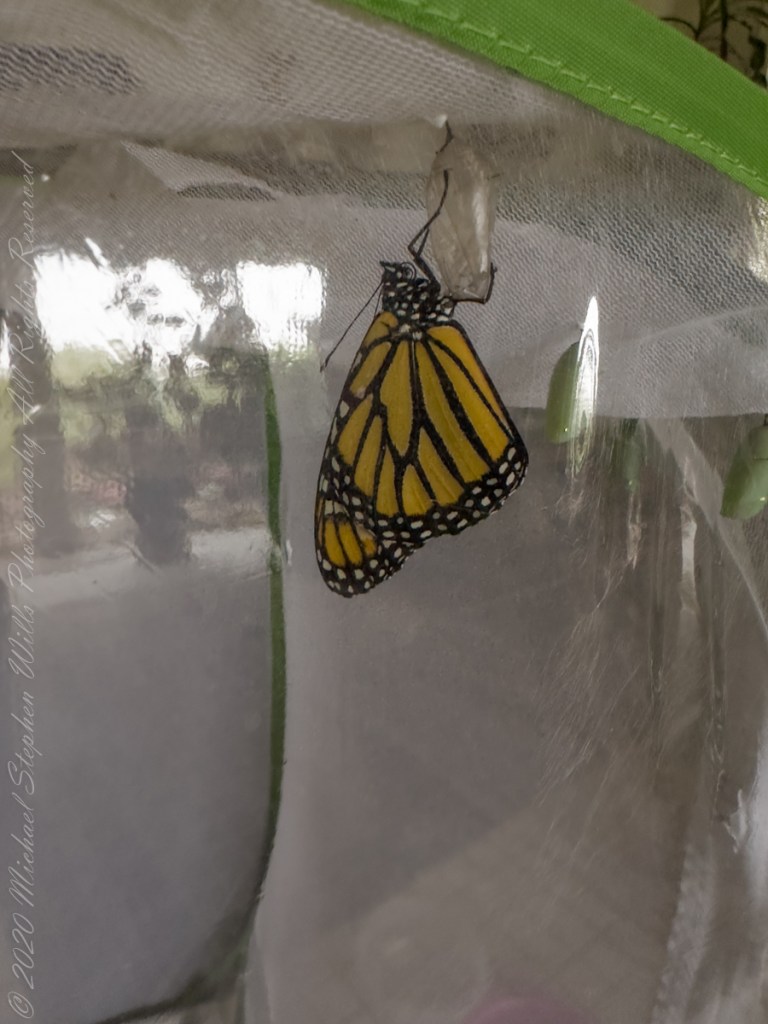
Migrating monarchs soar at heights of up to 1,200 feet. As sunlight hits those wings, it heats them up, but unevenly. Black areas get hotter, while white areas stay cooler. The scientists believe that when these forces are alternated, as they are with a monarch’s white spots set against black bands on the wings’ edges, it seems to create micro-vortices of air that reduce drag—making flight more efficient.

Monarchs begin leaving the northern US and Canada in mid-August. They usually fly for 4-6 hours during the day, coming down from the skies to feed in the afternoon and then find roosting sites for the night.  Monarchs cannot fly unless their flight muscles reach 55ºF. On a sunny day, these muscles in their thorax can warm to above air temperature when they bask (the black scales on their bodies help absorb heat), so they can actually fly if it is 50ºF and sunny. But on a cloudy day, they generally don’t fly if it is below 60ºF.

“Migrating monarchs use a combination of powered flight and gliding flight, maximizing gliding flight to conserve energy and reduce wear and tear on flight muscles.  Monarchs can glide forward 3-4 feet for every foot they drop in altitude.  If they have favorable tail or quartering winds, monarchs can flap their wings once every 20-30 feet and maintain altitude. Monarchs are so light that they can easily be lifted by the rising air. But they are not weightless. In order to stay in the air, they must move forward while also staying within the thermal. They do this by moving in a circle. The rising air in the thermal carries them upward, and their overall movement ends up being an upward spiral. Monarchs spiral upwards in the thermal until they reach the limit/top of the thermal (where the rising air has cooled to the same temperature as the air around it). At that point, the monarch glides forward in a S/SW direction with the aid of the wind. It glides until it finds another thermal and rides that column of rising air upwards again.”

This video includes an interview with Michael Wills about raising Monarch butterflies and this stage of the lifecycle. Video by Pam Wills using an IPhone 8

Reference: text in italics and quotes is from one of two online articles. “The monarch butterfly’s spots may be its superpower” National Geographic, June 2023 and “Fall Migration – How do they do it?” by Candy Sarikonda, September 2014.

Copyright 2023 Michael Stephen Wills All Rights Reserved

Yellow-legged Wasp?

A case of mistaken identity.

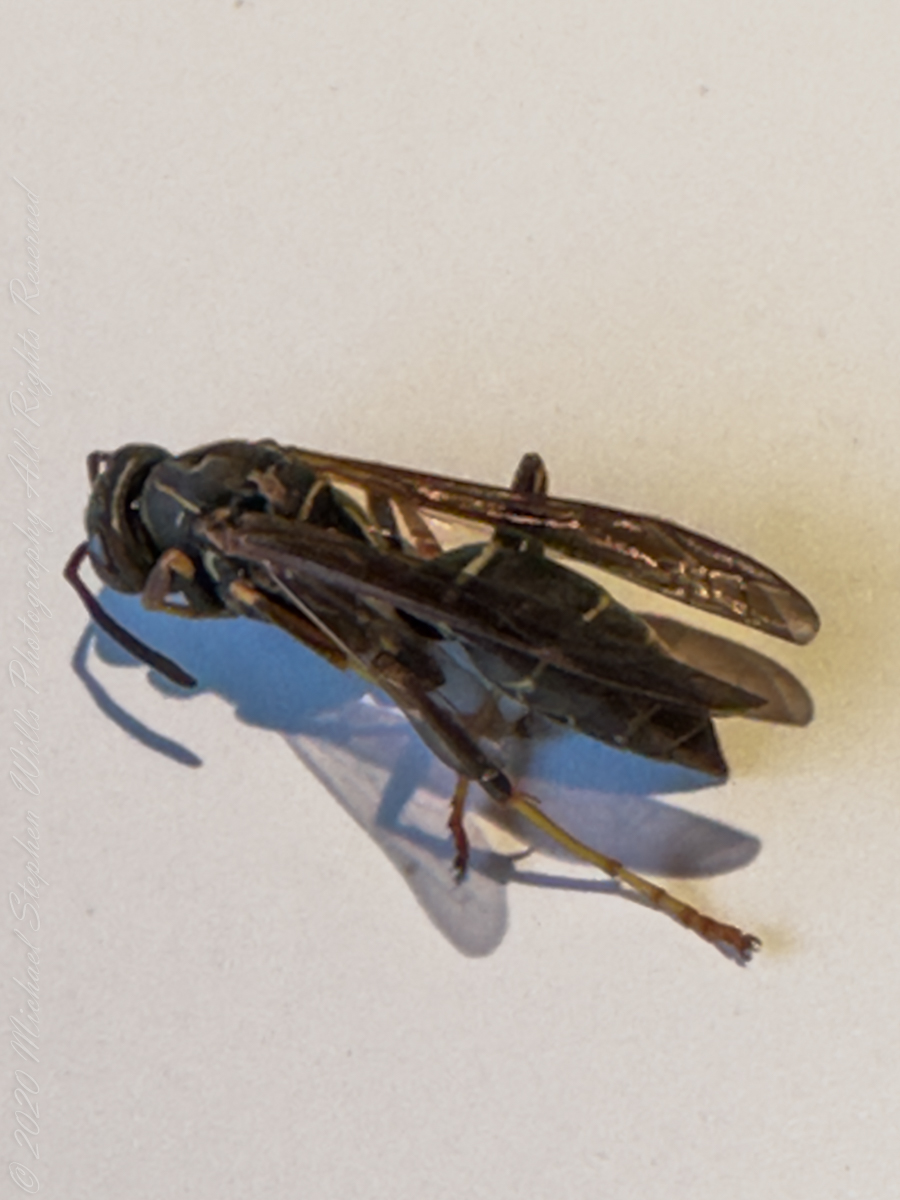
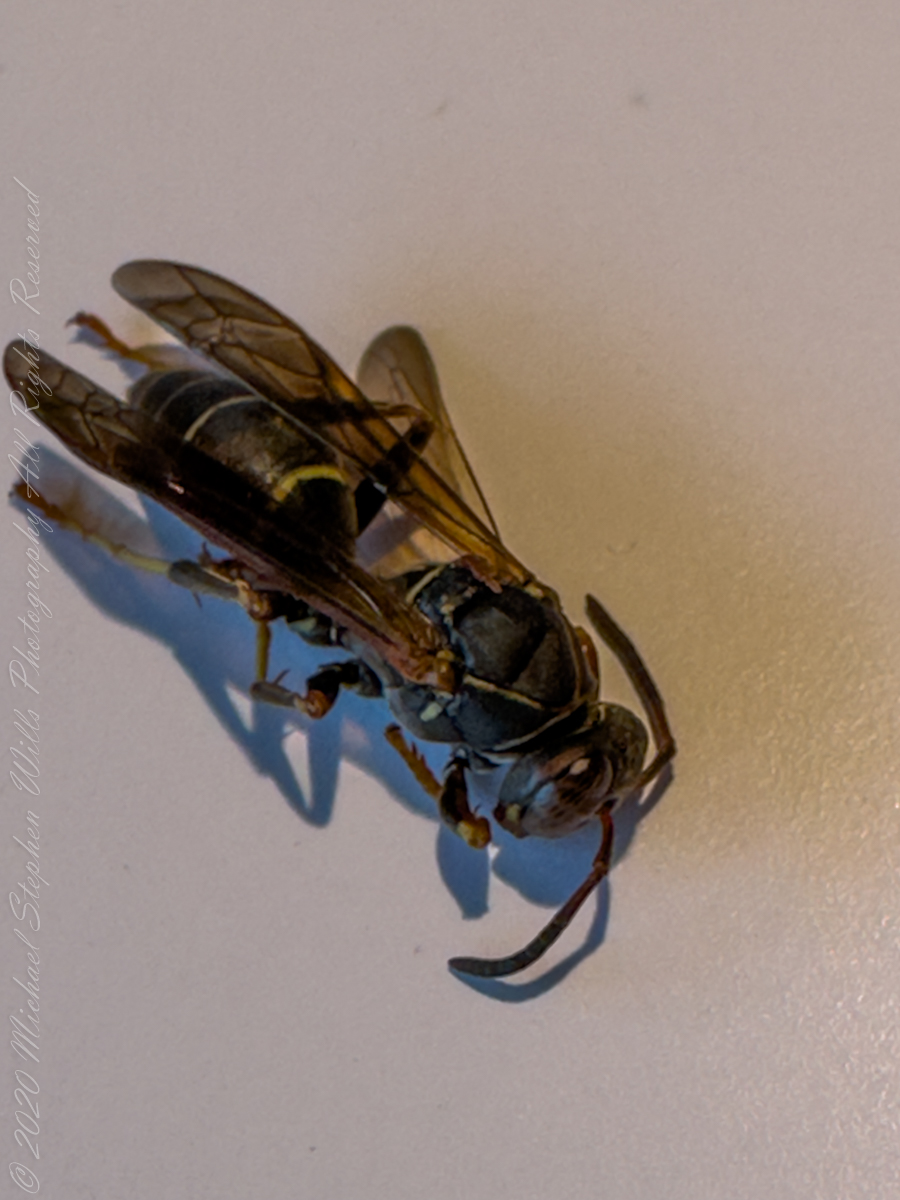
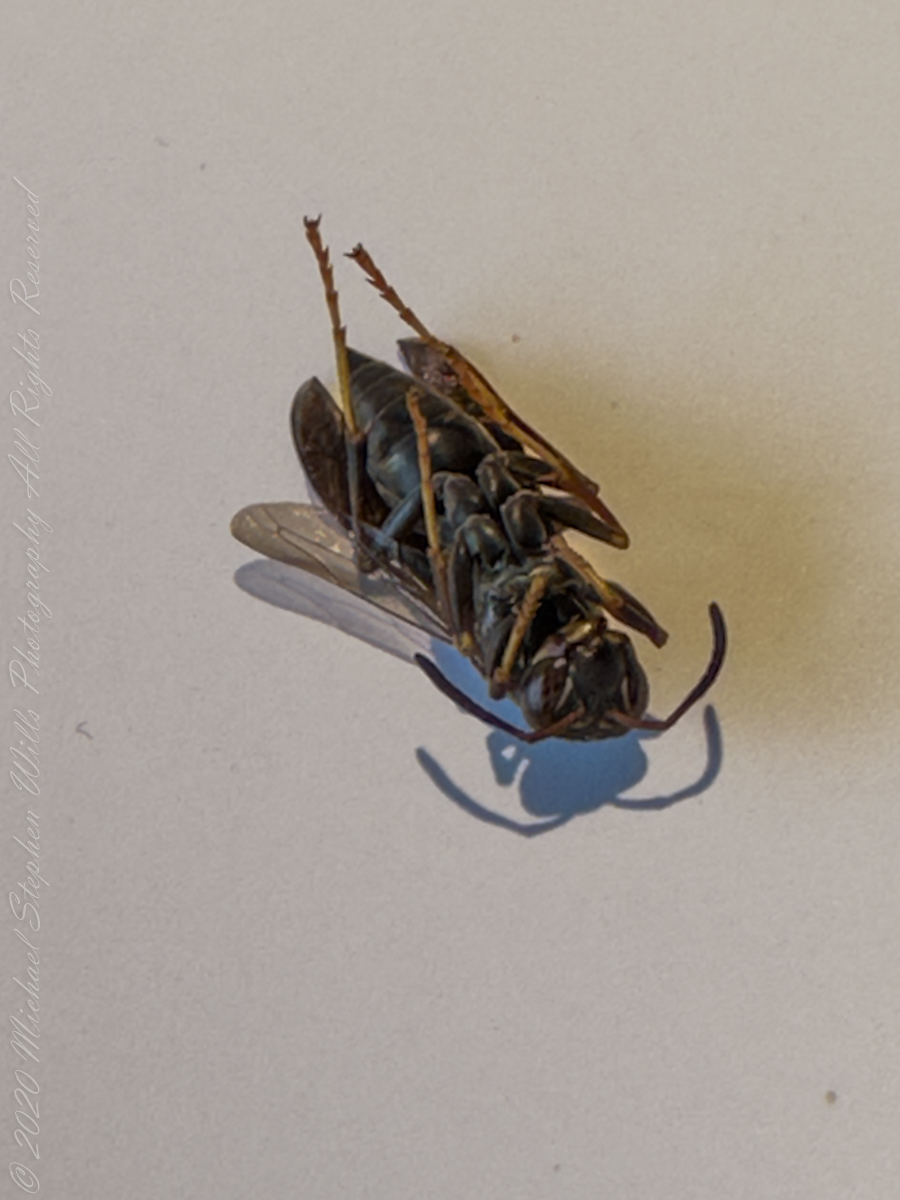
After reading a New York Times article with the sub-title “A beekeeper in Savannah, Ga., found what turned out to be a yellow-legged hornet. State and federal officials, along with academic experts, are working to eradicate the species” I spotted this wasp foraging our flowers in Ithaca, New York. Its yellow legs caught my eye, although the apparent size (seemed larger in article photograph) and face and body markings seemed different. Using an Apple Iphone 14 ProMax I captured three macros from different angles, I attached them to an email to the local Cooperative Extension office. They gave me a quick response, confirming my suspicion this was a different “yellow-legged wasp.” The agent suggested it might be a “paper wasp” and directed me to a Cornell site were, for a $25 fee, an identification could be made.

Instead, this morning I found “insectidentification.org” with an excellent search capability. Under “Bee, Ant, Wasp and Similar insects that can be found in the state/territory of New York,” the third row from top spotted an exact match being the only Yellow-legged native wasp. I am going to respond to the agent with this identification as others in the area may have the same question, given the name of the invasive wasp.

“It is the Yellow-legged Mud-dauber Wasp (Sceliphron caementarium), also known as Black and Yellow Mud Dauber, Black-waisted Mud-dauber. Of the Latin species name, Sceliphron caementarium, caementarius means mason or builder of walls.”

“These are solitary parasitoid wasps and build nests made of mud. The family of sphecid wasps collect mud balls at puddle and pool edges for constructing nests comprised of up to 25 vertically arranged, individual cylindrical cells. Frequently, nests are built in shaded areas inside formations that are sheltered from the weather or from other environmental elements. These sites may be naturally-occurring, or man-made structures. Some examples are: under and inside various types of bridges, barns, garages, open-air porches, or under housing eaves. A female might take only a day to construct a cell requiring dozens of trips carrying mud. Females will add new cells one by one to the nest after each cell is provisioned. They provision these nests with spiders, such as crab spiders, orb-weaver spiders and jumping spiders in particular, as food for the developing larvae. Each mud cell contains one egg and is provided with several prey items. The wasp then seals the cell with a thick mud plug. After initial creation and covering of the clutch, this sphecid wasp uses more mud as a means covering and protecting the whole cluster of cells, thereby forming a smooth appearance, and a uniform nest. The entire nest may attain an area equal to, or larger than, the size of an average human fist.”

“After finishing a series of cells, she leaves and does not return. While consuming the prey and increasing in size, the larva molts several times, until it molts into a pupa. Once the pupa has developed into an adult wasp, the adult emerges from its pupal case and breaks out of its mud chamber.”

“Various parasites attack these nests, including several species of cuckoo wasps, primarily by sneaking into the nest while the resident mud dauber is out foraging.”


“Adults can be seen in mid-summer feeding on nectar at flowers, especially Queen Anne’s lace (Daucus carota), parsnips and water parsnips (Sium suave, Sium latifolium, Berula erecta). They have a low reproductive rate. Stings are rare due to their solitary and usually nonaggressive nature; however, nests are aggressively defended.


“Like other solitary wasps, Sceliphron species are not aggressive unless threatened. They are sometimes regarded as beneficial due to their control of spider populations, though the spiders themselves may be beneficial in controlling pest insects.”


This species is found in a wide variety of habitats, such as rock ledges, man-made structures, puddles and other water edges, cypress domes, in long leaf pines (Pinus palustris), and in turkey oaks.


“S. caementarium is widespread in Canada, the United States, Central America and the West Indies, and has been introduced to many Pacific Islands (including Australia, Hawaii, and Japan), Peru and Europe, where it has become established in some countries of the Mediterranean Basin (Croatia, France and Corsica, Italy, Cyprus,Malta, the Canary Islands, and Madeira) and Austria, and Ukraine.


“Sceliphron caementarium can reach a length of 24–28 mm (15⁄16–1+3⁄32 in). Their petiole is generally black and is about half the length of the entire abdomen, however the population in the desert southwest often has a yellow petiole. The thorax shows various yellow markings, while the abdomen is normally black, with yellow propodeum (typical of females). The eyes are black, the antennae are black, and the legs are yellow with black trochanters and femurs. Within the United States, it is the only species with yellow-marked legs. The wings are a tawny color.”

“In 1996, Birgenair Flight 301 crashed near Puerto Rico. The most probable cause of this Boeing 757 crash was a blockage in a pitot tube by a mud dauber’s nest.”

Around our home these mud-daubers favor hollows within our aluminum fencing.

Reference: text in italics and quotes paraphrased from Wikipedia “Sceliphron caementarium” and “Sceliphron.”

Copyright 2023 Michael Stephen Wills All Rights Reserved

Cliff Stairs IV

A Wall with Moss Padding

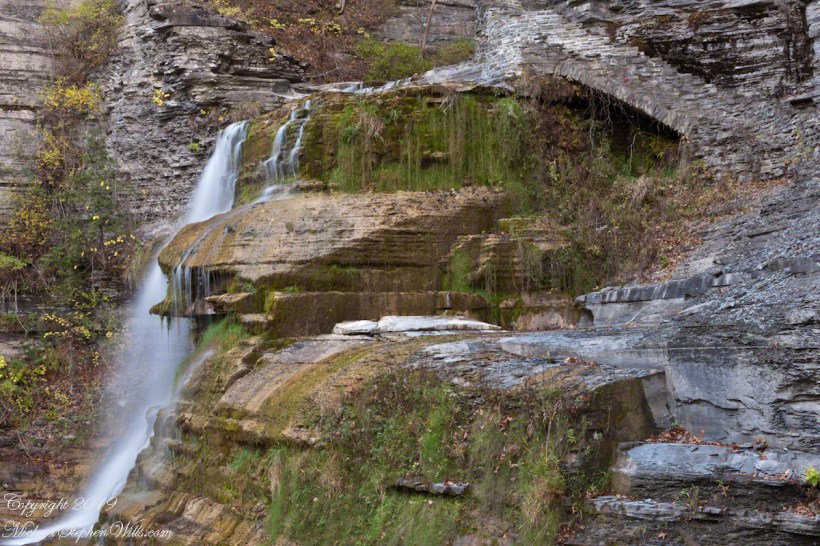
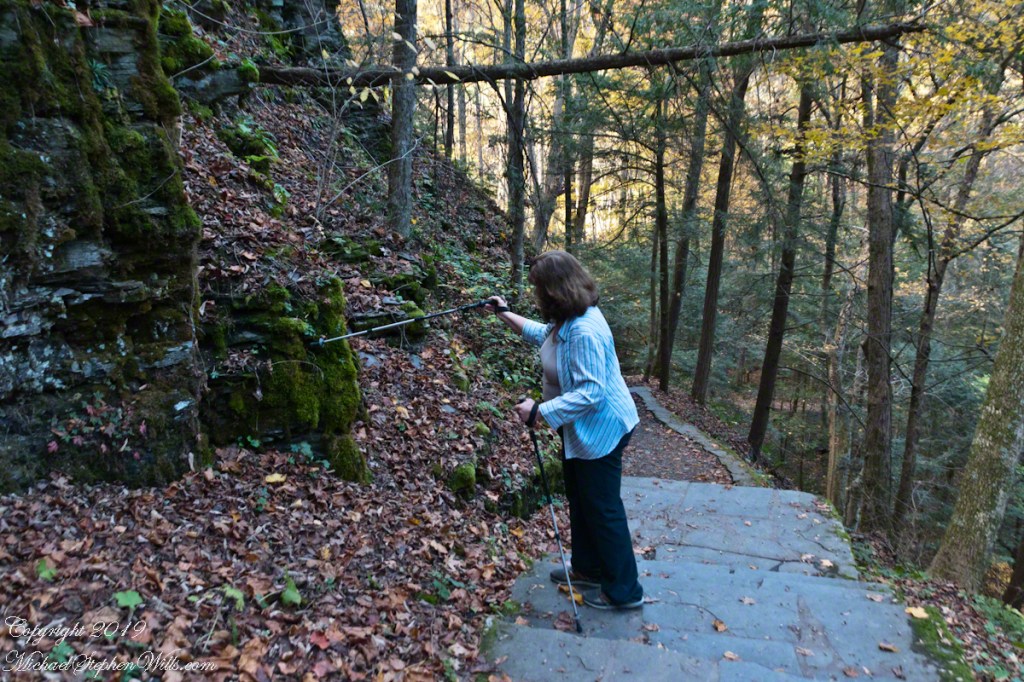
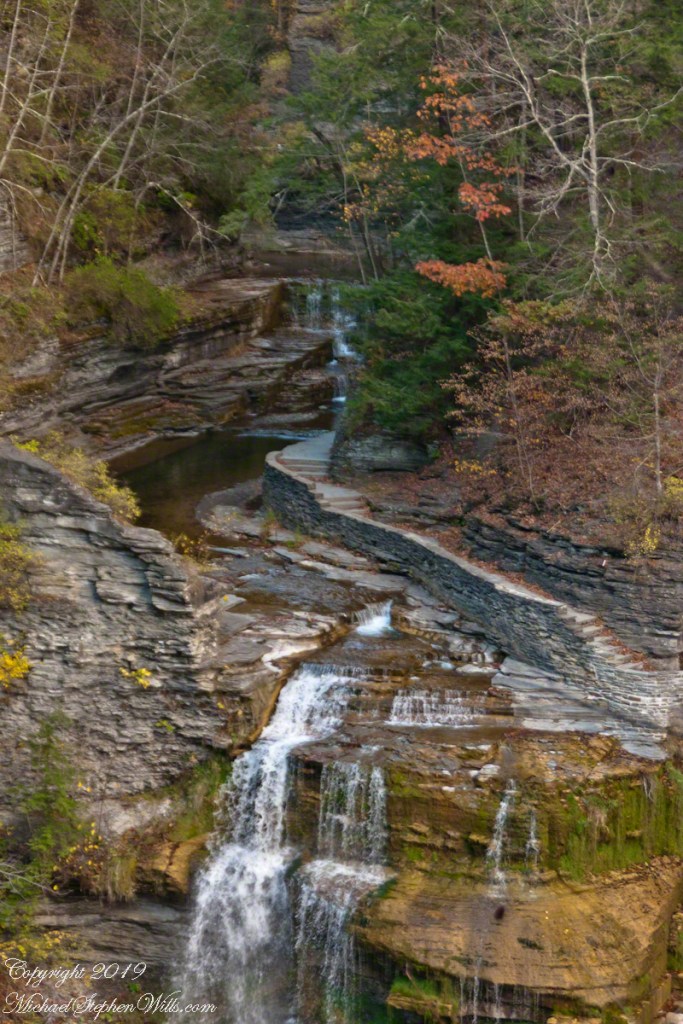
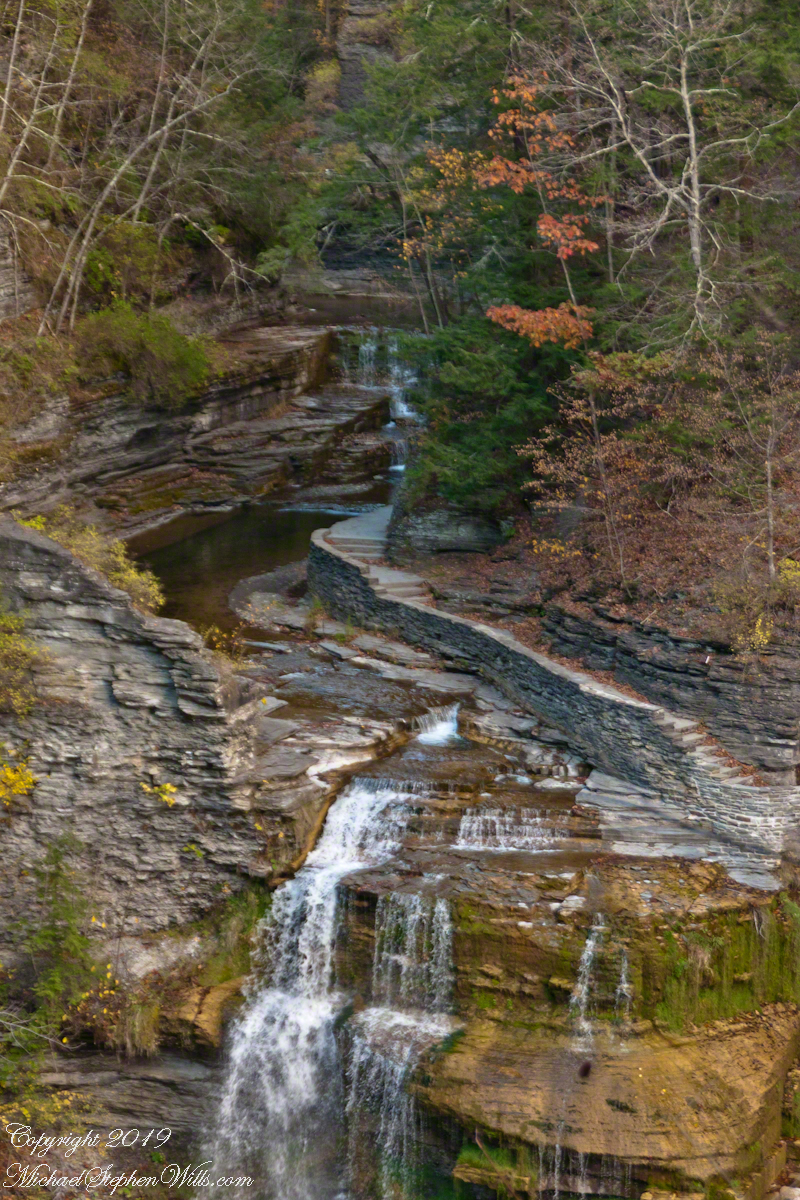
Pam examining thick moss growth on the sedimentary rock of Treman gorge. These layers of shale, sandstone, siltstone formed at the bottom of a broad, shallow sea over 380 million years ago.

Click photograph for a larger view. To do this from WordPress Reader, you need to first click the title of this post to open a new page.

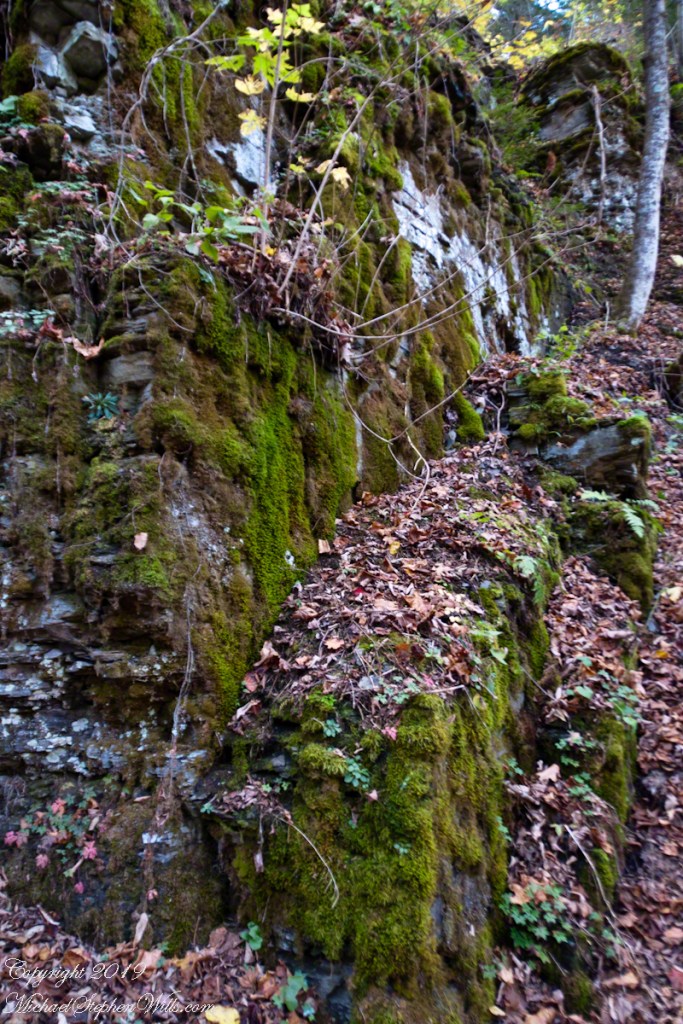
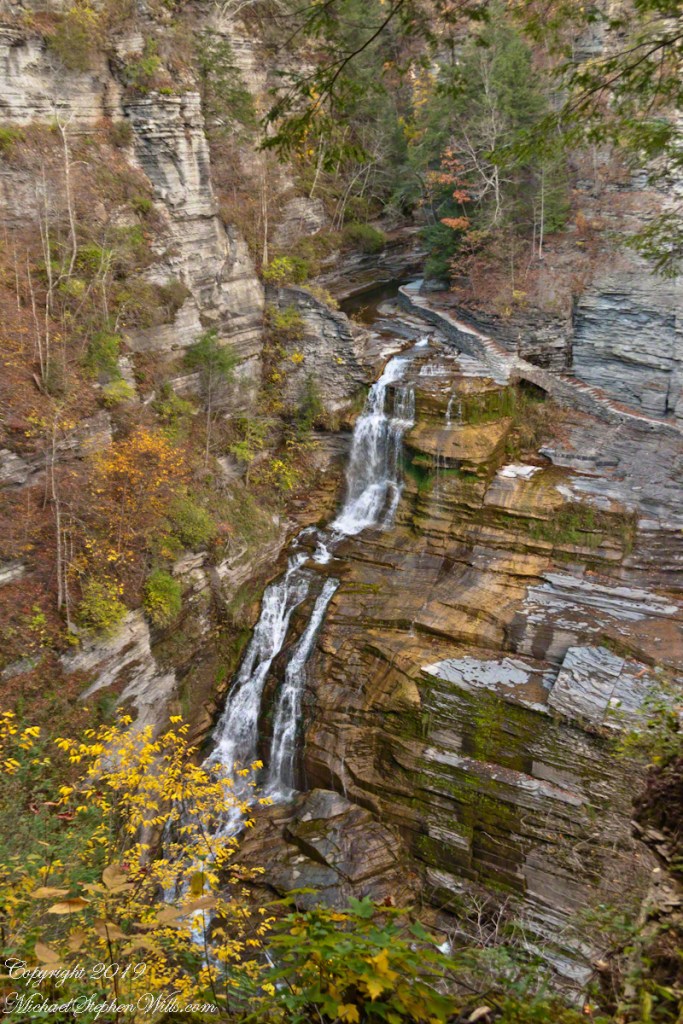
Towards the bottom of the 223 Cliff Stair steps moss takes over the Devonian shale of the cliff wall surface. Here, the cliff shelters the wall from sunlight 365 days a year.

Robert H. Treman New York State Park.

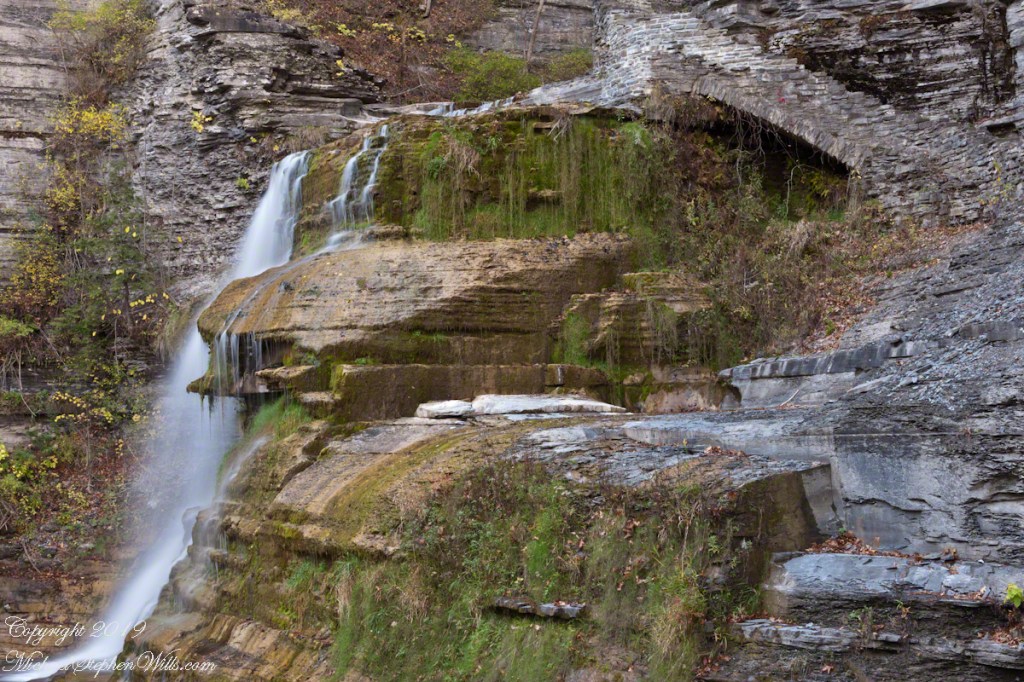
Click for a slideshow of this sequence Lucifer Falls and Cliff Stair Views
Copyright 2023 All Rights Reserved Michael Stephen Wills

Cliff Stairs III

“Red-shanks”

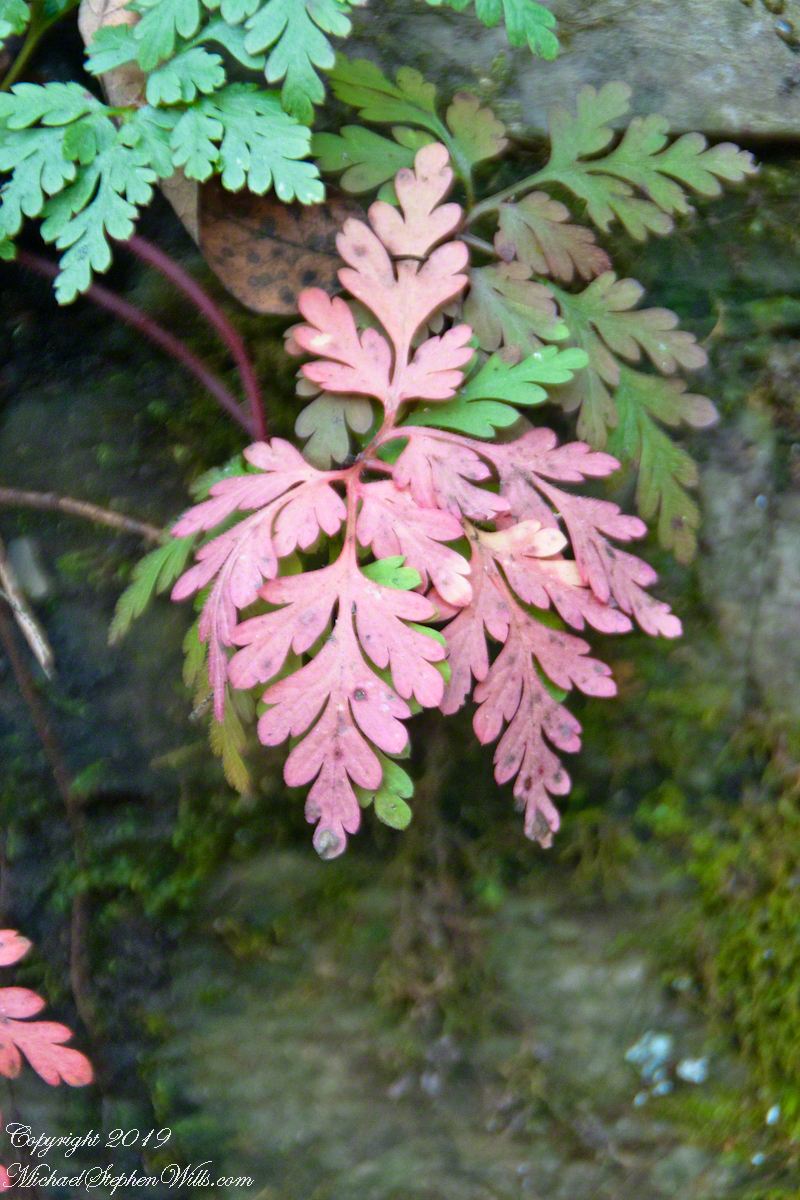
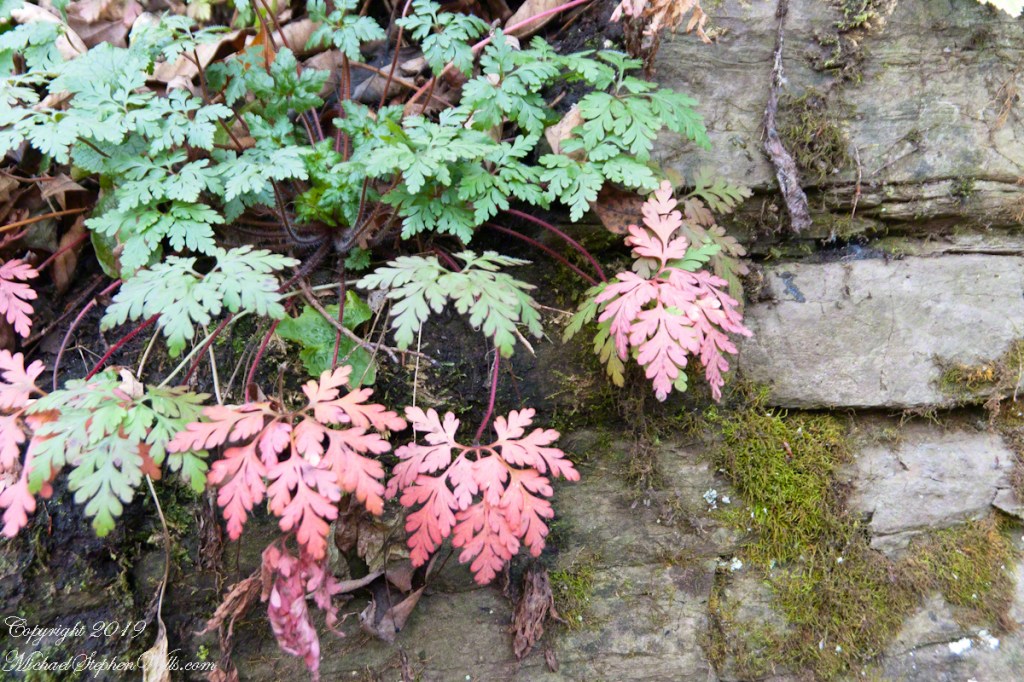
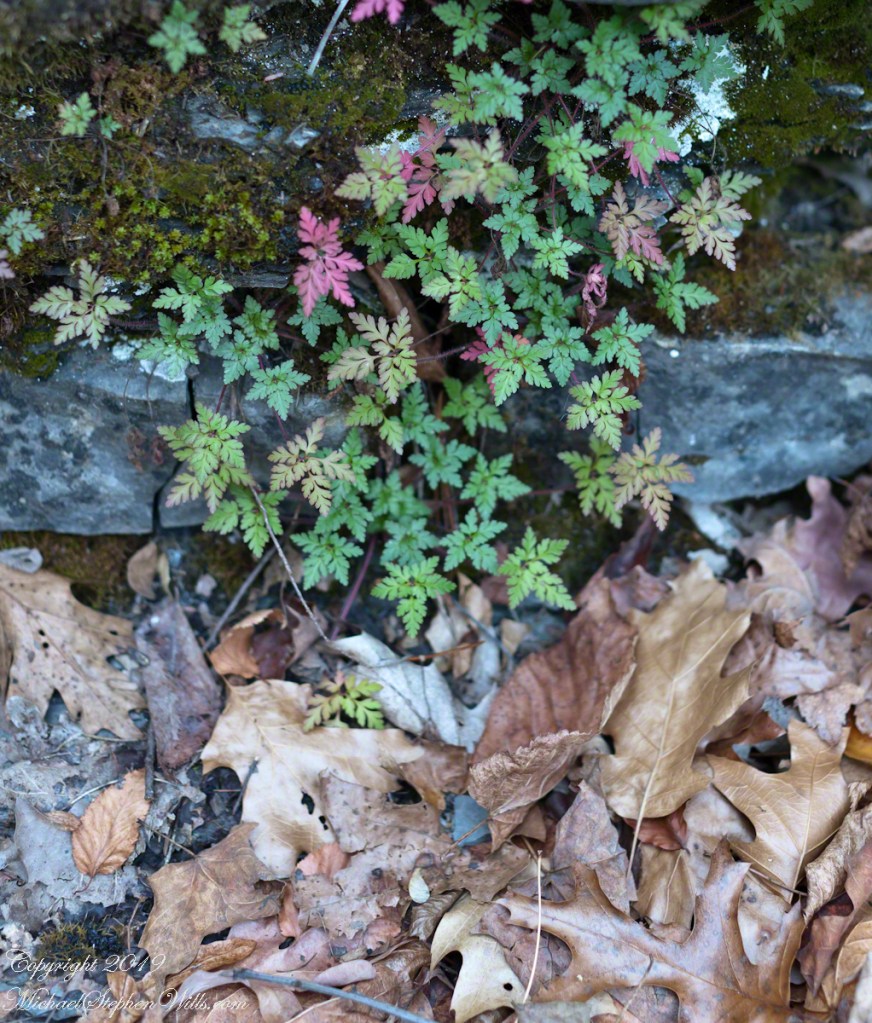
This geranium species (scientific name Geranium robertianum) are also called “Herb-Robert” for a reputed ability to ward off disease.

Click photograph for a larger view. To do this from WordPress Reader, you need to first click the title of this post to open a new page.

Scottish Highlands residents call these wild geraniums “red-shanks” for the deep red color of the stalks, seen in both photographs.

Robert H. Treman New York State Park.

Source, “How to Know the Wildflowers” by Mrs. William Star Dana, 1989, Houghton Mifflin, Boston.

Click for a slideshow of this sequence Cliff Stair Views
Copyright 2023 All Rights Reserved Michael Stephen Wills

Cliff Stairs II

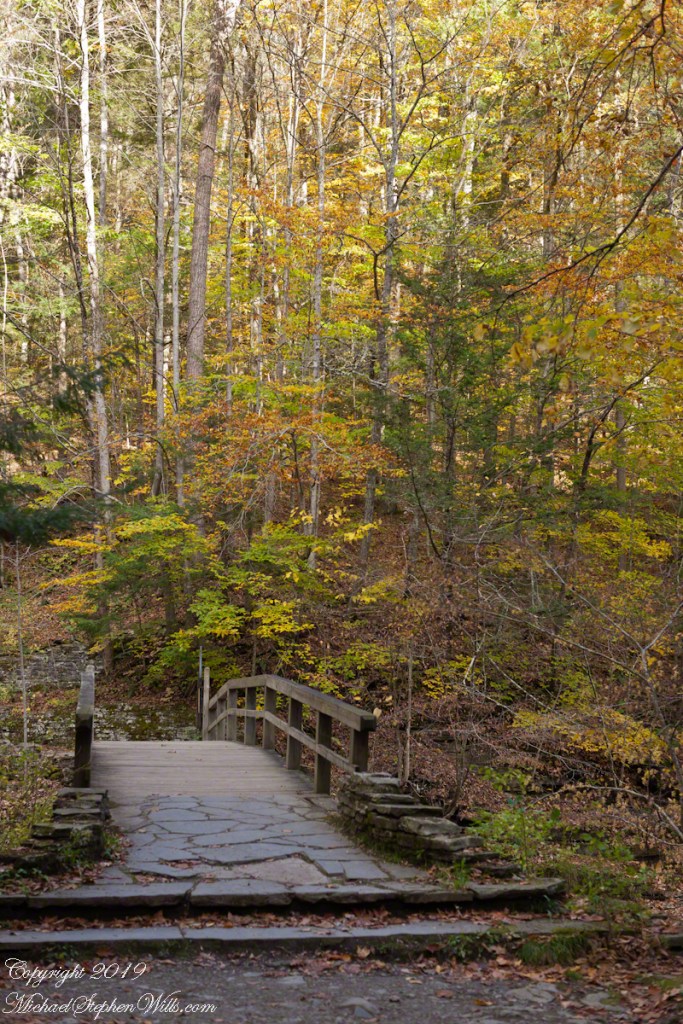
read the sign

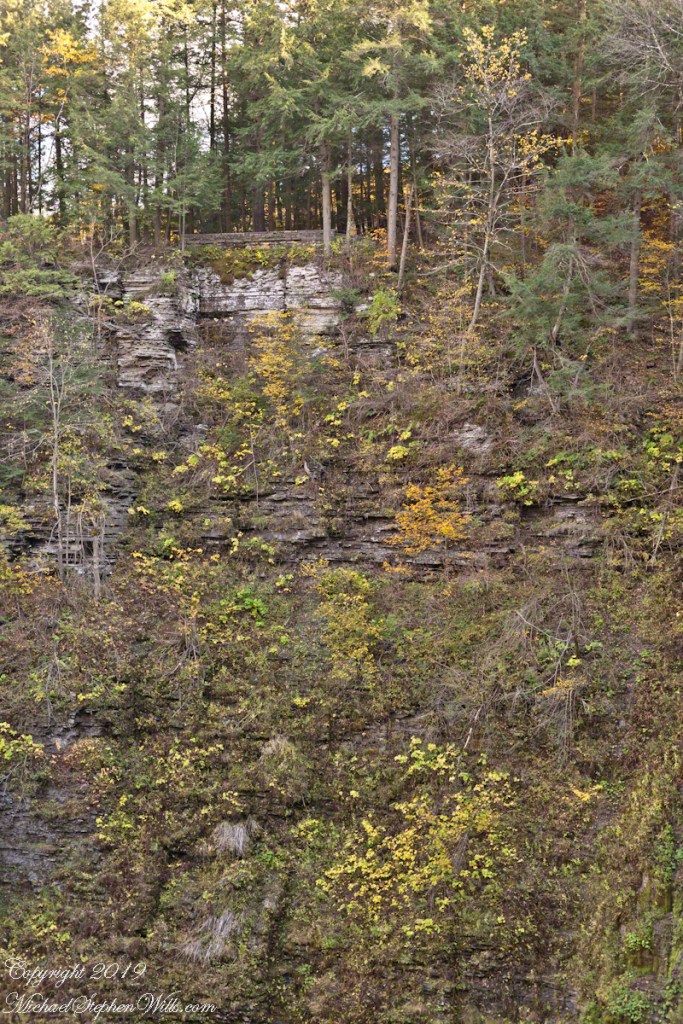
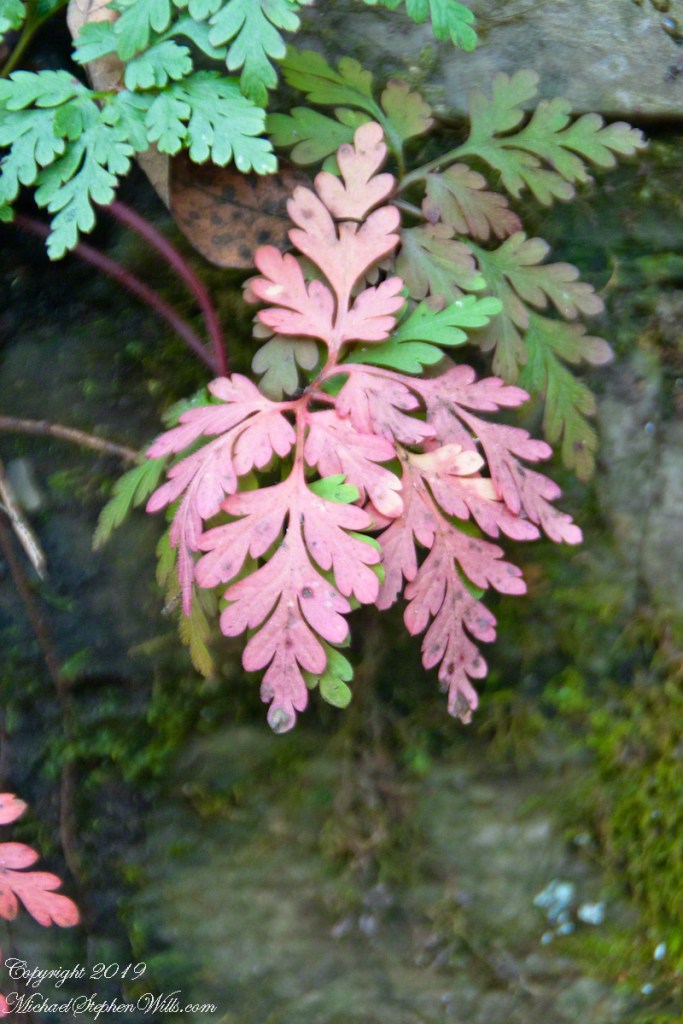
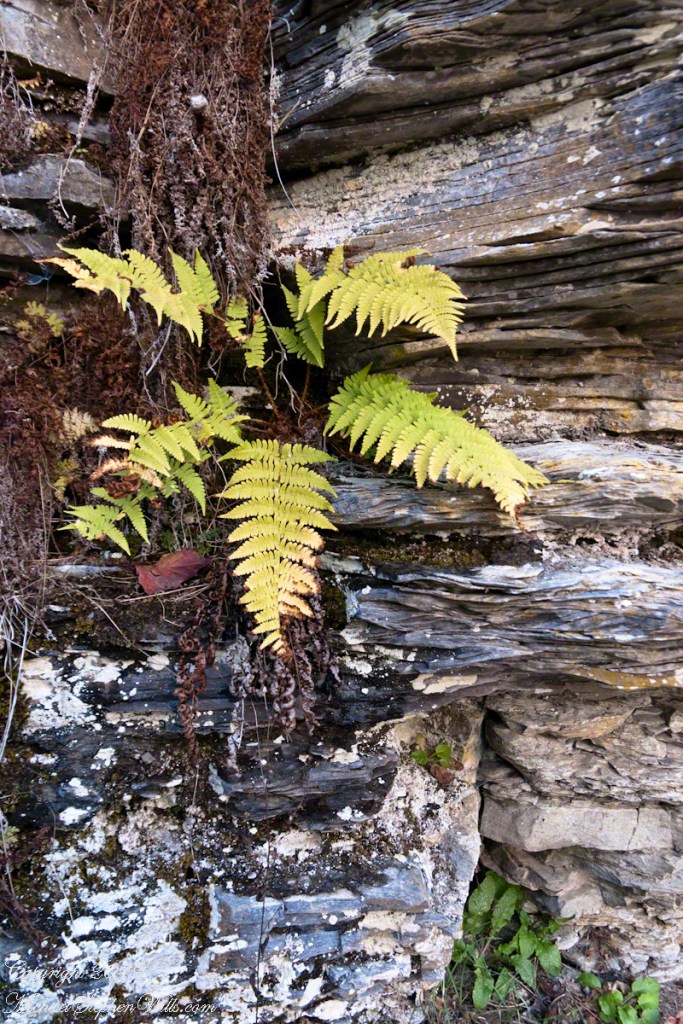
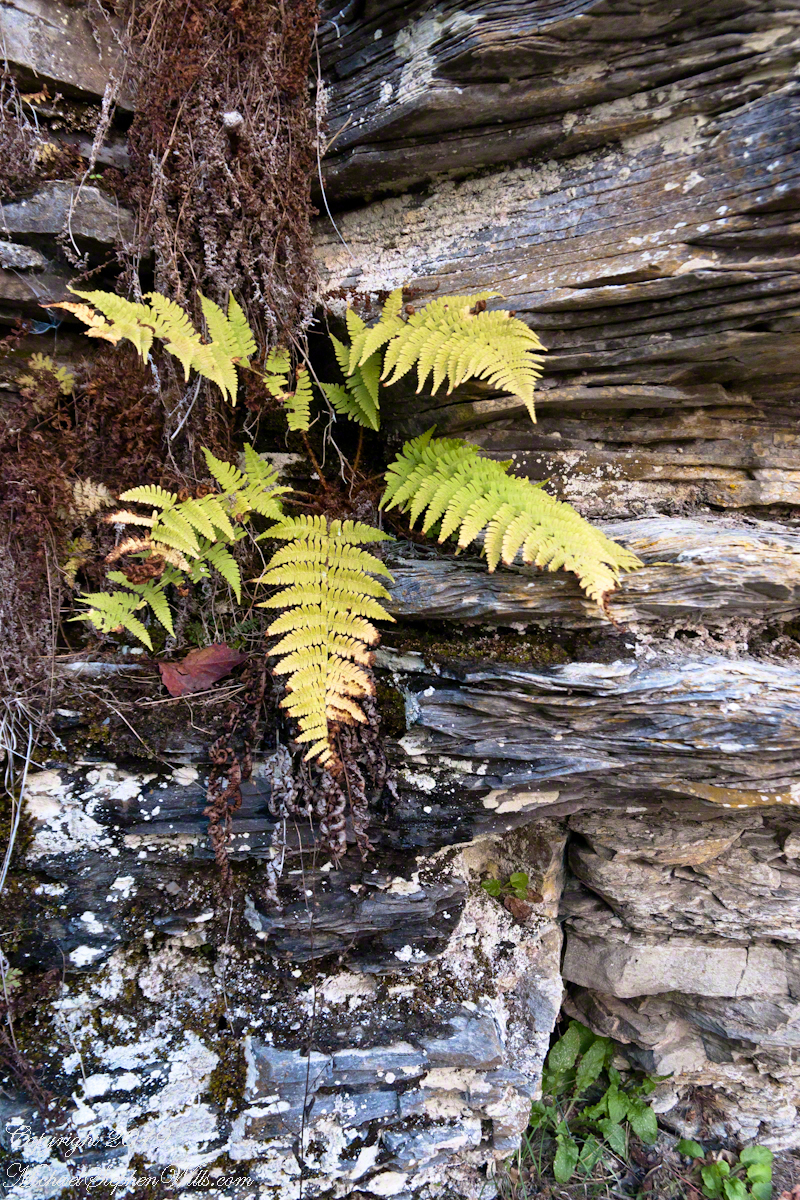
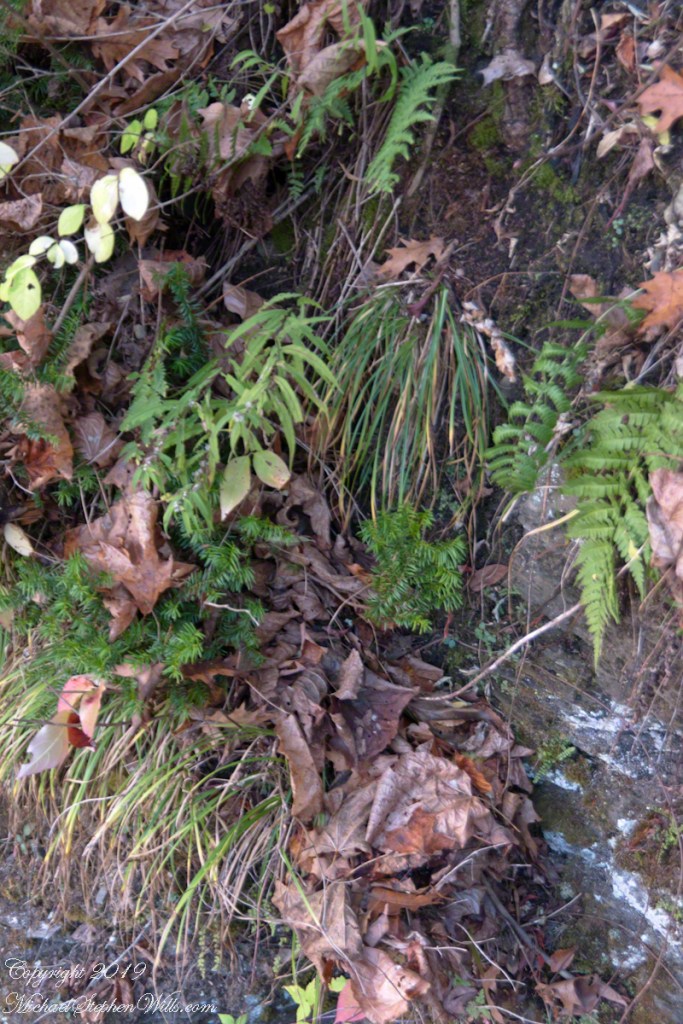
Each autumn, species of fern turns yellow towards a winter death. Here we see growing from Devonian shale, both the yellowed and desiccated fern fronds. Robert H. Treman New York State Park.

Click photograph for a larger view. To do this from WordPress Reader, you need to first click the title of this post to open a new page.
Click for a slideshow of this sequence Cliff Stair views
Copyright 2023 All Rights Reserved Michael Stephen Wills

Cliff Stairs I

Pam pauses for a photograph

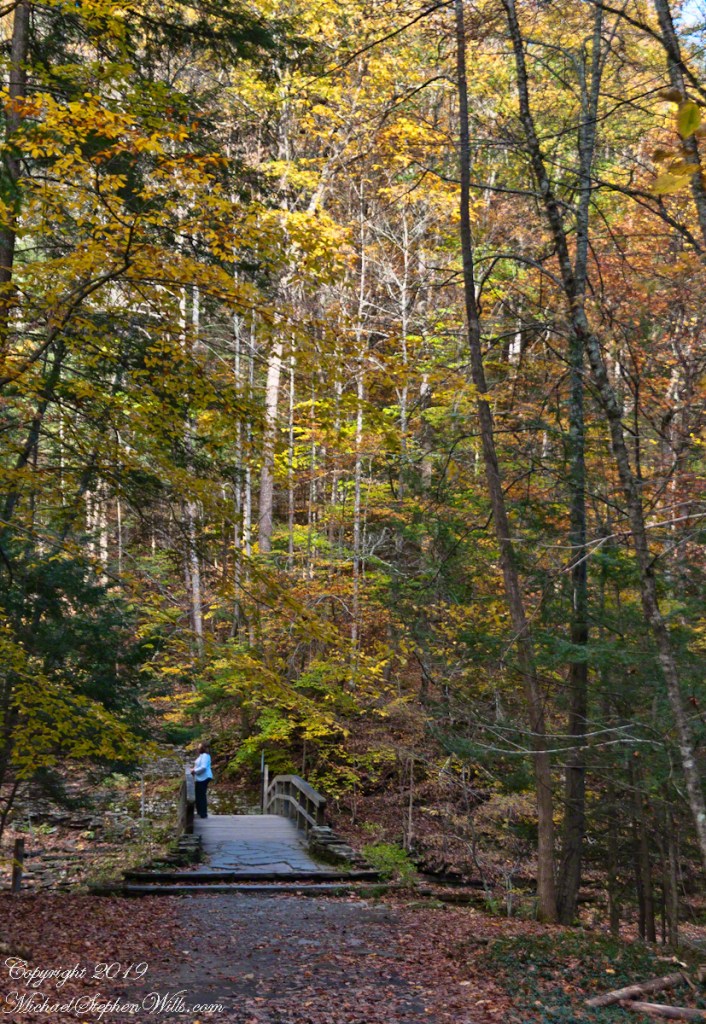
On a day in late October 2017 Pam and Mike did a photography walk. Here is Pam pausing to pose during a descent into the gorge on the cliff staircase after visiting the overlook high above Lucifer Falls, Robert H. Treman New York State Park in the Finger Lakes Region.

Click photograph for a larger view. To do this from WordPress Reader, you need to first click the title of this post to open a new page.

Grasses, hemlock saplings, goldenrod, spent leaves and ferns on the wall of the 223 Cliff Stair steps.

Click for a slideshow of this sequence of Lucifer Falls view from the overlook.
Copyright 2023 All Rights Reserved Michael Stephen Wills

First Blooms

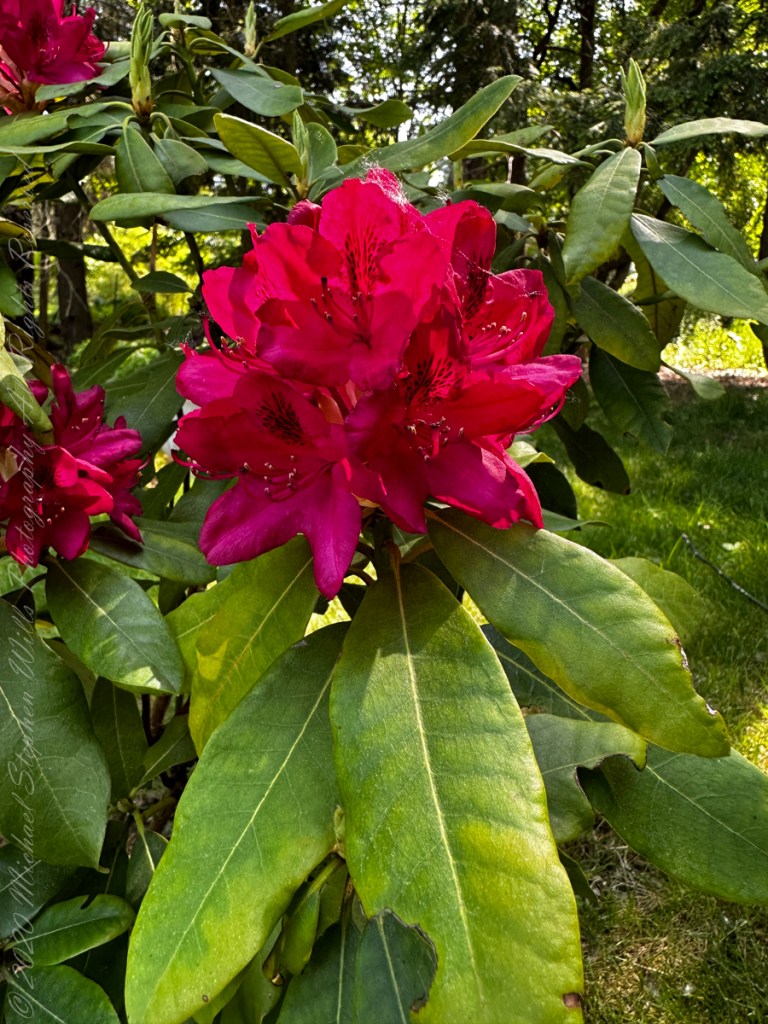
Floriography!!!

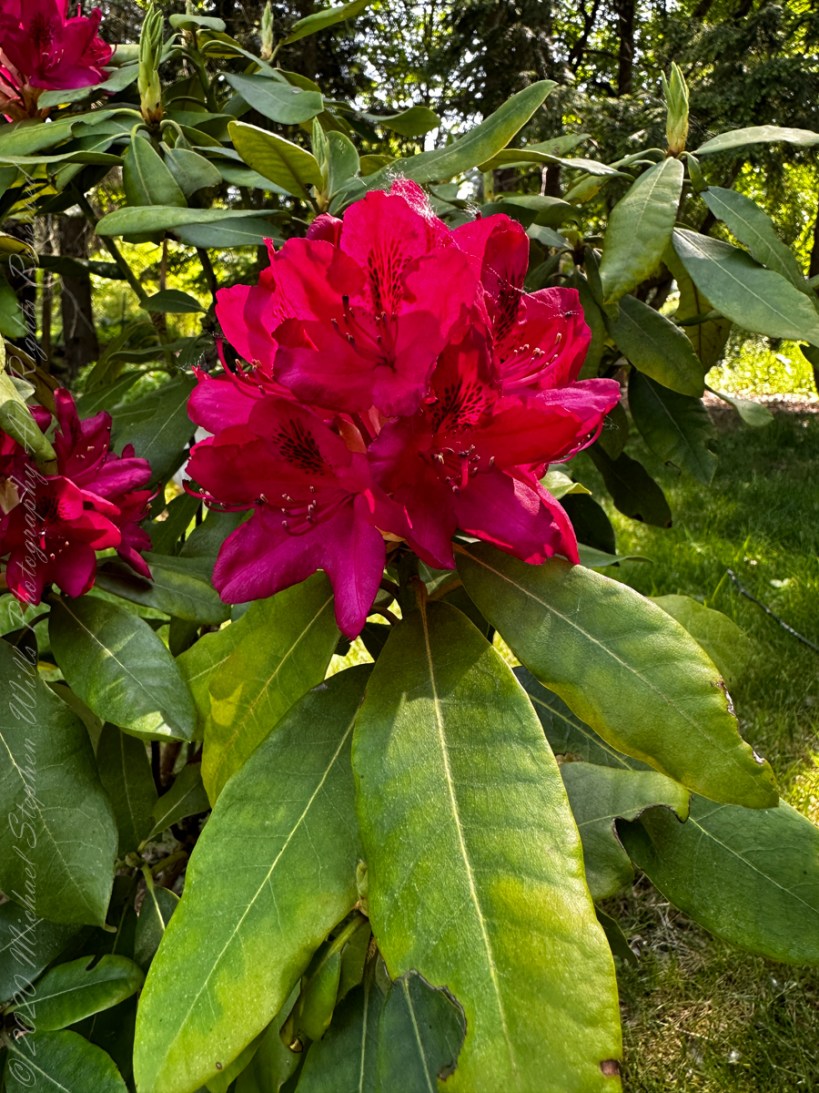
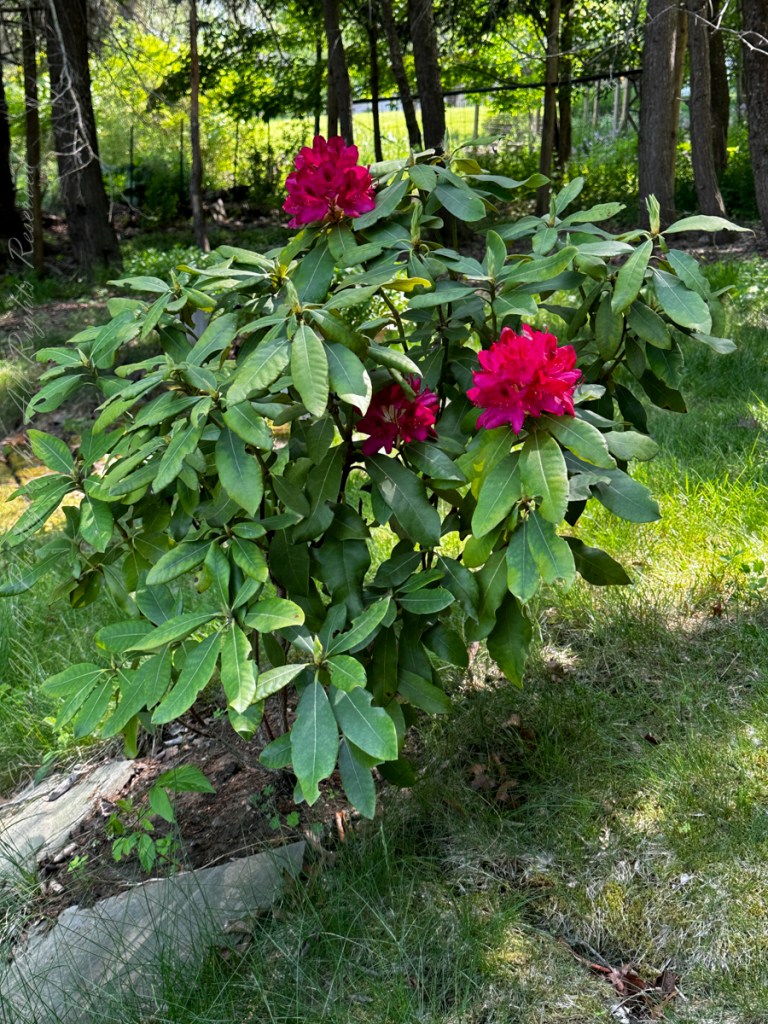
“Like other ericaceous plants (i.e. of the heather family -Ericaceae), most rhododendrons prefer acid soils with a pH of roughly 4.5–5.5; some tropical Vireyas and a few other rhododendron species grow as epiphytes and require a planting mix similar to orchids.”

“Rhododendrons have fibrous roots and prefer well-drained soils high in organic material. In areas with poorly drained or alkaline soils, rhododendrons are often grown in raised beds using media such as composted pine bark. Mulching and careful watering are important, especially before the plant is established. Rhododendron species have long been used in traditional medicine.”

“Animal studies and in vitro research have identified possible anti-inflammatory and hepatoprotective activities which may be due to the antioxidant effects of flavonoids or other phenolic compounds and saponins the plant contains.”

“In the language of flowers, the Rhododendron symbolizes danger and to beware. Floriography (language of flowers) is a means of cryptological communication through the use or arrangement of flowers.”

“Meaning has been attributed to flowers for thousands of years, and some form of floriography has been practiced in traditional cultures throughout Europe, Asia, and Africa. Plants and flowers are used as symbols in the Hebrew Bible, particularly of love and lovers in the Song of Songs, as an emblem for the Israelite people, and for the coming Messiah. William Shakespeare ascribed emblematic meanings to flowers, especially in Hamlet. Interest in floriography soared in Victorian England and in the United States during the 19th century.”

“Gifts of blooms, plants, and specific floral arrangements were used to send a coded message to the recipient, allowing the sender to express feelings which could not be spoken aloud in Victorian society. Armed with floral dictionaries, Victorians often exchanged small “talking bouquets”, called nosegays or tussie-mussies, which could be worn or carried as a fashion accessory.”

Reference: text in italics and quotes is from Wikiedia, “Rhododendron.”

Copyright 2023 Michael Stephen Wills All Rights Reserved

August Scenes

Grandfathering Around Tompkins County

Copyright 2023 Michael Stephen Wills /all Rights Reserved

Spring Ritual

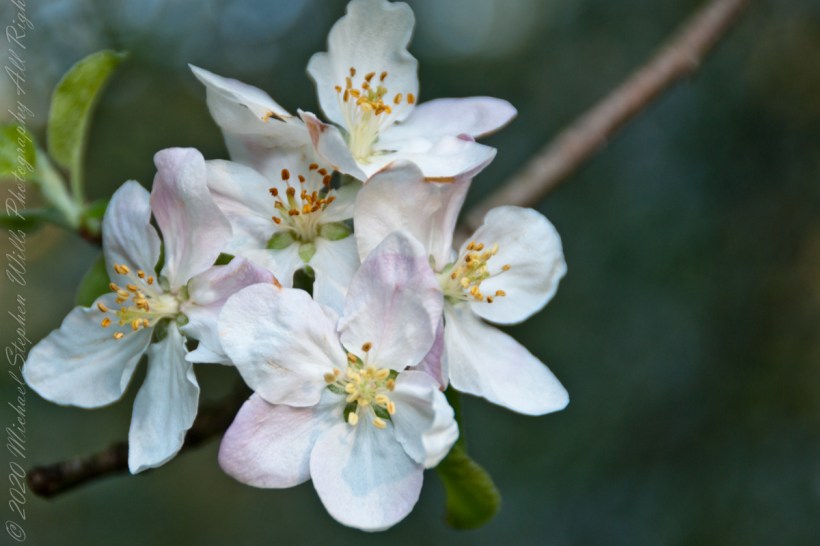
Feeding Apple Trees

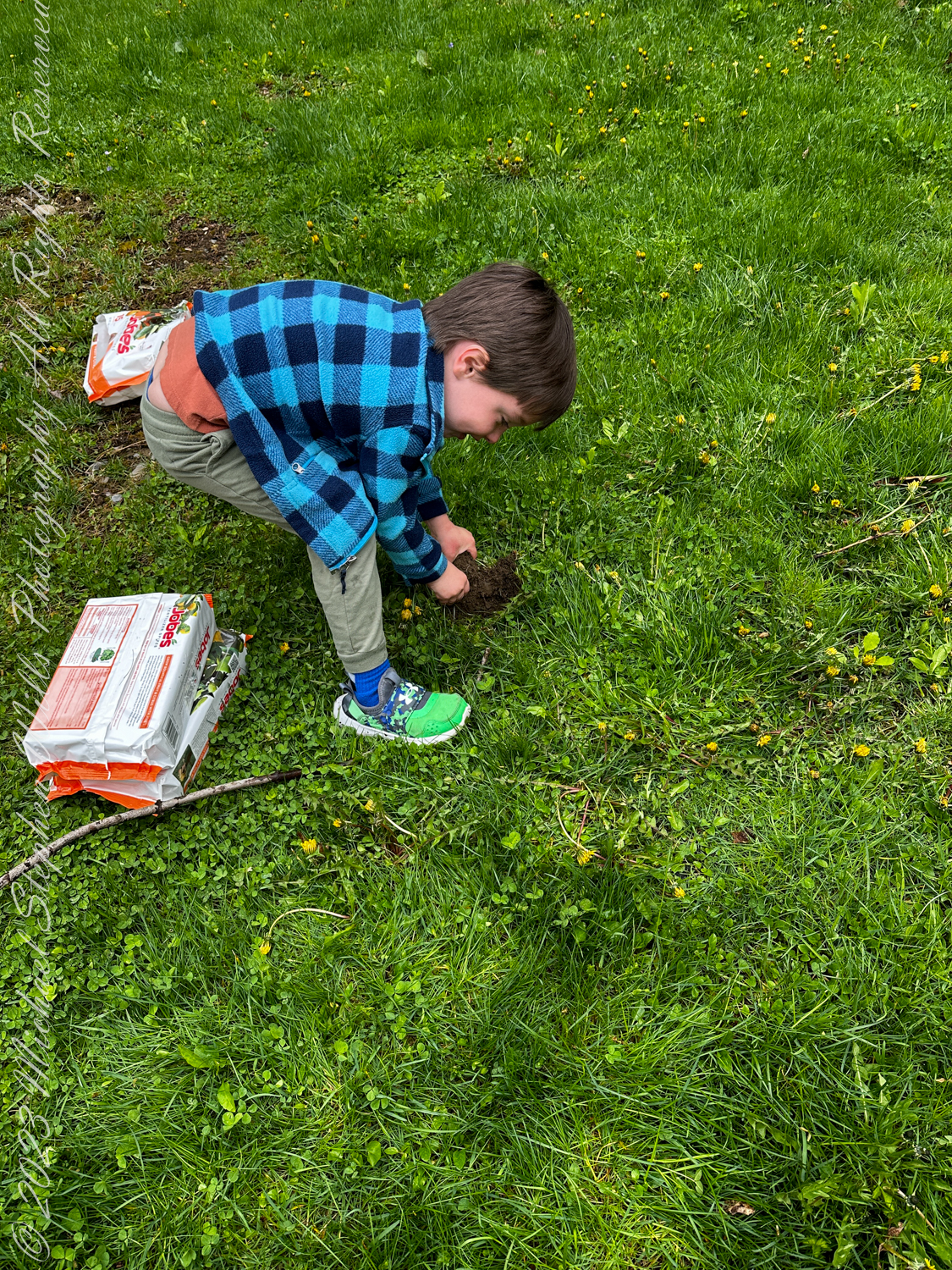
A spring rite of ours is caring for three apple trees. We provide each, a Cortland, a McIntosh, a Delicious, with 15 fertilizer spikes ; 45 in all.

I am way past using a hammer to pound in each. The preferred method is to drive a space into the ground beneath the drip line (the other reach of the branches), lift the handle and drop the spike into the ground, remove the spade and tamp down the ground.

These helpers are now experts in the dropping and counting. Then, enough is enough, time for play.

And lunch….

Copyright 2024 Michael Stephen Wills All Rights Reserved

Ad Astra

To The Stars

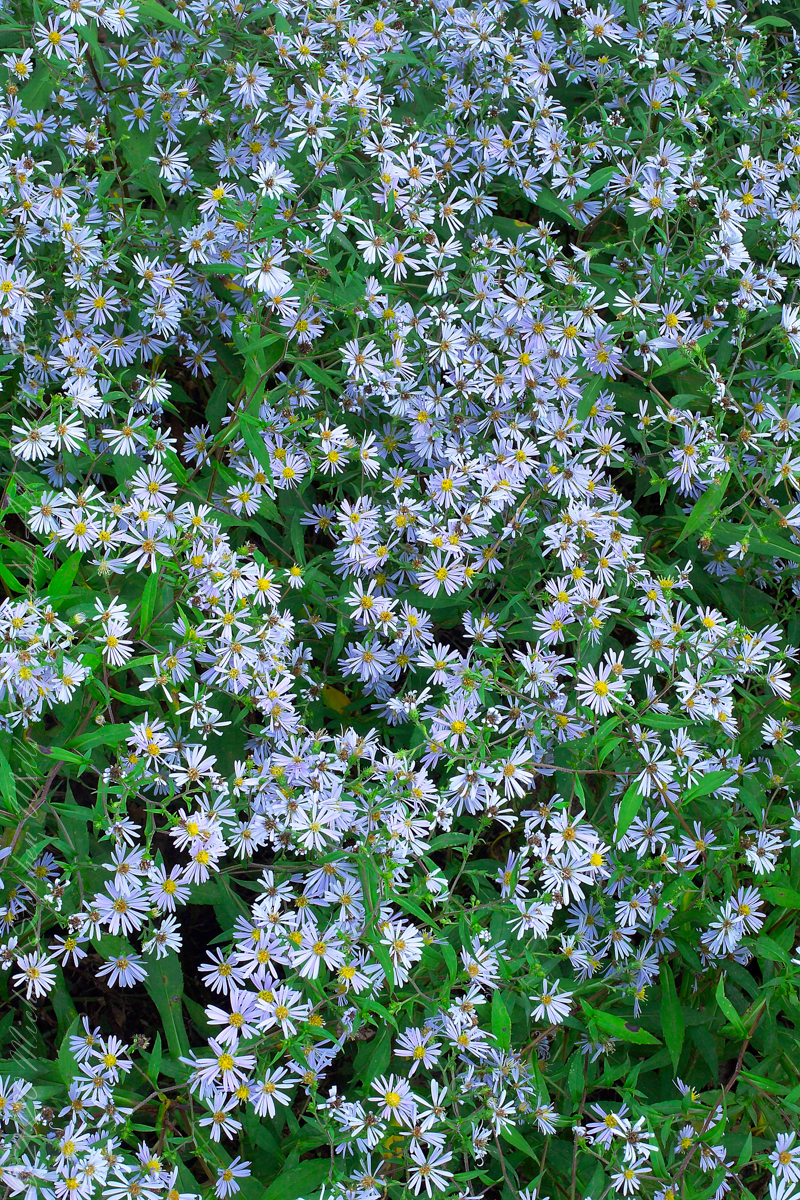
A mass of lavender asters produced for a painterly, restful esthetic. Over the years I have tended beds of these wildflowers. The sunlight of late August/early September here in the Finger Lakes is especially clear and this is when these asters bloom. This were caught on a clear September evening with the sun just behind a stand of large Ash trees.

Click Me to visit this image in my fine art gallery

Symphyotrichum novi-belgii (formerly Aster novi-belgii), commonly called New York aster. Symphyotrichum, a genus in the family Asteraceae, whose species were once considered to be part of the genus Aster. Plants in both these genera are popularly known as Michaelmas daisy because they bloom around September 29, St. Michael’s Day. The Latin specific epithet novi-belgii (literally “New Belgium”) refers not to modern Belgium, but the 17th century Dutch colony New Netherland which was established on land currently occupied by New York state (as Belgica Foederata was the Latin term for the United Netherlands at the time).

Reference: Wikipedia “Symphyotrichum novi-belgii.”

Copyright 2023 Michael StephenWills All Rights Reserved