Charles Fort People I

echoes across time

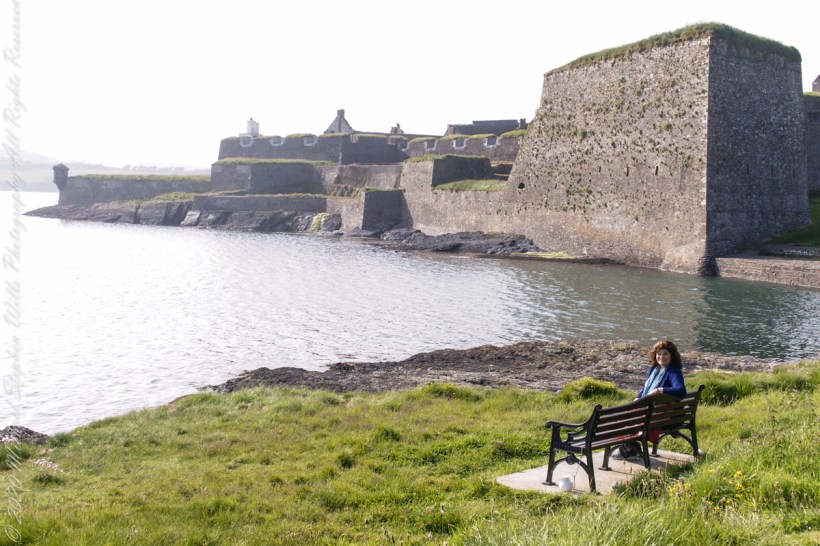
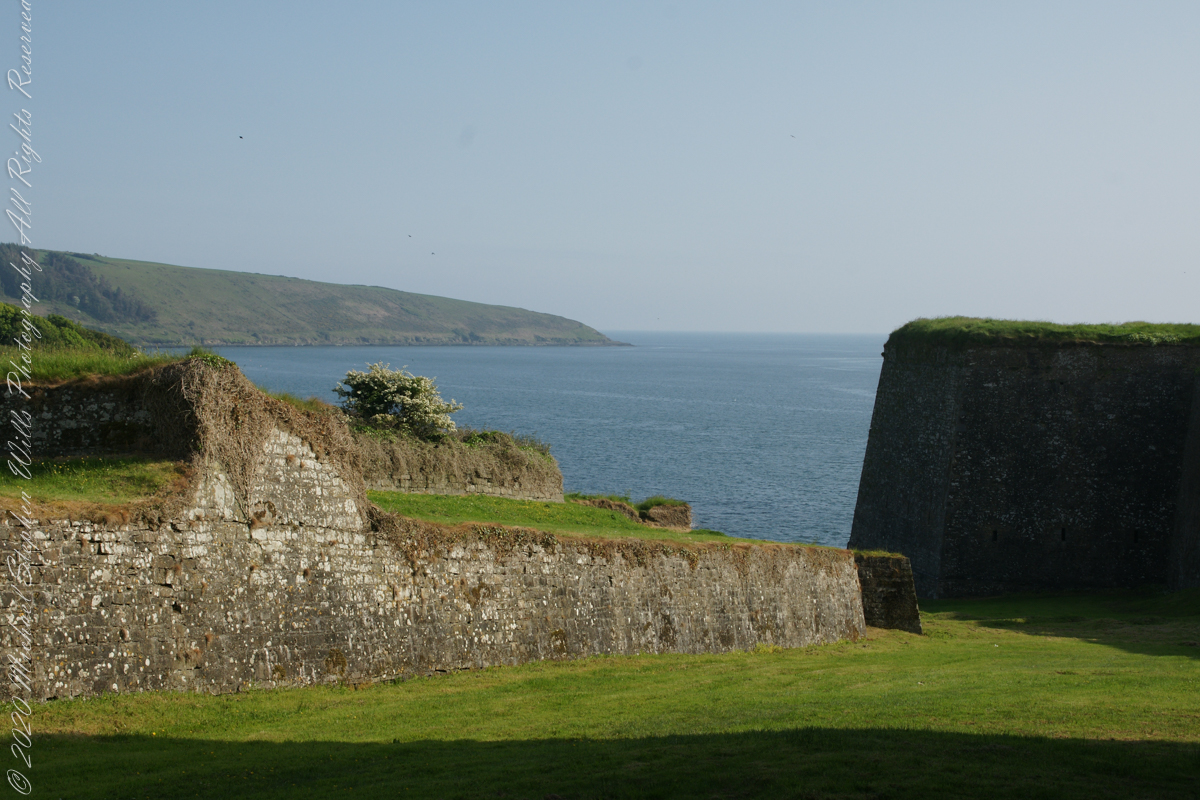
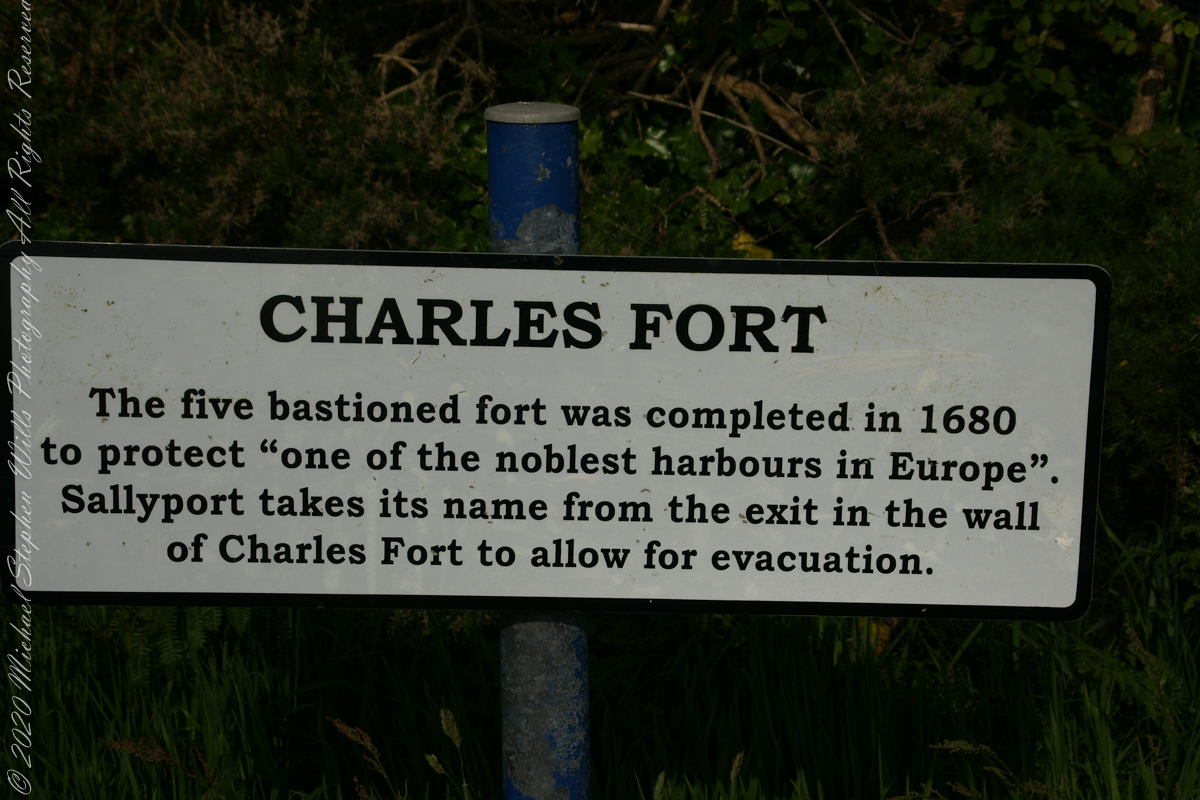
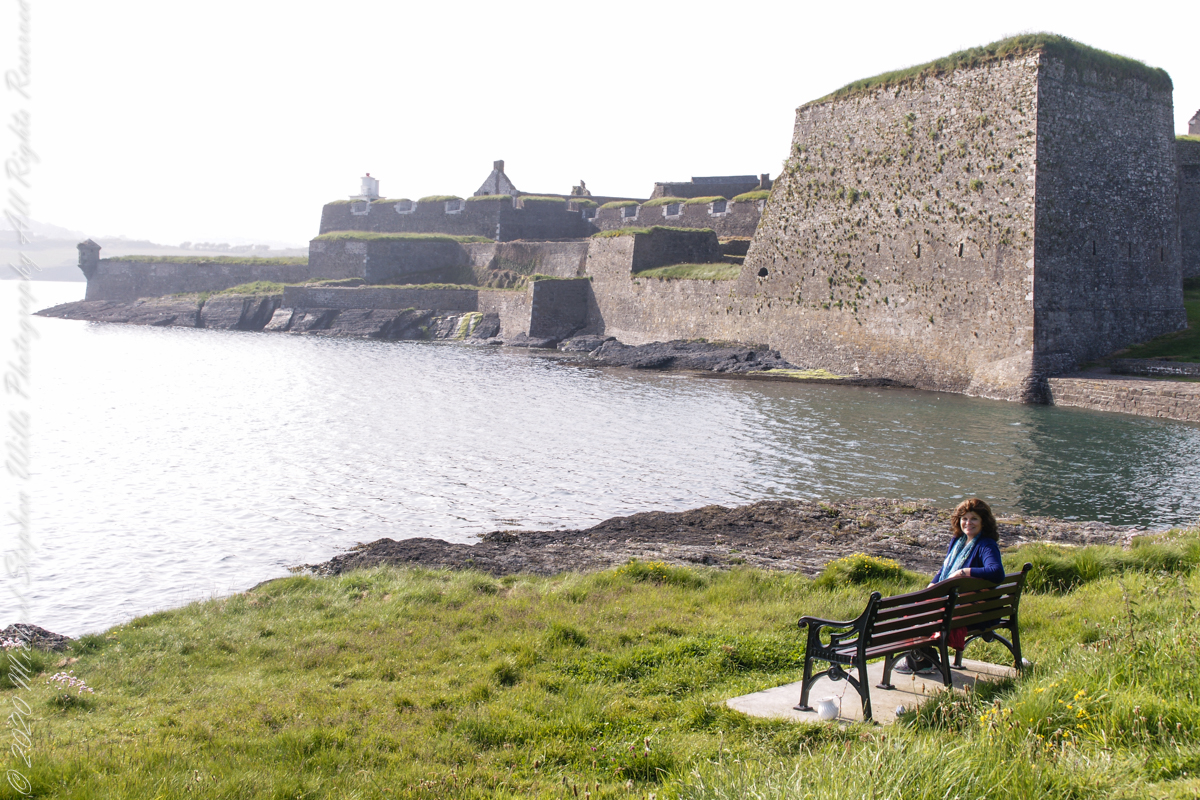
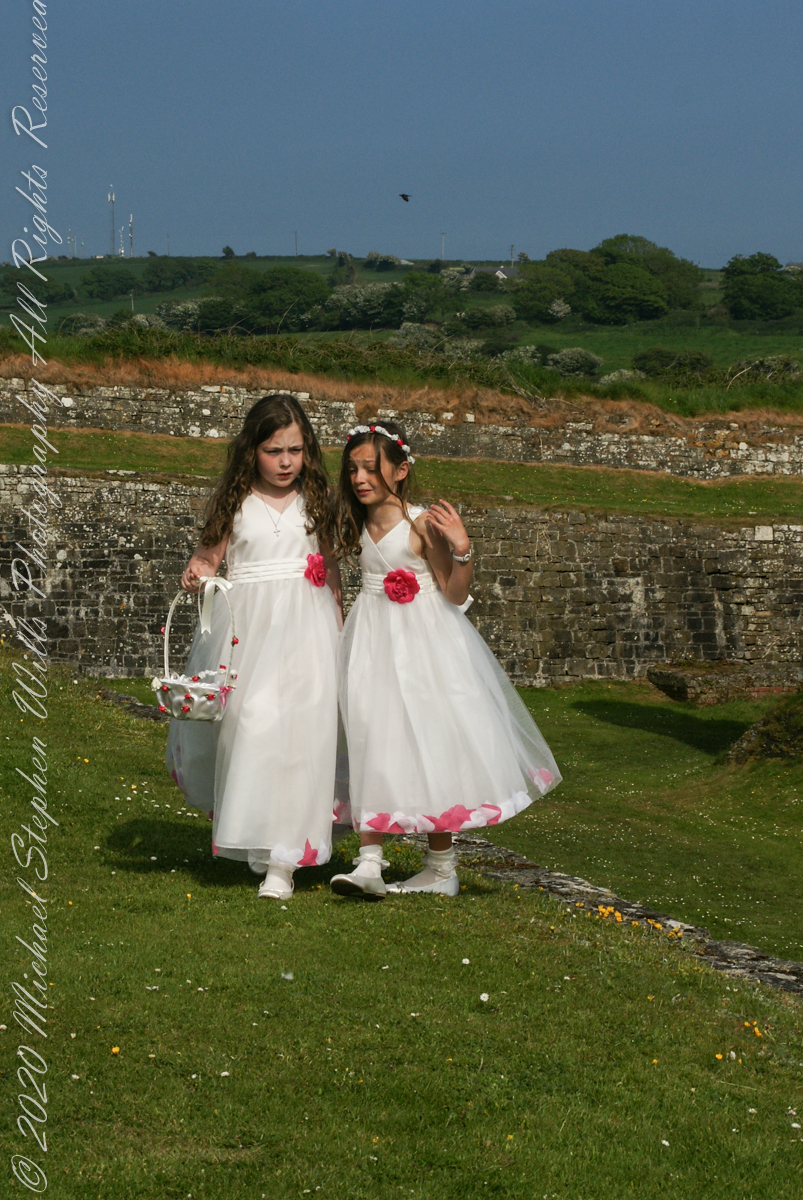
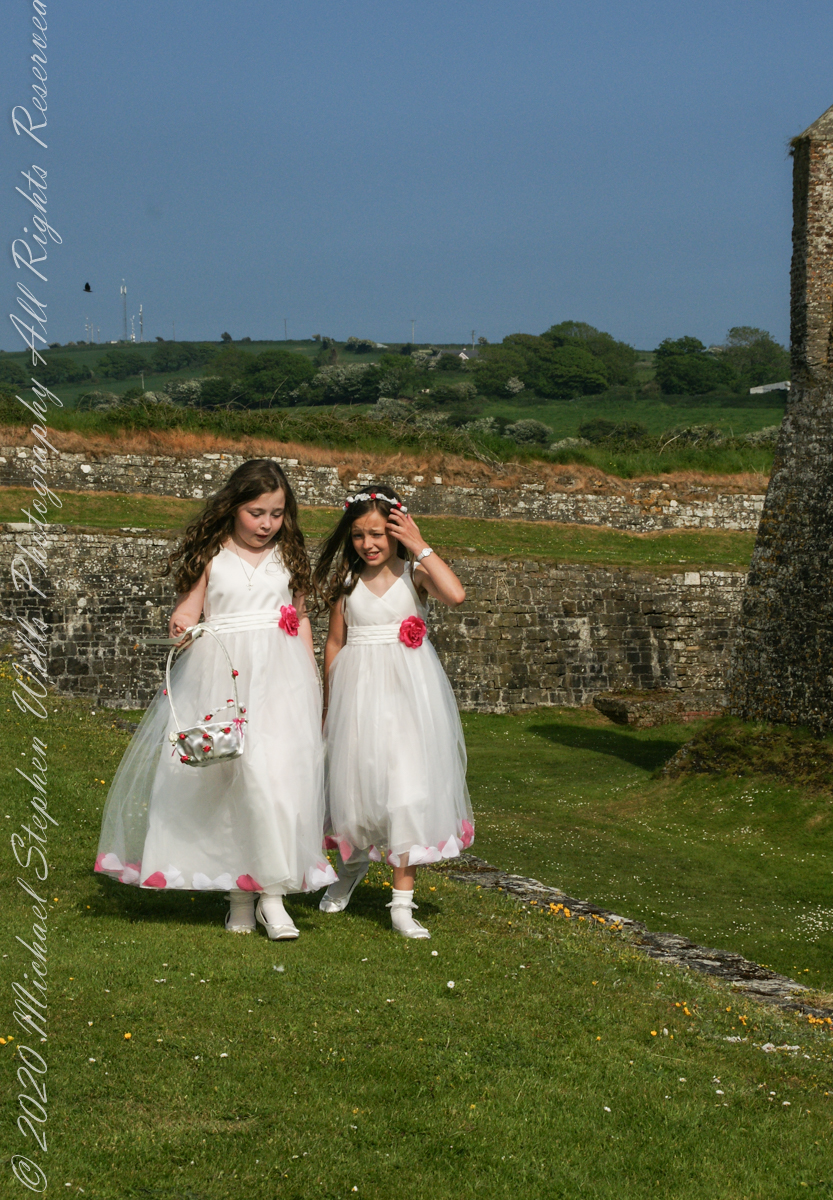
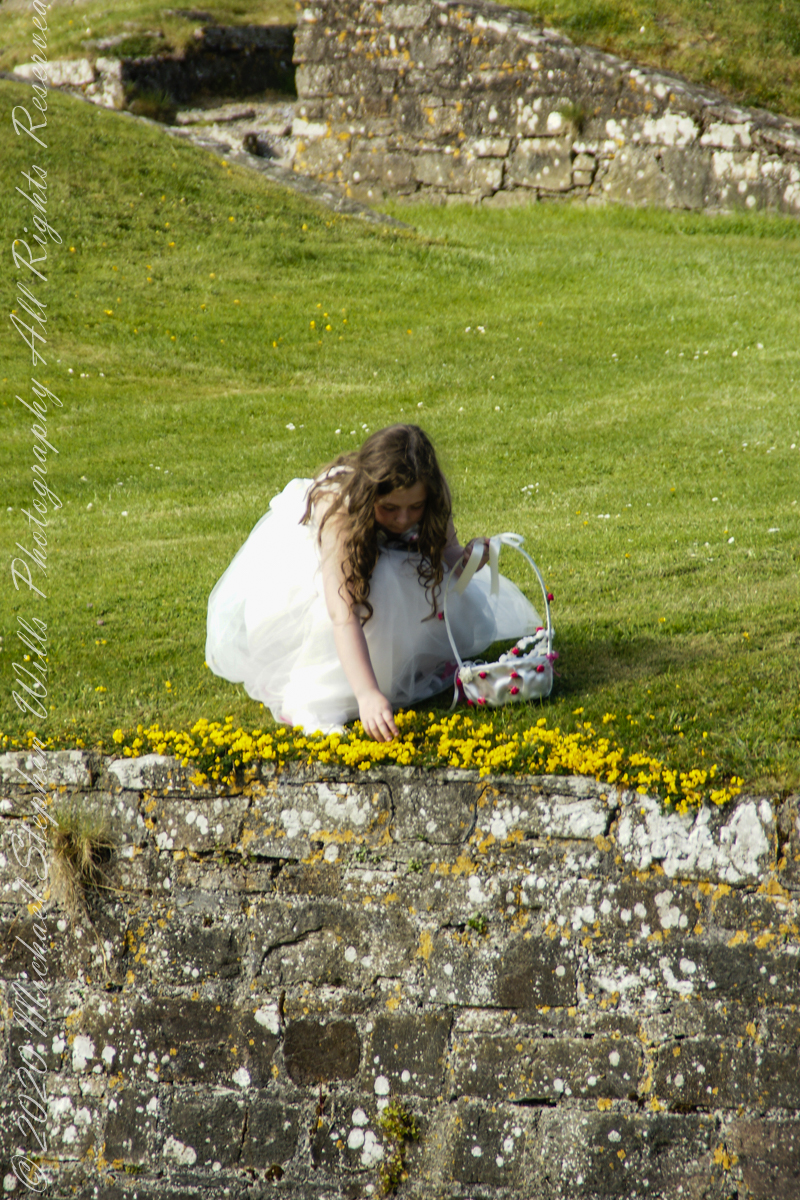
After exploring Kinsale town and lunch Pam and I drove two miles, along the east side of the cove, to the ruins of Charles Fort, one of a pair of fortifications protecting Kinsale from seaward attack. The “New Fort,” Charles, faces the “Old Fort”, James, across the cove.

Built in the 17th century on the site of an older fortification, Ringcurran Castle, it is named for Charles II, the English monarch of the time. The fort was burned during by retreating anti-treaty forces in 1922 during the Irish Civil war. It lay derelict until today’s 1971 until now restoration.

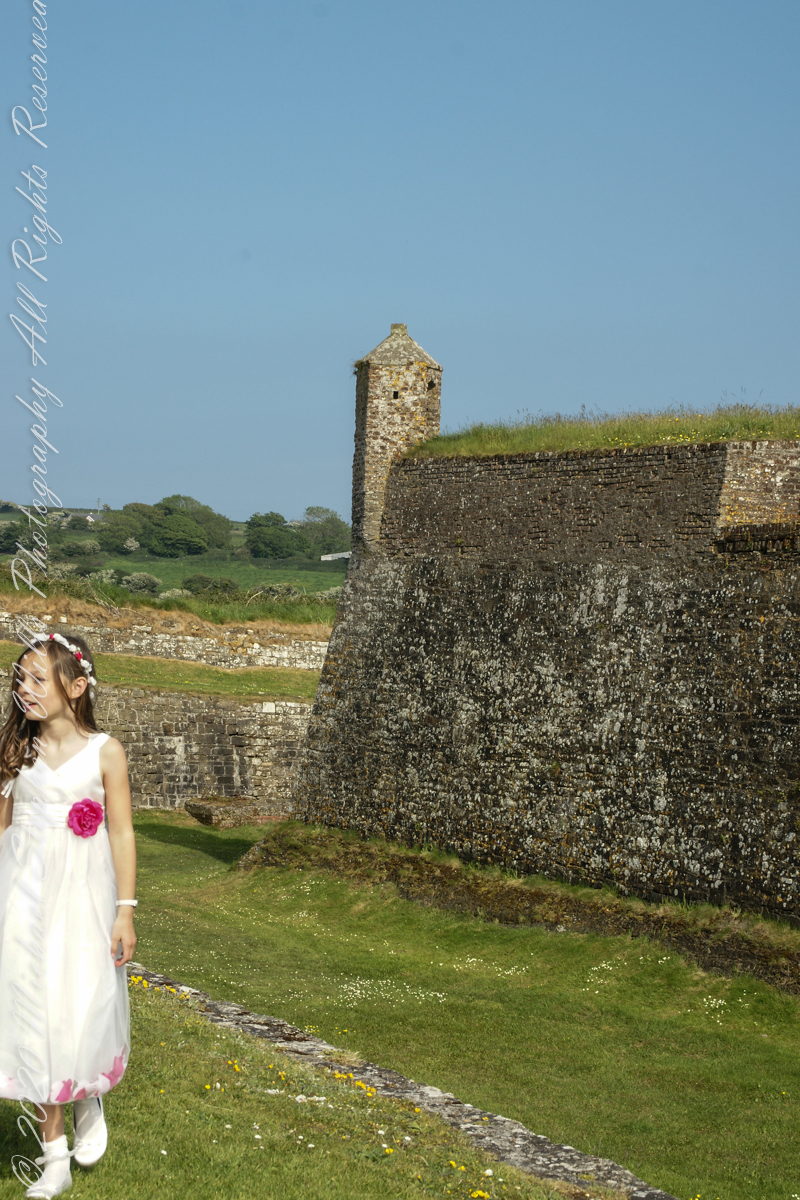
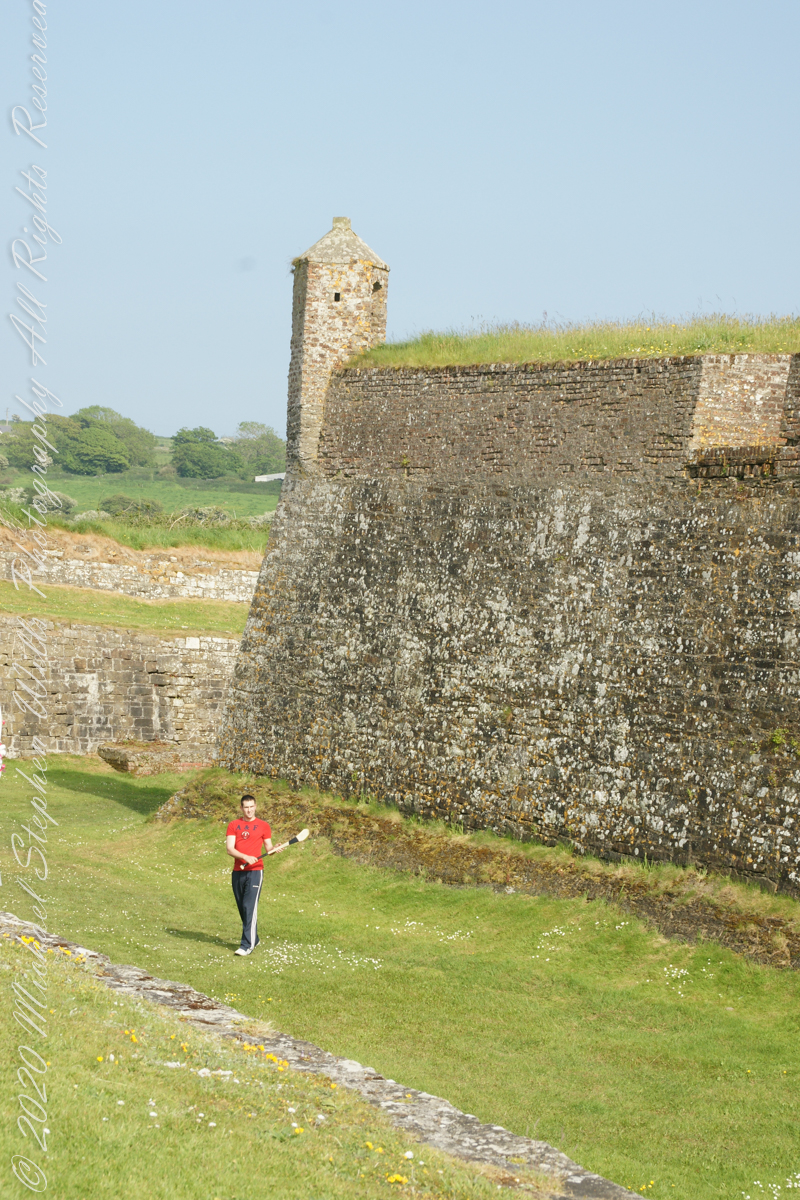
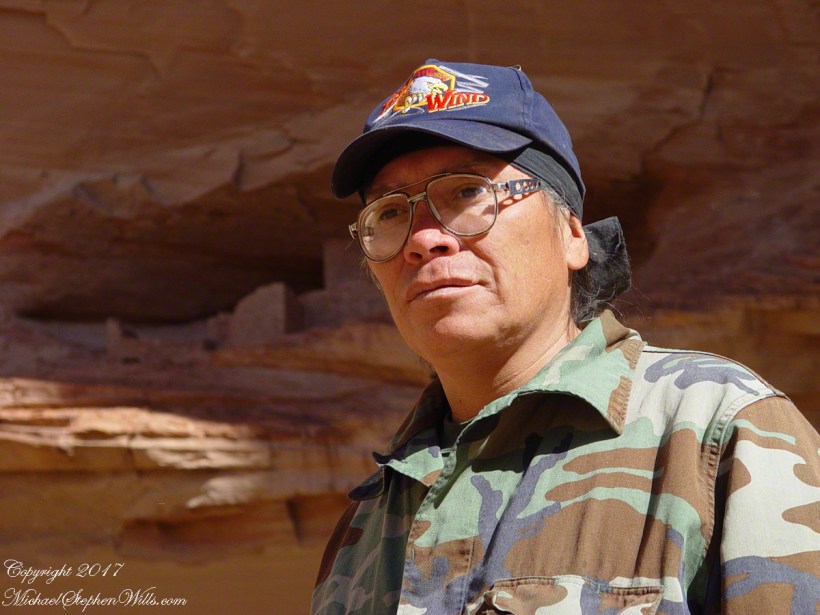
Upon our arrival this young man was handling a hurley and sliotar beneath the fort wall, an incarnation of  Cúchulainn playing hurling at Emain Macha. From Wikipedia, “Hurling is older than the recorded history of Ireland. It is thought to predate Christianity, having come to Ireland with the Celts. The earliest written references to the sport in Brehon law date from the fifth century. Seamus King’s book A History of Hurling references oral history going back as far as 1200 BCE of the game being played in Tara, County Meath. The tale of the Táin Bó Cuailgne (drawing on earlier legends) describes the hero Cúchulainn playing hurling at Emain Macha.”

Click Me for Part II of this series.

References

“Hurling and Charles Fort” – wikipedia

Enter your email to receive notification of future postings. I will not sell or share your email address.

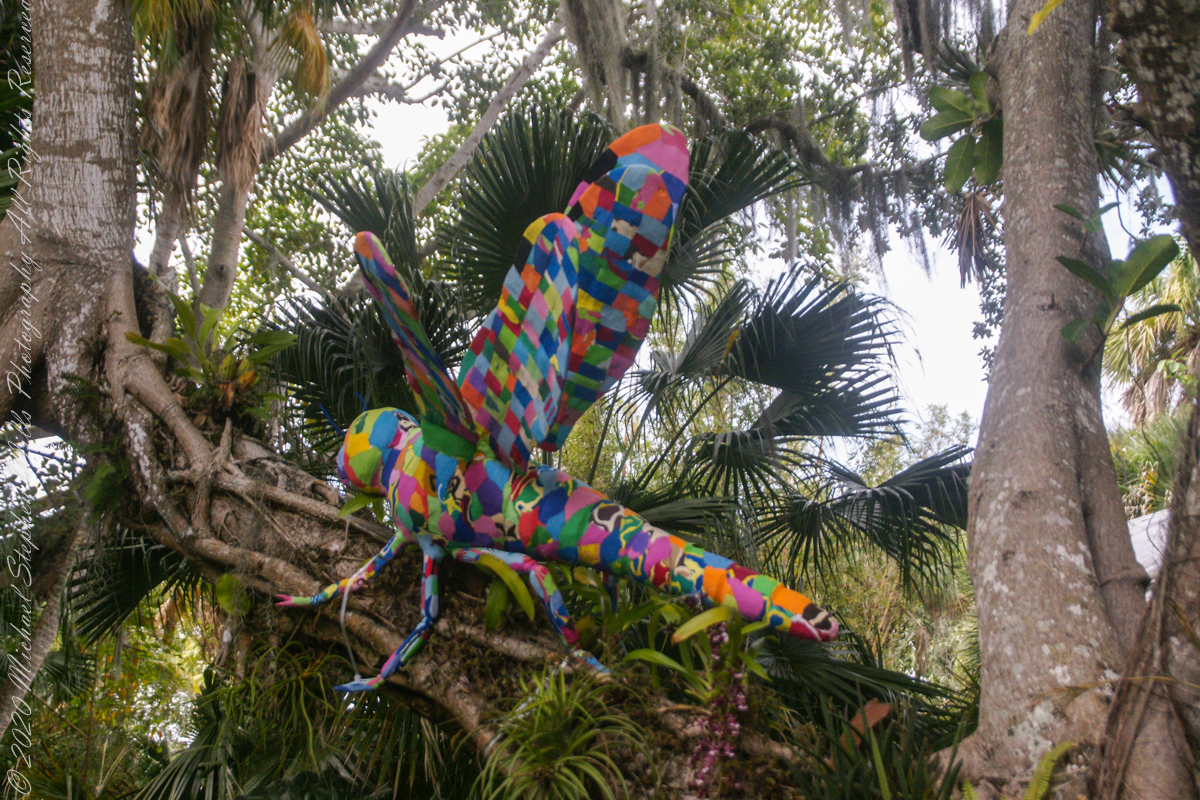
Flip Flop Dragonflies

Deep Time

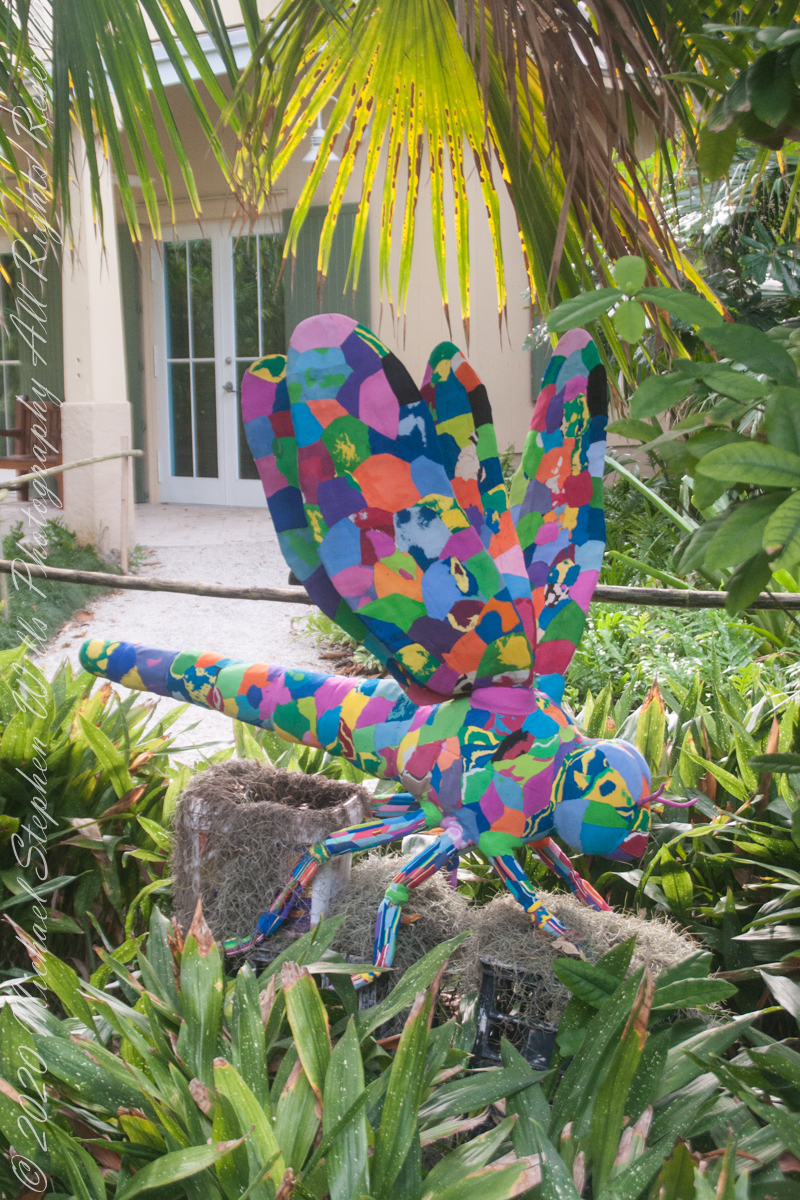
380 recycled flip flops were used by Ocean Sole Africa Project artists to create these seahorse sculptures from a 2020 exhibit hosted by McKee Botanical Gardens, Vero Beach, Indian River County, Florida.

Adult dragonfly lifespan of a few days to 5 weeks contrasts with the wide distribution, variety with over 3,000 species and deep longevity of the infraorder, Anisoptera, especially compared to our genus, Homo: Hundreds of millions of years, compared to 2 million.

An insect, dragonflies live on every continent except Antarctica, from sea level up to the mountains.
I have experienced hundreds of dragonflies swooping and hovering around Peaked Mountain of the Adirondacks.

Copyright 2022 Michael Stephen Wills All Rights Reserved

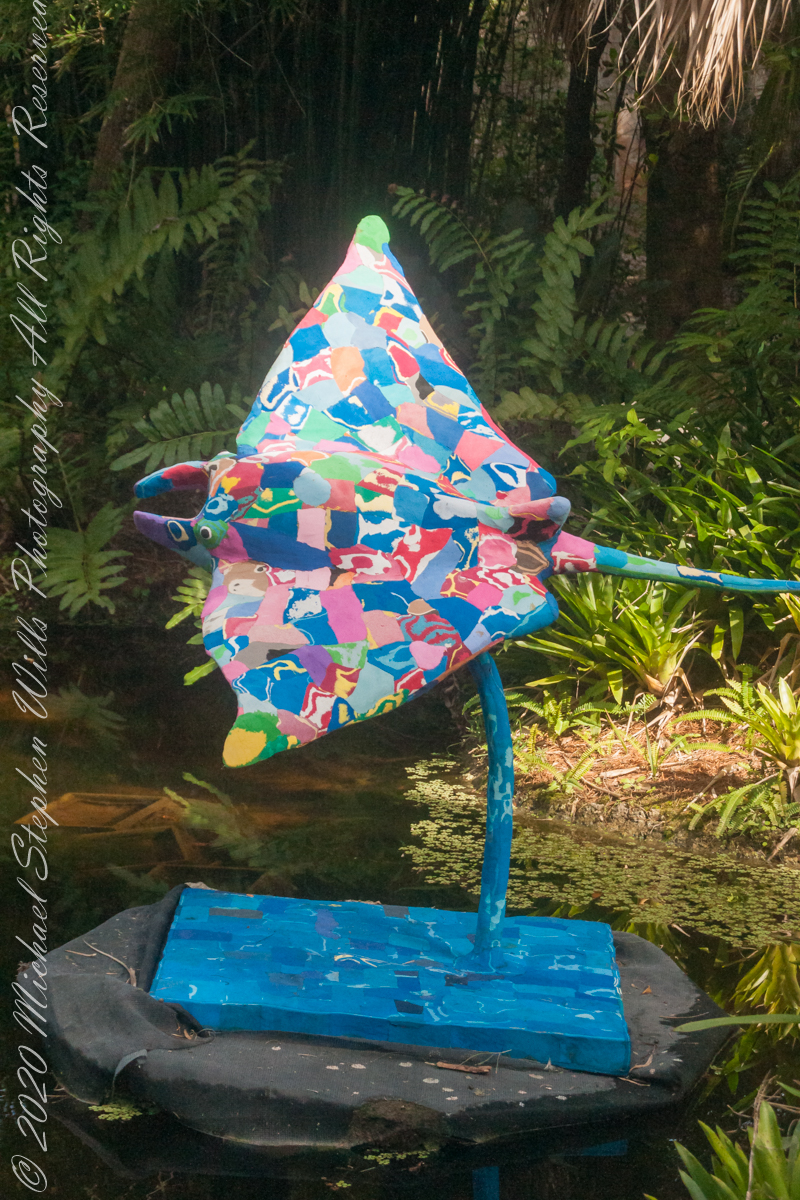
Flip Flop Manta Rays

“Devil Fish”

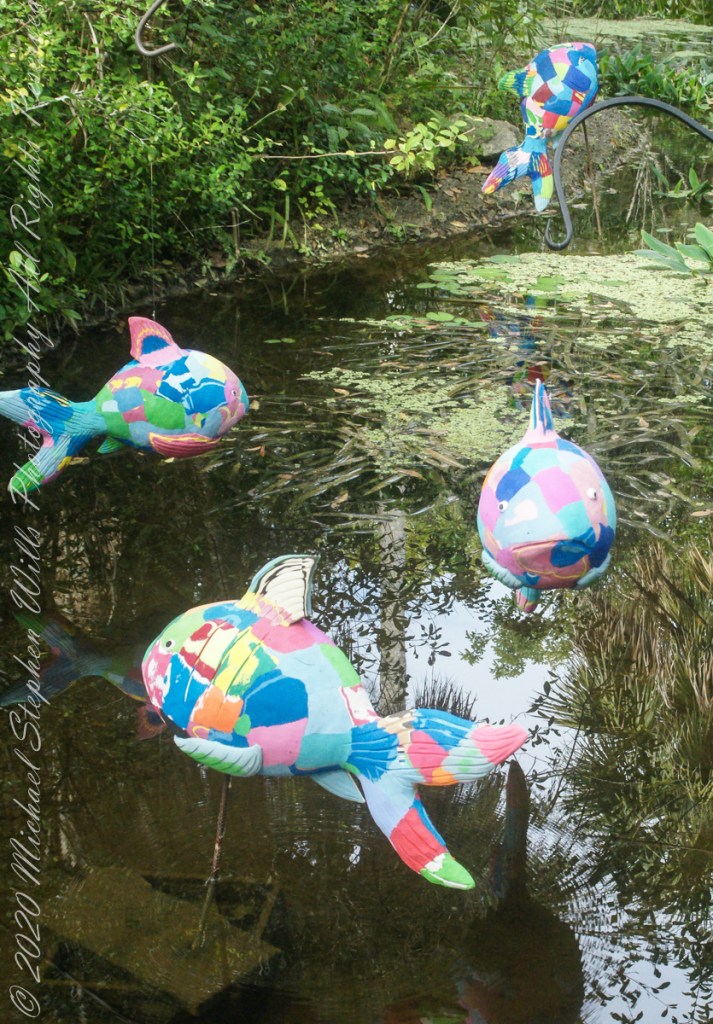
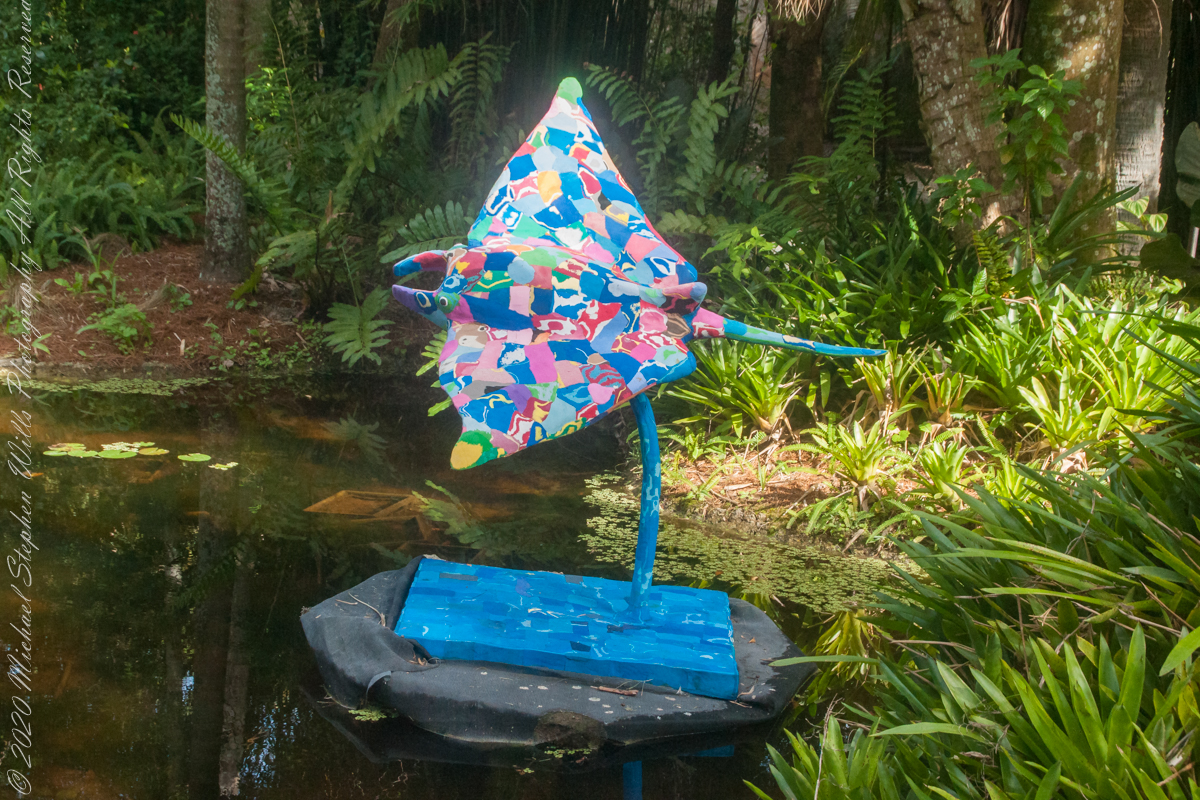
110 recycled flip flops were used by Ocean Sole Africa Project artists to create these seahorse sculptures from a 2020 exhibit hosted by McKee Botanical Gardens, Vero Beach, Indian River County, Florida.

Manta Rays are large, flat-bodied fish having a width ranging from 18-23 feet (5-7 meters) wide. Mantas gracefully swoop during feeding, scooping up large quantities of plankton, 60 pounds (27 kilograms) per day, with the flat fins on either side of their head.

Here is the flowing movement of the manta

Mantas are known as “devilfish” because of their horn-shaped cephalic fins, which are imagined to give them an “evil” appearance. The movement of pectoral fins drive them through water, like birds flying through air.

All mantas are listed as vulnerable by the International Union for Conservation of Nature. Anthropogenic threats include pollution, entanglement in fishing nets, and direct harvesting of their gill rakers for use in Chinese medicine. Their slow reproductive rate exacerbates these threats. They are protected in international waters by the Convention on Migratory Species of Wild Animals, but are more vulnerable closer to shore. Areas where mantas congregate are popular with tourists. Only a few public aquariums are large enough to house Mantas.

Copyright 2022 Michael Stephen Wills All Rights Reserved

Colorful Hall

Northernmost, glaciated section of the Allegheny Plateau

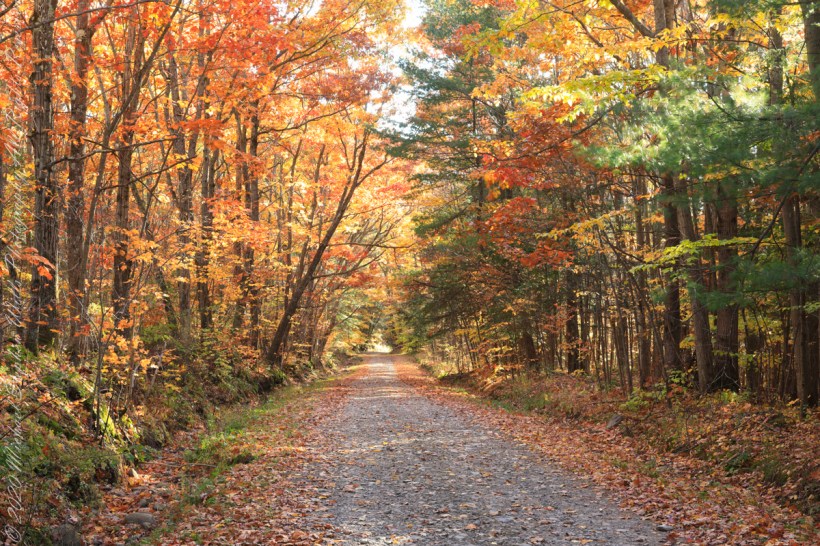
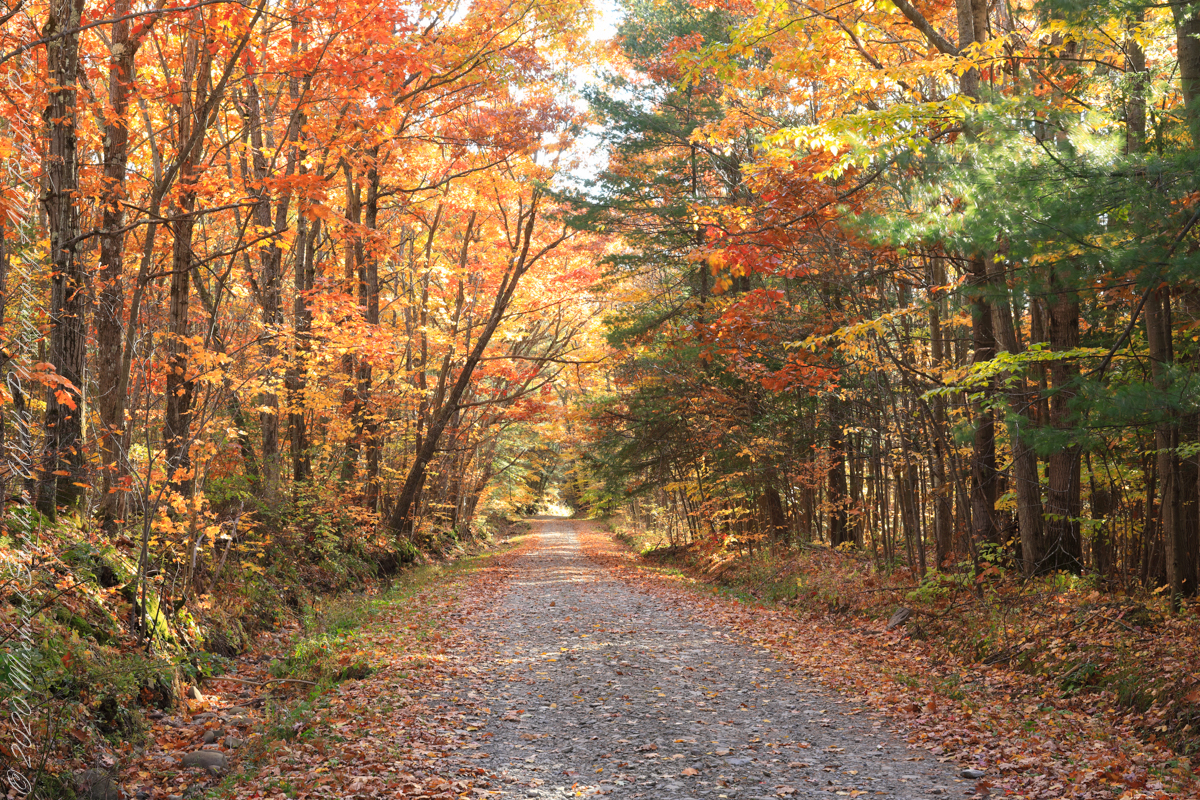
For my last autumn posting this last day of November 2022 this colorful hall of trees is on the long descent of Lacey Road from Cortland to Tioga Counties where it passes close the meeting point of three counties near the Robinson Hollow State Forest, the third being Tompkins County.

We are travelling south on a northernmost, glaciated section of the Allegheny Plateau. In the 19th Century a lawyer named Calvin J. Robinson was a prominent citizen of nearby Richford.

Copyright 2022 Michael Stephen Wills All Rights Reserved

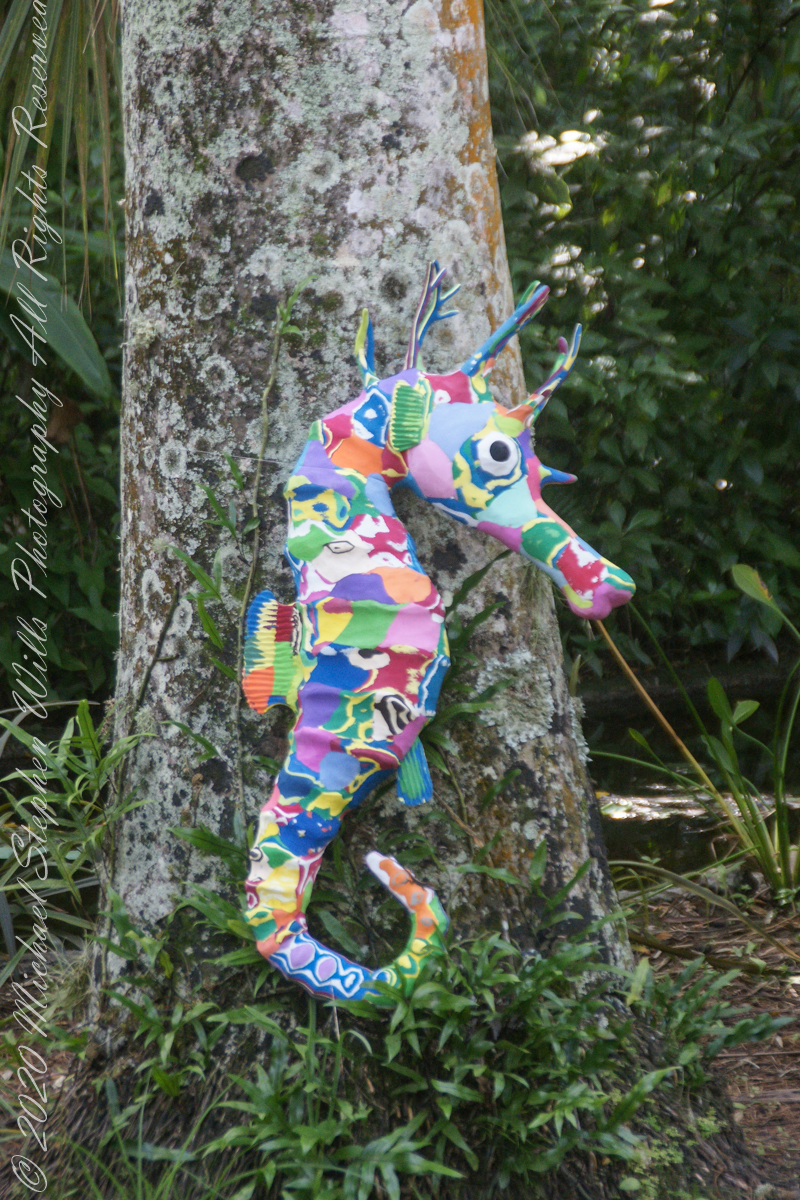
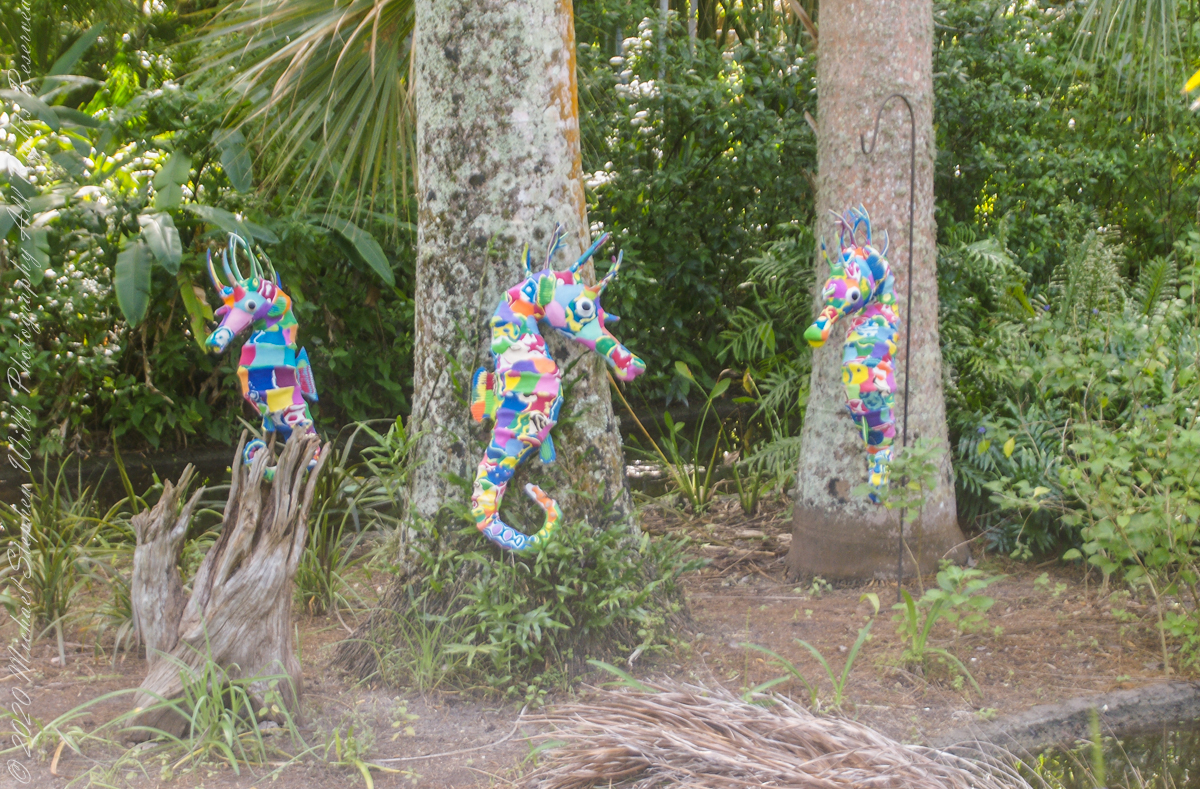
Flip Flop Seahorses

Evolutionary Success Story

Up to 150 recycled flip flops were used by Ocean Sole Africa Project artists to create these seahorse sculptures from a 2020 exhibit hosted by McKee Botanical Gardens, Vero Beach, Indian River County, Florida.

.

Seahorses are tiny fish with heads that look like…horses! Their curved flexible tail is used to grasp objects, mostly anchoring the seahorse to plants.

Their genus, Hippocampus, includes 46 species indicating evolutionary success for their body shape and adaptations. Just hatched seahorses cling together in groups, hook by their tails. Excellent at camouflage, a seahorse hides from predators while waiting to ambush dinner.

Copyright 2022 Michael Stephen Wills All Rights Reserved

Road Transformation

sunlight, dappled shade

South/Southwest view from the long hill into Harford, stopping to admire the effect of sunlight, dappled shade and bright yellow, orange, red against the distant ridge sheltering Robinson Hollow. Near Harford, Cortland County, New York.

Copyright 2022 Michael Stephen Wills All Rights Reserved

Flip Flop Manatee

Happy “Profitable Friday” 2022

Up to 400 recycled flip flops were used by Ocean Sole Africa Project artists to create this Manatee sculpture from a 2020 exhibit hosted by McKee Botanical Gardens, Vero Beach, Indian River County, Florida.

Manatee with fans

Manatees are protected under the Endangered Species Act and under the Marine Mammal Protection Act. Today, the range-wide population is estimated to be at least 13,000 manatees, with more than 6,500 in the southeastern United States and Puerto Rico.

Florida has cherished the Sea Cow with the population increasing 25% from 1991, going from 1,267 to more than 6,300.

Copyright 2022 Michael Stephen Wills All Rights Reserved

Flip Flop Crab

Eyes on stalks and an exoskeleton composed of chitin

Up to 400 recycled flip flops were used by Ocean Sole Africa Project artists to create each sea turtle sculpture from a 2019 exhibit hosted by McKee Botanical Gardens, Vero Beach, Indian River County, Florida.

Blue land crabs inhabit McKee Gardens, only resembling these specimens, made from as many as 400 discarded flip flops, in having ten legs for which the Order Decapoda is named. The front two legs are specialized chelae (claws) for grabbing and eating whatever is in front of them (omnivorous). Two other characteristics are eyes on stalks and an exoskeleton composed of chitin. From an exhibit of creations by the Ocean Sole Africa project, McKee Botanical Gardens, Vero Beach, Indian River County, Florida.

Blue land crabs inhabit McKee Gardens, only resembling these specimens, made from as many as 400 discarded flip flops, in having ten legs for which the Order Decapoda is named.

The front two legs are specialized chelae (claws) for grabbing and eating whatever is in front of them (omnivorous). Two other characteristics are eyes on stalks and an exoskeleton composed of chitin.

Copyright 2022 Michael Stephen Wills All Rights Reserved

Flip Flop Sea Turtle

Light pollution from beach development is a threat to baby sea turtles; the glow from city sources can cause them to head into traffic instead of the ocean.

450 recycled flip flops were used by Ocean Sole Africa Project artists to create each sea turtle sculpture from a 2019 exhibit hosted by McKee Botanical Gardens, Vero Beach, Indian River County, Florida.

Sea turtles (superfamily Chelonioidea), sometimes called marine turtles, are reptiles of the order Testudines and of the suborder Cryptodira. Sea turtles can be found in all oceans except for the polar regions. Sea turtles are generally found in the waters over continental shelves.

During the first three to five years of life, sea turtles spend most of their time in the pelagic zone floating in seaweed mats. Once the sea turtle has reached adulthood it moves closer to the shore. Females will come ashore to lay their eggs on sandy beaches during the nesting season. Sea turtles migrate to reach their spawning beaches, which are limited in numbers. Living in the ocean therefore means they usually migrate over large distances.

All sea turtles have large body sizes, which is helpful for moving large distances. Large body sizes also offer good protection against the large predators (notably sharks) found in the ocean. Light pollution from beach development is a threat to baby sea turtles; the glow from city sources can cause them to head into traffic instead of the ocean. There has been some movement to protect these areas. On the east coast of Florida, parts of the beach known to harbor sea turtle nests are protected by fences.

This Sea Turtle sculpture graces the entrance of McKee Gardens as a permanent exhibit.

Conservationists have monitored hatchings, relocating lost baby sea turtles to the beach. Hatchlings find their way to the ocean by crawling towards the brightest horizon and can become disoriented along the coastline. Lighting restrictions can prevent lights from shining on the beach and confusing hatchlings. Sea turtle-safe lighting uses red or amber LED light, invisible to sea turtles, in place of white light.

Copyright 2022 Michael Stephen Wills All Rights Reserved

Dryden Drumlin

Drumlin, from the Irish word droimnín (“littlest ridge”)

Carpenter Hill from Virgil Road, Route 392, looking across cornstalk stubble and McClintock Road, a faded yellow barn with “Vinda Acres” written on the doors.

The hill is clearly a drumlin. A drumlin, from the Irish word droimnín (“littlest ridge”), first recorded in 1833, is an elongated hill in the shape of an inverted spoon or half-buried egg formed by glacial ice acting on underlying unconsolidated till or ground moraine.

Distant ridges on the right include Hammond Hill. The road to Virgil above the town of Dryden, Tompkins County, New York.

Copyright 2022 Michael Stephen Wills All Rights Reserved