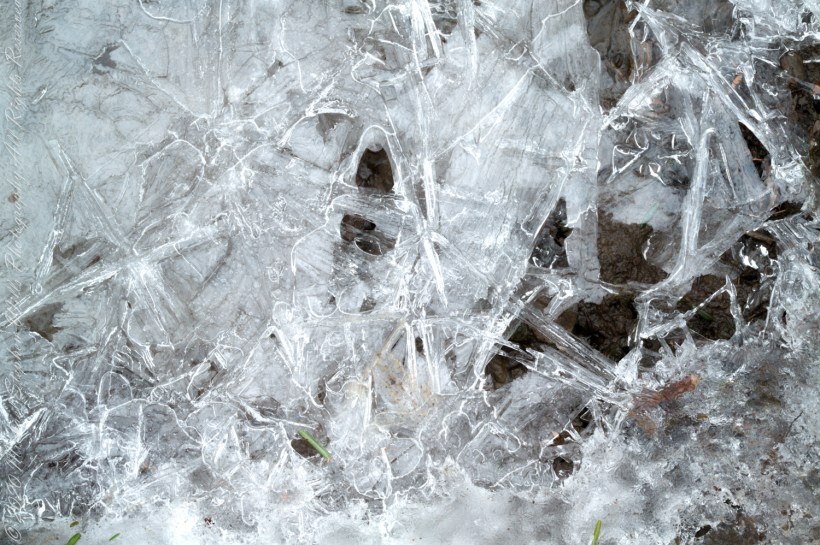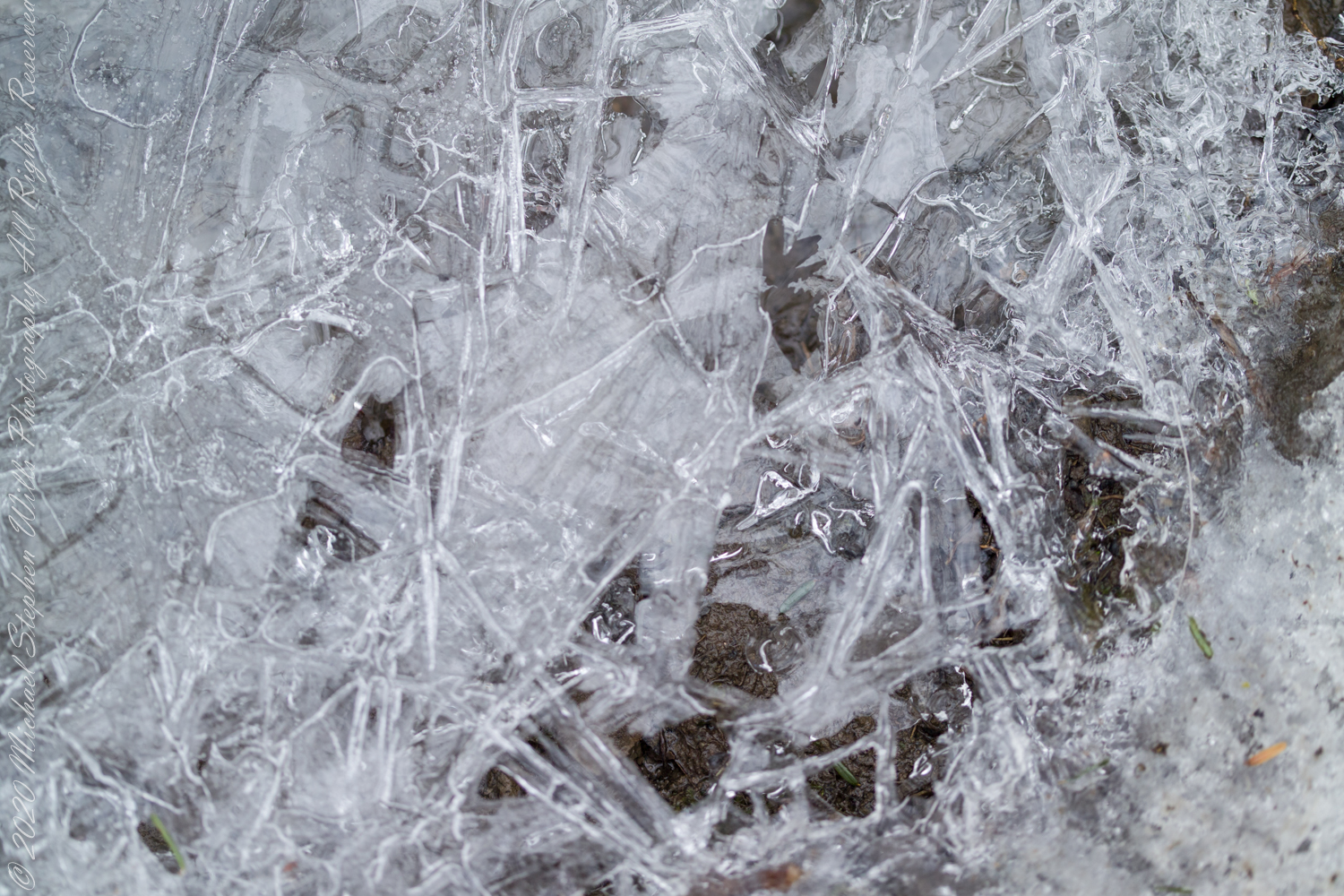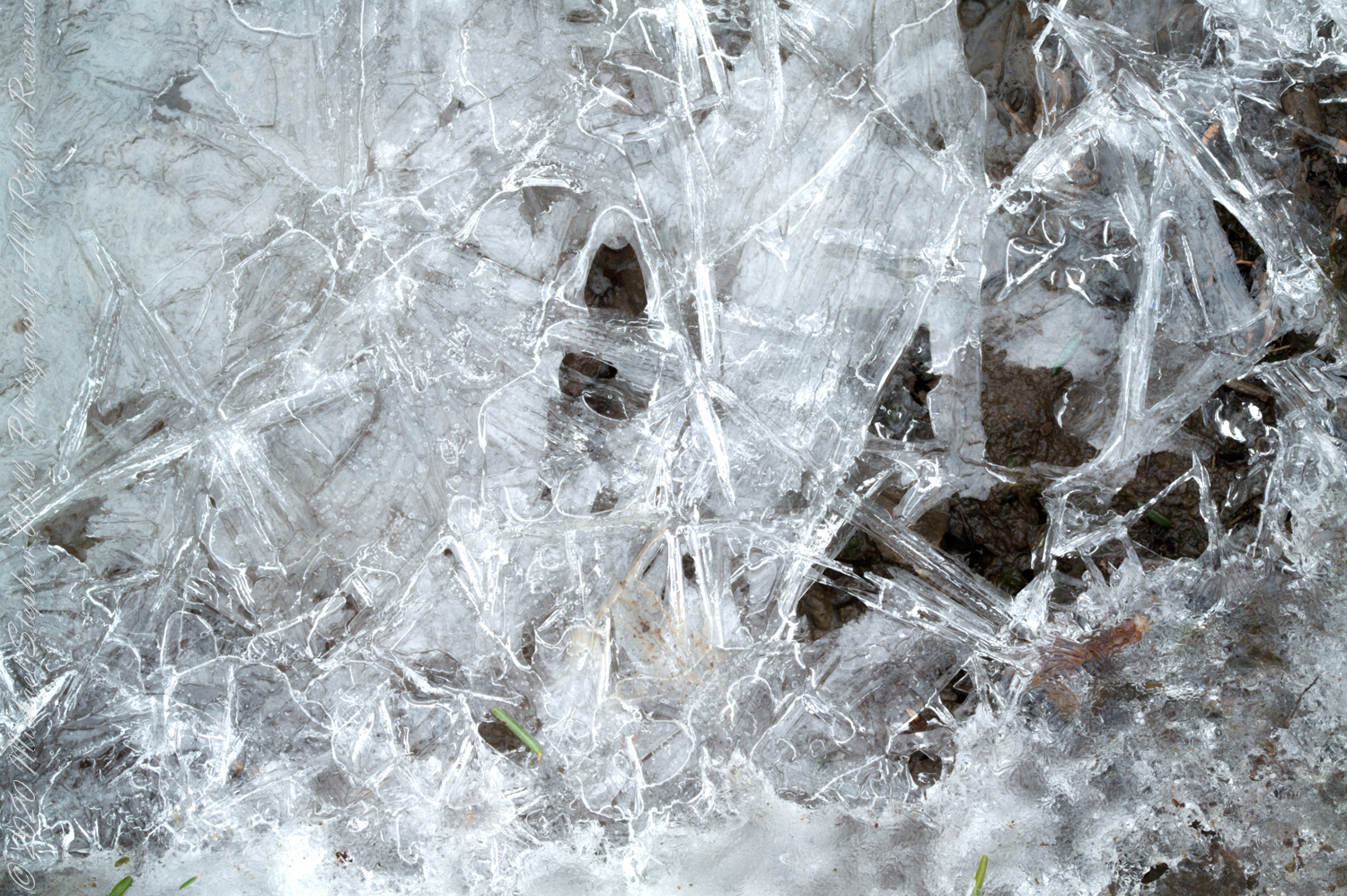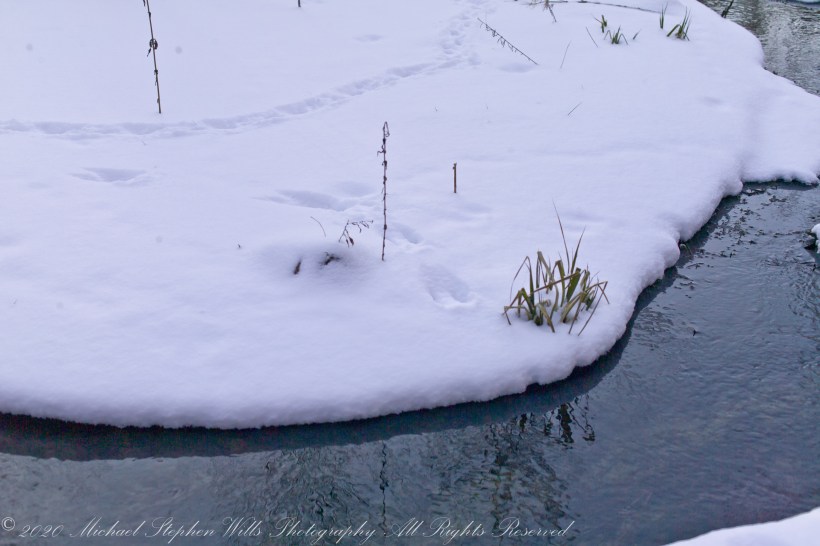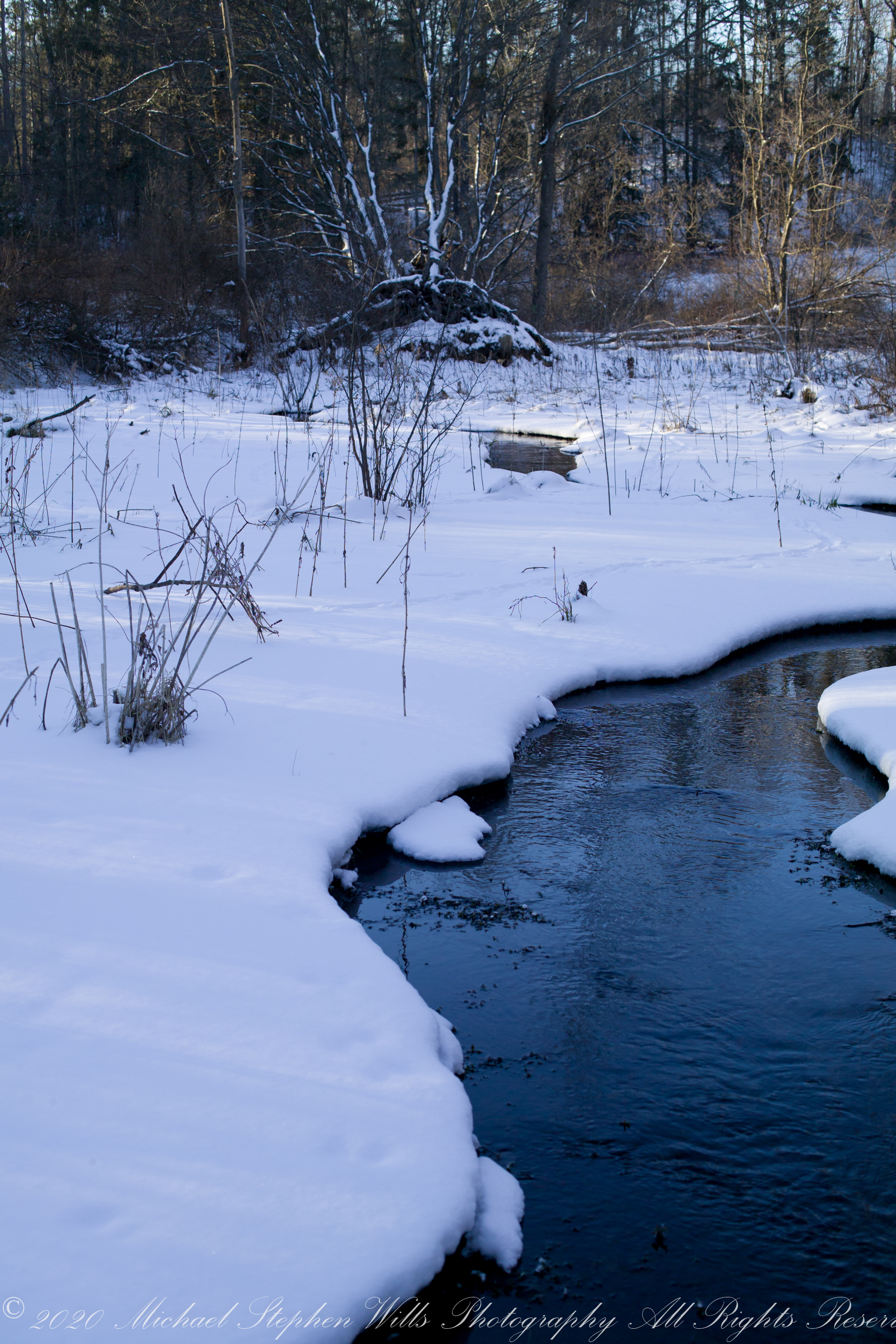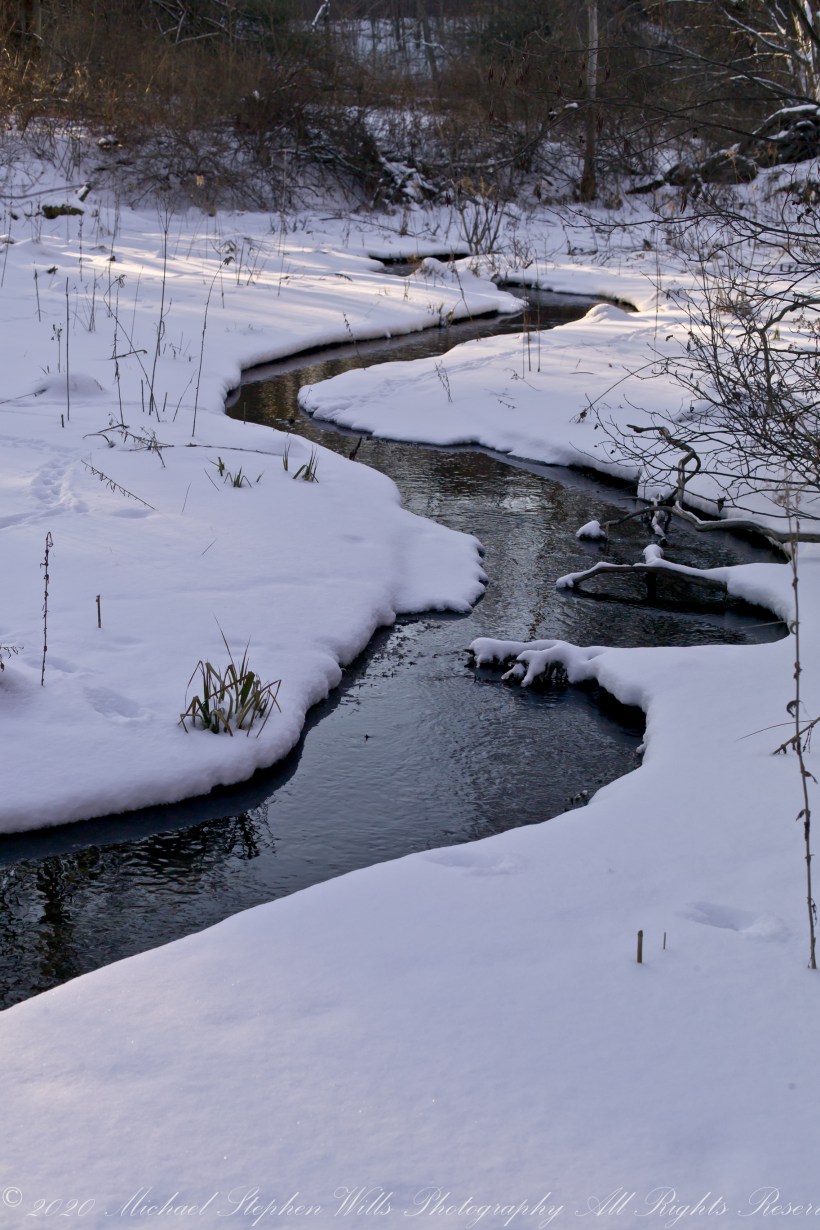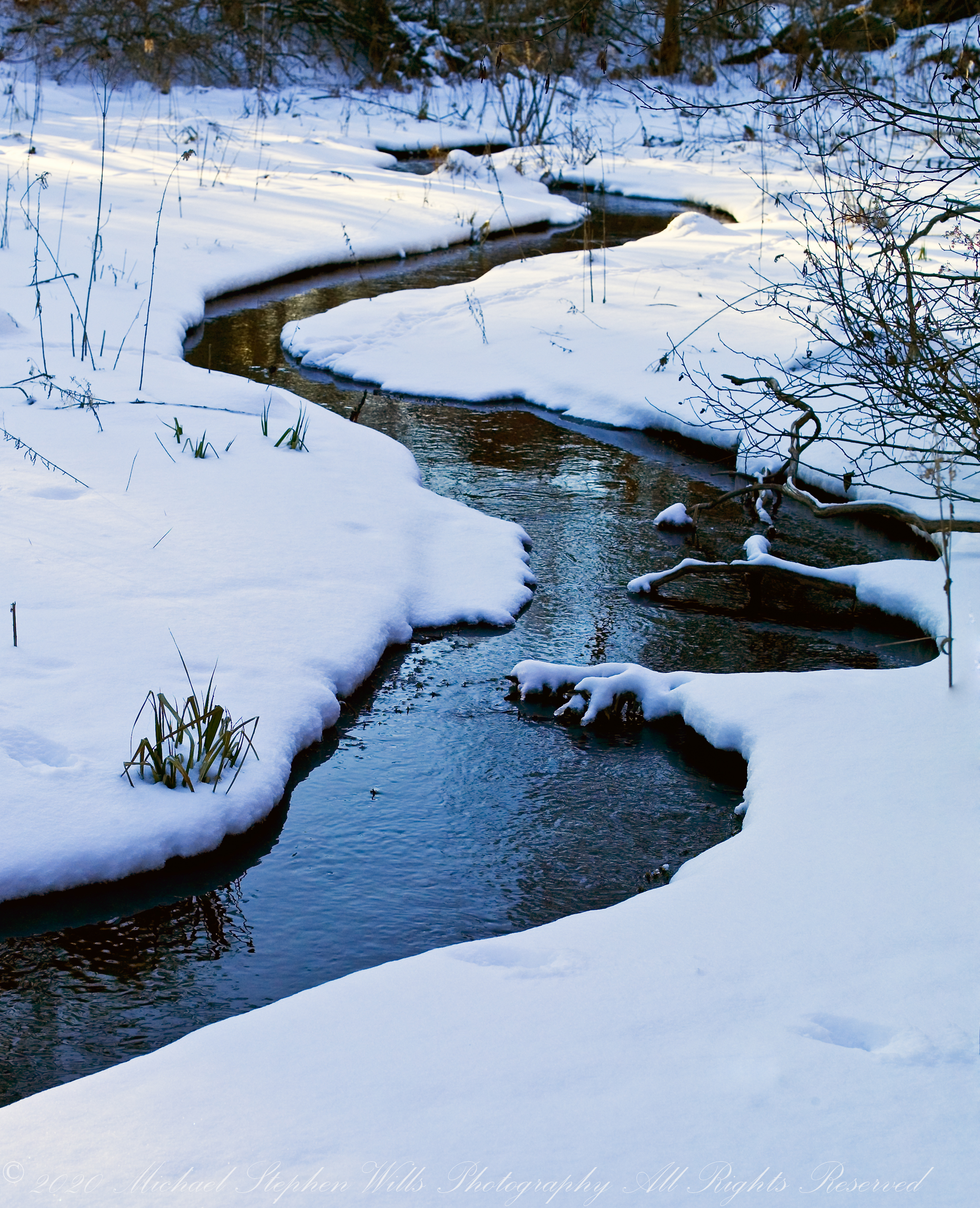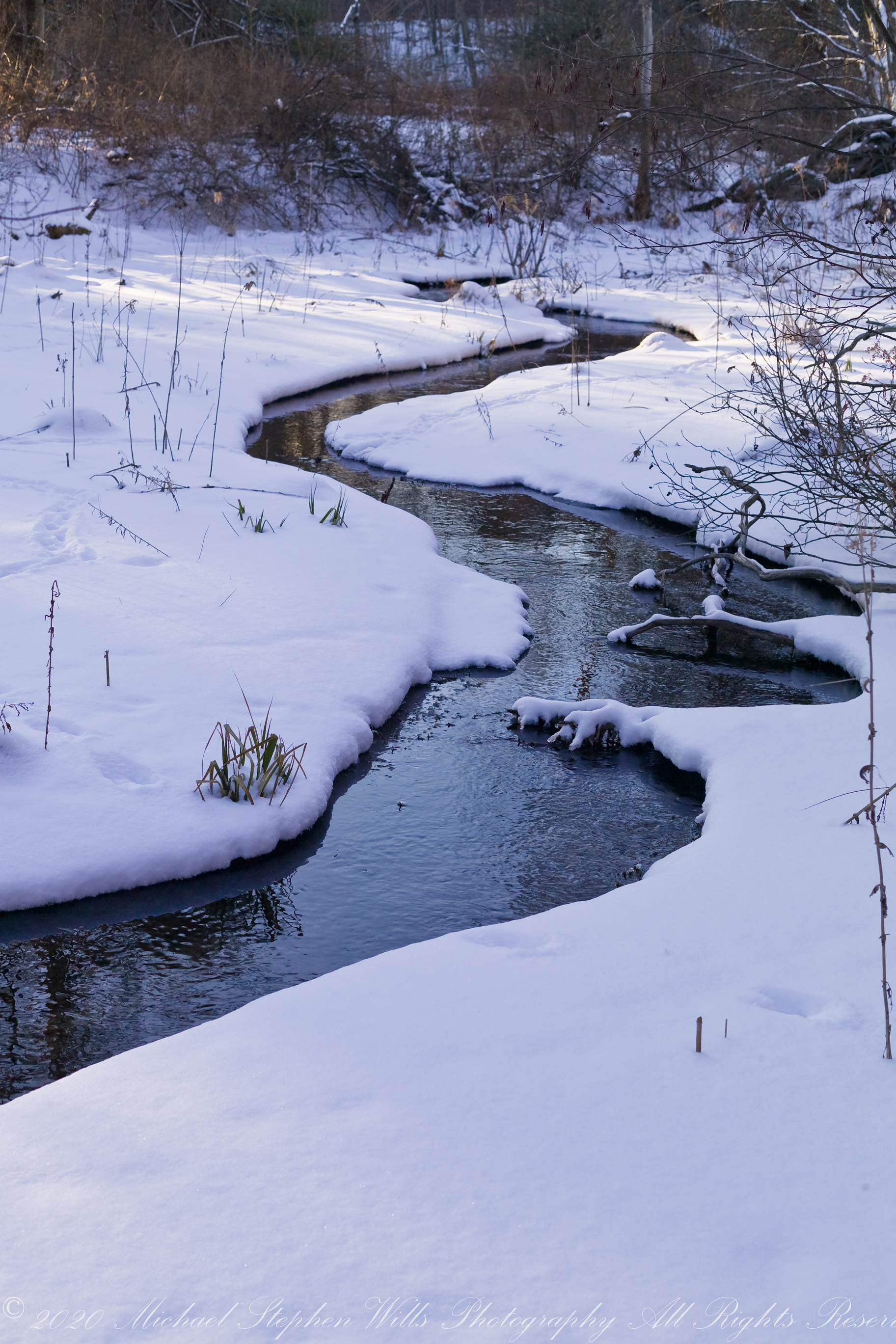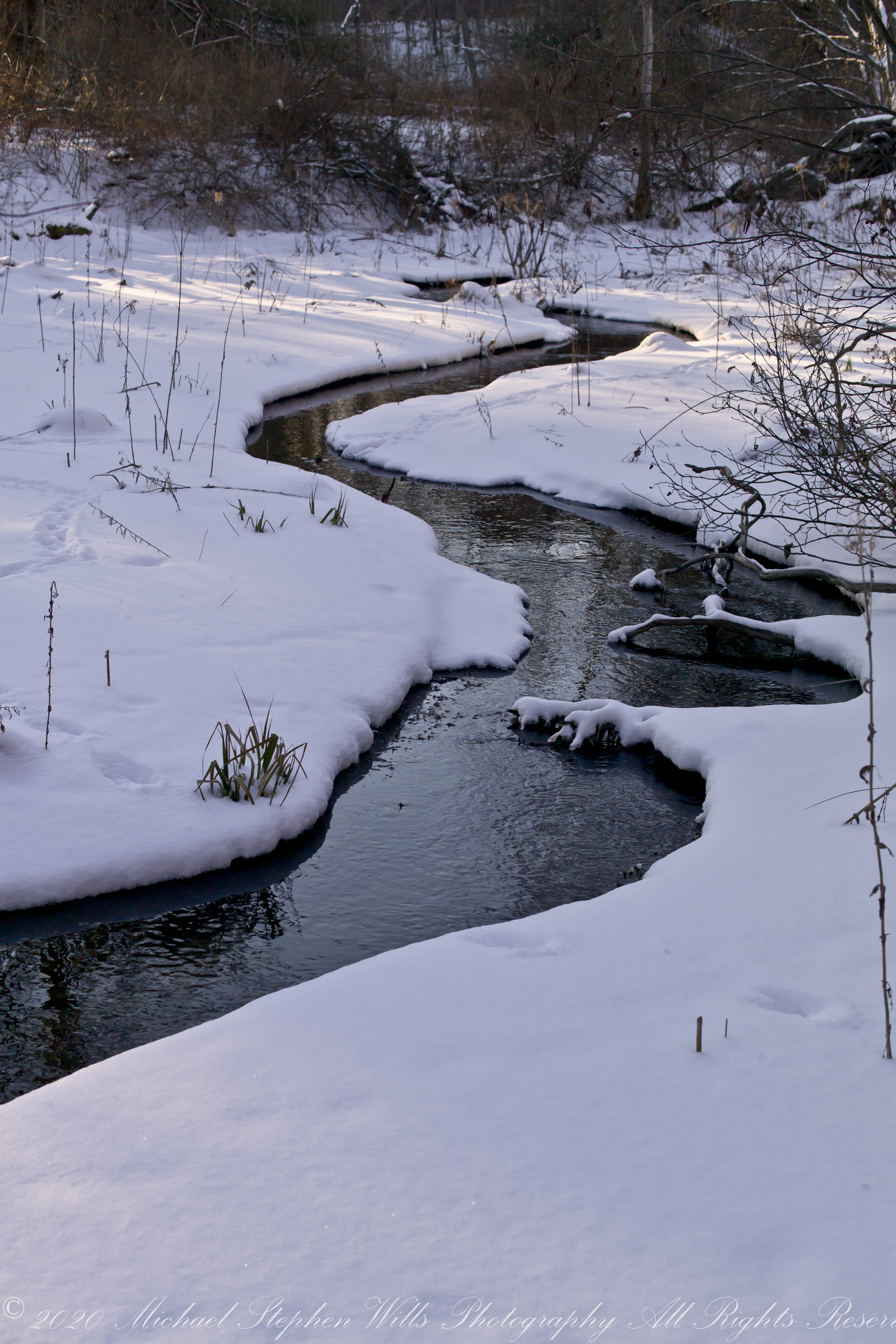
Surface of ice formed over a flowing creek. One is a HDR of three exposures, the other is a single exposure. Yes, that is dirt you see under the ice. How did that happen?
Readers: Can you tell which is the HDR? Please answer with a comment. Thank You
All are macros from a Kodak DSC Pro SLR/c with a Canon EF 100 mm f/2.8 Macro USM lens stabilized on a Manfrotto 468MG tripod with Hydrostatic Ball Head
Fillmore Glen State Park, Moravia, Cayuga County, New York.
The glacial marls through which this water flows to emerge here clear and pure were under threat from development in the 1980’s and 1990. Thanks to the efforts of the landowner, the uniqueness of this environment was preserved.
The first two photographs are combined and enhanced in photoshop to yield the third, combination, photograph.
Winter ShadowsWinter Shadows
All were from a tripod mounted Kodak DSC pro SLR-C with the Canon lens EF 50mm f/1.4 USM
Winter Shadows
Copyright 2023 All Rights Reserved Michael Stephen Wills
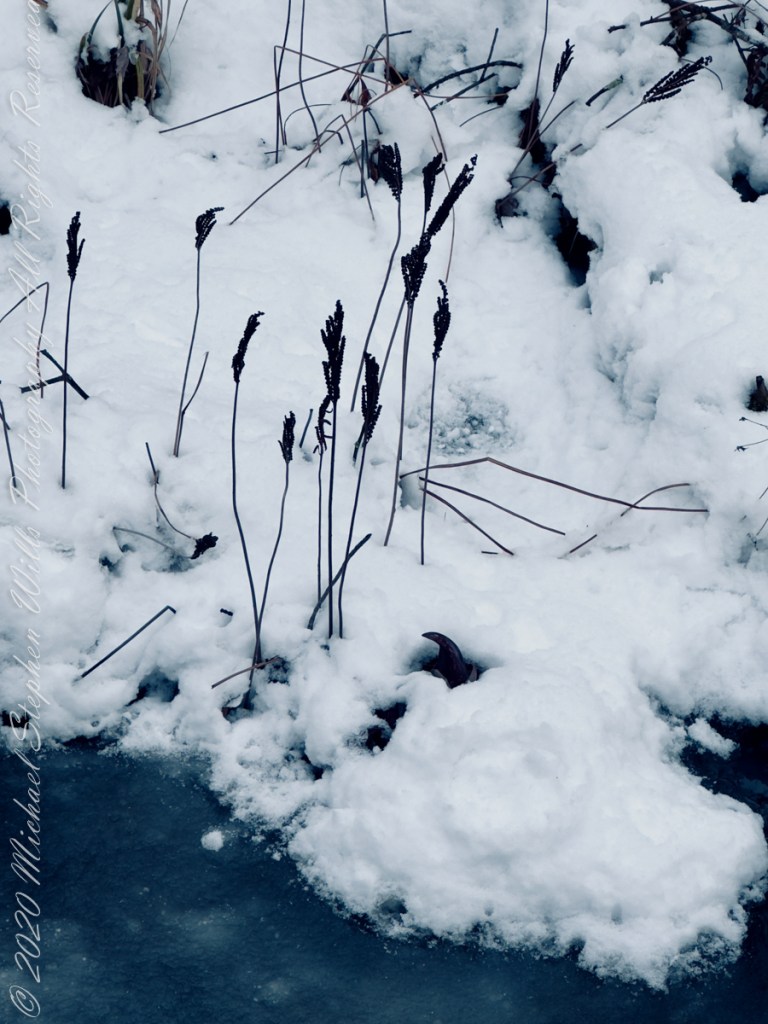
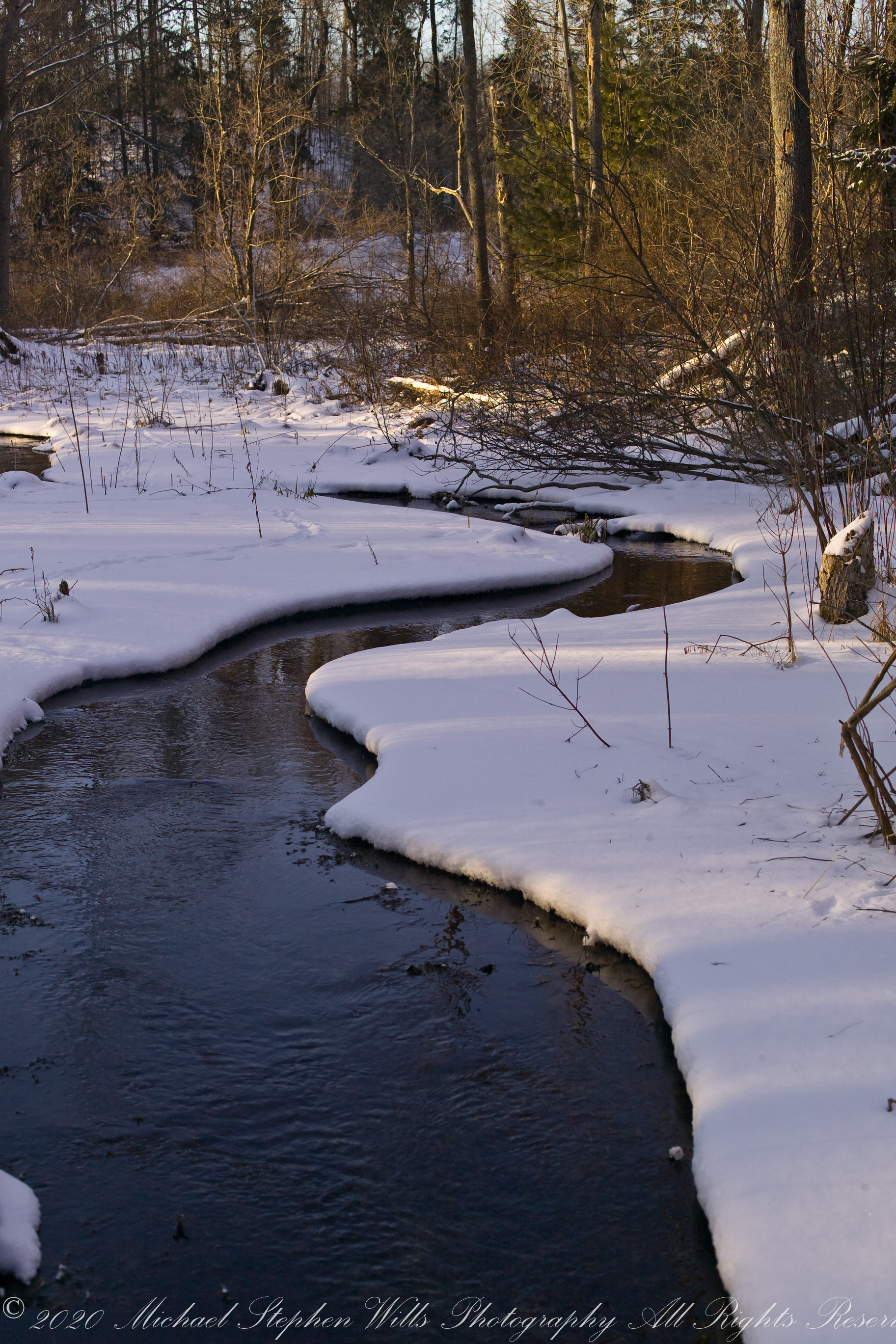
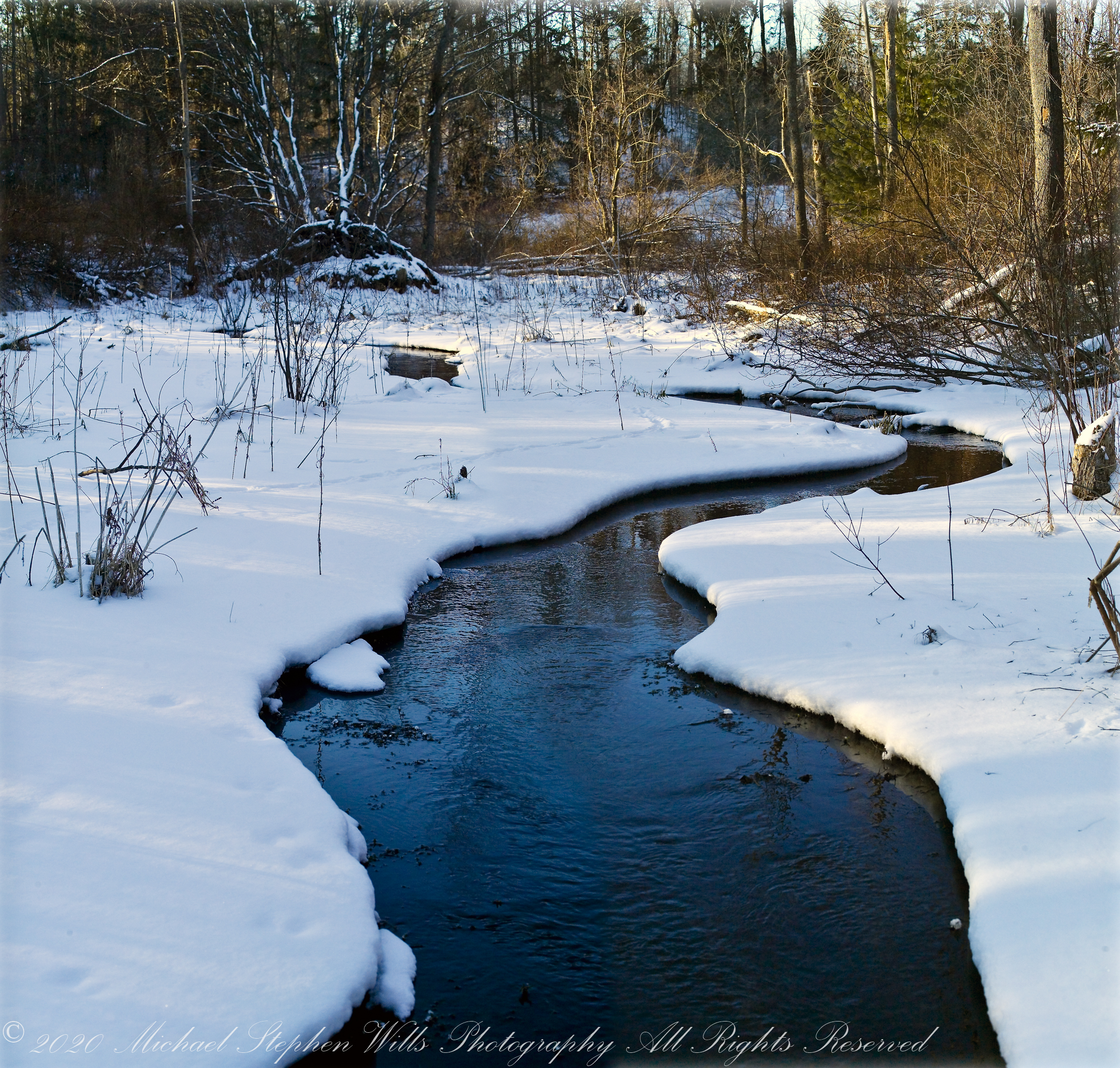
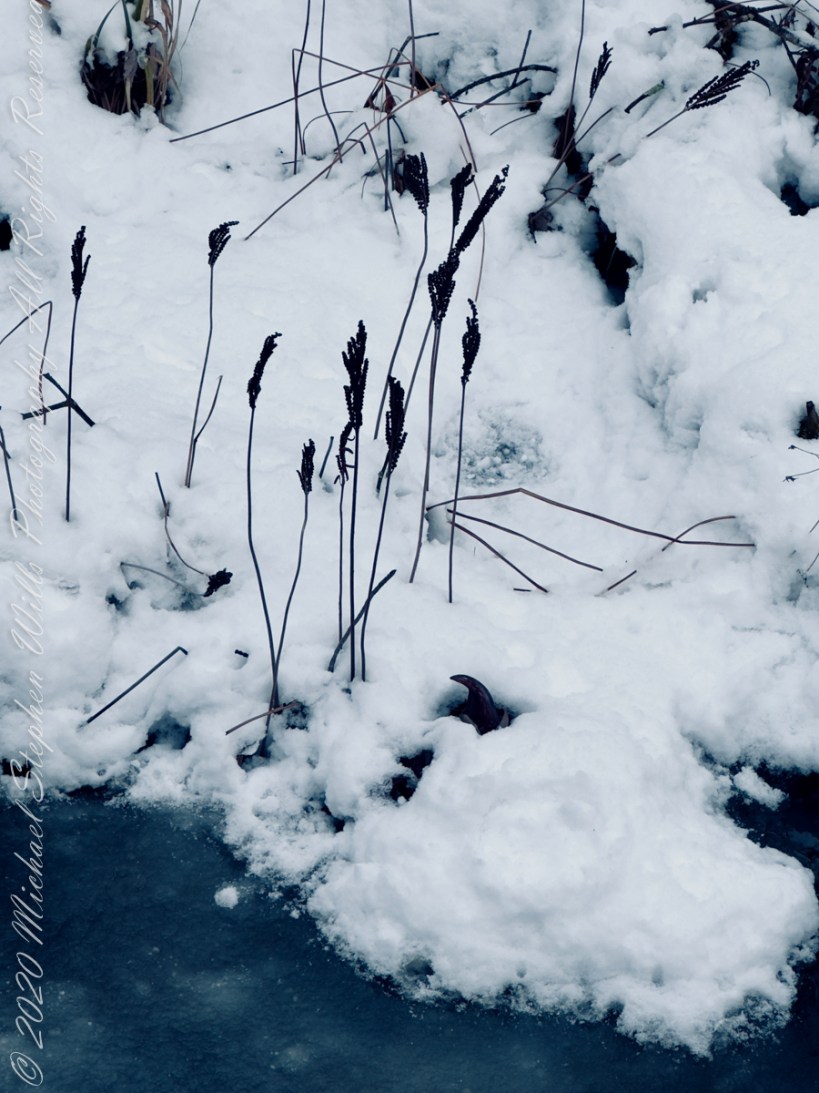
This water emerges from glacial marls, pure and clear, before flowing into a kettle pond. Here we see it on a winter afternoon meandering across a meadow before joining the Fall Creek of the previous postings of this week.
The first two are the same photograph. One has been enhanced in Photoshop. The other was perfected in Lightroom. The third is a different photograph taken about the same time, also peracted in Lightroom.
Winter ShadowsWinter Shadows
All were from a tripod mounted Kodak DSC pro SLR-C with the Canon lens EF 50mm f/1.4 USM
Winter Shadows
Copyright 2023 All Rights Reserved Michael Stephen Wills
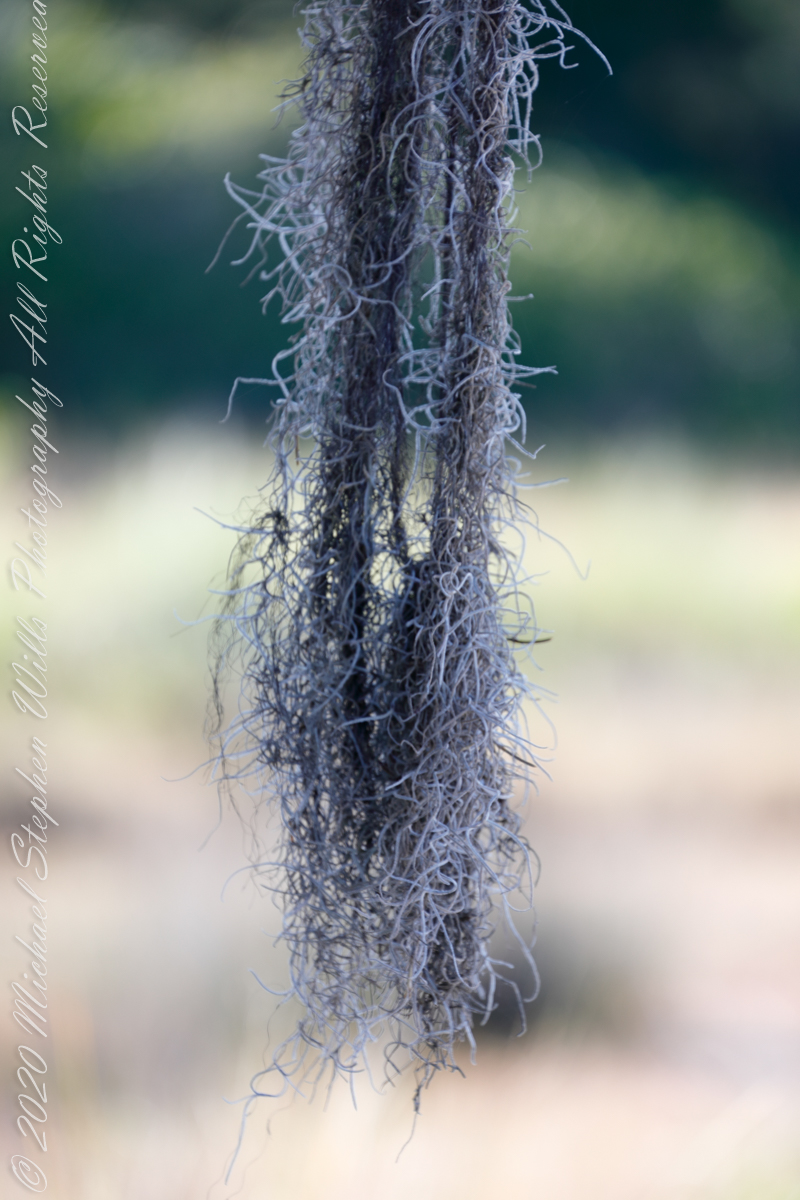
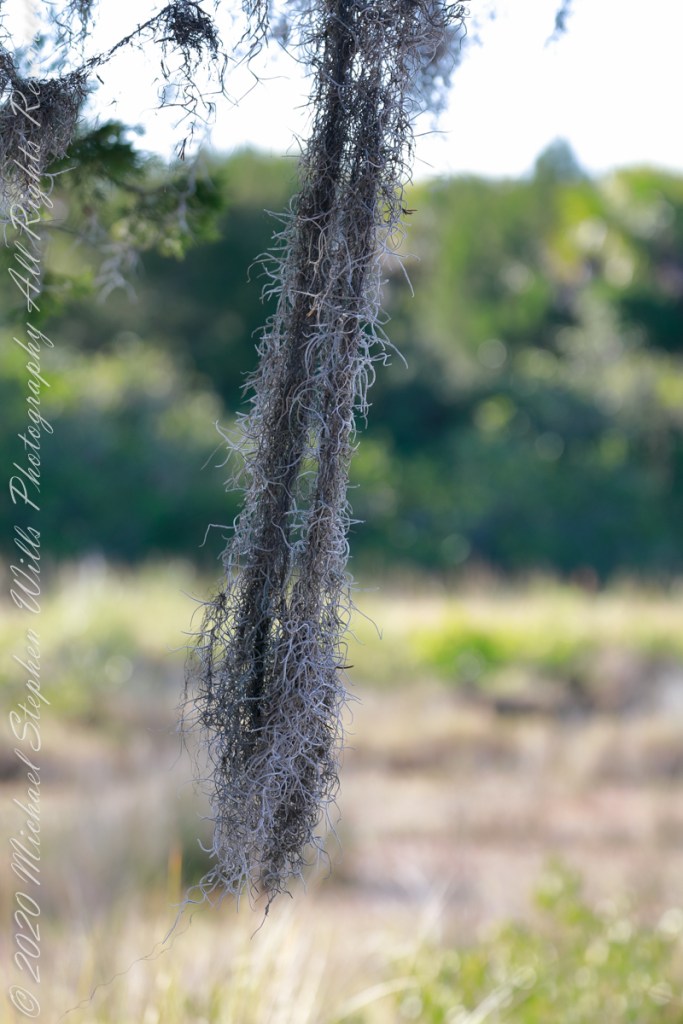
Spanish Moss is neither moss nor Spanish. Scientific name Tillandsia usneoides, this flowering plant is in the family Bromeliaceae that includes pineapple. Here it hangs from a cedar tree along Blackpoint Wildlife Drive.
Merritt Island National Wildlife Refuge, Titusville, Brevard County, Florida
Copyright 2022 Michael Stephen Wills All Rights Reserved
“Cornell Botanic Gardens is a living museum with a mature botanic garden and arboretum—part of what makes Cornell one of the most beautiful campuses anywhere. We steward over 3,600 acres of biologically diverse landscapes that represent the full range of ecological communities found in the Finger Lakes region.” — from their web site
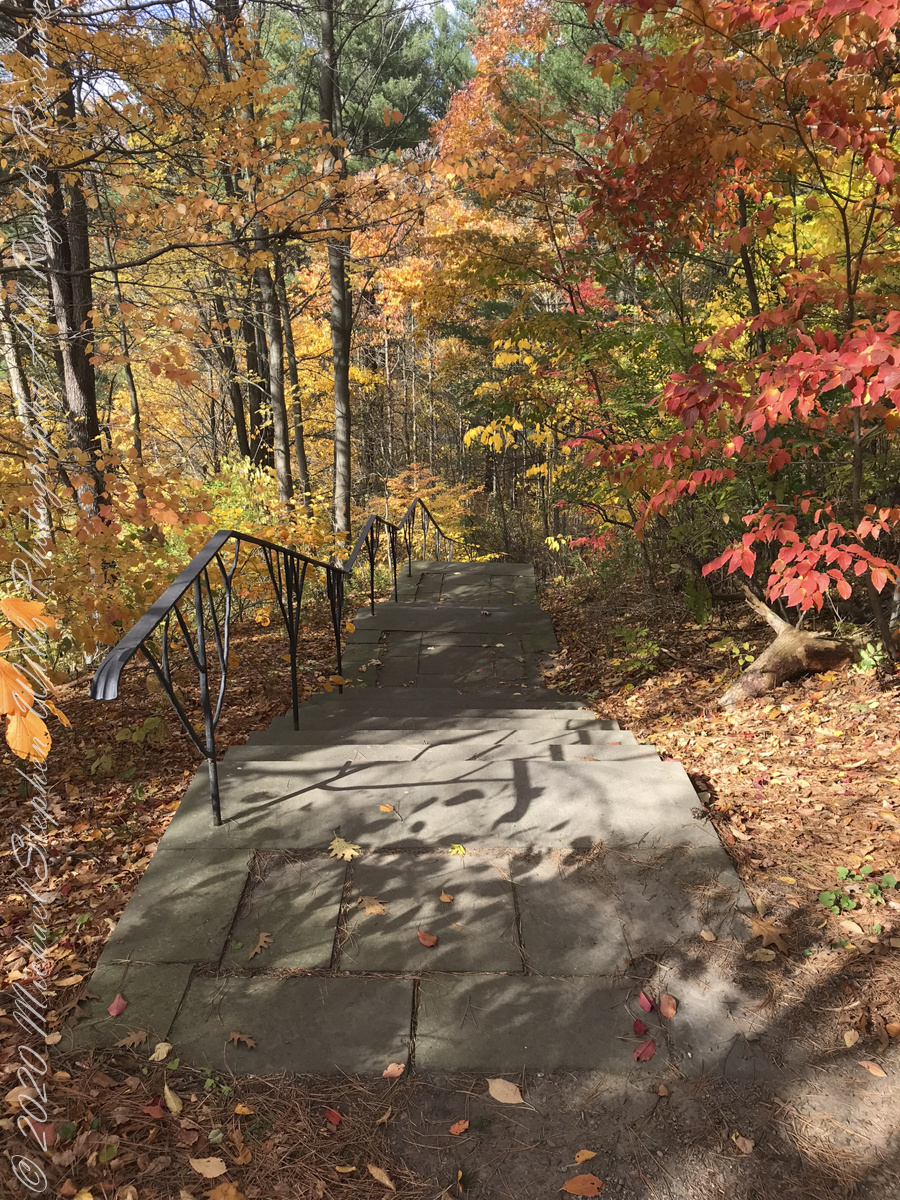
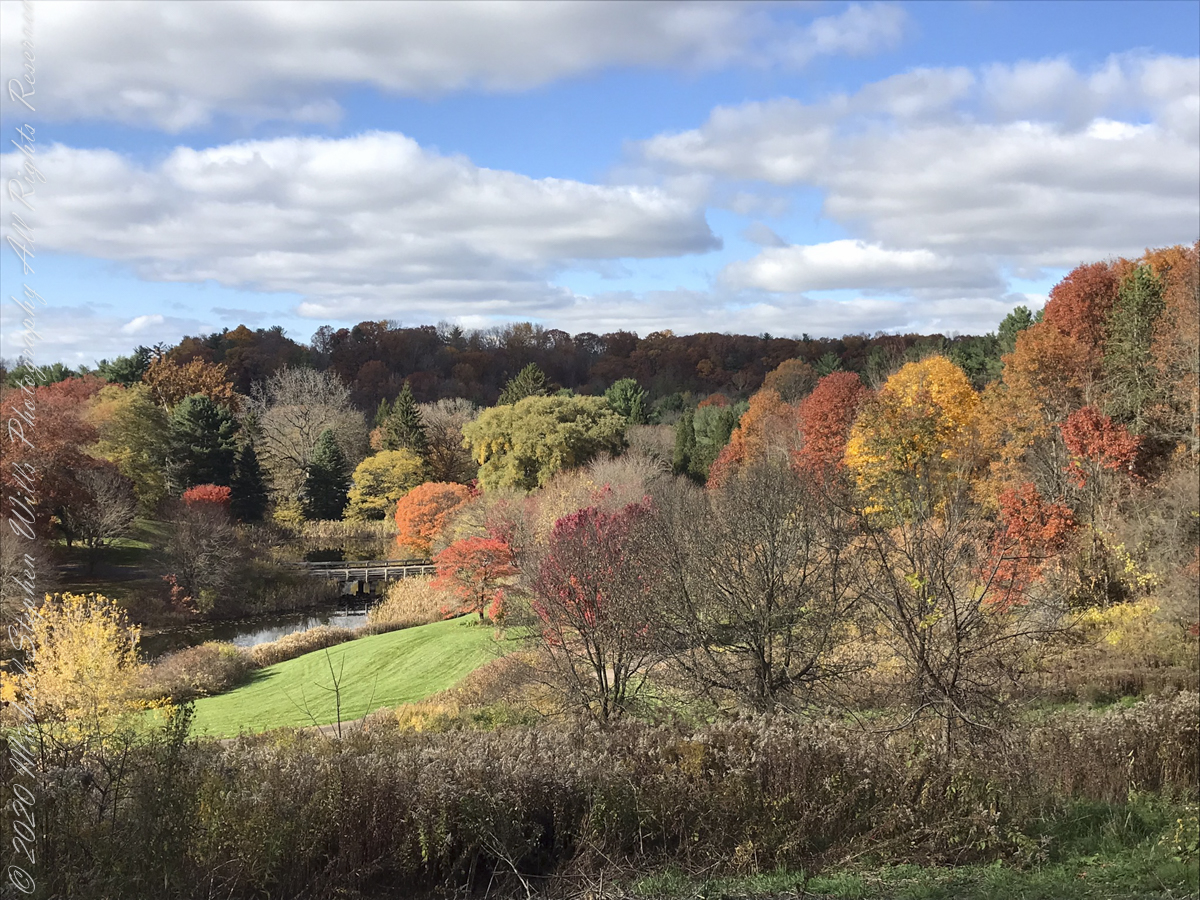
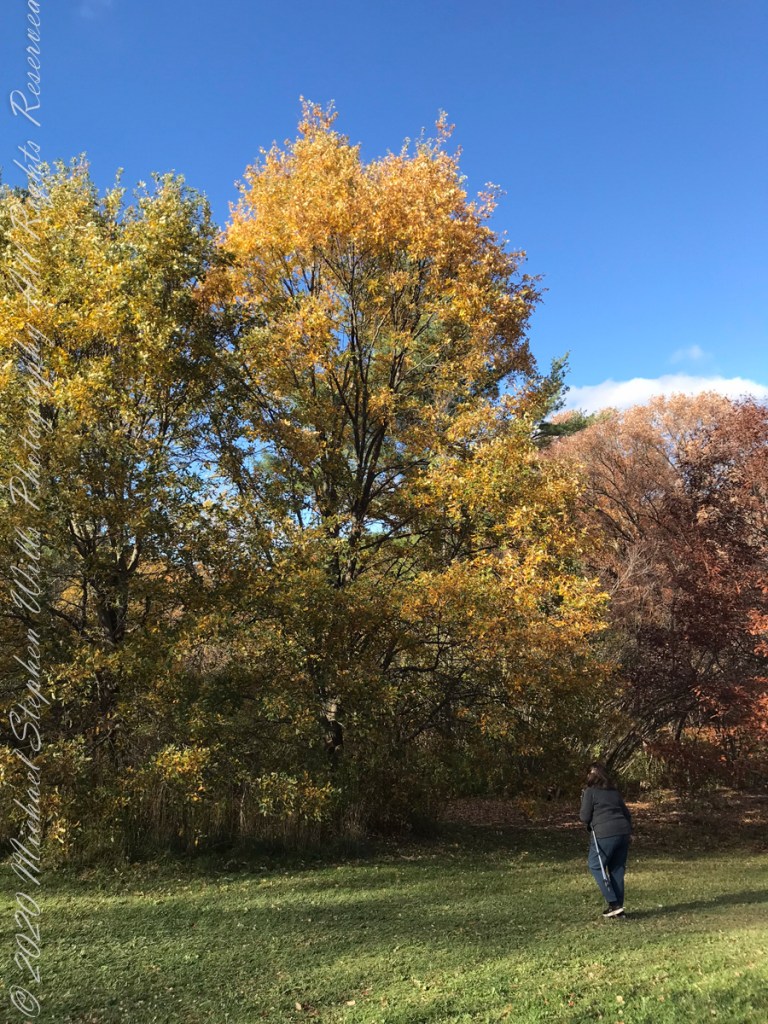
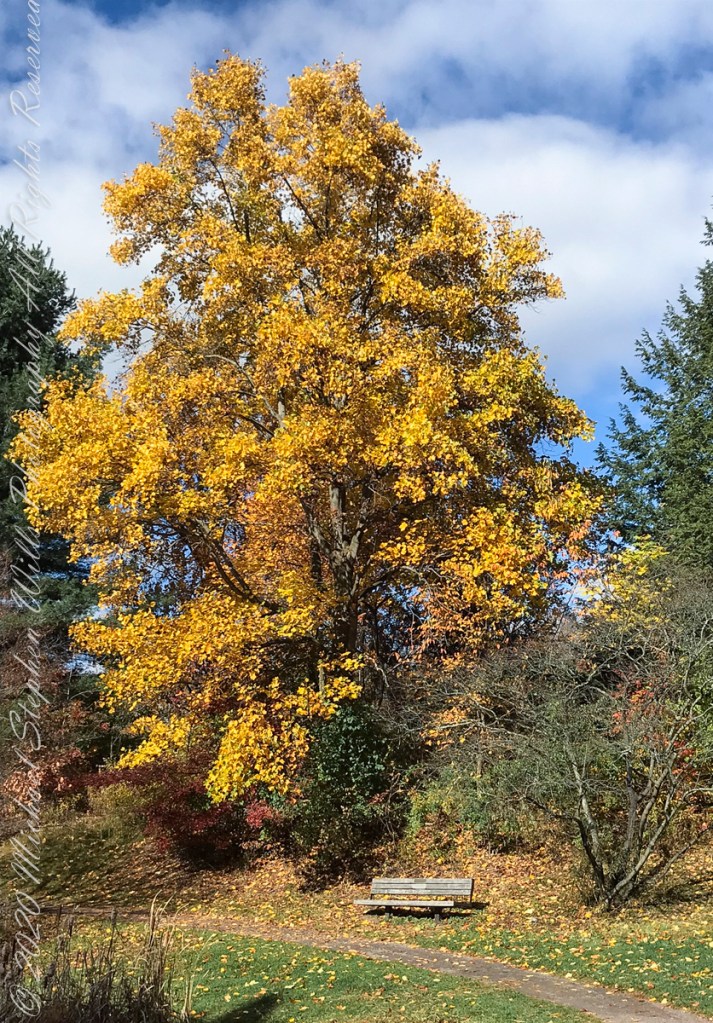
Pam and I need venture no farther than across the valley, from West to East Hill, for an experience of autumn in all its glory. These IPhone 7 photographs and videos are from a recent visit.
We took in the artistry of the railing, the stone steps, gentle curves.
De Courcey Stairs
Buena Vistas
Granite boulders harvested for a Holocaust Memorial by Andy GoldsworthySculpture GardenArt Work
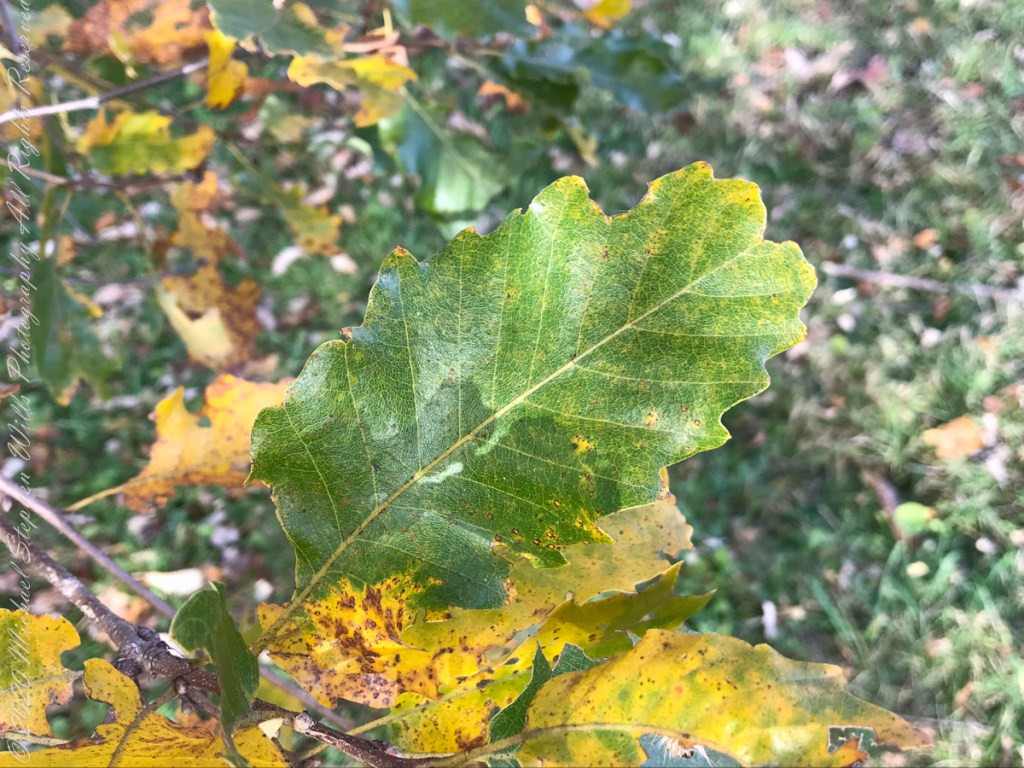
I marveled at the absence of Gypsy Moth egg masses on the Oak trunks, in spite of evident though modest leaf damage.
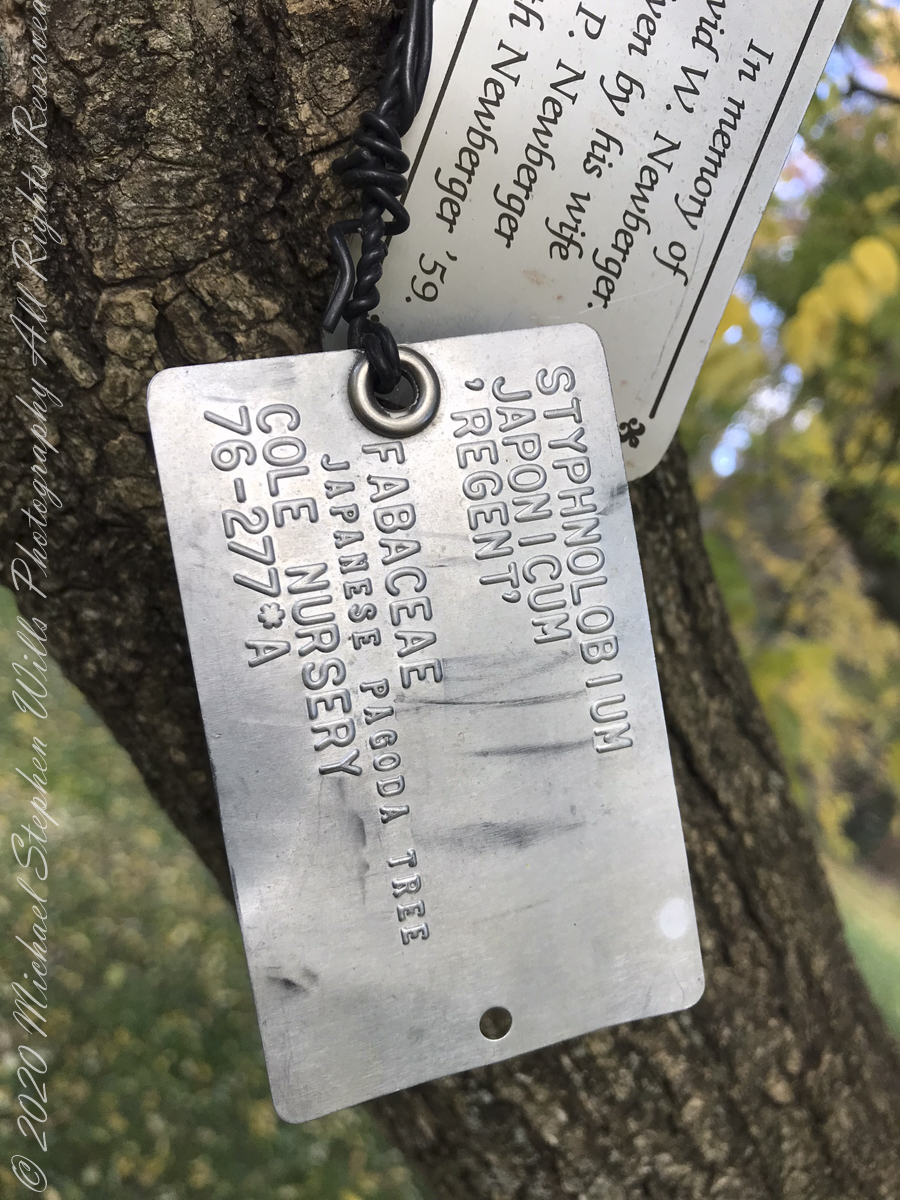
Labeled Diversity, specimens from the Oak Collection
Respite BenchEncircledGrand OakStriking GroupAncient Red Oak Silhouette
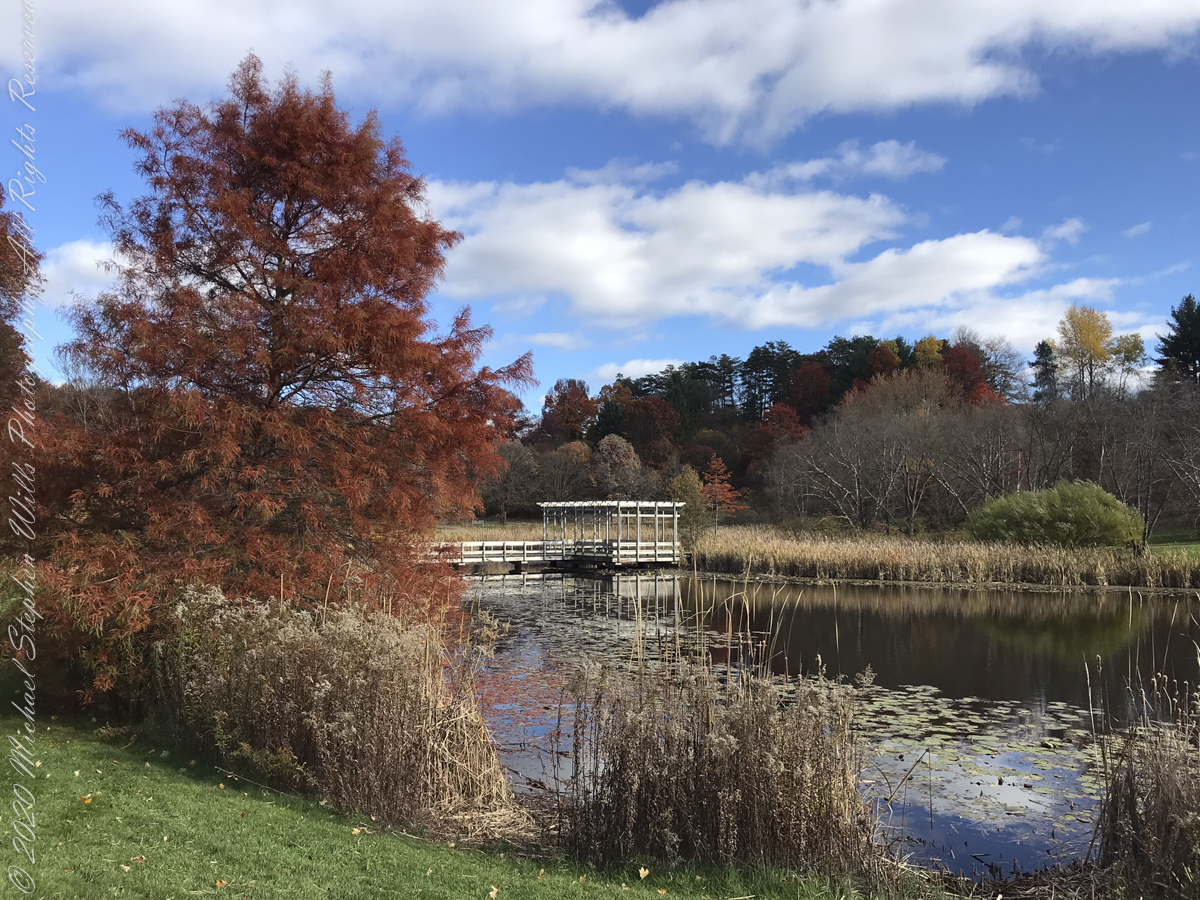
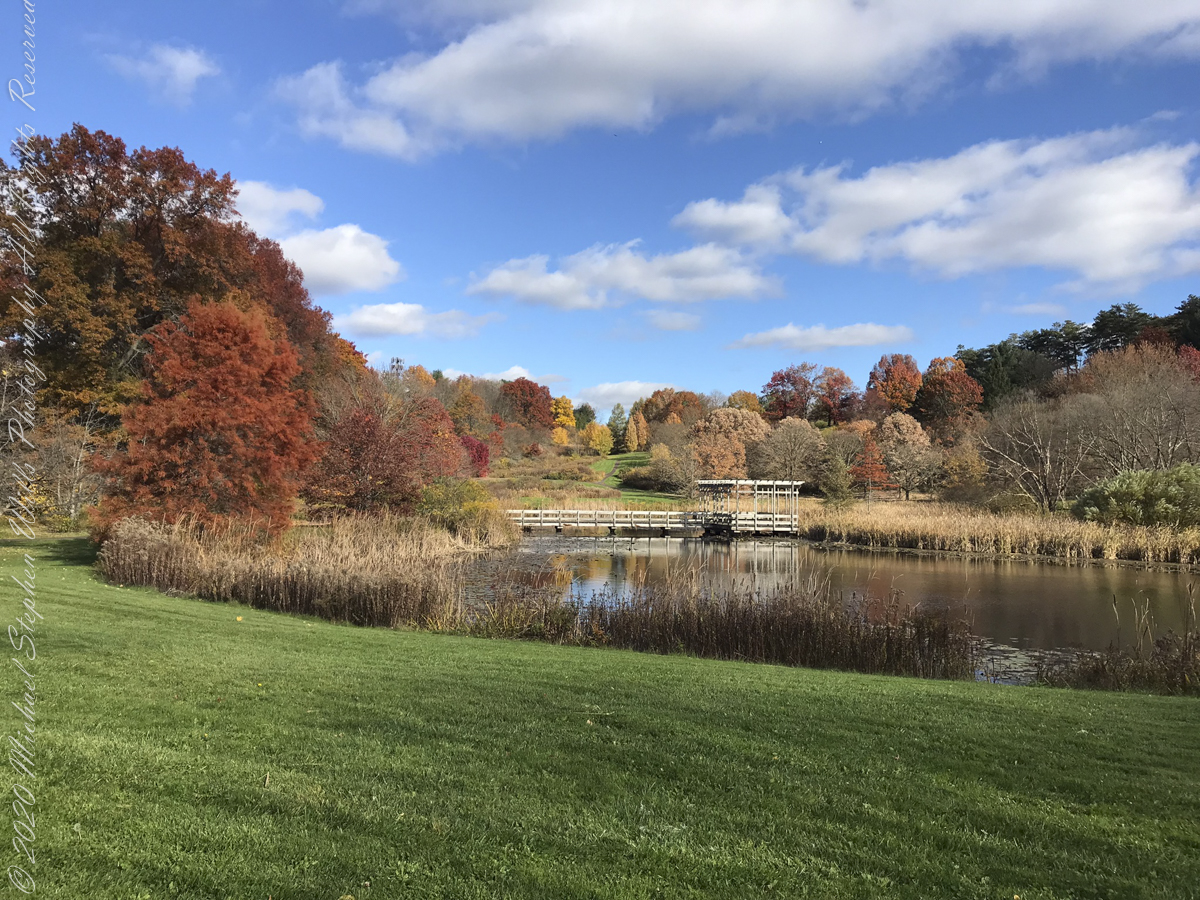
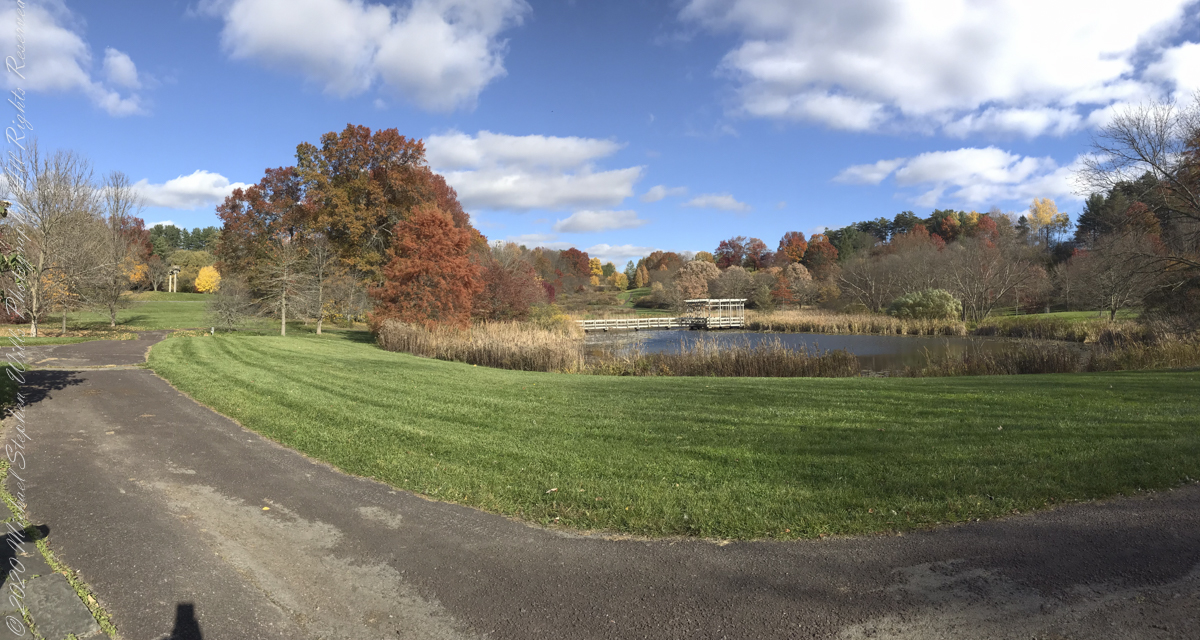
Houston Pond is visible in several of the “Buena Vista” images…..
Houston Pond
Houston Pond reflections from the pavilion
Another version of reflections from Houston Pond taken from pavilion
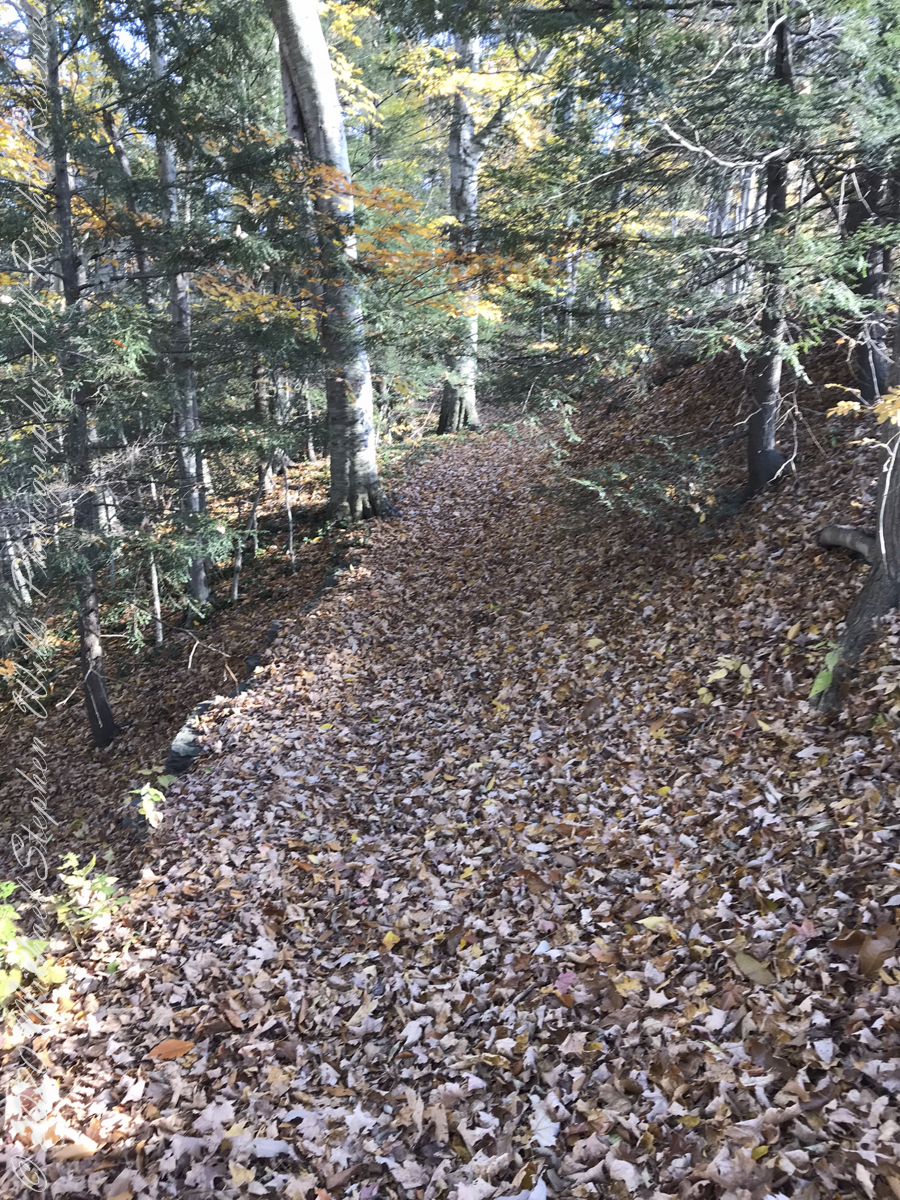
Johnson Trail
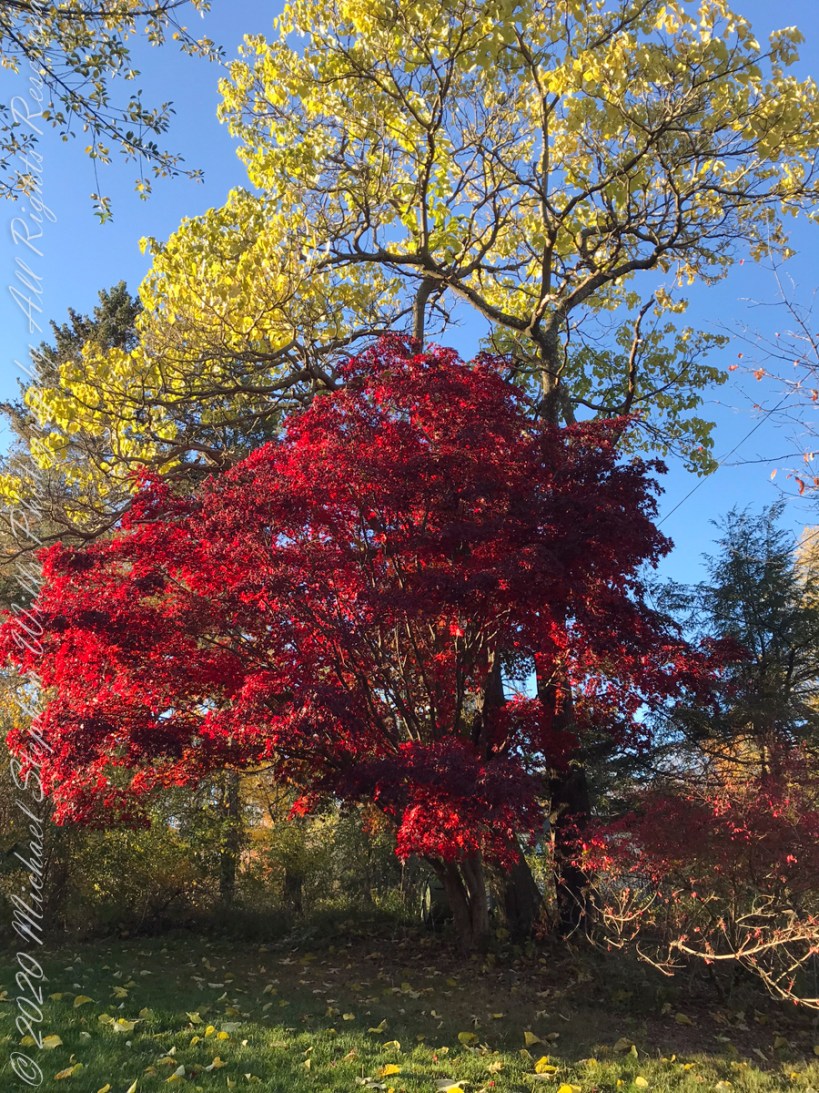
“No Place Like Home” — Back on West Hill, our Japanese Maple was waiting for us.
Copyright 2022 Michael Stephen Wills All Rights Reserved
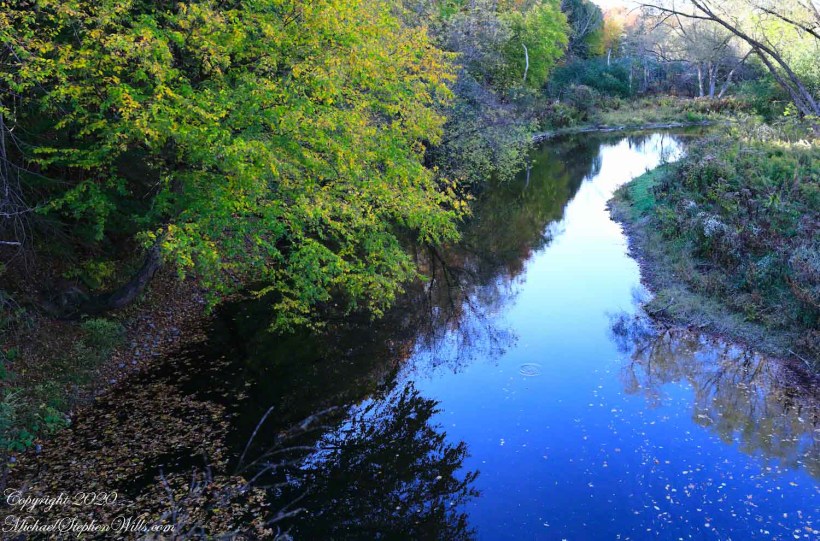
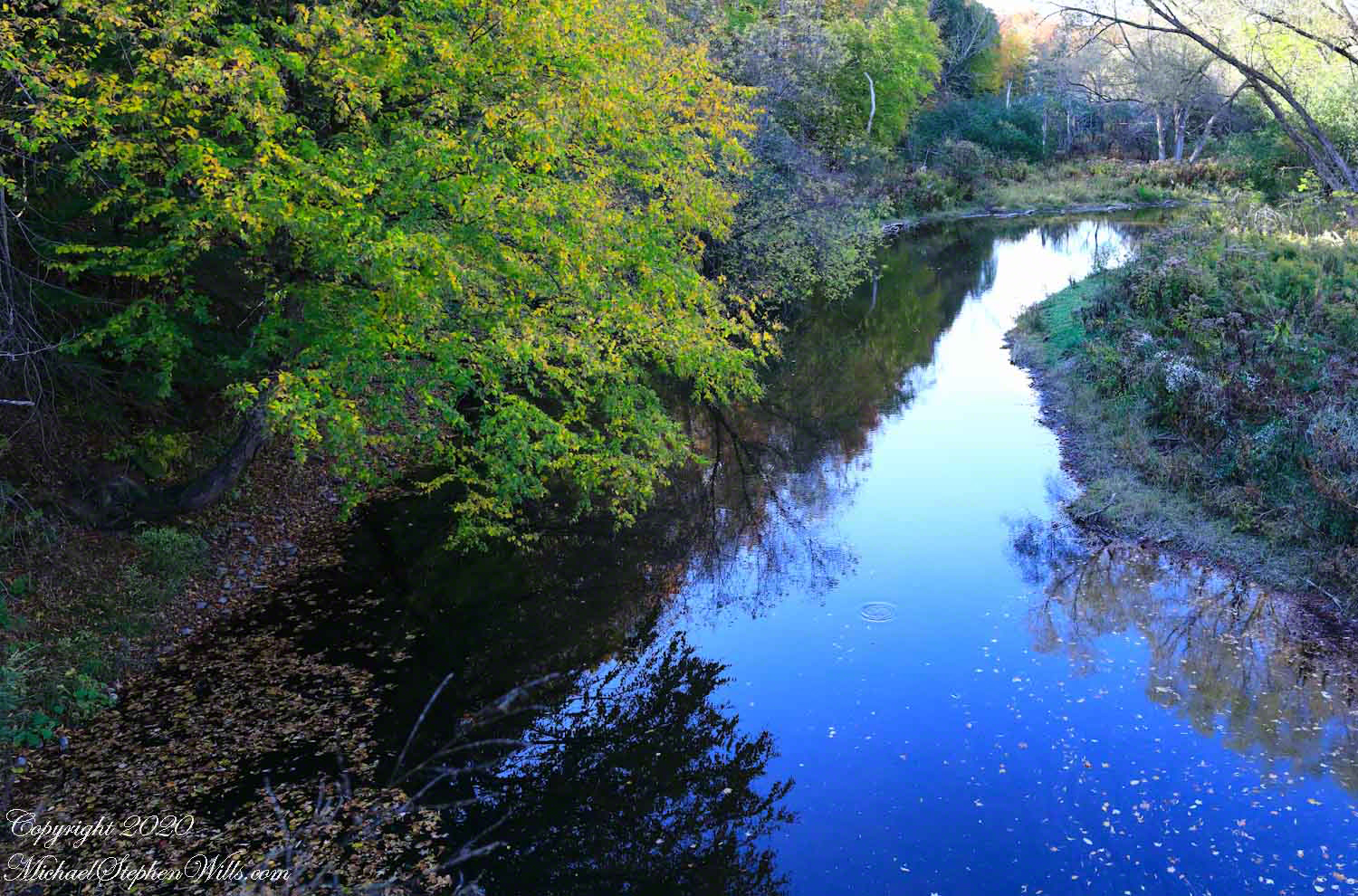
Fall Creek meanders through the esker fields of the Malloryville Preserve. Here is the view from an abandoned railroad bridge. A major watercourse of the Finger Lakes, throughout the 19th century Fall Creek provided water power for local industry: grain grinding mills, cooperage and furniture. Here the stream bed is wide, flow slow and pacific for a mirrored surface, the effect broken by a single drop from an overhanging tree or, maybe, a fin’s flash.
Pam and I visited Malloryville last weekend to enjoy a “socially distanced” walk with family.
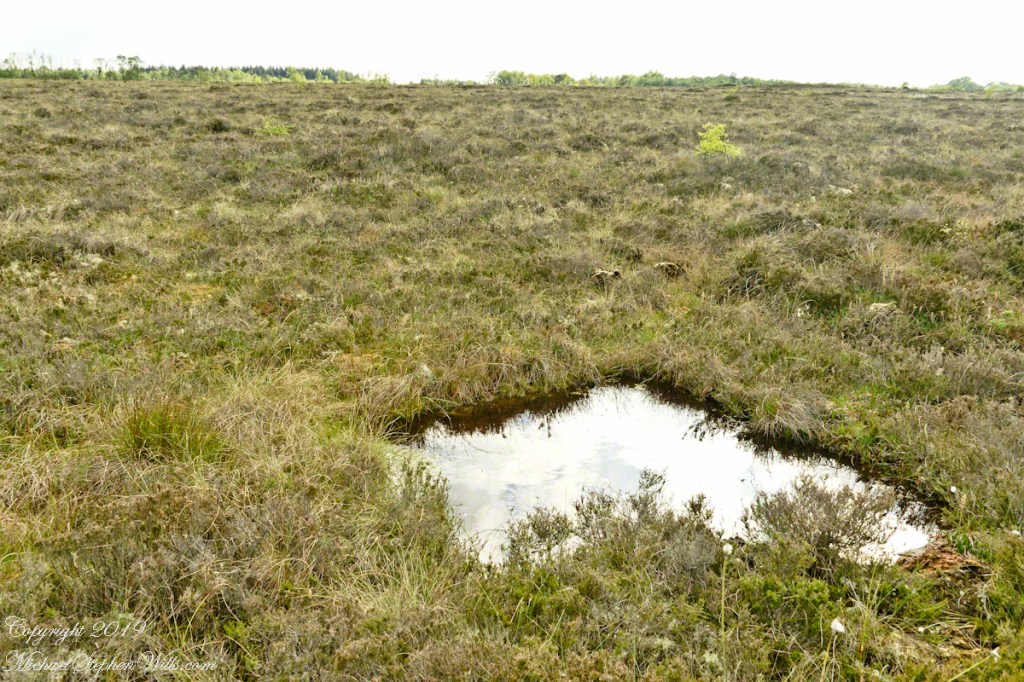
On this occasion we will explore a time machine found four miles south of Kells, County Meath, Ireland.
Step into this pool and you, too, can emerge 4,000-odd years later, skin intact, to achieve fame and fortune, a place in a museum and the record books if such exist 6019 AD. Reference the Cashel Man from Cúl na Móna bog near Cashel in County Laois, Ireland who now resides within the National Museum of Ireland.
Click photograph for the expanded view. To do this from WordPress Reader, you need to first click the title of this post to open a new page.
Girley Bog Pool
True, post mortem fame is hollow for the individual. Maybe, attaching your life story engraved on a gold plaque with a gold chain encircling your torso will offset the loss of your bones (dissolved in the acidic waters) and life itself.
The water of this pool is colored dark by long decayed vegetable matter. Beware of walking the bog surface, it is dangerous and destructive to the environment. Pam and I visited Girley Bog on our tour of County Meath, Ireland.
Copyright 2022 All Rights Reserved Michael Stephen Wills
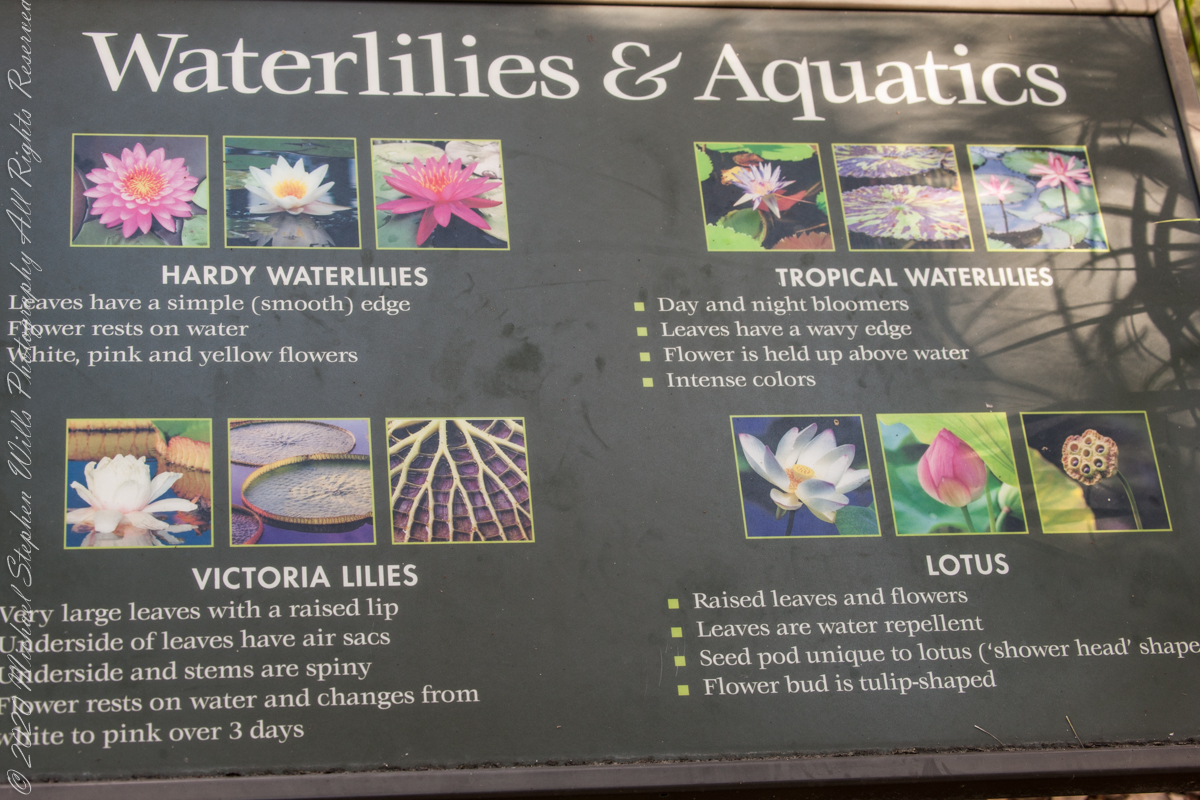
The McKee informative placard divides the Genus Nymphaea into “Hardy” and “Tropical” waterlilies. “Hardy” being plants native to temperate climates, such as New York State. I do not have photos of these from McKee. Nor are there examples of Lotus.
The idiosyncratic categories of McKee Gardens
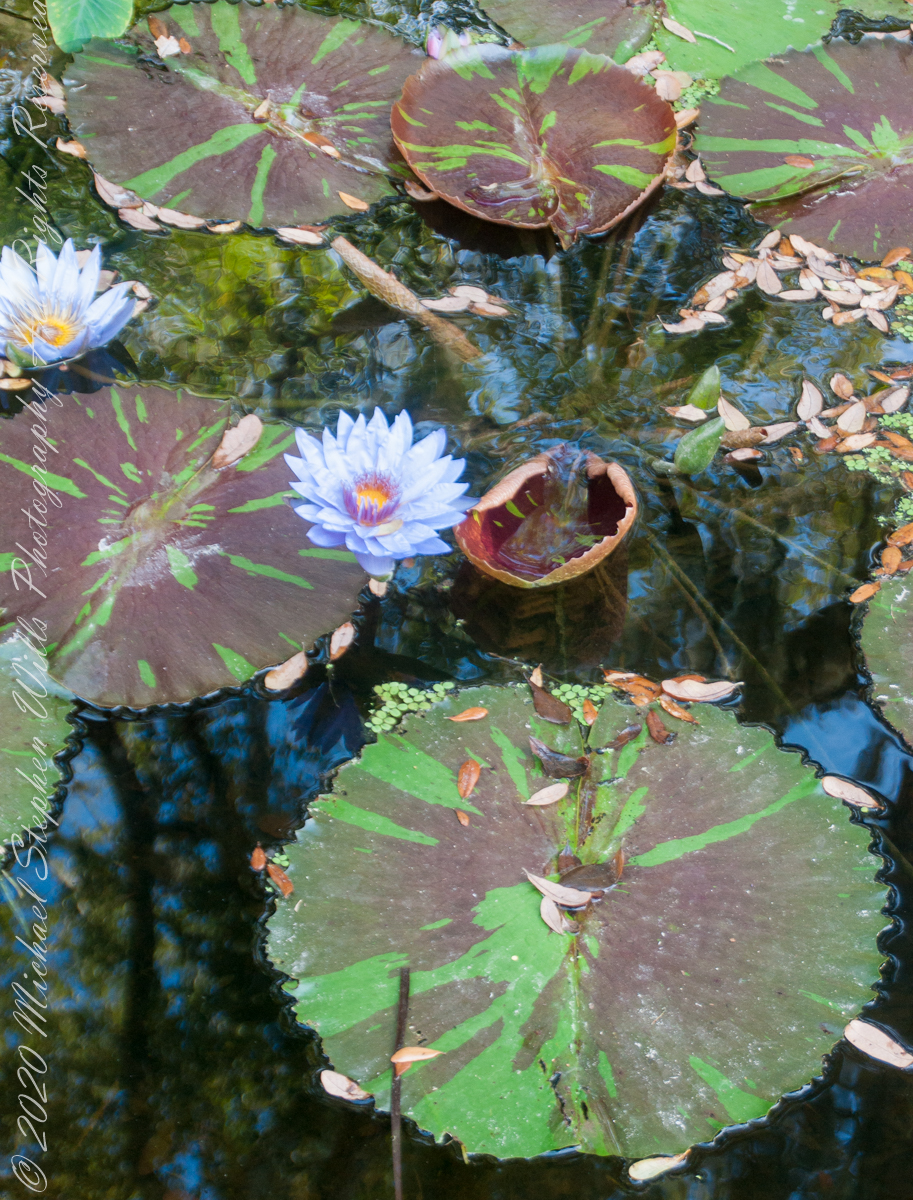
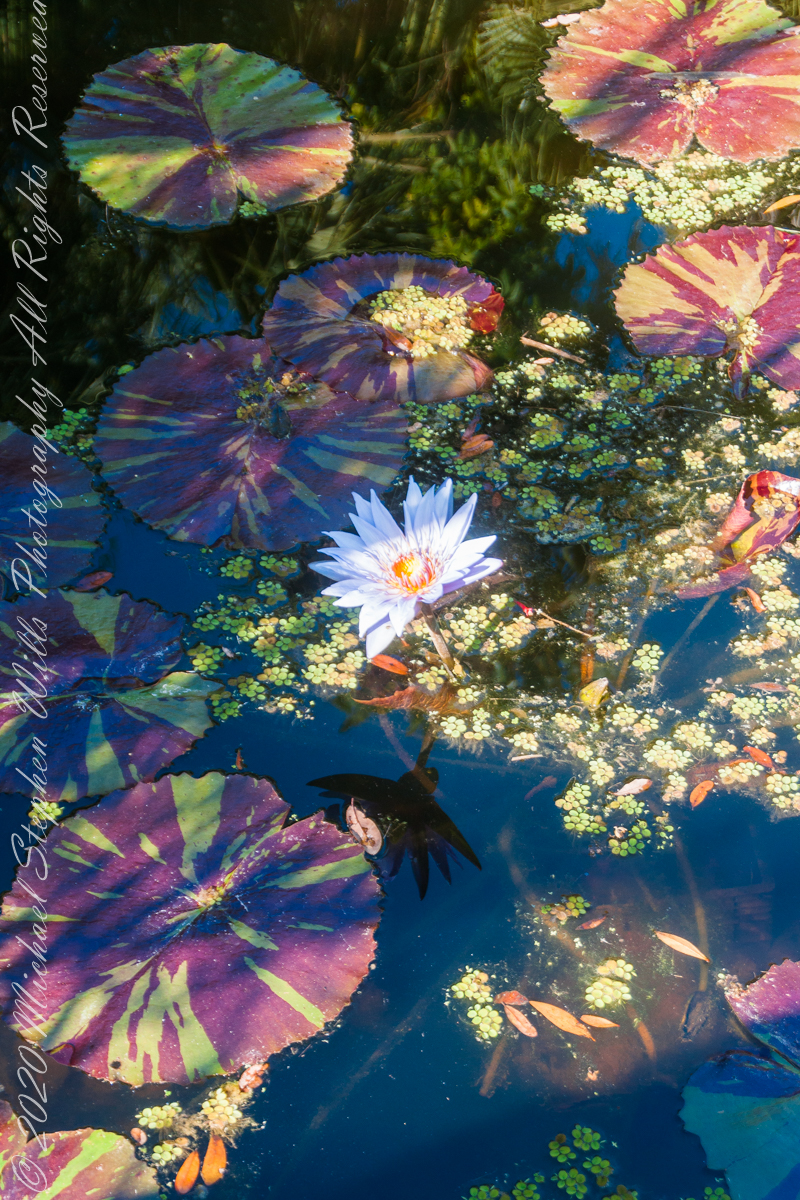
What I have is an abundance of the “tropical” varieties.
“The family Nymphaeaceae, of which the genus Nymphaea is a part, is thought to be the most basic of all the Angiosperms. A minute flower of the Nymphaea type was found in early Cretaceous deposits in Portugal, dating early waterlilies to at least 115-125 million years ago.“
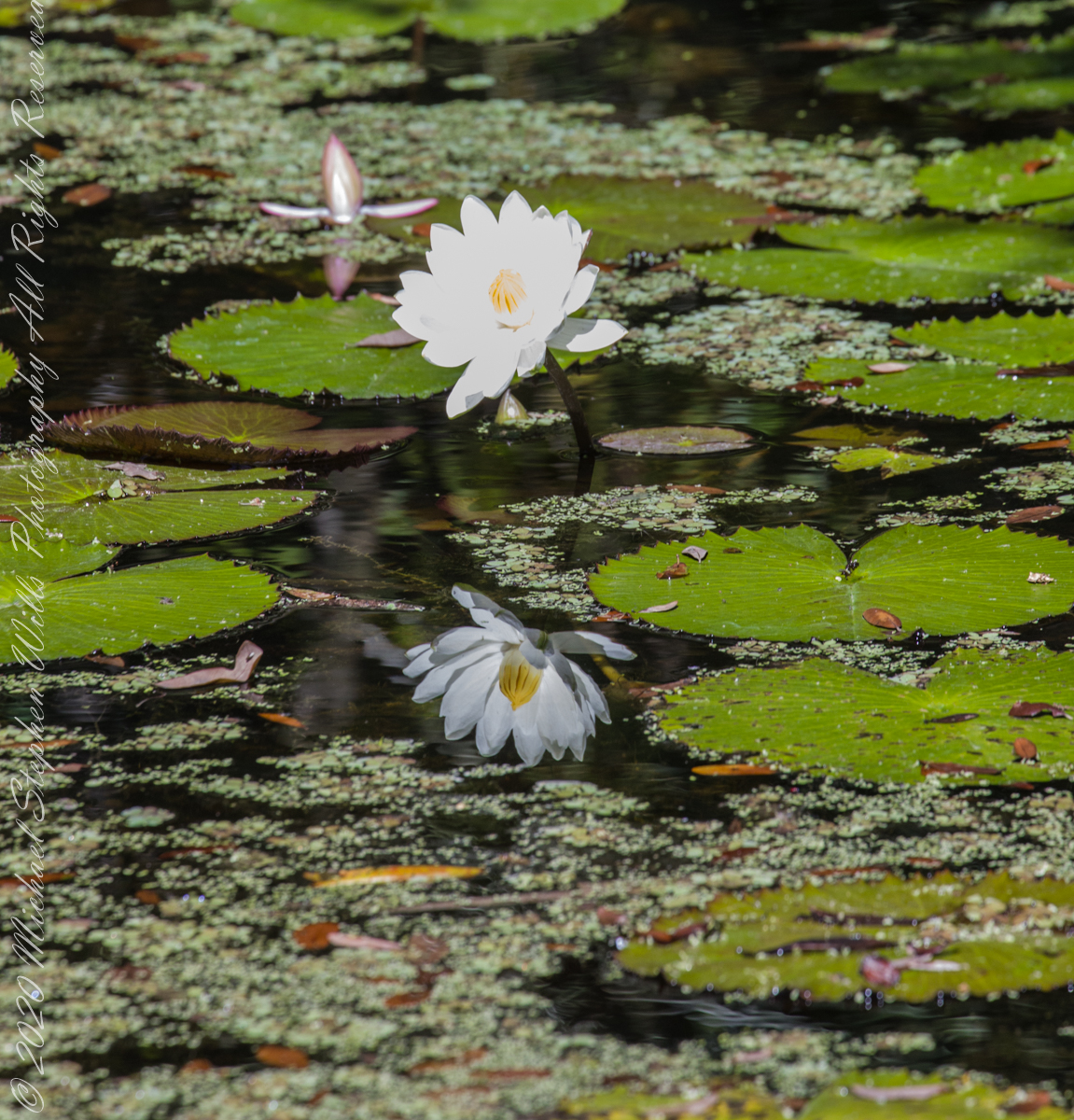
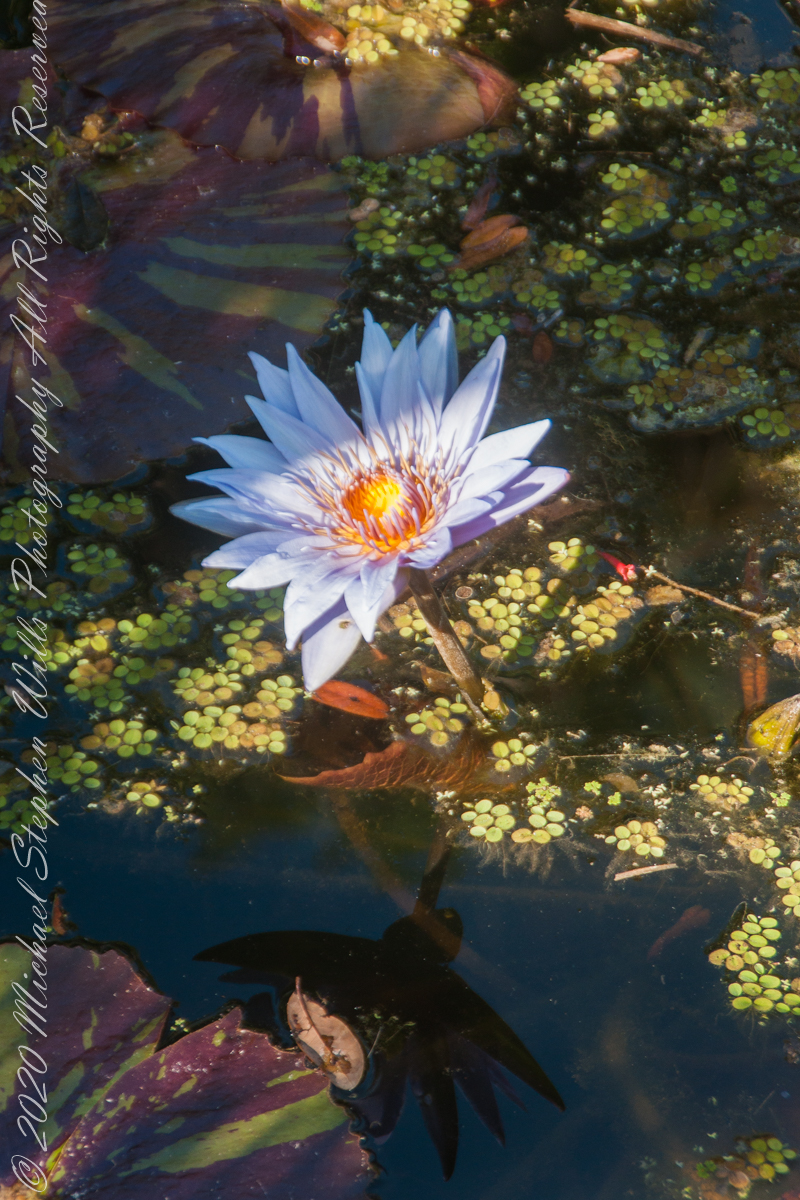
Bright sunlight washed out the flower, not so for the reflected image
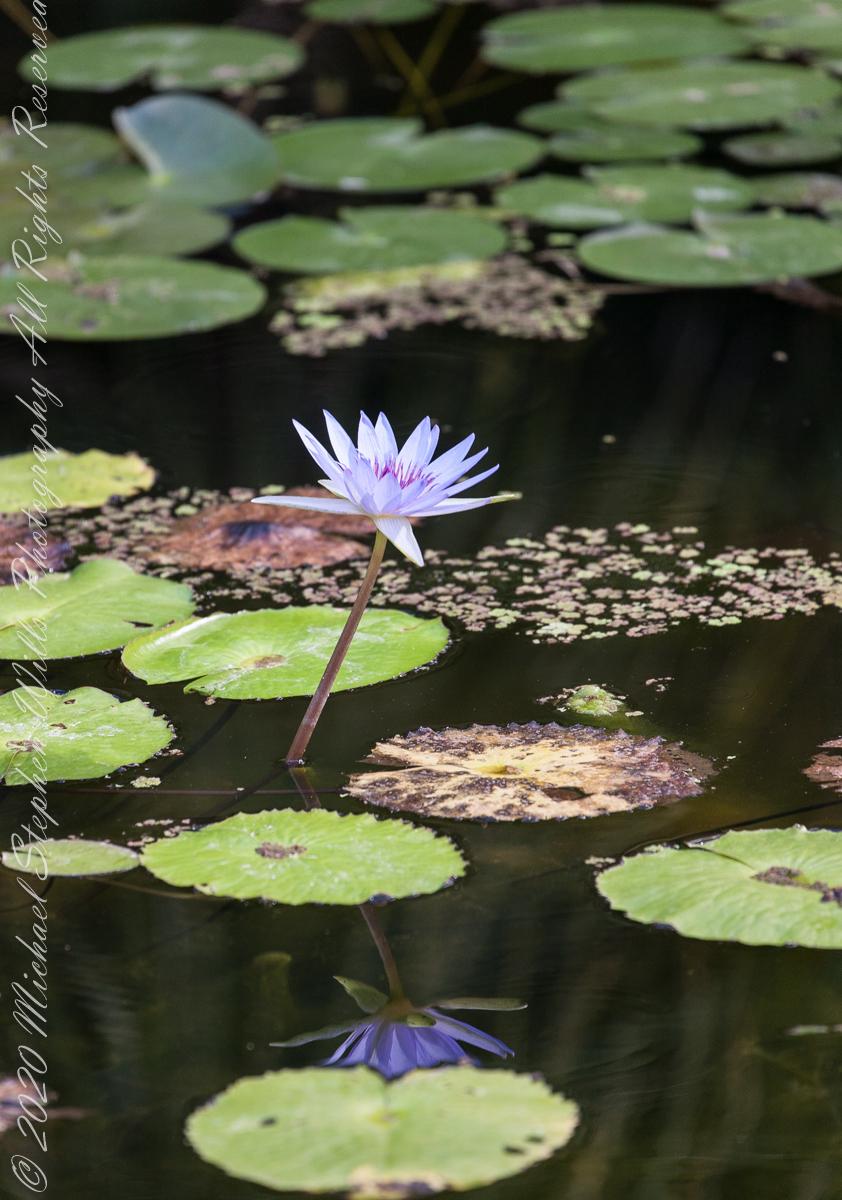
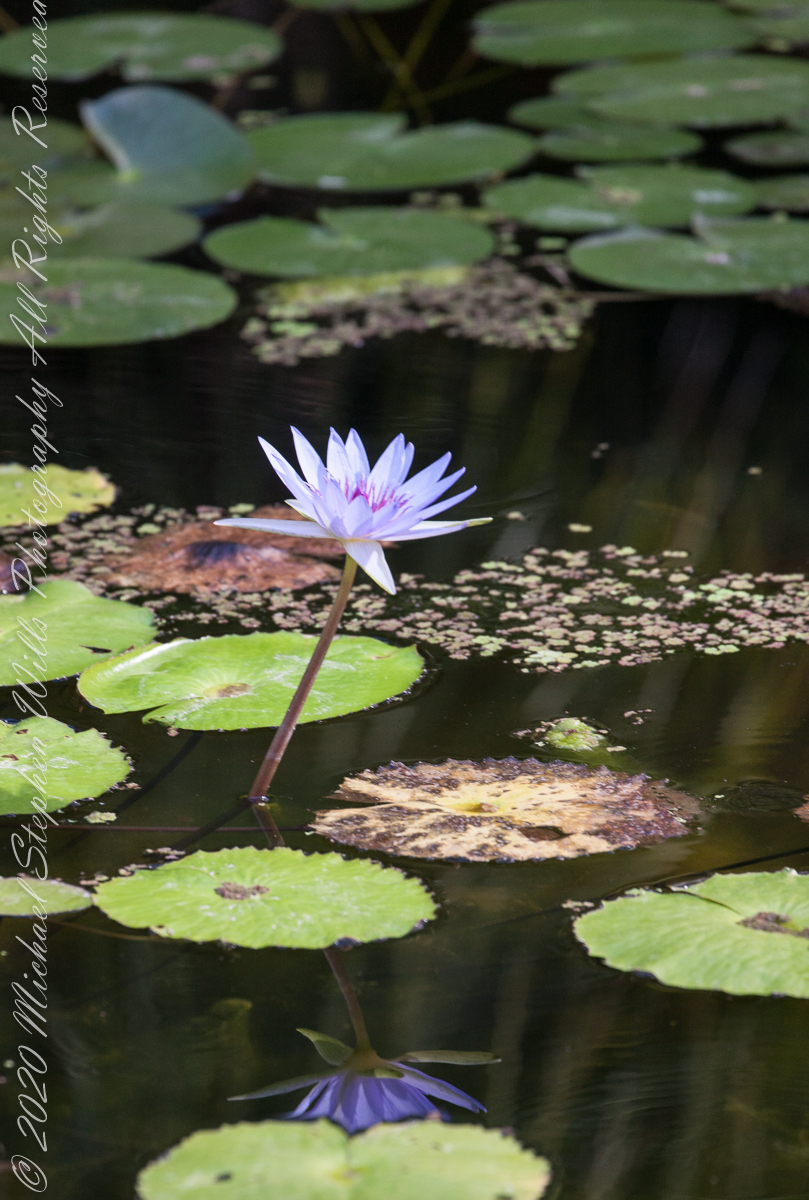
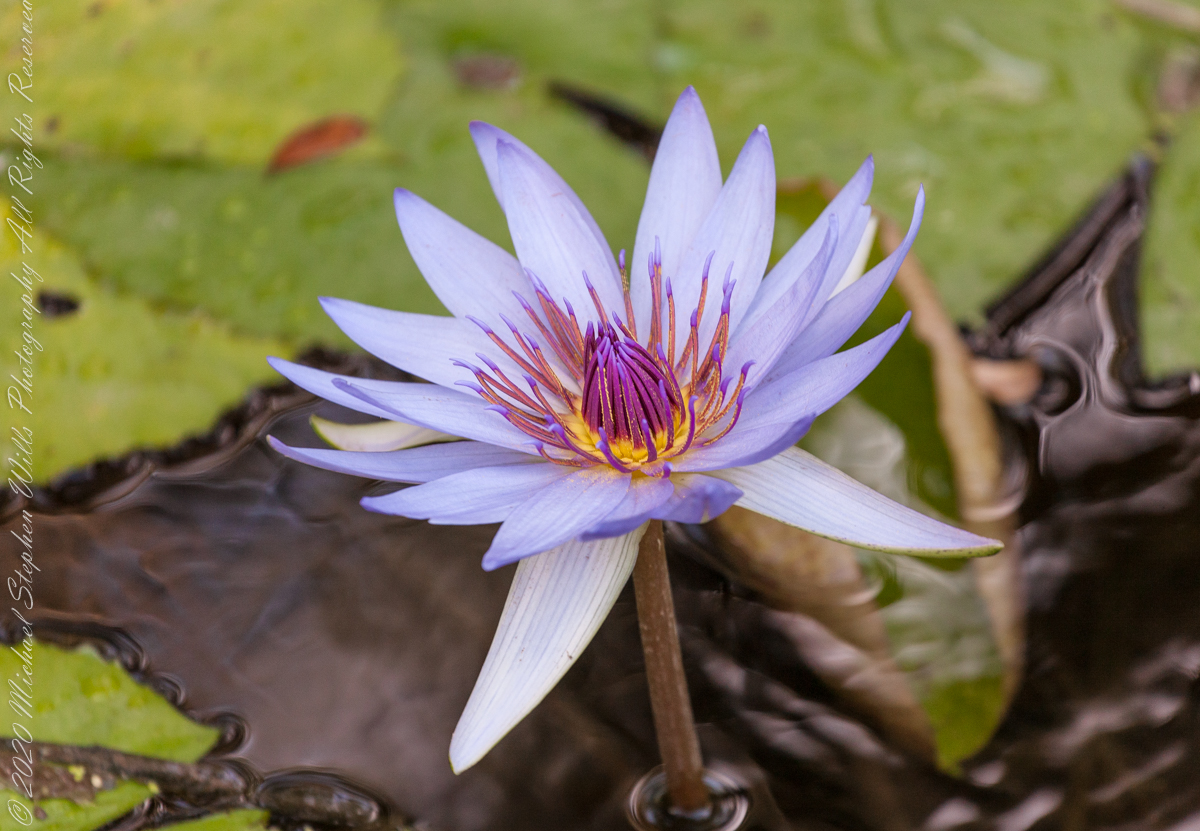
Here is a brightly colored “tropical” flower well above the water surface on an erect stem emerging from the water.
“Angiosperm,” the word referring to all flowering plants, is composed to two greek words angio-. meaning enclosed, and -sperm, meaning seed. “DNA studies indicate the Nymphaeaceae separated from the rest of the angiosperm family tree…..before the separation of the monocots and dicots.” – see reference.
Ulumay is the name of the Native American settlement of the Ais people decimated by disease after the arrival of Europeans. The park is a natural lagoon and bird rookery linked with canals created for mosquito control and surrounded by a manmade dike. A trail on the dike provides access to the waterways for the fisherman, birdwatchers, and paddlers.
Ulumay Marker just off Sykes Creek Parkway
This informative placard, placed at the entrance. Note the 600 park acres is surrounded by residential properties.
I left Pam at the entrance, seen below at the words “Ulumay Wildlife”; she had a reasonable concern about alligators. It is quite possible to find a large specimen blocking the one and only trail. “What? Me Worry?” When pursued by an alligator, remember to zig-zag.
Path along the dike, thick vegetation on both sides generally limits the view.First StandView from standMemorial“If you build it….”Insect Repellant Advisement“I see you”PelicansCanaveral Cruise Port across the Banana River (really a lagoon).
“Flora and Fauna”
Raccoon Tracks
Waterways, sightings
Second Stand
Osprey with catchI see You
Third Stand
Location of third standCivilization across Sykes Creek (really a lagoon).
No sightings of alligators or manatees.
Copyright 2022 Michael Stephen Wills All Rights Reserved