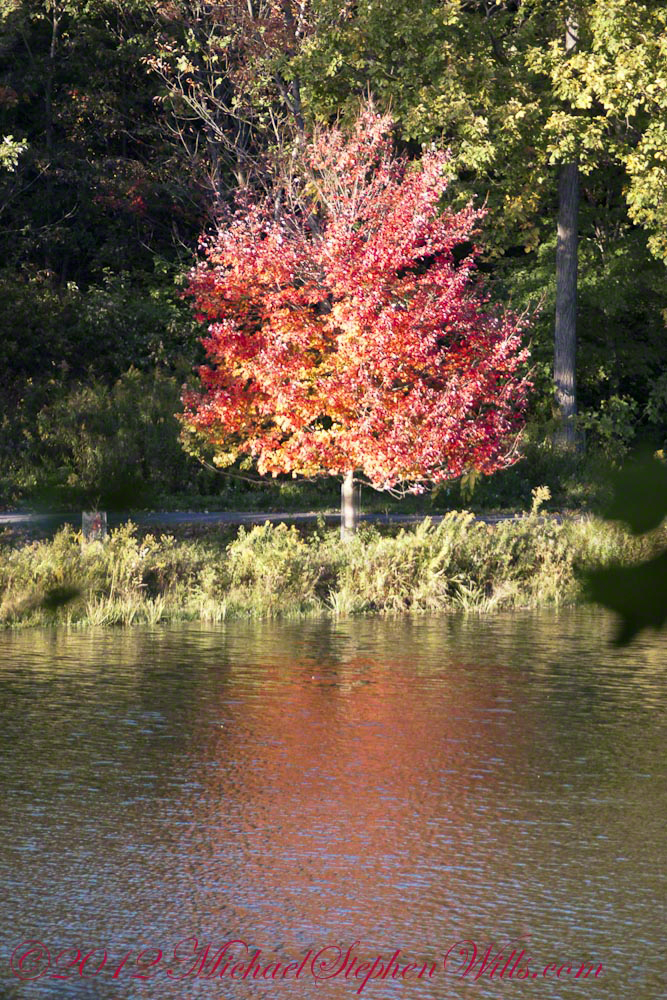
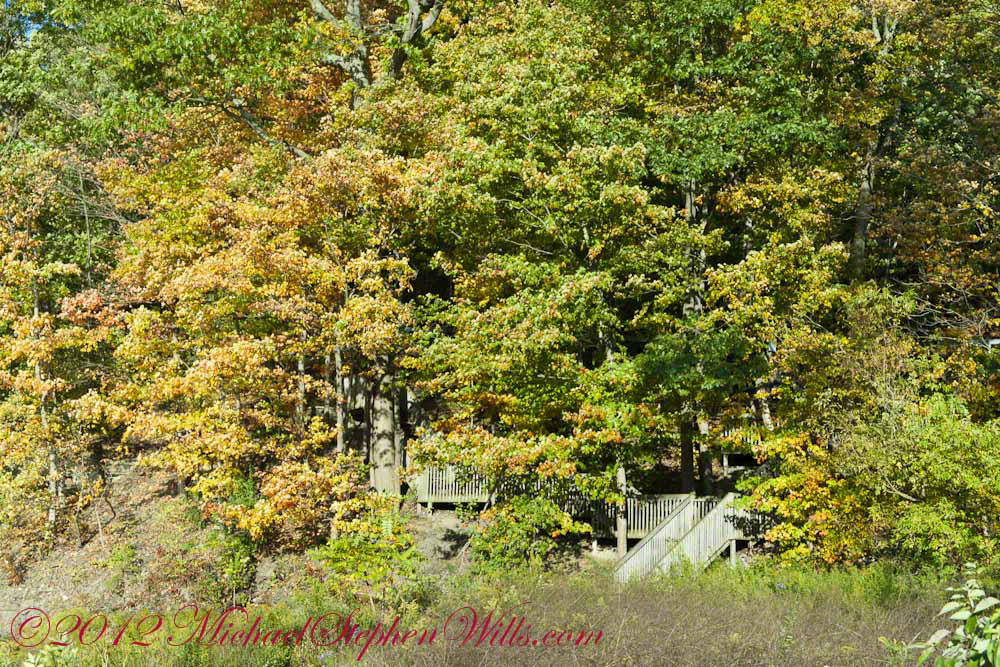
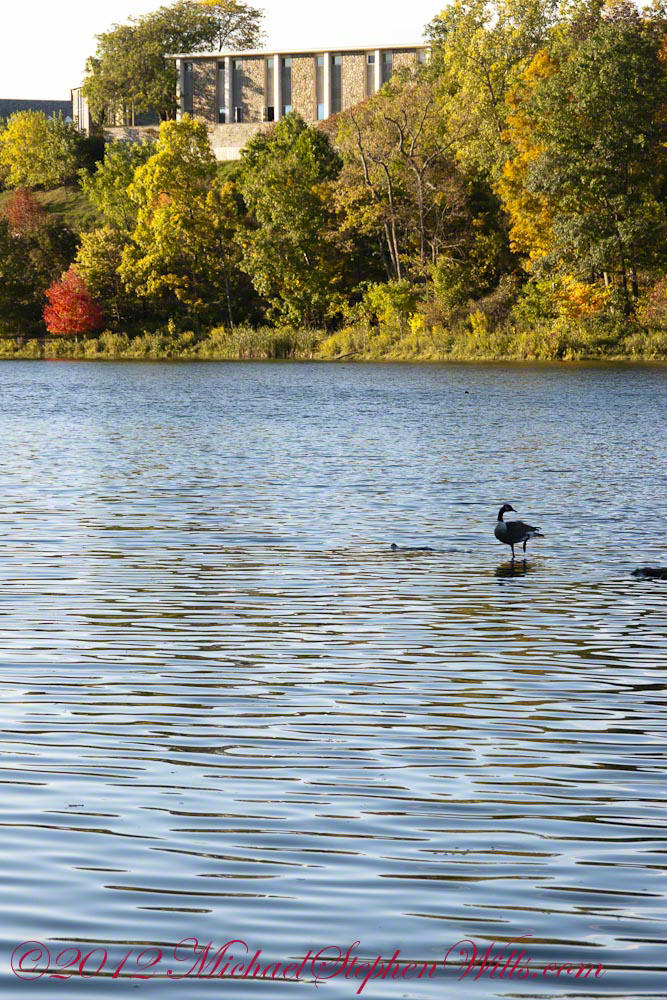
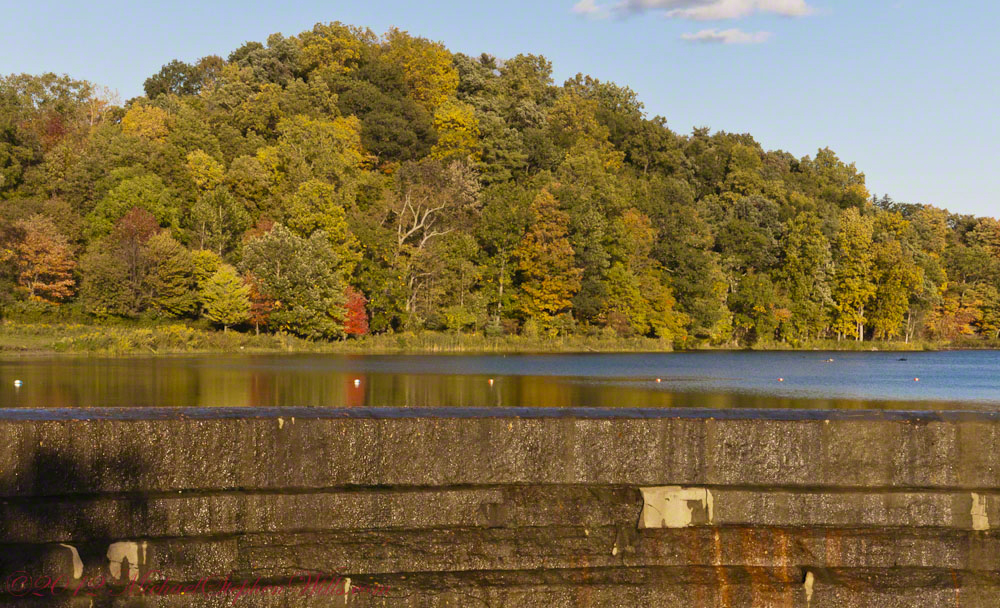
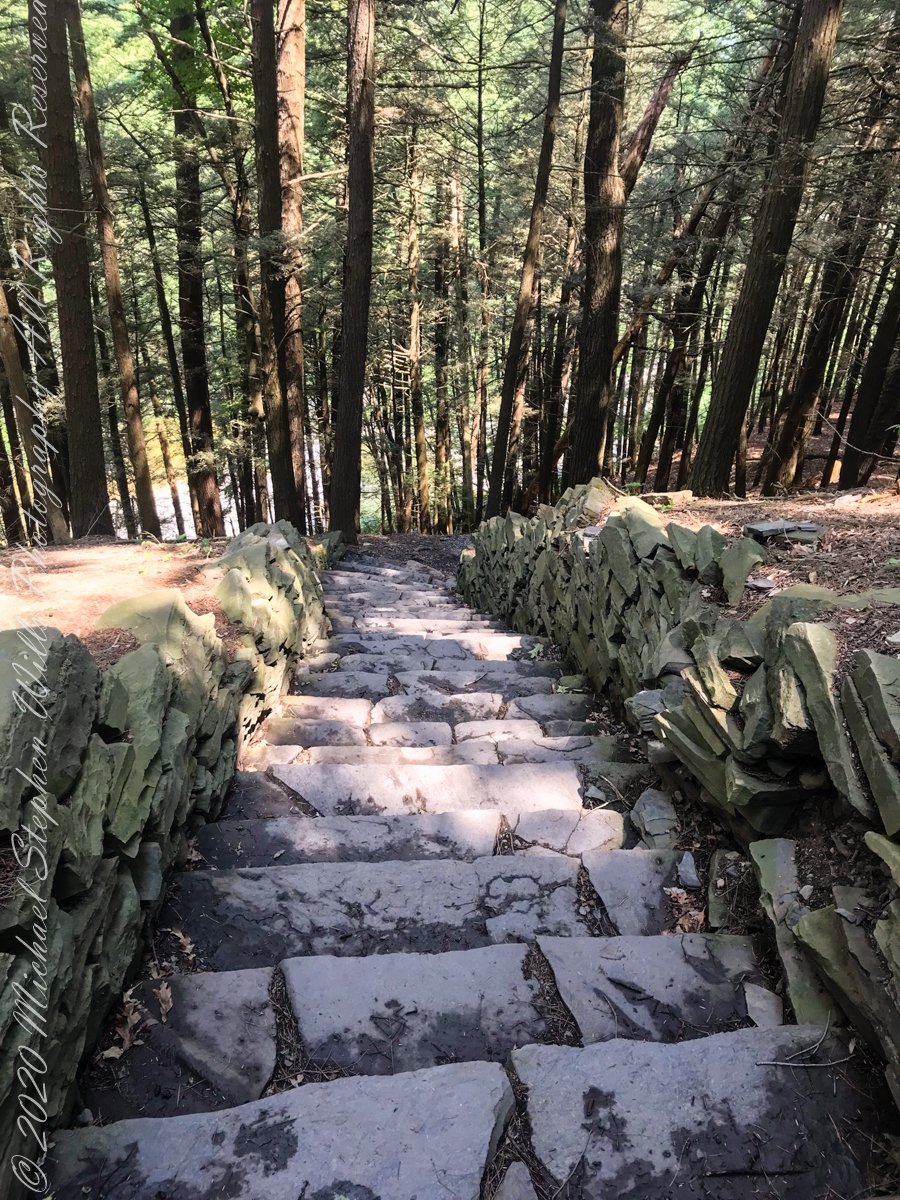
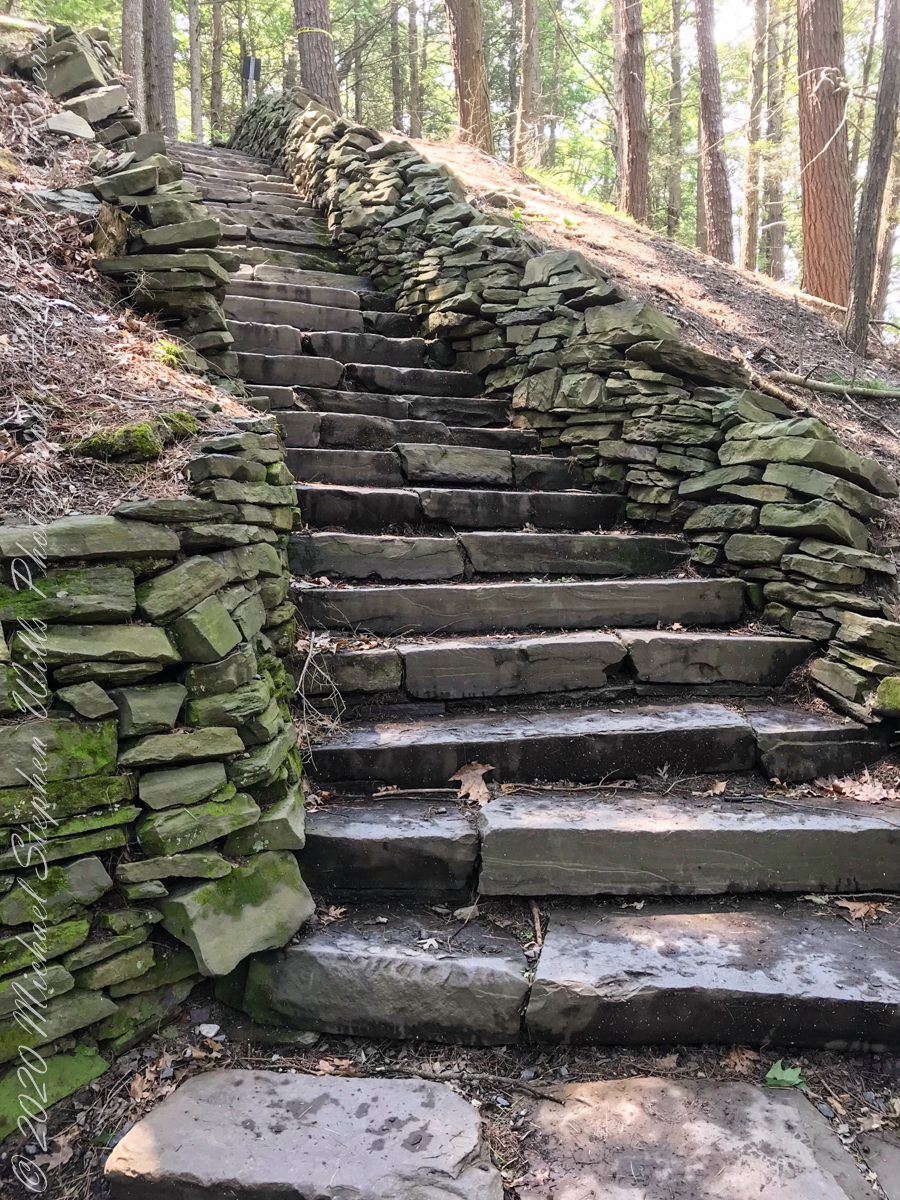
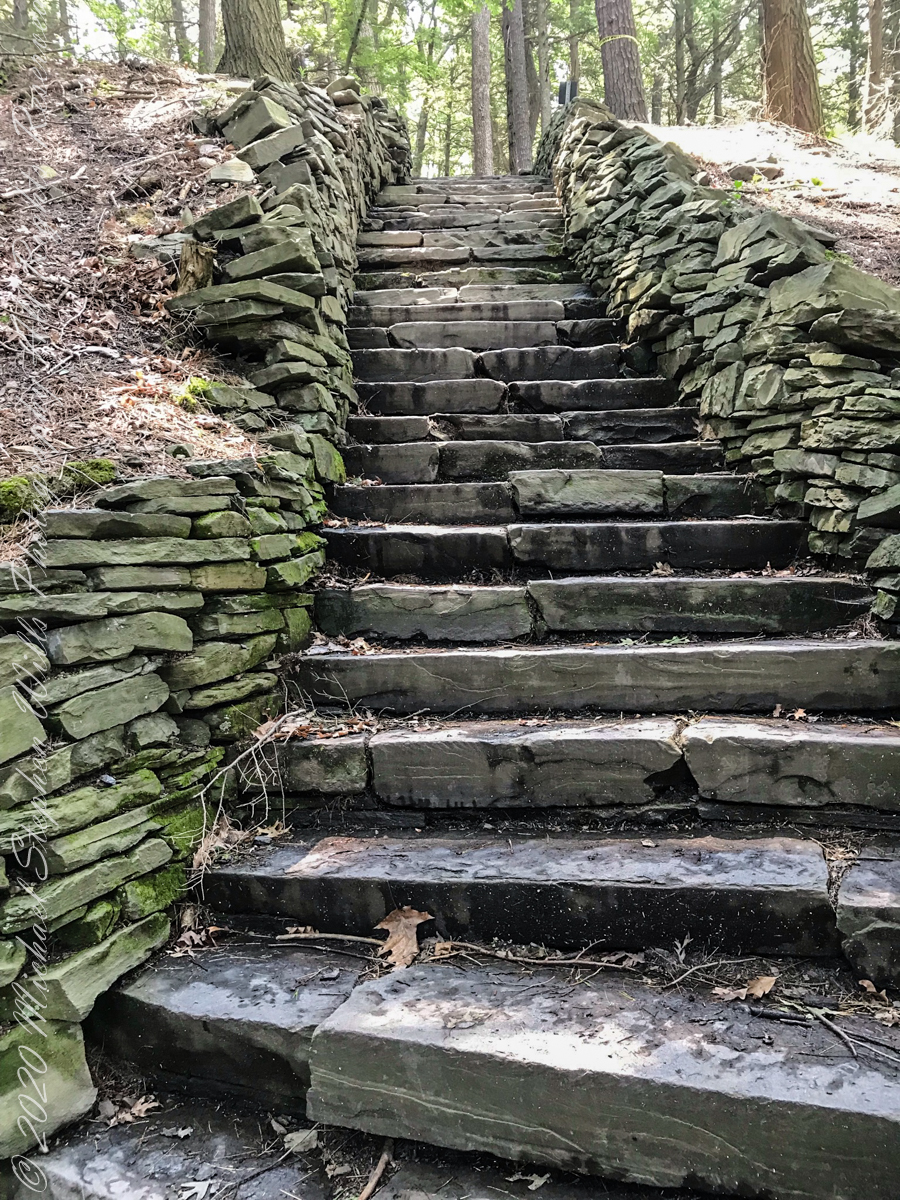
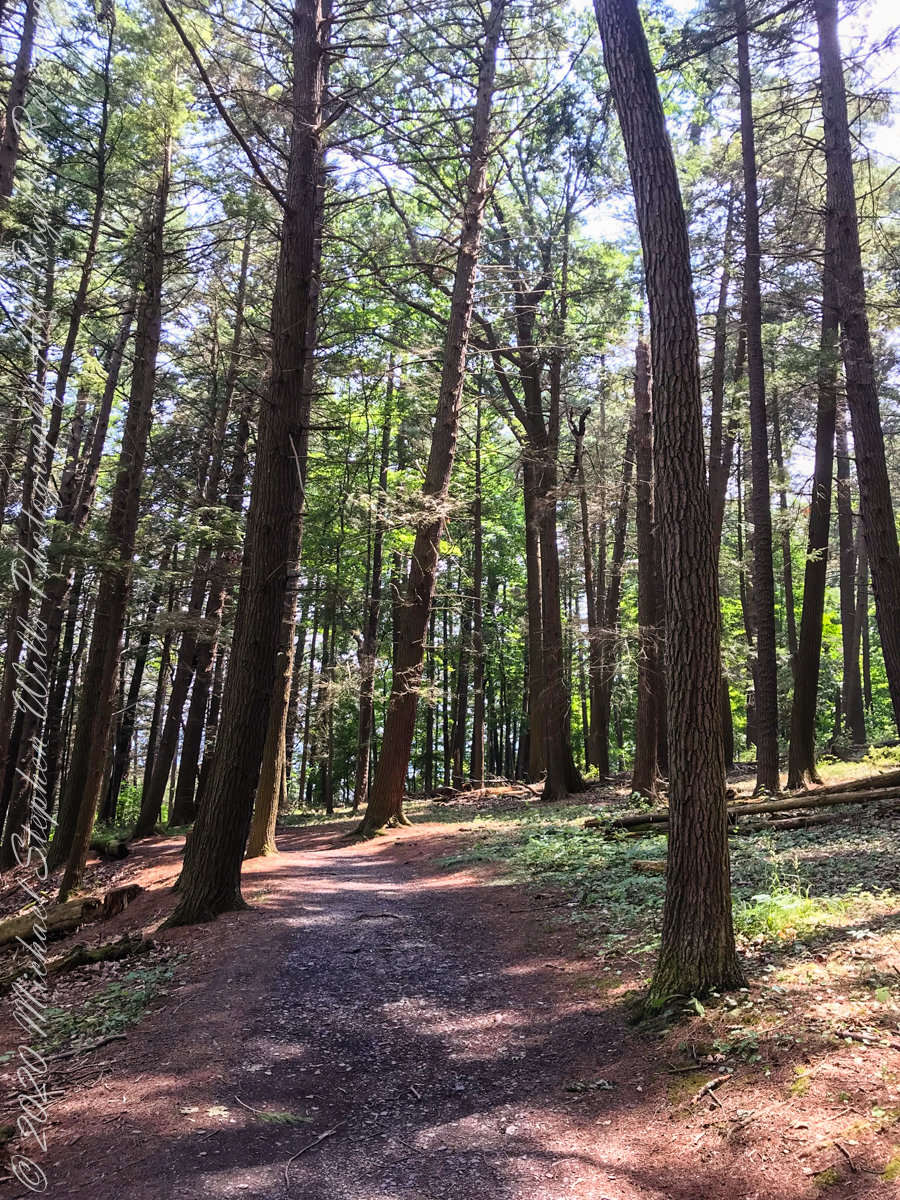
After work on a 2008 Friday afternoon in October we sped over to Beebee Lake on the Cornell University Campus to catch the late afternoon glow.
Beebe Lake is formed by a dam on Fall Creek. It seems to be the flooded meadow it is, surrounded by hills formed by glaciers 10,000 years ago. Cornell maintains footpaths around the lake.
People say that if a couple walk the a mile around the lake and over a bridge at either end, they are destined to be married. This day we passed only joggers and families. Pam and I will celebrated our tenth anniversary March 2019, so the legend worked for us.
Here are four snapshots from that time, presented in chronological order. Each is a handheld shot taken on the fly using my Sony Alpha 700 I use for exploratory photography.
Click any photograph to view my Finger Lakes Memory gallery
A terraced stair descends to the east side meadow to south lake shore path
I walked down a path trod by Canadian geese to reach a clear view of the water.
View of Helen Newman Hall
Lily pads and iris fronds grow along the bank.
Evening sunlight reflected from smooth water crests driven by a steady light wind
Being on the west side of the lake, the dam is bathed in golden autumn light.
The Dam That Forms Beebee Lake
On top the hill, not visible behind the trees, above the opposite bank is Fuertes Observatory. We visited it this night, opened to the public as it is on all clear Friday nights while classes are running.
Copyright 2021 Michael Stephen Wills All Rights Reserved
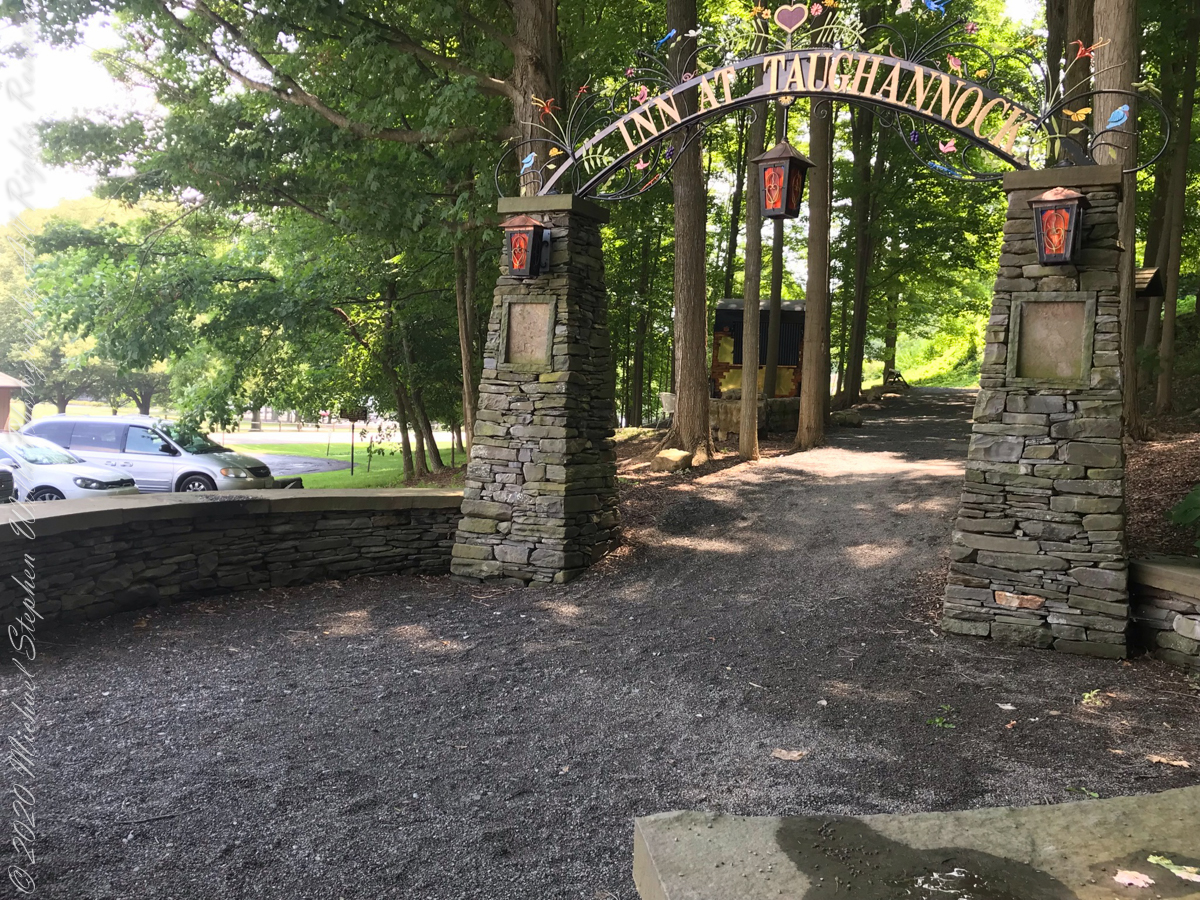
Travelling light, using IPhone captures during a 4.6 mile walk on the Gorge and North and South Rim Trails of Taughannock Falls New York State Park, Finger Lakes Region near Ithaca, New York. A few waterfalls and sights along the way. Distance is from the “Health” app on my phone.
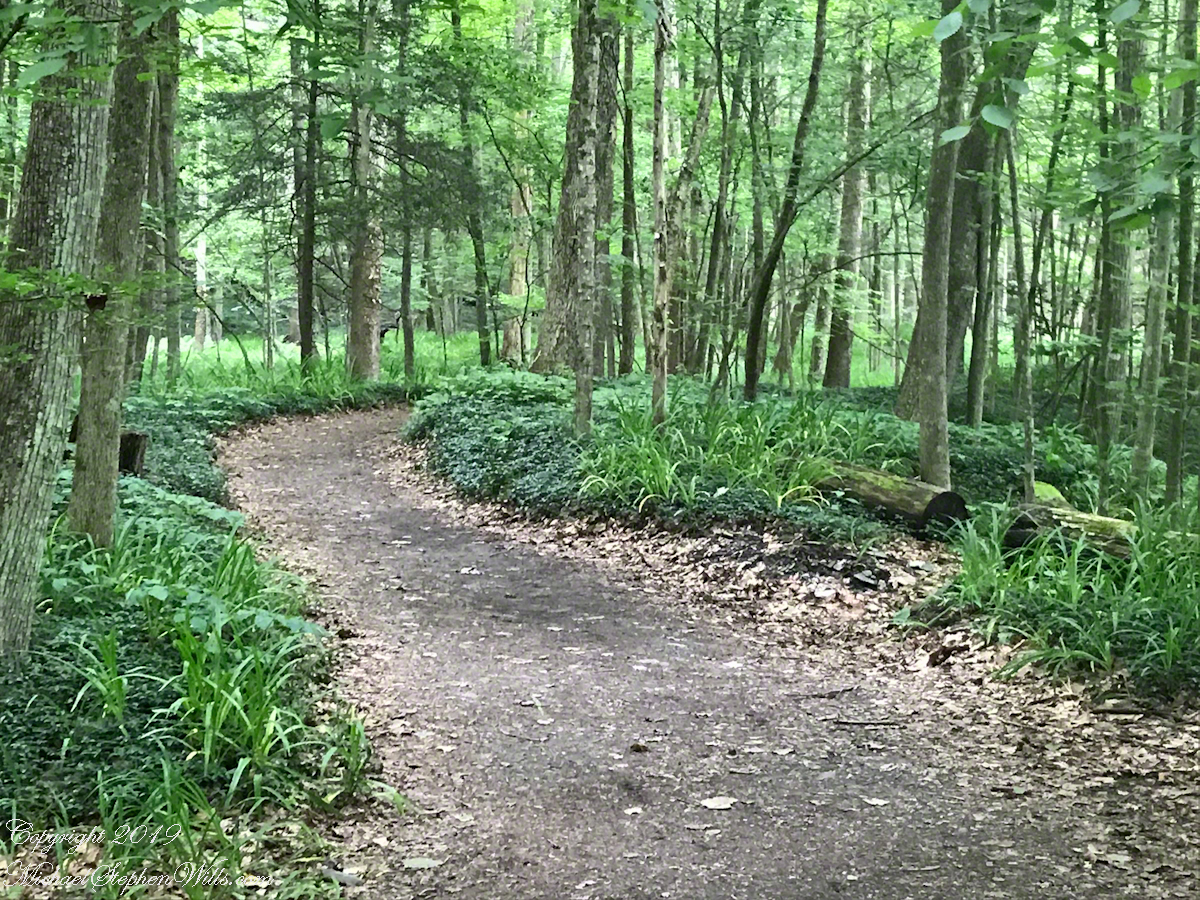
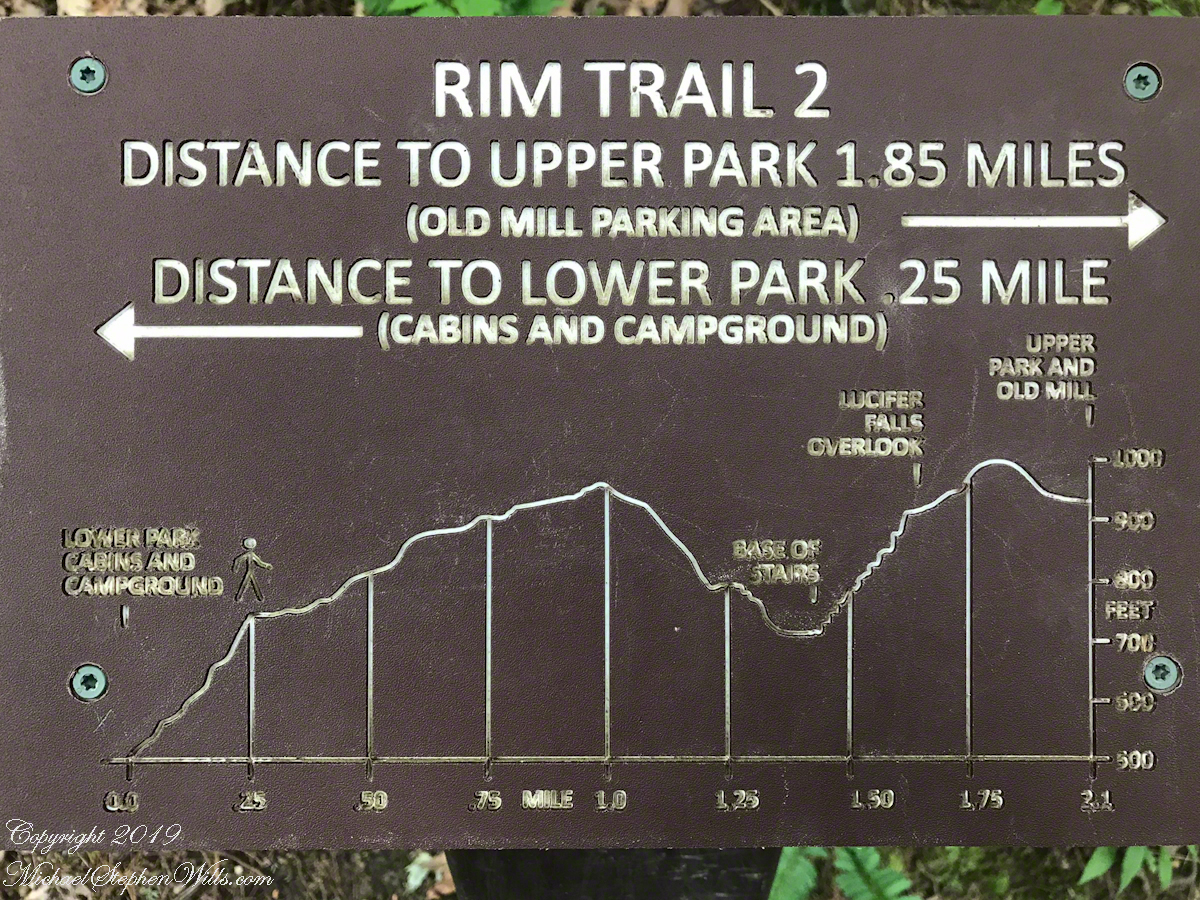
A “Rim Trail” follows the edge of the gorge. The “Gorge Trail” is within the gorge, along side the creek and ends at the 200+ foot waterfall.
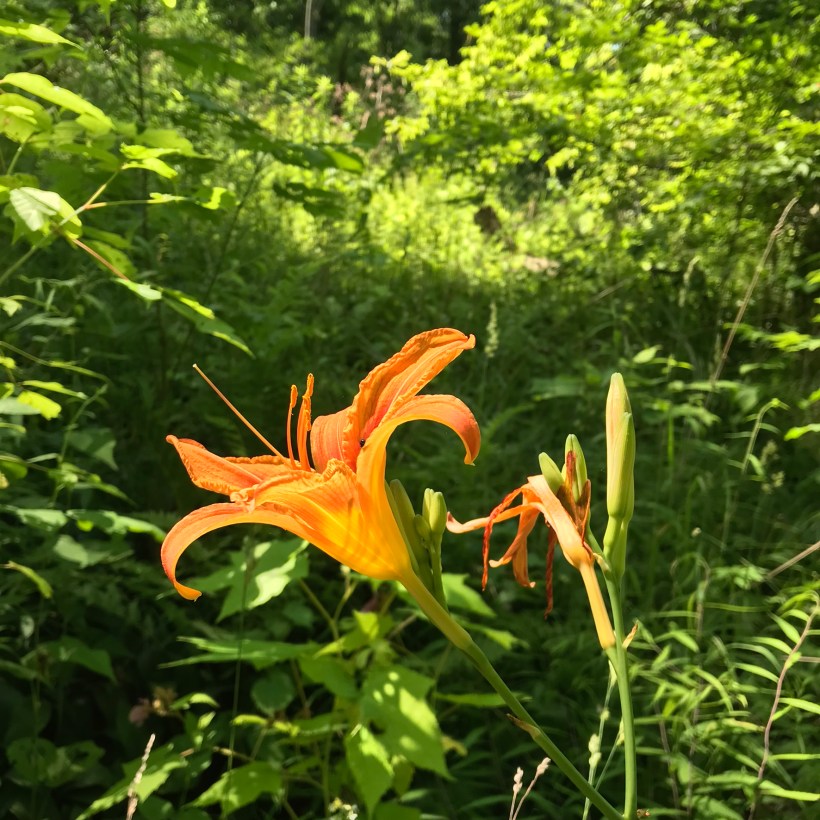
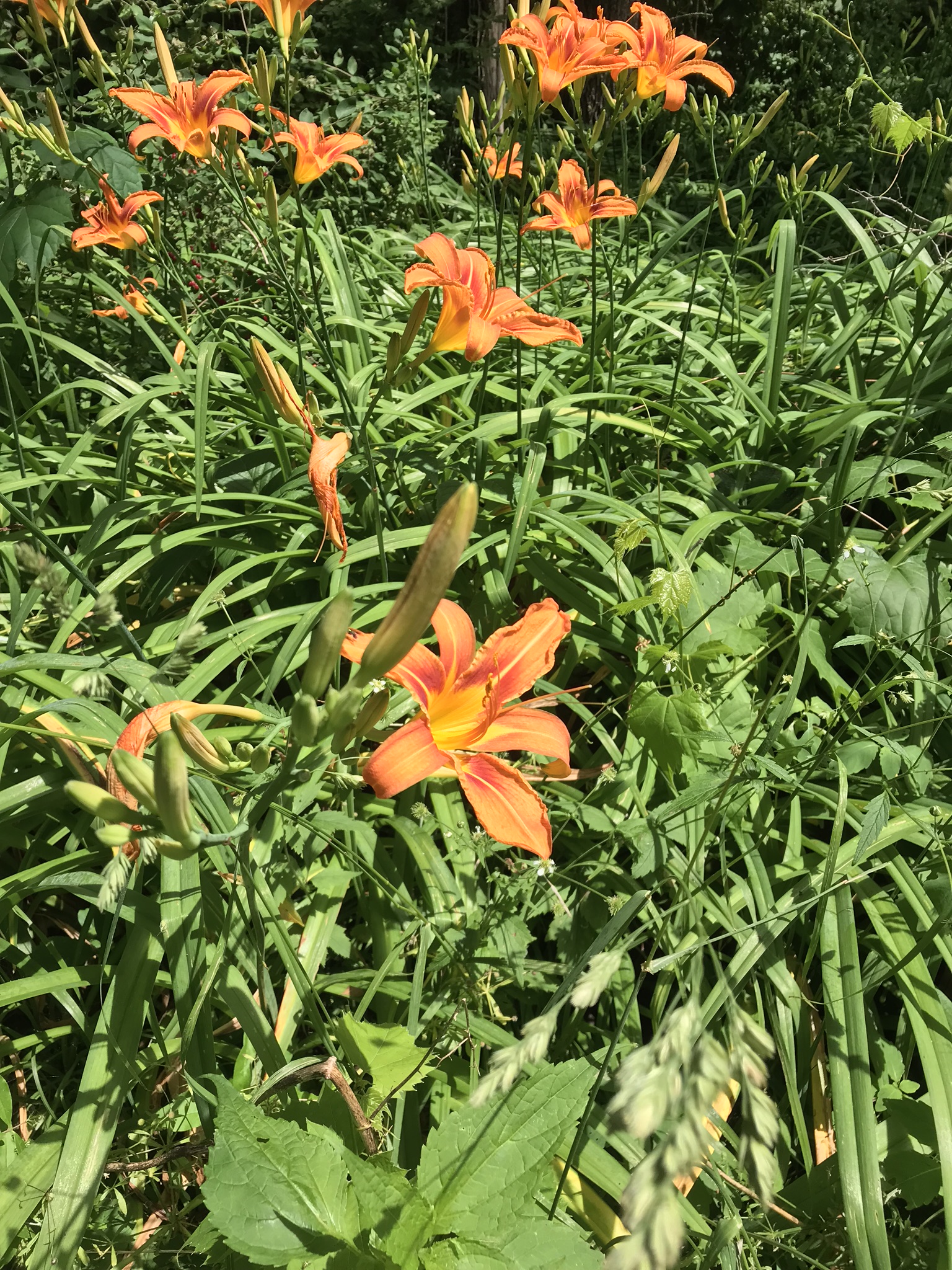
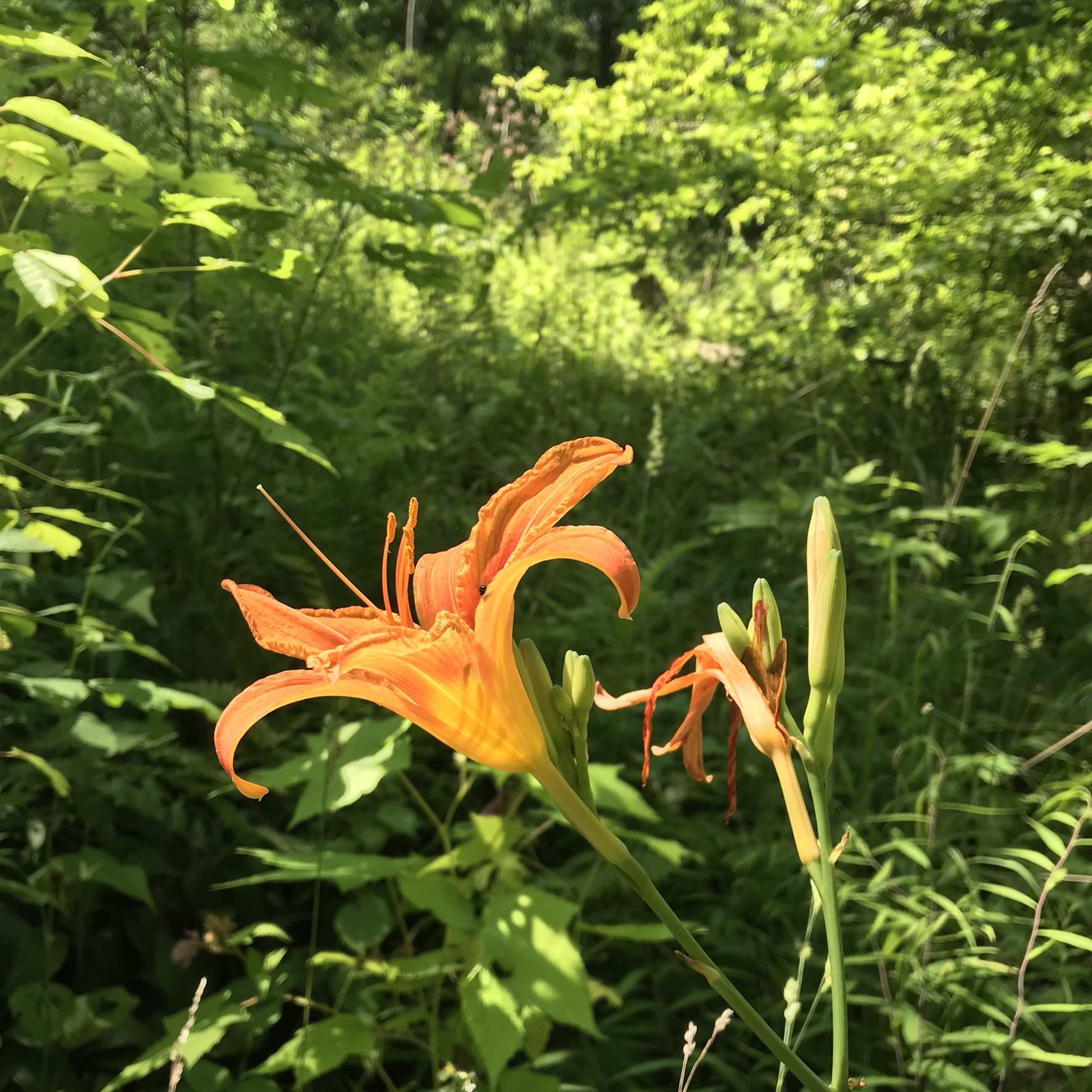
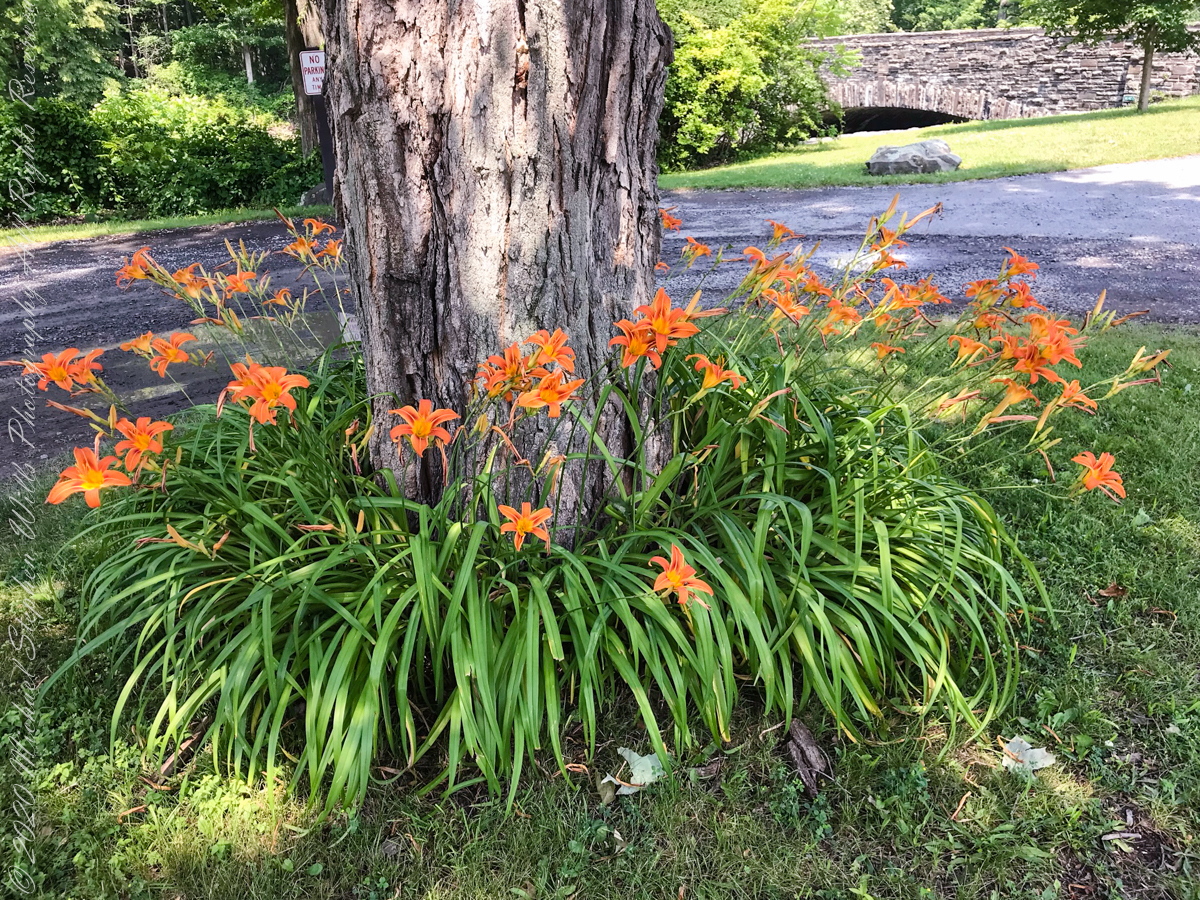
This was the day Tiger Lilies bloomed along the roads the entire 13 miles. This stand was at the beginning of the South Rim trail.
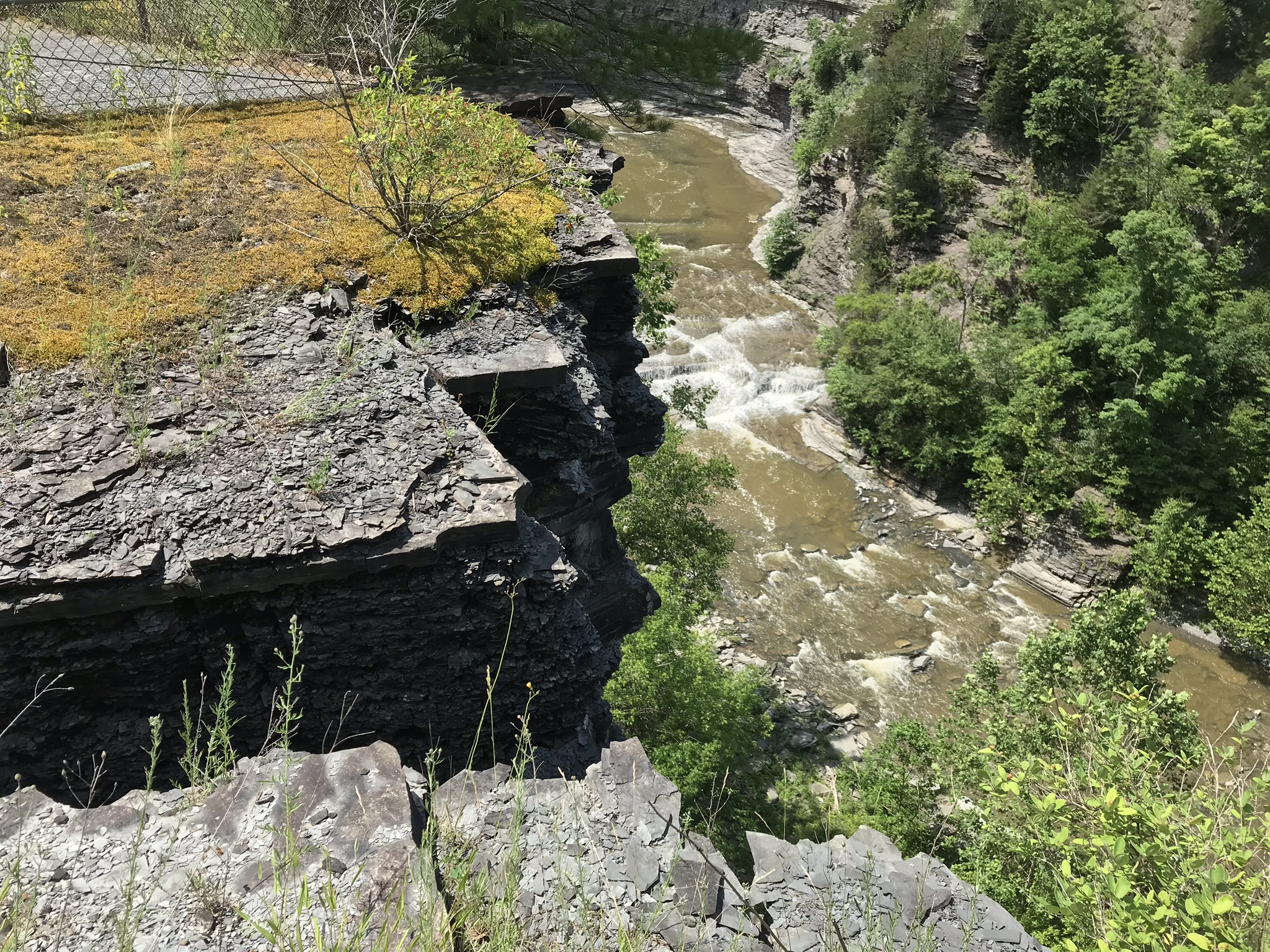
A few steps farther the trail opens up to the expanse of the gorge above the waterfall, a place to contemplate the age of these rock gazing into the open space. There is no access to the bottom of the gorge here.
On days like this, the experience carries me away, enjoying the moments and forgetting the phone in my pocket. When I come to, it is the bottom of the South Rim trail at the entrance to the Gorge Trail and the hordes walking to the falls on a Sunday afternoon. This waterfall welcomes everyone at the beginning.
The vantages I choose usually exclude the crowds, here is a video of the observation platform beneath the 215 foot Taughannock Falls. Any closer and the camera lens is covered with mist. Feels great on this hot day.
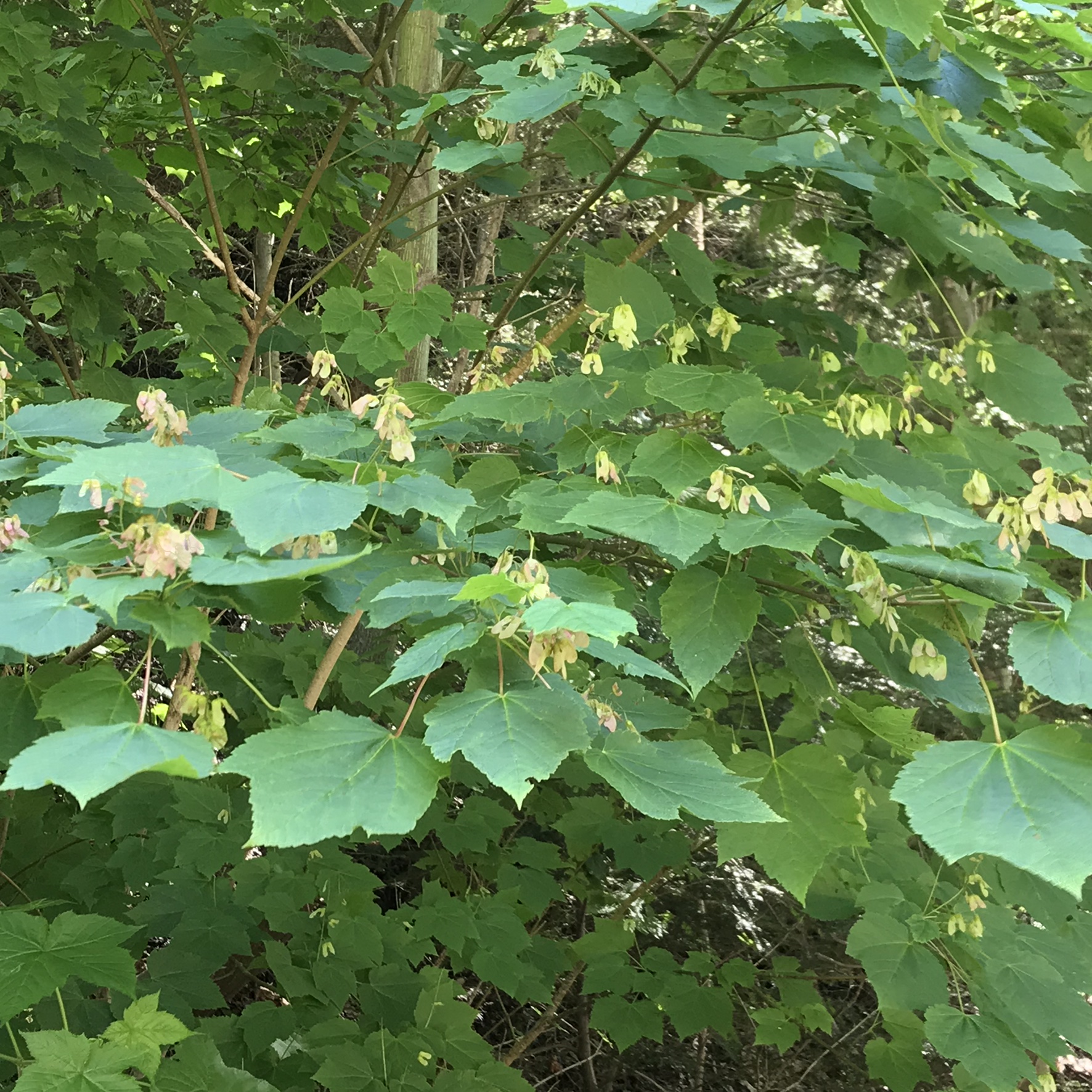
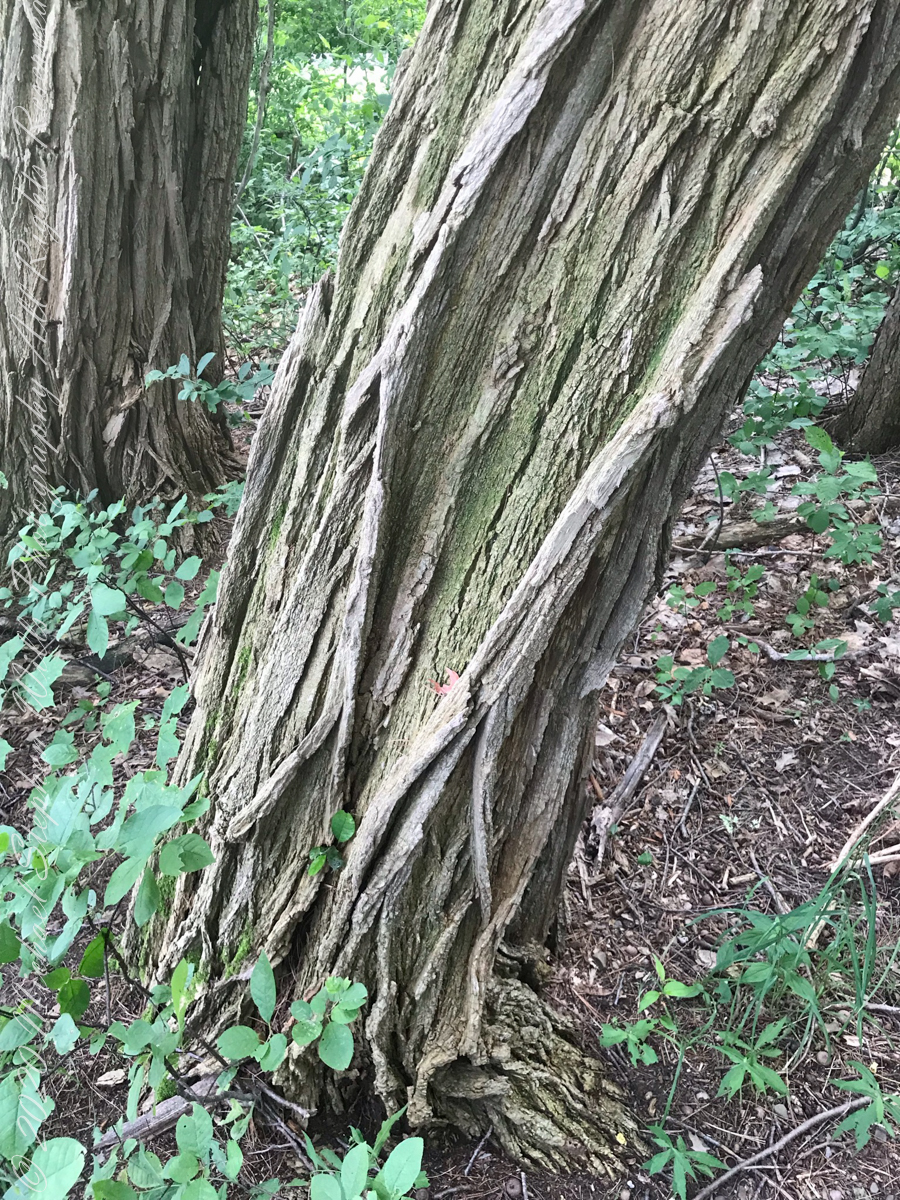
I capture this tree growing along the Gorge Trail for later identification. It has fruits similar to a maple tree. Called samaras and also known as helicopters, maple keys, whirlybirds, and polynoses these must distinguish this tree as a member of the genus Acer though the leaf shape gives me doubts. Here the gorge changes direction almost 90 degrees from, generally, north/south to east/west. There is plenty of sunlight here and the tree has taken root in the talus of the cliff face.
I researched it and discovered the scientific name is Acer pensylvanicum and more commonly known as Moosewood. There is a “famous” restaurant in Ithaca, named Moosewood, so now I know there is indeed a tree growing locally by that name. The restaurant is near the commons of Ithaca and is 100% vegetarian. The last time Pam and I at there we were packed like sardines, like some collective, and we’ve never been back. The food is good and the basis of their fame is a cookbook by the same name.
Backlit lilies found on the climb up the North Rim trail.
Travelling light, using IPhone captures during a 5.7 mile walk on the Gorge and South Rim Trails of Robert H. Treman New York State Park, Finger Lakes Region near Ithaca, New York. A few waterfalls and sights along the way. Distance is from the “Health” app on my phone.
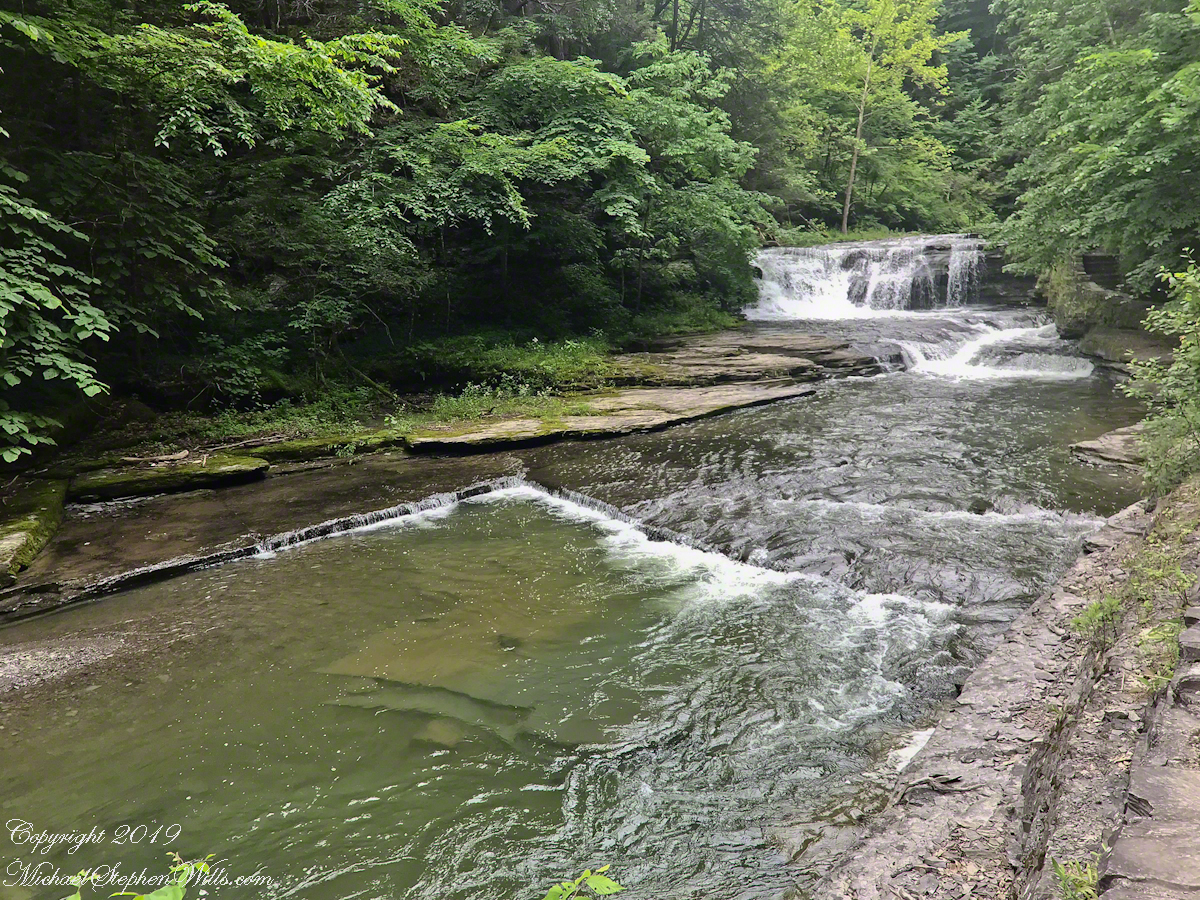
One of many waterfalls along the Gorge TrailLooking back to the above waterfallEnchanted Trail
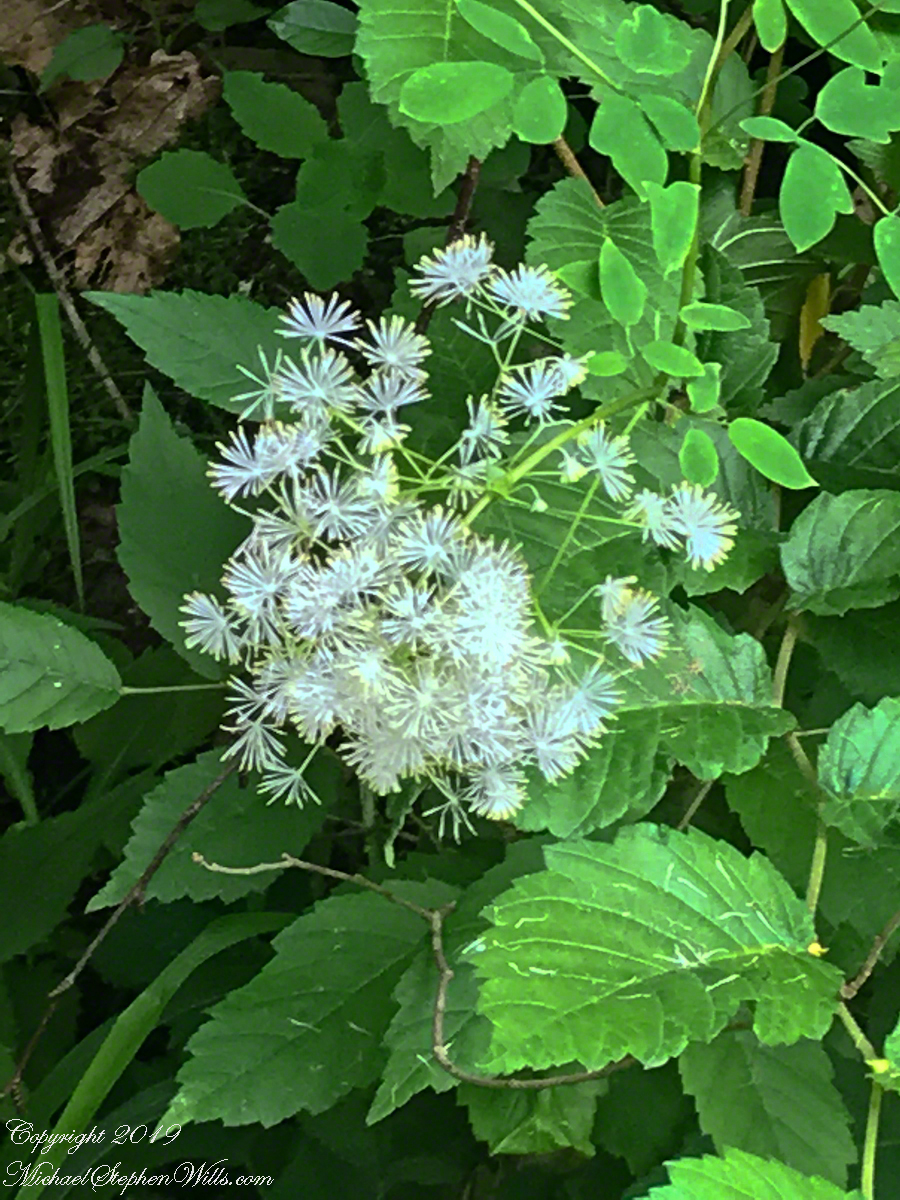
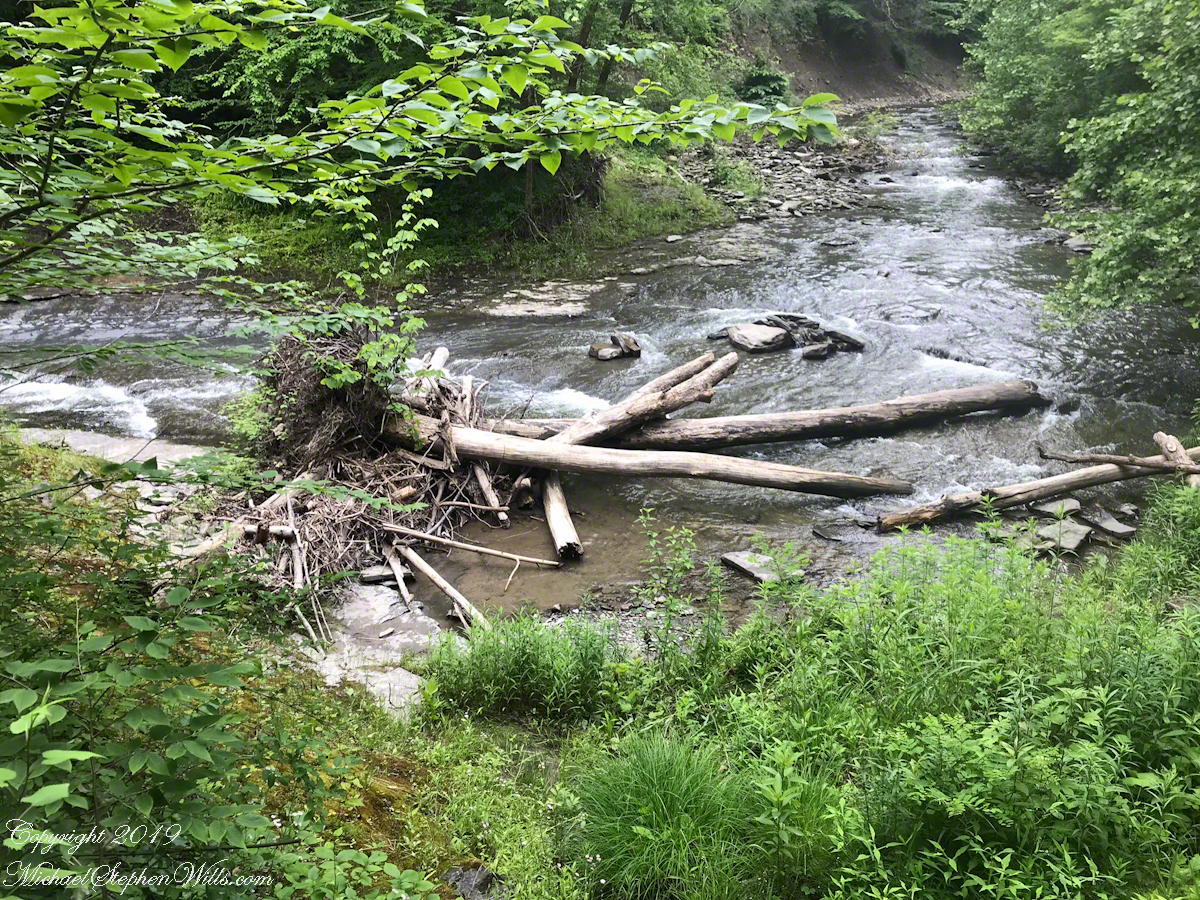
Birdsong and enchanted placeBayberry?The power of flowing water (flood stage)
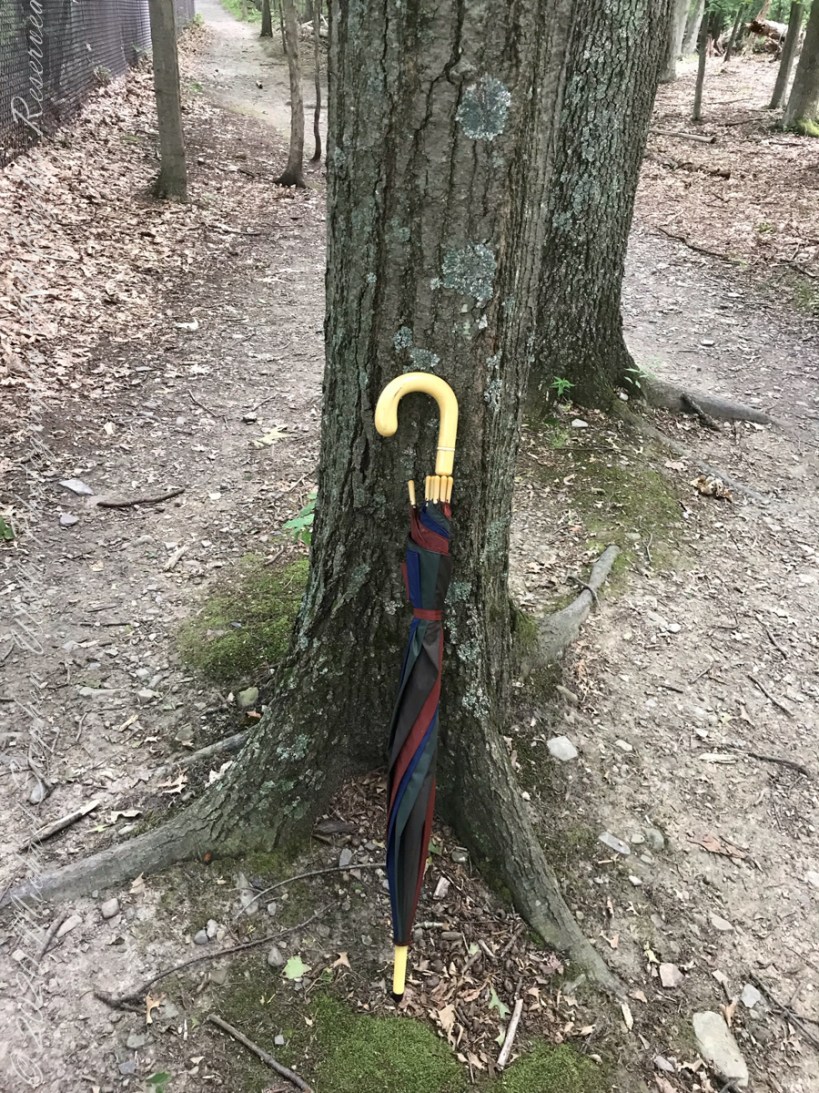
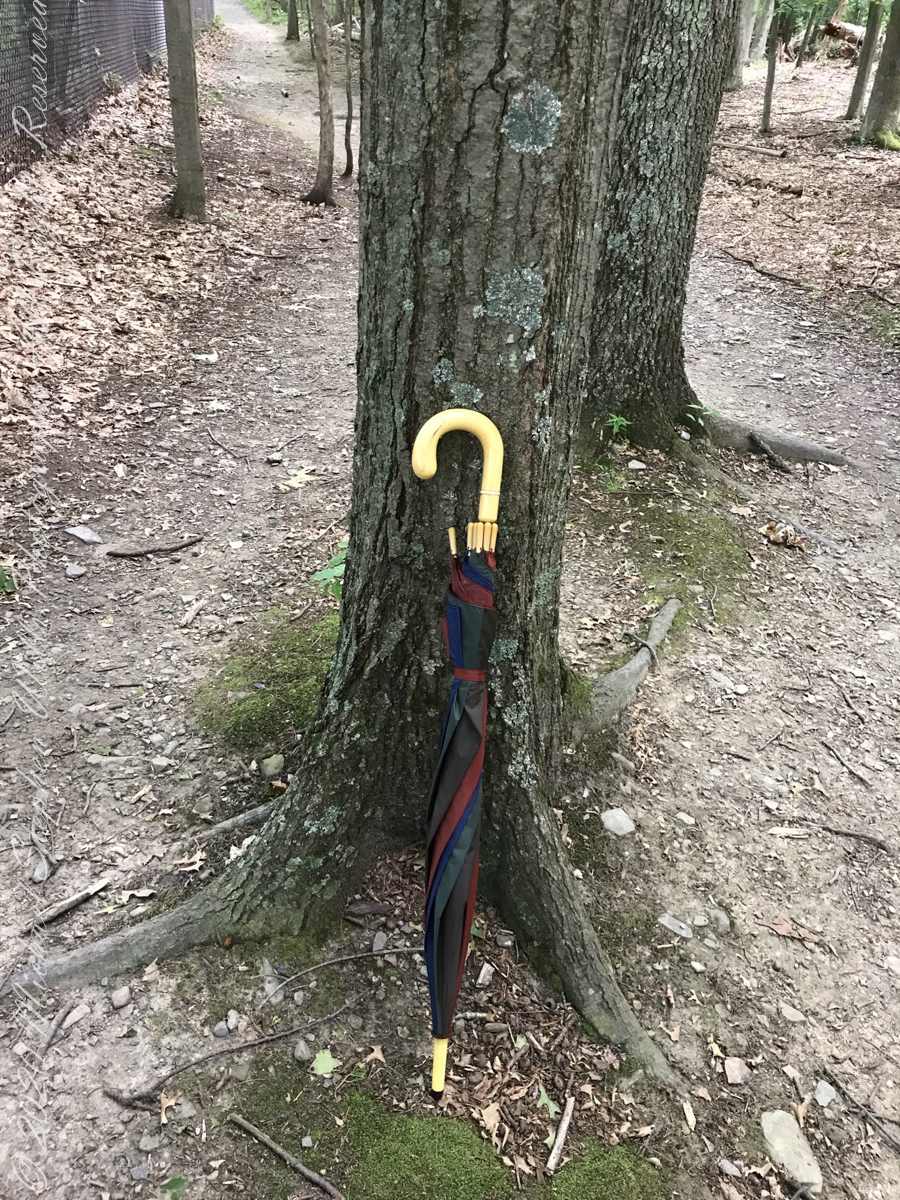
Constant winds from thunderstorm updrafts, I brought along an umbrella just in case.
Click photograph for slide show. To do this from WordPress Reader, you need to first click the title of this post to open a new page.
Maple Tree
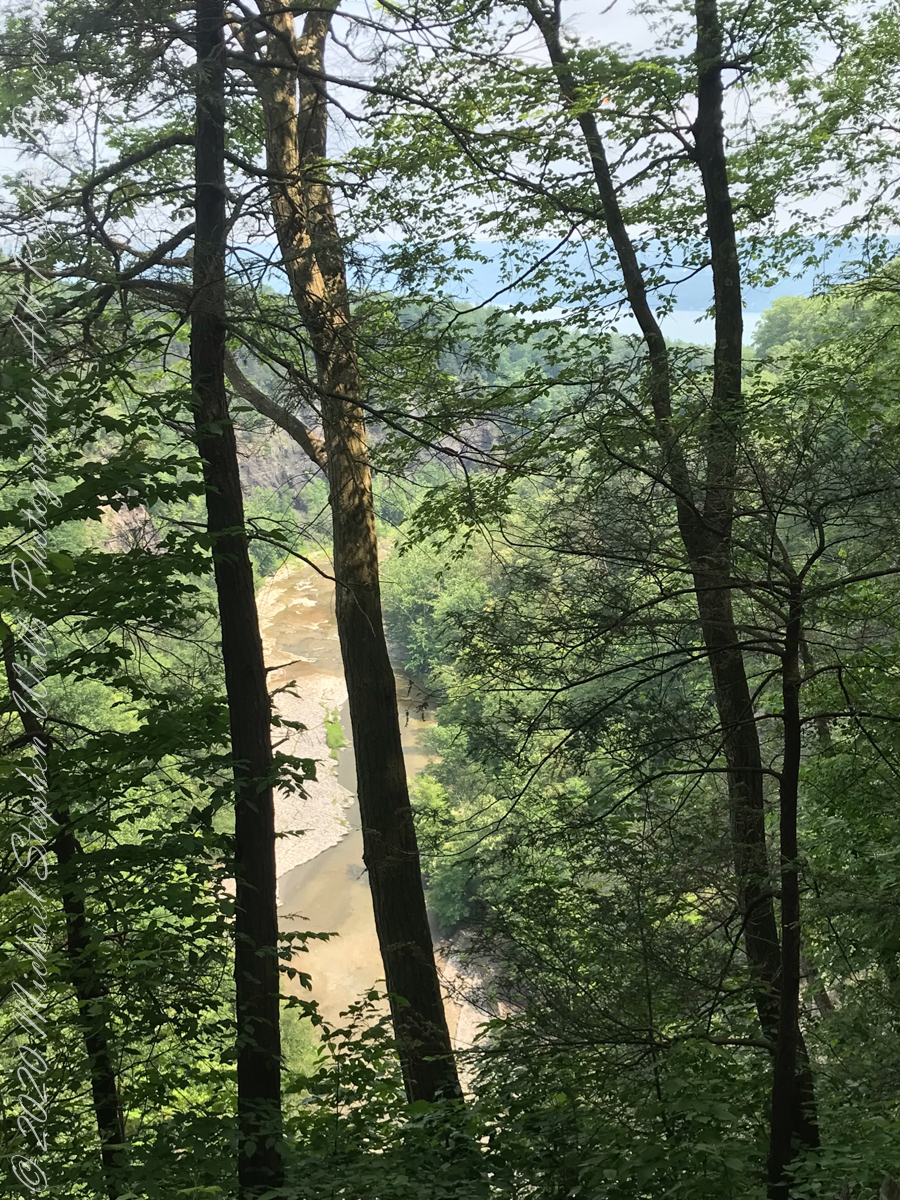
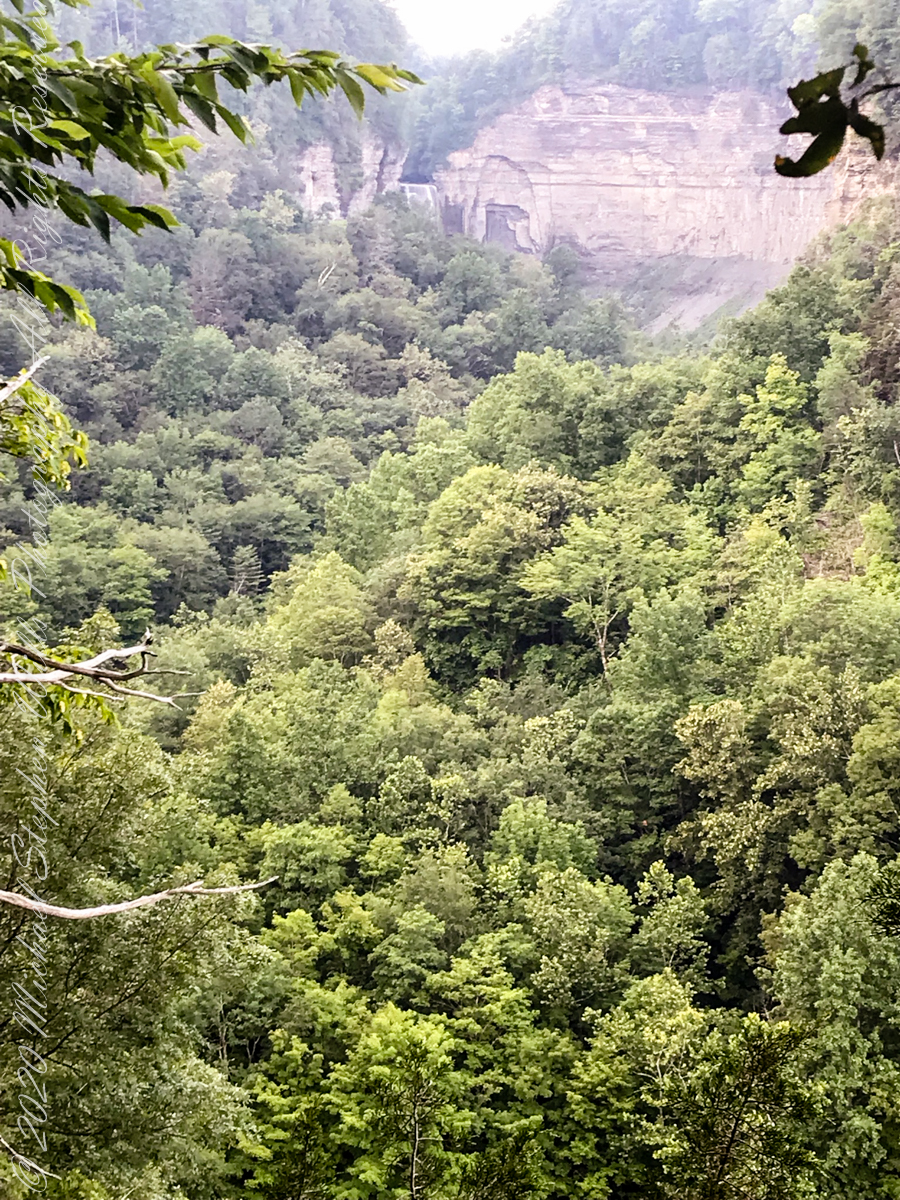
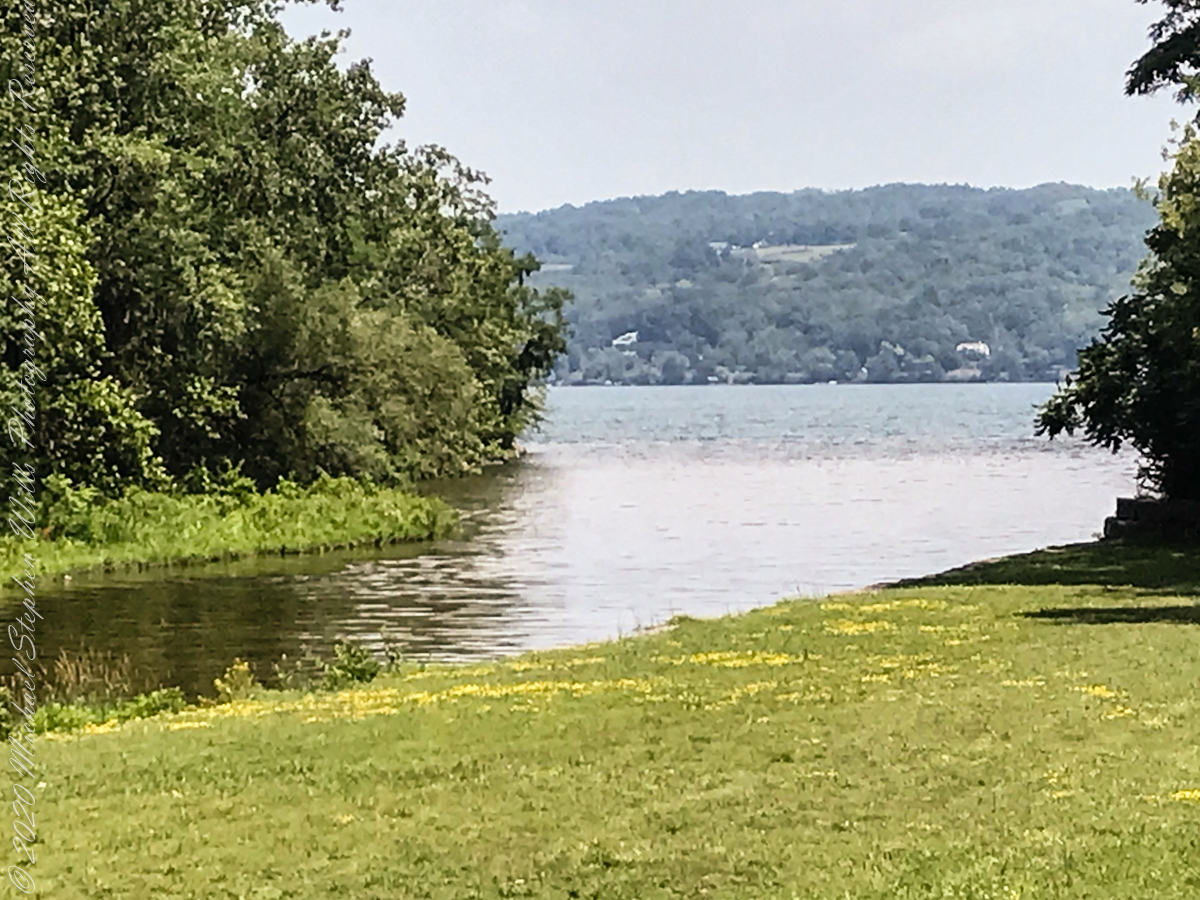
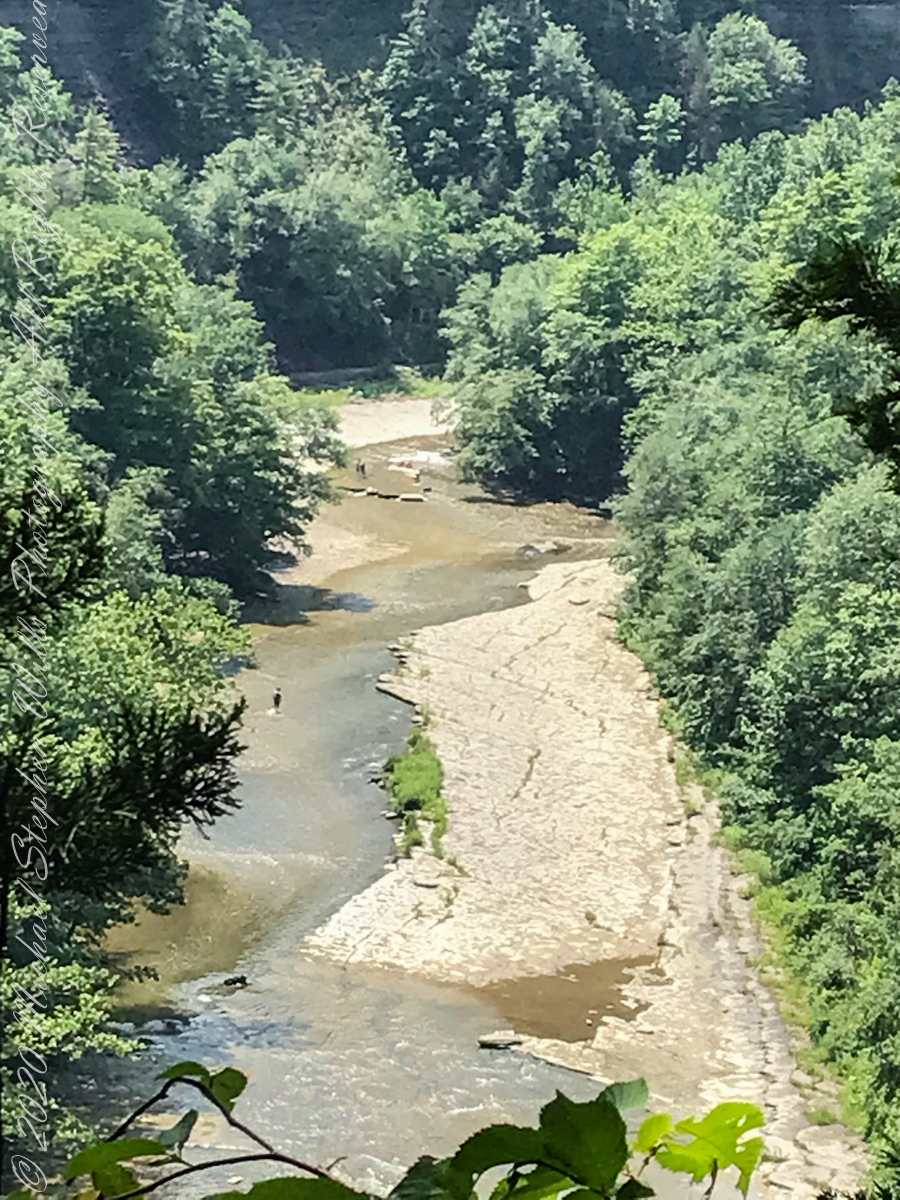
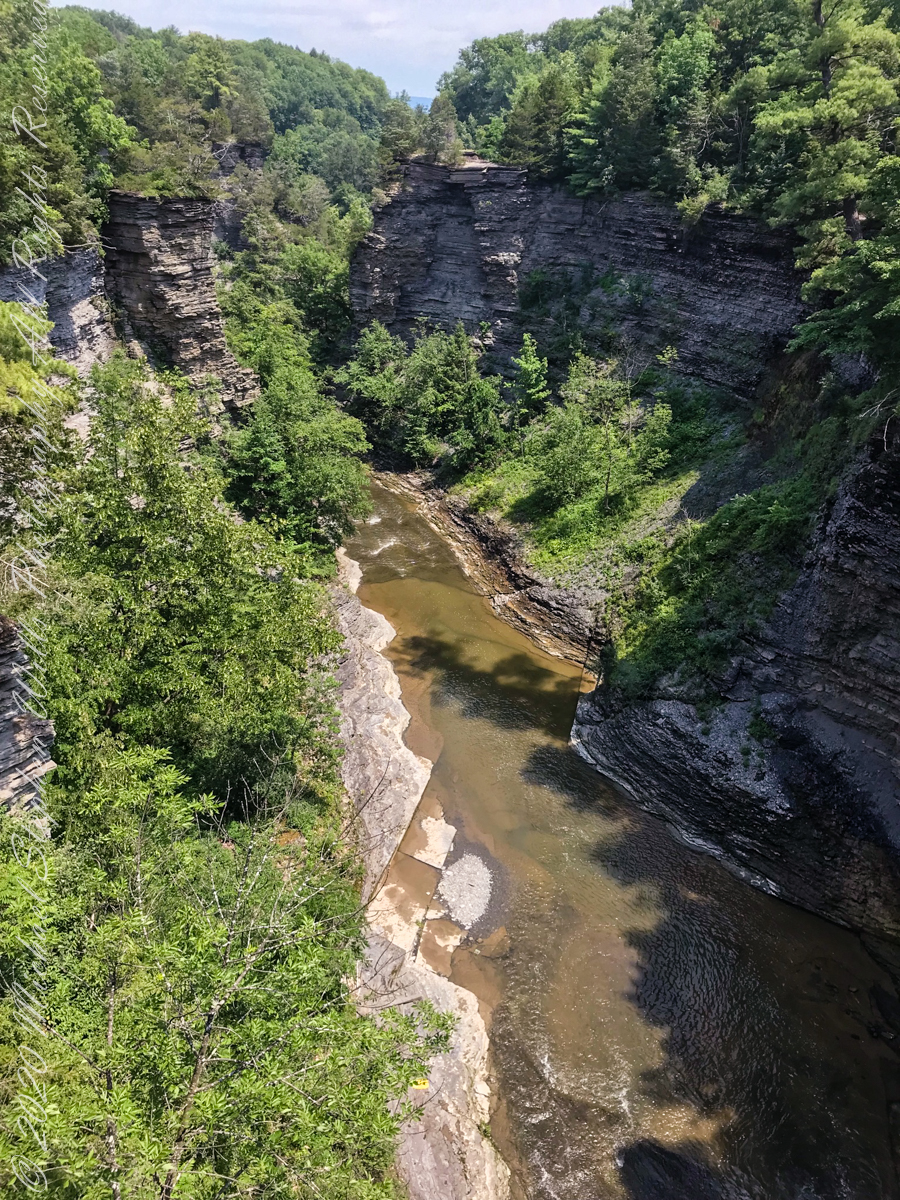
View from the South Rim Trail. The water flowing from Taughannock Falls to Cayuga Lake.
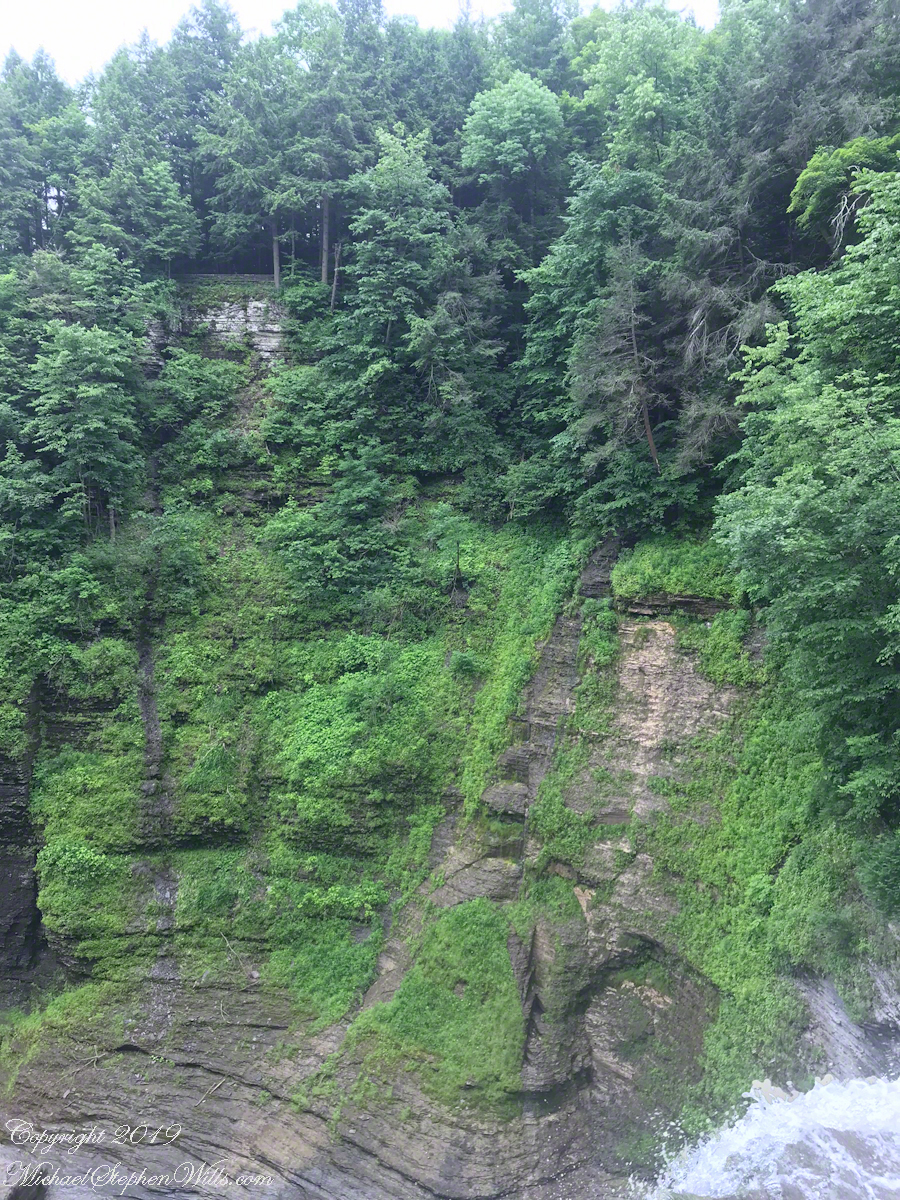
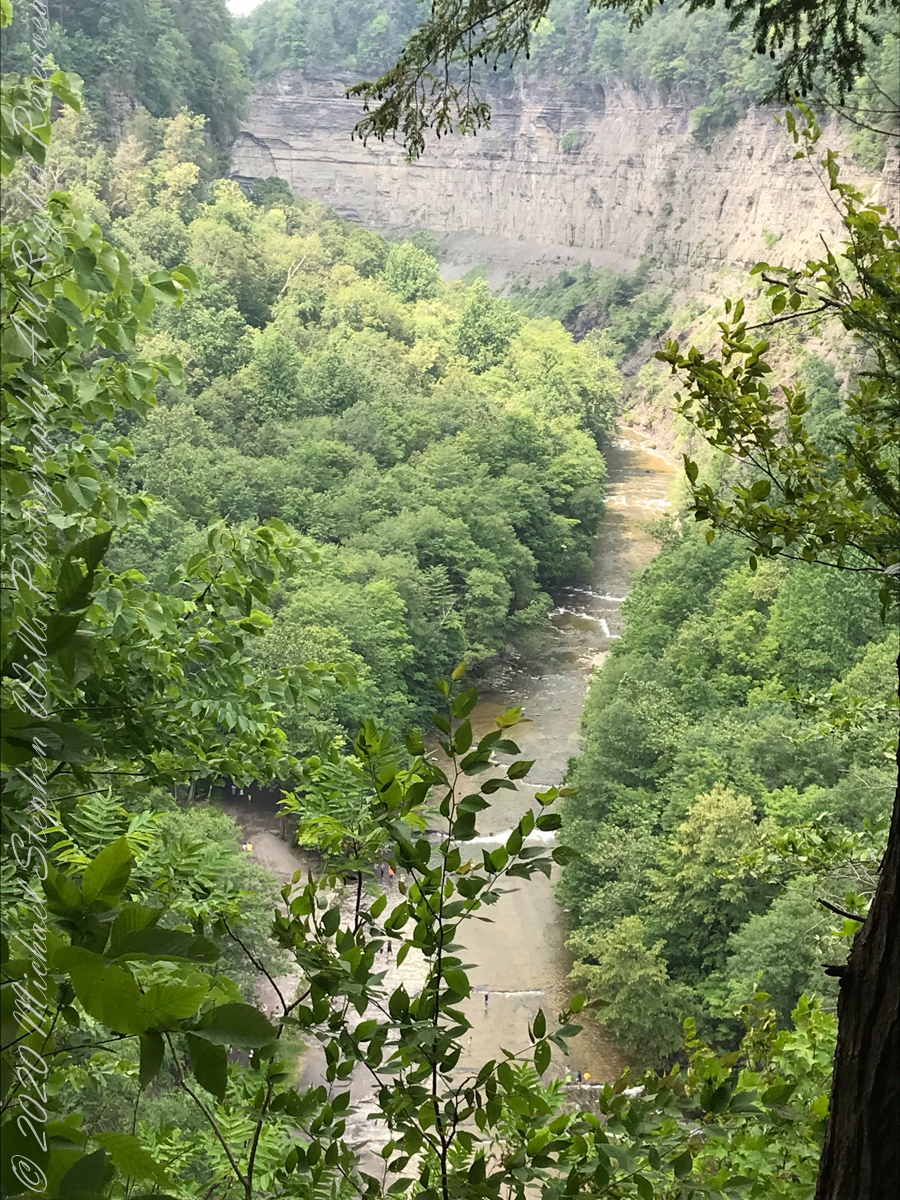
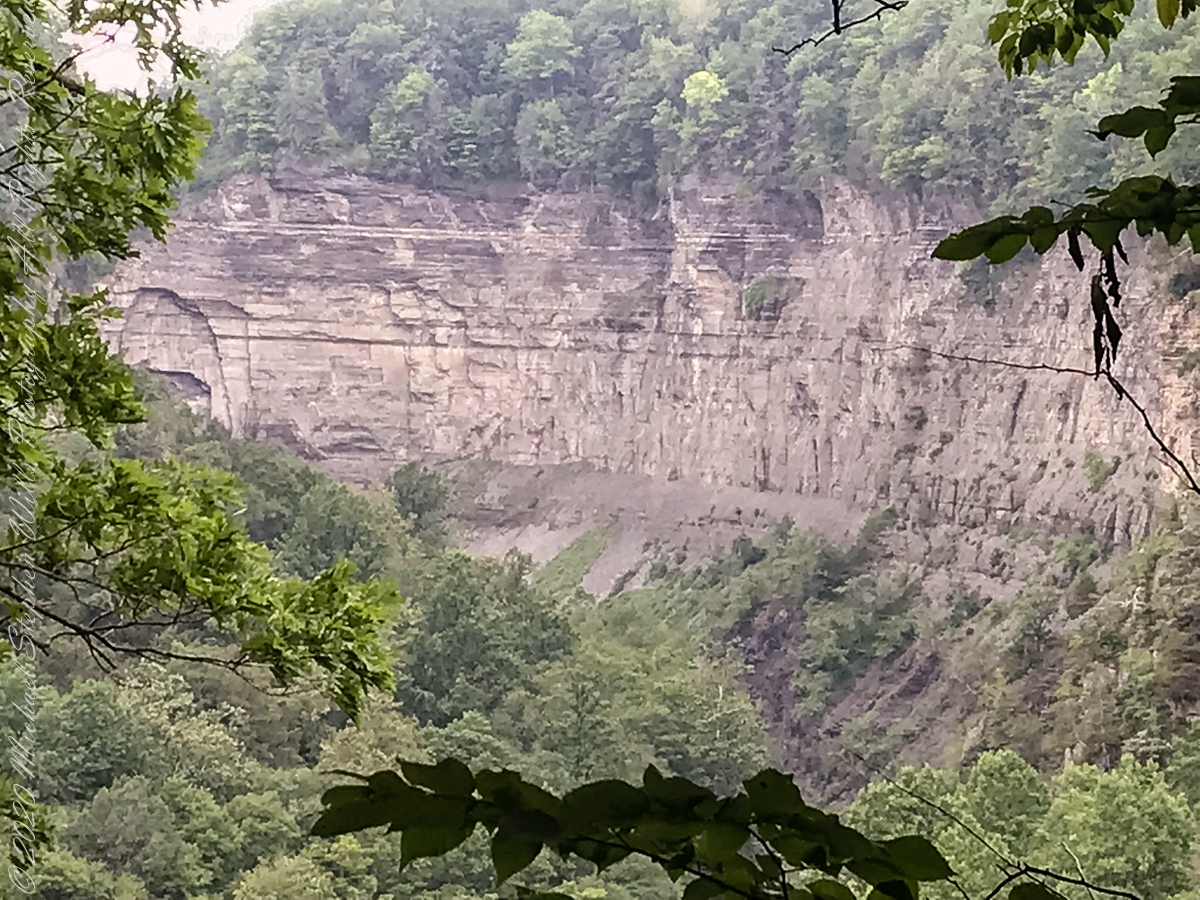
The steep, high gorge walls below the falls on a humid July morning.
gorge walls
My umbrella
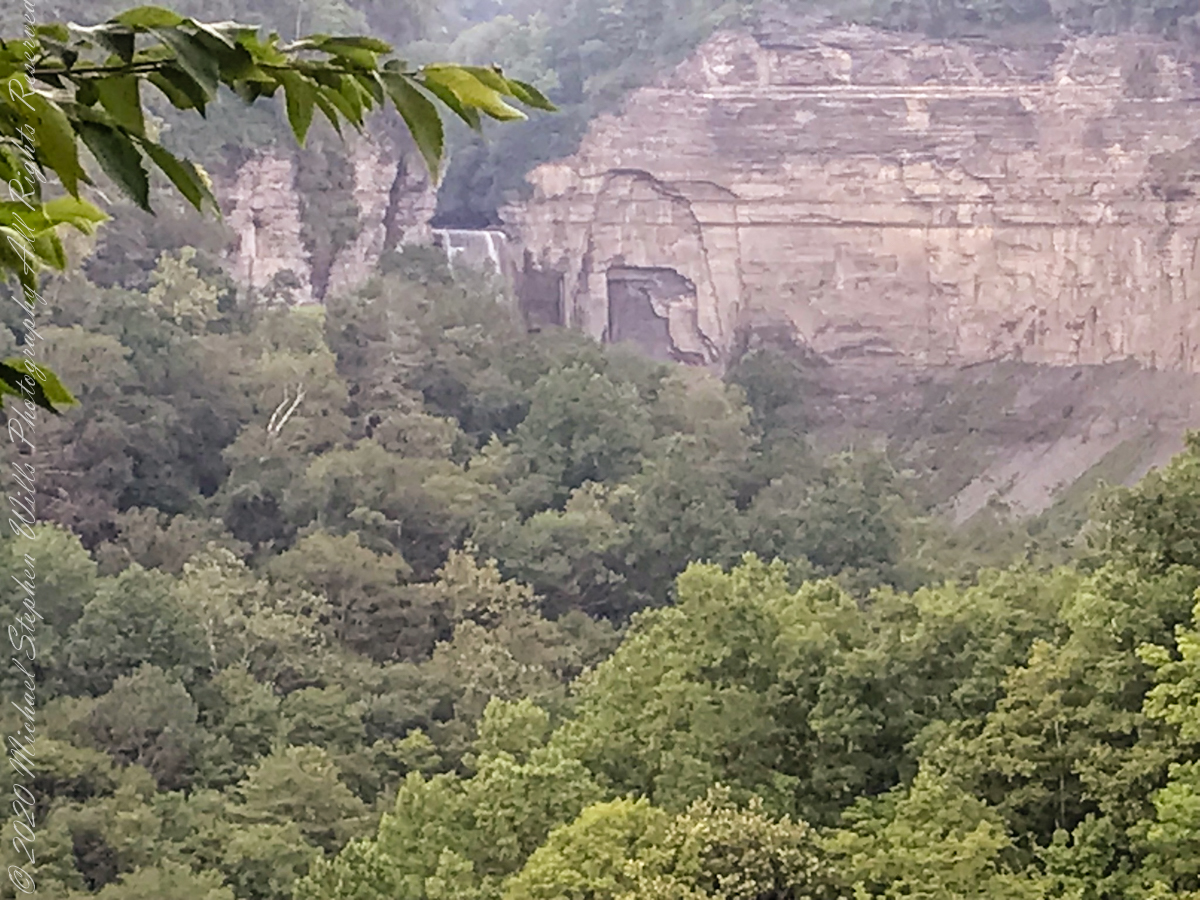
Taughannock falls in distance
Taughannock Falls in distance
South Rim Stairs built by the Civilian Conservation Corps in the 1930’s
Pine Forest at foot of stairs
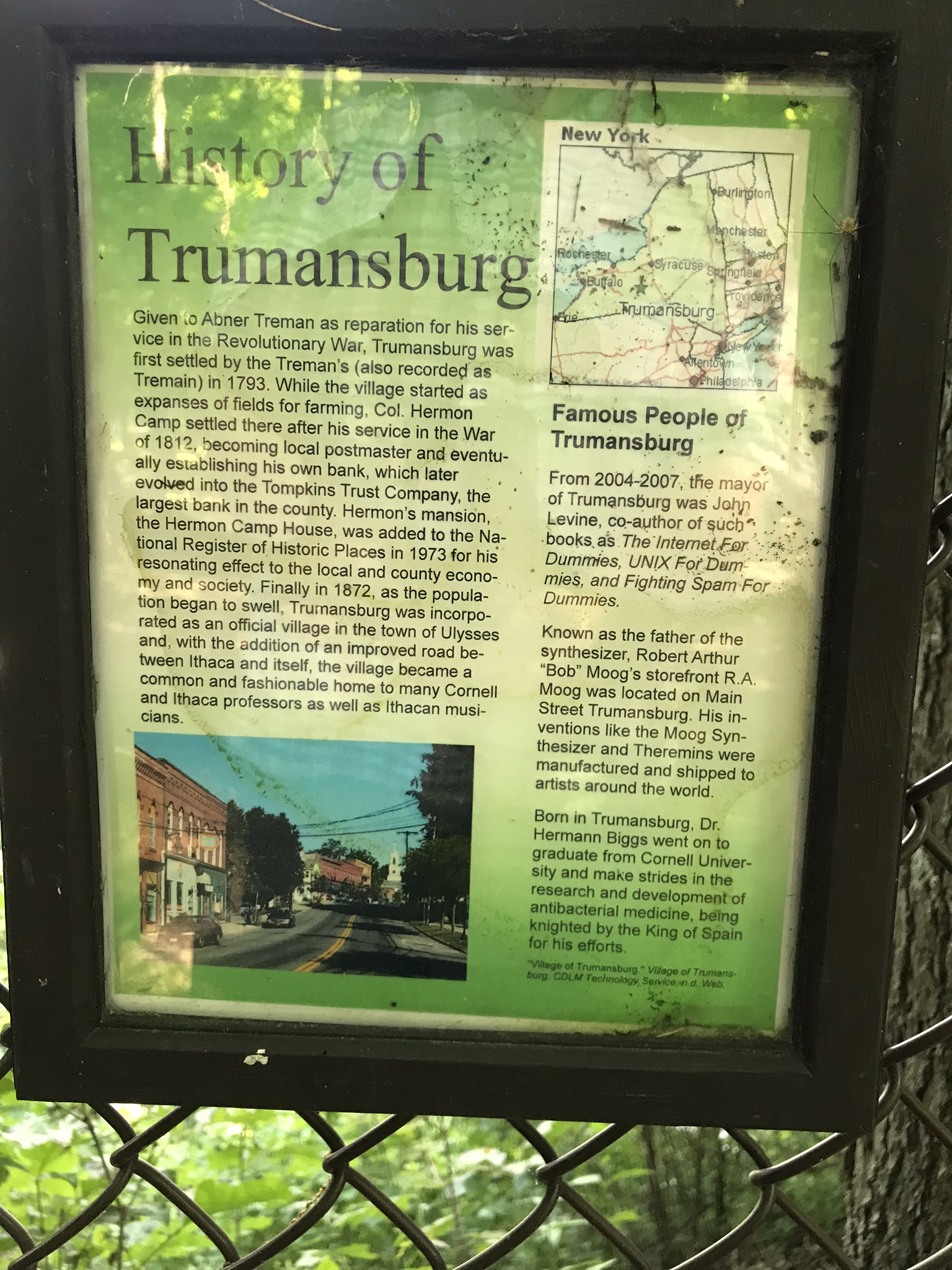
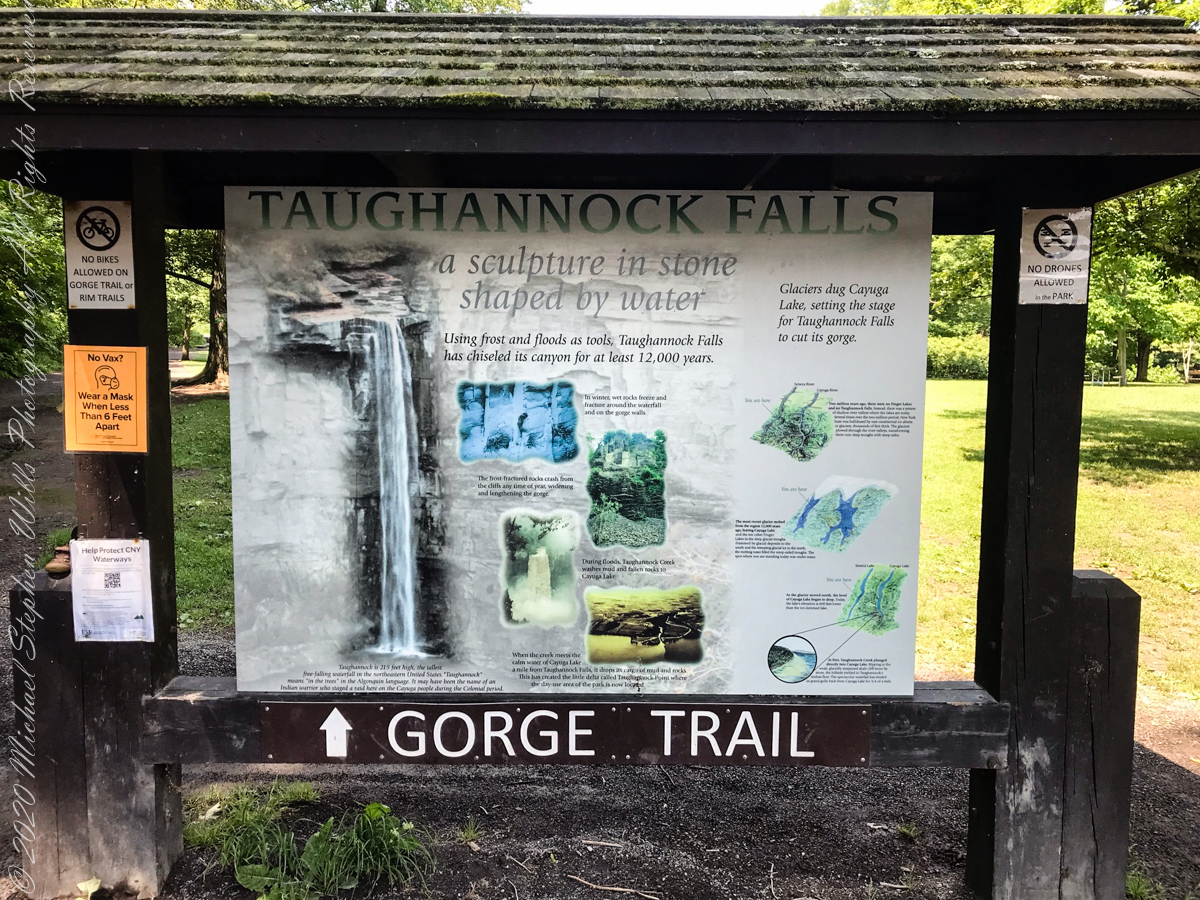
An interesting presentation at the Gorge entrance
Tiger Lilies
brown creek water meets Cayuga Lake (900 feet deep)
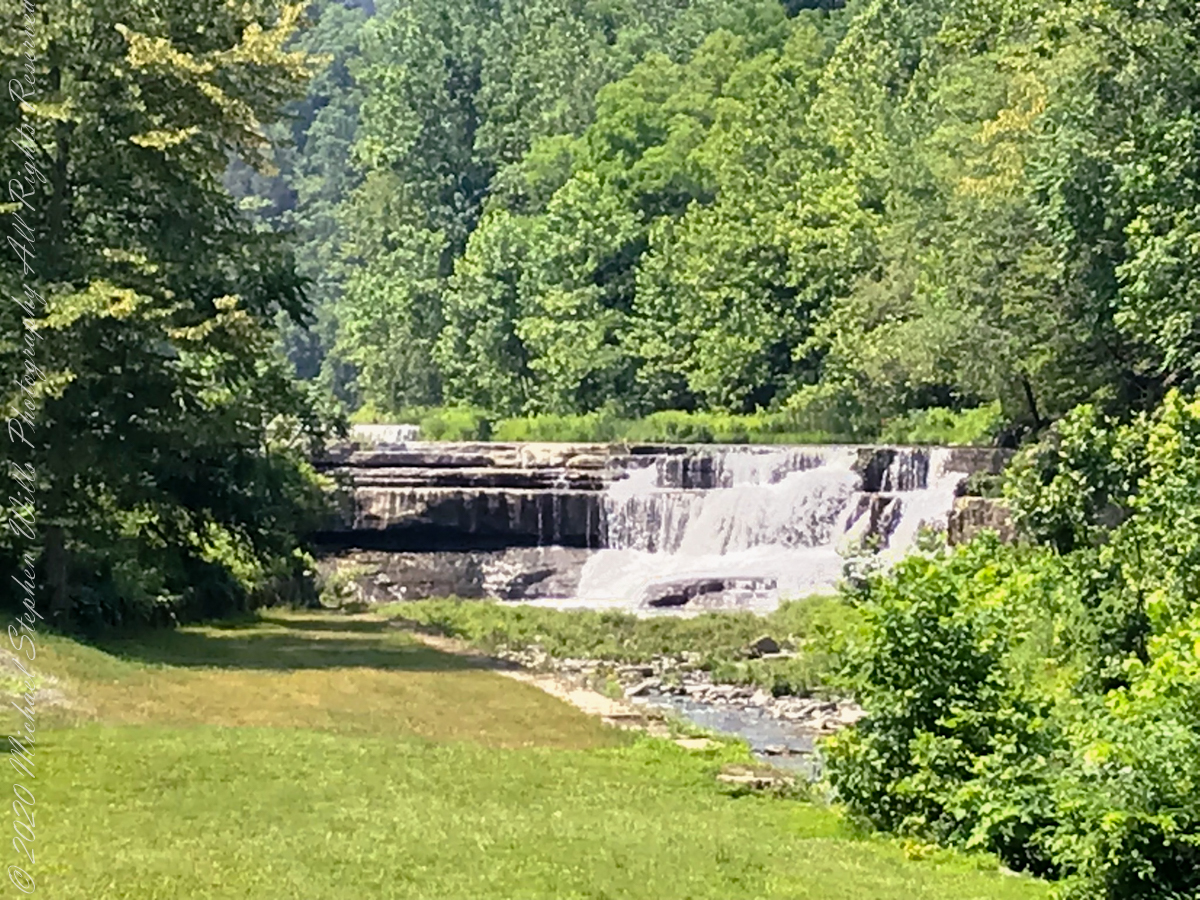
Last waterfall of Taughannock Gorge
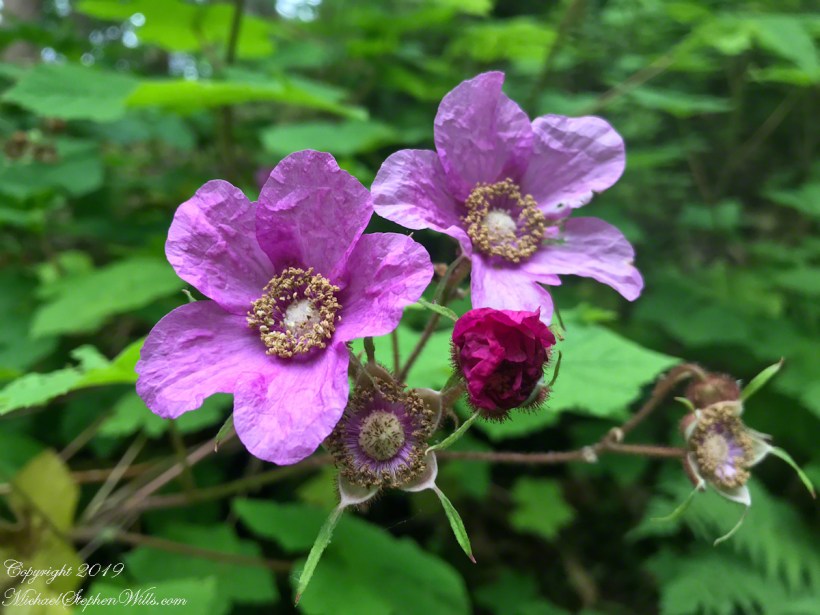
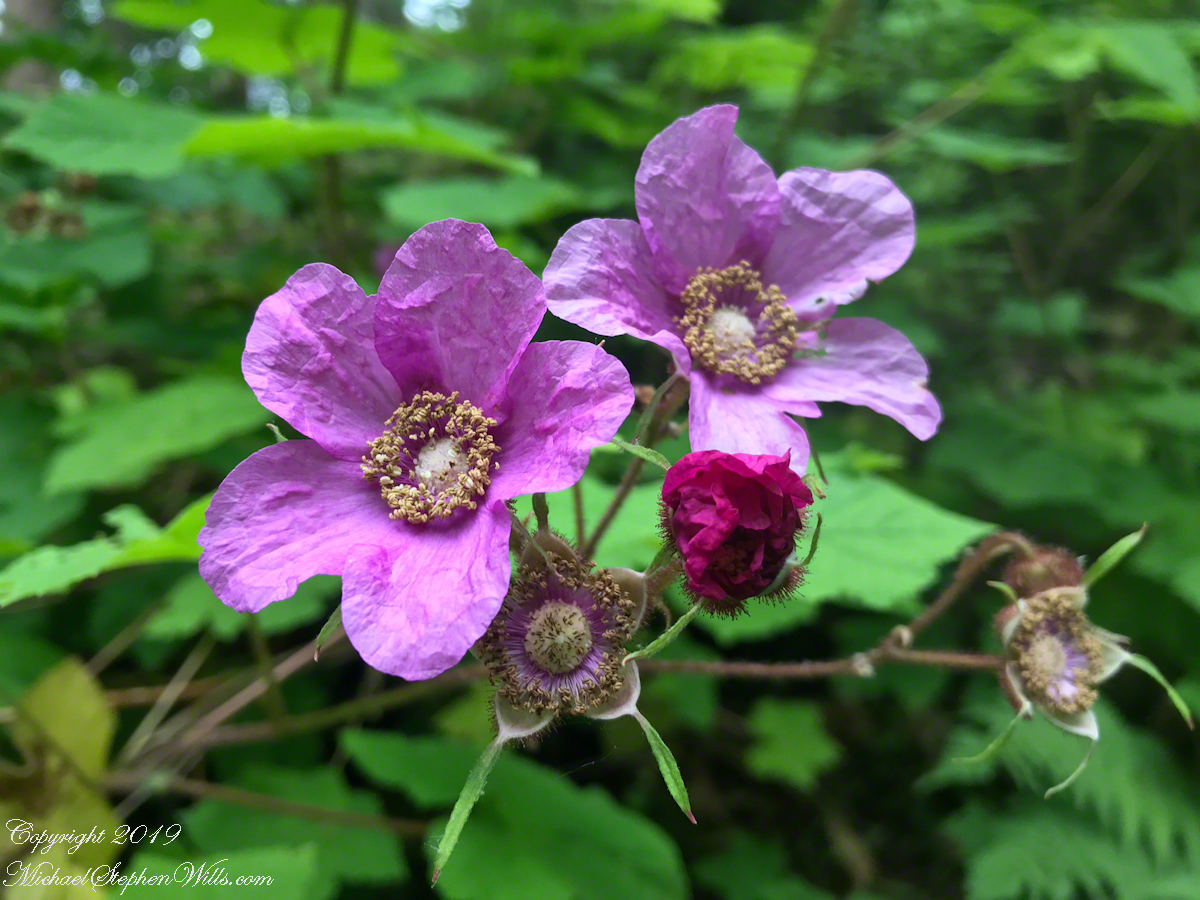
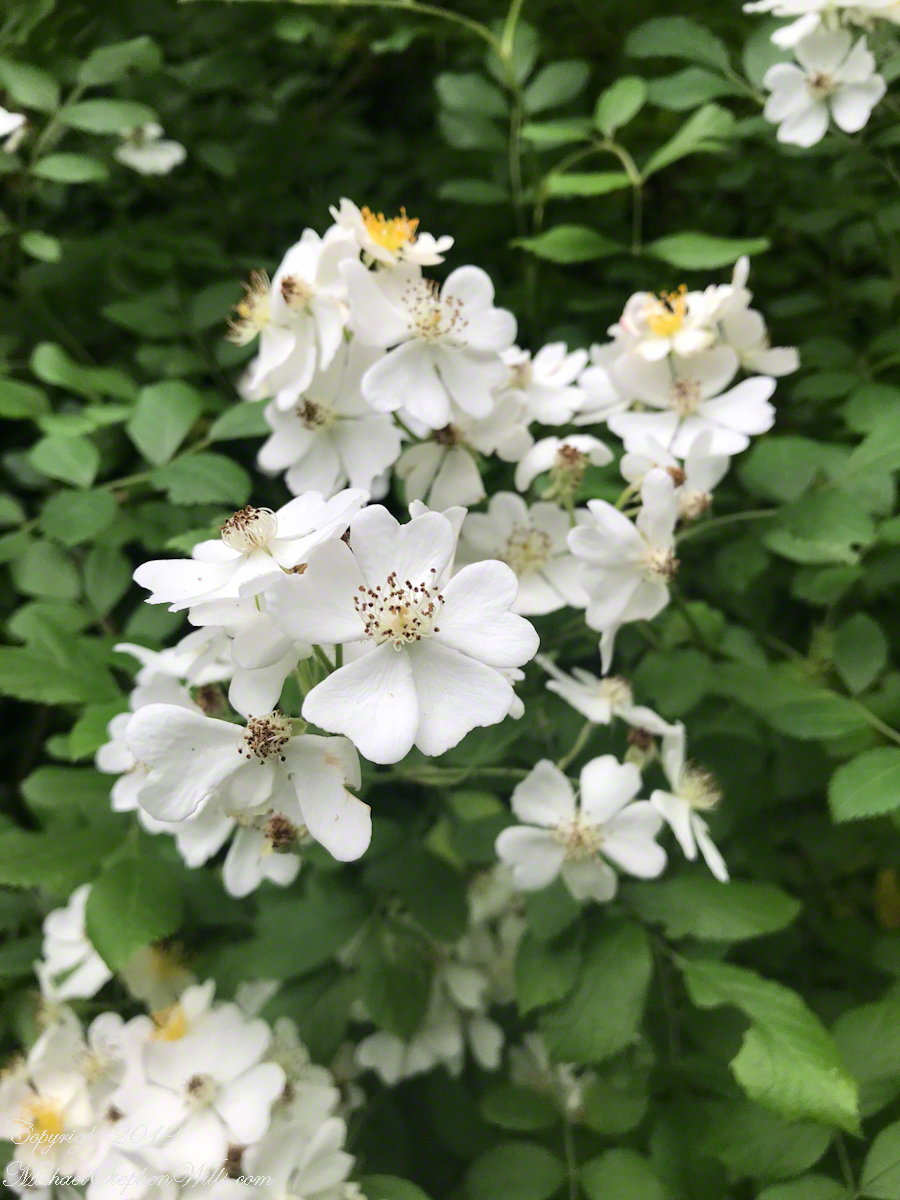
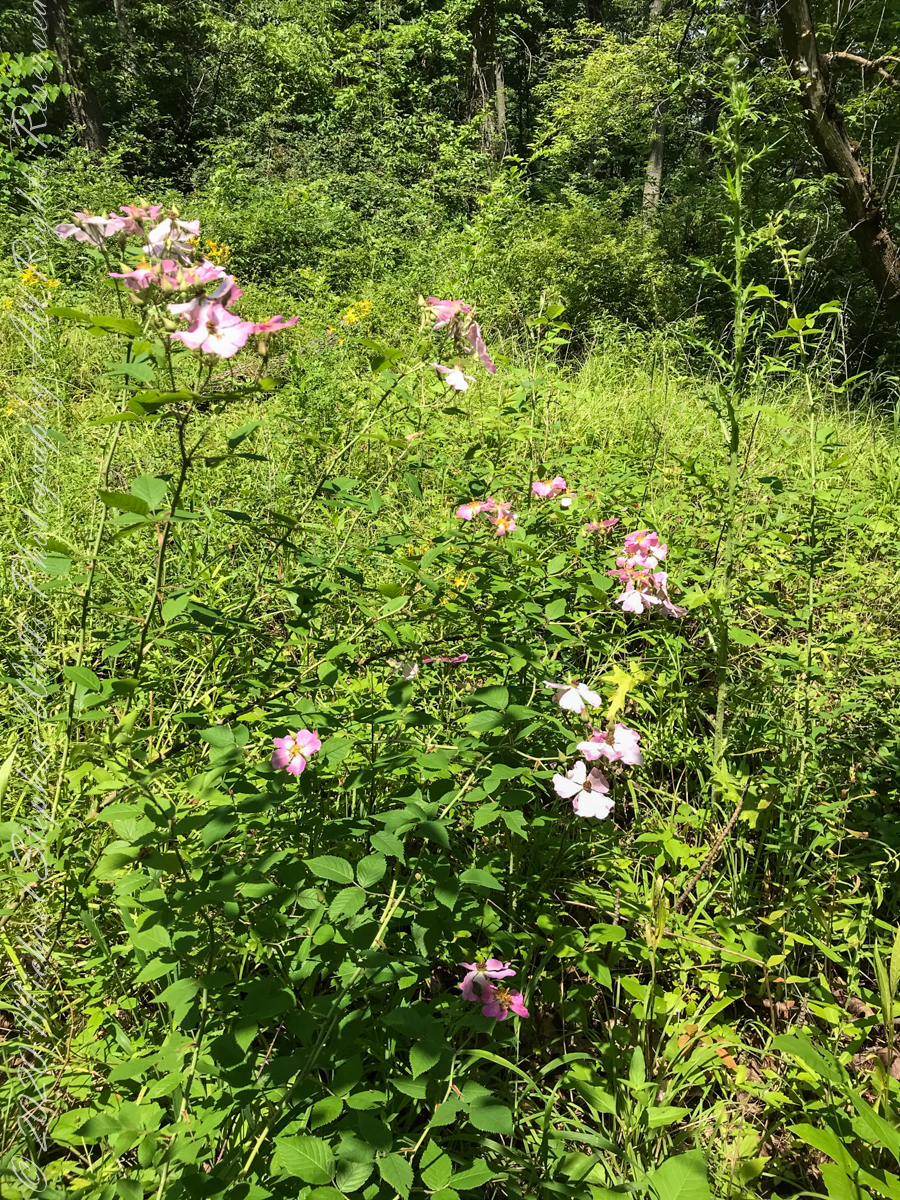
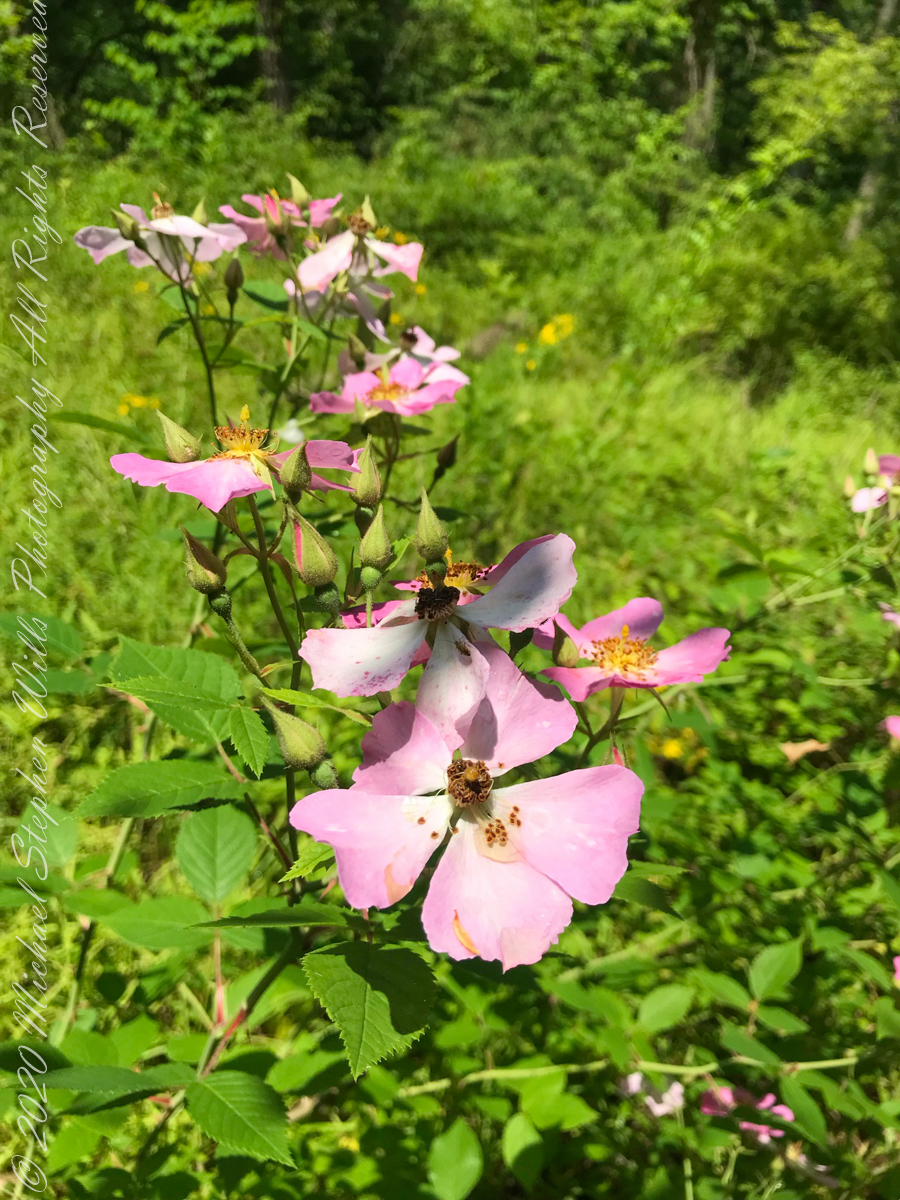
wild roses
Wild rose blooms
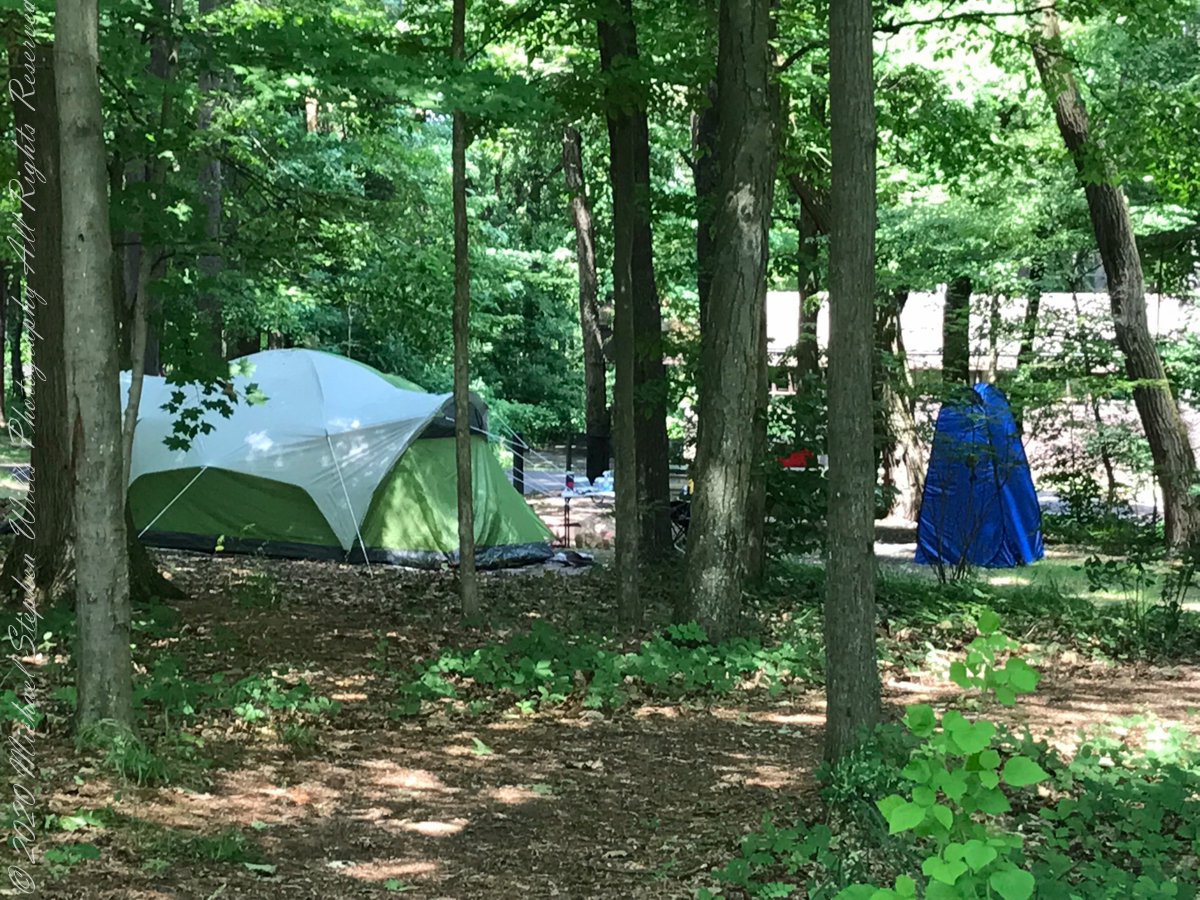
camping on North Rim
North Rim Gorge view
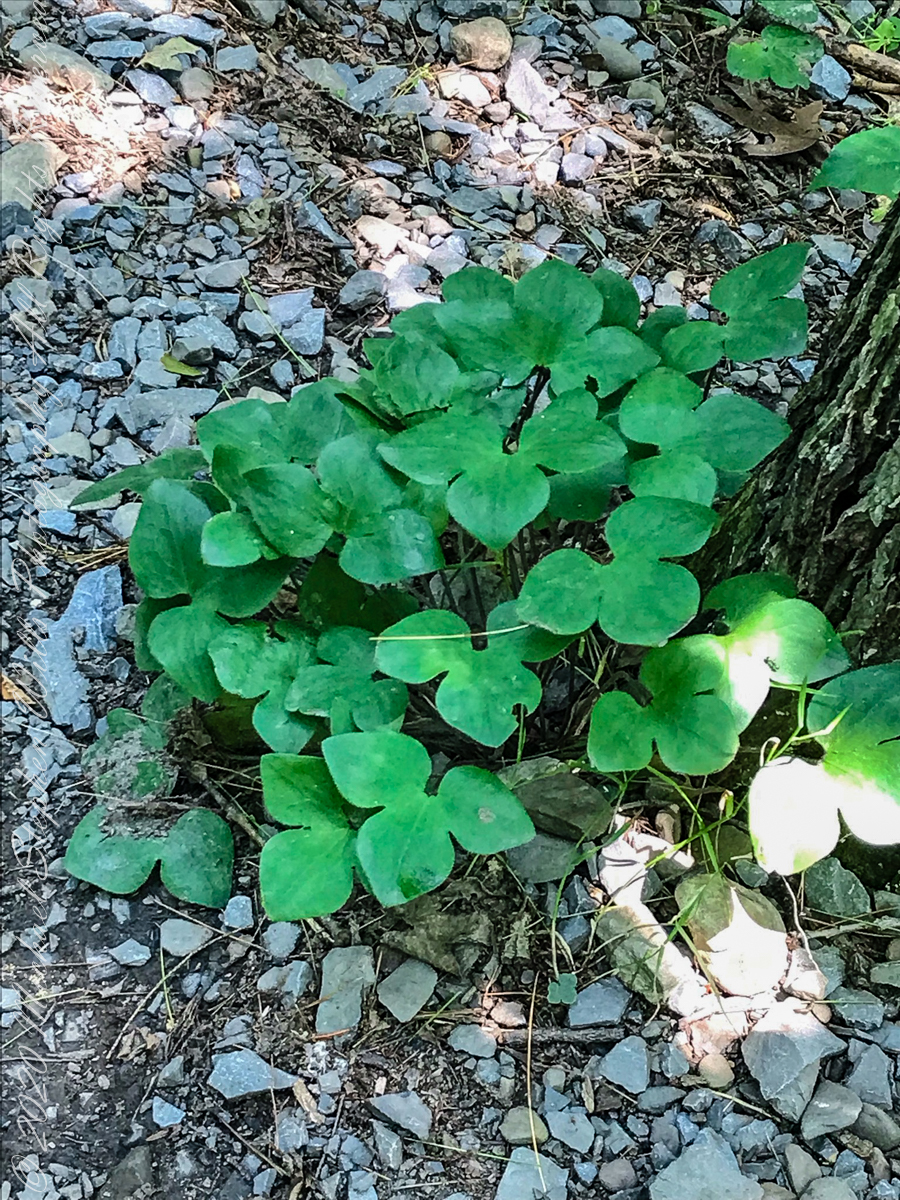
Lobe leaved Hepatica
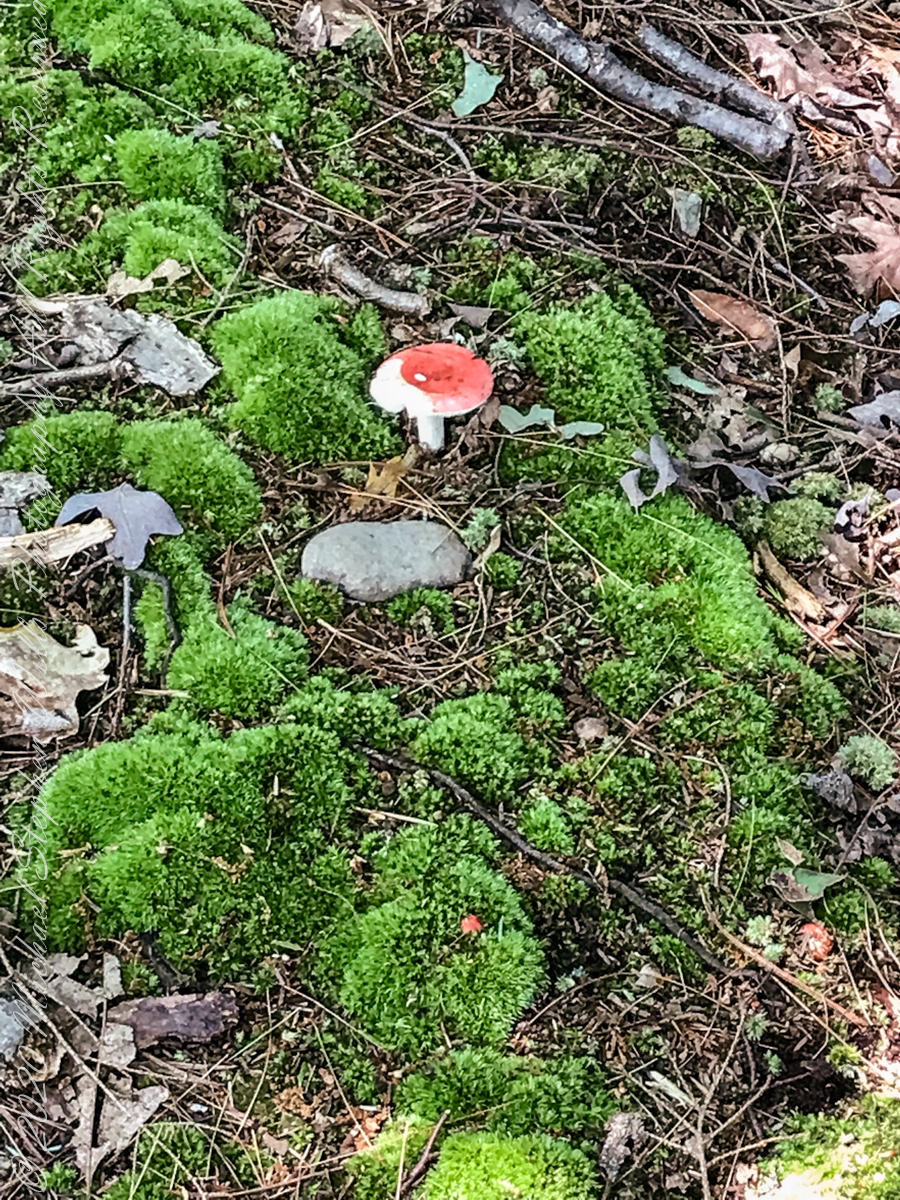
Mushroom and Moss on the “wetter” north rim
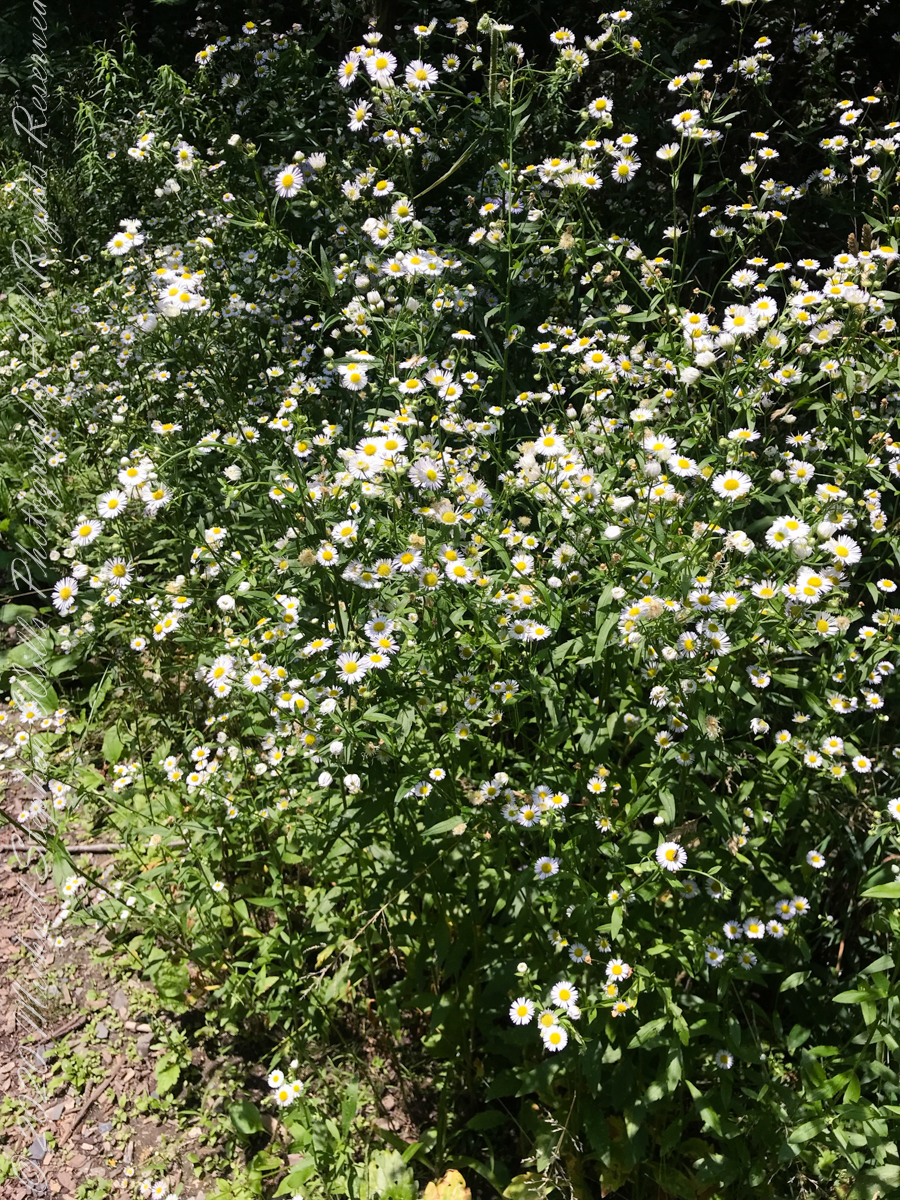
asters, an invasive species
The dramatic and virtually inaccessible gorge above Taughannock Falls
Click the “Watch on YouTube” for a larger format view and more information about each video.
Taughannock Falls Gorge on a humid summer morning
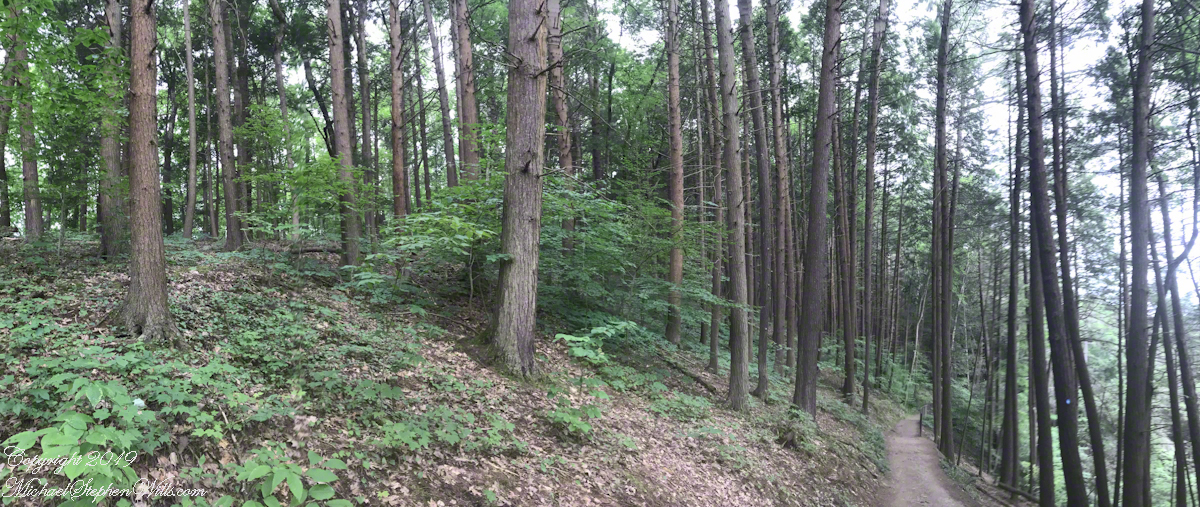
Hemlock Forest on South Rim Trail
Taughannock Falls Gorge from South Rim Trail
Taughannock Falls from South Rim trail
View of Taughannock Falls Gorge from the North Rim trail on a humid summer (July) morning. Turkey Vultures circle overhead…they are there most summer days.
View of the first waterfall of Taughannock Gorge from the railroad bridge linking the North and South Rim trails on a humid summer (July) morning. This large waterfall empties to the gorge above the 210+ foot Taughannock Falls.
Copyright 2021 All Rights Reserved Michael Stephen Wills
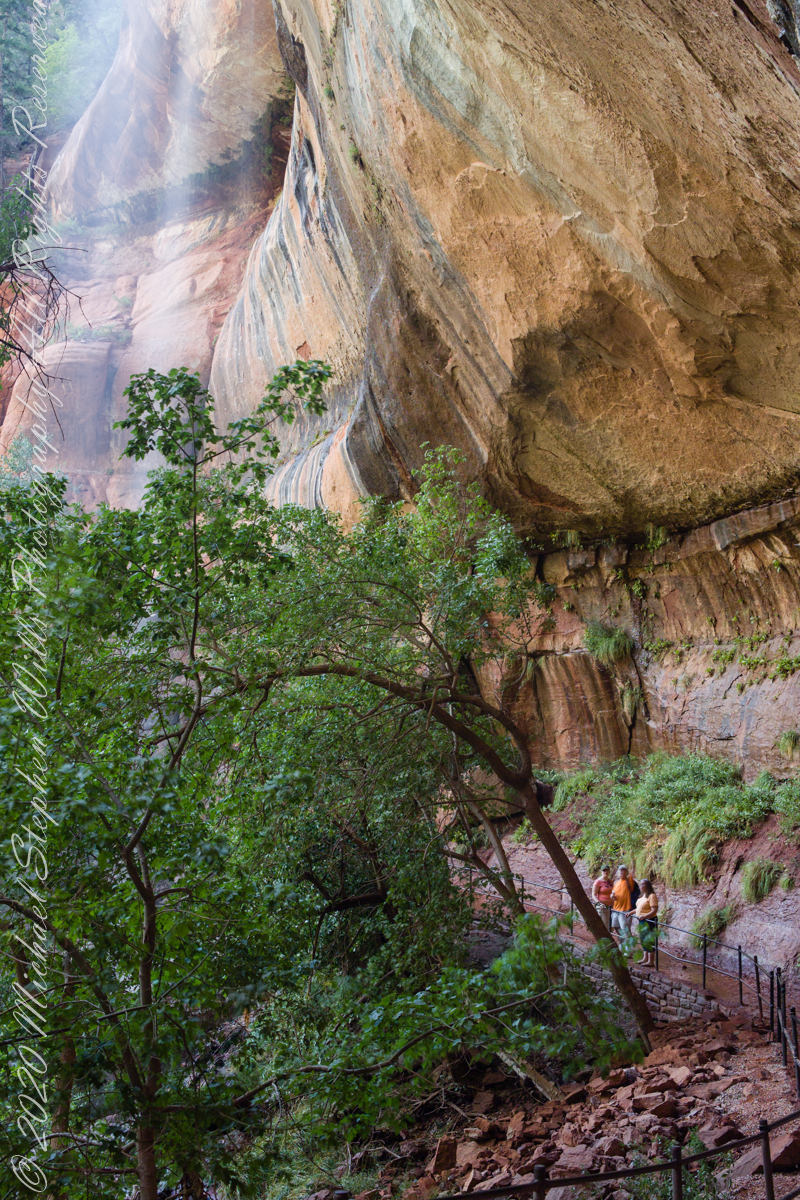
Effects of these dual waterfalls is deeply refreshing for the people on the narrow walkway underneath.
ISO 160, 1.3 sec at f/ 8.0
Photograph two of this Hanging Garden series has the aspect shifted slightly to include the sheer cliff hovering over the waterfalls. A low ISO and tamped down diaphragm (f/8) resulting in longer exposure (1.3 sec) impart a presence for two low volume waterfalls.
Captured with a Kodak DCS Pro SLE/c dslr and a Canon EF 50 mm f/1.4 lens stabilized with the Manfrotto Studio Tripod model 475 and the 468 Hydrostatic ball head.
Copyright 2021 Michael Stephen Wills All Rights Reserved
Visitors to Zion on a narrow path beneath this vast overhanging cliff of Navajo sandstone.
ISO 160, 0.8 sec at f/ 8.0
Changing the camera angle from the last “Hanging Garden” photograph, with visitors, here the visitors are less apparent, overawed by the waterfall. A low ISO and tamped down diaphragm (f/8) resulting in longer exposure (0.8 sec) captures and blurs just enough the fine waterfalls.
Captured with a Kodak DCS Pro SLE/c dslr and a Canon EF 50 mm f/1.4 lens stabilized with the Manfrotto Studio Tripod model 475 and the 468 Hydrostatic ball head.
Copyright 2021 Michael Stephen Wills All Rights Reserved
Visitors enjoying a waterfall mist (upper left) in the summer desert heat.
ISO 160, 1.3 sec at f/ 8.0
Notice a combination of low ISO and tamped down diaphragm (f/8) resulting in longer exposure (1.3 sec) has the facial features of two visitors blurred, the third was transfixed by the experience of Zion Hanging Gardens.
The header photograph is myself, at work beneath Zion cliffs, taken by Pamela Wills.
Captured with a Kodak DCS Pro SLE/c dslr and a Canon EF 50 mm f/1.4 lens stabilized with the Manfrotto Studio Tripod model 475 and the 468 Hydrostatic ball head.
Copyright 2021 Michael Stephen Wills All Rights Reserved
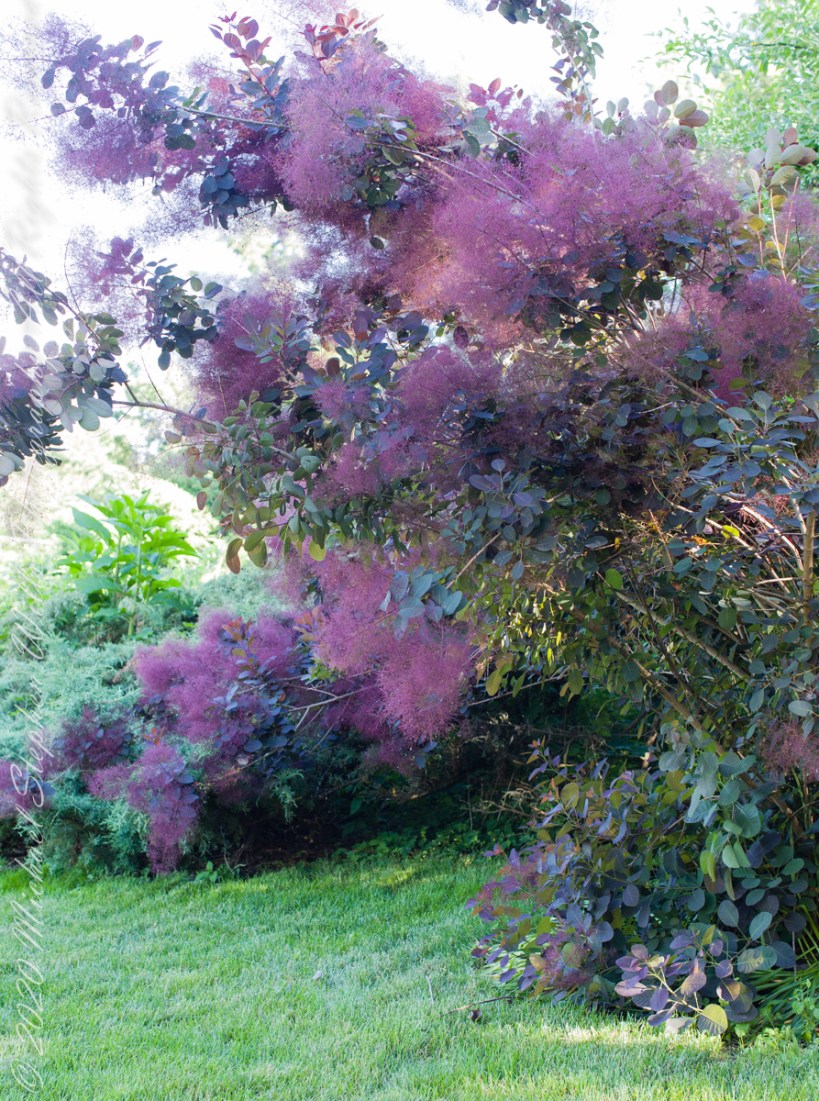
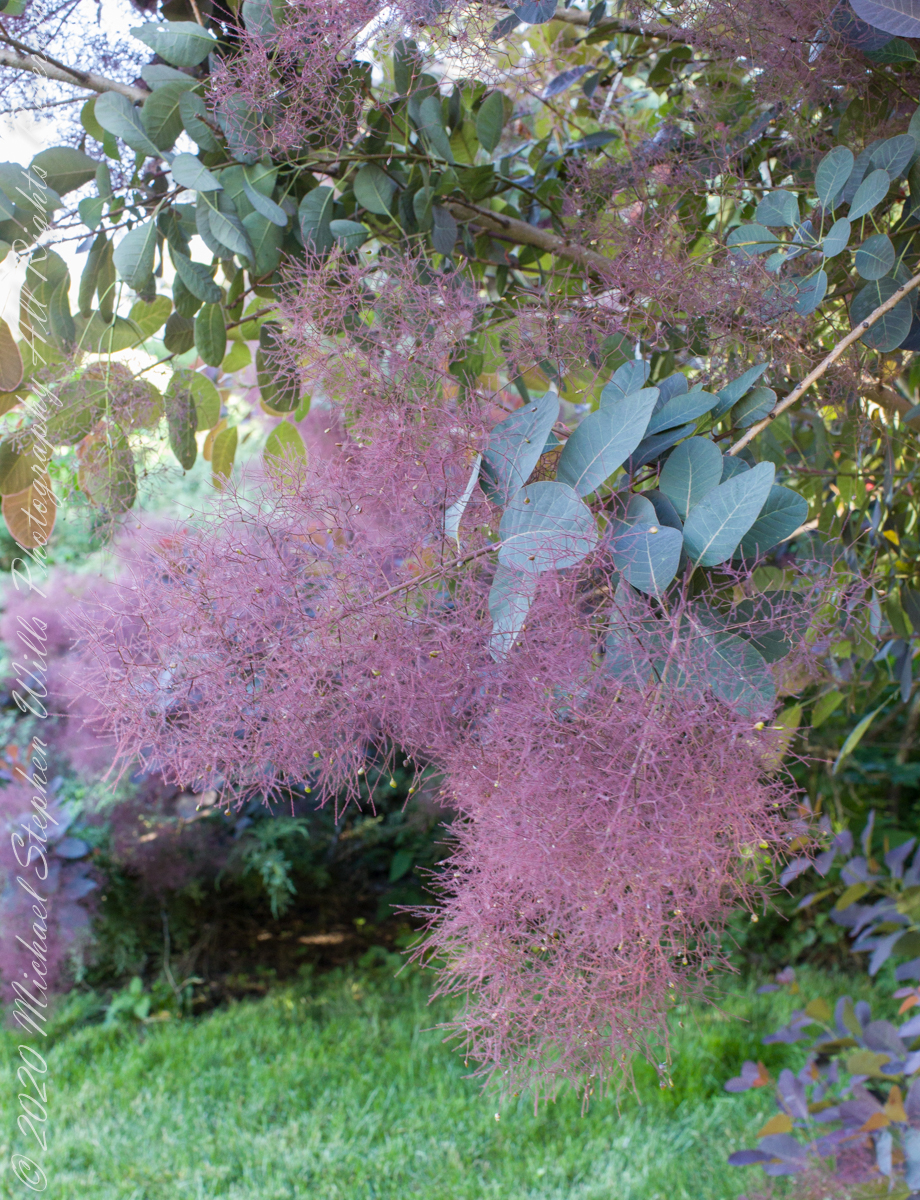
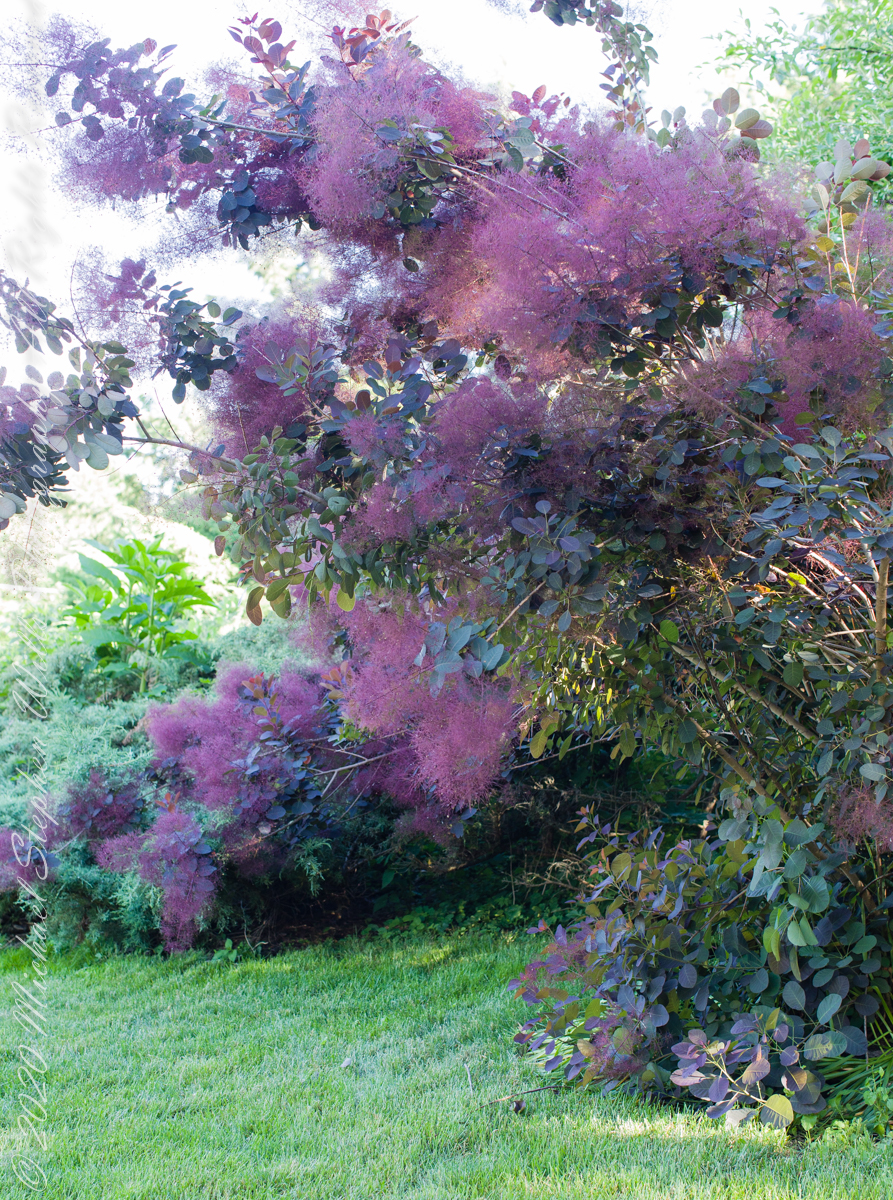
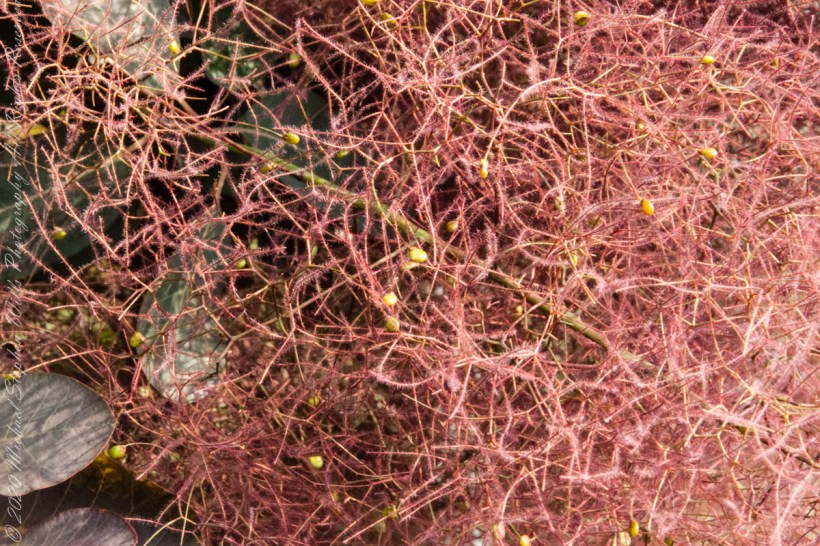
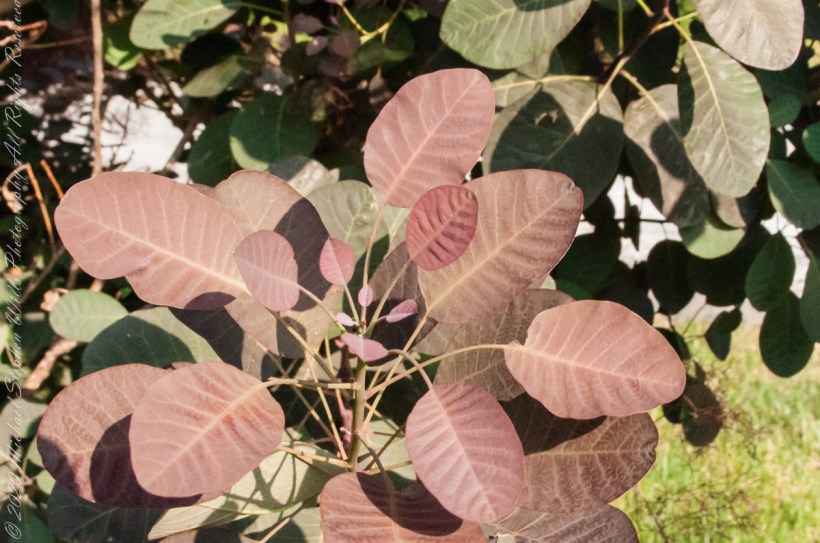
Three species of the genus Cotinus, commonly called “Smoke Tree,”in the family Anacardiaceae exist in North America, Europe and Asia. Ours is more like a shrub with numerous, long branches. Flowers with profuse filaments in clusters resembling whiffs of smoke. Here we see the flower filaments, interspersed with small drupes, each containing a single seed.
ISO 2500, 1/40 sec at f/13
The post header, and these photographs were made from the Canon EOS 5D Mark IV, Canon Lens EF 50mm f/1.2L USM stabilized with a Manfrotto 468ZMZ tripod with hydrostatic head. Late afternoons, evenings the tree is shaded by a hemlock hedge (line of trees running north/south) this is the shade here. This Canonn dslr excels in color rendition. The flower masses are a burgundy wine color, the leaves have a purple tinge. I do not directly fertilize, as the plant is said to do best with unfertile soil though the surrounding cedars do get fertilizer stakes.
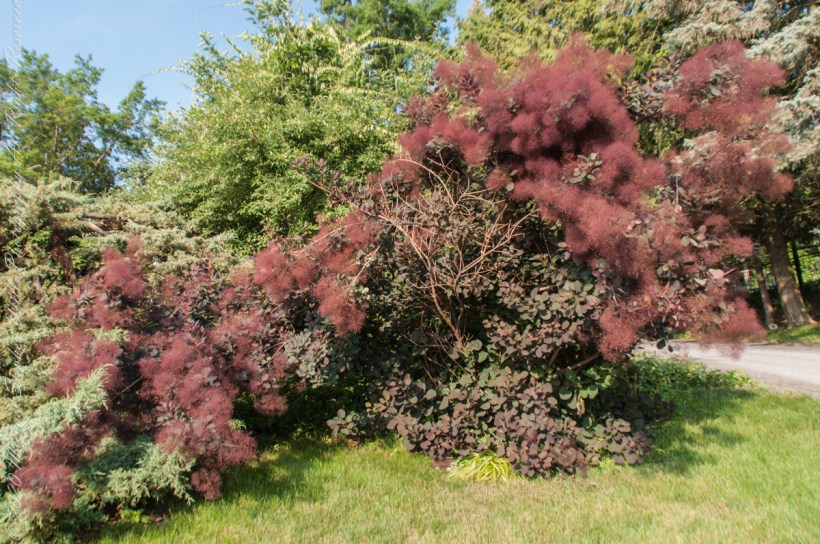
ISO 800, 1/125 sec at f/5.0
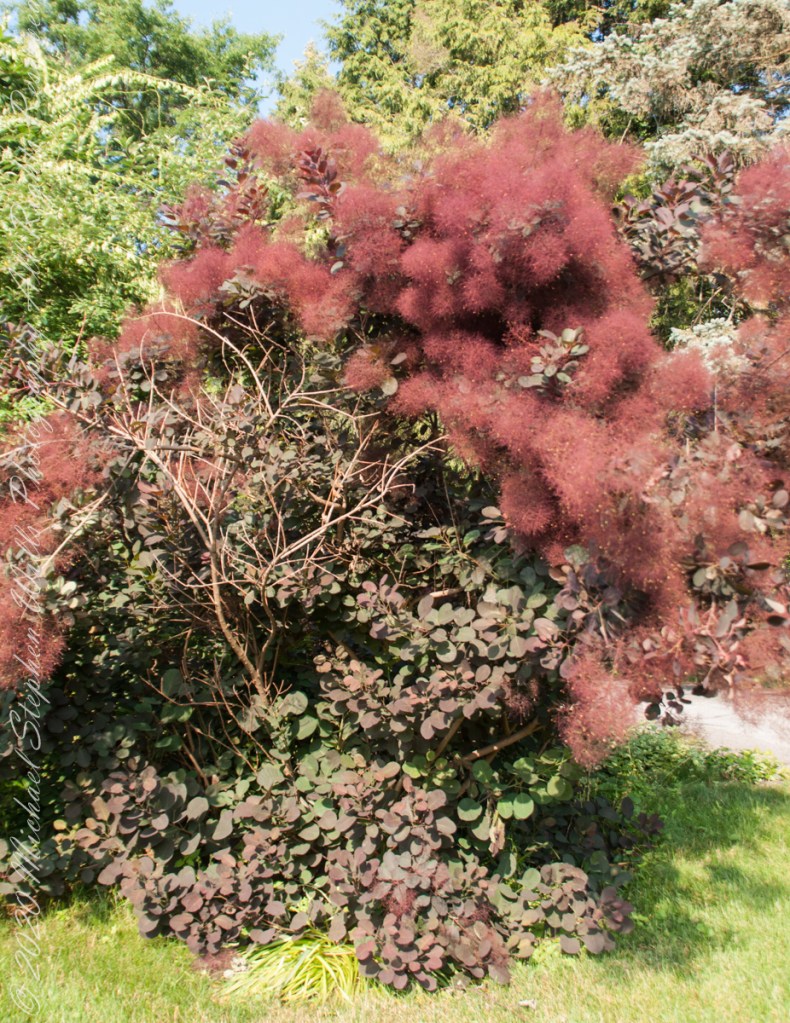
Eight AM a following morning I followed up with a handheld session using a Sony DSLR-Alpha700, Sony Lens DT 18-200 mm F3.5-6.5. Took these two shots with a lower ISO and tweaked the images in Lightroom, reducing the exposure. The flower smoky effect is well captured, the color in bright sunlight is not as wine-like as in shade.
ISO 200, 1/250 sec at f/5.0
ISO 200, 1/200 sec at f/5.6
By the time I proceeded to macros, a morning breeze kicked up, handled by upping the ISO to 3200 for a faster shutter speed to stop the movement. The bright sun helped with this.
Fertilized flowers develop into fruit stalks with radiating filaments, the yellow dots are the drupes (fleshy bodies surrounding a single seed). Fresh leaves are purple, turning to dark green with age. The leaves are as unusual as the flowers: aromatic, simple and round on long stalks. Autumn, the leaves turn a stunning bright red-orange, a scarlet shade. In winter some stalks die off, new growth appears from the roots in spring.
Flower Filaments with drupes. ISO 3200, 1/100 sec at f20
New leaves with aged in background, ISO 3200, 1/320 sec at f20
References
“The Botanical Garden Vol 1 Trees and Shrubs”, Roger Phillips and Martyn Rix, Firefly Books, Buffalo NY, 2000, p 361
Wikipedia, “Smoke Tree”
Copyright 2021 Michael Stephen Wills All Rights Reserved
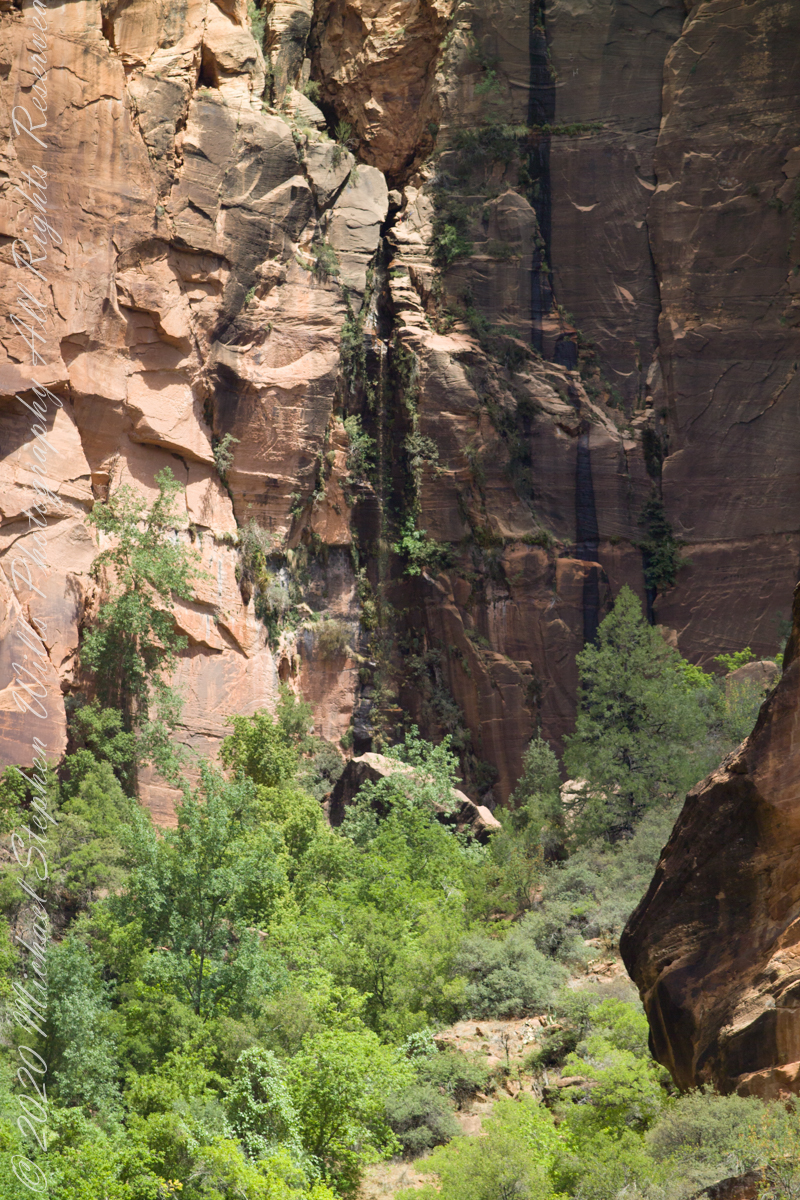
The first photograph is the myriad fractures within the Zion Navajo sandstone, hidden water transits from rainfall miles away.
ISO 250, 1/8 sec at f/22
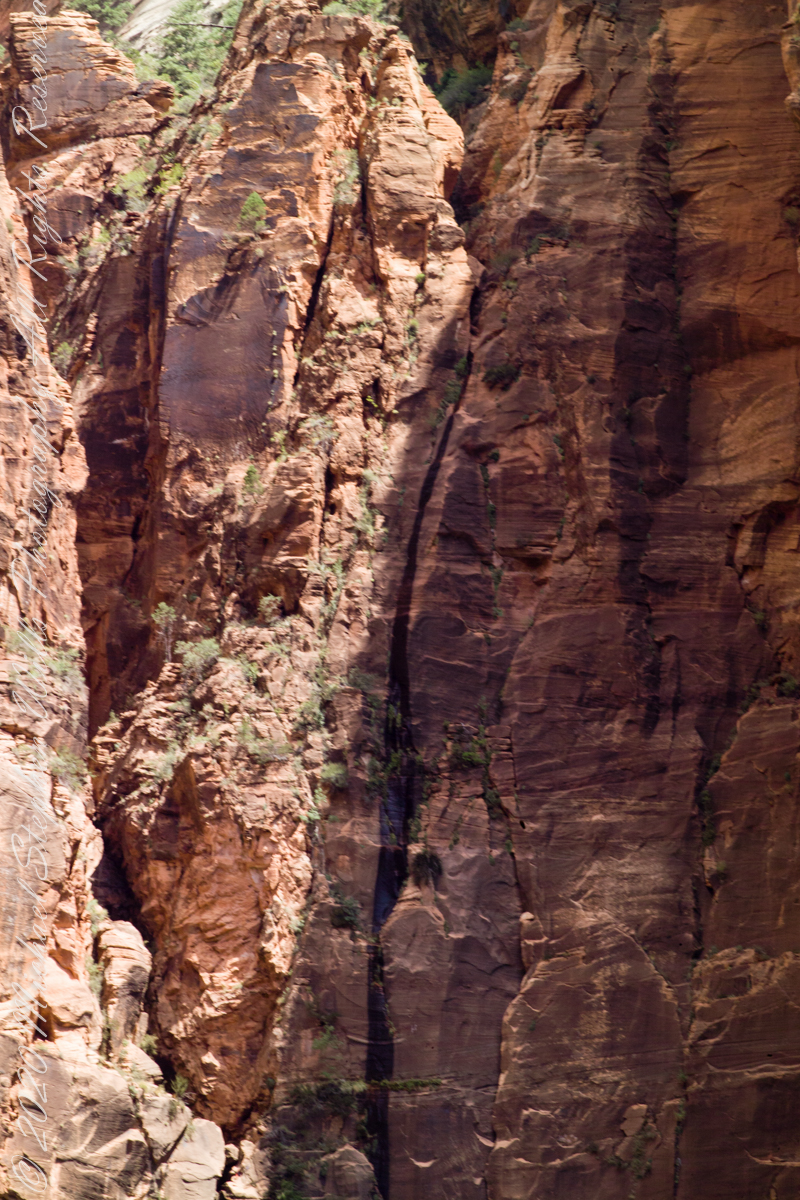
The second photograph, water emerging as a blessed sacrament, bestowal of life nourishing wildflowers, ferns, mosses, trees.
ISO 250, 1/320 sec at f/4.0
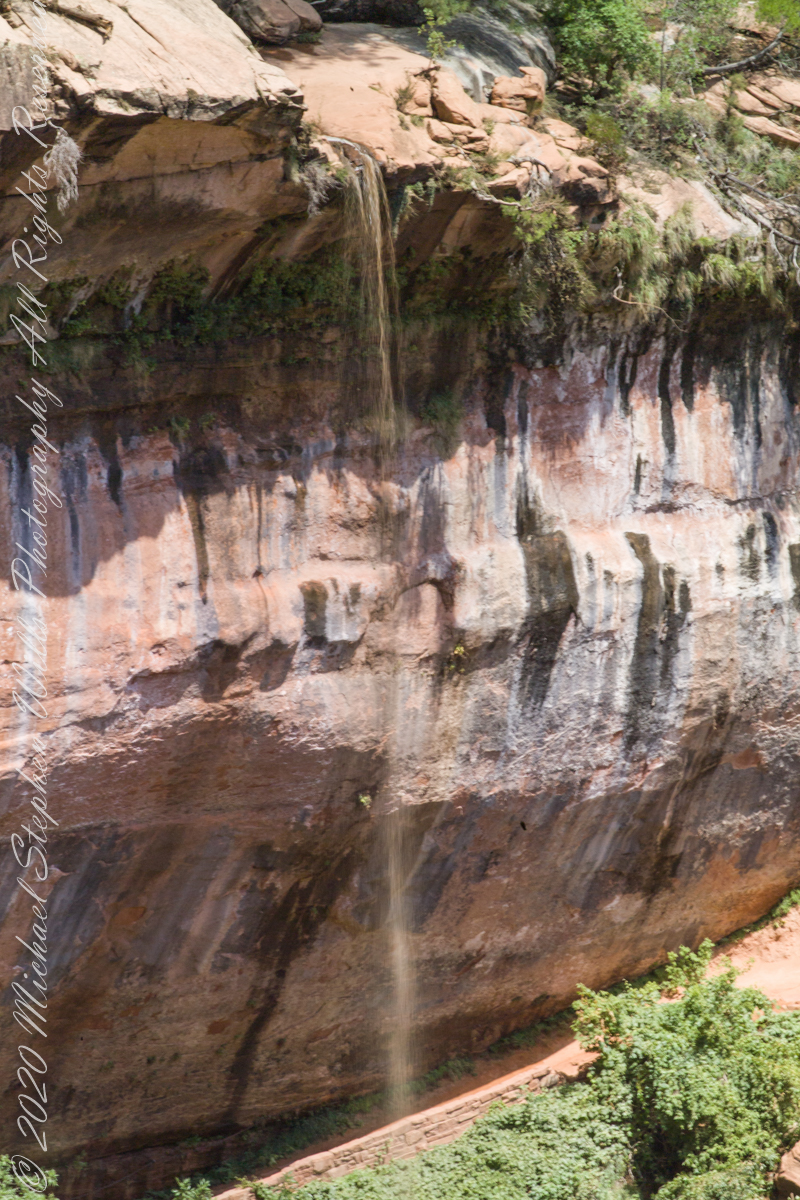
For this third photograph the first two were merged in photoshop for a revelation. I did not take time to smooth the transition, visible as a line. I graduated from this merge technique with the purchase of a wide angle (24 mm) lens. It is so difficult to organize all the angles and exposures, plus time to bring it together.
All photographs from the Kodak DSC Pro SLR/c, Canon Lens EF 200mm 1:2.8 L II stabilized via a Manfrotto 468MG with Hydrostatic Ball Head.
Can you spot the foot path?
Here is a gallery of the three photographs, to flip back and forth.
Copyright 2021 Michael Stephen Wills All Rights Reserved
“Water seeping out of the Navajo sandstone creates tranquil springs and the unique “hanging gardens” for which Zion is famous, full of ferns, wildflowers, and mosses.”
ISO 250, 1/6 sec at f/22
Here are three exposures of the same scene.
ISO 250, 1/4 sec at f/22
Click on an image for a closer view.
ISO 250, 1/13 sec at f/22
Can you spot the foot path?
Here is a gallery of the three photographs, to flip back and forth. the primary difference is the exposure within the shadow under the projecting cliff face.
ISO 250, 1/6 sec at f/22
ISO 250, 1/4 sec at f/22
ISO 250, 1/13 sec at f/22
Copyright 2021 Michael Stephen Wills All Rights Reserved