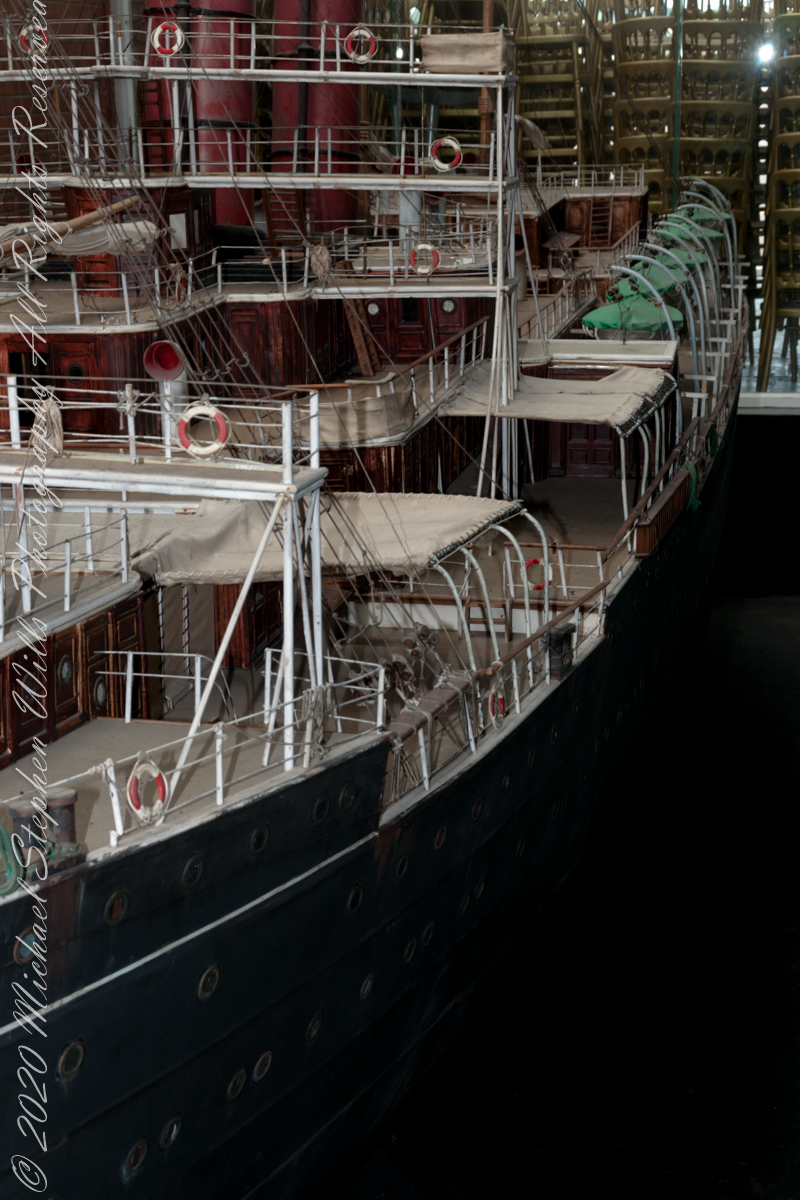
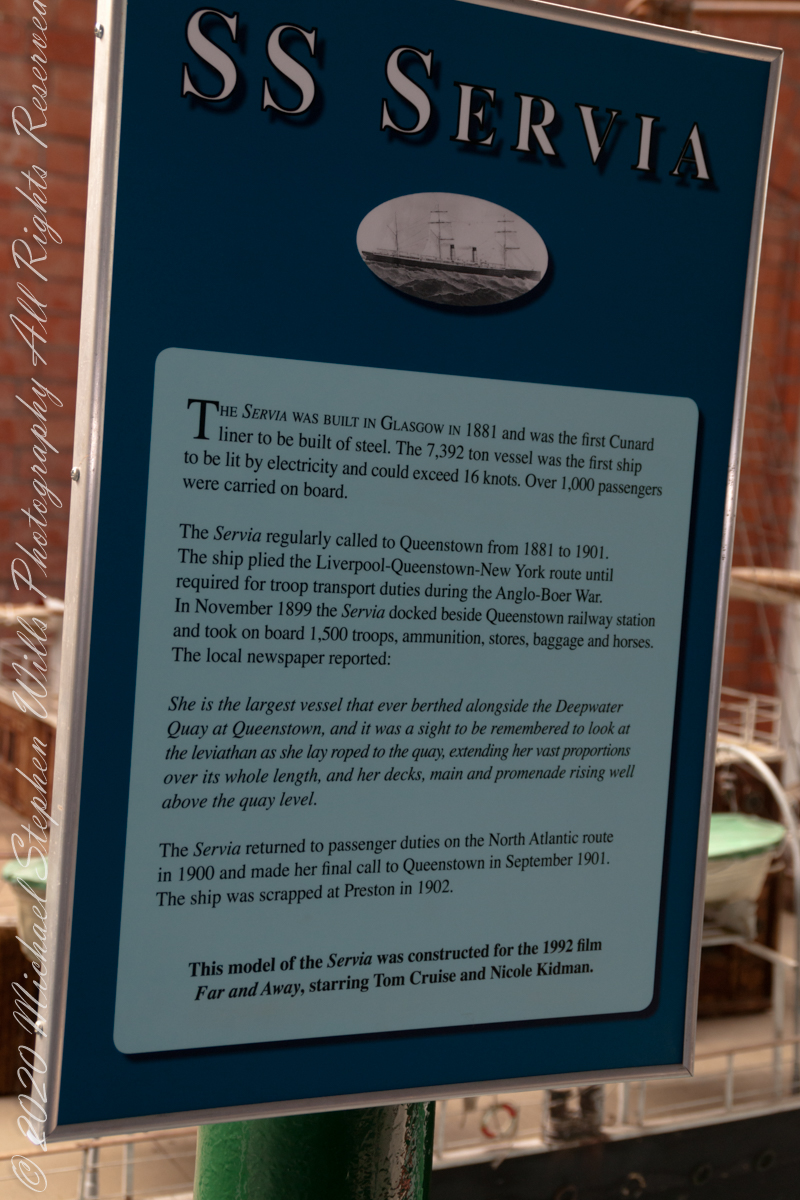
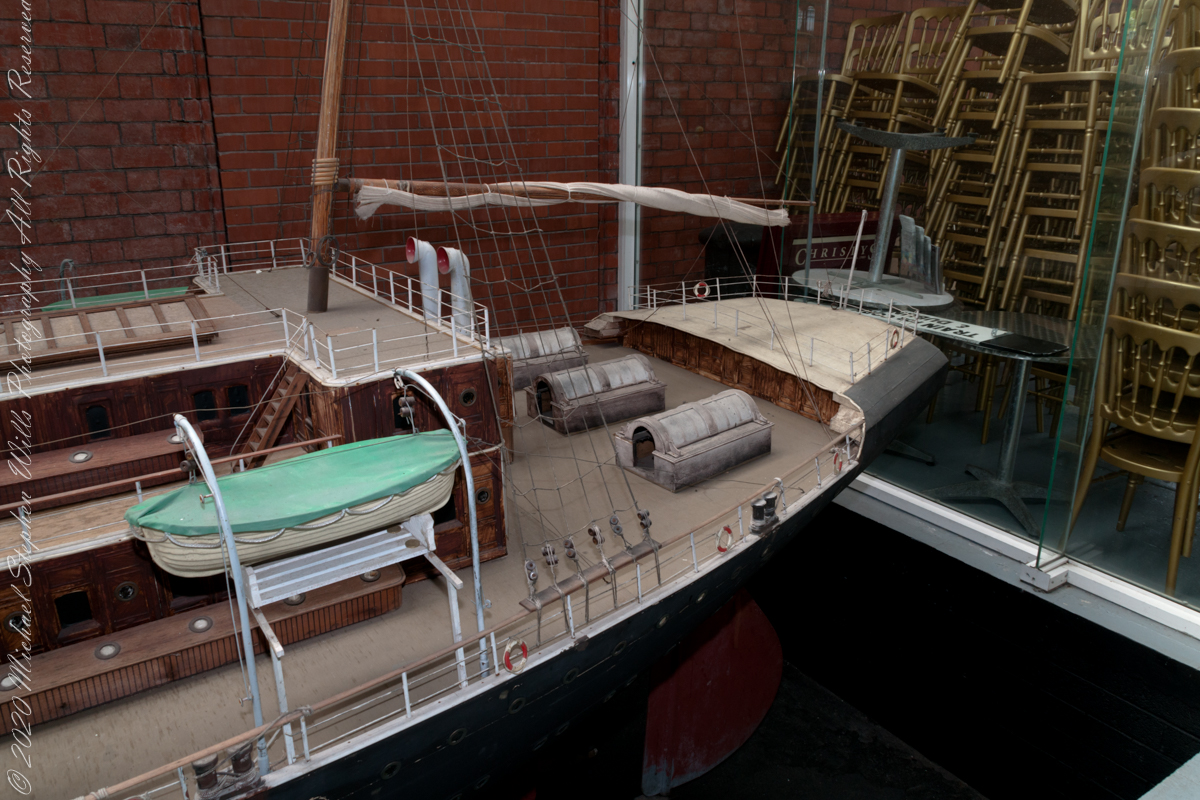
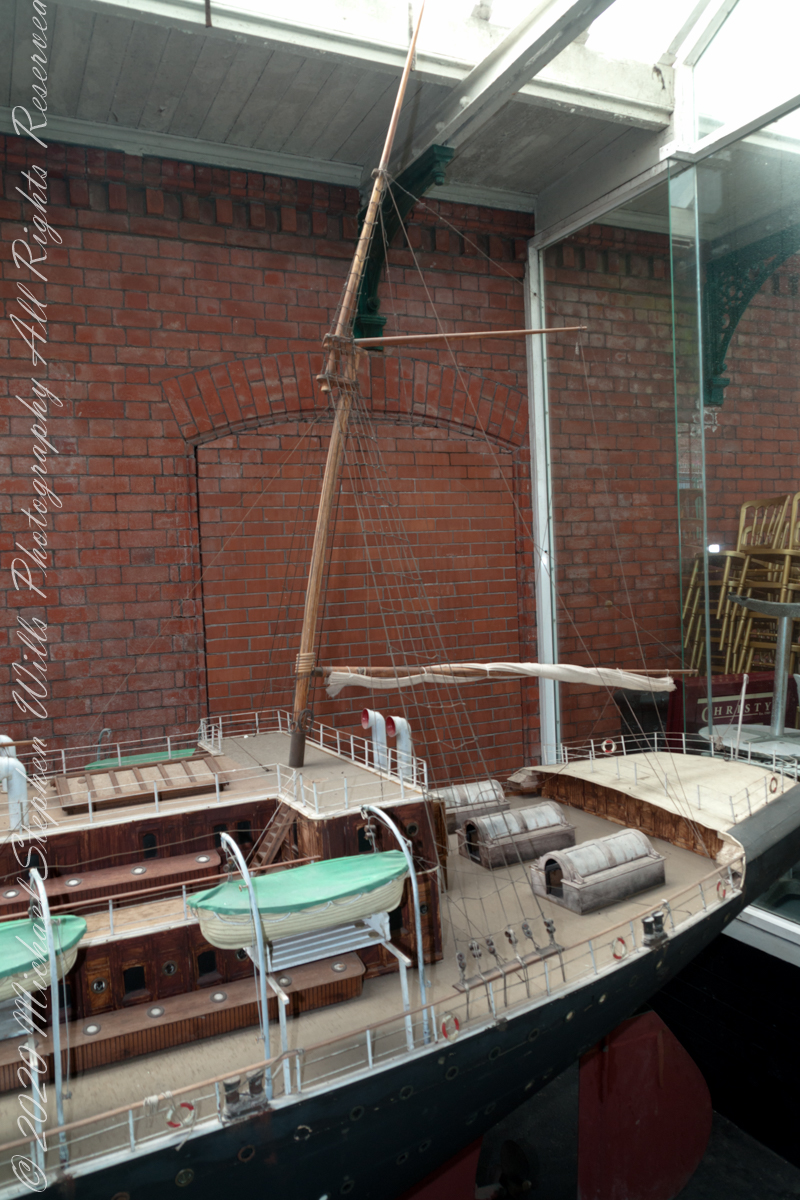
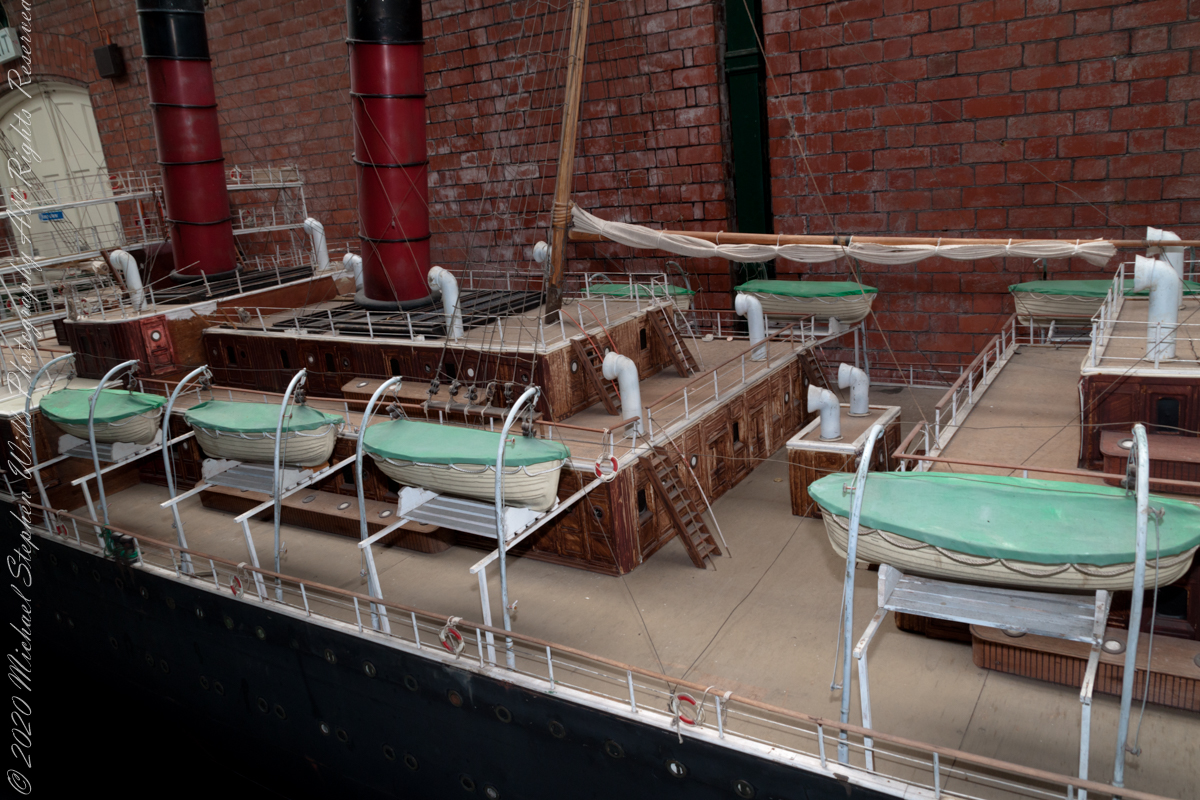
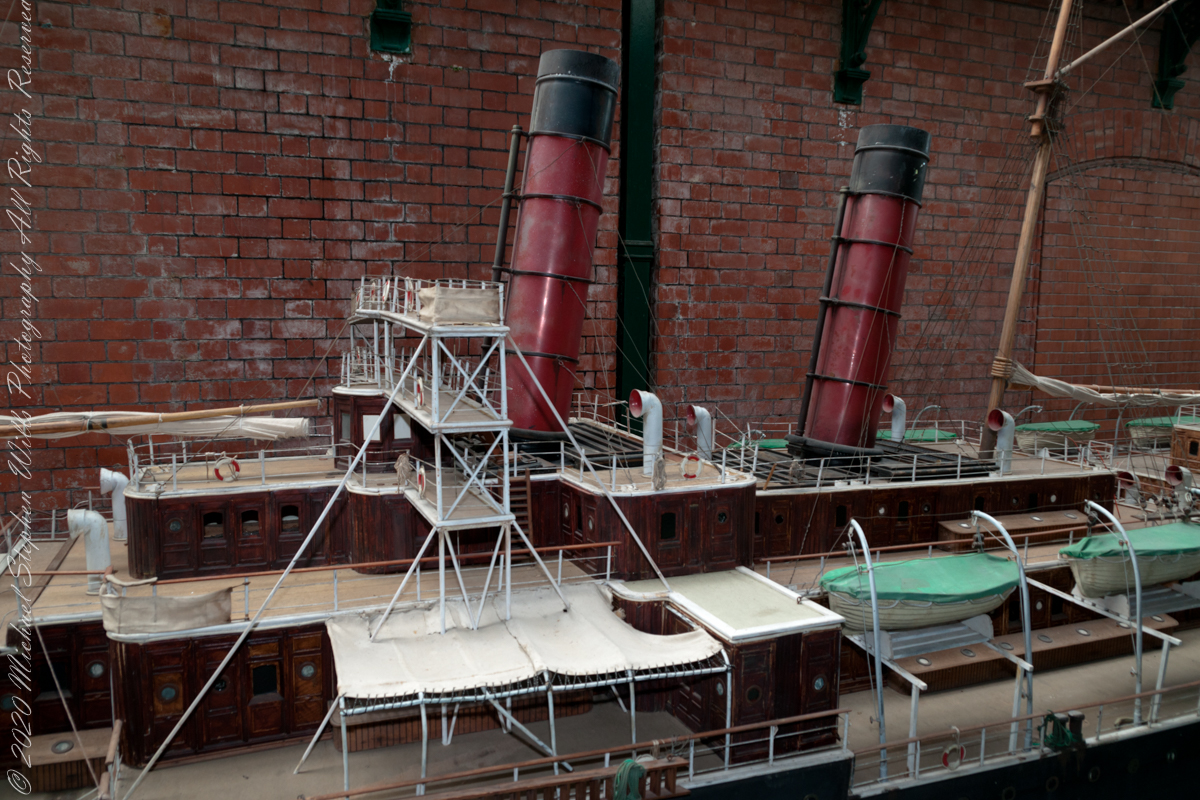
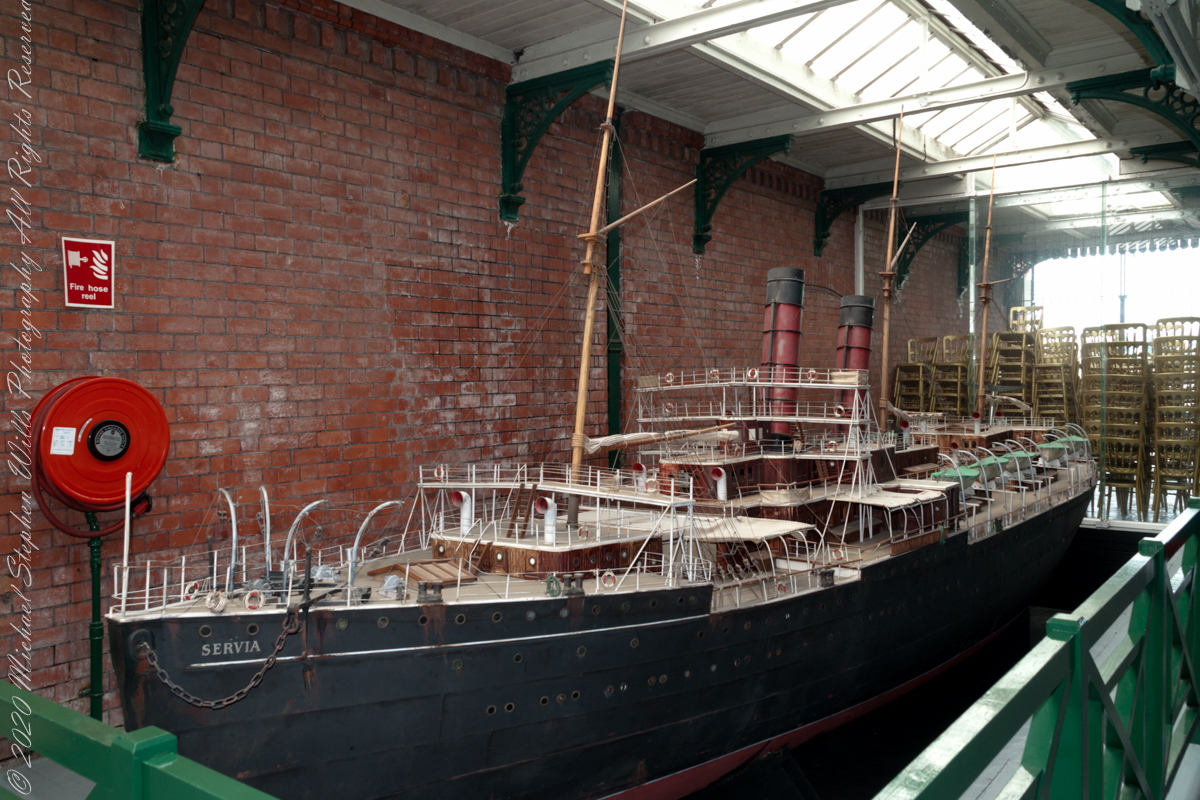
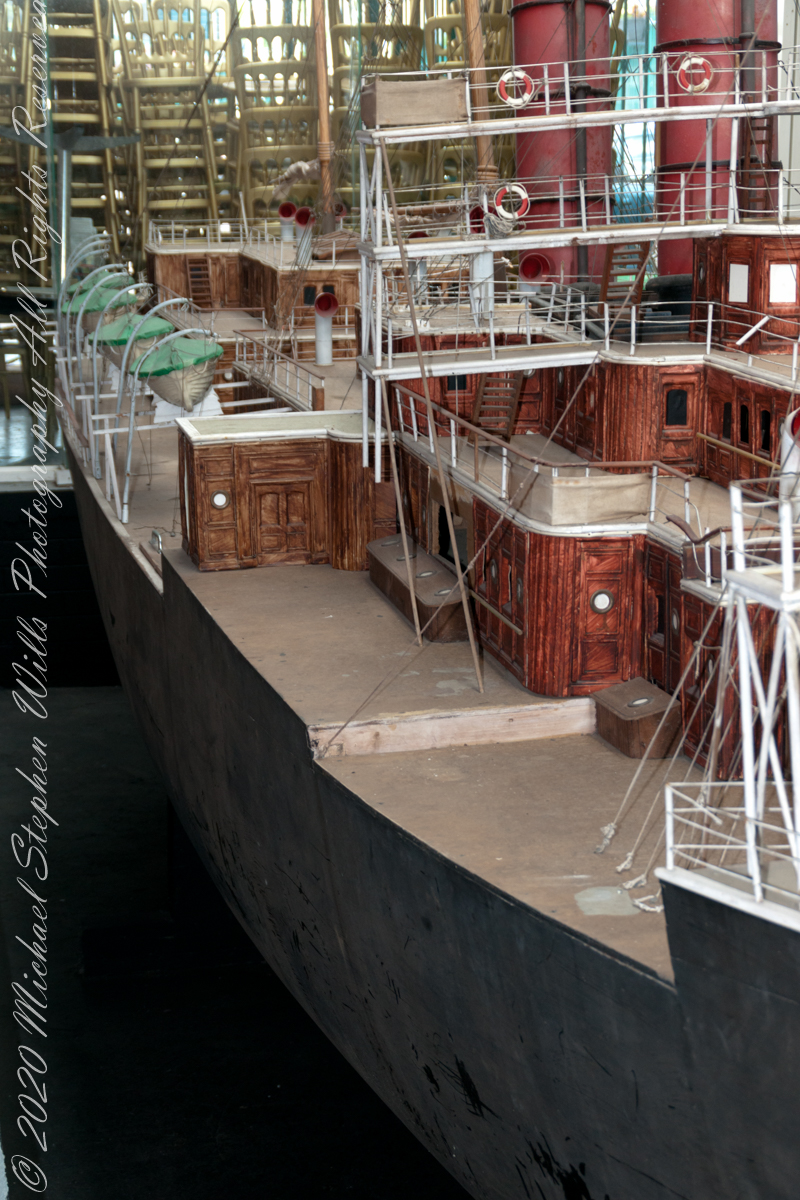
Nothing so grand as the SS (or HMS) Servia carried my ancestors from Ireland to America. This ship model, created for the 1992 film “Far and Away” is on display within Cobh Heritage Center. Said by some to be the first true transatlantic ocean liner. Launched in 1881 as luxury transportation by the Cunard Line of today’s Queen Mary. Last year, we enjoyed the arrival of Cunard’s Queen Victoria to Cape Canaveral. (Click the link for my blog of the event, one of the last cruise ships to sale during the pandemic of 2020).
It is notable the model played a small role in the film, yet is an incredible accomplishment. By the way, from 1849 to 1920 Cobh was known as “Queenstown” in honor of a visit by Queen Victoria. The Irish Free State returned the name to the original.
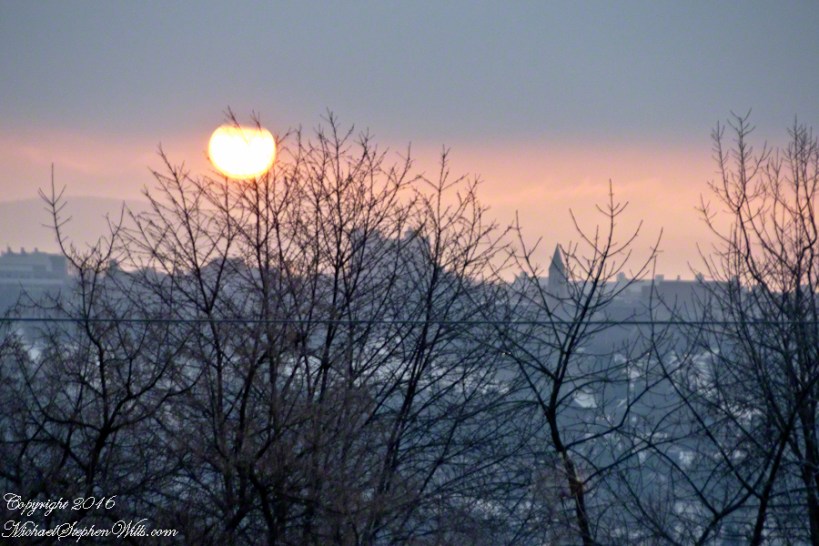
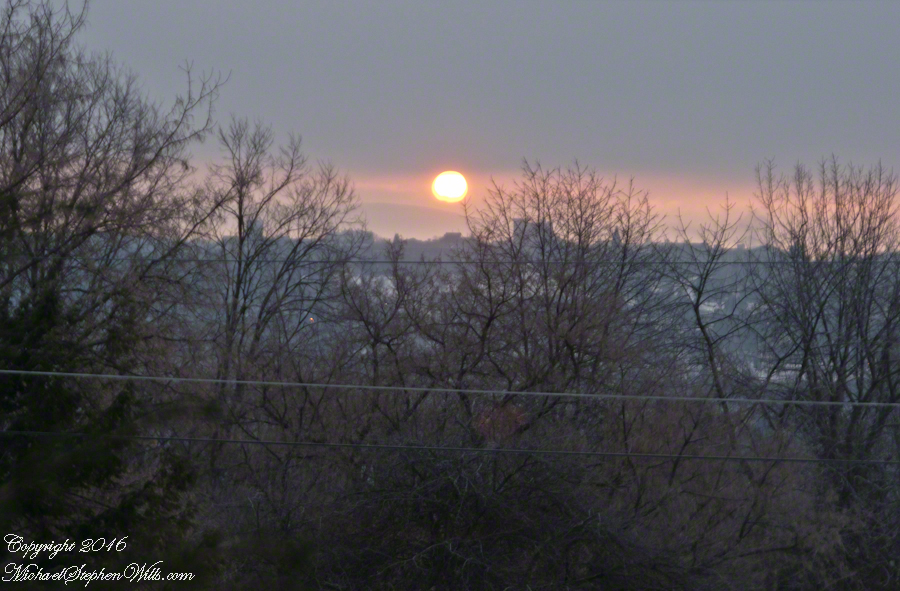
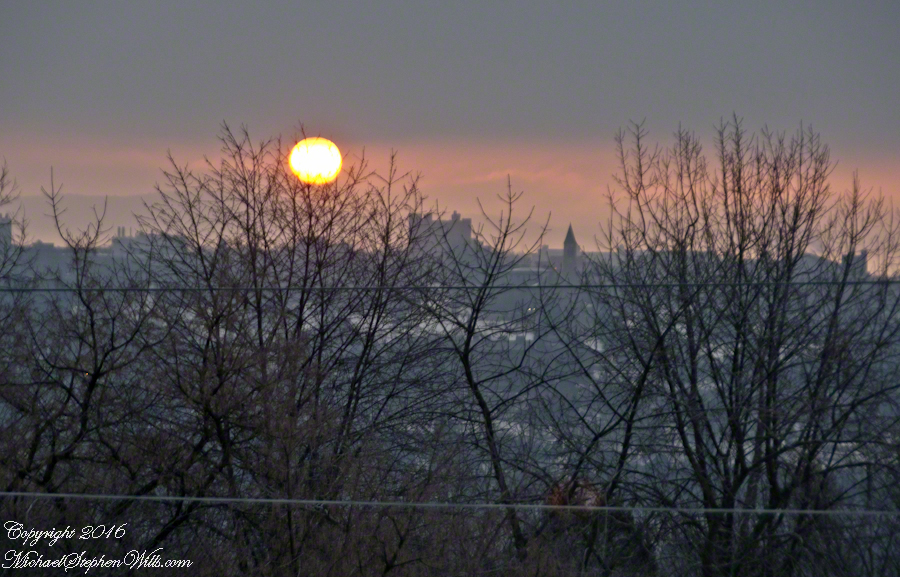
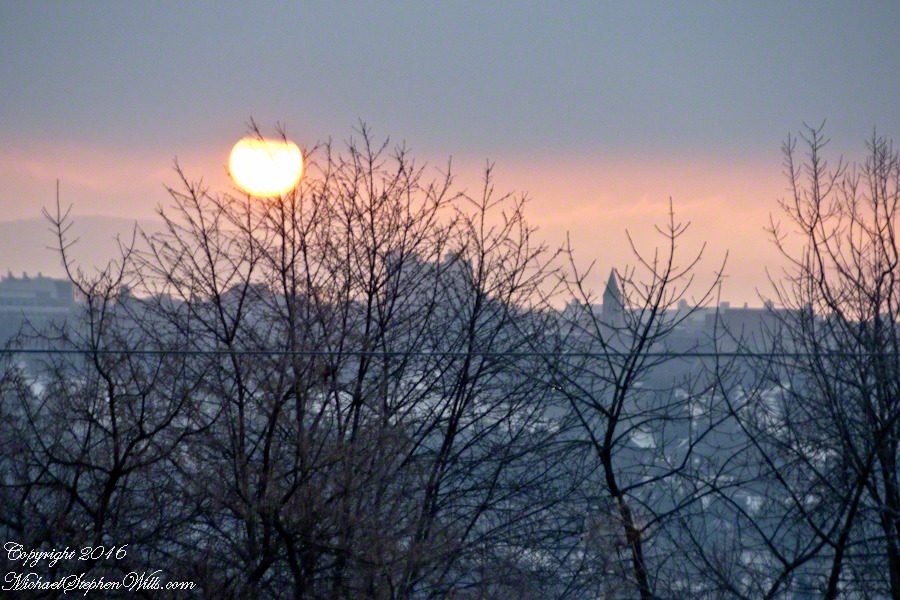
On this spring equinox morning a huge sun, filtered by morning clouds, hangs over East Hill and Cornell University. Taken from our home on West Hill, looking across the valley and Ithaca, New York.
The temperature is a balmy 18 degrees F.
Click the pic to visit my online gallery
Can you pick out these Cornell landmarks? — Jenny McGraw Tower — Lib Slope still covered in snow from last week’s storm. — the looming fortress shape of Bradford Hall.
Copyright 2021 All Rights Reserved Michael Stephen Wills
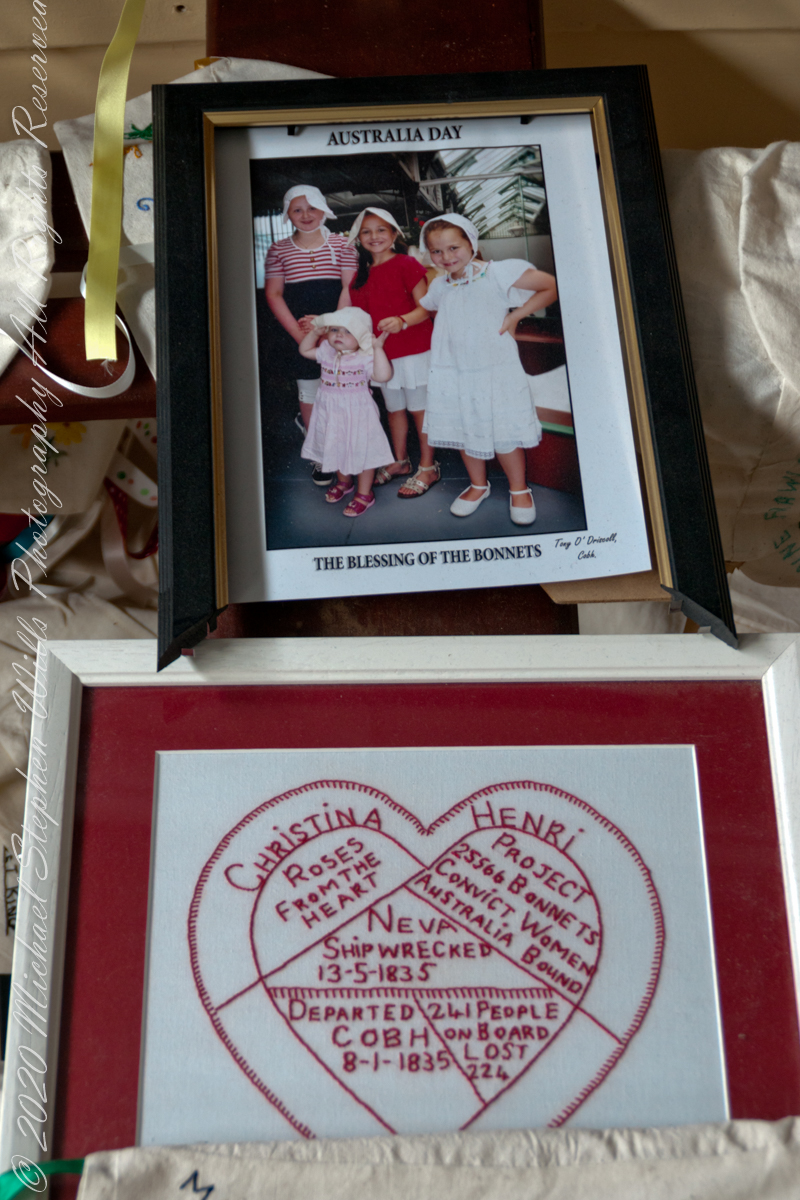
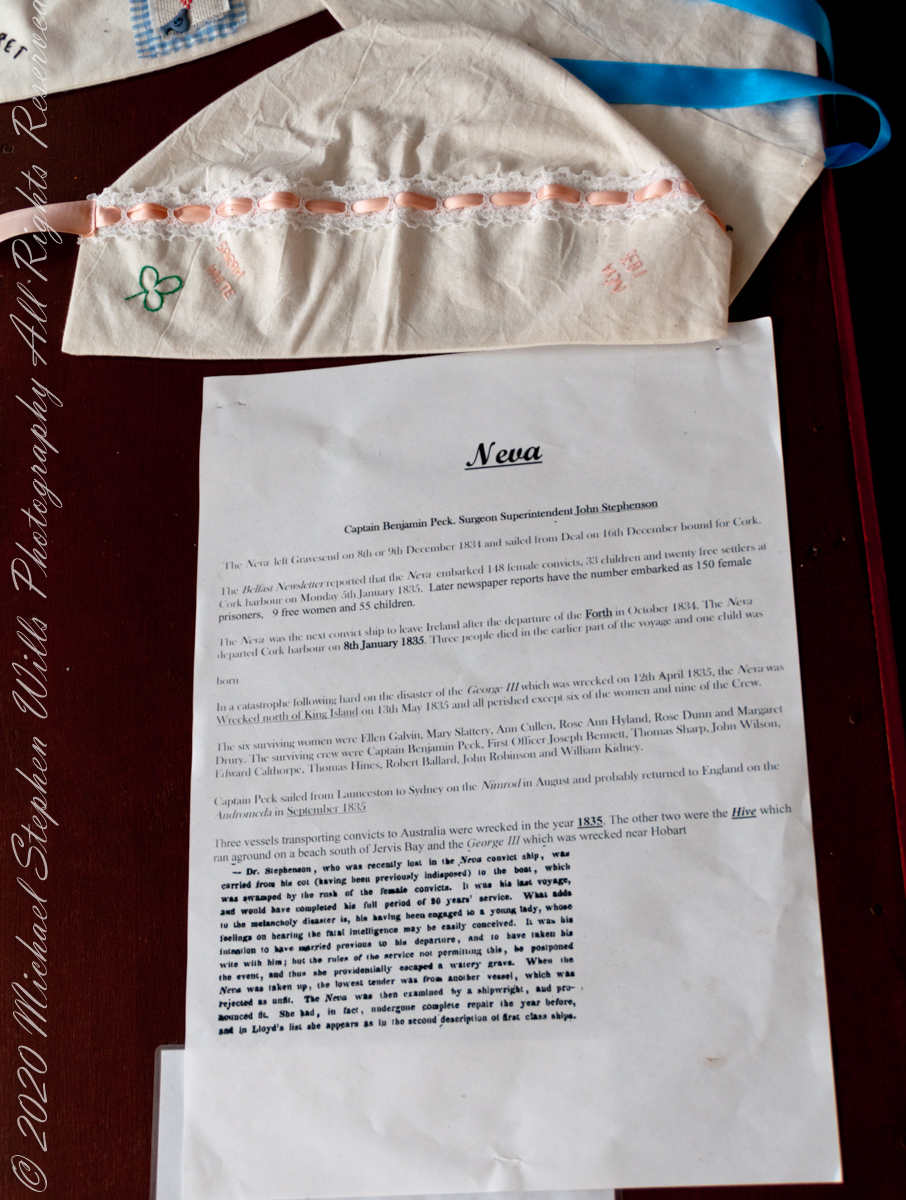
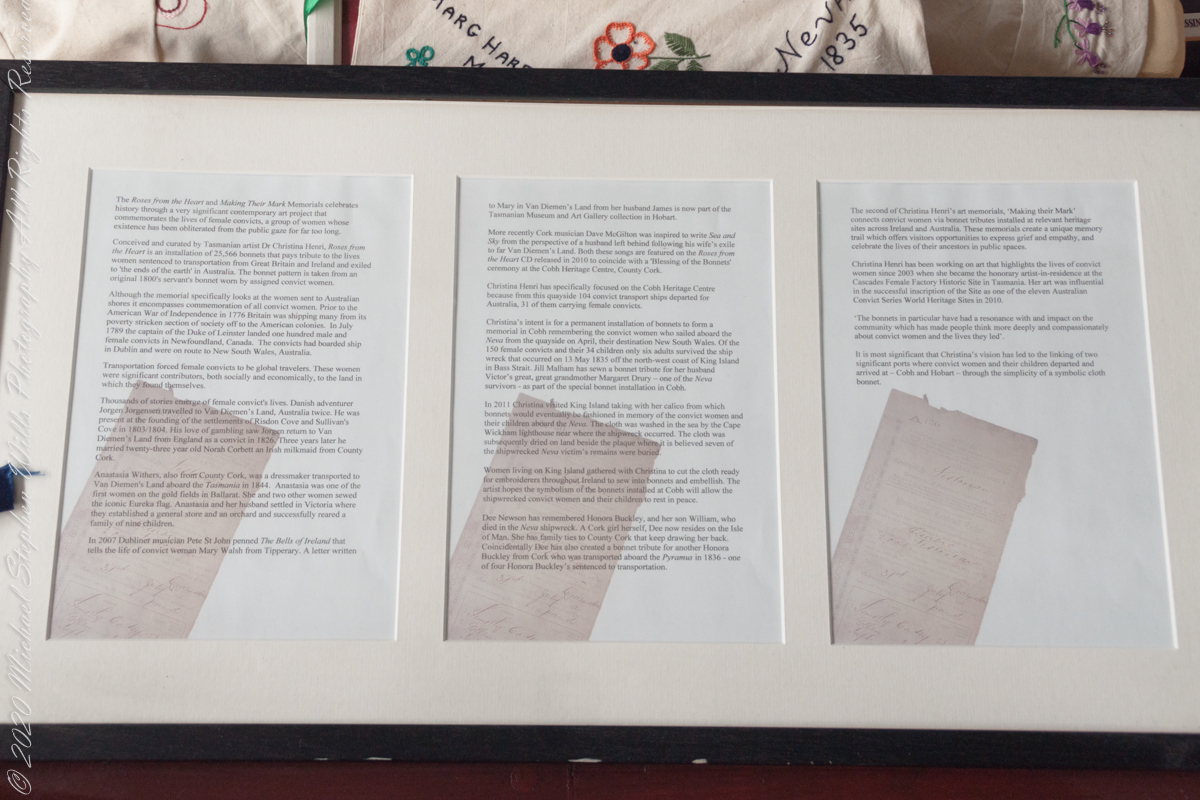
January 1, 1835 the “convict” ship “Neva” departed from Cobh harbor for Sydney, Australia. The 241 people on board included 150 female “convicts”, their 33 children, 9 “free” women (probably the wives of convicts) and their 22 children, 27 crew. During the passage three persons died, one child was born. About 5 a.m. on May 13, 1835 the Neva hit a reef northwest of King Island in Bass Strait and broke apart rapidly. Twenty two survivors drifted ashore on two rafts formed by the fore and aft decks of the wrecked ship. Seven women died of exposure the first night ashore. Fifteen, six women and nine crew, were later rescued. No children survived.
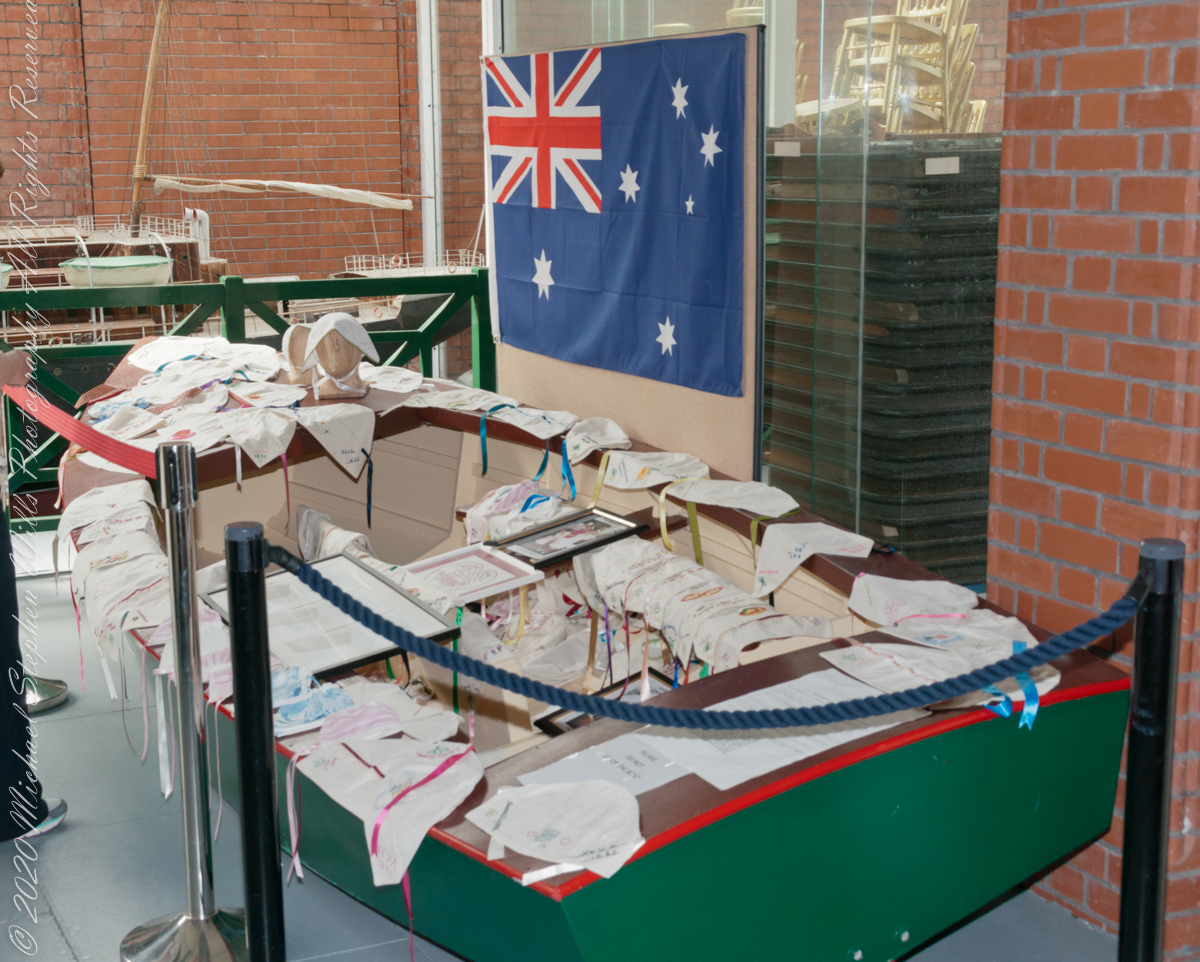
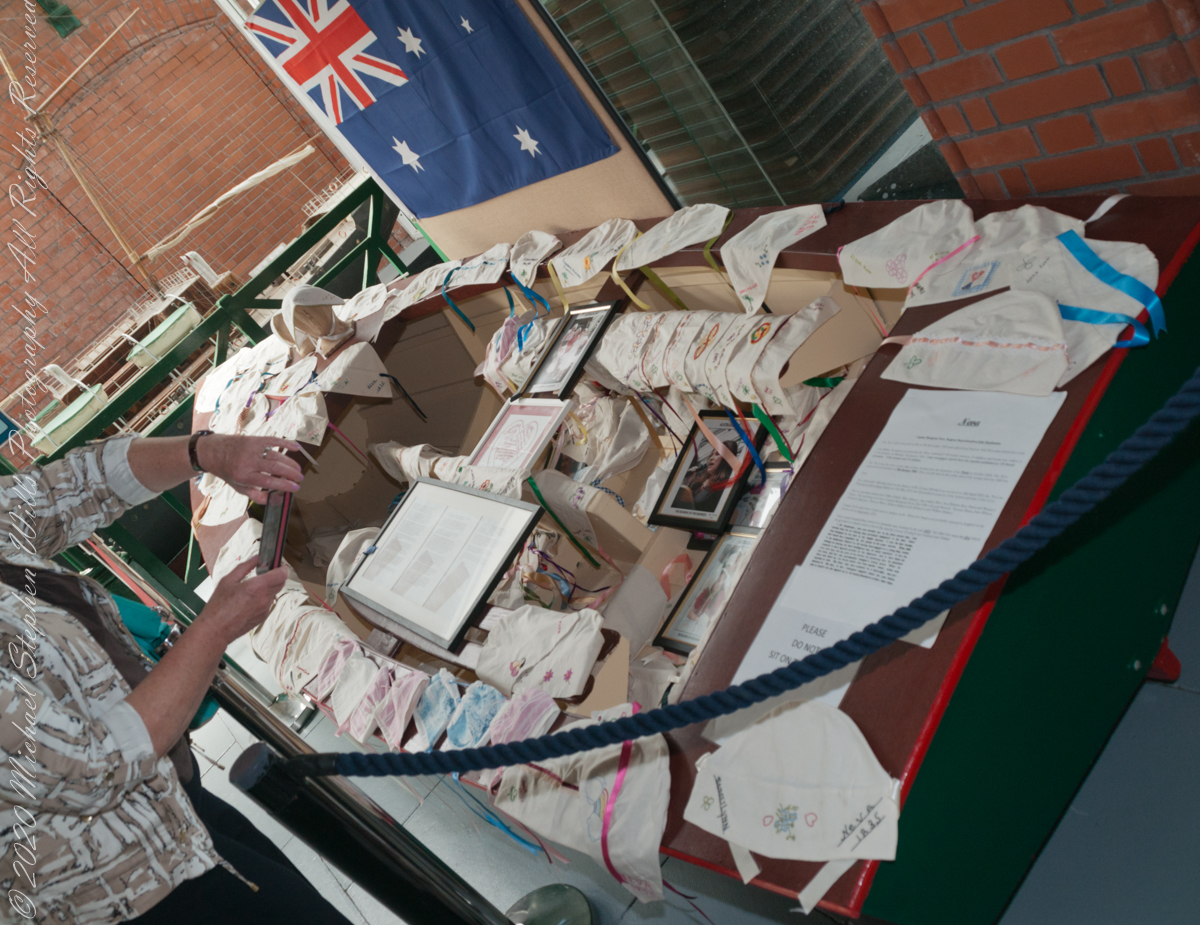
Between 1791 and 1853 approximately 26,500 Irish people were forcefully transported to New South Wales. The 25,566 bonnets crafted for this project represent lives of female “convicts”. The slide show are photographs of the exhibit, Cobh Heritage Center, County Cork, Republic of Ireland.
Descendants of Neva survivorStory of the NevaStory of Roses from the Heart
Copyright 2021 Michael Stephen Wills All Rights Reserved
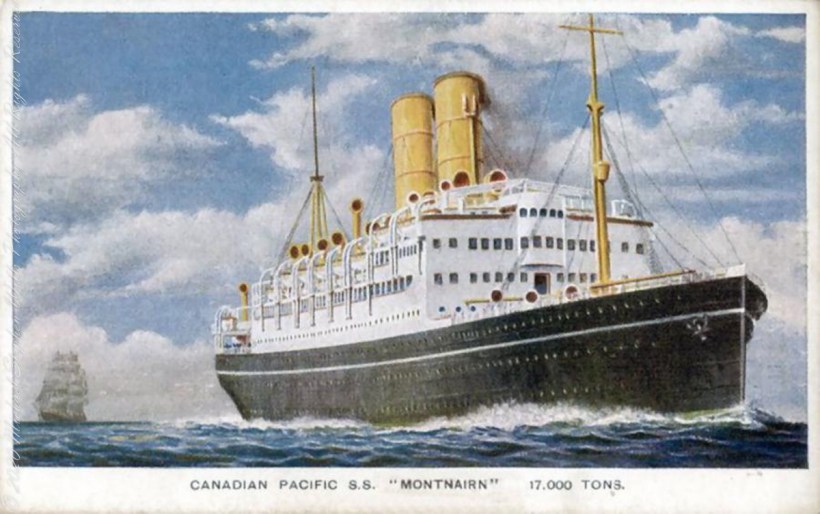
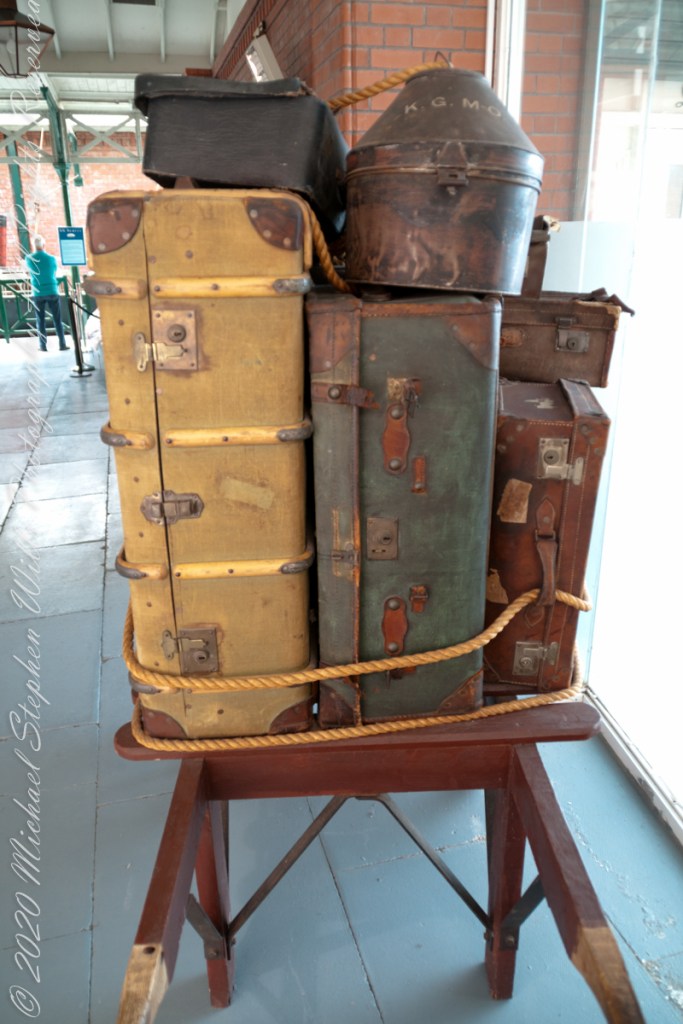
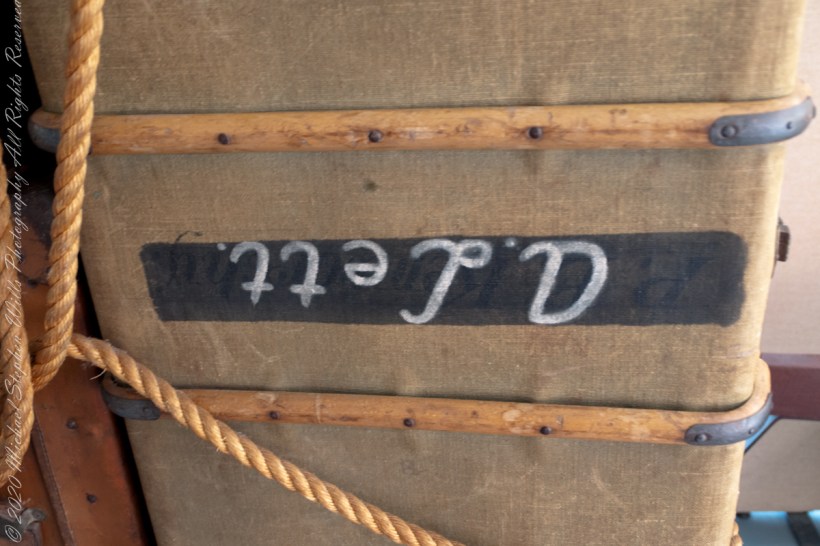
The Irish Free State was four months old when my then 35 year old Grandfather and Grandmother boarded the S.S. Montnairn out of Belfast. My mother, two months short of three years of age, accompanied them on this voyage to a new life as Canadian citizens. This slideshow is a mix of images from the Cobh Heritage center and my personal genealogy materials.
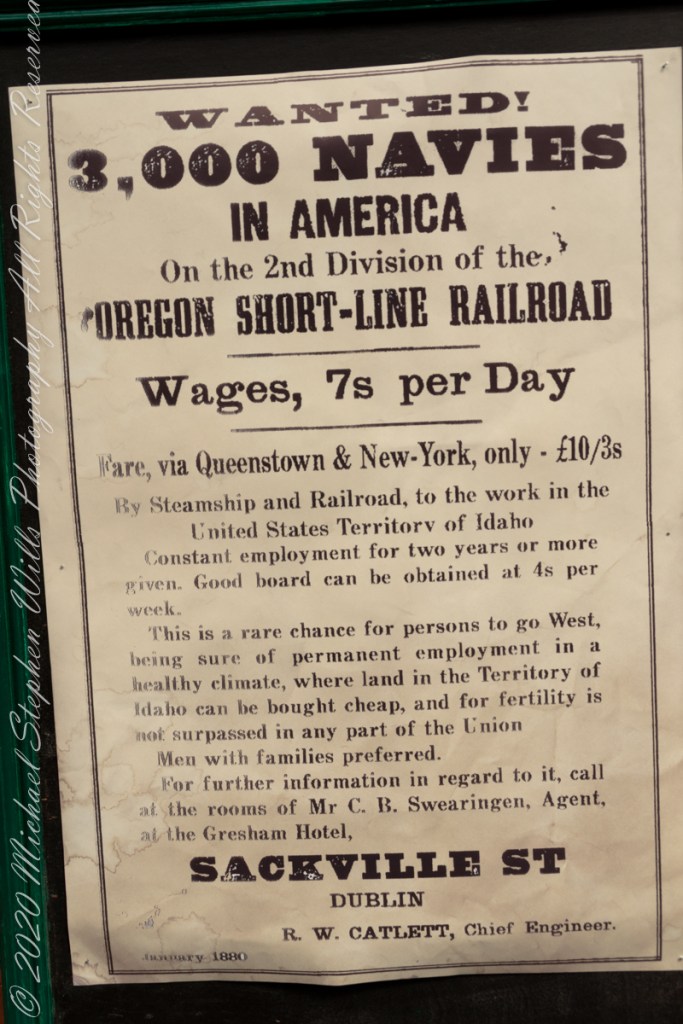
Call for Irish Emigration, this for Idaho. My grandfather answered a similar call, returning in 1926 for his wife and daughter.
Postcard of the Ship that carried my Mother and her parents from Belfast to Quebec. Less than 2 years after their voyage the S.S. Montnairn was sold for scrap.
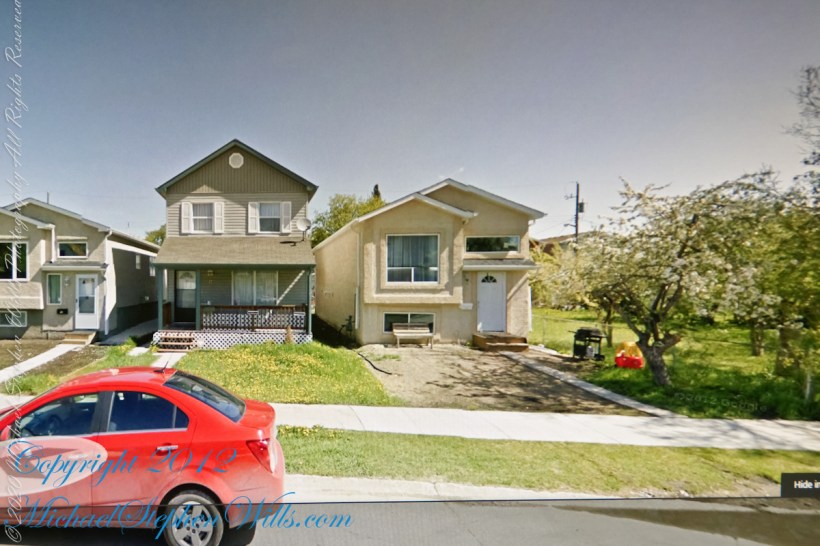
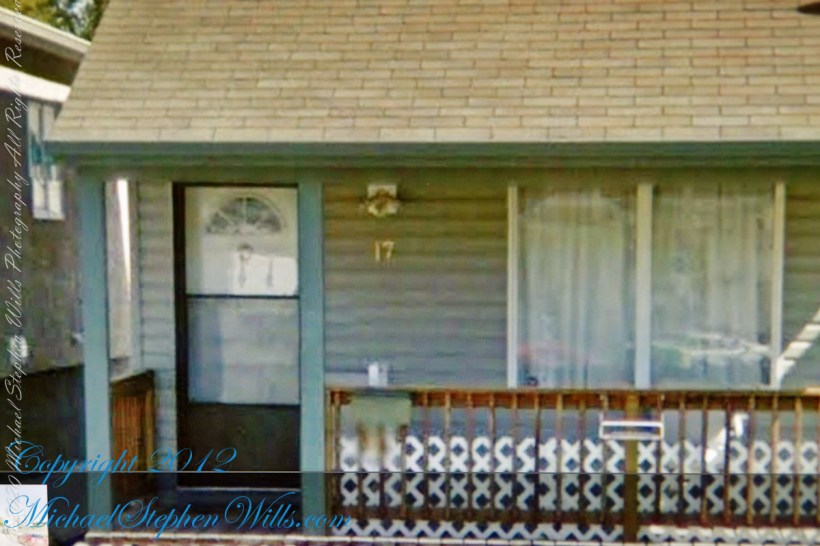
Using GoogleMaps I found the house my Grandparents first lived in after emigration from the Irish Free State
The address was on their immigration documentation. Winnipeg, Manitoba, Canada
Copyright 2021 Michael Stephen Wills All Rights Reserved
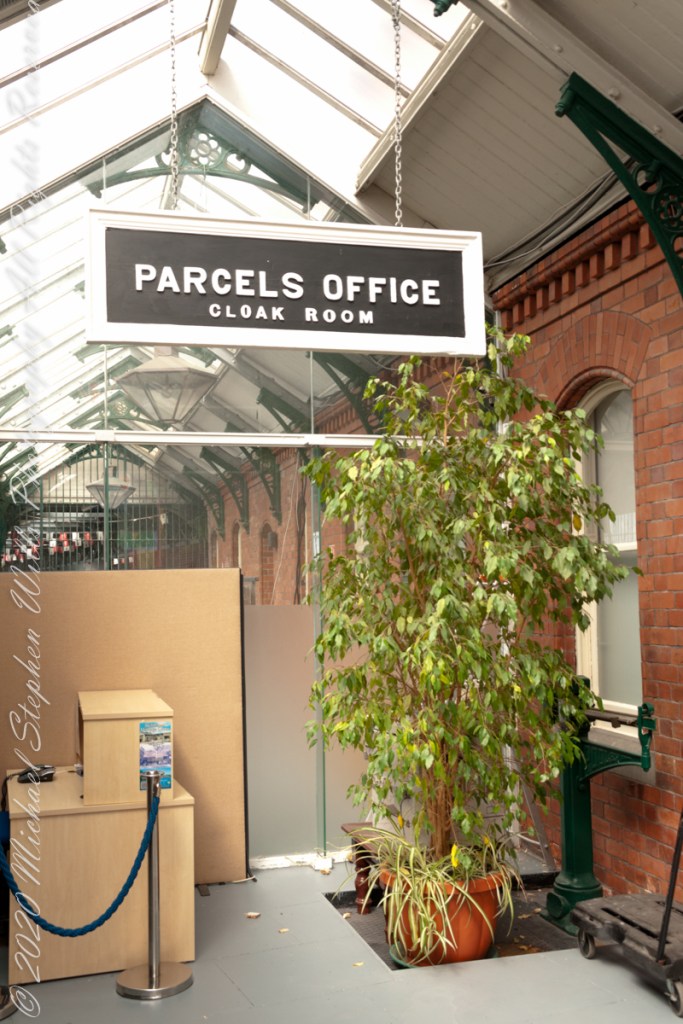
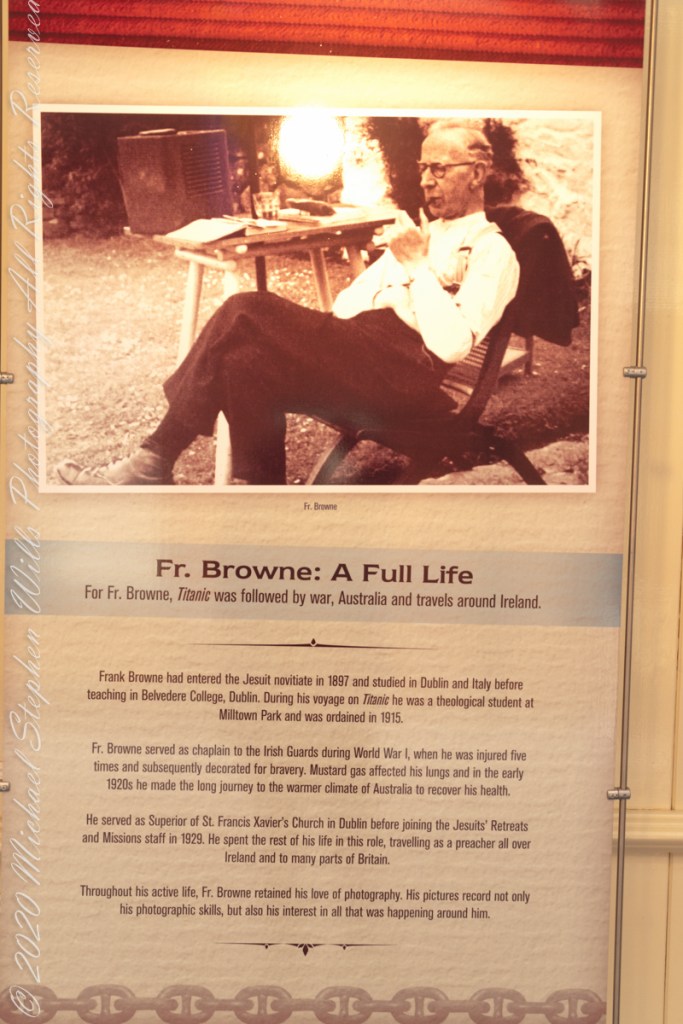
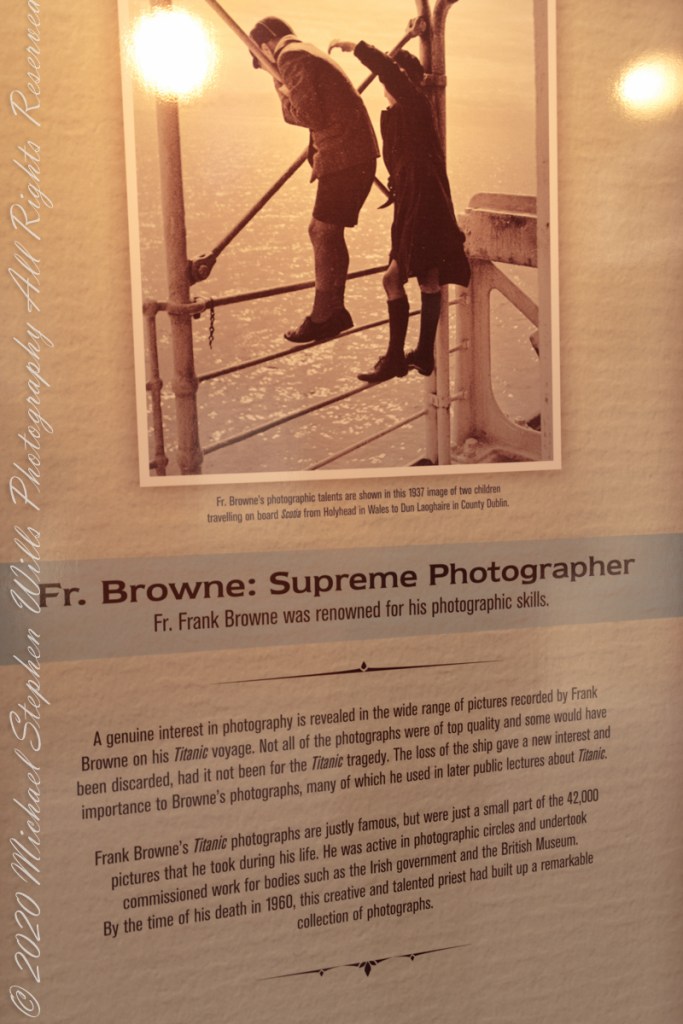
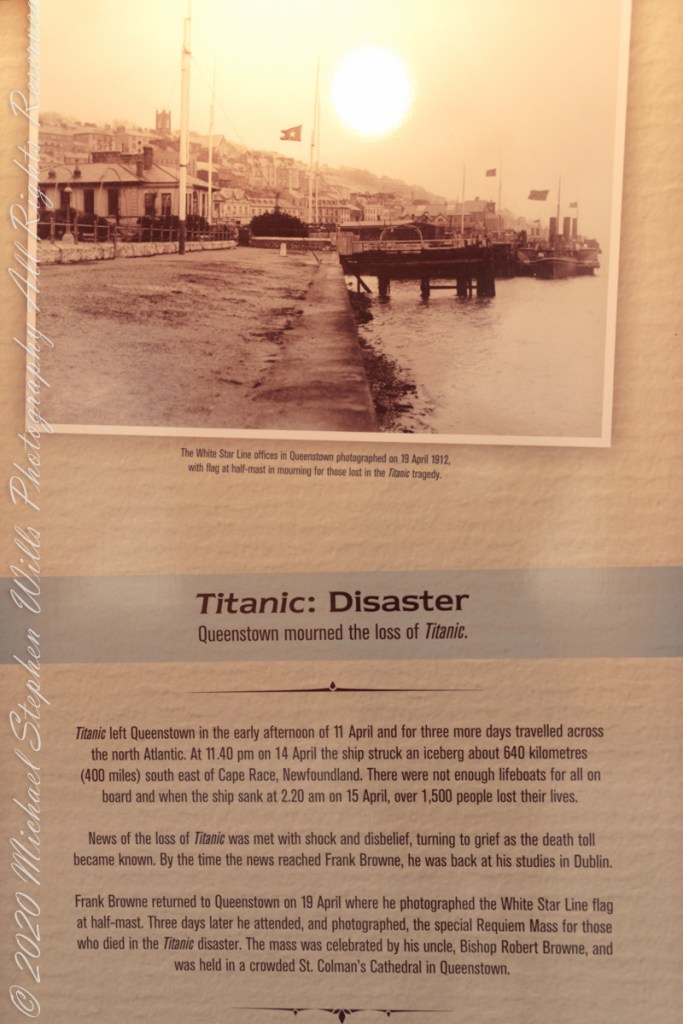
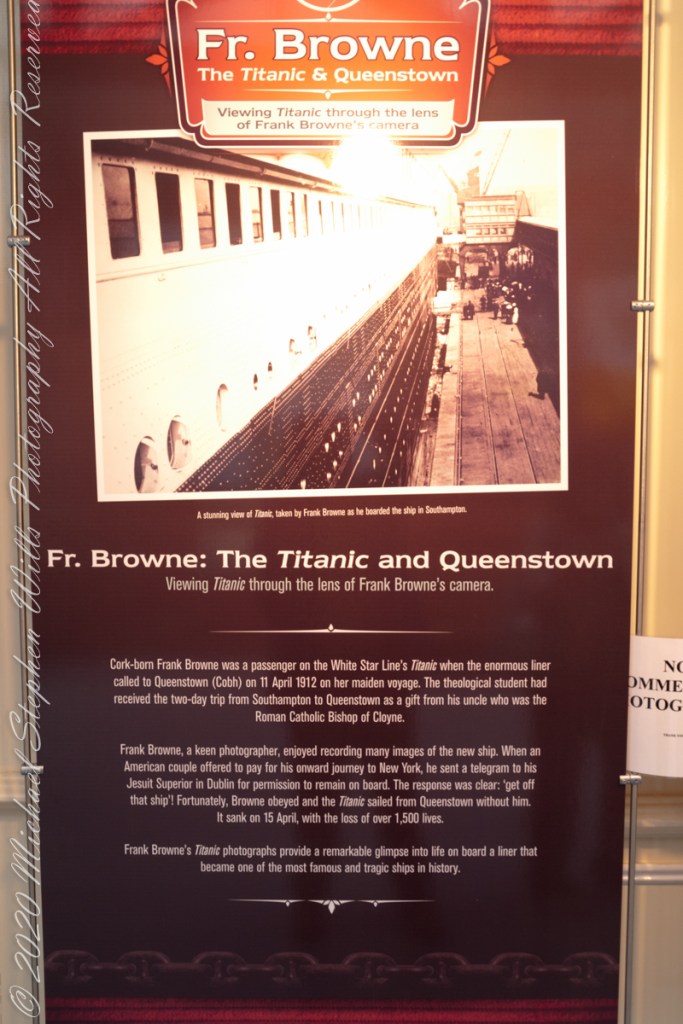
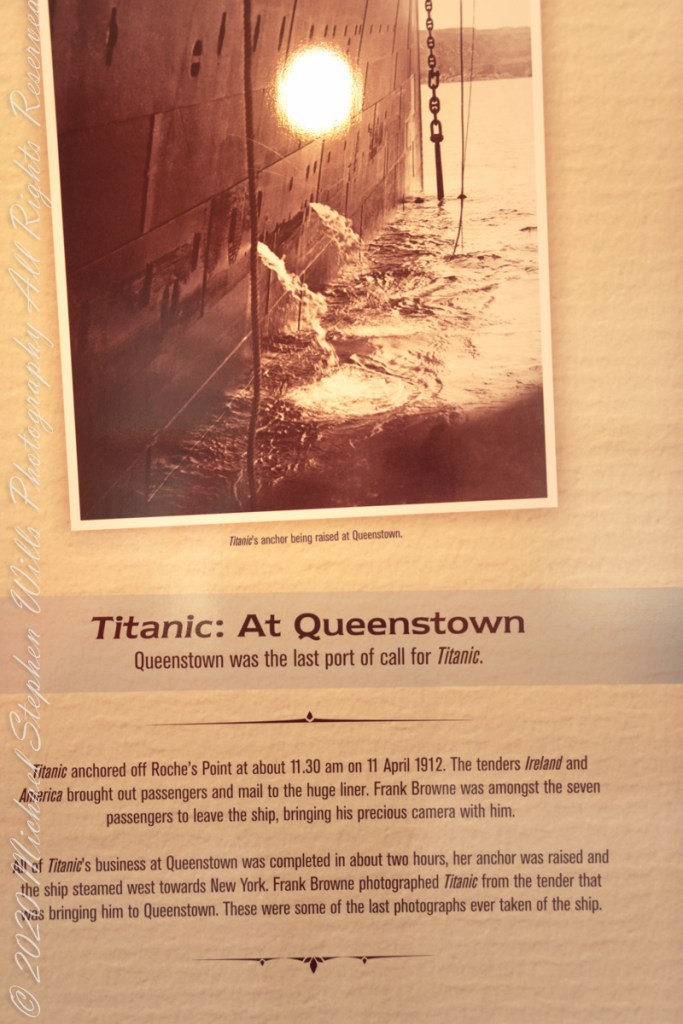
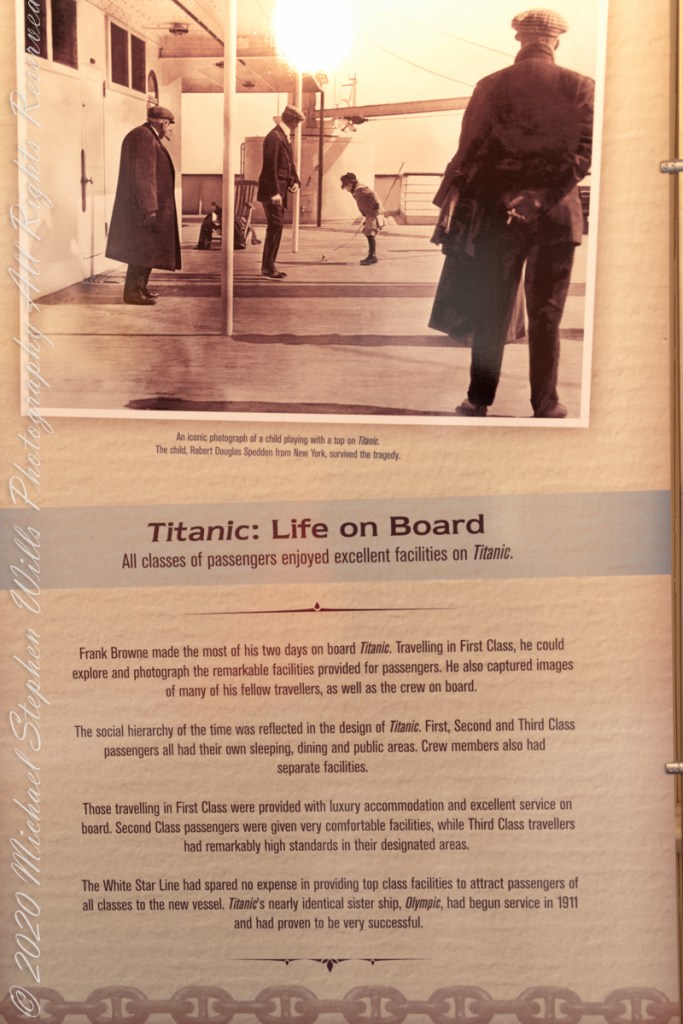
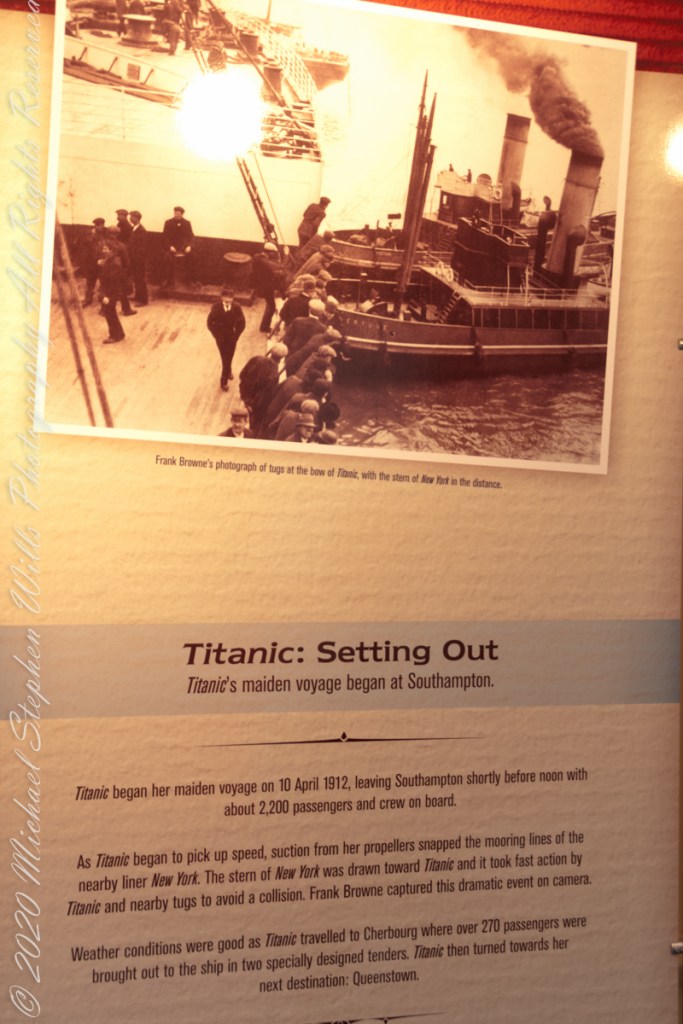
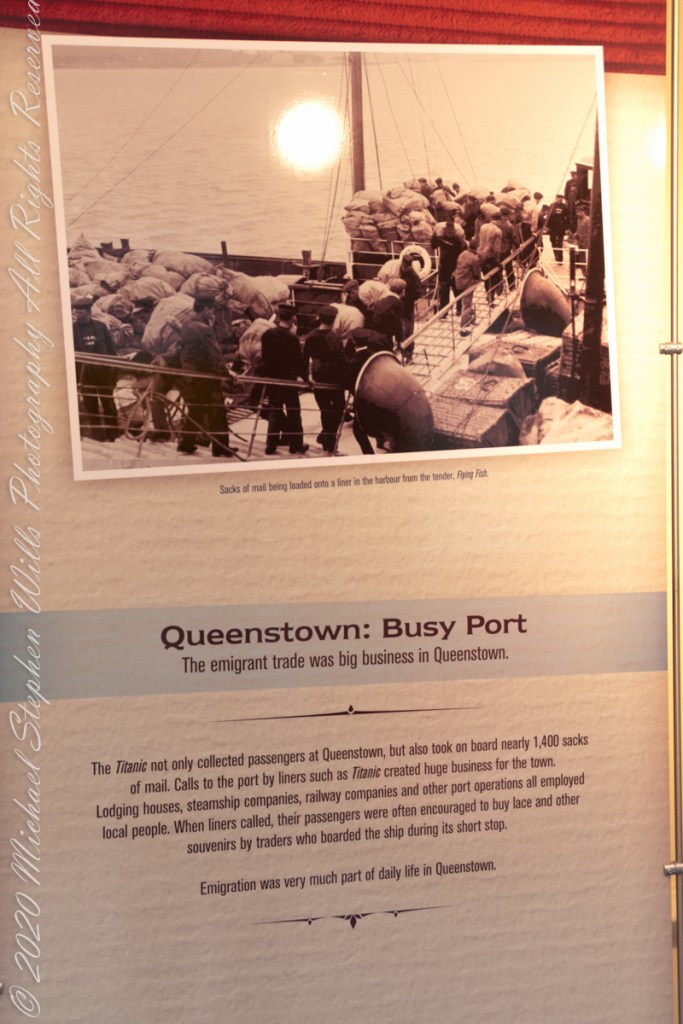
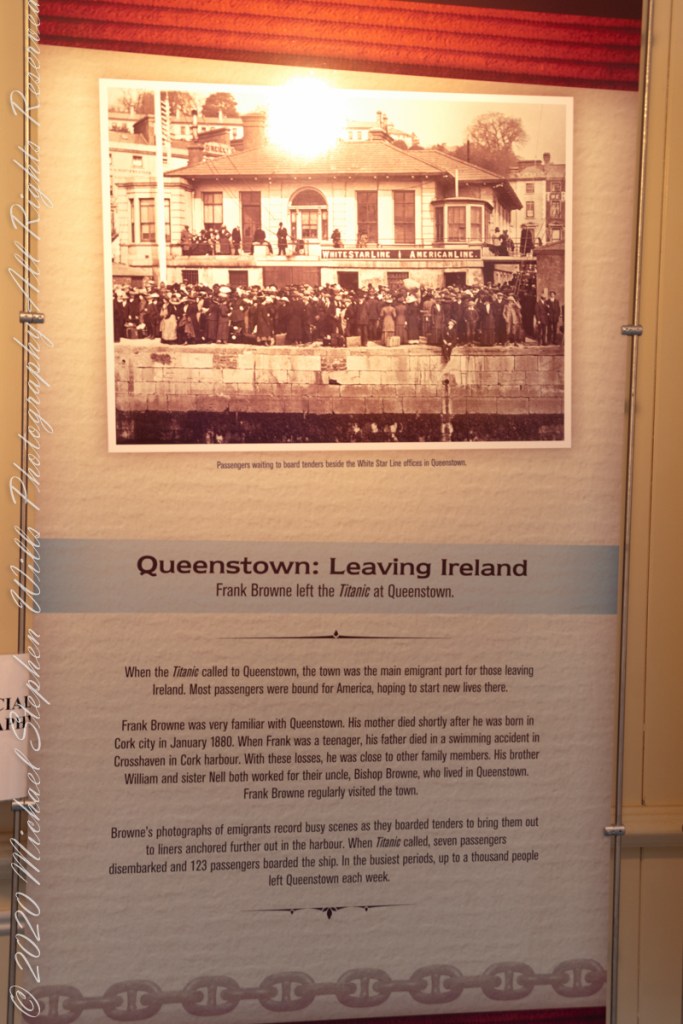
The Cobh Heritage Center documents the experiences of Irish emigration. Here I share information about the Titanic’s maiden voyage through the photographic work of Father Frank Brown. Cobh, pronounced “cove”, as in “The Cove of Cork.”
Here is an informative and entertaining 5 minute documentary of Father Brown, his trip on the Titanic and subsequent achievements as a photographer.
Copyright 2021 Michael Stephen Wills All Rights Reserved
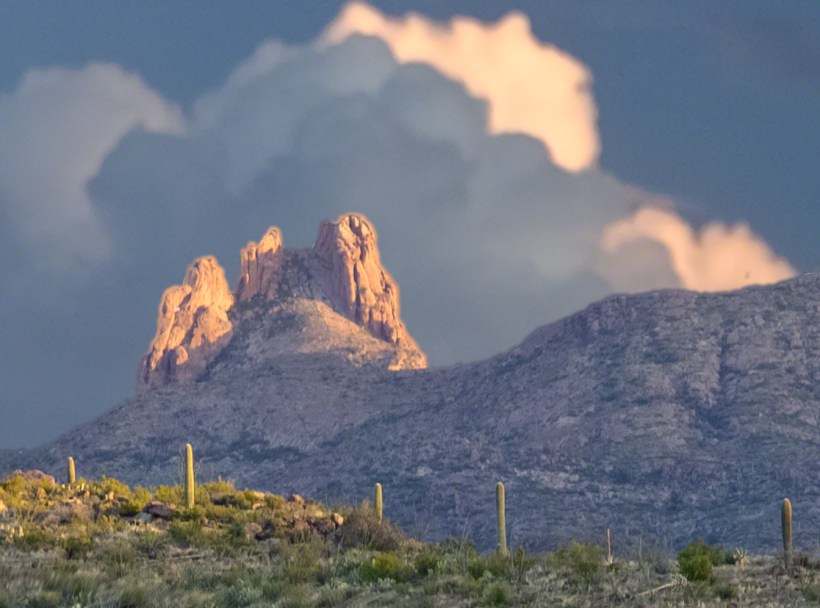
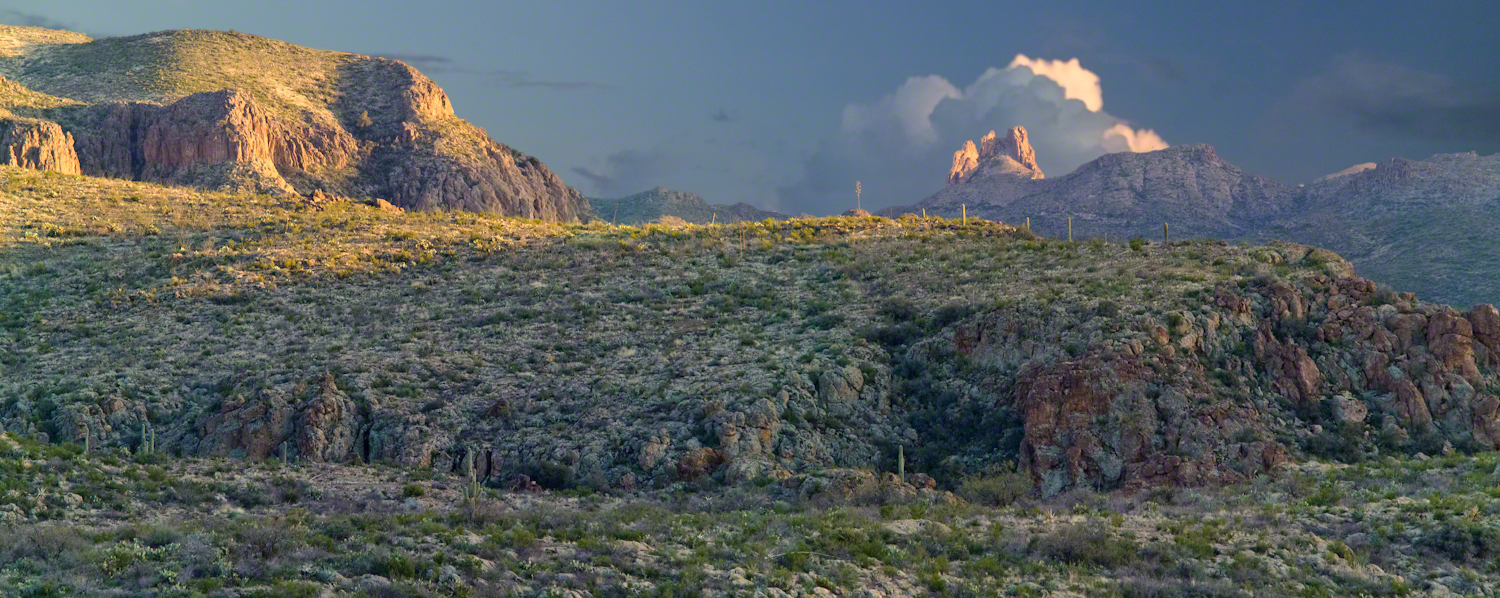
Peter’s mesa is at the center of Superstition Wilderness treasure legends. I was a member of an expedition to the top of the Mesa March 2008. This is a sunset view, looking south, southwest. Light raking across the desolation and an approaching storm behind Miner’s Needle create a fascinating spectacle. Ancient volcanism, apparent throughout the Superstition Wilderness, is here seen in the texture, form and type of rock as well as the mineral deposits. Miner’s Needle, like Weaver’s Needle (no seen in this view), are eroded volcanic summits. Look closely for the “eye” of Miner’s Needle, backlit by the storm cloud itself lit by the setting sun. To this day, hopeful prospectors search for gold nuggets around the Needle. There is one form of volcanism present today as an eerie rumble or hiss, similar to an enormous distant jet engine. We heard now and then during our two days on the mesa, louder and closer than a overhead plane could produce. The view includes many notable Sonoran desert plants. Many young Saguaro cactus are in the form of green poles and, on the rim of the ravine running left to right below the closer ridge, an excellent specimen with multiple arms. Catching the dramatic light, on the ridge is a tall single flower of an Agave, known as the “Century Plant” it flowers once in a long life and dies.
Peters Mesa is named after “Old Pete” Gottfried Petrasch, father of Hermann and Rhiney Petrasch. Old Pete worked for Jim Bark for awhile in the 1890s doing odd jobs. Irregular employment gave Pete and Sons time to s searched for the Lost Dutchman Mine in the years following the death of the source of the legend, the “Dutchman” Jacob Waltz. The Petrasches were one of the first groups to search for the mine, and gold in general. They covered almost the entire Superstition range in their combined searches.
On our first day on the Mesa we came across the remains of one of these camp, on the top of Squaw Canyon. This was only deplorable junk a presumably disappointed bunch of searchers were too lazy to cart out. That March, we were lucky to find the remants of winter rains in the form of a meager trickle at the bottom of a shallow draw off Peter’s Mesa trail up from La Barge canyon. We had a good time of it until the trip was cut short by a storm front and torrential rains. We were back in Apache Junction before they hit. This panorama is from our last evening on the Mesa. As the sun set I put the Kodak DSLR with a 50 MM lens on a Manfrotto tripod and hiked a mile higher onto the mesa for a view of Miner’s Needle. I quit only after the last light was extinguished by the approaching front. My reward for persistence was this dramatic light ennobling a craggy desolation. This is a composite of several images, combined using Photoshop. I have since invested in a Canon 24 mm wide angle lens.
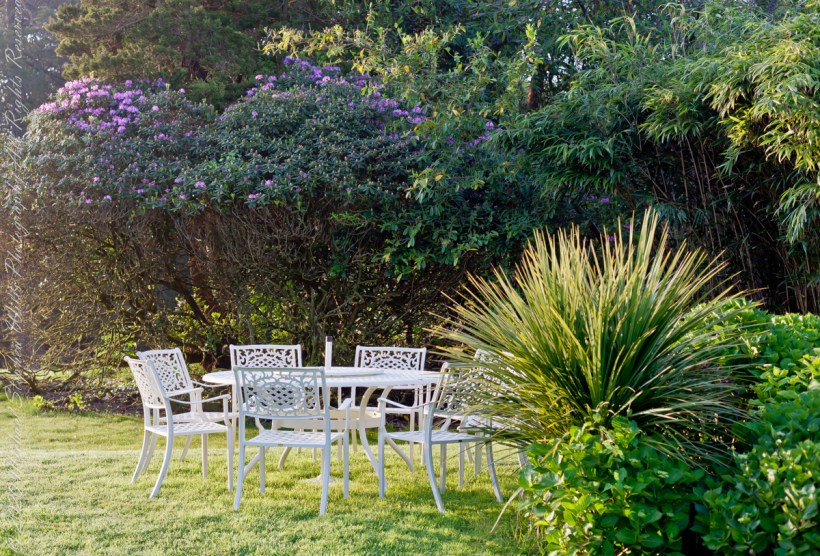
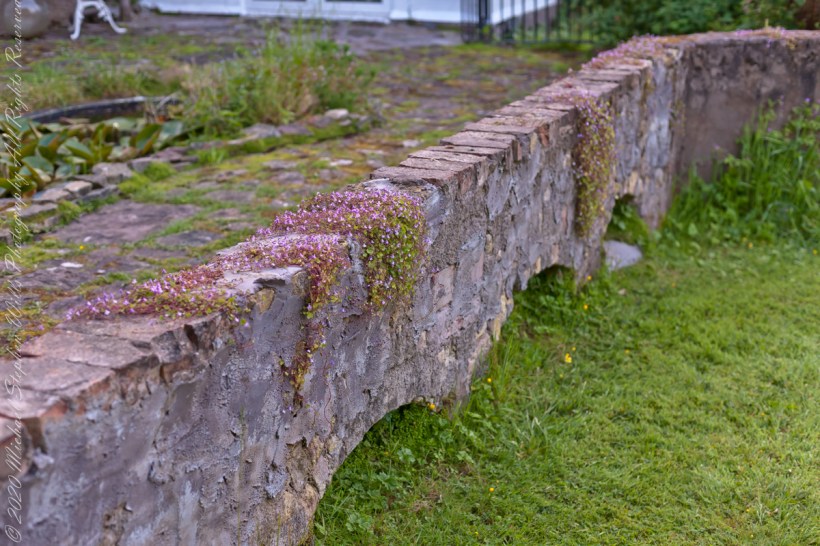
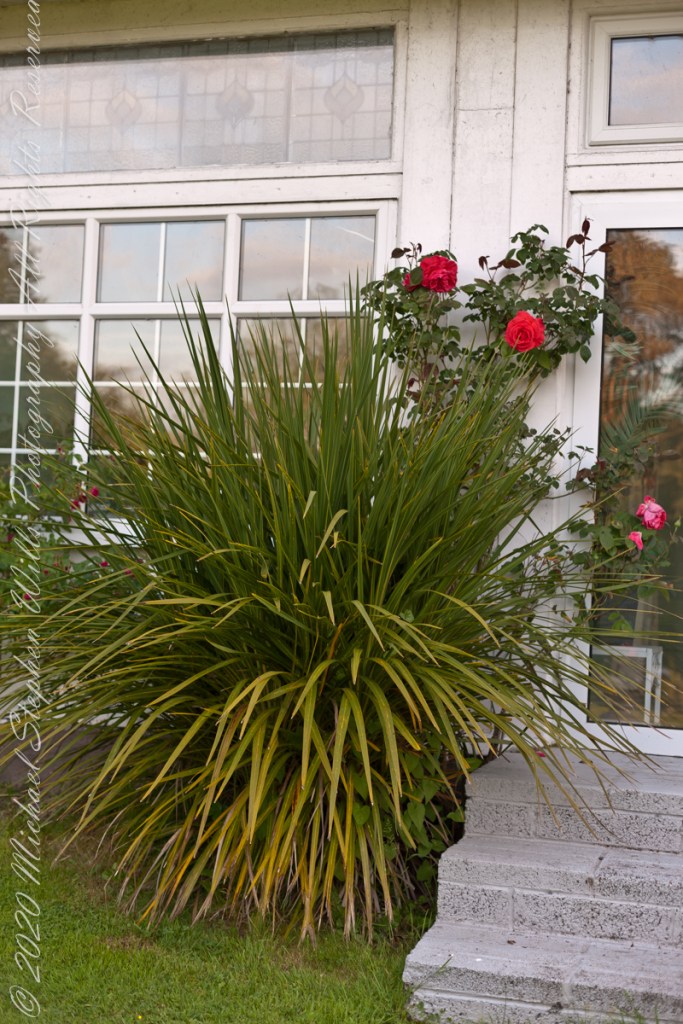
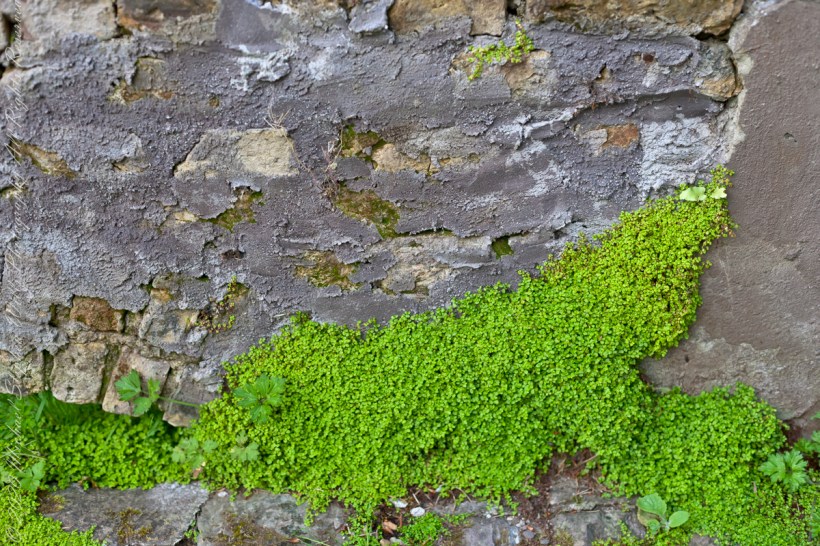
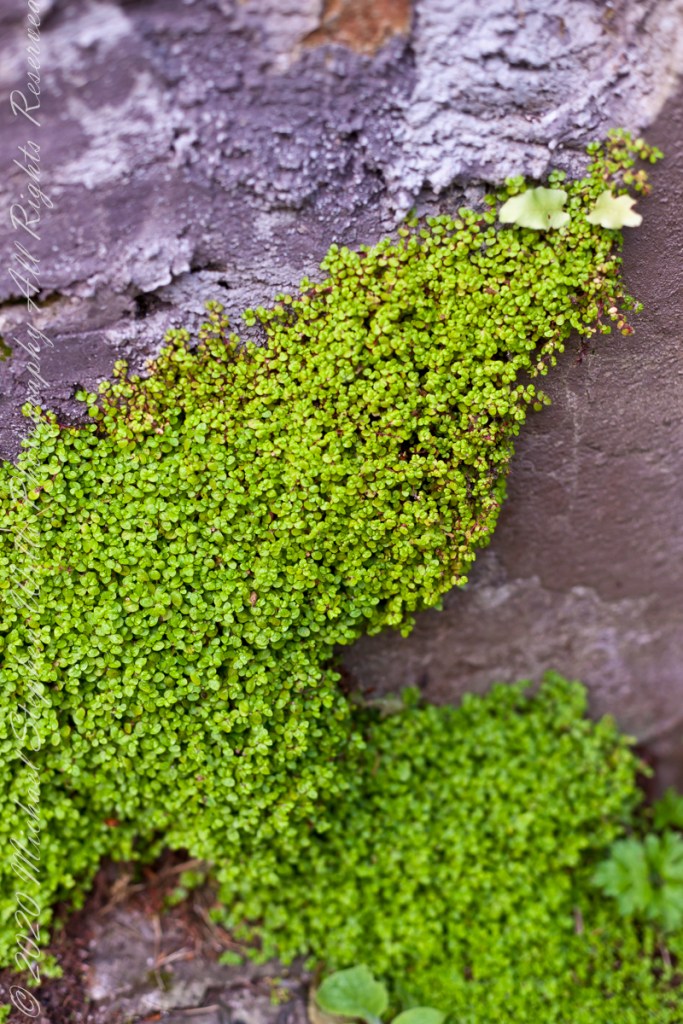
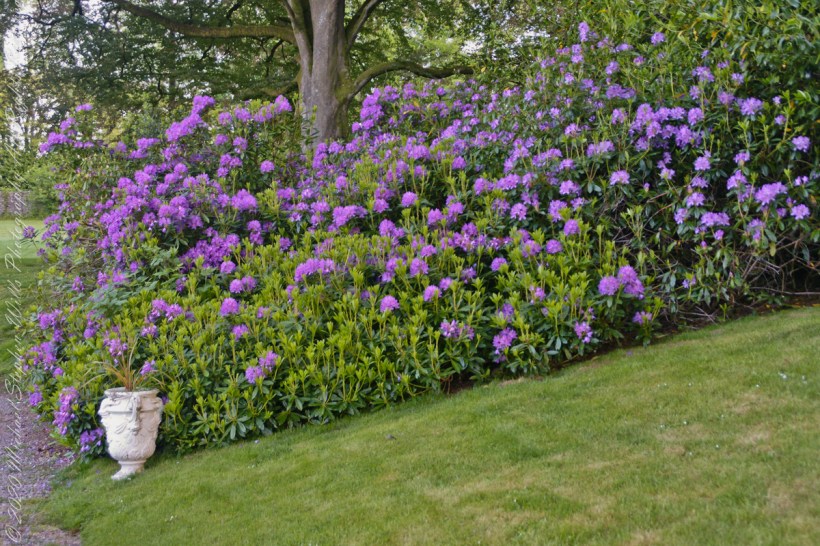
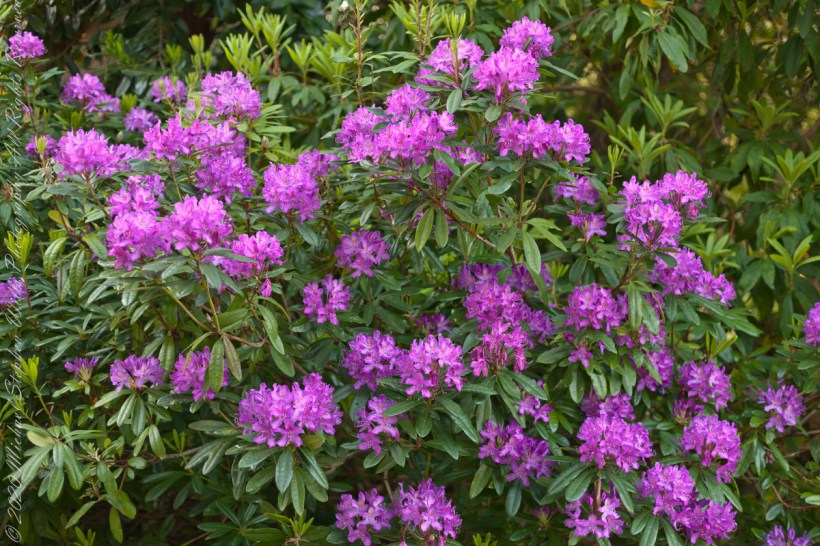
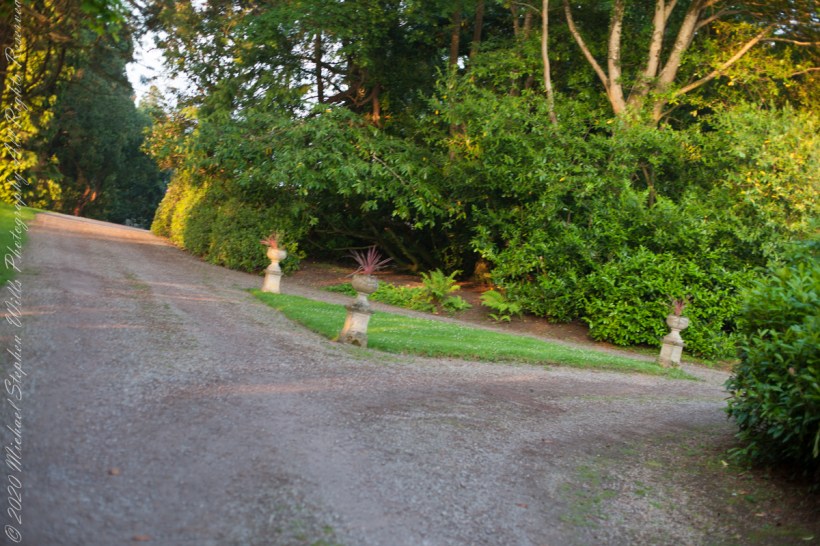
Continued…..The ground of Marantha House are a well appointed as the home, as you would expect from a luxury bed and breakfast on “Hydro Hill” also known as “Saint Ann’s Hill” close to Blarney, County Cork.
We say “goodbye” to Marantha House…on to new adventures
Copyright 2021 Michael Stephen Wills All Rights Reserved
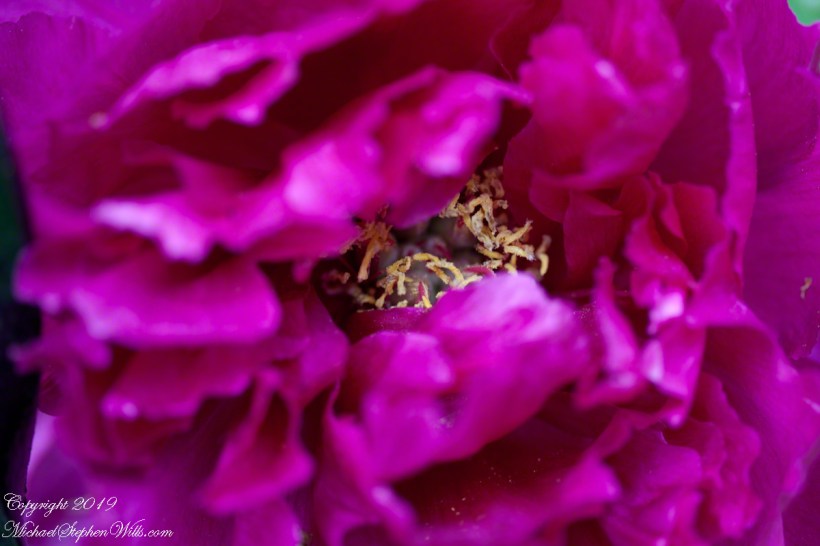
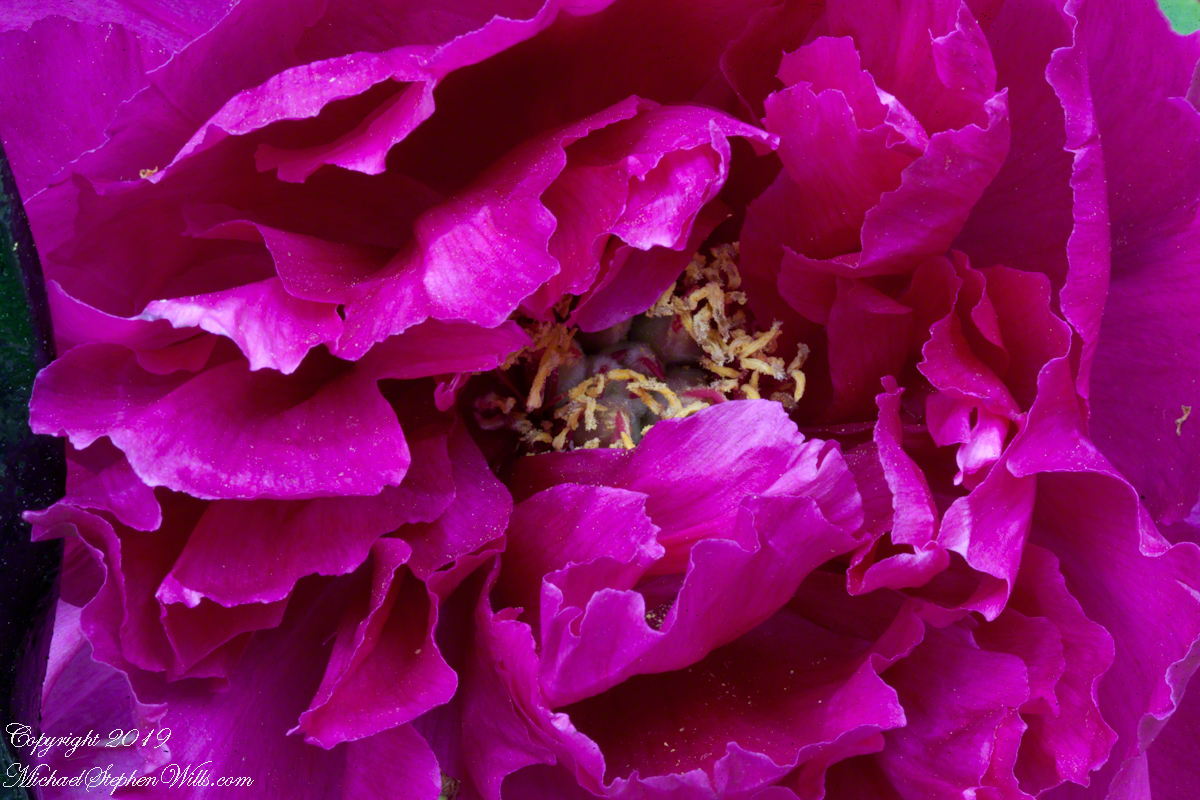
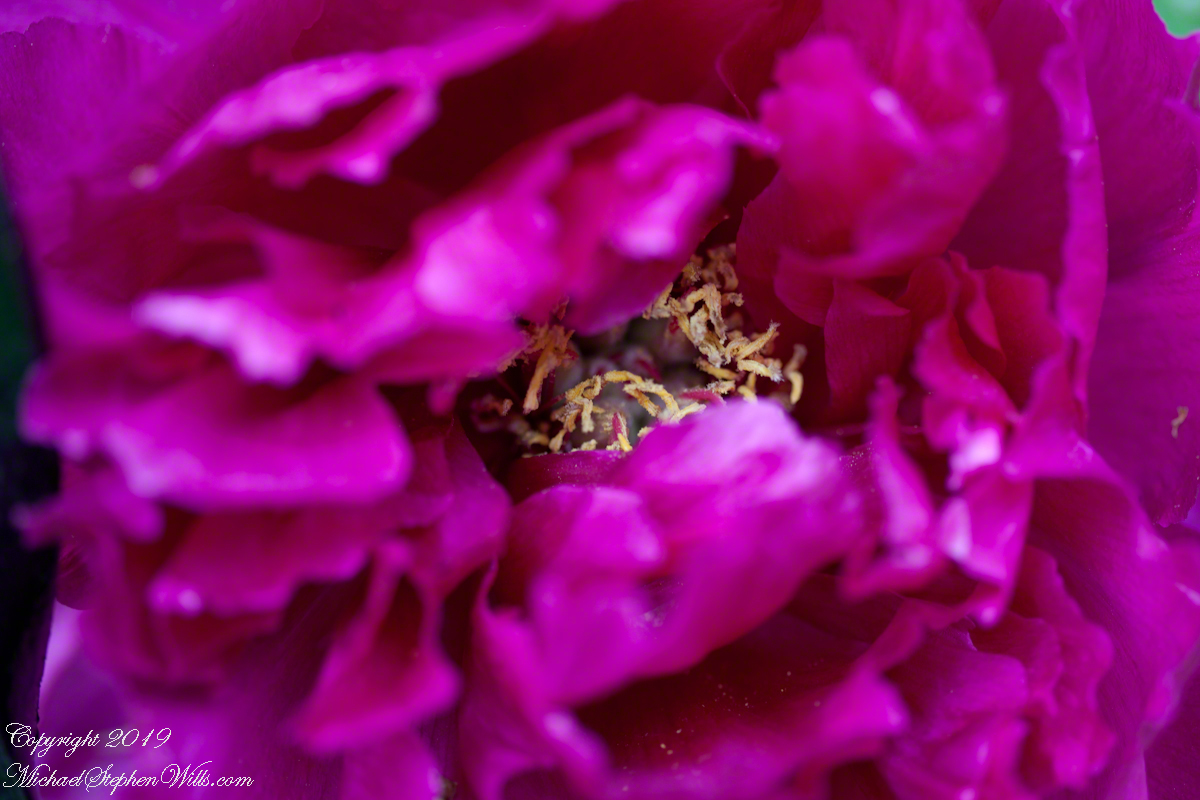
May 2019 Pam and I visited the New York State historical site of Olana, the former home of Fredrick Church of the Hudson River School of painting. Off the walk was a small planting of flowers, among them a type of “woody” peony in full bloom on Memorial Day weekend, well before the “herbaceous” type that is setting flower buds at that time. These were a striking reddish hue.
On returning home we were pleased to find our own “woody” peonies of the same hue in full bloom as well. On Memorial Day I used the Canon EF 100mm f/2.8 Macro USB lens and a tripod to capture the following two macros of the flower center with the lens aperture fully open (f 2.8) and at its smallest (f 32).
Question for readers: Which do you prefer, and why?
Click either photograph for a larger version.
f 32f 2.8
Copyright 2019 All Rights Reserved Michael Stephen Wills
 Michael Stephen Wills Photography