Maple Leaves and Us

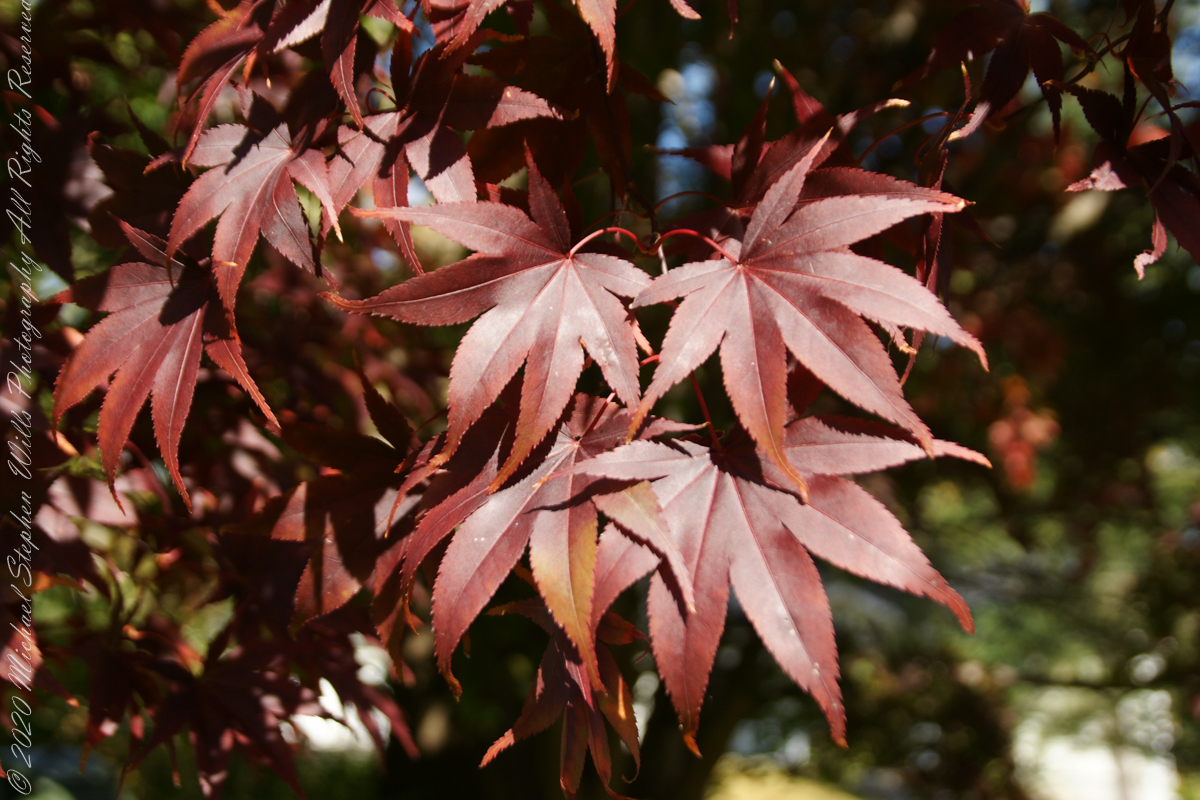
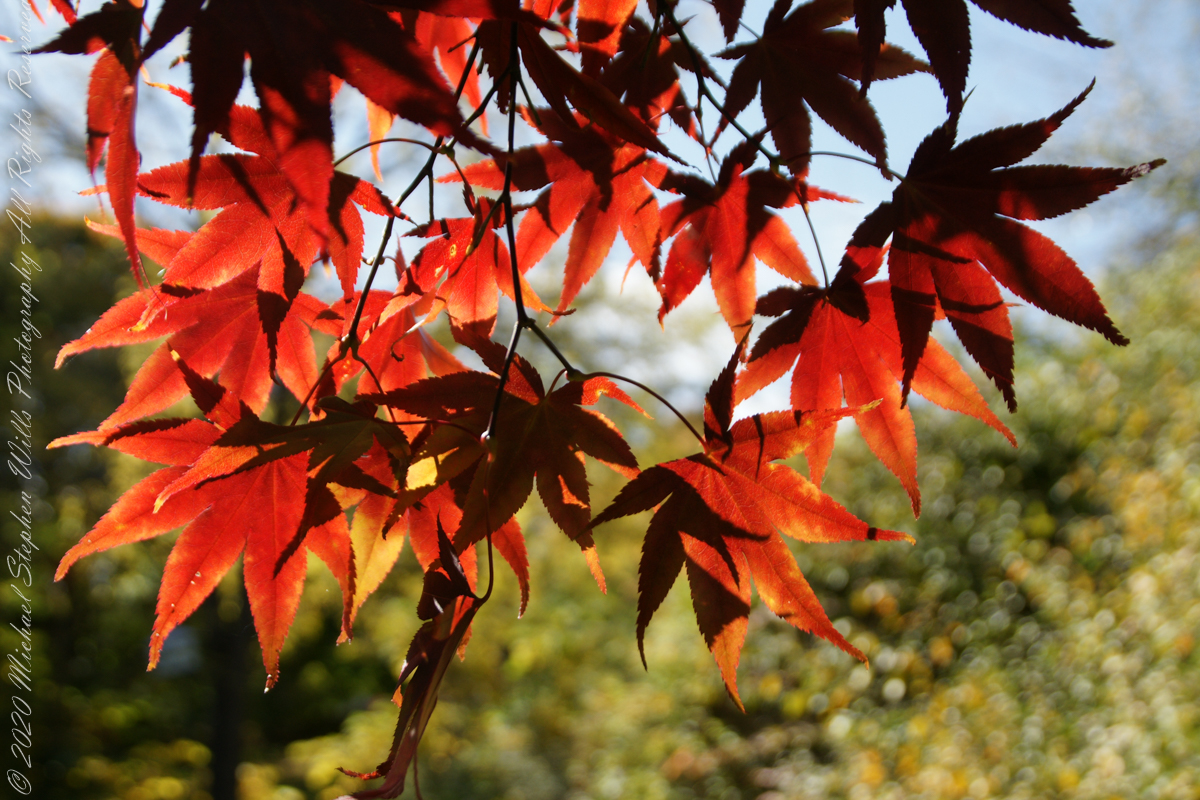
The maple leaf is here portrayed as a symbol of life’s journey, intricacy, and impermanence, offering profound reflections on existence and human aspiration.

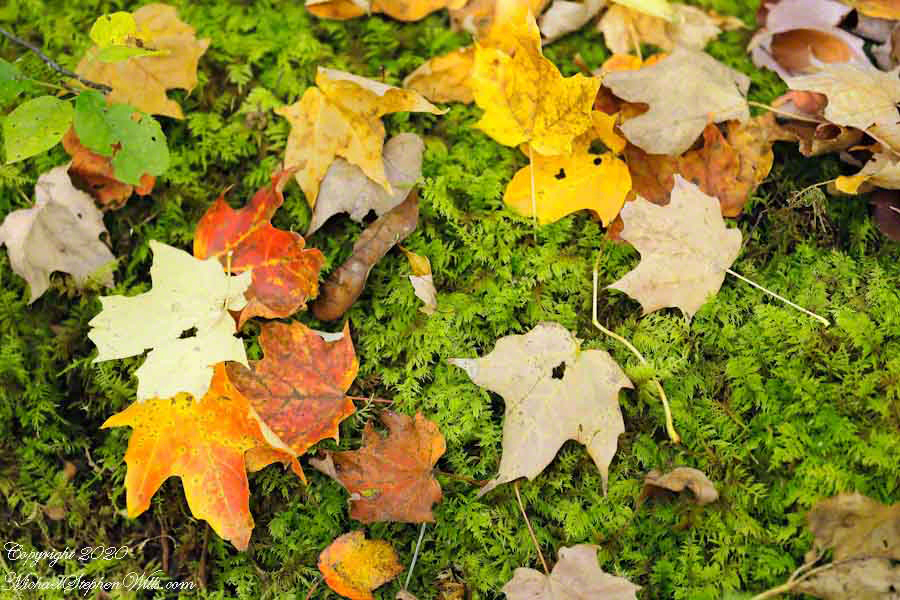
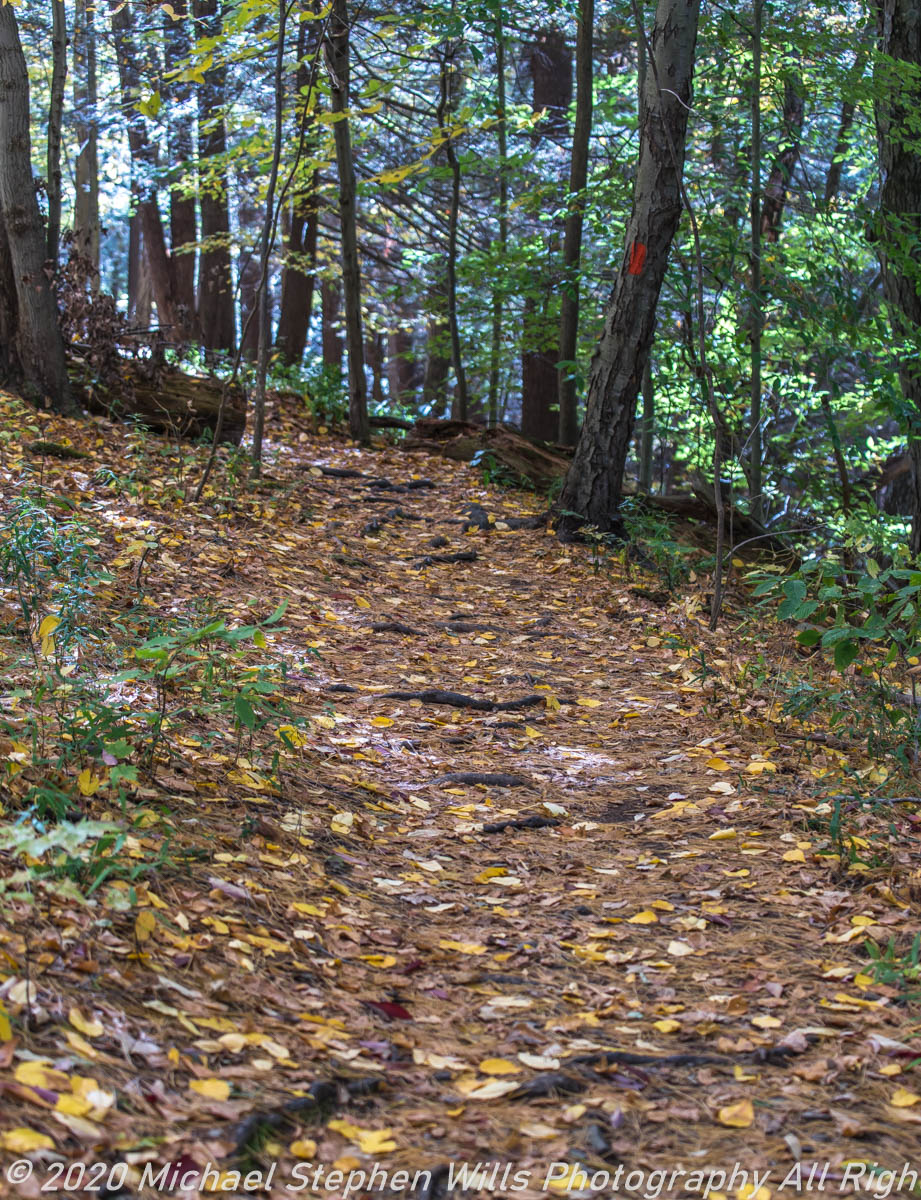
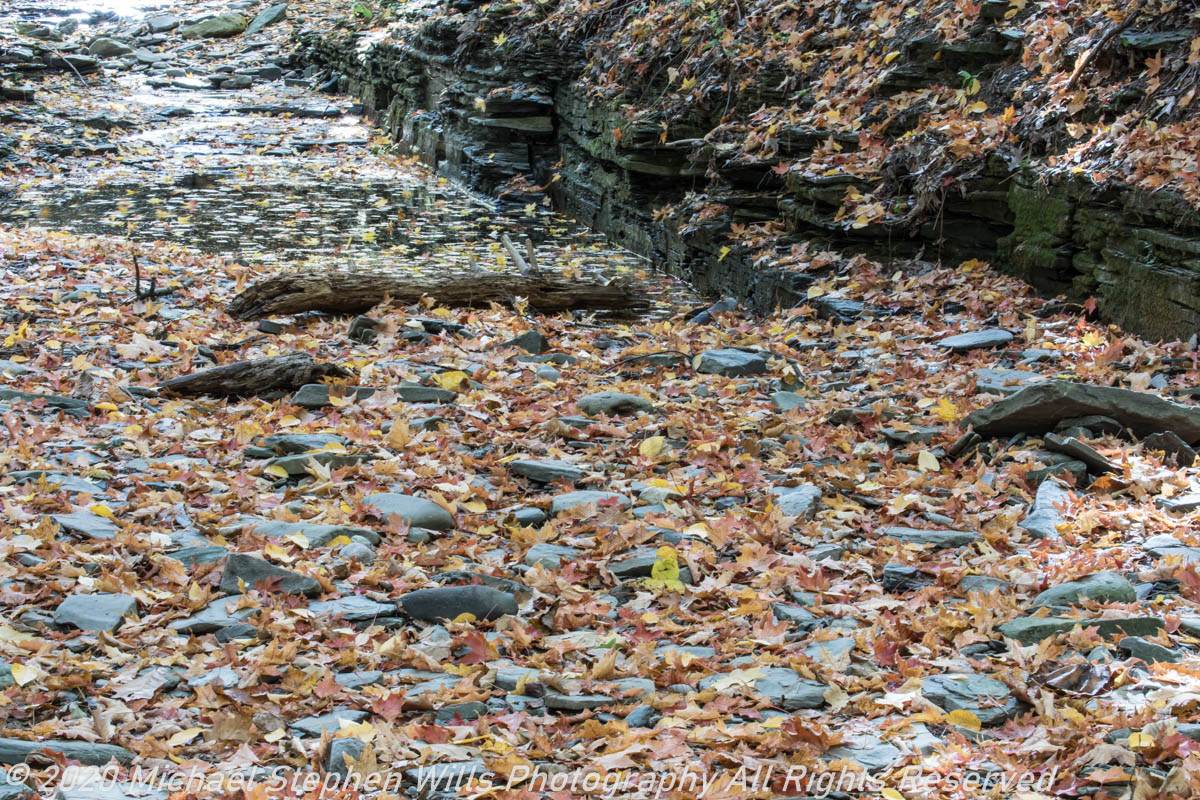
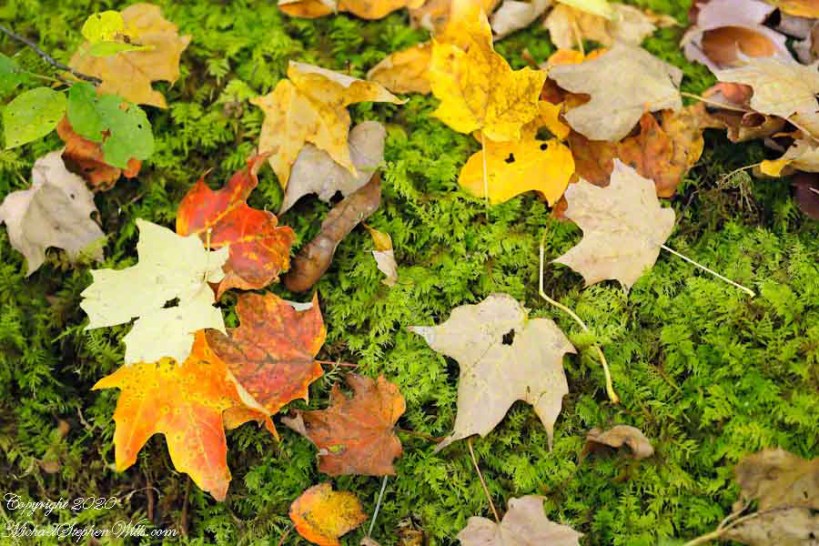
The maple leaf, a symbol cast from the arboreal giants that stand sentinel over the forests of the North, is an emblem woven into the very fabric of the natural world and the ethos of nations. In the hush of the woodland, where light dapples through the canopy, one might find the ground strewn with these deciduous gems, each a small testament to the grandeur of the cosmos and the cyclical poetry of life.

A maple leaf is an allegory for the human condition. The leaf, in its singular form, is a paragon of symmetry, its serrated edges a crown of nature’s meticulous artisanship. The veins that stretch across its surface, much like the lines upon an aged hand, speak of life’s intricate network, the invisible bonds that connect and sustain us. Each leaf, a verdant vessel, courses with the sap of existence, a lifeblood shared in the quiet brotherhood of the forest.

Hint: click image for larger view. Ctrl/+ to enlarge / Ctrl/- to reduce
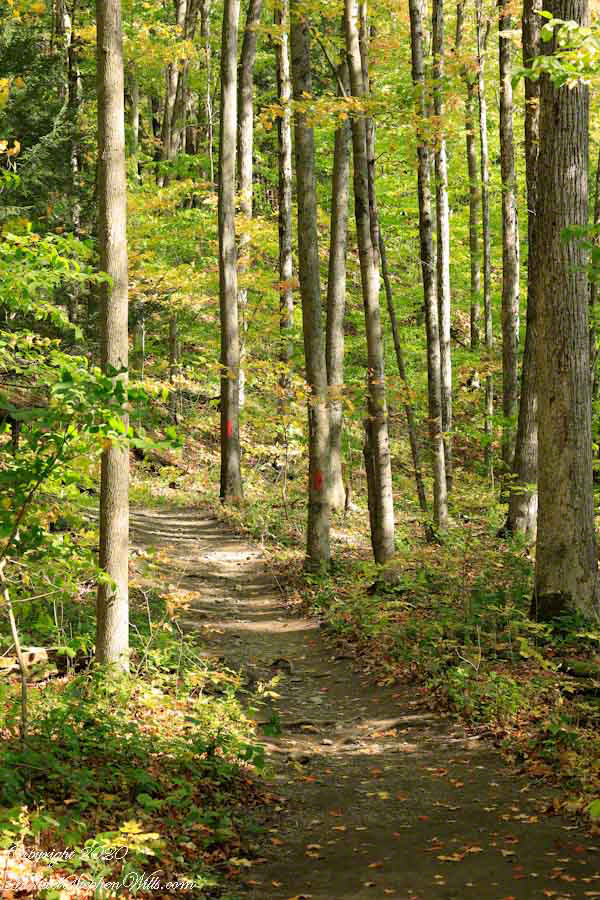
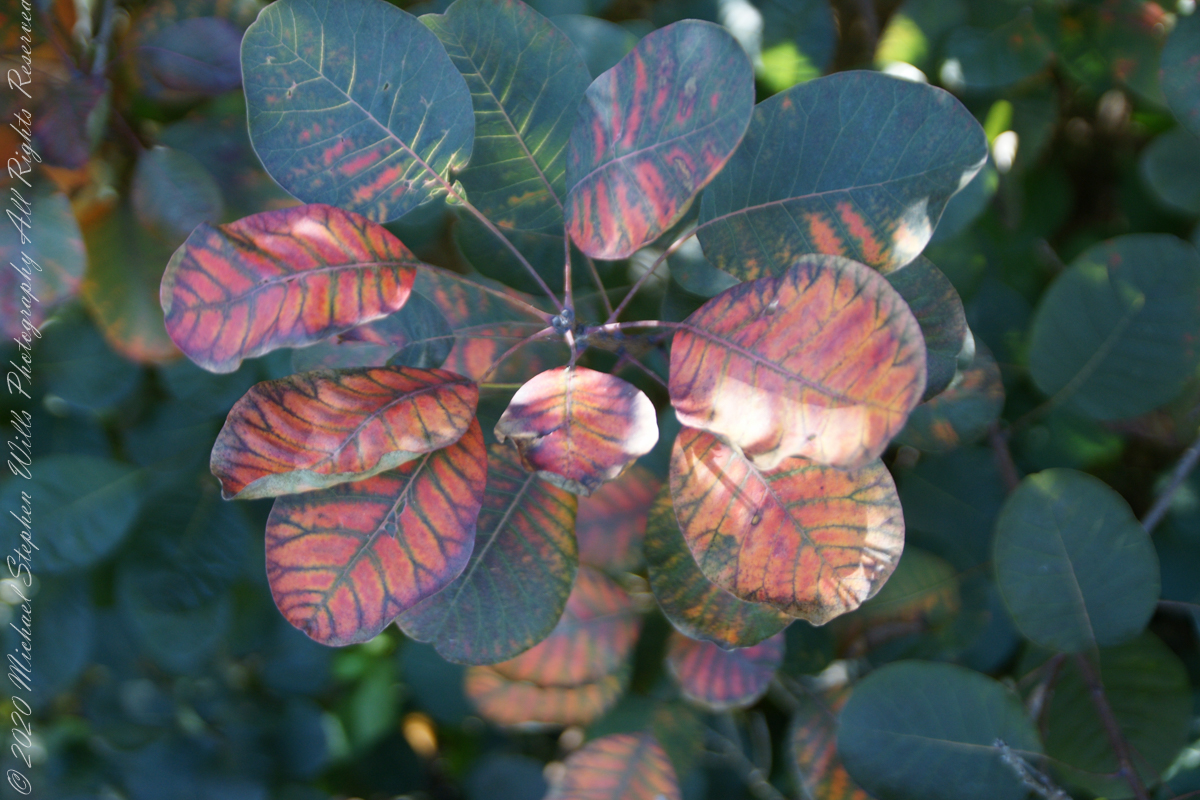
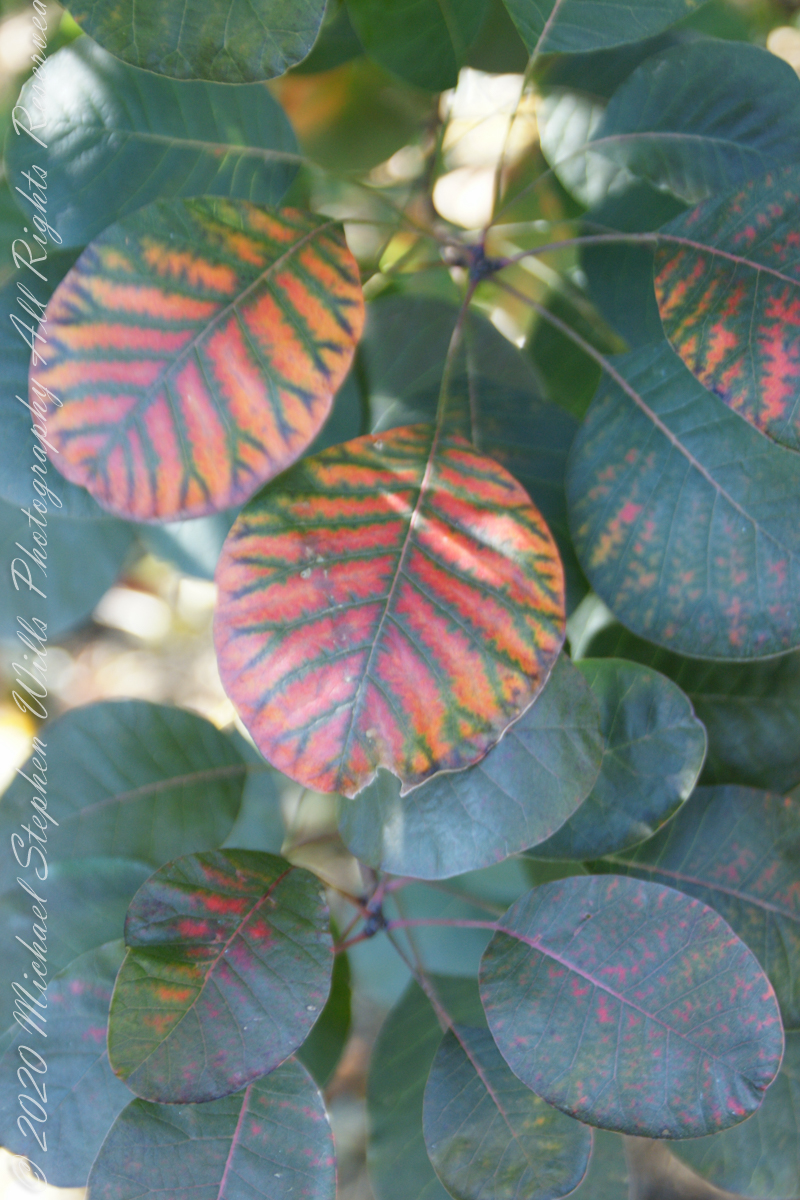
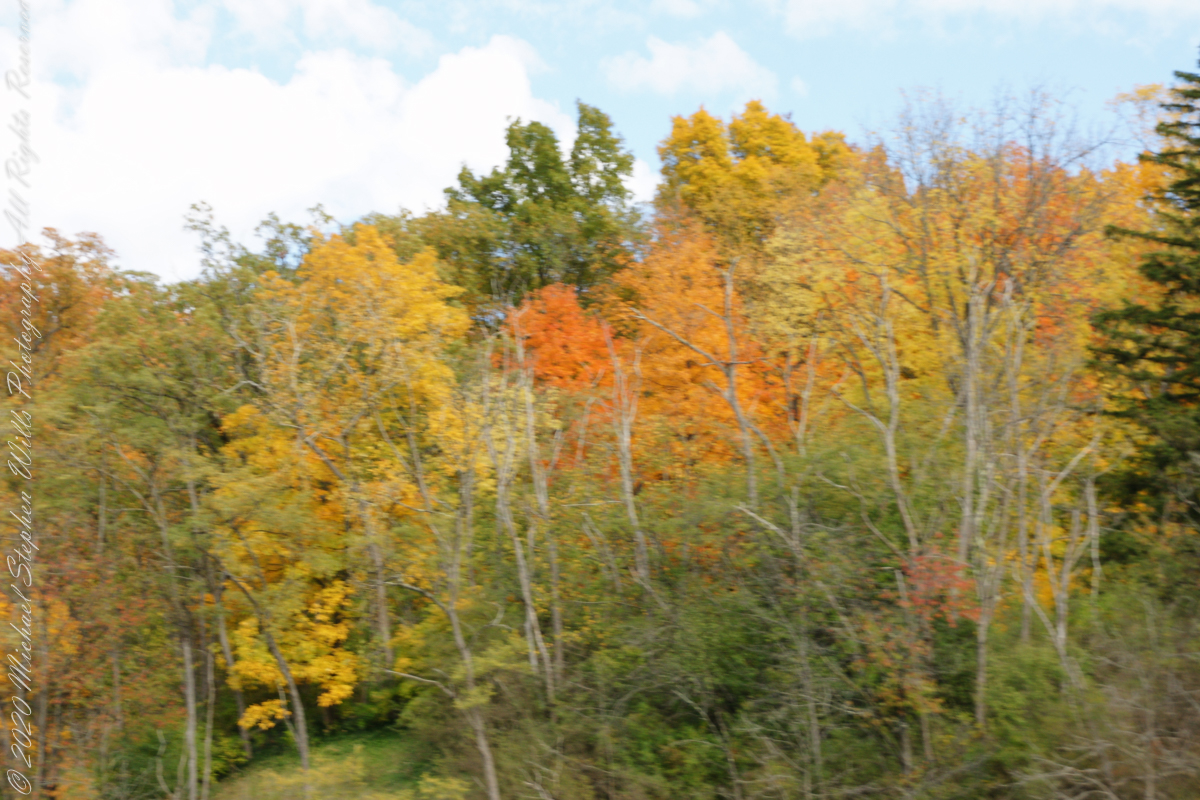
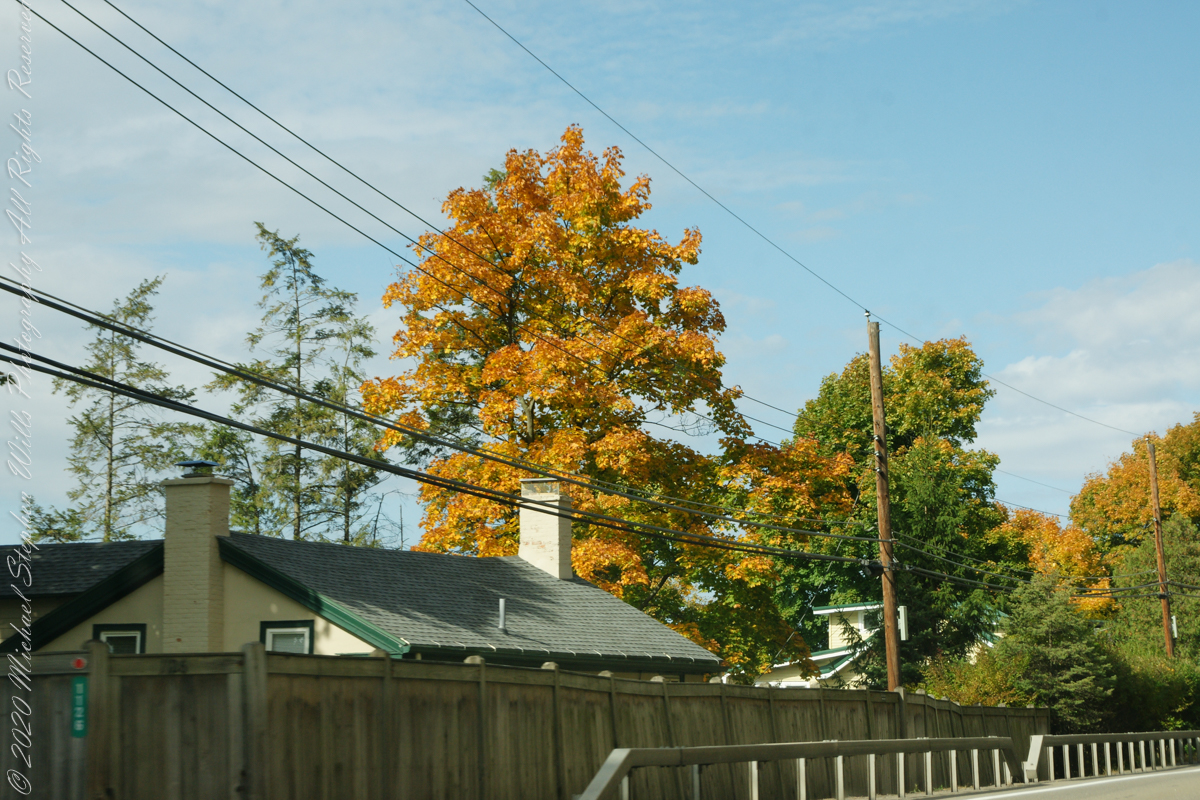
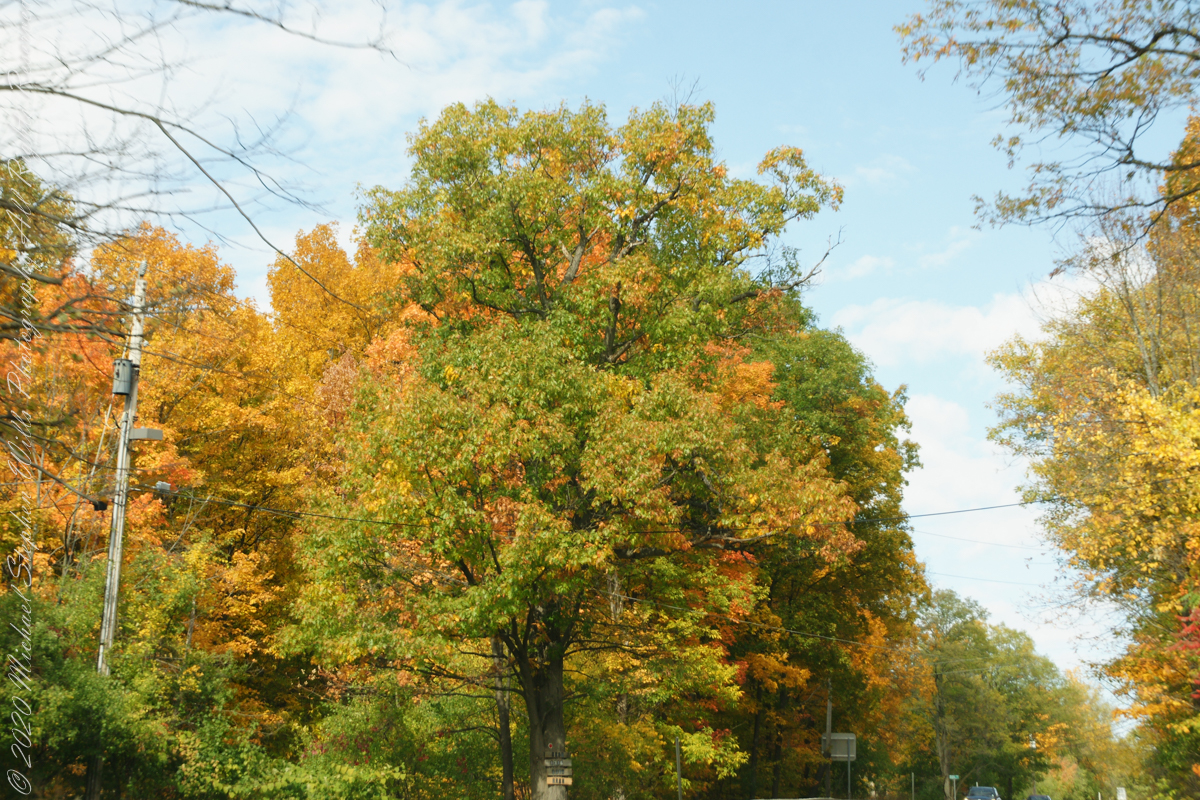
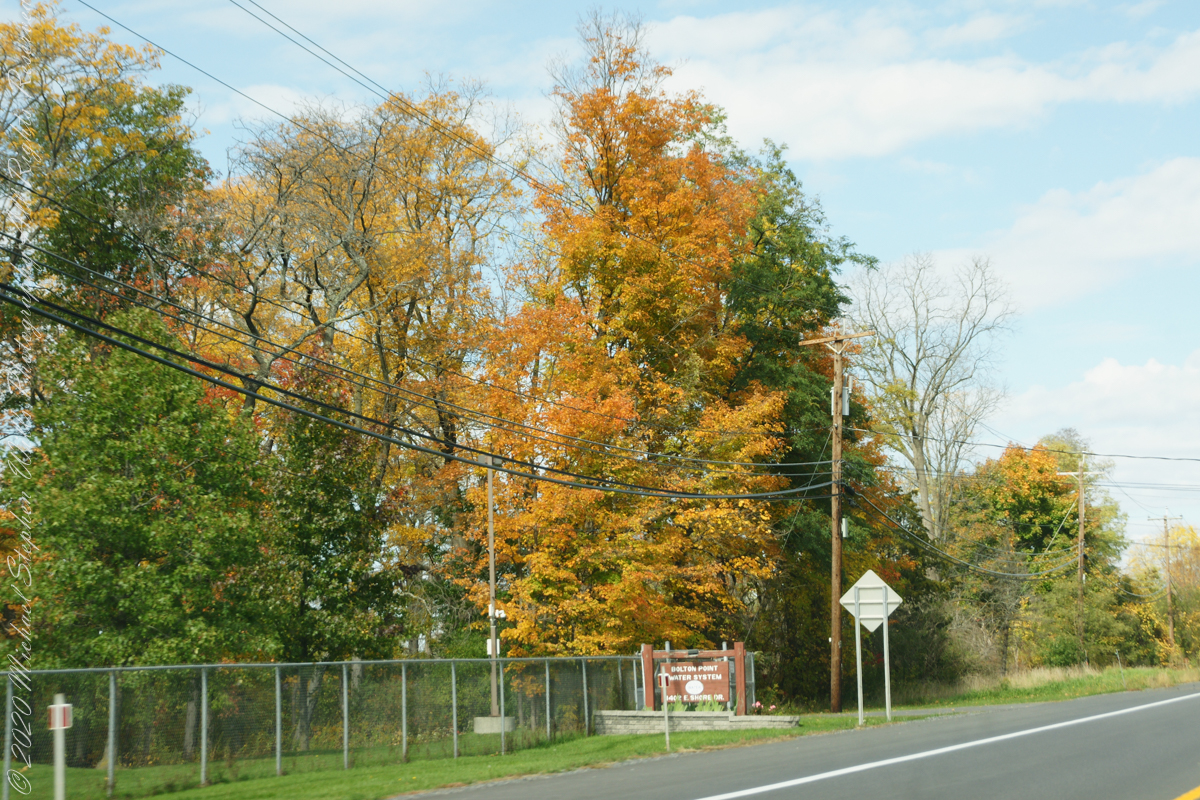
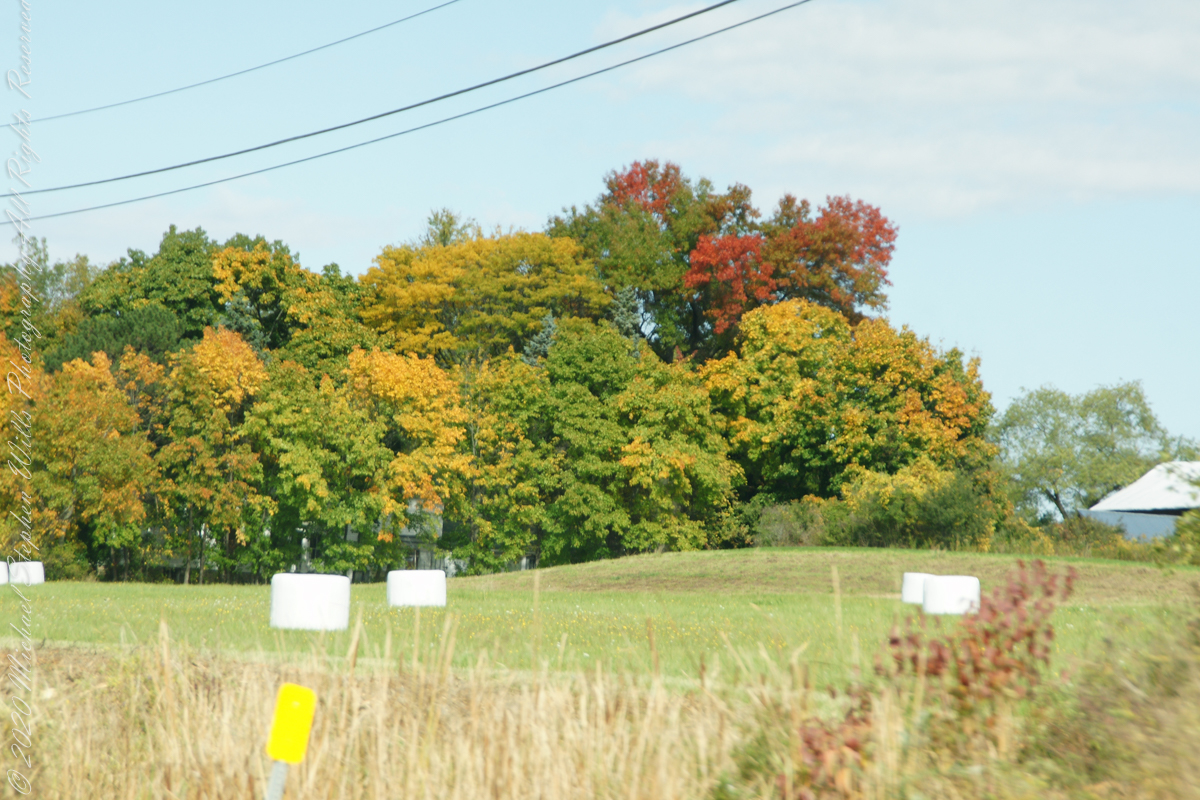
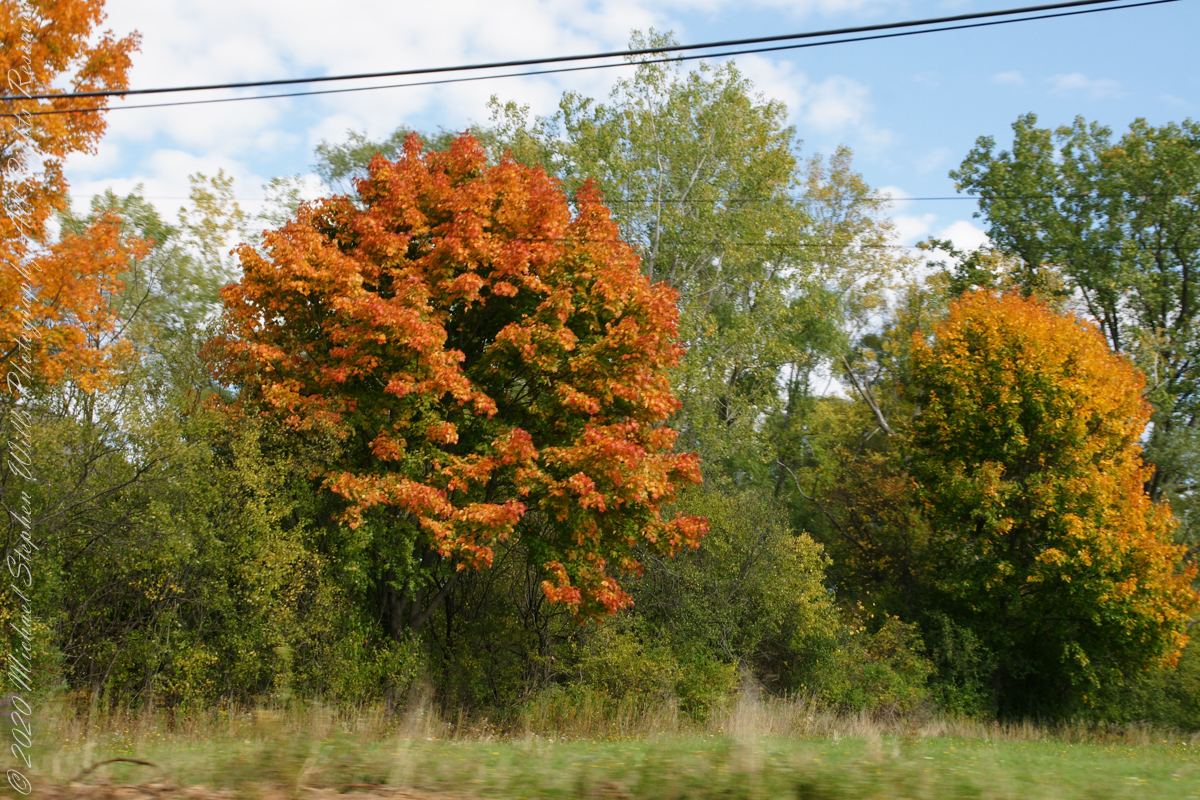
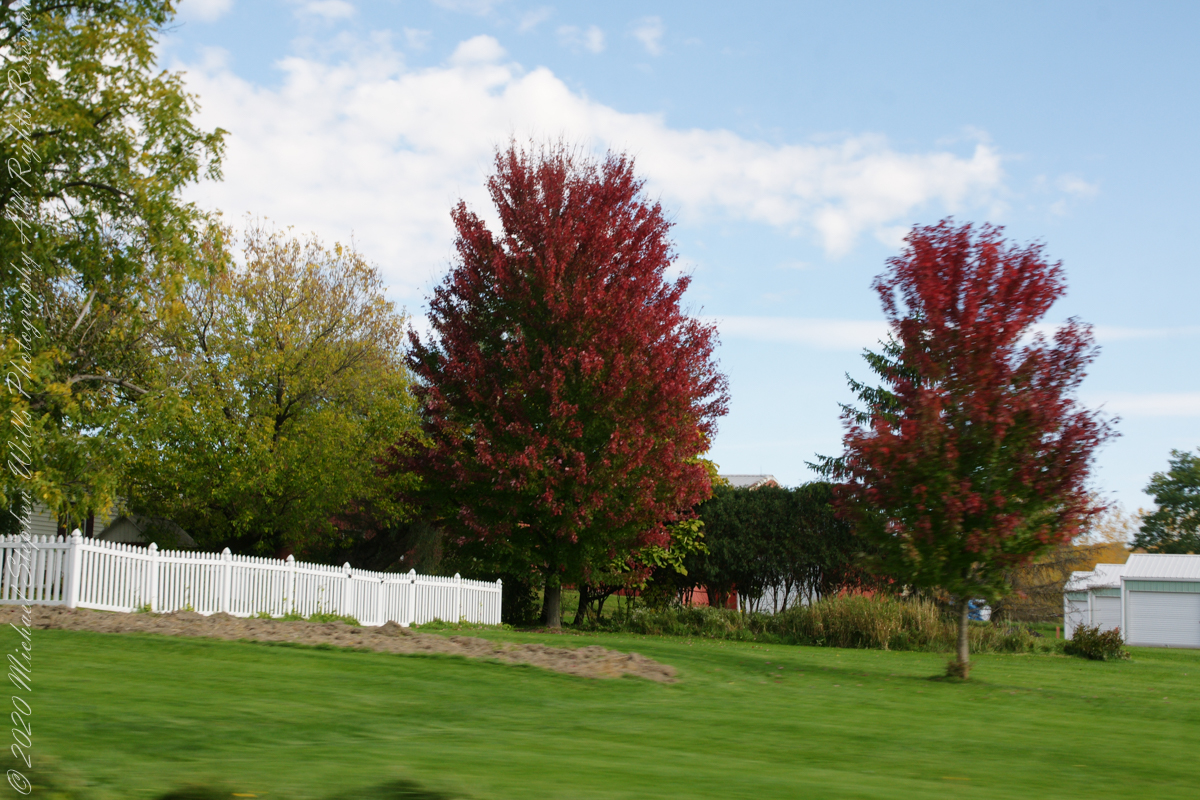
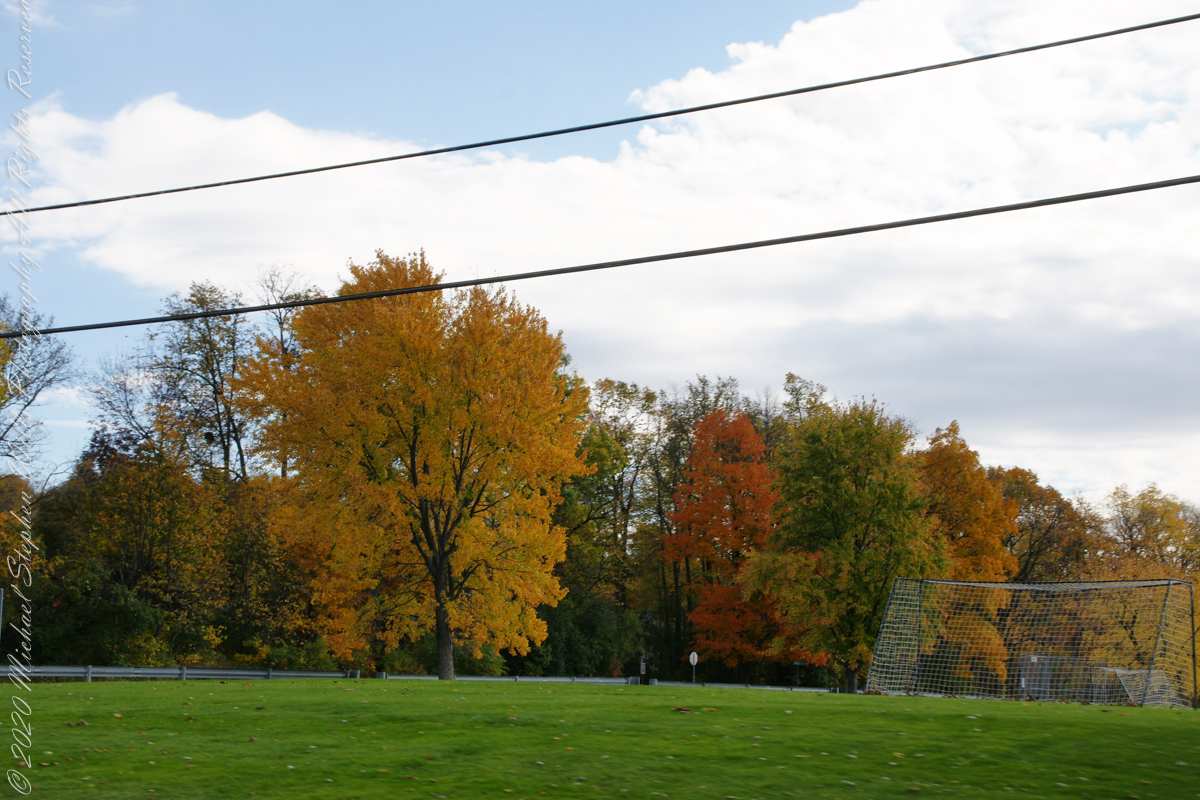
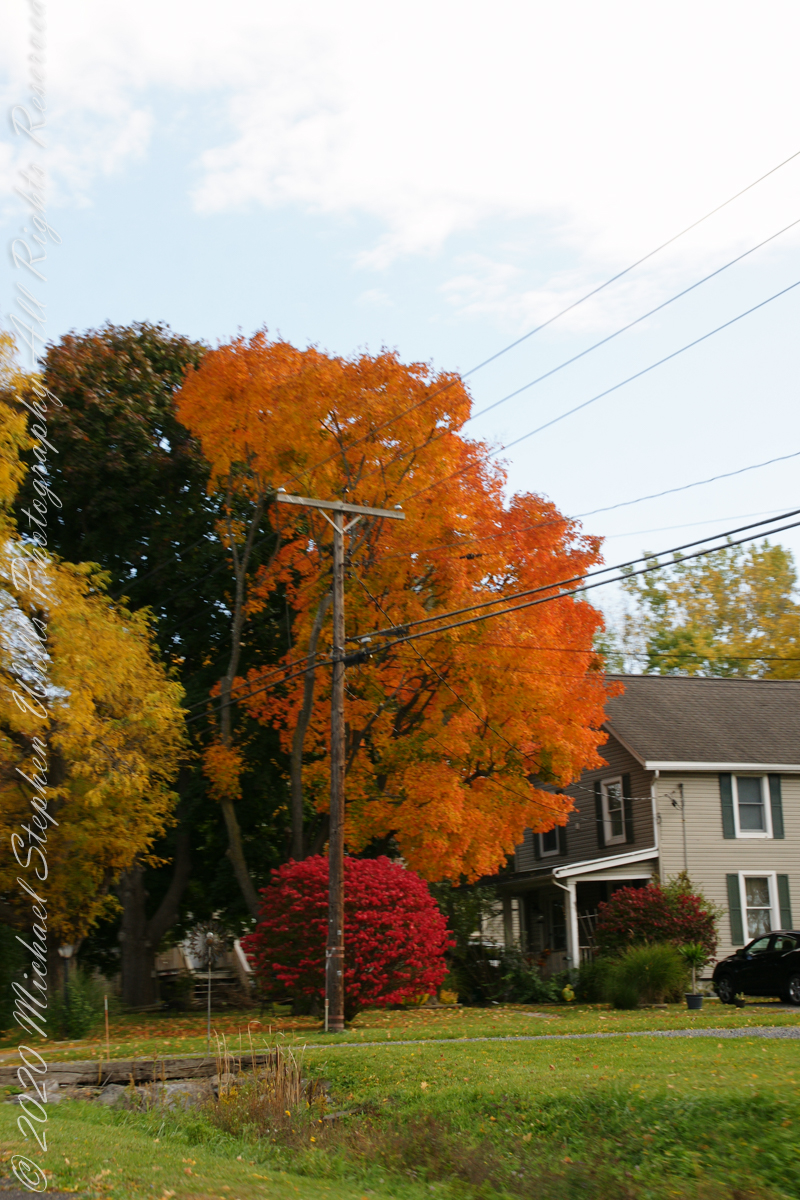
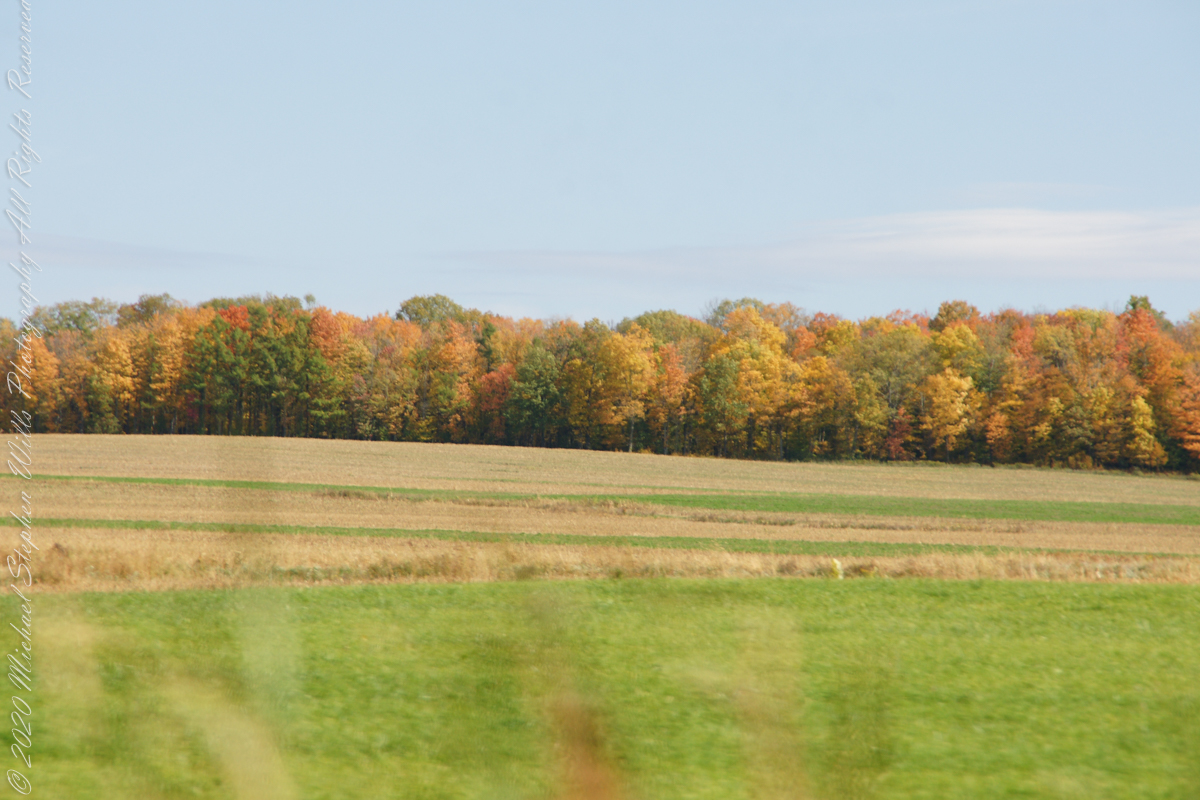
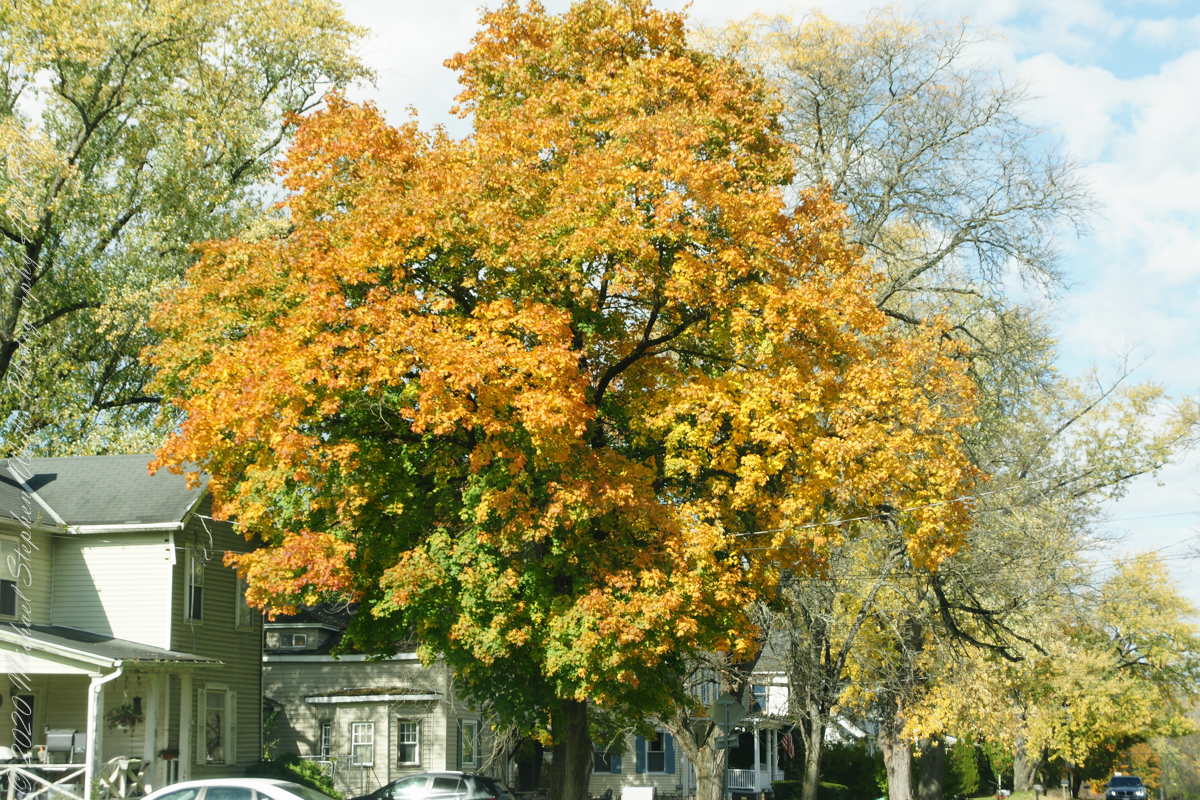
Yet, as the seasons wheel from the halcyon days of summer to the mellowing glow of autumn, the maple leaf undergoes a transformation as profound as any in the human soul. It becomes a canvas upon which the twilight of the year is painted. Scarlet, amber, and gold – these are the hues of the leaf’s maturation, a visual sonnet to the passage of time. Mann may have mused on this metamorphosis, the leaf becoming an artifact of beauty at the very precipice of its own demise, a reflection on the bittersweet nature of all earthly endeavors.

Philosophically, the maple leaf’s journey from bud to decay is a microcosm of existence itself. In spring, it burgeons forth from the stark limbs of its parent tree, a symbol of rebirth and the perennial hope that accompanies new beginnings. In its zenith, it offers shelter and sustenance, an unheralded giver of life. But as it yields to the inevitable fall, swirling in the autumn winds to its rest upon the soft earth, it evokes a meditation on the impermanence of all things. The leaf, once the very emblem of vitality, now melds with the soil in quietus, a return to the elemental from which it sprung.
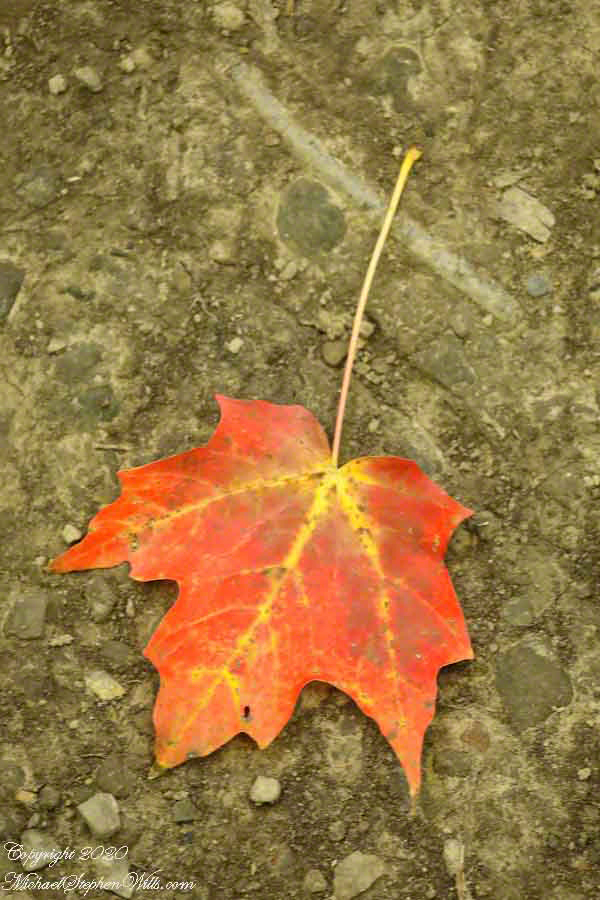
The maple leaf, then, is not merely an object of transient beauty, nor simply a token of the land it hails from. It is a narrative, a silent orator of the eternal truths that bind the soul of the artist to the canvas of the universe. It is a vessel for the musings of poets and philosophers, a simple yet profound cipher for the myriad complexities of existence.

I find maple leaves imbued with a weight of existential significance: its simple, pleasing shape a metaphor for the human aspiration towards beauty and the poignant inevitability of its corruption. For in the visage of the leaf, one might glimpse the duality of passion – the longing for the sublime, coupled inexorably with the sorrow of its fleeting grasp. Thus, the maple leaf, in its silent splendor, becomes a memento mori, a delicate reminder of the rapturous agony of life and the solemn peace of death.

Click Me to view my photographs on Getty.

Copyright 2023 Michael Stephen Wills All Rights Reserved http://www.MichaelStephenWills.com

Baker Lab with Autumn Trees

Double Irony

Baker Lab

Baker Laboratory dates back to World War I.  With 200,000 square feet of space, the lab is home to Cornell’s Chemistry and Chemical Biology Department, the Chemistry Research Computing Facility, the Nuclear Magnetic Resonance Facility, and the Advanced ESR Technology Research Center (whew!!).

Trees on a Knoll

On the right, on a knoll, is a European beech tree (Fagus sylvatica).  The Latin name holds a double irony. Standing, alone, high above East Avenue on the Cornell campus  (sylvatica means “of forests”) as a memory of the forests growing above Cayuga Lake is a being once worshiped as a god.   In Celtic mythology, Fagus is the god of beeches.

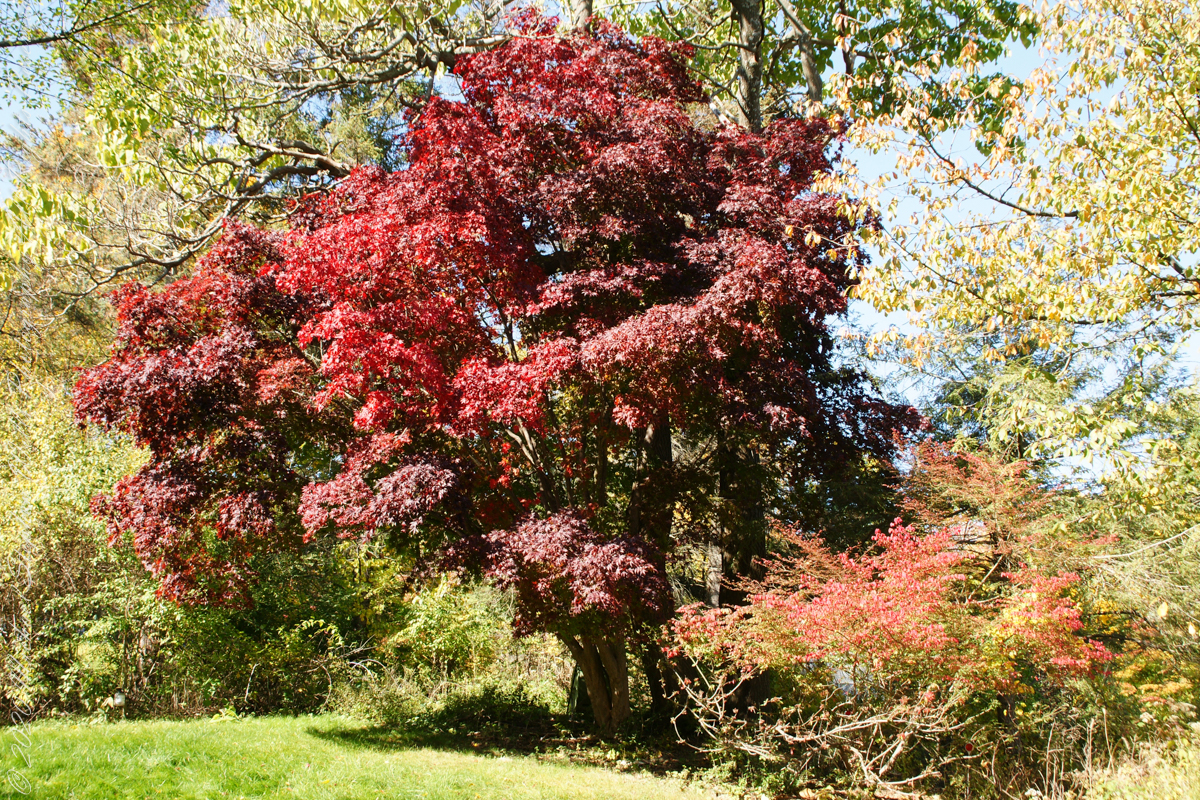
A maple is on the left, genus Acer of unknown species.  I recognize it from the shape.

Copyright 2023 Michael Stephen Wills All Rights Reserved

Revealed Form II

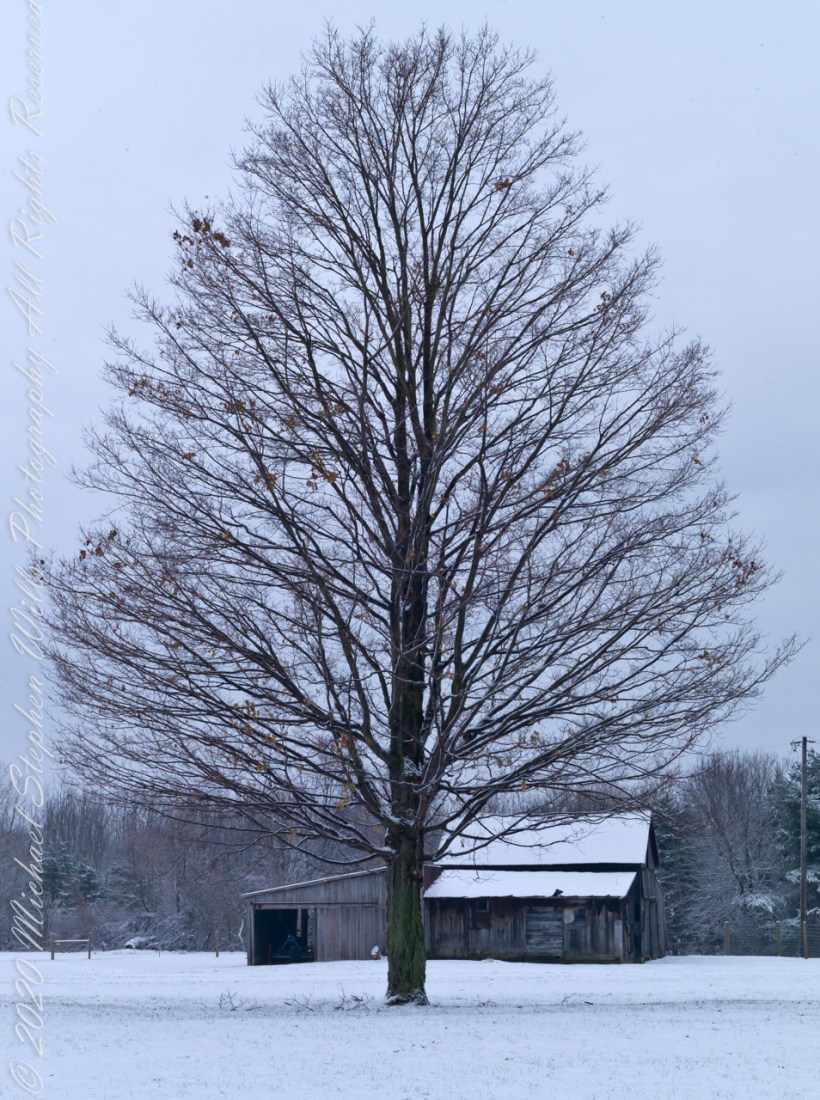
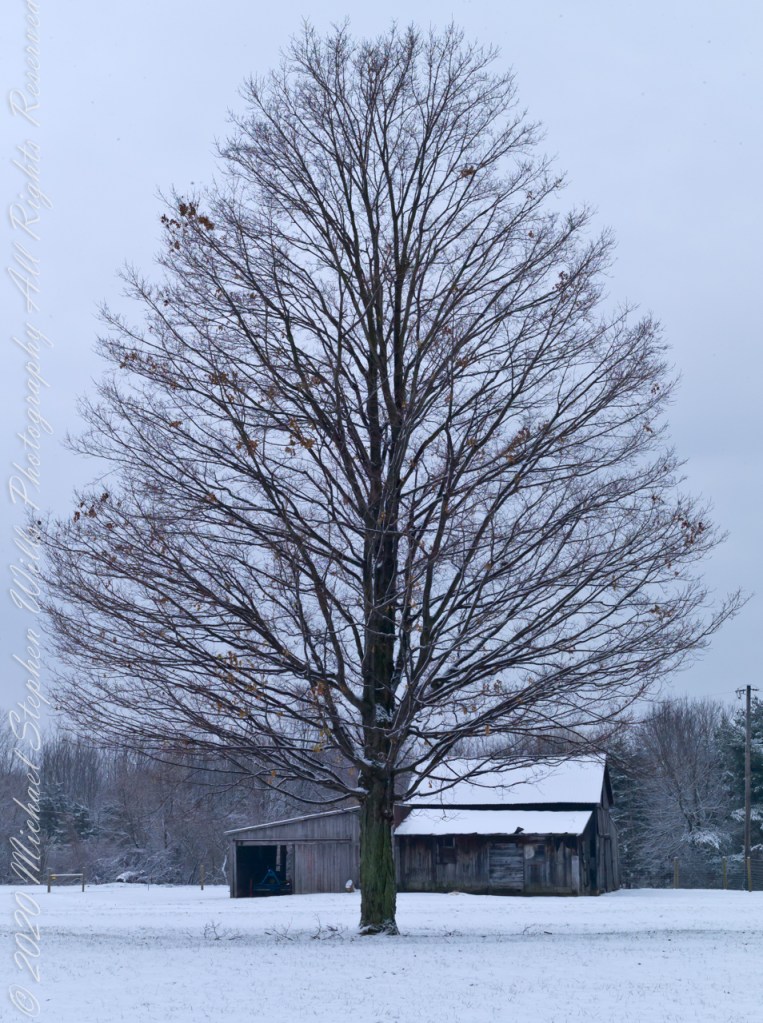
On the first day of 2006 I ventured from my home on Fall Creek on a photo expedition.  

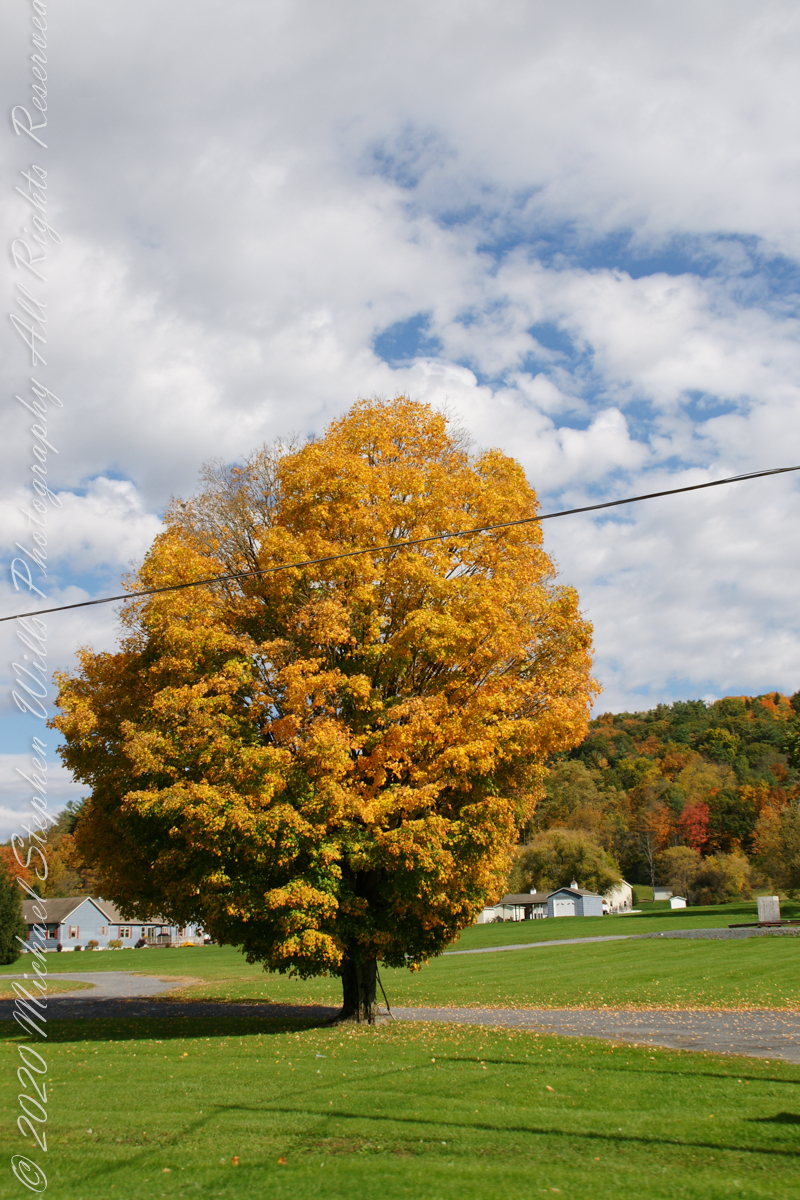
A finely shaped maple tree growing alone on a Cornell Experimental Farm field at the intersection of Fall Creek Road and Cady Lane, between Fall and Mud Creeks. Town of Dryden, Tompkins County, New York

Autumn Survey

Across the land

Good news….Click Me for the link to my latest photographs accepted by Getty, from this series of 2022 Fillmore Glen. You may acquire reasonably priced rights to use these photographs in your work.

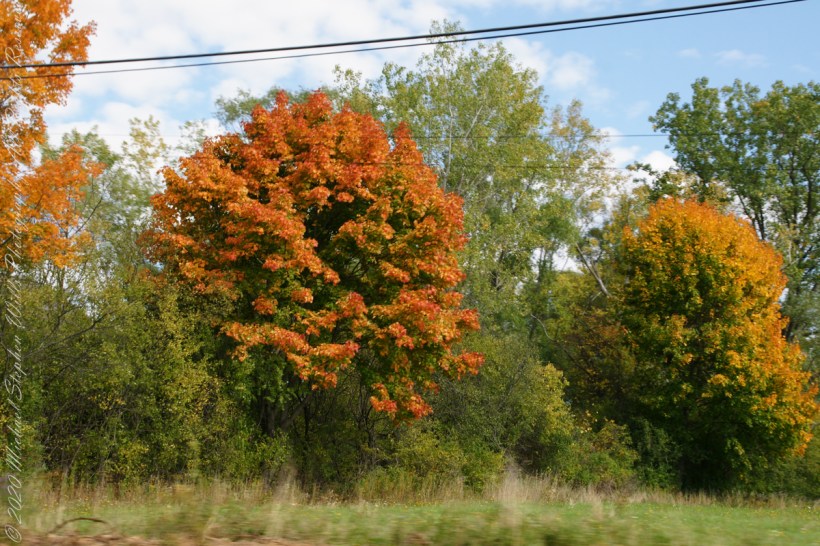
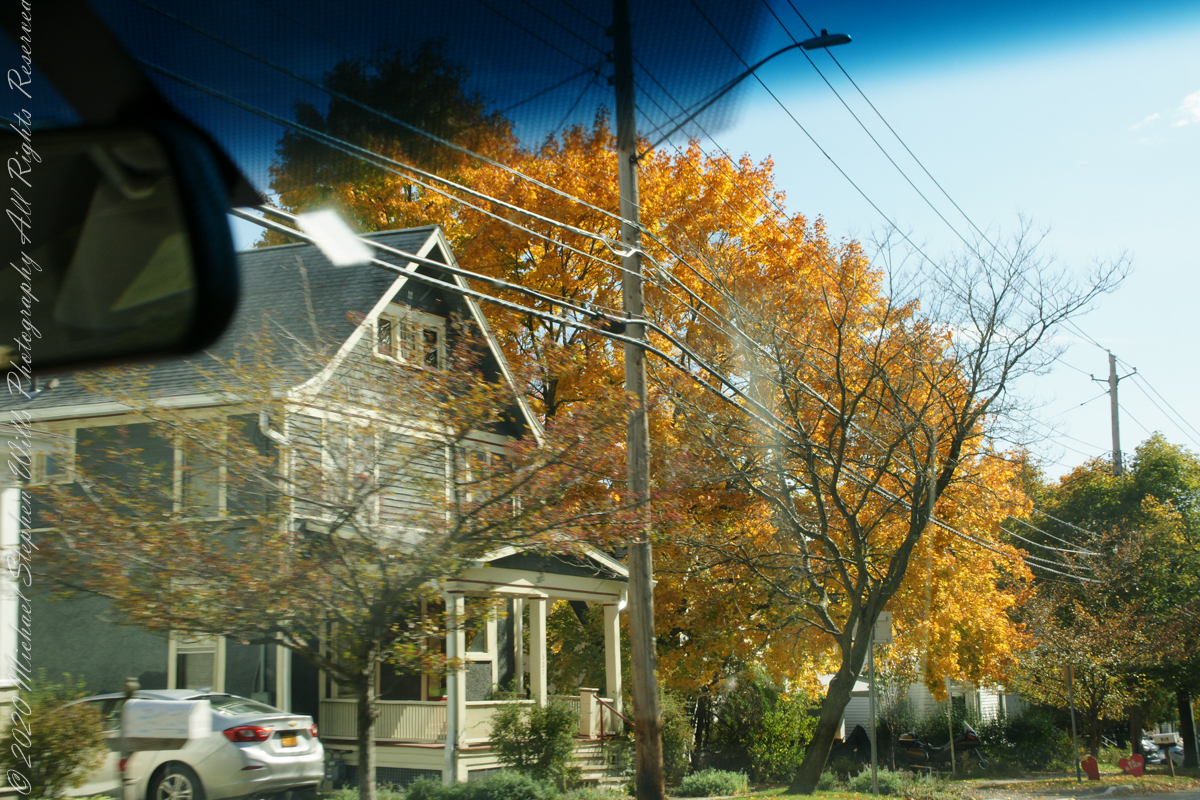
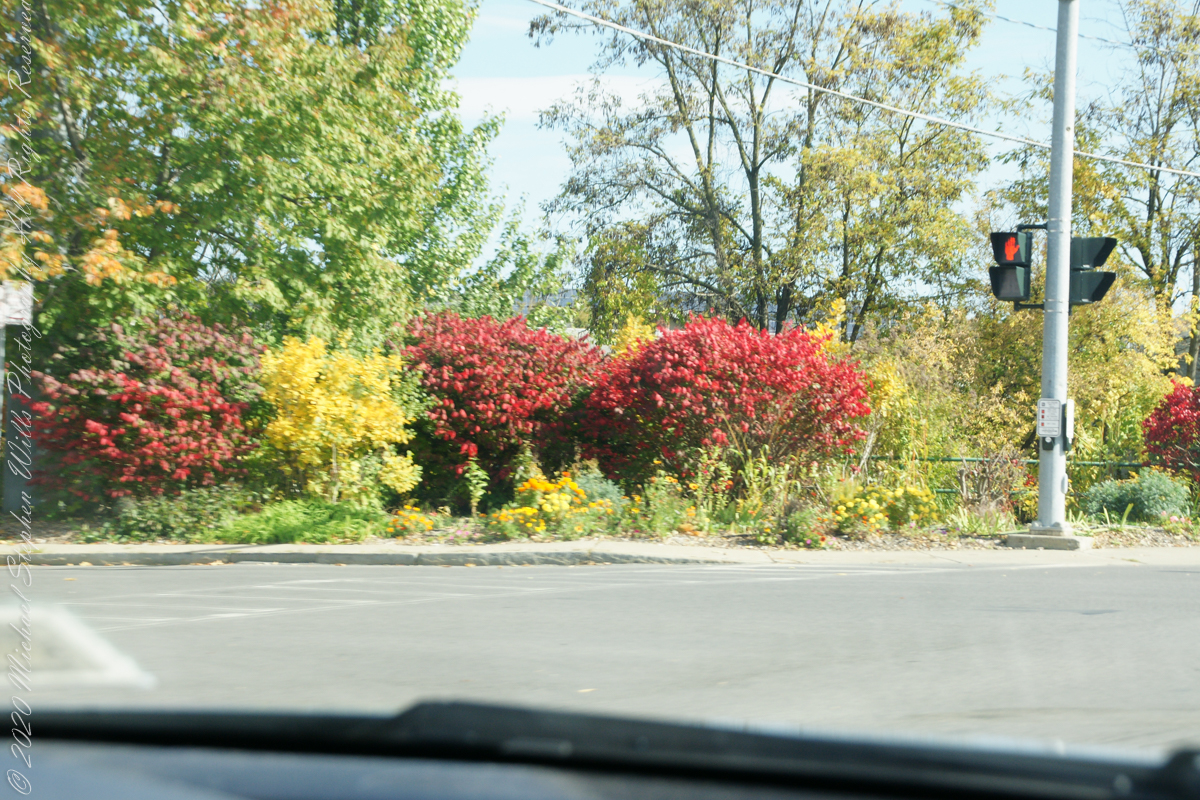
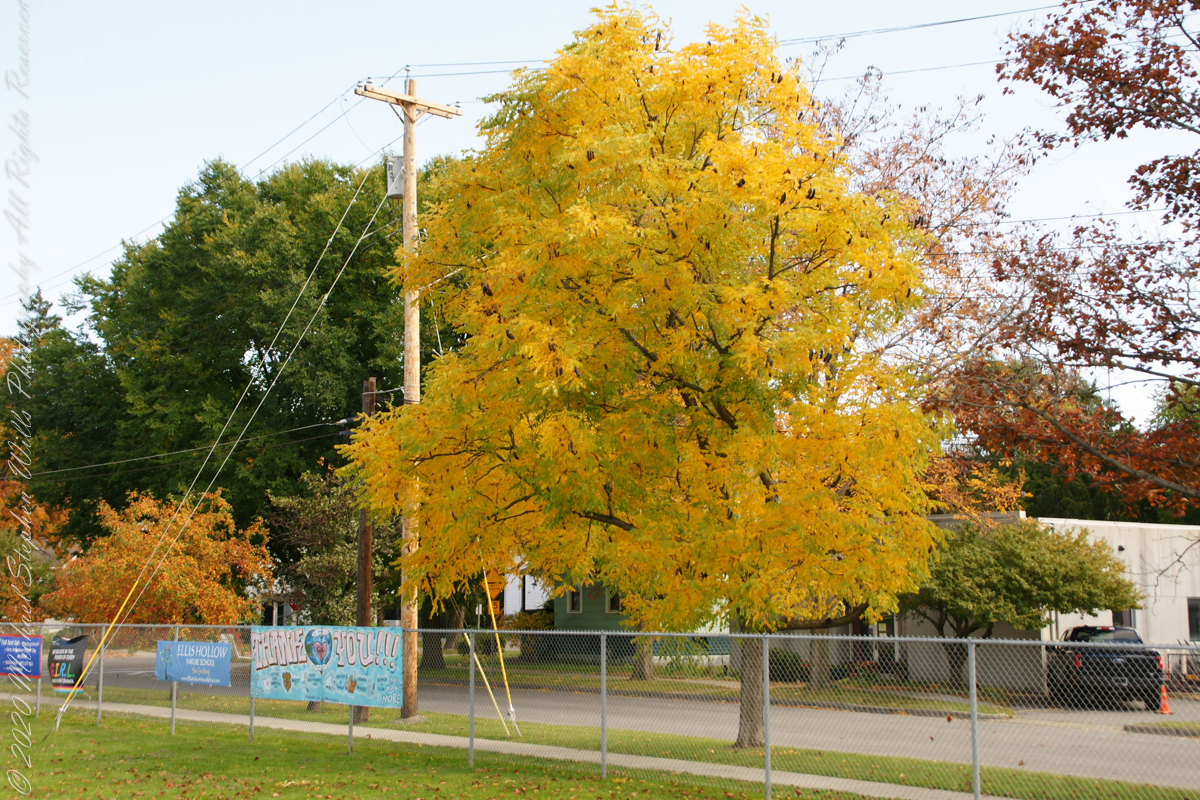
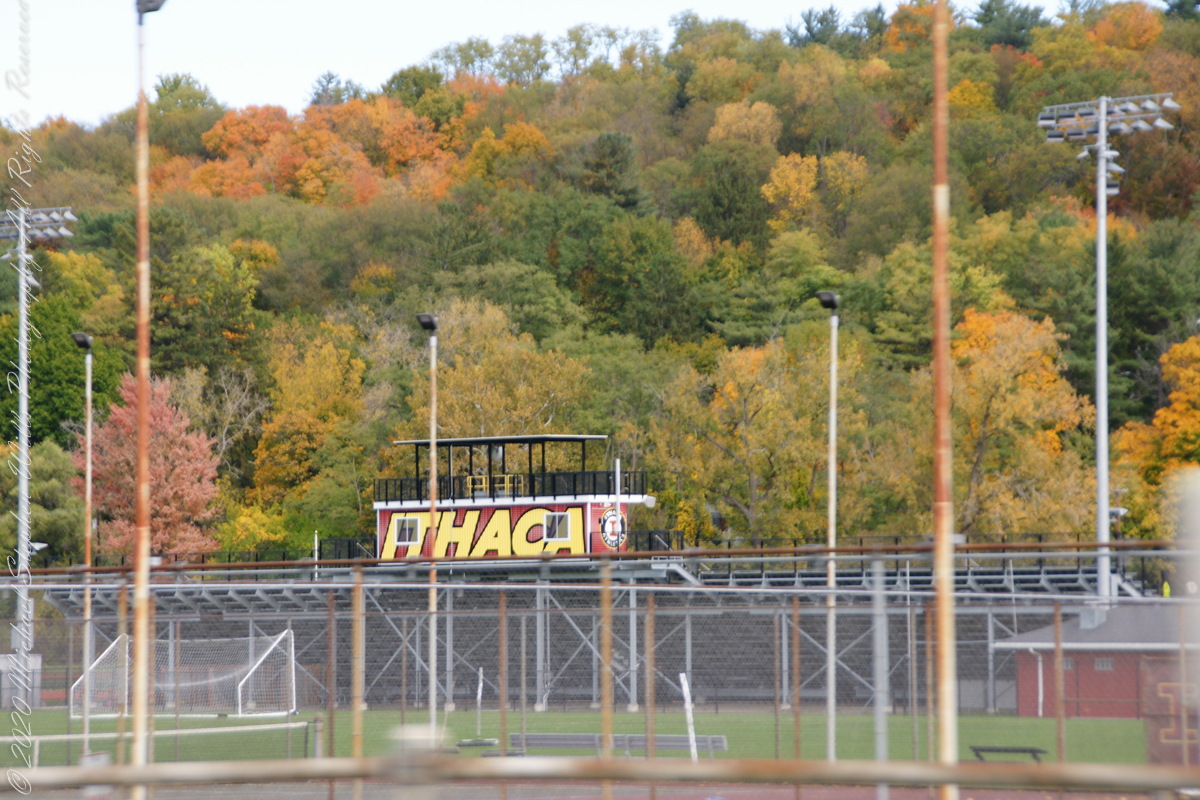
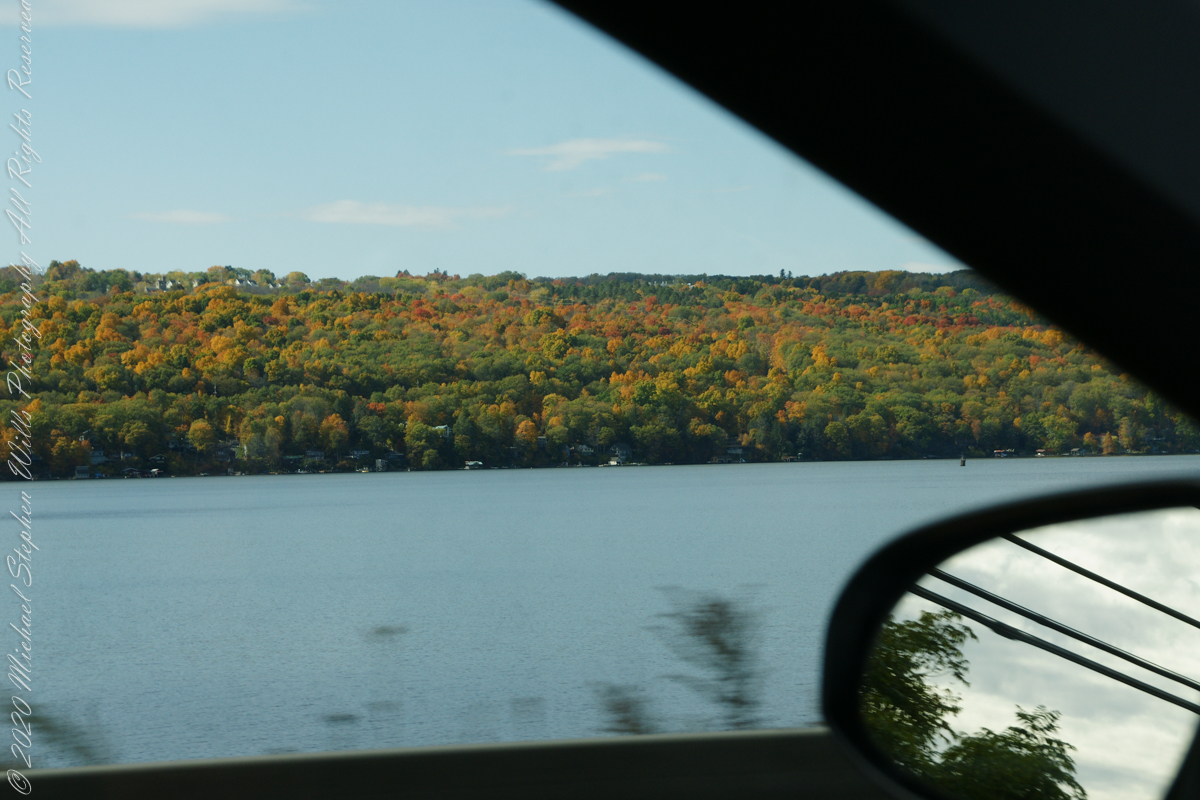
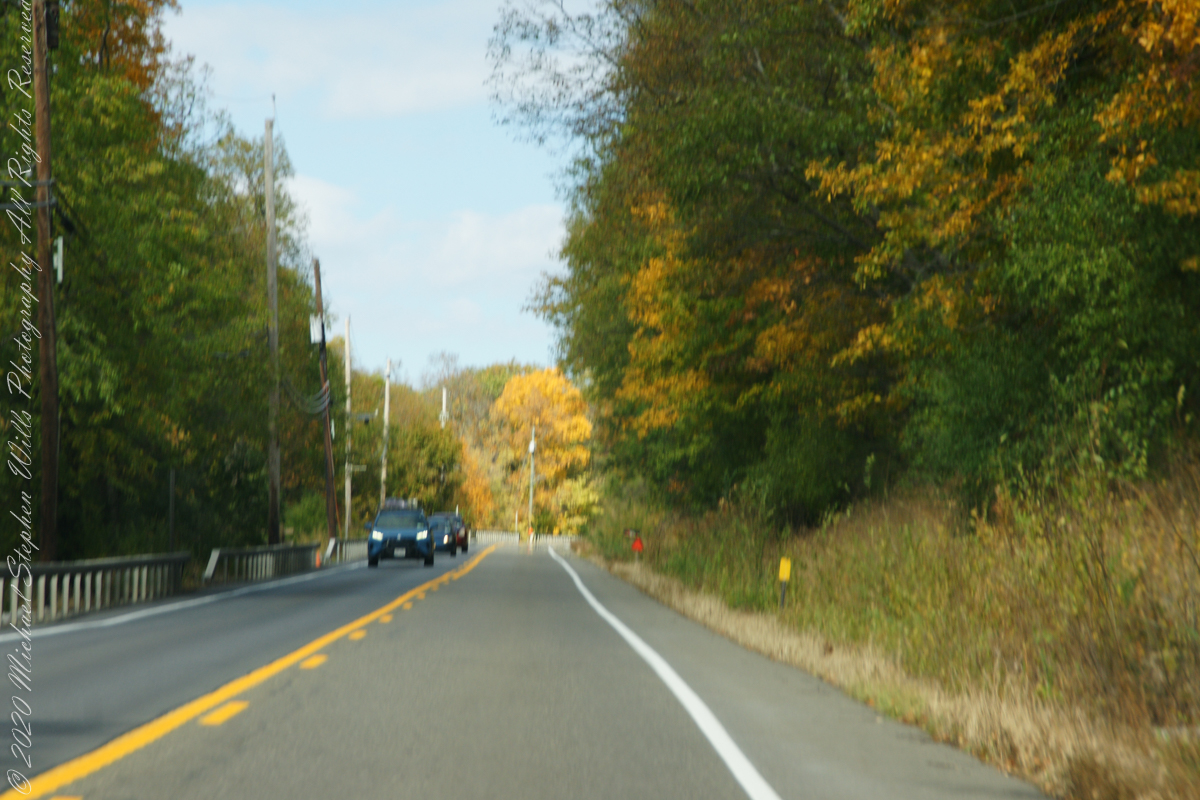
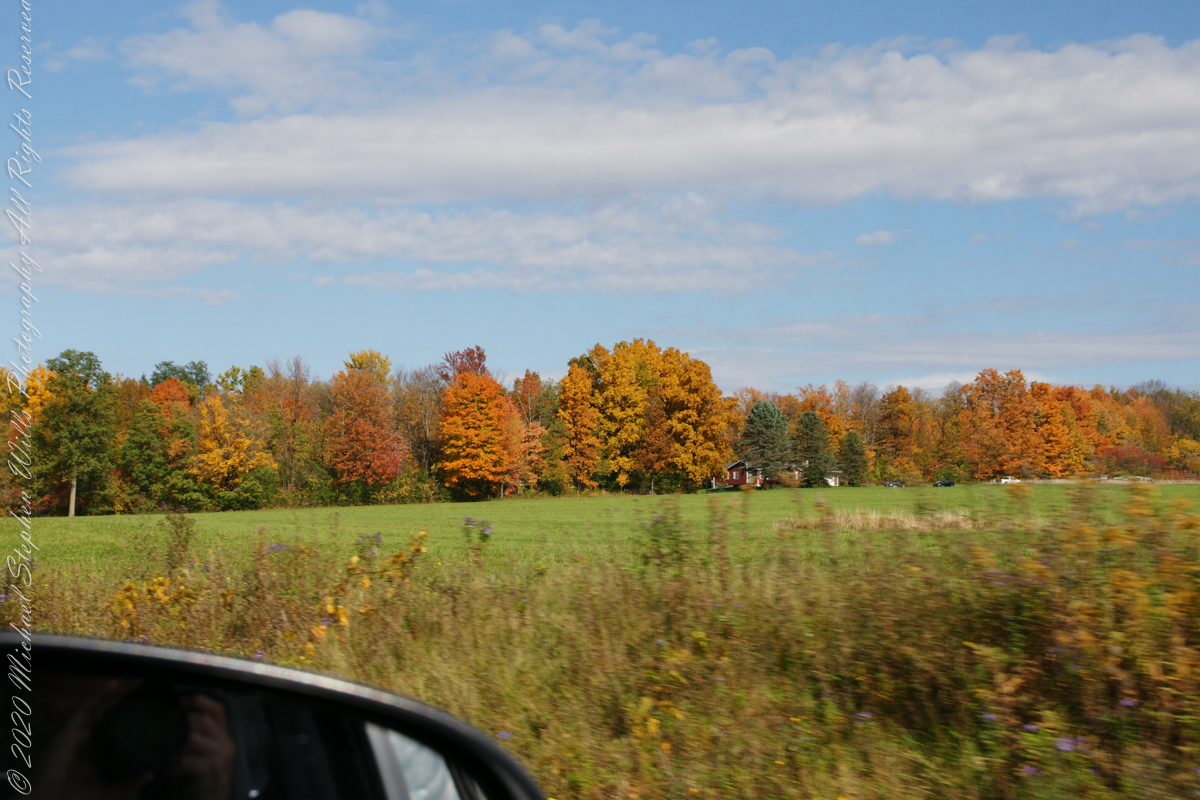
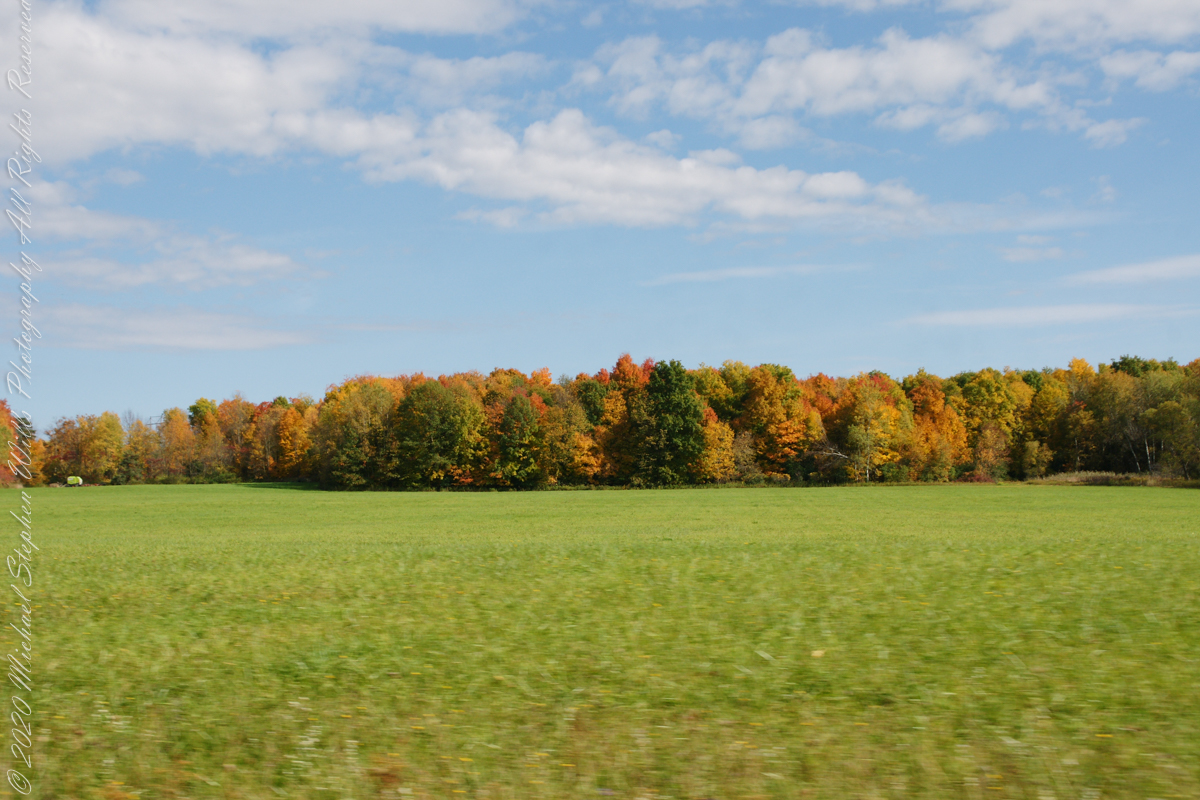
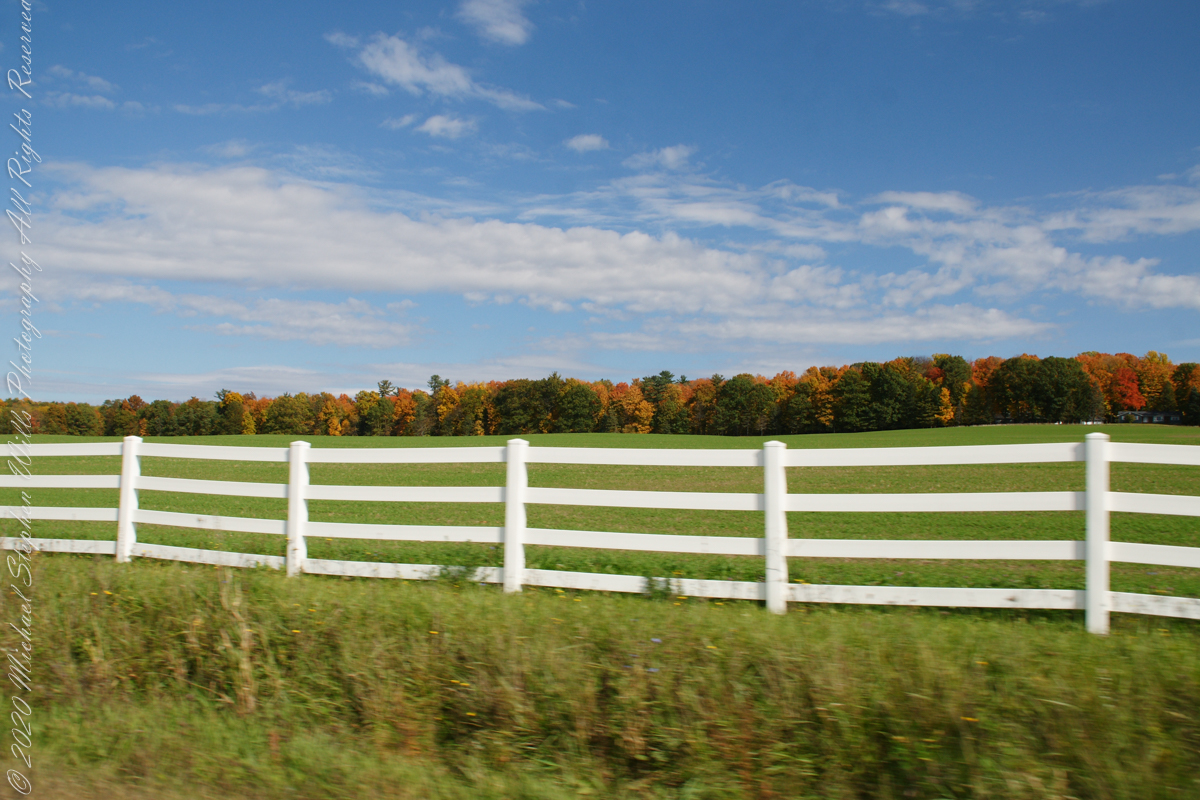
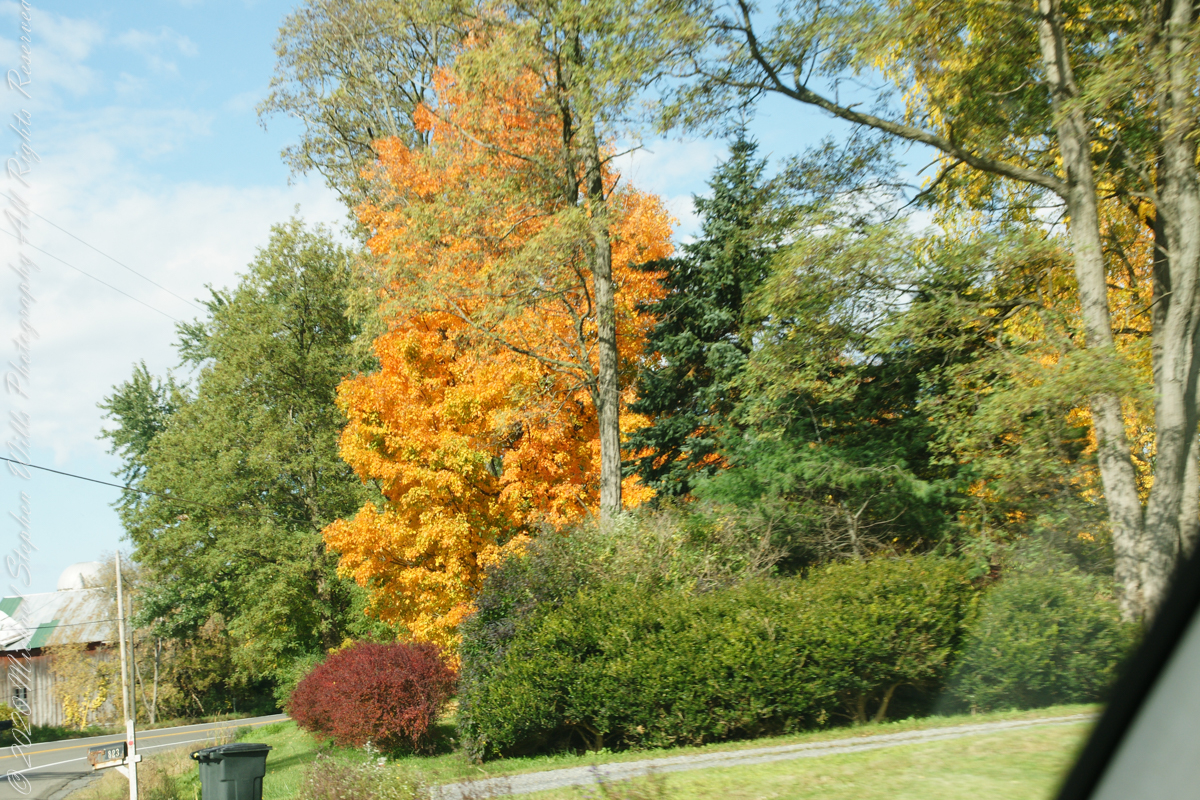
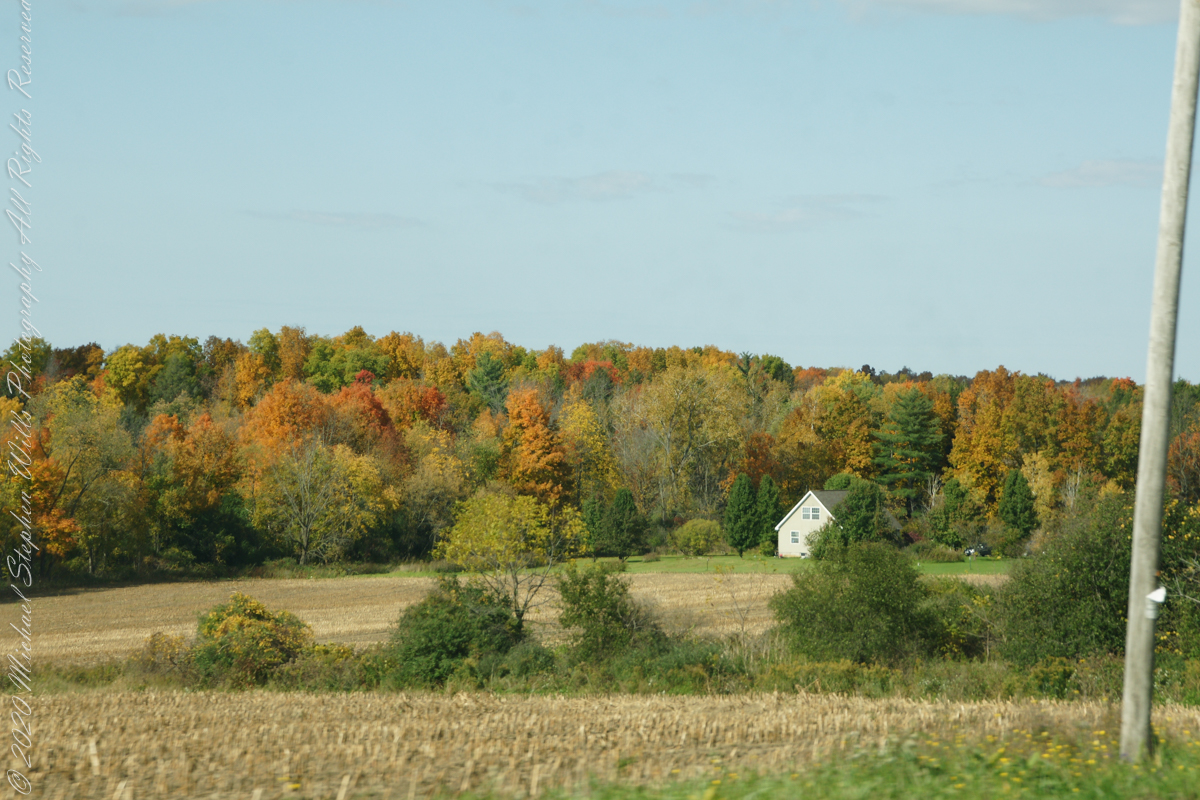
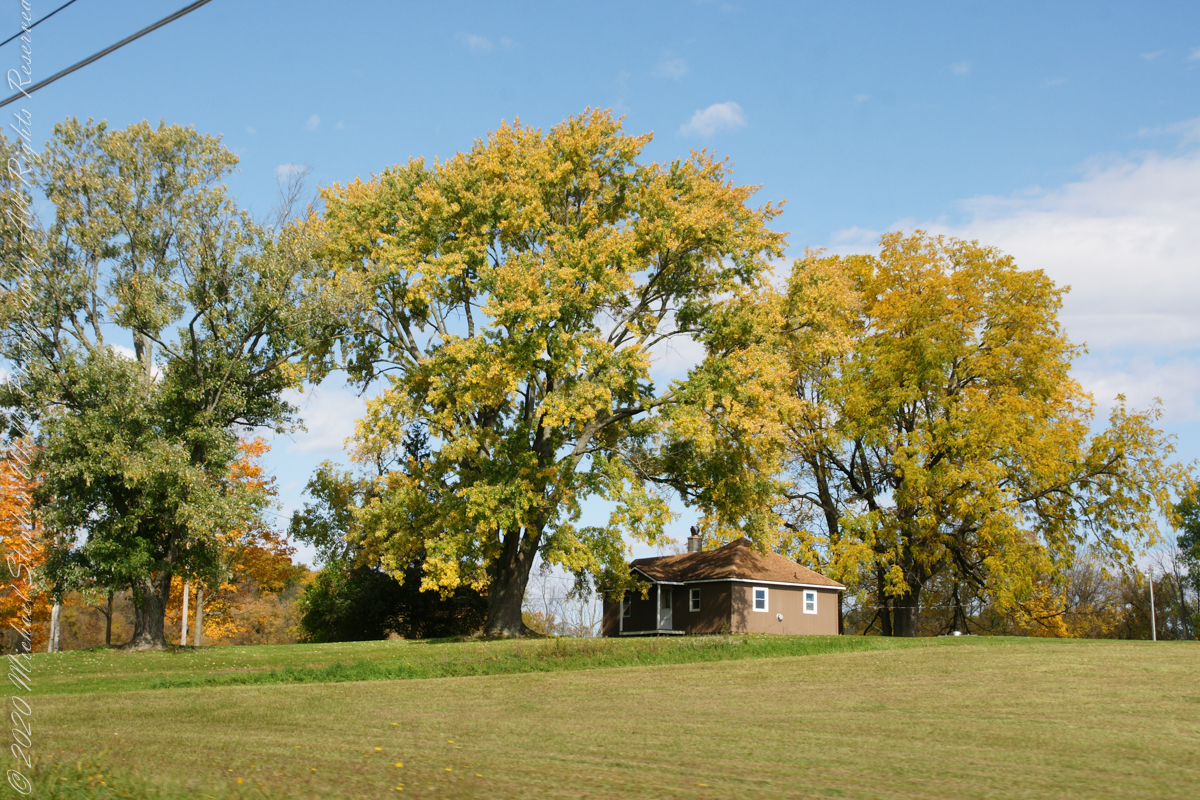
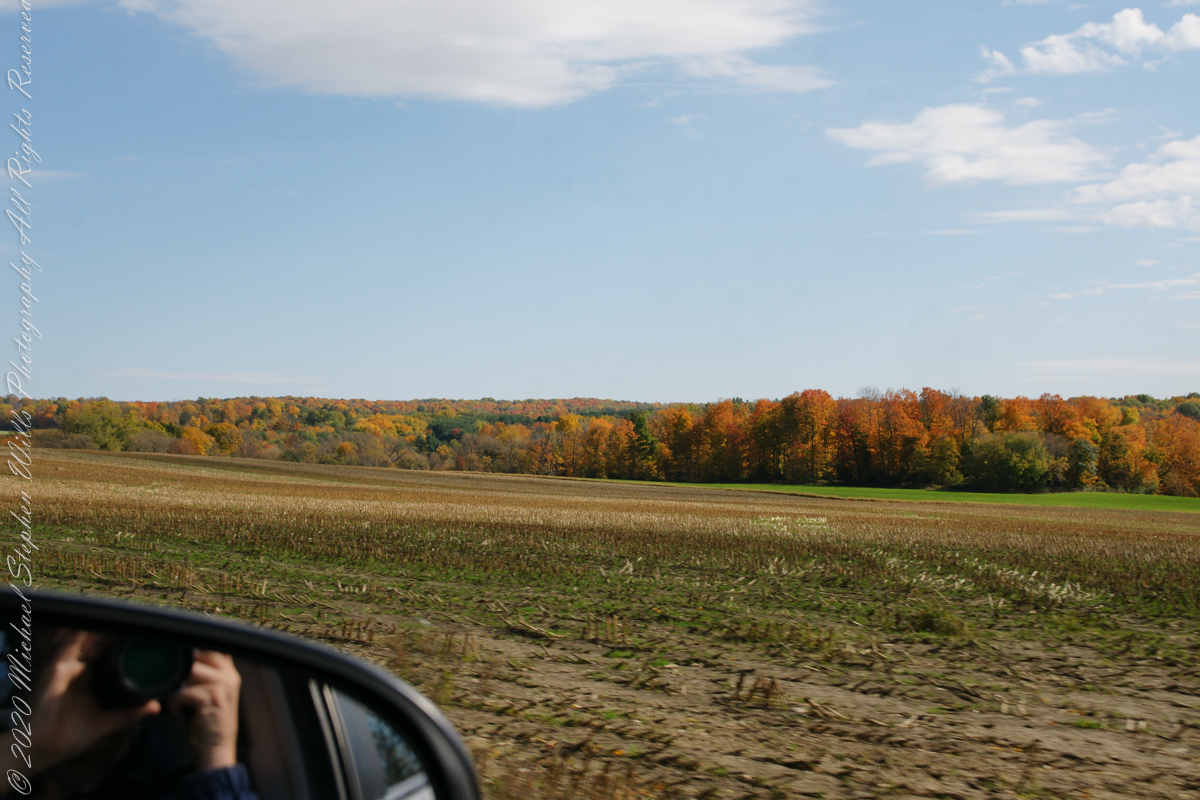
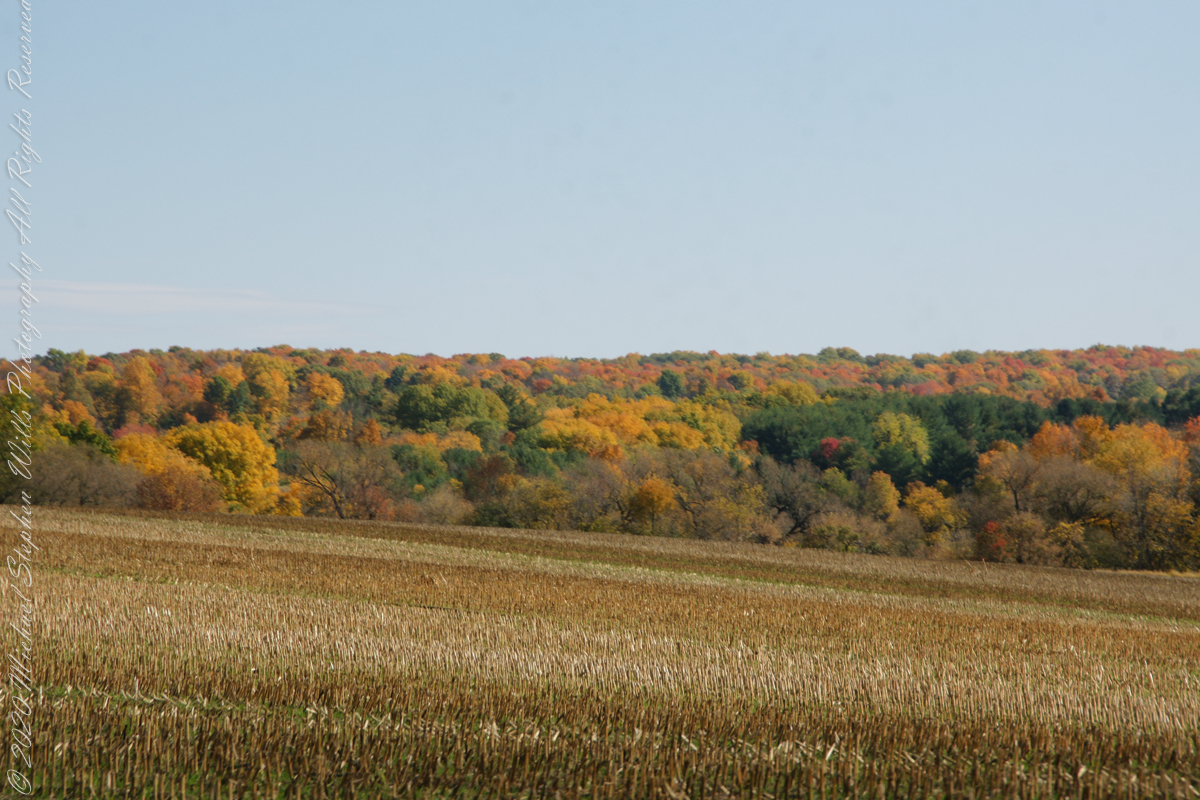
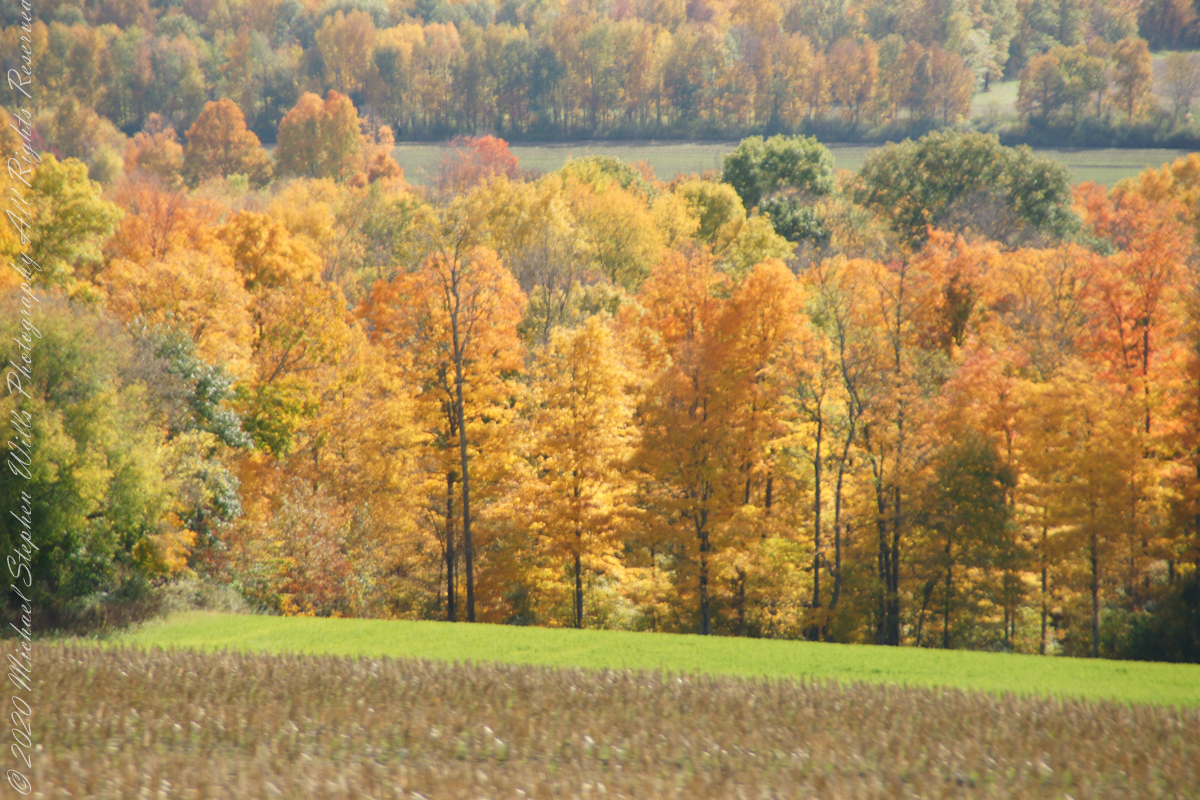
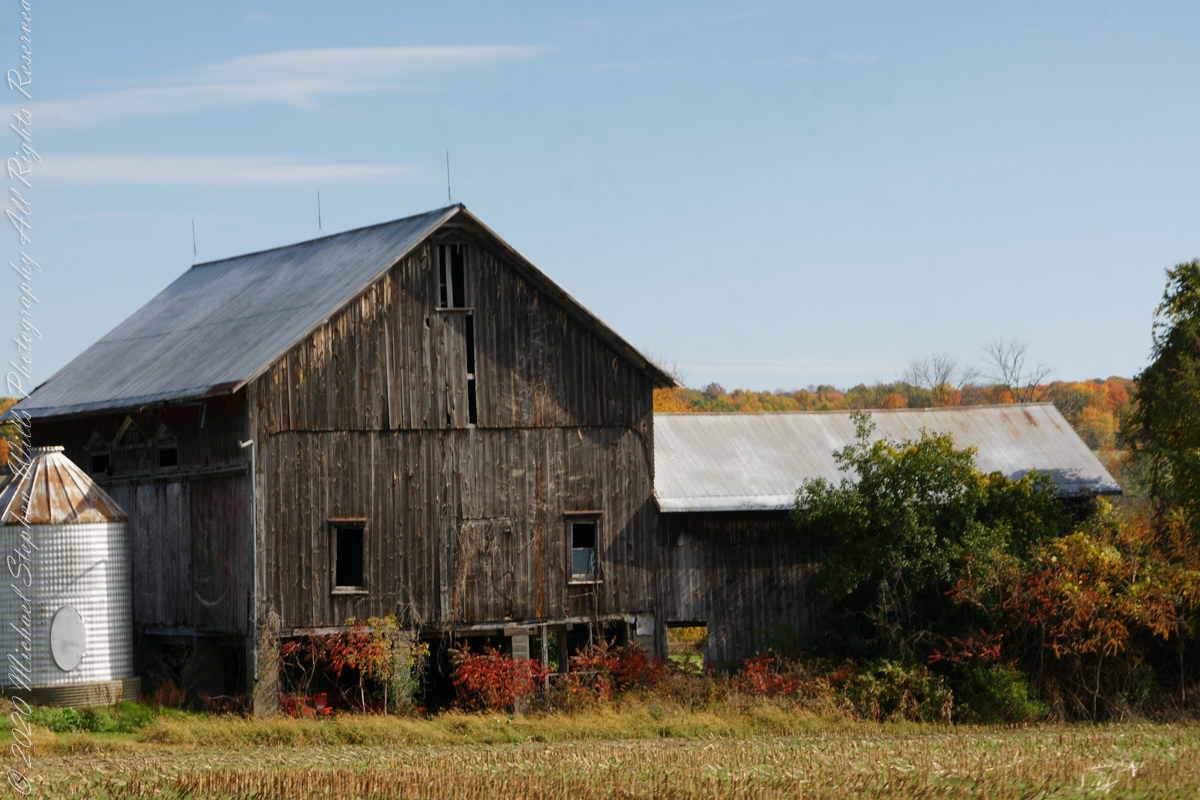
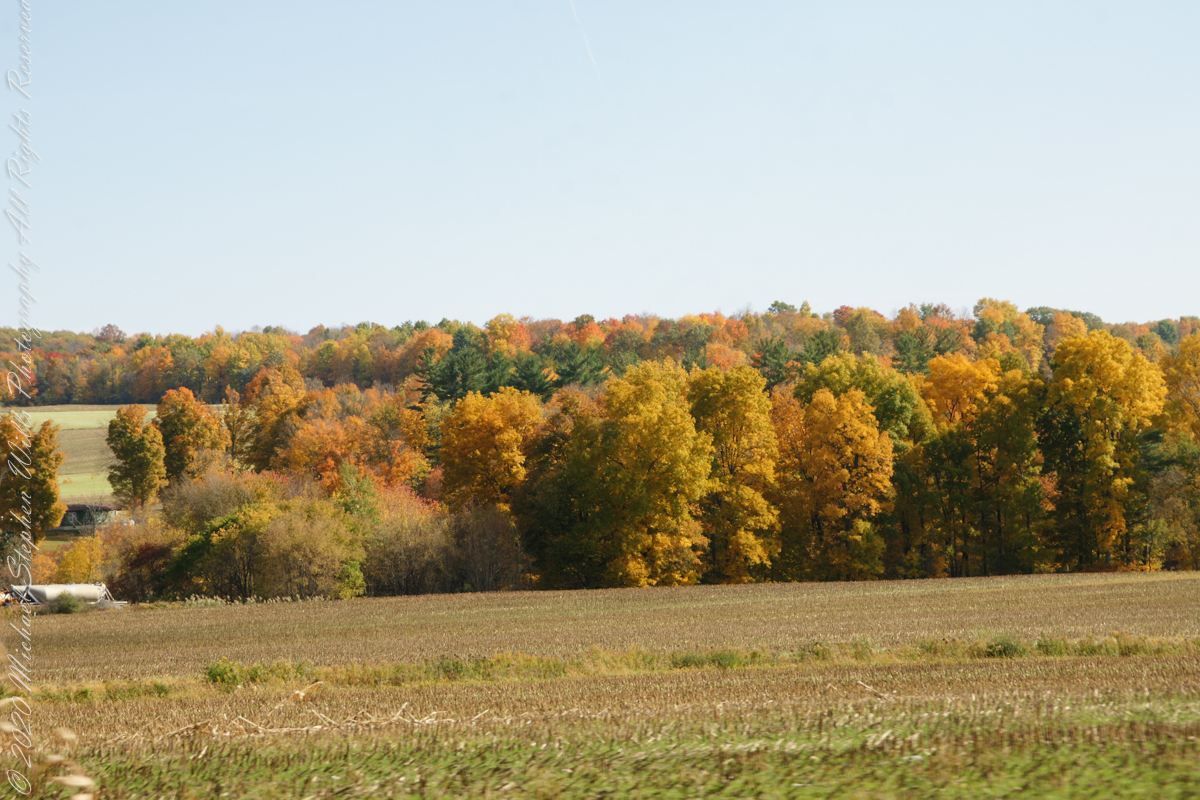
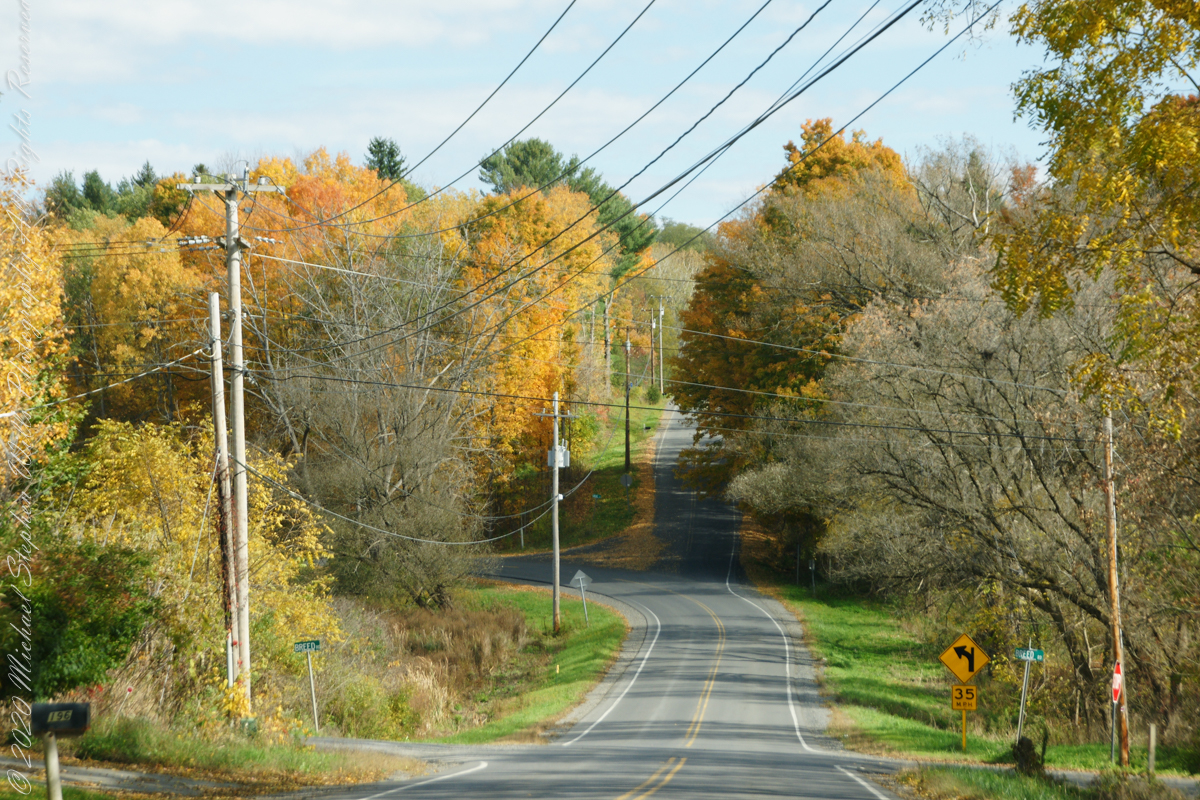
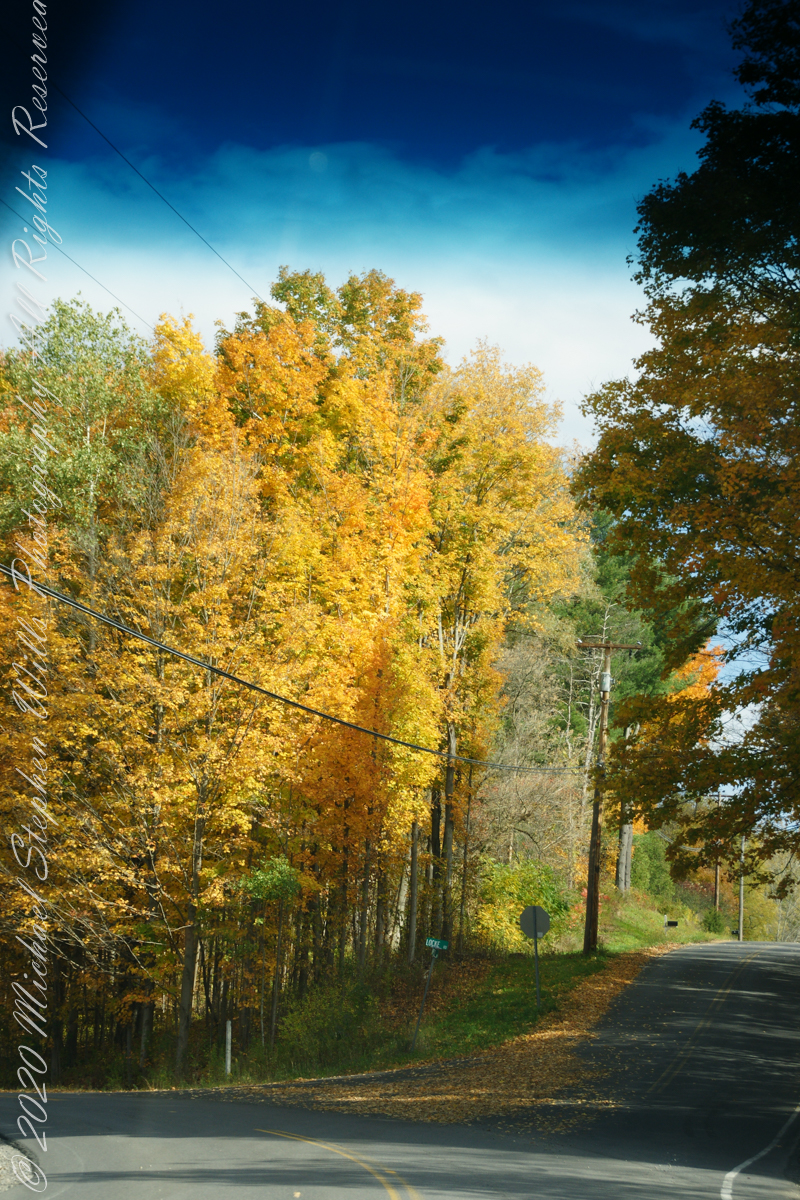
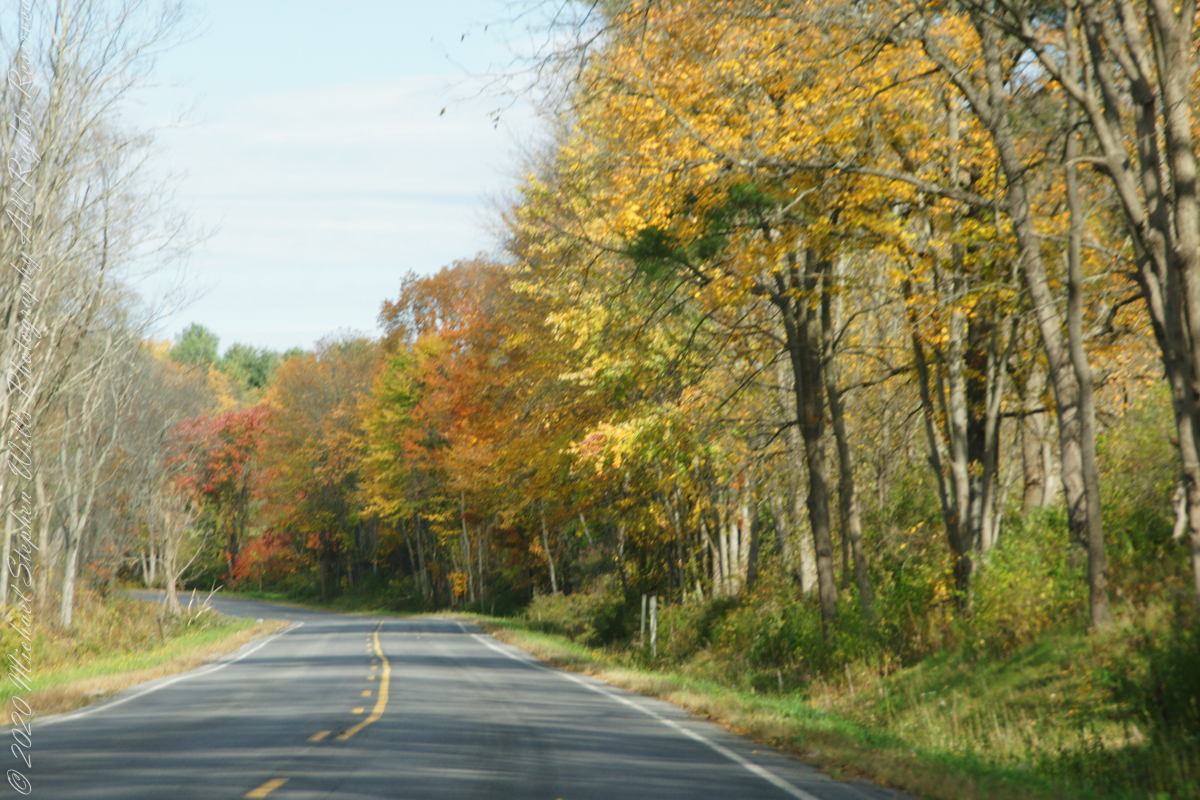
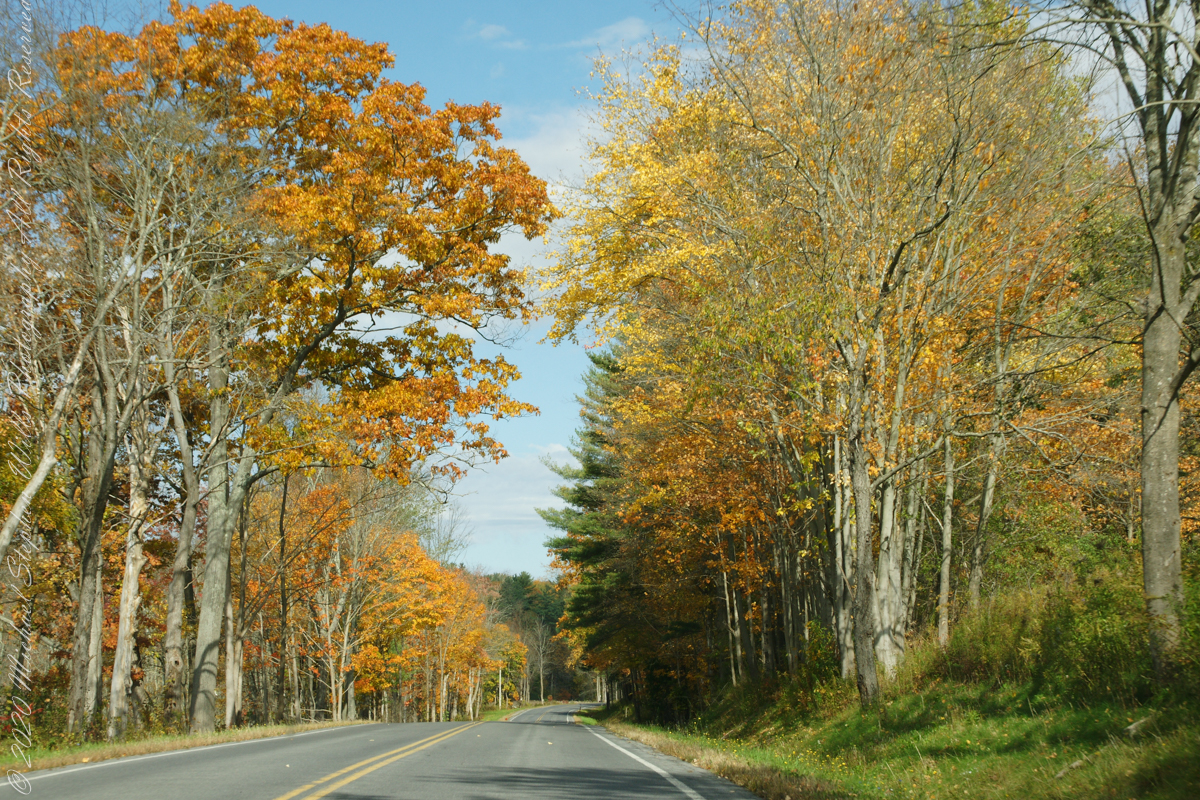
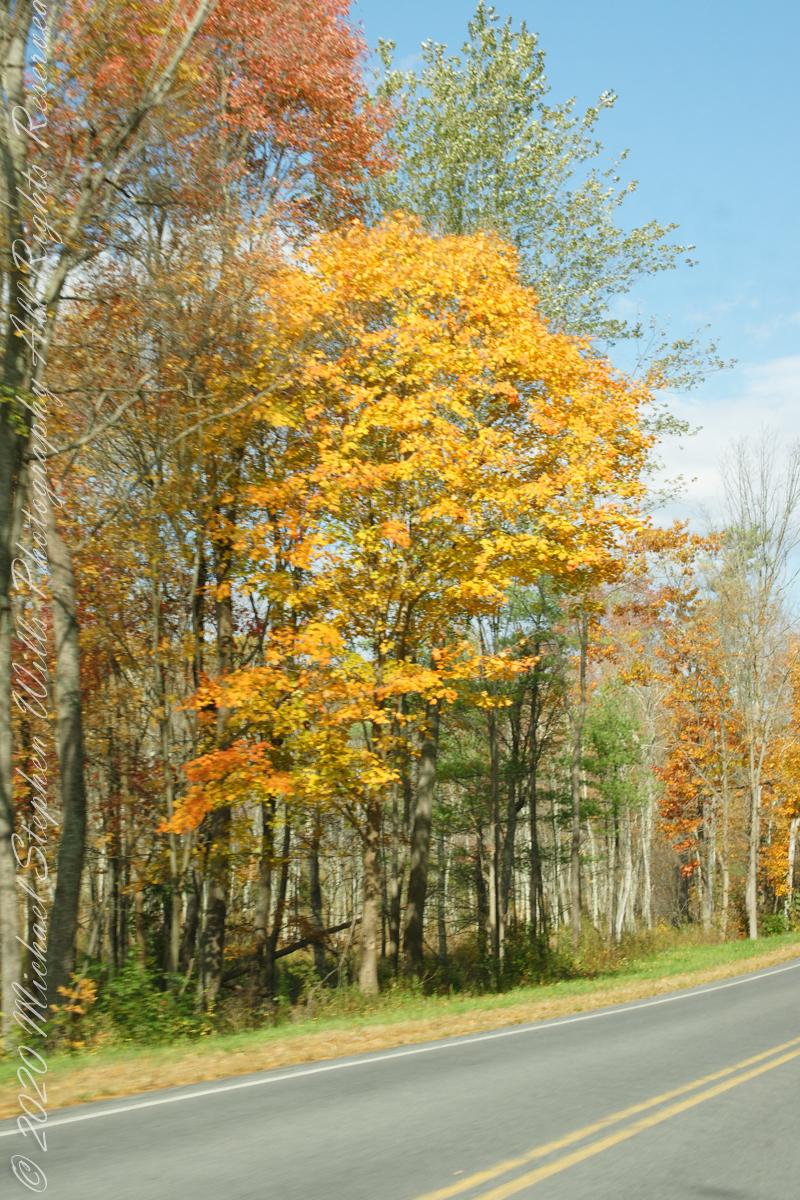
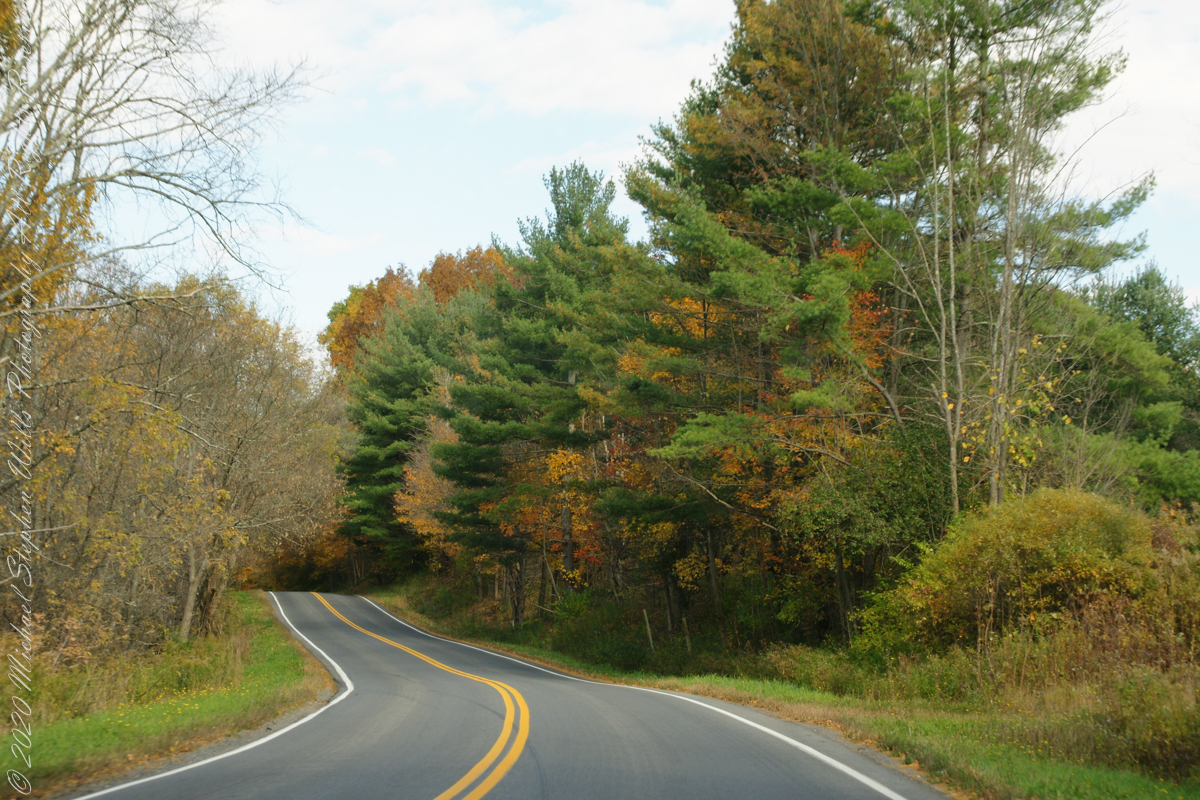
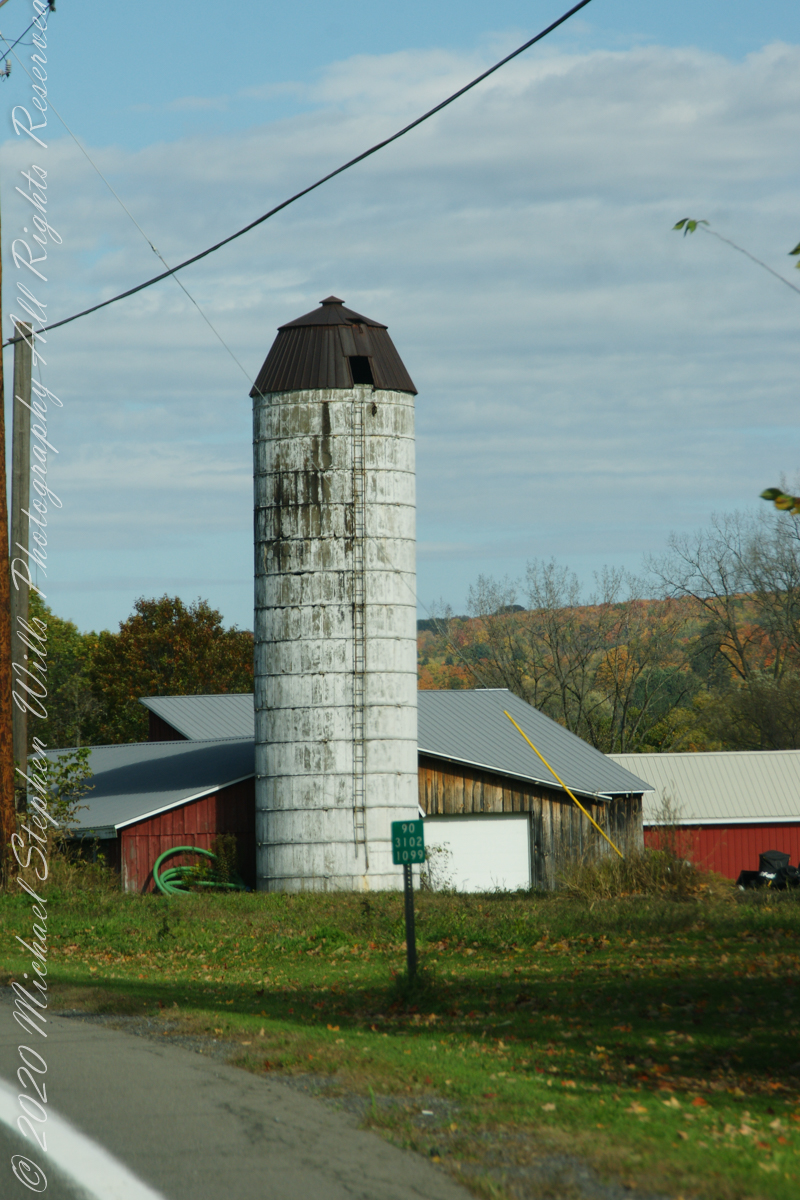
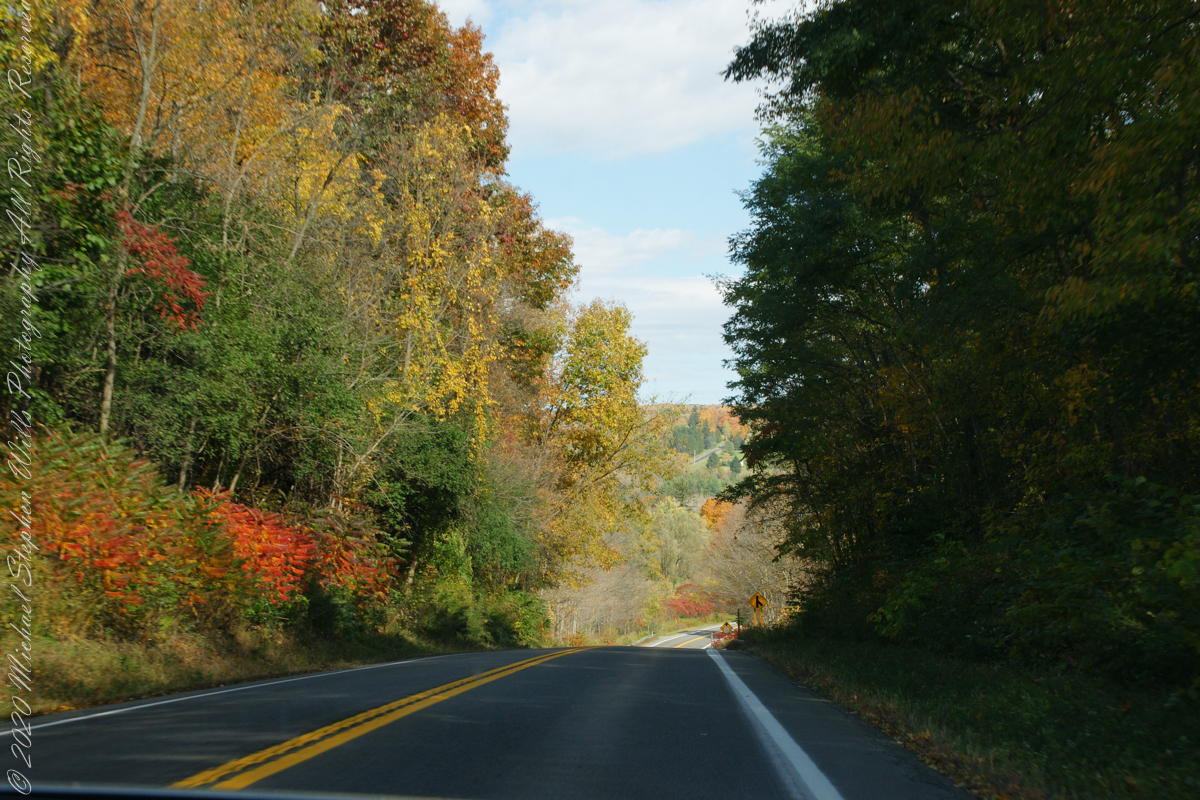
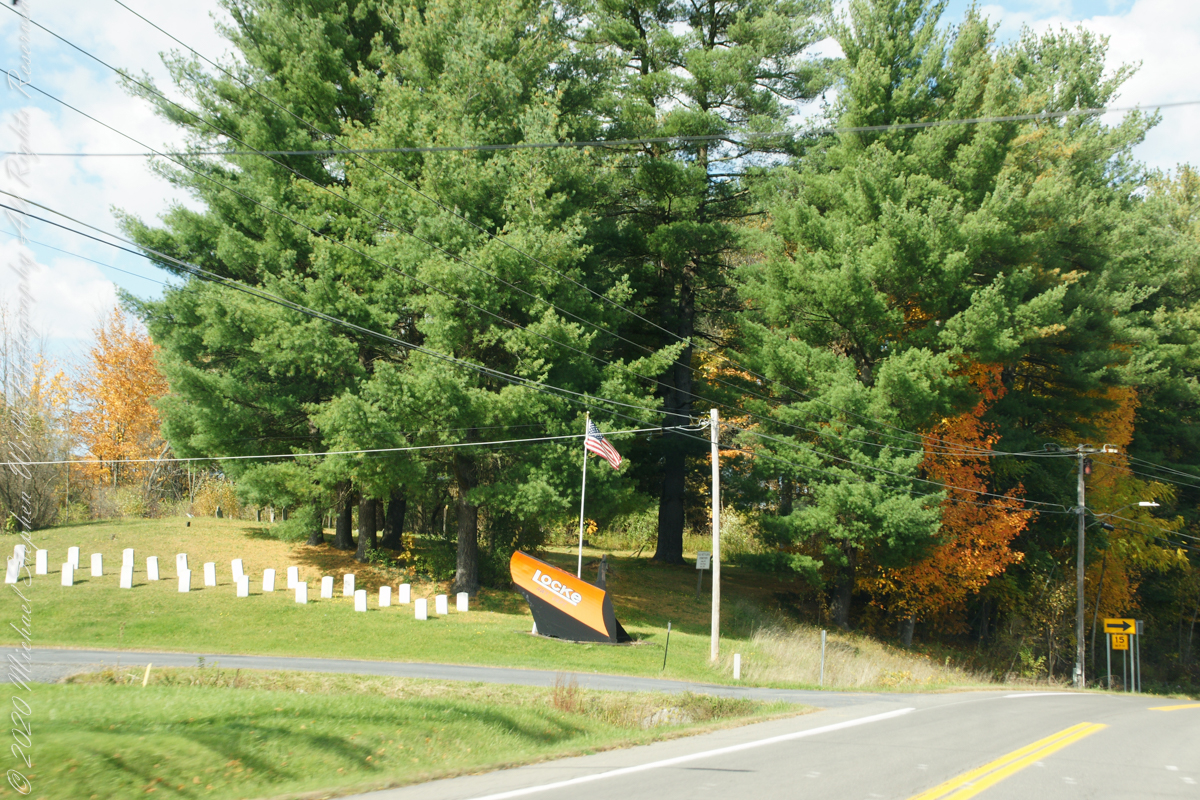
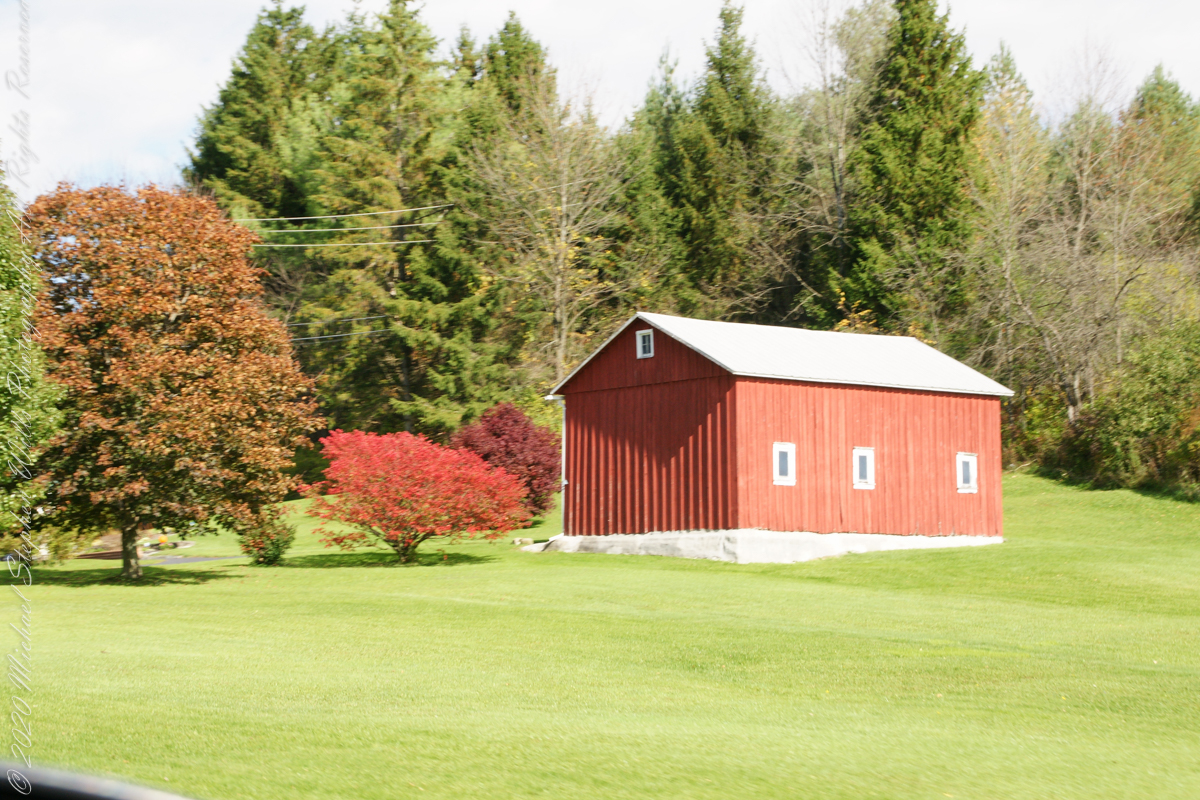
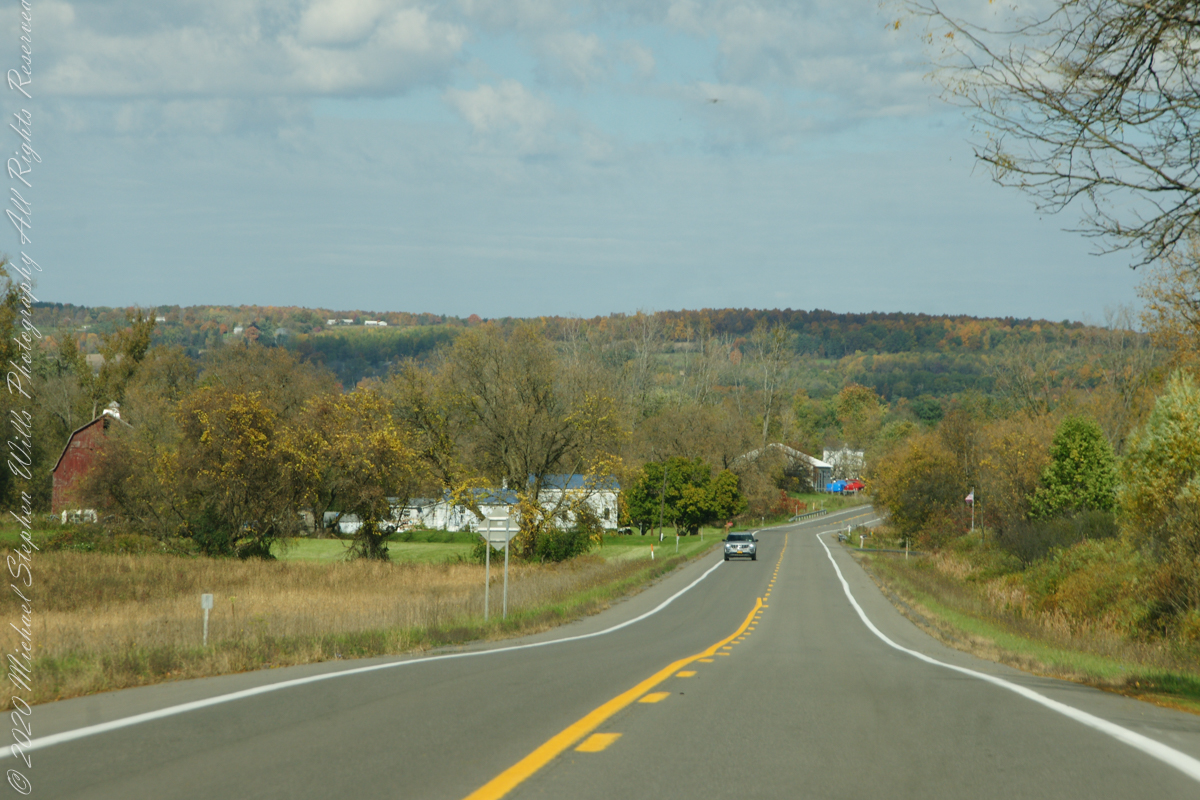
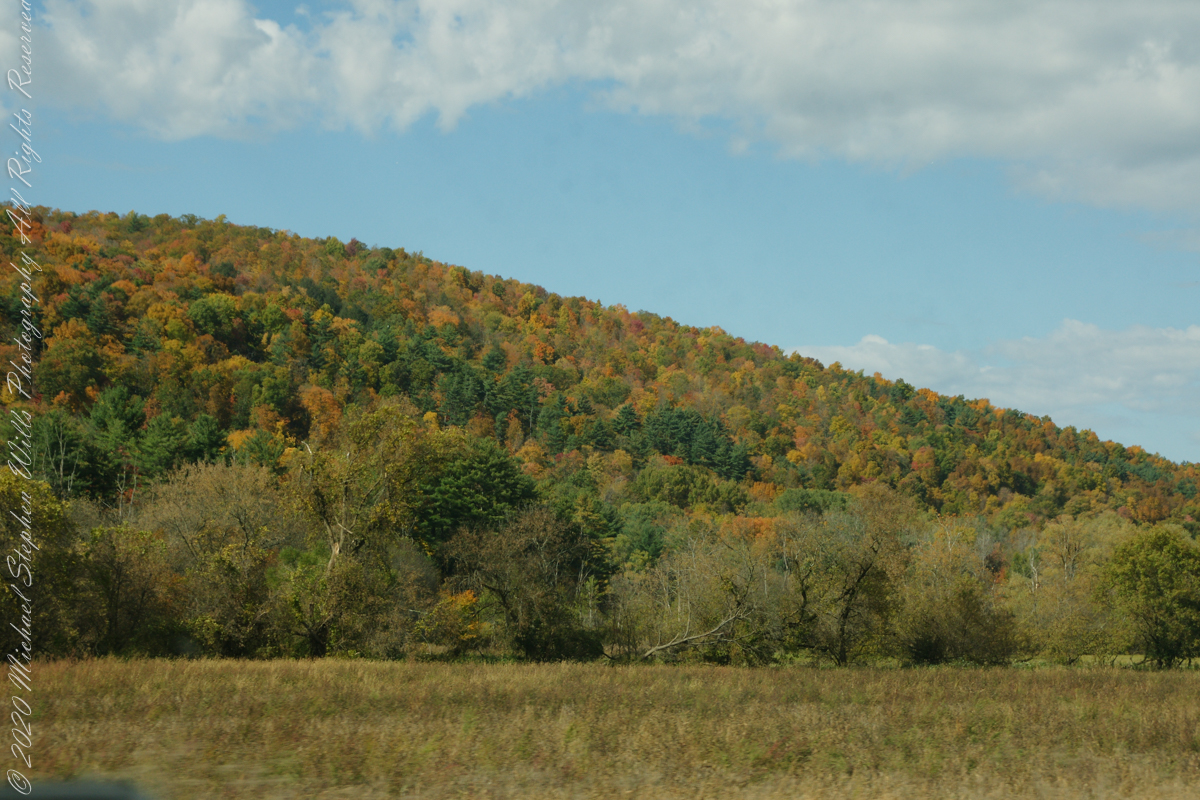
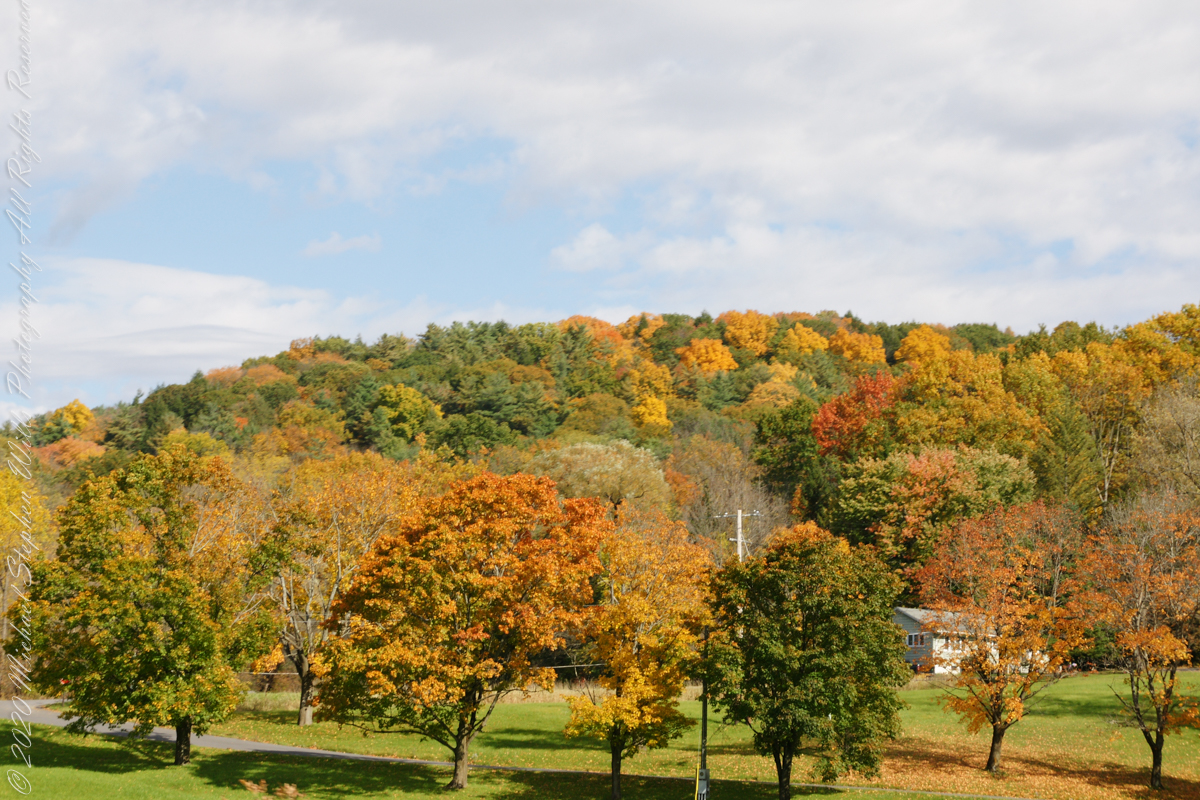
My Sony Alpha captured our October 16 drive to Fillmore Glen. As we traversed landscapes, the spectacle of Tompkins and Cayuga Counties autumn glory passed by the open passenger side window and, even, the front windshield. Thank You, Pam, for driving.

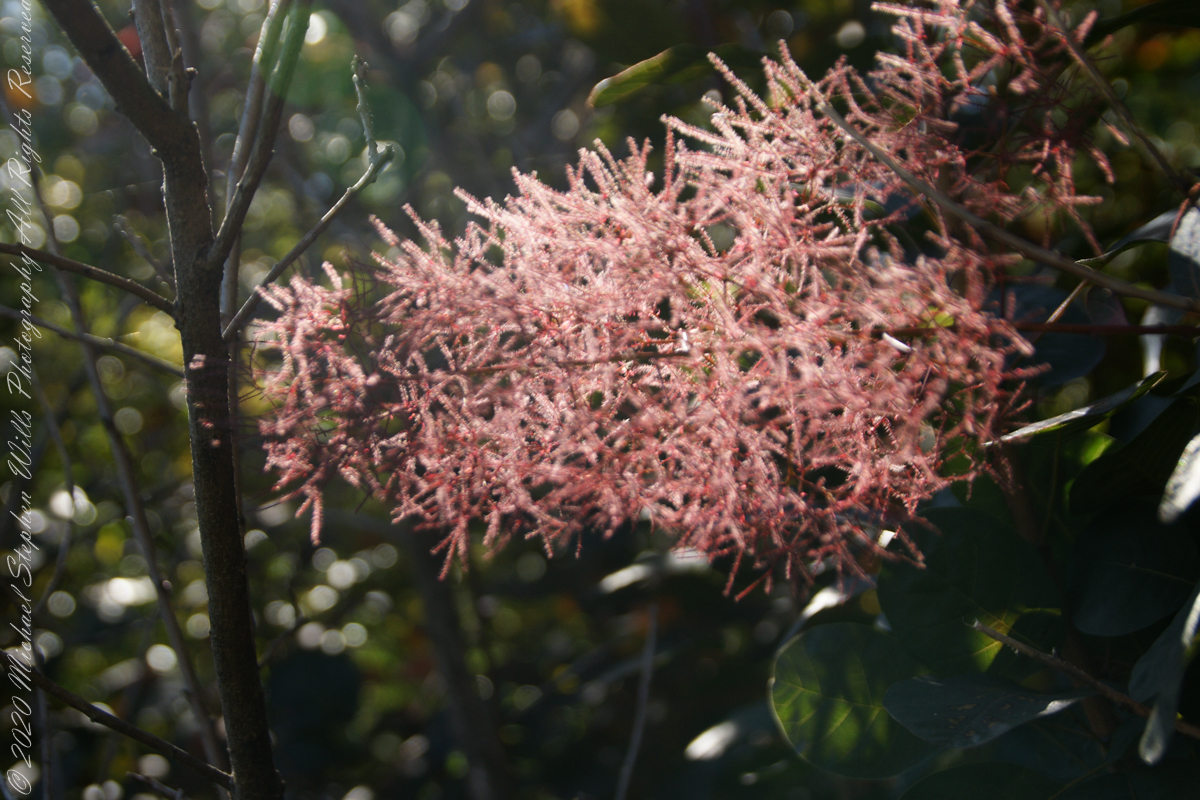
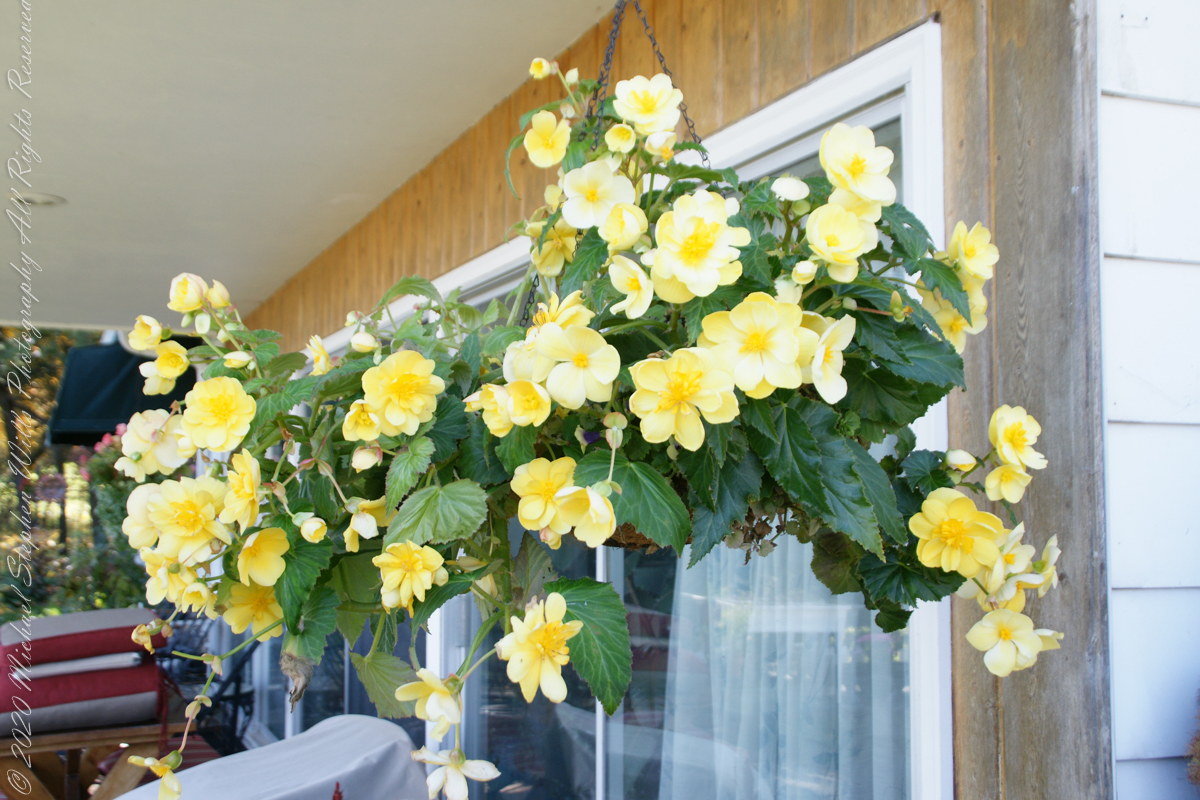
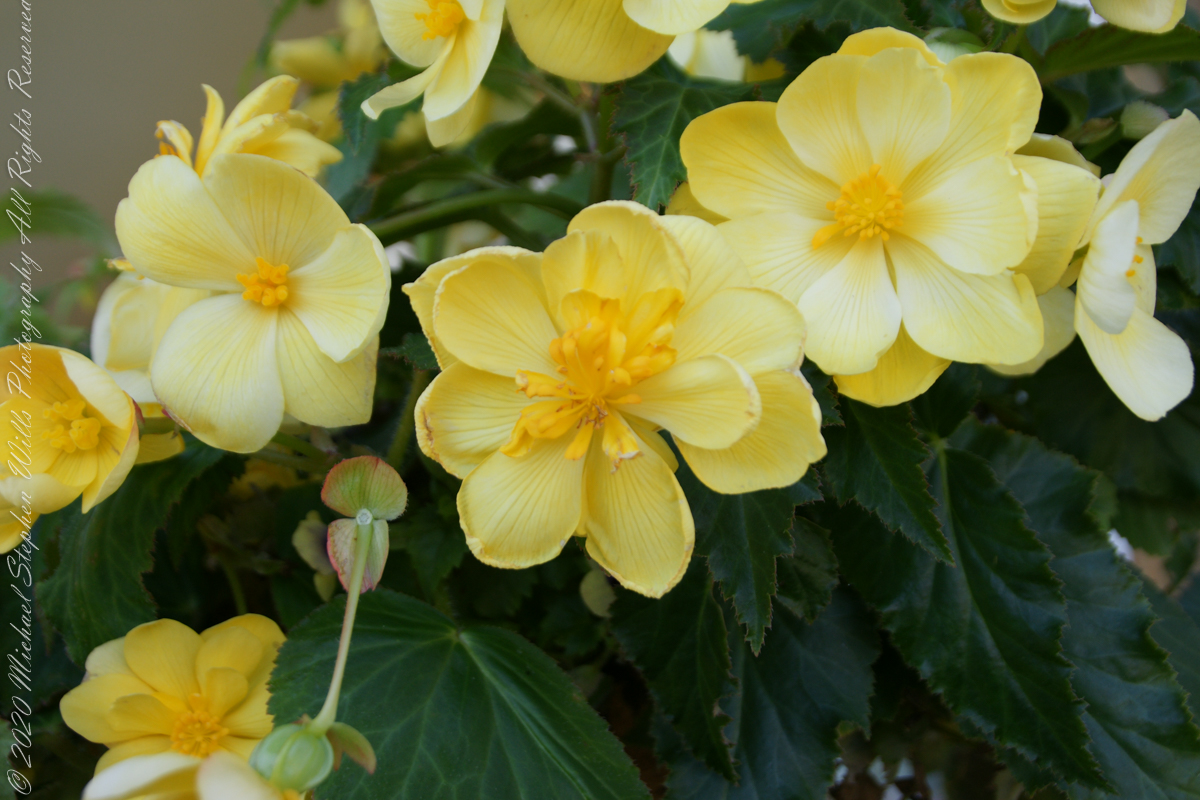
A turn around our home: Smoke tree, Japanese Maple, Pam’s flower baskets, fallen Oak leaves

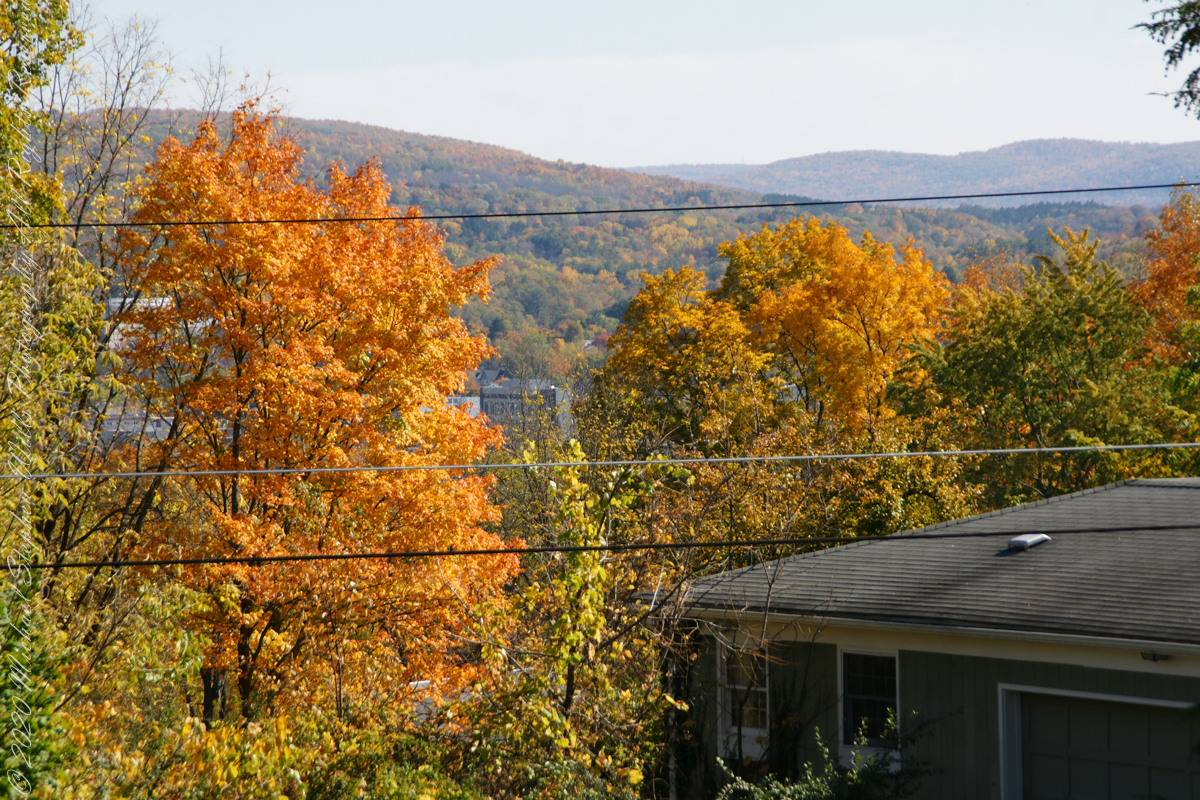
Panoramas from our front porch and on to Hector Street descending into and through Ithaca

Headed up Route 34 along Cayuga Lake, into “Farm Country”

Turning onto Locke Road and crossing from Tompkins to Cayuga County

Travelling through Cayuga County, the town of Locke, then Moravia and Fillmore Glen State Park

This is my farewell to “Fall” for now.

Copyright 2022 All Right Reserved Michael Stephen Wills

Underground Railroad

Autumn Wonder

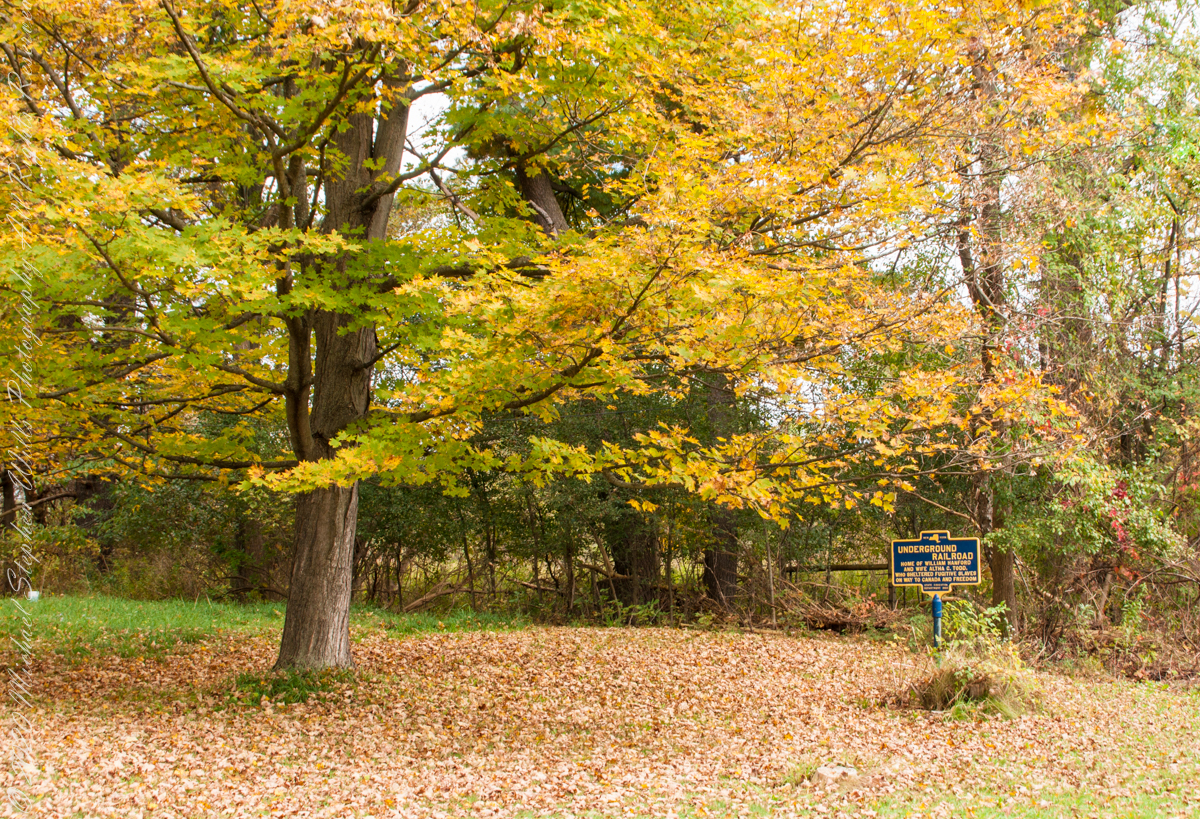
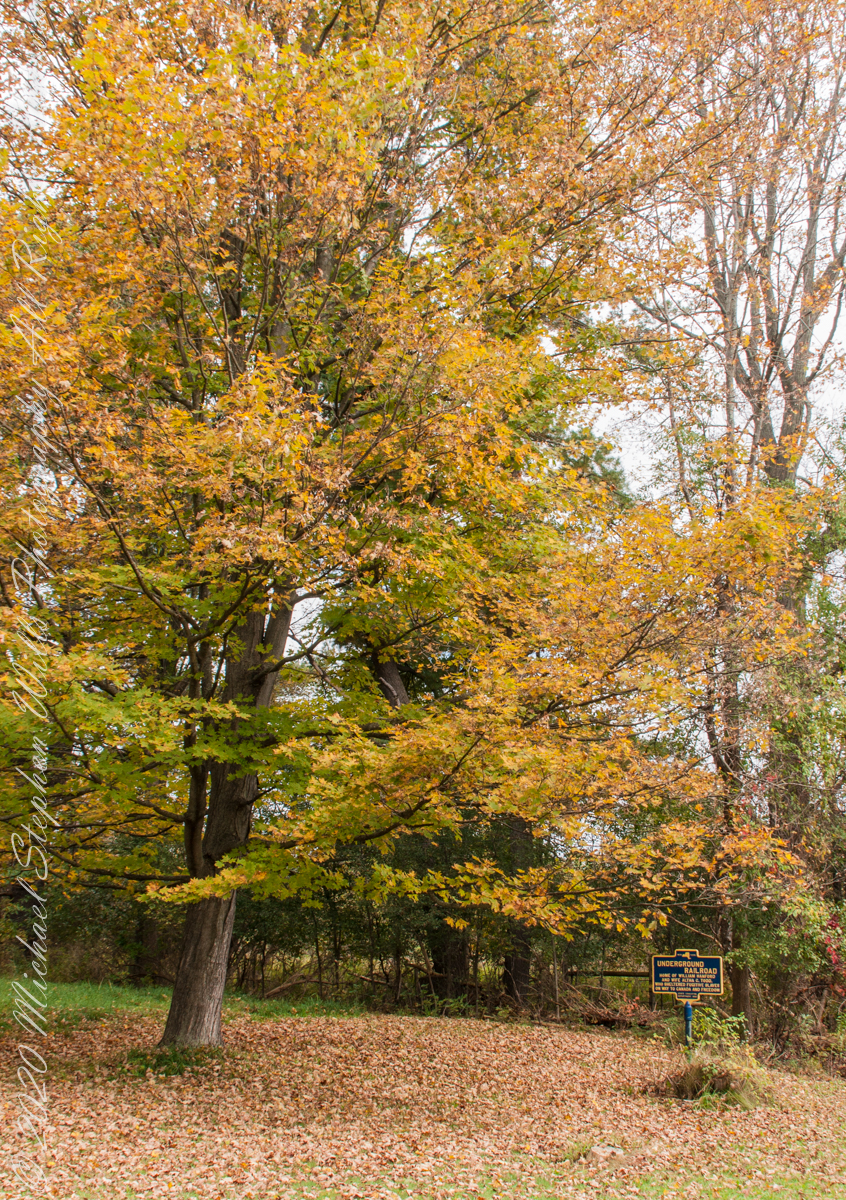
We have often travelled Lower Creek Road as an alternate route to visit my son and his family who live in Freeville, a village named for the activity of the Underground Railroad. After noticing this sign in passing for years, this week we stopped on a glorious autumn morning to capture it. I had packed the Sony Alpha 700 dslr for just such an opportunity.

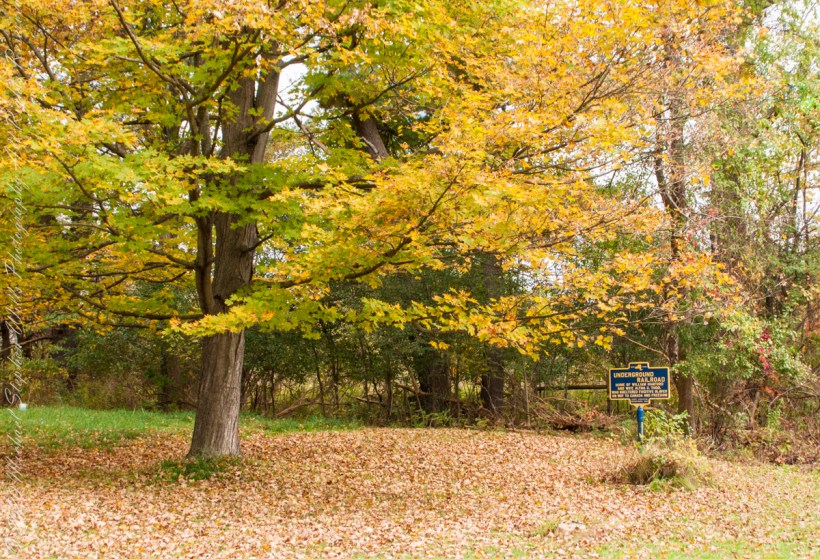
Just off the road, under a maple tree in full autumn color (yellow), ground covered with fallen leaves (brown) on a fine early October morning, the sign reads, “New York, UNDERGROUND RAILROAD, HOME OF WILLIAM HANFORD AND WIFE ALTHA C. TODD, WHO SHELTERED FUGITIVE SLAVES ON THE WAY TO CANADA AND FREEDOM, STATE EDUCATION DEPARTMENT 1932”. These dark blue background, bright yellow letter signed are found throughout this region and much appreciated.

An added plus for me is the acceptance of both photographs by Getty Istock. Click this link to view a selection of my Getty photography in and around Ithaca, New York.

Copyright 2021 Michael Stephen Wills All Rights Reserved

A Summer Flower and Waterfalls

A personal discovery of the namesake of an Ithaca restaurant

Travelling light, using IPhone captures during a 4.6 mile walk on the Gorge and North and South Rim Trails of Taughannock Falls New York State Park, Finger Lakes Region near Ithaca, New York. A few waterfalls and sights along the way. Distance is from the “Health” app on my phone.

A “Rim Trail” follows the edge of the gorge. The “Gorge Trail” is within the gorge, along side the creek and ends at the 200+ foot waterfall.

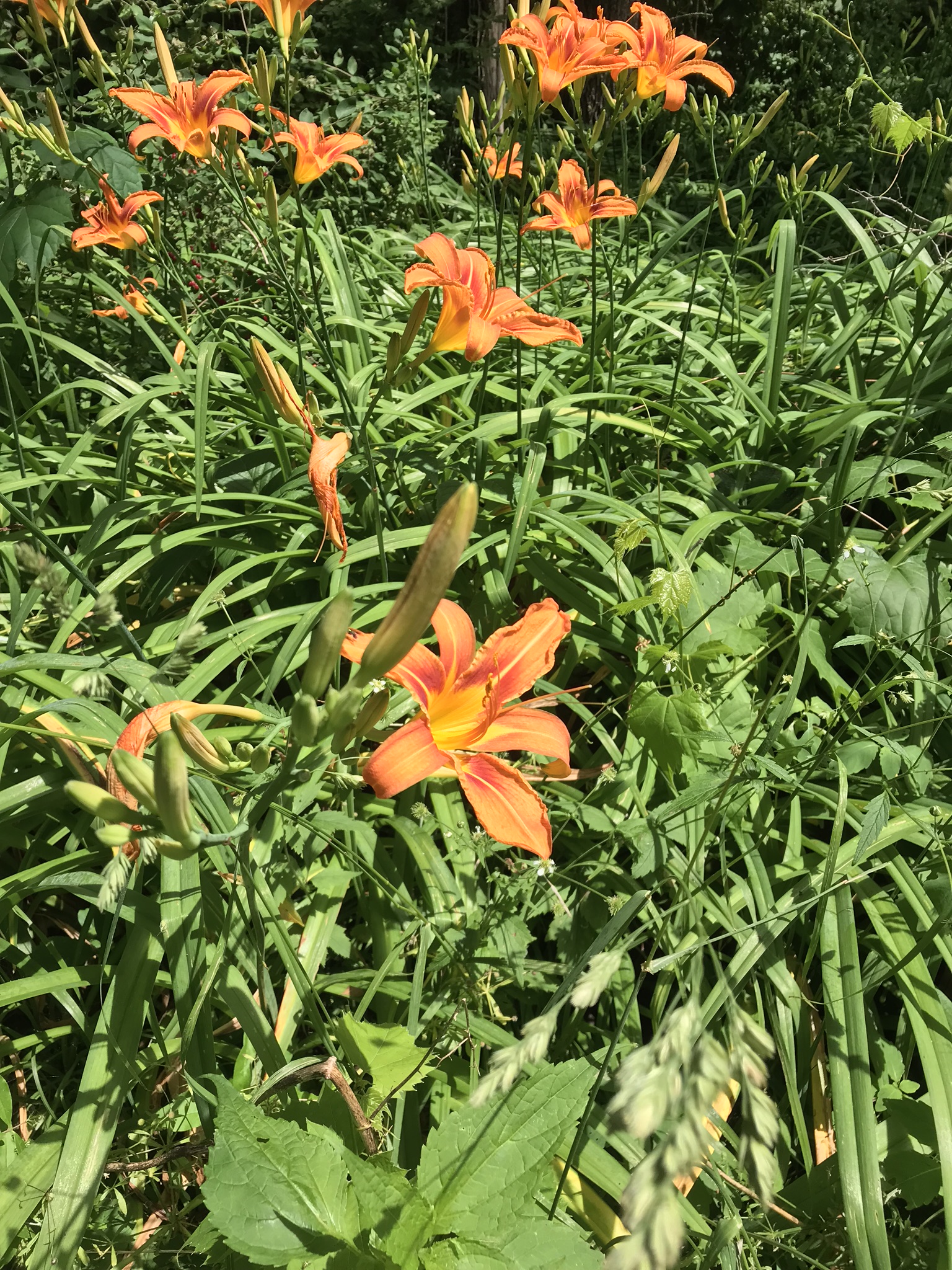
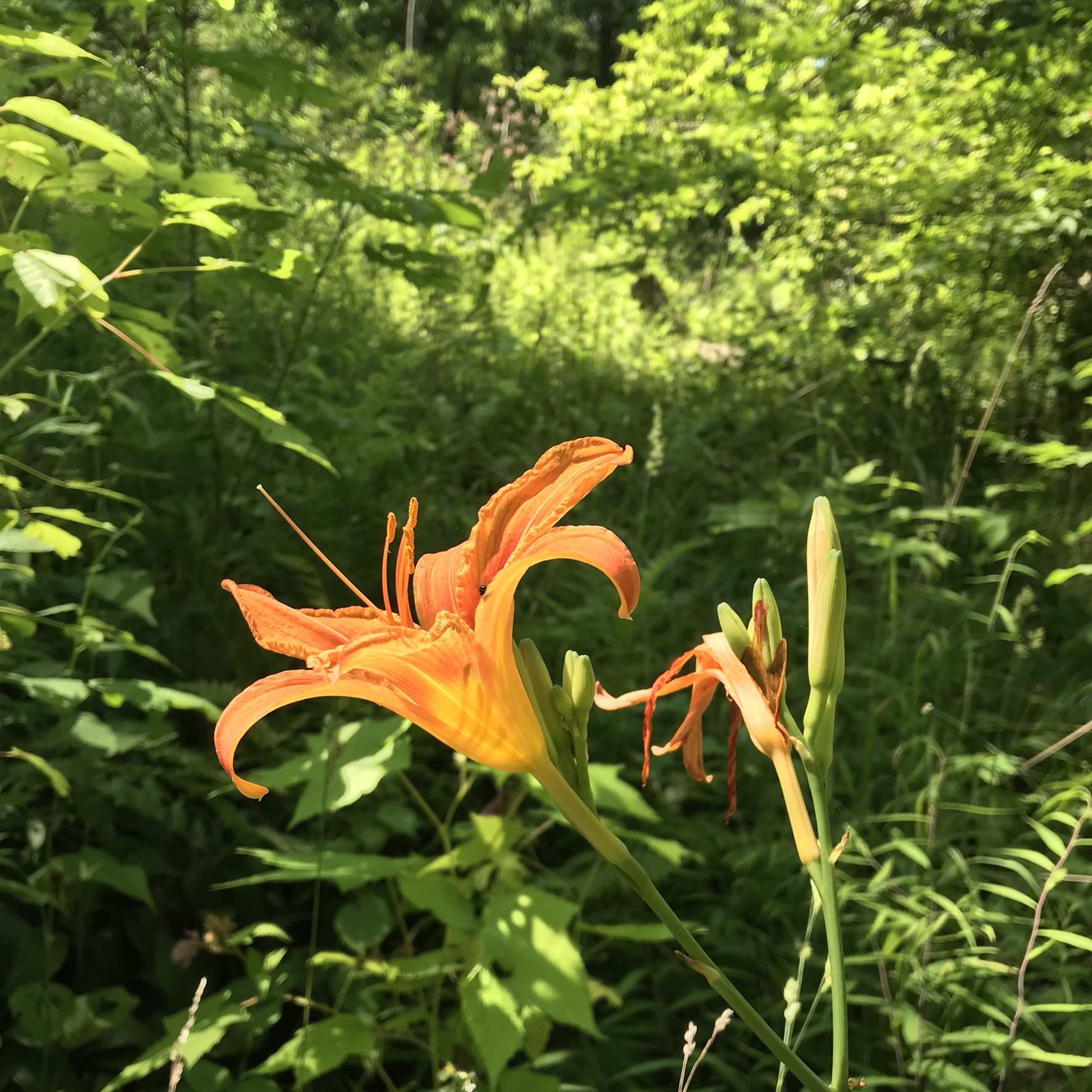
This was the day Tiger Lilies bloomed along the roads the entire 13 miles. This stand was at the beginning of the South Rim trail.

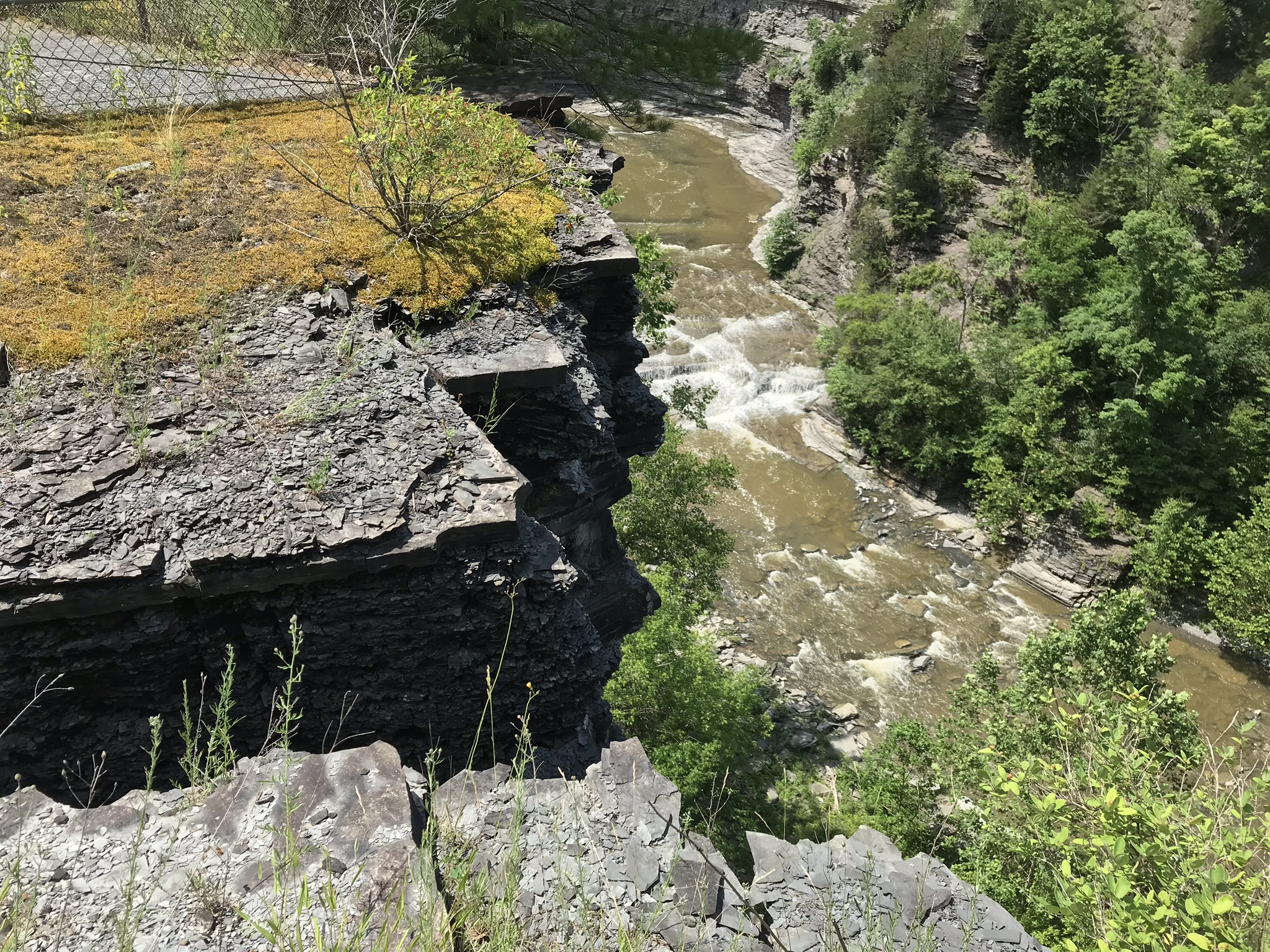
A few steps farther the trail opens up to the expanse of the gorge above the waterfall, a place to contemplate the age of these rock gazing into the open space. There is no access to the bottom of the gorge here.

On days like this, the experience carries me away, enjoying the moments and forgetting the phone in my pocket. When I come to, it is the bottom of the South Rim trail at the entrance to the Gorge Trail and the hordes walking to the falls on a Sunday afternoon. This waterfall welcomes everyone at the beginning.

The vantages I choose usually exclude the crowds, here is a video of the observation platform beneath the 215 foot Taughannock Falls. Any closer and the camera lens is covered with mist. Feels great on this hot day.

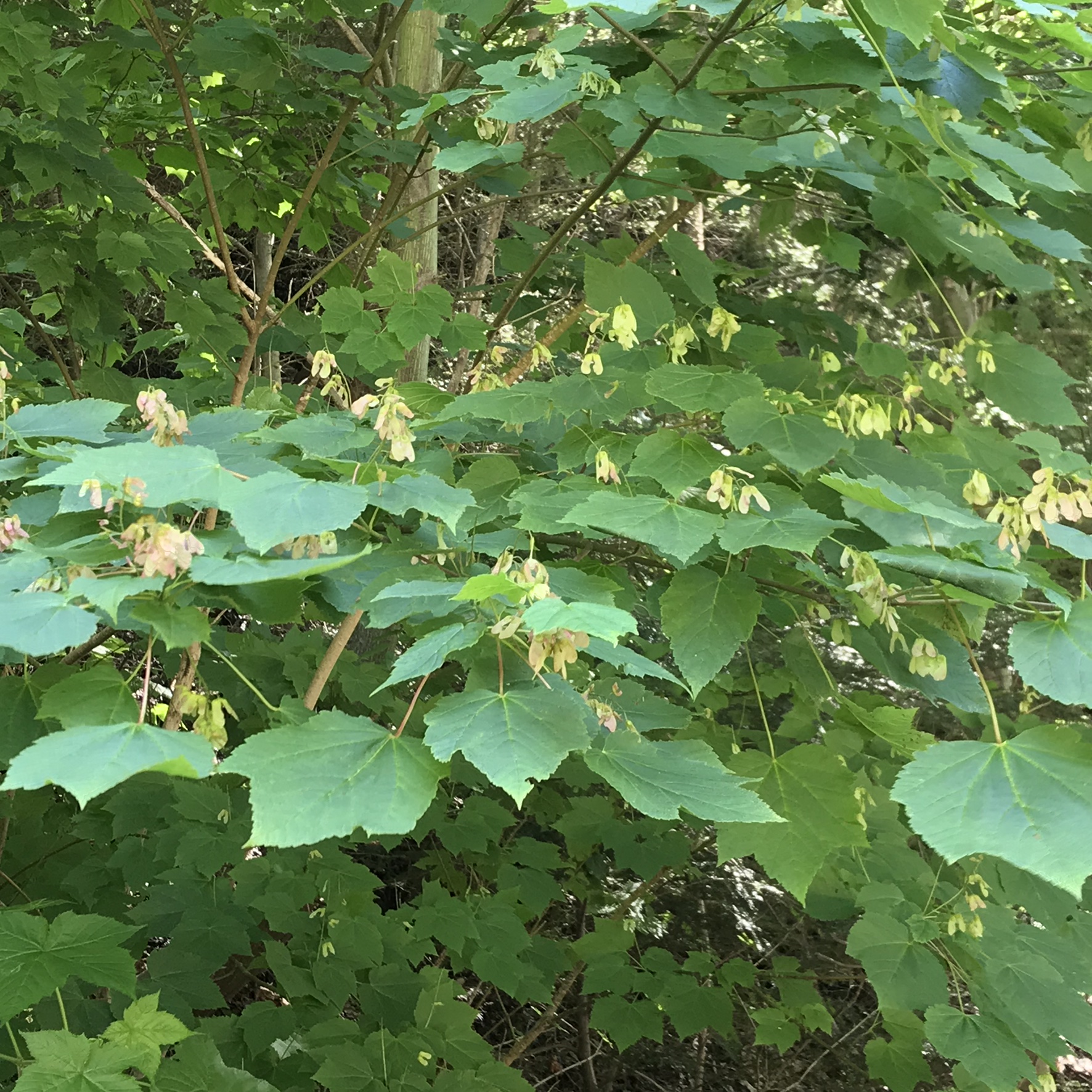
I capture this tree growing along the Gorge Trail for later identification. It has fruits similar to a maple tree. Called samaras and also known as helicopters, maple keys, whirlybirds, and polynoses these must distinguish this tree as a member of the genus Acer though the leaf shape gives me doubts. Here the gorge changes direction almost 90 degrees from, generally, north/south to east/west. There is plenty of sunlight here and the tree has taken root in the talus of the cliff face.

I researched it and discovered the scientific name is Acer pensylvanicum and more commonly known as Moosewood. There is a “famous” restaurant in Ithaca, named Moosewood, so now I know there is indeed a tree growing locally by that name. The restaurant is near the commons of Ithaca and is 100% vegetarian. The last time Pam and I at there we were packed like sardines, like some collective, and we’ve never been back. The food is good and the basis of their fame is a cookbook by the same name.

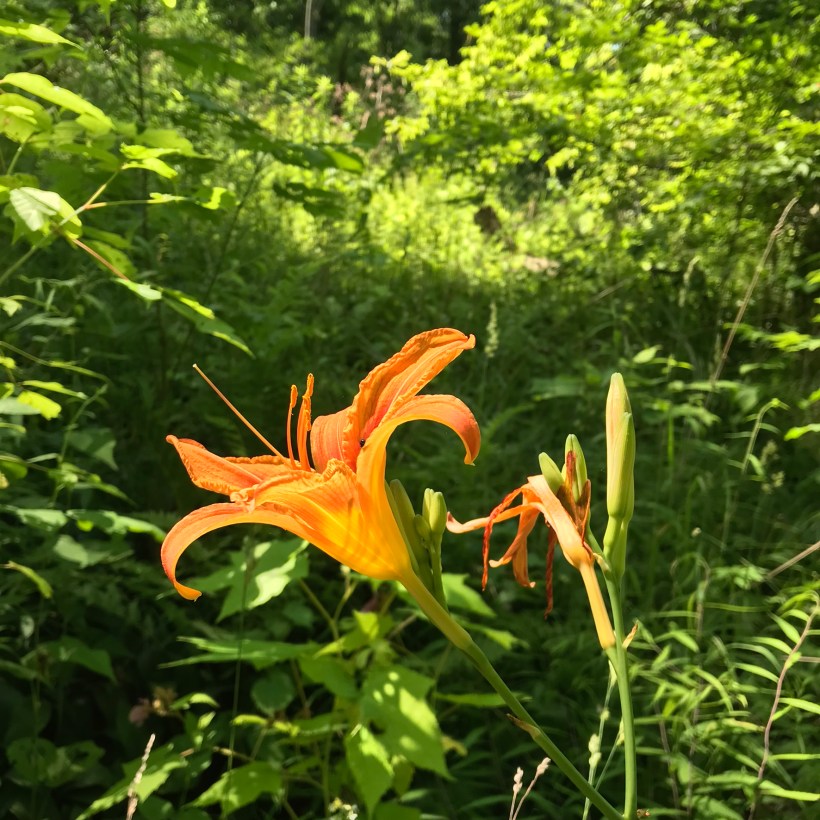
Backlit lilies found on the climb up the North Rim trail.

Click me for a Tiger Lily photograph from my Fine Art Gallery. Click the “View Larger” link for the image.

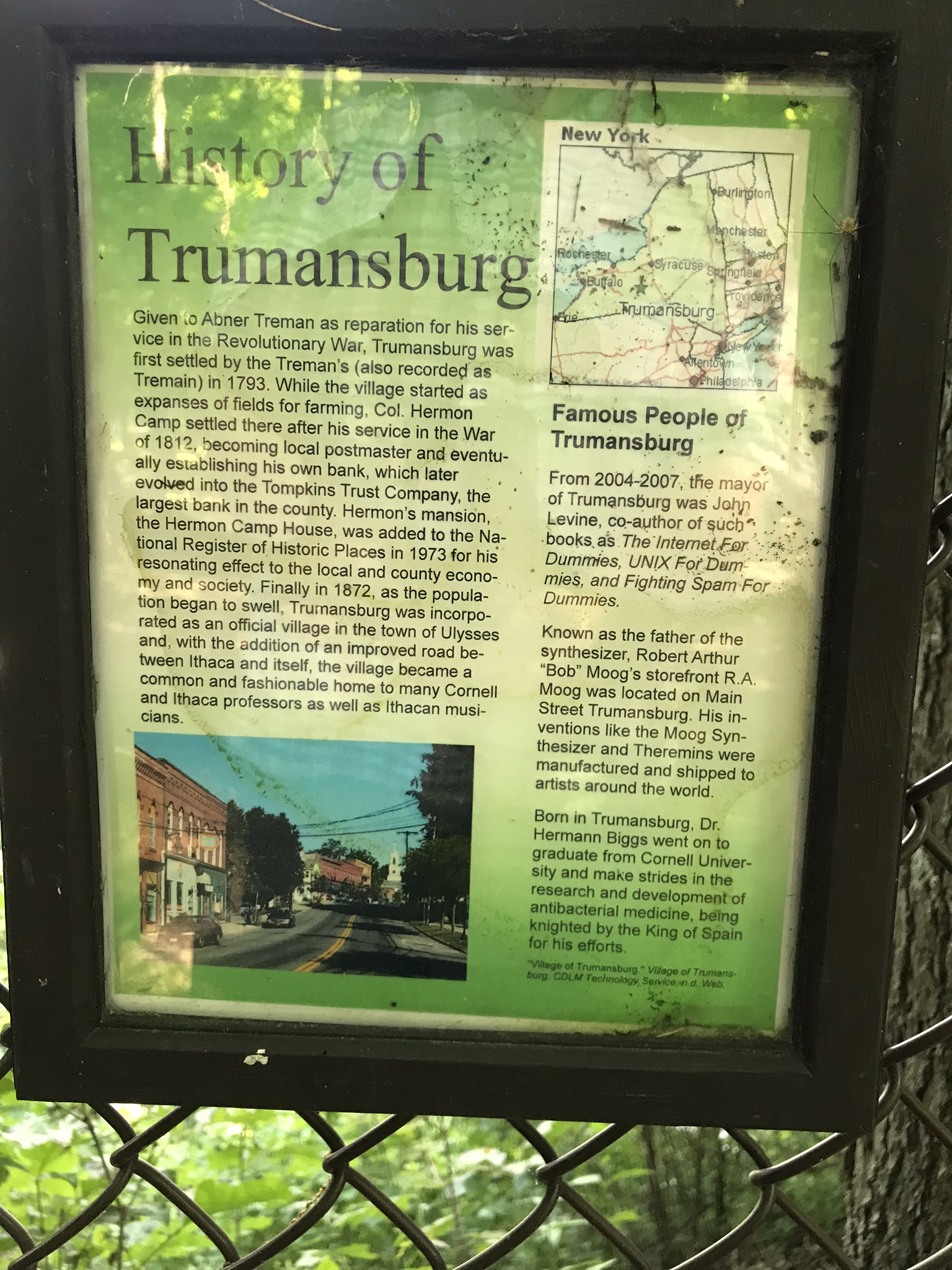
Along the trail are interesting and informative sheets about the park and surrounding towns. Trumansburg is the nearest village to the park.

Click me for another Waterfall post.
Copyright 2021 All Rights Reserved Michael Stephen Wills

Thayer Preserve, Lick Brook

Former farm land

Sandbank Road climbs from the valley of Ithaca city to the rural peneplain on the way to Buttermilk Falls, we passed the sign for this preserve many times, today we explored this place, new to us. The trail descends to Lick Creek canyon.

Click photograph for larger view. Use combination keys to enlarge/reduce: Ctrl+ (Control / Plus) and Ctrl- (Control / Minus)

We stopped to enjoy the open space of a powerline clear cut where the trail intersects the creek bed. Here we turned, following the water.

Off trail to the creek bed.

Click to view my Finger Lakes photographs on Getty.
Copyright 2019 All Rights Reserved Michael Stephen Will