Elms thrive in the understory, turning late to catch autumn sunlight.
Click photograph for a larger view. To do this from WordPress Reader, you need to first click the title of this post to open a new page.
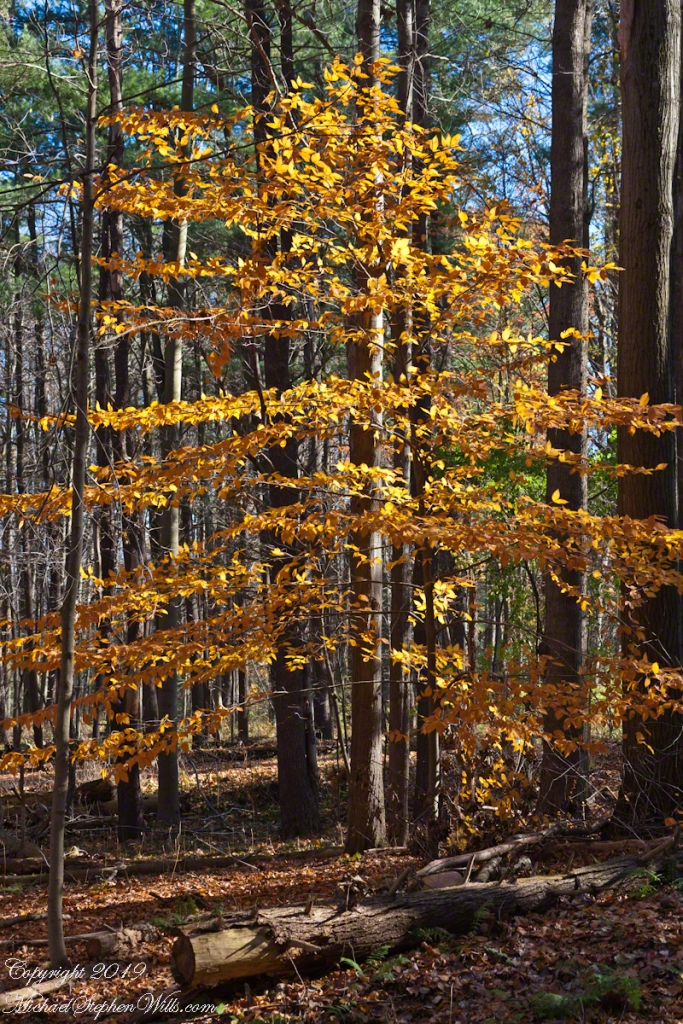
Rock Elm, autumn
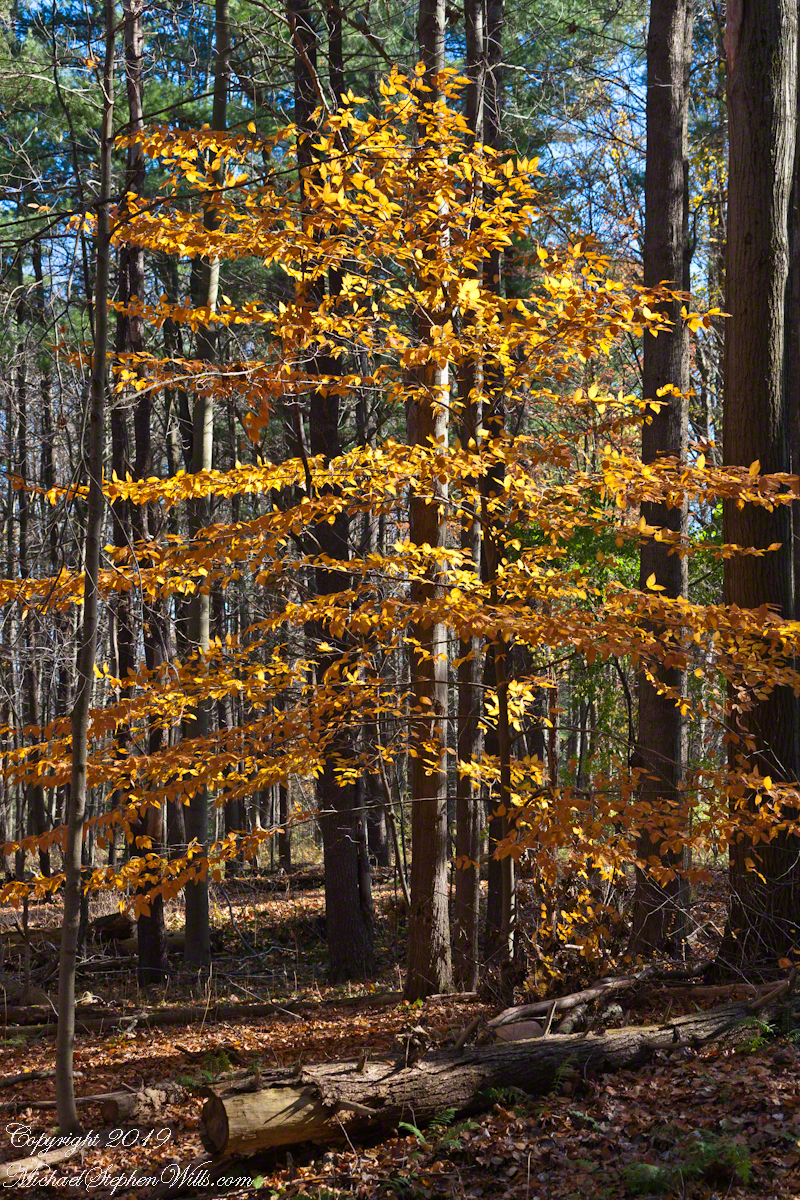
Elms thrive in the understory, turning late to catch autumn sunlight.
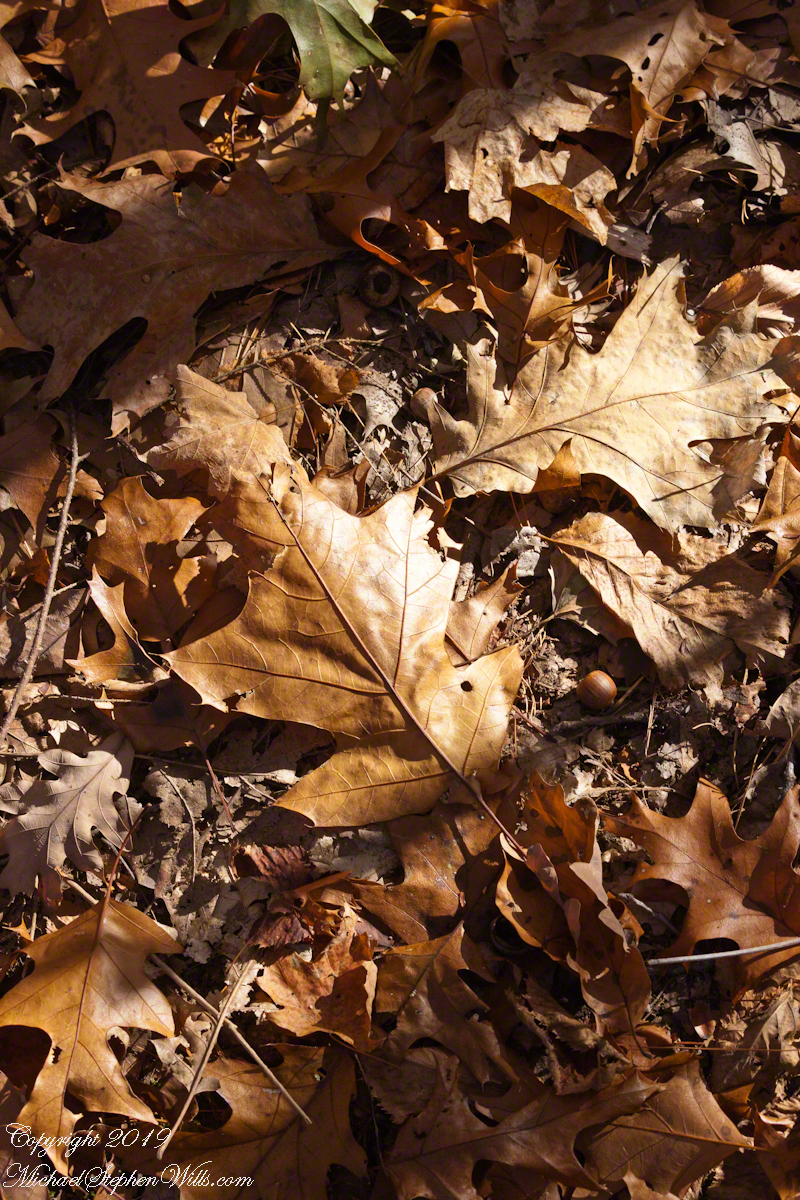
A Natural Wonder
Wednesday last I enjoyed shuffling along a forest carpet along the South Rim Trail of Taughannock Falls Park. It is a lost pleasure now the first snow is with us.


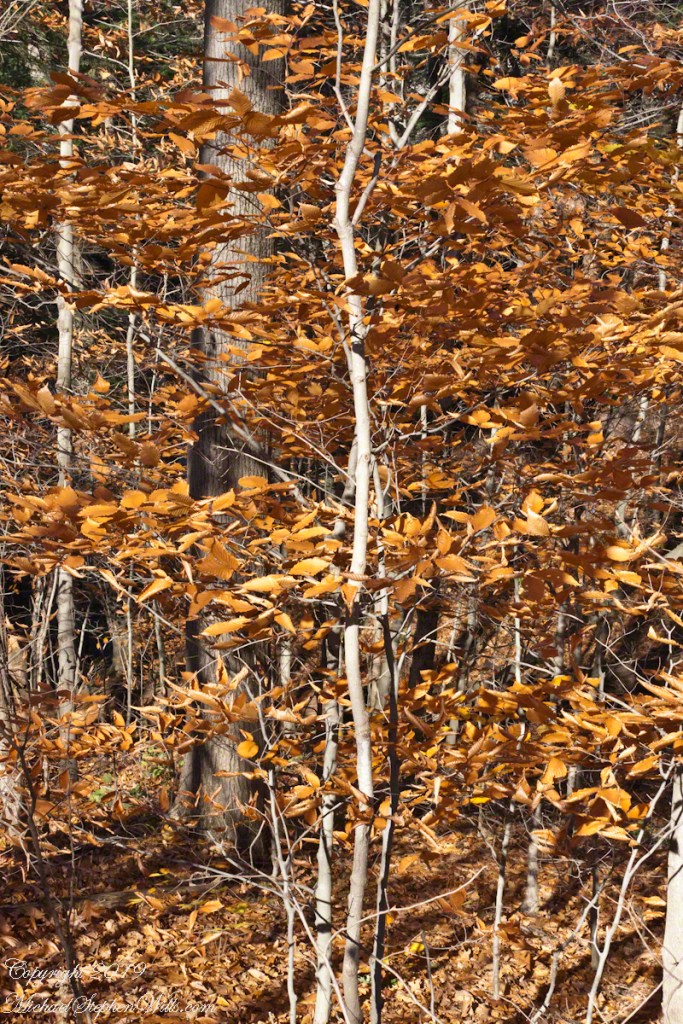

No Pun Intended
Some sights from last post.
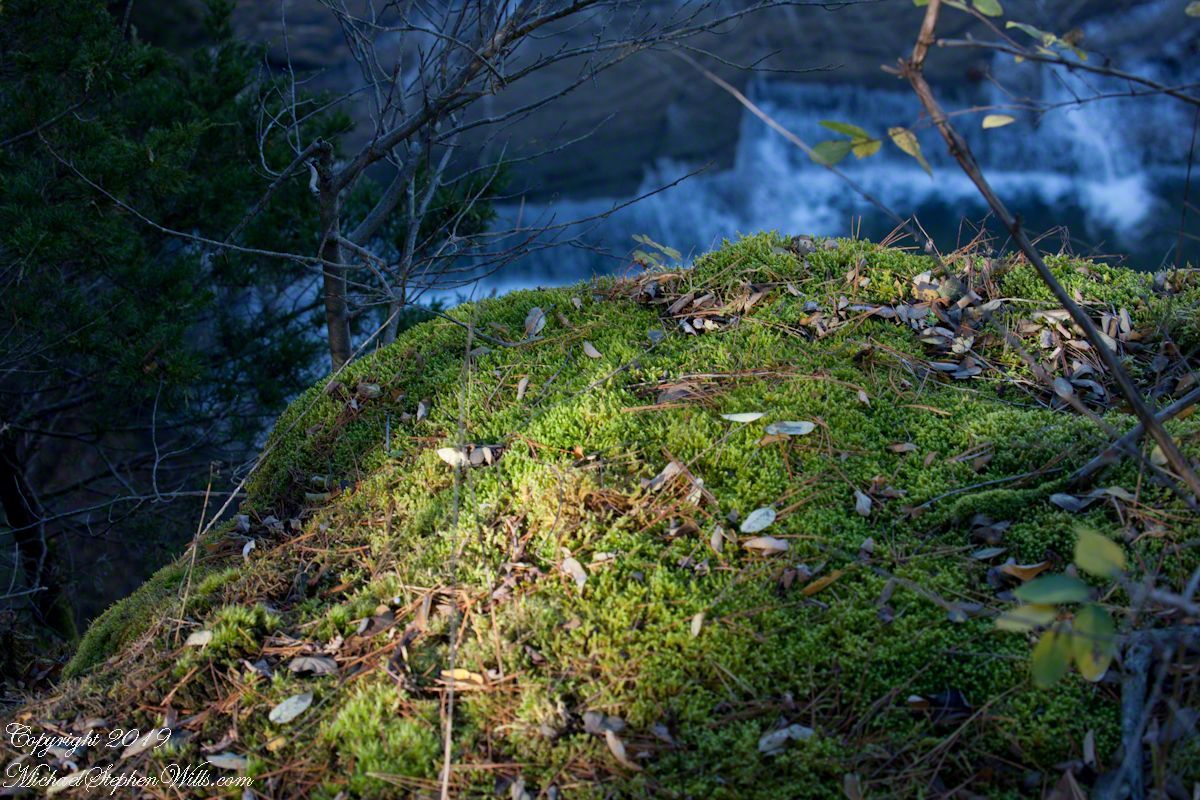
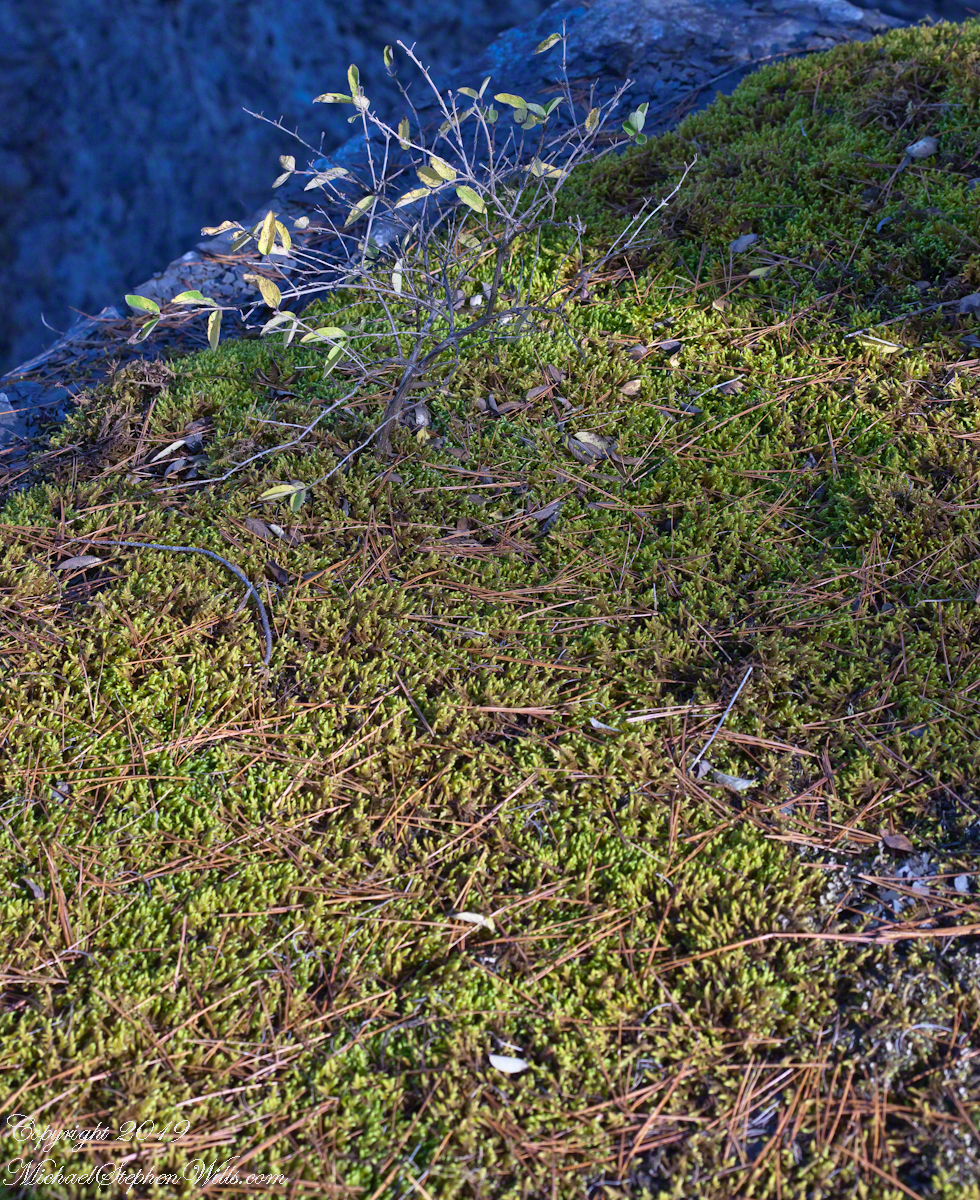
Moss on the edge of upper Taughannock Gorge cliff, with the falls in background far below.
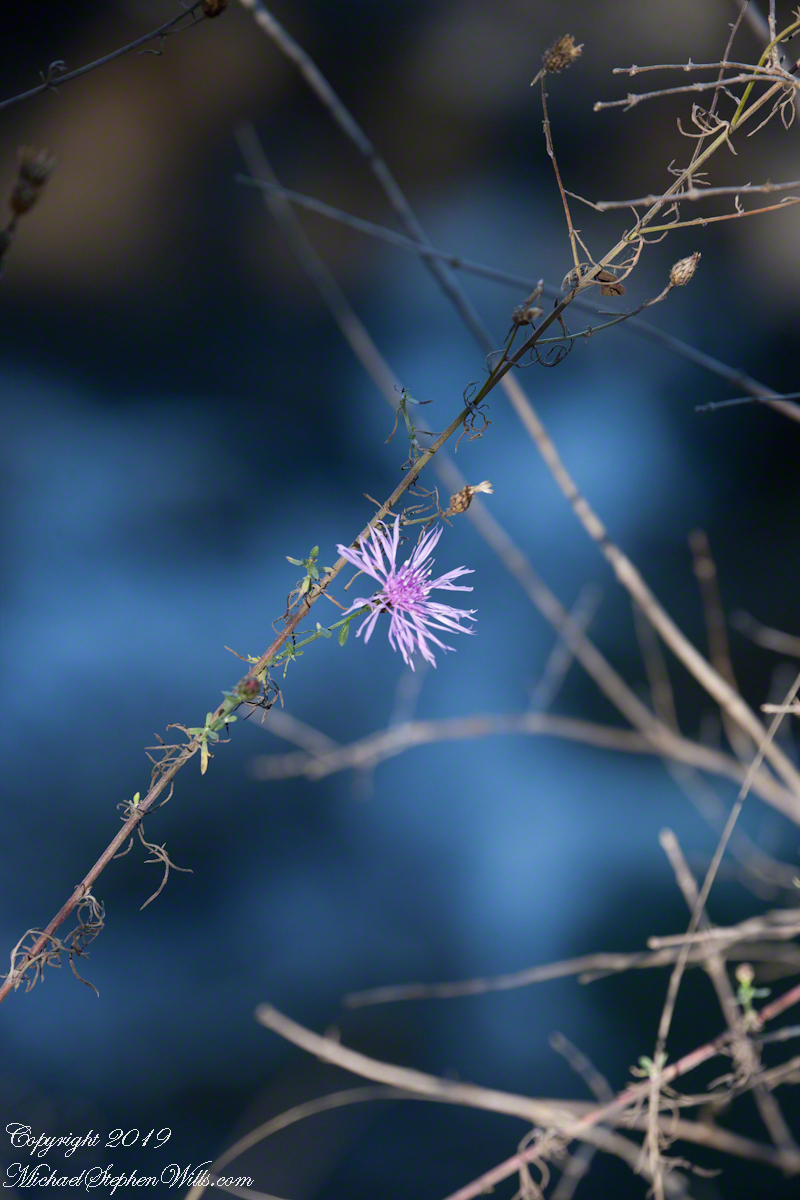
The last flower of autumn, a single bloom of Ironweed.
An Autumn Revalation
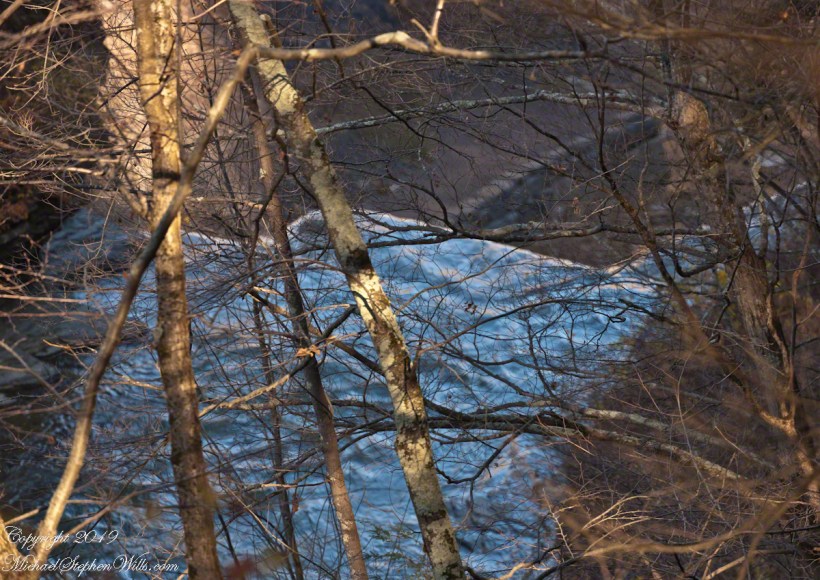
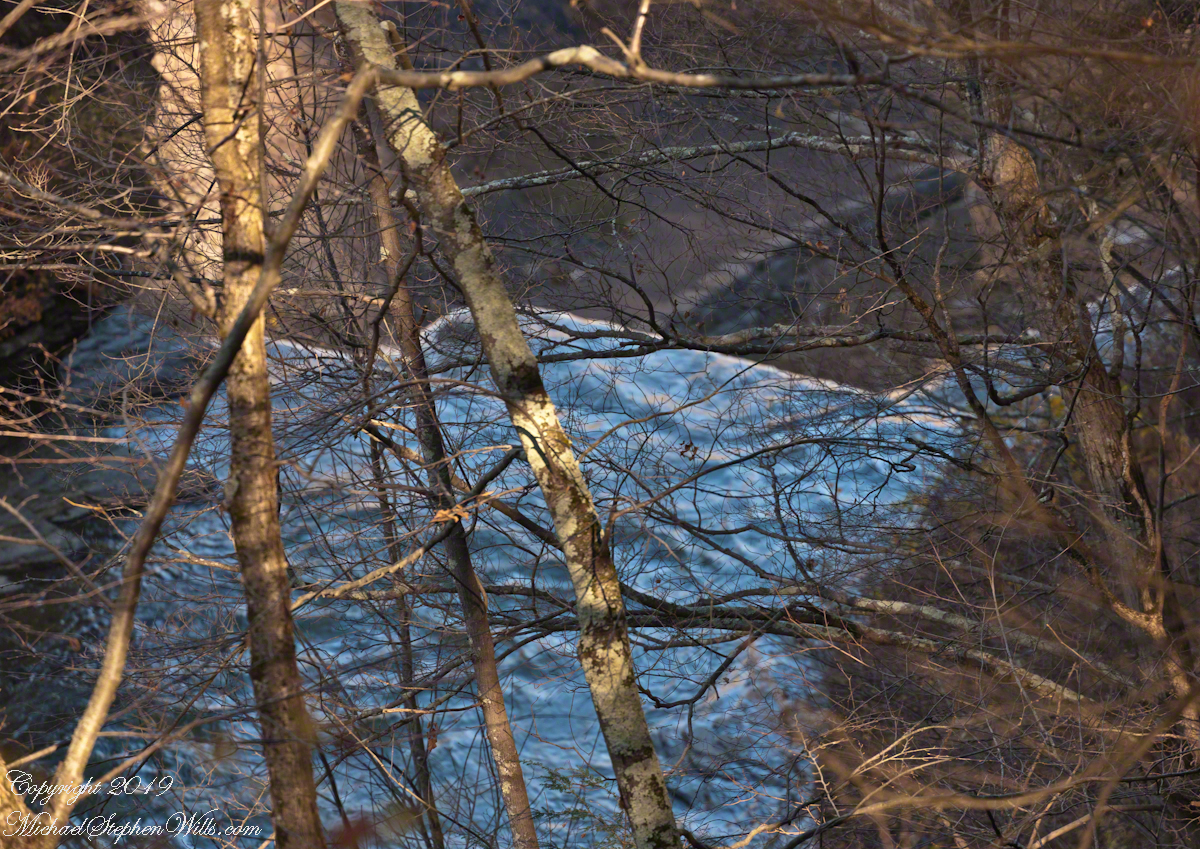
After leaf fall abrupt emptiness of Taughannock Falls is visible from the south rim. Beyond, you can just make out the enormous carved limestone slabs that protect visitors from the constant infall from the gorge walls allowing them to approach the falls.
Holding On
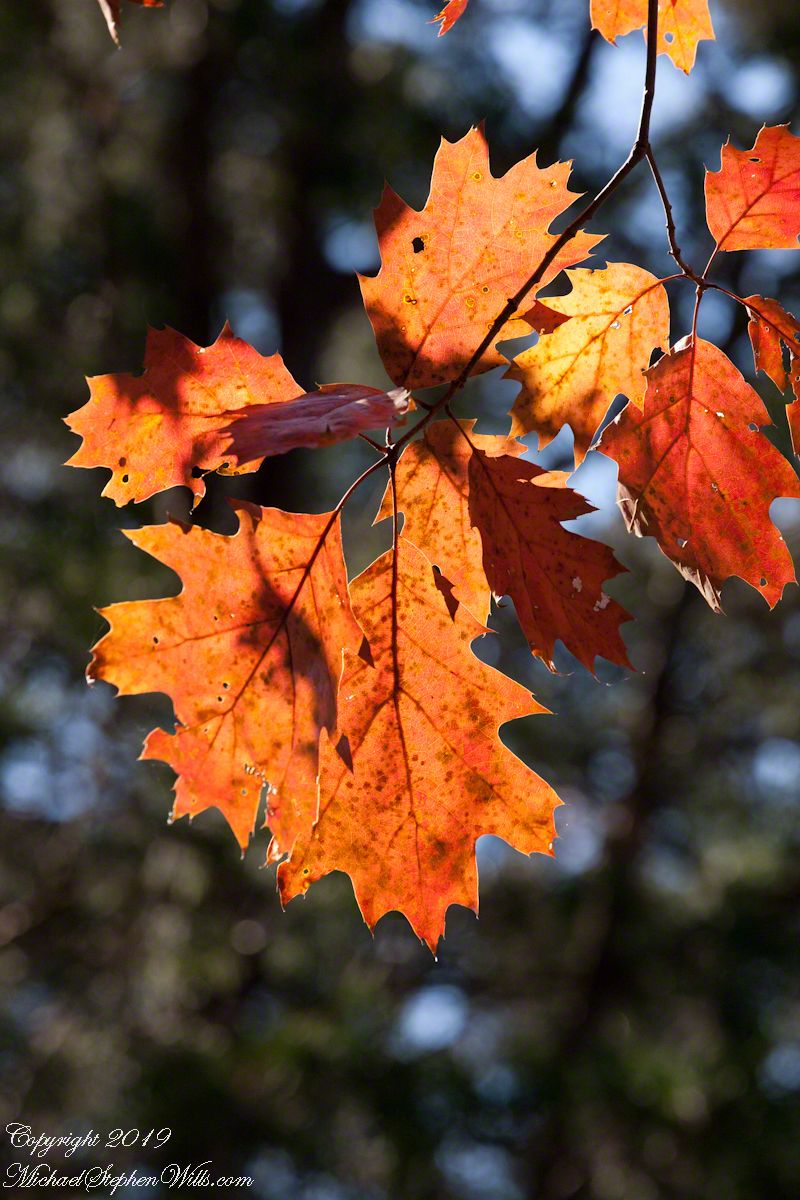
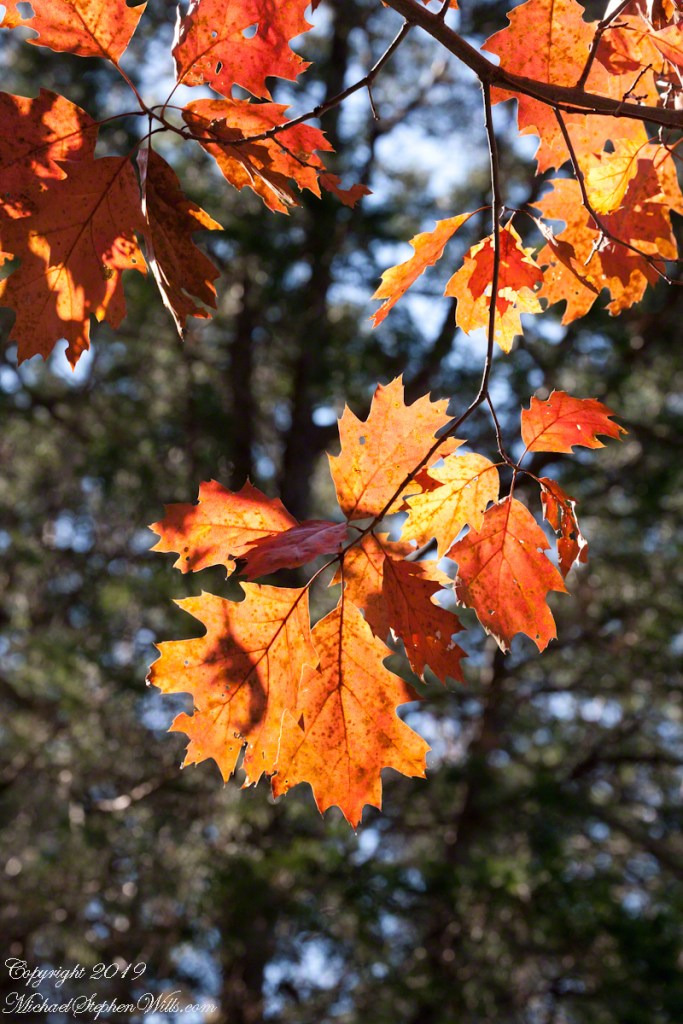
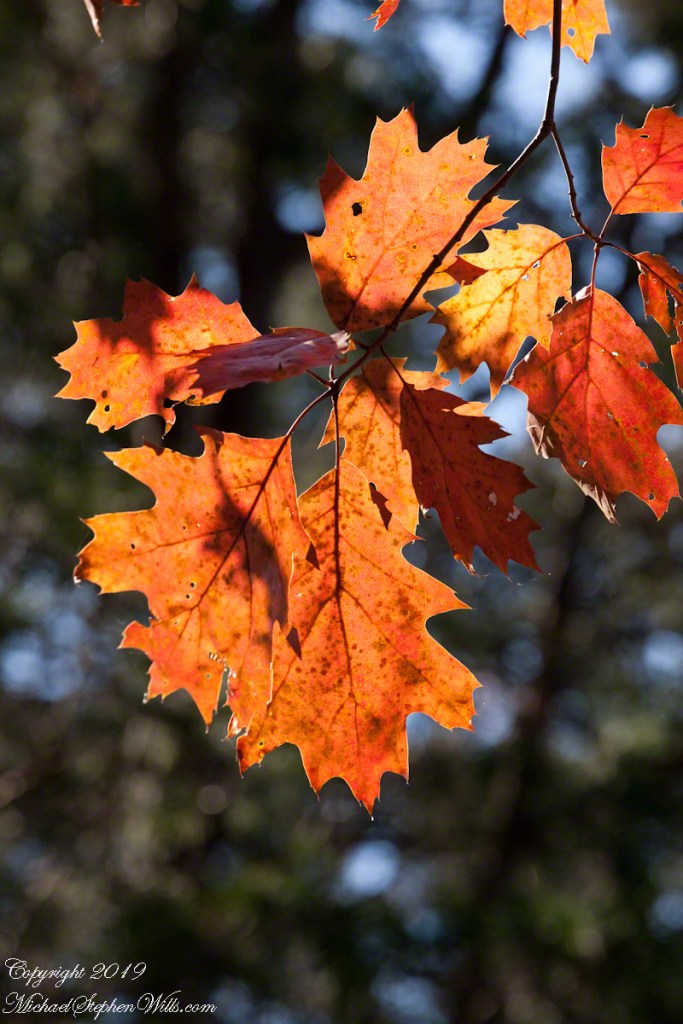
The oak holds tight to leaves, sometimes until spring when new growth pushes last year’s off. Here is a cluster on a bright November afternoon hanging above the South Rim trail of Taughannock Falls Park of the New York State Finger Lakes Region.
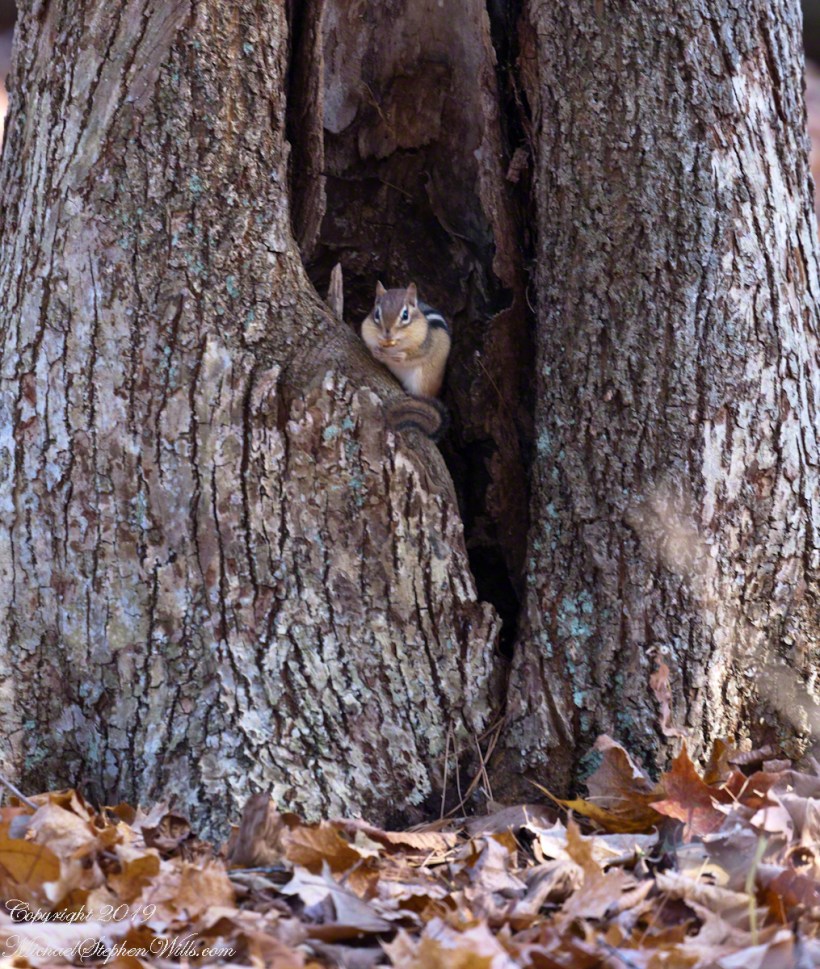
Winter Preparation
Perched on its doorstep, an Eastern Chipmunk gorges on an ample supply of acorns. These small rodents are omnivores. Here are two shots, each with an acorn in hand and full cheek pouches.
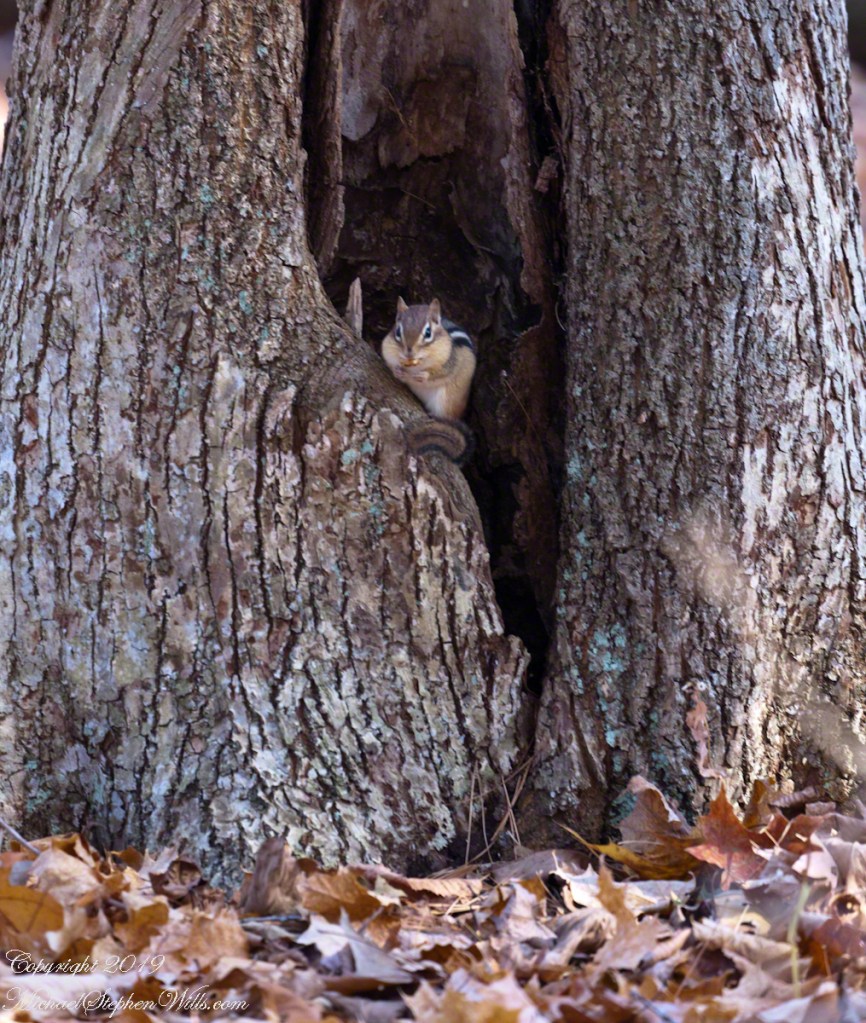
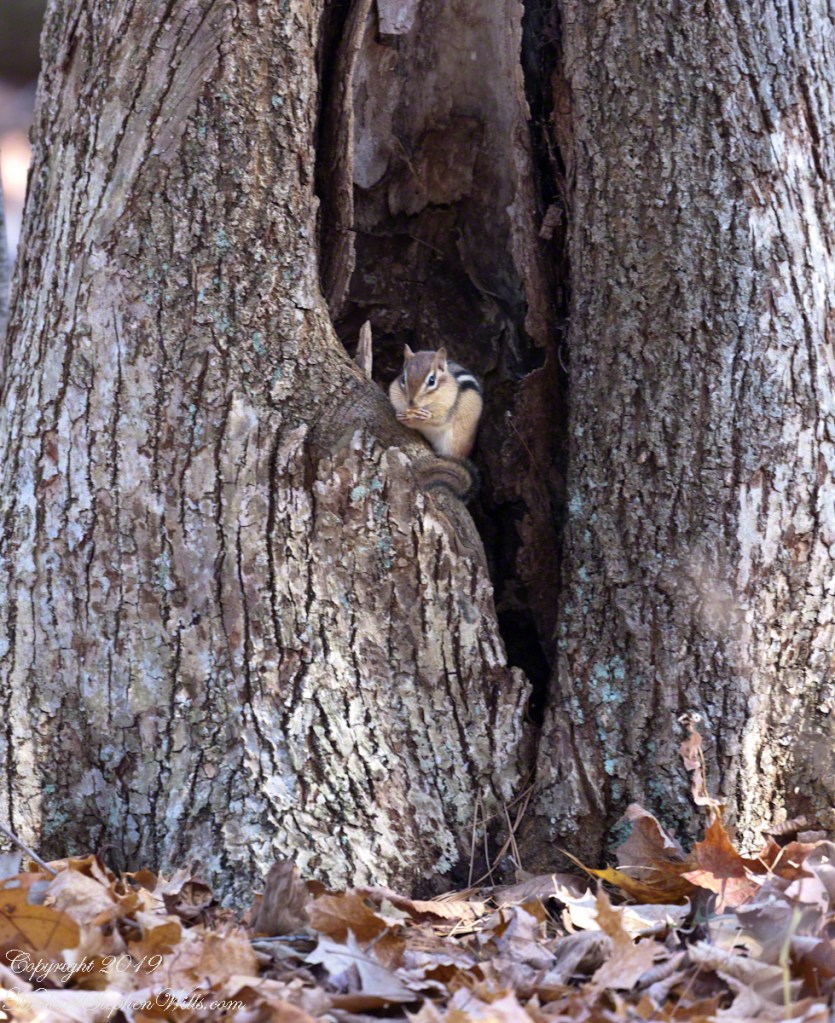

catching late light
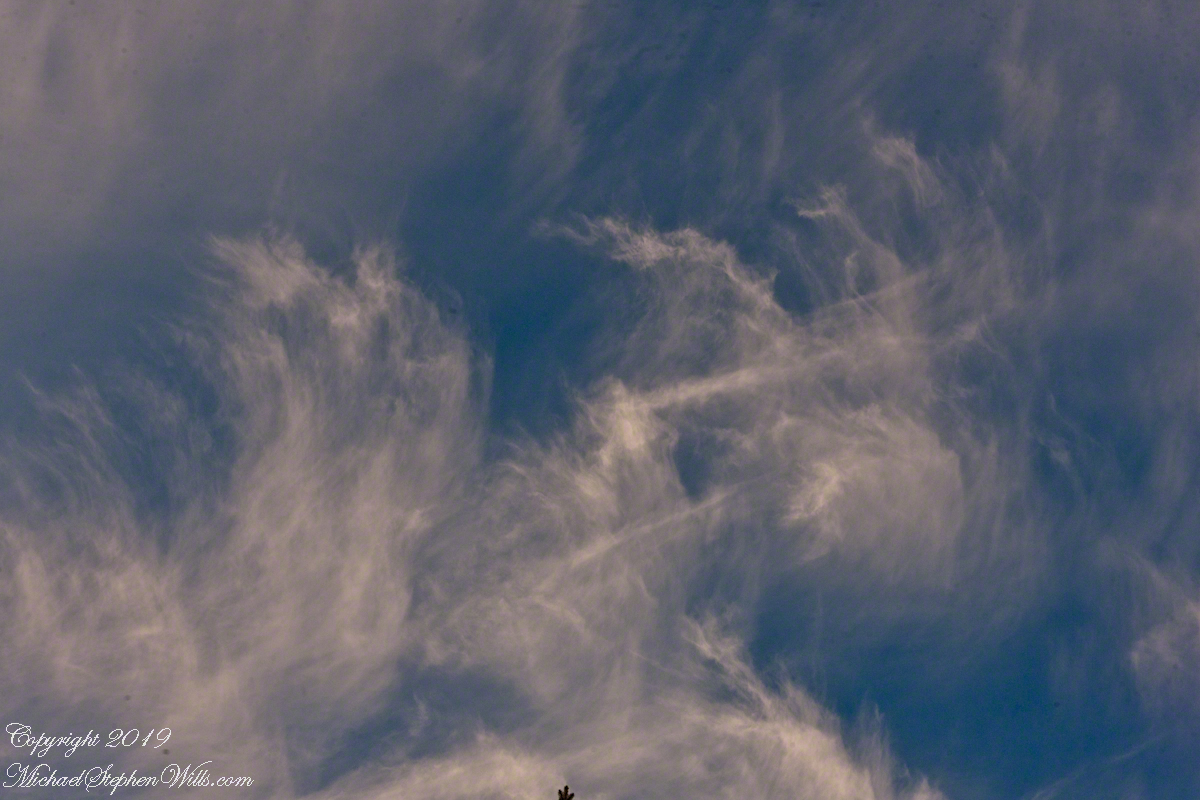
This evening cirrus clouds filled the sky at sunset. View the following photographs to understand how these forms are named from the Latin word for a ringlet, or curl, of hair. Formed above 16,500 feet, on this day the cirrus glow with the light of a sun low in the sky.
Here is a wide view from our driveway that includes a deteriorating con trail and possibly a mixture of other cloud types, I am no expert. I used a Canon “zoom” lens for flexibility in framing. To minimize exposure time for a crisp capture of the moving object, ISO was set to to 1,000 and the f-stop minimized.
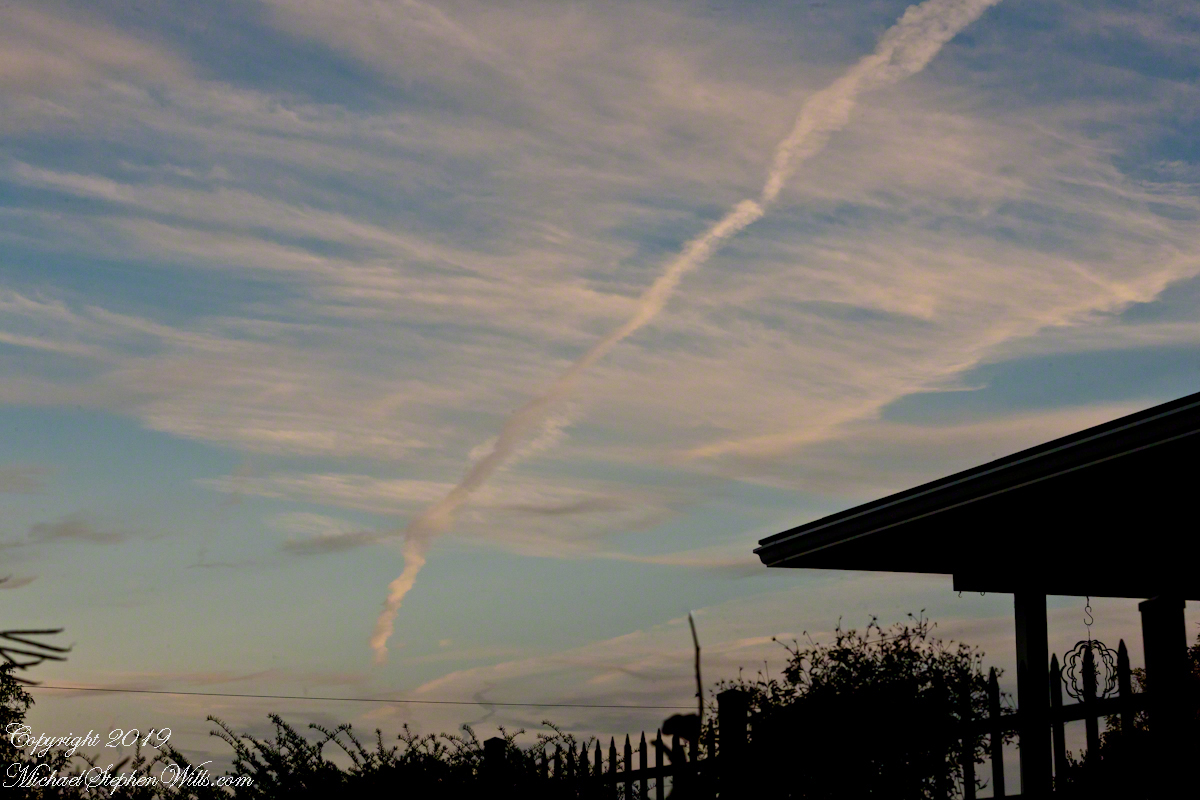
Post production I needed to spend time removing dust spots (neglected to clean the image sensor), some of the images still have those annoying spots.






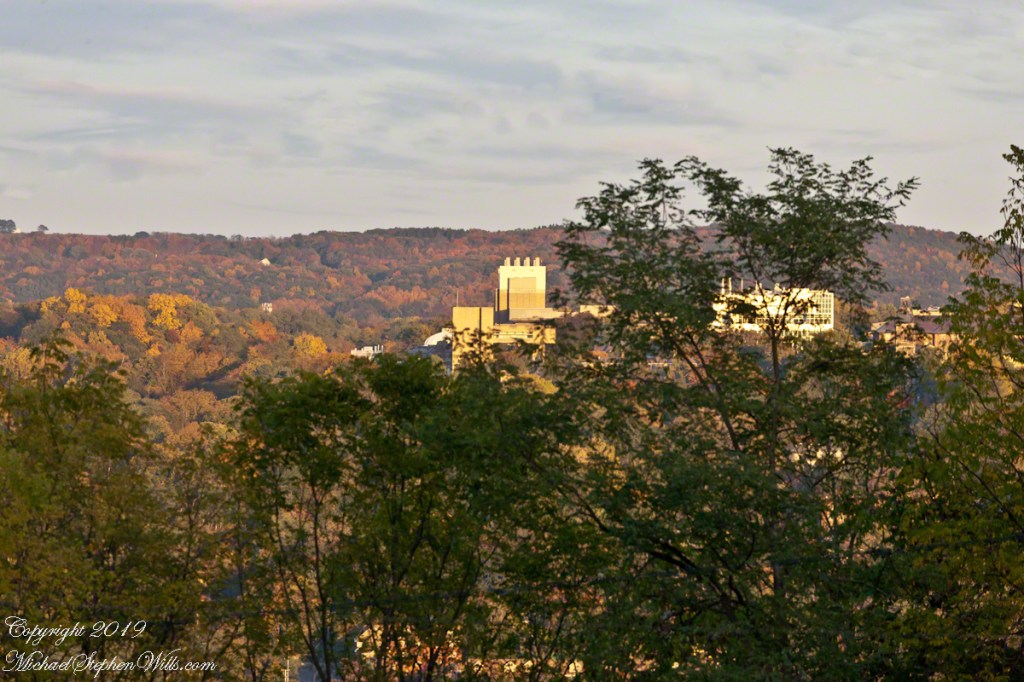
We enjoy looking west across the valley when the hills are glowing.
References: search for Cirrus Cloud on Wikipedia.
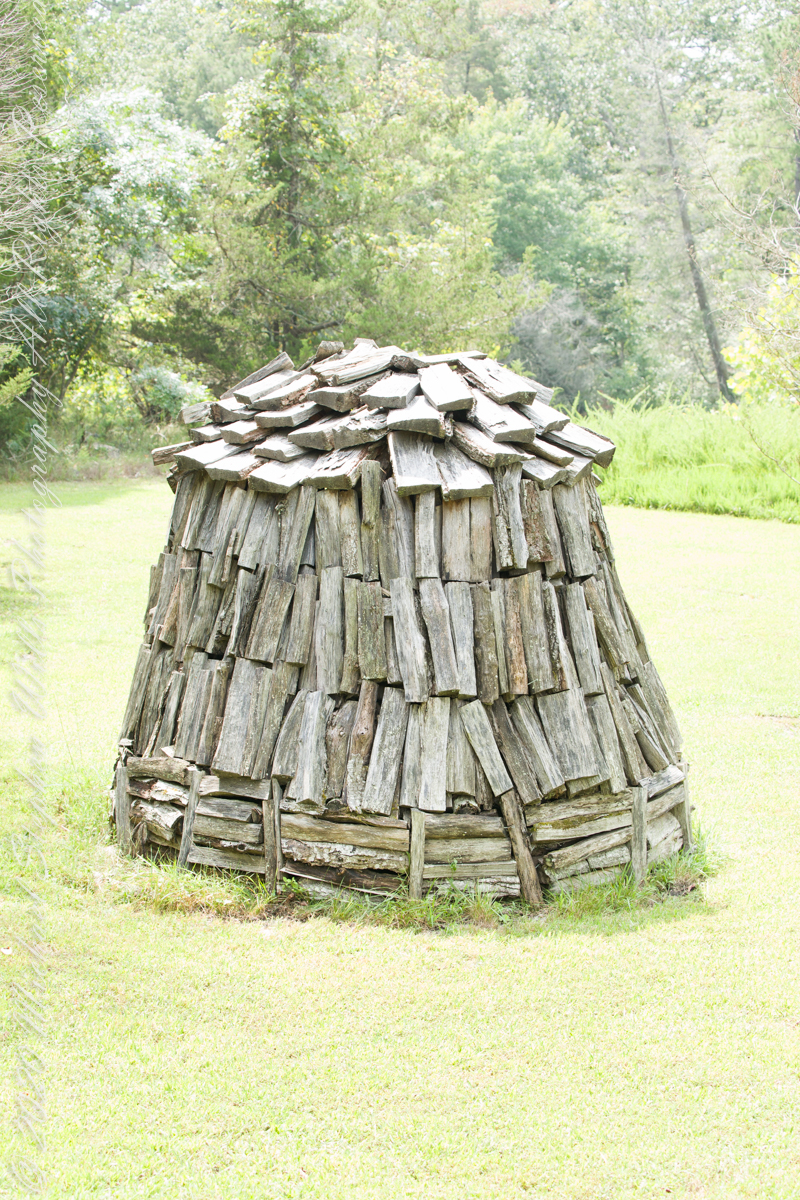
What is a Collier?
Here my exploration of Wharton State Forest, Pitch Pine Forest III, branches to the genealogical exploration of this landscape as my sister, Theresa and I, proceed along the humped, pitted sand road Goodwater through the wilderness to emerge in Batsto Village, a recreation of lives that touched my great great grandparents, James and Ann McCambridge among them. Ann saved money earned as a cook for Atsion furnace, the historical site at the start of the road to Quaker Bridge. Her husband James worked as a collier, supplying fuel for the iron furnaces at Atsion and Batsto, among other enterprises. During our Batsto Village visit we found these reproductions of charcoal clamps.
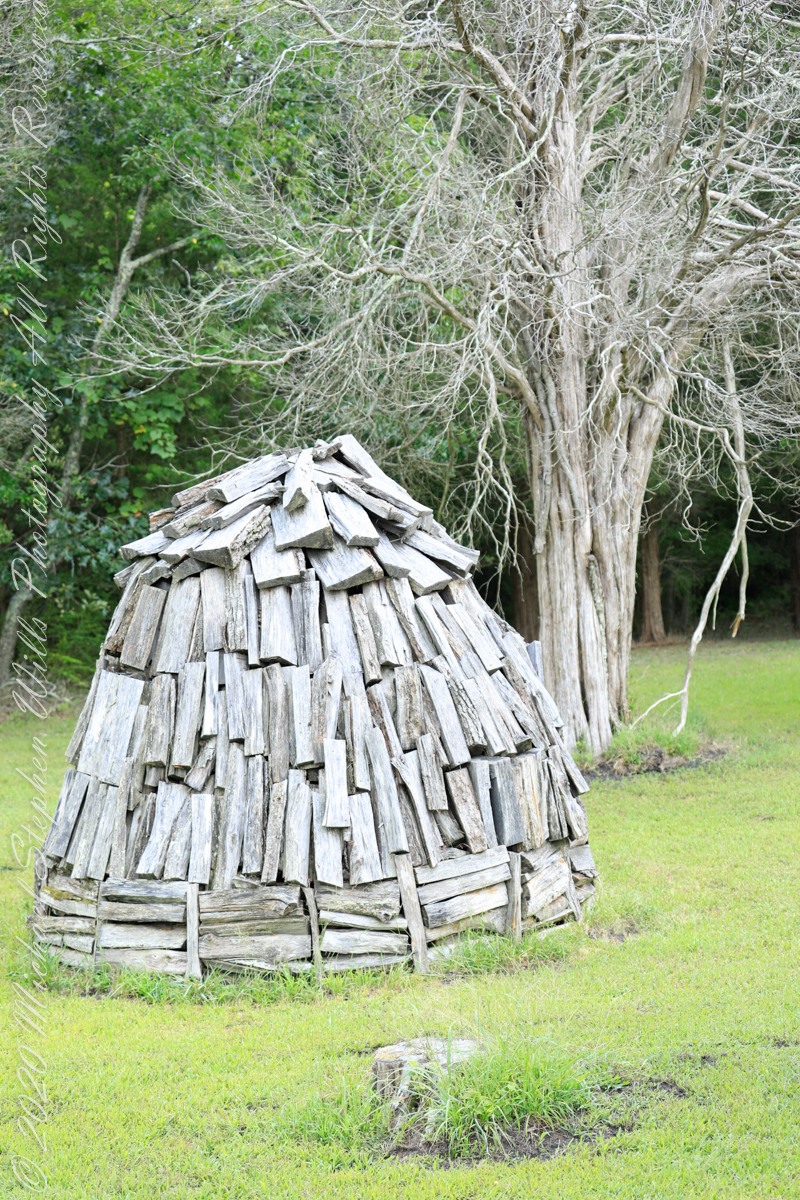
Since earliest times charcoal was used for cooking and heating. It was the best heat source for metal furnaces. Entire deforested regions are attributed to the demand for charcoal. Thomas Jefferson experimented with charcoal clamp designs, modifying air flow from the base.
James and Ann lived on the land that provided a livelihood, enough to support themselves and nine (9) children. From September 7, 1850 is the US Census for this family of my second great grandparents. Great Grandmother Margaret was 11 years. James is listed as a Collier, the value of Real Estate owned was 6,000 (a fortune for the time).
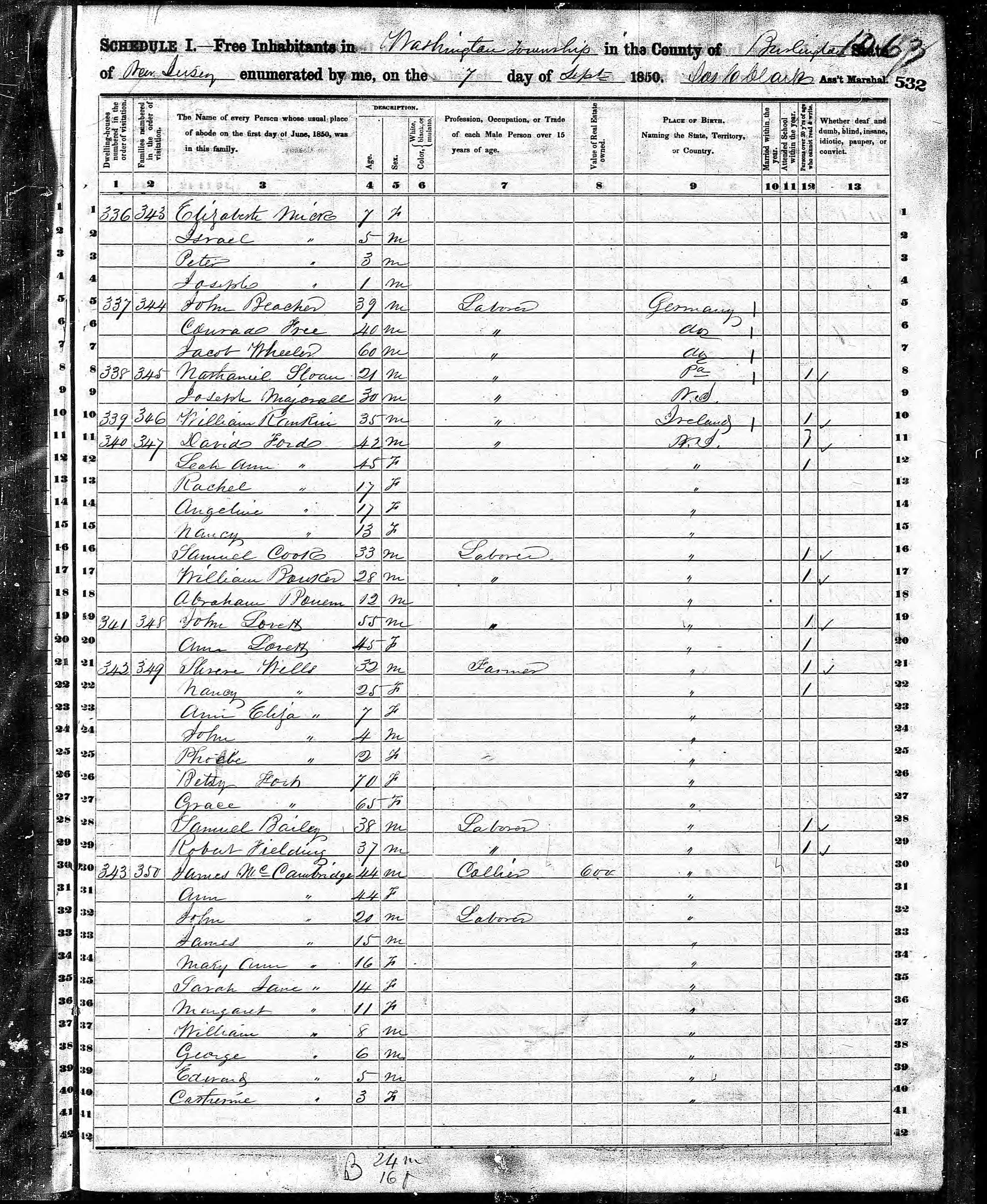
Like his wife Ann, James had a savings account…..

Copyright 2021 Michael Stephen Wills All Rights Reserved
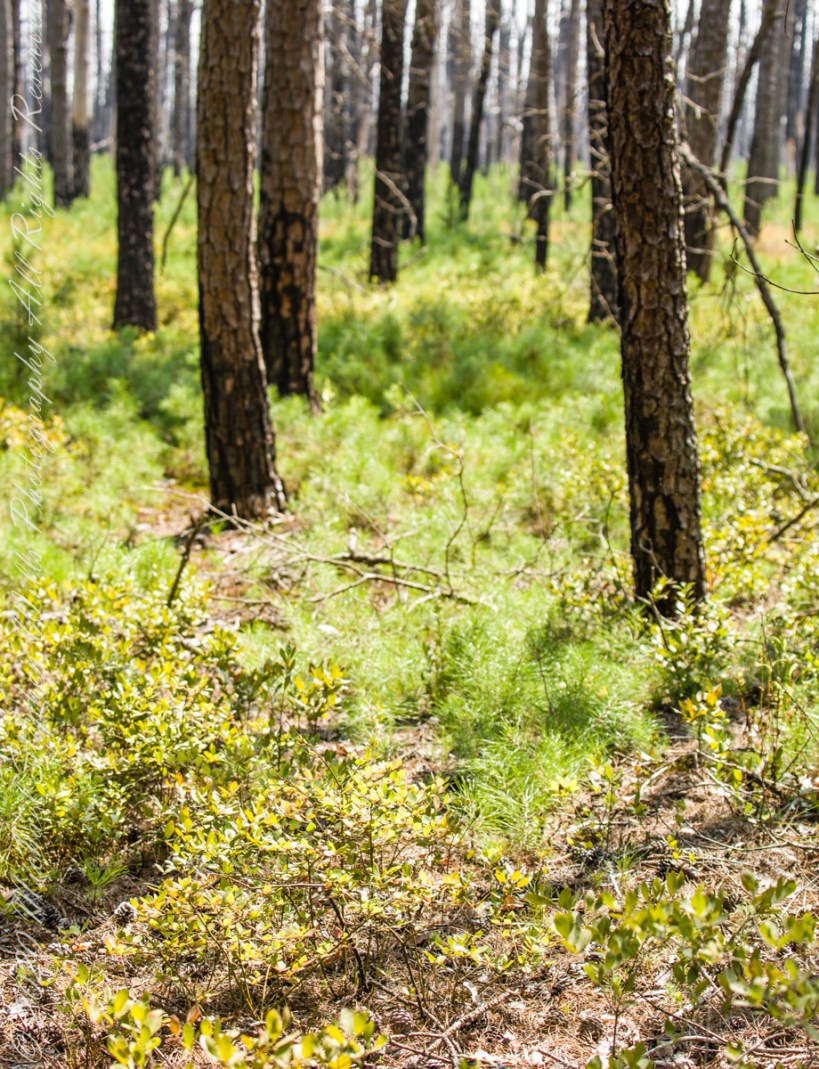
Road to Batsto
Leaving the jeep on the west side of Quaker Bridge, I walked over to inspect the structure and poke around the other side, carrying a Canon 5d Mark IV (camera body) / EF 70 – 300 mm f/4-5.6 L IMS (lens), shooting as I walked. My sister Theresa and Maxie, a little white dog, lagged behind taking in the surroundings. Here they are, in shadow, on the west side.
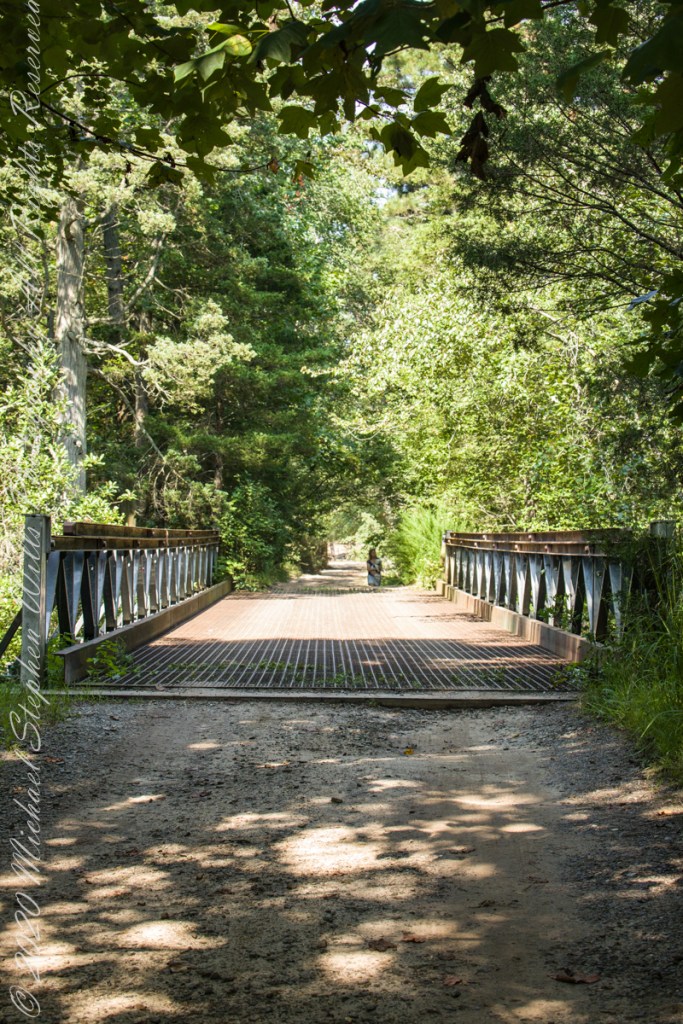
My work on the east side was shared in previous posts, “Pinelands Connections VIII,” I and II “Around Quaker Bridge,” and I and II “Pitch Pine Forest,” work interrupted by the sound of an approaching engine, a Humvee came into view. I waved my arm up and down, a sign to slow down, pulling alongside the driver looked up with dead eyes, no element of recognition of a fellow human, as I explained my sister was on the bridge. A stink of unfamiliar hydrocarbons, diesel fuel?, rose through the heat as they pulled forward with no acknowledgement of my request. Thankfully they slowed down as Theresa, Max in her arms, said, “hi.”
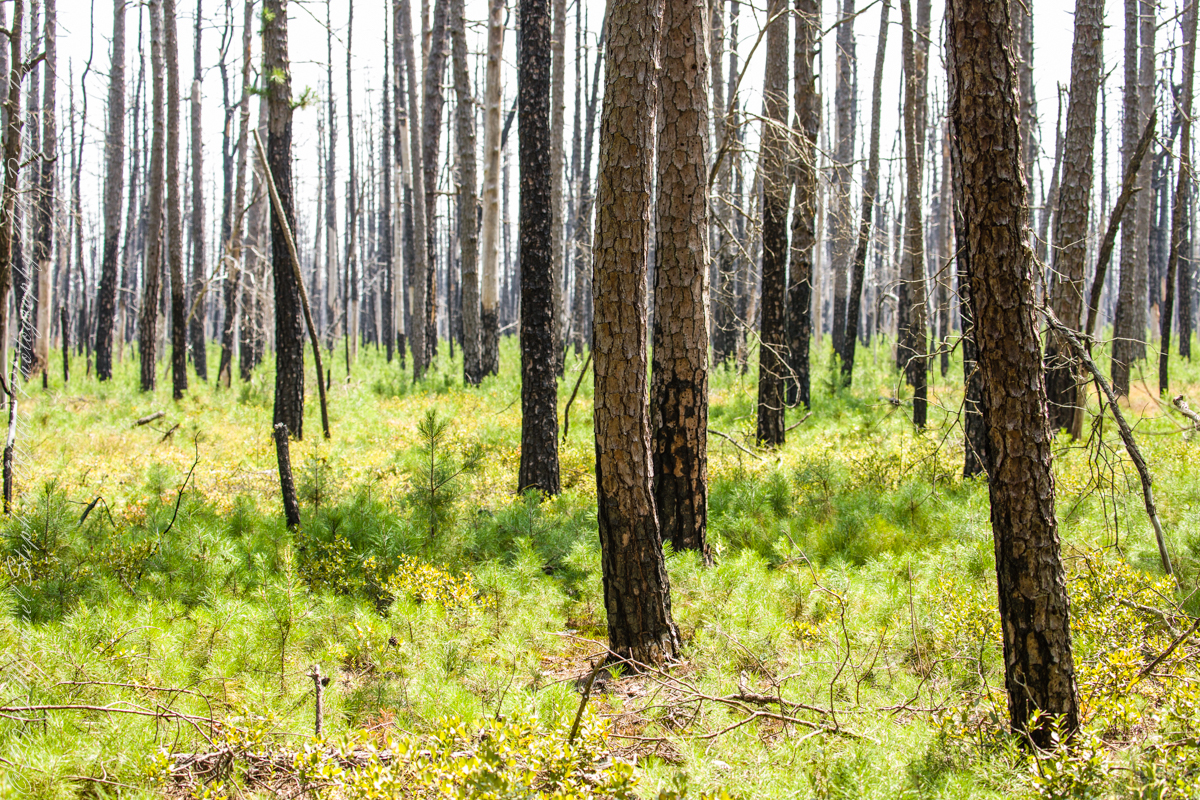
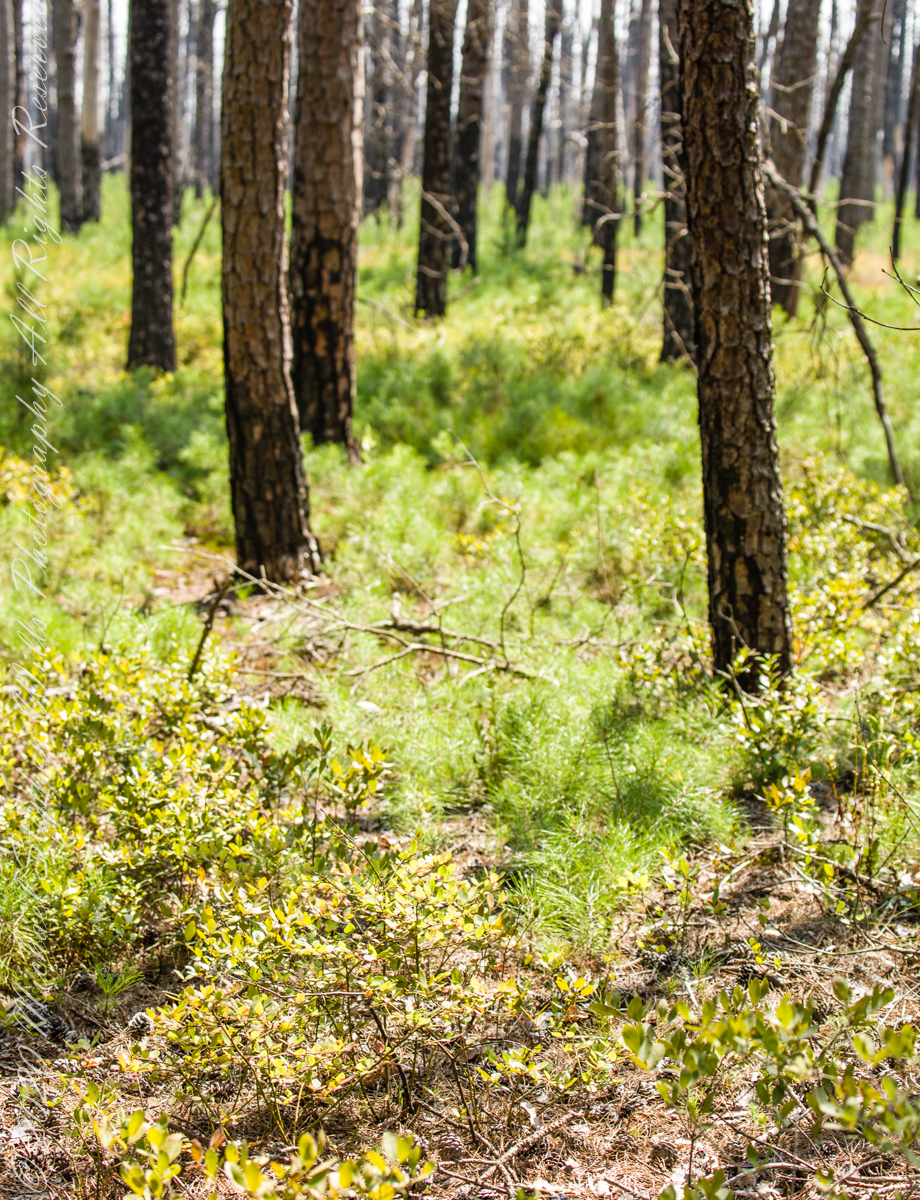
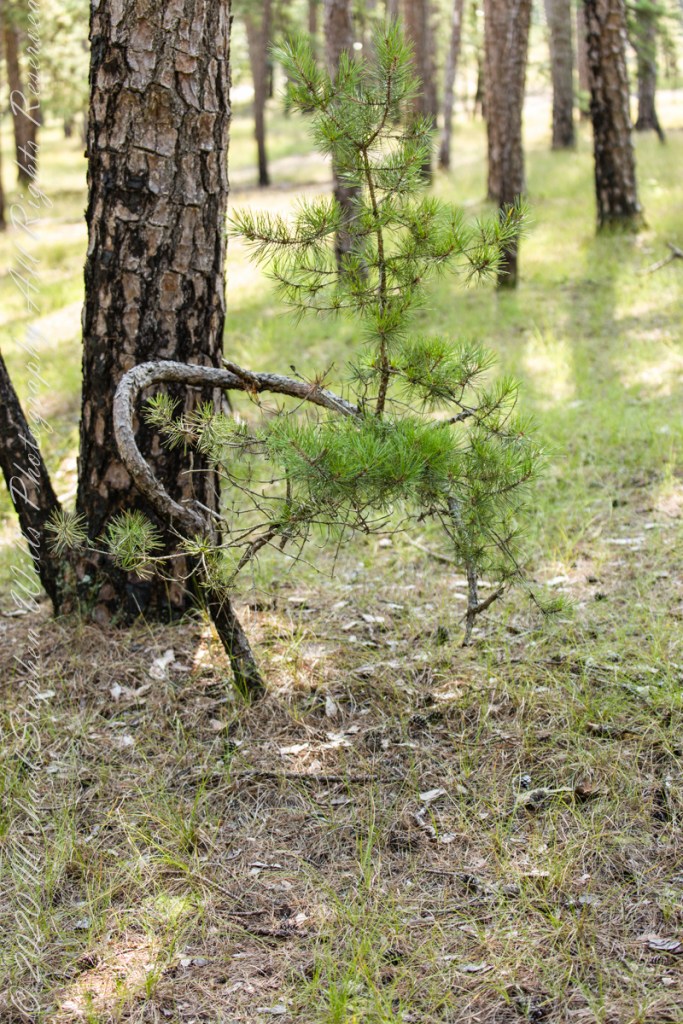
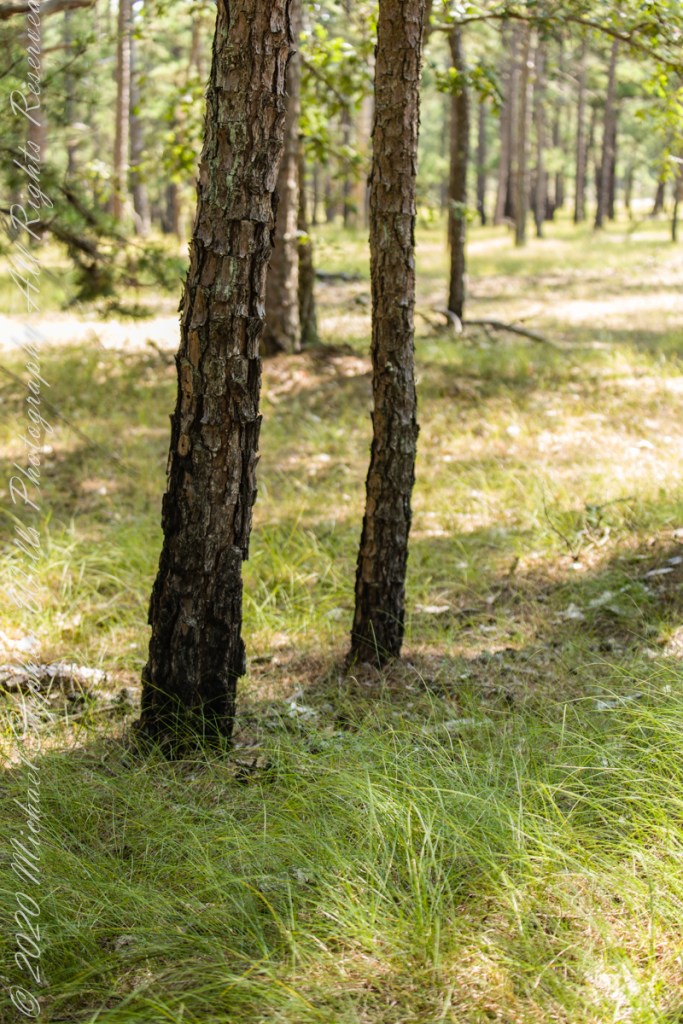
Multiple roads converge from all directions on Quaker Bridge, using GoogleMaps (surprising these unimproved, “jeep” sand roads were listed) I chose Goodwater Road as a route to Batsto Village, on the southern side of Wharton State Forest. The 6.1 mile road follows the east bank of Mullica River at a distance, a very rough passage through ancient Pitch Pine forest. Here are photographs of the enormous capacity of the pines to regrow after fire. Note a thick seeding growth among the mature pine trunks, lower portions fire blackened.
Copyright 2021 Michael Stephen Wills All Rights Reserved
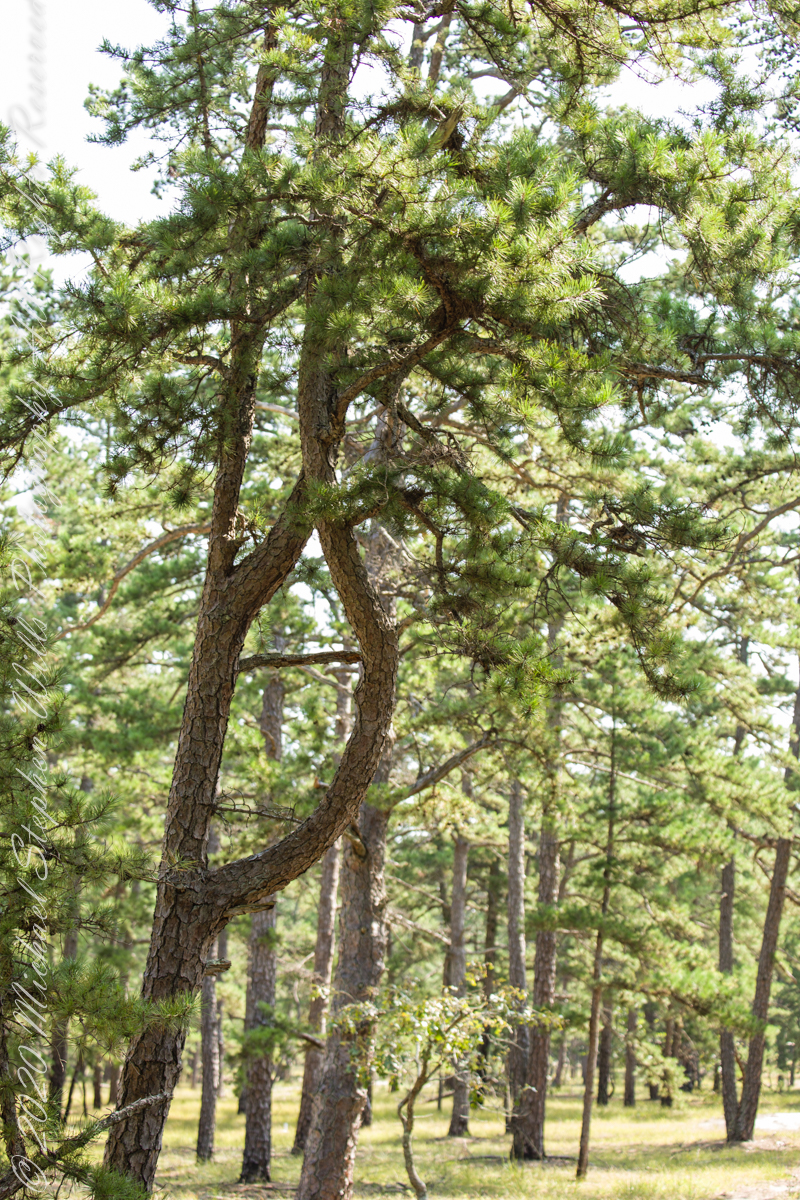
Multiple Lives
These photographs were taken deep in the wilderness of Wharton State forest, near where Quaker Bridge spans the Mullica River.
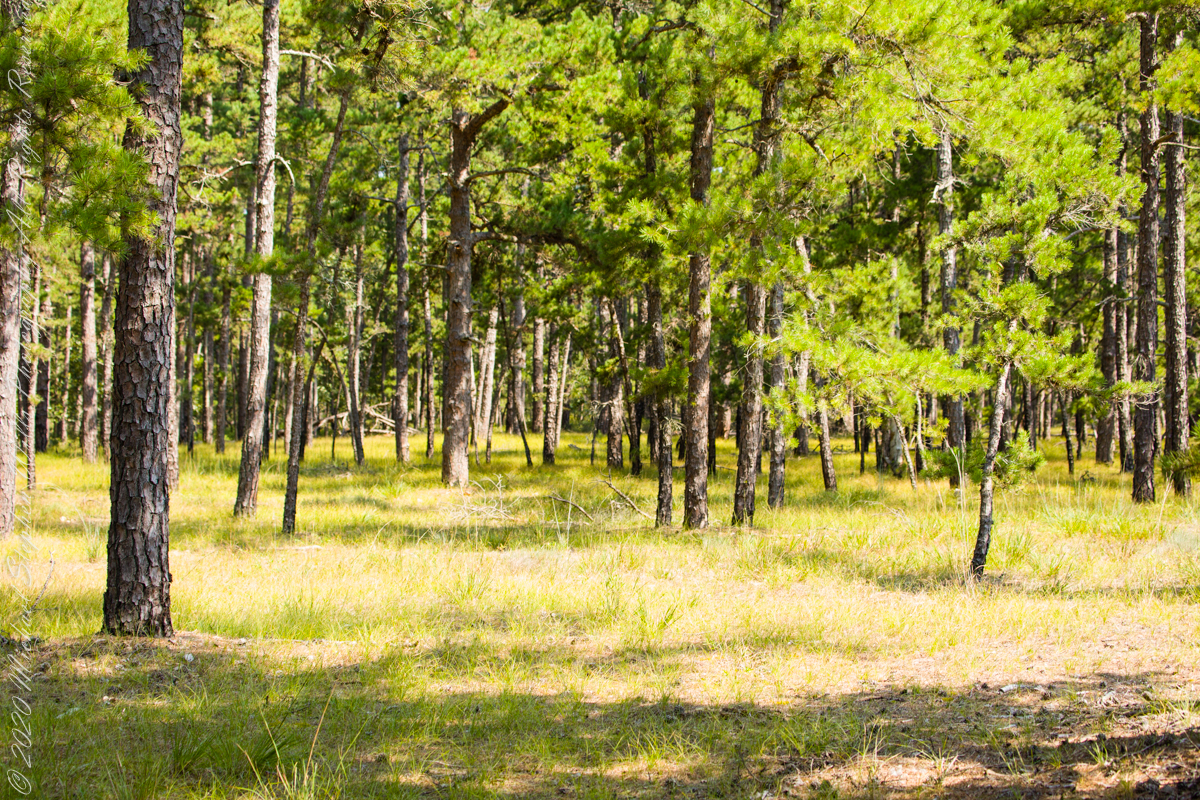
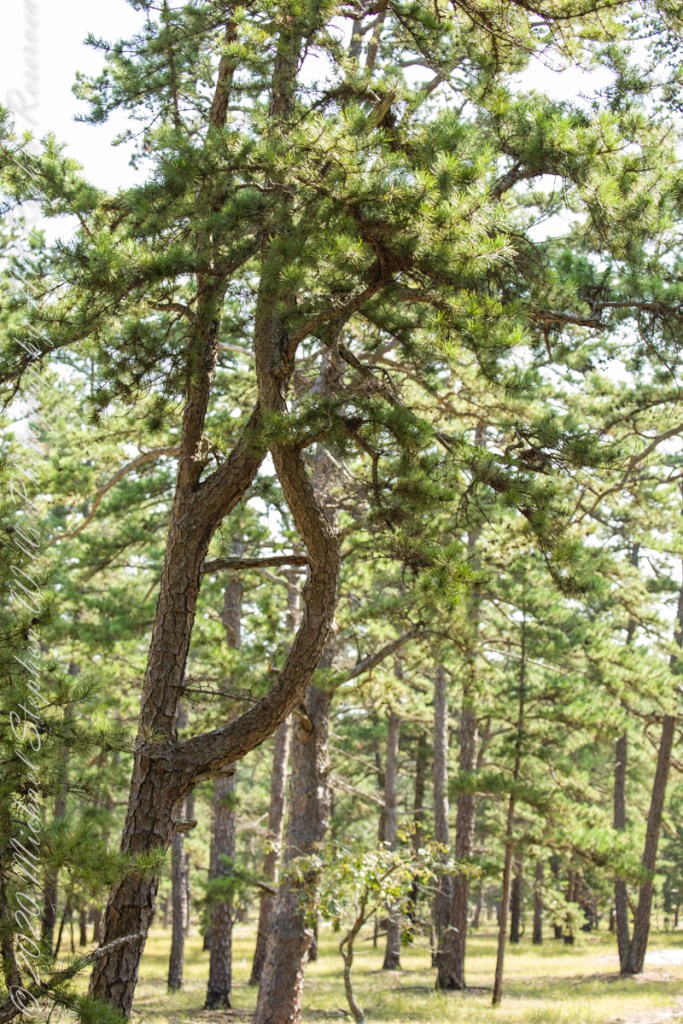
The pitch pine is irregular in shape, in these forests a mature tree typically lives through multiple cycles of fire and regrowth.
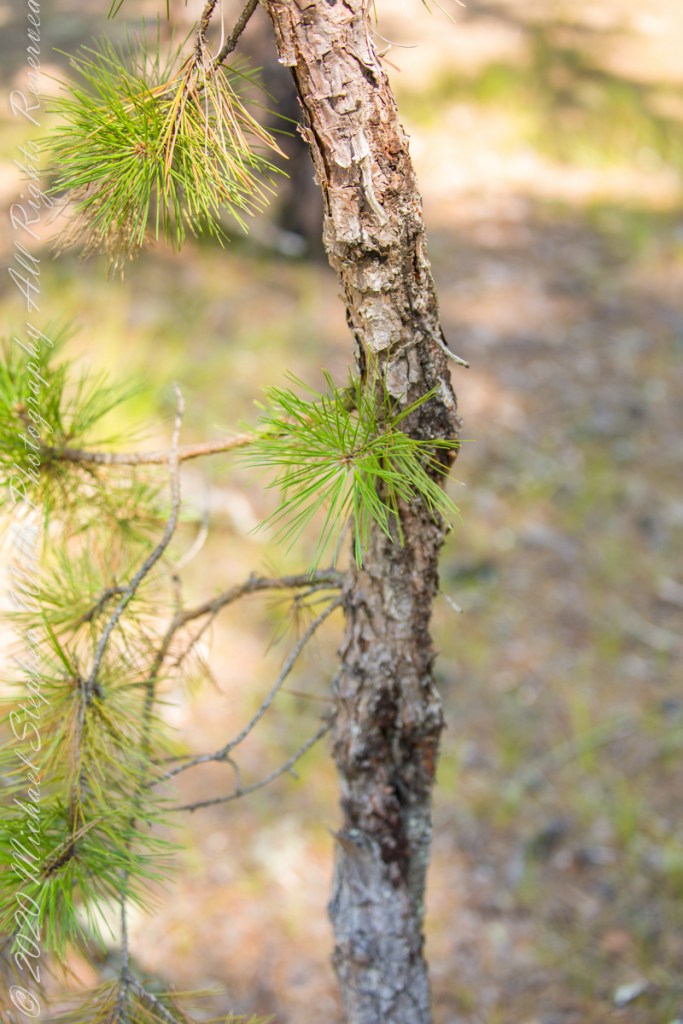
Burnt pitch pines often form stunted, twisted trees with multiple trunks as a result of resprouting. Bonsai artists exploit this characteristic for their creations.
Copyright 2021 Michael Stephen Wills All Rights Reserved
 Michael Stephen Wills Photography