Whispers from the Rocks: The Vivid World of the Red Columbine

Discover the vibrant Red Columbine of Treman Gorge, a masterpiece of adaptation and survival nestled among ancient rocks. Explore how this delicate beauty thrives in the harsh cliffs of the Finger Lakes.

Wandering through the verdant paths of Treman Gorge, amidst the rough-hewn charm of the Finger Lakes Region, I find myself entranced by a striking botanical jewel, the Red Columbine (Aquilegia canadensis). Amid the prehistoric tapestry of shale and limestone, these delicate red and yellow flowers stand out with a vivacity that seems almost audacious against the stoic gray of their rocky backdrop.

The Red Columbine, with its unique, nodding bell-like flowers, is more than just a feast for the eyes. Each bloom is a masterclass in the art of survival and adaptation. The elongated, tubular structure of its flowers, splashed with a bold red that fades into a sun-kissed yellow, is nature’s perfect lure for its pollinators. The petals curve back, as if arching away in a graceful flare, exposing the stamens and pistils in an inviting display for hummingbirds, which, in their quest for nectar, become unwitting partners in the dance of pollination.
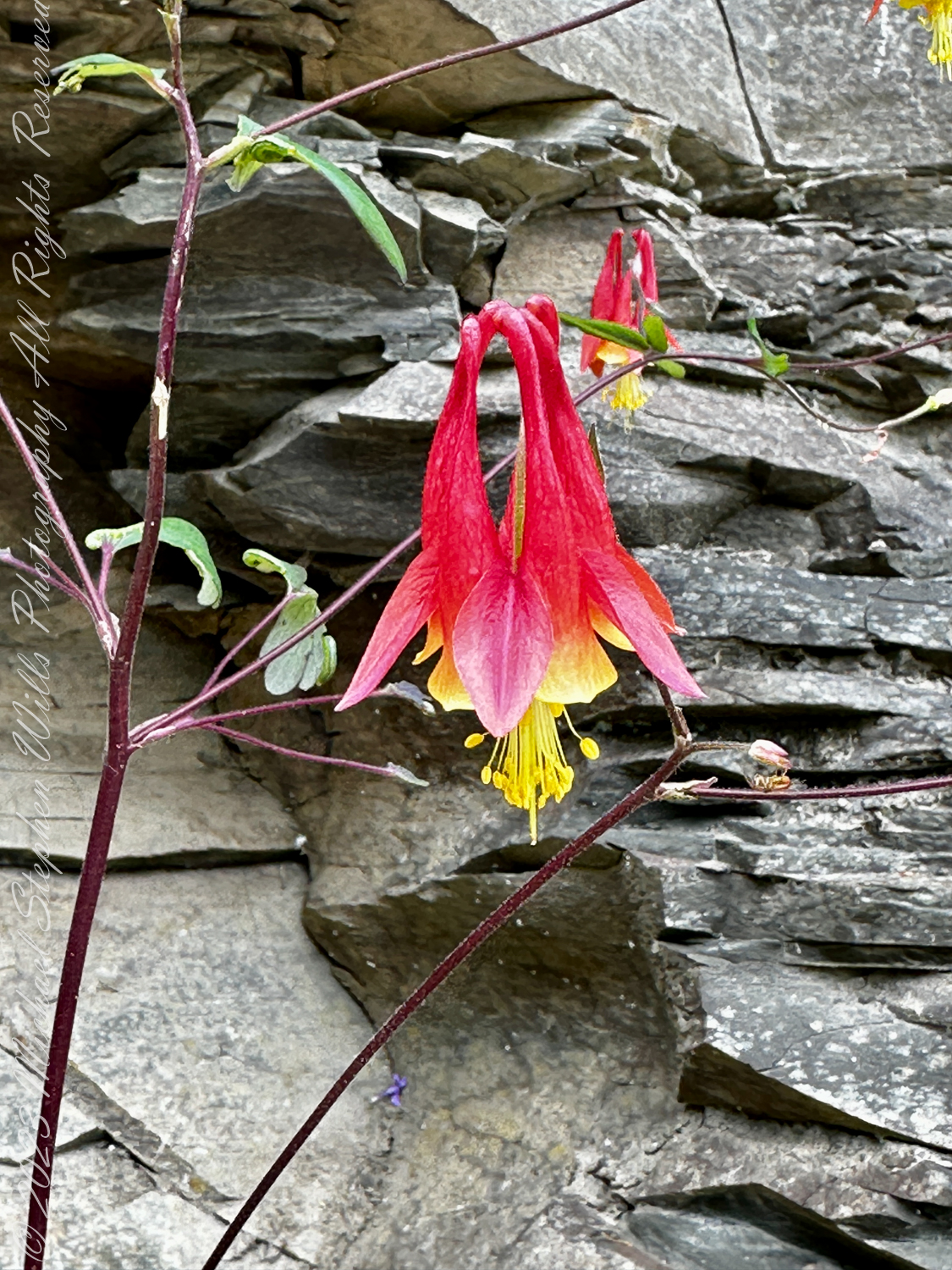
As I tread softly along the mossy stones, the sheer cliff faces of the gorge serve as a stark reminder of the relentless passage of time. Yet here, in this ancient cradle, the Red Columbine thrives in pockets of soil that seem to defy gravity. It’s a botanical ballet, with each plant performing its survival routine rooted in crevices that gather just enough humus to sustain life.

The air is cool and moist, the faint murmur of Enfield Creek a constant whisper beneath the chorus of bird calls. This is a place of subtle enchantment where every glance reveals the rugged beauty of nature intertwined with the delicate persistence of life. The columbines, with their whimsical spirals of spurs and lush, lobed leaves, appear almost otherworldly. They thrive here in the dappled sunlight, a testament to their resilience and a reminder of nature’s quiet defiance against the odds.
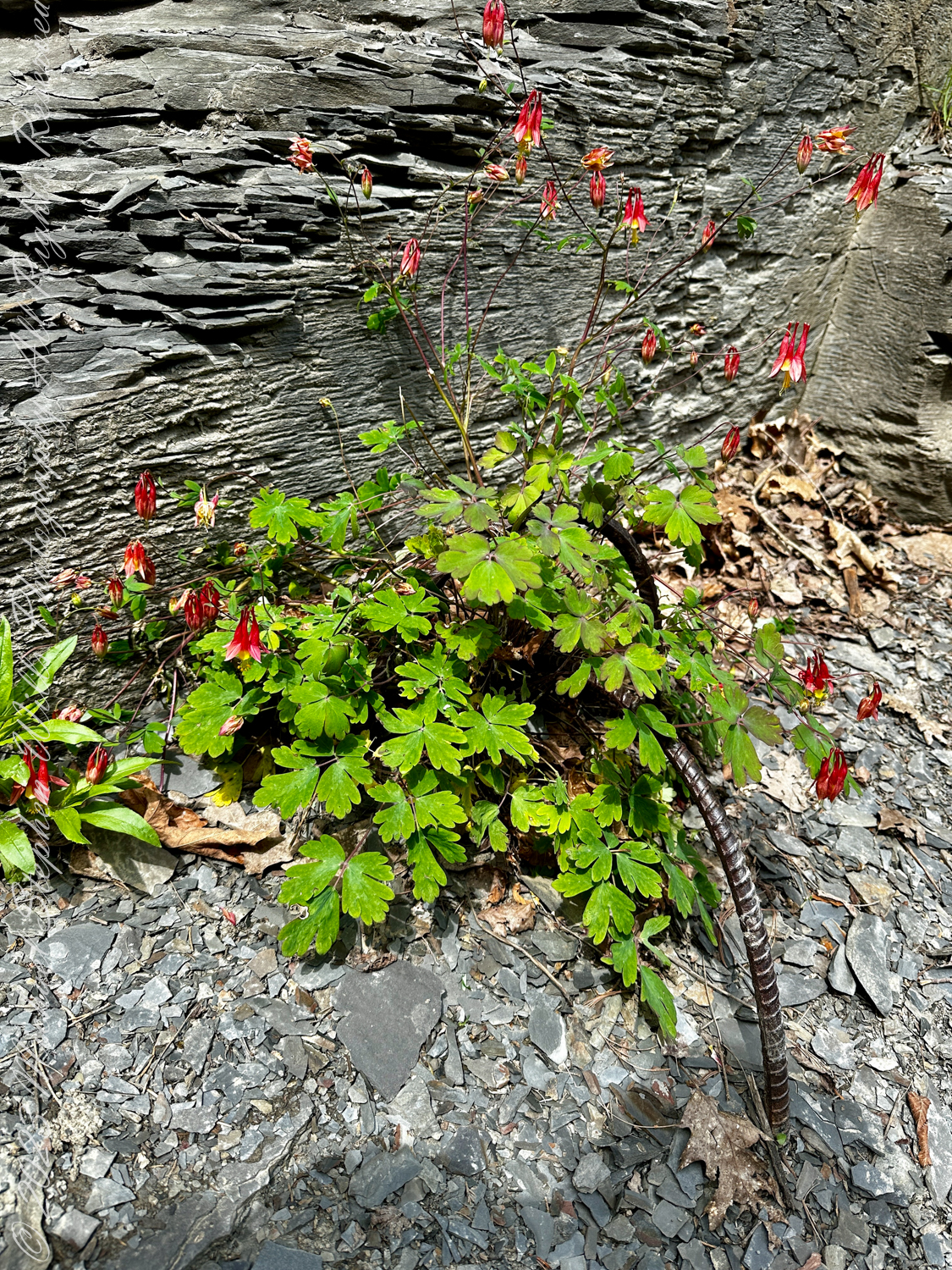
Red Columbine with steel rebar driven into the rock to anchor lifesaving lines. Found near Lucifer Falls, Robert H Treman New York State Park, Ithaca, Tompkins County

In this serene alcove, time slows. The Red Columbine’s pendulous blooms sway gently with the breeze, each movement a soft ballet in the verdant amphitheater of Treman Gorge. This flower, with its fiery hues and intricate form, embodies the spirit of the wild that surrounds us. It stands as a vibrant contrast against the somber stones, a living splash of color against the monochrome palette of the gorge.

As I pause to capture this moment, camera in hand, I am reminded of the fragile beauty that thrives in these hidden corners of the earth. The Red Columbine, with its enchanting flowers and rugged perseverance, is a symbol of the wild heart that beats strong within the quiet solitude of Treman Gorge. Here, in the heart of the Finger Lakes, beauty and resilience bloom in the most unexpected places, painting the landscape with strokes of floral brilliance.

Copyright 2024 Michael Stephen Wills All Rights Reserved
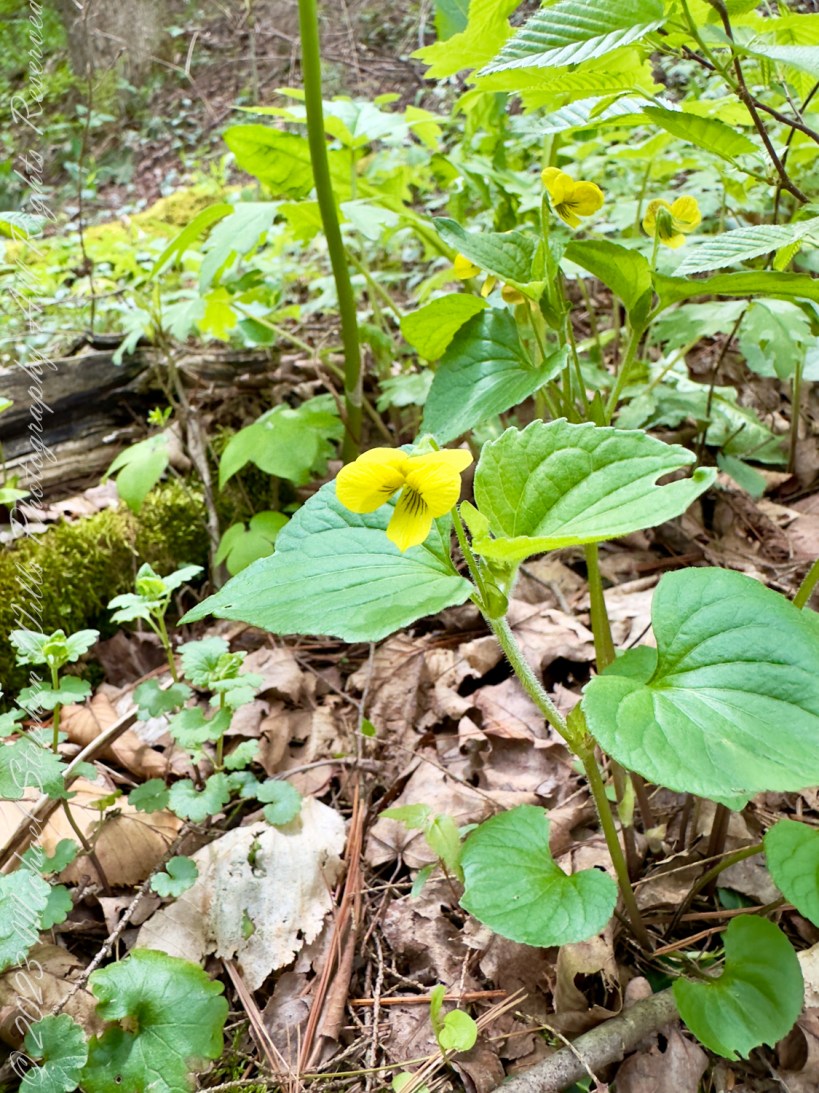
Viola pubescens: A Delight of the Deciduous Forest

The yellow forest violet, Viola pubescens, with bright yellow flowers, serves as nectar source and butterfly host, indicating forest health and offering medicinal uses.

The yellow forest violet is easily recognizable by its bright yellow flowers, which add a splash of color to the forest floor in early to mid-spring. The petals are slightly fringed and the lower petal exhibits delicate veins that serve as nectar guides for pollinators. The leaves of Viola pubescens are heart-shaped with a slight pubescence, or fuzziness, that gives the plant its characteristic downy appearance.

As a member of the Violet family, Viola pubescens is important ecologically. It serves as an early source of nectar for pollinators such as bees and butterflies. Additionally, the plant is a host for the larvae of some Fritillary butterflies, playing a crucial role in their lifecycle.

This plant not only contributes to the biodiversity of its habitat but also enchants those who wander through its woodland home. The presence of Viola pubescens indicates a healthy, undisturbed forest ecosystem, making it an excellent indicator of ecological stability.

Viola pubescens is also noted for its medicinal uses among Native American tribes, who used various parts of the plant to treat ailments ranging from colds to heart trouble. The roots and leaves were often used in traditional remedies, showcasing the plant’s utility beyond its aesthetic appeal.

In summary, Viola pubescens, or the yellow forest violet, is a noteworthy component of the North American woodland biome. Its ecological role and historical significance make it a valued species for both naturalists and conservationists alike.

Copyright 2024 Michael Stephen Wills All Rights Reserved

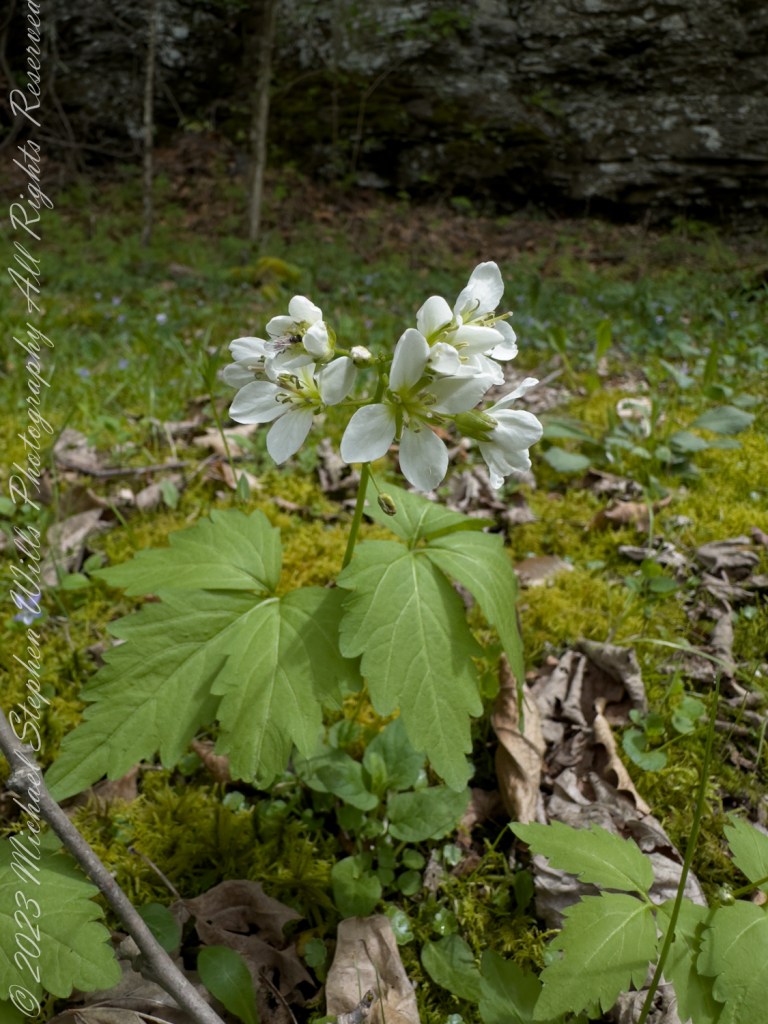
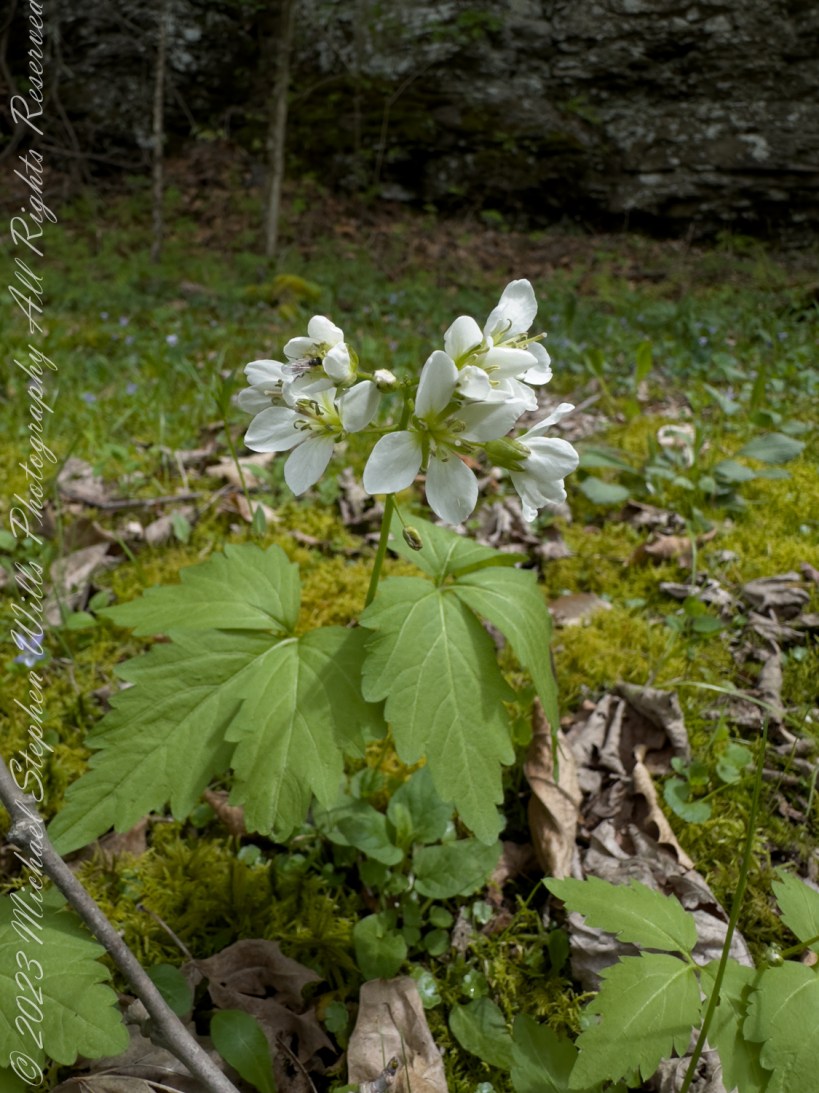
Cardamine diphylla: A Woodland Marvel

Step into the spring woods and discover the broadleaf toothwort, Cardamine diphylla. Marvel at its white blossoms and deep-lobed leaves, and uncover its vital role in both early pollination and traditional medicinal practices.

Broadleaf toothwort, Cardamine diphylla, plays a charming role in the ecosystem of deciduous forests, often carpeting the forest floor with its distinctive greenery and white blossoms during the spring. This plant is particularly noted for its broad, compound leaves that usually consist of two or three leaflets, each characterized by deep lobes and a somewhat wrinkled appearance, lending it the name “crinkle root.”

The flowers of the broadleaf toothwort are a notable feature, emerging in clusters atop slender, upright stems. Each bloom presents four white petals that form a delicate cross, a typical trait of the Brassicaceae family, to which it belongs. The flowering period spans early to mid-spring, making it one of the earlier blooms in woodland areas, which plays a critical role in the local ecology. These flowers are not just a visual treat but are also vital for early-season pollinators such as bees and butterflies, providing them with necessary nectar.

Moreover, Cardamine diphylla is more than just a visual and ecological gem. It has historical uses in traditional medicine and cuisine. Native American tribes utilized the peppery roots of the toothwort as a seasoning and as a medicinal herb to treat various ailments.

The presence of Cardamine diphylla is also an indicator of the health of the forest ecosystem. Thriving populations of this plant suggest a well-preserved habitat, which is crucial for biodiversity conservation.

In summary, Cardamine diphylla, with its ecological significance and historical uses, represents a small but vital part of North America’s natural heritage, highlighting the intricate connections within woodland ecosystems and the importance of preserving these natural environments.

Copyright 2024 Michael Stephen Wills All Rights Reserved
Spring Outing IX

Land snail

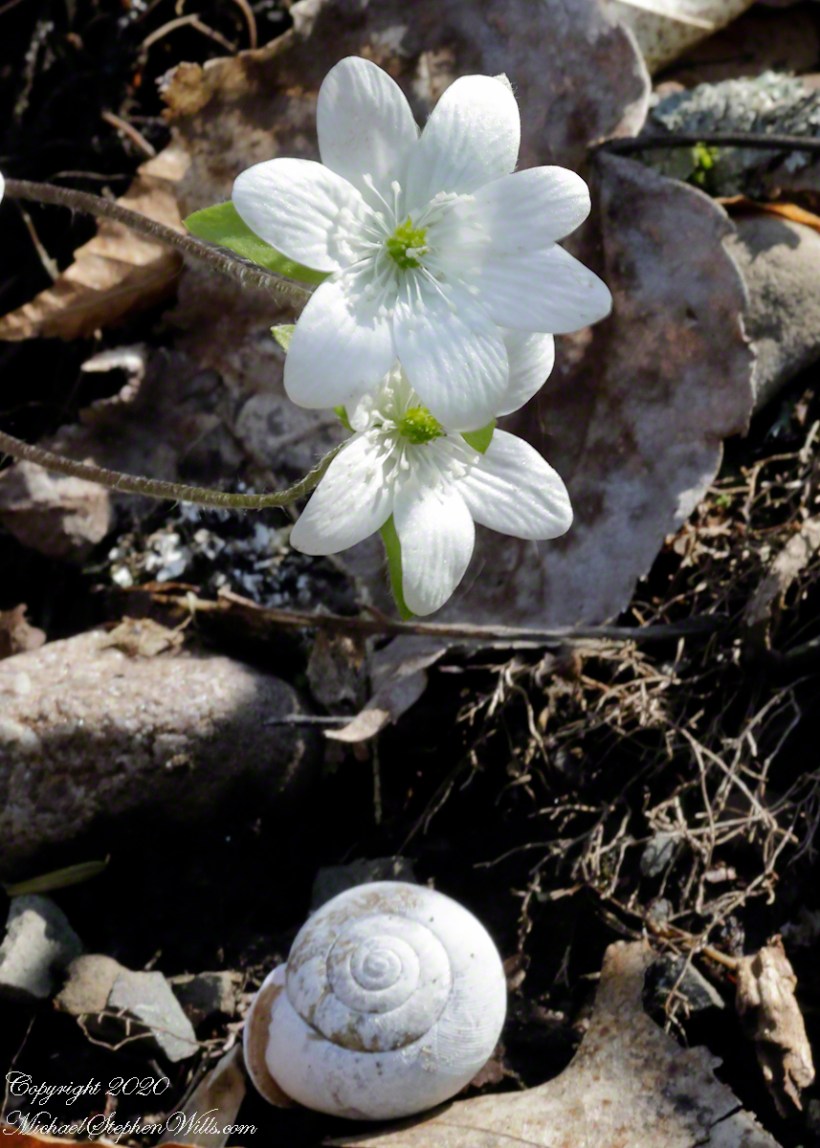
Hepatica blossoms are the focal point here. Two land snail shells rested fortuitously below, a white and dark brown. The white shell (Scientific Name: Neohelix albolabris) is seen here. In life, the shell aperture reflective lip gives the species name, from Latin root words “albo” (white) and “labris” (lip), and the popular name, “Whitelip.” Look closely to see a series of ridges, an identifying feature apparent in this specimen. There was a live specimen in our yard, just yesterday. Busy with chores, no camera at hand.

Click photograph for a larger view. To do this from WordPress Reader, you need to first click the title of this post to open a new page.

Click me for another Hepatica wildflower posting.

Copyright 2024 All Rights Reserved Michael Stephen Wills
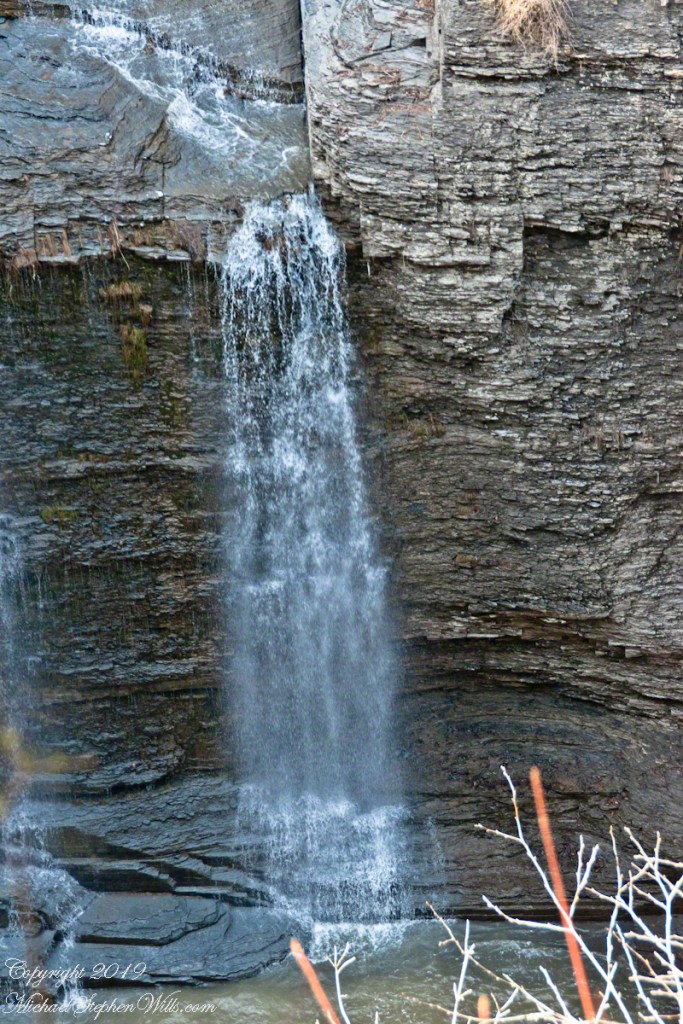
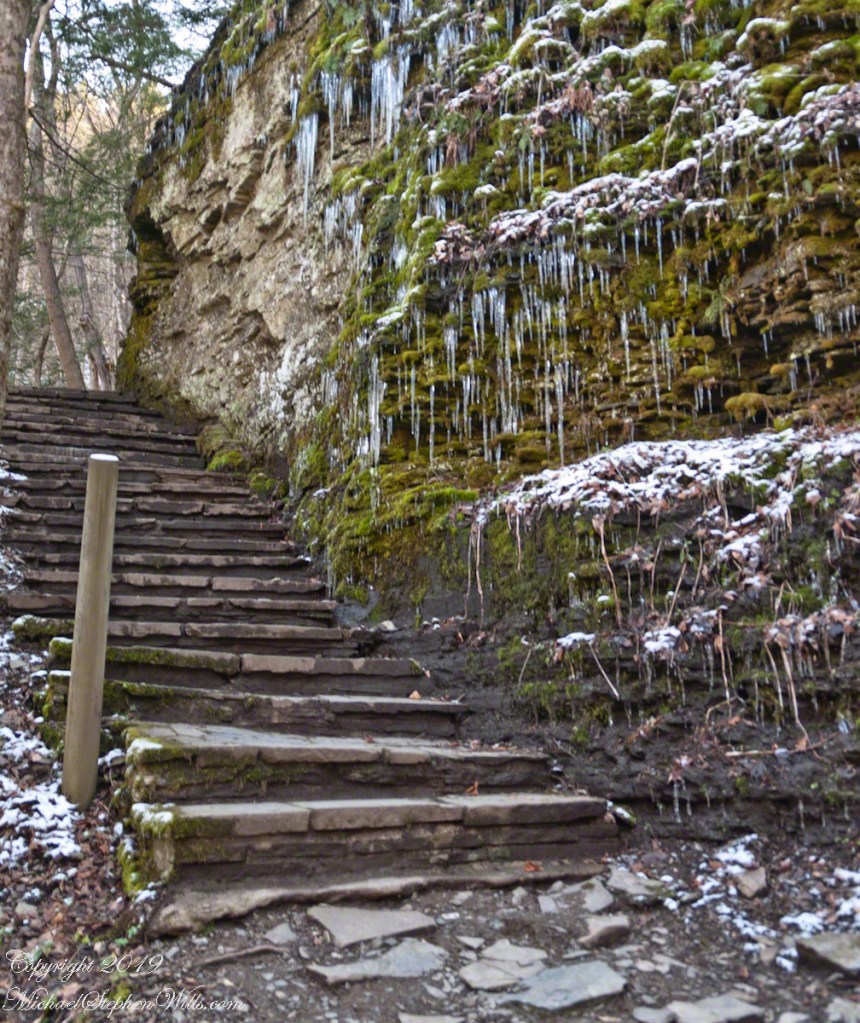
224 Steps

Each wall is support for the next flight of stairs

The stairs are cut into a cliff, using switchbacks with landings and strategically placed benches.

Click photograph for a larger view. To do this from WordPress Reader, you need to first click the title of this post to open a new page.

This work was accomplished by the Civilian Conservation Corps in the 1930’s, during the Great Depression.

These shots were hand held. I used a Sony Alpha 700 dslr with a variable “zoom” lens, great for framing compositions.

Robert H. Treman New York State Park.

Click for macro slideshow.

Copyright 2024 All Rights Reserved Michael Stephen Wills

So Like A Christmas Tree

Icicles Catch The Light

Approaching the Cliff Stair after a sudden April frost.

Click photograph for a larger view. To do this from WordPress Reader, you need to first click the title of this post to open a new page.

Lucifer Falls in spring flood is a constant roar.

These shots were hand held. I used a Sony Alpha 700 dslr with a variable “zoom” lens, great for framing compositions.

Robert H. Treman New York State Park.

Click for macro slideshow.

Copyright 2024 All Rights Reserved Michael Stephen Wills

Spring Outing X

Please give your opinions of this experiment, via comments. Thank You

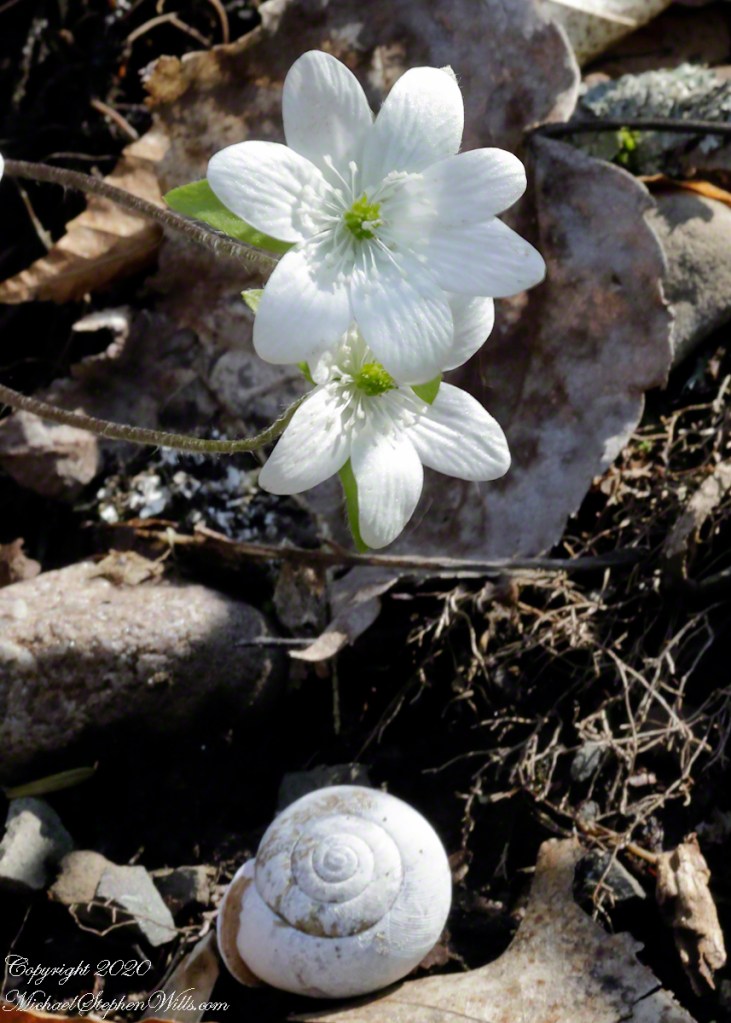
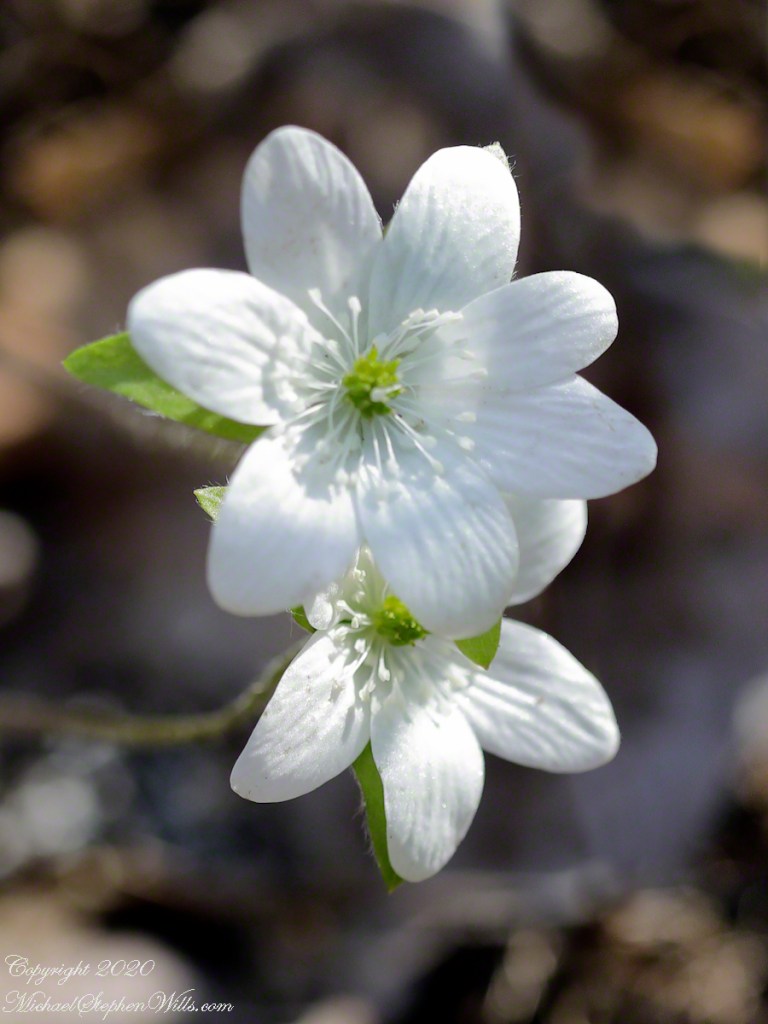
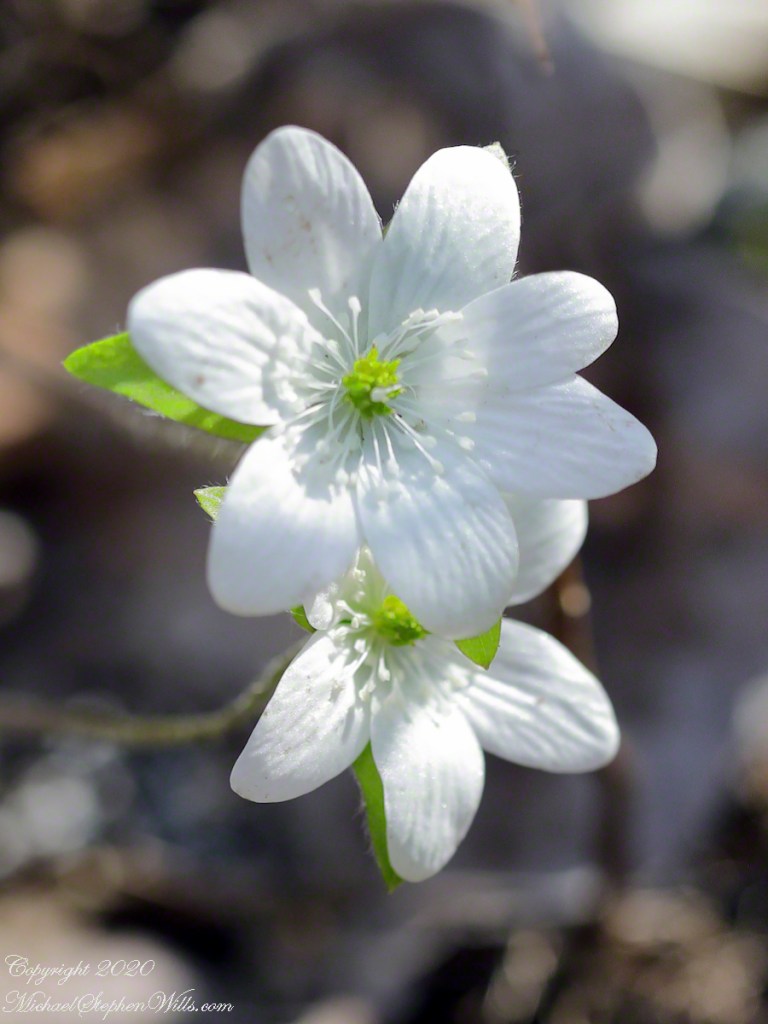
Seconds after taking this shot, at f/4, I changed the f-stop to 29 and captured these blossoms with the environment in focus (yesterday’s posting). At f/4 focus is a challenge and I was not happy with the detail of the foreground blossom.

Click photograph for a larger view. To do this from WordPress Reader, you need to first click the title of this post to open a new page.

I am in the experimentation phase of learning the new camera, so in spite of the 100% file size increase I turned on the Dual Pixel Raw feature. The two photos are from the same file. My impression is the adjustment improved the foreground flower details. Is it my imagination?

Click me for another Hepatica wildflower posting.

Copyright 2024 All Rights Reserved Michael Stephen Wills
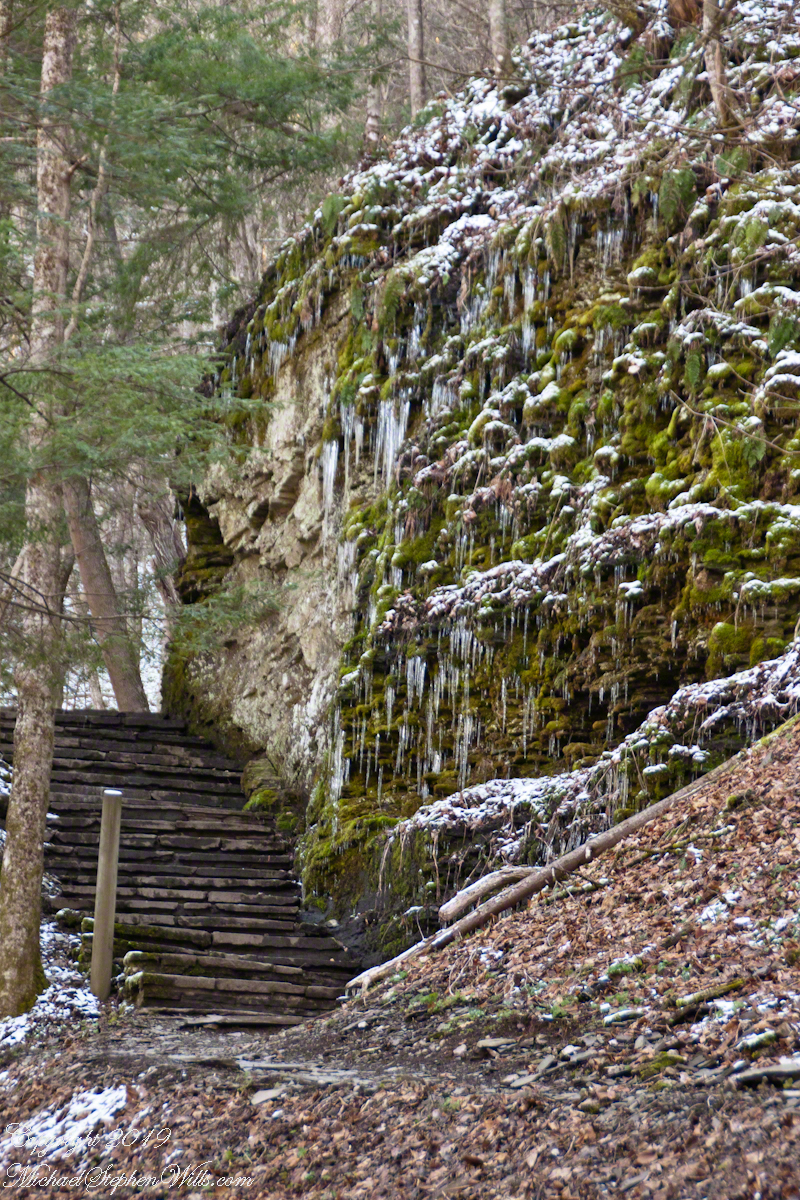
Spring Outing VIII

Sun catchers

Click photograph for a larger view. To do this from WordPress Reader, you need to first click the title of this post to open a new page.

Click me for another Hepatica wildflower posting.

Copyright 2024 All Rights Reserved Michael Stephen Wills
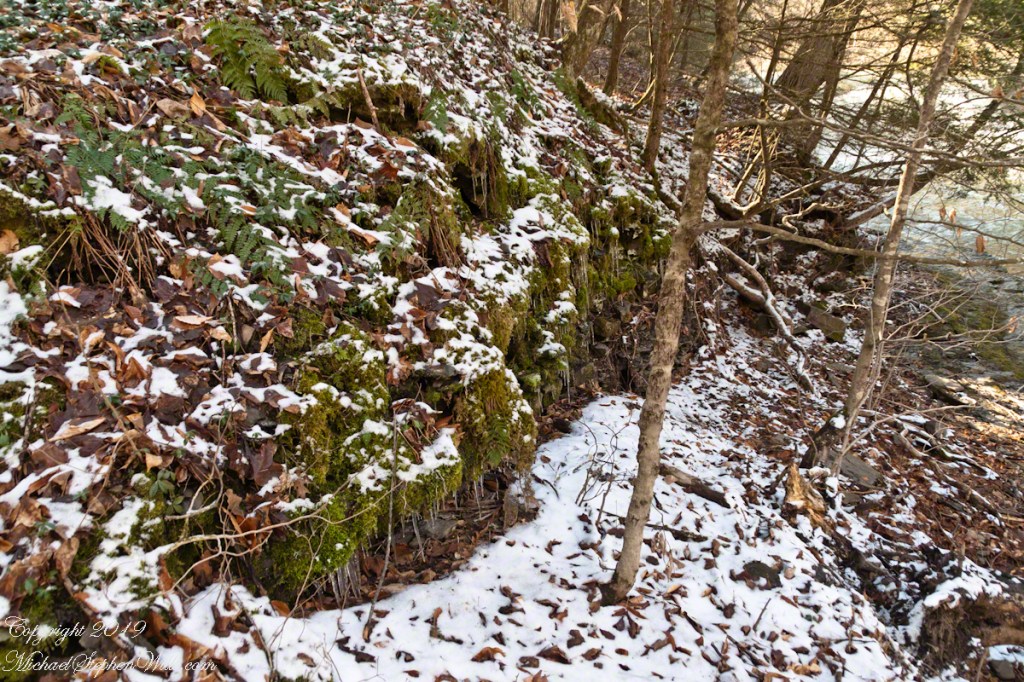
Spring Outing VII

Groupings, 1 flora and 1 dangerous

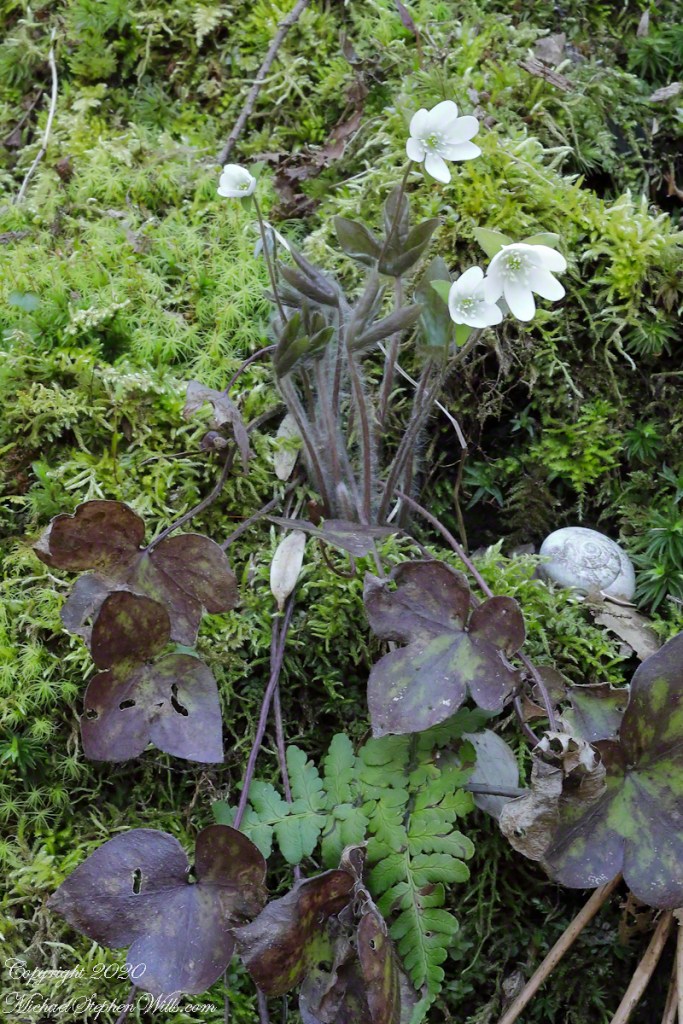
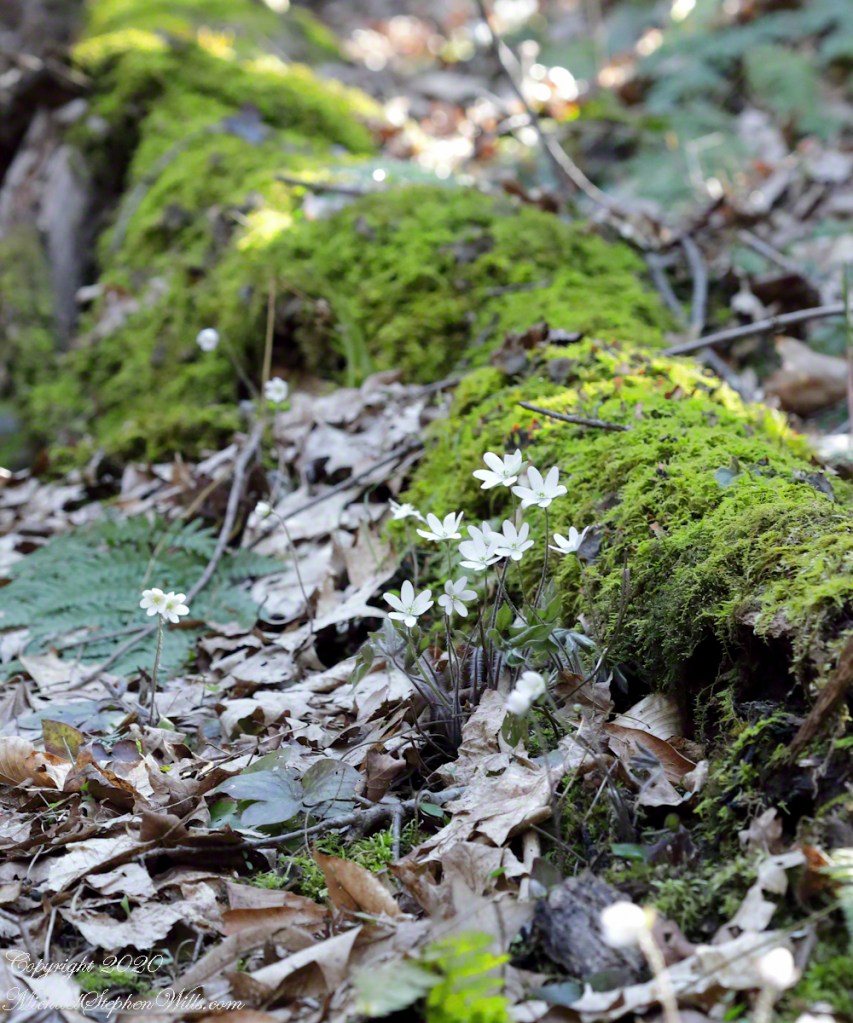
Hepatica positioned perfectly above the trail, sprouting from moss, a grouping of the plant and flowers.

Scientific Name: Hepatica nobilis var. obtusa. I found the two land snail shells this session, I identified it as Neohelix albolabris, and positioned it in this shot to lend interest. In a future posting you will see the shell where it was found.

Click photograph for a larger view. To do this from WordPress Reader, you need to first click the title of this post to open a new page.

Six unrelated young adults, all female and without masks, not following social distancing guidelines, passed as a group just before I set up for this shot. I heard them coming and made plenty of space between them and me. COVID-19 testing in Tompkins continues to find several positive cases each week.

Finding an appropriate combination of settings for this grouping was a puzzle. My goal was to bring the flowers and surrounding into focus with intermittent breezes. The f-stop needed to be high to accommodate the depth with minimal exposure duration as the flowers moved in the slightest breeze. The solution was a high ISO (2500) and f-stop (32), yielding a 1/3 second exposure (Not fast). The compromise was patiently waiting for a break in the breezes.

Copyright 2024 All Rights Reserved Michael Stephen Wills
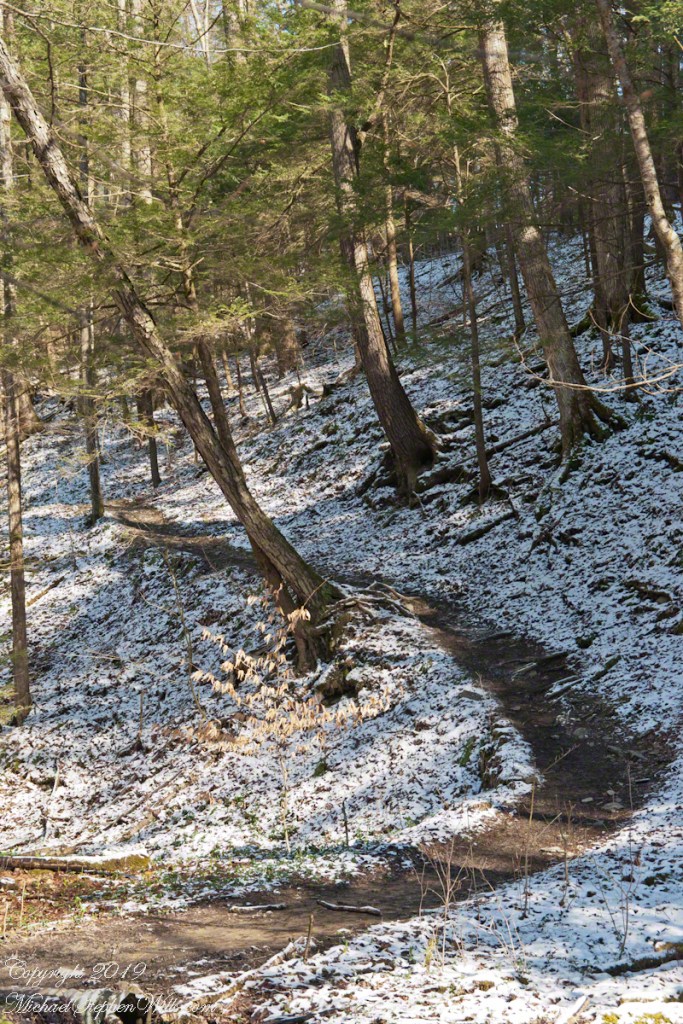
Spring Outing VI

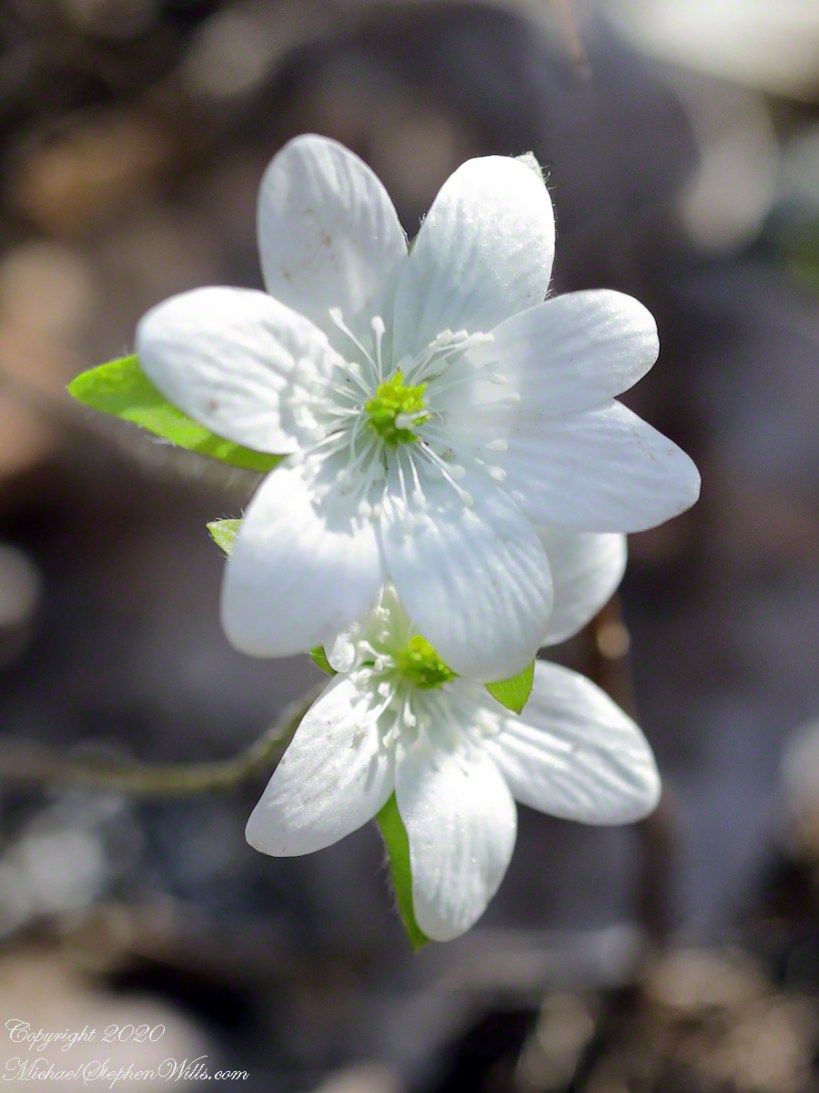
Just opened wind-flowers

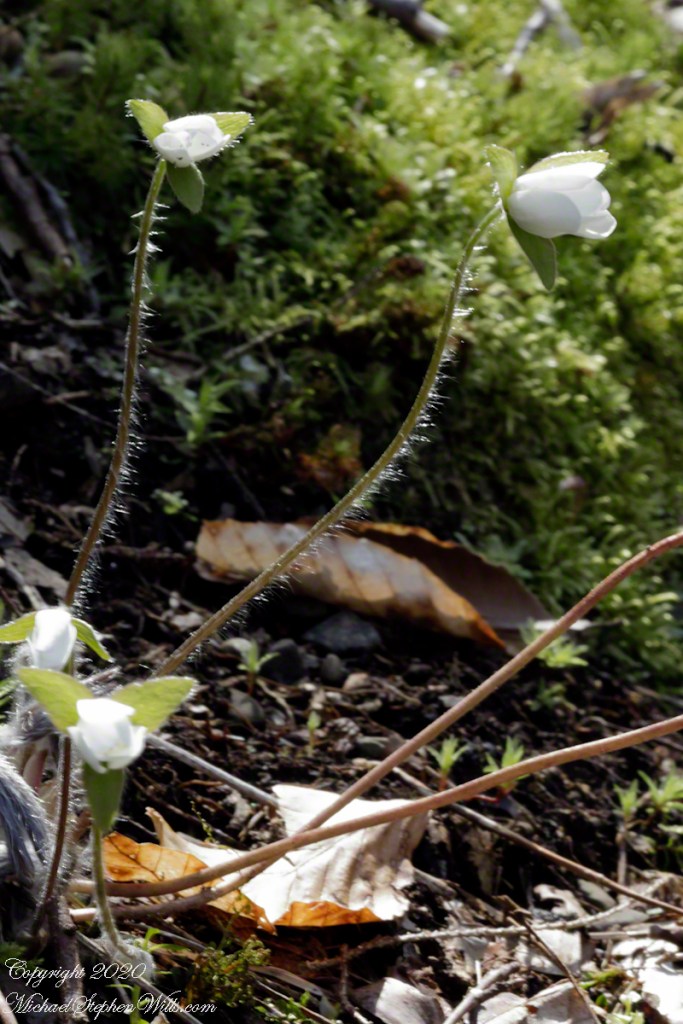
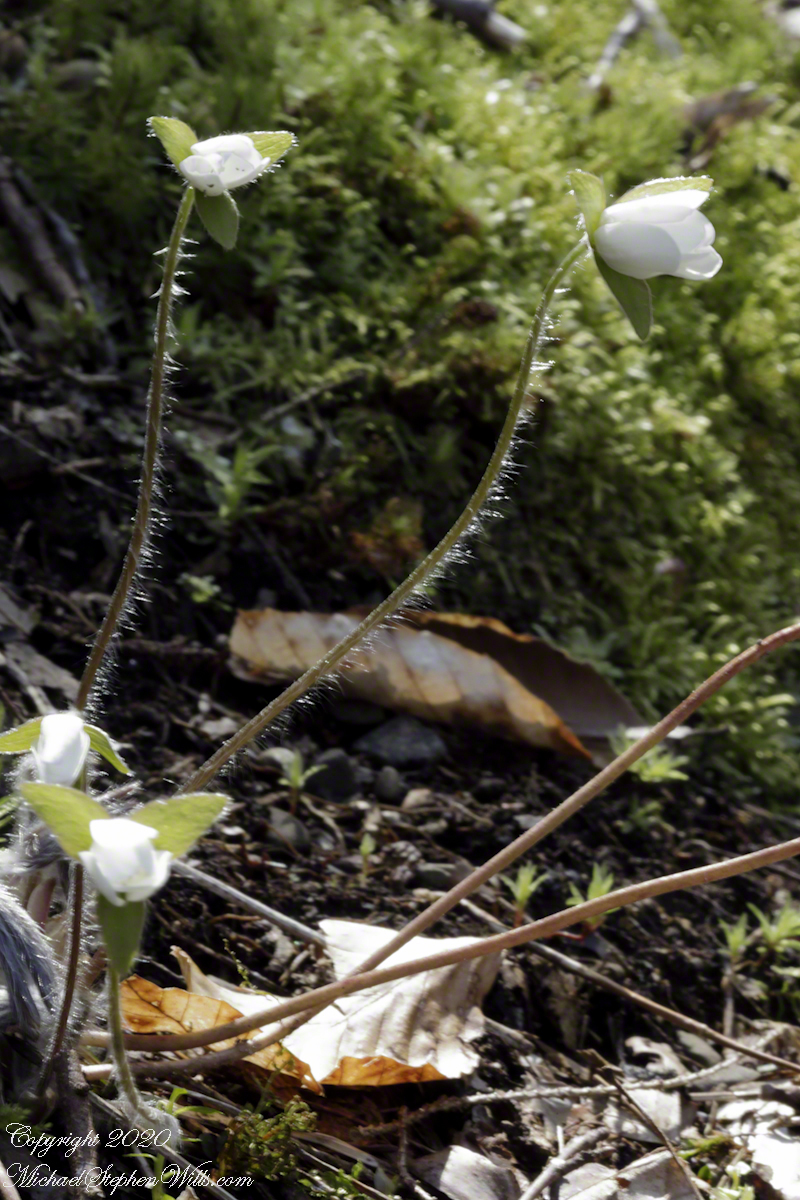
Just opened flowers on long hairy stems, tiny anemones. A crawl and tripod we needed to capture these. The scene scale is revealed by the dried leaves from last autumn.

Click photograph for a larger view. To do this from WordPress Reader, you need to first click the title of this post to open a new page.

I call these anemones from the disputations among taxonomists. All agree there is some relationship and differ in the degree. Classifications add a designation “tribe” before genus (hepatica). Alternatively, the genus is designated Anemone instead of Hepatica . A common name for anemones is “wind-flower” for how the flower is sensitive to a slight breeze, on these long stems.

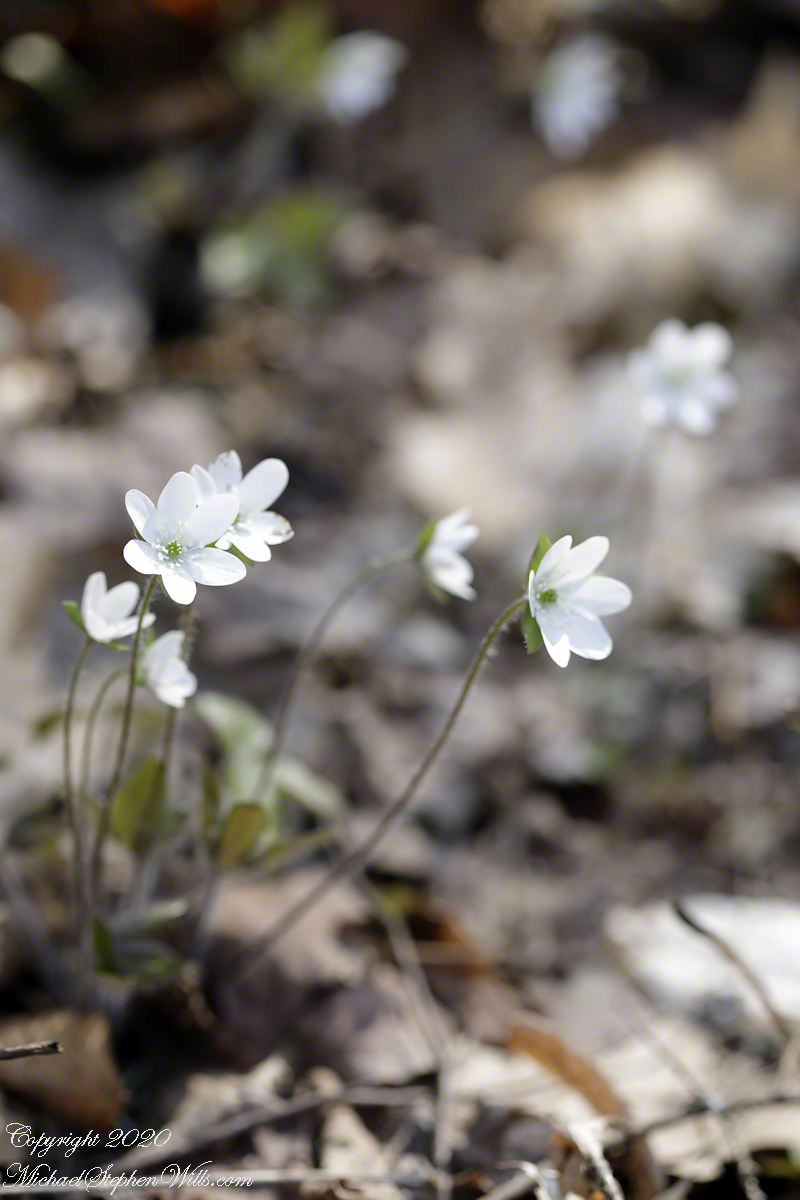
This is the first hepatica capture of the session. There was no breeze at this time and the ISO is 800, f-stop 29 (lending some definition of the background, less than I’d expect) and a relatively slow exposure of 1/4 second. The 100 mm macro lens on a tripod mounted camera.

Reference: Wikipedia article, “Hepatica.”

Copyright 2024 All Rights Reserved Michael Stephen Wills