The American Basswood: A Journey of Discovery

Discover the rich history and ecological significance of the American Basswood, a majestic tree that intertwines nature, culture, and human history. Uncover its beauty, versatility, and the fascinating pollinators that bring it to life.

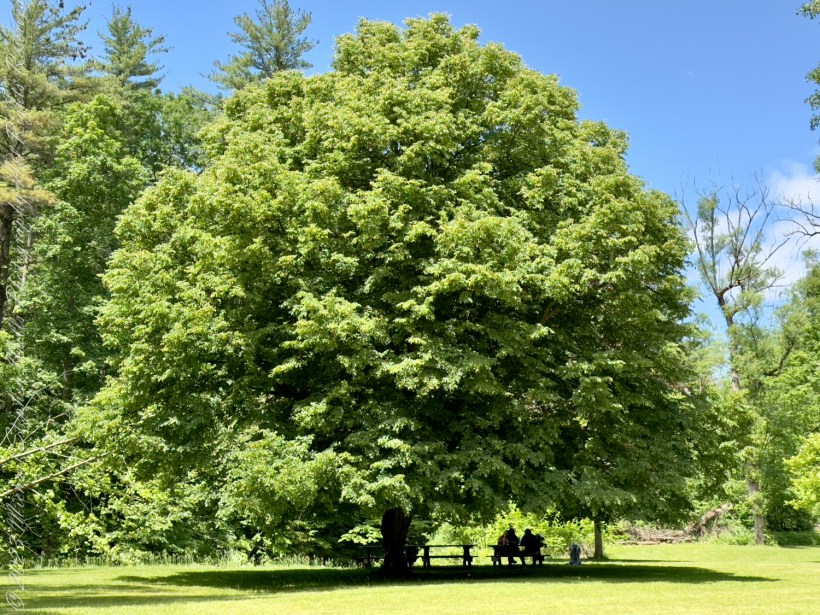
As I strolled through the sun-dappled glade, my eyes were drawn to a magnificent tree standing sentinel at the edge of the clearing. Its broad canopy spread like a green umbrella, casting a generous shade over the picnic bench below. Intrigued by its commanding presence, I approached, eager to unravel the secrets of this arboreal giant. Little did I know that this encounter would lead me on a journey through history, etymology, and the myriad uses of the American Basswood.

This photograph features the growth pattern for which the Basswood is known. Buttermilk Falls State Park, Ithaca, Tompkins County, New York State. The Finger Lakes Region.

The American Basswood, or Tilia americana, is a tree steeped in history and lore. Its name, “Basswood,” is derived from the word “bast,” referring to the inner bark of the tree, which is known for its fibrous and pliable nature. This etymology hints at the tree’s historical uses, which I would soon discover are as rich and varied as the foliage above me.

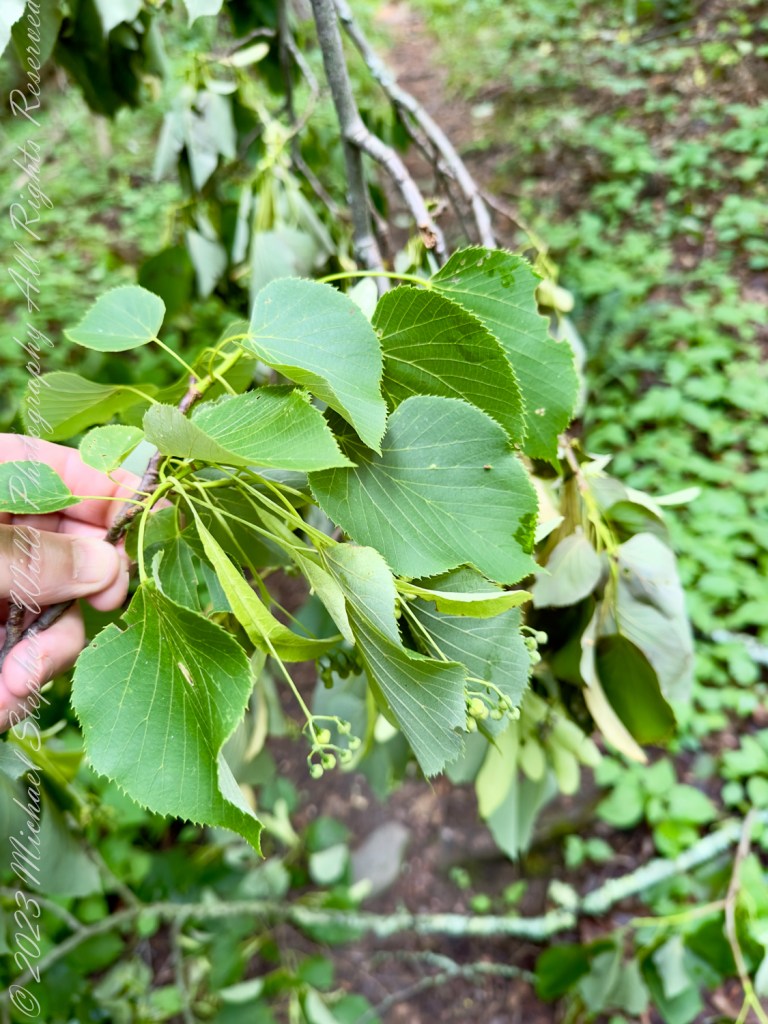
As I examined the leaves, I was struck by their heart-shaped form, a feature that has made the Basswood a symbol of love and romance in various cultures. The leaves were smooth and slightly serrated at the edges, with a deep green hue that seemed to capture the essence of summer. Hanging delicately from the branches were clusters of small, round buds, hinting at the tree’s flowering potential. These flowers, I would later learn, are not just beautiful but also aromatic, attracting bees and other pollinators with their sweet fragrance.

These are leaves from a branch broken by spring storms and fallen across the Finger Lakes Trail that follows the southern side of Treman Park above the South Rim Trail. Robert H. Treman New York State Park, Tompkins County, Ithaca. June 27, 2024

The history of the American Basswood in America is intertwined with the lives of indigenous peoples and early settlers. Native Americans valued the Basswood for its soft, easily worked wood and its inner bark, which they used to make ropes, mats, and other essential items. The tree’s wood, known for being lightweight and finely grained, was perfect for carving and crafting tools, utensils, and even ceremonial masks. This versatility made the Basswood an integral part of daily life and cultural practices.

With the arrival of European settlers, the uses of Basswood expanded. Settlers quickly recognized the tree’s potential, using its wood for a variety of applications. The soft, yet sturdy wood was ideal for making furniture, musical instruments, and even crates and boxes. Its workability and smooth finish made it a favorite among craftsmen and artisans. I imagined the hands of these early Americans, shaping and molding the wood, breathing life into their creations.

As I continued to explore the tree, I was drawn to the small, green fruits hanging from slender stems. These fruits, known as nutlets, are encased in a leafy bract that aids in their dispersal by wind. This ingenious natural design ensures the propagation of the species, allowing new generations of Basswoods to take root and flourish.

Curious about the tree’s name, I delved into its etymology and discovered an interesting linguistic journey. In England and Ireland, the Basswood is commonly referred to as the “Lime Tree.” This name does not relate to the citrus fruit tree but instead comes from the Old English word “Lind,” related to the German word “Linde.” Both terms historically referred to trees of the Tilia genus. Over time, “Lind” evolved into “Lime,” influenced by phonetic changes and regional dialects, solidifying the term “Lime Tree” for Tilia species in these regions. Despite sharing the same common name, the Tilia “Lime Tree” and the citrus “Lime Tree” belong to entirely different plant families.

The American Basswood’s significance extends beyond its practical uses. The tree has found a place in American culture and literature, often symbolizing strength, resilience, and longevity. Its towering presence and expansive canopy make it a popular choice for parks and public spaces, where it provides shade and beauty. I thought of the many people who must have sought refuge under its branches, finding solace and inspiration in its quiet strength.

In addition to its cultural and historical significance, the Basswood also plays a crucial ecological role. Its flowers are a vital source of nectar for bees, making it an essential component of local ecosystems. Beekeepers, in particular, value the Basswood for the high-quality honey produced from its nectar, known for its delicate flavor and aroma. The tree’s leaves and bark also provide habitat and food for various wildlife, contributing to the biodiversity of the area.

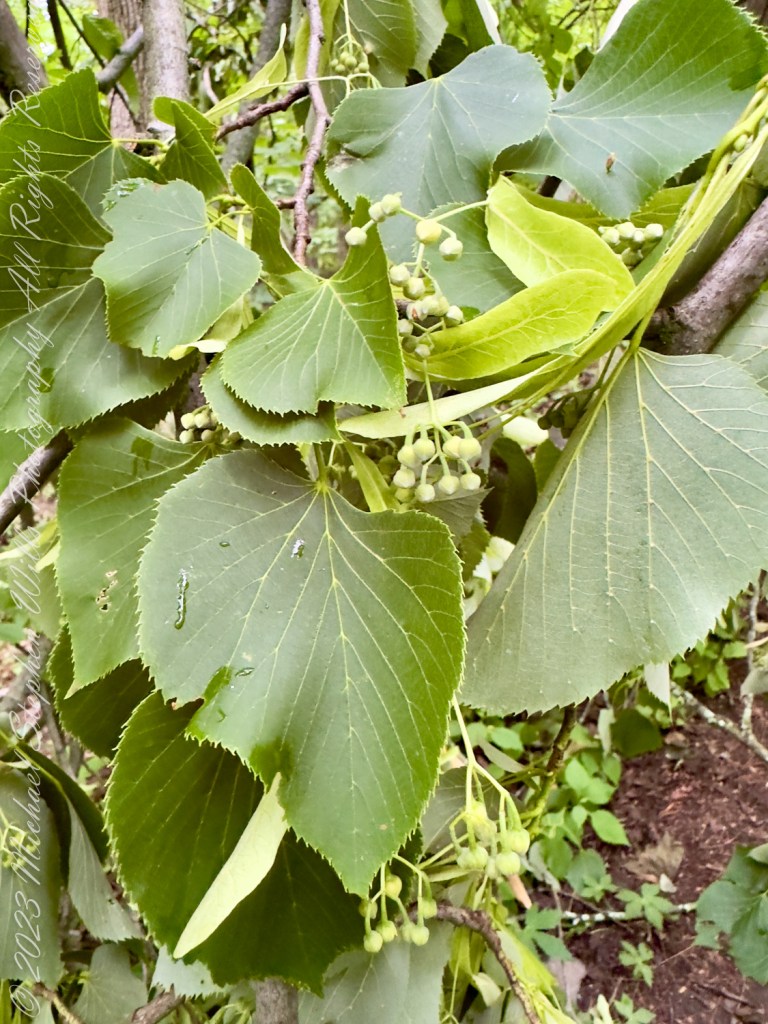
Pollination is a critical aspect of the American Basswood’s lifecycle, and a variety of insects are drawn to its fragrant, nectar-rich flowers. Honeybees (Apis mellifera) are among the most significant pollinators, their presence around the Basswood a testament to the tree’s importance in the ecosystem. These industrious bees not only gather nectar but also facilitate the pollination process, ensuring the production of seeds. Bumblebees (Bombus spp.) also play a crucial role, utilizing their unique buzz-pollination technique to effectively transfer pollen within the flowers.

These are leaves from a branch broken by spring storms and fallen across the Finger Lakes Trail that follows the southern side of Treman Park above the South Rim Trail. Robert H. Treman New York State Park, Tompkins County, Ithaca. June 27, 2024

Additionally, native bees such as sweat bees (Halictidae), mining bees (Andrenidae), and leafcutter bees (Megachilidae) are frequent visitors, drawn by the abundant nectar and pollen. Butterflies, while not as significant as bees, contribute to the pollination process, adding a touch of grace as they flutter from flower to flower. Moths, particularly those active in the evening, are another group of pollinators, their nocturnal activity complementing the daytime efforts of bees and butterflies. Hoverflies (Syrphidae), also known as flower flies, are attracted to the nectar and aid in the pollination, showcasing the diverse array of insects that rely on the Basswood.

Reflecting on my discovery, I realized the American Basswood is a living testament to the interconnectedness of nature and human history. Its presence in the landscape is a reminder of the many ways in which plants and trees shape our lives, providing resources, inspiration, and a connection to the natural world.

As I left the shade of the Basswood and continued my walk, I felt a deep sense of gratitude for the opportunity to learn and connect with this remarkable tree. Its story is a reminder of the importance of preserving and cherishing the natural world, ensuring that future generations can continue to discover and appreciate the wonders of the American Basswood.

Copyright 2024 Michael Stephen Wills All Rights Reserved

A Serendipitous Meeting: The Hermit Crab and the Moon Snail

Washed up together on a sunlit shore, a hermit crab and a Moon Snail tell an extraordinary tale of survival and resilience in the vast ocean. Discover how these unlikely companions reveal the intricate dance of life beneath the waves and the profound connections that bind marine ecosystems. Dive into their captivating story and uncover the secrets of their intertwined destinies.

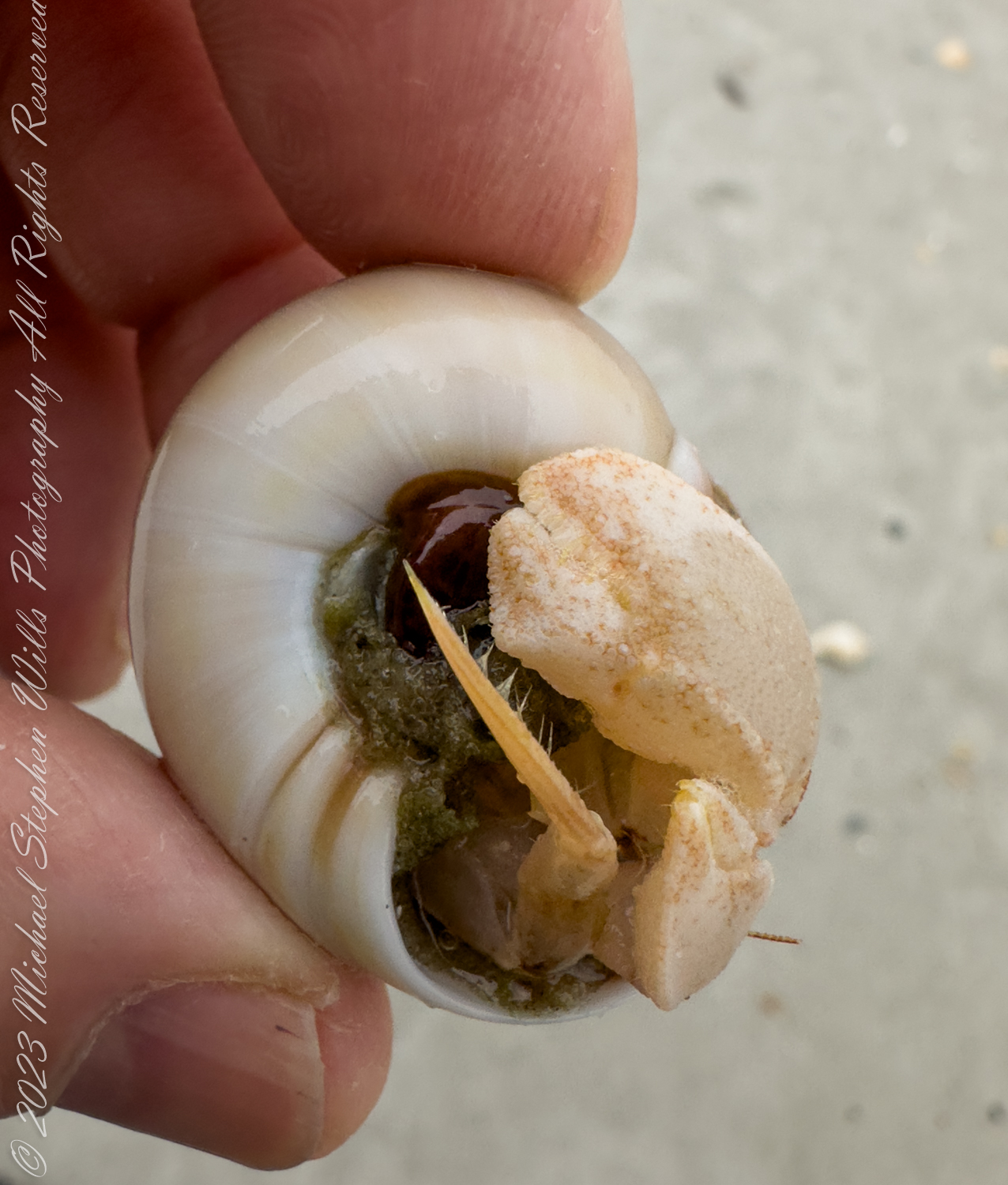
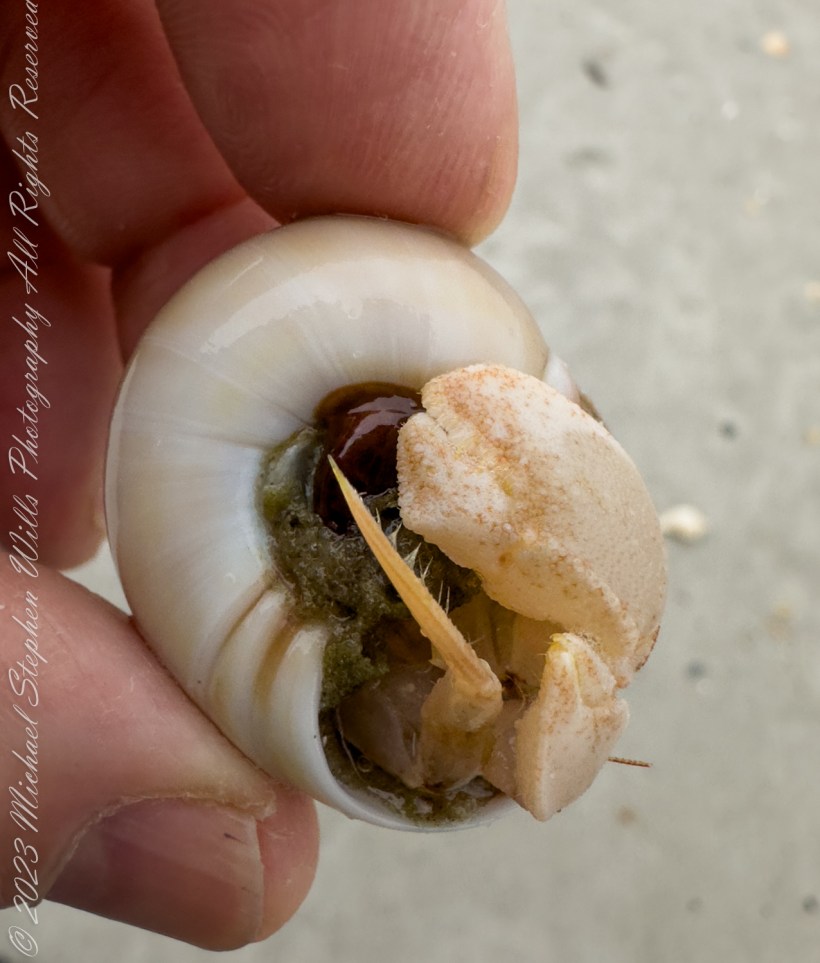
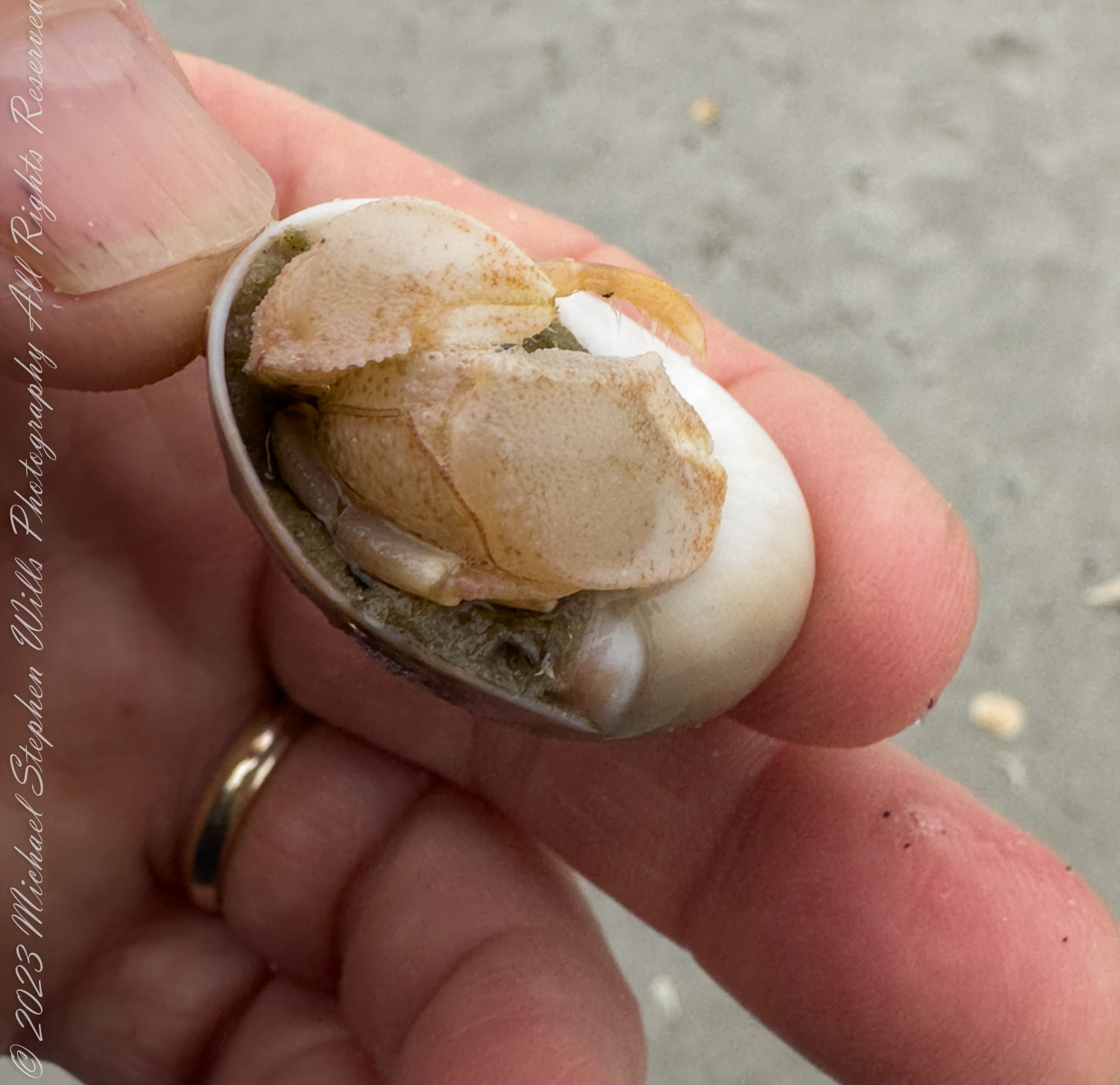
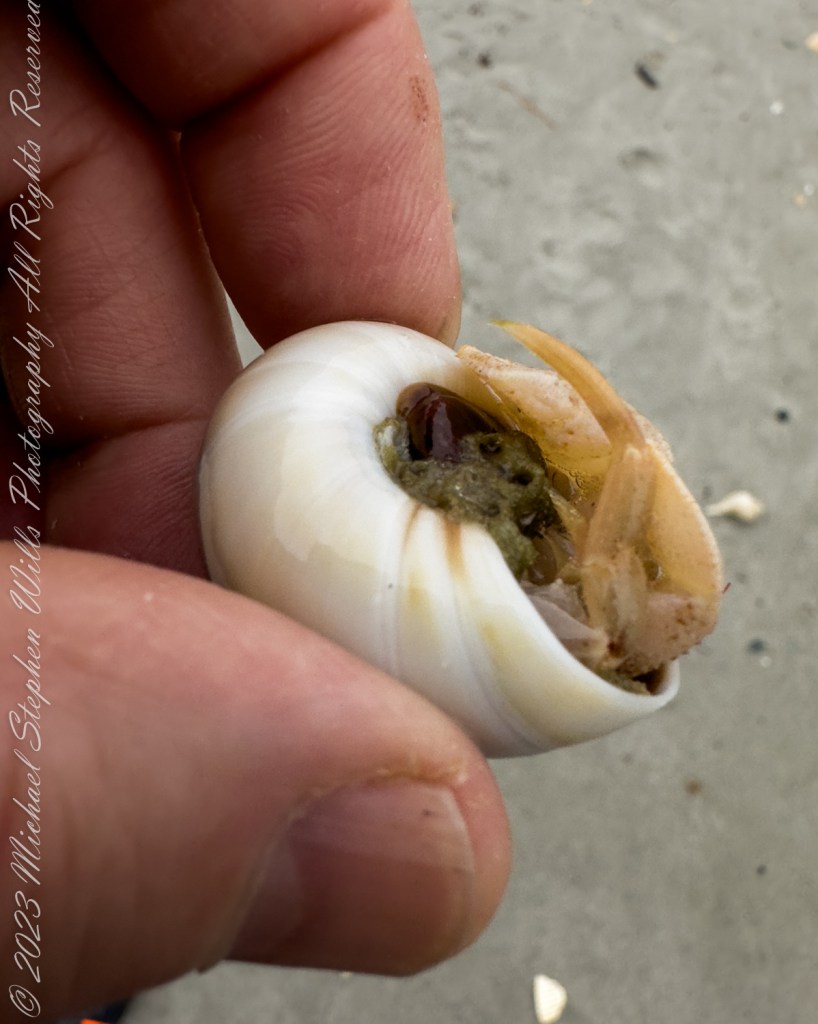
The high tide left behind a myriad of treasures scattered along the shore. Among the shells and seaweed, two unlikely companions lay side by side—a Moon Snail and a hermit crab. This serendipitous meeting speaks volumes about the intricate dance of life in the ocean’s depths.

Life Beneath the Waves

Hermit crabs are fascinating creatures, exhibiting behaviors and adaptations that ensure their survival in the ever-changing marine environment. These crabs are not born with shells. Instead, they scavenge for empty shells discarded by snails, meticulously choosing the perfect fit. The shells provide essential protection against predators and environmental hazards.

In their early life stages, hermit crabs undergo a series of molts, shedding their exoskeletons to grow. Each molt presents a critical opportunity to upgrade their shell, moving to a larger one as they increase in size. This constant need for new housing drives a competitive dynamic among hermit crabs, with individuals often engaging in “shell exchanges” where one crab may forcibly evict another from its shell.

The Hermit and the Moon Snail

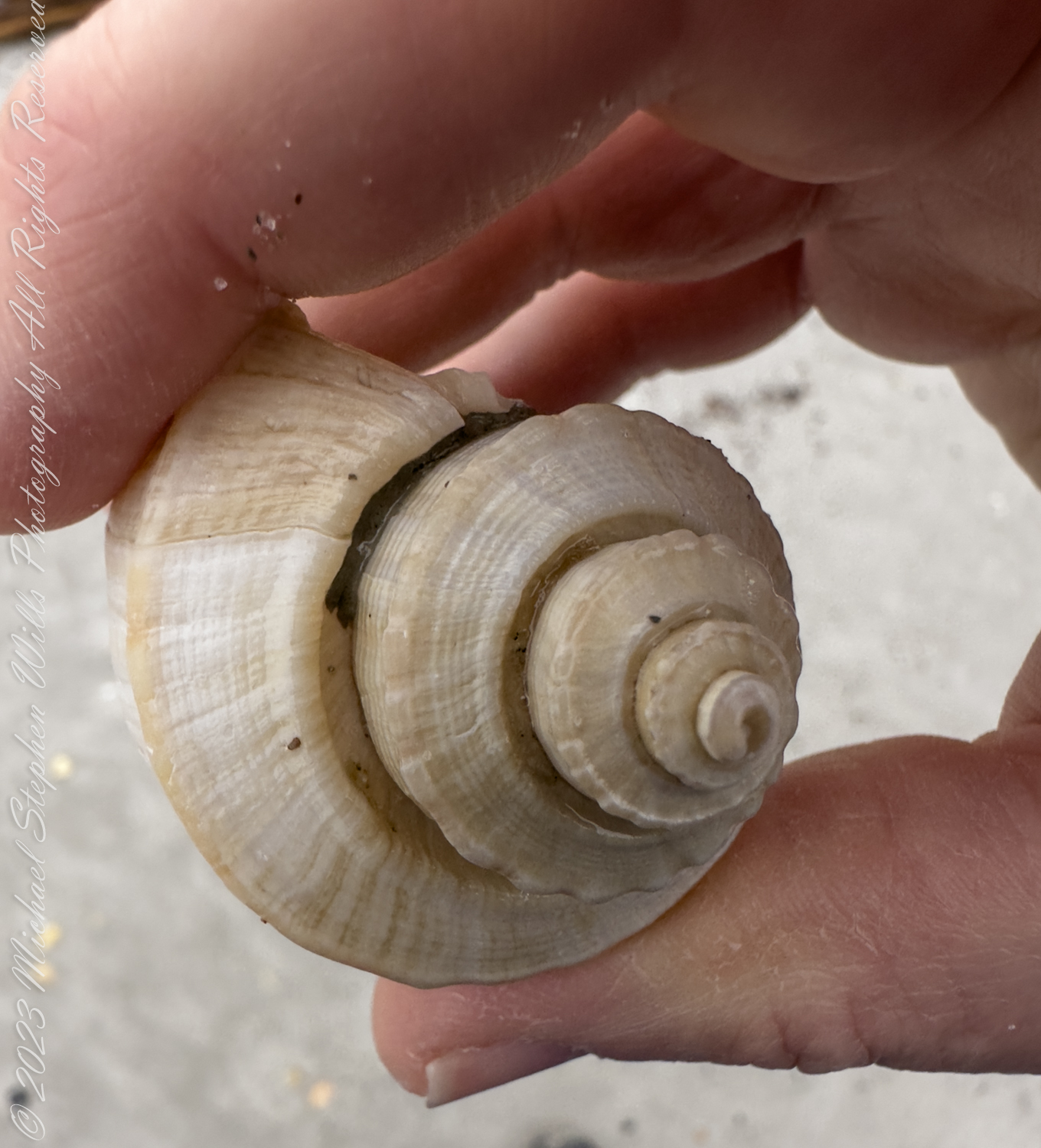
The Moon Snail, known scientifically as Neverita duplicata, is a predatory mollusk famous for its distinctive, moon-shaped shell. These snails are both feared and admired in the marine community for their voracious appetite and remarkable hunting tactics. They drill into the shells of their prey, typically other mollusks, using a specialized appendage called a radula, combined with acidic secretions to bore through the hard exterior. Click me for another post with more information about the Moon Snail.

The juxtaposition of the Moon Snail and the hermit crab washed up together is a tableau that invites deeper contemplation. How did these two distinct beings come to share the same stretch of sand?

A Dance of Survival

It’s likely that the hermit crab, in its search for a suitable home, found itself in the proximity of the Moon Snail. The Moon Snail, a relentless hunter, could have been following its own trail of prey when the tide caught them both off guard. The ocean’s currents, indifferent to their individual struggles, deposited them together on the beach, a fleeting moment of stillness in their otherwise tumultuous lives.

This meeting is a stark reminder of the interconnectedness of marine life. The hermit crab relies on the discarded shells of snails for survival, while the Moon Snail’s role as a predator keeps the balance in check, ensuring that no single species dominates the ecosystem.

Reflections on Resilience

The image of the hermit crab within its borrowed shell speaks to the resilience and adaptability inherent in nature. These crabs are perpetual nomads, continually seeking, adapting, and thriving in environments that can be both generous and harsh. Their survival hinges on their ability to repurpose and reuse, a lesson in resourcefulness that resonates beyond the tidepools.

The Moon Snail, with its powerful drilling capabilities, exemplifies the raw force of nature. Its presence is a reminder of the predatory relationships that underpin marine ecosystems, driving evolution and diversity through a relentless cycle of life and death.

The Final Tide

As we ponder the scene before us, it’s worth considering the broader implications of these two creatures’ lives. The ocean, vast and unfathomable, is a realm where survival is an art form, honed by millennia of adaptation. The hermit crab and the Moon Snail, though vastly different in form and function, share a common thread—their existence is a testament to the delicate balance of nature.

The hermit crab’s journey, from shell to shell, mirrors our own quests for security and stability. The Moon Snail’s predatory prowess underscores the inevitable challenges we face. Together, they remind us that life, in all its forms, is a continuous interplay of seeking and surviving, of finding and losing, of moments of stillness and sudden change.

In the end, the hermit crab and the Moon Snail, brought together by the whims of the tide, offer a glimpse into the profound and often unseen connections that weave the tapestry of life beneath the waves. Their story is a poignant reflection on resilience, adaptability, and the ever-present dance of survival that defines the natural world.

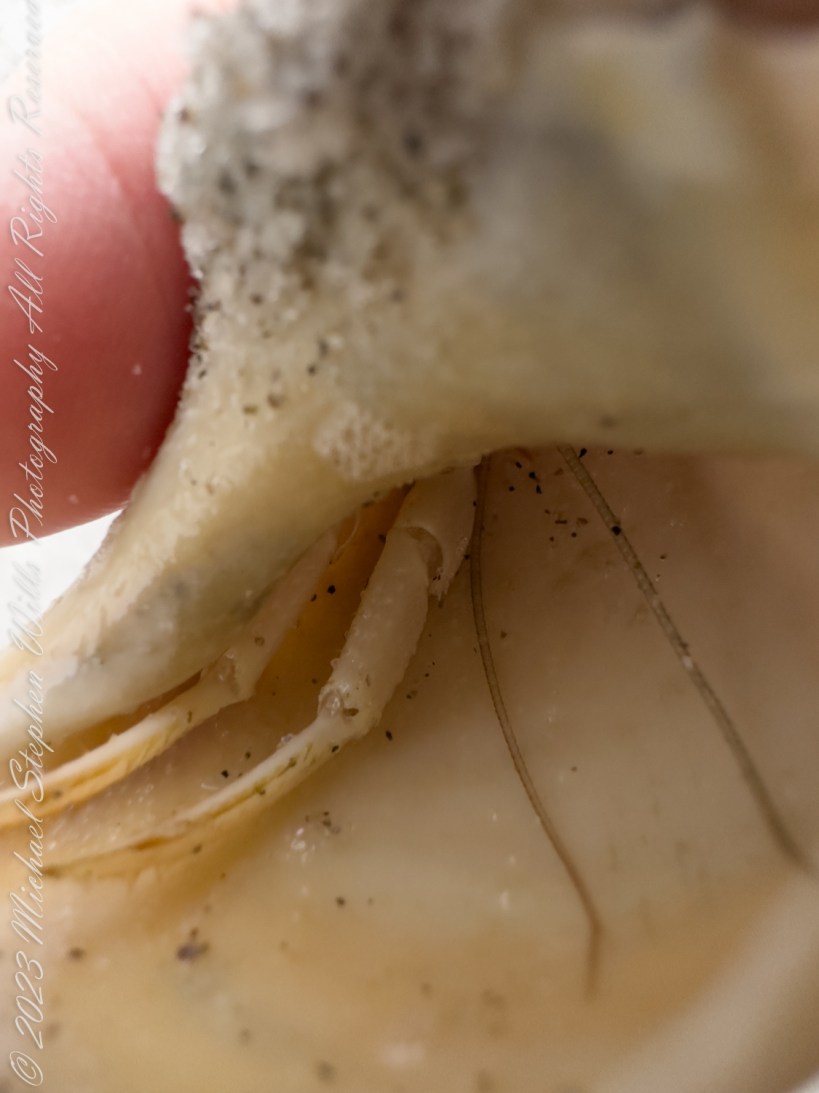
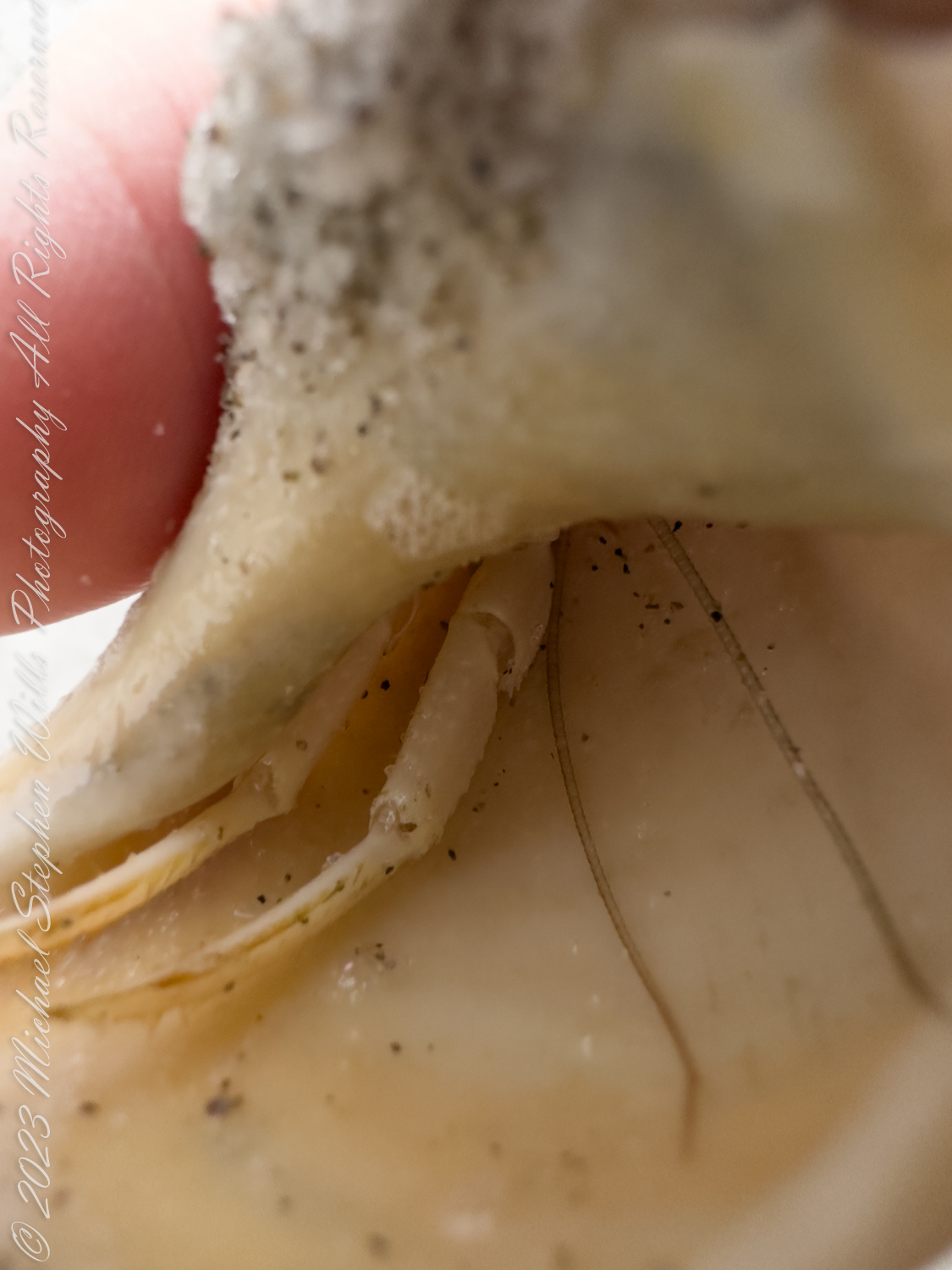
A top view of the shell occupied by a Hermit Crab found on Cocoa Beach, Brevard County, Florida. The Space Coast.

An Uncertain Identification

The identification of our hermit crab companion is made challenging by the absence of one of its claws, a vital characteristic for precise classification. This missing claw hints at the hardships faced by hermit crabs in their dynamic and sometimes perilous environments. Whether lost in a struggle with a predator or another hermit crab, this detail serves as a reminder of the tenacity and resilience required for survival in the marine world. While the exact species remains a mystery, the broader story of the hermit crab’s life and survival remains clear and compelling.

Copyright 2024 Michael Stephen Wills All Rights Reserved

Discovering the Beauty of White Bluebells: An Exploration of Hyacinthoides non-scripta (alba)

Discover the enchanting white bluebells blooming around our home! Explore their natural history, ethereal beauty, and fascinating folklore. Uncover the wonders of Hyacinthoides non-scripta (alba) in our latest blog post.

The surprise of finding white bluebells blooming around our home this spring was nothing short of magical. Known scientifically as Hyacinthoides non-scripta (alba), these delicate flowers add a touch of elegance and tranquility to our garden. As I delved into the history, etymology, and folklore of these enchanting blooms, I discovered a world rich in cultural significance and natural wonder.

Bluebell Natural History

White bluebells, a variant of the common bluebell, belong to the Asparagaceae family. Native to the woodlands of Western Europe, these perennials are renowned for their striking appearance and pleasant fragrance. The white bluebell, though less common than its blue counterpart, is equally captivating with its pure white, bell-shaped flowers that hang gracefully from slender stems.

Hyacinthoides non-scripta thrives in shady, moist environments, often forming dense carpets that transform forest floors into a sea of blossoms in spring. These plants are well-adapted to their woodland habitats, where they bloom before the canopy closes, taking advantage of the early spring light.

White Bluebell (Hyacinthoides non-scripta (alba)) growing around our home, May 2024

Etymology of the Scientific and Common Names

The scientific name “Hyacinthoides” is derived from the Greek word “hyakinthos,” referring to the mythological youth Hyacinthus, who was transformed into a flower. “Non-scripta” means “unmarked” or “not written,” distinguishing it from the classical hyacinth described by ancient authors. This epithet underscores the plant’s unique identity in the botanical world.

The common name “bluebell” comes from the flower’s resemblance to small bells and its predominant blue color. The “white” prefix simply describes this particular variety’s color, adding to its distinction.

White Bluebells in Folklore and History

Bluebells, including their white variants, are steeped in folklore and myth. In England, bluebells are often associated with fairy enchantments and woodland magic. Folklore suggests that bluebells ring to summon fairies, and to disturb a bluebell patch was to risk falling under a fairy spell. The white bluebells, with their ethereal appearance, add an extra layer of mystique to these tales.

Historically, bluebells were used for practical purposes as well. The sticky sap from the bulbs was employed to bind pages in books and to glue feathers onto arrows. However, it’s important to note that all parts of the plant are toxic if ingested, a fact that has also contributed to its aura of cautionary folklore.

The Surprise and Wonder of White Bluebells

Discovering white bluebells around our home has been a source of immense joy. These flowers, with their serene beauty and historical significance, connect us to the past and the natural world in a profound way. The surprise of seeing them bloom each spring reminds us of nature’s unpredictability and generosity.

Their presence in our garden brings a sense of peace and wonder, inviting us to pause and appreciate the small miracles that surround us. The delicate white bells, swaying gently in the breeze, create a visual symphony that enchants the senses and uplifts the spirit.

White bluebells serve as a testament to the rich tapestry of life that thrives in our gardens, often unnoticed. They remind us to look closely, to explore, and to cherish the natural beauty that graces our lives. As we continue to nurture our garden, the white bluebells stand as a symbol of purity, resilience, and the timeless charm of nature’s wonders.

Copyright 2024 Michael Stephen Wills All Rights Reserved

Beachcombing on Cocoa Beach: A Moon Snail Encounter

Join me in reliving the enchanting evening on Cocoa Beach where my wife and I discovered a rare, intact Atrina rigida shell. Dive into the world of this fascinating bivalve through our story of ecological wonder and natural beauty.

The first light of dawn painted the horizon in soft hues of pink and orange as I strolled along Cocoa Beach, Brevard County, Florida, the heart of the Space Coast. It was winter 2017, and the cool breeze carried the salty scent of the ocean. My eyes scanned the sand for treasures, remnants of the ocean’s bounty washed ashore by the relentless rhythm of the tides.

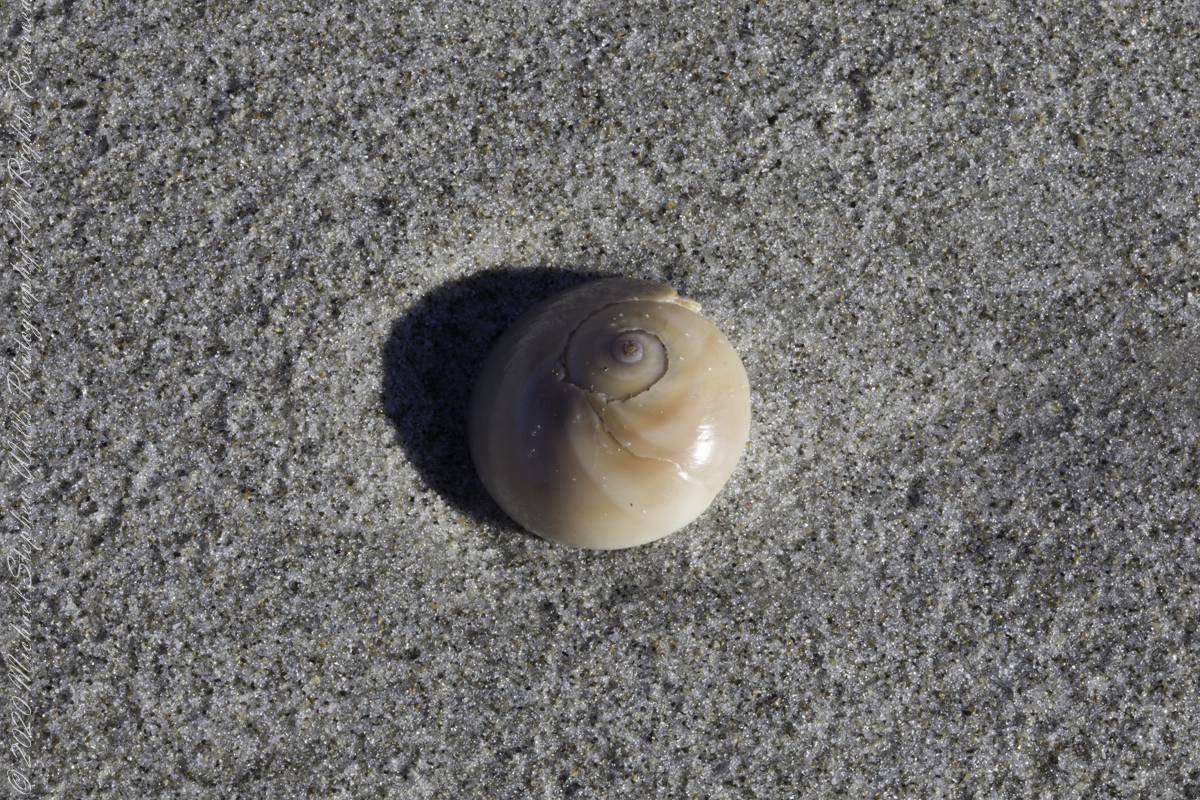
The beach was a mosaic of shells, fragments of marine life that had completed their journey. Among them, a particular shell caught my eye – the Moon Snail or Necklace Shell, scientific name Naticidae, known for its smooth, spiraled form and glossy finish. The shell I found that morning was bathed in the early light, its curves reflecting the phases of the moon, hinting at the mysteries of the ocean from which it came.

The scientific name of the Moon Snail, belonging to the family Naticidae, finds its roots in the rich tapestry of classical languages, reflecting the distinct characteristics and historical context of these marine gastropods. The family name, Naticidae, is derived from the genus Natica, which in turn originates from the Latin word “naticula,” meaning “a little buttock.” This whimsical etymology is thought to describe the round, smooth, and somewhat globular shape of the Moon Snail’s shell, which can resemble a small, rounded form akin to a buttock.

The genus Natica was first described by the French naturalist Jean-Baptiste Lamarck in the early 19th century. The suffix “-idae” is a common ending used in zoological nomenclature to indicate a family level in taxonomy. Moon Snails are known for their distinctive appearance, with large, rounded shells that often have a glossy surface and intricate patterns. The family’s name not only captures the physical traits of these snails but also highlights the historical practice of using descriptive and sometimes playful terms in the classification of organisms.

As I admired the shell, memories of previous beachcombing adventures flooded back. The Moon Snail’s elegant design has always fascinated me, symbolizing both beauty and predation. The shell’s form, with its deep umbilicus and polished surface, is a testament to the life it once harbored.

Shell of the Moon Snail (Naticidae) found in the surf wash. Cocoa Beach, Brevard County, Florida

This winter past, January 2024, I enjoyed a rare sight – a live Moon Snail washed up on the shore. The small, compact form was nestled in the sand, its body partially retracted into its shell. I carefully picked it up gently. The snail’s soft, pale brown body contrasted with the hard, glossy shell, a perfect example of nature’s duality.

Observing the snail closely, I could see its large foot, a muscular organ that it uses for locomotion and burrowing into the sand. The foot’s underside, called the sole, was slightly sticky, aiding in its movement. The snail’s head, with its small, retractable tentacles, peeked out cautiously. These tentacles are equipped with sensory organs, allowing the snail to explore its surroundings and detect prey.

Moon Snails are predatory creatures, and their diet consists mainly of other mollusks. The snail’s mantle, a fleshy part of its body, secretes the shell and also houses the snail’s siphon. The siphon is used for breathing and detecting chemical signals in the water, crucial for hunting. The snail’s radula, a toothed, tongue-like organ, is a formidable tool for drilling into the shells of its prey. The Moon Snail wraps its large foot around its victim, creating an acidic environment that helps it bore a hole into the shell. This process can take several hours, after which the snail consumes the soft tissue inside.

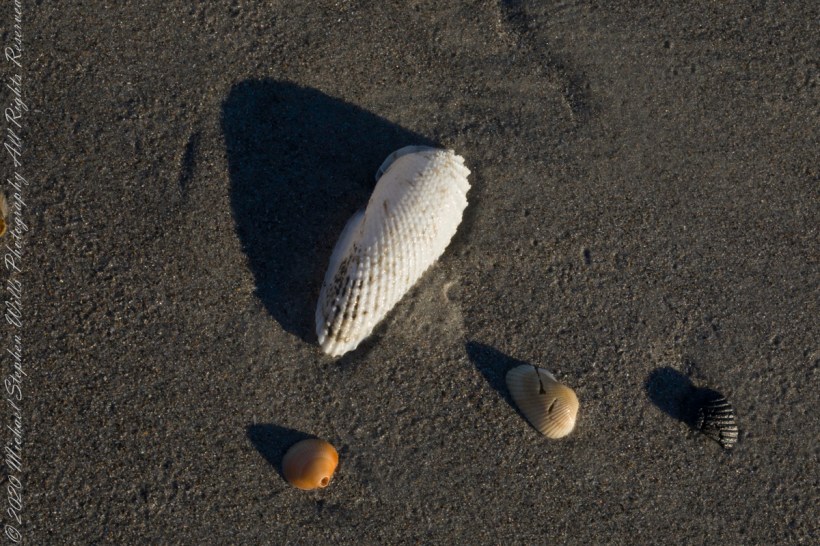
Can you spot the work of the Moon Snail on these waves washed shells? Cocoa Beach, Brevard County, Florida

Aware of the snail’s delicate nature, I decided to return it to the surf. I tossed the creature far into the surf. It was a small act of conservation, a gesture to ensure that this remarkable creature could continue its journey.

Reflecting on the encounter, I felt a deep connection to the natural world. Beachcombing is not just about collecting shells; it’s about understanding the lives they represent and the intricate ecosystems they are part of. Each shell tells a story of survival, adaptation, and the relentless cycle of life and death in the ocean.

Cocoa Beach, with its endless horizon and rhythmic waves, is a sanctuary for these stories. The Space Coast, known for its technological achievements and space exploration, also offers a window into the ancient, natural world that thrives beneath the waves. The juxtaposition of human advancement and natural beauty is striking, reminding us of our place in the larger tapestry of life.

As I left the beach that January 2024 morning, the sun climbing higher in the sky, I carried a renewed appreciation for the ocean’s wonders. The delicate balance of predator and prey, the seamless integration of form and function, and the ongoing dance of life – all captured in the spiral of a Moon Snail shell.

Copyright 2024 Michael Stephen Wills All Rights Reserved

The Delight of Woodruff: An Exploration of Galium odoratum

Discover the enchanting woodruff growing around our home! Explore its natural history, delightful fragrance, and fascinating role in folklore and history. Uncover the wonders of this perennial plant in our latest blog post.

As spring breathes new life into our surroundings, the delight of identifying the plants that grow around our home is a joy like no other. This year, I was thrilled to discover that the delicate and fragrant woodruff (Galium odoratum) has been gracing our garden. Known for its charming clusters of white flowers and vibrant green leaves, woodruff brings both aesthetic beauty and a rich historical tapestry to our home.

Natural History of Woodruff

Woodruff, scientifically known as Galium odoratum, is a perennial plant native to Europe, North Africa, and parts of Asia. It thrives in shady, woodland environments, often forming dense mats that carpet the forest floor. The plant typically blooms in late spring to early summer, producing tiny white flowers that contrast beautifully with its whorls of bright green leaves.

Galium odoratum is a member of the Rubiaceae family, which also includes coffee and gardenias. Its ability to spread quickly through its creeping rhizomes makes it an excellent ground cover. In addition to its visual appeal, woodruff is known for its sweet scent, which intensifies when the plant is dried. This fragrance is due to the presence of coumarin, a natural compound that also contributes to its medicinal properties.

This woodruff (Galium odoratum) grows around our home.

Etymology of the Scientific and Common Names

The scientific name Galium odoratum provides insights into the plant’s characteristics. “Galium” is derived from the Greek word “gala,” meaning milk. This refers to the plant’s historical use in curdling milk. “Odoratum,” on the other hand, highlights the plant’s pleasant aroma.

The common name “woodruff” has an interesting origin as well. The word “wood” refers to the plant’s typical habitat in wooded areas, while “ruff” is thought to be derived from the Old English “rūwe,” meaning rough or hairy, describing the texture of the plant’s leaves and stems.

Woodruff in Folklore and History

Woodruff has a storied past, steeped in folklore and history. In medieval Europe, it was used for its aromatic properties to freshen up linens and as a strewing herb to mask odors in homes and churches. Its sweet scent was believed to ward off evil spirits and bring good fortune, making it a popular choice for wreaths and garlands during festivals and celebrations.

The plant also played a role in traditional medicine. Woodruff was used to treat various ailments, including liver and gallbladder issues, and as a mild sedative. Its medicinal use is attributed to the coumarin content, which has anticoagulant and anti-inflammatory properties. However, it’s worth noting that high doses of coumarin can be toxic, so its medicinal use has largely fallen out of favor in modern times.

In Germany, woodruff is famously associated with May Wine, a traditional beverage enjoyed during spring festivals. The plant is infused into white wine, imparting its unique flavor and aroma. This custom dates back centuries and is still practiced today, symbolizing the arrival of spring and the renewal of life.

This woodruff (Galium odoratum) grows around our home.

The Surprise and Wonder of Woodruff

Discovering woodruff around our home has been a source of wonder and delight. Its presence connects us to the rich tapestry of nature and history, reminding us of the timeless beauty and utility of the plants that surround us. As I watch the delicate flowers sway gently in the breeze, I am filled with a sense of gratitude for the surprises that nature continually offers.

Woodruff’s modest appearance belies its profound impact on the landscape and our lives. It serves as a reminder that even the smallest plants can hold significant historical, cultural, and medicinal value. As we continue to explore and appreciate the natural world around us, the humble woodruff stands as a testament to the enduring connection between humanity and nature.

Copyright 2024 Michael Stephen Wills All Rights Reserved

Forest Gems – The Natural History and Lore of Hepatica

Join us on a journey through the enchanting forests of the Finger Lakes as we explore the fascinating world of Hepatica nobilis. Discover the lore, natural history, and beauty of these early spring bloomers. Dive into the magic of the wild!

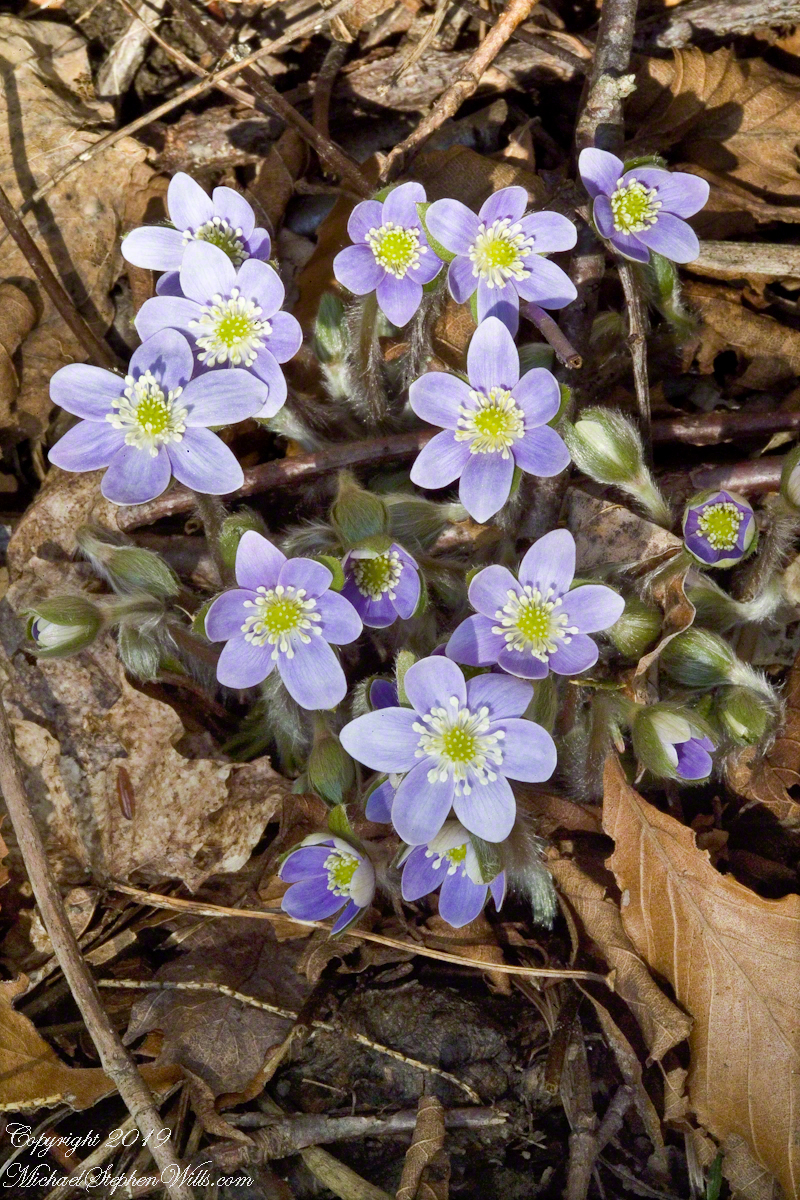
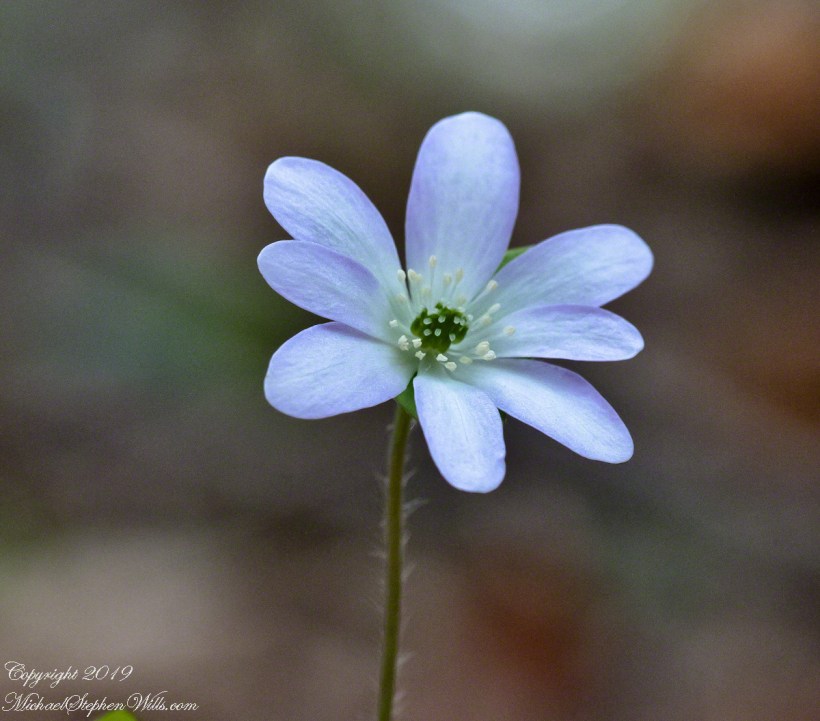
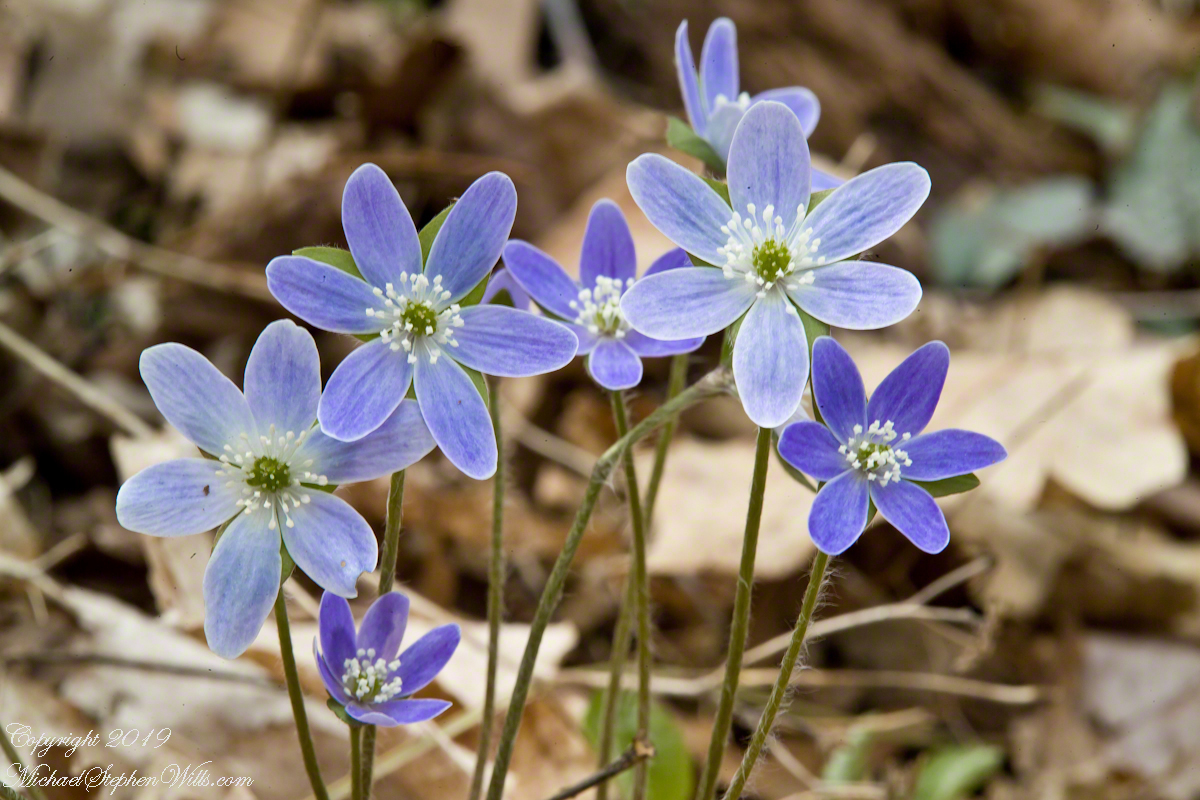
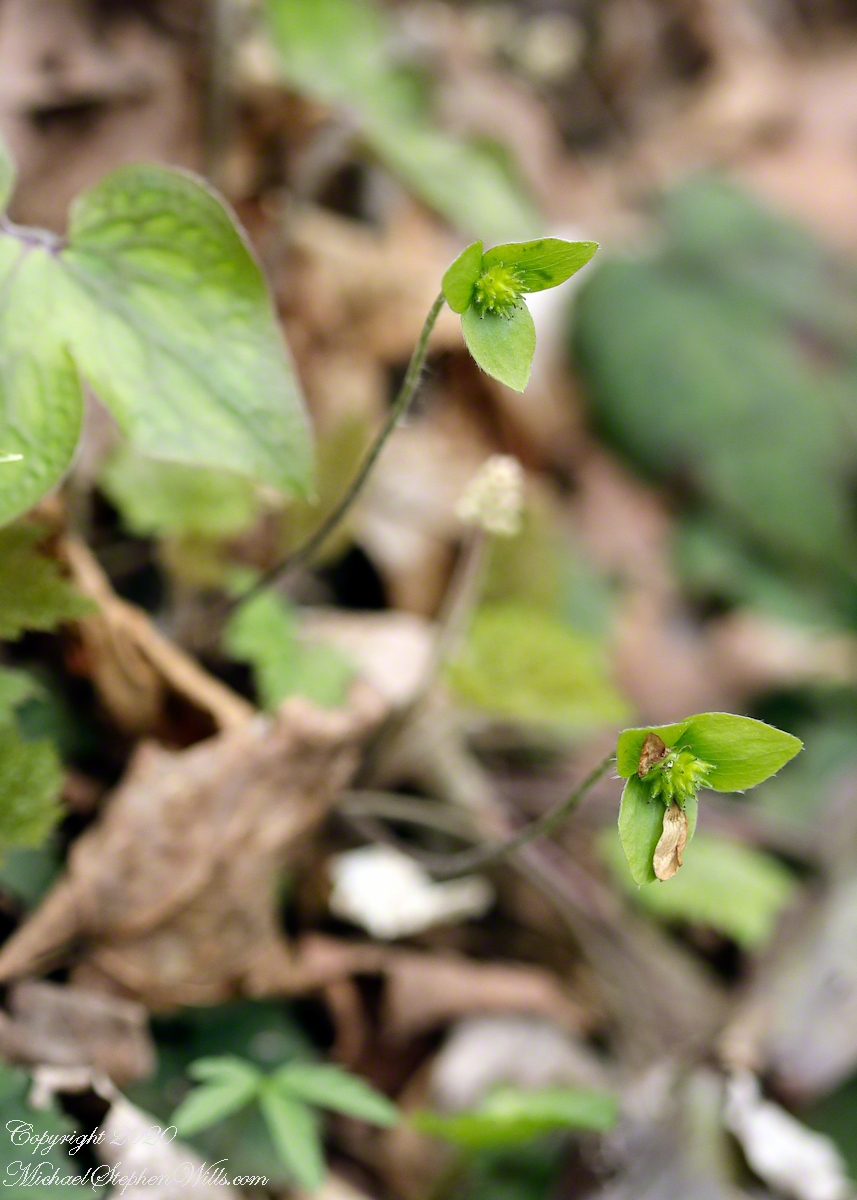
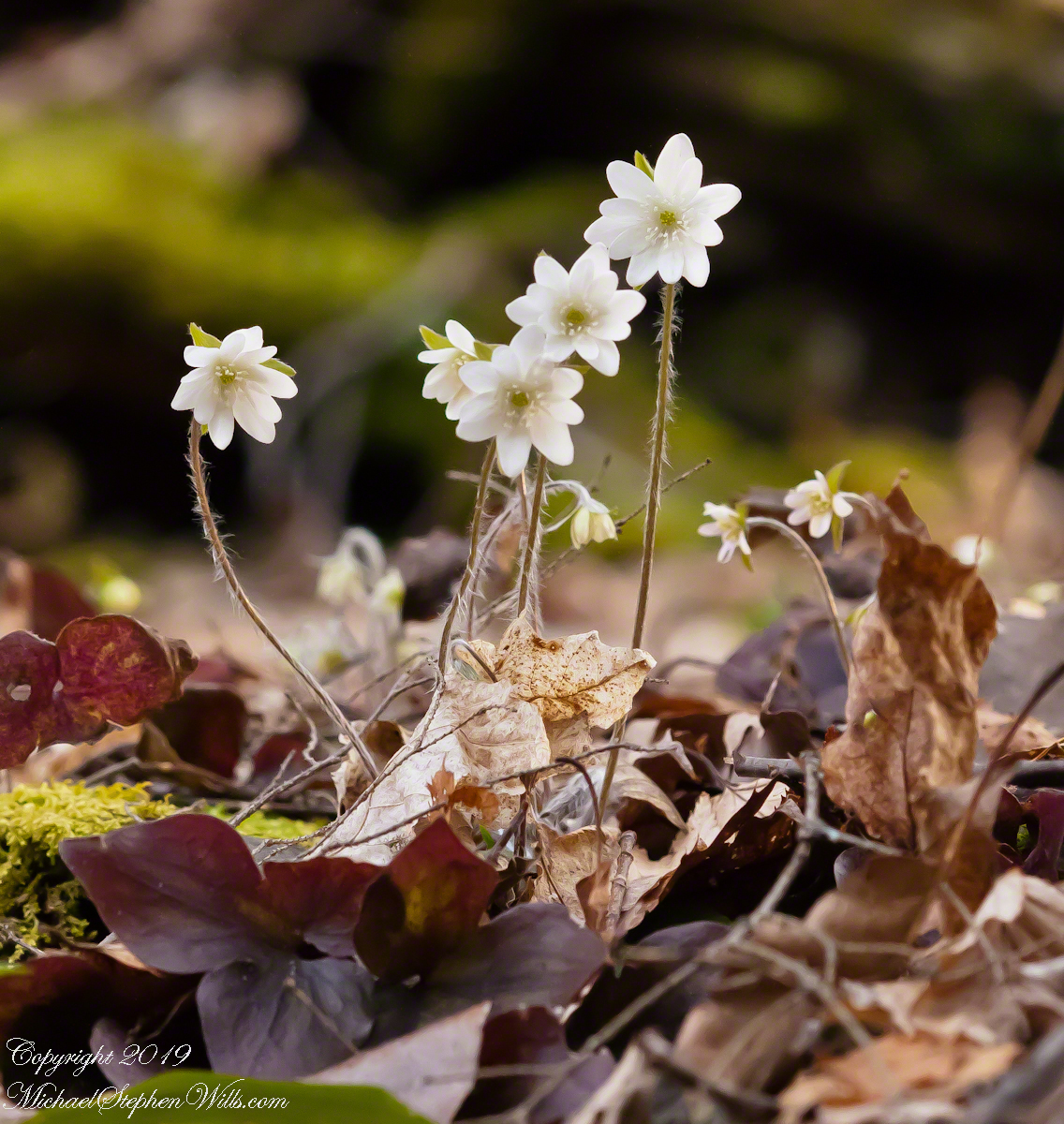
As I ventured along the Gorge Trail of Robert H. Treman New York State Park, I stumbled upon a captivating sight. Amidst the rich leaf litter and emerging greenery, clusters of Hepatica plants caught my eye. Although the flowers had already gone to seed, their distinctive leaves and stems told a story of early spring beauty in the heart of the Finger Lakes Region, Tompkins County. Using my Apple iPhone 14 ProMax, I documented these charming plants, eager to delve deeper into their fascinating world.

Hepatica, scientifically known as Hepatica nobilis, also goes by several common names including Liverleaf, Liverwort, and Kidneywort. The genus name “Hepatica” comes from the Greek word “hepar,” meaning liver, due to the shape and color of its leaves, which resemble the lobes of a human liver. This resemblance led to the plant being used historically in herbal medicine to treat liver ailments, in line with the Doctrine of Signatures—a belief that plants resembling body parts could cure ailments of those parts.

Fillmore Glen New York State Park, Moravia, New York on an April afternoon.

The common names of Hepatica reflect its historical medicinal uses. “Liverleaf” and “Liverwort” both reference its liver-shaped leaves, while “Kidneywort” likely arose from the kidney-like appearance of its seeds. These names have endured through centuries, reflecting the plant’s significant role in both folklore and herbal medicine.

Hepatica is a perennial plant in the buttercup family, Ranunculaceae. It thrives in deciduous forests, often found in shaded areas with rich, well-drained soil. The plant is one of the first to bloom in early spring, producing delicate flowers in shades of white, pink, blue, or purple. By the time I encountered them on my hike, the flowers had already transitioned to seed, but the distinctive lobed leaves remained vibrant and lush.

Fillmore Glen New York State Park, Moravia, New York on an April afternoon.

Reproduction in Hepatica is primarily through seed, though the plant can also propagate vegetatively. The flowers are insect-pollinated, attracting early-season pollinators such as bees and flies. Once pollinated, the flowers produce seeds encased in small, fuzzy fruits. These seeds are often dispersed by ants, a process known as myrmecochory, which helps ensure the plant’s spread throughout the forest floor.

Native American tribes, including the Iroquois, valued Hepatica for its medicinal properties. They used the leaves to brew teas believed to treat liver disorders, digestive issues, and skin ailments. European settlers adopted similar practices, incorporating Hepatica into their own herbal remedies.

In European folklore, Hepatica was often associated with healing and protection. The plant was believed to ward off evil spirits and protect against various maladies. In the language of flowers, Hepatica symbolizes confidence and bravery, reflecting its early emergence in the harsh conditions of early spring.

Fillmore Glen New York State Park, Moravia, New York on an April afternoon.

Today, Hepatica continues to enchant nature enthusiasts and hikers with its early blooms and lush foliage. It plays a crucial role in the ecosystem, providing a vital source of nectar for early pollinators and contributing to the biodiversity of deciduous forests.

Walking through the gorge, I felt a deep connection to the natural history and cultural significance of Hepatica. The plant’s resilience and beauty, even in its seeding stage, served as a reminder of the enduring cycles of nature and the intricate relationships between plants, animals, and humans.

In conclusion, Hepatica nobilis, or Liverleaf, is a plant of remarkable beauty and historical significance. Its early spring blooms and distinctive leaves make it a cherished sight in the forests of the Finger Lakes. As I continued my hike, I felt a profound appreciation for the rich tapestry of life that Hepatica represents, a testament to the enduring wonders of nature.

Copyright 2024 Michael Stephen Wills All Rights Reserved

The Enchanting Sweet White Violets of Treman Gorge

Discover the enchanting Sweet White Violets (Viola blanda) in Treman Gorge. Join us as we explore their natural history, lore, and beauty in the heart of the Finger Lakes. Dive into the magic of spring time blooms!

As I walked the Gorge Trail of Robert H. Treman New York State Park, my attention was captivated by a lush carpet of delicate white flowers nestled among the vibrant green foliage. These enchanting blooms, known as Viola blanda or Sweet White Violets, were a delightful sight against the backdrop of the rugged terrain of the Finger Lakes Region in Tompkins County. Armed with my trusty Apple iPhone 14 ProMax, I couldn’t resist capturing the moment.

Viola blanda, also known as Sweet White Violet or Pale Violet, derives its scientific name from Latin. “Viola” is the classical Latin name for violets, while “blanda” means charming or pleasant, an apt description for these delightful little plants. The name “Sweet White Violet” alludes to the delicate and sweet fragrance of its flowers, a scent that is often subtle but unmistakably pleasant when noticed.

Sweet White Violets are perennial plants, part of the Violaceae family, and are typically found in moist, wooded areas. They are one of the first wildflowers to bloom in spring, their pure white petals standing out amidst the fresh green growth of the forest floor. The leaves are heart-shaped with finely serrated edges, and they form a dense mat that can cover the ground in a verdant blanket.

The reproduction of Viola blanda is fascinating. These plants produce both cleistogamous and chasmogamous flowers. The chasmogamous flowers, which are the ones most of us are familiar with, are the showy, white blooms that open fully and are pollinated by insects. Cleistogamous flowers, on the other hand, do not open and are self-pollinating. This dual strategy ensures that the plant can reproduce even in the absence of pollinators, securing its presence in the ecosystem year after year.

Native Americans, particularly the Iroquois tribes whose region this included, held violets in high regard. They used the plant medicinally to treat colds, coughs, and headaches. The leaves were often brewed into a tea, believed to have soothing properties. European settlers, too, were fond of the violet. They would often use the leaves and flowers in salads and as a garnish, taking advantage of both its nutritional value and pleasant taste.

Interestingly, in folklore, violets were associated with love and were often used in love potions. The ancient Greeks believed that violets could moderate anger and induce sleep. In the language of flowers, which was particularly popular during the Victorian era, violets symbolized modesty and faithfulness.

In modern times, the Sweet White Violet continues to charm nature enthusiasts and hikers alike. It plays a crucial role in the ecosystem, providing early spring nectar for pollinators such as bees and butterflies. The plant also serves as a host for certain butterfly species, which lay their eggs on the leaves. As the caterpillars hatch, they feed on the leaves, continuing the cycle of life.

Walking through the gorge, I felt a profound connection to the natural world. The Sweet White Violet, with its humble beauty and rich history, served as a reminder of the intricate web of life that thrives in these woods. Each step on the trail was a journey through the park and a walk through time, connecting me to the countless generations who have walked these paths before me, enchanted by the same delicate flowers.

In conclusion, the Viola blanda, or Sweet White Violet, is more than just a pretty face in the forest. It is a plant steeped in history, folklore, and ecological importance. As I continued my hike, I felt grateful for the opportunity to witness such beauty firsthand and to share in the timeless joy that these charming plants bring to the world.

Copyright 2024 Michael Stephen Wills All Rights Reserved

Mother’s Day Amid the Blossoms of the Horse Chestnut

Explore the enchanting world of the Horse Chestnut, its vibrant spring blossoms, and its rich tapestry of historical and ecological significance, as I wander the slopes above Cayuga Lake on a serene Mother’s Day.


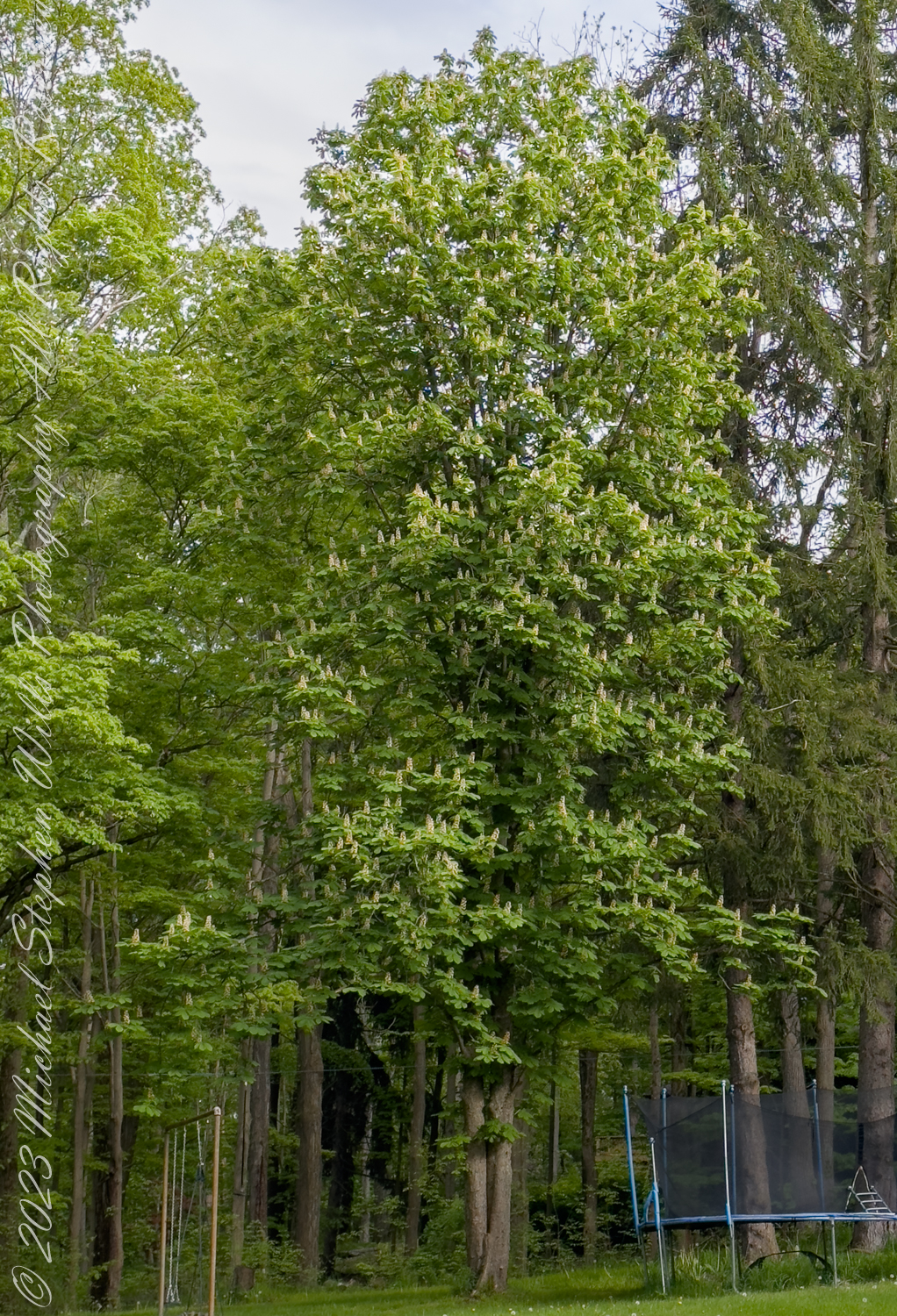
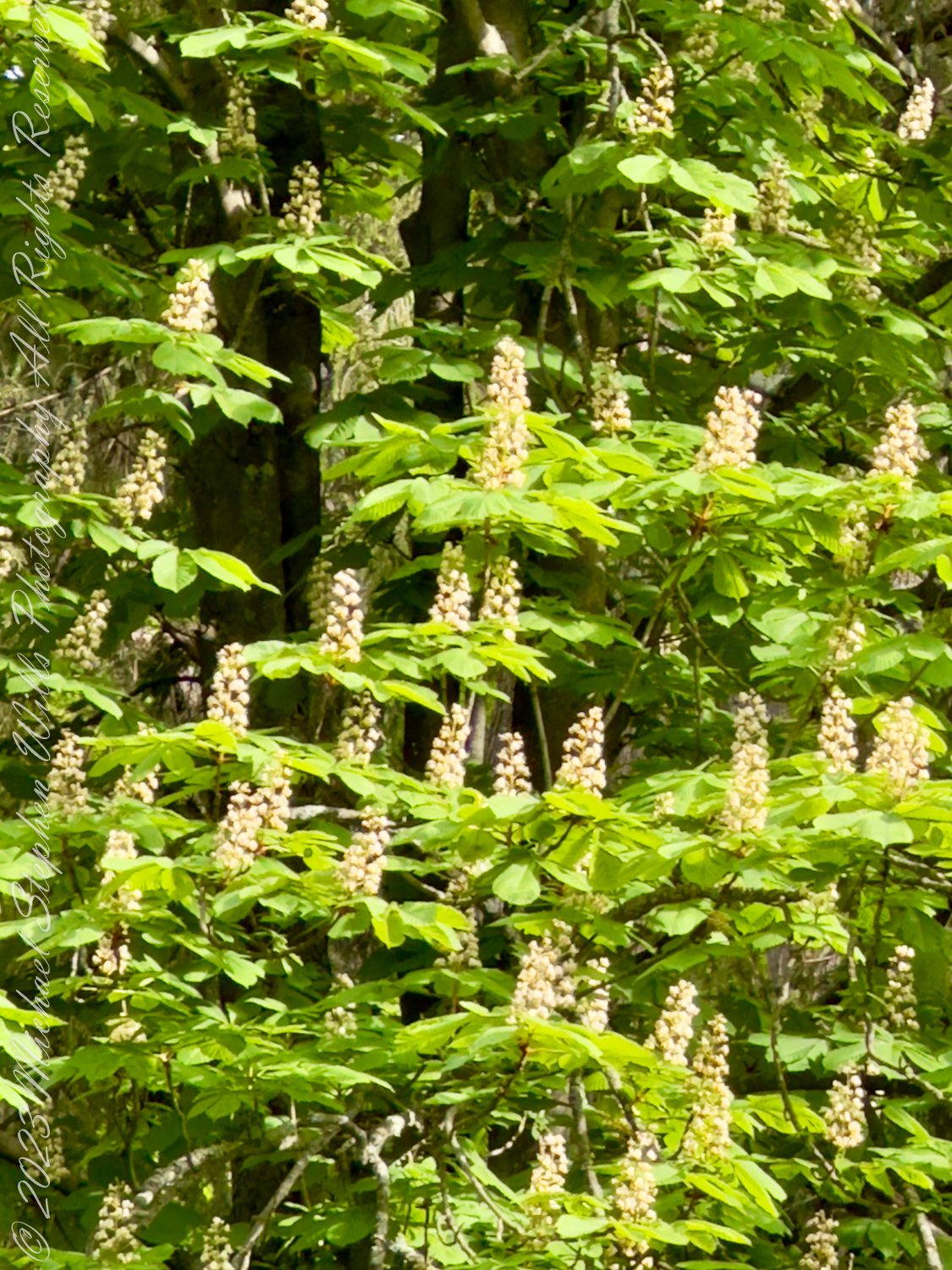
On a serene Mother’s Day in 2024, I found myself walking the slopes above Cayuga Lake, embraced by the spring warmth and the vibrant blossoms of the Horse Chestnut tree (Aesculus hippocastanum). This moment was a seasonal celebration and a deep dive into the botanical and cultural tapestry that this majestic tree weaves.

The Botanical Brilliance of the Horse Chestnut


The Horse Chestnut tree, with its robust stature and radiant floral displays, is a sight to behold, a study in botanical survival and adaptation. Originally native to a small area in the Pindus Mountains mixed forests and the Balkan mixed forests of Southeast Europe, this tree has traversed continents and histories to root itself into diverse landscapes, including the fertile grounds above Cayuga Lake.

Each spring, the Horse Chestnut’s candle-like flower spikes, scientifically known as ‘panicles’, burst forth in a shower of whites and subtle pinks, each petal marked distinctively with a blotch of yellow or red. These blooms are structured to attract a variety of pollinators, playing a crucial role in the local ecological narrative by supporting biodiversity.

Historical Uses and Cultural Significance


The journey of the Horse Chestnut tree from its native lands to the Americas is a tale of practicality and reverence. Native Americans, prior to the arrival of European settlers, were keen observers of their environment but may not have had a direct historical use for the Horse Chestnut, as it was introduced later. However, the European settlers quickly discovered the tree’s multiple uses. The wood, known for its softness and workability, was used to make furniture and boxes, while the bark found its place in the tanning industry due to its rich tannin content.

Most notably, the seeds of the Horse Chestnut were ground and used as a form of laundry detergent and to treat various ailments, a testament to the tree’s utility in pioneering life. This aspect of the Horse Chestnut highlights a broader theme of how both Native Americans and European settlers utilized natural resources for survival and economic purposes, blending the lines between utility and conservation.

A Reflection on the Natural History and Ecology


As I strolled beneath the boughs heavy with spring’s bounty, the historical echoes of the Horse Chestnut’s uses merged with the present chorus of birds nesting in its branches. The tree’s role extends beyond human uses; it is a vital component of the local ecosystems. The dense canopy provides shelter and the flowers feed pollinators, which in turn support the broader food web.

Environmental factors, particularly those influenced by climate change, pose challenges to the Horse Chestnut. Issues such as leaf blotch and the conker tree moth threaten its health and longevity. Observing the Horse Chestnut’s current vibrancy, I am reminded of the resilience and adaptability that this species has demonstrated over centuries.

Conclusion: A Legacy Continues

As the day drew to a close and the sun cast long shadows over Cayuga Lake, the Horse Chestnut stood as a botanical specimen, a living monument to natural history and human ingenuity. The tree’s story is a powerful reminder of our intertwined destinies with the plant kingdom—how plants shape our cultures, sustain our environments, and continue to amaze with their ecological and aesthetic contributions.

Copyright 2024 Michael Stephen Wills All Rights Reserved

Nature’s First Green….

…is gold, / her hardest hue to hold, / her early leaf’s a flower; / but only so an hour… Robert Frost

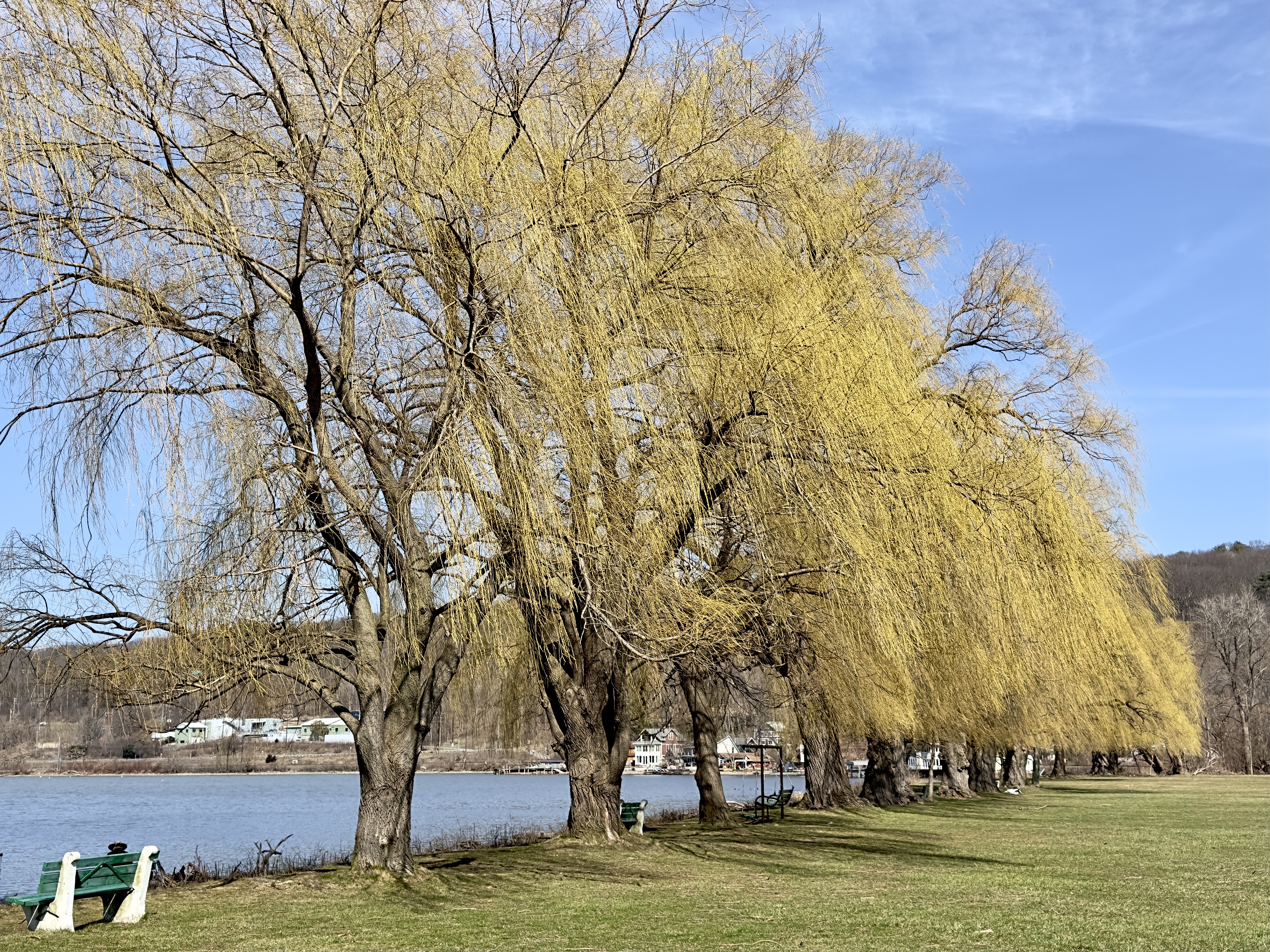
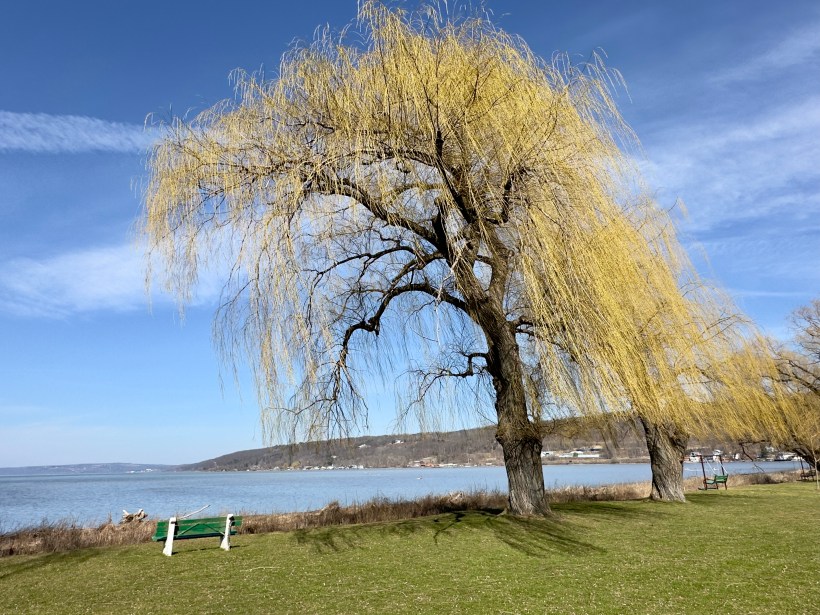
You walk alone by the waters of Cayuga Lake in Stewart Park, nestled in the heart of Ithaca’s Finger Lakes, where Salix alba, the white willow, stands proudly along the shoreline. You’re immediately drawn to the flurry of yellow flowers, a stark contrast to the still chilly early March air.

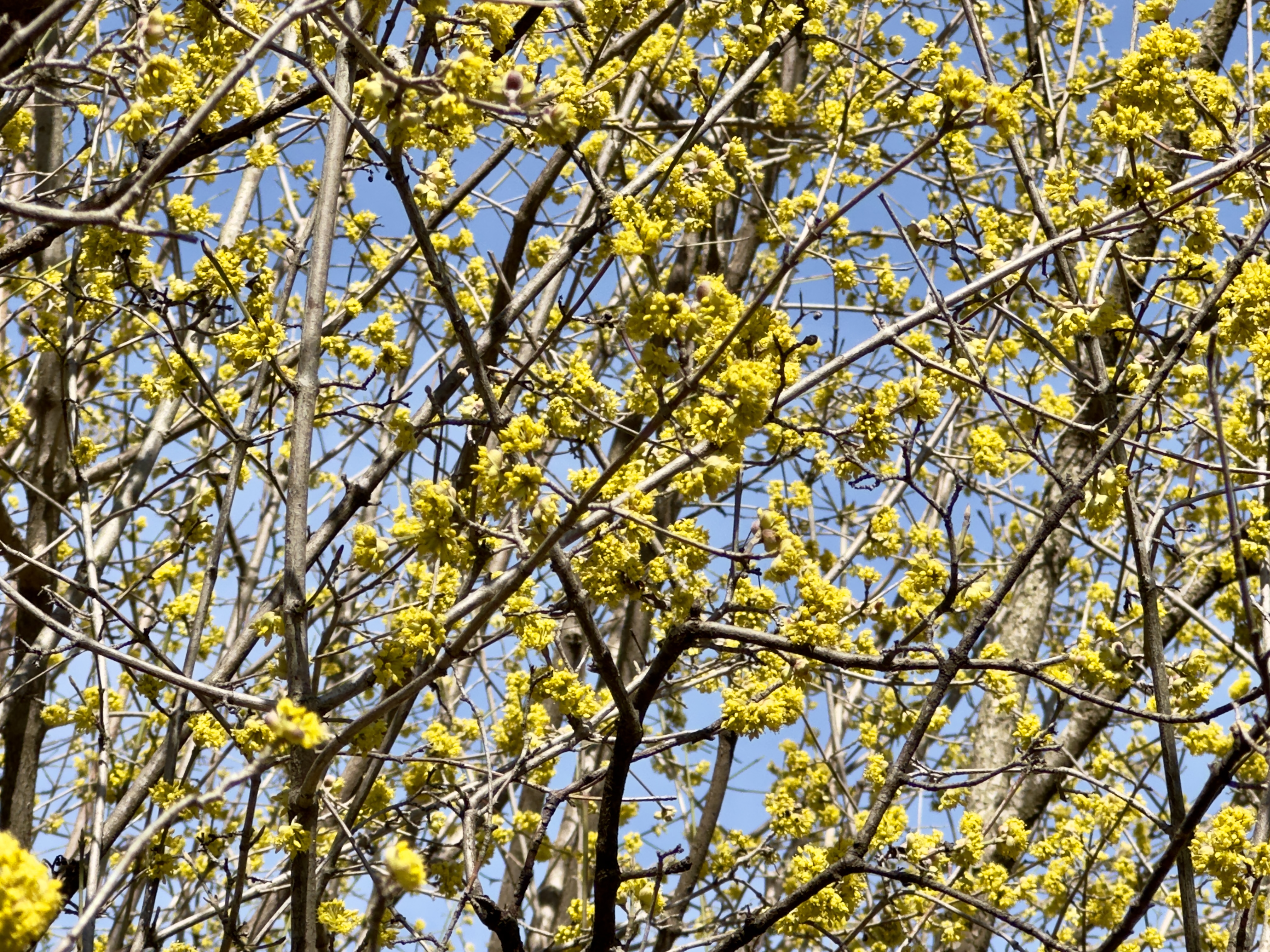
The white willow (Salix alba), with its rough, gray bark, is beginning to dress in its spring finery, its branches teeming with tiny, starburst-like flowers. Each one is a miniature sun, casting a glow against the intricate lattice of branches. These aren’t the soft catkins of the pussy willow but the yellow inflorescences that are characteristic of the white willow’s early bloom, a signpost that winter’s grip is loosening.

These trees, you learn, are dioecious, with separate male and female trees. The blossoms you see are likely the male flowers, their stamens dusting your fingers with pollen as you brush against them. It’s this pollen that will soon beckon the bees, urging them to emerge from their hives and begin the work that sustains the ecosystem. You can almost hear the faint buzz, a prelude to the symphony of life that summer will bring. Return in midsummer to find the female catkins comprise numerous small (4 mm) capsules, each containing numerous minute seeds embedded in silky white hairs, which aids wind dispersal.

As you wander further, you note the presence of the white willow’s kin, other deciduous companions some still bare and stretching into the sky and others leafing out. You stand there, at the cusp of seasonal change, where the slumbering trees are on the verge of awakening, and you feel a kinship with them. Like these trees, you have weathered the cold, dark months, and now you stand poised to greet the renewal that comes with spring.

The stark, knotted forms of the white willow branches against the clear sky speak to you of endurance and resilience. These trees have weathered storms and droughts; they have been companions to the lake, mirrors to its moods, and now they are beginning to celebrate the cycle of rebirth and growth.

You take a seat on a bench, the cool wood through your clothes a reminder of the lingering winter. You gaze out across the lake, the water reflecting the brilliance of the sun like a vast, rippling mirror, framed by the elegant silhouettes of the white willows. You feel the peace of the park seep into you, the slow, rhythmic lapping of the water syncing with your breath.

This is a moment of transition, from the sleeping to the awakening world. You think about the Salix alba, how its presence here is a testament to nature’s adaptability, thriving in the moist soil by the lake, offering shade in summer and shelter in winter, its branches a playground for the winds.

As you leave Stewart Park, you take with you the memory of the white willows in early March, the quiet guardians of Cayuga Lake. They remind you of the enduring beauty of nature, the seamless flow from one season to the next, and the quiet joy of standing witness to the first whispers of spring on the shores of the Finger Lakes.

Copyright 2024 Michael Stephen Wills All Rights Reserved

Two Laughing Gulls of Cocoa Beach: A Dance of Adaptation and Survival

Discover the captivating world of Laughing Gulls, the jesters of Cocoa Beach’s shores. Dive into their lives, exploring the dance of courtship, the adaptability in their diet, and their vital role in the coastal symphony.

The Coastal Sentinels

On the shores of Cocoa Beach, where the Atlantic’s waves gently knead the sands of Brevard County, Laughing Gulls (Leucophaeus atricilla) enact their daily ballet of survival and adaptation. In the span of mere minutes, the shifting light of Florida’s coastal theater presents two scenes, each with the same protagonist yet donned in starkly different costumes.

The Many Faces of Adaptation

The first gull, captured against the frothy lace of the incoming tide, is the epitome of the breeding plumage: a sleek, black hood that starkly contrasts its pearl-grey wings. This attire is not merely for allure but speaks of its readiness to engage in the rituals of courtship and the responsibilities of rearing the next generation. This black hood, a seasonal crown, fades as the duties of breeding wane, revealing the less conspicuous garb of the non-breeding season—a mottled grey head atop the same sturdy body, ready to blend into the off-season’s landscape.

Laughing Gull with breeding plumage

Laughing Gull, nonbreeding plumage

Minutes Of Separation

The mere minutes that separate the two photographs are but a whisper in the grand dialogue of evolutionary time. Yet, they offer a glimpse into the ever-present duality of the Laughing Gull’s life. In one, the gull stands resolute, black-headed and bold against the soft chaos of the sea’s edge. In the other, its head appears dusted with the wisdom of age, a visual softening that speaks to the less confrontational time of year.

Here are some observations to make sense of this disparity:

Overlap of Molting Periods: Laughing Gulls do not all breed at the same time; some individuals may start molting into or out of breeding plumage earlier or later than others. This can result in birds with different plumage being seen together.

Varied Maturity: Younger gulls or those not yet of breeding age may not have developed the breeding plumage, while adults in the same flock may display full breeding colors.

Breeding Colonies: Gulls often nest in colonies where birds in different stages of the breeding cycle can be observed together, including those that may have lost mates or failed to breed and therefore did not develop breeding plumage.

Health or Nutritional Status: Sometimes a bird’s plumage can be affected by its health or nutritional status. A gull in poor health might not molt into breeding plumage as expected.

Geographic and Climatic Factors: Local environmental conditions can influence the timing of molting. Birds in the same location can experience different environmental cues that might affect their molt.

Non-breeding Visitors: During the breeding season, some non-breeding birds may still be present and intermingle with breeding birds, either because they are passing through the area or they are non-breeding residents.

Extended Breeding Season: In areas with a long breeding season, such as in subtropical and tropical regions, the breeding and non-breeding plumages can be seen at the same time due to the extended period over which breeding can occur.

Masters of the Coastal Realm

The Laughing Gulls are more than just residents of the coast; they are its caretakers and witnesses. Their laughing calls are synonymous with the ocean’s breath, a soundscape that harmonizes with the rhythmic crashing of waves. These birds thrive in the intertidal zone, a challenging environment where land and sea engage in a perpetual tussle. Here, they must be opportunistic, agile, and resourceful, for the beach offers both a cornucopia of food and the threat of unpredictability.

The Ebb and Flow of Existence

The life of a Laughing Gull is intimately tied to the ebb and flow of the tides. Their diet is a testament to their adaptability, comprising anything the sea yields—fish, crustaceans, and even the unfortunate insects that stray too close to the brine. They are pirates of the shore, unafraid to snatch a meal from another bird or scavenge the remains of human activity.

Reflections on Change and Constancy

Laughing Gulls are the embodiment of the sea’s narrative around us—a story of change and constancy. Their lives are a testament to the tumultuous history of the ocean, and their presence is a thread that connects us to the vast, blue mystery. They remind us that, while the sea’s moods are many and its faces ever-changing, it remains a central force in the narrative of life on Earth.

In the Face of Tomorrow

In the space between these two images, we find a profound lesson on the nature of time and the resilience of life. The Laughing Gulls of Cocoa Beach, with their shifting plumage and timeless cries, are messengers of the past, envoys of the present, and harbingers of the future. As we contemplate their existence, we are reminded of our own place within the natural world—a world that requires our understanding and protection, lest the laughter of these gulls fades into the silent archives of history.

The Laughing Gulls of Cocoa Beach continue their dance, unfazed by the human gaze, their lives a fluid adaptation to the sea’s caprices. And as the sun marches across the sky, casting the story of these gulls into relief against the shifting sands, we are privileged to observe, to learn, and to cherish the Atlantic Ocean’s enduring tale.

Copyright 2024 Michael Stephen Wills All Rights Reserved