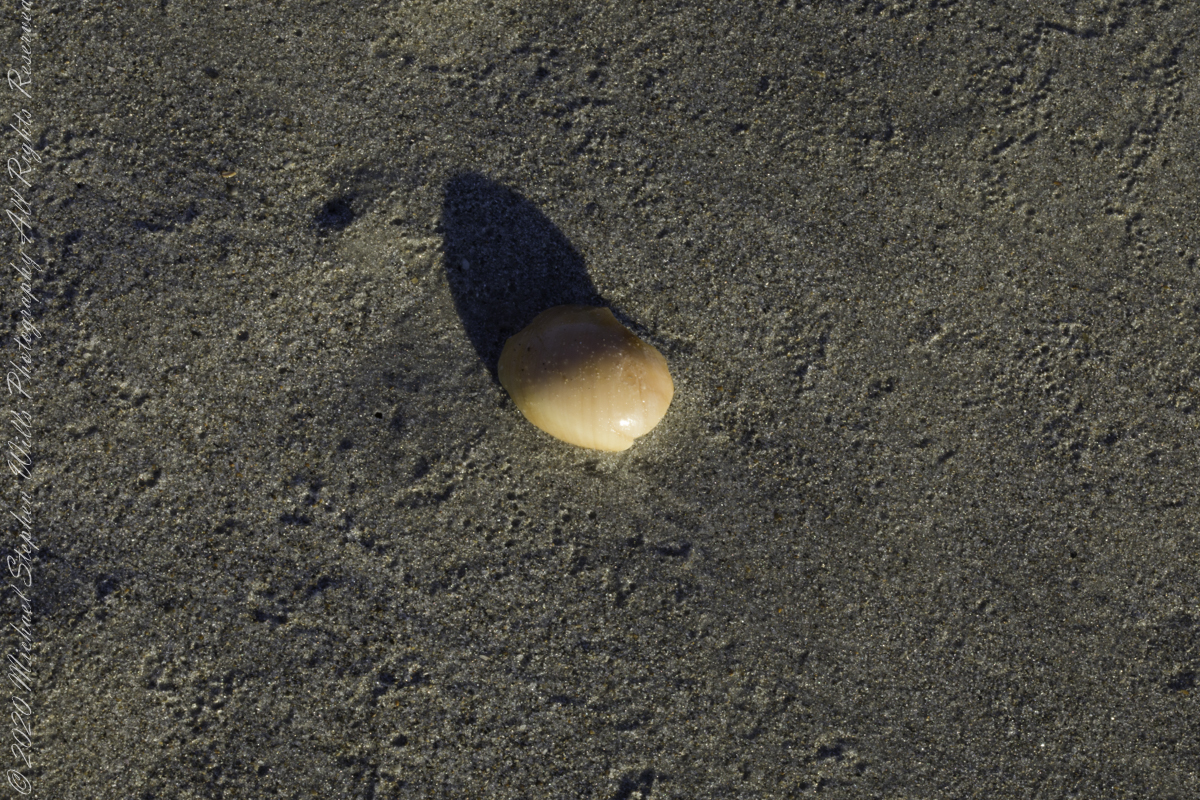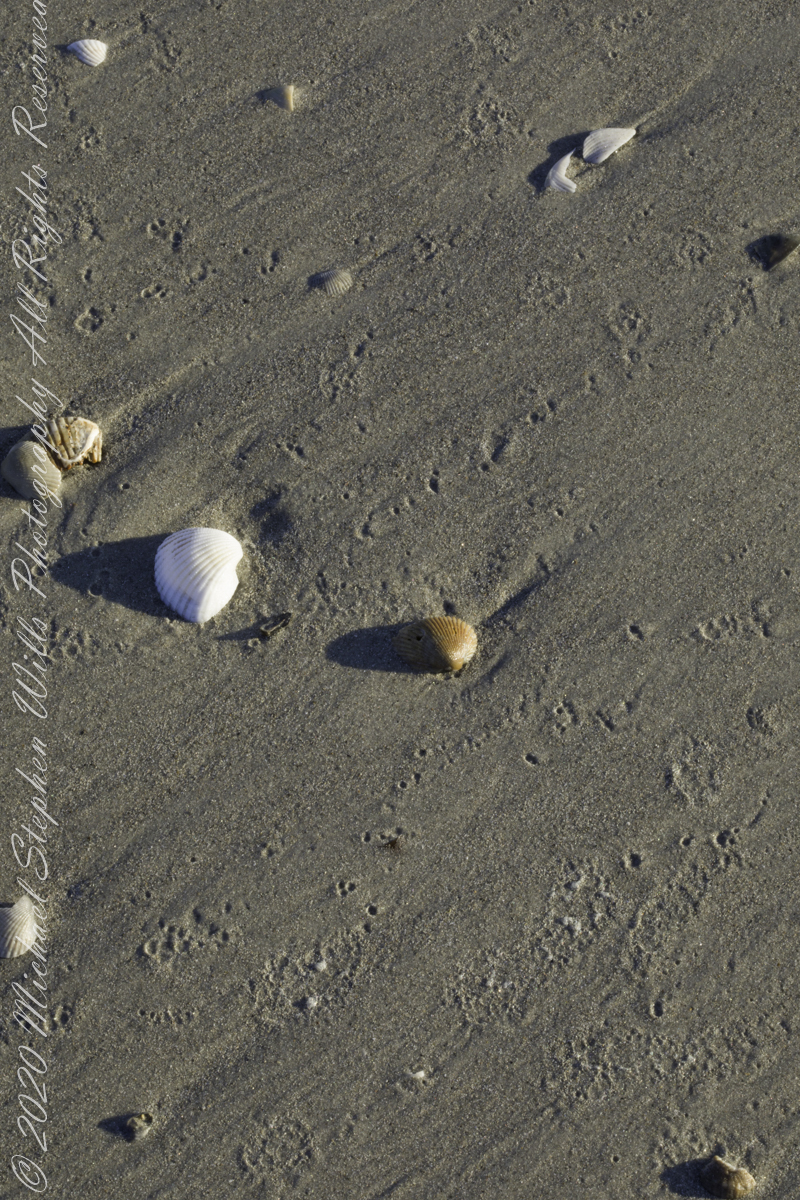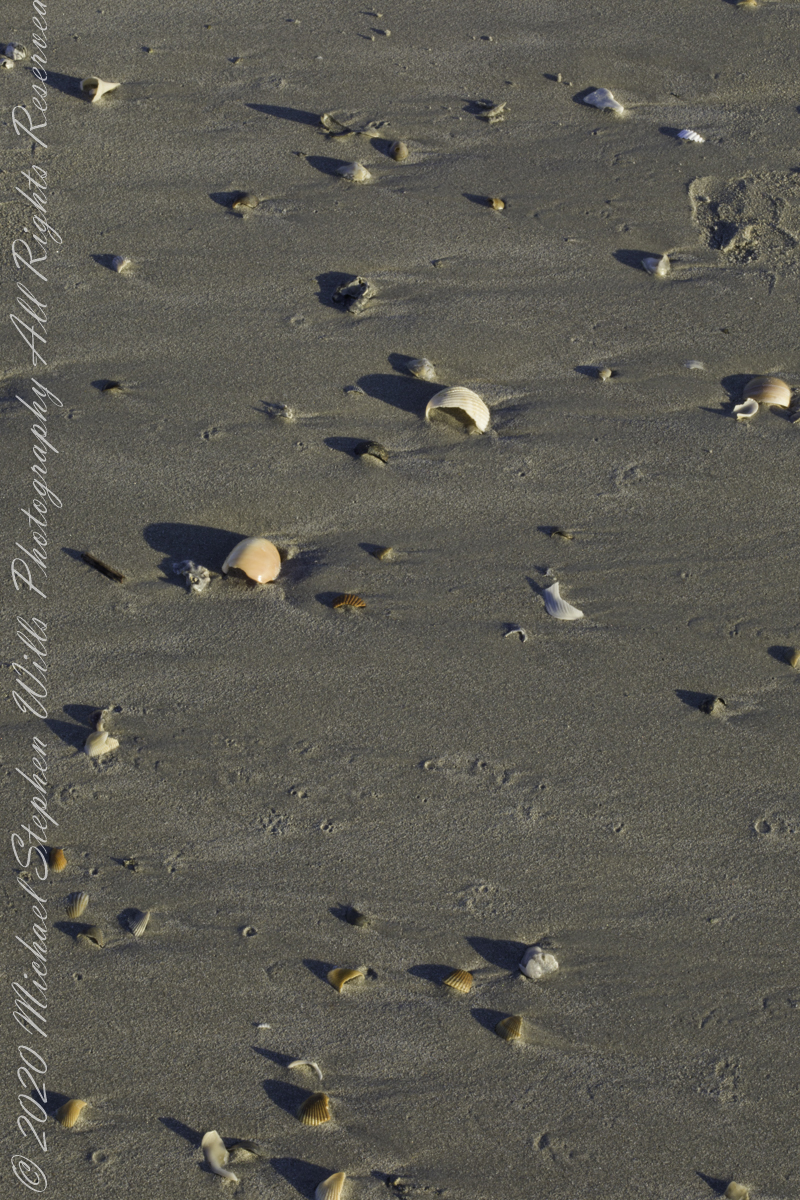
Crystalline Secrets: The Art and Science of Whelk Shell Formation

As you stroll along the beach, the beauty of whelk shells captures your attention. Ever wondered how these intricate structures form? Dive into the secrets of their creation, from cosmic origins to mollusk mastery. Discover the fascinating world within their shells

Exploring the Formation of Whelk Shells


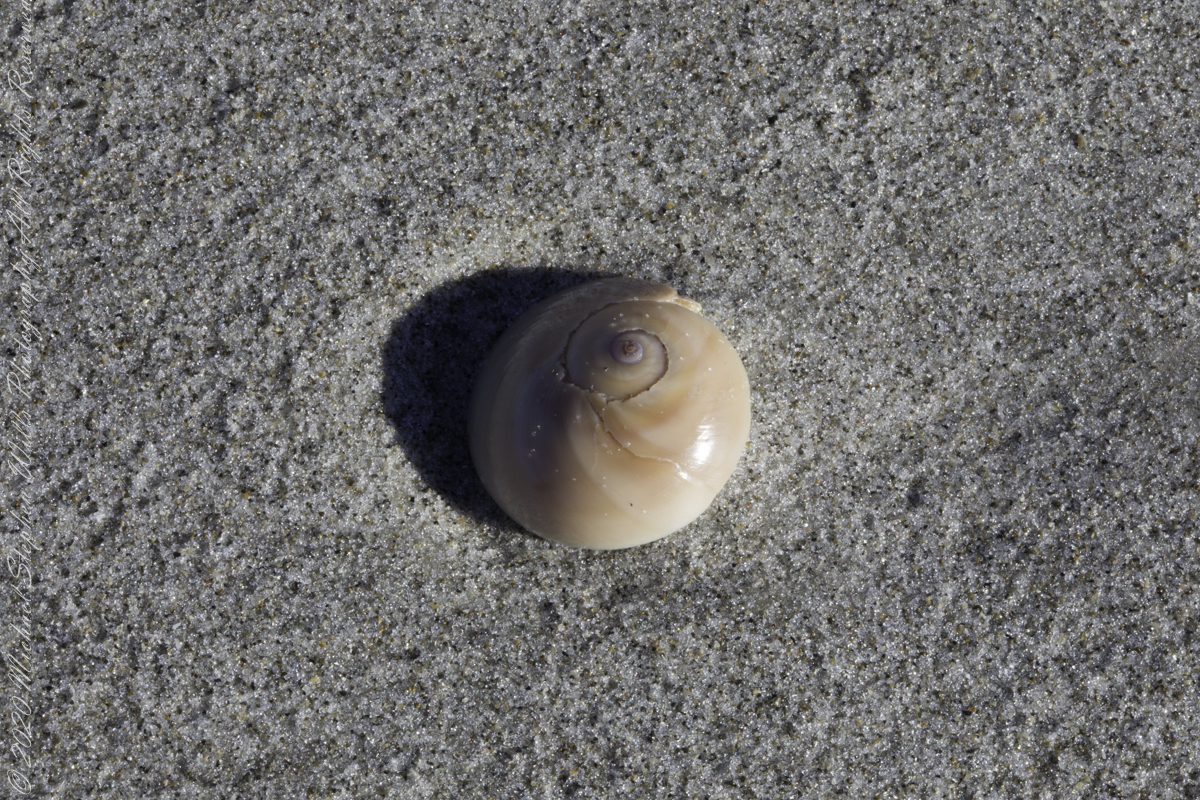
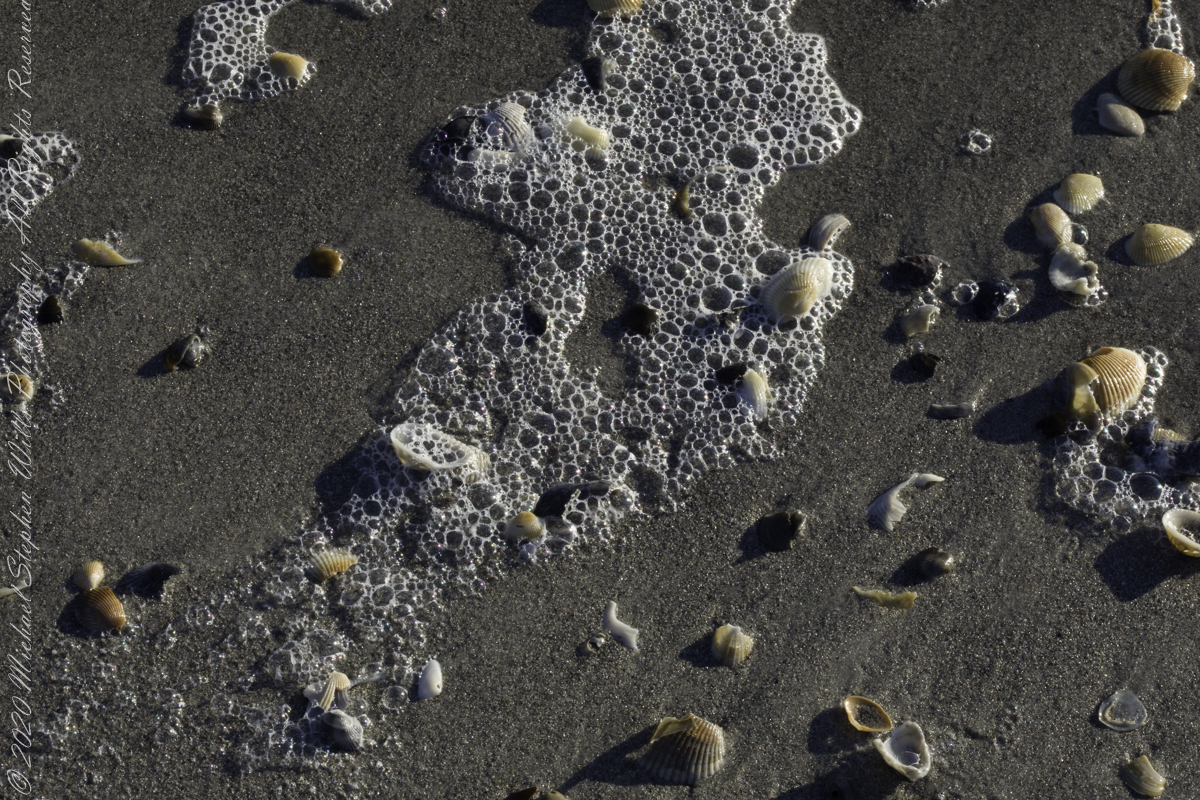
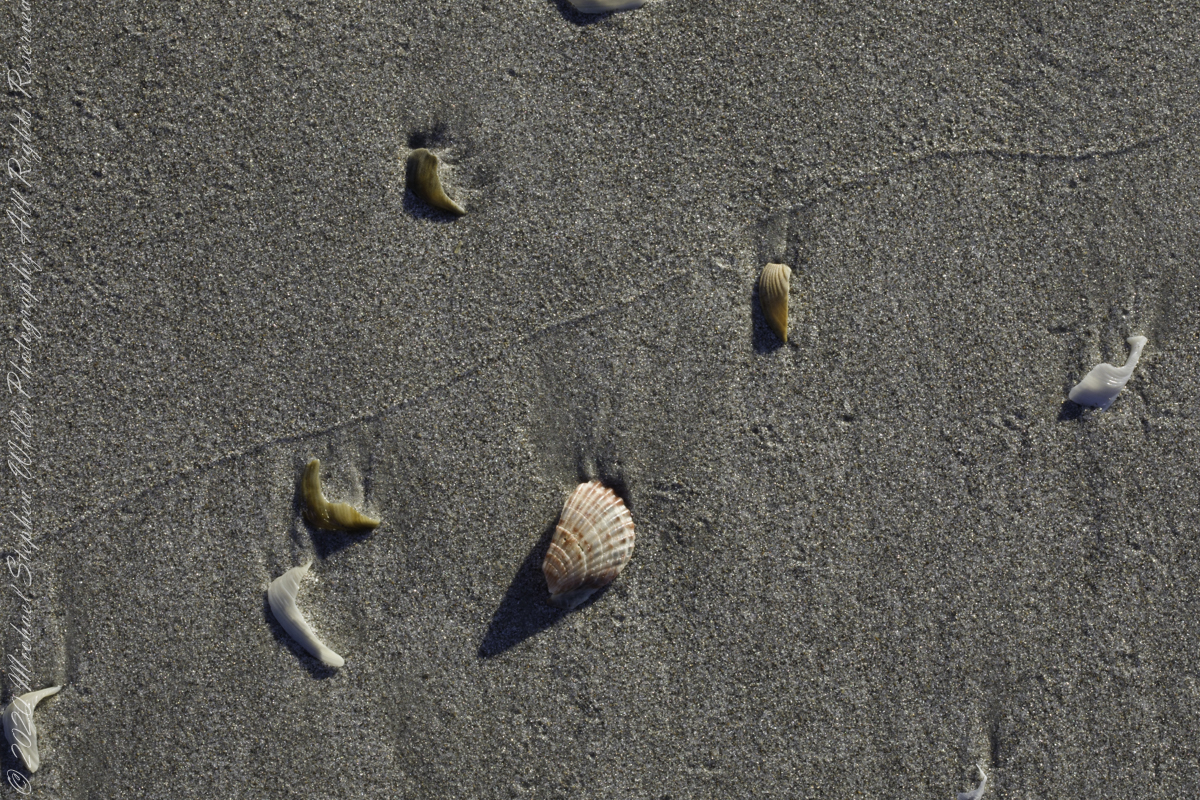
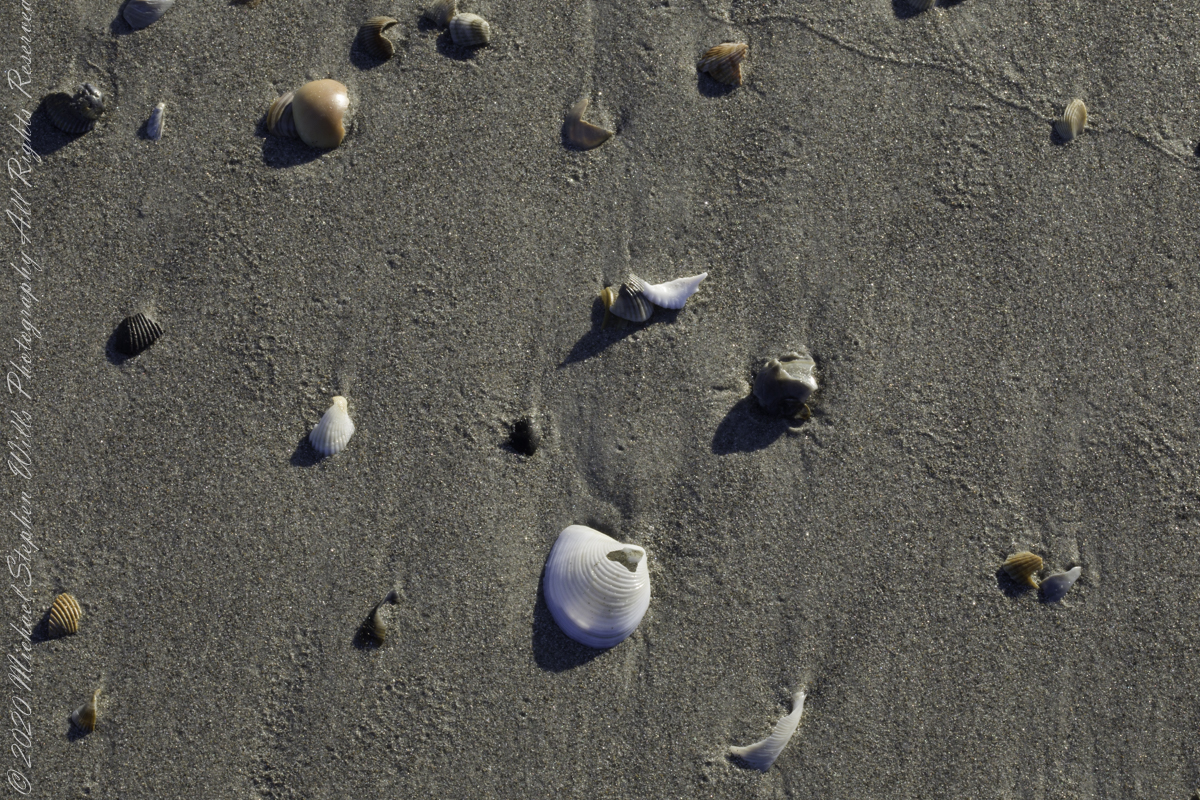
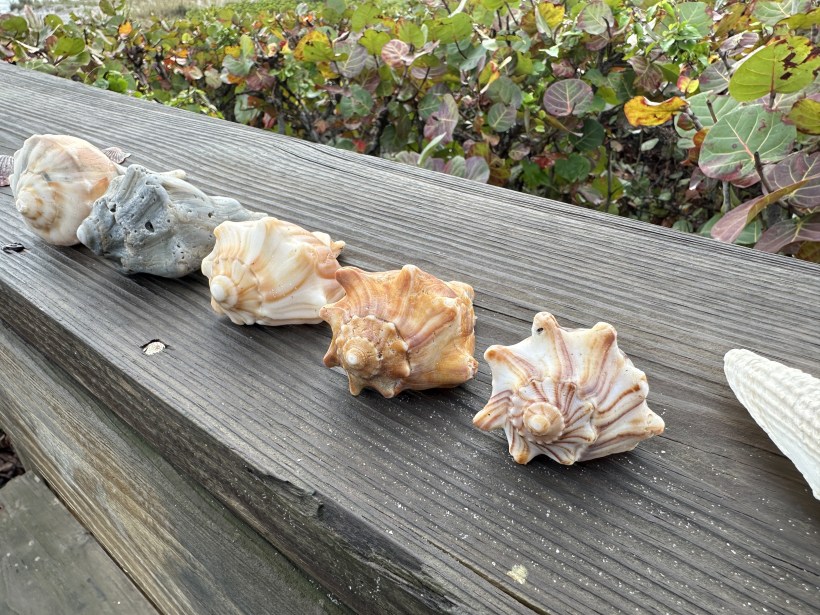
As I wander along the coast, the variety of seashells scattered across the beach fascinates me, particularly the whelk shells with their intricate designs and robust structure. This marvel of nature prompts me to delve into the science behind the formation of these shells, which are not just homes for the marine creatures but also a testament to the extraordinary processes that take place both within the organisms and across the cosmos.

The Architect: The Mantle of the Whelk


The journey of a whelk shell begins within the mollusk itself, specifically with an organ called the mantle. This organ is a marvel of biological engineering, responsible for laying down the calcium that forms the shell’s backbone. It secretes a matrix, a kind of biological scaffolding composed of proteins and polysaccharides, and then directs the deposition of calcium carbonate within this matrix to create the hard shell. The mantle’s work is meticulous, ensuring the shell’s growth and repair throughout the whelk’s lifetime.
The Building Blocks: Calcium, Carbon, and Oxygen


So why do the elements calcium, carbon, and oxygen play such a crucial role in shell formation? It’s a question of availability and suitability. These elements are abundant in the marine environment—calcium dissolved in seawater, carbon, and oxygen from both water and air. Their chemical properties allow the formation of calcium carbonate, a stable compound that can adopt various forms like calcite and aragonite, offering structural diversity for shells. Calcium carbonate’s moderate solubility enables mollusks to control shell formation precisely, and its biocompatibility ensures the process is safe for the living organism. Above all, the resulting crystalline structure provides immense strength and rigidity, a natural armor against predators and environmental challenges.

The Role of Calcium Carbonate


Calcium carbonate (CaCO₃) is not just a building block for shells; it’s a common substance that shapes our world. Found in rocks as calcite and aragonite, it forms limestone, the basis of pearls, and even the eggshells we encounter daily. This compound is an active player in both industrial applications and biological functions, serving as an agricultural amendment, a component in cement, and even a dietary supplement for humans.

The Mollusk’s Craft: Extracting from the Environment


Whelks are not alchemists; they do not create calcium carbonate from thin air. Instead, they are master extractors, pulling calcium and carbonate ions from their surroundings and depositing them as calcium carbonate to form their shells. The mantle is at the heart of this process, secreting proteins and enzymes to facilitate ion extraction from the water. The precise regulation of ion concentrations and pH ensures the calcium carbonate crystallizes in the desired form, perfectly tailored for the whelk’s protection.

Star-born Elements: The Cosmic Connection


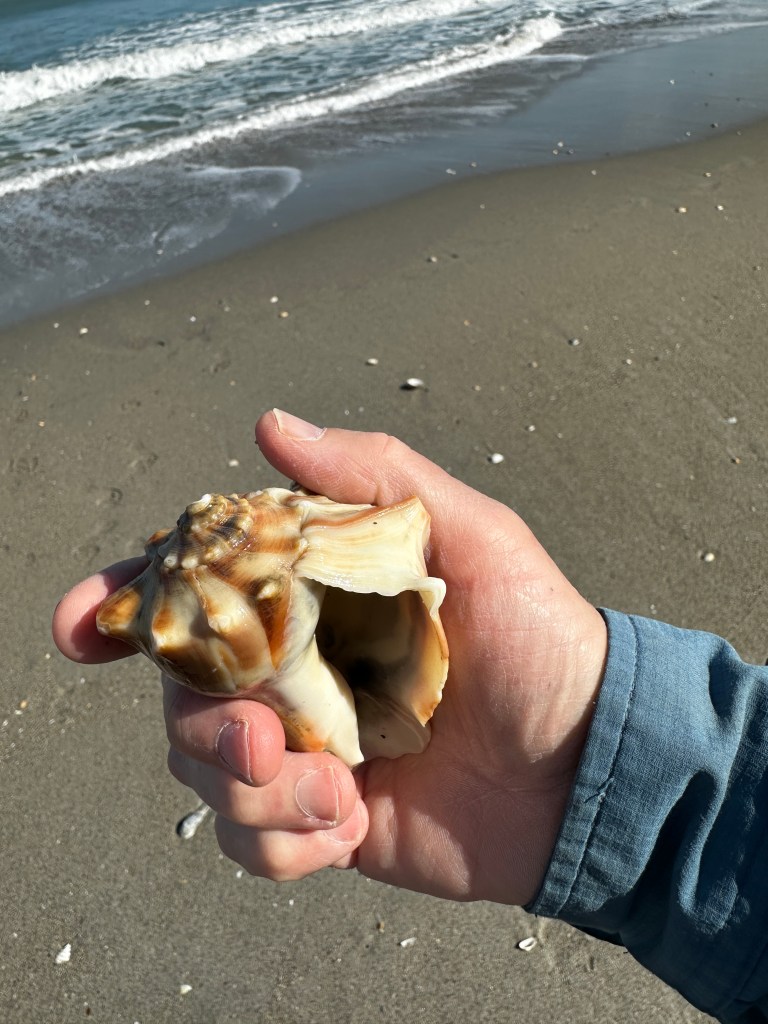
It’s astounding to think that the elements composing whelk shells are not just earthly but cosmic in origin. The calcium (atomic number 20), carbon (atomic number 6), and oxygen (atomic number 8) that are so critical to these marine structures owe their abundance to the stars. The life cycles of stars, from their hydrogen (atomic number 1) and helium (atomic number 2) fueled births to the explosive supernovae and neutron star collisions that mark their deaths, generate and scatter these elements throughout the universe. These star-born materials eventually coalesced to form our solar system and Earth, providing the necessary ingredients for geological and biological phenomena, including the formation of the whelk shells I hold in my hand.
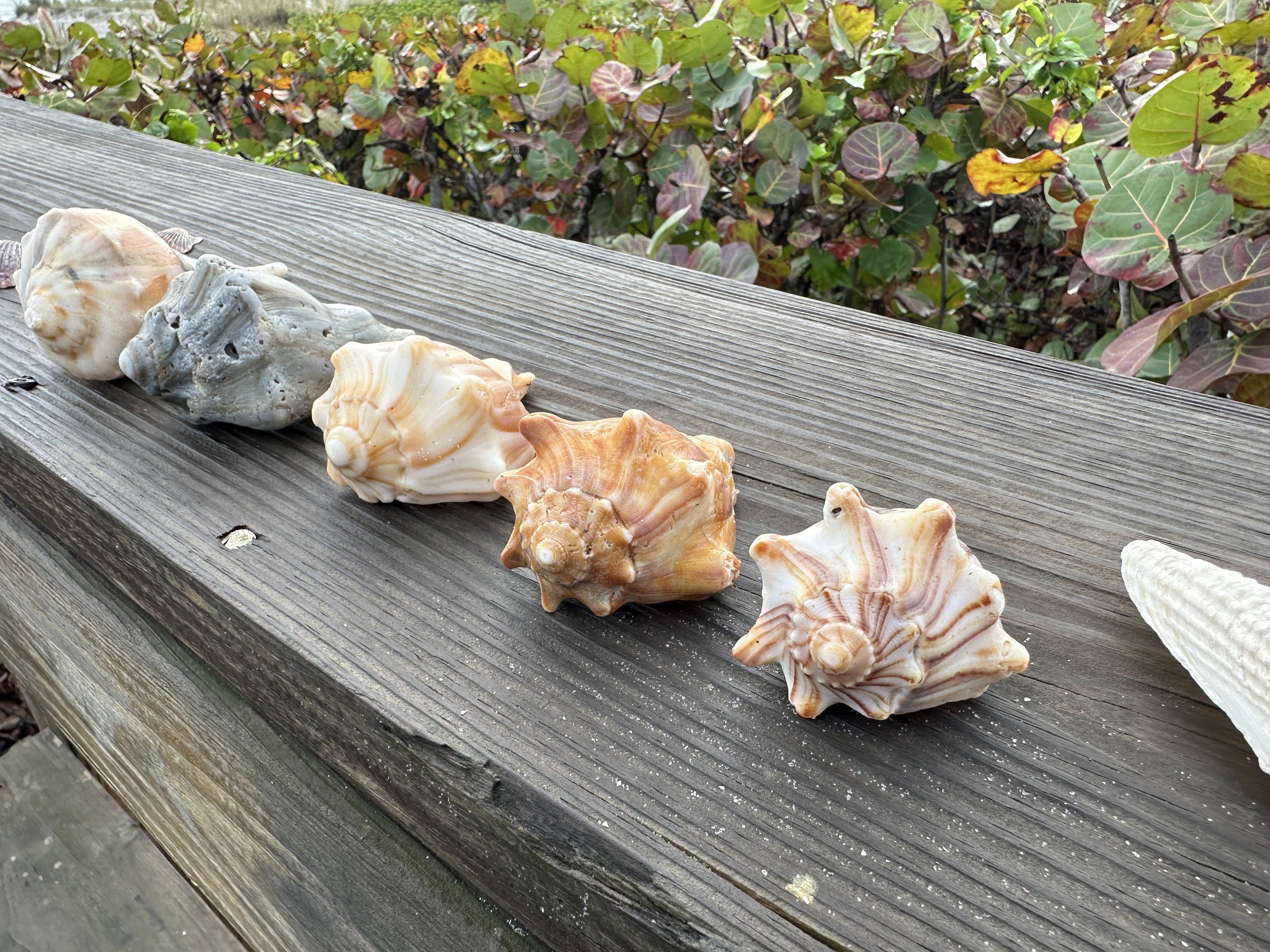
As I reflect on the shells before me, I am reminded of the interconnectedness of all things—from the inner workings of a tiny mollusk to the vast and violent furnaces of stars. These shells are not just remnants of life; they are cosmic artifacts, a reminder of our connection to the universe and the extraordinary processes that shape our existence.
Copyright 2024 Michael Stephen Wills All Rights Reserved

The Tam o’ Shanter of the Sea: A Scotch Bonnet’s Tale

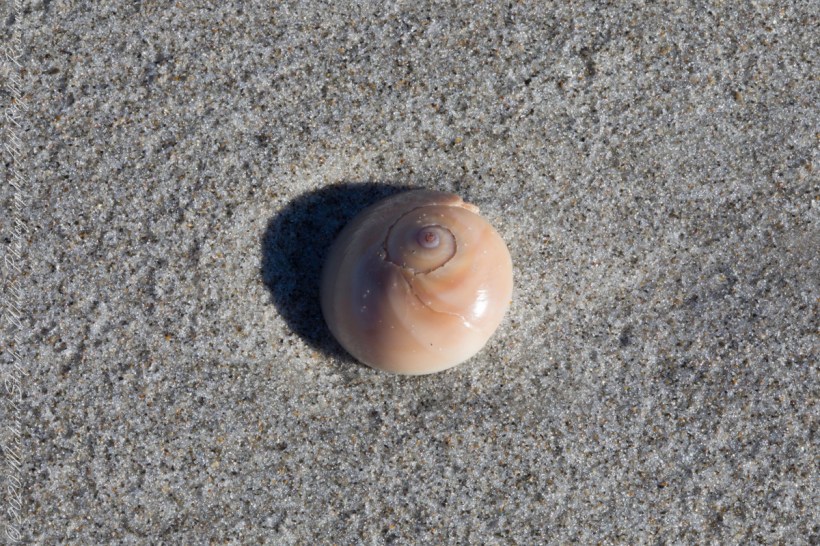
Amidst the golden dawn at Cocoa Beach, a rare treasure emerged from the high tide’s embrace—a Scotch Bonnet shell. Discover its journey from the ocean’s depths to a beachcomber’s palm, and unravel the tales of marine life woven into its striking tartan pattern in this captivating story.

Dawn’s Gift: A Beachcomber’s Tale


As the first light of dawn stretched its golden fingers across the horizon, I made my way down the familiar path to Cocoa Beach. It was an early January morning, and the air was crisp, with a hint of salt carried on the gentle breeze. The tide was high, giving the beach an intimate feel, as if the ocean itself was reaching out to share its secrets.

I’ve always found beachcombing to be a meditative experience, but today’s stroll was particularly enchanting. The beach was deserted, save for the scuttling sandpipers searching for their breakfast. The rhythmic crash of the waves provided a soothing soundtrack to my thoughts. As I walked, my eyes scanned the shoreline, seeking treasures among the flotsam of the sea.

A Striped Treasure Unveiled


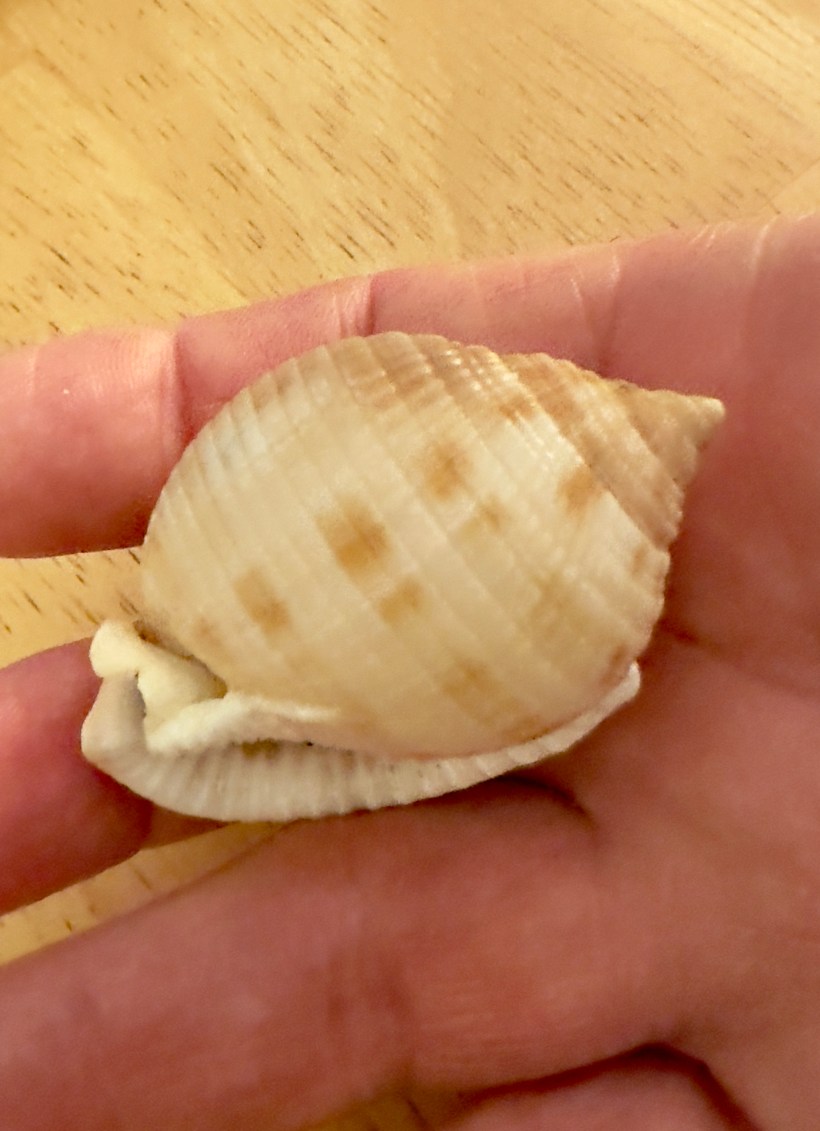
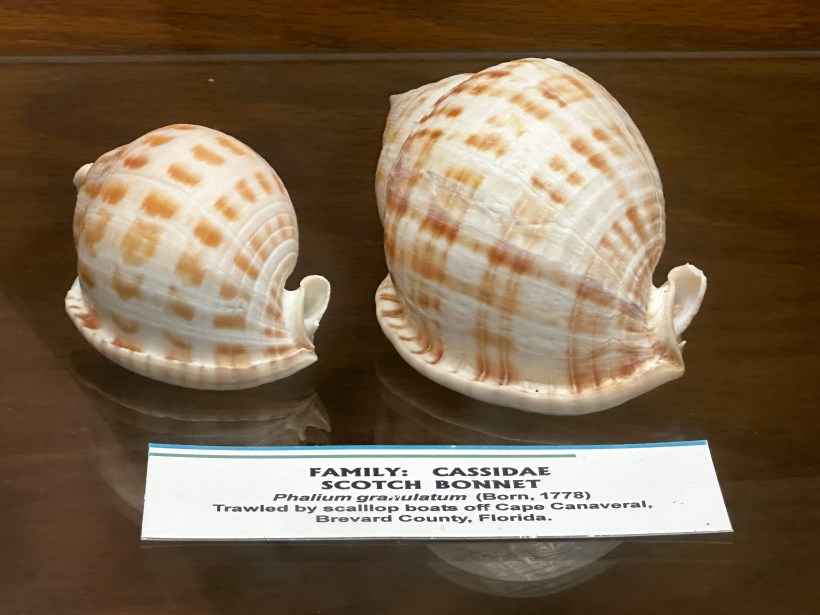
And then, I saw it—a distinctive shell caught between the ebb and flow of the waves. Its bold pattern and unique shape were unmistakable even from a distance. I quickened my pace, eager to claim my prize before the sea could reclaim it. As I picked it up, water cascading off its curved surface, I marveled at the beauty in my hand: a Scotch Bonnet shell, a rarity to behold, especially here in Florida.
The Allure of the Scotch Bonnet


The Scotch Bonnet, named for its resemblance to the traditional Scottish tam o’ shanter hat, is a shell as fascinating as it is beautiful. Its scientific name, Phalium granulatum, speaks to the granulated texture that adorns its exterior. In my hand lay a symphony of creamy white and tan, with bold, brownish squares that resembled a carefully woven tartan. It was a mature specimen, its wide aperture and thickened outer lip suggesting it had lived a full life before arriving at my feet.

A Journey Through Nature’s Cycle


Fascinated by my find, I visited the Brevard County Museum of Natural History later that day. There, I learned that the Scotch Bonnet is more than just a pretty shell—it’s the former home of a gastropod, a creature that once crawled along the ocean floor of the Atlantic, from North Carolina to Brazil. These mollusks begin life as tiny larvae, floating in the currents until they grow large enough to settle on the seabed. They feast on sea stars, their radula—a toothy tongue—scraping their prey into digestible pieces.

The Scotch Bonnet’s predators are as varied as the ocean itself, from fish to other sea snails that prey upon the young or unsuspecting. Yet, the shell’s thick construction provides a sturdy defense, a fortress that serves its inhabitant well during its life.

Death Gives Life


The end of the Scotch Bonnet’s life cycle often provides a beginning for others. After death, the empty shell becomes a sought-after real estate for hermit crabs and a canvas for encrusting organisms like barnacles. It’s a reminder of the interconnectedness of the marine ecosystem, where even in death, life flourishes.

In the quiet of the museum, I reflected on the journey of the shell in my pocket. It was not just a Scotch Bonnet; it was a chronicle of survival, adaptation, and ecological significance. It was a legacy of the ocean’s depth and a symbol of life’s tenacity.

The Scotch Bonnet: A Symbol of Coastal Beauty


As I left the museum, I thought about the Scotch Bonnet’s significance to beachcombers and collectors. Its scarcity makes it a coveted find, a gem among shells. To hold one is to touch a piece of the ocean’s mystery, to connect with a world that is often beyond our reach.

That January morning on Cocoa Beach, the high tide had gifted me a treasure. But it wasn’t just the discovery of the Scotch Bonnet that was precious—it was the reminder that beauty and wonder can be found in the smallest of ocean’s offerings. Every shell has a story, a past woven into the fabric of the marine world. And as I pocketed my find, I carried with me not just a shell, but the echoes of an underwater tapestry, rich and alive, just waiting to be discovered.

Copyright 2024 Michael Stephen Wills All Rights Reserved

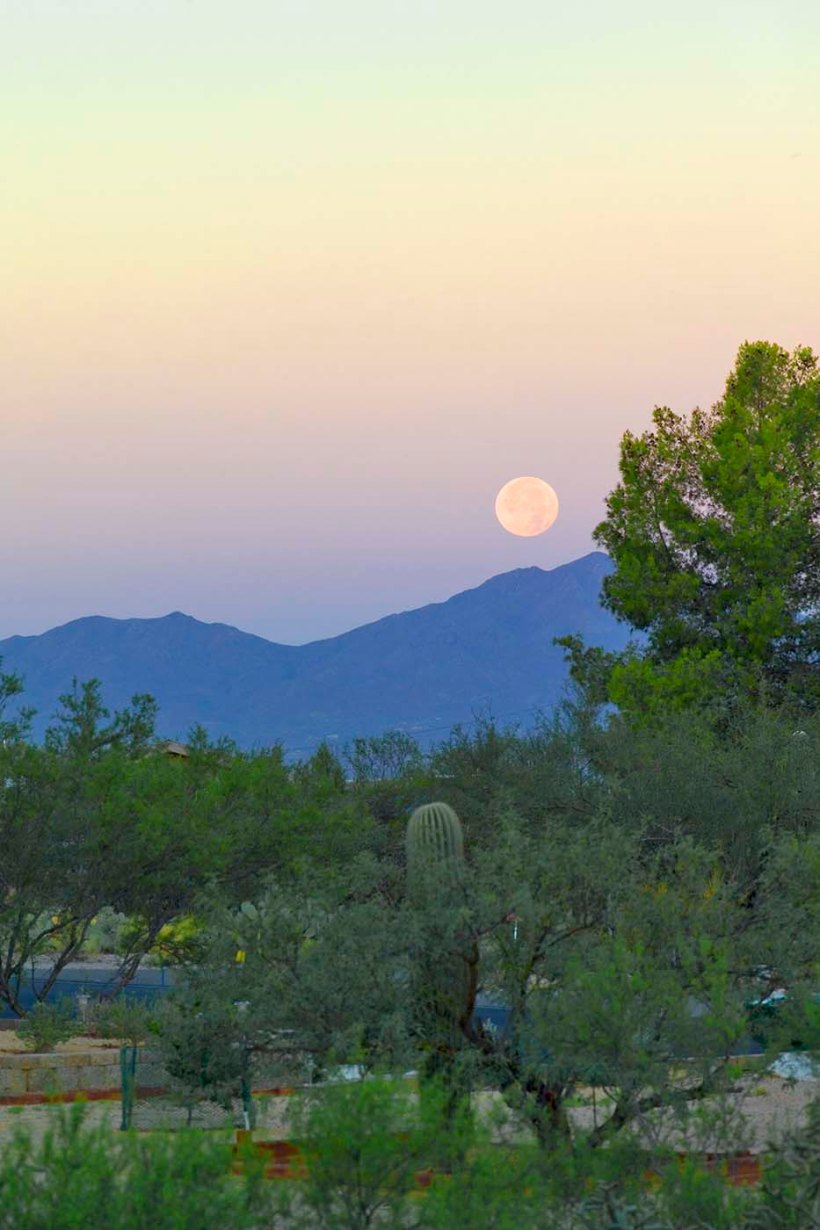
Glimpses of the Moon

Join me in exploring the depths of “Hamlet,” where the phrase “revisits thus the glimpses of the moon” unveils a world where the supernatural meets the mysterious moonlight. Let’s unravel this imagery together, reflecting on life’s transient beauty, seeking understanding, and contemplating the cycles of change under the moon’s spell.

Continue reading “Glimpses of the Moon”

Sand Abstracts accepted by Getty

Success.

I am happy to report 100% of the photographs presented in my “Sand Abstracts” posting were accepted for publication by Getty.

Click Me to view these and my other “texture” photographs on Getty

Copyright 2022 Michael Stephen Wills All Rights Reserved

Sand Abstracts

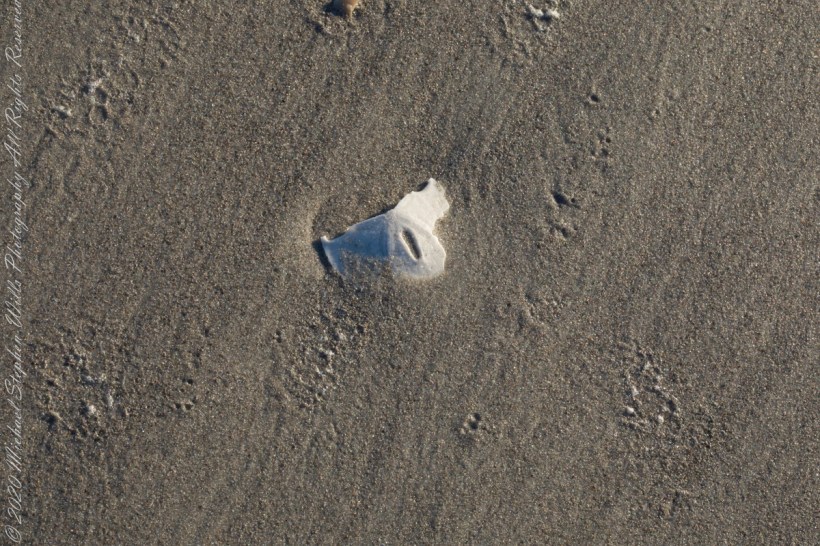
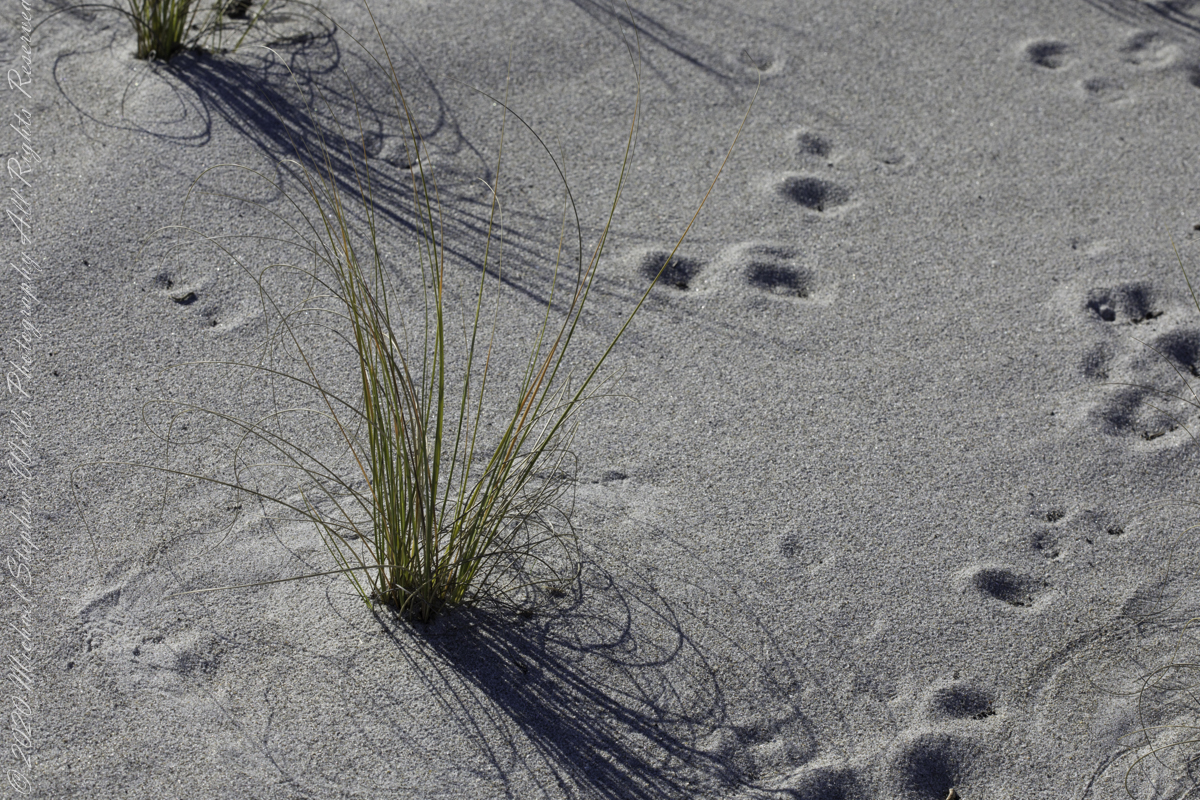
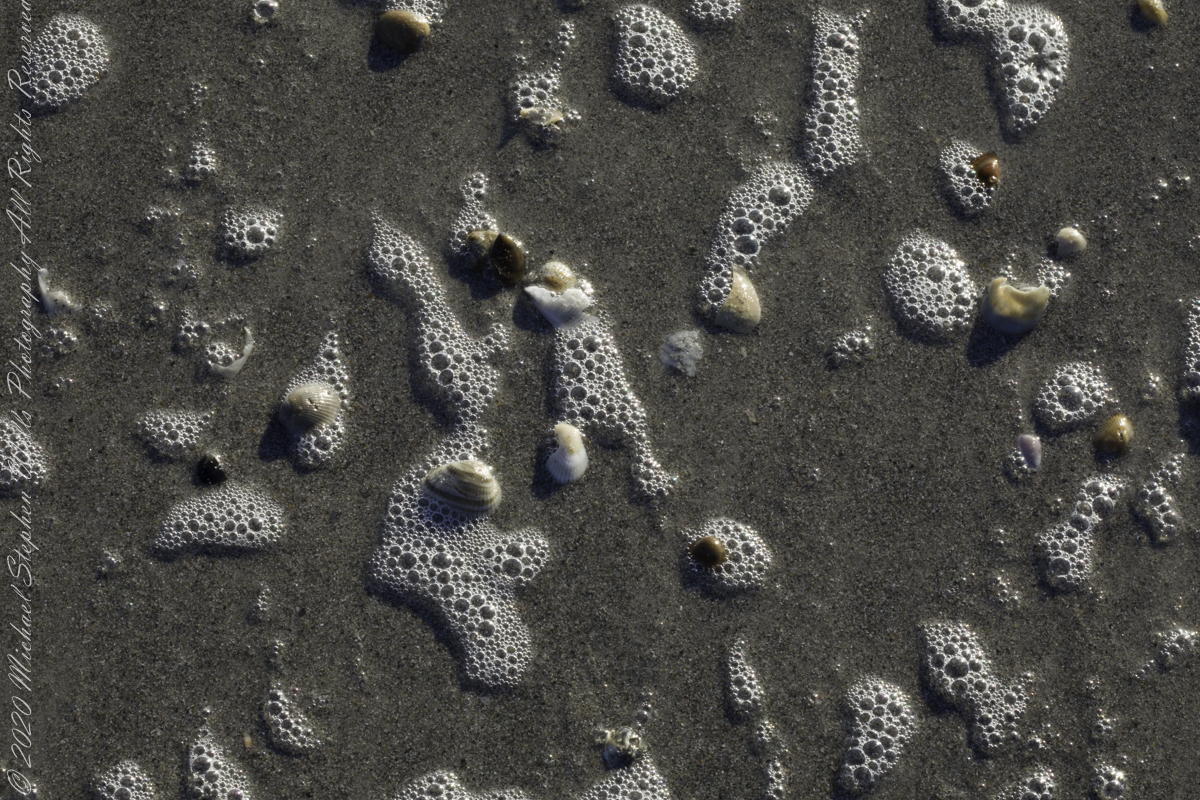
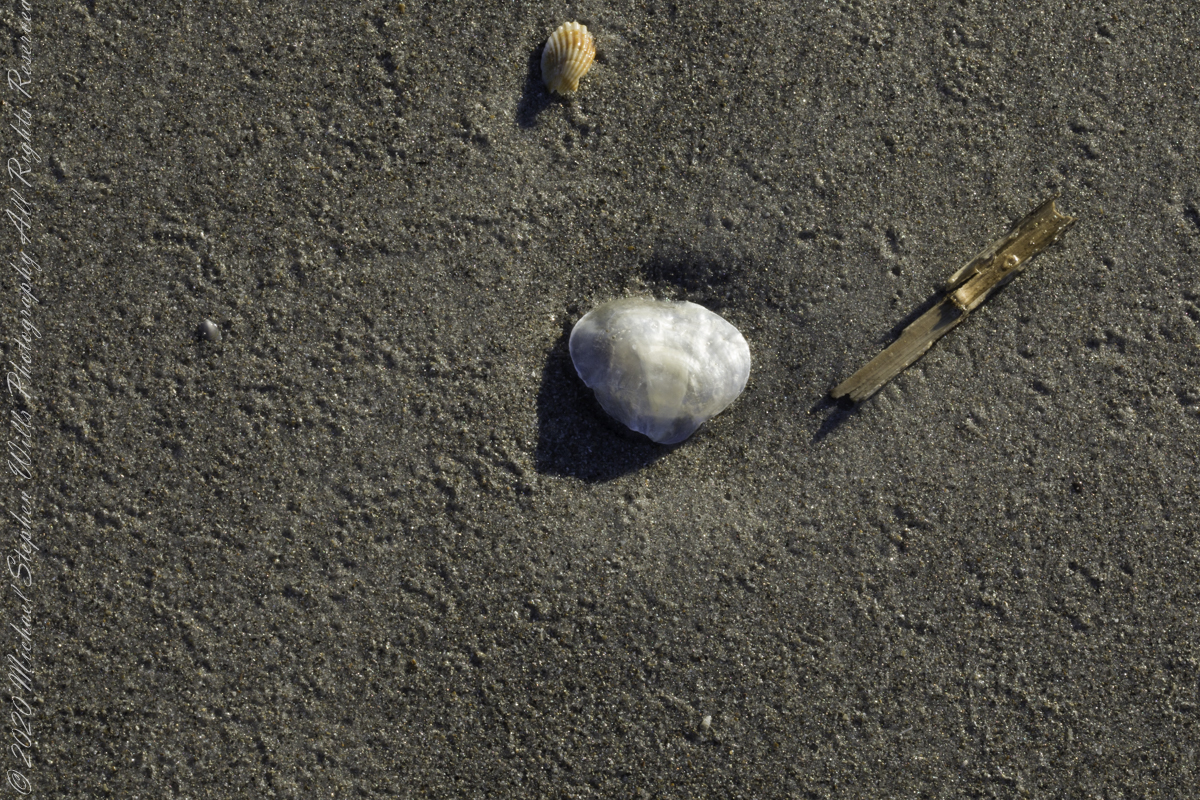
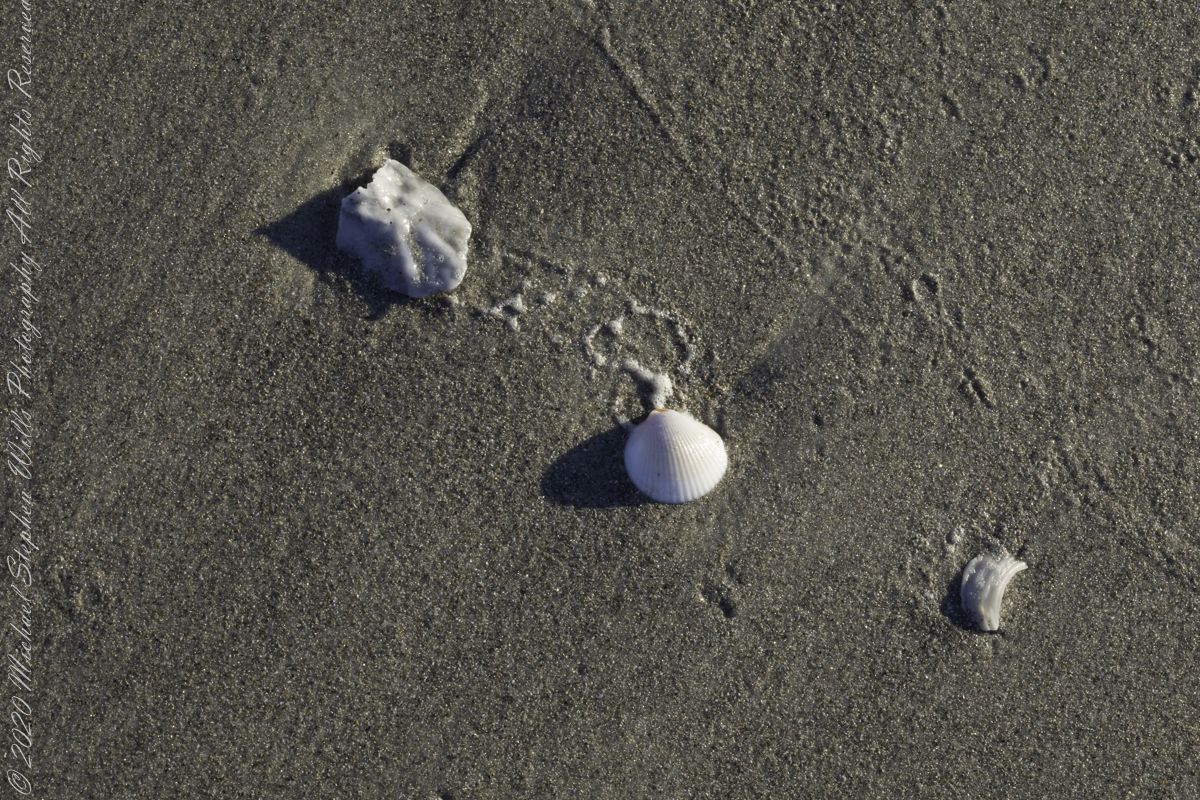
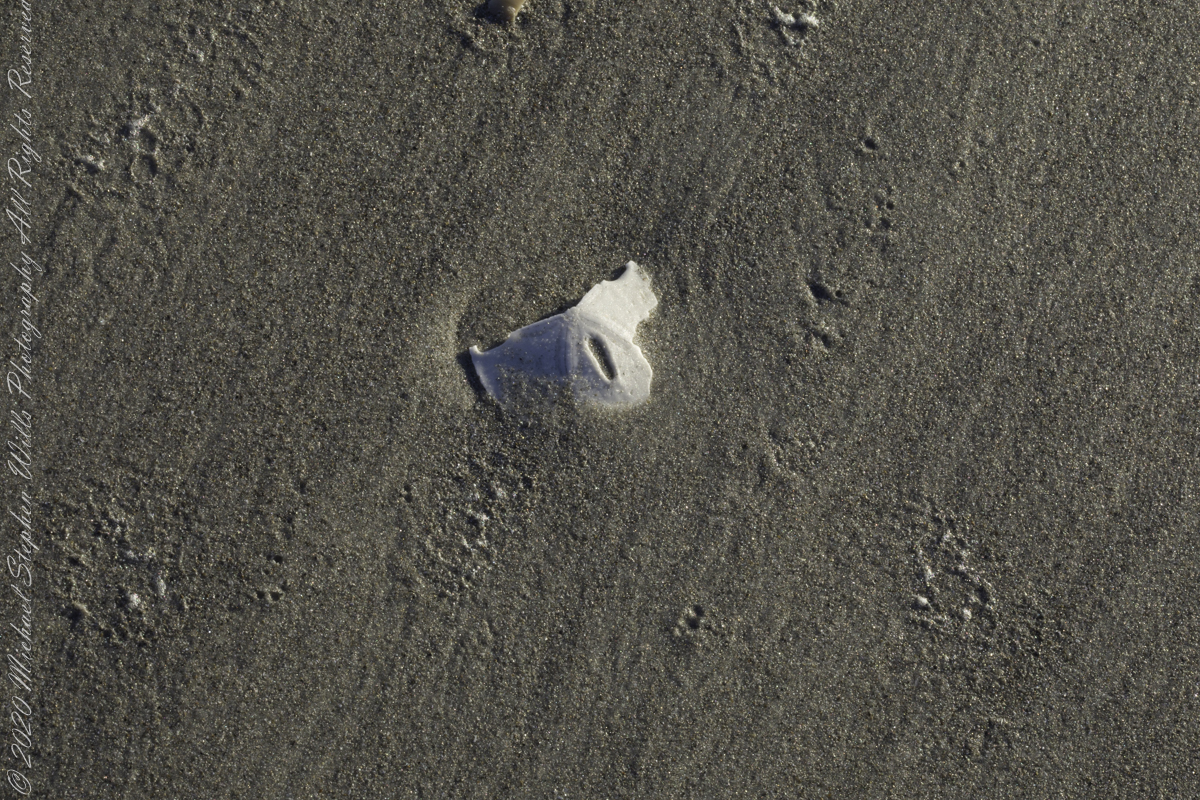
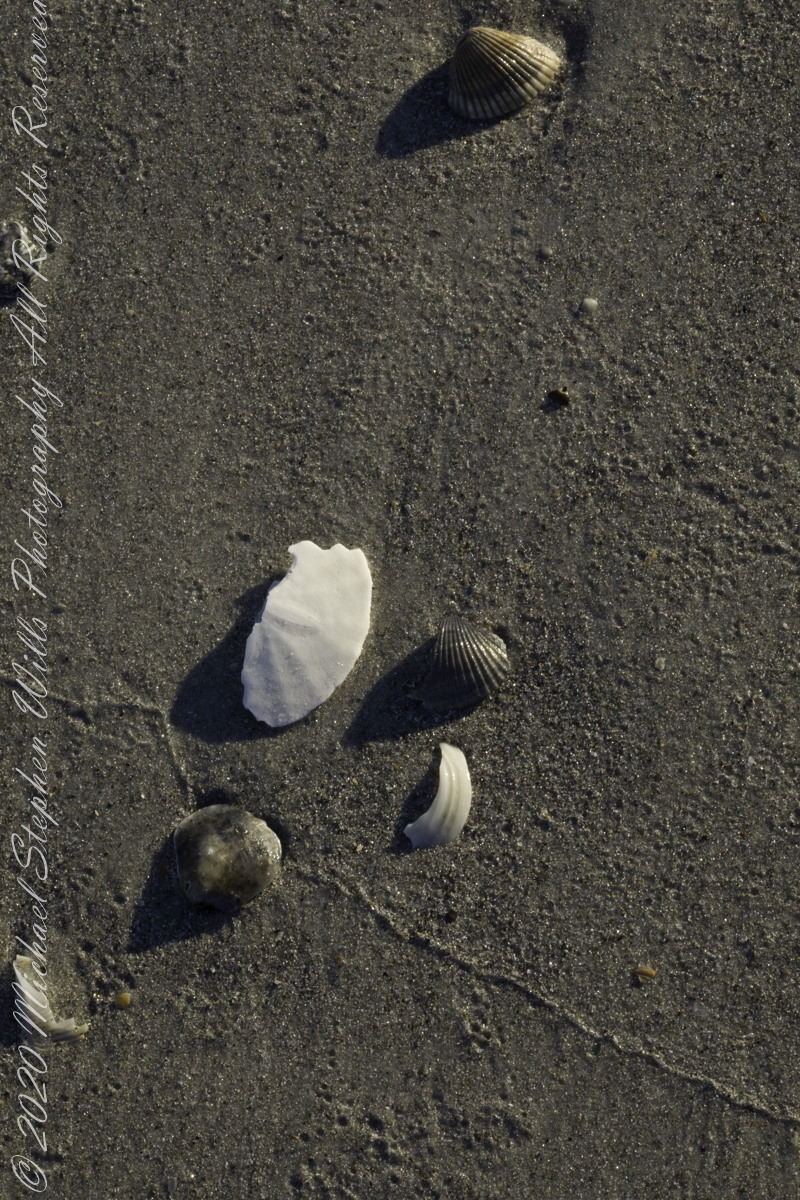
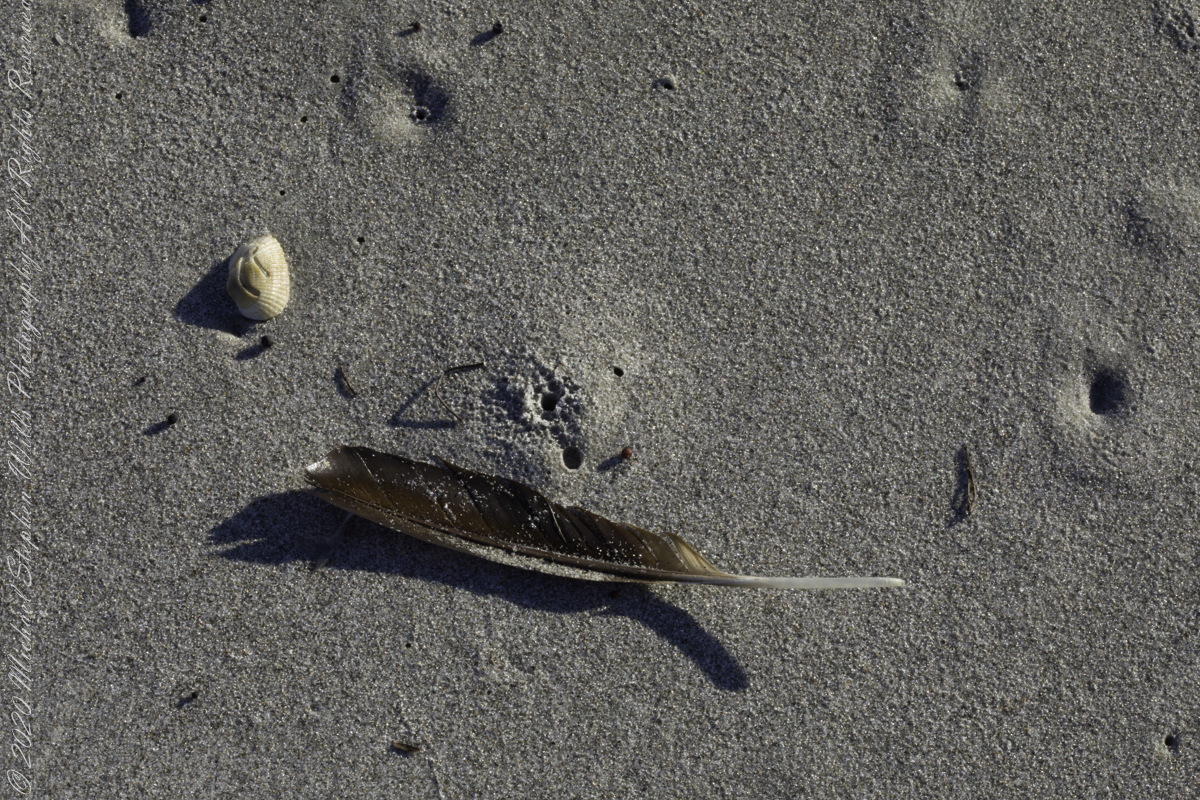
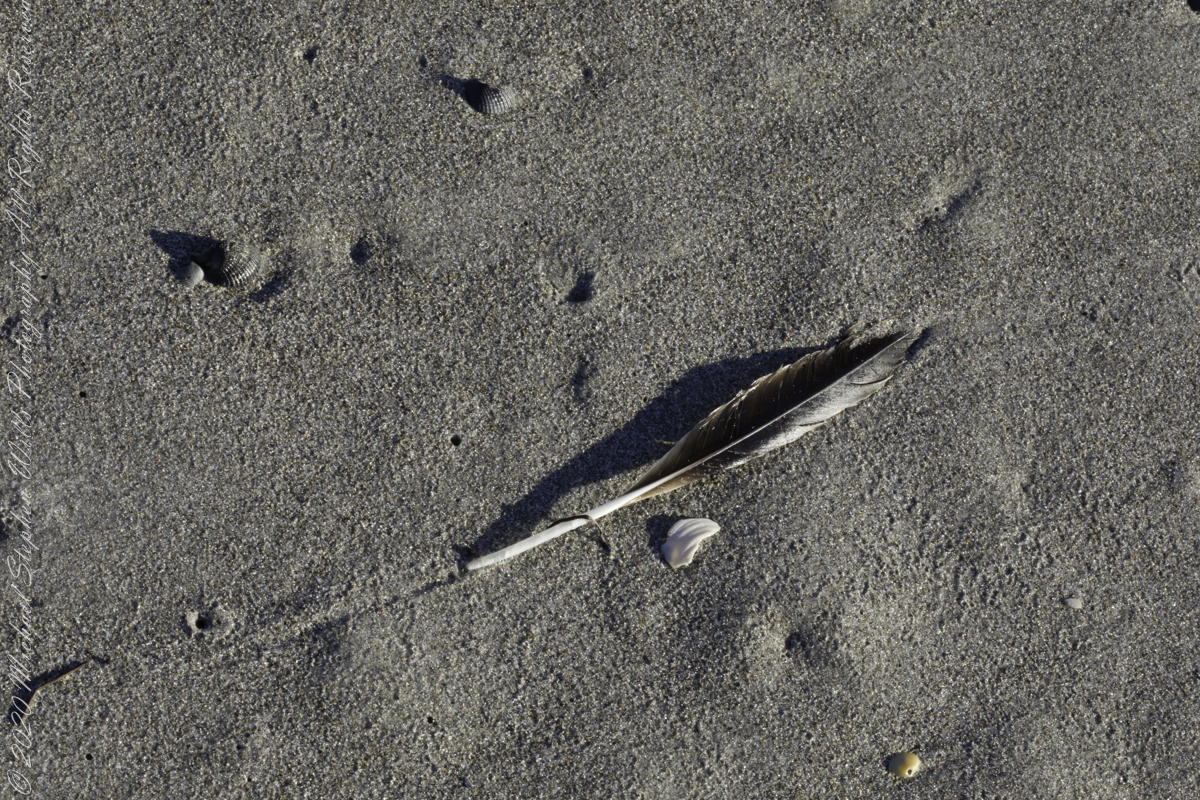
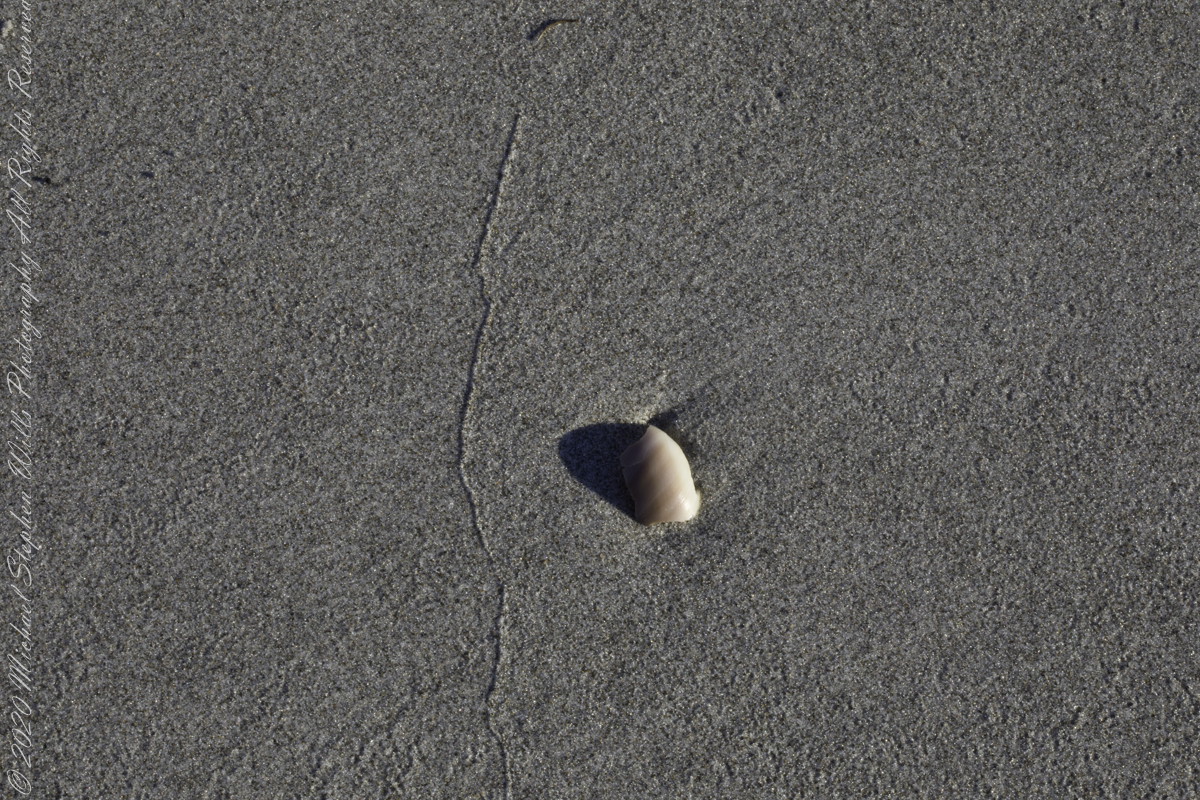
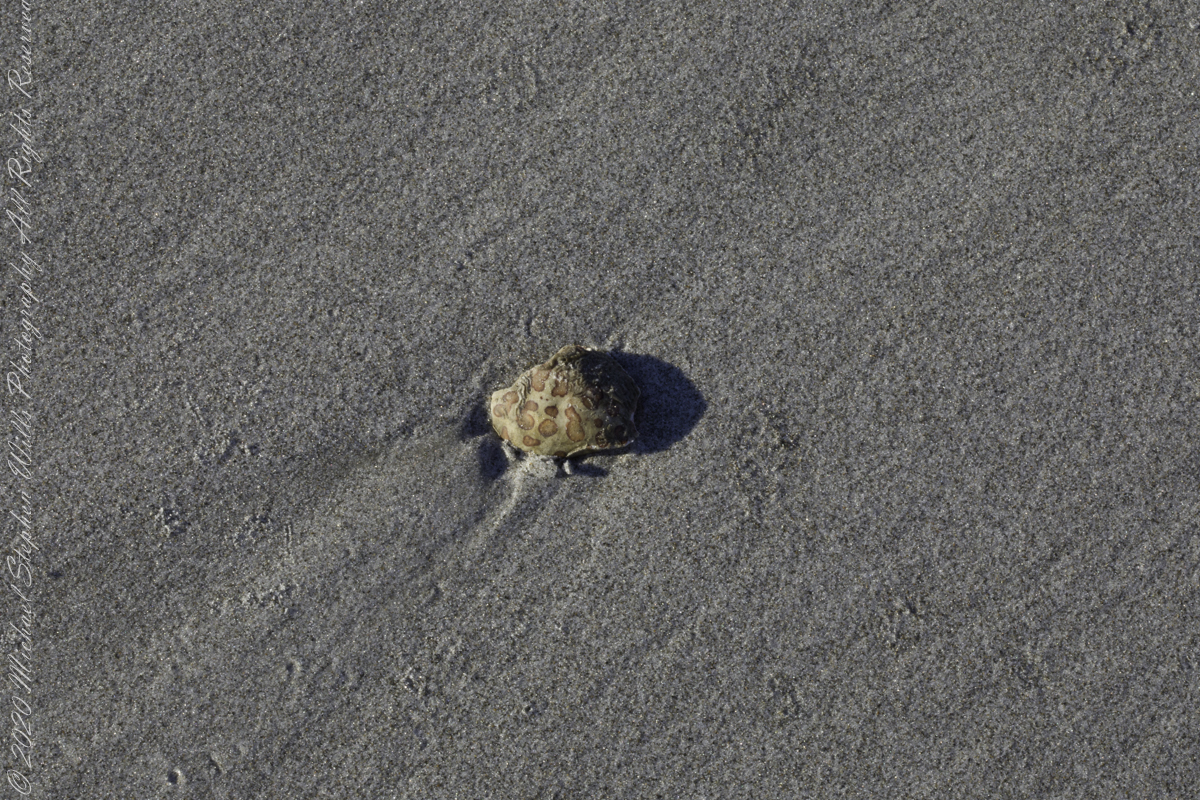
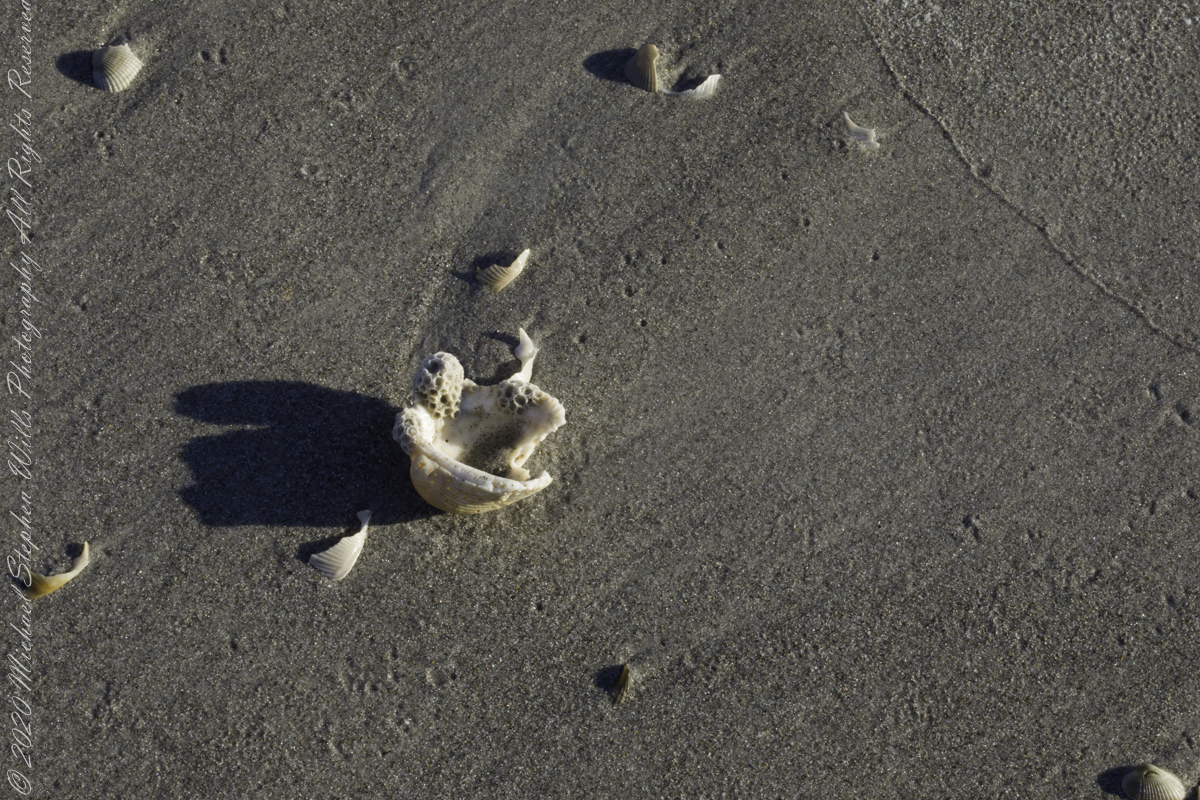
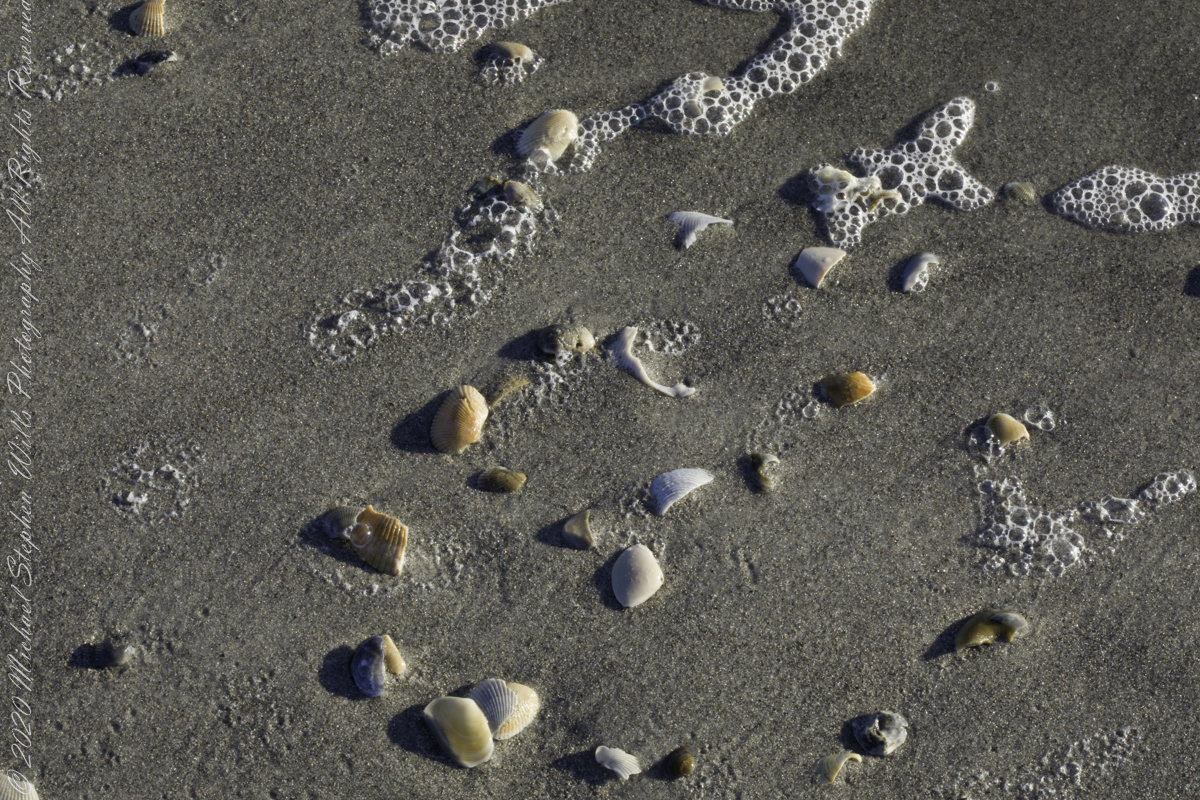
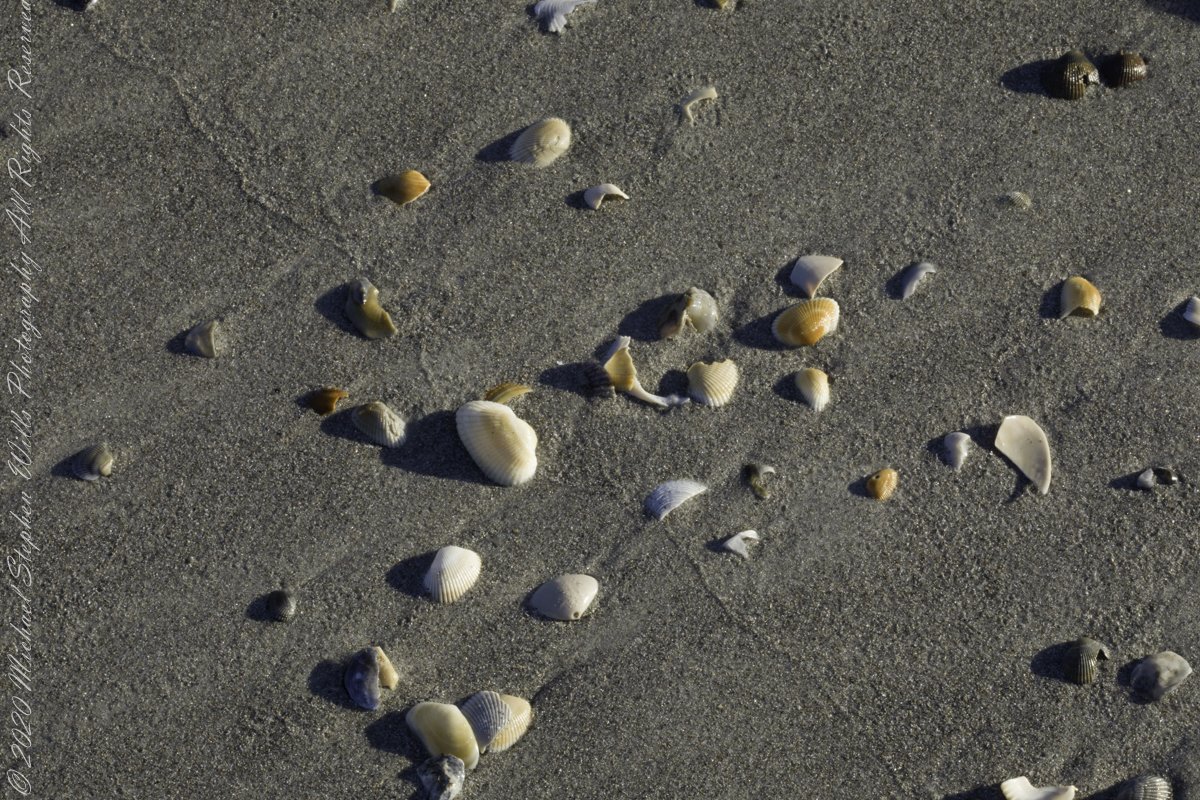
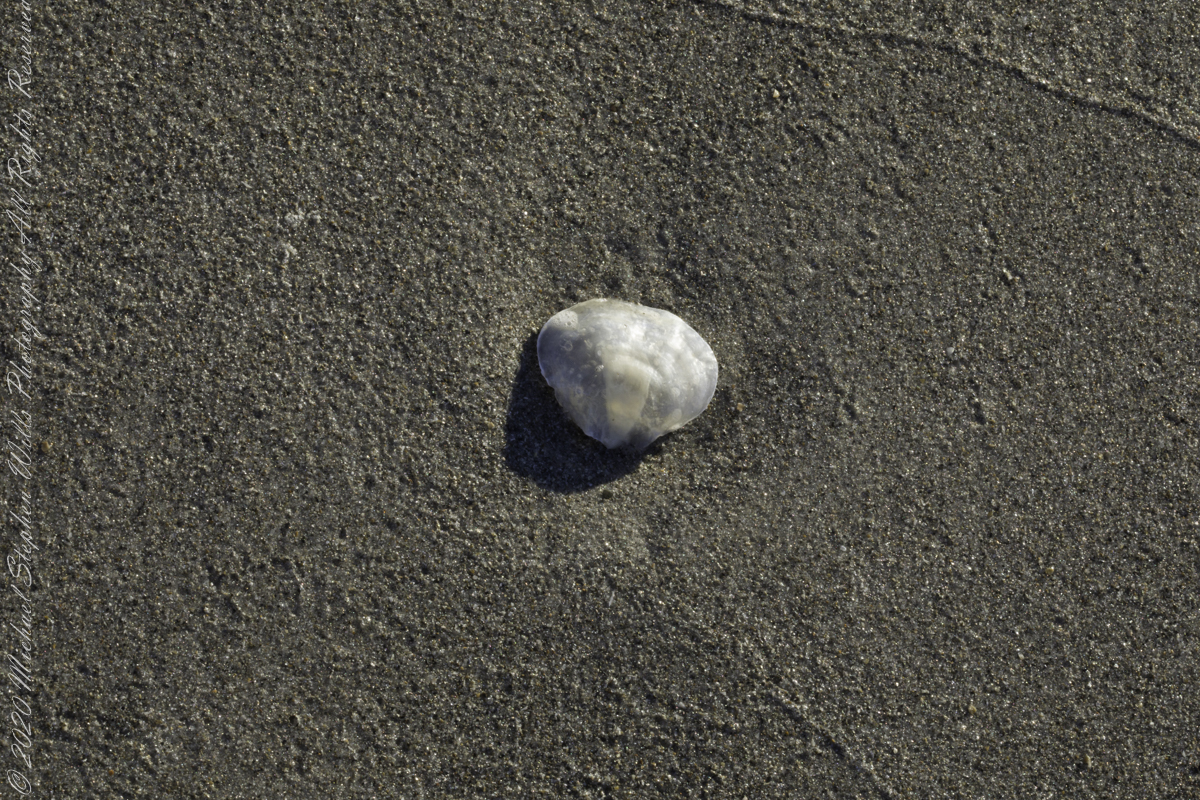
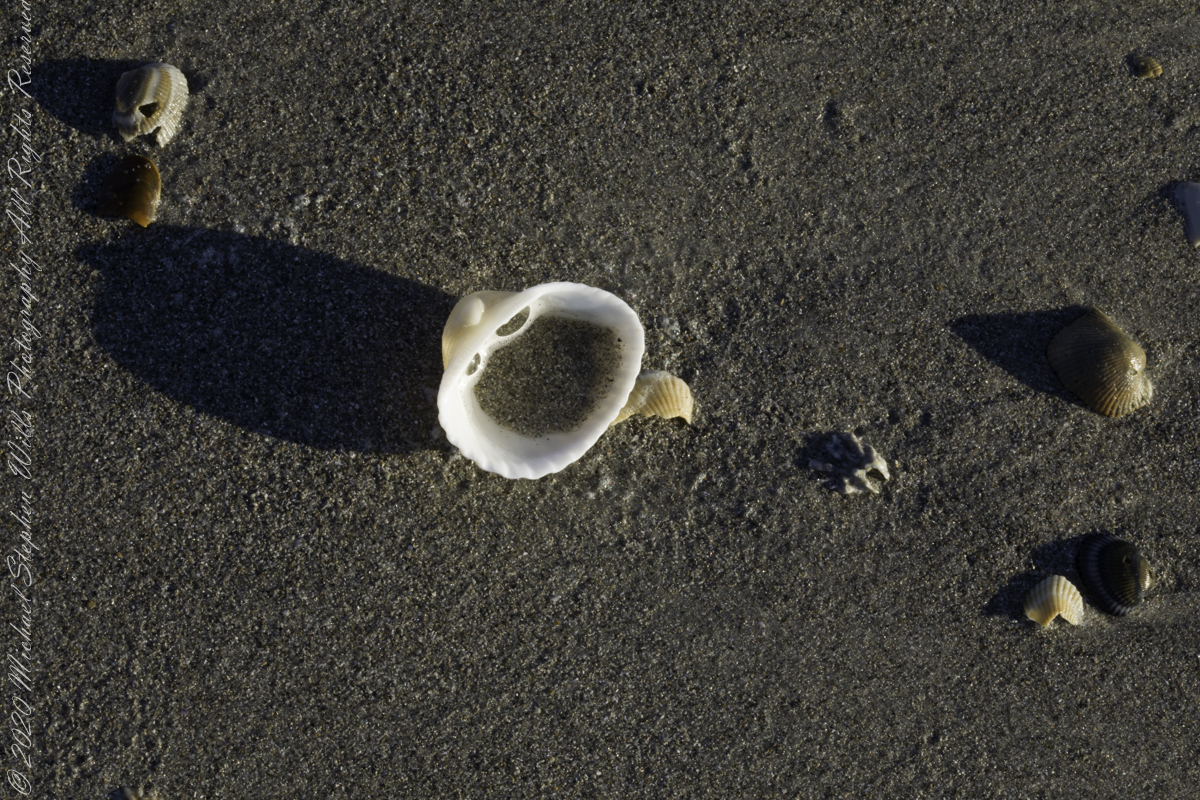
A beach littered with wonders

The same day I captured “Rosy Fingers of Dawn” and “Oceans Eons”, these still lives were found using a 100 mm macro lens.

The following I reserved for our private enjoyment.

Copyright 2022 Michael Stephen Wills All Rights Reserved

Growth and Beauty

a exploration of logarithmic spirals and symmetry

Growth

An early thought of mine, as a child, was to wonder, “How large does a person grow?” If growth was perpetual, there was no end to how large I will become; yet, tested against observed reality, “Why was it the case this was unlikely?” Years later, when recalling this, I understood my intuition touched upon the logarithmic spiral and mollusk shell.

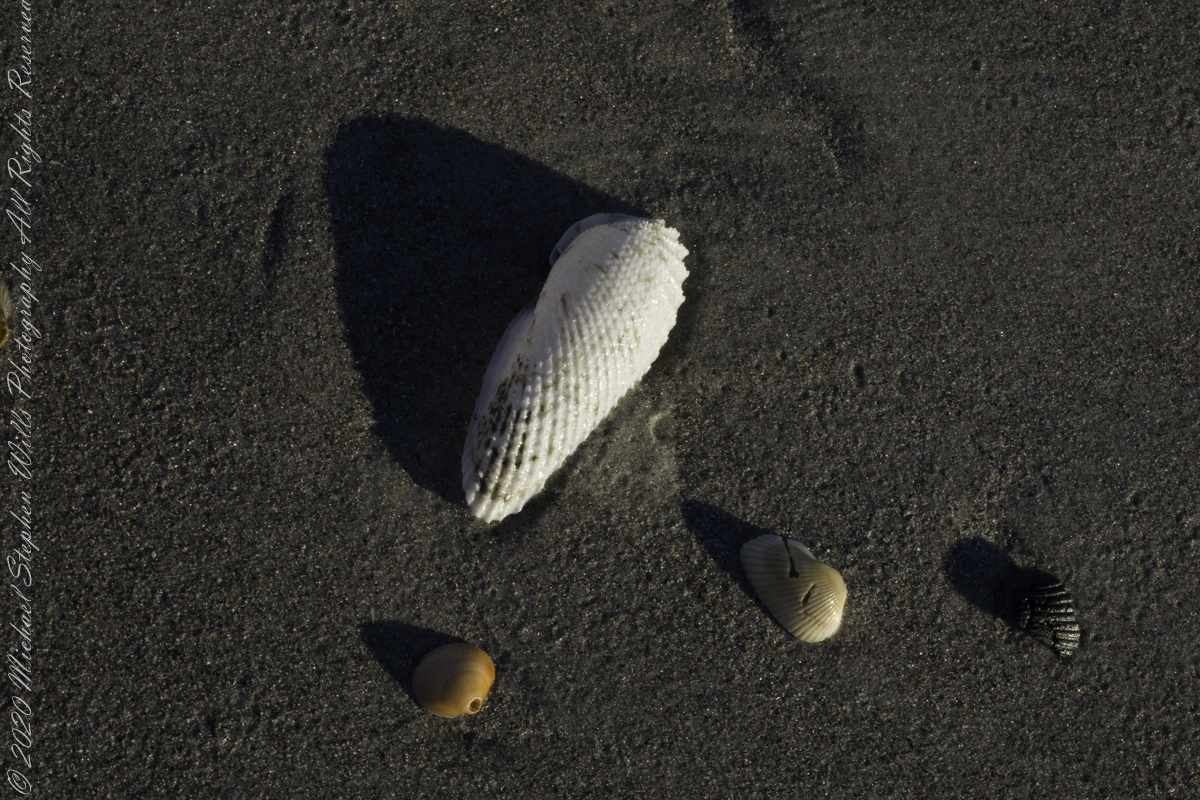
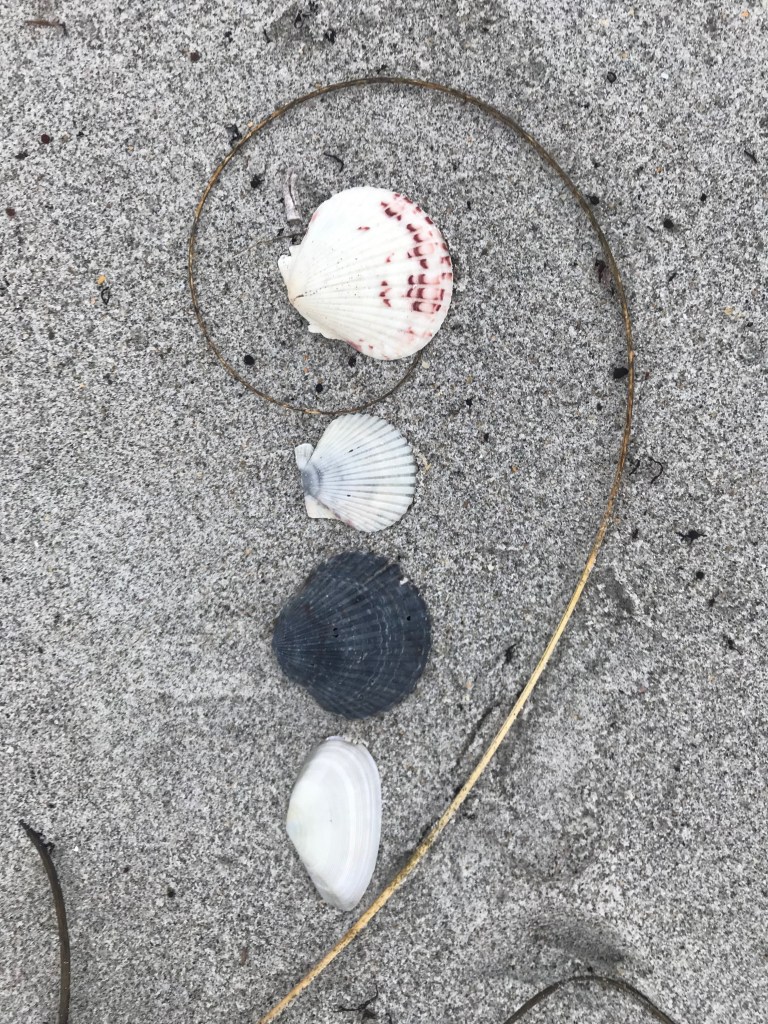
Three Scallops and One Tallin

Sea Oat stalk, photographed above, after it dries slowly in the sun and wind, curls into a logarithmic spiral. One two dimensional spiral may be compared to another by measuring the rate and direction of opening, the increase in distance between the part closer to the source and the outer swirl. The growth of all shells follow a logarithmic spiral in three dimensions where the progression from a staring plane, as well as the direction, up or down from the plane, is an element.

Sea shells give evidence to my question of “how large can one grow.” The size of each of the millions encountered on a beach is an example of a life ended. Each of record of the length and character of the organism. For example, a close inspection of the bottom shell of the above photograph, a tellin of the family Tellinidae, reveals the spiral is growing toward the surface of the sand. Imagine wrapping your hand around the outer edge of the tellin with your thumb pointed down.

Each of the four shells of the above photograph had a mate, were one of a pair. Types of shells share characteristic pair symmetries. For example, a pair of tellins display a type of asymmetry called chirality, also called “handed-ness” after the same property of your right and left hands. One shell half (from the same individual) is the mirror image of the other, each unbalanced as the growth spirals toward opposite directions.

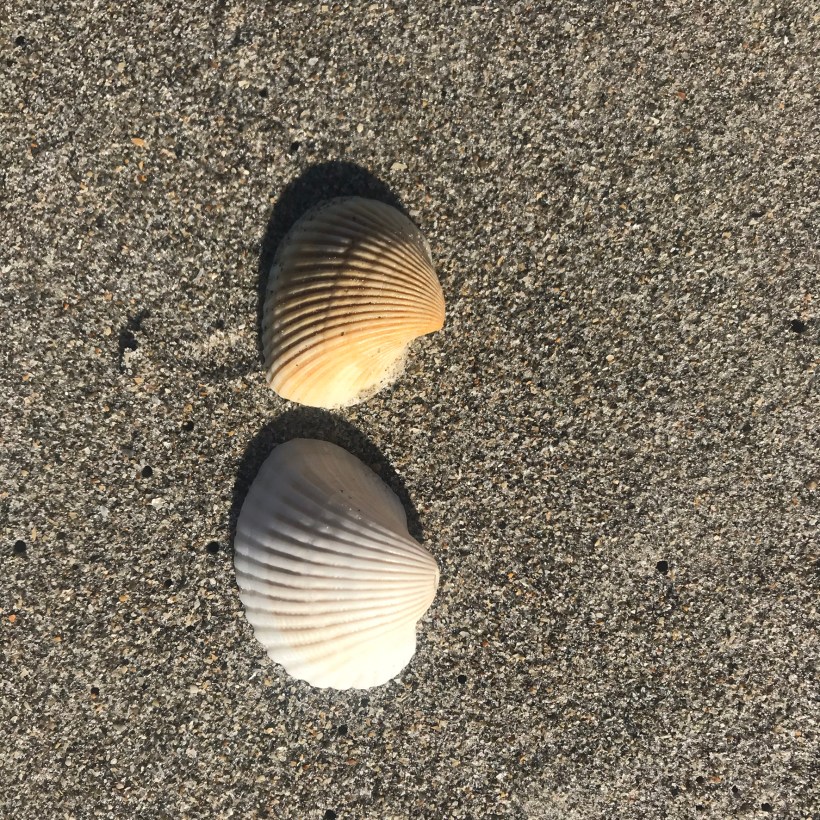
Asymmetry, halves from different individuals

When I started beachcombing, examining collected shells I did not have a pair from the same individual and incorrectly concluded direction of growth was unique to an individual. The ribbing of the above two shells illustrate three concepts: the logarithmic spiral growth pattern, chirality, as well as how I came to that wrong conclusion: that two individuals can grow in different directions. It was a logical hop to understand how, to make two shells hinged at the source of the growth spiral, each individual requires two halves, each a mirror image of the other. That every member of the species demonstrated the same asymmetry, each half grows in the opposite direction.

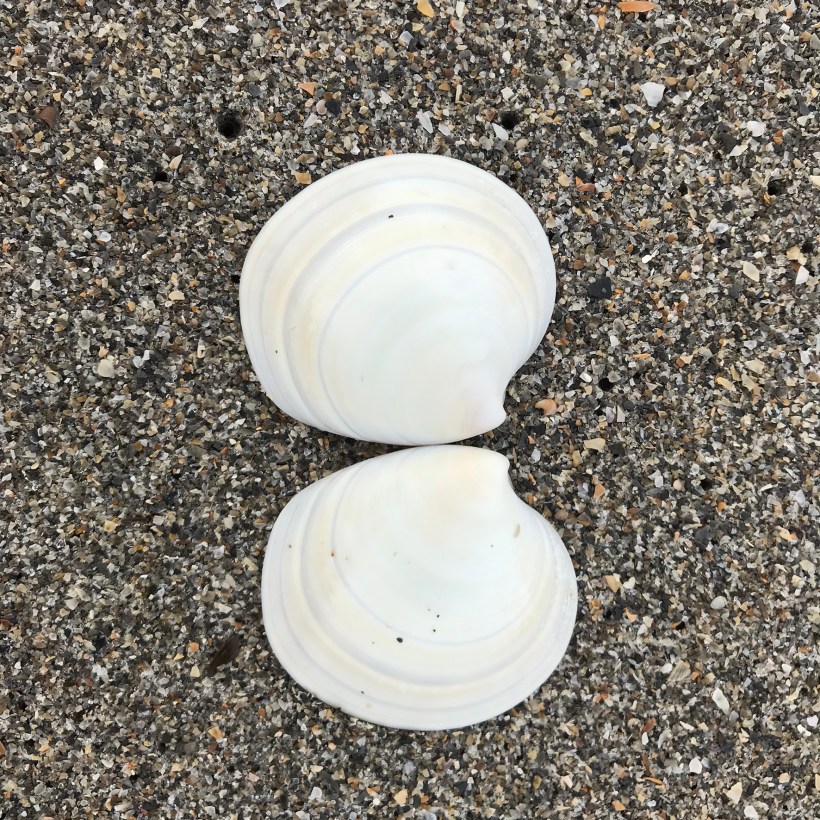
Asymmetry, attached matching halves

The above photograph shows attached matching halves. The attachment point was a surprise: the apparent source point is not attached to the ligament joining the halves? I have yet to understand this. Do you?

Beauty

The association of beauty with scallop shells bridges thousands of years. For example, a fresco of the Roman goddess Venus, born from the ocean riding a shell, was unearthed from Pompeii. The living organism is not part of the story, just the shell. Why the scallop? My answer is, “Each half is completely, in itself, symmetrical.”

The top three shells of the first photograph are scallops. The first and last, broken by the waves, are missing parts. The middle scallop, small and off-white, is complete. Place an imaginary line down the center and each side is identical. Applying the real world (i.e., physics) to myth, a scallop shell allows the goddess to move forward in a straight line. Sailing an asymmetrical shell, she moves in an eternal circle.

An object with symmetry is visually complete unto itself, self-contained; functionality aside, one scallop does not required a partner. The paired shells are interesting in they do not match, one is deeper, it encloses more volume. The deeper side rests under the surface, allowing the top halve to present a lower profile the better to hide from predators.

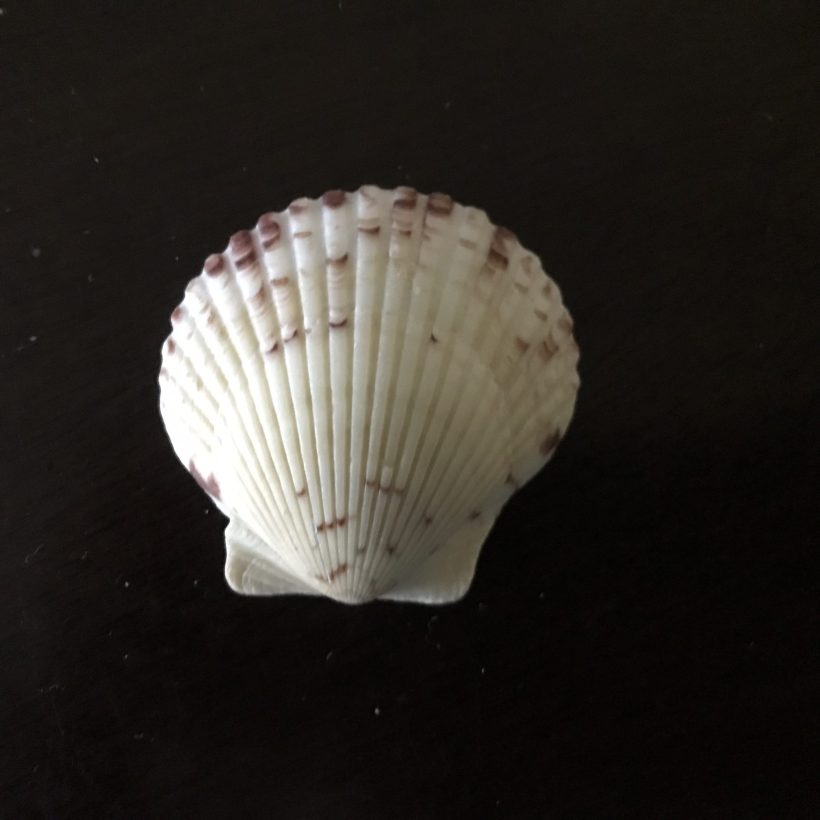
Calico Scallop Shell

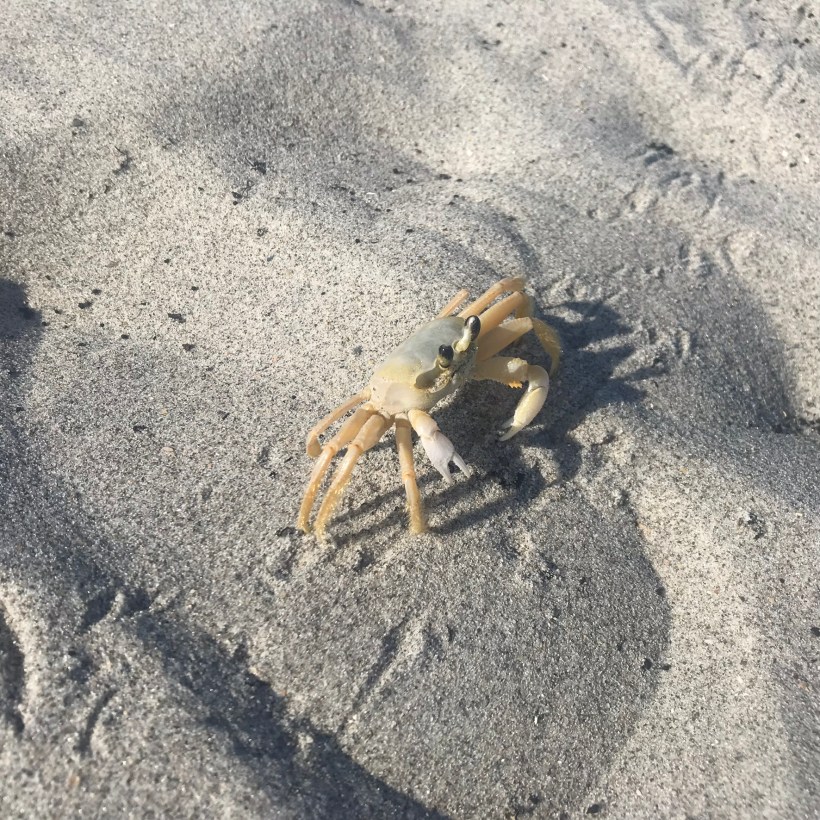
The scallop echoes the beauty of Venus. Symmetry enhances human features (earch “Venus (mythology)” for images of her face through the ages), though it does not define beauty. An overly symmetrical face seems strange. I will close with an extreme example, the other day I came upon this beach crab wandering around in the daylight. Symmetry does NOT enhance the alien eyestalks, menacing claws, a pallid, tough exterior. Safe travels, little one.