Last Sunlight

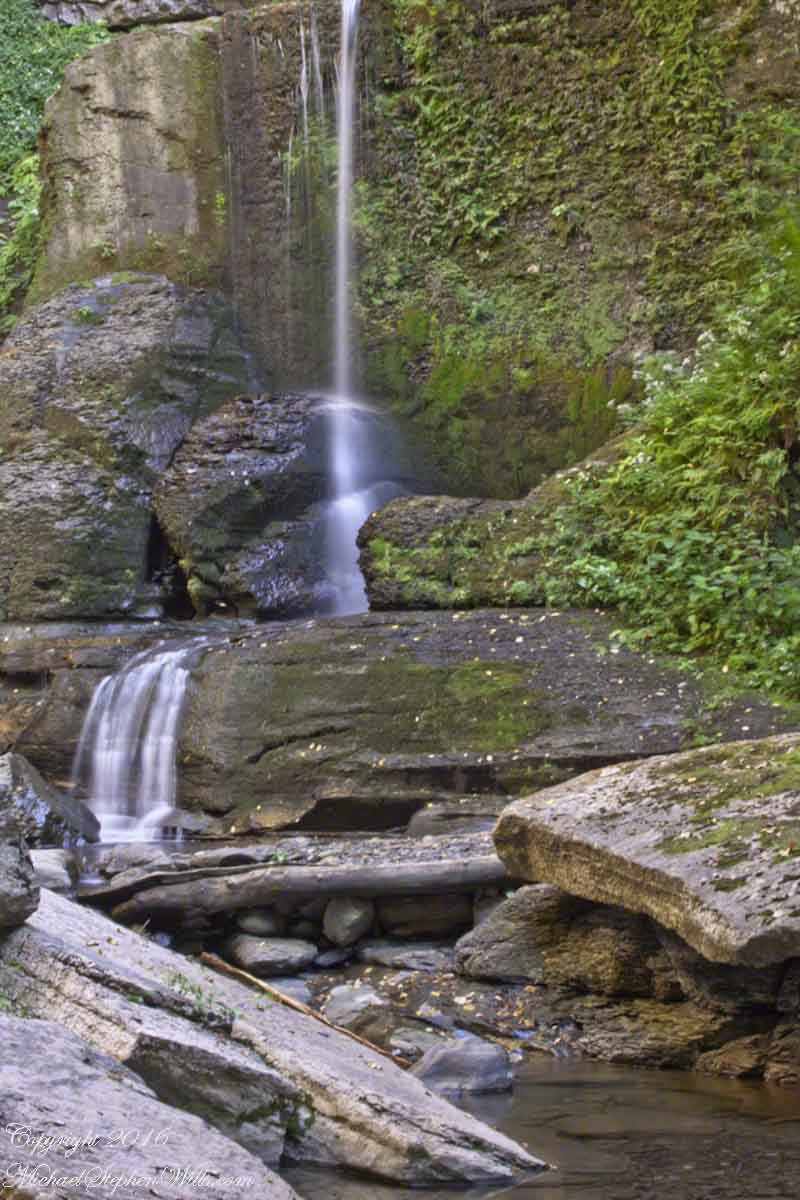
A Waterfall in November

Summertime, reckless souls jump from the stone stairway into a cool water carved pool at the foot of these falls, one of my memories of the Treman Gorge Trail.

Click the link to learn more about this photograph’s story.

Copyright 2021 Michael Stephen Wills All Rights Reserved

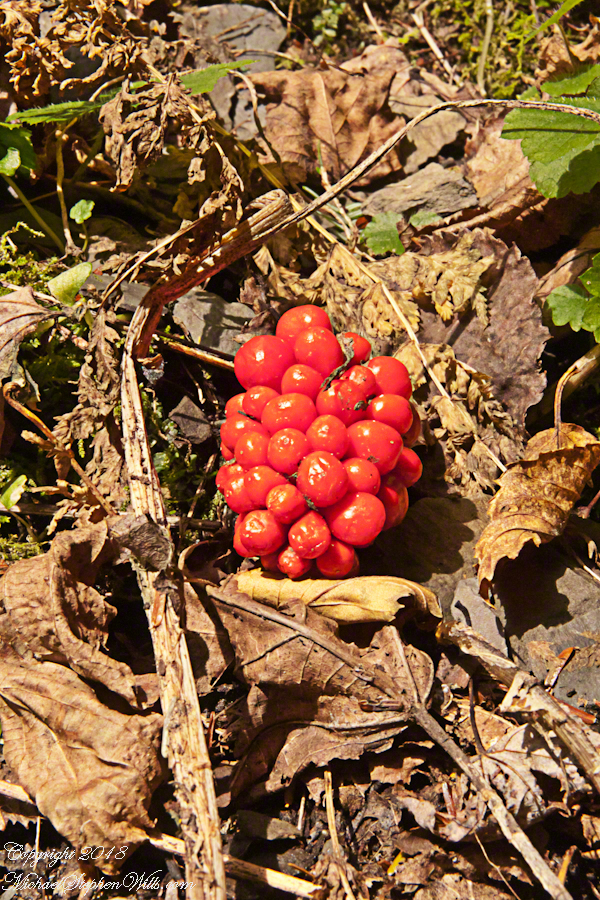
Red Berries

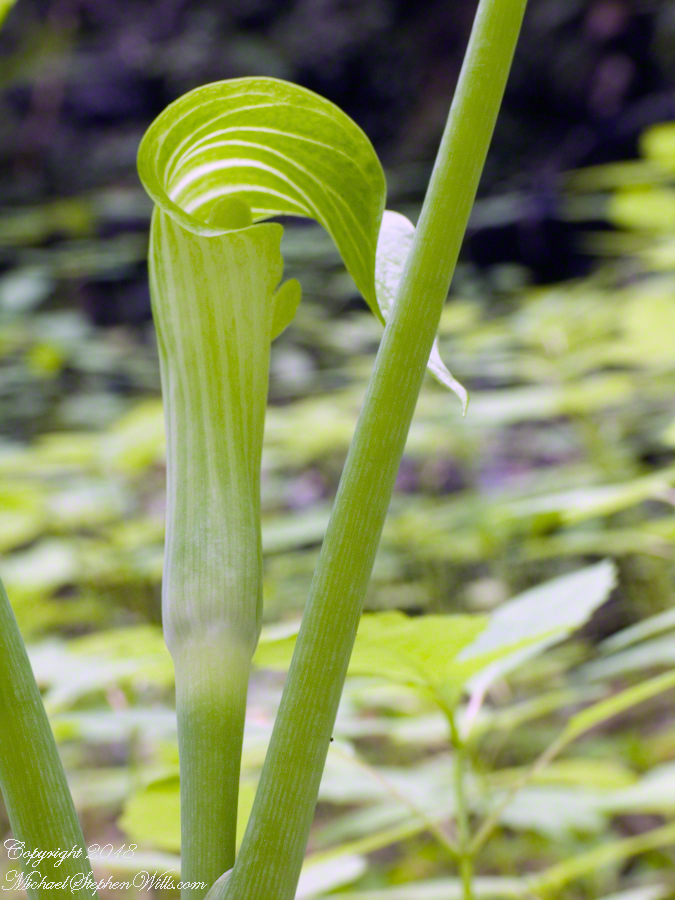
Jack-In-The-Pulpit one June Day

The many names for this plant are reflective of how wide spread it is. Called Arisaema triphyllum (scientific name), jack-in-the-pulpit, bog onion, brown dragon, Indian turnip, American wake robin, or wild turnip this secretive plant flourishes in moist soils across eastern North America, everywhere north to south. I say “secretive” because the varieties I am familiar with hide the flower under the leaves, three of them growing from a stalk.

Click this link to view my Online Gallery.

Lovers Lane Observation Platform– CLICK ME!!!!

Those of you who know Georgia O’Keefe may be familiar with the form and coloring of Jack-in-the-pulpit from the series of six oil canvasses from 1930, her time in the east living near a spring. There is a spathe, the pulpit, strongly colored in dramatic vertical, flowing stripes, wrapped around a spandix, the “jack”, being a stem covered with male and female flowers.

Around the time my photography habit started in 2002 I was surprised by the jacks growing from the walls of Fillmore Glen, spying the distinctive forms flowing a bit above eye level under the three large leaves. Seeing them was like recognizing a friend in Halloween disguise, the exotic O’Keefe shapes in a known place.

From this gift, an awareness of the possibility lead me to recognize “jacks” in many other places. I have yet to exhaust the possibilities.

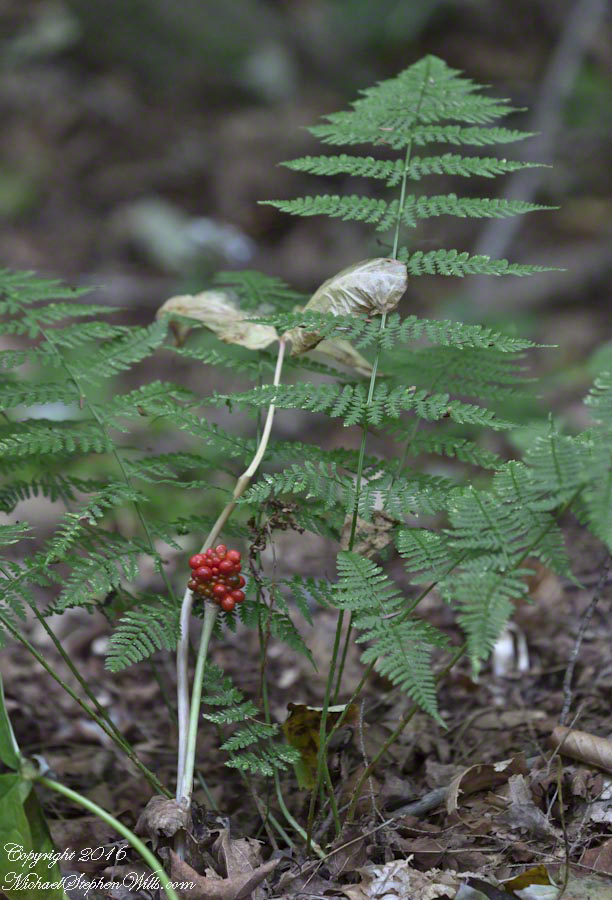
2015 I acquired a Canon EF 70-300mm f/4-5.6 L IS USM lens for our cruise around South American. It proved very useful for an unending combination of situations. Here, it allowed me to frame this specimen, the former covering of three leaves now sere brown and collapsed, the berries revealed in startling clarity among evergreen ferns, Christmas red and green. The strangely named Dry Creek, the driving force of Fillmore Glen, flowing below this humus layered shelf moist with a constant flow from the gorge walls.

The park trails make for a pleasant choice at the start of each excursion. This day, Pam and I visited Cowshed Falls at the foot of the glen, climbed the north rim trail to walk among the hemlocks, listening the leisurely calls of Hermit Thrust like breaking crystal. The time of mushrooms was past in late September, instead we enjoyed the Indian Summer sun and breeze safe in knowing it will not last.

“Jacks” are part of the known lore of the Native American woodland tribes. These berries are poisonous, so beware of handing them. Wikipedia tells me a ploy was to mix the berry juice with meat to leave for enemies. Hidden by the meat flavor, the heartily enjoyed poison lead to death. The plant grows from a thick root, a corm. Correctly dried and prepared, the corm is food. I can imaging these plants an entities haunting the forest, choosing to reveal themselves, or not, to knowing souls. Maybe this is was drew O’Keefe to these woodland shapes growing around the springs of her summer homes. Leisure and an open, wandering glance are important, anyway, for noticing them. Most strangers wander by, engrossed in conversations, memories, evanescent distractions.

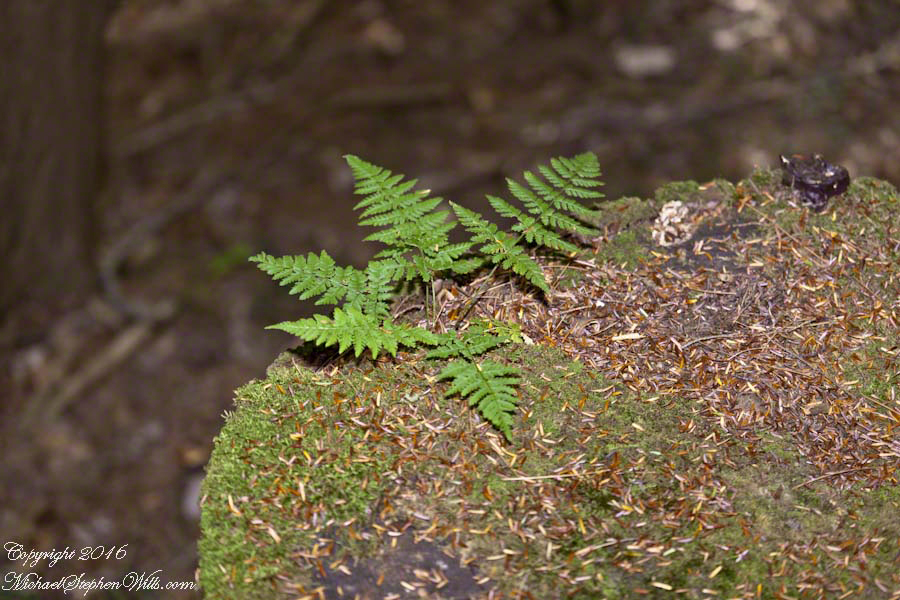
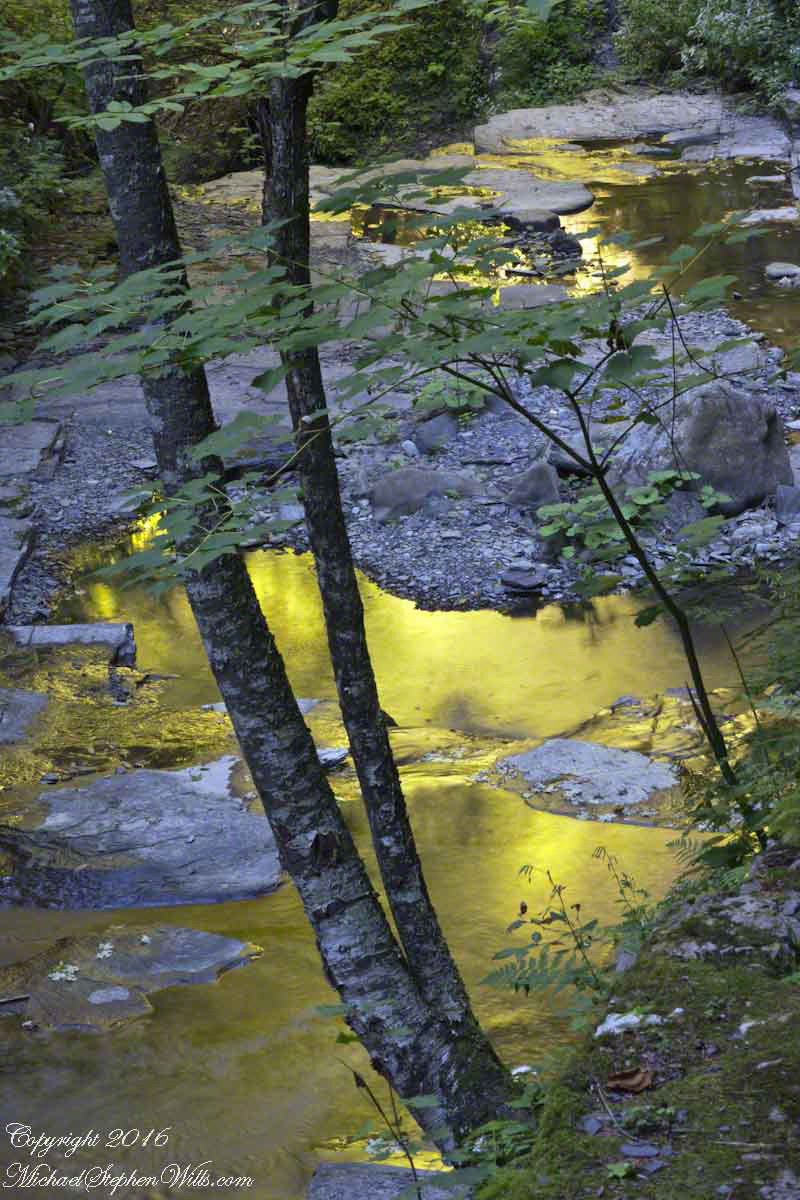
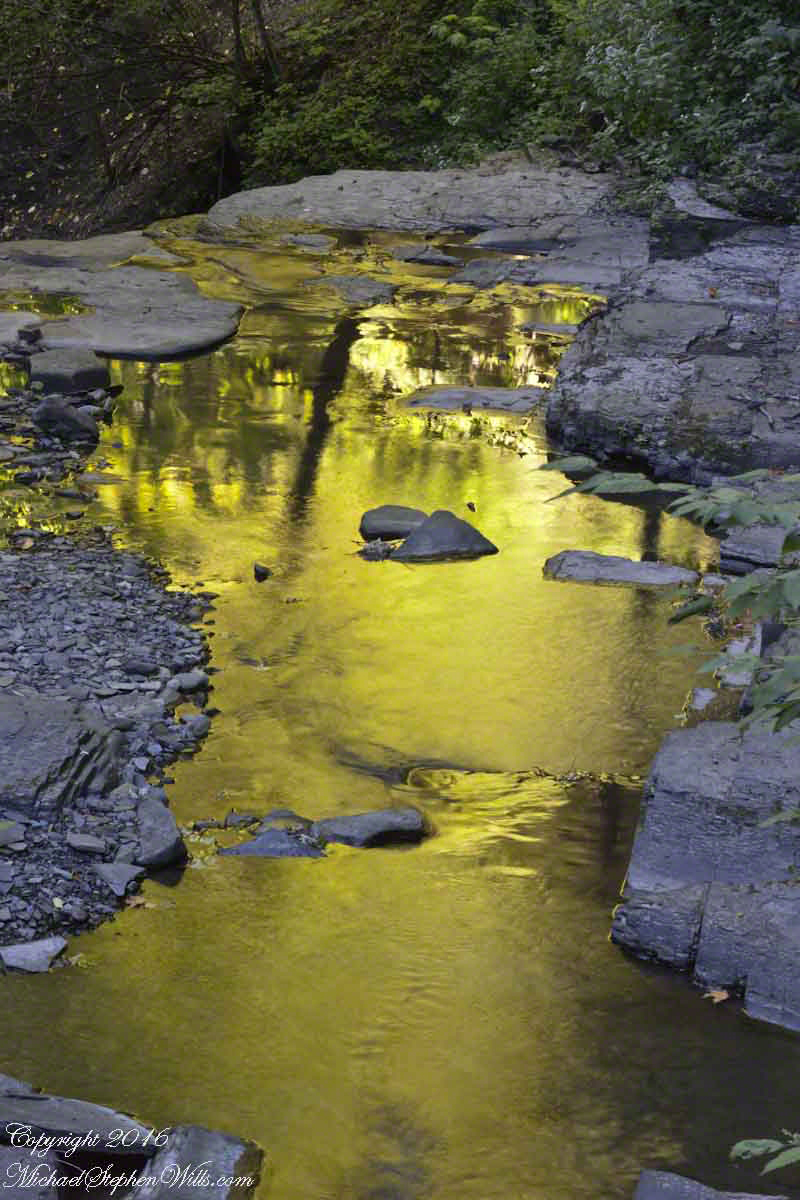
Here are other “shots” from the same day.

Here is another posting about the Finger Lakes of New York State.

Copyright 2021 Michael Stephen Wills All Rights Reserved

Spillway Falls with Hemlock

hemlock grace and water

The Dry Creek dam is across the upper, eastern, end of Fillmore Glen. Historical records of the dam construction must exist someplace. My opinion is, somewhere in the federal bureaucracy there is a record proving this dam was constructed by Roosevelt’s Civilian Conservation Corps in the 1930’s. That is when the gorge trails were dramatically improved and it is logical a dam was necessary to control water flow during times of heavy rainfall and the spring thaw, to allow a full appreciation of the gorge beauty. It is a substantial concrete structure with cast iron controls, two spillways: one never, the second always flowing. This day the reservoir is full, frequented by beavers, stocked trout, herons, blue jays, crows, hermit thrush. The reservoir banks are thick with wildflowers of the season. This afternoon I noticed purple flowering raspberries: a past prime bloom or two, ripe fruit growing in the late afternoon shade on the south side of the dam.

Unlike its name, Dry Creek is perennial, fed by a broad drainage of pastures, cornfields and forests. Year round the spillway runs, feeding into the gorge a constant, reliable supply of water for the many waterfalls for which Fillmore Glen State Park is known. The very first waterfall is on the rocks supporting the north side of the dam, formed where water from the spillway flows over these rocks into a deep, east west gorge overhung on the south side by mature hemlock trees.

I first encountered Fillmore Glen in the 1980’s with my young son, Sean. On Sundays he and I walked as far as he tolerated, about half way to the dam site, where the gorge makes a turn to the south, the trail on an unstable clay bank against a crumbling shale cliff. Rediscovering the park in the early 2000’s, along with my interest in photography, I noticed the waterfall just below the dam many times and admired it for how the water caught late afternoon light over the many grace points created by rock crags like a wedding cake. The angle from the dam path is wrong for capturing this effect. Today was a first for me to leave the safety of the dam path to climb into the gorge, on the south gorge wall, for a shot.

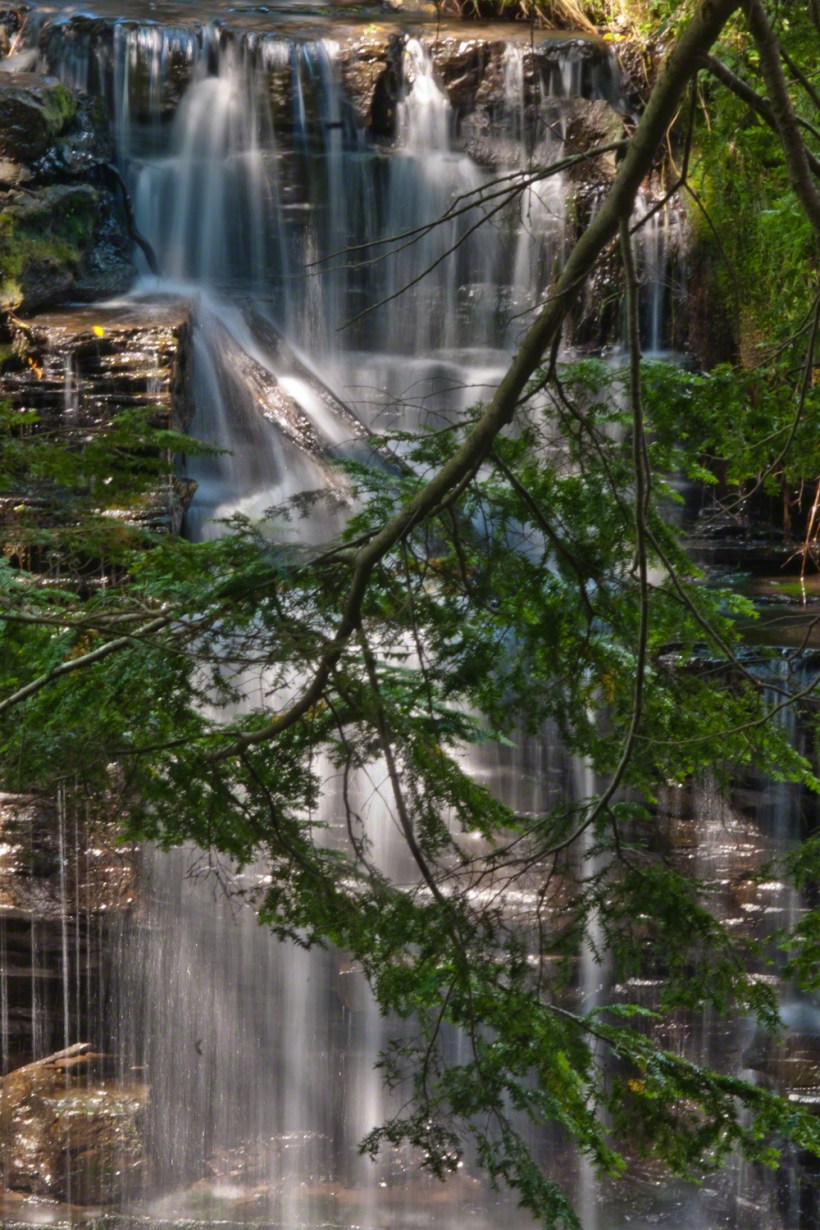
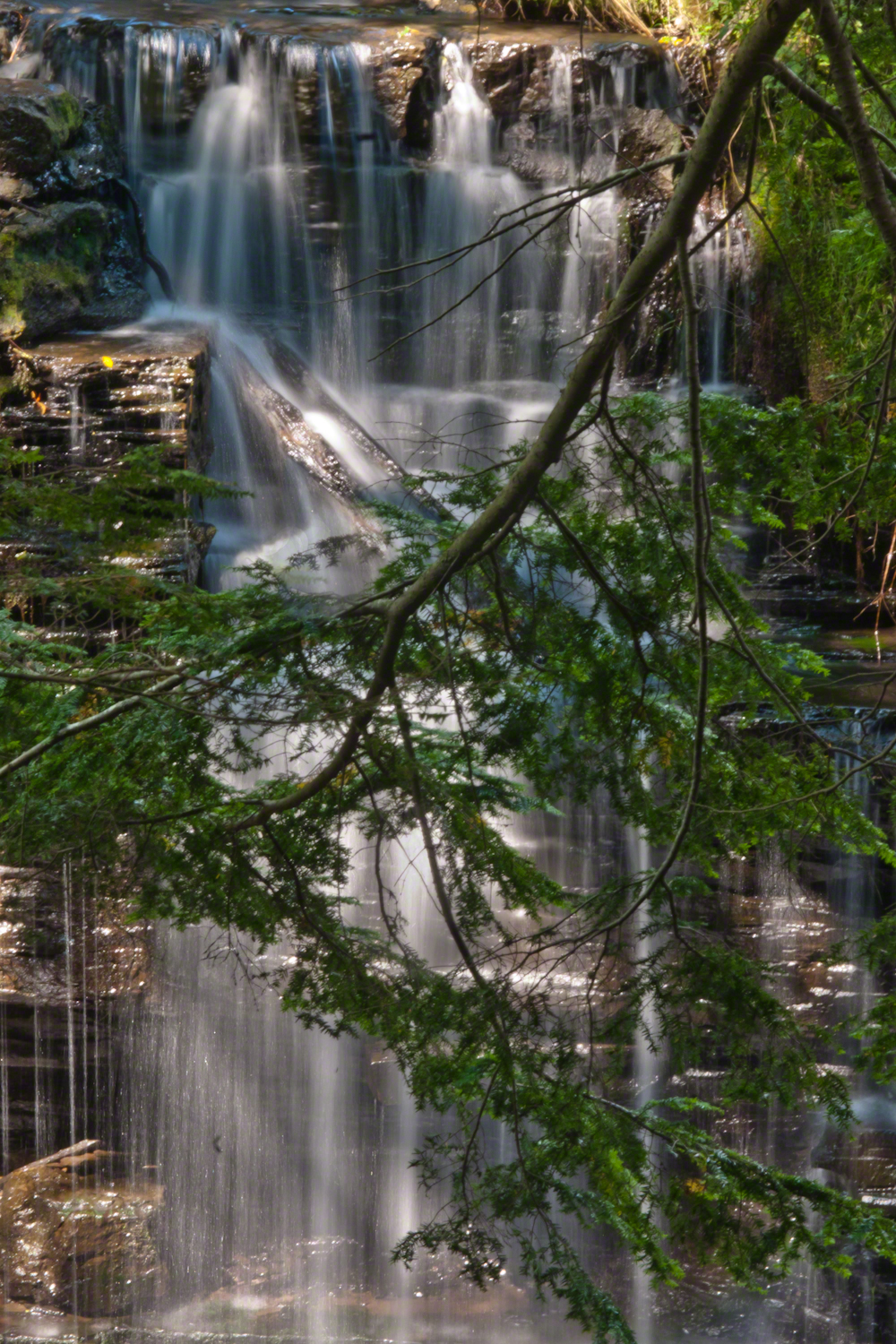
Here is a view of the spillway fall on a mid-August afternoon, 2017. My photography kit for this walk with my wife, Pam, was minimal: a Sony Alpha 700 with a variable lens, the flash and a Manfrotto carbon fiber tripod. For this version of the spillway I climbed into the gorge on the south wall, about 40 feet above the creek. A hemlock tree branch fell across the view, incorporated into the composition. These hemlocks are not a biological relative of the Socratic, poisonous, hemlock. The relationship is a similar aroma when the leaves are crushed. The f stop is cranked to 36, ISO set to 100 so slow exposure time to 1.6 second. Post shot processing via Photoshop.

Click this link or the photograph for my Online gallery of this offering
Spillway Falls and Hemlock Branch -- CLICK ME!!!!

Copyright 2021 Michael Stephen Wills All Rights Reserved

Carpenter Falls flows into Skaneateles Lake

on the jug path

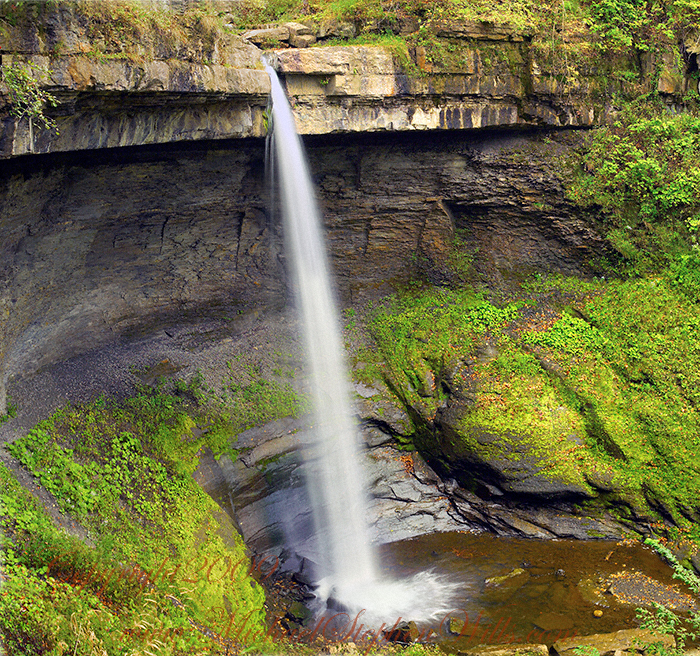
Under a crystal blue September sky, my wife and I climbed into the gorge of Bear Swamp Creek to the foot of this waterfall past the site of a distillery where, years ago, locals used to frequent using a “jug path.”

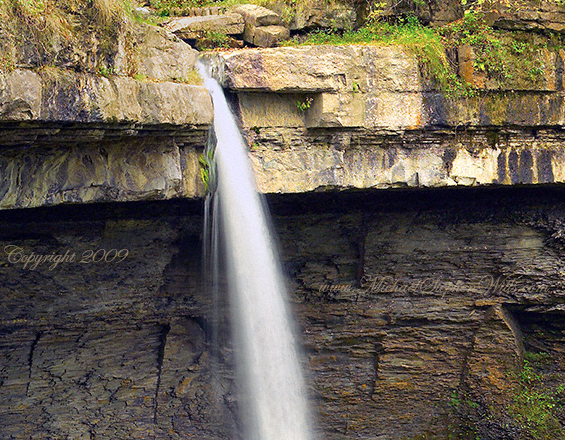
The creek is strictly protected as part of the water source for Syracuse, flowing from the Skaneateles Highlands past historical villages such as “New Hope.” Before merging with Skaneateles Lake, the creek traverses this 90 foot fall, call Carpenter Falls.

You need to climb the steep slopes of the gorge for this unobstructed view.

It is even possible to climb to the ledge behind the water. Standing on the ledge, the stream passes 50 feet overhead. It is a lovely view down the gorge in all seasons.

Click this Link for my Fine Art Photography Gallery.

This site is protected by the Finger Lakes Land Trust.

Copyright 2021 All Rights Reserved Michael Stephen Wills

Over the top

Rest Stop

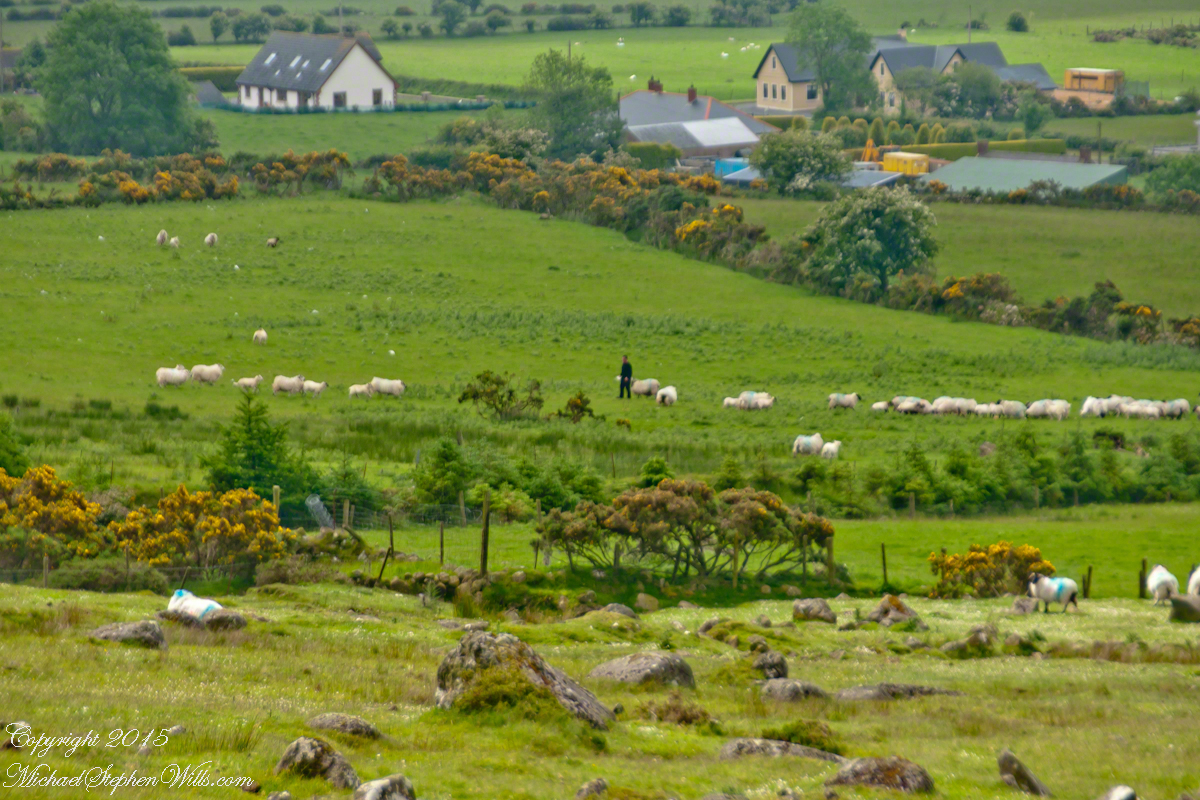
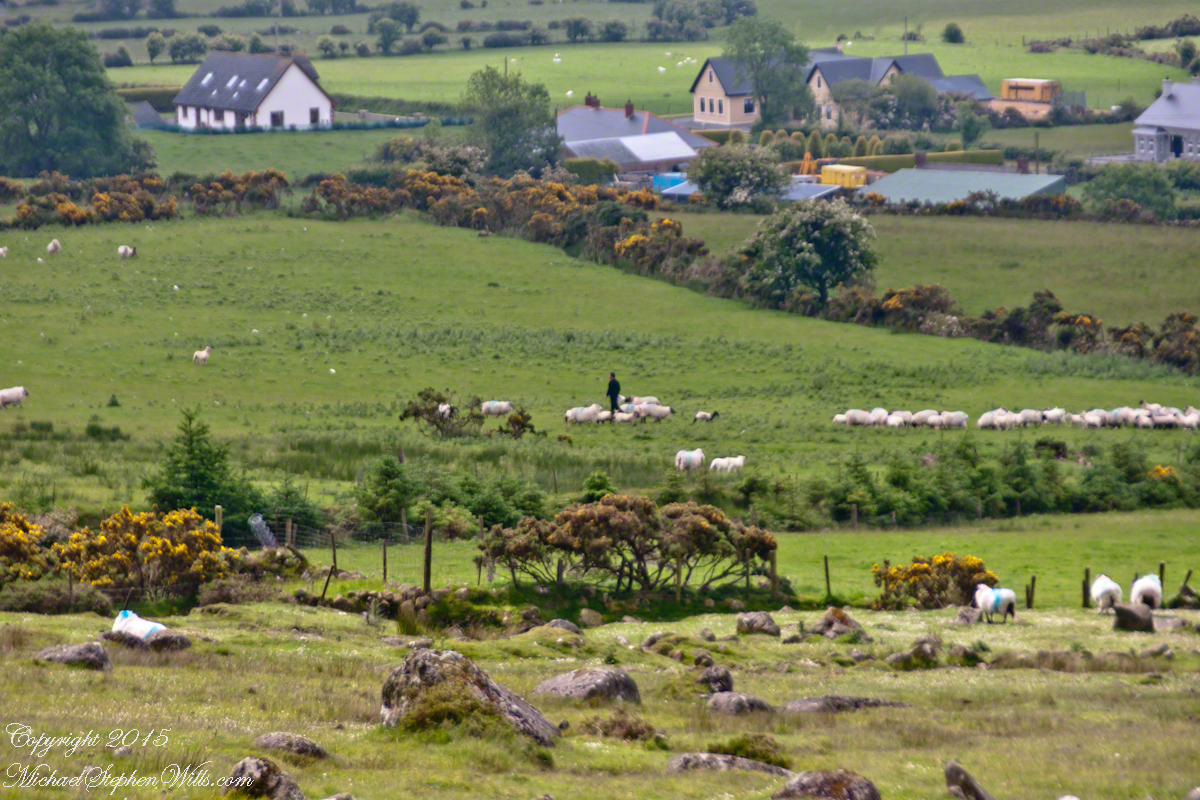
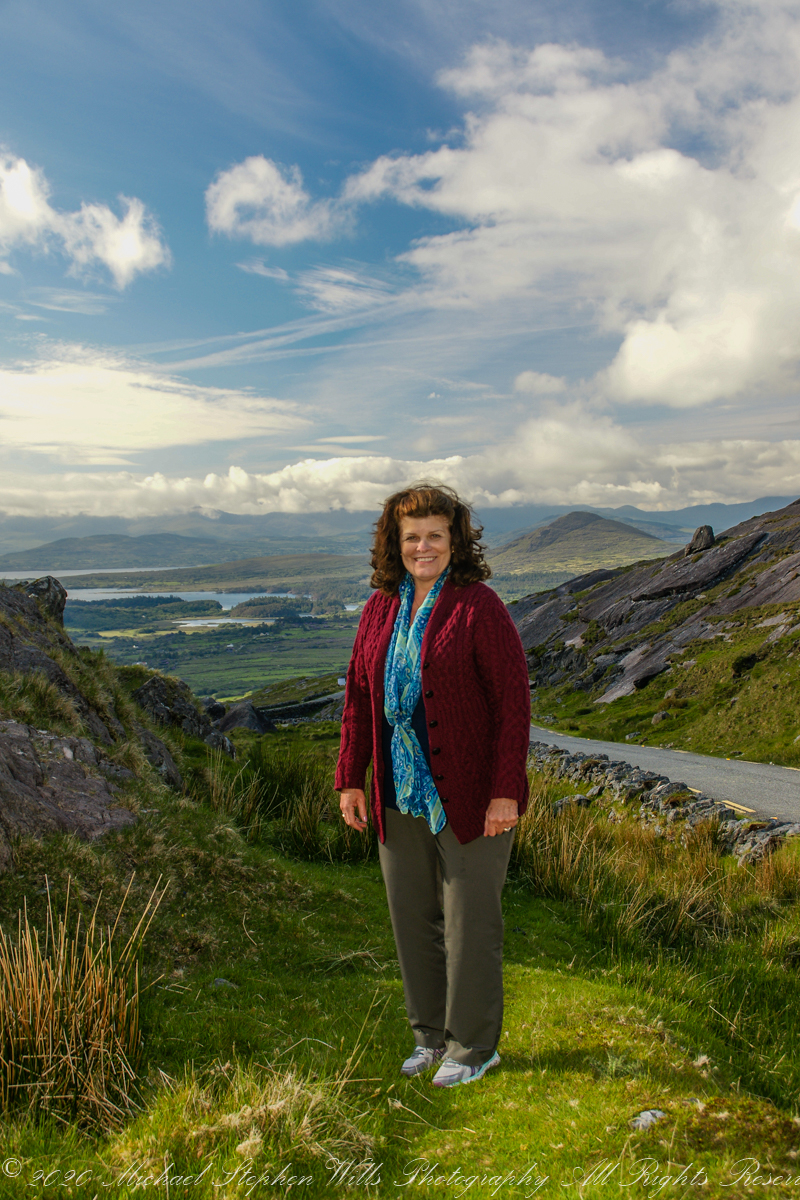
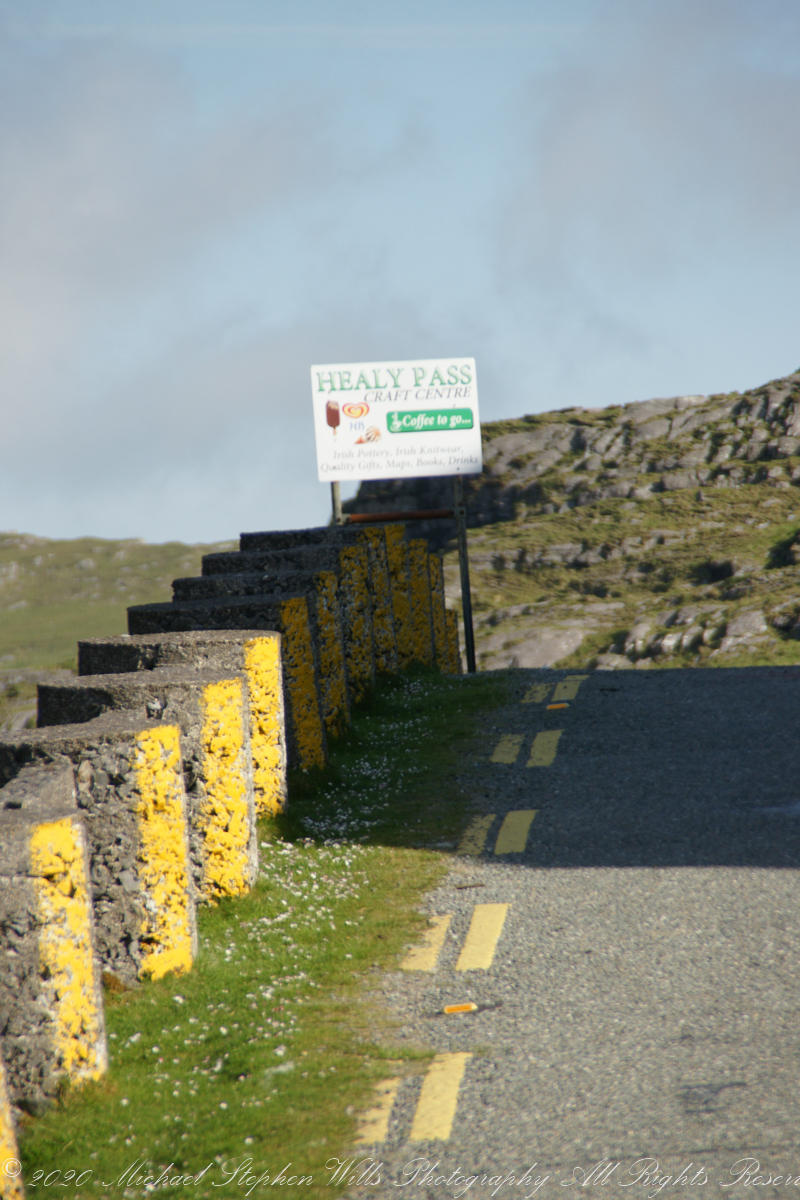
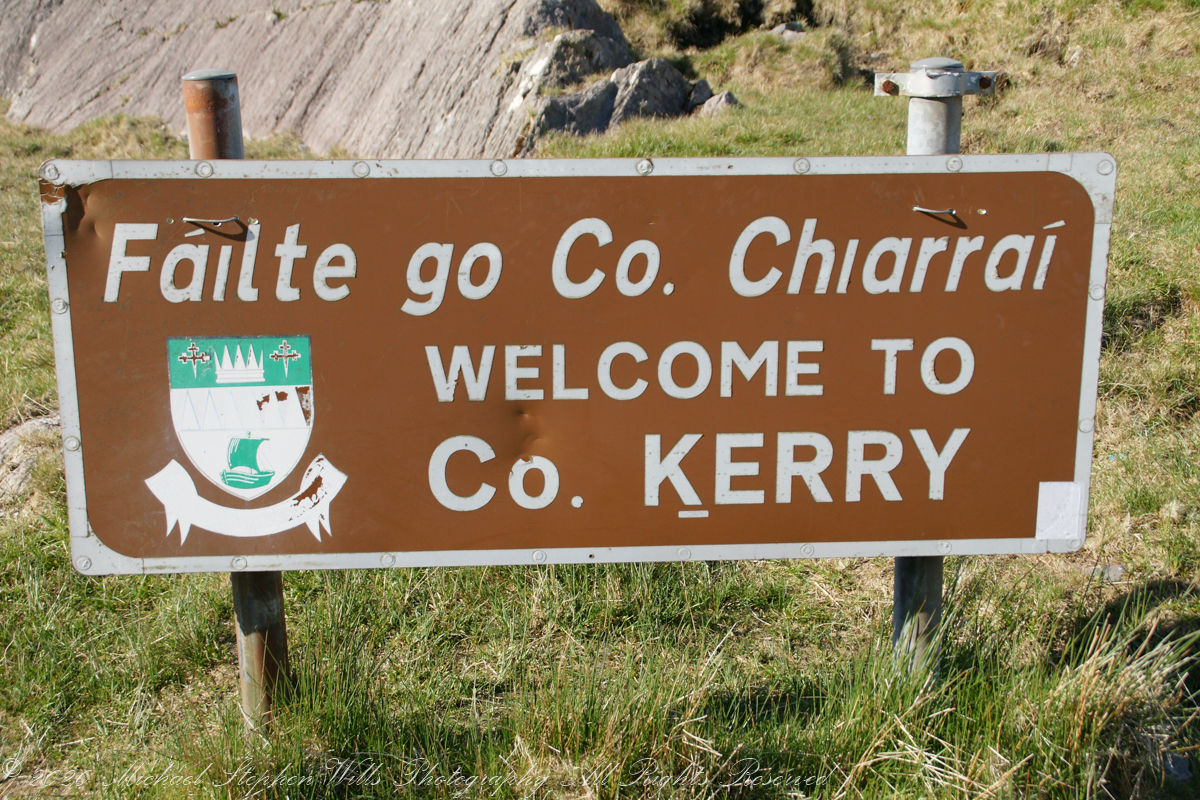
We crested Healy Pass, R574, surprised to find a shop with grand offerings of books and Irish knit sweaters. Passing over the Cork/Kerry border we stopped to admire the countryside from the heights. Pam models our purchase from the Healy Pass shop.

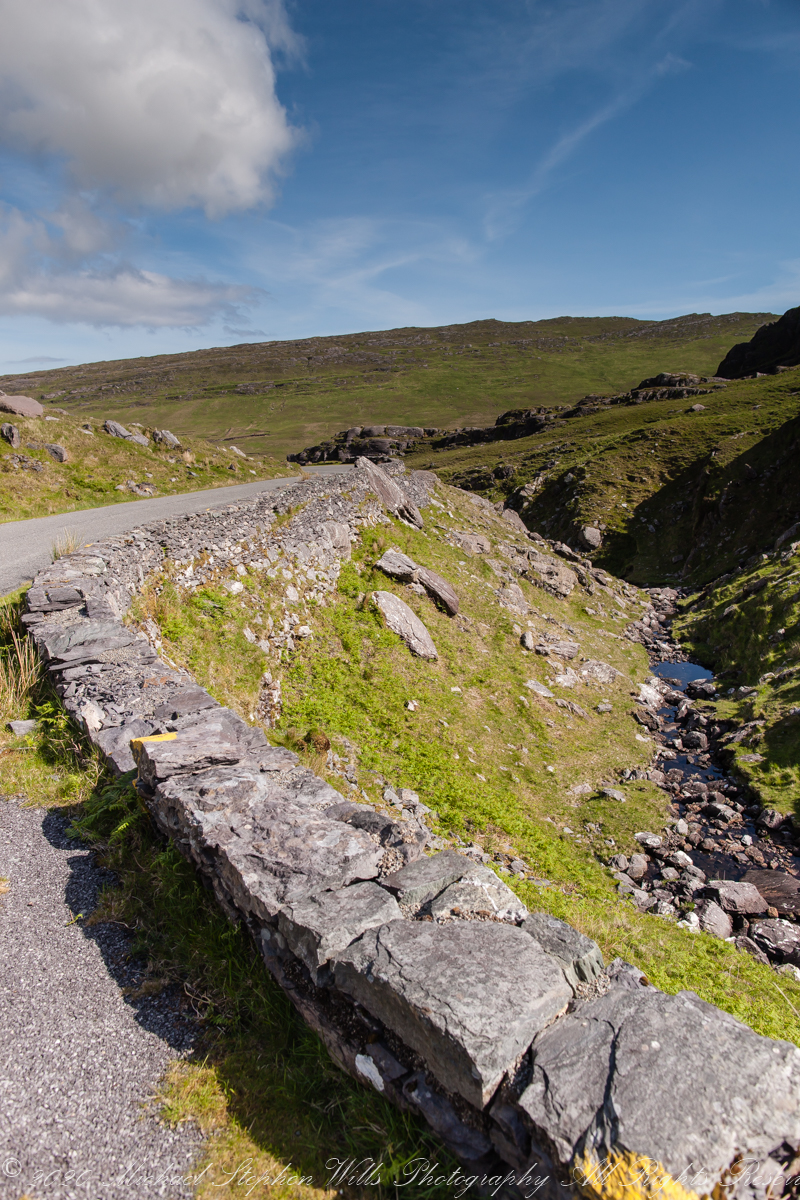
Clashduff townland, Beara Peninsula, County Cork, Republic of Ireland.

Looking back down the road.

A welcomed sight.

Passing into county Kerry on the way to Killarney.

A glorious setting. “The promised land.”

Copyright 2021 Michael Stephen Wills All Rights Reserved

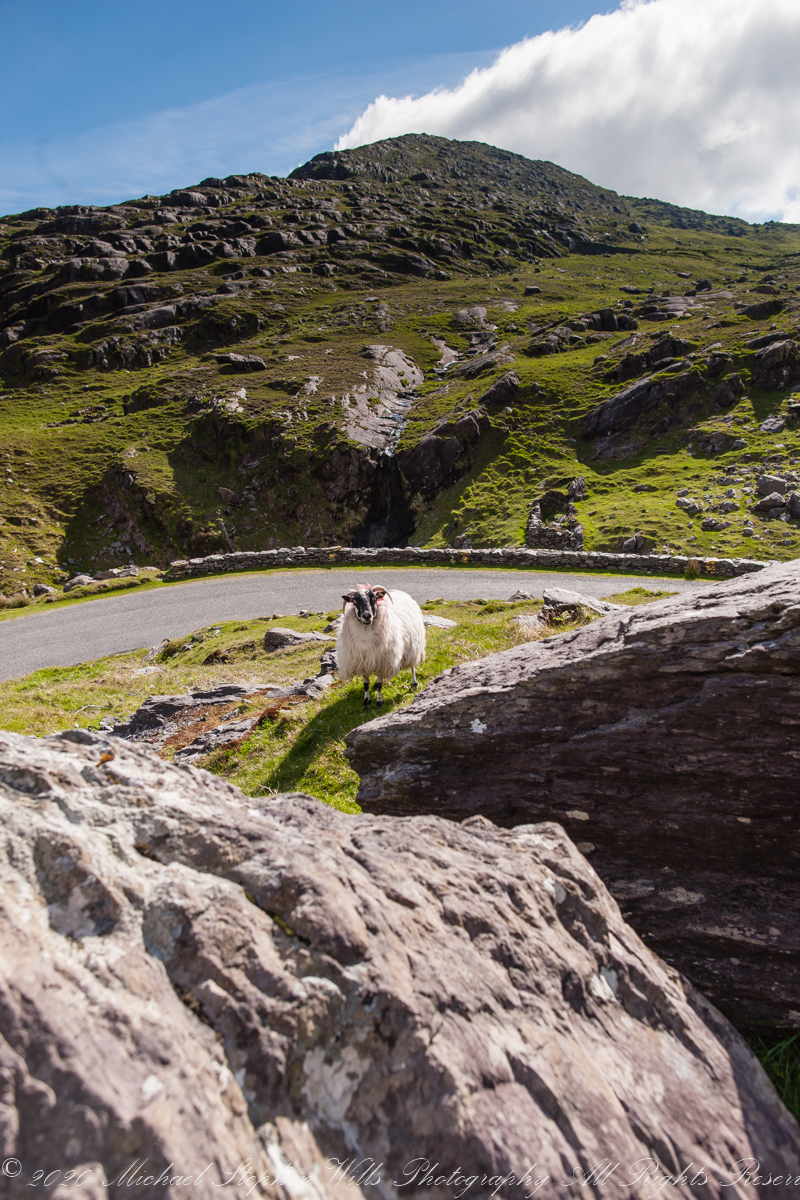
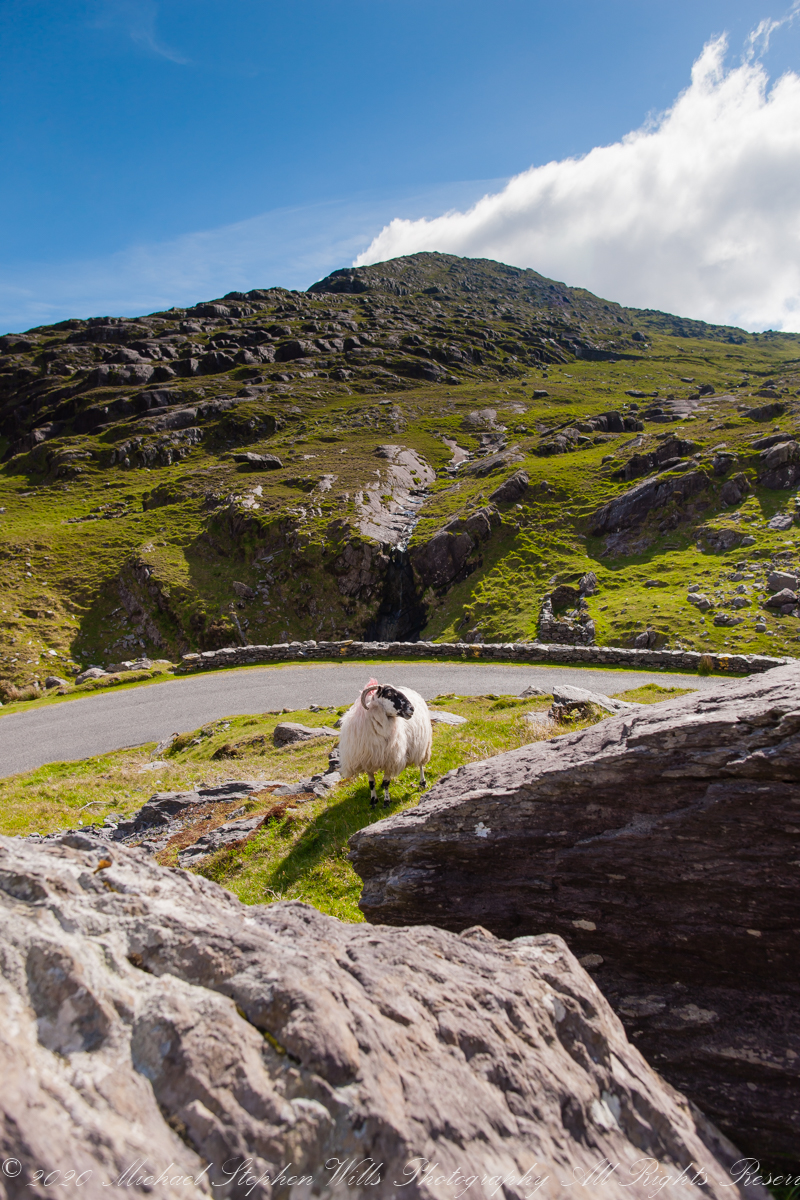
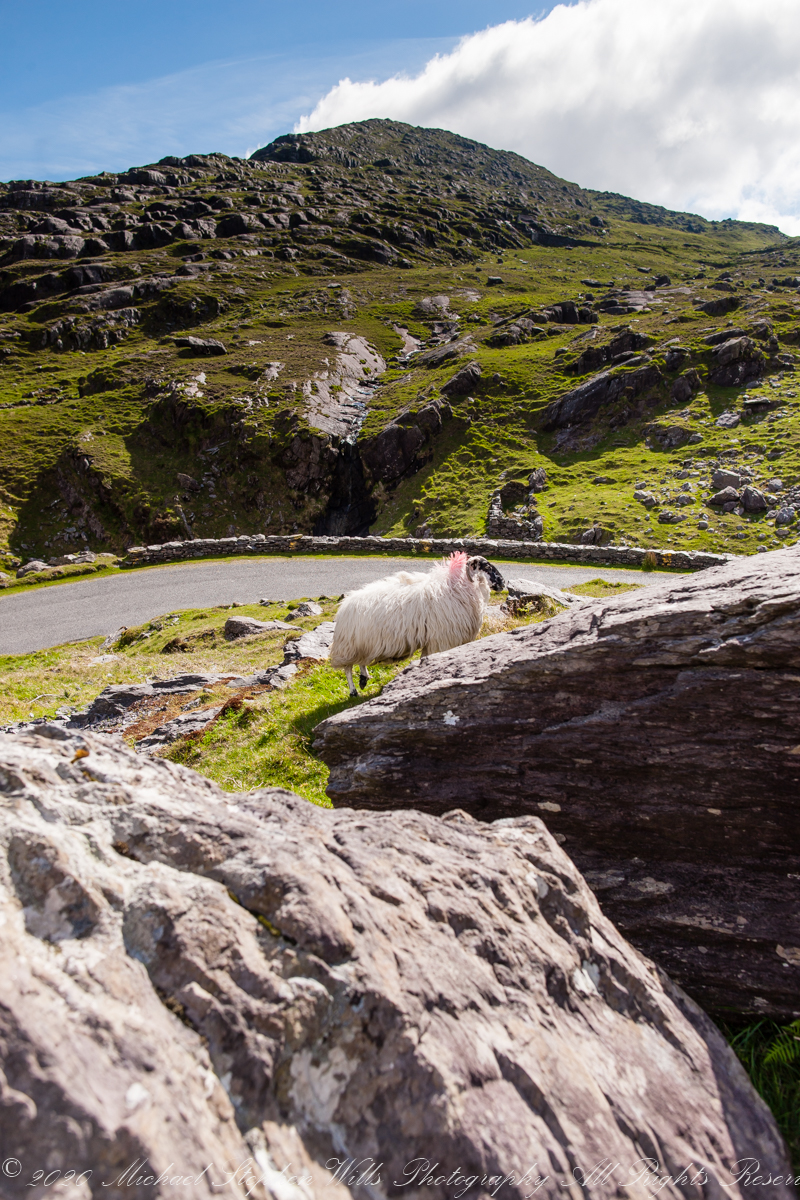
Personality Plus

Hello!!

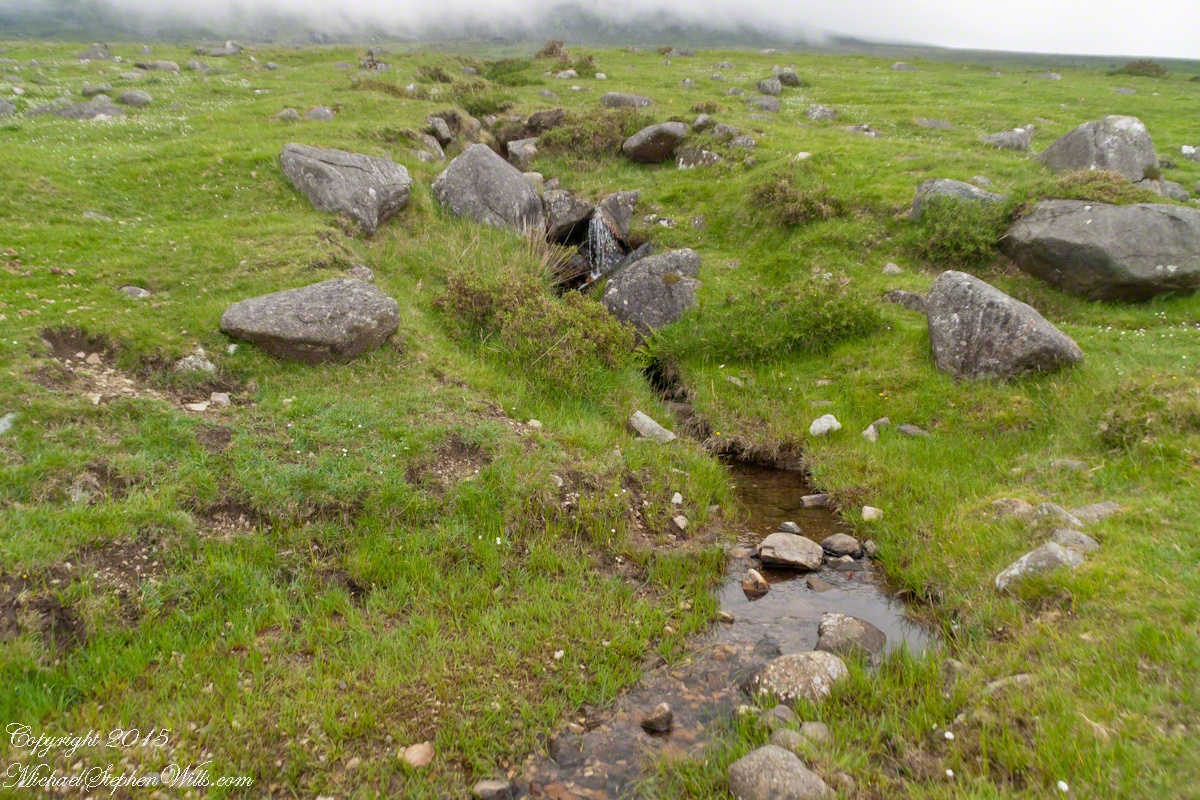
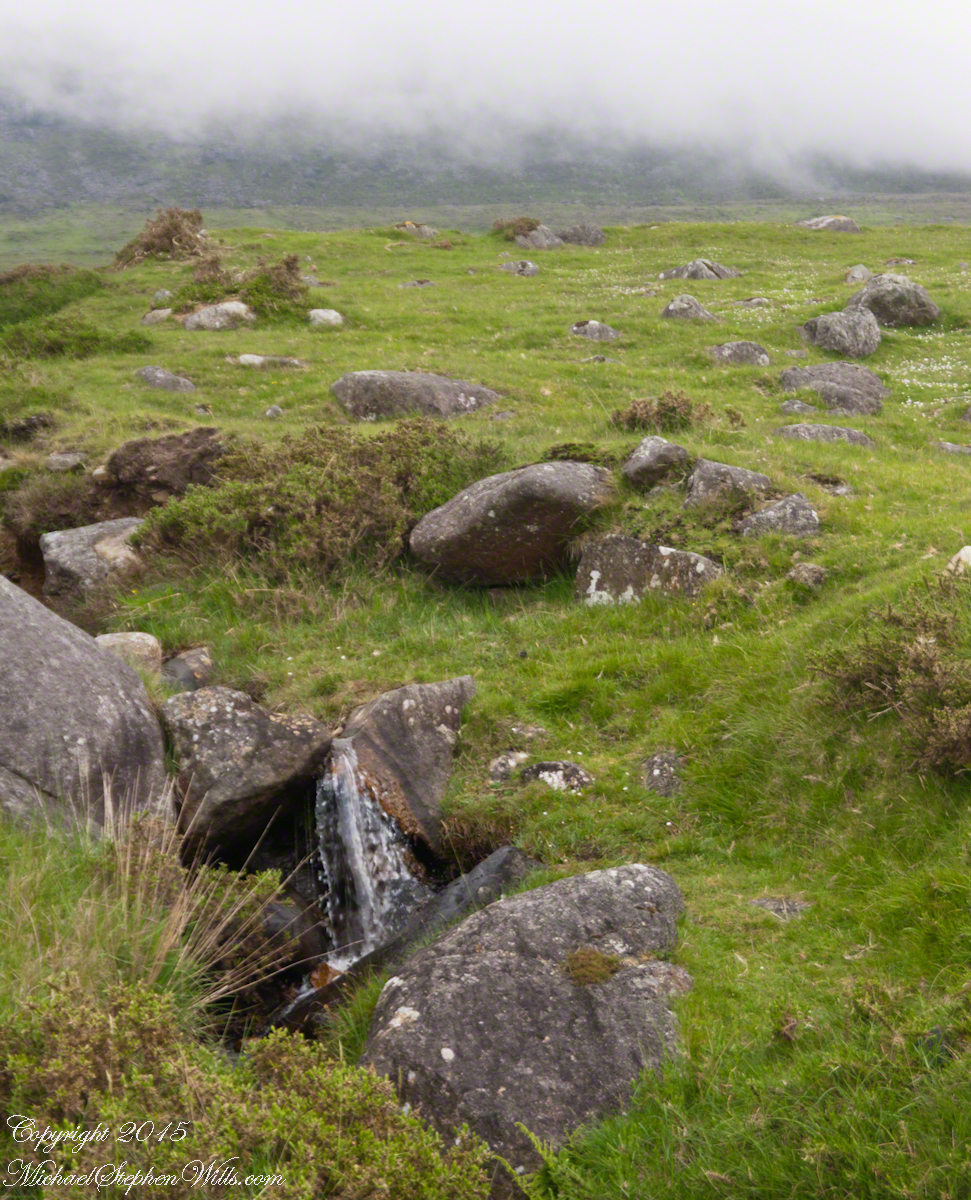
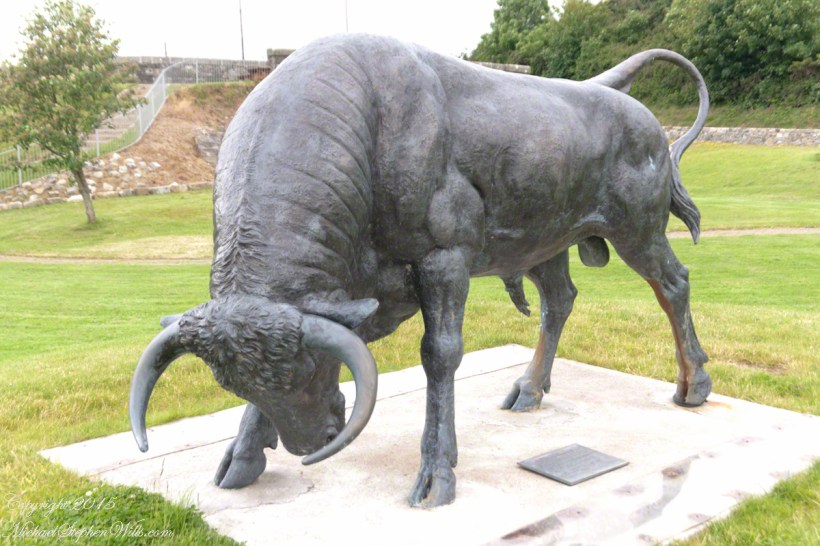
Healy Pass, R574, negotiating the ridge above the Adrigole River valley, we turned off and I clambered onto some rocks with the tripod, camera and other equipment. Looking around after a few shot I noticed a curious bystander.

Clashduff townland, Beara Peninsula, County Cork, Republic of Ireland.

Copyright 2021 Michael Stephen Wills All Rights Reserved

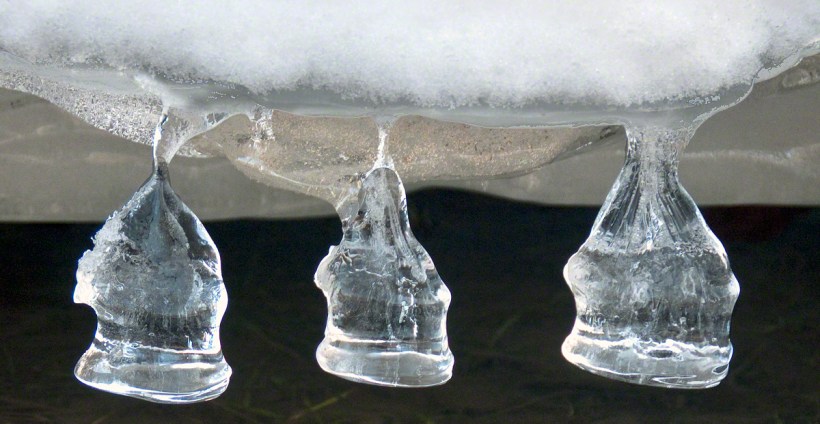
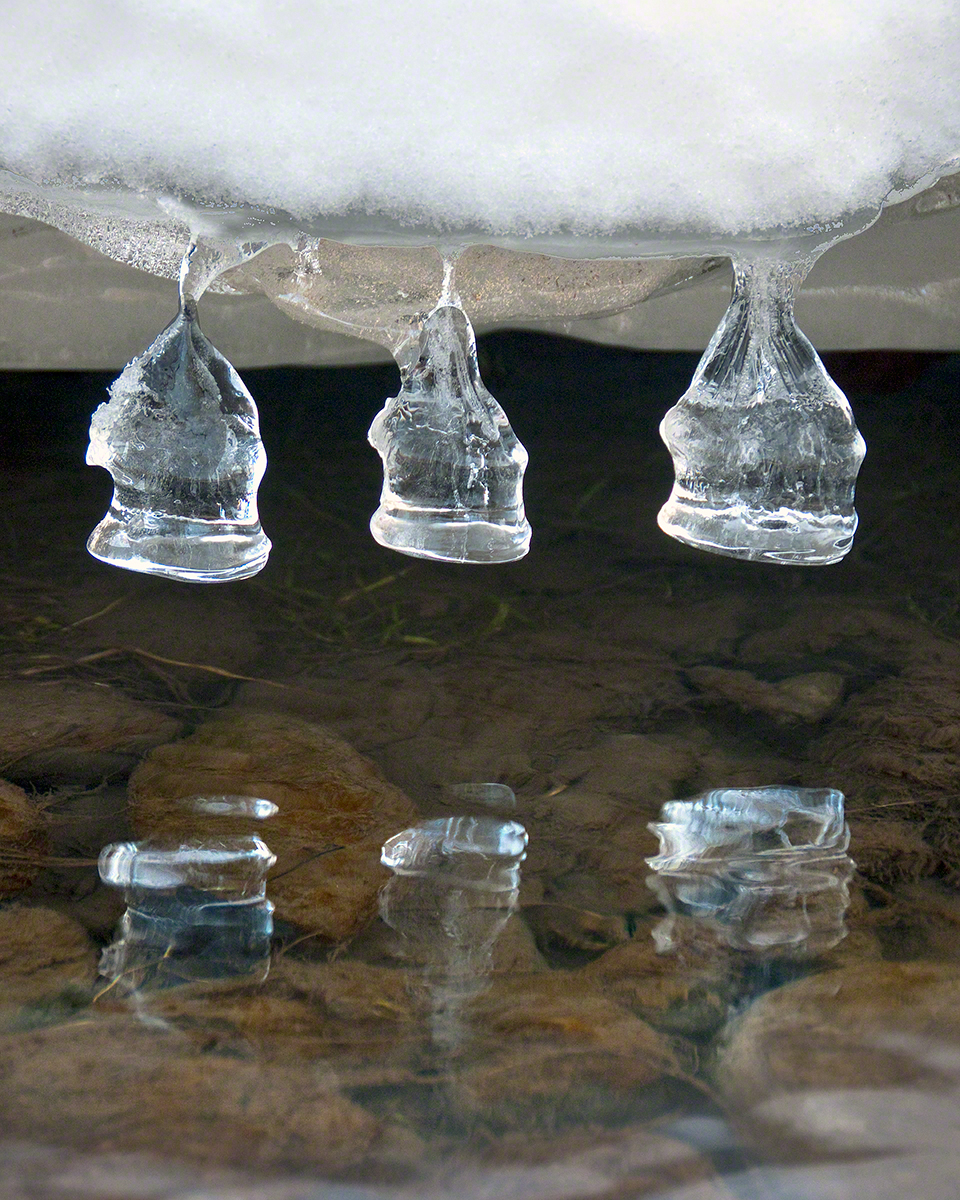
Ice Bells

Noticing small miracles, taking the time and effort to capture them…..

These icicles were formed along Fall Creek during the coldest months of February in the Finger Lakes Region of New York State.

The transient nature of these forms is suggested by the thinness of the pedicle joining each bell to the ice lobe of the ledge. Note the golden crystals in the ice lobe.

A visualization of the symbolic power of the numeral three, reflected on itself.  Question: what do “threes” mean to you?

Captured with the Sony DSLR-A700, DT 16-105mm F3.5-5.6 lens, hoya circular polarizing filter, mounted on the Manfrotto tripod with ball head.

Click the photograph for my online gallery Ice Bells listing.

On the Ridge 5

Taking in the sights.

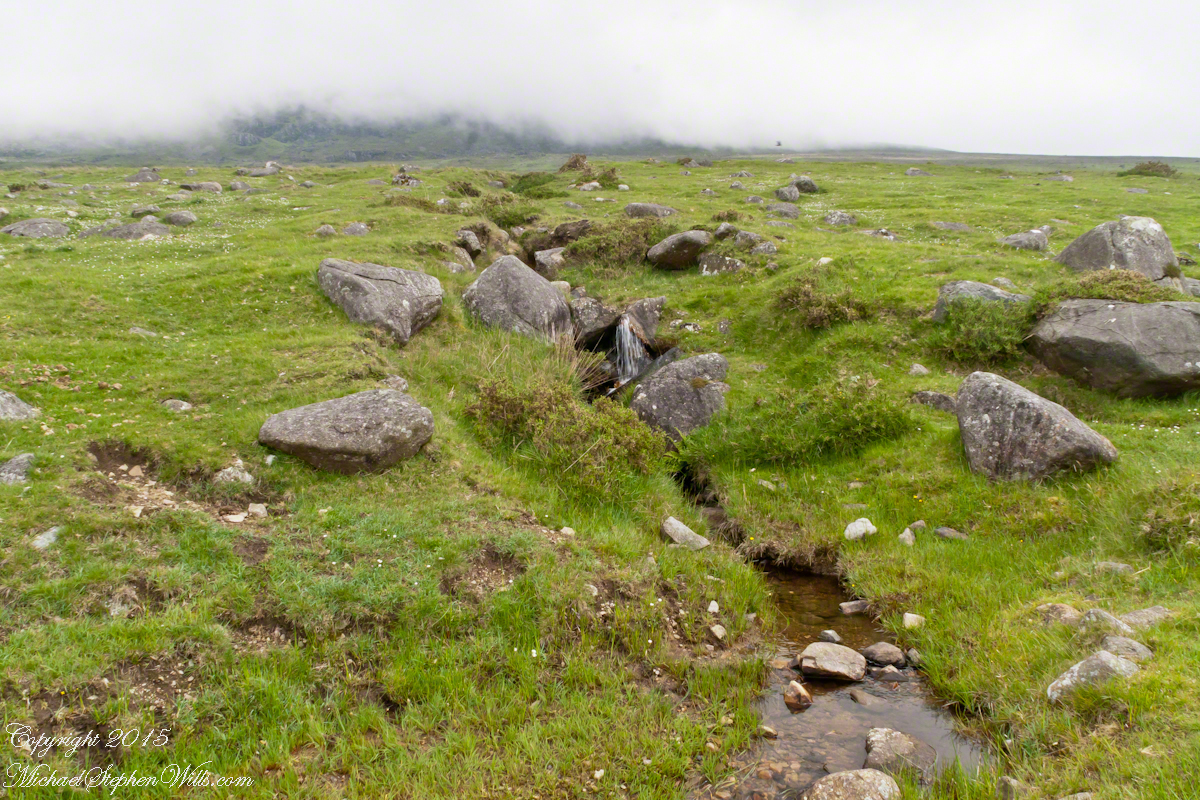
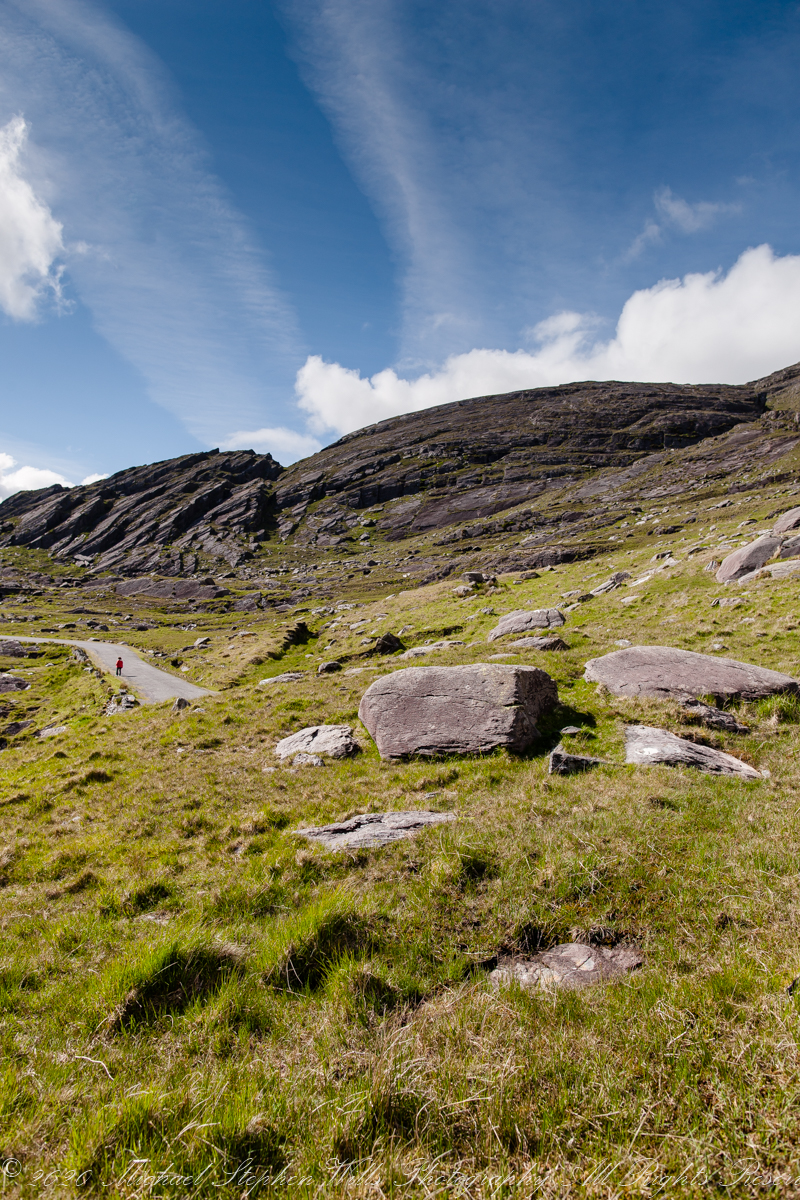
Healy Pass, R574, negotiating the ridge above the Adrigole River valley. I am not positive this is an erratic. Here the camera is turned several degrees to the left from yesterday’s photograph. Pam is on the road, standing out in her red raincoat. Fifth of a series of five photographs.

Clashduff townland, Beara Peninsula, County Cork, Republic of Ireland.

Copyright 2021 Michael Stephen Wills All Rights Reserved

On the Ridge 4

More Glacial Erratics?

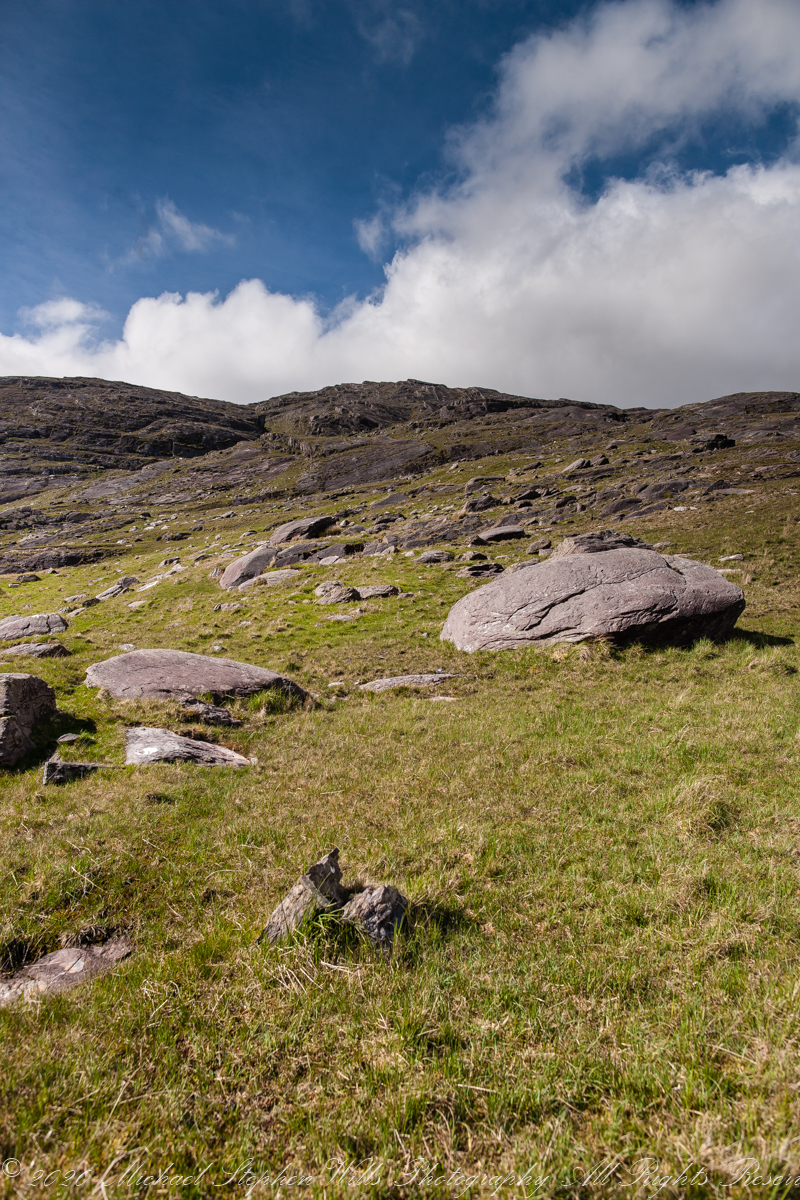
Healy Pass, R574, negotiating the ridge above the Adrigole River valley. I am not positive this is an erratic. Here we are looking over the pass, the winding road is just out of sight to the left. I parked the car in a small turnoff and climbed the ridge for these shots. Fourth of a series of five photographs.

Clashduff townland, Beara Peninsula, County Cork, Republic of Ireland.

Copyright 2021 Michael Stephen Wills All Rights Reserved

On the Ridge 3

Glacial Erratic?

Healy Pass, R574, negotiating the ridge above the Adrigole River valley. I am not positive this is an erratic. Though this rock may have been deposited by the glaciers, to qualify as a glacial erratic the rock must be geologically distinct from surroundings. Third of a series of five photographs.

Clashduff townland, Beara Peninsula, County Cork, Republic of Ireland.

Copyright 2021 Michael Stephen Wills All Rights Reserved