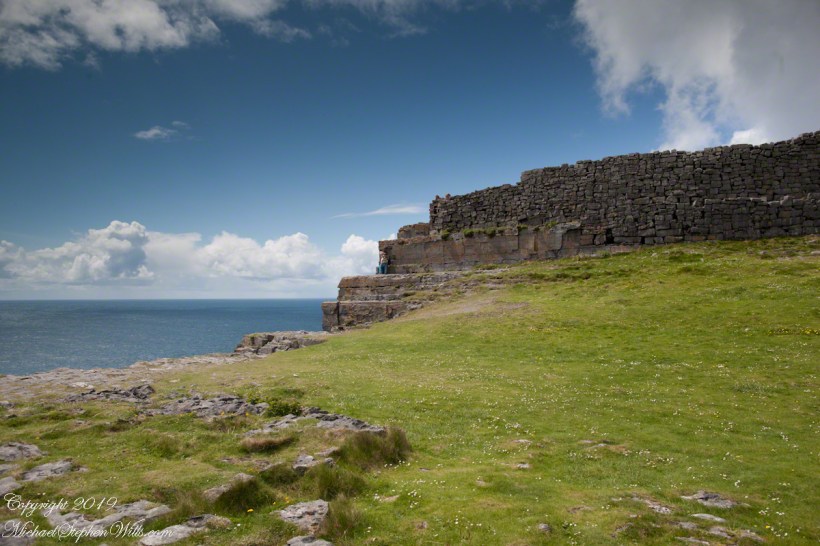
Stone on Stone

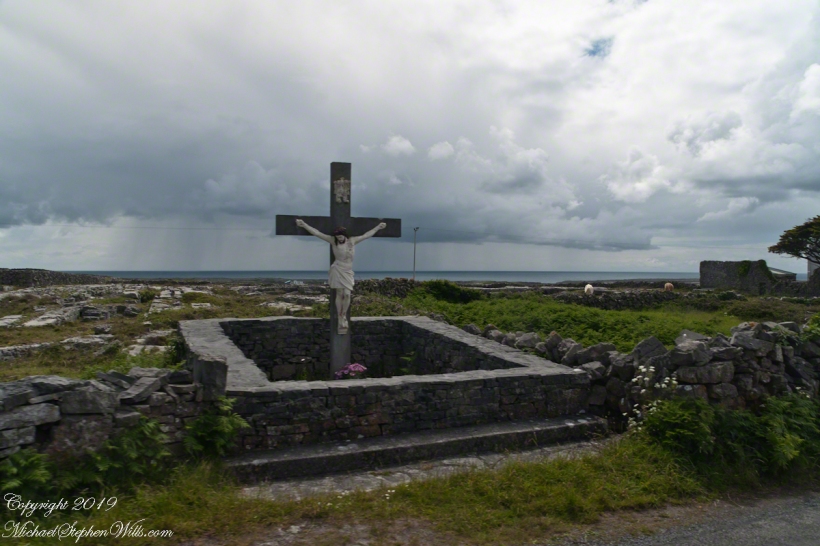
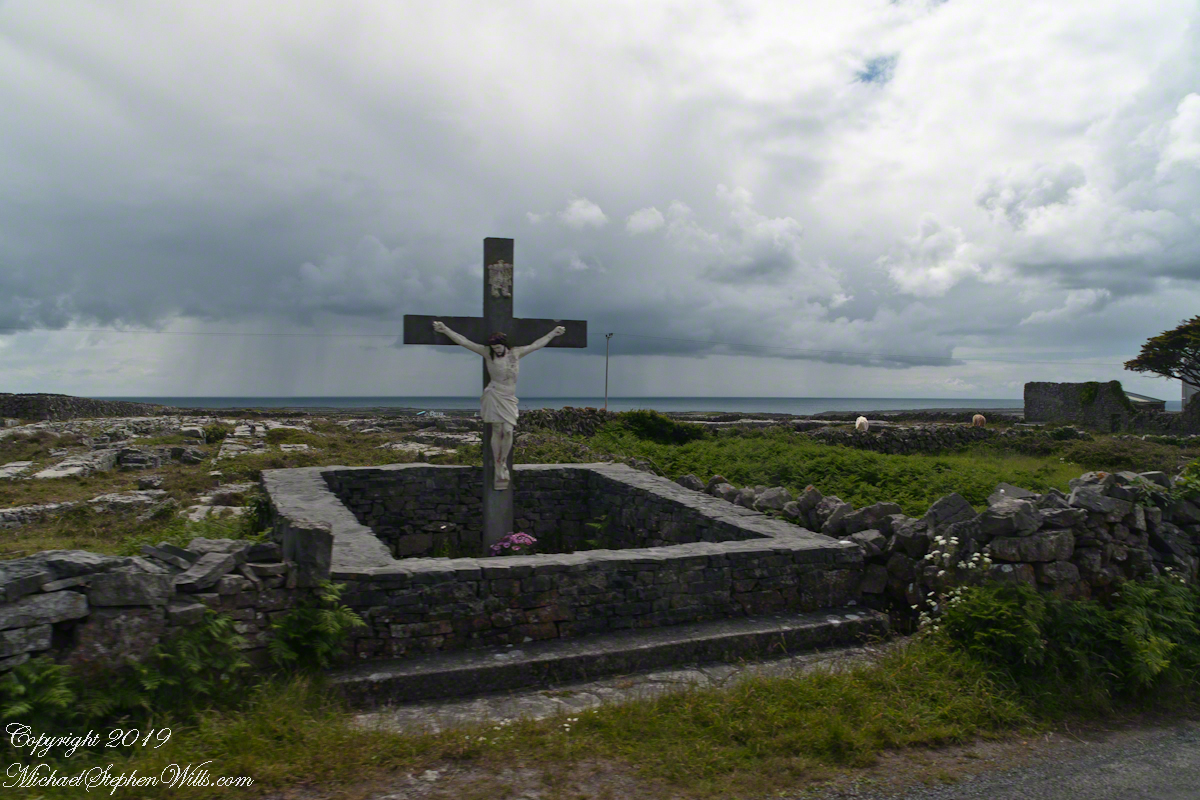
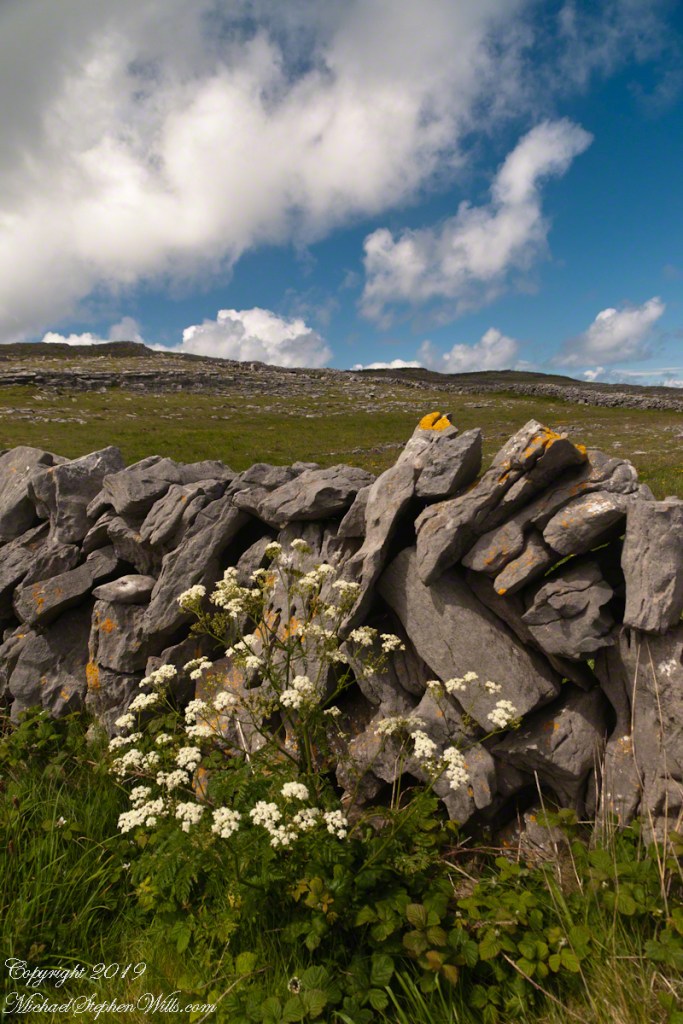
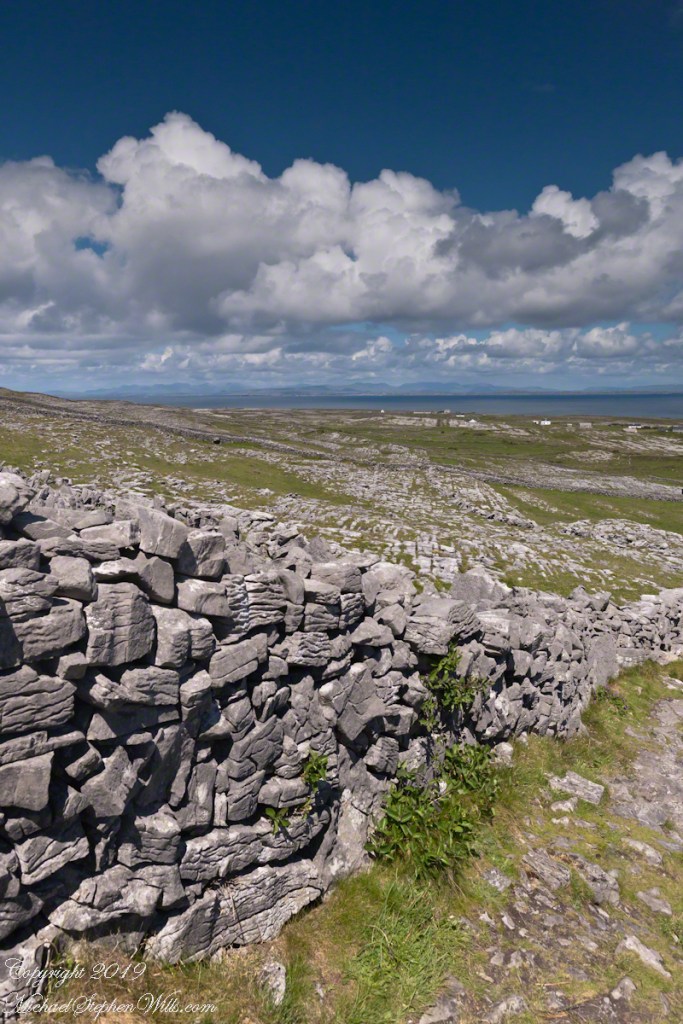
Wide enough

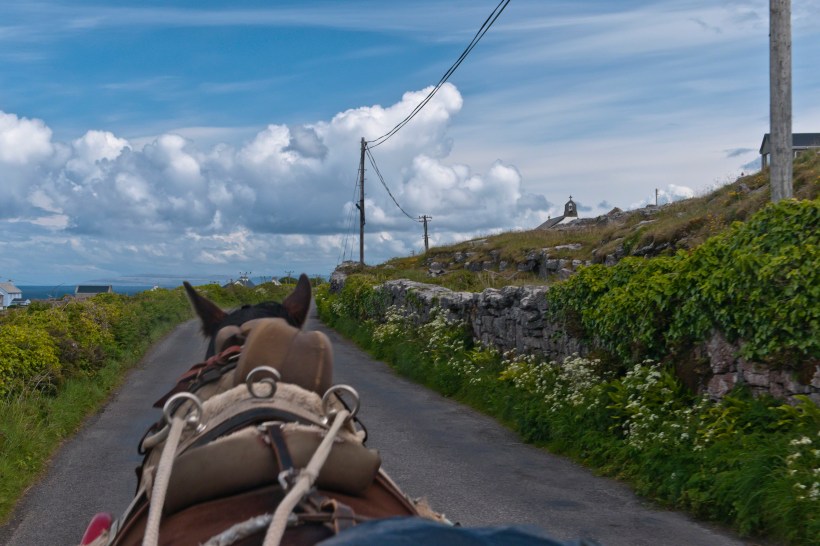
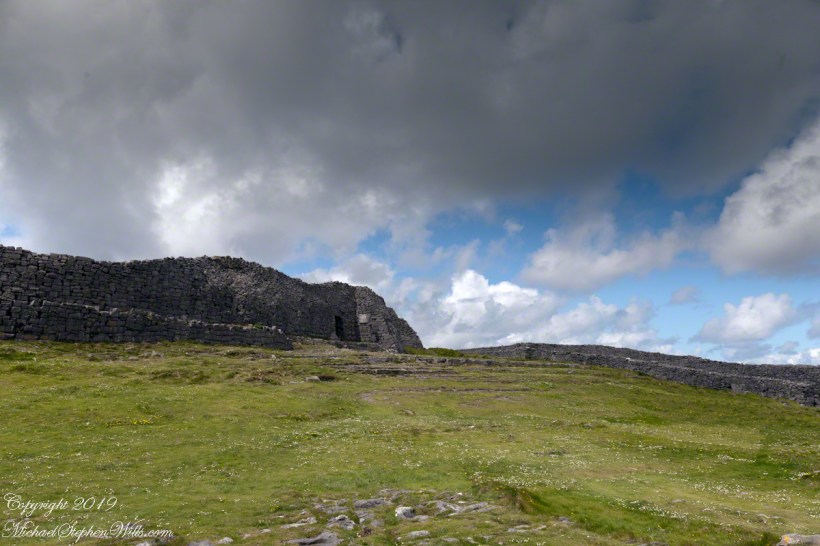
Enjoying travel on a horse trap, a type of carriage, on Inishmore (Inis Mór), the largest Aran Island in Galway Bay we headed up Cottage Road from Kilronan, the main island settlement.  It was there we embarked from the Doolin ferry, hired the driver, his horse drawn trap.  Our destination an iron age fort, Dun Aengus (Dún Aonghasa, the Irish language name) and the sights along the way.

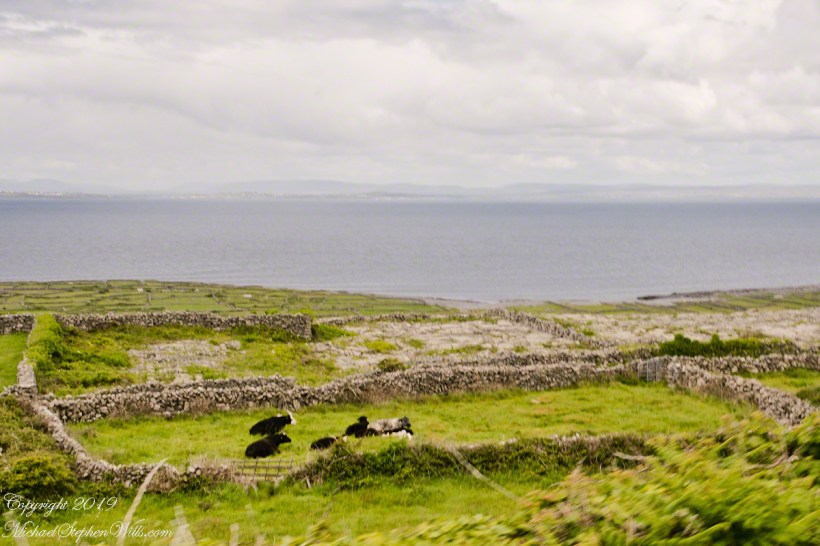
The feeling of this blurry photograph is too good to let lie.  I just kept snapping away from the moving carriage, here we are descending a hill and moving a bit faster, the elevation provides this view of Galway Bay, Connemara and the Twelve Pins beyond.

Click the link for my Getty IStock photography of the Aran Islands

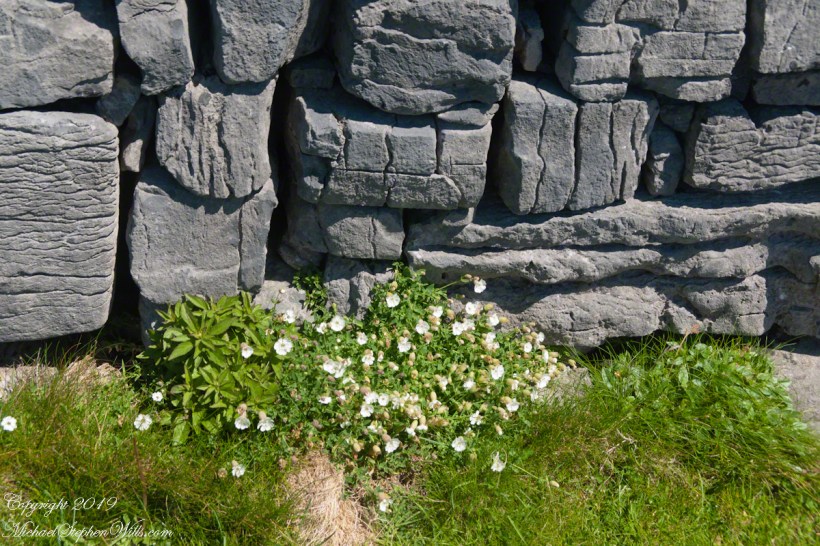
There’s a gate in the cow field, though some fields with cows were gateless. There is a simple answer to the mystery. At one point our driver stopped by his field and and demonstrated how the wall is pulled down to make an opening, the rocks stacked to make this easy. When the cows are in, the rocks go back up, a matter of 10 minutes or so to make a cow-width passage.

Click me for the first post of this series, “Horse Trap on Inishmore.”

Copyright 2022 Michael Stephen Wills All Rights Reserved

Settled In

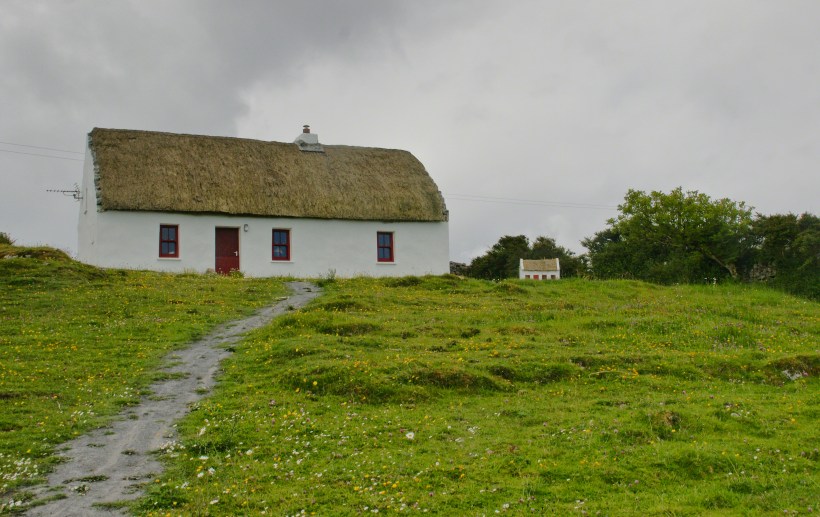
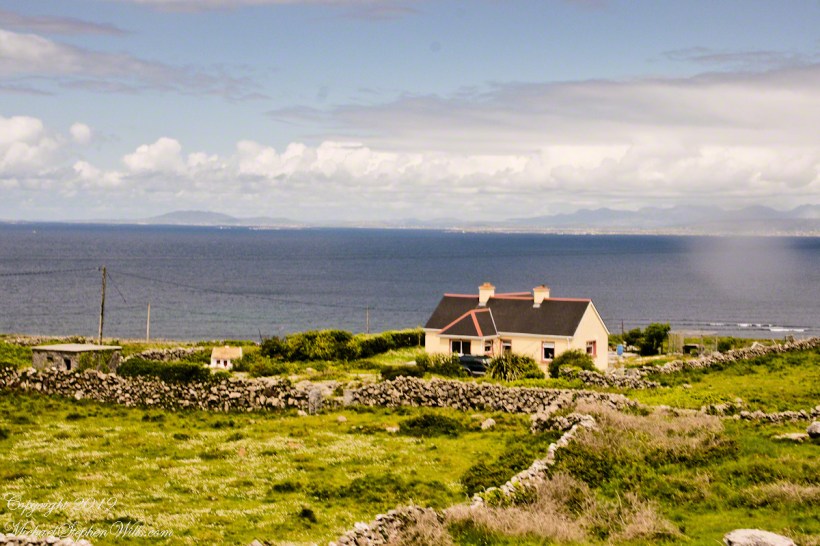
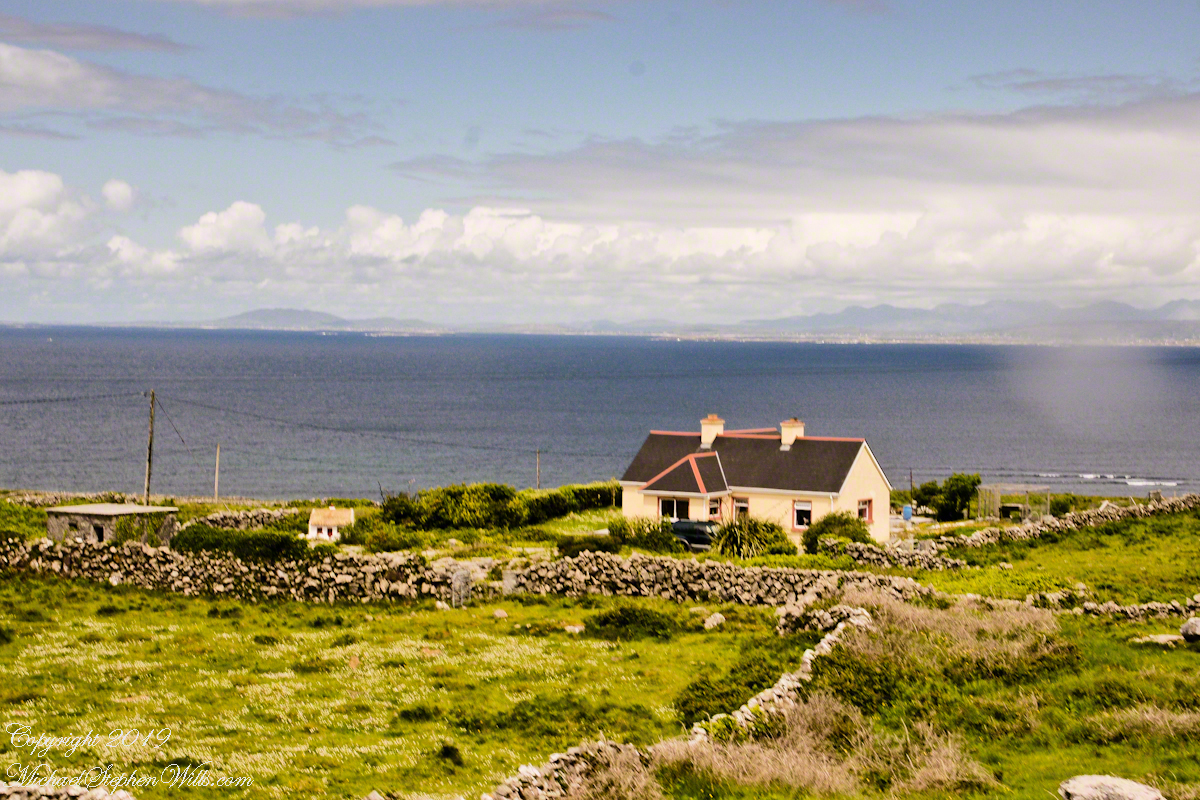
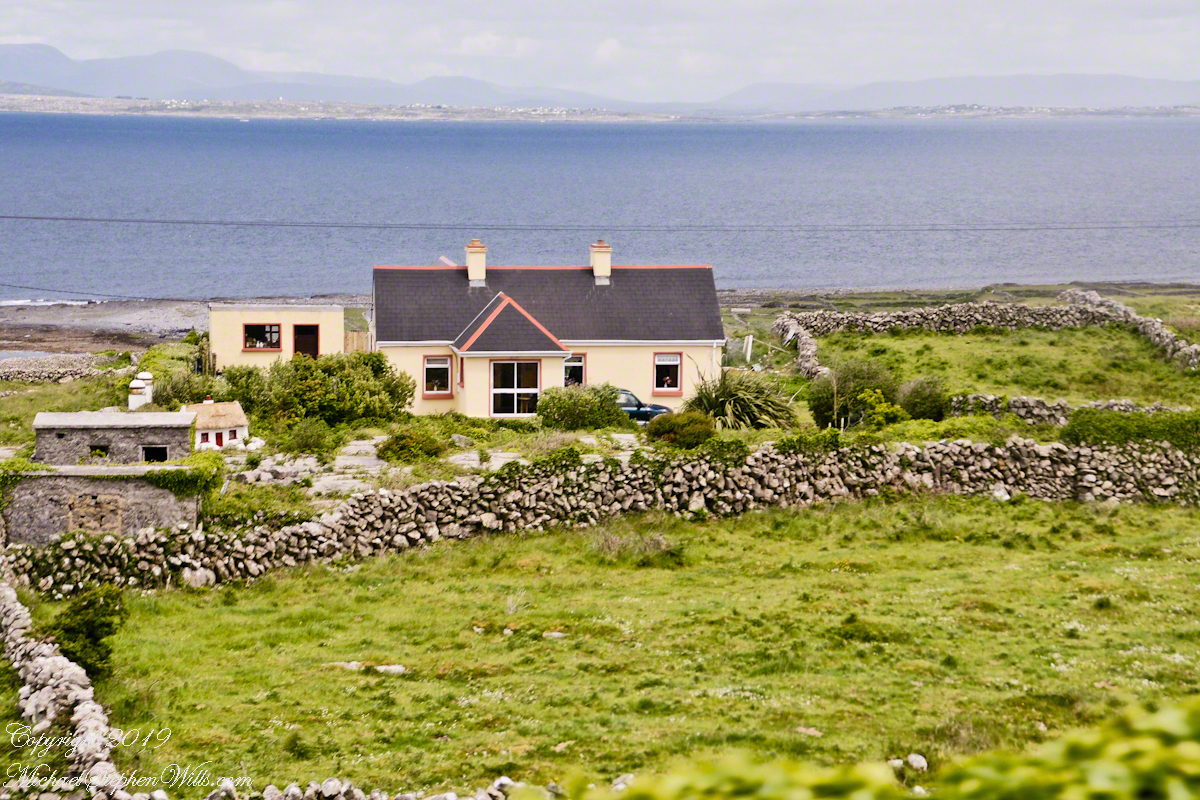
Inishmore Cottage among fields

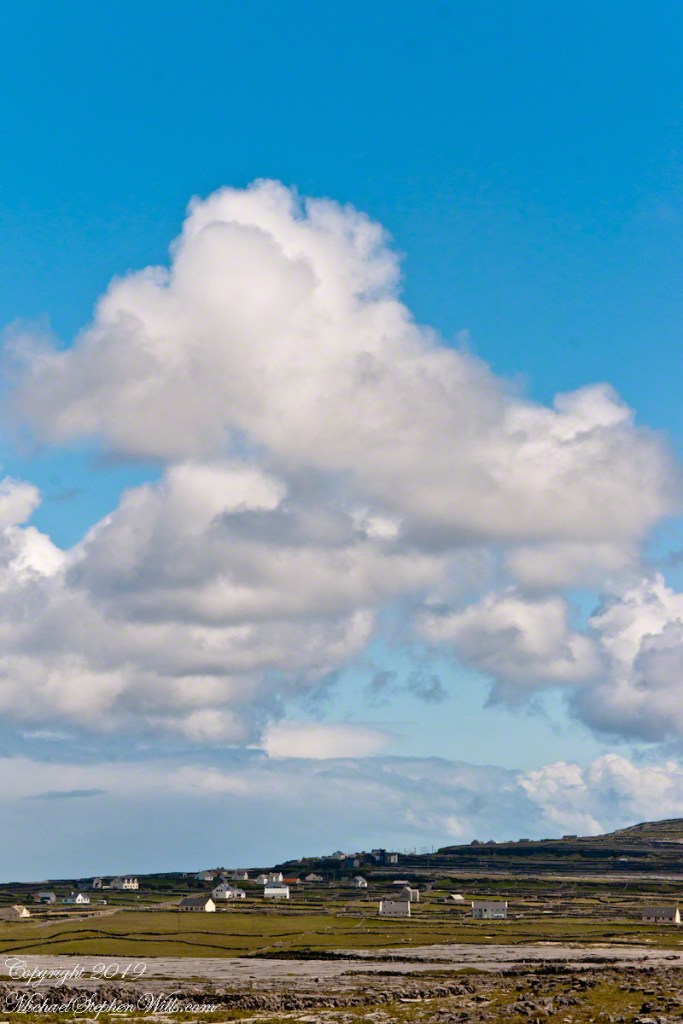
An island cottage among fields along the Galway Bay coast, the twelve pins of Connemara beyond.

Click the link for my Getty IStock photography of the Aran Islands

Notice the playhouse, a replica of the larger cottage.

Click me for the next post of this series, “Stiffed.”

Click me for the first post of this series, “Horse Trap on Inishmore.”

Copyright 2022 Michael Stephen Wills All Rights Reserved

The How of Soil

Time and Hands

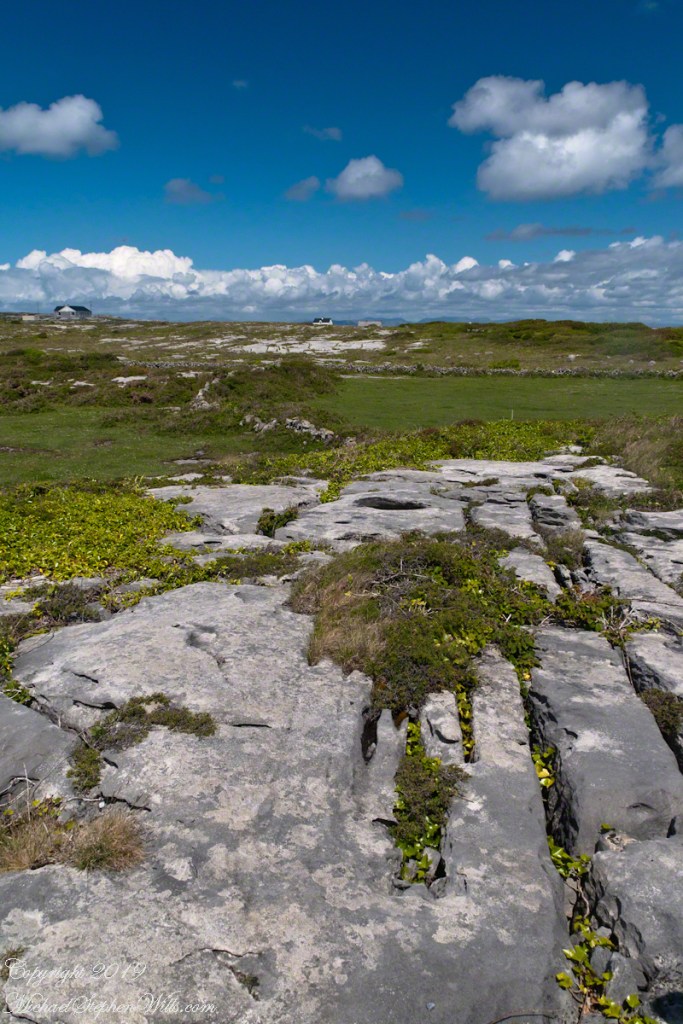
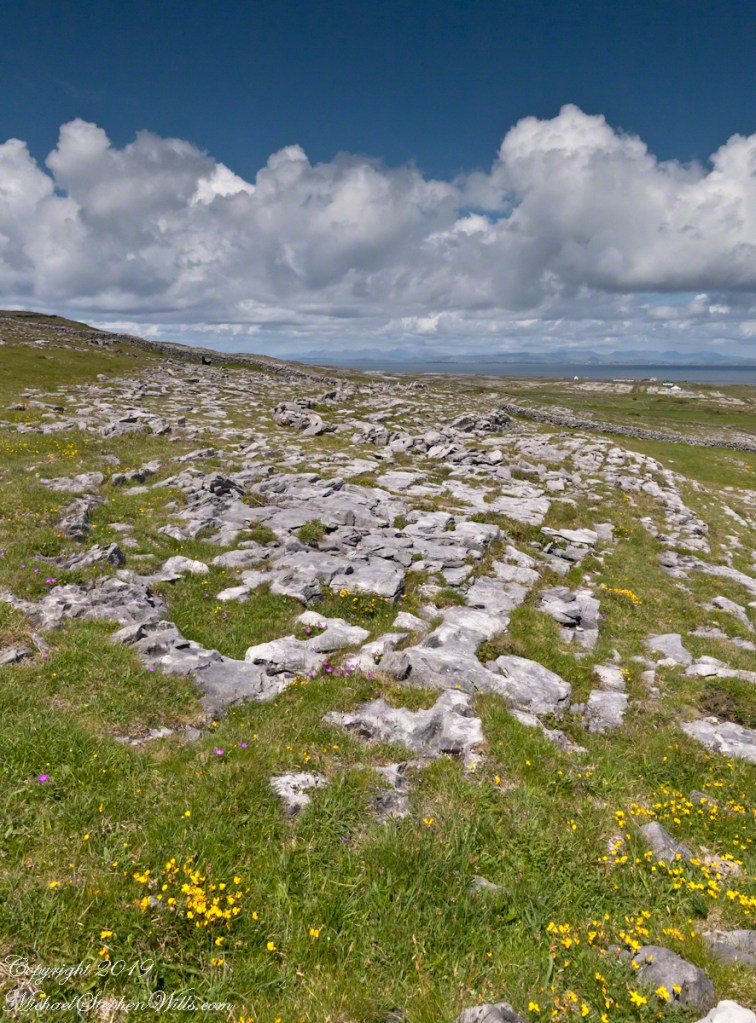
From the heights of Dun Aonghasa the karst, a type of limestone, of Inishmore falls away for the sight of the twelve pins against Galway Bay.  These unworked, barren slopes have a pale green covering growing seemingly on air.  

Click the link for my Getty IStock photography of the Aran Islands

On approach to Dun Aonghasa, Cottage Road dips closer to the road for this view of a field with enough dense grass for five cows to feed, the rest on the cushioning green. Where did this come from?

The answer is simple hard work, hundreds, a thousand years of hauling seaweed and sand, mixing it on the barren limestone, allowing the rot of time to work. Hold it down with roots, till and refresh.

Click me for the first post of this series, “Horse Trap on Inishmore.”

Copyright 2022 Michael Stephen Wills All Rights Reserved

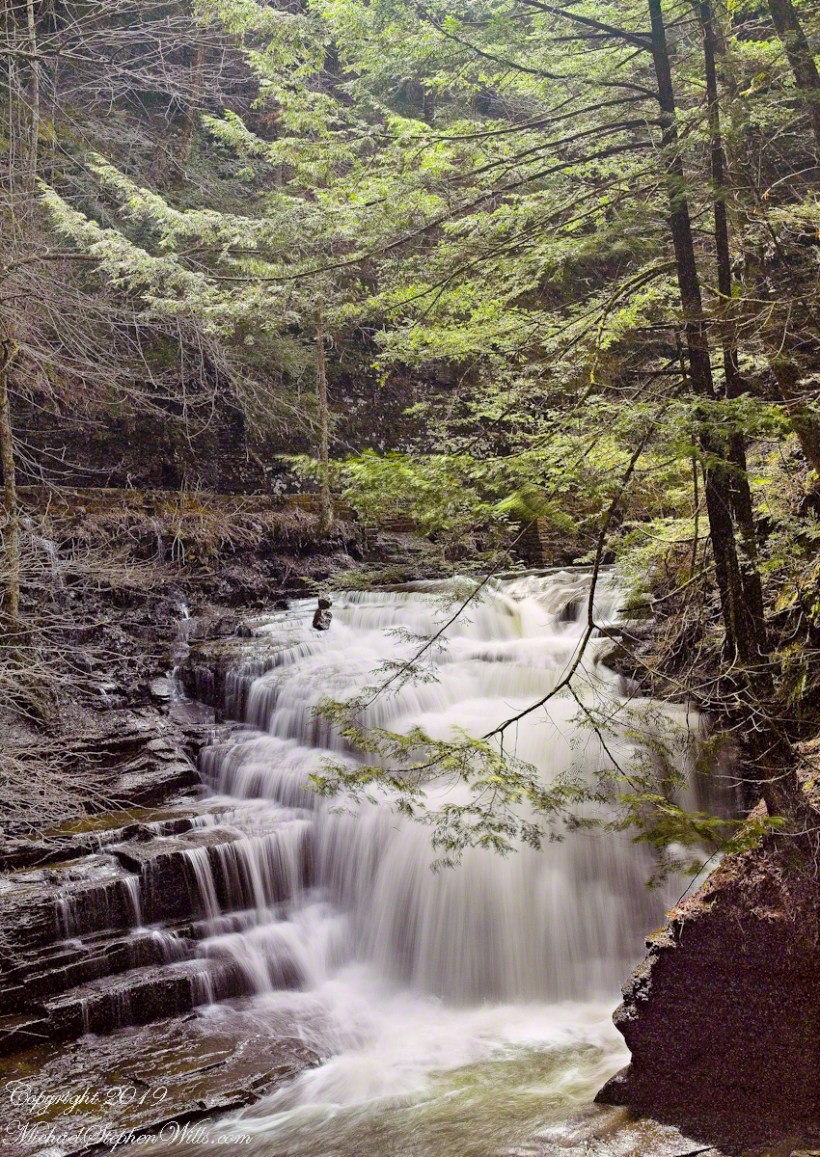
Spring Waterfall Walk

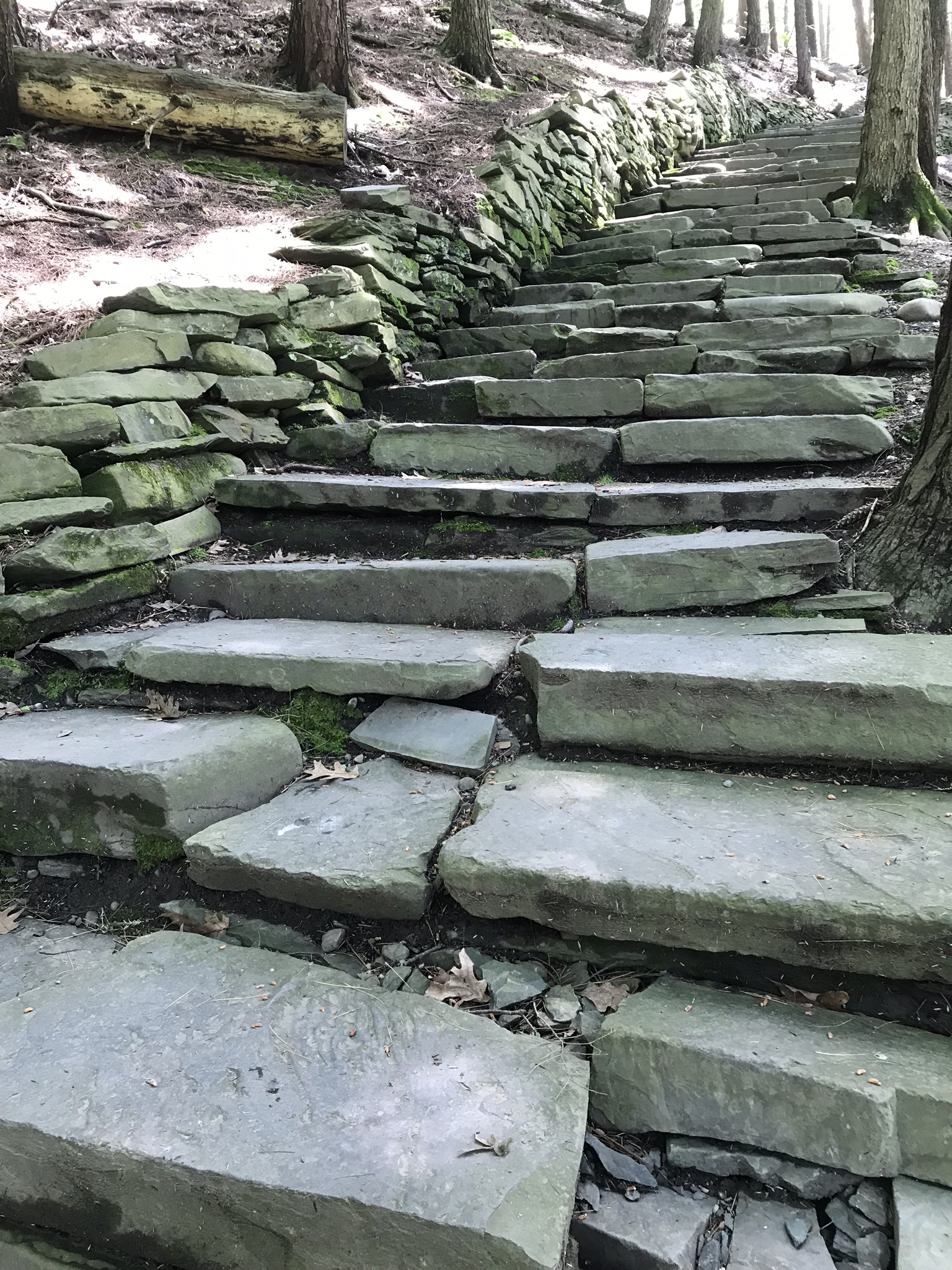
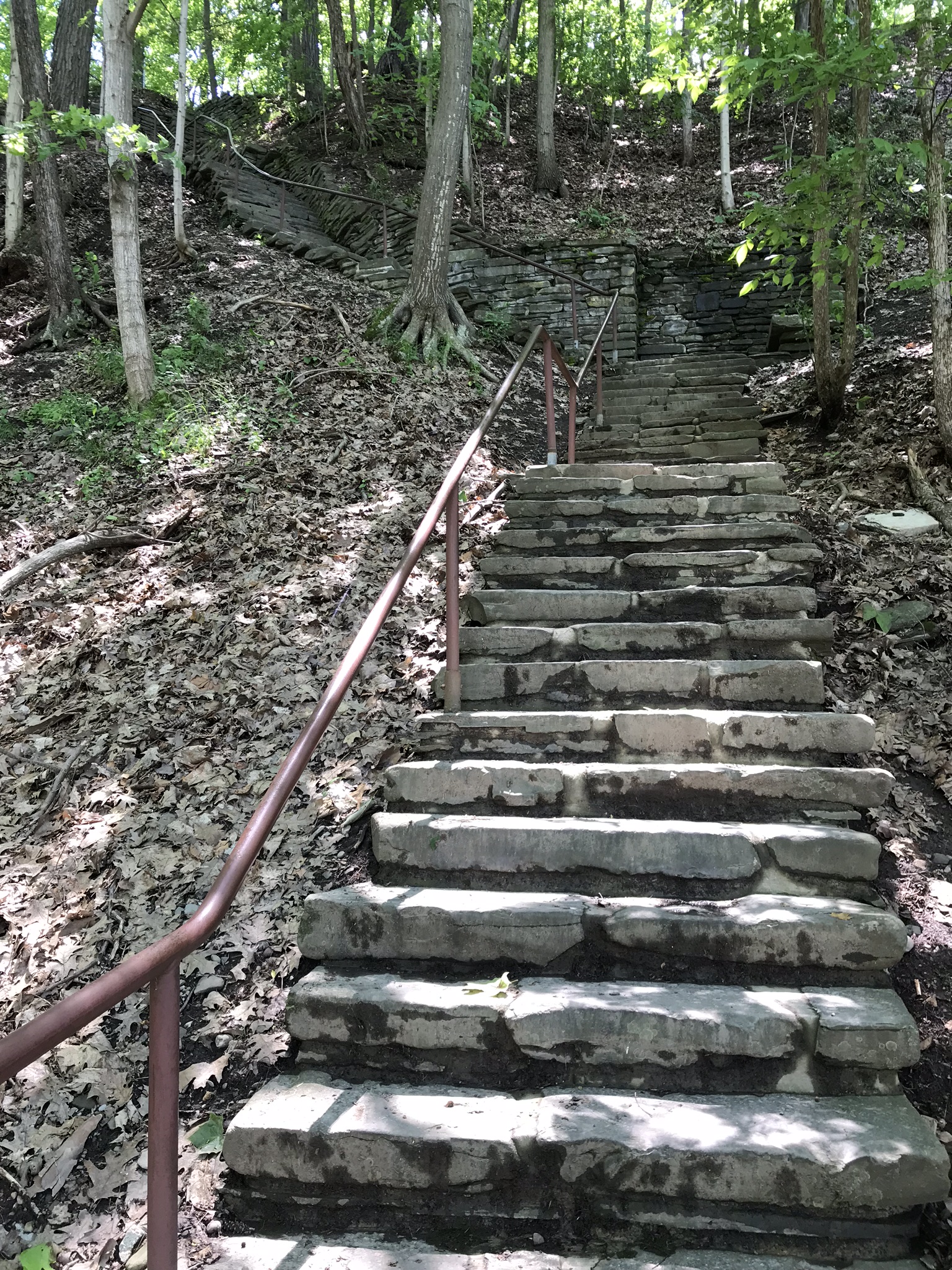
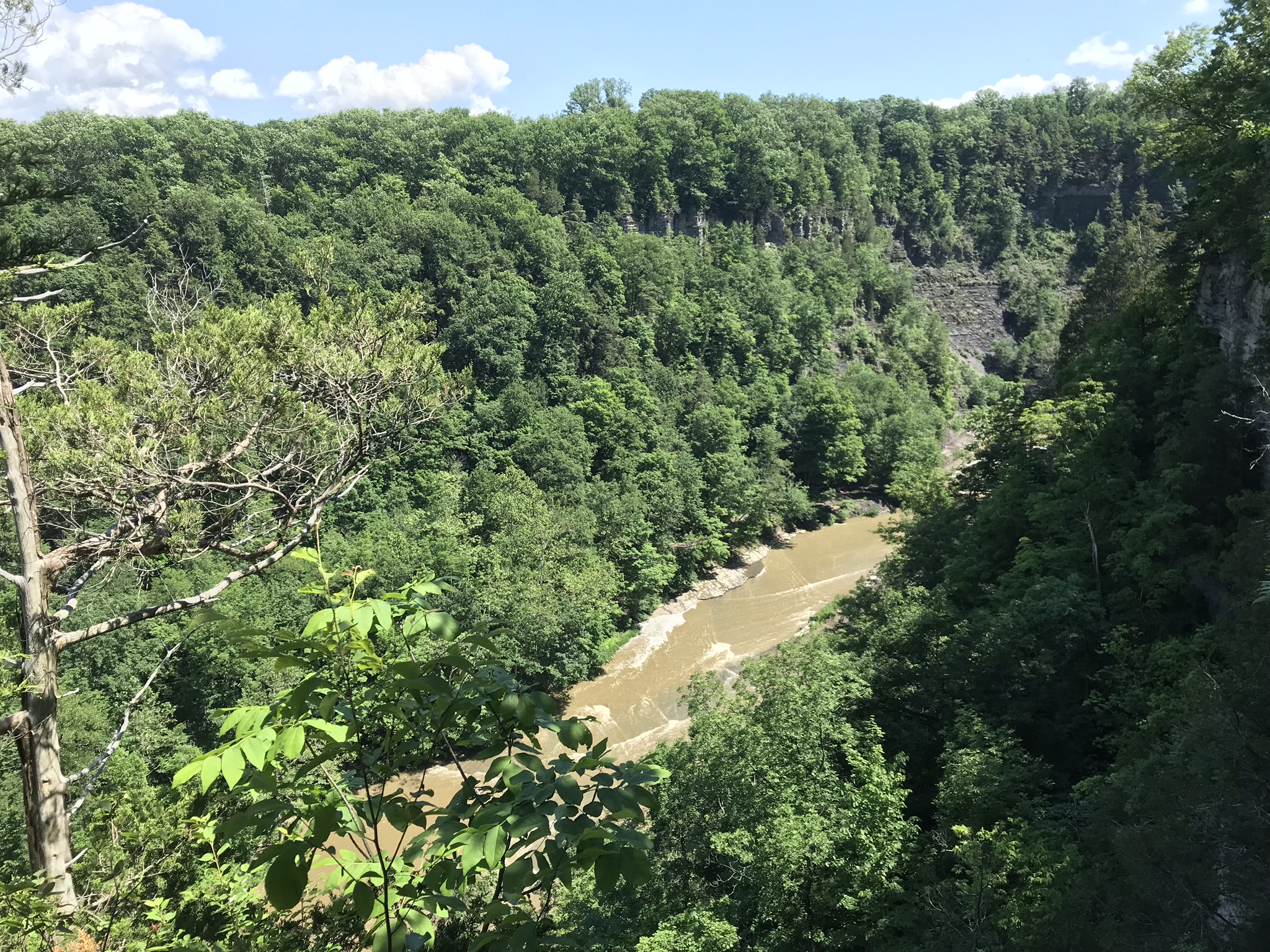
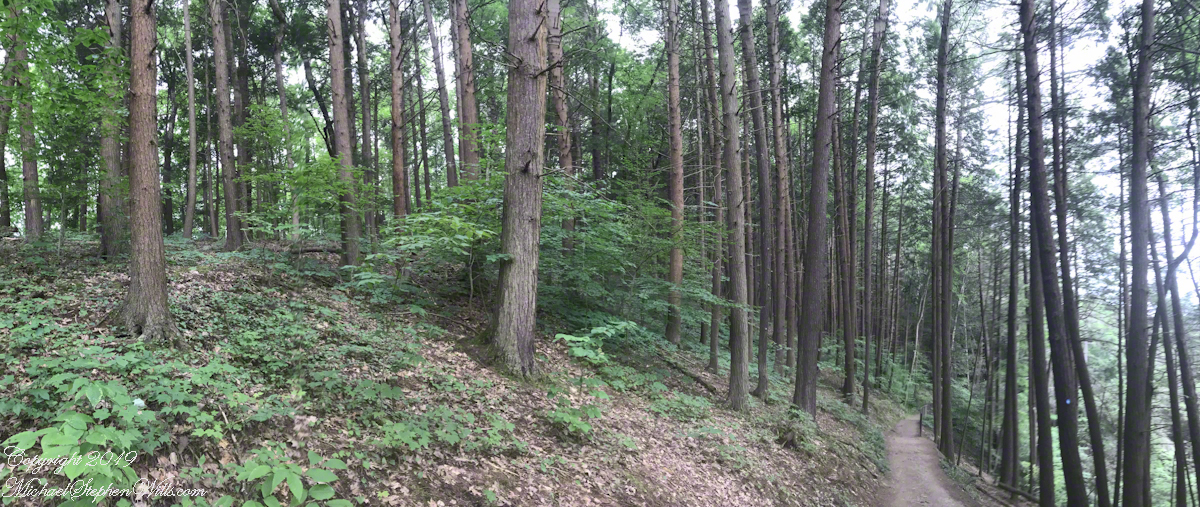
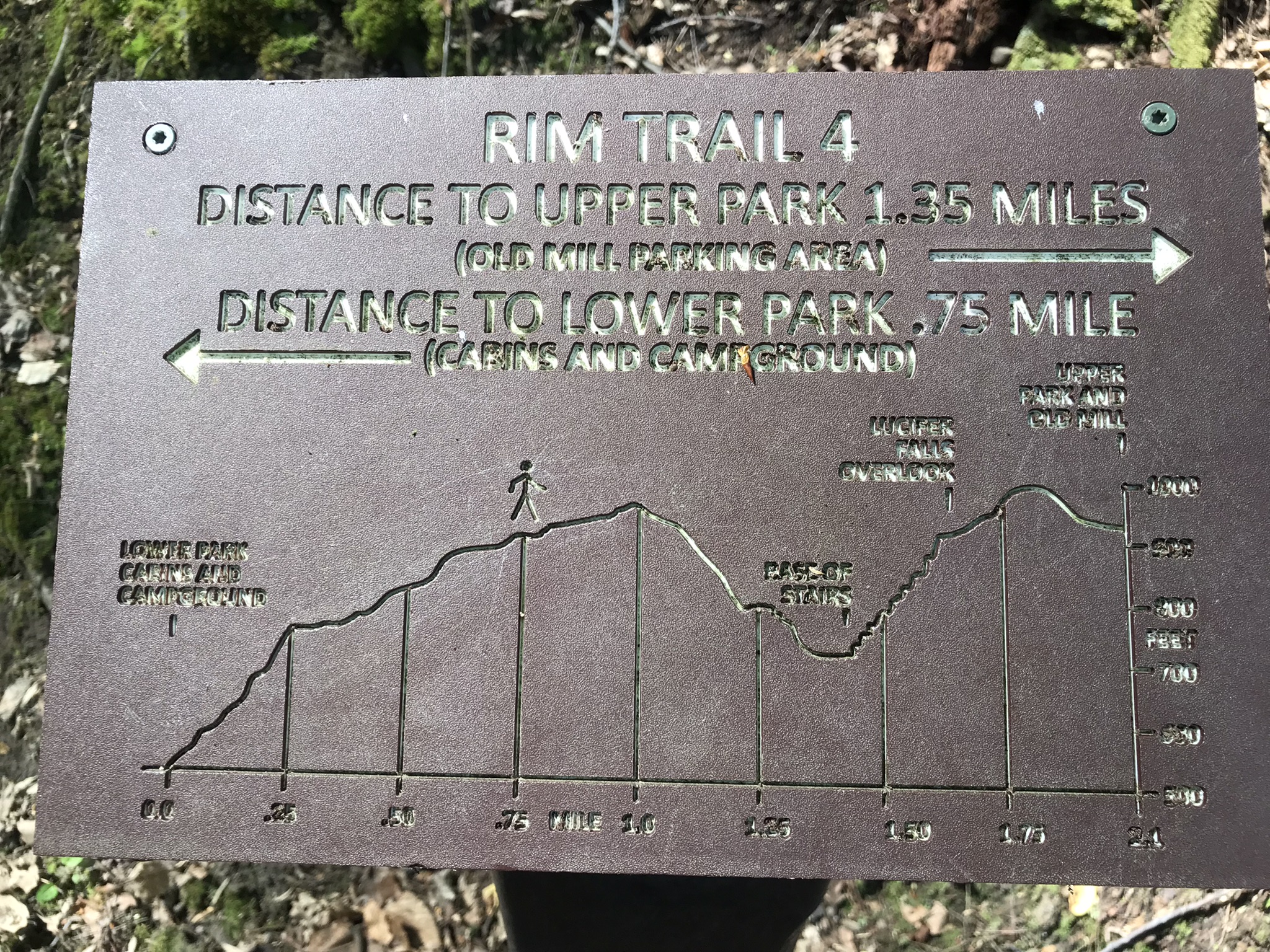
Travelling light, using the IPhone 7during a 4 mile walk on the Gorge and South Rim Trails of Robert H. Treman New York State Park, Finger Lakes Region near Ithaca, New York. A few waterfalls and sights along the way. Distance is from the “Health” app on my phone.

A pool is formed beneath this waterfall by a dam, removed each fall and yet to be placed. Summertime, the water is deliciously cool. It is great fun swimming to the waterfall base and inching along under the spray. This view is the reward for the first climb up from the gorge floor, the South Rim Trail.

The first Foam Flower…..

This flower grew just off this section of the trail.

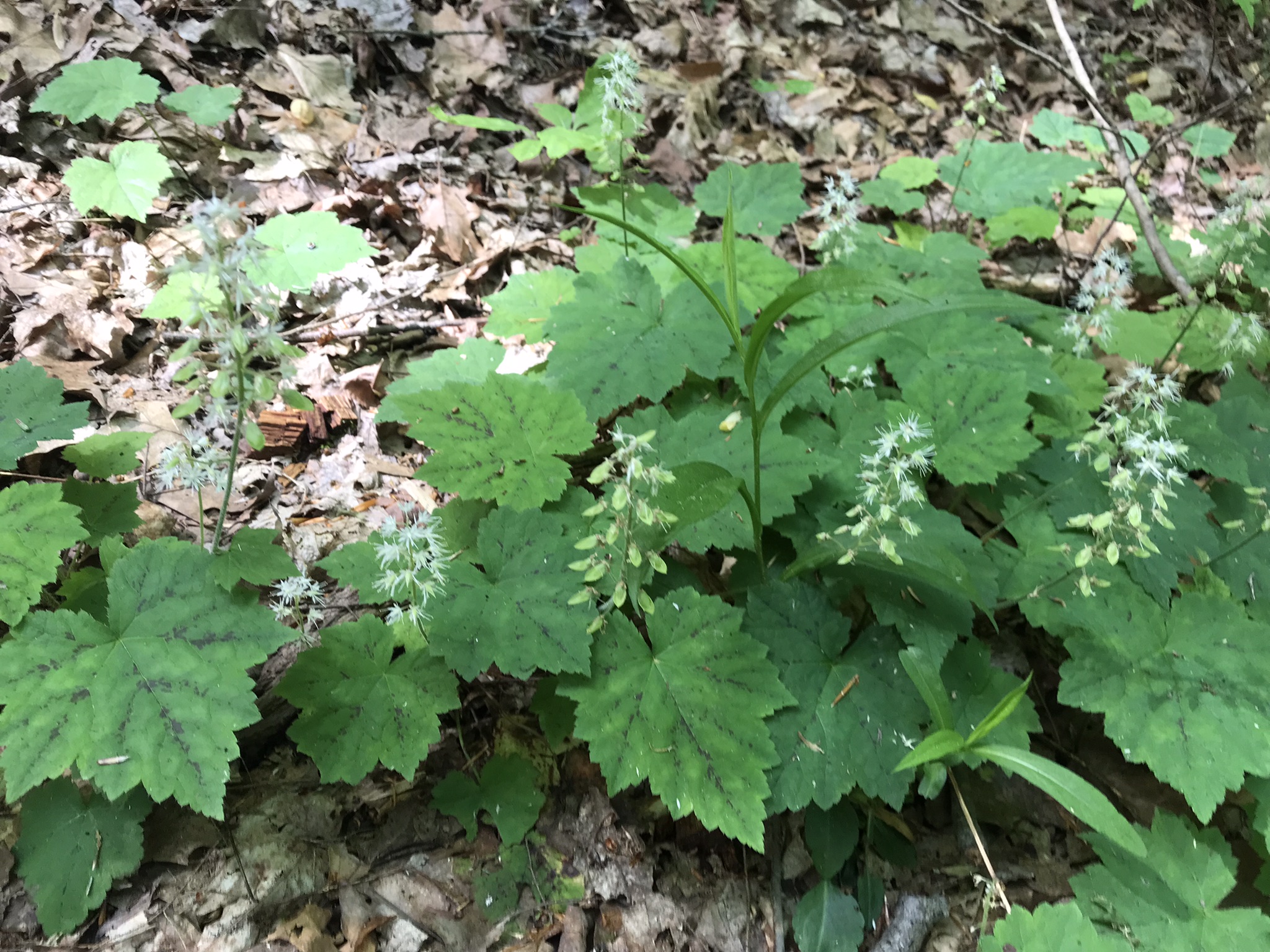
A few hundred feet further along, the Foam Flowers were crowded in clumps. The scientific name, Tiarella cordifolia, is from the heart shaped leaves (cordifolia). Each flower forms a crown like seed, thus “tiarella” from the French.

Click me for more information on this plant.

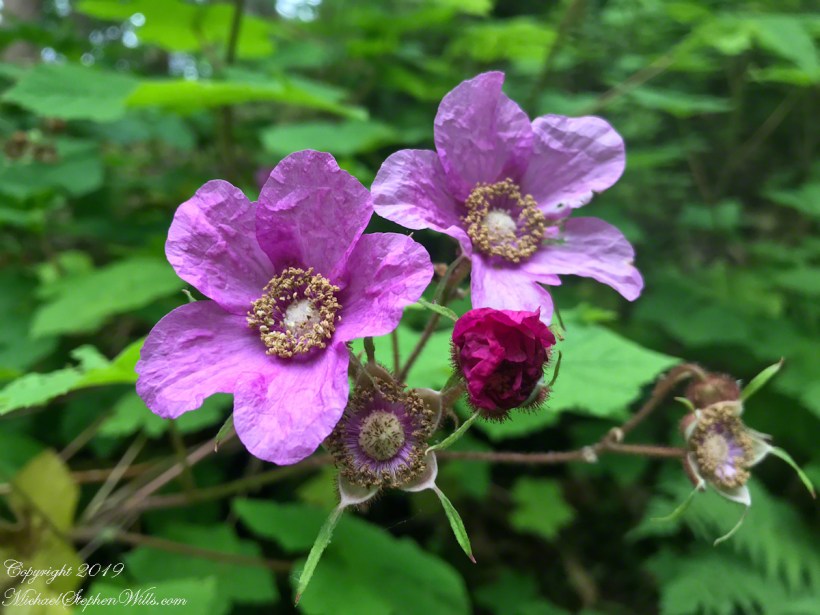
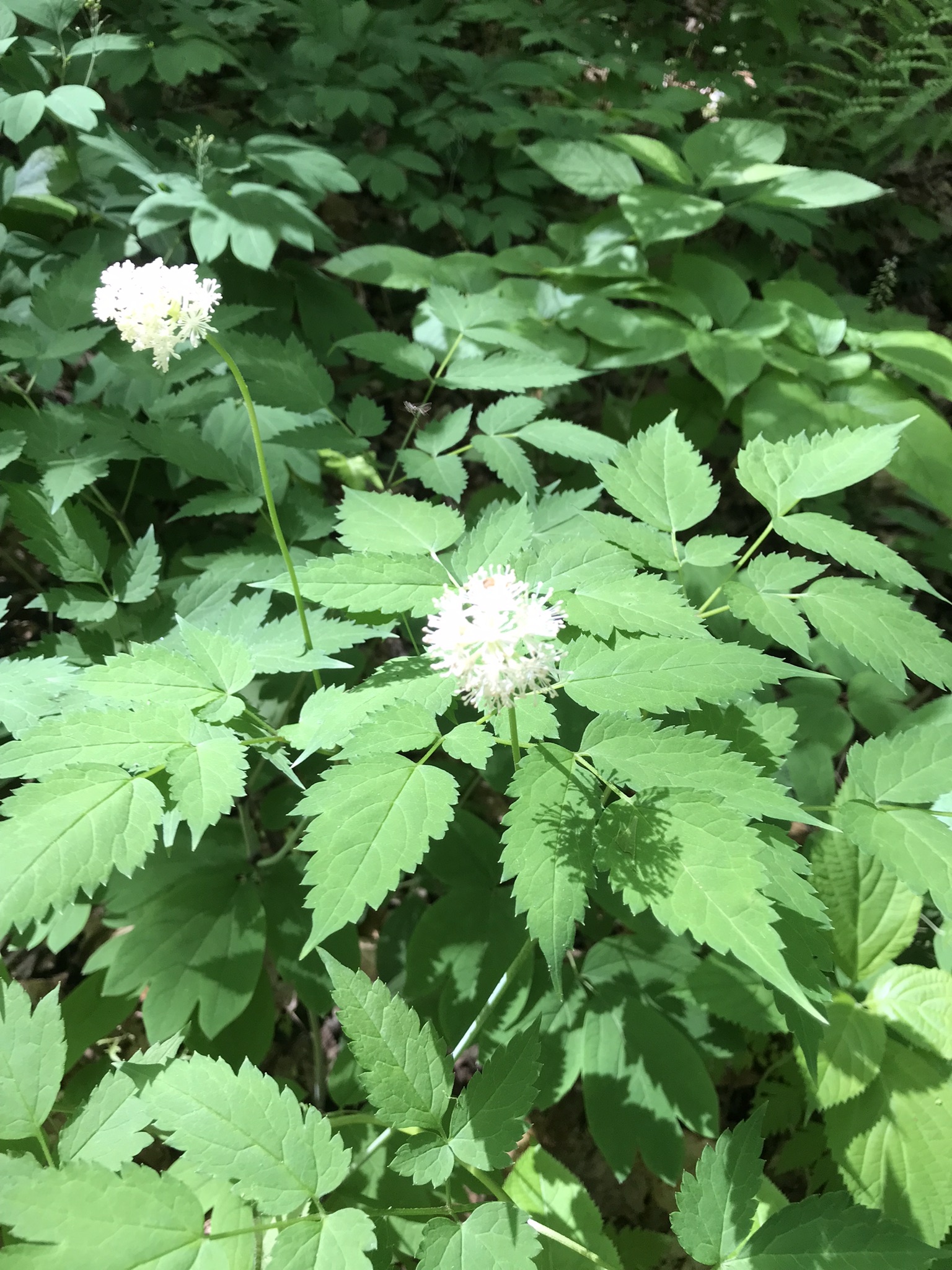
Here I approached the high point of this section of the South Rim Trail. I look forward to summer and Purple Flowering Raspberry, the featured photograph (header) of this post.

Click me to learn more about the Purple Flowering Raspberry from my Fine Art Photography Gallery

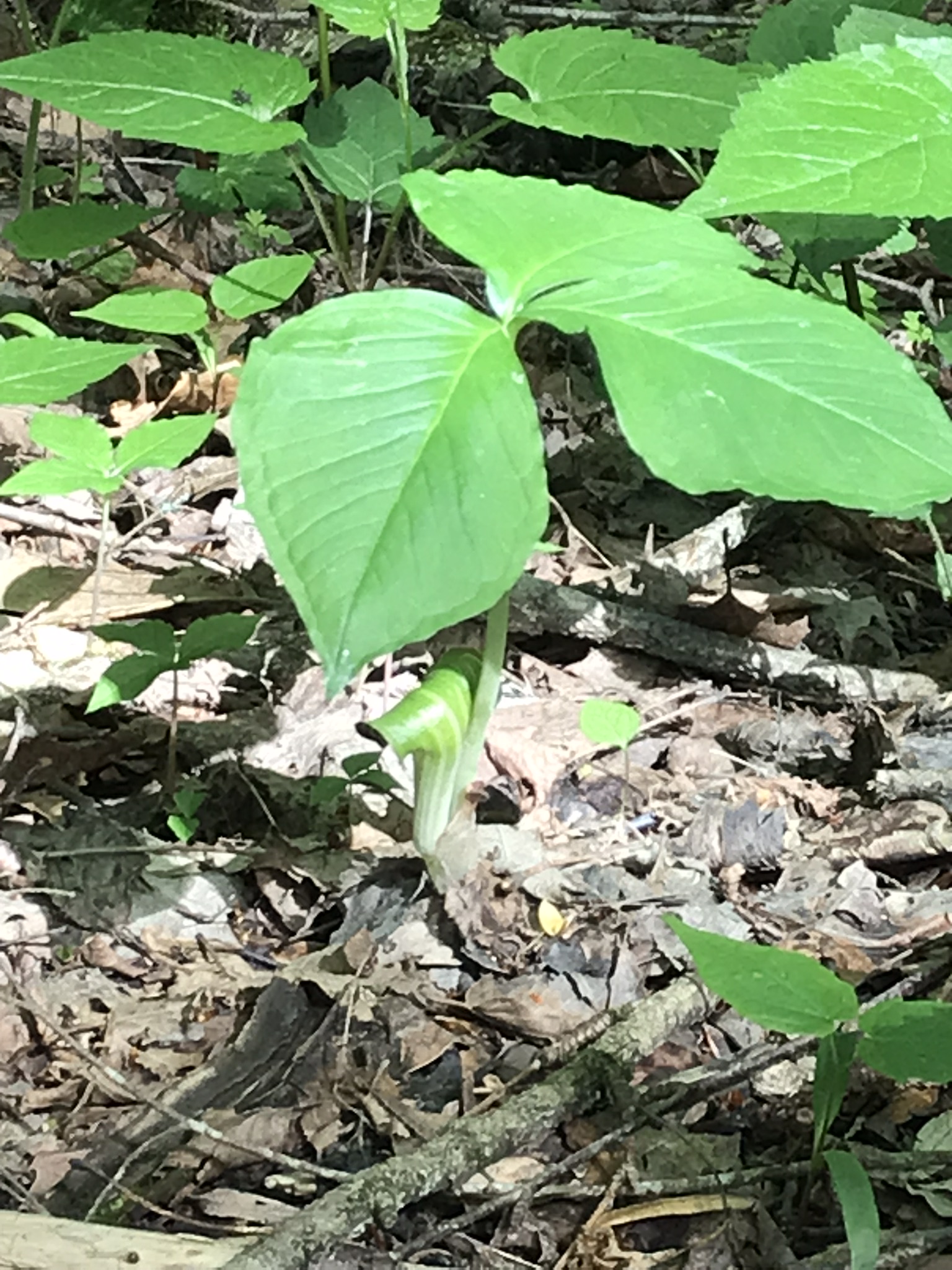
I caught sigh to this Jack-In-The-Pulpit on the descent to the gorge. Click me for a better photograph of this plant.

An enchanted place just off the trail.

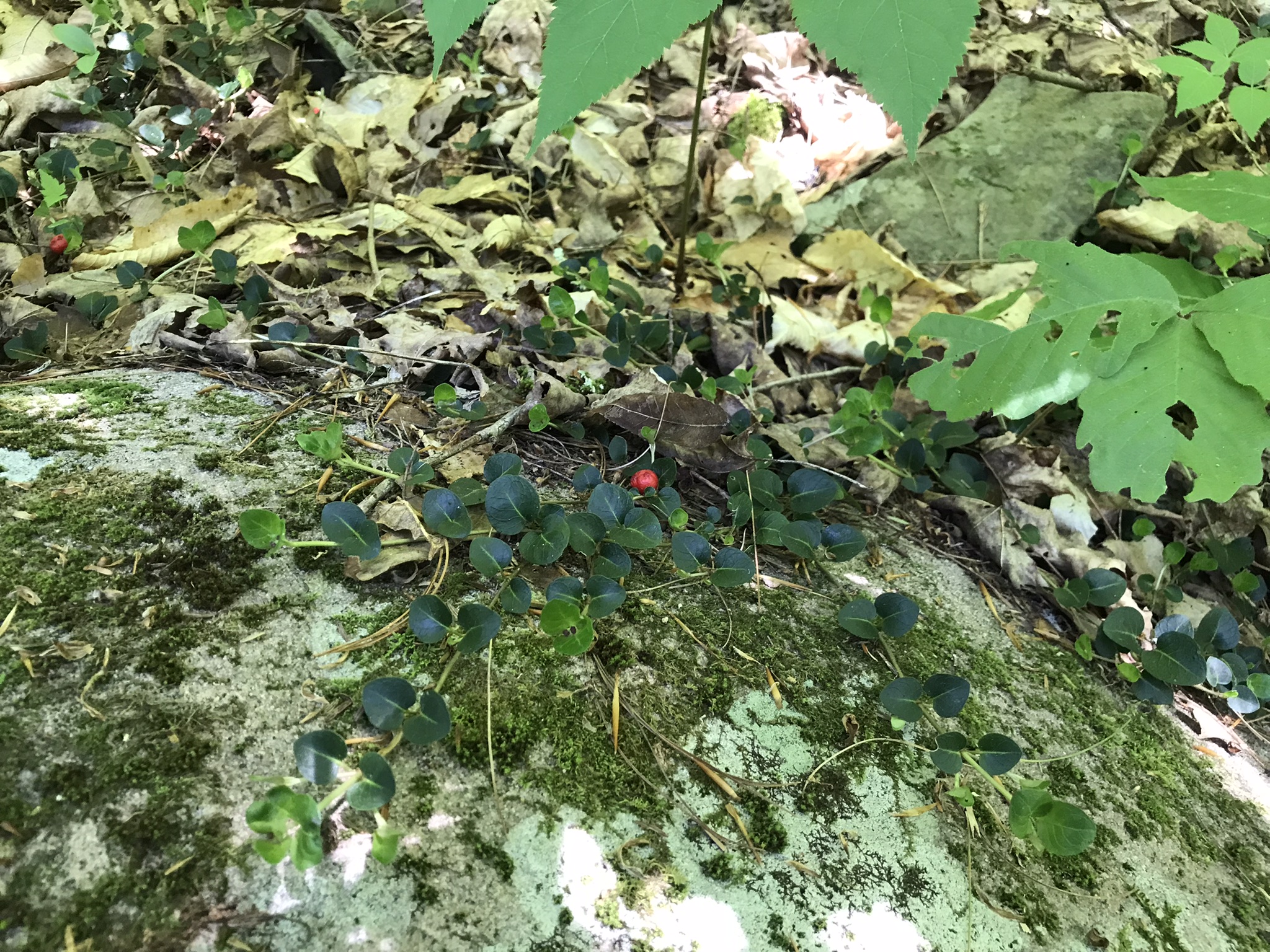
I spotted this Creeping Wintergreen (Gaultheria procumbens) with a single red berry on my return trip via the Gorge Trail.

Click me for the another Enfield Glen post, “A Summer Flower and Waterfalls.
Copyright 2022 All Rights Reserved Michael Stephen Wills

Cliff Edge I

Beware of falling rock

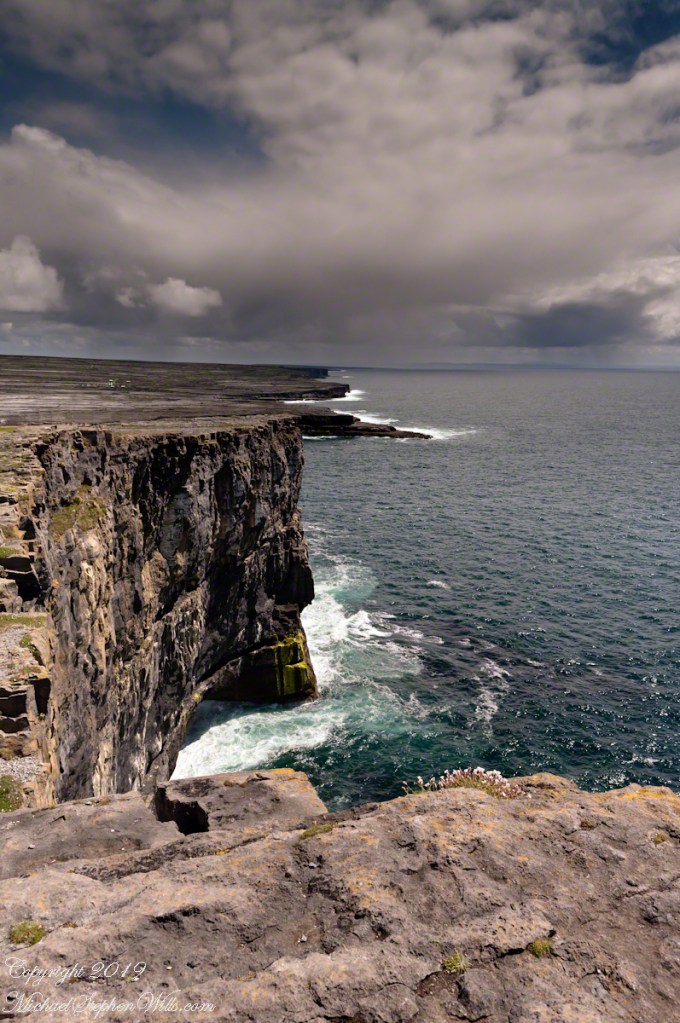
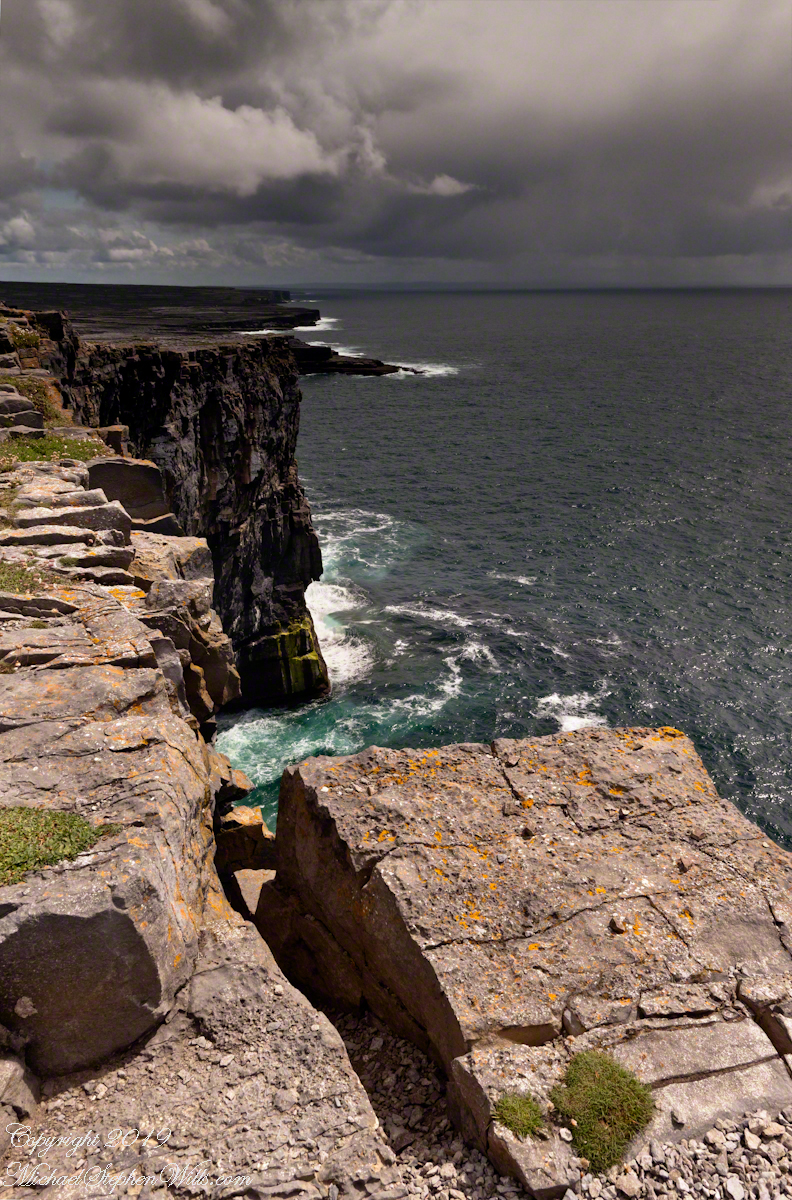
From the commanding location of Dun Aonghasa, looking northeast across Inishmore island, we can understand why the ancient builders chose this location.

We also see the transition from exposed limestone to the fields built literally from the ground up (see my post “The How of Soil”).  For a closer view of island houses see my posts “Settled In” and “Cottage Road Cottage.”

The field walls are described in my posts, “What is a rock, what is a stone?” and “Stone on Stone.”

Click the photograph for a larger view.  Enjoy!!

Click the link for my Getty IStock photography of the Aran Islands

Breaking waves below the dramatic cliffs of the ancient fort Dun Aonghasa (Dun Aengus),

in the distance the karst landscape of Inishmore with clouds of an approaching storm over Galway Bay.
A crack in the limestone foretells the next cliff erosion, “don’t step there!!.”

Inishmore, Aran Islands, County Galway, Ireland.

Click me for the first post of this series, “Horse Trap on Inishmore.”

Copyright 2022 Michael Stephen Wills All Rights Reserved

Inner Ring, entrance

a storm threatens

In a previous post, “Inner Ring, at last” we passed over the entrance to the inner enclosure.

A long path through fields, karst landscapes and outer walls leads to this entrance to the inner ring of Dun Aonghasa (Dun Aengus) of Inishmore, Aran Islands, County Galway, Ireland. The image composition is as a dramatic landscape with the surrounding walls and the cloudscape of an approaching storm.

Click me for the first post of this series, “Horse Trap on Inishmore.”

Reference: wikipedia Dún Aonghasa

Copyright 2022 Michael Stephen Wills All Rights Reserved

Tower of Glass reprise

A selection of photographs from our January 2019 visit to McKee Botanical Gardens, Vero Beach, Indian River County, Florida

I found three more photographs of “Tower…”

Tower is on permanent load from Frabel Art Foundation. In the late 1970s, glass sculptor Hans Godo Frabel created a small series of abstract sculptures of spheres connected to rods, forming unique clear shapes that render a beautiful play with light. This piece, entitled Tower, is a larger version of Frabel’s 1979 Tower of Babel.

Click me for a dinosaur at McKee Gardens, “Triceratops, one of the last.

References: text is from the park placard with minor edits.

Copyright 2022 Michael Stephen Wills All Rights Reserved

Tower of Glass

A selection of photographs from our January 2019 visit to McKee Botanical Gardens, Vero Beach, Indian River County, Florida

Tower is on permanent load from Frabel Art Foundation. In the late 1970s, glass sculptor Hans Godo Frabel created a small series of abstract sculptures of spheres connected to rods, forming unique clear shapes that render a beautiful play with light. This piece, entitled Tower, is a larger version of Frabel’s 1979 Tower of Babel.

Click me for a dinosaur at McKee Gardens, Neovenator, teeth like steak knives

References: text is from the park placard with minor edits.

Copyright 2022 Michael Stephen Wills All Rights Reserved

Memorial Mushroom

A selection of photographs from our February 2022 visit to McKee Botanical Gardens, Vero Beach, Indian River County, Florida

In Memory of Elsebeth (1889-1996) and Waldo Sexton (1885-1967) from their family (2018). This is a replica of one created in the original McKee Jungle Gardens, circa 1953. The original Giant Mushroom still stands in what is now Vista Gardens, approximately 1/3 mjile northeast of this spot.

Click me for a dinosaur at McKee Gardens, Neovenator, teeth like steak knives

Copyright 2022 Michael Stephen Wills All Rights Reserved

When is a folly not a mistake?

A selection of photographs from our February 2022 visit to McKee Botanical Gardens, Vero Beach, Indian River County, Florida

This wrought iron and stone structure takes it inspiration from the faux ruins that sprung up in European gardens in the 18th century. These fabricated remnants of castles, temples and gates were constructed to look as though a historic or classical structure once had stood on that spot. They were named follies because they had not purpose other than ornamentation. McKee’s Folly evokes its own noteworthy history, as it welcomes visitors and vines.

Click me for a dinosaur at McKee Gardens, Neovenator, teeth like steak knives

Copyright 2022 Michael Stephen Wills All Rights Reserved