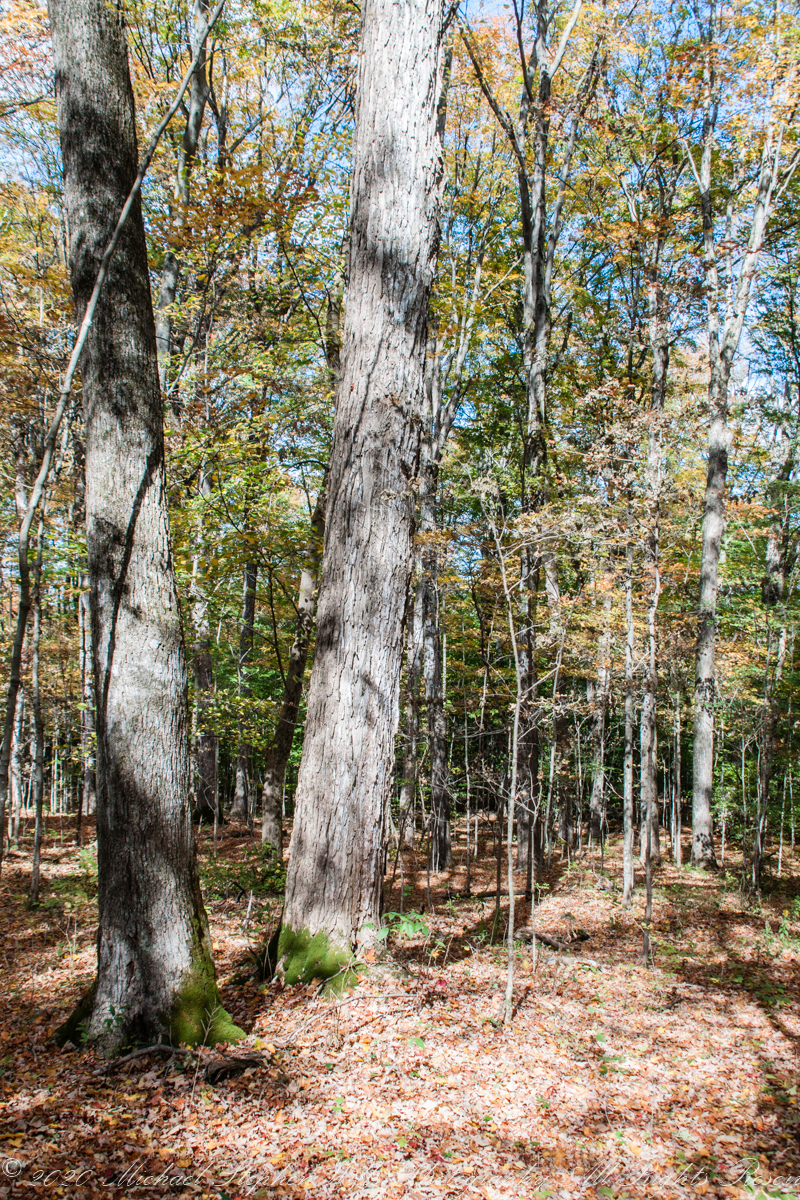
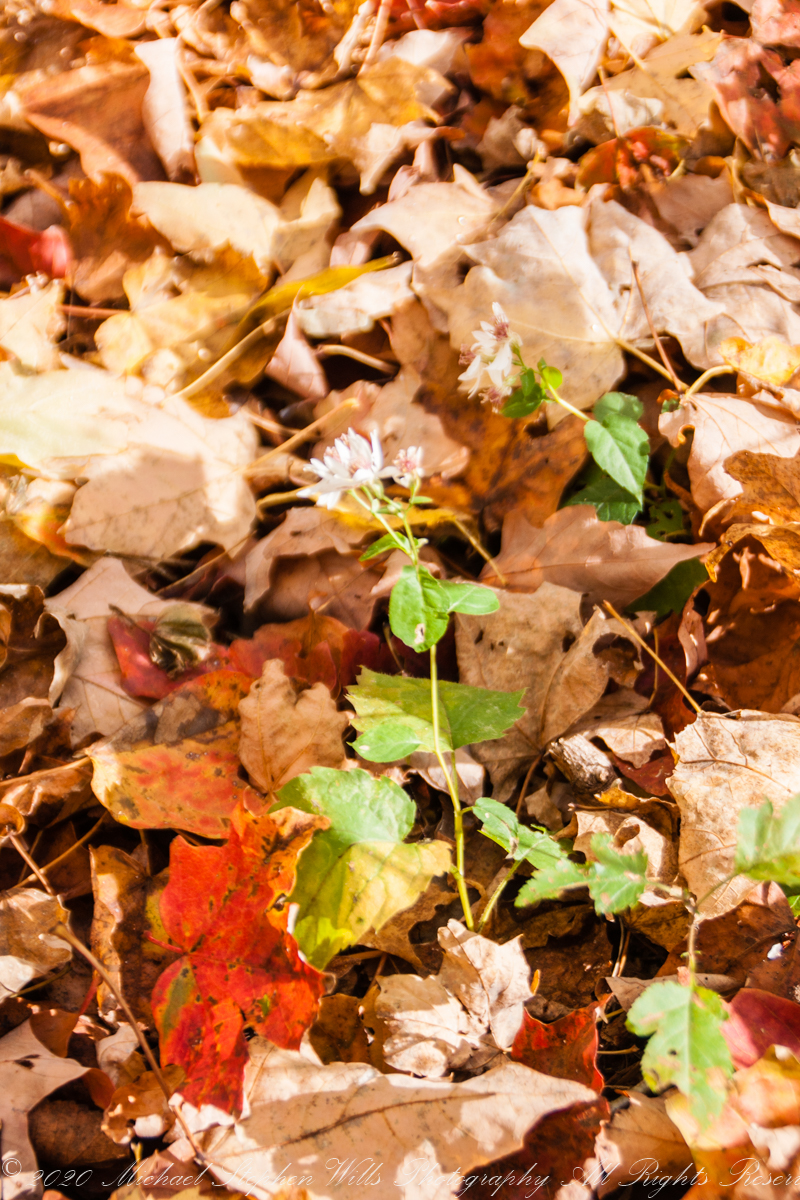
Thayer Preserve: Autumn Still Life 2

Hemlock Roots

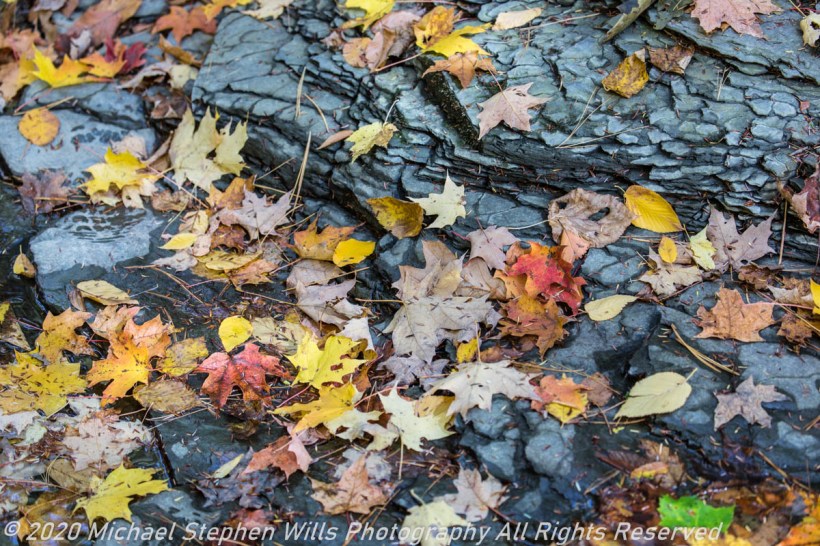
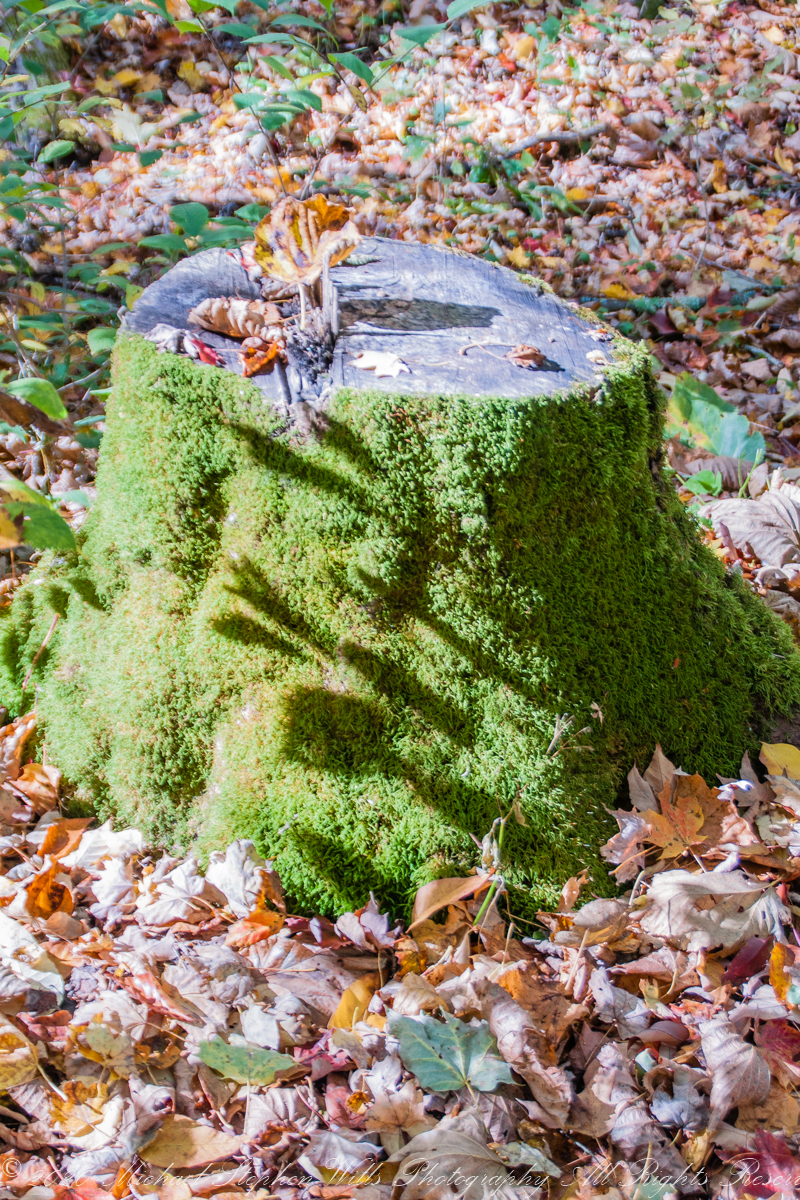
Maple leaves and hemlock roots share an environment yet play distinct roles in the ecosystem. Maple leaves, broad and vibrant, capture sunlight. This process fuels their growth and contributes to the air we breathe. Each fall, these leaves turn yellow and brown, signaling a natural change. They fall, joining the forest floor. Here, they decompose, becoming part of the soil. This enriches the earth, supporting new plant life.

Hemlock roots anchor these mighty trees. Reaching deep into the soil, drawing up water and nutrients. These roots also stabilize soil, preventing erosion and are a network, unseen but vital, connecting the tree to its environment.

Click photograph for larger view. Use combination keys to enlarge/reduce: Ctrl+ (Control / Plus) and Ctrl- (Control / Minus)

These natural processes have parallels in human generations. Like the leaves, each generation has its time in the sun. People grow, contribute to their world, and then make way for the next. The knowledge and experiences they leave behind enrich the lives of those who follow, much like fallen leaves nourish the soil.

Similarly, the hemlock roots parallel the foundational elements of human society. Traditions, cultures, and values are passed down, anchoring each new generation. They provide stability and nourishment, helping to guide growth and development.

Over time, just as the forest evolves through the cycles of leaves falling and roots growing, human societies change. Each generation builds upon the last, growing in the richness left behind. This ongoing cycle speaks to the resilience and interconnectedness of life, whether in a forest or in human communities.

In both nature and human experience, there is a rhythm of growth, contribution, and renewal. The falling of maple leaves, and the steadfastness of hemlock roots illustrate this beautifully, reminding us of the continuity and change inherent in all living systems.

Click Me to view my photographs on Getty.

Copyright 2023 Michael Stephen Wills All Rights Reserved http://www.MichaelStephenWills.com

Thayer Preserve: Autumn Still Life 1

color pallet

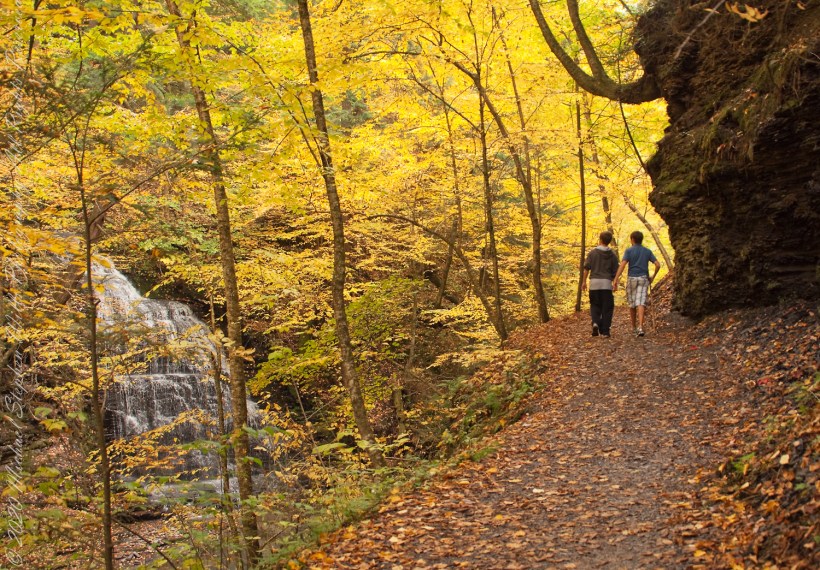
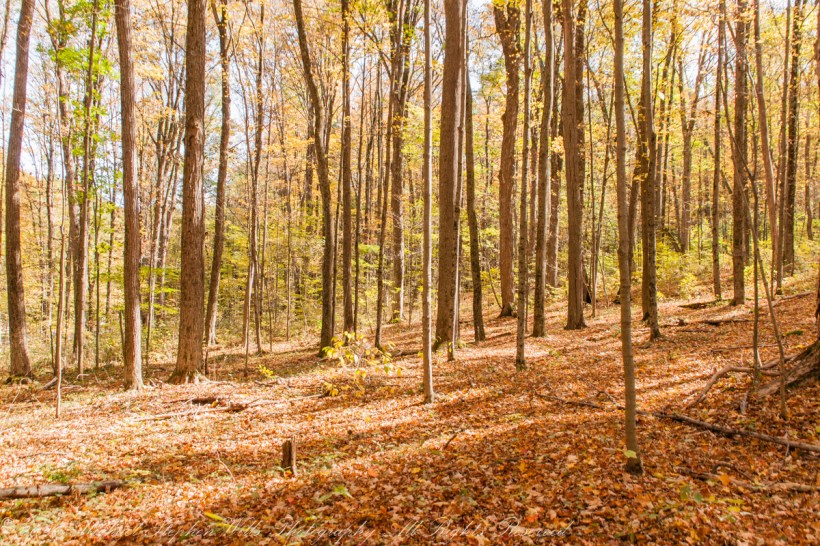
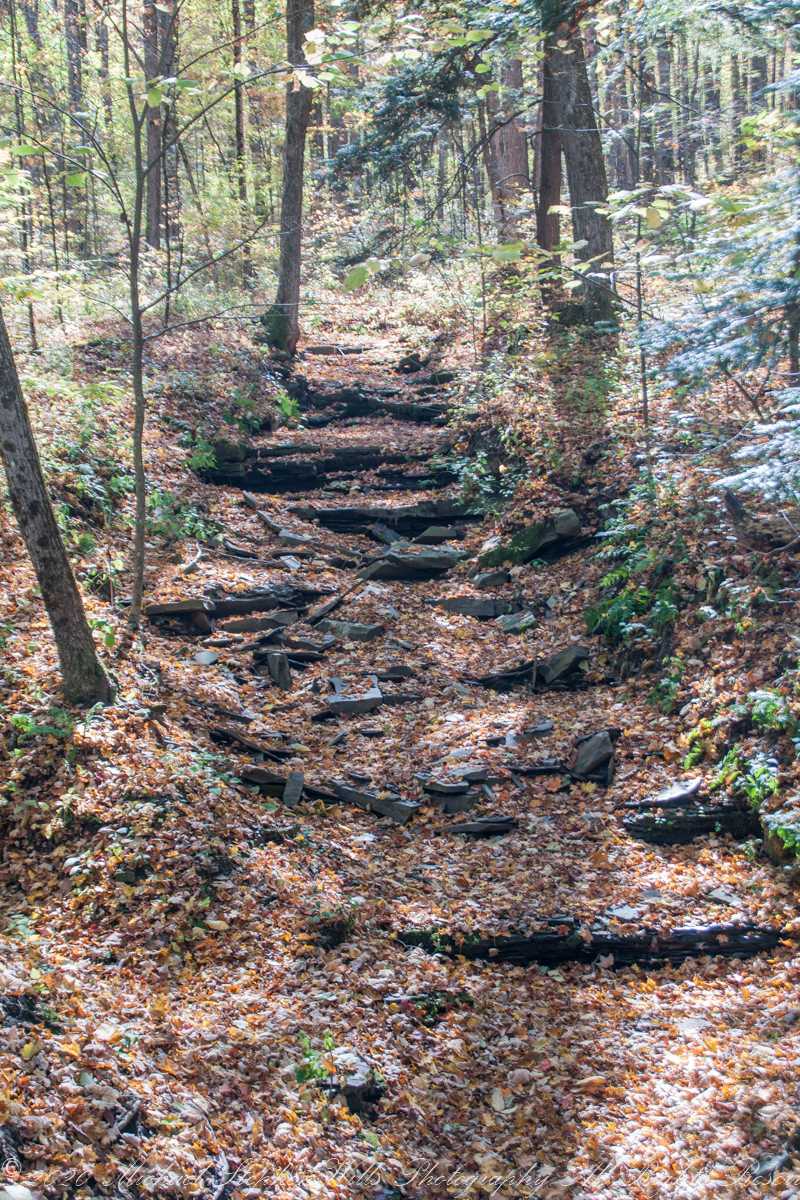
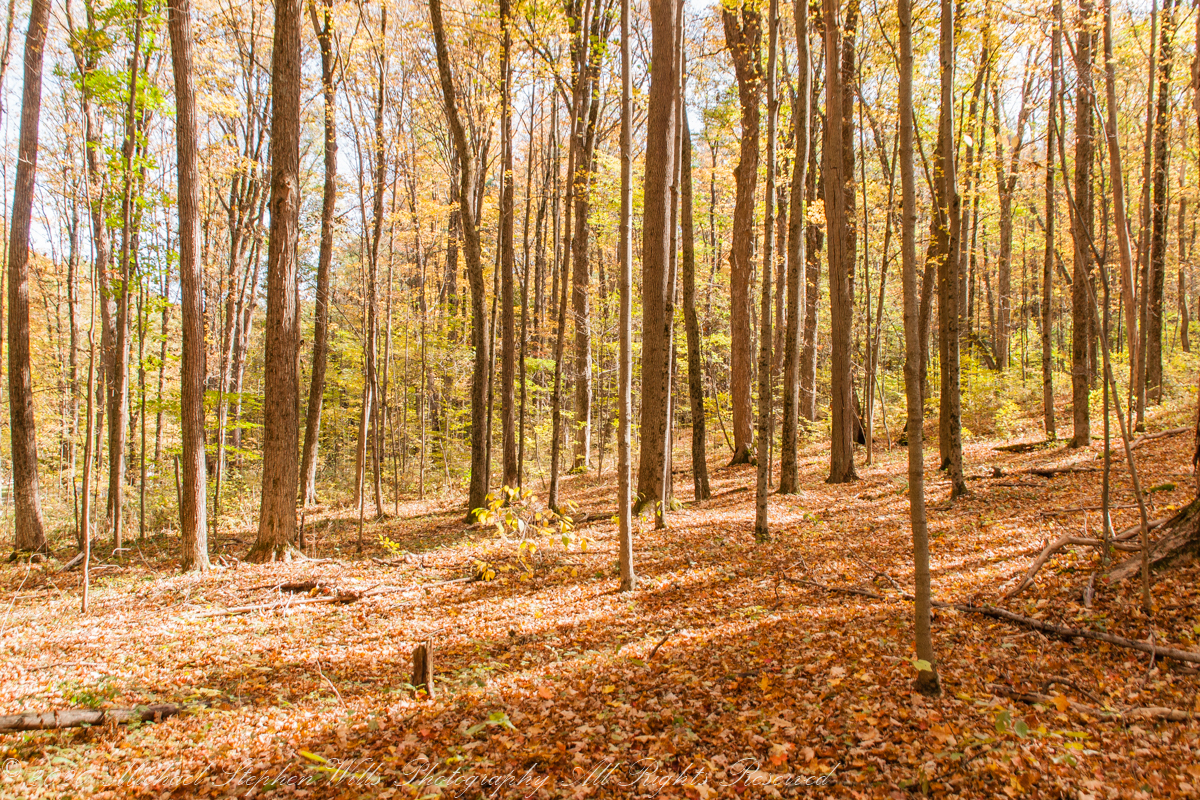
In the heart of nature, where Lick Creek flows, the land is a preserve. It guards the essence of the wild. Trees, tall and timeless, hemlocks, stand like sentinels. Their roots twist and turn, merging with the earth. Among them, maple leaves lie. They have journeyed from their branches to the ground. Yellow and brown, they rest. They carpet the soil, a patchwork of autumn’s farewell.

The creek murmurs. Its waters are a constant traveler, never still. They speak of journeys unseen. Along its banks, the leaves are at the end of their own journey. Melding with the earth, becoming part of something greater.

Click photograph for larger view. Use combination keys to enlarge/reduce: Ctrl+ (Control / Plus) and Ctrl- (Control / Minus)

Here, time moves differently. It’s marked not by clocks but by the subtle shifts of nature. Leaves fall, waters flow, the trees stand watch. This is a cycle, ancient and endless. In this preserve, every element has a role, a purpose. Together, they create a harmony.

This place, where leaves fall and waters flow, is more than a preserve. It is a reminder. In nature’s embrace, everything finds its place. Everything belongs. Even as leaves fall, they find a new purpose. In their resting, they nourish. In their silence, they speak of life’s endless cycle.

Click Me to view my photographs on Getty.

Copyright 2023 Michael Stephen Wills All Rights Reserved http://www.MichaelStephenWills.com

Mirror

…on the wall

On Lick Brook, Thayer Preserve, still pools become mirrors at low flow during a dry autumn.

Click photograph for larger view. Use combination keys to enlarge/reduce: Ctrl+ (Control / Plus) and Ctrl- (Control / Minus)

Click Me to view my photographs on Getty.

Copyright 2023 Michael Stephen Wills All Rights Reserved http://www.MichaelStephenWills.com

White House Ruin

In 2003 and 2008, the author visited and photographed White House Ruin in Canyon de Chelly, observing changes in landscape.

In November 2003, my son Sean and I journeyed up Route 191 from Petrified Forest National Park, arriving in Chinle on a crisp autumn afternoon. My photography equipment at the time was modest: a Sony Point and Shoot 5 MP camera with filters, a purse-like over-the-shoulder bag, and a basic tripod from Kmart.

We reached the White House trailhead in Canyon de Chelly and began our hike. The trail was quiet, and as the sun set at 5:20 pm, we found ourselves virtually alone. A dense growth of Russian Olive trees dominated the wash at that time. In the dimming light, I captured a distant shot of the White House Ruin, whitewashed, set against the backdrop of autumn-hued Russian Olive foliage. Nearby, a grove of Cottonwoods, still green, stood near the canyon wall.

By the time Pam and I returned in July 2008, four years and nine months later, the landscape had changed. The invasive Russian Olives had been removed, and the White House Ruin was no longer painted white.

The same Route 191 that Sean and I had taken in 2003 led us through the Four Corners region of Northern Arizona. Pam and I had traveled from Colorado, arriving in the late afternoon. This time, the Navajo Reservation’s adherence to daylight savings time meant the sun wouldn’t set until 8:33 pm. My aim was to photograph the White House Ruin that I had missed years earlier.

That July day the sun set 8:33 pm as the Navajo Reservation observes daylight savings time. My goal was to photograph the White House Ruin I missed in 2003. We arrived at the trail head. My photography kit was expanded from 2003, now included a Kodak DSC Pro slr/C, the “C” meaning “Canon” lens mounting, a Sony 700 alpha slr (I only use a variable lens), Manfrotto tripod with hydrostatic ball head, and the backpack style Lowe camera case. With the tripod it is over 25 pounds.

With this on my back I was prepared to boogie down the trail. At the height of tourist season there were many more people at the trailhead. Pam, being a friendly person, started a conversation while I ploughed ahead along the flat canyon rim. It is solid red sandstone, beautiful, generally level with enough unevenness to require attention. When Pam saw how far ahead I was she tried to catch up, tripped, fell hard.

I backtracked to Pam and we decided what to do. She thought, maybe, the fall broke a rib. We decided to proceed and descended, slowly, together. Here we are in front of the ruin. The sun, low in the sky, is moving below the south canyon wall. This is a perfect time, and I used both cameras.

The sweep of cliff and desert varnish was my intent to capture. Here it is through the Canon 50 mm lens.

Click link for this White House photograph in my Online gallery.

I captured this version with the Sony Alpha 700 slr, the variable lens set to widest angle.

Click link for this White House photograph from my online gallery.

Here the camera setup waits out the sun…..

Click Me to view my photographs on Getty.

Copyright 2023 Michael Stephen Wills All Rights Reserved http://www.MichaelStephenWills.com

Life and Death

Among the 7,000 year old remains found in Windover Bog was the skeleton of a boy crippled from spina bifida who had to be carried around and treated for the 16 years of his life.

I was born into a world that danced around me, a world I could only witness but never fully join. My legs, unlike those of the other children in our tribe, refused to carry me. I spent my days close to our hut, watching the life of our village unfold from my corner, shaded by the leafy arms of the great trees.

My mother was my bridge to the world. She carried me to the edge of the waters, where I would watch my friends play, their laughter a melody I cherished. She showed me the way the water held stories, the way the reeds whispered in the wind. She taught me to weave, my fingers nimble and quick, making up for my still legs.

As I grew, I found my place among my people. I became a keeper of stories, a weaver of tales, just as I wove reeds into baskets. My voice became my movement, my words a dance.

Then, illness found me. It crept into our hut, a shadow that no fire could dispel. My mother’s eyes, always so full of warmth, grew clouded with fear. She fought for me, her hands constantly working – crushing herbs, whispering prayers.

I saw her struggle; saw the toll it took. I wanted to ease her burden, tell her it would be alright, but my voice had begun to fail me. All I could do was squeeze her hand, a silent message of love and gratitude.

As my breaths grew shallower, I watched her. She was my world, her face the last thing I saw as I drifted away, her lullabies carrying me to a place of peace.

I am his mother, heartbroken and weary. My son, my joy, lies motionless, his chest barely rising. I had always carried him, but now, there’s a journey I cannot make with him.

I remember his laughter, bright and clear, despite his bound body. His spirit had wings, even if his legs did not. He was the light of our tribe, a storyteller, a dreamer.

When he leaves me, my heart shatters. The tribe gathers, offering comfort, but the void he leaves is too vast. We prepare him for his final journey, wrapping his body, laying beside him his favorite weaving tools, the small toys he cherished.

We take him to the bog, our sacred place. Gently, we lay him in the water, his final cradle. The waters close over him, holding him in an eternal embrace.

Years pass, but his memory remains, alive in the stories I tell by the fire.

Copyright 2023 Michael Stephen Wills All Rights Reserved http://www.MichaelStephenWills.com

Light, Hope

The post describes a photographic expedition featuring a sunflower field and maples at Frear Memorial Park, and explores the notable Frear family’s history in Ithaca, New York.

Descending Hayts Road toward Cayuga Lake in the course of a photographic scouting expedition I spotted a mature linear maple tree planting forming the western edge of Frear Memorial Park. This day Pam and I headed out at day’s end, stopping here to capture the turning maples.

Click photograph for larger view. Use combination keys to enlarge/reduce: Ctrl+ (Control / Plus) and Ctrl- (Control / Minus)

A sunflower field was a hidden surprise. The 24 mm “wide angle” lens was mounted on a Canon EOS 5D Mark IV dslr on a light carbon fiber tripod.

The Frear family has a notable presence in Ithaca, New York’s history. One significant member was William Frear, a well-known businessman who lived his entire life in Ithaca. He ran a candy store and a photograph gallery, and was involved in the county fair. William passed away in 1915 at his daughter’s home on East Buffalo Street in Ithaca​​.

In terms of the Frear family’s broader historical context, the name was found in the USA, the UK, Canada, and Scotland between 1840 and 1920, with the most Frear families in the USA recorded in 1880. Remarkably, in 1840, about 67% of all recorded Frear families in the USA were living in New York, indicating a significant concentration of the family in the state​​.

The family tree of William Frear includes his parents Baltus Frear (1793–1881) and Lavina Westerveldt Frear (1800–1868), his spouse Ann Amelia Hopkins Frear (1838–1906), and his children Baltus W Frear (1865–1885), Donna Frear Luker (1868–1929), T Wilbur Frear (1874–1874), and Edward Hughson Frear (1876–1910)​​.

This snapshot of the Frear family in Ithaca provides a glimpse into their lives and contributions to the local community during the 19th and early 20th centuries.

Additionally, there is a Frear Park in Troy, New York. Donated by the family of William H. Frear in June, 1917, Wright Lake and Bradley Lake, located in the park were named for members of the Frear Family. The Frear Family was originally from France where the name was as Frere. The Frere’s moved to England to escape prosecutions, where the spelling of the name was changed to Frear. The family was founded in the United States by Joseph Frear, Grandfather of William H. Frear of Troy, New York.

Click Me to view my photographs on Getty.

Copyright 2023 Michael Stephen Wills All Rights Reserved http://www.MichaelStephenWills.com

Lengthening Shadows

Sere Goldenrod

West Hill, Ithaca, resolves to this plain here sere goldenrod, abandoned barn, silo, distant hills. We headed out from home as sunset approached.

Click photograph for larger view. Use combination keys to enlarge/reduce: Ctrl+ (Control / Plus) and Ctrl- (Control / Minus)
Click to view my autumn photographs on Getty.

Mizpah and Mitzvah

I was reading the story of Jacob and Laban and encountered the word “Mizpah” is Hebrew for “watchtower”. It is used to refer to an emotional bond or covenant made between two people with God as their witness, often symbolized by a pile of stones marking an agreement​​. Mizpah sounds similar to “Mitzvah,” often used to mean “a good deed,” and is related to the Aramaic word “tzavta,” which means to attach or join. This term is commonly used to describe any charitable act and has deep roots in Jewish tradition and texts, such as the Jerusalem Talmud.​​

The relationship between “Mizpah” and “Mitzvah” seems to be more linguistic and symbolic rather than direct. Both terms originate from Semitic languages and carry connotations of connection and covenant. “Mizpah” symbolizes a bond overseen by God, while “Mitzvah” refers to actions that connect individuals through good deeds, potentially strengthening communal bonds.

Click Me to view my photographs on Getty.

Copyright 2023 Michael Stephen Wills All Rights Reserved http://www.MichaelStephenWills.com

Woodland Goldenrods

Woodland goldenrods in the Finger Lakes Region contribute to ecosystem biodiversity and resilience.

In the Finger Lakes Region of Central New York State, a tapestry of flora unfurls across the landscape, marked by the vibrant yellows of woodland goldenrods. These wildflowers are not just a visual spectacle; they are integral to the ecosystem, contributing to its biodiversity and offering a feast for pollinators.

Woodland goldenrods (Solidago species) are part of a larger genus that encompasses over 100 species, many of which thrive in the varied habitats of the Finger Lakes. This region, with its rich soils, ample rainfall, and diverse topography, hosts an array of goldenrod species, each adapted to specific niches within the woodland understory.

Hint: click image for larger view. Ctrl/+ to enlarge / Ctrl/- to reduce
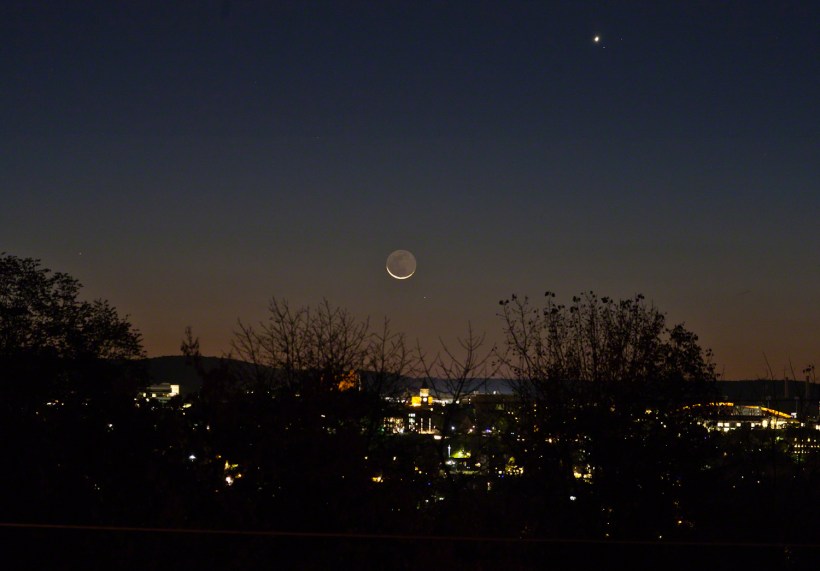
Solidago caesia, commonly known as blue-stemmed or wreath goldenrod, is one species that graces these woods. Unlike the typical roadside goldenrods, this species thrives in the dappled shade, its delicate arching stems culminating in small bursts of yellow flowers that appear like beaded necklaces draped over the greenery.

Another species, Solidago flexicaulis, or zigzag goldenrod, earns its name from the characteristic bending pattern of its stem, which zigzags between leaf nodes. Its flowers are more clustered, favoring the shade and moist conditions of the forest floor. Its presence is often a sign of a healthy, undisturbed woodland.

Solidago odora, or anise-scented goldenrod, brings a sensory delight to the mix with leaves that emit a licorice-like fragrance when crushed. This goldenrod favors the edges of woodlands and clearings, where sunlight can reach its clusters of tiny, bright yellow flowers.

The downy goldenrod, Solidago puberula, is yet another species that decorates the region’s woodlands. It prefers dry, sandy soils, often found on the slopes and ridges that contour the Finger Lakes. Its name comes from the fine hairs that cover its stems and leaves, a characteristic that distinguishes it from its kin.

Each of these goldenrods plays a role in the woodland ecosystem. Their flowers provide nectar and pollen for a variety of insects, from bees and butterflies to beetles and flies. The seeds are a food source for birds, and the plants themselves offer habitat to numerous woodland creatures.

The presence of woodland goldenrods also indicates the health of the region’s forests. These plants are often pioneers in disturbed areas, contributing to soil stabilization and the natural succession process. They are resilient and adaptable, capable of surviving in a range of conditions from full sun to dense shade, though each species has its preference.

In the Finger Lakes Region, the goldenrods bloom from late summer into the fall, their golden hues a prelude to the coming autumnal display. They stand as a testament to the beauty and complexity of these woodlands, their very existence a reminder of the delicate balance within these ecosystems.

In conclusion, the woodland goldenrods of the Finger Lakes are more than just a splash of color in the verdant forests. They are a vital part of the ecological tapestry, contributing to the biodiversity and resilience of the region. Each species, with its unique adaptations and preferences, adds to the rich natural heritage of Central New York State, reminding us of the intricate web of life that thrives in these woodlands.

Click Me to view my photographs on Getty.

Copyright 2023 Michael Stephen Wills All Rights Reserved http://www.MichaelStephenWills.com

Maple Leaves and Us

The maple leaf is here portrayed as a symbol of life’s journey, intricacy, and impermanence, offering profound reflections on existence and human aspiration.

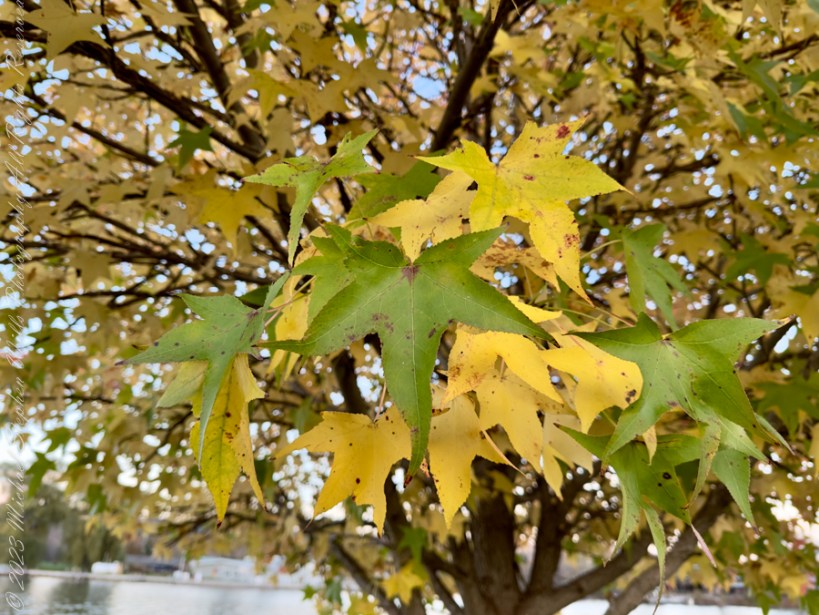
The maple leaf, a symbol cast from the arboreal giants that stand sentinel over the forests of the North, is an emblem woven into the very fabric of the natural world and the ethos of nations. In the hush of the woodland, where light dapples through the canopy, one might find the ground strewn with these deciduous gems, each a small testament to the grandeur of the cosmos and the cyclical poetry of life.

A maple leaf is an allegory for the human condition. The leaf, in its singular form, is a paragon of symmetry, its serrated edges a crown of nature’s meticulous artisanship. The veins that stretch across its surface, much like the lines upon an aged hand, speak of life’s intricate network, the invisible bonds that connect and sustain us. Each leaf, a verdant vessel, courses with the sap of existence, a lifeblood shared in the quiet brotherhood of the forest.

Hint: click image for larger view. Ctrl/+ to enlarge / Ctrl/- to reduce
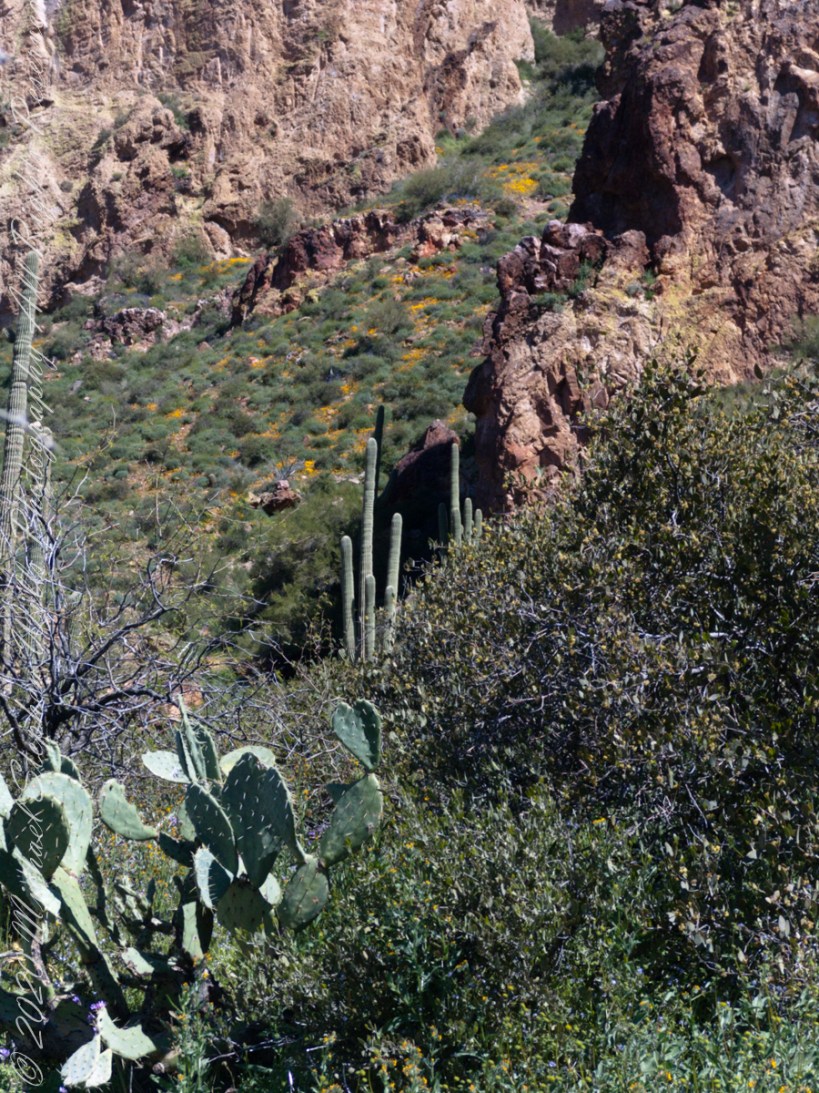
Yet, as the seasons wheel from the halcyon days of summer to the mellowing glow of autumn, the maple leaf undergoes a transformation as profound as any in the human soul. It becomes a canvas upon which the twilight of the year is painted. Scarlet, amber, and gold – these are the hues of the leaf’s maturation, a visual sonnet to the passage of time. Mann may have mused on this metamorphosis, the leaf becoming an artifact of beauty at the very precipice of its own demise, a reflection on the bittersweet nature of all earthly endeavors.

Philosophically, the maple leaf’s journey from bud to decay is a microcosm of existence itself. In spring, it burgeons forth from the stark limbs of its parent tree, a symbol of rebirth and the perennial hope that accompanies new beginnings. In its zenith, it offers shelter and sustenance, an unheralded giver of life. But as it yields to the inevitable fall, swirling in the autumn winds to its rest upon the soft earth, it evokes a meditation on the impermanence of all things. The leaf, once the very emblem of vitality, now melds with the soil in quietus, a return to the elemental from which it sprung.

The maple leaf, then, is not merely an object of transient beauty, nor simply a token of the land it hails from. It is a narrative, a silent orator of the eternal truths that bind the soul of the artist to the canvas of the universe. It is a vessel for the musings of poets and philosophers, a simple yet profound cipher for the myriad complexities of existence.

I find maple leaves imbued with a weight of existential significance: its simple, pleasing shape a metaphor for the human aspiration towards beauty and the poignant inevitability of its corruption. For in the visage of the leaf, one might glimpse the duality of passion – the longing for the sublime, coupled inexorably with the sorrow of its fleeting grasp. Thus, the maple leaf, in its silent splendor, becomes a memento mori, a delicate reminder of the rapturous agony of life and the solemn peace of death.

Click Me to view my photographs on Getty.

Copyright 2023 Michael Stephen Wills All Rights Reserved http://www.MichaelStephenWills.com

Fungal…

Shelf fungi, known for their ecological role and unique physical features, hold significant cultural and practical importance in Native American traditions, medicine and art.

Overview

Shelf fungus, also known as bracket fungus, comprises various species of polypore mushrooms that grow on trees, logs, or branches, forming shelf-like structures. These fungi are integral to forest ecosystems, functioning as decomposers that break down the cellulose and lignin in wood, facilitating nutrient cycling. They possess a hard, woody basidiocarp — the fruiting body — which can persist for years. The spore-producing surface is typically on the underside, featuring numerous tiny pores where spores are released. Shelf fungi are diverse, with species ranging from saprophytic to parasitic, some contributing to tree diseases like heart rot.

Hint: click image for larger view. Ctrl/+ to enlarge / Ctrl/- to reduce
Poetically Fungal

Shelf fungi captivate me with their silent tenacity, perched like wooden sentinels on forest guardians. Their presence is a reminder of nature’s cycles, breaking down the old to nourish the new. Each time I spy their intricate layers and earthy hues, I’m reminded of life’s layered complexities. They are nature’s artists, painting decay with a purposeful brush, turning fallen timber into rich soil. To me, they symbolize resilience, a testament to thriving in place, despite the odds. In their quiet existence, they echo the beauty of transformation, an emblem of life’s perpetual motion within the stillness of the woods.

Natively Fungal

The relationship between Native Americans and shelf fungi is rooted in a profound understanding of the natural world, where every element has a role in the cultural and practical life of a community. Shelf fungi, with their sturdy, shelf-like projections from trees, have been an integral part of Native American tradition, utilized for both medicinal and practical purposes.

Medicinally, various tribes recognized the healing properties of certain shelf fungi. The Iroquois, for example, used bracket fungi in poultices to treat wounds and swelling. Other tribes found uses for shelf fungi as anti-inflammatory agents or as a means to stop bleeding, embracing the fungi’s natural anticoagulant properties.

In everyday life, the unique physical properties of shelf fungi lent themselves to multiple uses. The Piptoporus betulinus, commonly known as the birch polypore, was carried by the Otzi the Iceman, a natural mummy dating back to over 5,000 years ago, likely for its antiseptic properties and as a means to carry embers due to its ability to smolder without flame. This hints at a broader prehistoric and indigenous use of fungi for fire carrying.

The tinder fungus, a type of shelf fungus, was particularly valued for its ability to hold a flame. Native Americans often used this fungus to transport fire between camps. They would hollow out a section of the fungus, fill it with hot embers, and cover it to create a portable and long-lasting source of fire. This was an essential technology for survival, especially during long treks or in adverse weather conditions.

Moreover, the Ganoderma species, commonly referred to as the Artist’s Conk, served as a canvas for art. These fungi have a white pore surface that darkens when touched. Native American artists utilized this characteristic to etch drawings and messages, turning these fungi into storytelling and communicative tools.

The profound connection between Native Americans and shelf fungi illustrates a deep ecological wisdom where even a simple fungus is interwoven into the fabric of cultural and survival practices. This symbiosis underscores the importance of every organism within an ecosystem, a lesson that resonates with contemporary efforts to understand and preserve our natural world.

Copyright 2023 Michael Stephen Wills All Right Reserved http://www.MichaelStephenWills.com