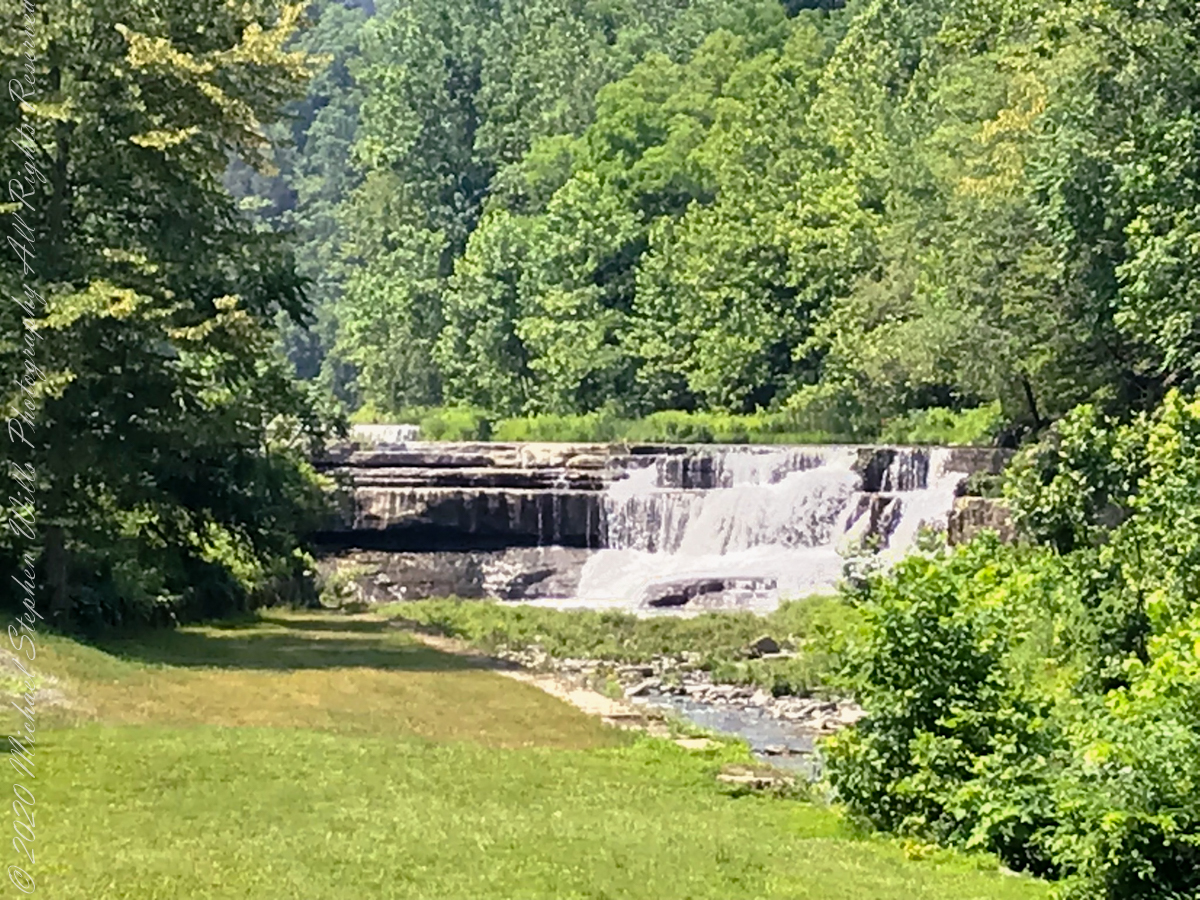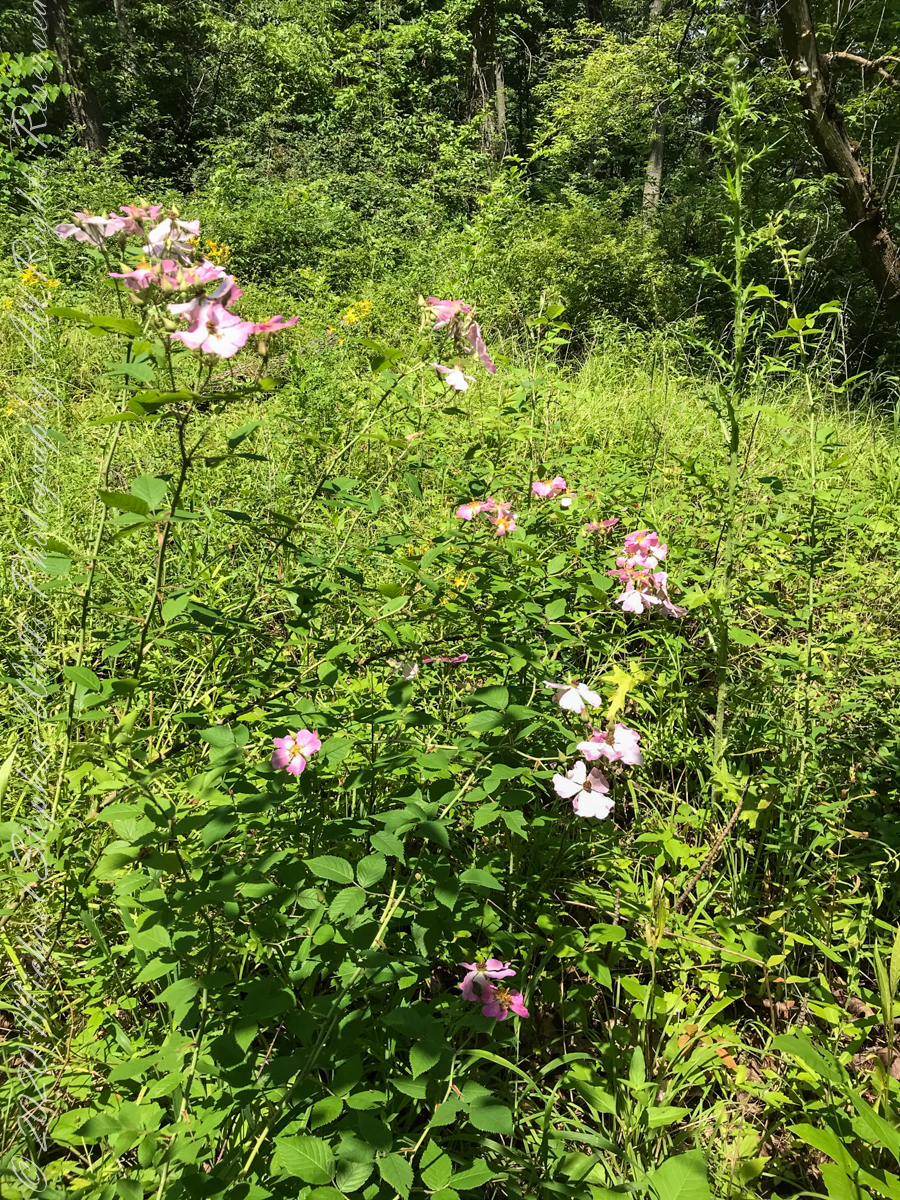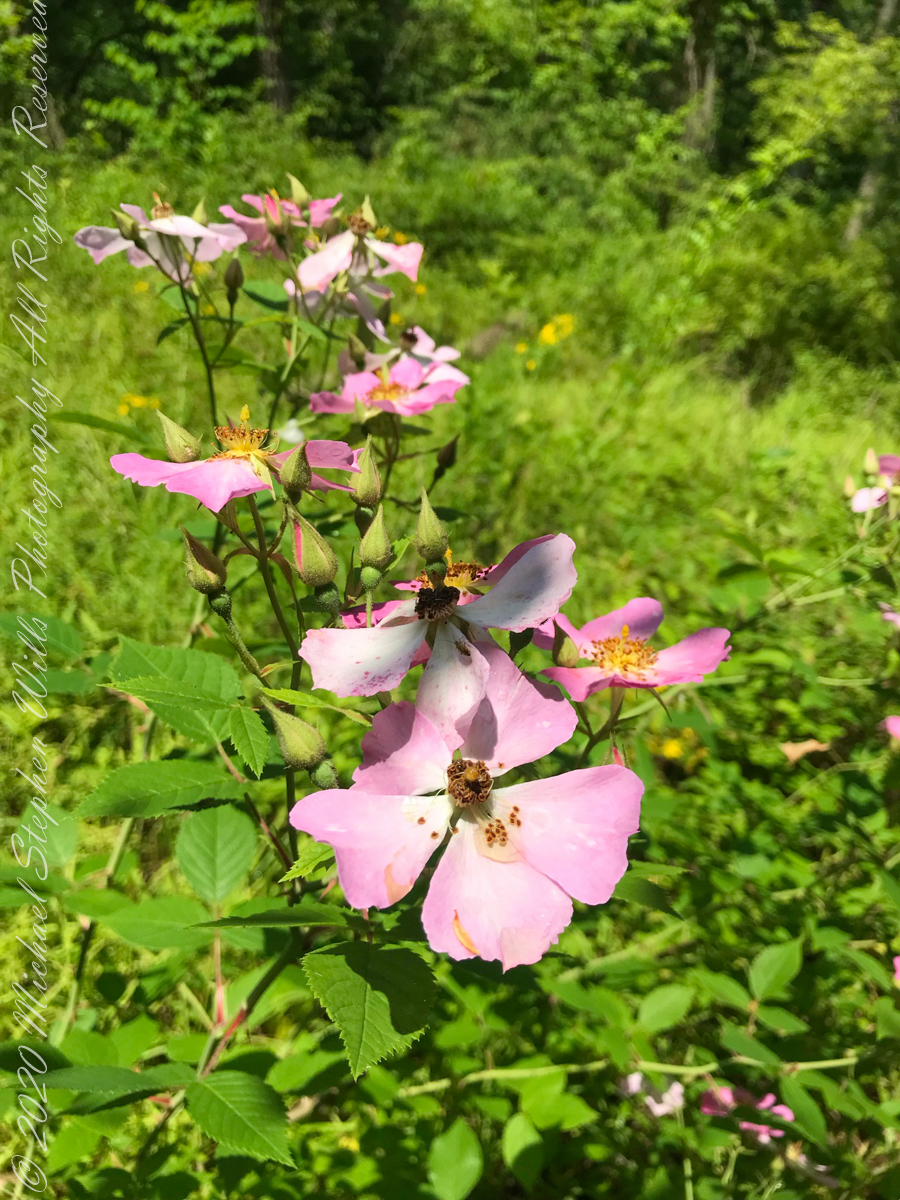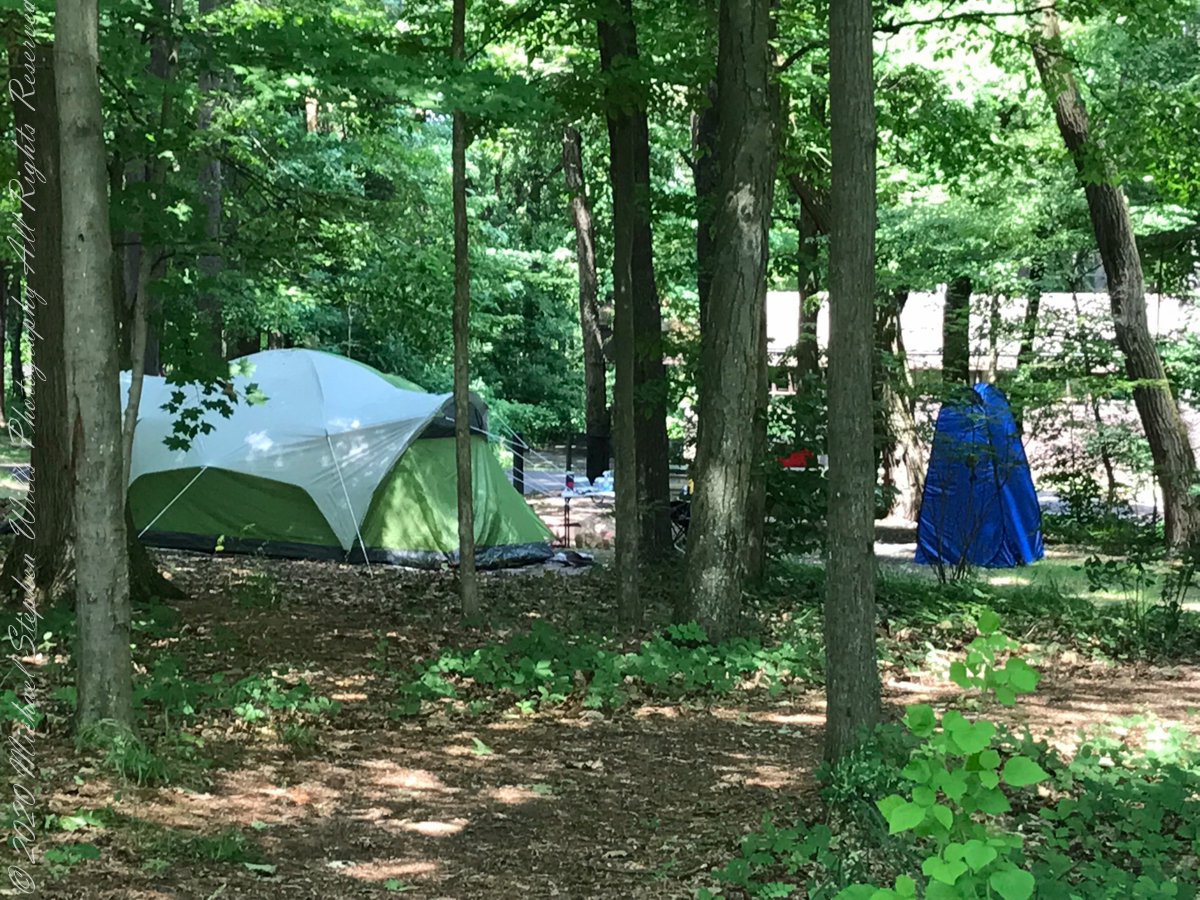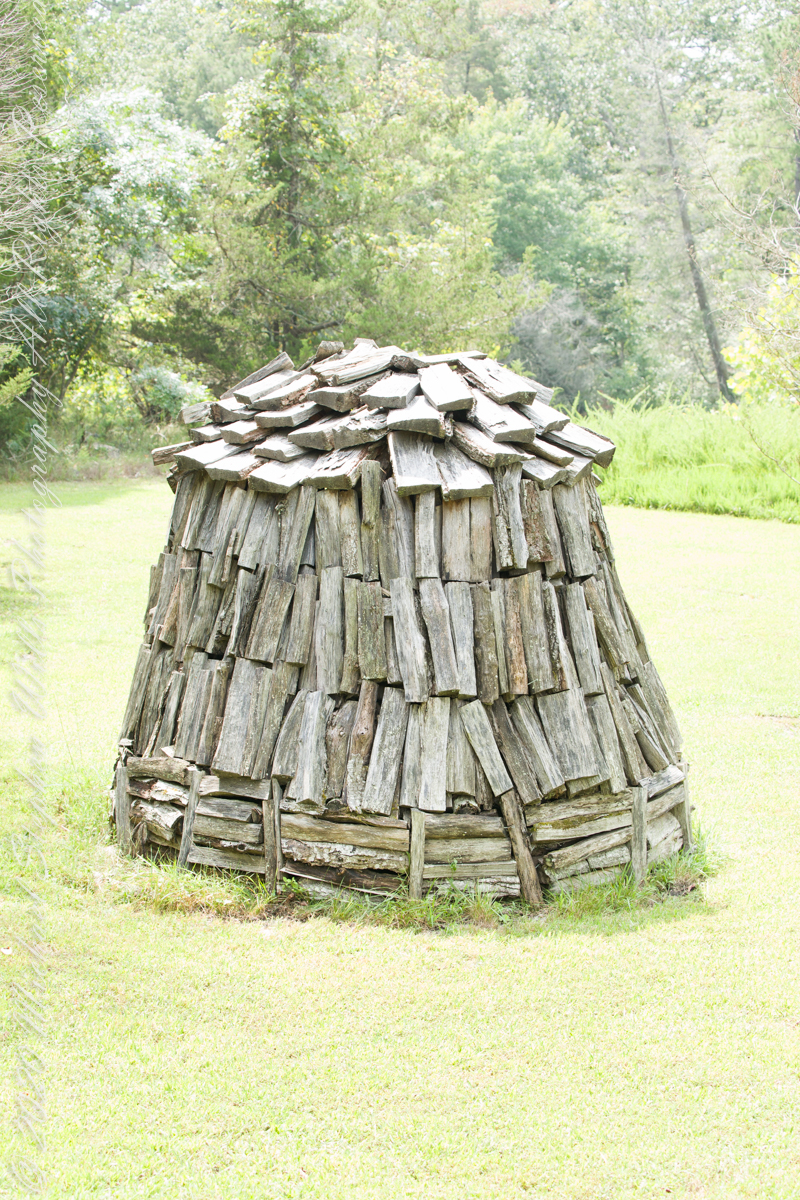
Pitch Pine Forest III

Road to Batsto

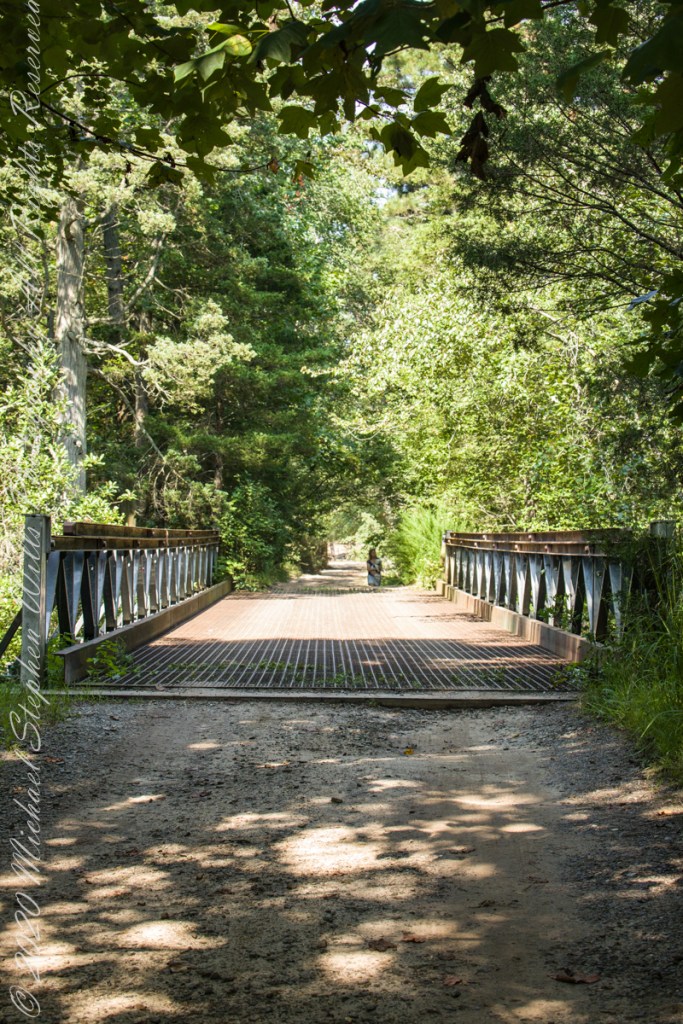
Leaving the jeep on the west side of Quaker Bridge, I walked over to inspect the structure and poke around the other side, carrying a Canon 5d Mark IV (camera body) / EF 70 – 300 mm f/4-5.6 L IMS (lens), shooting as I walked. My sister Theresa and Maxie, a little white dog, lagged behind taking in the surroundings. Here they are, in shadow, on the west side.

Click pic for larger view in a new browser tab. If you are in WordPress Reader, open the post to use this feature.

My work on the east side was shared in previous posts, “Pinelands Connections VIII,” I and II “Around Quaker Bridge,” and I and II “Pitch Pine Forest,” work interrupted by the sound of an approaching engine, a Humvee came into view. I waved my arm up and down, a sign to slow down, pulling alongside the driver looked up with dead eyes, no element of recognition of a fellow human, as I explained my sister was on the bridge. A stink of unfamiliar hydrocarbons, diesel fuel?, rose through the heat as they pulled forward with no acknowledgement of my request. Thankfully they slowed down as Theresa, Max in her arms, said, “hi.”

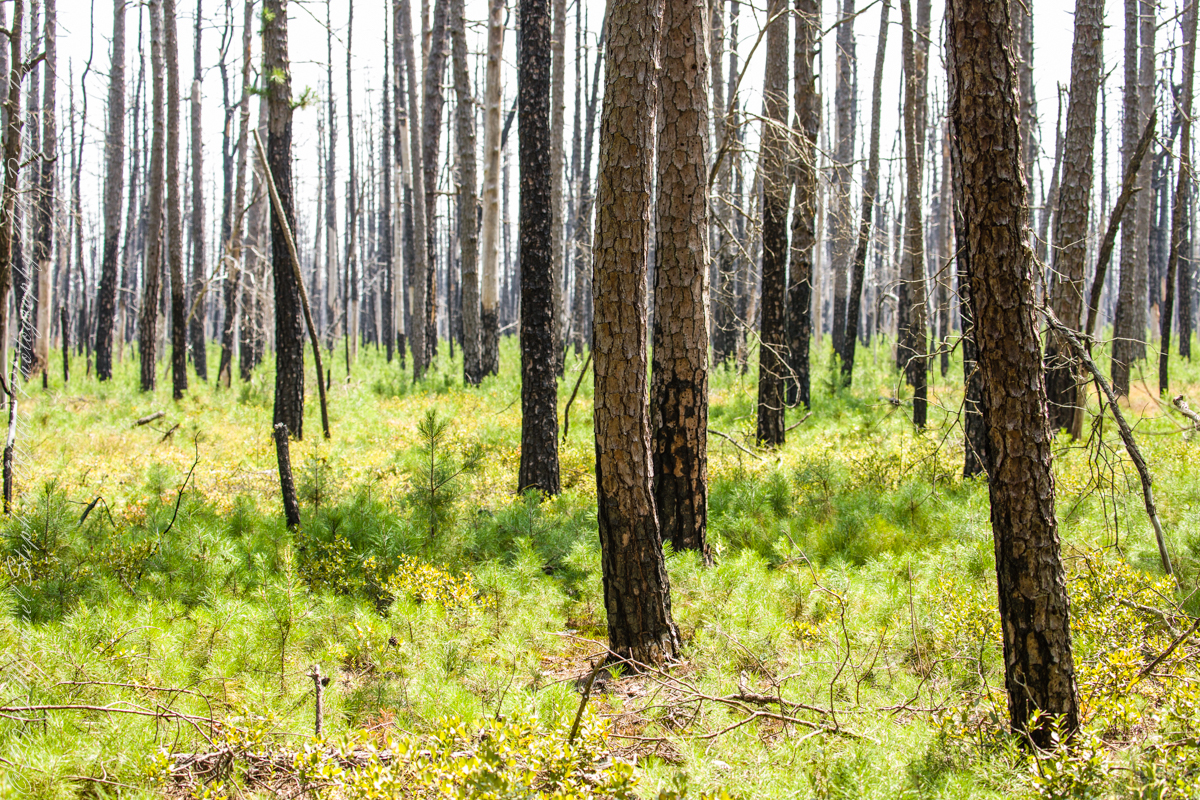
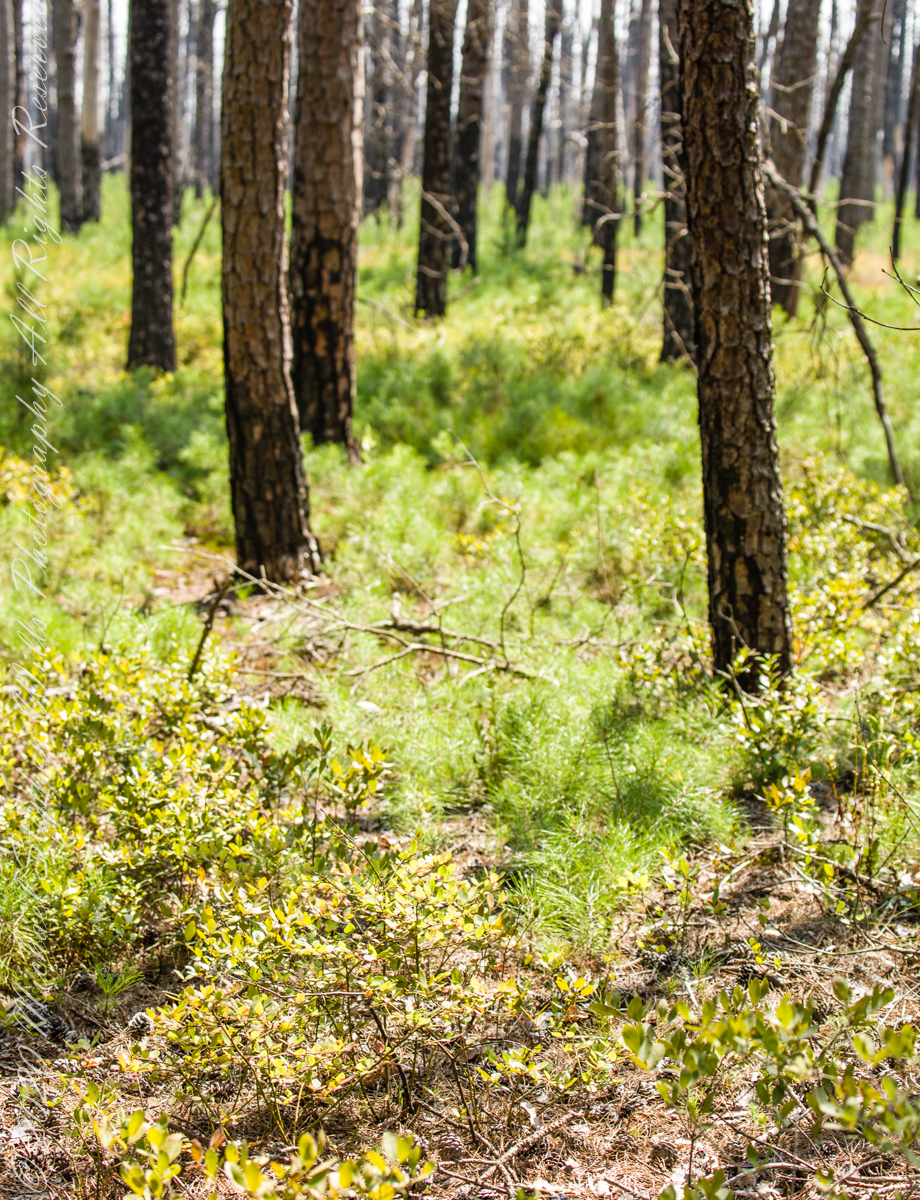
Multiple roads converge from all directions on Quaker Bridge, using GoogleMaps (surprising these unimproved, “jeep” sand roads were listed) I chose Goodwater Road as a route to Batsto Village, on the southern side of Wharton State Forest. The 6.1 mile road follows the east bank of Mullica River at a distance, a very rough passage through ancient Pitch Pine forest. Here are photographs of the enormous capacity of the pines to regrow after fire. Note a thick seeding growth among the mature pine trunks, lower portions fire blackened.

Copyright 2021 Michael Stephen Wills All Rights Reserved
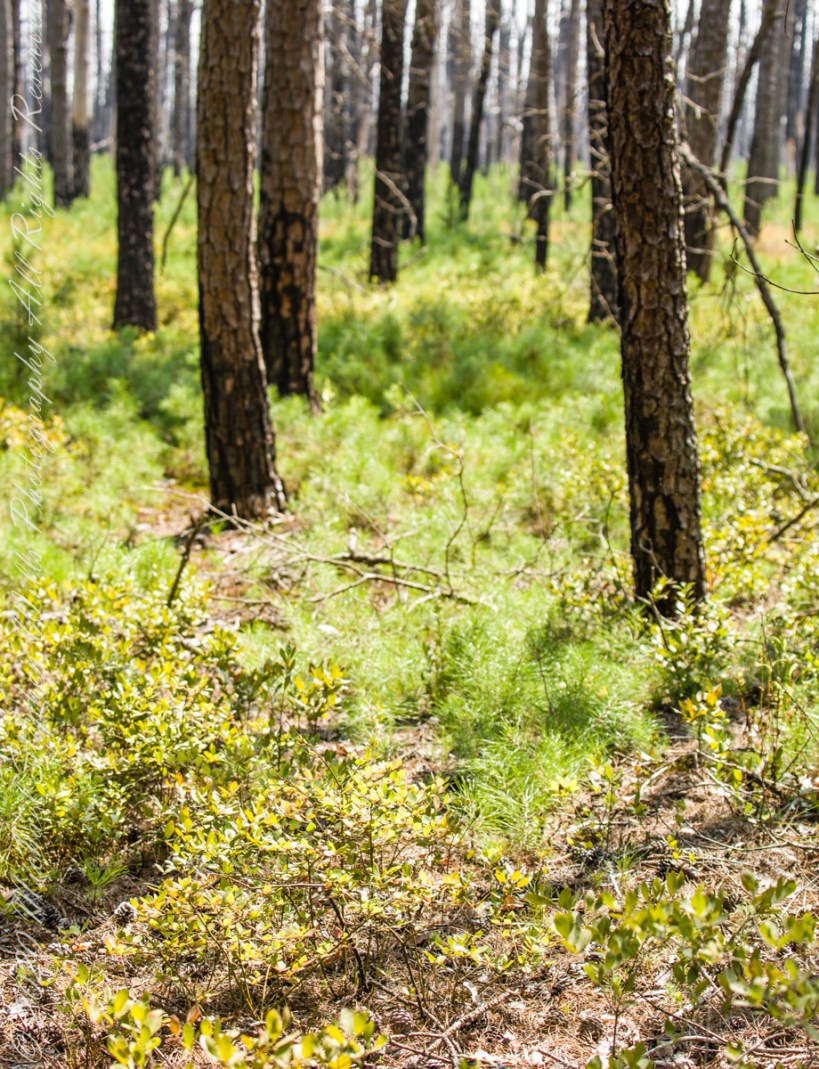
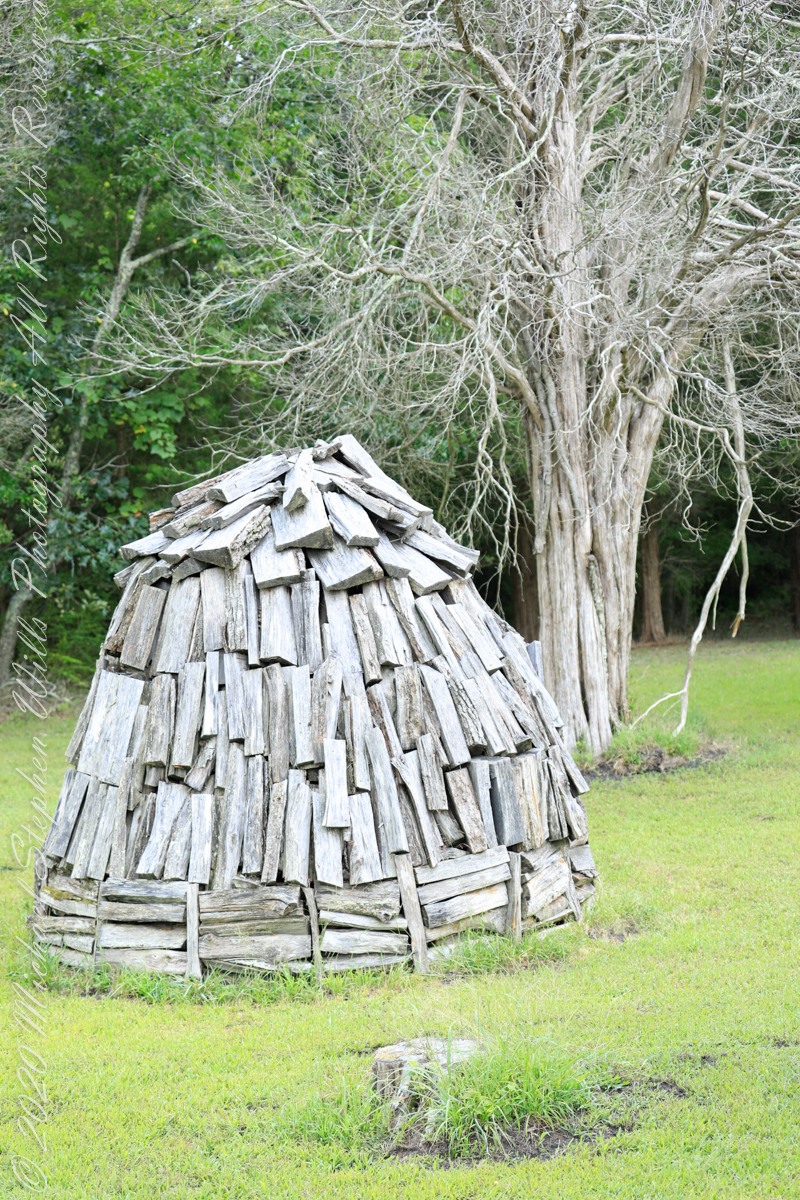
Drombeg Stone Circle I

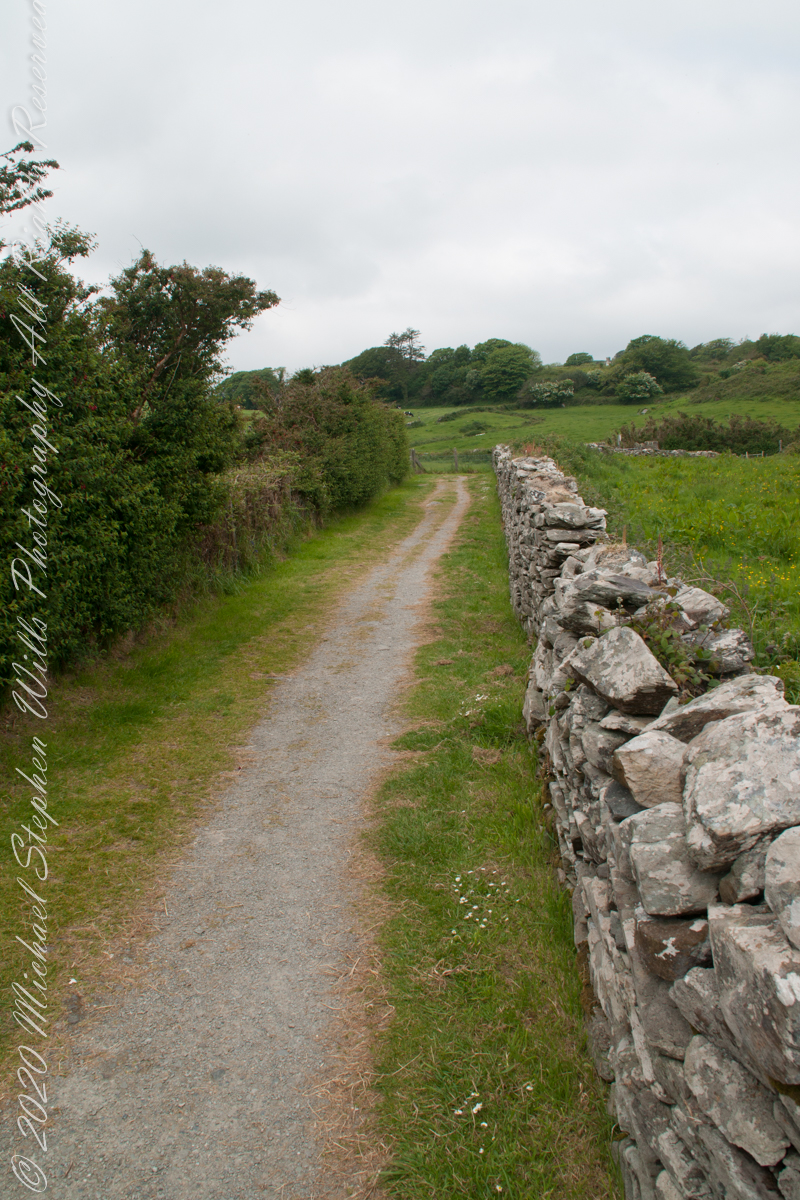
Path to the late Bronze Age

Path well trodden through the centuries since.

Click any pic for a larger view, in a new tab, or a slide show. When using WordPress Reader, you need to open the post first.

Click Me for the next post in this series.

Copyright 2021 Michael Stephen Wills All Rights Reserved
Our Sally V

Last views from Kinsale, County Cork

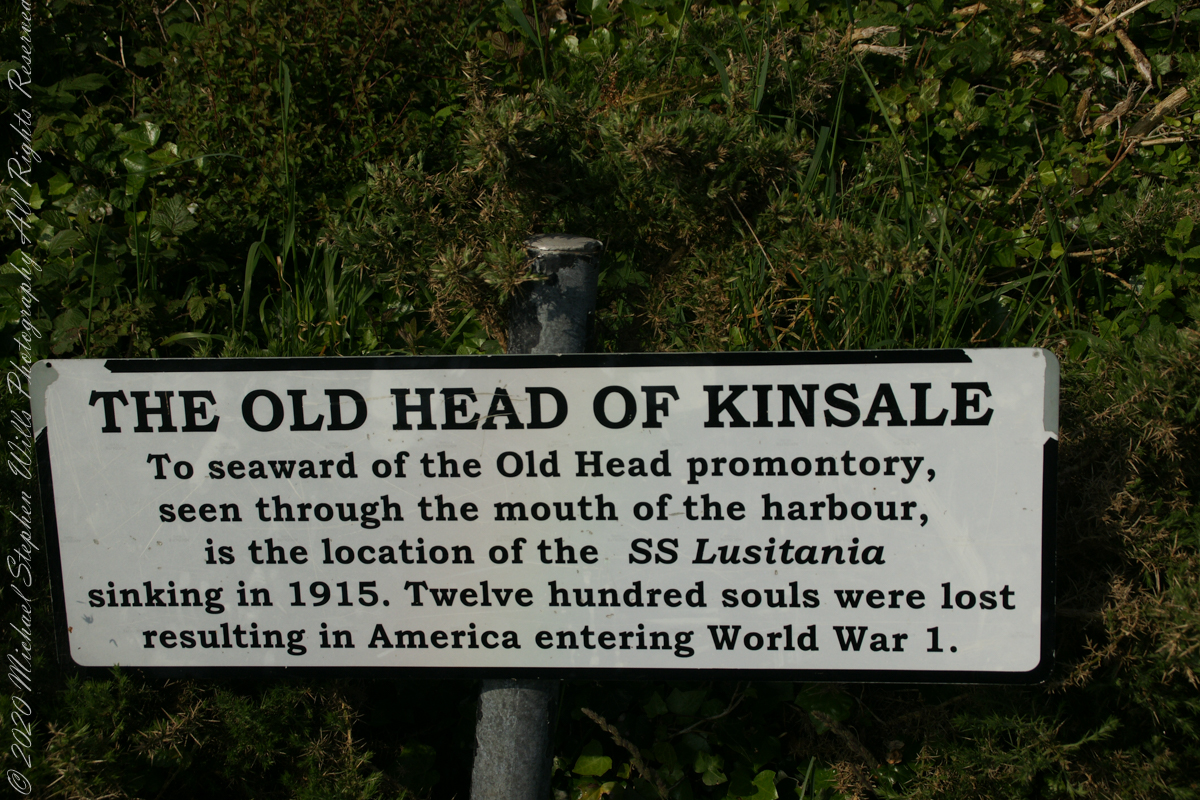
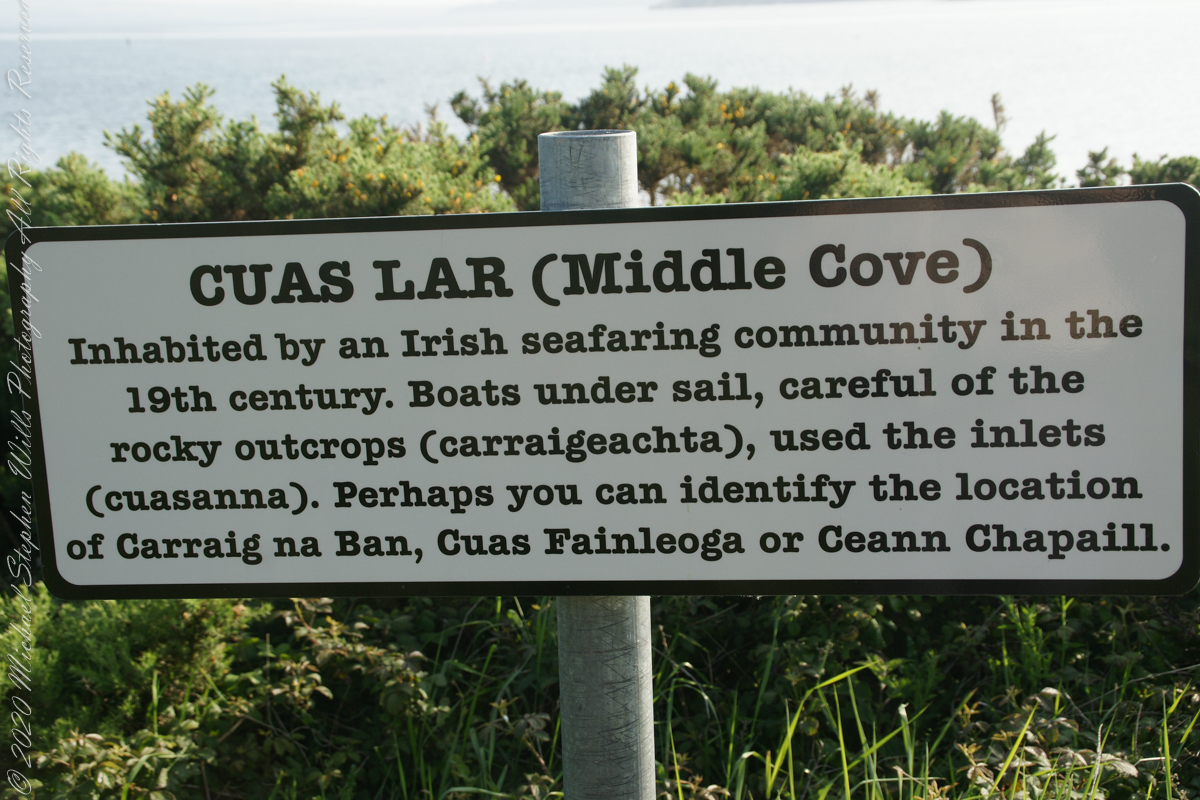
The view referred to by placard is to the right. The Old Head of Kinsale is the distant landform, looking right to left, is the portion that drops off to the ocean.

Click any pic for a larger view, in a new tab, or a slide show. When using WordPress Reader, you need to open the post first.

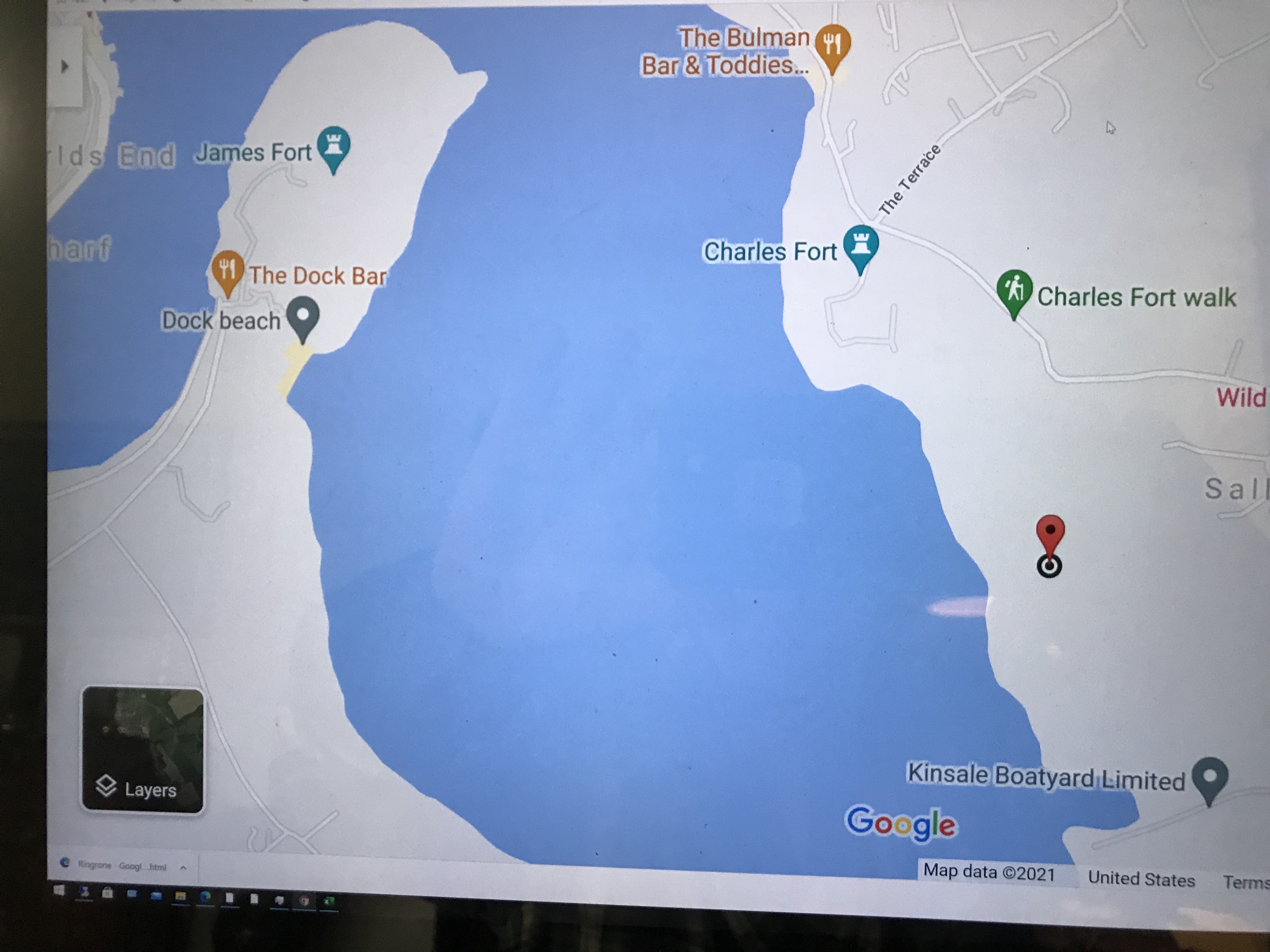
Here is a Google Maps screen capture showing the relationship of our position (the unnamed red drop-pin) on the right, and the Old Head of Kinsale landform, seen below the lable “Ballylane.”

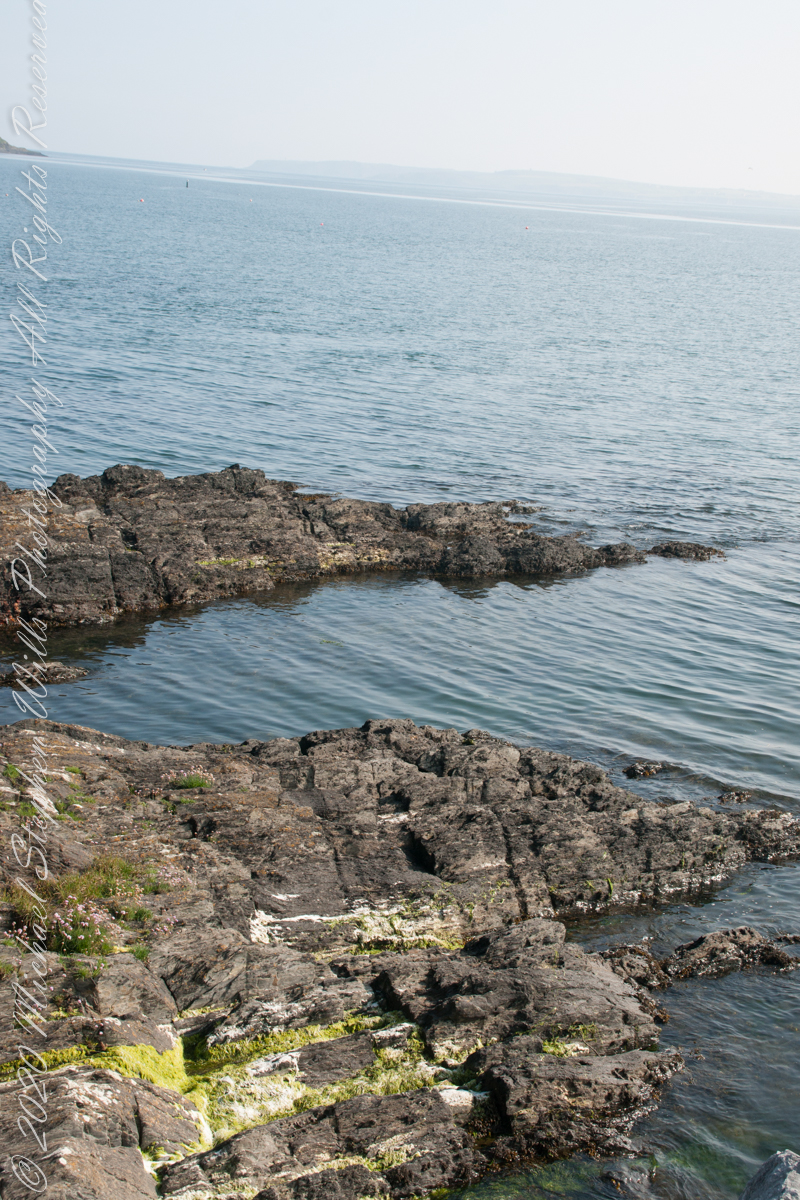
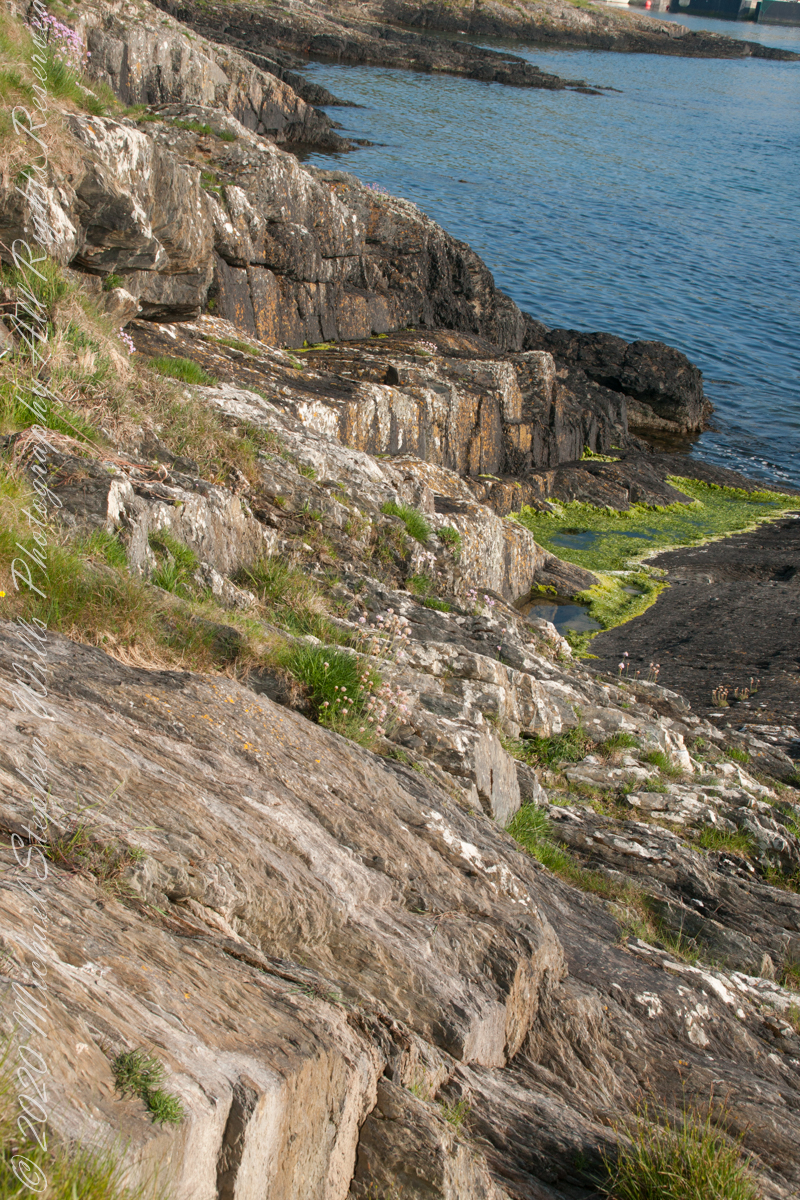
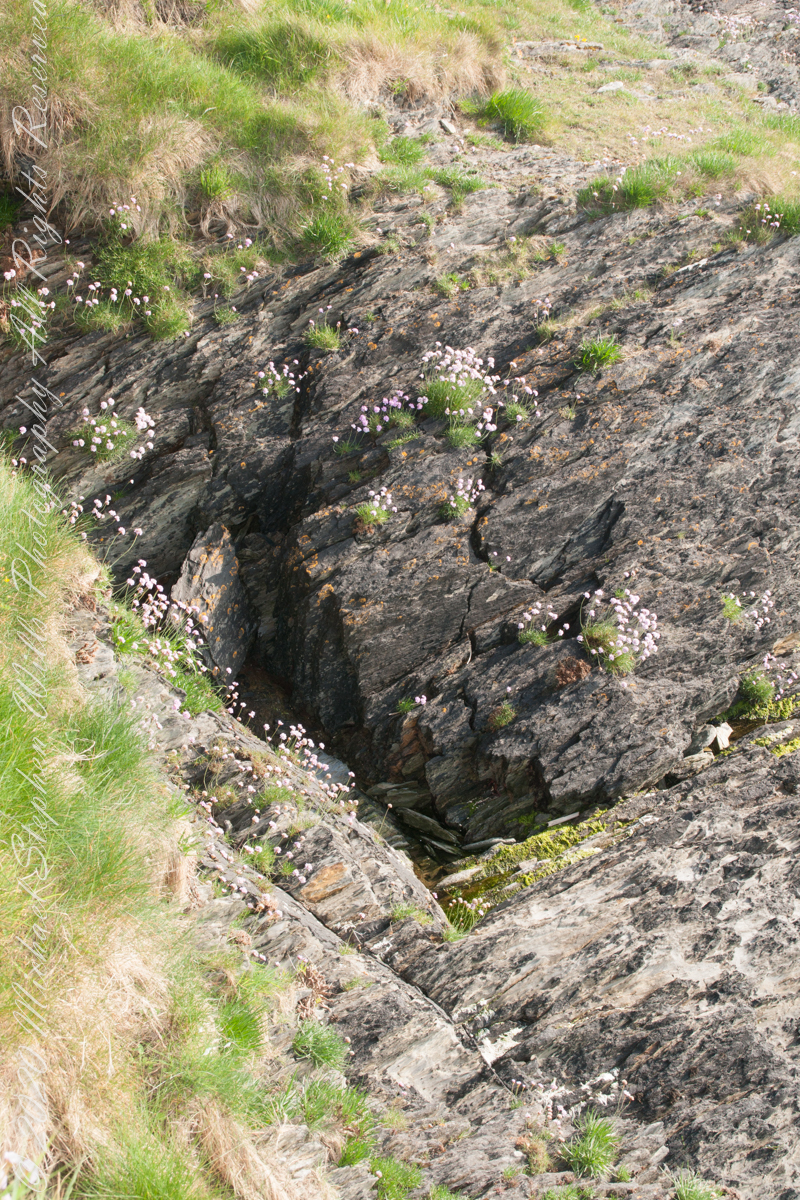
Here are the views looking toward the Celtic Sea, the Old Head of Kinsale and the cliffs at our feet.

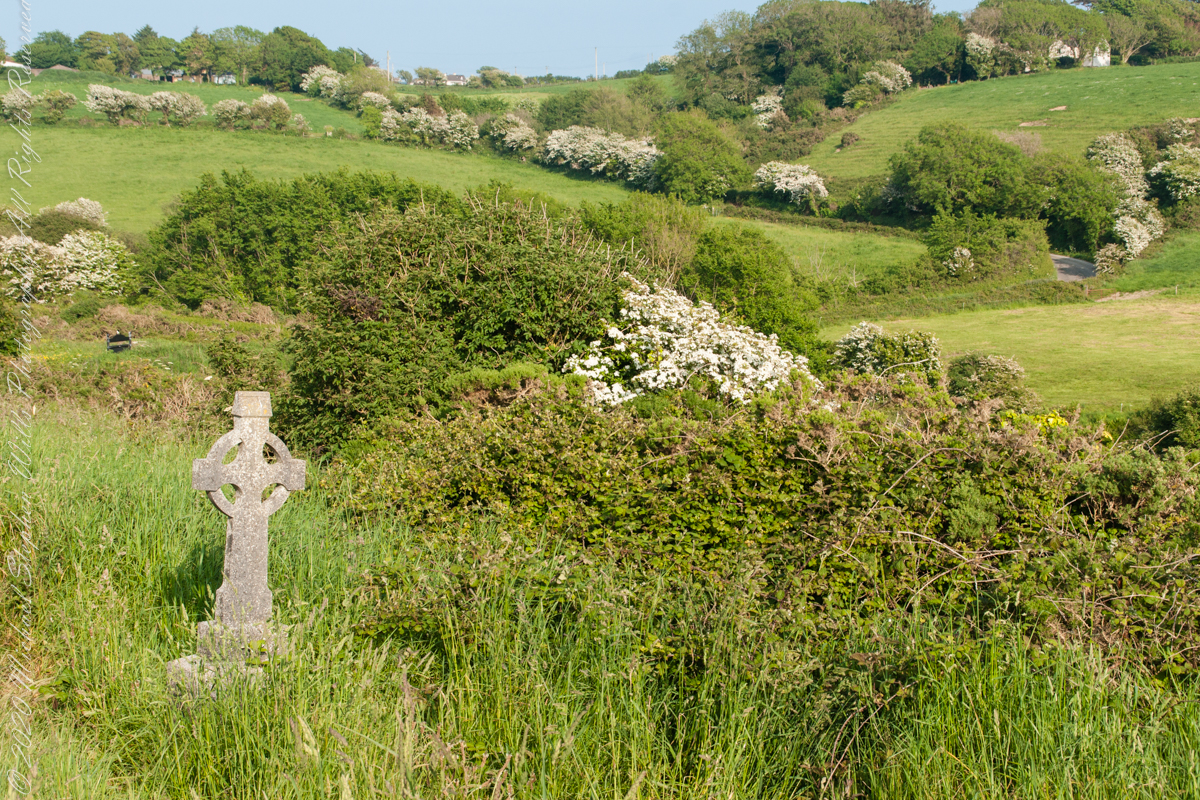
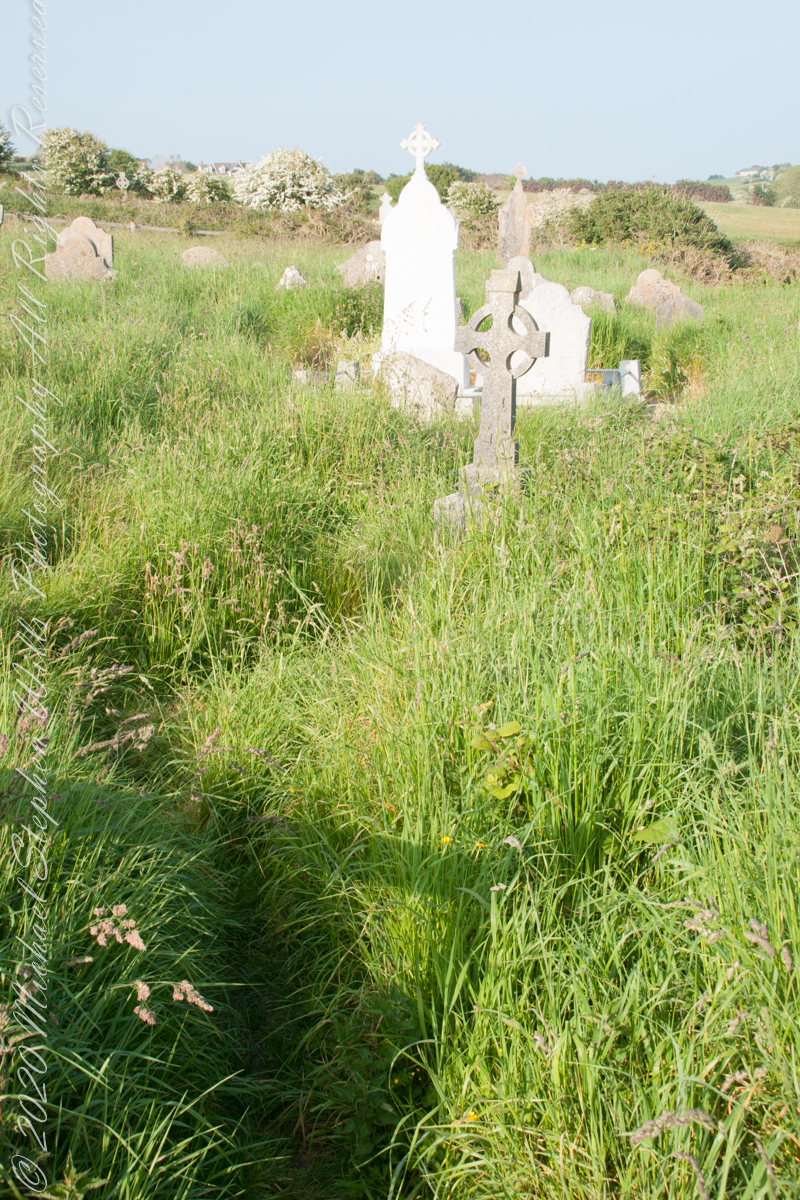
This cemetery is unmarked on the maps I use.

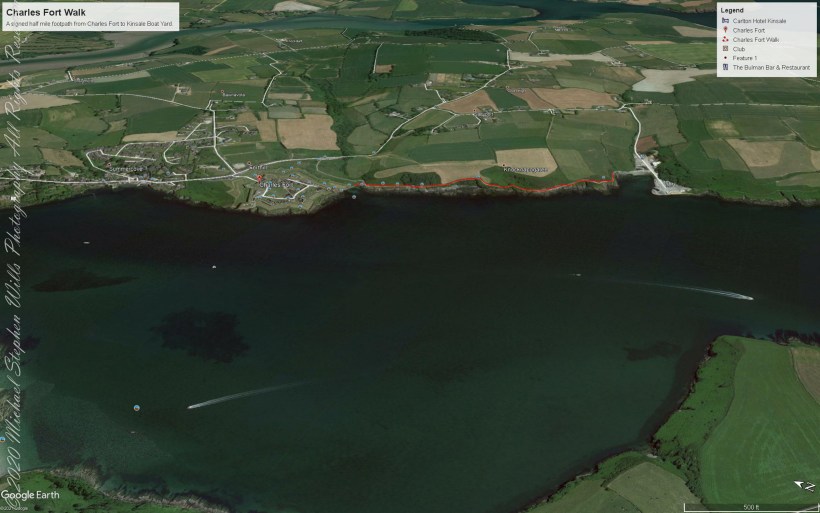
Here is a Google Earth view of our walk, the red line. The view is looking east from above the former “de Courcy family parkland.”

Copyright 2021 Michael Stephen Wills All Rights Reserved
Our Sally IV

Old and New Forts

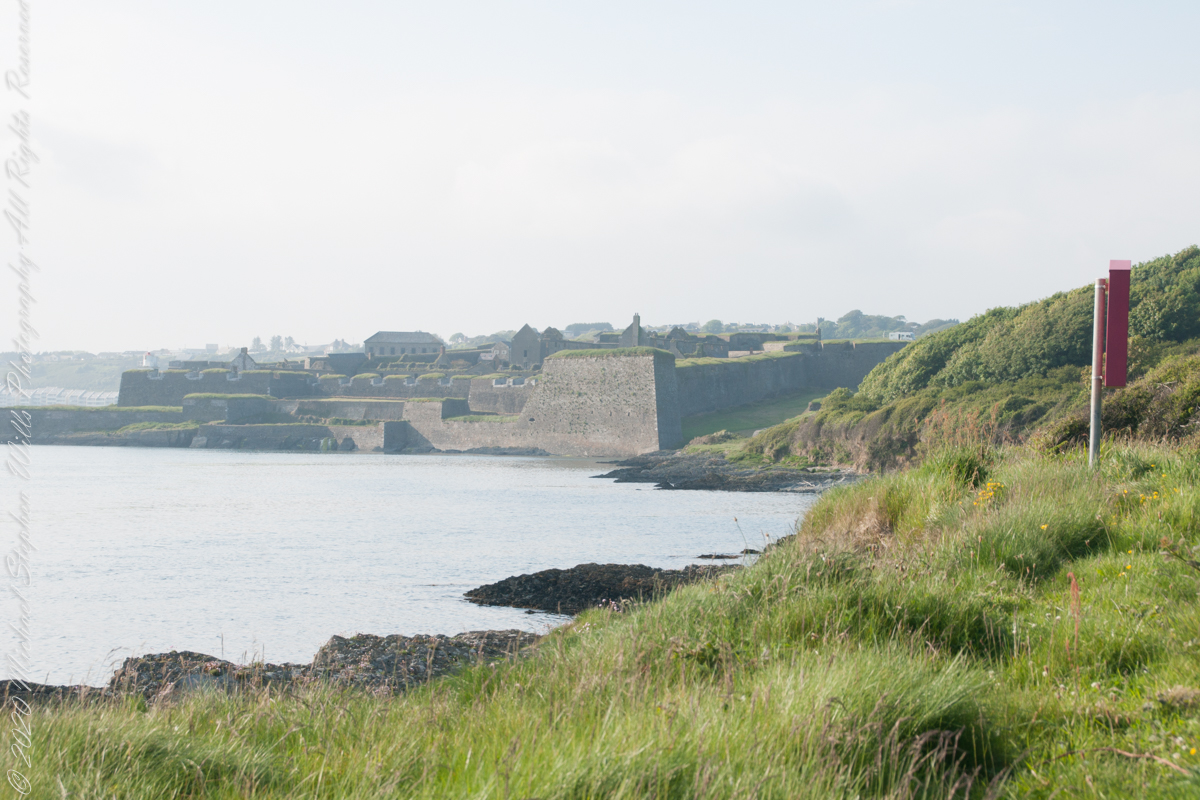
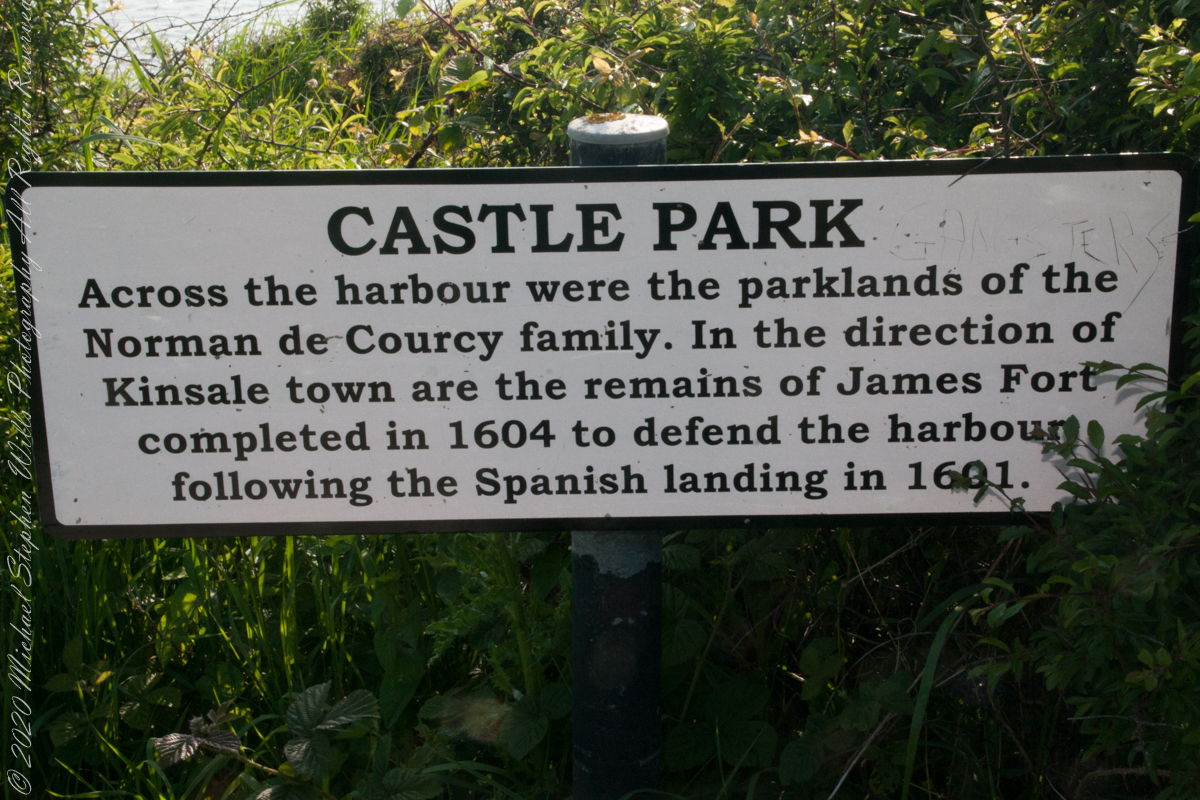
As Pam and I past the scenes of bucolic reverie this sign drew us back to the past. The reference to de Courcy is as a family of invading Normans. John de Courcy, without the King’s permission, launched an 1176 AD invasion of northeastern Ireland, what is now County Down, as an ultimately failed land grab. The history is murky, though apparently John de Courcy’s son Miles acquired the land referred to in the placard through the English King Henry II, awarded to Miles’ thieving, murderous Norman father-in-law Milo de Cogan in the 13th Century. Much later, the old (James) and new (Charles) Forts were constructed to defend Kinsale harbor.

Click any pic for a larger view, in a new tab, or a slide show. When using WordPress Reader, you need to open the post first.

Here is a Google Maps screen capture showing the relationship of our position (the unnamed red drop-pin) on the right, Charles and James Forts and the de Courcy family parklands, the large blank area below the pin named “Dock beach.”

Here are the views looking toward the Celtic Sea, the Old Head of Kinsale and the cliffs at our feet.

Copyright 2021 Michael Stephen Wills All Rights Reserved
Our Sally III

Looking Around

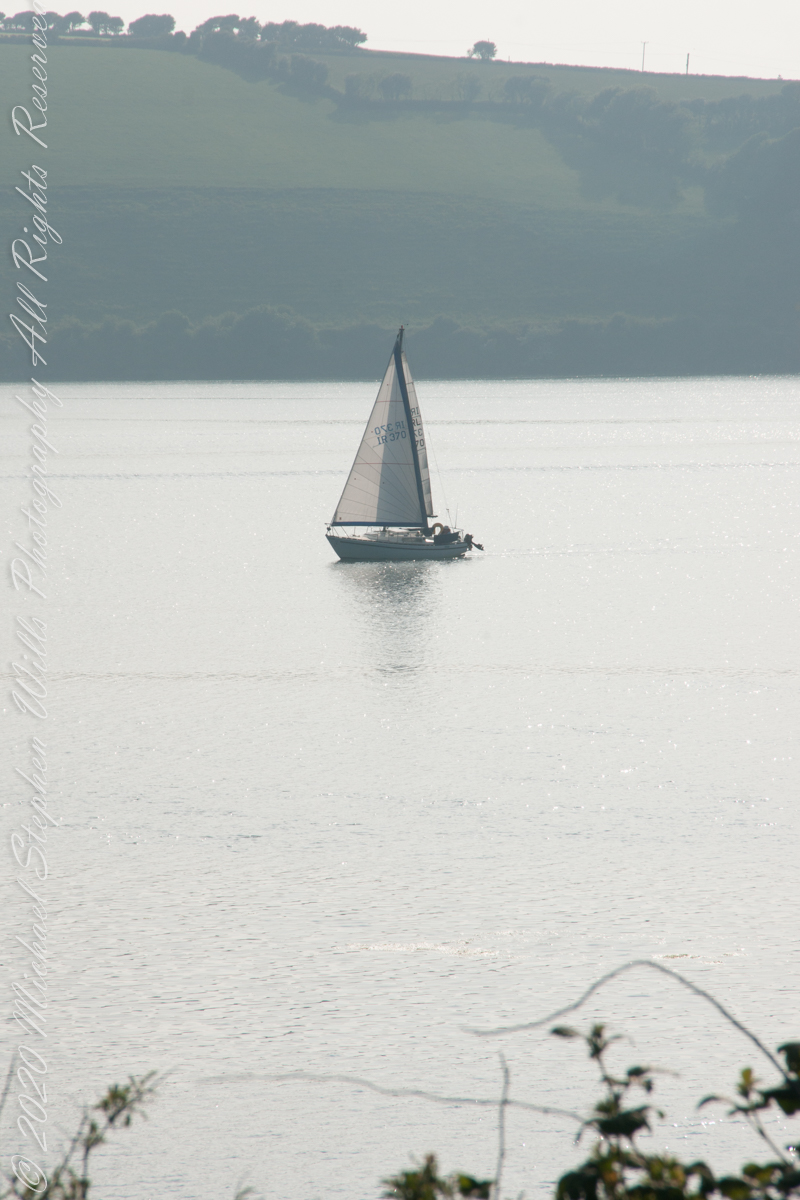
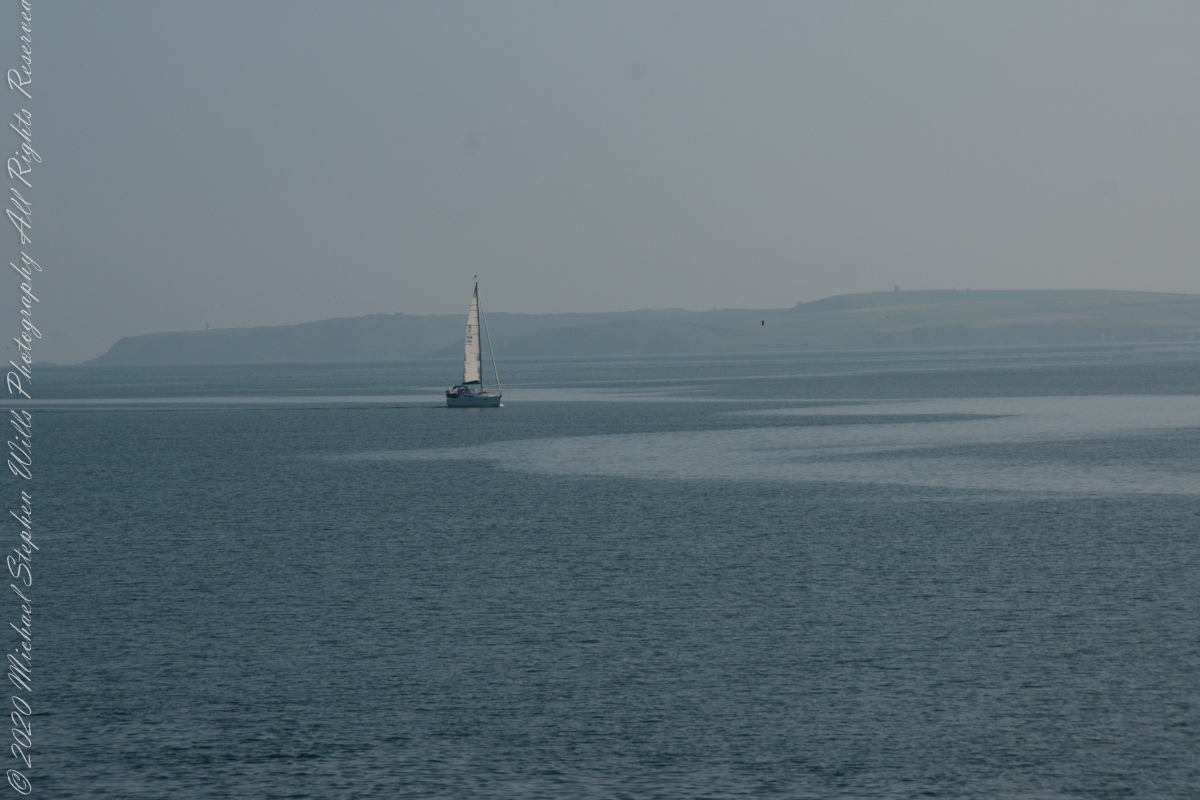
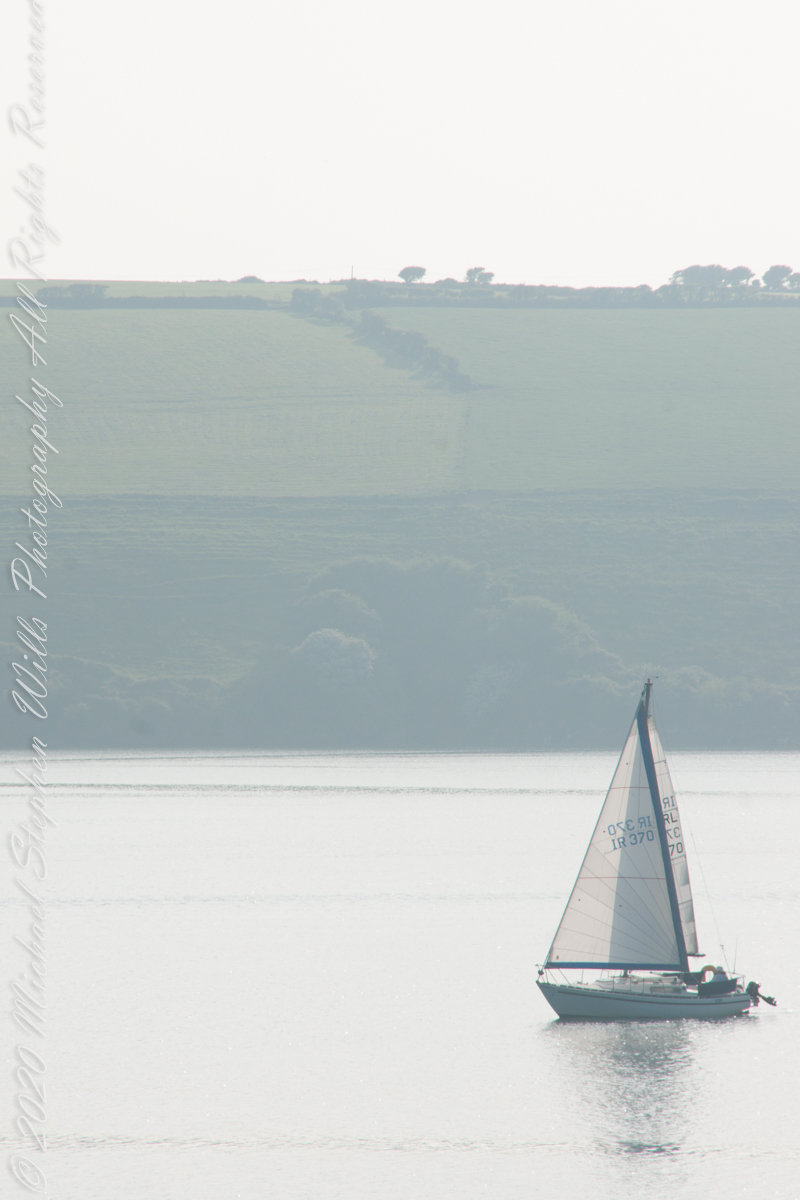
As Pam and I continued down the half mile “Sallyport” footpath, marked in red on the Google Earth view provided at the end of this post, we enjoyed the view across the Celtic Sea toward the distant Old Head of Kinsale and this sailboat headed to port.

Click any pic for a larger view, in a new tab, or a slide show. When using WordPress Reader, you need to open the post first.

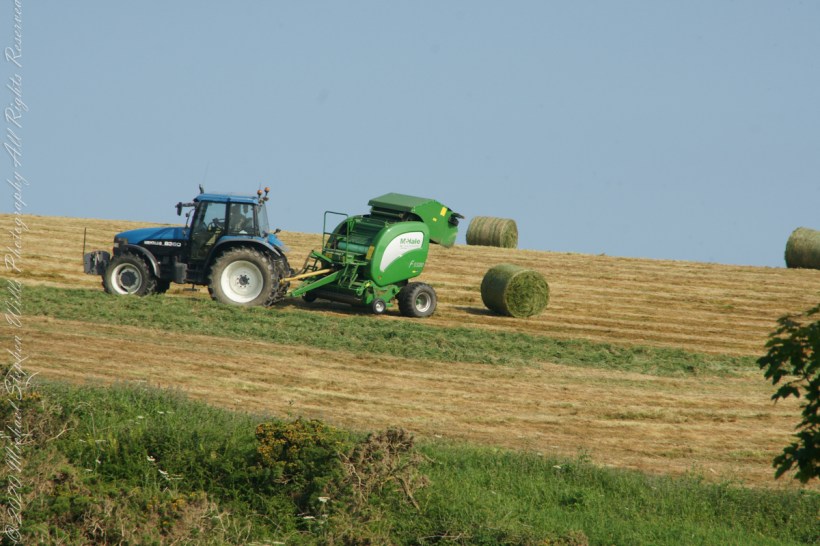
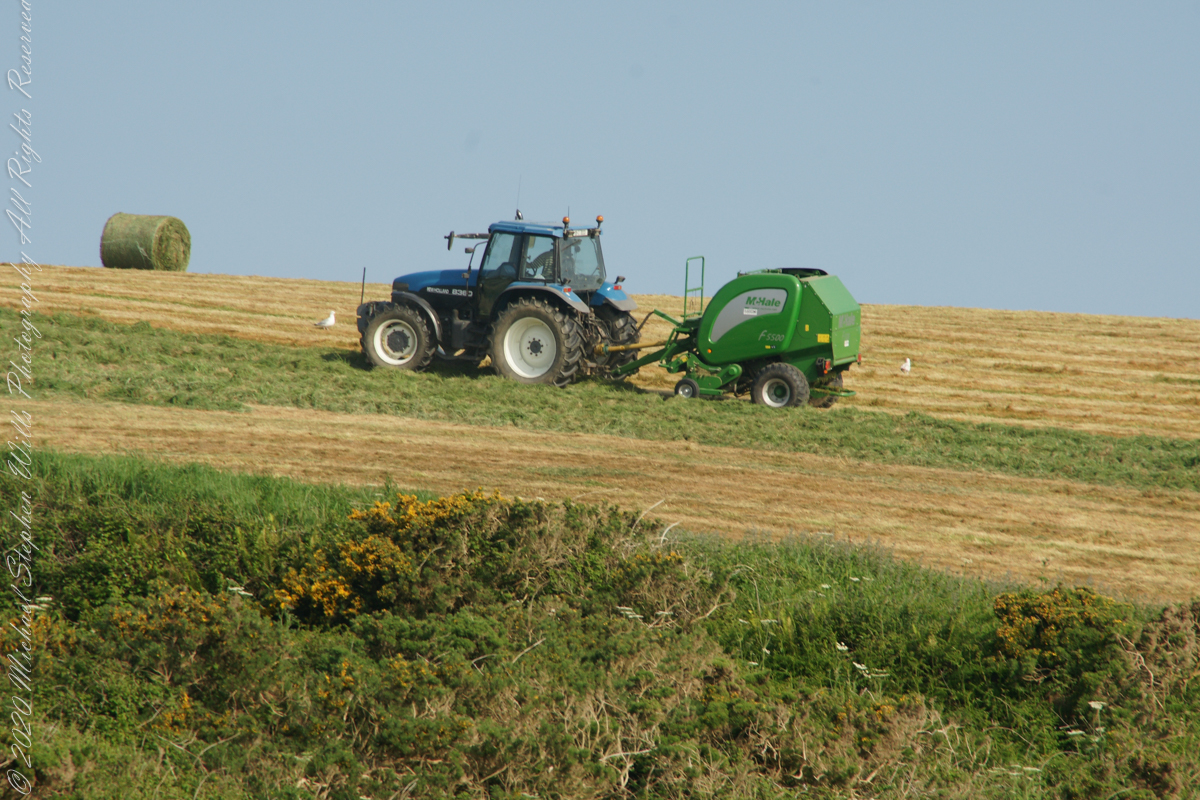
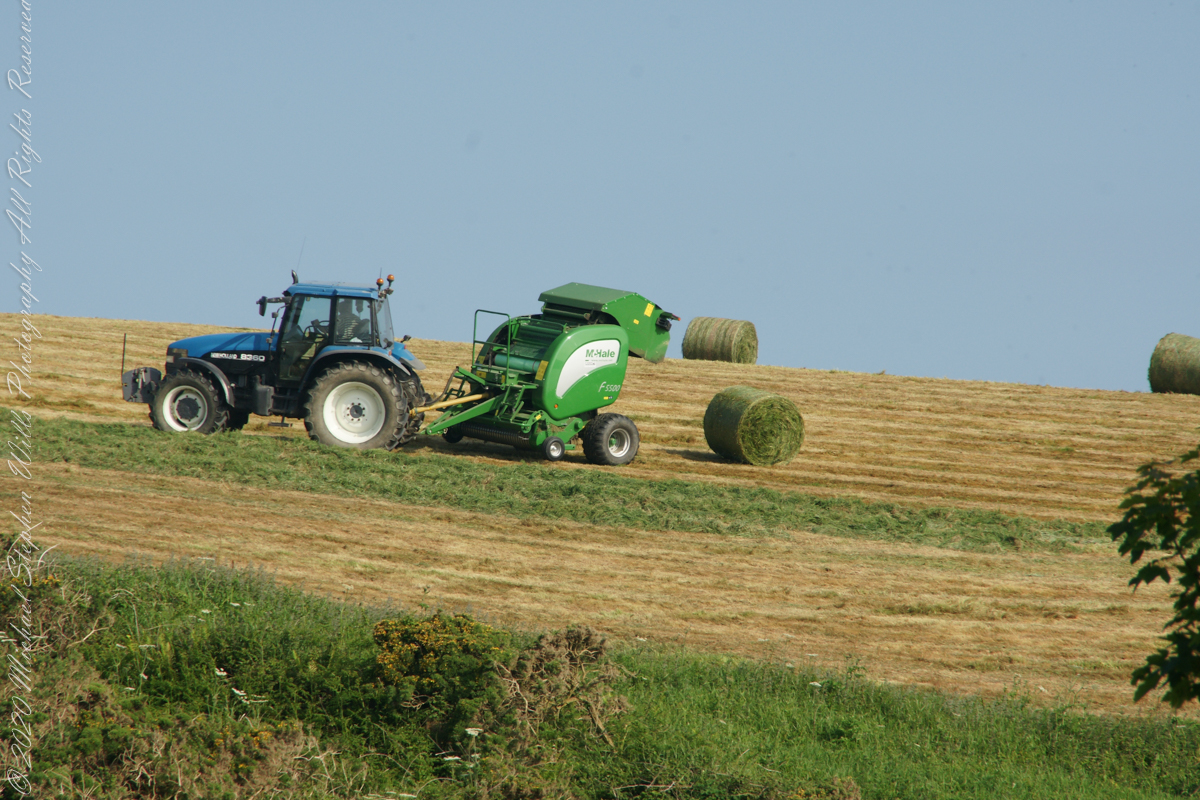
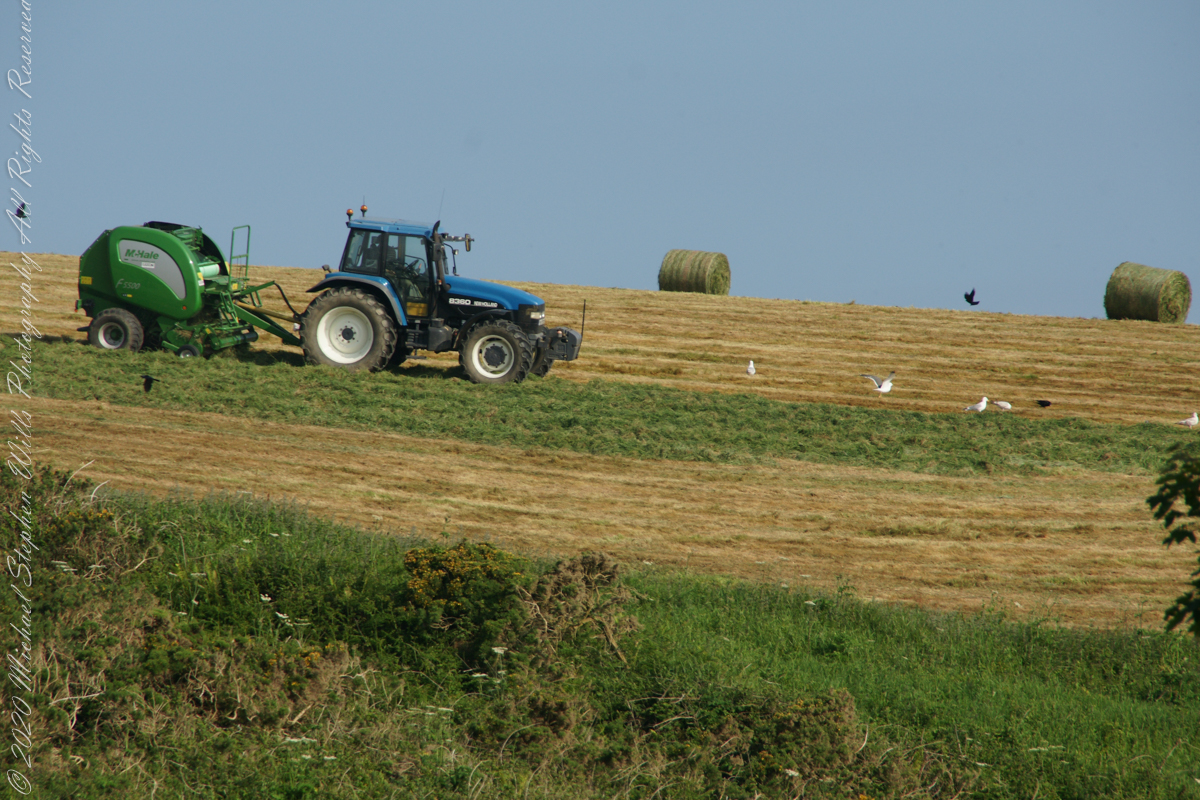
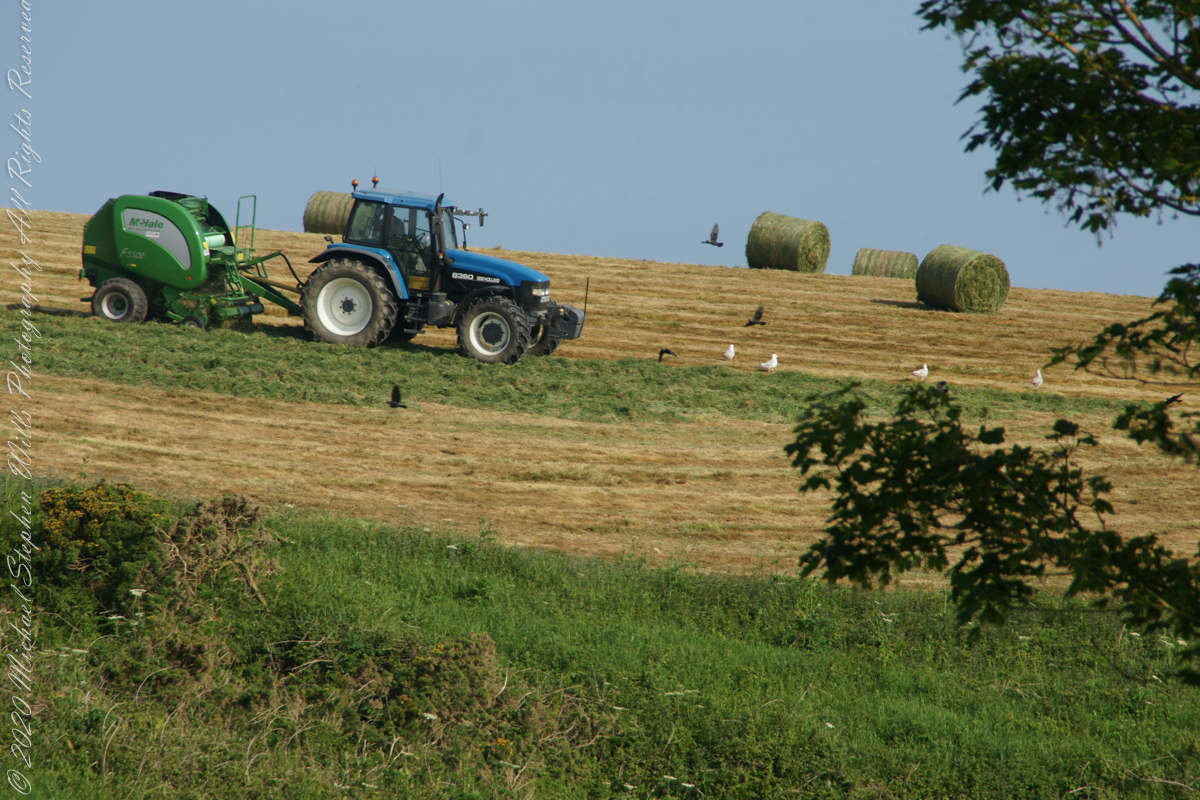
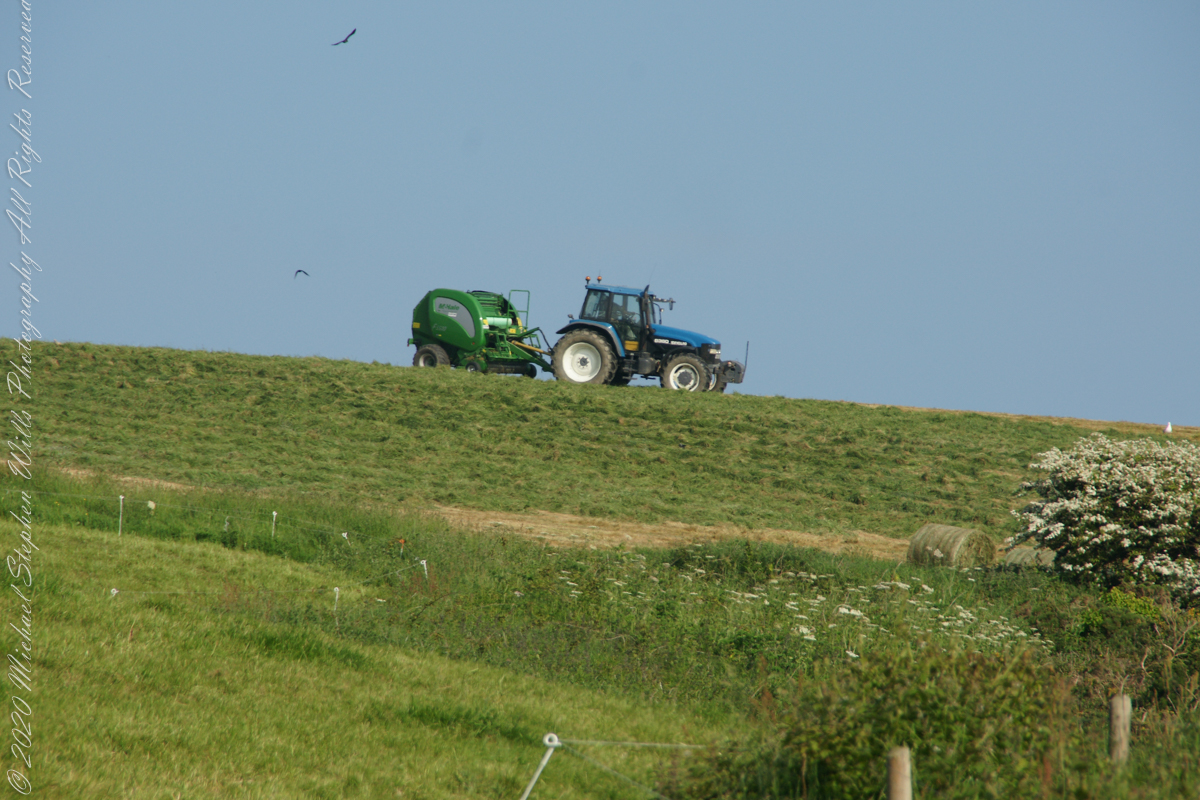
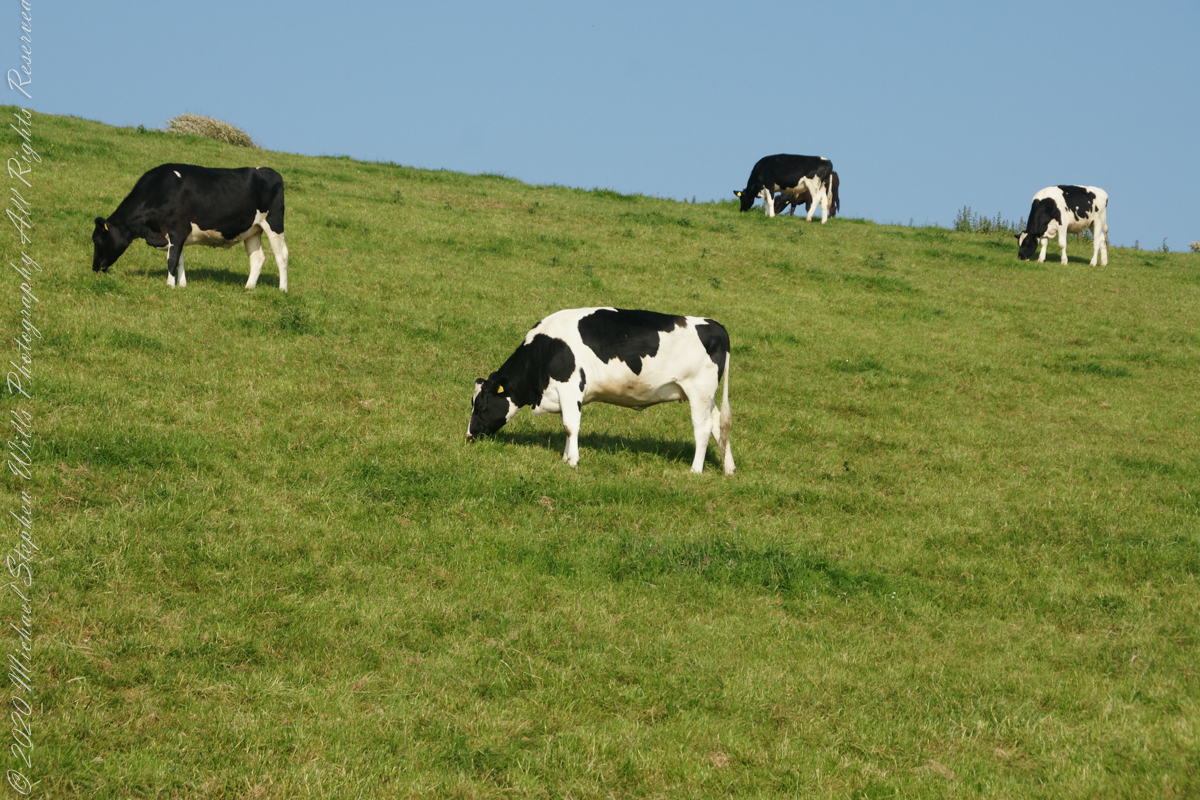
Landward, we enjoyed watching the progress of a farmer rolling hay bales while cows munched fresh green grass.

Copyright 2021 Michael Stephen Wills All Rights Reserved
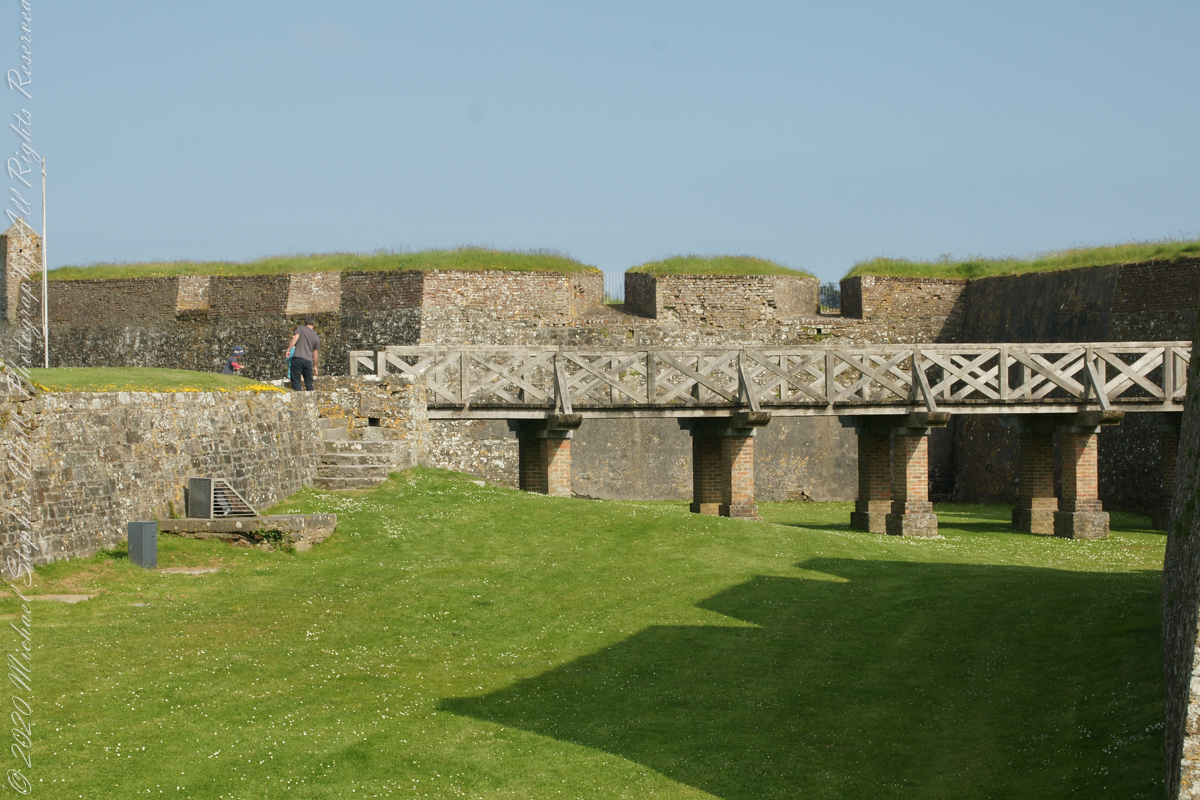
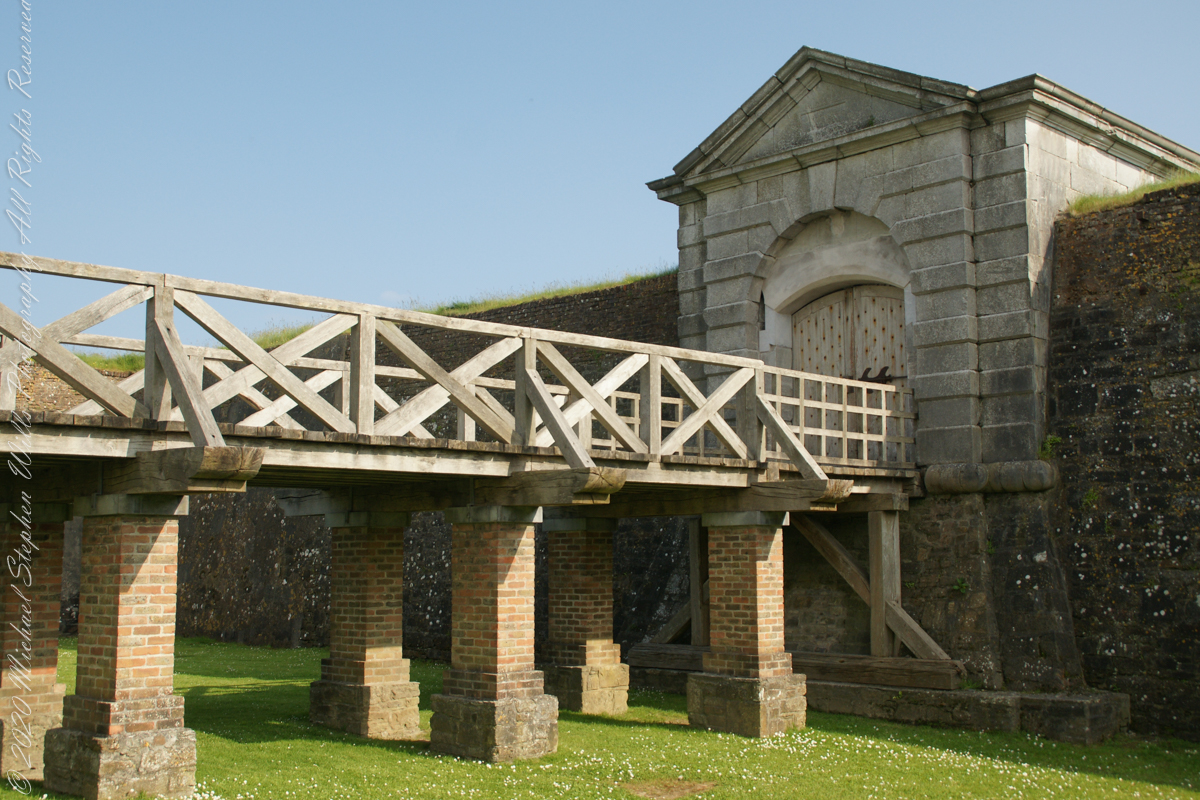
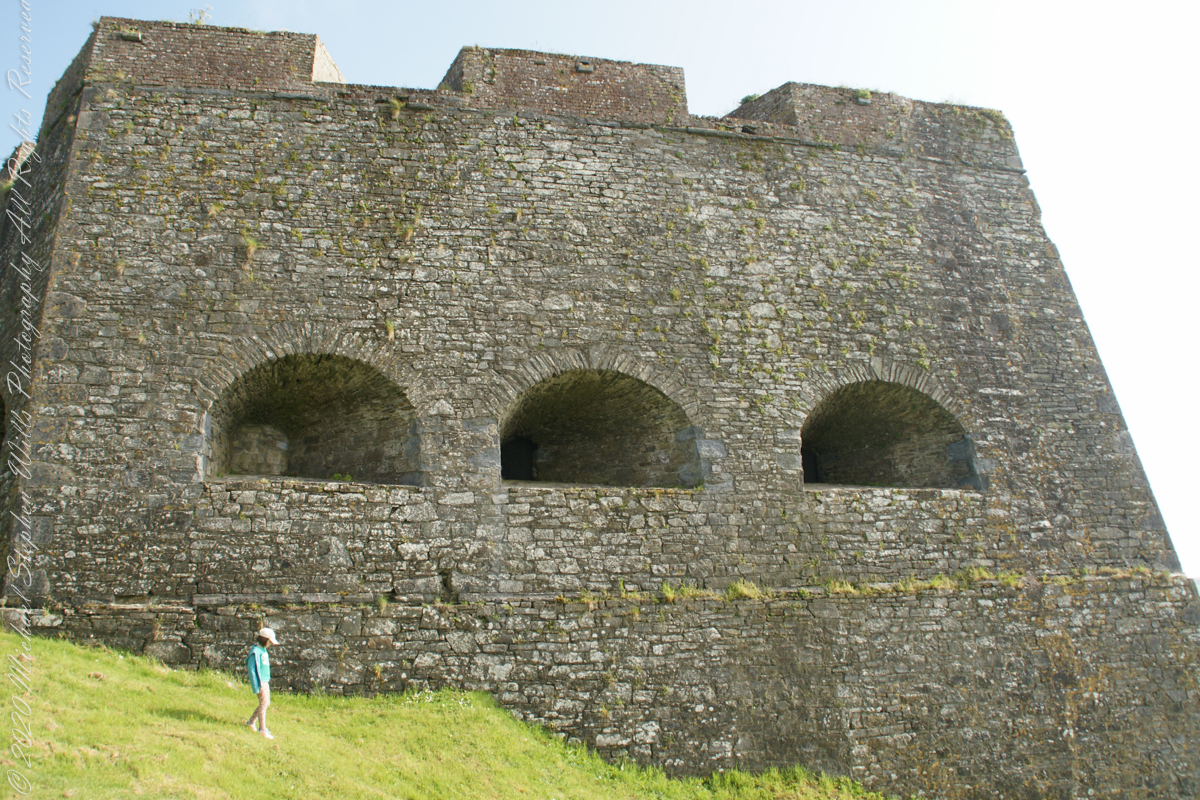
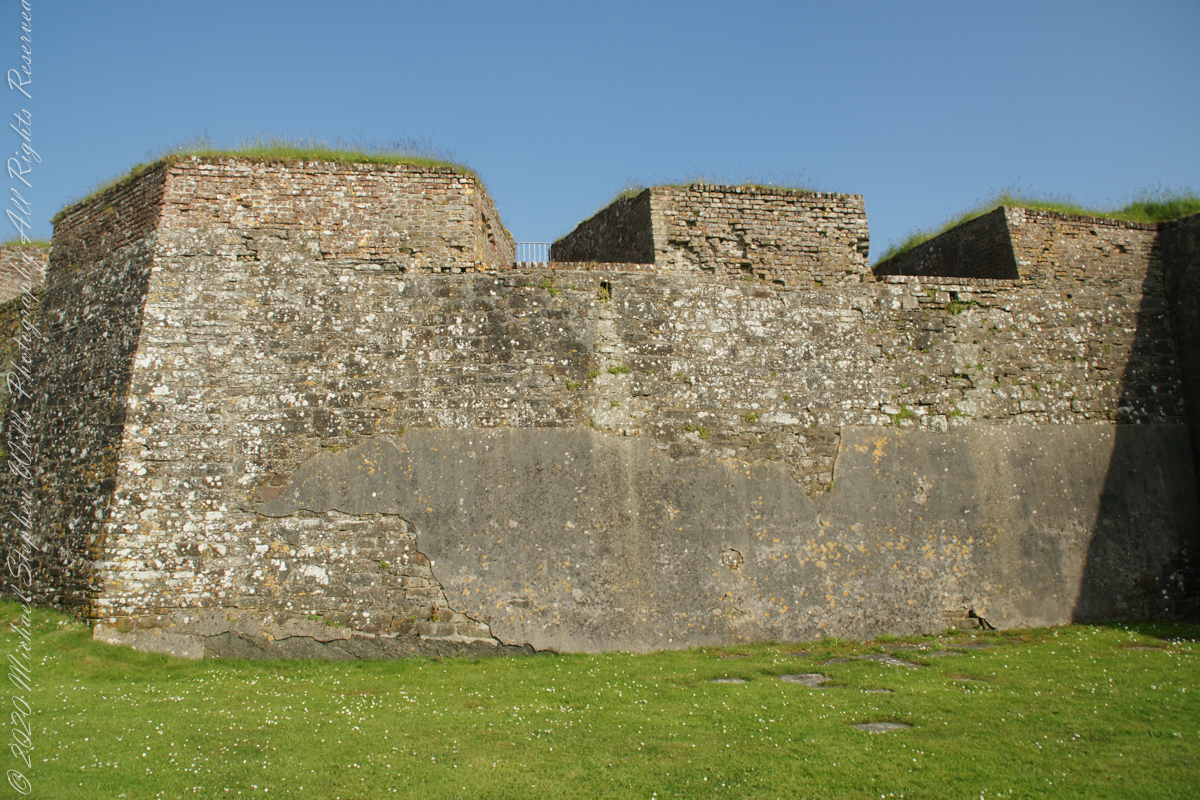
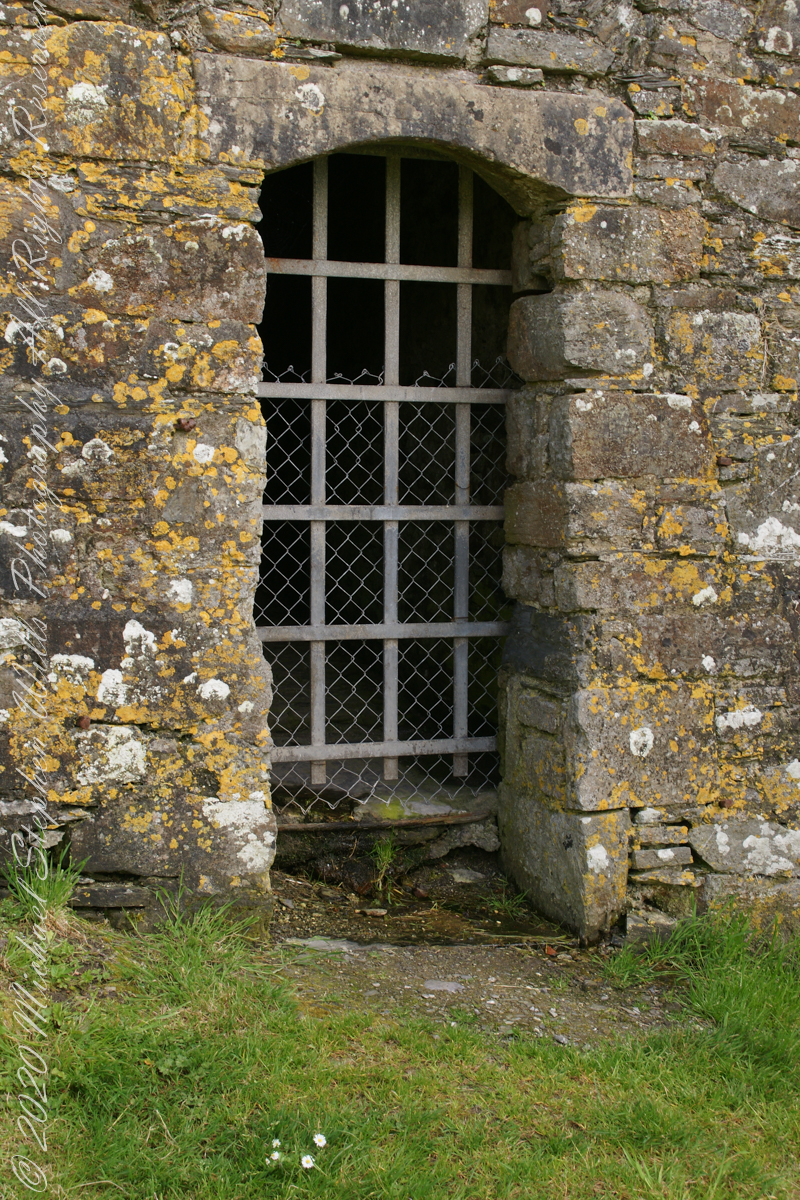
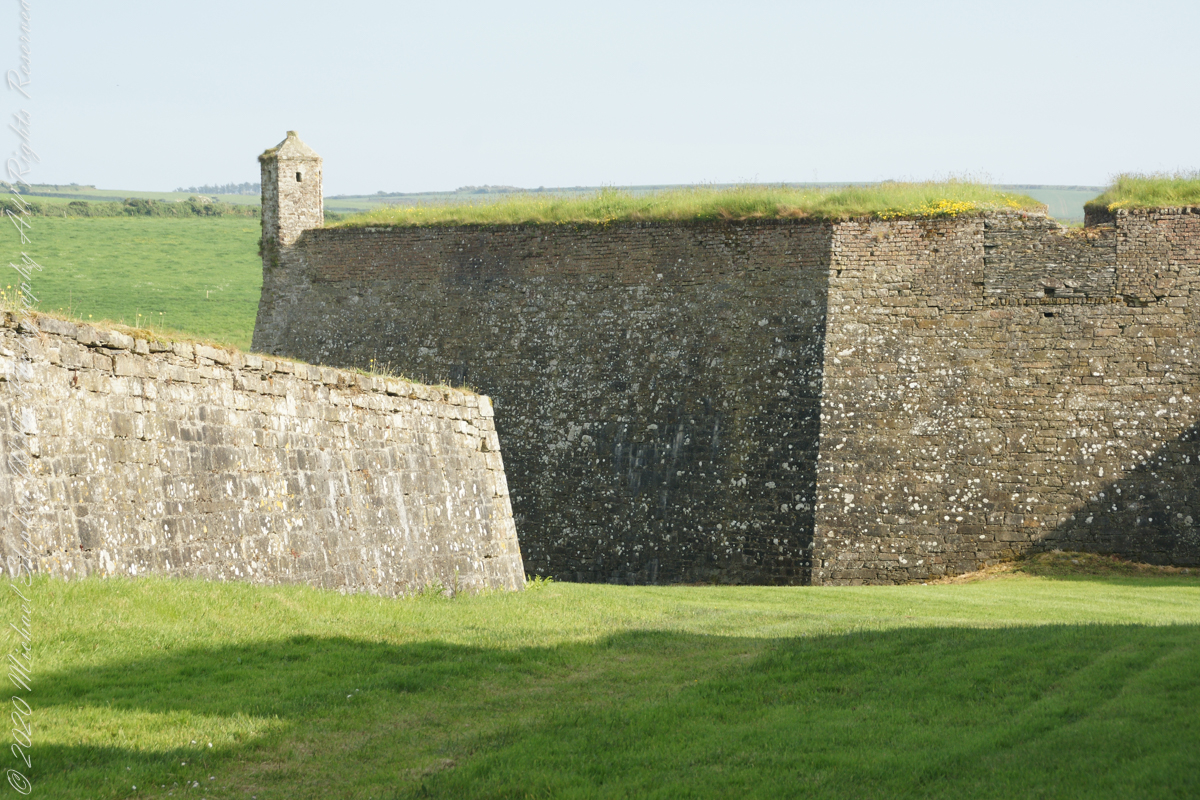
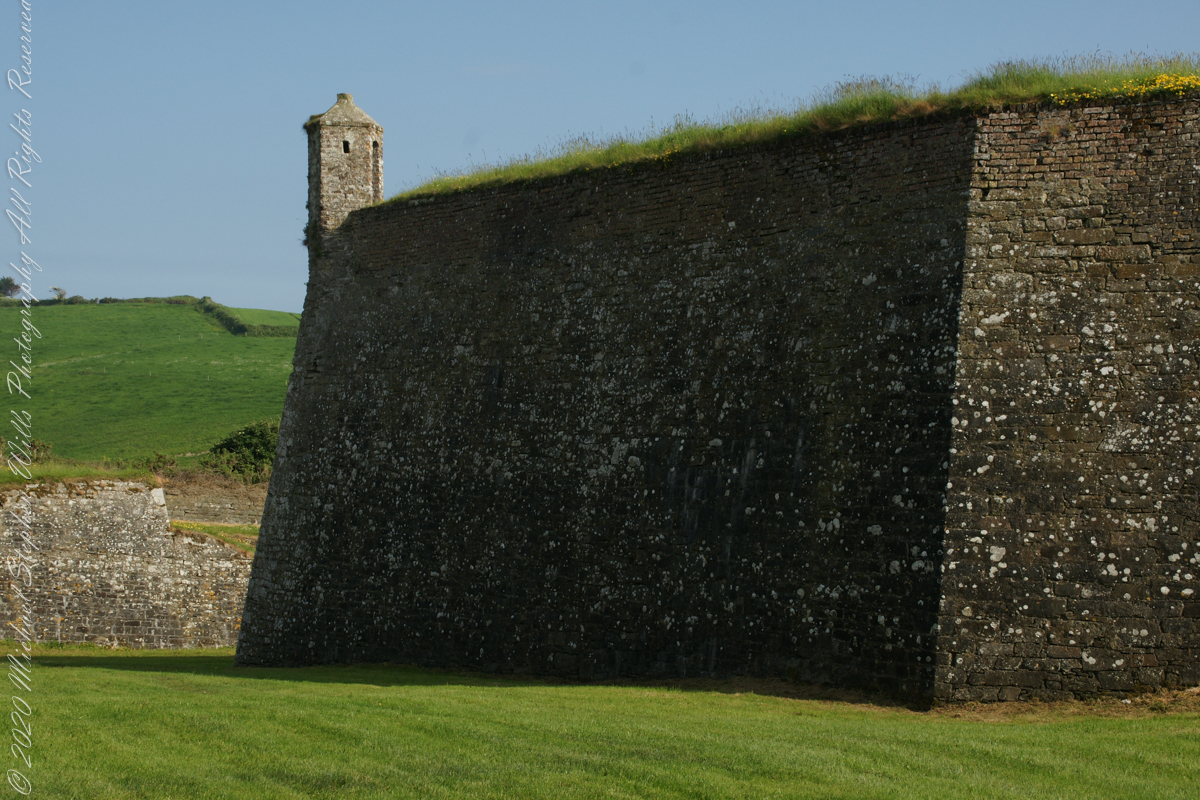
Charles Fort Walls

Dún Chathail

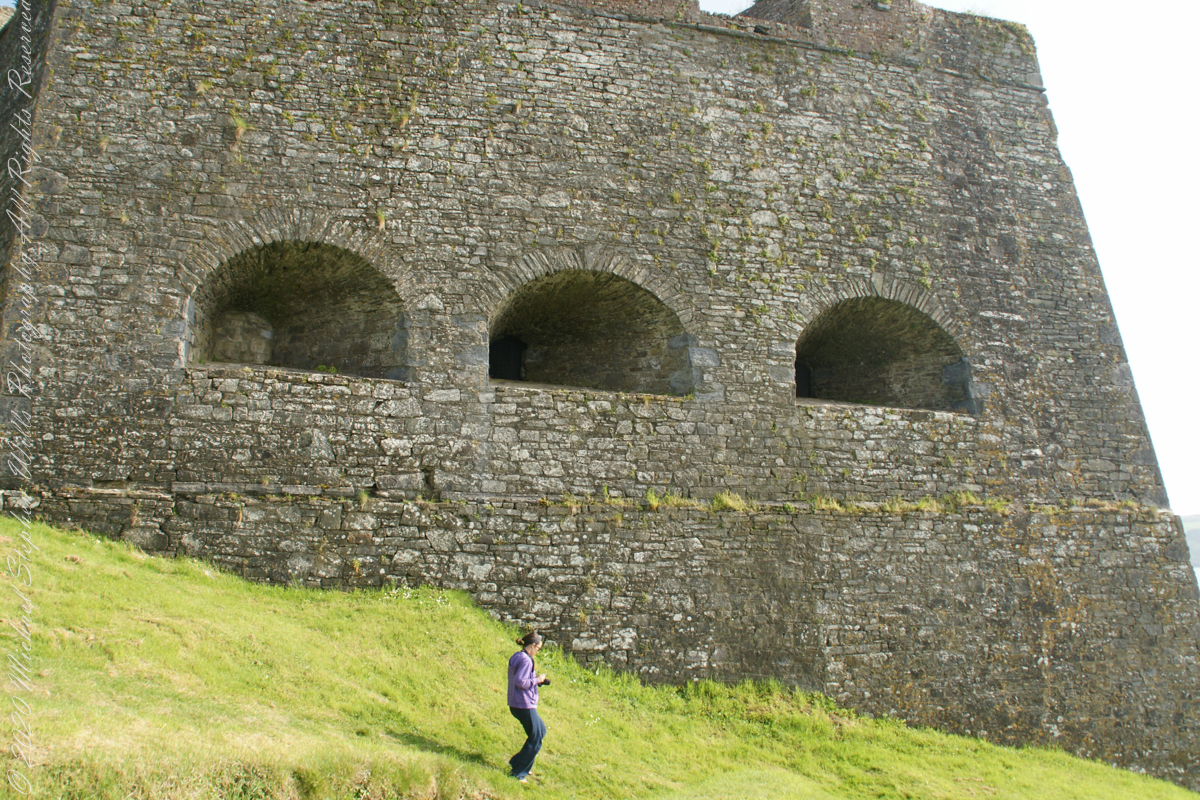
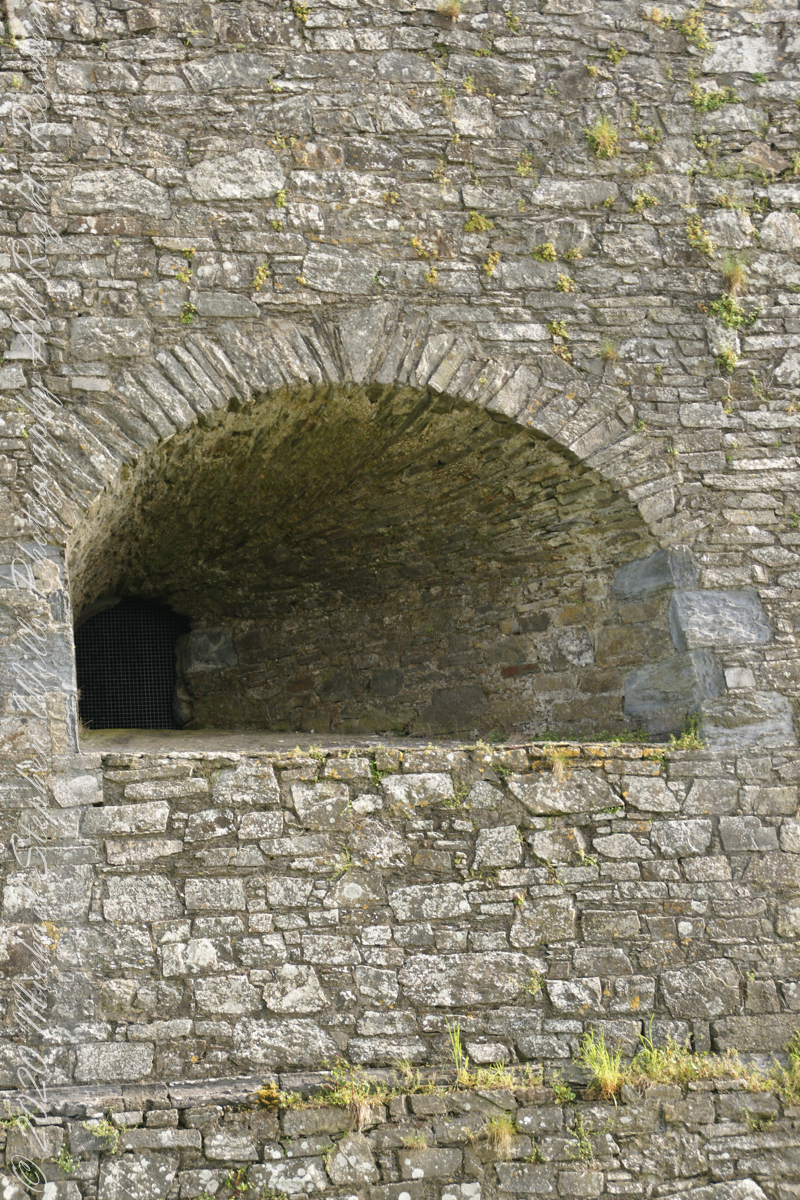
A “dun” is a larger fortification, few and far between on the island of Ireland. We saw one on the Arran Islands, from the Iron Age, Dun Angus, Charles Fort, or Dún Chathail in Irish, is from historical ages.

A cannot tell from my slide show, but the walls are star shaped with many salients, giving more positions to defend the walls.

References

“Charles Fort” – wikipedia

Copyright 2021 All Rights Reserved Michael Stephen Wills

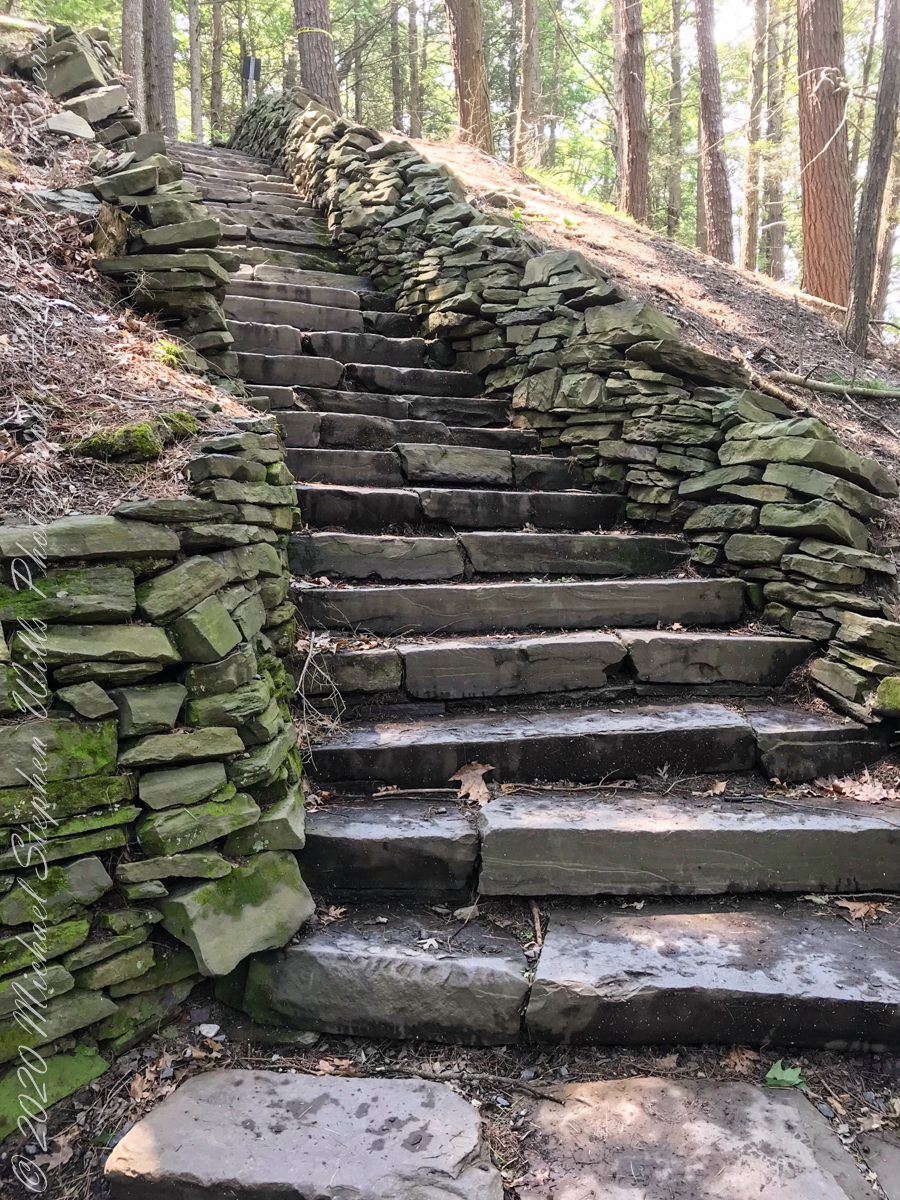
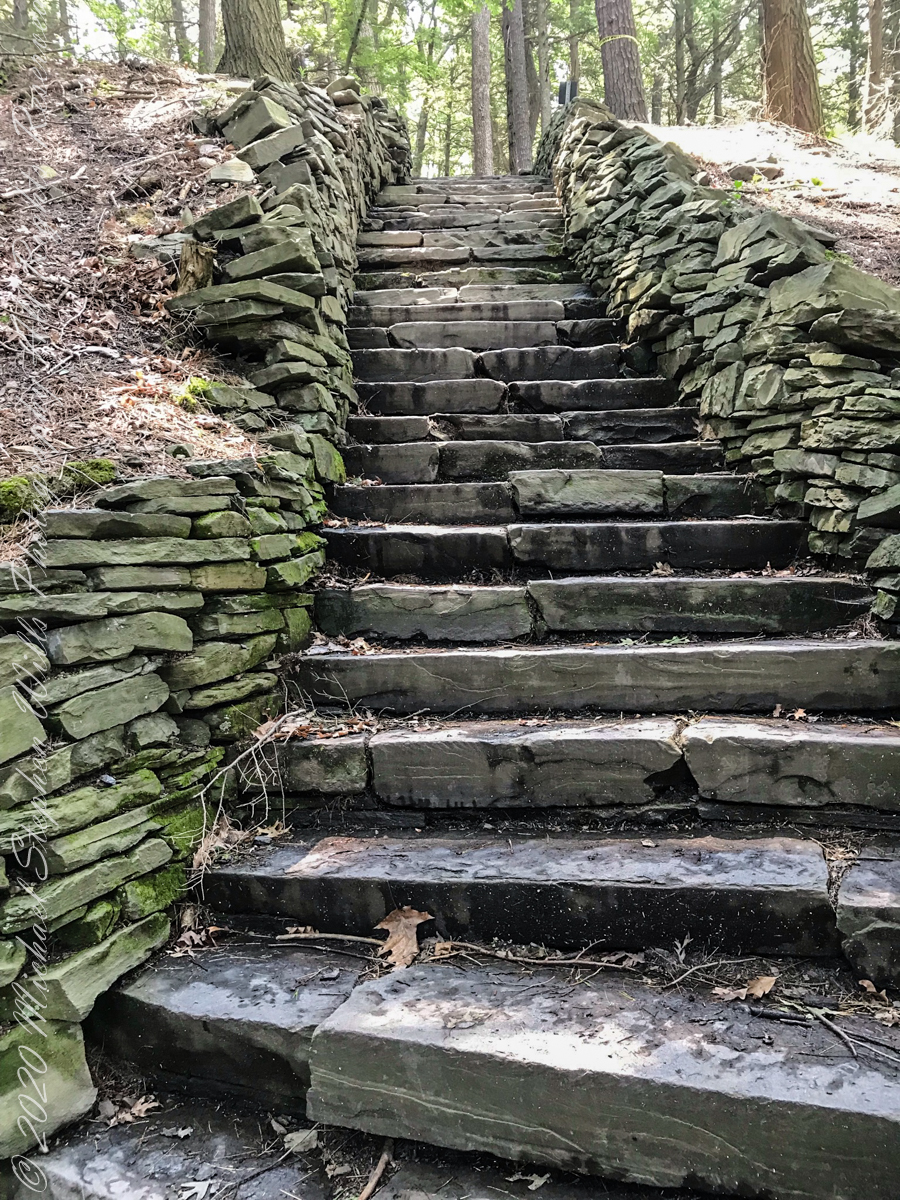
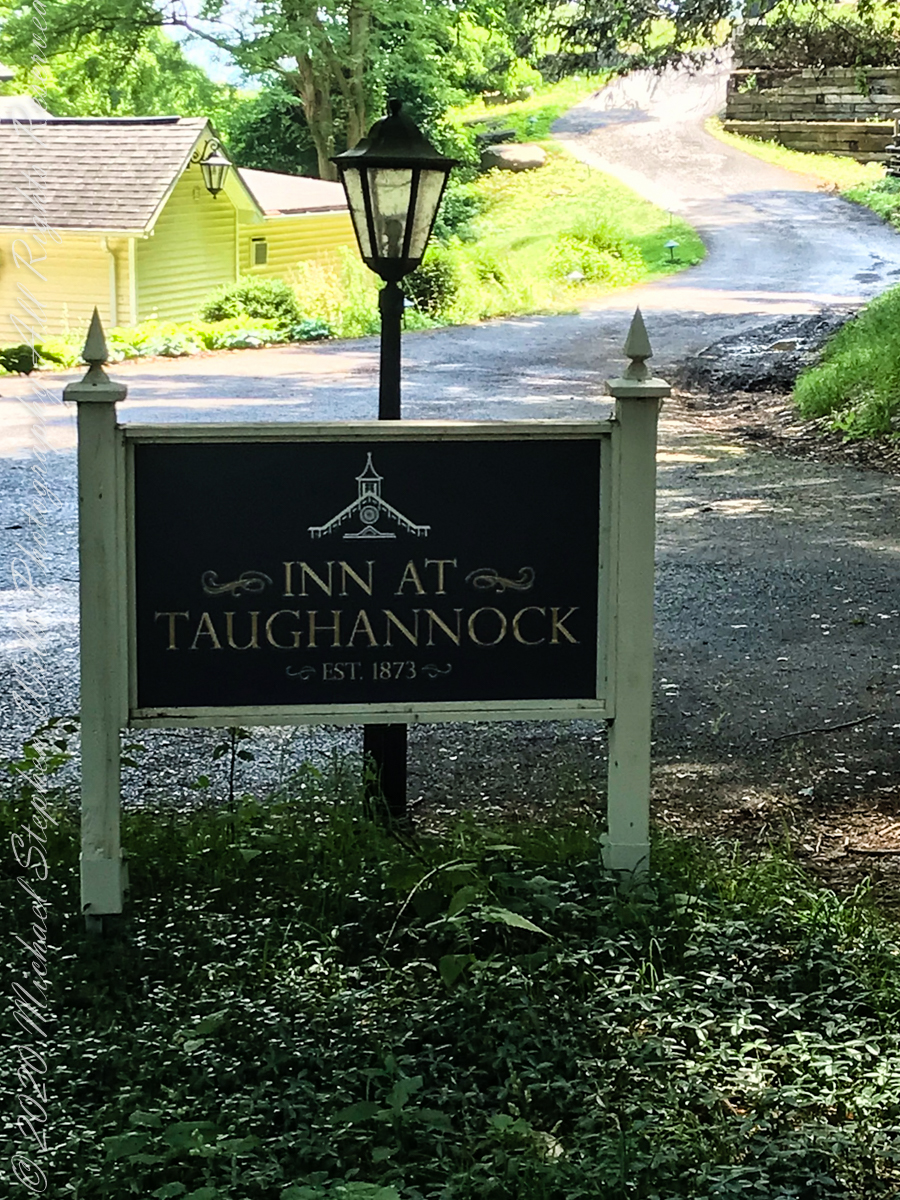
Summer Walk

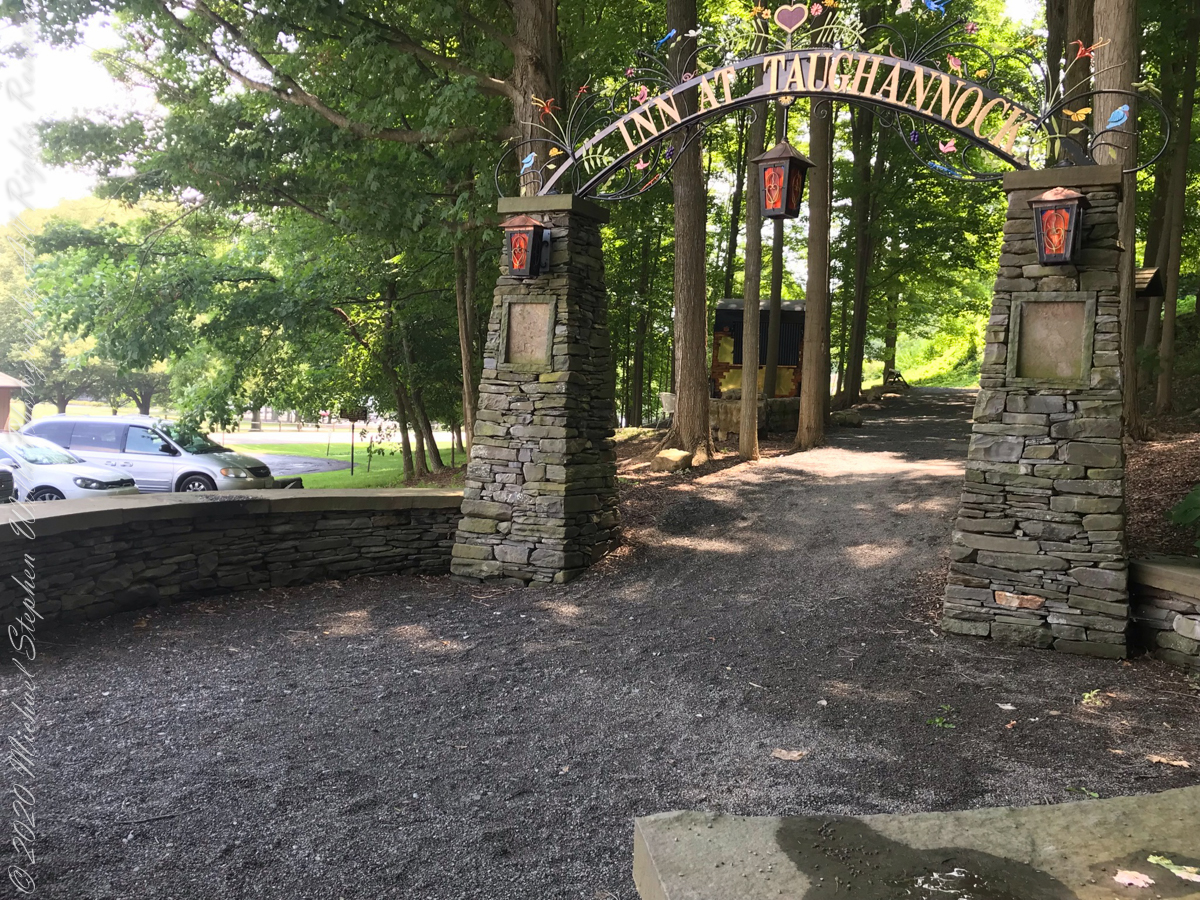
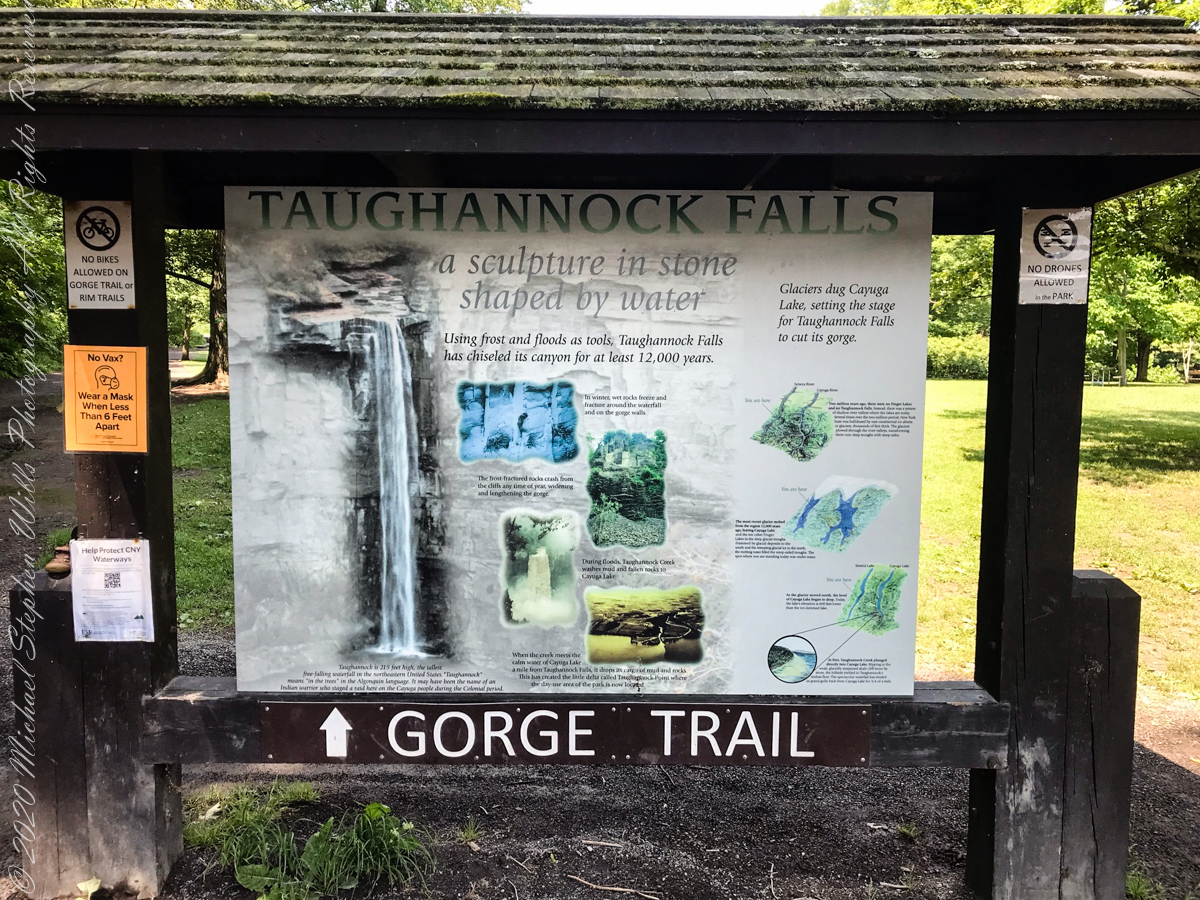
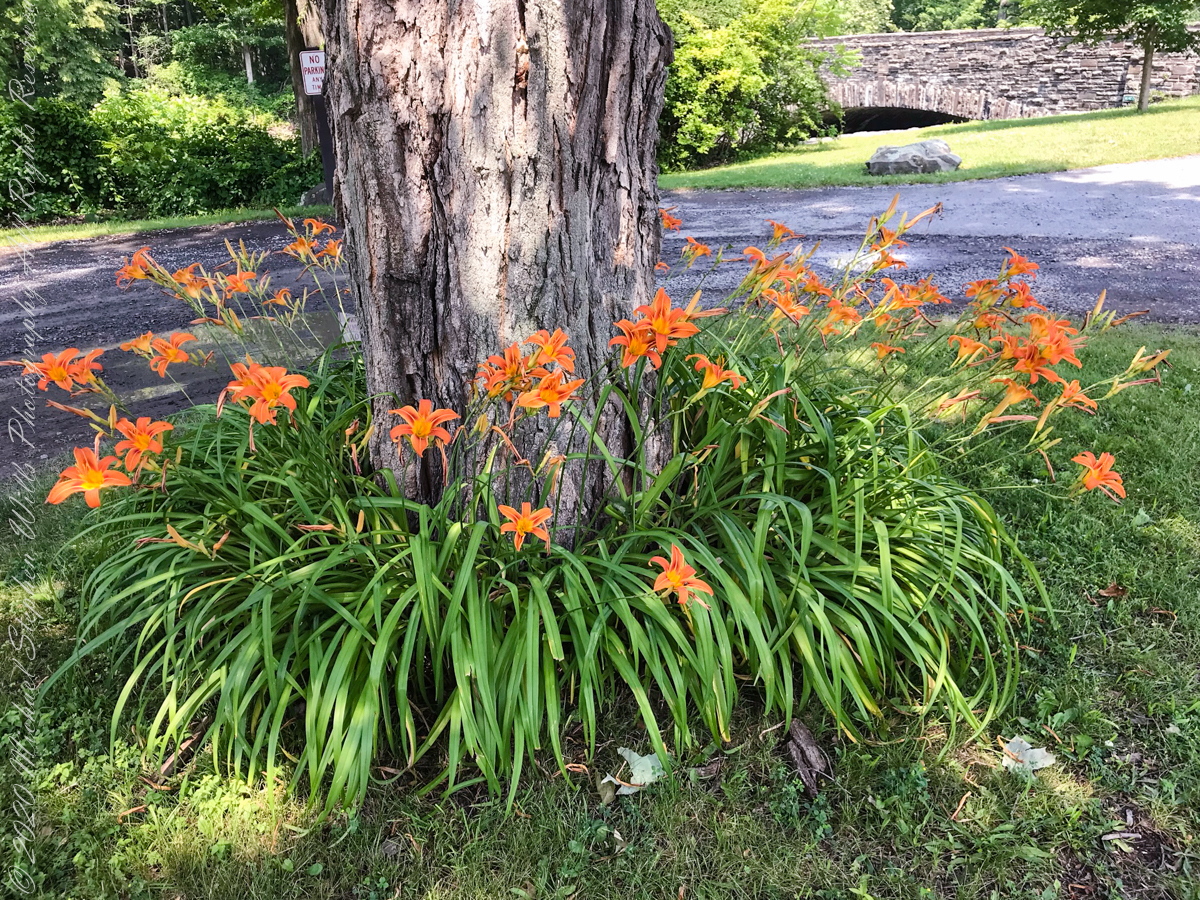
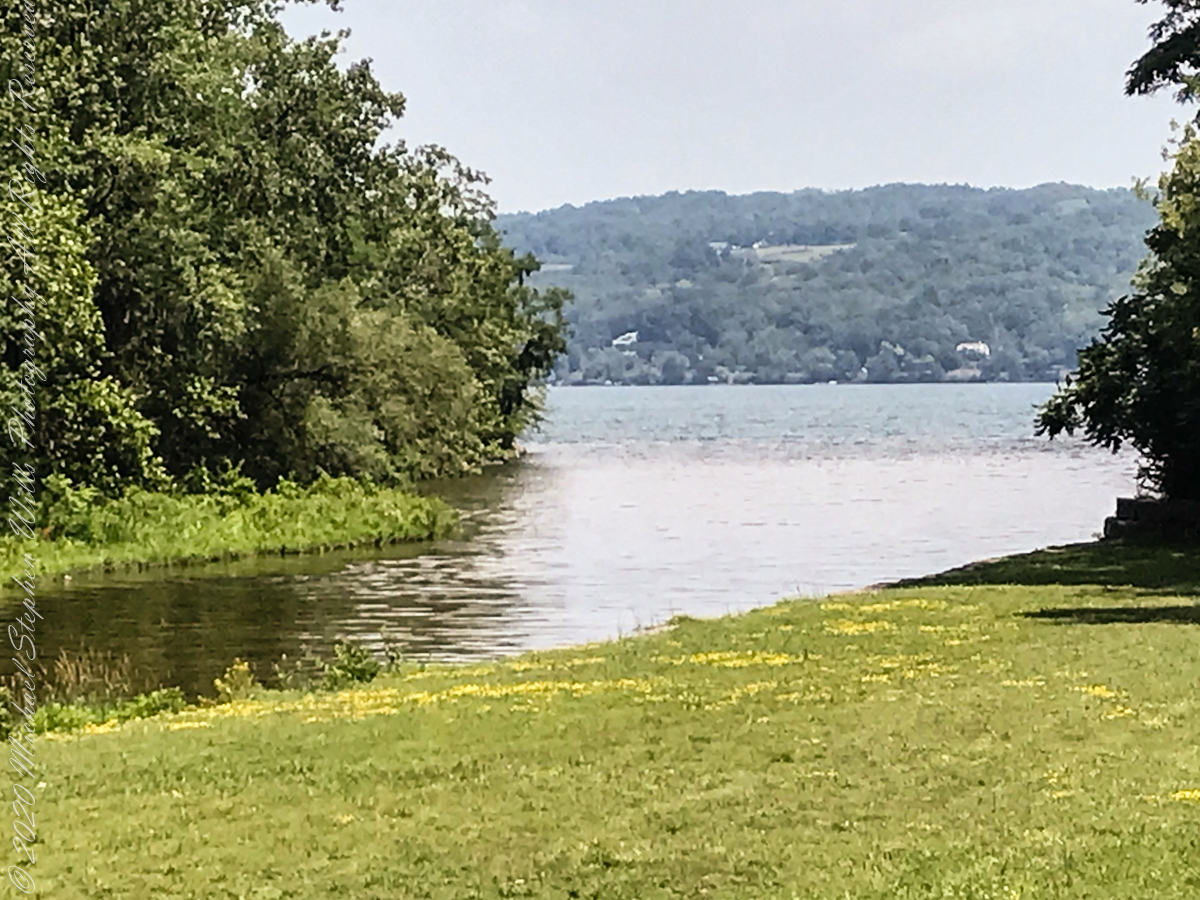
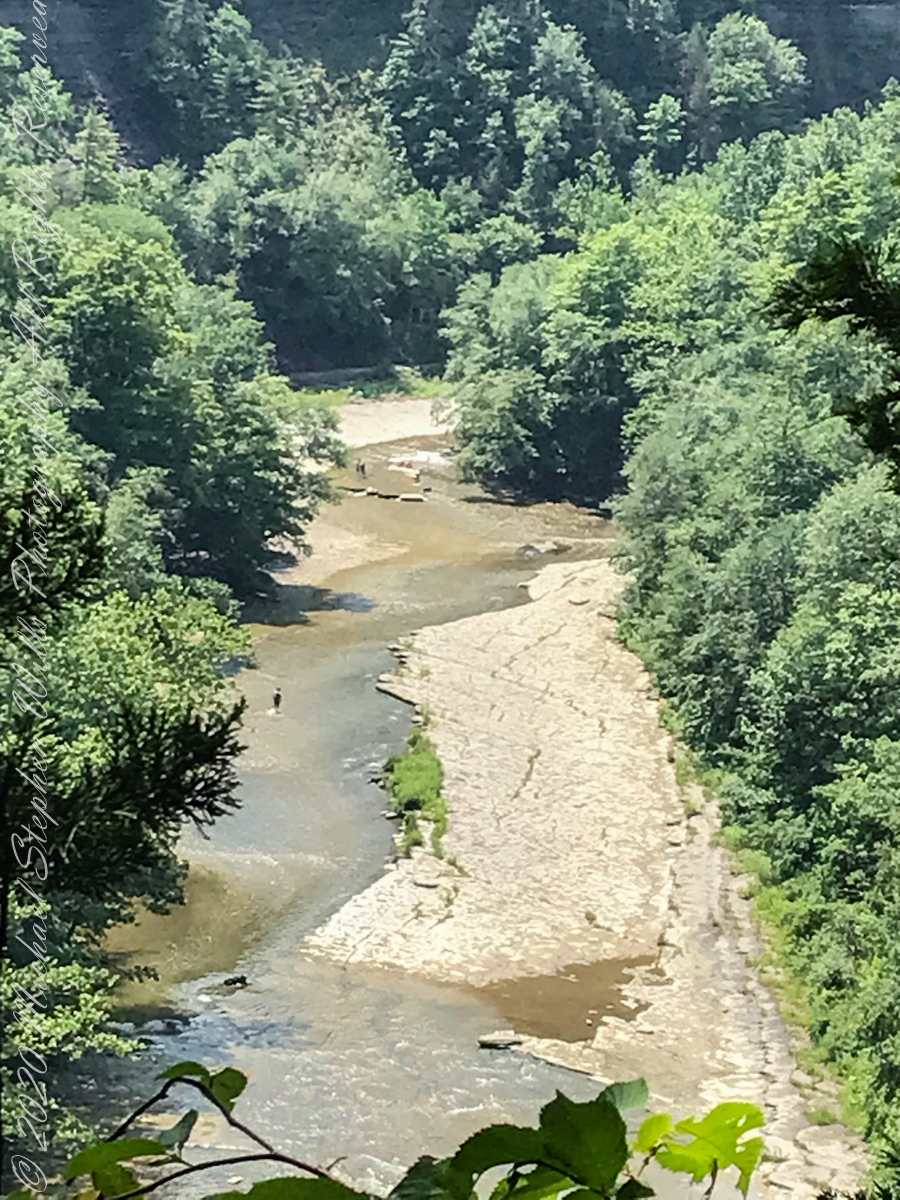
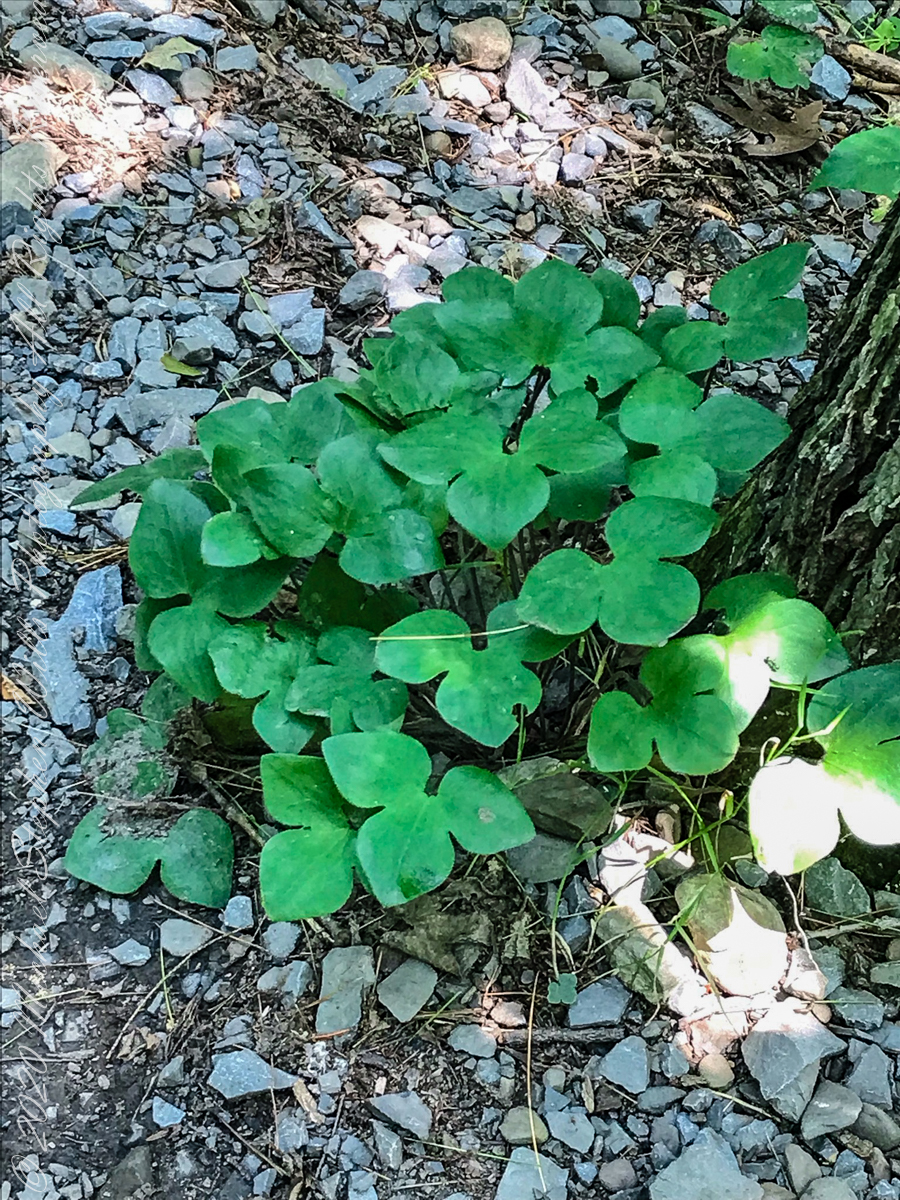
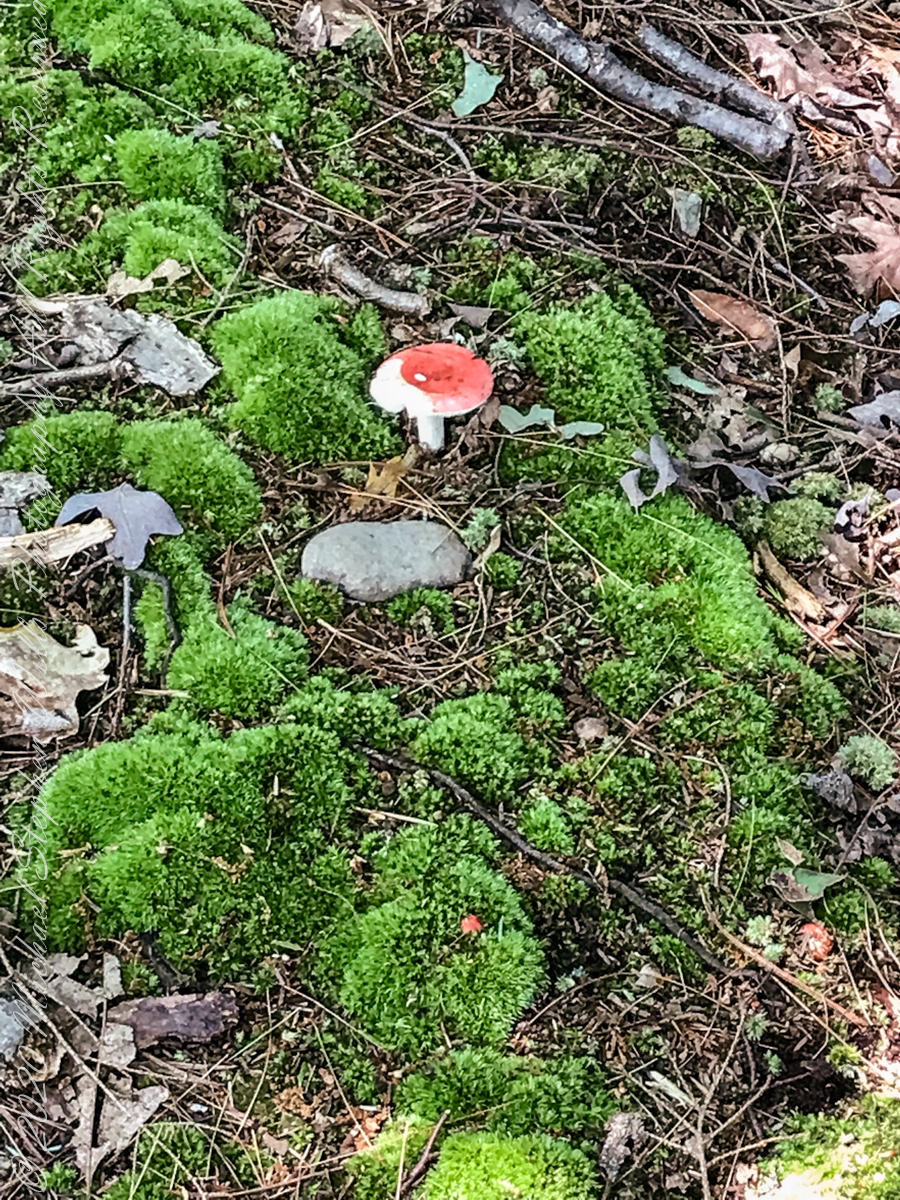
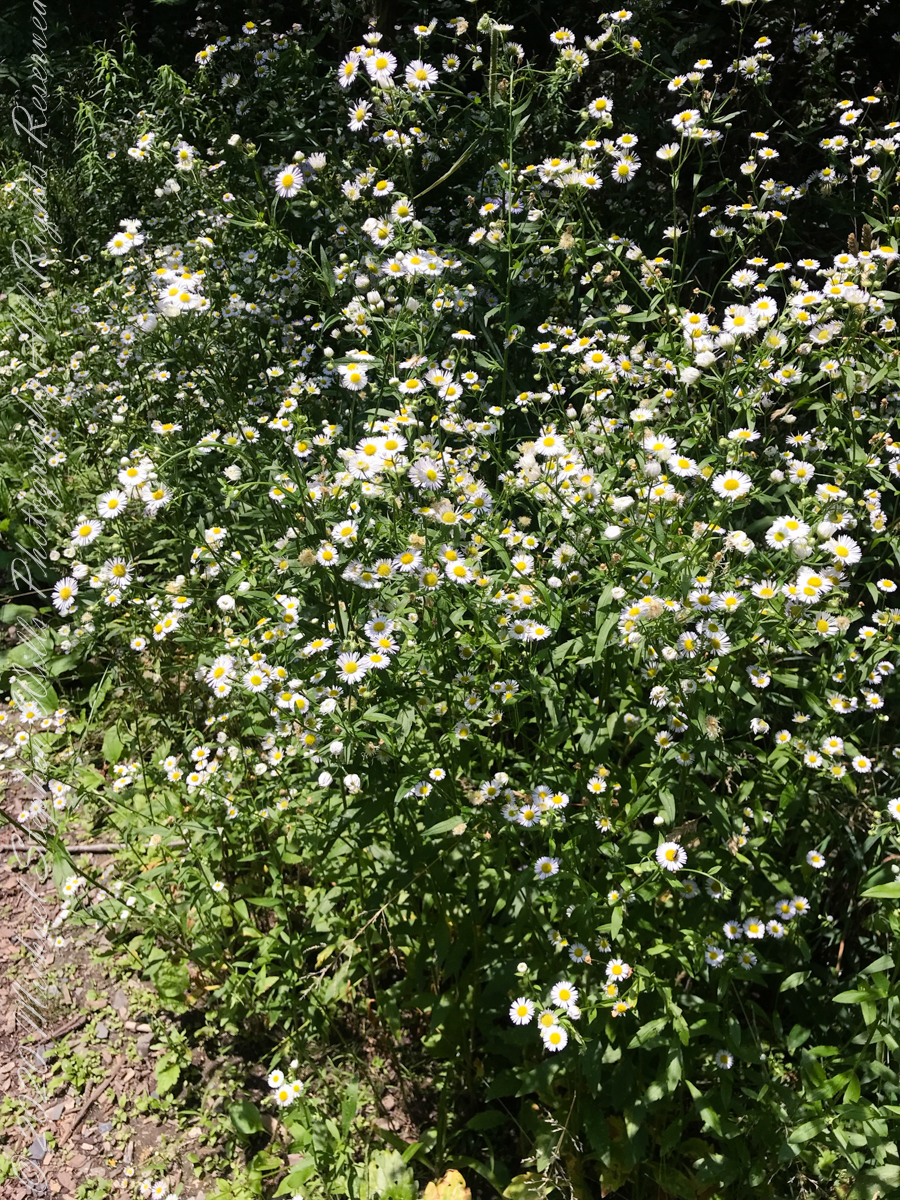
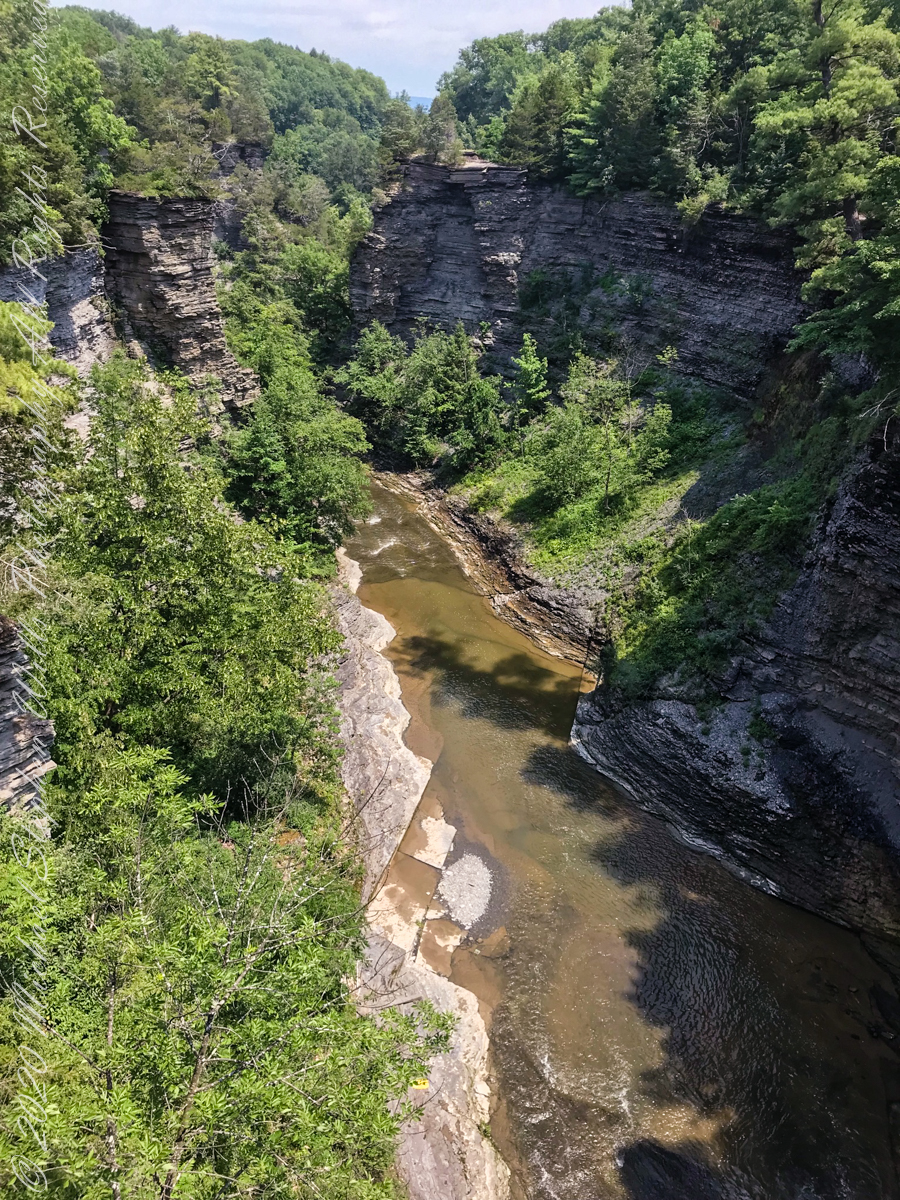
Experience a hike around Taughannock Gorge on a summer morning with thunderstorms threatening

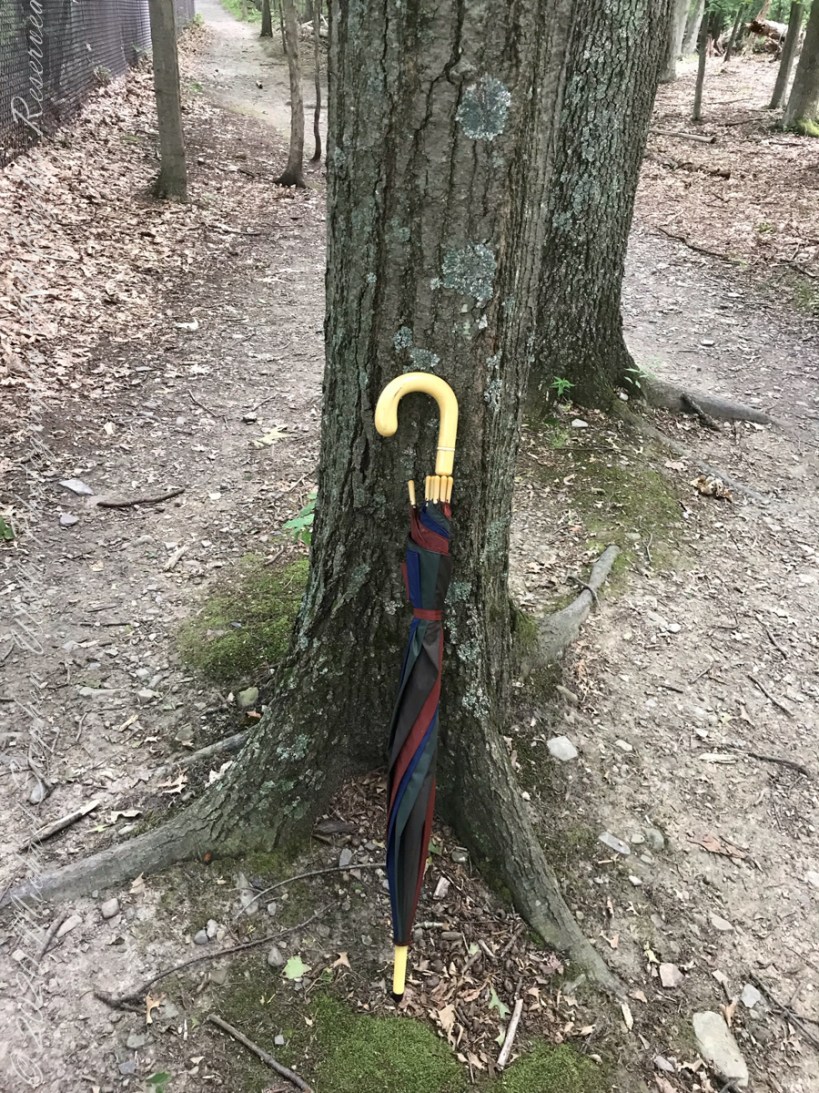
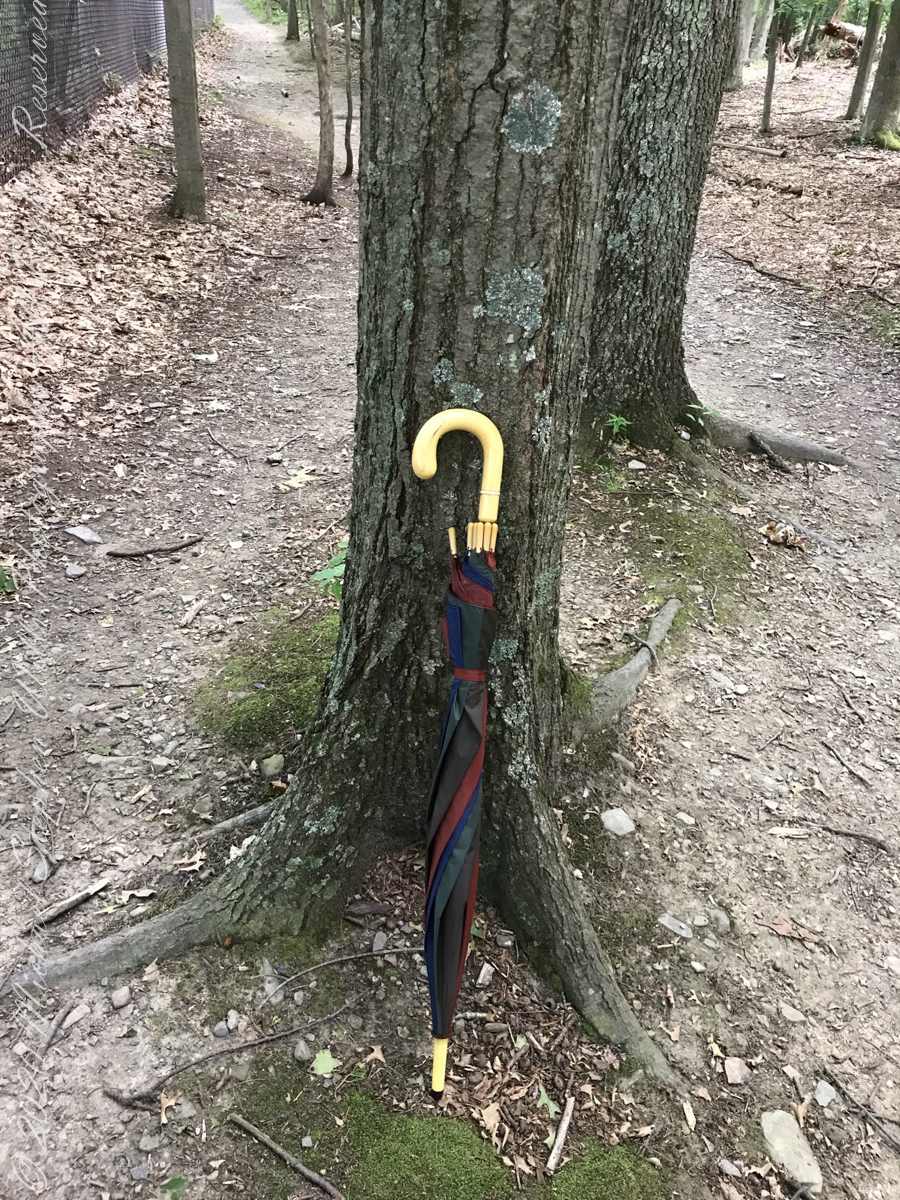
Constant winds from thunderstorm updrafts, I brought along an umbrella just in case.

Click photograph for slide show. To do this from WordPress Reader, you need to first click the title of this post to open a new page.

Click the “Watch on YouTube” for a larger format view and more information about each video.

Taughannock Falls Gorge on a humid summer morning
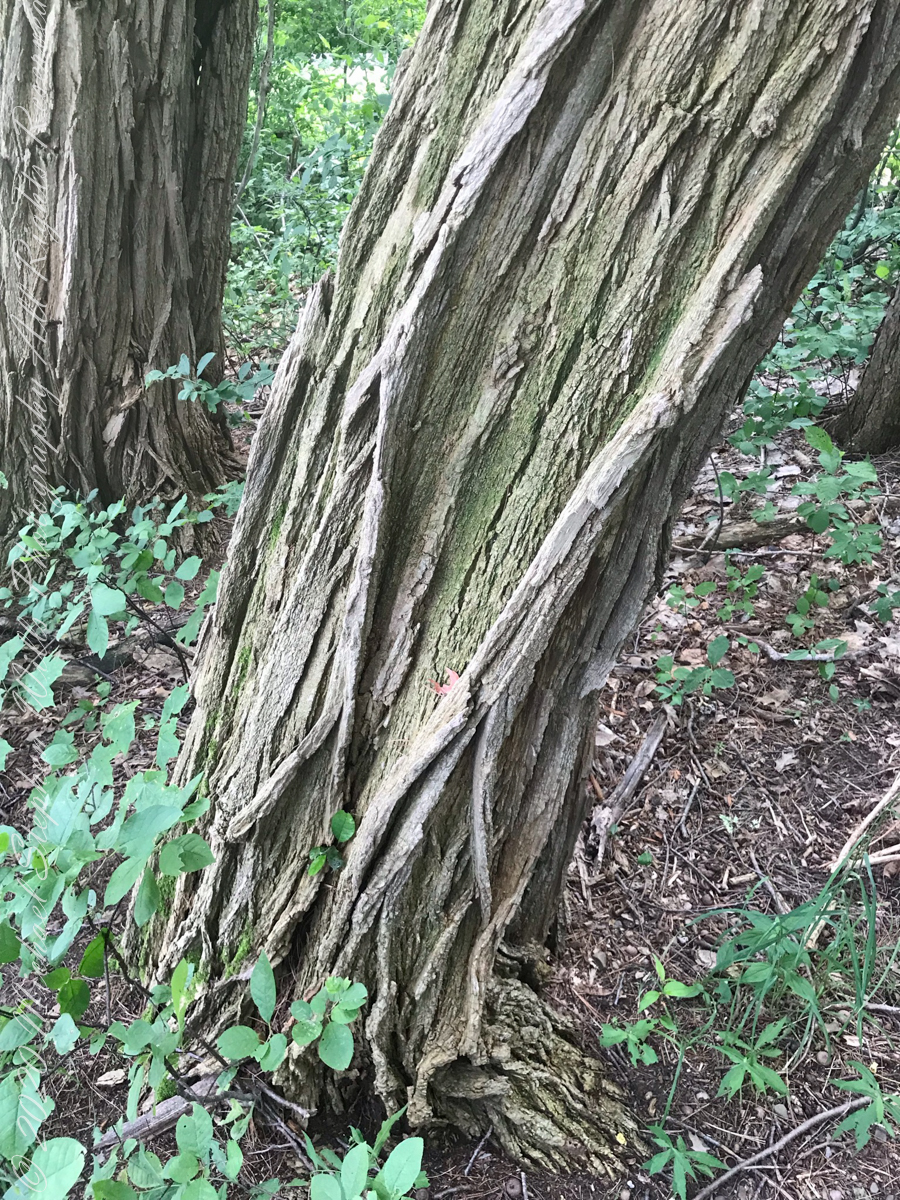
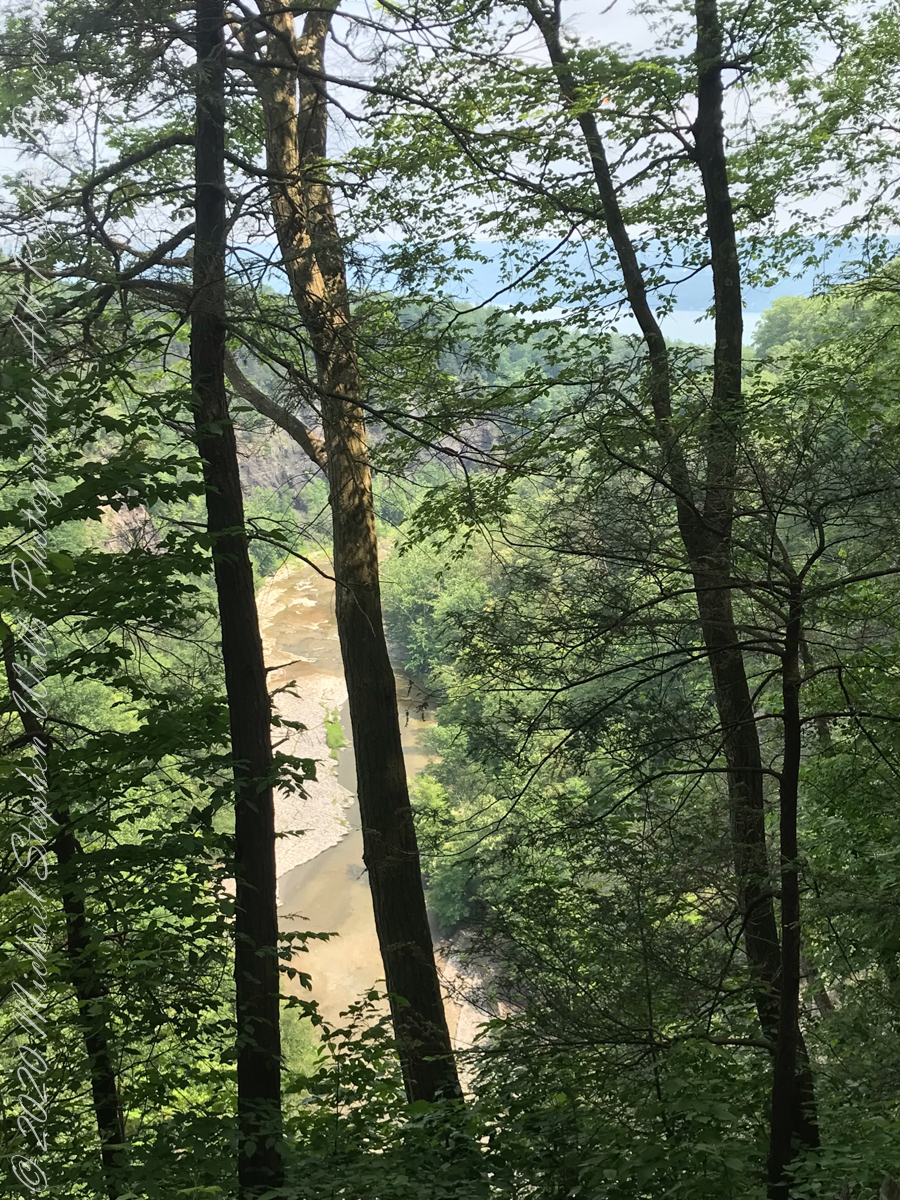
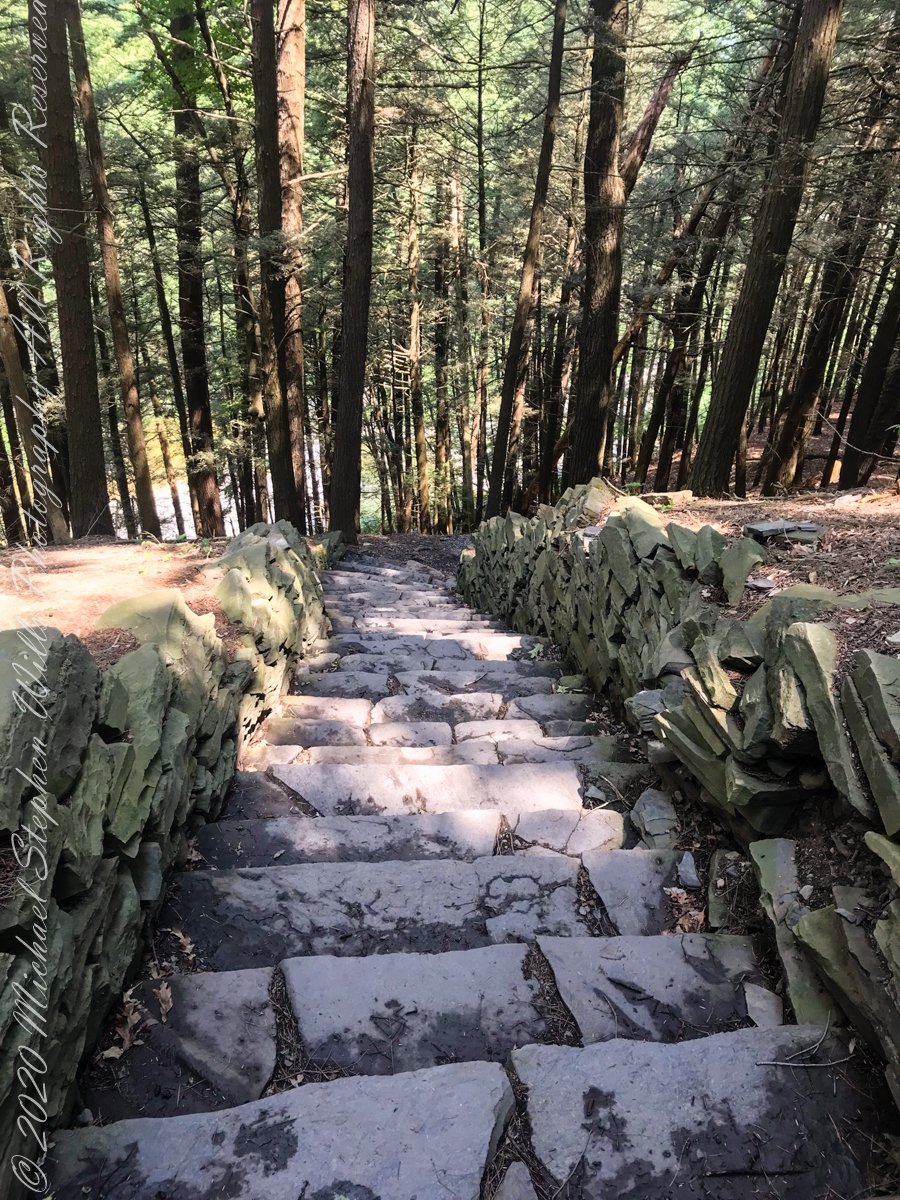
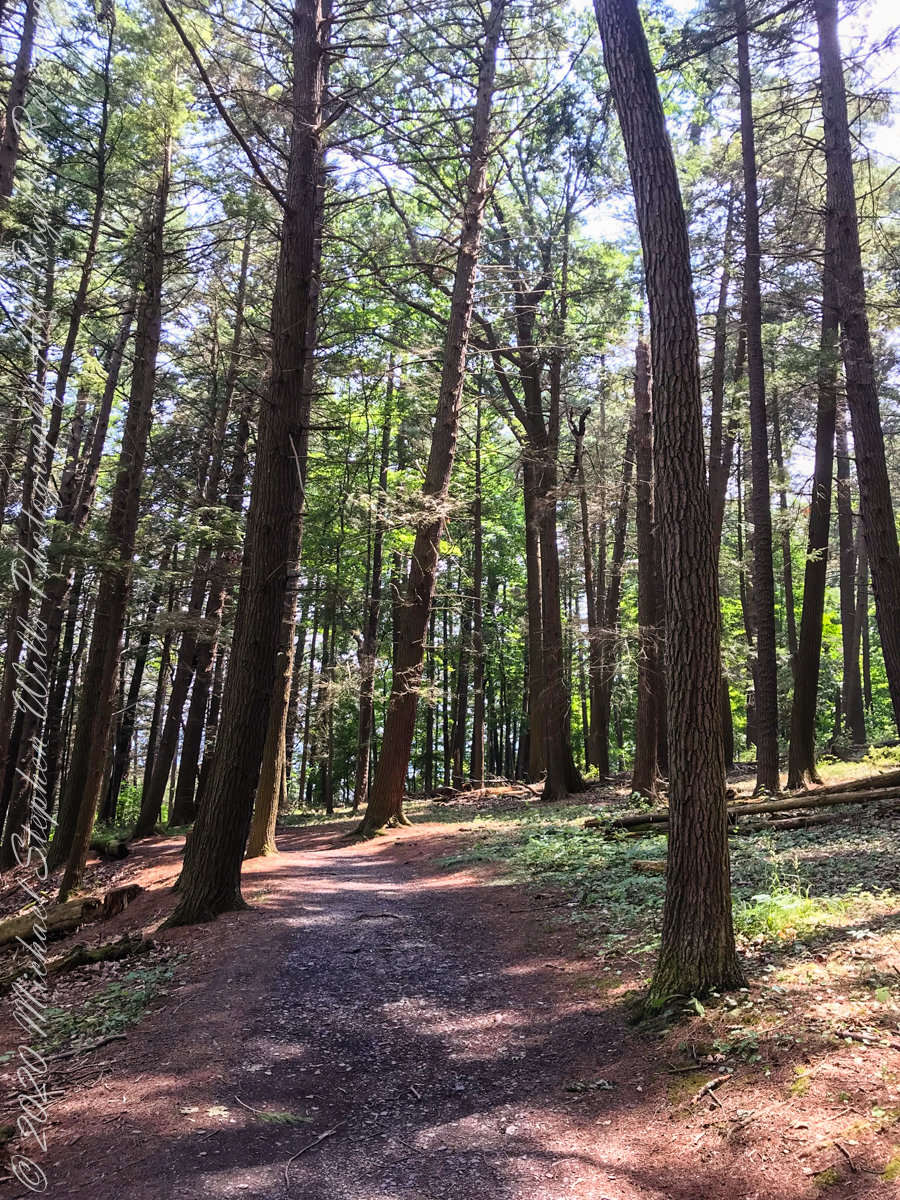
Hemlock Forest on South Rim Trail
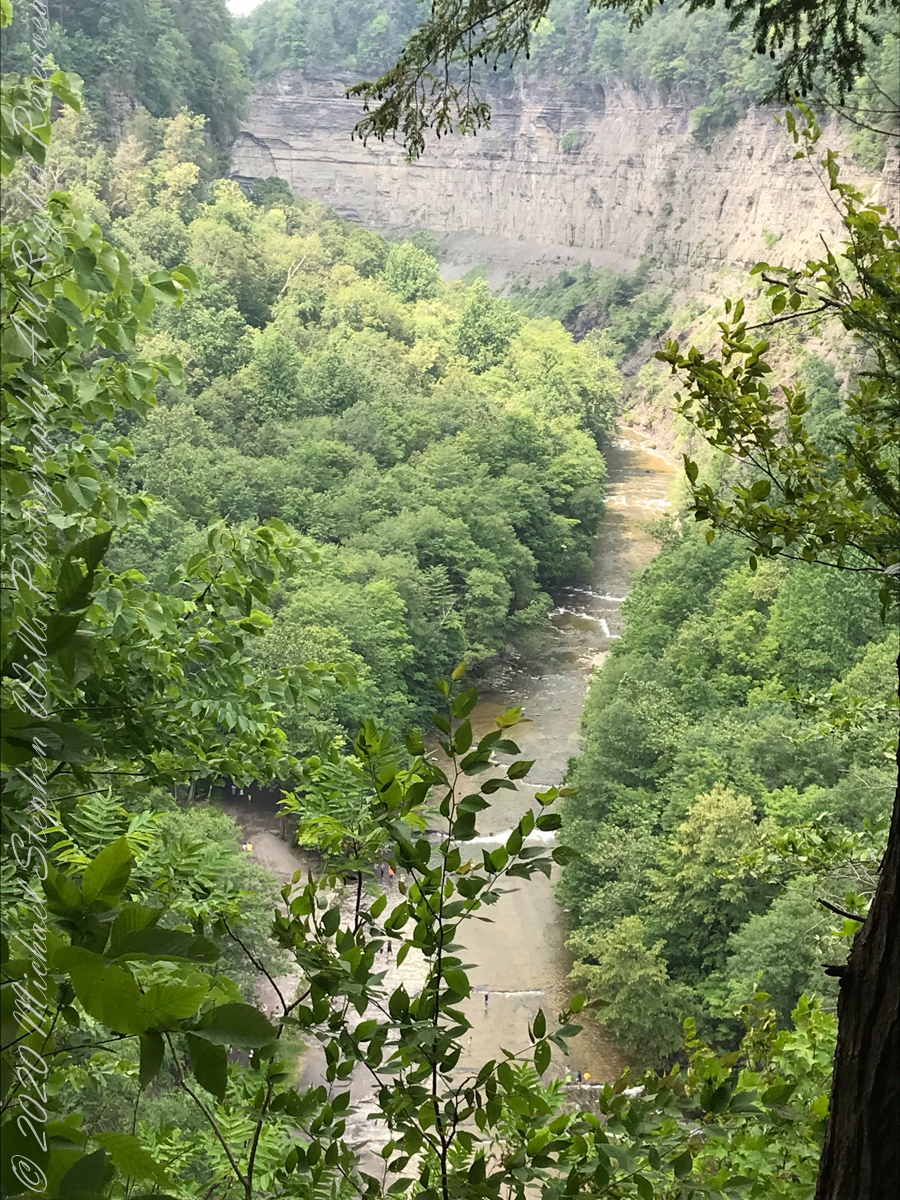
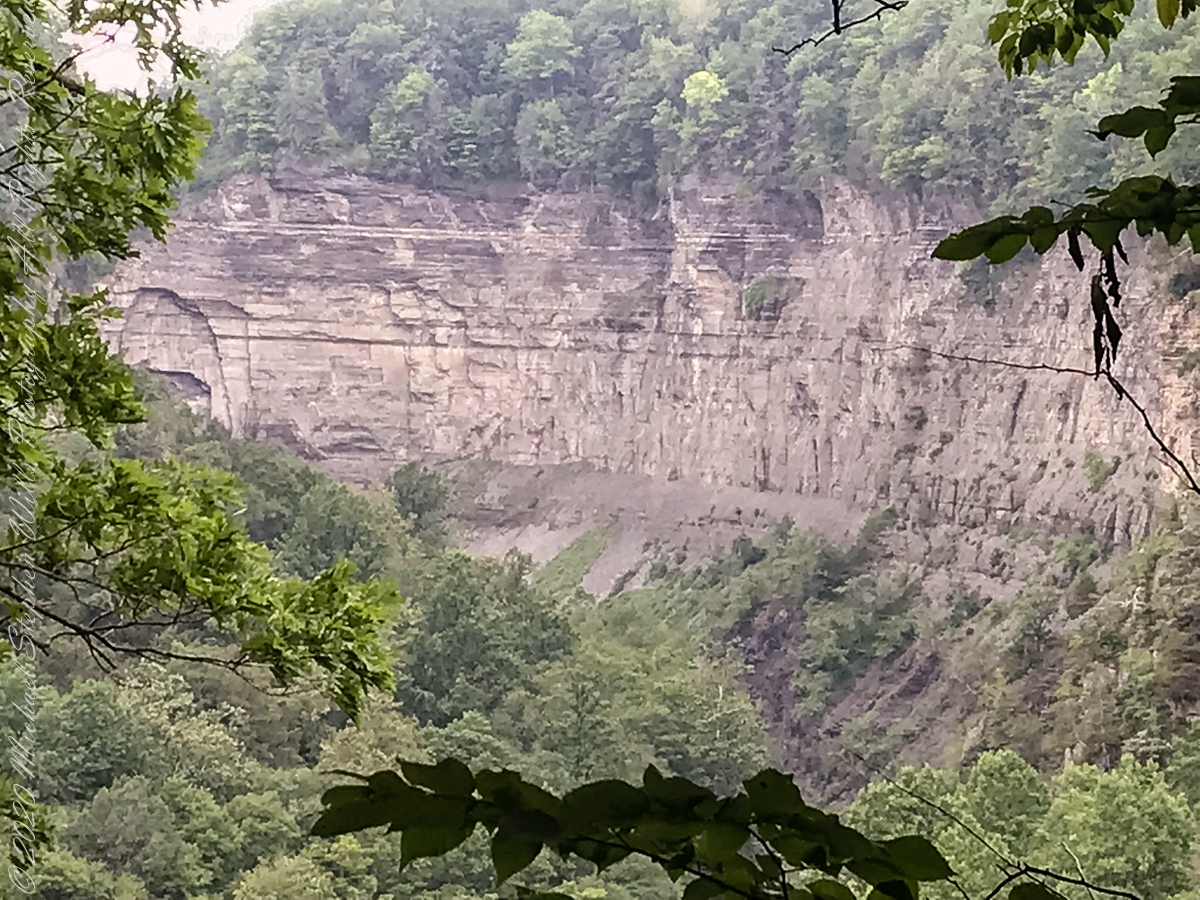
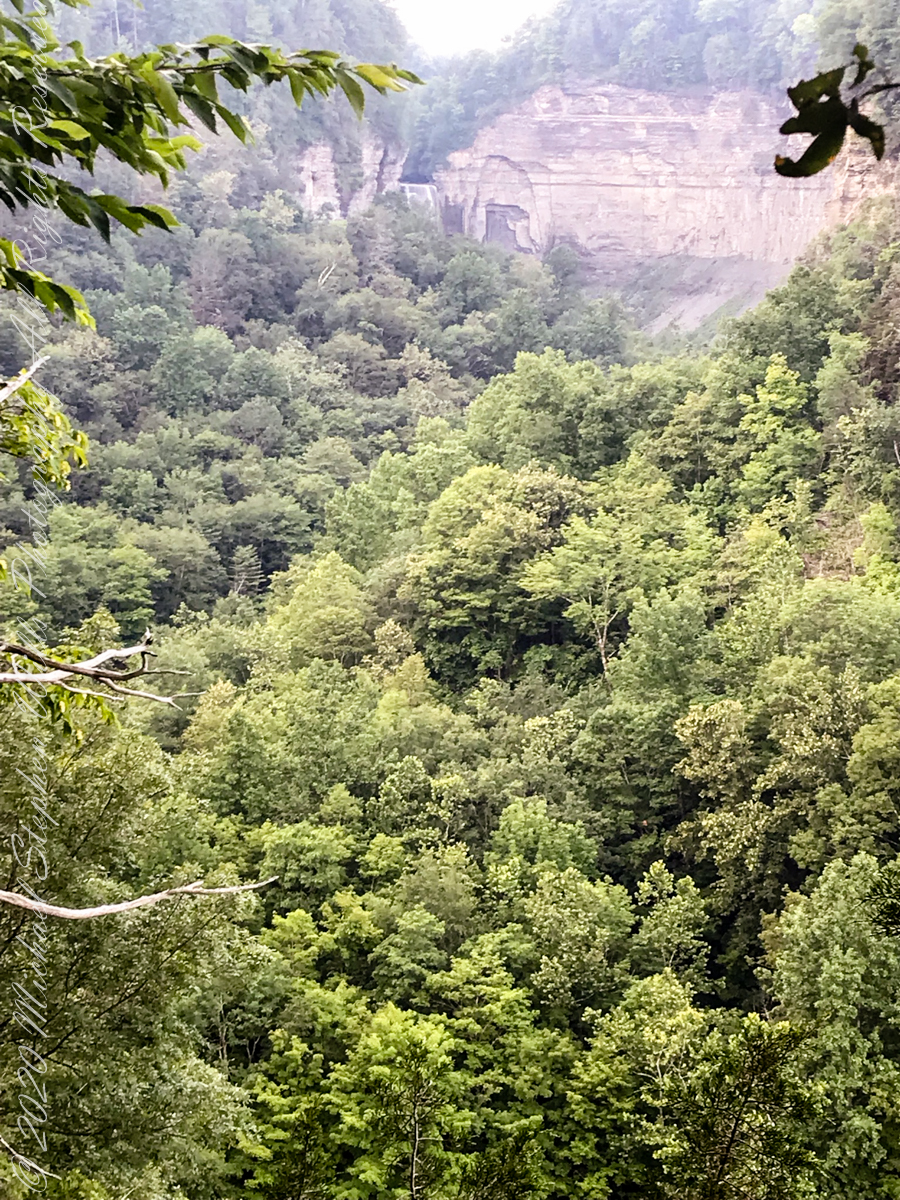
Taughannock Falls Gorge from South Rim Trail
Taughannock Falls from South Rim trail
View of Taughannock Falls Gorge from the North Rim trail on a humid summer (July) morning. Turkey Vultures circle overhead…they are there most summer days.
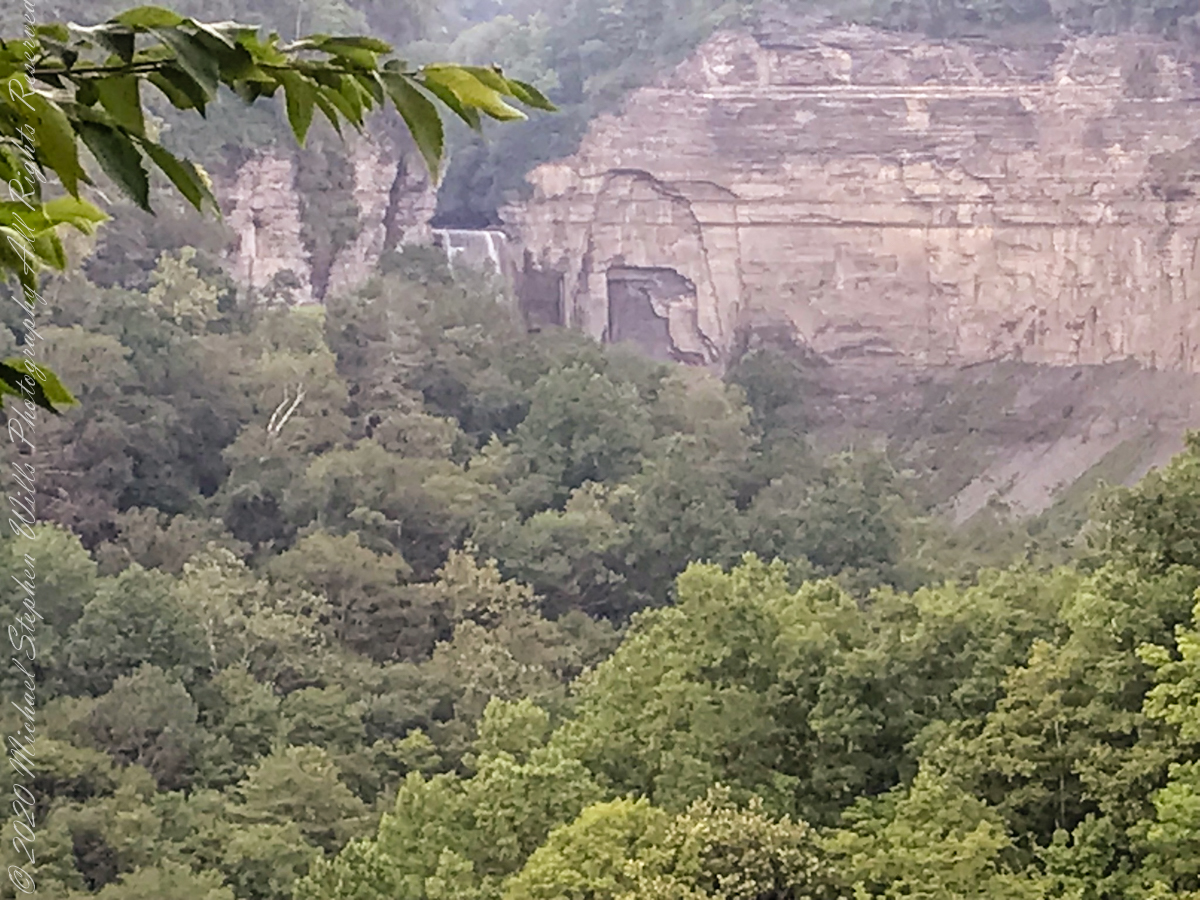
View of the first waterfall of Taughannock Gorge from the railroad bridge linking the North and South Rim trails on a humid summer (July) morning. This large waterfall empties to the gorge above the 210+ foot Taughannock Falls.
Copyright 2021 All Rights Reserved Michael Stephen Wills

Zion Merged

revelatory

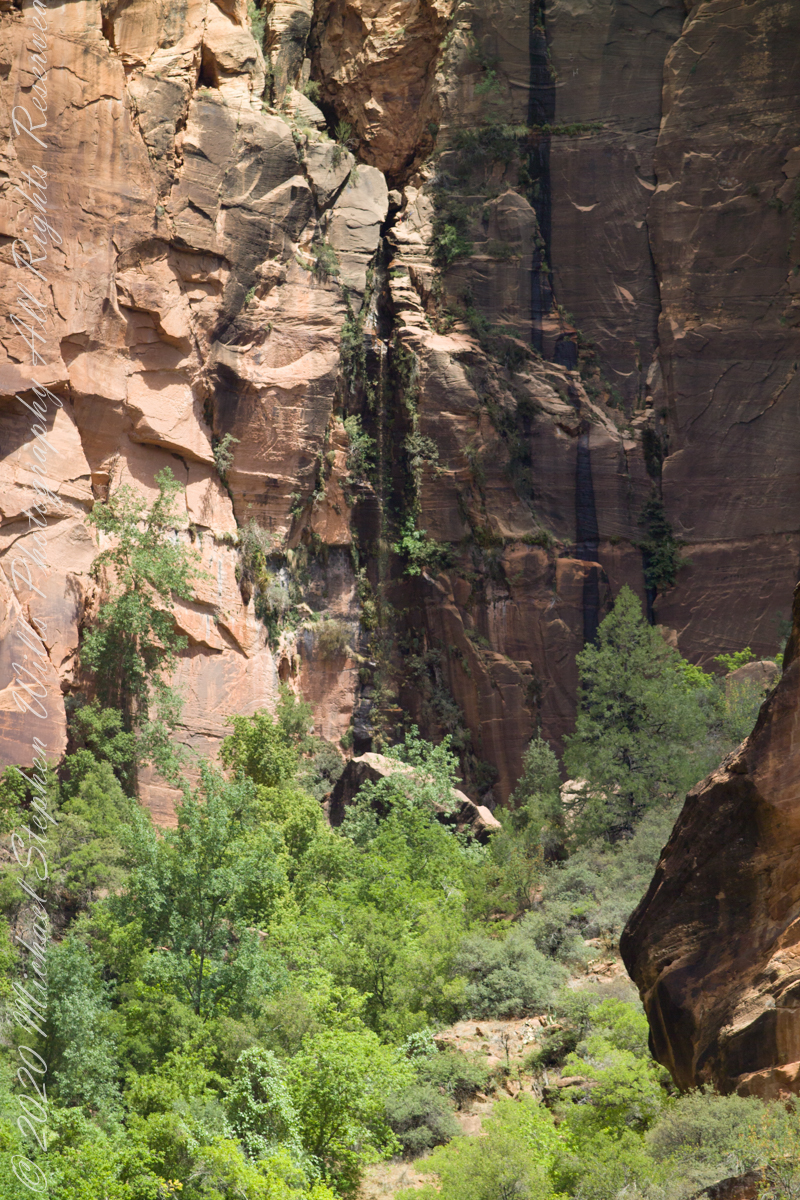
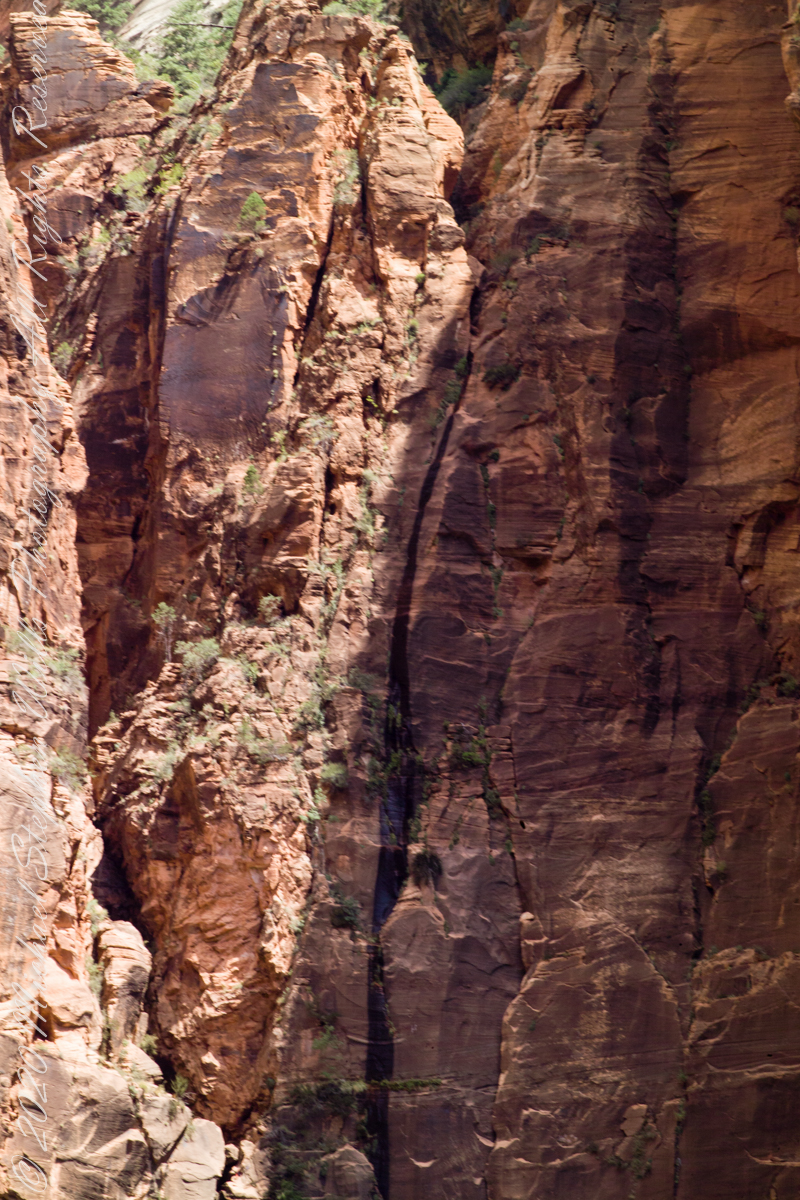
The first photograph is the myriad fractures within the Zion Navajo sandstone, hidden water transits from rainfall miles away.

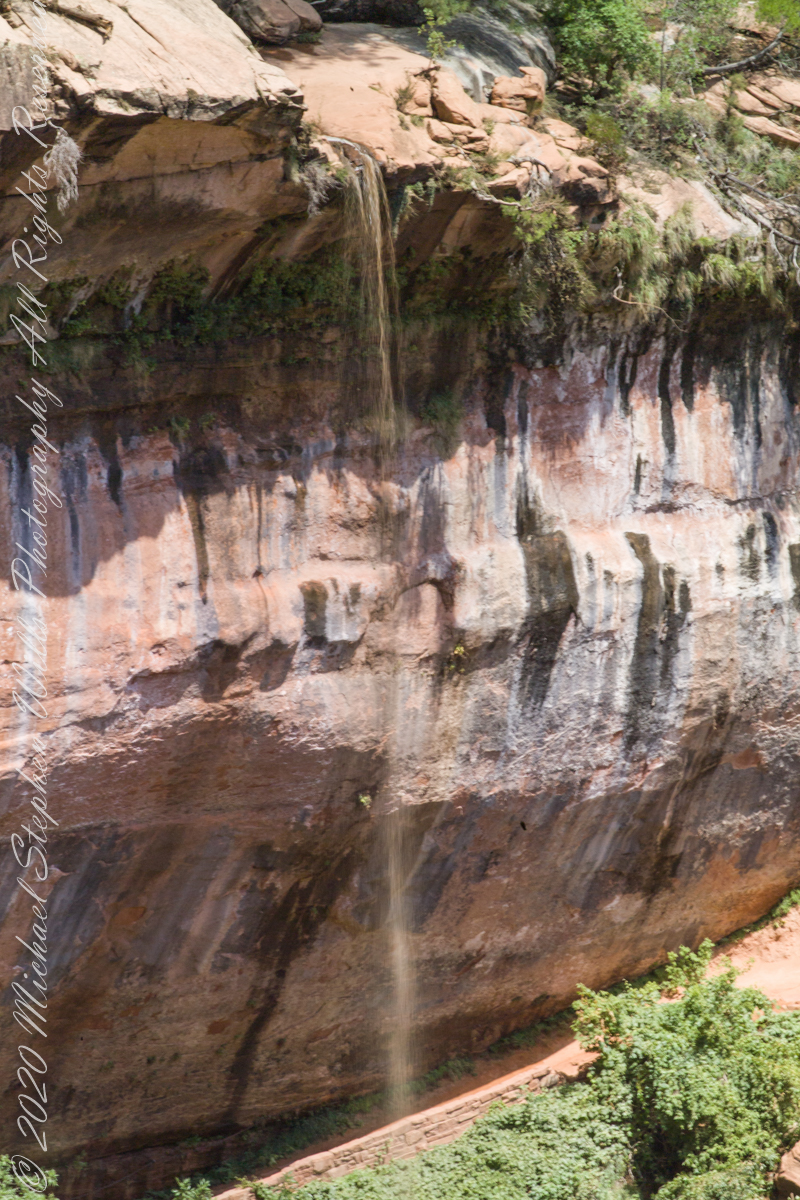
The second photograph, water emerging as a blessed sacrament, bestowal of life nourishing wildflowers, ferns, mosses, trees.

For this third photograph the first two were merged in photoshop for a revelation. I did not take time to smooth the transition, visible as a line. I graduated from this merge technique with the purchase of a wide angle (24 mm) lens. It is so difficult to organize all the angles and exposures, plus time to bring it together.

All photographs from the Kodak DSC Pro SLR/c, Canon Lens EF 200mm 1:2.8 L II stabilized via a Manfrotto 468MG with Hydrostatic Ball Head.

Can you spot the foot path?

Here is a gallery of the three photographs, to flip back and forth.

Copyright 2021 Michael Stephen Wills All Rights Reserved
Three Zion Images

full of ferns, wildflowers, and mosses.

“Water seeping out of the Navajo sandstone creates tranquil springs and the unique “hanging gardens” for which Zion is famous, full of ferns, wildflowers, and mosses.”

Here are three exposures of the same scene.

Click on an image for a closer view.

Can you spot the foot path?

Here is a gallery of the three photographs, to flip back and forth. the primary difference is the exposure within the shadow under the projecting cliff face.

Copyright 2021 Michael Stephen Wills All Rights Reserved
In Zion Canyon

Edge of the Abyss

Wandering Zion canyon I spied three visitors seemingly trying their luck on the cliff edge, where the water drops.
Look closely and the rope barrier can be picked out. Can you see the three figures? Click on the image for a larger view.
Captured with a Kodak DCS Pro SLE/c dslr and a Canon lens EF 200 mm 1:2.8 L II stabilized with the Manfrotto Studio Tripod model 475 and the 468 Hydrostatic ball head. This series explores the possibility of the iconic “Lone Pine.”

Copyright 2021 Michael Stephen Wills All Rights Reserved