Christmas Tableau

Cozy Snowmen dance round the candle

My dear wife Pam is the heart of Christmas in our home. Over the years we have collected a treasure of ornaments and knick-knacks she crafts into displays around our home. Pam completed the project well in advance of our grandchild holiday visits, before card writing and gift wrapping.

My contribution is a photographic time capsule. Here is some of my artistic output from this work.

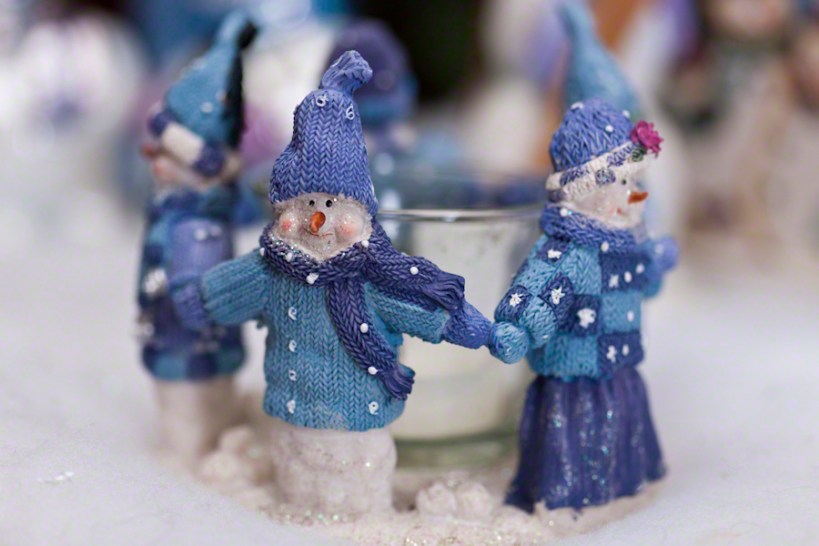
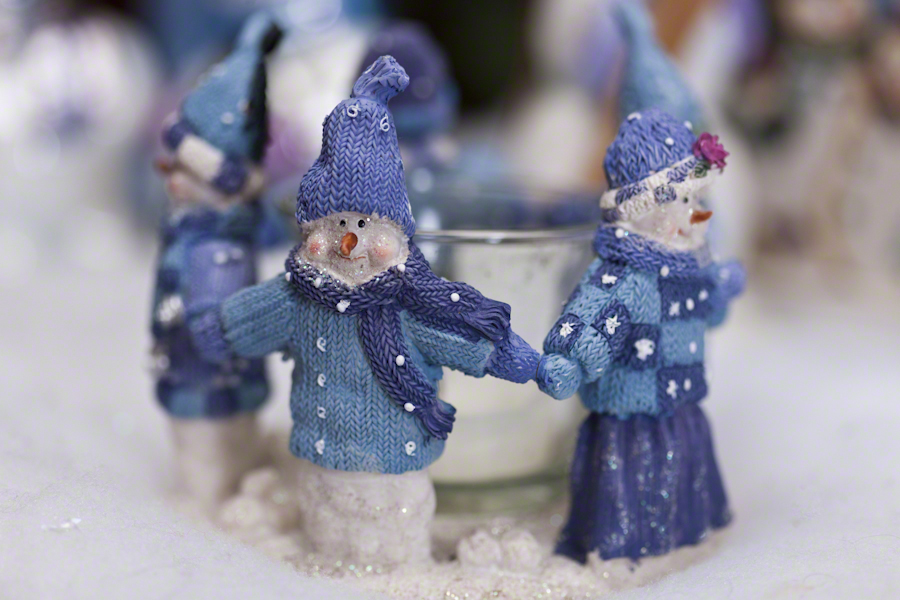
This grouping of five cozy snowmen (three males, two females) are warmly dressed in knit sweaters and stocking caps; the women with long skirts. The five hold hands in a ring, rising from a common platform. We place a cup and devotional candle in the center.

The tiny group evokes community, harmony, amity. I captured them with a Canon EOS 1Ds Mark III dslr, a fixed Canon EF 100mm f/2.8L macro lens mounted on a Manfrotto studio tripod and hydrostatic ball head. Fixed lenses provide the sharpest macros. The mounting allowed precise framing and use of the widest aperture and a low ISO. The light sources were sunlight from a large north facing bay window, a Canon Speedlite 600Ex-Rt and the candle. When used, the flash was angled in various ways toward the ceiling.

I start with a tight shot, maximum aperture. A single figure is in clear focus, the remaining gradually lost in the bokeh. The flash was used. I can almost see then circling around the candle in a winter wind.
Cosy Christmas Snowmen

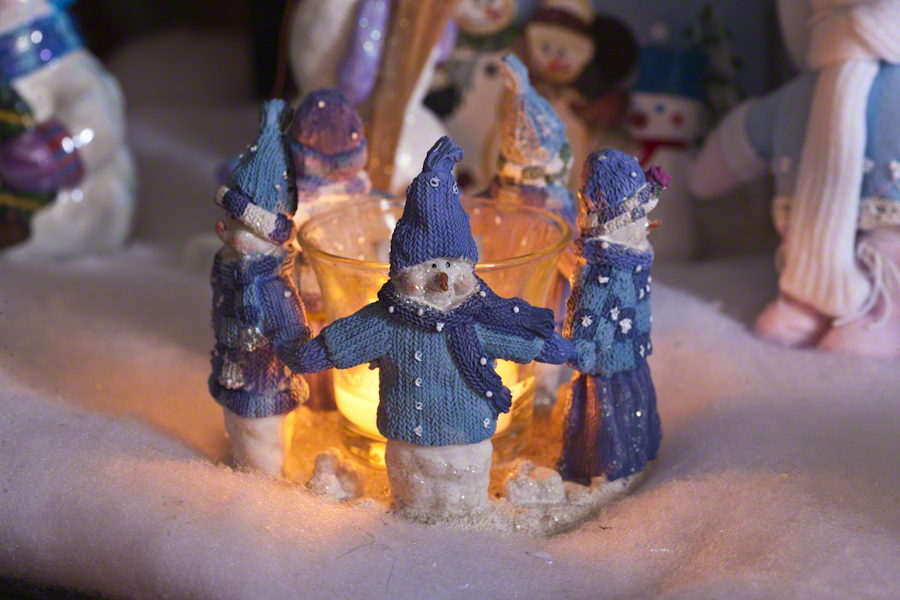
Here the candle is lighted, aperture narrow to f8 using only the candle and ambient light (no flash). The group is visible within surrounding figures. I backed away and the viewpoint is higher.

The candle light enhances the perception of community.
Cosy Christmas Snowmen

Viewpoint is closer, still only the candle and ambient light. Aperture widened to 3.5. I must remove the hair in lightroom.
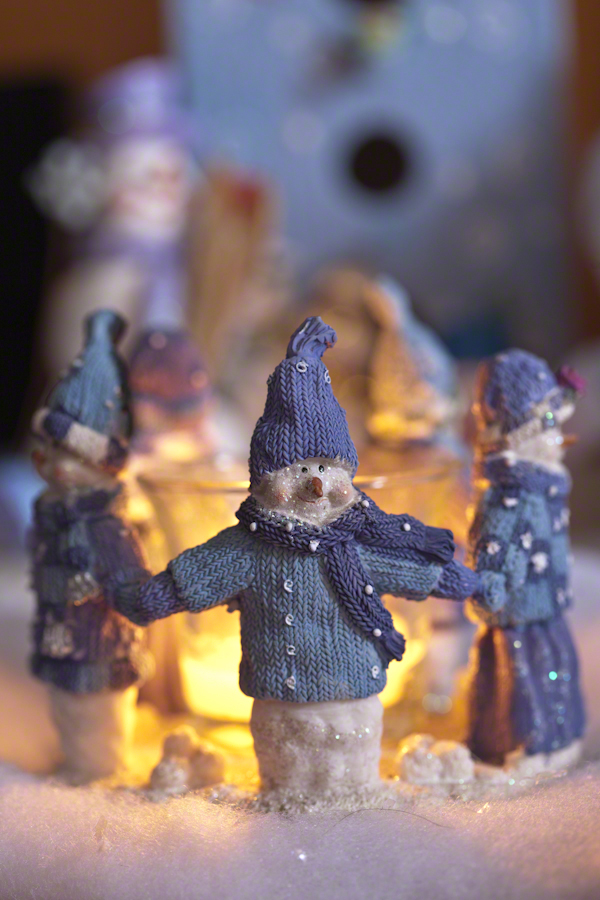
Cosy Christmas Snowmen

I backed off, aperture at the max with only the candle and ambient light. The figures are placed in a tableau with other snowmen and a structure, a birdhouse.
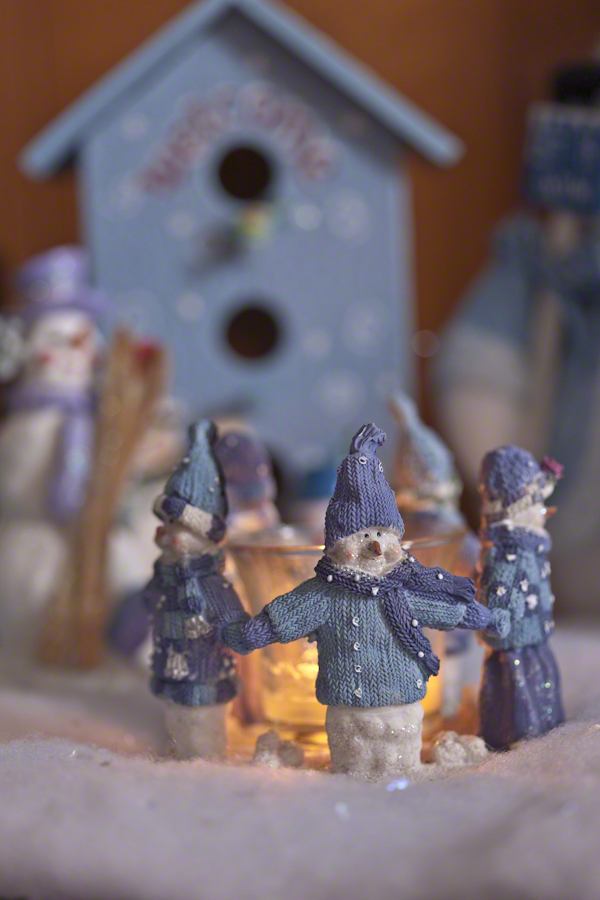
Cosy Christmas Snowmen

For this overview I swapped in a Canon 24mm f/1.4L II USM with a flash, aperture f2.2.
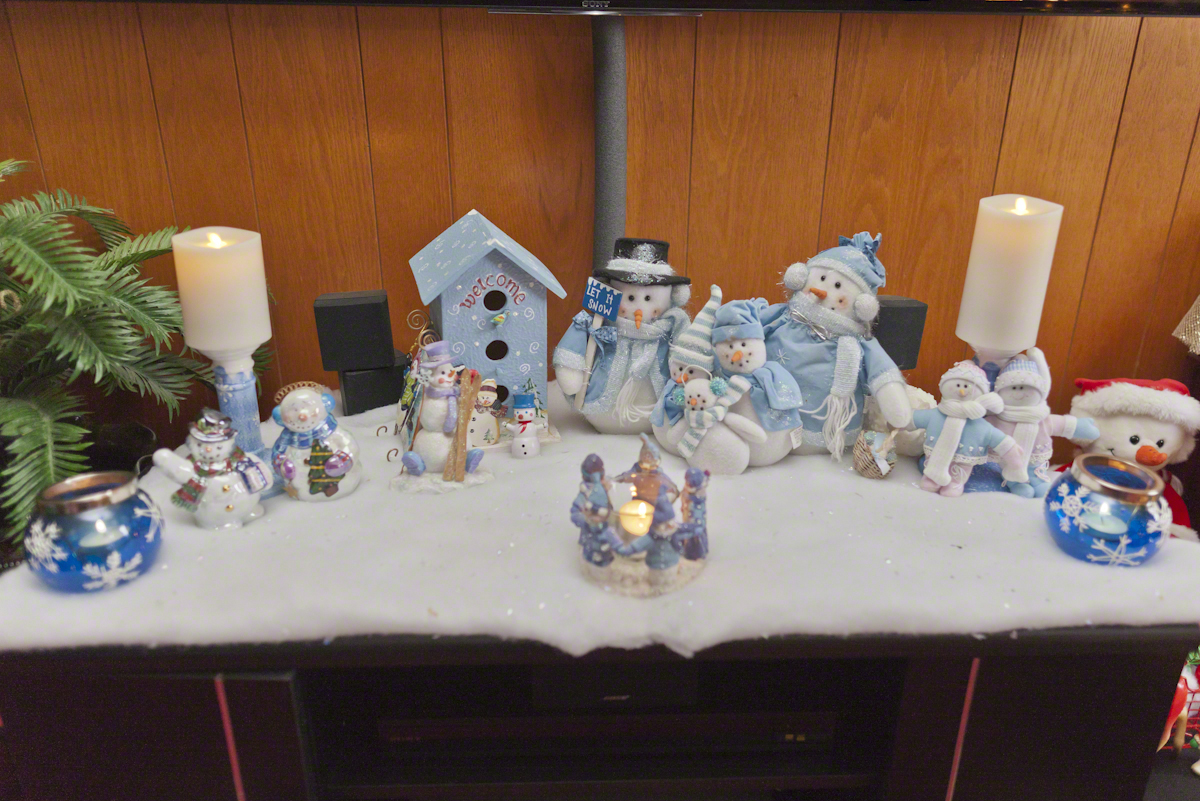
Christmas Snowman Display
Christmas 2017 snowman display laid out in our den on top of the entertainment cabinet.

Ireland on the Mind at Christmas

Irish Christmas Spirit

A previous post, “Christmas Tableau”, provides some context.  The photographs from that set were accepted by Getty for stock images.  Click the link to take a look:  “Cozy Snowmen” on Getty Stock.

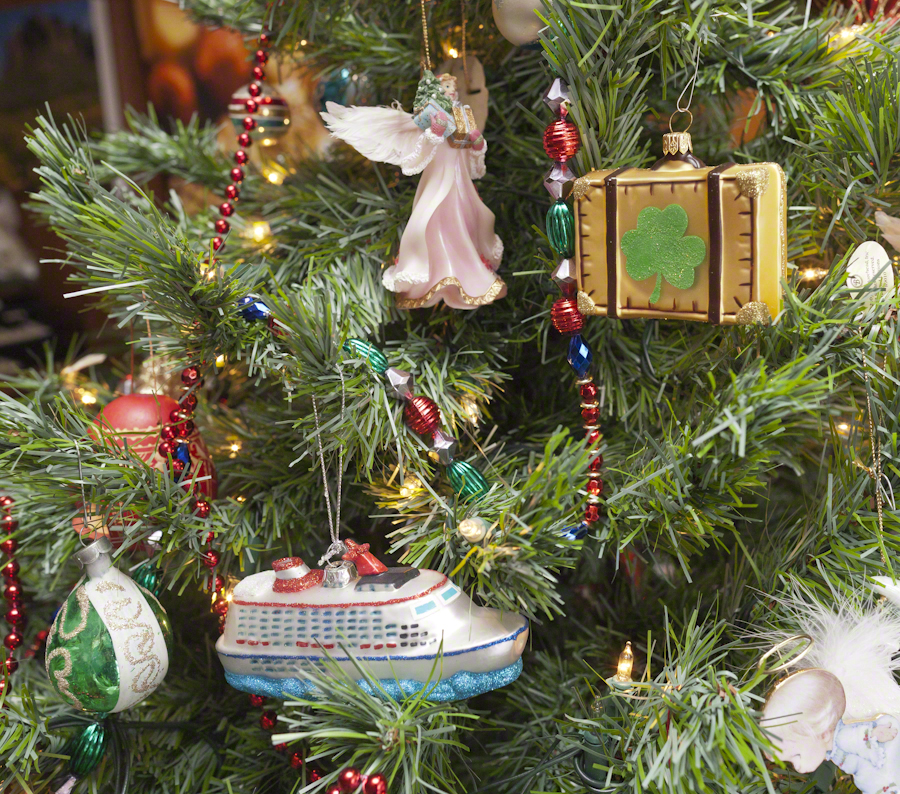
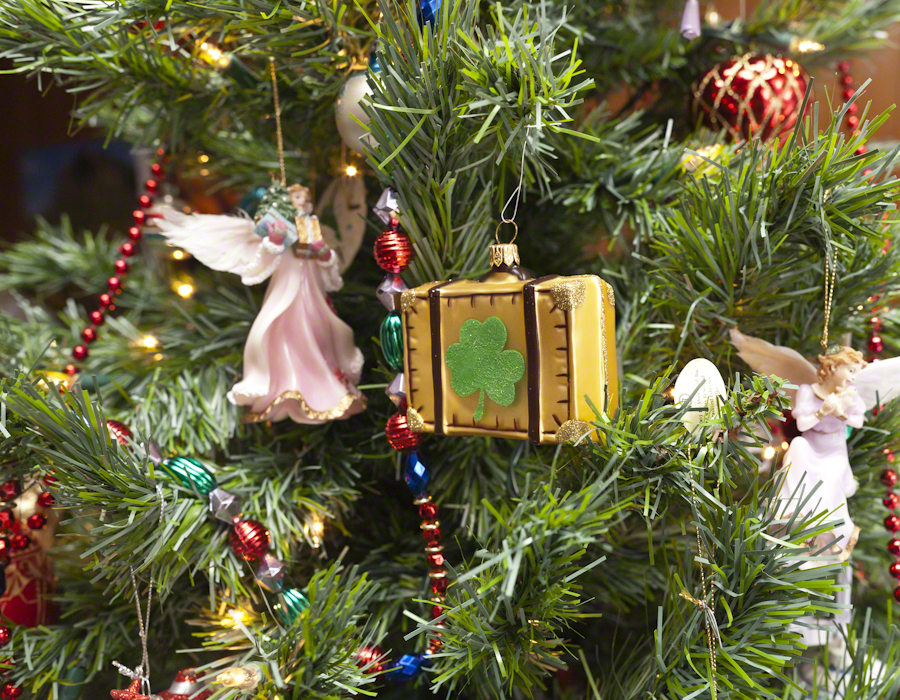
This is part of my project to document our Christmas memories through photography.  Here we explore the Irish and Ireland themes of our decorated Christmas Tree.

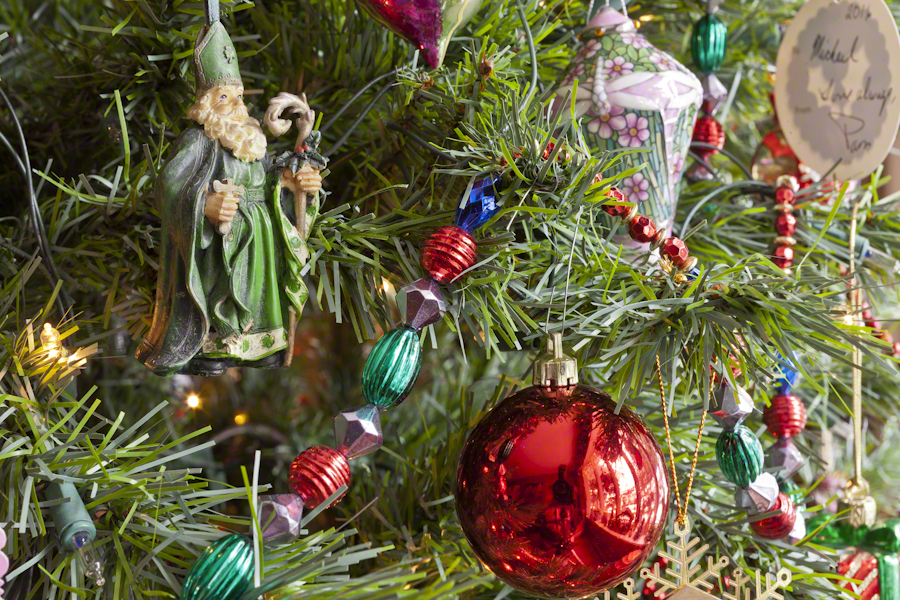
Where would we be without Saint Patrick?  He was a force, to be sure.  A favorite story,  is the landing of his return to the island 432 AD.  The tides on the eastern coast of the Irish Sea can be strong.  His plan was to sail up to coast further north than what we call today Strangford Lough.  On passing this inlet the boat was swept into the lough tidal narrows.  Circumstances called for a landing, rather than wait for the tide.  Patrick came ashore where the Slaney River enter the lough and “quickly converted” the local chieftan, Dichu, who provided a barn for holding services.  The name of the town “Saul” in Irish is Sabhall Phádraig, translated as “Patrick’s Barn.”

IrelandChristmas-1

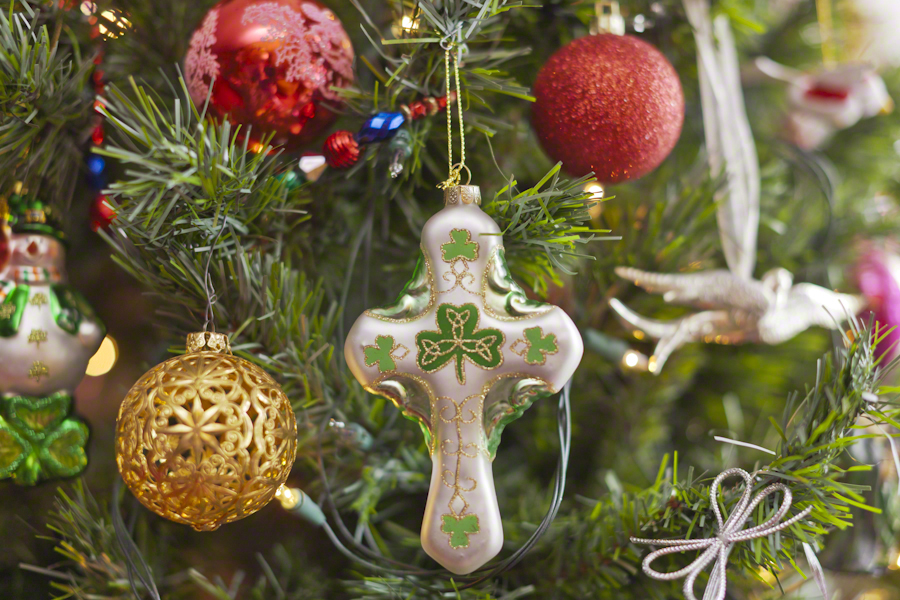
In this posting I’ll go lighter on descriptions of technique.  Leave it to say I held to the Canon fixed lens EF 50mm f1.2L USM throughout.  Some, like the photograph of Saint Patrick, used a tripod.  Others, like the latter two of the following Irish Themed Cross set were handheld.  Generally a flash was used to supplement ambient sunlight from a large north-facing bay window.

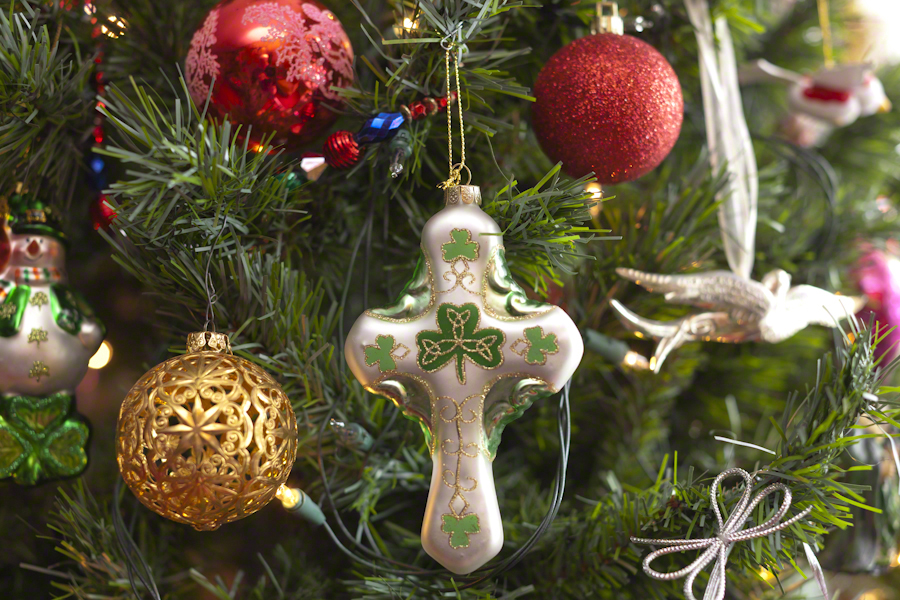
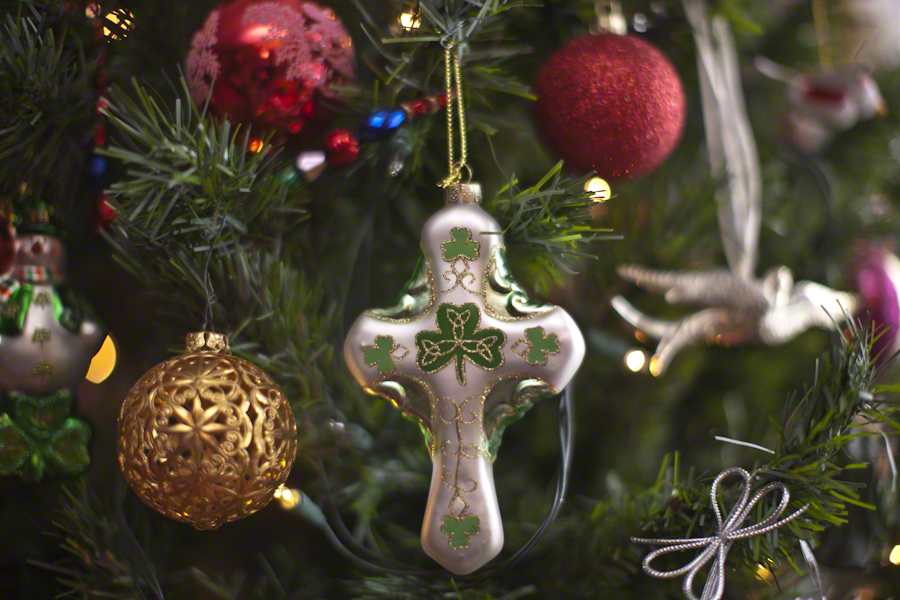
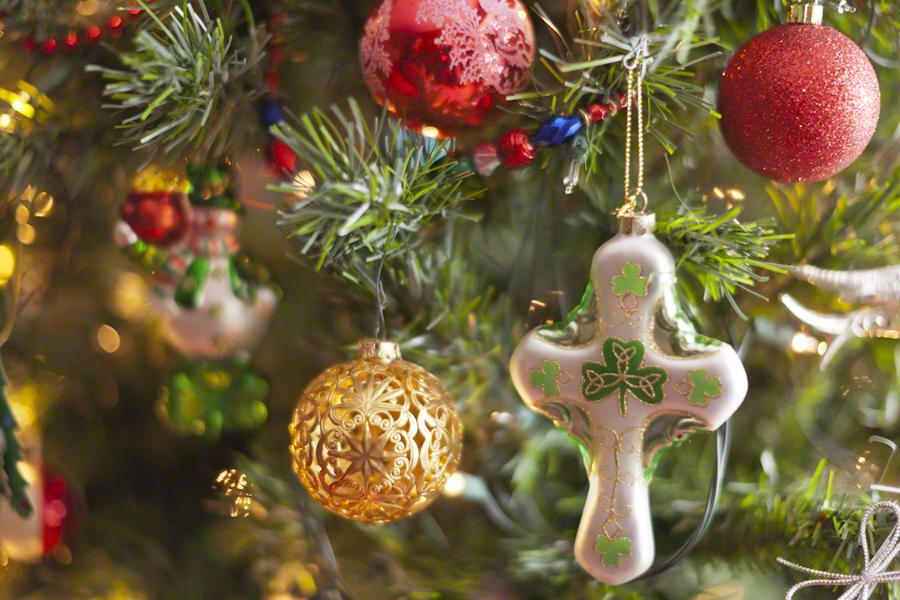
Here the “celtic” cross is converted to an Irish theme through a substitution of a shamrock with golden decoration inspired by pagan neolithic petroglyphs for the nimbus (circle) intersecting the central intersection of arms and stem.

For the first three I played with aperture, taking advantage of the stability of a tripod.  The final two of the set are handheld.

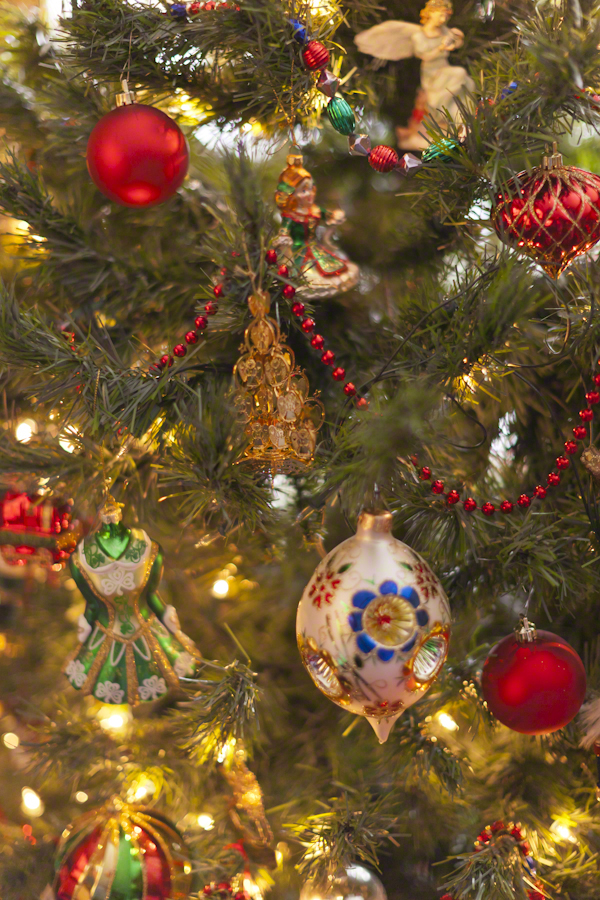
Note the fanciful leprechaun snowman with pot o’ gold, on the left.

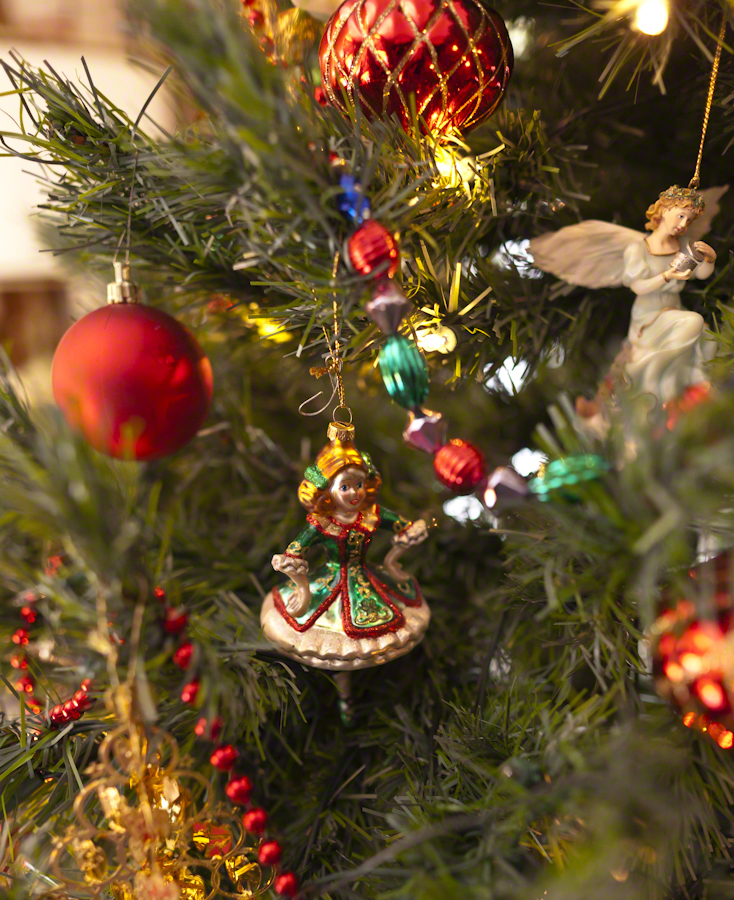
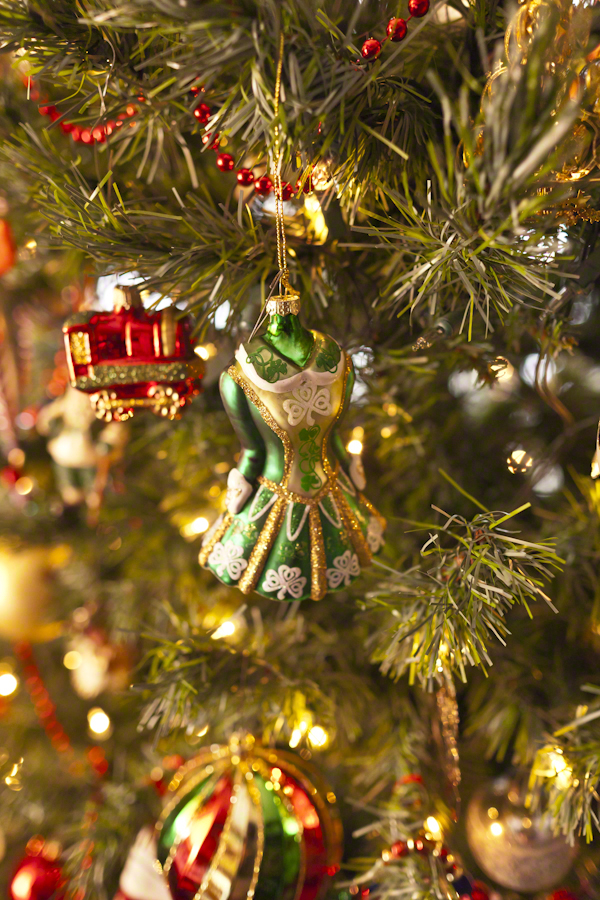
Blown glass Irish dancers.

“Travel memories”

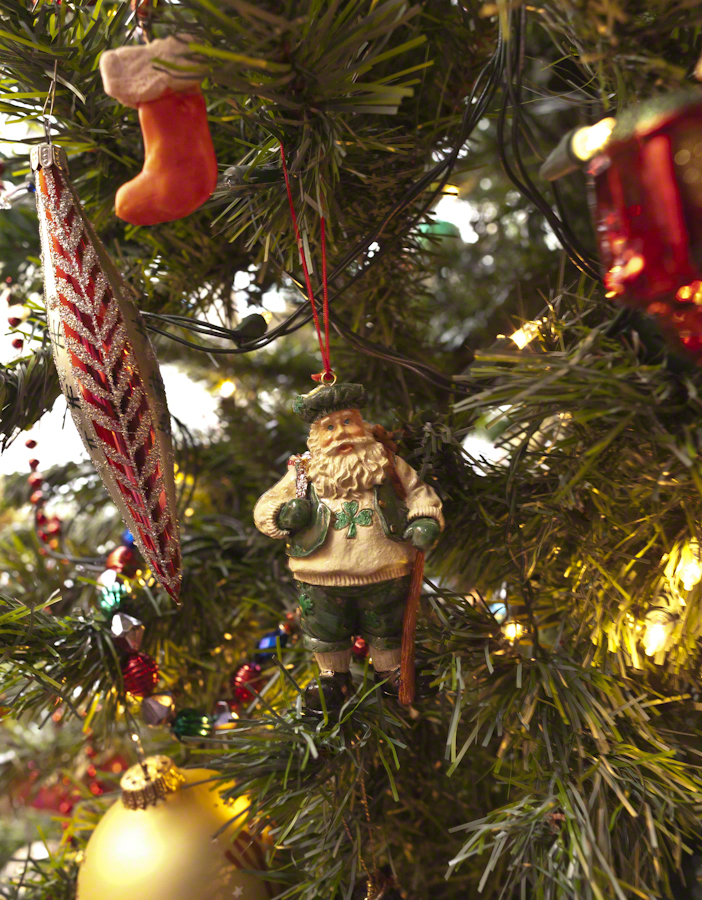
Lets’s finish up with a resin cast Santa Claus in hiking garb.  Hiking is a favorite activity of ours.  Featuring a stout staff and Aran Island sweater.

IrelandChristmas-17

Very Old, Very New

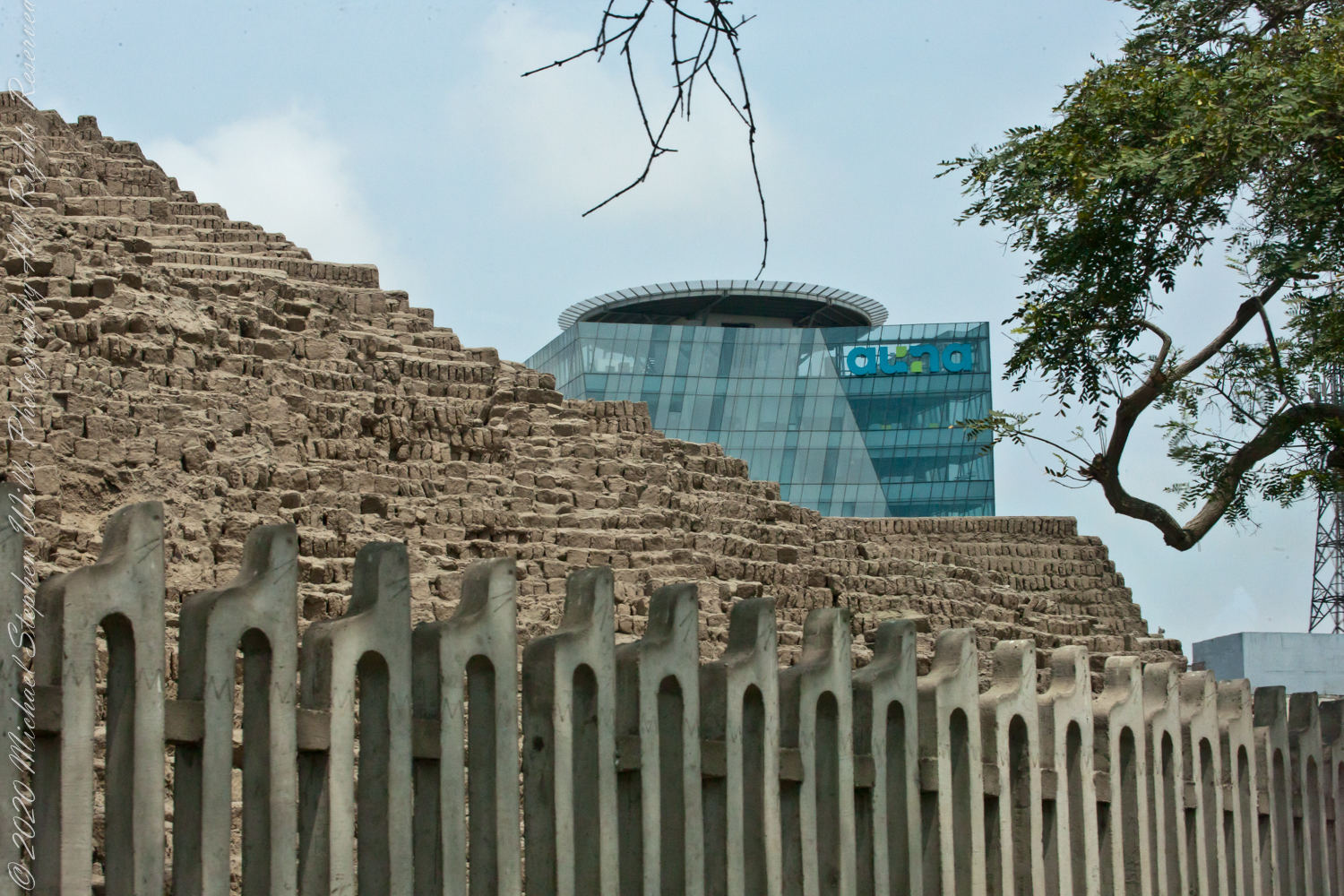
Lima is home to 10 million Peruvians and over 1000 historical sites.

View of Clinica Delgado (hospital) from Lima Peru’s Elias Aguirre (street), Huaca Pucllana filling the foreground. Huacas are commonly located in nearly all regions of Peru outside the deepest parts of the Amazon basin in correlation with the regions populated by the pre-Inca and Inca early civilizations. They can be found in downtown Lima today in almost every district, the city having been built around them. Huaca Pucllana, located in Miraflores district, is an adobe and clay pyramid built from seven staggered platforms. It served as an important ceremonial and administrative center for the advancement of the Lima Culture, a society which developed in the Peruvian Central Coast between the years of 200 AD and 700 AD. 

This is the New York Times article that inspired me to remember visiting Huaca Pucllana during our February 2016 tour of Lima, Peru. “3,000 Years of History Are Literally Just Beneath Our Feet.”

Copyright 2022 Michael Stephen Wills All Rights Reserved

Connecticut Hill Retrospective

Click to view this series on Getty.

Copyright 2019 All Rights Reserved Michael Stephen Wills

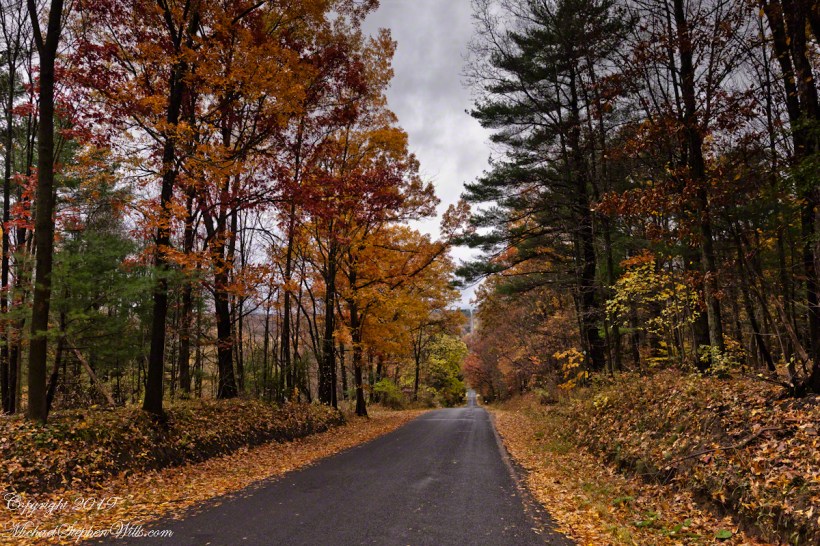
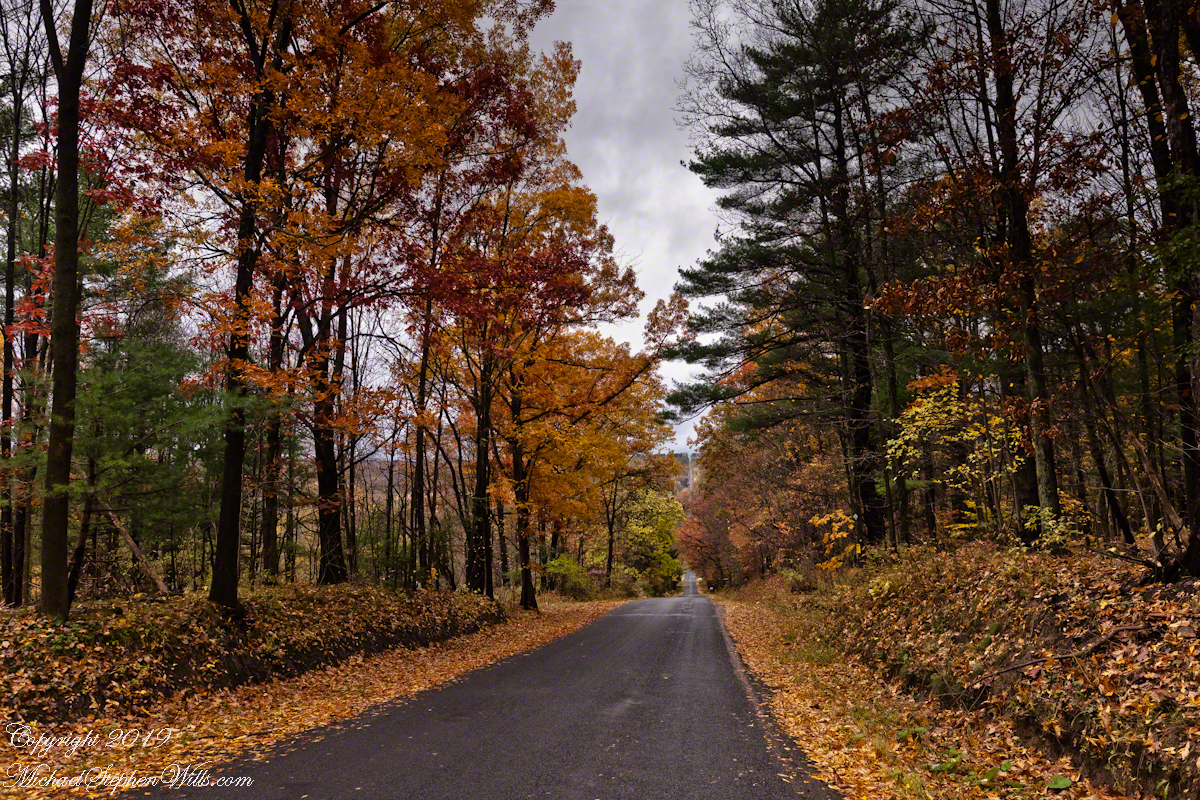
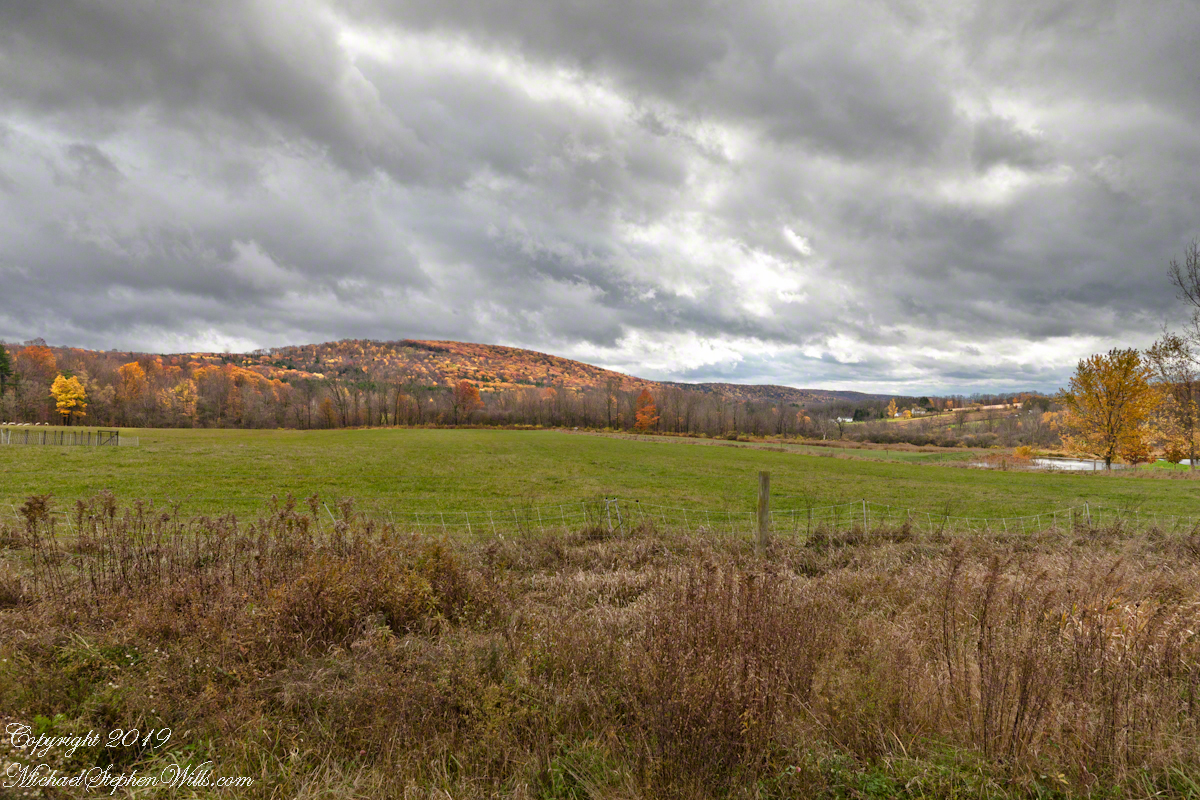
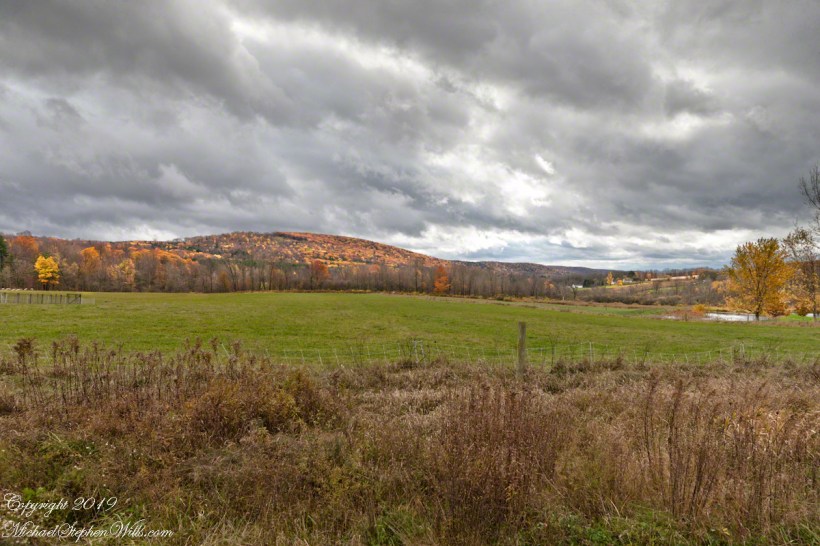
Connecticut Hill Autumn

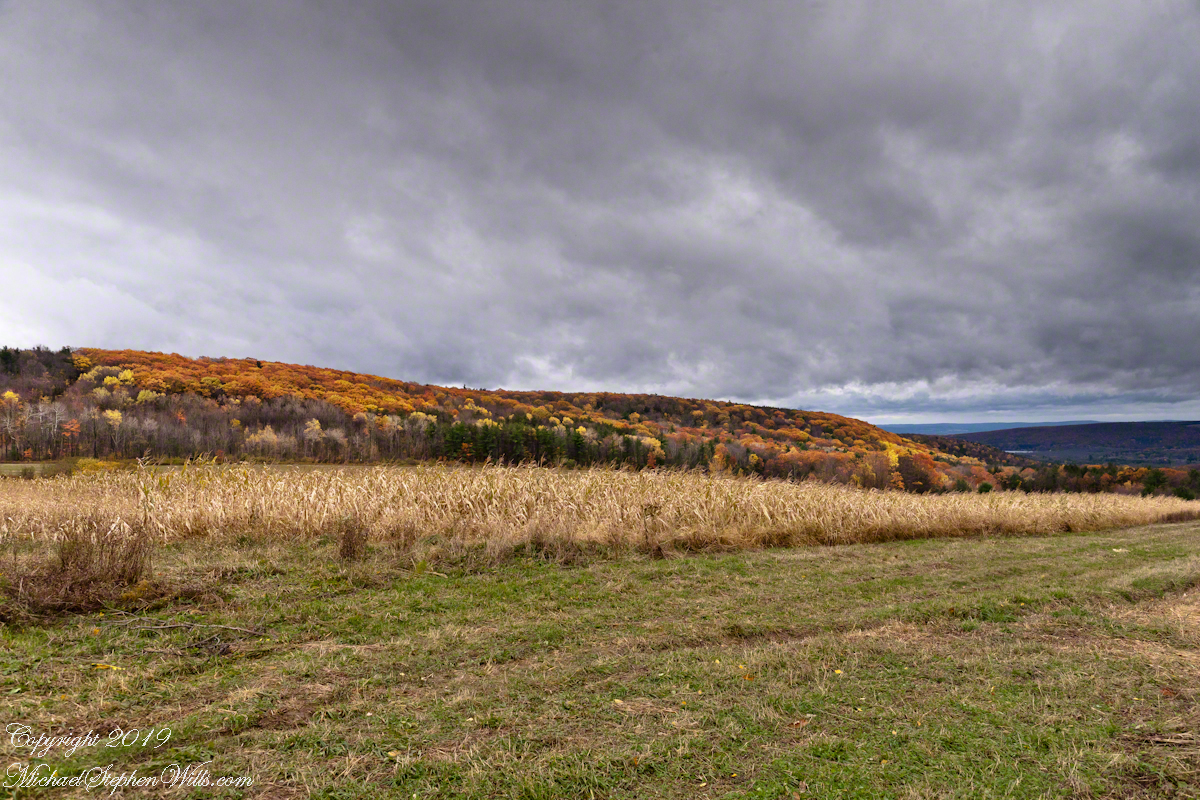
dramatic sky

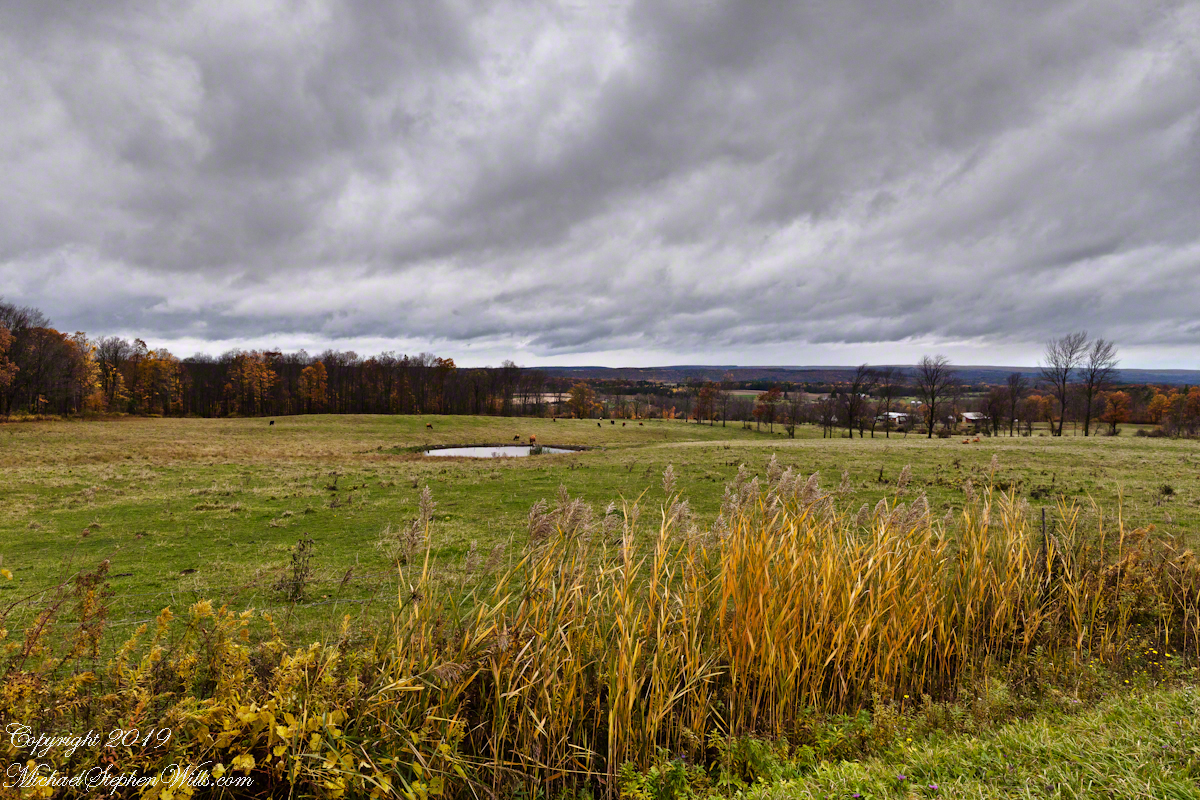
Connecticut Hill from Harvey Hill Road on a late October afternoon. Newfield of the Finger Lakes Region of New York State.

Click to view this series on Getty.

Copyright 2022 All Rights Reserved Michael Stephen Wills

Autumn Fields, Finger Lakes

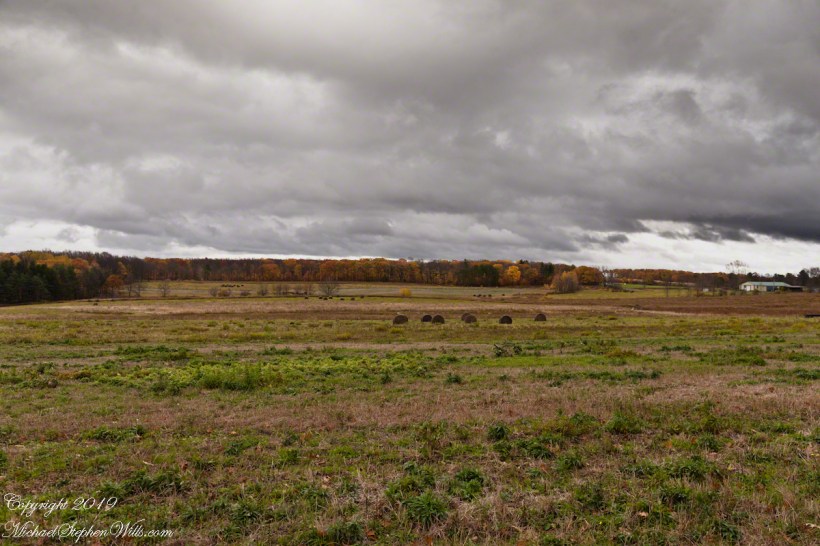
Hay Bales!!

The land opens up on the slopes of Connecticut Hill, Newfield of the Finger Lakes Region of New York State.

Click to view this series on Getty.

Copyright 2022 All Rights Reserved Michael Stephen Wills

Look Up, Then Out

Look Around

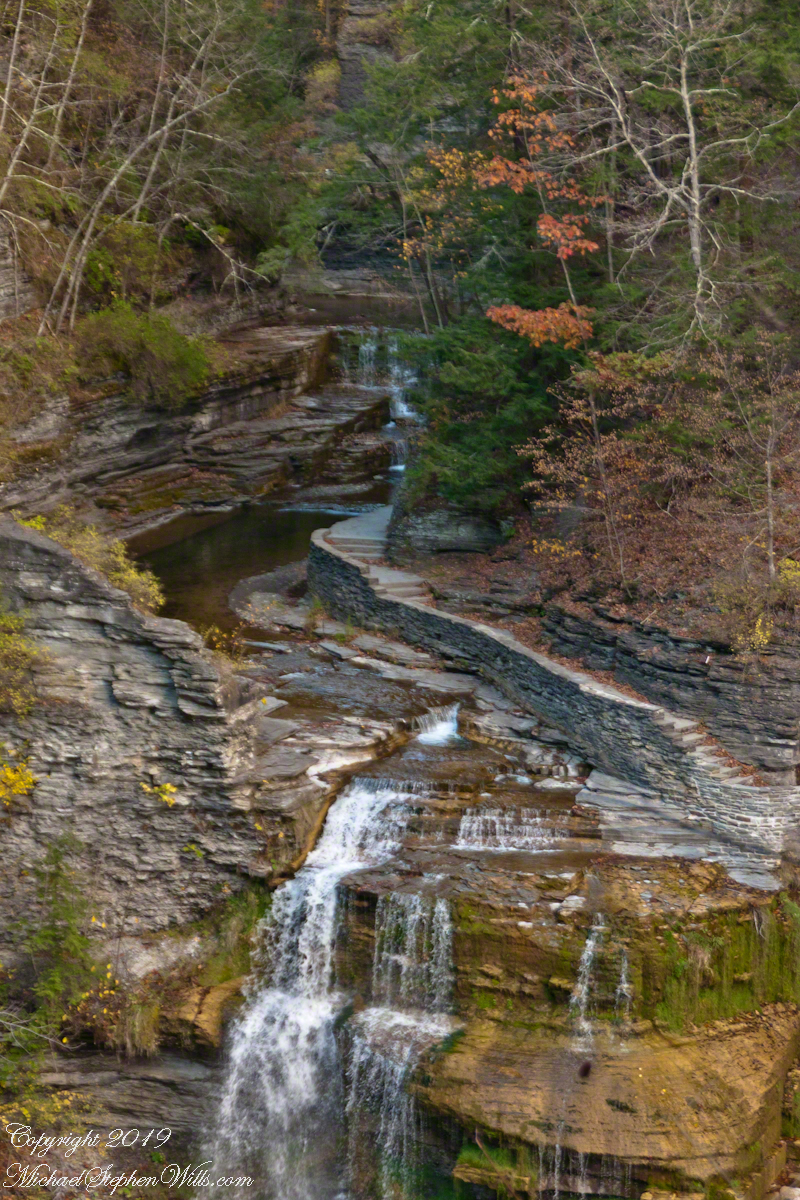
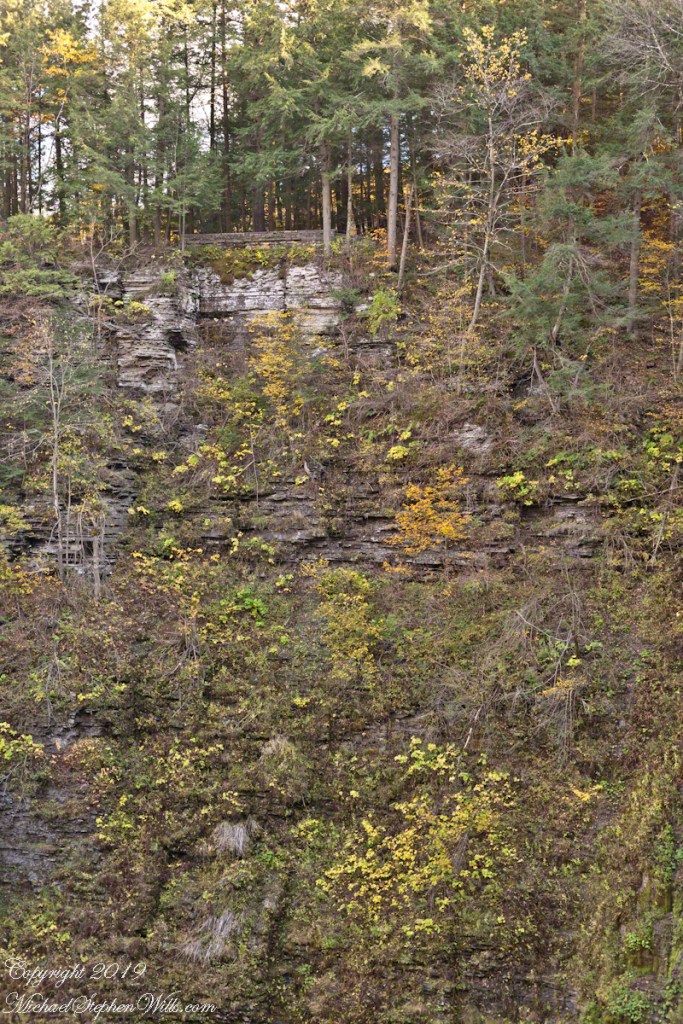
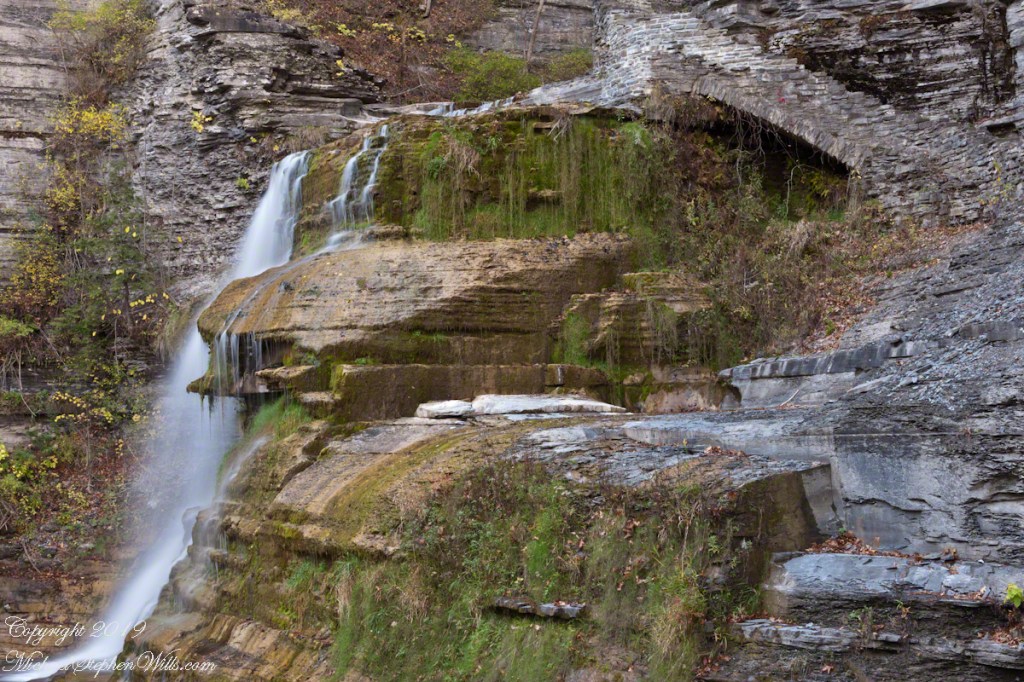
Standing on the trail alongside Lucifer Falls, crane your neck, up and up to the cliff top. Look closely to see the protective rock wall of the overlook.

Click photograph for a slideshow. To do this from WordPress Reader, you need to first click the title of this post to open the page on my site.

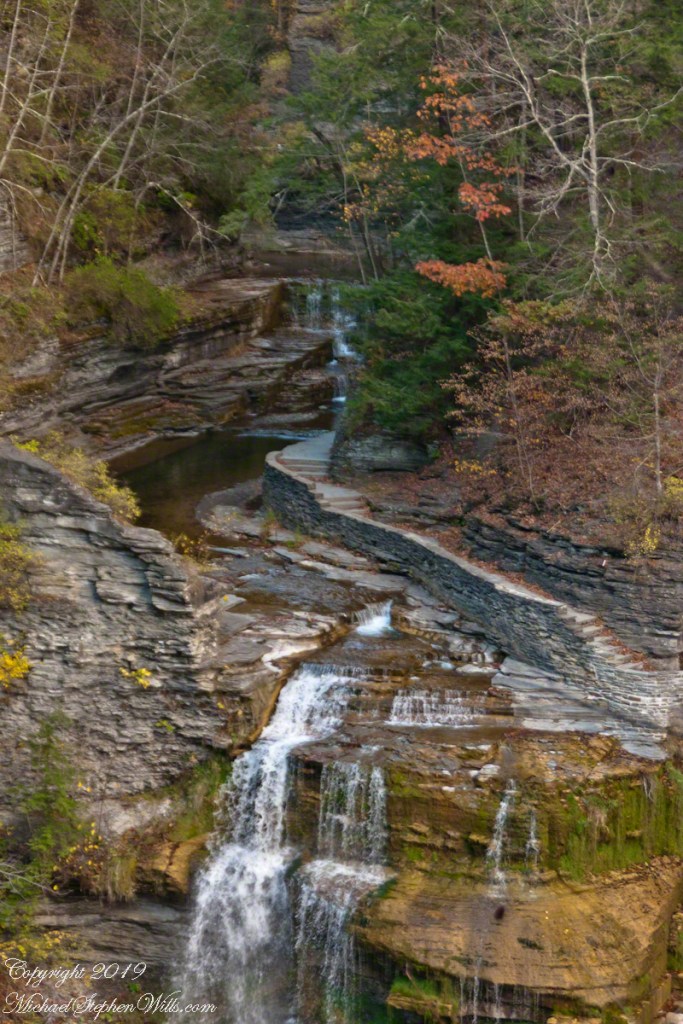
The Rim Trail includes this overlook of Lucifer Falls with, upstream, the Devil’s Kitchen waterfall, the path of the Gorge Trail in between.

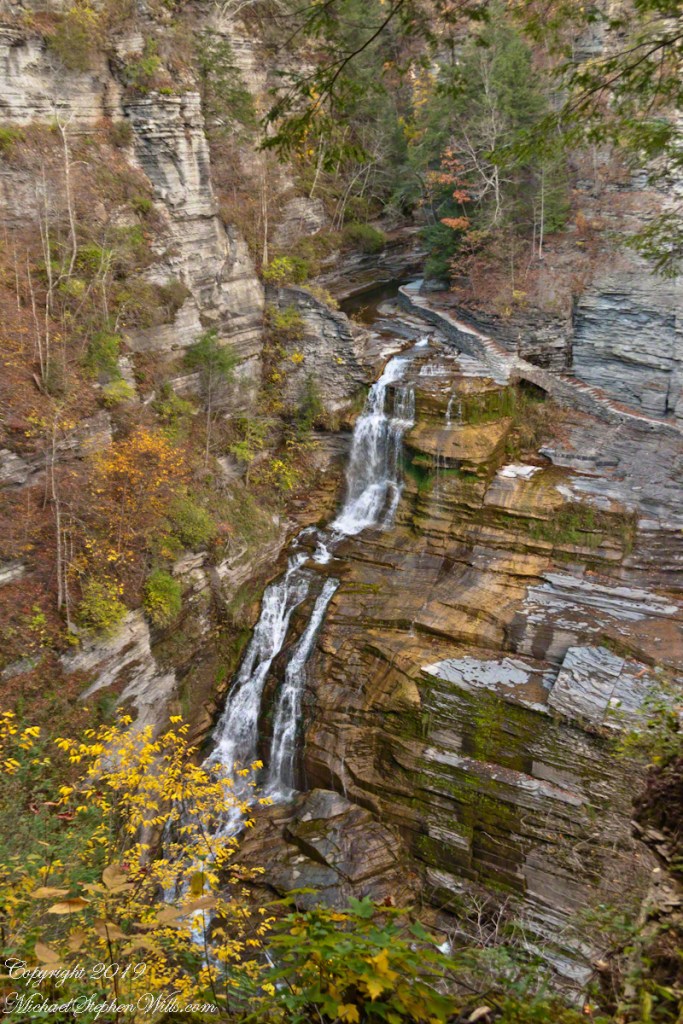
The full sweep of Lucifer Falls on an autumn evening, the sun hidden behind the gorge walls. Here the Gorge Trail emerges from the shelter of the gorge, emerging into a dizzying view.

Copyright 2022 All Rights Reserved Michael Stephen Wills

On the Edge

On the way to “Devil’s Kitchen”

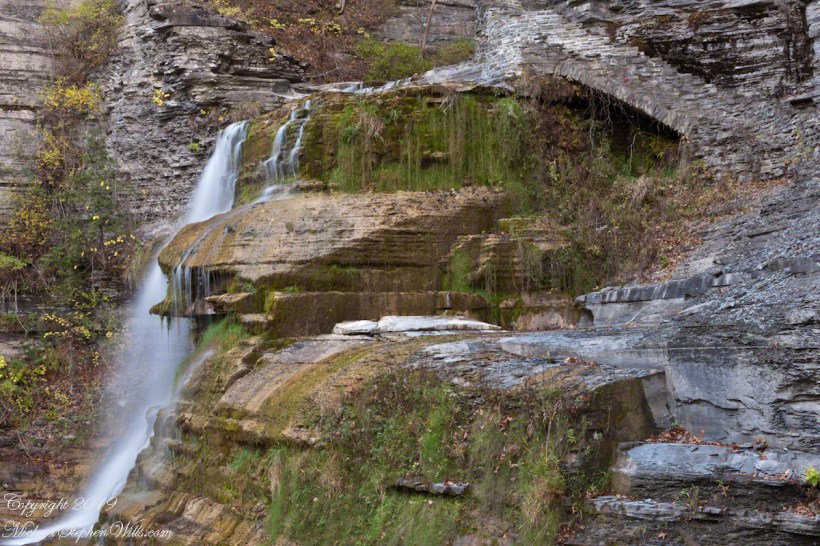
This trail, built into the slate/sandstone gorge wall, follows the descent of Lucifer Falls. Here we view the brink and the path alongside. Follow this trail to Devil’s Kitchen, up and around the corner.

Click photograph for a larger view

Copyright 2022 All Rights Reserved Michael Stephen Wills

Pam’s Begonia Basket

small, unloved, on clearance

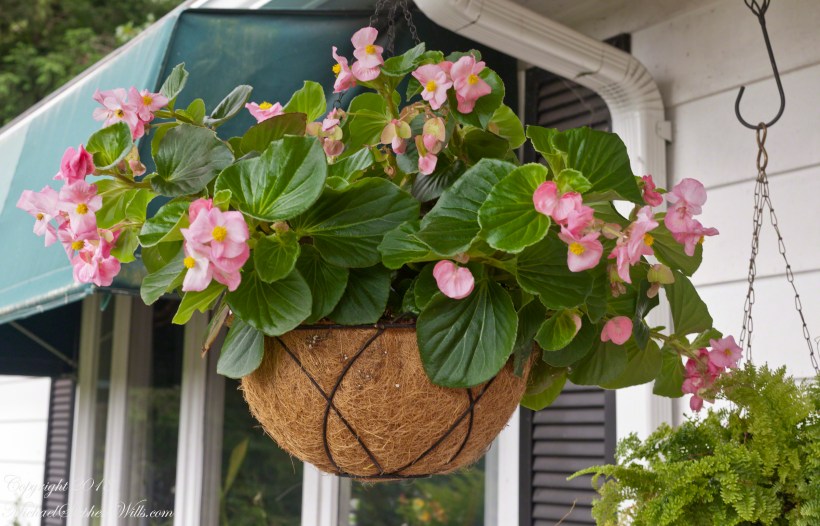
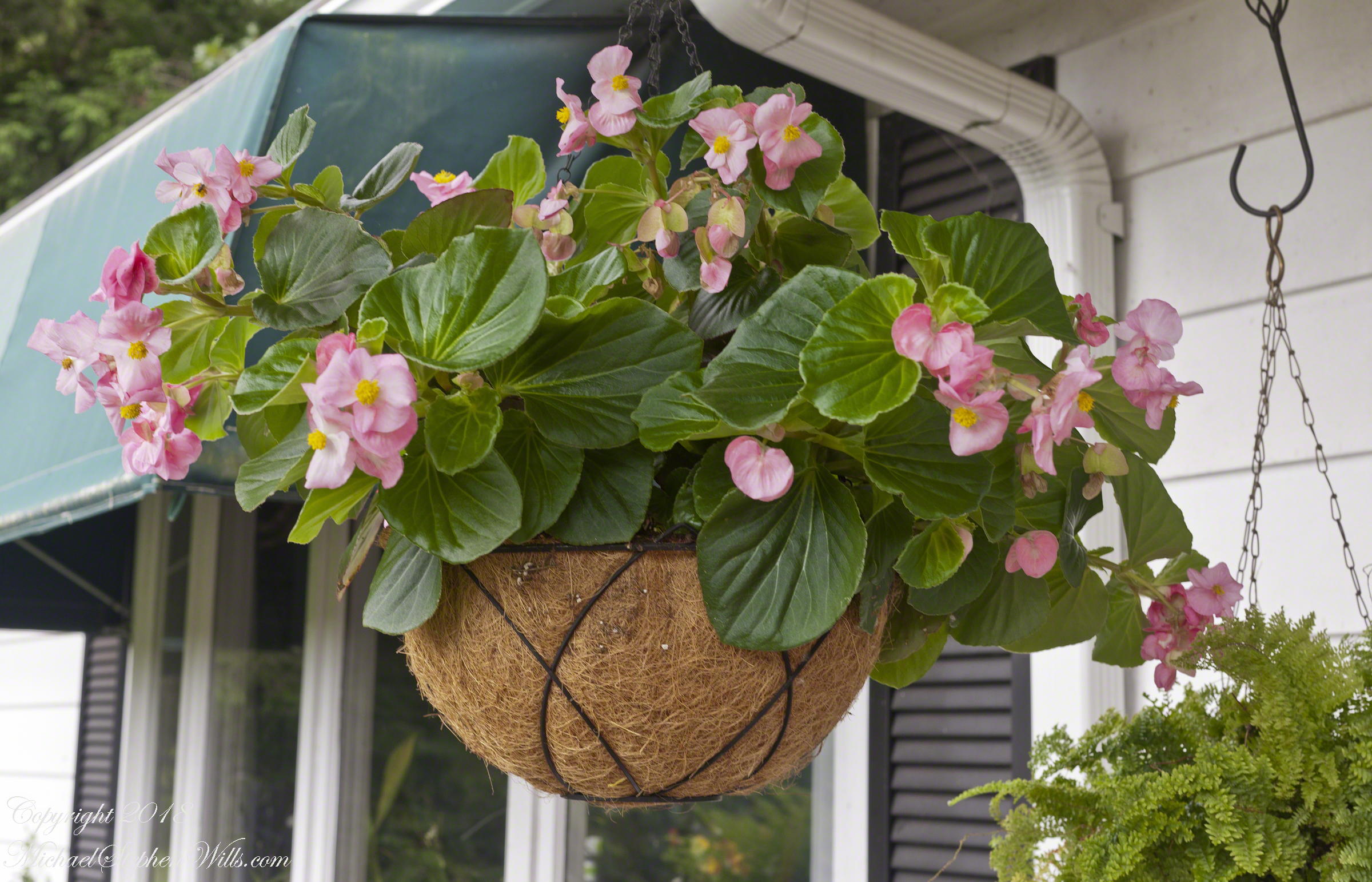
Once a year when Pam’s gardens are at a summer peak, I venture out to capture her work in early morning light. For this image I used a handheld Canon EOS 1Ds Mark III SLR with the Canon lens EF 50mm f 1.2L USM. This is the fifth post of this series.

Click photograph for a larger view.

Pam’s gorgeous Begonia Grandis hanging baskets had a humble beginning. Not quite born in a log cabin, our local Aldi was the beginning where Pam saw sad little $3.00 potted begonia’s, on clearance, that needed a home. Cherished through the late frosts of May, carefully watered, placed in the perfect light, it was no accident these are so……perfect.

One strange fact, I have not witnessed a single honey bee harvesting these blooms.

I used three Canon lenses in the course of these five posts. This lens is a portrait lens. I used a large format image for this post, enjoy!!

Copyright 2022 Michael Stephen Wills All Rights Reserved

Iridescence and Impostors

“Here I Am”

Once a year when Pam’s gardens are at a summer peak, I venture out to capture her work in early morning light. For this fourth image of the begonia series, I used the same handheld Canon EOS 1Ds Mark III SLR but with the Canon lens EF 100 mm f 2.8L IS USM variable lens.

Click photograph for a larger view.

Tiny Mirrors

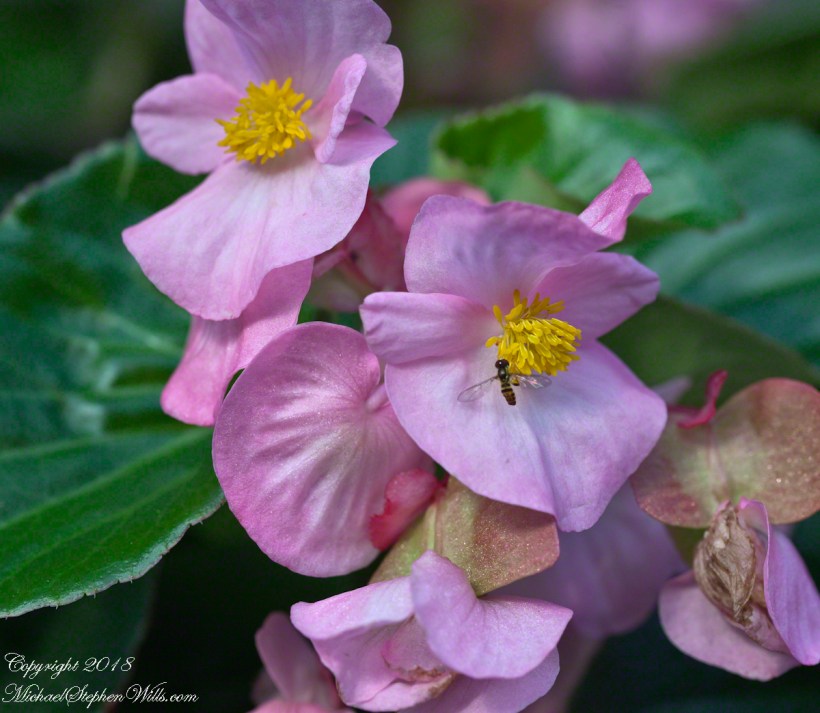
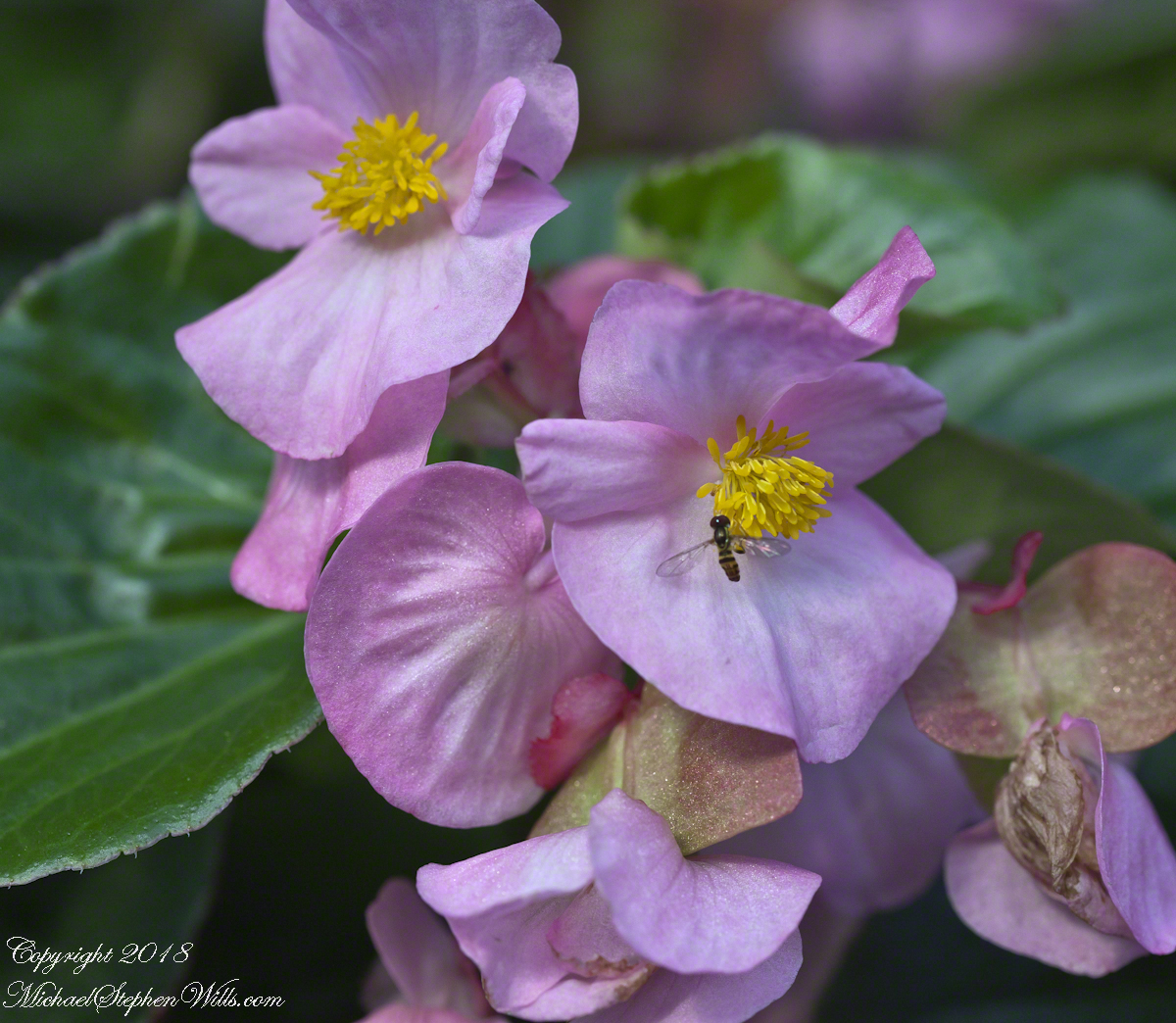
Begonia flowers have no petals. The colorful structures surrounding the male and female parts are the structure in many flowers, such as roses, that lay beneath the flower petals and are green are called the sepal. These are the cover protecting the flower as a bud and, when open, can provide support. In begonias it is the entire flower and it glows.

The angle of morning light in today’s macro captures the reflections of thousands of tiny mirrors in the flowers, more noticeable in the darker undersides. Also present is a subtle iridescence, a shiny surface imparting, in this begonia, slight color changes. These are signals to the pollinators, “Here I am — this is delicious.” Also, in low light tropical environments iridescence can enhance light gathering of leaves.

Hoverfly

Woodland sunbeams are special places where I first noticed hoverflies, they have a behavior of staying motionless, beating wings a blur, in sunlight making its way to the forest floor. It was only after the fact, in the virtual darkroom of Lightroom, I noticed the tiny creature in today’s photograph.

On a quick look, it appears to be a yellow jacket, a type of wasp. Look closely and you will see the eyes are on the top of the head and touch in places. The wings stand perpendicular to the thorax, wasp wings fold along the thorax and abdomen and there are differences in the veining of the wings. The identify of this creature is a beneficial fly, a hoverfly, genus Episyrphus. The shiny black shield on the upper thorax suggests to me this is a Episyrphus viridaureus.

This fly is beneficial to humans in two ways. One we observe in the photograph, as flower pollination. It is one of the few flies with mandibles capable of crushing pollen grains and, in the course of feeding, some pollen clings to the fly to be transported flower to flower. The second benefit is less obvious. The larval form is a predator of aphids. After feeding, it transforms into a resting state, called diapause and survives the winter this way.

Human beings suppose the benefit of looking like a wasp is protection against predators who fear being stung, increasing survival of the individual.

The lens is designed for macro work and is a fixed focus, it can capture small details without needed to be close to the subject. I decided to crop the image down to emphasize the hoverfly. It was in writing this post I noticed the sepal iridescence.

Copyright 2022 Michael Stephen Wills All Rights Reserved