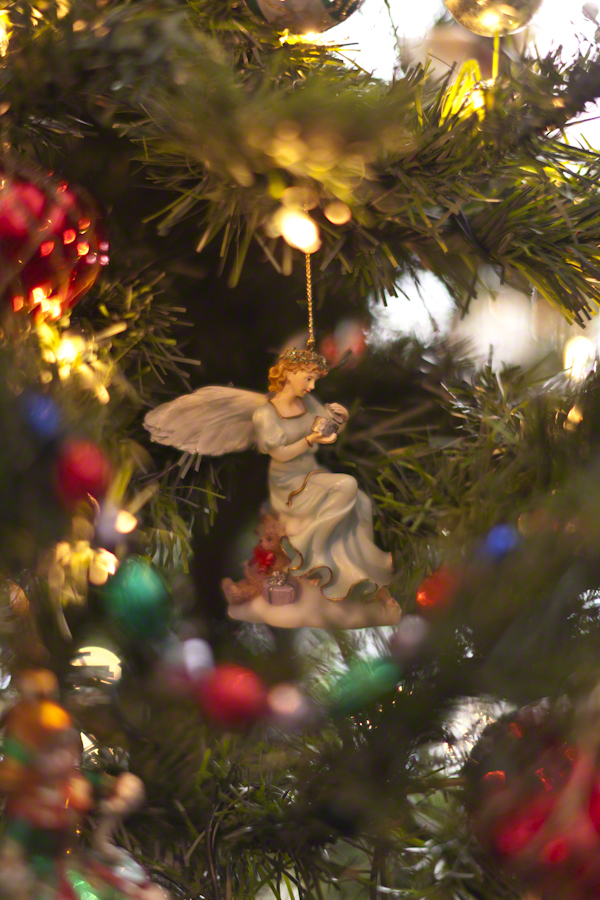
A Serene Walk in Glendalough: Nature and History Unite

Find here a serene visit to Glendalough, highlighting the ancient beauty of its landscape, monastic history, and the deep sense of peace felt among the gravestones.

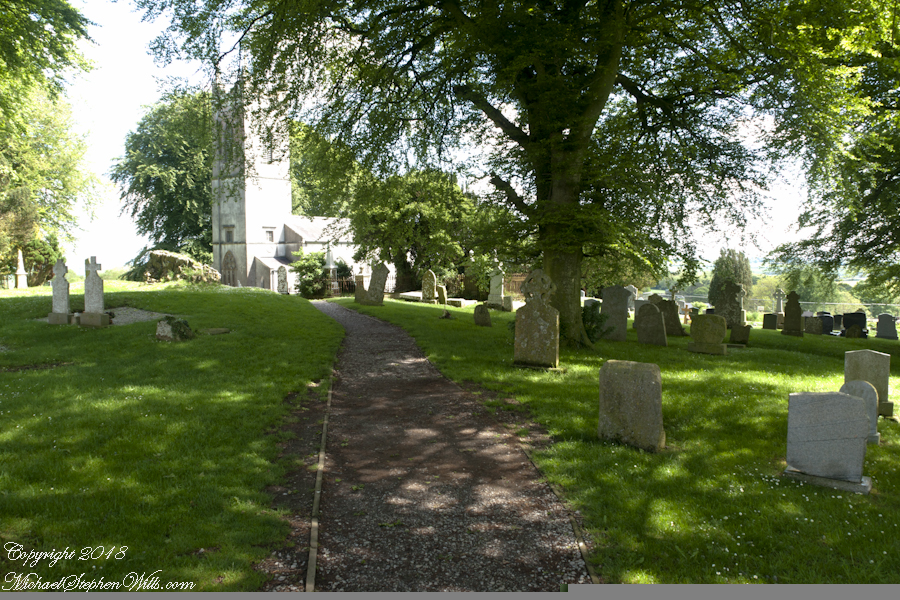
We arrived in Glendalough on a bright spring morning, a gentle breeze carrying the scent of grass and distant water. Even before stepping out of the car, I sensed something ancient in the air, as though the centuries themselves lay waiting among the stones. The peaks of the Wicklow Mountains rose around me, their slopes draped in verdant forests that whispered of forgotten tales. In the distance, shimmering like a secret, the Upper Lake beckoned under the watchful hush of rugged hillsides. I took a deep breath and started my wander.
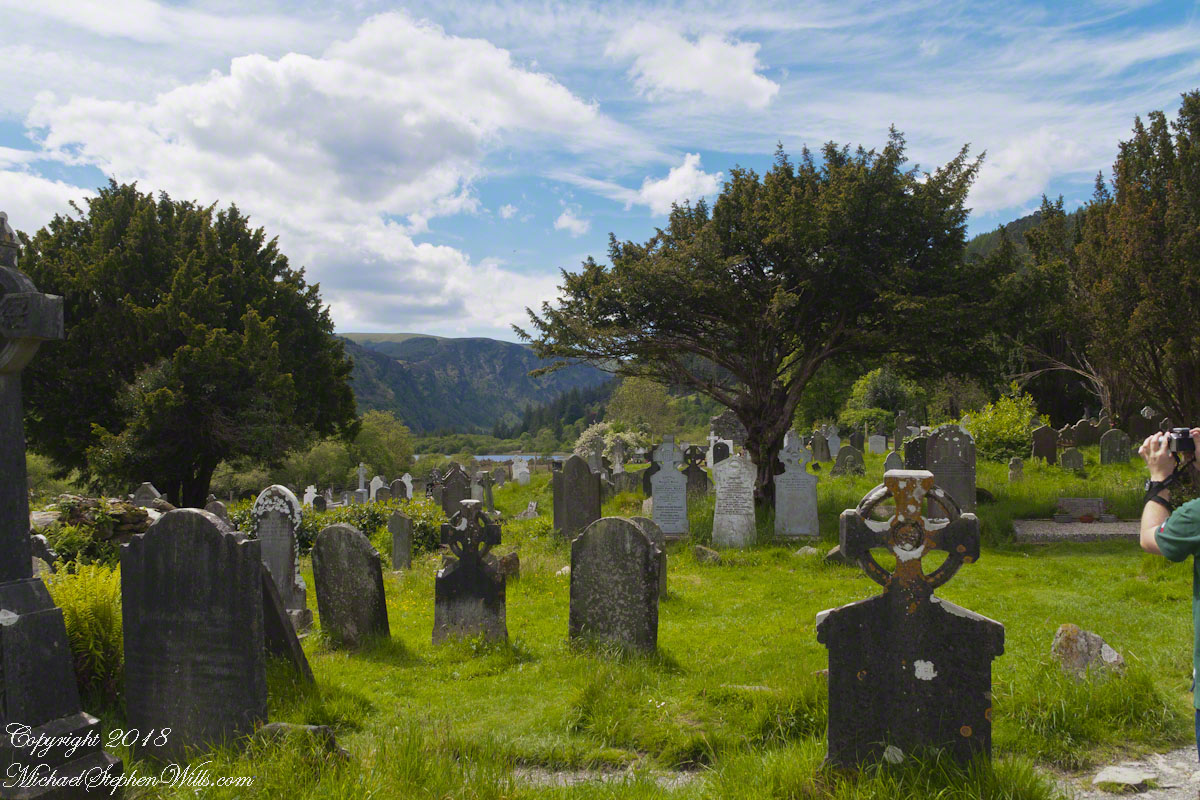
One of the lakes for which the valley is named, above the headstones in the mid-distance

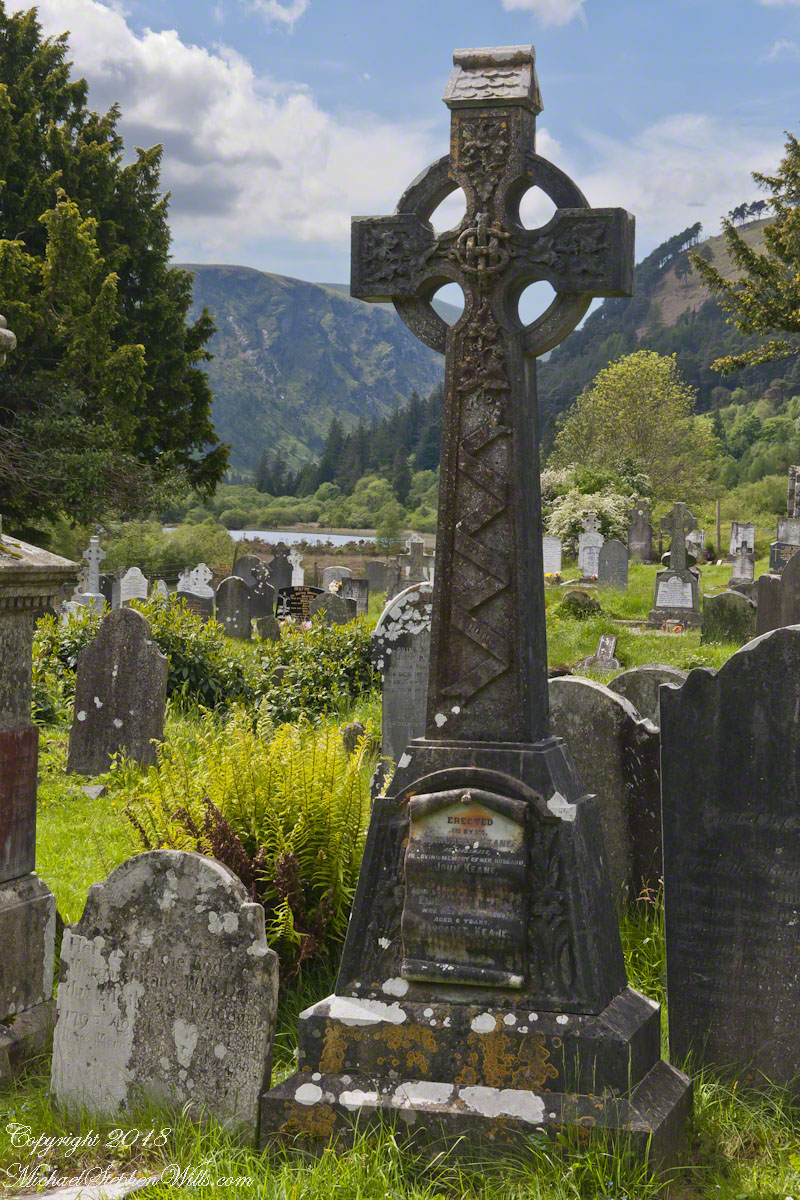
Walking through the monastic settlement, I felt enveloped by a hush both reverential and oddly comforting. The path led me to a cluster of gravestones leaning gently askew, each marked by Celtic crosses standing guard over the memory of those buried below. One cross, carved from sturdy stone, immediately drew my attention with its intricate knotwork etched deep into the surface. The front of it bore swirling designs reminiscent of interwoven vines—symbols of eternity, continuity, and faith. I found myself imagining centuries of pilgrims, each pausing here, hands gently resting on the weathered carvings, offering up their prayers and hopes.
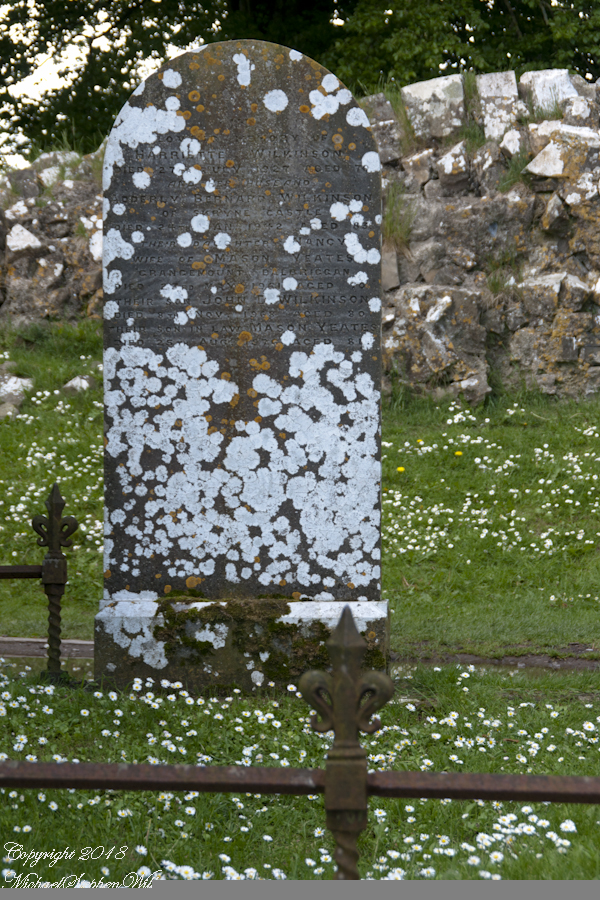
Memorial from a mother to her 6 year old son and husband

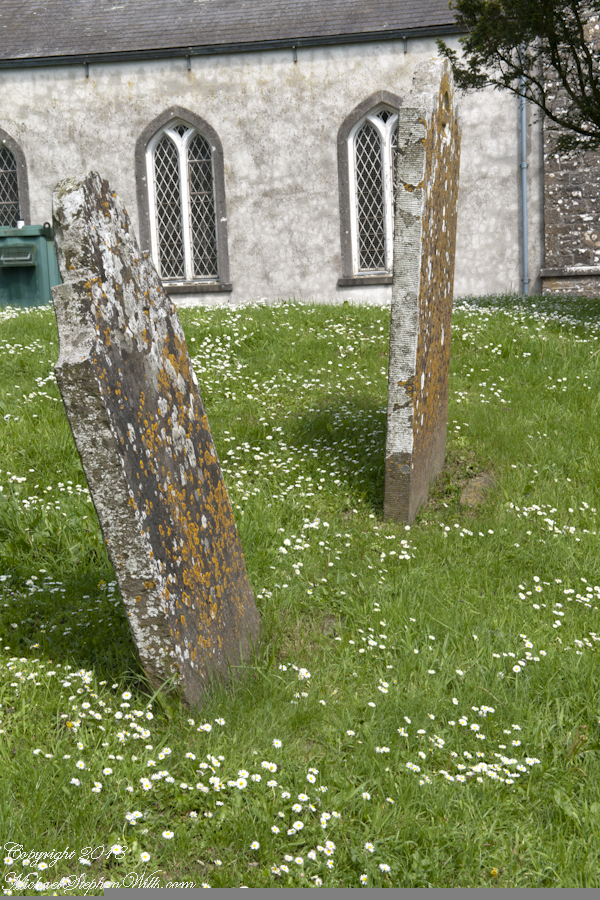
A bit farther on, I came upon a small grouping of headstones bowed in silent unity. Ferns and moss carpeted the ground in bright greens, creating a natural tapestry that wove together life and memory. The slightly overgrown grass softened the entire landscape, allowing each stone to stand quietly yet firmly in the earth. From behind these markers, I caught my first glimpse of the shimmering lake, framed perfectly by the slopes of the valley. The water’s surface reflected the sky’s azure brilliance and accentuated the gentle hush that fell upon the graveyard like a comforting quilt.

As I paused to take a few photographs, I felt a hint of magic floating through the air—an indefinable sense that beyond what my eyes perceived, an age-old spirit thrived. The Celtic symbols on the headstones seemed alive, their swirling knots hinting at the cycle of life and death, the oneness of the world, and the bridging of earthly existence with the mystic realm. I found myself recalling old Irish legends: stories of saints who could converse with animals, of spirits dwelling in hidden glades, of holy wells that healed weary travelers. It felt as though those tales were all around me, wrapped in the tapestry of this timeless valley.

Looking out toward the remains of the stone church—its walls crumbled yet proud—my imagination conjured the chanting of monks, their voices echoing off the surrounding hills. The same forest that sheltered me now would have encircled them all those centuries ago, shifting from season to season. It was easy to picture them gathering by the lake’s edge, cups of cold, clear water cupped in their hands, or moving reverently among the graves of those who had come before them. Here, time seemed an illusion. The line between past and present faded as I stood among these enduring stones.

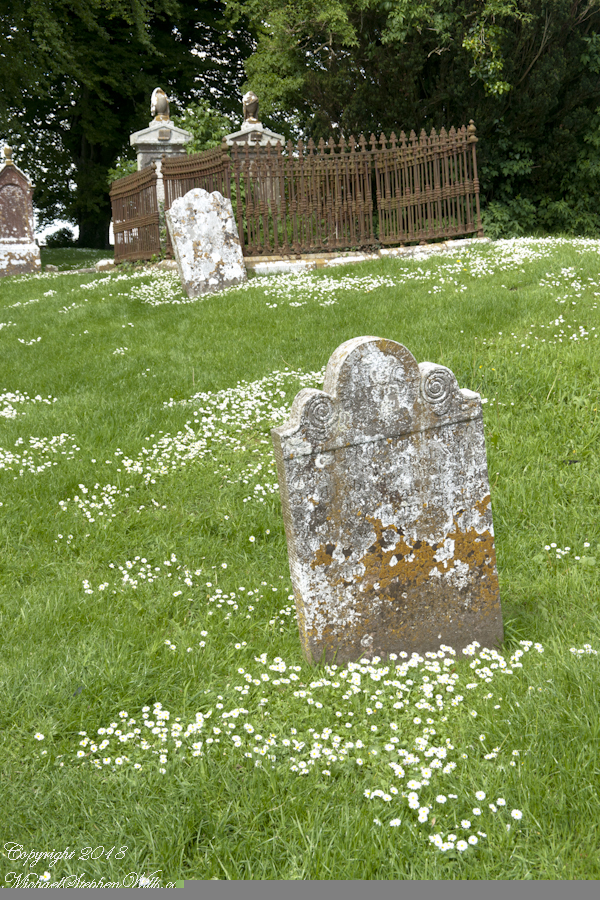
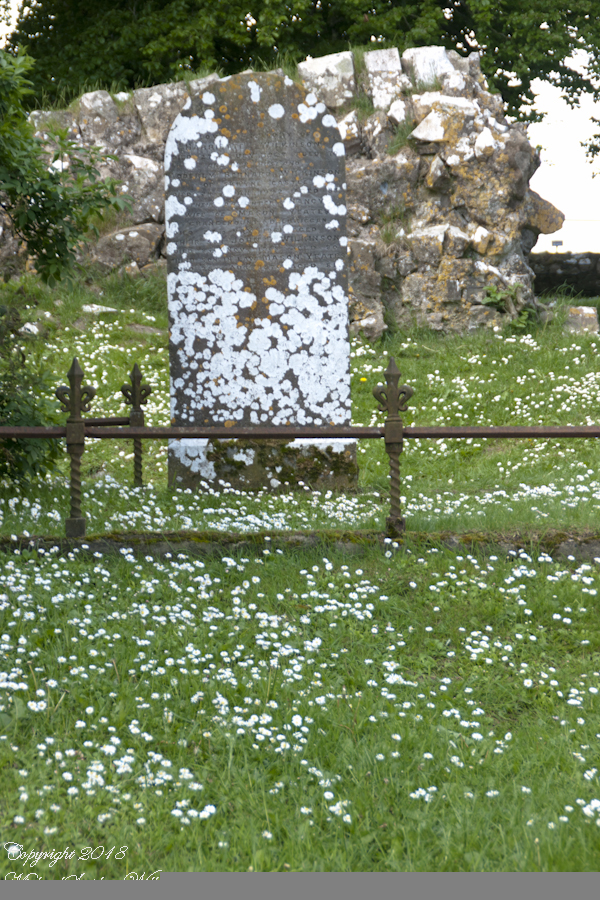
Winding paths of grass guided me to another section of the cemetery, where weathered inscriptions told the stories of families, lineages, and deep connections to the land. Some headstones were so old that the lettering had nearly eroded, but others still proudly bore legible names and dates. Names like Power, Byrne, and Keane were etched in memory, followed by poignant words of affection and devotion. The place felt both solemn and comforting at once—a harmonious interplay of remembrance, reverence, and the gentle pulse of nature.
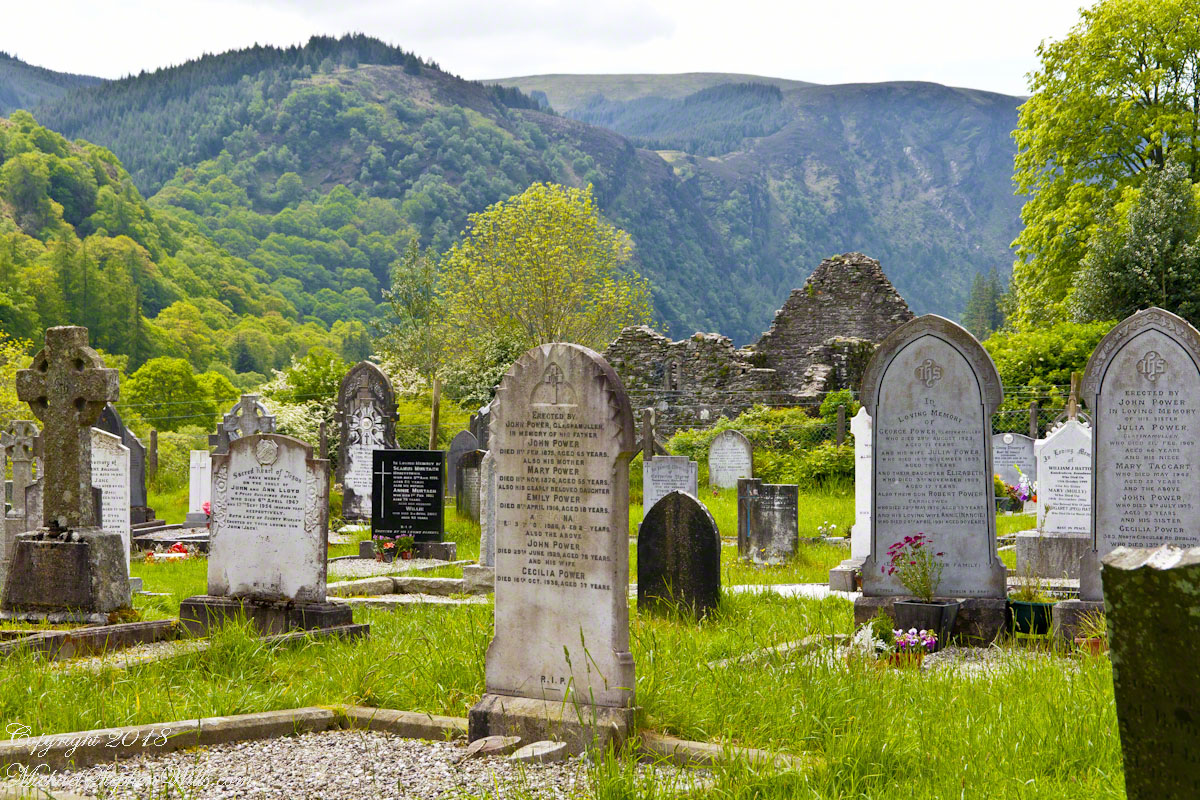
Valley walls are dramatic and steep

A sudden breeze rippled through the trees, setting the leaves to dance and carrying the lilt of birdsong across the valley. I turned to admire the view once more, and there, between towering yew trees, the lake glowed like a polished mirror. Soft clouds glided overhead in a pale blue sky. The entire scene seemed woven from a single, unbroken strand—mountain, forest, gravestone, lake, and sky merging in a spellbinding harmony. It was the kind of moment that invited awe, a moment in which to lose oneself and yet feel more fully found.

I left the cemetery with a deeper sense of peace than I had known in some time. The photographs I took may capture the beauty of Glendalough’s ancient crosses and serene landscape, but it’s the intangible hush of centuries and the gentle brush of magic that remain with me. With every step back toward the car, I felt the warmth of timelessness, and as the day’s golden light enveloped the stone monuments behind me, I carried away a tiny spark of the valley’s enchantment—a reminder that some places are truly touched by the divine.Look closely at the carved scroll at the foot of the cross.

For more background of this site, see my posting “The Cloigheach of Glendalough.”
Enter your email to receive notification of future postings. I will not sell or share your email address.

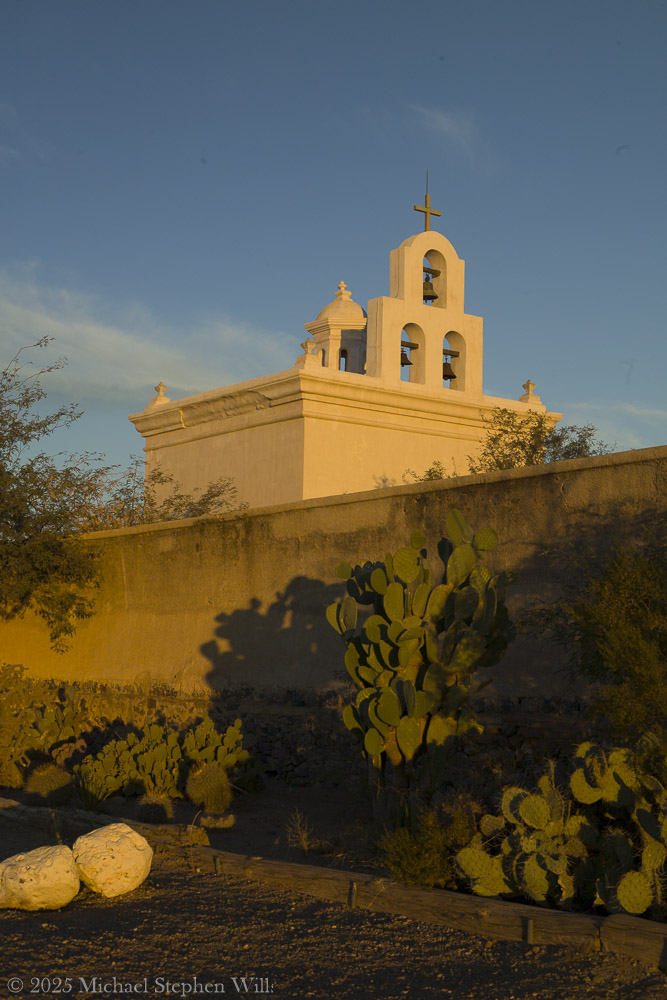
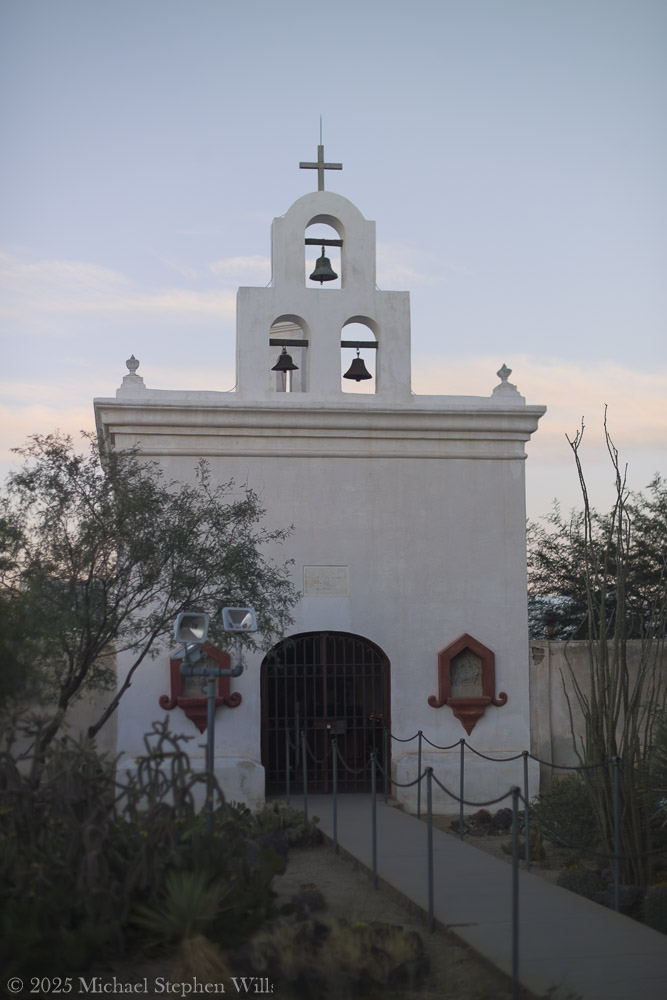
Discovering San Xavier del Bac: A Desert Gem

San Xavier del Bac, known as the “White Dove of the Desert,” embodies rich history and spirituality, blending Indigenous and Spanish influences, while remaining a vibrant community centerpiece today.

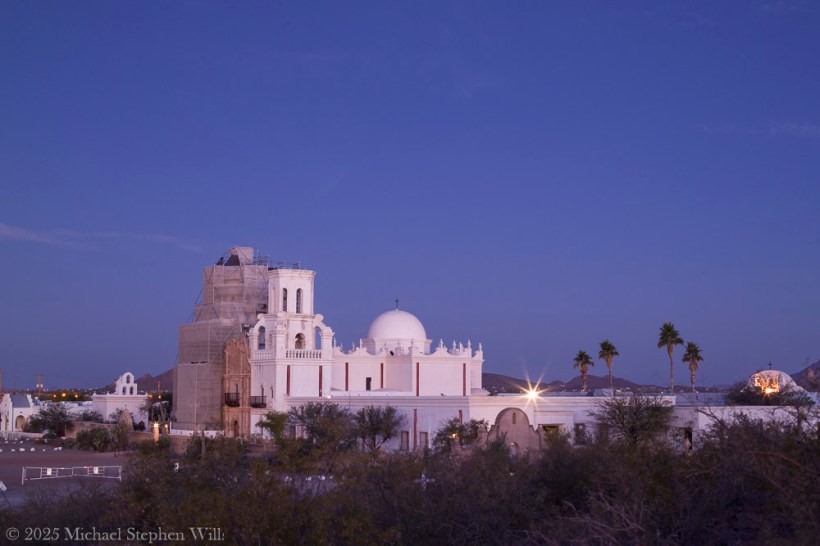
I remember how the rising sun washes the mission’s white adobe walls in soft gold. Mission San Xavier del Bac stands about 10 miles south of downtown Tucson, on the San Xavier Indian Reservation of the Tohono O’odham Nation.​

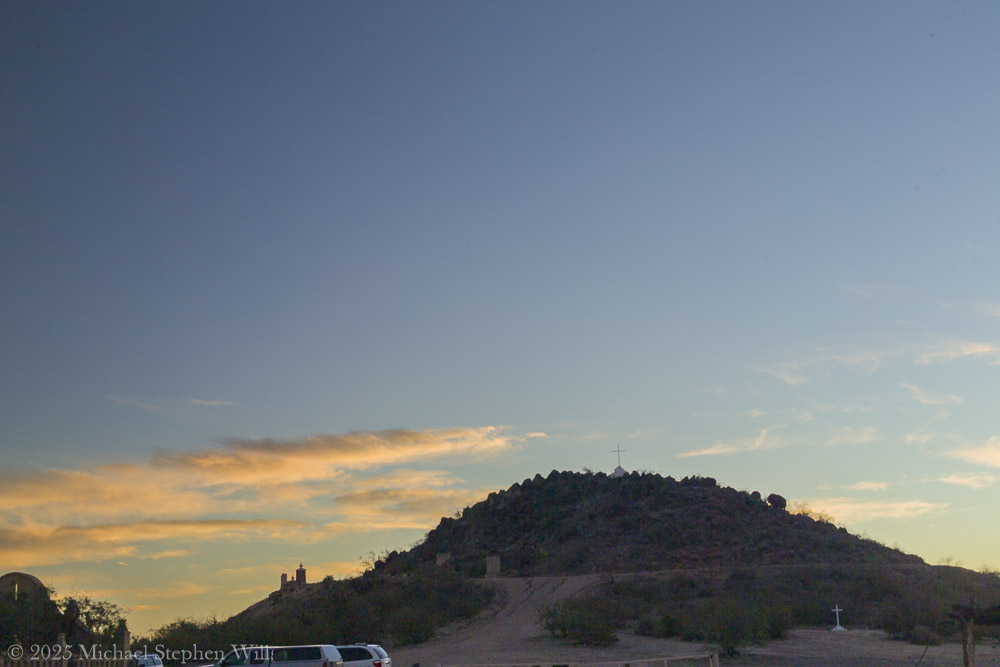
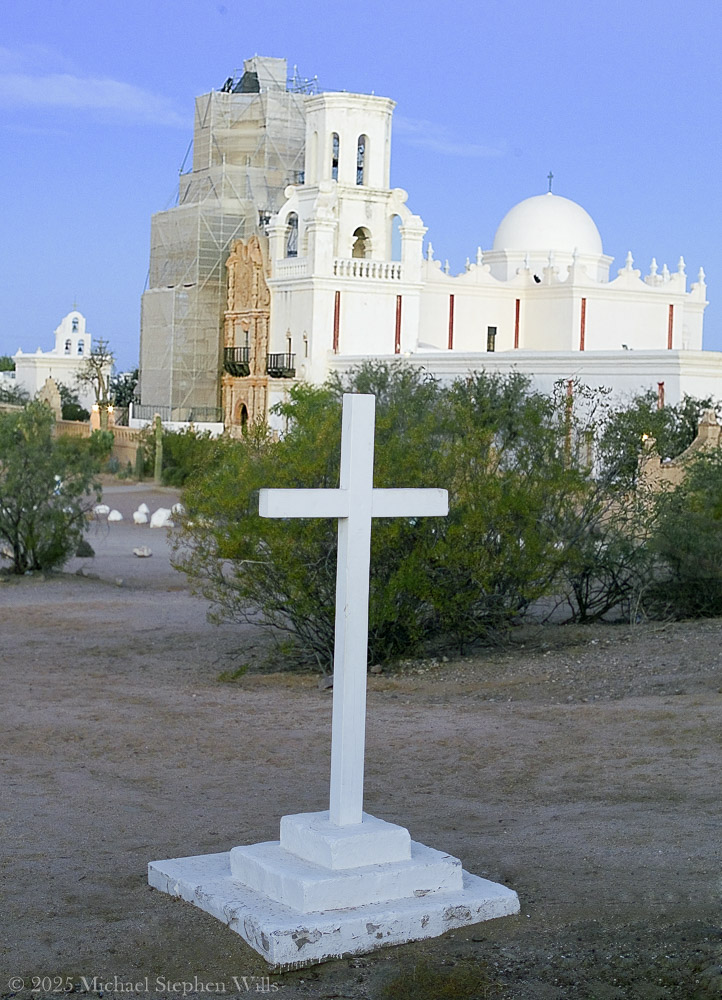
Before sunrise, I climb Grotto Hill, just east of the mission. A well-worn path and a few stone steps lead upward, passing stations of the cross and a humble grotto shrine nestled in the slope. As I ascend, the soft golden light gathers. Ocotillo stems and saguaros dot the hillside, their long shadows stretching over the desert floor. Reaching the top, I find a lone white cross planted firmly into the rocky soil. The cross is simple, yet it holds a quiet gravity – a silent witness to the prayers and hopes of those who have come here. I stand beside it to catch my breath. Below me spreads the mission complex, glowing white and rose in the gathering dawn. From this height, the scene is breathtaking: the desert expands in every direction, painted in brushstrokes of copper, violet, and gold. The distant Tucson mountains catch the first light. There is a profound peace up here. It’s easy to imagine Father Kino himself climbing a similar hill, surveying this “Water Place” and dreaming of a mission that would stand the test of time.

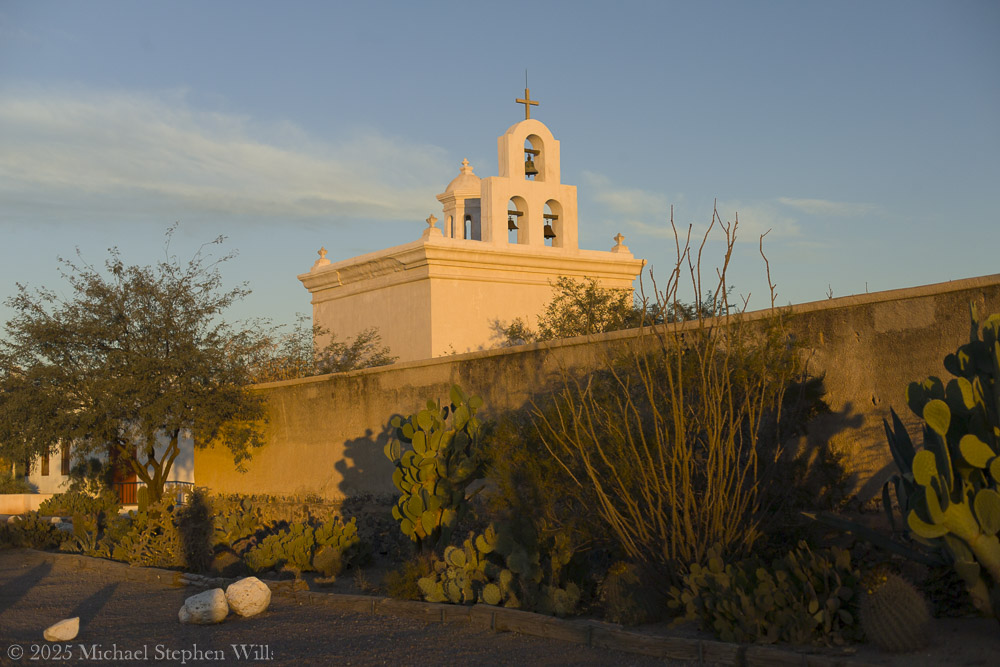
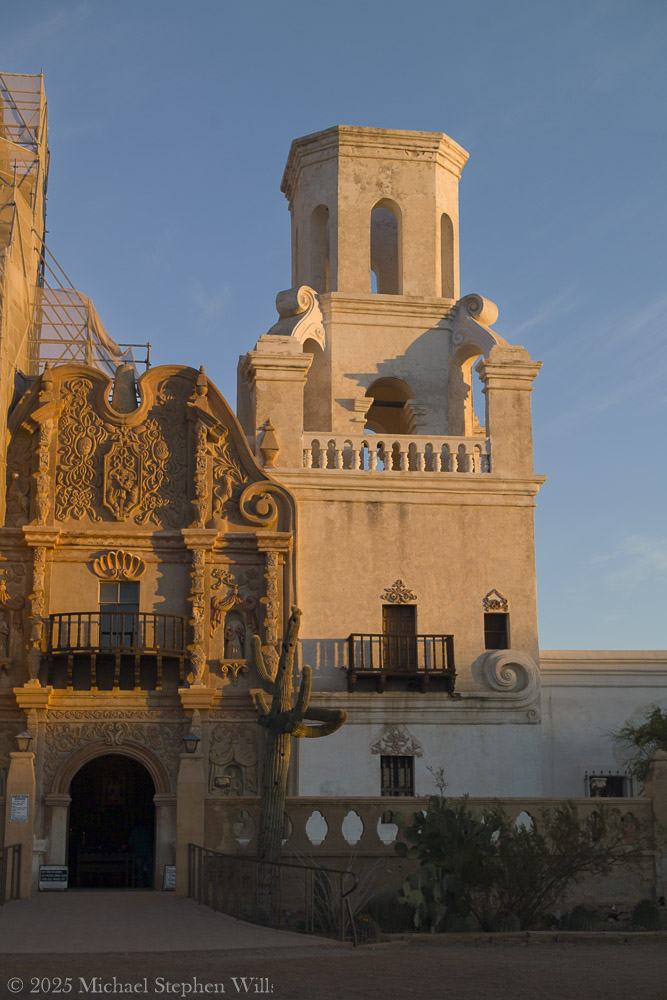
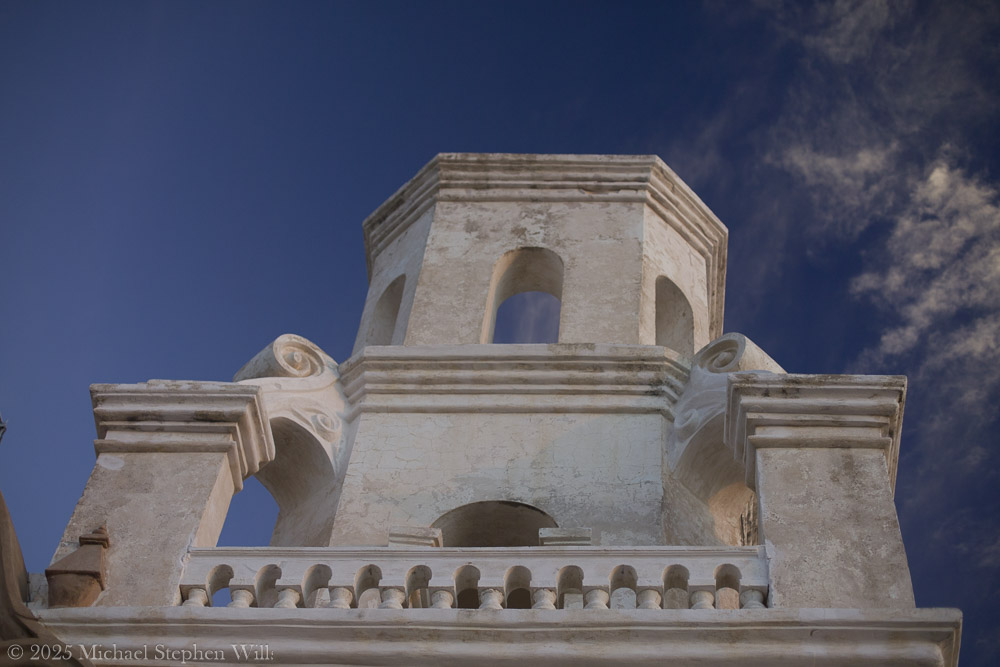
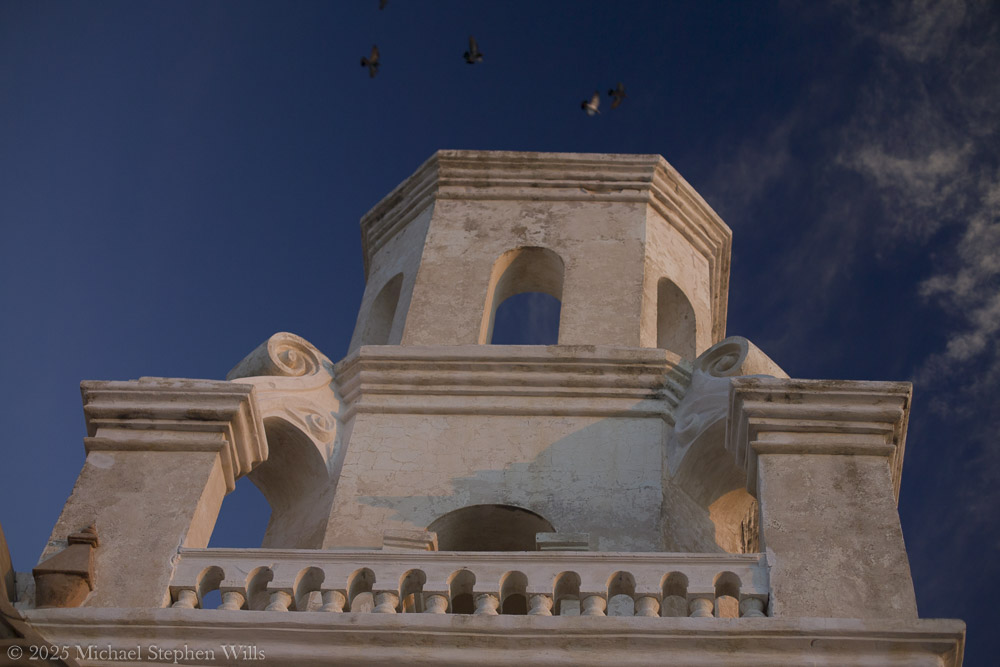
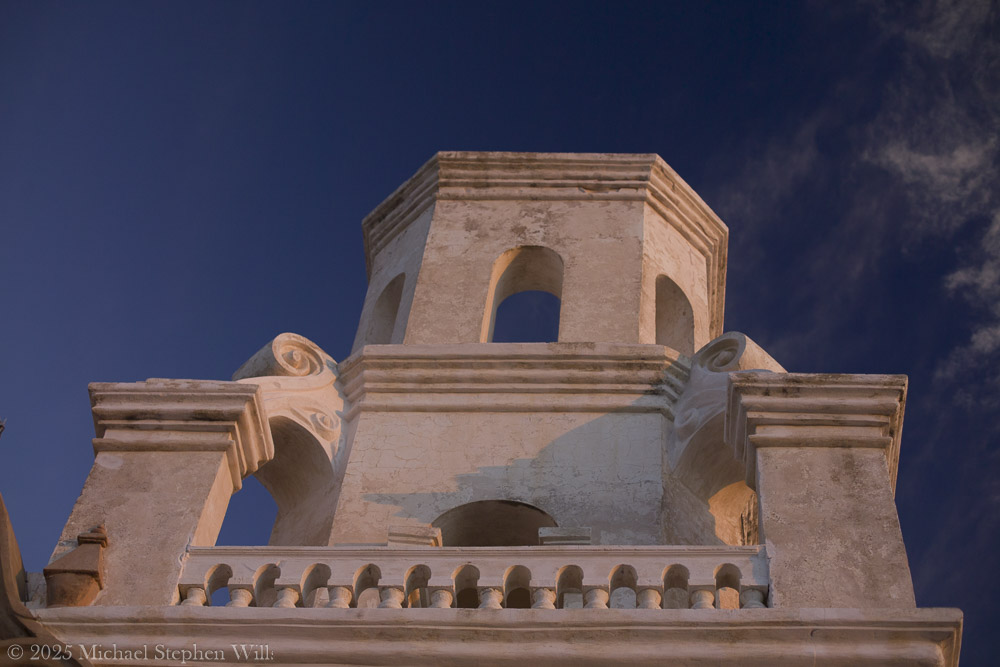
Often called the “White Dove of the Desert”​the church gleams against the wide Sonoran sky, its twin bell towers and central dome radiant in the glow. In this moment, the 18th-century mission seems to hover between earth and heaven – a bright vision in the desert, tethered by history and faith.

I walk toward the old mission, feeling the crunch of desert sand beneath my feet and brushing past creosote bushes and prickly pear cacti. There is a hush here, broken only by a gentle breeze and the distant coo of a dove – as if nature itself respects the sanctity of this place. In my mind I rell that this mission was first founded in 1692 by the Jesuit missionary Father Eusebio Kino​, who encountered the O’odham community living at this oasis they called Wa:k, meaning “Water Place”​

The springs have long since gone dry, but the name lives on, a reminder that this now-arid land once nurtured life-giving water. The church before me isn’t the original Kino saw, but the one begun in 1783 under Spanish Franciscan friars​ who raised these walls with the help of O’odham artisans. I marvel that I am standing before a structure over two centuries old – the oldest European-built structure in Arizona​– yet still alive with spirit.

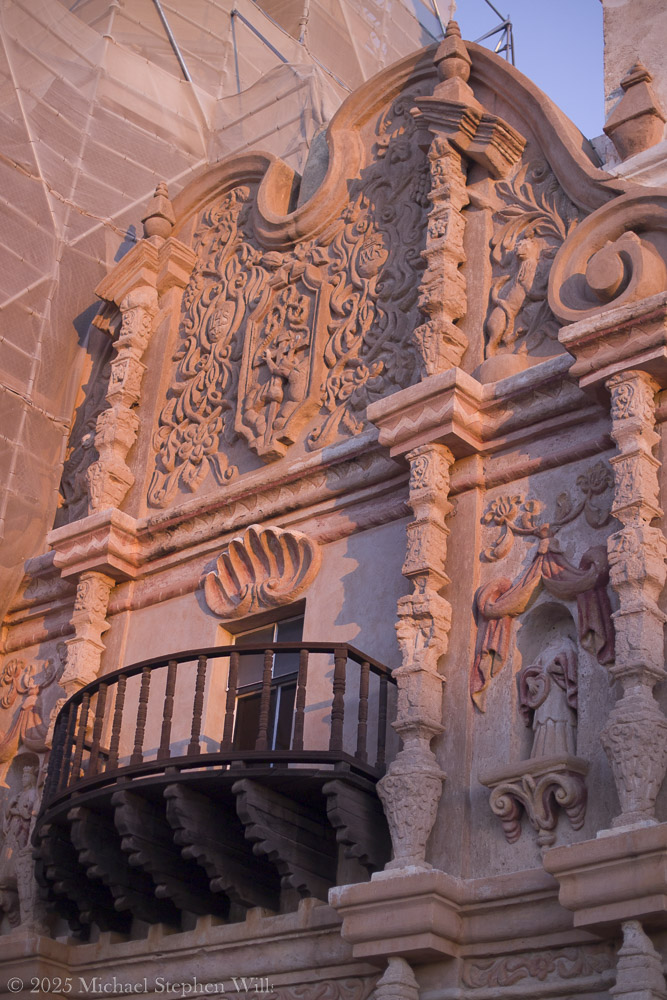
Stepping into the courtyard, I tilt my head back to absorb the facade’s details. The ornate Baroque façade is a symphony of carved plaster and painted relief, an exuberant blend of Moorish, Spanish, and Indigenous influences. Faded yet still vivid, saints and angels watch from their niches on the church front. Every arch and cornice is edged in shadow and dawn light, revealing craftsmanship considered one of the finest examples of Mexican Baroque architecture in the United States​

The front entrance is flanked by intricate scrolls and whimsical carvings – floral motifs, seashell patterns, and statuary wearing serene expressions. I gently run my fingers along the weathered wooden doors, feeling the grain that generations of hands have touched. Through a crack in the door, I catch a glimpse of the dim interior: candles flicker on the altar and the air carries a hint of melted wax and sweet incense. The sanctuary seems to exude centuries of devotion. Even outside, I sense a whisper of ancient prayers in the silence.

As the day progresses, the world feels alive again. A pair of children laugh and chase each other across the dusty plaza, their voices echoing off the thick adobe walls. Nearby, the aroma of fresh frybread lingers – evidence of Tohono O’odham vendors who often set up stands by the church, selling frybread “popovers” and Indian tacos to visitors. This mingling of old and new, sacred and every day, makes the mission feel utterly genuine, the heart of a living community. I see an elderly O’odham woman in a shawl kneel at a side shrine, lips moving in quiet prayer, and I realize that for the Tohono O’odham, this mission is more than a historic landmark. It is a living spiritual home that continues to anchor their community. Indeed, the church is still an active parish that serves the local O’odham families, with regular Masses and gatherings held within its walls​

The sense of continuity is palpable – the faith that built this place in the 18th century endures unwaveringly today.

Standing in front of San Xavier del Bac, I feel a personal connection that is hard to put into words. The centuries-old mission glows fresh in morning light. I close my eyes and sense the presence of all who have been here before – the O’odham villagers, the Spanish padres, the countless pilgrims and visitors. In the stillness, time blurs. Past and present mingle in the desert air. When I finally turn to leave, my heart is quiet, uplifted by the encounter. In this sacred and remote place, I have touched a living history and felt the embrace of a peace that transcends centuries. I carry that gentle peace with me into the day, grateful for the memories of light, silence, and the enduring soul of San Xavier del Bac.

Bibliography

  • Wikipedia. “Mission San Xavier del Bac.” (2025).
  • National Park Service. “San Xavier del Bac Mission.” (2021).

  • Patronato San Xavier. “History of the Mission – Timeline.” (2025).

Celebrating God’s Love This Christmas

Merry Christmas

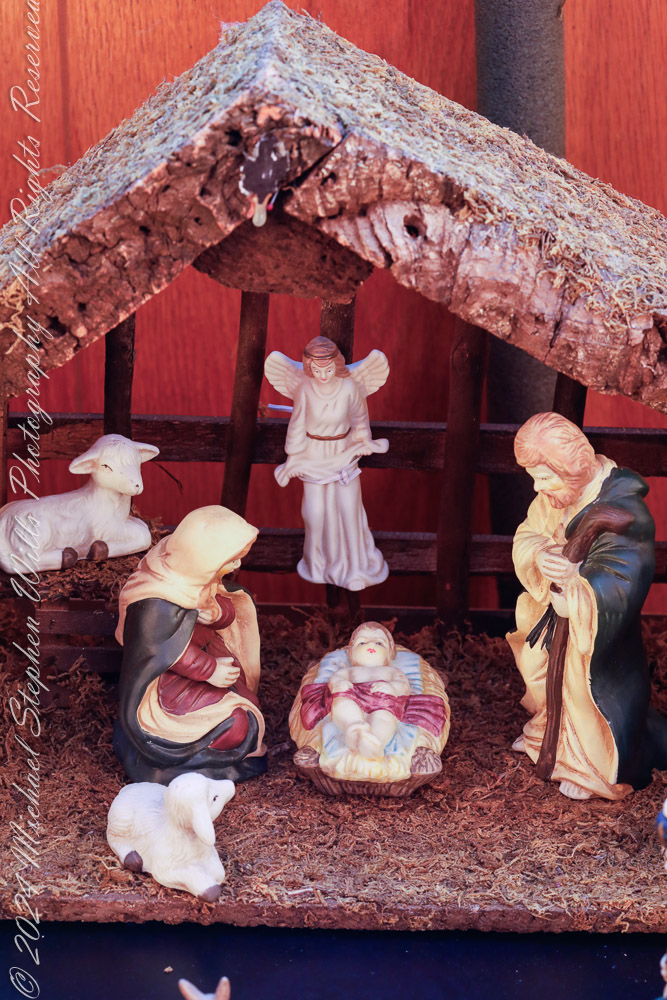
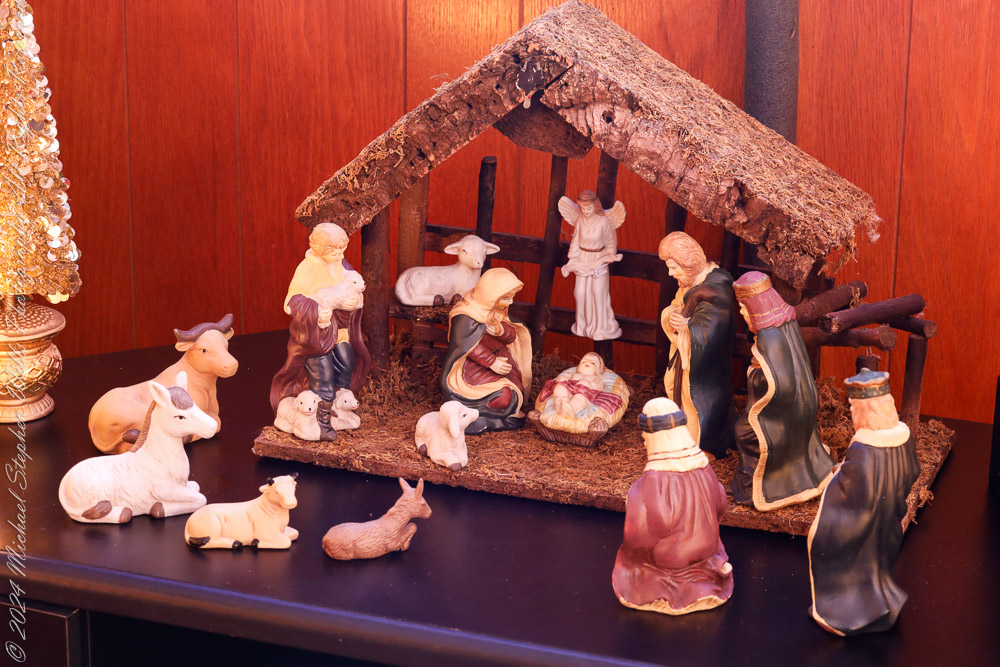
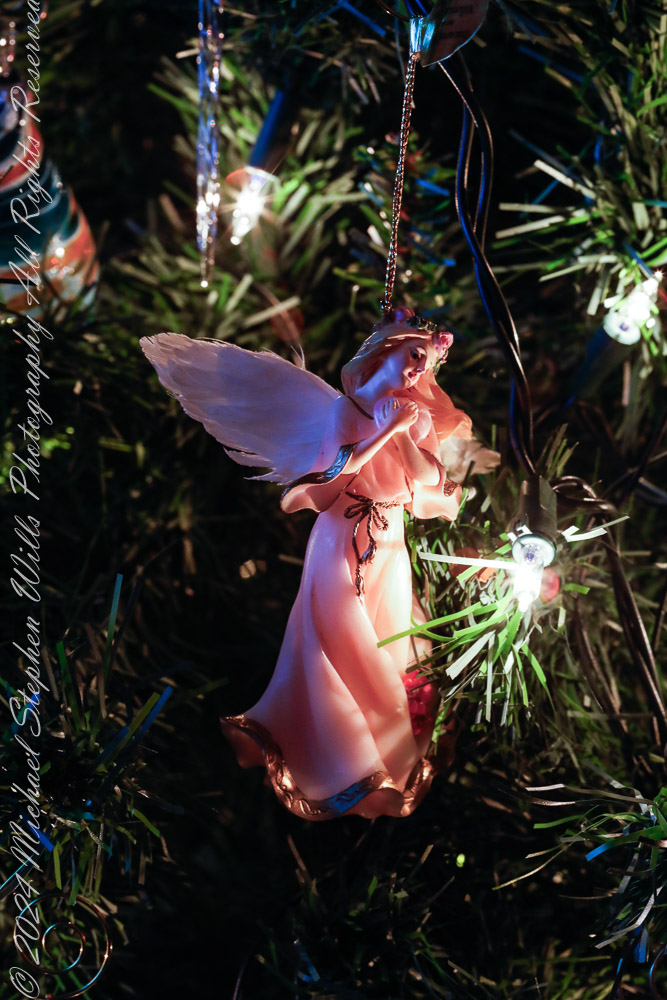
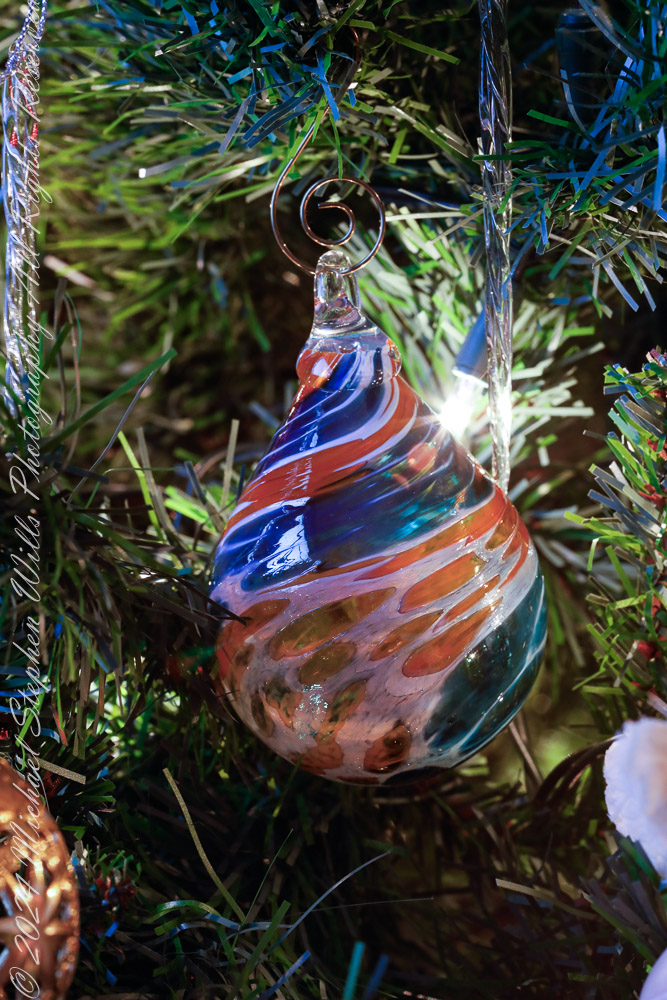
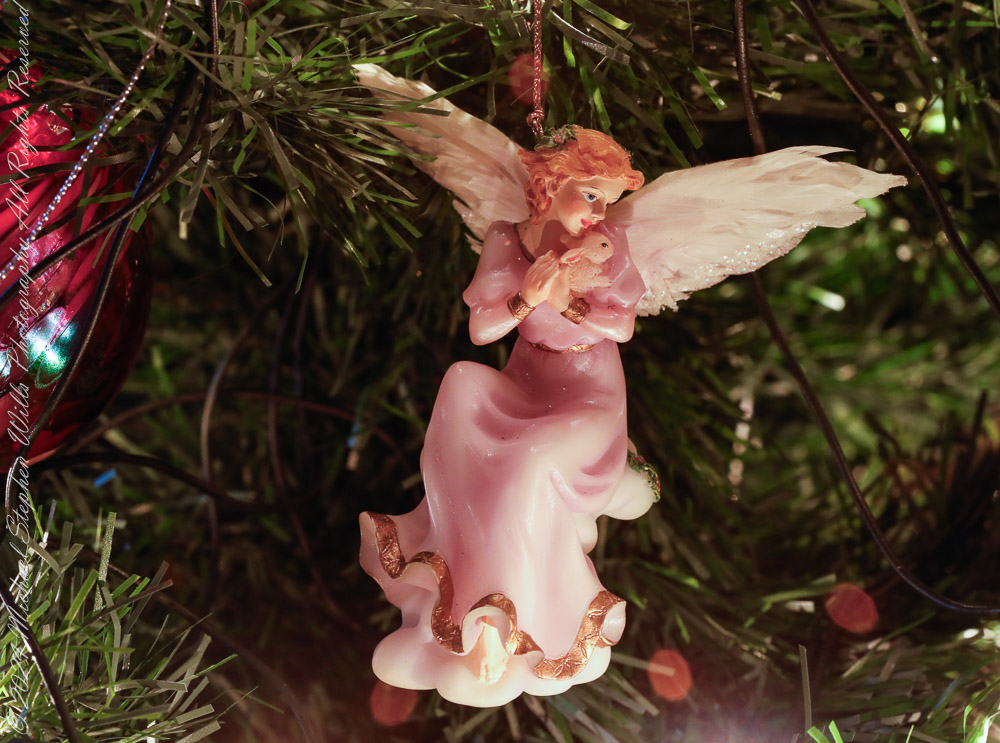
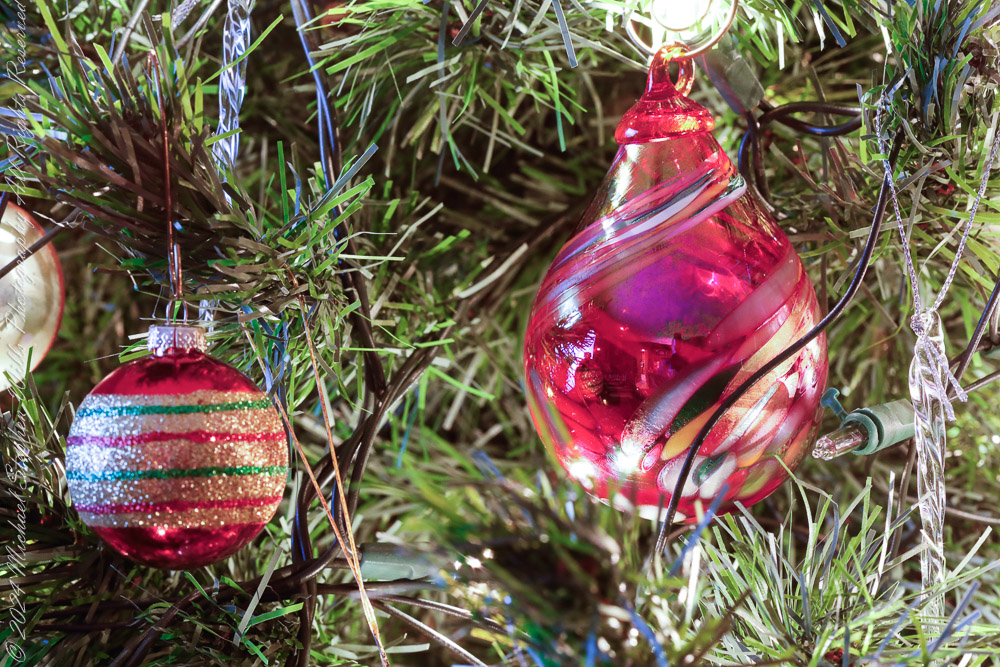
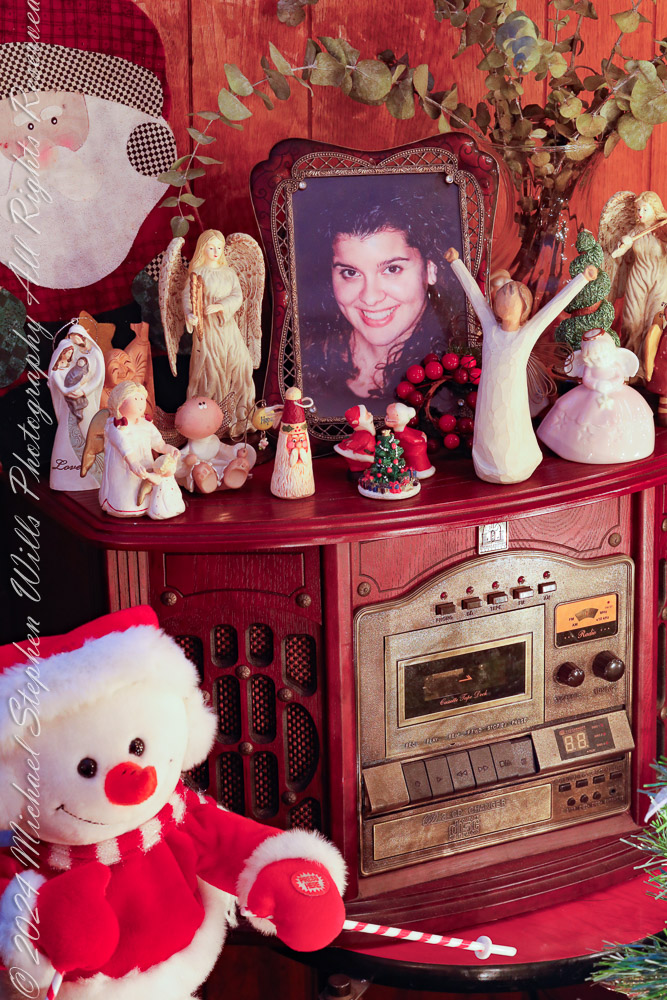
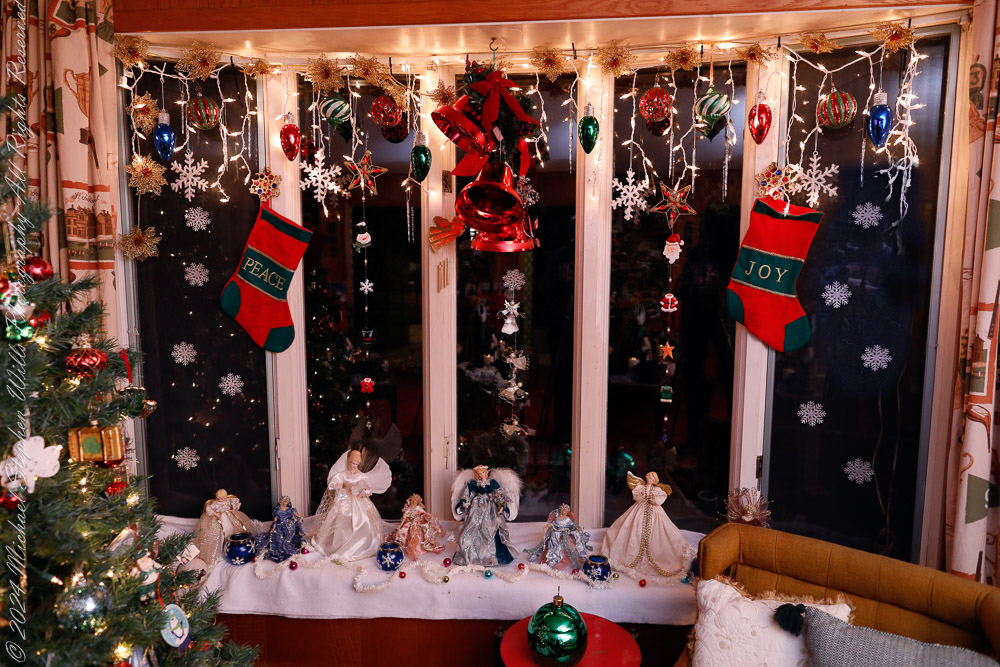
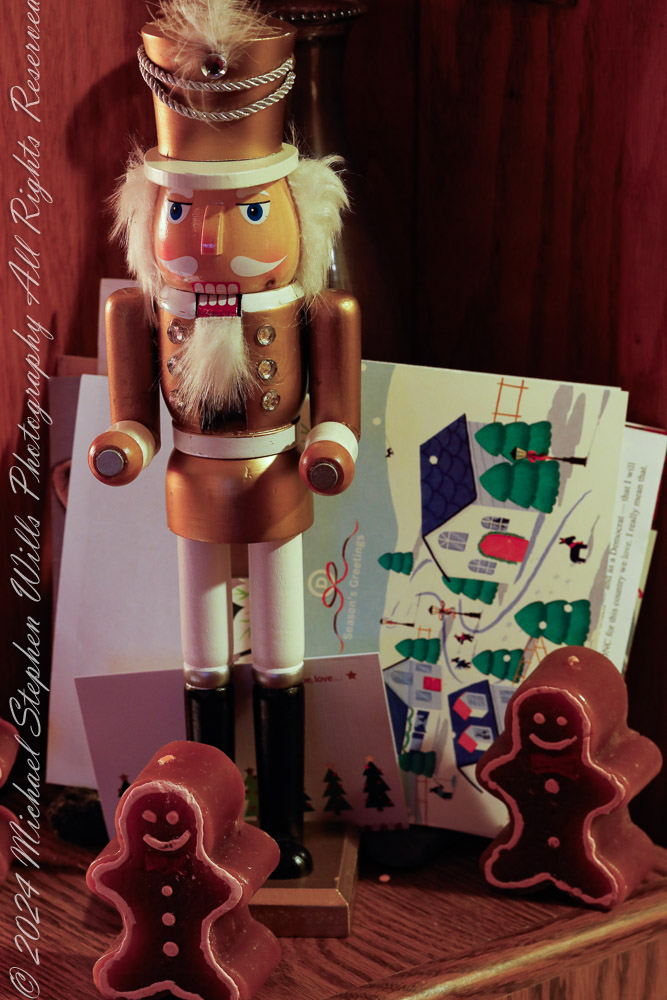
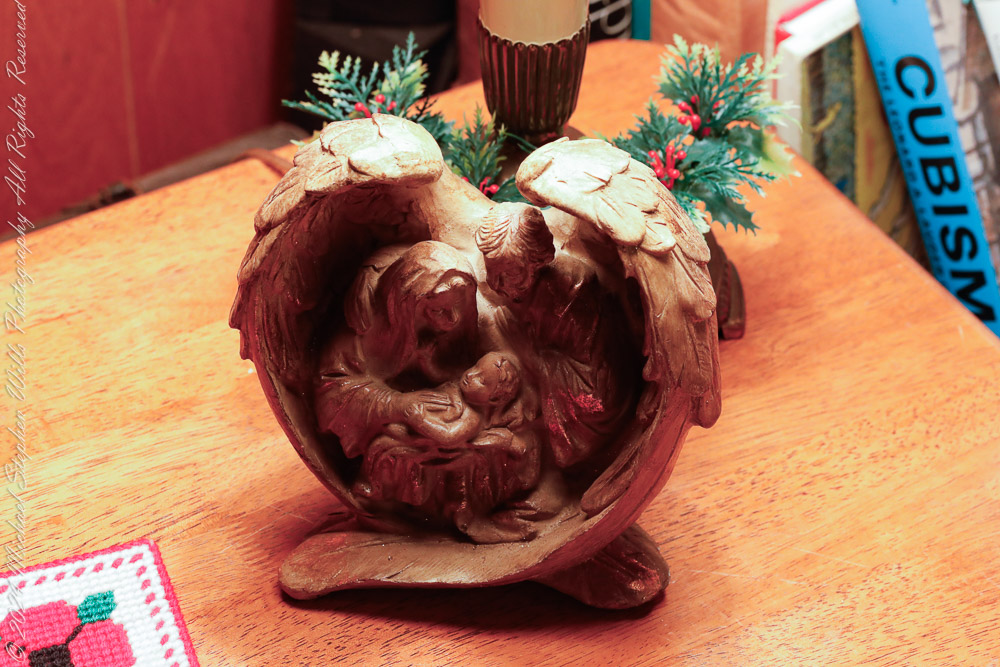
As the year draws to a close, our home is filled with the glow of lights, the shimmer of cherished ornaments, and the spirit of the season. Each decoration holds a memory, from angels watching over us to the Nativity scene that reminds us of the humble birth of Christ, our Savior.

This Christmas, we celebrate the greatest gift of all: God’s love made manifest through the birth of Jesus Christ. May the peace of His presence fill your hearts and homes, bringing comfort, joy, and hope that transcends all seasons.

As we gather with loved ones, let us remember the message of the angels: “Glory to God in the highest, and on earth peace, goodwill toward men.”

From our family to yours, may this holy season be a time of deep gratitude, boundless love, and renewed faith in the light that shines in the darkness.

Enter your email to receive notification of future postings. I will not sell or share your email address.

Saint Patrick’s Return to the Hill of Tara

The year 2000 AD return of Saint Patrick to the Hill of Tara. Happy Saint Patrick’s Day

To continue my posting “Climb Hill of Tara” my first submission of three Hill of Tara photographs to Getty Istock had two of the photographs returned for revision.

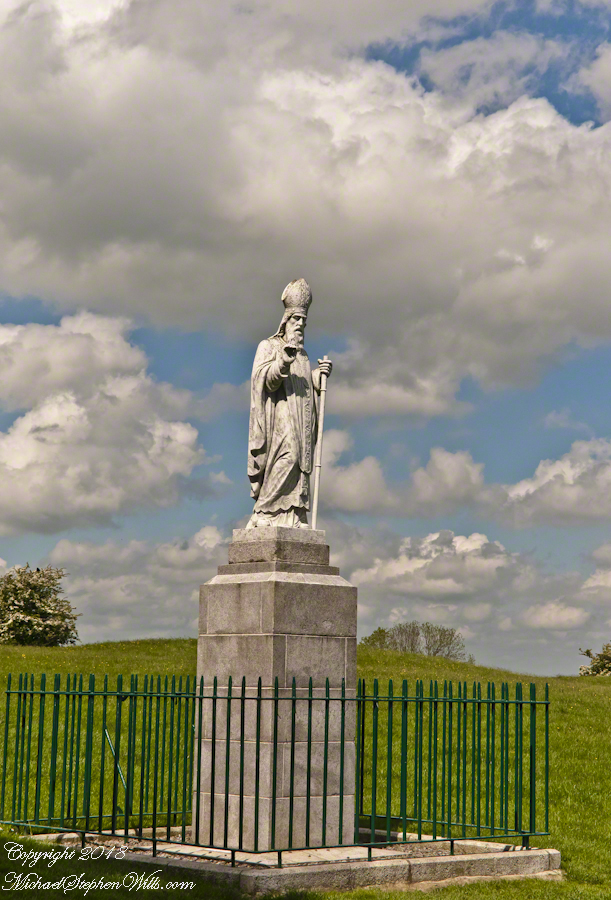
A statue of Saint Patrick fittingly welcomes visitors to the Hill of Tara, County Meath, Ireland. This statue of cast concrete was an existing statue donated by the Sisters of Charity, moved from an existing installation to the Hill of Tara in the year 2000 AD. The creator is anonymous, the is no plaque or other attribution on or around the statue.

The original statue was erected on the summit of the Hill of Tara shortly after Catholic emancipation in 1829, commemorated the events of 433AD when St. Patrick lit a bonfire on the nearby hill of Slane on the eve of Easter Sunday.

Lighting such a fire was contrary to the pagan laws of the time which dictated that the first fire lit that night be in Tara. Observing St. Patrick’s bonfire from afar, the chief druid of the ancient Gaelic capital predicted that if the flame were not extinguished that night, Christianity would never be extinguished in Ireland.
The saint’s bonfire continued burning and the next morning, Easter Sunday, St. Patrick entered Tara to convert the king and his followers to Christianity.

For the fenced statue of Saint Patrick the revieweR wrote:

Please provide a full description for the work of art featured in this image. Include the artist, date of creation, location, etc. Works of art created by someone other than yourself must be free of copyright protection to be considered. If this work of art is indeed under copyright protection, a property release signed by the copyright holder will need to be provided.

Hmmmm….What I do while capturing a photograph of a statue is take photos of any plaque, sign, whatever to acquire the name of the creator, how it came to be there, community connections. There was nothing around the statue nor the very informative Office of Public Works placards at the entrance.  I was proud to submit the statue photograph, as it turned out so well, and hoped for the best.

Last week, I put in a query to Ireland’s Office of Public Works (OPW), the agency responsible for the Hill of Tara, and did not receive a response when, for other queries, they were helpful.  This Saturday and Monday mornings, several hours of internet research revealed this history.

The original statue was placed on Tara sometime after the 1829 Catholic emancipation.  It was molded concrete, created by Thomas Curry of Navan at his own expense to honor the connection of Saint Patrick to Tara.

The OPW removed Curry’s statue 1992 for repair of a century of wear.  During the removal the statue was damaged beyond repair and, afterwards, was further damaged by vandals who decapitated and used it for target practice.

Initially, the OWP decided not to replace Saint Patrick citing the “pagan” nature of the place. After an angry meeting of local people at the Skryne Parish Hall.  In this meeting the local Rathfeigh Historical Society formed the “Committee to Restore St. Patrick to Tara.”  In turn, pressure was put on Michael D. Higgins, Minister for Arts, Culture and the Gaeltacht (and the OPW). It was decided a new statue was to be created, based on a competition, and instead of it former place at the hill summit (called Rath na Rí), it was to be near the entrance, outside the Interpretative Center, to offer a Céad Míle Fáilte to visitors and be seen on departure.

The outcome was the competition winner was rejected by locals.  The winning entry, by sculptor Annette Hennessy, did not follow competition rules that specified the statue incorporate traditional features to include shamrocks, harp, miter, a crozier and, perhaps, fleeing snakes. Hennessy’s design was of a shaven headed teenage boy in a short (“mini-skirt”) kilt, a handbag-shaped bell in hand.  She agreed hers was “not a traditional style statue” saying it “acknowledges our Pagan Celtic history.”

The rejection included a statement from Dr. Leo Curran, chairman of the Rathfeigh Historical Society, “We agreed that most of the monuments in Tara are from the pre-Christian era, but St. Patrick should be at the uppermost layer, representing Christian tradition extinguishing paganism.”

By this time, a new government and minister were in place.  The decision was made to search Ireland to find a suitable, existing, replacement statue.  By 2000 the present statue, donated by the Sisters of Charity, was in place at the Hill of Tara entrance.

At the end of this post I provide the two references from my internet research and from which many facts and all the quotes were used here.  I concluded the statue author was anonymous without copyright protection and submitted a revised image description, attaching a copy of my research.

What happened to my IStock photograph of Saint Patrick on the Hill of Tara? Getty accepted my application, published the photo and it is one of my top downloads, and earners.

Please browse my reasonably priced stock photography.  License a photograph, download and use it for your website or blog.  Click this link to browse all my Getty IStock Photography offerings.

Or click this link or any photograph or this link to select a print with custom framing from my “Ireland” Fine Art Gallery.

References :
“Should St Patrick stand again on Tara?” Independent, Dublin, Ireland March 17, 1999.
“Statue of Saint Patrick”, Meath Roots web site. The page includes photograph of the Thomas Curry statue.

Copyright 2024 Michael Stephen Wills All Rights Reserved

Shuffle off

All Souls’ Day, observed on November 2, is a Christian tradition of praying for the deceased, originating from ancient practices and shaping cultural rituals like Mexico’s Día de los Muertos.

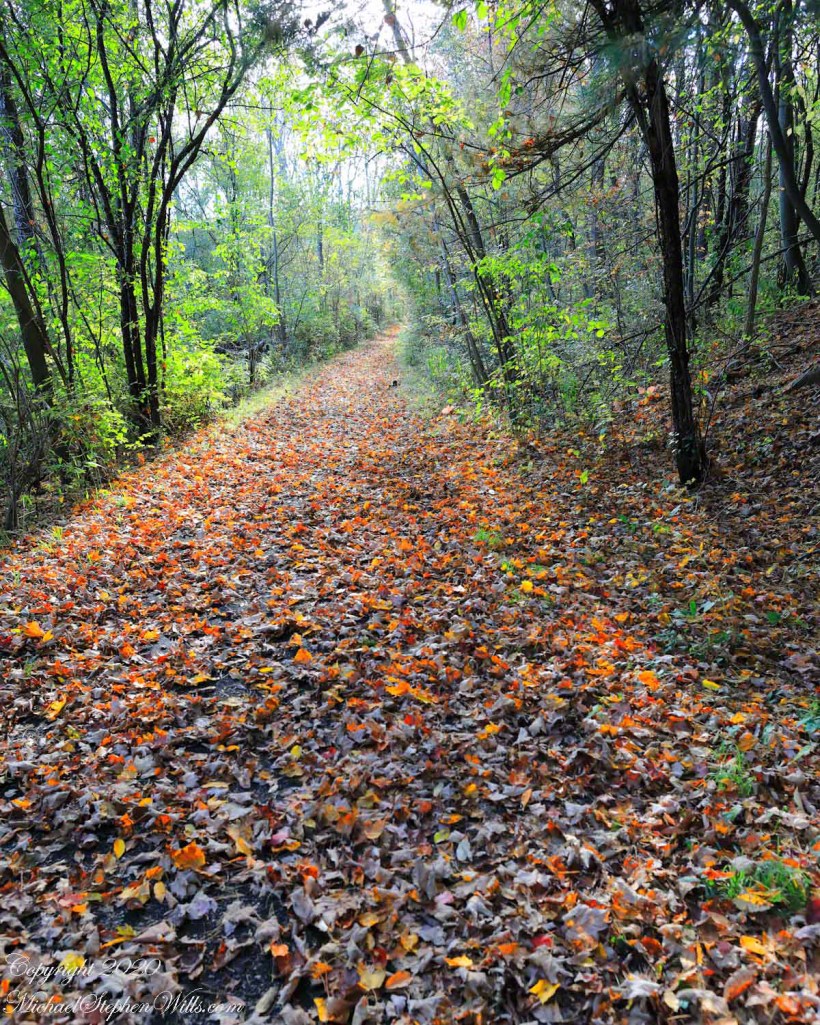
Shuffling through the hot coals of autumn on All Souls Day.

Click image for a larger version.

All Souls’ Day, observed on November 2nd, is a day of prayer and remembrance for the souls of the deceased. Stemming from ancient traditions and solidified within the Christian liturgical calendar, this day serves as a solemn occasion to commemorate the departed. Its roots are deep, with a rich history that intertwines with both religious and cultural practices over centuries.

Origins
The concept of dedicating a day to remember the dead predates Christianity. Many ancient civilizations, such as the Egyptians and the Celts, held ceremonies and festivals to honor the deceased. The Celts, for instance, celebrated Samhain, which marked the end of harvest and the beginning of winter. This was believed to be a time when the veil between the living and the dead was thinnest.

As Christianity spread across Europe, there was an attempt to integrate pagan practices into the Christian framework, leading to the establishment of days dedicated to the deceased. By the 7th century, monastic communities in Europe had begun to designate a day to pray for the departed members of their communities.

Establishment
All Souls’ Day was formally institutionalized by St. Odilo of Cluny in 998 AD. He declared November 2nd as a day for all the monasteries associated with his Benedictine congregation to pray for the souls in purgatory. This practice quickly spread, and by the 11th century, it was widely celebrated throughout Christian Europe.

Theology Behind the Celebration
Central to All Souls’ Day is the belief in Purgatory – an interim state where souls undergo purification before entering Heaven. It’s believed that the prayers of the living can aid these souls, expediting their journey to paradise.

Modern Observations
Today, All Souls’ Day is observed with varying levels of prominence across Christian denominations. In Roman Catholicism, it retains significant importance, with masses dedicated to the departed. In other Christian traditions, it may merge with other observances, like All Saints’ Day (November 1st) or be passed over entirely.

Cultural Influences
Over time, All Souls’ Day has influenced and been influenced by local customs and traditions. In Mexico, for instance, Día de los Muertos (Day of the Dead) coincides with All Souls’ Day but has its distinct flair, involving vibrant parades, elaborate altars, and specific foods.

Bullet Points Summary:

Ancient Foundations: All Souls’ Day has its roots in ancient civilizations that honored the dead.
Samhain: The Celts observed Samhain, marking a time of close proximity between the living and the dead.
Christian Integration: Early Christians attempted to integrate existing pagan rituals into their religious framework.
Monastic Observances: By the 7th century, monastic communities began designating days for the departed.
St. Odilo of Cluny: He formalized All Souls’ Day in 998 AD for his Benedictine congregation.
Spread: By the 11th century, the observance had spread throughout Christian Europe.
Purgatory: Central to the day’s theology is the belief in purgatory and the power of prayers to aid souls.
Variation in Observance: The day’s significance varies across Christian denominations.
Cultural Mergers: Local traditions, like Mexico’s Día de los Muertos, have both influenced and been influenced by All Souls’ Day.
Modern Practices: Today, the day may involve attending masses, lighting candles, and visiting graves of loved ones.
In essence, All Souls’ Day is not just a day on the liturgical calendar; it’s a reflection of humanity’s timeless effort to understand, honor, and find meaning in the cyclical nature of life and death. Through rituals and observances, we bridge the gap between the past, present, and the profound mystery of the hereafter.

Click Me for another Malloryville post, “Formed By Water.”

Copyright 2023 Michael Stephen Wills All Rights Reserved

Ireland on the Mind at Christmas

Irish Christmas Spirit

A previous post, “Christmas Tableau”, provides some context.  The photographs from that set were accepted by Getty for stock images.  Click the link to take a look:  “Cozy Snowmen” on Getty Stock.

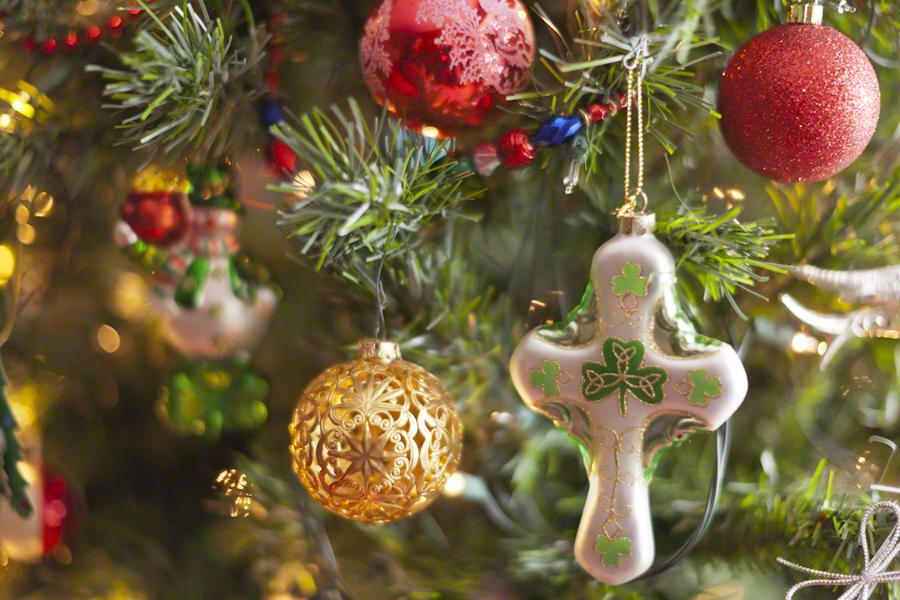
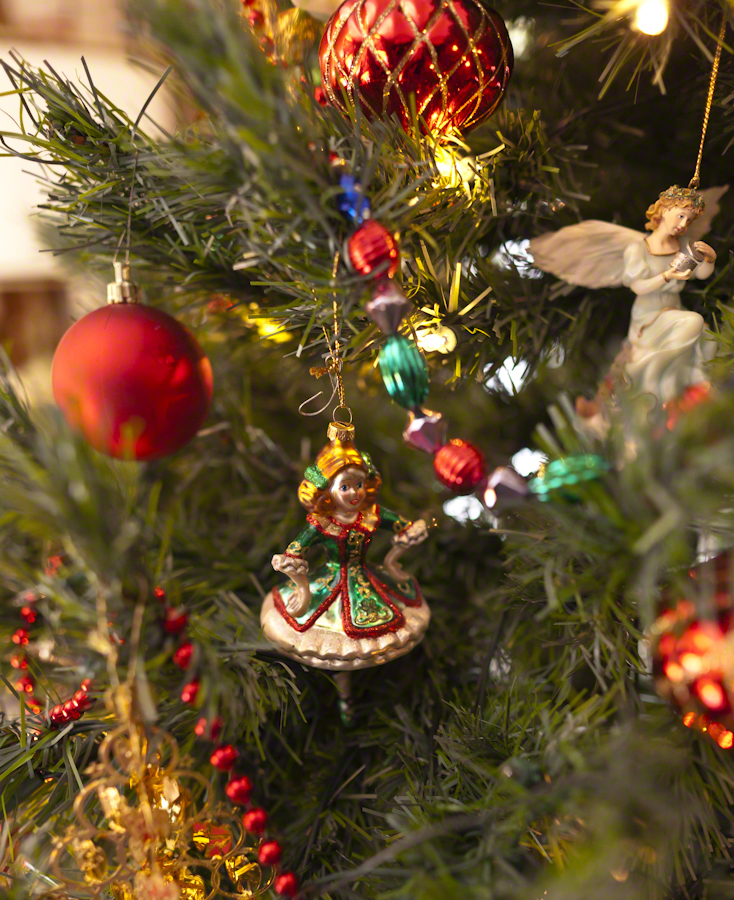
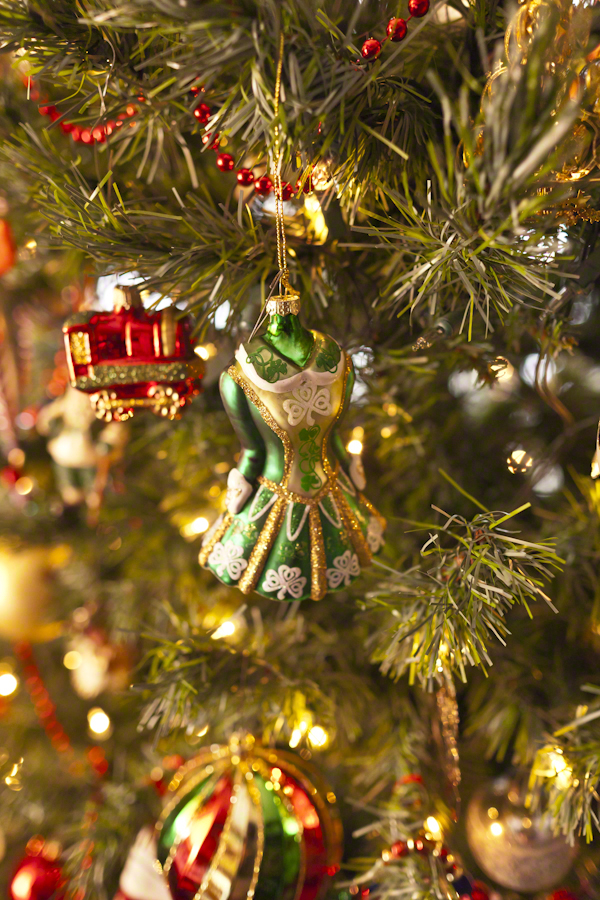
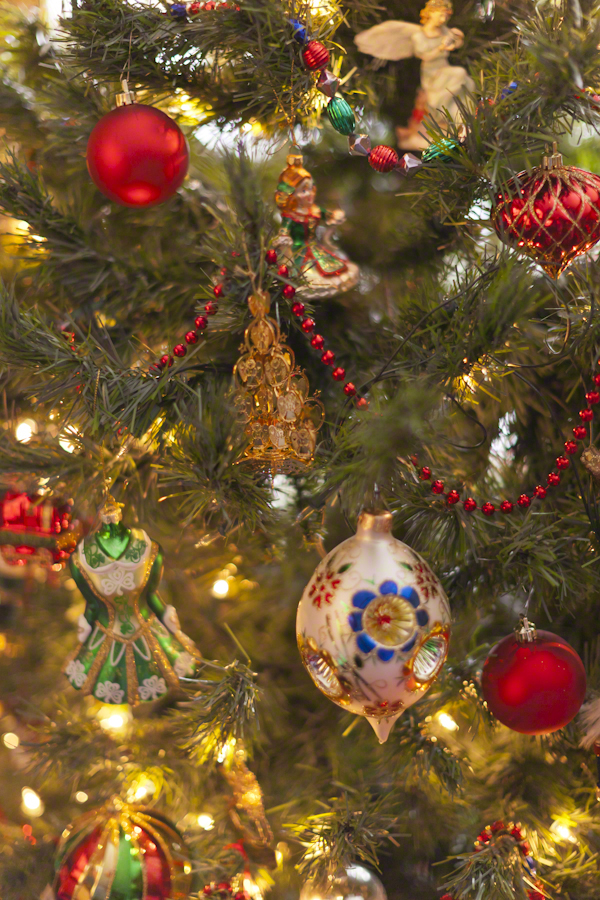
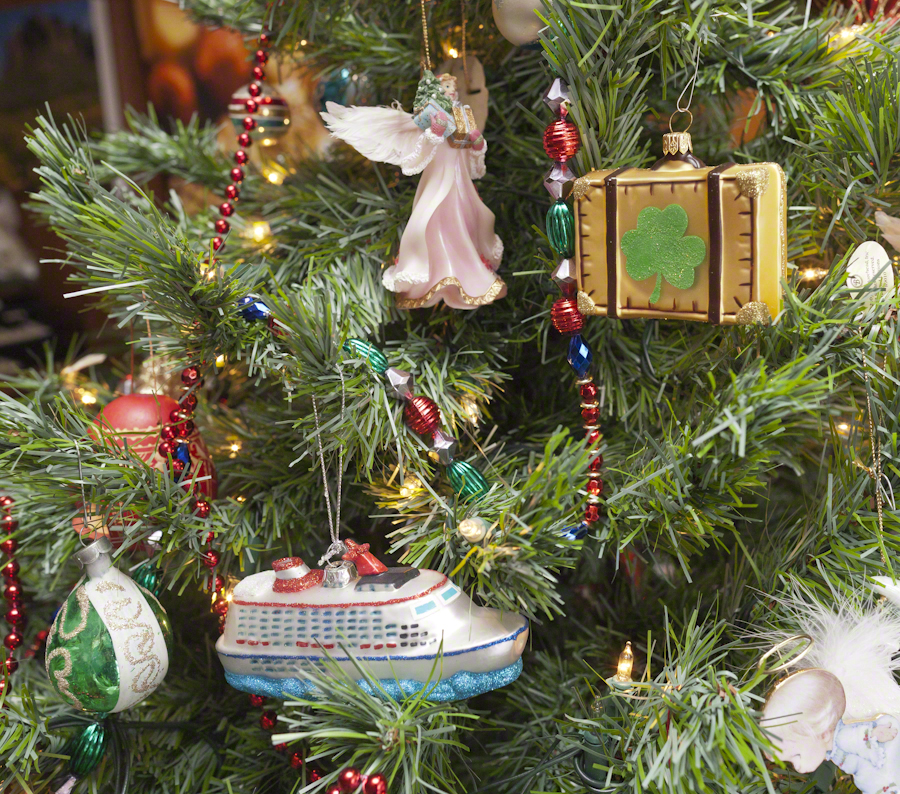
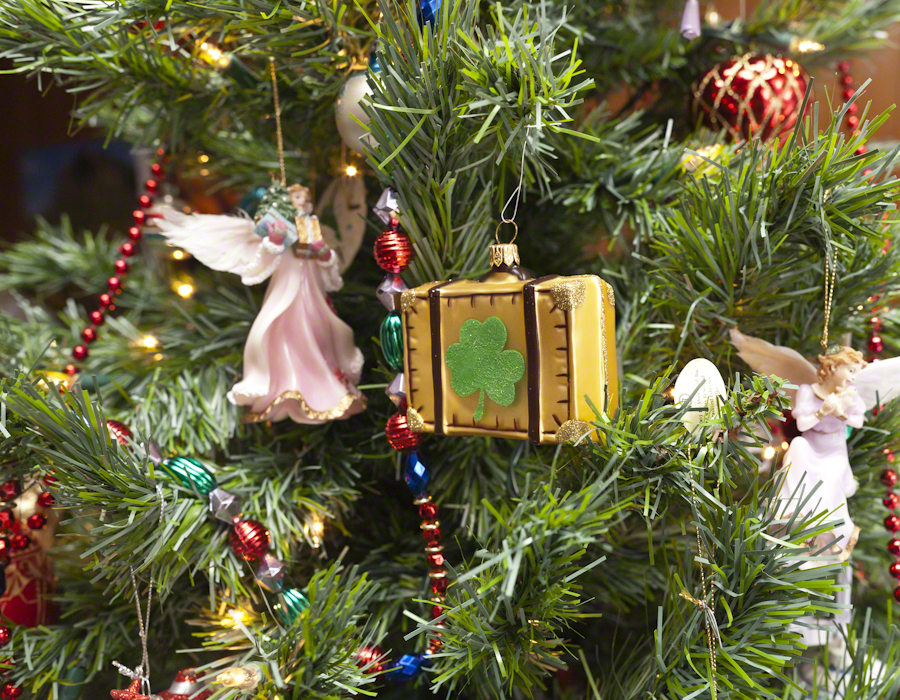
This is part of my project to document our Christmas memories through photography.  Here we explore the Irish and Ireland themes of our decorated Christmas Tree.

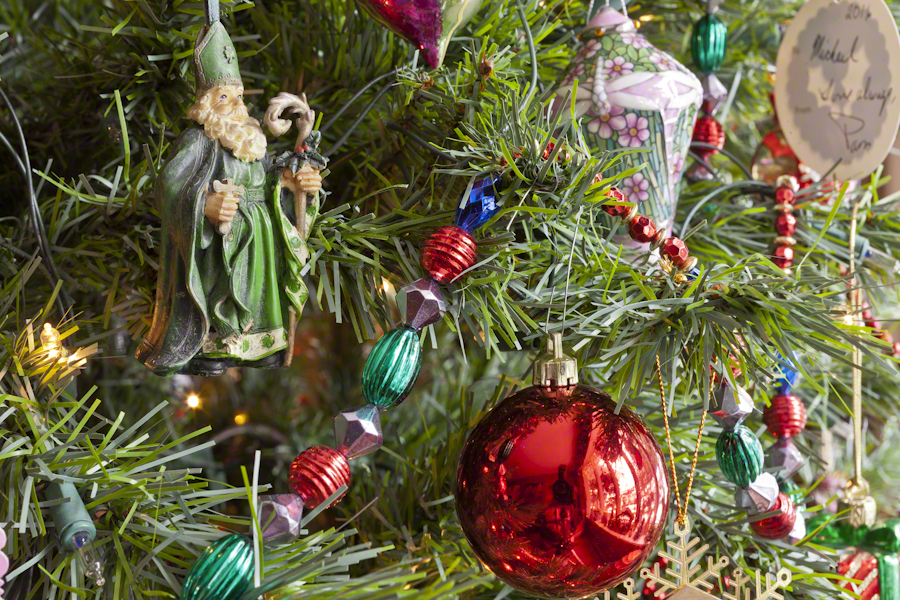
Where would we be without Saint Patrick?  He was a force, to be sure.  A favorite story,  is the landing of his return to the island 432 AD.  The tides on the eastern coast of the Irish Sea can be strong.  His plan was to sail up to coast further north than what we call today Strangford Lough.  On passing this inlet the boat was swept into the lough tidal narrows.  Circumstances called for a landing, rather than wait for the tide.  Patrick came ashore where the Slaney River enter the lough and “quickly converted” the local chieftan, Dichu, who provided a barn for holding services.  The name of the town “Saul” in Irish is Sabhall Phádraig, translated as “Patrick’s Barn.”

IrelandChristmas-1

In this posting I’ll go lighter on descriptions of technique.  Leave it to say I held to the Canon fixed lens EF 50mm f1.2L USM throughout.  Some, like the photograph of Saint Patrick, used a tripod.  Others, like the latter two of the following Irish Themed Cross set were handheld.  Generally a flash was used to supplement ambient sunlight from a large north-facing bay window.

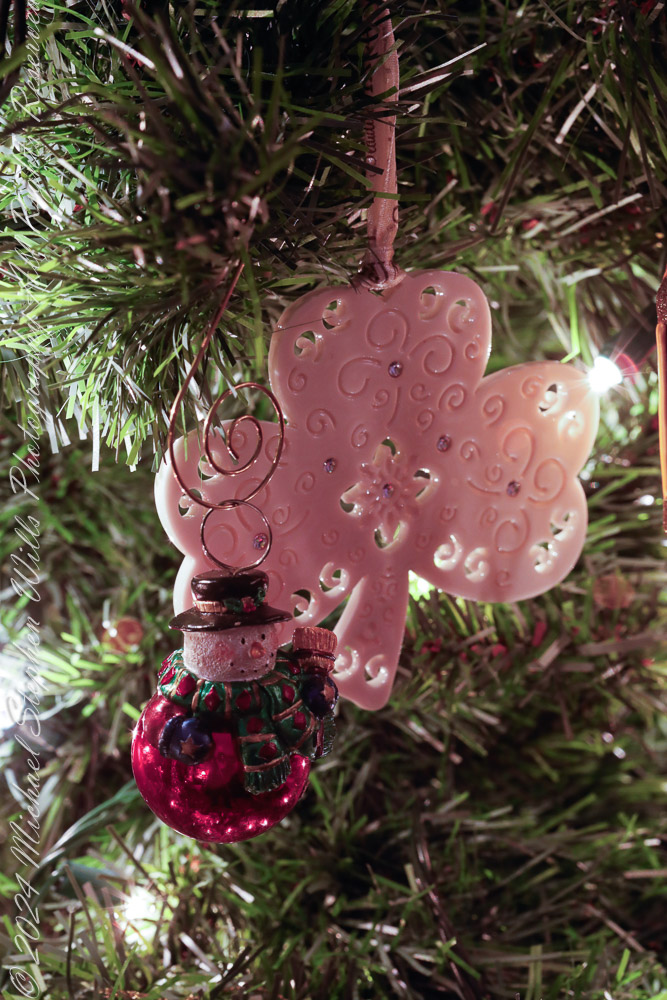
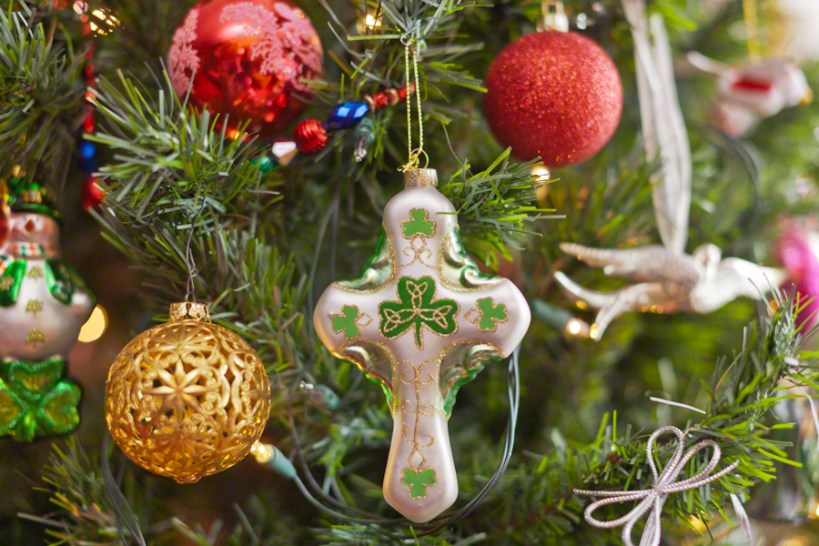
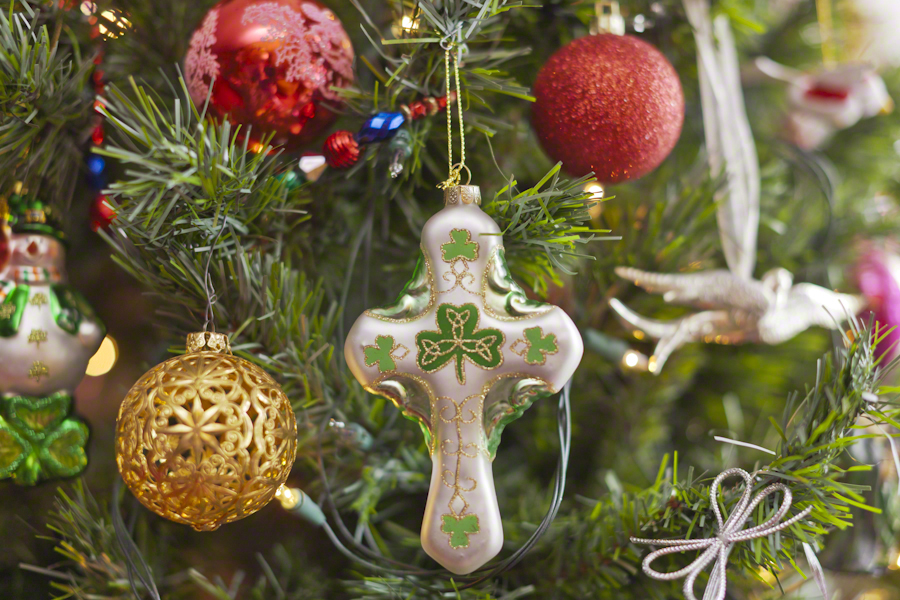
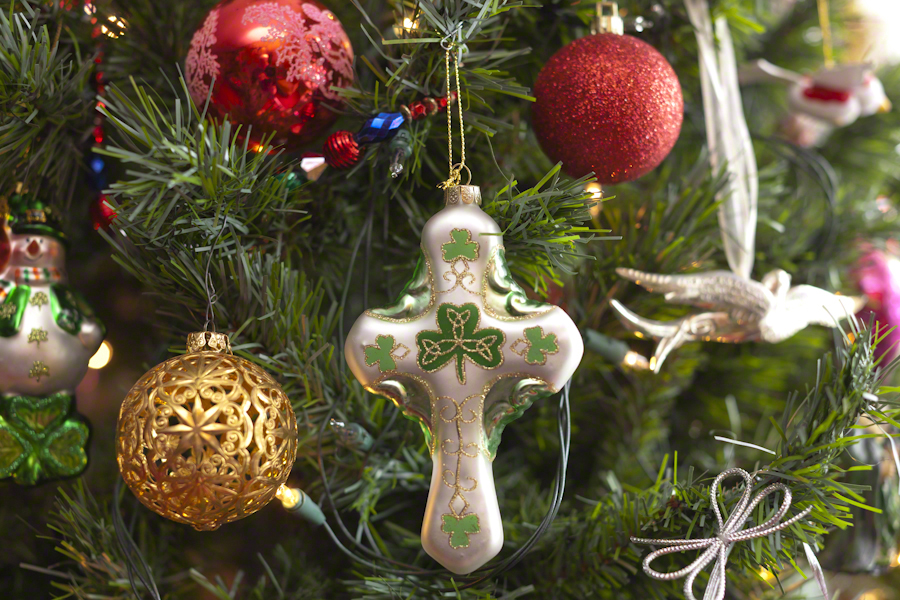
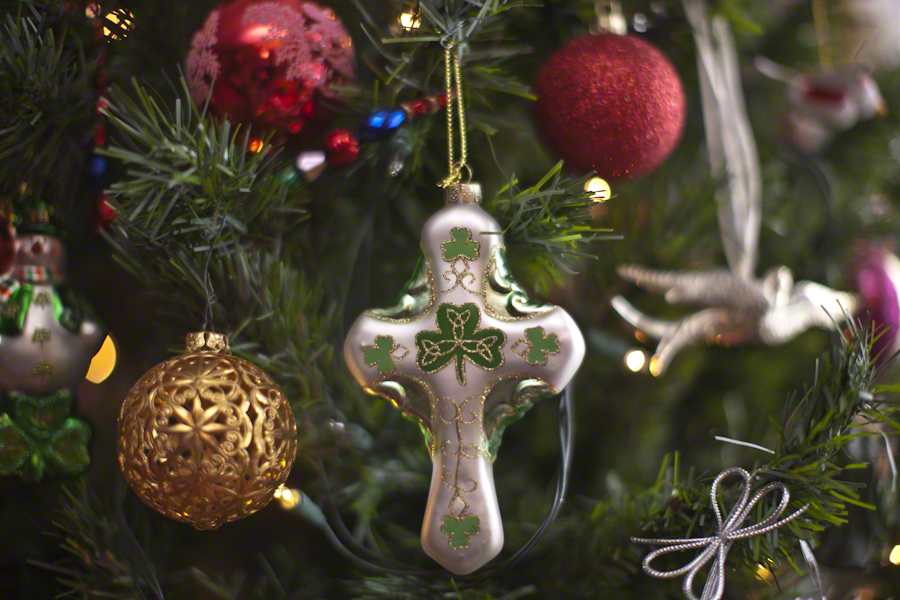
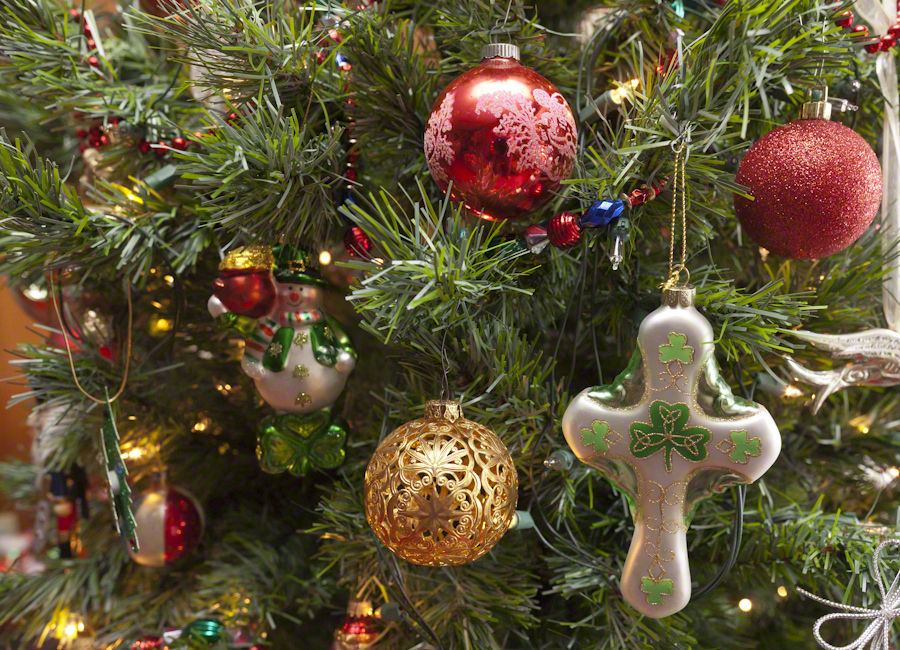
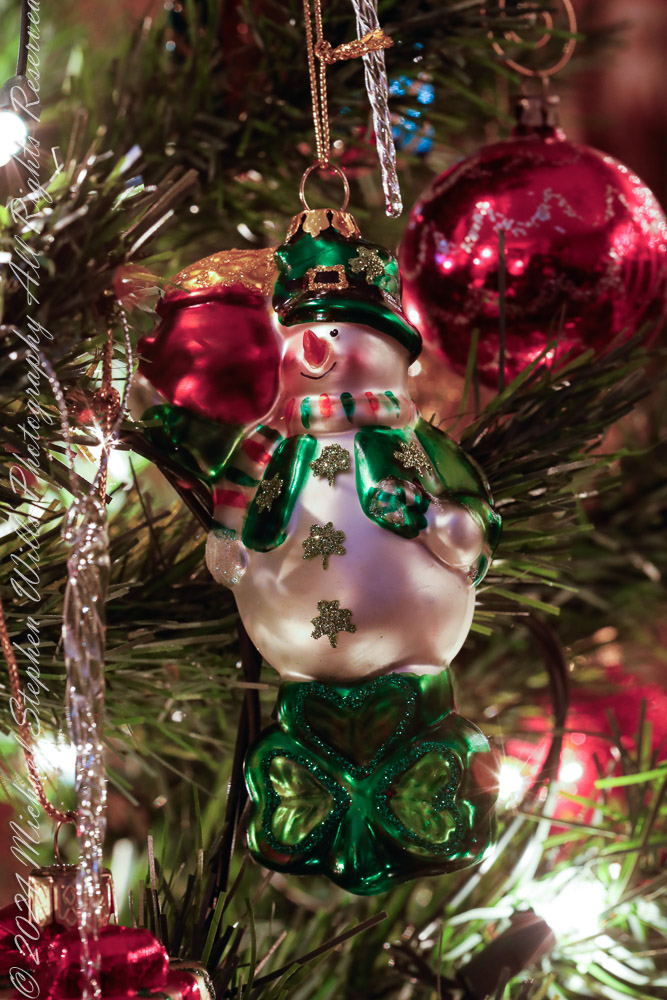
Here the “celtic” cross is converted to an Irish theme through a substitution of a shamrock with golden decoration inspired by pagan neolithic petroglyphs for the nimbus (circle) intersecting the central intersection of arms and stem.

For the first three I played with aperture, taking advantage of the stability of a tripod.  The final two of the set are handheld.

Note the fanciful leprechaun snowman with pot o’ gold, on the left.

Blown glass Irish dancers.

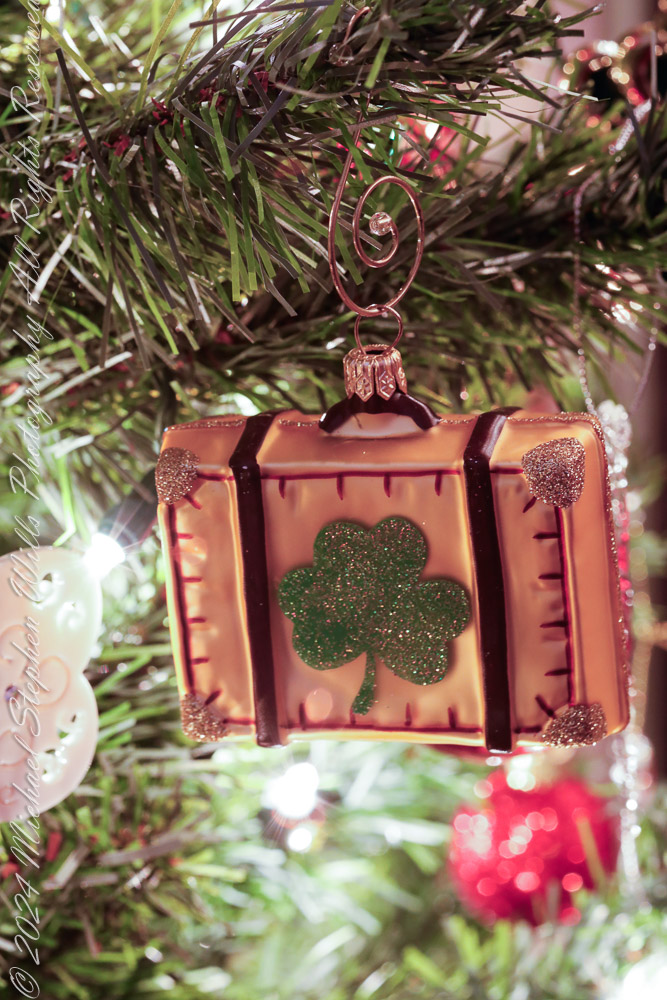
“Travel memories”

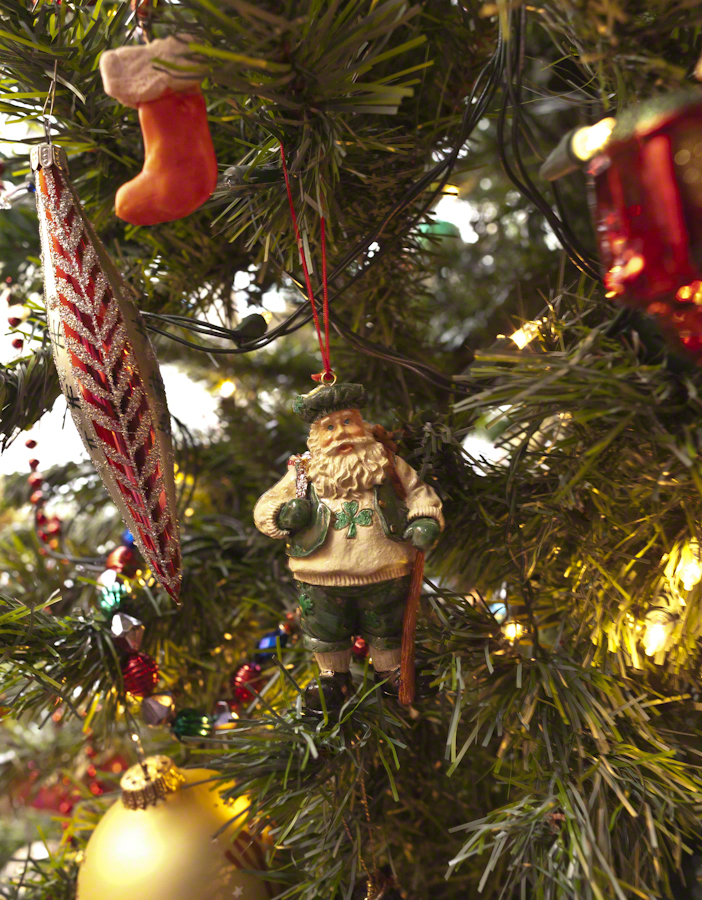
Lets’s finish up with a resin cast Santa Claus in hiking garb.  Hiking is a favorite activity of ours.  Featuring a stout staff and Aran Island sweater.

IrelandChristmas-17

Saint Patrick’s Return to Ireland

Thoughts on the Fifth Century return of Saint Patrick to Ireland

In follow-up to my last post my IStock photograph of Saint Patrick on the Hill of Tara was accepted and is available for viewing (click the link to go there).

Since July 2008 a sea generation tidal turban, “SeaGen”, produces electricity (1.2 MW) for between 18 and 20 hours a day while the tide is forced in and out of Strangeford Lough through the Narrows where the generator is installed. The first large scale commercial production of electricity from the tide, “SeaGen” is located between the Northern Ireland towns of Strangeford and Portaferry, the strength of the tides there were used by the earliest tidal mill known, the Nendrum Monastery mill dating 787 based on archeological excavation.

History records Patrick converted the island of Erin (Ireland) to Christianity in the Fifth Century AD as a return to his place of captivity and slavery.

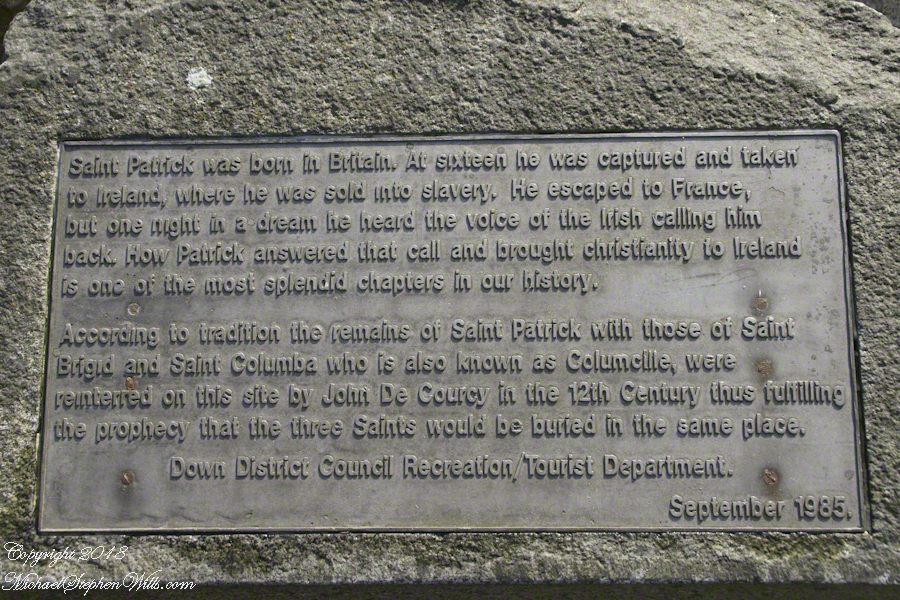
Saint Patrick legend, Down Cathedral
An informational plaque mounted on granite next to the grave of Saint Patrick.

There is a connection between “SeaGen” and the return of Patrick to Ireland. The first sanctuary dedicated by Patrick was at Saul, County Down not far from River Quoile that drains into Strangeford Lough. Historians identify Patrick’s first landing site, upon return, as Wicklow where he was forced to leave by the locals. Heading north in the boats of the time, the strong tide of Strangeford Narrows pulled them into the Lough and, from there, headed up the River Quoile to encounter the local chieftain, Díchu mac Trichim. Patrick’s first Irish convert to Christianity, the feast of Saint Dichu is April 29.

On June 7, 2014 Pam and I visited this area. Here are some photographs of the traditional burial place of Saint Patrick.

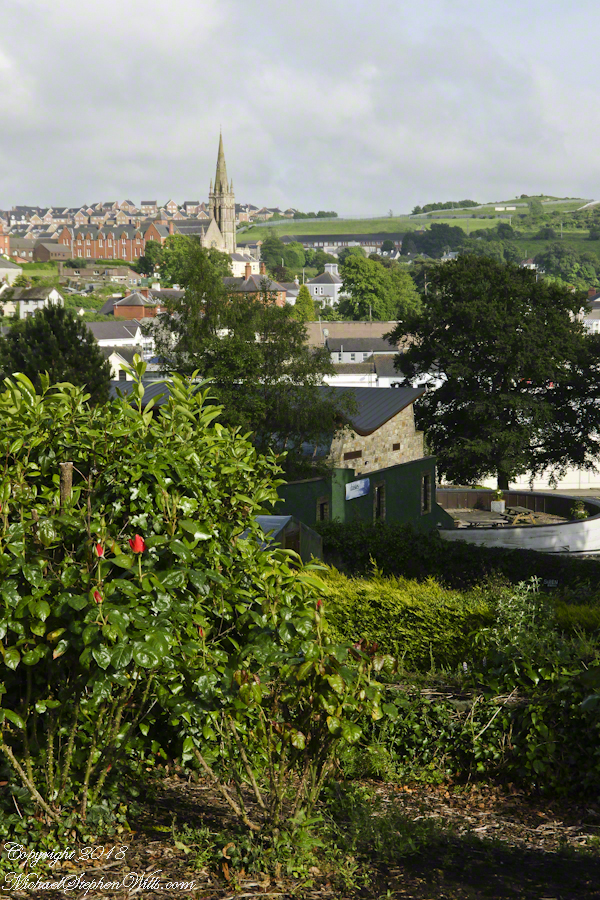
View of Downpatrick
View of Downpatrick from the hill of the Cathedral Church of Holy Trinity (Down Cathedral)
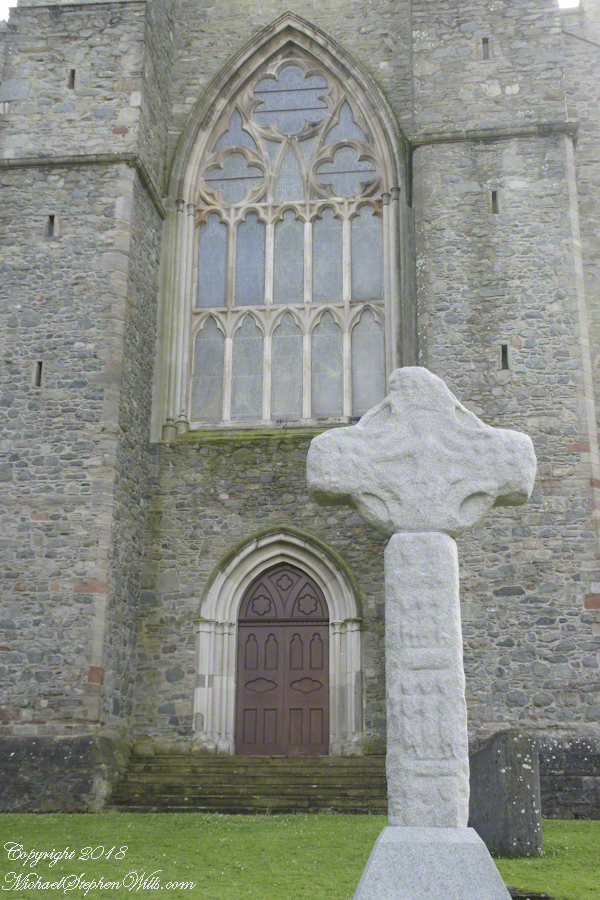
Downpatrick High Cross
The High Cross of Downpatrick fronts Down Cathedral on a hill overlooking the town. The informational placard reads
“The granite head and shaft date to about 900 AD and were once re-used as part of a Market Cross at the bottom of English Street. The pieces were found in various places in town, reassembled and presented to the Dean and Chapter of the Cathedral in 1897.”
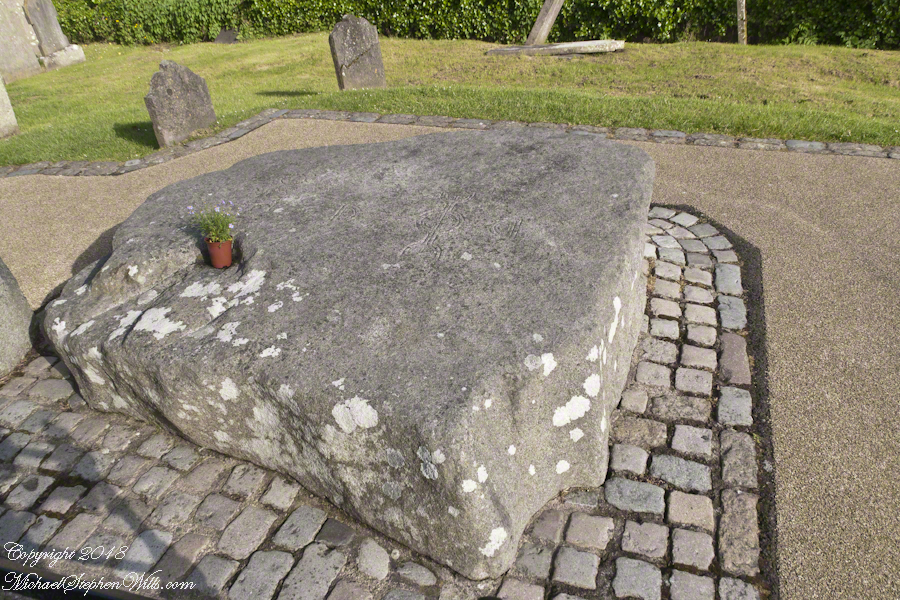
St Patrick's Grave
The placard text reads:
“A large memorial stone of Mourne granite was place here in 1900 to mark the traditional burial-place of St. Patrick. The stone was quarried at Slieve-na-largie near Castlewellan, and it took 12 men 14 days to cut from the quarry.”
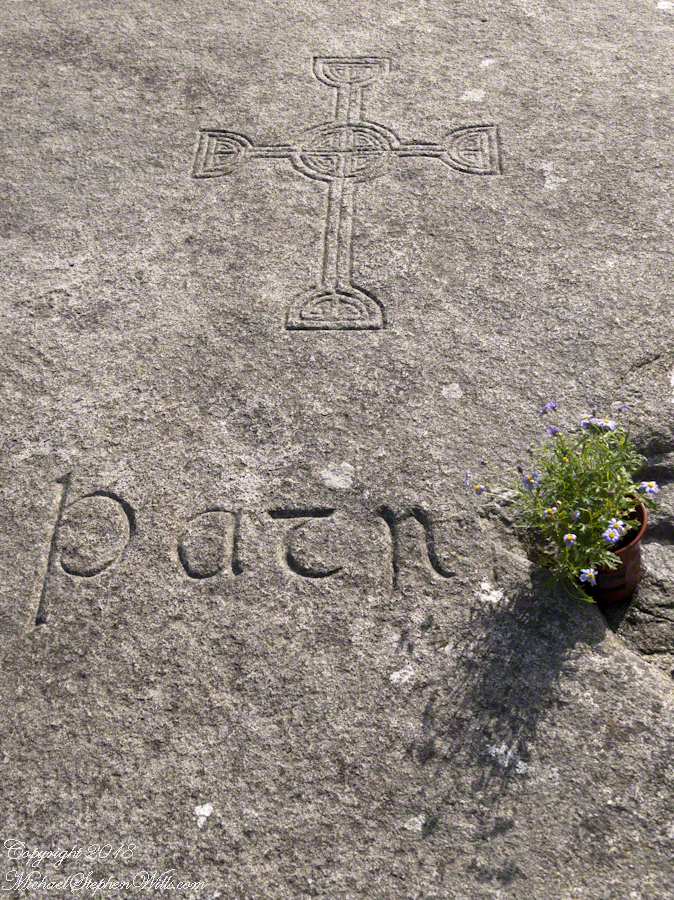
Inscription, St Patrick Grave
Inscription on the upper surface of stone marking grave of Saint Patrick.

Please browse my reasonably priced stock photography. License a photograph, download and use it for your website or blog. Click this link to browse all my Getty IStock Photography offerings.

Or click this link or any photograph or this link to select a print with custom framing from my “Ireland” Fine Art Gallery.

Copyright 2018 Michael Stephen Wills All Rights Reserved

Climb the Hill of Tara

Explore the Hill of Tara with us! Discover the rich history of Saint Patrick’s statue, the legendary bonfire, and stunning panoramic views of County Meath. Join our journey through Ireland’s ancient and mystical landscapes in our blog post.

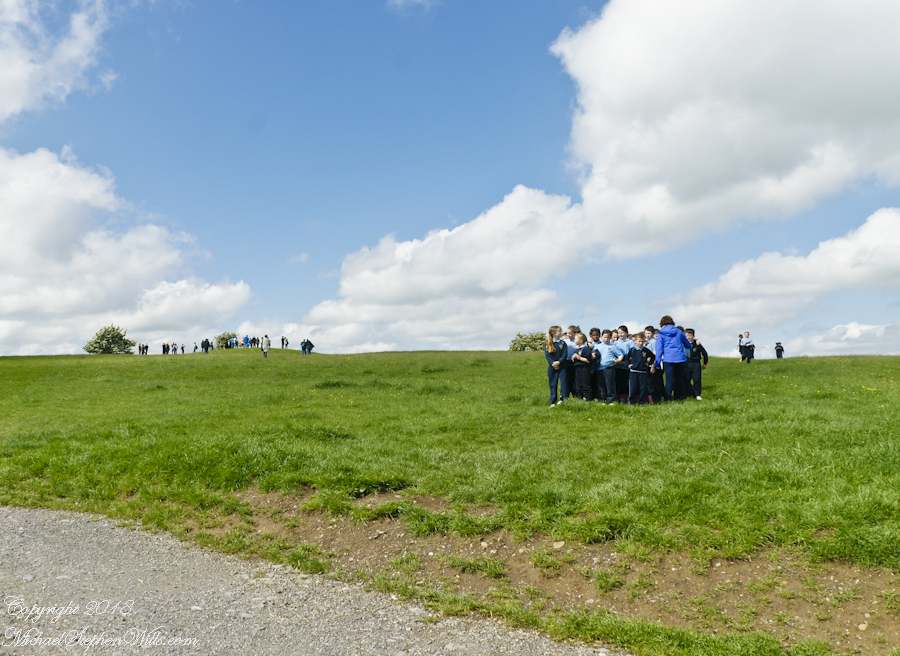
Arriving around noon on a Tuesday, Pam and I were greeted at the Hill of Tara by these children, headed to the school bus.

Schoolchildren on Hill of Tara – CLICK ME for more Ireland photography.

A statue of Saint Patrick fittingly welcomes visitors to the Hill of Tara, County Meath, Ireland. This statue of cast concrete was an existing statue donated by the Sisters of Charity, moved from an existing installation to the Hill of Tara in the year 2000 AD. The creator is anonymous, the is no plaque or other attribution on or around the statue.
The original statue was erected on the summit of the Hill of Tara shortly after Catholic emancipation in 1829, commemorated the events of 433AD when St. Patrick lit a bonfire on the nearby hill of Slane on the eve of Easter Sunday. Slane was the second site we visited on our day of arrival, Saturday, May 24.

Lighting such a fire was contrary to the pagan laws of the time which dictated that the first fire lit that night be in Tara. Observing St. Patrick’s bonfire from afar, the chief druid of the ancient Gaelic capital predicted that if the flame were not extinguished that night, Christianity would never be extinguished in Ireland.
The saint’s bonfire continued burning and the next morning, Easter Sunday, St. Patrick entered Tara to convert the king and his followers to Christianity.

Here is more about the history of this statue.
Saint Patrick Hill of Tara – CLICK ME for more Ireland photography.

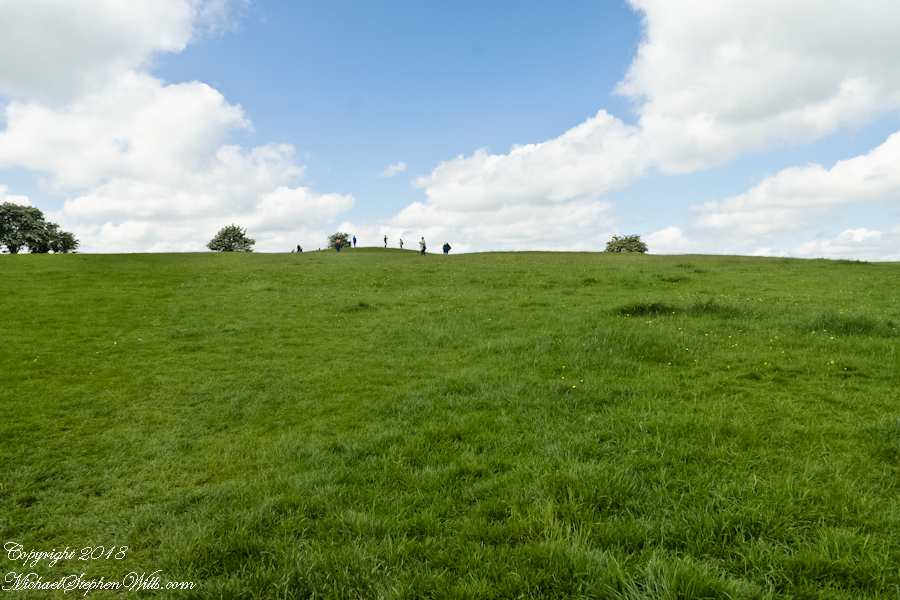
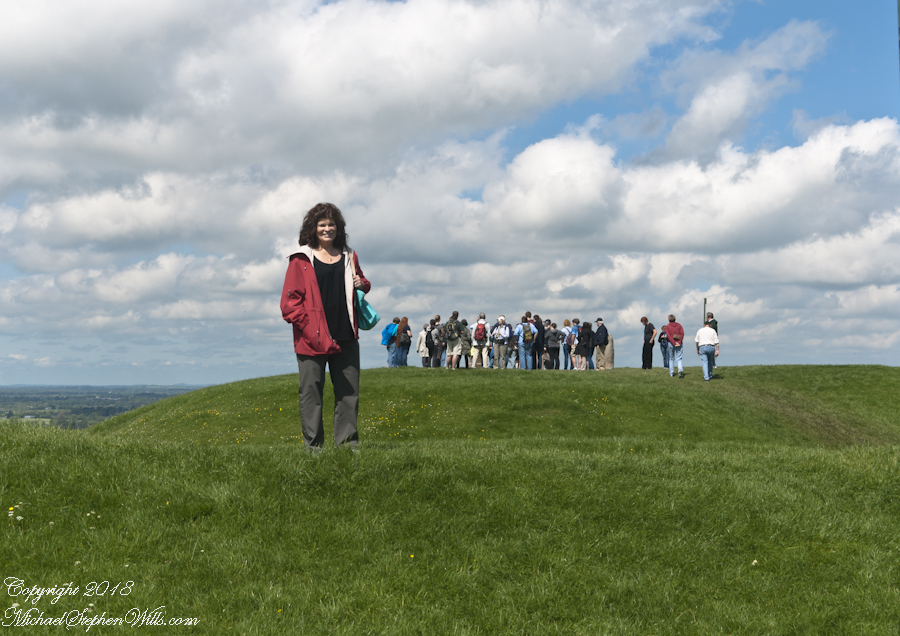
A series of mounds surmounts the hilltop, one is visible across the expanse of grass.

Hill of Tara View – CLICK ME for more Ireland photography.

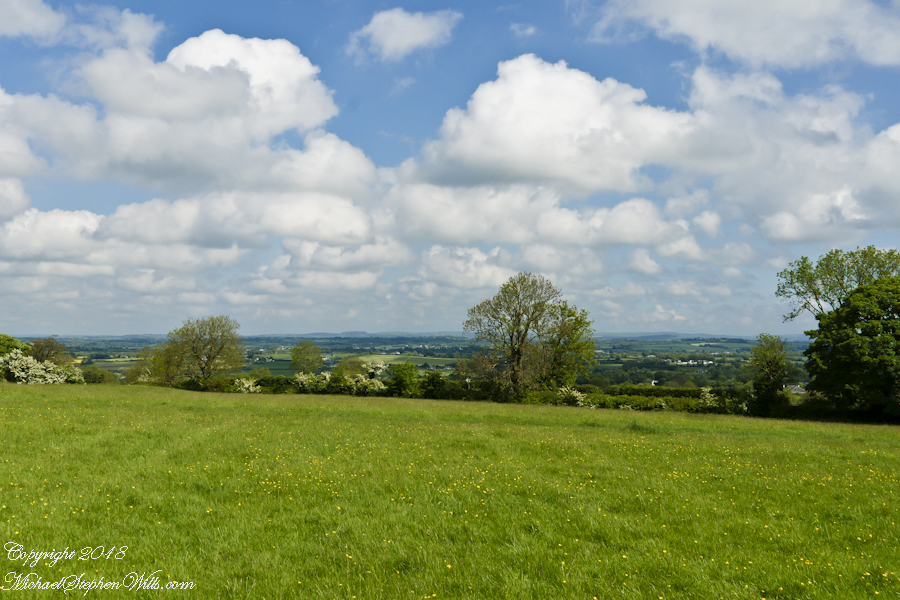
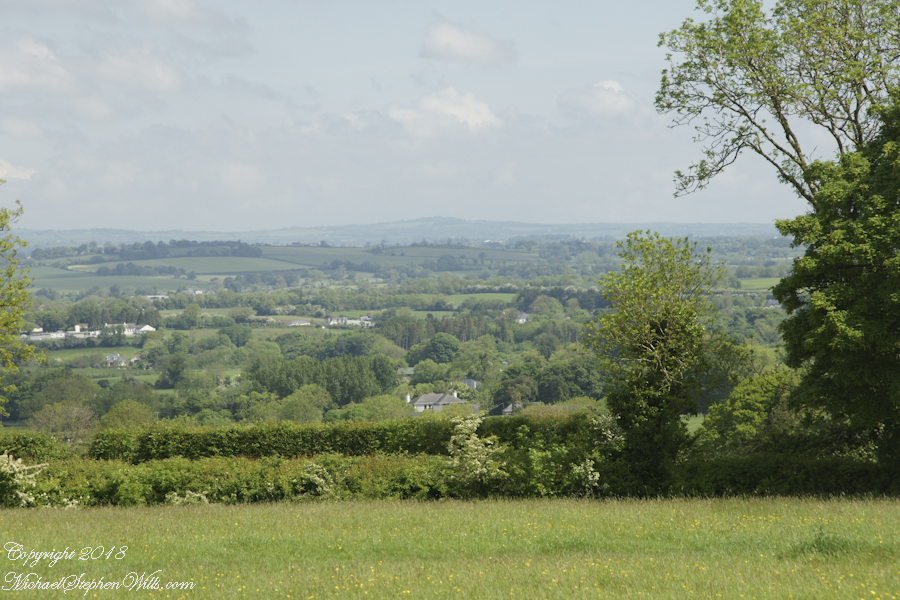
Climbing higher, the view opens.

Hill of Tara View – CLICK ME for more Ireland photography.

On the top, views from all cardinal directions, 360 degrees.

Hill of Tara View – CLICK ME for more Ireland photography.

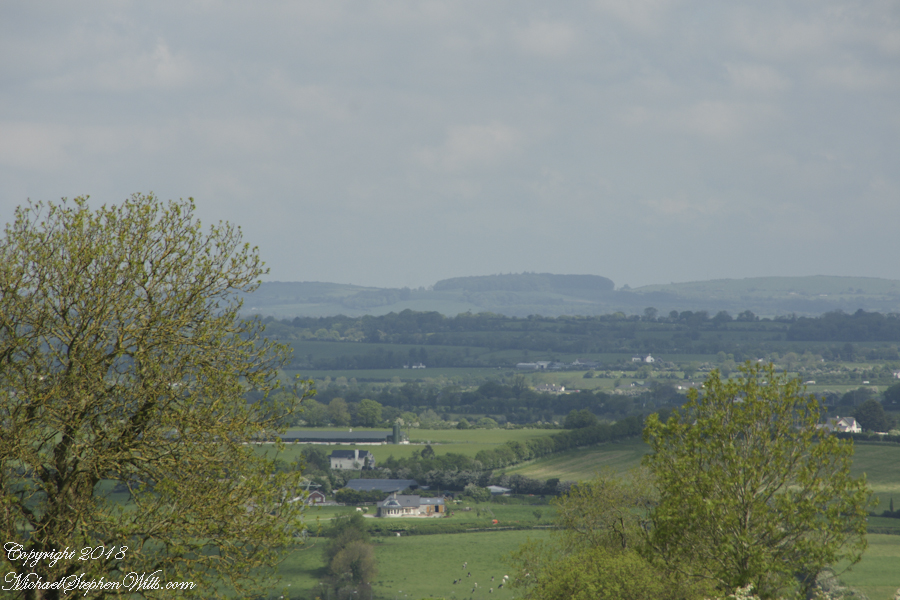
The Hill of Slane is visible in the east, the tall cathedral ruin though not visible in this view.

Hill of Tara View – CLICK ME for more Ireland photography.

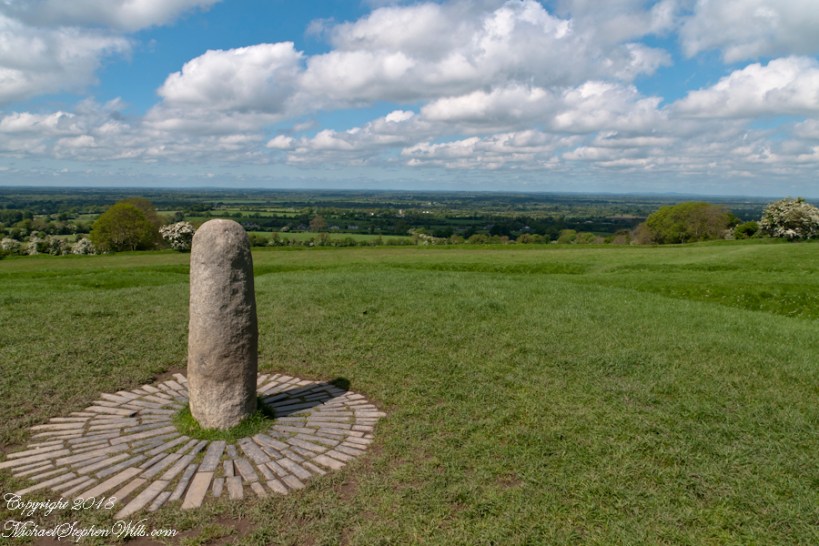
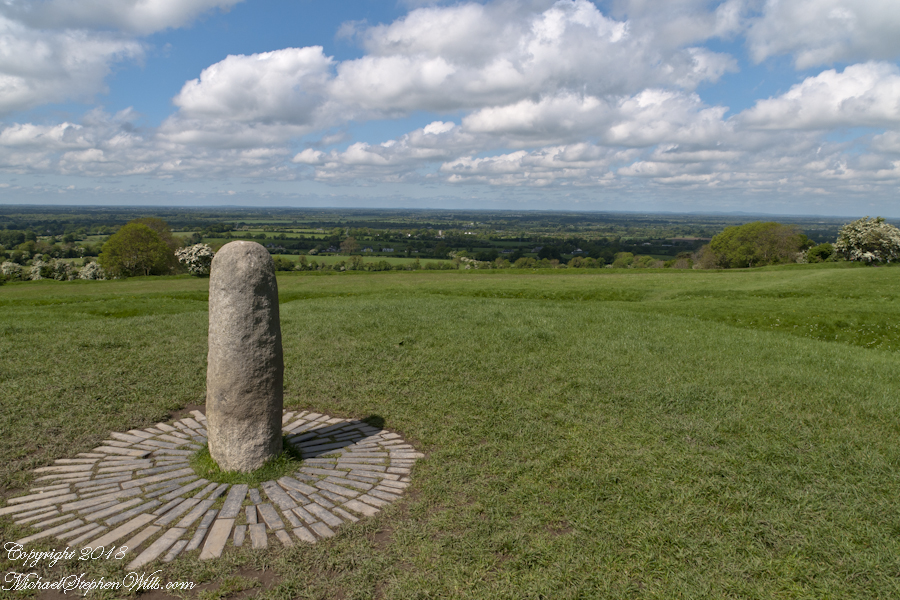
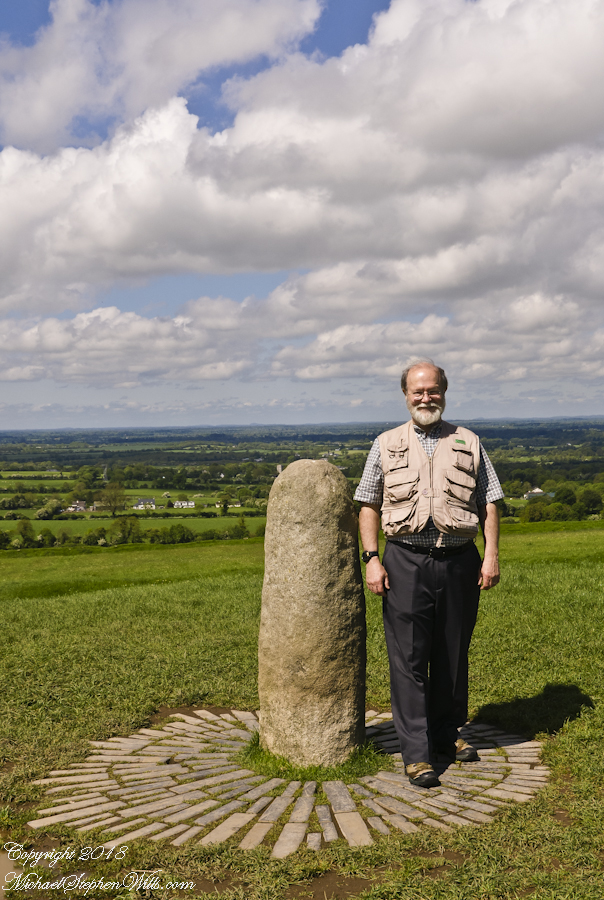
The first of the following panel is a view northwest from looking across County Meath with views of Counties Westmeath and Cavan. On the horizon, right, is Hag’s Mountain, (Irish: Sliabh na Caillí) , site of the Loughcrew Cairns. The standing stone is the “Stone of Destiny: (Irish: Lia Fáil), which served in coronation the coronation of the High Kings of Ireland. It stands on the Inauguration Mound (Irish: an Forrad) of Tara. This photograph was taken the morning of May 27, 2014 hours before the stone was vandalized, doused with green and red paint.

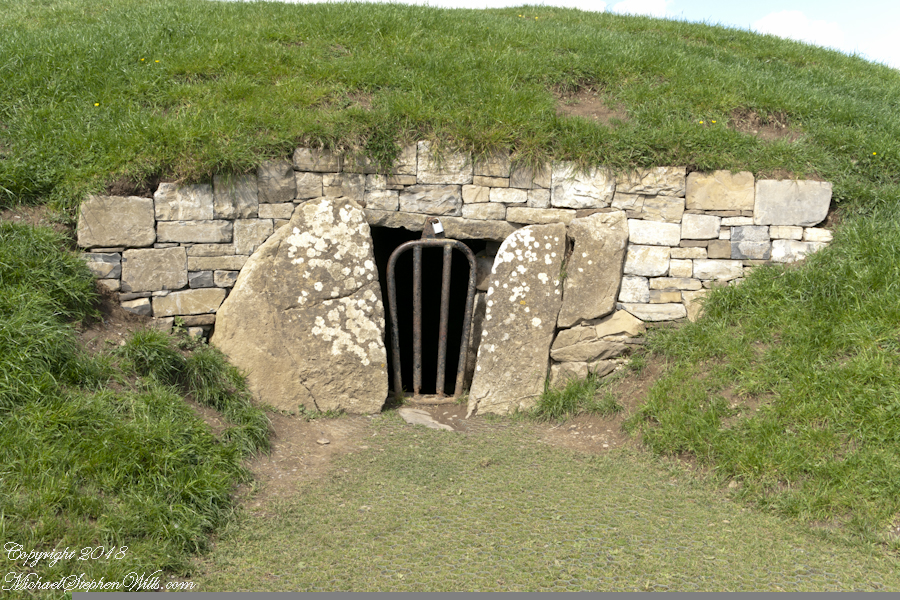
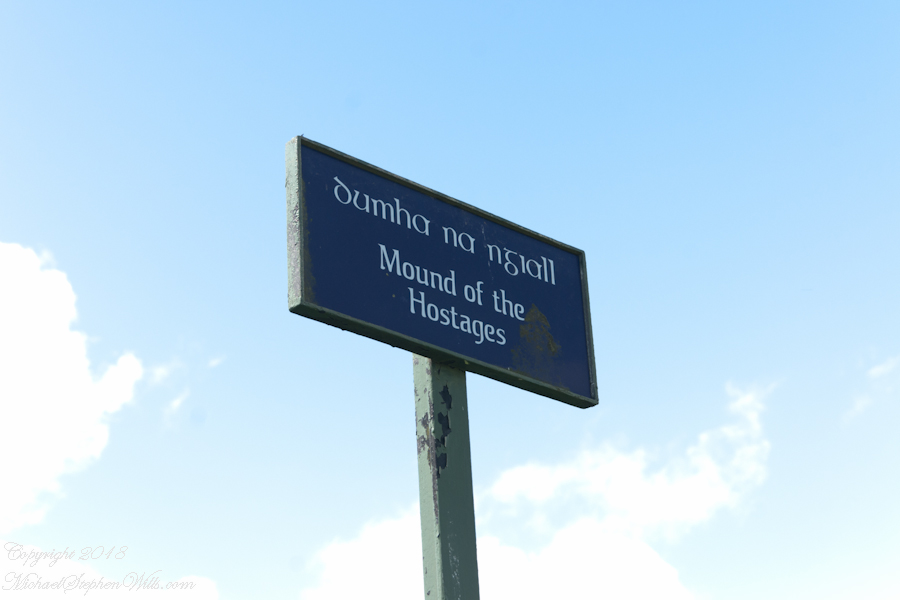
A bit to the east is the Mound of the Hostages, a passage tomb.

Walk into a glade, through the ancient graveyard to the visitors center in a deconsecrated church.

Browse my reasonably priced stock photography. This blog features three (3) photographs I published last week to Getty Istock and my Fine Art gallery.

License the photo, download and use it. Click this link to browse all my Getty IStock Photography offerings.

Or click this link or any photograph or this link to select a print with custom framing from my “Ireland” Fine Art Gallery.

Here’s another of my Ireland postings, “St. Patrick’s Return to the Hill of Tara.”

Old North Church Boston

light of freedom

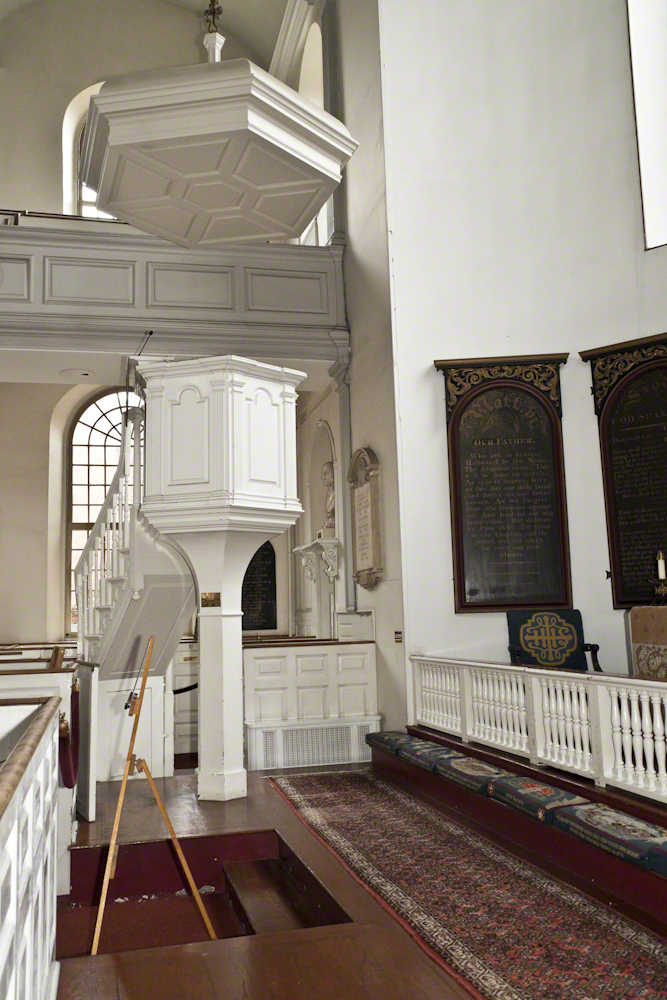
A luminous white pulpit rising from an elegant beam, as of light, graces Old North Church altar. In 1775, the Tory church minister preached from this pulpit in support of the English King. The floor space is filled not with pews; but boxes, each was the property of the occupants to furnish and decorate to taste. Today, each box has a brass plate naming the former owners.

As with sports stadium box seats today, these boxes provided the owners access to church services. Just before the pulpit is he box awarded to wealthy merchants for essential contributions to Christ Church, the formal name of the church and congregation. Today, there is a more direct sports connection: lanterns were lit in the tower for the Boston Red Socks 2004 World Series win.

Old North Church Pulpit, Boston
Pulpit of Old North Church, Boston

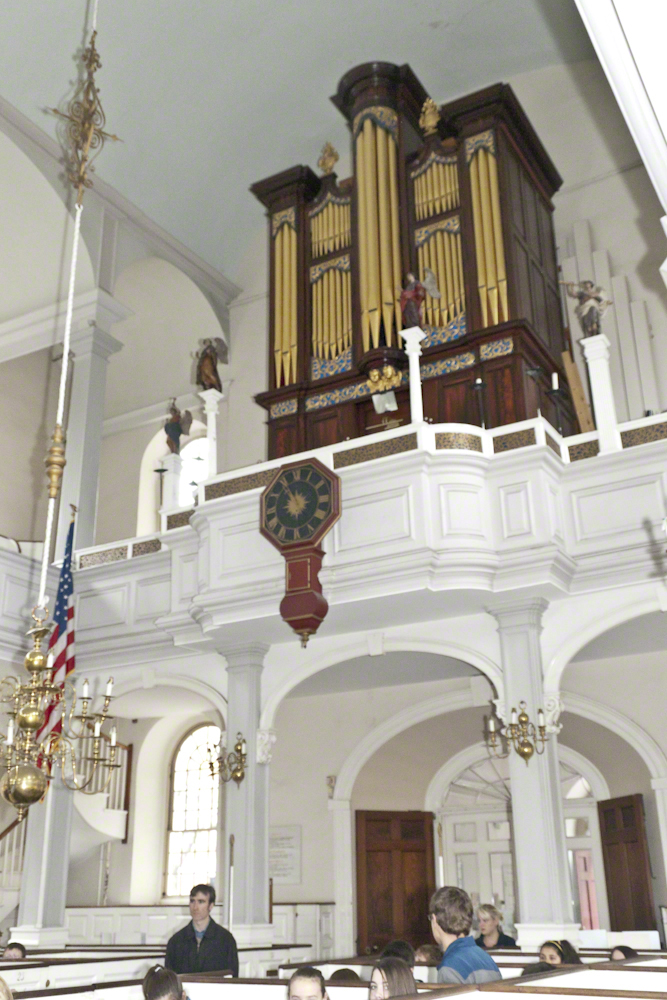
A bit after 10 pm on April 17, 1775 two men entered the church from the front door, pictured here under the arch. The church sexton Robert John Newman and Captain John Pulling carried two simple lanterns of glass and iron coated with tin. A third man, Thomas Bernard, stood watch because Boston was occupied by British “Regular” troops who patrolled the streets.

Organ above the entrance to Old North Church, Boston
Organ above the Entrance to Old North Church, Boston

The lanterns beamed from the northwest side for but a minute, enough to serve the purpose of a backup signal to patriots across the Charles River in case Paul Revere and a second rider, William Dawes, were apprehended or killed before they could deliver the British attack plans.

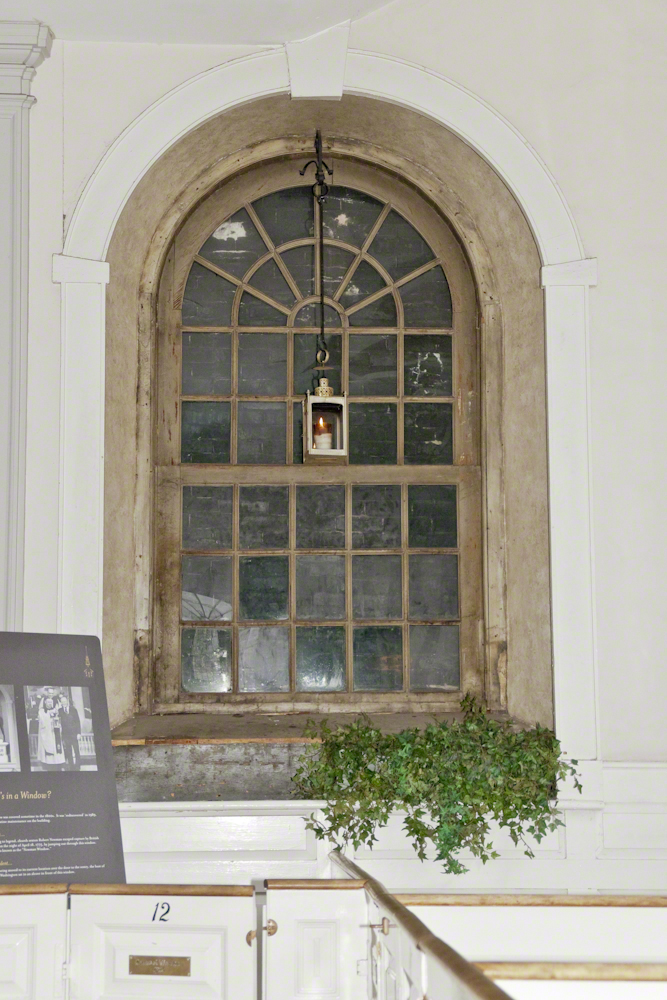
The British patrols were alert and, in no time, they were breaking down this same front door. Robert Newman made his escape from this window. The frame was bricked over and only discovered in the twentieth century. It was celebrated during the USA bicentennial by President Ford, who presented the replica lantern that now hangs with the candle lit.

Newman Window and Lantern
Newman Window and Freedom Lantern

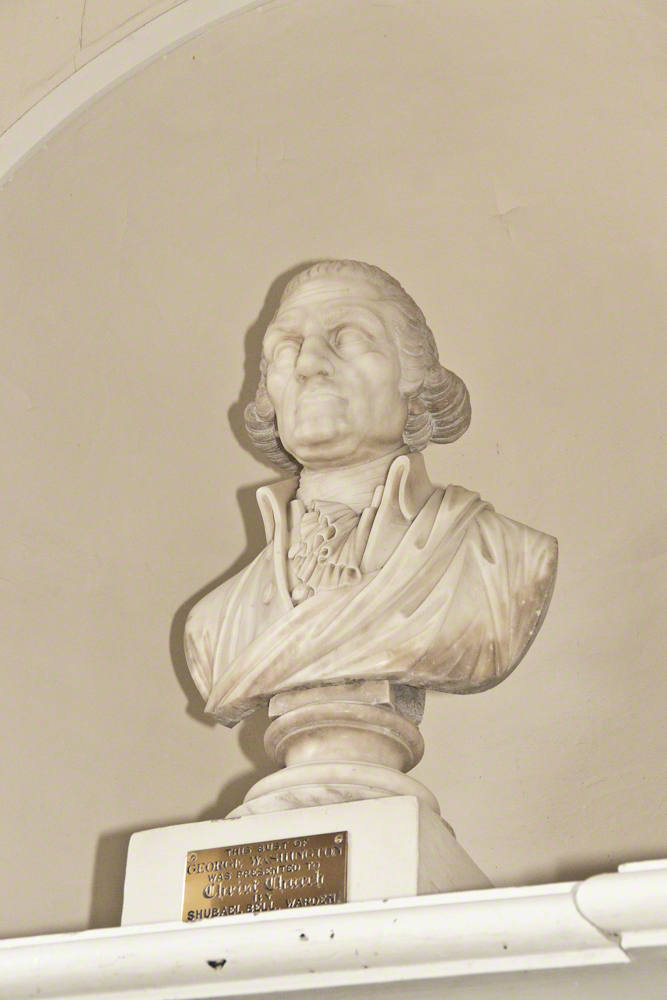
If you look closely, this bust of George Washington is visible in the Old North Pulpit photograph in a niche to the right rear. It is the oldest image of our first president. The Marquis de Lafayette is reported to have said this is the best likeness of Washington he had ever seen.

George Washington
George Washington

Christmas Angels

Angels I Have Known

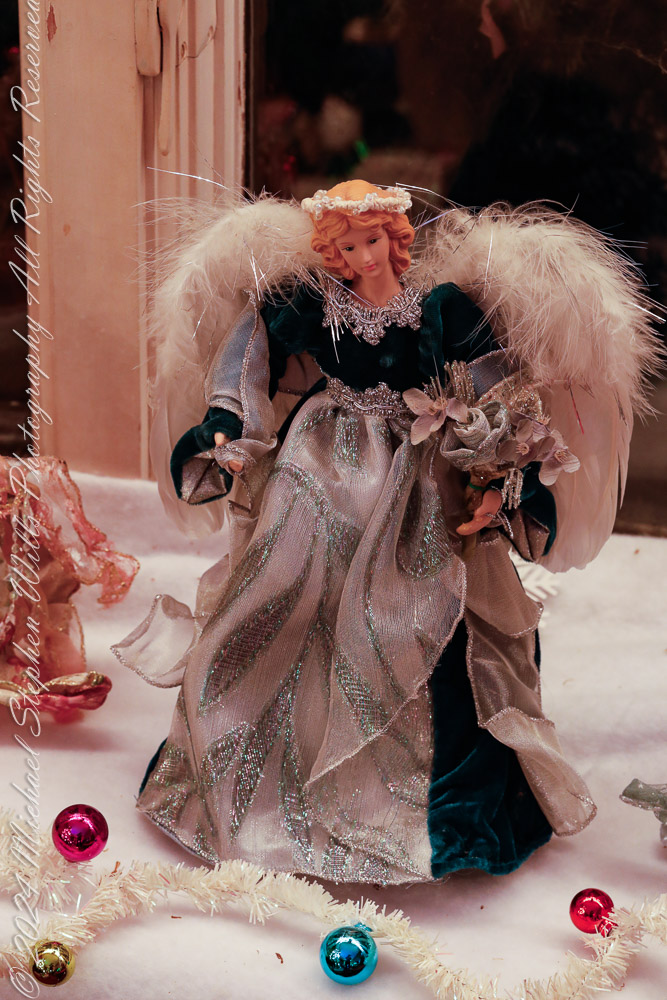
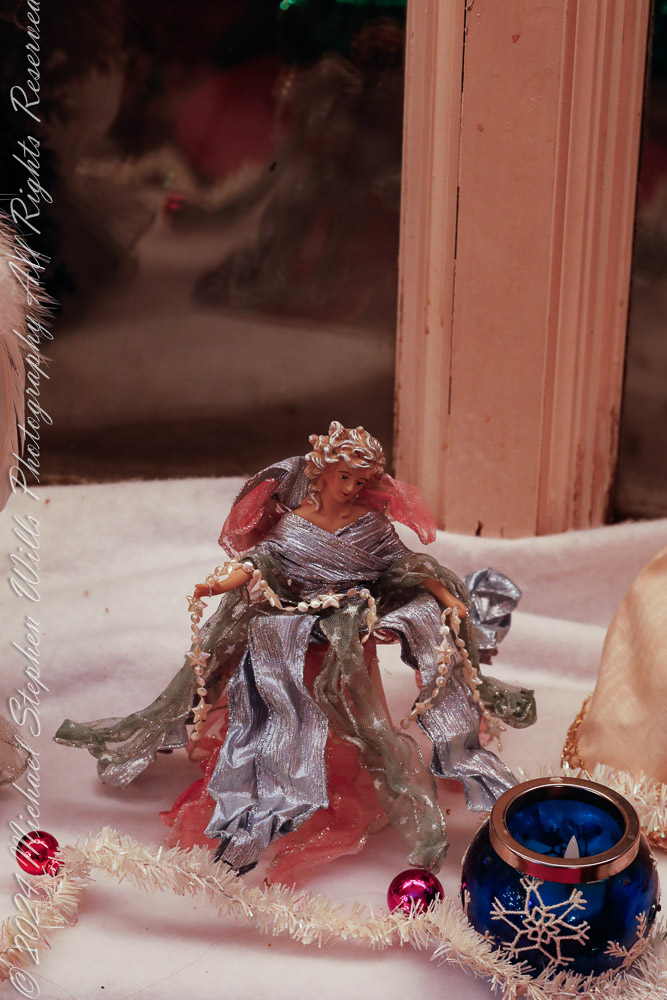
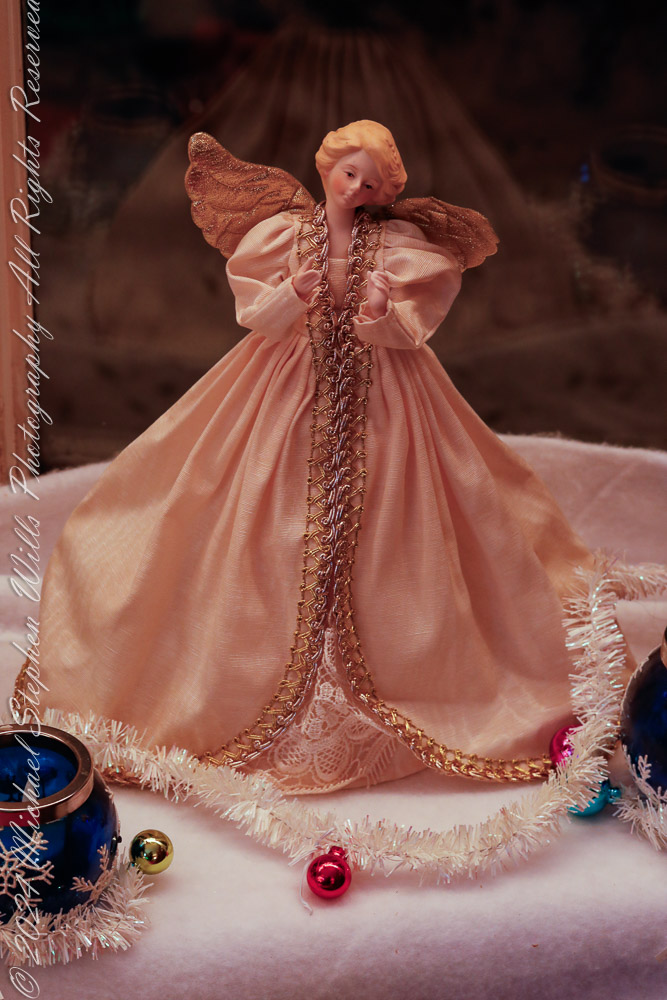
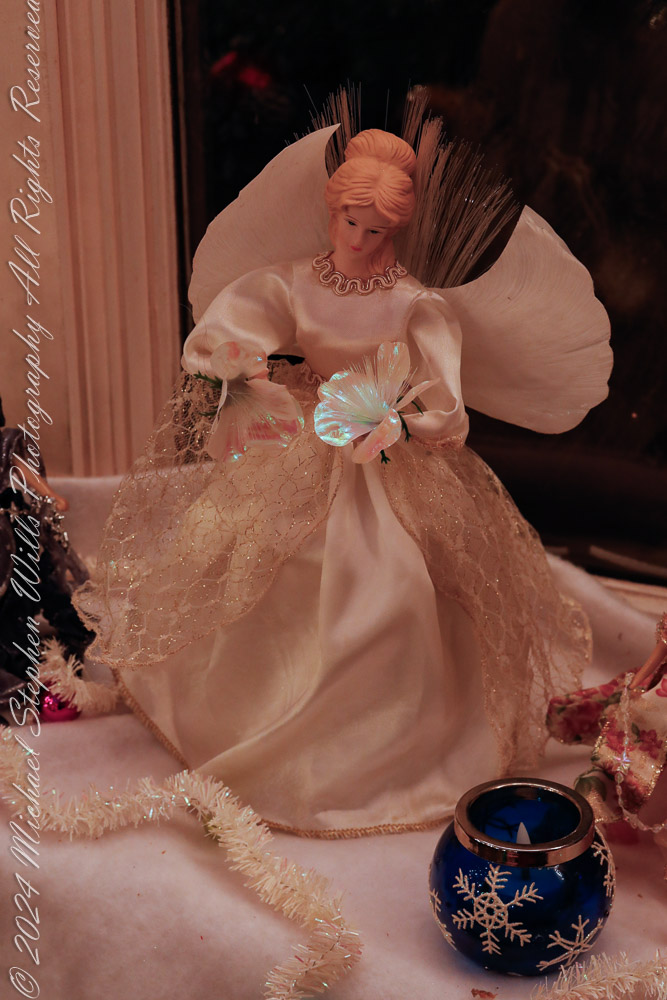
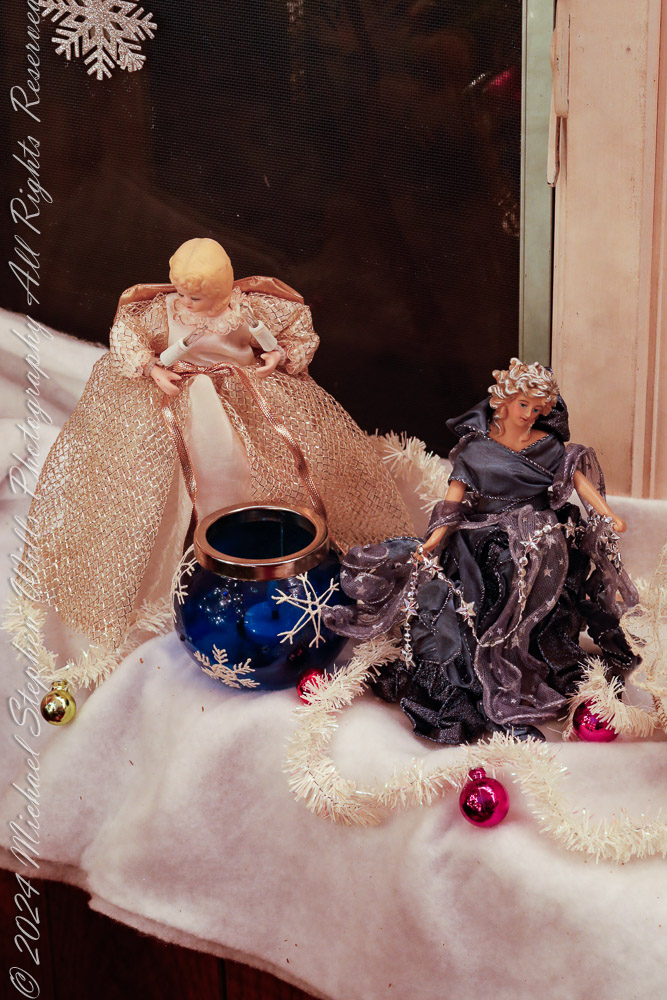
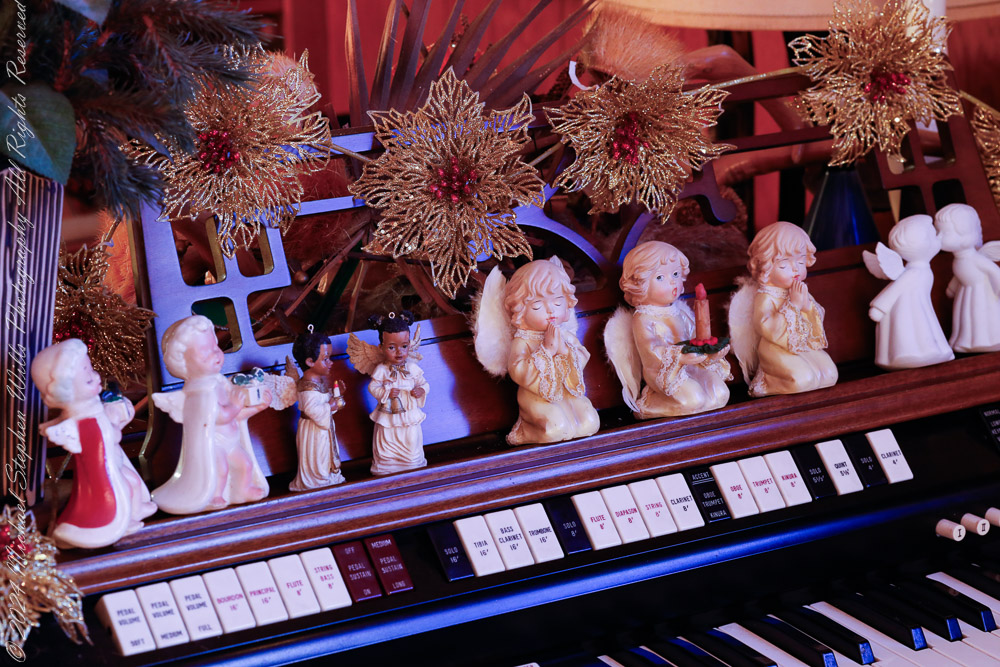
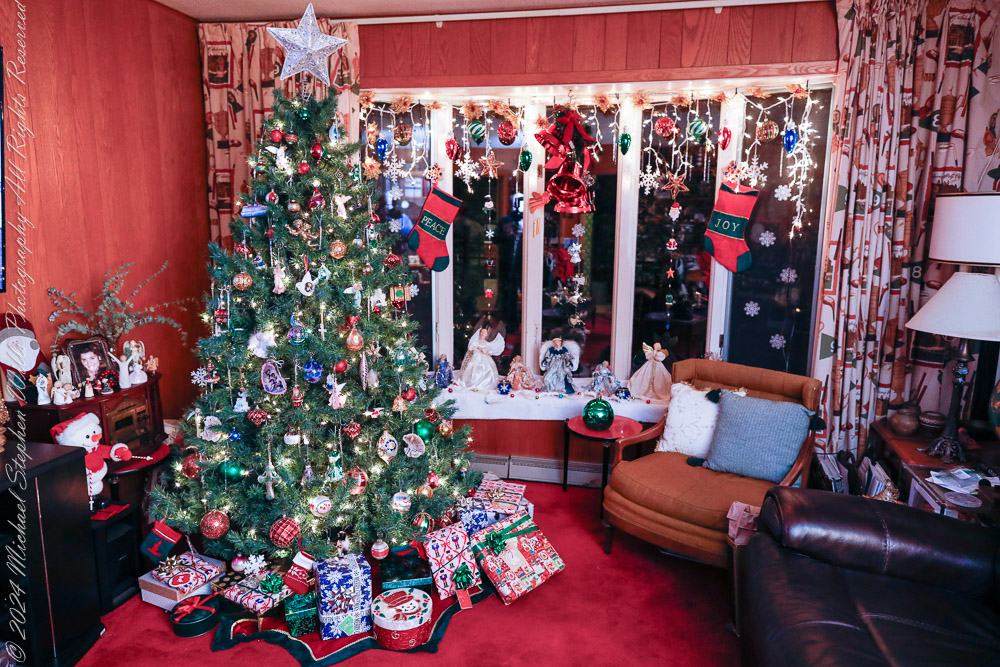
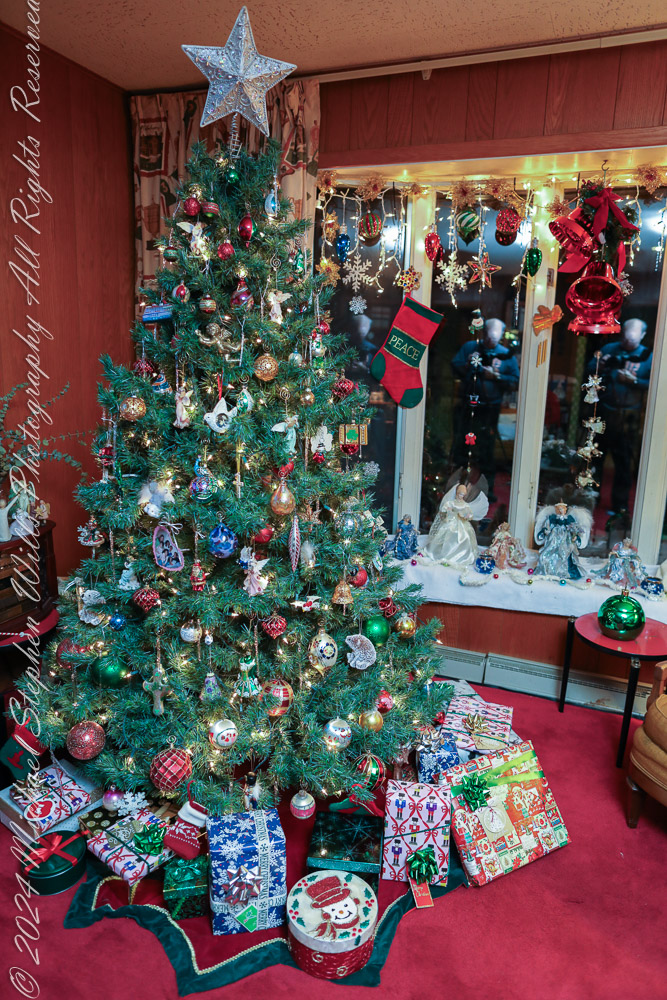
This is part of my project to document our Christmas memories through photography. Here we explore the themes angels of the Christmas Story and in our lives.

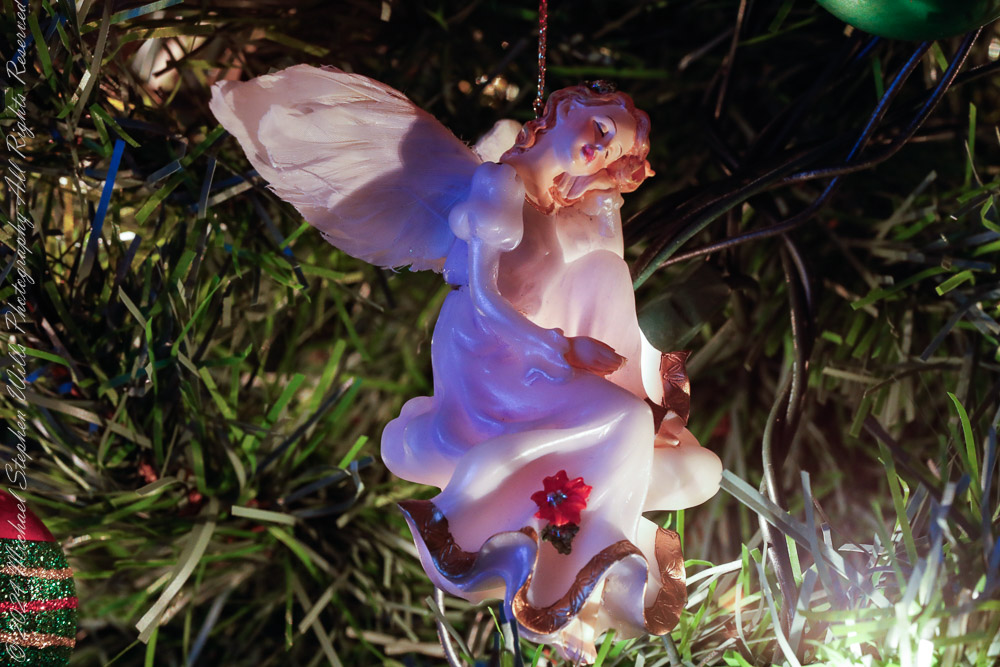
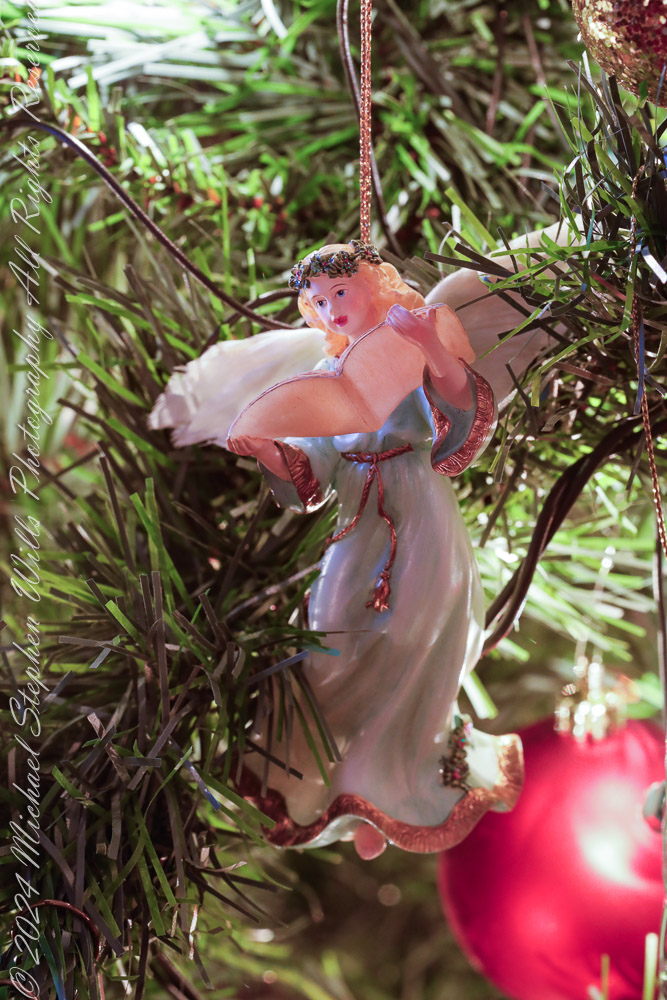
The angels of our Christmas tree and home remind us of the Jesus birth stories of scripture and the force of love in our own lives.

What comes to mind with the sudden appearance of Gabriel to Mary and that astounding message? Unlike the attempt of Jonah to avoid his calling, the subtext to Mary’s ready acceptance is the risks faced by an affianced woman who becomes pregnant. The book of Deuteronomy (Chapter 22 verses 13 – 21) calls for stoning a woman who presents herself for marriage as a virgin, when she is not.

When learning of Mary’s pregnancy, Joseph’s reaction, as a follower of Mosaic Law, was to divorce her quietly to avoid exposing her to shame. It was a visit from an angel, in a dream, that convinced Joseph to accept Mary (Matthew Chapter 2, verses 18 – 24).

ChristmasAngel-3

An angel visited shepherds, announcing “today in the city of David a savior has been born for you who is the Messiah and Lord.” Suddenly there was a multitude of the heavenly host with the angel, praising God.” Luke Chapter 2, verses 8 – 13.

ChristmasAngel-1

Was it an angel who warned the Magi, in a dream, not to return to King Herod with news of Jesus (Matthew Chapter 2 Verse 12)? Scriptures clearly state (Matthew Chapter 2 verse 13) “the angle of the Lord appeared to Joseph in a dream and said, ‘Rise, take the child and his mother, flee to Egypt.”

ChristmasAngel-4

People can be angelic in expressing love for others through action. I am thinking of a movie Pam and I viewed last evening, “The Theory of Everything.” Jane Wilde, in her love for Stephen Hawking, stays with him when, shortly after their romance began, he was diagnosed with ALS. The prognosis was death in two years. In all likelihood, Jane gave Stephen his life and work through loving him. He is alive and working today at 75.

Nested Angel

The love of our parents is more common, no less precious.

ChristmasAngel-7

A note on the photographs, I used a Canon EOS-1Ds Mark III dslr with Canon lens EF 50 mm f/1.2L, Canon Speedlite 600Ex-Rt, Manfrotto studio tripod and hydrostatic ball head.  Some of the photographs were hand held.  When the flash was used, it supplemented ambient light from a large north facing bay window.