Not a Bee

…and an edible plant

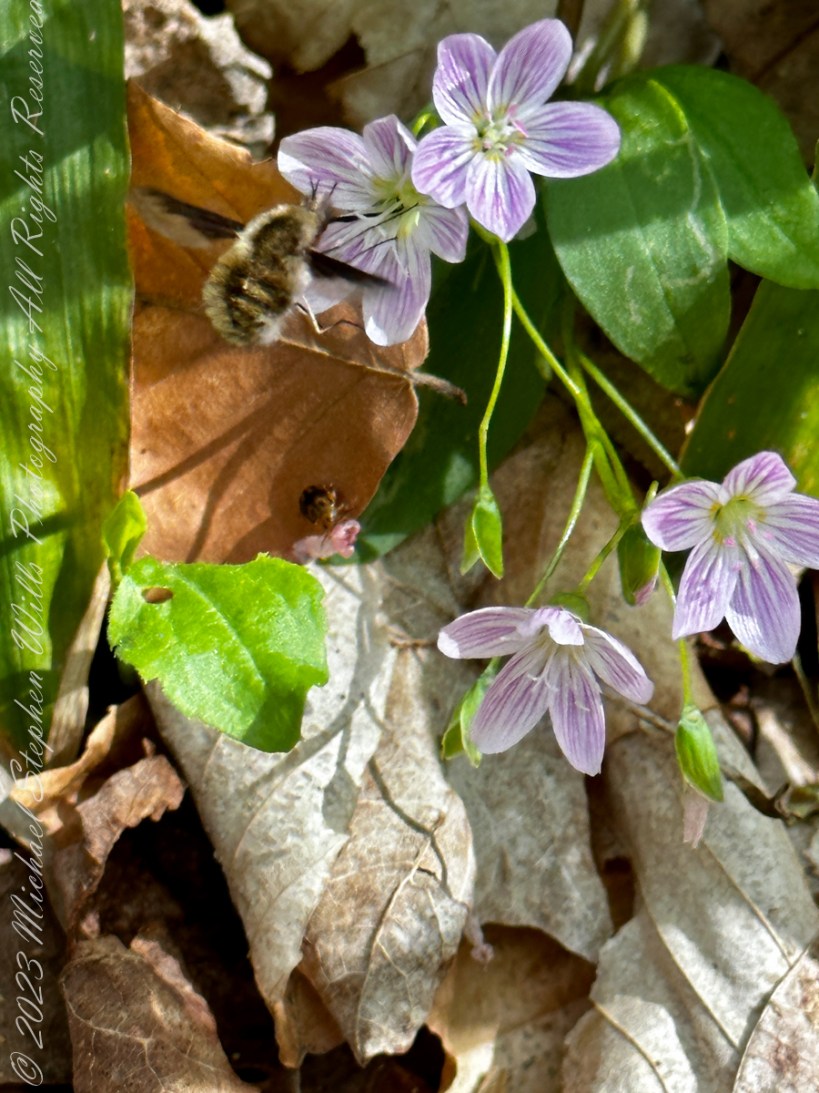
Bombylius major (commonly named the large bee-fly, the dark-edged bee-fly or the greater bee fly) is a parasitic bee mimic fly. Bombylius major is the most common type of fly within the Bombylius genus. The fly derives its name from its close resemblance to bumblebees and are often mistaken for them.

Click for my “Finger Lakes Memories” Fine Art Photography Gallery.
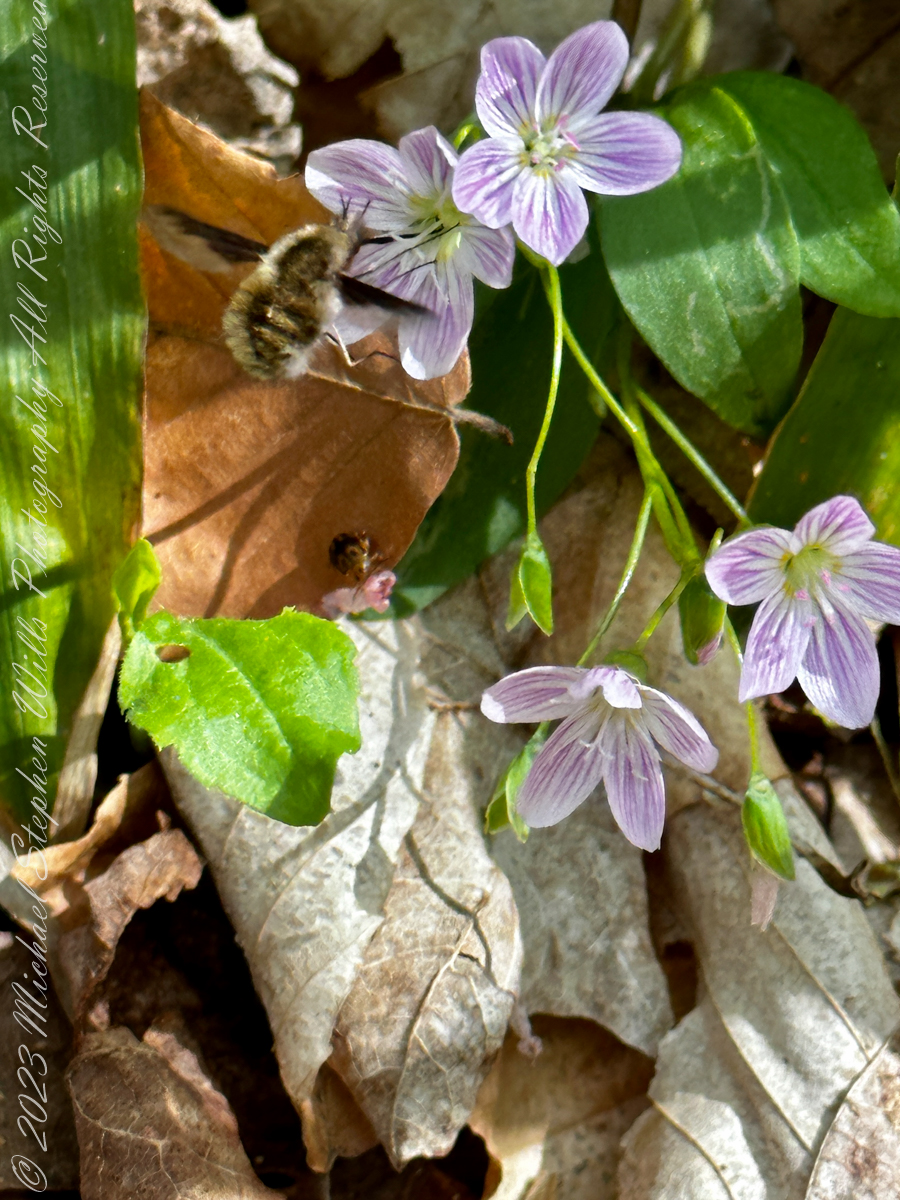
Bombylius major exhibits a unique flight behavior known as “yawing” and plays a role in general pollination, without preference of flower types. The fly does not bite, sting, or spread disease. However, the fly uses this mimicry of bumblebees to its own advantage, allowing close access to host solitary bee and wasp nests to deposit its eggs. After hatching, the larvae find their way into the nests to parasitically feed on the grubs.

Flight


It has been discovered that the fly is capable of a unique behavior, which was discovered with the use of a high speed camera. In this behavior, the flies are seen to rotate around a vertical axis as they fly (this action is known as “yawing”). However, it is still unknown what can cause this behavior to be triggered and what purpose it serves, but a proposed explanation includes mating habits. Here is an illustration of “Yaw” in the context of an airplane…substitute the fly body with head facing forward (to left).

ZeroOne, CC BY 3.0 https://creativecommons.org/licenses/by/3.0, via Wikimedia Commons

Pollinator Role


The Bombylius major bee-fly is a common, generalist floral pollinator, meaning that it does not give preference to one flower over another, instead pollinating a wide variety of plant families and species. The fly uses its proboscis to carry and transfer the pollen. The species is a dominant pollinator within its community, sometimes even pollinating up to two thirds of the local flowers. In addition, Bombylius major will visit and pollinate plants that attract few other species. Some types of flowers, for example Pulmonaria officinalis, will be almost exclusively pollinated by Bombylius major, with other species contributing a negligible amount to that plants pollination. Some flower species, such as Delphinium tricorne, are even specifically adapted to the fly in terms of color, shape, and form. If given the choice, Bombylius major will have a consistency in plant choice.

Flower Attraction


Long distance floral attraction is governed by optical sense, with color being the most important factor. The flies are typically more attracted to blue and violet colors, and occasionally yellow, over orange and pink. However, short distance floral attraction is based on the fly’s olfactory sense.

Sunbathing Activity


The fly is mostly active during day hours when the weather conditions are warm and sunny. Bombylius major is attracted to sunnier places and is more likely to pollinate these areas, with a larger average of flower visits in areas of higher amounts of sunshine. The fly will hide in the trees during the night and usually dart away from a cast shadow and occasionally hide in clean washing brought in fresh from the washing line and fly out causing unsettled behavior in the discoverer.

Flower Description


Claytonia caroliniana is a flowering, woodland perennial herb. It grows from March though June and is one of the earliest spring ephemerals. The plant grows from spherical underground tubers in light humus. They sprout and bloom before the tree canopy develops. Once the area is shaded, the plants whither leaving only the tuberous roots underground.

The plant is edible, but its usability is limited due to difficulty harvesting and the small quantities each plant produces. Its tuberous roots are edible and rich in starch and can be cooked or eaten raw. The leaves can be eaten as well. The tuberous roots are eaten by eastern chipmunks and white-footed mice.

Source: Wikipedia “Bombylius major ” and “Claytonia caroliniana. Direct quotations are in italics.
Copyright 2023 All Rights Reserved Michael Stephen Wills

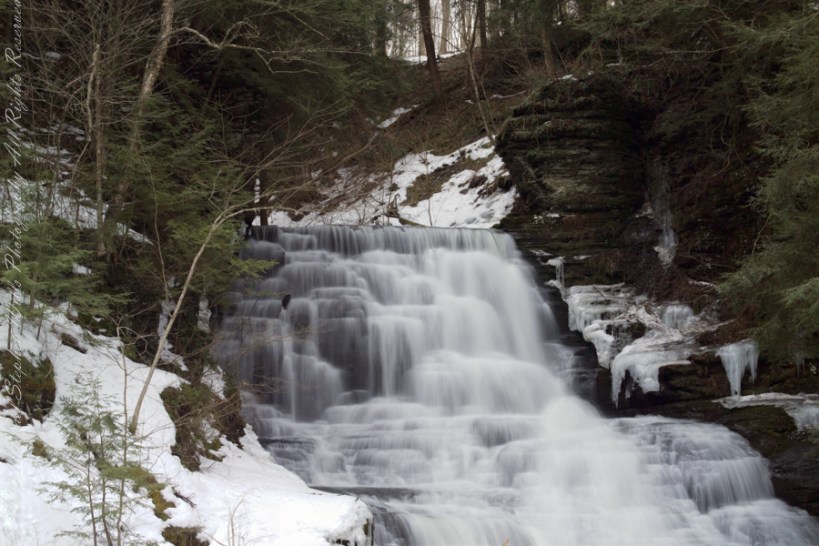
One Early Spring Morning

High Water

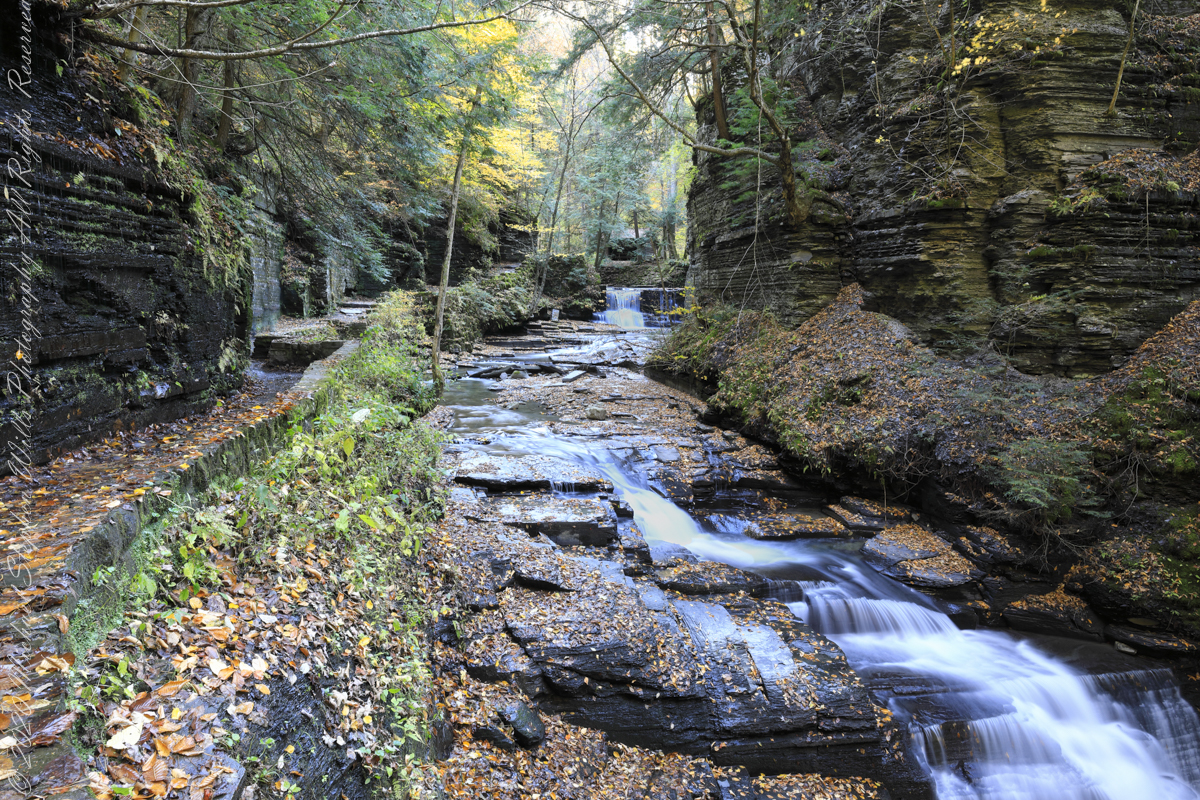
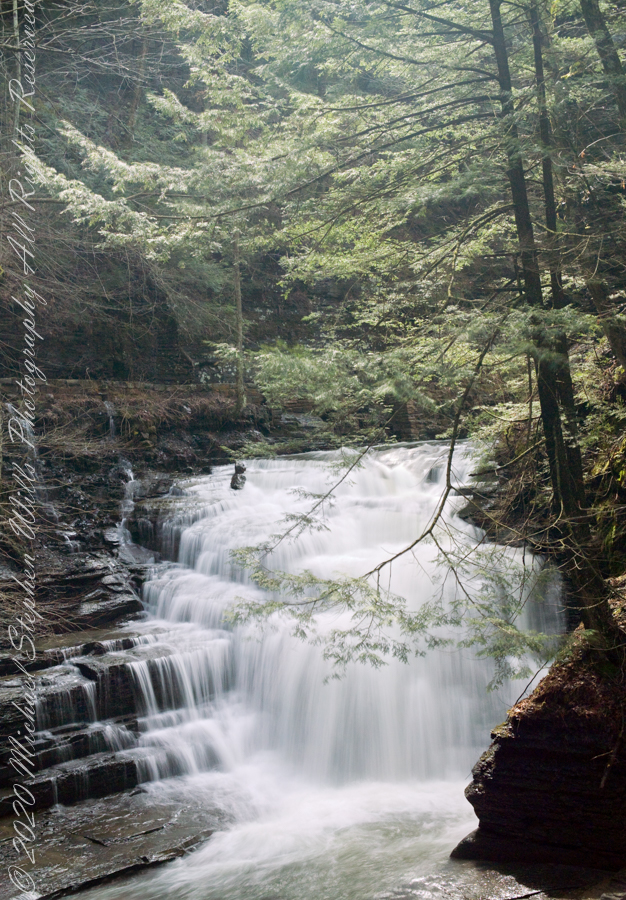
Here is the third waterfall in the Fillmore Glen Gallery of Waterfalls, shaded by hemlocks, below bridge eight (8) on an early spring morning of high-water volume.

A high dynamic range rendering from several exposures from a Kodak DSC Pro SLR/c with a Canon EF 50 mm f/1.4 USM all mounted on a very stable Manfrotto 468MG tripod with Hydrostatic Ball Head.

Fillmore Glen State Park Moravia, Cayuga County, New York.

Click for my “Finger Lakes Memories” Fine Art Photography Gallery.

Copyright 2023 All Rights Reserved Michael Stephen Wills

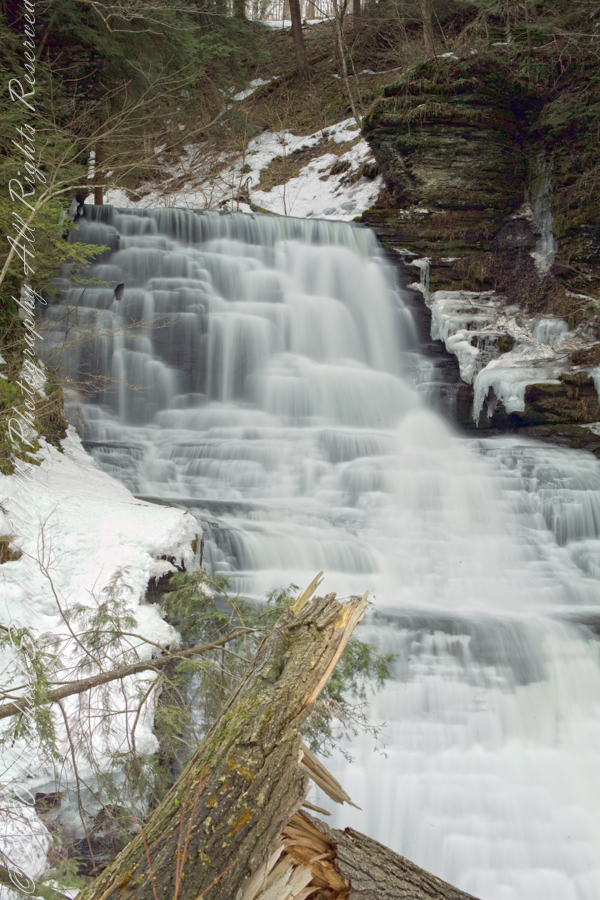
A Change of Orientation

Portrait orientation expands the view

Portrait orientation of the waterfall beneath the dam reveals the length the water takes across a cliff face. A shattered Hemlock destroyed over previous winter is in foreground.

A high dynamic range rendering from several exposures from a Kodak DSC Pro SLR/c with a Canon EF 50 mm f/1.4 USM all mounted on a very stable Manfrotto 468MG tripod with Hydrostatic Ball Head.

Fillmore Glen State Park Moravia, Cayuga County, New York.

The high waterfall flowing from the outlet from the dam of Dry Creek on a spring morning just after the solstice. A shattered Hemlock destroyed over previous winter is in foregound. Fillmore Glen State Park, Moravia, Cayuga County, New York

Click for my “Finger Lakes Memories” Fine Art Photography Gallery.

Copyright 2023 All Rights Reserved Michael Stephen Wills

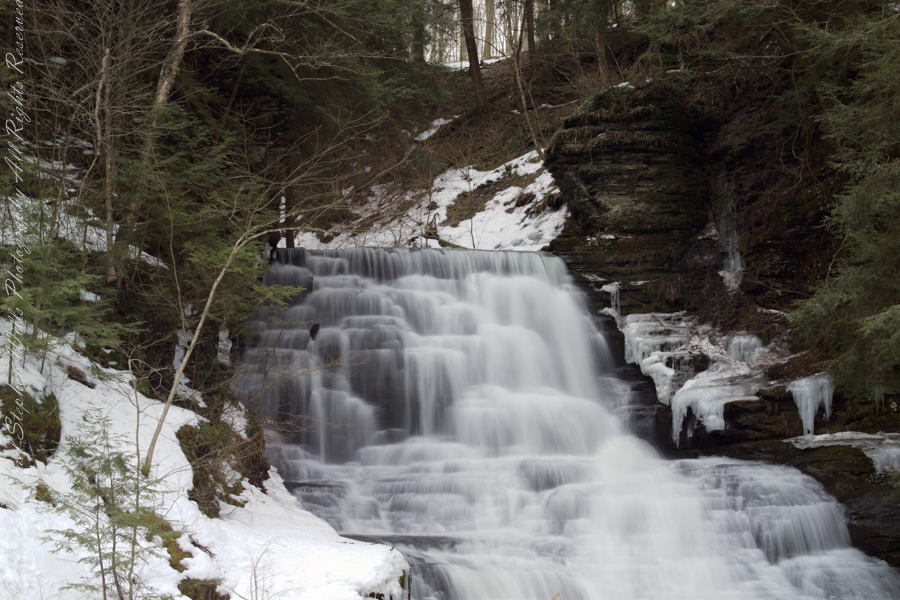
Beneath the Dam

A very wet “Dry Creek”

The upper portion of a high waterfall flowing from the outlet from the dam of Dry Creek on a spring morning just after the solstice.

A high dynamic range rendering from several exposures from a Kodak DSC Pro SLR/c with a Canon EF 50 mm f/1.4 USM all mounted on a very stable Manfrotto 468MG tripod with Hydrostatic Ball Head.

Fillmore Glen State Park Moravia, Cayuga County, New York.

Click for my “Finger Lakes Memories” Fine Art Photography Gallery.

Copyright 2023 All Rights Reserved Michael Stephen Wills

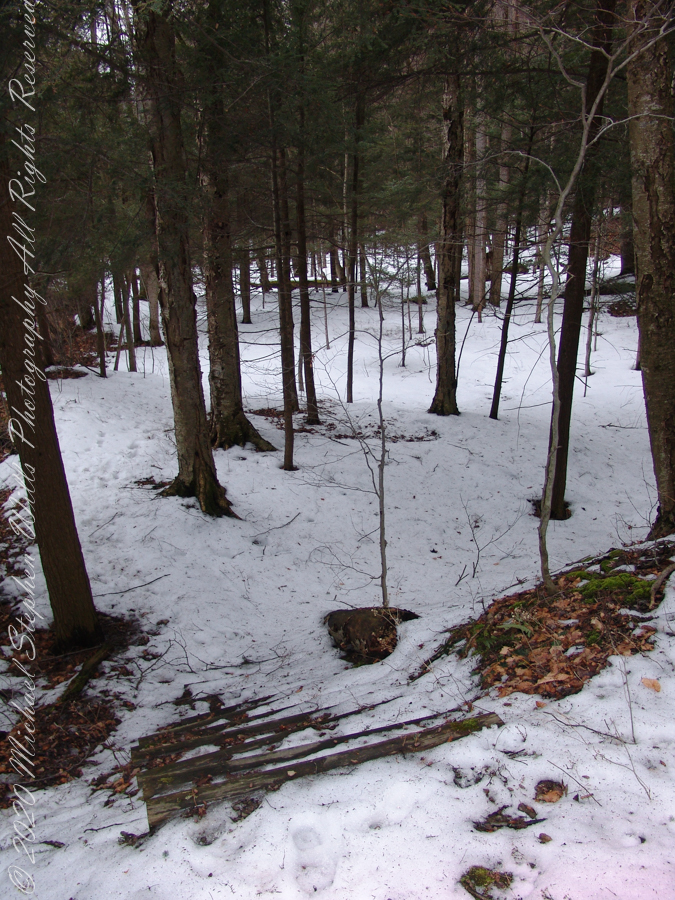
Foot Path

Watch Your Step

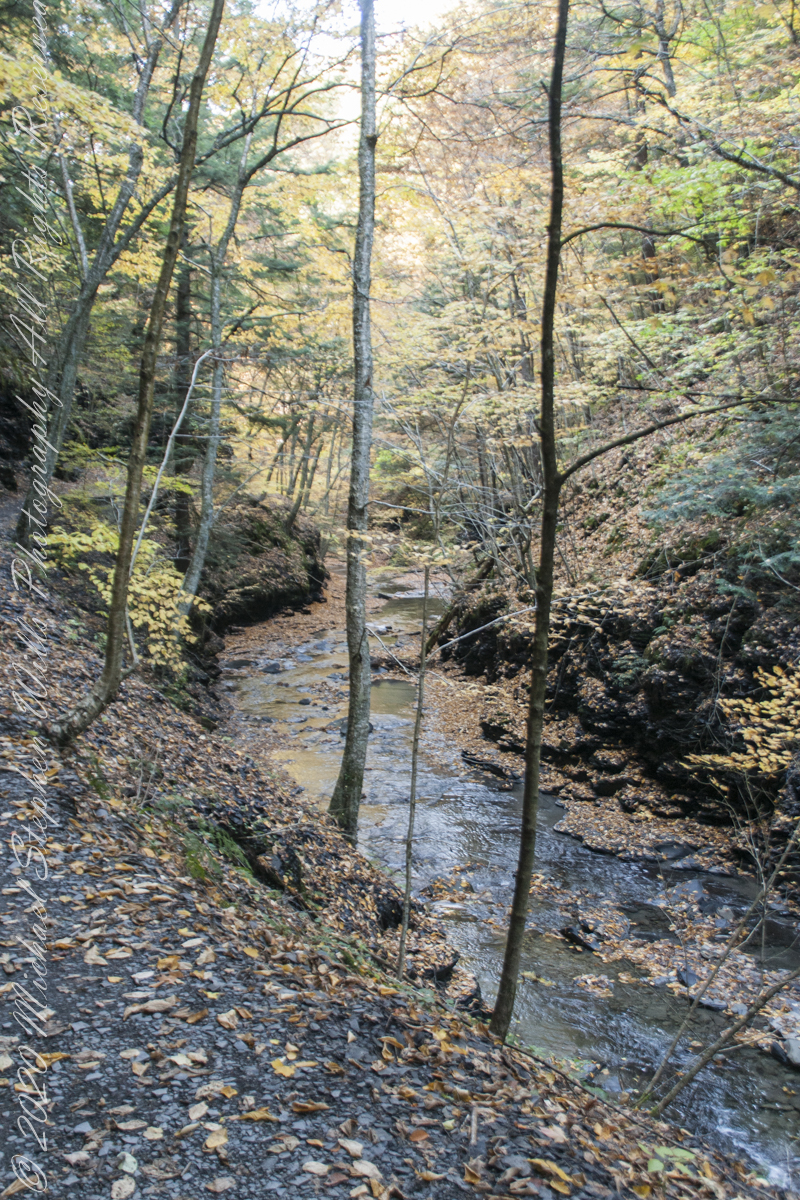
Foot trail leading to the waterfall below the dam on a spring morning just after solstice.

Fillmore Glen State Park Moravia, Cayuga County, New York.

Click for my “Finger Lakes Memories” Fine Art Photography Gallery.

Copyright 2023 All Rights Reserved Michael Stephen Wills

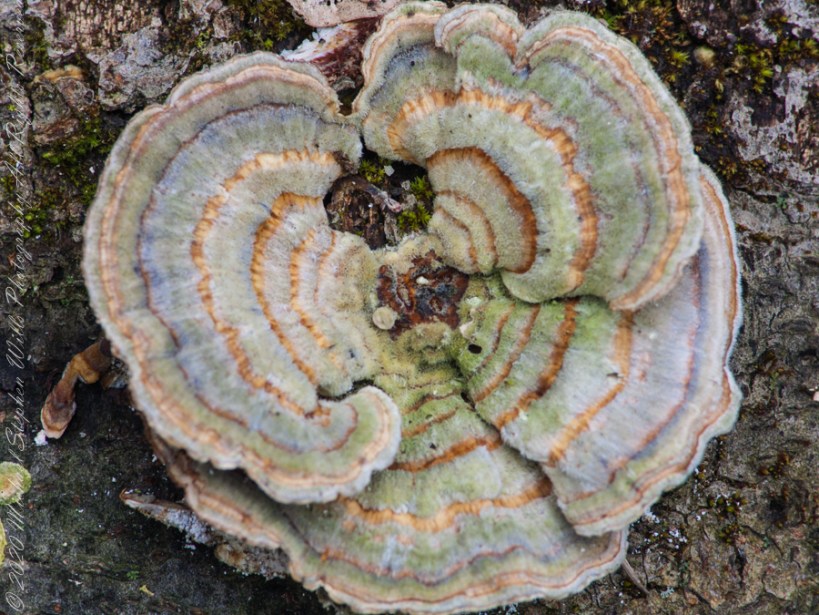
A Turkey Tail?

Bracket Fungus

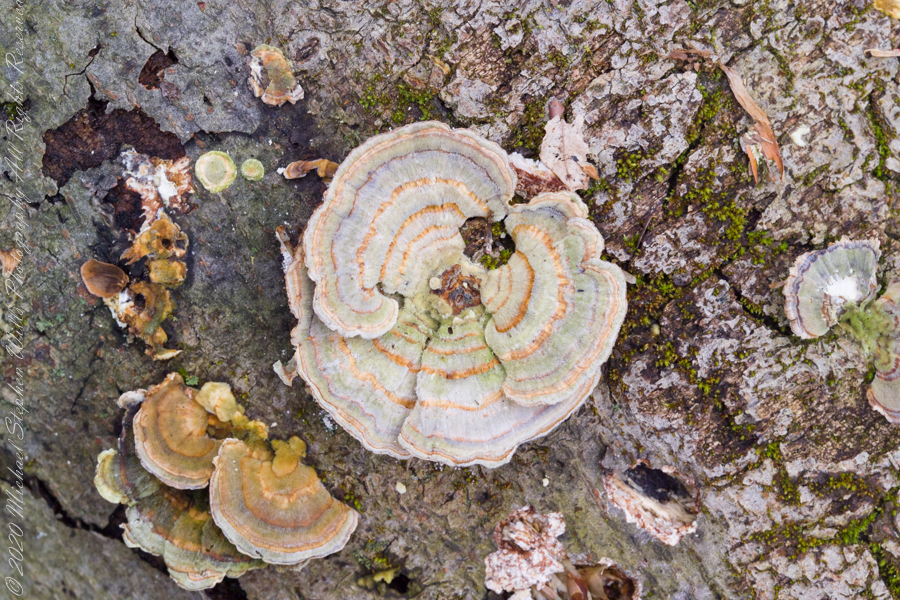
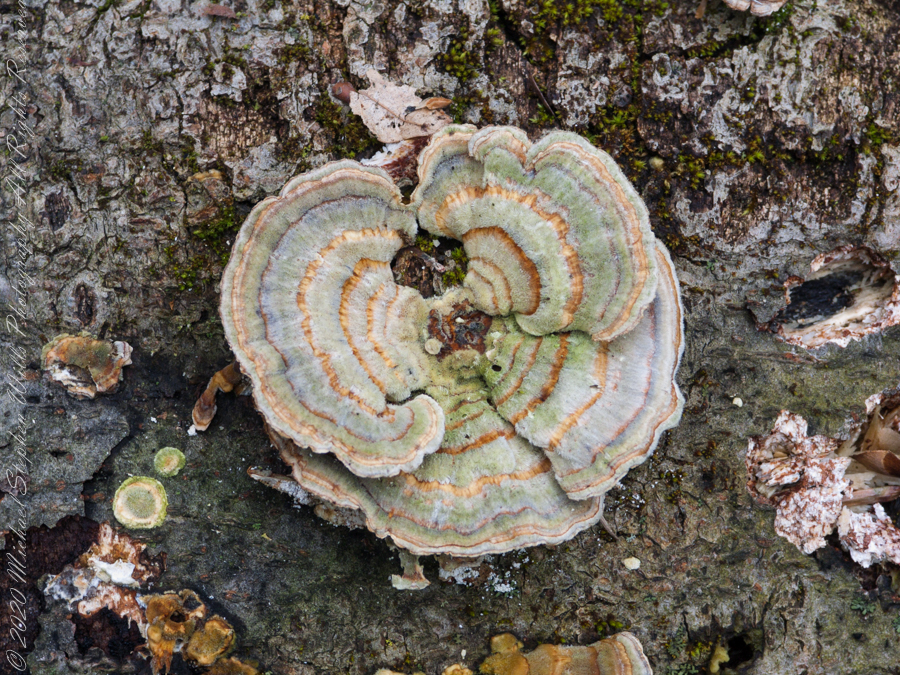
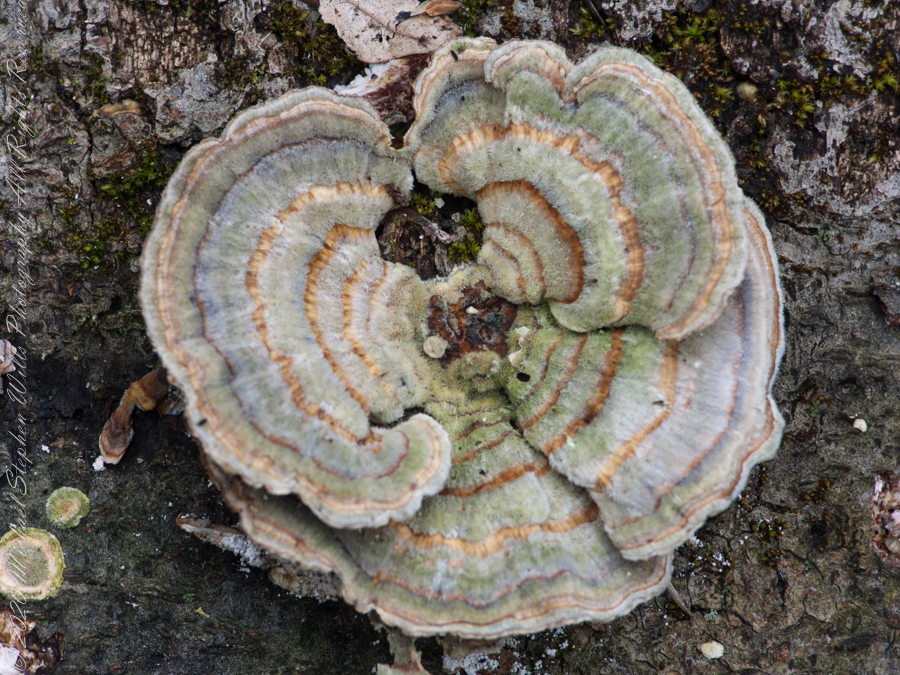
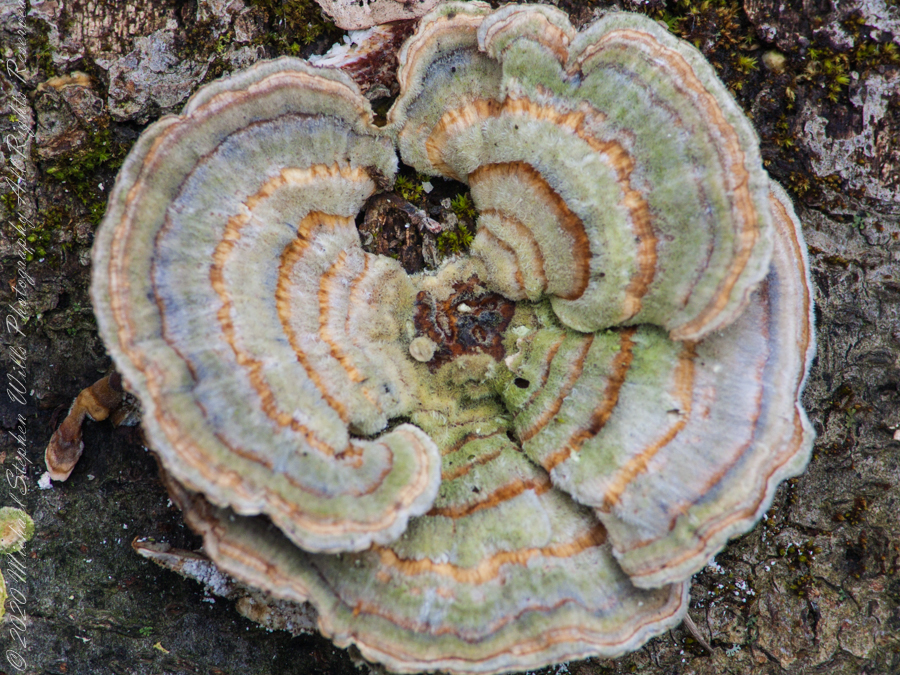
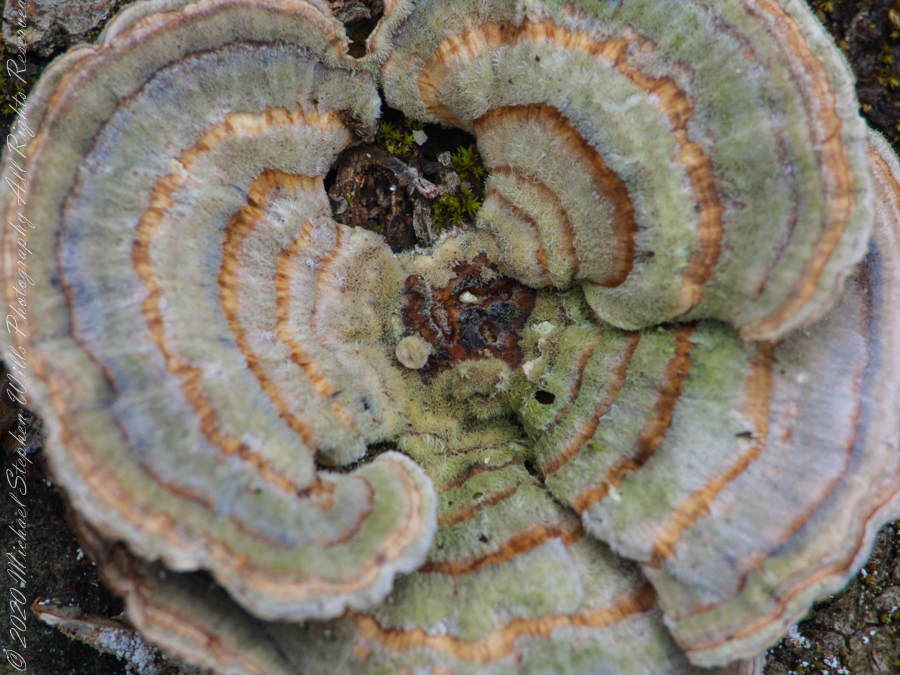
Trametes versicolor – also known as Coriolus versicolor and Polyporus versicolor – is a common polypore mushroom found throughout the world.

Meaning ‘of several colors’, versicolor reliably describes this fungus that displays a variety of colors. For example, because its shape and multiple colors are similar to those of a wild turkey, T. versicolor is commonly called turkey tail.
Found on a rotting Hemlock stump, Fillmore Glen State Park Moravia, Cayuga County, New York.

Kodak DSC Pro SLR/c with a Canon EF 100 mm f/2.8 Macro USM lens stabilized on a Manfrotto 468MG tripod with Hydrostatic Ball Head

Polypores are a group of fungi that form large fruiting bodies with pores or tubes on the underside (see Delimitation for exceptions). They are a morphological group of basidiomycetes-like gilled mushrooms and hydnoid fungi, and not all polypores are closely related to each other.

Kodak DSC Pro SLR/c with a Canon EF 100 mm f/2.8 Macro USM lens stabilized on a Manfrotto 468MG tripod with Hydrostatic Ball Head

Polypores are also called bracket fungi or shelf fungi, and they characteristically produce woody, shelf- or bracket-shaped or occasionally circular fruiting bodies that are called conks.

Sony alpha 700, Sony Lens DT 18-200mm F3.5-6.3 stabilized on a Manfrotto 468MG tripod with Hydrostatic Ball Head

Most polypores inhabit tree trunks or branches consuming the wood, but some soil-inhabiting species form mycorrhiza with trees. Polypores and the related corticioid fungi are the most important agents of wood decay, playing a very significant role in nutrient cycling and aiding carbon dioxide absorption by forest ecosystems.
Sony DSC F828 stabilized on a Manfrotto 468MG tripod with Hydrostatic Ball Head

Sony DSC F828 stabilized on a Manfrotto 468MG tripod with Hydrostatic Ball Head

Sony DSC F828 stabilized on a Manfrotto 468MG tripod with Hydrostatic Ball Head
Reference: “Trametes versicolor” on Wikipedia

Click for my “Finger Lakes Memories” Fine Art Photography Gallery.

Copyright 2023 All Rights Reserved Michael Stephen Wills

Ice Abstracts

Light Plays

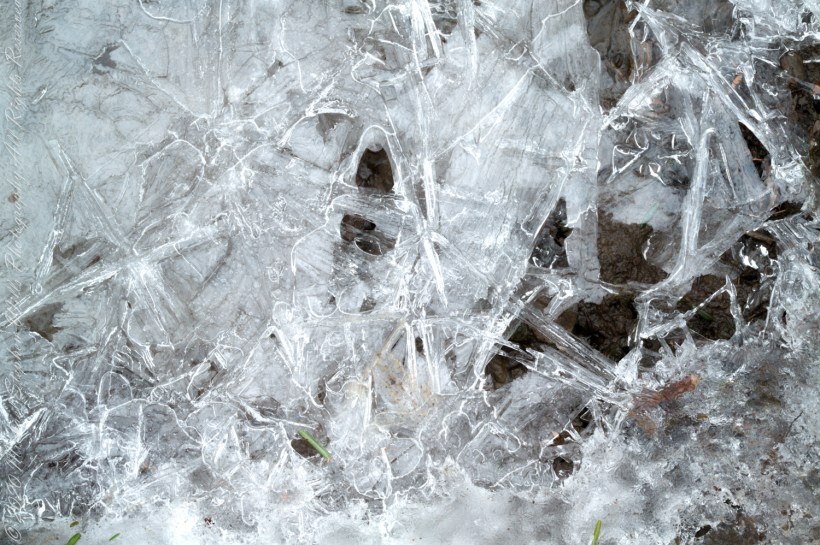
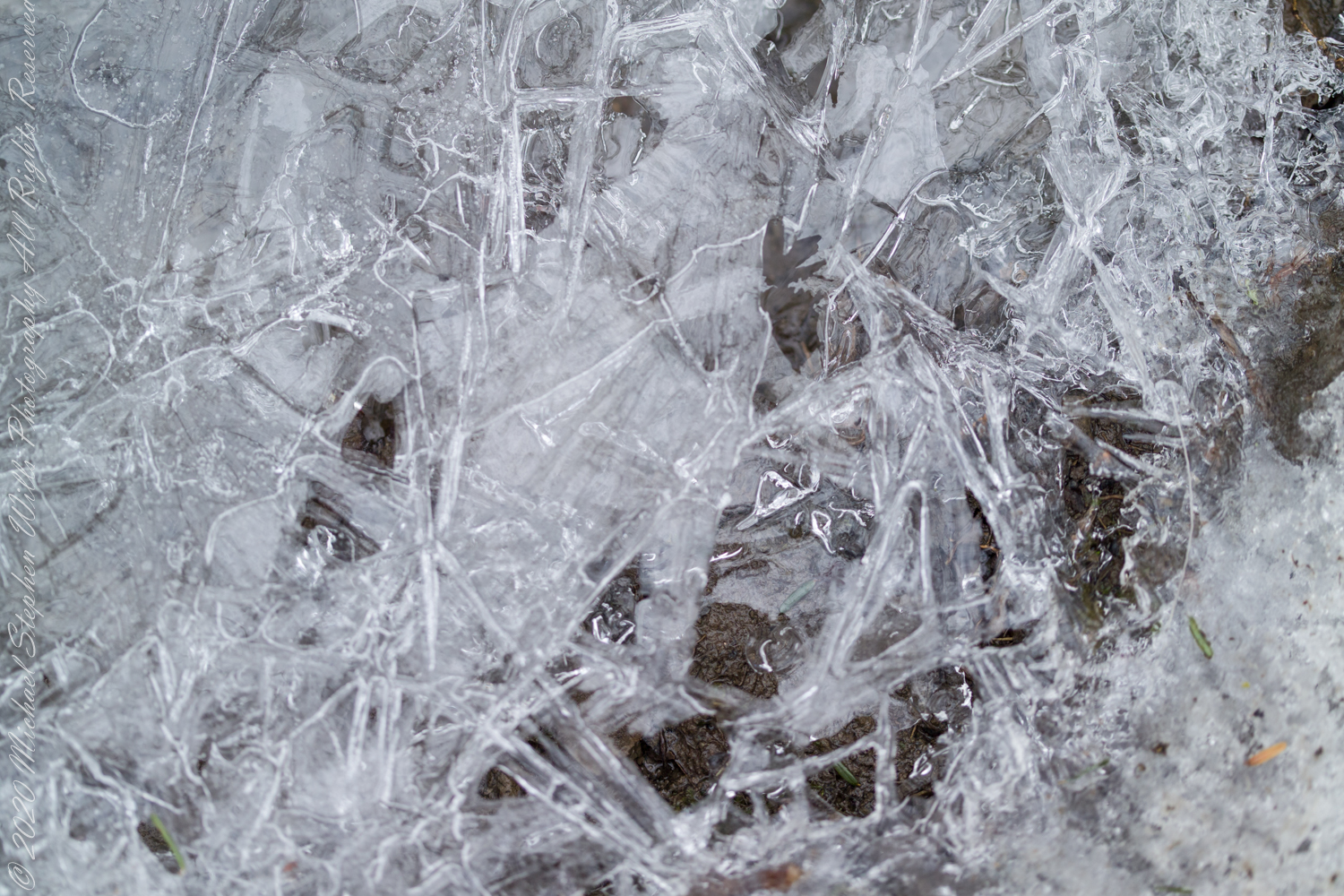
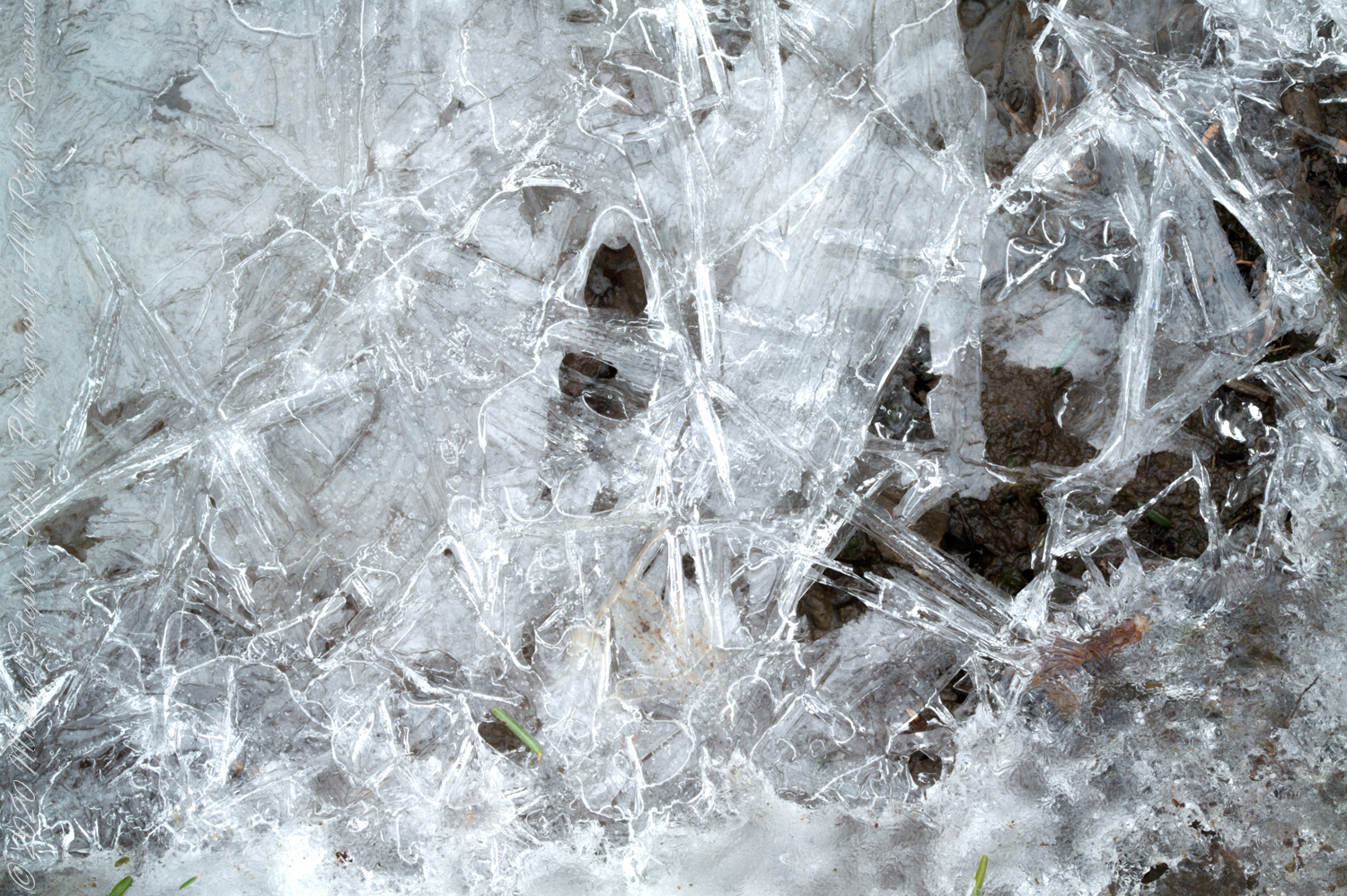
Surface of ice formed over a flowing creek. One is a HDR of three exposures, the other is a single exposure. Yes, that is dirt you see under the ice. How did that happen?

Readers: Can you tell which is the HDR? Please answer with a comment. Thank You

All are macros from a Kodak DSC Pro SLR/c with a Canon EF 100 mm f/2.8 Macro USM lens stabilized on a Manfrotto 468MG tripod with Hydrostatic Ball Head

Fillmore Glen State Park, Moravia, Cayuga County, New York.

Click for my “Finger Lakes Memories” Fine Art Photography Gallery.

Copyright 2023 All Rights Reserved Michael Stephen Wills

Autumn Survey

Across the land

Good news….Click Me for the link to my latest photographs accepted by Getty, from this series of 2022 Fillmore Glen. You may acquire reasonably priced rights to use these photographs in your work.

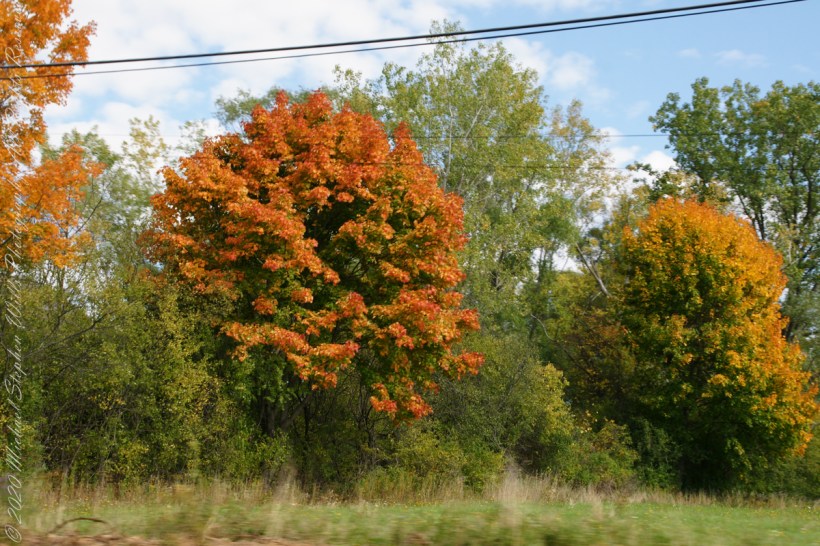
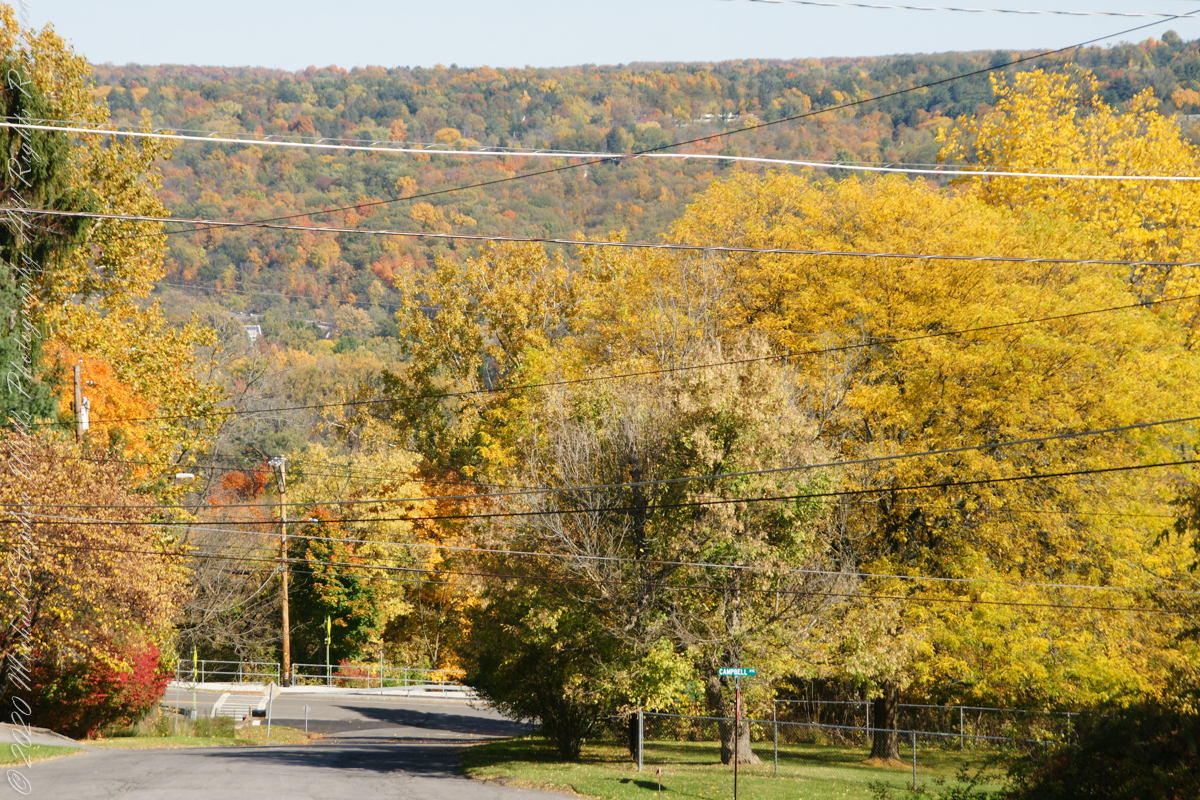
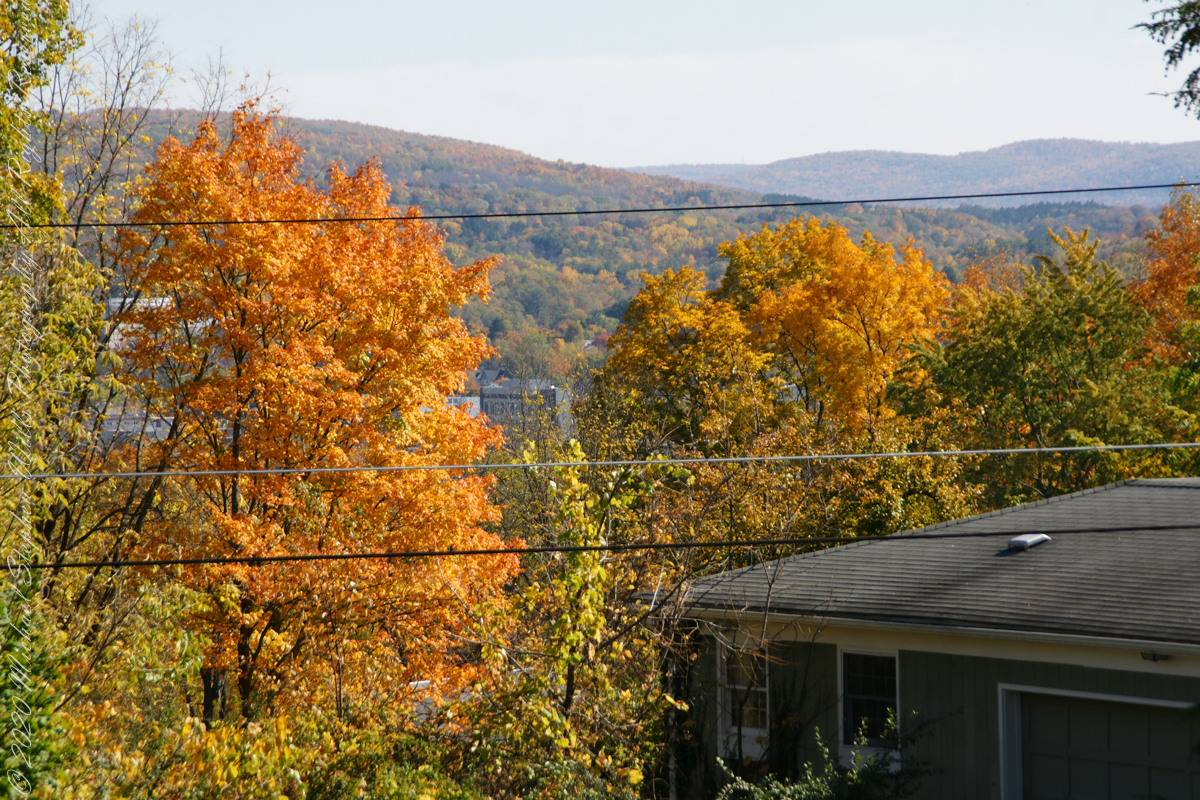
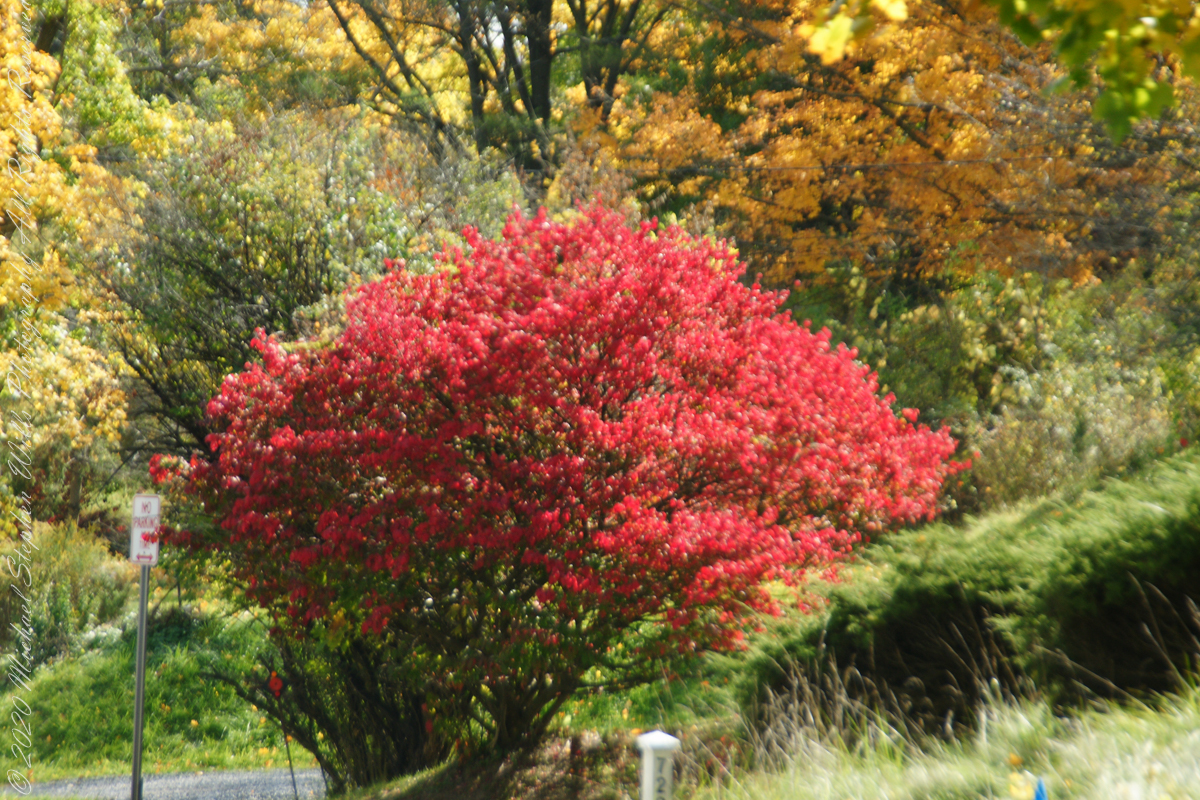
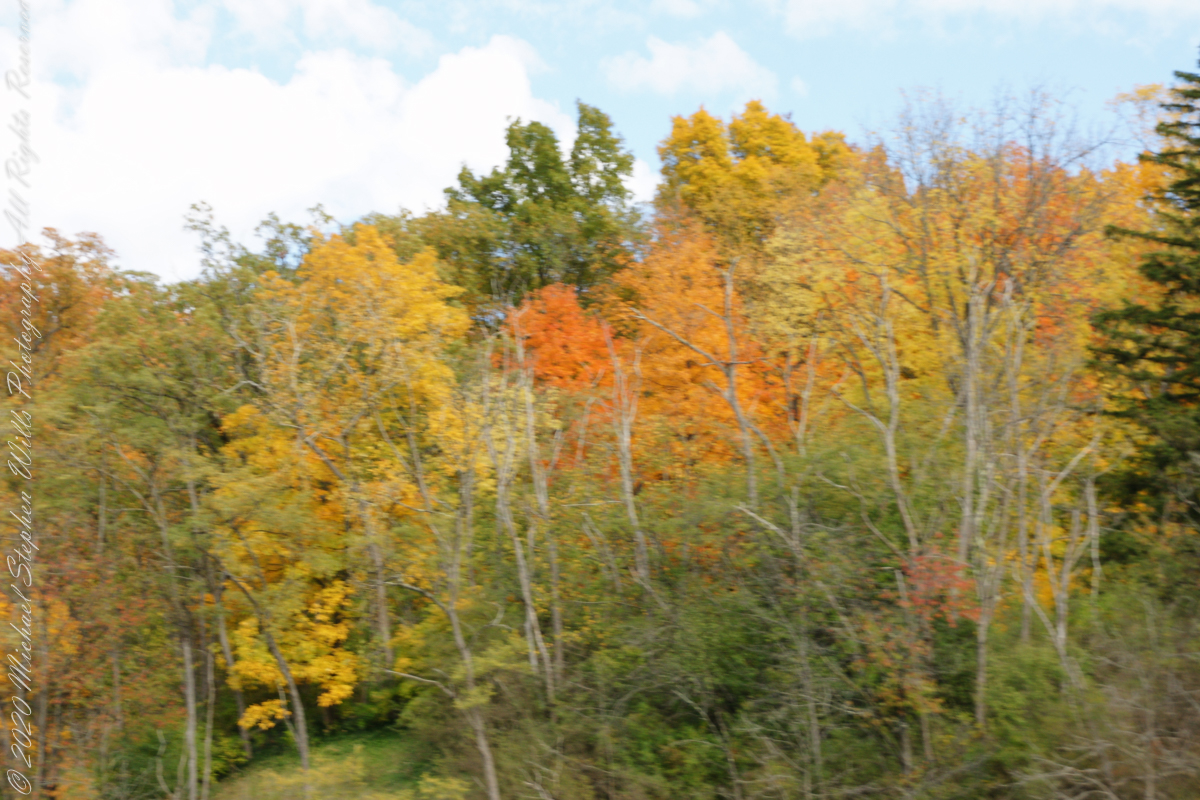
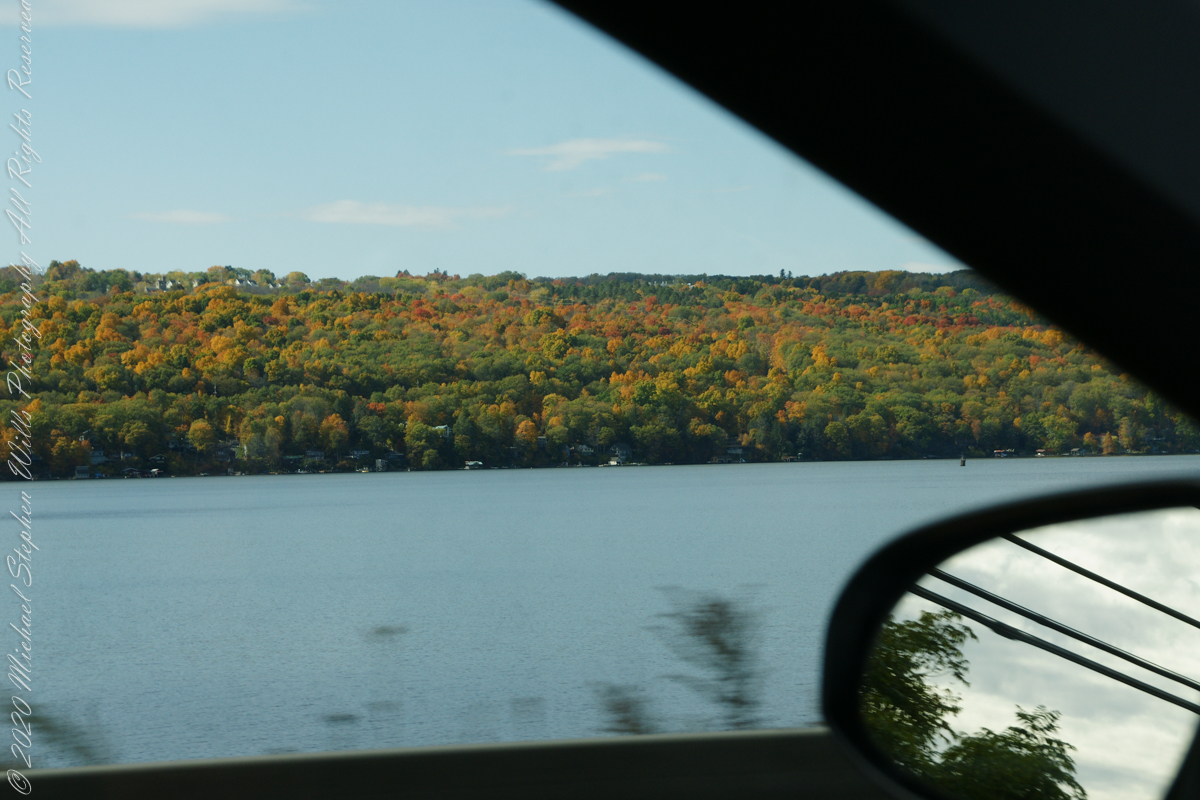
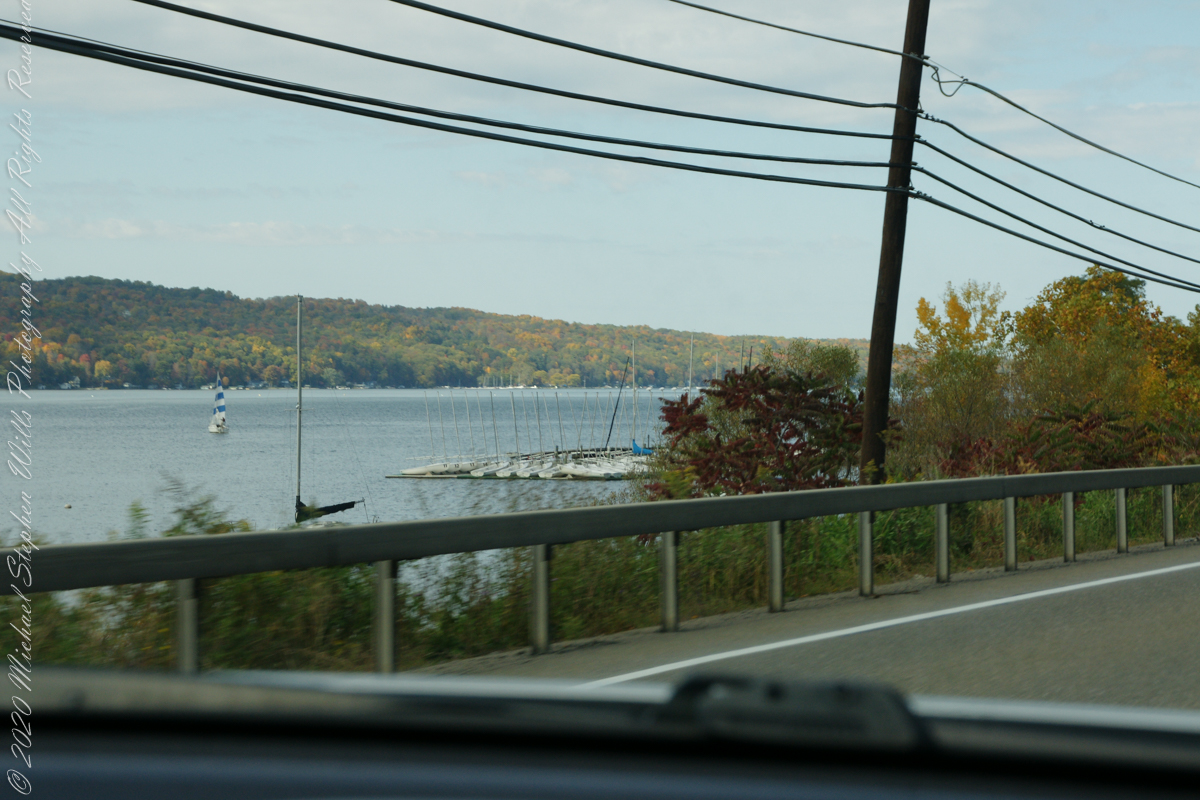
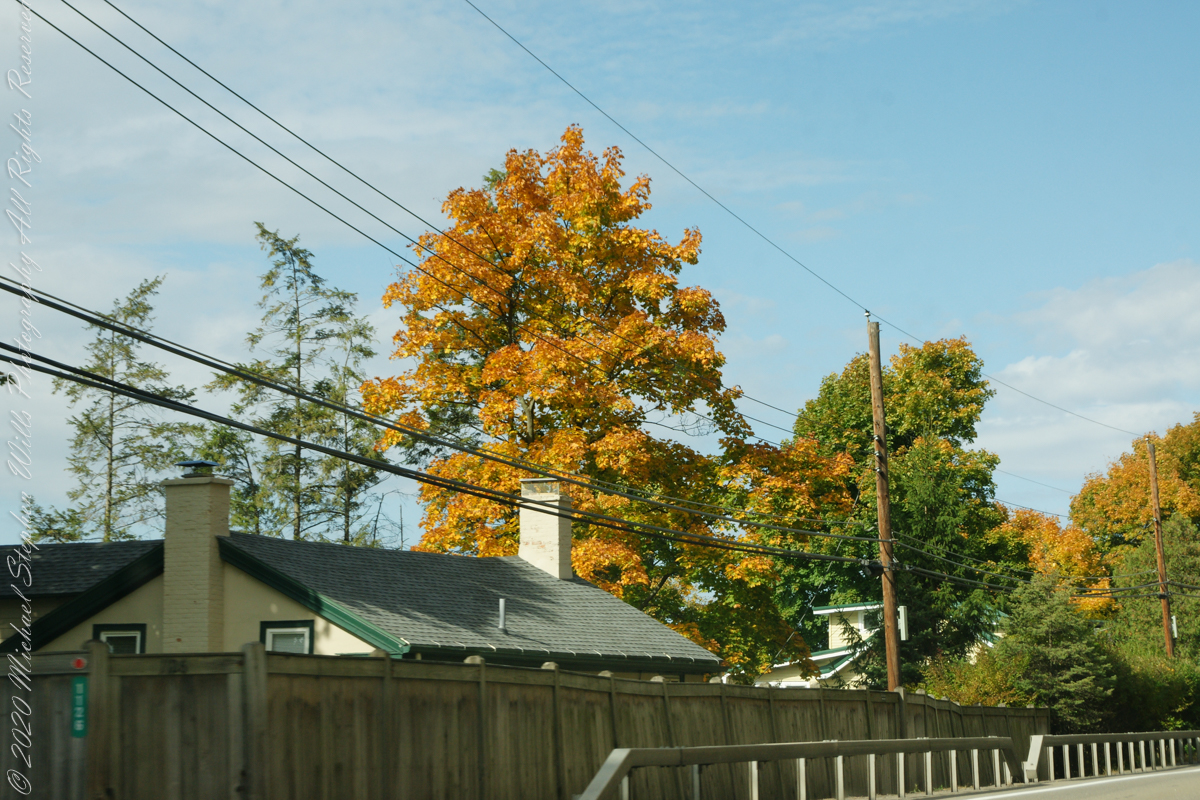
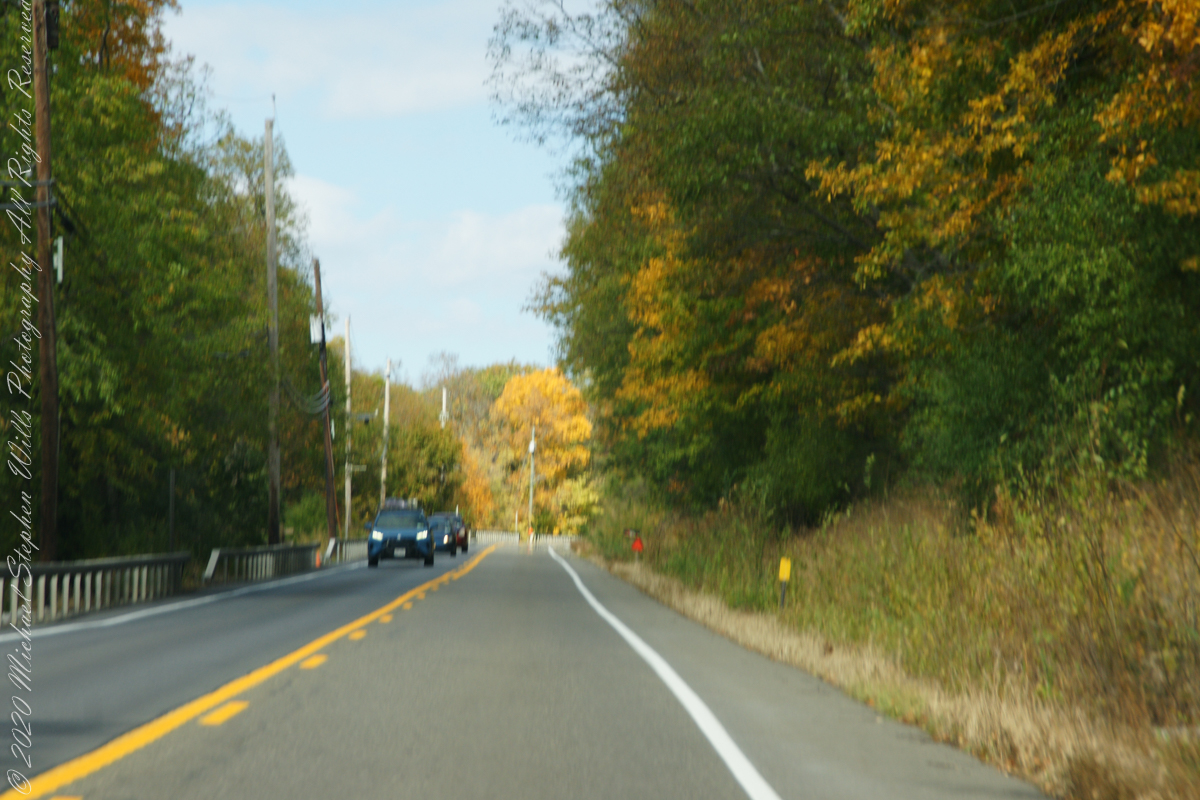
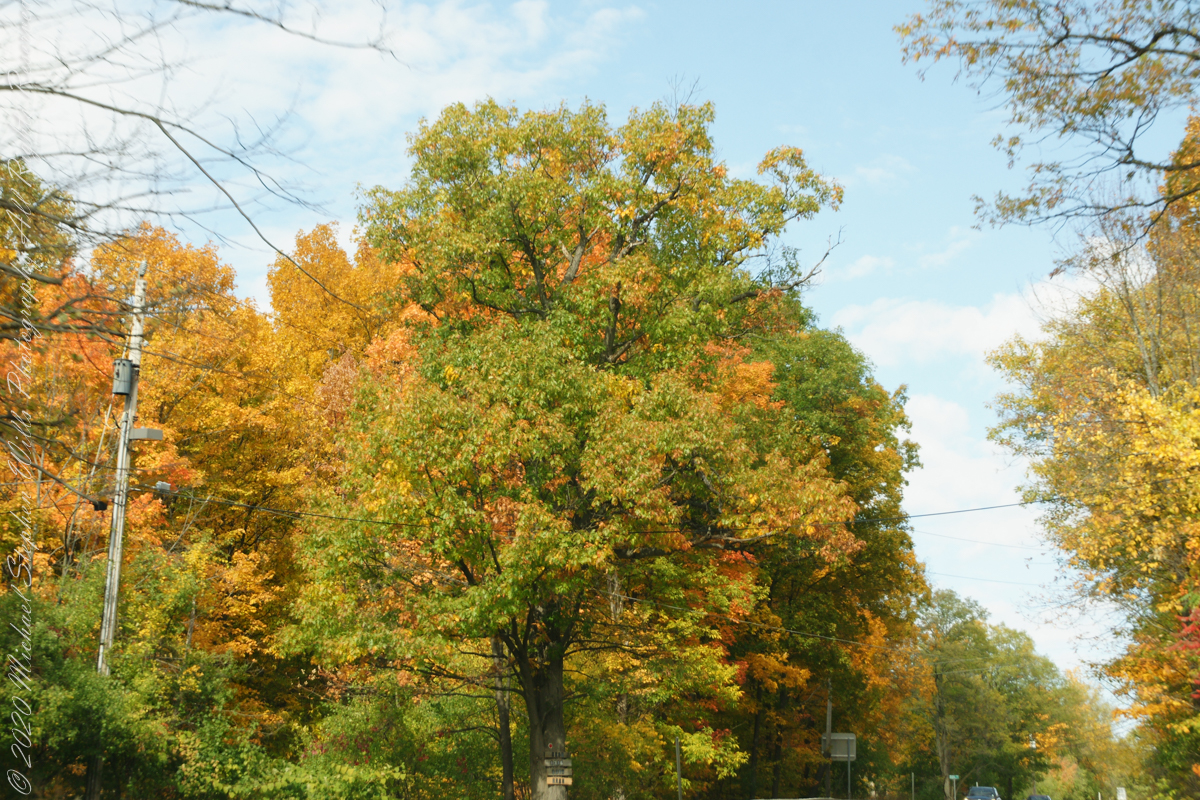
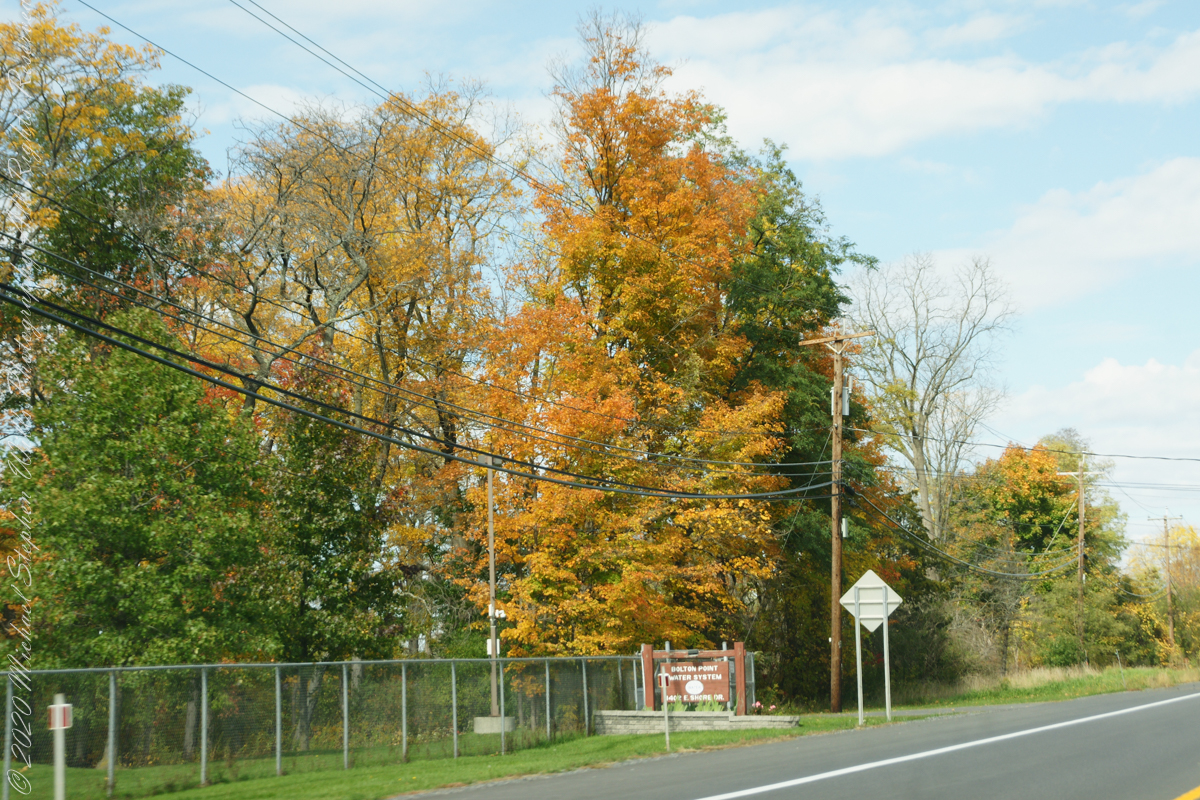
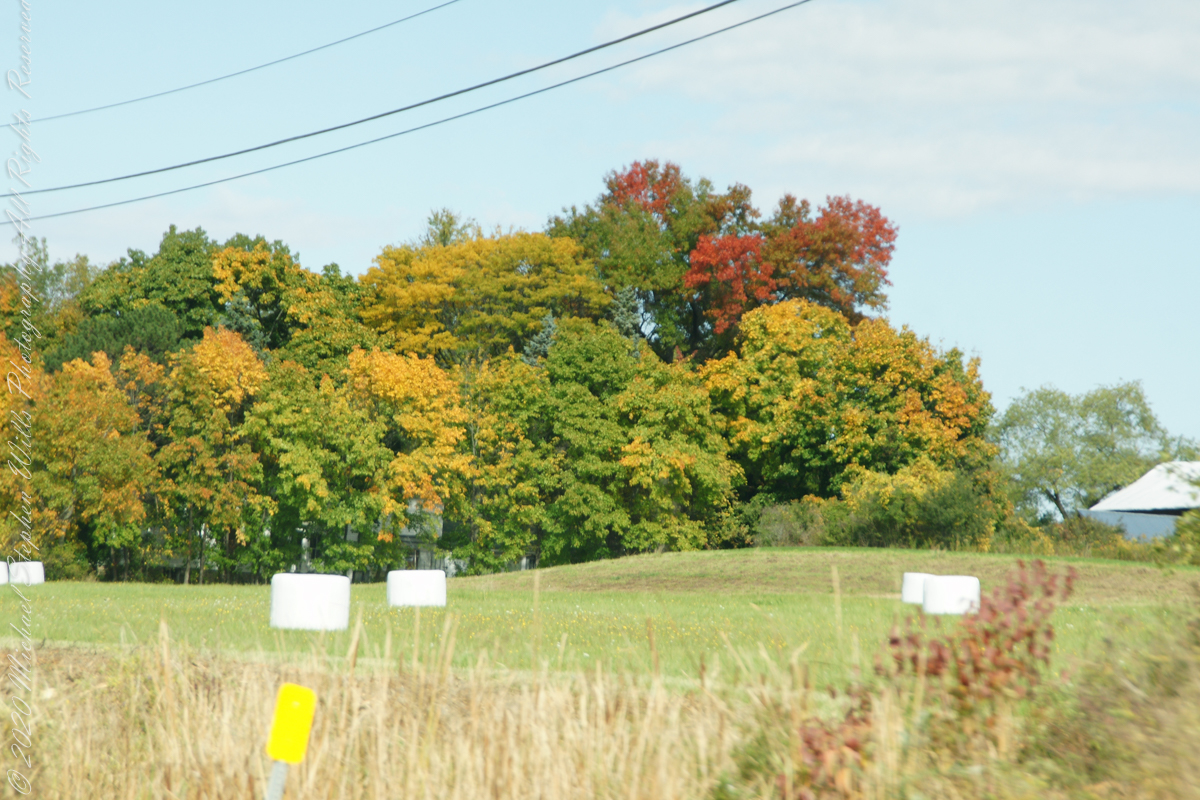
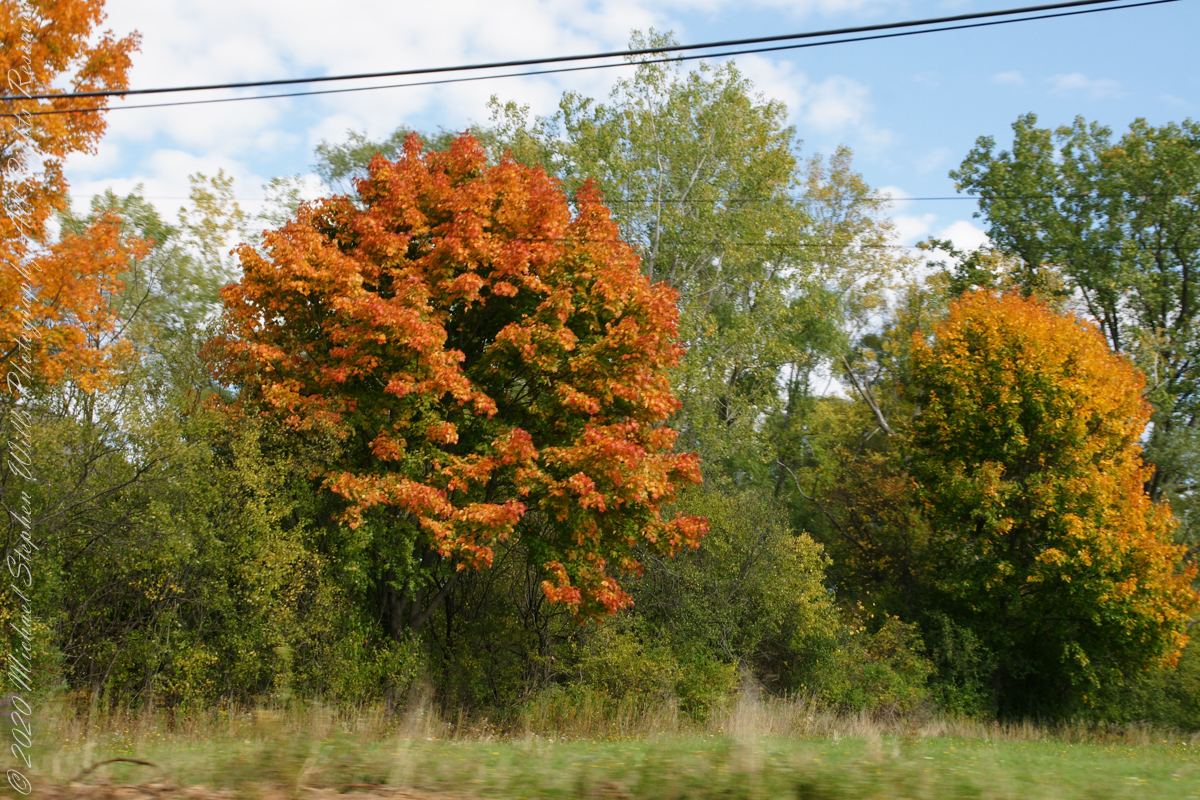
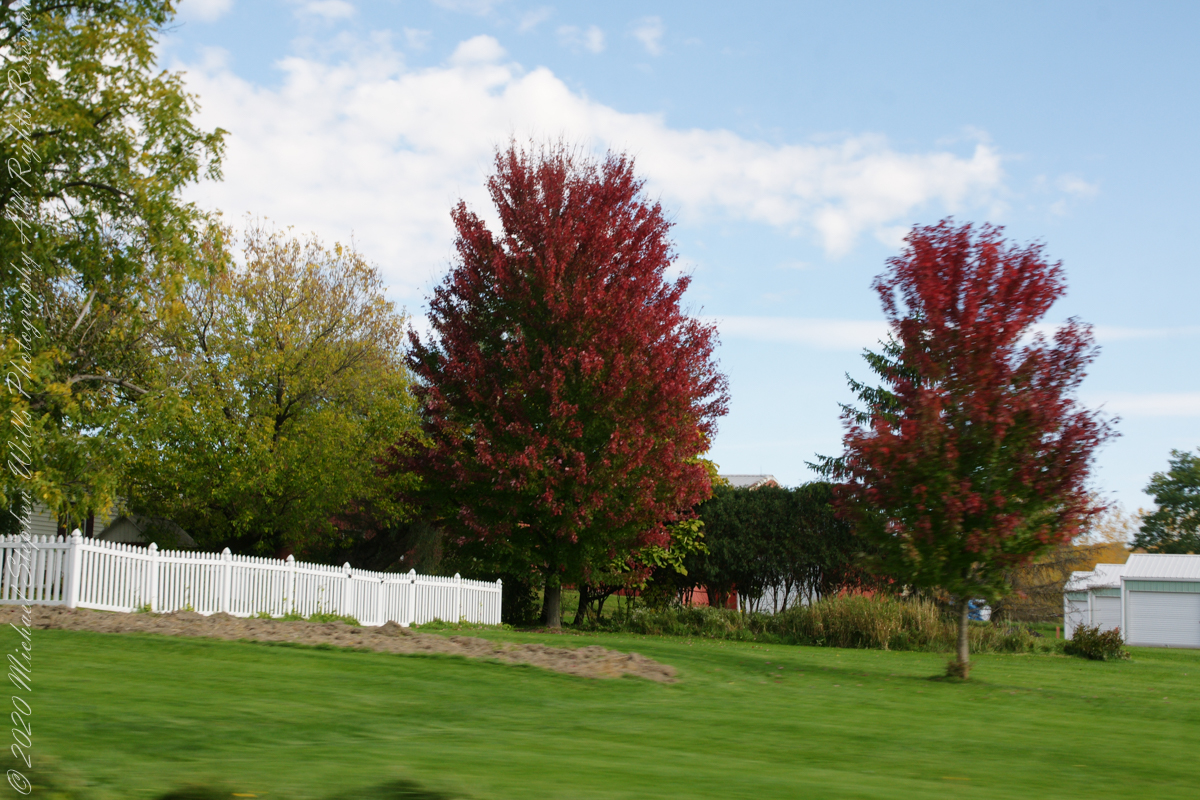
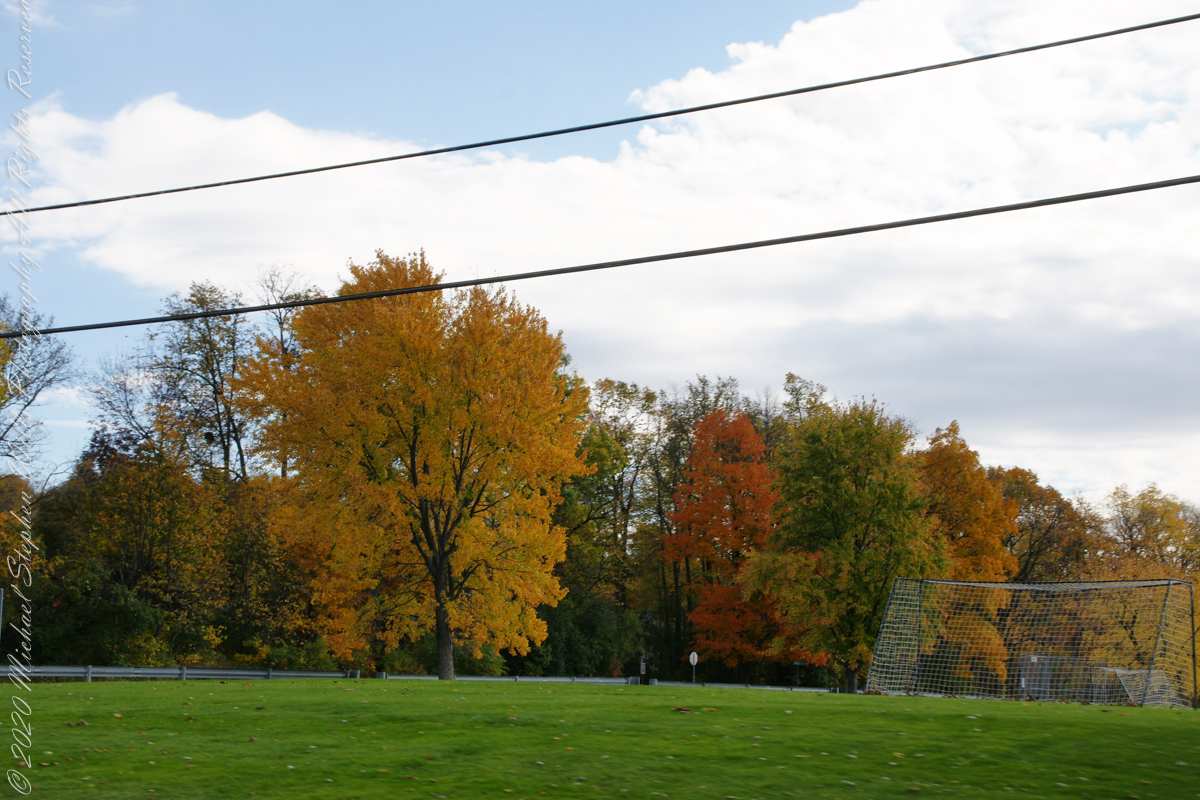
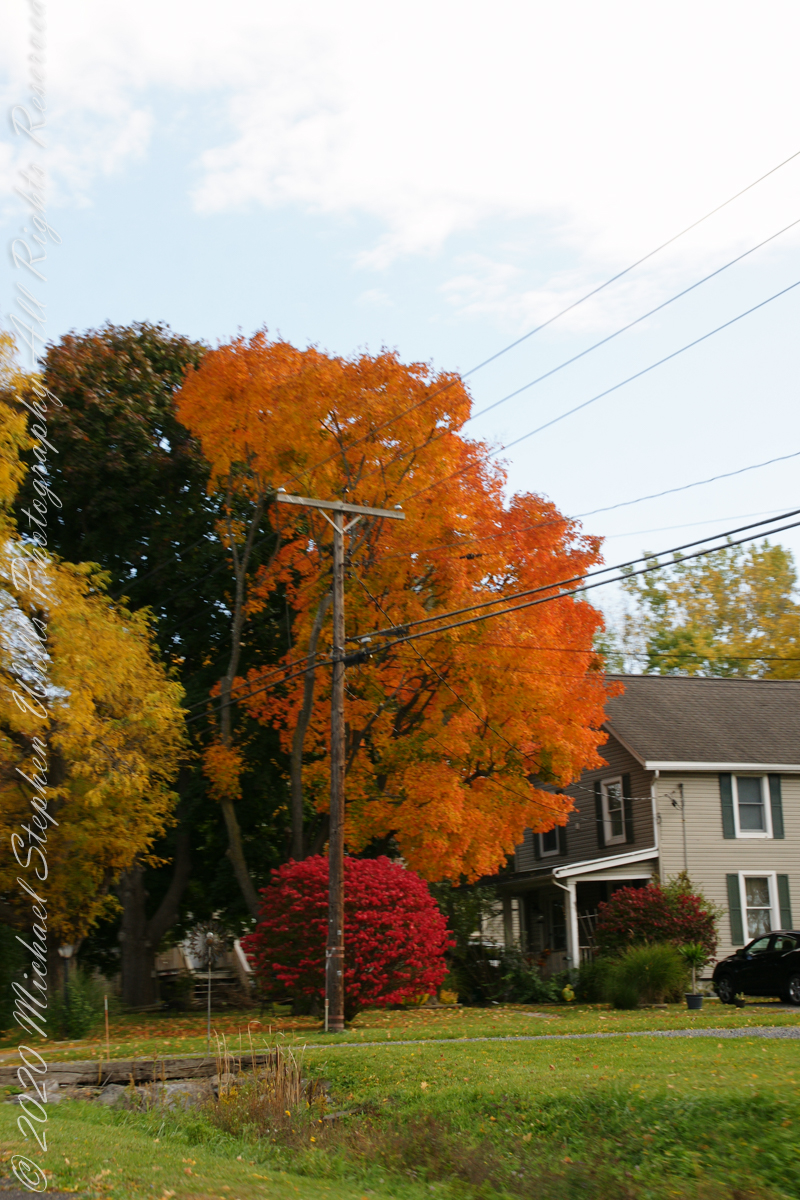
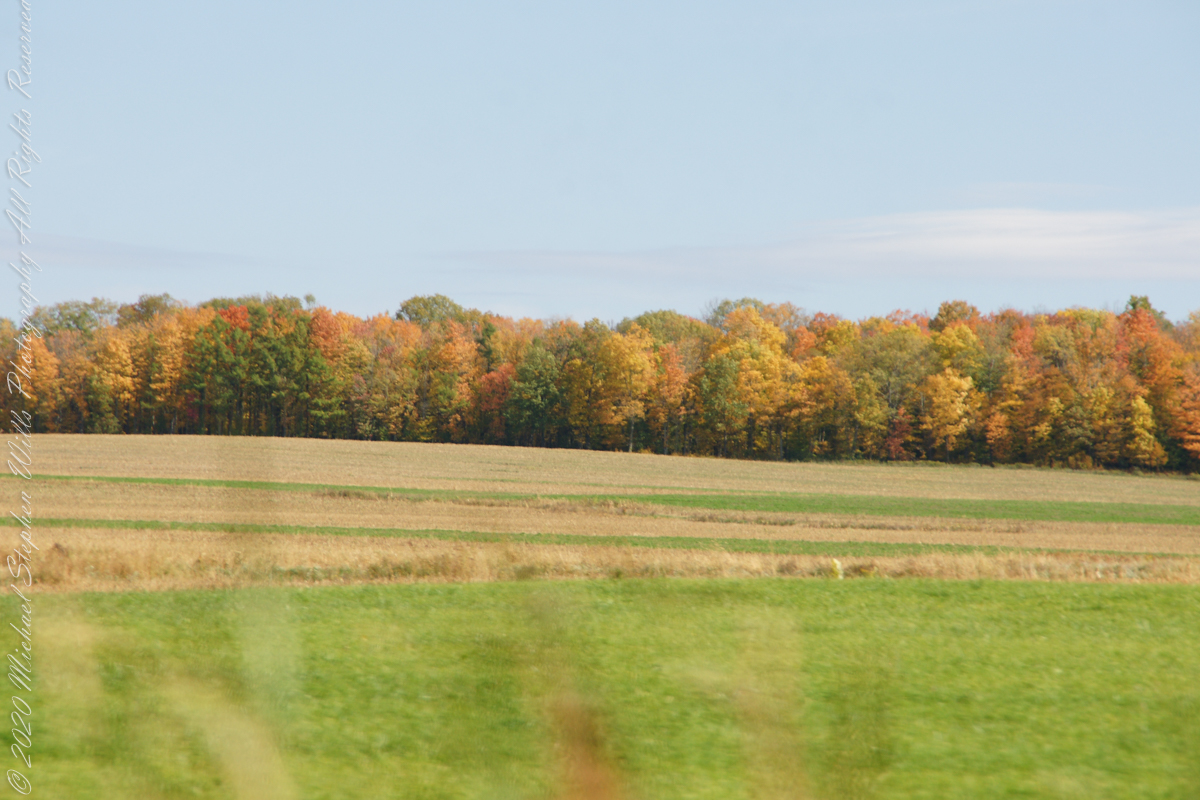
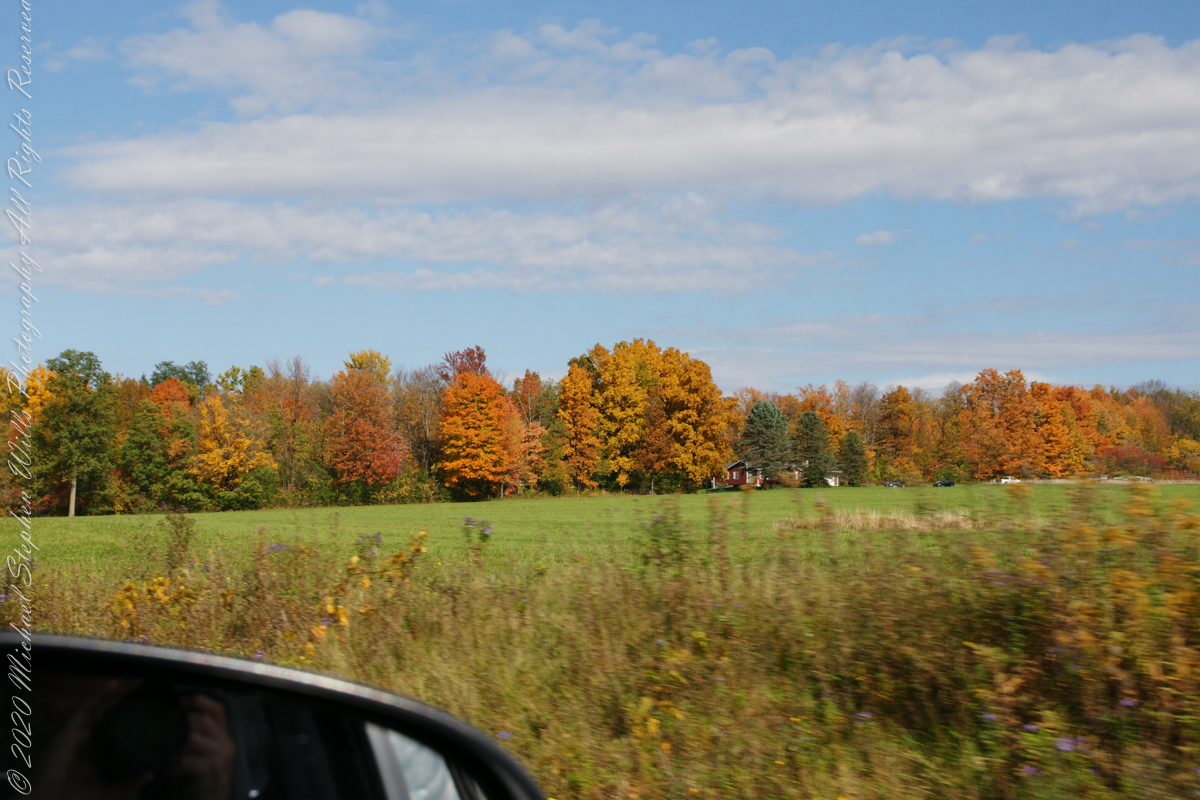
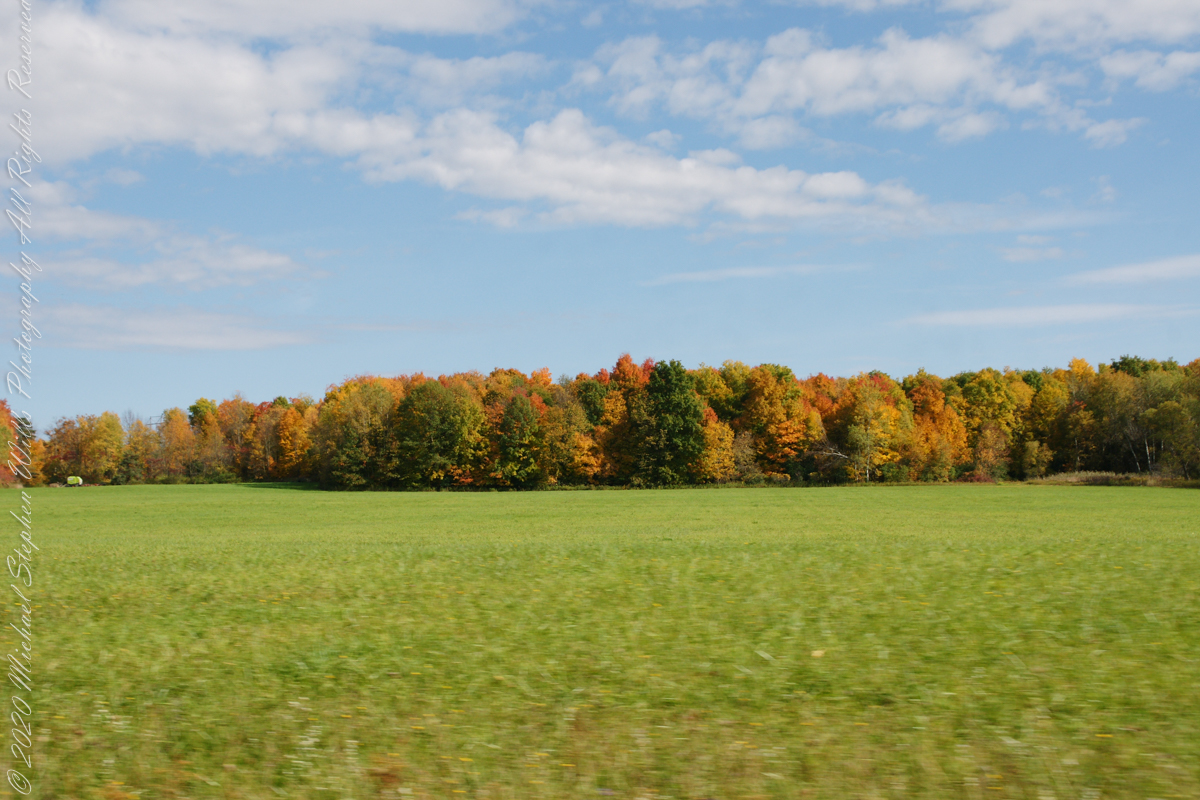
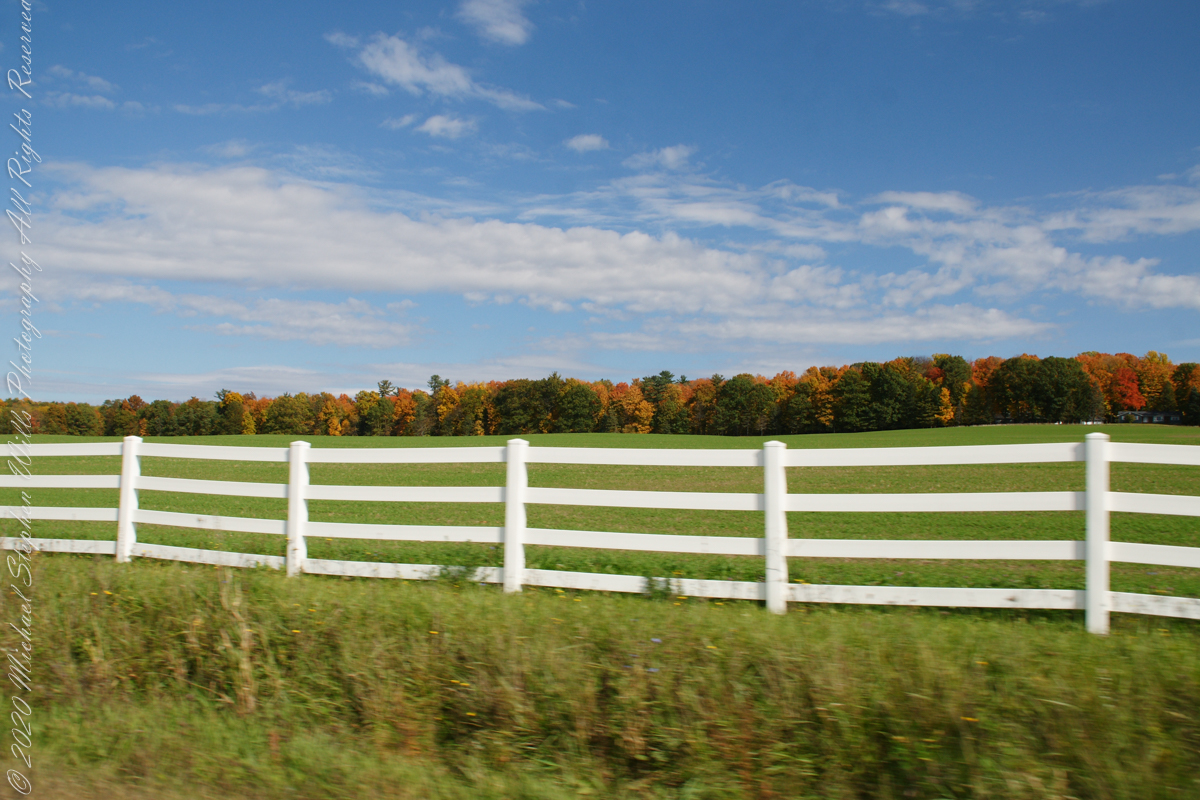
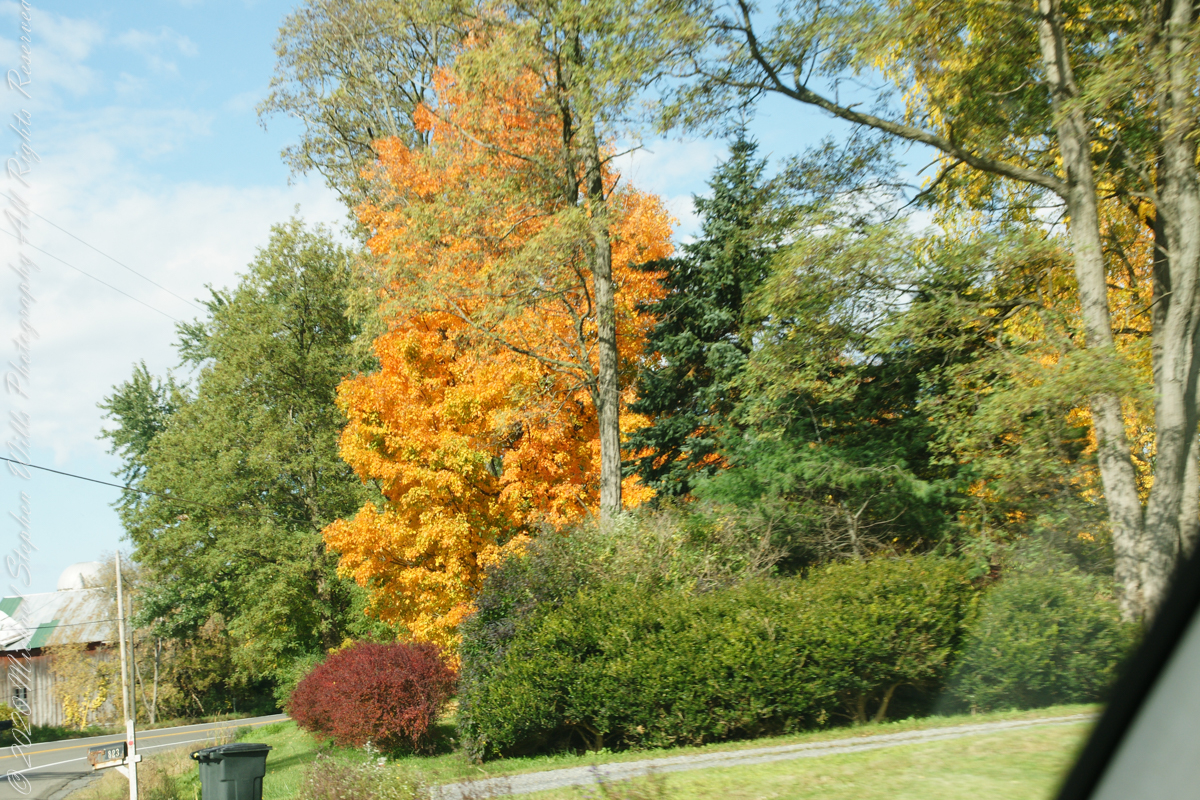
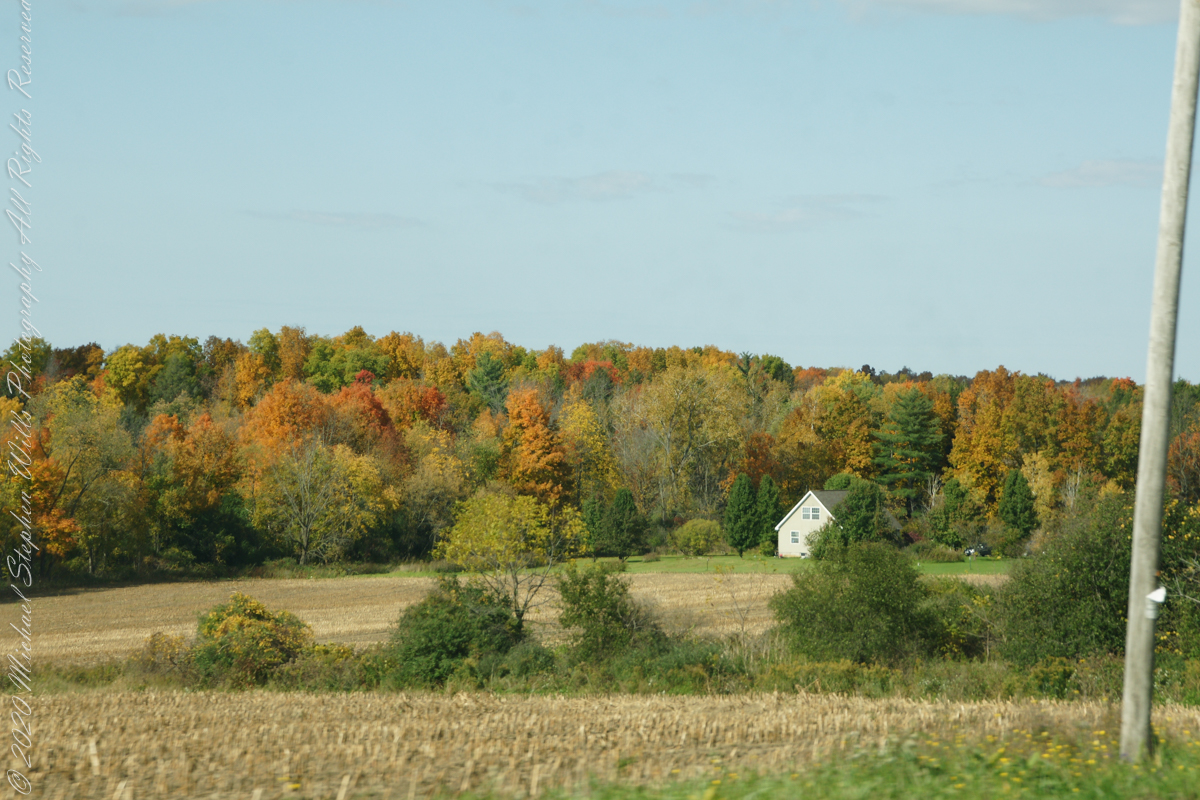
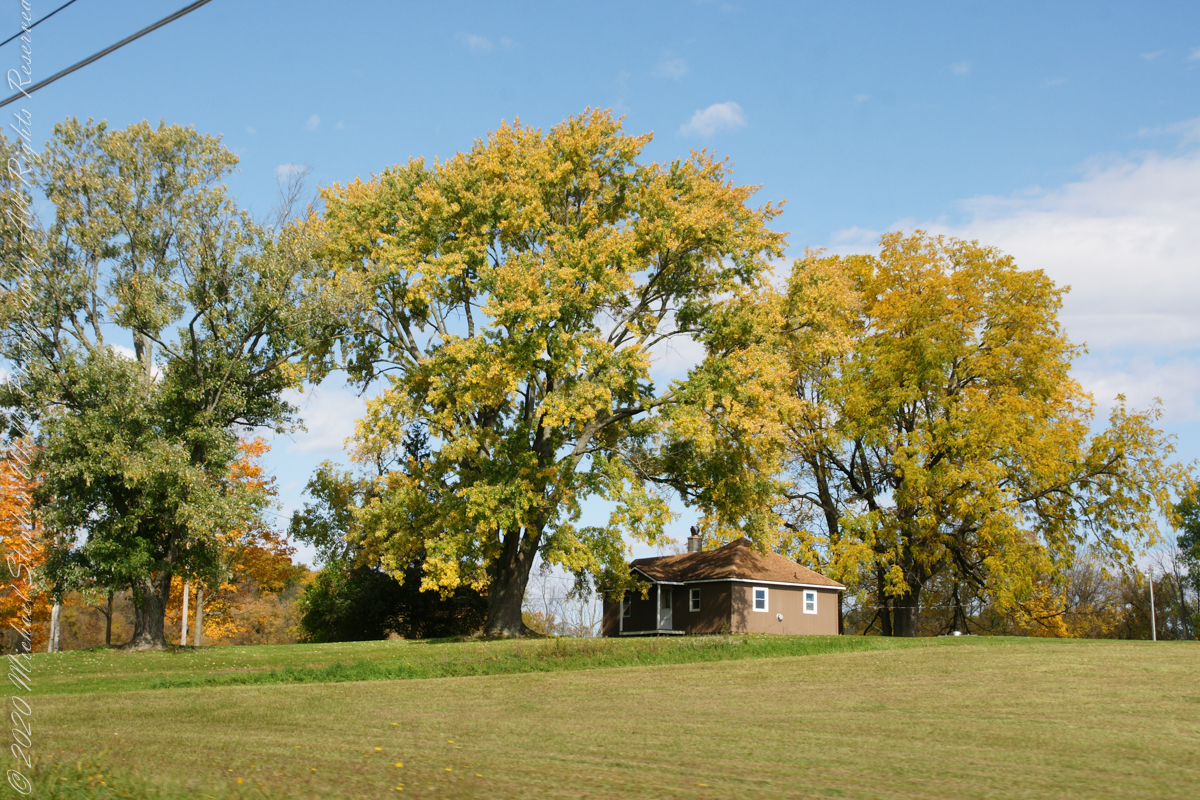
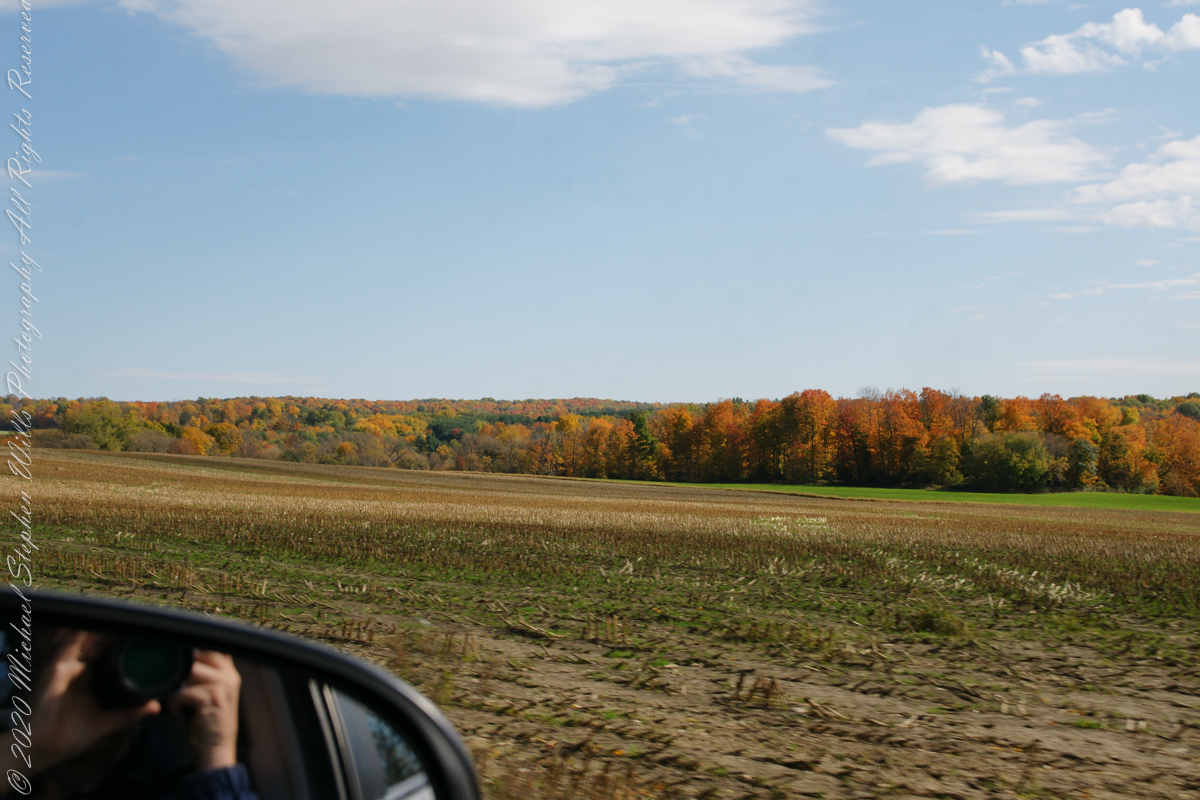
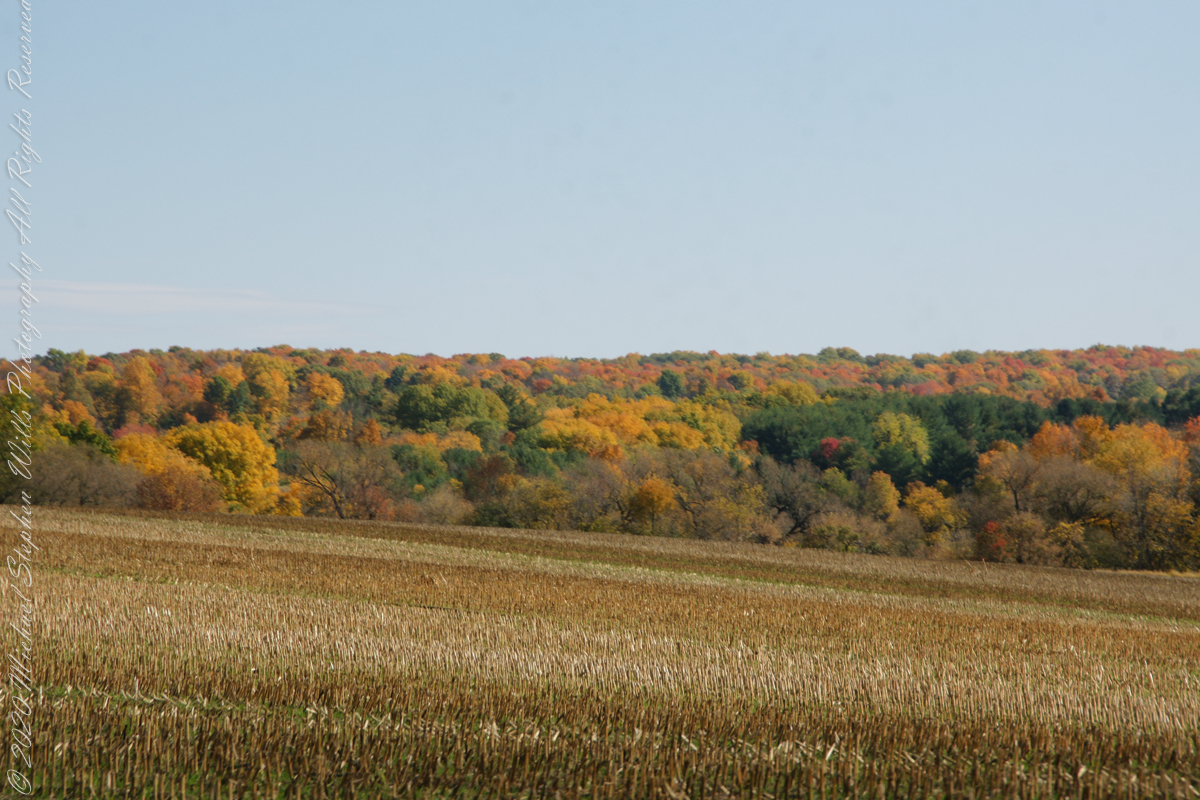
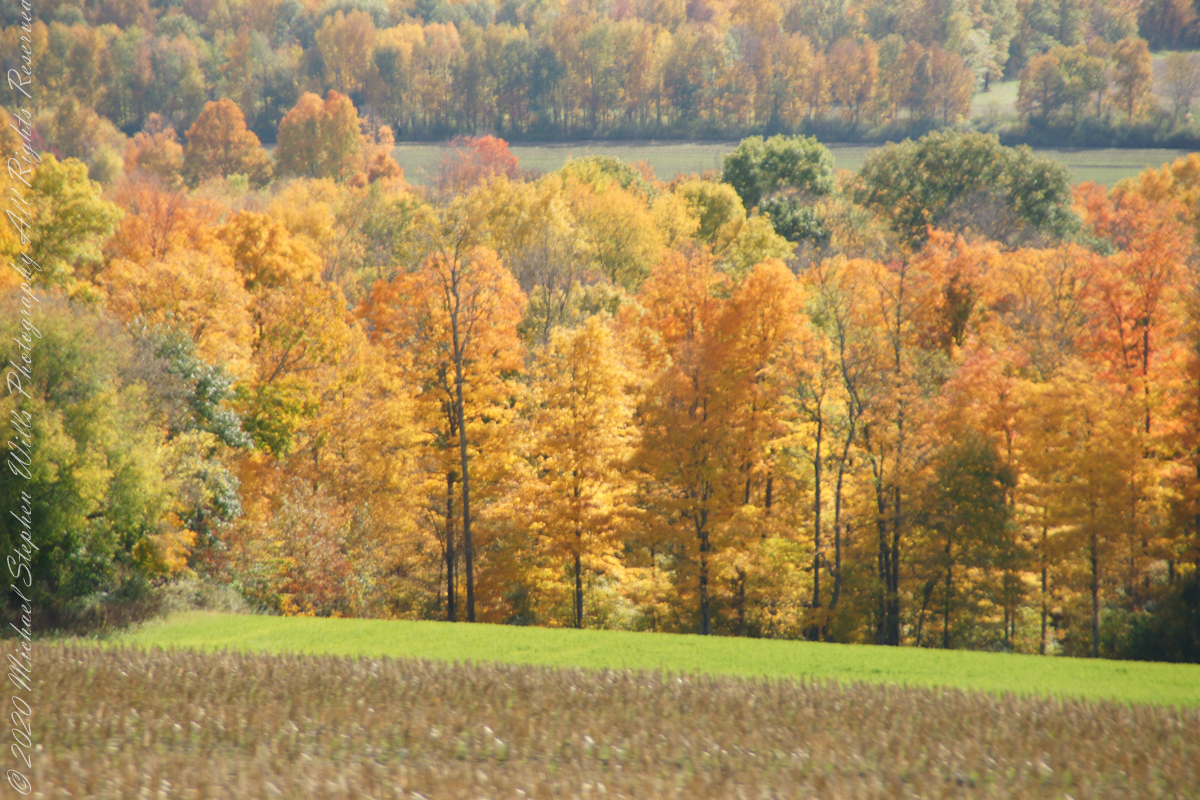
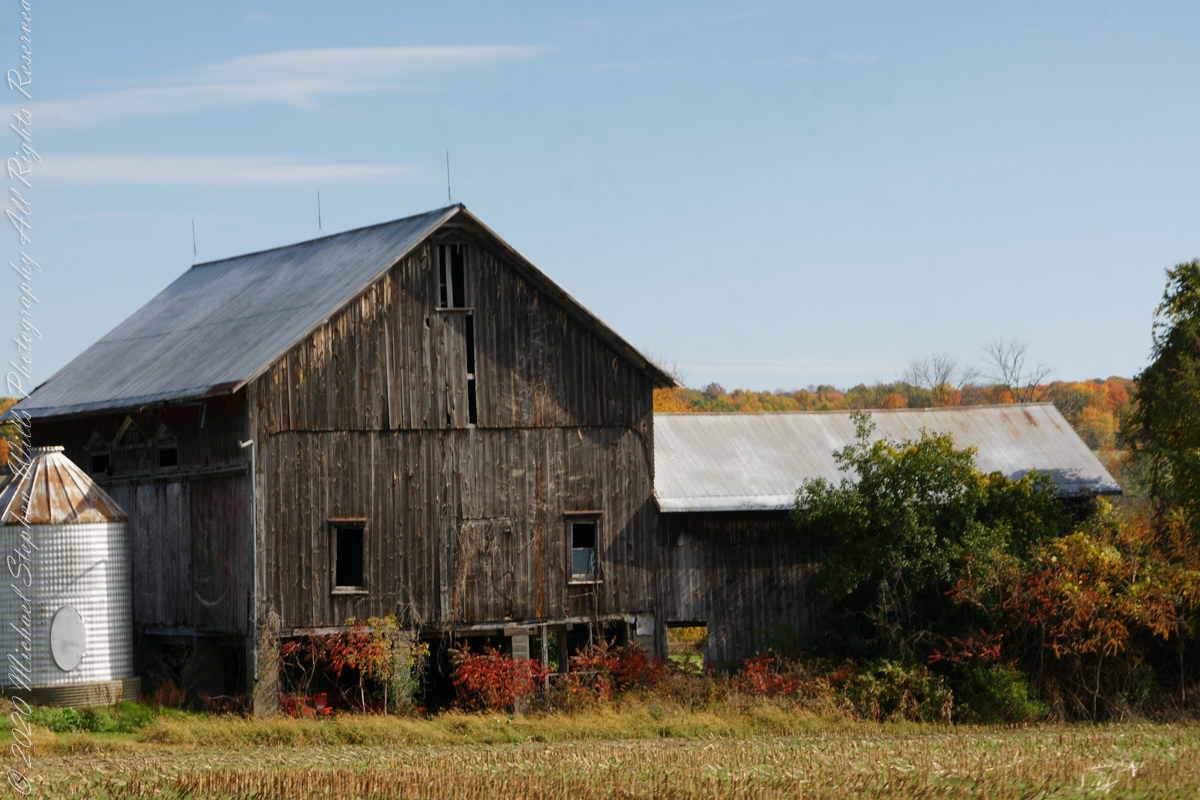
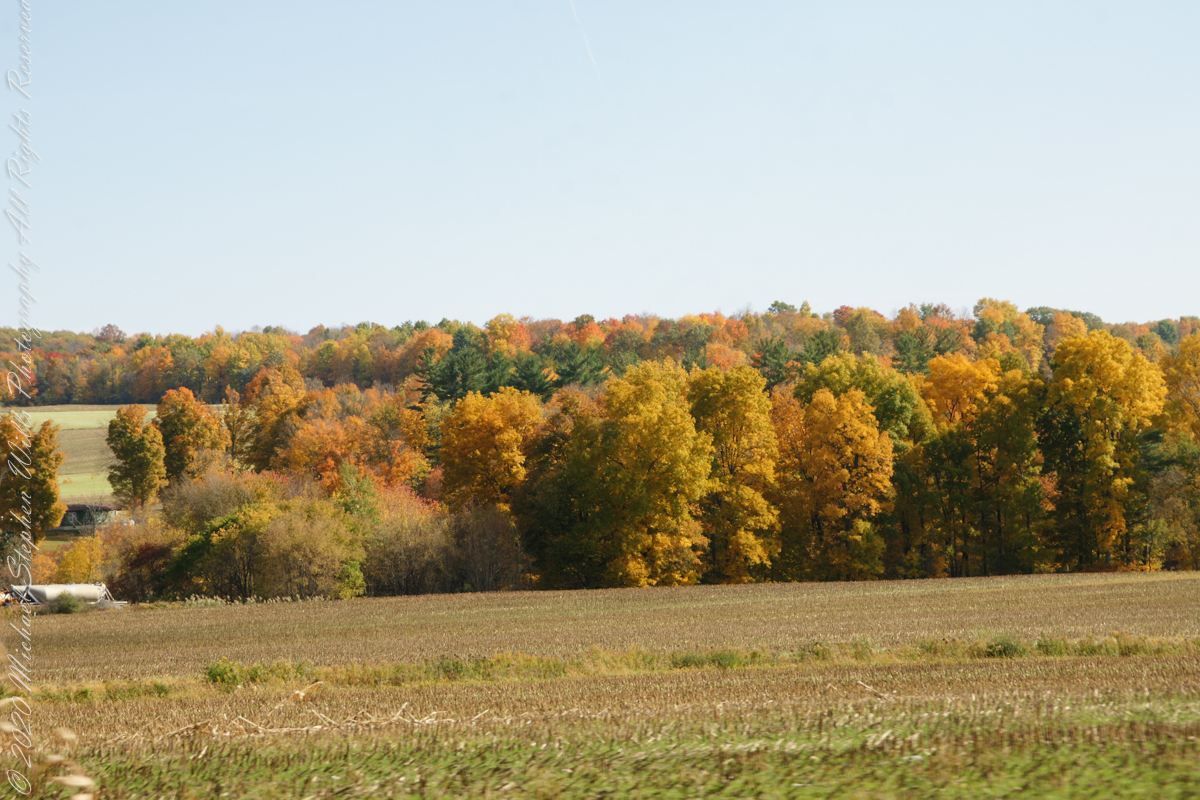
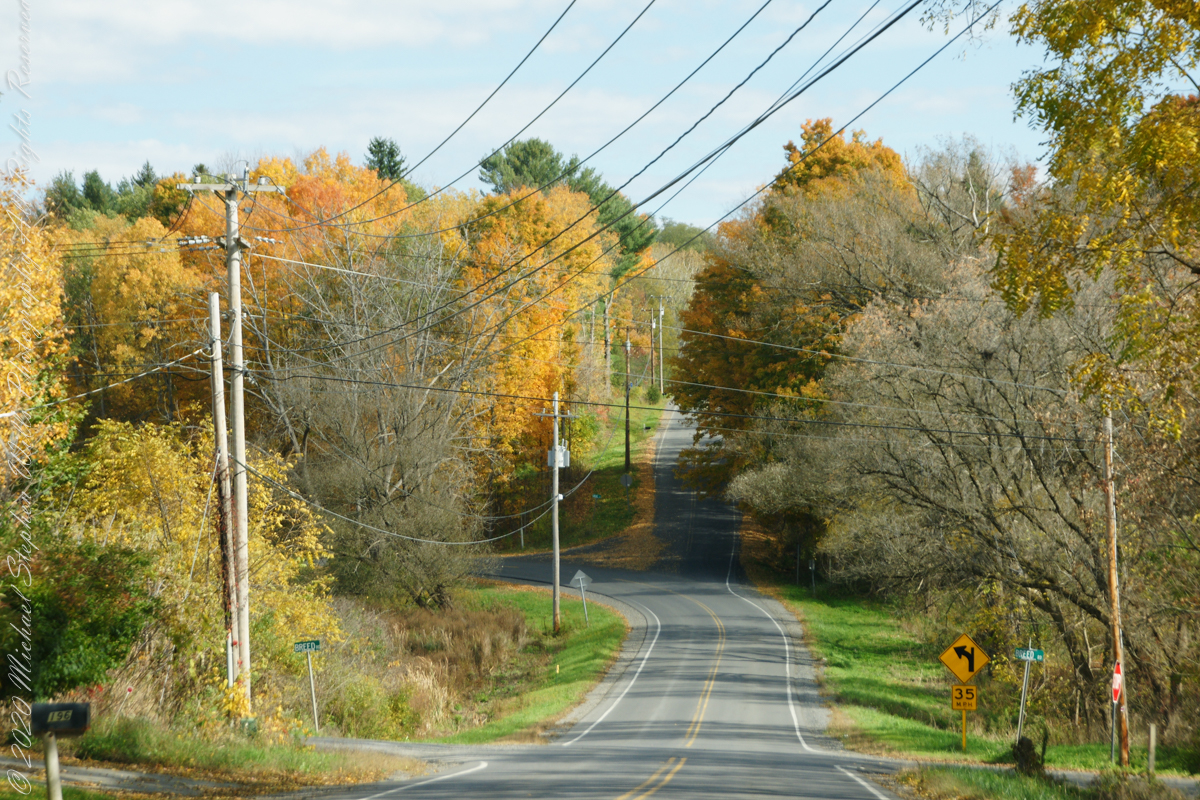
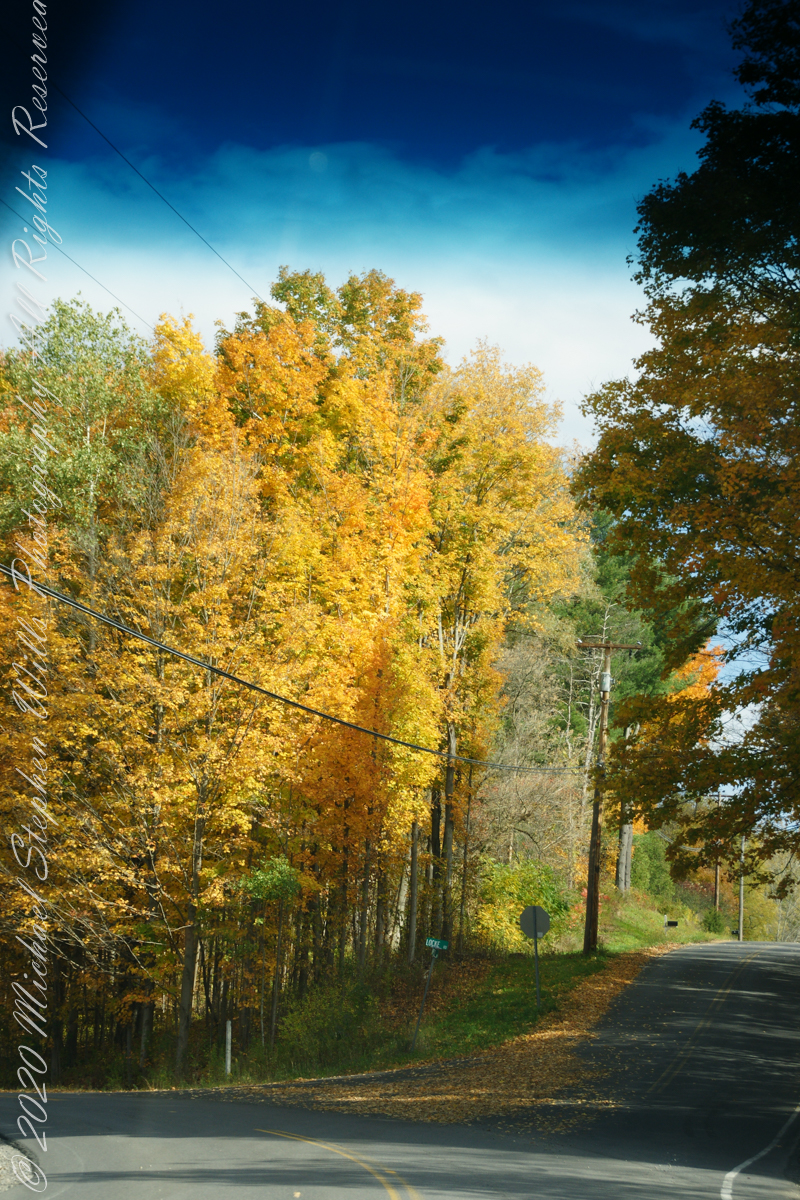
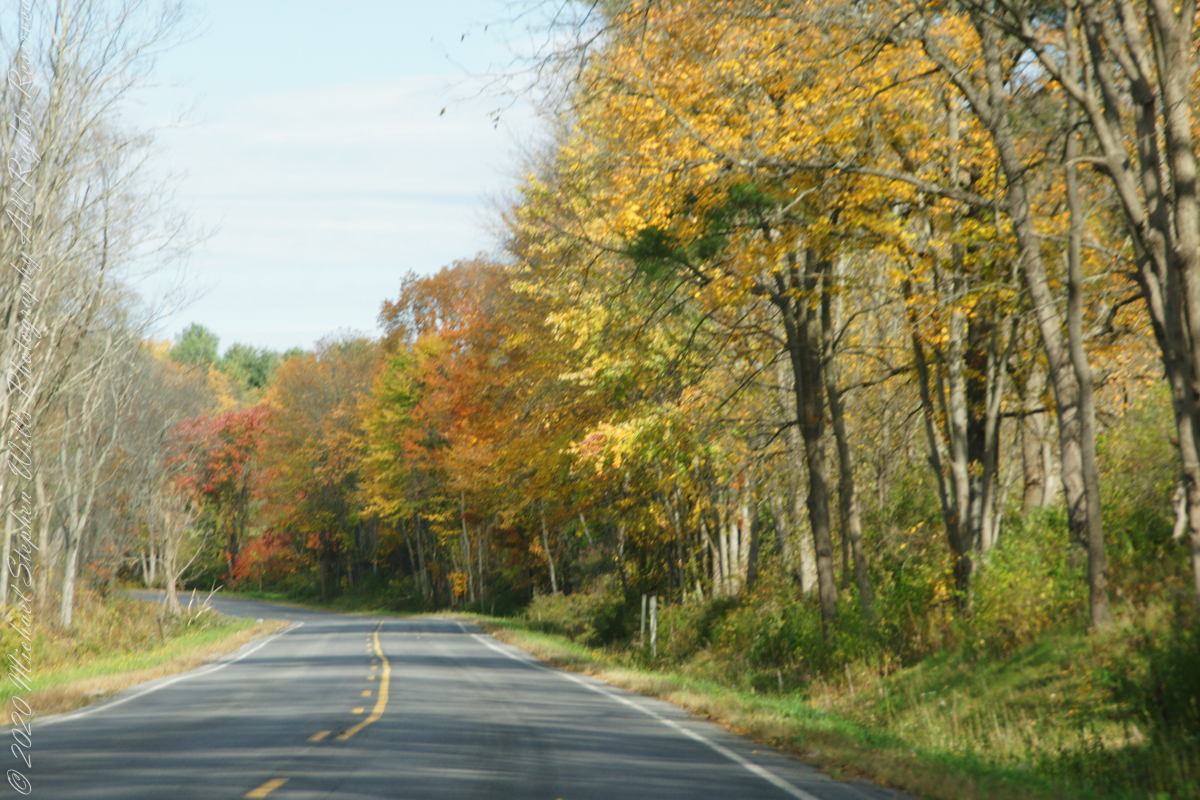
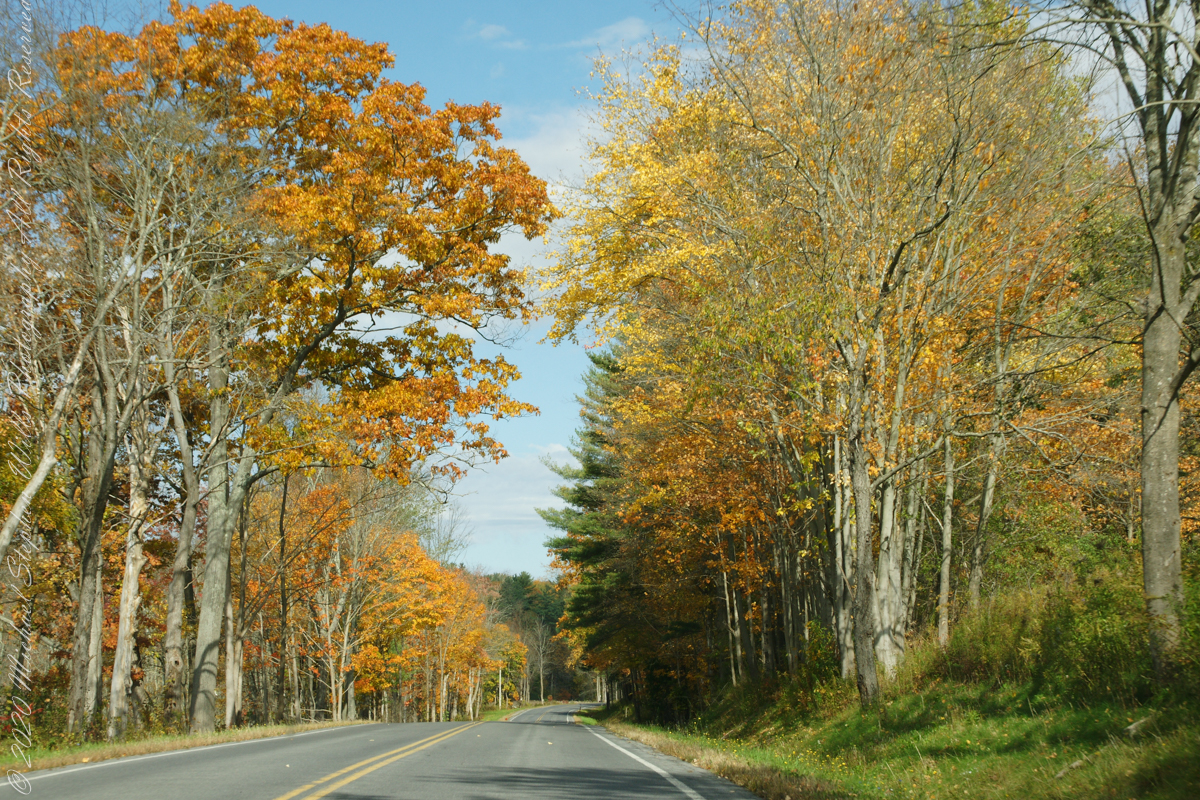
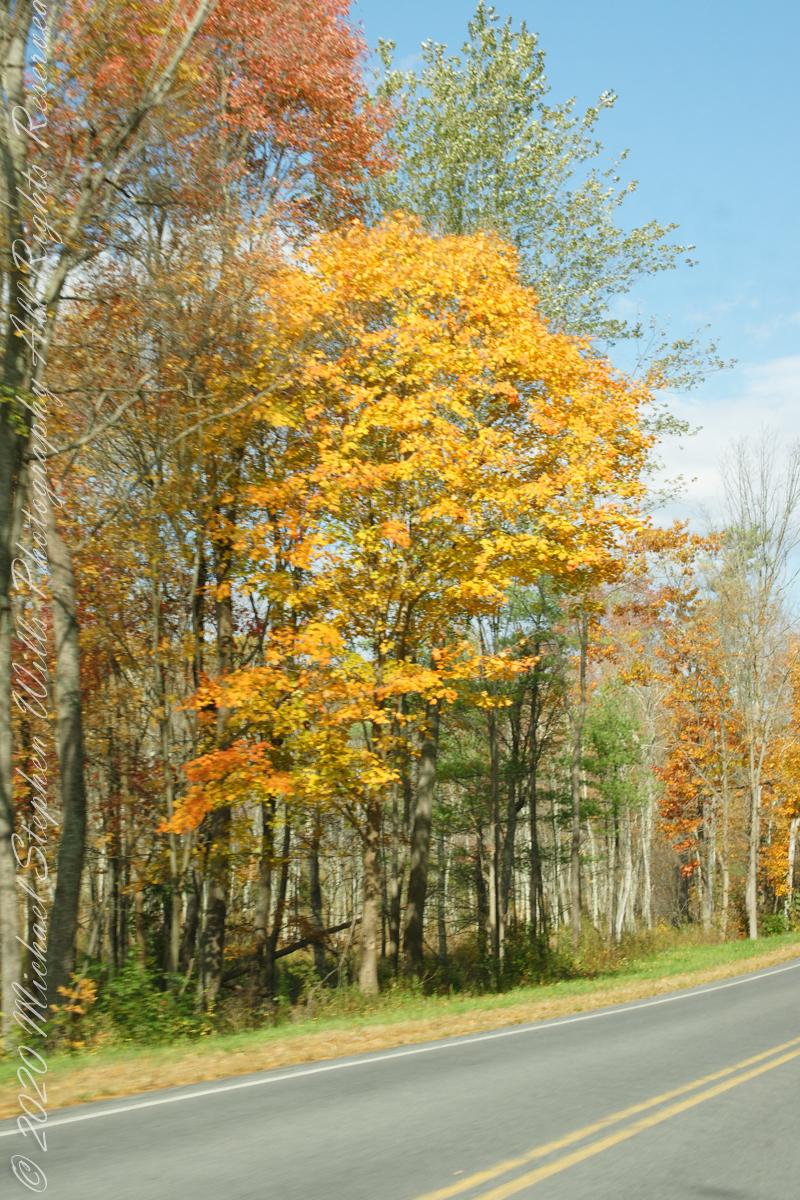
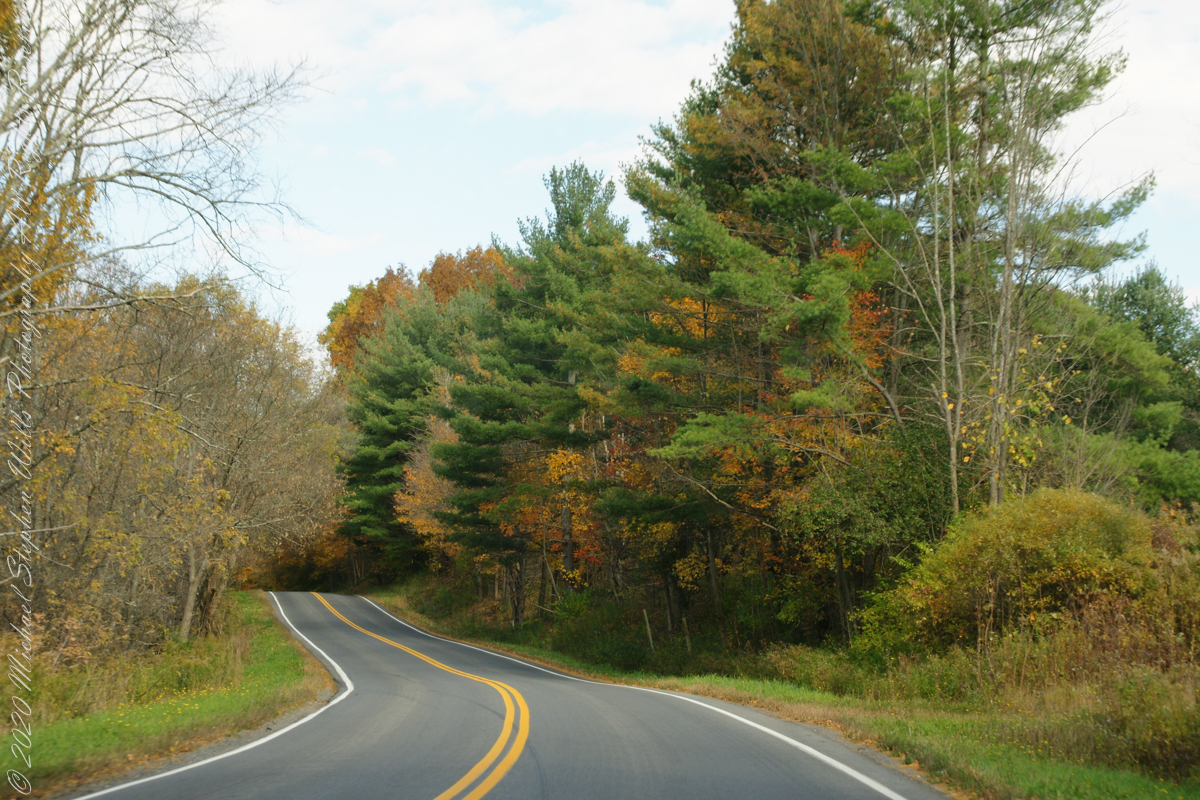
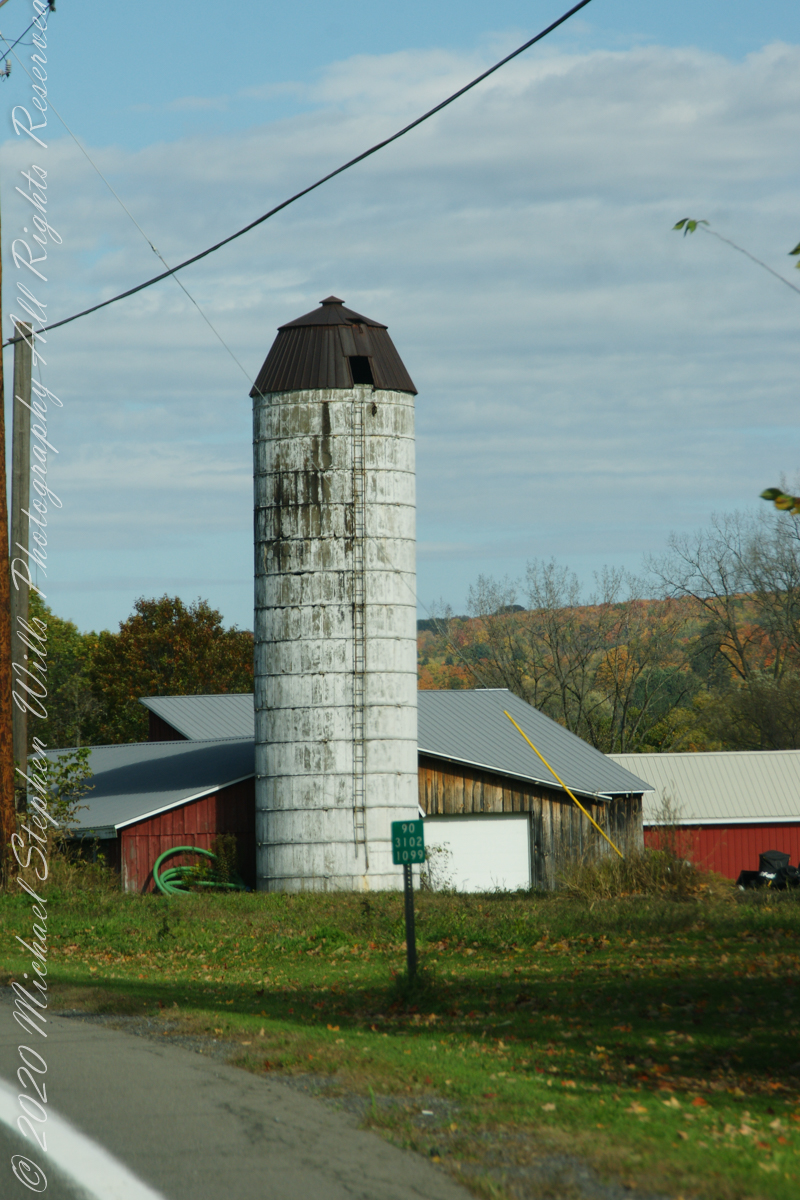
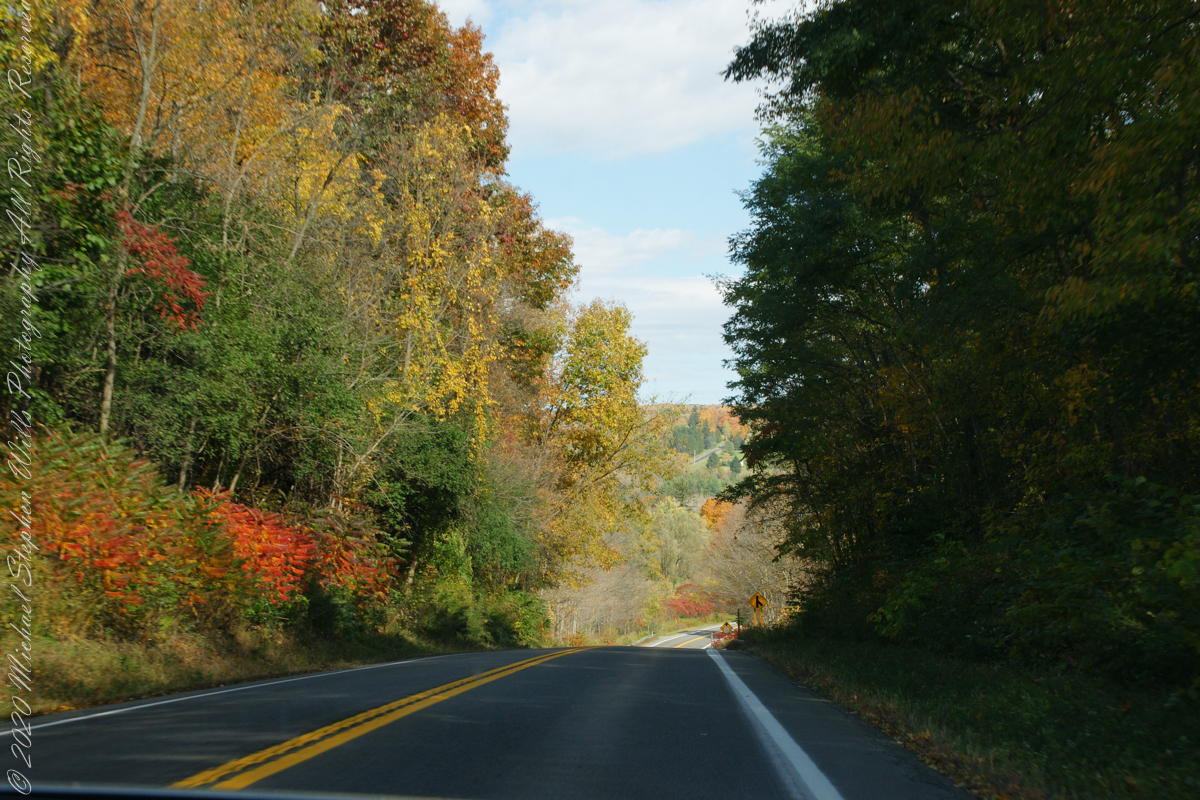
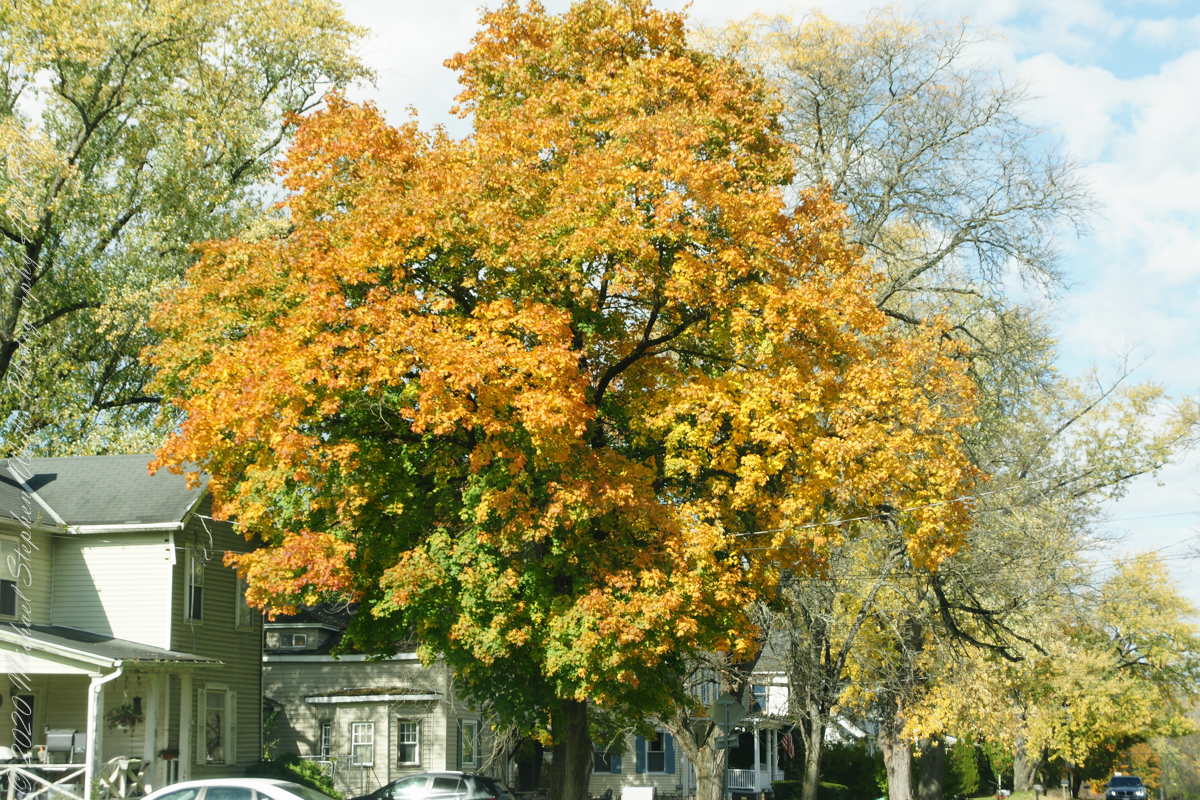
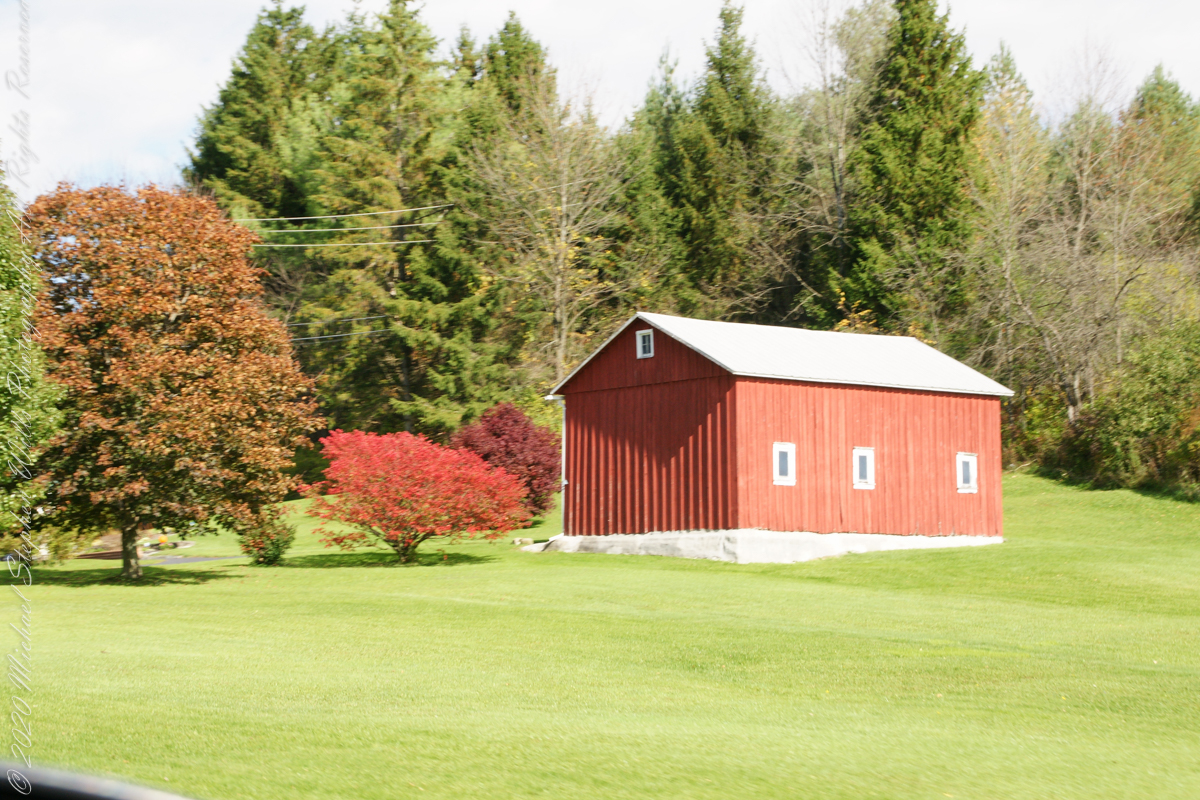
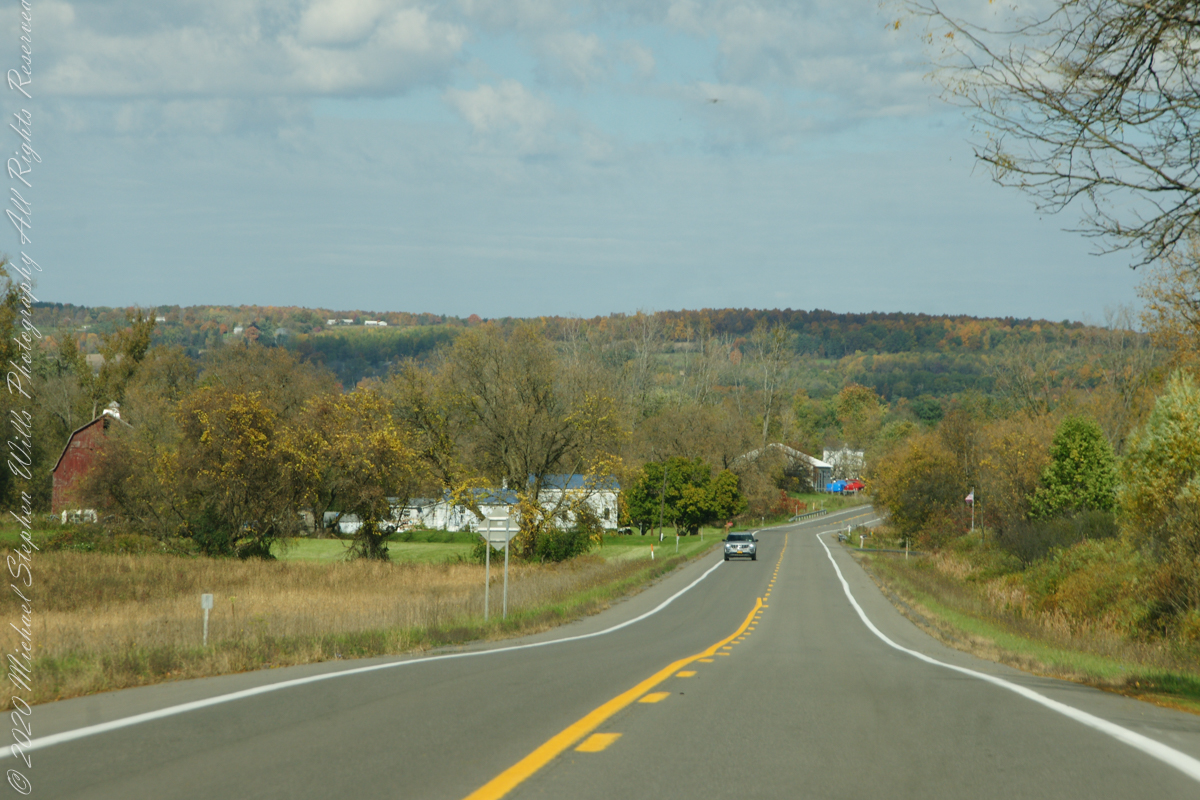
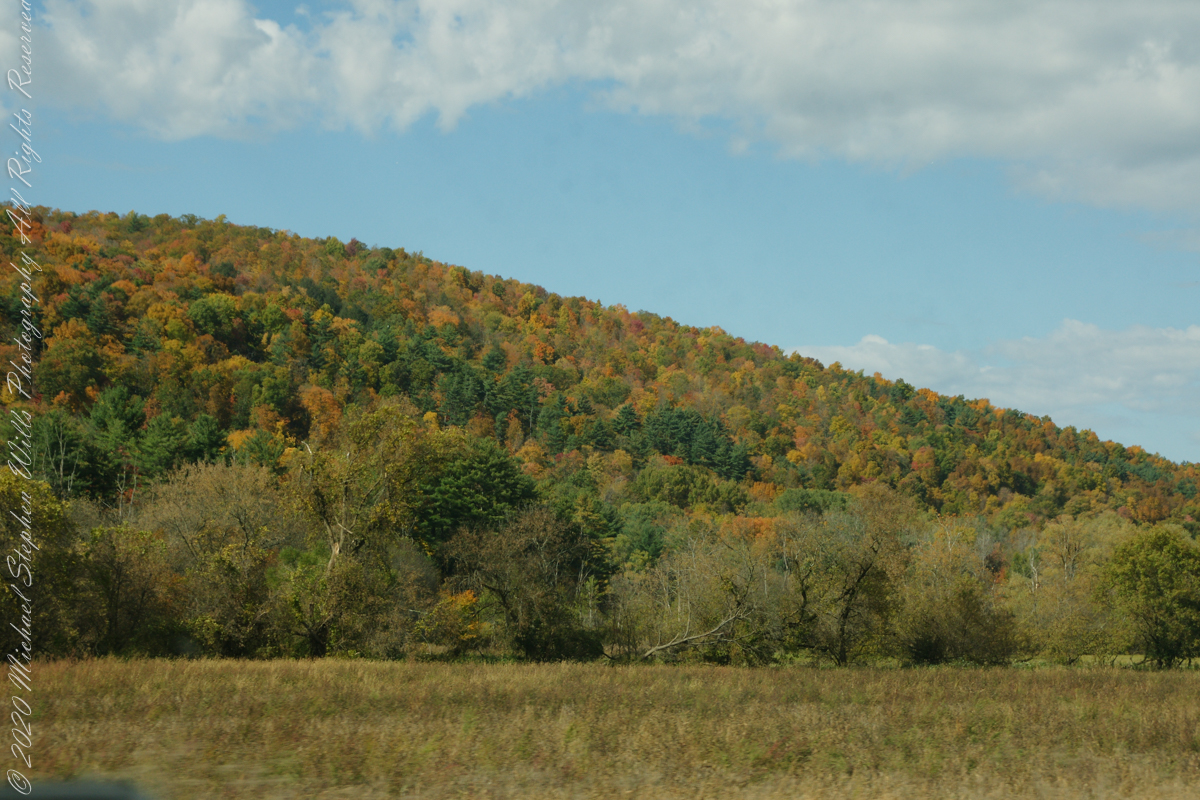
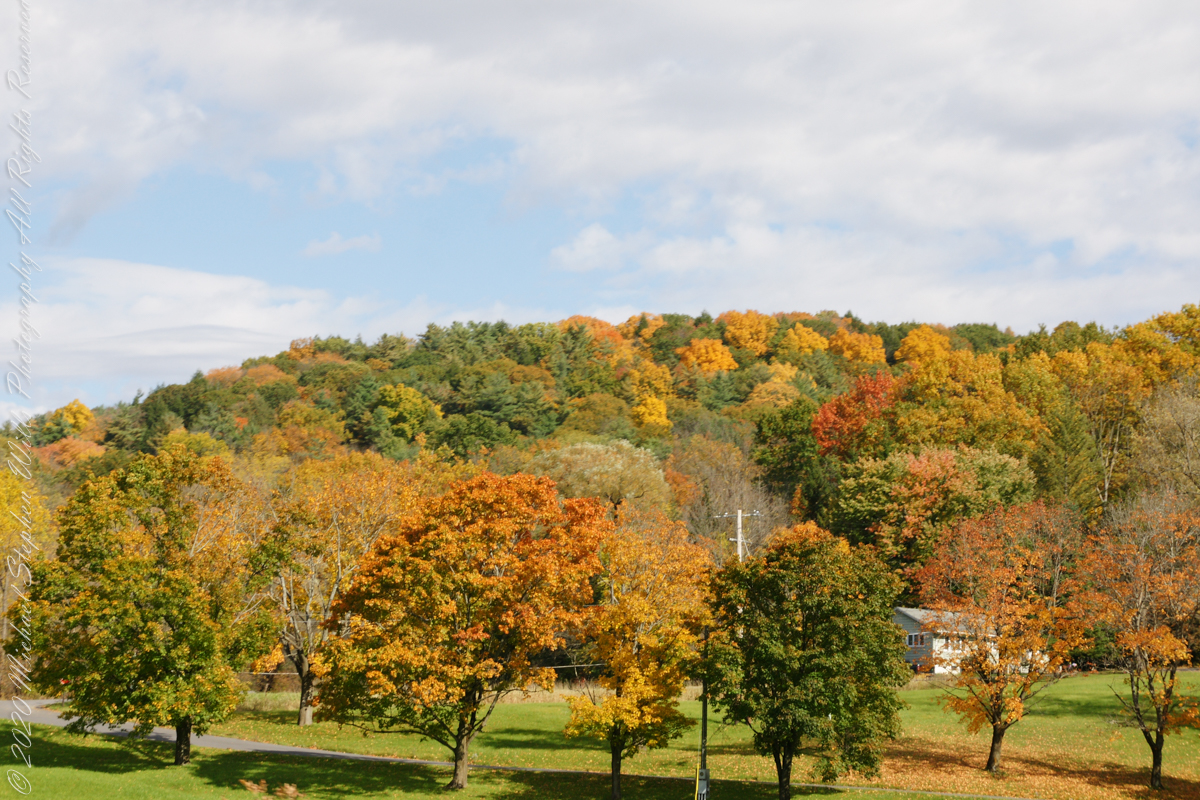
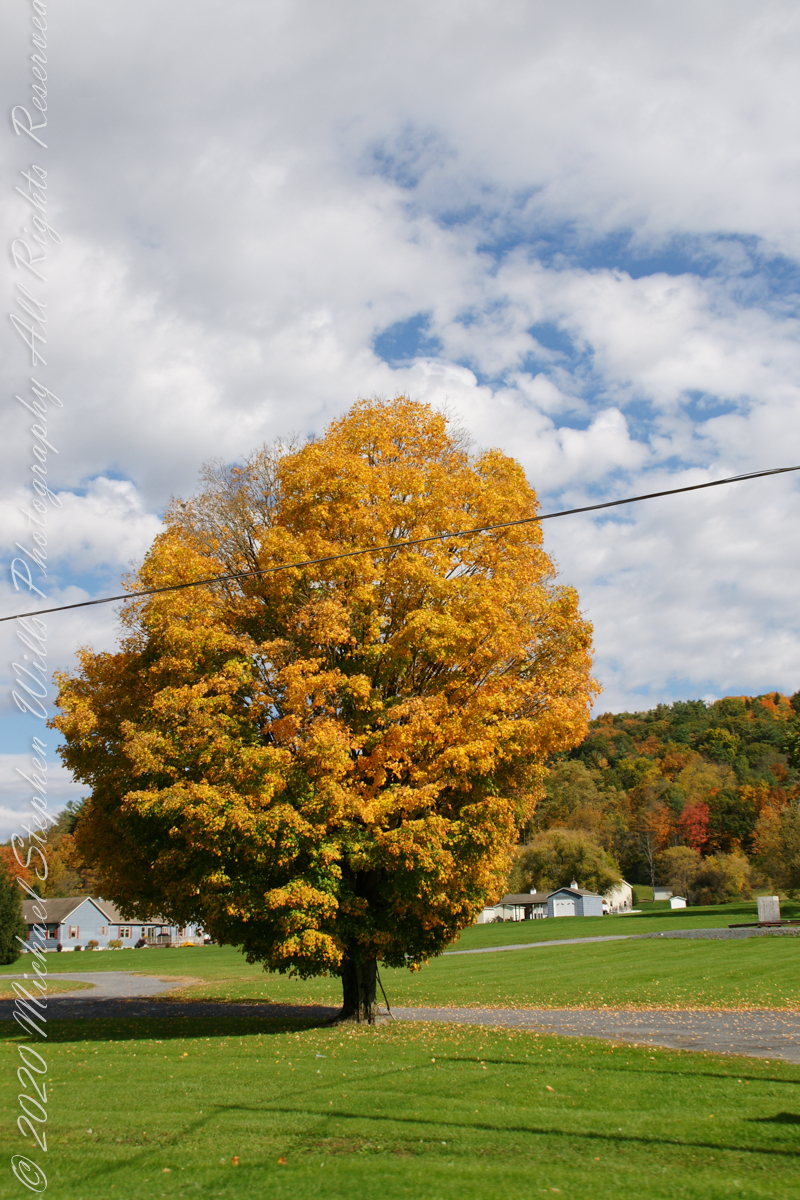
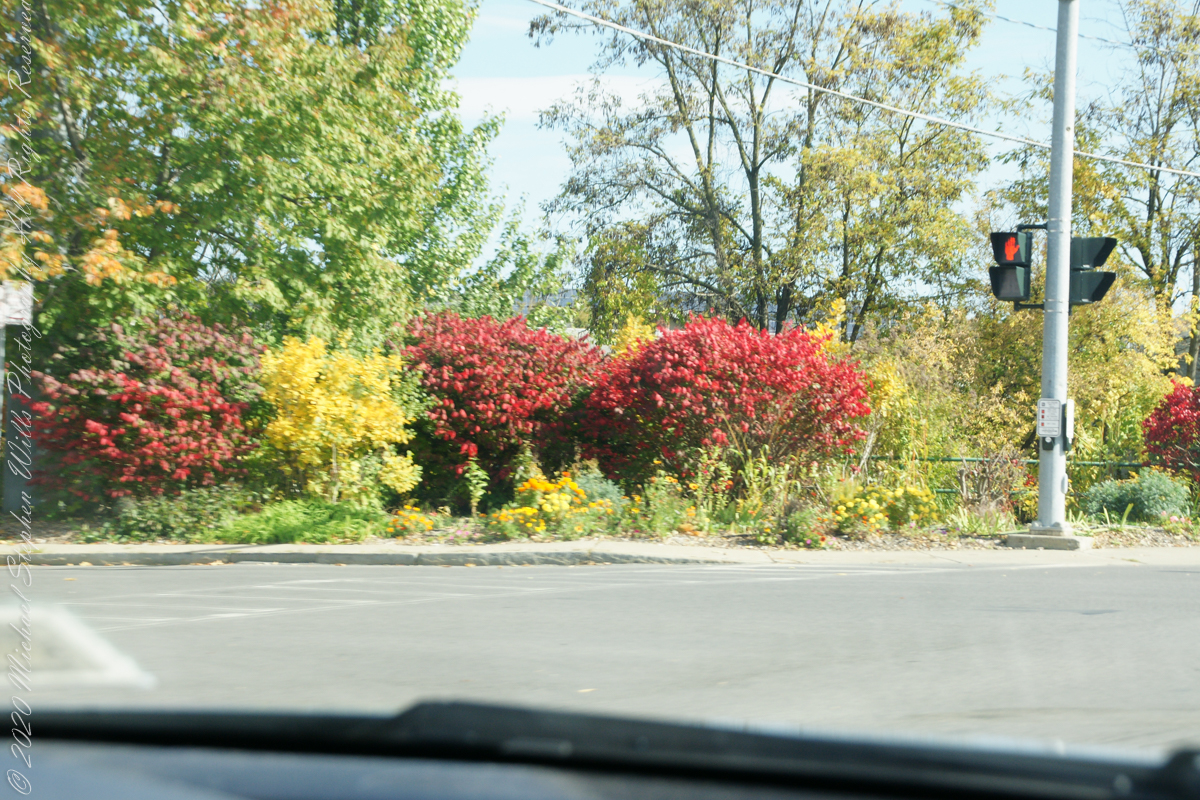
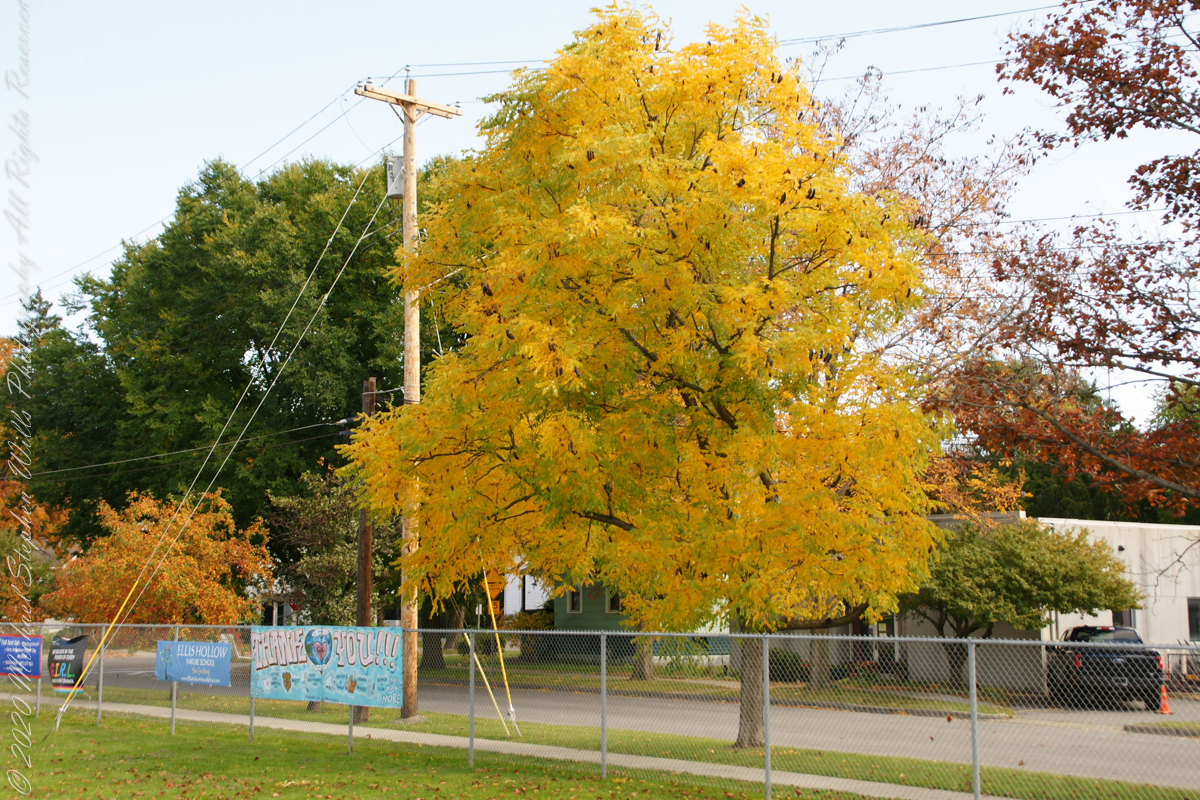
My Sony Alpha captured our October 16 drive to Fillmore Glen. As we traversed landscapes, the spectacle of Tompkins and Cayuga Counties autumn glory passed by the open passenger side window and, even, the front windshield. Thank You, Pam, for driving.

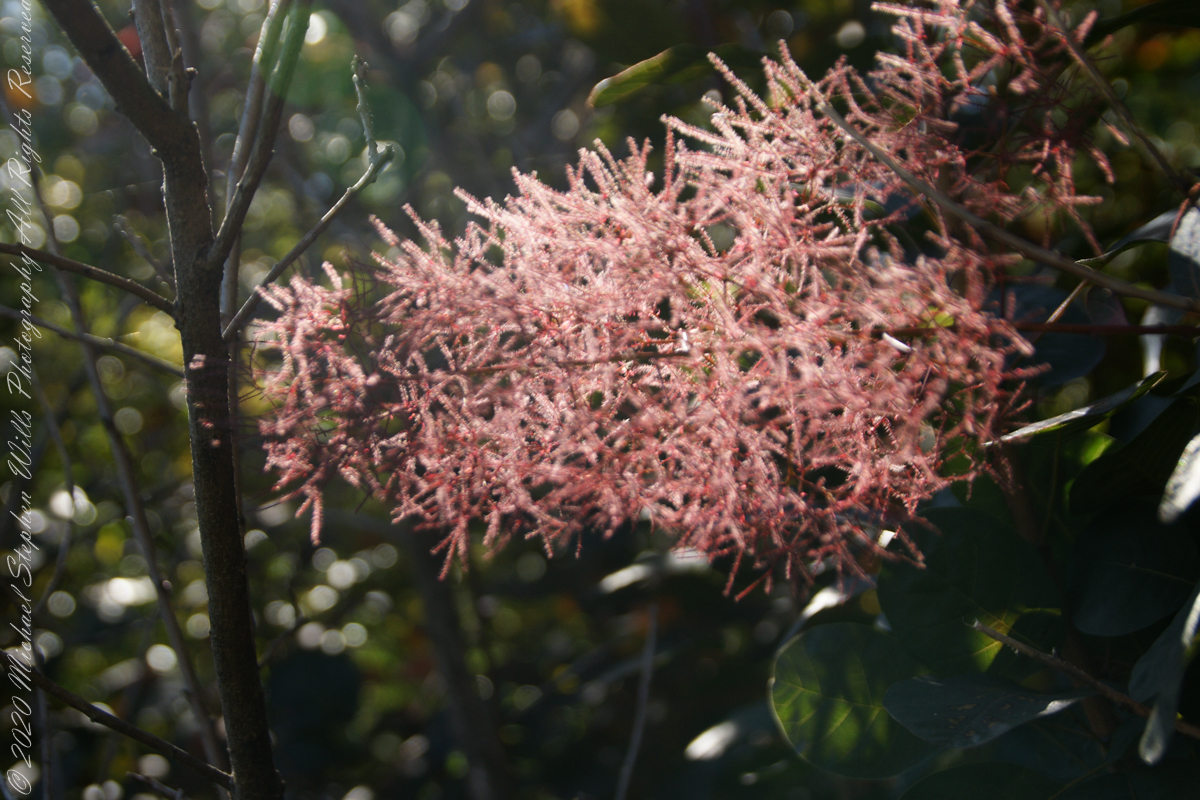
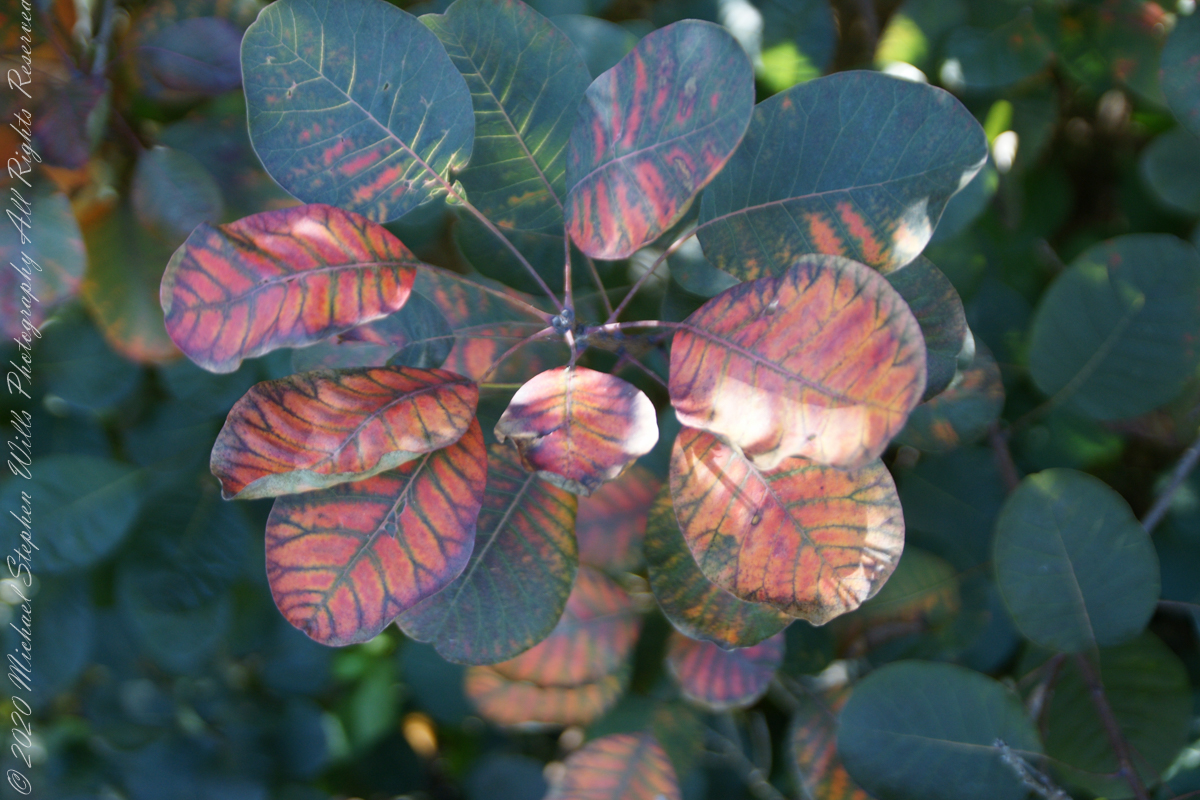
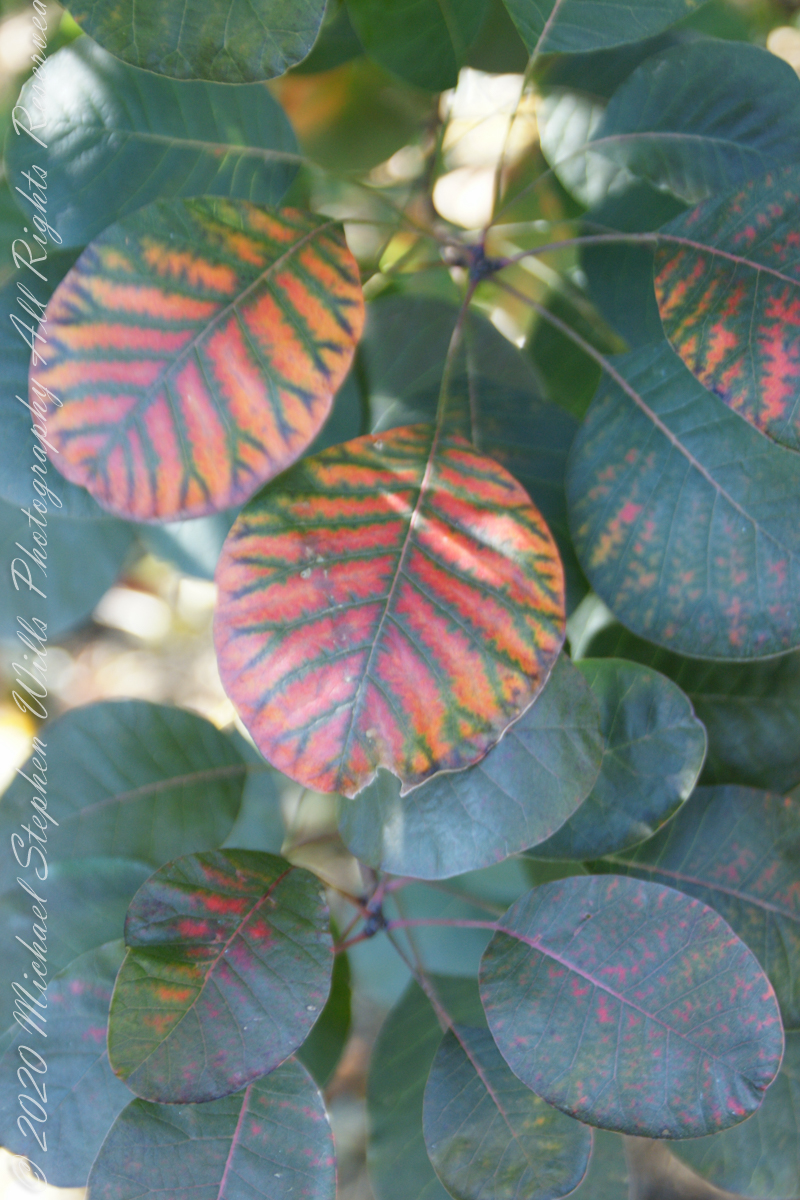
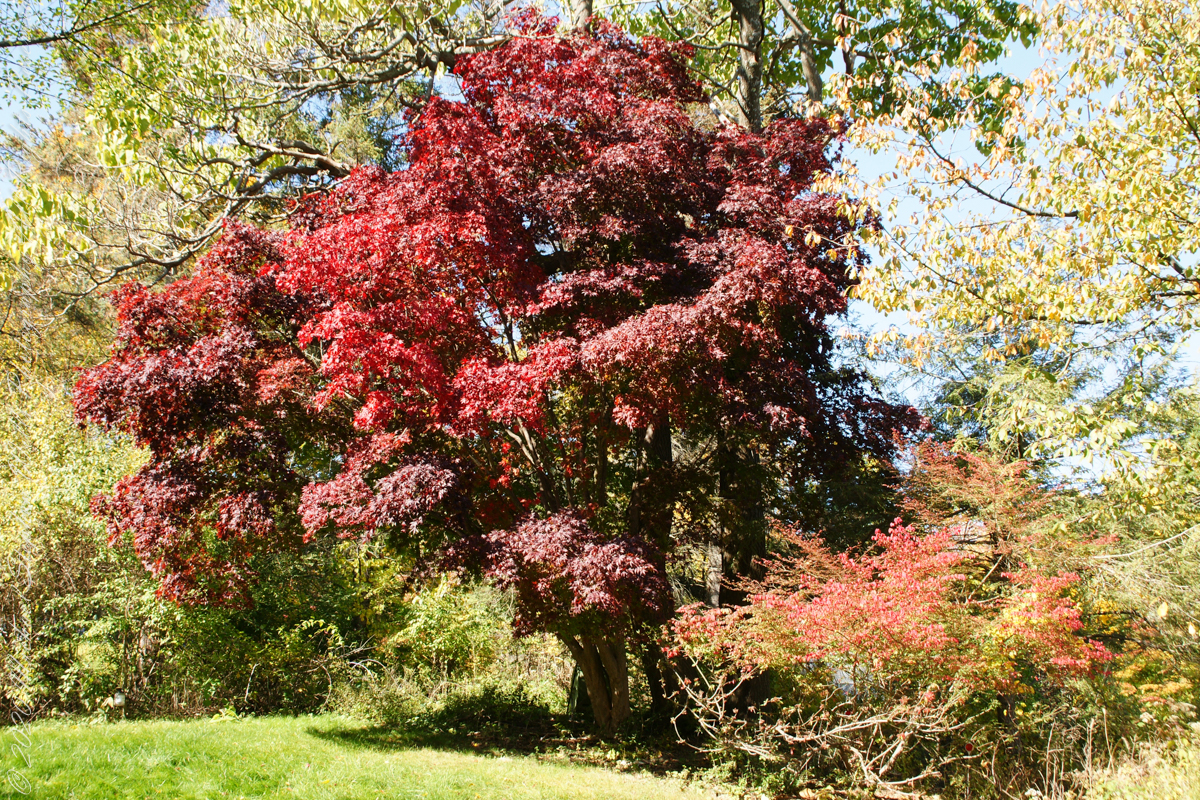
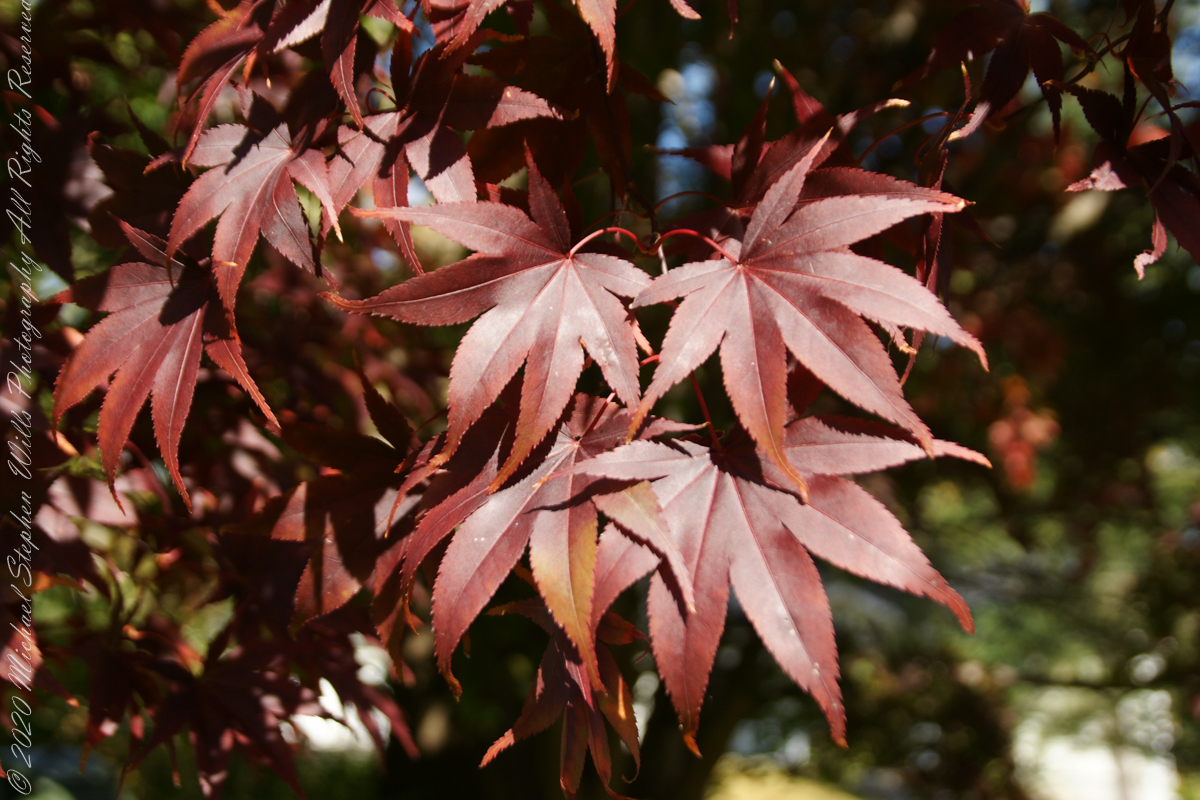
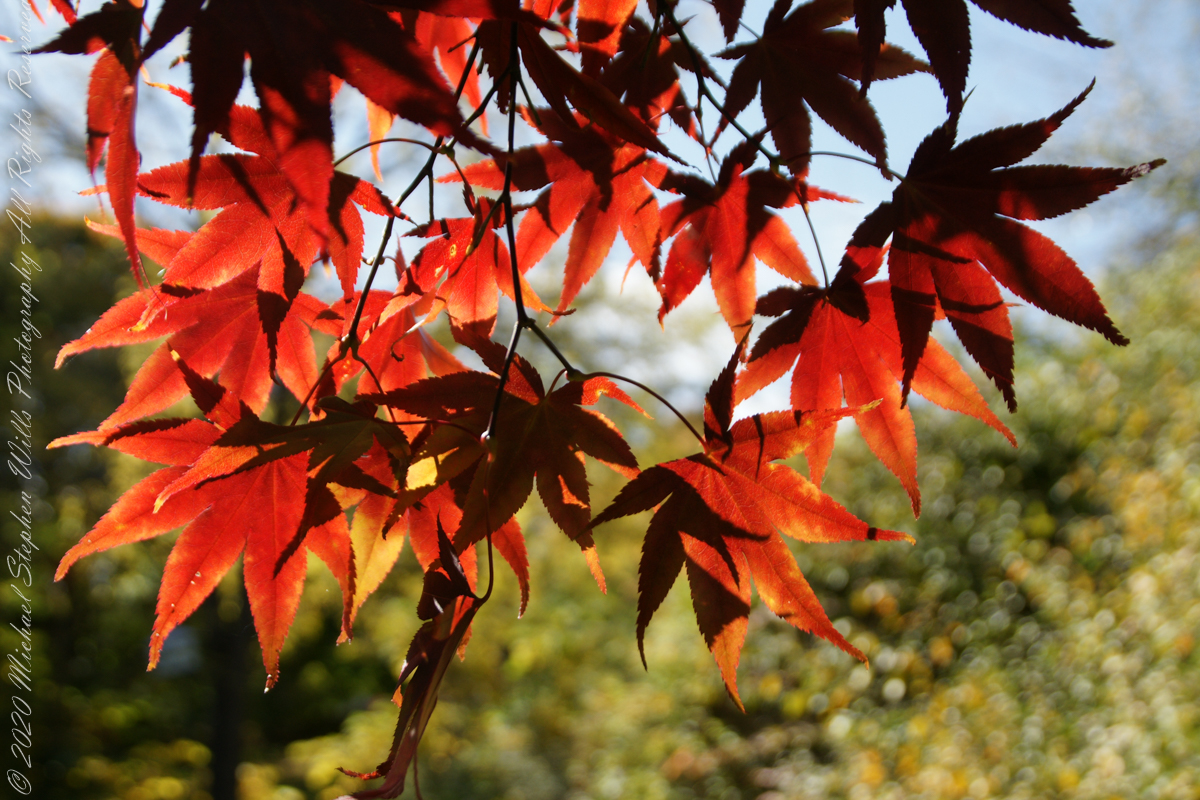
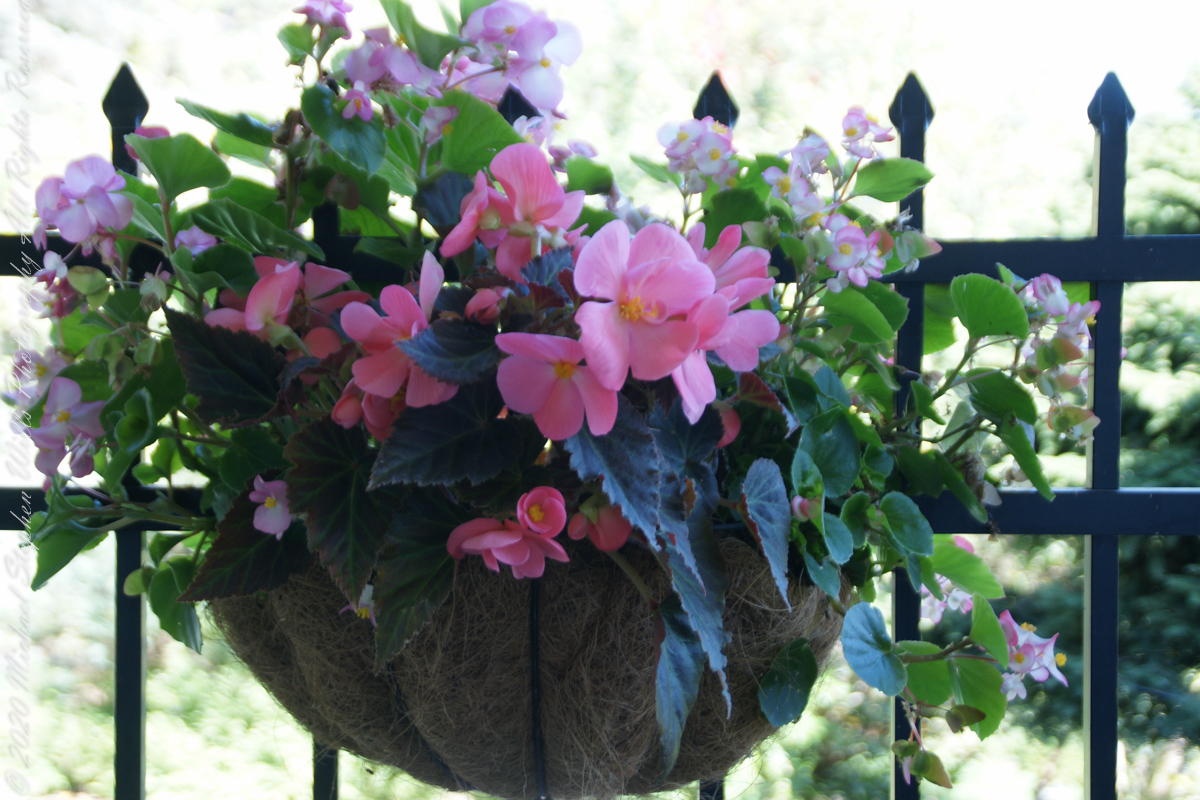
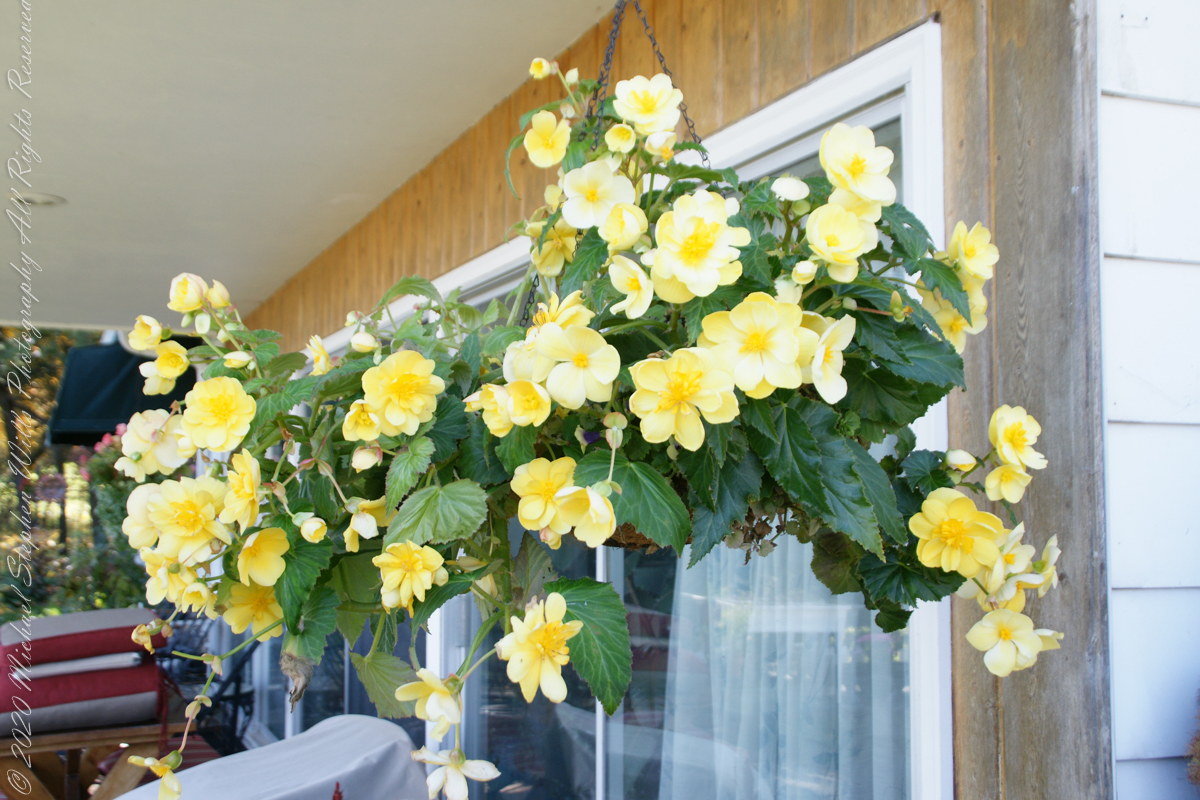
A turn around our home: Smoke tree, Japanese Maple, Pam’s flower baskets, fallen Oak leaves

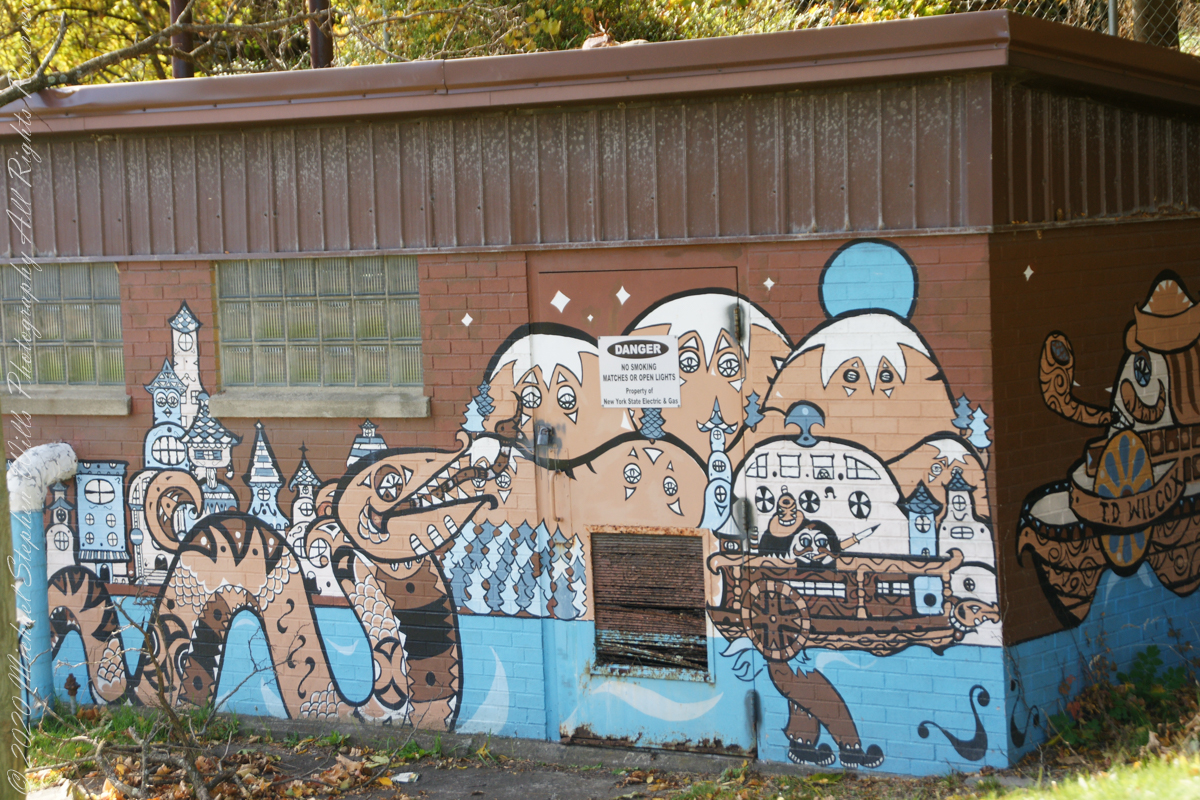
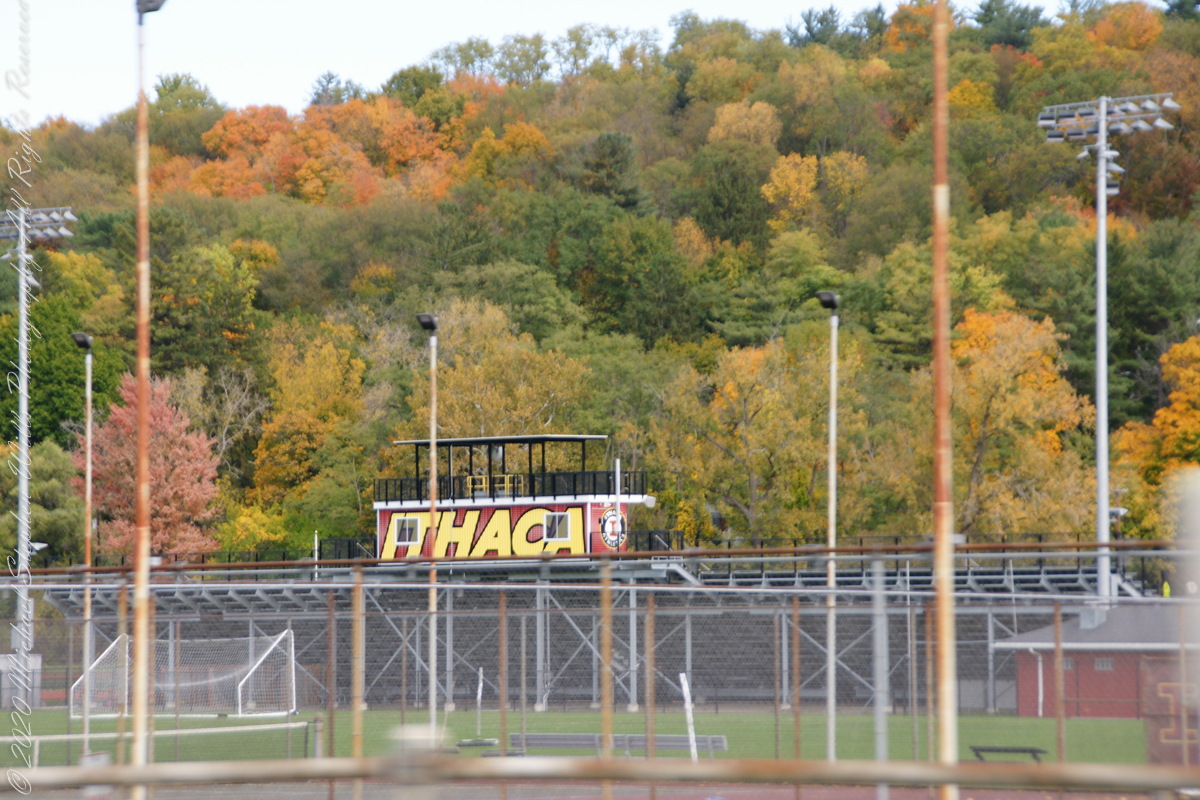
Panoramas from our front porch and on to Hector Street descending into and through Ithaca

Headed up Route 34 along Cayuga Lake, into “Farm Country”

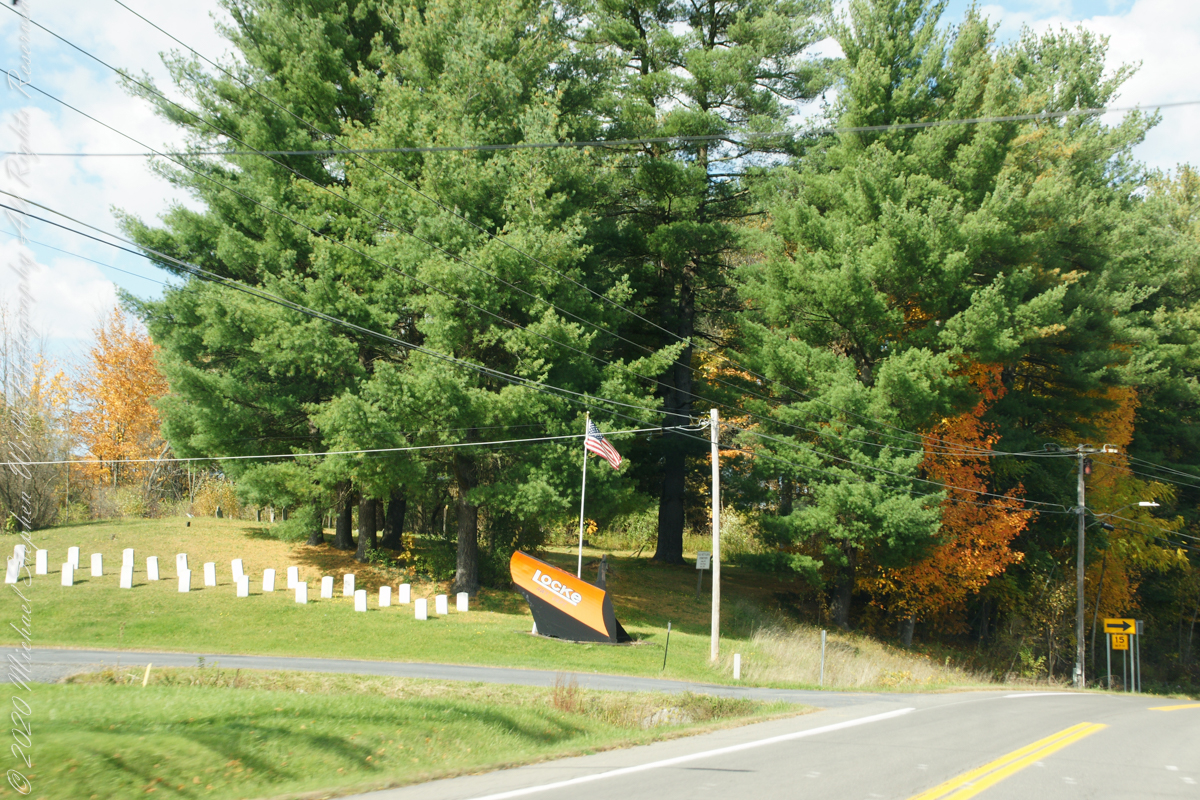
Turning onto Locke Road and crossing from Tompkins to Cayuga County

Travelling through Cayuga County, the town of Locke, then Moravia and Fillmore Glen State Park

This is my farewell to “Fall” for now.

Copyright 2022 All Right Reserved Michael Stephen Wills

Last Bridge

Golden Road

Good news….Click Me for the link to my latest photographs accepted by Getty, from this series of 2022 Fillmore Glen. You may acquire reasonably priced rights to use these photographs in your work.

My Sony Alpha was in use during our October 16 drive to Fillmore Glen. As we traversed landscapes, autumn glory of Tompkins and Cayuga Counties was captured. Thank You, Pam, for driving.

Heading today’s post is a windshield shot, I’m loving the effect of a golden road.

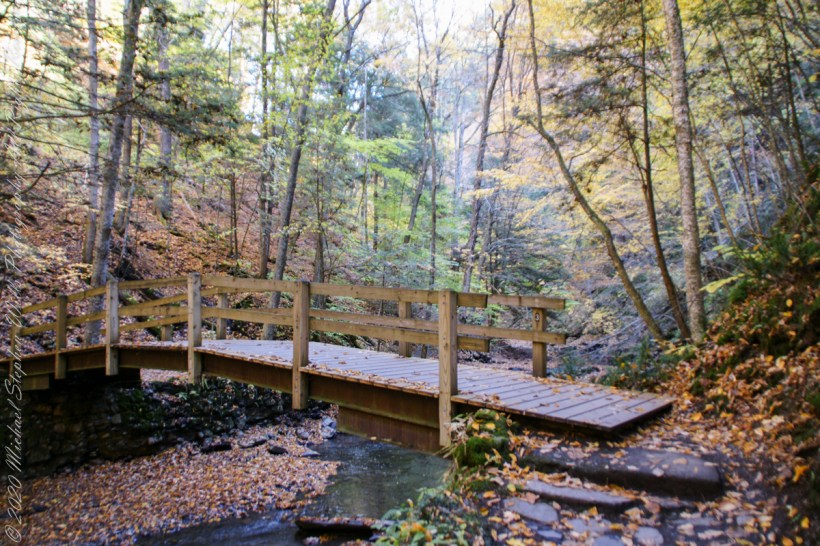
During our walk, I used the Sony Alpha for a parallel series of shots to compliment the tripod mounted Canon. Here are some of those results.

Step up and over

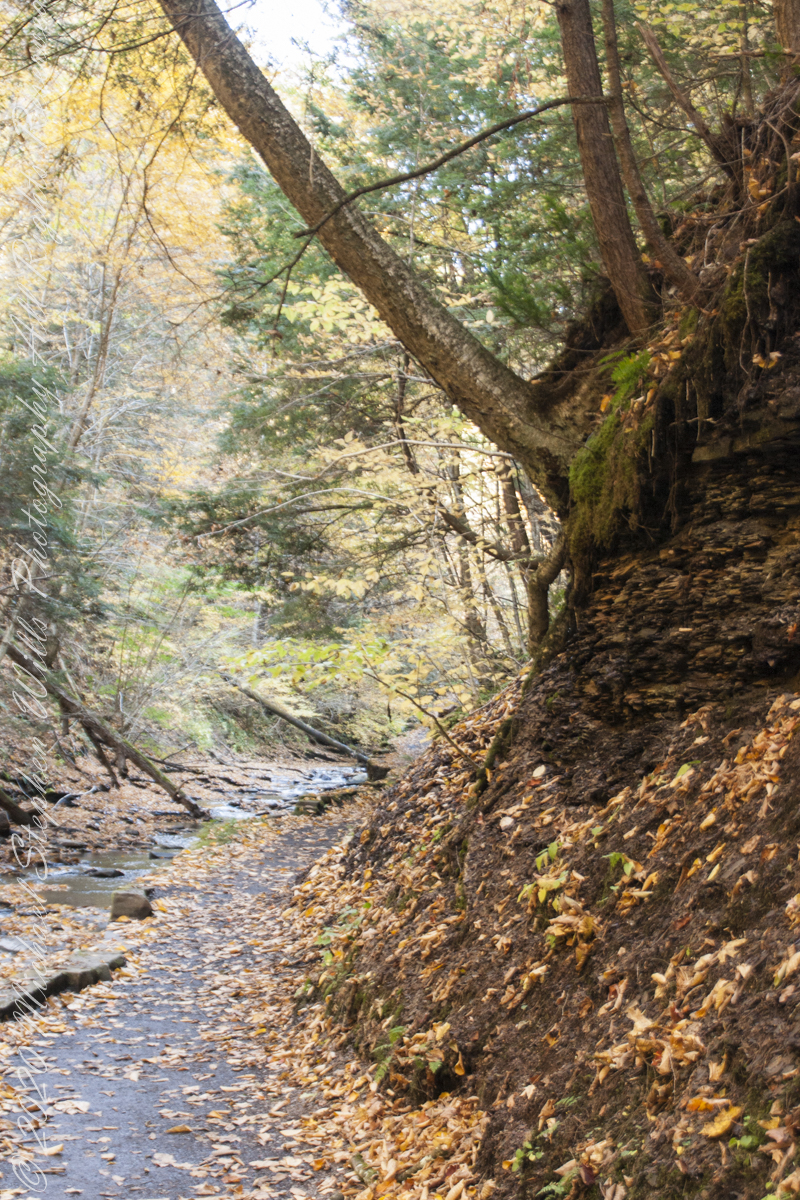
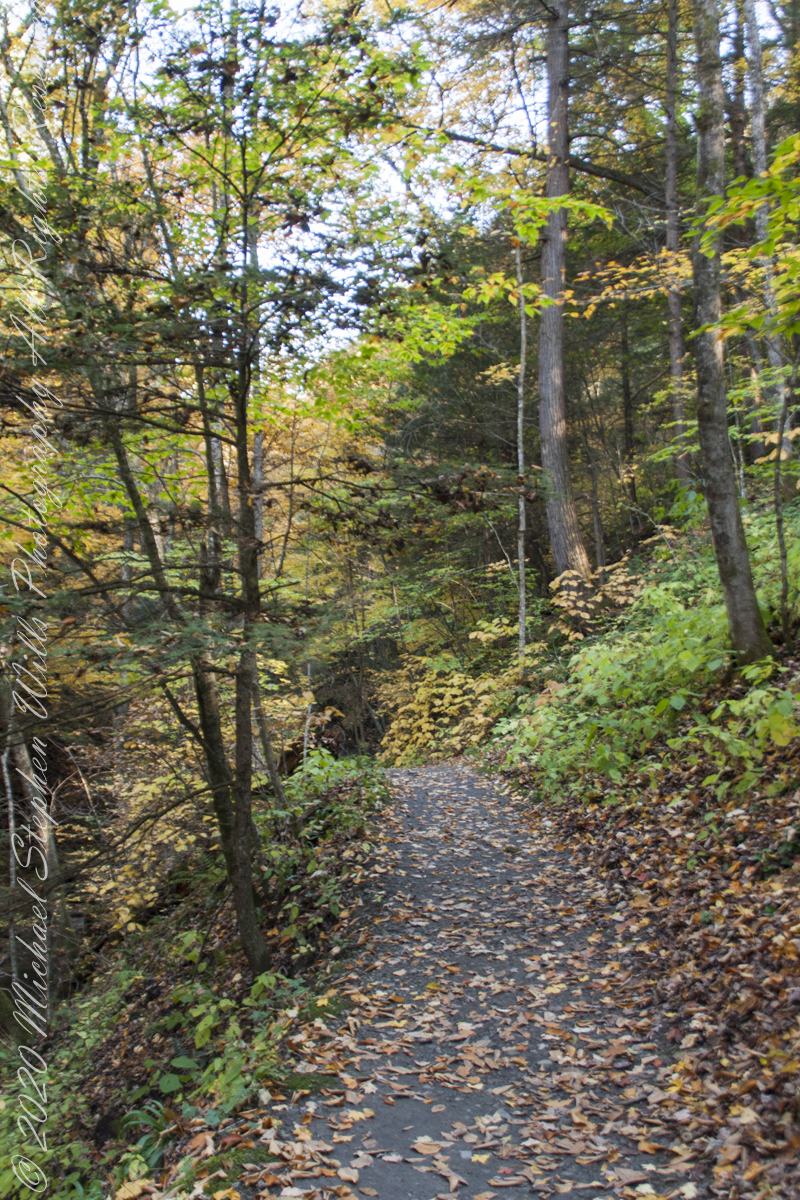
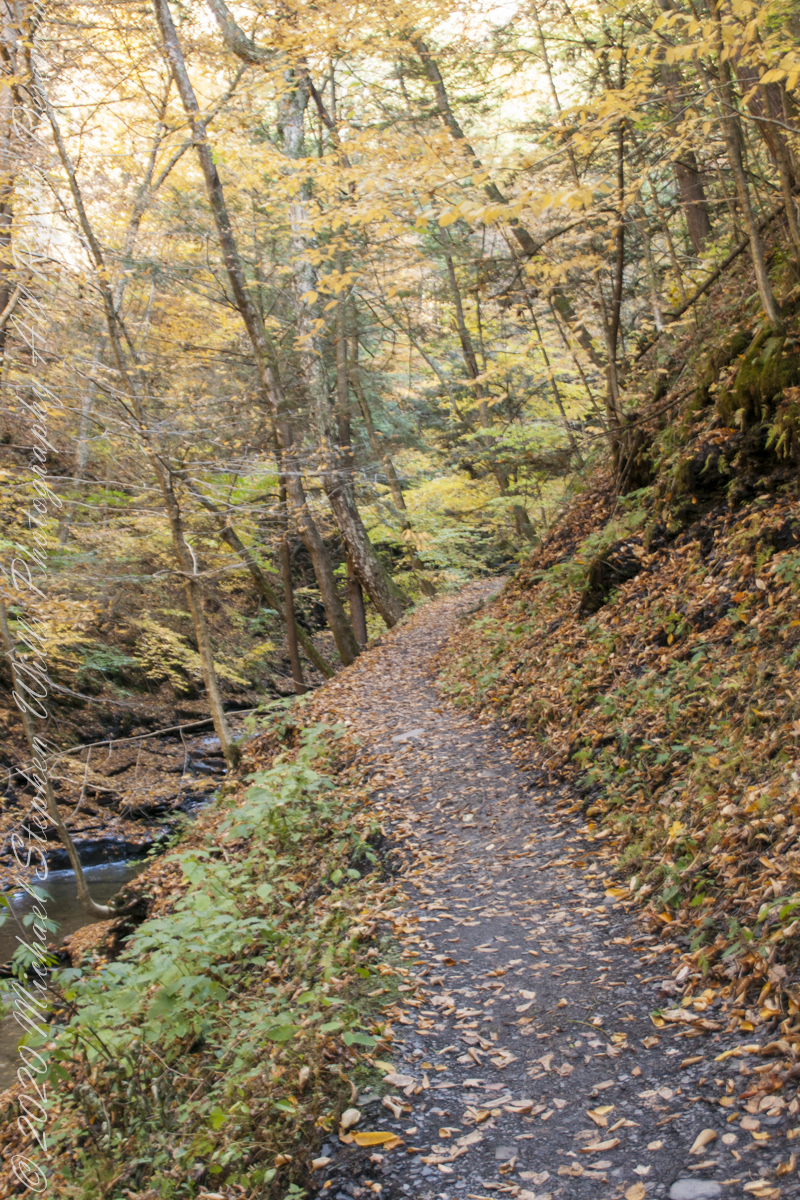
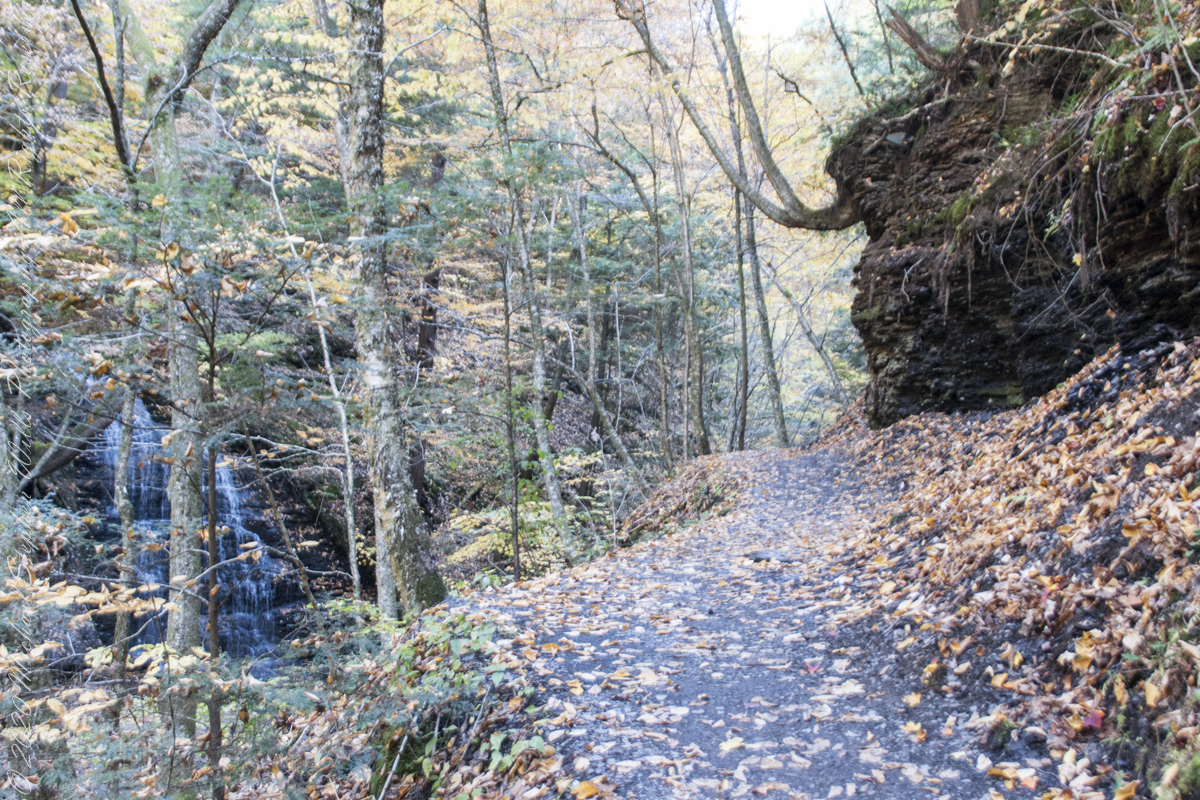
Enjoy this collection of Fillmore Glen pathways

Fillmore Glen, New York State Park, Cayuga County, Moravia, New York

Copyright 2022 All Right Reserved Michael Stephen Wills

Waterfall Gallery

” I ventured up the gorge from bottom to this point where, blocked by an enormous shining emerald-colored ice wedge accumulated from the water pouring over the path in warmer months, I turned around”

Good news….Click Me for the link to my latest photographs accepted by Getty, from this series of 2022 Fillmore Glen. You may acquire reasonably priced rights to use these photographs in your work.

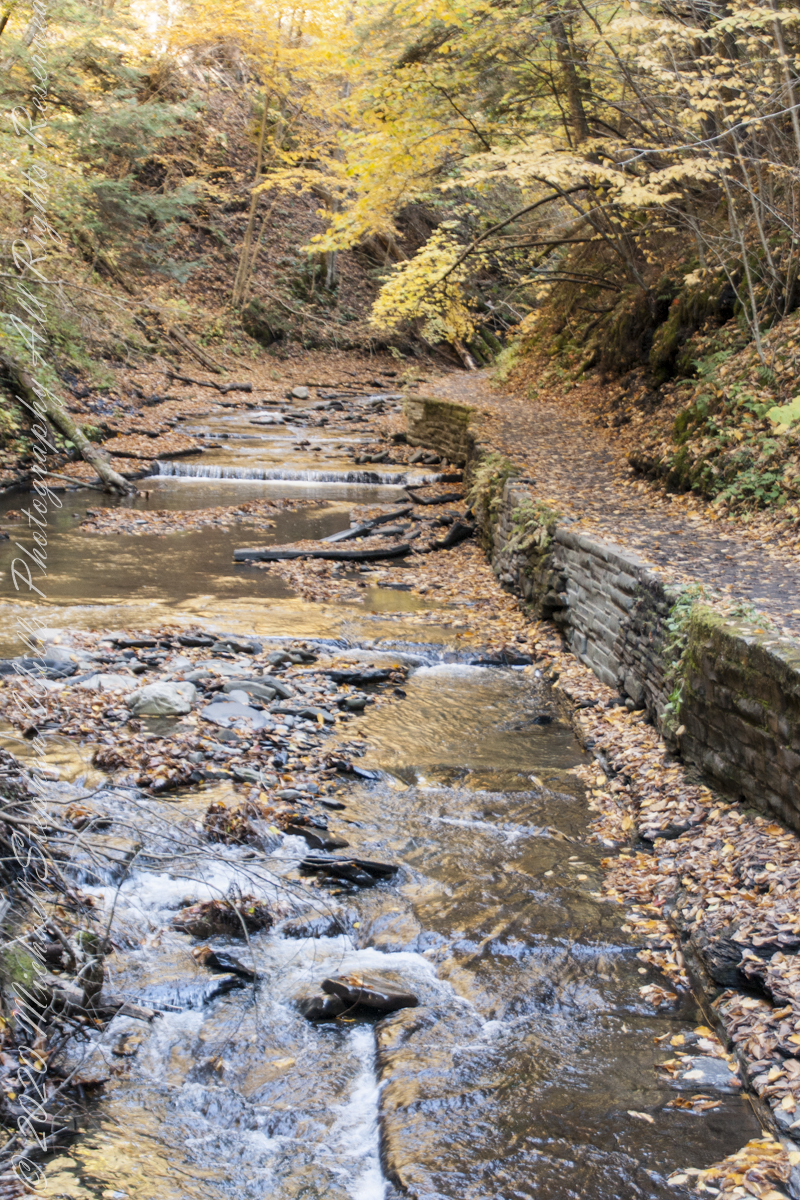
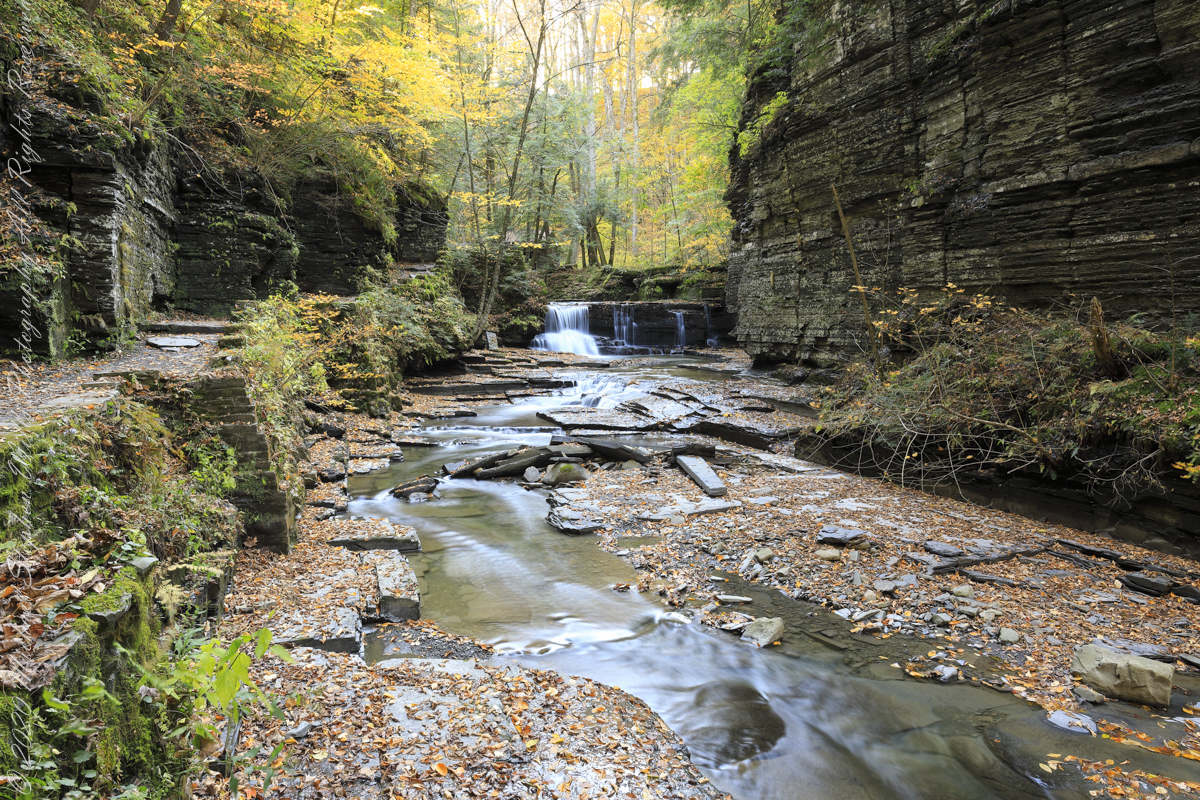
Between the metal walkway (see previous post) and the last numbered bridge, eight (8), the gorge narrows with sedimentary rock cliffs on either side, remnants of the forces that formed this rock in the form of water pouring from the porous stone flowing over the trail.

One February morning, equipped with climbing boots, crampons, gaiters, I ventured up the gorge from bottom to this point where, blocked by an enormous shining emerald-colored ice wedge accumulated from the water pouring over the path in warmer months, I turned around.

I call it a Waterfall Gallery for these walls bracing this wonderful collection of cascades in these photographs.

Waterfall gallery between bridges seven (7) and eight (8). Fillmore Glen, New York State Park, Moravia, Cayuga County, New York

A warm and cool versions of this spot.

Warm

Cool

Watch Your Step!!

Fillmore Glen, New York State Park, Cayuga County, Moravia, New York

Copyright 2022 All Right Reserved Michael Stephen Wills