The Relevance of Arcosanti in Today’s “Eco-Conscious” Society

Arcosanti, envisioned by Paolo Soleri, exemplifies sustainable urban living but faces challenges in realization, scalability, and contemporary relevance.

Arcosanti, the brainchild of architect Paolo Soleri, was conceived as an experimental laboratory for urban design and ecological principles—a built embodiment of his vision of Arcology (a fusion of “architecture” and “ecology”). Over fifty years since its groundbreaking in 1970, Arcosanti remains a significant cultural and architectural artifact. However, the meaning and relevance of both Arcosanti and Arcology in today’s context invite critical examination.

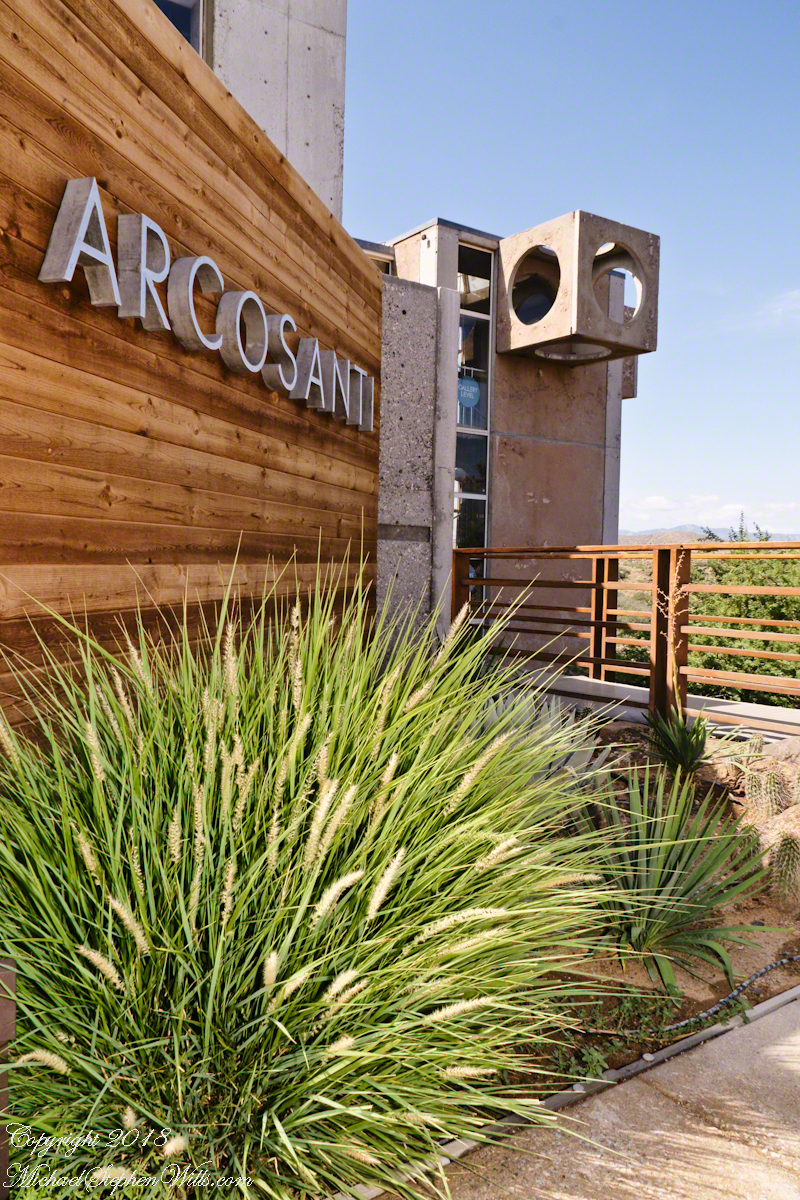
The accompanying photographs are a presentation of the history of Arcology from Arcosanti signage
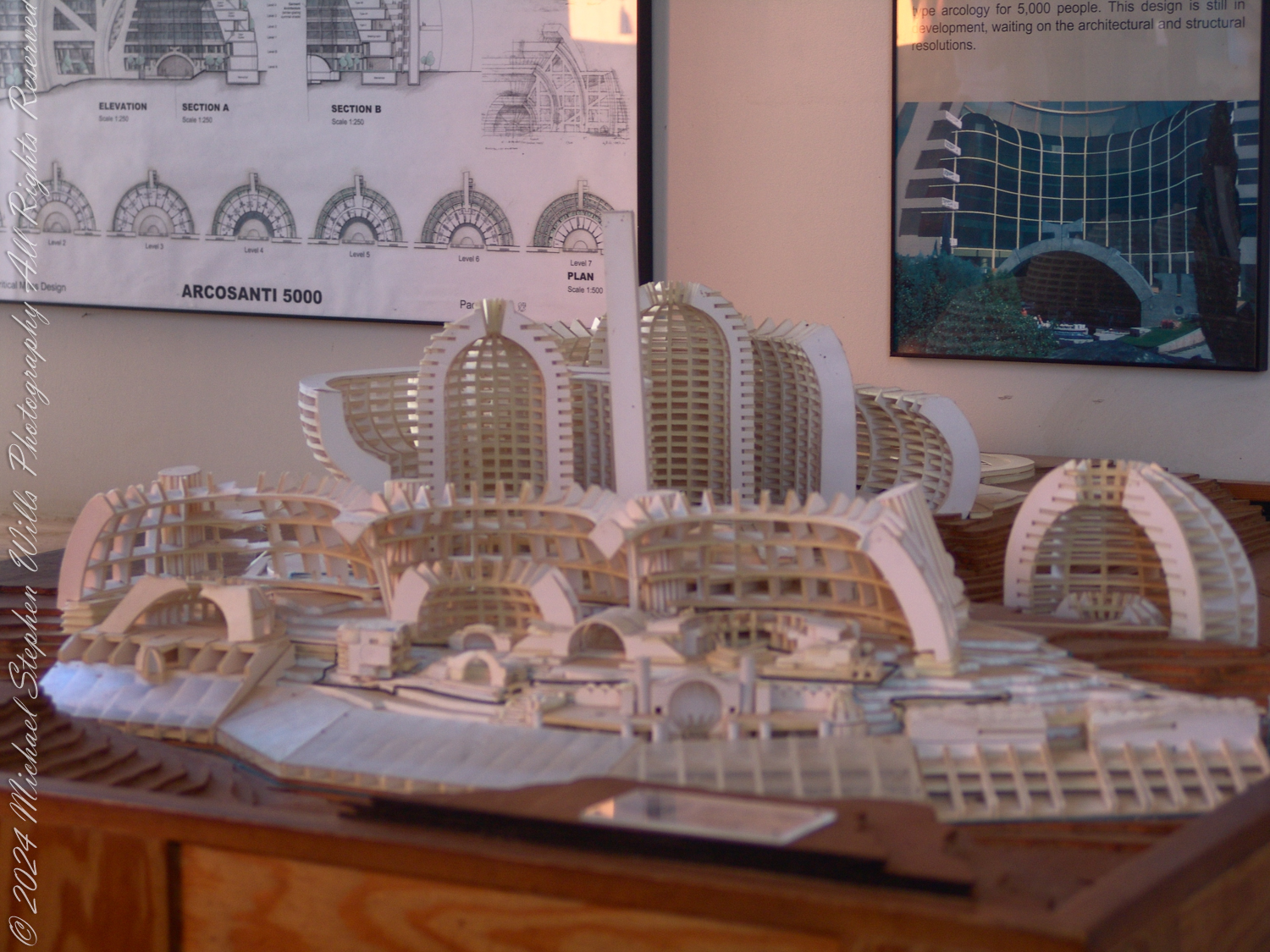
Arcosanti 5000 — Soleri’s Ultimate Vision

Historical Context and the Vision of Arcology

Soleri’s concept of Arcology emerged during the mid-20th century, an era of increasing environmental awareness, urban sprawl, and population growth. His vision was radical: compact, self-sustaining urban environments that minimized ecological impact while fostering human interaction and creativity. Arcology sought to challenge the sprawling, resource-intensive models of urban development that dominate the modern world.
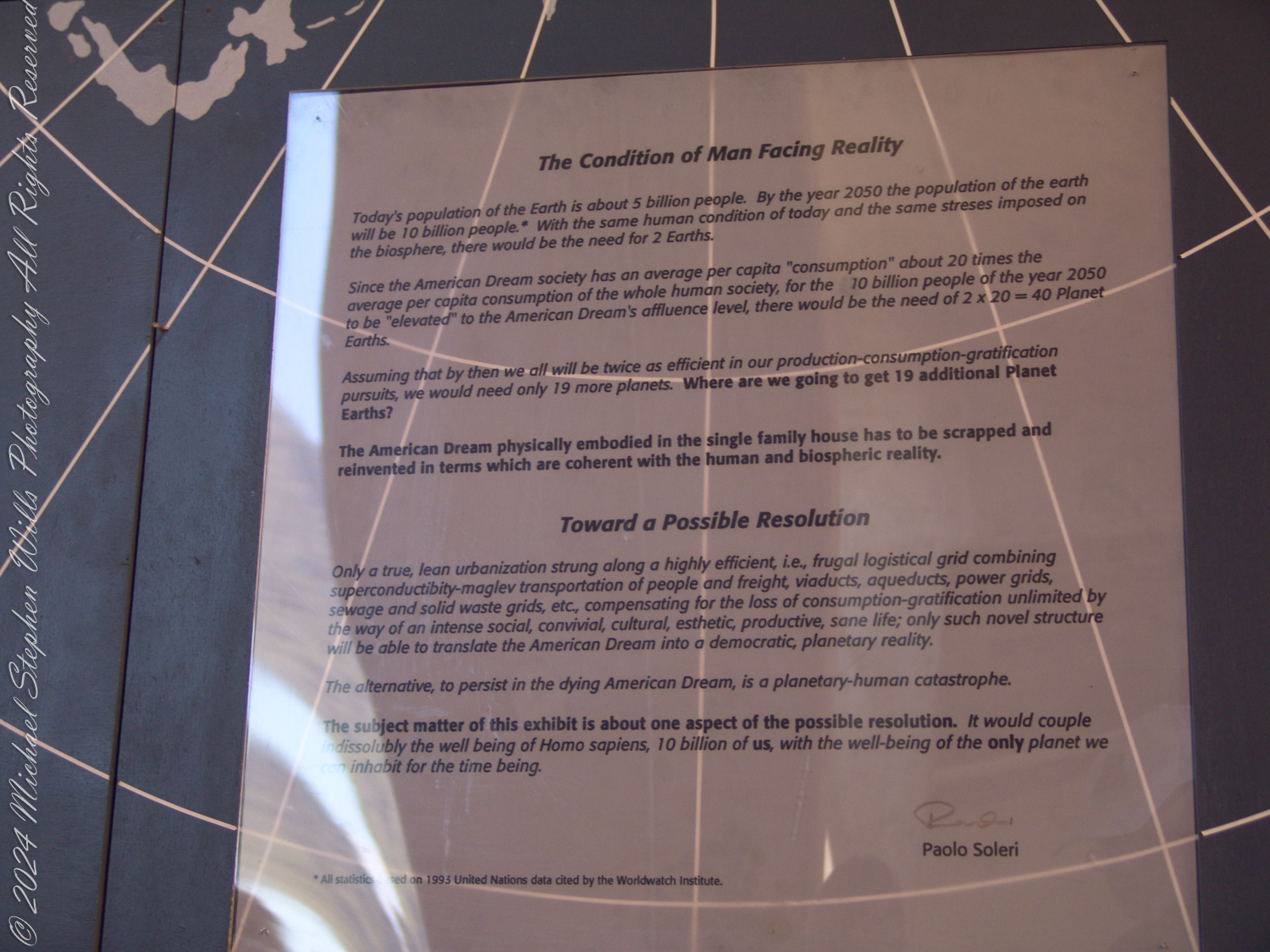
Today’s population of the Earth is about 5 billion people. By the year 2050 the population of the Earth will be 10 billion people.* With the same human condition of today and the same stresses imposed on the biosphere, there would be the need for 2 Earths. Since the American Dream society has an average per capita “consumption” about 20 times the average per capita consumption of the whole human society, for the 10 billion people of the year 2050 to be “elevated” to the American Dream’s affluence level, there would be the need of 2 x 20 = 40 Planet Earths. Assuming that by then we all will be twice as efficient in our production-consumption-gratification pursuits, we would need only 19 more planets. Where are we going to get 19 additional Planet Earths? The American Dream physically embodied in the single-family house has to be scrapped and reinvented in terms which are coherent with the human and biospheric reality. Toward a Possible Resolution Only a true, lean urbanization strung along a highly efficient, i.e., frugal logistical grid combining superconductivity-maglev transportation of people and freight, viaducts, aqueducts, power grids, sewage and solid waste grids, etc., compensating for the loss of consumption-gratification unlimited by the way of an intense social, convivial, natural, esthetic, productive, sane life; only such novel structure will be able to translate the American Dream into a democratic, planetary reality. The alternative, to persist in the dying American Dream, is a planetary-human catastrophe. The subject matter of this exhibit is about one aspect of the possible resolution. It would couple indissolubly the well-being of Homo sapiens, 10 billion of us, with the well-being of the only planet we can inhabit for the time being. All statistics based on 1993 United Nations data cited by the Worldwatch Institute. (signed) Paolo Soleri

Arcosanti was intended to be a prototype—a proof of concept for dense urban living within a minimal environmental footprint. Its design embraced verticality, integration with natural surroundings, and multi-use spaces to reduce resource consumption. Soleri’s philosophy rejected wasteful consumerism and emphasized communal living, self-sufficiency, and harmony with nature.

Arcosanti as a Realization of Arcology

While Soleri’s ideas were visionary, Arcosanti itself never fully realized its original ambitions. Planned to house 5,000 people, it currently accommodates fewer than 100 residents. This gap between aspiration and reality reflects several challenges:
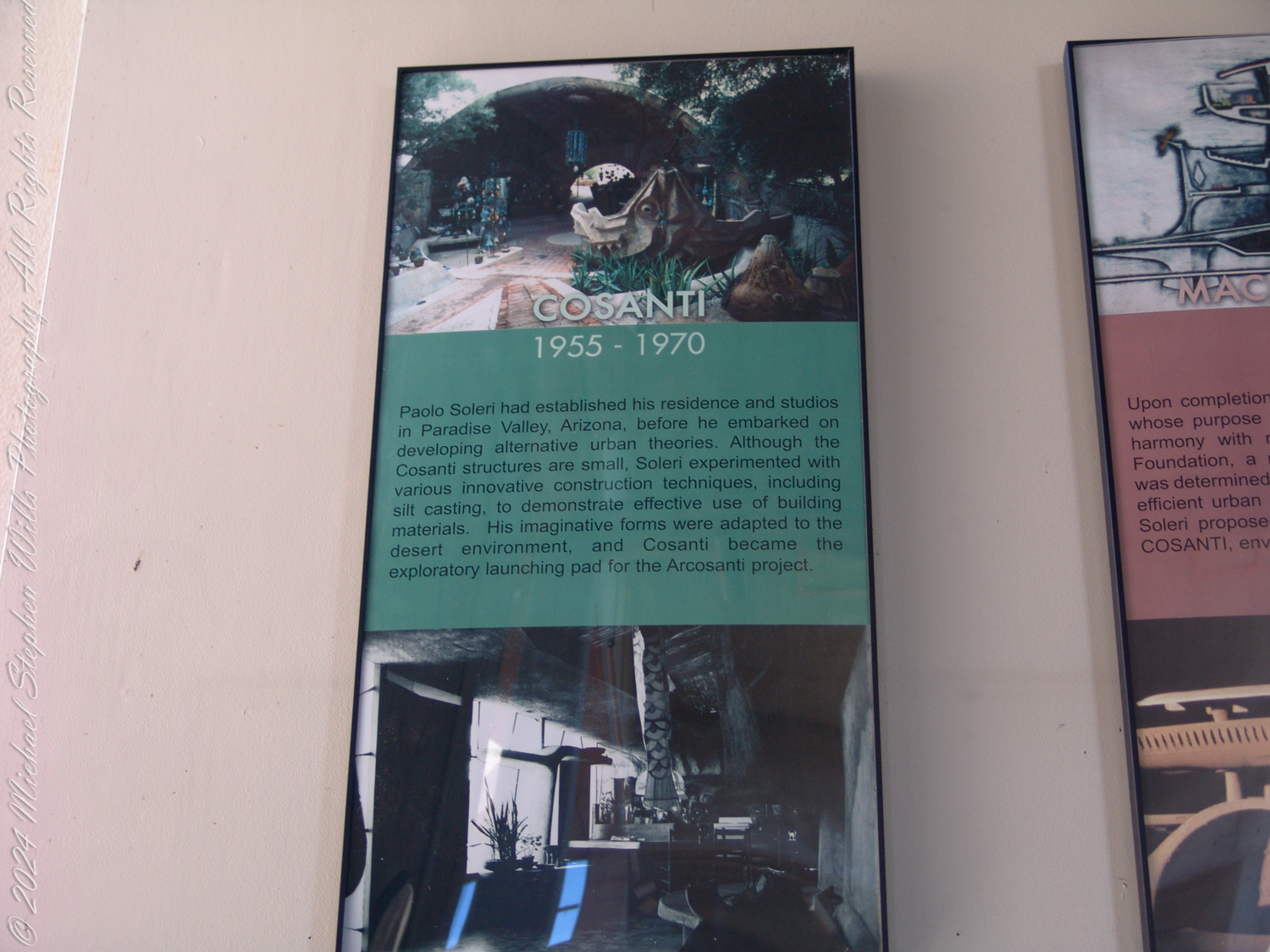
Paolo Soleri had established his residence and studios in Paradise Valley, Arizona, before he embarked on developing alternative urban theories. Although the Cosanti structures are small, Soleri experimented with various innovative construction techniques, including silt casting, to demonstrate effective use of building materials. His imaginative forms were adapted to the desert environment, and Cosanti became the exploratory launching pad for the Arcosanti project.

Scale and Funding: Building a sustainable community of this scale required vast financial and organizational resources. Arcosanti, largely constructed through volunteer labor and workshops, lacked the momentum to expand at the pace Soleri envisioned.
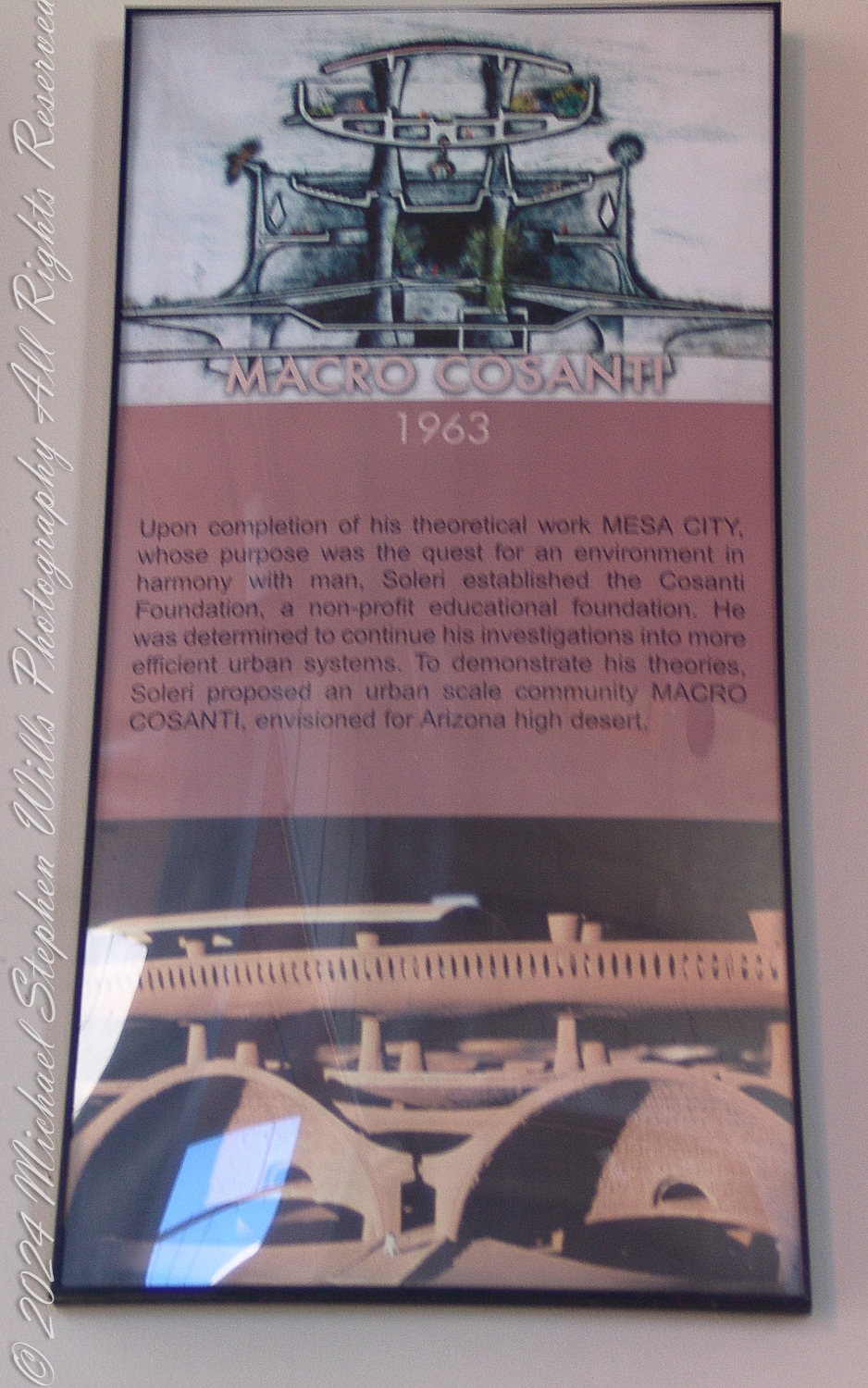
Upon completion of his theoretical work MESA CITY, whose purpose was the quest for an environment in harmony with man, Soleri established the Cosanti Foundation, a non-profit educational foundation. He was determined to continue his investigations into more efficient urban systems. To demonstrate his theories, Soleri proposed an urban-scale community MACRO COSANTI, envisioned for Arizona high desert.

Cultural Shifts: The communal living and austerity championed by Soleri contrast sharply with the consumer-driven values of contemporary society. The rise of globalized capitalism, suburban expansion, and digital individualism has made the communal ethos less appealing to many.
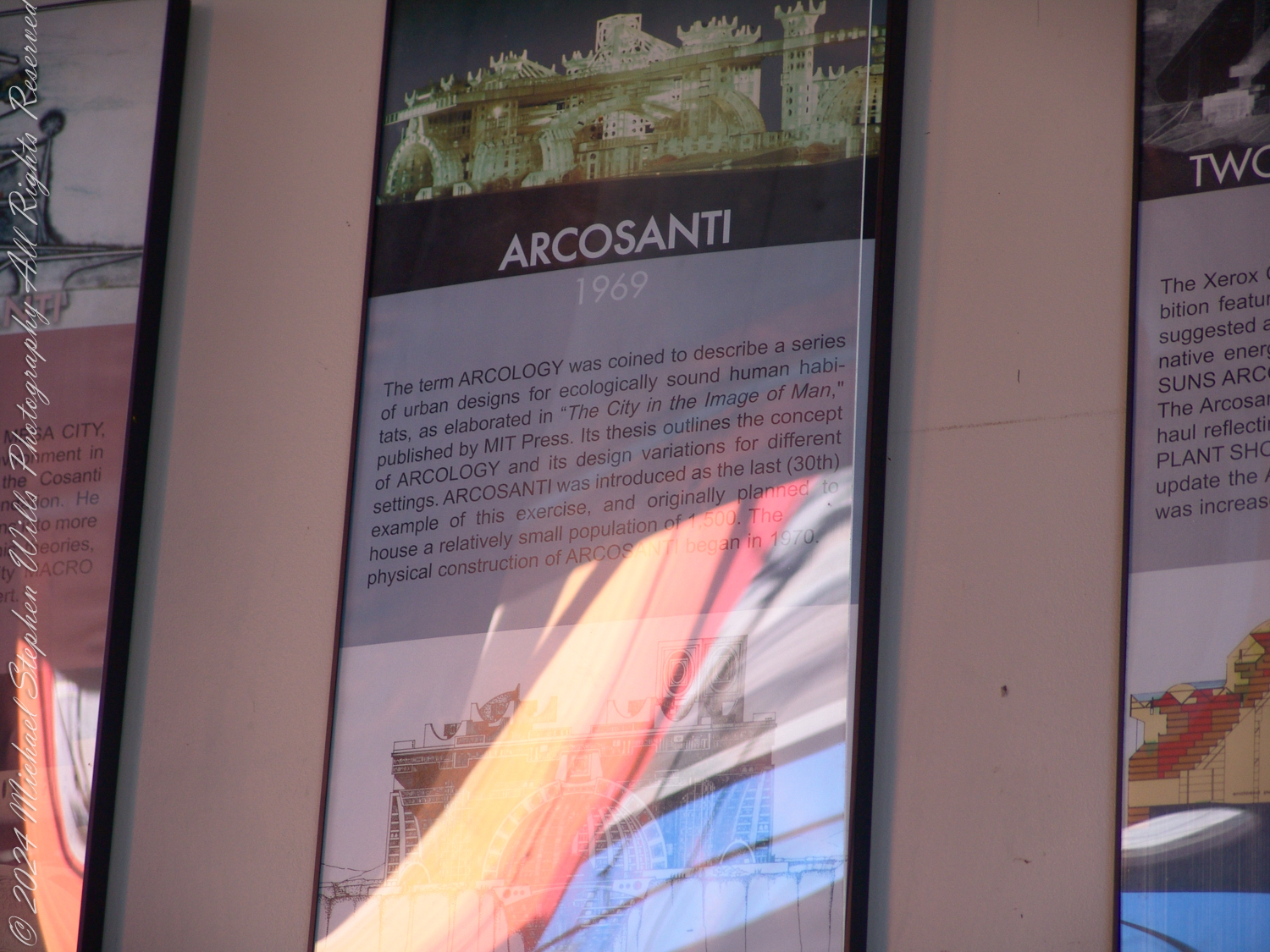
The term ARCOLOGY was coined to describe a series of urban designs for ecologically sound human habitats, as elaborated in “The City in the Image of Man,” published by MIT Press. This thesis outlines the concept of ARCOLOGY and its design variations for different settings. ARCOSANTI was introduced as the last (30th) example of this exercise, and originally planned to house a relatively small population of 500. The physical construction of ARCOSANTI began in 1970.

Technological Advances: Soleri’s designs were innovative for their time, but modern advancements in sustainable technology—such as solar power, green building materials, and decentralized energy systems—have surpassed some of his ideas. Today, sustainable urbanism focuses on retrofitting existing cities rather than building entirely new ones.

The Relevance of Arcology Today

Despite its limitations, Arcology remains profoundly relevant in the face of 21st-century challenges such as climate change, resource scarcity, and urban overpopulation. Soleri’s principles offer a framework to address these crises, particularly through:
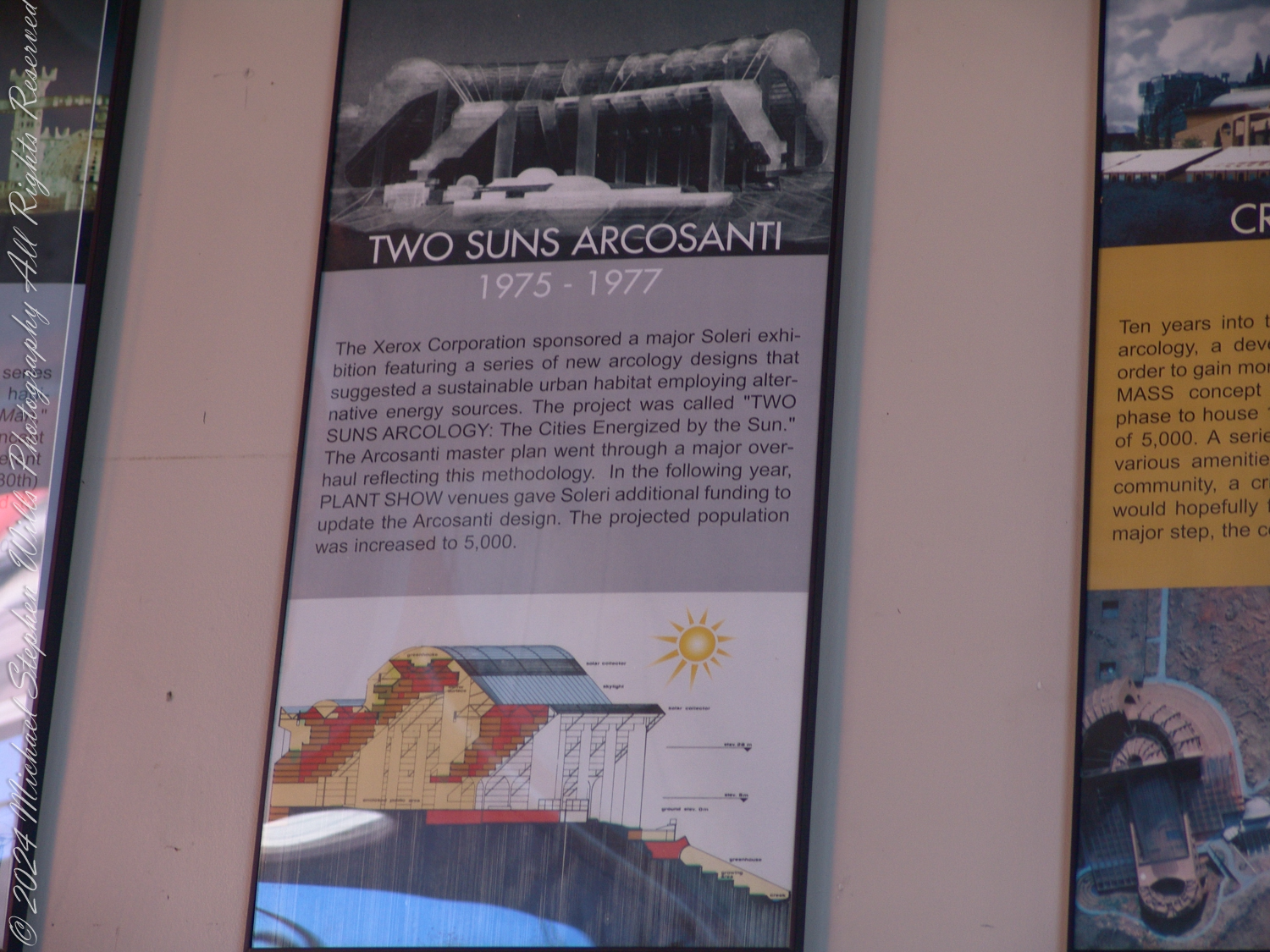
The Xerox Corporation sponsored a major Soleri exhibition featuring a series of new arcology designs that suggested a sustainable urban habitat employing alternative energy sources. The project was called “TWO SUNS ARCOLOGY: The Cities Energized by the Sun.” The Arcosanti master plan went through a major overhaul reflecting this methodology. In the following year, PLANT SHOW venues gave Soleri additional funding to update the Arcosanti design. The projected population was increased to 5,000.

Compact Urbanism: Cities worldwide are grappling with the environmental toll of urban sprawl. Arcology’s emphasis on vertical, compact cities with reduced land usage aligns with the modern push for urban densification.
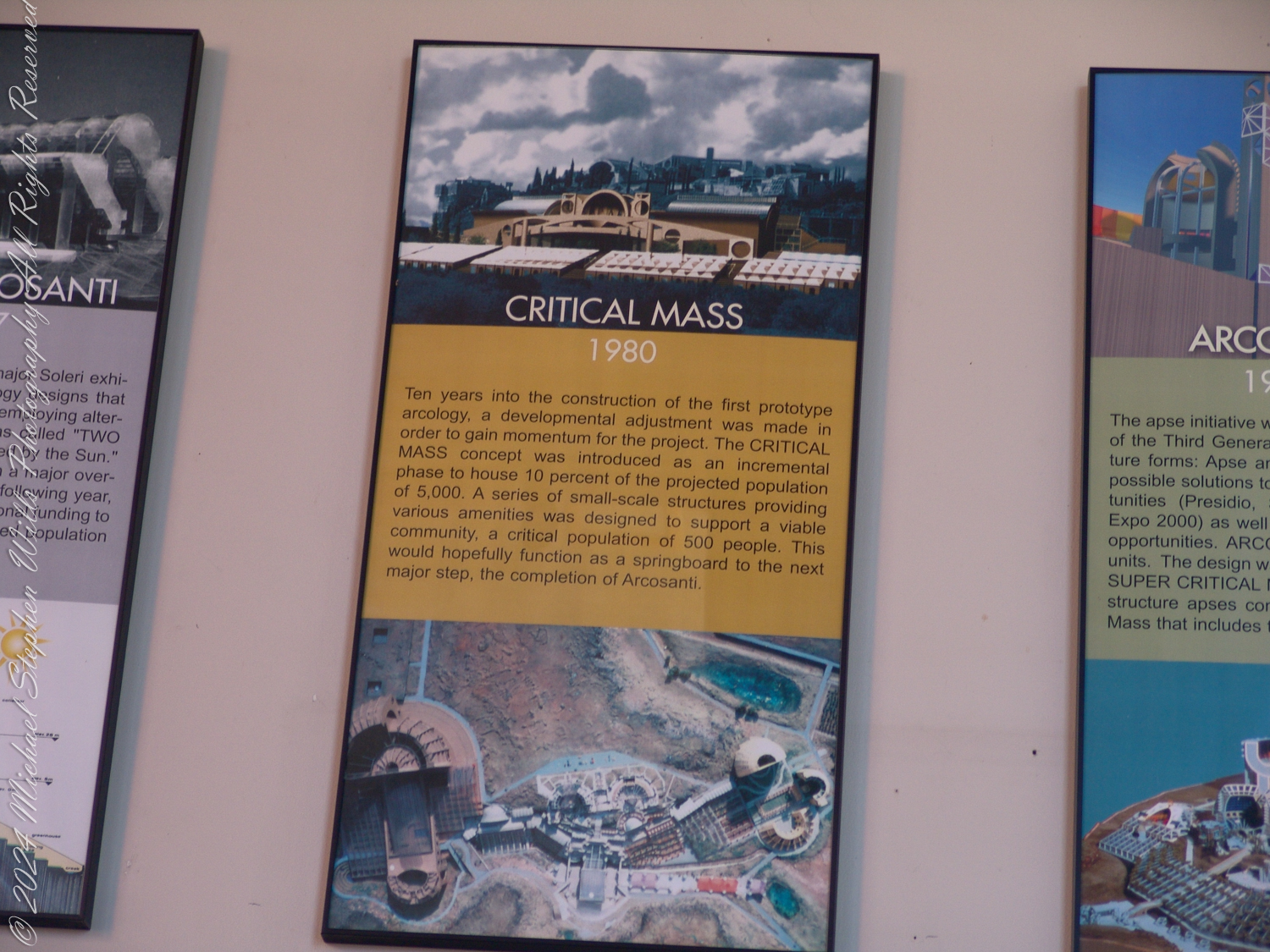
Ten years into the construction of the first prototype arcology, a developmental adjustment was made in order to gain momentum for the project. The CRITICAL MASS concept was introduced as an incremental phase to house 10 percent of the projected population of 5,000. A series of small-scale structures providing various amenities was designed to support a viable community, a critical population of 500 people. This would hopefully function as a springboard to the next major step, the completion of Arcosanti.

Mixed-Use and Communal Spaces: The COVID-19 pandemic underscored the importance of walkable, mixed-use neighborhoods and shared green spaces. Arcology’s model of integrated living and working spaces anticipates these needs.

Sustainability and Circular Systems: Soleri’s focus on minimizing waste and resource use aligns with today’s circular economy principles. Arcology’s ideas resonate with efforts to design cities as closed-loop systems that reuse resources.

The apse initiative was a result of an expanded version of the Third Generation Arcology using Soleri’s signature forms: Apse and Exedra. This initiative suggests possible solutions to the existing urban renewal opportunities (Presidio, Stapleton, Phoenix, and Hanover Expo 2000) as well as hypothetical rural development opportunities. ARCOSANTI 2000 consists of 3 major units. The design was modified later with an addition of SUPER CRITICAL MASS (THE WAVES), three superstructure apses combined and placed behind Critical …

A Philosophical Challenge: Beyond practical urban design, Arcology challenges us to rethink our relationship with the planet and with each other. It invites a fundamental shift from individualistic consumption to collective stewardship.

Critique of Arcosanti Today

Arcosanti, while iconic, serves more as a symbol than a fully functioning example of Arcology. Its limited population and incomplete development highlight key shortcomings:

Lack of Scalability: Arcosanti has not demonstrated how Arcology principles can scale to meet the needs of modern cities with millions of inhabitants.
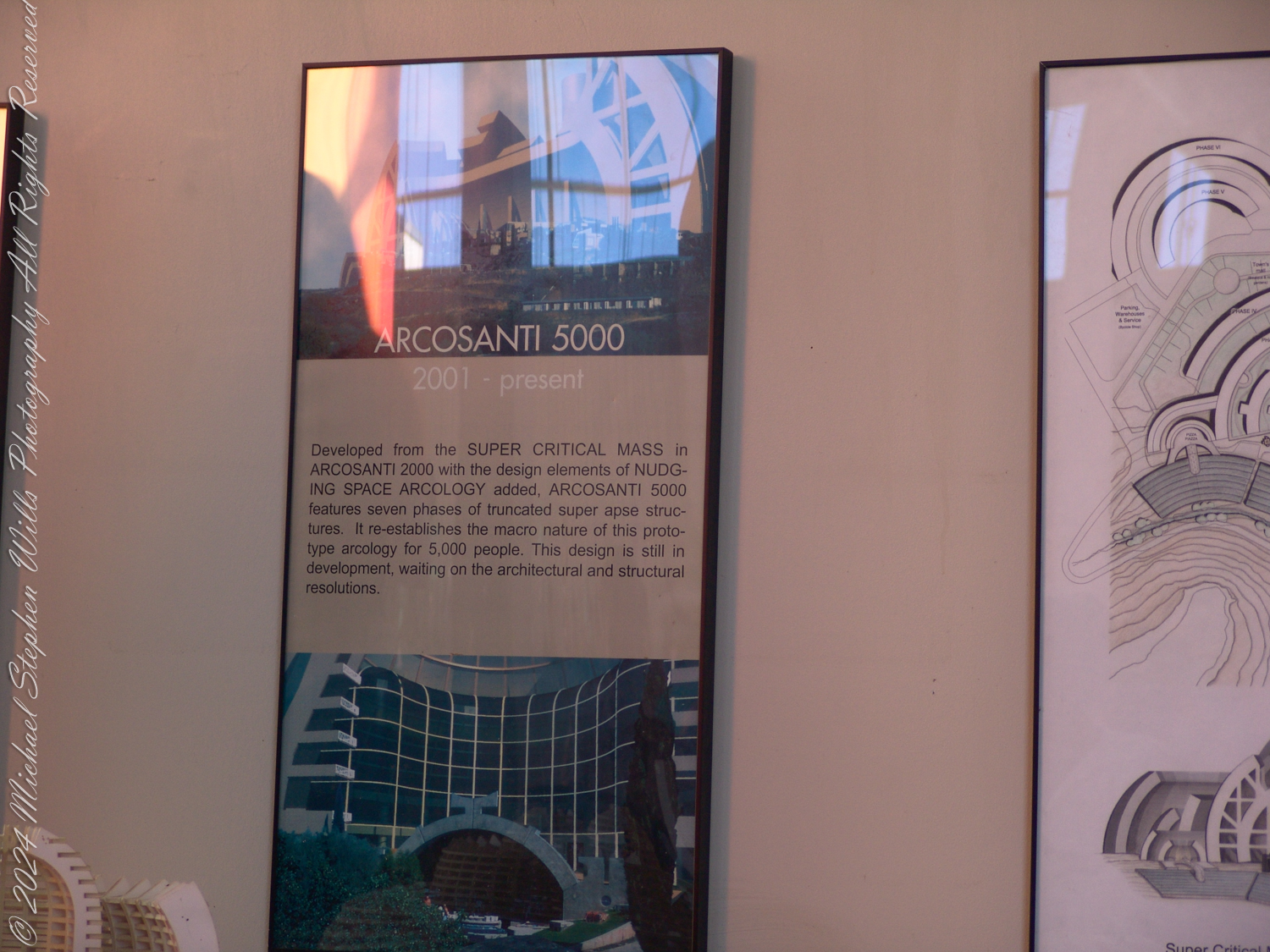
ARCOSANTI 5000 2001 – present Developed from the SUPER CRITICAL MASS in ARCOSANTI 2000 with the design elements of NUDGING SPACE ARCOLOGY added, ARCOSANTI 5000 features seven phases of truncated superapse structures. It re-establishes the macro nature of this prototype arcology for 5,000 people. This design is still in development, waiting on the architectural and structural resolutions.

Dependence on External Systems: Despite its aspirations for self-sufficiency, Arcosanti relies on external power grids, supply chains, and tourism, which limits its autonomy.

Cultural Niche: Arcosanti appeals primarily to a niche audience of artists, architects, and environmentalists, making it less accessible or appealing to broader populations.

However, these critiques do not negate its value as a learning tool. Arcosanti’s enduring presence serves as a physical and philosophical case study for those seeking alternatives to conventional urbanism.

A Way Forward?

The future of Arcology lies not in building new Arcosanti-like prototypes but in applying its principles to existing cities and communities. Initiatives such as urban vertical farming, passive solar building design, and car-free city centers echo Soleri’s vision in modern contexts.

Additionally, Arcosanti itself could pivot toward becoming a research hub for sustainable practices, a cultural landmark, or a retreat for those seeking inspiration in Soleri’s ideas. By focusing on education and experimentation, it could remain relevant in contemporary discussions about urbanism and ecology.

Conclusion

Arcosanti and Arcology are more than relics of a bygone architectural movement—they are reminders of humanity’s potential to live in balance with nature. While the practical implementation of Arcology faces significant hurdles, its core philosophy continues to inspire efforts to create more sustainable and harmonious urban environments. In a world increasingly shaped by environmental urgency, Soleri’s vision holds lessons we cannot afford to ignore.

Enter your email to receive notification of future postings. I will not sell or share your email address.

A Glimpse into Steamboat Landing, Ithaca, New York

Discover the enchanting beauty of Steamboat Landing in Ithaca, New York. From the quiet winter majesty to the vibrant warmth of spring, this historical waterfront is a testament to the city’s rich past and evolving present.


Historical Significance and Transformation


Steamboat Landing in Ithaca, New York, is steeped in historical significance, serving as a testament to the city’s rich past and its evolving present. At the dawn of the 20th century, it was a bustling hub where steamboats carried passengers and freight, linking Ithaca to an ever-growing nation. These vessels were vital for the development of commerce, aiding travelers as they embarked and disembarked on their journeys that continued by stagecoach or later, by train.

In 1790, this spot marked the beginnings of commerce in the area, with the establishment of Ithaca’s first store. Over the years, Steamboat Landing has transformed from a pivotal commerce point to a recreational area, housing Ithaca’s Farmers Market—a vibrant hub that mirrors the liveliness of its heyday.

The Evolving Landscape


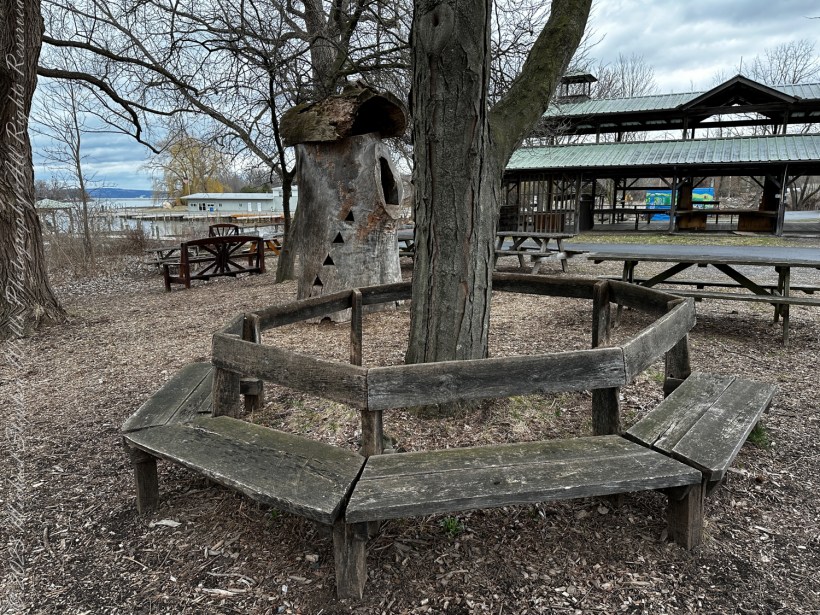
Today, Steamboat Landing is a place of gathering and serenity. My photographs showcase a tranquil setting moving through winter. In one scene, the rustic benches encircle a barren tree, standing as silent guardians of the land. It’s a still image, almost reminiscent of a painting, where the leafless trees stand vigil over the quiet benches.

A circular bench that has seen better days, a hollowed out tree trunk repurposed as a children’s playgound house, picnic benches and, in background, a portion of the Farmer’s Market pavilion, to the right is Johnson Boatyard, Cayuga Inlet and lake. This is the Steamboat Landing, historically the southern port on Cayuga Lake. Cayuga Waterfront Trail, Ithaca, Tompkins County, Finger Lakes Region, New York State.

Switching seasons, we see the docks adorned with festive wreaths, injecting life and celebration into the scenery. The bright red ribbons stand out against the crisp blue of the water and the sky, suggesting a community that embraces tradition and the joy of the moment.

Connection with Nature and Community


The pictures depict how the landing is woven into the natural tapestry of the area. It is a place where one can sit and watch the placid waters of Cayuga Lake or stroll along the docks, feeling the crisp air against their skin. The images of the clear skies, the open waters, and the flight of birds in the distance are a subtle reminder of nature’s continuous presence.

Steamboad Landing on the Cayuga Waterfront Trail, Farmers Market, Ithaca, Finger Lakes Region, New York State

The waterfront trail exemplifies the community’s efforts to merge history with modernity, providing a space where people can connect with the environment and each other. The docks, once a stage for industrial exchange, now serve as a peaceful retreat, hinting at the deep-seated human desire for connection—not only to each other but also to the very essence of the environment we inhabit.

Seasonal Beauty and Reflection


The change in seasons at Steamboat Landing brings a unique beauty, which the photographs showcase poignantly. From the barren coldness of winter to the lush warmth of spring, each season imbues the landing with a distinct character. The winter images reveal a quiet majesty, with the bare branches and gray skies reflecting the introspective nature of the season. The springtime shots, however, burst with promise and vitality, as greenery begins to cloak the landscape and the water shimmers under the strengthening sun.

Enduring Legacy and Future Prospects


Steamboat Landing’s legacy as a historical transport hub has set the stage for its future as a cherished community locale. The images and historical texts paint a picture of a place that has embraced its past while looking forward to a vibrant and inclusive future. It is a locale that pays homage to its roots through the Farmers Market and other community events, ensuring that the spirit of the old steamboats continues to thrive in the hearts of Ithacans.
In conclusion, Steamboat Landing is a geographic location and a chronicle of Ithaca’s journey through time. Through its transformation, it has become a place where history breathes, nature speaks, and the community finds its heartbeat. It stands as a beacon of heritage, recreation, and beauty—a corner of the world where past and present dance together in harmony.

Copyright 2024 Michael Stephen Wills All Rights Reserved

ScienceCenter with Grandchildren

The ScienceCenter museum encourages learning about nanotechnology’s prevalence and unpredictable, unique behaviors.

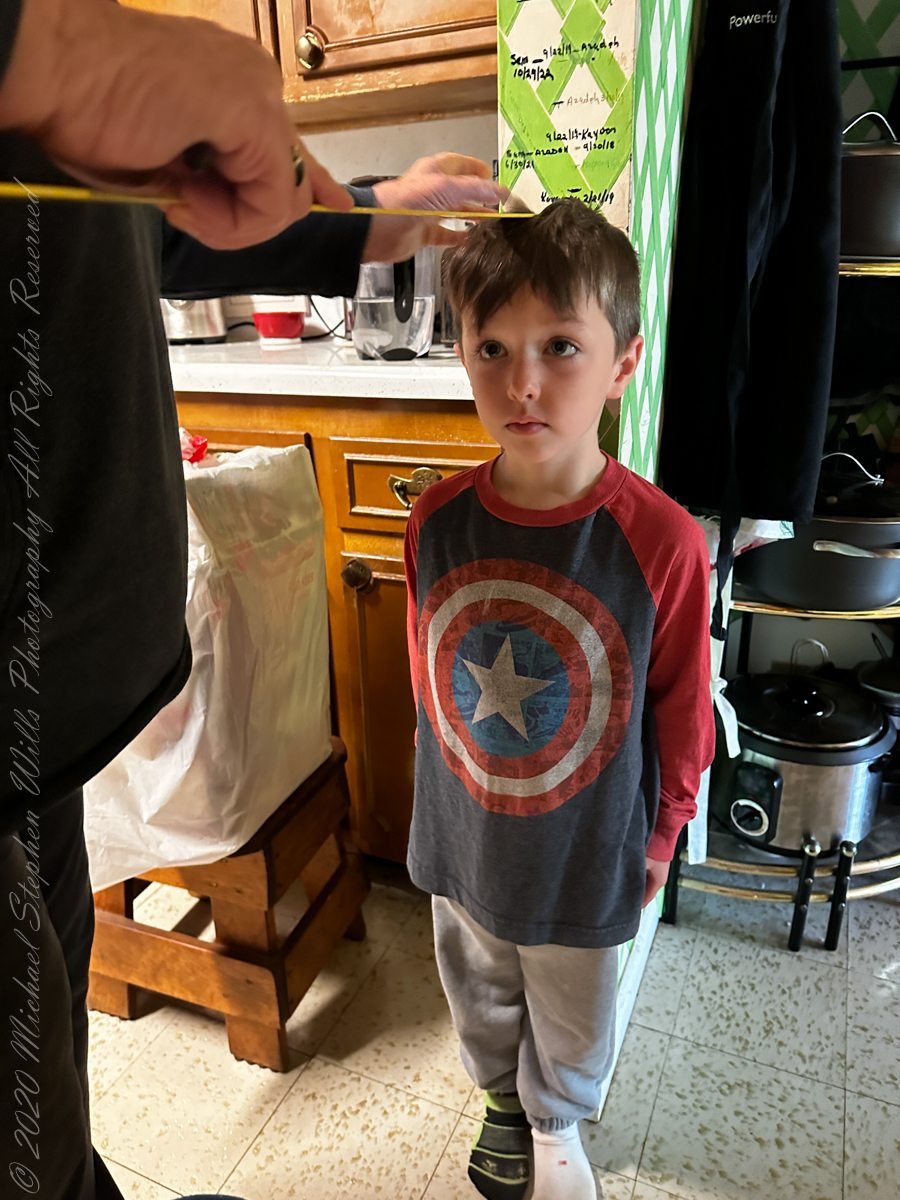
Our day of science began with measurement: each grandchild’s growth is represented on this corner. Even as young adults they visit and are re-measured. Here Rory is making his mark.

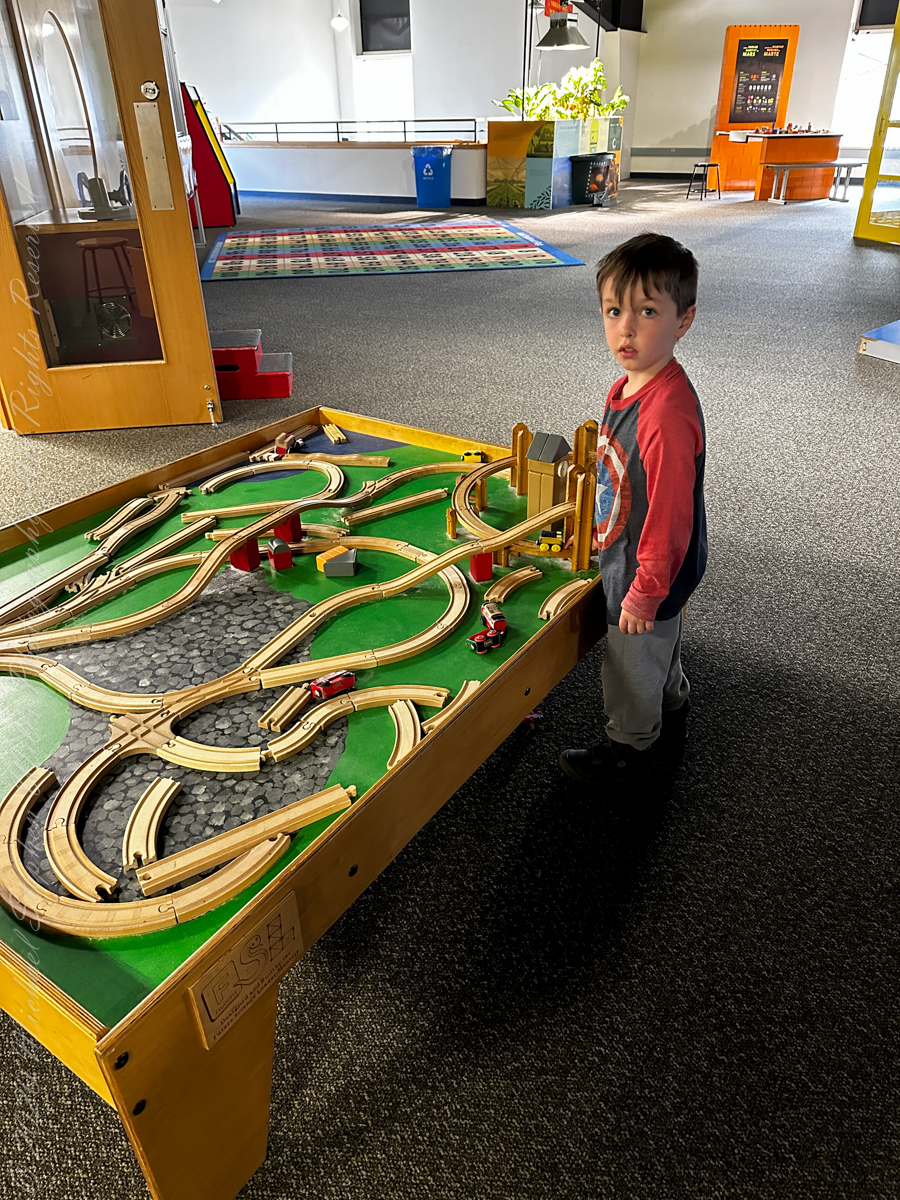
Our science inspired museum, ScienceCenter, is full of fun activities.

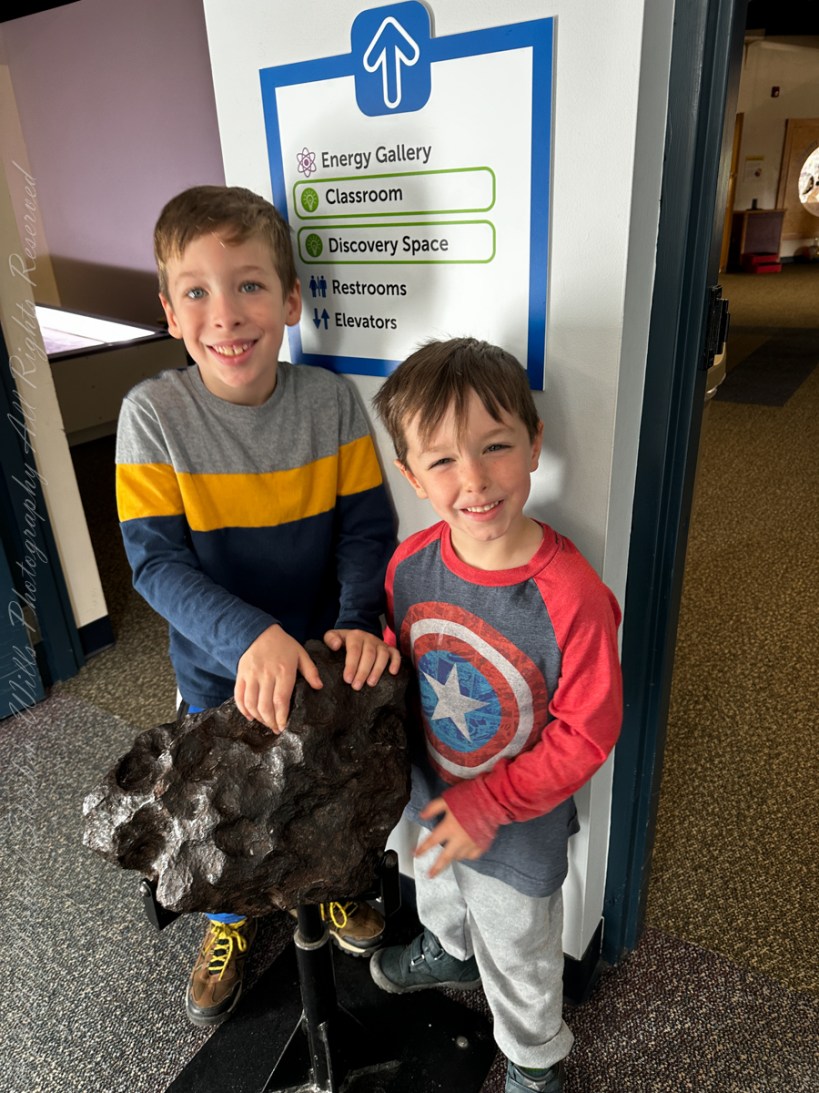
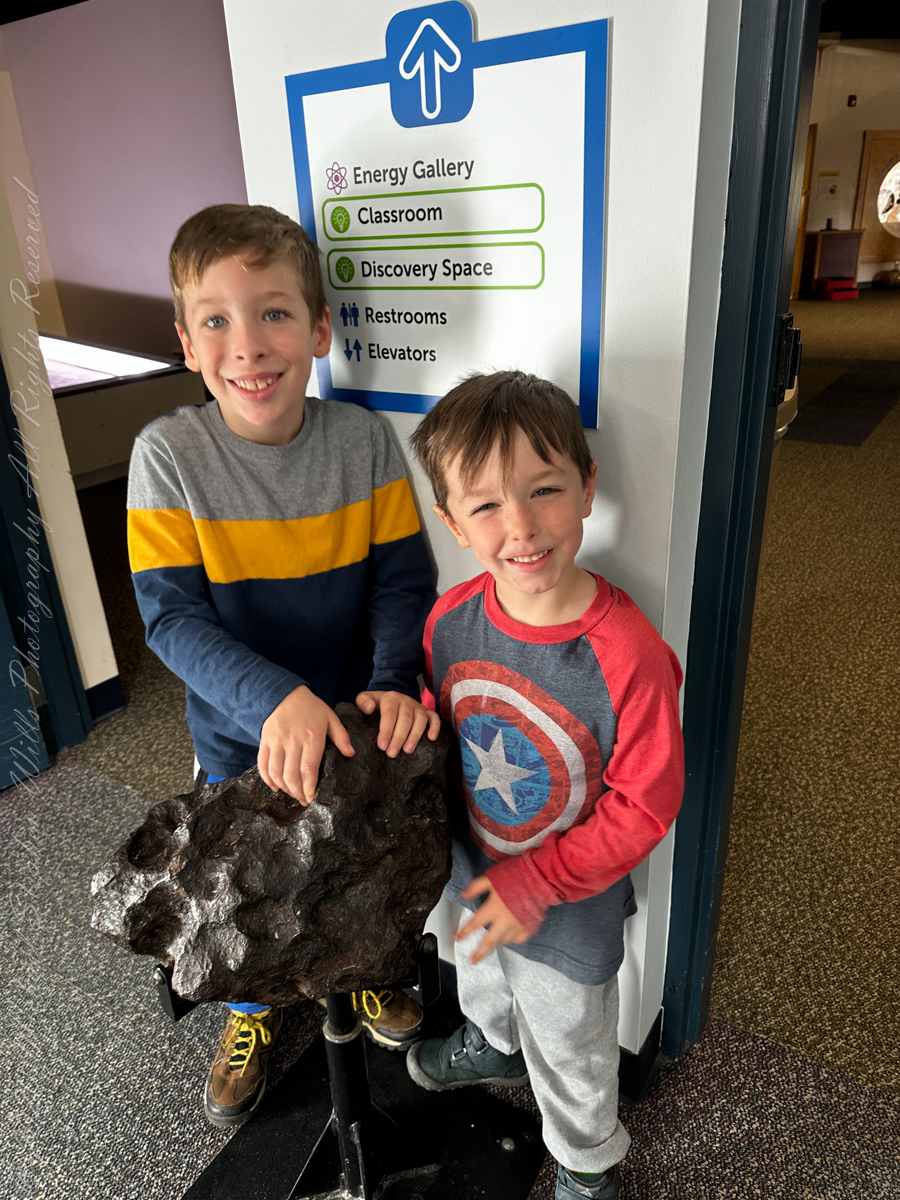
Nothing like touching a space object: an iron-nickel meteorite.

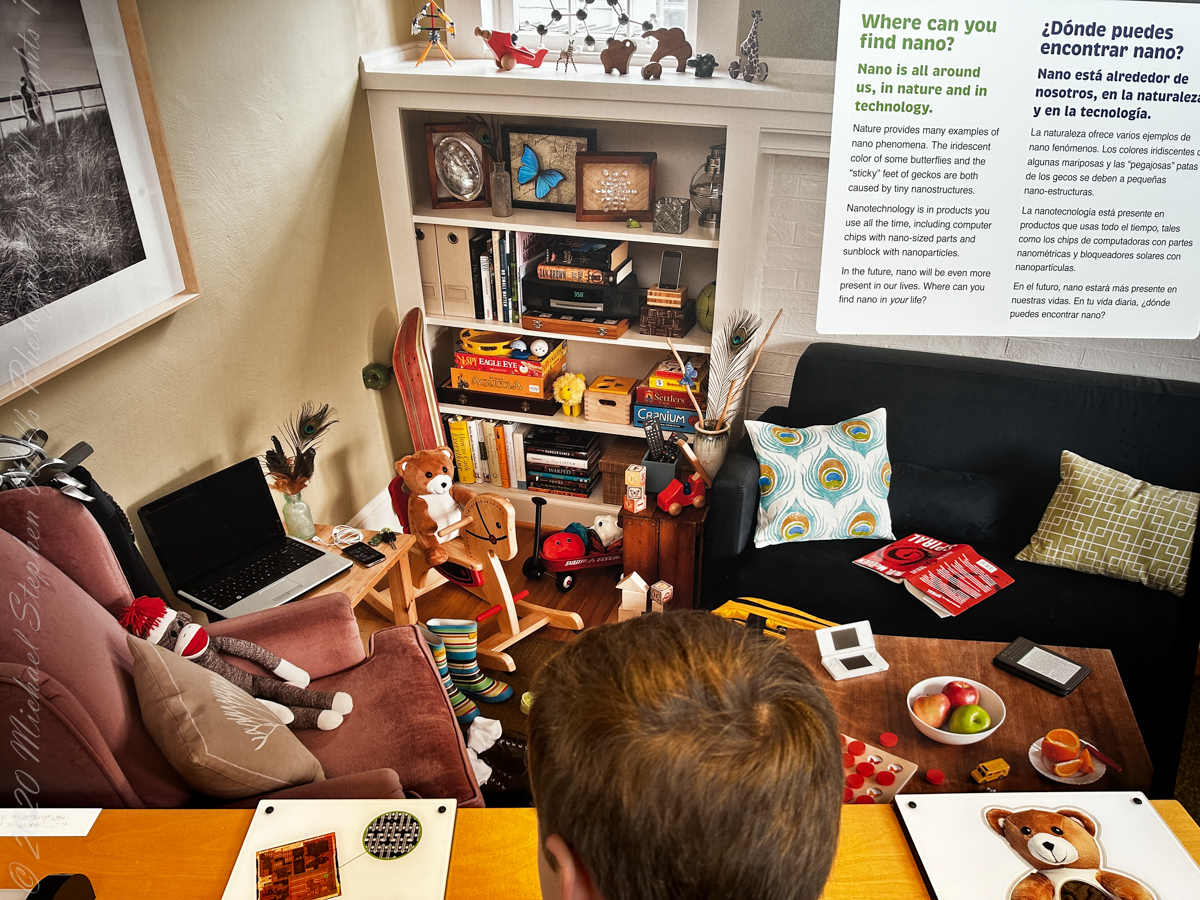
So much to learn and discover. Here is Sam perusing a “nano” display.

Nanotechnology is pervasive, existing both in nature and within our technological innovations. Nature offers numerous instances of nanoscale phenomena. For instance, the iridescent hues seen in certain butterflies and the adhesive properties of geckos’ feet are both outcomes of nanostructures.

In our everyday products, nanotechnology plays a significant role. You’ll find it in items you use regularly, such as computer chips featuring minuscule nano-sized components and sunscreen containing nanoparticles. Looking ahead, nanotechnology will play an even more prominent role in our lives.

The question is: Where can you spot the influence of nanotechnology in your own life?

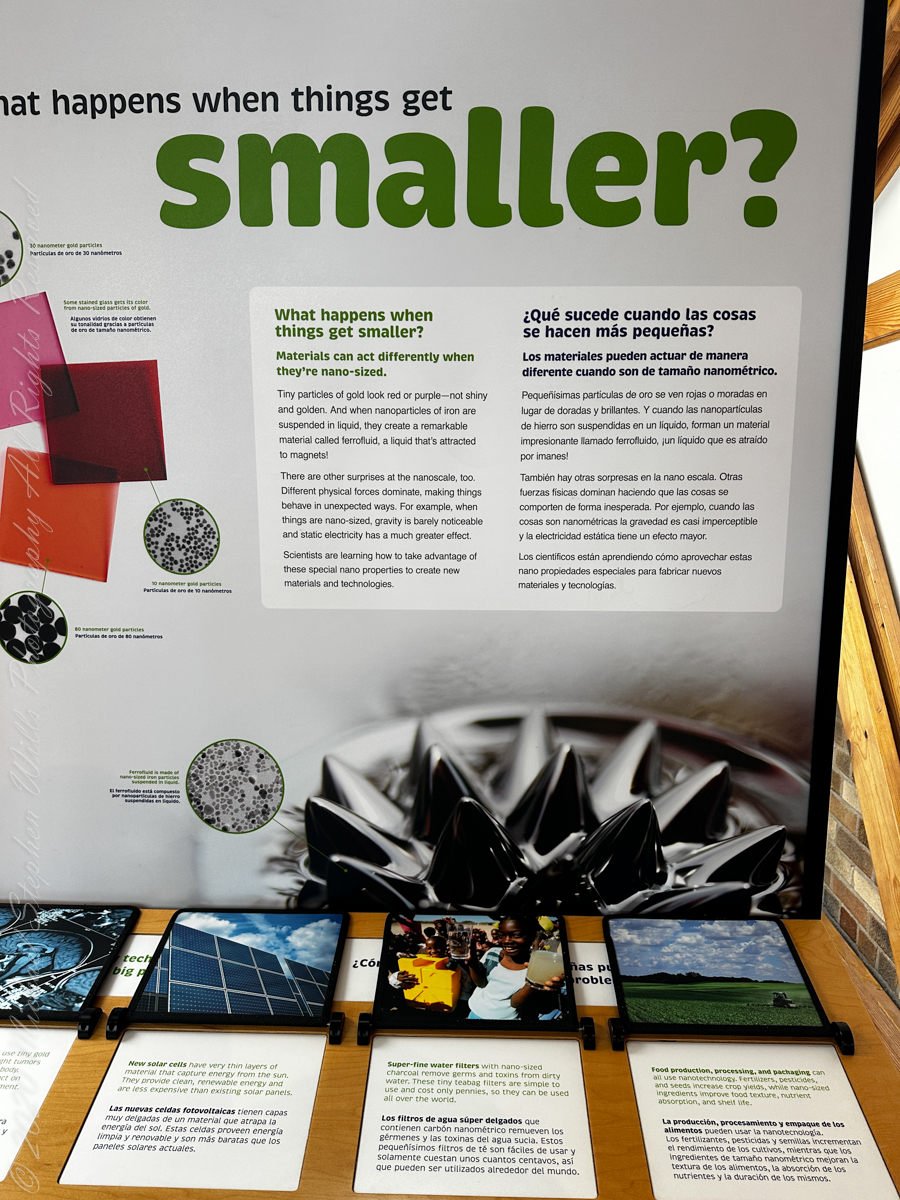
Materials exhibit distinct behaviors at the nanoscale. Tiny particles of gold appear red or purple, as opposed to their conventional shiny, golden appearance. When nanoparticles of iron are dispersed in a liquid, they give rise to a remarkable substance known as ferrofluid, which is a liquid that exhibits a magnetic attraction.

The nanoscale realm also harbors other surprising phenomena. Here, different physical forces dominate, leading to unexpected behaviors. For instance, at nanoscale the force of gravity becomes nearly imperceptible, while static electricity exerts a much greater influence.

Scientists are actively exploring ways to harness these unique nanoscale properties in the development of novel materials and cutting-edge technologies.

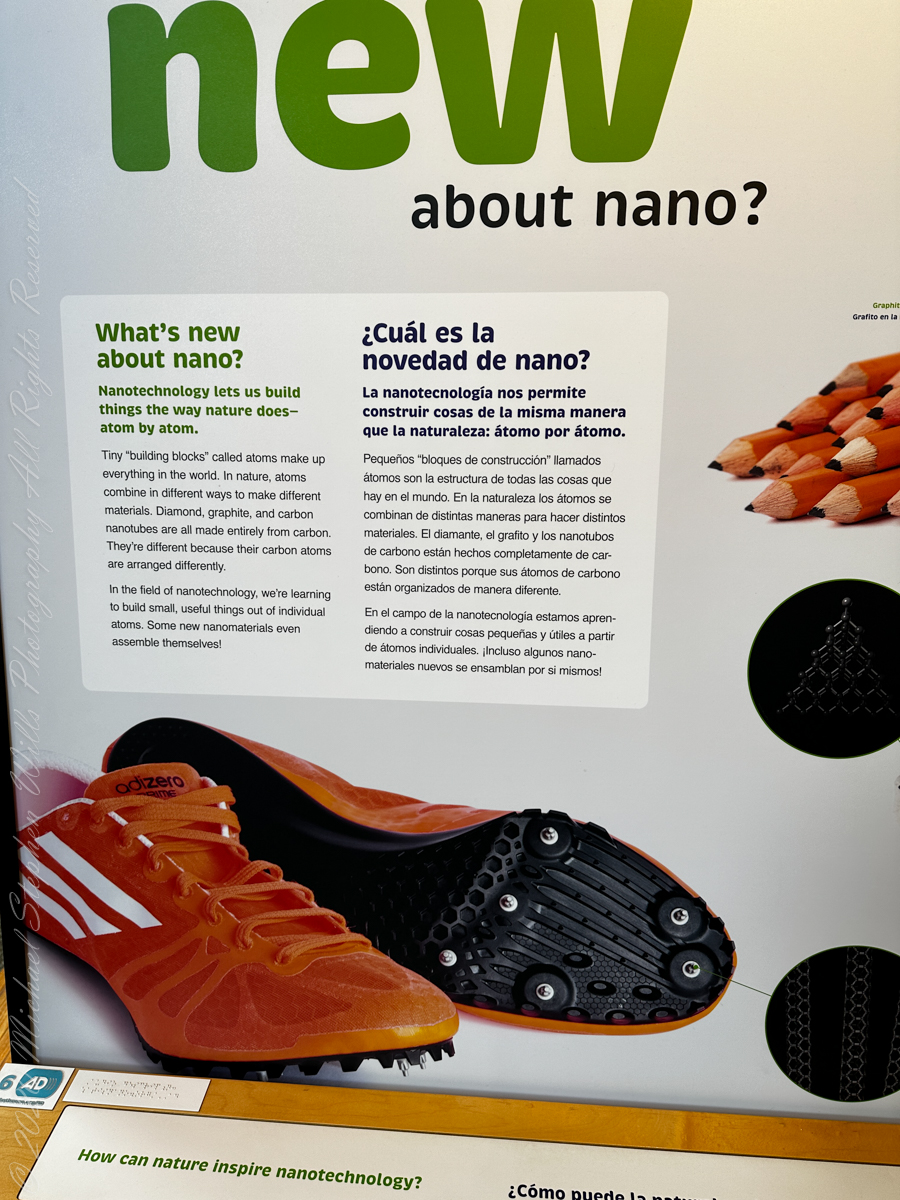
Nanotechnology enables us to construct structures much like nature does: atom by atom. Everything in the world is composed of “building blocks” known as atoms. In nature, varied combinations of atoms create diverse materials. For instance, diamond, graphite, and carbon nanotubes are all composed entirely of carbon atoms, but their unique properties emerge from the distinct arrangements of these carbon atoms.

In the field of nanotechnology, we are gaining the knowledge and capability to craft small, functional objects from individual atoms. Remarkably, some new nanomaterials have the capacity to self-assemble, opening up new possibilities for nanotechnology.

Copyright 2023 Michael Stephen Wills All Rights Reserved

Newgrange VI

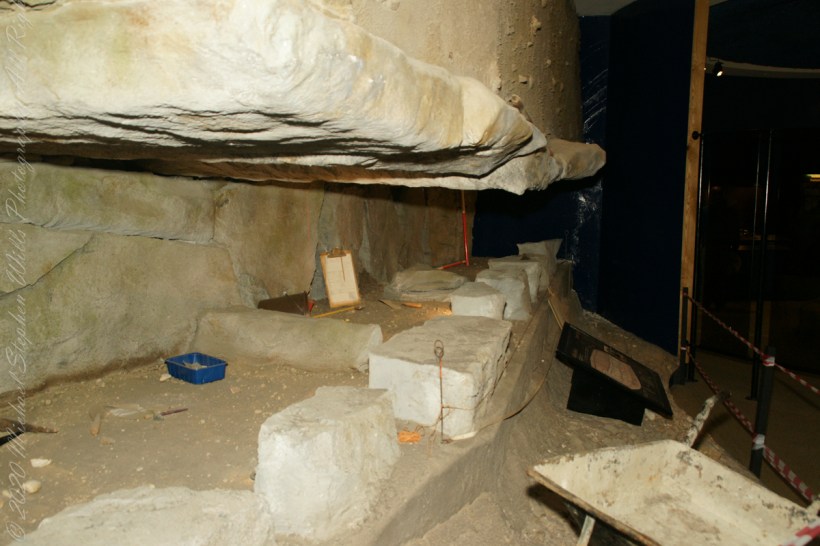
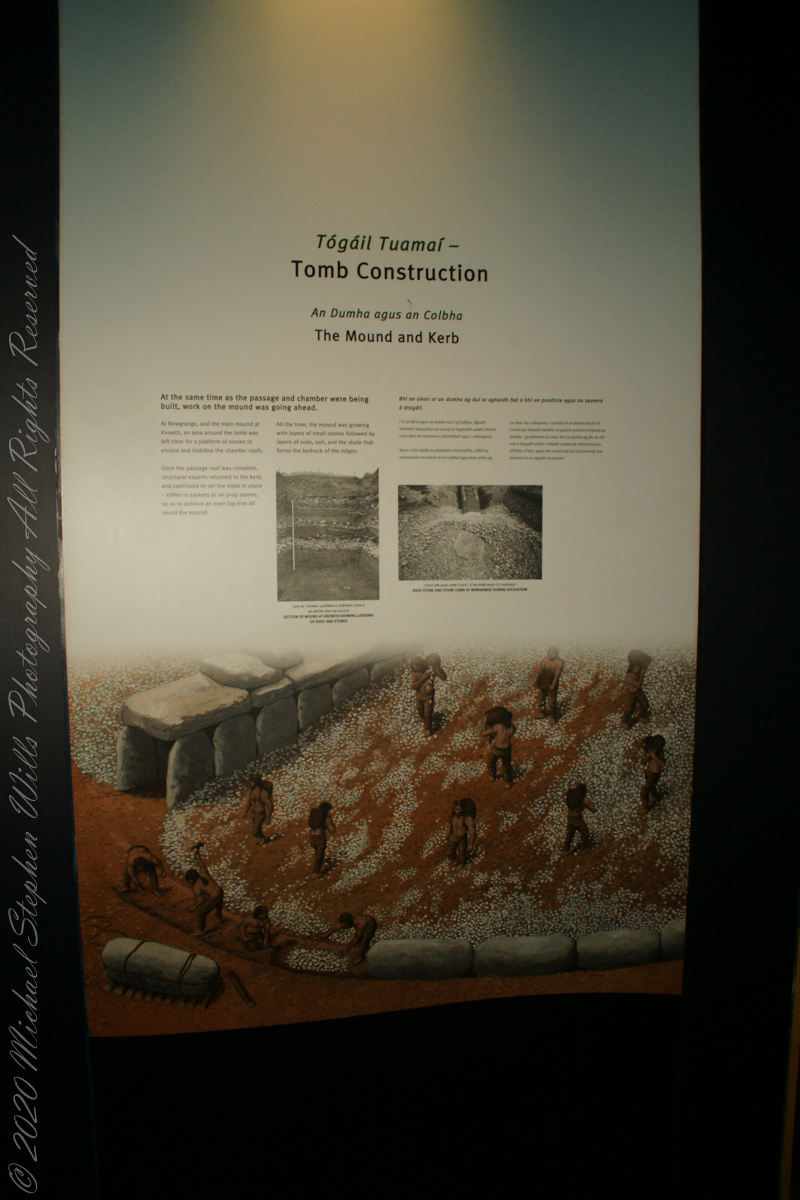
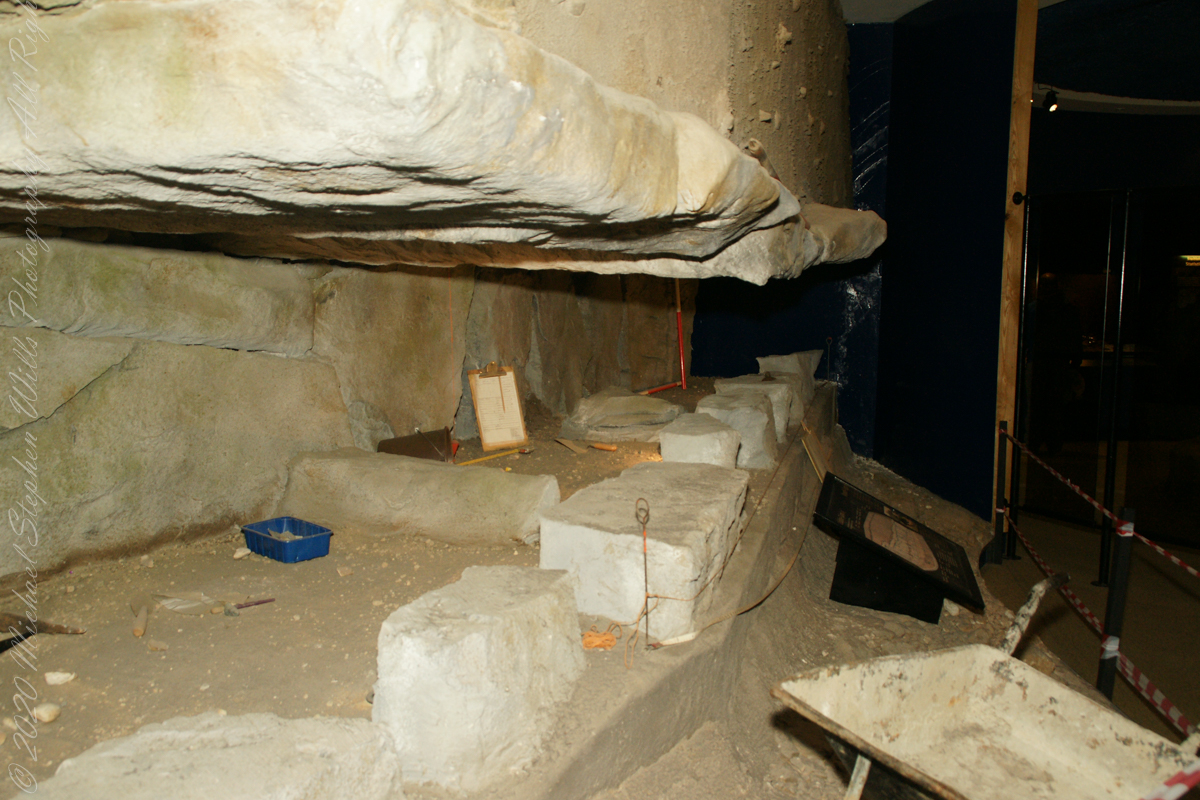
Newgrange and Knowth mounds were built and stabilized by structural experts.

At the same time as the passage and chamber were being built, work on the mound was going ahead.

At Newgrange, and the main mound at Knowth, an area around the tomb was left clear for a platform of stones to encase and stabilize the chamber roofs.

Once the passage roof was complete, structural experts returned to the kerb and continued to set the slabs in place — either in sockets or on prop stones, so as to achieve an even top-line all-round the mound.

Click Me for the first post of this series.

Copyright 2023 Michael Stephen Wills All Rights Reserved

Newgrange II

Early Irish farmers introduced crops and domesticated animals, aided by milder climate.

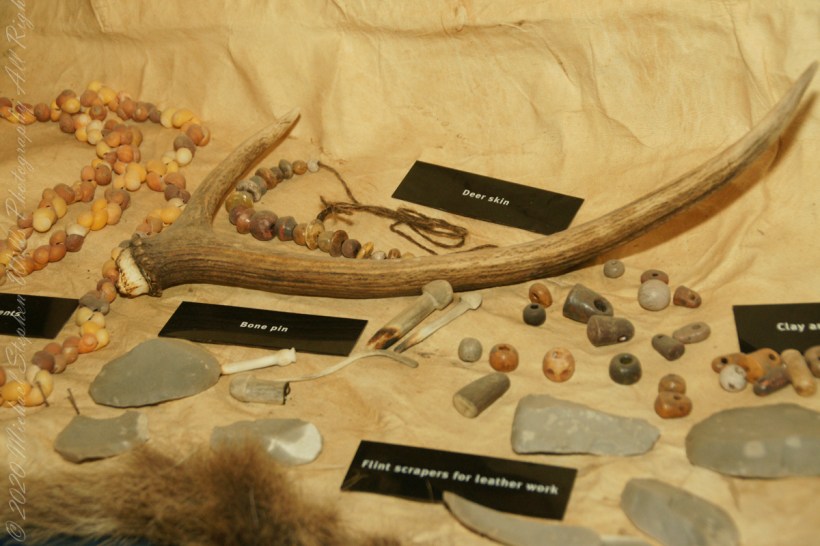
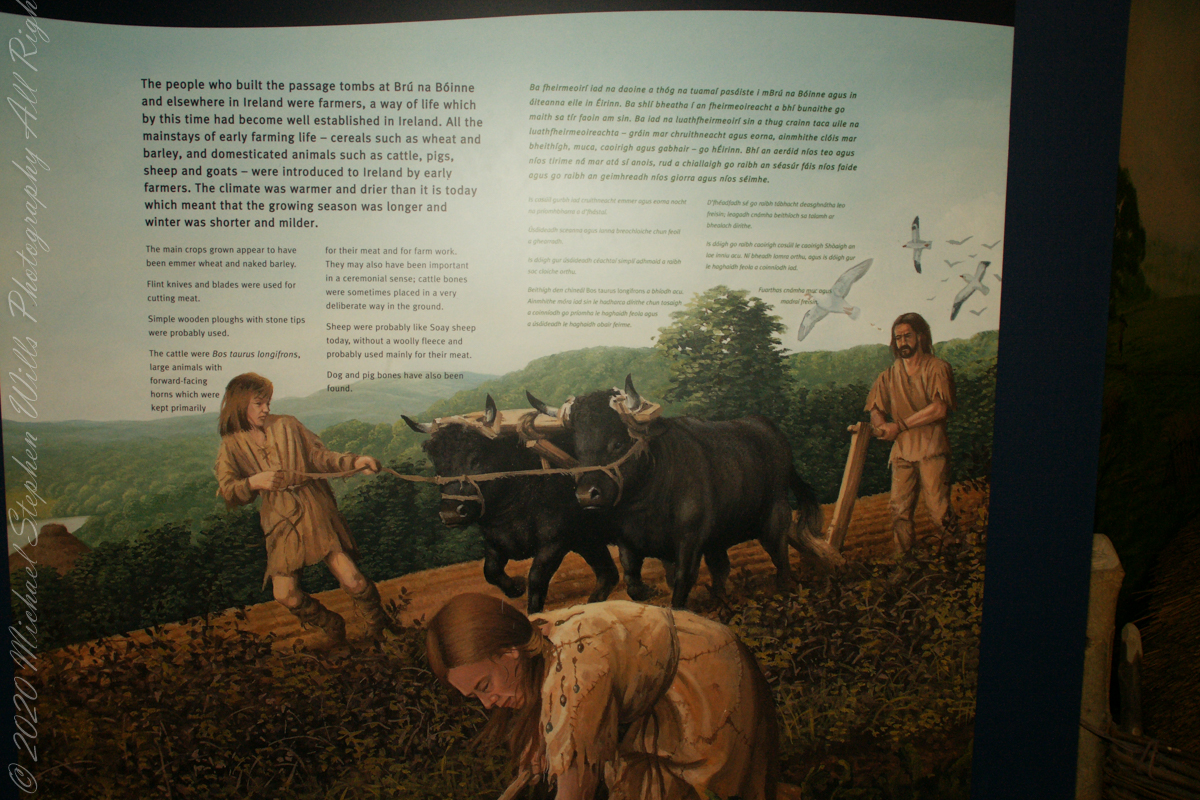
The people who built the passage tombs at Brú na Bóinne and elsewhere in Ireland were farmers, a way of life which by this time had become well established in Ireland.  All the mainstays of early farming life — cereals such as wheat and barley, and domesticated animals such as cattle, pigs, sheep and goats — were introduced to Ireland by early farmers.  T

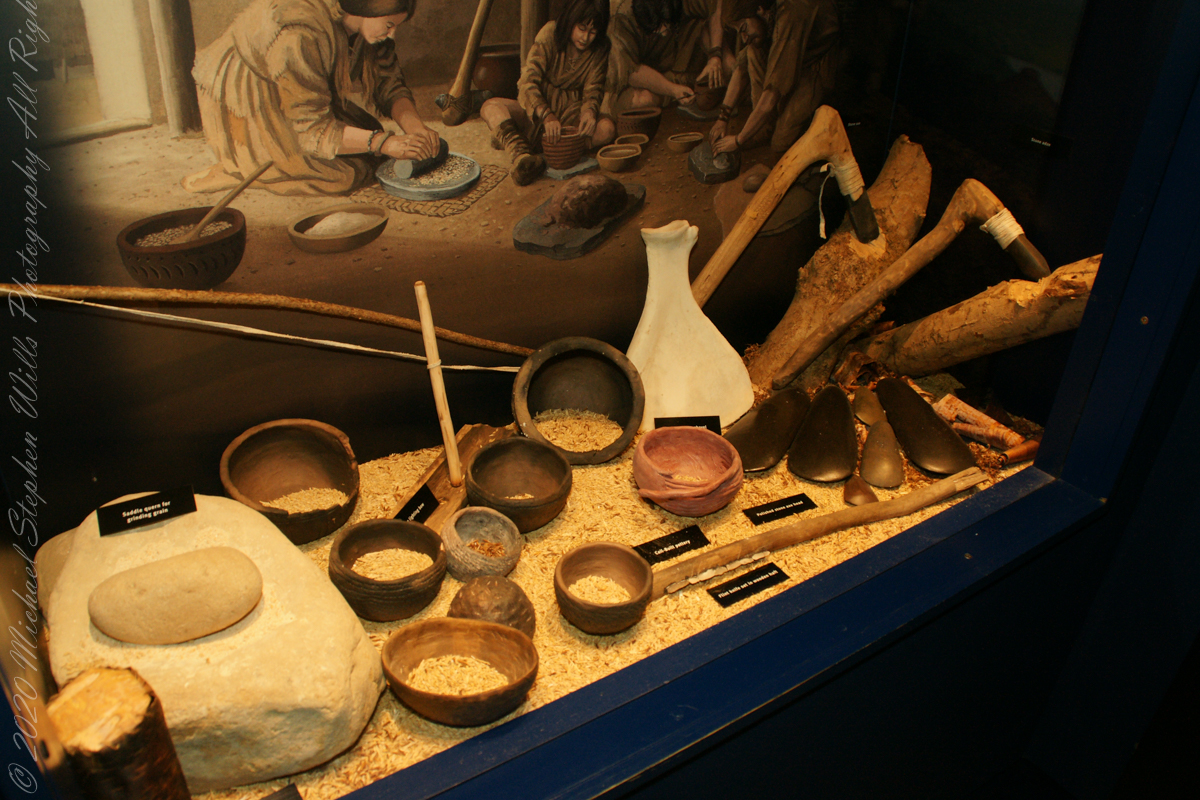
he climate was warmer and drier than it is today which meant that the growing season was longer and winter was shorter and milder.  The main crops grown appear to have been emmer wheat and naked barley.  Flint knives and blades were used for cutting meat.  Simple wooden ploughs with stone tips were probably used. 

The cattle were Bos taurus longifrans, large animals with forward facing horns which were kept primarily for farm work and meat.  Cattle may also have been important in a ceremonial sense; cattle bones were sometimes placed in a very deliberate way in the ground.  Sheep were probably like Soay sheep today, without a woolly fleece and probably used mainly for their meat.  Dog and pig bones have also been found.

Copyright 2023 Michael Stephen Wills All Rights Reserved

Charles Atwood Memorial

We learned so much from this new sign

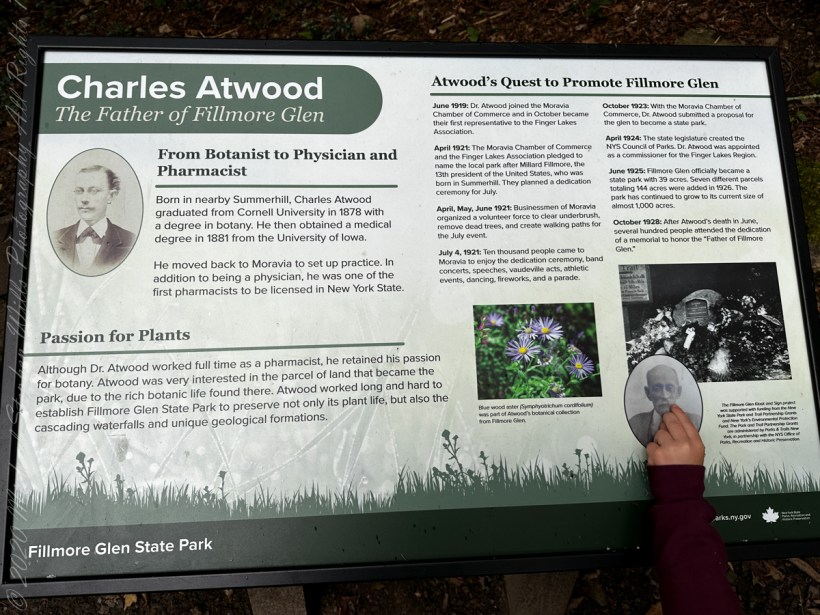
This year, 2023, an informational sign was installed next to the Charles Atwood memorial at the foot of the stone stairs leading to the Gorge Trail.

Charles Atwood The Father of Fillmore Glen

From Botanist to Physician and Pharmacist: born in Summerhill, Cayuga Coun ty, New York State, Charles Atwood graduated from Cornell University in 1878 with a degree in Botany. He then obtained a medical degree in 1881 from the University of Iowa. He moved to Moravia, Cayuga County, to set up practice. In addition to being a physician, he was one of the first pharmacists to be licensed in New York State. A Passion for Plants. Although Dr. Atwood worked full time as a pharmacist, he retained his passion for botany. Atwood was very interested in the parcel of land that became Fillmore Glen Park, due to the rich botanic life found there. Atwood worked long and hard to establish Fillmore Glen State Park to preserve not only its plant life, but also the cascading waterfalls and unique geological formations.”

“Atwood’s Quest to Promote Fillmore Glen. June 1919: Dr. Atwood jointed the Moravia Chamber of Commerce and in October became the first representative to the Finger Lakes Association. April 1921: the Moravia Chanbmer of Commerce and the Finger Lakes Association pledged to name the local park after Millard Fillmore, the 13th president of the United States, who was born in Summerhill. They planned a dedication ceremony for July. April, May, June 1921: Businessmen of Moravia organized a volunteer force to clear underbrush, remove dead trees and create walking paths for the July event. July 4, 1921: Ten thousand people came to Moravia to enjoy the dedication ceremony, band concerts, speeches, vaudeville acts, athletic events, dancing, fireworks and a parade. October 1923: With the Moravia Chamber of Commerce, Dr. Atwood submitted a proposal for the glen to become a state park. April 1924: The state legislature created the New York State Council of Parks. Dr. Atwood was appointed a commissioner for the Finger Lakes Region. June 1925: Fillmore Glen officially became a state park with 39 acres. Seven different parcels totaling 144 acres were added in 1926. The park has continued to grow to its current size of almost 1,000 acres. October 1928: After Dr. Atwood’s death in June, several hundred people attended the dedication of a memorial to honor the ‘Father of Fillmore Glen.'”

Reference: text in italics and quotes is from the new Charles Atwood Sign.

Copyright 2023 Michael Stephen Wills All Rights Reserved

White Birch Bark

Also known as Canoe Birch

Pam and I ambled around the Arboretum for our Easter 2023 outing.

Click Me for “Finger Lakes Memories” my online gallery.

All photography using the IPhone 14 ProMax triple camera, raw format, edited on the phone.

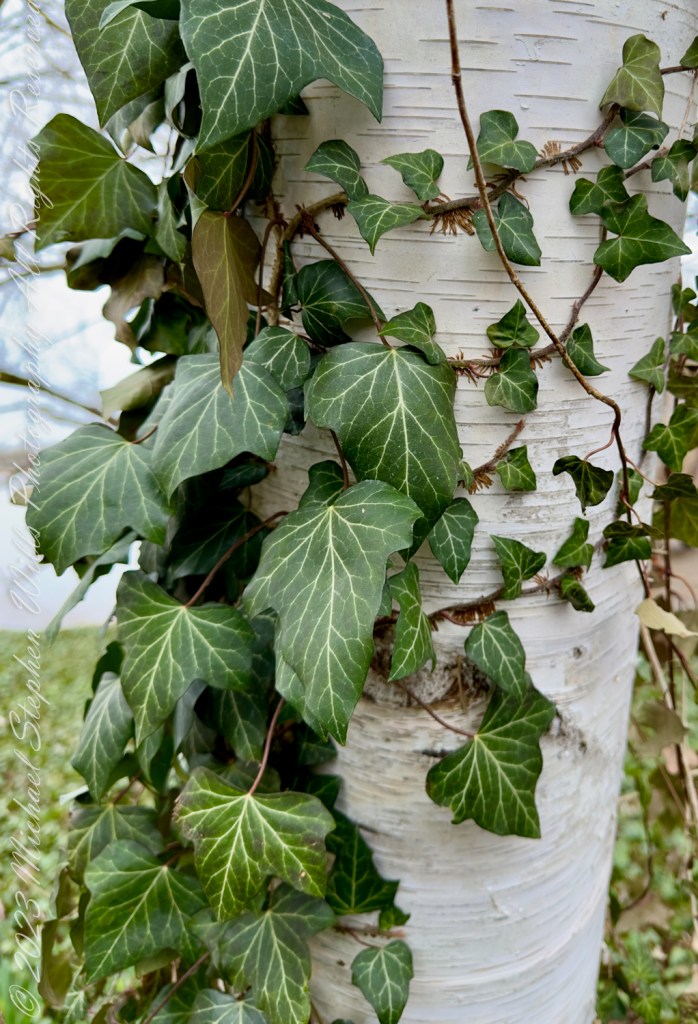
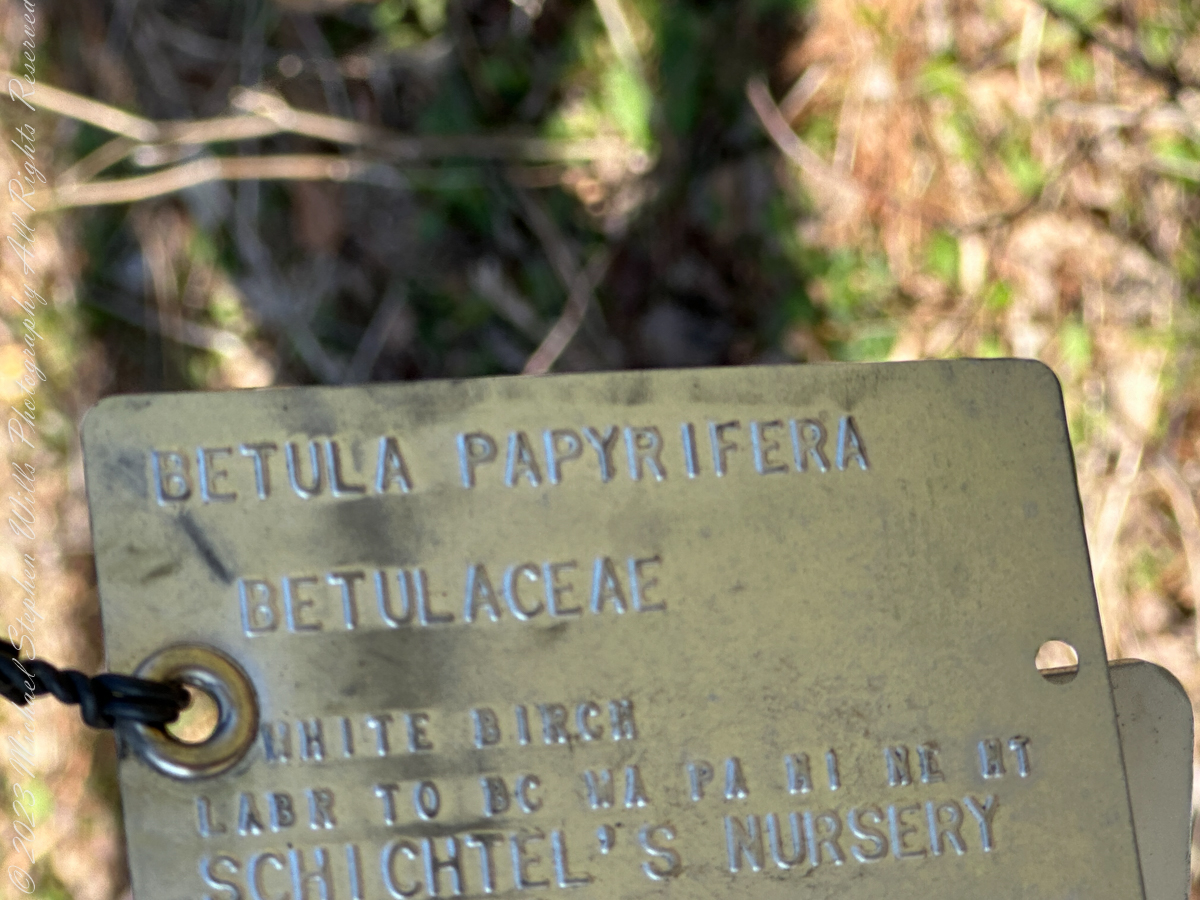
Betula papyrifera, common names Paper Birch, (American) White Birch, Canoe Birch, is a short-lived species of birch native to northern North America. Paper birch is named for the tree’s thin white bark, which often peels in paper like layers from the trunk. Paper birch is often one of the first species to colonize a burned area within the northern latitudes and is an important species for moose browsing. The primary commercial uses for paper birch wood are boltwood and sawlogs, while secondary products include firewood and pulpwood. It is the provincial tree of Saskatchewan and the state tree of New Hampshire.

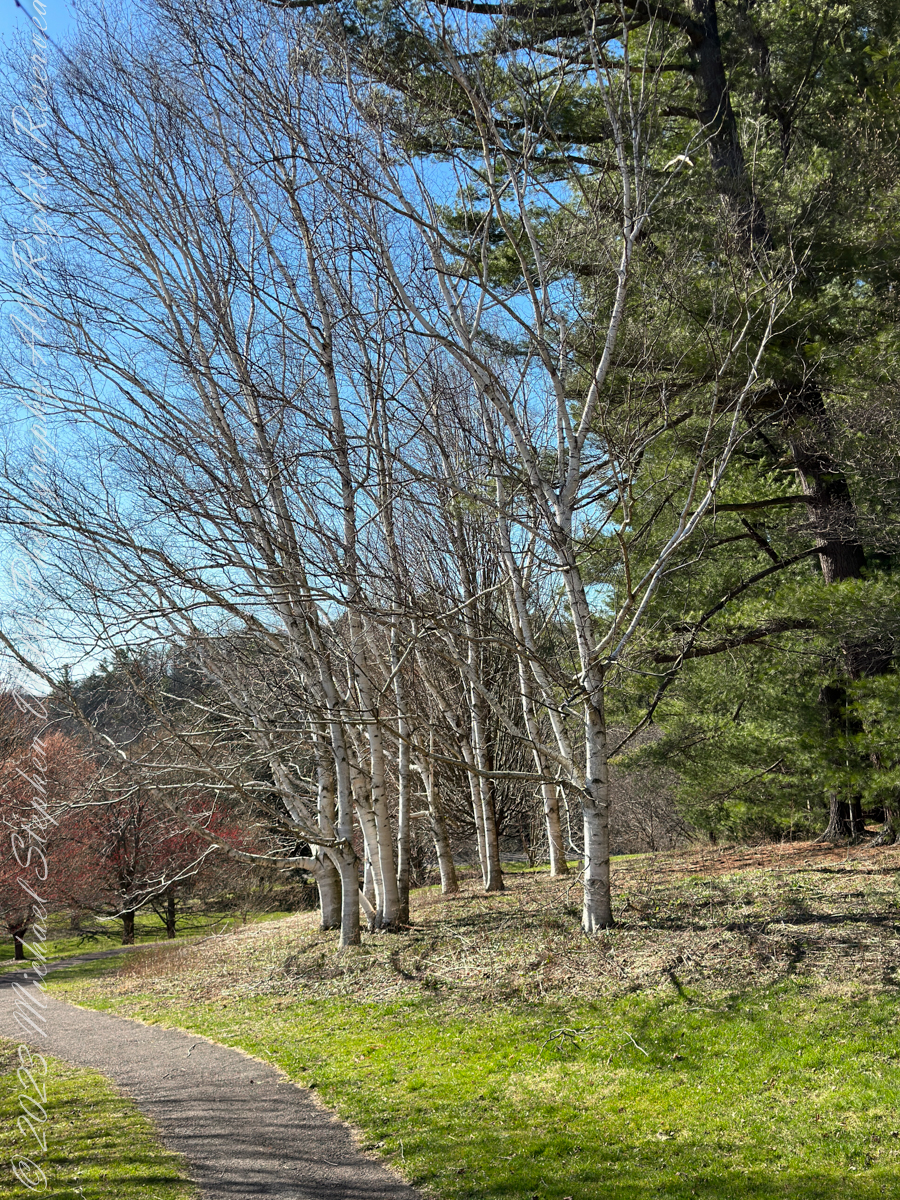
As you can see in the following photoghraph, Betula papyrifera is a medium-sized deciduous tree typically reaching 20 meters (66 feet) tall, and exceptionally to 40 m (130 ft) with a trunk up to 75 centimeters (30 inches) in diameter. Within forests, it often grows with a single trunk but when grown as a landscape tree it may develop multiple trunks or branch close to the ground.

Paper birch is a typically short-lived species. It handles heat and humidity poorly and may live only 30 years in zones six and up, while trees in colder-climate regions can grow for more than 100 years. Betula papyrifera will grow in many soil types, from steep rocky outcrops to flat muskegs of the boreal forest. Best growth occurs in deeper, well drained to dry soils, depending on the location.

White Birch is a pioneer species, meaning it is often one of the first trees to grow in an area after other trees are removed by some sort of disturbance. Typical disturbances colonized by paper birch are wildfire, avalanche, or windthrow areas where the wind has blown down all trees. When it grows in these pioneer, or early successional, woodlands, it often forms stands of trees where it is the only species, a feature emulated in this Cornell Botanical Garden planting. Paper Birch is considered well adapted to fires because it recovers quickly by means of reseeding the area or regrowth from the burned tree. The lightweight seeds are easily carried by the wind to burned areas, where they quickly germinate and grow into new trees. Paper birch is adapted to ecosystems where fires occur every 50 to 150 years for example, it is frequently an early invader after fire in black spruce boreal forests. As paper birch is a pioneer species, finding it within mature or climax forests is rare because it will be overcome by trees that are more shade tolerant as secondary succession progresses.

For example, in Alaskan boreal forests, a paper birch stand 20 years after a fire may have 3,000–6,000 trees per acre (7,400–14,800/ha), but after 60 to 90 years, the number of trees will decrease to 500–800 trees per acre (1,200–2,000/ha) as spruce replaces the birch. After approximately 75 years, the birch will start dying and by 125 years, most paper birch will have disappeared unless another fire burns the area.

Paper birch trees themselves have varied reactions to wildfire. A group, or stand, of paper birch is not particularly flammable. The canopy often has a high moisture content, the understory is often lush green. As such, conifer crown fires often stop once they reach a stand of paper birch or become slower-moving ground fires. Since these stands are fire-resistant, they may become seed trees to reseed the area around them that was burned. However, in dry periods, paper birch is flammable and will burn rapidly. As the bark is flammable, it often will burn and may girdle the tree.

These metal tags are excellent signposts hanging from the branches on coated wire. Paper birch is a typically short-lived species. It handles heat and humidity poorly and may live only 30 years in zones six and up, while trees in colder-climate regions can grow for more than 100 years. Betula papyrifera will grow in many soil types, from steep rocky outcrops to flat muskegs of the boreal forest. Best growth occurs in deeper, well drained to dry soils, depending on the location.

In older trees, the bark is white, commonly brightly so, flaking in fine horizontal strips to reveal a pinkish or salmon-colored inner bark. It often has small black marks and scars. In individuals younger than five years, the bark appears a brown-red color with white lenticels, making the tree much harder to distinguish from other birches. The bark is highly weather-resistant. It has a high oil content; this gives it its waterproof and weather-resistant characteristics. Often, the wood of a downed paper birch will rot away, leaving the hollow bark intact.

Birch bark is a winter staple food for moose. The nutritional quality is poor because of the large quantities of lignin, which makes digestion difficult, but is important to wintering moose because of its sheer abundance. Moose prefer paper birch over aspen, alder, and balsam poplar, but they prefer willow (Salix spp.) over birch and the other species listed. Although moose consume large amounts of paper birch in the winter, if they were to eat only paper birch, they may starve.

Although white-tailed deer consider birch a “secondary-choice food,” it is an important dietary component. In Minnesota, white-tailed deer eat considerable amounts of paper birch leaves in the fall. Snowshoe hares browse paper birch seedlings, and grouse eat the buds.

Porcupines and beavers feed on the inner bark. The seeds of paper birch are an important part of the diet of many birds and small mammals, including chickadees, redpolls, voles, and ruffed grouse. Yellow bellied sapsuckers drill holes in the bark of paper birch to get at the sap; this is one of their favorite trees for feeding on.
As a species, Birches are commonly cultivated as fast-growing, graceful trees with ornamental bark.

The wood of Betula pendulas Roth. Is light and an excellent thermal insulator, so is used for the inside of saunas in Finland. The wood of Betula alleghaniensis is use for furniture, paneling, and plywood in North America.

Birch sap, collected in spring when it pours from the tree, can be used to make beer. Various species have been used medicinally, and Betula lenta was used as a source of oil of wintergreen, or methyl salicylate; American Indians used it to treat many ailments. Betulinic acid from the bark is reported to trigger cell death in melanomas in culture.

The bark of B papyrifera Marsh. Is waterproof and used for birch-bark canoes by American Indians, as well as for roofing in some parts of the world. Several species were used as paper, including Betula utilis, which has been found in the form of 1800-year-old Buddhist manuscripts in Afghanistan.

References:
“White Birch” Wikipedia
“Betula” from “The Botanical Garden I: Trees and Shrubs,” By Roger Phillips and Martyn Rix, Firefly Books, 2002 p123

Copyright 2023 Michael Stephen Wills All Rights Reserved

Red Maple Flowers

This maple tree is one of the first plants to flower in spring.

Pam and I ambled around the Arboretum for our Easter 2023 outing.

Click Me for “Finger Lakes Memories” my online gallery.

All photography using the IPhone 14 ProMax triple camera, raw format, edited on the phone.

Acer rubrum is one of the most abundant and widespread trees in eastern North America. It can be found from the south of Newfoundland, through Nova Scotia, New Brunswick, and southern Quebec to the southwest west of Ontario, extreme southeastern Manitoba and northern Minnesota; southward through Wisconsin, Illinois, Missouri, eastern Oklahoma, and eastern Texas in its western range; and east to Florida. It has the largest continuous range along the North American Atlantic Coast of any tree that occurs in Florida. In total it ranges 2,600 km (1,600 mi) from north to south. The species is native to all regions of the United States east of the 95th meridian. The tree’s range ends where the −40 °C (−40 °F) mean minimum isotherm begins, namely in southeastern Canada. A. rubrum is not present in most of the Prairie Peninsula of the northern Midwest (although it is found in Ohio), the coastal prairie in southern Louisiana and southeastern Texas and the swamp prairie of the Florida Everglades. Red maple’s western range stops with the Great Plains where conditions become too dry for it. The absence of red maple from the Prairie Peninsula is most likely due to the tree’s poor tolerance of wildfires. Red maple is most abundant in the Northeastern US, the Upper Peninsula of Michigan, and northeastern Wisconsin, and is rare in the extreme west of its range and in the Southeastern US.

On the arboretum northeast side is a collection of native maples, this Red Maple is represented caught our eye.

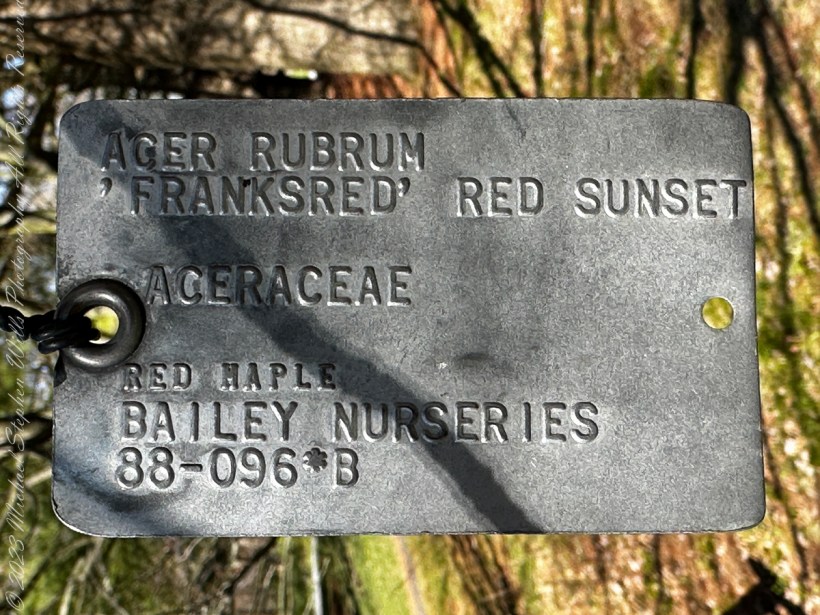
These metal tags are excellent signposts hanging from the branches on coated wire. Red maple’s maximum lifespan is 150 years, but most live less than 100 years. The tree’s thin bark is easily damaged from ice and storms, animals, and when used in landscaping, being struck by flying debris from lawn mowers, allowing fungi to penetrate and cause heart rot.[8] Its ability to thrive in many habitats is largely due to its ability to produce roots to suit its site from a young age. In wet locations, red maple seedlings produce short taproots with long, well-developed lateral roots; while on dry sites, they develop long taproots with significantly shorter laterals. The roots are primarily horizontal, however, forming in the upper 25 cm (9.8 in) of the ground. Mature trees have woody roots up to 25 m (82 ft) long. They are very tolerant of flooding, with one study showing that 60 days of flooding caused no leaf damage. At the same time, they are tolerant of drought due to their ability to stop growing under dry conditions by then producing a second-growth flush when conditions later improve, even if growth has stopped for 2 weeks.

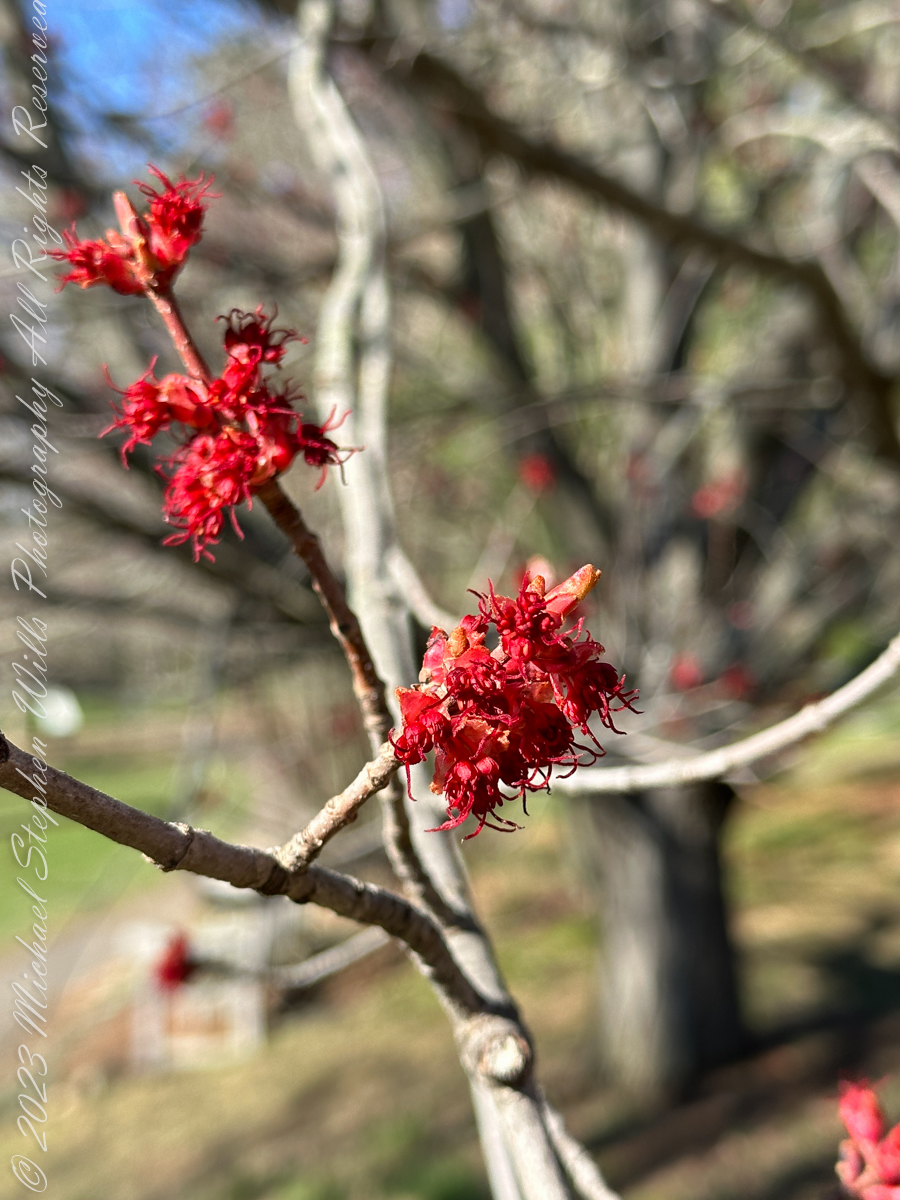
Acer rubrum is one of the first plants to flower in spring. A crop of seeds is generally produced every year with a bumper crop often occurring every second year. A single tree between 5 and 20 cm (2.0 and 7.9 in) in diameter can produce between 12,000 and 91,000 seeds in a season. A tree 30 cm (0.98 ft) in diameter was shown to produce nearly a million seeds. Red maple produces one of the smallest seeds of any of the maples. Fertilization has also been shown to significantly increase the seed yield for up to two years after application. The flowers are generally unisexual, with male and female flowers appearing in separate sessile clusters, though they are sometimes also bisexual. These pistillate (female) flowers have one pistil formed from two fused carpels with a glabrous superior ovary and two long styles that protrude beyond the perianth. These flowers were formed on the tree labeled “Frank’s Red.”

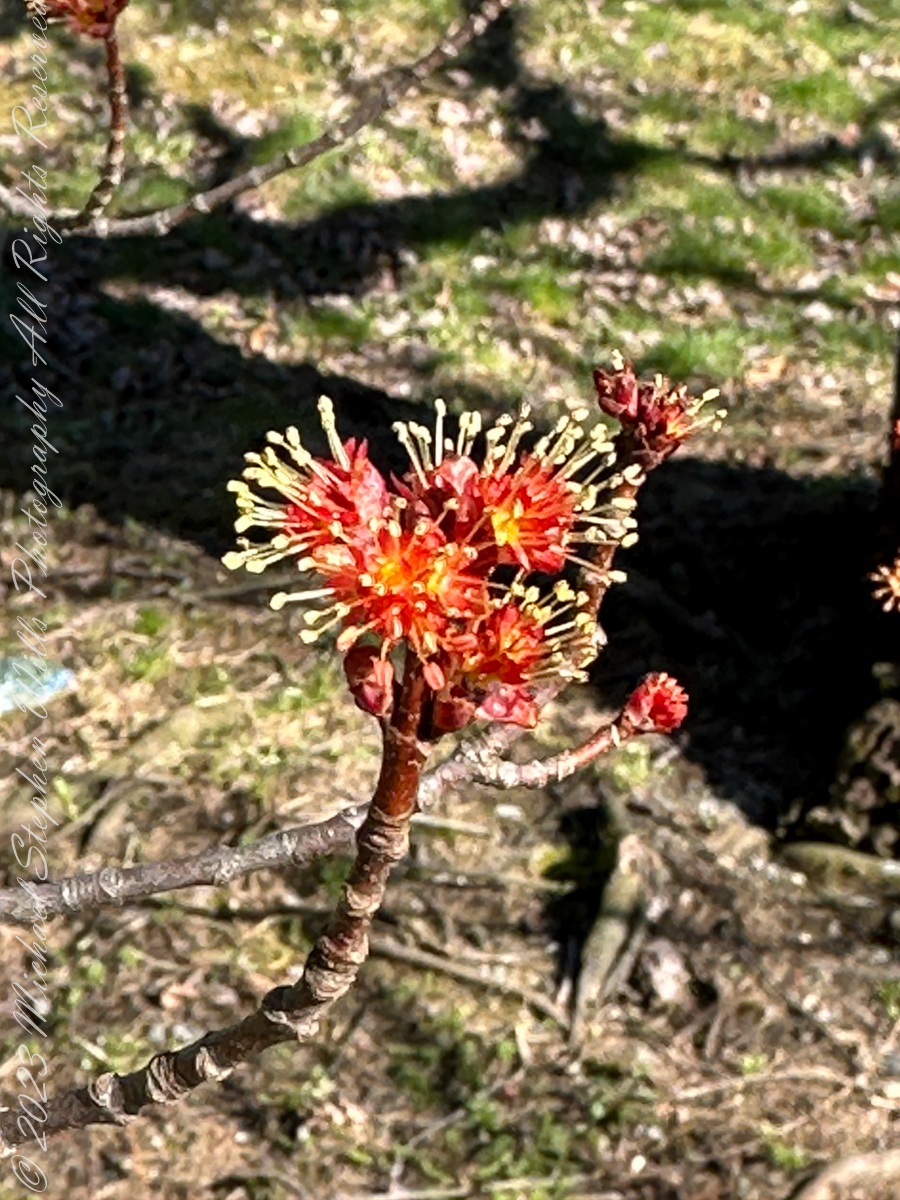
These staminate (male) flowers are sessile (grow direct from tip of branch without a stalk) containing between 4 and 12 stamens, often with 8. These seem to have 12 stamens.

The above flowers were formed on a “Schlesinger I” Red Maple Tree (see following lable).

Reference: “Red Maple” Wikipedia
Copyright 2023 Michael Stephen Wills All Rights Reserved

Born in a Log Cabin

Millard Fillmore, 13th President, United States of AmericA

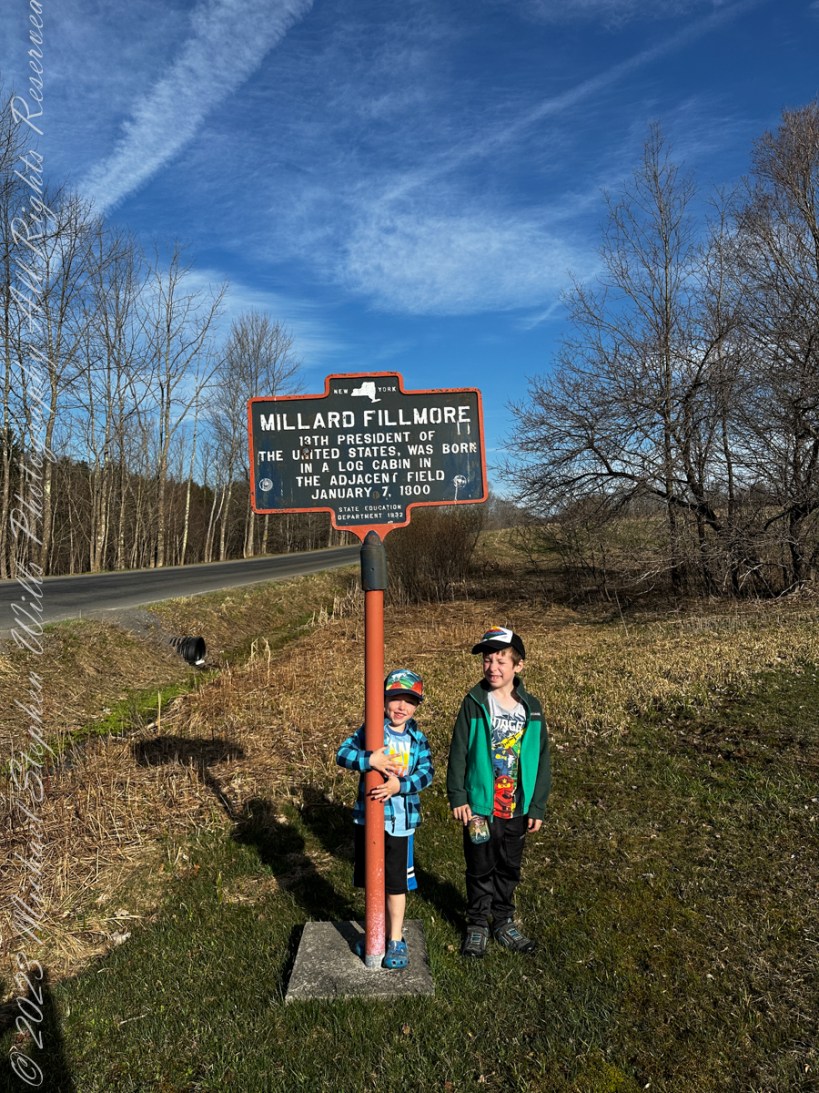
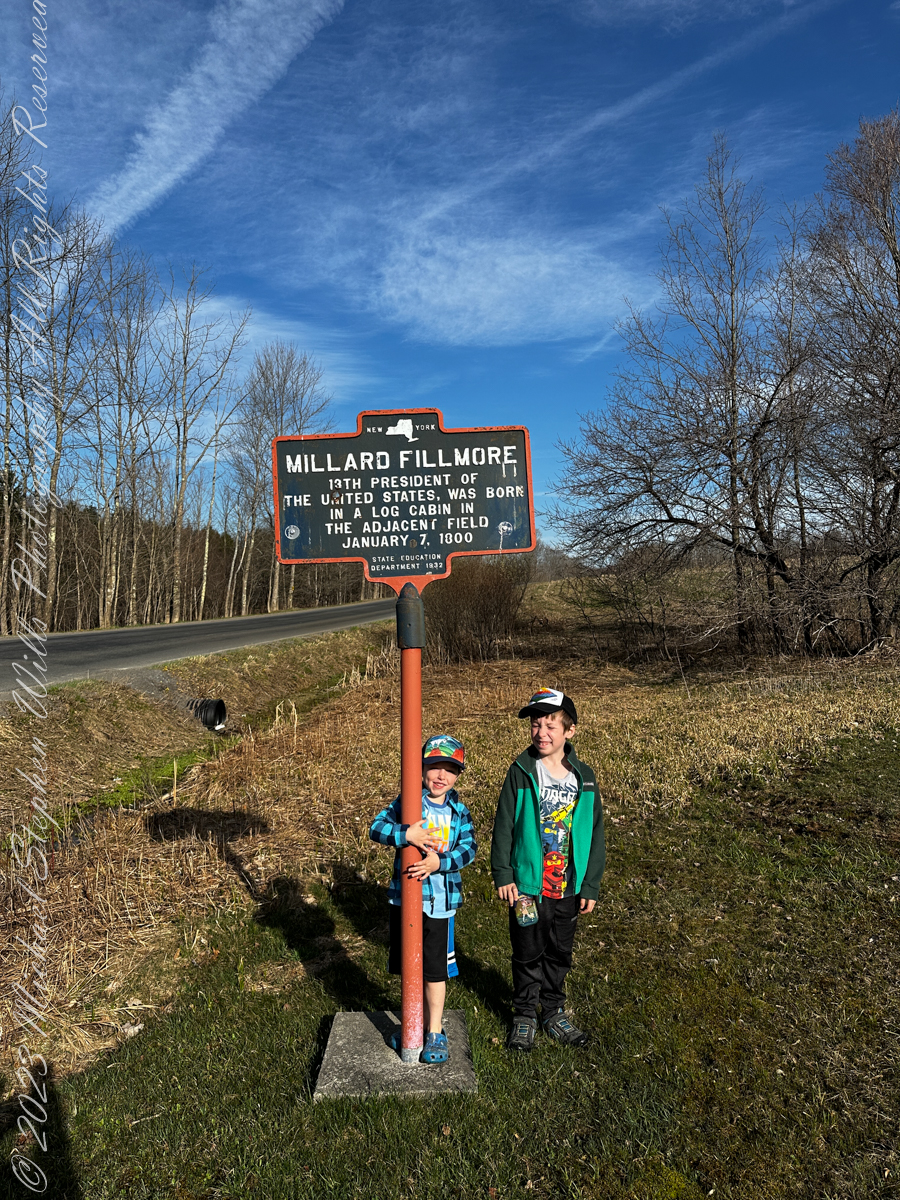
Last Friday the grandsons and I had an outing to the hills above Moravia in Cayuga County, there we visited the birthplace of Millard Fillmore. The site is a rather steep, rocky hillside near where the future President was born in a log cabin. He was not the last future President thus born, James Garfield in 1831 was born fatherless in Ohio in a log cabin. The future 20th President and the last to be so born. Nine years after Millard Fillmore, Abraham Lincoln was born, February 12, 1809 in the same residential circumstance and was the first future President born west of the Appalachian Mountains at Sinking Springs Farm, Kentucky. At least seven (7) future USA Presidents were born in log cabins, the others are: Andrew Jackson, James K. Polk, James Buchanan, Andrew Johnson, Chester A. Arthur.

There is quite a bit to do at this open air museum: educational signs, split rail fencing from that time, a pavilion build from concrete, steel I-beams and a metal roof with picnic tables where we played games.

On the way to Fillmore Glen New York State Park to visit an actual log cabin from that time, we stopped at the Lickville Cemetery on Lick Street. Opened a few years after Fillmore’s birth, 1807, 180 headstones are still standing. We practiced sounding out words from the large carved letters on the stones.

After visiting the log cabin our day was interrupted by symptoms of a stomach flu that has been terrorizing all our families. Fortunately, I escaped. Our plan is to continue to explore Fillmore Glen at a later time.

More about Millard Fillmore from Wikipedia

Millard Fillmore was born on January 7, 1800, in a log cabin, on a farm in what is now Moravia, Cayuga County, in the Finger Lakes region of New York. His parents were Phoebe Millard and Nathaniel Fillmore, and he was the second of eight children and the oldest son.

Nathaniel Fillmore was the son of Nathaniel Fillmore Sr. (1739–1814), a native of Franklin, Connecticut, who became one of the earliest settlers of Bennington, Vermont, when it was founded in the territory that was then called the New Hampshire Grants.

Nathaniel Fillmore and Phoebe Millard moved from Vermont in 1799 and sought better opportunities than were available on Nathaniel’s stony farm, but the title to their Cayuga County land proved defective, and the Fillmore family moved to nearby Sempronius, where they leased land as tenant farmers, and Nathaniel occasionally taught school. The historian Tyler Anbinder described Fillmore’s childhood as “one of hard work, frequent privation, and virtually no formal schooling.”

Over time Nathaniel became more successful in Sempronius, but during Millard’s formative years, the family endured severe poverty. Nathaniel became sufficiently regarded that he was chosen to serve in local offices, including justice of the peace. Hoping that his oldest son would learn a trade, he convinced Millard, who was 14, not to enlist for the War of 1812 and apprenticed him to clothmaker Benjamin Hungerford in Sparta. Fillmore was relegated to menial labor, and unhappy at not learning any skills, he left Hungerford’s employ.

His father then placed him in the same trade at a mill in New Hope. Seeking to better himself, Millard bought a share in a circulating library and read all the books that he could. In 1819 he took advantage of idle time at the mill to enroll at a new academy in the town, where he met a classmate, Abigail Powers, and fell in love with her.

Later in 1819 Nathaniel moved the family to Montville, a hamlet of Moravia. Appreciating his son’s talents, Nathaniel followed his wife’s advice and persuaded Judge Walter Wood, the Fillmores’ landlord and the wealthiest person in the area, to allow Millard to be his law clerk for a trial period. Wood agreed to employ young Fillmore and to supervise him as he read law. Fillmore earned money teaching school for three months and bought out his mill apprenticeship. He left Wood after eighteen months; the judge had paid him almost nothing, and both quarreled after Fillmore had, unaided, earned a small sum by advising a farmer in a minor lawsuit. Refusing to pledge not to do so again, Fillmore gave up his clerkship. Nathaniel again moved the family, and Millard accompanied it west to East Aurora, in Erie County, near Buffalo, where Nathaniel purchased a farm that became prosperous.

Copyright 2023 Michael Stephen Wills All Rights Reserved.

Golden Gift

White on White

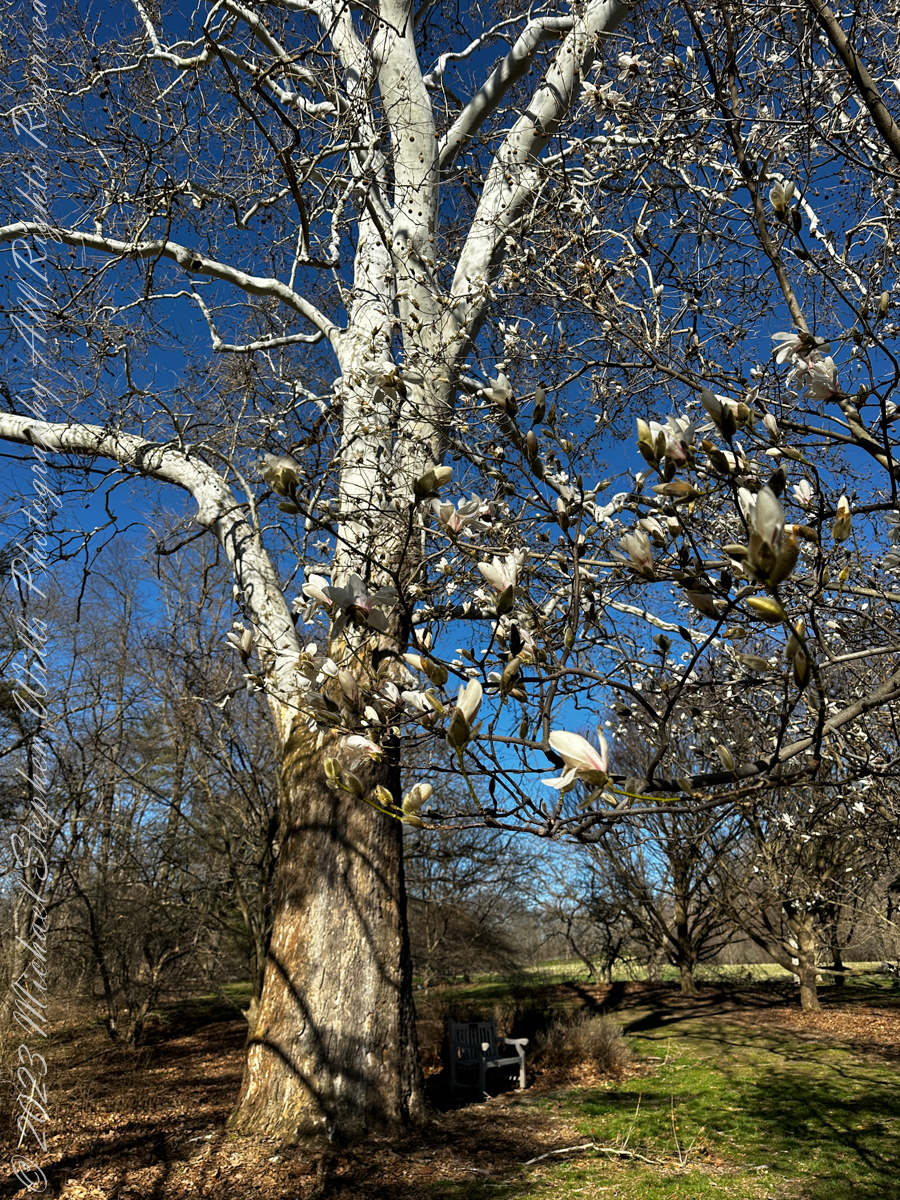
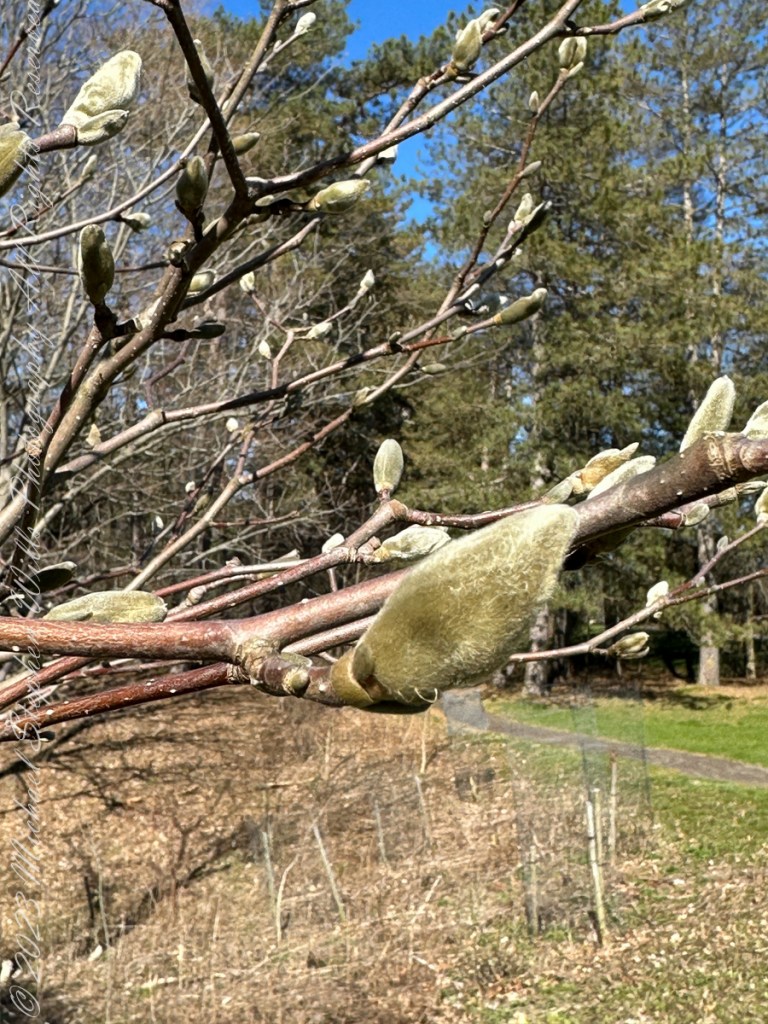
We mistook this magnolia tree for a “pussy willow” from its flower bud texture and shape.

Click Me for “Finger Lakes Memories” my online gallery.

All photography using the IPhone 14 ProMax triple camera, raw format, edited on the phone.

The signage attached to a branch disabused us of this impression, incorrect all for being true until the flowers burst forth.

Magnolia “Golden Gift” Magnoliaceae

Description

A visually beautiful magnolia whose golden flowers bloom in abundance and persist well; a small tree or large shrub with a loosely pyramidal form and large relatively coarse leaves; flowers appear before the foliage; an ideal landscape or garden accent

Ornamental Features

Golden Gift Magnolia is covered in stunning fragrant gold cup-shaped flowers held atop the branches in early spring before the leaves. It has dark green deciduous foliage. The large pointy leaves turn coppery bronze in fall.

Landscape Attributes

Golden Gift Magnolia is a deciduous tree with a distinctive and refined pyramidal form. Its relatively coarse texture can be used to stand it apart from other landscape plants with finer foliage. This is a relatively low maintenance tree and should only be pruned after flowering to avoid removing any of the current season’s flowers. It has no significant negative characteristics.

Ancient

Magnolia is an ancient genus. Appearing before bees evolved, the flowers are theorized to have evolved to encourage pollination by beetles. To avoid damage from pollinating beetles, the carpels of Magnolia flowers are extremely tough. Fossilized specimens of M. acuminata have been found dating to 20 million years ago, and fossils of plants identifiably belonging to the Magnoliaceae date to 95 million years ago. Another aspect of Magnolia considered to represent an ancestral state is that the flower bud is enclosed in a bract rather than in sepals; the perianth parts are undifferentiated and called tepals rather than distinct sepals and petals. Magnolia shares the tepal characteristic with several other flowering plants near the base of the flowering plant lineage such as Amborella and Nymphaea (as well as with many more recently derived plants such as Lilium).

With a neighbor, Sycamore or “Buttonwood”

Copyright 2023 Michael Stephen Wills All Rights Reserved