Newgrange VII

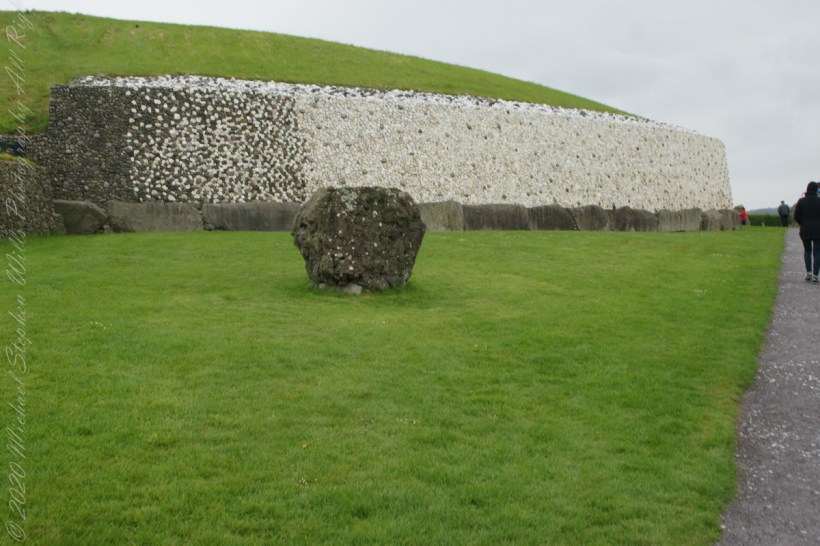
Approaching Newgrange for the first time

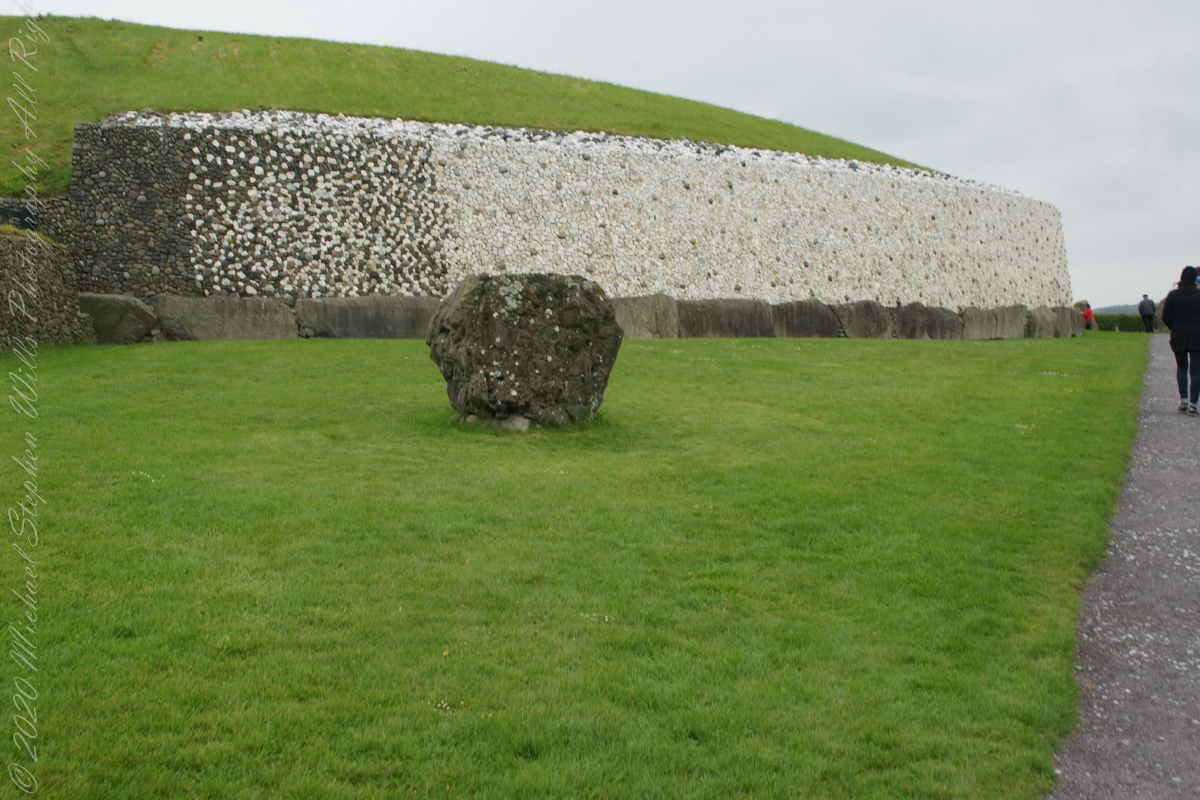
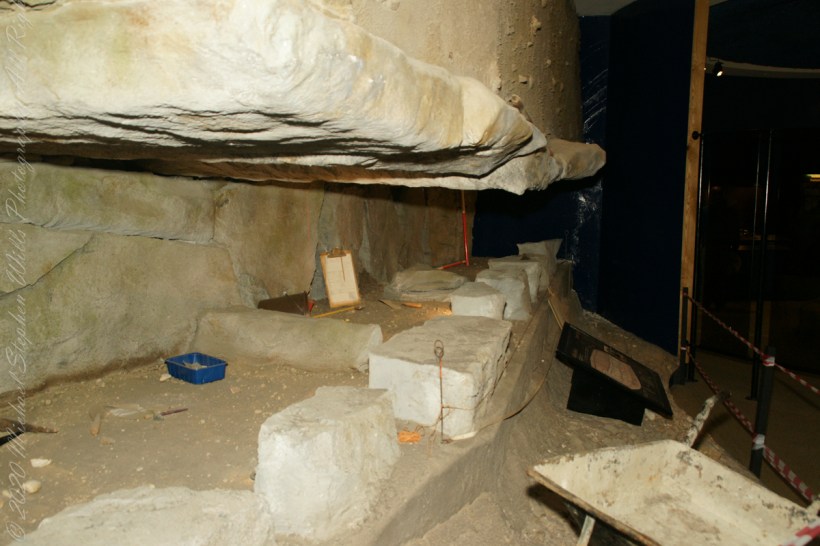
Michael Joseph “Brian” O’Kelly was selected to undertake the direction of the excavation of Newgrange during a 1961 meeting of “those who had a professional interest in the monument” organized by PJ Hartnett, the archaeological officer with Bord Fáilte Eireann (Irish Tourist Board) and a former pupil of Professor O’Kelly’s. Excavation commenced in 1962 and continued every summer for a four-month season up to and including 1975.
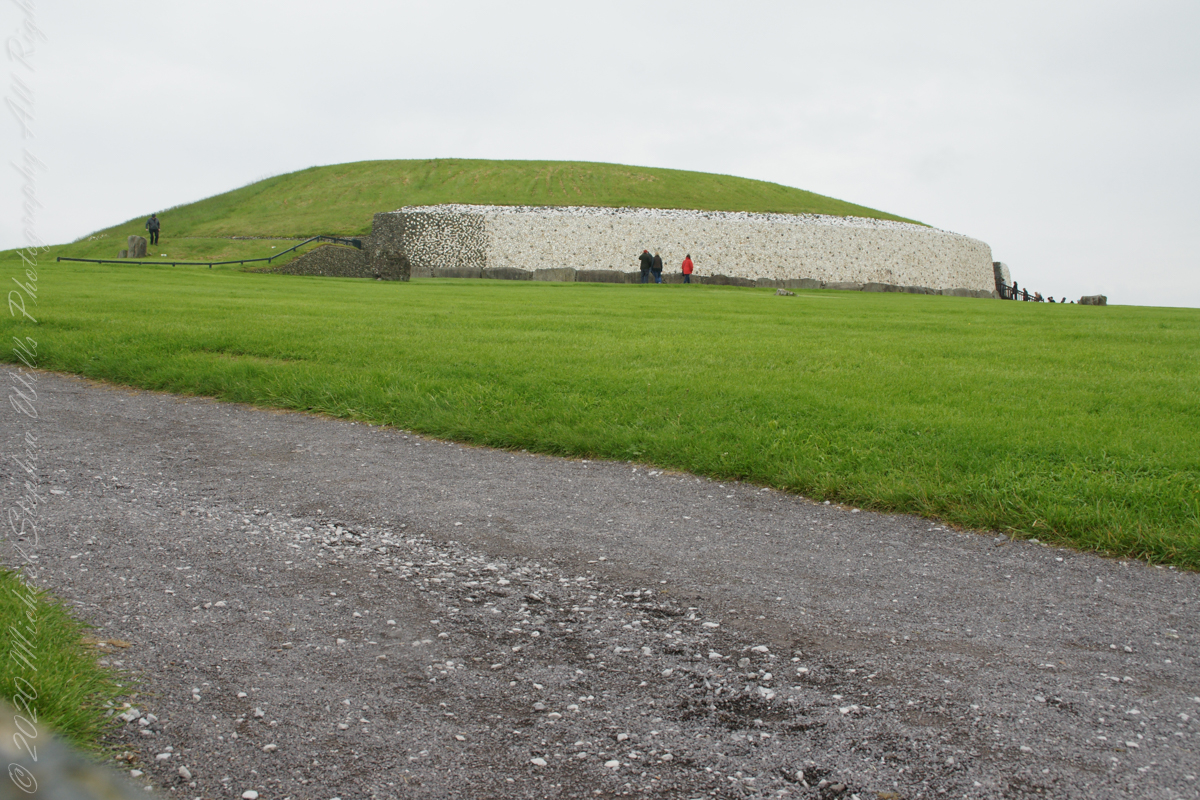
The aim of the excavation was to discover as much as possible about the archaeological and historical context of Newgrange and the people who built it and to discover what its original finished appearance was so as to direct a reconstruction, conservation and restoration of the structure to its former condition and appearance.
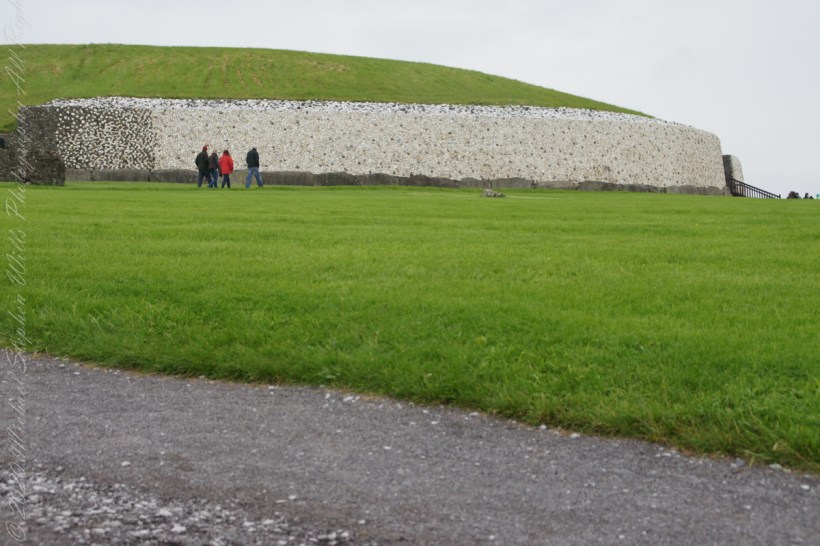
The last year of excavation was 1975, Michael J. wrote “We determined in 1975 that that should be our last season of excavation at Newgrange. We had investigated approximately one third of the structure and we had discovered much about it that was new, both in its structure and in its ornament, while radiocarbon had pushed its date back by 1,000 years……”
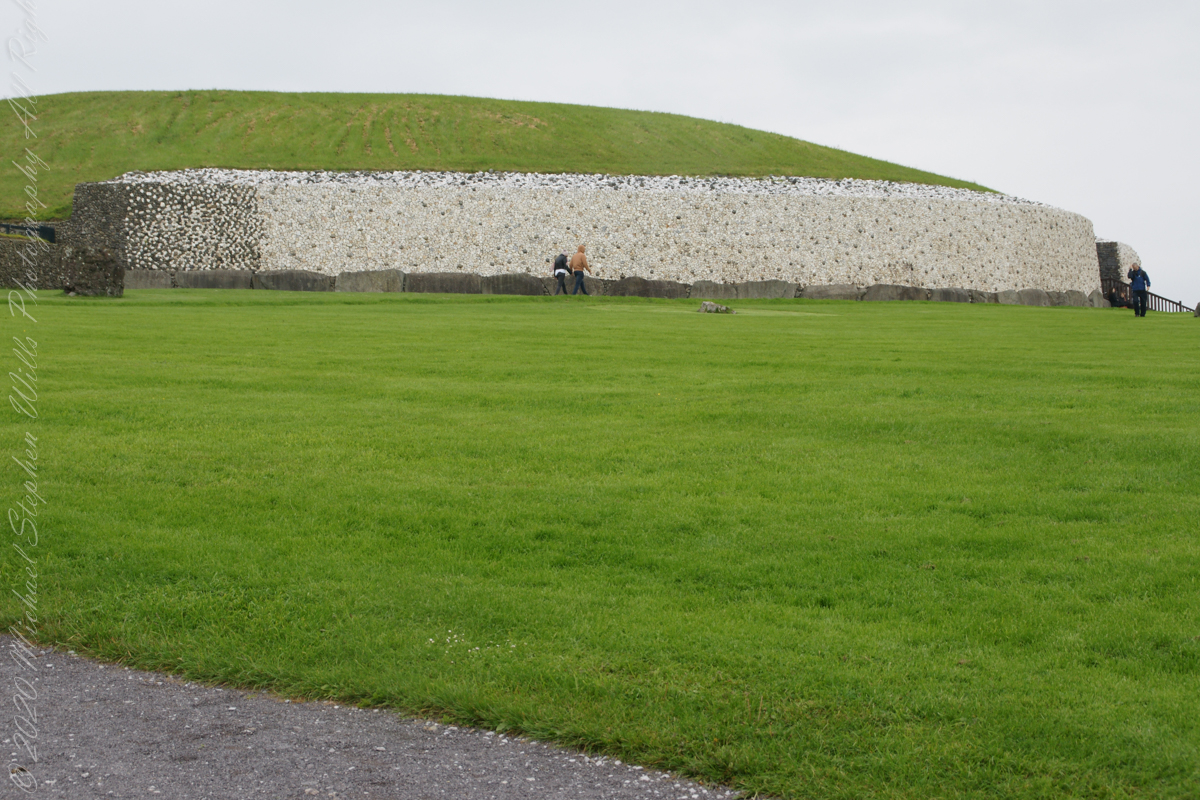
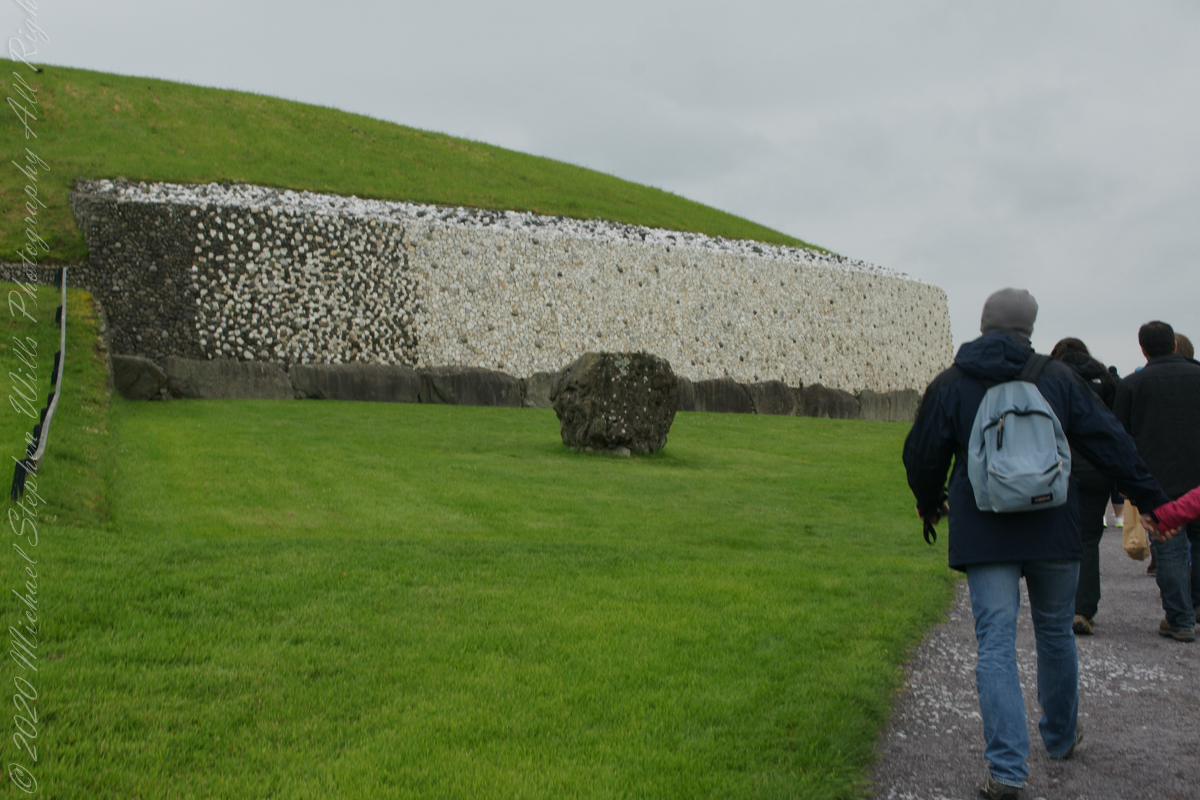
“…We felt that the other two thirds should be left for a future excavator, who, working with new knowledge and perhaps with better methods and new scientific approaches, should have large areas untouched by us in which to test, check and re-evaluate our findings.” From The Restoration of Newgrange by Michael J.O’Kelly. Antiquity LIII, 1979.
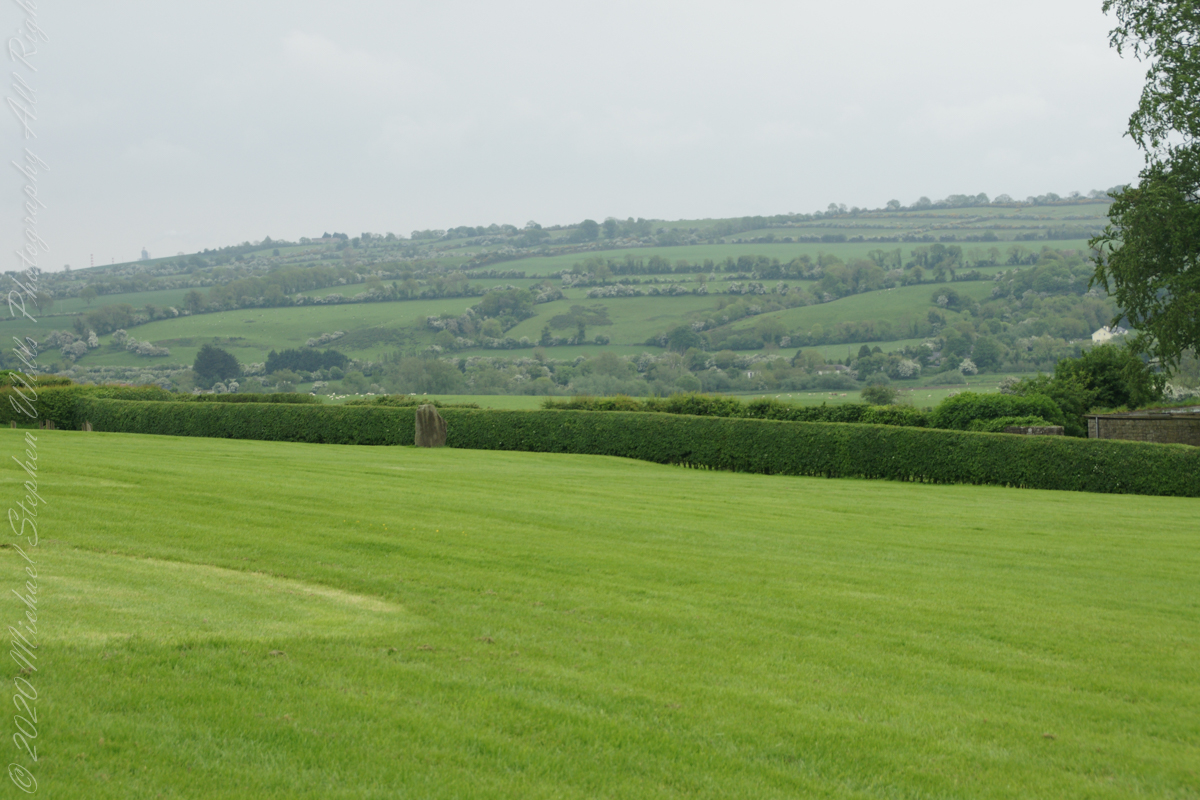
“Between the bright sky and the long glittering silver ribbon of the Boyne the land looks black and featureless. Great flocks of starlings are flying across the sky from their nighttime roosts to their daytime feeding places. The effect is very dramatic as the direct light of the sun brightens and casts a glow of light all over the chamber. I can even see parts of the roof and a reflected light shines right back into the back of the end chamber.” The recorded words of Prof O’Kelly spoken in the tomb of Newgrange on the 21st December 1969.
Click Me for the first post of this series.
Copyright 2023 Michael Stephen Wills All Rights Reserved

Newgrange VI

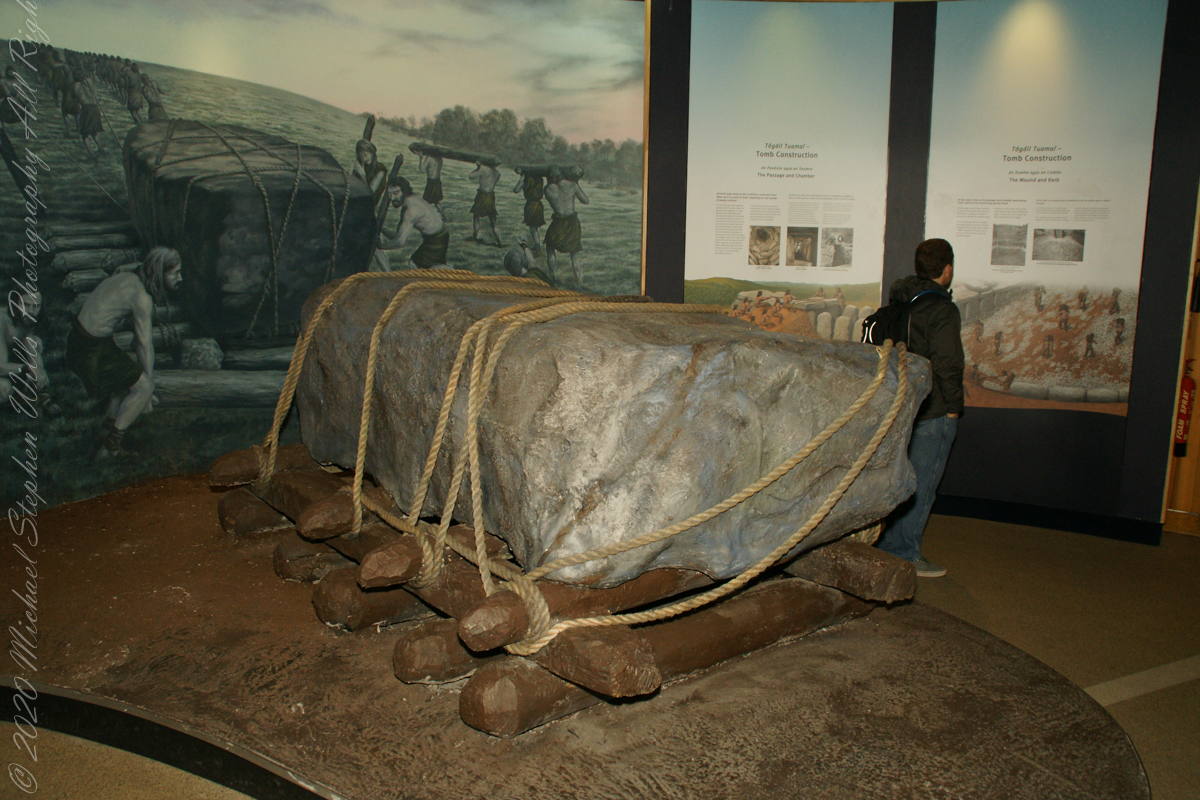
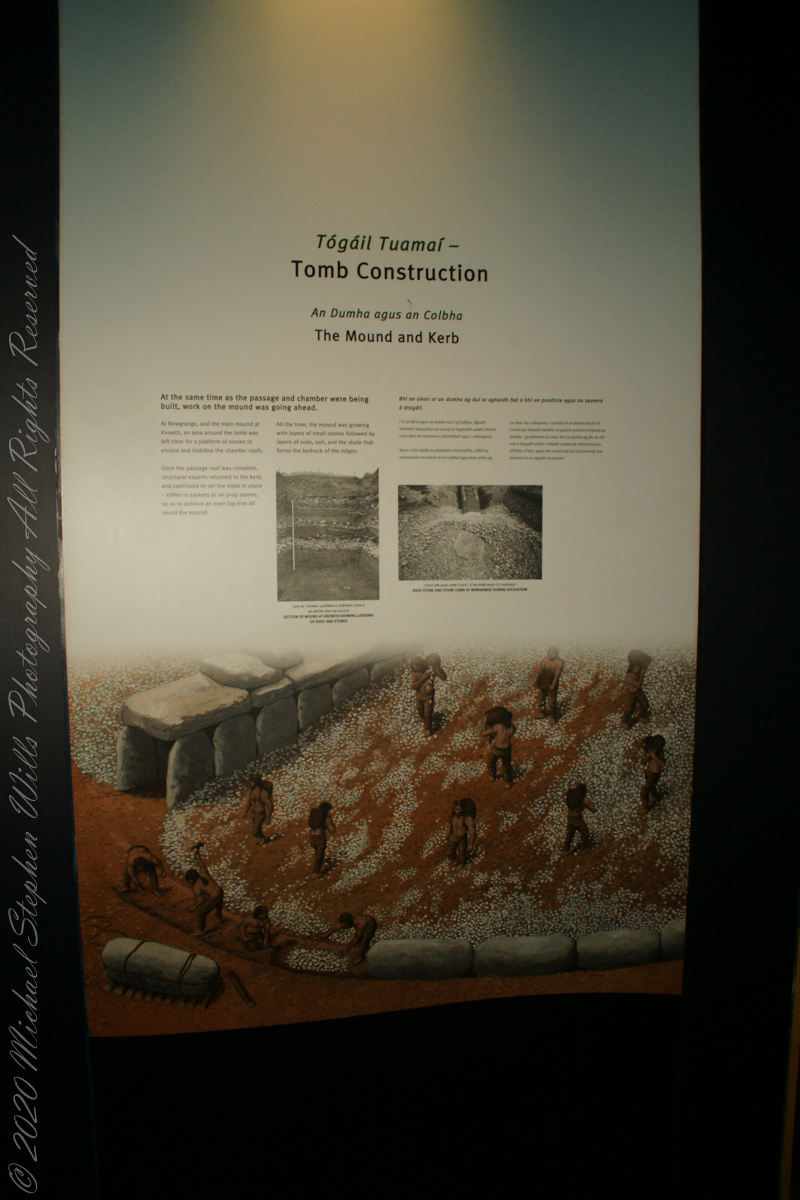
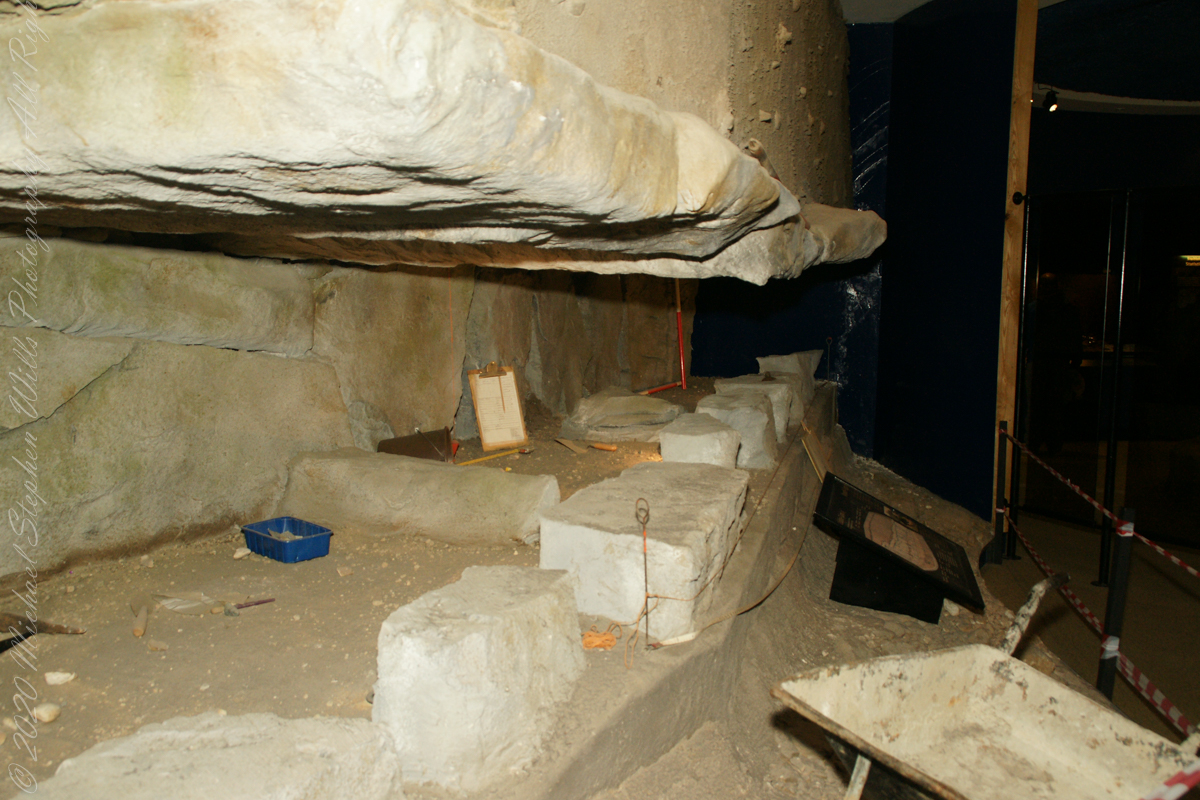
Newgrange and Knowth mounds were built and stabilized by structural experts.

At the same time as the passage and chamber were being built, work on the mound was going ahead.

At Newgrange, and the main mound at Knowth, an area around the tomb was left clear for a platform of stones to encase and stabilize the chamber roofs.

Once the passage roof was complete, structural experts returned to the kerb and continued to set the slabs in place — either in sockets or on prop stones, so as to achieve an even top-line all-round the mound.

Click Me for the first post of this series.
Copyright 2023 Michael Stephen Wills All Rights Reserved

Newgrange V

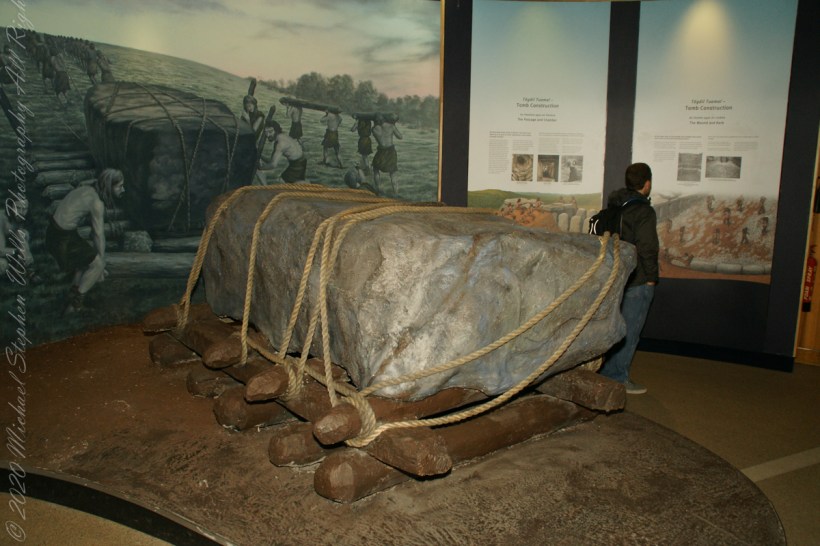
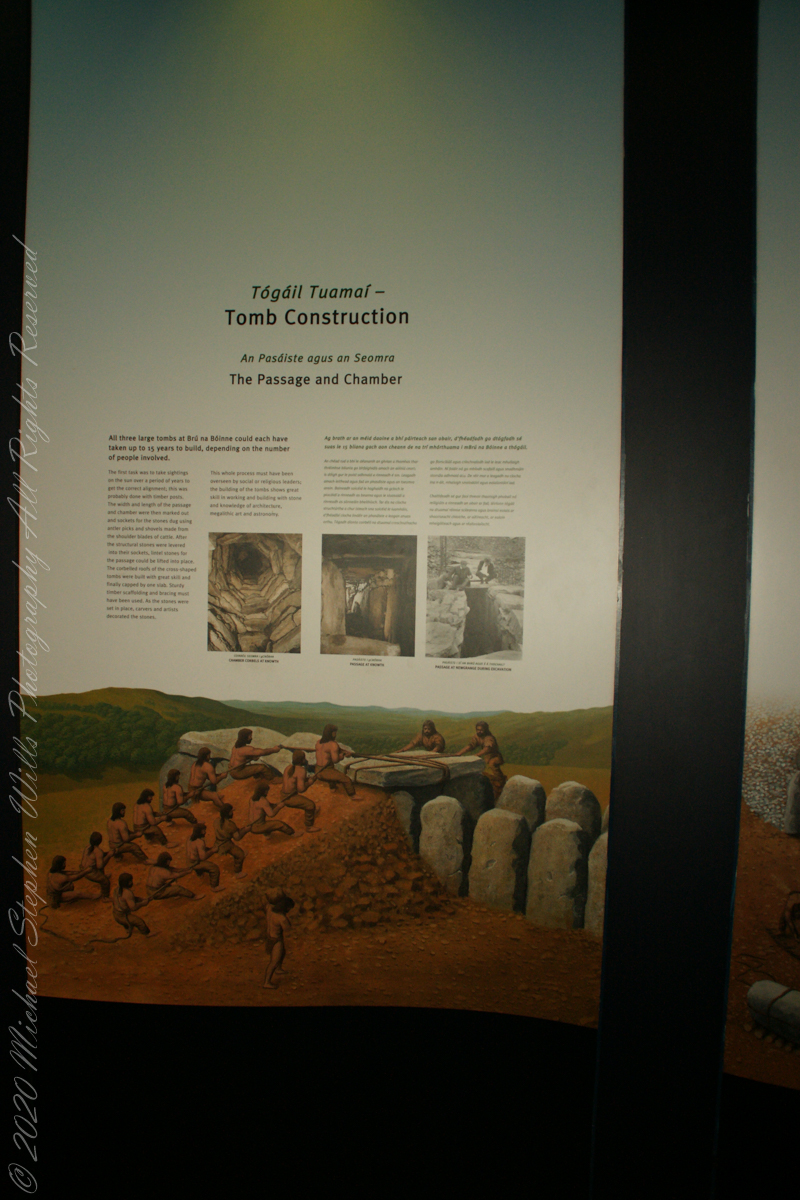
Newgrange construction involved meticulous planning, stone architecture, artistry, and astronomical understanding.

The initial task for the builders of Newgrange involved recording the annual alignment of the rising sun over several years, which was likely achieved using timber posts as markers. Subsequently, the dimensions of the passage and chamber were determined, and the groundwork was prepared by digging sockets for the structural stones. This excavation process was carried out using antler picks and shovels crafted from cattle shoulder blades.

After the structural stones were carefully positioned and levered into their sockets, lintel stones for the passage could be lifted into place. The corbelled roofs of the cross-shaped tombs were built with great skill and finally capped by one slab. Sturdy timber scaffolding and bracing must have been used. As the stones were set in place, carvers and artists decorated the stones.

The whole process must have been overseen by social or religious leaders; the building of the tombs shows great skill in working and building with stone and knowledge of architecture, megalithic art and astronomy.

Click Me for the first post of this series.
Copyright 2023 Michael Stephen Wills All Rights Reserved

Newgrange III

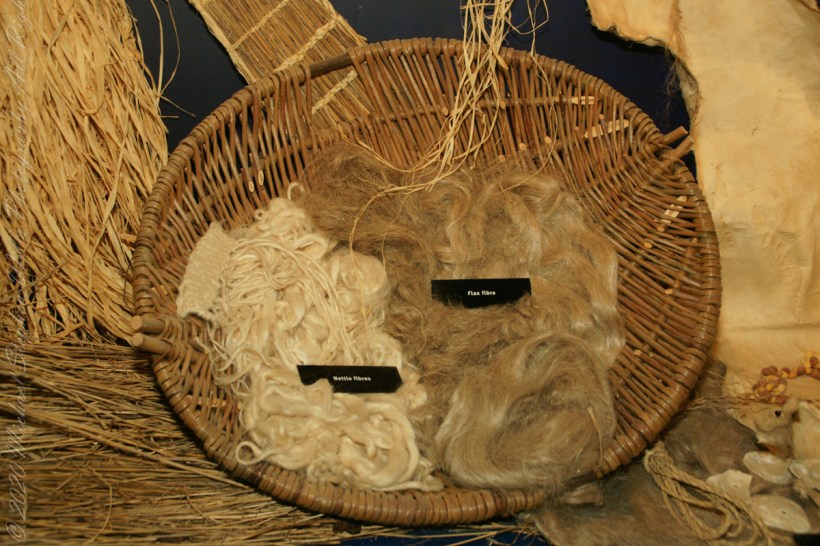
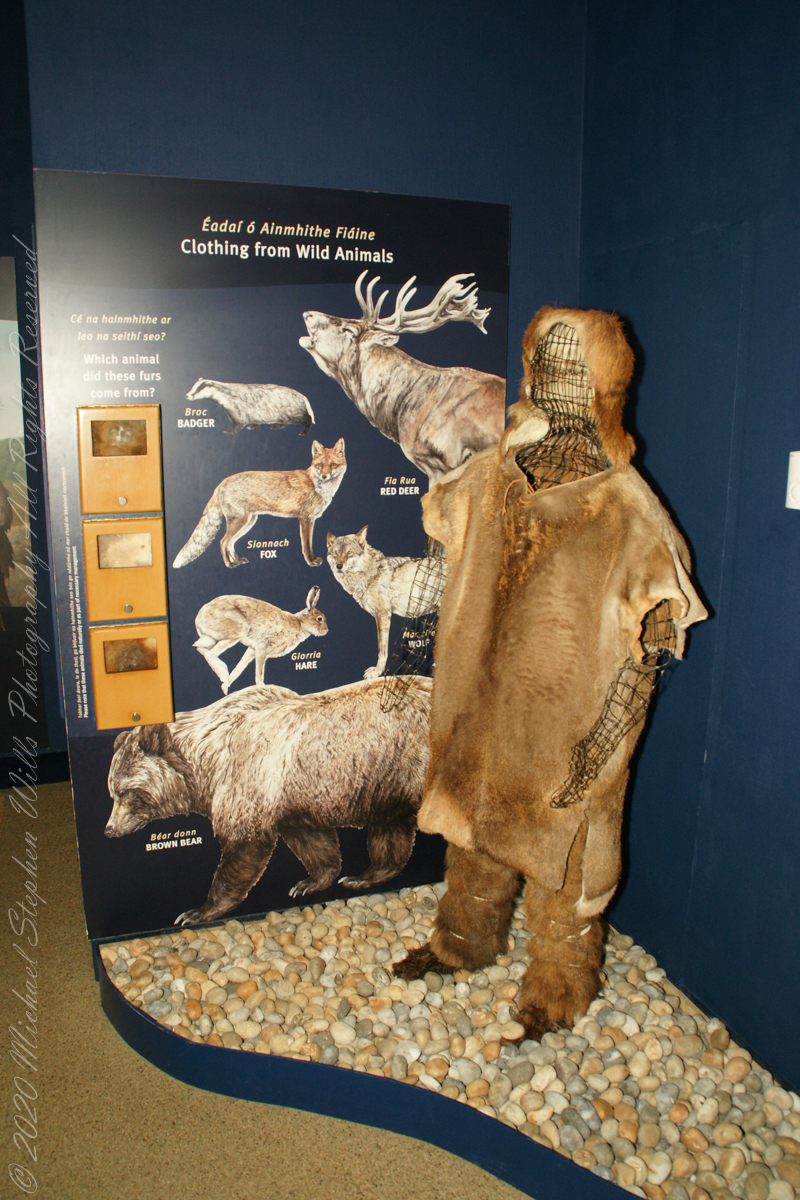
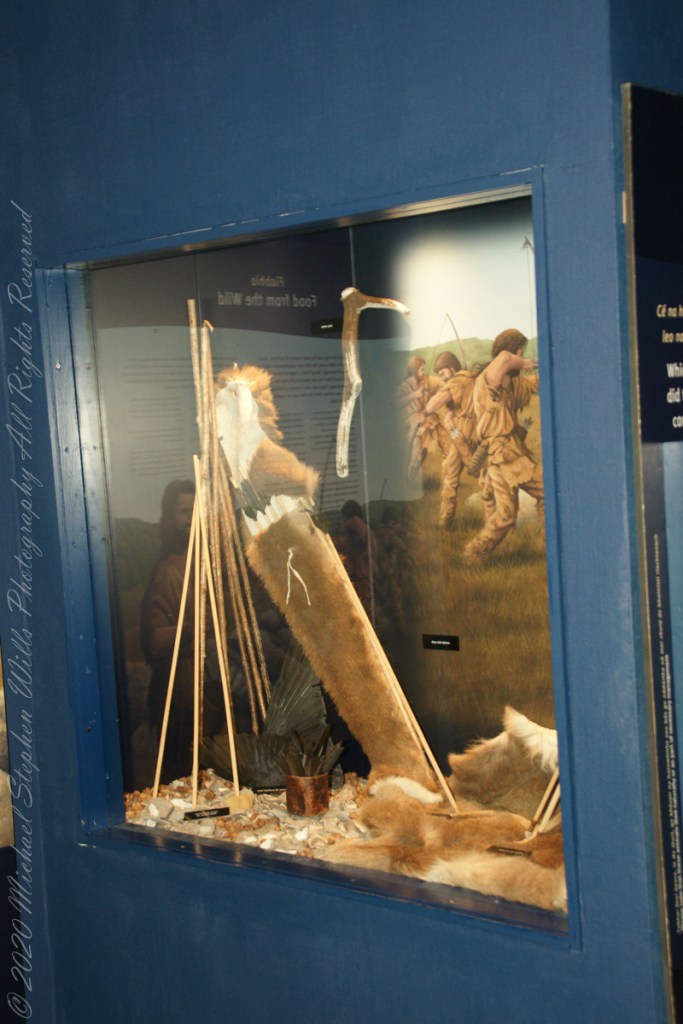
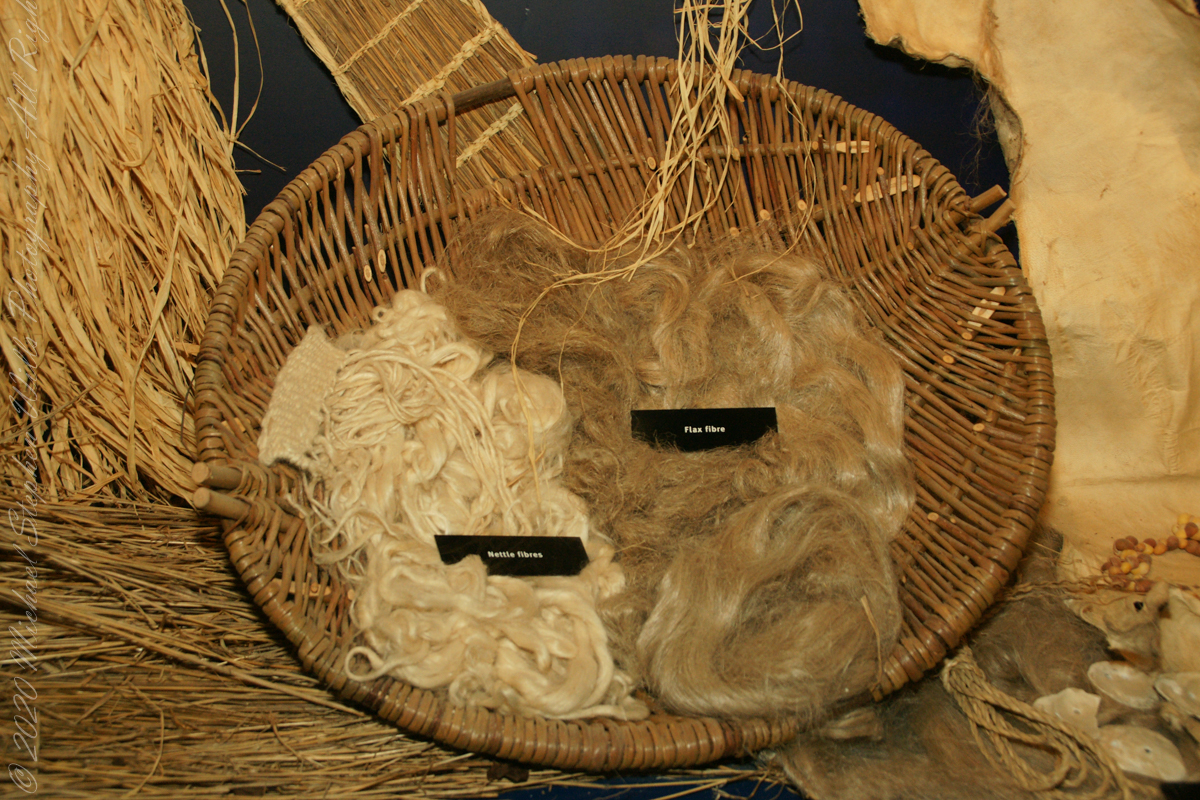
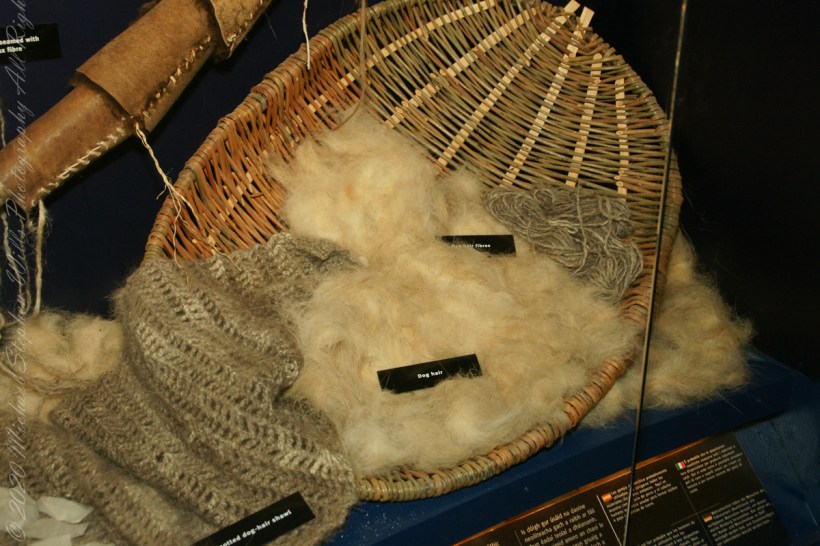
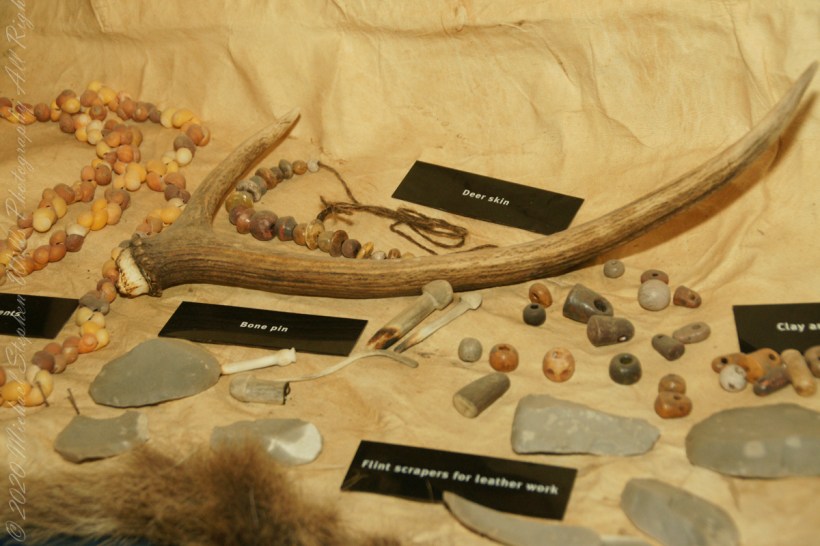
How the builders of Brú na Bóinne clothed themselves

quiver, arrows

Flax and Nettle Fiber

Woven Dog Hair

Click Me for the first post of this series.
Copyright 2023 Michael Stephen Wills All Rights Reserved

Newgrange II

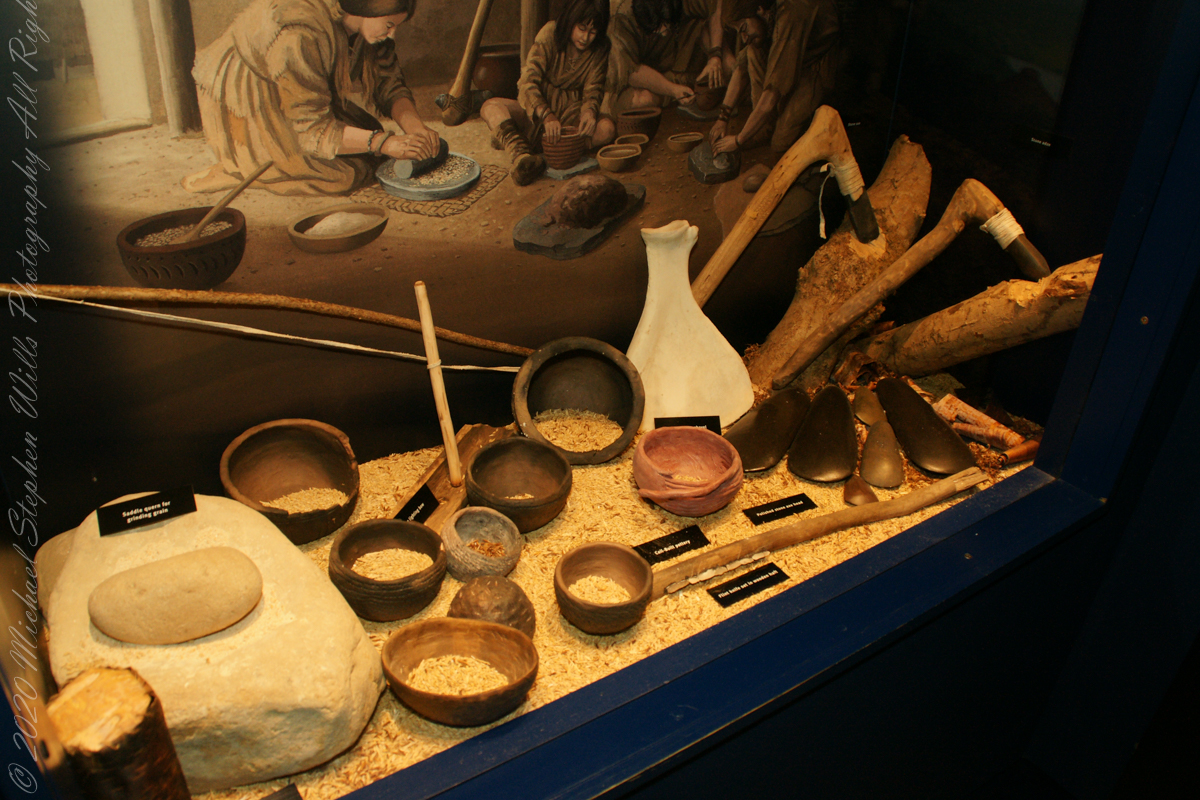
Early Irish farmers introduced crops and domesticated animals, aided by milder climate.

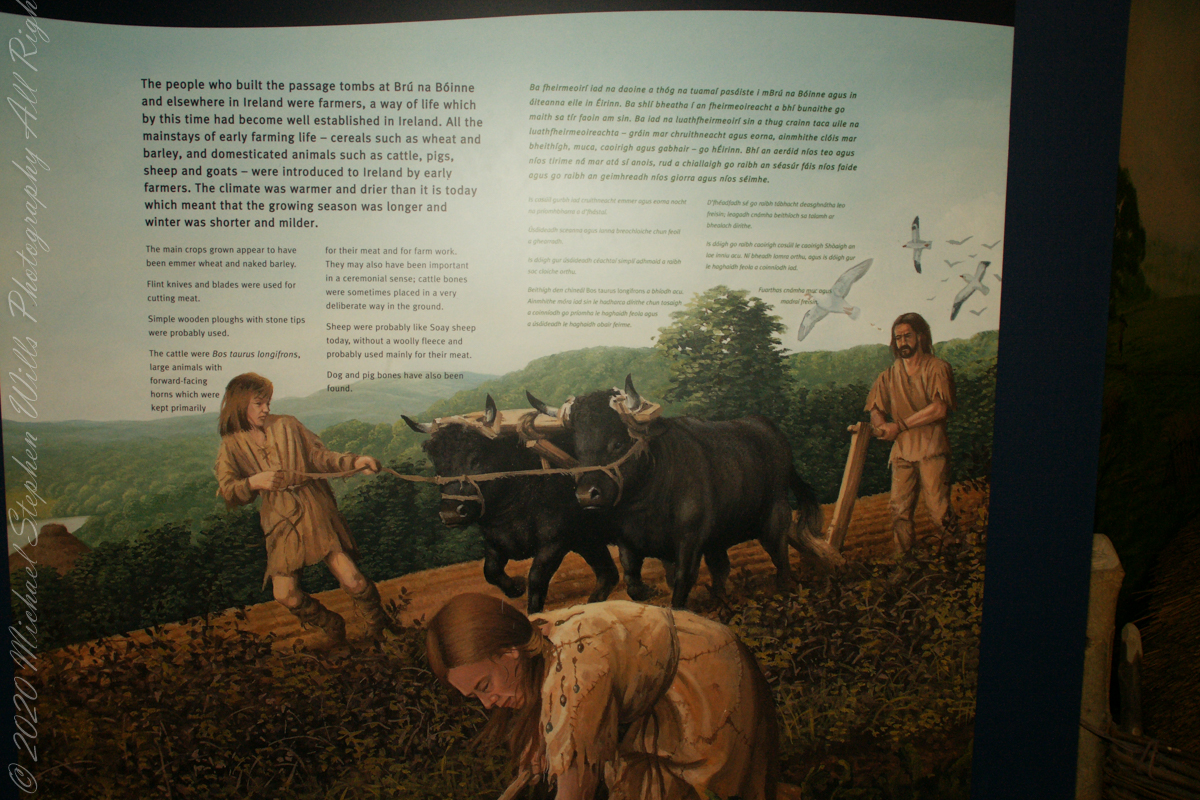
The people who built the passage tombs at Brú na Bóinne and elsewhere in Ireland were farmers, a way of life which by this time had become well established in Ireland.  All the mainstays of early farming life — cereals such as wheat and barley, and domesticated animals such as cattle, pigs, sheep and goats — were introduced to Ireland by early farmers.  T

he climate was warmer and drier than it is today which meant that the growing season was longer and winter was shorter and milder.  The main crops grown appear to have been emmer wheat and naked barley.  Flint knives and blades were used for cutting meat.  Simple wooden ploughs with stone tips were probably used. 

The cattle were Bos taurus longifrans, large animals with forward facing horns which were kept primarily for farm work and meat.  Cattle may also have been important in a ceremonial sense; cattle bones were sometimes placed in a very deliberate way in the ground.  Sheep were probably like Soay sheep today, without a woolly fleece and probably used mainly for their meat.  Dog and pig bones have also been found.

Copyright 2023 Michael Stephen Wills All Rights Reserved

Bog Bodies

In the the long view

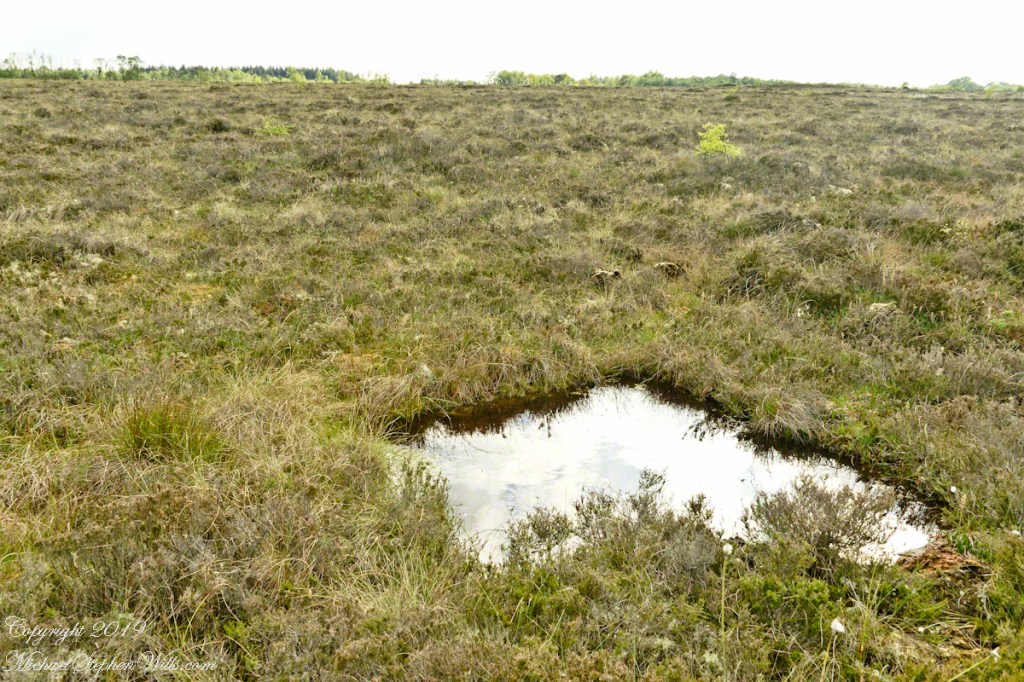
On this occasion we will explore a time machine found four miles south of Kells, County Meath, Ireland.

Step into this pool and you, too, can emerge 4,000-odd years later, skin intact, to achieve fame and fortune, a place in a museum and the record books if such exist 6019 AD. Reference the Cashel Man from Cúl na Móna bog near Cashel in County Laois, Ireland who now resides within the National Museum of Ireland.

Click photograph for the expanded view. To do this from WordPress Reader, you need to first click the title of this post to open a new page.

True, post mortem fame is hollow for the individual. Maybe, attaching your life story engraved on a gold plaque with a gold chain encircling your torso will offset the loss of your bones (dissolved in the acidic waters) and life itself.

The water of this pool is colored dark by long decayed vegetable matter. Beware of walking the bog surface, it is dangerous and destructive to the environment. Pam and I visited Girley Bog on our tour of County Meath, Ireland.

Copyright 2022 All Rights Reserved Michael Stephen Wills

Island Shrine

part of the Irish landscape

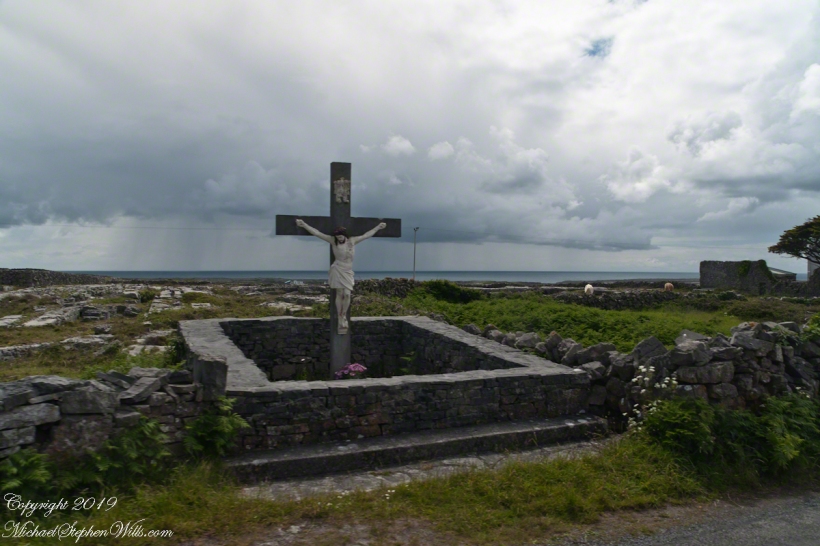
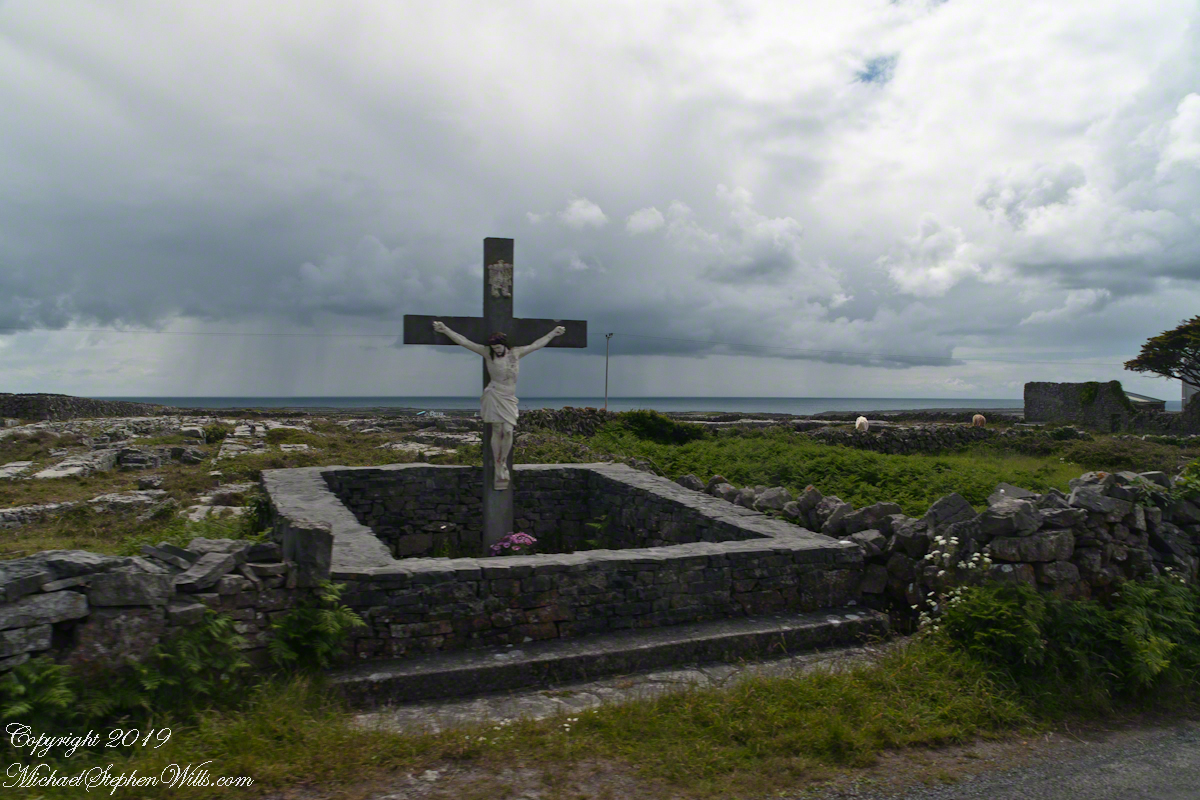
A roadside shrine on Cottage Road, Inishmore. The faith brought by the saints has deep roots here.

A large crucifix set with wet stone walls with cut flowers. The walls are the native limestone.

It is a spring (early June) afternoon and there are fern and wildflowers. The white flowers are Greater Burnet saxifrage (Scientific Name: Pimpinella major).

Click Me for Getty IStock photography of the Aran Islands

The existing dry stone wall was interrupted by the shrine. In the distance are dry stone walls around fields, a stone shed, feeding horses and the sea, being Galway Bay, storm clouds with distant rain.

Aran Islands, County Galway, Ireland.

Click me for the first post of this series, “Horse Trap on Inishmore.”

References: search google “Wet Stone”

Copyright 2022 Michael Stephen Wills All Rights Reserved

Cliff Edge II

Flowers on the edge

From the commanding location of Dun Aonghasa, looking northeast across Inishmore island, we can understand why the ancient builders chose this location.

We also see the transition from exposed limestone to the fields built literally from the ground up (see my post “The How of Soil”).  For a closer view of island houses see my posts “Settled In” and “Cottage Road Cottage.”

The field walls are described in my posts, “What is a rock, what is a stone?” and “Stone on Stone.”

Click the photograph for a larger view.  Enjoy!!

Click the link for my Getty IStock photography of the Aran Islands

Breaking waves, turquoise sea below the dramatic cliffs of the ancient fort Dun Aonghasa (Dun Aengus),

in the distance the karst landscape of Inishmore with clouds of an approaching storm over Galway Bay.

Sea Campion (scientific name: Silene uniflora) (irish name: Coireán mara) clings to the edge.

Inishmore, Aran Islands, County Galway, Ireland.

Click me for the first post of this series, “Horse Trap on Inishmore.”

Copyright 2022 Michael Stephen Wills All Rights Reserved

Stone on Stone

Wide enough

Enjoying travel on a horse trap, a type of carriage, on Inishmore (Inis Mór), the largest Aran Island in Galway Bay we headed up Cottage Road from Kilronan, the main island settlement.  It was there we embarked from the Doolin ferry, hired the driver, his horse drawn trap.  Our destination an iron age fort, Dun Aengus (Dún Aonghasa, the Irish language name) and the sights along the way.

The feeling of this blurry photograph is too good to let lie.  I just kept snapping away from the moving carriage, here we are descending a hill and moving a bit faster, the elevation provides this view of Galway Bay, Connemara and the Twelve Pins beyond.

Click the link for my Getty IStock photography of the Aran Islands

There’s a gate in the cow field, though some fields with cows were gateless. There is a simple answer to the mystery. At one point our driver stopped by his field and and demonstrated how the wall is pulled down to make an opening, the rocks stacked to make this easy. When the cows are in, the rocks go back up, a matter of 10 minutes or so to make a cow-width passage.

Click me for the first post of this series, “Horse Trap on Inishmore.”

Copyright 2022 Michael Stephen Wills All Rights Reserved

Settled In

Inishmore Cottage among fields

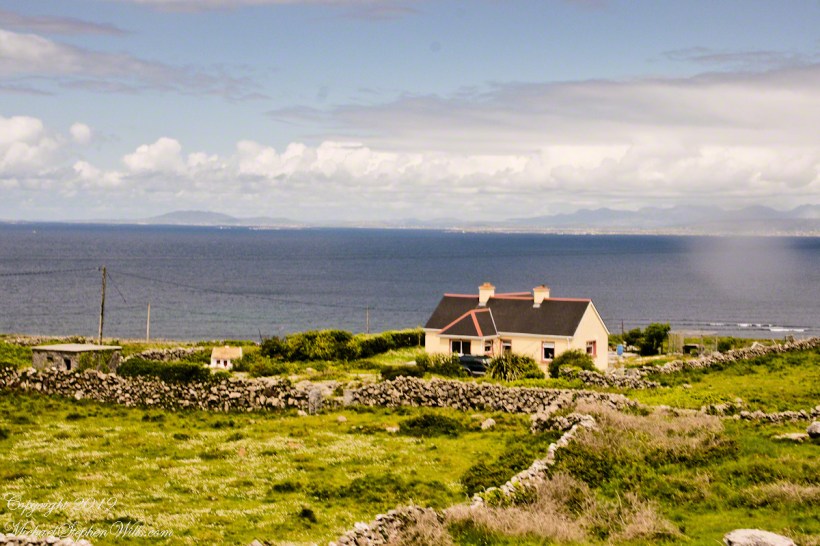
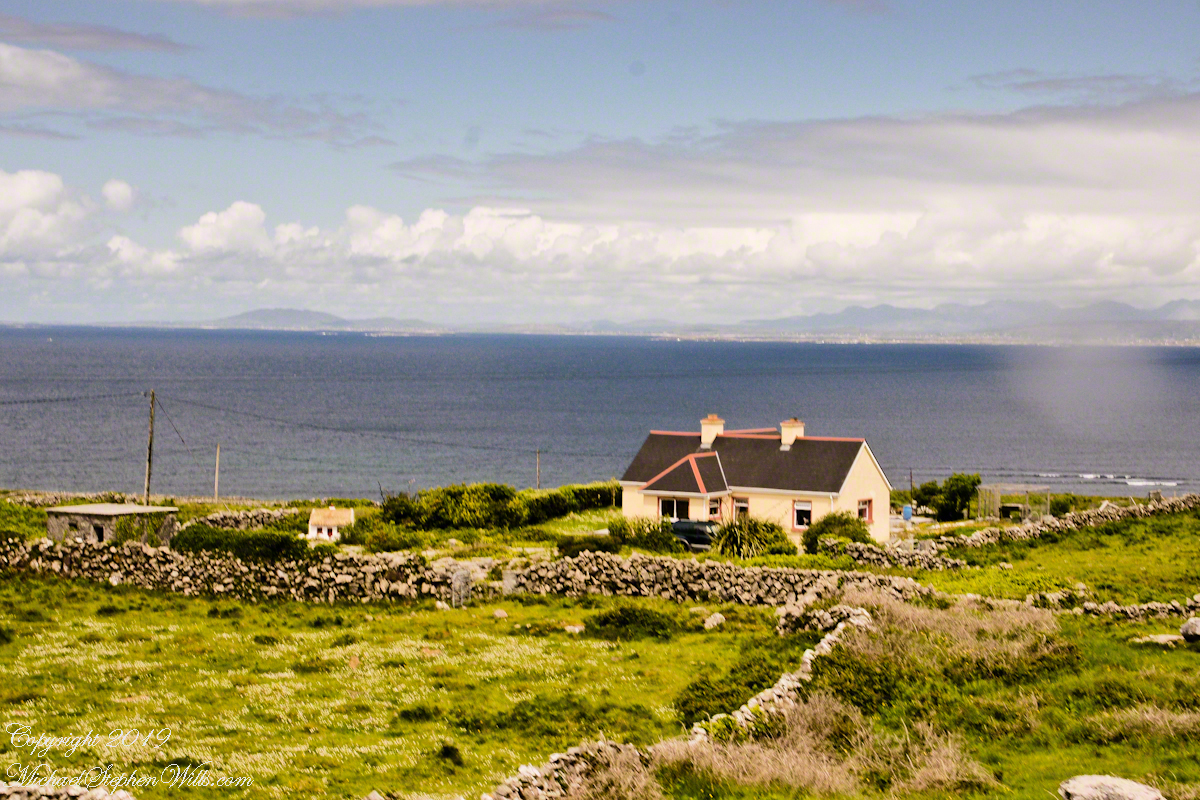
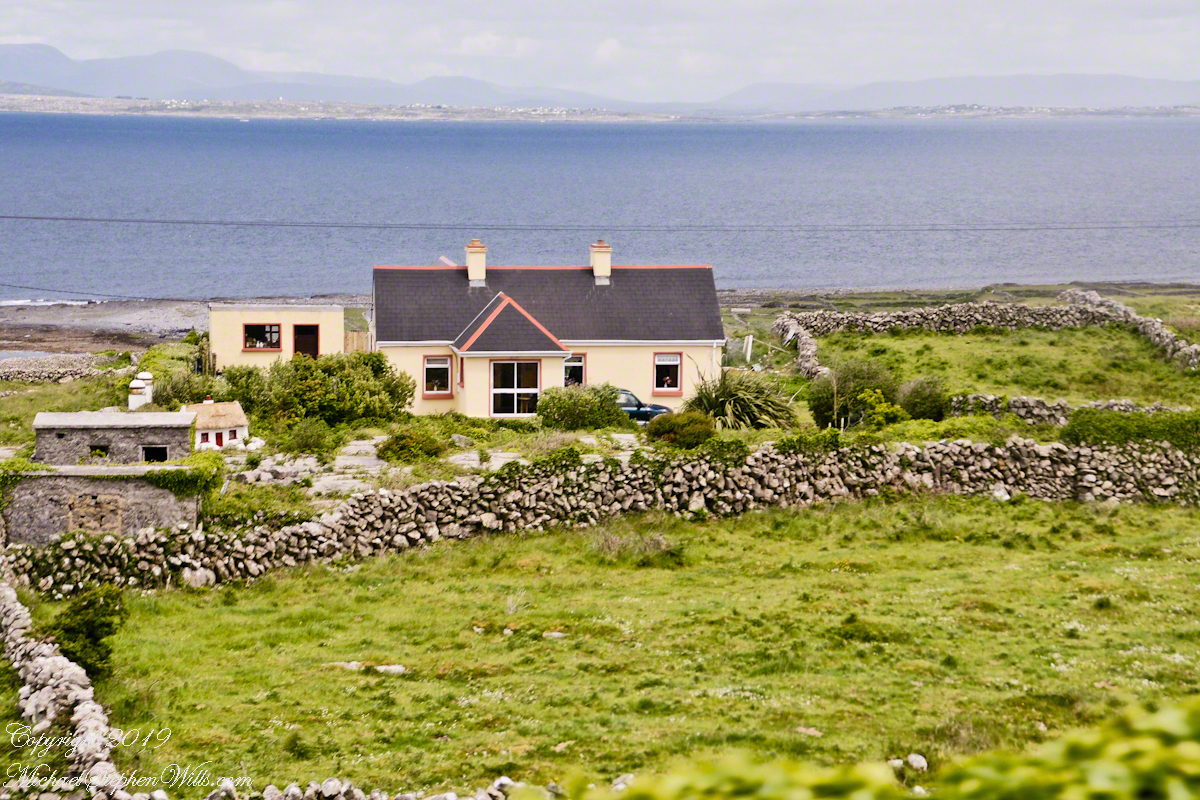
An island cottage among fields along the Galway Bay coast, the twelve pins of Connemara beyond.

Click the link for my Getty IStock photography of the Aran Islands

Notice the playhouse, a replica of the larger cottage.

Click me for the next post of this series, “Stiffed.”

Click me for the first post of this series, “Horse Trap on Inishmore.”

Copyright 2022 Michael Stephen Wills All Rights Reserved