Glacial Echoes: Dryden Lake Park’s Mirror-Calm Morning in Upstate New York

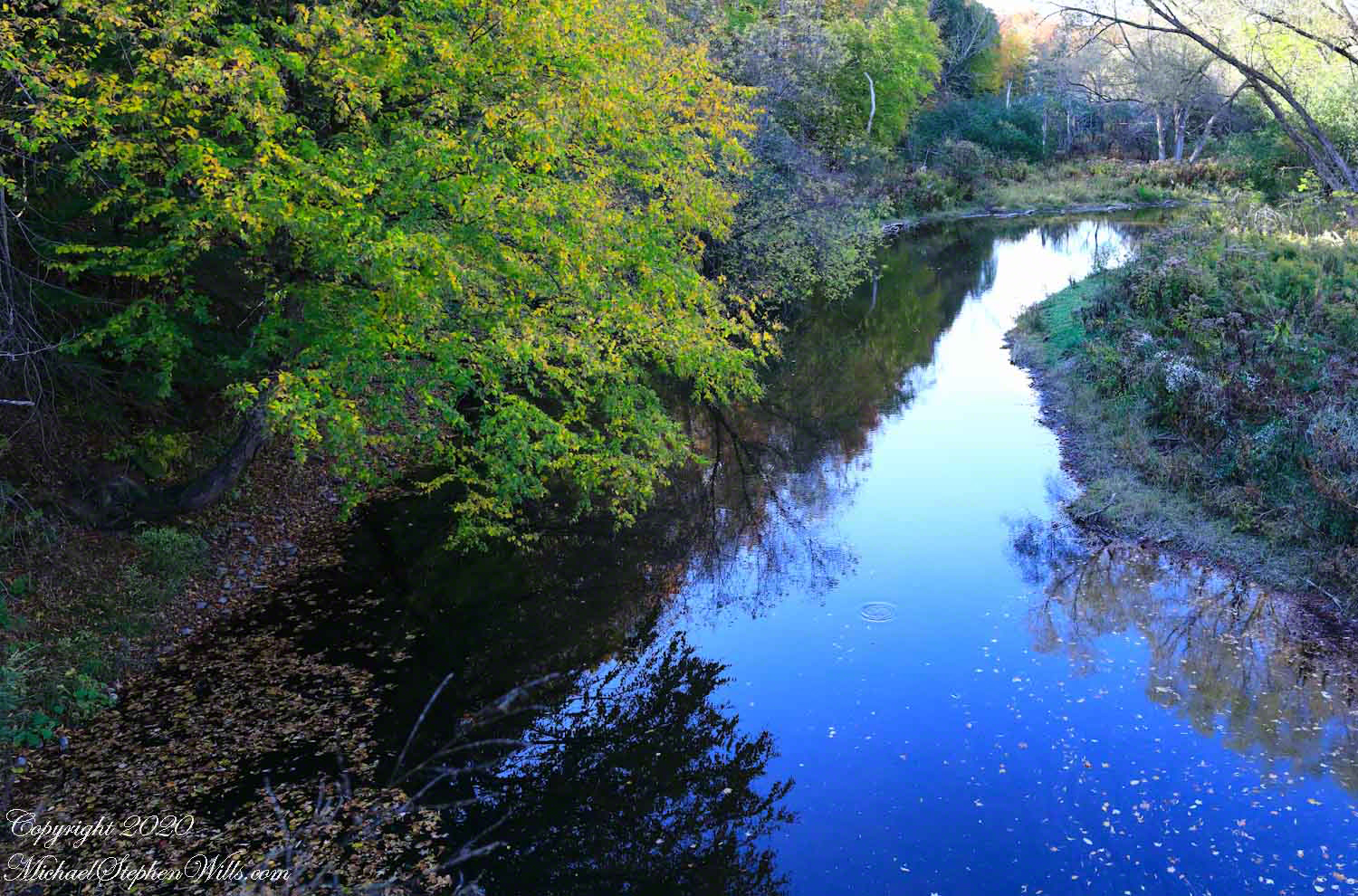
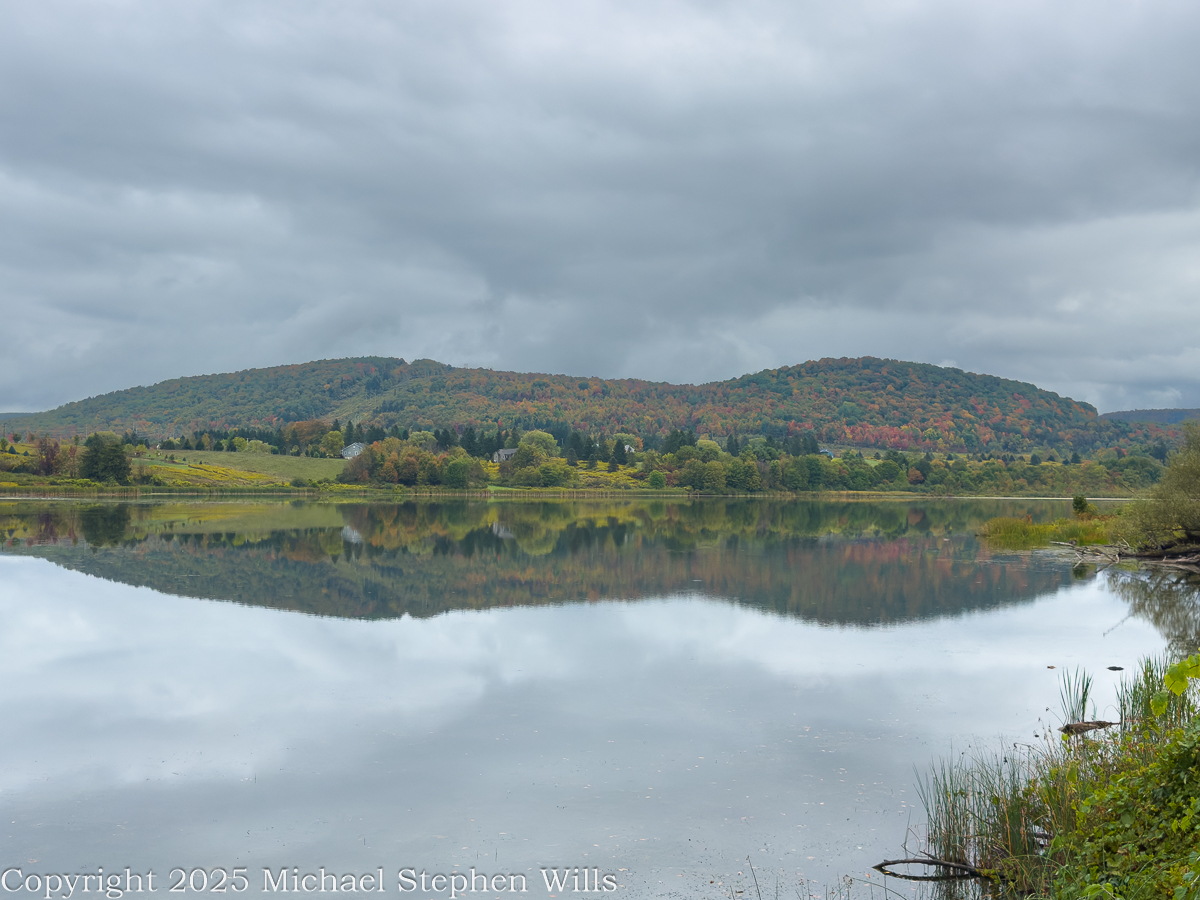
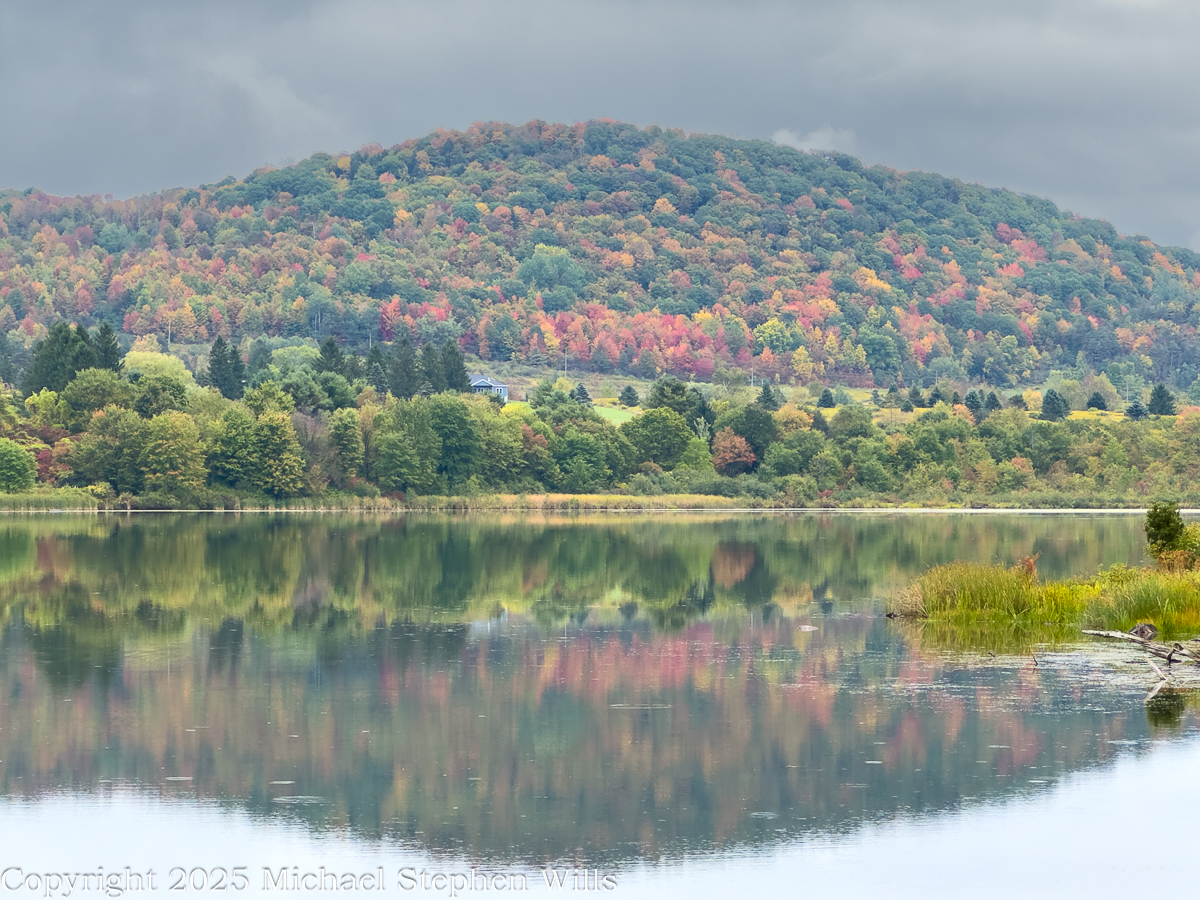
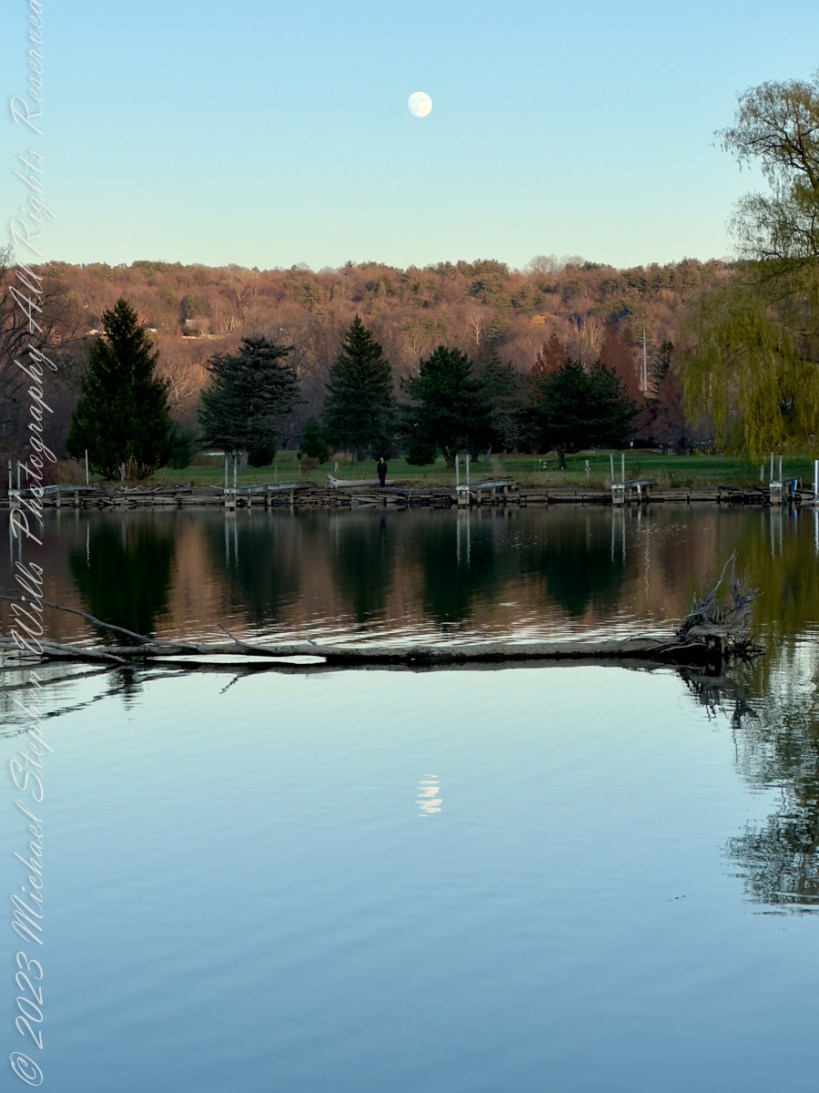
Morning clouds hang over Dryden Lake as hills kindle first color; reflections hold breath while a lone walker reads the valley’s glacial and human-written past.

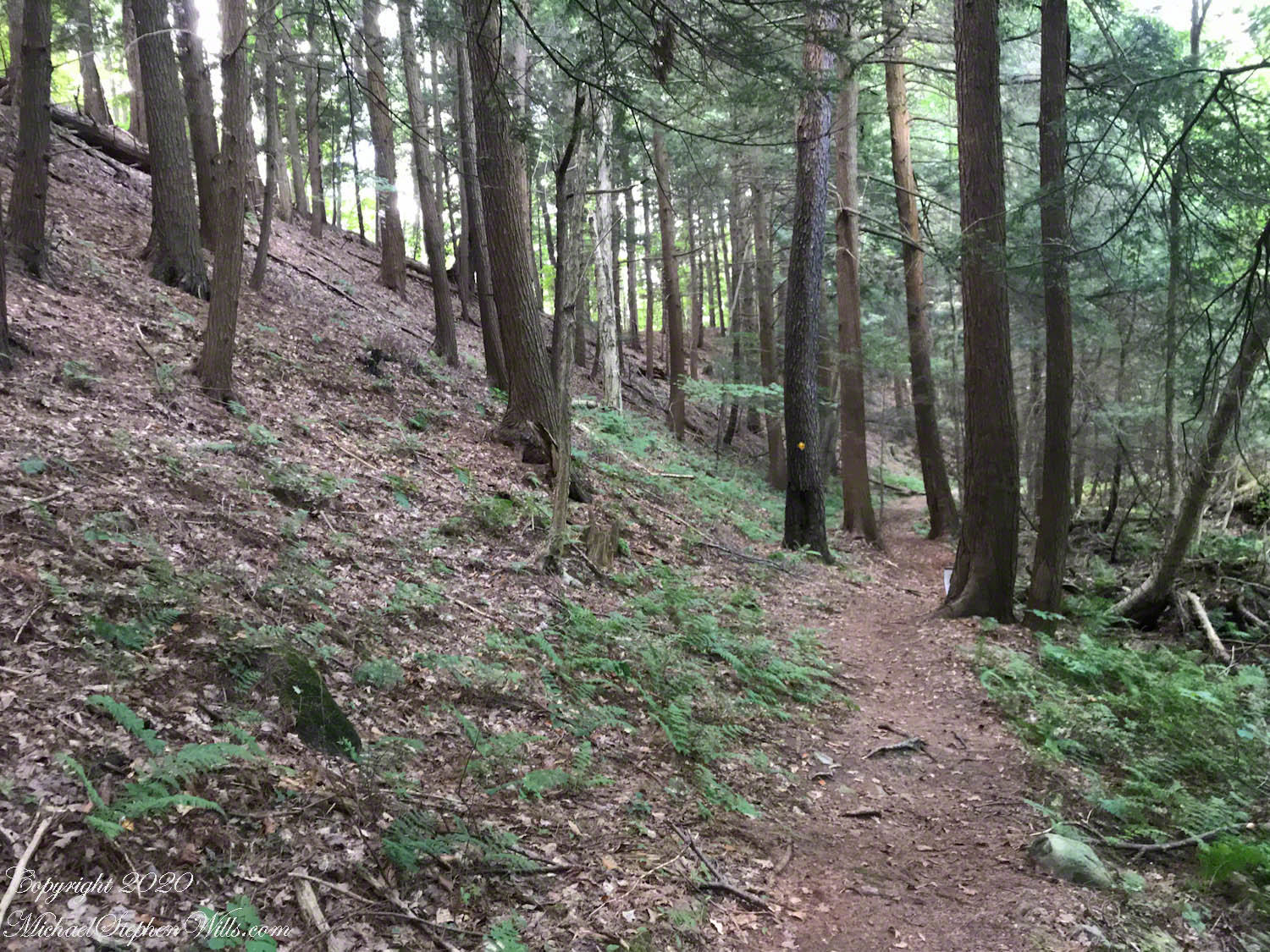
He came to the water before the people woke, the road a still ribbon of cold tar snaking beneath the low hills. Mattocks of cloud hung over the valley and the lake took in the sky like a mirror dropped yet not broken. The trees were beginning to color. A patient fire working from within the leaves. He parked where the grass ran down to the shore and stood a long while without moving. Birds made small sounds in the reeds. Somewhere a single truck labored up the grade and was gone. The surface held the hills with a steadiness the hills themselves could not keep. He thought how the quiet of a place can be the loudest thing it owns.

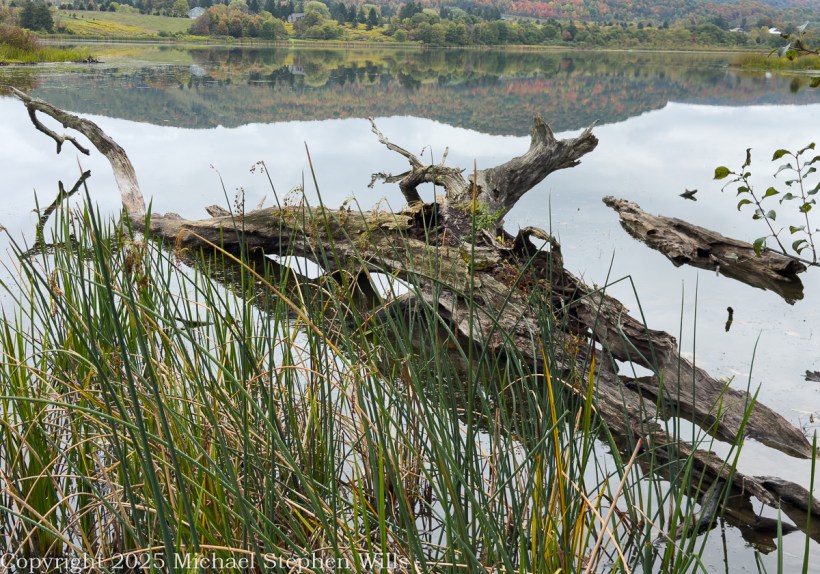
He went along the margin along the damp sedges where old drift lay silvered and light as bones. A drowned trunk angled from the shallows. The lake was old in the way of things made by ice and time. A kettle in the outwash of the last glacier, some men said, a bowl left when the buried ice eased away. He pictured the ice receding into the valley heads, the meltwaters choked with gravel, a hand larger than memory scribing the floor of this country. The earth never told it plain but the lay of it was witness enough. Across later centuries men cribbed a dam across the outlet and drew the water to a shape that pleased them and served their work.

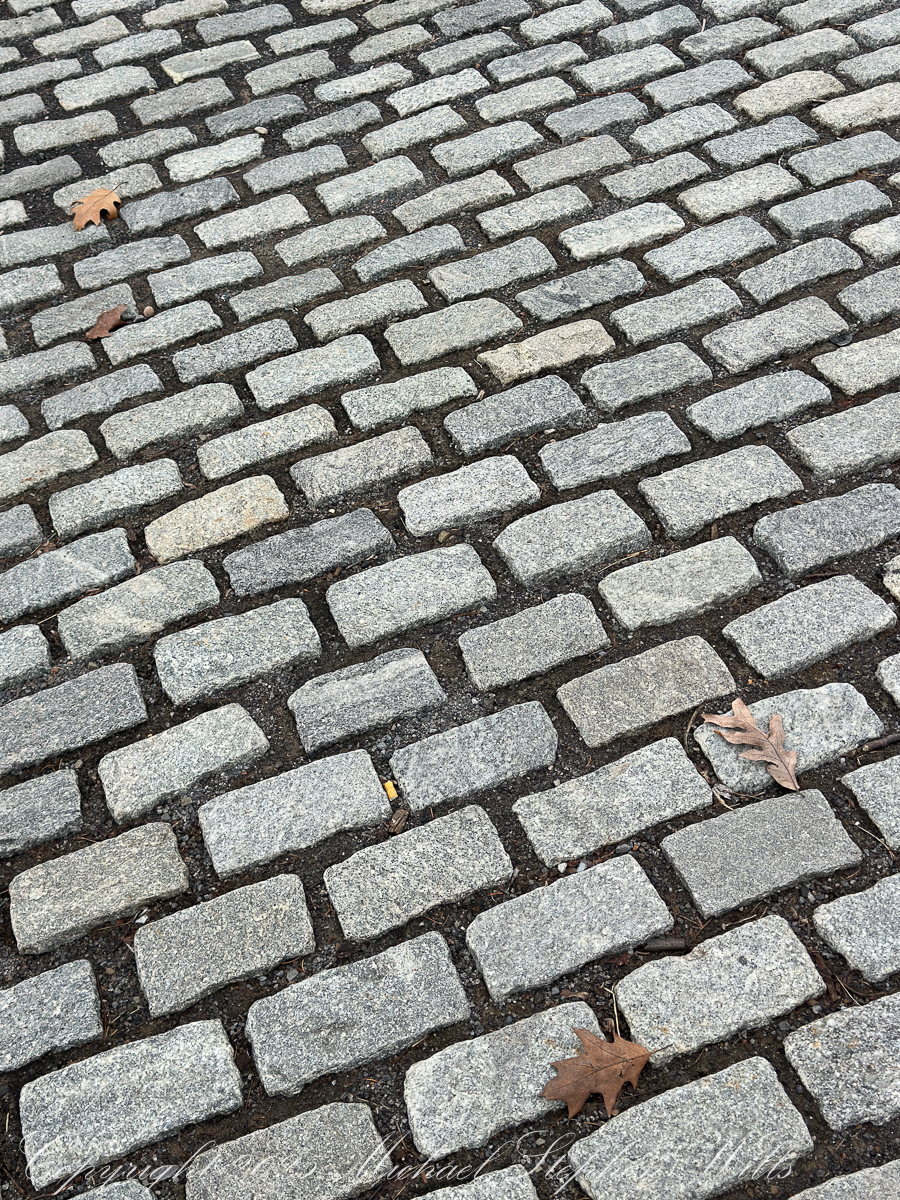
A trail ran the length of the water on the old rail bed. The ties were long gone and the iron and cinders buried under years of leaf fall and gravel. He had walked it as a boy beside his father and now he walked it alone. Benches stood at half-mile intervals like waystations in a country of small pilgrimages. The signs told what once was here and what remains. They had renamed the path for a townman who argued it into being after the railroad had passed from the world and the right-of-way grew up with sumac and rumor. It was an easy trail and he carried nothing. His hands hung at his sides as if the day might place something in them when it was ready.

In another era the lake was a workshop. Men whipsawed timber in the wet air and fed small mills with the grove’s dark boards. Winter flowed over the flats, and they built icehouses and set the blocks within like blue stone, an industry that died when cold could be called from a switch. The hills have learned to forget the noise of it, though on certain mornings the fog takes a shape and you could believe rising from the ponded sawdust and the lading of sleds. He thought of the labor of those gone hands and of how work is a scripture every place keeps in its own tongue.

Before any of that, the ground here was a summer camp. People came with the season and went with it, laying their fires in the lee of the knoll and taking fish where the cattails thin. He could feel them in the open places, not as ghosts but as the first understanding the land ever had of itself. The words used for them now are museum words, yet the wind still crosses the water as it did and empties the same smell of iron and leaf into the lungs of whoever stands to breathe.

The town took its name from a poet long dead, a scholar’s choosing in the years after the war for independence when this tract of country was parceled out to soldiers of that same war. Virgil lay to the east as if they were shelving Latin across a map. The creek that bears that name threads the villages and finds Fall Creek at Freeville, and the combined waters go their own slow way toward Cayuga where the glacial hand scooped deeper yet. He said these names under his breath and they tasted of chalk and river stone.

A kingfisher rattled across the cove. The fish rose in rings that spread and vanished like time seen from above. Out on the water an old man pushed a skiff with an electric motor that hummed like a trapped bee, for the lake allows no gas engines now. The wildlife area ran around the shore in a ragged collar of field and wetland and alder, near two hundred acres under the state’s keeping, and the lake itself a little over a hundred. He watched the man aim for the lily line and thought how rules arise from the wish that a thing endure, though nothing does. Still we make the rules and we keep them as if the earth were listening.

Wind came down the slope with a smell of rain. He turned back and the hills lay again in the water, entire, and for a moment he could not tell which world had claim to the other. He thought of the rails pulled up and the mills gone to weeds and of the icehouses fallen into their own shadows and he thought of the people before all that and of the long winter pressing its thumb into the land and lifting it away. He thought of his father walking the rail bed beside him a lifetime ago and saying nothing. There are places where the past crowds close and will not be argued with. He stood until the first drops dimpled the surface and the reflection shattered and reformed. A train no longer runs here. The only sound was the soft percussion of rain on water and the slow turning of the earth beneath both. He put his hand to the damp trunk of a fallen tree and felt the grain and the coolness and the old patient labor of rot. Then he went up from the reeds, his pockets full of acorns, and out to the road where his truck waited and the day, austere and sufficient, came along with him.

References

Geological History and Glacial Formation of the Finger Lakes

Jim Schug Trail

The Dryden Lake area in the 19th century

Indian Campsite on west side of Dryden Lake

Dryden New York (wikipedia)

Dryden Lake (New York State DEC)

Geohydrology, Water Quality, and Simulation of Groundwater Flow in the Stratified-Drift Aquifer System in Virgil Creek and Dryden Lake Valleys, Town of Dryden, Tompkins County, New York

Enter your email to receive notification of future postings. I will not sell or share your email address.

A Review of the Netflix Series “Bodkin.”

“Bodkin” on Netflix masterfully blends intrigue and dark humor, offering razor-sharp storytelling and stellar performances. Dive into a world of enigma and suspense, where every detail demands attention and rewards you with compelling drama.

The word “bodkin” evokes images of a small, sharp tool, deftly navigating the tightest of spaces. This precision and ability to cut through complexities is mirrored in Netflix’s new series, “Bodkin,” a masterful blend of intrigue and dark humor that carves out its own niche in the crowded landscape of modern television.

From the opening scenes, “Bodkin” plunges viewers into a world brimming with enigma and suspense. The series is a taut narrative tapestry, meticulously woven with threads of mystery, psychological depth, and unexpected wit. Its storytelling is as sharp and incisive as the tool it’s named after, deftly unpicking the tangled skeins of its characters’ lives and secrets.

The show is anchored by an ensemble cast delivering performances that are nothing short of stellar. Each actor brings a unique shade to their character, creating a rich mosaic of personalities that are as compelling as they are multifaceted. The writing is crisp and clever, peppered with dialogue that crackles with intelligence and dry humor. It’s this blend of sharp wit and deep emotion that sets “Bodkin” apart from its peers.

Visually, “Bodkin” is a feast for the eyes. The cinematography captures the essence of its settings, transforming them into integral characters in their own right. The lush, atmospheric shots heighten the sense of place and mood, drawing viewers deeper into the show’s intricate world. The pacing is perfect, unspooling its mysteries with a rhythm that keeps viewers perpetually on the edge of their seats.

However, “Bodkin” is not without its minor flaws. At times, the labyrinthine plot can seem almost too dense, requiring viewers to pay close attention to every detail. But these moments are fleeting and overshadowed by the series’ many strengths.

In summary, “Bodkin” is a razor-sharp triumph, a series that cuts through the clutter with its incisive storytelling, brilliant performances, and visual splendor. It’s a show that demands and rewards attention, a true gem in Netflix’s ever-expanding treasure trove of content.

Copyright 2024 Michael Stephen Wills All Rights Reserved

Nesting Chronicles: The Life of A Cayuga Lake Osprey

Imagine you’re soaring with ospreys over Cayuga’s shimmering waters, preparing the nest, embracing the ritual of spring—a majestic cycle of life awaits you.

As the first warm breezes of early spring ruffle the chilled waters at the south end of Cayuga Lake, anticipation rises in me. I am a female Osprey, returning alone from far to the south along the old sky-roads. We do not migrate as a pair; my mate often reaches the nest ahead of me to reclaim the site and begin repairs. Still, this is the place we claim again, season after season.

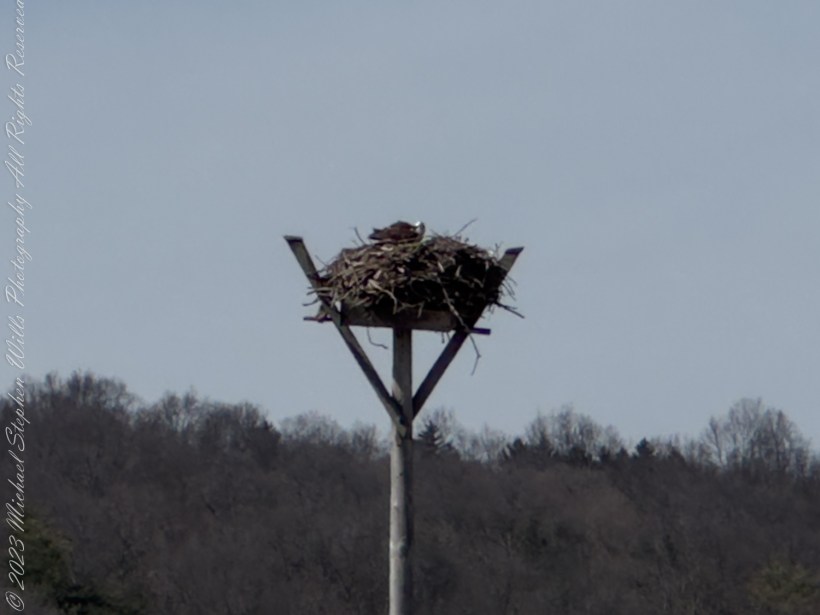
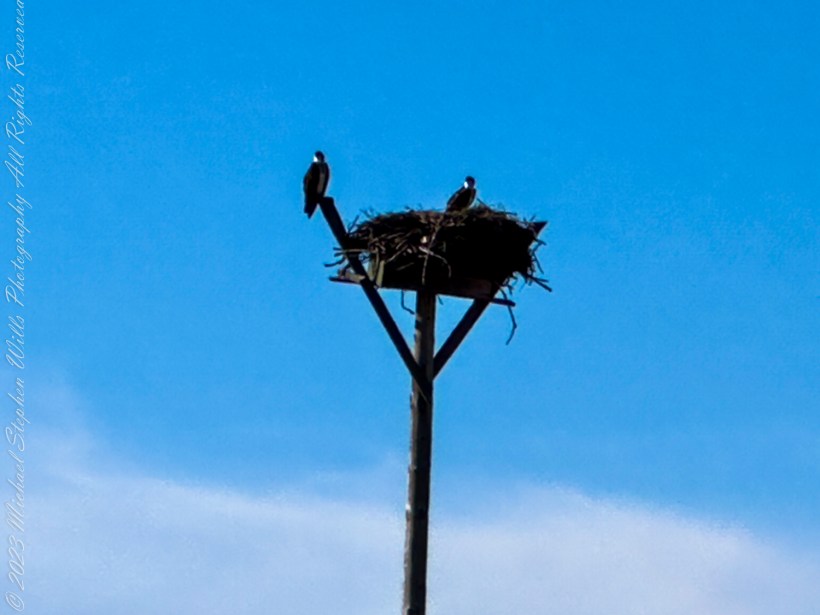
Two Osprey perched on the nest near the Birding Trail of Cass Park. Cayuga Lake in the distance.

On arrival I wheel high above the shoreline, searching for the platform we left to winter. There it stands—the tall sentinel above the lake. He is there, too, calling once as he lifts, and the rim already shows the first fresh sticks of the year. Against the bright sky the nest looks rough-hewn, yet every branch lies to a purpose.

Two Osprey perched on the nest near the Birding Trail of Cass Park.

As I settled onto the platform, tthe familiar tilt of the timbers and the dry rattle of last year’s sticks steady me. I meticulously inspected our creation, the repository of our hopes and future lineage. My mate and I ferry fresh twigs and weeds, wedging them into the rim and lacing the walls tight against the spring winds.

In due time, beneath the sheltering rim, I laid a small clutch of mottled eggs—the culmination of our bond, the promise of continuity. Through the weeks that follow I keep them warm and dry, turning them with my beak and settling the heat of my breast upon them. My mate does the heavy work of provision—fish after fish to the rail—and stands guard, calling when intruders drift close. Now and then he eases onto the eggs while I feed, but the watching and warming are chiefly mine.

Two Osprey perched on the nest near the Birding Trail of Cass Park.

The world around us burgeoned with life. The lake’s surface now rippled with the activity of fish – a bounty for our growing family. Days turned into weeks, and our vigilance was rewarded as the first cracks appeared in the eggs. The chicks emerged, delicate yet voracious, their mouths agape for the nourishment we unceasingly provide.

Click Me for another Osprey Post

Thank you Candace E. Cornell of the Cayuga Lake Osprey Network for your helpful advice.

For further information: —–Poole, Alan F. ; 2019, “Ospreys: The Revival of a Global Raptor”; Johns Hopkins University Press —Mackrill, Tim; 2024; “The Osprey”; Bloomsbury Publishing

Enter your email to receive notification of future postings. I will not sell or share your email address.

“Some Enchanted Evening” Riff

Discover the charm of Cocoa Beach’s enchanted sunset where Olaf, the endearing snowman from “Frozen,” joins athletes in a celebration of imagination and sport on Florida’s magical Space Coast.

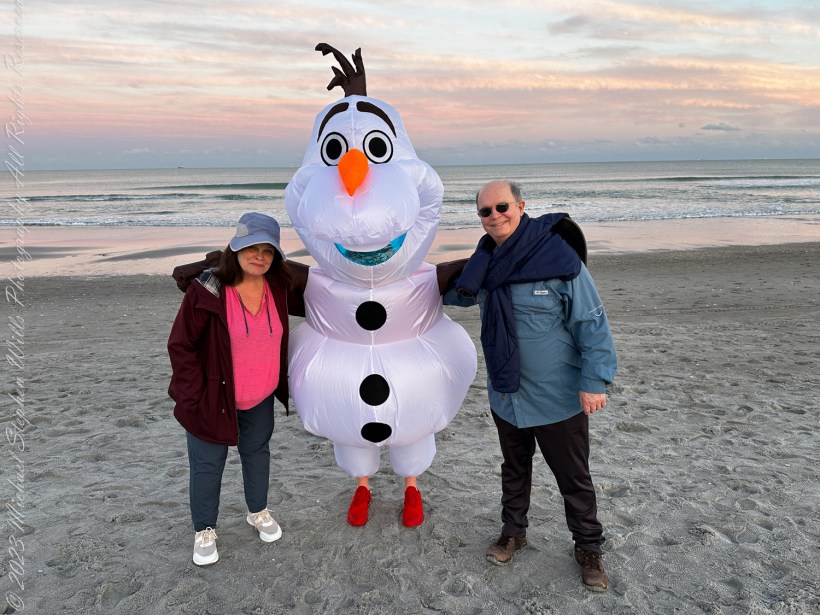
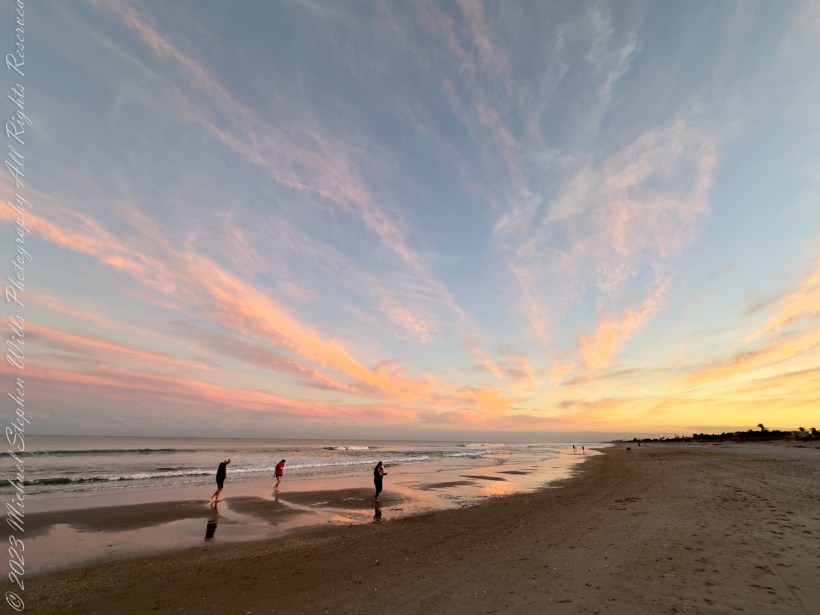
Olaf, with his carrot nose and coal-button smile, is the epitome of the whimsy and innocence that fills the hearts of those who dare to dream. He’s the spark of childlike wonder that persists even as the day gives way to night. As the sun dips below the horizon at Cocoa Beach, the playful contrast of a snowman who loves warm hugs stands out against the backdrop of Florida’s Space Coast—a place known for its rocket launches as much as its sun-soaked shores. It’s here, on this stretch of sand, that imagination and reality dance in the twilight, blurring the lines between a tale from the silver screen and the tangible joy of a beach evening.

The presence of Olaf in this coastal setting is an unexpected delight, akin to the wonder of snowflakes in summer. He is more than a snowman; he is the manifestation of Elsa’s magic, a symbol of enduring friendship and the embodiment of the happiness that comes from simply being alive. His creation, a whimsical result of Elsa’s ice powers, speaks to the capacity we all have for creation and transformation. The Olaf suit, worn by a young athlete, represents not just a beloved character, but a beacon of joy and the power of sportsmanship that enlivens the USSSA National All State Championship.

Don DeDonatis, CEO of USSSA, speaks of the excitement of hosting a tournament that is a “celebration of talented softball players from around the country.” Indeed, it’s a parallel to the celebration of life that Olaf represents—where each athlete, like each snow crystal, is unique and contributes to the beauty of the whole. The tournament at the Space Coast Complex in Viera, Florida, is a tribute to the hard work and dreams of young athletes, much like the dream that brought Olaf to life.

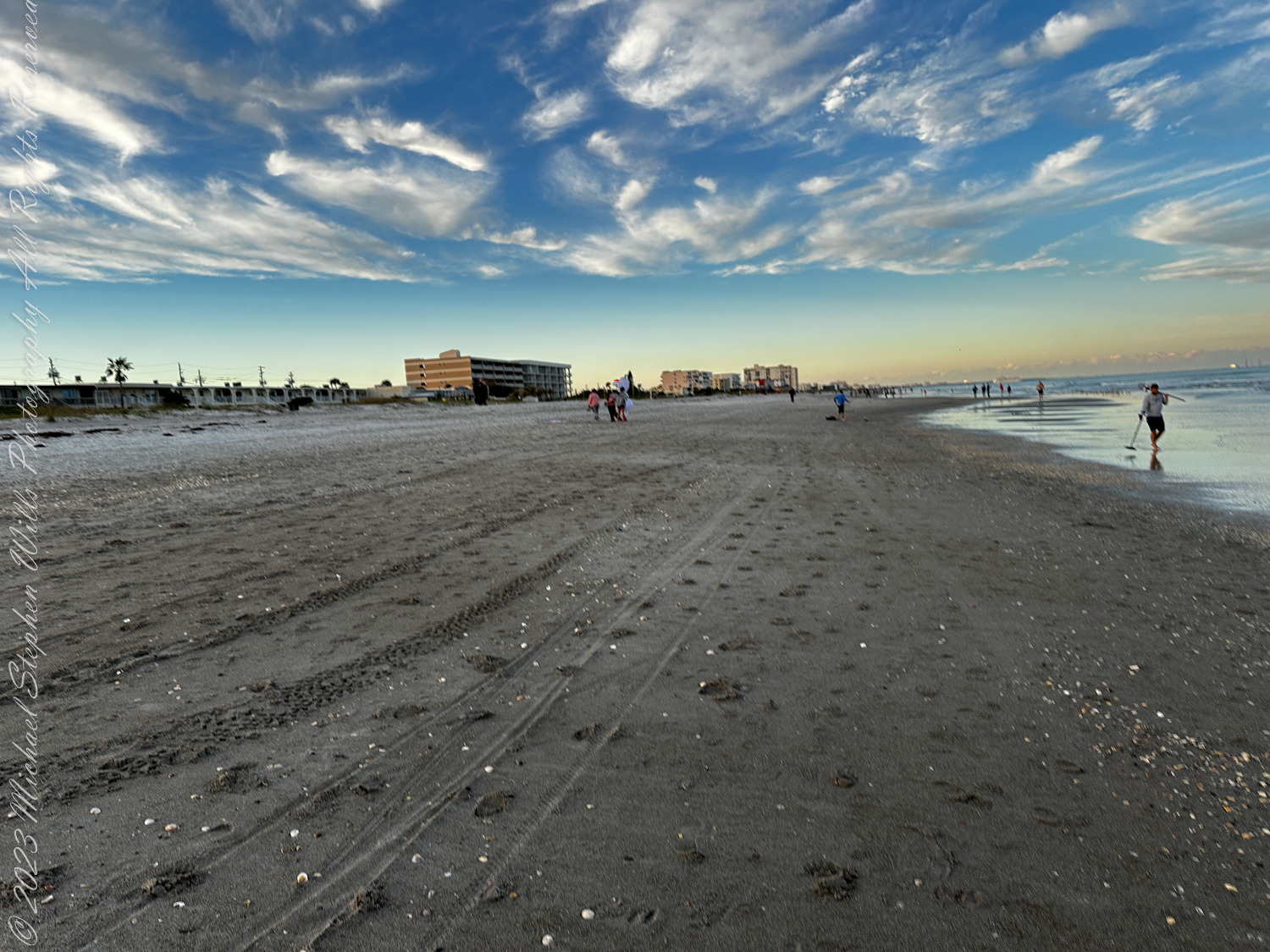
The sunset photograph of Cocoa Beach, snapped in December 2023, is not just a capture of a moment in time, but a timeless reminder of the enchantments that life offers. The beach becomes a stage where each footprint tells a story, and each wave sings a song. It’s a place where memories are made, where the spirit of characters like Olaf can leap out of their fictional realms and into our world, if only for an evening.

Brevard County’s Space Coast is a junction where the vastness of space meets the intimacy of earth, where shuttles launch into the cosmos while children build sandcastles, and where a snowman can stand on a beach without melting, embraced by the warmth of the setting sun rather than the chill of winter. It’s a testament to the human spirit’s boundless creativity and our ability to find joy in the juxtaposition of opposites.

This enchanted evening is a tapestry woven from the threads of fantasy and reality, sport and art, the cosmos and the coastline. It’s where the horizon kisses the sea, where the sky becomes a canvas for the sun’s parting masterpiece, and where Olaf, our friend from “Frozen,” reminds us that magic is not just in the realm of fairytales but all around us, in every grain of sand, in every sunset, and in every heart that believes in the wonder of one enchanted evening.

Copyright 2024 Michael Stephen Wills All Rights Reserved

The Well

In twilight’s hush, embraced by oaks,
A well of stone, with stories etched in lace,
Now table made, where others’ whispers weave,
And time’s soft hands a tapestry conceive.

Continue reading “The Well”

Sycamore Leaves in Time

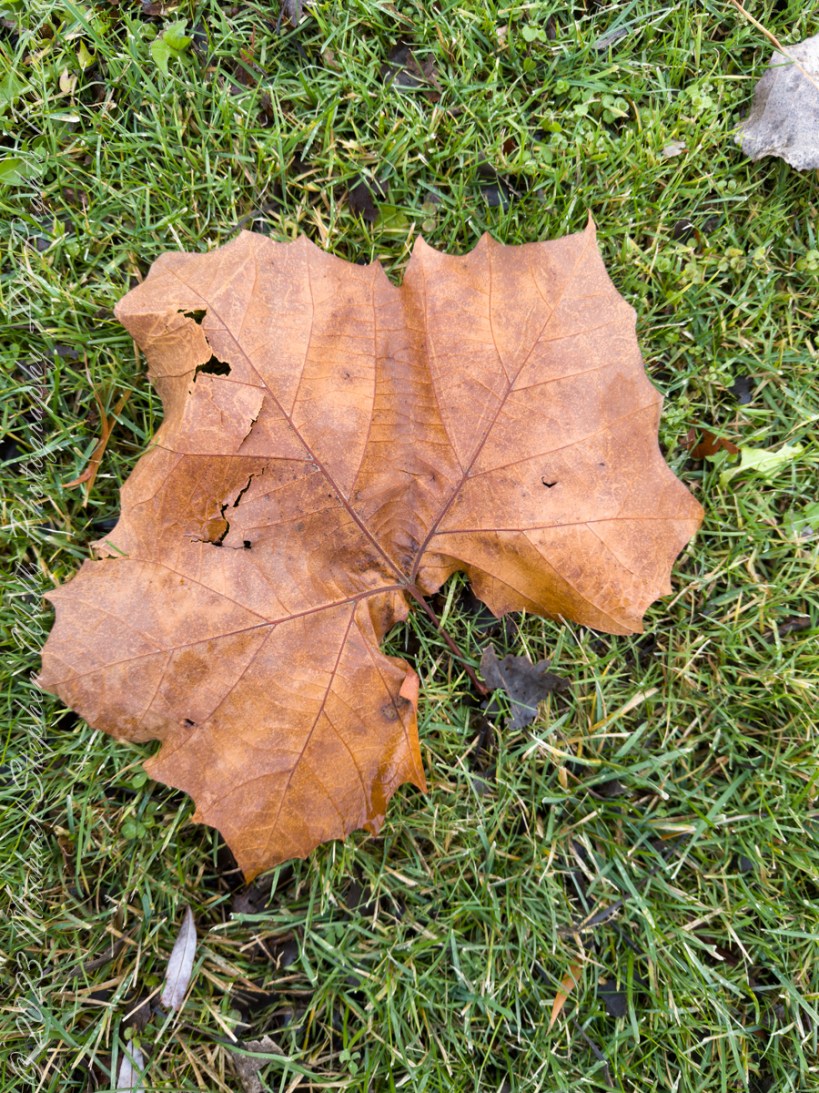
Read this blog for an understanding of how the sycamore leaf symbolizes themes such as shelter, the cycles of life and death, decay, freedom, and individuality, reflecting the intimate connection between nature and the evolving American identity.

Continue reading “Sycamore Leaves in Time”

Reflections on the Inlet: The Convergence of Realities

In the shadow of McGraw Tower, Natan grapples with surreal encounters and mystical occurrences, questioning the nature of reality itself. Open my blog to uncover the mysteries of McGraw Tower and Natan’s journey into the heart of the extraordinary.

Continue reading “Reflections on the Inlet: The Convergence of Realities”

Moonlit Parallels

Discover this mysterious encounter at Cayuga Lake Inlet where I met Neven, my doppelganger. Who is he? Join me in unraveling this eerie twilight mystery.

Continue reading “Moonlit Parallels”

Life of an Osprey: From Nest to Sky

Read about this osprey’s journey, from a hatchling to a fledgling soaring over Cayuga Lake.

Continue reading “Life of an Osprey: From Nest to Sky”

Glimpses of the Moon

Join me in exploring the depths of “Hamlet,” where the phrase “revisits thus the glimpses of the moon” unveils a world where the supernatural meets the mysterious moonlight. Let’s unravel this imagery together, reflecting on life’s transient beauty, seeking understanding, and contemplating the cycles of change under the moon’s spell.

Continue reading “Glimpses of the Moon”