Lighthouse Point 5

Sundry elements

Uncategorized details from our Lighthouse Point adventures.

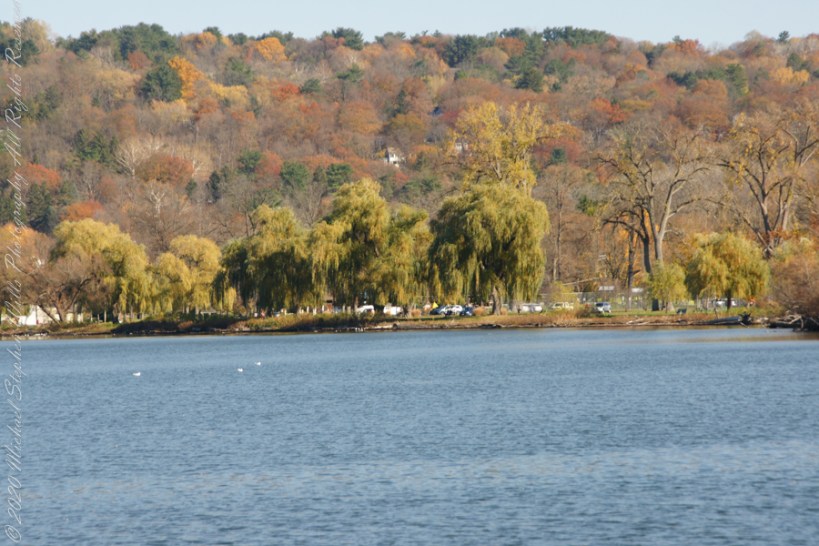
Seen from a resting place, a bench just off the trail and before the causeway.

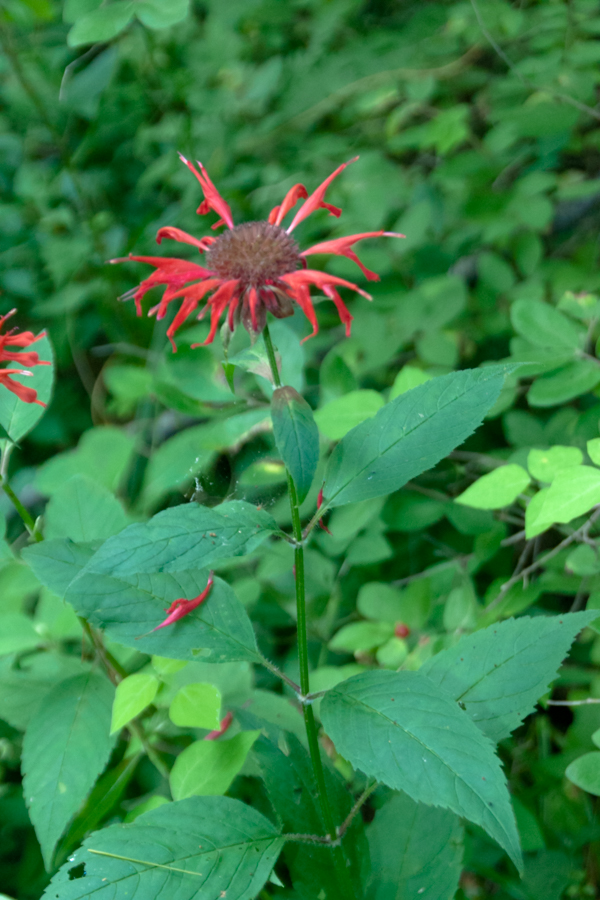
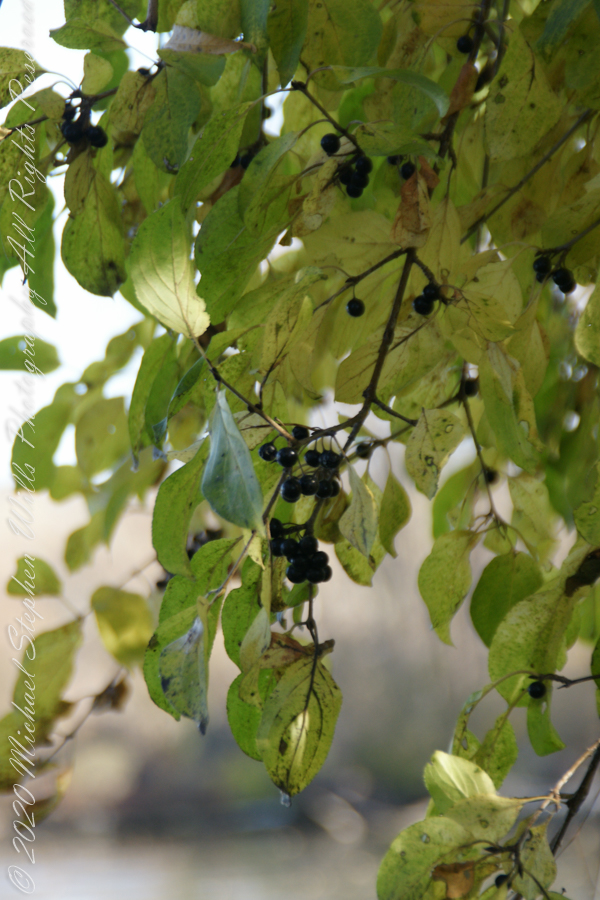
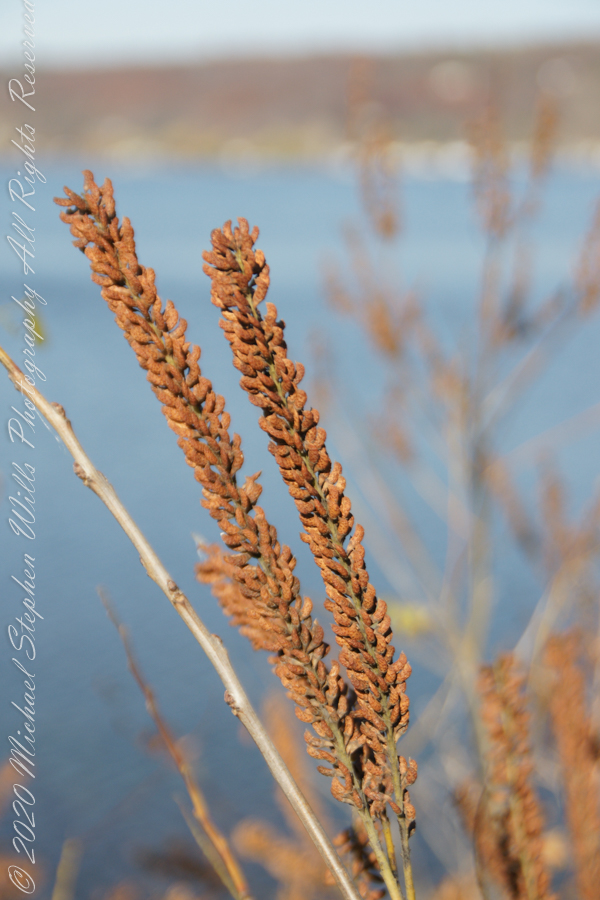
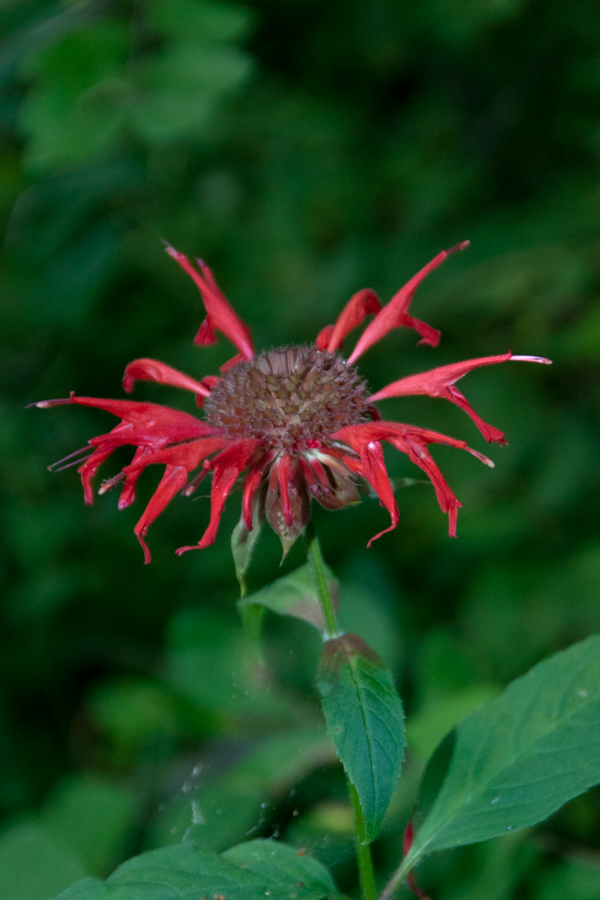
A humble and fertile weed.

On a bright early November day Pam and I walked to Lighthouse Point. Ithaca, Tompkins County, New York

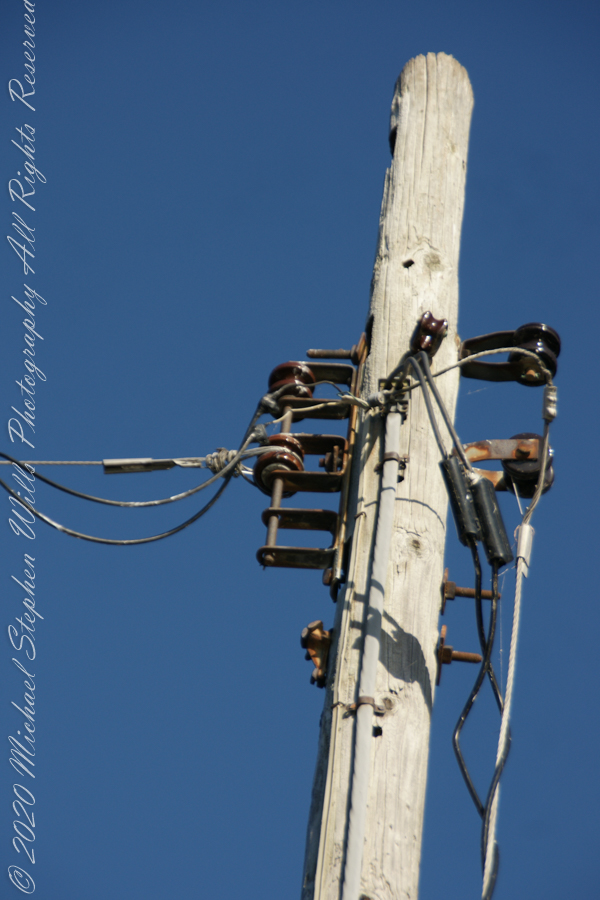
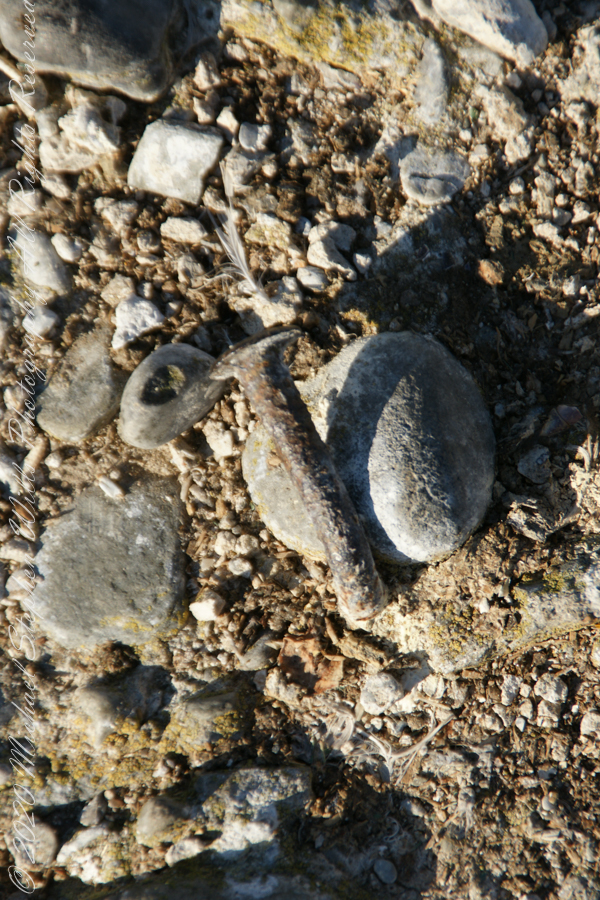
Before the parade of mast-like iron poles was this wooden one where it was apparent there could be no light on the white tower without power.

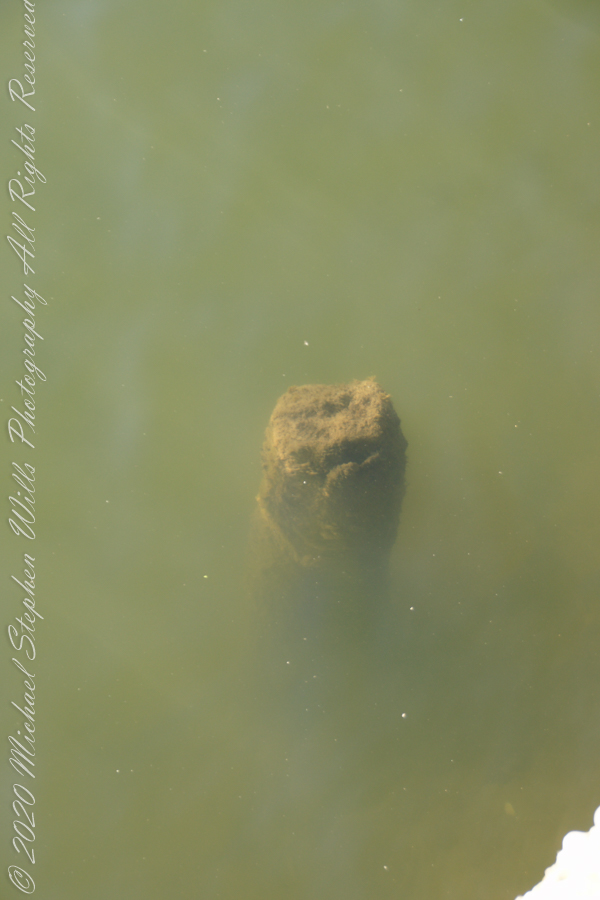
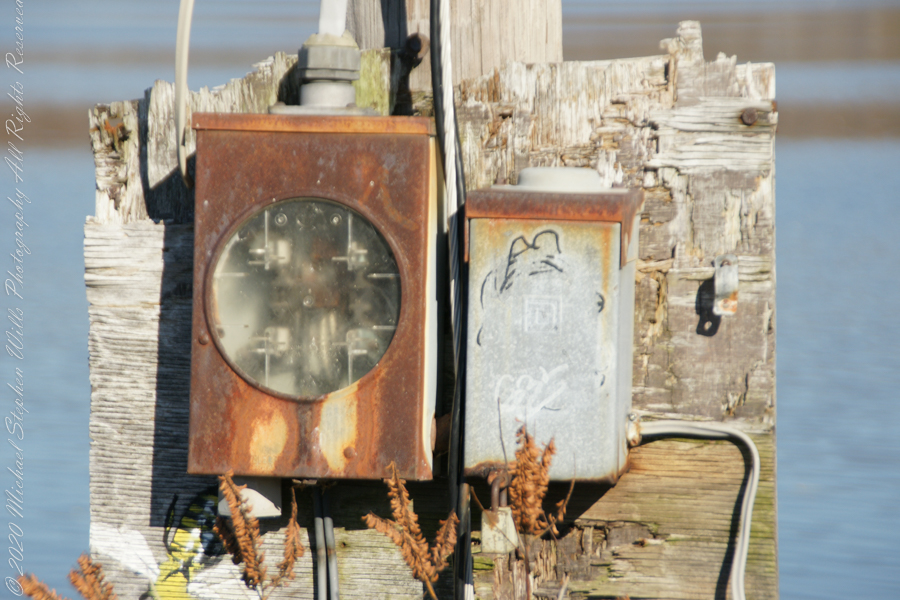
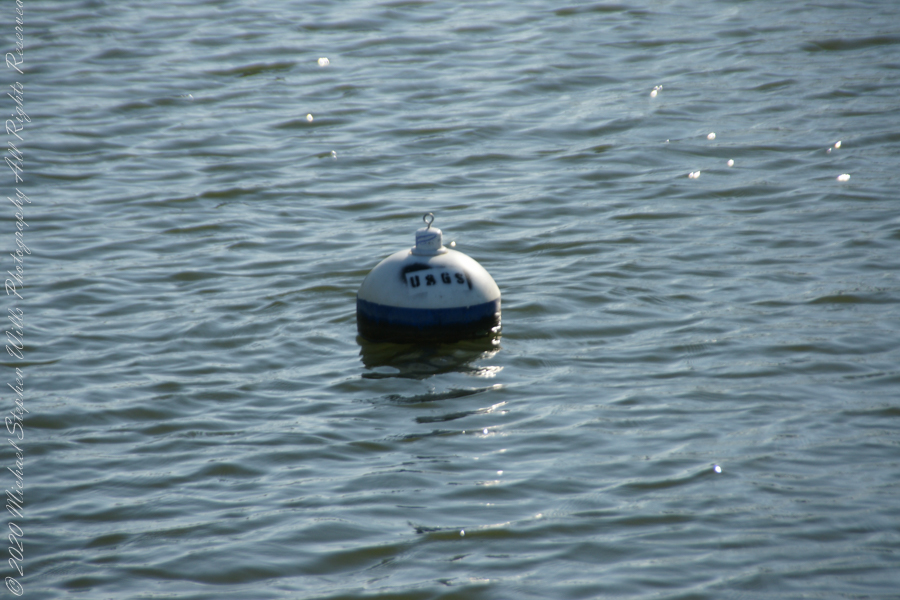
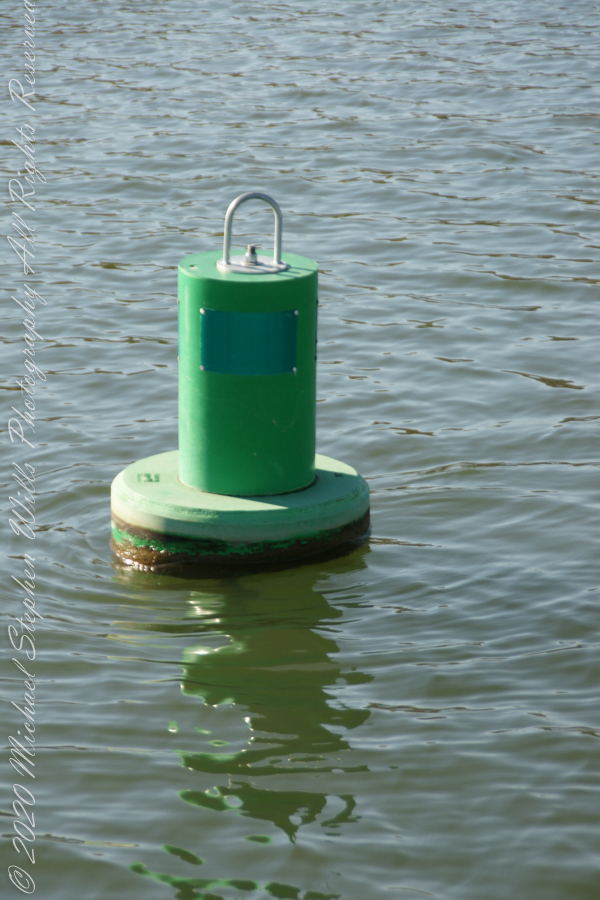
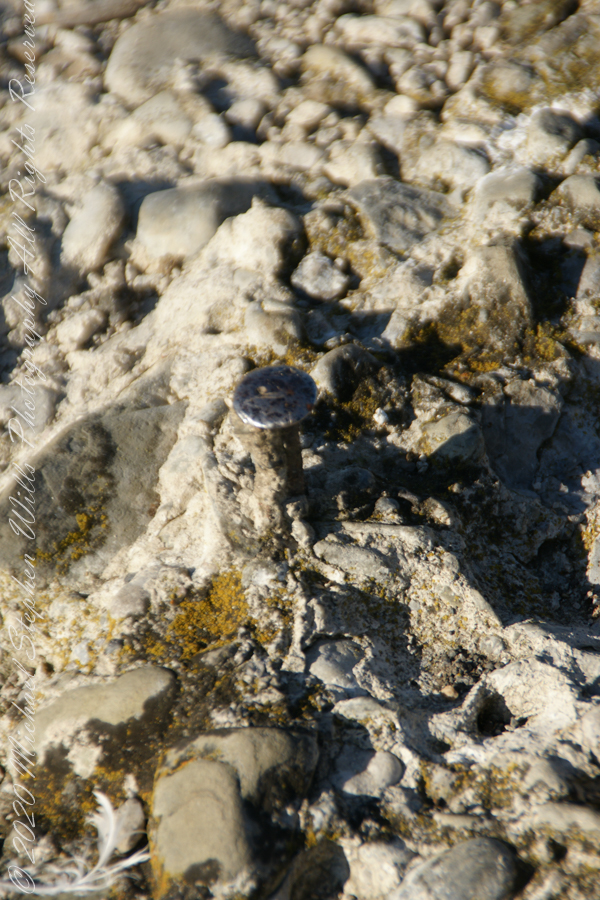
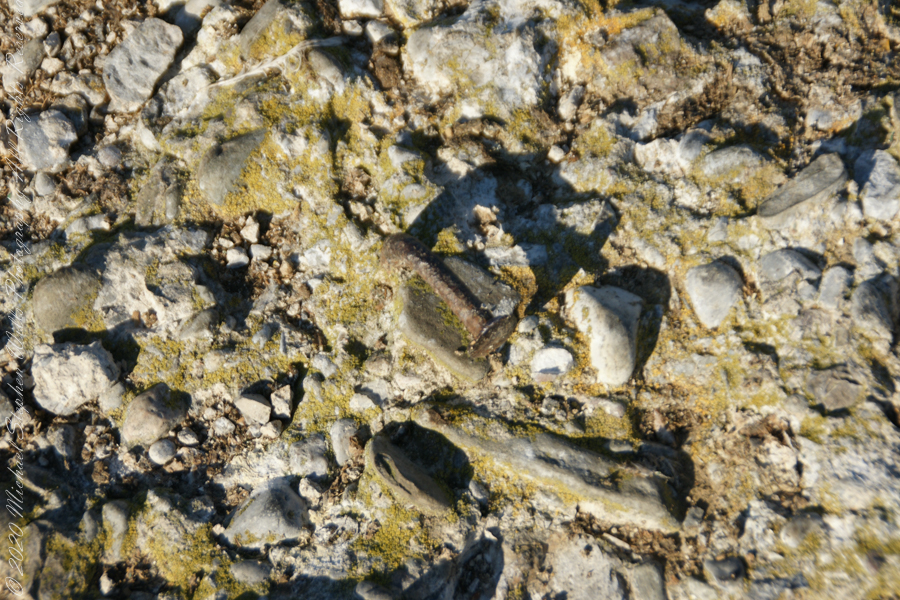
On top and under the surface

Look closely, children

One

Two

Three

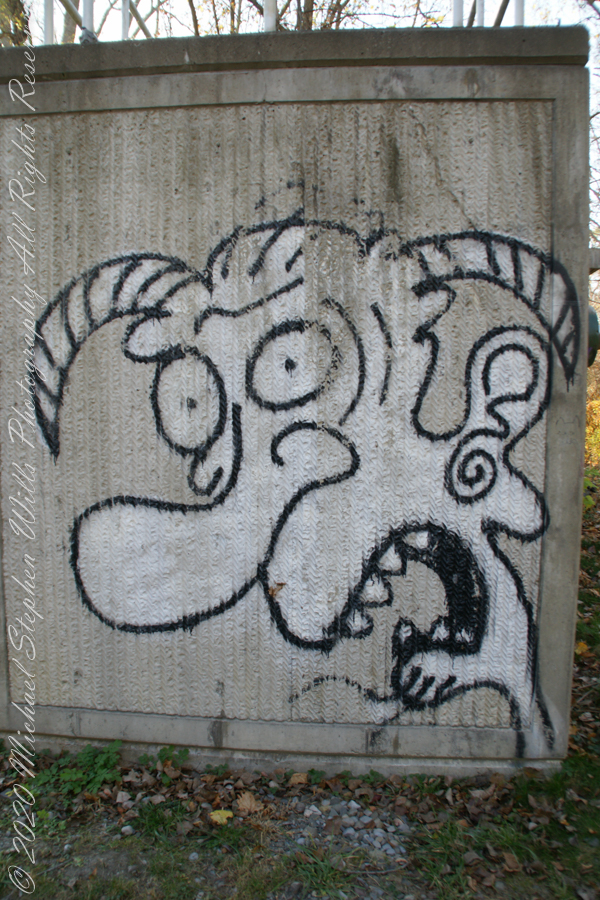
A demon greeting

Copyright 2022 Michael Stephen Wills All Rights Reserved

Lighthouse Point 4
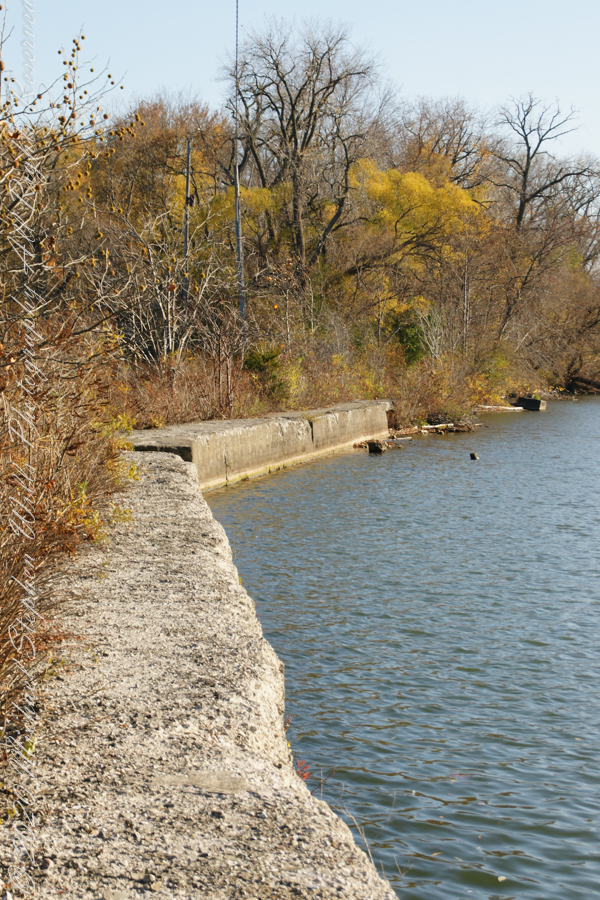
The Views are the Reward

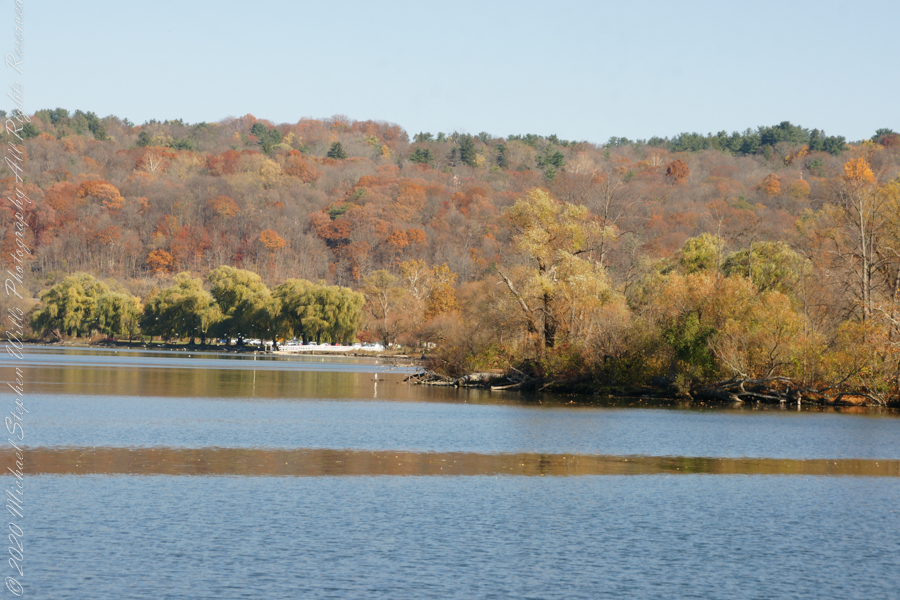
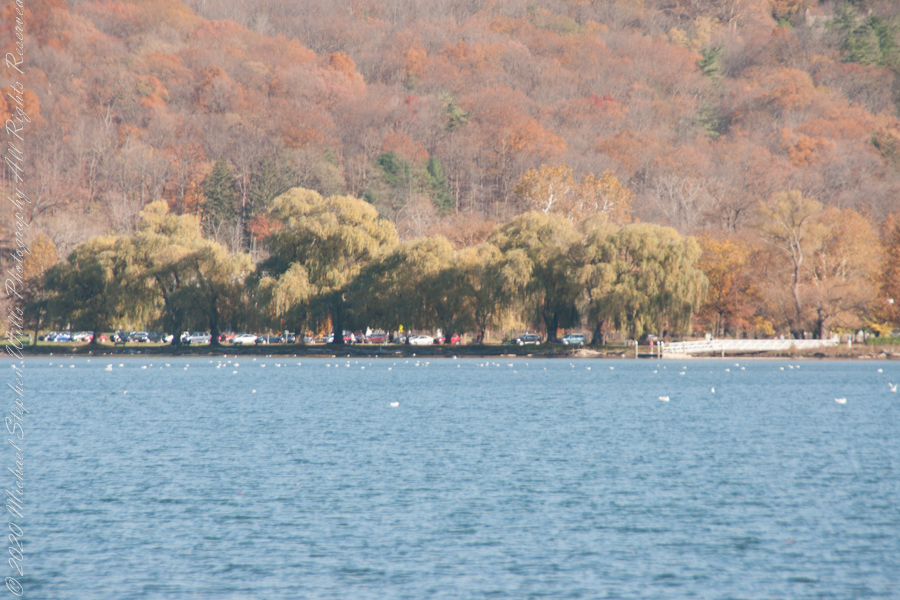
Here is the south end of Cayuga Lake on a bright November afternoon. Stewart Park is enjoyed by Ithacans year round.

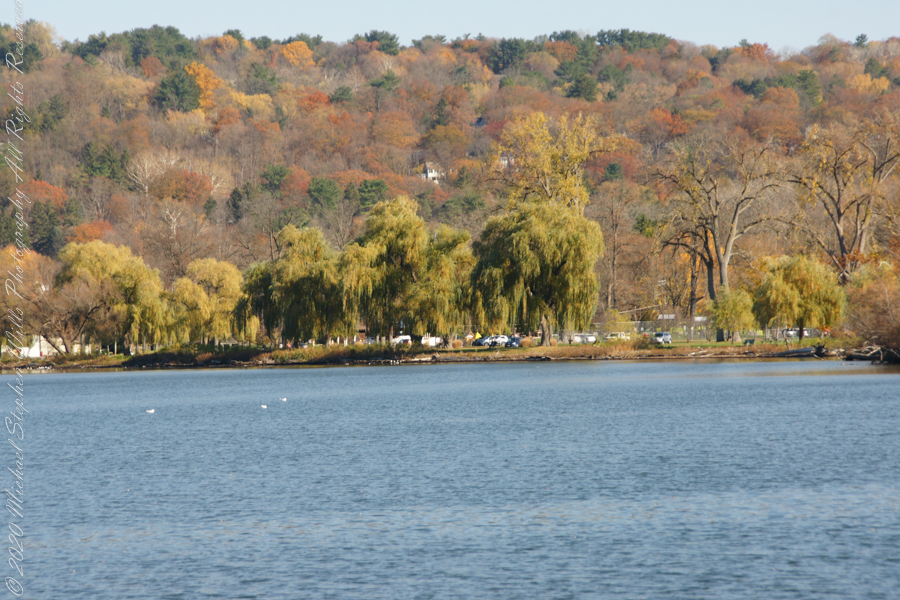
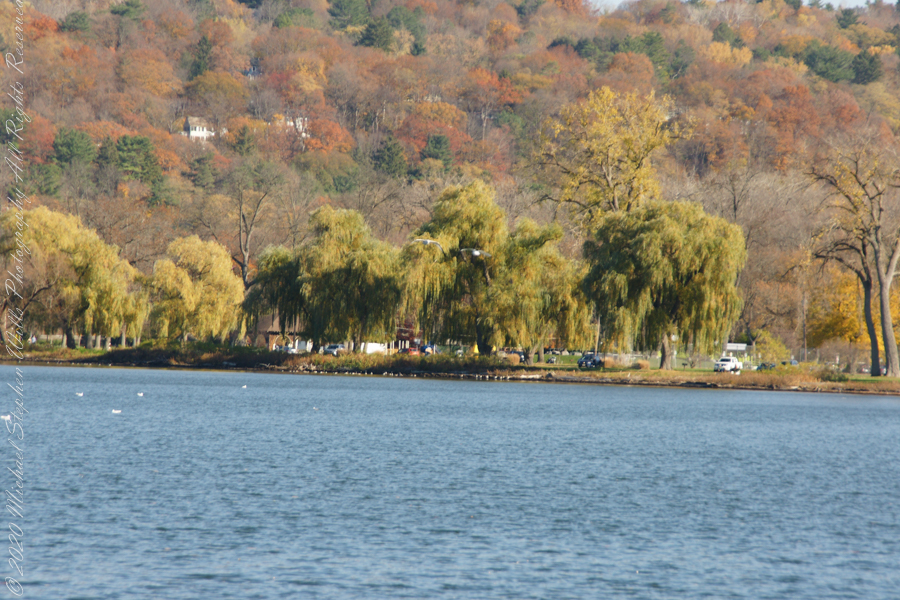
Everyone is a fan of the Willows framing the lake views.

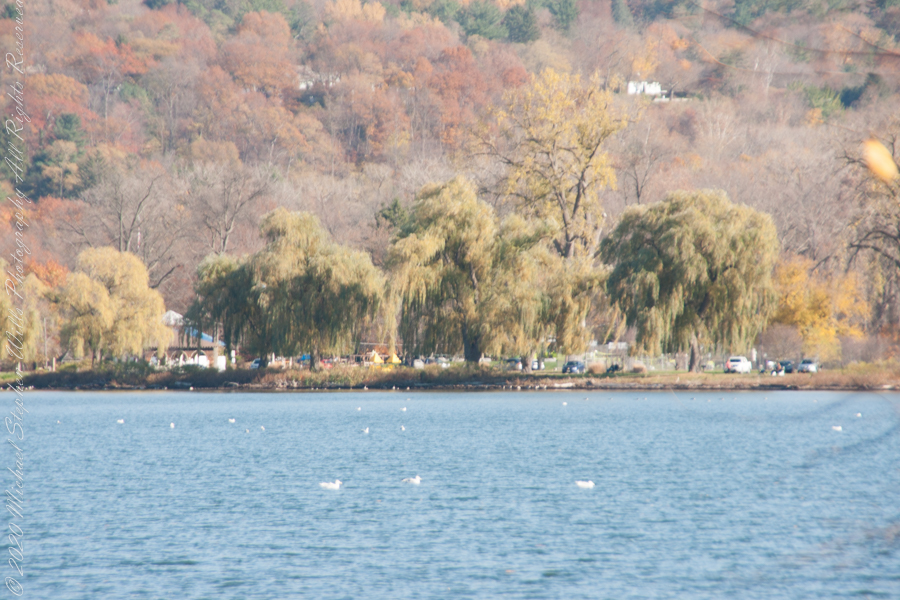
Can’t get enough of Stewart Park..

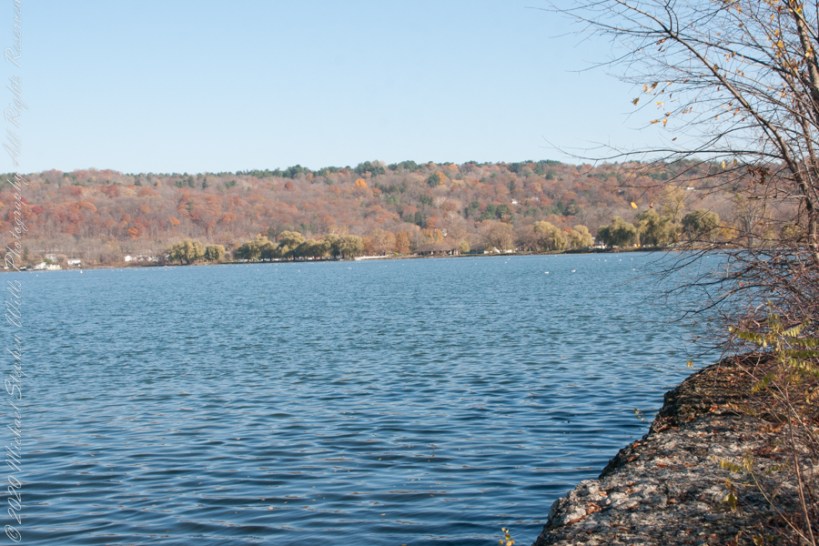
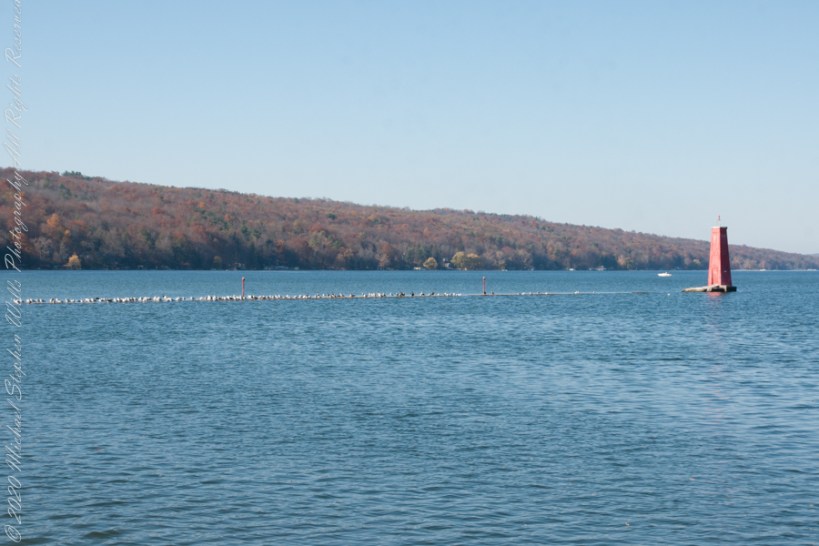
An unzoomed view, to give an idea of the distance across the water.

Pam and I have great memories of sailing this stretch from our years of membership in Cornell Family Sailing.

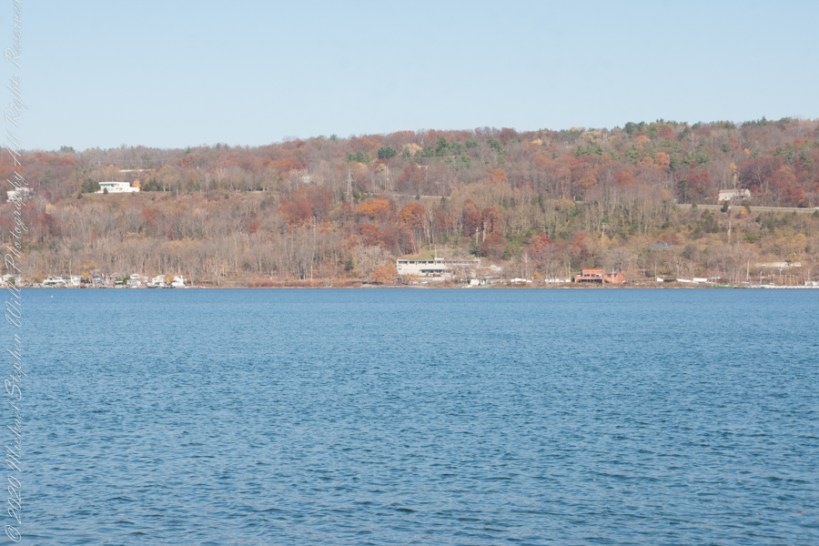
The east lake shore.

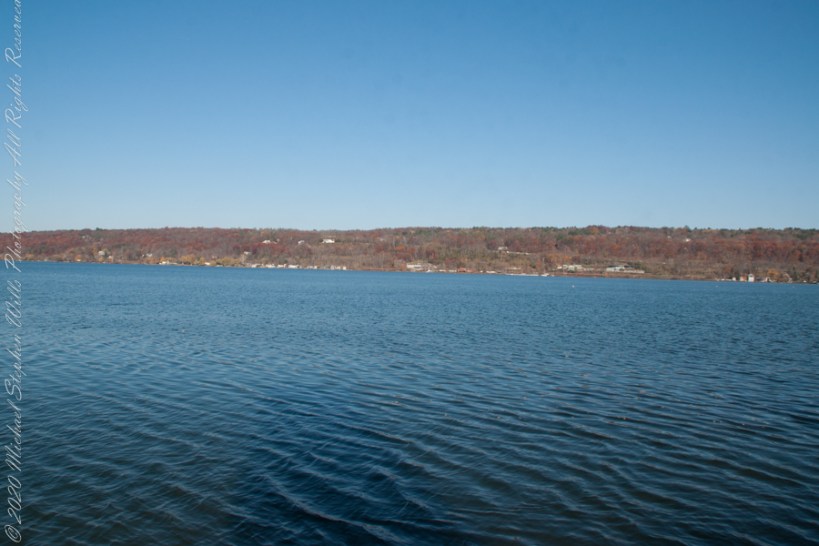
The West Lake Shore. This photograph captures the electric line that powers the Red Tower light. Seagulls enjoy that causeway…I’ve never seen humans walk it.

Copyright 2022 Michael Stephen Wills All Rights Reserved

Lighthouse Point 3

At the White Tower

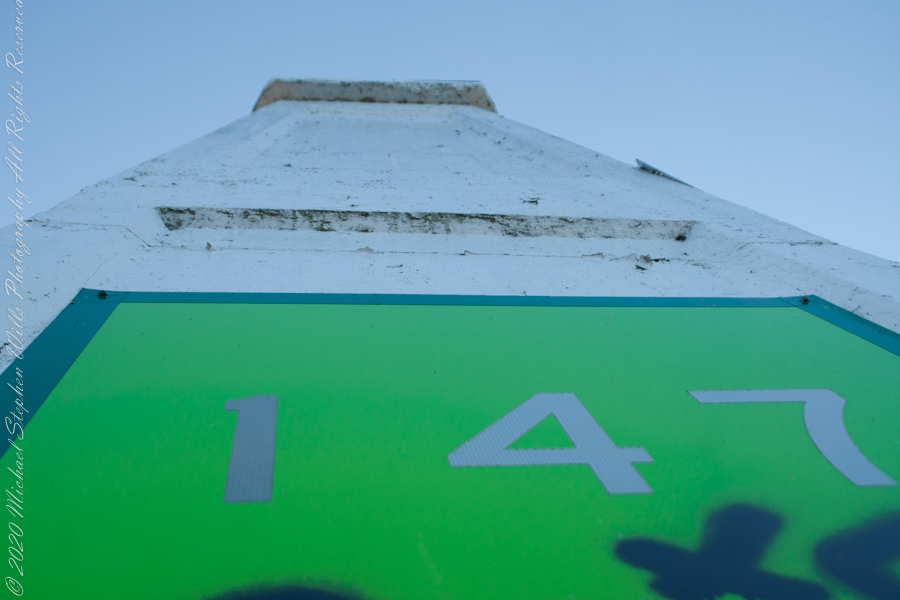
The quarter mile jaunt over the causeway yields the reward of this view up the White Tower…..

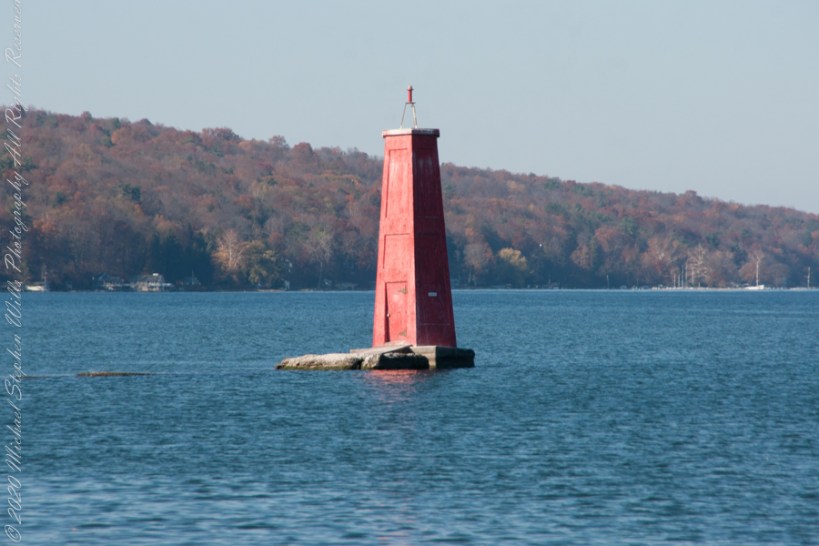
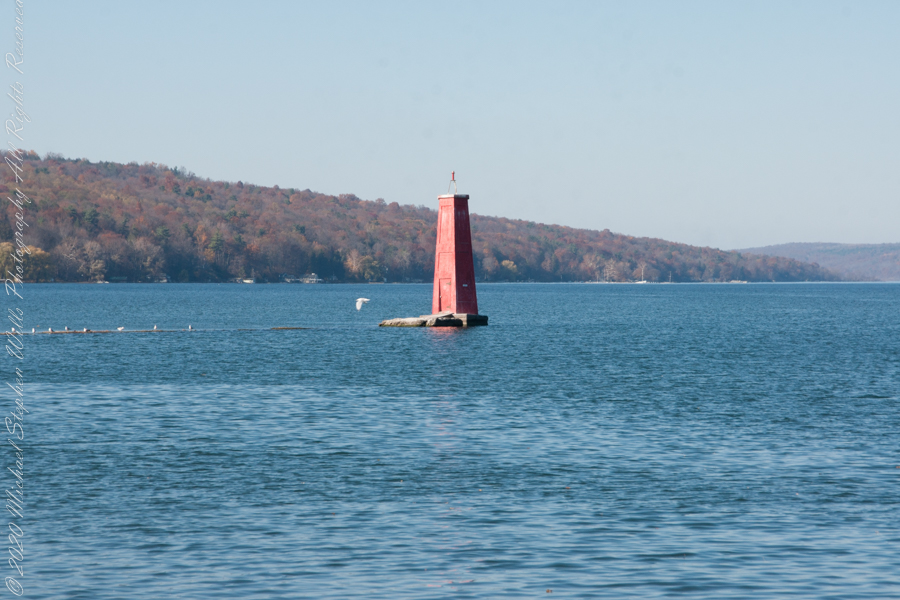
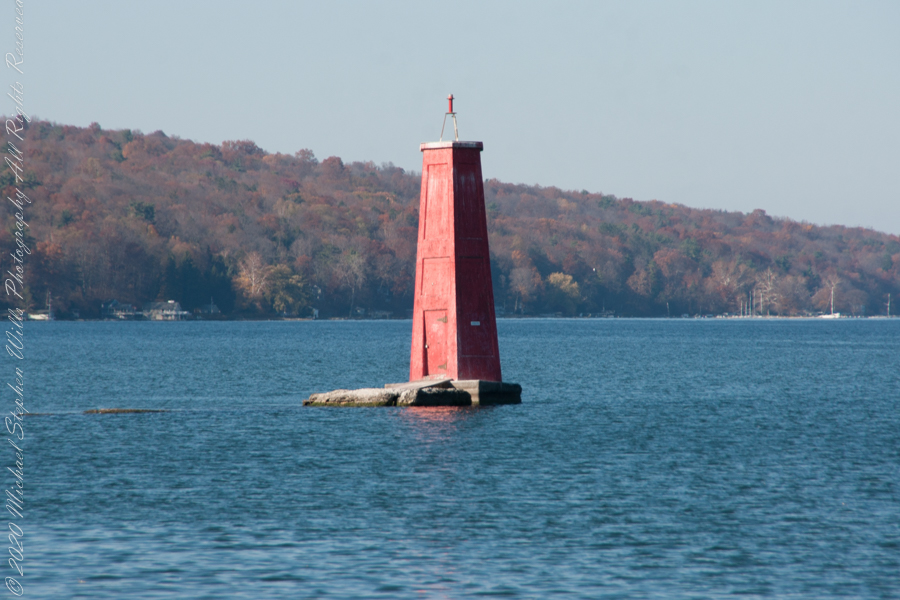
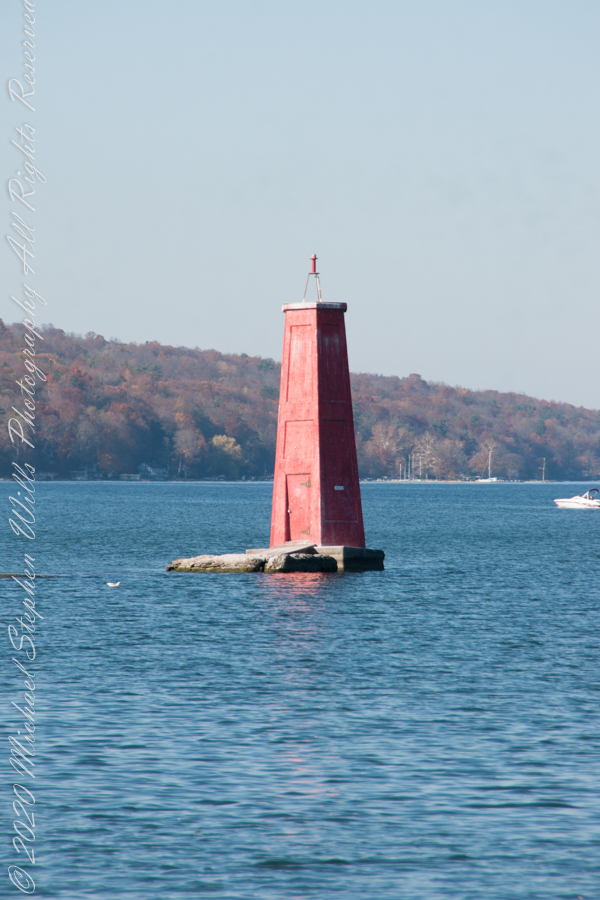
…and this vantage of the Red Tower, the west shore of Cayuga Lake leading down to Crowbar Point in the distance, colored by Autumn.

The shore is privately owned, some lake houses are visible. To the right are moorings of the Ithaca Yacht Club.

A closer view of the Red Tower.

On a bright early November day Pam and I walked to Lighthouse Point. Ithaca, Tompkins County, New York

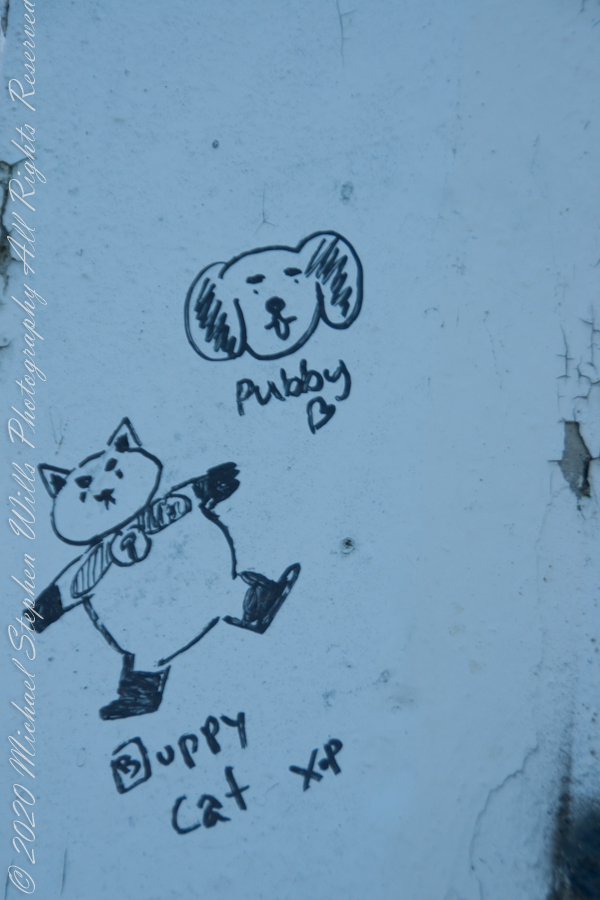
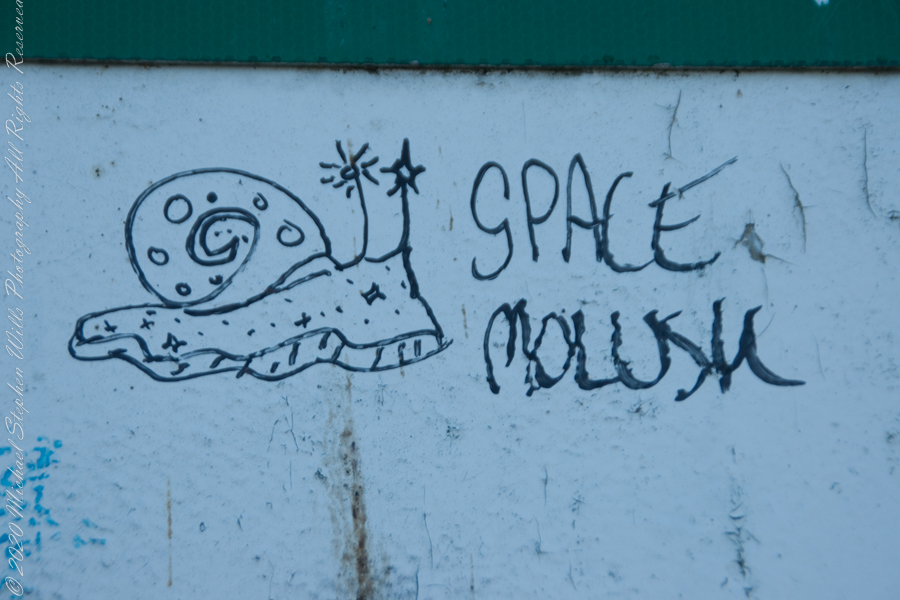
White Tower graffitti.

My thoughts exactly…

Copyright 2022 Michael Stephen Wills All Rights Reserved

Lighthouse Point 2

Causeway

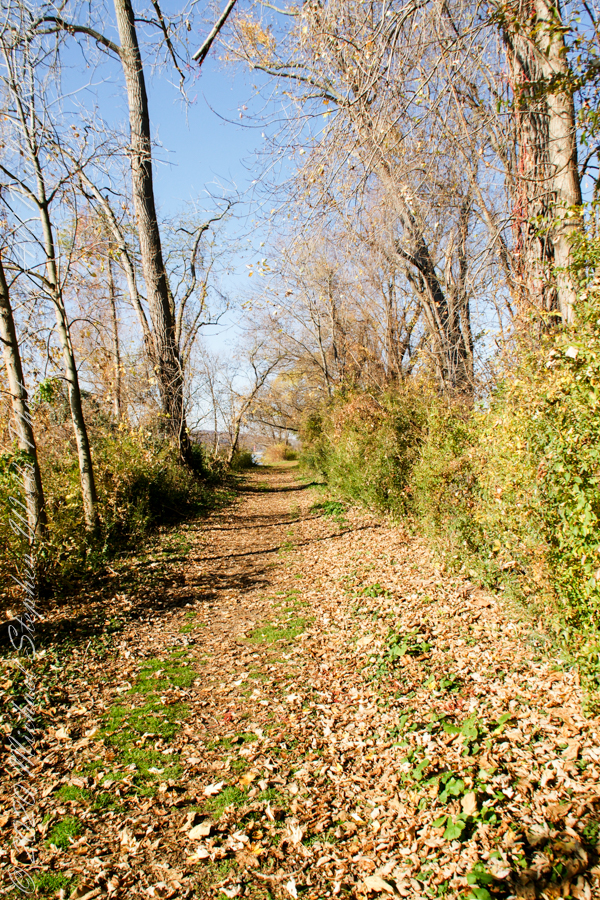
Post 1 of Lighthouse Point provided an impression of our hike along the golf course, from there we turned onto this wooded path on the shores of Cayuga Inlet.

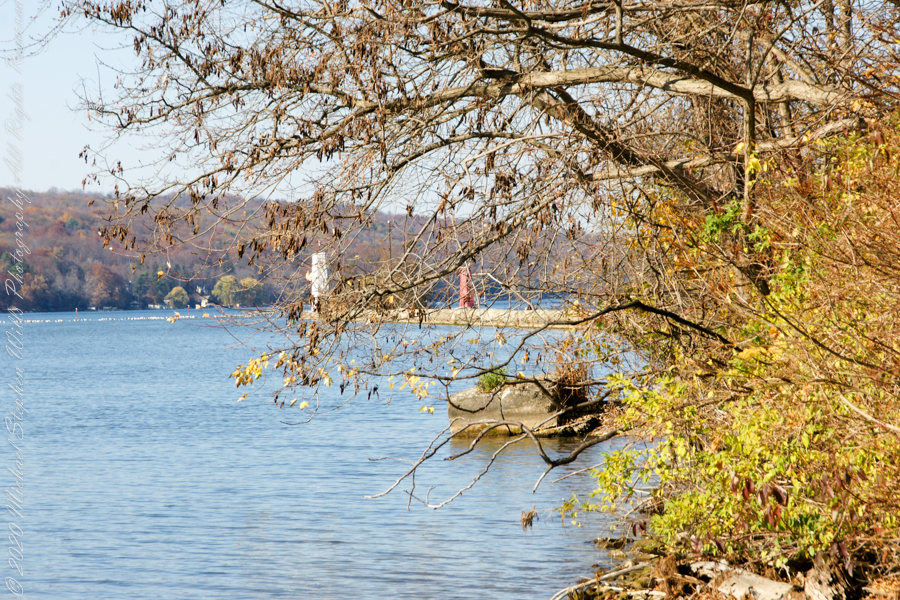
First view of the paired Lighthouses marking the Cayuga Inlet. The white tower is connected to shore by a causeway something less than a quarter mile in length. The red tower marks the other side. These navigation guides allow boats to safely enter the channel exiting the south end of Cayuga Lake. The Erie Canal connects to the north end, allowing access to the Great Lakes and, eventually, the Atlantic Ocean.

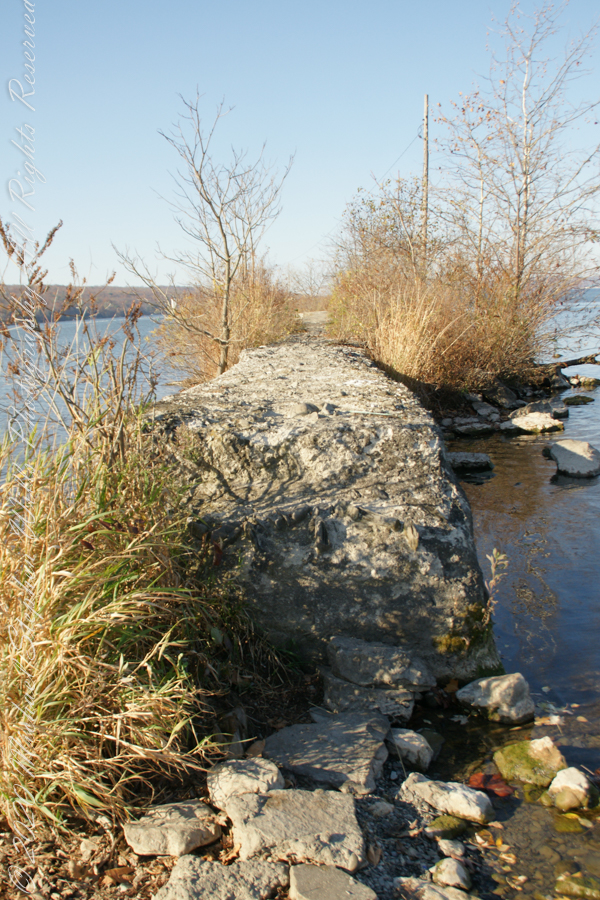
The 4-foot-high step up to the concrete causeway path is an insurmountable obstacle to some. I managed to clamber over.

Looking back to shore….

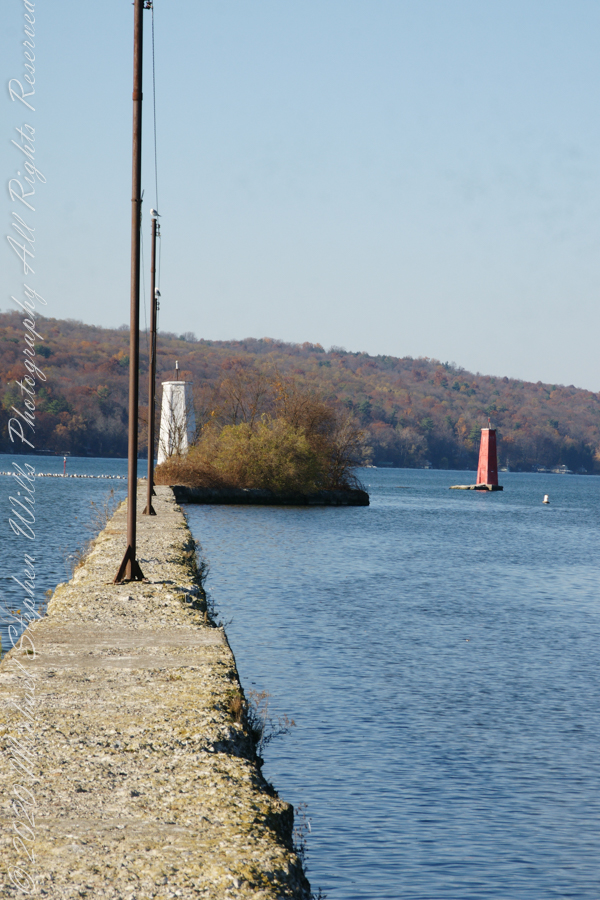
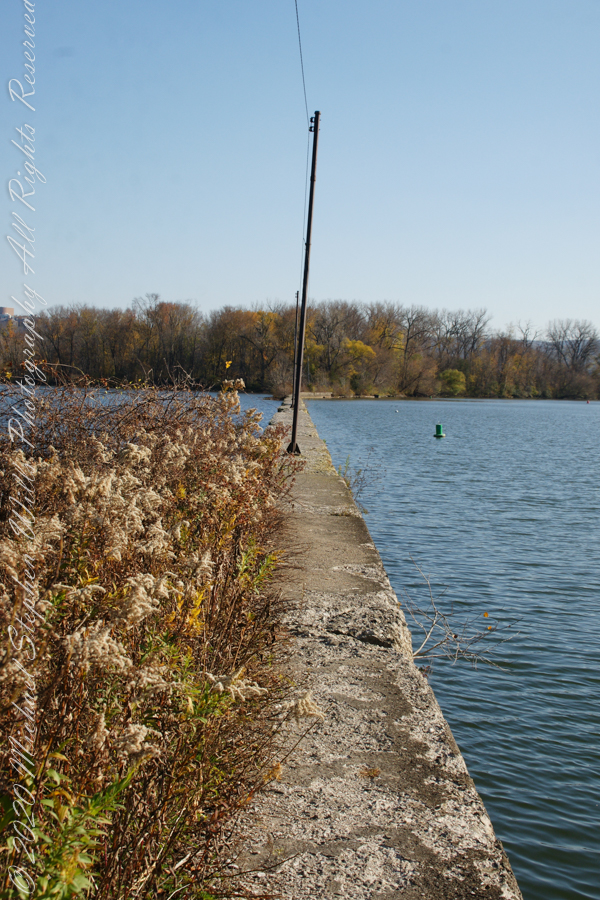
Rusted iron poles support the electric line for the white tower. They remind me of ship masts.

The straight shot back to shore.

Copyright 2022 Michael Stephen Wills All Rights Reserved

Lighthouse Point 1

Tree Atlas

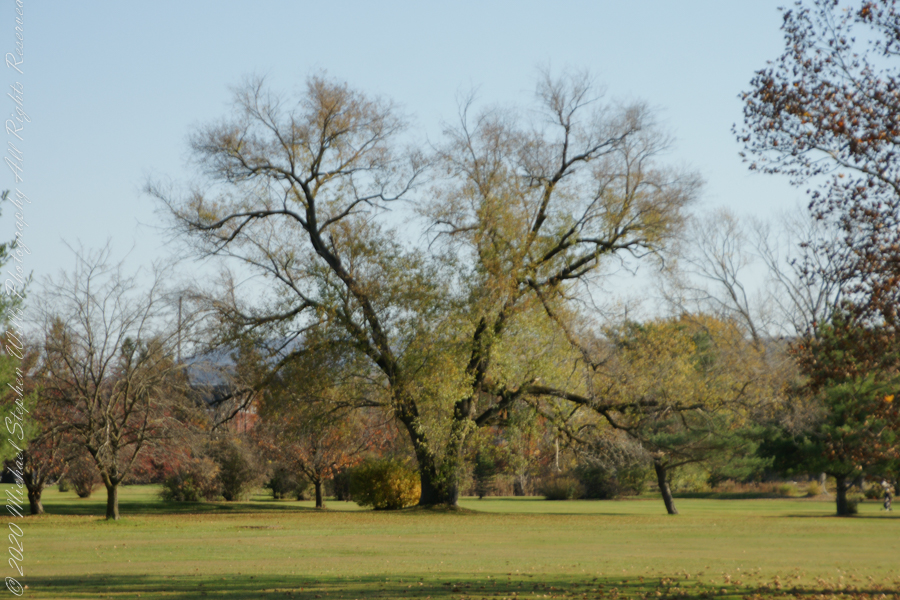
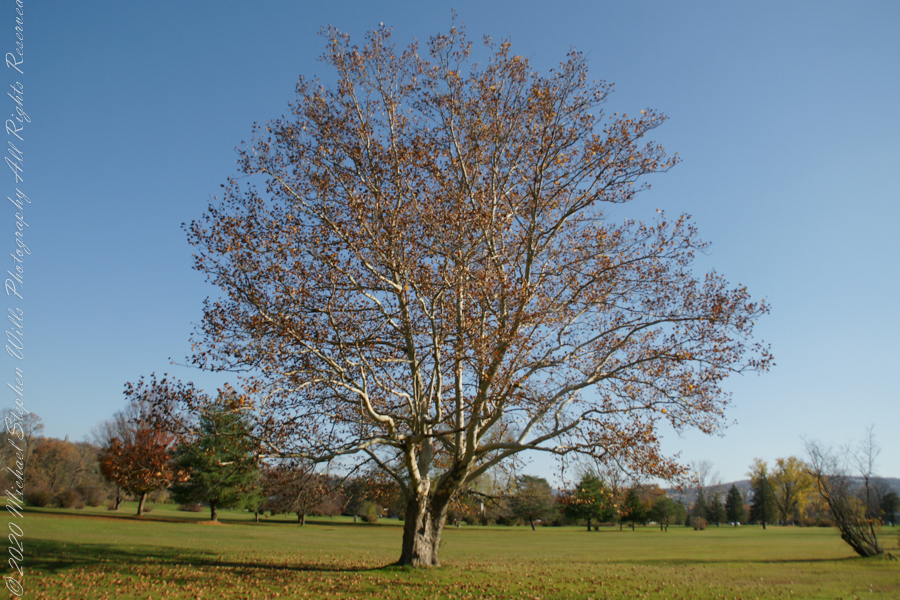
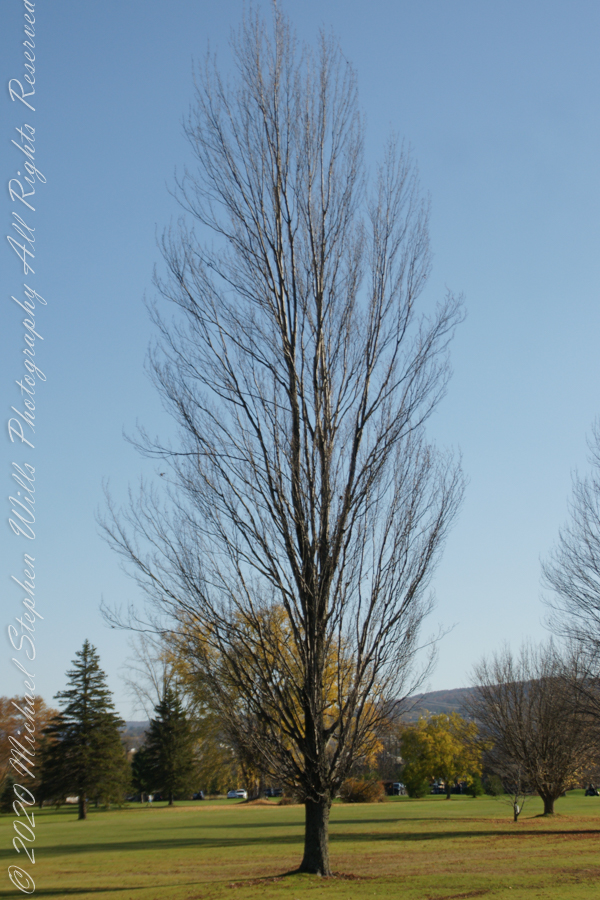
November 3rd, 2022, Blessed Us with an azure sky, an Indian Summer Day. During our walks on Cass Park Shorts we’d look across to see hikers emerging from the gold course to walk the Lighthouse causeway. After decades of longing, these Ithaca residents took upon themselves the adventure of finding the path and walking it. This series of posts documents the walk and some treasures discovered on the way.

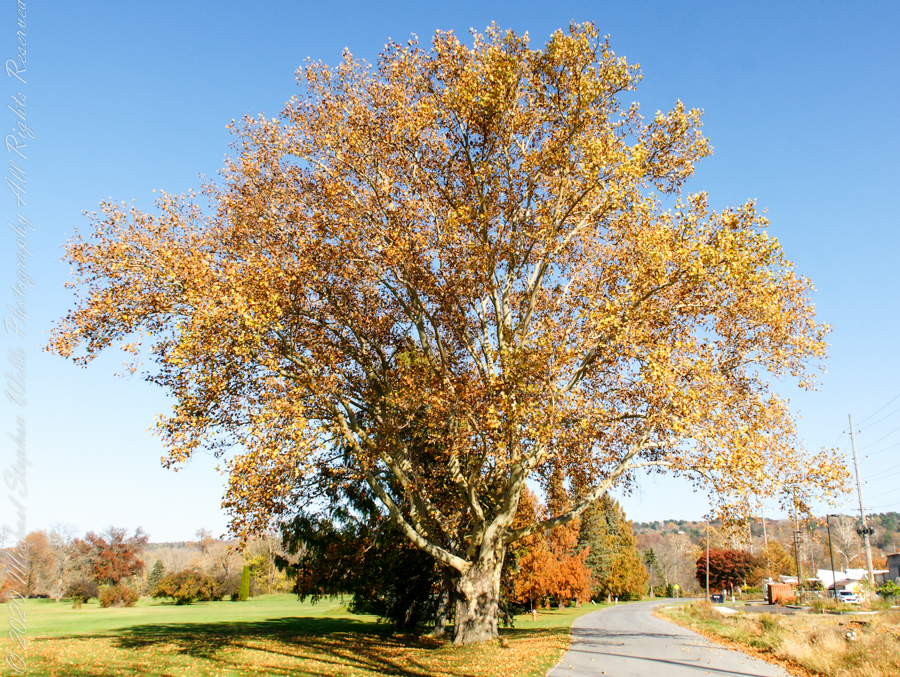
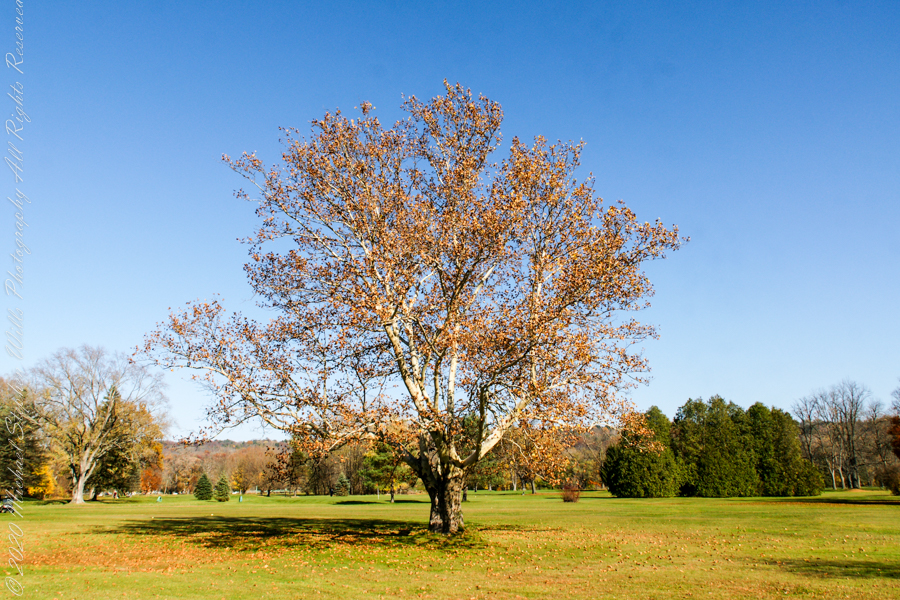
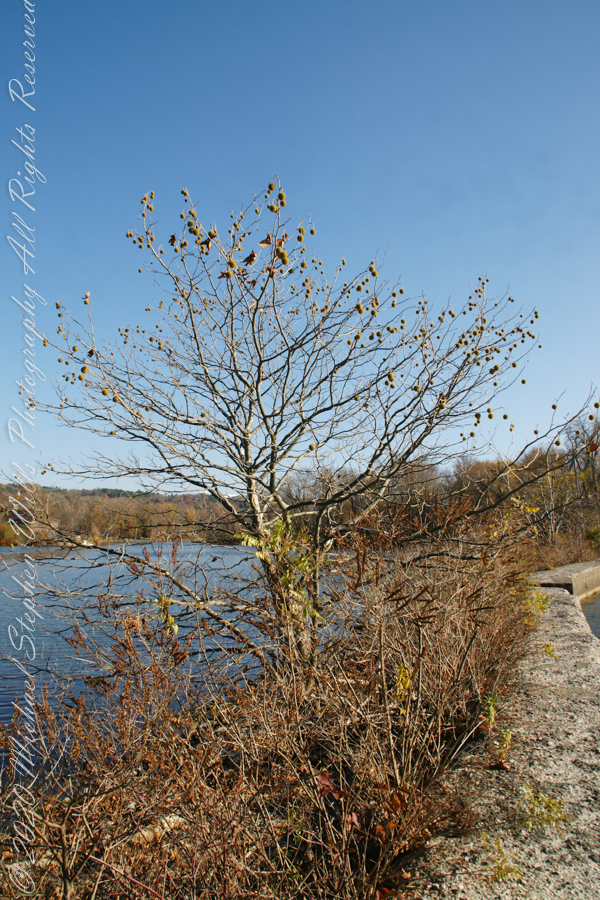
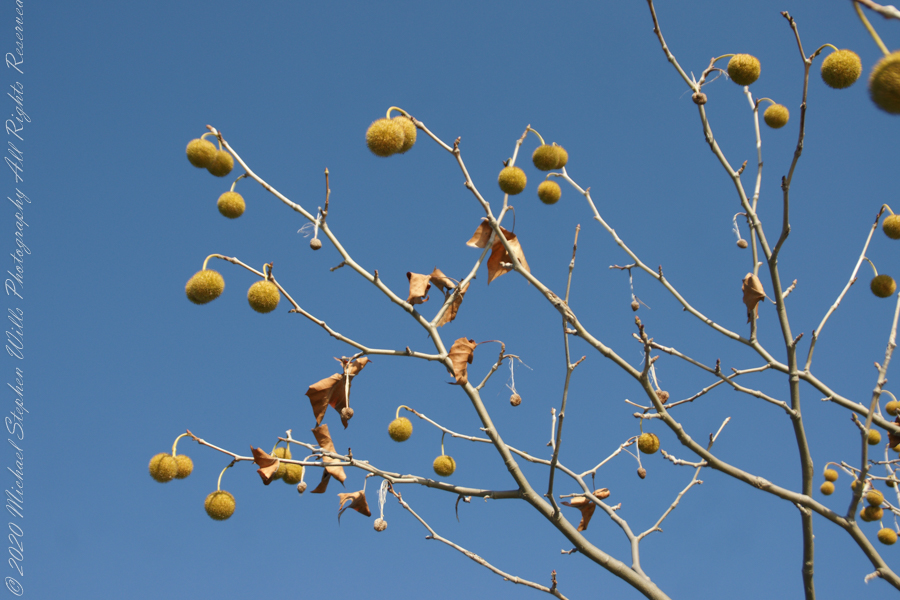
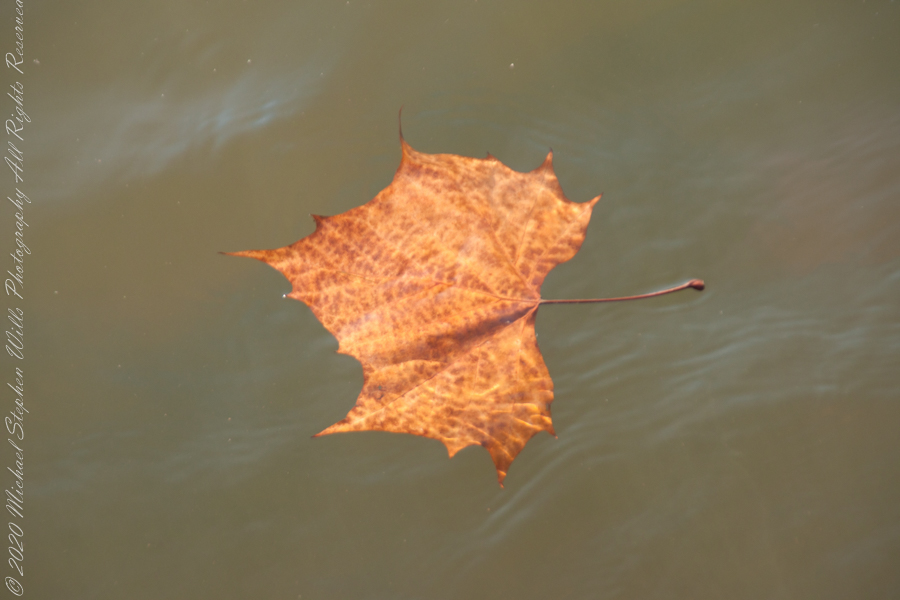
Sycamore, aka Plane Tree

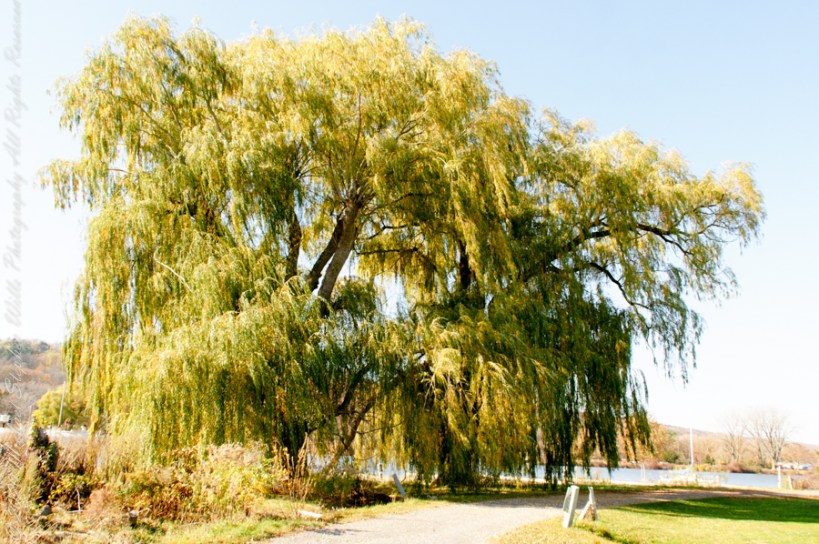
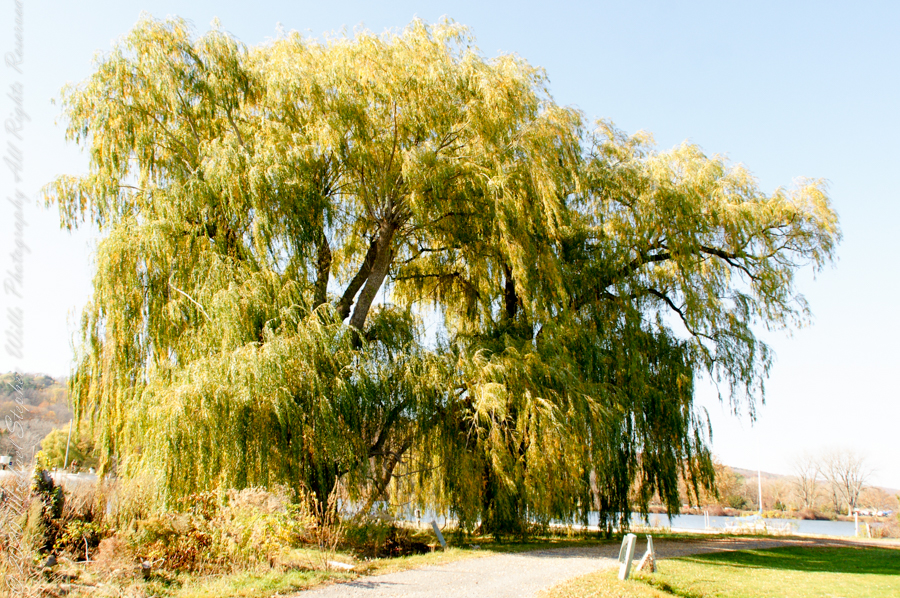
Willow on Cayuga Inlet and Newman Golf Course

might be another Sycamore on the golf course

Unidentified tree on golf course

Unidentified tree on golf course

Unidentified tree on golf course

Copyright 2022 Michael Stephen Wills All Rights Reserved

Christmas Ornaments

The Nutcracker

Our Nutcracker wooden figure carries a weight of memories.  Early memories are of my sister, Christina’s Sugar Plum Fairy solo for Saint Aidan Parish talent program, Mom’s appreciation of performance of Swan Lake in her pre-child past, a friend of my Mom was a former dancer who taught Christina ballet.  Hanging quietly, these memories swirl around the Nutcrackers open maw.   

Click this photograph for my Fine Art Photography gallery.
Click this photograph for my Fine Art Photography gallery

Thirteen years ago we observed New Years Day 2009 in the lobby of Winthrop Medical Center, Mineola, New York waiting for the outcome of Mom’s hip replacement surgery grateful the head of Orthopedics was performing the surgery.  That year saw large changes played out in the last four years of her life, she never returned to her home of 52 years.  

From then on her winters were spent with her daughter Diane in Mesa, Arizona.  Mom would call us, amused at the sight of neighbors walking by in 50 degree weather in winter parkas.  She was well known in Albertson for her habit of walking everywhere, it was fortunate she never needed to learn how to drive a car: all she needed was readily at hand.  

I needed to return to Albertson several times a year to our childhood home.  December 2009, Pam and I melded the trip with a day in New York City.  Memories of Mom’s enjoyment of Swan Lake drew me to purchase tickets for The Nutcracker.  The New York City Ballet has performed The Nutcracker every Christmas season since 1954, when I was one year old.  The 56th performance was our first. 

As with Dante’s version of hell, the David H. Koch Theater has rings.  I sprang for the highest ring, the fourth, the least costly and, optimistically, the best vantage to view the formations of grouped dancers.

A full orchestra is dedicated to each performance, the hall acoustics are fabulous, and we were able to appreciate the scenes, the grouped dancers and, even, the soloists.  The last scene of the first act, the Snowflakes (or Snow Crystals), brought tears to my eyes, the music, the scene was impossibly beautiful and brought back some experiences of mine in winter nature.

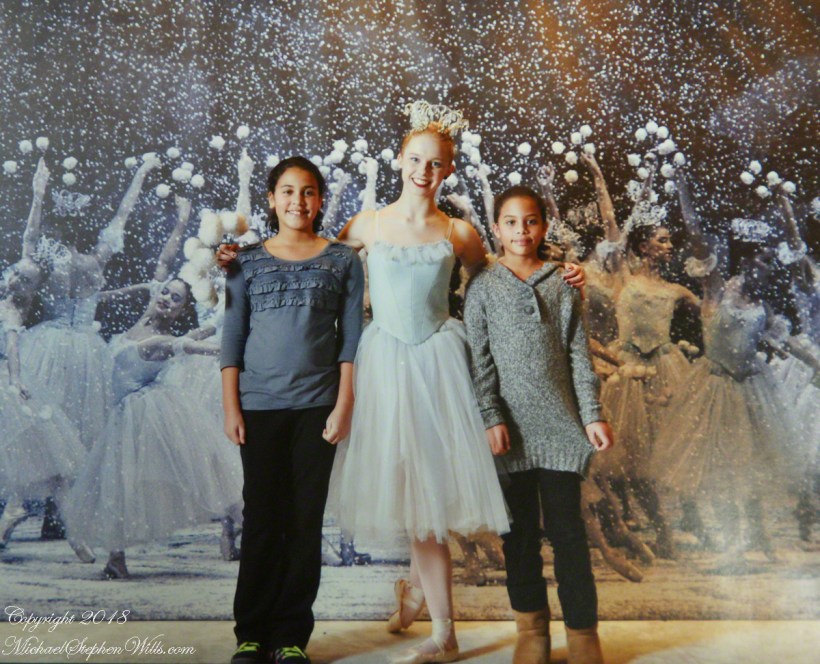
We were hooked after that, immersed in the very real (i.e., non-virtual) alternate reality at least two Sunday afternoon performances each year, seeing all Tchaikovsky’s ballets in the style of Balanchine for which the New York Ballet is famous.  For the 59th season of The Nutcracker were brought two granddaughters, took fourth third row orchestra seats.  We marveled at the experience.  It included, during intermission, a photo session with a character from the performance.

Here they are with a Snowflake.  This is a scan of one of the 8 x 10 prints we received from this session.

Click the photograph for my Fine Art Photography gallery
Nia and Gabby with the Nutcracker Ballet character “Snowflake” during the intermission of a December 2012 performance.


We planned to share a performance of Swan Lake with Mom during the September 2013 season, in her 90th year.  Mom passed away in her birth month, June, 2013.  

Click this link for another Christmas postinhg.

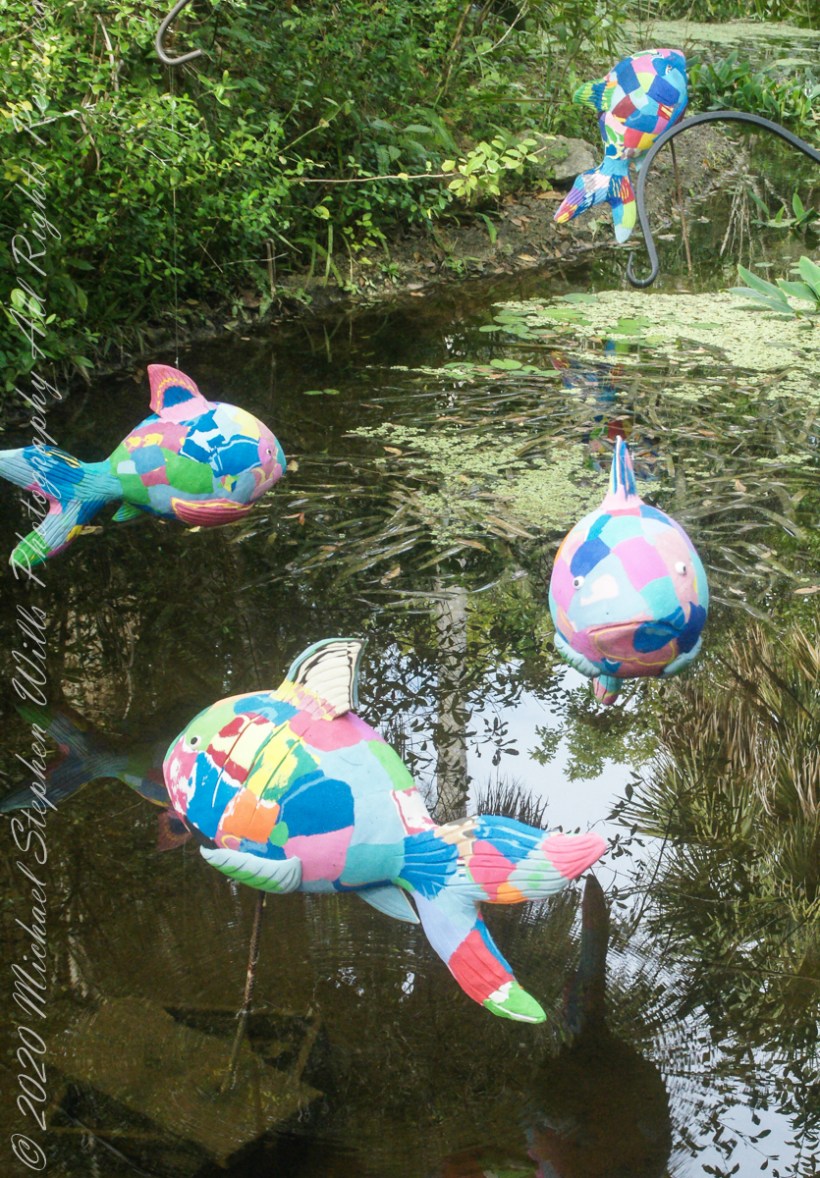
Flip Flop Reef Fish

Various reef fish set up “cleaning stations” where turtles and other fish come to have parasites nibbled off.

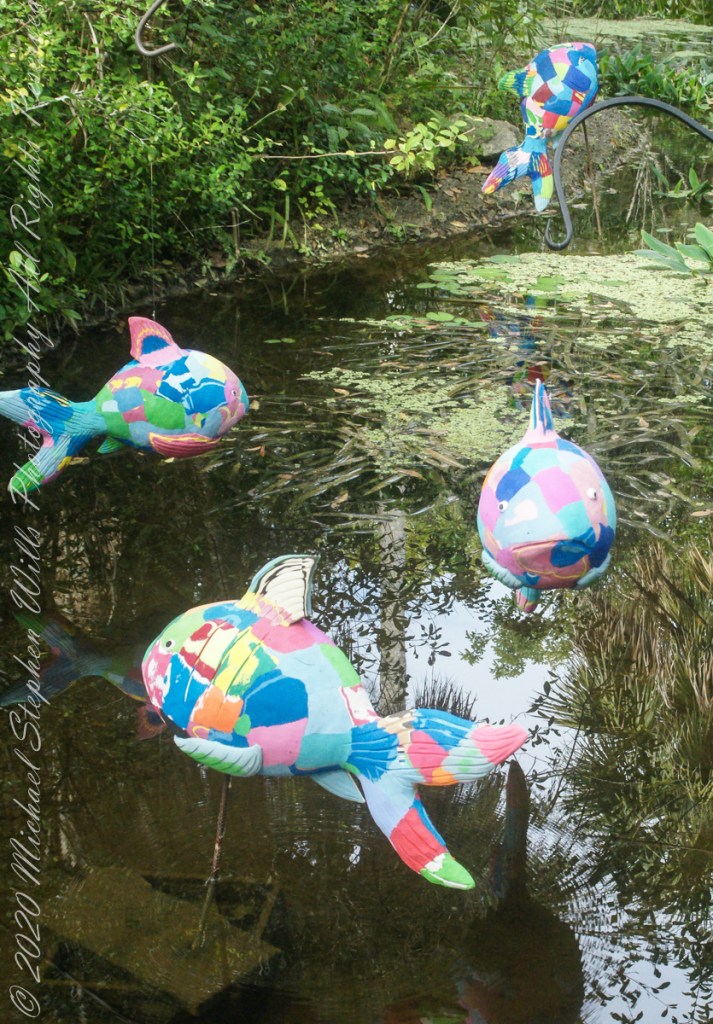
50 recycled flip flops were used by Ocean Sole Africa Project artists to create each Reef Fish sculpture from a 2019/2020 exhibit hosted by McKee Botanical Gardens, Vero Beach, Indian River County, Florida.

Coral reef fish live among or in close relation to coral reefs. Coral reefs form complex ecosystems with tremendous biodiversity. Among the myriad inhabitants, the fish stand out as colorful and interesting to watch. Hundreds of species can exist in a small area of a healthy reef, many of them hidden or well camouflaged.

Reef fish have developed many ingenious specializations adapted to survival on the reefs. Safe habitats, many different species of fish inhabit coral reefs where they are protected from predators and find food. In turn, reef fish eat algae, preventing overgrowth and smothering of the coral animals. Common fish in Caribbean reefs have interesting names: parrot, angel, puffer, surgeon and clown.

Coral reefs occupy less than 1% of the surface area of the world oceans but provide a home for 25% of all marine fish species. Reef habitats are a sharp contrast to the open water habitats that make up the other 99% of the world oceans. Loss and degradation of coral reef habitat, increasing pollution, and overfishing including the use of destructive fishing practices, are threatening the survival of the coral reefs and the associated reef fish.

Copyright 2022 Michael Stephen Wills All Rights Reserved

Rusty Box

a LARGE rusty box

From a November 2021 article by James Sparvero of ClickOrlando(dot com). “Recent storms may have pushed a big part of a ship onto a secluded Central Florida beach. The Canaveral National Seashore said the metal object washed ashore at boardwalk No. 7 of Playalinda Beach. It is about 8 feet tall and 20 feet long.

Pam provides a sense of scale

“Seashore’s resource manager Kristen Kneifl said it might be a ballast tank from a ship, which is a compartment on a floating structure that holds water to help stabilize the vessel. “

Still a mystery

’That’s our best guess at this point,’’ Kneifl said.

As far as removing the giant box, the Seashore said it could be difficult. Meaning it will probably stay on the beach for a while until it gets figured out.

‘’Unlike maybe some boats or other things that wash up, where we can kind of chain saw it apart and get it over one of our boardwalks, it doesn’t look like it can be cut up,’’ Kneifl said. ‘’So, it’s going to have to be removed from the water, from the oceanside.”

Kneifl said, chances are, the strange object will be removed on a barge and transported elsewhere by sea.

Here is a photo for a sense of place.

Artistic macros of the rusty surface.

Cape Canaveral National Seashore, Titusville, Brevard County, Florida

Copyright 2022 Michael Stephen Wills All Rights Reserved

Flip Flop Dragonflies

Deep Time

380 recycled flip flops were used by Ocean Sole Africa Project artists to create these seahorse sculptures from a 2020 exhibit hosted by McKee Botanical Gardens, Vero Beach, Indian River County, Florida.

Adult dragonfly lifespan of a few days to 5 weeks contrasts with the wide distribution, variety with over 3,000 species and deep longevity of the infraorder, Anisoptera, especially compared to our genus, Homo: Hundreds of millions of years, compared to 2 million.

An insect, dragonflies live on every continent except Antarctica, from sea level up to the mountains.

I have experienced hundreds of dragonflies swooping and hovering around Peaked Mountain of the Adirondacks.

Copyright 2022 Michael Stephen Wills All Rights Reserved

Flip Flop Manta Rays

“Devil Fish”

110 recycled flip flops were used by Ocean Sole Africa Project artists to create these seahorse sculptures from a 2020 exhibit hosted by McKee Botanical Gardens, Vero Beach, Indian River County, Florida.

Manta Rays are large, flat-bodied fish having a width ranging from 18-23 feet (5-7 meters) wide. Mantas gracefully swoop during feeding, scooping up large quantities of plankton, 60 pounds (27 kilograms) per day, with the flat fins on either side of their head.

Here is the flowing movement of the manta

Mantas are known as “devilfish” because of their horn-shaped cephalic fins, which are imagined to give them an “evil” appearance. The movement of pectoral fins drive them through water, like birds flying through air.

All mantas are listed as vulnerable by the International Union for Conservation of Nature. Anthropogenic threats include pollution, entanglement in fishing nets, and direct harvesting of their gill rakers for use in Chinese medicine. Their slow reproductive rate exacerbates these threats. They are protected in international waters by the Convention on Migratory Species of Wild Animals, but are more vulnerable closer to shore. Areas where mantas congregate are popular with tourists. Only a few public aquariums are large enough to house Mantas.

Copyright 2022 Michael Stephen Wills All Rights Reserved