A January Encounter with a Moon Jellyfish

Walk with me through a narrative as translucent as the Moon Jellyfish itself, revealing the hidden connections between us and the vast ocean’s enigmatic creatures.

Initial Encounter


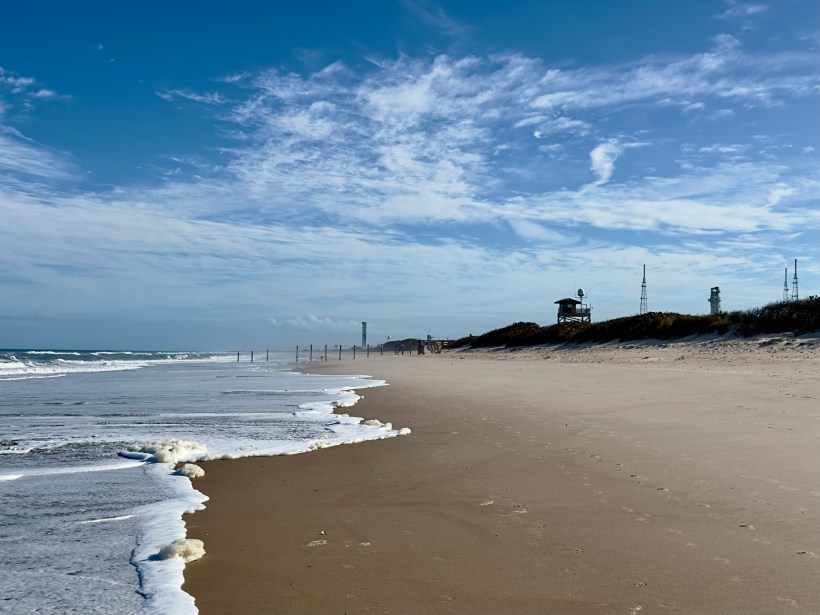
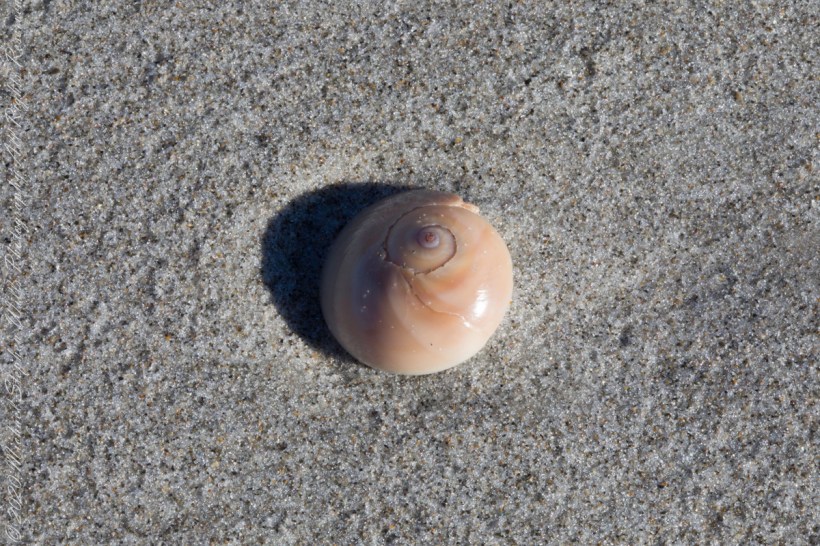
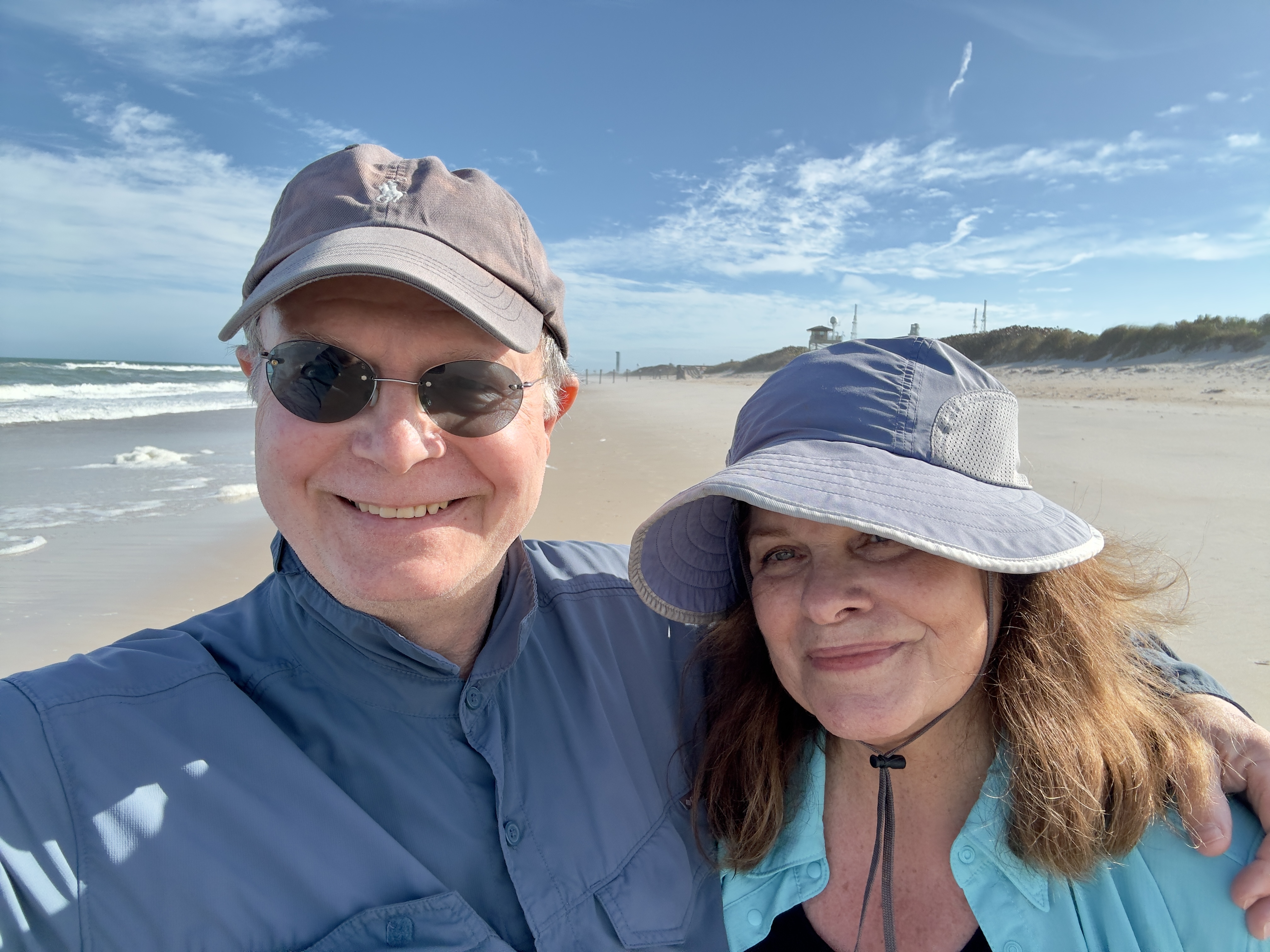
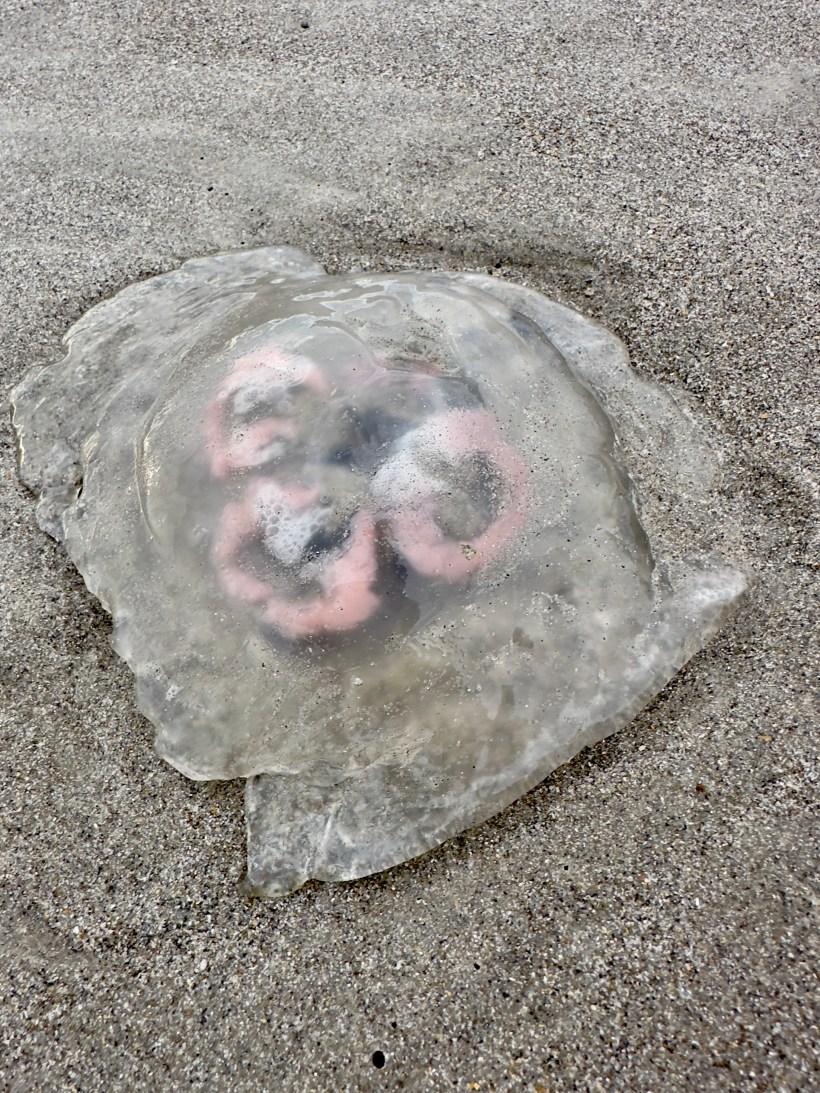
It was a cool January morning, and the southern winds were brisk as they tousled my sparse hair. I had made my way along Cocoa Beach, a place I often find solace in the rhythmic dance of the waves. Today, however, the ocean had a different story to tell. As I walked along the shore, my gaze fell upon a peculiar sight—a translucent, almost ethereal creature lay motionless on the sand. It was a Moon Jellyfish, or as scientists call it, Aurelia aurita.

The gelatinous being had been cast out by the unforgiving sea, its pinkish hue a stark contrast against the dull sands. This wasn’t an uncommon sight, as these creatures often end up on beaches due to wind patterns and water currents. But there was something about this particular Moon Jellyfish that captivated me. Perhaps it was the way it shimmered in the morning light, or how it seemed so peaceful, so out of place, yet exactly where it was meant to be.

Ecological Significance


I knew that the Moon Jellyfish played a crucial role in the marine ecosystem. These cnidarians are not just beautiful drifters; they are a vital part of the ocean’s food web. Small fish and other marine organisms often find shelter among the Moon Jellyfish’s tentacles, escaping predators and finding nourishment in the plankton caught by their host. In turn, the Moon Jellyfish themselves are prey to a variety of larger species, including sea turtles and certain birds.

Seeing the jellyfish on the shore, I contemplated the fragility of this balance. A change in wind direction, a shift in temperature, or human interference could easily disrupt this delicate ecological dance. It was a stark reminder of the interconnectedness of life and the responsibility we hold in preserving these intricate relationships.

Biological Wonders


The biology of the Moon Jellyfish is as fascinating as its role in the ecosystem. They are composed mainly of water, with a body that includes a bell-shaped top called the medusa, and short tentacles that hang below. These tentacles contain stinging cells known as cnidocytes, which they use to capture their prey—mainly tiny plankton.

As I observed the jellyfish before me, I couldn’t help but marvel at its simplicity and complexity. The Moon Jellyfish has a basic nervous system and lacks a traditional brain, heart, and blood. Yet, it thrives in the vast and challenging environment of the ocean. Its lifecycle, too, is a wonder, beginning as a polyp anchored to the seafloor, then transforming into the free-floating medusa I saw on the beach.

A Reflection on Nature and Humanity


The Moon Jellyfish’s unexpected presence on Cocoa Beach prompted a deeper reflection on nature’s course and our place within it. This creature, which had drifted with the currents and tides, led me to ponder the currents of our own lives. How often do we find ourselves washed ashore by the winds of change, feeling out of place, yet precisely where we’re meant to be?

In that moment, I understood that we, too, are like the Moon Jellyfish in many ways—adaptable, resilient, and part of a larger whole. We float through life, sometimes at the mercy of forces beyond our control, yet we possess the innate ability to navigate our environment and survive.

As I left the beach that day, the image of the Moon Jellyfish imprinted in my mind, I felt a newfound respect for these delicate yet durable denizens of the deep. The Moon Jellyfish, washed up by a southern wind onto Cocoa Beach, served as a silent teacher, reminding me of the beauty and fragility of life, the importance of our ecosystems, and the subtle threads that connect us all.

Copyright 2024 Michael Stephen Wills All Rights Reserved

Illuminating Discoveries: Solving the Red Light Enigma in Cocoa Beach

Dive into a fictional adventure in Cocoa Beach, where a mysterious red light sparks curiosity. Join Emma and Alex as they unravel the surprising truth behind a crimson glow.

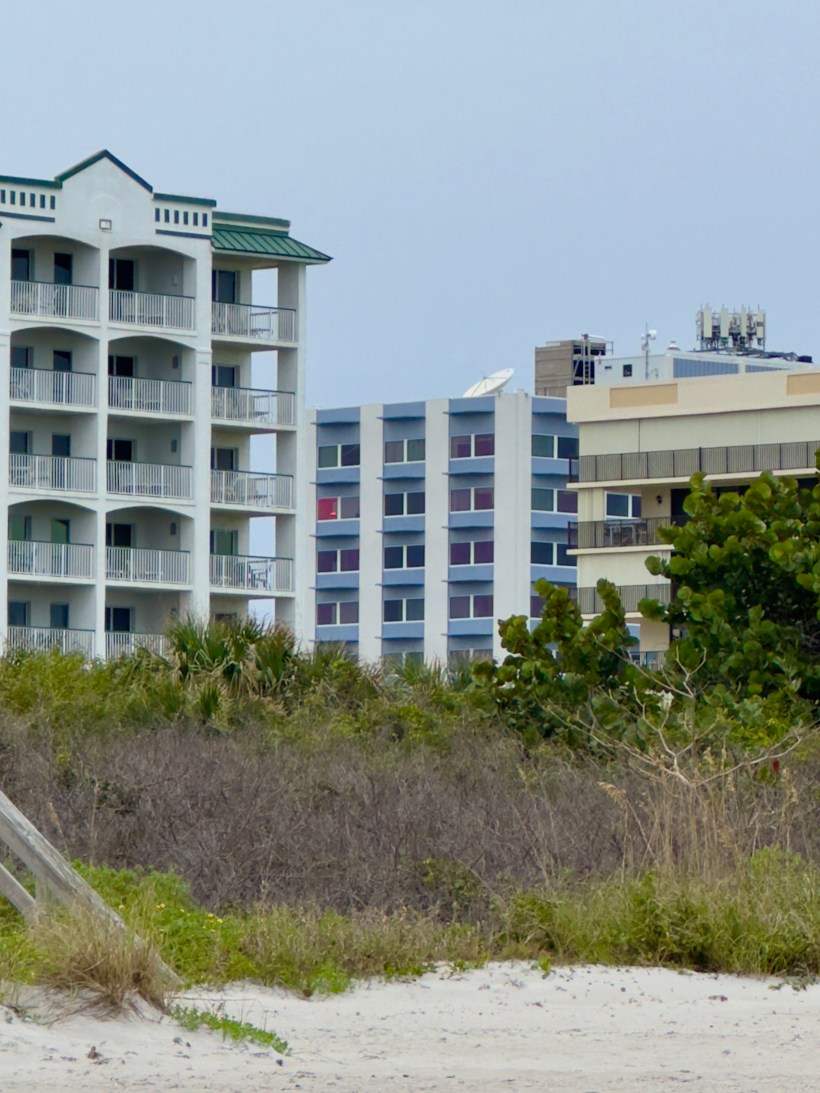
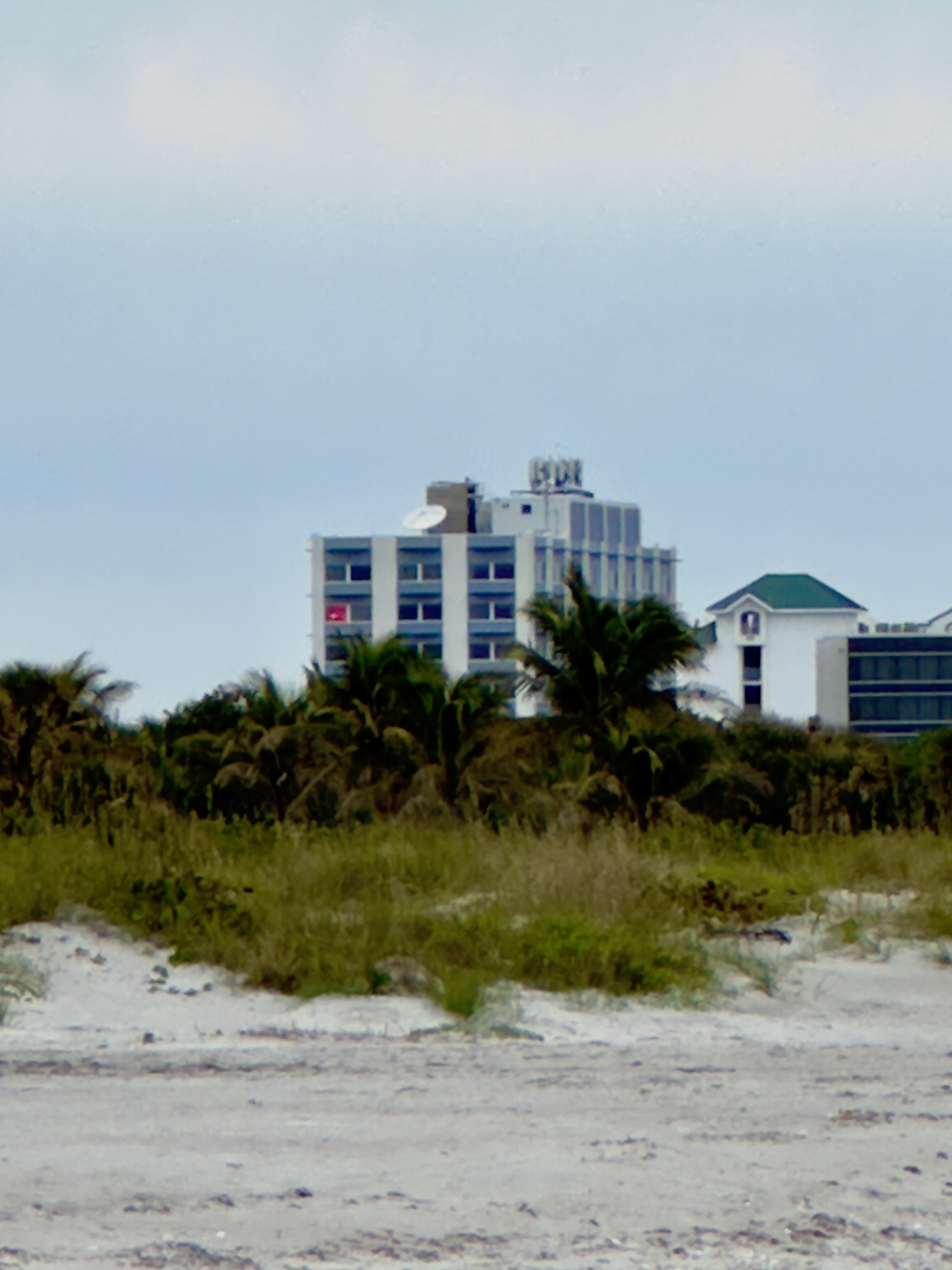
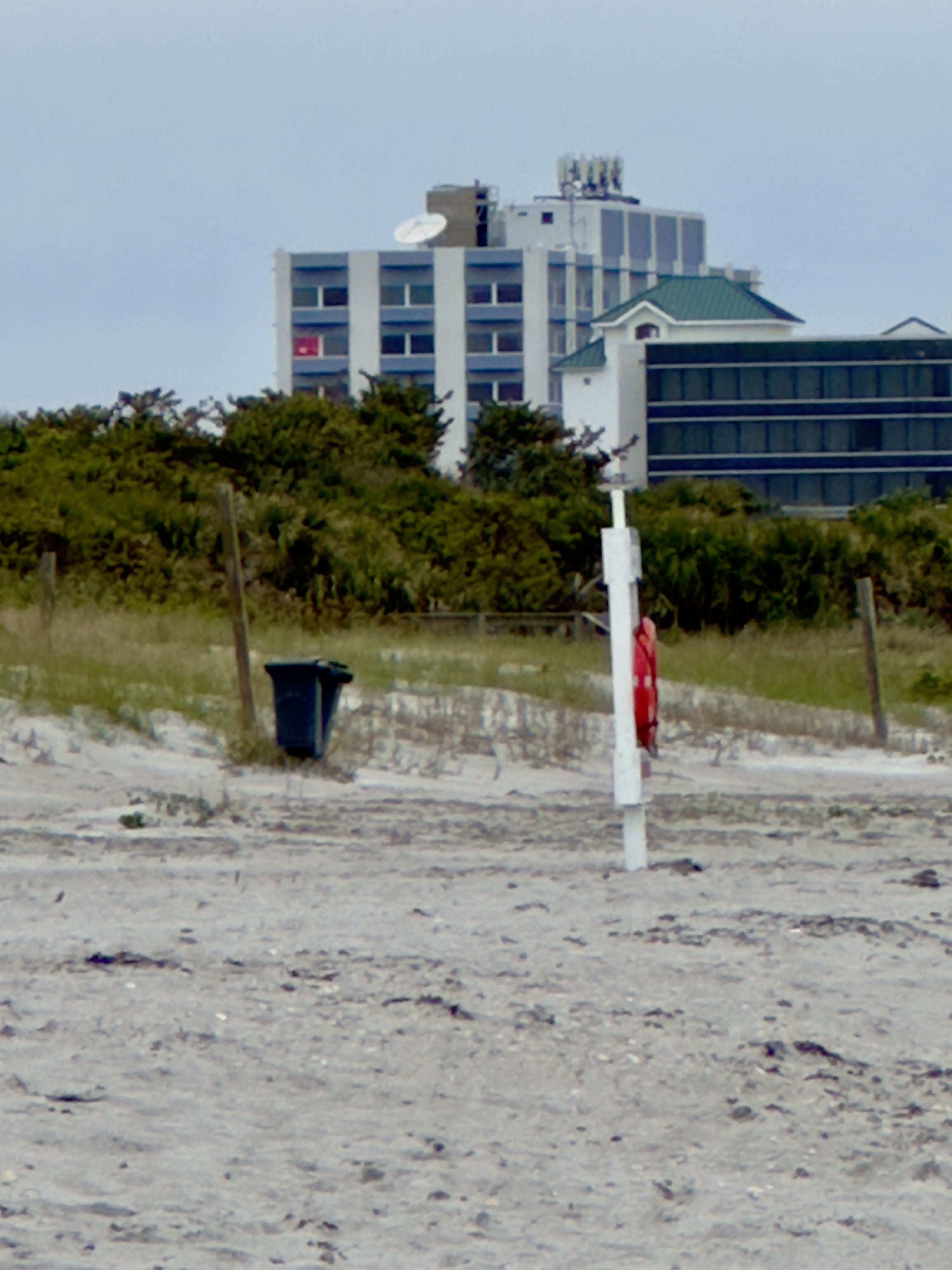
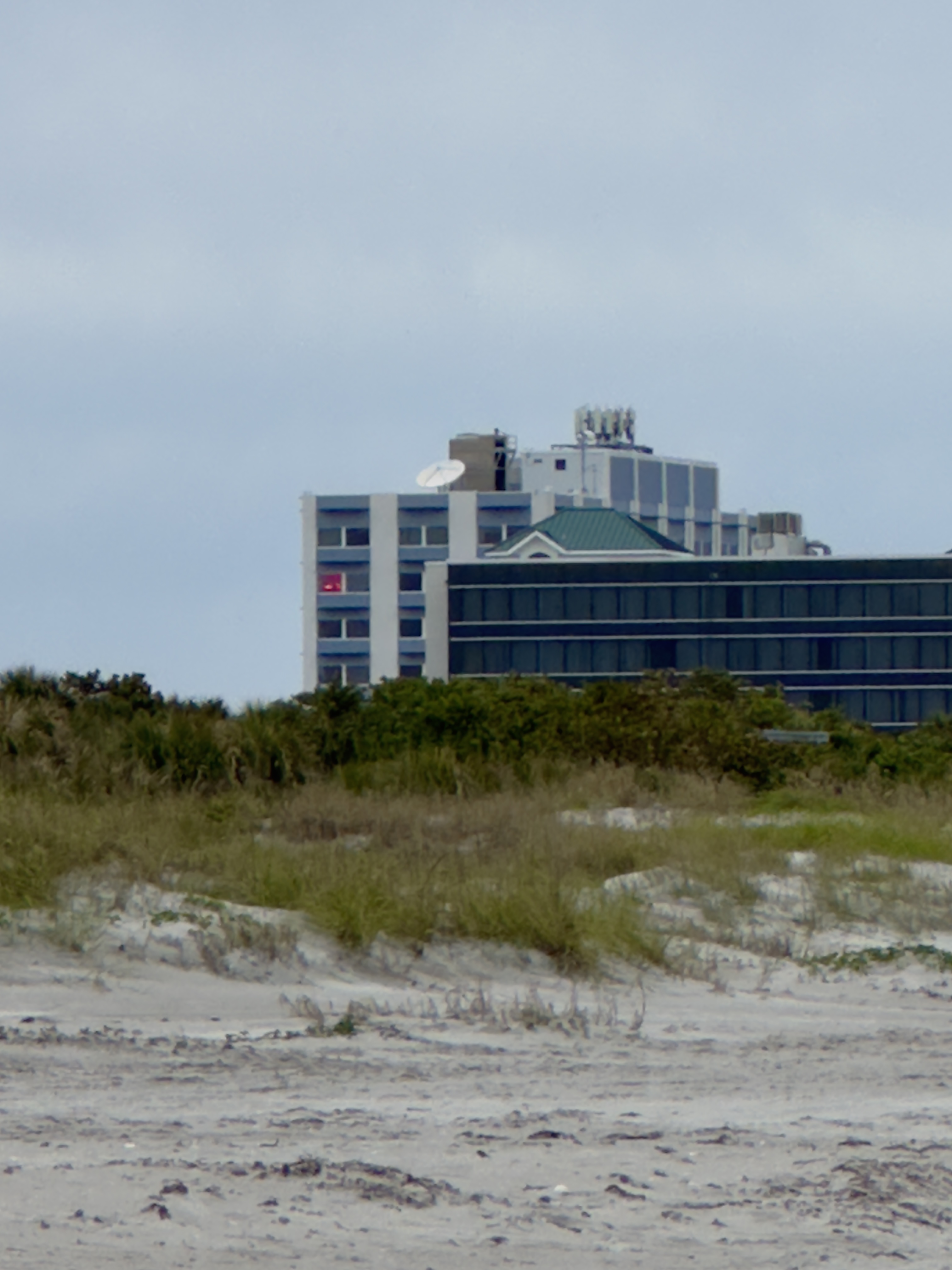
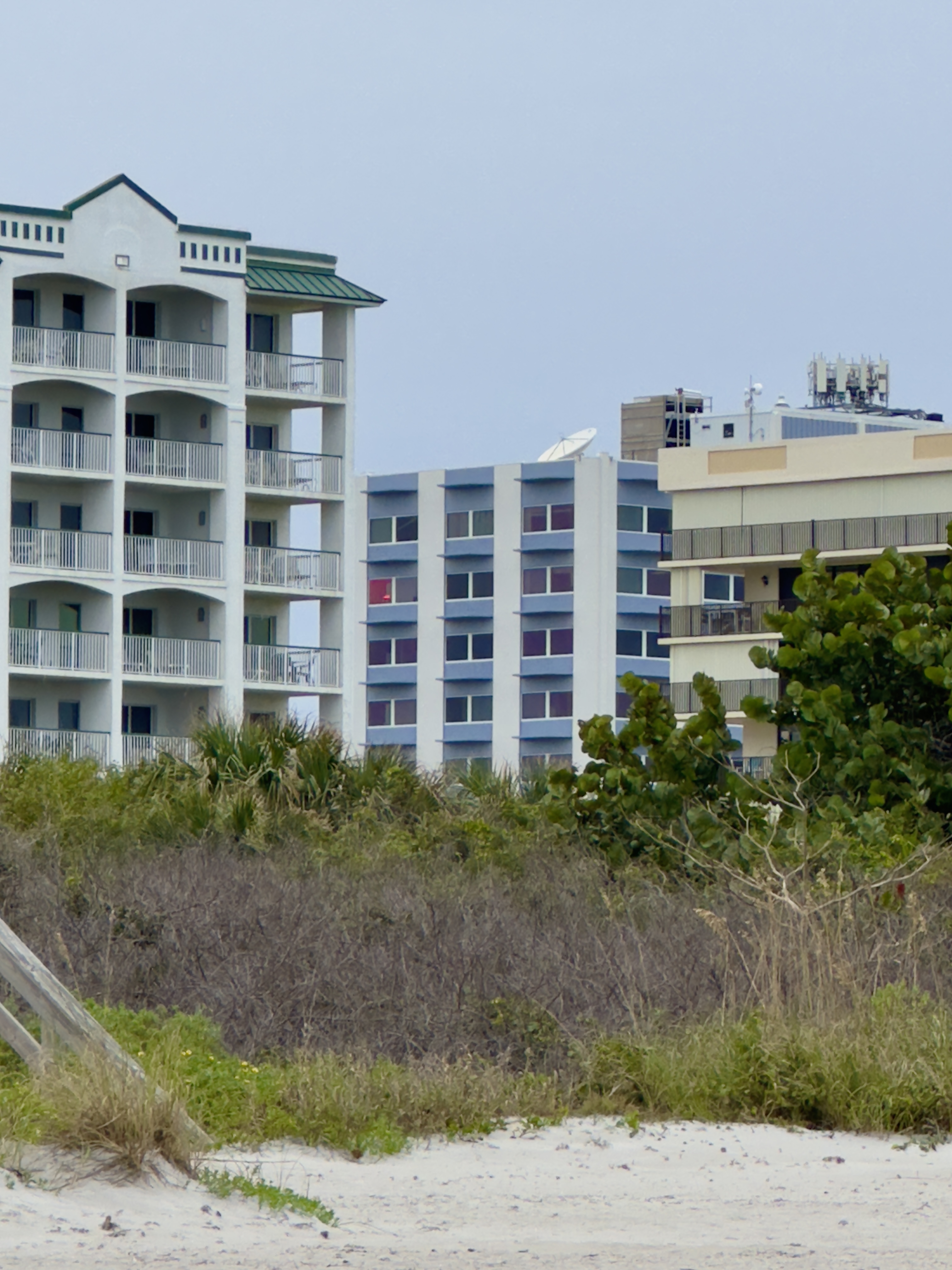
I’ve always been captivated by the unusual, so when I first saw that mysterious red light beaming from the ninth floor of the Cape Royal Office Condominium in Cocoa Beach, I was instantly hooked. The theories around town were wild—some said it was a secret alien signal, others whispered about hidden, illicit activities.

I knew I needed help to investigate, and who better than Emma, the local journalist with a knack for uncovering the truth? I approached her with my theory, and her eyes lit up with curiosity. “Alex, this sounds like a story worth exploring. Let’s see what’s really going on with that red light,” she said enthusiastically.

Disguised as potential clients, we managed to get access to the ninth floor. The anticipation was palpable as we walked through the doors of Howe Photonics, only to find a busy office, not the den of intrigue we’d imagined.

“Hi, I’m Gary Howe,” the managing director greeted us with a knowing smile. “I assume you’re here about the red light?”

I exchanged a look with Emma. “Yes, we are,” she said. “There’s been a lot of speculation in town about it.”

Gary chuckled. “Well, let me clear things up. We specialize in red light therapy systems. The light you’ve seen is from our custom-made LEDs used for therapeutic purposes. They’ve been approved by the FDA.”

I was stunned. “So, it’s not a signal to aliens or anything like that?” I asked, half-joking.

“No, Alex, nothing as exciting as that,” Gary replied with a smile.

Emma and I learned more about the therapy and its benefits from Gary and his son, Howard. I couldn’t help but feel a sense of wonder at the science behind it all. Emma, always the professional, asked insightful questions, capturing every detail.

Gary then offered us a chance to try the therapy. As I relaxed under the soothing red light, I felt a wave of calmness and rejuvenation. “This is incredible, Emma. It’s so different from what we imagined.”

Returning to Cocoa Beach, we were eager to share our findings. Emma penned a detailed article for the local paper, while I created a documentary featuring interviews with the Howes and locals like Judith Brinkly, who had seen remarkable results from the therapy.

The story of the red light shifted from mystery to a source of health and wellness. The once-feared glow now drew people in, eager to experience the benefits for themselves. The mysterious red light, previously the subject of wild rumors, became a celebrated part of our community.

Reflecting on our adventure, I’m grateful for Emma’s support and insight. “You know, Emma, we really changed the narrative here. It’s amazing what a little curiosity and investigation can do.”

Emma smiled. “Absolutely, Alex. We turned fear into understanding and appreciation. That’s the power of seeking the truth.”

The red light of the Cape Royal Office Condominium, once a symbol of mystery and intrigue, now stood as a beacon of hope and healing. Emma and I had uncovered not just a story, but a testament to the power of curiosity and the pursuit of truth.

Note: the persons named in this story are fictional characters. The building and the nature of the red light is real.

Copyright 2024 Michael Stephen Wills All Rights Reserved

Resilient Mountain Beauty

Embark on a journey through the serene Rincon Mountain Wilderness with me. Witness the rugged beauty of the Hedgehog Cactus and the whispering Bear Grass through my lens. Let’s unravel the secrets of the desert together, and find solace in the still life of the Happy Valley Saddle. Join me, and let’s capture the enduring spirit of Arizona’s hidden treasures.

Continue reading “Resilient Mountain Beauty”

Lichens: Symbiosis Set on Stone

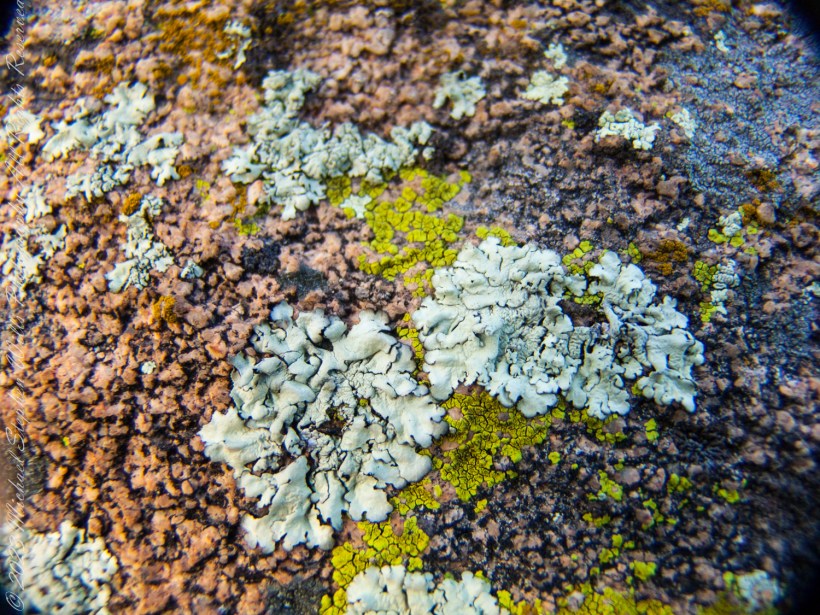
Discover a timeless world through my lens: delve into Arizona’s Rincon Wilderness, where lichens and hedgehog cacti narrate Earth’s enduring, untold story. Join me.

Continue reading “Lichens: Symbiosis Set on Stone”

Rincon Flame: The Southwestern Paintbrush’s Desert Dance

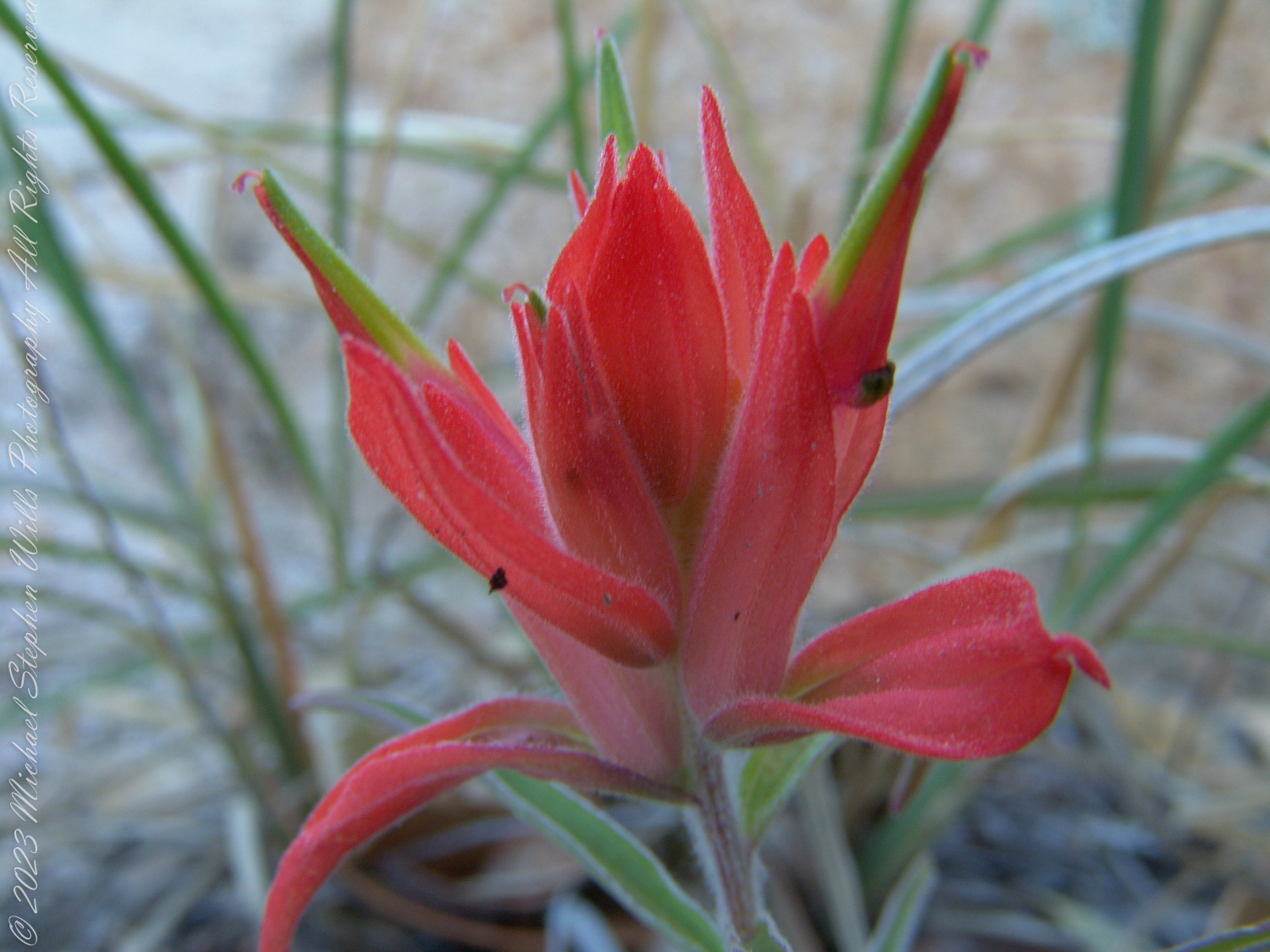
Step into the Rincon Wilderness with me, where the Southwestern Paintbrush blooms amidst the ancient stones.

Discovery in the Rincon Wilderness

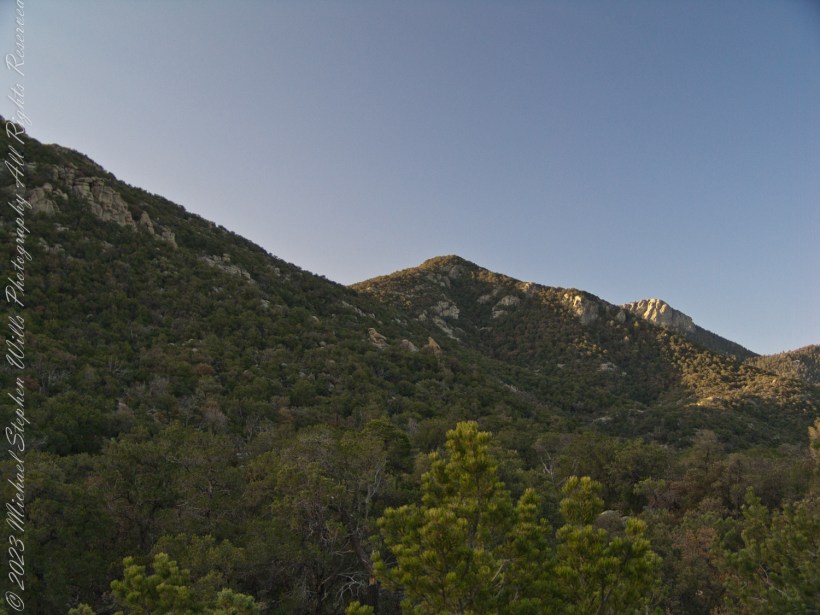
In the embrace of the Rincon Mountains, east of Tucson’s hum, lies the Rincon Wilderness, a tapestry of desert life and geological marvels. These mountains, one of the “Sky Island” ranges cradling the Tucson valley, are less rugged than their siblings, the Santa Catalinas and the Santa Ritas, offering a gentler invitation to explore their secrets.

Happy Valley Saddle’s Floral Jewel

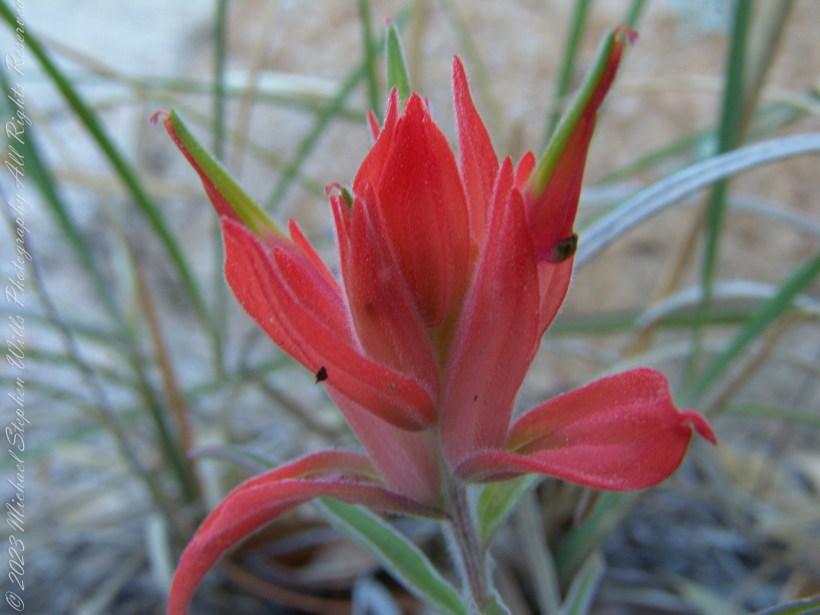
Amidst the rugged beauty of Happy Valley, a hidden corner in the quilt of the Rincon Wilderness, a singular red-orange glow caught my eye. There, among the lichen-encrusted boulders, stood the Southwestern Paintbrush, Castilleja integra, its flamboyant bracts a fiery contrast to the muted greens and grays of its surroundings.

Portrait of a Parasite

This herbaceous perennial, with its soft downy coat, is a paradox, both painting the desert with life and leeching it from others as a hemi-parasite. Its roots, entwined with those of other desert dwellers, tell a tale of survival that’s as old as the hills themselves.

The Brushstrokes of Evolution

Each leaf, narrow and dusted with hairs, speaks to the adaptive artistry of nature, designed to conserve precious moisture. The flowers, with their extended blooming season and generous nectar, court the hummingbirds who dance between the blooms, pollinators in this ancient symbiosis.

A Symbiotic Canvas

The Southwestern Paintbrush, with its colorful allure, draws more than just winged admirers. Its presence among the rocks is a reminder of the complex ecological web of the Rincon Wilderness, a part of Saguaro National Park’s rich mosaic

Click Me to visit the photographs of Michael Stephen Wills on Getty.

Copyright 2024 Michael Stephen Wills All Rights Reserved

Dawn’s Embrace: A Morning Among the Rincon Peaks

Step into the serene embrace of Happy Valley Saddle through our latest blog post, and wander with us as the dawn unfolds over the majestic Rincon Peak.

Continue reading “Dawn’s Embrace: A Morning Among the Rincon Peaks”

Ferocious Flora: Unveiling the Mysteries of this Desert Sentinel

Imagine yourself in the vast desert, face-to-face with these hooked spines, a fortress hiding bittersweet water within. Hope your Valentines Day is less prickly.

Continue reading “Ferocious Flora: Unveiling the Mysteries of this Desert Sentinel”

Thin Crescent with McGraw Tower, Venus and Star

Here I revel in the spectacle of an early morning rising of the cresent moon.

Continue reading “Thin Crescent with McGraw Tower, Venus and Star”

Thin Crescent Bowl filled with Earthglow

Here I explore the concepts of “earthglow” and occultation.

Continue reading “Thin Crescent Bowl filled with Earthglow”

Harvest Views

One October Evening

When Pam and I lived in an converted mill house on Malloryville Road one walk we’d take with cameras was out the front door, turn right and walk the road to the hilltop to take in the views.

“October Evening on Fall Creek Farmland”

Ripe corn on Malloryville Road from a hill above the Fall Creek valley.

Click any photograph to visit my OnLine Gallery “Finger Lakes Memories.”

“Into the Distance”

Fall Creek Valley view from Malloryville Road looking southwest.  In the far distance is Connecticut Hill.  You can see the towers of Ithaca College from here, but not in this photograph.

“Harvested Field”

Here are more views from this Harvest View evening.  Click the link to go there.

“Celestial Geese”

“Antique Silo Apple Harvest?”

Copyright 2024 Michael Stephen Wills All Rights Reserved