Harvest of Memories: A Finger Lakes Leaf Gathering Tale

A child and grandfather create lasting memories during a post-Thanksgiving leaf gathering ritual.

In the gentle embrace of the Finger Lakes region of New York State, the crisp post-Thanksgiving air is a mix of woodsmoke and the faint whisper of winter on the horizon. The earthy scent of fallen leaves, damp from the morning dew, begins to permeate the atmosphere, beckoning families outdoors to partake in the timeless ritual of leaf gathering.
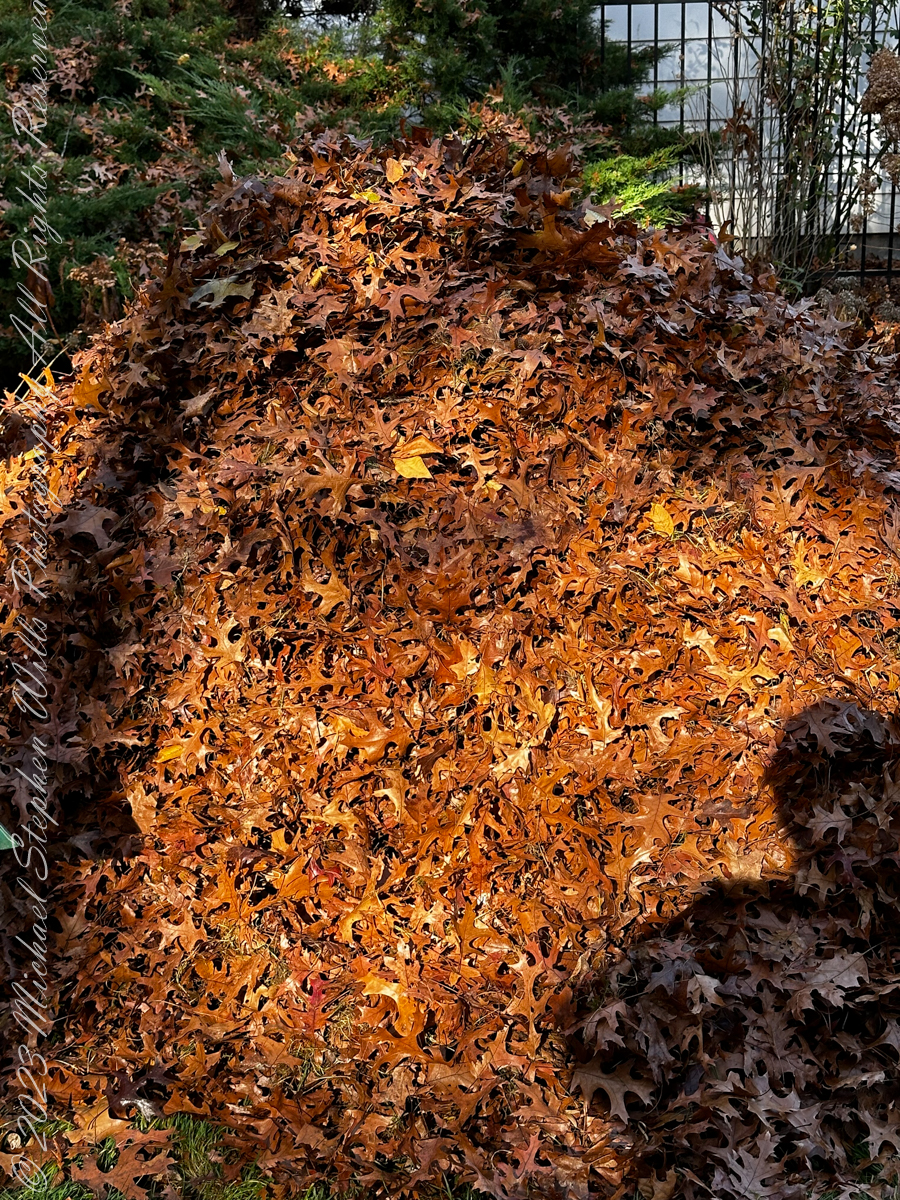
The landscape is a canvas of russet and gold, painted by the hands of autumn. In one of the many serene backyards, framed by the skeletal silhouettes of trees now slumbering after their fiery display, a mound of leaves becomes the center of joyous activity. Here, a child, bundled in the cozy layers necessary to fend off the chill, is immersed in the simple, yet profound act of play. The leaves, a tapestry of oaks and maples, become her castle, her sea, her world to explore.

Her laughter rings clear, a melodic counterpoint to the rustling leaves as she is lifted high by loving hands only to descend into the crunchy embrace of her leafy playpen. A grandfather, his face etched with the smile lines of countless summers and autumns past, becomes the orchestrator of this joy. His flannel shirt, a patchwork of reds and greens, reflects the colors of the season, and his hands, weathered from years of tending to the earth and its cycles, now tenderly guide the child in her play.


The rake, usually a tool of labor, becomes a wand of magic, directing the leaves into heaps that rise and fall with each jump and dive. The child’s mittened hands grasp at the leaves, each one a different hue, a different shape, a different story. They fly up around her like a flock of birds taking flight, then settle back into their collective, creating a soft rustling symphony that speaks of the changing season.

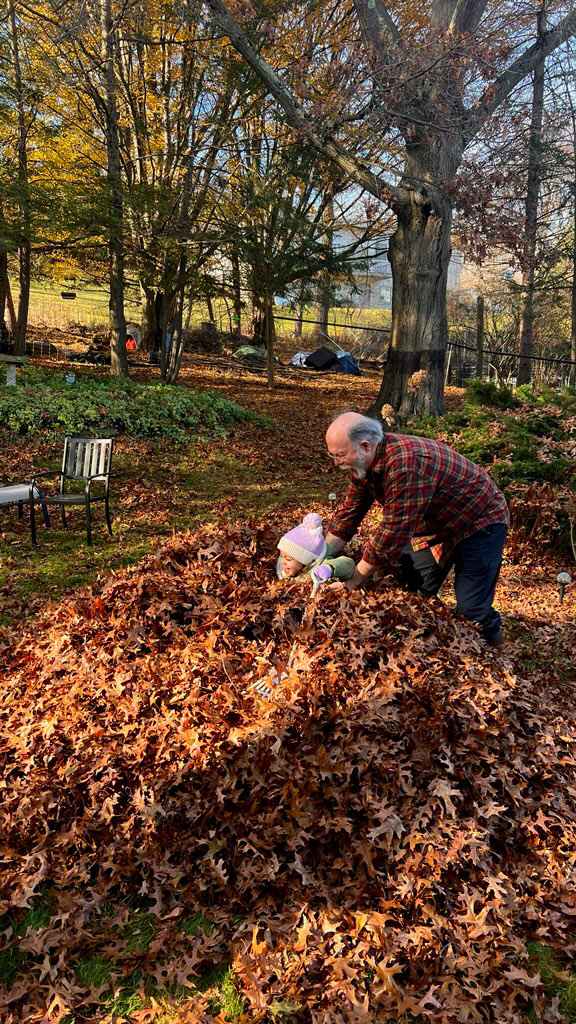
As the sun begins to dip lower, casting elongated shadows across the yard, the child’s energy wanes. The vibrant activity gives way to tranquil moments of rest, with the child now lying still among the leaves, her eyes reflecting the vastness of the sky above, clear and blue, a window between the earthly and the infinite.

The day wanes, and the leaf-gathering winds down. A final tableau shows the child, now indoors, cocooned in the warmth of a blanket that mirrors the plaid of her grandfather’s shirt, the same colors now muted and soft. Her eyes are heavy with the weight of a day well spent, her dreams surely filled with the laughter and the leaves and the boundless love that turns even the simplest act into a treasure of memories.

This is the essence of leaf gathering in the Finger Lakes after Thanksgiving – not just the collection of what has fallen, but the gathering of family, of joy, and of moments that will be cherished and recalled long after the last leaf has been tucked into the earth’s winter bed. It’s a time when the harvest is not just of the land’s bounty but of the heart’s. Each leaf, a reminder that even as the world prepares to sleep beneath the snow, life is rich, full, and evergreen in the hearts of those who share it.

Click Me to view my photographs on Getty.

Copyright 2023 Michael Stephen Wills All Rights Reserved http://www.MichaelStephenWills.com

Thayer Preserve: Autumn Still Life 3

on display

Crisp maple leaves among hemlock roots on the bank of Lick Brook, Thayer Preserve. Nestled within the breathtaking expanse of Tompkins County in New York’s Finger Lakes Region, is a canvas where nature paints its most exquisite scenes. This preserve is a symphony of serene landscapes, a place where the tranquility of nature is preserved and cherished.

In this haven, the chorus of birdsong greets the day, echoing through the lush canopy of trees that stand as ancient guardians of the land. Oaks, maples, and hemlocks, some as old as time, stretch their boughs towards the sky, creating a verdant cathedral that shelters a diverse array of flora and fauna. The sunlight filters through these leafy domes, casting dappled shadows on the forest floor, a mosaic of light and life.

Click photograph for larger view. Use combination keys to enlarge/reduce: Ctrl+ (Control / Plus) and Ctrl- (Control / Minus)

The trails of Thayer Preserve meander through this natural paradise, inviting visitors to embark on a journey of discovery. Each path is a narrative, telling the story of the land, from the delicate wildflowers that peek shyly from the underbrush to the stately deer that roam with a quiet dignity.

The preserve is not just a place of beauty; it’s a testament to the delicate balance of ecosystems. Here, conservation efforts intertwine with recreation, ensuring that the splendor of the environment is preserved for future generations. It’s a sanctuary where the hustle of modern life fades, and one can reconnect with the earth’s gentle rhythms.

As the seasons change, Thayer Preserve transforms. Spring brings a burst of color, with wildflowers carpeting the ground. Summer deepens the greens of the forest, while autumn sets the woods ablaze with fiery hues. In winter, a serene blanket of snow envelopes the landscape, turning it into a quiet wonderland.

In the heart of the Finger Lakes Region, Thayer Preserve stands as a beacon of natural beauty and tranquility. It’s a place where the soul can find peace, the mind can wander freely, and the heart can revel in the simple joy of nature’s embrace. This preserve is not just a location on a map; it’s a journey, an experience, a love letter to the natural world.

Click Me to view my photographs on Getty.

Copyright 2023 Michael Stephen Wills All Rights Reserved http://www.MichaelStephenWills.com

Thayer Preserve: Autumn Still Life 2

Hemlock Roots

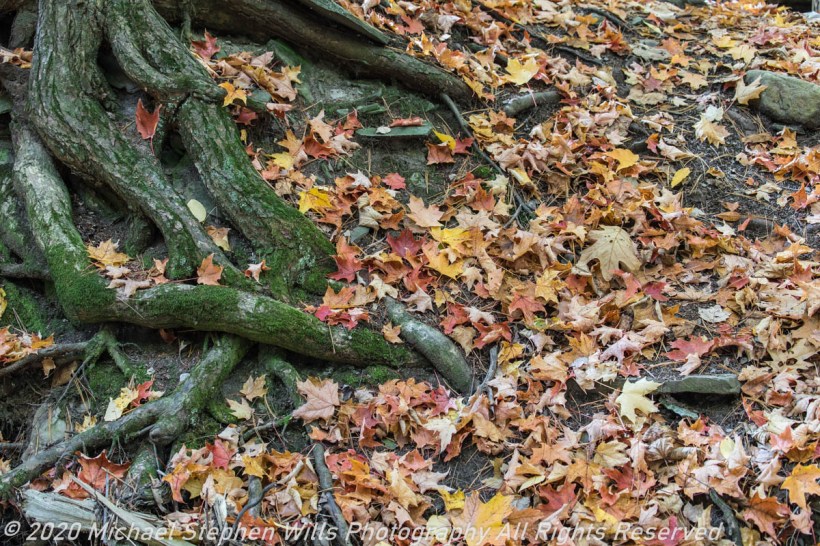
Maple leaves and hemlock roots share an environment yet play distinct roles in the ecosystem. Maple leaves, broad and vibrant, capture sunlight. This process fuels their growth and contributes to the air we breathe. Each fall, these leaves turn yellow and brown, signaling a natural change. They fall, joining the forest floor. Here, they decompose, becoming part of the soil. This enriches the earth, supporting new plant life.

Hemlock roots anchor these mighty trees. Reaching deep into the soil, drawing up water and nutrients. These roots also stabilize soil, preventing erosion and are a network, unseen but vital, connecting the tree to its environment.

Click photograph for larger view. Use combination keys to enlarge/reduce: Ctrl+ (Control / Plus) and Ctrl- (Control / Minus)

These natural processes have parallels in human generations. Like the leaves, each generation has its time in the sun. People grow, contribute to their world, and then make way for the next. The knowledge and experiences they leave behind enrich the lives of those who follow, much like fallen leaves nourish the soil.

Similarly, the hemlock roots parallel the foundational elements of human society. Traditions, cultures, and values are passed down, anchoring each new generation. They provide stability and nourishment, helping to guide growth and development.

Over time, just as the forest evolves through the cycles of leaves falling and roots growing, human societies change. Each generation builds upon the last, growing in the richness left behind. This ongoing cycle speaks to the resilience and interconnectedness of life, whether in a forest or in human communities.

In both nature and human experience, there is a rhythm of growth, contribution, and renewal. The falling of maple leaves, and the steadfastness of hemlock roots illustrate this beautifully, reminding us of the continuity and change inherent in all living systems.

Click Me to view my photographs on Getty.
Copyright 2023 Michael Stephen Wills All Rights Reserved http://www.MichaelStephenWills.com

Thayer Preserve: Autumn Still Life 1

color pallet

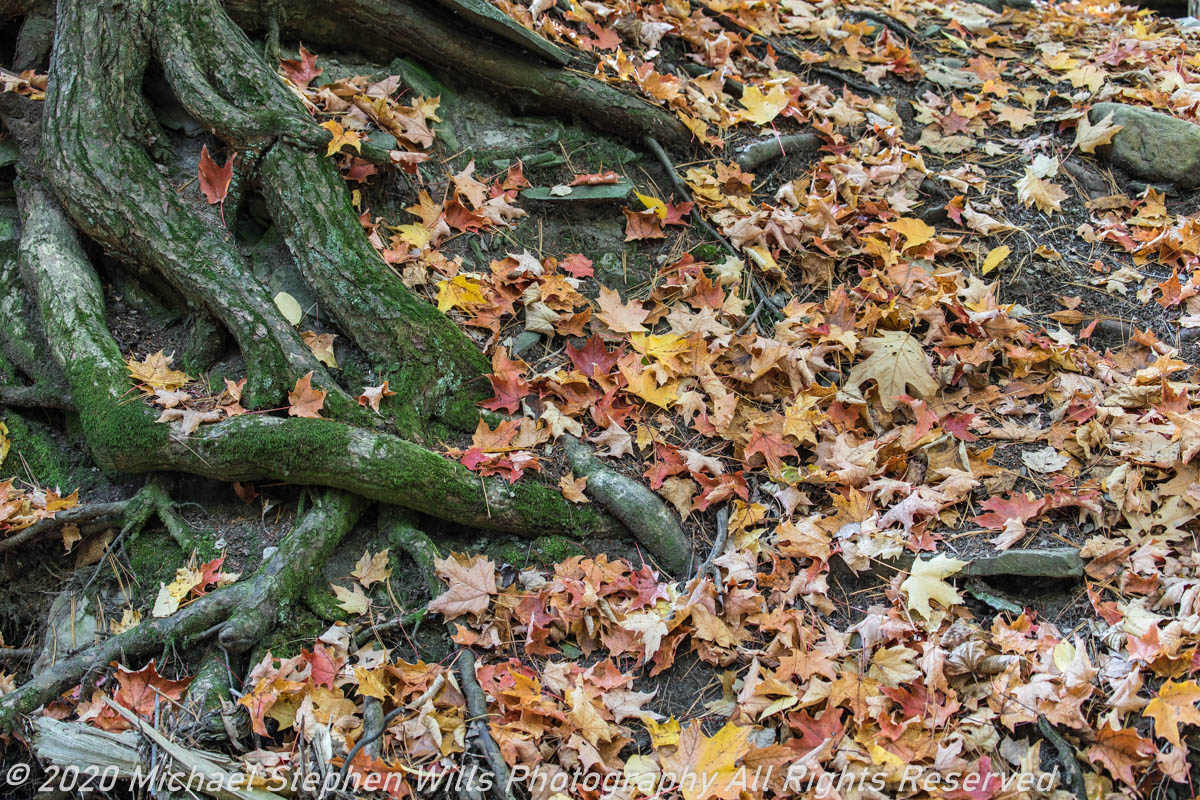
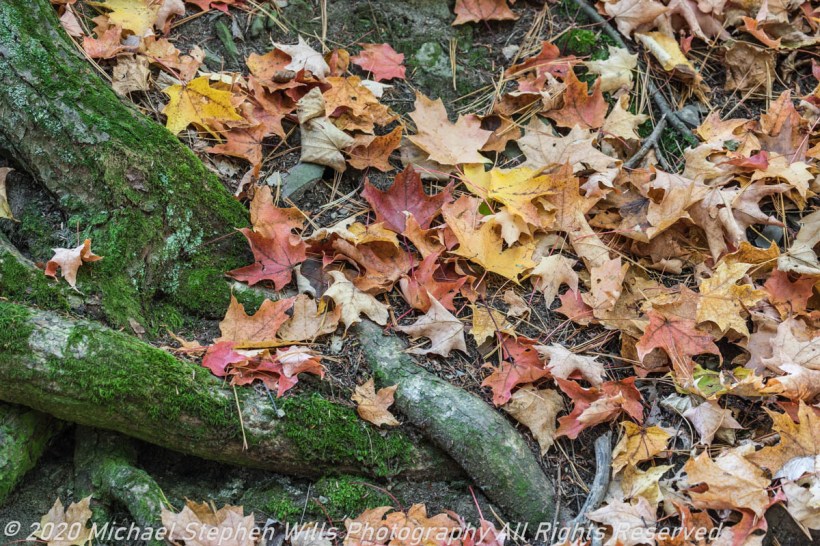
In the heart of nature, where Lick Creek flows, the land is a preserve. It guards the essence of the wild. Trees, tall and timeless, hemlocks, stand like sentinels. Their roots twist and turn, merging with the earth. Among them, maple leaves lie. They have journeyed from their branches to the ground. Yellow and brown, they rest. They carpet the soil, a patchwork of autumn’s farewell.

The creek murmurs. Its waters are a constant traveler, never still. They speak of journeys unseen. Along its banks, the leaves are at the end of their own journey. Melding with the earth, becoming part of something greater.

Click photograph for larger view. Use combination keys to enlarge/reduce: Ctrl+ (Control / Plus) and Ctrl- (Control / Minus)

Here, time moves differently. It’s marked not by clocks but by the subtle shifts of nature. Leaves fall, waters flow, the trees stand watch. This is a cycle, ancient and endless. In this preserve, every element has a role, a purpose. Together, they create a harmony.

This place, where leaves fall and waters flow, is more than a preserve. It is a reminder. In nature’s embrace, everything finds its place. Everything belongs. Even as leaves fall, they find a new purpose. In their resting, they nourish. In their silence, they speak of life’s endless cycle.

Click Me to view my photographs on Getty.
Copyright 2023 Michael Stephen Wills All Rights Reserved http://www.MichaelStephenWills.com

Mirror

…on the wall

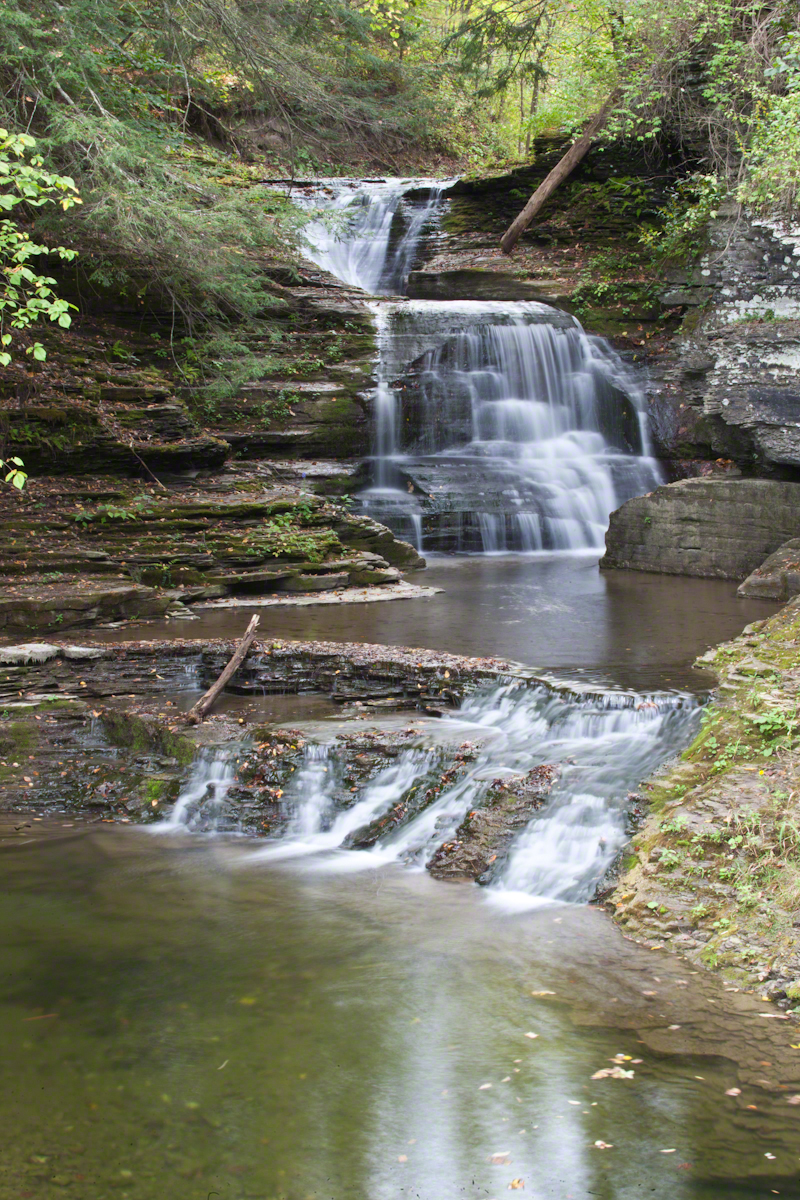
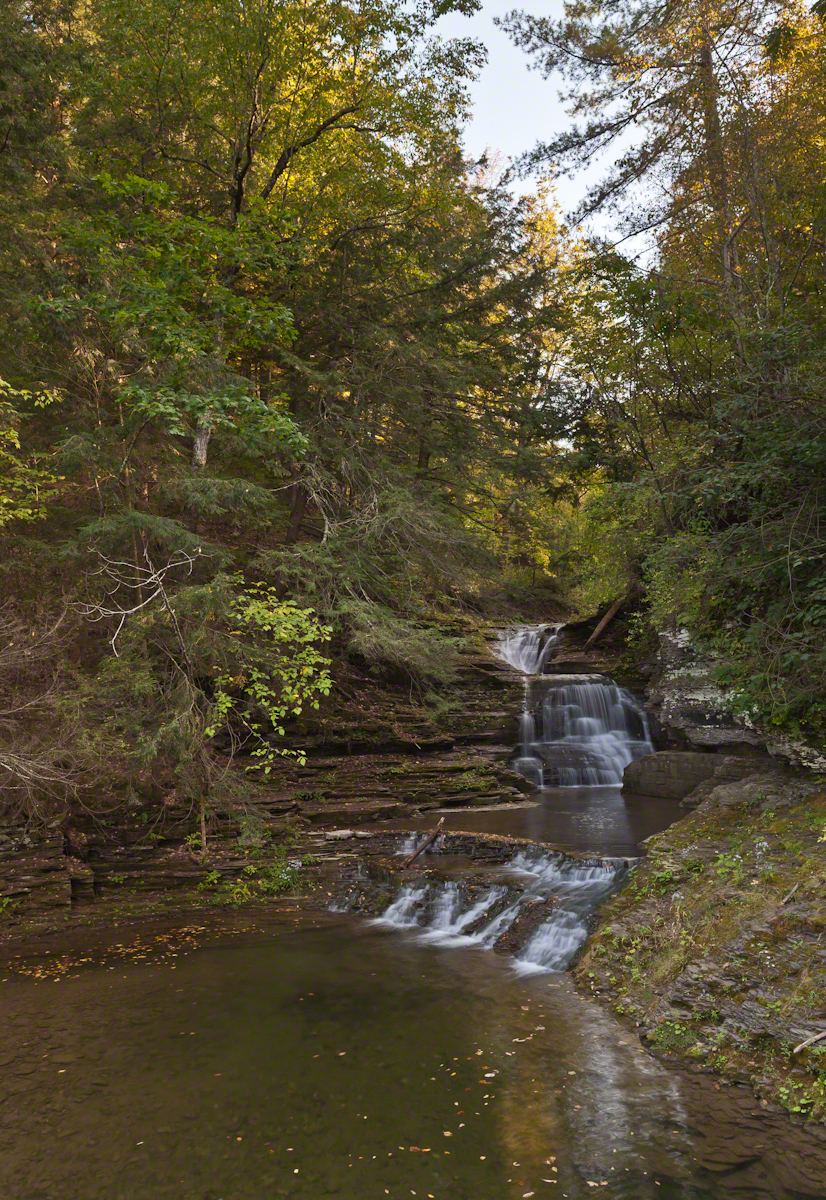
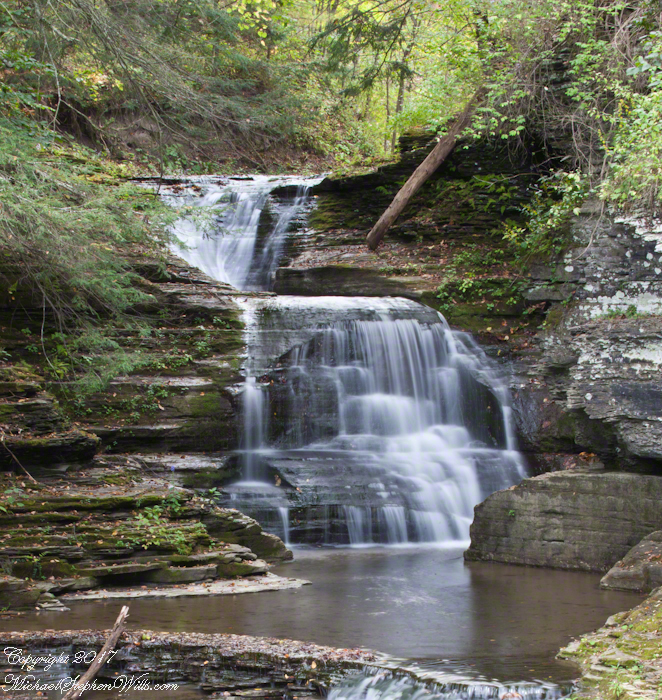
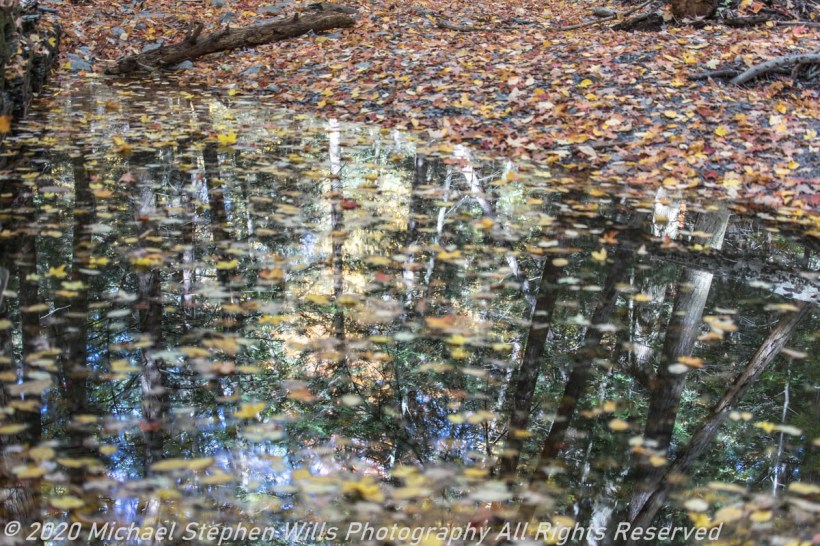
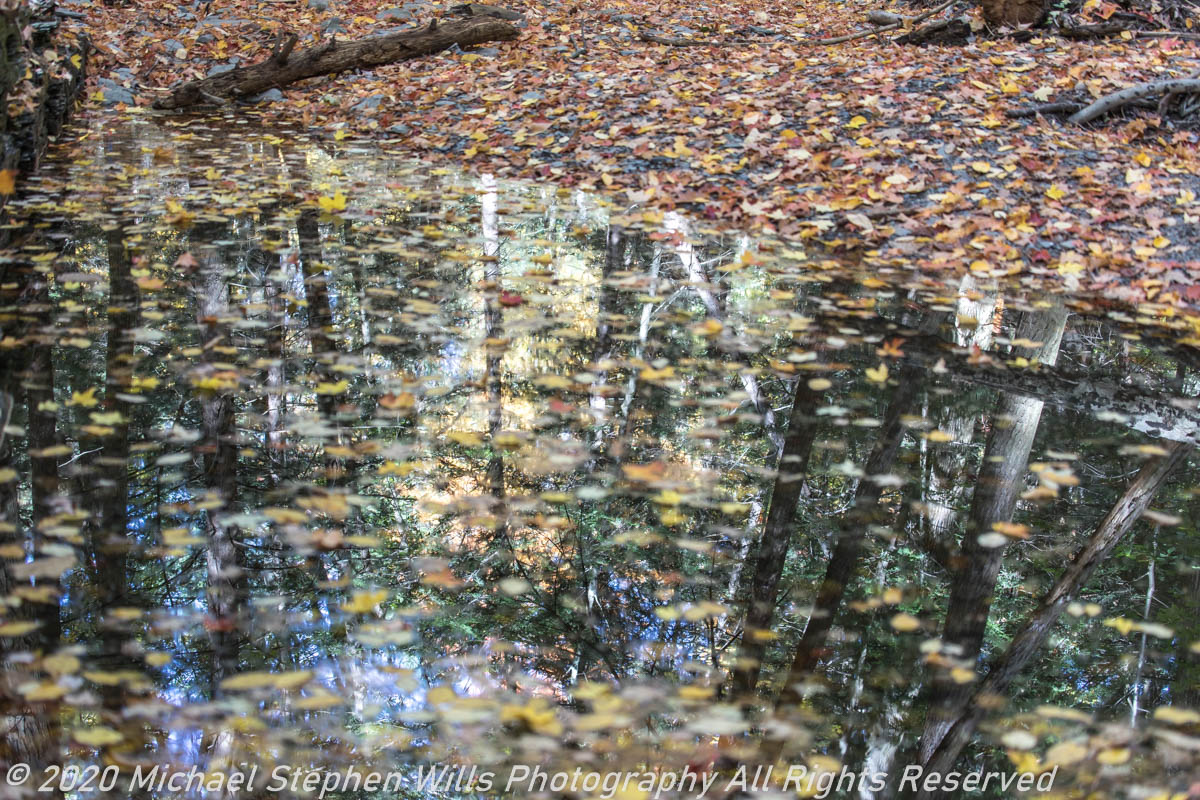
On Lick Brook, Thayer Preserve, still pools become mirrors at low flow during a dry autumn.

Click photograph for larger view. Use combination keys to enlarge/reduce: Ctrl+ (Control / Plus) and Ctrl- (Control / Minus)

Click Me to view my photographs on Getty.
Copyright 2023 Michael Stephen Wills All Rights Reserved http://www.MichaelStephenWills.com

White House Ruin

In 2003 and 2008, the author visited and photographed White House Ruin in Canyon de Chelly, observing changes in landscape.

In November 2003, my son Sean and I journeyed up Route 191 from Petrified Forest National Park, arriving in Chinle on a crisp autumn afternoon. My photography equipment at the time was modest: a Sony Point and Shoot 5 MP camera with filters, a purse-like over-the-shoulder bag, and a basic tripod from Kmart.

We reached the White House trailhead in Canyon de Chelly and began our hike. The trail was quiet, and as the sun set at 5:20 pm, we found ourselves virtually alone. A dense growth of Russian Olive trees dominated the wash at that time. In the dimming light, I captured a distant shot of the White House Ruin, whitewashed, set against the backdrop of autumn-hued Russian Olive foliage. Nearby, a grove of Cottonwoods, still green, stood near the canyon wall.

By the time Pam and I returned in July 2008, four years and nine months later, the landscape had changed. The invasive Russian Olives had been removed, and the White House Ruin was no longer painted white.

The same Route 191 that Sean and I had taken in 2003 led us through the Four Corners region of Northern Arizona. Pam and I had traveled from Colorado, arriving in the late afternoon. This time, the Navajo Reservation’s adherence to daylight savings time meant the sun wouldn’t set until 8:33 pm. My aim was to photograph the White House Ruin that I had missed years earlier.

That July day the sun set 8:33 pm as the Navajo Reservation observes daylight savings time. My goal was to photograph the White House Ruin I missed in 2003. We arrived at the trail head. My photography kit was expanded from 2003, now included a Kodak DSC Pro slr/C, the “C” meaning “Canon” lens mounting, a Sony 700 alpha slr (I only use a variable lens), Manfrotto tripod with hydrostatic ball head, and the backpack style Lowe camera case. With the tripod it is over 25 pounds.

With this on my back I was prepared to boogie down the trail. At the height of tourist season there were many more people at the trailhead. Pam, being a friendly person, started a conversation while I ploughed ahead along the flat canyon rim. It is solid red sandstone, beautiful, generally level with enough unevenness to require attention. When Pam saw how far ahead I was she tried to catch up, tripped, fell hard.

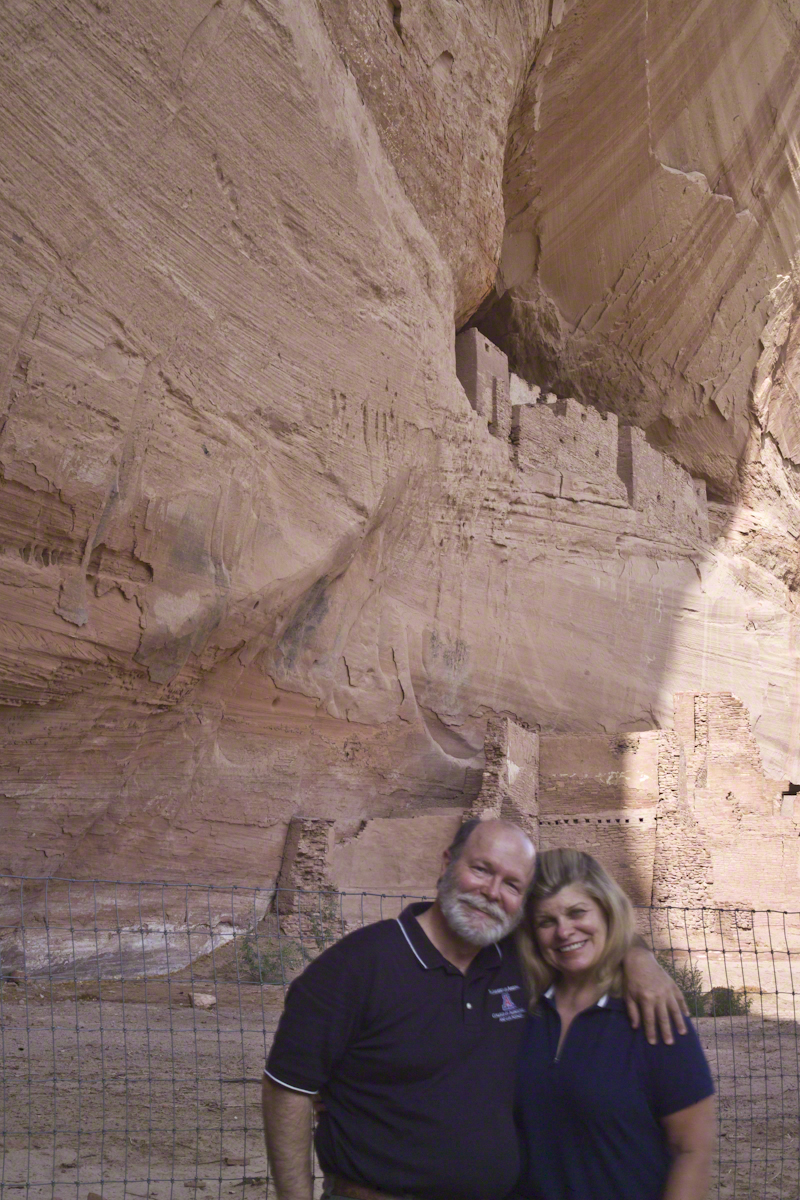
I backtracked to Pam and we decided what to do. She thought, maybe, the fall broke a rib. We decided to proceed and descended, slowly, together. Here we are in front of the ruin. The sun, low in the sky, is moving below the south canyon wall. This is a perfect time, and I used both cameras.

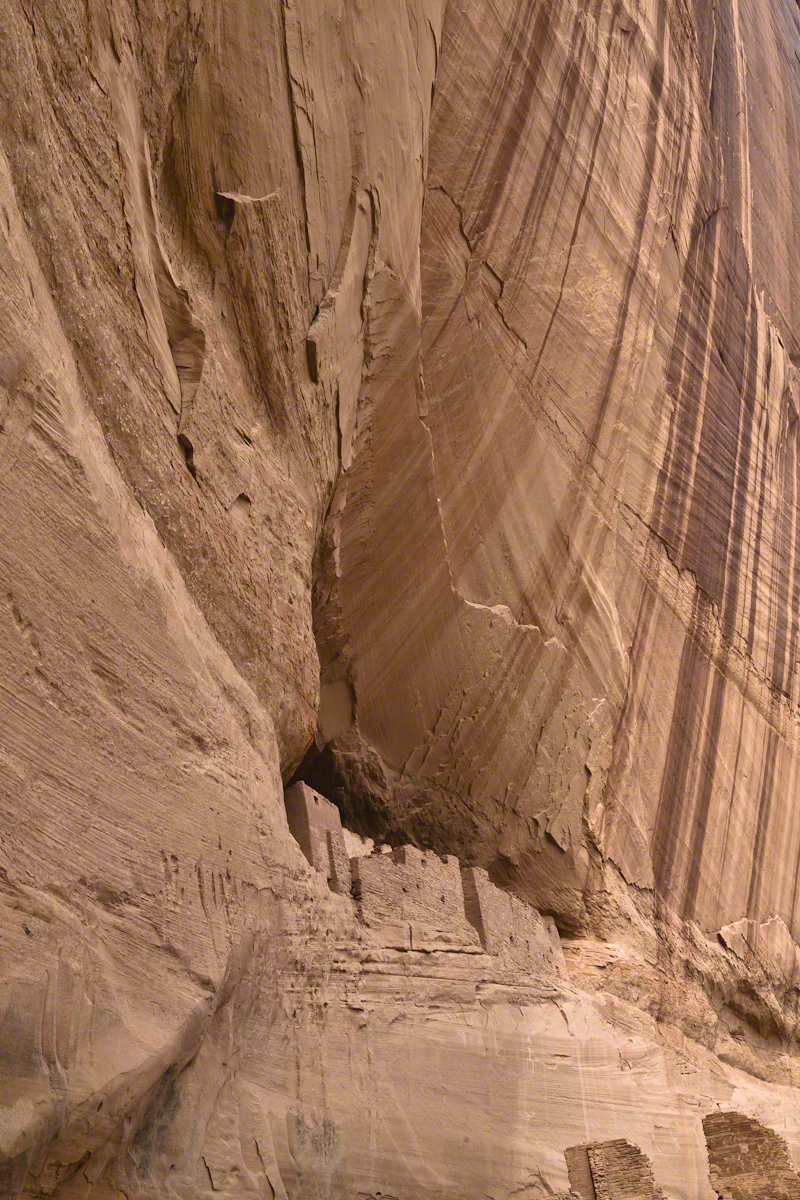
The sweep of cliff and desert varnish was my intent to capture. Here it is through the Canon 50 mm lens.

Click link for this White House photograph in my Online gallery.

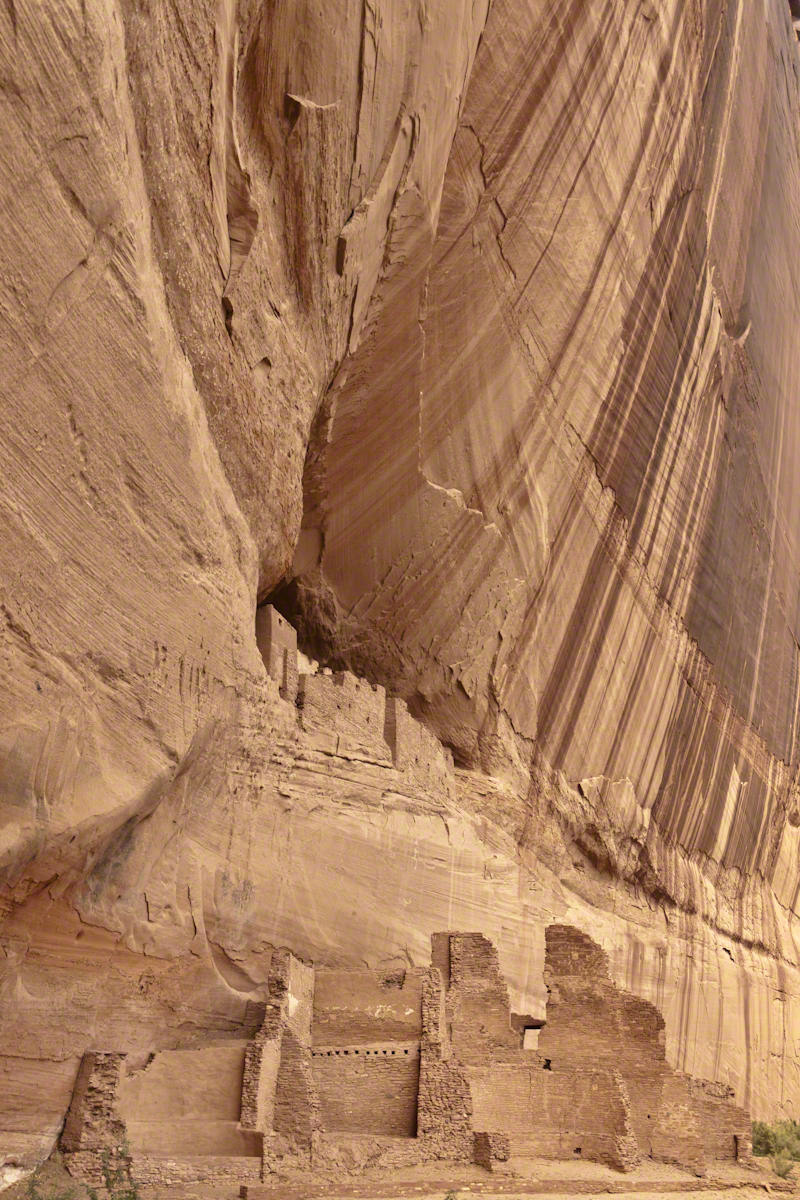
I captured this version with the Sony Alpha 700 slr, the variable lens set to widest angle.

Click link for this White House photograph from my online gallery.

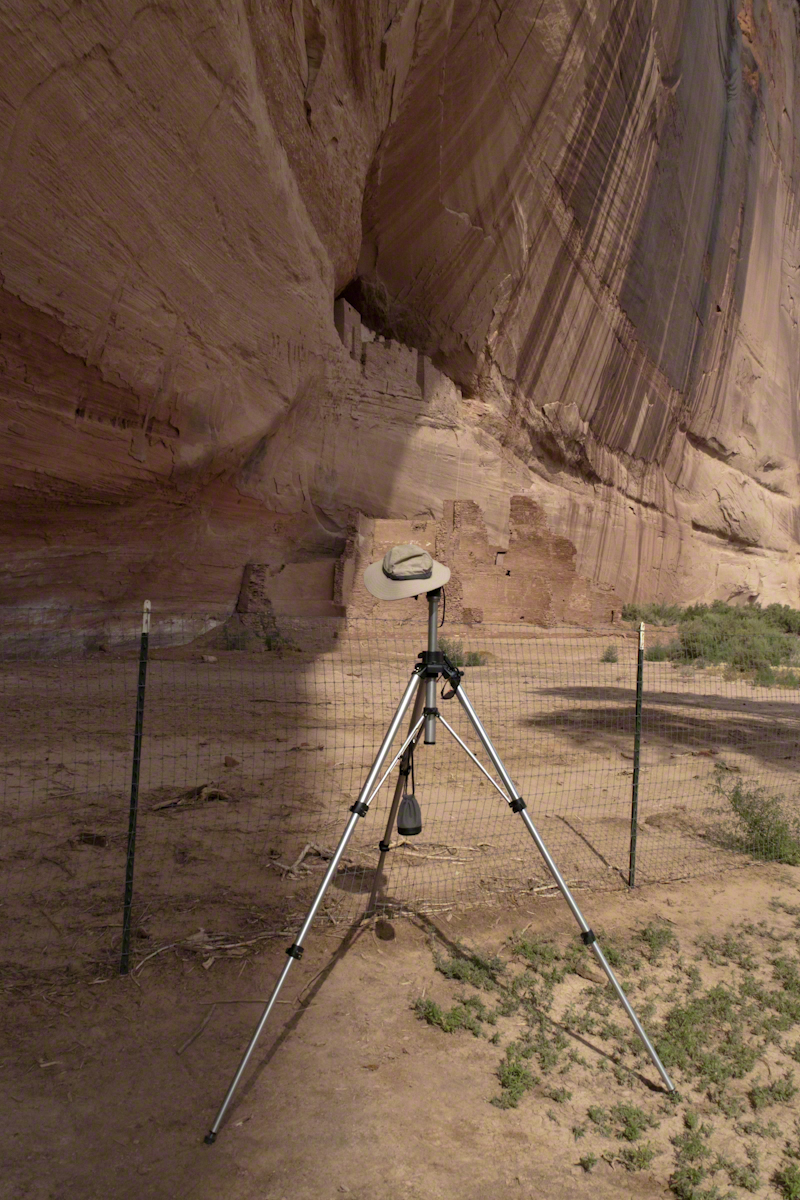
Here the camera setup waits out the sun…..

Click Me to view my photographs on Getty.

Copyright 2023 Michael Stephen Wills All Rights Reserved http://www.MichaelStephenWills.com

Autumn Evening Hike, turning home

through Devil’s Kitchen to Lucifer Falls

In this third part, we continue hiking Treman gorge, approaching Lucifer Falls, viewing another waterfall further downstream and returning to the trailhead.

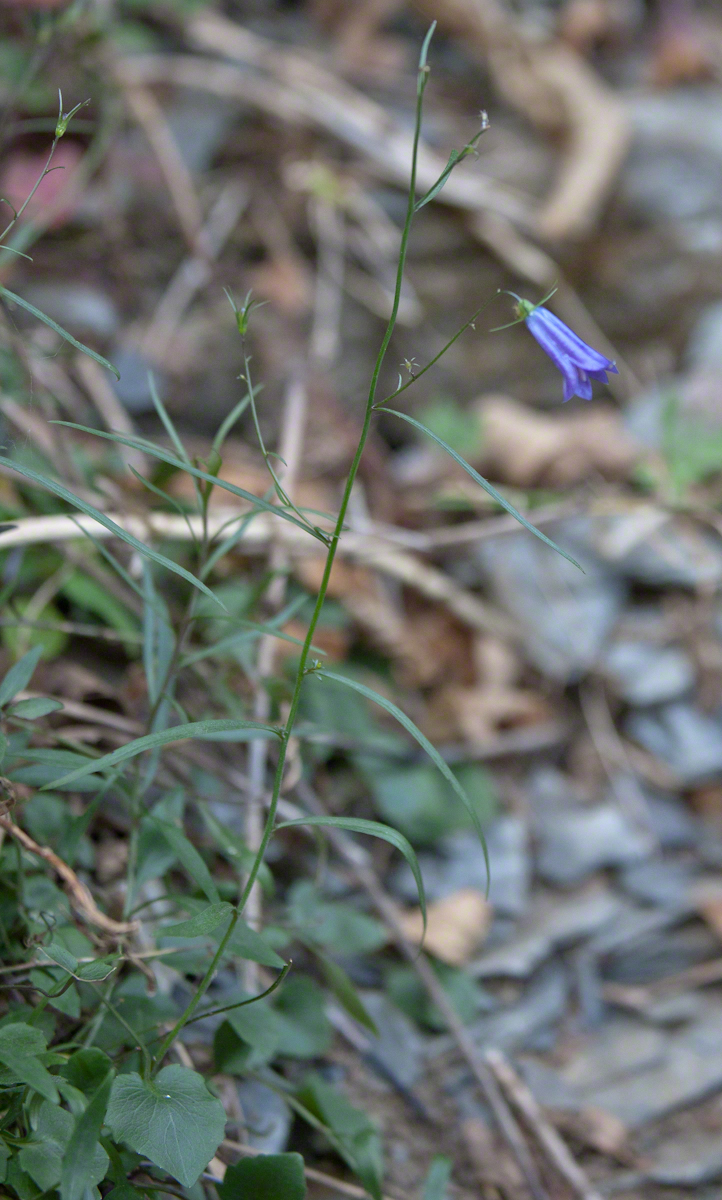
 Tiny Trumpet, unknown

I have never achieved a satisfactory capture of the waterfall in the Devil’s Kitchen, a place where the creek flow is diverted south by a projecting ridge. Less than 100 feet later the easterly direction is regained where the water plummets over Lucifer Falls.

The annual in fall of rock in Devil’s Kitchen uproots and crushes plants growing there. There is scant soil, the roots of this shiny purple trumpet bloom took hold in a microscopic crack. The plant is so thin, the flower so tiny it is lucky my gaze found it.

Click link for my fine art print “After the Rain: Showy Lady Slippers.”

After searching all my plant identification references, this plan is unknown to me.  Please help with identification. The bloom is 1/4 inch long.

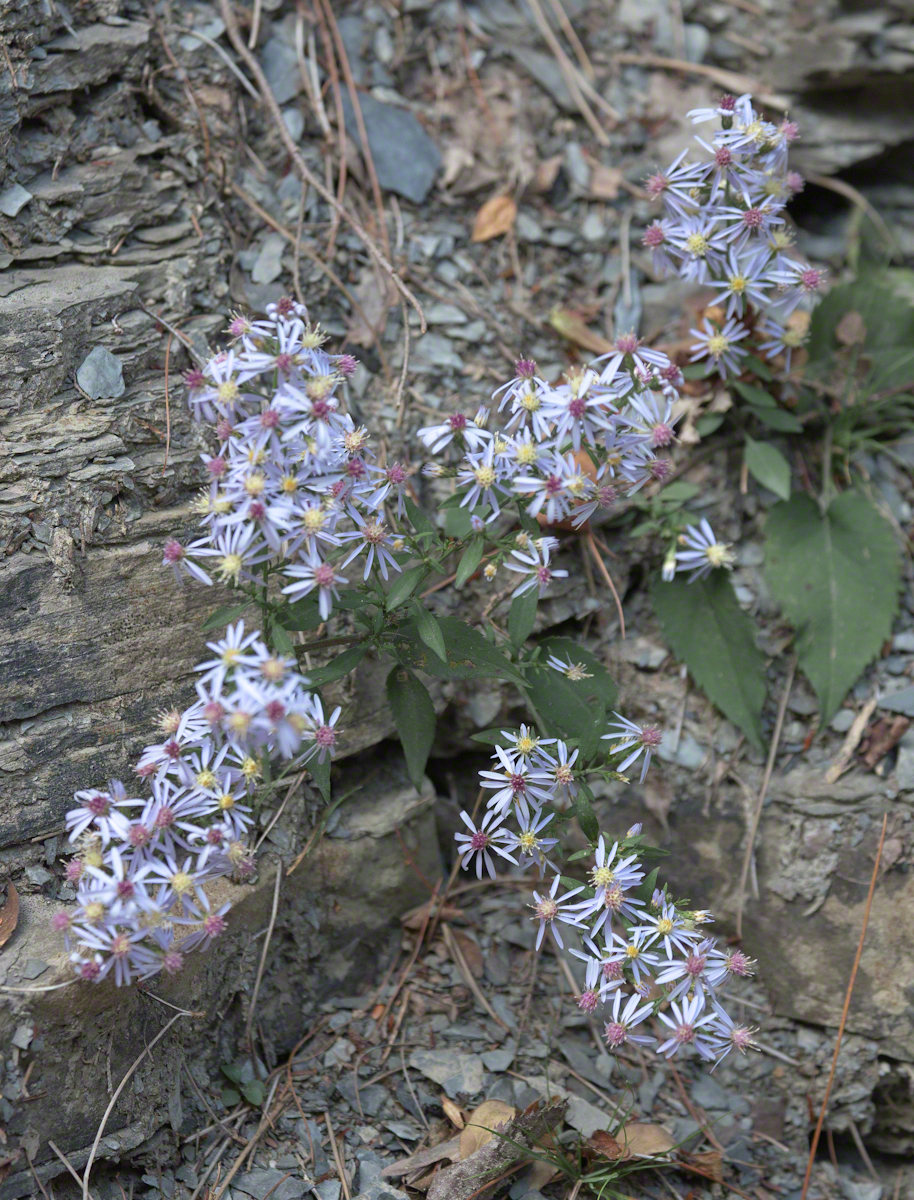
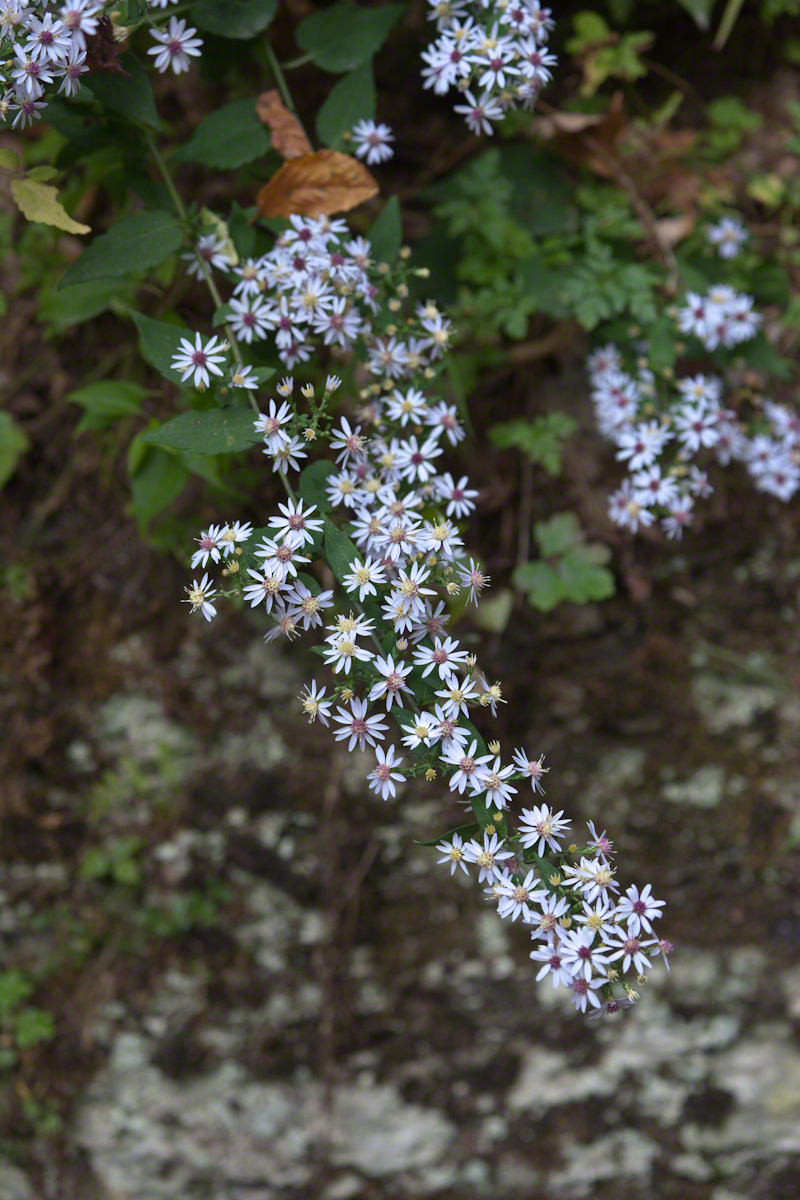
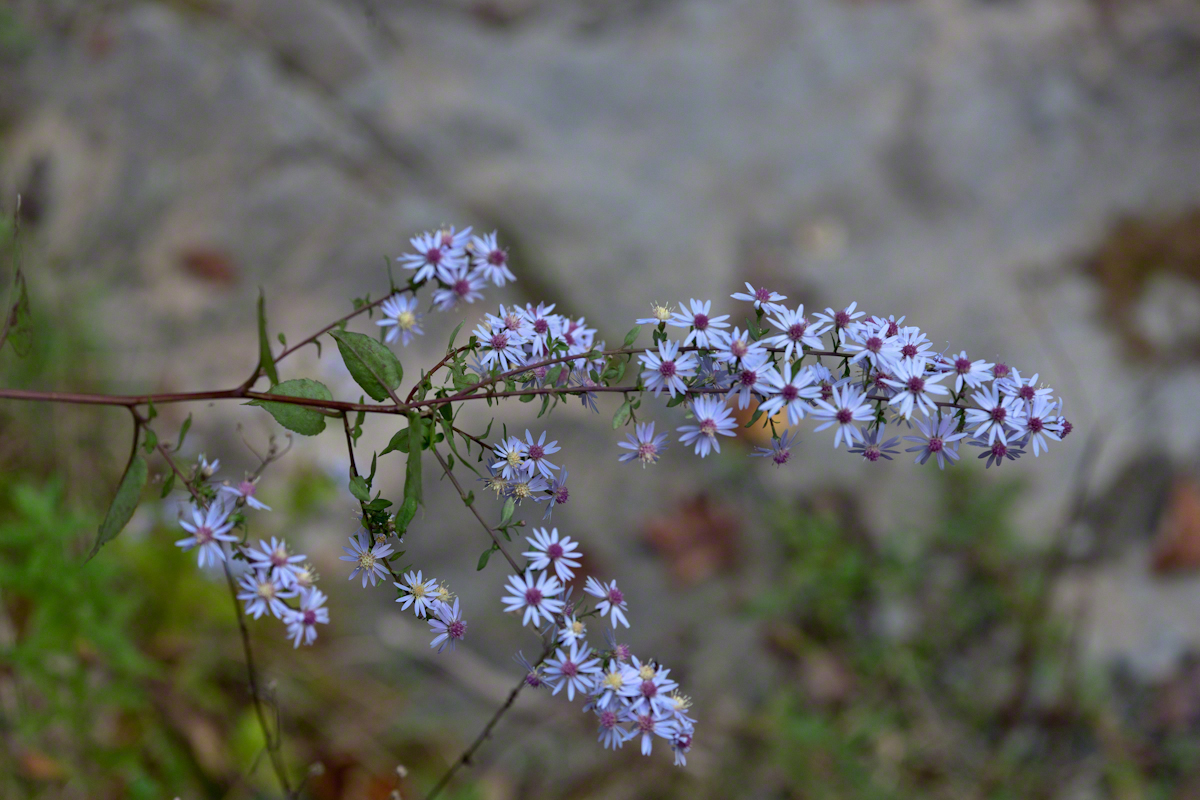
Not far away, these asters grow from a slightly wider crack.  Pam pointed them out to me. I was drawn by the striking color difference of the heads growing from a single stalk.

Click link for my fine art print “Purple Asters.”

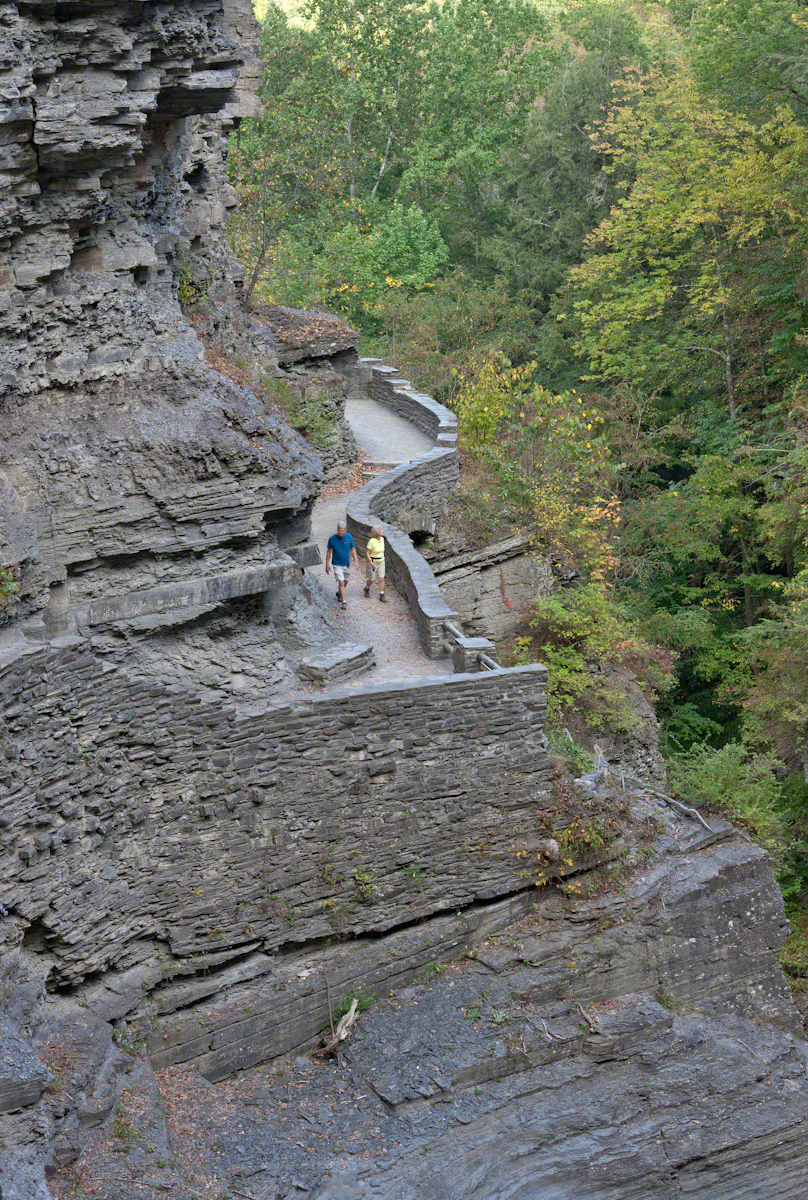
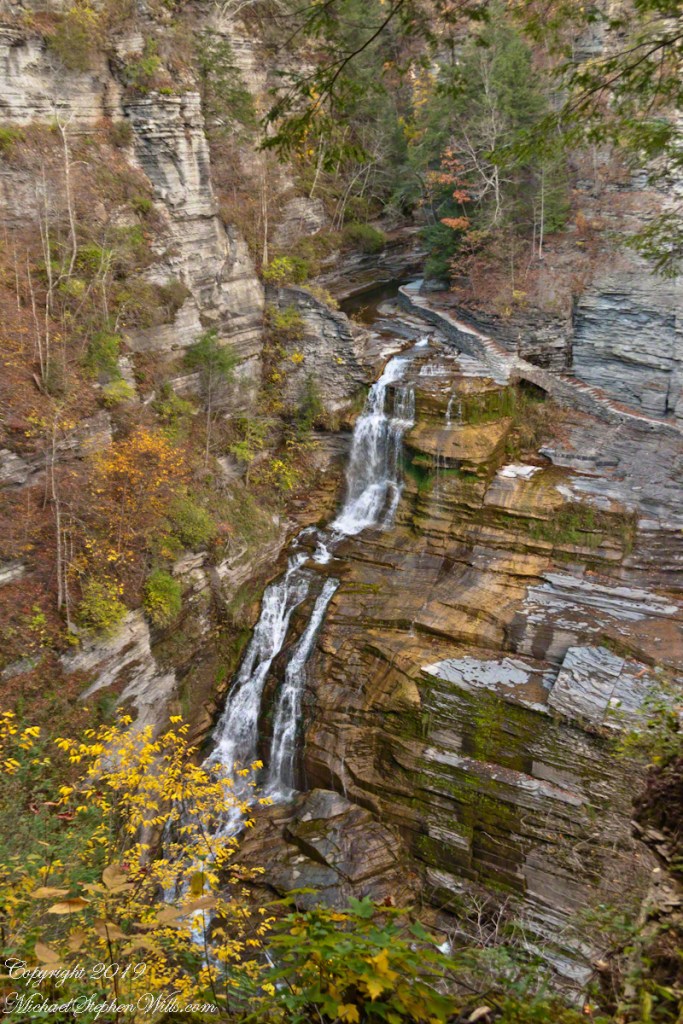
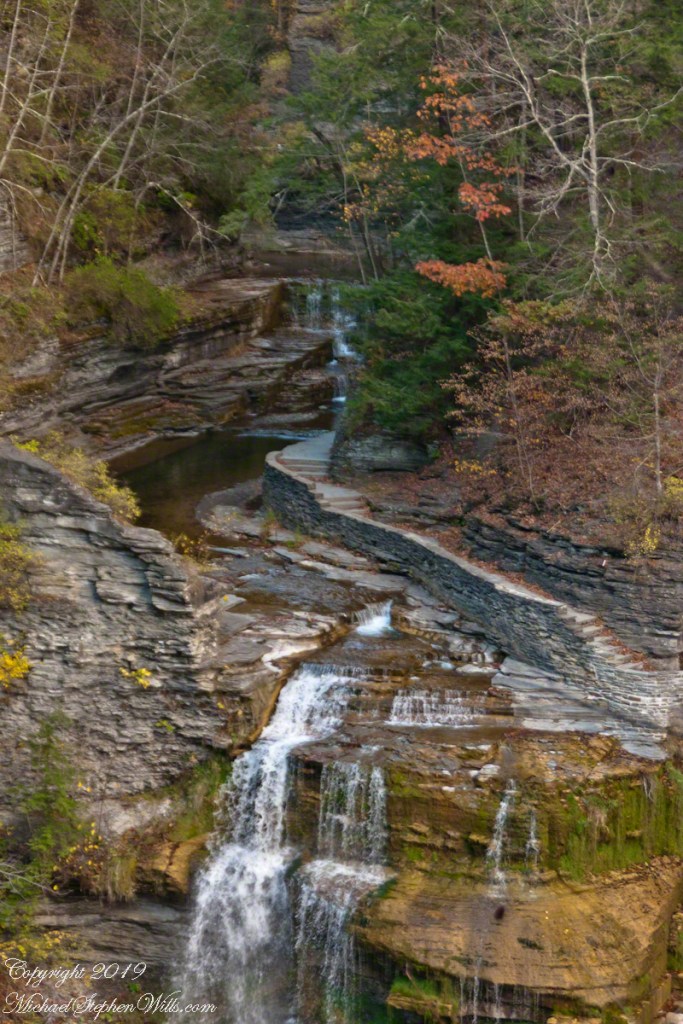
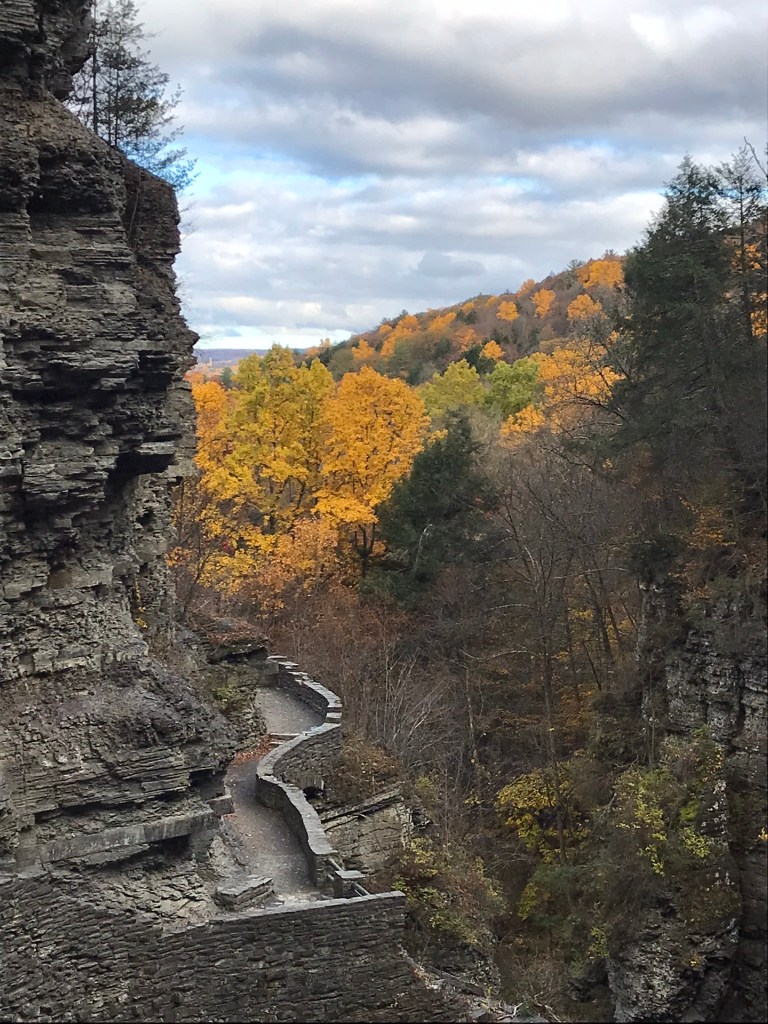
As trail winds around the ridge a stone wall rises on the right and for good reason.  The stream shortly reaches the brink of Lucifer Falls, 115 feet high.  Gorge walls fall away, the trail steepens.  Here is the view from the trail next to the brink.

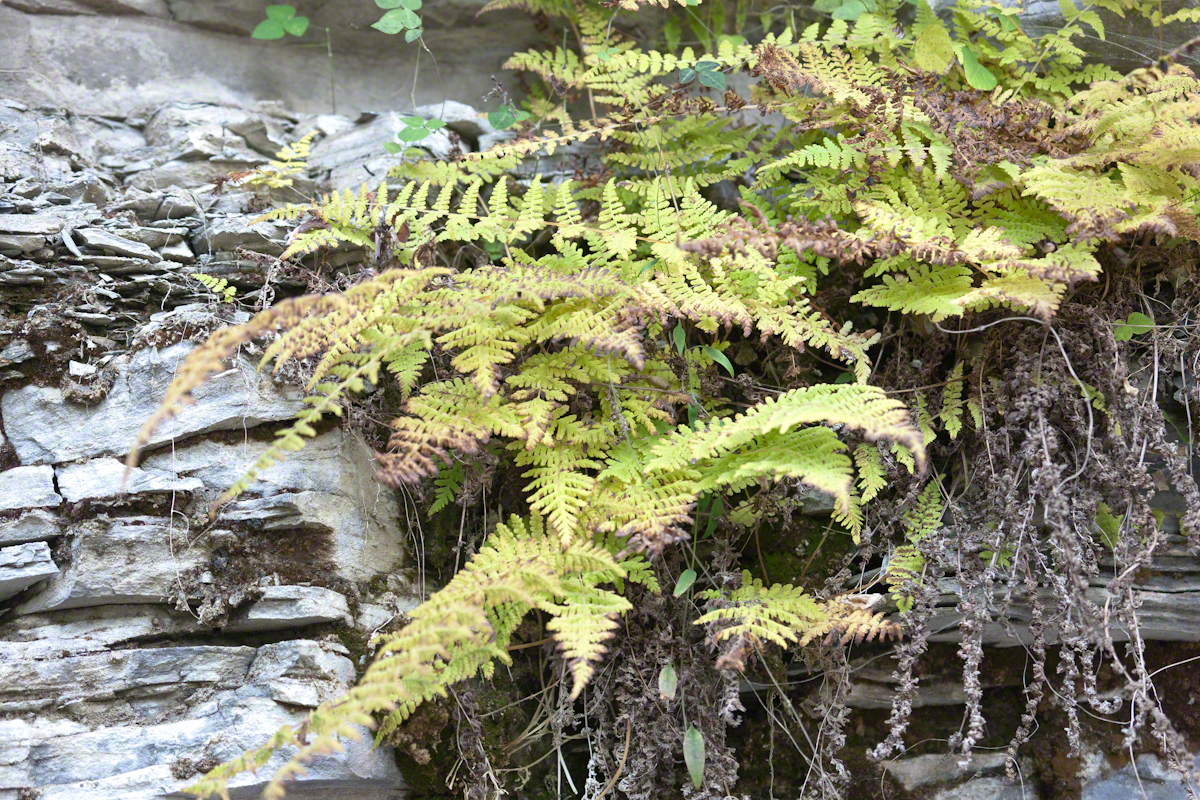
At hand, on the right, a growth of ferns has survived many seasons.  Flowering plants are, in geological time (across billions of years), a relatively recent development compared to these non-flowering ferns.  The first flowering plants appears 120 million years ago compared to the first ferns, 360 million years ago.  Oddly enough, the spread of flowering plants affected evolution of ferns, an increase of fern speciation in parallel to the rise of flower plants.

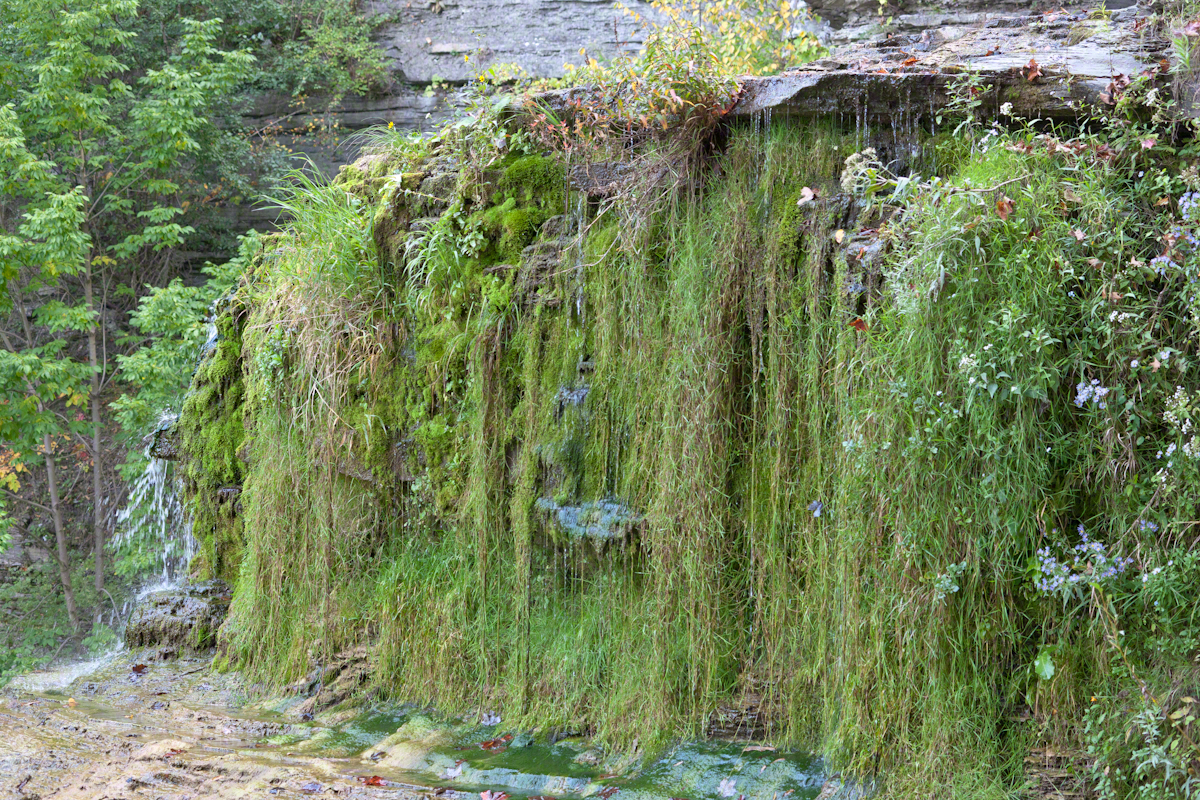
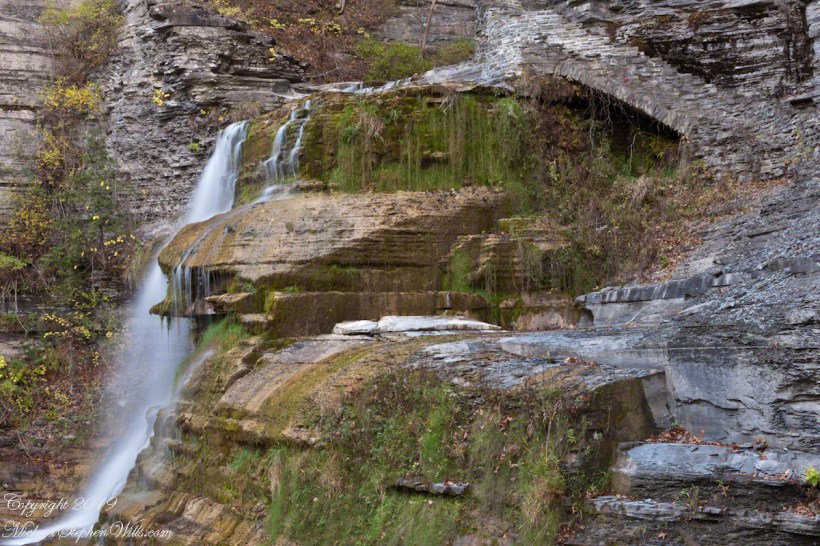
While descending the stairs next to the falls brink, look to the right to see this ecosystem, a result of water seeping from the sedimentary rock stratification.

Here you can see how, at lower flow levels, the inactive sections of the fall lip become a garden.  In our climate, the entire brink is active for rare and brief intervals during spring thaws.  Note how, closer to the active brink, the grasses give way to mosses.  Where grasses grow the brink is almost never active.

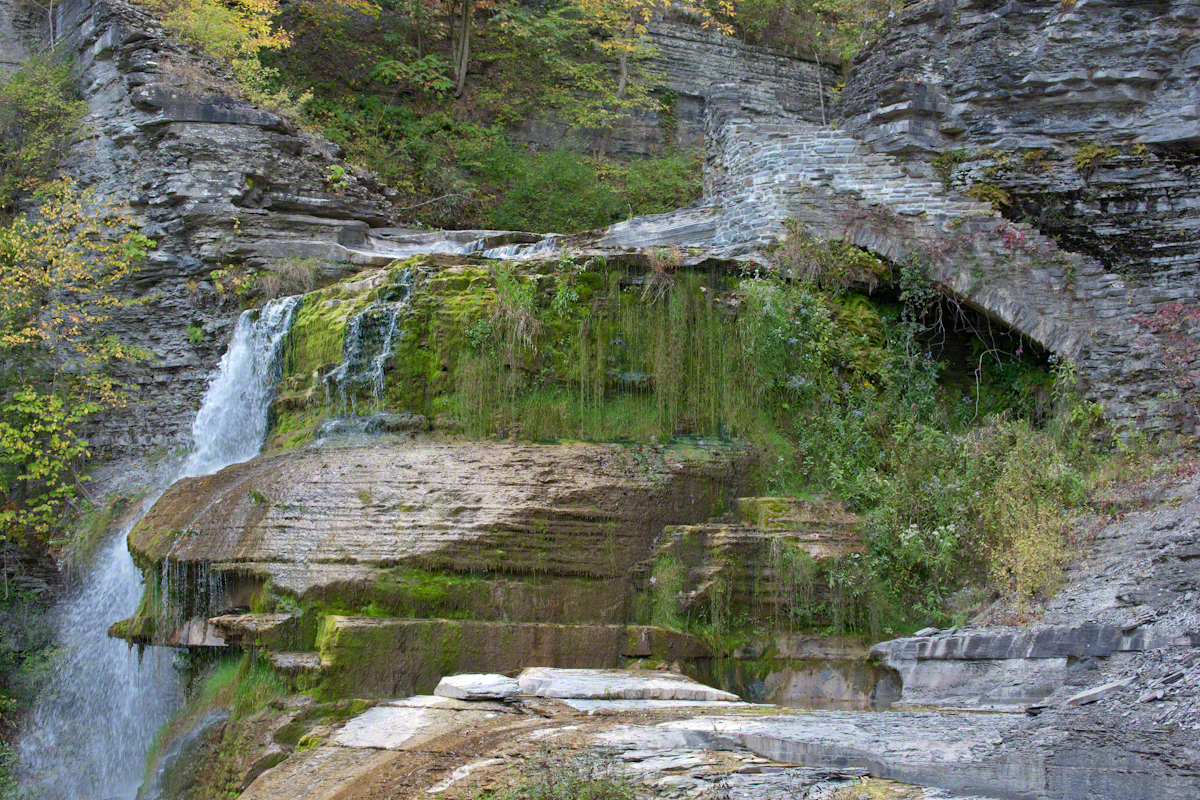
The trail wall is a lighter color than the cliff, this is how you can see, on the right, the steep trail descent.

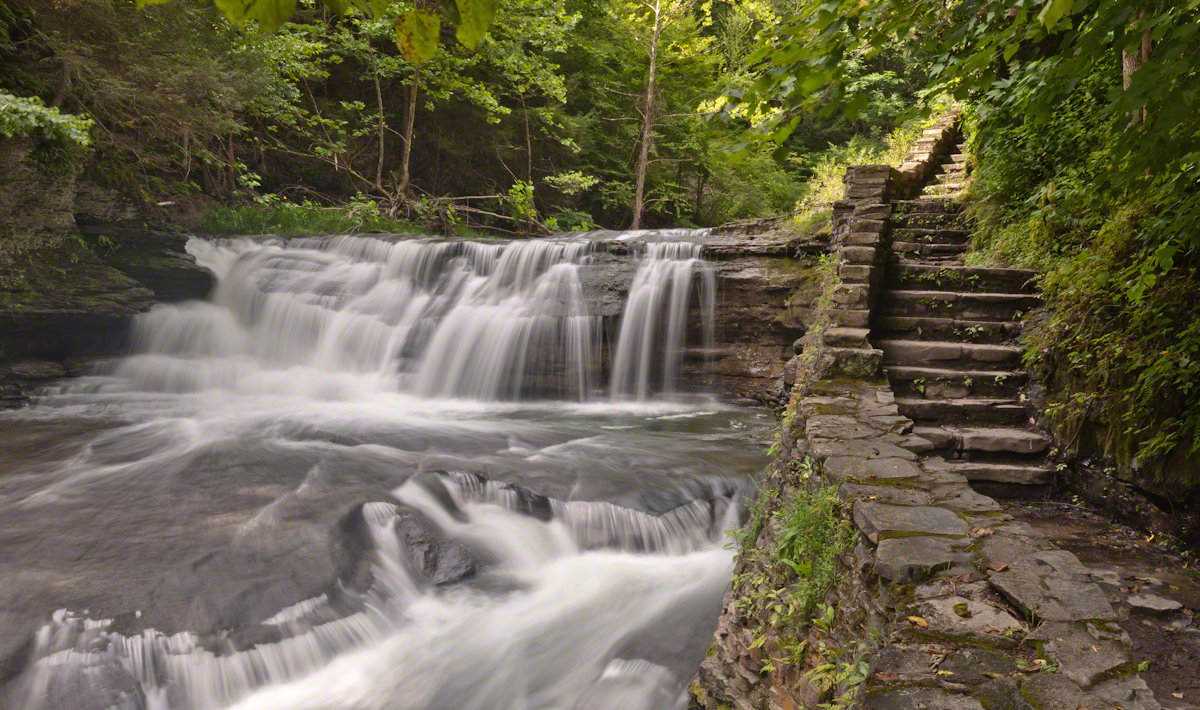
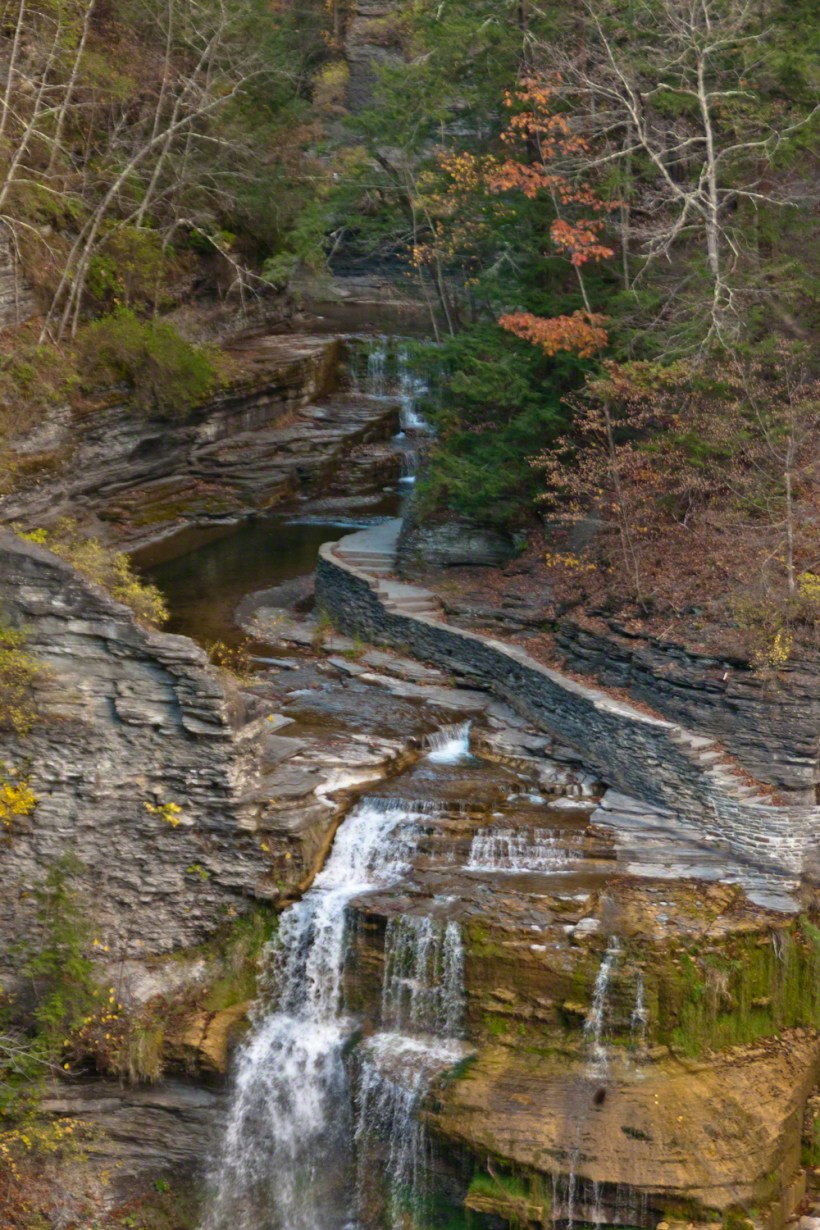
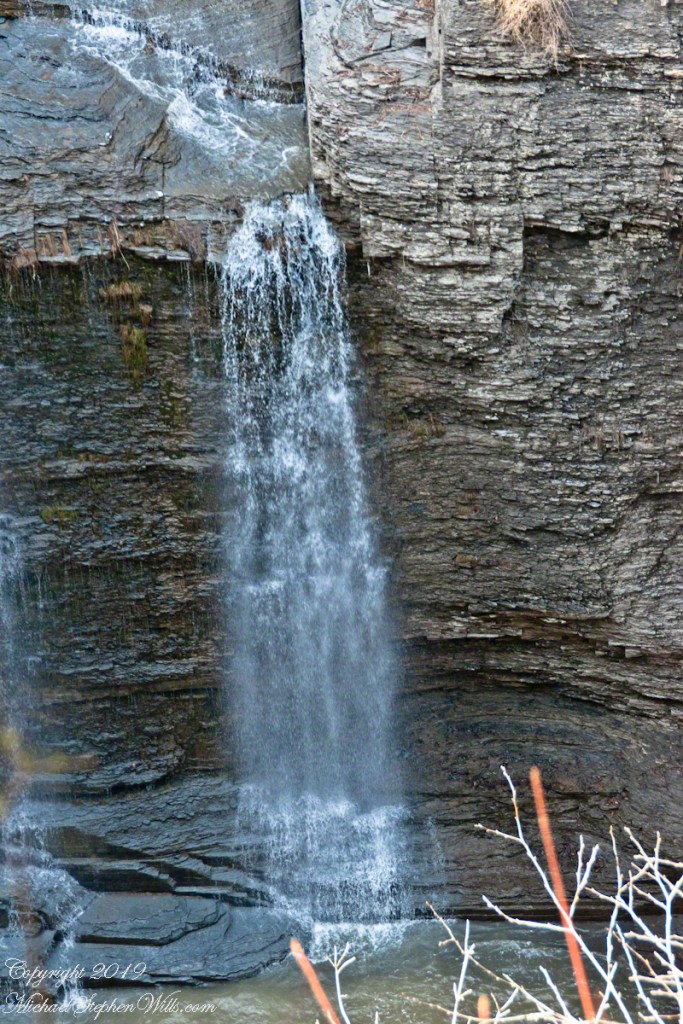
Pam and I turned around here.  This is some work I did August 2014 of a notable fall downstream from Lucifer.  I used the 24 mm Canon lens here, cropping the image.  My goal was to include the stair, for interest, with sunlight on the upper stairs; the water in shade.

Click link for my fine art print “Woodland Falls.”

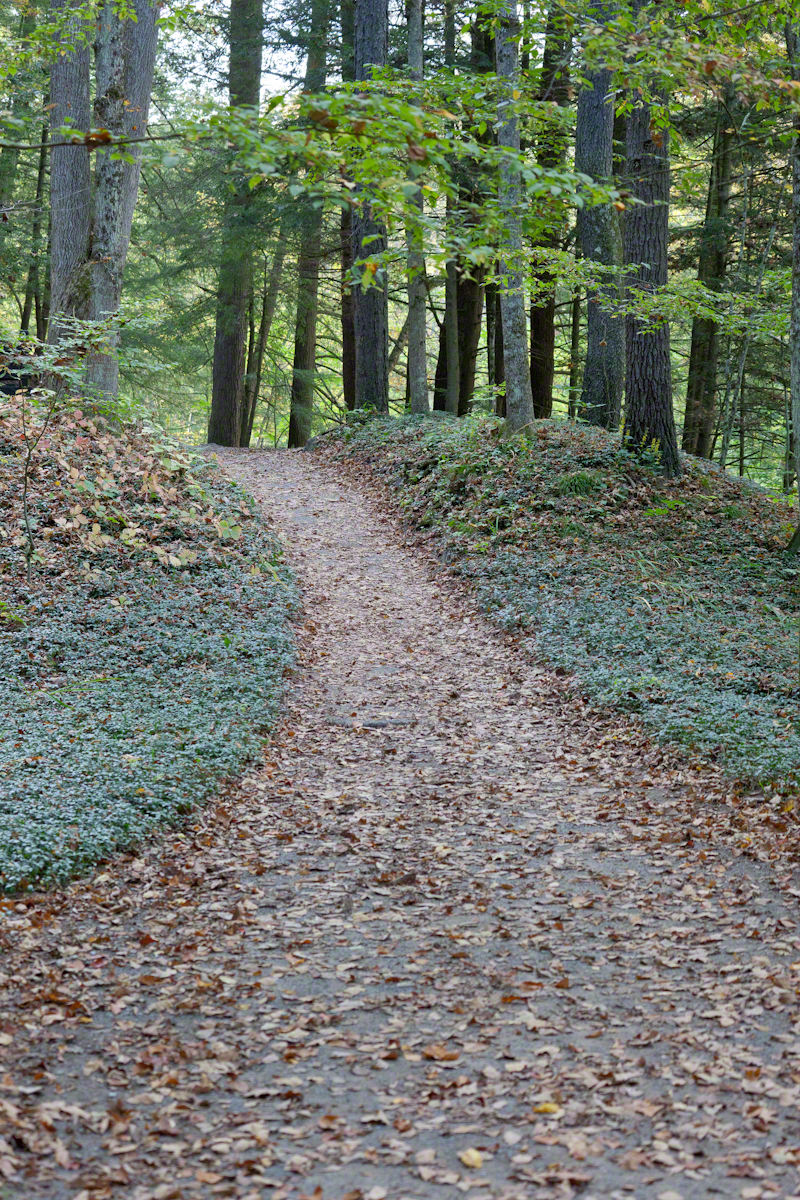
Myrtle borders the trail as it rises from the gorge entrance.

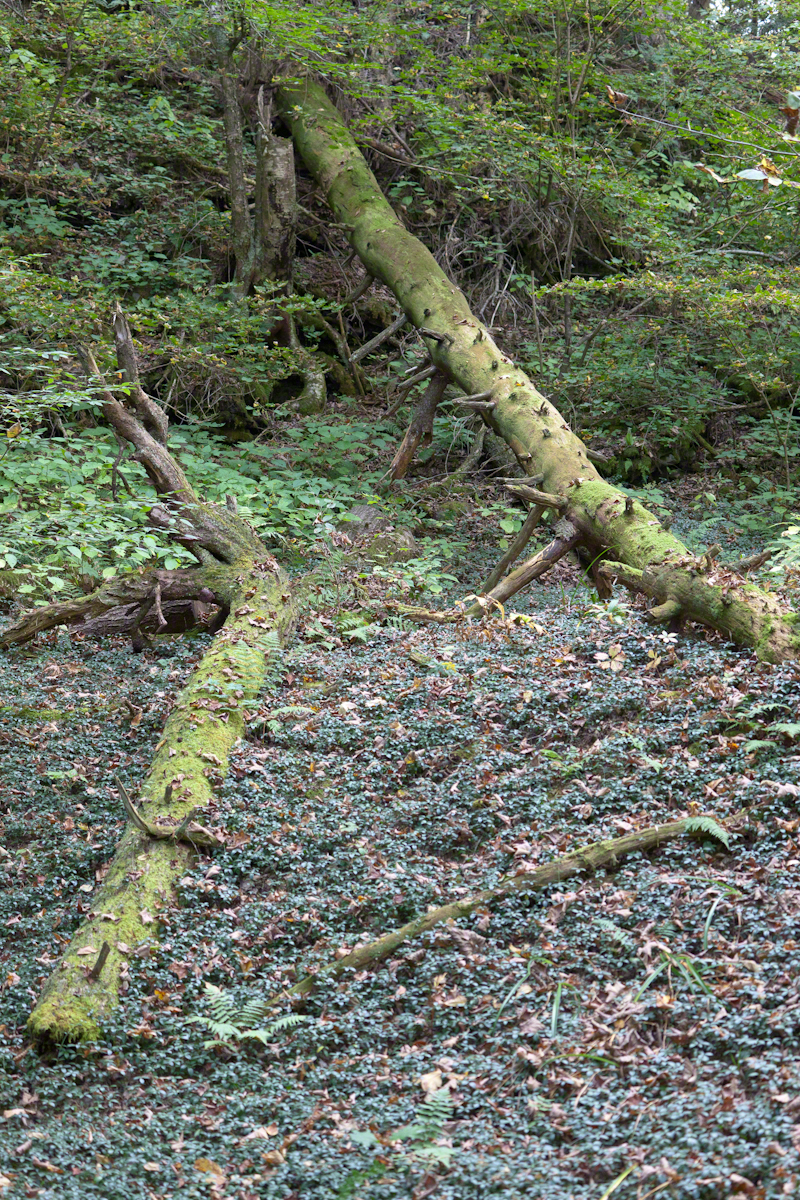
Tree trunks fallen from the gorge walls are left to decay, restoring the soil.  The trunks are covered by moss among a thick growth of myrtle and a few ferns.

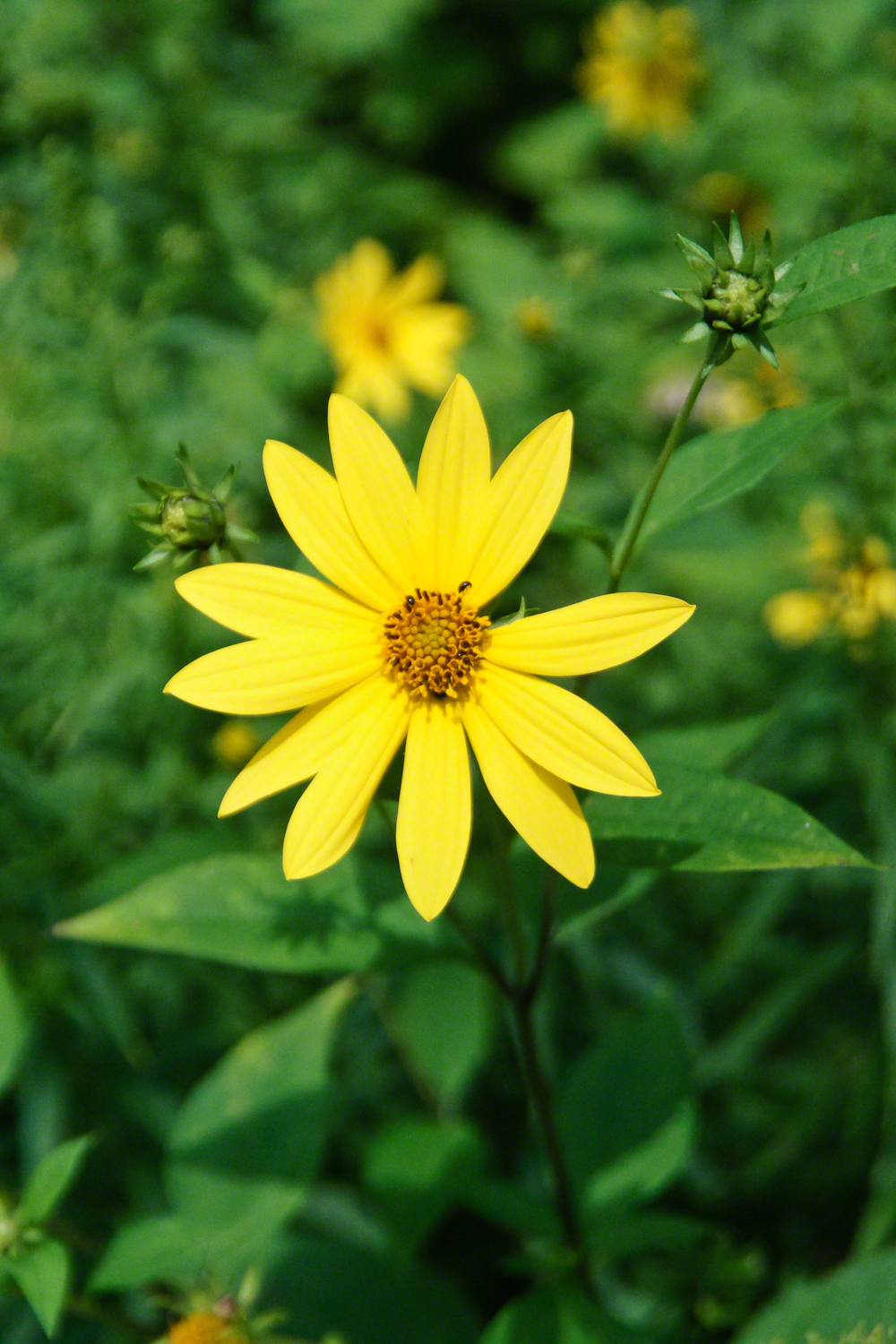
To finish, here is an image that may broaden your understanding of sunflowers. These smaller, ornamental sunflowers are, at first, difficult to place. Look carefully at the center, composed of many tiny flowers (florets). In crop sunflowers each of these becomes a seed. In this image, shiny beetles are feasting.

The End of this Evening Hike in Treman Gorge

Click me for more postings of Autumnal Beauty

Click Me to view my photographs on Getty.
Copyright 2023 Michael Stephen Wills All Rights Reserved http://www.MichaelStephenWills.com

Autumn Evening Hike Part 2 of 3

Water runs through it

Portrait of Mill Falls

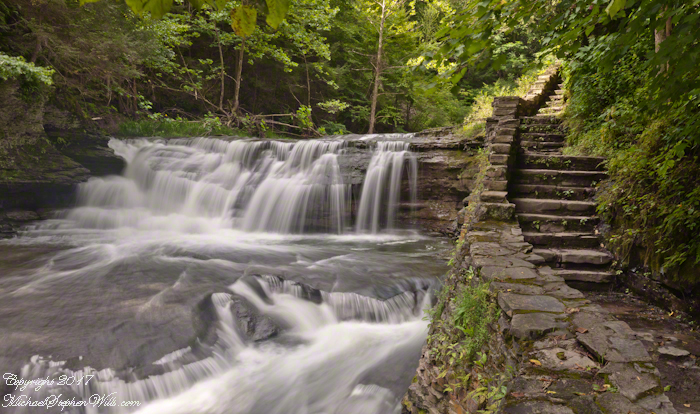
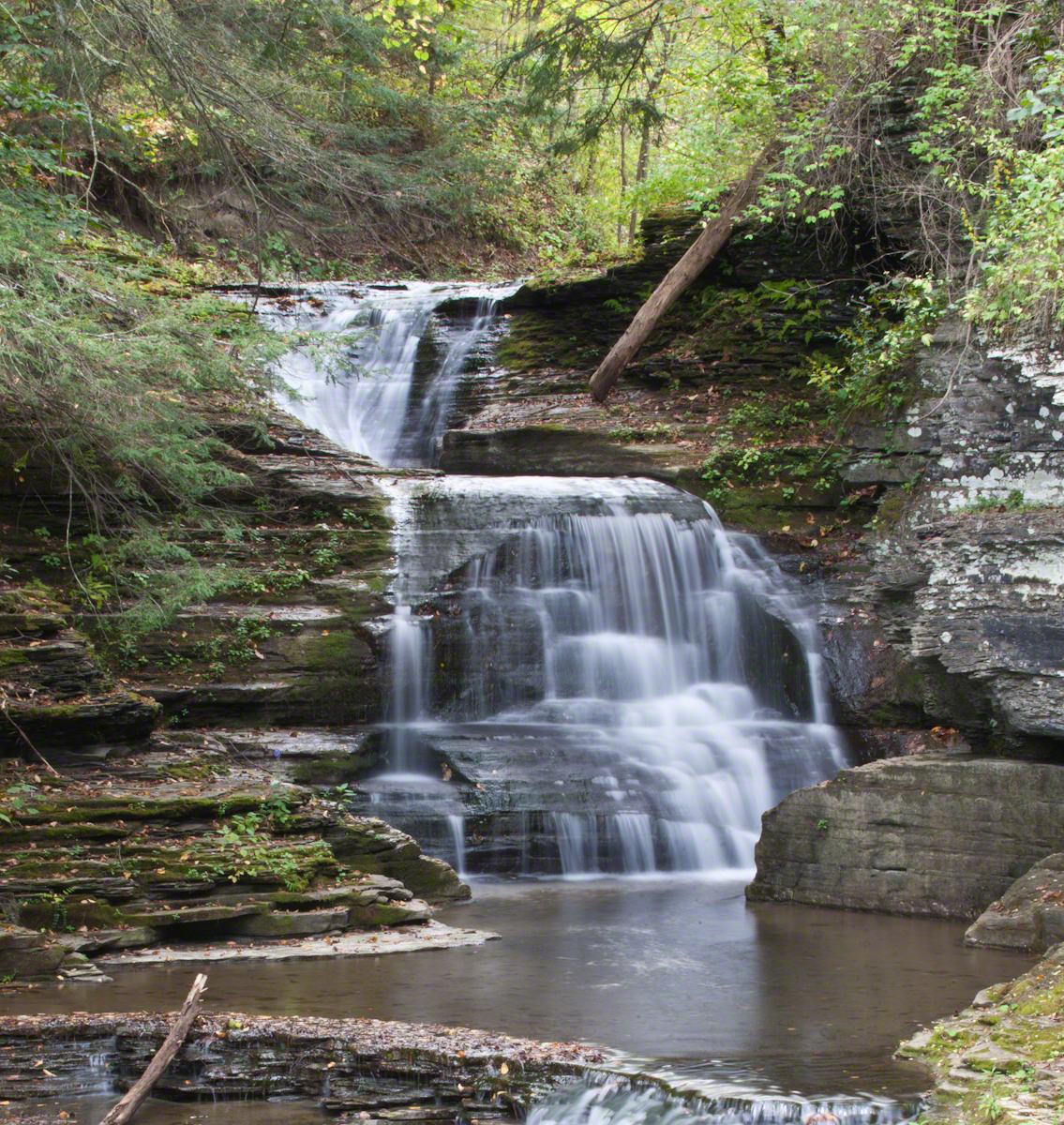
In part 2 of this series, we return to the starting point. Siting of a water mill requires immediate access to the potential energy of falling water, something called “head.” Upper Treman Park was once a prosperous hamlet with the mill as the kernel. Today, the head that drove the mill is a lovely cascade behind the substantial and intact mill building. Easy walking distance from parking, this is a well-known park feature.

Here are three versions of a portrait of Mill Falls using different lenses for varying effects. All were taken in the same season and approximate time of day, being early evening.

Click Me for “Mill Waterfall at low flow”, a fine art print from my gallery.

This is the uncropped image used in part 1 of this series. I found the secondary cascade a distraction. Exposure of the secondary is difficult to balance against the primary and more shaded primary.

Click link for “Mill Waterfall Primary Low Flow” fine art print.

Stone Span

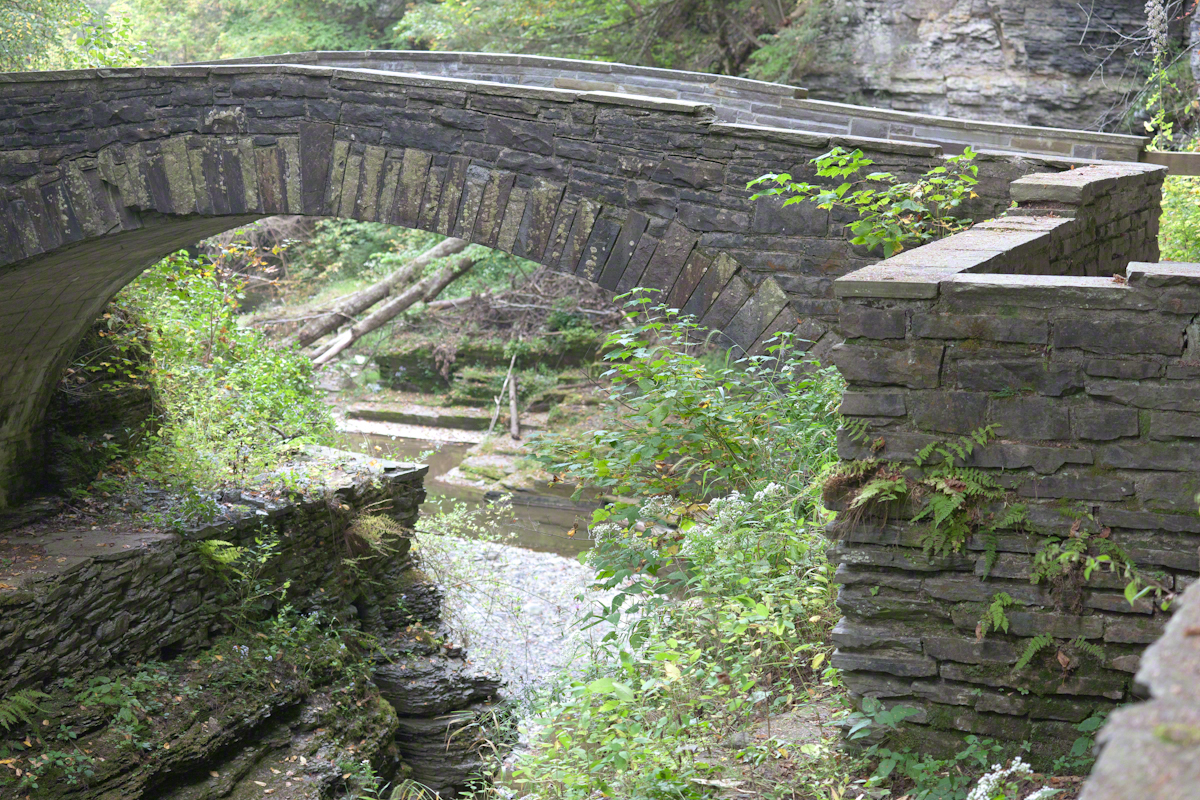
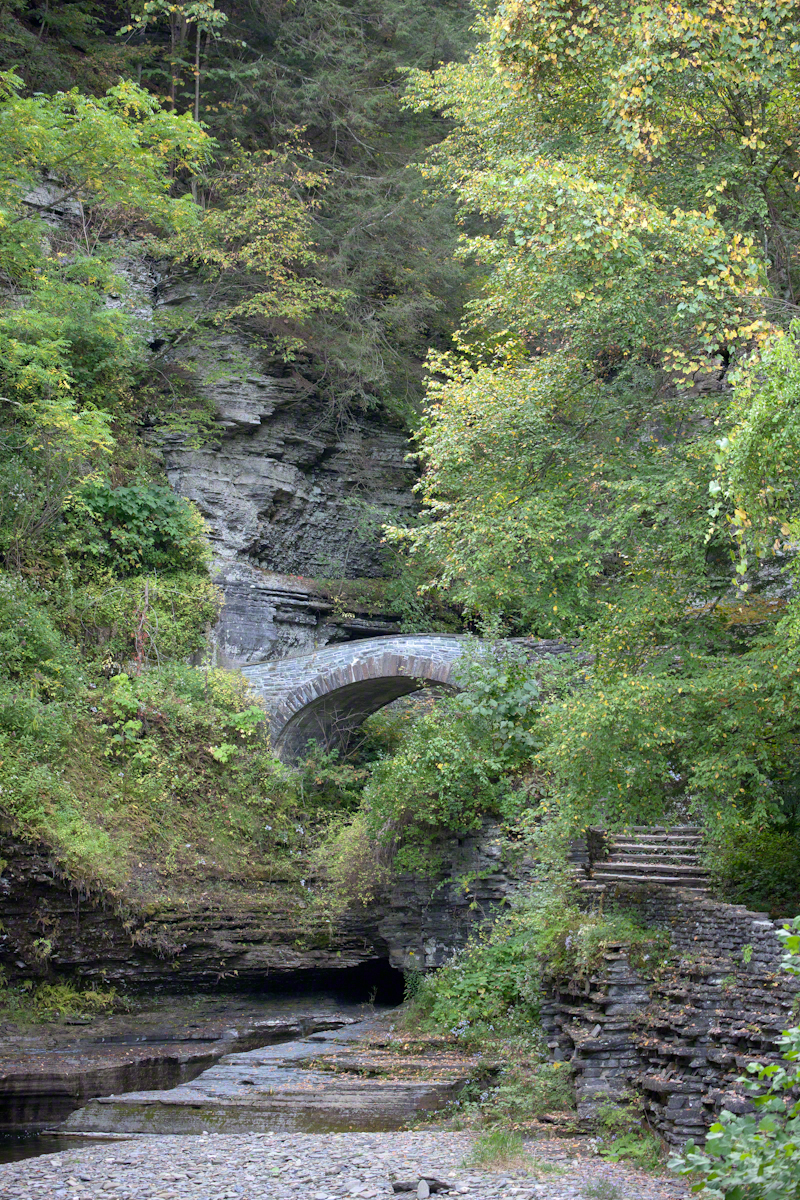
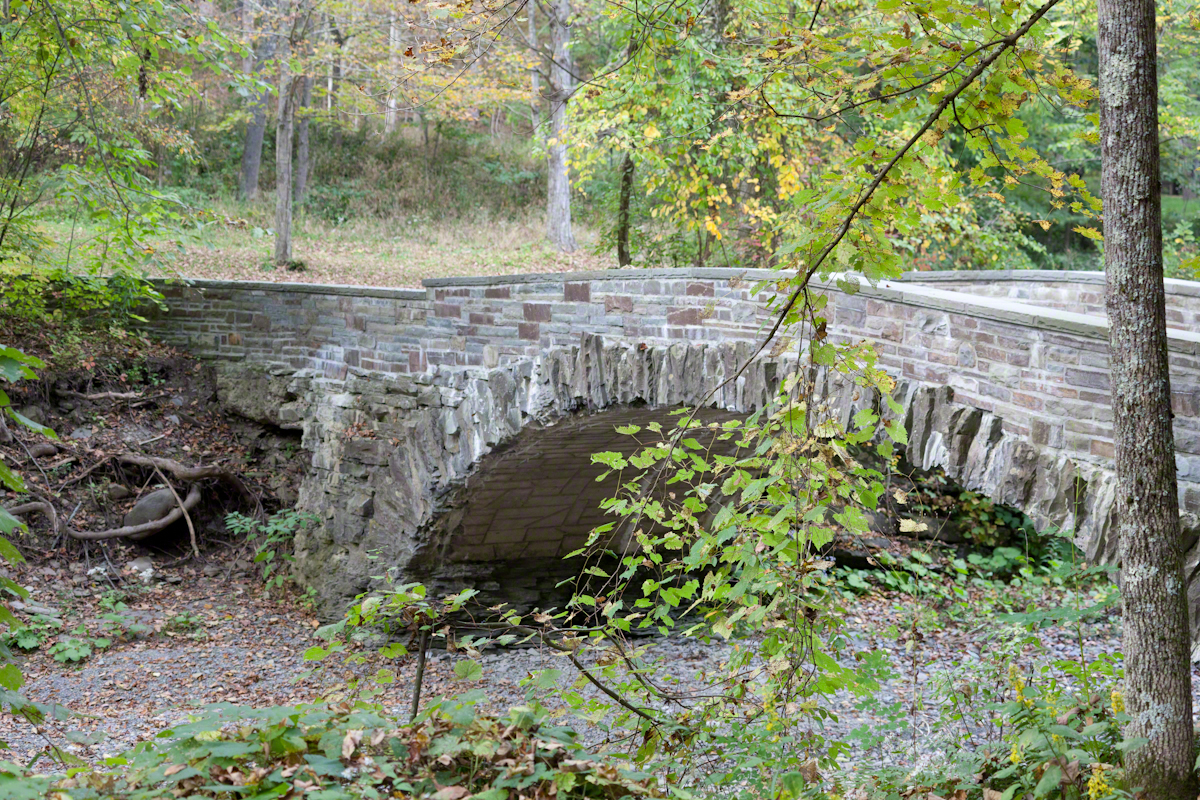
Let’s return to where part 1 left off, the stone bridge across the eastern side of the gorge entrance gallery.

This segmental arch is an illusion, the beautiful stone work is the facing of the concrete structure that carries to load of the stone, itself and visitors.

Want more? Click Me

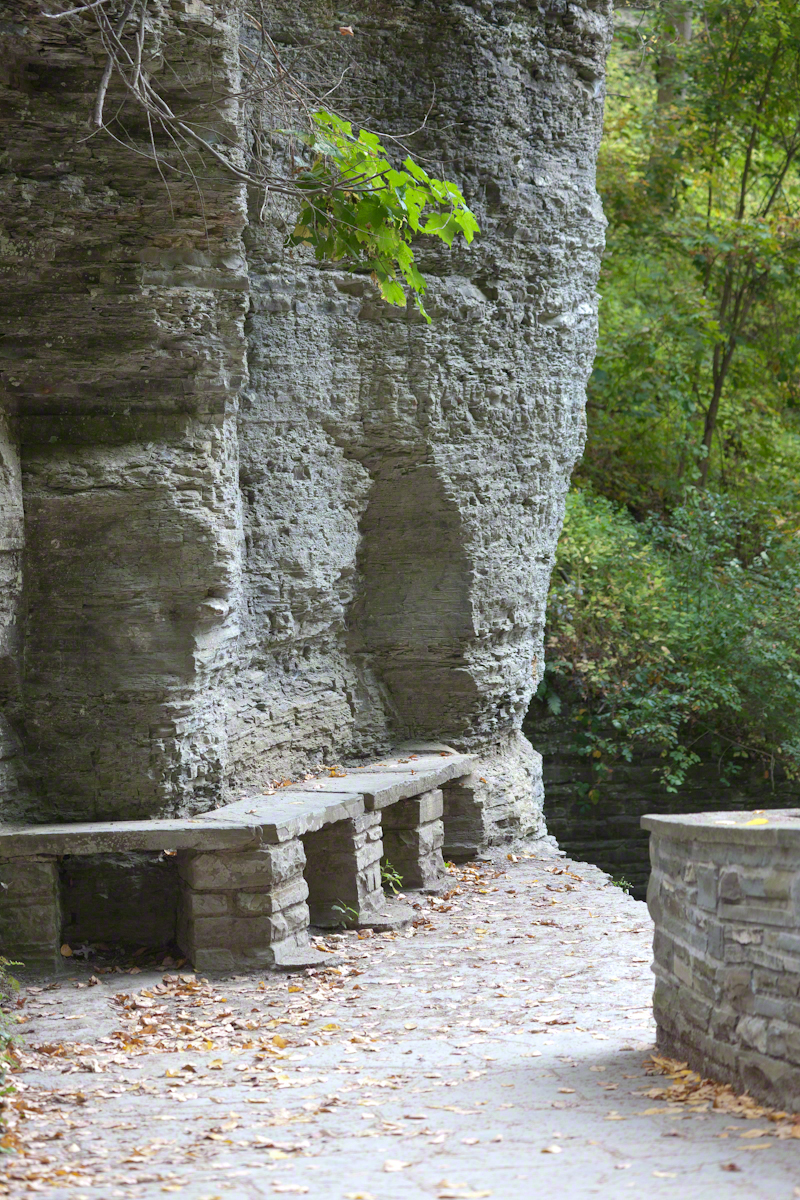
My composition emphasizes the mass of rock wall above the bench and into which it is placed.  The limestone slabs are from a different source, they are not built from the material removed from the cliff.

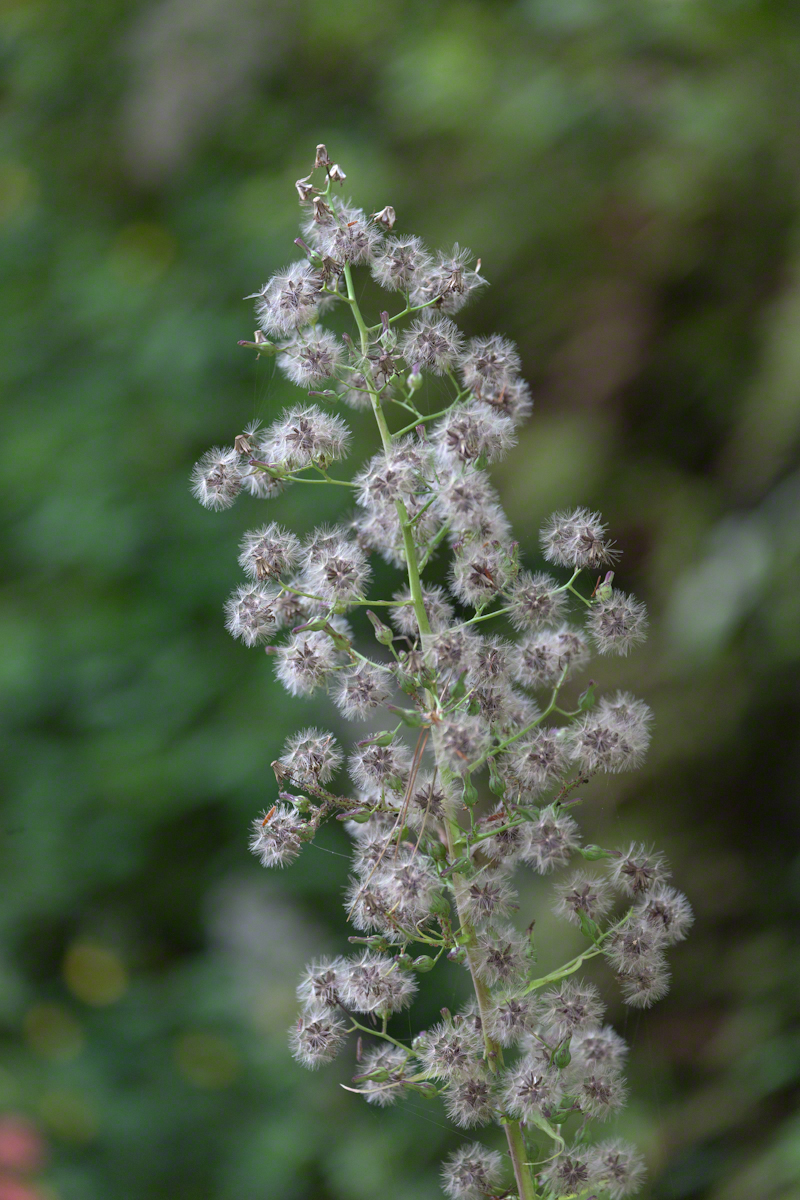
Seeds and Flowers

A dandelion on steroids.  If you can help with identification of this plant, please post a comment.

Click Me for “Ad Astra” a fine art print, in my gallery.

Click Me for “Purple Asters” a fine art print, in my gallery.

Look Back!!

Many first time visitors do not look back to appreciate these scene.  When we give advice, our recommendation is to return on the same gorge trail.  The different viewpoints make for a fresh experience.

Mr. Toad

Want more? Click Me!!!

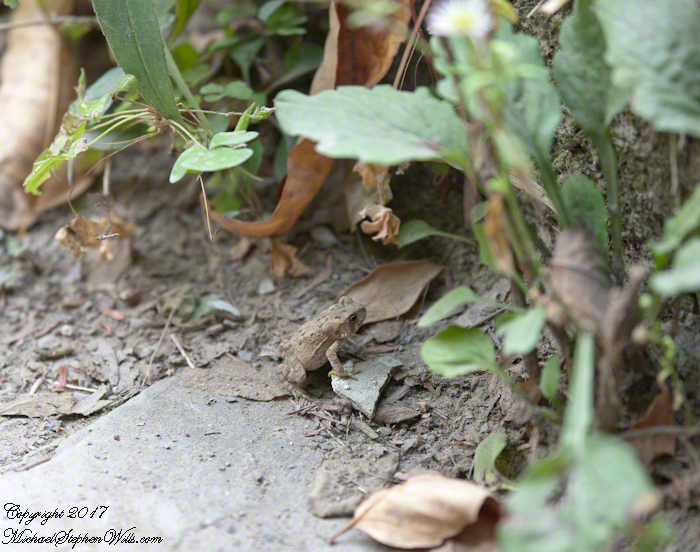
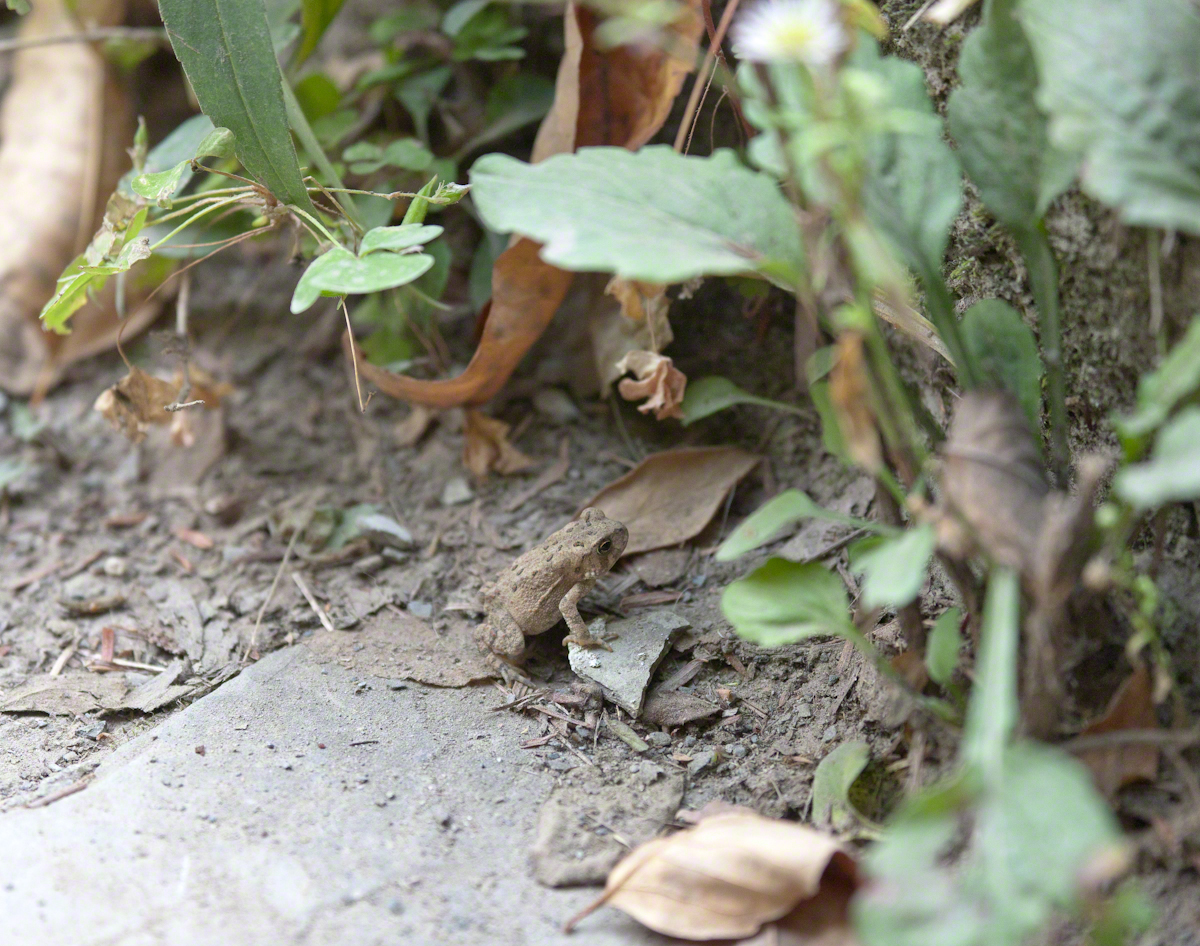
They are like people, sitting there.  Kenneth Graham’s genius, in writing “Wind in the Willows”, was to recognize the likable characteristics of the toad.  I find myself concerned about their survival, although they must survive.  Earlier in the season they are pea sized.  I resist an inclination to move them to what may be a more promising location, preferably with a stone house and chrome brilliant motor car.

Copyright 2023 Michael Stephen Wills All Rights Reserved http://www.MichaelStephenWills.com

Autumn Evening Hike Part 1 of 3

It started with running water…..

Over the weekend the handle of our 60 year old Delta brand kitchen faucet broke off, since we moved here I rebuilt it once and replaced the stainless steel sphere, the central control of the mechanism.  The stem of the sphere must have been faulty because it snapped. Monday, I visited Lowes and the sphere was not in stock.  Just wanting to fix the faucet, I skipped the usual vetting of a new product and grabbed the exact same Delta faucet which was, just like the sphere that broke, made in China.  The next step up in (questionable) quality was three times the price.

Running Water

Yesterday I installed a new faucet in the kitchen sink, a straightforward and unpleasant task that took most of the day.  Late afternoon, while resting up, I brought up the idea of a hike and Pam reminded me we had another clear September day.  Last week, I headed out to capture the Mill Creek waterfall of upper Treman Park at the perfect time of day.  It was a day such as this, warm, a cloudless sky, minimal breeze.

Mill Falls
Pam reminded me this evening I was trying to capture the Mill Waterfall of Upper Treman Park at the perfect moment when the sunlight glazes the pools.

I need to get in place a bit earlier.  Previously, I used a 24 mm wide angle lens and, today, mounted the EF 70-300mm f/4 – 5.6L USM lens on the Canon EOS 1DS MarkIII.  Did not have time to sort through the ND filters, so left the UV on.  The waterfall is in a glen, shaded from direct light at this time of day, sun low in the west.  Given the low light, to save time, I decided to set ISO to a low value (125), set lens to the widest angle (70 mm), and frame the shot using the heavy Manfrotto tripod with ball head.

Needed to crop the image for the above result, still not perfect.  I am seeking to full the entire pool in that glow.

Want more? Click the link for my Online Gallery

Mo's Bench
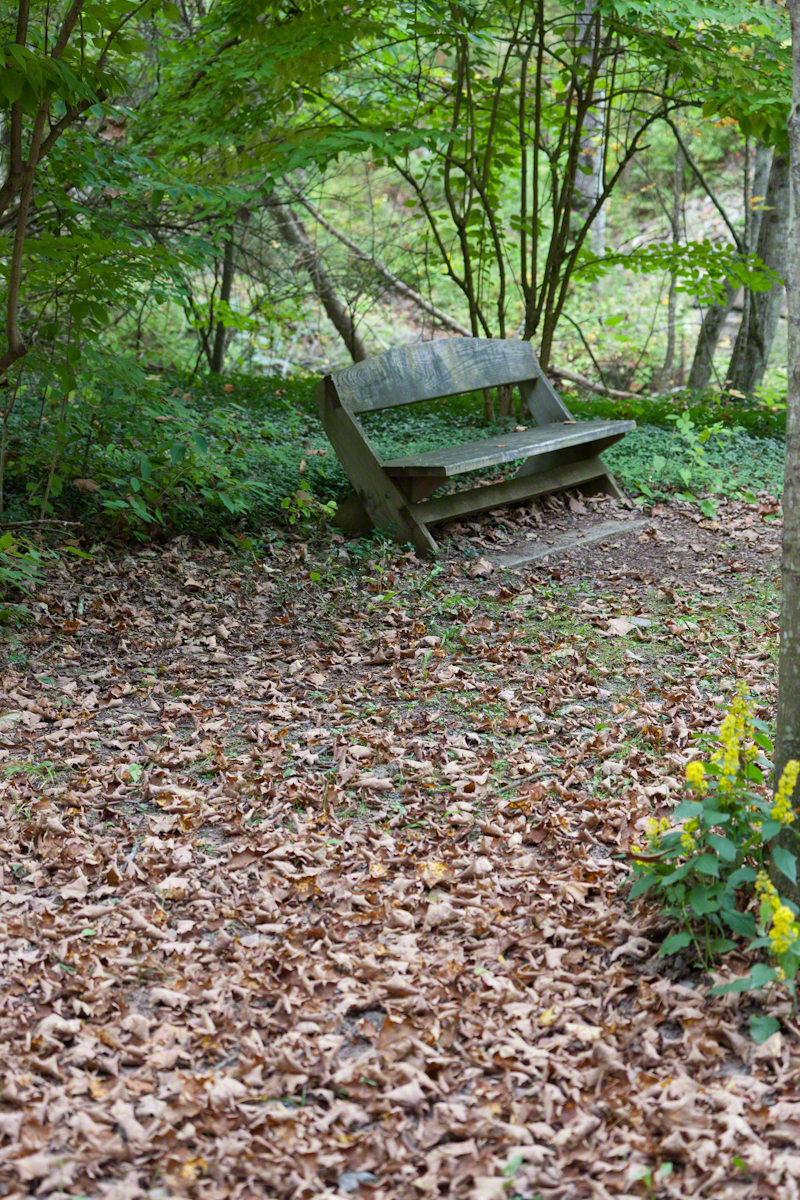
Towards the end of her life, my Mom waited for us on this bench while we walked. She enjoyed the sound of the creek, watching and chatting with passerbys. There some out of focus goldenrod right foreground. I frames the shot to catch the flowers and crop out a tree trunk.

Hiking the Gorge Trail

Instead of putting the gear away, I carried that heavy setup on the hike.  The strap around the neck is a lot of stress if it hangs.  With the gear cradled in the crook of my arm it is bearable.

Foot Bridge
The creek is spanned at several points by these stone footbridges, the work of the Civilian Conservation Corps, as are all the gorge trails. This bridge was restored last year. It leads to a marvelous grove of Sycamores.

Needless to say, the pace was sedate.  Pam spent most of the time walking ahead and refusing to be in any shots.  These past weeks, rainfall was light, so the creek is low.  This low flow is a necessary element to a perfect waterfall image.

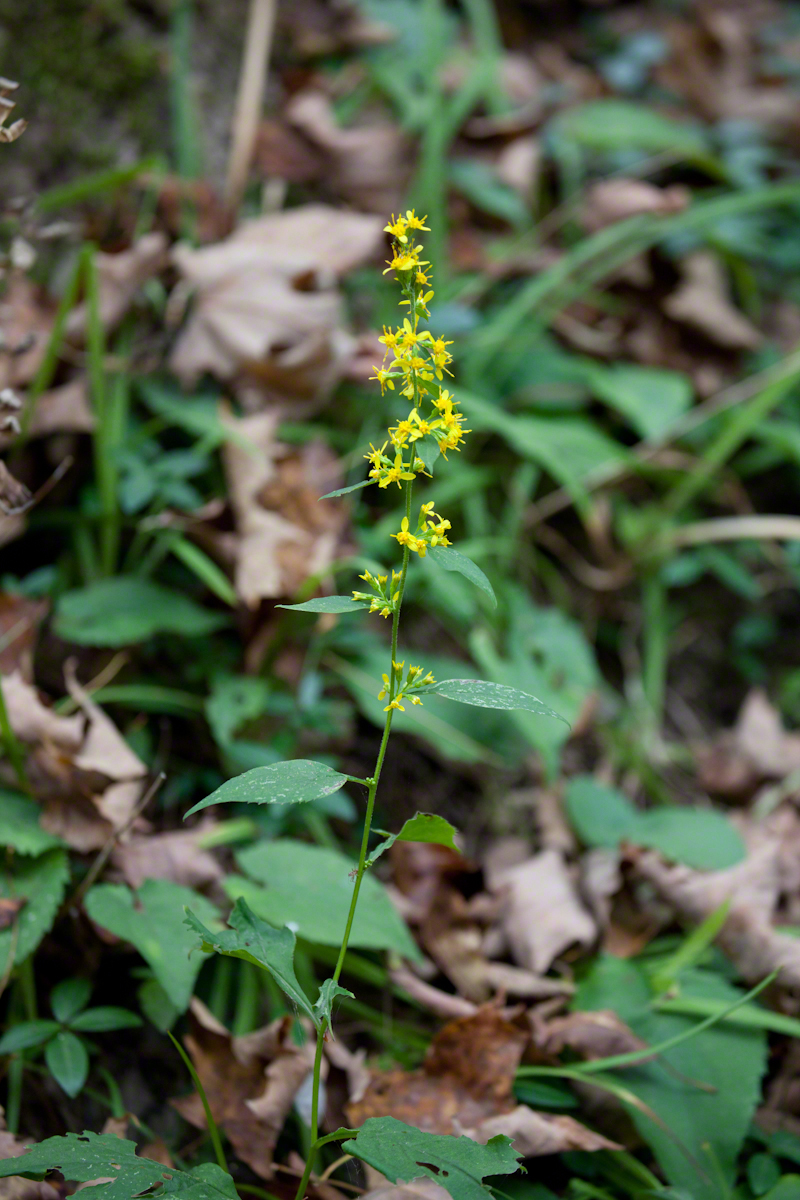
Golden Rod
A single stem of goldenrod, ther are hundreds of species of this relative of the aster.
Want more? Click the link for my Online Gallery

I get some great macro shots with that lens.  With just the UV filter, it is quite fast.

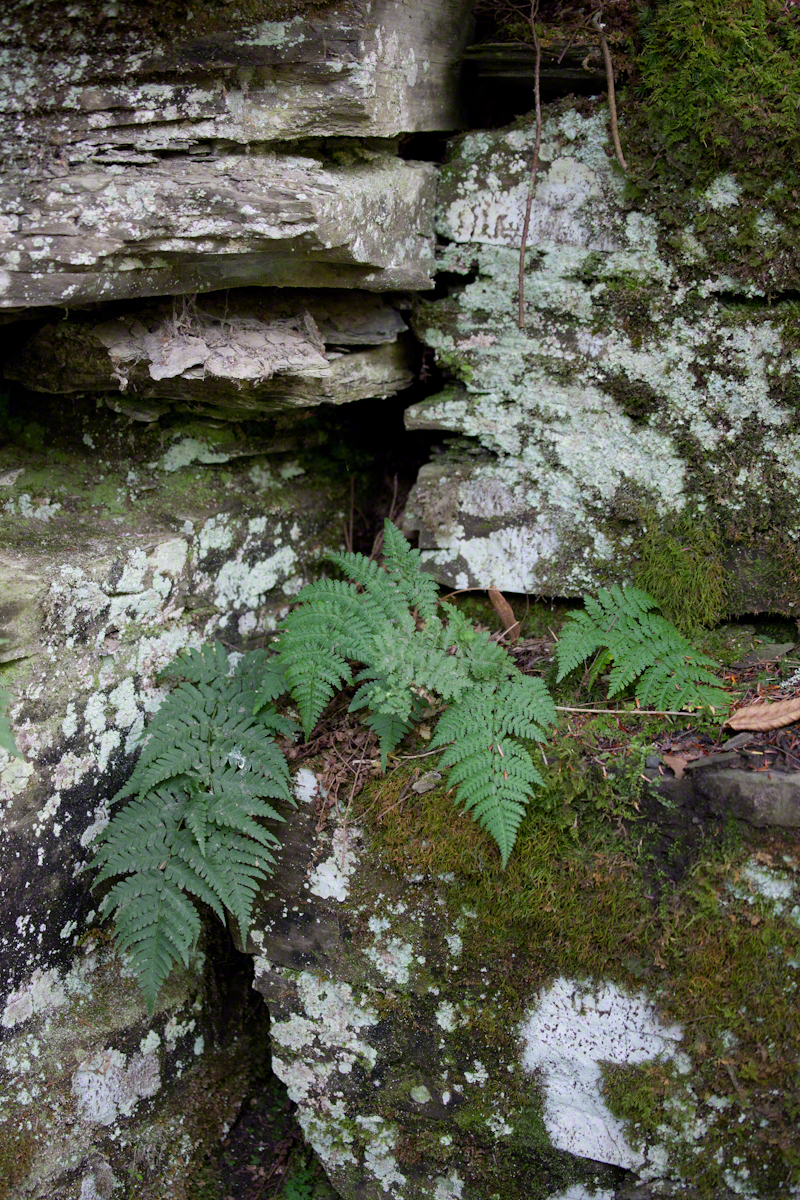
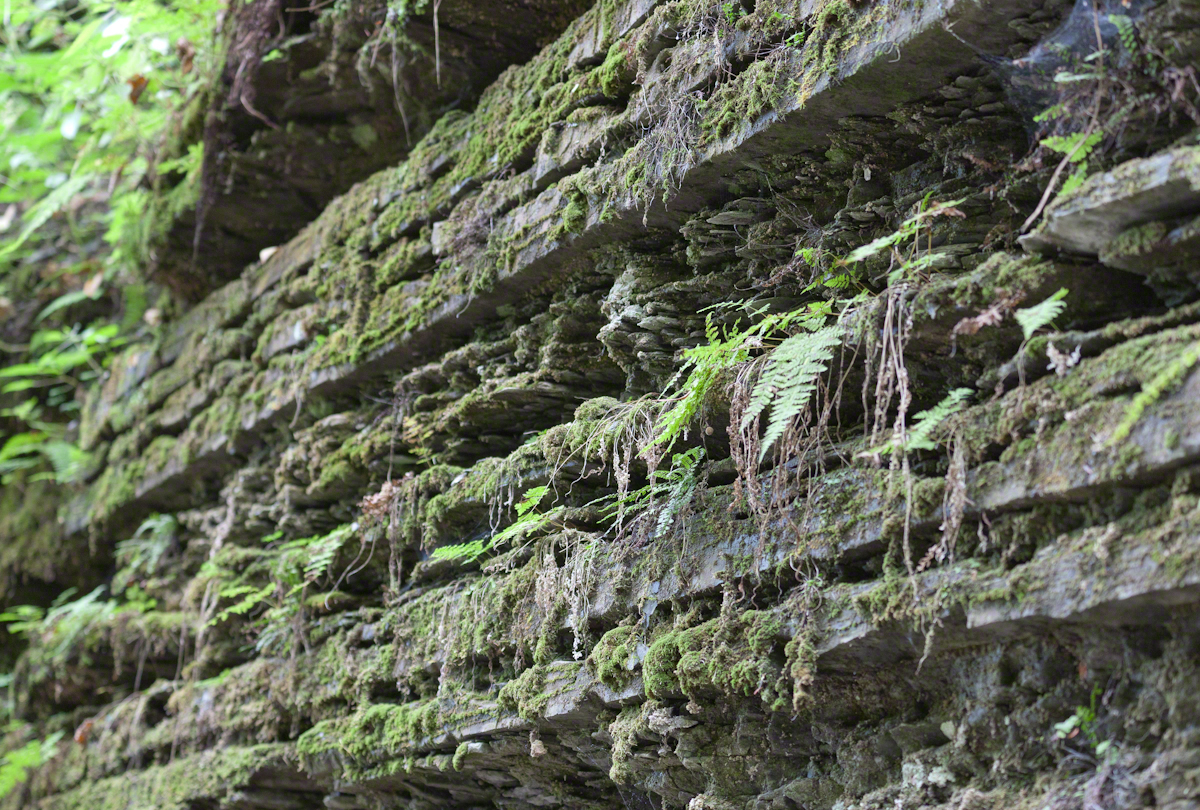
Ferns, Lichen, Gorge Wall
The gorge wall rises to the right of the path.
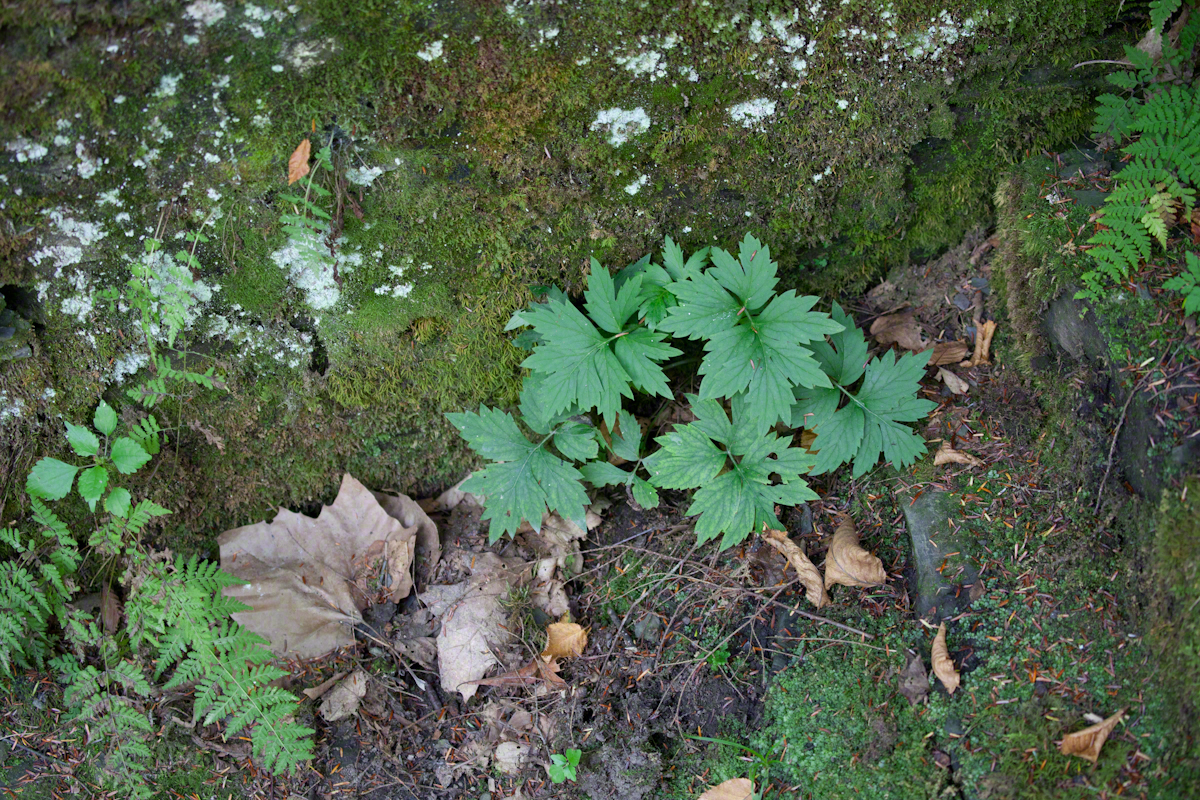
Foot of the Gorge Wall
Very little of the gorge walls do not support thick growth of mosses, lichen, ferns, flowering plants of all kinds. I don’t know offhand the name of the cnetral plant growing from the base of the wall.

In the Gallery

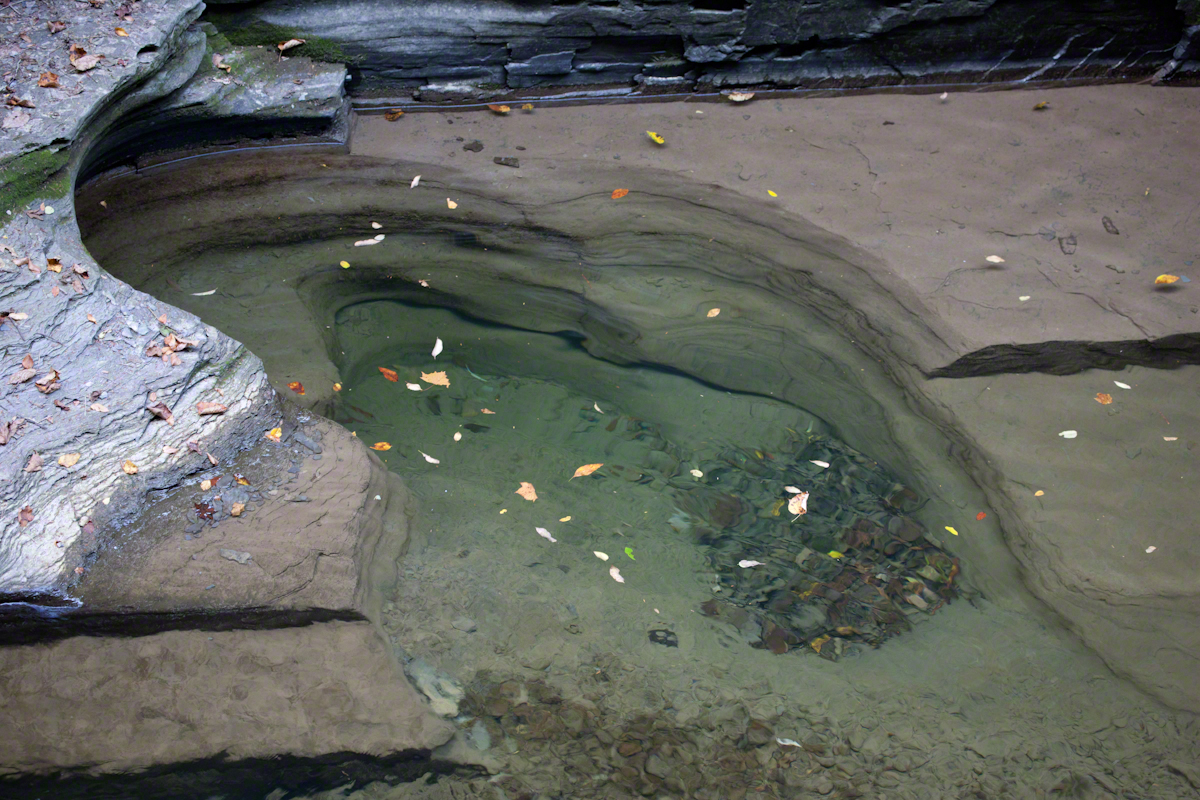
Creek Pool
Shaped by whirlpools during high flow, the curves recall flowing water.

A memorable feature of upper Treman Park is the dramatic gorge entrance.  When the glaciers melted, 10,000+ years ago, enough water flowed through this watercourse to wear away several hundred feed of sedimentary rock to form a gallery, or hall, with towering, crumbling, walls on either side.

This evening the light was low, the water seemed dead in that it was clear and did not glisten or ripple.  I used these conditions in the above shot to emphasize the structure this pool.  Located at the foot of a waterfall, at high water, the falls fill channel and this pool is carved by river stones carried in the current.  At lower water, the pool is exposed.

Eons of Layers
Millions of years in rock strata.
Want more? Click the link for my Online Gallery
Foot Bridge
Spanning the eastern side of the gallery entrance of the gorge.

The footbridge, above, is most often photographed from the western side of a long gallery formed by the gorge carved by the creek.  This is a shot that explores the fine stonework.

Continued……..

Copyright 2023 Michael Stephen Wills All Rights Reserved http://www.MichaelStephenWills.com

Lucifer Falls on an Autumn Evening

The post explores the symbolism of Lucifer and the Tiger Lily, suggesting that beauty and pride can lead to downfall, reminiscent of Lucifer’s narrative.

A reader’s comment to this blog, thank you “Urban Liaisons,” prompted me to explore the word, Lucifer. “Lucifer”, in Christian tradition, refers to the devil as it was in a time of glory before the fall from grace. The original, ancient meaning of Lucifer is the planet Venus as it rises just before the sun at dawn.  In this sense, the name refers to the bright beauty of the spot.  The effect is heightened at midday when the hiker passes from the relative gloom of Devils Kitchen to the full light and sweep of the waterfall chasm.

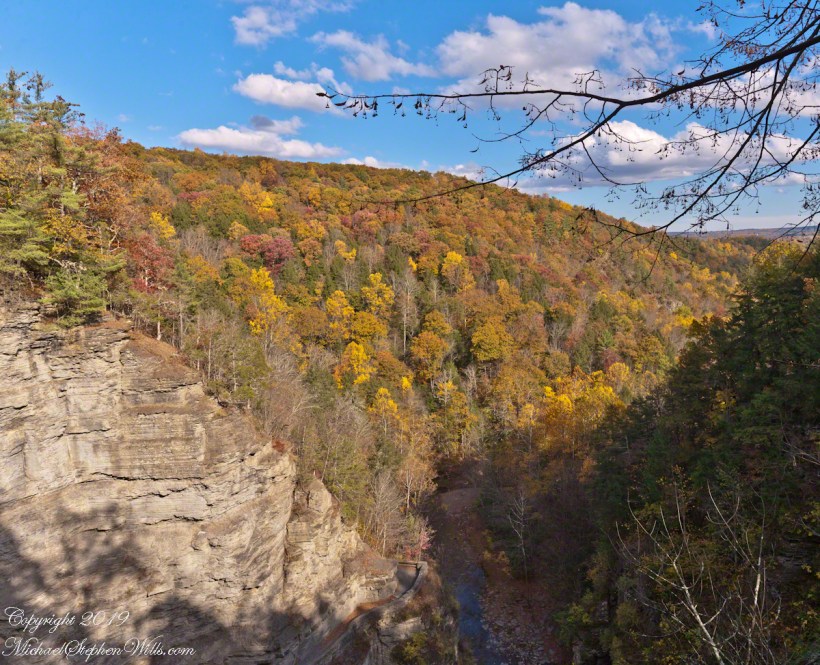
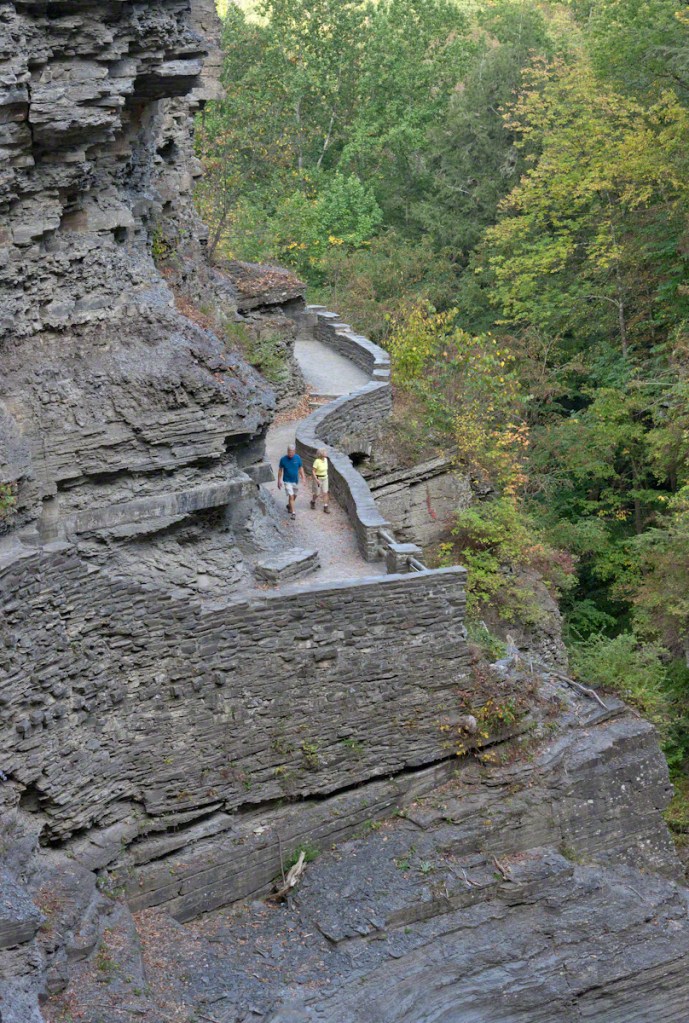
Standing next to the falls on the Gorge Trail, the stone wall of the Rim Trail Overlook is overpowered by the grandeur of the 300+ foot cliff. The falls photographs were taken from behind the wall.

Occasionally, we have experienced individuals climbing over the wall to stand on the other side. “Why?”

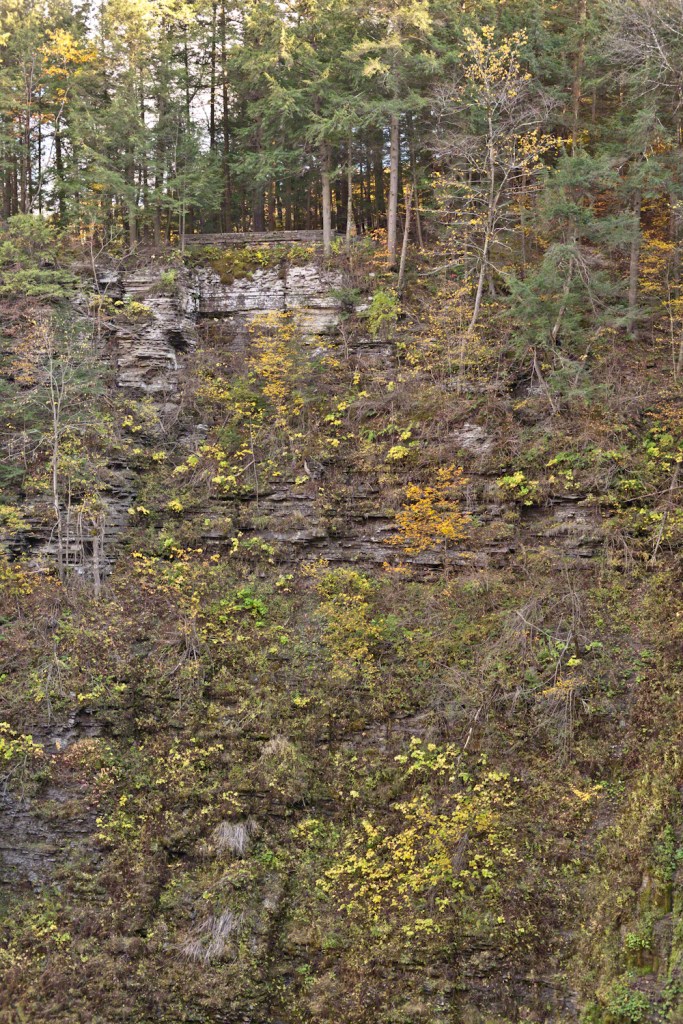
Summertime thick stands of tiger lilies flourish on the cliff face. Can you find the withered leaves?

I must delve into symbolic interpretations to explore the connection between Lucifer and the Tiger Lily. Lucifer, traditionally associated with rebellion and the fallen angel in Christian theology, symbolizes a break from divine order and beauty tainted by pride. On the other hand, the Tiger Lily is often seen as a symbol of wealth, pride, and prosperity in various cultures. The connection lies in the shared symbolism of pride and beauty. Just as Lucifer was a beautiful angel before his fall, the Tiger Lily is a strikingly beautiful flower, often associated with pride. This juxtaposition creates a metaphorical link, suggesting that beauty and pride, while alluring, can lead to downfall, mirroring Lucifer’s story.

This session I finally “cracked” the puzzle of the Devil’s Kitchen Waterfall. I posted the results to the online gallery yesterday, for your enjoyment. Click the link to go there.

Click link for my fine art print “Devils Kitchen.”

Click Me to view my photographs on Getty.
Copyright 2023 Michael Stephen Wills All Rights Reserved http://www.MichaelStephenWills.com