Sunrise Texture Series 3

Gathering Light

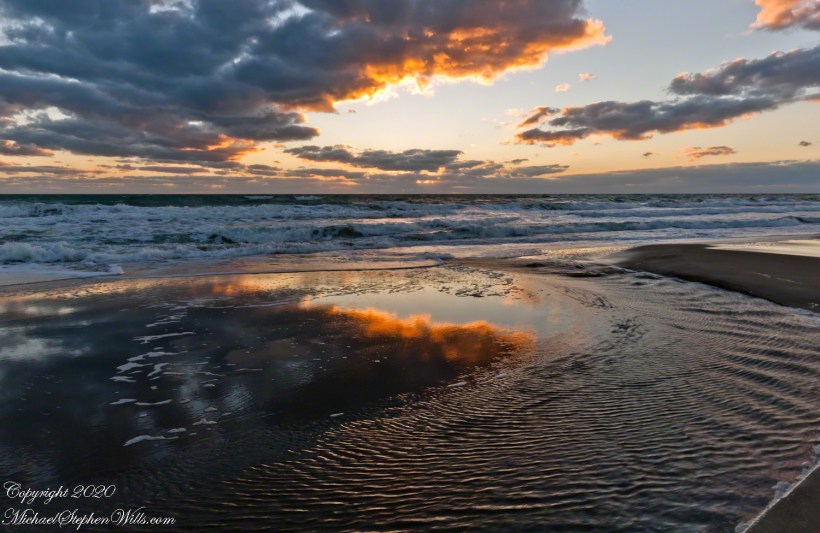
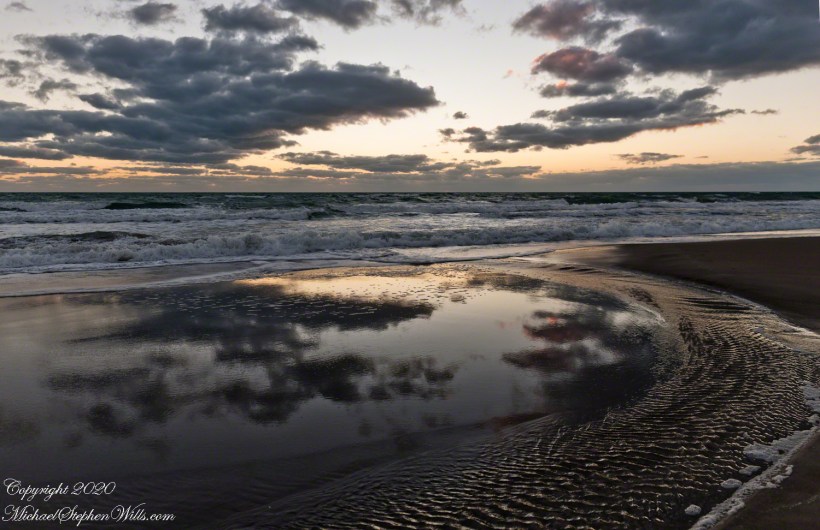
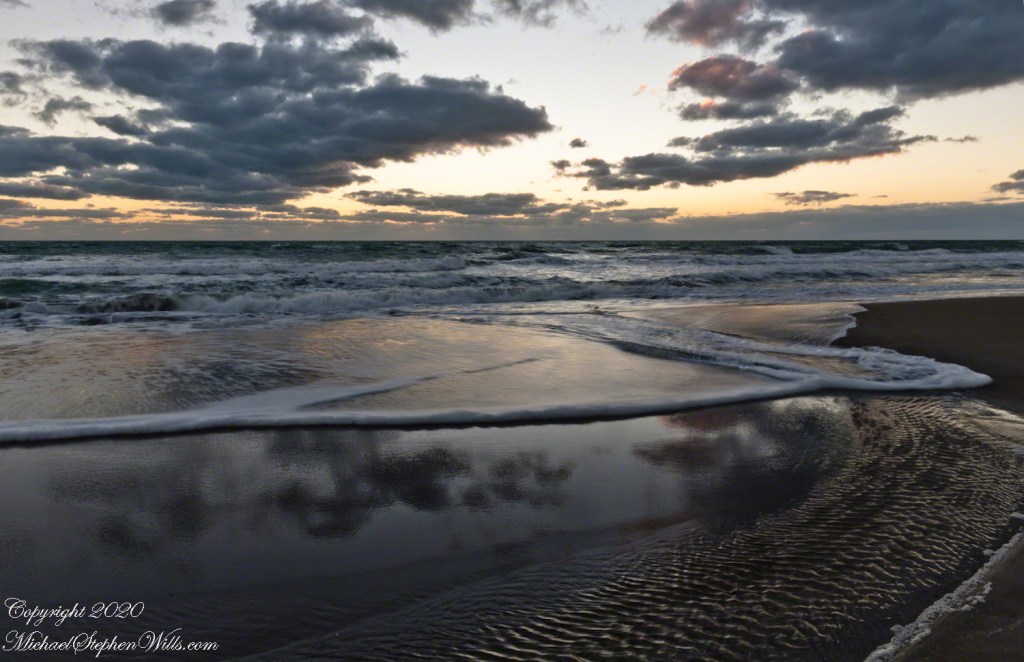
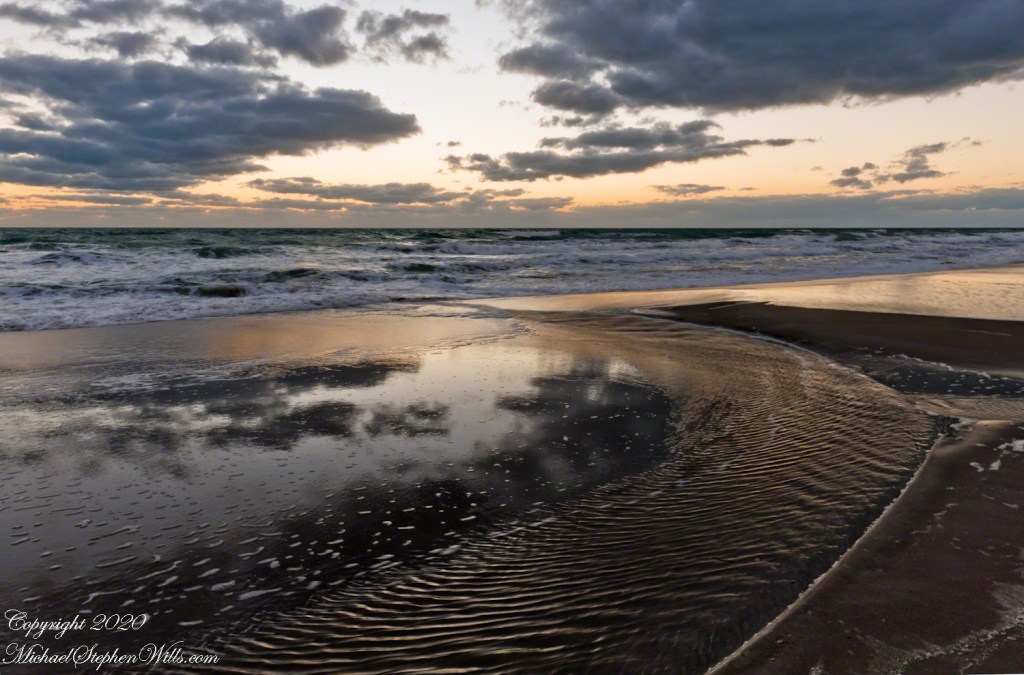
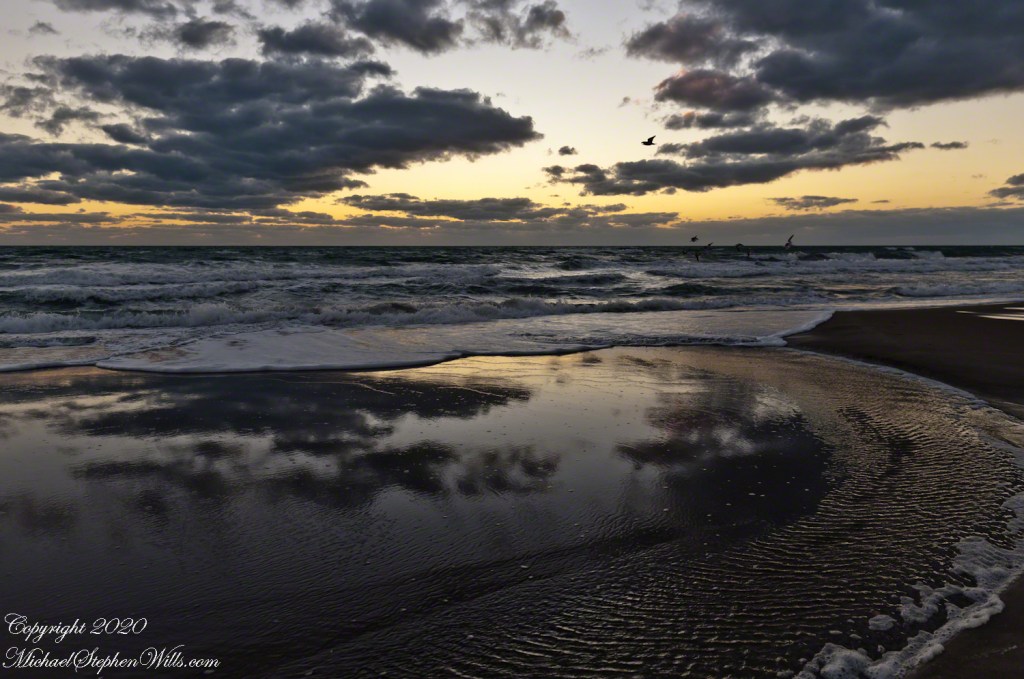
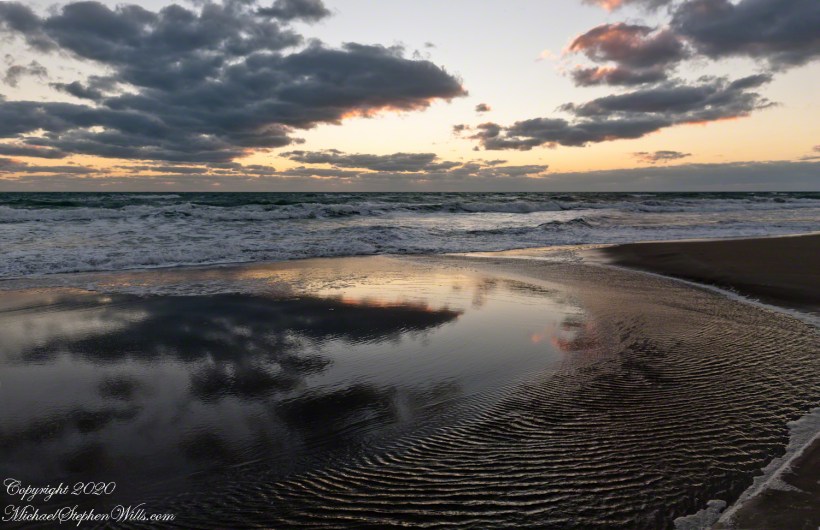
You will notice the sky changing, compared to the first set published here , Almost 6 minutes have passed, 4 minutes from the last image from Sunrise Texture Series 2. From behind the horizon, the first rays of sunlight catch the sky undersides. Unseen. the sun disk broaches the horizon.

Working fast, I used the dial to change from aperture-priority to shutter-priority with settings saved from the last use. In this way the duration is only twelve seconds between shots. The sun disk is near to/passed the horizon hidden behind those distant clouds.

Click photograph for larger image. To do this from WordPress Reader, you need to first click the title of this post to open a new page.
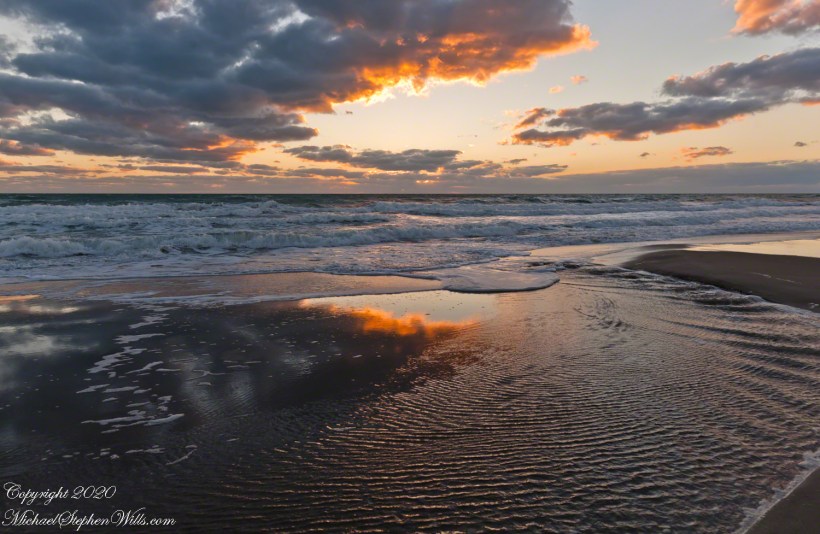
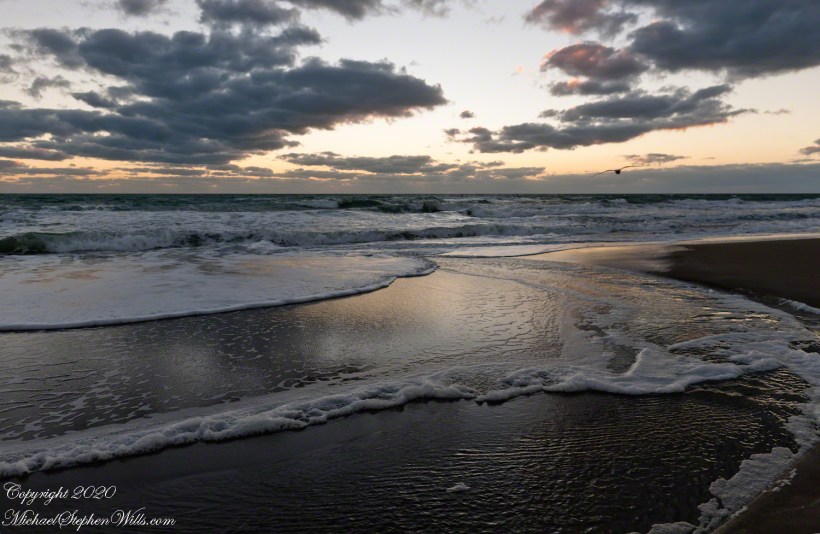
Breaking of a small wave.

A slide show of these images. Suggestion, for this series in a larger format, open a separate browser tab for each post. At series end you will then have eight (including the very first post a few weeks ago) landscapes to compare.

Want to see more? Visit this series on Getty IStock.
Copyright 2020 All Rights Reserved Michael Stephen Wills

Sunrise Texture Series 2

Time measured by the waves

Twelve minutes, fifty four seconds separate the first and list images of this series of 16 images, starting with the first set published here fourteen days ago.

Almost a minute, fifty two seconds, separates the images of this post, enough time for a wave to sweep over a boss of sand, forming a mirror, and to start a return flow to the sea.

Happy turning of February to March.

Click photograph for larger image. To do this from WordPress Reader, you need to first click the title of this post to open a new page.

A sand boss held water briefly each cycle to form a mirror.

A slide show of these images.

Want to see more? Visit this series on Getty IStock.
Copyright 2020 All Rights Reserved Michael Stephen Wills

Sunrise Texture Series 1

A constant is change.

Heraclitus, sometime between his beginning and end, 535 – 475 B.C., wrote “No man steps into the same river twice.” The flow of these images is more changeable, ebbing and flowing with each wave.

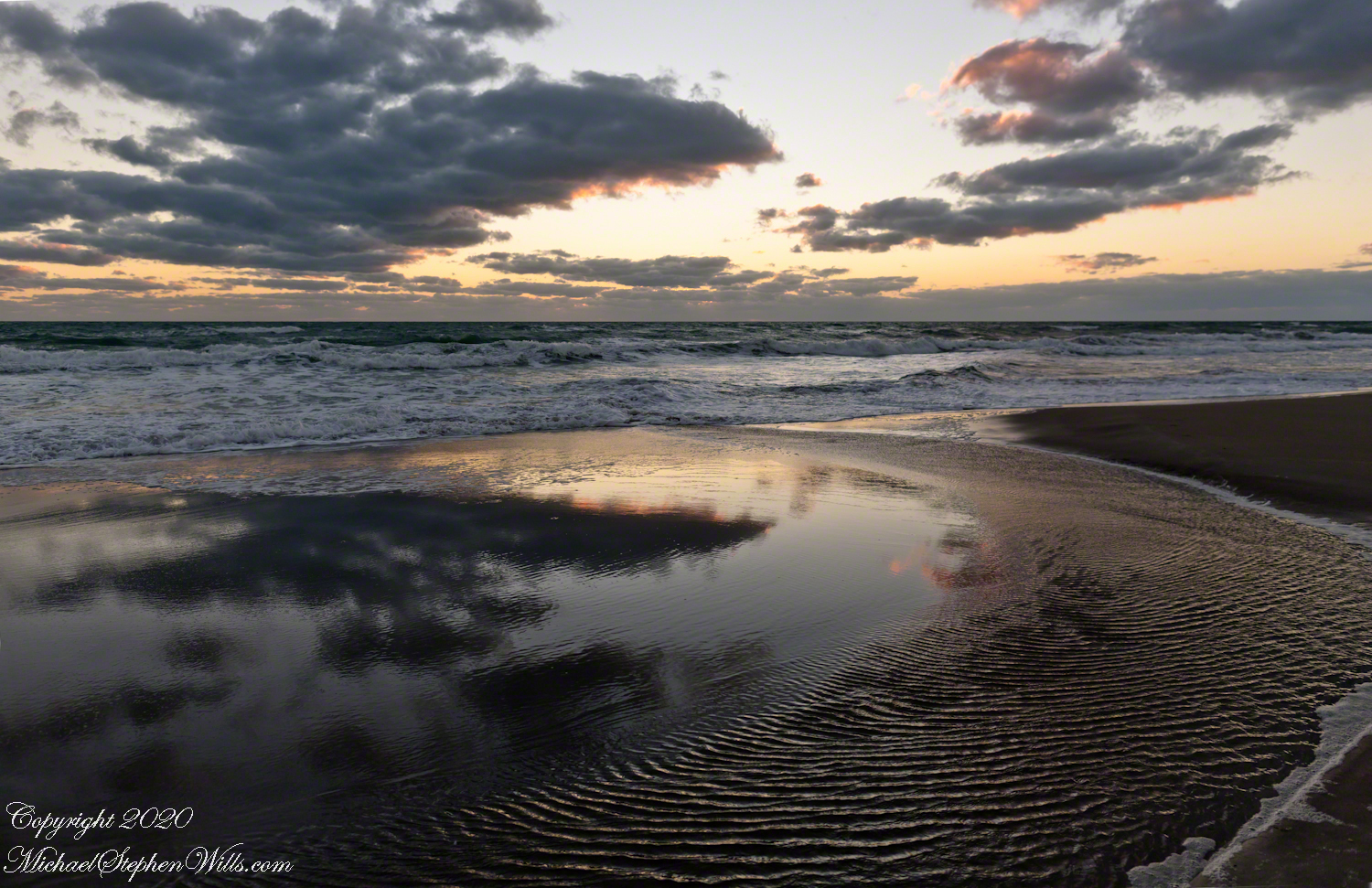
My habit is to time early morning walks by sunrise, stepping onto the beach well before dawn to enjoy the encounter. First days of January 2020 were notably clear and warm. Then over several days the wind rose, on the 9th were these clouds,

High tide passed a few minutes before, for whatever reason there were hollows filled with the stronger waves, the water pooling to flow back as is seen here. The pattern of sand hollows across the beach was lost across the hours and tides, not to return during our time at the beach.

Click photograph for larger image. To do this from WordPress Reader, you need to first click the title of this post to open a new page.

A sand boss held water briefly each cycle to form a mirror.

A sand boss held water briefly each cycle to form a mirror. In the small ripples in the return stream rising against the waves of the return flow can be seen the strong, steady southeast wind of that day.

A slide show of these images. Use is to compare the effect of longer vs shorter exposure time and f-stop.

Want to see more? Visit this series on Getty IStock.
Copyright 2020 All Rights Reserved Michael Stephen Wills

Slievenaglog Slideshow

A May Morning, Early

Every photograph from my recent posting were accepted by Getty IStock. Click this link to visit the photographs on IStock.
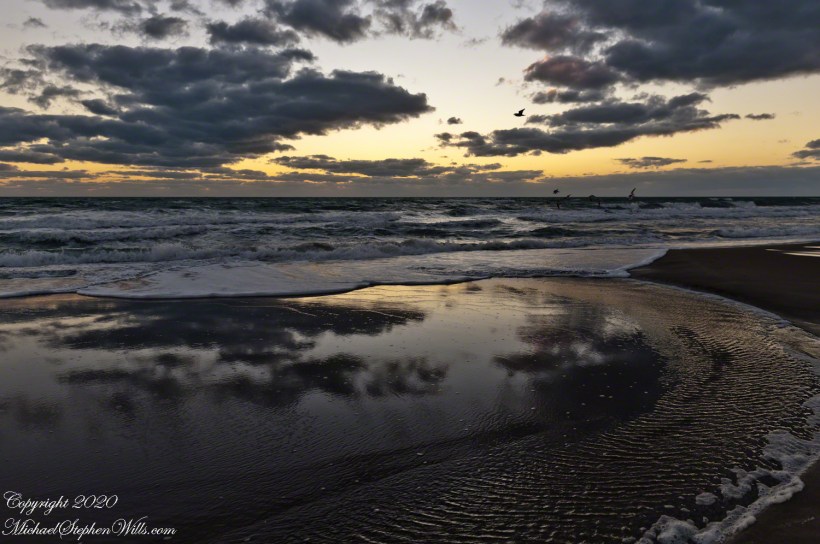
Here is a slideshow of my Slievenaglog photography. To visit from WordPress Reader, you need to first click the title of this post to open a new page.
Copyright 2020 All Rights Reserved Michael Stephen Wills

Curious Horses

A photographer and his audience

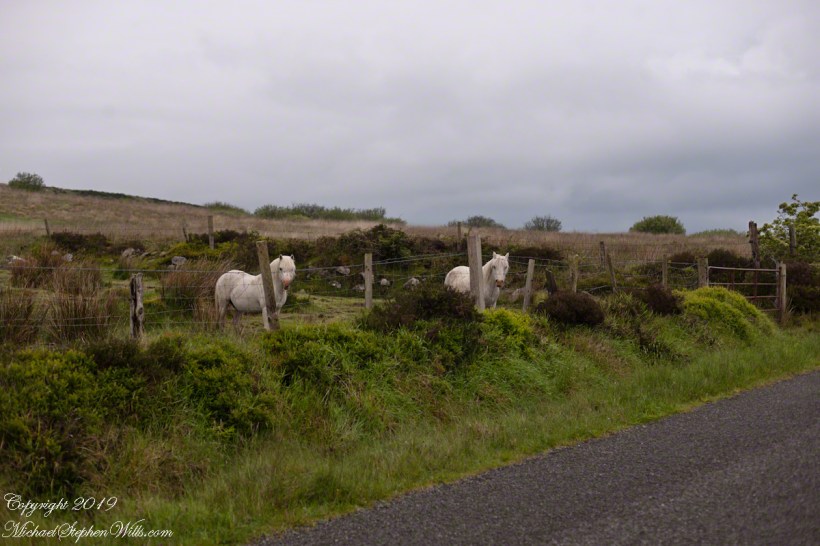
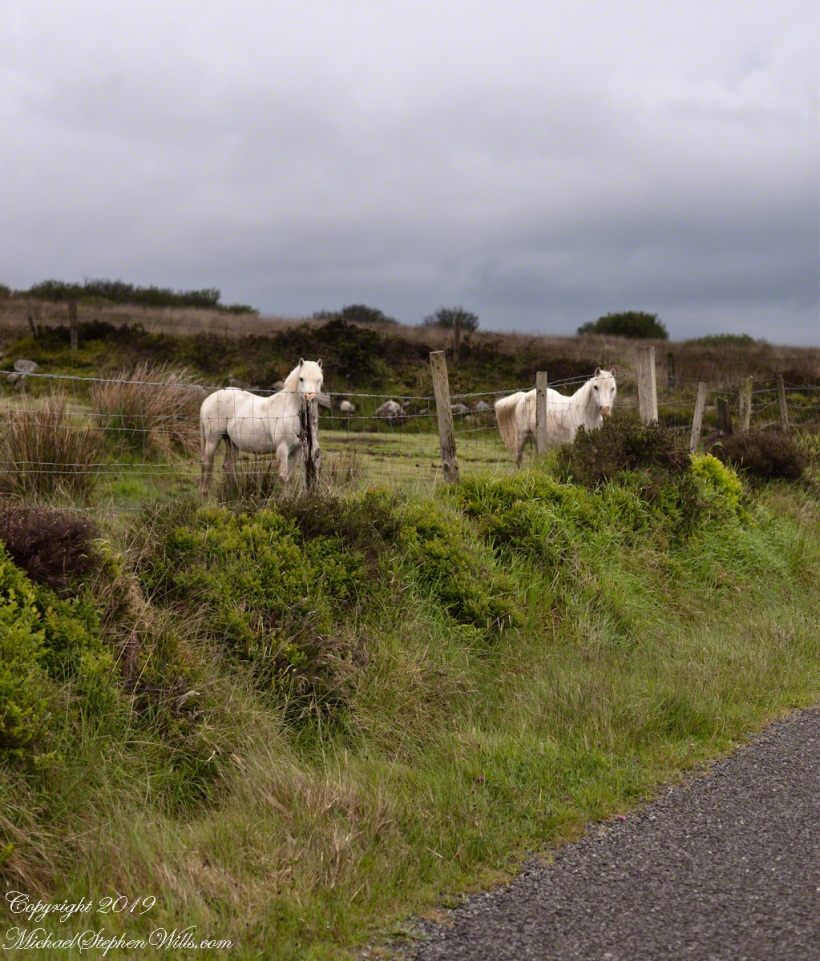
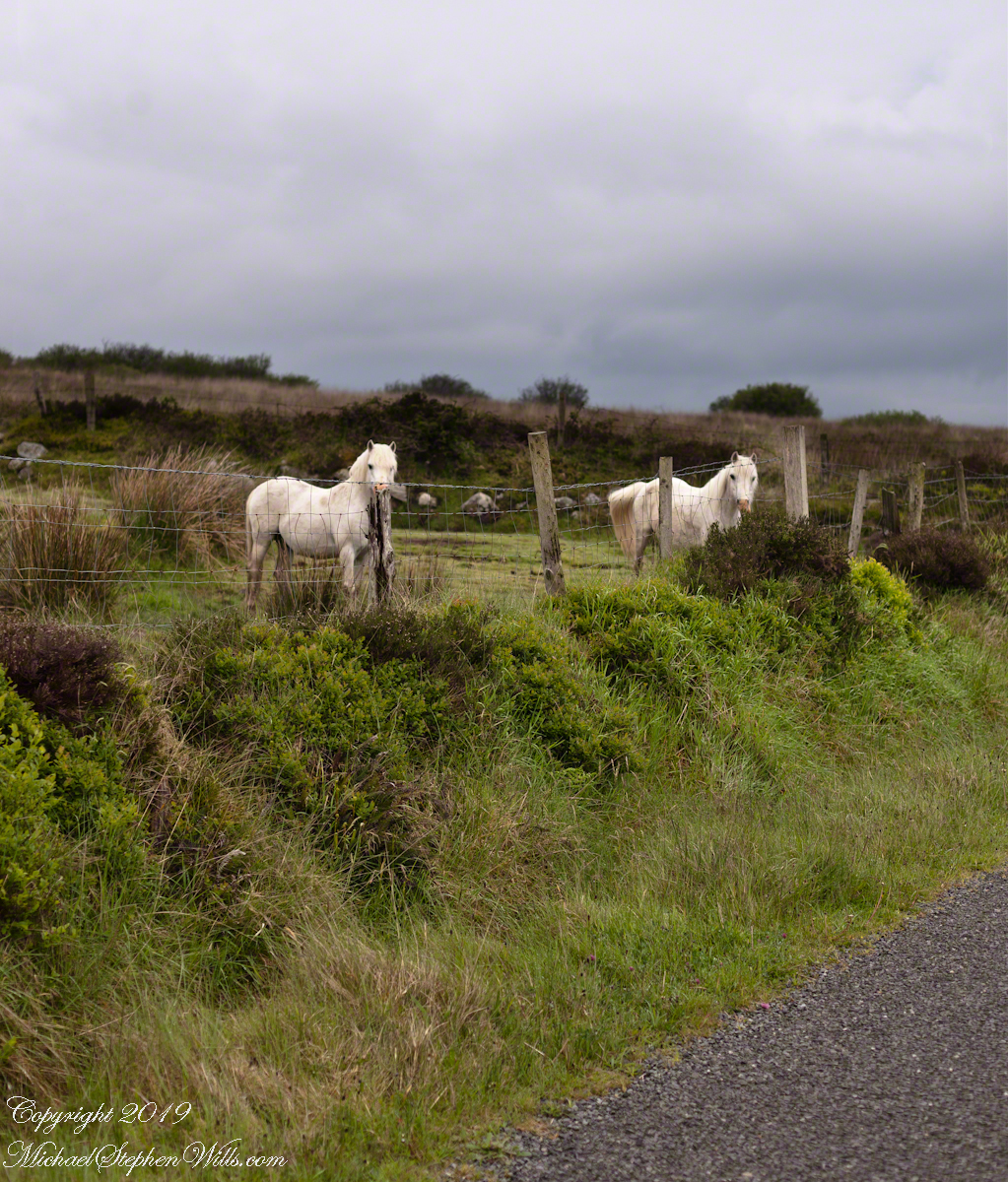
One May early morning two white horses come down from a sloping pasture on Slievenaglogh to view an interloper taking photographs. Slievenaglogh Townland, County Louth, Ireland.

Slievenaglogh Townland, County Louth, Ireland.

This I used the Canon EF 50mm f/1.4 USM lens. It is two shots, the first in horizontal, the second in vertical mode.

Click for another interesting Ireland post and story

Copyright 2020 All Rights Reserved Michael Stephen Wills

50 vs 24 mm focal length

A Cooley Peninsula Valley on a May Morning

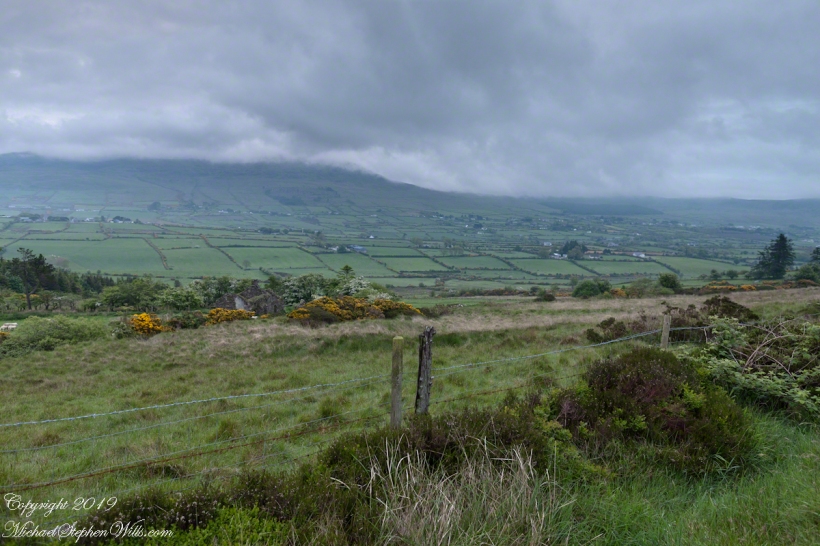
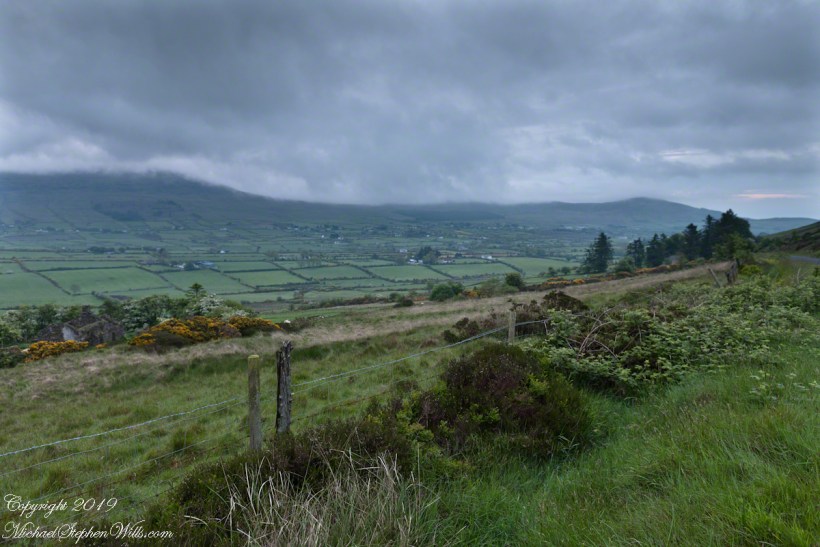
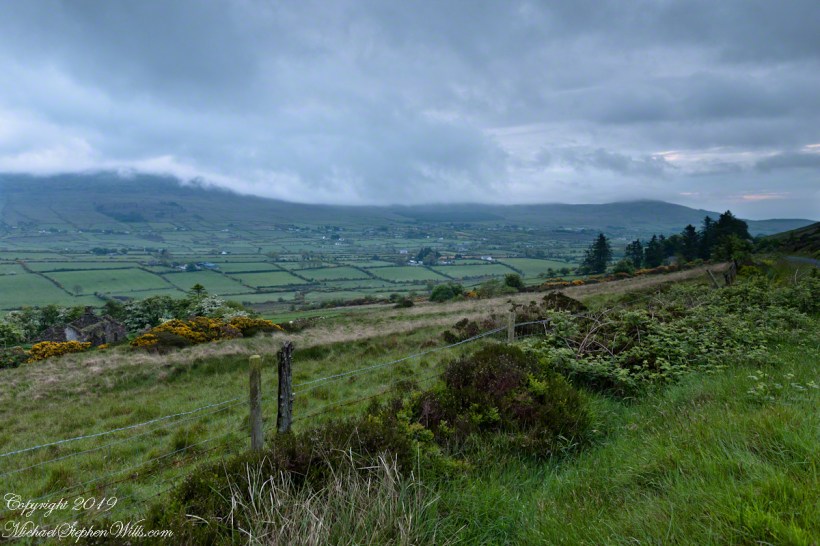
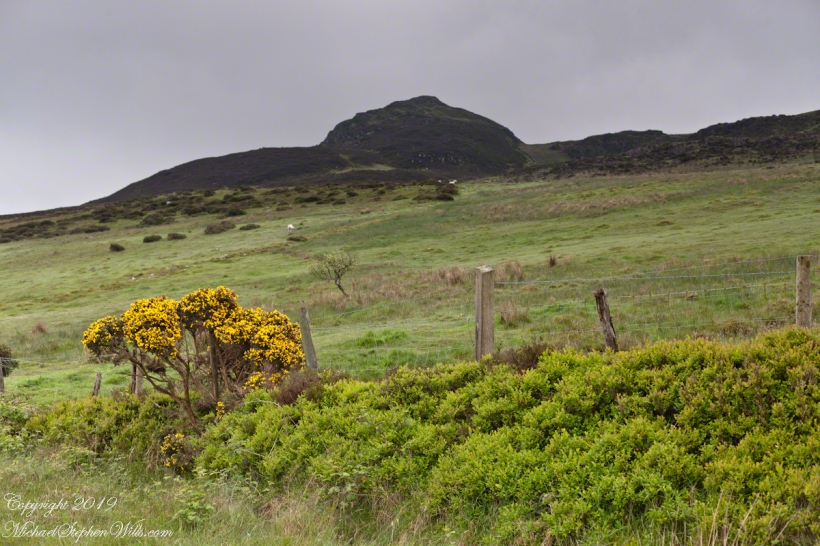
On the northeast slope of Slievenaglogh peak (Irish: Sliabh na gCloch) on the road from Mullaghattin Townland to Riverstown. This day I swapped lenses and took in the same general direction for each. This is the first and last of a series using the Canon EF 50mm f/1.4 USM lens and I pulled in the shots from the Canon 24mm f1.4 L II USM lens, published in previous posts.

Click photograph for a larger view. To do this from WordPress Reader, you need to first click the title of this post to open a new page.

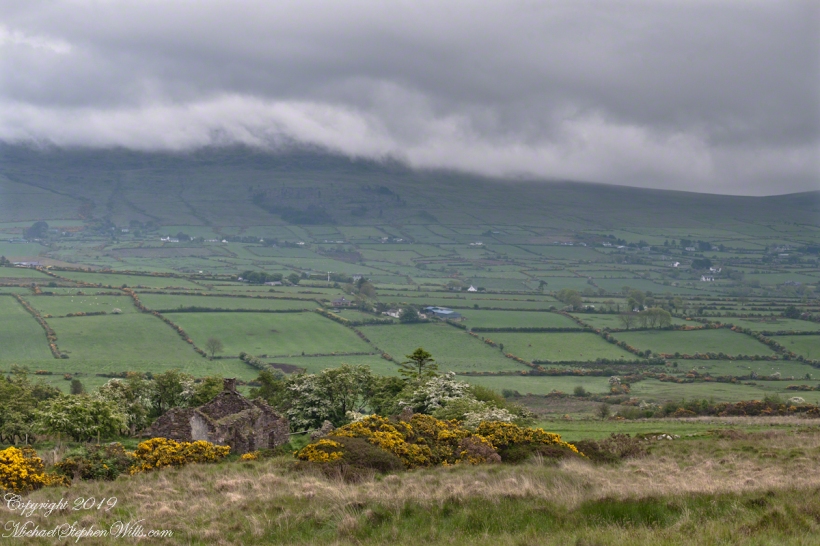
Here we look northeast from the Slievenaglogh Townland over the valley between Slievenaglogh and Slieve Foy peaks. Slieve Foy is the far ridge lost in clouds.

This is the first and last of a series using the Canon EF 50mm f/1.4 USM lens.

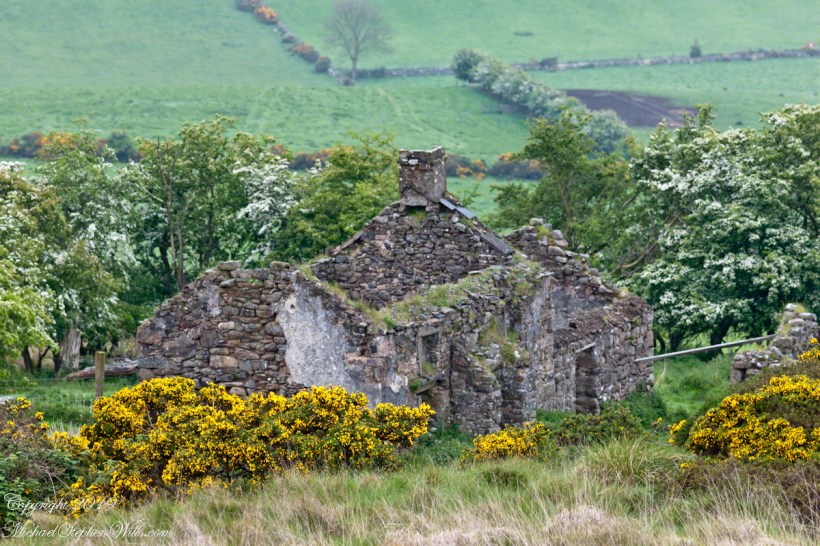
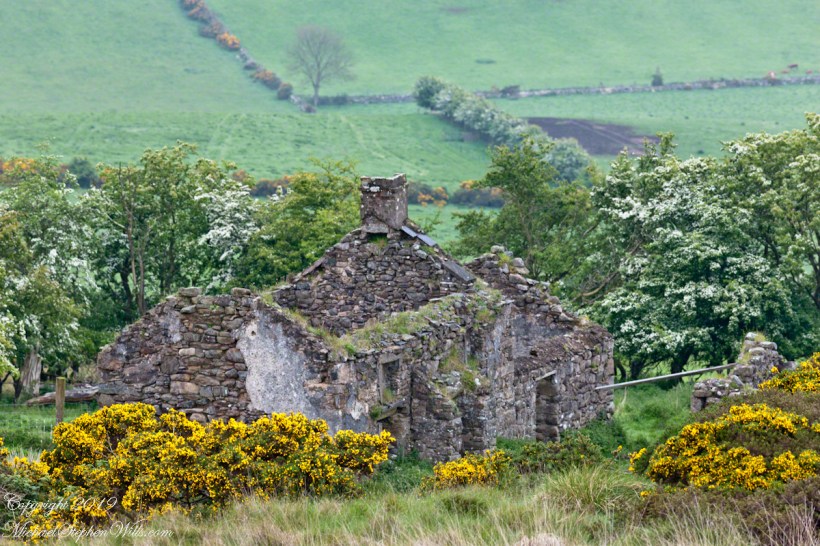
The view includes Little River, Castletown River, Ballycoly and Glenmore Townlands. Adjacent is a sheep pasture with a farm ruin behind the yellow flowered gorse (Whin bush, scientific name Ulex).

Early morning, late May 2014.

Here is a slideshow of the 50mm and 24mm images of this post.

Click for another interesting Ireland post and story

Copyright 2020 All Rights Reserved Michael Stephen Wills

Frame

green pastures framed by Whin Bush and Hawthorn windbreak

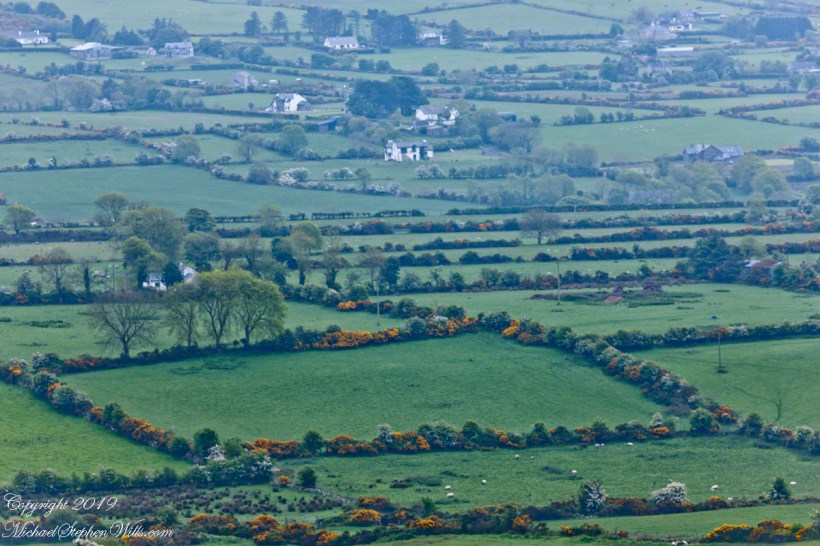
The road runs high on the shoulder of Slievenaglog peak, the 200 mm lens peers into the next townland over, Ballycoly (or Ballygoley), the valley floor broad, pastured.

Click photograph for a larger view. To do this from WordPress Reader, you need to first click the title of this post to open a new page.

This is the seventh and last of a series using the Canon EF 200mm f/2.8L USM lens.

Here is a recap of recent posts with the 200 and 24 mm lens. Can you tell the difference?

Click for another interesting Ireland post and story

Copyright 2020 All Rights Reserved Michael Stephen Wills

Abandoned II

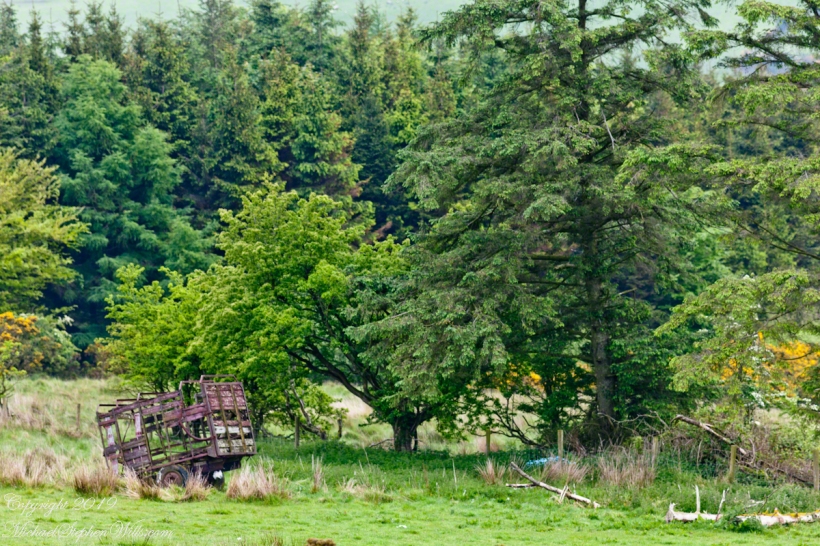
So much depended on this wagon

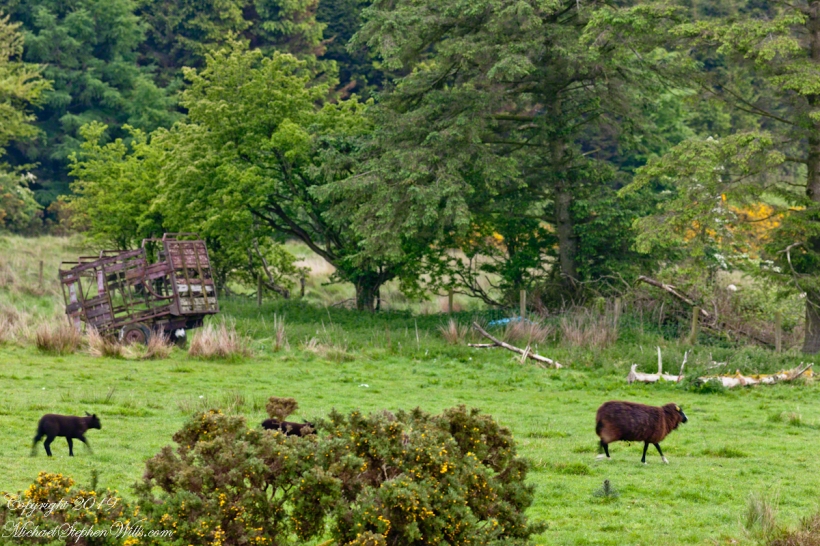
Quickly moving sheep pass the hay wagon on May morning, early. A great start to this week.

Click photograph for a larger view. To do this from WordPress Reader, you need to first click the title of this post to open a new page.

This mountainside pasture is grazed by a flock of sheep alongside a long unused farm wagon. Slievenaglogh Townland, Cooley Peninsula, County Louth, Ireland.

This is the fifth of a series using the Canon EF 200mm f/2.8L USM lens.

Here is a recap of recent posts with the 200 and 24 mm lens. Can you tell the difference?

Click for another interesting Ireland post and story

Copyright 2020 All Rights Reserved Michael Stephen Wills

Balwen? Shetland?

Or neither?

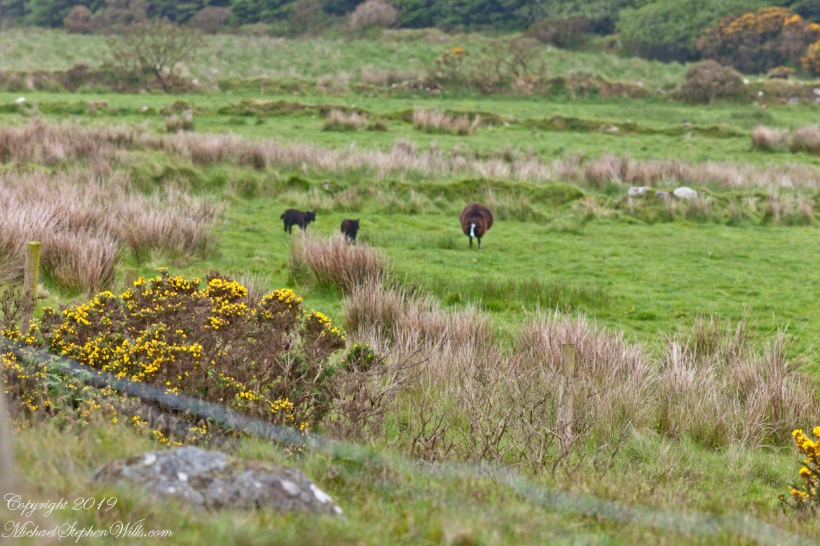
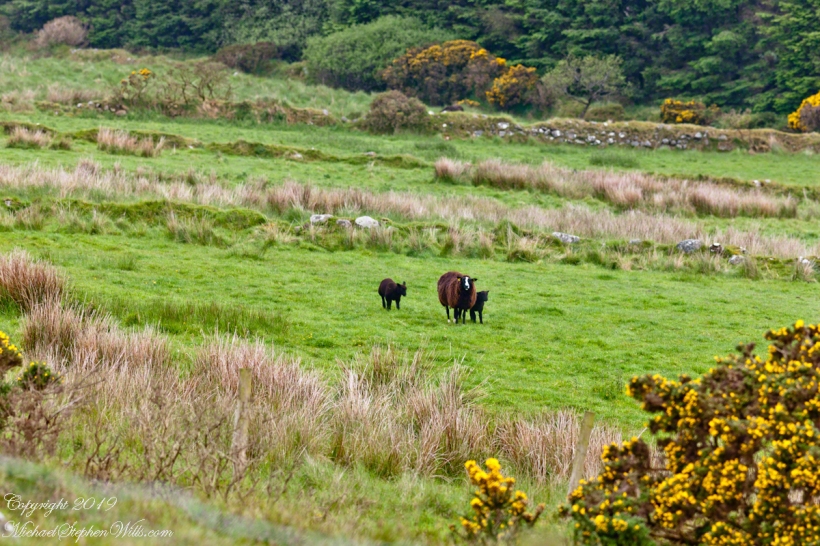
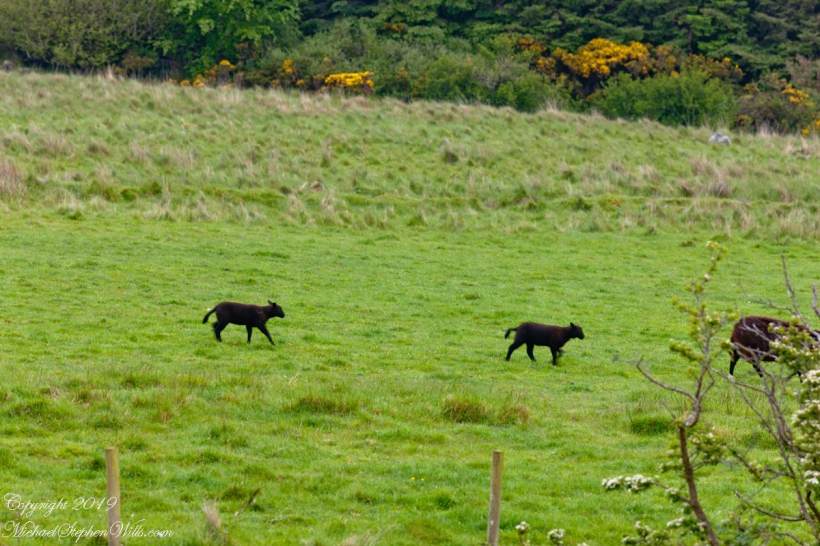
This breed may be a Balwen Welsh Mountain sheep, as it fits the description. When the ewe caught sight of me, she hightailed it for cover, the lambs followed.

Click photograph for a larger view. To do this from WordPress Reader, you need to first click the title of this post to open a new page.

The Balwen is bred for meat and that is the rule in this area, the lambs are sold.

The description is of a black color with a white blaze on the face, four white “socks” and white on the tail. This individual is missing a white tale, so might be a Shetland and even more so as the others of the herd are white (Shetlands are a variety of colors), Shetland is common and the other rare.

These are on the hillside of Slievenaglogh Townland, County Louth, Ireland.

This is the fourth of a series using the Canon EF 200mm f/2.8L USM lens.

Click for another interesting Ireland post and story

Copyright 2020 All Rights Reserved Michael Stephen Wills

Sunrise Series to come

….anatomy of coming light.

Sunrise for Florida, January, is roughly a quarter past 7 am. Most mornings this year I was on the beach for a morning, pre-dawn, walk camera in hand. This day, the 9th, the clouds were promising, no to heavy on the horizon and scattered, cumulus clouds otherwise. For the promise I brought the full frame Canon EOS-1Ds Mark III, Canon lens 24 mm f/1.4L II USM fitted with a graduated .6 ND filter sitting on top of a Manfrotto BeFree Carbon fiber tripod.

A graduated neutral density filter has a portion shaded with gray to produce a “2 stop” difference in exposure between the darkest shade and clear glass with, between, a gradual feathered reduction in shade. In this way, the dark foreground and bright sky are balanced.

A carbon fiber tripod folds into a compact shape. At about 2.5 pounds it fits into a suitcase with the least weight possible for a reasonably stable platform. Using it, I am able to take a sequence of frames of the identical scene, changing camera settings as I go along.

Click photograph for larger image. To do this from WordPress Reader, you need to first click the title of this post to open a new page.

Sunlight, low in the western sky, was perfect for mirror-like reflections in the retreating surf.

In a few weeks, after the “Slievenaglogh View” series now underway, I will present a week of these images moving from pre-dawn to sunrise.

A slide show of these images. Use is to compare the effect of longer vs shorter exposure time and f-stop.

Copyright 2020 All Rights Reserved Michael Stephen Wills